This Expandable LEGO Frame System Finally Solves the Collector Storage Nightmare

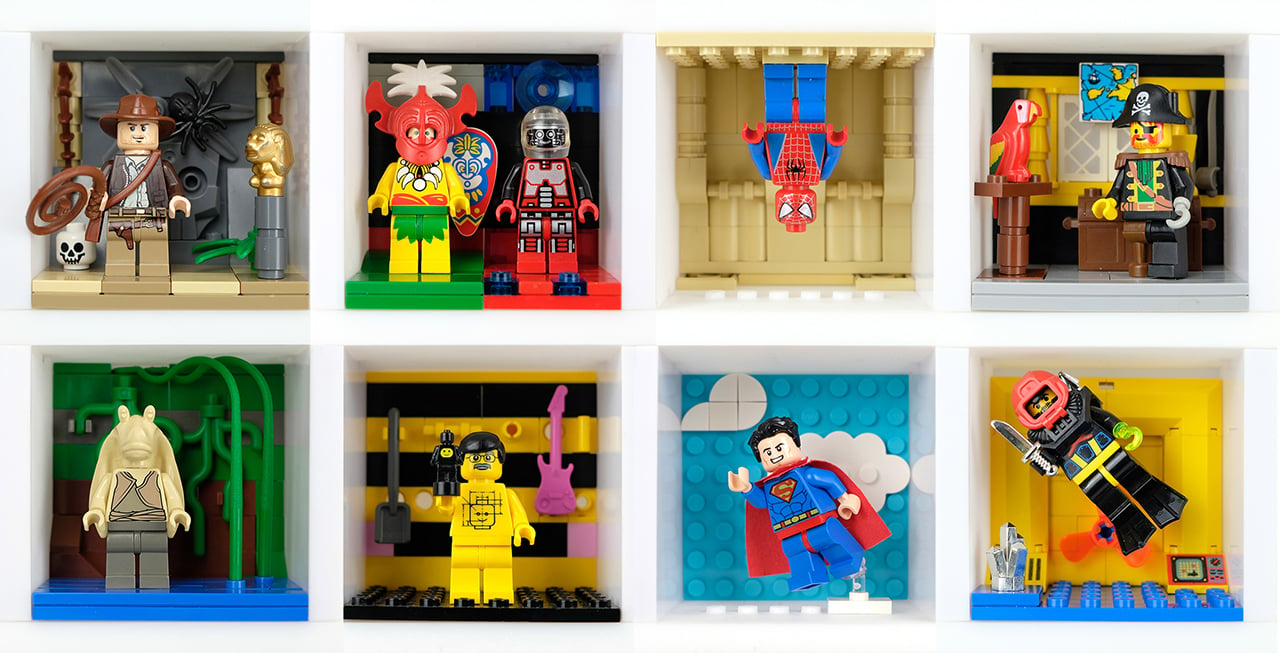
Somewhere in a closet, a perfectly good LEGO minifigure is staring through a plastic bag at the back of a cardboard box. It has a tiny printed face, a surprisingly elaborate hat, and absolutely no audience. Every serious LEGO collector knows the feeling: shelves fill up fast, display cases sell at fixed sizes, and at some point the collection starts living in labeled ziplock bags rather than anywhere it can actually be seen. LEGO has released over 775 Collectible Minifigures across 51 series since 2010, with new figures arriving three times a year, which makes the storage problem a permanent one for anyone collecting seriously. Stephen Peaple, a British-born collector now based in Perth, Australia, had thousands of them and spent four years building the solution he could not find anywhere.

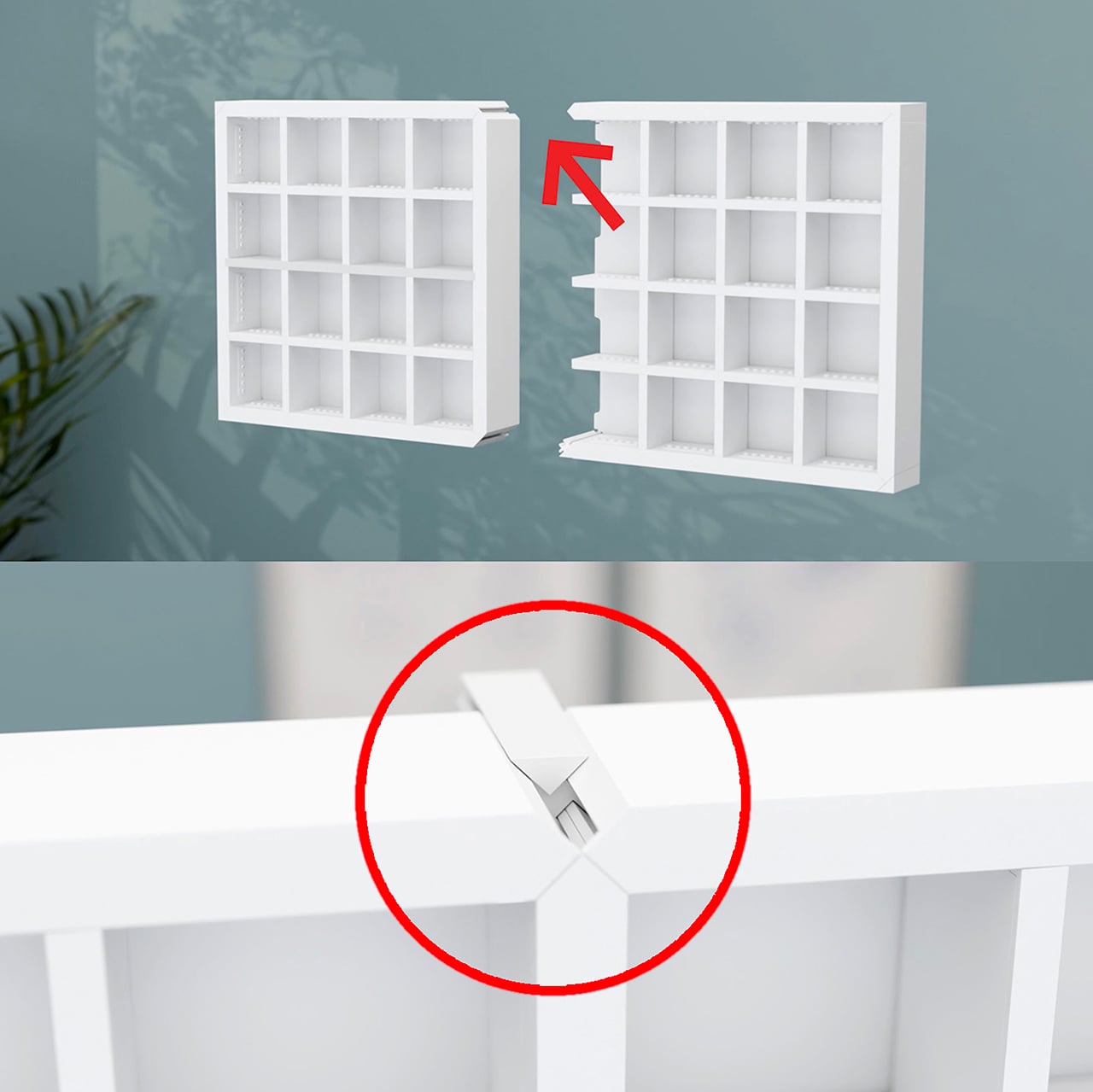
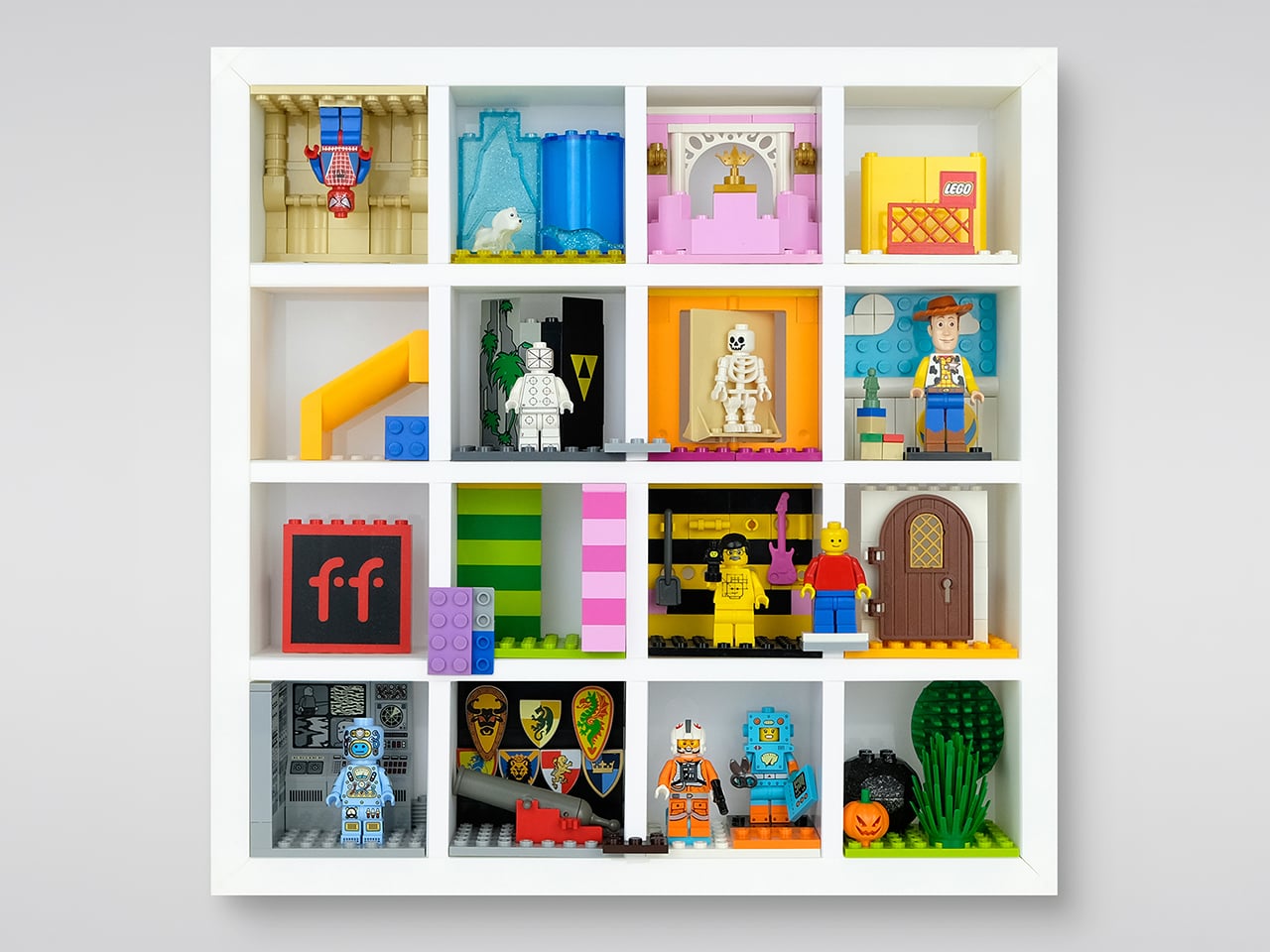
Finity Frames puts a collection on the wall in a clean white grid. A single frame carries 16 spaces, but removable dividers let you make room for bigger figures or pack in a crowd. When the collection grows, connected frames share edges so the display extends as one continuous piece without visual seams or doubled-up borders. Your next minifigure gets a spot without requiring a complete wall makeover. The system is injection-molded ABS, ships flat-packed, and the connection method that makes all of it work is patented.

Designer: Stephen Peaple

Click Here to Buy Now: $55. Hurry, only 5/16 left!

A Display System That Grows With Your LEGO Collection
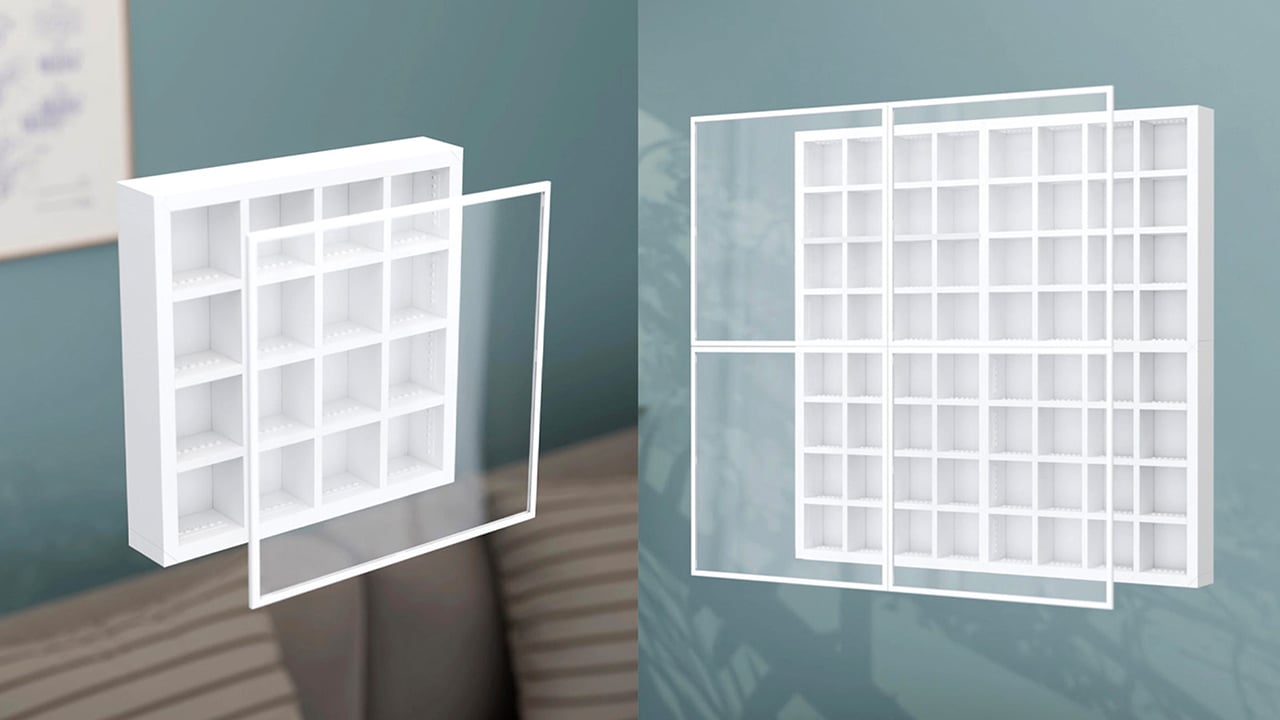
Every Finity Frame is built around a seamless edge connection where neighboring frames share a single border, eliminating the doubled-up edge and any visual gap at the join. This is the core innovation that solves the fixed-size problem inherent in every other display case on the market. It means you can start with a single frame for one series of figures and expand outward in any direction, at any time, without having to replace your original investment. The aesthetic is clean and continuous, looking like a single, cohesive unit no matter how large it gets.

This design approach also makes the system more efficient as it grows. Peaple makes the math explicit: the first frame measures 312mm across, and each connected frame adds just 298mm, because one edge is always shared. This reduces material waste and lowers the cost per additional frame. A 2×2 Collector, for instance, cannot be broken apart into four 1×1 Starters, since it doesn’t include the extra pieces. For context, the most prominent fixed-case competitors max out around 190 minifigures. The Finity Frames Showcase holds 1,056, and two of them together can display over 2,100 figures as a single, unified piece.

Built for Customization and Creative Play
Each Finity Frame ships with three horizontal and three vertical internal slats, forming a standard 4×4 grid. This sixteen-space layout is not arbitrary; it maps exactly to one complete Collectible Minifigures series, which traditionally ships with 16 unique figures. The slats are removable in any combination, yielding 64 different internal layouts. You can pull the vertical dividers out, double-stack figures with jumper plates, and a 1×1 Starter can hold up to 88 minifigures. This flexibility lets you create custom spaces for dioramas, larger vehicles, or oversized figures like the Hulk who need a little extra room.

The system’s dimensions are precisely calibrated to the LEGO System of Play. Internal slats are exactly one brick wide, and the frame edges are exactly two bricks wide. Each compartment accepts a 6×8 LEGO plate or four 3×4 minifigure plates, the same stands that come with CMF packs. This means removing the acrylic cover turns the frame into a wall-mounted baseplate where builds can bridge continuously across spaces and frames. Peaple calls this “bridging,” a feature that turns a static display into a creative canvas. Every horizontal slat even has a built-in row of six studs for securing figures or small builds.

Designed for Collectors of All Kinds
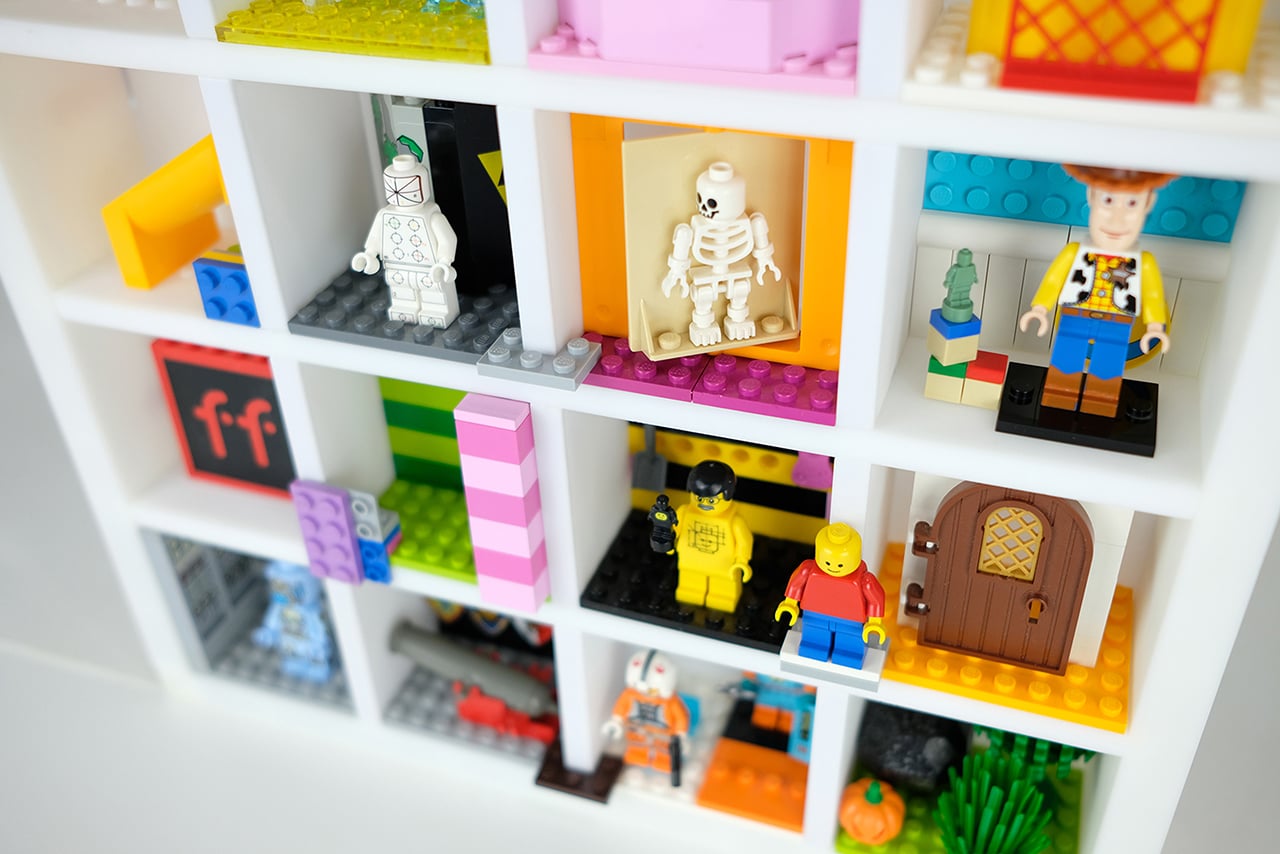
A magnetic Perspex acrylic cover protects the collection from dust and removes in a single pull. It’s made from UV-stable material with built-in absorbers to block harmful light, preventing the slow fading that can damage valuable figures over time. The frame itself is a gallery-white, UV-treated ABS plastic, a color choice meant to disappear behind the collection rather than compete with it. Everything is designed to last, preserving the collection while keeping it easily accessible. The magnetic attachment is secure but quick, so you can get to your figures without fussing with clips or latches.

Flipping the horizontal slats 180 degrees turns the studded surfaces into flat shelves, opening the frame to almost any small-scale collectible. A single 64x64x49mm space can hold Funko Pocket POPs, Be@rbricks, Sonny Angels, or even shot glasses. Removing dividers creates double-height spaces for larger items like vintage Kenner 3¾” figures, Super7 ReAction figures, Playmobil sets, or graded collectible cards in their hard cases. It’s a true cabinet of curiosities, designed for a LEGO collection but adaptable enough for just about anything else that deserves a spot on the wall.

Five Sizes, Starting at $65 USD

The five frame sizes run from the 1×1 Starter at 12.3×12.3 inches (up to 88 minifigures) to the 4×3 Showcase at 47.4×35.7 inches (up to 1,056), with the 1×2 Duo, 2×2 Collector, and 3×2 Lifestyle filling in between. All frames run 55mm deep without the cover, 61mm with, and production units are estimated at 0.9 to 1.1kg for the 1×1 (roughly 2 lbs).

Retail pricing starts at AU$99 (roughly US$65) for the Starter and reaches AU$835 (roughly US$550) for the Showcase. Any size can be extended later through a Frame Extender on finityframes.com, where you input what you already own and order only the additional sets required. The system ships flat-packed globally, with US distribution in place through the manufacturing partner.

Click Here to Buy Now: $55. Hurry, only 5/16 left!

The post This Expandable LEGO Frame System Finally Solves the Collector Storage Nightmare first appeared on Yanko Design.

5 Best EDC-Style Gadgets Designed to Get You Through Hurricane Season

Hurricane season has a way of exposing which of your belongings are actually useful and which ones just take up drawer space. When the power goes out and the forecast turns ugly, the difference between a stressful night and a manageable one often comes down to a handful of well-designed objects rather than a garage full of supplies.

We pulled together five pieces that cover every real need during an outage, from staying informed to staying lit to staying organized. Each one earns its spot by solving a specific problem without asking you to sacrifice good design along the way.

1. Clip&Go Radio

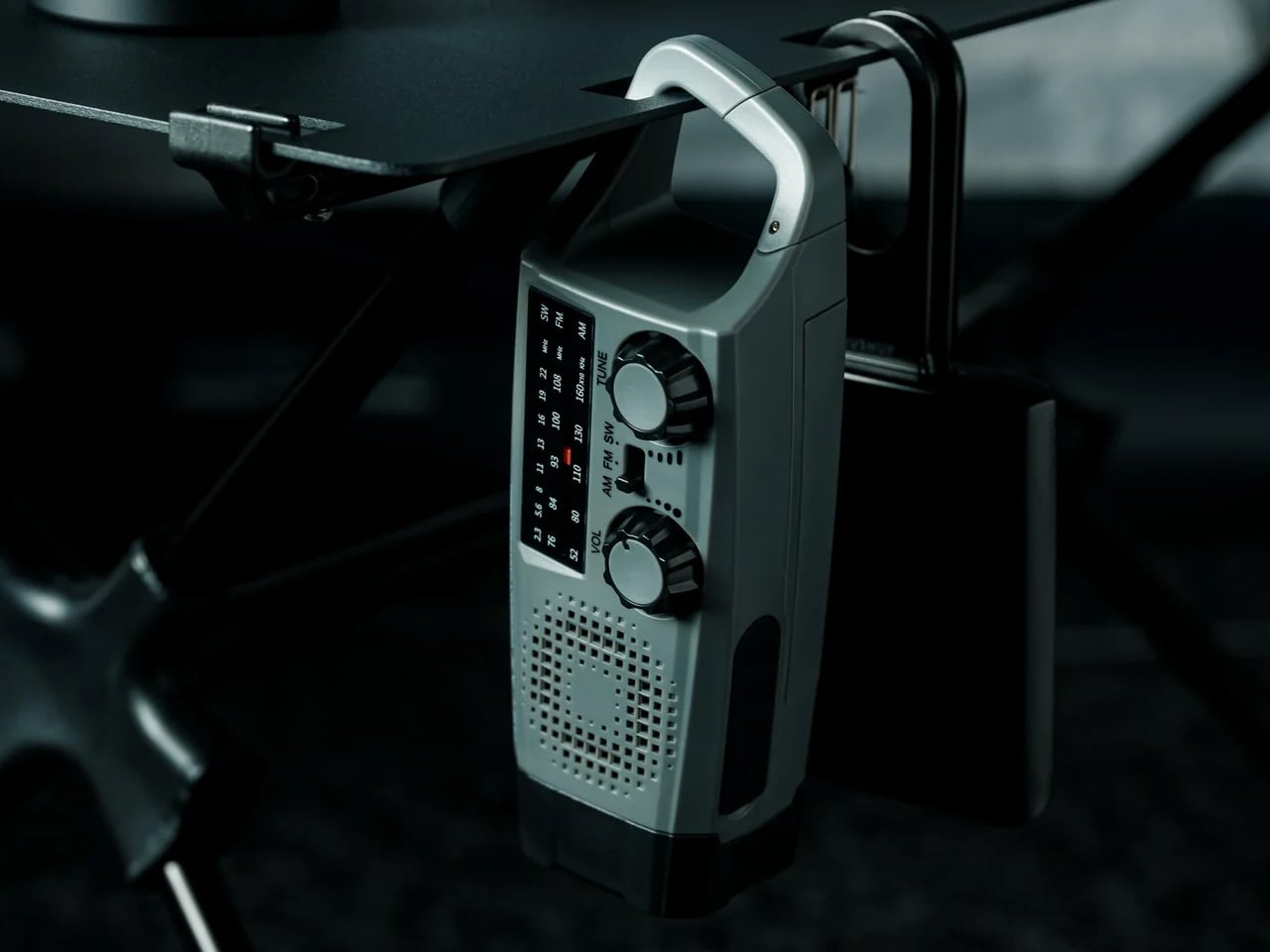
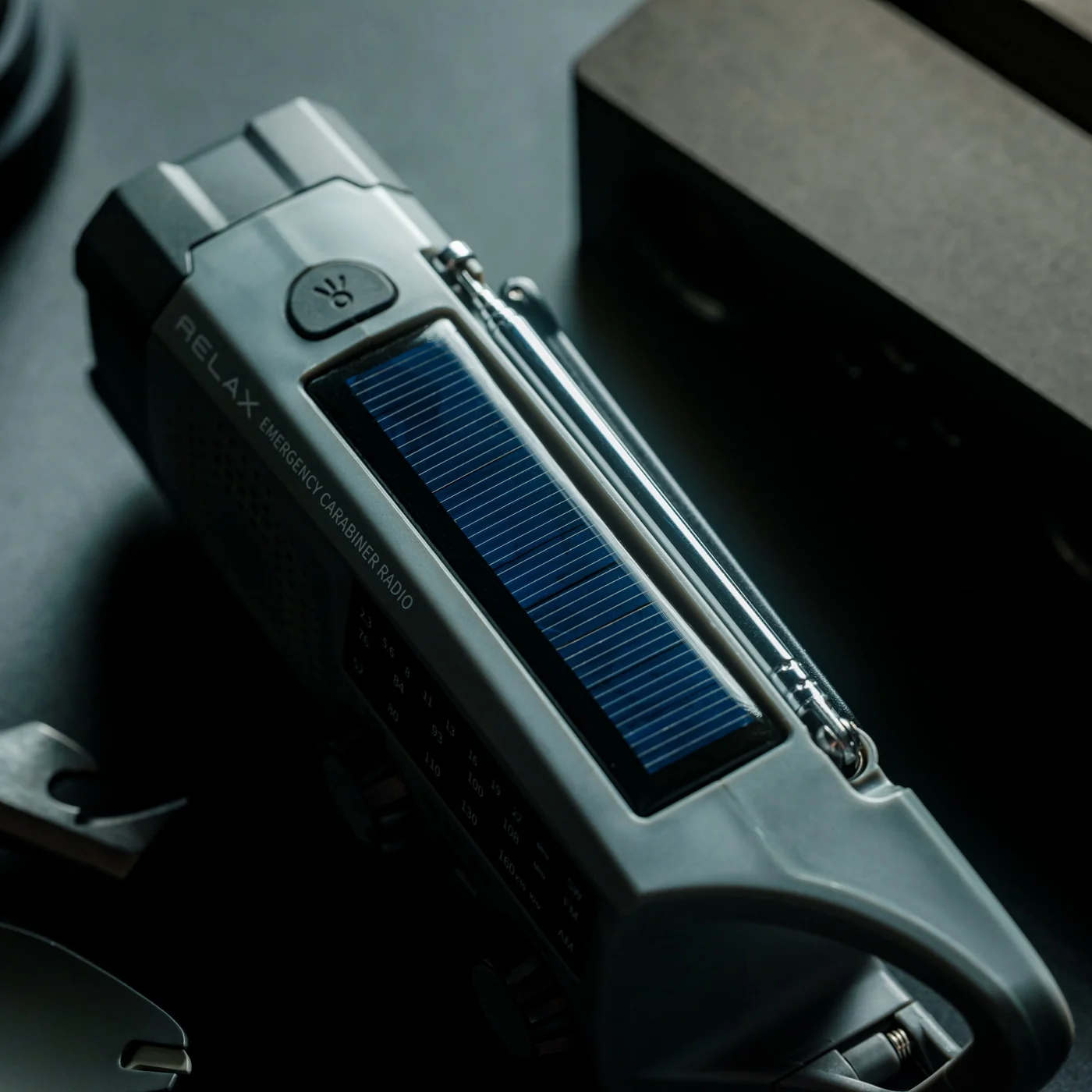
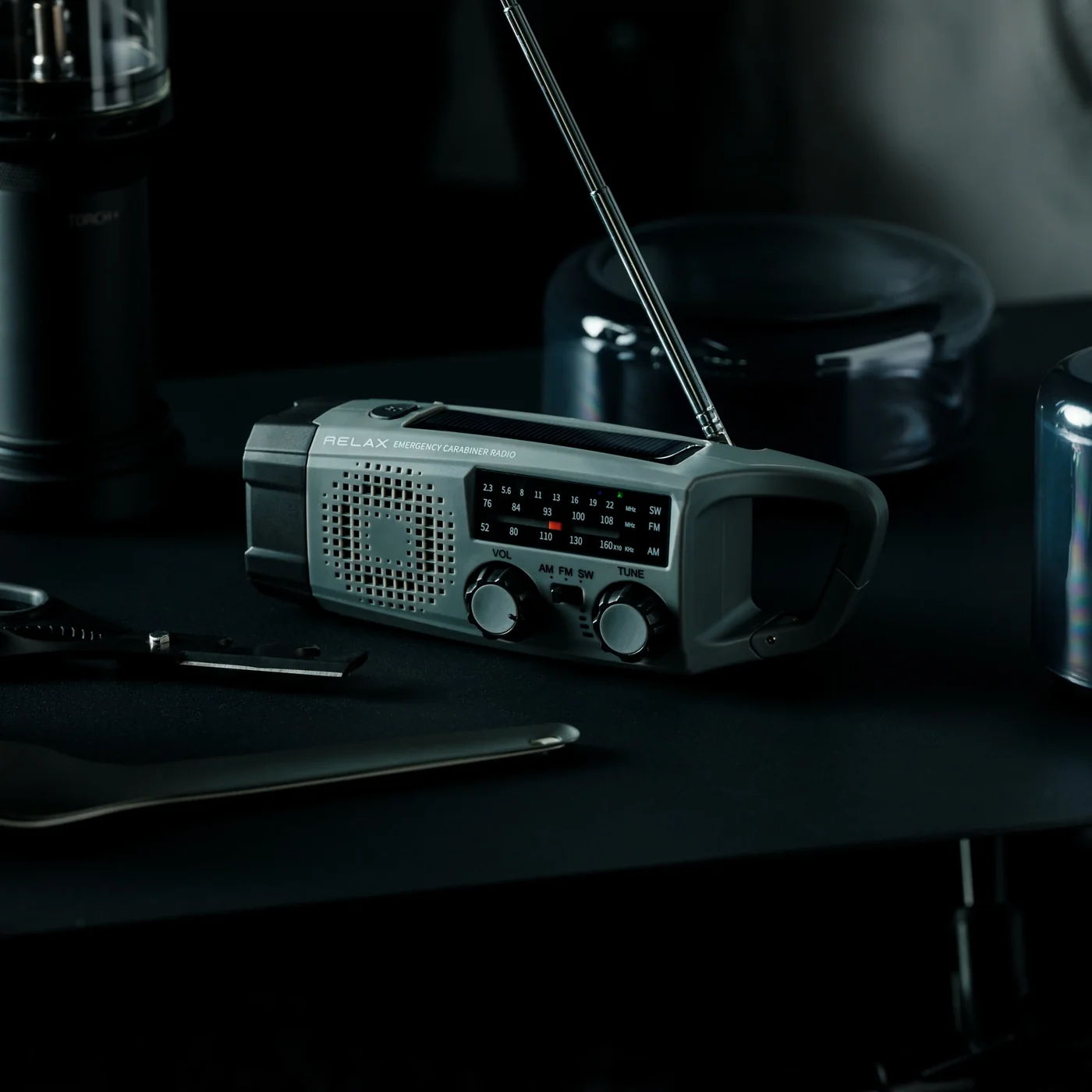
The Clip&Go Radio treats emergency information as something you should never have to search for. Its clip-on form factor means it attaches directly to a bag strap, a belt loop, or a shelf edge, staying within reach the moment a storm warning appears on your phone. It removes the radio from the back of a drawer and puts it exactly where your hand already goes.

For you, this changes what the first ten minutes of an outage actually feel like. Instead of fumbling through boxes for batteries or a charger, you already know where your radio is because it has been clipped to your bag the whole time. That small shift in habit is the difference between calm preparation and last-minute panic when the sky turns dark.

Click Here to Buy Now: $60.00 

What we like:

  • The clip mechanism means it travels with you instead of sitting forgotten until an emergency reminds you it exists
  • Its compact form factor means carrying it never feels like an inconvenience

What we dislike:

  • A clip-on build limits how much space is available for larger speaker components or extended battery life
  • It also means less room for the kind of display or dial controls bigger radios can offer

2. JOAT Titanium Multitool

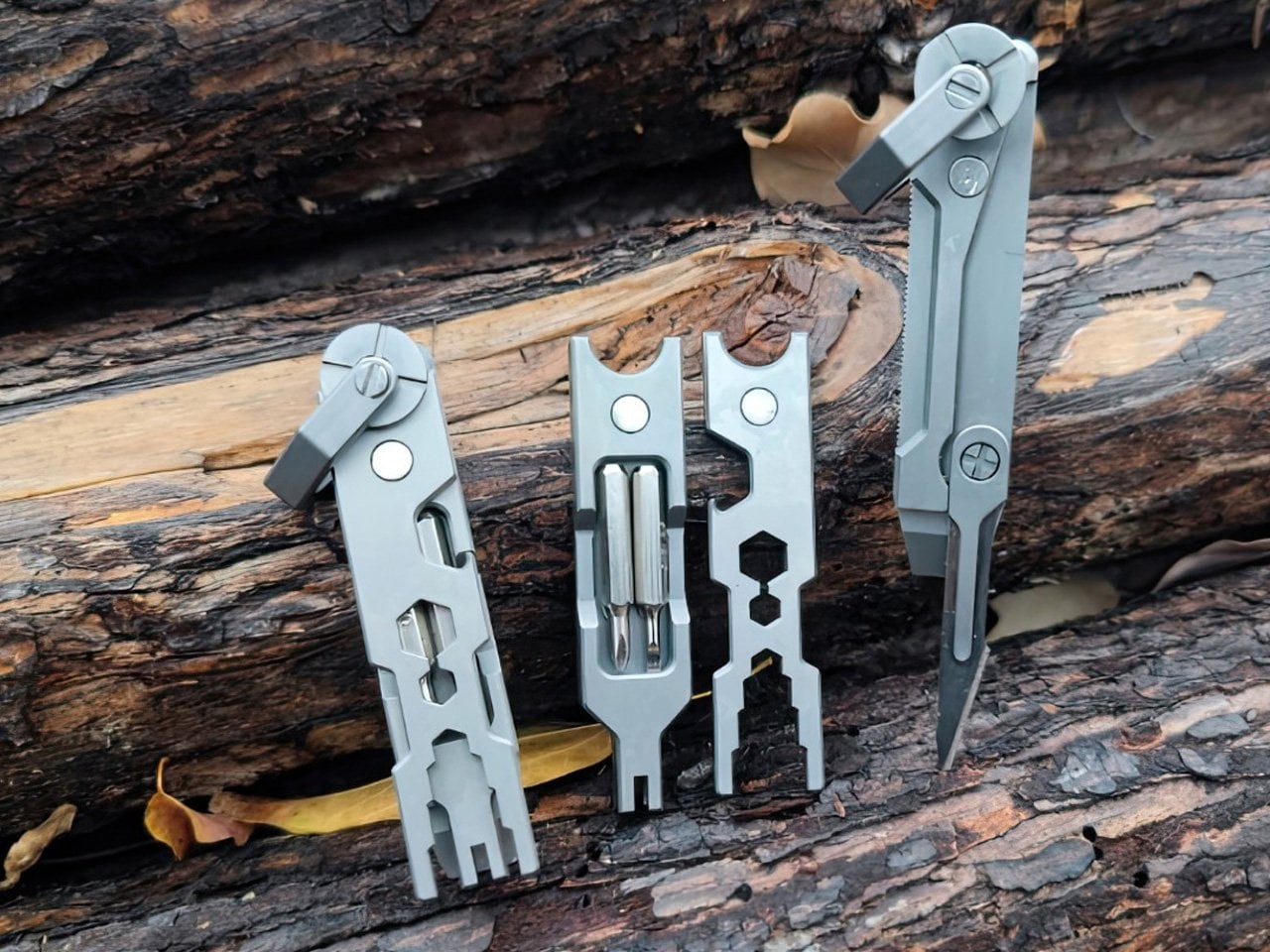
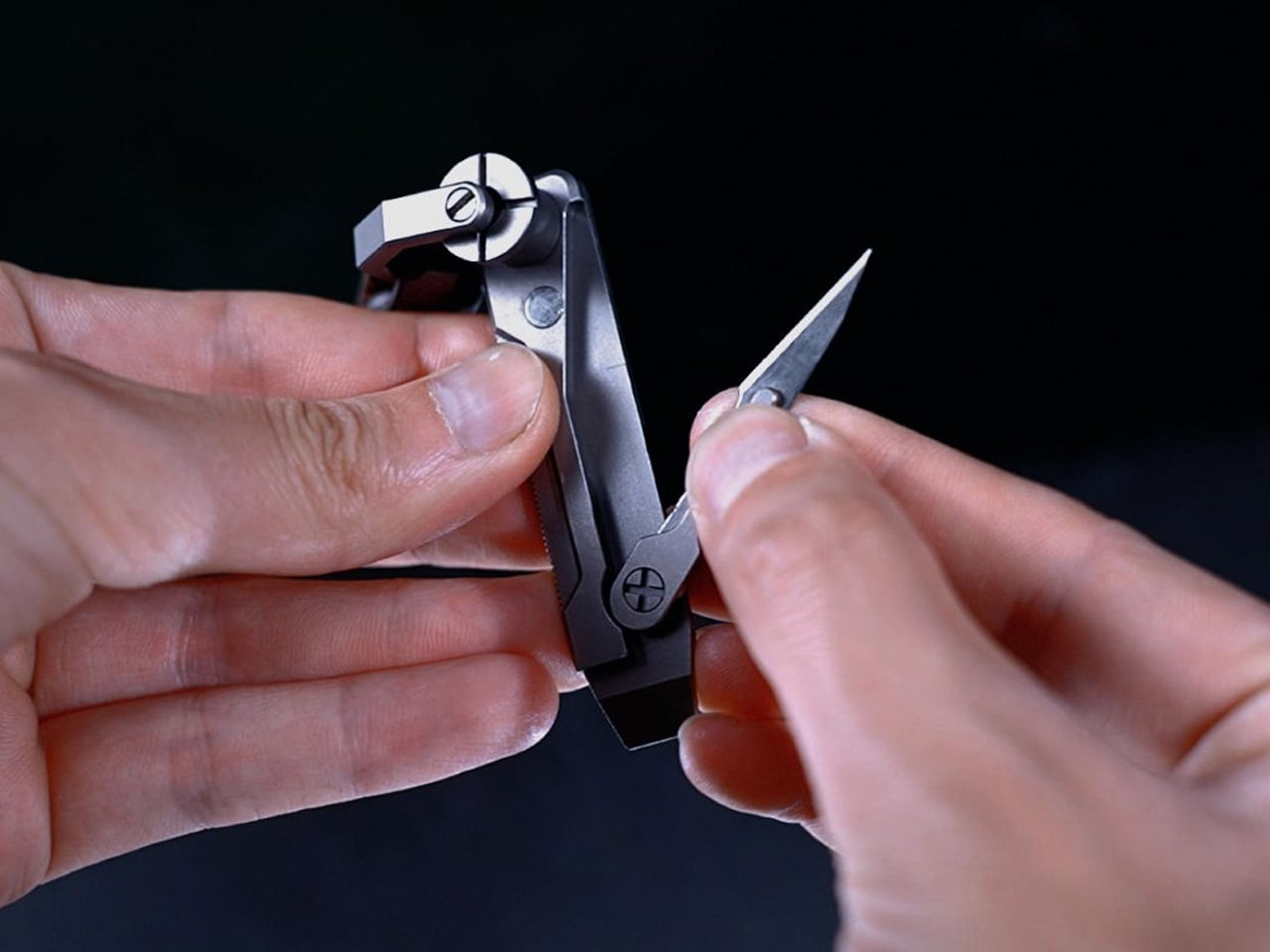
The JOAT earns its name, Jack Of All Trades, by packing six functions into a titanium body just 80mm long and weighing 1.8 ounces. Its keychain loop means it rides alongside your house keys rather than sitting in a toolbox, ready the instant a storm exposes a jammed latch, a loose screw, or a cut strap.

For you, this is the tool that handles the small mechanical failures a storm tends to create without warning. A door that swells shut in the humidity, a tarp that needs tying down, a package that needs opening in a hurry. Because it lives on your keychain, you are never without it, which matters most in the moments you did not think to plan for.

What we like:

  • Titanium construction resists rust and rough handling far better than standard steel builds
  • Its keychain-ready size means it requires zero extra thought about where to store it

What we dislike:

  • At 80mm, it is not built for demanding cutting tasks that a larger blade would handle more easily
  • Some users may miss a locking mechanism that a compact format like this does not include

3. Blackout Beam Tactical Flashlight

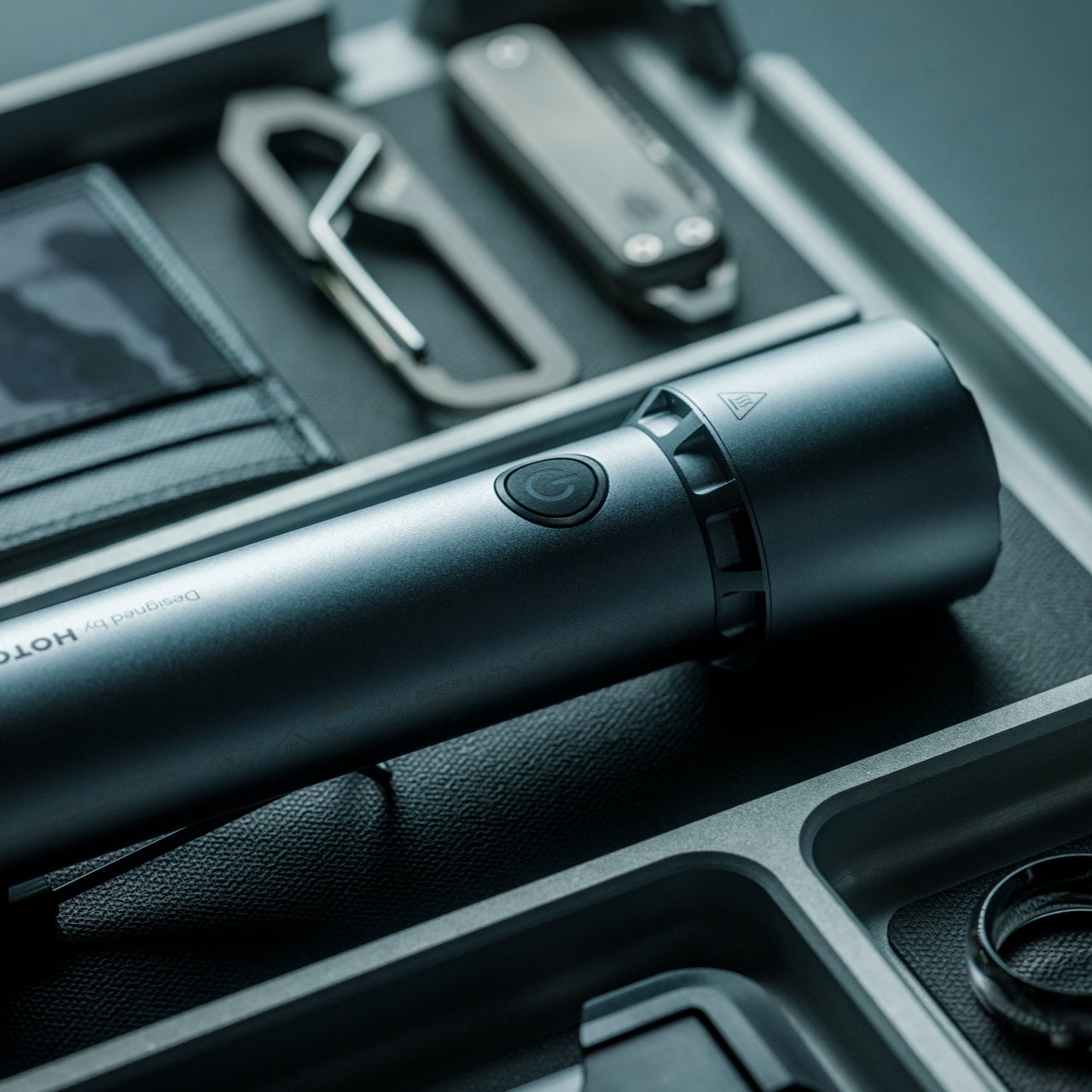
Light disappears first in a storm and gets missed the most. The Blackout Beam Tactical Flashlight is built specifically for that gap, a rugged beam designed to cut through total darkness rather than the soft glow of a phone screen running on its last bar of battery.

For you, this is about confidence more than convenience. Walking through a dark house to check on a leak, moving through a flooded yard, or signaling for help outside all become far less stressful with a flashlight built for exactly that job. It turns a genuinely unsettling situation into a manageable one, simply by giving you a beam you can trust.

Click Here to Buy Now: $90.00

What we like:

  • Its tactical housing feels built for genuine outdoor and emergency conditions rather than casual bedside use
  • The focused beam design prioritizes distance and clarity over soft ambient light

What we dislike:

  • Tactical styling makes it bulkier and less discreet than a slim everyday carry flashlight
  • Depending on the build, rugged housings can add extra weight to a bag already carrying other gear

4. NESTOUT Solar Charger

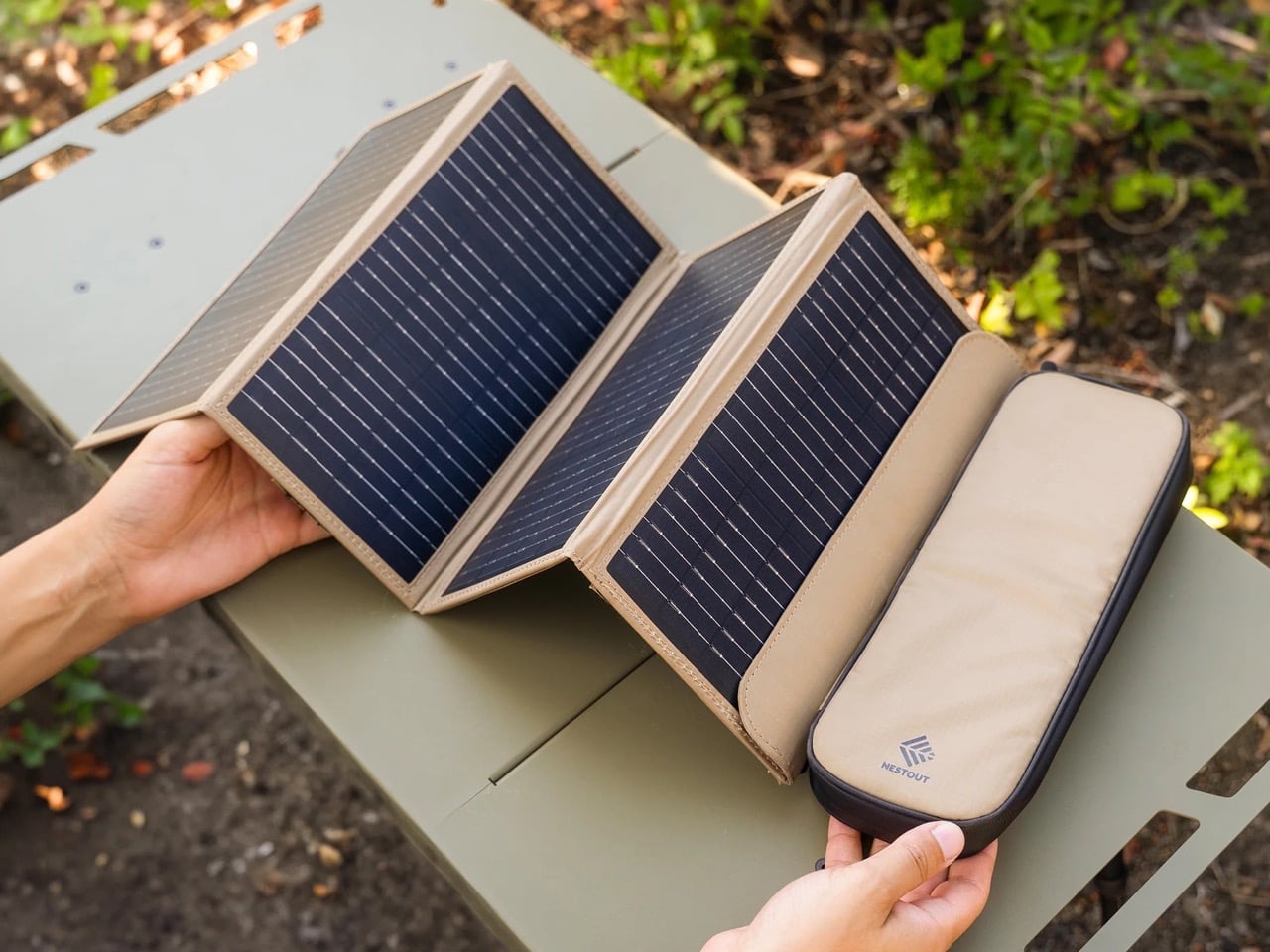
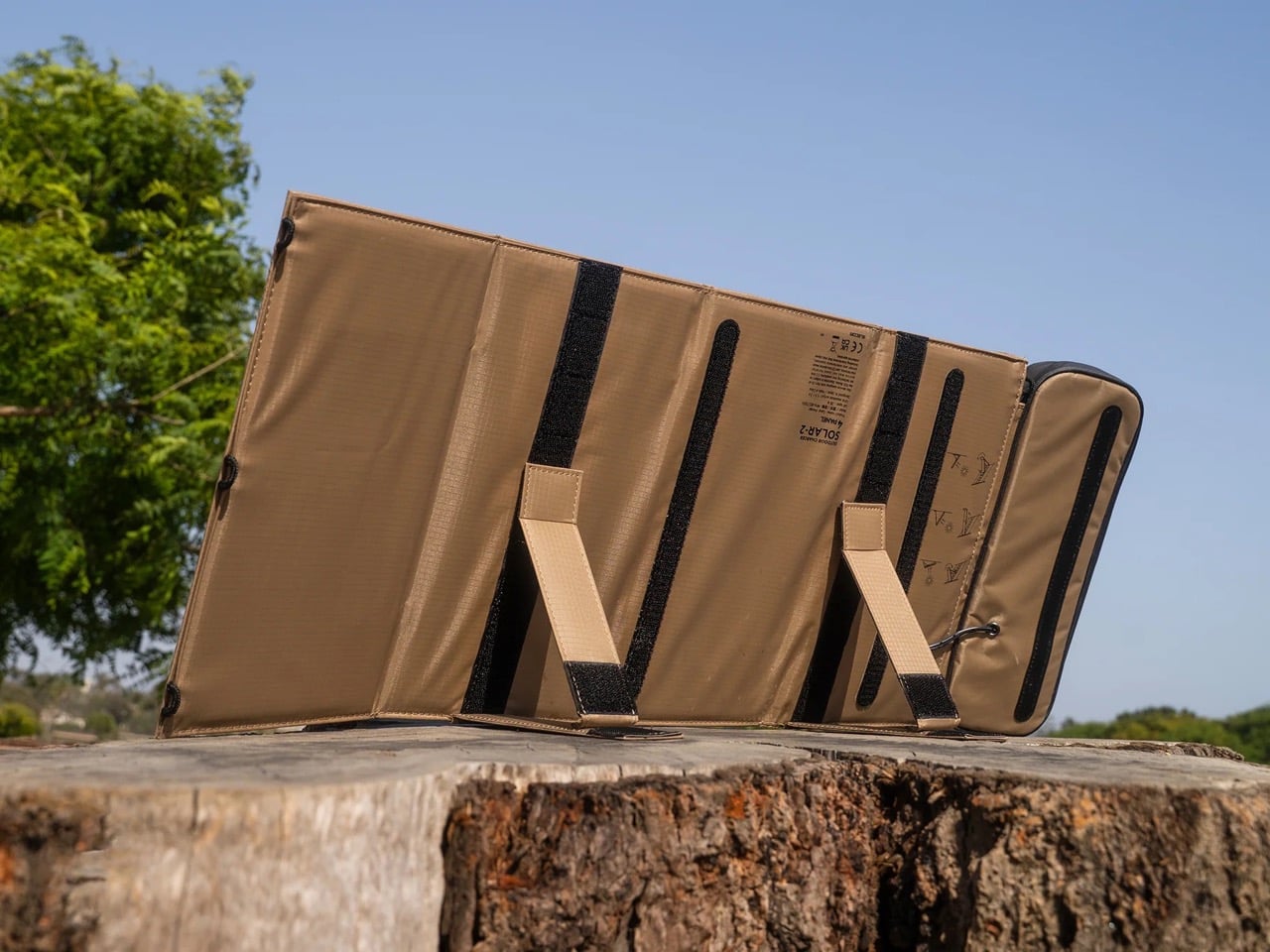
Stored battery power only lasts as long as its charge, but the NESTOUT Solar Charger keeps working as long as the sun does. Its four-panel design folds down into a compact carry format built from rugged, tan colored fabric that feels closer to durable field gear than typical consumer electronics, unfolding into a genuine power source wherever daylight reaches.

For you, this turns a short-term fix into a sustainable one during an extended outage. Instead of watching a power bank slowly drain with no way to refill it, every sunny break in the clouds becomes a chance to top your devices back up. It is the piece that keeps your kit relevant on day three of an outage, not just day one.

What we like:

  • The folding four-panel design packs down small enough to disappear into a bag without adding real weight
  • Its fabric build and neutral tone feel purpose-made for outdoor durability rather than delicate electronics

What we dislike:

  • Solar charging depends entirely on weather and daylight hours, which makes it unreliable during extended cloud cover
  • It also charges more slowly than a wall outlet, so patience becomes part of the process

5. Rux Gear Box

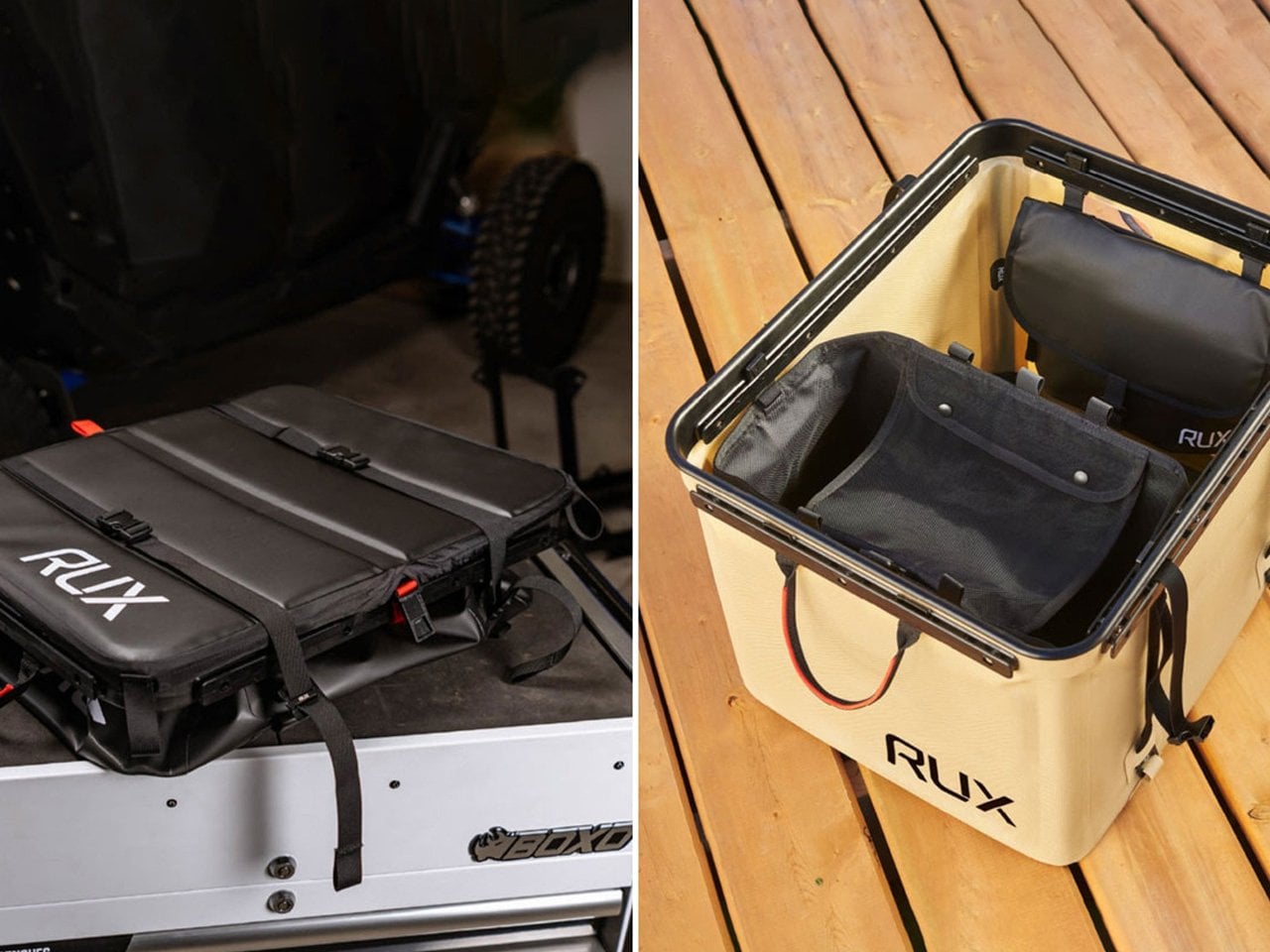
None of the gear above stays useful for long if it ends up scattered across drawers instead of ready to grab. The RUX Gear Box solves that with a collapsible body made from TPU-coated nylon that resists weather and wipes clean easily, plus a separate waterproof insert built to keep wet and dry items apart.

For you, this is the piece that turns four individual objects into one coherent system. Instead of hunting for a radio in one room and a flashlight in another while a storm closes in, everything lives in a single box that compresses flat when not in use and expands the moment you need it. It is the difference between a kit and a pile.

What we like:

  • The collapsible design means it takes up almost no storage space until an emergency actually calls for it
  • Its waterproof insert keeps sensitive gear like electronics separated from anything damp

What we dislike:

  • A soft-sided collapsible build offers less rigid protection than a hard shell case would
  • Its flexible material also means it will not stack as neatly as a traditional box-style container

Good Design Doesn’t Skip a Storm

Put together, these five objects cover the four things a real outage actually demands. Information, light, utility, and the power to keep going once the first two days have passed. None of them ask you to sacrifice good design to get there, which is exactly the point.

Hurricane season will keep arriving whether we are ready for it or not, but the objects we choose to meet it with do not have to look like they came from an emergency supply closet. These five prove that being prepared and having good taste were never mutually exclusive to begin with.

The post 5 Best EDC-Style Gadgets Designed to Get You Through Hurricane Season first appeared on Yanko Design.
After 15 Years, Patek Philippe Returns With a Hand-Wound Chronograph That Stores Energy Like a Bow

Perpetual calendar chronographs are Patek Philippe’s version of a solar eclipse. They do not happen often, and when they do, everyone stops what they’re doing to look up. The last one arrived back in 2011, which in watch years is basically a geological era.

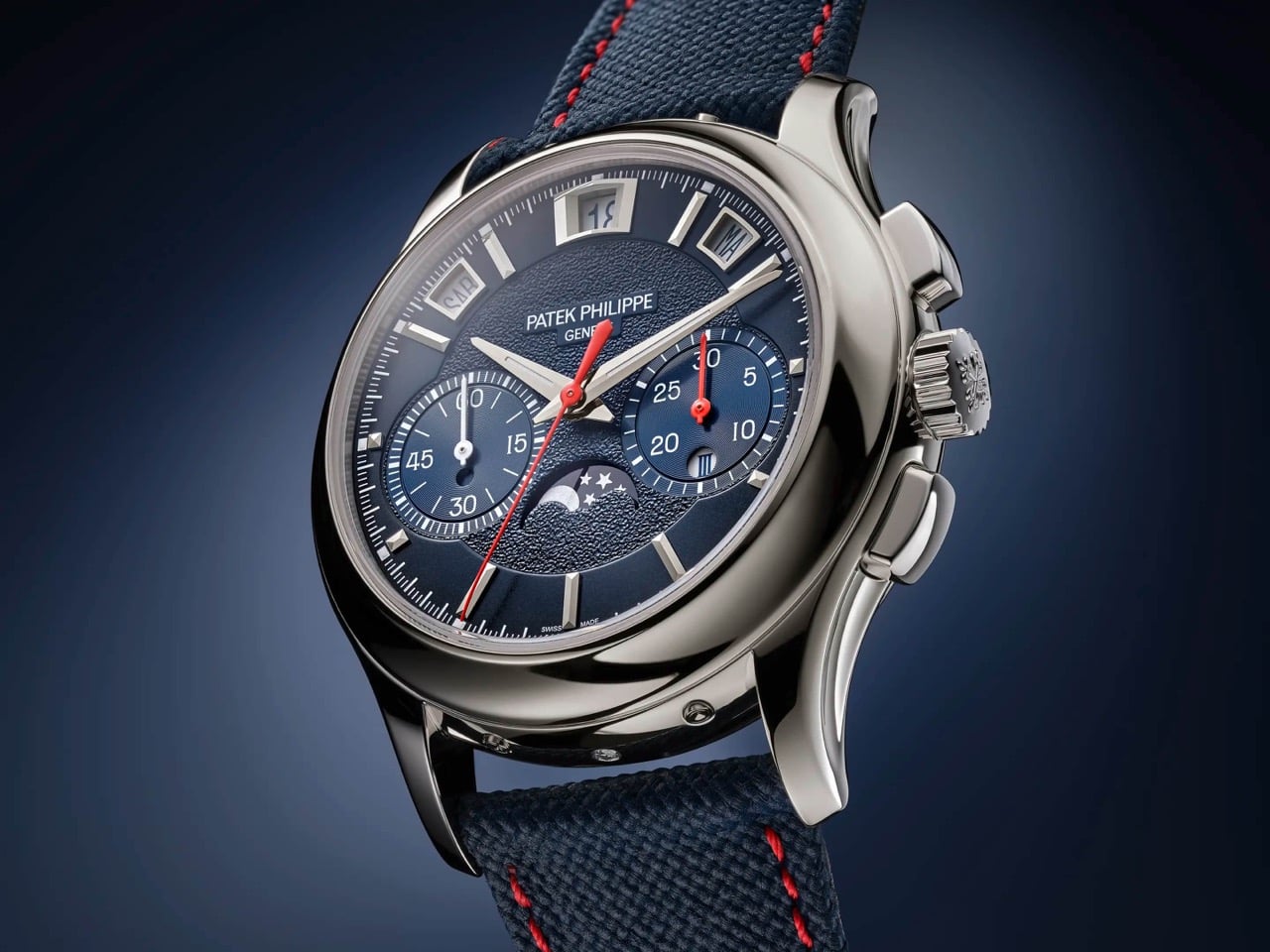
The wait is over, and Patek did not play it safe on the comeback. The new Ref. 5978P-010 is the first watch to combine the brand’s hand-wound chronograph movement with an instantaneous perpetual calendar, a mechanism usually reserved for its most serious grand complications, where every calendar display jumps simultaneously in under 30 milliseconds instead of dragging itself forward at midnight. It debuted at Patek’s seventh Watch Art Grand Exhibition in Milan, limited to 120 platinum pieces at $337,585 each, with a navy dial, red chronograph hands, and calendar text printed in Italian for the occasion. Rare watch, rare city, apparently rare patience too.

Designer: Patek Philippe

The new caliber inside the 5978P-010 is called the CH 29-535 PS QI, a hand-wound movement built from 500 parts. Patek fused two things it already had, the CH 29-535 PS chronograph base from 2009 and the instantaneous calendar module developed for the R CHR 27 PS QI inside references like the 5207, 5308, and 5208. The result is a watch where the day, date, month, leap year, and day and night indicators do not creep forward through the night. Instead, they wait, then snap into their new position together in roughly 30 milliseconds. Even the chronograph’s 30-minute counter gets the same instantaneous treatment, jumping to its next position in one clean motion rather than crawling minute by minute.

Rather than letting a spring slowly push the calendar discs forward, the movement spends hours steadily storing tension, then releases it all at once like a drawn bow. A progressive perpetual calendar can leave a date disc caught mid-flip for a few minutes around midnight, which looks fine until you actually need to read it. This one simply will not do that. The caliber beats at 28,800 vibrations per hour on a Breguet balance spring, and because it is hand-wound, there is no rotor blocking the view, so the full chronograph architecture sits exposed through the sapphire caseback.

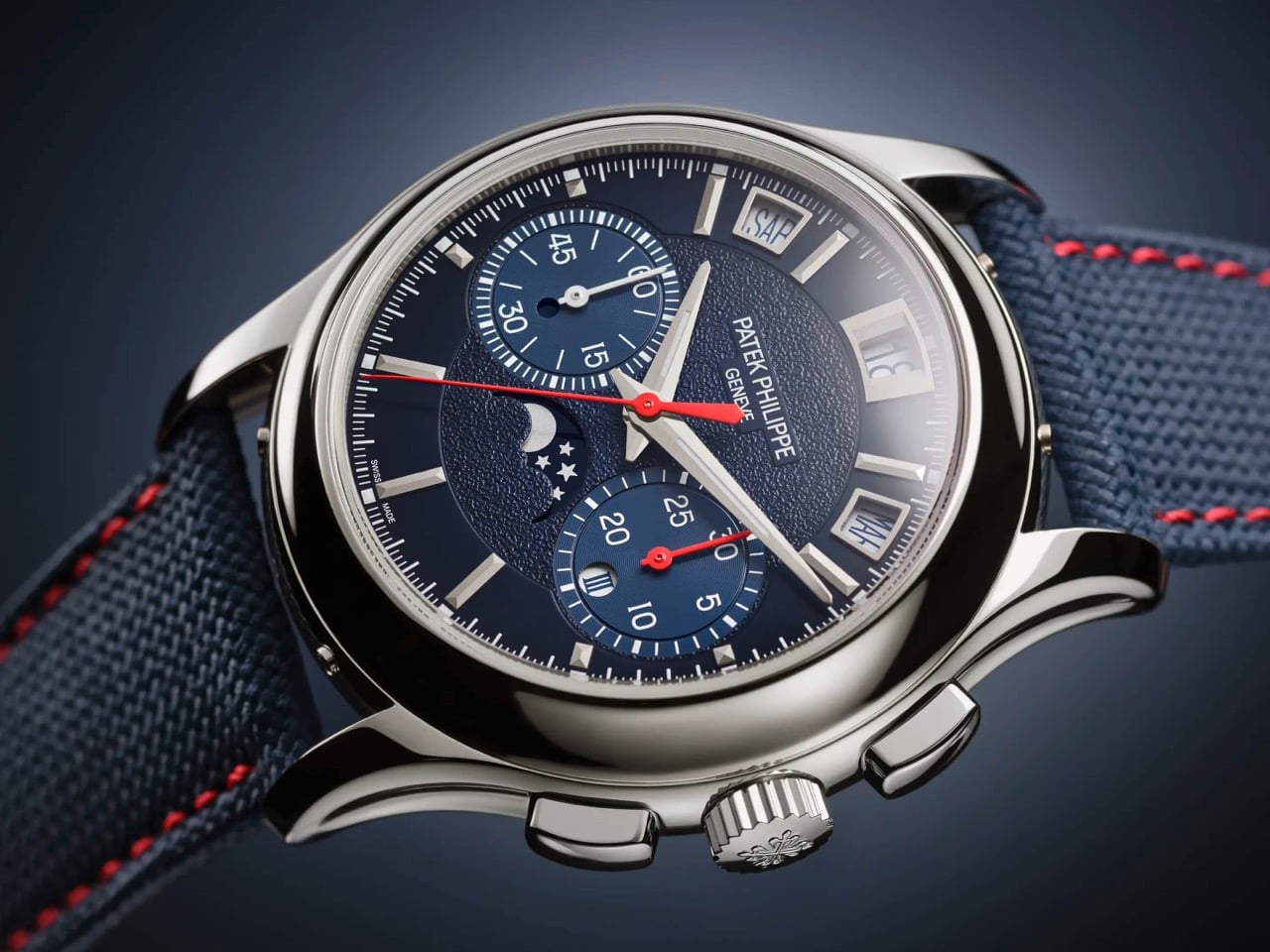
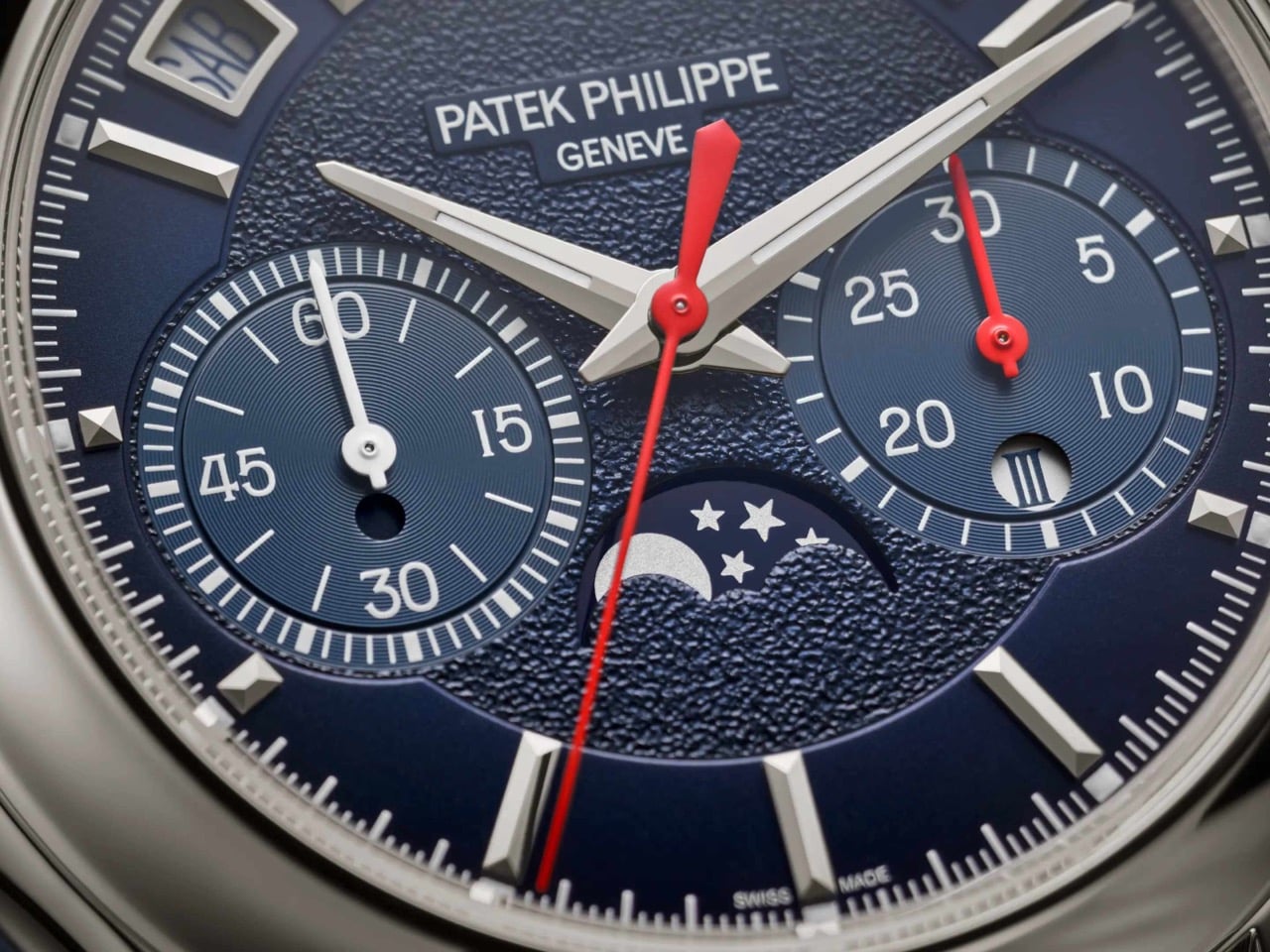
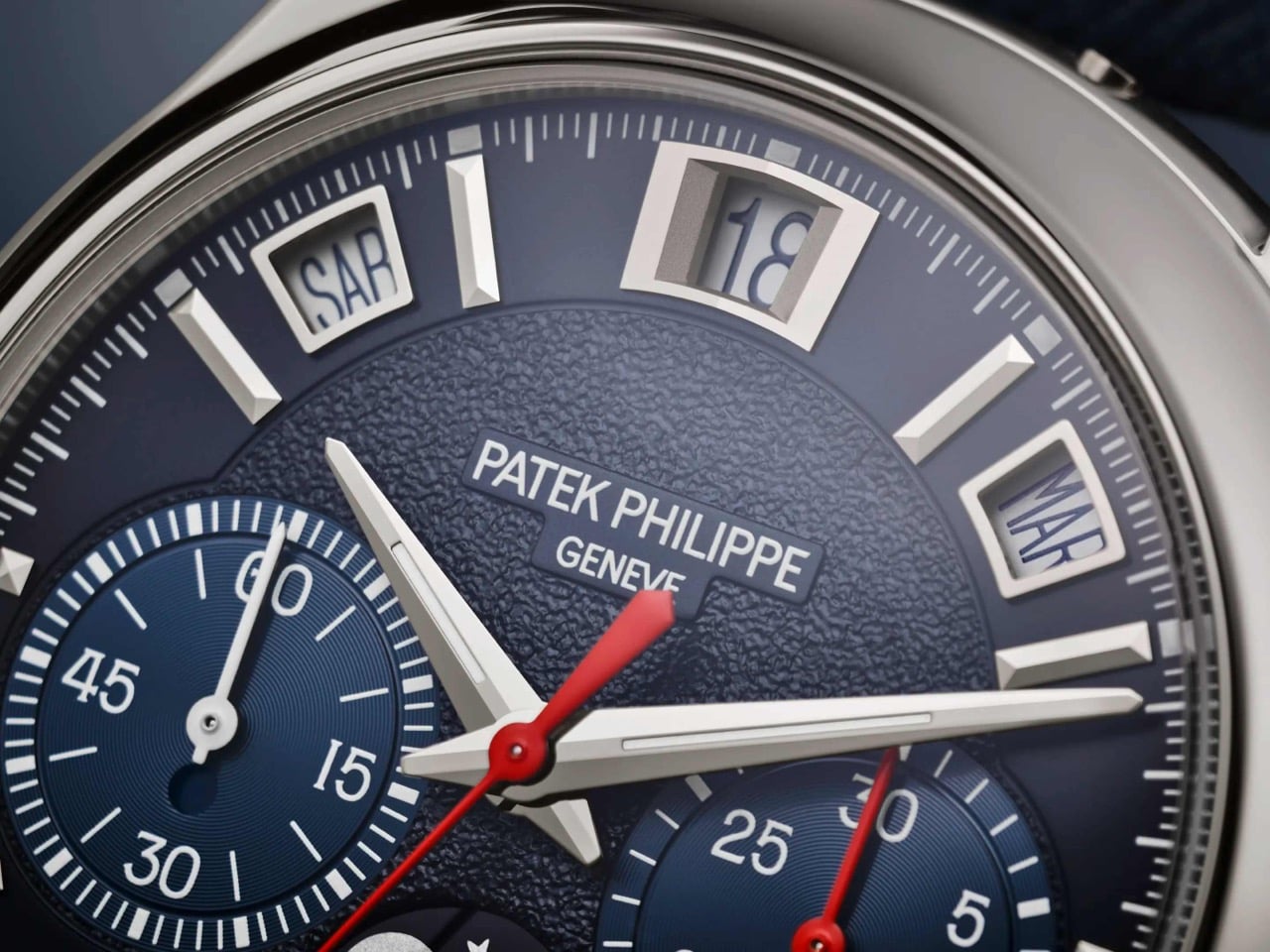
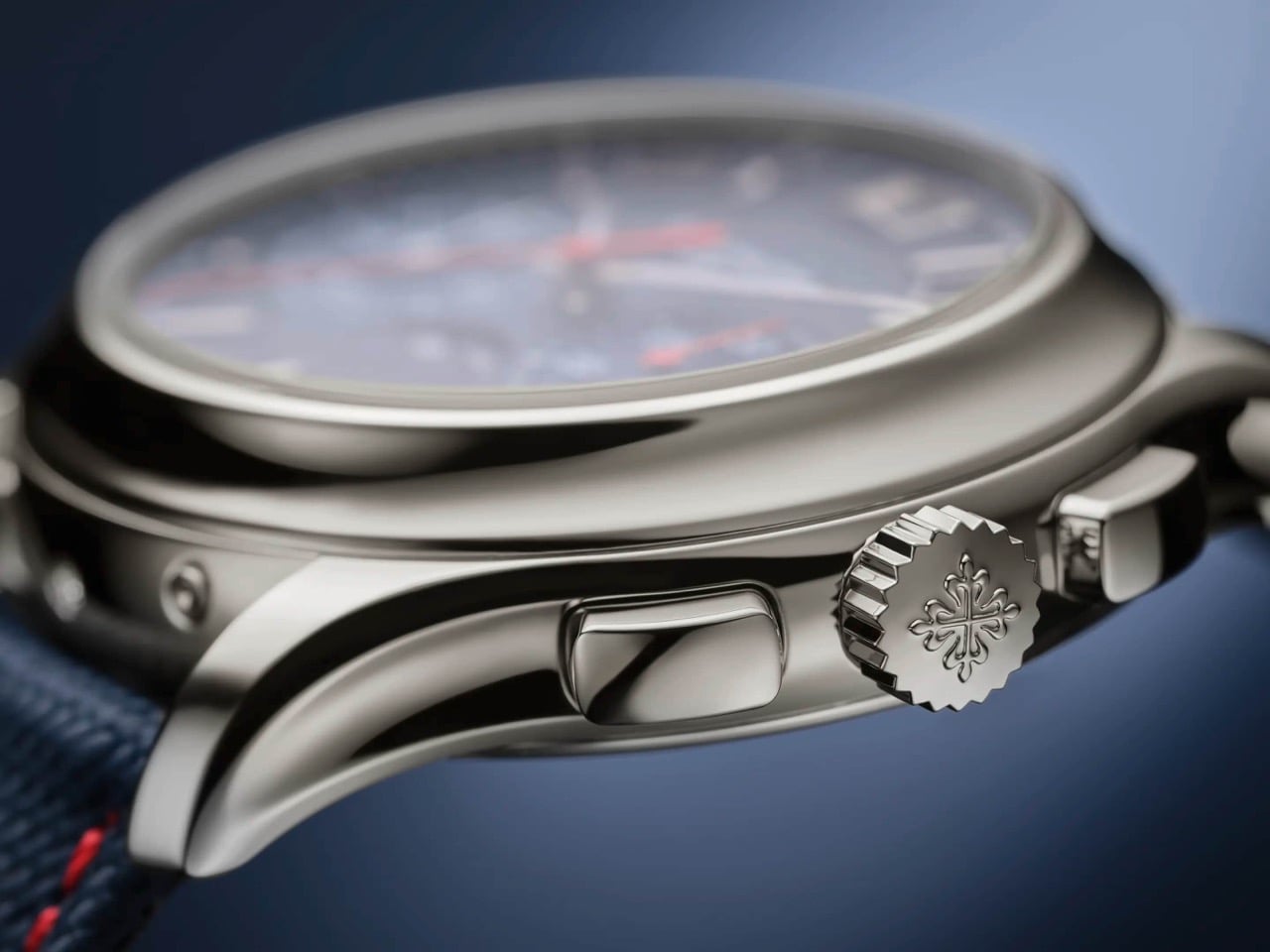
The 42mm (1.65 inch) platinum case measures 14.24mm (0.56 inch) thick, with a concave bezel and scalloped lugs lifted from the Calatrava-style cases of the 5208 and 5205, a departure from the ornate shapes Patek usually reserves for this complication. A single diamond sits at 6 o’clock, the hallmark Patek adds to every platinum watch in its catalog. The sunburst navy dial fades into a black-gradient rim around a textured center, with white gold faceted markers and dauphine hands finished in white luminescent coating. Red varnished hands carry the chronograph and small seconds, the only flash of color on the dial. Calendar apertures ring the top of the dial between 10 and 2 o’clock, with the moon phase sitting at 6 and the instantaneous 30-minute counter opposite it at 3.

Patek’s own marketing describes the 5978P-010 as a sporty look timepiece, which is a strange way to describe a platinum perpetual calendar chronograph until you look at it. The navy and red color scheme, paired with a composite strap finished in a fabric weave rather than alligator, borrows more from the Aquanaut than from anything in the formal grand complications catalog. It is not the first time Patek has let its sportier instincts bleed into serious territory. We covered the Cubitus back when it launched, a watch that took the Nautilus’s DNA and reshaped it into something squarer and more divisive. The 5978P-010 is a subtler version of that same impulse, applied to a complication that has spent 85 years dressed for black tie.

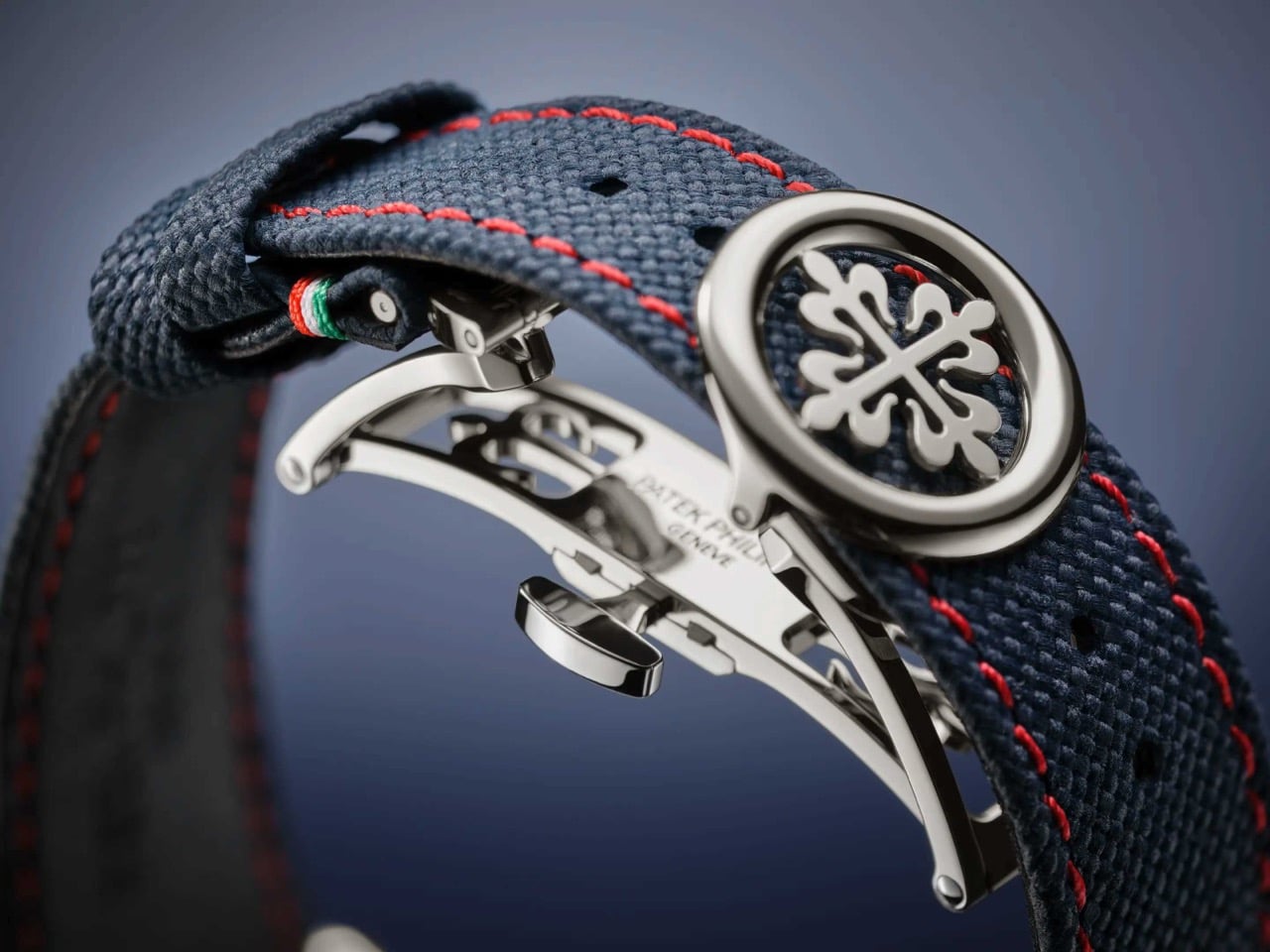
The calendar windows on the 5978P-010 are printed in Italian, so Saturday reads SAB instead of SAT, a detail that only makes sense once you know this watch was built for Milan. The strap repeats the gesture in miniature, with a stopping point stitched in the colors of the Italian flag just before the clasp. Patek built the watch for its seventh Watch Art Grand Exhibition, which opened October 2 inside Milan’s CityOval and runs free through October 18. It is one of seven limited editions made for this stop on the tour, a group that also includes enamel-dialed World Time minute repeaters and three carbon-patterned Calatravas in the same tricolore palette. Altogether those seven references add up to 685 pieces, a genuinely small run by Patek’s standards.

There is a catch for anyone outside Italy who wants this watch: all seven Milan editions, including the 5978P-010, sell exclusively through Patek retailers inside the country. Buyers elsewhere wait for one to surface at auction, where past exhibition pieces have historically carried a premium over retail. At $337,585, this was never going to be an impulse buy, and the exclusivity only adds to that. What sticks with me is not the price, it is the choice to dress the brand’s most formal complication pairing in a strap that would not look out of place on a dive watch. Eighty five years after the 1518 started this lineage in stern black and gold, Patek just sent its most serious watch out wearing red sneakers, and somehow it works.

The post After 15 Years, Patek Philippe Returns With a Hand-Wound Chronograph That Stores Energy Like a Bow first appeared on Yanko Design.