5 Japanese Everyday Designs That Fix Familiar Frustrations

A notebook that won’t let you move a page. A charging cable that sticks straight into your palm. Keys that disappear between coming home and leaving again. These aren’t dramatic design failures, but they’re the sort of irritations that make an object harder to live with. They’re also useful starting points for designers willing to reconsider a clip, a connector, or the place something belongs when you’re finished using it.

These five Japanese designs focus on those friction points, from handling loose notes to making room beneath a coffee dripper. Their appeal lies in understandable changes: a different fastening method, a moving joint, a dedicated place to return something. This is a curated selection, not a hands-on ranking or a claim that every item is new. The question is whether each change earns its place in your routine.

1. MagBoard Clipboard
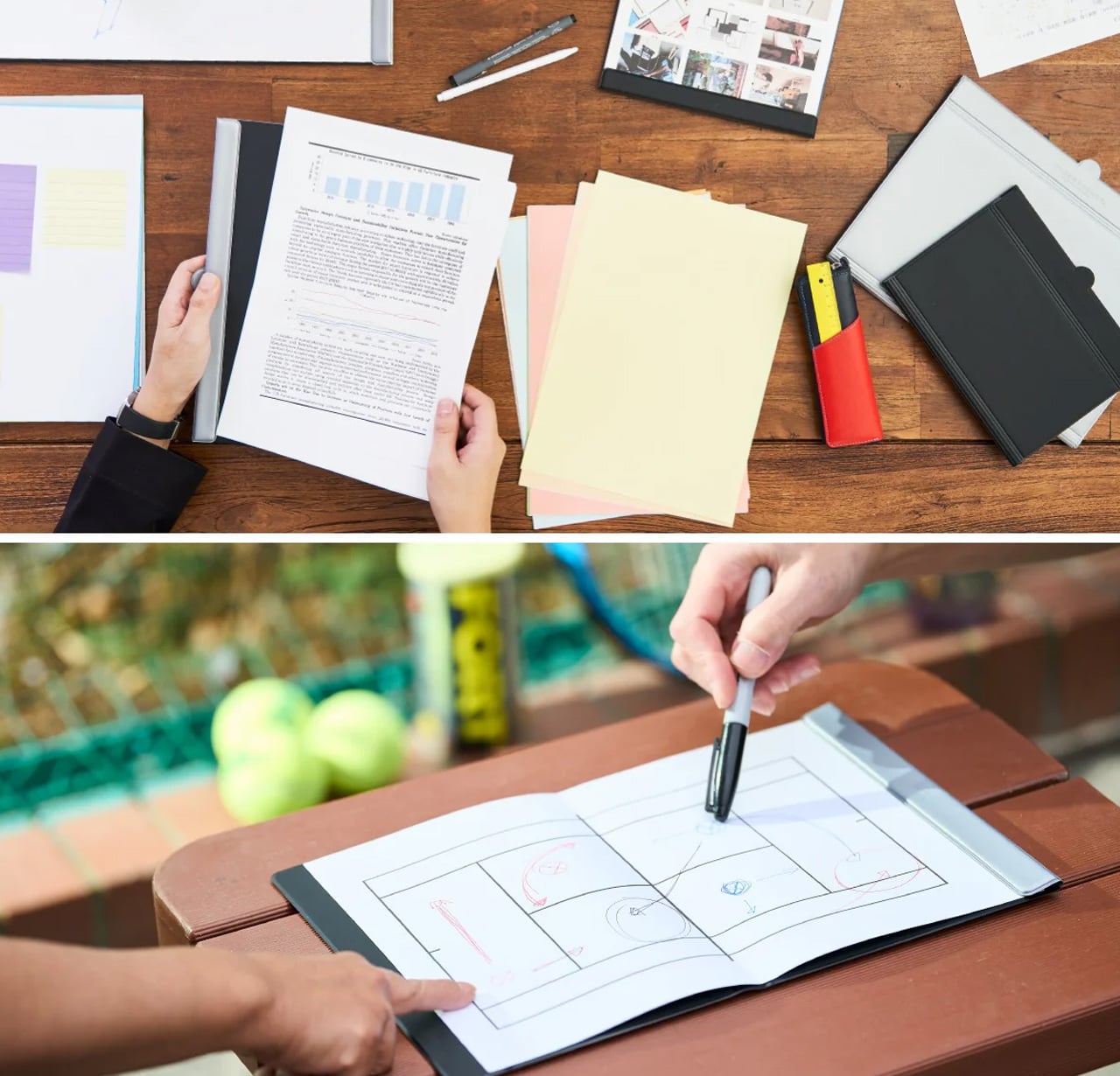
Bound notebooks make you decide where a thought belongs before you know what it might become. MagBoard takes a looser approach. Designed by Hirock Design Office and made in Japan, this clipboard uses a magnet-and-lever mechanism to hold individual sheets together. You can remove a sketch, insert another page, or change the sequence without tearing anything out or feeding paper through binder rings. That flexibility suits evolving projects.

The rigid cover supplies a writing surface when there’s no desk, while A4 and A5 versions let you choose between more room and a smaller carry. Its distinction is separating the paper from the structure holding it. That could suit someone collecting meeting notes, working through sketches, or mixing printed references with handwritten observations. It isn’t a filing system, though. You still need a way to identify and organize those loose pages, and the clip’s stated capacity sets a limit.

Click Here to Buy Now: $45.00

What we like

  • Rearrange pages without punching holes.
  • Rigid backing supports writing while standing.

What we dislike

  • The 30-sheet capacity limits larger projects.
  • Loose pages need an organization system.

2. Kokuyo HAKOAKE Two-Way Portable Scissors
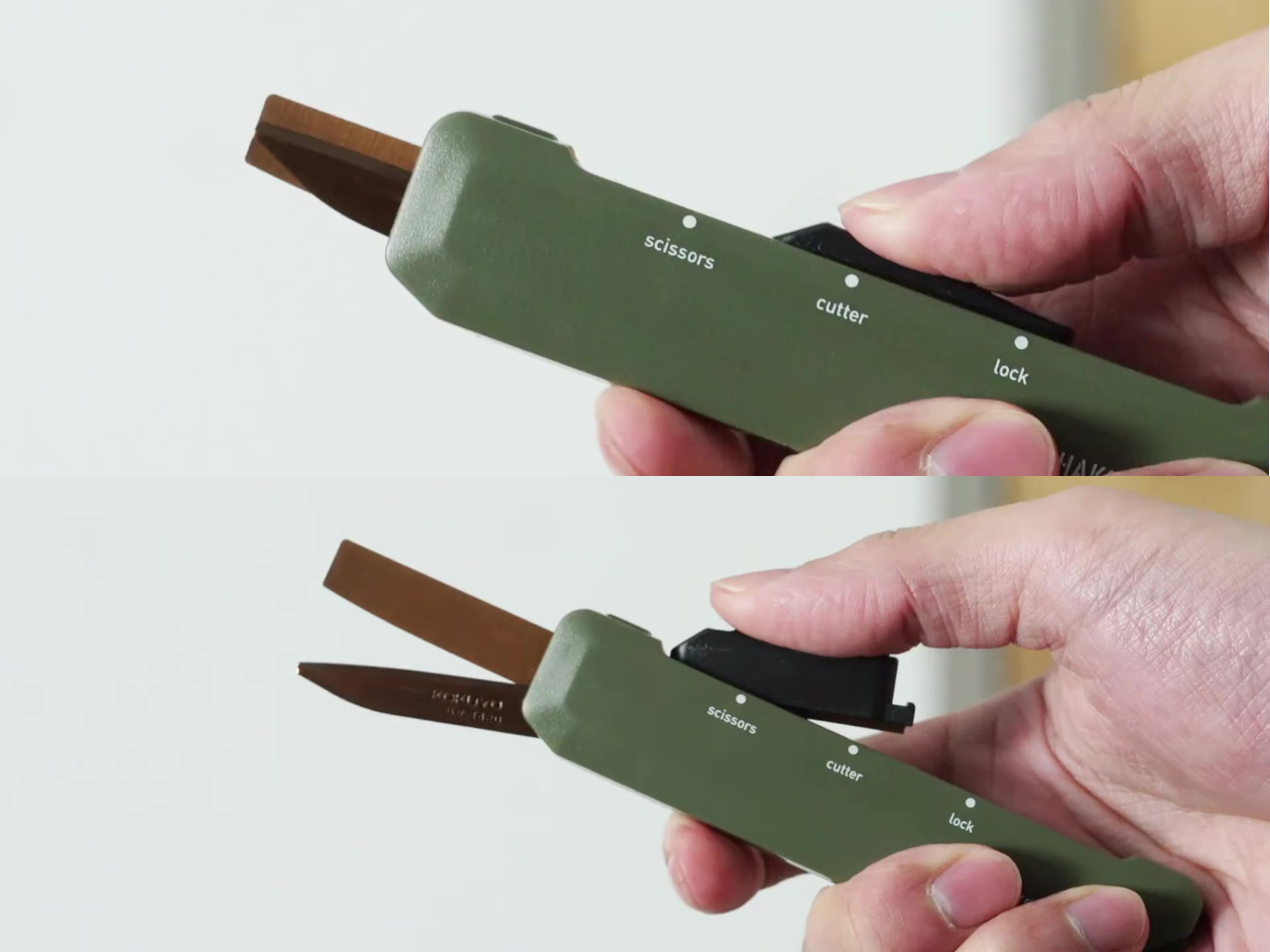
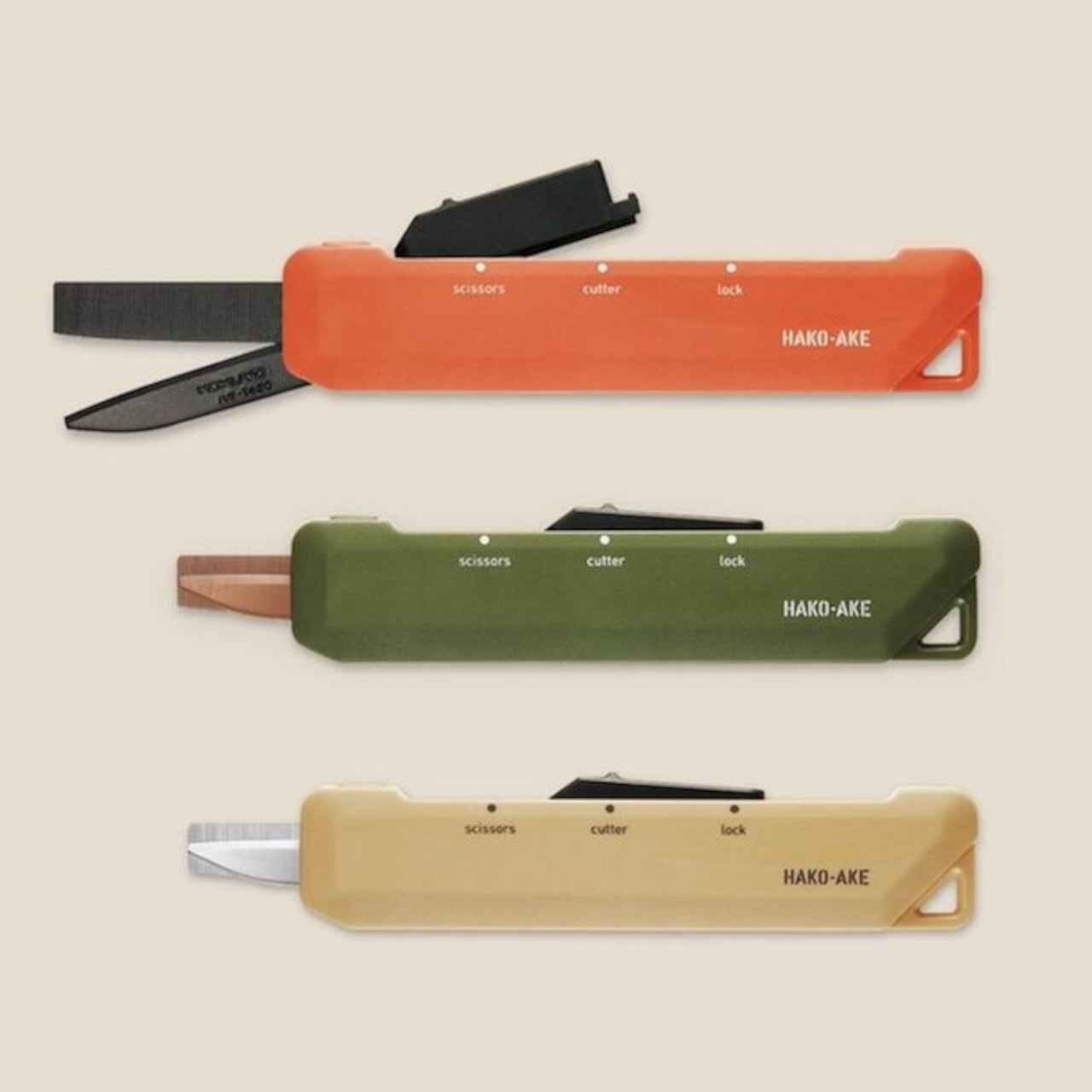
Opening a delivery often involves two different cuts: slicing the tape, then snipping a tag or packing band. Kokuyo’s HAKOAKE Two-Way Portable Scissors puts both actions into one compact housing. Squeeze the handle and slide the mechanism to change modes. In cutter mode, a 3 mm blade projects while the main scissor blades stay closed. Switch again for the small scissors. There’s no separate blade cap to set down, forget about, and eventually discover under something else on your desk.

The front guide helps position the tool against a box, and a strap hole offers another way to keep it within reach. What makes it worth including is the close relationship between the two jobs: the same package may need both, so combining them makes sense. Keep its scale in perspective. Kokuyo warns against cutting hard objects or thick paper, including cardboard and milk cartons. This is a Japanese brand’s small packaging tool, manufactured in China, not a heavy-duty cutter.

What we like

  • Two related cutting tasks share one compact tool.
  • The sliding housing eliminates a separate cap.

What we dislike

  • Not intended for cutting cardboard or other thick materials.
  • Small scissor blades limit its usefulness for larger cutting jobs.

3. Sanwa Supply Rotating USB-C Cable
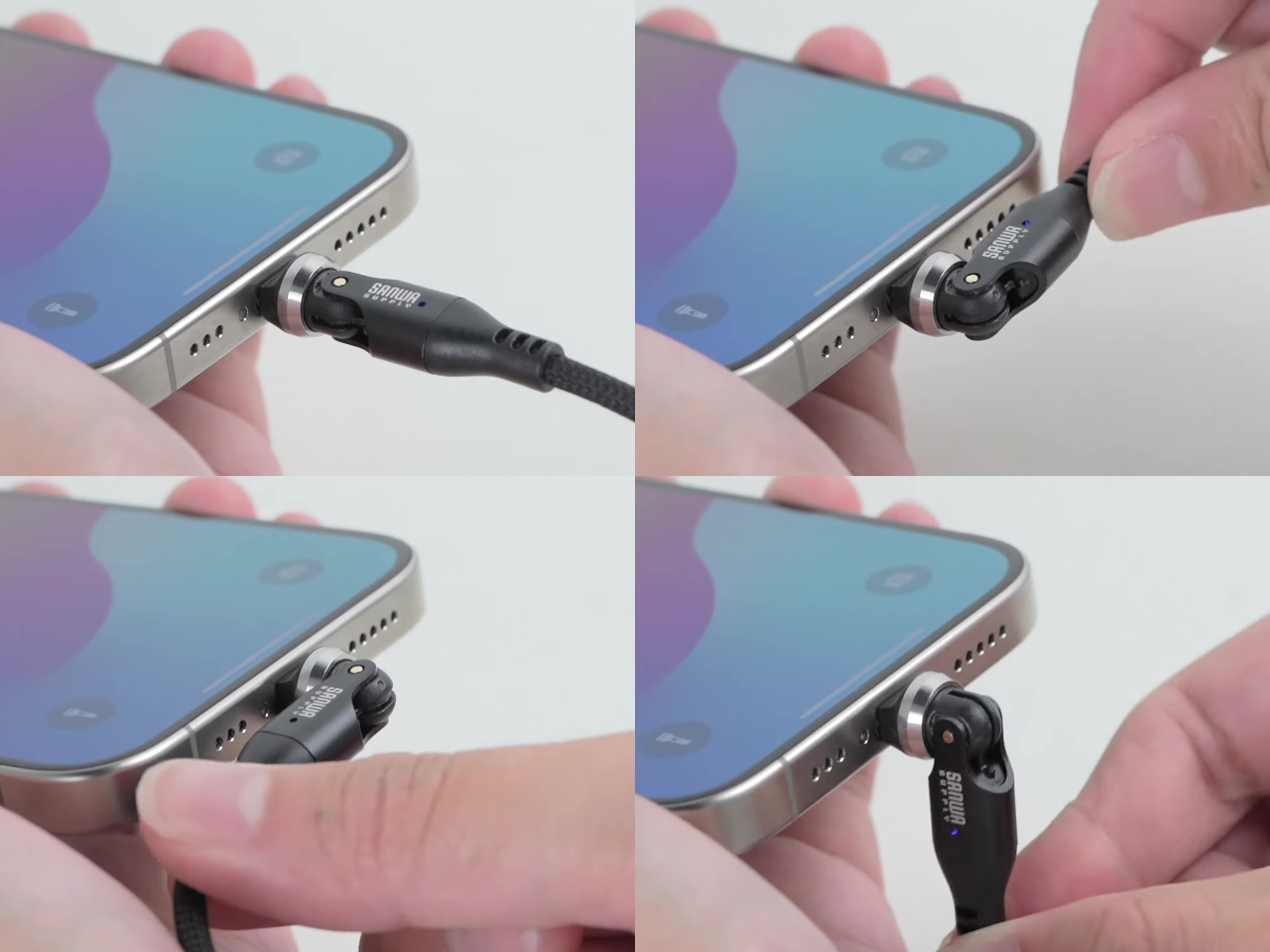
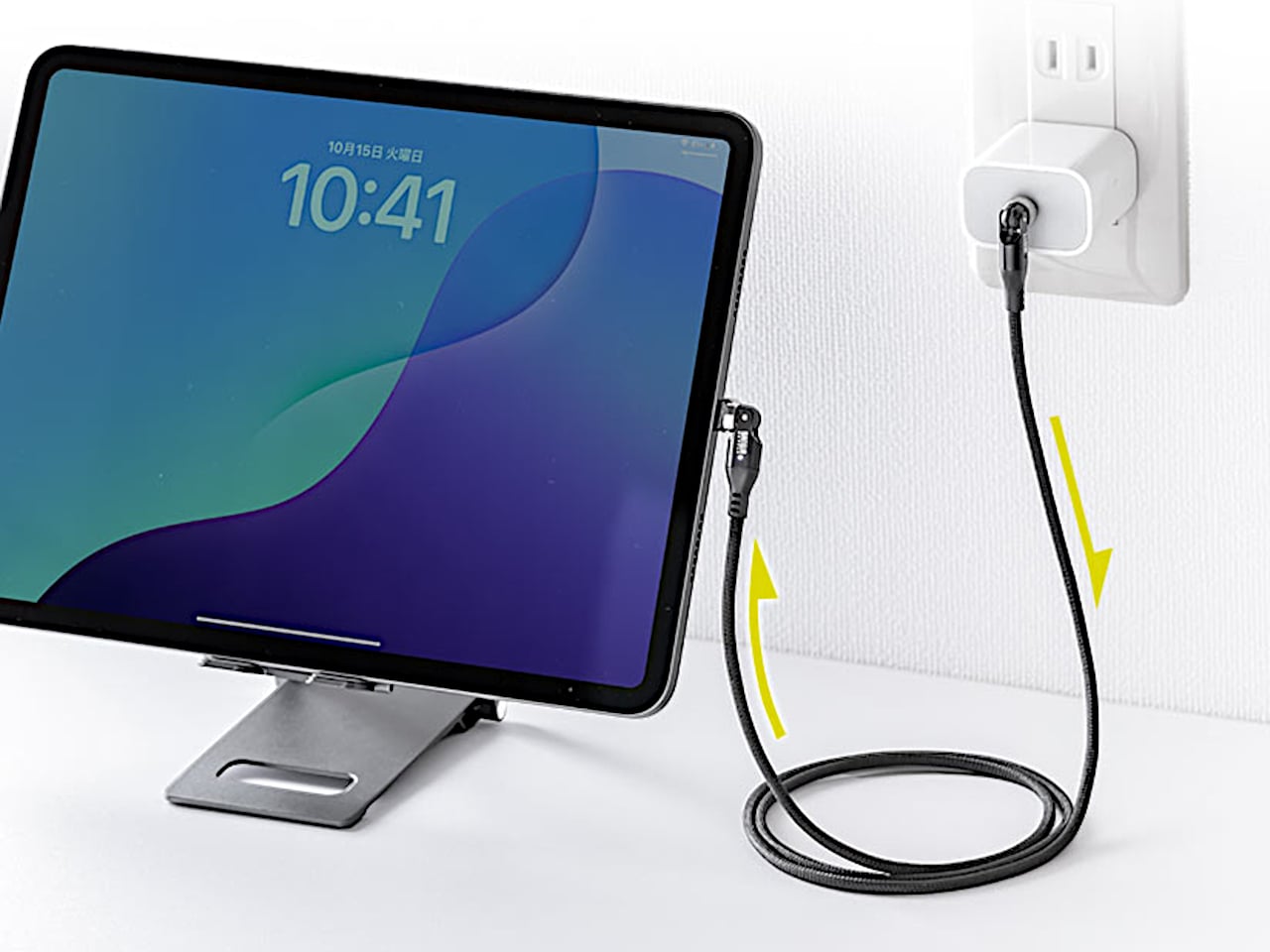
A charging cable can become surprisingly intrusive when you turn your phone sideways. Its connector ends up beside your fingers, while the cable bends around your grip. Sanwa Supply’s 500-USB090 series addresses that geometry with connectors at both ends that swivel through 180 degrees and rotate through 360 degrees. Instead of making the flexible cable absorb every change in direction, the joint lets you reposition its exit angle. The useful feature is where the cable goes, not how unusual it looks.

Sanwa specifies support for up to 240W USB Power Delivery, alongside USB 2.0 data transfer at up to 480Mbps. Those numbers describe separate capabilities: a high charging ceiling doesn’t make this a fast file-transfer cable, nor will every connected device charge at 240W. For someone who regularly holds a phone while charging, the adjustable ends are the more relevant reason to consider it. Whether those moving joints outlast a conventional connector would require testing; their immediate purpose is easier positioning.

What we like

  • Adjustable connectors offer more control over cable direction.
  • Both ends move, accommodating the charger and device.

What we dislike

  • USB 2.0 limits data-transfer speeds.
  • The 240W rating doesn’t guarantee faster charging for your particular setup.

4. Key Holder Wakka
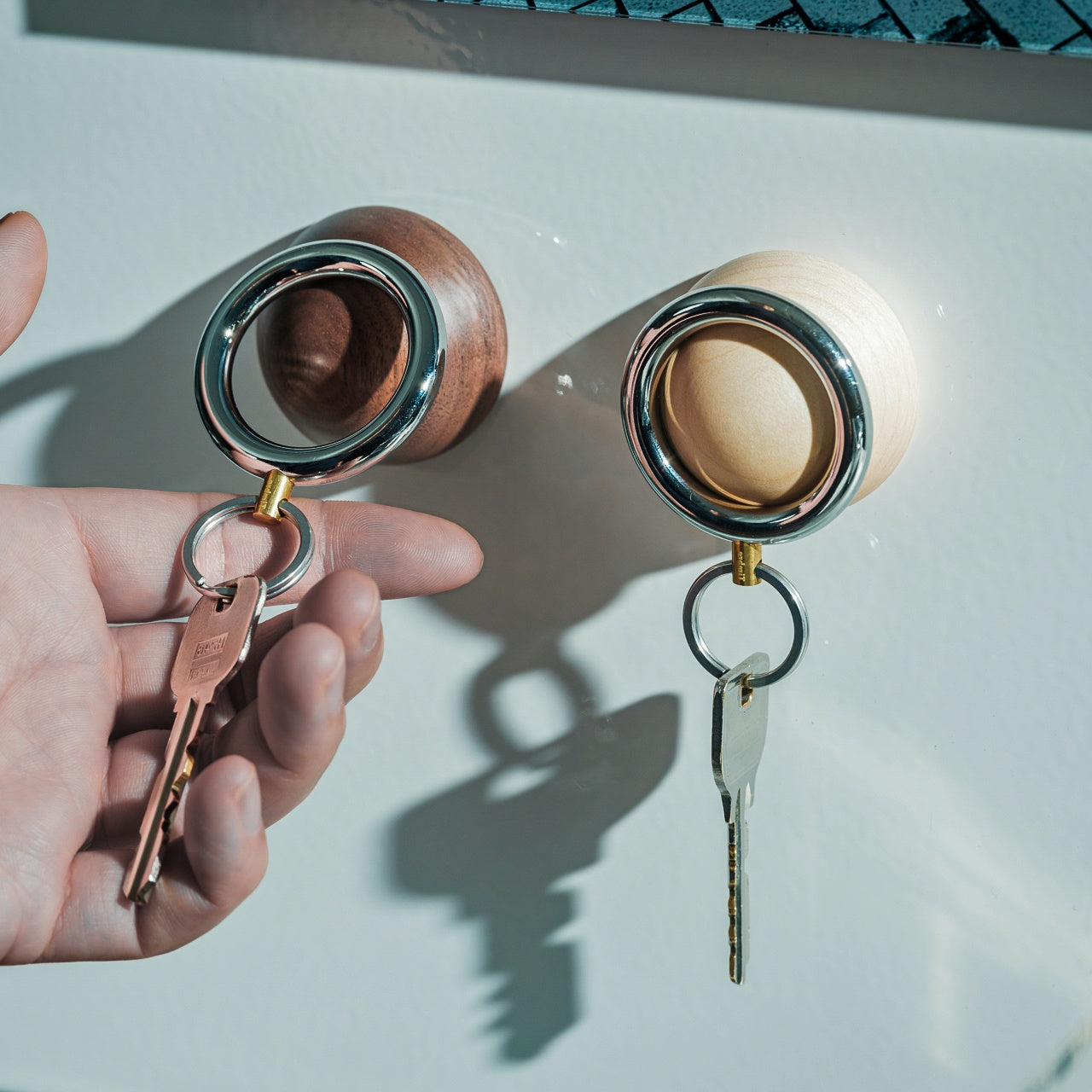
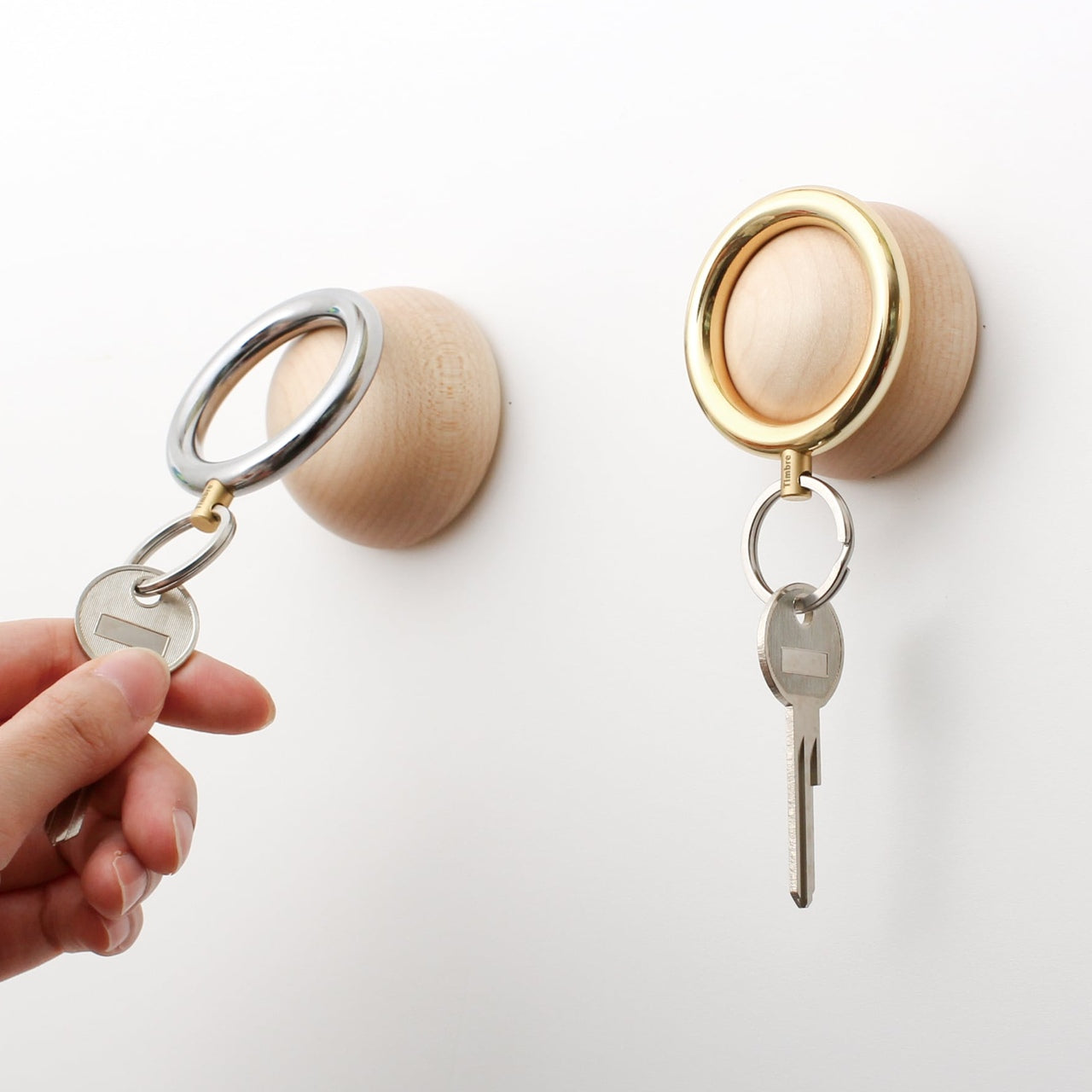
Keys don’t need much space, which is part of the problem: almost any surface can become their temporary home. Designed by Mikiya Kobayashi, Wakka gives the keyring a specific partner, a wooden base containing a neodymium magnet. The ring attaches magnetically rather than hanging from a conventional hook. The store also describes a brisk tapping sound when the ring separates, adding an audible detail to the interaction.

The interesting choice is treating the keyring and its resting place as a single design problem. You carry one part and return it to the other, making storage part of using the object rather than an unrelated chore. That could appeal to someone who wants a designated place for keys without a catchall tray. It still depends on the habit, though. At $50, Wakka asks you to value that particular interaction; it can’t help locate keys you’ve left somewhere else.

Click Here to Buy Now: $50.00

What we like

  • The keyring and storage base are designed together.
  • Maple and walnut offer two wood options.

What we dislike

  • $50 is a considered spend for key storage.
  • It only helps when you return the ring.

5. Totetsu Wedge Coffee Dripper Set
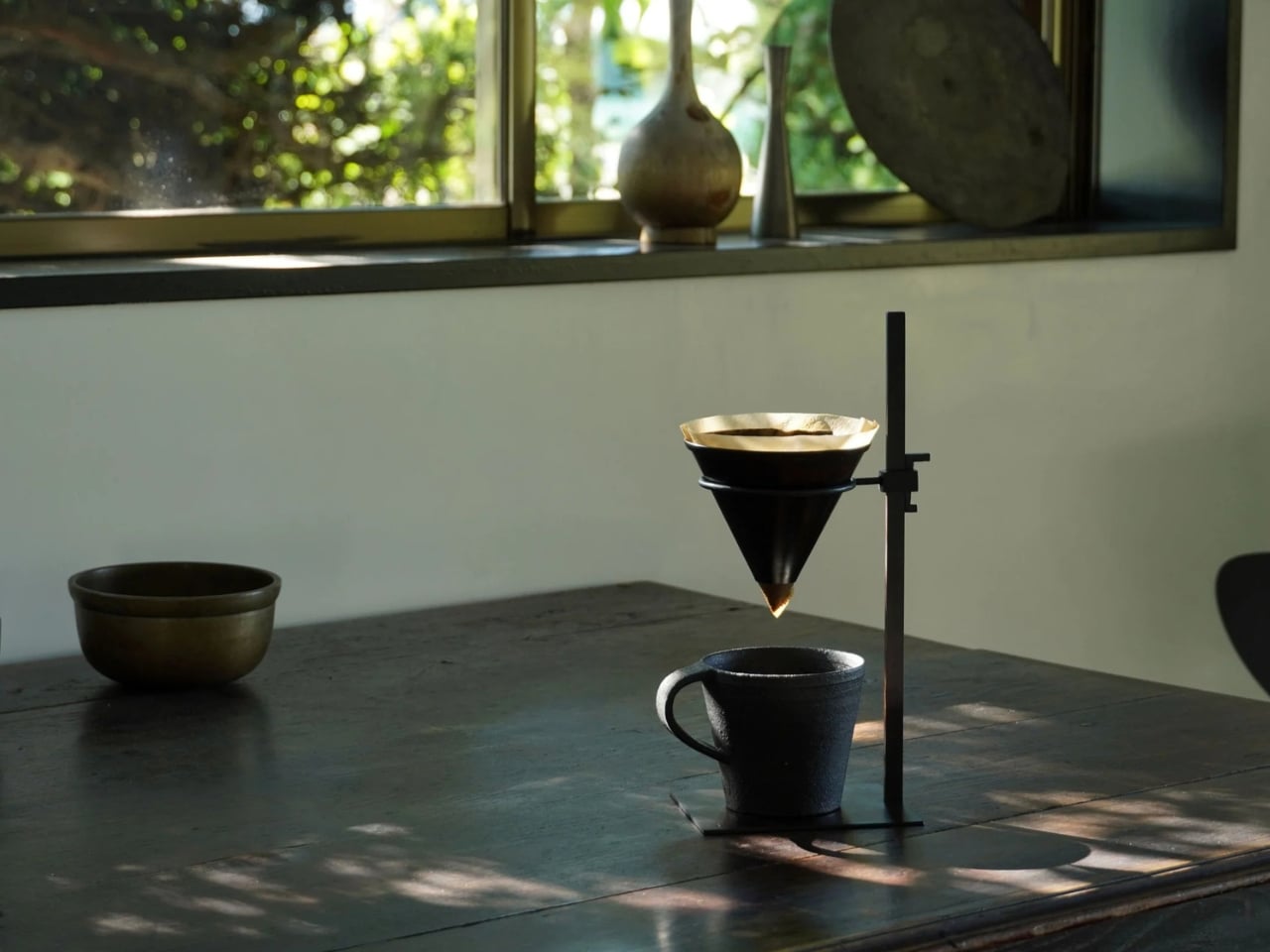
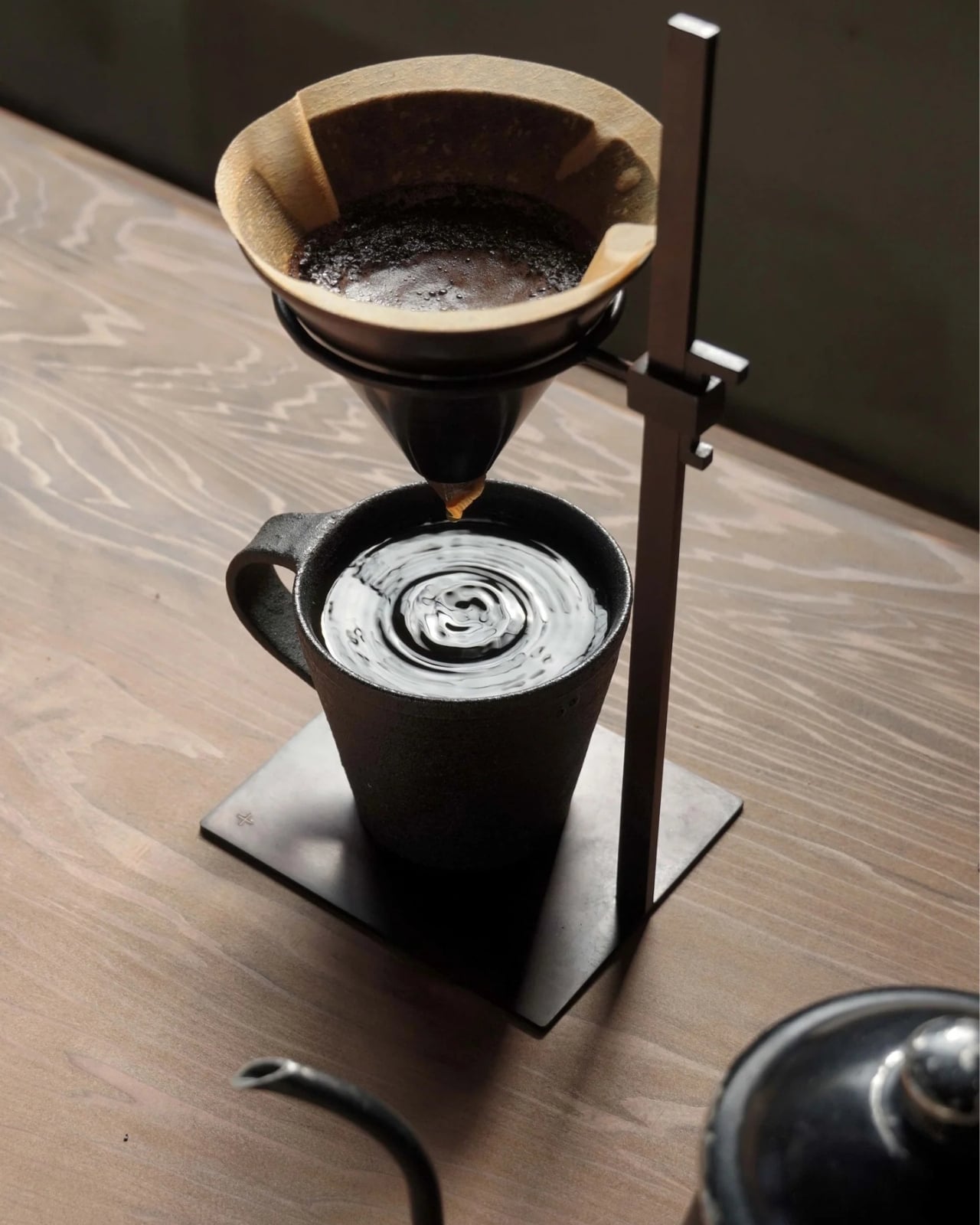
A pour-over dripper usually borrows its support from whatever sits underneath it. Totetsu’s Wedge Coffee Dripper Set separates those roles. Designed by Dai Furuwatari, it pairs a conical stainless-steel dripper with an iron stand, using a wedge to secure the support at an adjustable height. Release the wedge, reposition the assembly, then secure it again. The cone sits above the receiving vessel rather than on its rim, giving you another way to arrange the relationship between dripper, cup, and coffee server.

Both the iron stand and stainless-steel cone receive a baked urushi lacquer finish, but the practical appeal is the independent support. It makes sense for someone whose preferred vessel doesn’t suit a rim-mounted dripper, provided it fits beneath this stand. Maximum usable clearance isn’t published, so check before buying for a tall tumbler. Maintenance matters, too: Totetsu recommends gentle washing for the cone, immediate drying after wiping the stand, and occasional oil or beeswax for the iron. It isn’t carefree equipment.

What we like

  • Supports the dripper independently of the vessel’s rim.
  • The wedge provides a direct height-adjustment mechanism.

What we dislike

  • Unpublished maximum clearance leaves tall-vessel compatibility uncertain.
  • The lacquer and iron require attentive care.

Choose the Fix You’ll Actually Use

Before buying a clever everyday object, identify the moment you want to change. A flexible tool is useful when your existing one forces an awkward workaround; it’s less persuasive when the workaround barely bothers you. That distinction matters with small accessories, where the promise of an easier routine can be more appealing than the routine itself. Start with the recurring annoyance, then decide whether another object is the right answer.

It’s worth looking past the first satisfying demonstration. Check the paper capacity, the materials a blade can cut, the clearance beneath a stand, or the care a finish requires. Those details tell you more about living with a design than a clever mechanism alone. The strongest purchase is the one whose limitations fit your habits as comfortably as its features, without introducing a different irritation you’ll need to work around.

The post 5 Japanese Everyday Designs That Fix Familiar Frustrations first appeared on Yanko Design.

This Norwegian Sauna Turns Reclaimed Timber Into a Ship-Inspired Waterfront Shelter

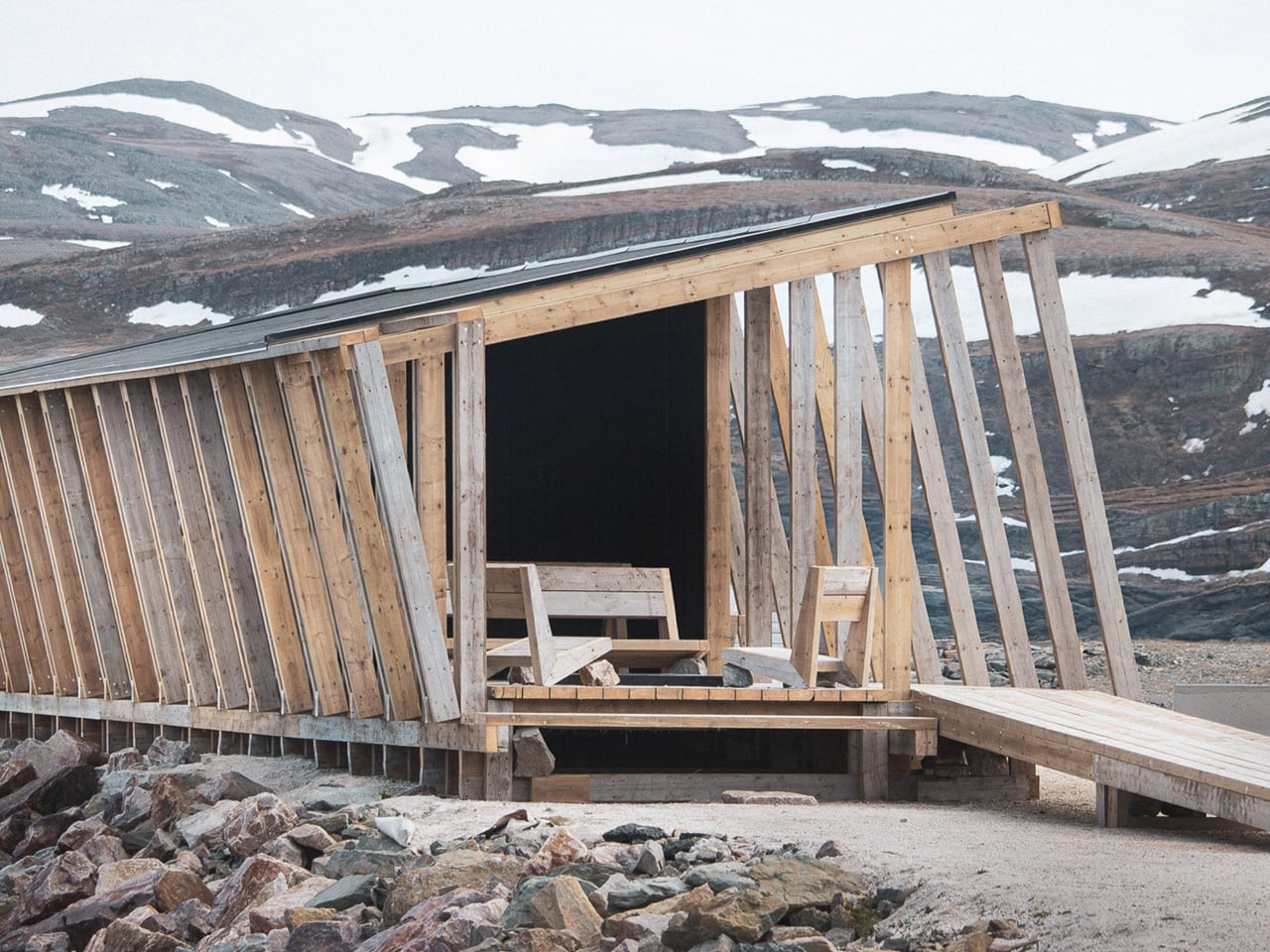
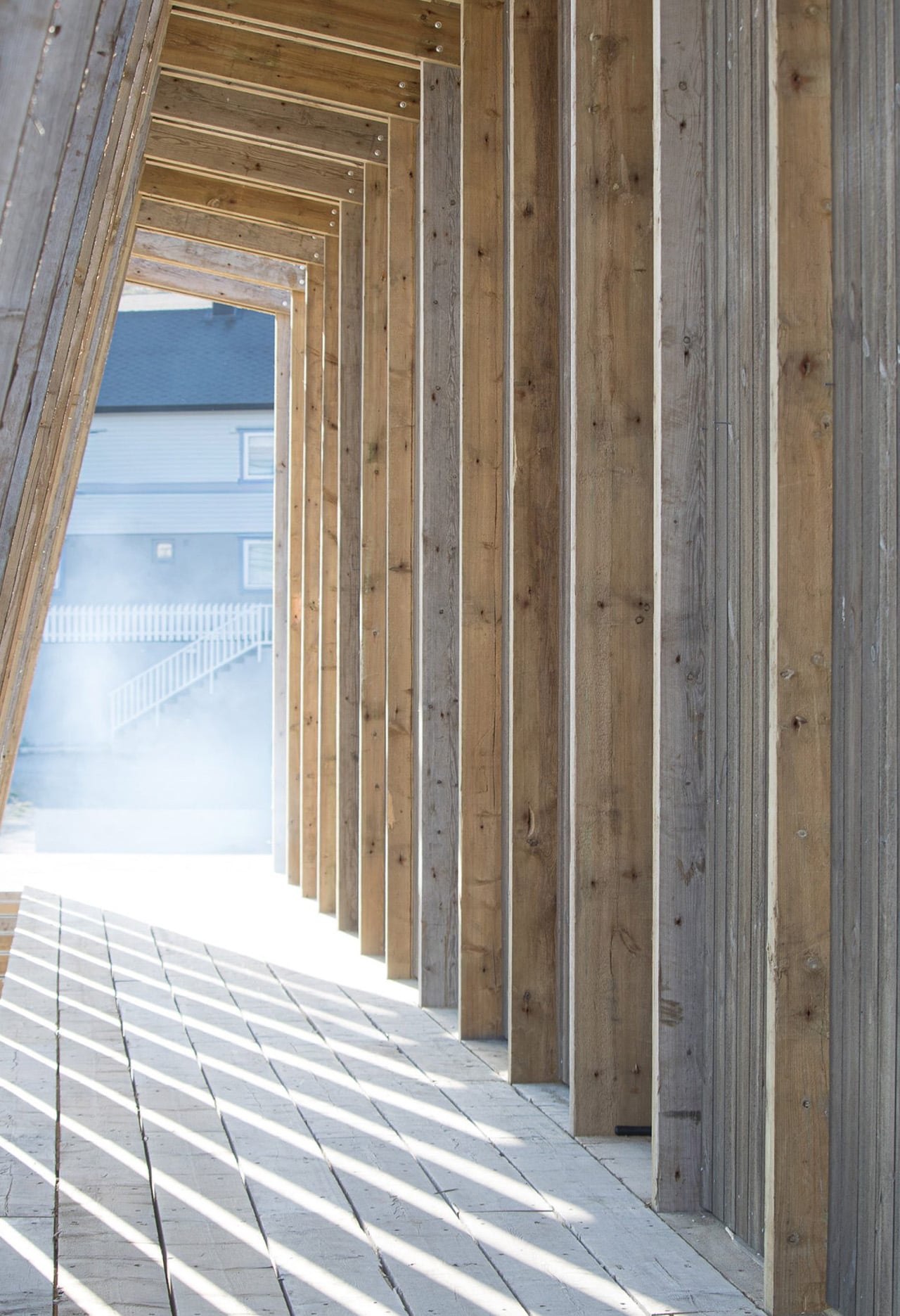
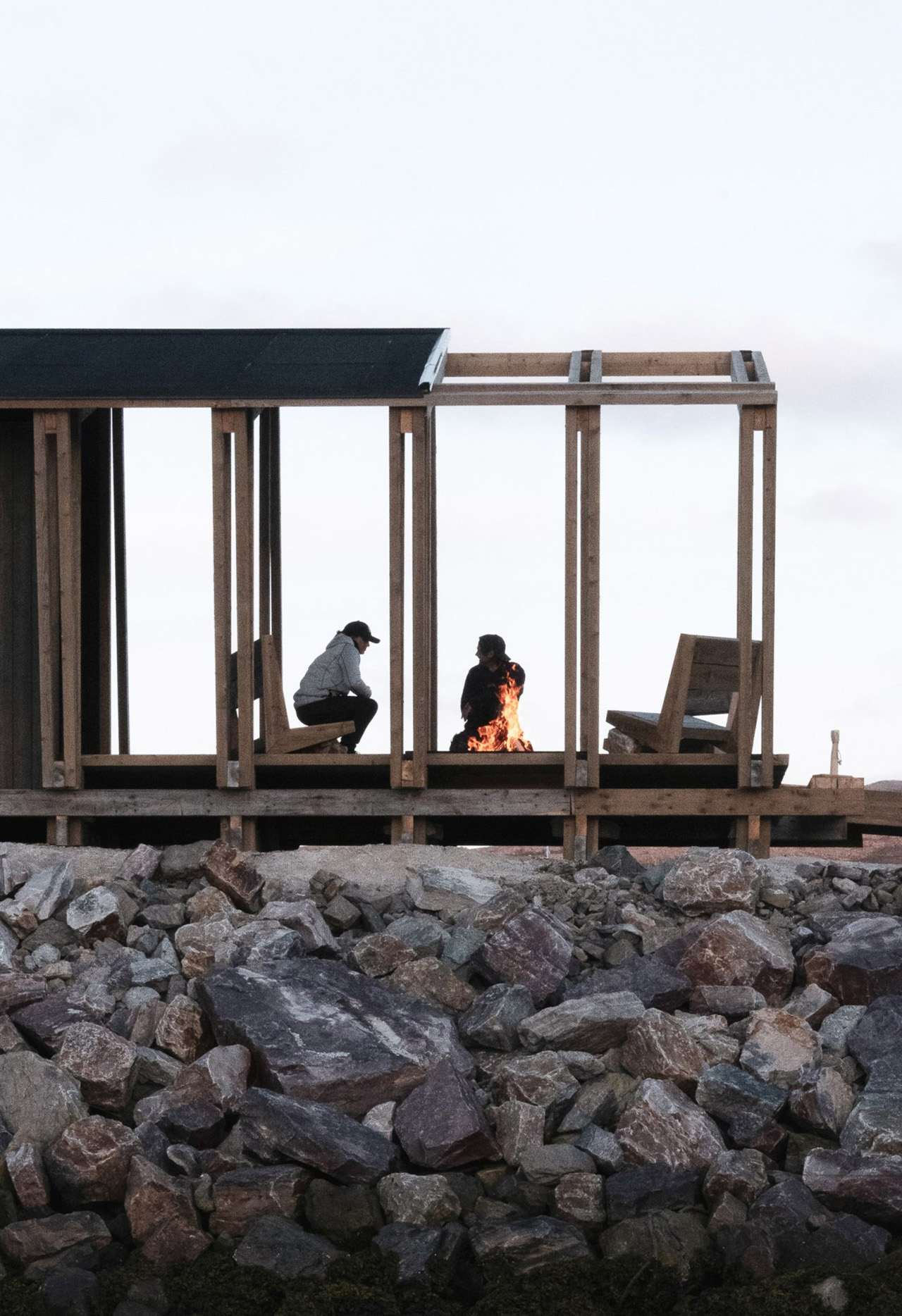
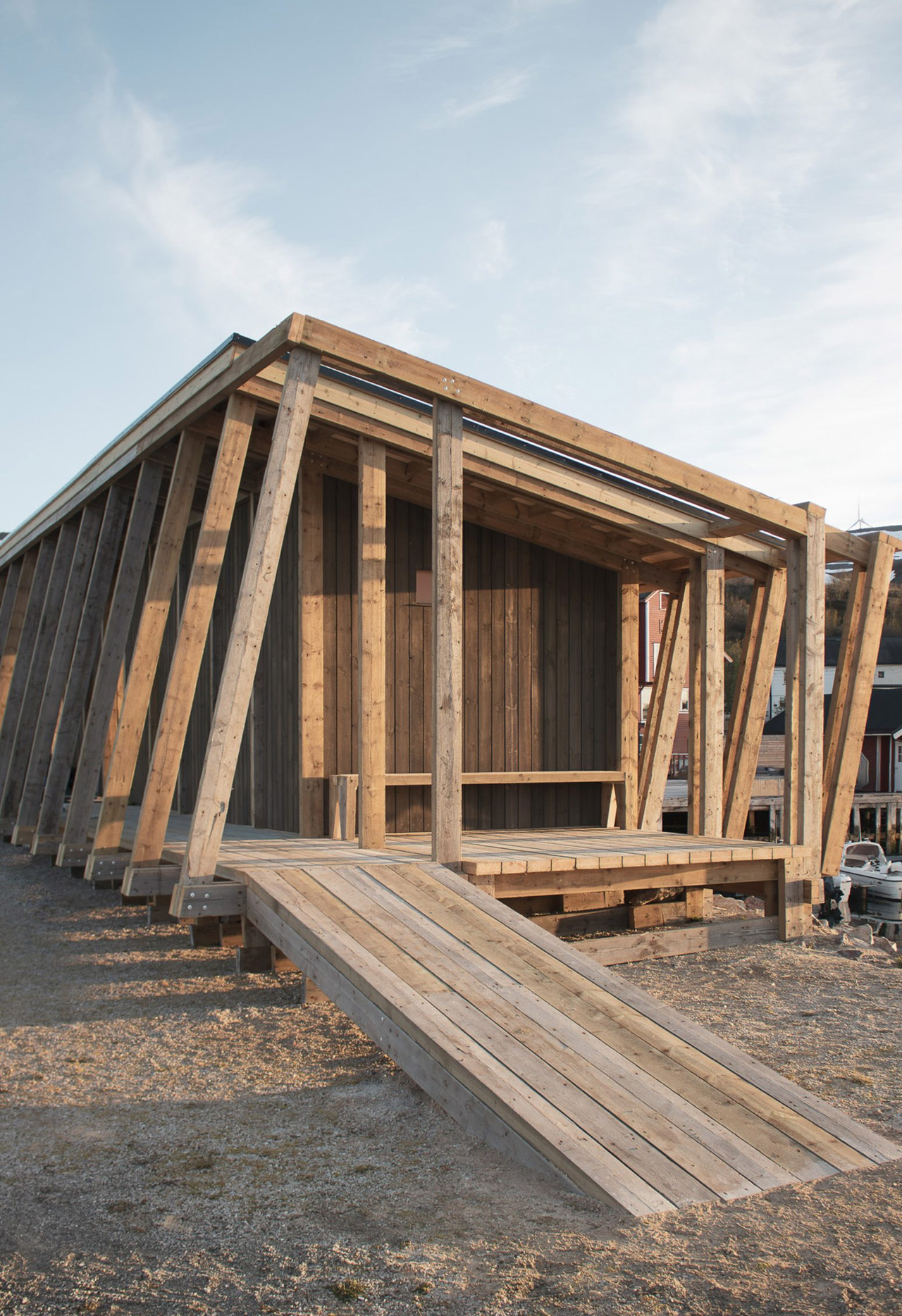
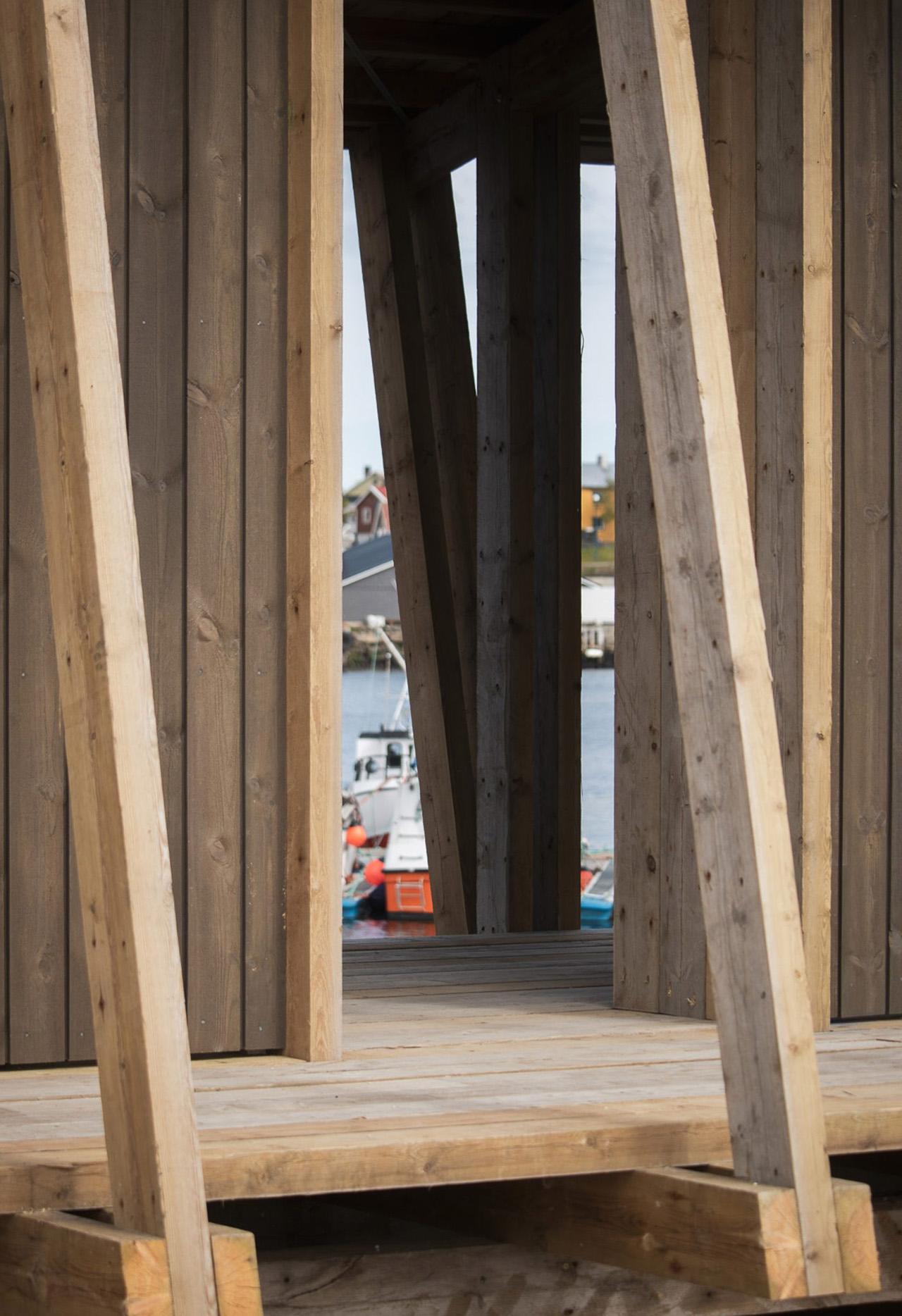
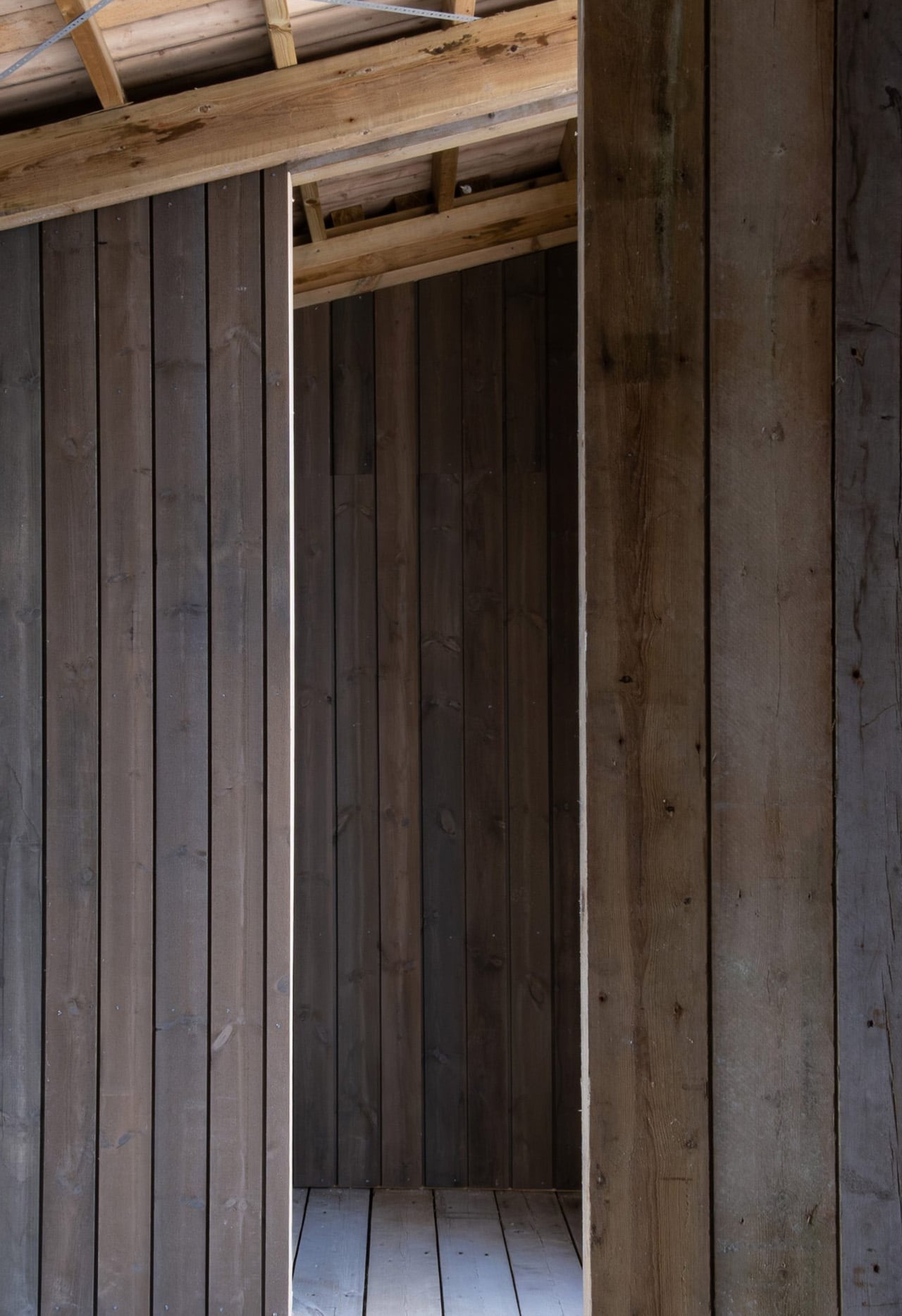
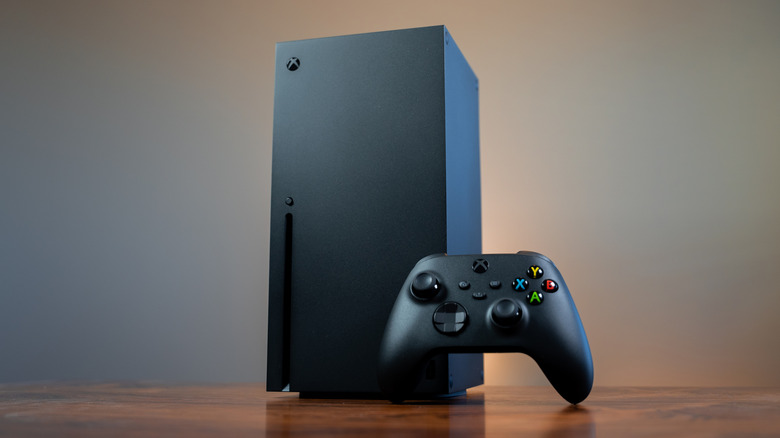
Nineteen timber frames lean toward the harbor at Båtsfjord, Norway, giving Skroget the skeletal outline of a boat under construction. Designed and built by Rare Collectiv, a group of 15 students from the Norwegian University of Science and Technology’s Design in Context course, the completed project combines a community sauna with a public deck. Its name comes from the Norwegian word for hull.

The maritime reference gives the structure a fitting identity beside a working harbor. More interesting is what happens beneath those ribs. The framework establishes a rhythm along the waterfront, making a relatively small enclosed room part of a much longer outdoor space. The sauna is a destination within the architecture, rather than its entire reason for being.

Designer: Rare Collectiv

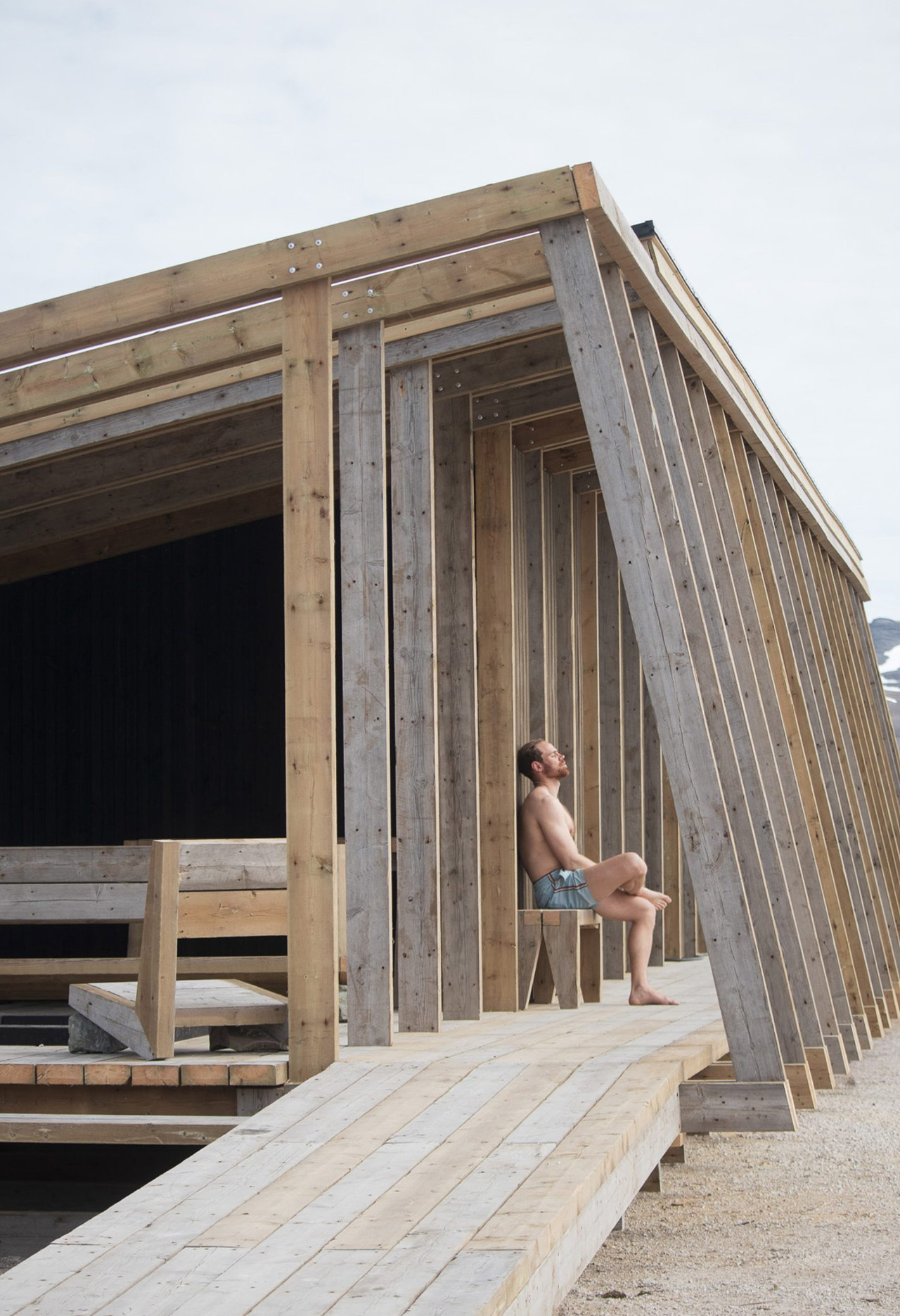
Stretching approximately 131 feet, or 40 meters, Skroget uses its angled timber portals to form a sloping roof over a southern walkway and seating area. Almost the entire structure uses reclaimed lumber sourced from a building dismantled by the local municipality. That gives the project a specific material connection to its surroundings, beyond the boatlike silhouette.

The long plan also establishes two different relationships with the site. Rare Collectiv describes an exposed waterside and a more protected, south-facing landward side, where the walls provide shelter from wind. The geometry therefore has a practical purpose: it creates somewhere to pause beside the harbor without leaving every seat equally exposed to it.

There’s restraint in that approach. An expressive structure can become scenery that offers little to the people standing underneath it. Here, the repeated frames organize circulation and places to sit. The boat reference remains legible, but the shelter gives it a useful job.

A continuous walkway connects the western entrance and fire pit with the sauna at the eastern end, passing changing rooms and showers between them. The arrangement avoids treating the building as a corridor that simply stops at a door. It gives the shared outdoor spaces an organizing role of their own.

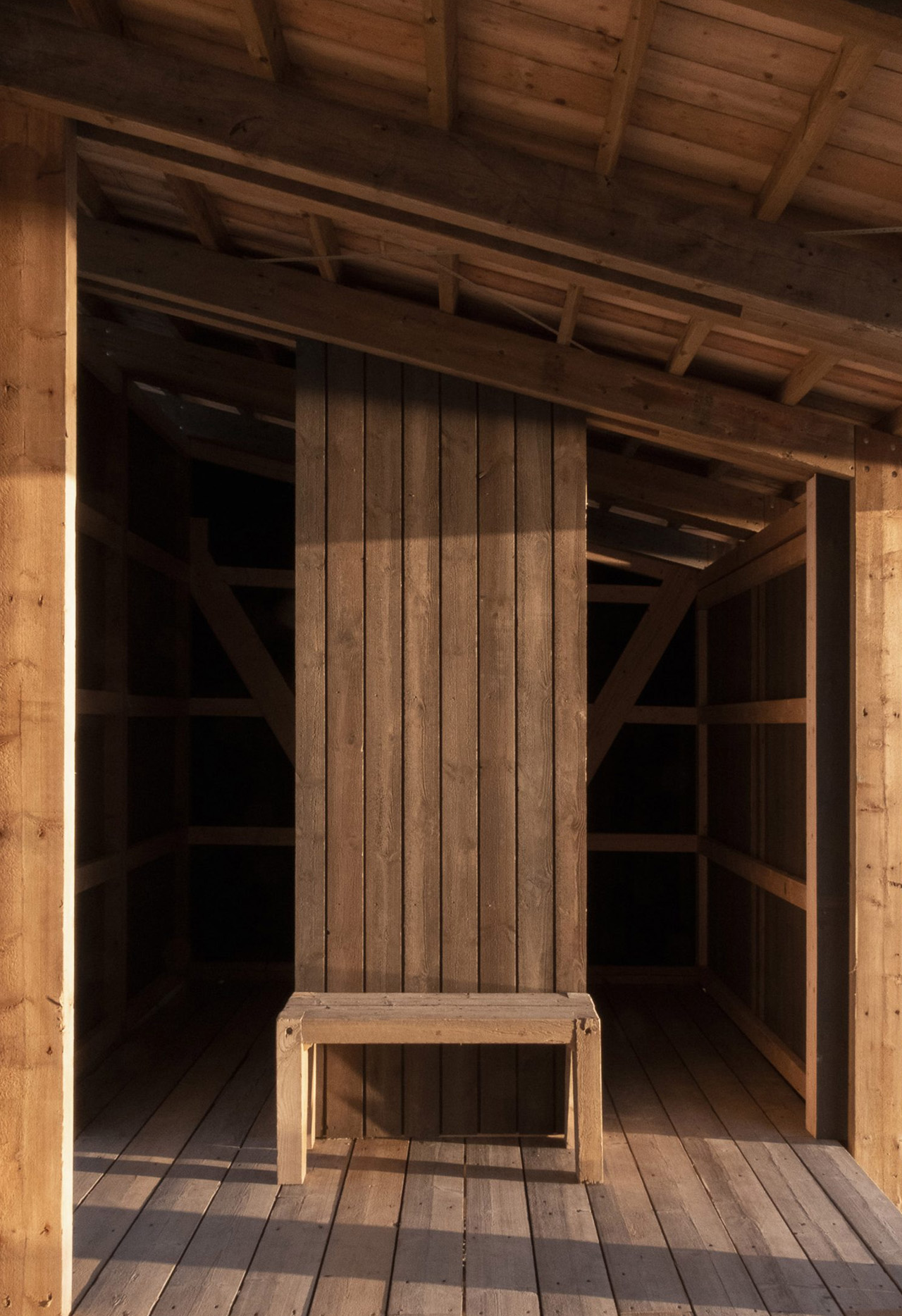
The sauna itself occupies 15 square meters, approximately 161 square feet. Unlike the predominantly reclaimed structure around it, this enclosure uses new wooden elements, with a dark brown exterior and pale birch interior. Custom outdoor benches, tables, and chairs repeat the angular language of the larger frames.

That small room within a long public structure is Skroget’s most persuasive decision. The layout leaves room for different kinds of visits: a sauna session, a conversation, or a pause by the water. Its architectural generosity lies in giving those quieter, less programmed moments space alongside the main attraction.

The post This Norwegian Sauna Turns Reclaimed Timber Into a Ship-Inspired Waterfront Shelter first appeared on Yanko Design.
The Lamborghini Miura Fountain Pen has a pop-up headlight built right into the cap

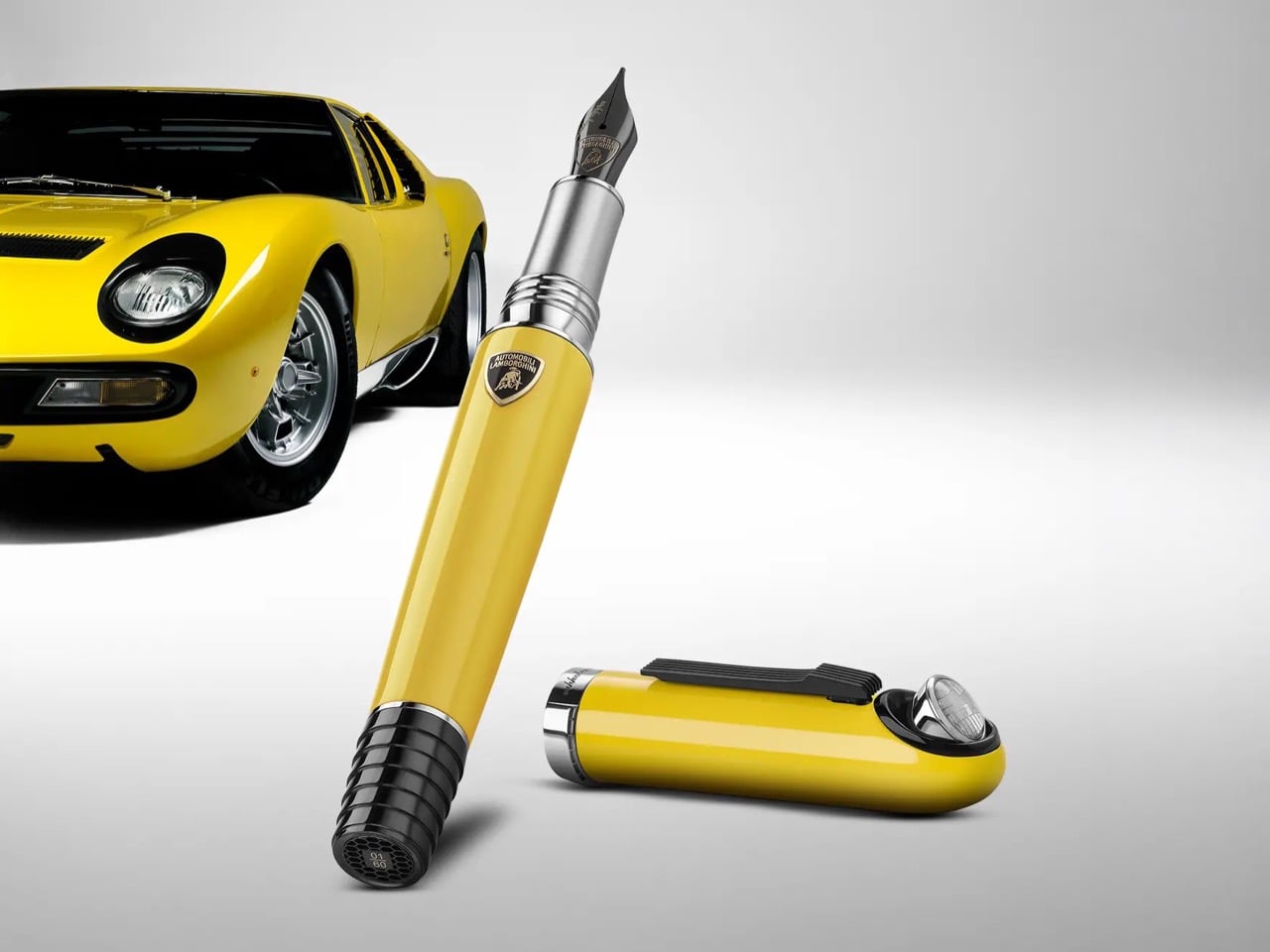
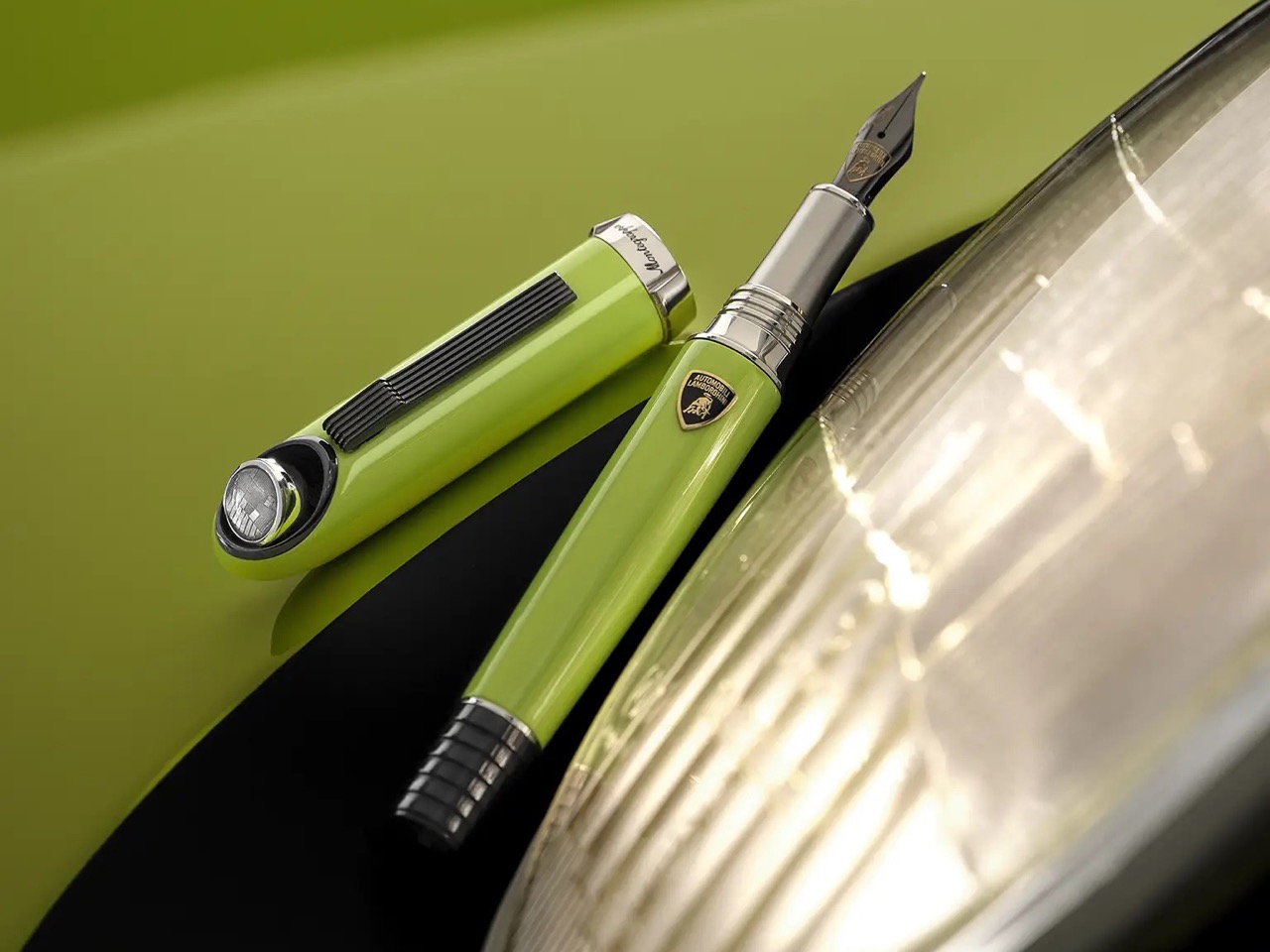
Pop-up headlights were the original fidget toy, and anyone who grew up with a Miata in the family knows it. You’d flick them up and down in the driveway for no reason at all, purely because it felt like the car was blinking at you. Montegrappa clearly gets the appeal. Its new Automobili Lamborghini Miura pen, made to celebrate the Miura’s 60th anniversary, puts a working miniature headlight on the end of the cap. Press a button and the little rock crystal lamp tilts up out of its pocket, mimicking the car’s famous lights. I give it about four seconds before you stop writing and start obsessing and fidgeting over the mini headlight detail.

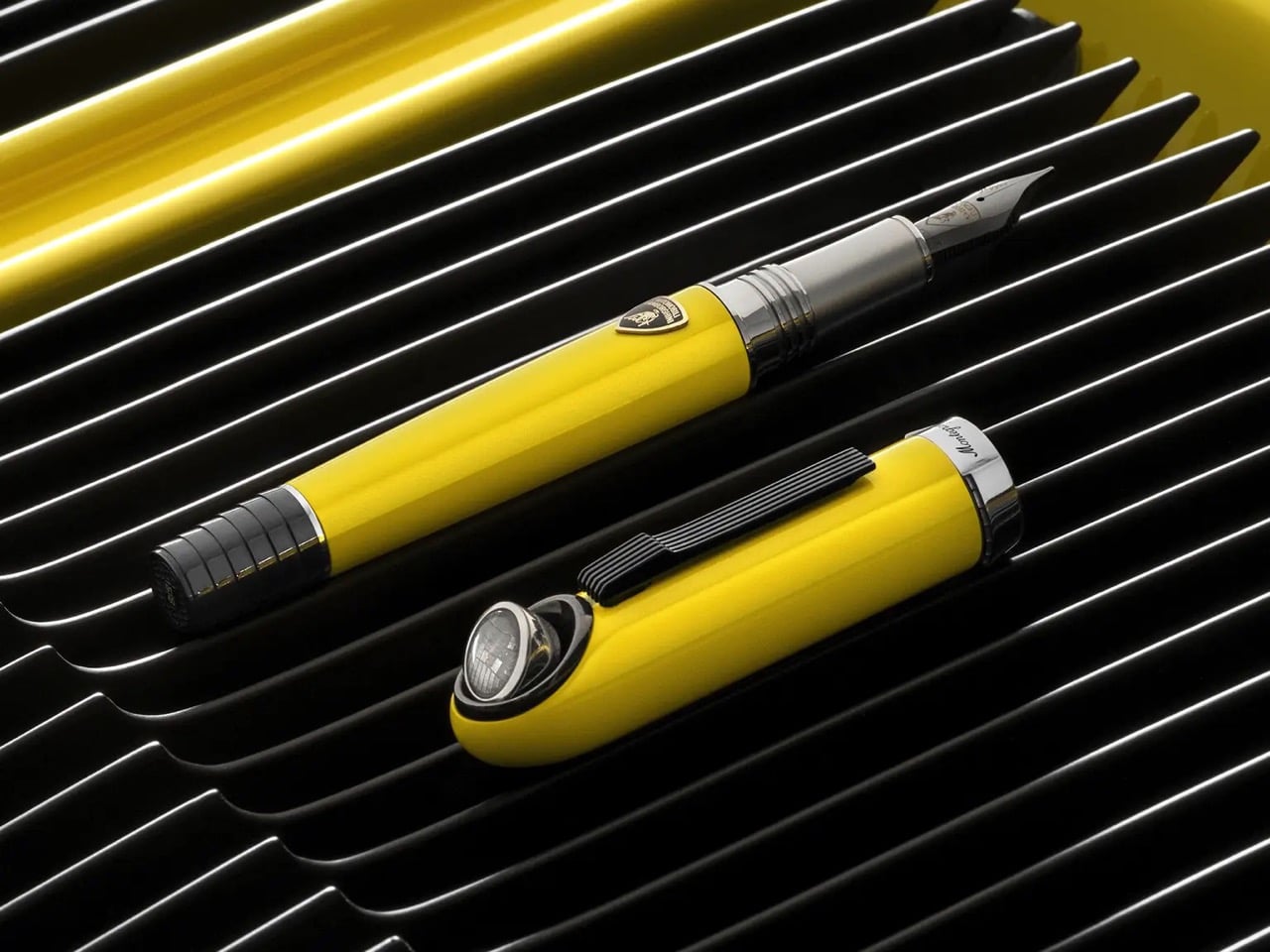
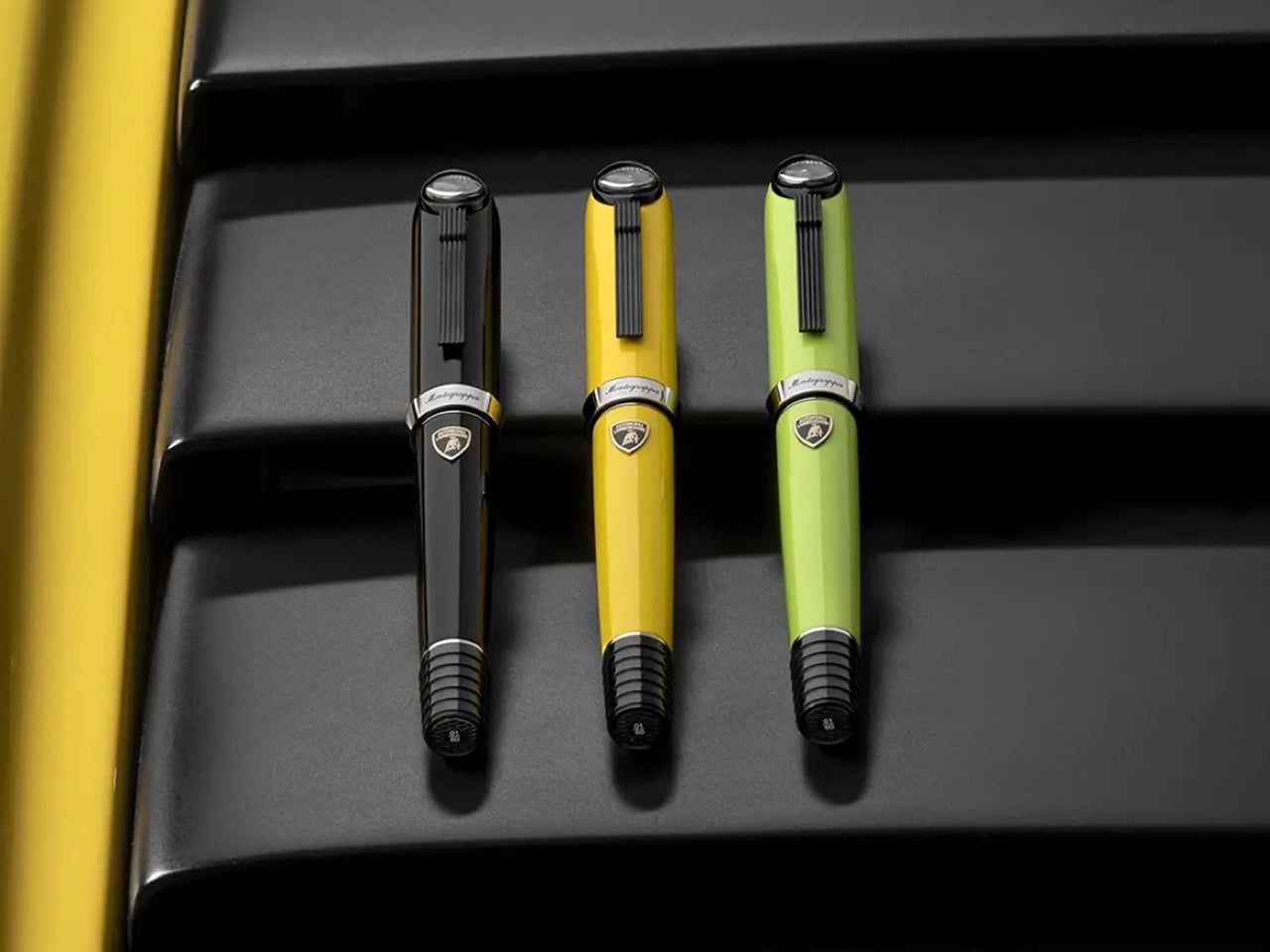
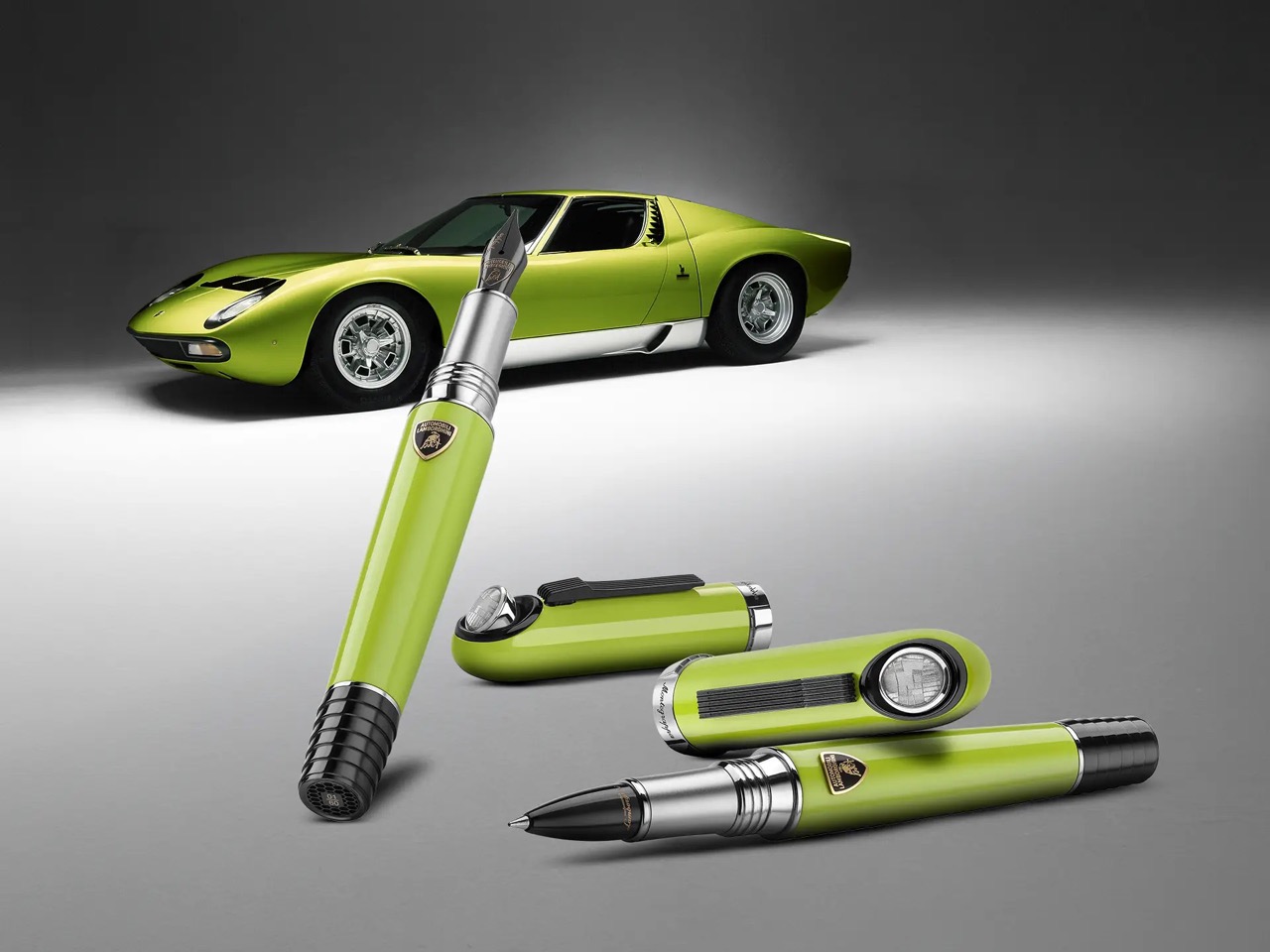
The headlight gets top billing, but Montegrappa threaded the Miura through the whole pen. The cap’s rounded nose reads like the car’s front fender, with the lamp sunk into a sloped recess the way it sits on the real thing. A black ribbed clip echoes the Miura’s slats, the stacked end cap recalls its louvered engine cover, and the barrel comes in Giallo Fly, Verde Miura, or Black. Montegrappa, Italy’s oldest pen maker, is building 60 of each color as both a fountain pen and a rollerball, for 360 pieces total. The fountain pen costs €8,250 (roughly $9,280), which is a lot for a pen and a bargain for a Miura.

Designer: Montegrappa x Automobili Lamborghini

How the rock crystal headlight pops up on the cap

Rock crystal is natural clear quartz, rating about 7 on the Mohs hardness scale, which is why it was cut into watch crystals and lenses centuries before synthetic sapphire showed up. Montegrappa sets a domed piece of it on an engraved base that recreates the texture of the Miura’s original lamp, so you see a faceted reflector pattern through the stone. A tactile push-button mechanism tilts the lamp up out of its dark-rimmed housing, the same way the car’s headlights rise from the fender. With the cap on, the lamp sits at the very top of the pen like a finial. It won’t light up your notebook, sadly, though at this price I’d have happily accepted a tiny LED.

Gandini gave the Miura’s headlamps metal eyelids framed by black slatted “eyelashes,” and that face became the car’s signature when it debuted at the 1966 Geneva Motor Show. The SV dropped the eyelashes in the early ’70s, and Miura fans have been arguing about that call ever since. Montegrappa’s cap may have smuggled them back in. To my eye, the ribbed black clip sitting right behind the lamp plays the same visual role the eyelashes did on the fender. The press shots seal the deal by parking the cap beside a yellow Miura with its lashes intact, and the resemblance is uncanny.

An 18K ruthenium nib, an ebonite feed, and serious desk heft

Uncap the fountain pen and you get an 18K gold nib with ruthenium plating, a platinum-group metal that gives it a dark gunmetal tone matching the black clip and end cap. The Lamborghini shield is engraved right on the nib face. Underneath sits an ebonite feed, the vulcanized hard rubber that fountain pen nerds love for its smooth, consistent ink flow. Nib options run from Extra Fine to Broad, plus a 1.1mm Stub if you like your handwriting with a little calligraphic swagger. Filling is a straightforward cartridge or converter setup, with two cartridges and a converter included in the box.

The pen measures 6.34 inches (161mm) long and 0.79 inches (20mm) across, and the fountain pen weighs 3.07 ounces (87 grams). That’s a little lighter than two AirPods Pro cases, which puts it firmly in desk-carry territory. The rollerball is a touch heavier at 3.25 ounces (92 grams) and keeps the same body, cap, and headlight, swapping the nib for a black conical tip. Both arrive in a lacquered wood and genuine leather case inspired by the Miura’s seats and interior. Considering how cramped the real car’s cabin is, this might be the roomiest Miura interior ever made.

From the 60° start switch to the Miura’s pop-up headlight

Montegrappa and Lamborghini first teamed up in 2023 for the carmaker’s own 60th anniversary, producing the Automobili Lamborghini 60° collection. Those pens had a hexagonal billet aluminum body and a red alloy flip switch on the base, modeled on the guard over Lamborghini’s start button. They took 24 months to develop and sold in the US for $6,495 as a fountain pen and $5,495 as a rollerball. The Miura edition goes softer and rounder, trading hexagonal edges for glossy curves that suit a 1960s car. Line the two up and a pattern emerges, with Montegrappa taking a car’s most theatrical physical gesture and turning it into the pen’s party trick.

Lamborghini has spent years mining the Miura, from the Aventador Ultimae Roadster that saluted the one-off 1968 Miura Roadster to this year’s 99-unit Revuelto Miura 60° Homage. Montegrappa’s pen is the most attainable entry in that club, and easily the most playful. My one wish is a variant with a proper ring of tiny slatted eyelashes around the lamp, for the P400 purists who want the full face. Pre-orders are open on Montegrappa’s site now, with deliveries starting in mid-November, and official US pricing should land somewhere near that euro conversion. Just keep the fidgeting to a minimum during your next board meeting.

The post The Lamborghini Miura Fountain Pen has a pop-up headlight built right into the cap first appeared on Yanko Design.