Should You Upgrade to the Latest iPad Pro with M4? A Critical Upgrade Analysis

iPad Pro with Magic Keyboard

I’ve been using my existing iPad Pro powered by Apple’s very first M1, along with the Magic Keyboard and Apple Pencil. Never once does it even stutter, nor have I felt like the performance was sluggish. However, there are a few physical design aspects that I would love to change on the iPad Pro device itself, including the Magic Keyboard and additional features on the Apple Pencil. I’ve never had the urge to upgrade to a new iPad Pro, but I’ve had the urge and need for a second MacBook. Whether it’s the Air or Pro is yet to be determined. Now that the all-new iPad Pro, Magic Keyboard, and Pencil Pro have arrived, I’m starring at a new companion that could last me an entire decade before I would need to upgrade.

Designer: Apple

My colleague Sarang and I have covered the iPad Pro news here, as well as the breakdown of the new Apple Pencil Pro vs. the second-generation Apple Pencil. Here’s a brief summary to catch you up in case you don’t get over there:

All-new iPad Pro

  • Design & Colors: The new thin, light design is available in silver and space black in 13-inch and 11-inch models.
  • Display: Features the advanced Ultra Retina XDR with tandem OLED technology for exceptional visuals.
  • Performance: It is powered by the new M4 chip, which offers significant performance improvements and all-day battery life; it includes enhancements in CPU, GPU, and a new display engine.
  • AI Capabilities: It is equipped with a powerful CPU, GPU, higher bandwidth memory, and the most advanced Neural Engine for superior AI performance.
  • Accessories: Includes new Apple Pencil Pro for enhanced interactions and a redesigned lighter Magic Keyboard.
  • Pricing: The 11-inch Wi-Fi model starts at $999, and the 13-inch Wi-Fi model at $1,299. Additional options include Wi-Fi + Cellular models and special education pricing.
  • Availability: Orders will start today, with in-store availability starting Wednesday, May 15.

The remaining decision is determining which size of the iPad Pro is best for you, especially if you’re considering upgrading or switching from another brand. However, before we discuss the size, let’s first examine the new Magic Keyboard. This accessory is crucial in determining if the new iPad Pro can effectively replace a 13-inch MacBook Air.

Magic Keyboard: Transforming the iPad Pro into a Laptop Contender

I’ve been using the current-generation Magic Keyboard with my iPad Pro. Although it significantly enhances my productivity, it has its shortcomings. When fully extended, the first row of keys is partially obscured by the lower part of the device, which can be frustrating. Additionally, the keyboard’s design and materials don’t quite match the sleekness of the iPad Pro, making it seem somewhat of an afterthought.

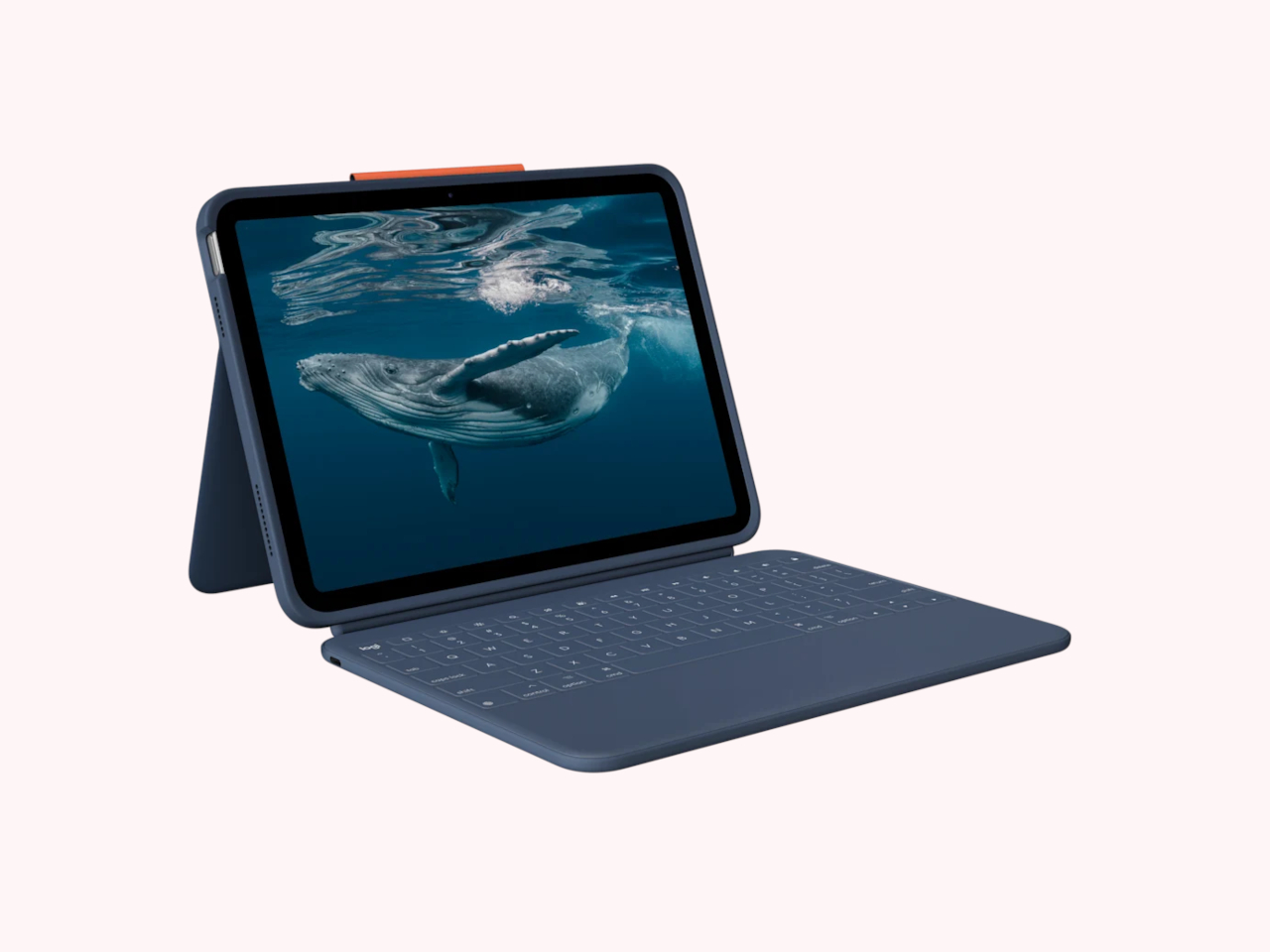
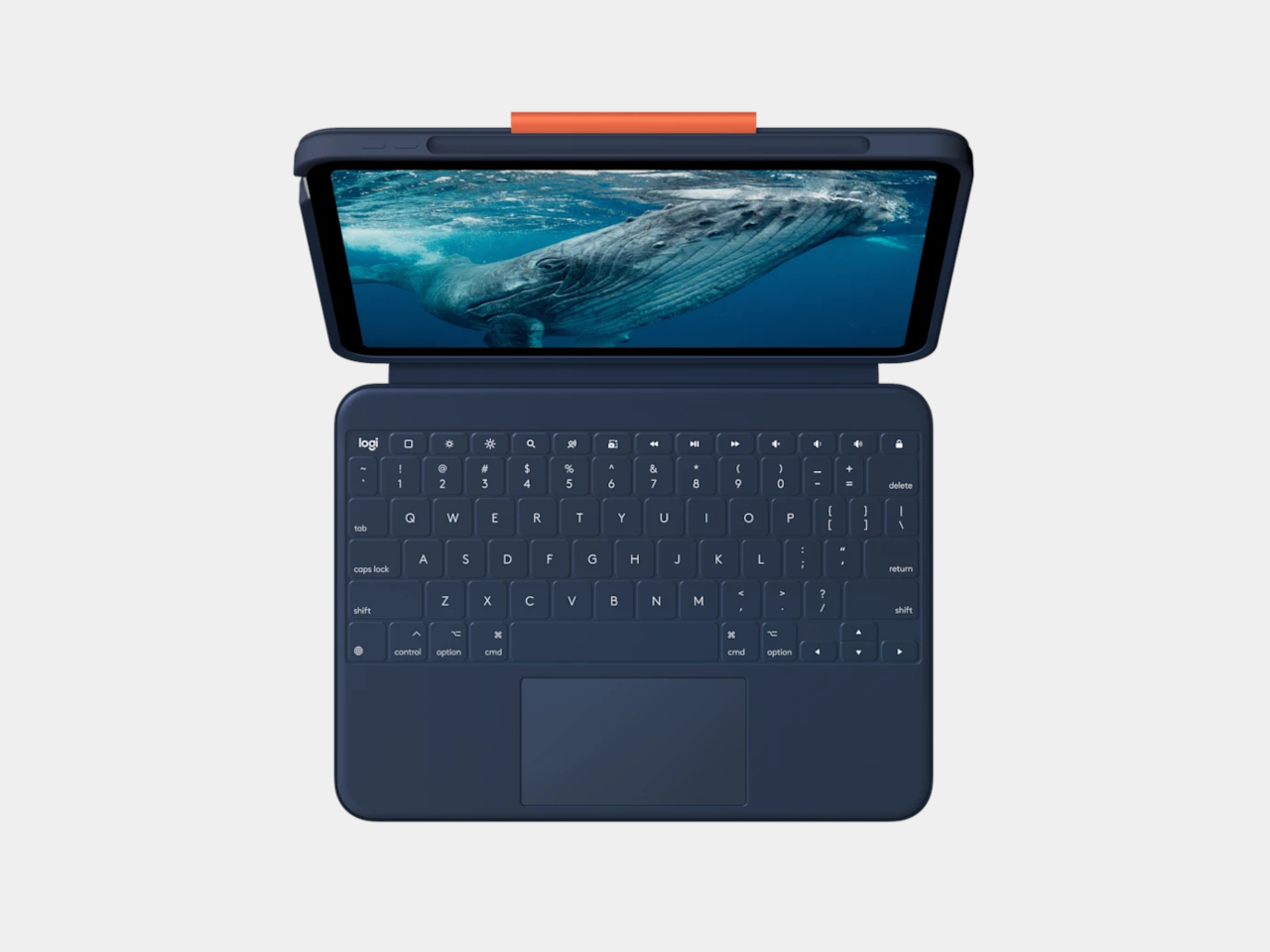
However, the introduction of the new Magic Keyboard for the iPad Pro appears to address my main concerns. The inclusion of a full function row above the number keys is transformative. This new 14-key function row provides easy access to controls such as screen brightness and volume, significantly boosting usability. The keyboard now complements the iPad Pro not only in its sleek profile and machined aluminum but it also feels like an integral part of the setup.

The redesigned keyboard also features backlit keys, which are ideal for any lighting condition, and its adjustable angles make it easy to find the optimal viewing position. A significant upgrade is the larger, redesigned glass trackpad with haptic feedback, enhancing responsiveness and intuitiveness—ideal for navigating large spreadsheets or highlighting text. Apple mentioned during the product announcement that the precise feedback from the trackpad will make every gesture—from scrolling and swiping to using Multi-Touch gestures—feel as natural as if you were using a MacBook.

Although I haven’t had the chance to test this out yet, Apple’s announcement suggests this should dramatically improve the user experience. It’s important to underscore the significance of a well-designed and constructed keyboard for the iPad, especially when in productivity mode, like during extensive writing sessions. The layout and key travel are crucial for comfort and efficiency. I’m eager to put this keyboard to the test and will share my findings in a detailed review later. Additionally, there are times when I prefer something slimmer and more streamlined, and that’s where the Smart Folio for iPad Pro comes in.

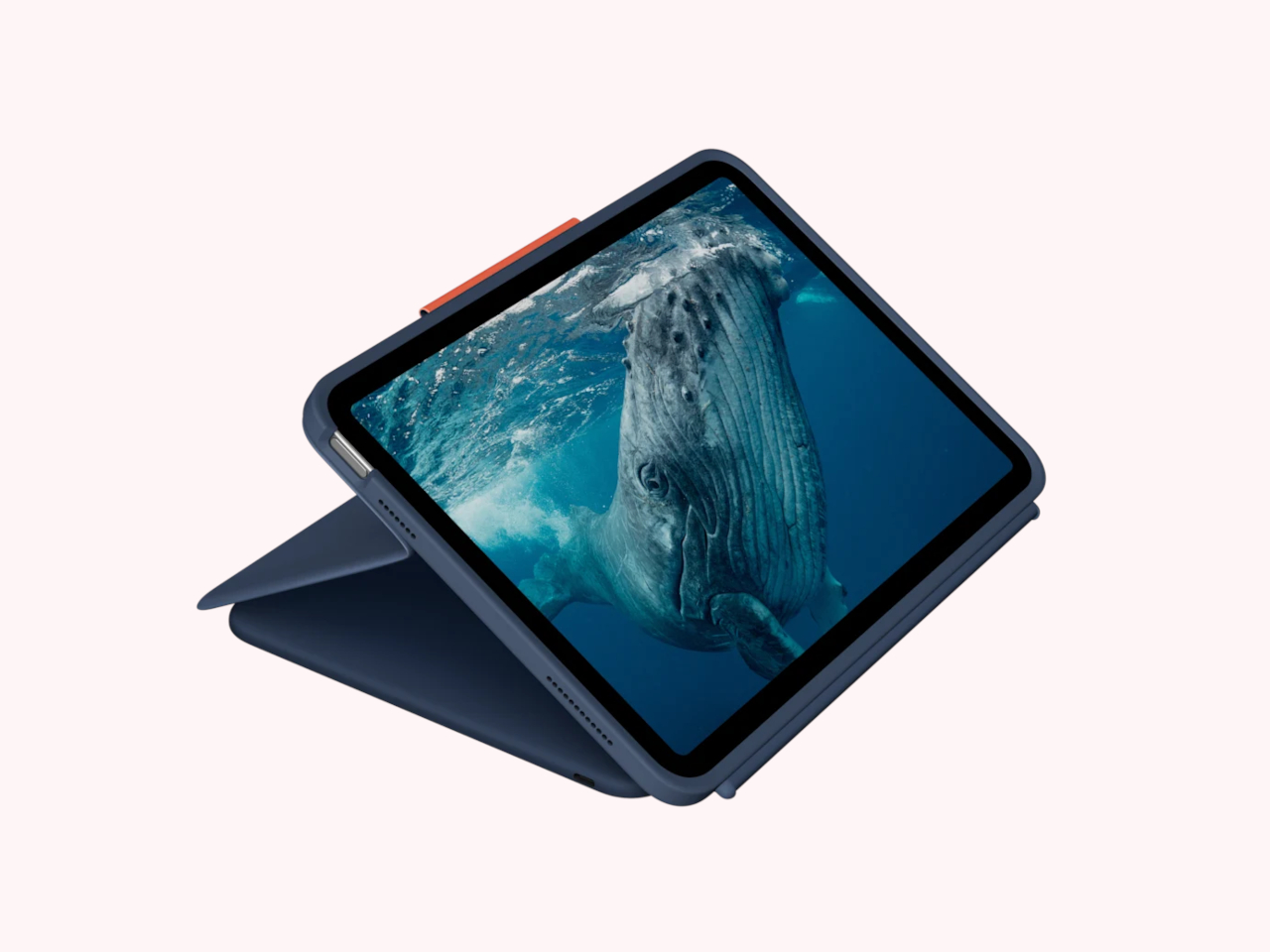
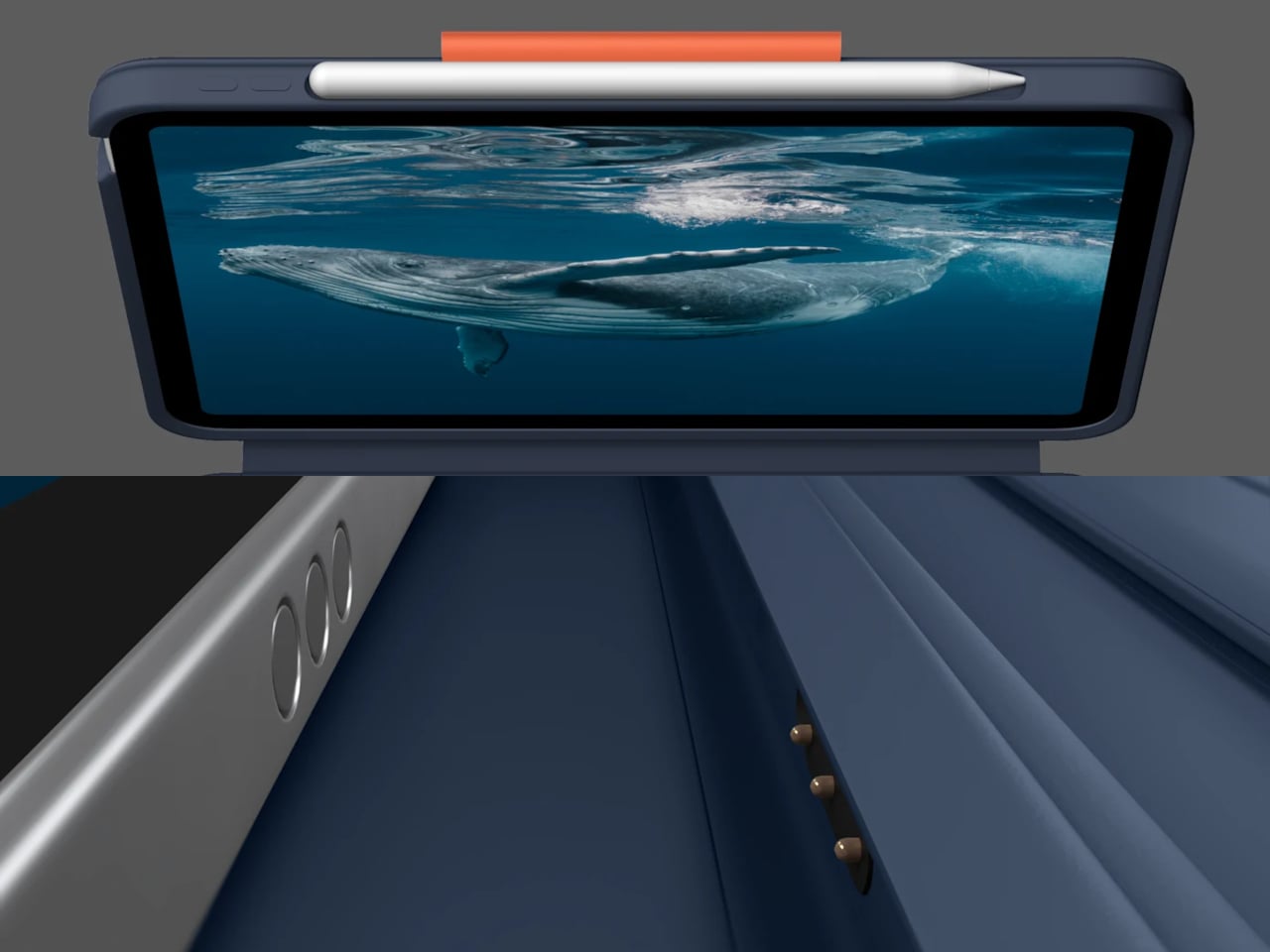
The new Smart Folio for the iPad Pro is the perfect companion. It attaches magnetically and now supports multiple viewing angles for reading, watching shows, typing, or making FaceTime calls. This versatility makes it ideal for various use cases, from viewing media to typing on the go. The Smart Folio is available in black and white, and it is a stylish new denim color. It is priced at $79 (U.S.) for the 11-inch model and $99 (U.S.) for the 13-inch model.

Overall, the updates to the new Magic Keyboard ($349) seem to rectify previous shortcomings and introduce improvements that integrate seamlessly with the iPad Pro experience. It’s slim, lightweight, and portable, featuring a floating cantilever design for smooth adjustability and stylish protection.

The toughest decision: 11-inch or 13-inch iPad Pro?

Practically speaking, the 13-inch model is a no-brainer due to its larger-screen real estate. Yet, there are times when I find myself wishing for the more portable 11-inch iPad Pro, especially when I’m working out of our Tokyo office where my business partner, Ewdison Then, uses the smaller pre-M1 iPad Pro. It’s also important to note the $300 price difference between the two models, with an additional $100 if you opt for the nano-textured glass. Keep in mind that choosing the nano-textured glass requires an upgrade to a 1TB or 2TB configuration.

2024 Apple iPad Pro: 11-inch and 13-inch model with Apple Pencil Pro

I understand that nothing lasts forever, but if you’re considering an iPad Pro over a fully equipped MacBook Air—which is about $800 cheaper—why not go all out? Choosing the fully upgraded 13-inch iPad Pro, which includes 2TB of storage, nano-texture glass, Magic Keyboard, WiFi+Cellular, and the new Apple Pencil Pro, might seem expensive at $3000, but it delivers a comprehensive package with top-tier functionality and performance. If you don’t need all the extras, you can opt for a more modest 512GB configuration with WiFi-only, Magic Keyboard, and Apple Pencil Pro for under $2000, aligning closely with the cost of a full-spec MacBook Air. Personally, my preference leans towards the former, though this heavily depends on the enhancements that iPadOS might offer in terms of multitasking features and app layout compared to MacOS. As it stands, we’ll have to wait for WWDC 2024 on June 10 to see what’s really possible.

Ultimately, the decision comes down to want versus need. Do I need the new iPad Pro? Not exactly, as my three-year-old model still works – perfectly I might add. I emphasize its age and mint condition because the impressive performance of the M1 chip and the build quality make me believe that an iPad Pro powered by the new M4 chip could potentially last me a decade before needing an upgrade.

The post Should You Upgrade to the Latest iPad Pro with M4? A Critical Upgrade Analysis first appeared on Yanko Design.
Steve Jobs would be absolutely proud of how far the new iPad Pro M4 has come

Here’s a snapshot of the new iPad Pro – an industry-leading M4 Chipset, Tandem OLED screen technology, a design thinner than any other Apple device ever made, nano-textured glass, studio-quality mics, graphite-sheet-infused hardware and copper-infused logo for better thermals, and an absolutely game-changing Apple Pencil Pro. It’s almost as if Apple is operating with alien technology.

I’ve mentioned this in the past that the iPad Pro really has no true competitor. It’s left Android tablets so far behind that almost every Galaxy, Pixel, or OnePlus tablet is just a budget competitor with Apple’s regular iPad. The iPad Pro has always been in a league of its own, and truth be told, I entered the Apple event thinking we’d get an incremental iPad Pro M3 update… because why does Apple really have to blow minds any more than it already has? Turns out I was absolutely wrong, because the more-than-one-year wait for a new iPad Pro was absolutely worth it.

The tablet PC itself was a category that Jobs pioneered, ushering in a new era of handheld devices that would go on to become the intermediary between a phone and a laptop. Jobs introduced the iPad as a multimedia device back in the day, but today the iPad Pro is much more. In fact, it’s so ridiculously powerful that it could dethrone even Apple’s own MacBook. The landscape camera and Magic Keyboard with the function row are just two small updates that put the iPad Pro more and more in MacBook territory… except with an XDR touchscreen, a brilliant stylus, a flawless front-facing camera with LiDAR, and with FaceID – all features that the MacBook currently lacks.

Yes, I sincerely believe that if Jobs were around today, the iPad Pro M4 would have blown his mind because I’m pretty sure the CEOs of Samsung, Google, OnePlus, Huawei, and Microsoft are all mighty pissed at how much Apple has leapfrogged their own tablet efforts. There’s really no comparison between tablets the way there is between phones and even to some extent between smartwatches. No Qualcomm chipset matches the M4’s capabilities, neural engines (NPUs) on tablet chipsets aren’t that common or powerful (to our knowledge, only Microsoft’s Surface Pro has them), and the fact that the iPad is so good it could potentially eat into Chromebook sales is probably really irking some companies right now.

So what makes this iPad so ground-breaking? Well, for starters, pretty much all of us entered into this keynote expecting the usual – a chip upgrade, the shifting of the camera module, and maybe some Pencil tweaks. However, what Apple served up instead was miles ahead of what anyone could think. The first iPad Pro was touted as a magical piece of glass, given how thin and compact it was – this new iPad Pro, even with its new almighty M4 chip, is thinner than any iPad ever made. At 5.3 and 5.1 millimeters respectively (the 11 and 13-inch models), the new iPads are thinner than the thinnest iPod. Heck, they’re a full 40% thinner than an AirTag. AN AIRTAG.

That isn’t all, Apple’s new design is a combination of incredible engineering and borderline futuristic material sciences. The new screen gets bumped up from Retina to Tandem OLED, a technology that Apple developed in-house, merging two OLED panels together to bring screen brightness up to a peak of a whopping 1600 nits. Meanwhile, a nano-textured glass helps cut glare while refracting ambient light perfectly without causing any clarity issues. A better screen, an M4 chipset, and a radically thinner design obviously means the iPad Pro is prone to immense heating (it doesn’t have a fan the way laptops do either), but that’s where Apple’s ingenuity shines again. Instead of simply relying on machined aluminum, the new iPad Pro’s housing has graphite sheets incorporated into it… and that Apple logo on the back, that also has copper infused into it too, helping turn the iPad’s body into a much more efficient heat sink to dissipate heat.

The iPad Pro’s nano-textured glass

The new iPad Pros also have better speakers, a set of studio-grade microphones, and a repositioned landscape camera that manages FaceID as well as functions as the perfect video-conferencing camera with CenterStage capabilities. The camera sits right where the wireless charging coil for the Apple Pencil would otherwise sit, so the fact that Apple’s managed to squeeze both of those in, while still making the iPad Pro thinner than before seems like a borderline miracle.

The new iPad Pro is also complemented by a redesigned Magic Keyboard that’s slimmer, and has an all-new function key row and a pressure-sensitive trackpad… and a Pencil Pro that’s so ground-breaking it puts other styluses to shame (fun fact, the Pencil Pro got 5 full minutes of coverage in a 44 minute keynote, including an in-depth breakdown by Procreate CEO, James Cuda), but more on that in a separate article. Despite its radical redesign, the iPad Pro doesn’t get a price-bump. Instead, it still starts at $999 for the 256Gb model (the 128Gb model is now discontinued), and $129 for the Pencil Pro. Even by Apple’s own standards, that’s a massive technological leap for the same price each year. Like I said, Jobs would be absolutely chuffed.

The post Steve Jobs would be absolutely proud of how far the new iPad Pro M4 has come first appeared on Yanko Design.
Apple Pencil Pro vs. the Apple Pencil 2nd Generation: A Detailed Features Comparison

Apple Pencil Pro vs. Apple Pencil 2nd Generation

Apple’s unveiling of the Apple Pencil Pro, together with the 2nd gen Apple Pencil, is likely to captivate the creative and professional communities. While both styluses have impressive features, the Pro version offers new capabilities that distinguish it. This article breaks down what the Apple Pencil Pro and the 2nd generation pencil have in common and dives into the cool new upgrades that make the Apple Pencil Pro stand out.

Designer: Apple

Common Features between Apple Pencil Pro vs. Apple Pencil (2nd generation)

Apple Pencil Pro and Pencil 2nd Generation

Precision and Responsiveness:

Both the Apple Pencil Pro and the 2nd generation Apple Pencil offer pixel-perfect precision, making them ideal for writing, sketching, and drawing on an iPad. They’re designed to feel as natural and responsive as a traditional pencil on paper, thanks to their low latency.

Tilt Sensitivity:

Artists and designers will appreciate that both models support tilt sensitivity, which allows users to shade and create effects just like they would with a real pencil.

Magnetic Attachment and Wireless Charging:

Both pencils magnetically attach to the side of compatible iPads, which not only keeps them securely in place but also charges them wirelessly, ensuring they’re always ready when inspiration strikes.

Double-tap to Change Tools:

This convenient feature allows users to quickly switch between tools (like pencil to eraser) with a simple double-tap on the body of the pencil.

Free Engraving:

Adding a personal touch is possible with both models, but it’s worth noting as a nice extra perk for both the Pro and 2nd generation models.

Exclusive to Apple Pencil Pro

Apple Pencil Pro Features

Barrel Roll Control:

The Apple Pencil Pro introduces a gyroscope that allows users to change the orientation of the shaped pen and brush tools by simply rotating the barrel. This provides an added layer of control that mimics the experience of using traditional art tools.

Squeeze Interaction:

One of the more useful features of the Pro model is the ability to squeeze the pencil to quickly access different tools, line weights, and colors. This feature enhances workflow efficiency and is perfect for professionals who need quick changes during intensive creative sessions.

Haptic Feedback:

The Pro model is also equipped with a custom haptic engine that provides tactile feedback during use. This enhances user interaction by confirming actions like double-taps or squeezes with subtle vibrations.

Find My Integration:

Losing an Apple Pencil can be frustrating, especially for professionals who rely on it daily. The Apple Pencil Pro can be easily located through the Find My app, thanks to its built-in support for Apple’s location network.

The Apple Pencil Pro clearly pushes the boundaries of what digital styluses can do, catering especially to the needs of professionals and power users who may find these advanced features conducive to their workflows. Meanwhile, the 2nd generation Apple Pencil remains a powerful tool for everyday users and professionals alike, offering essential features without the bells and whistles of the Pro model. The choice between them depends largely on the user’s specific needs and compatibility of their iPad, with the Pro model offering cutting-edge enhancements for those who need the highest level of precision and versatility. Both the Pencil Pro and the Apple Pencil 2nd gen are priced at $129. The Apple Pencil Pro will be available starting May 15.

Here’s a breakdown of the compatibility and pricing for the Apple Pencil Pro and Pencil 2nd generation:

Apple Pencil Pro Compatibility:

  • iPad Pro 13-inch (M4)
  • iPad Pro 11-inch (M4)
  • iPad Air 13-inch (M2)
  • iPad Air 11-inch (M2)

Apple Pencil (2nd Generation) Compatibility:

  • iPad Pro 12.9-inch (3rd, 4th, 5th, and 6th generation)
  • iPad Pro 11-inch (1st, 2nd, 3rd, and 4th generation)
  • iPad Air (4th and 5th generation)
  • iPad mini (6th generation)

The post Apple Pencil Pro vs. the Apple Pencil 2nd Generation: A Detailed Features Comparison first appeared on Yanko Design.
New 2024 iPad Pro’s M4 and Dual OLED Display Outshine All Tablets!

Powered by the M4 Apple silicon, Apple’s latest iPad Pro delivers a dramatic leap in device capabilities and efficiency. The chip, developed with advanced 3-nanometer technology, balances power consumption and performance, which is critical for the tablet’s innovative features. The enhanced energy efficiency supports the new Ultra Retina XDR display, offering improved brightness and color vibrancy. The design of the iPad Pro has also been refined to be thinner and lighter, making it highly portable yet durable due to its 100% recycled aluminum construction. The combination of advanced processing power and state-of-the-art display technology sets new standards in the mobile device industry.

Designer: Apple

Apple’s M4 Chip Revolutionizes the New iPad Pro

The impressive features of the new iPad Pro hinge on Apple’s latest M4 chip. This next-generation technology enables the device’s ultra-thin design and outstanding display features. Far from a minor update, the M4 chip is a transformative element that significantly enhances performance and efficiency.

Built using second-generation 3-nanometer technology, the M4 chip is impressively efficient, aligning perfectly with the sleek and lightweight design of the new iPad Pro. Its advanced silicon architecture achieves high-performance levels with significantly reduced power consumption. Apple asserts that its new chip produces the same output as the previous M2 chip but uses only half the power. Additionally, it matches the performance of modern PC chips while consuming just a quarter of the power.

The M4 chip’s integration with the iPad Pro’s Ultra Retina XDR display is central to its impact. The chip’s new display engine revolutionizes the tablet’s visual output with precise detail, vibrant color, and dynamic brightness levels, setting a new mobile display standard. It also significantly improves processing power, featuring up to four performance cores and six efficiency cores, further enhanced by next-generation machine learning accelerators. These advances result in up to 1.5 times faster CPU performance than the M2 and up to four times faster performance in professional rendering applications like Octane.

Moreover, the M4 introduces sophisticated GPU capabilities not previously seen on iPads, including Dynamic Caching, hardware-accelerated mesh shading, and ray tracing. These features enhance both graphic rendering and efficiency, making complex visual tasks smoother and more responsive. The chip’s advanced Media Engine supports AV1 decoding, optimizing power efficiency for high-resolution video streaming, which benefits both media consumption and professional creative workflows.

Through these innovations, the M4 chip does more than just support the iPad Pro’s performance. It actively enhances it, making the device’s cutting-edge design and capabilities possible. Therefore, the M4 chip is not just a part of the new iPad Pro—it’s the very foundation that redefines what a mobile device can do.

Revolutionary Dual OLED Technology and Nano-Texture Glass: A Visual Feast

2024 iPad Pro with Ultra Retina XDR display with its dual OLED technology

The new iPad Pro boasts the cutting-edge Ultra Retina XDR display, setting new benchmarks for visual quality with its advanced tablet display technology. This display uses tandem OLED technology, where two OLED panels are stacked, doubling the light output, enhancing brightness, and extending the display’s lifespan by reducing the strain on each panel. It achieves a remarkable full-screen brightness of 1000 nits, peaking at 1600 nits for HDR content, ensuring exceptional clarity and detailed visibility in various lighting conditions.

This setup enhances luminosity and allows for sub-millisecond adjustments in color and luminance, significantly improving the precision of HDR and the overall viewing experience. The display’s wide color range and swift response rates offer vibrant, lifelike colors and fluid motion, perfect for professional graphic work and entertainment. For professionals, particularly those working outdoors or in brightly lit conditions, the iPad Pro offers a nano-texture glass option. This feature, etched at the nanometer scale, significantly reduces glare while maintaining excellent image quality and contrast, which is essential for high-end, color-managed workflows.

The pairing of Apple’s M4 chip with the Ultra Retina XDR display is a crucial enhancement. It supports this advanced display technology with a new engine that fine-tunes color and brightness. This harmony between the chip’s capabilities and the display’s advanced technology not only heightens the user experience but also pushes the limits of mobile display technology. This makes the iPad Pro an indispensable tool for professionals and a top-tier device for general users seeking the very best in display performance.

Thinner, Lighter iPad Pro Redefines Portability with Advanced Materials and Optimized Camera Placement

2024 iPad Pro: 11-inch 5.3 mm deep, and the 13-inch model is even slimmer at 5.1 mm

The new iPad Pro excels in performance and display while also showcasing significant advancements in hardware design, enhancing both portability and functionality. Here’s an overview of the redesigned iPad Pro:

The latest models emphasize lightweight and slim profiles. The 11-inch iPad Pro is incredibly compact and light, weighing in at .98 pounds, making it an ideal companion for productivity and entertainment on the go. The 13-inch variant, despite its larger screen, maintains a surprisingly thin and light structure, weighing only 1.28 pounds. This makes it easier to carry, whether commuting or traveling.

Both models set new records in terms of slimness within Apple’s product lineup. The 11-inch version is only 5.3 mm deep, and the 13-inch model is even slimmer at 5.1 mm. This sleek form is achieved without compromising the device’s strength and durability, thanks to its construction from 100% recycled aluminum. This not only strengthens the iPad Pro but also underscores Apple’s commitment to environmental sustainability.

The new iPad Pro models really step up the game with their cool design and practical features. They’re pushing what’s possible with tablets and even thinking about the environment. It’s a bit of a letdown that they skipped MagSafe this time around, but when you think about the tablet’s design, it kind of makes sense. All in all, these iPads keep Apple at the cutting edge, perfect for pros and tech lovers who want top-notch performance and easy-to-carry tech.

Enhanced iPad Pro Cameras: Superior Photo Quality and Smarter Video Calls

2024 iPad Pro camera: 12MP f/1.8 with Smart HDR 4 and 4K ProRes video

The camera capabilities of the latest Pro tablet from Apple have substantially improved. Furnished with studio-grade microphones for crystal-clear audio, the device amplifies both photography and video editing experiences. The Pro tablet’s 12MP rear camera seizes vibrant Smart HDR images and videos, presenting richer colors and more precise details, even in dim lighting. Besides, the innovative adaptive True Tone flash enhances document scanning. It employs AI to identify documents, automatically capturing several photos to remove shadows and flawlessly merging them for a pristine scan.

Turning to selfies and video calls, the front-facing TrueDepth camera now adopts a landscape orientation, optimizing the video call experience with the Ultra Wide 12MP camera and Center Stage technology. This setup ensures you remain in the frame effortlessly, even when moving, which is particularly beneficial when using accessories like the Magic Keyboard or simply holding the iPad. These intelligent enhancements significantly boost the versatility of the iPad Pro’s camera system.

I’m genuinely impressed with the new iPad Pro, especially with all the advanced features packed into it. Since I’m still using the iPad Pro M1, this new model seems like a delightful and worthwhile upgrade. The enhancements, from the M4 chip’s power efficiency to the stunning Ultra Retina XDR display with its dual OLED technology and nano-texture glass, all signal a major leap forward in design and functionality. Plus, the iPad’s sleeker, lighter build and the revamped camera system really speak to how much thought Apple has put into this iteration. We’re excited and anxious to get our hands on it and give it a thorough review. This could very well set a new standard for what we expect from tablets in terms of performance and portability. Moreover, the 13-inch model appears to be a potential laptop replacement, especially considering I’ve been contemplating getting a MacBook Air. This iPad Pro might just be the powerful, portable solution I’ve been looking for. The 11-inch model starts at $999, and the 13-inch model begins at $1,299. You can pre-order today, with availability starting on May 15, 2024.

The post New 2024 iPad Pro’s M4 and Dual OLED Display Outshine All Tablets! first appeared on Yanko Design.
Hands-on with the new iPad Pro M4: Absurdly thin and light, but the screen steals the show

The new 11- and 13-inch iPad Pro models that Apple just introduced may be completely redesigned from the outside in, but they still feel a lot like their predecessors. That's not a bad thing, as the old iPad Pro design was outstanding. But there's no doubt Apple is flexing its hardware engineering muscles with these new tablets, not just with the M4 chip inside.

Both tablets are noticeably thinner and lighter than the ones they replace, something I didn't really think was possible before. It's frankly a little absurd to see such a thin and light device with such an advanced display and powerful processor. It still feels like the prior iPad Pro, just in a more refined package. My big question is around durability, something Apple mentioned during its keynote — I'd be a little worried about bending these iPads, but hopefully this is something Apple rigorously tested for. But it has had issues with thin products bending before (albeit a long time ago). 

Apple iPad Pro 2024
Photo by Nathan Ingraham / Engadget

After the impressive physical specifications, the next thing you can't miss is the OLED screen. Technically, it's a "Tandem OLED" screen, a display layer that is thinner than the one in the old iPad Pro which helped Apple achieve the wild thinness here. In Apple's extremely bright demo area, the iPad Pro screen showed its quality — everything was extremely clear, blacks were pitch-black and colors really popped. After looking at the iPad Air display, it was obvious how much better these screens are. The viewing angles were particularly impressive to me, as images on the screen remained sharp, bright and clear no matter how I positioned the tablet. 

I also got a chance to check out the Apple Pencil Pro, which looks and feels nearly identical to the second-generation Apple Pencil revealed way back in 2018. That's OK, as the form factor is fine with me. It still connects to the side of the iPad Pro to charge and pair; all of its new tricks are under the hood. Squeezing the Pencil gives you a little burst of haptic feedback and pulls up a pane for selecting what brush you want to use in the FreeForm app demo I tried. But that action is customizable by third-party developers so the squeeze can do whatever is appropriate for the app you're using. The gyroscope, meanwhile, lets you spin the Pencil as you draw to change angles of your brush on the fly. 

Apple iPad Pro 2024
Photo by Nathan Ingraham / Engadget

Unfortunately, we didn't get to try the new Magic Keyboard Apple is producing for the iPad Pro, but Apple says it's thinner and lighter than the old model. That older one will still be available for the iPad Air.

Between the display, the M4 processor and the new dimensions of the iPad Pro, this feels like a major update for Apple's best tablet, with a price to match. Both the 11- and 13-inch iPad Pro are $200 more than their predecessors: the 11-inch model starts at $999, while the 13-inch is a whopping $1,299. But hey, at least storage now starts at 256GB! That pricing firmly puts these iPads out of reach for normal humans, and that's OK — most people will be more than happy with a tablet like the iPad Air. If you want this wildly impressive screen, though, you're going to pay for it.

You can also read my first impressions of the new M2-powered iPad Air right here.

11-inch iPad Pro 2024
Photo by Nathan Ingraham / Engadget

Follow all of the news live from Apple's 'Let Loose' event right here.

This article originally appeared on Engadget at https://www.engadget.com/ipad-pro-m4-hands-on-absurdly-thin-and-light-but-the-screen-steals-the-show-153641259.html?src=rss

There Are 5 iPads in Apple’s 2024 Lineup: Is It Time to Upgrade?

Hold onto your hats, folks, because Apple’s “Let Loose” event on May 7 is shaping up to be a blockbuster! Following a history of groundbreaking innovations, Apple’s upcoming event promises to introduce the next chapter in the iPad saga with potentially game-changing new models. We’ve snagged some insider info from Bloomberg’s Mark Gurman, and it looks like Apple is ready to roll out not just one or two but four new iPad models, with a surprise fifth possibly in the mix. From sleek designs to powerful chips, Apple’s gearing up to impress us all.

Designer: Apple

As someone who’s still using a maxed-out M1 12.9-inch iPad Pro with 1TB of storage and WiFi + Cellular connectivity, I’m eagerly waiting on the next new iPad Pro. Let’s dive into the details of each model, highlighting their unique selling points and discussing who might benefit most from an upgrade.

iPad (ninth generation)

Apple iPad (ninth generation)

  • Unique Selling Point: This model continues to feature the classic physical home button, appealing to users who prefer traditional navigation. It’s a familiar design with reliable performance.
  • Upgrade Advice: Ideal for those using older iPad models who need a dependable device for everyday tasks like web surfing, streaming, and light productivity, without the complexity or cost of more advanced models.

iPad (10th generation)

Apple iPad 10th-gen with all‑screen design, 10.9-inch Liquid Retina display

  • Unique Selling Point: Introduces a sleek, button-less design with a larger 10.9-inch screen, enhancing user interaction and visual engagement.
  • Performance Leap: A significant upgrade in display and user interface makes it perfect for those who enjoy media consumption and need a bit more space for productivity apps.
  • Upgrade Advice: This is great for users upgrading from older non-Pro models who prefer a more modern look and improved performance without stepping up to the Pro level.

iPad mini (sixth generation)

Apple iPad mini (6th generation)

  • Unique Selling Point: Despite its small size, the iPad mini does not compromise on performance, offering robust capabilities in a compact package that is easy to carry.
  • Upgrade Advice: This model is ideal for those who travel frequently or need a powerful, portable device that can handle tasks on the go without the bulk of larger tablets.

iPad Air (11-inch and 12.9-inch models)

Apple iPad Air (5th generation)

  • Unique Selling Point: Now equipped with the M2 chip, these models bring near-pro performance at a more accessible price point. The design is expected to be sleek, inheriting the advanced aesthetics of previous iPad Pros.
  • Upgrade Advice: This is a smart choice for those seeking a larger iPad that focuses less on cutting-edge technology but still offers substantial performance. It’s perfect for users like me who need a versatile device that bridges the gap between a conventional iPad and the high-end Pro model.

iPad Pro (11-inch and 12.9-inch models)

Apple iPad Pro

  • Unique Selling Point: The new iPad Pro models, set to feature the cutting-edge M4 chip, are poised to be the most powerful iPads yet. They are designed to handle extremely demanding applications and multitasking with ease.
  • Anticipated Features: Upgrades like OLED displays are expected to provide unmatched visual quality, making these models a top choice for professionals in creative fields. Additionally, I would speculate that an advanced optics camera system, similar to the iPhone 15 Pro, might be included, with capabilities to capture immersive videos that could synergize with devices like the Vision Pro.
  • Personal Insight: As a power user who is always chasing the next big thing, I’m particularly excited about the new iPad Pro. Given its anticipated capabilities, it could potentially replace my laptop for on-the-go tasks, offering a more convenient option for portability compared to carrying a MacBook Air.

Strategic Redesign and Market Impact

iPad Pro concept design

The potential repurposing of the current iPad Pro chassis for the new iPad Air models is especially interesting, suggesting a significant redesign of the iPad Pro line. This could mean even more advanced features are on the way:

  • OLED Displays: Set to enhance visual quality to new levels.
  • Advanced Input and Connectivity Options: Improved Apple Pencils and additional connectivity ports are likely to make these devices more versatile and functional.
  • Cutting-Edge Design Innovations: Expect sleeker designs with slimmer bezels and potentially new size options.

iPad Pro concept design

Additional Considerations when deciding whether to upgrade:

  • Budget: Consider the cost-effectiveness based on the new features offered.
  • Compatibility: Verify whether existing accessories will be compatible with the new models.
  • Longevity: Investing in a newer model ensures longer support and updates from Apple, providing better long-term value.

As anticipation builds for the official announcements at the “Let Loose” event, the excitement highlights Apple’s ongoing innovation and leadership in the tech industry. Stay tuned for what promises to be an exciting unveiling of Apple’s newest creations!

The post There Are 5 iPads in Apple’s 2024 Lineup: Is It Time to Upgrade? first appeared on Yanko Design.
How to watch Apple unveil new iPads today at its ‘Let Loose’ event

Say hello to new iPads — probably. Apple is holding a live event this morning at 10AM ET to unveil new entries in its lineup of tablets. The keynote, dubbed Let Loose, will be starting soon, and you can watch live in a number of ways. We are popping the YouTube stream below, so you can watch right here, but the event is also available on the company’s website and on the Apple TV+ app. Engadget is also liveblogging the Let Loose iPad event, if you'd like our play by play.

So what is the company likely to announce? Tablets, as far as the eye can see. Apple’s been coy as to which iPads are getting a refresh, but rumors and reports indicate a new OLED iPad Pro and an updated iPad Air.

The rumored iPad Pro may even skip the M3 chipset, as Bloomberg’s Mark Gurman suggested there is a “strong possibility” that the tablet could feature the next-gen M4. He also indicated that Apple is going to lean heavy on some new AI branding when it comes to the iPad Pro, referring to it as the company’s “first truly AI-powered device.”

Beyond potentially having an AI onboard to confidently, yet mistakenly, answer questions, this will likely be an OLED tablet. That means a glorious display that should bring richer colors and deeper blacks to the line. OLED panels are also thinner than LCD panels, so this could be one slender gadget. There are also rumors that the iPad Pro will feature a glass back to enable MagSafe charging.

An iPad Air with a keyboard on a table.
Nathan Ingraham / Engadget

It’s been two whole years since an iPad Air refresh, which is a lifetime in tech years. The updated iPad Air will likely not have a fancy next-gen chipset or an OLED display. It could, however, boast an upgrade to the M2 chip. The current models still sport the antiquated M1. Reports also suggest that the iPad Air's front-facing camera is moving to the landscape edge.

It’s also possible that the tablet has been bulking up on creatine, as rumors suggest that Apple is prepping the first 12.9-inch iPad Air. This would make it the most budget-friendly option for a large-screen iPad tablet.

The event won’t just be for iPads. It’ll also be for iPad accessories. To that end, expect Apple to reveal a revamped Magic Keyboard for the iPad Pro line, which could be made from aluminum. In addition, Apple is expected to unveil a new Apple Pencil to replace the second-gen model. Some reports have even indicated the next Apple Pencil could work with Vision Pro drawing apps, in addition to tablet apps.

This article originally appeared on Engadget at https://www.engadget.com/how-to-watch-apples-ipad-launch-event-on-tuesday-152650009.html?src=rss

Apple Secures Patents for Future Foldable iPhone and iPad


Apple’s latest patent reveals a new hinge mechanism for foldable devices, marking what should be a big improvement in durability and user experience. By strategically positioning the rotational axes above the hinge, Apple effectively minimizes screen stress during folding. This smart design choice will combat premature wear—a longstanding challenge in foldable devices—but also extend the device’s operational lifespan. The inclusion of synchronization gear plates ensures that both halves of the hinge move in perfect harmony, eliminating the risk of uneven folding that can damage the screen and compromise the device’s stability.

Designer: Apple

Image credit: USPTO

Additionally, Apple has innovated by introducing asymmetric friction clips within the hinge mechanism. These clips adjust the resistance based on whether the device is being opened or closed, increasing resistance when unfolding to prevent abrupt opening and decreasing it when folding to facilitate a smooth closure. This feature significantly enhances the tactile feedback during use, offering a seamless interaction that contributes to the overall mechanical integrity and user satisfaction.

Image credit: patentlyapple.com

Looking ahead to the potential mass production of a hybrid foldable iPad-MacBook in 2027, as highlighted by Apple analyst Ming-Chi Kuo, it’s evident that these hinge innovations could play a crucial role. The synchronization gear plates and asymmetric friction clips are likely key features that enhance the durability and usability of this new device. This technology is expected to give Apple a competitive edge in the foldable device market, which I also imagine improves daily user interactions by making the device more reliable and easier to handle.

Image credit: patentlyapple.com

In comparing Apple’s hinge technology with competitors like Honor and Xiaomi, distinct differences emerge. Honor’s “Falcon Hinge,” used in their Magic series, offers robust support for multiple folding angles and aims for a sleek, gapless design that protects the screen while enhancing the device’s aesthetic appeal. Xiaomi, on the other hand, employs a “dual-hinge” design in devices like the Mi Mix Fold, which allows for complex folding actions such as inward and outward folds, providing users with exceptional flexibility. Both companies focus on structural integrity and adaptability but approach the hinge design from different angles, with Xiaomi also emphasizing precision manufacturing to maintain a slim profile without sacrificing durability.

Image Credit: Honor Magic v2 hinge

Apple’s approach, however, integrates advanced stress management techniques and user-centric features more assertively. Positioning the rotational axes above the hinge significantly reduces direct strain on the screen, enhancing the device’s longevity. Furthermore, the use of asymmetric friction clips provides nuanced control over the device’s folding mechanics, likely delivering a superior tactile experience when opening and closing the device compared to the more conventional mechanisms used by Honor and Xiaomi.

Image Credit: Xiaomi Mix Fold 3

Overall, Apple’s hinge technology showcases a minimalist and functional design in hopes of setting new standards for durability and user experience in the foldable device industry. This progressive approach highlights Apple’s dedication to innovation. It showcases their potential to shape future technology trends, possibly revolutionizing the design and usage of foldable devices across the industry and promoting their widespread adoption by consumers.

The next big Apple event, “Let Loose,” is scheduled for May 7th. This event is expected to focus on a new OLED iPad Pro, rather than showcasing any new foldable technology. However, Apple has additional events planned for the summer, including WWDC 2024 and possibly an iPhone event in September. It seems that we’ll still have to wait a while before seeing a foldable iPhone or other folding devices from Apple, even as the company is securing crucial patents in this area.

The post Apple Secures Patents for Future Foldable iPhone and iPad first appeared on Yanko Design.

Apple’s OLED iPad Pro may come packing an M4 chip and an emphasis on AI

Apple’s “Let Loose” iPad event is just over a week away, and the rumors in the leadup are starting to get interesting. According to Bloomberg’s Mark Gurman, the much-anticipated OLED iPad Pro may arrive not with the new M3 chip as we’ve all been expecting, but the next-gen M4 instead. In the Power On newsletter on Sunday, Gurman wrote that he’s “hearing there is a strong possibility” that this will be the case. And, he says it’ll herald Apple’s official entry into AI.
“I believe Apple will position the tablet as its first truly AI-powered device — and that it will tout each new product from then on as an AI device,” Gurman wrote. Doing it this way for the May 7 event would set the stage for Apple to go all-in on AI at its Worldwide Developers Conference (WWDC) in June. This all builds on Gurman’s previous reports that Apple has been in talks with OpenAI and Google to potentially tap their AI tech for new features with iOS 18.

The “Let Loose” product showcase is also expected to bring updates to the iPad Air and iPad accessories like the Magic Keyboard and Apple Pencil. According to Gurman, the upcoming Apple Pencil may introduce haptic feedback.

This article originally appeared on Engadget at https://www.engadget.com/apples-oled-ipad-pro-may-come-packing-an-m4-chip-and-an-emphasis-on-ai-154509441.html?src=rss