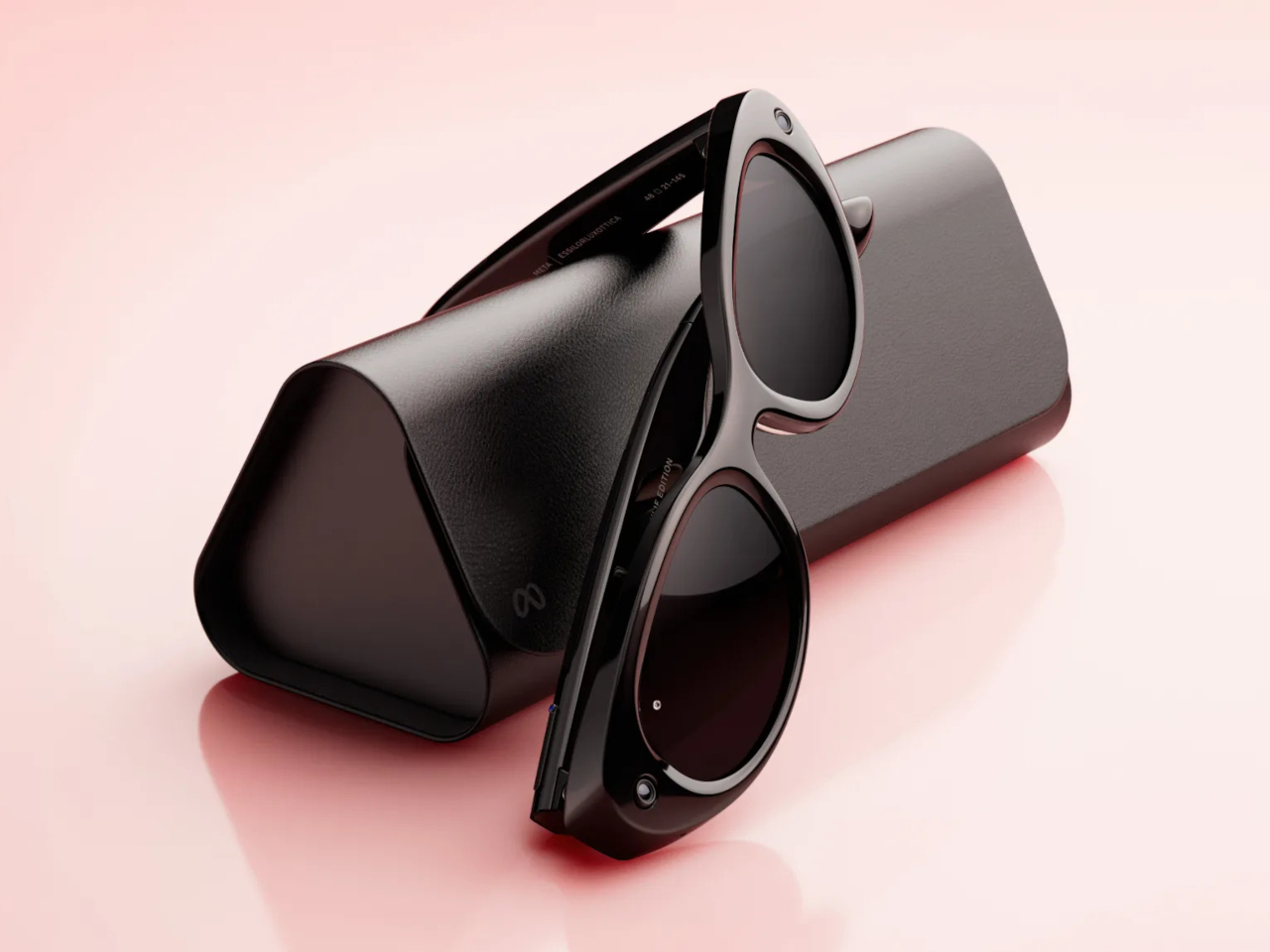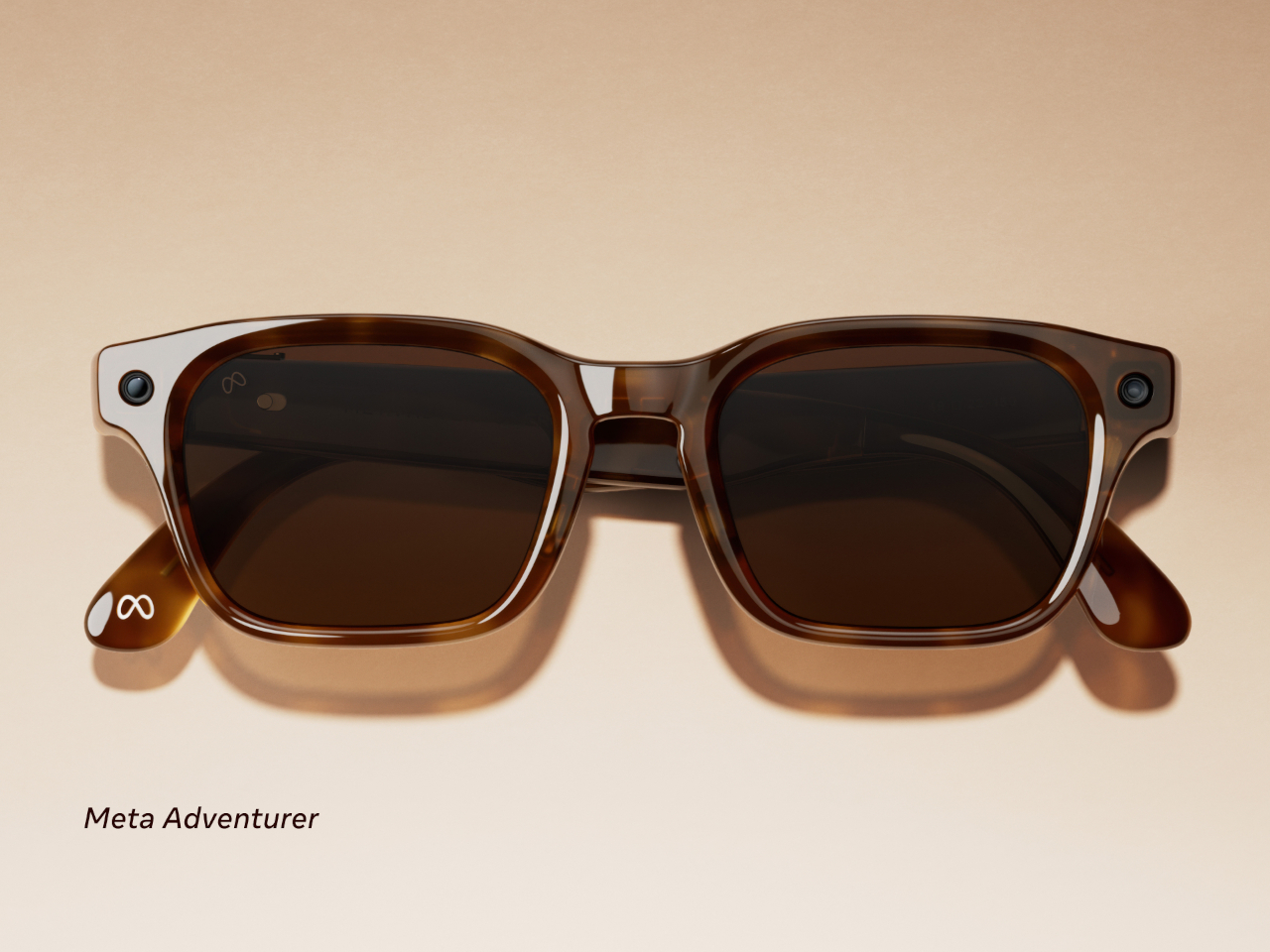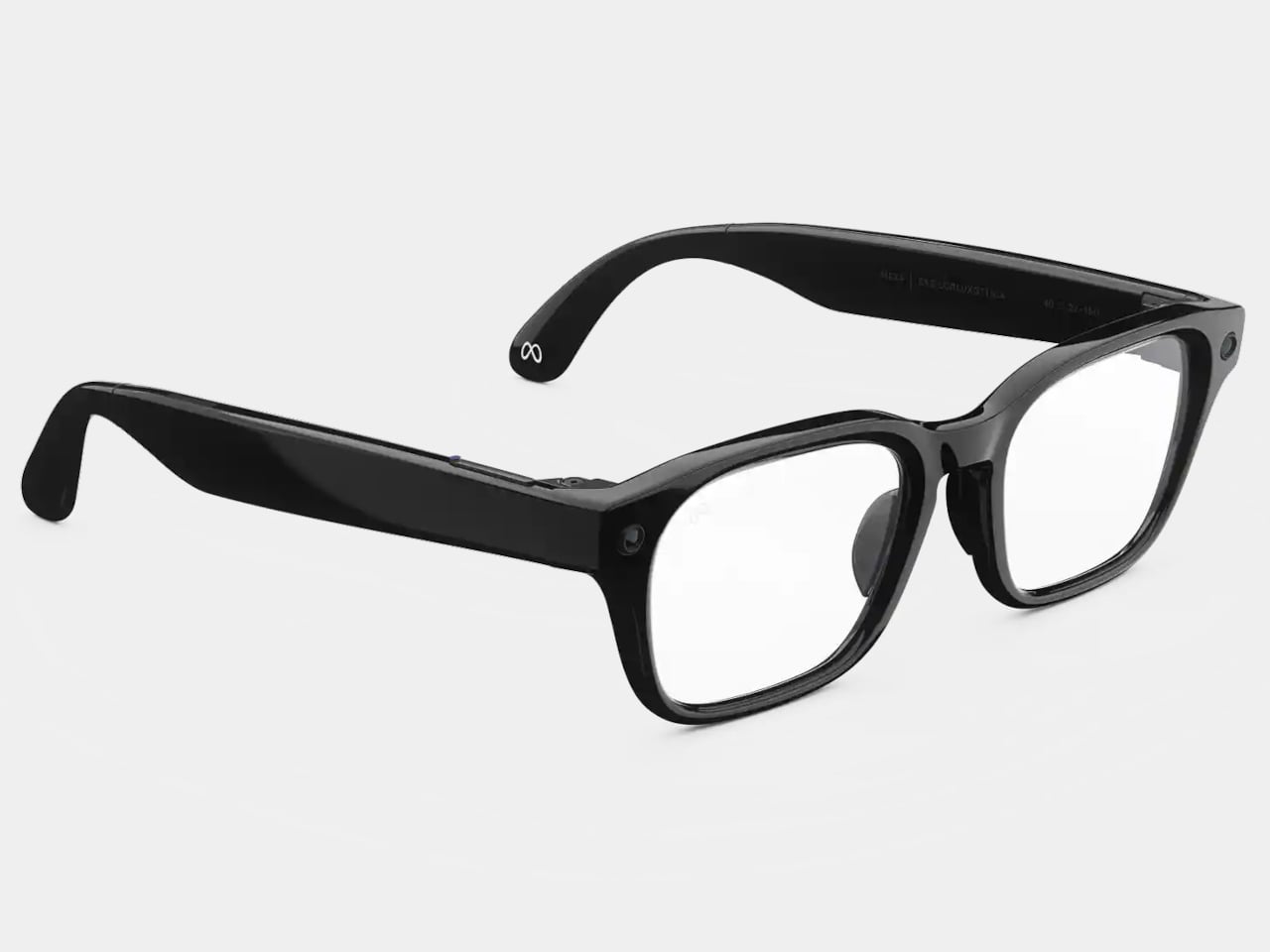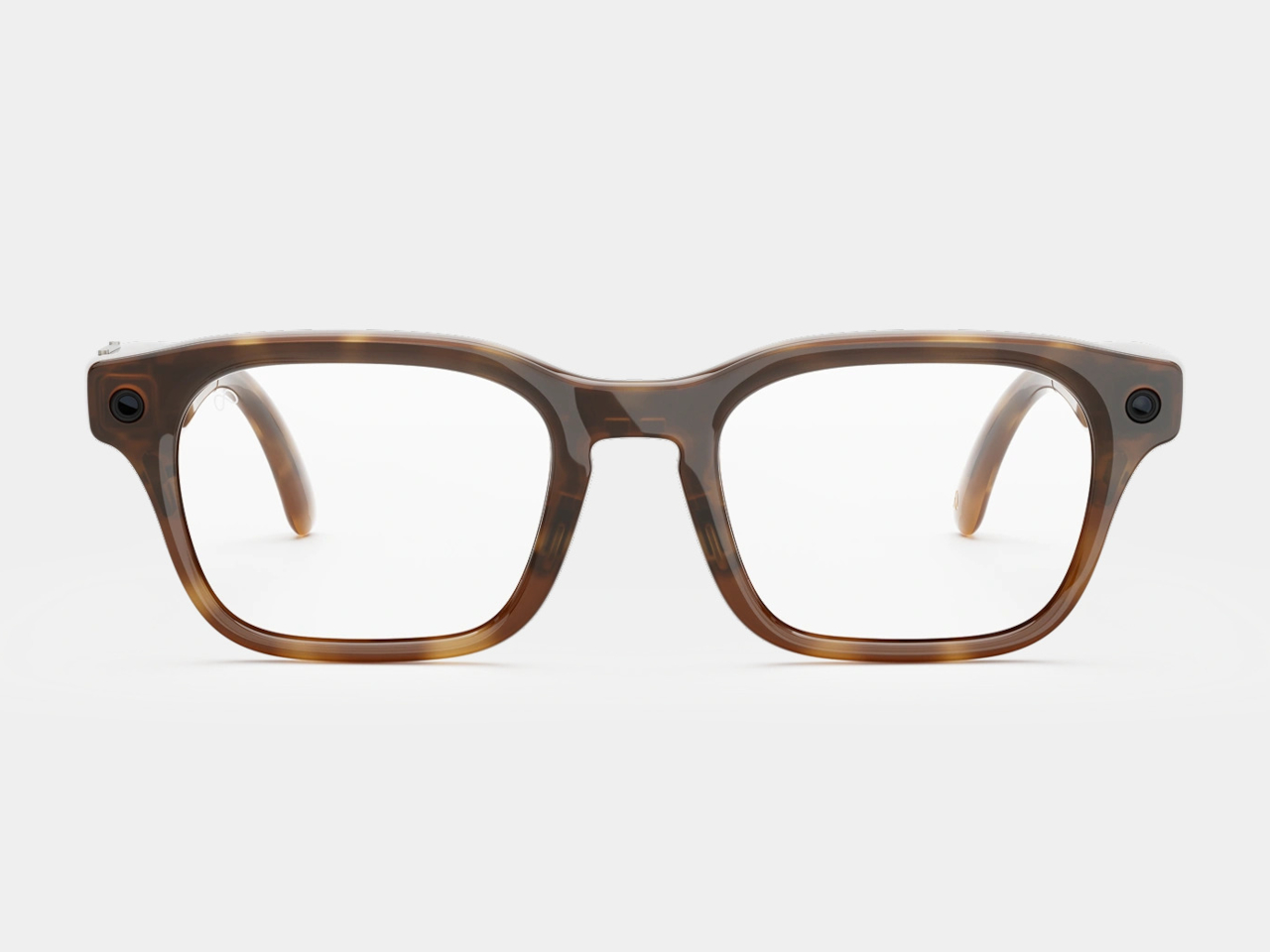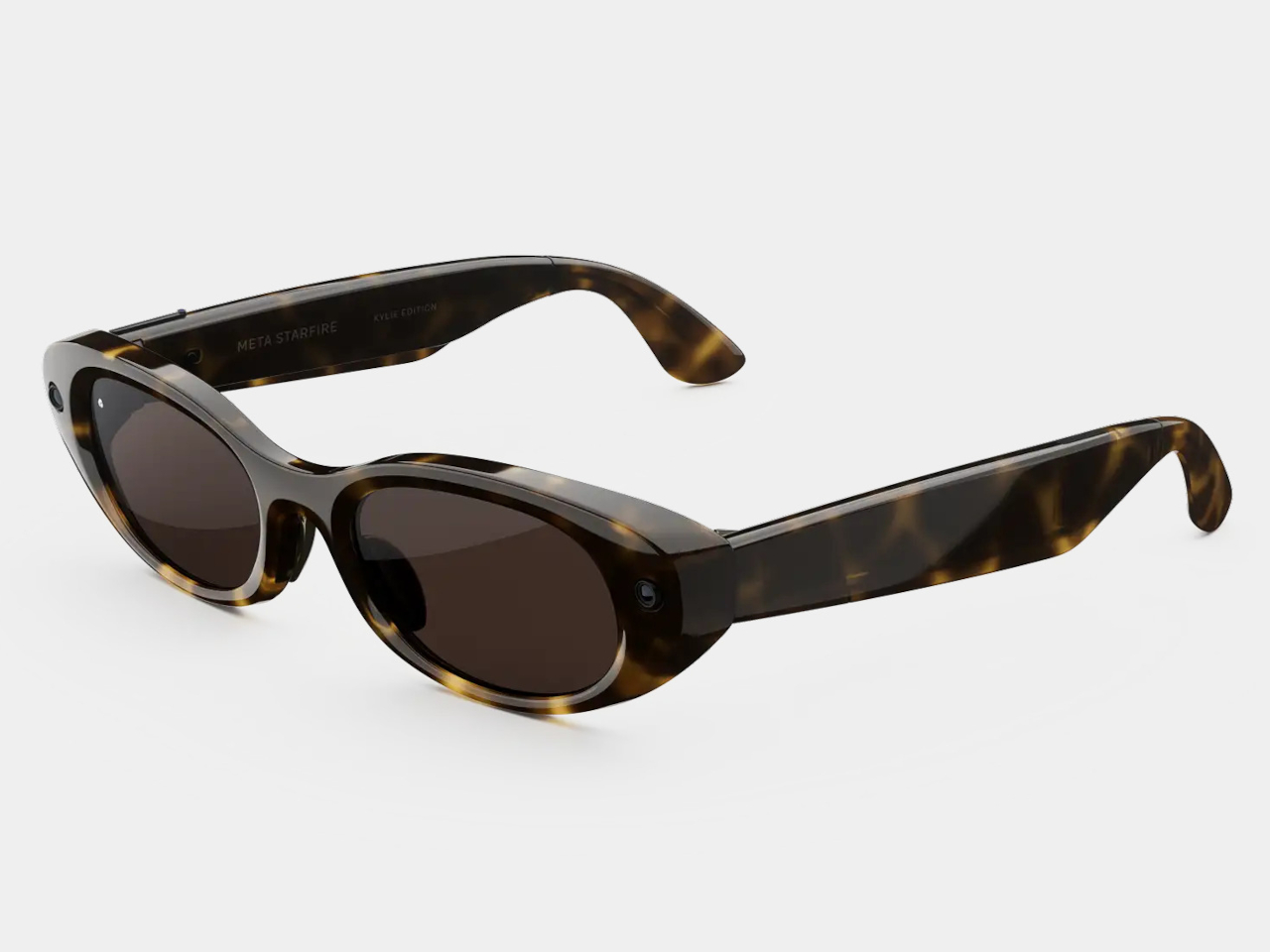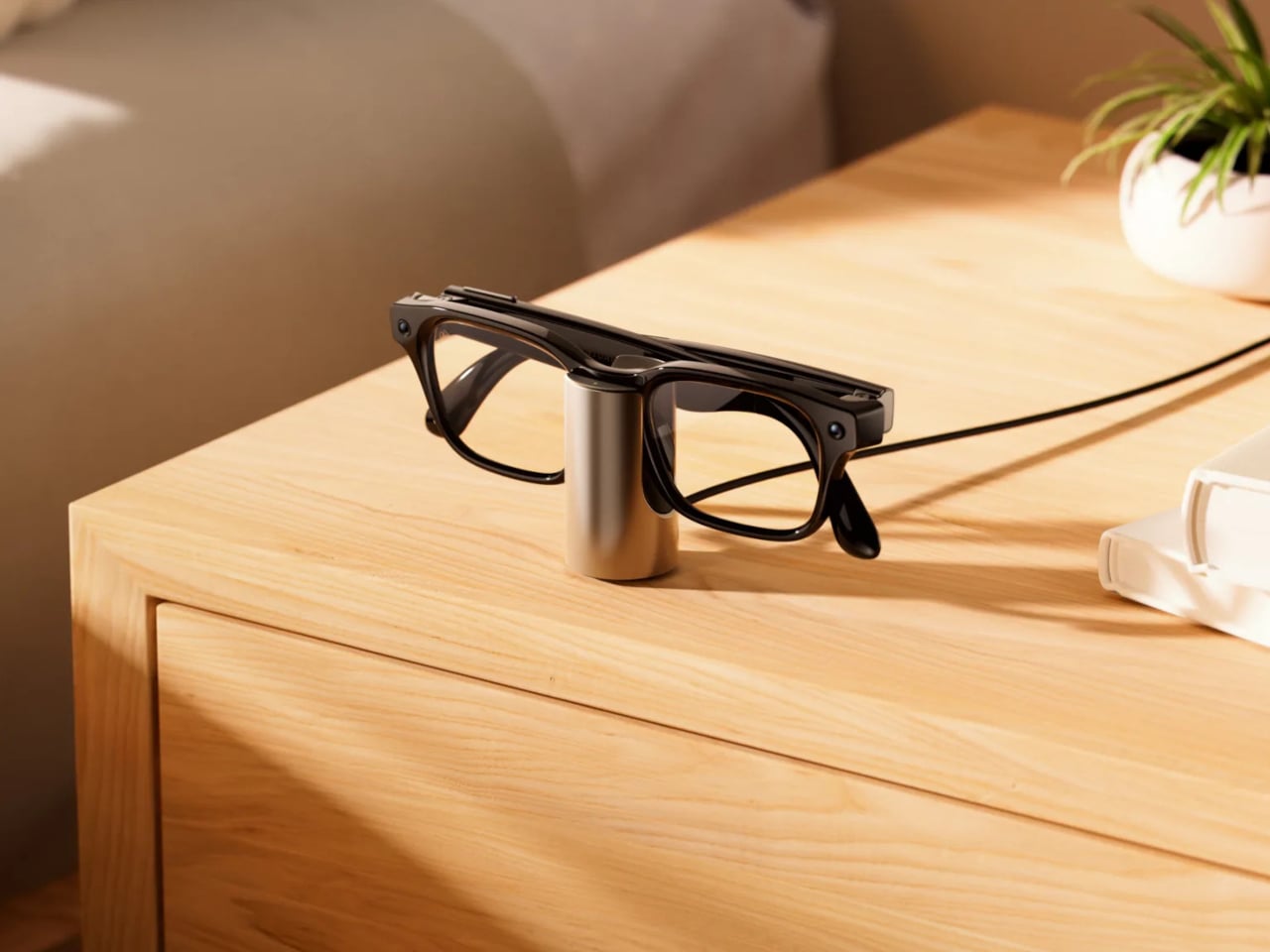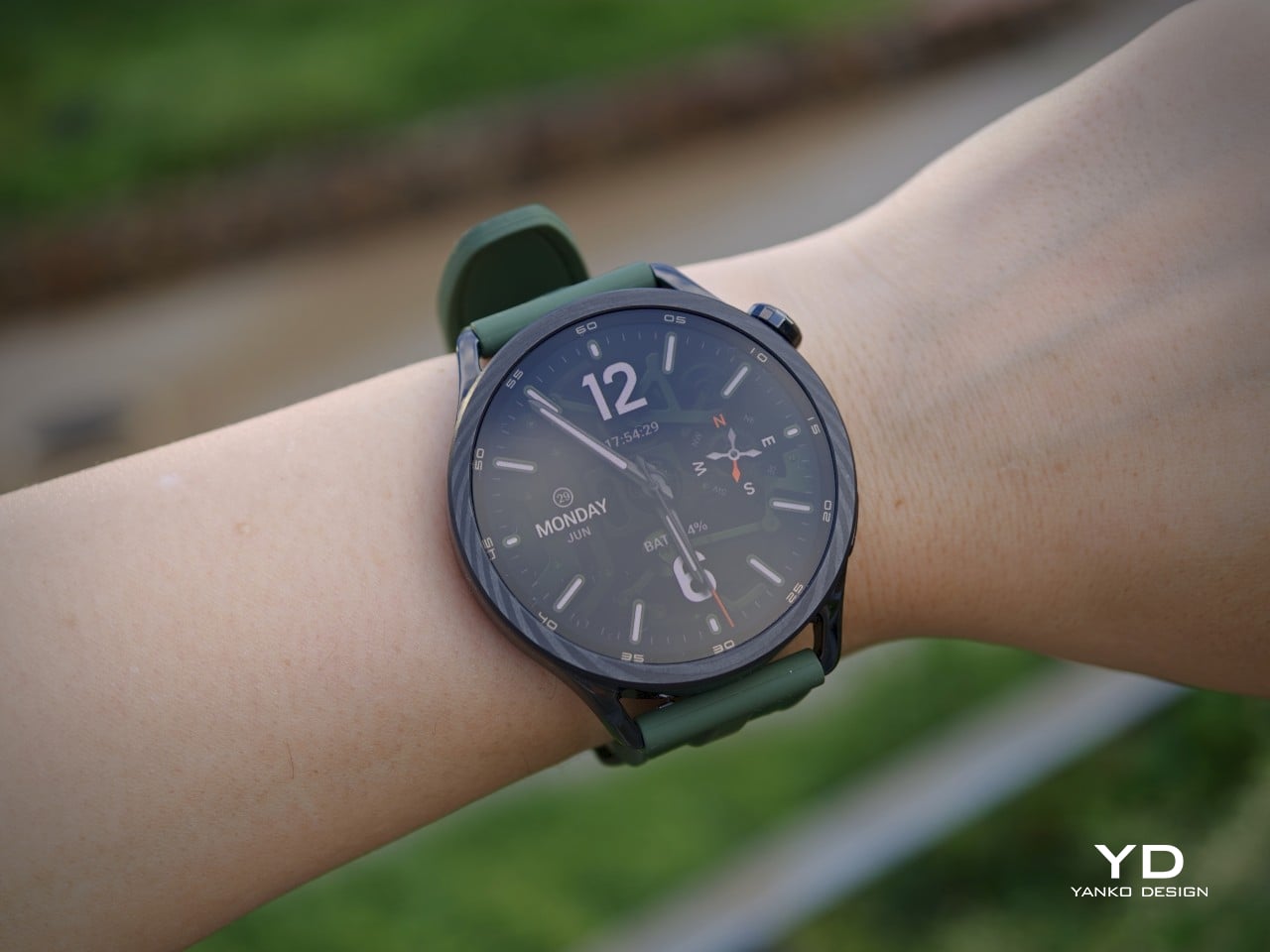
The Rokid AR Lite, powered by Snapdragon® 6 Gen 1, offers versatile AR experiences for entertainment and productivity with an immersive display.
The post The Rokid AR Lite: A New Chapter in Augmented Reality first appeared on Trendy Gadget.
The Rokid AR Lite, powered by Snapdragon® 6 Gen 1, offers versatile AR experiences for entertainment and productivity with an immersive display.
The post The Rokid AR Lite: A New Chapter in Augmented Reality first appeared on Trendy Gadget.

No it isn’t a neck pillow, and it isn’t even one of those wearable air conditioners, the BRAVIA Theater U is – wait for it… a neckphone. Sort of like a headphone but not placed on your head, the Theater U is Sony’s alternative to booming soundbars and complicated home theater setups. If speakers are for human ears to listen to, why not just directly place them near your ears to begin with? The Theater U immerses you in 360° spatial sound without immersing your entire house. Wear it around your neck, pair it with a device using either a cable or Bluetooth, and the Theater U brings great audio to your ears without blocking the entire world out. Moreover, you can pair multiple neck-speakers to the same playback device like your TV, so that more than one person can listen to a movie or TV show at any given point in time.
Designer: Sony

This isn’t the first attempt at a neckband speaker, but Sony is incorporating its latest tech to create a compelling option. The key feature is Sony’s X-Balanced speaker unit, housed in a lightweight and flexible design. This unit promises clear acoustics and powerful sound pressure for a rich and satisfying listening experience.

But the real magic lies in the 360 Spatial Sound Personalizer. This tech, combined with compatible BRAVIA TVs, creates a customized Dolby Atmos experience. Essentially, the speaker tailors the sound to your unique head shape for a truly immersive effect. It’s like having a personal mini home theater draped around your neck. Given its proximity to your ears, you don’t need to crank up the volume to hear sounds the way you would an actual speaker system – this means fairly personal listening that won’t disturb anyone else beyond a certain radius.

The BRAVIA Theater U’s versatility extends well beyond movie nights. With an IPX4 splash-proof rating, you can wear it worry-free during light workouts or even take it poolside (just be mindful of splashes). Built-in voice pickup technology ensures clear communication during calls, making it a handy companion for work-from-home video conferences.

The speaker boasts Bluetooth connectivity for seamless pairing with various devices, not just your BRAVIA TV. Think laptops, tablets, and smartphones – you can use it for gaming, listening to music, or watching videos on the go. And for those who want to share the immersive experience, the Speaker Add function lets you connect another BRAVIA Theater U for a synchronized audio experience with a friend.

Battery life is a respectable 12 hours on a single charge, with a quick-charge function that delivers an hour of playback with just a 10-minute plug-in. This makes it ideal for extended movie marathons or long commutes.

The Sony BRAVIA Theater U Wireless Neckband Speaker is available for pre-order now for $299.99, fairly decent considering it’s replacing soundbars which are priced in the same range, but giving you the benefit of portability. While it might not be for everyone, it offers a unique and innovative way to experience immersive audio without disturbing those around you.

The post Sony’s new BRAVIA speakers are like wearing a home theater around your neck first appeared on Yanko Design.

Although most people would call these headphones an abomination, I kind of think the ADV. Spider TWS on-ear headphones are the good kind of weird. They come with drivers as big as the ones you’d see on headphones, but are designed to be individual earpieces like most TWS earbuds. The result is almost Princess Leia-ish, with two cans attached to each ear, giving you a TWS earbud experience but with the power-packed audio punch of much bigger headphones. And the headband on top? Well, that’s extinct now, just like the headphone jack…
Designer: ADV.

TWS earbuds offer a distinct benefit – they’re ridiculously compact, and don’t have wires or cables that get tangled or broken. However, they don’t match the sound output of larger headphones. On the flipside, larger headphones have MUCH better audio output, but they’re significantly bulkier than TWS earbuds. ADV.’s Spider headphones try to create a bizarre but funky compromise. In what I can only describe as subtractive design at its best, these TWS on-ear headphones remove the one thing giving wireless headphones their bulk – the headband. By making large earpieces with ear-stems (like the kind you see on hearing aids or spectacles) , the Spider TWS on-ear headphones let you strap great audio directly to your ears. No headband, no bulk, no problem. Plus, these headphones don’t need a case either the way TWS earbuds do. Just slip them into your pocket or bag and you’re good to go. With TWS earbuds, the case does three distinct jobs – charging the earbuds, protecting the earbuds, and allowing you to quickly differentiate between the left and right earpiece. The lack of a case with the Spider headphones means it becomes slightly more difficult to tell the left and right wearables apart… but a clever design detail fixes that. A red ear stem on the right earpiece lets you quickly identify which headphone is which, letting you quickly and correctly wear your TWS headphones every single time.


Channeling the retro vibes of classic Sony or Koss headphones, the Spiders sport a familiar aesthetic. But under the hood, they’re packed with modern tech. At the heart of the sound experience lies a 30-millimeter dynamic driver, a well-regarded size for delivering clear and balanced audio across genres. The 30mm drivers deliver a frequency response of 20Hz to 20kHz (encompassing the full range of human hearing), and an impedance of 32 ohms, which means they should work well with most devices without needing a dedicated headphone amplifier. It’s worth noting that the headphones currently only support the SBC Bluetooth codec, a widely compatible option, but not the highest fidelity one. The headphones boast an impressive sensitivity of 105 decibels, ensuring they can get plenty loud without distortion.


Connectivity is handled by Bluetooth 5.2, ensuring seamless pairing with most smartphones, laptops, and tablets. Gamers will appreciate the inclusion of a low-latency mode, which minimizes audio delay for a more responsive experience. Perhaps the most compelling feature for everyday users is the lengthy battery life (which is another benefit of that large size). ADV. claims the Spider TWS can deliver up to 28 hours of listening on a single charge, making them ideal for long commutes, workdays, or travel adventures.

What’s most bizarre about the ADV. Spider headphones, however, is its price tag. You’d expect it to be in AirPod Pro or AirPod Max territory, given its size and novelty, but the TWS on-ear headphones start at just $35, which is quite the steal. The headphones are currently available for preorder on Drop.com’s website, with shipping estimated in July.

The post These Absurd TWS On-Ear Headphones are like if someone combined the AirPods and AirPods Max first appeared on Yanko Design.

Apple is rumored to be planning something special for the 10-year anniversary of the Watch this September (quite like the iPhone got the iPhone X), although nobody really knows whether it’ll be a seismic leap like the iPhone X introducing the notch. Designer Luka Gehrer, however, designed what he believes to be the ideal evolutionary stage for the Watch’s 10-year anniversary. The Watch X comes with a few upgrades that make it even more unique than the Watch Ultra – Gehrer outfits it with an edge-to-edge screen, a hole-punch camera (which could easily function as a dynamic island), a blood pressure monitor built into the watch strap, and TouchID integrated into the crown. In doing so, Gehrer doesn’t just make the Watch better, he practically makes it a miniature iPhone… which is totally something Apple’s done before, turning the iPad into a miniature MacBook!
Designer: Lukas Gehrer (Wordsmatter.io)


For Gehrer, the watch is basically an extension of his phone, with added health benefits. You can answer audio calls on your watch, read messages on it, so why not accept FaceTime calls too? The Watch X sports an 8MP shooter on the front, thanks to a screen cutout (Apple would probably never do this), but as a compromise, Gehrer also pushes the screen to its limits, practically making a bezel-less display with edge-to-edge pixels. The result feels familiar but different, with a rather visible hole in the display that conveniently gets hidden by gradient watch interfaces that go dark as they approach the edges.

The camera serves as a crucial element for enabling FaceTime on the Watch X, but also allows you to occasionally click selfies or record videos or vlogs. I’d imagine the hole punch could easily serve as a dynamic island too, but dynamic islands on smartwatches may be a little too much too soon.

The Watch X (10th Gen) also gets a casing upgrade, with Gehrer opting for a squarish case design instead of the obvious curved case. Designed as a hat-tip to the iPhone 15, the case has flat edges, and a brushed metal finish reminiscent of the iPhone 15’s Titanium outer casing.

The presence of a camera also creates safety concerns, which is why the Watch X is the first to be outfitted with TouchID built right into its crown. Mimicking the TouchID found in the iPad Air’s power button, this adds a layer of security to the Watch X, ensuring that not everyone can access all of the watch’s core features.

In an unusual twist, the Watch X’s strap also gets is first sensor. The new Blood Pressure sensor on the strap sits on the front of your wrist under the palm, and comes based on a rumor from famed Apple leaker and analyst Mark Gurman of Bloomberg.
Apple’s iPad event ended with quite a flair last week, and Apple is gearing for WWDC soon. However, there’s a lot that’s planned for the September event. Quite a few Apple products need a refresh this year, although it’s pretty much set in stone that the September event will see newer versions of the iPhone, the Watch, and probably even the Watch Ultra. One can only speculate what the Watch 10th Gen will look like, but until then we’ve got this concept giving us dreams of being able to FaceTime on an Apple Watch without relying on the Wristcam strap from years ago!

The post This 10th Anniversary Apple Watch Concept comes with a camera, edge-to-edge screen, and TouchID first appeared on Yanko Design.
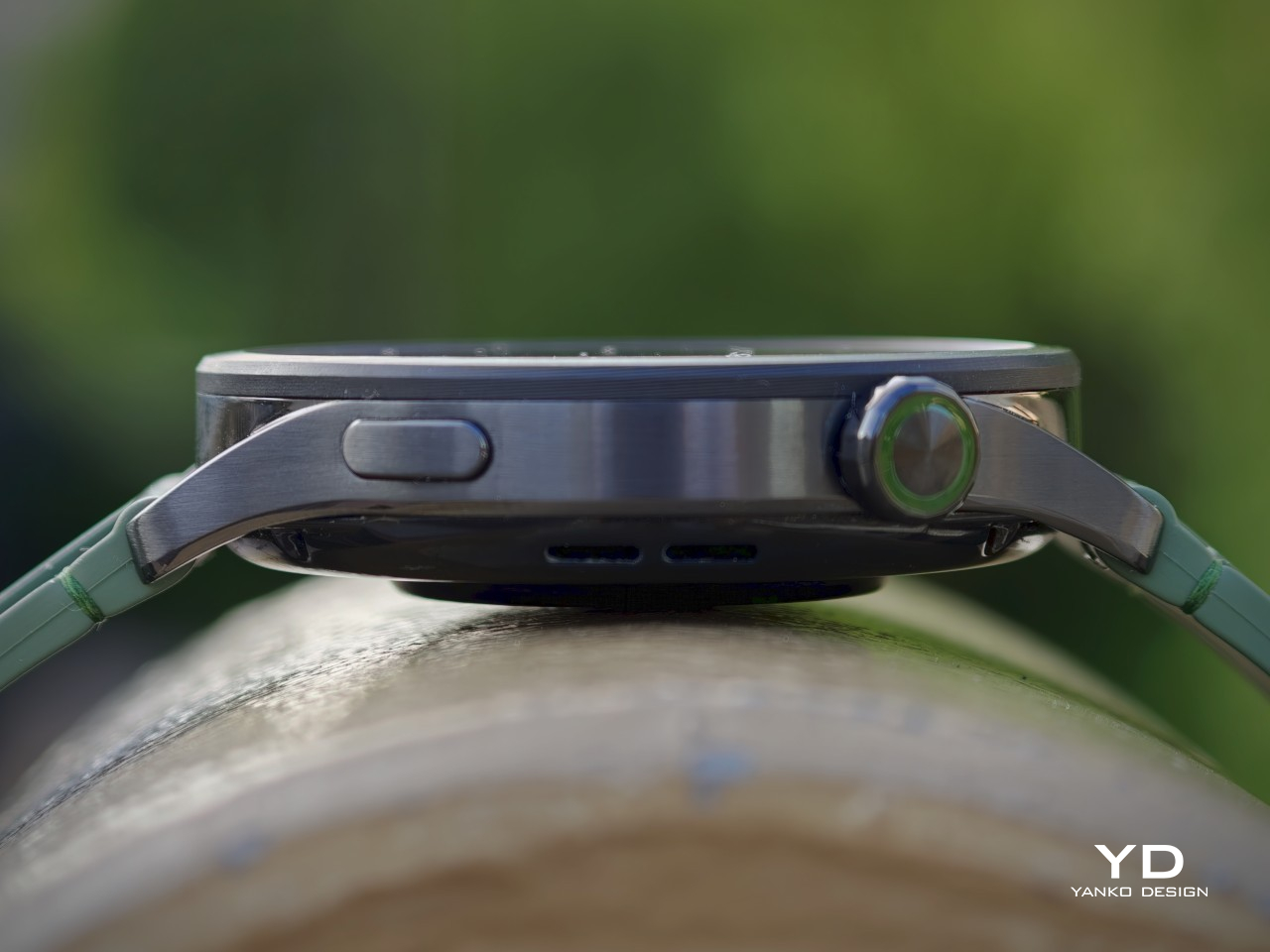
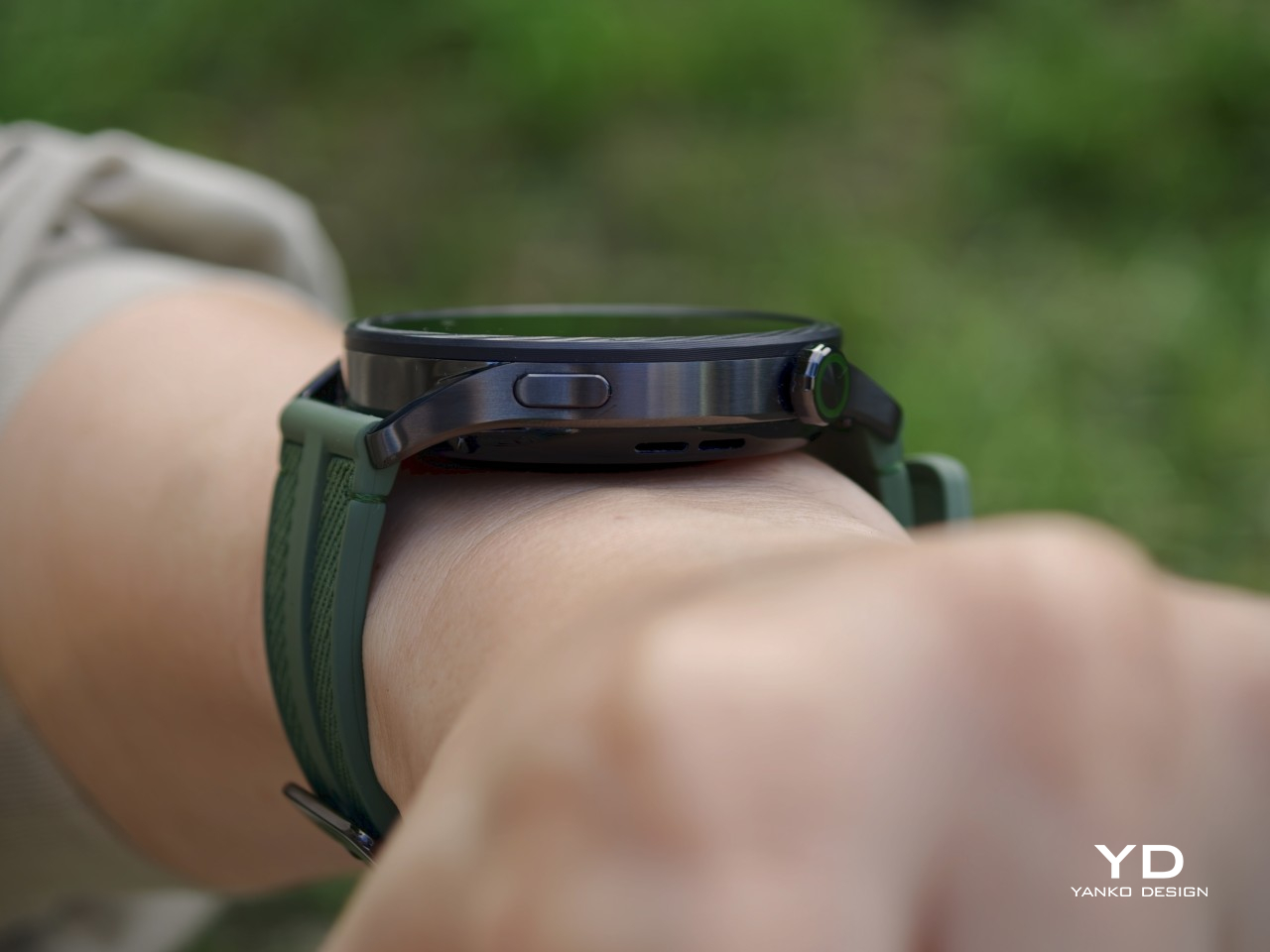
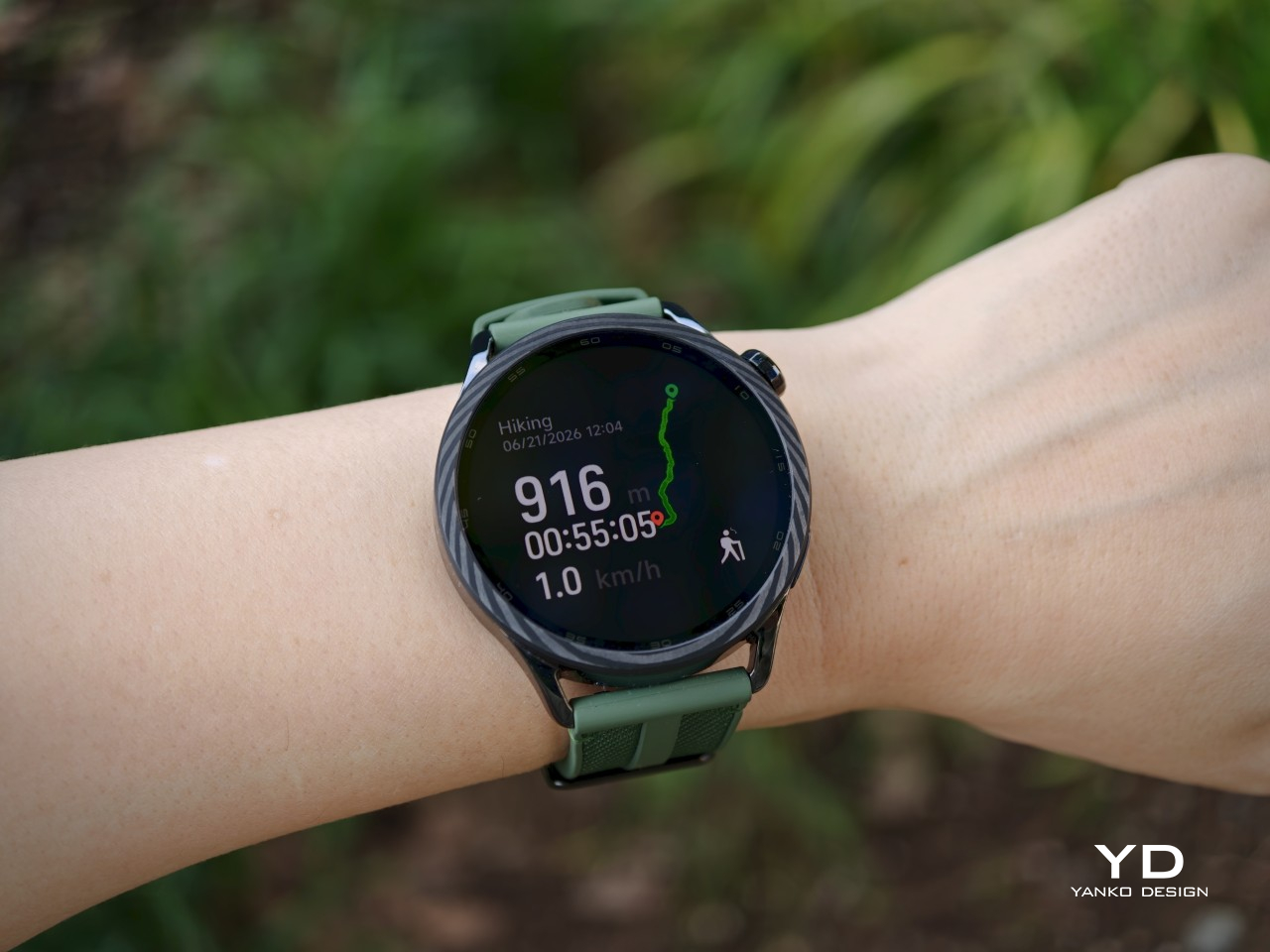
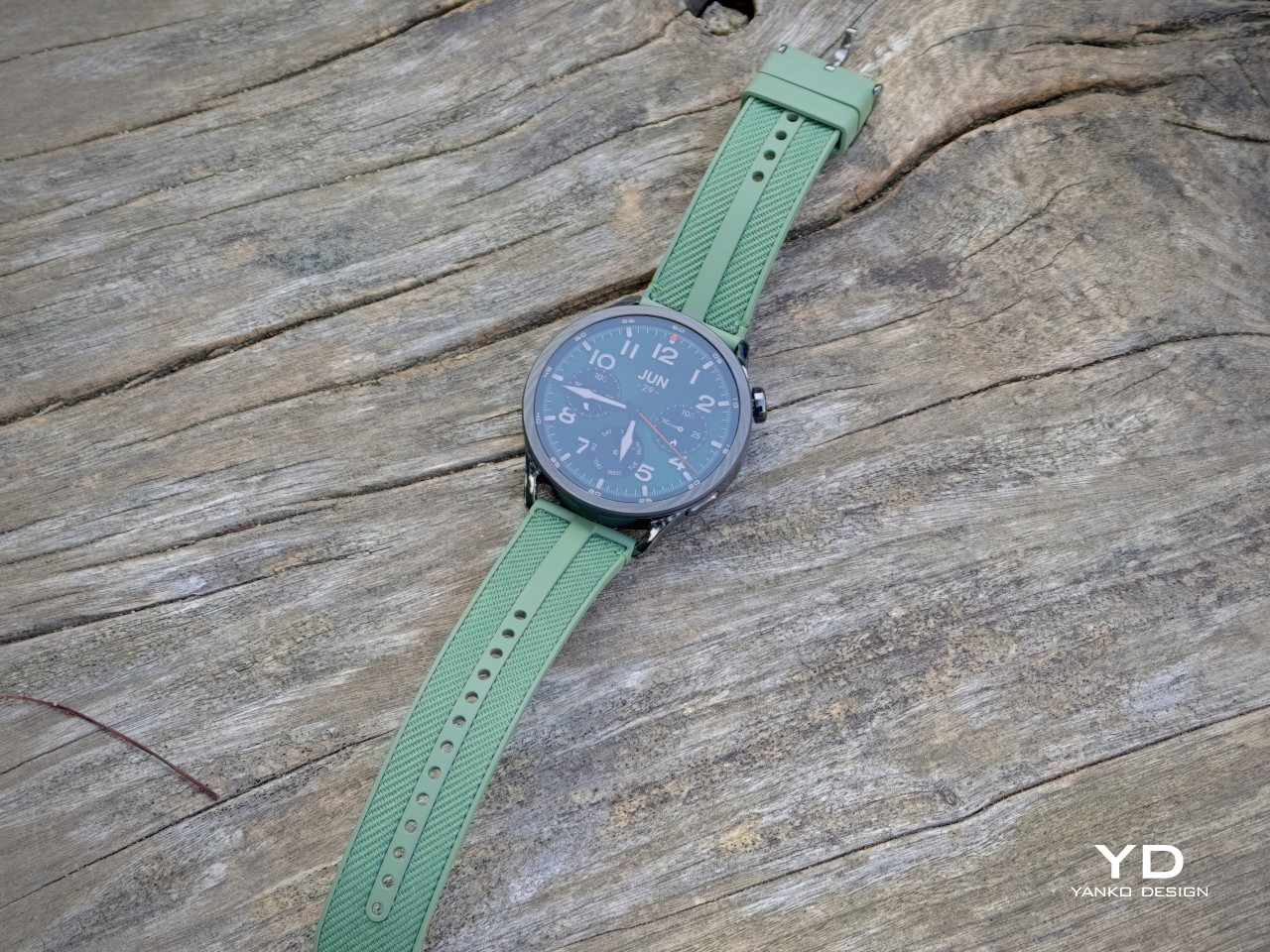
The Apple Watch finally gave smartwatches their long overdue recognition, but for some brands, that came a little too late. Google’s wearable platform has undergone several changes over the years, but it hasn’t been able to enjoy the same degree of ubiquity as Android has on smartphones. Wear OS still powers many smartwatches in the market today, but that number is dwindling with the exit of many luxury and fashion brands. As if to prove that the platform is still as healthy as ever, Mobvoi launched an “Enduro” version of its 2023 TicWatch Pro 5 flagship, but its focus on sports and activities makes it less appealing to the general population.
Designer: Mobvoi


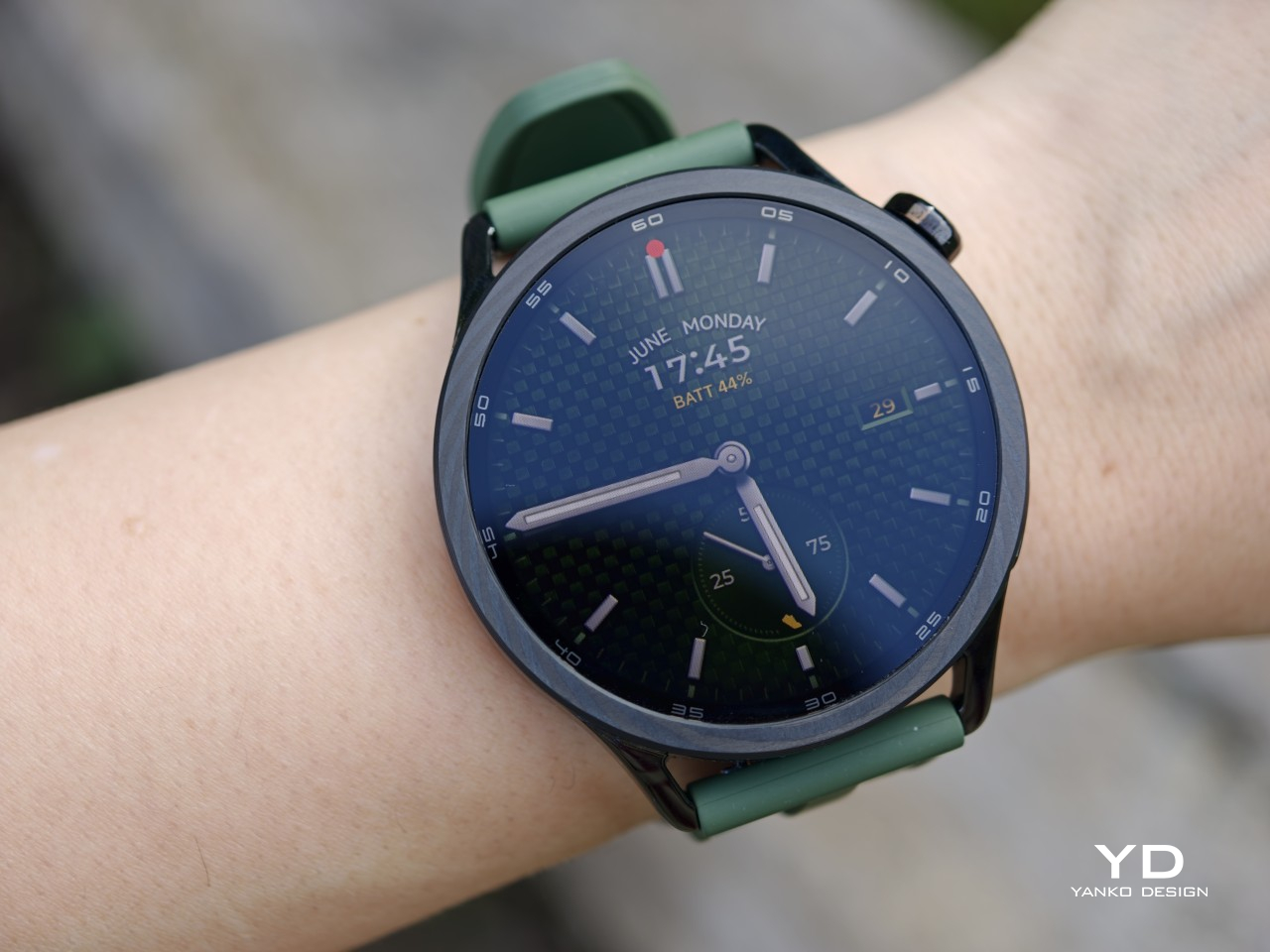
As far as smartwatches go, the mouthful that is the Mobvoi TicWatch Pro 5 Enduro is actually quite attractive, at least for those who want a sports watch that can keep up with their lifestyles. Its claim to fame is, like many Mobvoi smartwatches, its dual display technology has a regular AMOLED screen underneath a low-power display. The idea is that you switch to the duller screen on top if you want to preserve battery life without sacrificing tracking features.


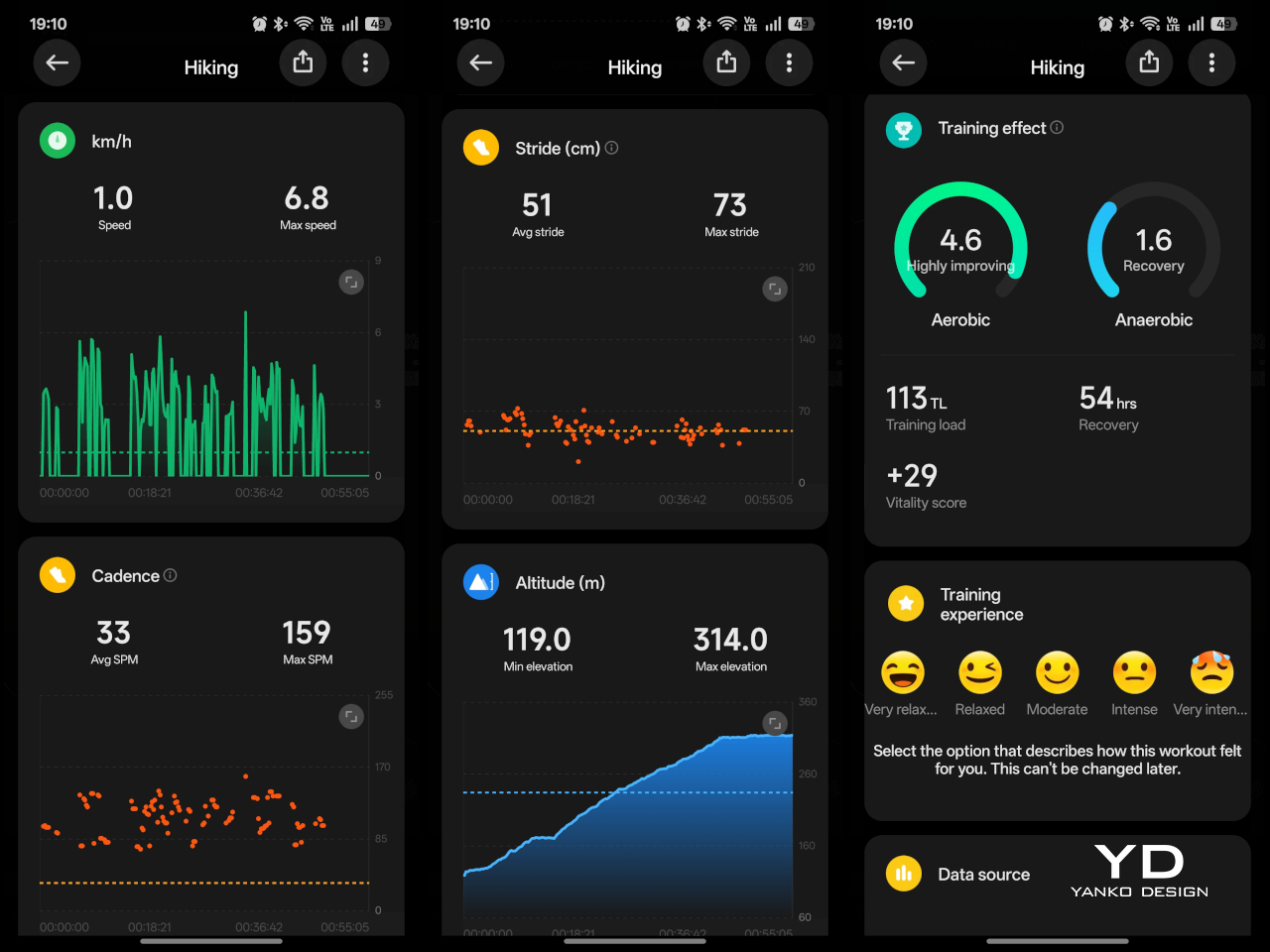
With the Enduro, Mobvoi is playing up the ability of that low-power screen to show different backlight colors, making the information pop out better. This same color-changing ability is utilized to represent your heart rate, giving you a visual clue at a glance when you might need to take a breather. Of course, the smartwatch has all the makings of a typical Wear OS device, from tracking your health, including sleep quality and heart rhythm detection, to customizing watch faces to access a number of apps that support the wearable operating system.


As its name suggests, the TicWatch Pro 5 Enduro is made to last, and it does so in more ways than one. The sapphire crystal glass display gives the screen the durability it needs to survive accidents along your adventures, while the 90-hour battery life ensures you have very little downtime to charge the smartwatch. That said, it runs on Qualcomm’s aging Snapdragon W5+ Gen 1 processor from 2022, so performance and power efficiency might not be up to snuff.


At $350, the Mobvoi TicWatch Pro 5 Enduro is hardly an accessible smartwatch, and it’s clearly aimed at people who take their health and fitness very seriously. It looks like a handsome sports watch, yes, but a lot of Wear OS products will be bearing this aesthetic with fashion brands like Fossil calling it quits on smartwatches. This gives competitors that don’t use Wear OS plenty of opportunities to nibble away at Google’s share of the market pie, further weakening the platform’s reach.


The post Mobvoi TicWatch Pro 5 Enduro smartwatch launches to a shrinking Wear OS market first appeared on Yanko Design.

In places like Phoenix, where temperatures can reach 115 degrees Fahrenheit, or Florida, with its oppressive humidity, staying comfortable outdoors often feels like an overwhelming challenge. Sony’s latest update to their wearable thermal device, the REON POCKET 5, is a cutting-edge wearable climate controller that integrates effortlessly into daily life. For me, this accessory is indispensable.
Designer: Sony

This advanced wearable activates to cool or warm as soon as it contacts your neck and deactivates upon removal without manual controls. This automatic function liberates you from the hassle of manual adjustments, allowing a smooth transition from vigorous yard work to business meetings without the discomfort of sweat-stained clothing. As a parent, I hardly ever miss a tennis lesson or match, regardless of the weather. It can get chilly in the winter when you’re not moving much, and standing under the scorching sun isn’t enjoyable in the summer. This is why I’m extremely excited about this product.


Its sophisticated sensor array and thermal design technology are at the heart of the REON POCKET 5’s effectiveness. The device is equipped with five sensors: three dedicated temperature sensors, one combined temperature and humidity sensor, and an acceleration sensor for detecting motion. This comprehensive sensing capability allows the REON POCKET 5 to provide situation-specific adjustments finely tuned to environmental conditions and user activity. Whether facing a sudden rise in temperature or an increase in physical activity, the device adjusts its output to maintain optimal comfort.

Sony’s expertise in mobile device design is evident in the thermal management of the REON POCKET 5. The heat dissipation mechanism, perfected through hundreds of simulations, is crucial for maximizing the efficiency of the device’s Peltier element. This element, a core component of the device, uses electrical current to produce a cooling effect on one side and a warming effect on the other, making it ideal for both cooling and warming applications, depending on your needs. 
Moreover, the REON POCKET 5 is robust, being splash- and dust-resistant, making it suitable for both rigorous outdoor activities and everyday urban use. This durability ensures that the device can perform under various environmental conditions without faltering.
For commuters and those frequently transitioning between different environments, the REON POCKET 5’s SMART COOL⇔WARM MODE proves invaluable. This feature automatically adjusts the cooling or warming temperatures by detecting both the temperature inside your clothing and the ambient temperature around the device. It seamlessly switches modes based on environmental changes, even during days with significant temperature fluctuations, enhancing comfort without any manual input required.

The REON POCKET 5 also focuses on comfort and adaptability. Its innovative triple-layer construction features a flexible mechanical tube, a shape-holding wireframe, and a soft silicone cover, ensuring the device fits securely and comfortably for prolonged periods. The adjustable neckband is designed to accommodate a wide range of neck sizes and maintain the chosen position, providing personalized comfort that adapts to the wearer’s unique body dimensions.

Scheduled for release in Singapore in May 2024, with subsequent availability in Malaysia, Thailand, and Vietnam, the REON POCKET 5 is a game-changer for anyone facing extreme temperatures. Its up to 17-hour battery life ensures all-day comfort, and it is capable of handling anything from an intensely hot day to a cold conference hall.
The post This Wearable Climate Controller Keeps You Comfortable in Extreme Weather first appeared on Yanko Design.
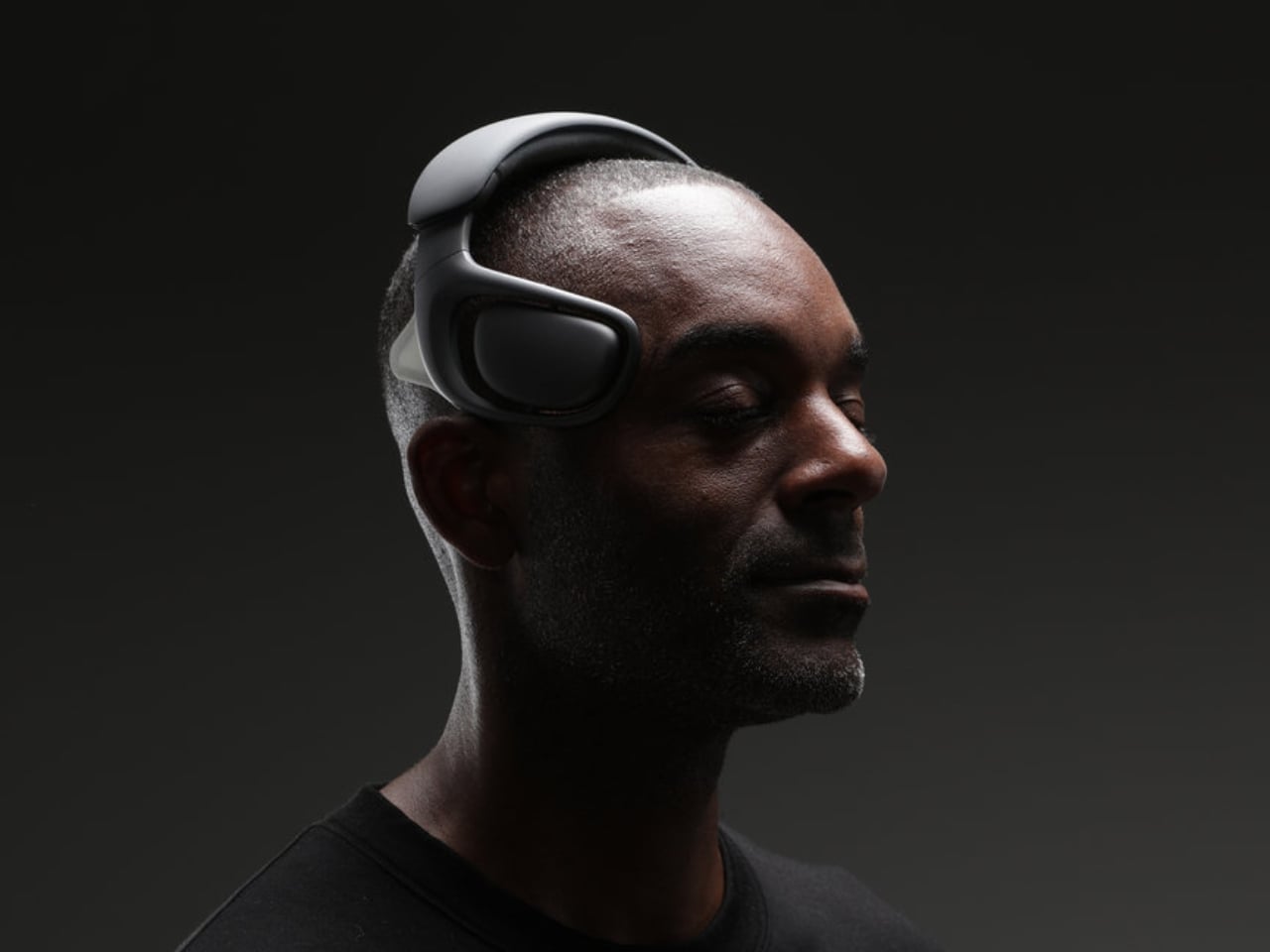
Navigation and understanding of the environment is an everyday challenge for the visually impaired. This limitation hinders their independence and of course, cripples their mobility. Walking aids and certain technology-assisted solutions do provide necessary navigation details with obstacle detection, but a personal assistant that talks to them like their own is still missing.
With the advent of generative AI, a designer duo has taken the leverage to create an AI-powered wearable device called InSight that intends to grant visual independence to the blind or anyone else who can leverage the benefit. The product was conceived for the Samsung Re:Create Challenge, which is a global competition that requires participants to perceive and conceptualize products that would repurpose ‘Samsung devices or their materials’ and promote sustainability.
Designers: Merve Nur Sökmen, Ayberk Kole


The basic idea of InSight is to seamlessly integrate with the user’s lifestyle while making available to them an accessible and connective, audio navigation experience in real-time. Designed to integrate all the features of existing Samsung consumer electronics, and to be constructed from recycled Samsung devices and materials, InSight helps reduce electronic waste, while performing the underlying function of a personal navigation assistant for the visually impaired.


With an onboard battery and an intuitive touch control, the pint-sized InSight can run navigation commands on the go. With its interesting clip-on design, one can wear it on their clothes and receive real-time audio descriptions of the visual environment in real-time, so navigation is better and more inclusive. To add more substance to the assistant’s capabilities, the user can talk back to the device, which then with its built-in AI can help with the possible information. A likely use case for students and travelers.


By helping perceive the surroundings in real-time and relaying comprehensive information to the user with audio descriptions, InSight can have a drastic impact in many lives that are dependent on others for mobility as of now. To make the device really helpful – beyond the AI integration – designers have worked its aesthetics around Samsung’s design language. The InSight connects seamlessly with smartphone and headphones of the user and provides onboard touch controls for personalized settings. And when it begins to run out of power plug it into a USB-C cable and juice it for another outing of independence!


The post Samsung AI-powered wearable assistant helps visually impaired navigate better with real-time audio descriptions first appeared on Yanko Design.
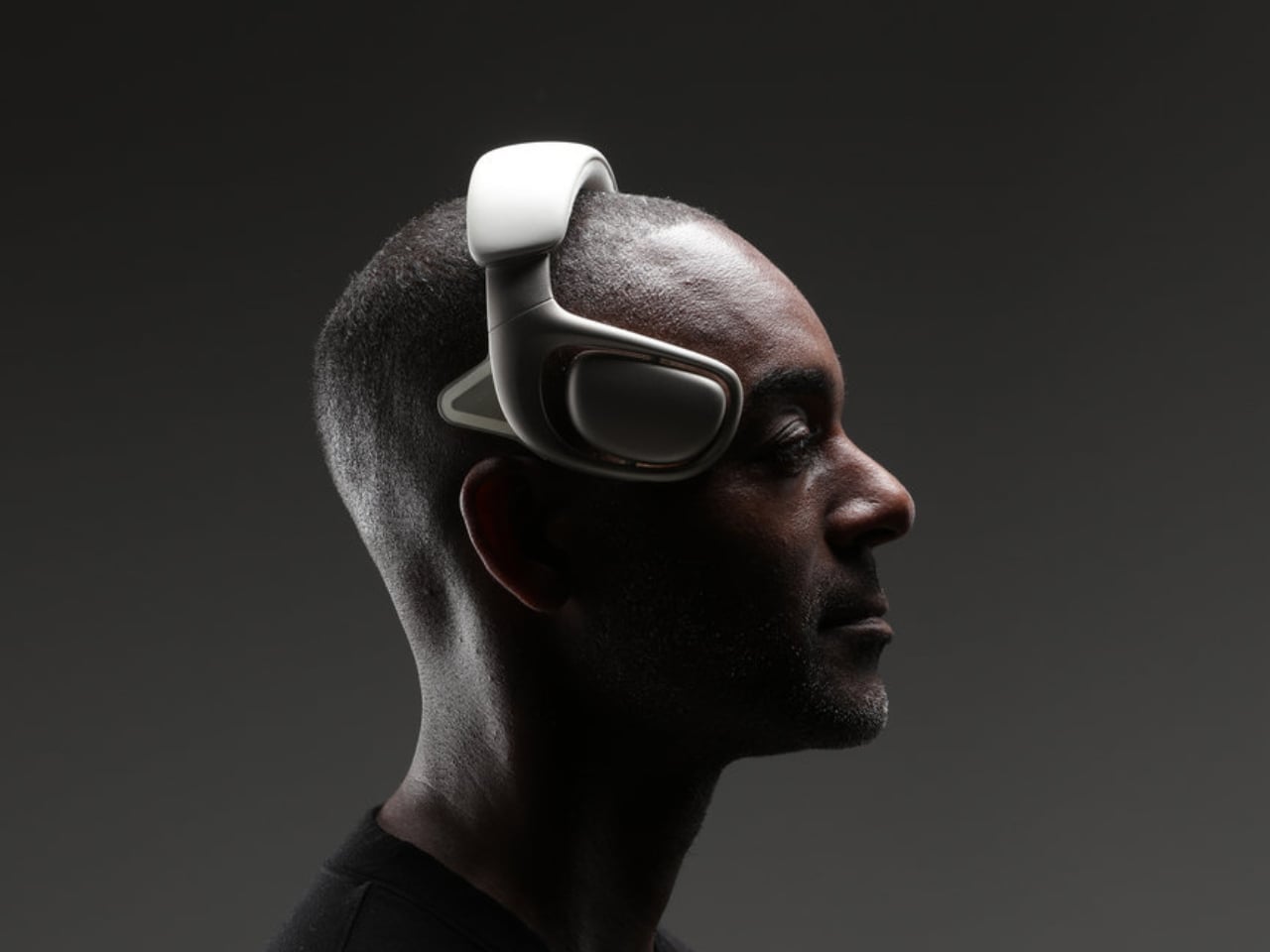
The COVID-19 pandemic may be over, but the challenge of maintaining clean air persists. If there’s anything we’ve learned over the past year, it’s that conventional solutions are no longer sufficient when it comes to breathing fresh air. Common disposable and cloth masks do block some harmful elements, but they also block proper airflow. Some fan-enabled masks improve that situation slightly, but they still put an obstacle to some of the ordinary tasks that we do each day, especially when our voices are involved. Enter the age of AI-enabled technology. The innovative AI Air Mask not only filters out harmful elements with superior efficiency but also enhances airflow, ensuring that breathability and communication remain clear and unhindered. This is the next step in wearable health tech, promising not just cleaner air but also proactive health monitoring, all in a sleek, comfortable, and inclusive design.
Designer: Leandro Rolon
Click Here to Buy Now: $99 $299 ($200 off). Hurry, exclusive deal for YD readers only! Raised over $1.5 million.
We now live in a world where even the air inside our homes can be suspect, so one can only imagine how much worse the situation is outdoors. Just in time for the health scare that gripped the world, ATMOBLUE launched its first smart wearable purifier to address the need for clean, breathable air anywhere you go. It went beyond the minimum requirement of simply blocking harmful microorganisms to deliver a solution that was effective, customizable, and most importantly, comfortable.

Smart Adaptive Filtration: Employs intelligent sensors for adaptive, real-time purification, setting a new bar for air quality protection.
The first ATMOBLUE smart mask was practically a mini air purifier you could wear on your mouth. It utilized replaceable H13 HEPA filters to do the heavy lifting of blocking as much as 99.97% of harmful particles such as bacteria and PM2.5. But while some masks stopped there, ATMOBLUE went above and beyond to include a dual fan airflow system that removed that suffocating feeling whenever you wear a face mask. The result wasn’t just clean air but breathable air as well, increasing the comfort and confidence of wearers who made the investment in backing the project.

Premium Silicone Design: Engineered with superior silicone for unparalleled comfort, designed for all-day wear and redefining the protective gear experience.
As successful as that smart mask was, it isn’t yet the pinnacle of healthy breathing. Stepping into the limelight again, the creators of the ATMOBLUE Mask are presenting an even more advanced solution that leverages the hard-earned lessons of the past and applies the benefits of artificial intelligence to provide a more holistic view of the wearer’s health. This AI-driven Air Mask, an evolution of the original ATMOBLUE Mask, features a refined semi-transparent silicone body for premium comfort. It is equipped with a dynamic adaptive filtration system that intelligently senses environmental changes and auto-adjusts in real time for optimal protection.

AI-Enabled Bluetooth Microphone: Features a built-in mic for clear conversations and seamless AI assistant interaction, improving communication without compromising wearability.
But wait, there’s more! Wearing a mask always has the effect of muffling one’s voice, which can be an even bigger problem when trying to communicate. Addressing this issue head-on, the AI Air Mask is ingeniously equipped with an integrated microphone and Bluetooth connectivity, allowing you to convey your voice clearly and confidently. Elevating the experience further, this mask incorporates advanced voice recognition and AI capabilities, creating a symbiotic relationship with your AI smart assistant that transcends traditional communication barriers. Beyond enhancing dialogue, the AI Air Mask serves as a guardian of your well-being, continuously analyzing key health metrics such as temperature, respiratory patterns, and cough frequency, not only to provide better insight into your health but also to warn you of potential infection.
With the AI Air Mask, the creators of ATMOBLUE aren’t just offering an upgraded wearable but also an investment in a healthier future. That’s exactly the kind of investment you’re making with this sweet pre-sale deal that lets you not only reserve a spot but also get a 50% discount when the world’s first AI-driven smart mask launches next year.
Click Here to Buy Now: $99 $299 ($200 off). Hurry, exclusive deal for YD readers only! Raised over $1.5 million.
The post Breath Smarter, Not Harder: Introducing the World’s first Ai-Driven Smart Mask first appeared on Yanko Design.
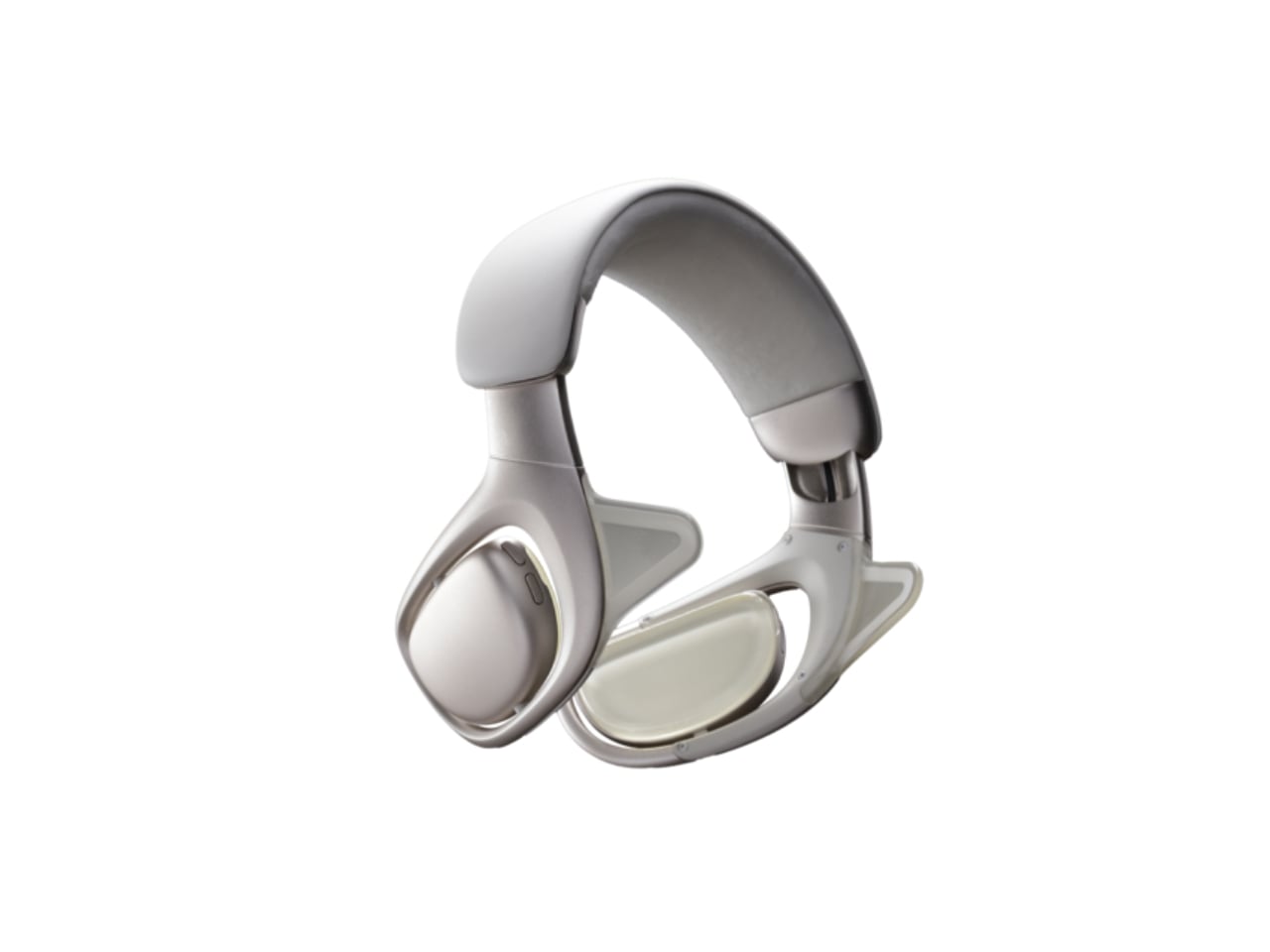
From the moment I set my eyes on the Apple Vision Pro, the intuitive nature of its interface struck me. Controlling the device through natural gestures—like tapping fingers together for selection or pinching to zoom—felt like an extension of my own movements, creating a seamless user experience that was truly impressive. “Everything’s all eye track,” I marveled, amazed by the device’s responsiveness, which made every interaction feel intuitive and natural.
Designer: Apple

During the initial setup, the Digital Crown—borrowed from the Apple Watch—brought up the home view with a simple press. The blend of futuristic technology with familiar elements made the icons react as I looked at them, creating a magical experience. This immediate and responsive engagement reinforced the intuitive nature of the user interface. As I explored this advanced technology, I remember thinking, “I haven’t read any reviews on the Vision Pro, and that’s a good thing.” Approaching the device without any preconceptions allowed me to truly immerse myself in the experience.

As I navigated through a demo photo library, the ambient lighting dimmed, focusing my attention on images that transported me to places like Iceland and the Oregon coast, displayed panoramically. “That was so amazing,” I exclaimed, overwhelmed by the vividness and the immersive experience the photos provided.
Viewing spatial photos and videos added incredible depth to everyday moments. Watching a family birthday party captured with the Apple Vision Pro felt as if I stood among the celebrating children, bringing these moments to life. “So no one else can see this except you and me, huh?” I remarked to Avnish, my guide through this journey, who was able to see what I saw through an iPad. This added layer of interaction enhanced my appreciation for the technology as I watched a spatial video shot with the iPhone 15 Pro, captivated by the depth and realism.

The design of the Apple Vision Pro was notably sleek and modern, with a lightweight, comfortable frame suitable for extended wear. The minimal physical buttons enhanced its streamlined appearance, highlighting its advanced gesture and eye-tracking capabilities. A dedicated button for capturing spatial photos and videos added real-world interactions into vivid digital clarity, showcasing Apple’s meticulous attention to hardware design.

Manipulating my environment with a turn of the Digital Crown was particularly impressive. I could adjust my immersion levels from partial to full, exploring digital renditions of places like Mount Hood National Forest as if I were truly there. This smooth transition back to reality, while remaining connected with those around me, showcased the device’s seamless integration into personal and social settings.

Spatial multitasking introduced a new way to interact with applications, allowing me to manipulate windows in a spatial context as if handling physical objects. This dynamic, intuitive approach transformed traditional interfaces into a vibrant, three-dimensional workspace.
The entertainment capabilities of the Apple Vision Pro were striking. Watching 3D movies like “Super Mario Bros. Movie” and “Avatar: The Way of Water” transformed any space into a personal cinema. The high-resolution display and spatial audio created a viewing experience that far surpassed traditional setups. “That’s impressive,” I remarked, blown away by the depth and immersion of the features.

The Apple Immersive Video demo was a highlight, transporting me to the center of the action—flying over landscapes, diving with sharks, and standing on a soccer field. This segment was so engaging that I was left nearly speechless, managing only to say, “That was so amazing.”

An interactive session where a butterfly landed on my hand and a close encounter with a dinosaur showcased the Apple Vision Pro’s unique capabilities, blurring the lines between digital and physical realities. These experiences felt real and tangible, enhancing my appreciation for the device’s ability to create such vivid and interactive moments.


Finally, with the Apple Vision Pro, I got the chance to rehearse—well, more like pretend—to present Apple’s infamous “one more thing” on the stage of the Steve Jobs Theater. It felt so real that I almost waved to the nonexistent crowd! I’ve been to press events there before, but never on stage. The closest I’ve gotten was the last third of the theater.

Photo credit: YouTuber MKBHD demonstrates Keynote on Vision ProMKBHD on YouTube
After the demo—and yes, I highly encourage anyone and everyone remotely interested in spatial computing to visit your local Apple store—I had the option to purchase a brand new Vision Pro constructed right there. The Solo Knit Band, Dual Loop Band, and importantly, the Light Seal are available in size 21W, which fits me perfectly. Apple has streamlined the sizing process in the Apple Store app, which now includes a 3D scan of the face for a customized fit, guiding you through capturing the necessary facial dimensions.
The Apple Vision Pro demo was a breathtaking introduction to futuristic technology that felt straight out of science fiction. Its intuitive interface and gesture controls impressed me immediately, making every interaction feel natural and fluid. While the immersive experience of exploring vibrant, distant locales and engaging with life-like spatial videos was captivating, the demo ended too soon, leaving me eager for a more extended, immersive exploration with the Vision Pro. I’m looking forward to delving deeper into its potential in a longer session.
The post First Time Using the Apple Vision Pro: It Blew My Mind first appeared on Yanko Design.
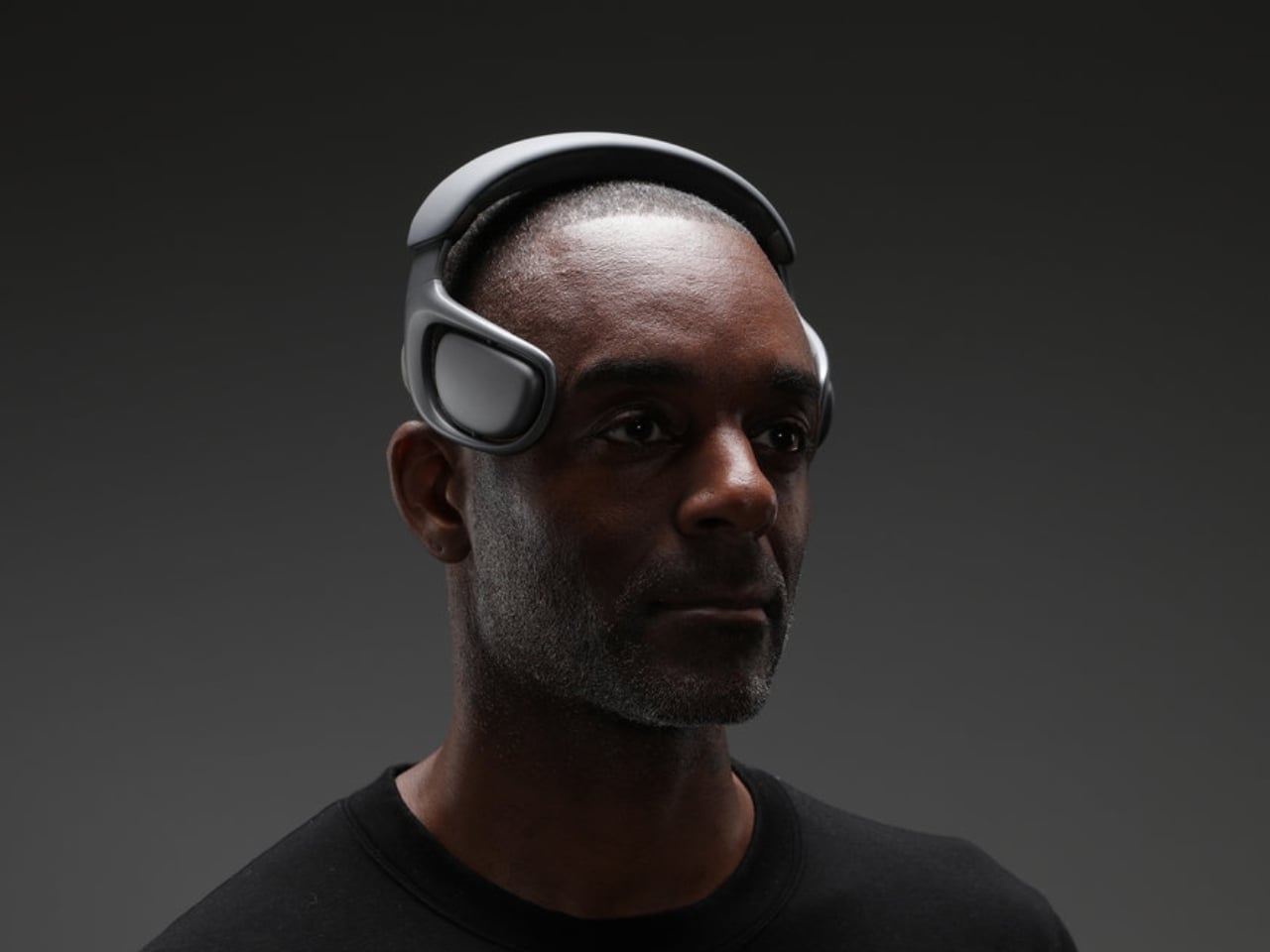
The Humane AI Pin garnered a lot of attention for how cool it was when it debuted. An AI lapel pin that you can talk to, and that projects information on your palm as well as takes pictures. Sounds incredible, but the rationale changes when you’re forced to buy one. You forget how cool it is and start thinking of whether the product makes sense – and therein lies the entire problem. Marques Brownlee made a video not too long ago, mentioning that the Humane AI Pin (in its current iteration) was the worst product he’d ever reviewed. The pin was slow, bulky, had battery woes, and was inconsistently bad at its AI features… but most importantly, it was a solution looking for a problem. The pin tried to become the smartphone’s replacement without really considering whether the smartphone actually needed replacing. That’s where the Limitless AI Pin is proving to be very different. Call it a coincidence that the product was announced merely a day after the Humane AI Pin received negative coverage, but the Limitless AI Pendant is vastly different (and at least from the demo video above), vastly better at what it does. Building on the Limitless app’s ability to enrich meetings and video chats with AI, the Limitless AI Pendant acts as your meeting assistant, helping you prep, transcribe, and annotate all your meetings.
Designer: Limitless

Right off the bat, the Limitless AI Pendant looks and feels better than the Humane AI Pin. Humane’s pin was large, bulky, and had one too many unnecessary details like a camera and a projector. Limitless’ AI Pendant ditches everything unnecessary by sticking to just having a microphone, and adopting a one-piece clip-style design that attaches to your collar, pocket, or even a neck lanyard without causing your shirt to sag. The lack of a projector means you can place the pendant anywhere without worrying about how it’ll project information on your hand, which gives it a major 1-up over Humane’s pin, which awkwardly sat exactly where your seatbelt would go, causing quite the hindrance.


On the usability front, the Limitless AI Pendant actually focuses on a very well-defined problem statement. Instead of being an arbitrary AI agent that can do anything for you, its sole focus is to work toward helping you navigate meetings with AI-enhanced preparedness. There’s no feature that seems unnecessary, nothing that’ll completely drain your battery even when you’re not using it.

Using AI, the Limitless pendant transcribes conversations (meetings specifically), allowing you to revisit important points later. It even intelligently analyzes discussions and suggests actionable items for your to-do list, saving you valuable time and ensuring nothing slips through the cracks. While other AI wearables feel gimmicky, the Limitless Pendant offers a practical solution. By eliminating the need for note-taking and manual to-do list creation, it frees up mental space and allows you to fully engage in meetings.
The compatibility with existing software like Zoom, Google Meet, and Slack is another game-changer. No need for additional downloads or IT department approvals – the Limitless Pendant integrates effortlessly into your workflow. Your data is anonymized and securely stored in the cloud. Additionally, the Pendant only records conversations with consent, ensuring everyone involved feels comfortable.


Where the Limitless AI Pendant actually turns out to be useful is in doing a great job of replacing your need to have a phone with you. Simply tap the button and the AI Pendant gets recording and transcribing. It’s simple, idiot-proof, and does its job perfectly without much room for error. This is made easy considering that it has a very well-defined job, unlike the Humane AI Pin, which was said to be able to pretty much do anything.
The Limitless AI Pendant starts at an attractive price of $99 during pre-order. While a subscription unlocks its full potential, a free tier grants 10 hours of AI features monthly, alongside unlimited audio storage. For those needing more, the $19 per month Pro plan offers unlimited AI features and audio storage, ensuring your creative flow never runs dry. Plus, the Limitless Pendant comes in a variety of colors, from classic black to bold forest green and playful hot pink, to seamlessly match your personal style.


The post The Limitless AI Pendant builds on the mistakes of the Humane AI Pin with better, specific features first appeared on Yanko Design.