iOS 27 will reportedly come with new AI-powered photo editing tools

Apple reportedly plans to fix bugs and expand the capabilities of Apple Intelligence with the release of iOS 27, iPadOS 27 and macOS 27 year, and it seems like tweaks to the company's AI could go beyond a more functional version of its Siri assistant. Bloomberg reports that this year's software updates will also include new AI-powered photo editing tools that will let users change things like the background and framing of images, too.

You can currently use the Photos app across Apple's operating systems to adjust things like saturation and contrast, apply filters, crop photos or use AI to remove objects with the Clean Up tool. Clean Up will apparently be one of several "Apple Intelligence Tools" after these new updates roll out, Bloomberg writes. Along with Clean Up, users will be able to use "Extend" to expand the background of the photo with generative AI, "Enhance" to automatically improve things like lighting and image quality and "Reframe" to shift the perspective of a photo after it's taken, primarily for Apple's spatial photos.

The new features, if released, will bring Apple's photo-editing tools more in line with competitors like Google and Samsung, though both companies still lap Apple in their willingness to create entirely generated images. Google's Magic Editor feature, which debuted in 2023, still takes the cake in terms of giving users leeway to radically add to and change their photos.

Other than new photo tools, Apple is reportedly also debuting its new version of Siri powered by Google's Gemini models, a standalone Siri app and AI-powered search inside its apps. Apple will likely introduce many of these new features during its WWDC keynote on June 8.

This article originally appeared on Engadget at https://www.engadget.com/ai/ios-27-will-reportedly-come-with-new-ai-powered-photo-editing-tools-194119562.html?src=rss

Keen’s Zero-Glue Shoe Uses A Cord-Cage To Hold Itself Together, And Can Be Repaired By Swapping Parts

The footwear industry runs on glue. Something like 30 billion pairs of shoes get manufactured globally each year, and nearly all of them rely on industrial adhesives to bond uppers to soles. Those adhesives contain solvents that create toxic fumes in factories, complicate recycling at end of life, and introduce a whole class of chemicals that workers and the environment would be better off without. It’s a manufacturing reality so fundamental that most people never think about it, which makes it a perfect target for redesign if you can figure out the engineering.

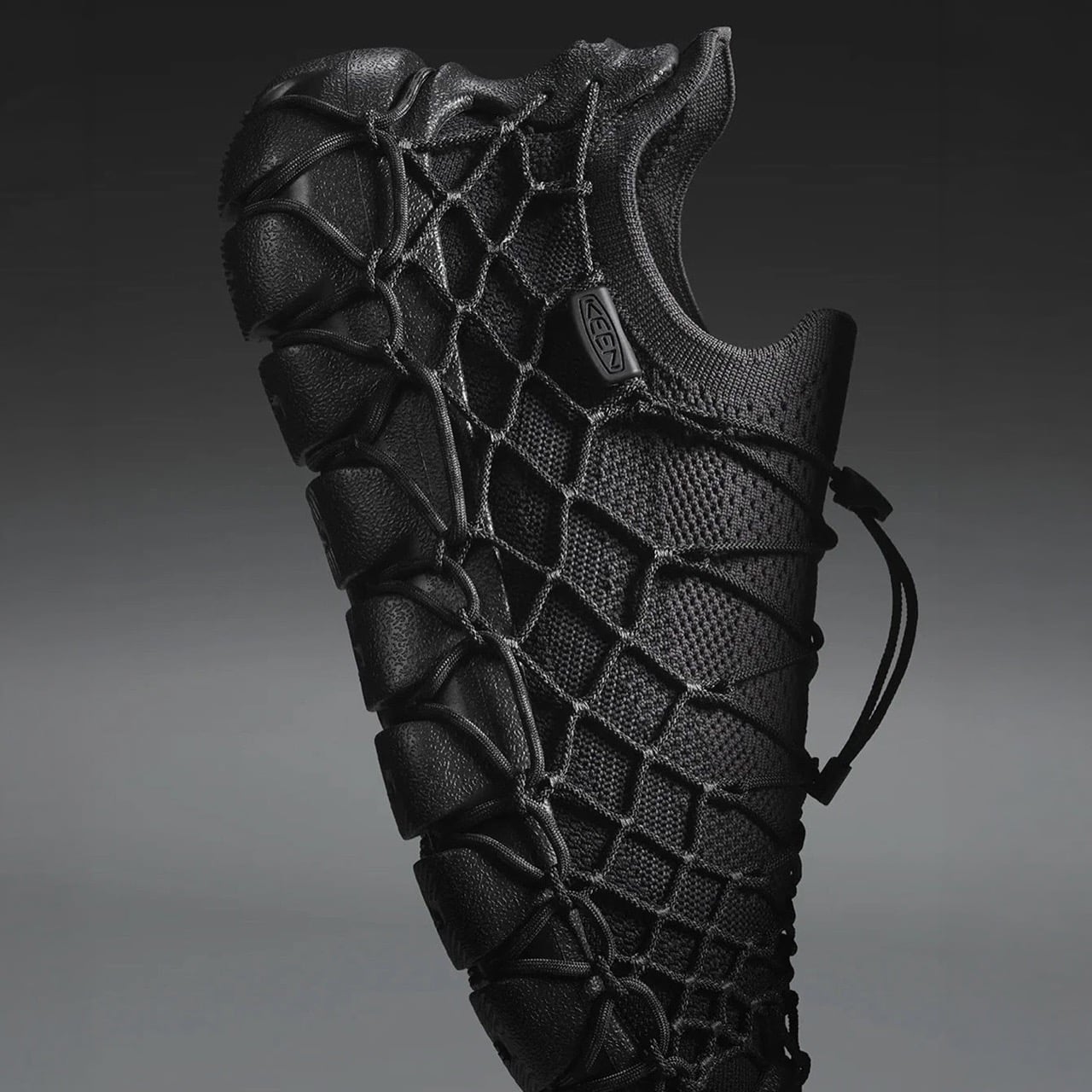
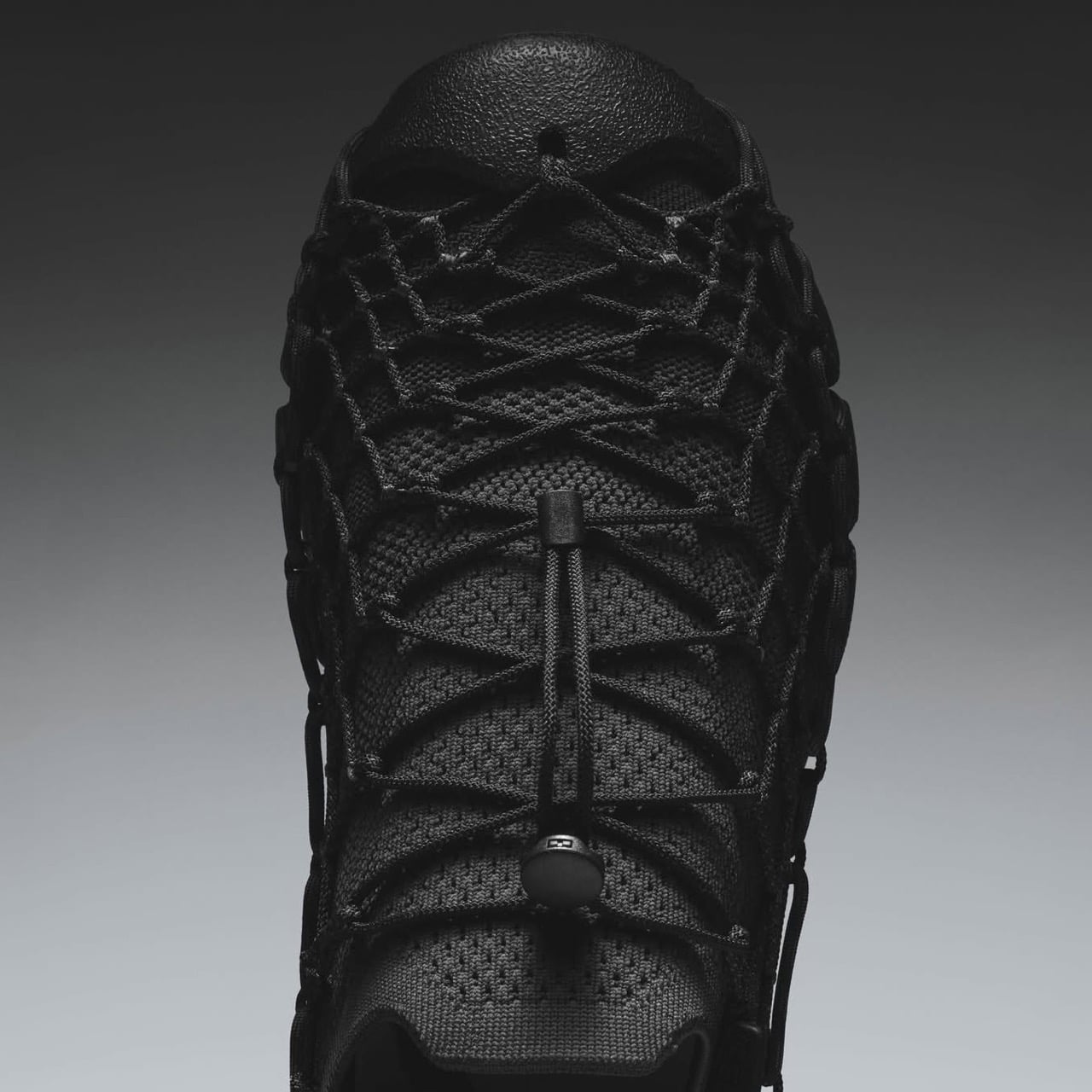
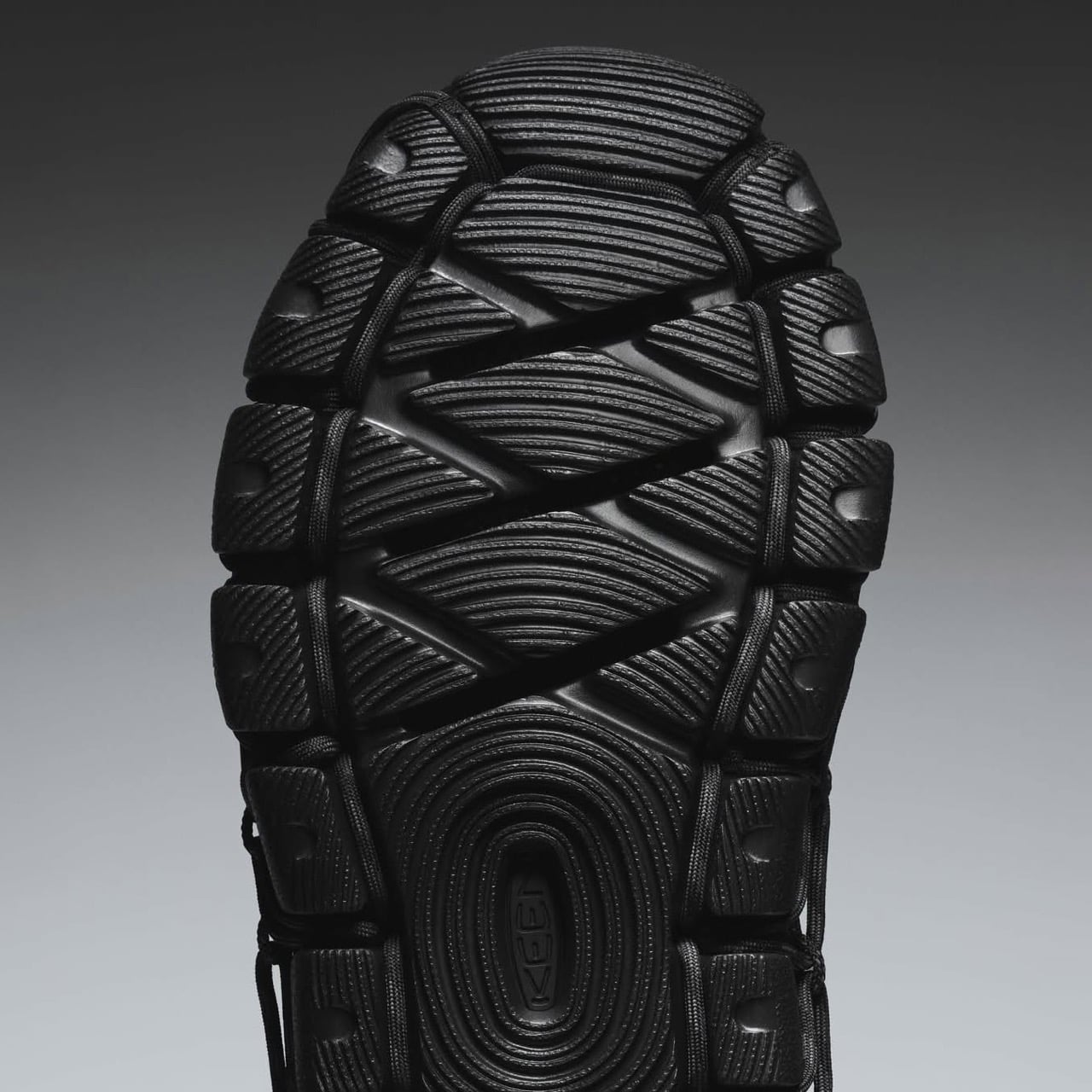
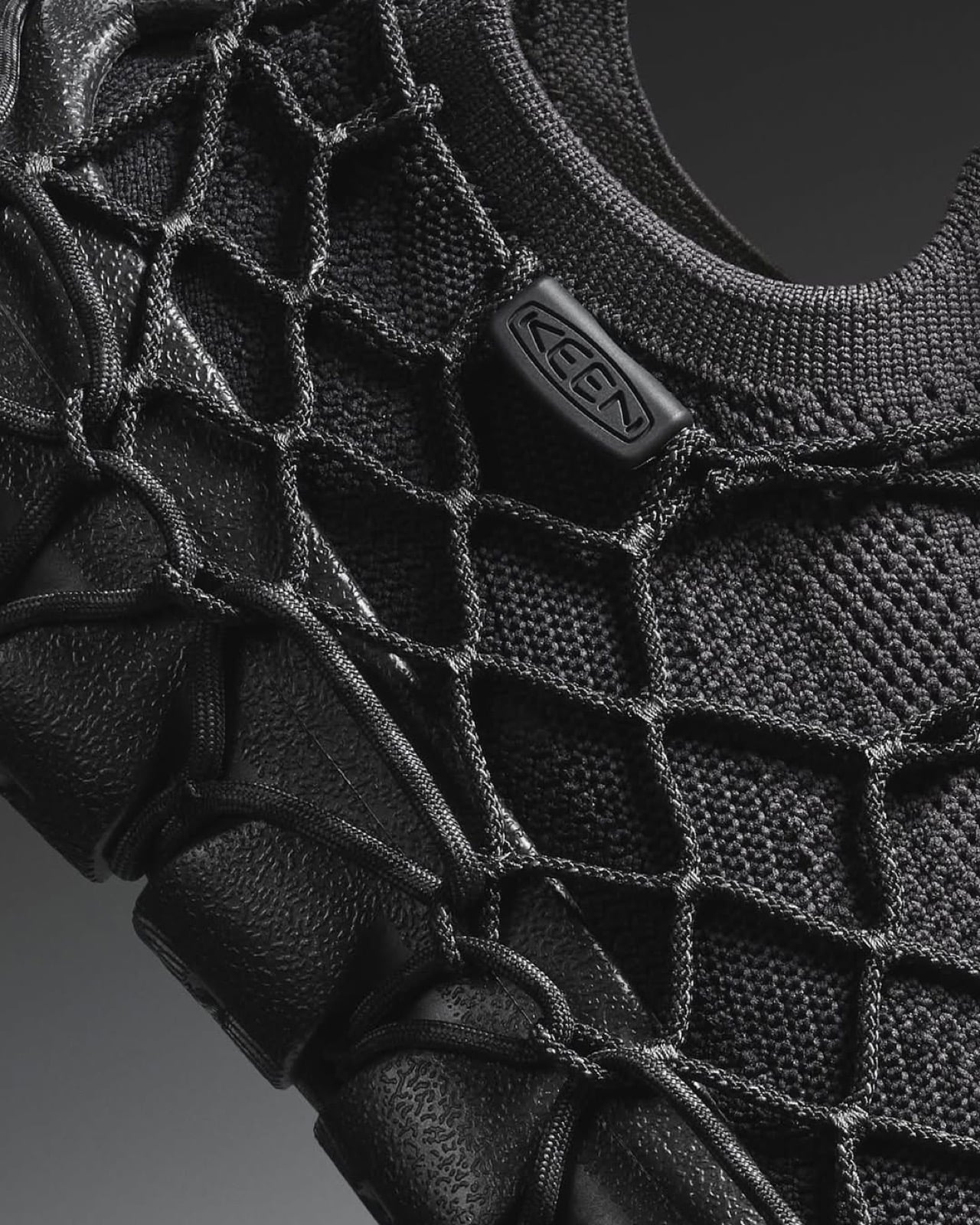
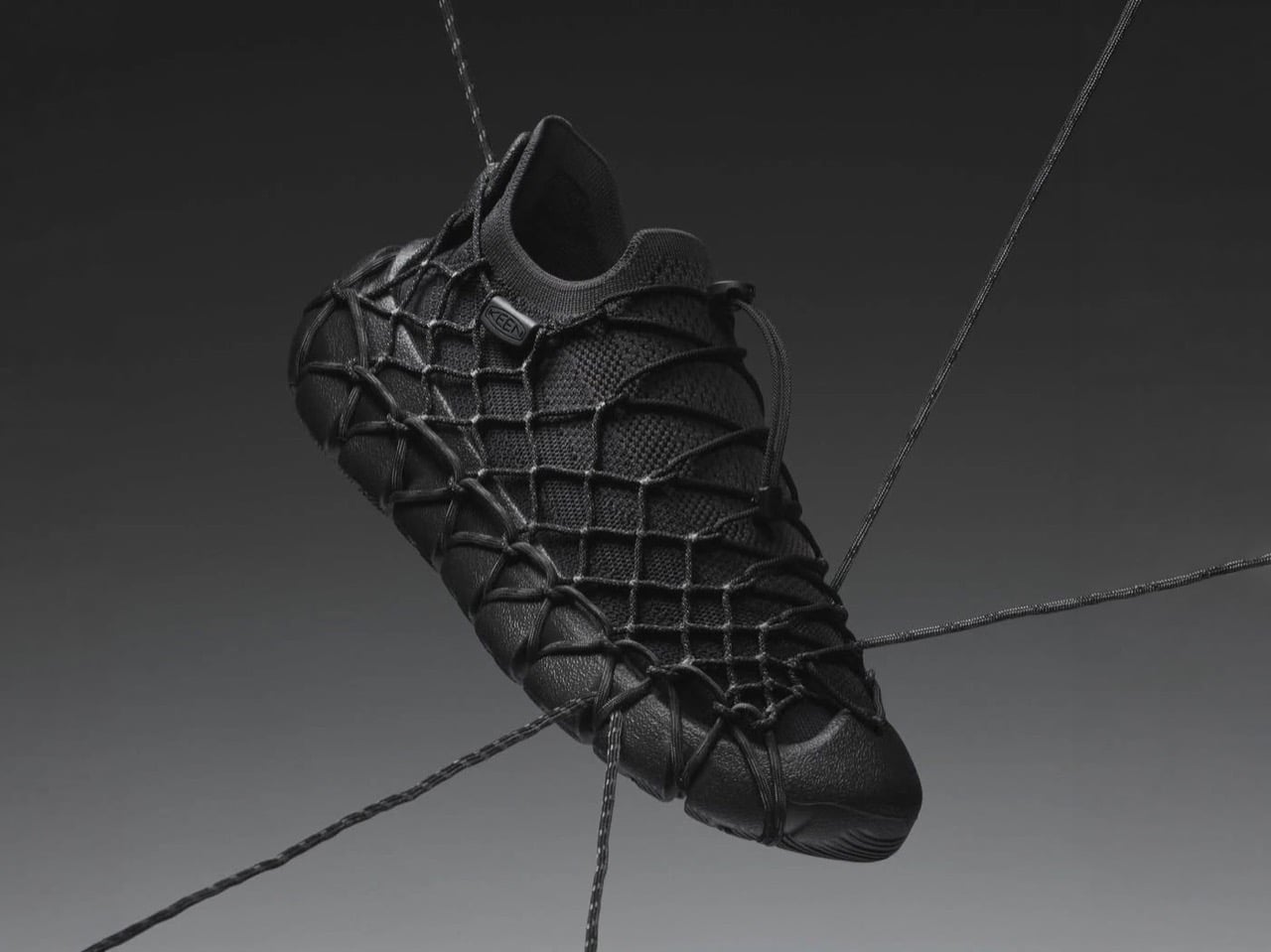
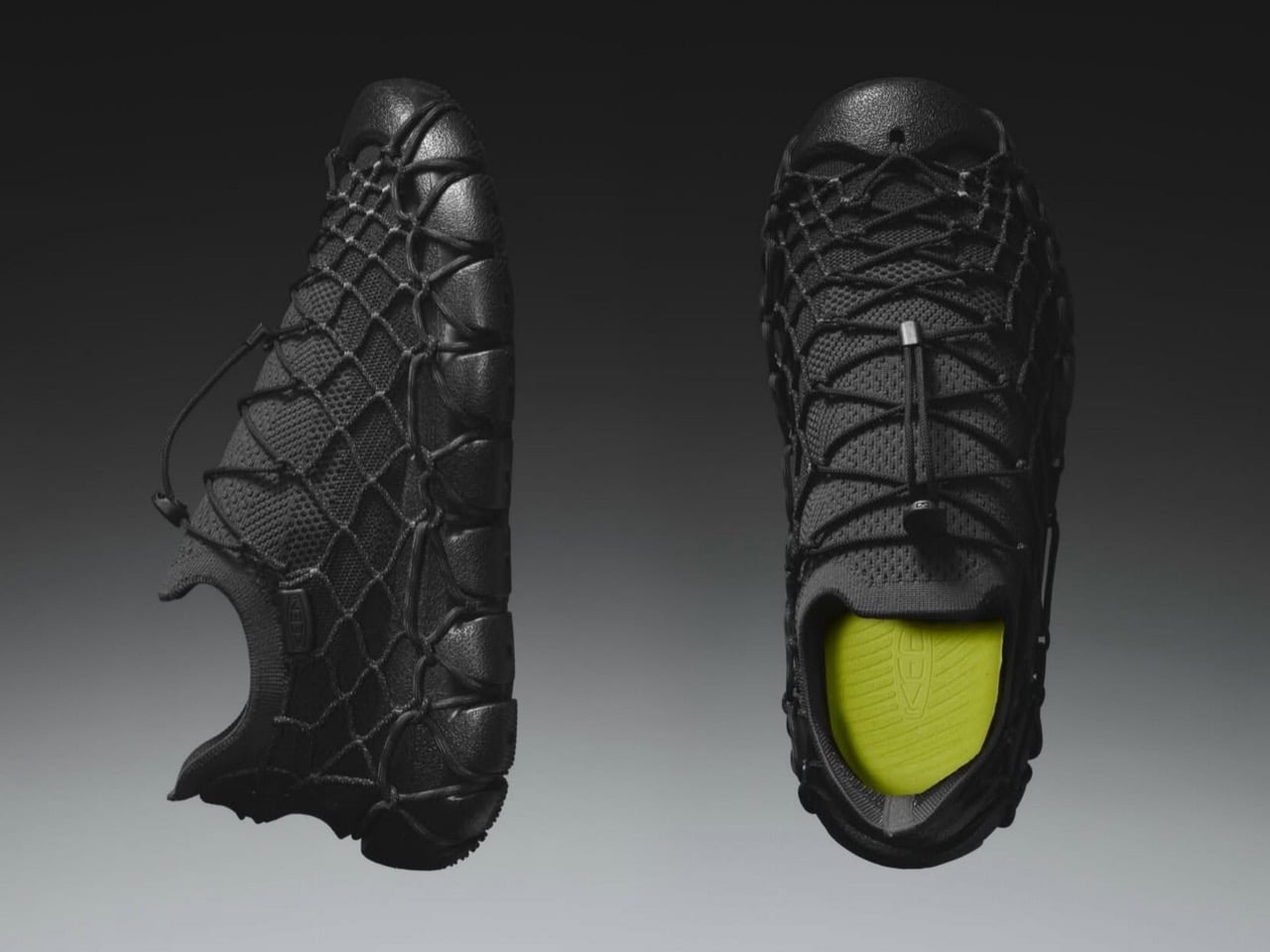
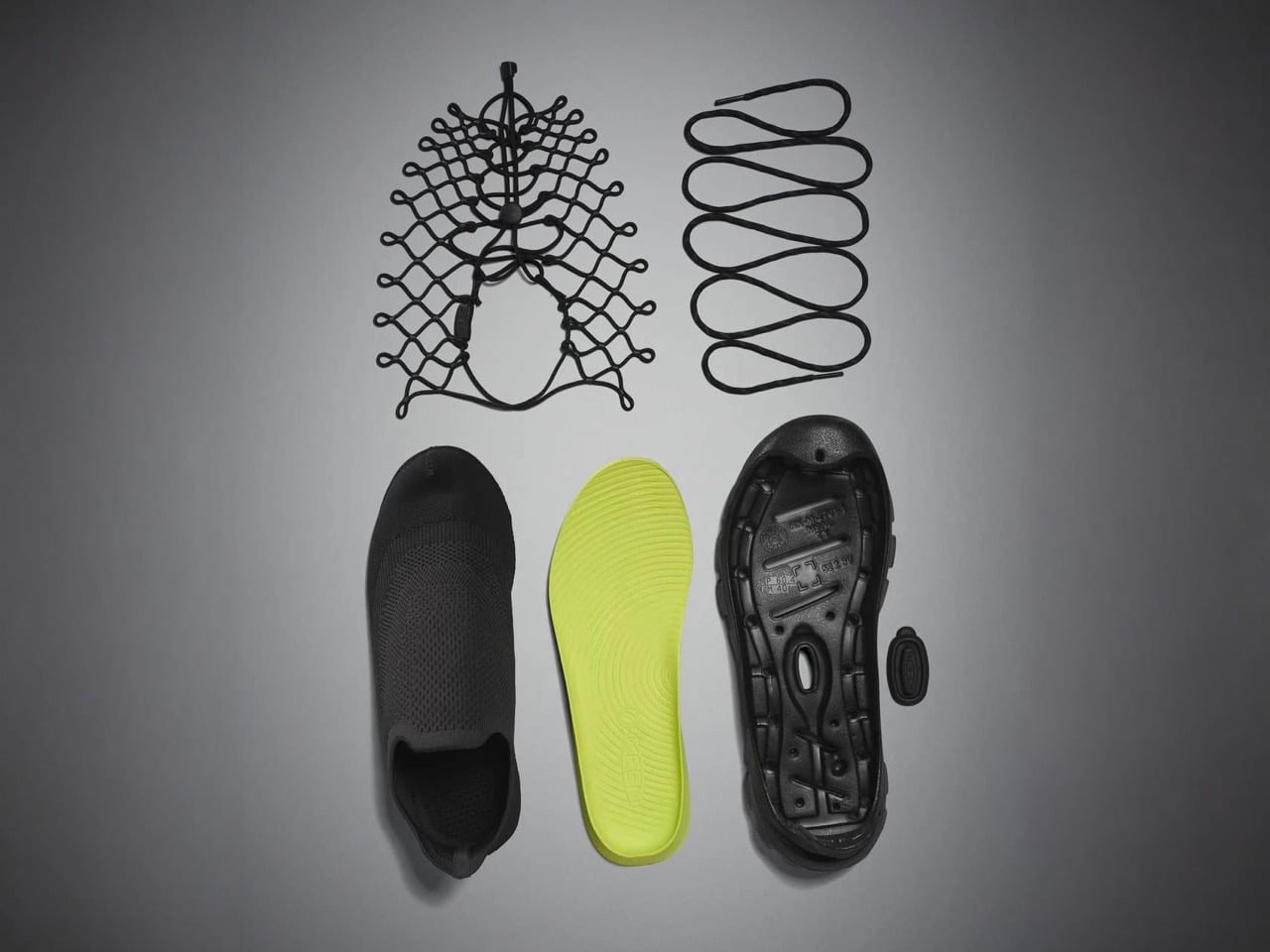
Keen just launched the Uneek 360, and the Portland-based brand is calling it their first solvent-free shoe. The design breaks down into four separate pieces: a knit upper made from recycled plastic bottles, an external cord cage that wraps around the structure, a drop-in footbed, and a hybrid rubber-foam outsole. Nothing is glued. The cords loop through the sole unit and lock with a toggle, creating a mechanical connection where adhesive would normally live. It’s a modular build that extends Keen’s decade-long Detox the Planet initiative from chemistry into construction itself, and it arrives with a $190 price tag and enough design confidence to make you wonder why this approach took so long to reach production.

Designer: Keen Footwear

The cord cage is downright clever. Keen has been refining cord-based construction since the original Uneek sandal launched back in 2014, a polarizing design that used two interwoven cords as the entire upper. That silhouette took three years to develop and became a cult favorite despite looking like something between a huarache and a fishing net. The 360 repurposes that cord expertise into structural engineering rather than aesthetics. The articulated cording moves on multiple axes, which means it adapts to foot shape dynamically while maintaining enough tension to hold the four components together under walking loads. Pull the locking toggle and the whole assembly comes apart in seconds, with each material cleanly separated for recycling.

This fits into Keen’s broader chemistry work, which has been unusually transparent for a footwear brand. Since starting their Detox the Planet program in 2014, they’ve invested over 11,000 hours and $1.2 million eliminating toxic chemical classes from their supply chain. They went fully PFAS-free in 2018, removing those forever chemicals from over 100 different shoe components, then open-sourced the process so competitors could follow the same path. Five of six targeted chemical classes are gone. Solvents, the ones embedded in adhesives, are the final holdout. The Uneek 360 represents a different approach to that problem: instead of reformulating the glue, eliminate the need for it entirely.

The modular construction creates some really smart end-of-life options. Most shoes become landfill material because you can’t separate bonded composites without industrial shredding, and even then the mixed materials have limited recycling value. A shoe you can disassemble by hand into distinct material streams (knit fabric, rubber, foam, synthetic cord) actually stands a chance of getting processed properly. Whether that happens depends on infrastructure and consumer behavior, but at least the design removes a fundamental barrier.

Keen launched the Uneek 360 in Black/Magnet and Vapor/Star White colorways, with men’s and women’s sizing available through their site and select retailers. At $190, it sits at the premium end of the casual sneaker market, which reflects both the recycled materials and the engineering required to make cord-based mechanical locking work at production scale. It’s proof that footwear assembly without solvents is manufacturable, not just a concept sketch, which matters if the industry is serious about moving beyond adhesive dependency.

The post Keen’s Zero-Glue Shoe Uses A Cord-Cage To Hold Itself Together, And Can Be Repaired By Swapping Parts first appeared on Yanko Design.

NVIDIA starts offering a 12GB version of the 5070 for laptops

NVIDIA is releasing a new variant of its 5070 GPU for laptops. Nestled in a blog post about the latest version of its Game Ready Drivers, the company notes its partners will soon start selling 5070 laptops with 12GB of VRAM, alongside the 8GB model that NVIDIA has offered since the launch of the 50-series. 

"Demand for GeForce RTX remains strong, and memory supply is contrastrained. In order to maximize memory availability, we are releasing the GeForce RTX 5070 Laptop GPU 12GB configuration with 24Gb G7 memory. This gives our partners access to an additional pool of memory to complement the 16Gb G7 supply that currently ships with most GeForce GPUs," NVIDIA said. 

The first 12GB 5070-equipped laptops are slated to start shipping sometime in June, with manufacturers like ASUS, Lenovo and MSI likely to offer the video card as an option in some of their models. NVIDIA has yet to confirm pricing, but outlets like NotebookCheck are reporting that 12GB 5070 laptops could cost as much as their 5070 Ti counterparts. Right now, a 5070 Ti-equipped PC like the Acer Predator Helios Neo 16S AI can set you back as much $2,650, depending on the amount of RAM on offer. New 12GB 5070 laptops likely won't cost as much, given manufacturers will probably configure them with less RAM.

NVIDIA has yet to share the full spec list for the 12GB 5070, but as the company notes, it’s using 24Gb G7 memory, instead of 16GB G7 memory, for the new model. The two memory types are made using different manufacturing processes. The former uses 3GB memory modules, while the latter uses 2GB ones. Either way the company is tapping into a different supply of memory that, in recent months, Samsung and Micron have managed to produce more consistently at scale. That said, unless NVIDIA has redesigned the 5070 to equip it with a wider 192-bit bus interface, which seems unlikely in this case, the new model won't be able to access that additional memory as fast as the 5070 Ti and other models above it in NVIDIA's stack. For most games that shouldn't matter too much, but it does mean the new model isn't quite the upgrade it seems if you just look at the amount of raw VRAM.             


This article originally appeared on Engadget at https://www.engadget.com/computing/laptops/nvidia-starts-offering-a-12gb-version-of-the-5070-for-laptops-180057515.html?src=rss

You Can Play Pokémon Gold on Your Wrist, Thanks to a 2-Year Build

Retro gaming handhelds have had a genuine second life in recent years. Original Nintendo hardware has been cloned, shrunken, and reimagined into increasingly unhinged form factors by modders who see the Game Boy lineup as the most suitable canvas for this kind of project. The builds have become their own subculture, where the unofficial requirement is always constructing something that makes everyone else feel like they aren’t trying hard enough.

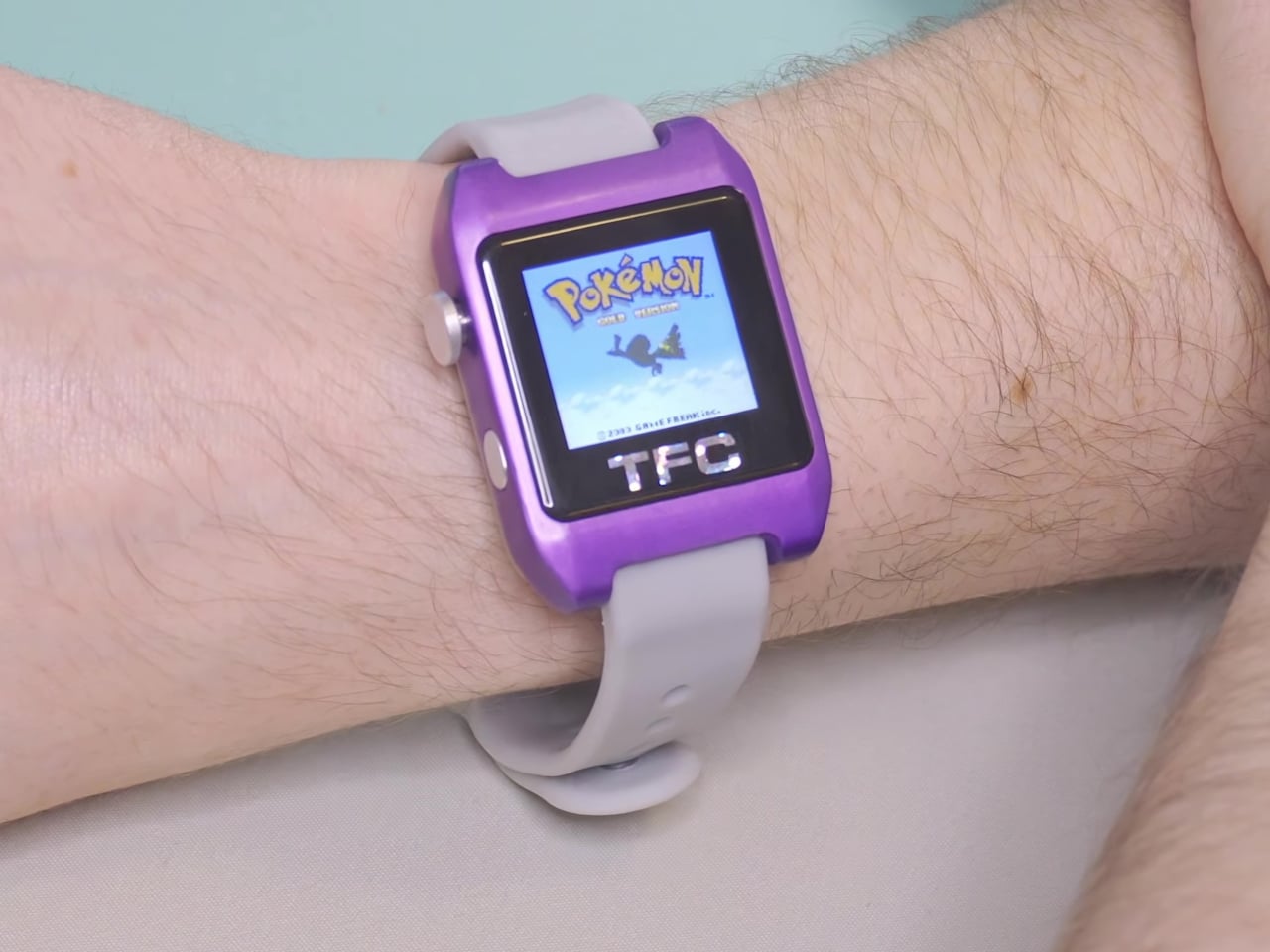
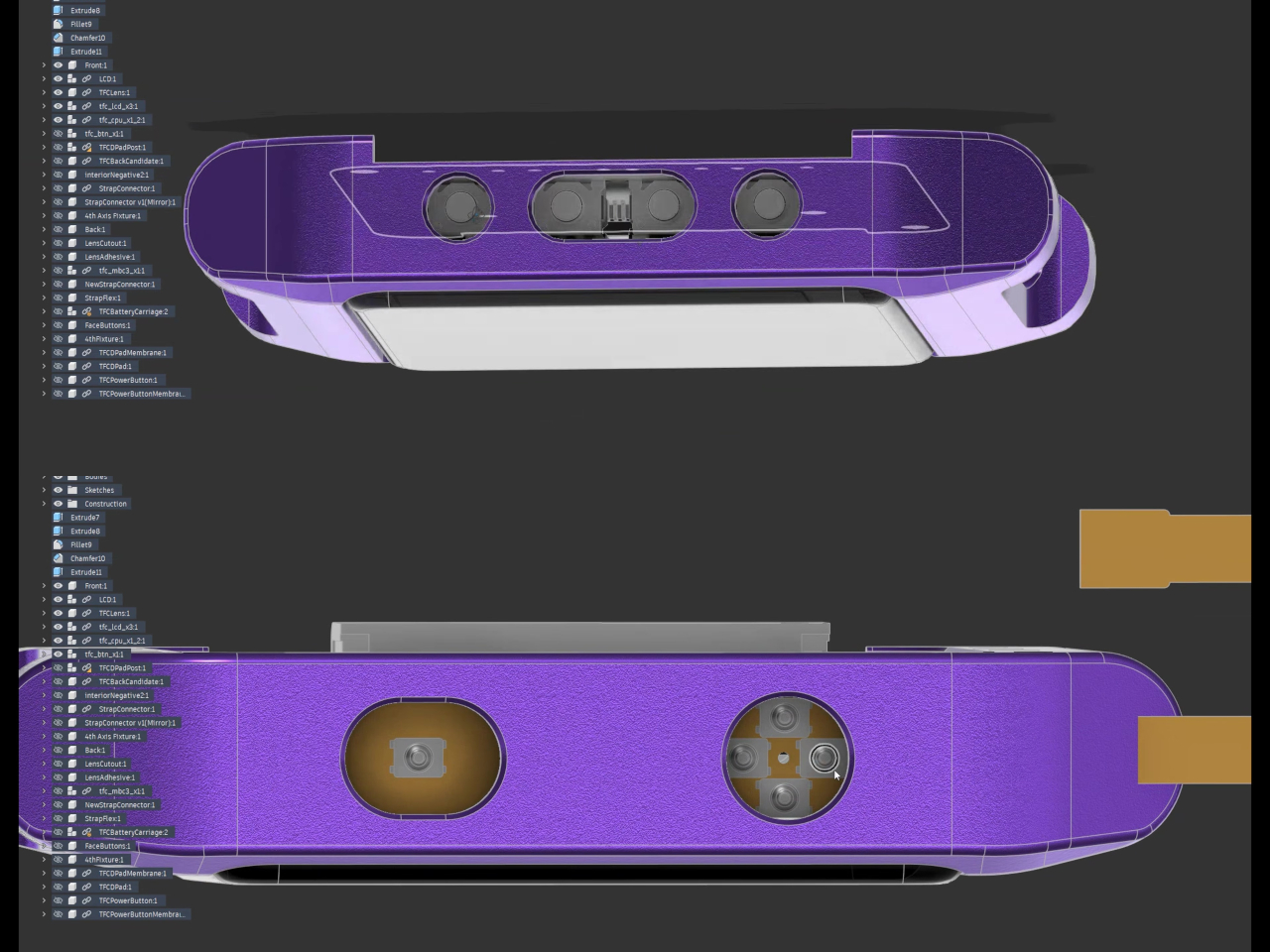
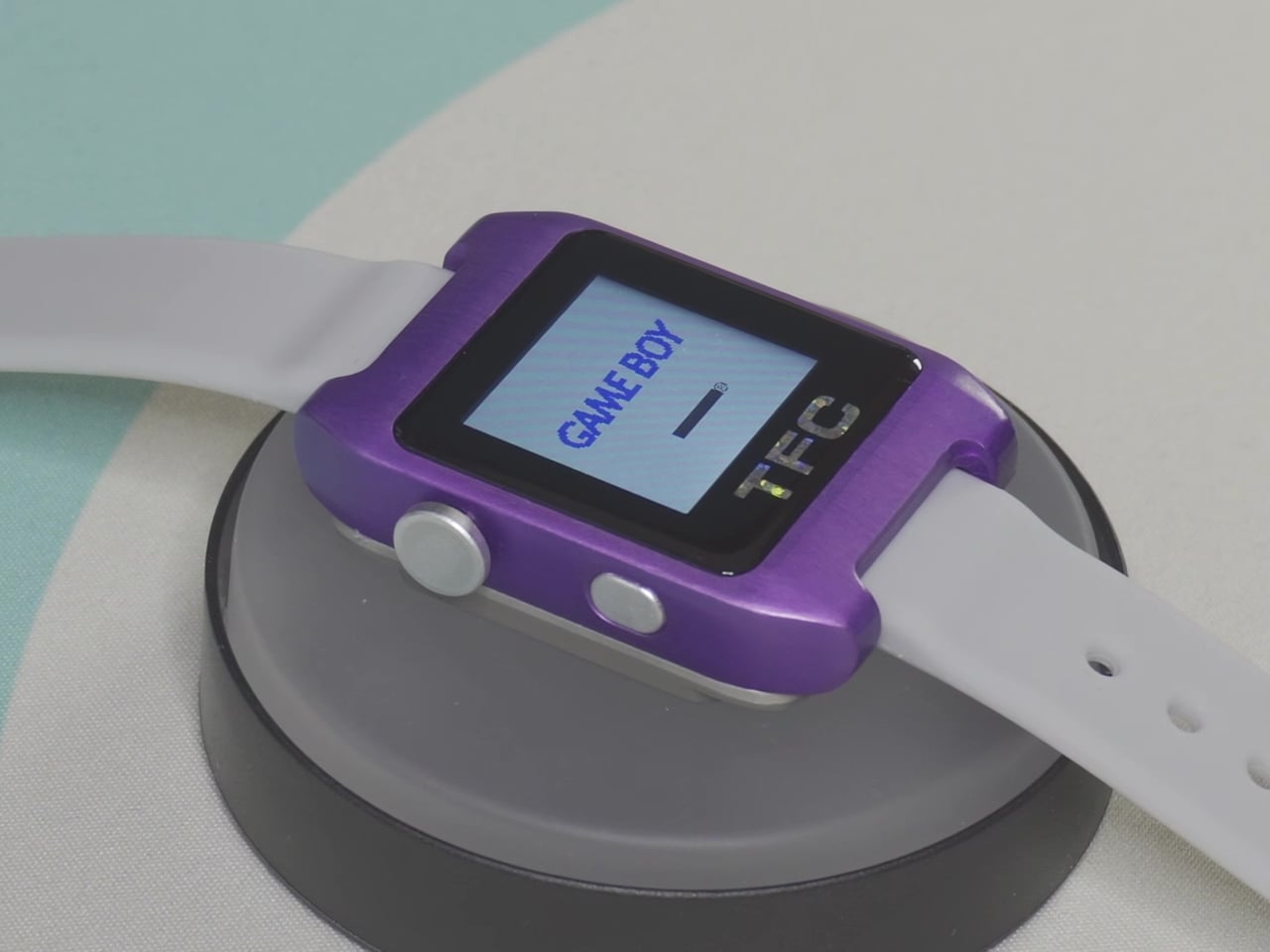
YouTube creator Chris Hackmann, known online as LeggoMyFroggo, took things further than most. He spent more than two years building the Time Frog Color, a Game Boy Color shrunk down to wrist-watch dimensions. From the start, he gave himself three non-negotiable rules: it had to use the original GBC CPU, it had to accept physical cartridges, and it had to keep time when turned off. No emulation, no shortcuts.

Designer: Chris Hackmann (LeggoMyFroggo)

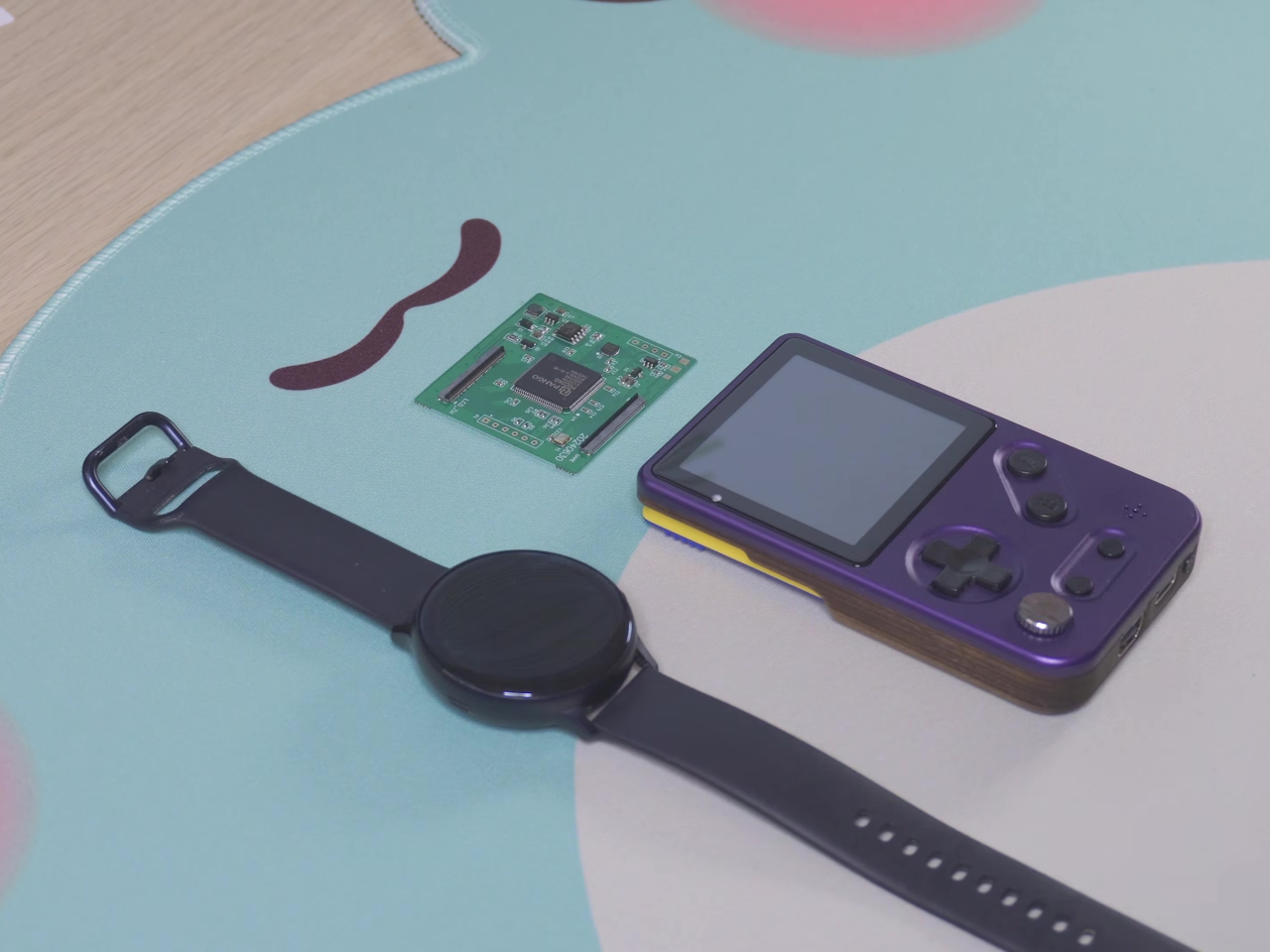
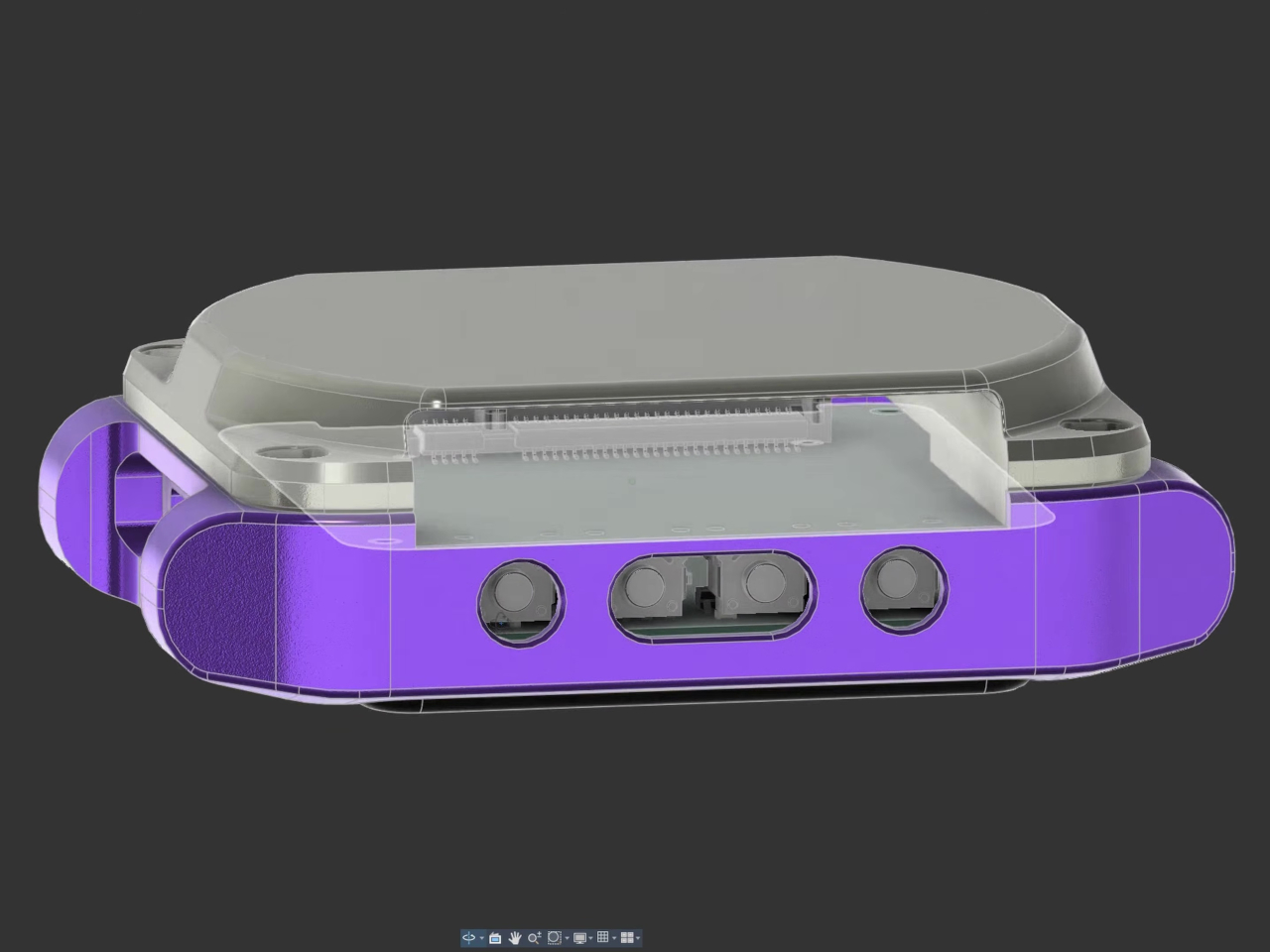
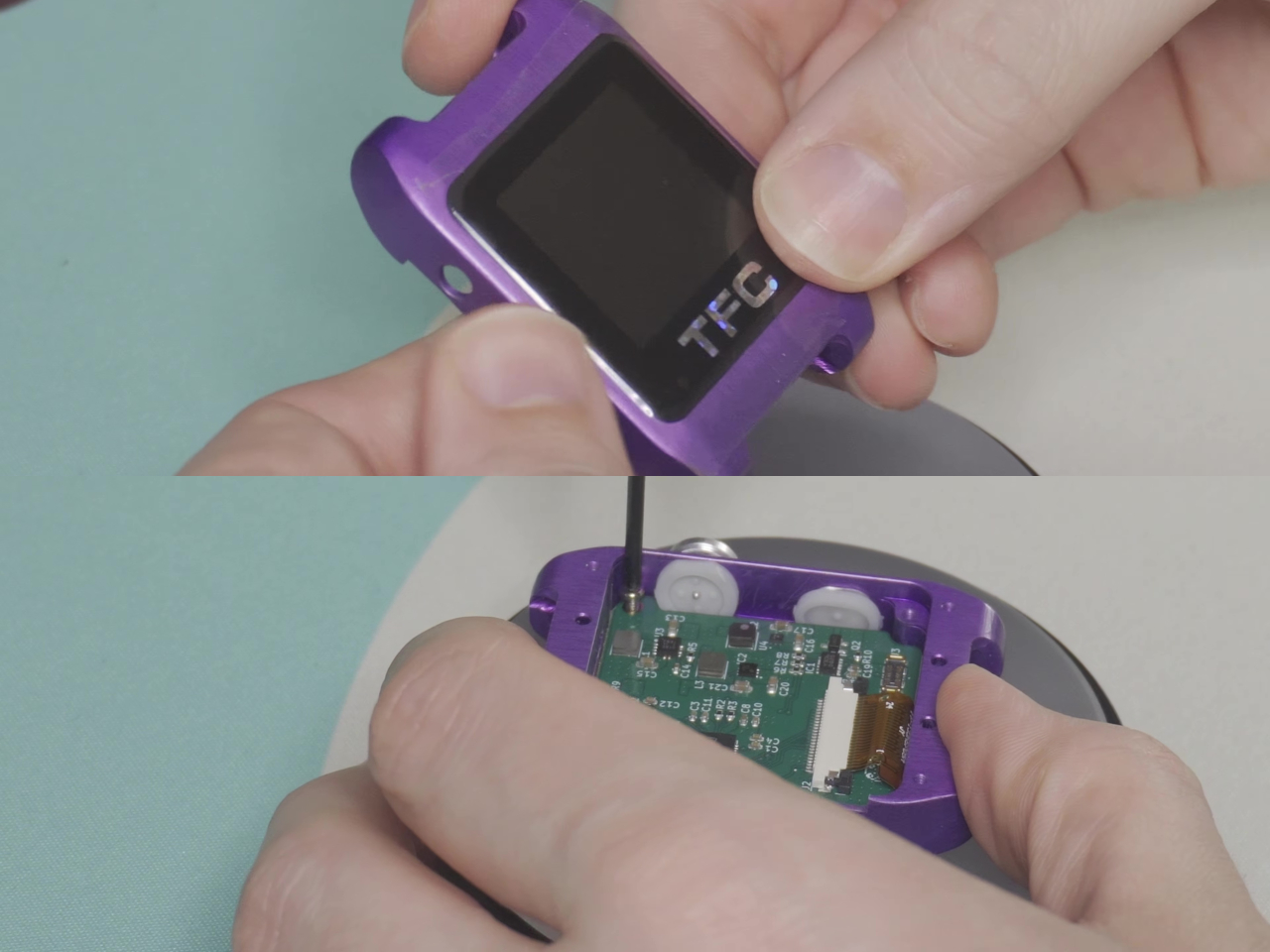
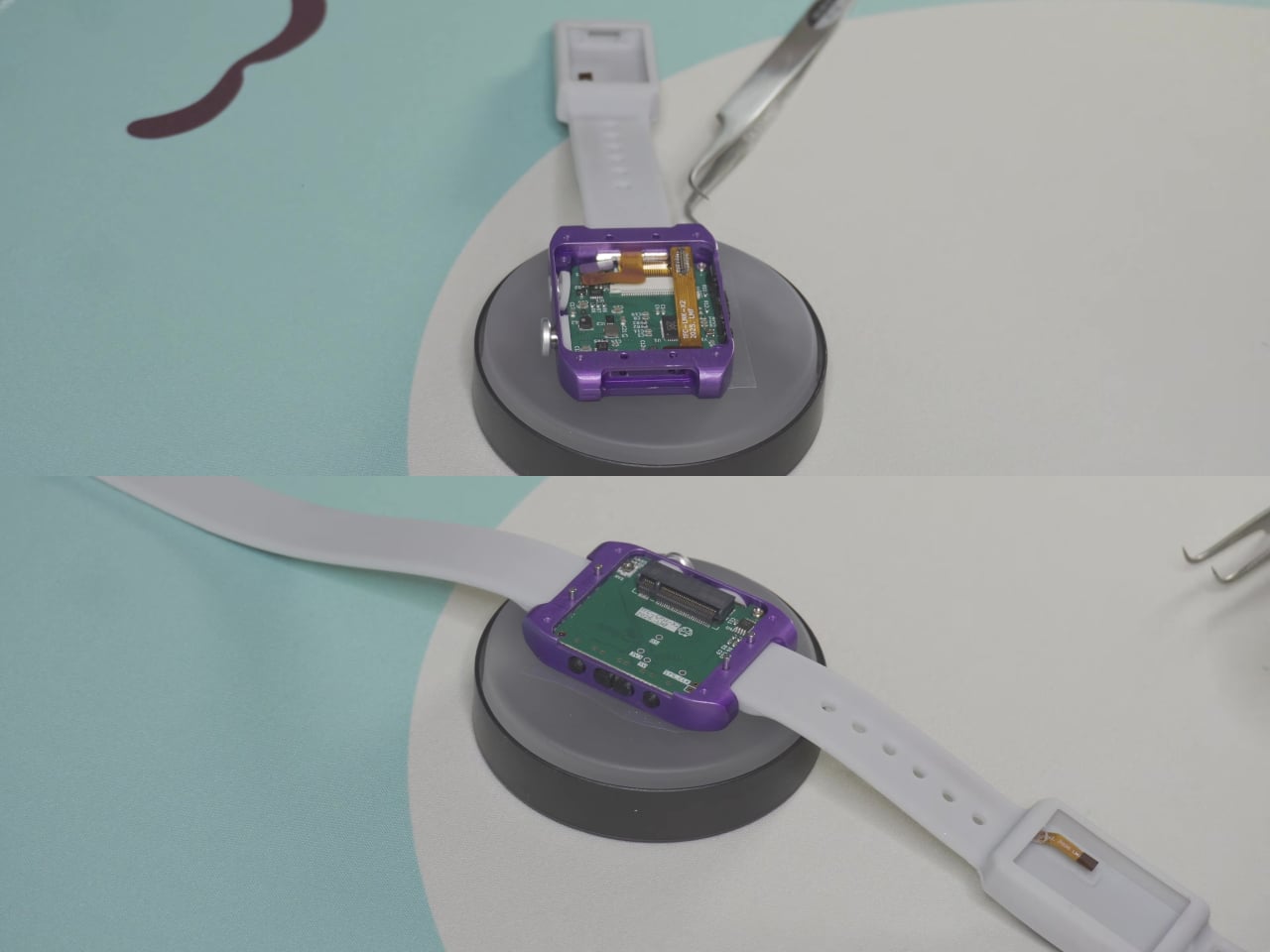
Those three constraints drove everything that followed. Standard GBC screens are too large, so the display was scaled down to a 1.12-inch LCD. That screen can’t read the GBC’s parallel RGB output natively, so an RP2040 microcontroller was added purely as a signal translator. This created the foundation for a stacked PCB arrangement, with an LCD driver board on the bottom and the CPU board sitting just above it.

The cartridge requirement was its own puzzle. Standard Game Boy cartridge slots aren’t watch-sized, so Hackmann swapped the slot for an M.2 connector, the type normally found in NVMe computer drives. The custom cartridges that plug into it aren’t simple ROM cards; they’re full MBC3 flash builds with their own RAM, mapper chip, and a coin cell battery that keeps save files intact between sessions.

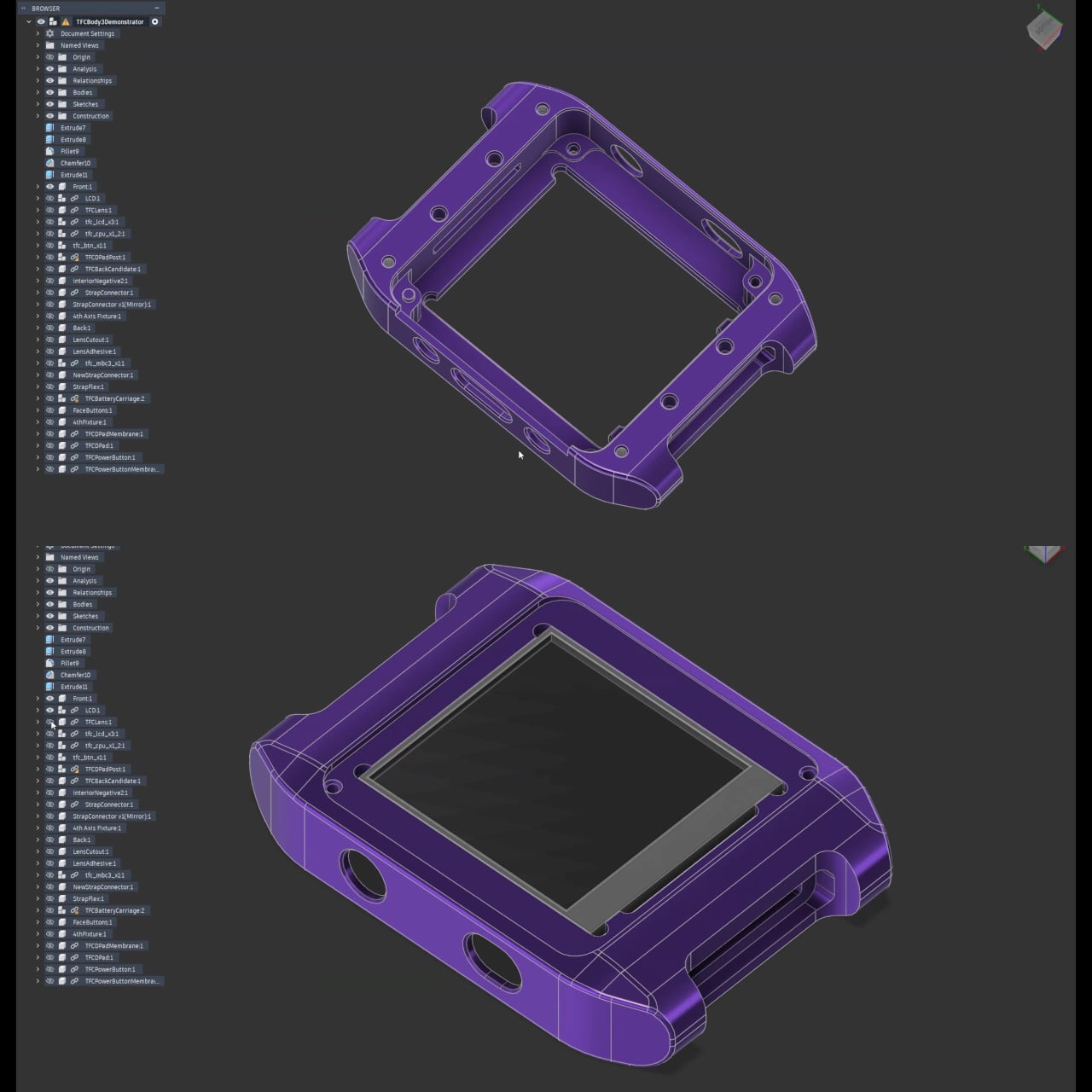
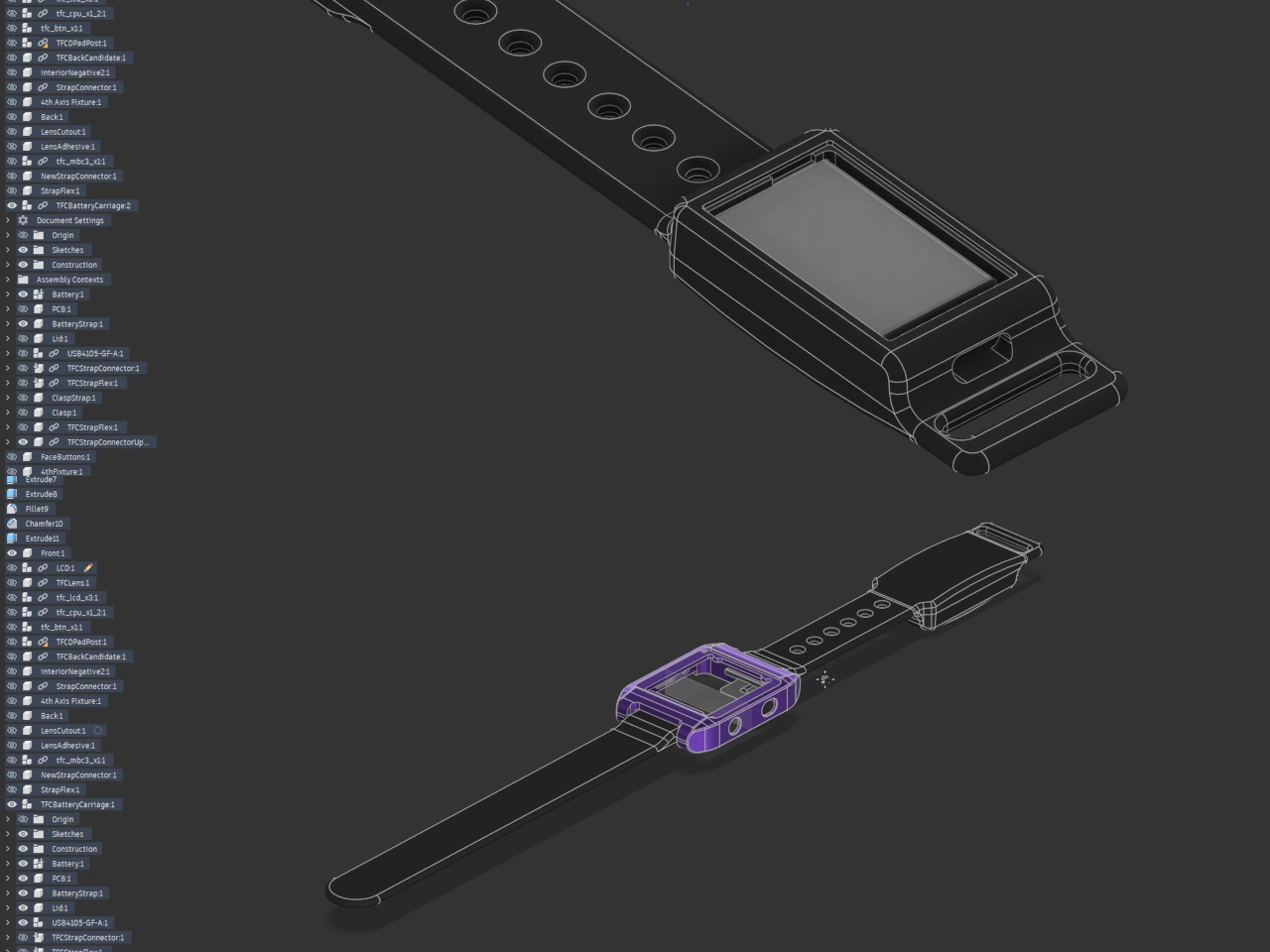
All of that stacking pushed the watch body to 15mm thick, noticeably chunkier than an Apple Watch at roughly 10 mm. There was no room for a battery inside, so it went into the silicone strap instead. A flexible PCB runs through nearly the entire band via overmolding, carrying power back into the main body. It’s a bizarre solution that also happens to be the only sensible one.

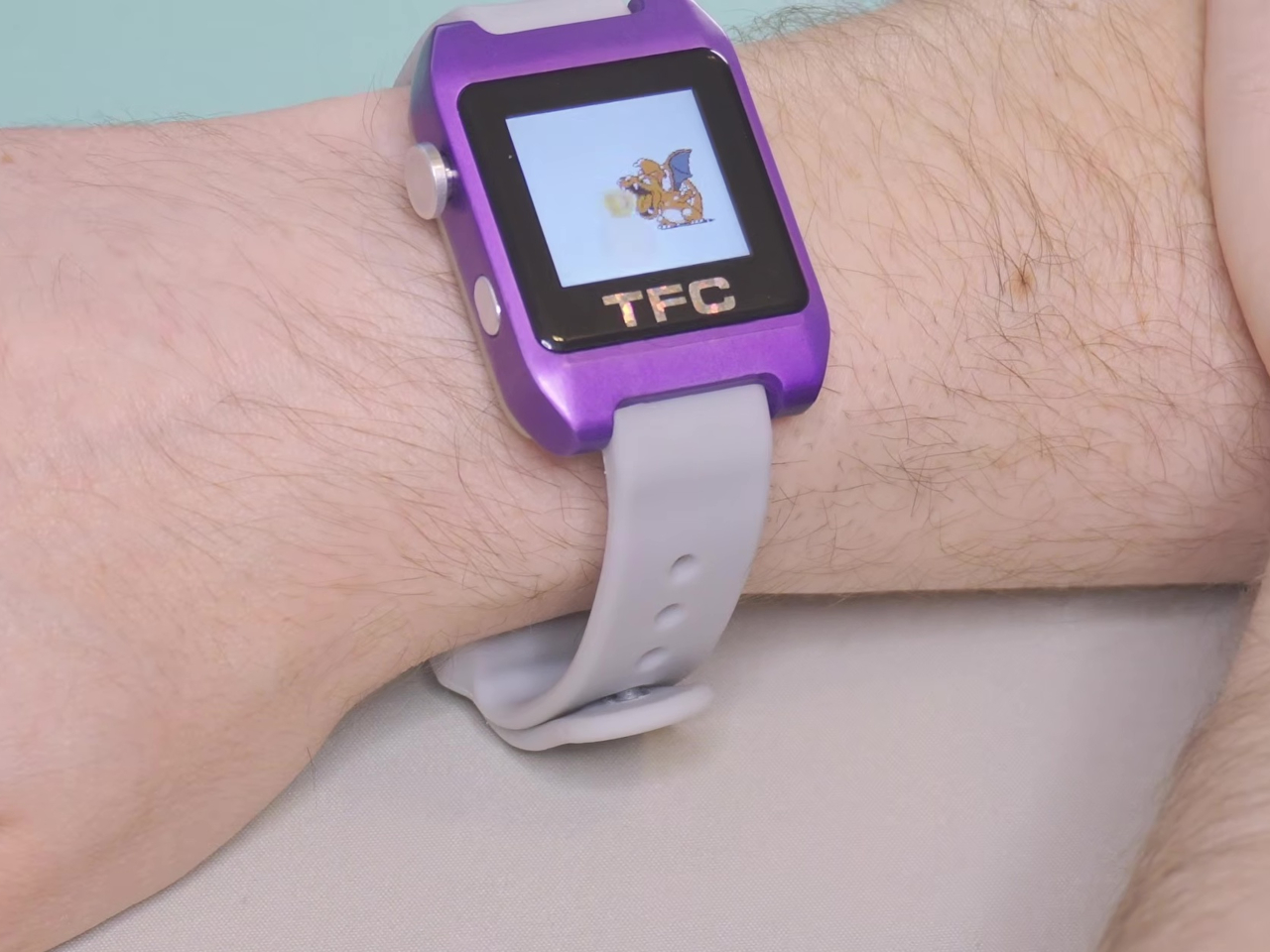
The watch body is CNC’d from 6061 aluminum and anodized purple, which reads as a direct nod to Nintendo’s color sensibilities. Controls are fitted into the sides of the housing, with four face buttons on one edge and a custom-machined rocker D-pad on the other, both backed by silicone membranes. The unit shown in the video doesn’t include a speaker, as the component missed the deadline.

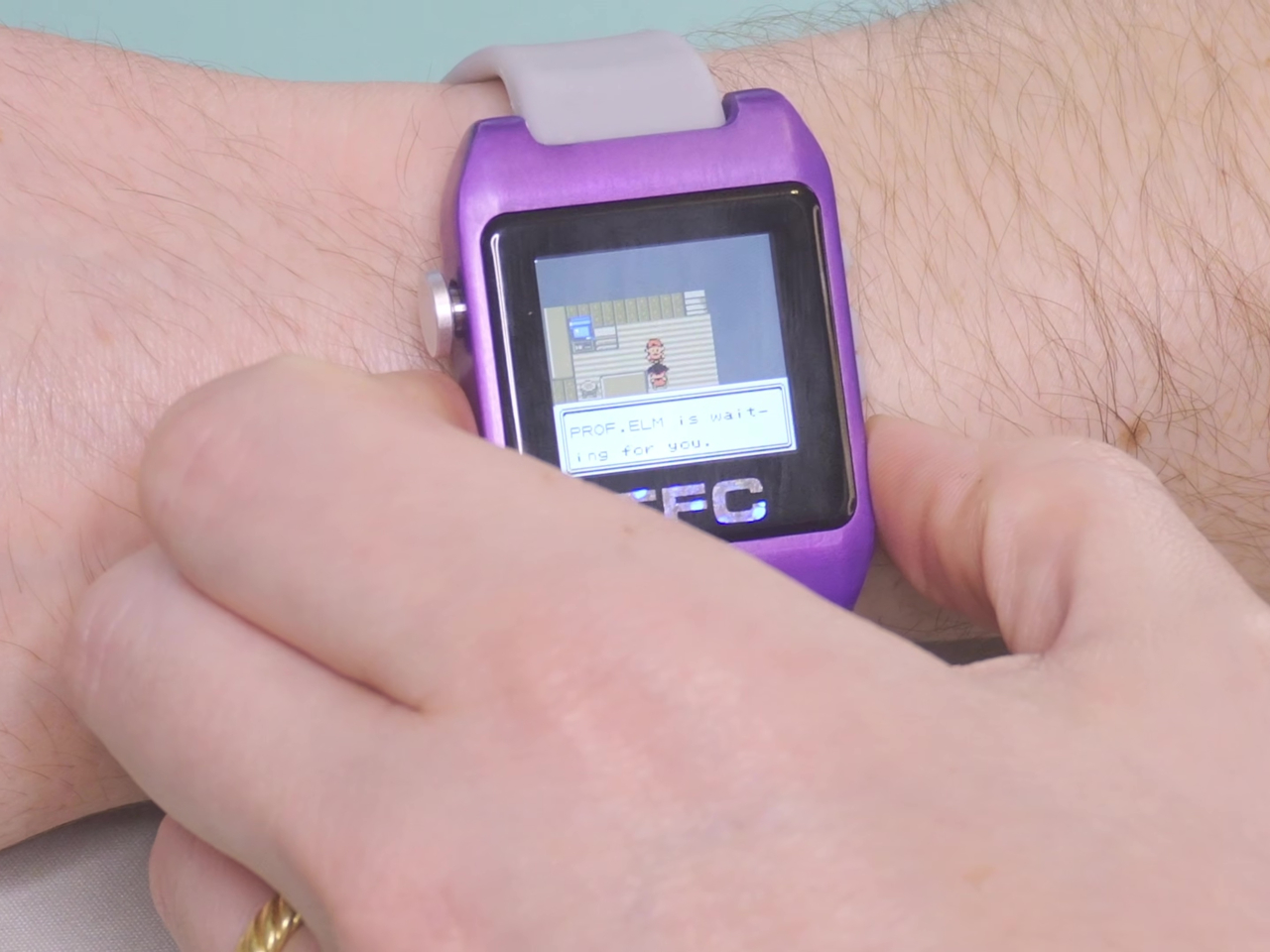
Hackmann is upfront about the trade-offs. The Time Frog Color offers a “less than optimal playing experience” by his own admission, with battery life that won’t compare favorably against most wearables. It’s a thick, quirky device with controls tucked into the edges and a cartridge protruding from the back. But you can load up Pokémon Gold and play it on your wrist, which isn’t something most projects can claim.

The post You Can Play Pokémon Gold on Your Wrist, Thanks to a 2-Year Build first appeared on Yanko Design.

Games Done Quick will host its first ever event in Europe

Games Done Quick, the charity video game speedrunning series, is making its European debut in a live event at Germany’s Gamescom this summer.

GDQ’s marathon event will run for the duration of the three-day show in Cologne, starting August 28-30, and will feature popular runners and an on-site live audience. The event will be broadcast on Twitch and YouTube, with programming kicking off at 4am ET (one for all you early risers) daily and running until 2pm.

"We’re thrilled to expand Games Done Quick globally and to bring a live event to gamescom in Germany, an opportunity that’s incredibly meaningful to our team," said Ashley Farkas, Games Done Quick’s Owner and Business Director. "This partnership not only supports an amazing initiative, but also creates space for more runners to participate, especially those who haven’t previously had the opportunity to travel to the US."

Games Done Quick was established in 2010 and has since raised more than $60 million for charities worldwide. Its first event of this year took place back in January, and featured live speedruns of Super Mario Sunshine, Hades II and Clair Obscur: Expedition 33, to name a few.

This article originally appeared on Engadget at https://www.engadget.com/gaming/games-done-quick-will-host-its-first-ever-event-in-europe-170637194.html?src=rss

Snapchat is rolling out sponsored AI agents

It was only a matter of time before they found a way to use AI agents as corporate shills. On Tuesday, Snapchat rolled out AI Sponsored Snaps, a "new way for brands to show up in Chat through AI agents." Or, put another way, it's conversational advertising. (Yay?)

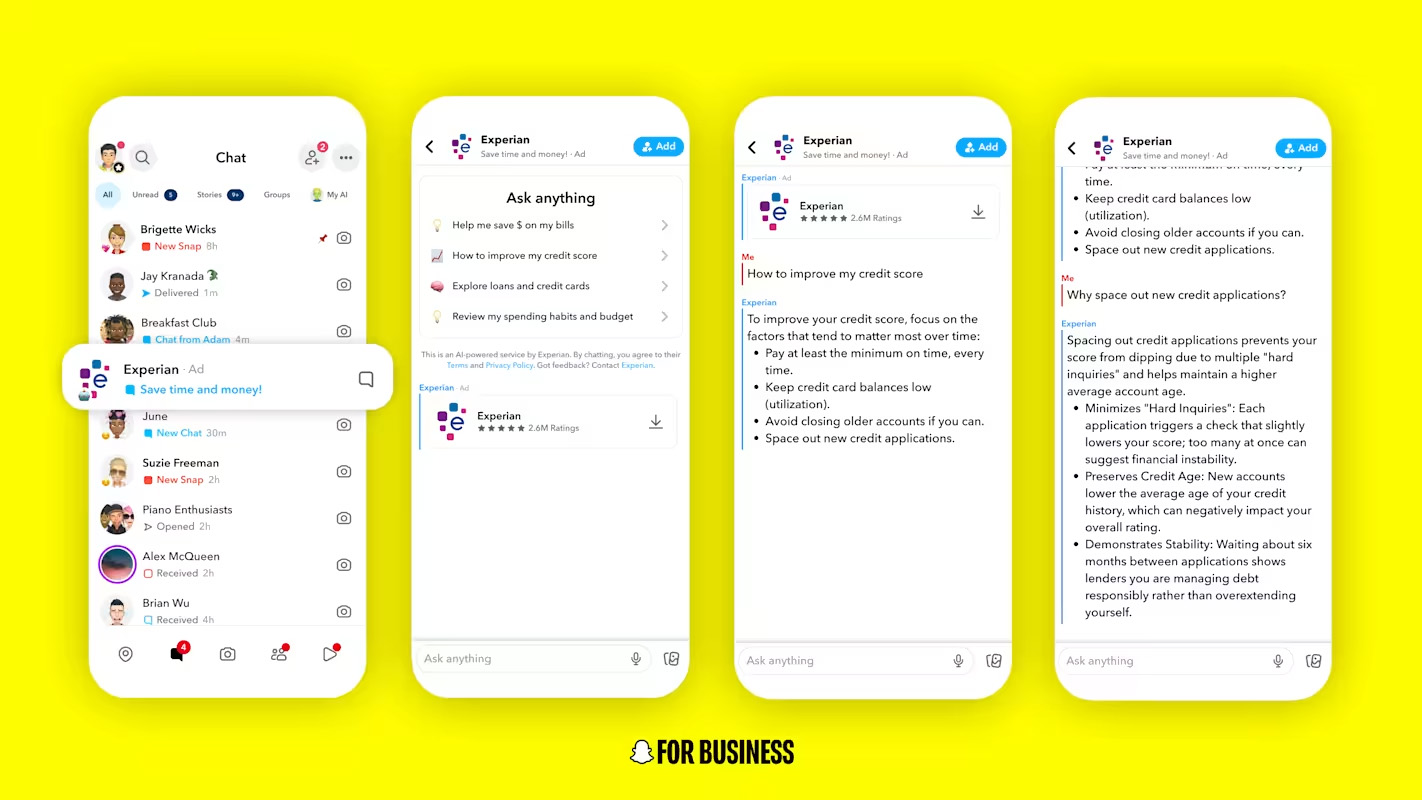
AI Sponsored Snaps will appear in the app's Chat tab (with a light gray "Ad" notation next to the brand name). After opening the chat, you can ask the agent questions about the brand it represents. Snap showed an example from its first partner for the initiative, Experian. The bot offers to answer your questions on saving money, improving your credit score and — there it is — exploring loans and credit cards.

Whether through credit card offers or other means, the AI agent will presumably try to guide you toward behavior that makes money for the sponsor. So, it isn't clear why this would be better for consumers than asking a general-purpose chatbot like Gemini or Claude the same questions. Maybe the answer is as simple as, "It isn't… but they know people will use it anyway."

Four screenshots, showing the process of chatting with a sponsored AI agent.
Snap

"Conversation is becoming the most valuable real estate in advertising," Snap's Chief Business Officer, Ajit Mohan, wrote in a press release. "AI is accelerating that shift, turning chat into the place where people discover products, ask questions, and make decisions in real time. The real opportunity isn't just putting ads into those environments, it's designing formats that feel native to how people already talk."

Snap says more than half a billion people have messaged its My AI feature since it launched three years ago. That was despite a shaky start, where the bot told researchers and journalists posing as young teenagers how to mask the smell of alcohol or cannabis and set the mood for sex.

This article originally appeared on Engadget at https://www.engadget.com/ai/snapchat-is-rolling-out-sponsored-ai-agents-162720124.html?src=rss

Adidas Made a Marathon Shoe That Weighs Less Than an Apple

Pick up an apple from your kitchen counter. Now imagine a pair of running shoes weighing less than that single piece of fruit. That’s the Adidas Adizero Adios Pro Evo 3, and it’s not a concept shoe or a lab curiosity. It just debuted at the 2026 London Marathon, worn by Sabastian Sawe and Yomif Kejelcha, who became the first athletes in history to break the sub-two-hour marathon barrier.

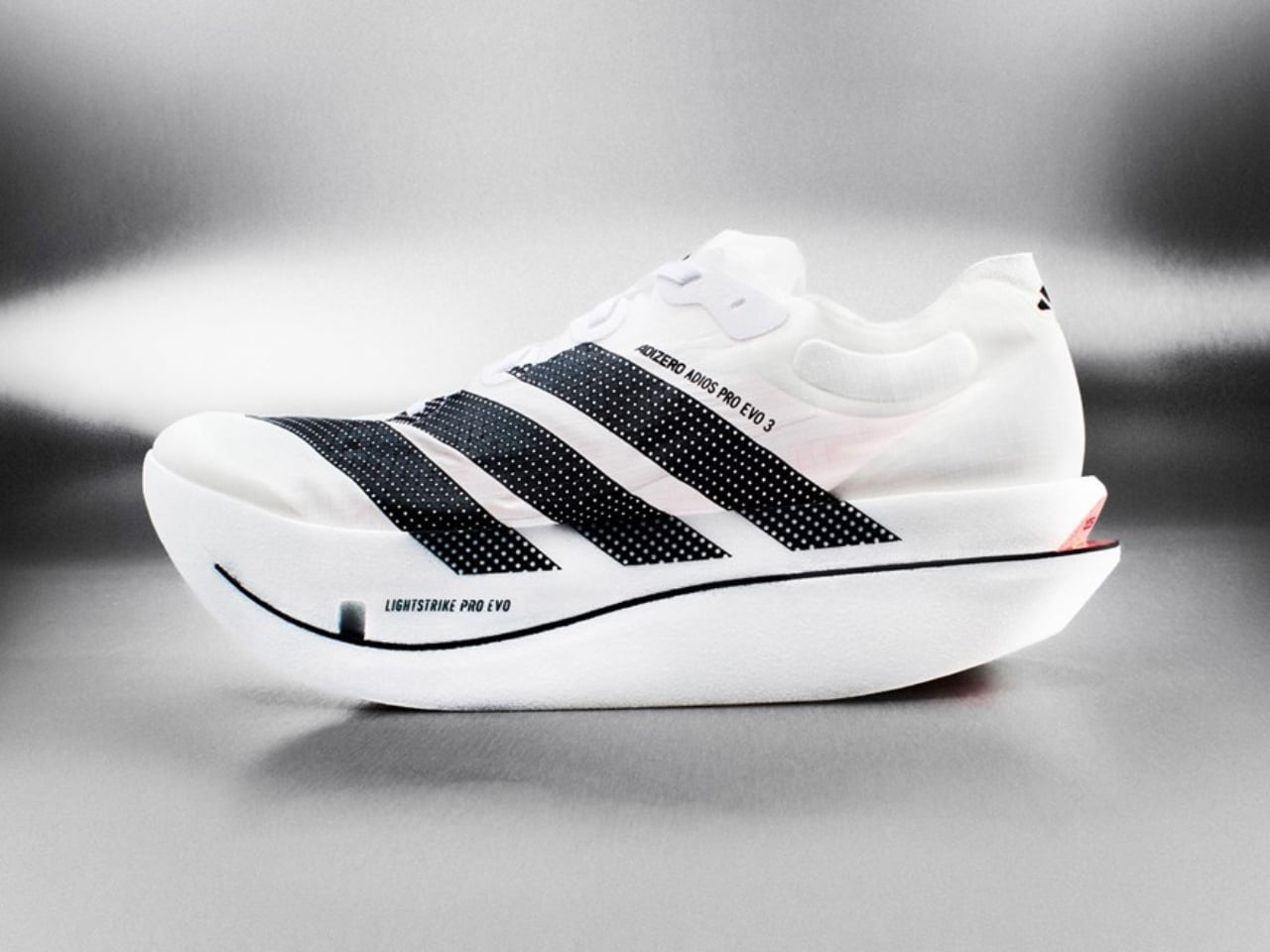
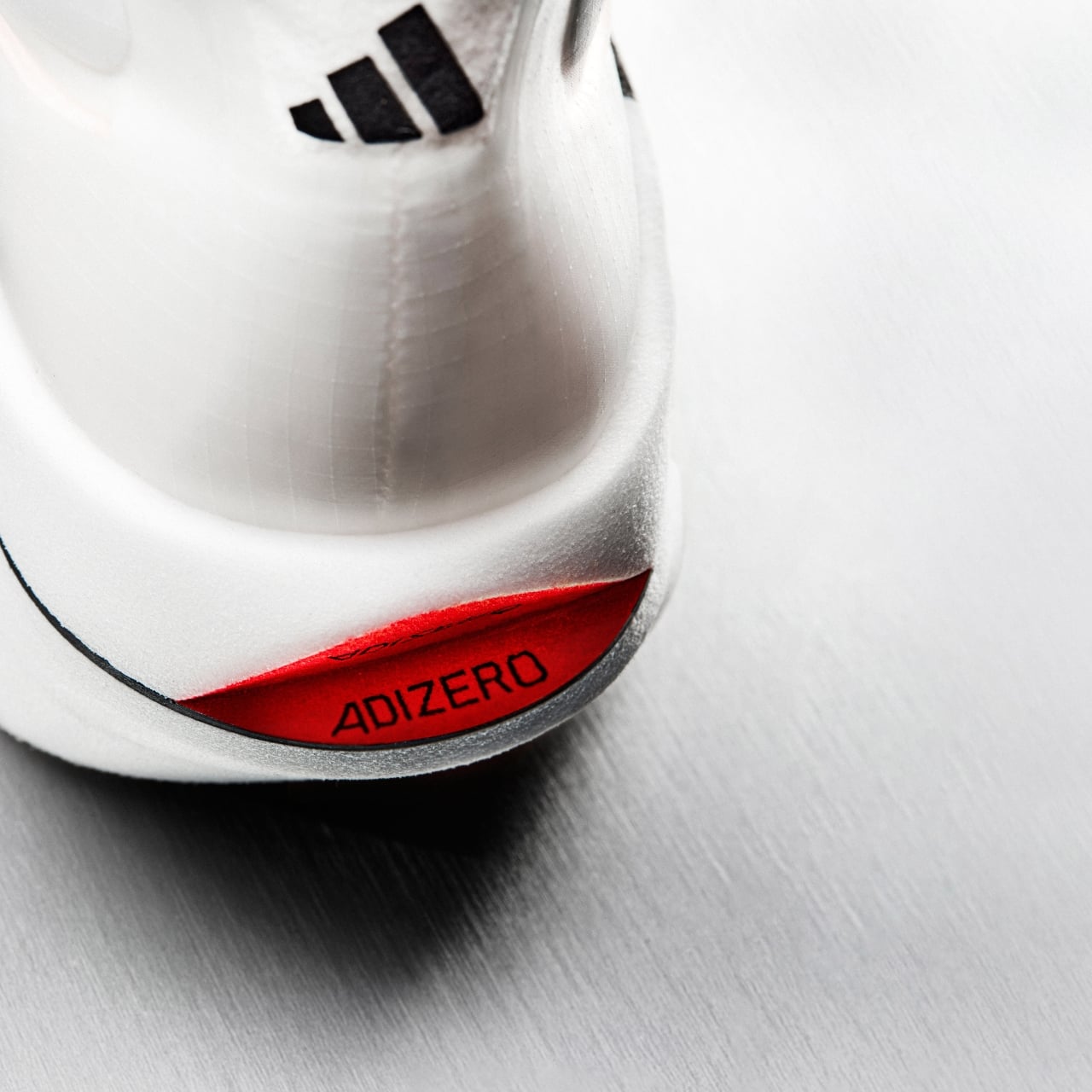
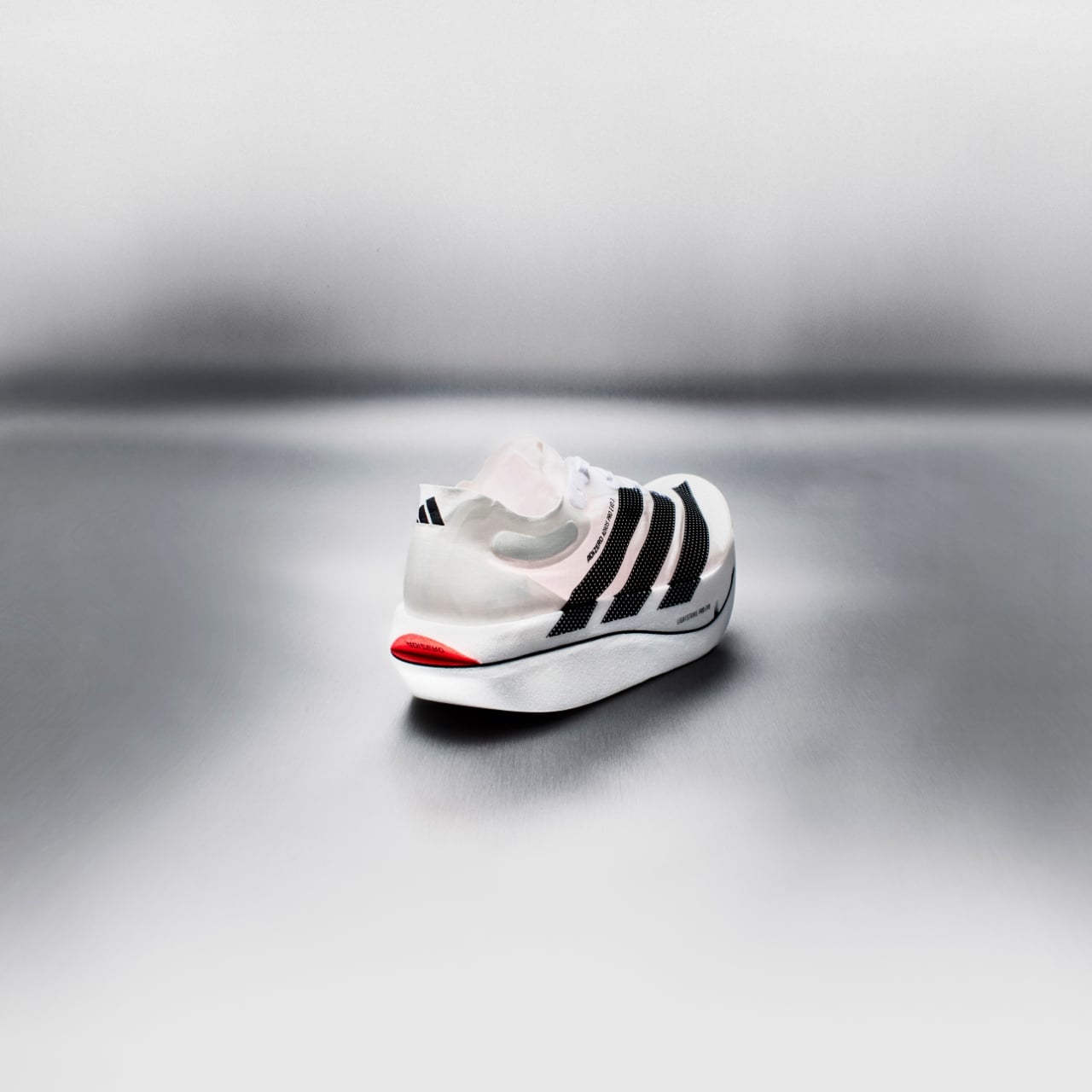
The Evo 3 weighs in at just 97 grams in a UK size 8.5, making it the first sub-100-gram racing shoe Adidas has ever produced. For context, the shoe’s box weighs more than the shoe inside it. That’s the kind of engineering achievement that sounds like a flex until you understand how much it actually matters at race pace.

Designer: adidas

The secret is a new construction called ENERGYRIM, a carbon-integrated design that completely rethinks how a supershoe is built. Rather than simply layering carbon plates into foam, Adidas redesigned the relationship between the two, allowing them to work in concert rather than independently. The result is a shoe that’s 30% lighter than its predecessor, with 11% greater forefoot energy return and a 1.6% improvement in running economy. To put those numbers in context: at the marathon level, a 1.6% improvement in running economy isn’t marginal. It’s the kind of number that separates a podium from a personal best.
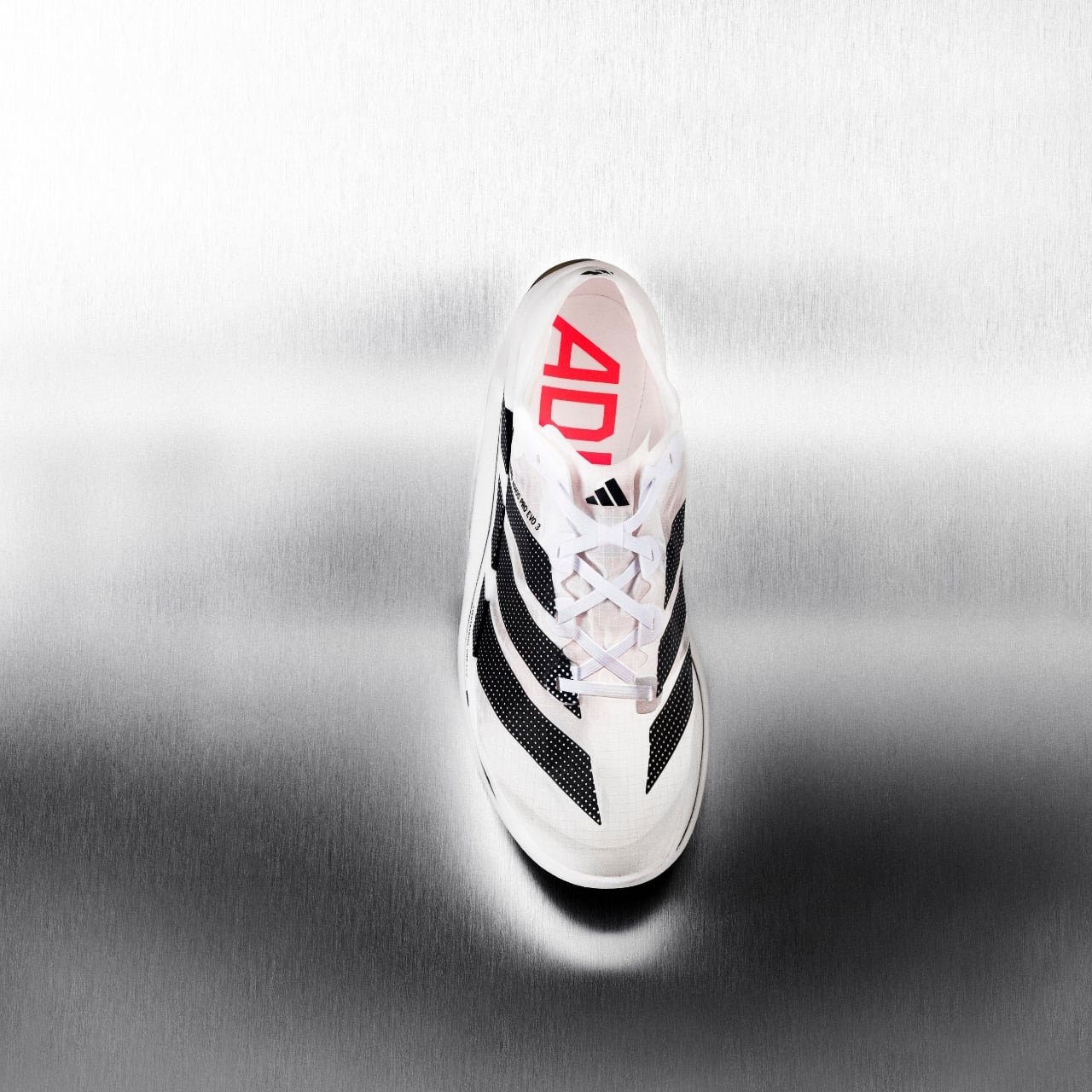
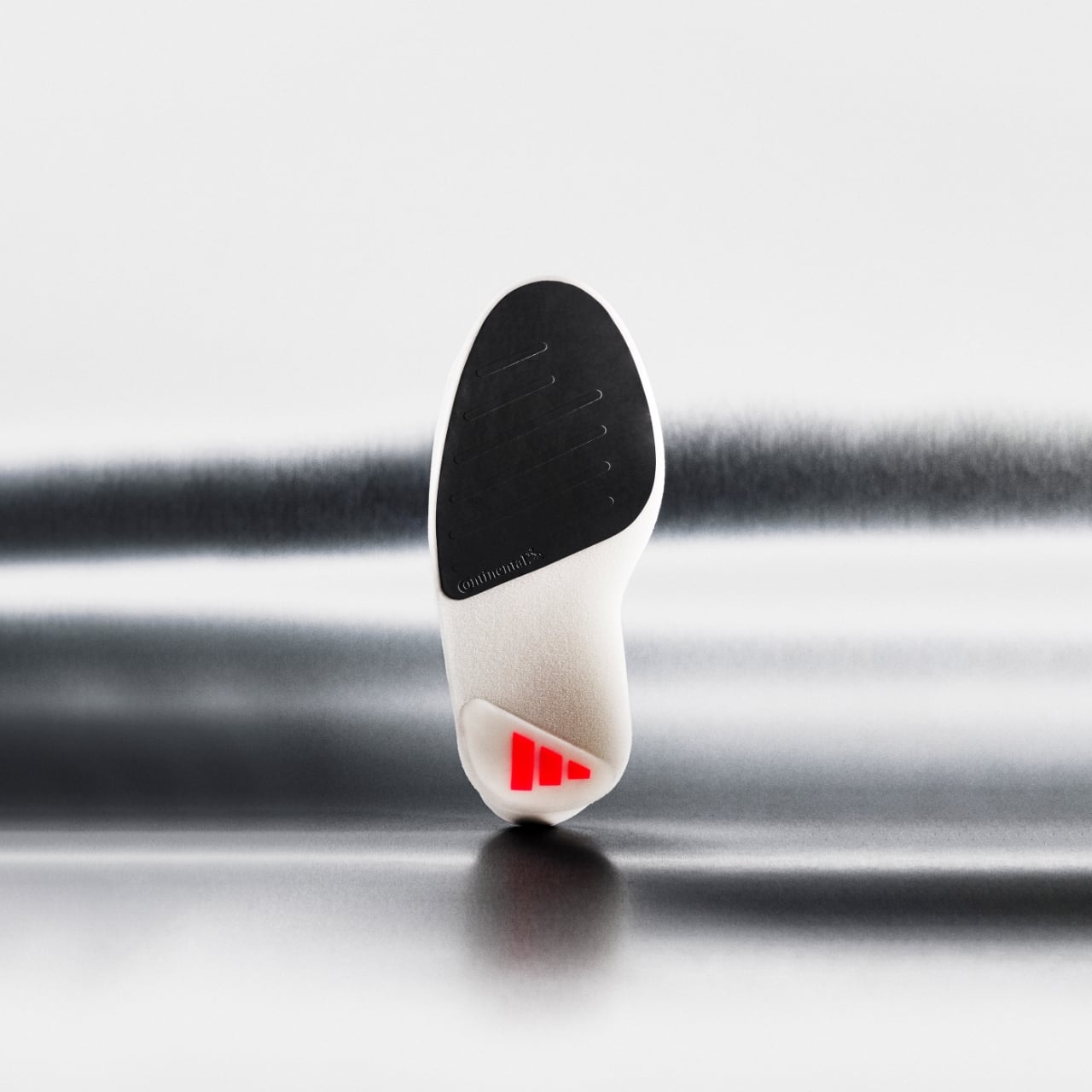
The foam itself is the other major story here. Adidas developed a new generation of Lightstrike Pro Evo compound that is 50% lighter than the version used in the Evo 2. That’s not a small iteration. It’s a material science leap that took three years and over a dozen tested prototypes, refined in labs in Herzogenaurach and tested at altitude training camps in Kenya and Ethiopia. Elsewhere on the shoe, the outsole ditches the liquid rubber coating from the previous model in favor of strategically placed Continental rubber, a welcome upgrade for anyone who isn’t a professional sprinter running on perfectly dry asphalt. It’s a small change that makes the shoe meaningfully more accessible without compromising the weight equation in any significant way.
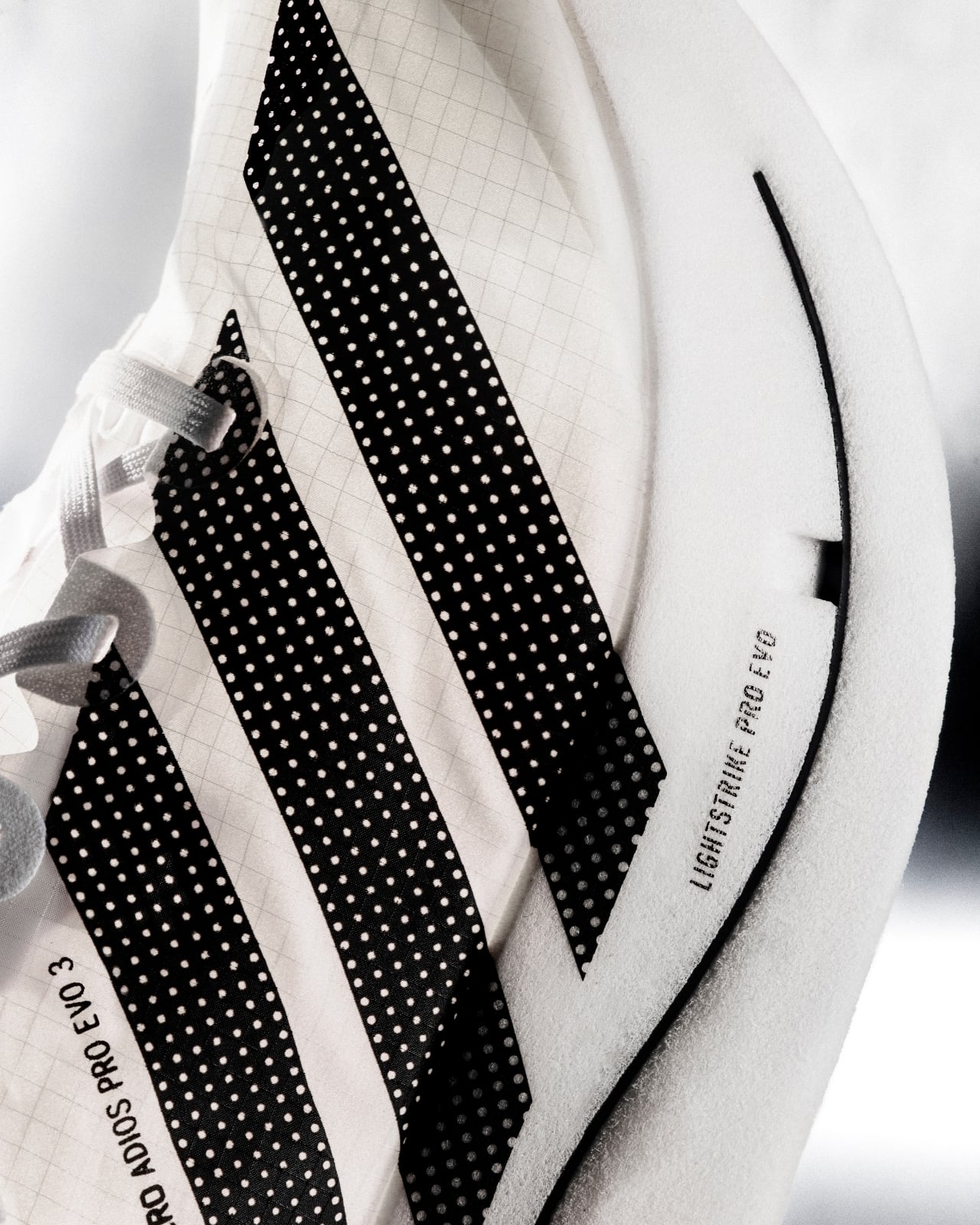
From a design standpoint, the Evo 3 is striking in the way extreme performance gear tends to be: lean, almost aggressive, with a silhouette that looks sculpted rather than constructed. The toebox is narrow, almost spike-like, which is clearly a functional decision rather than an aesthetic one. The fit prioritizes containment over comfort, and that feels like the right philosophy for a race day shoe that is not designed for casual wear. You wear shoes like this to run the fastest race of your life. The trade-offs are understood, and most serious runners will make them without hesitation.
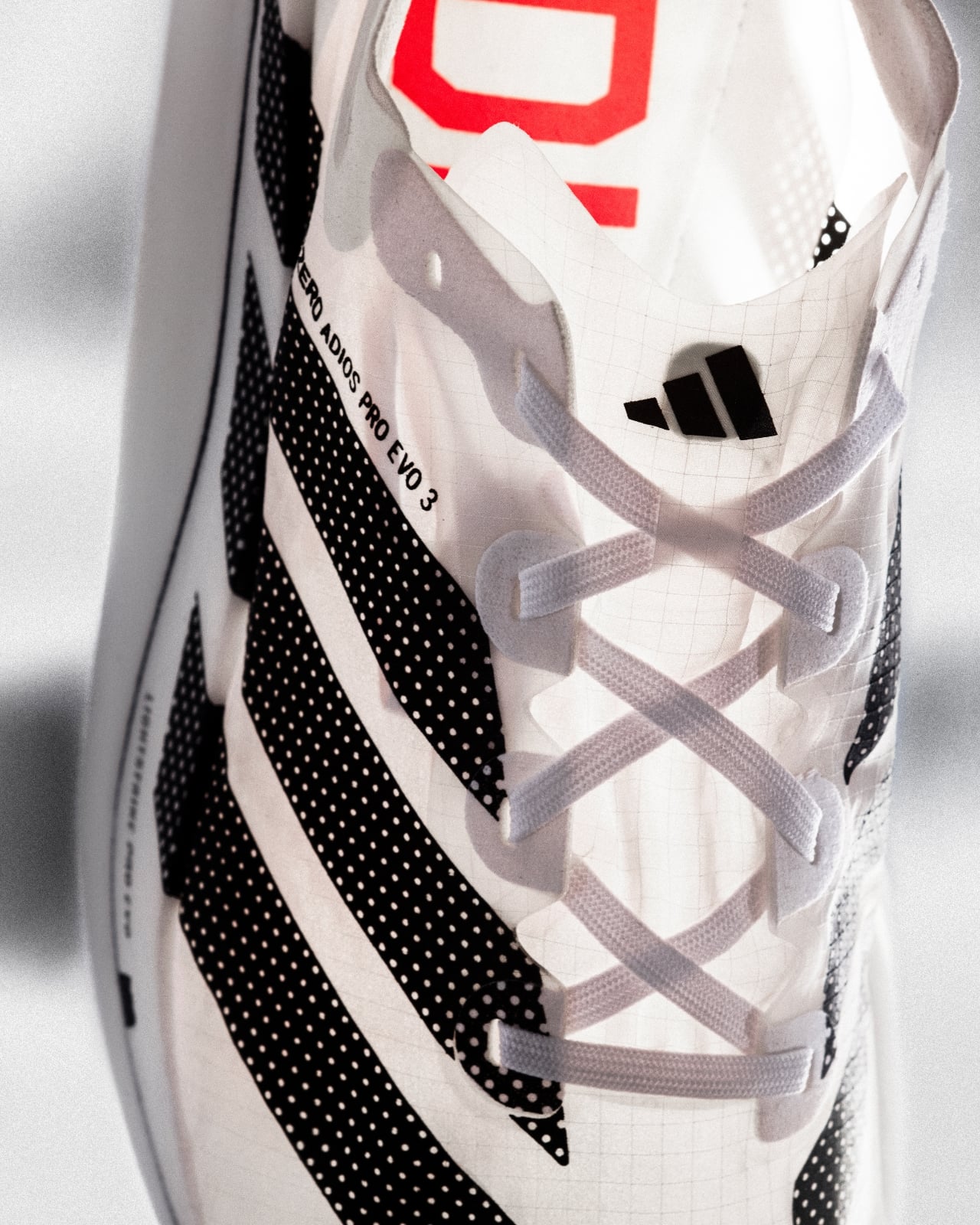
The price is USD 500, with an initial limited release on April 27, 2026, and a wider launch expected in fall 2026. That price tag will raise eyebrows. But it helps to remember that the Adizero Evo franchise has already seen athletes break three world records and win over 30 major road races since 2023, including six World Marathon Major wins and an Olympic record time. The shoe’s pedigree isn’t marketing copy. It’s a documented track record.
What makes the Evo 3 genuinely interesting beyond the running community is what it represents as a design object. It sits at the intersection of sports science, materials engineering, and product design in a way that very few consumer products ever manage. The obsession with weight reduction, the carbon geometry experiments, the altitude testing: these are the ingredients of something closer to aerospace thinking than traditional footwear development. When the research process looks more like aircraft engineering than sneaker design, the result tends to look and perform like nothing that came before it.
Whether you run marathons or not, there’s a certain pleasure in watching a brand push against what seemed like a physical limit and actually break through. Adidas didn’t just shave a few grams off an existing shoe. They asked what a marathon shoe could look like if weight were treated as a fundamental design constraint rather than just another spec to optimize. The answer is 97 grams. And somehow, impossibly, it still performs better than everything that came before it.
The post Adidas Made a Marathon Shoe That Weighs Less Than an Apple first appeared on Yanko Design.
Adidas Made a Marathon Shoe That Weighs Less Than an Apple

Pick up an apple from your kitchen counter. Now imagine a pair of running shoes weighing less than that single piece of fruit. That’s the Adidas Adizero Adios Pro Evo 3, and it’s not a concept shoe or a lab curiosity. It just debuted at the 2026 London Marathon, worn by Sabastian Sawe and Yomif Kejelcha, who became the first athletes in history to break the sub-two-hour marathon barrier.

The Evo 3 weighs in at just 97 grams in a UK size 8.5, making it the first sub-100-gram racing shoe Adidas has ever produced. For context, the shoe’s box weighs more than the shoe inside it. That’s the kind of engineering achievement that sounds like a flex until you understand how much it actually matters at race pace.

Designer: adidas

The secret is a new construction called ENERGYRIM, a carbon-integrated design that completely rethinks how a supershoe is built. Rather than simply layering carbon plates into foam, Adidas redesigned the relationship between the two, allowing them to work in concert rather than independently. The result is a shoe that’s 30% lighter than its predecessor, with 11% greater forefoot energy return and a 1.6% improvement in running economy. To put those numbers in context: at the marathon level, a 1.6% improvement in running economy isn’t marginal. It’s the kind of number that separates a podium from a personal best.

The foam itself is the other major story here. Adidas developed a new generation of Lightstrike Pro Evo compound that is 50% lighter than the version used in the Evo 2. That’s not a small iteration. It’s a material science leap that took three years and over a dozen tested prototypes, refined in labs in Herzogenaurach and tested at altitude training camps in Kenya and Ethiopia. Elsewhere on the shoe, the outsole ditches the liquid rubber coating from the previous model in favor of strategically placed Continental rubber, a welcome upgrade for anyone who isn’t a professional sprinter running on perfectly dry asphalt. It’s a small change that makes the shoe meaningfully more accessible without compromising the weight equation in any significant way.

From a design standpoint, the Evo 3 is striking in the way extreme performance gear tends to be: lean, almost aggressive, with a silhouette that looks sculpted rather than constructed. The toebox is narrow, almost spike-like, which is clearly a functional decision rather than an aesthetic one. The fit prioritizes containment over comfort, and that feels like the right philosophy for a race day shoe that is not designed for casual wear. You wear shoes like this to run the fastest race of your life. The trade-offs are understood, and most serious runners will make them without hesitation.

The price is USD 500, with an initial limited release on April 27, 2026, and a wider launch expected in fall 2026. That price tag will raise eyebrows. But it helps to remember that the Adizero Evo franchise has already seen athletes break three world records and win over 30 major road races since 2023, including six World Marathon Major wins and an Olympic record time. The shoe’s pedigree isn’t marketing copy. It’s a documented track record.

What makes the Evo 3 genuinely interesting beyond the running community is what it represents as a design object. It sits at the intersection of sports science, materials engineering, and product design in a way that very few consumer products ever manage. The obsession with weight reduction, the carbon geometry experiments, the altitude testing: these are the ingredients of something closer to aerospace thinking than traditional footwear development. When the research process looks more like aircraft engineering than sneaker design, the result tends to look and perform like nothing that came before it.

Whether you run marathons or not, there’s a certain pleasure in watching a brand push against what seemed like a physical limit and actually break through. Adidas didn’t just shave a few grams off an existing shoe. They asked what a marathon shoe could look like if weight were treated as a fundamental design constraint rather than just another spec to optimize. The answer is 97 grams. And somehow, impossibly, it still performs better than everything that came before it.

The post Adidas Made a Marathon Shoe That Weighs Less Than an Apple first appeared on Yanko Design.
Google Translate uses AI to help you practice pronunciation

Google is celebrating Translate’s 20th birthday by launching pronunciation practice, which the company says is one of the most requested features for the product. The feature is only rolling out on Android at the moment for English, Spanish and Hindi in the US and India. If it’s available for you, you’ll see a button at the bottom of the app that says “Practice,” which gives you the option to either “pronounce” what you’ve translated or to “listen” to how it’s actually pronounced by native speakers.

If you choose the “pronounce” option, Translate will listen to you speak and then use artificial intelligence to analyze how you said the words to provide instance feedback. It will then show you a phonetic spelling of how specific words should be pronounced. In the example Google provided, for instance, the speaker pronounced the Spanish word for juice as “jugo” with the English “j” sound instead of with the Spanish “j” sound. So, Translate spells it out as “HU-go” in its pronunciation suggestion.

Google said around third of users on mobile use Translate to practice speaking and listening in order to be able to hold real-world conversations, making this new feature a very useful addition. The company also revealed other stats about the app. Apparently, it now supports over 250 languages, including some endangered and indigenous ones, and has over 1 billion monthly user who have been translating over 1 trillion words every month.

This article originally appeared on Engadget at https://www.engadget.com/ai/google-translate-uses-ai-to-help-you-practice-pronunciation-160000542.html?src=rss

Google and the Pentagon sign classified deal to give the Department of Defense unfettered access to its AI models

Google has signed a deal that allows the US Department of Defense to use its AI models for "any lawful government purpose." This is according to a report by The Information, which also notes that the full details of the contract are classified.

An anonymous source within the company has suggested that the two entities have agreed that the search giant's AI tech shouldn't be used for domestic mass surveillance or autonomous weapons "without appropriate human oversight and control." However, the contract also reportedly doesn't give Google "any right to control or veto" anything the government decides to do. In other words, the famously trustworthy US government will just have to be taken at its word. 

“We believe that providing API access to our commercial models, including on Google infrastructure, with industry-standard practices and terms, represents a responsible approach to supporting national security,” a Google spokesperson told Reuters. The spokesperson also echoed that the company holds the opinion that AI shouldn't be used for mass surveillance or autonomous weaponry without appropriate human oversight. Some might argue that the technology shouldn't be used for that stuff at all, oversight or not.

To that end, nearly 600 Google employees just penned an open letter to CEO Sundar Pichai to urge the company against making this kind of deal with the Pentagon. This stems from concerns that the tech would be used in "inhumane or extremely harmful ways." 

"Human lives are already being lost and civil liberties put at risk at home and abroad from misuses of the technology we are playing a key role in building," the letter states. "As people working on AI, we know that these systems can centralize power and that they do make mistakes."

Google will join OpenAI and Elon Musk's xAI in this endeavor, as they both have made classified AI deals with the US government. Anthropic had a deal in place, but refused the government's demands to remove weapon and surveillance-related safeguards. 

That refusal annoyed President Trump and the Pentagon so much that Anthropic was entirely blacklisted from federal use. This doesn't exactly sound like the actions of a government that is dedicated to "appropriate human oversight and control" of dangerous AI military tech. Engadget has reached out to Google to ask for more specifics and will update this post when we hear back. 

This article originally appeared on Engadget at https://www.engadget.com/ai/google-and-the-pentagon-sign-classified-deal-to-give-the-department-of-defense-unfettered-access-to-its-ai-models-155211834.html?src=rss