Ayaneo’s Konkr Fit Handheld Packs AMD Ryzen AI 9 And Windows, Targeting the Steam Deck and Legion Go 2

Ayaneo’s budget Konkr brand is expanding beyond Android. After launching the Pocket Fit with Snapdragon G3 Gen 3 and the more powerful Pocket Fit Elite with Snapdragon Elite 8, the company has unveiled its first Windows handheld under the Konkr name. The new device drops “Pocket” from its title for good reason.

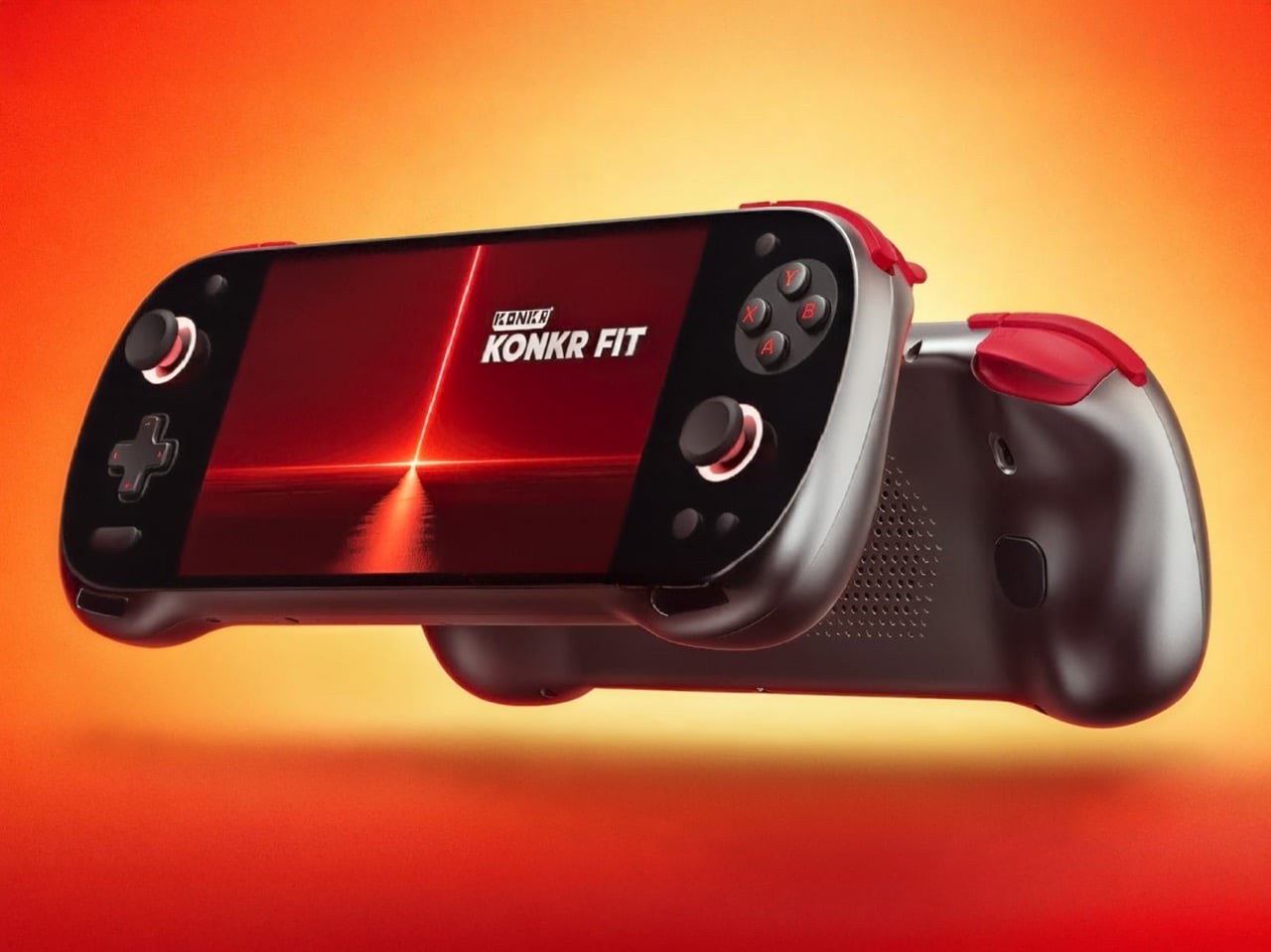
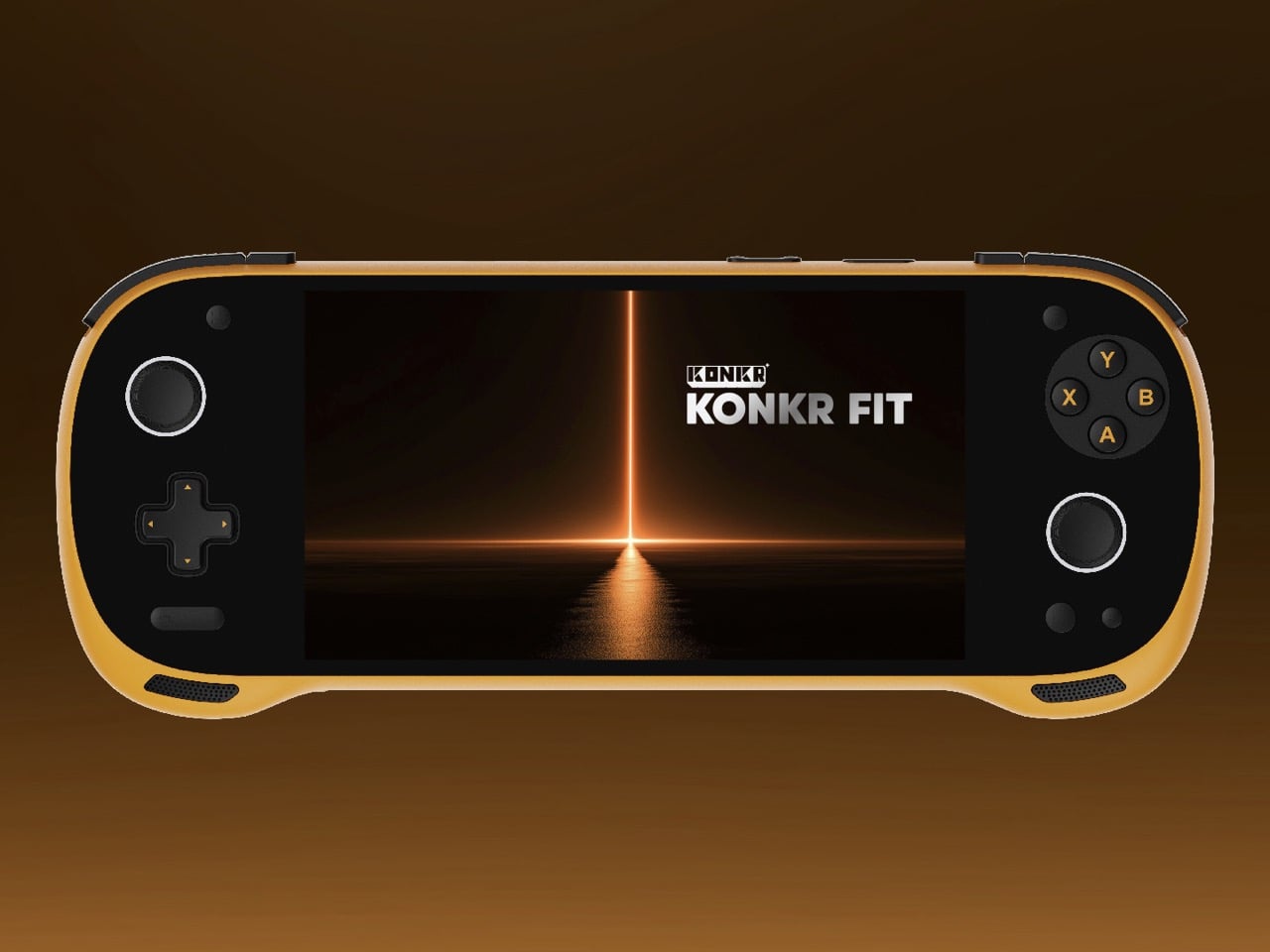
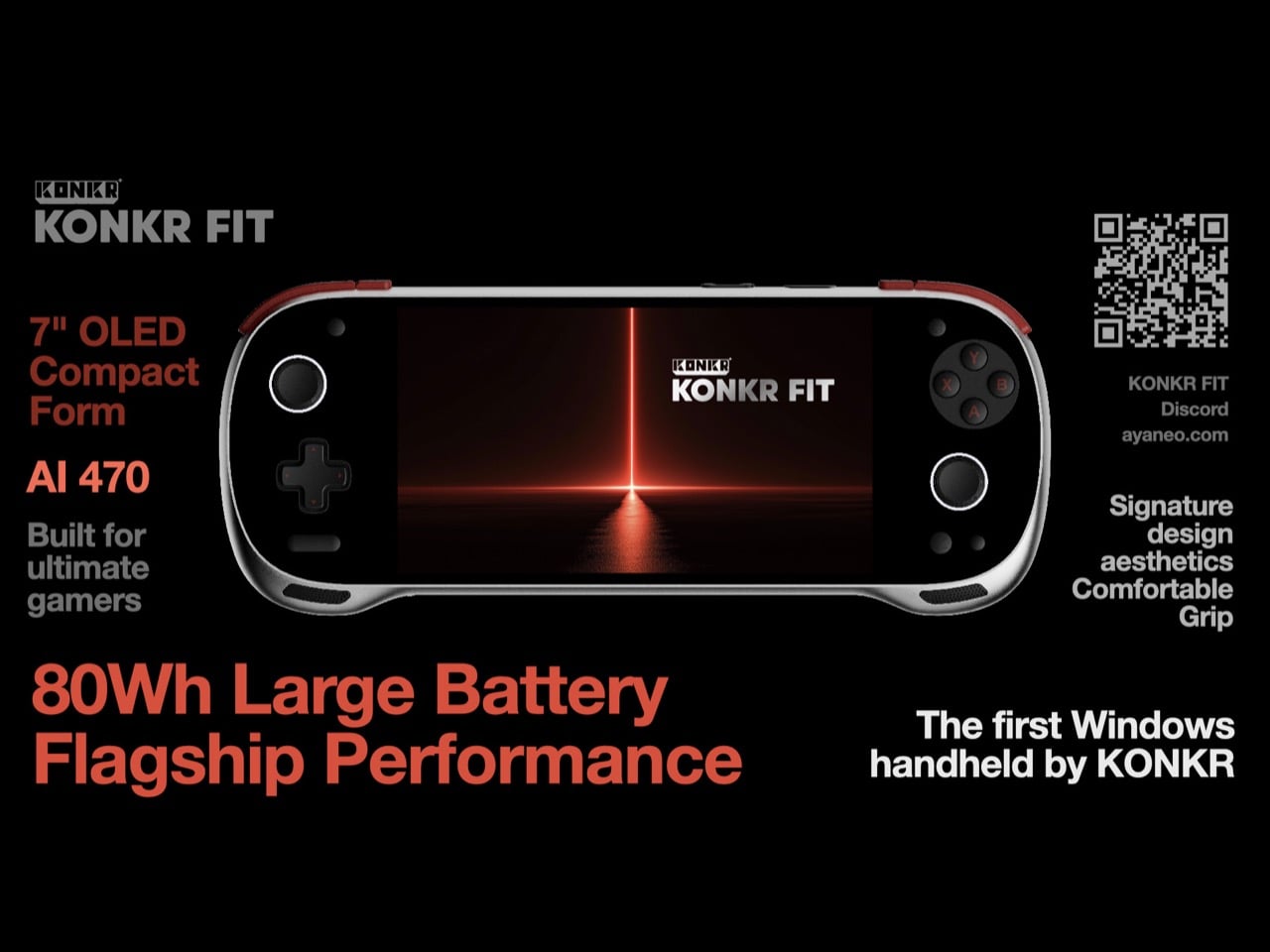
The Konkr Fit features a 7-inch OLED display, significantly larger than the 6-inch screens on its Android siblings. Powering this Windows handheld is an AMD Ryzen AI 9 HX 470 processor, marking a departure from Snapdragon mobile chips. The device also packs an impressive 80Wh battery, dwarfing the capacity found in competitors like the Lenovo Legion Go S and even the Legion Go 2.

Designer: Ayaneo
80Wh in a handheld gaming device puts the Konkr Fit in genuinely rare company. The Legion Go S limps along with 55.5Wh, while even Lenovo’s newer Legion Go 2 only manages 74Wh. We’re talking about potentially game-changing longevity here, especially considering Windows handhelds typically drain batteries faster than their Android counterparts. The Ryzen AI 9 HX 470 is a hungry chip, sure, but you’re still looking at a device that might actually survive a cross-country flight without searching desperately for an outlet. Battery anxiety has plagued this entire product category since the Steam Deck launched, and Ayaneo seems to understand that cramming in more capacity solves more problems than any amount of software optimization ever will.

The HX 470 belongs to AMD’s Strix Point lineup, the same family powering proper gaming laptops. You’re getting Zen 5 cores and RDNA 3.5 graphics, which means AAA titles at respectable settings become genuinely playable. Compare that to the Snapdragon Elite 8 in the Pocket Fit Elite, which excels at emulation and Android titles but starts sweating with demanding PC games. Ayaneo clearly wants this positioned as a real PC gaming device, not just an emulation box with delusions of grandeur. The processor alone tells you they’re betting on people who want to run their Steam libraries natively, not folks content with streaming or playing mobile ports.
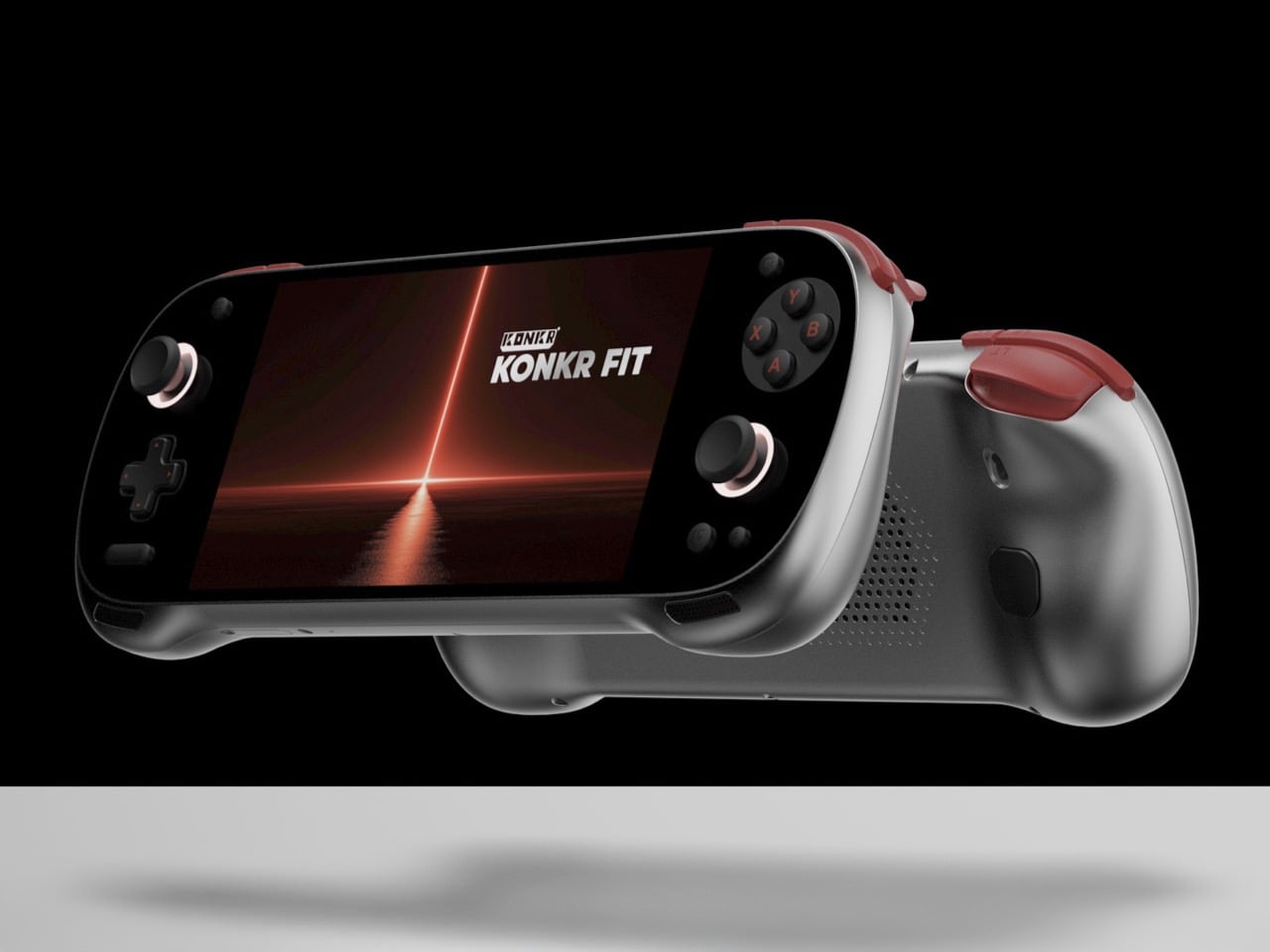
Borrowing heavily from its Android siblings makes sense when you consider the Pocket Fit’s design already works. Hall Effect joysticks handle the analog inputs, which means drift shouldn’t plague these controllers the way it does cheaper alternatives. Adjustable triggers and dual back buttons carry over unchanged. The company offers two colorways: Retro Gray with red accents and a straight Yellow option. Both feel very much in line with the broader handheld gaming aesthetic that’s emerged, though the gray and red combo has some Steam Deck vibes whether Ayaneo wants to admit it or not.
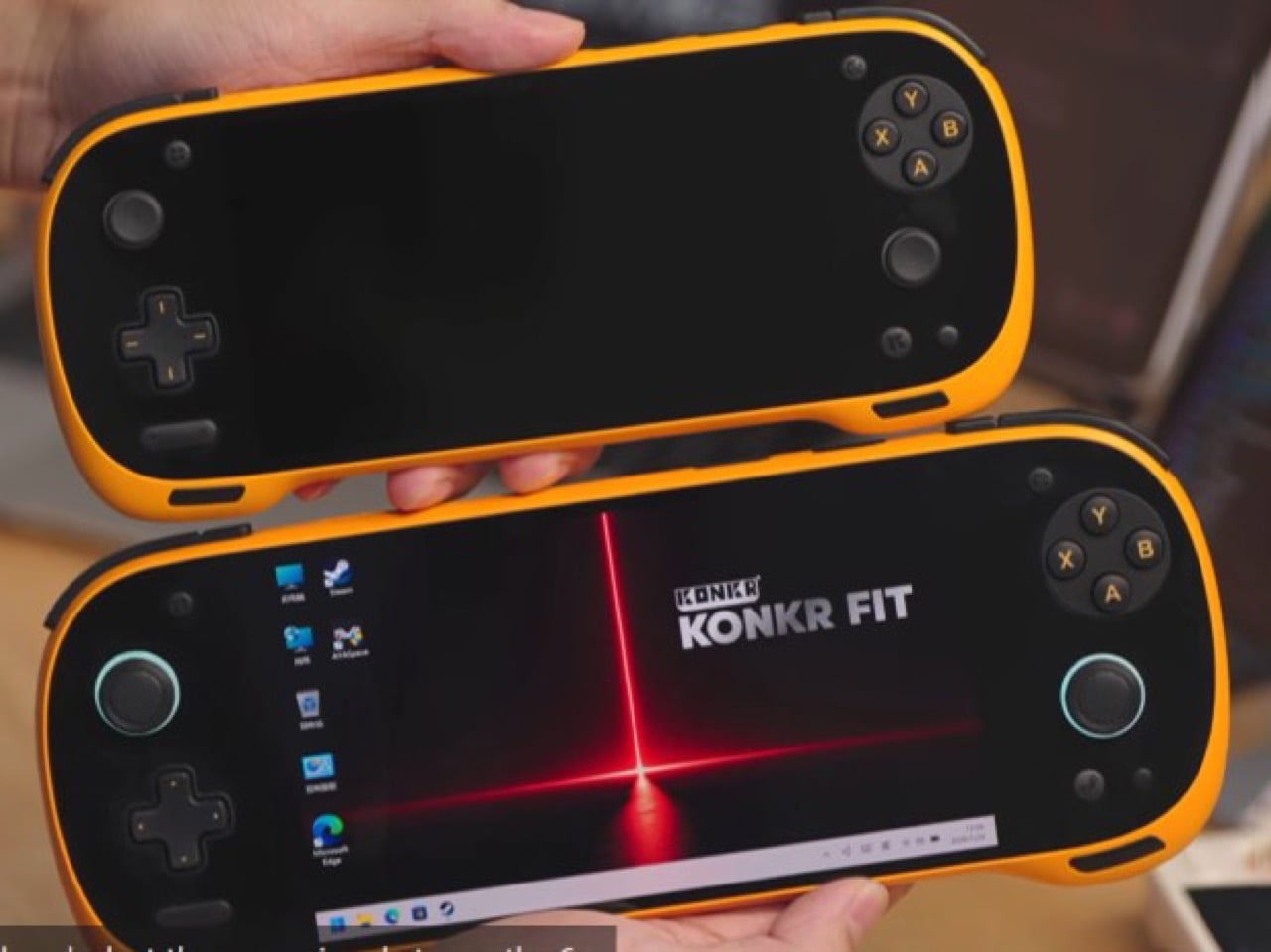
Two USB-C ports now sit at the top edge, giving you actual flexibility for charging while gaming or connecting accessories without blocking your hands. Larger inlet vents dominate the back panel compared to the Pocket Fit, addressing what will inevitably become thermal challenges with a chip this powerful. Even the screws holding the backplate are exposed, suggesting Ayaneo expects enthusiasts to crack this thing open for maintenance or upgrades. These aren’t cosmetic flourishes. Windows gaming generates serious heat, and pretending otherwise is how you end up with a handheld that thermal throttles ten minutes into Cyberpunk 2077.

The OLED panel upgrade from the Pocket Fit’s LCD matters beyond the obvious visual improvements. Response times eliminate the ghosting issues that plague cheaper LCD panels during fast-paced gaming. Deep blacks mean better contrast in dimly lit game environments, which basically describes half of modern AAA titles. At 7 inches, you’re getting enough screen real estate that Windows UI elements remain readable without squinting, though whether Windows 11 plays nicely with a 7-inch touchscreen remains an open question. Microsoft has never really figured out how to make their OS work elegantly on small displays, and I doubt Ayaneo’s custom launcher will magically solve decades of interface design problems.
Pricing remains a company secret, but simple math suggests this slots above the $399 Pocket Fit Elite. The Ryzen AI 9 HX 470 costs more than Snapdragon chips, Windows licensing adds expense that Android avoids, and that 80Wh battery doesn’t come cheap. My gut says somewhere between $500 and $600, which plants this squarely in Steam Deck OLED territory. That’s awkward positioning for a brand that built its identity on being the affordable alternative to Ayaneo’s own thousand-dollar flagships. Then again, Ayaneo could just drop the details and prove me wrong.

The post Ayaneo’s Konkr Fit Handheld Packs AMD Ryzen AI 9 And Windows, Targeting the Steam Deck and Legion Go 2 first appeared on Yanko Design.
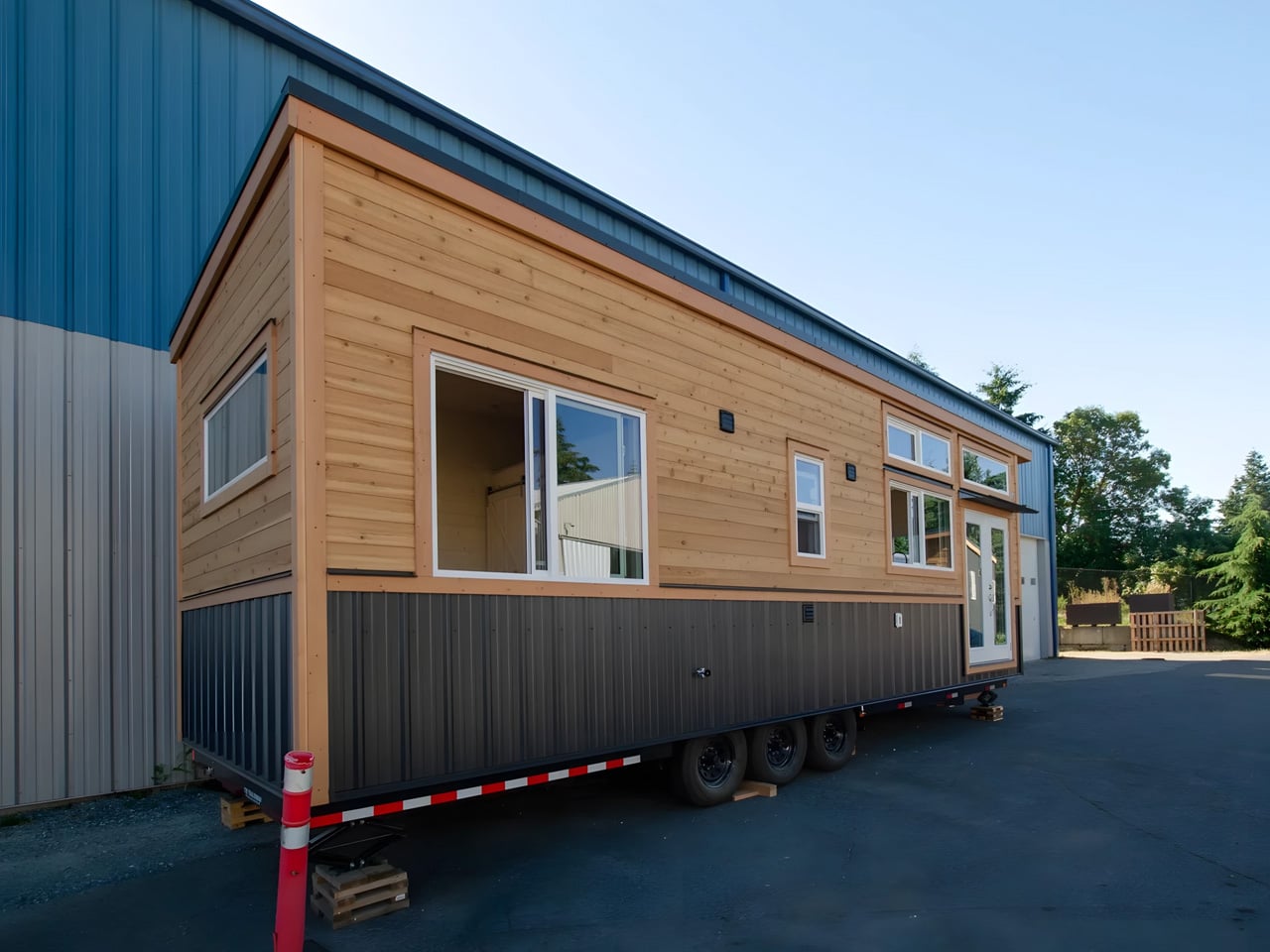
This Tiny Home Maximizes Space With An Extra-Wide Design

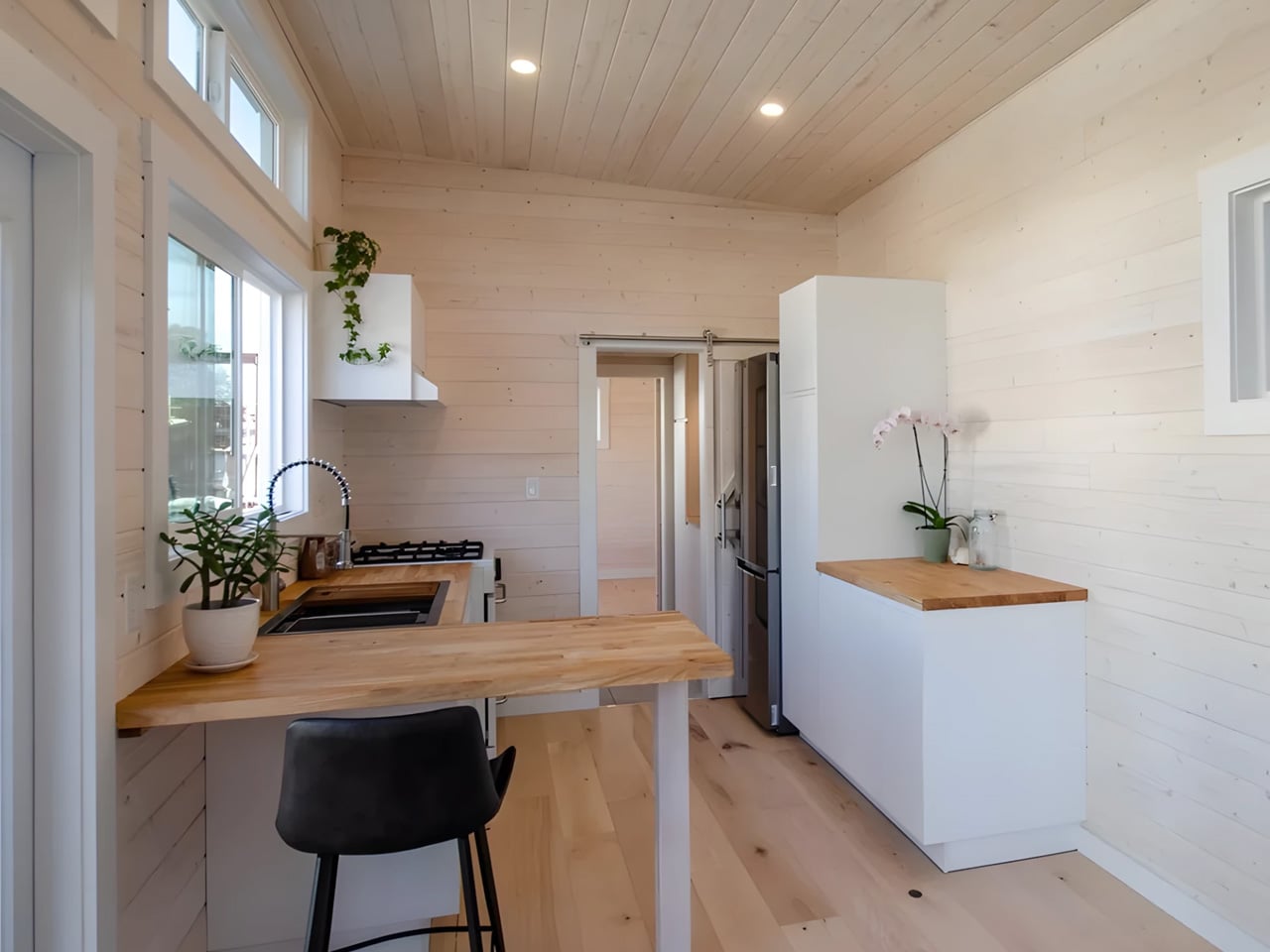
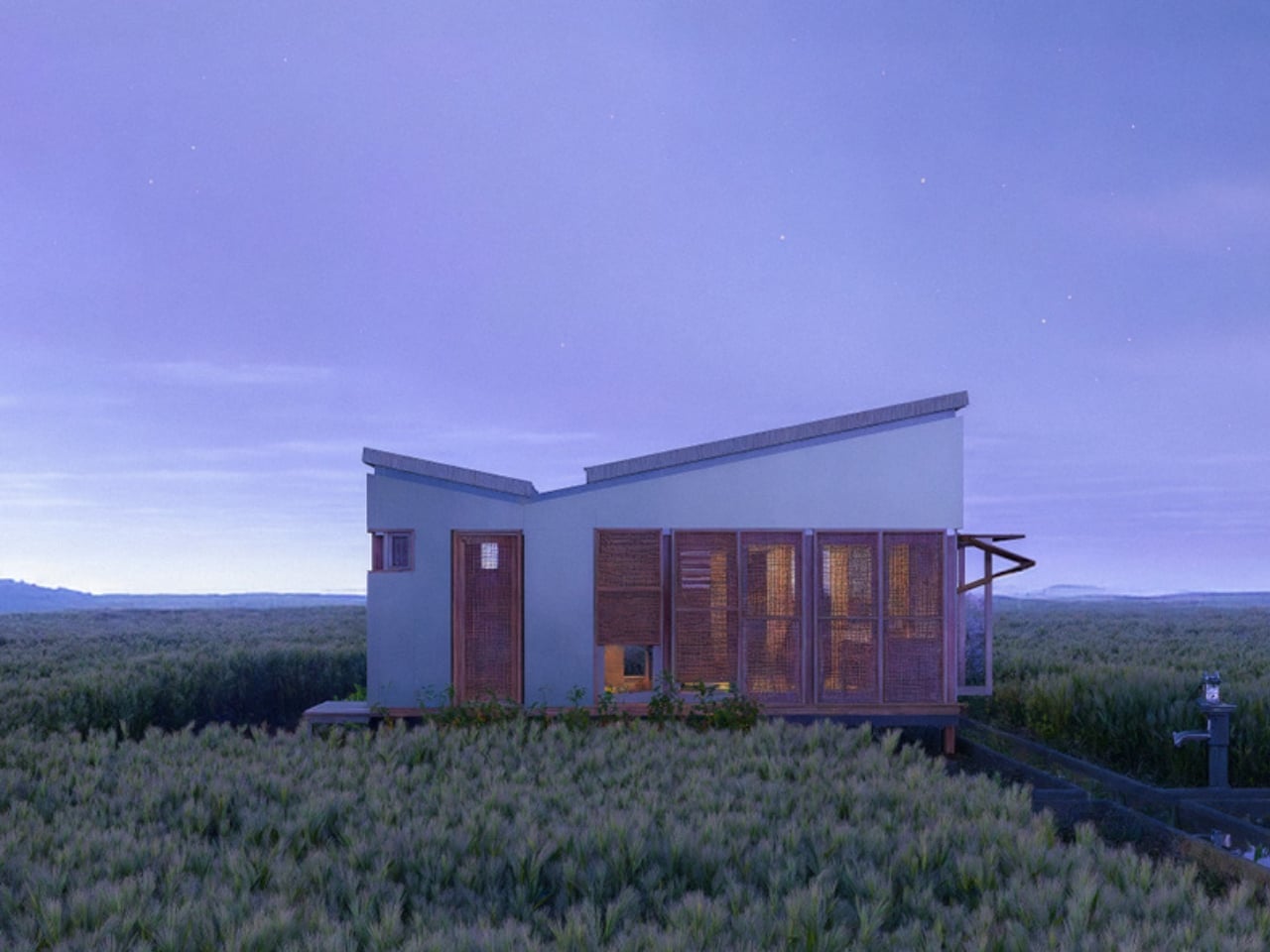
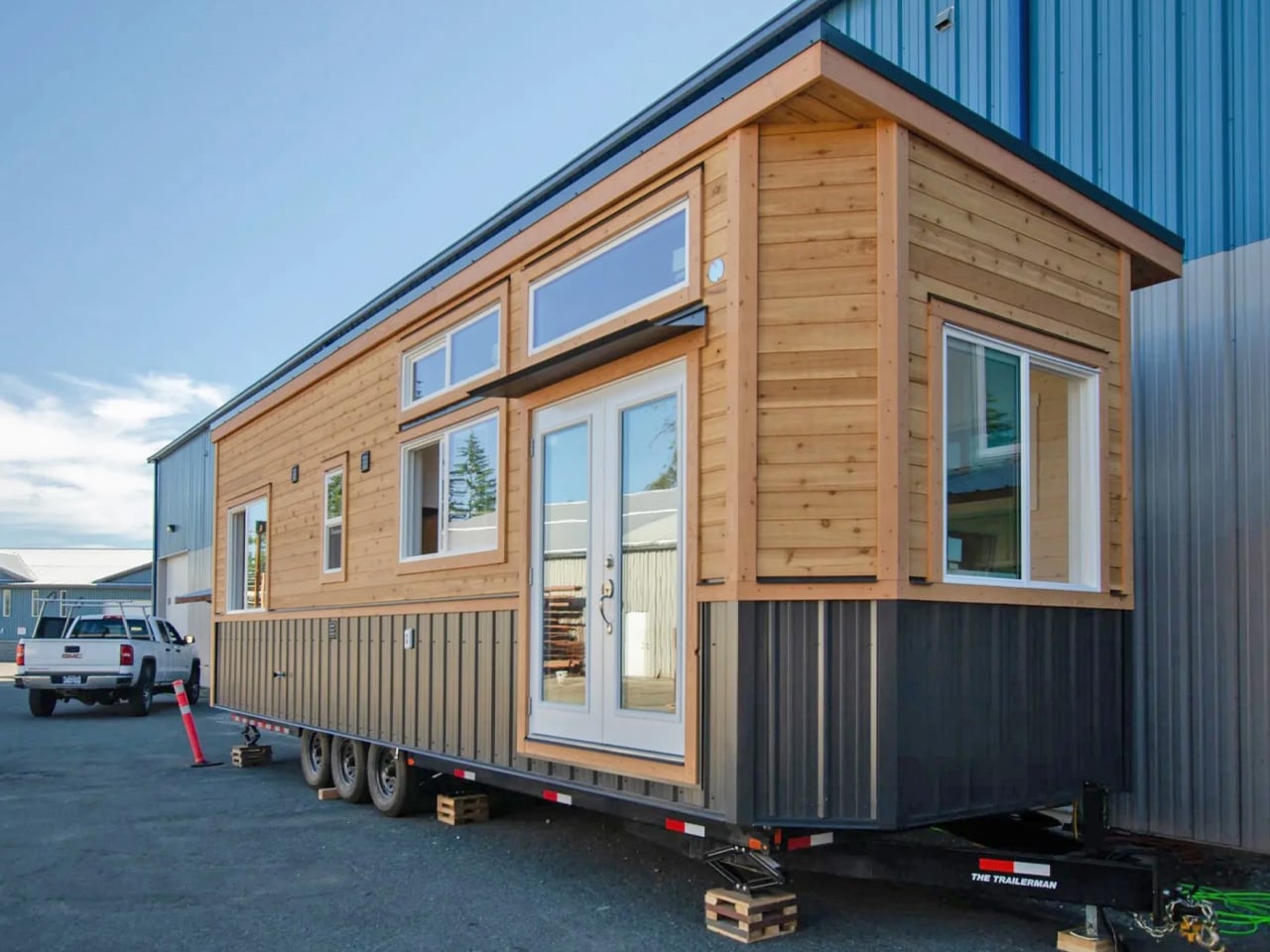
Vancouver Island’s Rewild Homes has introduced the Dove, a single-storey tiny house that breaks away from conventional dimensions to offer full-time residents a more spacious living experience. Measuring 30 feet long and 10 feet wide, the Dove sits on a triple-axle trailer and challenges the standard 8’6″ width typically seen in tiny homes. That extra width makes a remarkable difference in creating an interior that feels genuinely livable rather than cramped, positioning the Dove as a serious option for those considering permanent downsizing.

The exterior showcases a West Coast aesthetic with durable metal siding accented by cedar trim, topped with a sloping metal roof. This material choice balances longevity with visual warmth, creating a home that looks equally at home in rural settings or more developed tiny house communities. The design maintains a clean, modern profile while nodding to traditional cabin architecture, giving the Dove a timeless quality that should age well both structurally and stylistically.

Designer: Rewild Homes

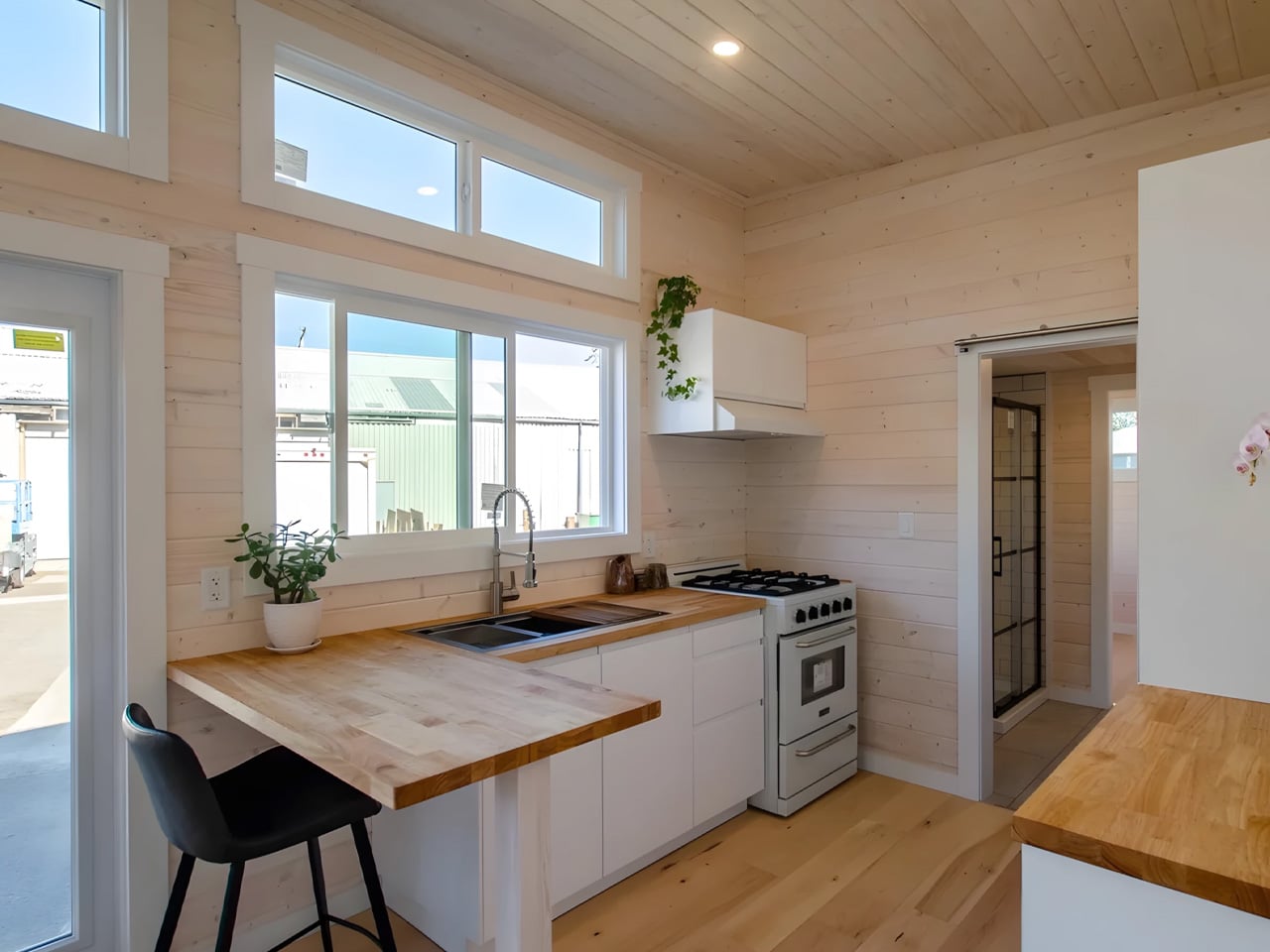
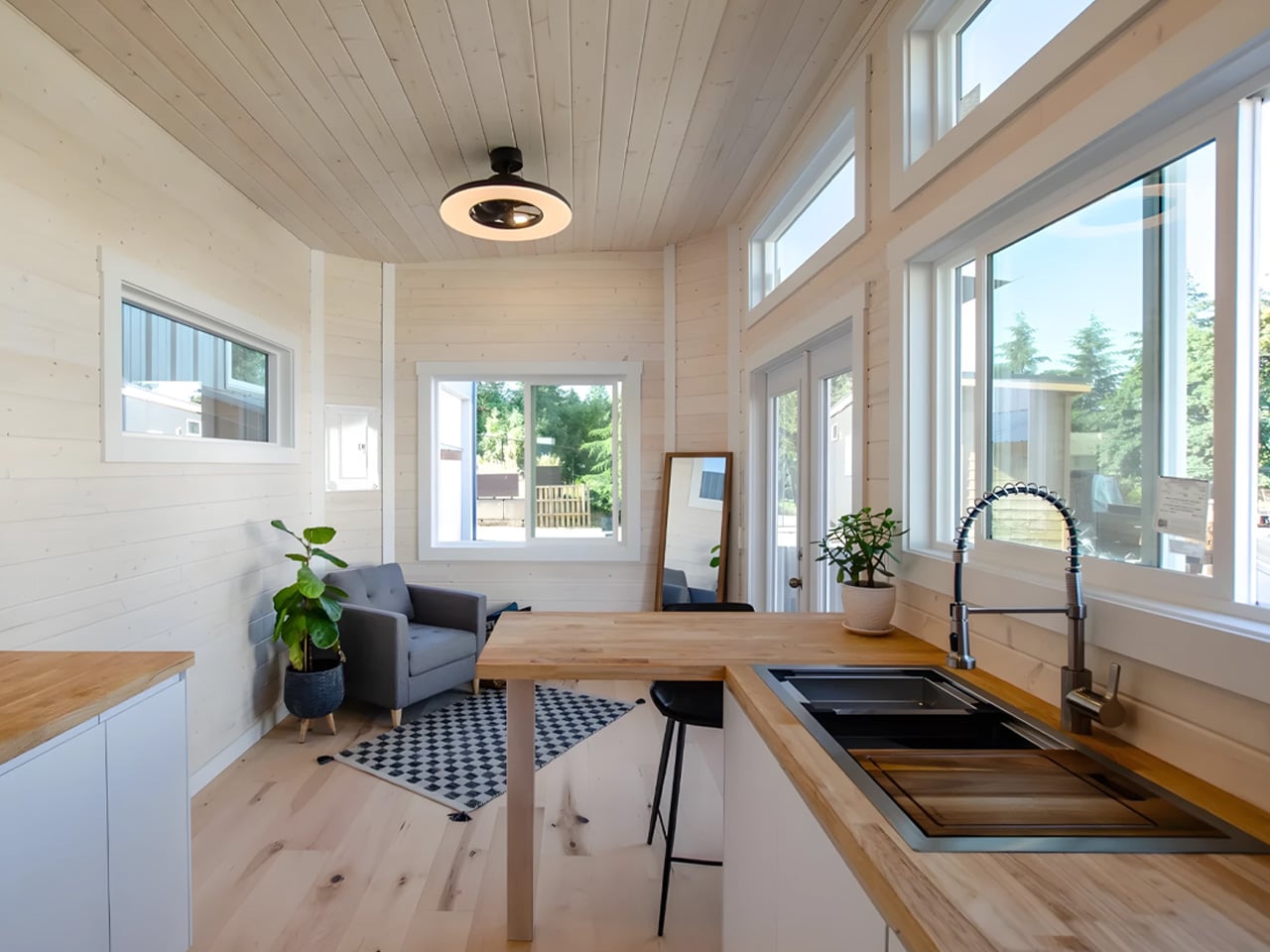
Inside, the single-floor layout eliminates the ladder-accessed lofts that many find impractical for daily living. The kitchen area features ample butcherblock counter space, including a designated eating bar that creates a proper dining zone without requiring a separate table. This setup works particularly well for the Dove’s intended capacity of two people, allowing one person to cook while the other sits comfortably nearby. The open floor plan takes full advantage of that 10-foot width, creating sightlines that make the 30-foot length feel more generous than the square footage might suggest.

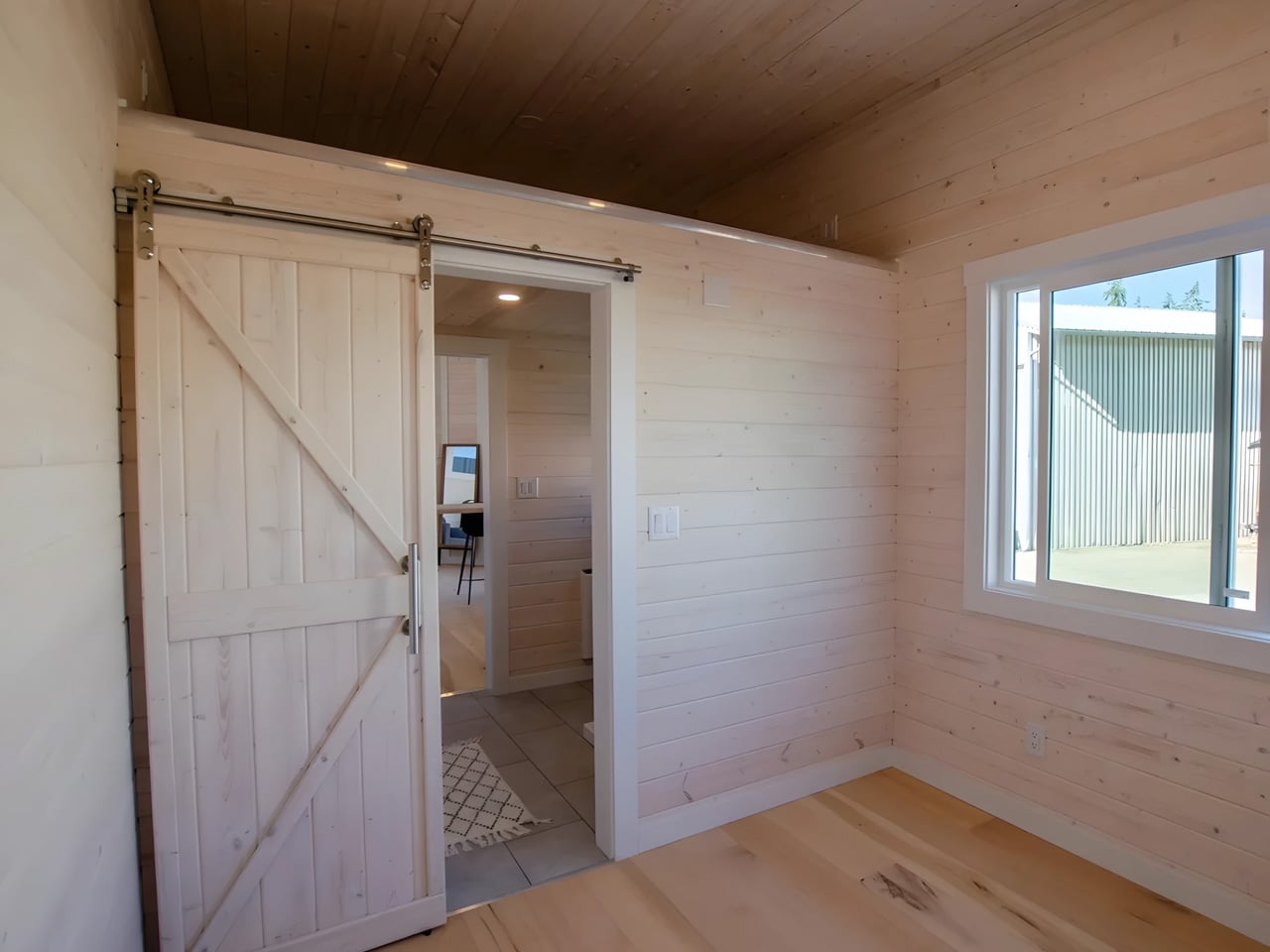
The walk-through bathroom stands out as a genuine luxury in the tiny house category. A beautiful tiled shower occupies a substantial portion of the space, large enough to feel like a proper bathroom rather than an afterthought. The walk-through design connects different zones of the house while maintaining privacy, a layout choice that reflects thoughtful planning rather than simply fitting fixtures wherever they might squeeze in.

The ground-floor bedroom eliminates the need to climb to a sleeping loft each night, a feature that significantly improves accessibility and aging-in-place potential. Rewild Homes equipped the Dove with practical appliances, including a combination washer/dryer unit, a propane range, and propane on-demand water heating. These choices support off-grid capability while maintaining the conveniences most people expect from a permanent residence.

Built in Nanaimo, British Columbia, the Dove represents Rewild Homes’ commitment to quality materials and custom construction. The extra-wide frame and single-storey design create a home that accommodates full-time living without the compromises that make many tiny houses feel like temporary solutions. For couples or individuals seeking a properly scaled-down home rather than a novelty dwelling, the Dove delivers functional space within a compact footprint.

The post This Tiny Home Maximizes Space With An Extra-Wide Design first appeared on Yanko Design.

Dr. Gladys West, whose mathematical models inspired GPS, dies at 95

Pioneering mathematician Dr. Gladys West has passed away at the age of 95. Her name may not be familiar to you, but her contributions certainly are; West's work laid the foundation for the global positioning system. As you likely know from experience, GPS is now an essential component of industries ranging from aviation and emergency response, as well as ensuring that you get to that dinner date or job interview on time. 

West was born in 1930 in Virginia. Despite the oppression of Jim Crow laws in the south, she was able to pursue higher education at Virginia State College (now named Virginia State University), obtaining bachelor's and master's degrees in mathematics. In 1956, West was hired at what is now called the Naval Surface Warfare Center in Dahlgren, VA. Her focus during the 1970s and 1980s was creating accurate models of the Earth's shape based on satellite data, a complex task requiring the type of mathematical gymnastics that would make the average person dizzy. Those models later became the backbone for GPS. West worked at the Dahlgren center for 42 years, retiring in 1998. 

As has been the case with so many of the women, particularly those of color, behind tech and science breakthroughs in the US, West's work went largely uncelebrated for decades. After submitting a short biography of her accomplishments to a sorority function in 2018, members of Alpha Kappa Alpha helped West to receive belated recognition for her contributions. She was inducted into the US Air Force Space and Missiles Pioneers Hall of Fame and honored as Female Alumna of the Year by the Historically Black Colleges and Universities Awards in that same year. The Guardian published an interview with West in 2020 that shared some insights on her journey, including a note that when West was out and about, she favored paper maps over the technology she indirectly helped create.

This article originally appeared on Engadget at https://www.engadget.com/science/dr-gladys-west-whose-mathematical-models-inspired-gps-dies-at-95-234605023.html?src=rss

Award-Winning Microhome Actually Replenishes Groundwater While You Live In It

If you live in a place where drinking water and groundwater is not a major problem, then you’re one of the lucky ones. There are a lot of places in the world where that is a major concern, and it definitely affects their living conditions. One such place is Punjab, India, where they’re currently experiencing one of the world’s most severe groundwater depletion crises due to intensive farming.

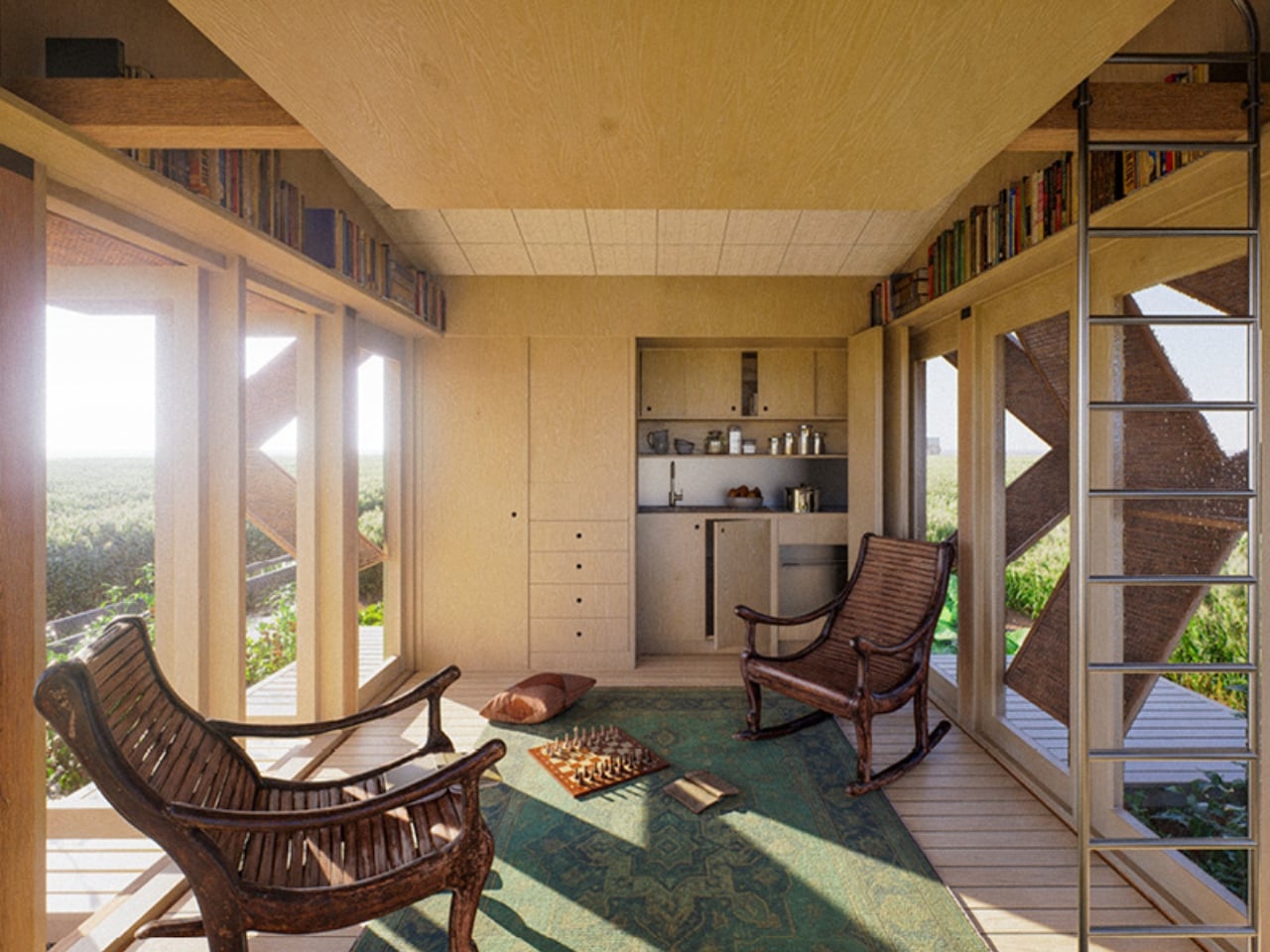
Enter a groundbreaking microhome designed by New York-based architects Aleksa Milojevic and Matthew W Wilde. Living on Groundwater is not just a tiny house but a prefabricated home standing on only 25 square meters that helps to actively repair the environmental conditions that support it, making the residents active agents in groundwater recharge.

Designers: Aleksa Milojevic and Matthew W Wilde

This innovative microhome has an integrated system that is able to harvest rainwater, uses greywater recycling systems, and also has an on-site injection well that is able to return treated water back to the aquifer. This is a unique hydro-positive housing model that has a low carbon footprint and is able to give back to the environment more than it takes. It is also able to reframe microhomes as not just cute places to live in but as environmental infrastructure designed to repair ecological conditions. Think of it as a home that doesn’t just exist on the land. It actively heals it.

Design-wise, it has an elegant rural aesthetic that fits right in with the Punjab agricultural landscape. It sits lightly above the fields on a raised timber frame so that it minimizes disturbance to the ground and at the same time allows water flow, air movement, and vegetation to pass freely underneath. This thoughtful elevation means the earth beneath can continue to breathe and function naturally, rather than being compressed and sealed off like traditional foundations would do.

The home features a permeable facade that lets natural light and the surrounding views become part of the house’s ambiance. It responds to seasonal variations while maintaining a visual connection to the surrounding landscape. Imagine being able to adjust your home’s relationship with the outdoors depending on the weather and time of year. During hot summers, it provides shade and ventilation, while in cooler months, it can capture warmth and light.

The sleeping area is designed in a loft style so that the ground level is freed up to be the living and working area, maximizing every inch of the compact 269-square-foot space. Inside, you get modular cabinetry and convertible work surfaces, ensuring that the furniture adapts to your needs instead of dictating how you should live. The walls and roof assemblies are prefabricated, so the design can be replicated across different rural contexts without losing its functionality or environmental benefits.

The brilliance of this design didn’t go unnoticed. Living on Groundwater won first prize in the Kingspan-funded MICROHOME #10 competition organized by Buildner, earning €20,000 and recognition from an international jury. The judges highlighted the project’s “technically sophisticated integration of building systems, local ecology, and water resilience,” praising how it positions the microhome not merely as a low-impact dwelling but as an active agent in environmental repair.

What makes this project particularly compelling is that it was developed through shared research on Indian agricultural history undertaken during a Yale University seminar and field study in Punjab. The designers didn’t just parachute in with a generic solution. They studied the land, understood its challenges, and created something that truly responds to the specific needs of the region.

In a world facing intensifying housing pressures driven by climate instability, rising construction costs, and growing demographic needs, Living on Groundwater offers a hopeful vision. It proves that small-scale architecture can be both beautiful and purposeful, compact without feeling cramped, modern without being cold, and sustainable without sacrificing livability. It’s the kind of thoughtful design that reminds us that the best solutions often come from truly understanding a problem and designing with nature, not against it.

The post Award-Winning Microhome Actually Replenishes Groundwater While You Live In It first appeared on Yanko Design.

HONOR’s 6.1mm thick Magic8 Pro Air Has a 5500mAh Battery and Triple Cameras (iPhone Air Can’t Match That)

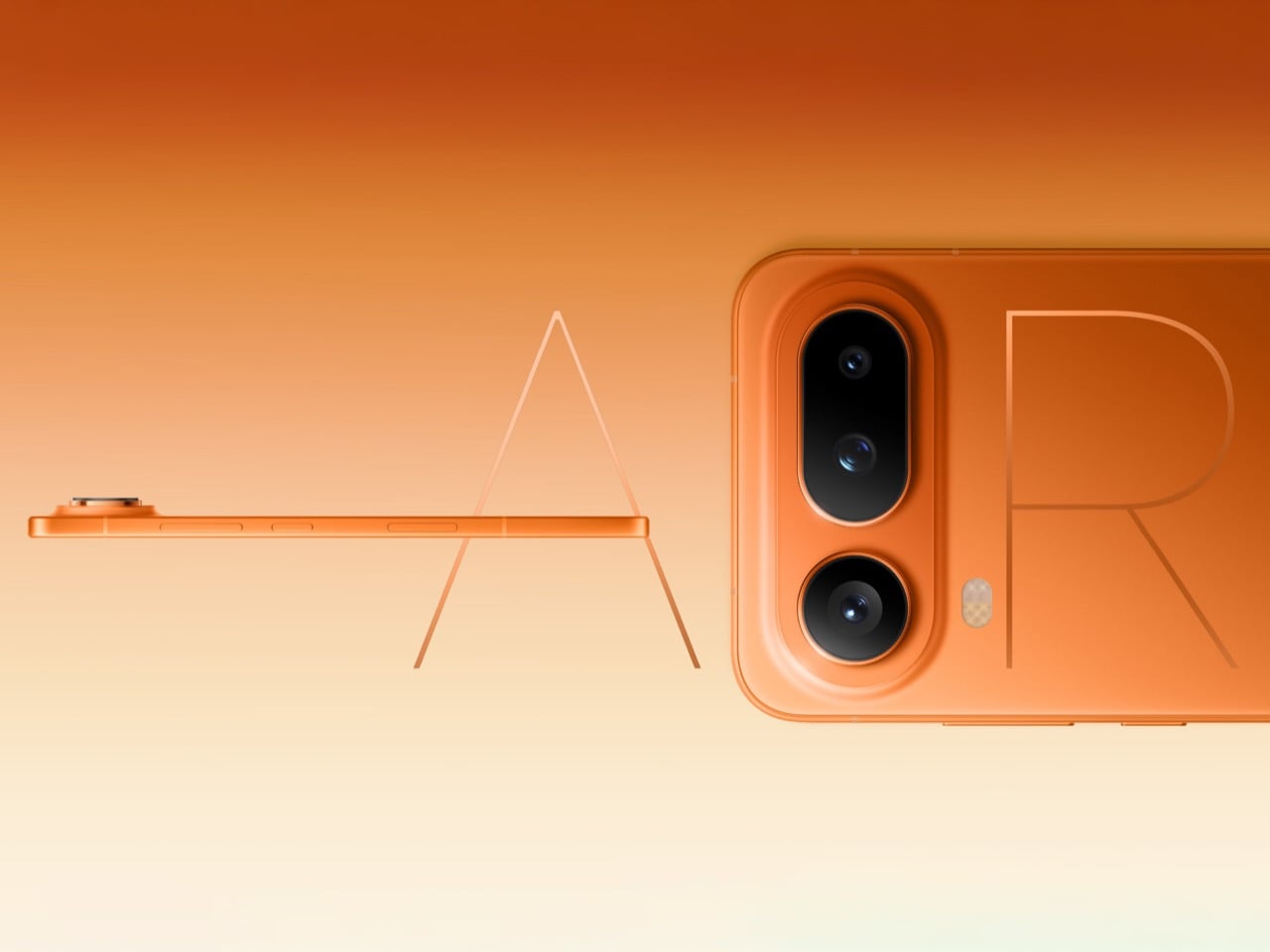
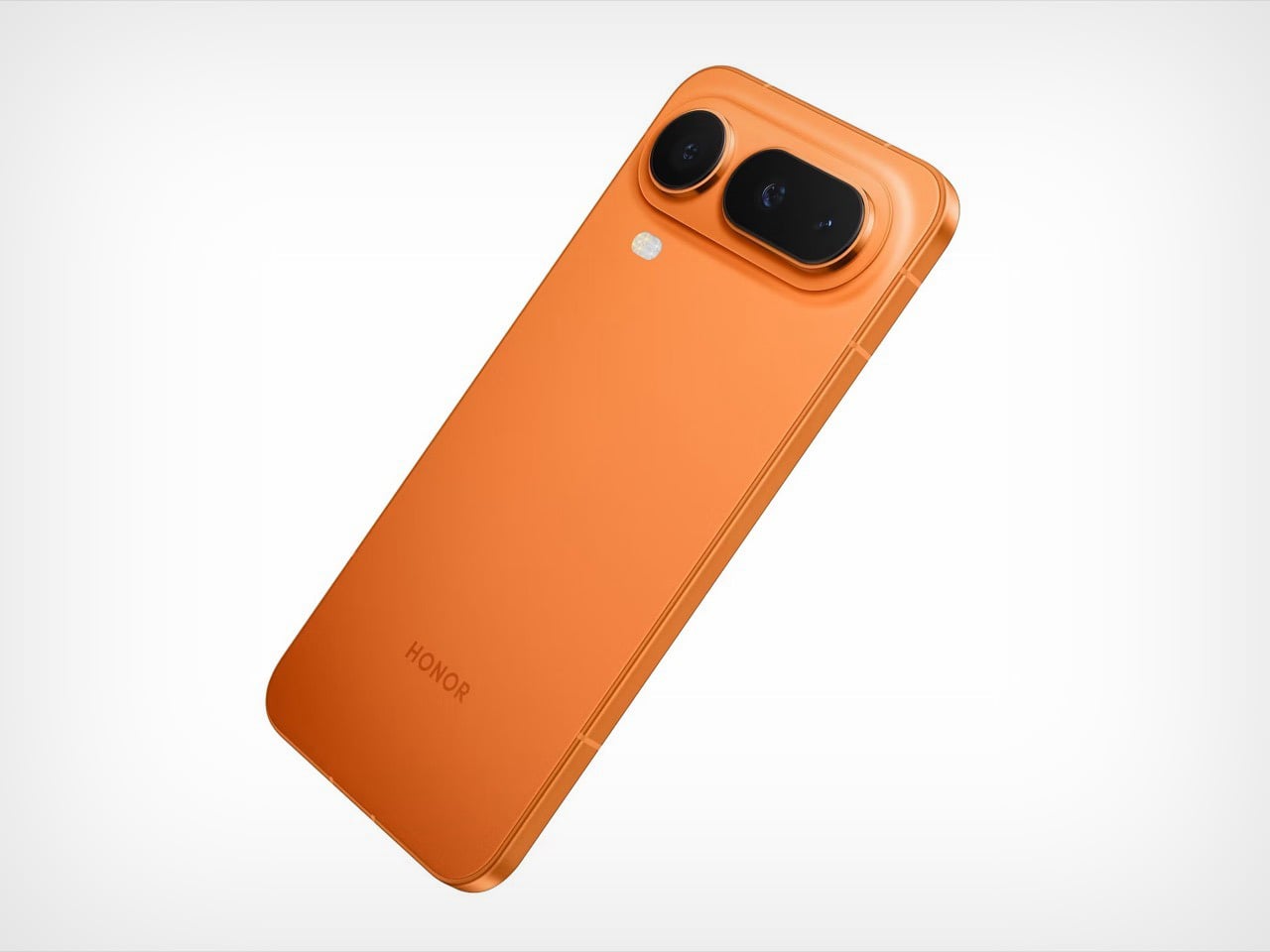
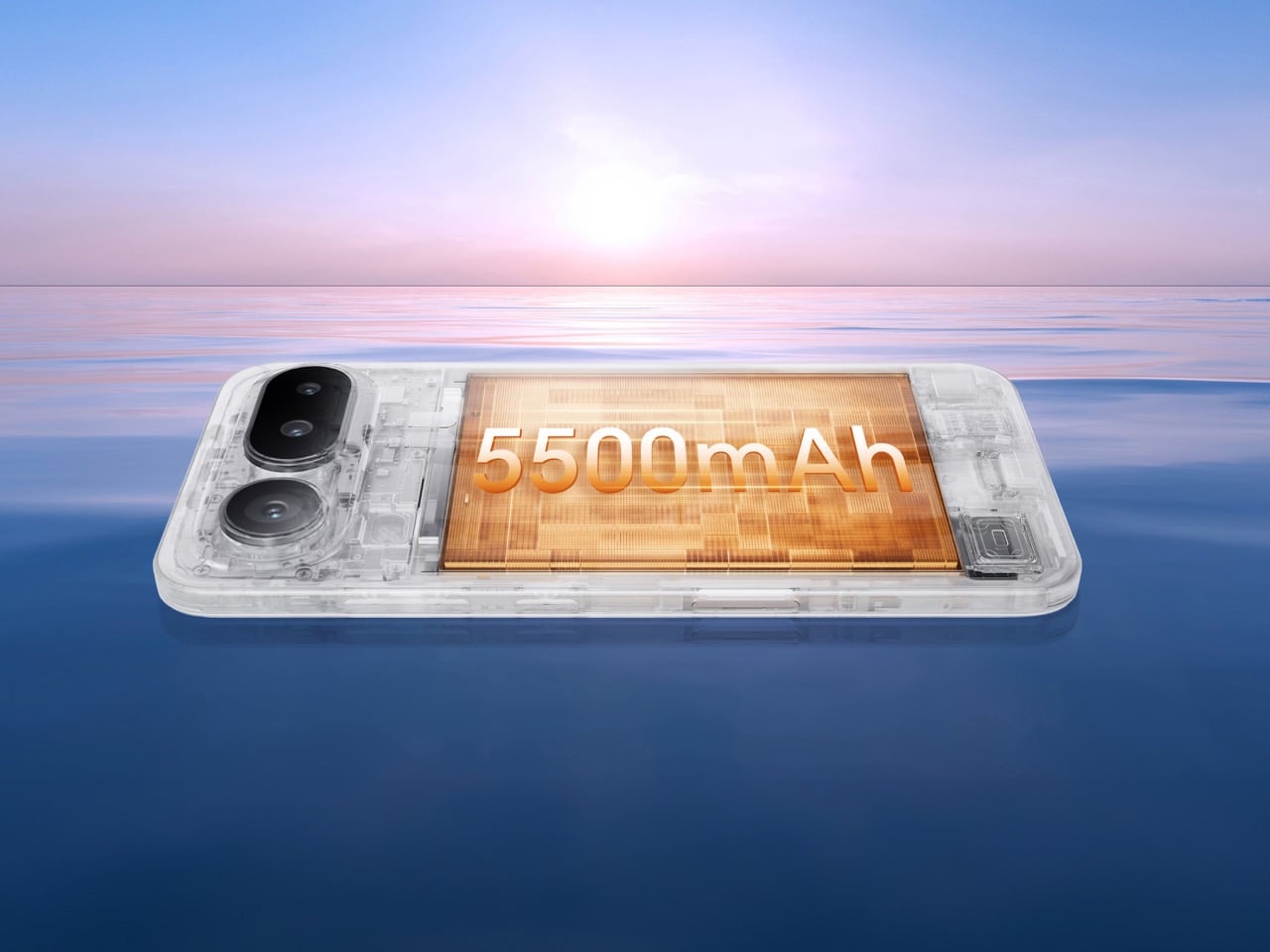
Sometimes the most interesting phones aren’t the ones pushing boundaries into weird new territory. They’re the ones that look at existing boundaries and ask why they exist in the first place. Honor’s Magic8 Pro Air sits at 6.1mm thick, which matches the iPhone 16 Pro’s obsession with thinness, but then it throws in a full triple camera array and a 5,500mAh battery just to prove a point. That point being: maybe we’ve been too quick to accept compromises that aren’t actually necessary.

The whole package reads like a direct response to Apple’s recent design choices, except Honor isn’t playing the “our number is bigger” game. They’re playing the “why can’t we have nice things” game, and honestly, it’s refreshing. For years, flagship phones have operated under this assumption that serious camera systems and all-day batteries require chunky bodies. The Magic8 Pro Air suggests that’s more about engineering priorities than physical limitations. Whether it actually delivers on that promise in real-world use is another story, but the ambition alone is worth paying attention to.

Designer: HONOR

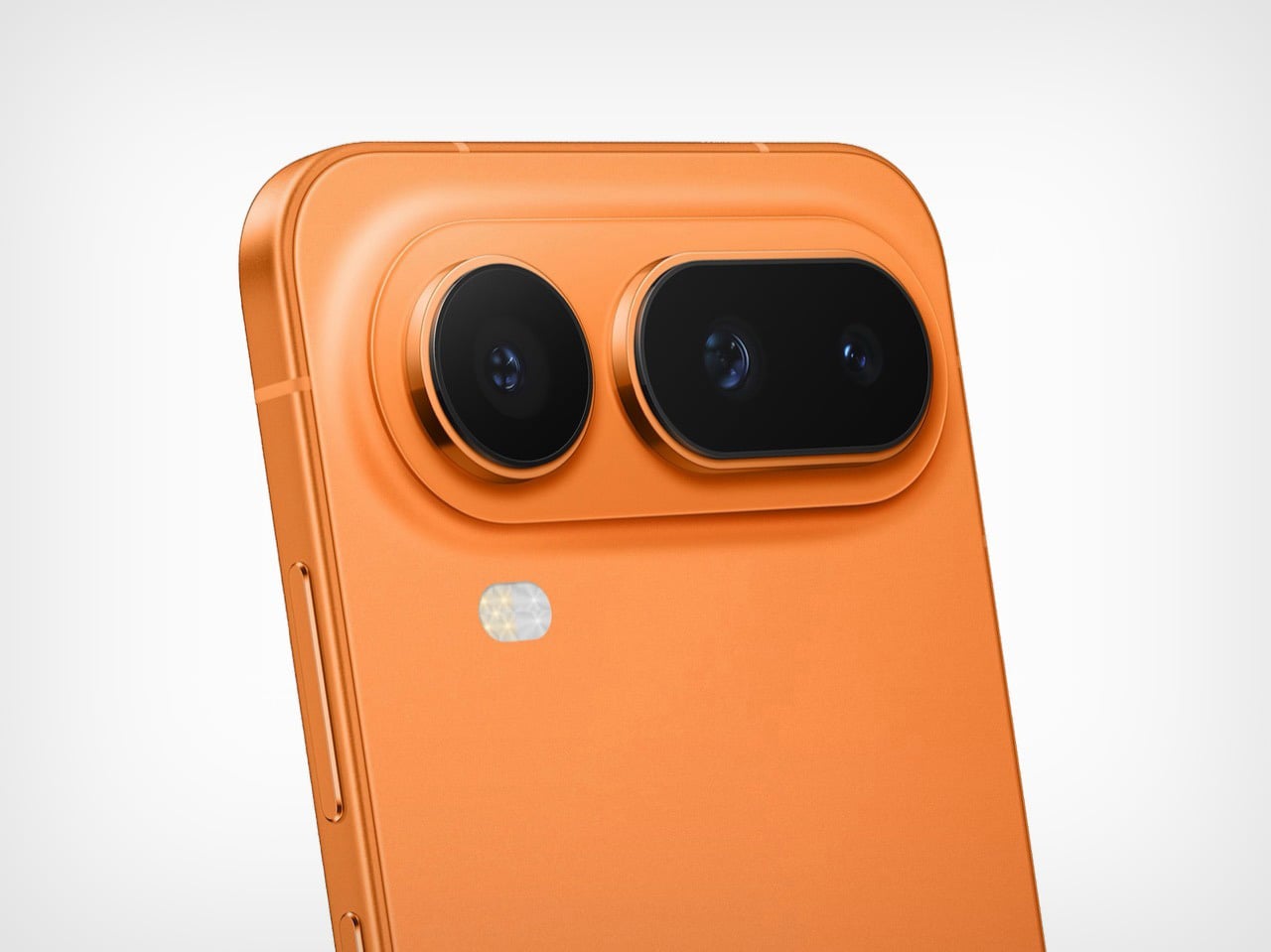
Sure, a triple-camera array on a phone that thin is impressive, but what knocks my socks off more is the fact that this phone packs nearly 75% more battery than the iPhone Air. For context, the iPhone Air maxes out around 3,149mAh and sits at roughly 5.6mm. Samsung’s Galaxy S25 Edge packs slightly more at 3,900mAh into a 5.8mm frame. Honor somehow found an extra 1,600mAh while adding just 0.3-5mm more than the competition. That translates to a good 5+ hours more of daily use before reaching for a charger or power bank. Let’s not ignore how impressive that is.

The triple camera setup tells a similar story of refusing easy compromises. We don’t have full specs yet on the sensor sizes or focal lengths, but the fact that Honor committed to three lenses instead of following Apple’s single-camera approach on the standard iPhone 16 says something about their priorities. Modern computational photography has convinced a lot of companies that one good sensor plus aggressive software processing can replace optical versatility. Honor clearly disagrees, or at least thinks consumers disagree enough to matter. They’re betting that people still want actual telephoto reach and ultrawide perspective without relying entirely on digital trickery and crop-zoom theatrics.

What makes this launch particularly on-point is the tagline. Honor’s marketing team went with “thin but not lacking” in Chinese, which translates the subtext into actual text. They know exactly what conversation they’re entering. Apple spent the last few years teaching the market that premium means thin, and thin means sacrifice – whether it’s a camera lens on the iPhone Air, a 3.5mm jack on the iPad Pro, or just ports on their MacBook Airs. Honor looked at that equation and decided the sacrifice part was optional, which either makes them bold or delusional depending on how the phone actually performs once reviewers get their hands on it.

The broader implications here matter more than one phone from one manufacturer. If Honor can ship a 6.1mm device with flagship battery life and proper camera versatility, then every other manufacturer now has to explain why they can’t or won’t. The “we had to choose between thin and capable” excuse stops working when someone demonstrates the choice was never binary. This puts pressure on Samsung, Google, and especially Apple to either match the capability or justify why their engineering led to different conclusions. Competition works best when companies stop accepting the same limitations and start solving problems their competitors declared unsolvable.

Honor’s brand-recall in Western markets still has room for improvement, although they’re perhaps one of the most reputed brands in their home country of China. The Magic8 Pro Air might be brilliant, but if people don’t know where to easily buy one, the competitive pressure stays theoretical. Still, specs like these have a way of forcing conversations that manufacturers would rather avoid. Apple doesn’t need to worry about Honor’s market share to feel the heat when tech reviewers start asking why the iPhone 17 can’t pack a bigger battery at the same thickness – and every tech reviewer should absolutely call on Apple to be less compromising. The Magic8 Pro Air wins just by existing and working as advertised. Everything after that is bonus points.

The post HONOR’s 6.1mm thick Magic8 Pro Air Has a 5500mAh Battery and Triple Cameras (iPhone Air Can’t Match That) first appeared on Yanko Design.
ASUS will not release any new smartphones this year

ASUS appears to be shifting its business operations away from smartphones. According to translations of recent quotes from Chairman Jonney Shih, the company does not plan to release new phone models in the future. The chairman did not confirm whether smartphones would be completely phased out, but he did acknowledge that possibility. Whatever direction ASUS takes, its existing phones will continue to receive software updates and warranty assistance. Shih suggested that its future plans may include a shift into AI-related projects such as robotics or smartglasses.

Previous reports hinted that ASUS would not introduce any smartphones in 2026, but Shih's recent comments indicate that the pause may stretch longer than a year. We've reached out to ASUS for additional comment and will update if the company shares any further information. 

ASUS had plenty of other updates emerging from CES at the start of the month unrelated to smartphones, such as dual-screen laptops and a pair of gaming smartglasses. So if it does decide to leave that product segment, there will still be other ASUS-branded gear on the market.

This article originally appeared on Engadget at https://www.engadget.com/mobile/smartphones/asus-will-not-release-any-new-smartphones-this-year-213043832.html?src=rss

LEGO recreates iconic battle from Legend of Zelda: Ocarina of Time

The LEGO Group has carried over the momentum from last year, introducing sets that the community wants, as well as some releases that are their own brainchild. Last year, LEGO hinted at a Legend of Zelda collaboration with Nintendo, and now the official set is releasing. This one joins the likes of the three Pokémon sets and the Harry Potter set released by the group this month.

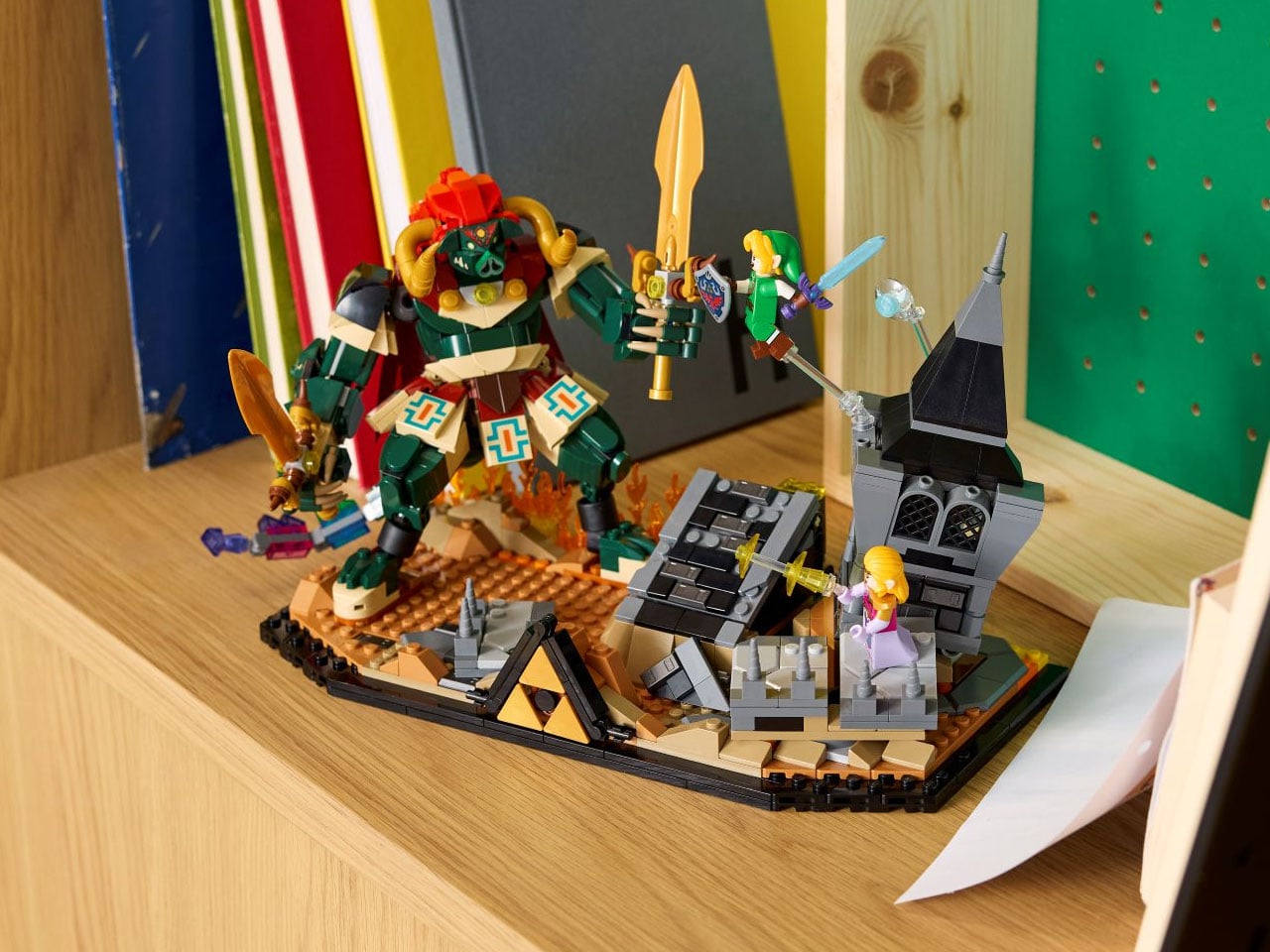
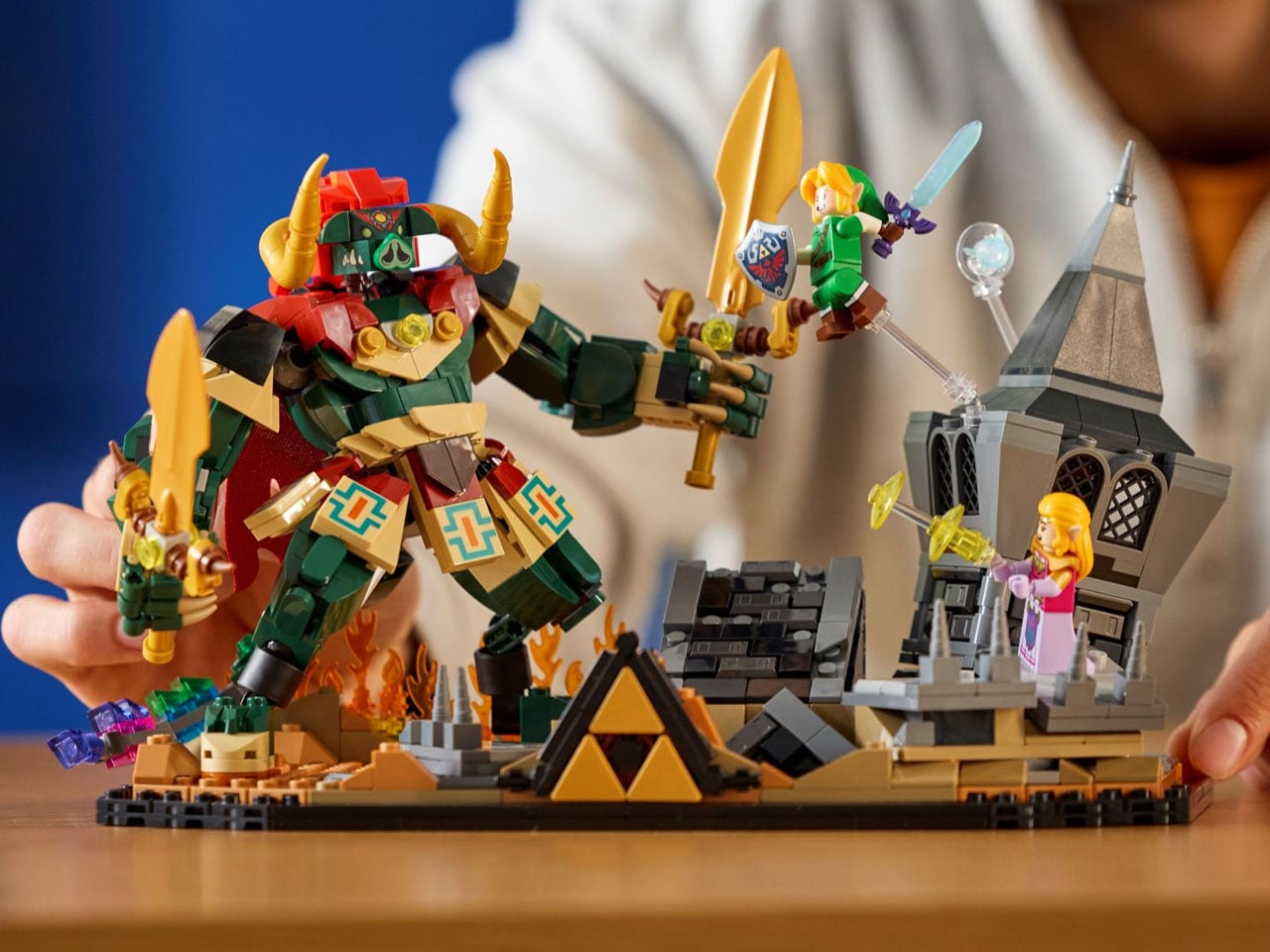
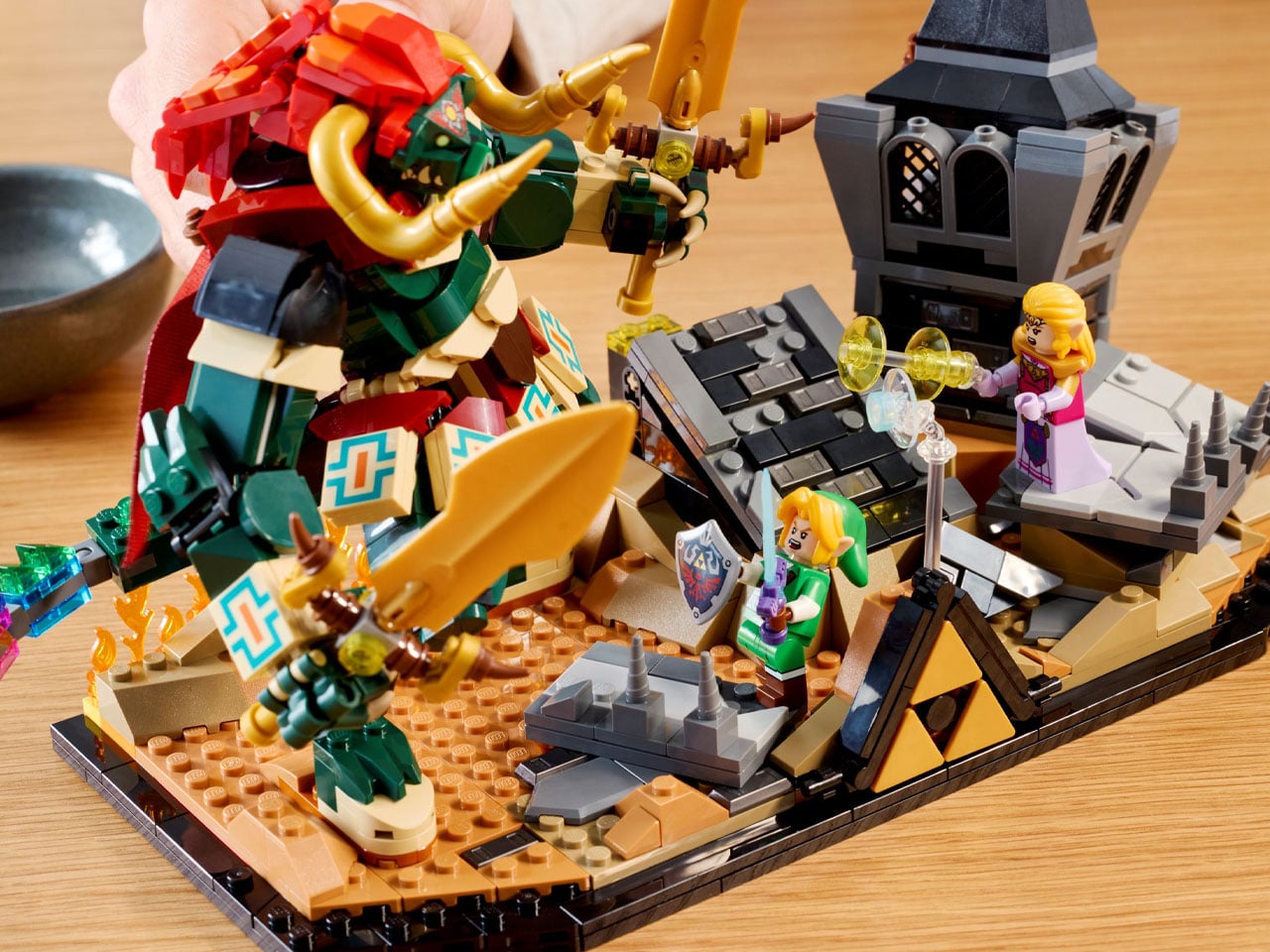
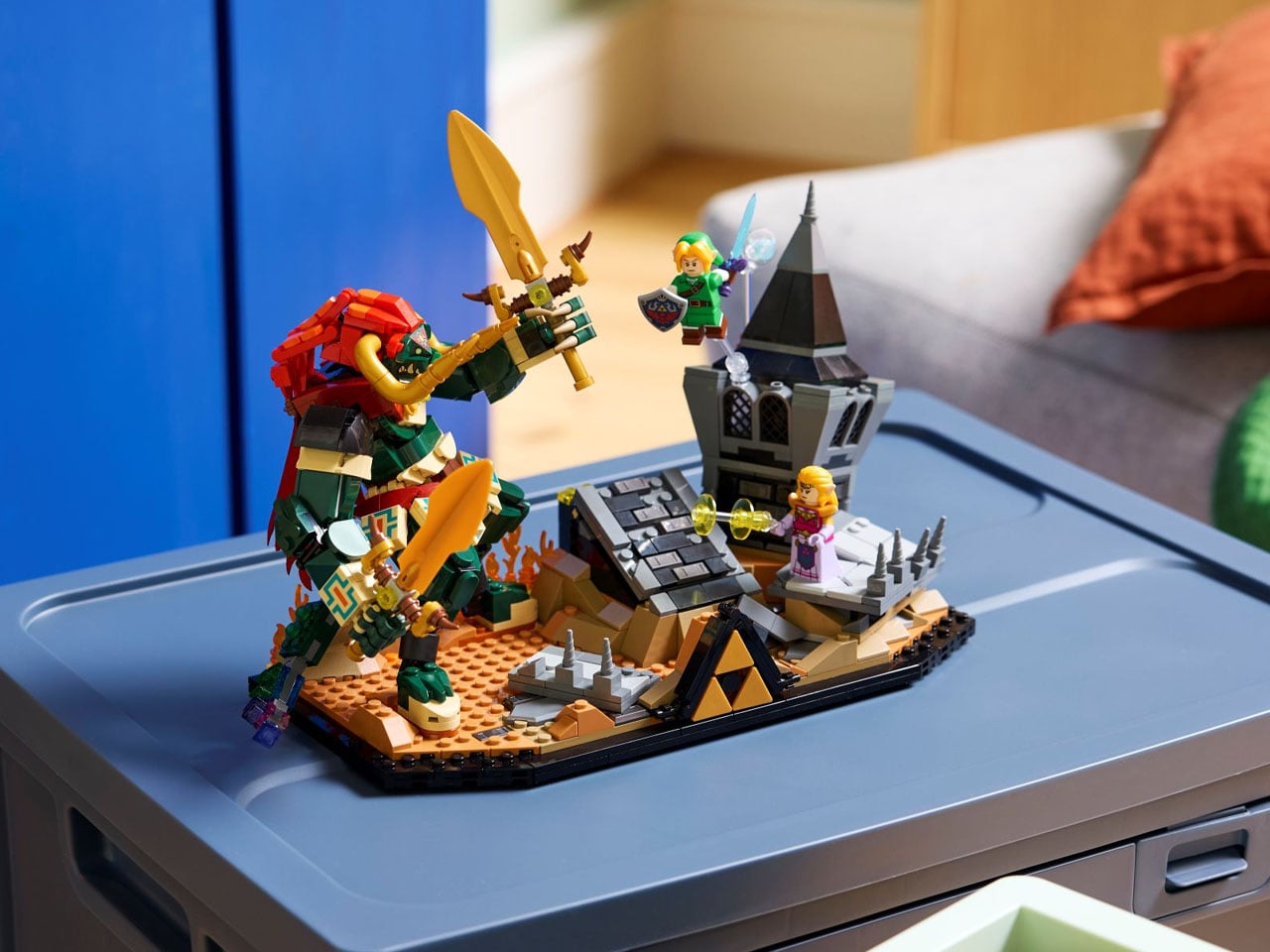
The LEGO set will replicate one of the most iconic boss battles in the title’s history, depicting the Ocarina of Time bash taking place among the ruins of Hyrule Castle Town, as Link and Princess Zelda take on the monstrous Ganon. The official set is even better than initially anticipated by community experts, adding to the numerous options LEGO fans have at their disposal.

Designer: LEGO Group

The 1,003-piece set dubbed the Ocarina of Time: The Final Battle is a faithful diorama of the most iconic arcade games for the Nintendo N64 console line-up. Ganondorf, in his final boss human form (that’s buildable piece by piece), takes up the most territory of the set, as minifigures of Link and Zelda are depicted taking on the monster. The base of the set shows Ganon’s ruined castle and damaged tower, as the rubble masks the three recovery hearts. Other inclusions of the set include the Master Sword, a couple of fabric capes, dual honking swords of Ganon, and the Hylian Shield.

When the set depicting the intense scrap in the ruins of Hyrule Castle is put together, it measures 6.5 inches high, 11 inches wide, and 7 inches deep. That makes it ideal for your gaming desk setup or work shelf to display your love for the title. If you look closely at the official pictures, the base recreates the arena of Hyrule from the N64, and has the Triforce-badged display base. LEGO has paid attention to detail in the creation, as one can spot the little elements of the Ocarina. Things like the pile of rubble, the Megaton Hammer, or Navi the fairy floating among the chaos. In fact, a hidden button activates the lid mechanism, as the ruins erupt and the super villain announces his presence for ultimate supremacy.

Compared to the 2-in-1 Great Deku Tree set, this one is smaller since it represents only a single title. The price tag of $130 is also accommodating for fans who don’t want an elaborate set to fit in their scheme of things. Ocarina of Time: The Final Battle set is up for pre-order right now, and the official launch is slated for 1st March. Even for a neutral fan who loves playing arcade games for fun, this LEGO build is one to consider.


The post LEGO recreates iconic battle from Legend of Zelda: Ocarina of Time first appeared on Yanko Design.

UK agency questions Meta’s policies for illegal gambling site ads

The UK Gambling Commission has raised concerns that Meta is ignoring advertisements by illegal gambling websites on its platforms. At a conference in Barcelona, the commission's Executive Director Tim Miller criticized Meta's behavior towards advertisements for online gambling on its Facebook and Instagram social networks.

"Companies like Meta will tell you that they don’t tolerate the advertising of illegal sites and will remove them if they are notified about them," Miller's speech transcript reads. "But that approach suggests that they don’t know about those ads unless alerted. That is simply false."

Meta's internal policy is that gambling sites must be licensed in the markets where their ads run. However, the agency was able to conduct basic searches for advertisers that are not on its GamStop platform, which helps people block themselves from accessing online gambling sites. GamStop integration is required for an operator to receive a UK license. 

"I would be very surprised if Meta, as one of the world’s largest tech companies is incapable of proactively using their own keyword facility to prevent the advertising of illegal gambling," Miller said. "It could leave you with the impression they are quite happy to turn a blind eye and continue taking money from criminals and scammers until someone shouts about it."

This article originally appeared on Engadget at https://www.engadget.com/social-media/uk-agency-questions-metas-policies-for-illegal-gambling-site-ads-210500714.html?src=rss

TurboTax Deluxe is on sale for only $45 ahead of tax season

With the spring approaching, it's time to start thinking about how you'll file your taxes. Unfortunately, with the recent demise of Direct File, there isn't a free, government-provided alternative to TurboTax in 2026, and you'll need to look to other federal programs, including IRS Free File, to file your paperwork. If you don't qualify for Free File, chances are you'll need to dish out cash for Intuit's software. And while we hate to suggest you give money to a company that has spent decades lobbying to ensure America's tax system remains a nightmare, we can at least save you some money if TurboTax is your only option.

Right now, Amazon has discounted the deluxe desktop edition of TurboTax by 44 percent. That gets you $35 off software that normally costs $80, which you can use to file both your individual state and federal taxes. For most Americans, that should cover their needs.

However, if you're self-employed, you'll need to pony up for the more expensive Business version of TurboTax, which is currently 42 percent off, or $54 off. One last thing to note: you'll need a PC with either Windows 11 or macOS Sonoma to run the software, so an older machine won't do, unfortunately. H&R Block is having a similar sale on their Deluxe software as well.

Follow @EngadgetDeals on X for the latest tech deals and buying advice.

This article originally appeared on Engadget at https://www.engadget.com/deals/turbotax-deluxe-is-on-sale-for-only-45-ahead-of-tax-season-204848111.html?src=rss

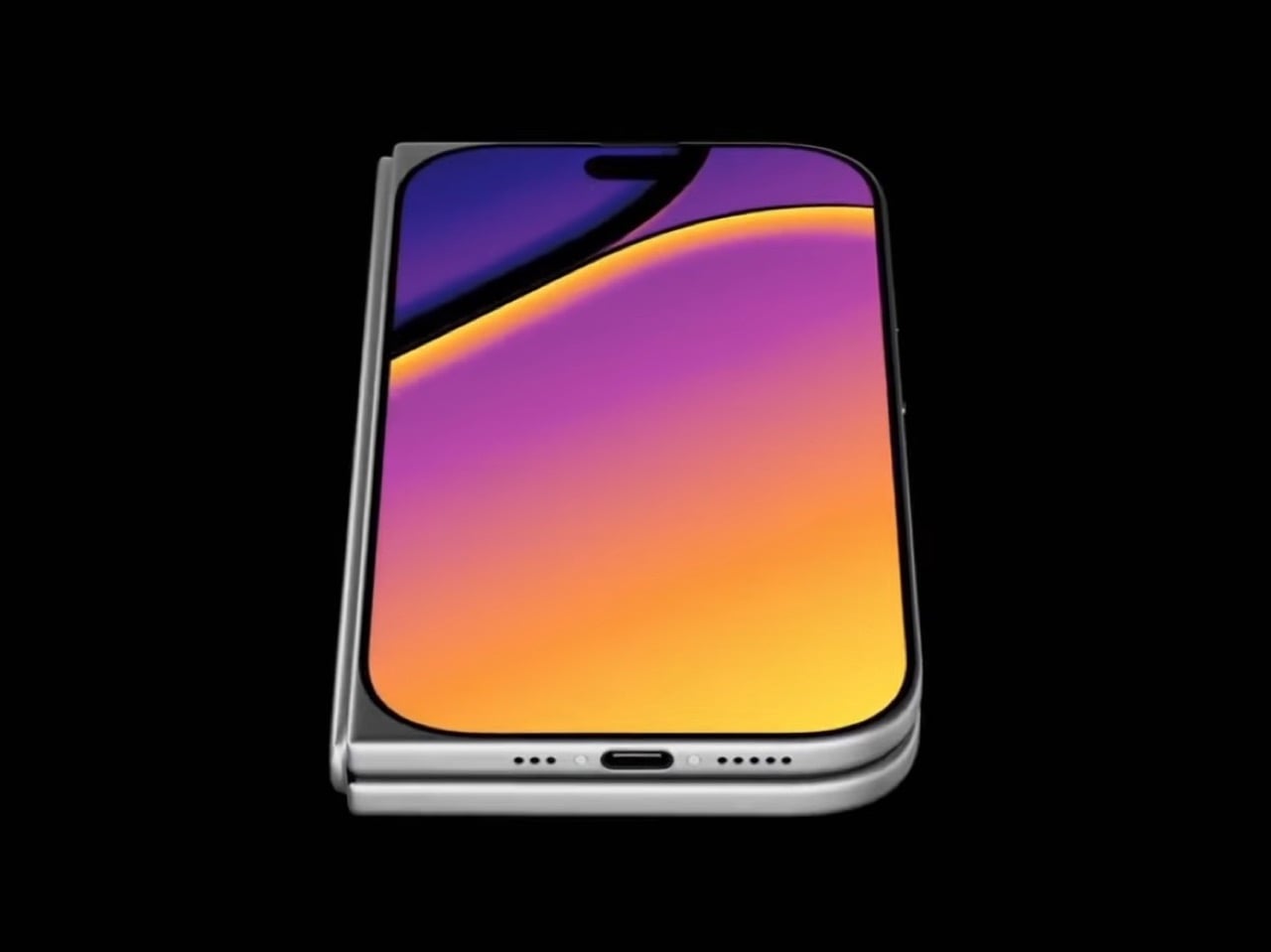
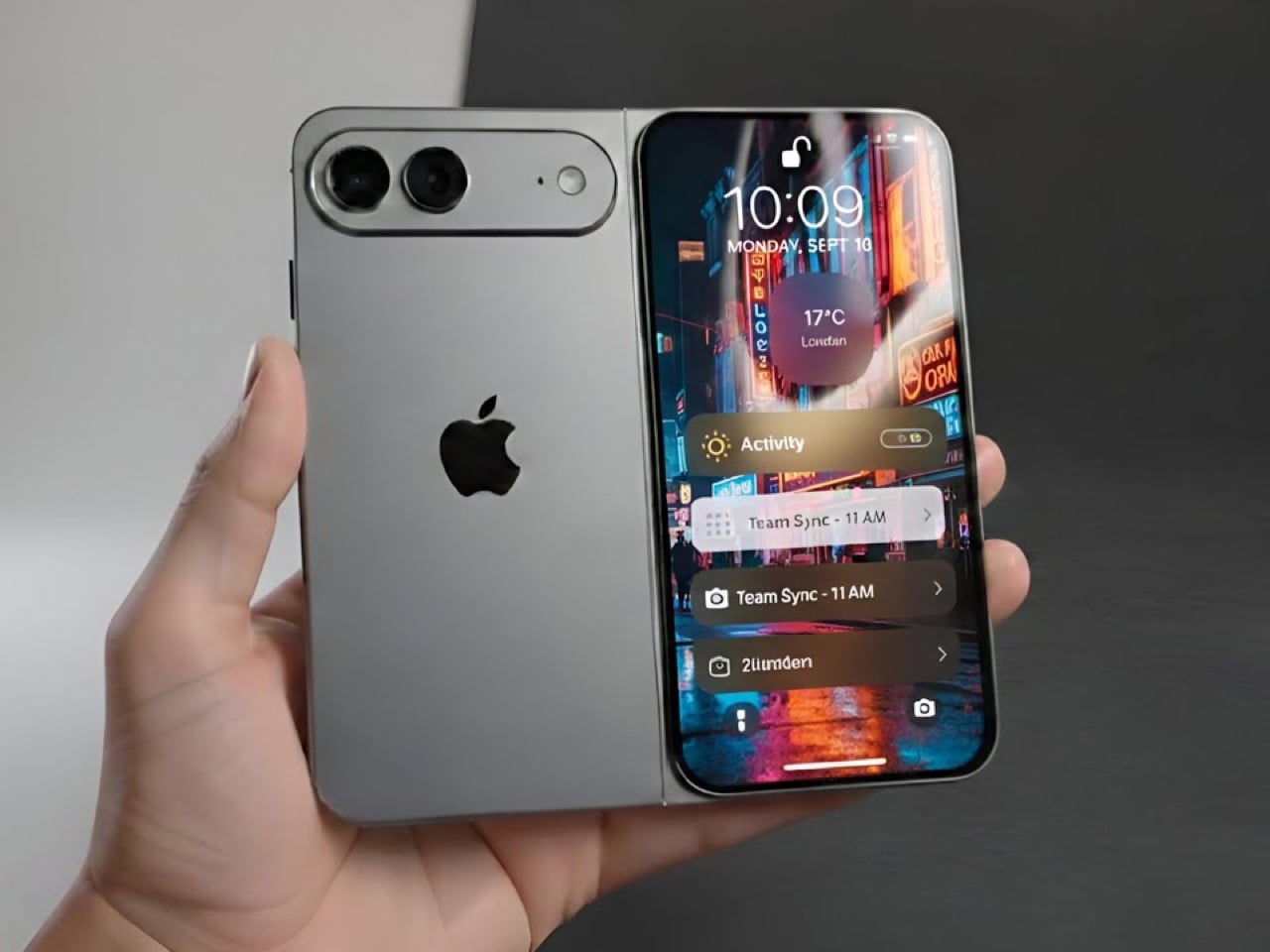
iPhone Fold Specs Leak Online: Aluminum + Titanium Body, A20 Chipset, and the Rebirth of TouchID

Apple’s foldable smartphone with dual displays for multitasking

If someone told you in 2019 that we’d see seven generations of Samsung Galaxy Folds before Apple released a single foldable iPhone, you’d probably have believed them because that’s exactly how Apple operates. Wait, watch, then swoop in like they just invented the whole concept. Well, 2026 might finally be the year, assuming these leaks are legit and not just wishful thinking from analysts who’ve been predicting the iPhone Fold since the Obama era.

The rumor mill is churning out some pretty specific claims right now. We’re talking actual dimensions, chip specs, and price points that’ll make your wallet weep. But more interesting than the what is the how and why. Apple’s supposedly been tackling the exact problems that have kept foldables from going mainstream, which either means they’ve cracked the code or they’re about to learn the same expensive lessons Samsung already learned. Let’s unpack what we actually know versus what’s tech journalism fan fiction.

Designer: Apple

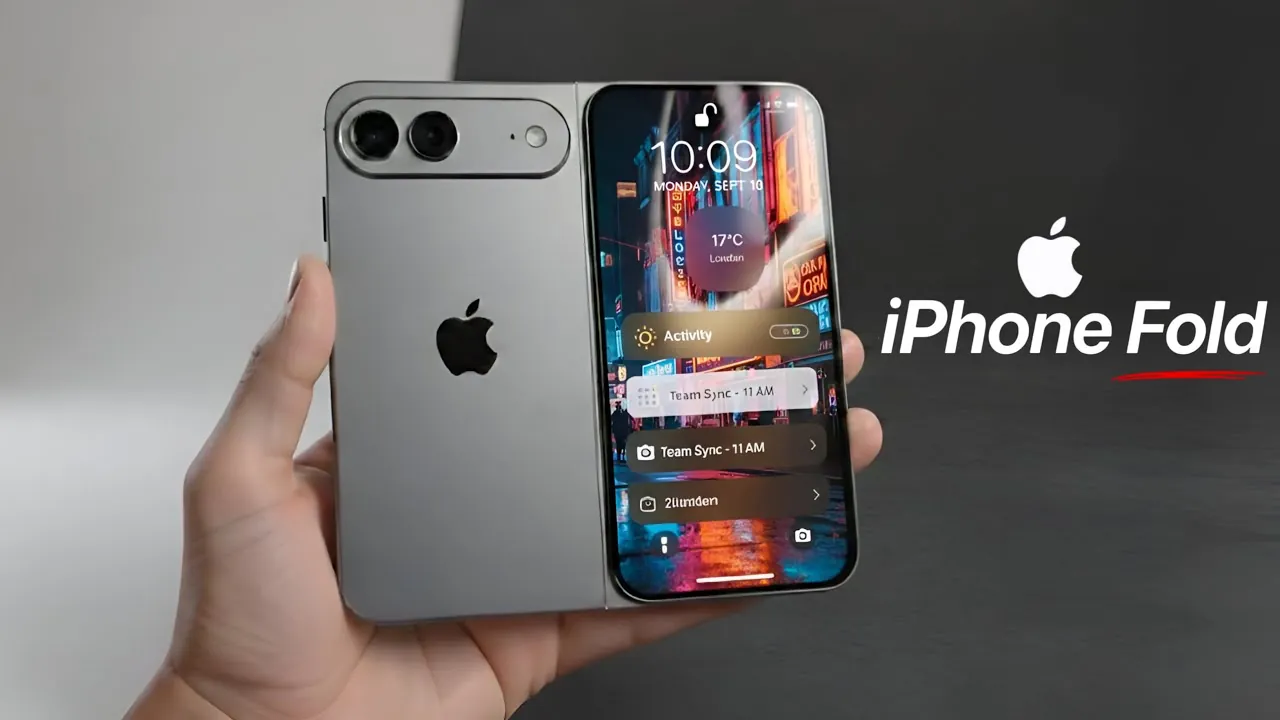
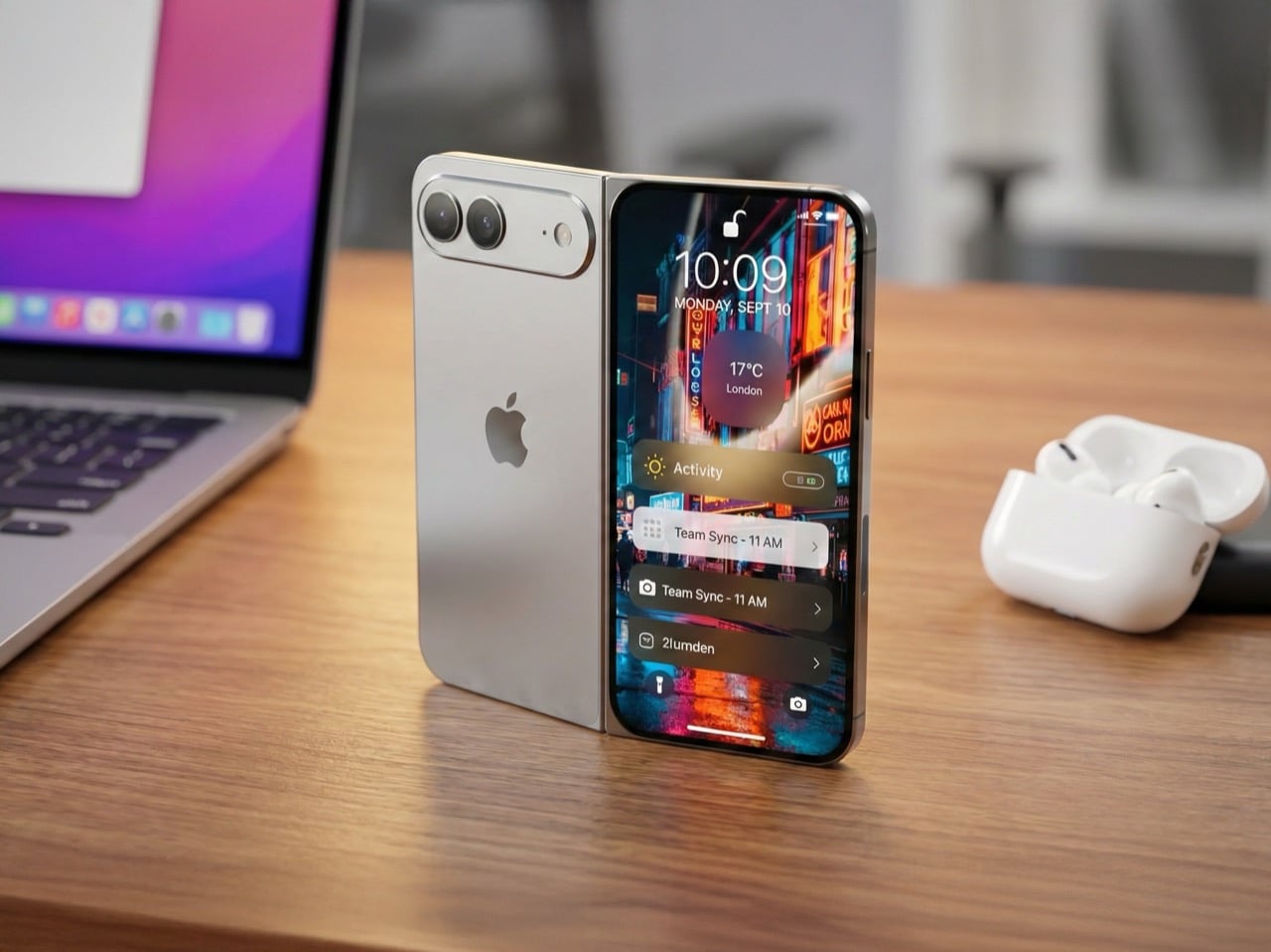
The specs coming out of supply chain analyst Jeff Pu’s investor briefings paint a picture of a device Apple’s positioning right alongside the iPhone 18 Pro lineup. September 2026 launch date, which means they’re treating this as a flagship product rather than some experimental side quest. The inner display clocks in at 7.8 inches when you unfold it, putting it in direct competition with Samsung’s Galaxy Z Fold 8. The outer screen sits at 5.3 inches, which is actually smaller than what Samsung’s offering. That’s either Apple prioritizing pocketability or a sign they couldn’t fit a bigger screen without compromising the design. Probably both, knowing how Apple thinks about these things.

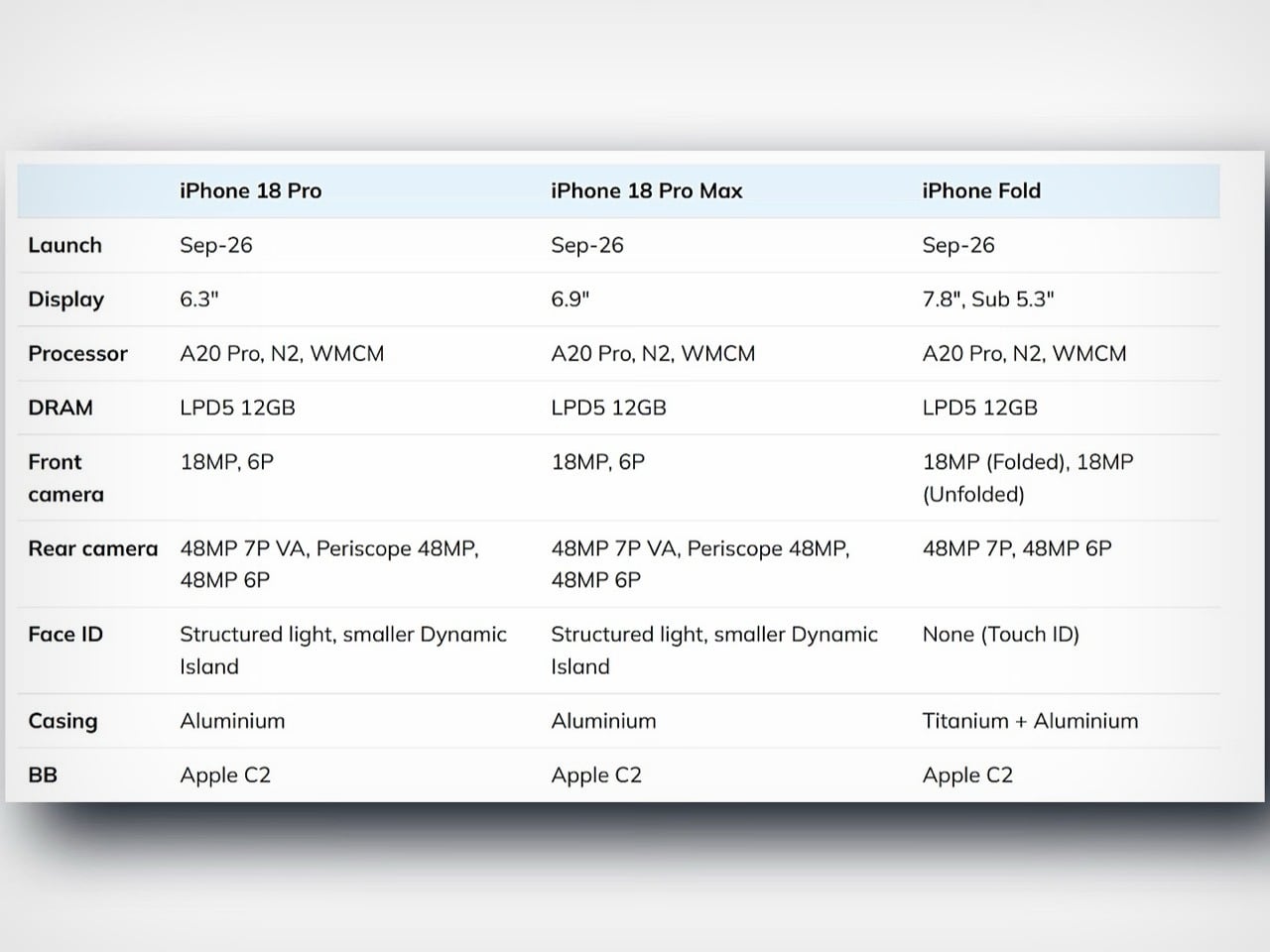
The whole device reportedly measures 4.5mm when unfolded, which is genuinely insane when you consider what’s packed inside. For context, that’s thinner than most credit cards and absolutely thinner than any iPhone that’s ever existed. The folded thickness supposedly hits around 9mm, which still slides into a pocket easier than carrying an iPad mini everywhere. Apple’s apparently using a combination of aluminum and titanium for the frame construction, same lightweight-but-strong approach they’ve been pushing across the Pro iPhone lineup. The real party trick though is the hinge mechanism, which multiple sources claim uses liquid metal components to handle the stress of constant folding without creating that ugly crease everyone hates about foldables.

The A20 chip powering this beast is built on TSMC’s 2-nanometer process, same silicon going into the iPhone 18 Pro models. Apple’s apparently not treating this as a lesser device that gets last year’s processor, which tells you how seriously they’re taking the category. Battery capacity is rumored between 5,400 and 5,800 mAh, making it the largest battery Apple’s ever put in an iPhone because powering two displays simultaneously turns out to require actual juice. That’s almost double the capacity of a regular iPhone 15 Pro, and it needs to be.

The crease is the hot-topic on everyone’s mouths, with the rumor being Apple’s somehow found a way to obliterate it. Every foldable phone on the market has that visible line running down the middle when you unfold it, and it drives people absolutely insane. Apple’s supposedly using a liquid metal hinge design combined with some display technology wizardry to make the crease “nearly invisible” according to the leaks. I’ll believe it when I see it, but if they actually pulled this off, it would immediately make every other foldable look outdated. Samsung’s been iterating on this problem for seven years and still hasn’t fully solved it.

Touch ID is coming back, which is wild after Apple spent the better part of a decade convincing everyone Face ID was the future. The decision makes sense though when you think about the form factor. Authentication needs to work whether the phone is folded, half-open, or fully unfolded, and Face ID gets wonky when you’re holding a device at weird angles or using it propped up like a tiny laptop. A fingerprint sensor in the power button solves all of that instantly. It’s the same approach they took with recent iPads, and it works.

Pricing is where this whole thing either makes sense or falls apart completely. The leaks point to somewhere between $2,000 and $2,500, with recent intel skewing toward the higher end. That’s Mac Studio money for a phone that folds. That’s almost double what an iPhone 17 Pro Max costs. Samsung’s Galaxy Z Fold 8 will probably land around $1,999, so Apple’s betting people will pay a premium for whatever magic they’ve supposedly worked on the crease and overall build quality. Whether that bet pays off depends on a lot of factors, but I guess seeing Apple’s vision of a folding phone first-hand will really help seal the deal regarding whether this 6-7-year wait has finally paid off.

The post iPhone Fold Specs Leak Online: Aluminum + Titanium Body, A20 Chipset, and the Rebirth of TouchID first appeared on Yanko Design.