Despite changing its name and using decidedly bird-free branding, X is trying to hold on to its original Twitter trademarks, TechCrunch reports. The xAI-owned social media platform has updated its terms of service to include references to Twitter after previously only mentioning X, and seemingly attempted to counter a startup's petition to cancel the company's Twitter trademarks with a petition of its own.
The startup X appears to be responding to is Operation Bluebird, a company cofounded by former Twitter general counsel Stephen Coates that went public last week with plans to capture what remains of Twitter for its own use. The first step in that process was filing a petition with the US Patents and Trademark Office to cancel X's control of Twitter’s trademarks.
"The TWITTER and TWEET brands have been eradicated from X Corp.’s products, services and marketing, effectively abandoning the storied brand, with no intention to resume use of the mark," Operation Bluebird explained in the petition. “Petitioner seeks to use and register the TWITTER and TWEET brands for new products and services, including a social media platform that will be located at the website twitter.new."
In fairness to Operation Bluebird, Elon Musk was very open about his plan to abandon the Twitter name and bird logo after he acquired the company in 2022. "And soon we shall bid adieu to the twitter brand and, gradually, all the birds," Musk posted in July 2022, not long before Twitter was rebranded to X. Even after the platform rebranded, though, at least one remnant of the original Twitter brand has stuck around: Twitter.com still redirects to X.com.
And soon we shall bid adieu to the twitter brand and, gradually, all the birds
The updated terms of serviceTechCrunch spotted now say that as of January 16, 2025, "nothing in the Terms gives you a right to use the X name or Twitter name or any of the X or Twitter trademarks, logos, domain names, other distinctive brand features, and other proprietary rights, and you may not do so without our express written consent." The company's counterpetition also reiterates that the Twitter trademarks are X's "exclusive property."
In a statement to Engadget, Coates said that Operation Bluebird’s cancellation petition was “based on well-established trademark law” and that he believes the upstart will prevail. “X legally abandoned the TWITTER mark, publicly declared the Twitter brand ‘dead,’ and spent substantial resources establishing a new brand identity. Our cancellation petition is based on well-established trademark law and we believe we will be successful. They said goodbye. We say hello.”
At the time of writing, Operation Bluebird has convinced over 145,200 people to claim a handle on the company's new social platform. Maybe X sees that early interest as a threat, but it's just as possible Operation Bluebird's public comments were enough to tip the company off so it could try to hold on to trademarks it clearly believes still hold some value.
Update, December 16, 2025, 4:13PM PT: This story was updated to add a statement from Stephen Coates.
This article originally appeared on Engadget at https://www.engadget.com/social-media/x-was-spooked-enough-by-new-twitter-to-change-its-terms-of-service-231138305.html?src=rss
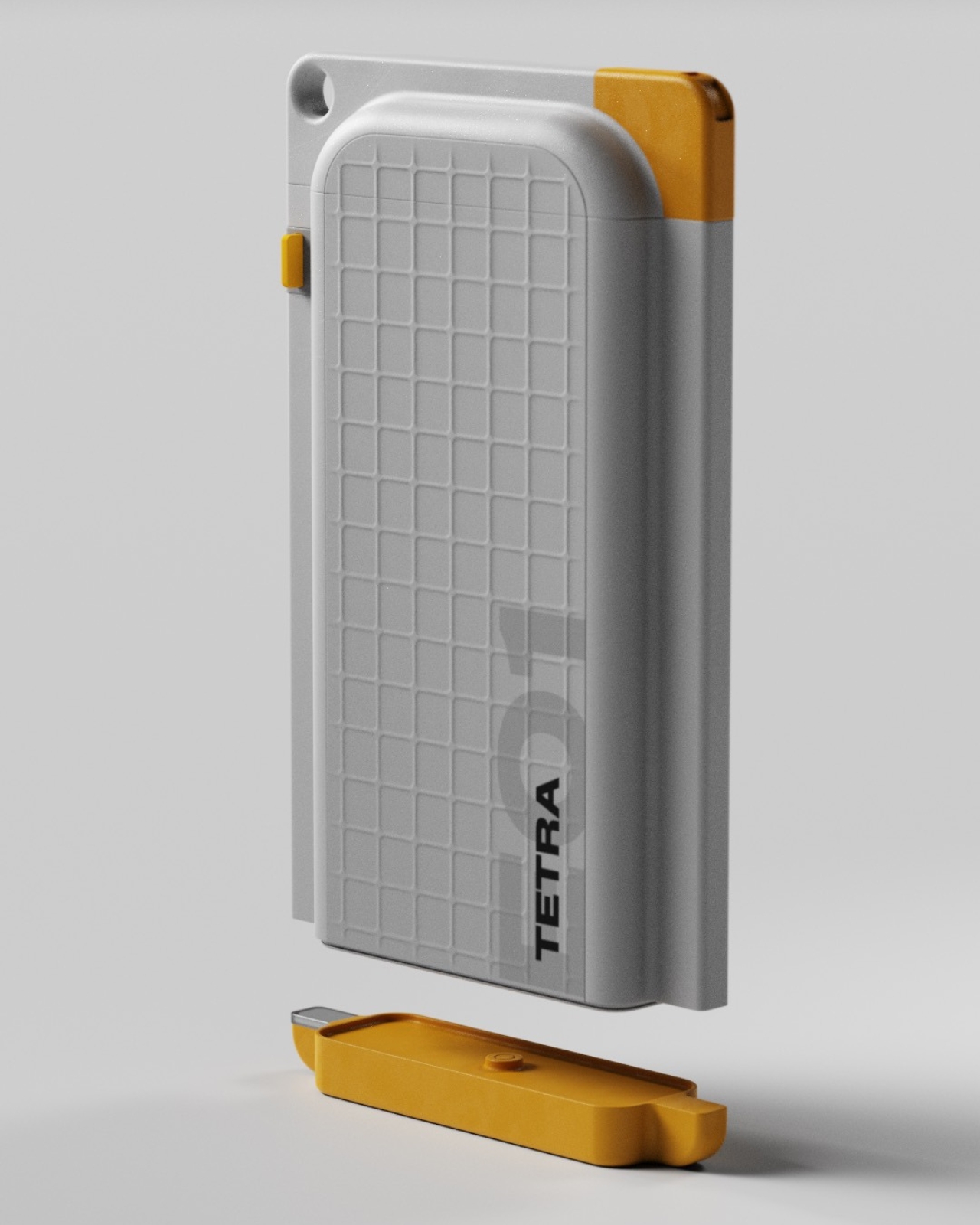
There’s something satisfying about products that do more with less. You know the feeling: when you discover a gadget that’s been cleverly engineered to solve multiple problems without adding bulk to your life. Tetra, a new travel bottle concept by designer Amal SS, nails that sweet spot between everyday practicality and outdoor functionality in a way that actually makes sense.
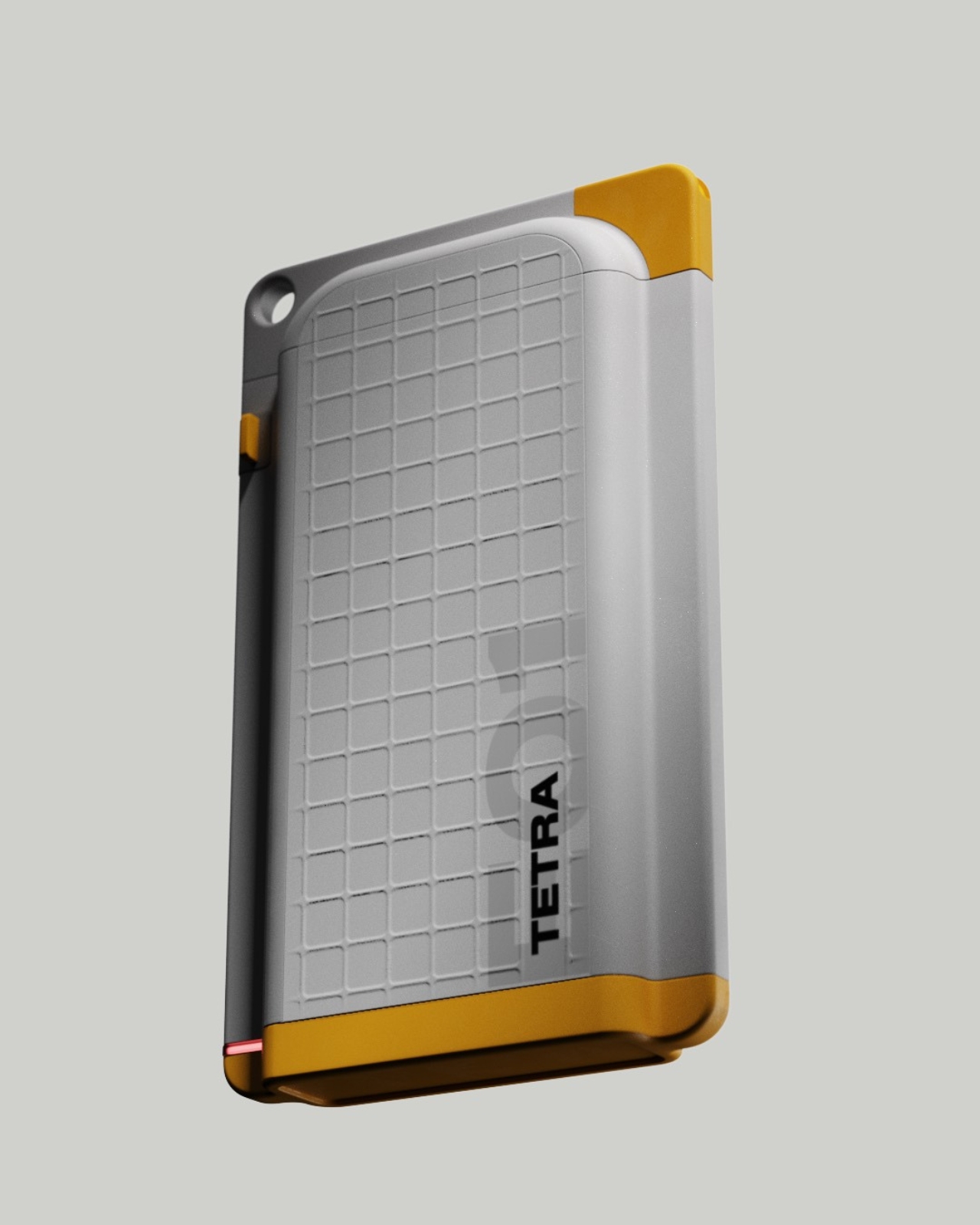
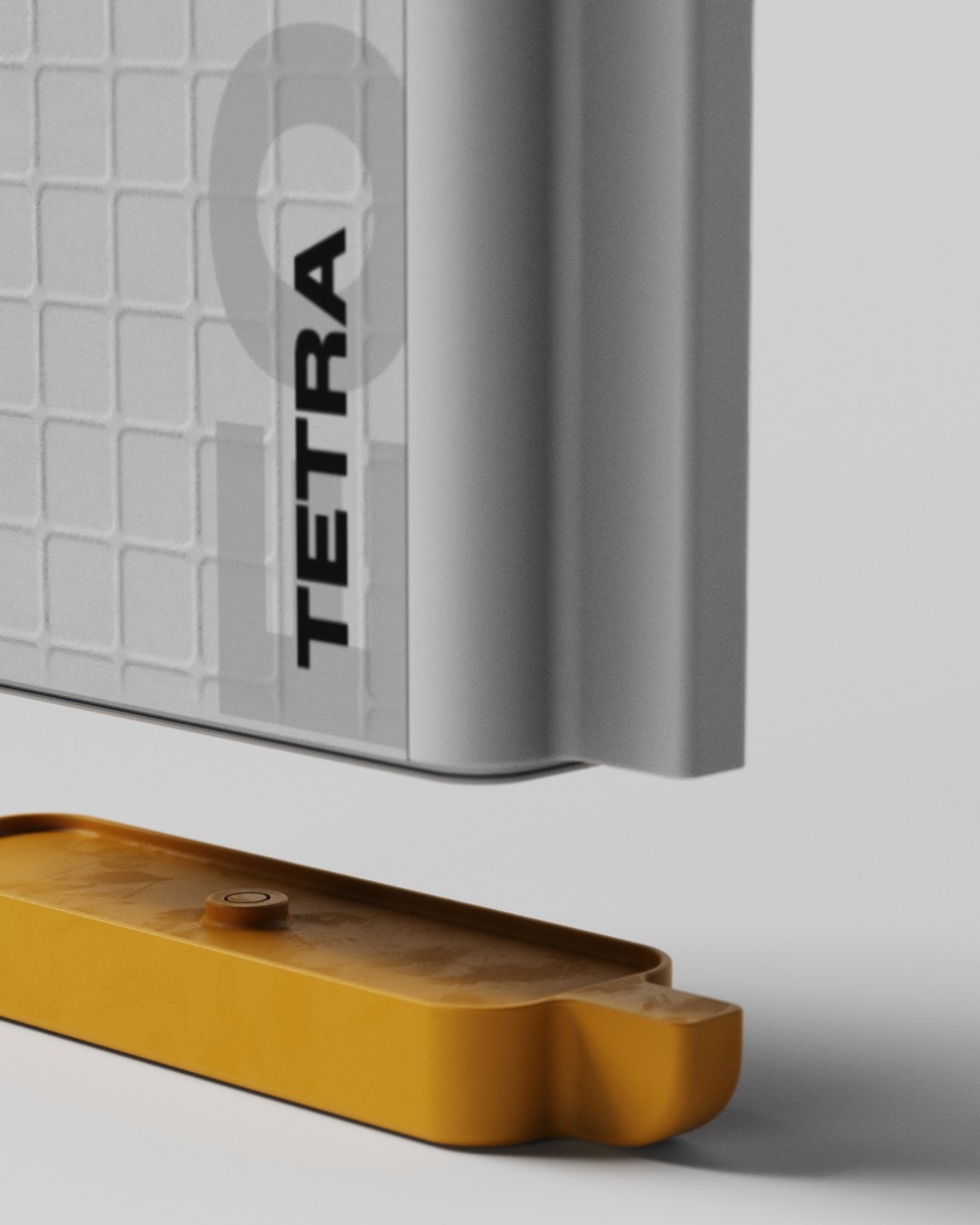
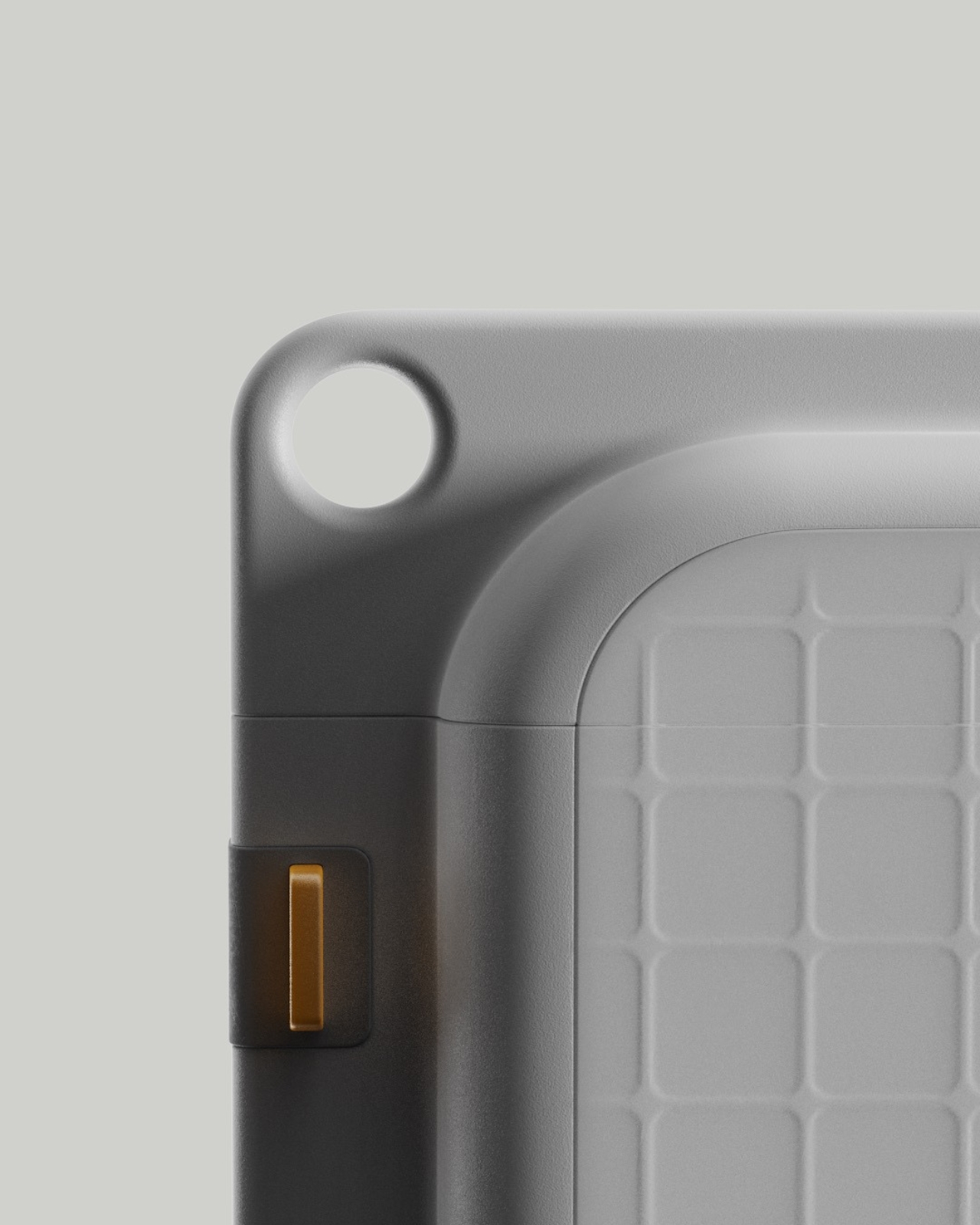
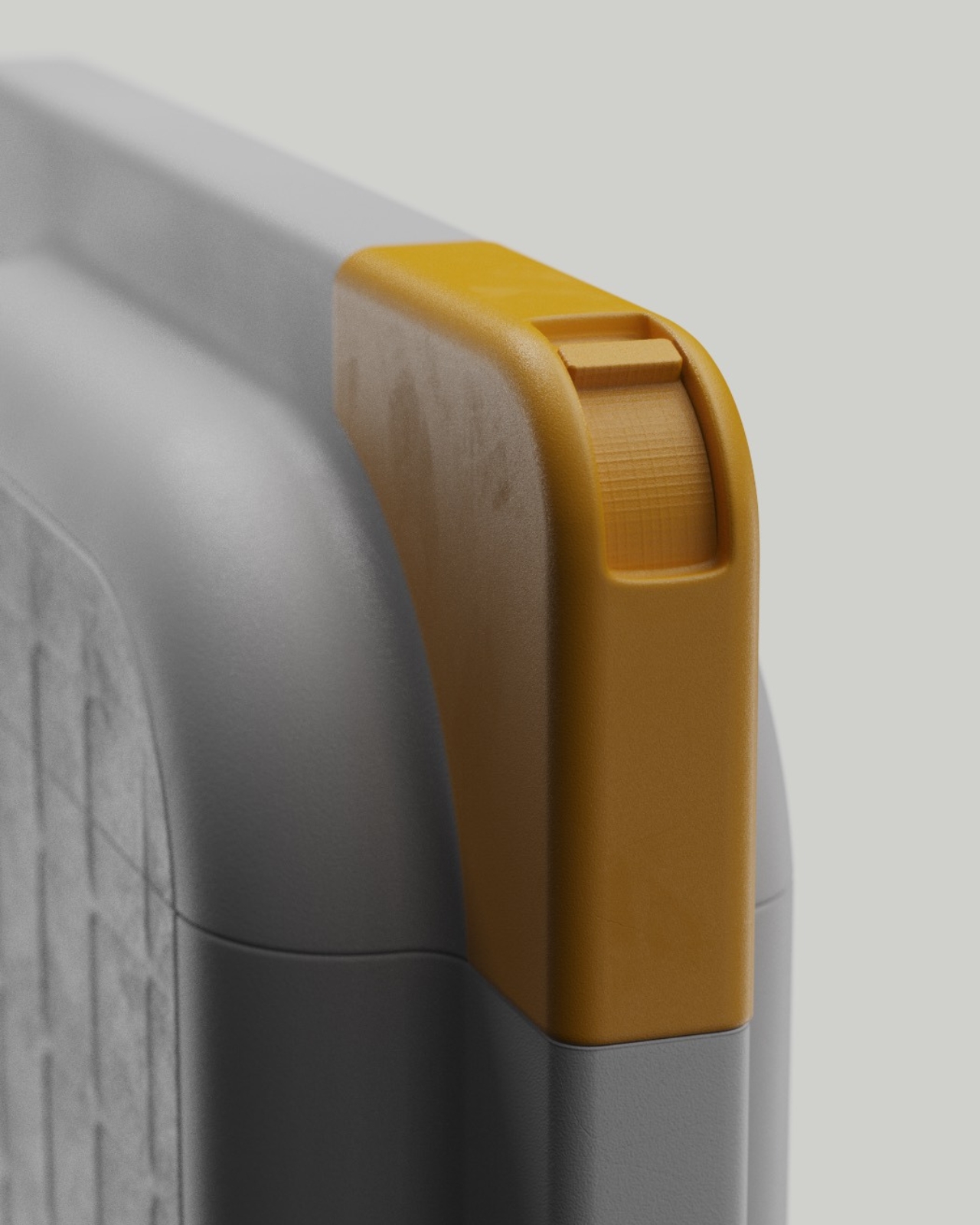
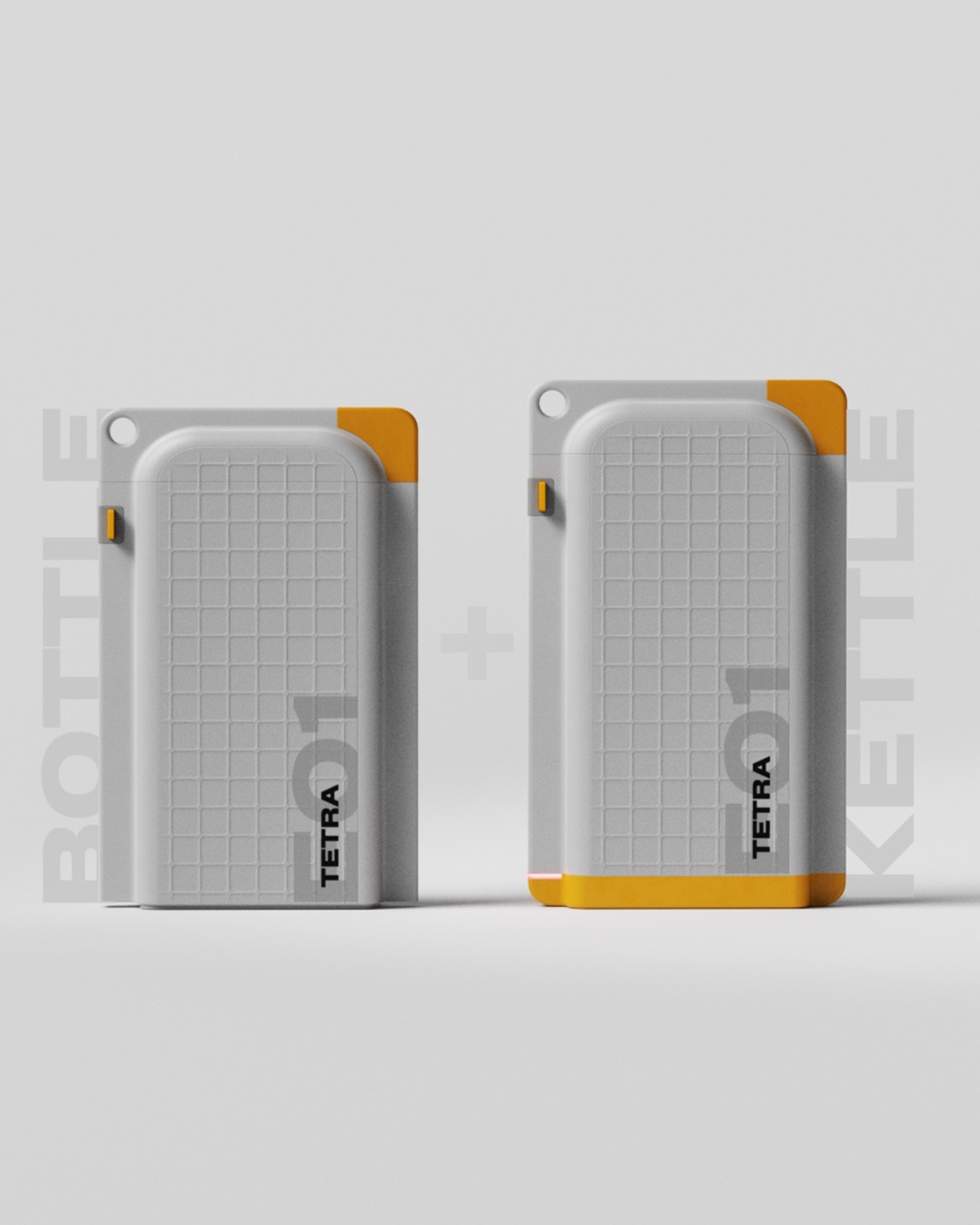
At first glance, Tetra looks like a streamlined water bottle dressed in a minimalist gray shell with sunny yellow corner accents. It’s flat, roughly the size of an A5 notebook, which immediately tells you someone thought hard about how this would actually fit in a backpack. But here’s where it gets interesting: that yellow base section? It’s not just decorative. It’s a detachable heating deck that transforms your water bottle into a portable kettle when you need it.
Designer: Amal SS
The modular approach is what sets Tetra apart from the crowded field of travel bottles trying to be all things at once. Instead of permanently integrating heating elements that add weight and complexity to something you might carry daily, Amal SS separated the functions. Need just a water bottle for your commute or gym session? Leave the Thermo-Deck at home and travel light. Heading into the wilderness for a camping trip? Snap it on and you’ve got hot water capability wherever you land.
This kind of thinking feels refreshingly practical in a world where most products seem designed to cram in every possible feature whether you need them or not. The architecture here respects how people actually use things. Your daily hydration needs don’t require heating functionality, so why carry that extra weight around? But when you’re watching the sunrise from a mountaintop or setting up camp after a long hike, having the ability to heat water for coffee or tea without packing separate equipment becomes genuinely valuable.
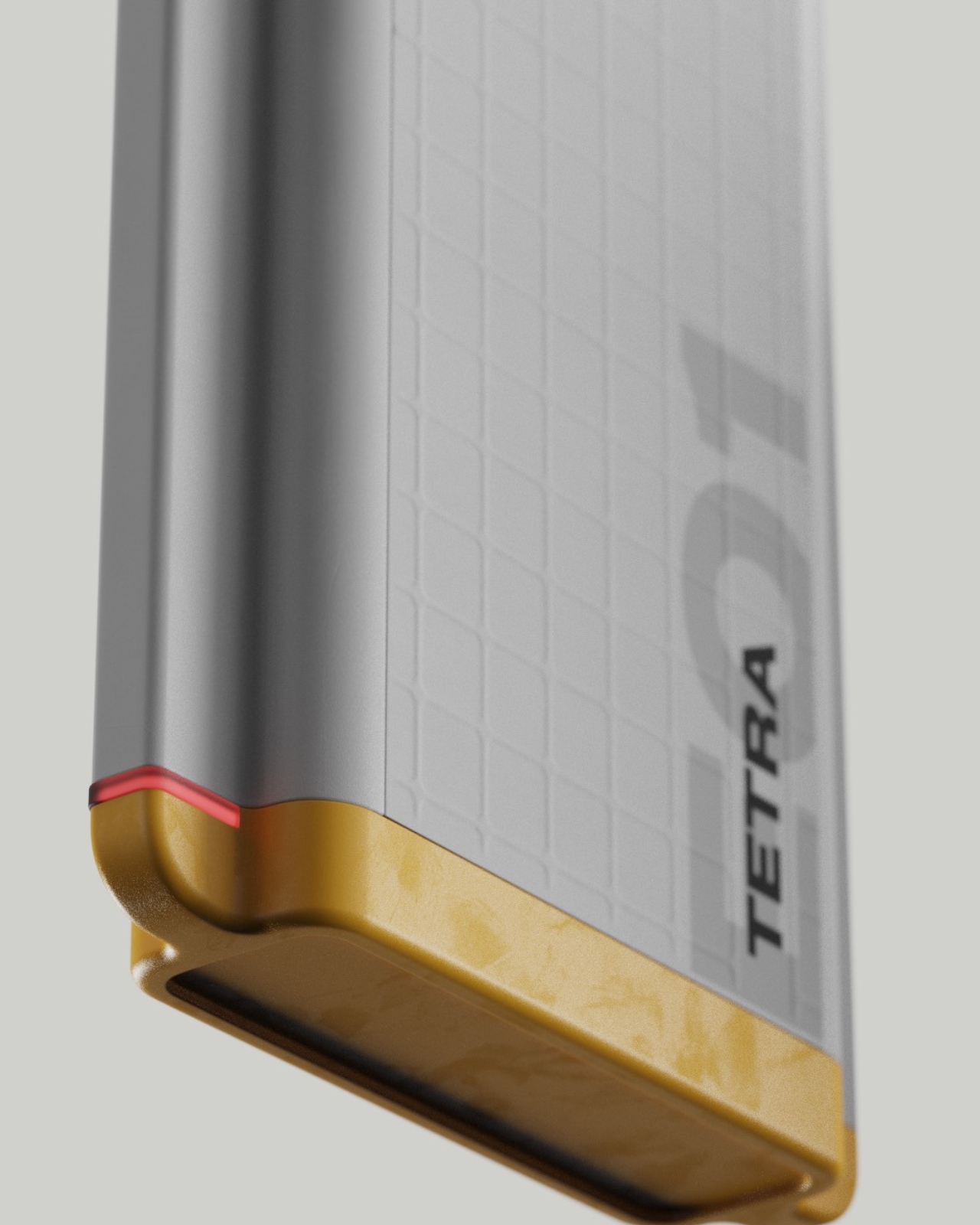
The design language speaks to durability and thoughtful interaction. Those yellow corner guards aren’t just visual punctuation, they’re protective reinforcement for the spots most likely to take impact when you inevitably drop this thing on a rocky trail or concrete floor. The recessed grip grid textured across the surface gives your hands something to hold onto, even when wet or wearing gloves. Every detail seems considered from the perspective of actual use rather than pure aesthetics, though the clean lines and confident color blocking certainly don’t hurt.
What really catches the eye is how Tetra manages to look tech-forward without screaming “gadget.” The flat profile feels almost architectural, like something that could live comfortably in a design studio or strapped to a hiking pack with equal credibility. The proportions are balanced, the material transitions feel intentional, and those yellow accents provide just enough visual interest without tipping into gimmicky territory.
The A5 form factor deserves special mention because it solves a genuine packing problem. Cylindrical bottles, no matter how well-designed, create awkward gaps and wasted space in bags. A flat profile nestles against laptops, books, and clothing layers much more efficiently. For anyone who’s played Tetris with their backpack contents before a trip, this thoughtful approach to dimensionality will resonate immediately.
There’s also something appealing about products that acknowledge different contexts of use. Tetra doesn’t pretend you’ll need a kettle function at your desk job, and it doesn’t force you to commit to carrying unnecessary weight just to have that option available. The snap-on, snap-off modularity respects your intelligence as a user and trusts you to configure the tool for your actual needs. This kind of flexible functionality reflects a broader shift in how we think about everyday carry items. The best products increasingly recognize that our days aren’t one-size-fits-all, and neither should our gear be. Something that works for Monday’s office routine might need different capabilities for Saturday’s mountain trail. Tetra’s modular design bridges that gap without compromise.
Whether you’re a design enthusiast who appreciates thoughtful industrial solutions, a tech person drawn to smart functionality, or an outdoor adventurer tired of juggling multiple pieces of equipment, Tetra presents an intriguing answer to the eternal question: how do we carry less while being prepared for more? Sometimes the smartest design move isn’t adding another feature. It’s knowing exactly which features to make optional.
The contrast could hardly be more striking. Traditional gondolas drift past weathered Venetian buildings while the Hermes Yacht commands attention with its angular, contemporary form. Paolo Demel designed this concept vessel to embody what he calls “futuristic elegance,” a concept that bridges luxury marine craft with the precision and artistry of high fashion design.
Measuring 49 feet in length, Hermes combines lightweight fiberglass and aluminum with sustainable materials, proving that environmental consciousness and aesthetic ambition can strengthen rather than limit design possibilities. The yacht’s retractable systems transform it from docked mode to cruising configuration, while enhanced hydrodynamics improve both speed and fuel efficiency. From its inception in Milan through final development in Venice, this project spent eighteen months evolving into an award-winning example of how modern yacht design can honor craftsmanship while embracing innovation and responsible material choices.
Designer: Paolo Demel
Paolo Demel spent 18 months developing the Hermes Yacht concept between Milan and Venice, and the work shows in how thoroughly considered everything appears. The proposed 49-foot hull would use fiberglass and aluminum to keep weight down while maintaining structural integrity, which directly improves fuel efficiency through basic physics. Less mass means less energy required to push through water at speed. The glass canopy wrapping around the cabin does double duty, flooding the interior with natural light while creating that visual continuity between inside and outside spaces. Those bronze-toned panels along the flanks have a textured, almost perforated appearance that adds depth without looking overwrought. Demel pulled inspiration from fashion rather than other yacht designers, studying how haute couture handles material combinations and surface finishes.
The dimensions spec out at 49 feet long, 14.5 feet wide, and 9.5 feet tall, landing in that middle range where you have actual interior volume but can still maneuver through tighter waterways. Visualizing this concept in Venice’s canals probably shaped some of these decisions, since those narrow passages force you to think about turning radius and sight lines differently than open water would. The knife-edge bow cuts drag, which would show up in improved top speeds and better fuel economy with the same powerplant. You see this kind of aerodynamic thinking in automotive design constantly, and it translates well to marine applications where you’re fighting fluid resistance constantly.
Demel designed retractable systems for the keel and sails, letting the yacht physically reconfigure between docked and cruising modes. Most vessels compromise with a fixed setup that works okay in both scenarios but excels in neither. Shallow draft when docked makes berthing easier. Deeper keel and larger sail surfaces when cruising improve stability and performance. The mechanical complexity of moving parts would introduce maintenance considerations, but the operational flexibility seems worth that tradeoff if anyone actually produces this design. CNC machining would handle precision components where tolerances matter, then hand finishing would take over for surfaces requiring human judgment. That hybrid manufacturing approach has become standard in high-end fabrication because automated and manual processes each handle what they do best.
Rendering a yacht in Venice carries obvious symbolic weight, placing futuristic design against Renaissance architecture. Demel understood that contrast when choosing where to visualize Hermes. The juxtaposition works because the yacht holds its own visually without trying to blend in or apologize for looking different. Those bronze panels catch light differently depending on angle and time of day, creating visual interest that static renders can only hint at. Whether anyone builds this remains to be seen, but as a design exercise it demonstrates how cross-pollinating ideas from fashion into marine design produces results that feel fresh in a category that tends toward conservative iterations on established themes.
‘Tis the season for gift-giving, family feasts and companies turning their harvested user data into lighthearted recaps. Valve's take on the year-end rewind, Steam Replay, is now available. It follows similar offerings from Spotify, Apple Music, PlayStation and, increasingly, just about every service you use. Hell, even Uber and The New York Times somehow justified getting in on the action this year.
This is the fourth edition of Valve’s wrap-up, which looks back on the titles you spent the most time with in 2025. You’ll find your top games, the number of titles you played, achievements unlocked and longest streaks. You can see how your habits break down by genre, Steam Deck use and whether they're new releases, recent or classic games. Monthly breakdowns and the percentage of time played (by title) are also included.
The review compares your stats to the average Steam user. For example, I played 28 games this year; the Steam median is only four. My longest play streak was 15 days; the median is six. I’m only an intermittent gamer, so people who barely play at all are clearly weighing down the averages.
You can check out your Steam Replay 2025 by heading to the website and logging in.
This article originally appeared on Engadget at https://www.engadget.com/gaming/pc/steam-replay-2025-is-here-to-recap-your-pc-gaming-habits-205430951.html?src=rss
As part of its last Xbox-focused software update of the year, Microsoft is improving the Bluetooth performance of the Xbox Wireless Headset to make it work even better with Windows 11. Microsoft released the latest Wireless Headset as an accessory for Xbox Series X/S and PC, but as of this update, Xbox Wireless Headset owners on Windows will now have a leg up on their console counterparts thanks to support for Bluetooth Low Energy (LE) Audio.
Microsoft says that supporting Bluetooth LE Audio will let the headset offer lower latency audio, better battery life, richer stereo sound and the ability to share audio across multiple compatible Bluetooth accessories at the same time. Not revolutionary updates, but still nice to have if you bought a $110 Xbox Wireless Headset back in 2024. Provided you're running the latest version of Windows 11 and your device supports Bluetooth LE, Microsoft says you can take advantage of the improvements by updating your headset in the Xbox Accessories app.
If you're a regular user of the Xbox mobile app, Microsoft is also making some changes there. After adding the ability to purchase Xbox games directly from the app in April — a feature made possible after Google and Apple were forced to change the rules of their app stores — Microsoft is now adding a dedicated Store tab to the app. You'll also be able to add games to your wishlist and search for add-ons and DLC directly in the app.
Microsoft ending the year with Windows and mobile app updates reflects the ways the company's gaming strategy has changed in 2025. After spending decades positioning itself as a console maker, Microsoft is seemingly making Xbox software its main focus going forward.
This article originally appeared on Engadget at https://www.engadget.com/gaming/xbox/the-last-xbox-update-of-2025-includes-a-handy-wireless-headset-upgrade-204500386.html?src=rss
The New York Times is getting in on the year-end roundup bandwagon. The publication's new Year in Games wraps up stats about which of its daily puzzles and brain-teasers readers played over the course of 2025. People can get their own personalized reports, or just look over the community stats for the Wordle, Connections, Spelling Bee and Strands games. The Year in Games reviews are available on the iOS and Android apps for The New York Times, as well as on a dedicated mobile web page.
Annual analysis of all your activities has become a common feature for lots of services. Reports like Spotify Wrapped or the other many entertainment-related ones are usually a fun time, with splashy graphics and high shareability. Uber feels like an odder match.
This article originally appeared on Engadget at https://www.engadget.com/gaming/nyt-games-has-a-year-in-review-thing-now-too-203000878.html?src=rss
Cory Doctorow coined the term “enshittification” to describe how internet platforms inevitably decay, prioritizing advertisers and shareholders over users who made them successful in the first place. What begins as a useful service gradually transforms into an advertising delivery system wrapped around minimal functionality. Websites that once loaded instantly now take seconds to render as they auction off your attention to the highest bidder. Social media feeds become algorithmic nightmares designed to maximize engagement with sponsored content rather than connections with actual people. This isn’t accidental degradation but a deliberate business model that treats users as products to be packaged and sold.
Fighting back against enshittification requires taking control of your own infrastructure rather than hoping platforms will respect your time and privacy. The Raspberry Pi Zero 2W running Pi-hole software represents a practical form of digital self-defense that costs less than $30 and works continuously in the background. This tiny computer sits on your home network and blocks advertising domains before they reach your devices, creating a cleaner internet experience across phones, tablets, computers, and smart TVs simultaneously. Adding Tailscale extends this protection beyond your home, ensuring that your browsing remains uncluttered whether you’re traveling or working remotely. The setup takes an evening and requires no programming expertise, just a willingness to reclaim your digital experience from platforms that have forgotten who they’re supposed to serve.
Designer: Enrique Neyra
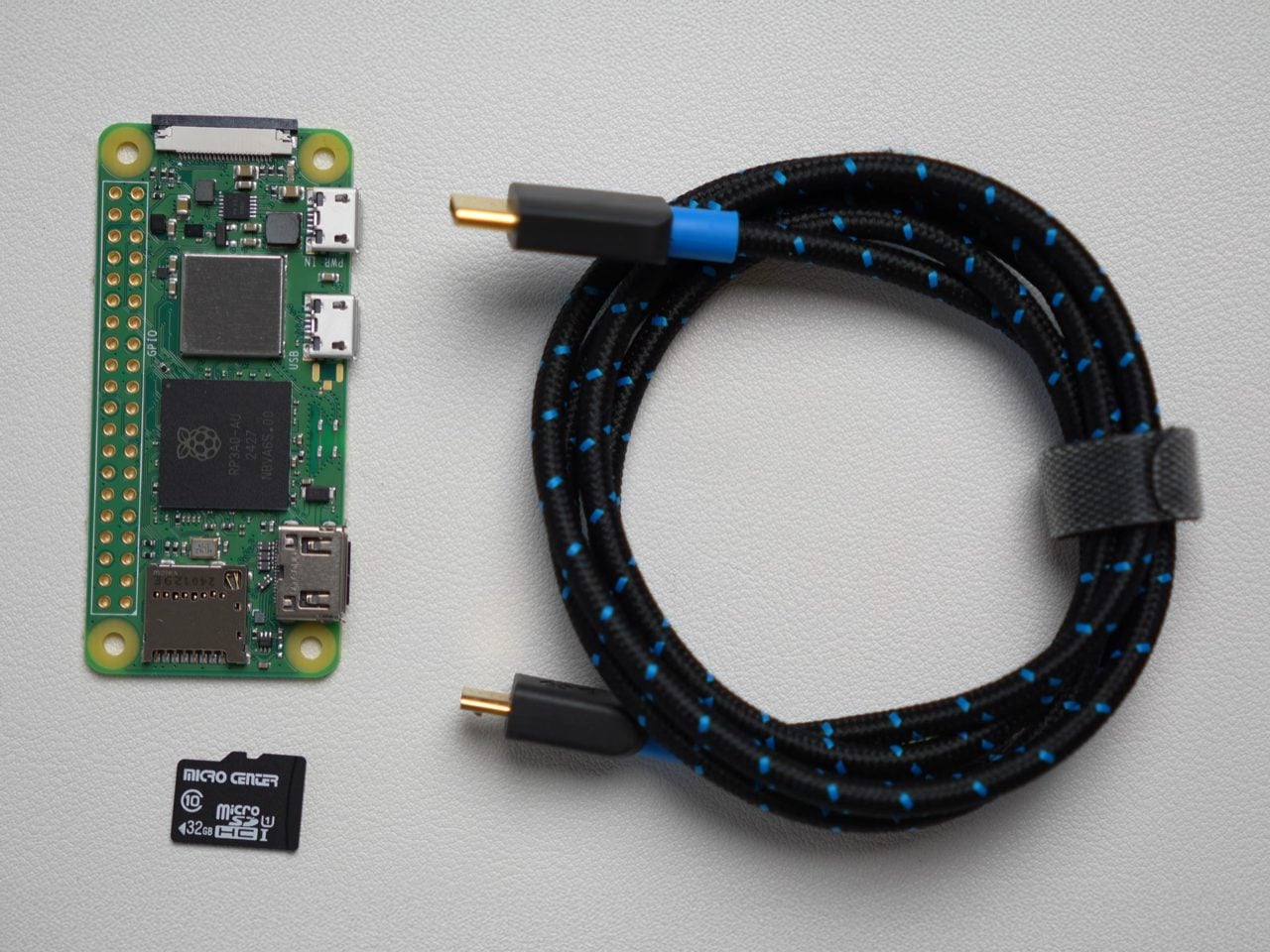
You’d expect an ad-blocker to be substantial on either the hardware or the software front, but this build proves just how small, easy, and cheap everything is. The Raspberry Pi Zero 2W running this entire thing measures 65mm by 30mm, smaller than most people’s wallets, drawing about 2 watts when it’s actually working. You could run this thing 24/7 for a year and spend less on electricity than a single trip to Starbucks. The whole shopping list is stupidly cheap too: the Pi itself runs $15, throw in an 8 dollar micro SD card and whatever USB cable you’ve got rattling around in a drawer. Thirty bucks max, and suddenly you’ve got hardware that can filter ads for every single device in your house.
The Pi runs headless, meaning no monitor, no keyboard, just sitting there quietly doing DNS work in the background. You flash Raspberry Pi OS Light onto the SD card using their imaging tool, which strips out all the desktop environment bloat since you’ll never actually see a screen. During setup you punch in your WiFi credentials, enable SSH so you can talk to it remotely, and give it a hostname. Three minutes later the OS is ready and you’re plugging the card into the Pi. Boot it up, SSH in from your laptop, and you’re looking at a command prompt on a computer the size of a pack of gum.
Pi-hole (an open-source software that blocks ads across the entire network) installs with one command. Literally paste it into the terminal and the script handles everything, walking you through prompts about which DNS provider you want upstream and whether you want query logging enabled. You absolutely want the web admin interface because that’s where you’ll watch the magic happen in real time. The trickier bit is the static IP assignment, which sounds intimidating but really just means logging into your router and clicking a button that says “reserve this IP for this device.” Most modern routers make this dead simple. ISPs like Spectrum have apps where you just scroll through connected devices, find your Pi, and hit reserve. Done.
Once the Pi has its permanent address, you point your router’s DNS settings at it instead of whatever your ISP provides by default. Every device on your network now funnels DNS requests through Pi-hole before connecting to anything. Pi-hole maintains these massive blocklists of known advertising and tracking domains, thousands of entries that get updated regularly. Your phone tries to load an ad from doubleclick.net? Blocked. Facebook wants to ping its analytics server? Blocked. The actual content you’re trying to see loads normally while all the parasitic garbage just vanishes. The Pi-hole dashboard shows you this happening in real time, queries flying in and getting either allowed or blocked based on the lists.
The really clever part is Tailscale, which turns your home setup into something you can use anywhere. Tailscale creates this encrypted mesh network between all your devices using WireGuard under the hood, and it’s shockingly easy to configure. Install it on the Pi with another single command, authenticate through their web console by clicking a link, and boom, your Pi appears in the Tailscale admin panel. Then you tell Tailscale to use your Pi’s IP as the DNS server for everything connected to your account. Now your laptop routes through your home Pi-hole whether you’re at a coffee shop in Brooklyn or an airport in Singapore. The VPN overhead adds maybe 10 milliseconds, completely imperceptible during actual browsing.
What you get is immediate and obvious. News sites that normally assault you with autoplaying video ads and popup overlays suddenly render clean. Mobile apps stop shoving interstitials between every interaction. Your smart TV’s interface becomes less cluttered with sponsored content tiles. Pi-hole typically blocks 20 to 30 percent of all DNS queries, which translates directly into faster page loads because your devices skip downloading megabytes of ad scripts and tracking pixels. Battery life improves on phones and laptops since they’re not constantly rendering and refreshing ad content in the background. The internet feels faster because it actually is faster when you’re not waiting for seventeen different ad networks to respond.
Now, the limitations. DNS blocking works great until it doesn’t, and the main place it fails is when ads come from the same domain as the content you want. YouTube is the classic example because Google serves ads from youtube.com subdomains that the platform needs for actual video playback. Block those domains and you break the whole site. Some news organizations have gotten smarter about this too, serving ads from their own CDNs to sidestep DNS filters. You’re looking at maybe 95 percent effectiveness across the broader web, which is substantial but leaves gaps. For the stubborn stuff you still need browser extensions (or use the Brave browser that even blocks YouTube ads) or just simply accept some ads will slip through. If you’ve reached this far, the latter clearly sounds like it isn’t an option.
The other consideration is dependency. If your home internet goes down and you’re traveling somewhere relying on Tailscale to route back through your Pi-hole, you lose DNS resolution entirely. You can mitigate this by configuring a secondary DNS server like Google’s 8.8.8.8 as a fallback, though that partially defeats the privacy angle. Some people solve this by running Pi-hole in the cloud on something like Google Cloud’s free tier, which gives you better uptime but requires more sophisticated networking to avoid creating an open DNS resolver that attackers can hijack for DDoS amplification. That’s a whole different level of complexity that I’m frankly not equipped to even explain.
The upside, even with this regular build, is massive. For thirty bucks and an evening of tinkering, you get network-wide ad blocking that follows you everywhere and works on every device you own without individual configuration. That’s precisely the practical digital self-defense Doctorow addresses about when he describes taking back control from platforms designed to extract value rather than provide it. The web becomes usable again, and I know that shouldn’t sound like a massive deal… but honestly, after seeing ads in Google, Gmail, Instagram, YouTube, Uber, heck, even ChatGPT, it kinda does feel game-changing.
Behold: Ken Paxton will now demonstrate that broken clocks are indeed right twice a day. The Texas Attorney General is notorious for, well, a very long list of reasons. But in this case, he at least appears to be doing consumers a solid: He sued five television companies for using ad-targeting spyware on their TVs.
Texas sued Sony, Samsung, LG, Hisense and TCL for allegedly recording what viewers watch without their consent. The predatory technology, Automated Content Recognition (ACR), identifies the content being played on a device by matching short content fingerprints to a database.
ACR is essentially a Shazam for video. Except in this case, its sole purpose is to target your viewing habits to help line advertisers' pockets. "This software can capture screenshots of a user's television display every 500 milliseconds, monitor viewing activity in real time and transmit that information back to the company without the user's knowledge or consent," Paxton's press release says.
An LG Ad Solutions website boasts how ACR helps advertisers "target by content viewership, including show, network, app, service or genre." Since it works with anything running on the device, it can identify purchases and subscriptions, track gamers' habits and pinpoint users by region, city or zip code.
There should be a setting on your TV to turn it off. But, as Texas' lawsuit against LG notes, TV software often "deceptively guides consumers to activate ACR and buries any explanation of what that means in dense legal jargon that few will read or understand."
Paxton's press release emphasized Hisense and TCL's home base of China. "These Chinese ties pose serious concerns about consumer data harvesting and are exacerbated by China's National Security Law, which gives its government the capability to get its hands on US consumer data," the statement reads.
This article originally appeared on Engadget at https://www.engadget.com/cybersecurity/texas-sues-five-tv-manufacturers-over-predatory-ad-targeting-spyware-201500248.html?src=rss
Google's at it again, once more insisting that AI is something people need or want more of in their lives. The latest move comes from YouTube Gaming, which announced an open beta for a project called Playables Builder. This allows select YouTube Creators to use a "prototype web app built using Gemini 3" to make bite-sized games, no coding required.
YouTube is launching a closed Beta test for Playables Builder, a prototype web app built using Gemini 3 where users create games with short text, video or image prompts. we’ve partnered with YouTube Creators like @sambucha, @AyChristene, @goharsguide and @Mogswamp to start making… pic.twitter.com/1Gx0v4oZFA
YouTube was testing the addition of small-scale games to its desktop and mobile platforms back in 2023, then added multiplayer capability to Playables last year. Since AI is appearing all over Google-owned services, today's news probably shouldn't be a surprise.
The premise sounds similar to the Disco and GenTabs projects that Google Labs recently announced. They offer an AI layer to web browsing: provide a natural language input, get an interactive widget that does what you asked for. Despite my skeptical attitude toward AI, I can see those tools having some practical applications for search, where the goal is to aggregate whatever data you're looking for into a manageable, easy-to-read interface.
But a game is not simple. A good game takes what might be a simple idea and, with finesse and iteration and skill, transforms it into a genuinely fun experience. It's a cute parlor trick that AI assistants can help people to make stuff without technical knowledge, but there's a reason professional game devs work hard to amass all their know-how. Playables Builder is a peak example of misunderstanding what artificial intelligence is best at. Just because a chatbot can make a game doesn't mean anyone will enjoy playing it.
This article originally appeared on Engadget at https://www.engadget.com/ai/youtube-is-letting-creators-make-playable-games-with-a-gemini-3-tool-195500318.html?src=rss
If you're struggling to find your next binge-watch, you can't go wrong with anime. For the holidays, you can save on a Crunchyroll subscription, giving you access to its vast library of anime series to watch. Through December 29, you can sign up for an annual Fan subscription for $67, down from the usual $80, or a Mega Fan subscription for $100, down from $120.
While both the Fan and Mega Fan plans are ad-free, you do get some different benefits depending on which you decide to pay for. Fan subscribers get full access to Crunchyroll's library, new episodes "shortly after they air in Japan" and five percent off select purchases in the Crunchyroll Store. Mega Fan subscribers get all those benefits, plus the ability to stream on four devices at the same time, download HD quality episodes and movies to view offline, play games from the Crunchyroll Game Vault and receive 10 percent off select products in the Crunchyroll Store.
Notably missing from either subscription is access to Crunchyroll's new Manga service, but unless you're specifically looking for reading material, you'll get plenty of entertainment out of Crunchyroll's video library. Outside of Netflix, which produces and licenses its own growing collection of anime, Crunchyroll is the de facto place to watch Japanese animation in the US. You'll find long-running series like One Piece and newer hits like Spy X Family, alongside hundreds of more niche series.
Crunchyroll has its issues, of course. Since the streaming service was acquired by Sony, it's been particularly interested in using generative AI to subtitle shows, which has already produced poor results. It's hard to beat Crunchyroll's library, though, and for as little as $65, you'll get more than your money's worth.
Check out our coverage of the best streaming deals for more discounts, and follow @EngadgetDeals on X for the latest tech deals and buying advice.
This article originally appeared on Engadget at https://www.engadget.com/deals/save-on-crunchyroll-annual-subscriptions-this-holiday-season-194345431.html?src=rss