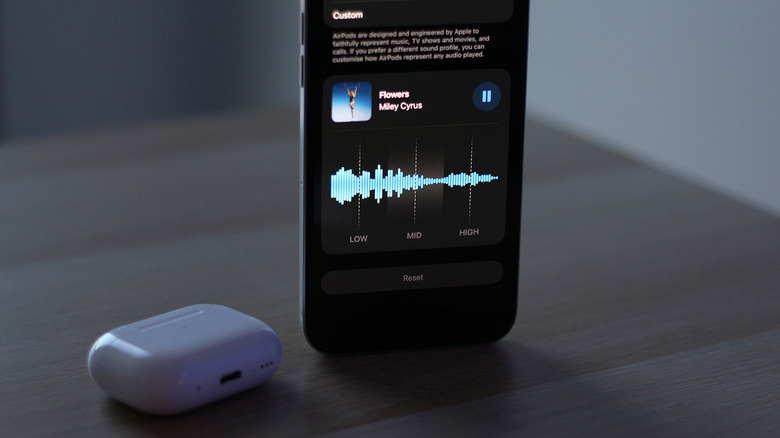
How to adjust the custom EQ settings for your AirPods in iOS 27
Everything you need to know about Apple's latest audio tool.

Your kid will own a Lamborghini roughly forty years before you do, and it will cost you $3,995 to make that happen. Silver Cross and Automobili Lamborghini just launched the Reef AL Giallo, a limited-run stroller finished in the yellow that made the Miura famous. Only 500 exist worldwide. Each one carries a numbered plaque in the footplate, the way limited-run supercars carry chassis numbers. It launched today, August 27, and it closes out a partnership that started with an orange version back in 2025.
Silver Cross has been building prams in Yorkshire since 1877, which makes it eleven years older than the internal combustion car business it just partnered with. The company was known for decades as the Rolls-Royce of prams, supplying George VI and the Queen Mother. Lamborghini was founded in 1963 by a tractor manufacturer with a grudge. Putting those two lineages on the same chassis should feel absurd. The odd thing is how carefully it has been done, right down to a debossed Y-pattern lifted from Lamborghini’s actual car interiors.
Designers: Silver Cross, Automobili Lamborghini

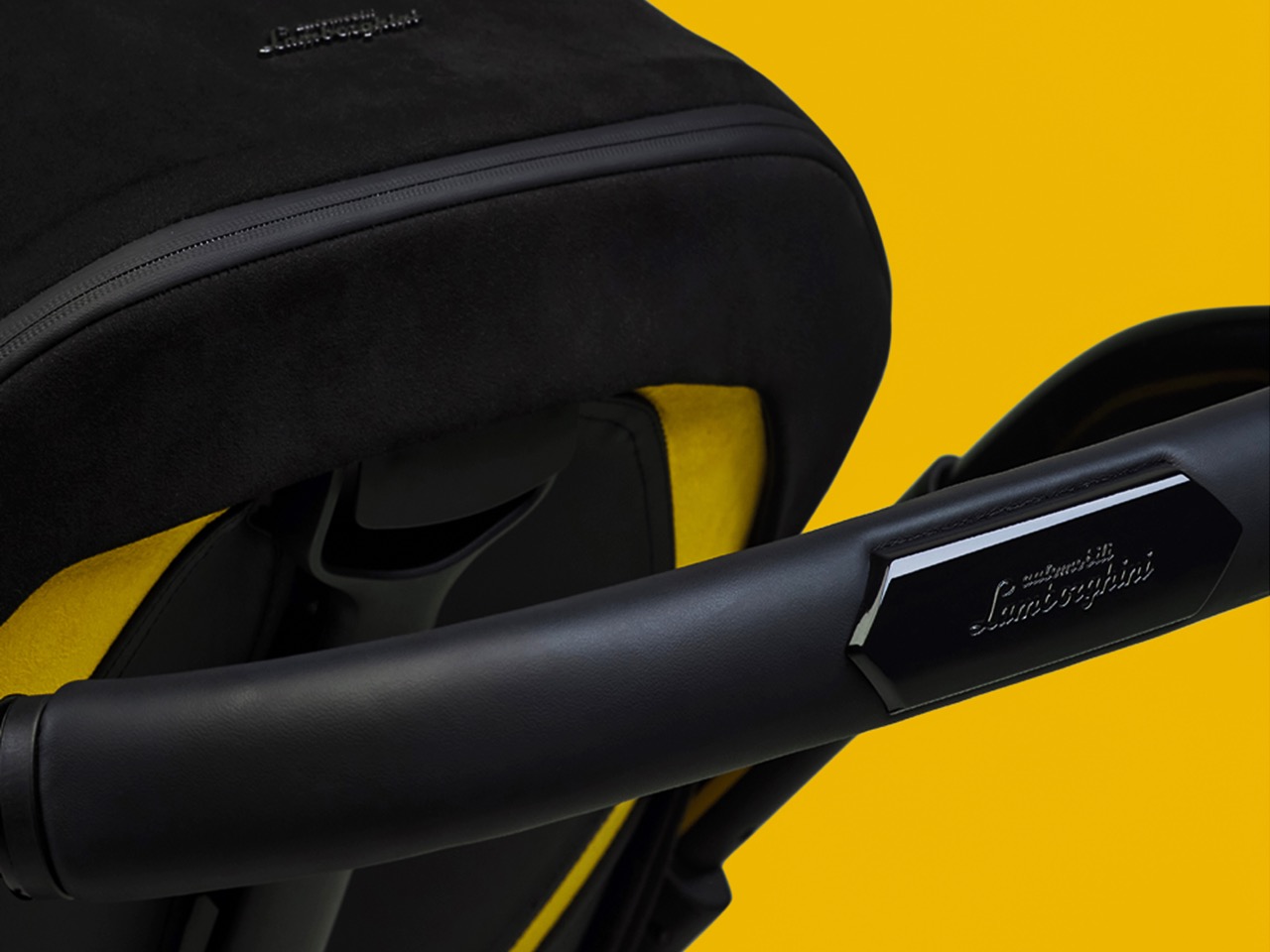
The carrycot is a high-gloss polycarbonate shell with integrated airflow, angled to echo the folded bonnet line of a supercar, and lined inside with automotive-grade suede. The pushchair seat pairs that suede with bamboo fibre and a multi-peak faceted hood. A genuine leather bumper bar wraps the front with embossed Lamborghini badging. The handlebar casting is finished by hand, and the brake pedal uses a step-on, step-off action designed not to scuff your shoes, which is the single most useful idea in the whole package. Even the storage basket gets origami-style folding so it holds its shape against the frame’s angles.

The hexagon and the Y have been Lamborghini’s structural grammar since Marcello Gandini started folding cars into wedges in the late sixties, and both show up in carbon weave, air intakes and seat stitching across the modern range. Silver Cross debossed the pattern rather than printing it. The colour strategy is similarly disciplined. Giallo (Italian for ‘yellow’) appears as piping, stitching, a harness liner and a wheel hub, while the body stays almost entirely black.
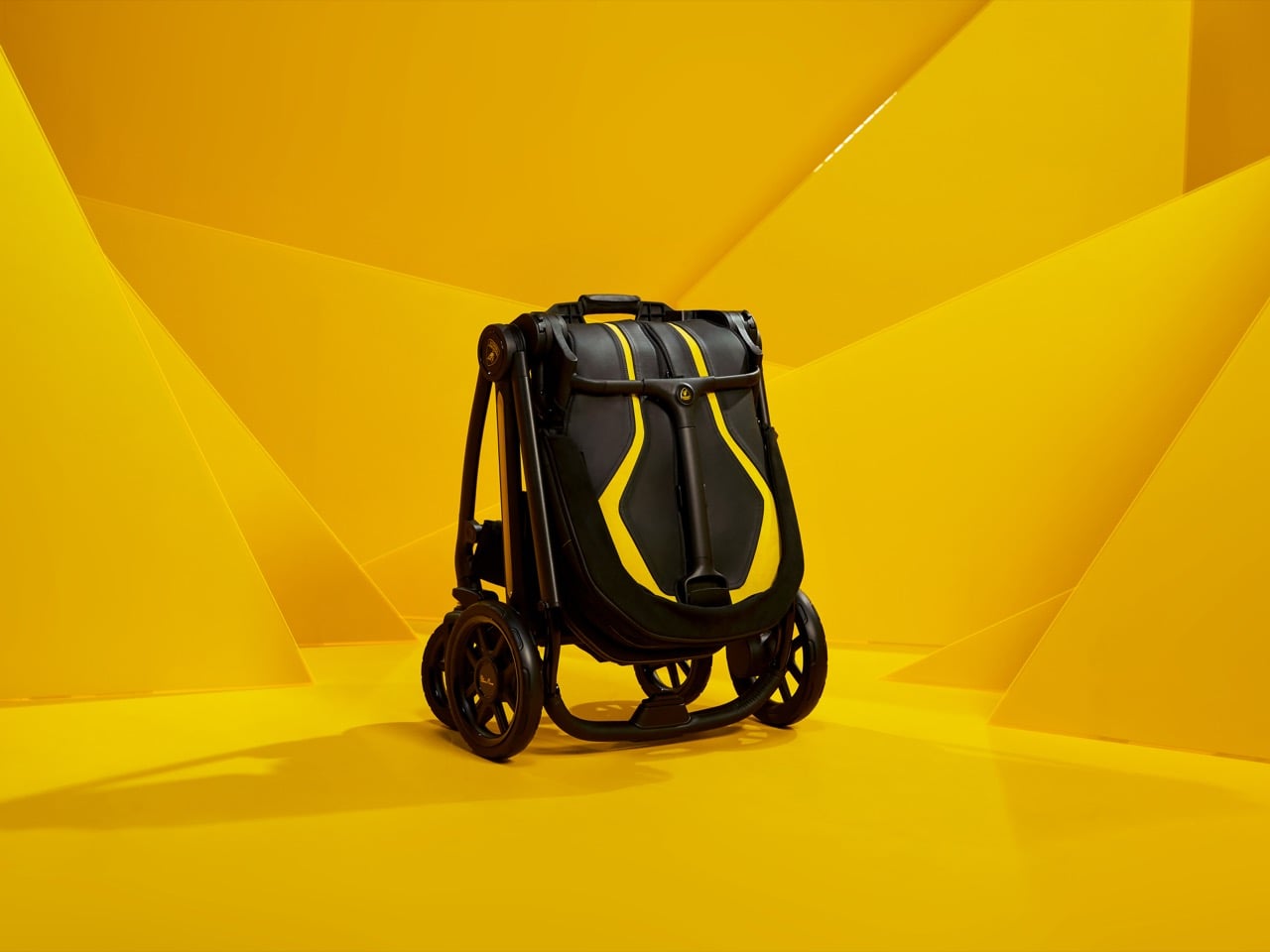
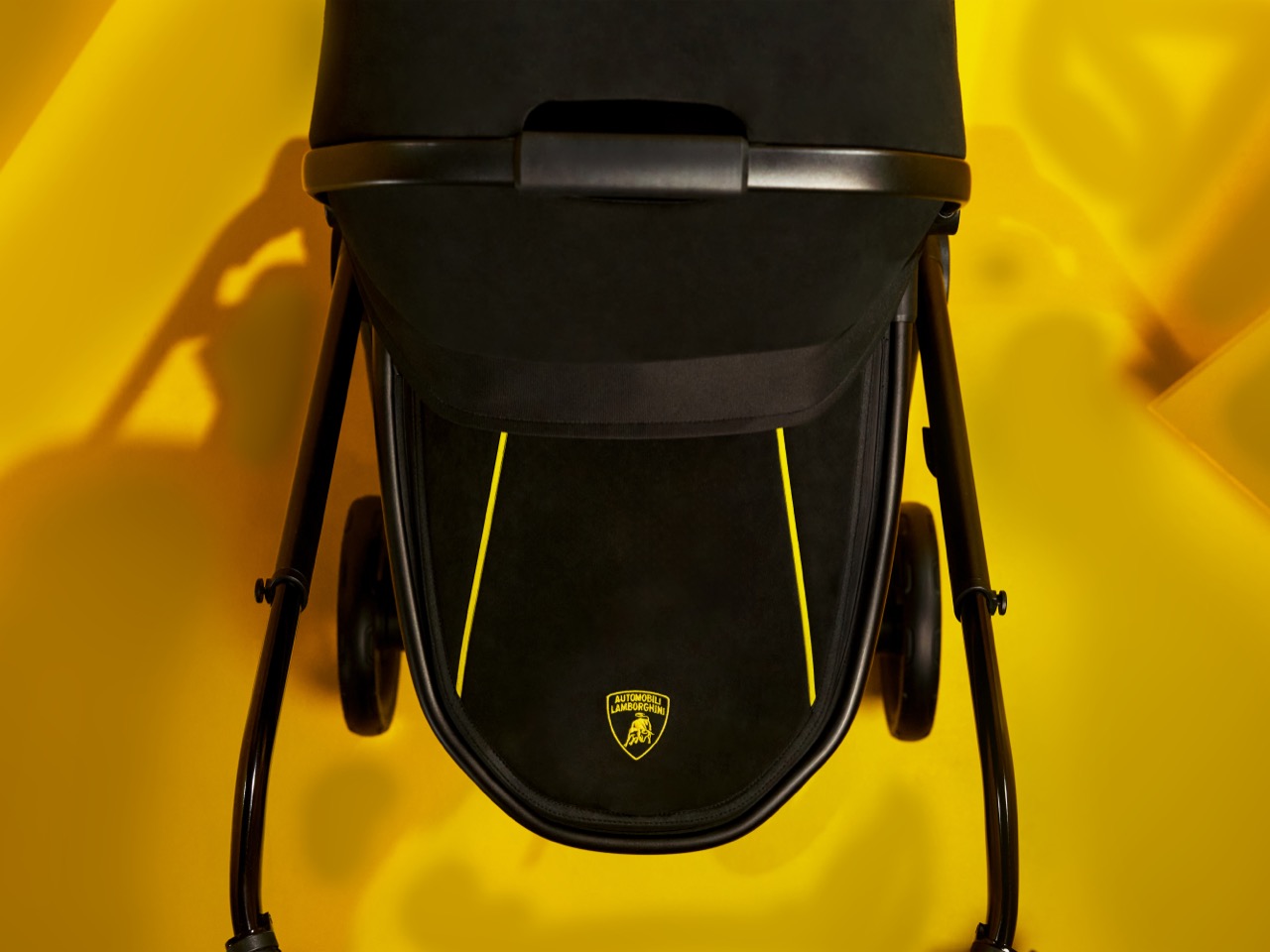
Now the maths. The Reef AL Giallo is built on the Reef 2, a Silver Cross stroller that normally sells between $999.99 and $1,299.99, so the $2,700 price bump accounts for the leather and suede, and that licensed logo. It also weighs 13.6kg, or about 30 lbs, which is double what a lot of parents lift into a car boot. A brand built on the pursuit of lightness has produced its heaviest possible interpretation of a pram. Folded, it measures L71 x W61 x H30.5cm, so boot space matters. Set against the Bentley Trike or Lamborghini’s licensed e-scooters, though, this is a far more serious object.
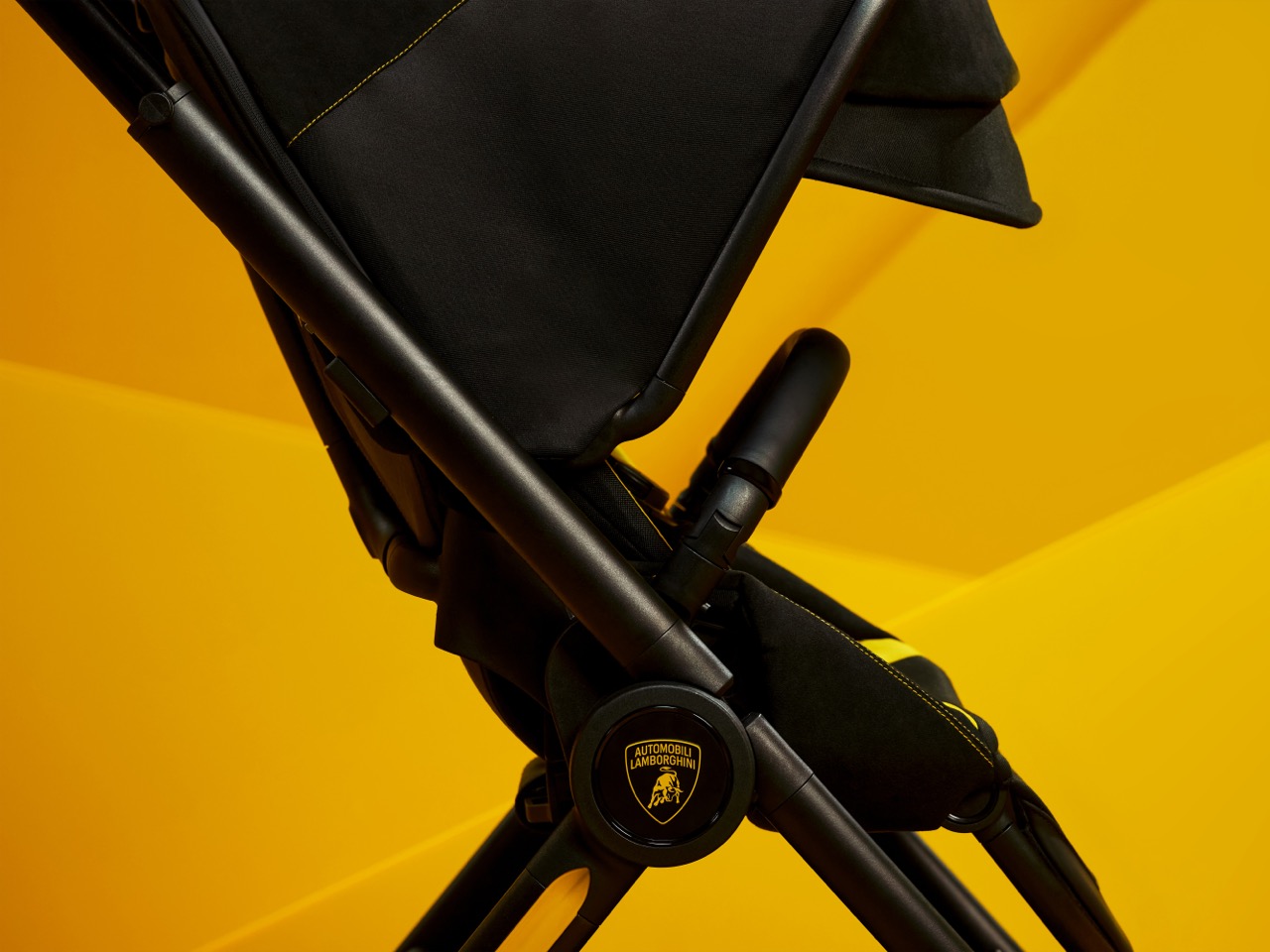
Silver Cross has announced this as the final edition, which is a scarcity mechanic as much as an editorial decision, and the resale market will treat it accordingly. Pair it with the orange Arancio we covered last year, and you have a matched set that some collector will absolutely chase. What sticks with me is the suspension. William Wilson’s 1877 breakthrough was spring suspension on a pram, and here those springs sit exposed on the chassis, sold as performance engineering. A 149-year-old British invention, wearing an Italian costume, and still doing its original job.
The post Your Child’s First Lambo Could Be This $3,995 Yellow Stroller – And It’s Rarer Than Most Supercars first appeared on Yanko Design.

The year 2026 marks a turning point toward carbon-positive luxury in the built environment. Industrial hemp emerges as a material of substance, redefining authenticity and permanence. Architecture evolves beyond efficiency, allowing buildings to participate in carbon sequestration and environmental restoration.
Applied across multiple layers of the home, hemp delivers value through longevity and resilience. The result is the biophilic cocoon, an architecture that feels inseparable from the landscape, shaped by a philosophy of quiet endurance and responsibility.
The residential envelope is evolving through hempcrete’s exceptional thermal efficiency. This monolithic bio-composite creates a breathable skin that naturally regulates humidity and temperature, reducing reliance on energy-intensive mechanical systems. The material is rooted in honesty, which is non-toxic, fire-resistant, and designed to age with quiet grace rather than decay.
The true return on investment lies in hempcrete’s ability to sequester carbon, locking CO₂ into the walls for generations. It forms a biophilic cocoon that supports physical comfort and mental well-being. In doing so, the built form engages seamlessly with the landscape, creating homes that endure as sustainable legacies instead of disposable structures.
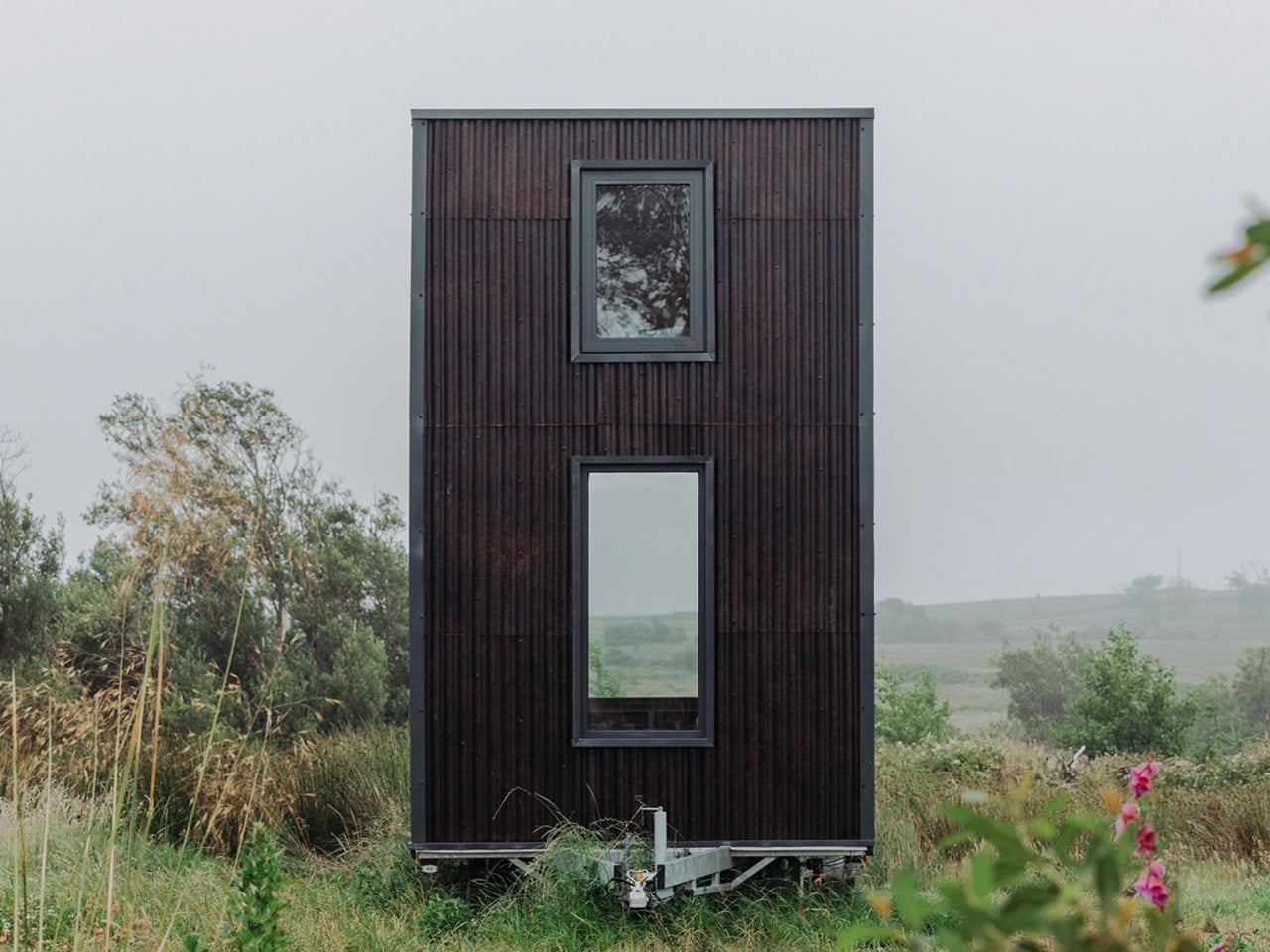
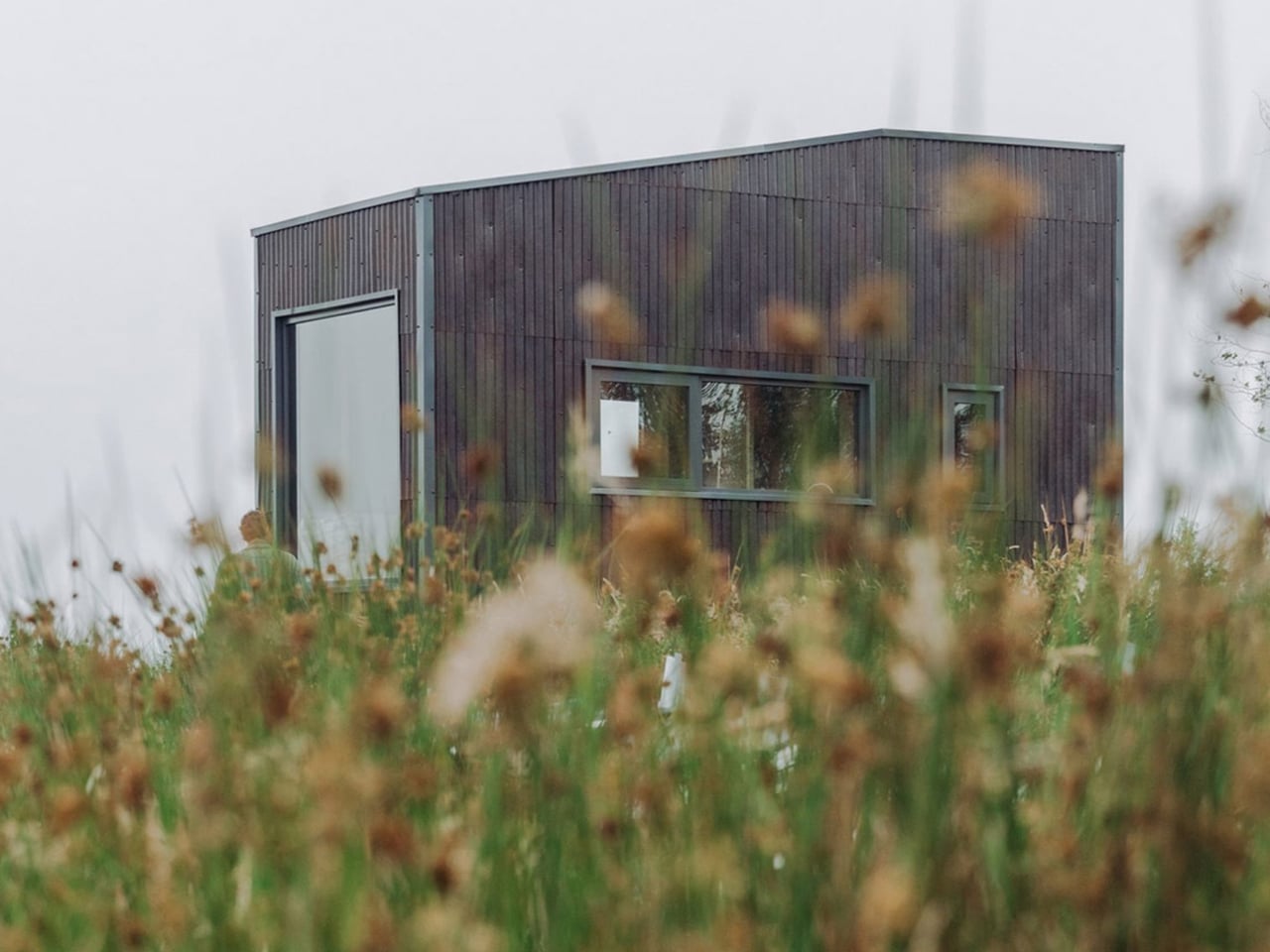
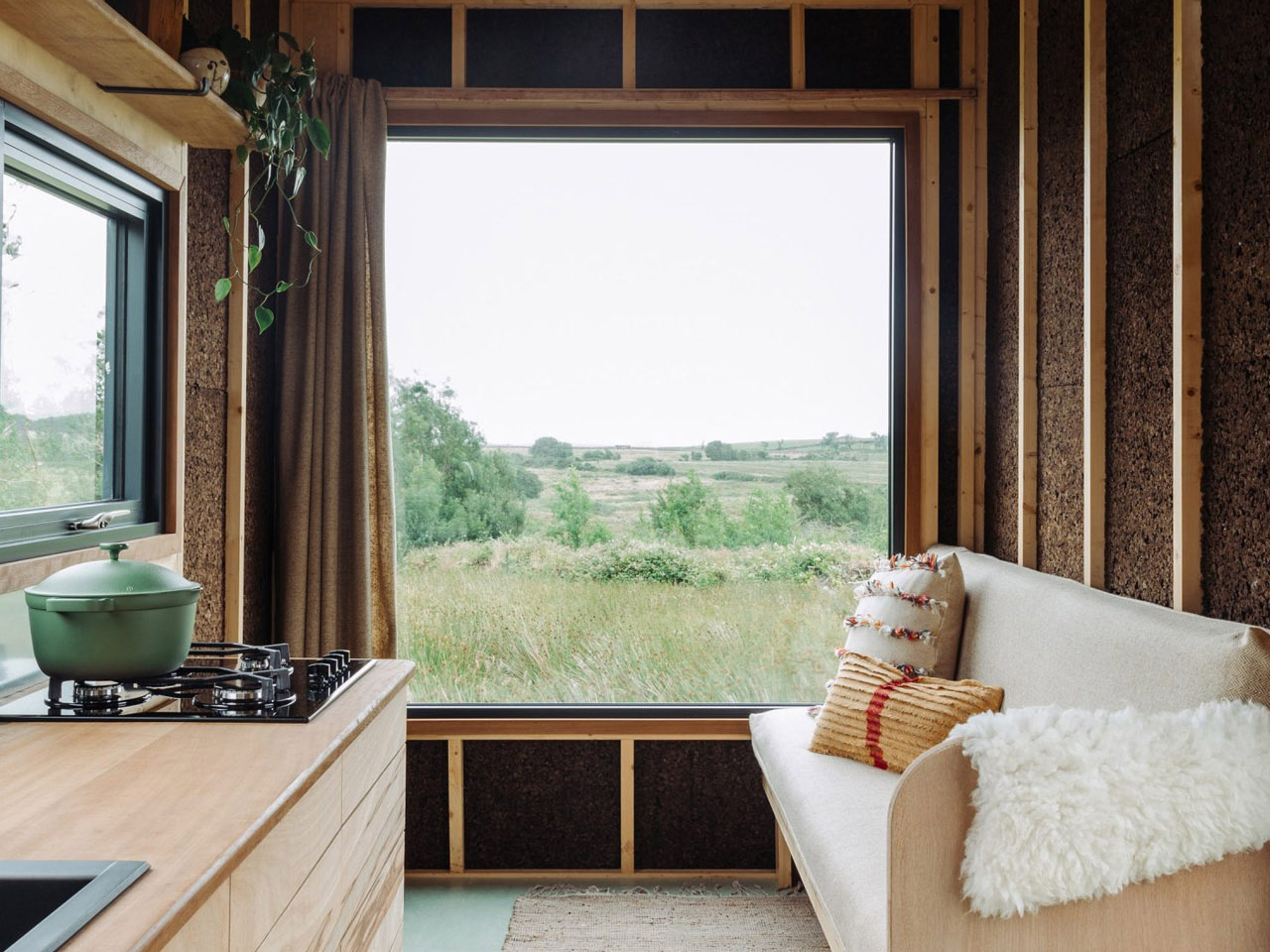
Hemp is taking centre stage in a new generation of low-carbon housing through a collaboration between Irish social enterprise Common Knowledge and Tigín Tiny Homes. Designed as compact yet liveable micro homes, these dwellings demonstrate how hemp-based construction can offer a sustainable alternative to conventional building materials. The twenty-square-foot homes feature façades made from corrugated hemp panels, paired with cork insulation and natural rubber flooring. Lightweight yet robust, the hemp panels help reduce structural load and significantly lower the homes’ overall carbon footprint.
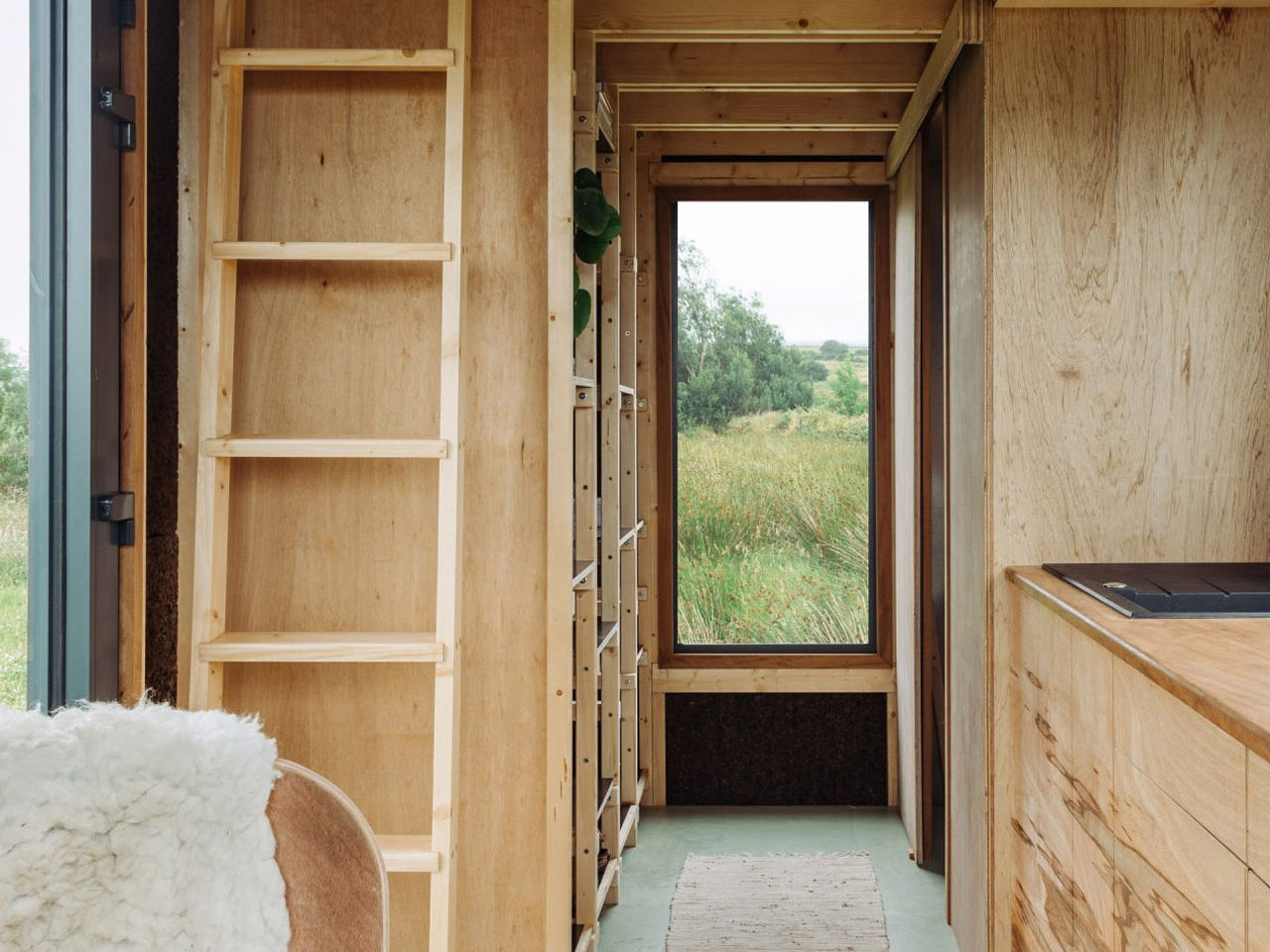
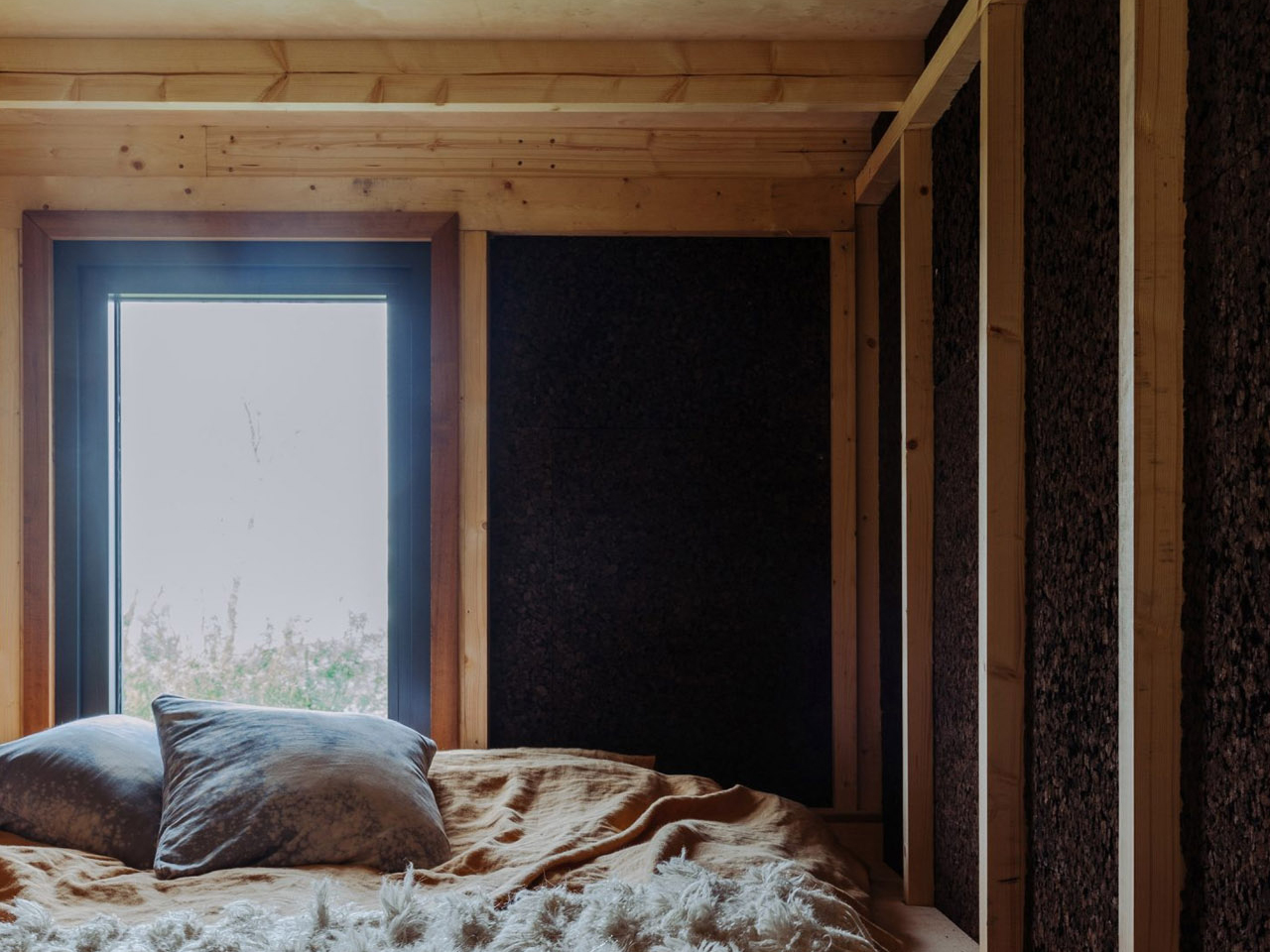
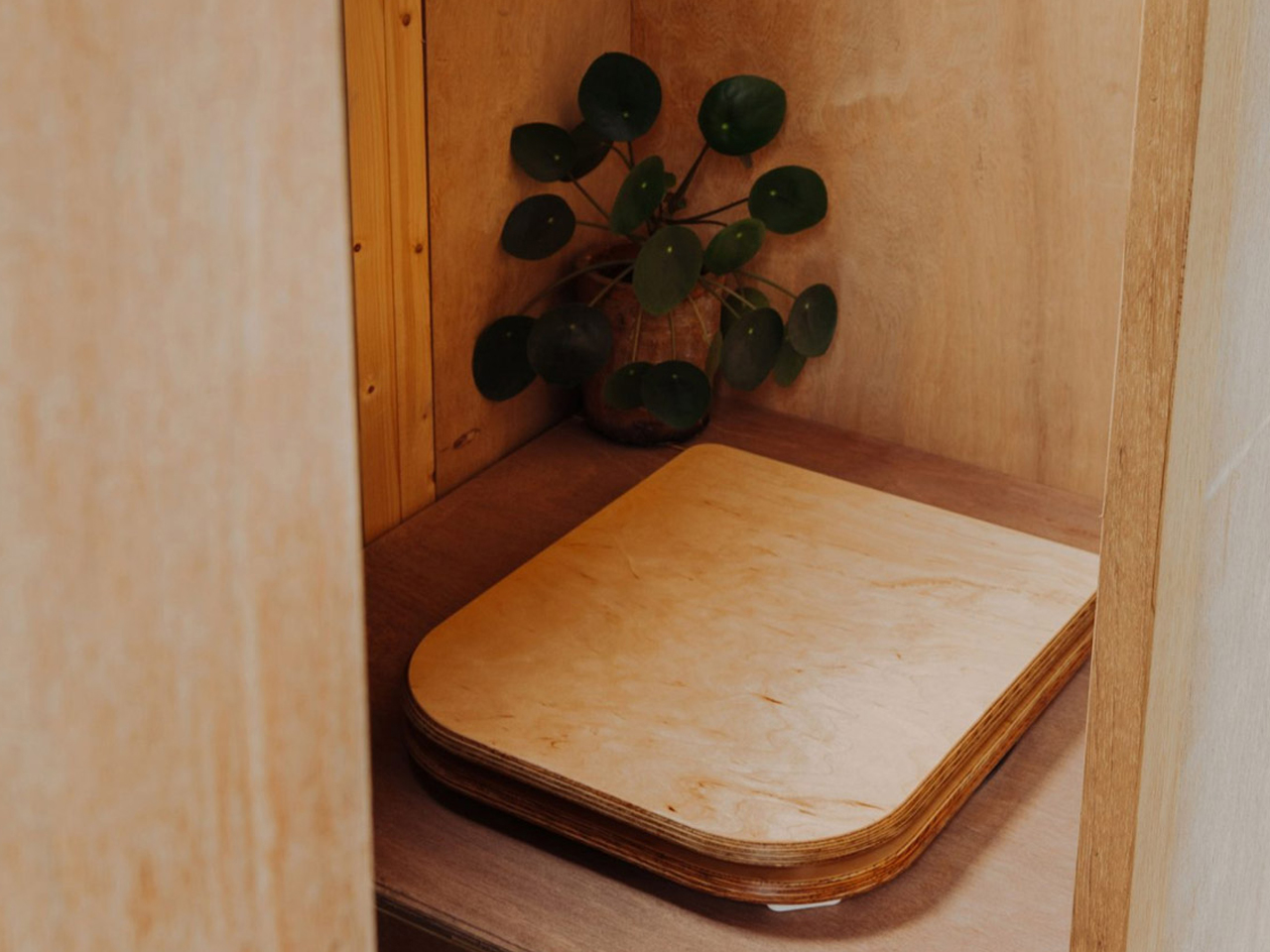
Inside, the homes are arranged across two levels to maximise space efficiency. The lower floor includes a multifunctional window seat that doubles as a bed, alongside a kitchenette, bathroom, and flexible storage or work area, while a mezzanine level above adds visual openness. Structurally, the hemp panels are produced using plant-waste-derived sugar resin combined with UK-grown hemp fibres, which function as a scalable material for environmentally responsible housing.
In 2026, hemp-based bio-resins are reshaping the phenomenology of lighting design. These translucent materials enable you to create sculptural fixtures that hold light gently, capturing its ephemeral glow while softening the hard lines of contemporary interiors. The result is a sanctuary of diffused illumination, where light feels organic, and the fixture reads as a living, luminous artifact woven into the spatial narrative.
Among leading designers, these “smart” resins are valued for their elevated aesthetic presence over conventional plastics. One experiences a warmer haptic quality and visual depth. By choosing biodegradable membranes, lighting supports a healthier indoor ecosystem while sustaining a refined, high-performance environment rooted in nature.
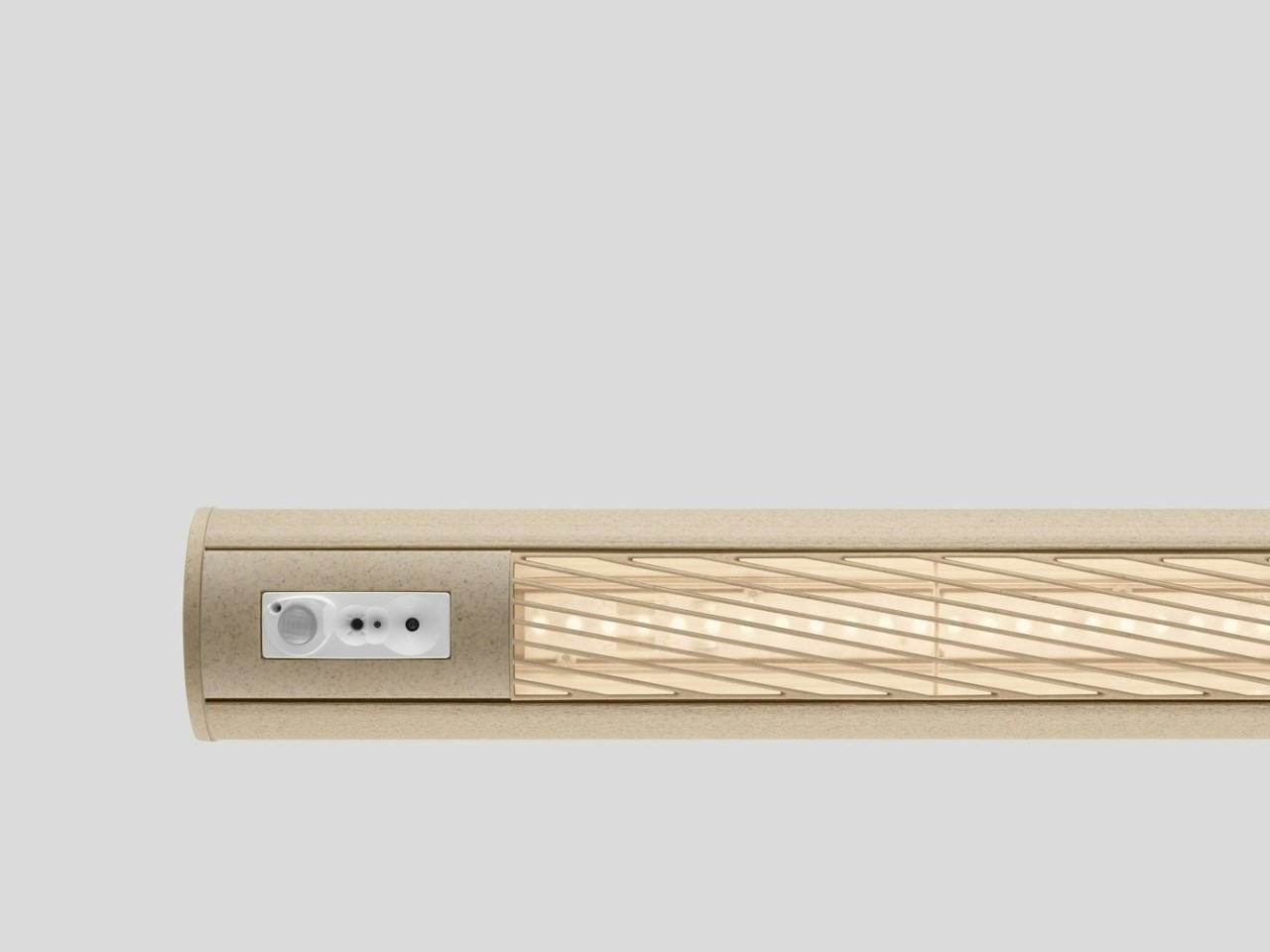
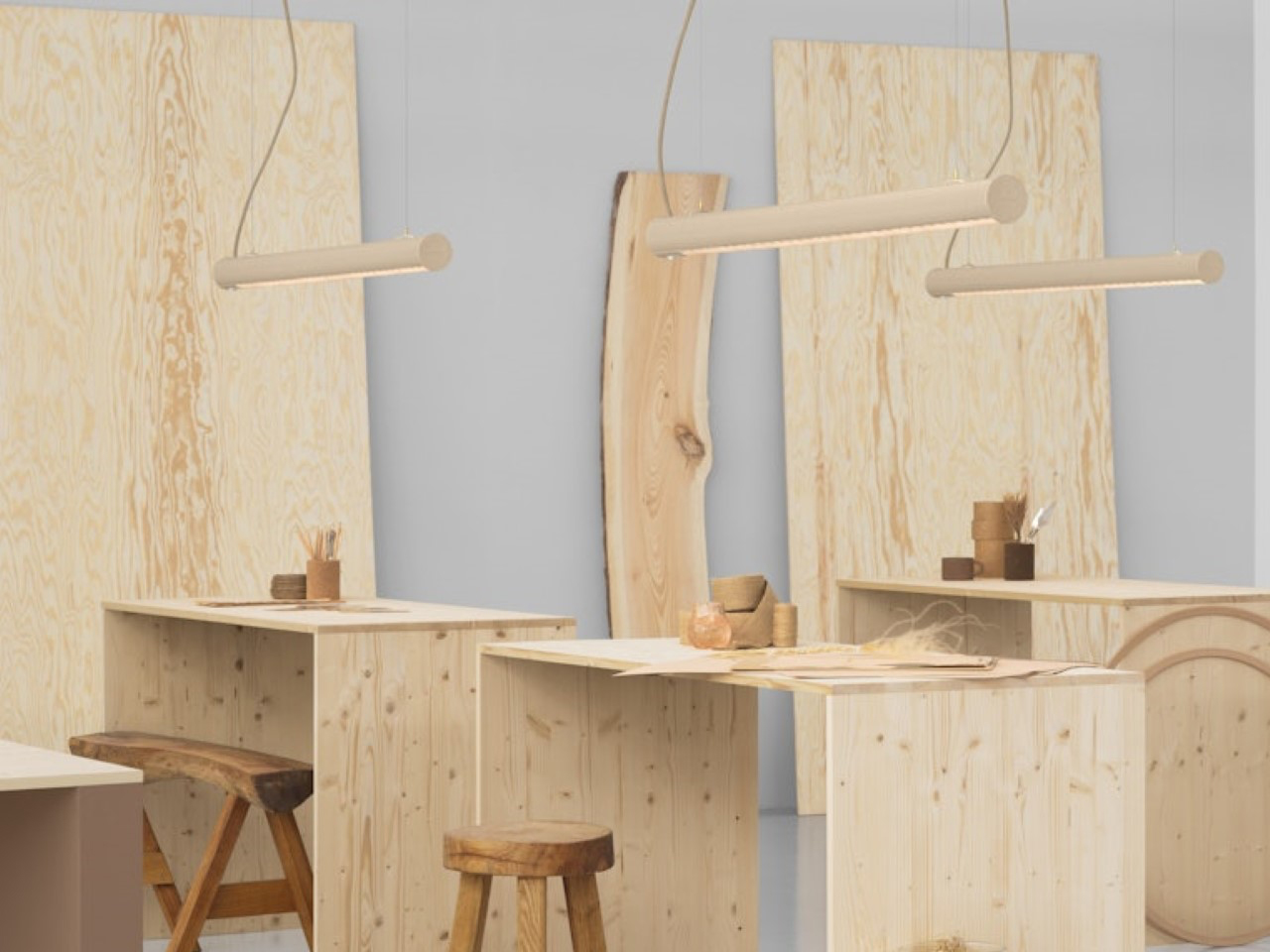
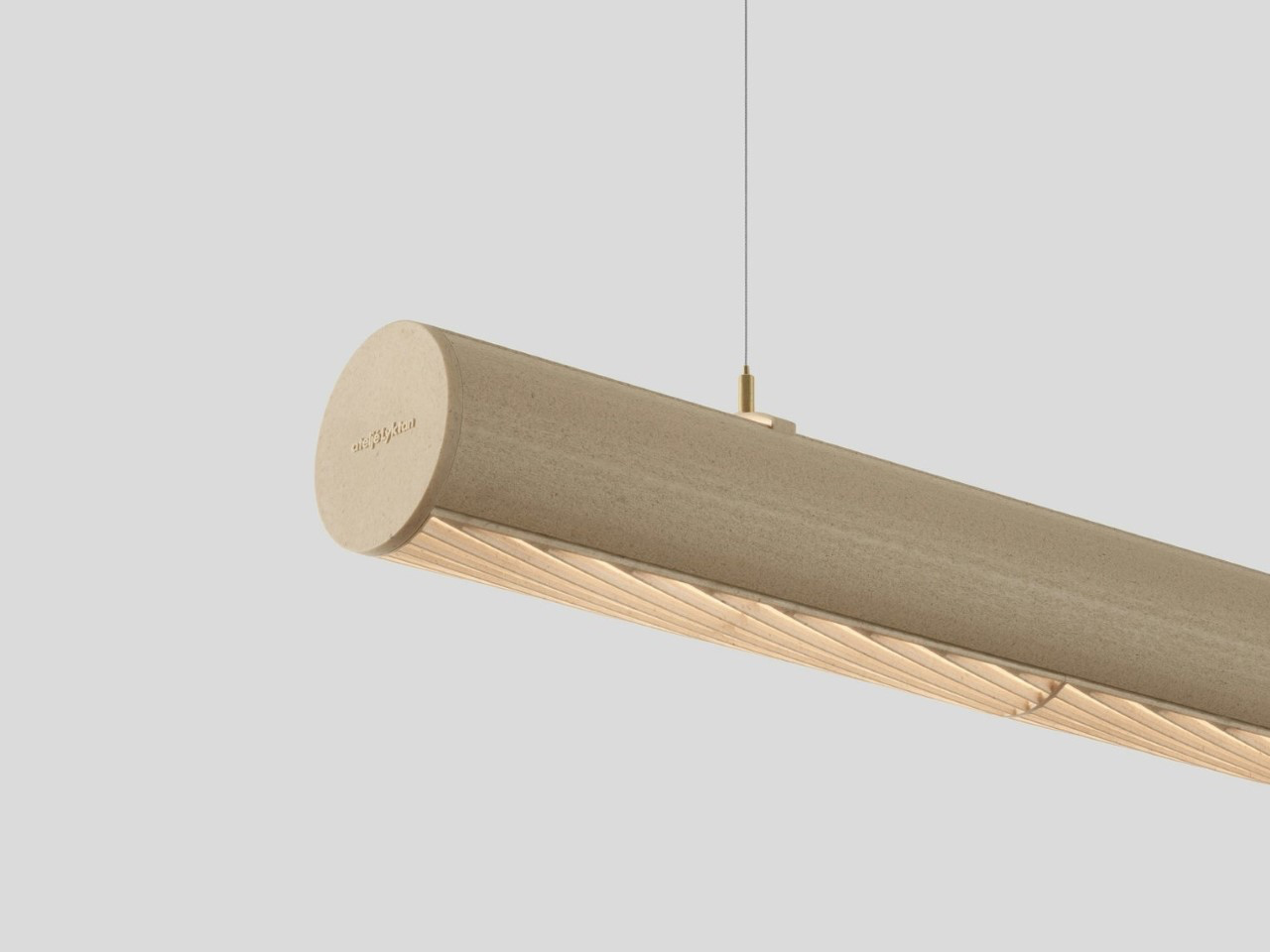
Norwegian studio Snøhetta and Swedish lighting brand Ateljé Lyktan have designed a contemporary office lamp that redefines low-impact lighting. Rooted in collaborative thinking, the project reflects a shared commitment to regenerative design, combining architectural insight with lighting expertise to address today’s environmental challenges through thoughtful material choices and efficient production methods.
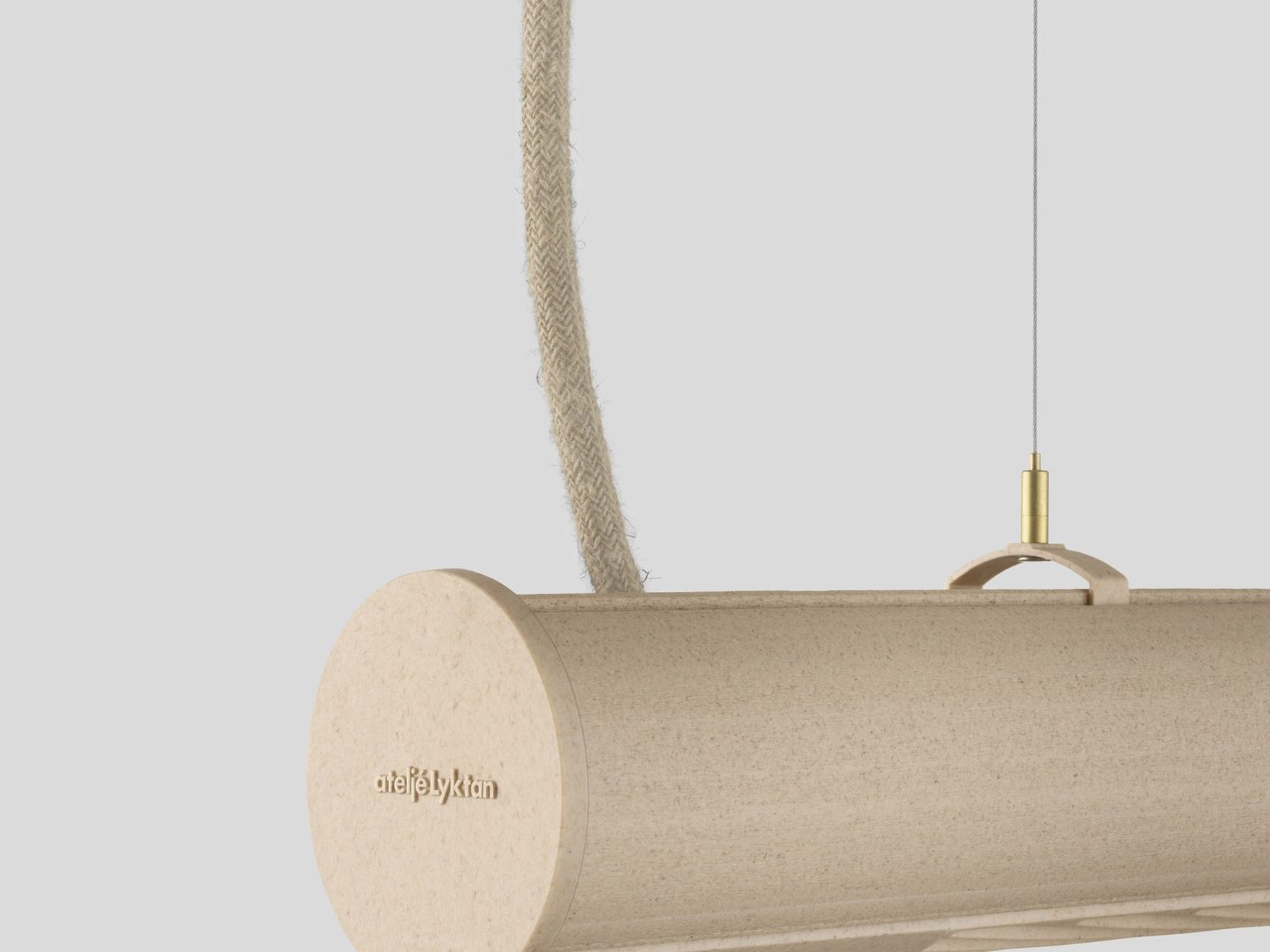
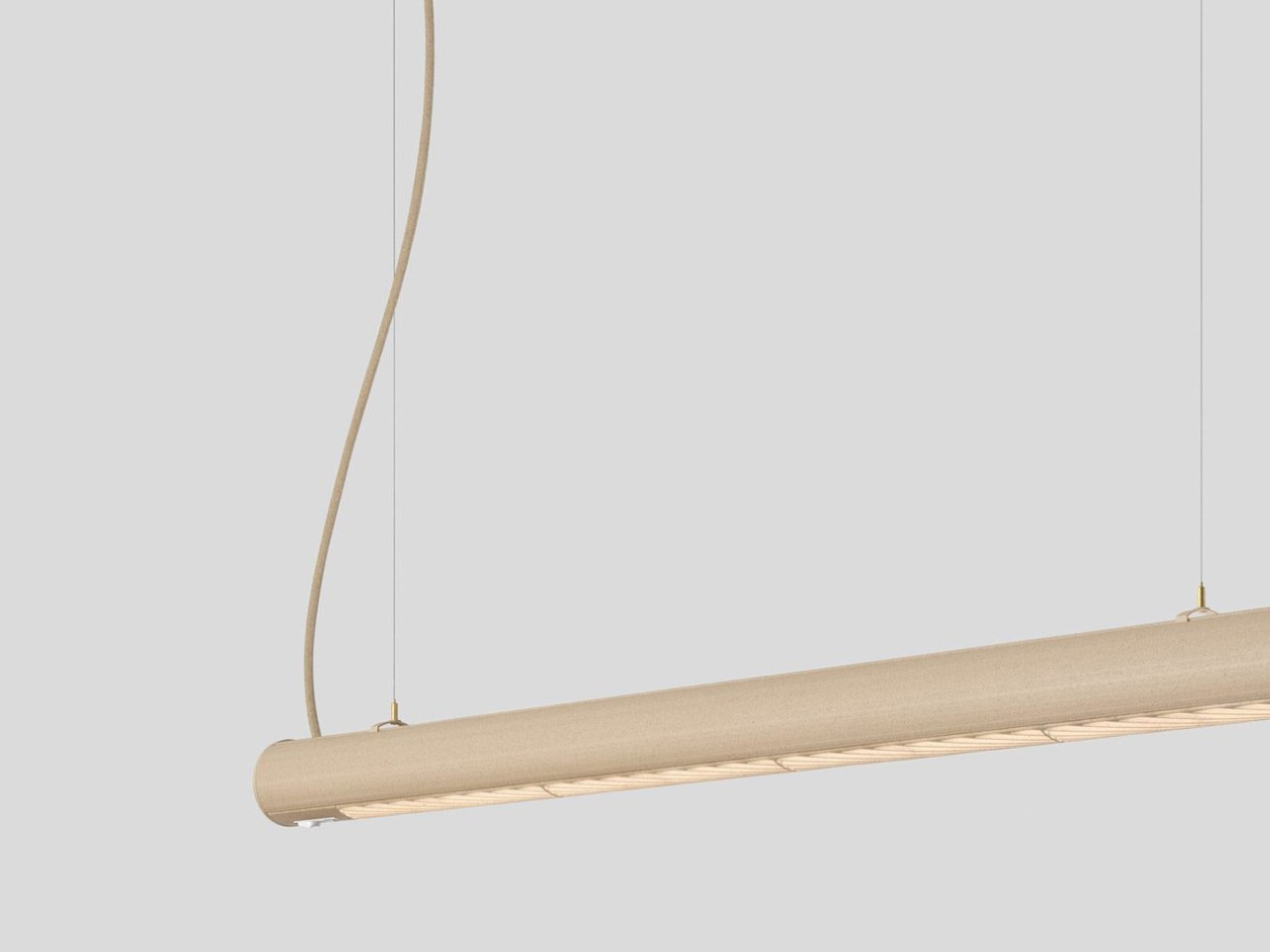
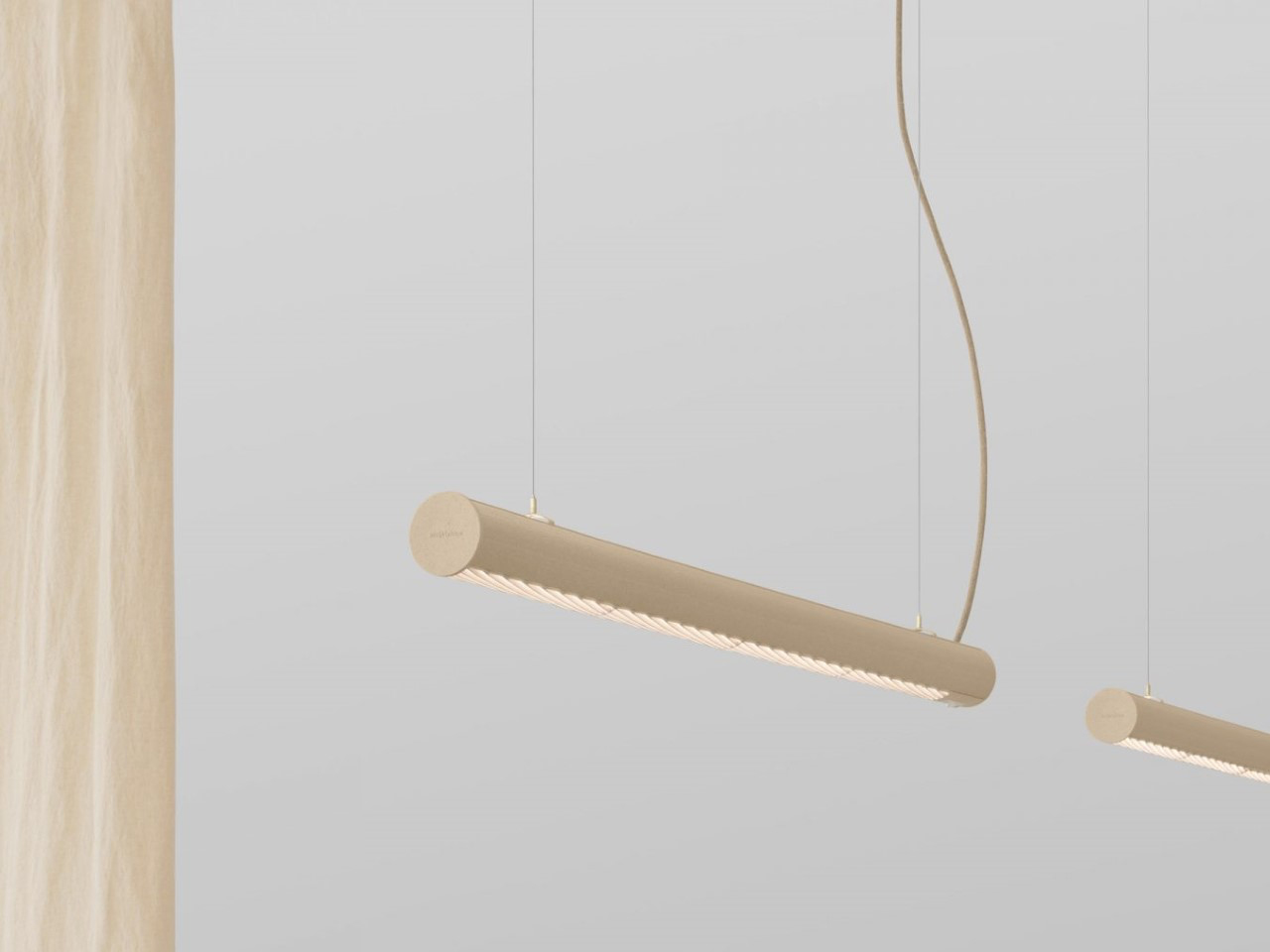
The Superdupertube reimagines Ateljé Lyktan’s 1970s Supertube using a composite of hemp fibres and sugarcane-derived PLA bioplastic. Hemp was selected for its strength, renewability, and ability to cut CO₂ emissions by over 50 percent compared to aluminium. Extruded into the lamp’s main body and paired with energy-efficient LEDs, the design is lightweight, durable, and fully recyclable or compostable. Each lamp features natural tonal variations, subtle texture, and modular construction, ensuring reduced waste, easy maintenance, and long-term sustainability.
Furniture design is entering an era of tectonic precision through high-pressure hemp fiber composites. These advanced bio-polymers enable radical, skeletal forms—delivering steel-like strength at a fraction of the weight. Each piece becomes a journey through built form, with curves calibrated for ergonomic comfort while expressing structural confidence and restraint.
The return on investment lies in durability, longevity, and timeless presence. Hemp furniture does not off-gas, preserving the purity of the biophilic interior. By leaving the fiber structure visible, material truth is honoured, allowing the raw beauty of the plant to create a layered, textural dialogue within refined, contemporary interiors.
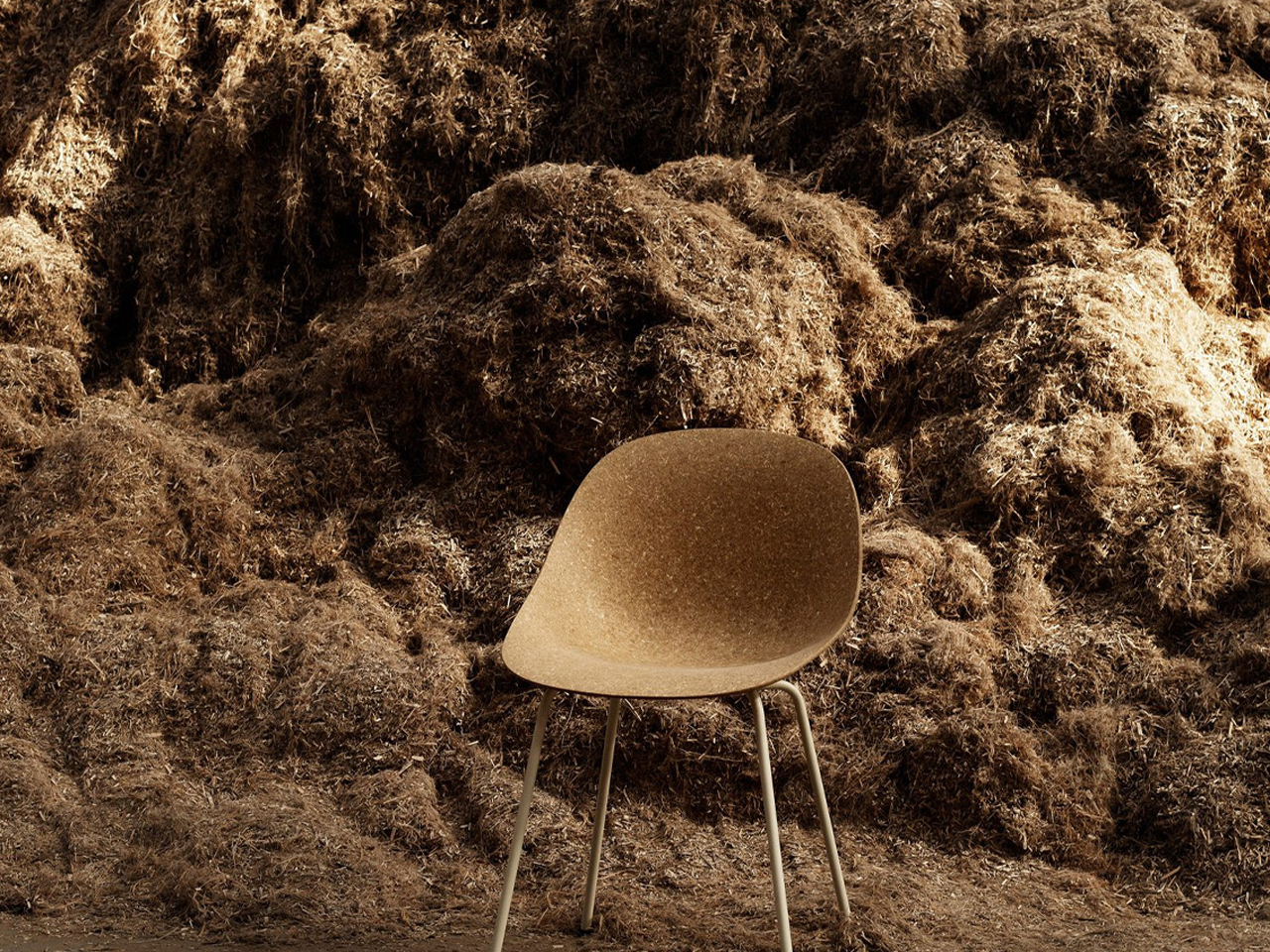
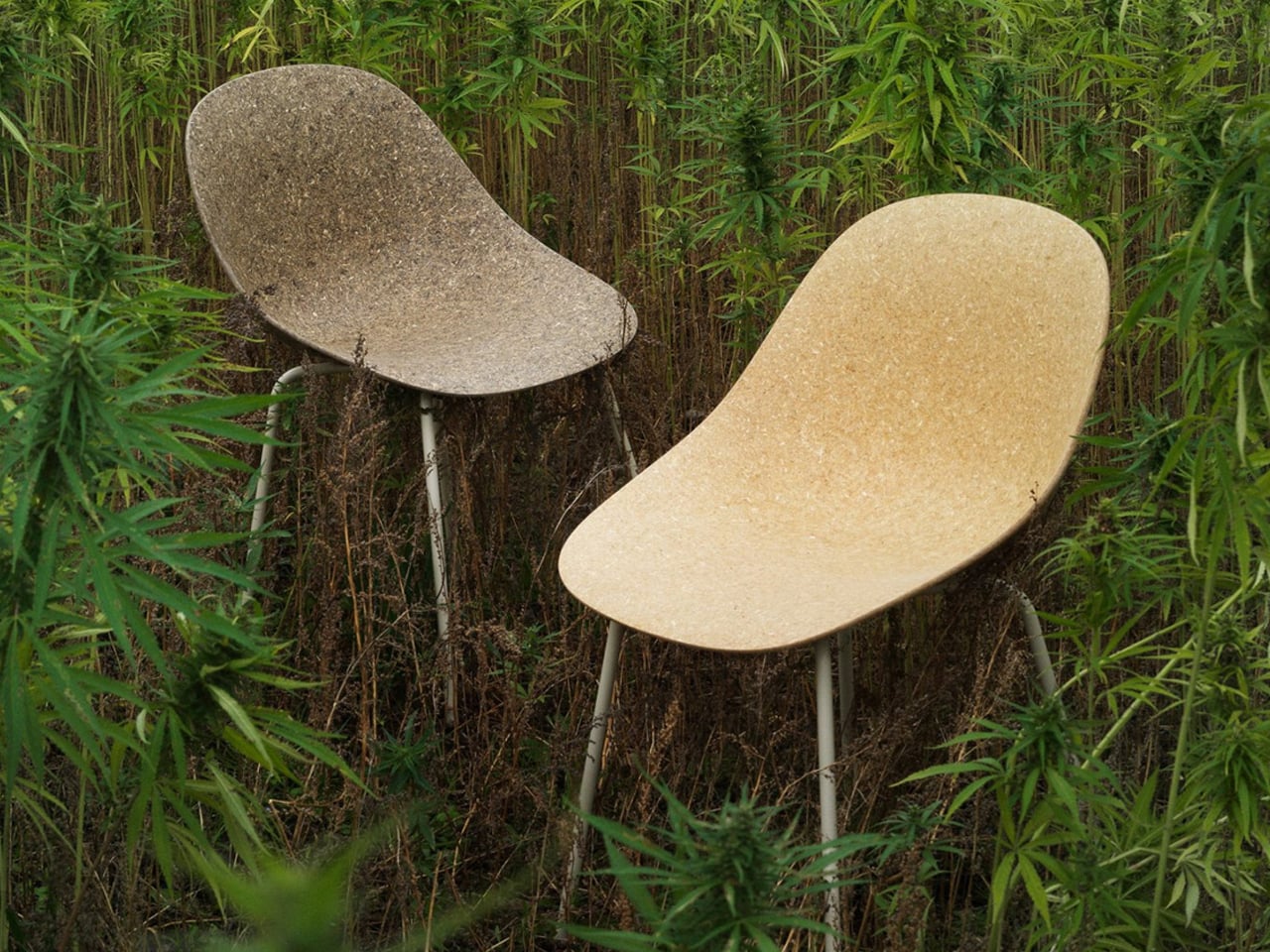
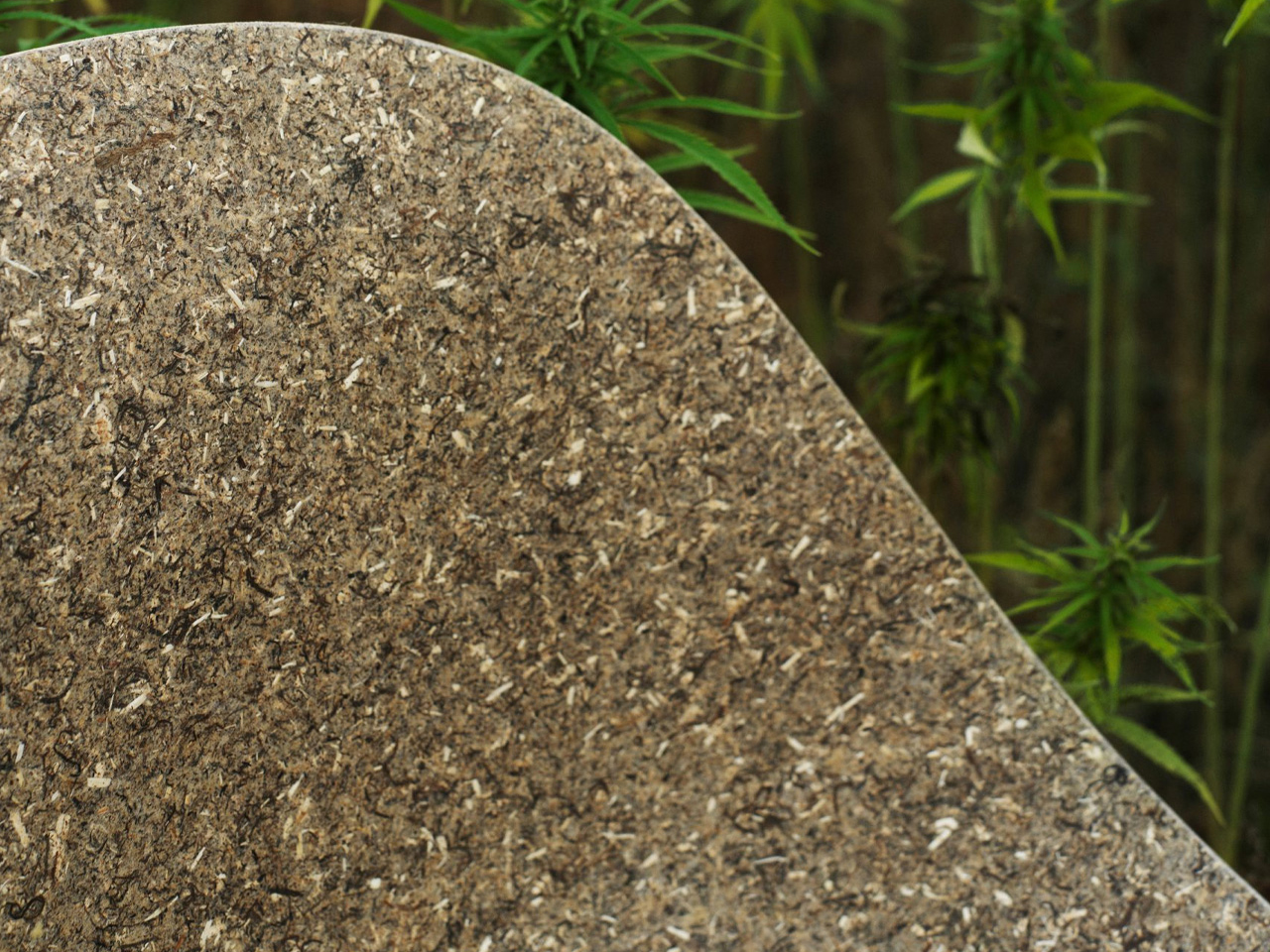
The hemp chair from Normann Copenhagen’s Mat collection is a clear example of how bio-based materials can be applied to modern furniture design without compromising performance or aesthetics. The shell of the chair is made primarily from hemp fibres, replacing traditional injection-moulded plastic with a plant-based alternative. Using hemp stems rather than leaves, the material offers strength, texture, and structural stability while maintaining a clean, contemporary finish. The shell is paired with powder-coated steel legs, ensuring durability and suitability for everyday residential and commercial use.

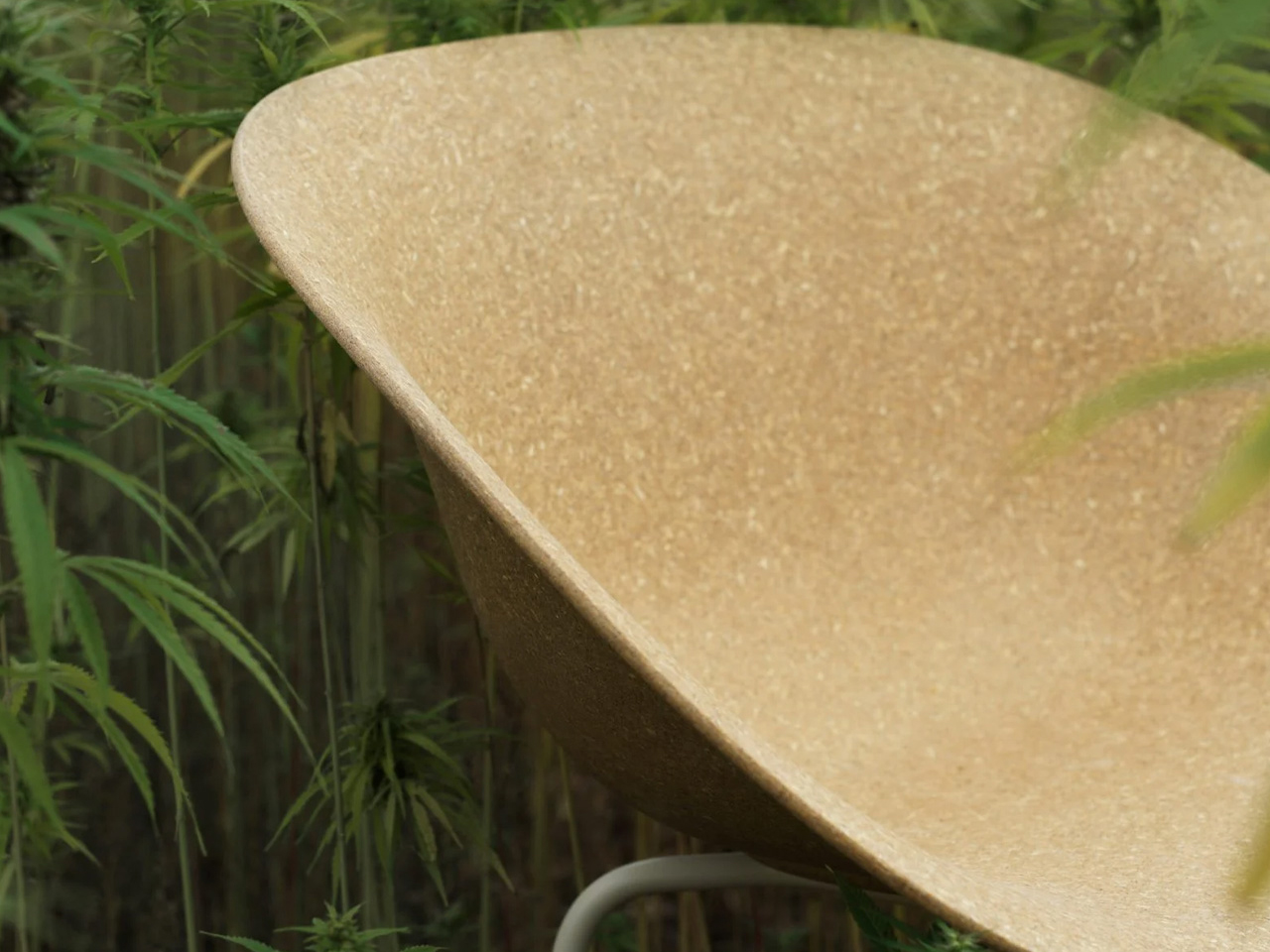
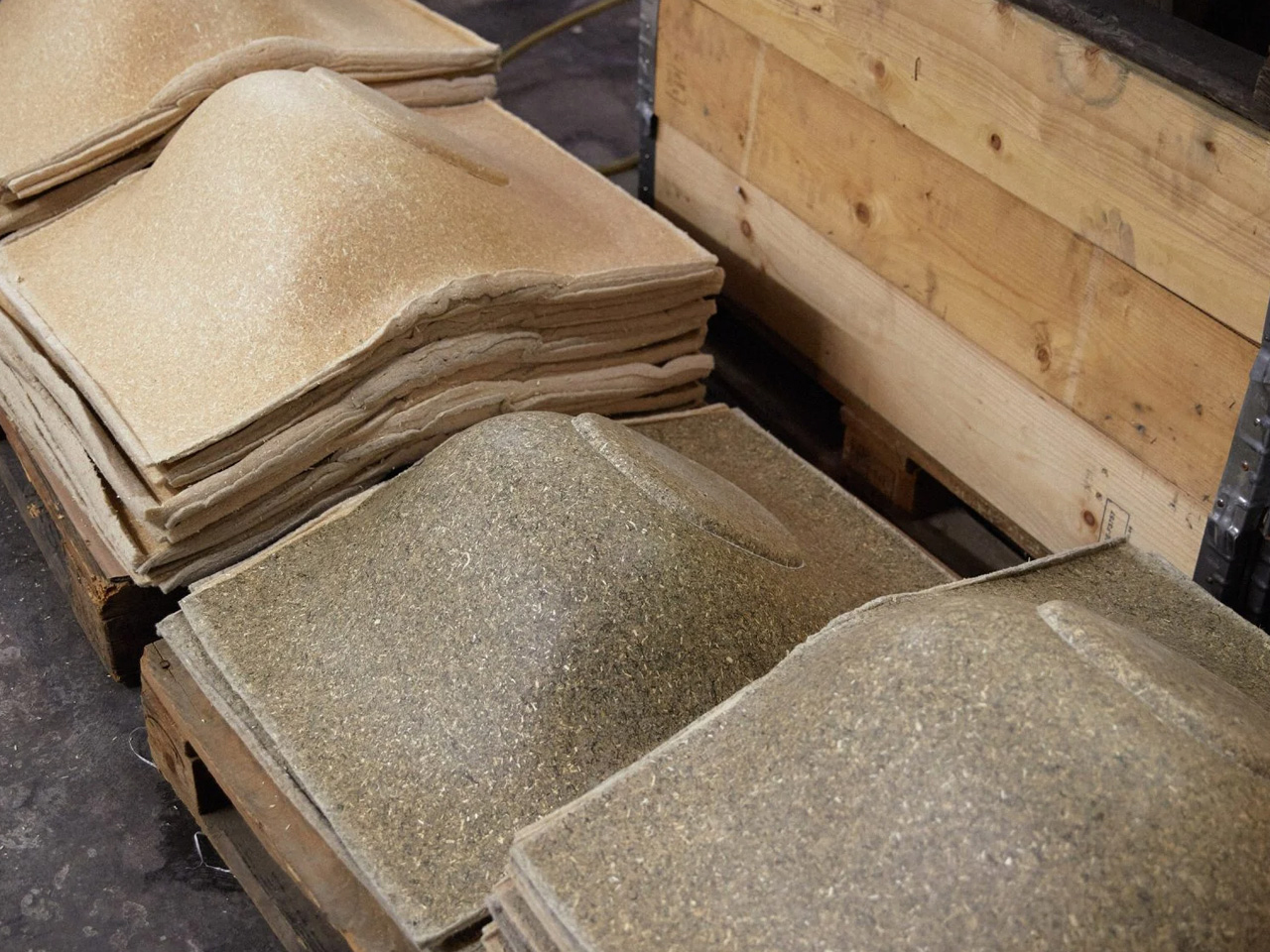
Technically, the hemp fibres are milled and formed into sheet material using a specially developed compression process. A recyclable bico binder holds the fibres together, allowing the chair to remain fully recyclable at the end of its life cycle. The result is a lightweight yet robust seating solution that demonstrates hemp’s potential as a sustainable, high-performance furniture material.
Spatial sequencing is choreographed through room dividers made from hemp-based textiles and woven fibers. These semi-permeable membranes define zones while preserving the flow of diffused light, allowing space to breathe. Each divider becomes a living partition, guiding movement through the home as the biophilic cocoon expands or contracts in response to daily rituals.
Hemp fibers introduce acoustic warmth, enriching the interior’s phenomenological experience. Acting as a soft tectonic element, these dividers bridge architecture and furniture with quiet precision. By prioritizing biodegradable solutions, the approach delivers flexibility and high aesthetic value, balancing privacy with open, fluid spatial volumes.
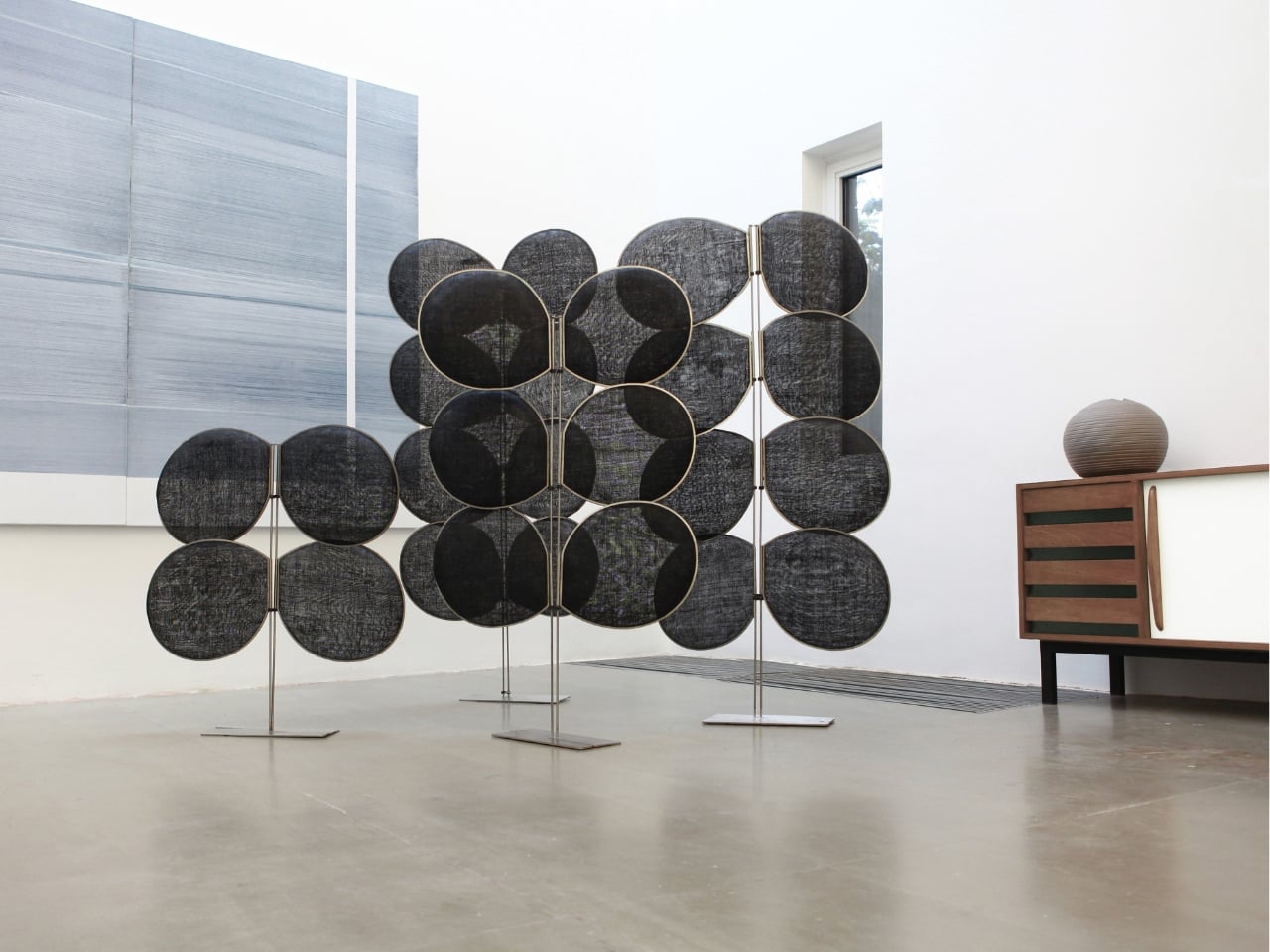
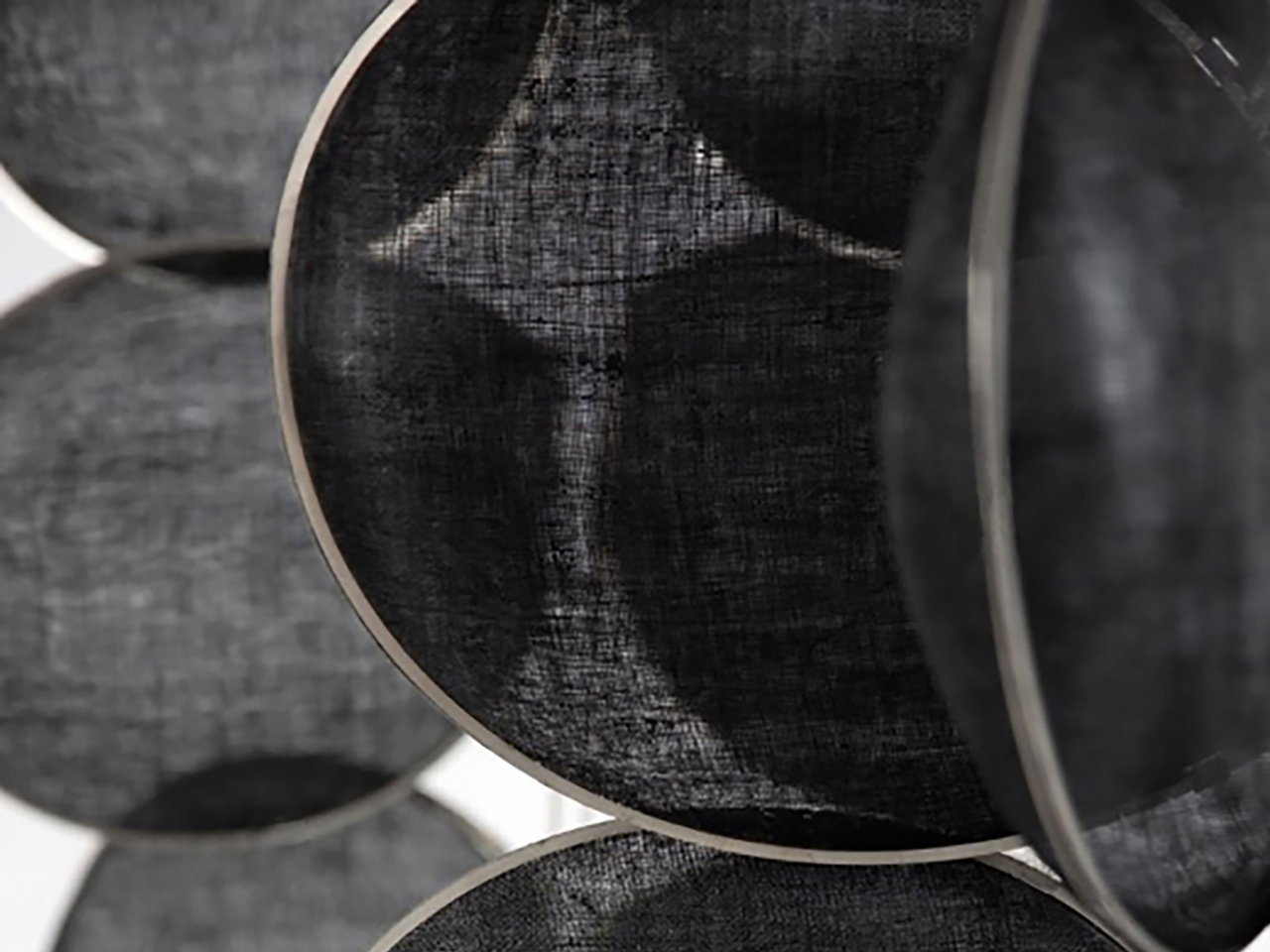
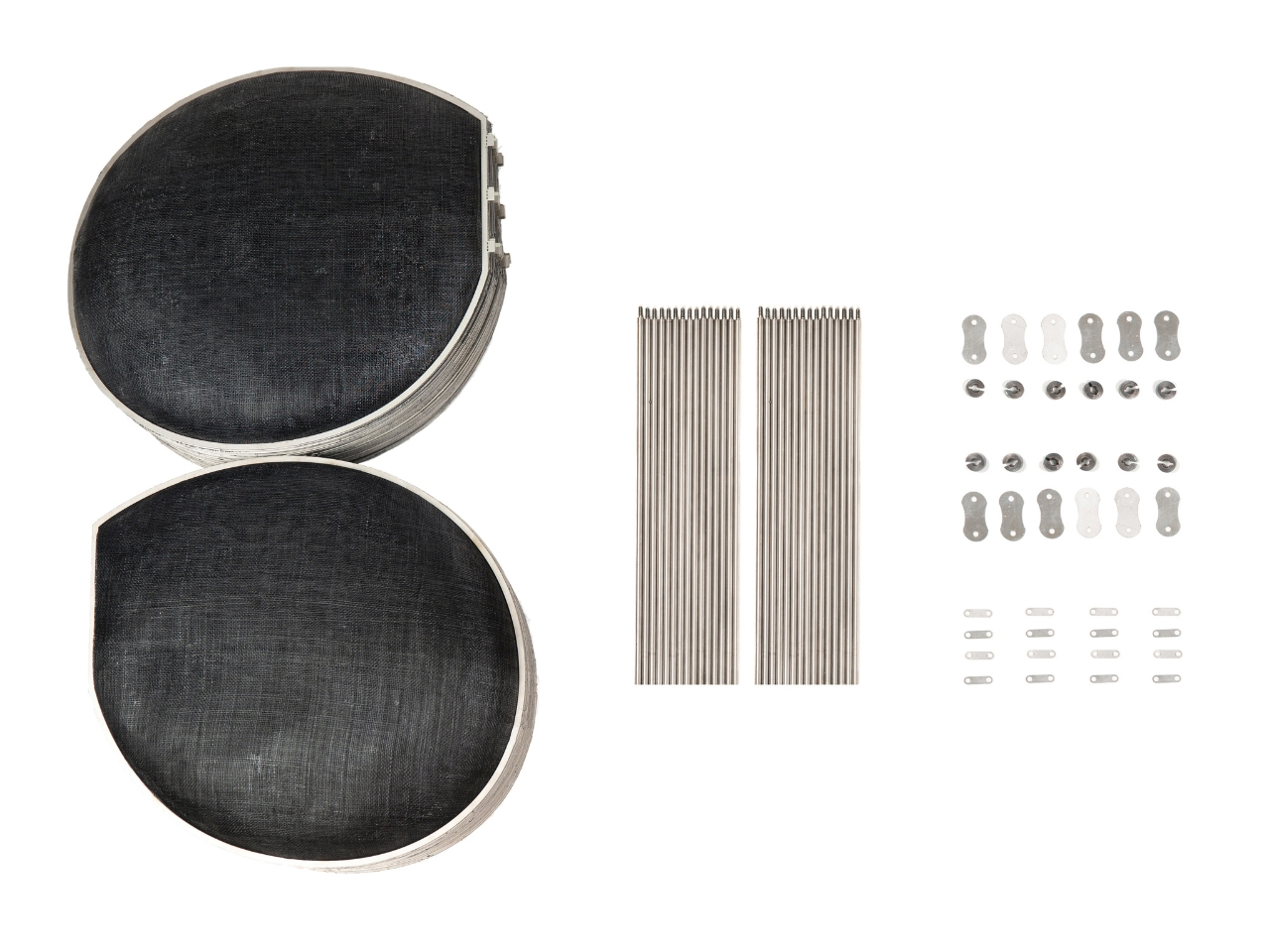
The Breeze Divider stands out primarily for its thoughtful use of hemp, a material that instantly sets it apart in the world of contemporary interiors. Made from natural hat-making hemp fabric, the divider embraces a translucent, tactile quality that feels both grounded and refined. Light filters gently through the layered, fan-shaped panels, creating shifting shadows and visual depth that change throughout the day. Rather than acting as a solid barrier, the hemp fabric softens boundaries, allowing spaces to feel connected yet clearly defined, while its organic texture adds warmth and character.
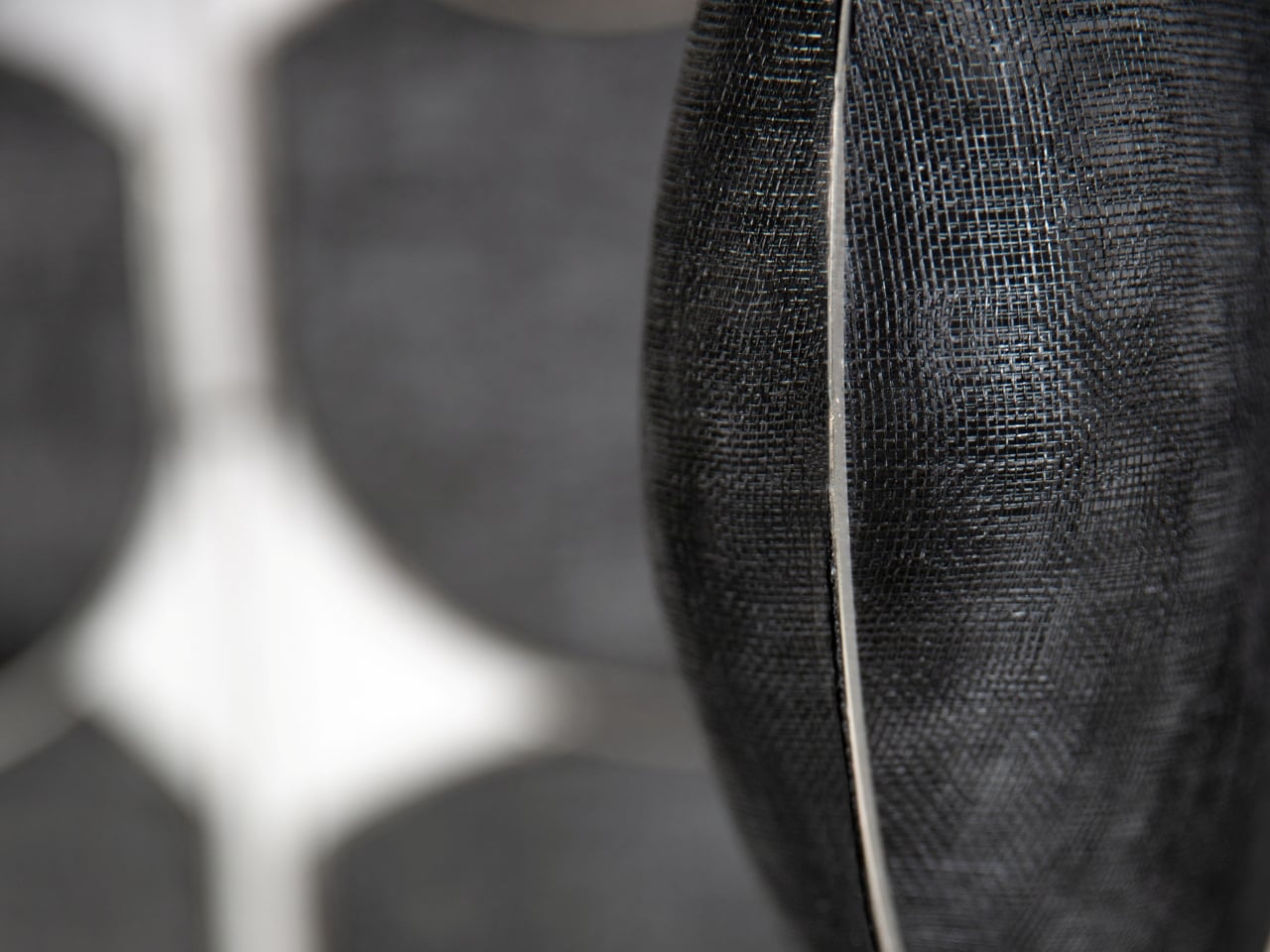
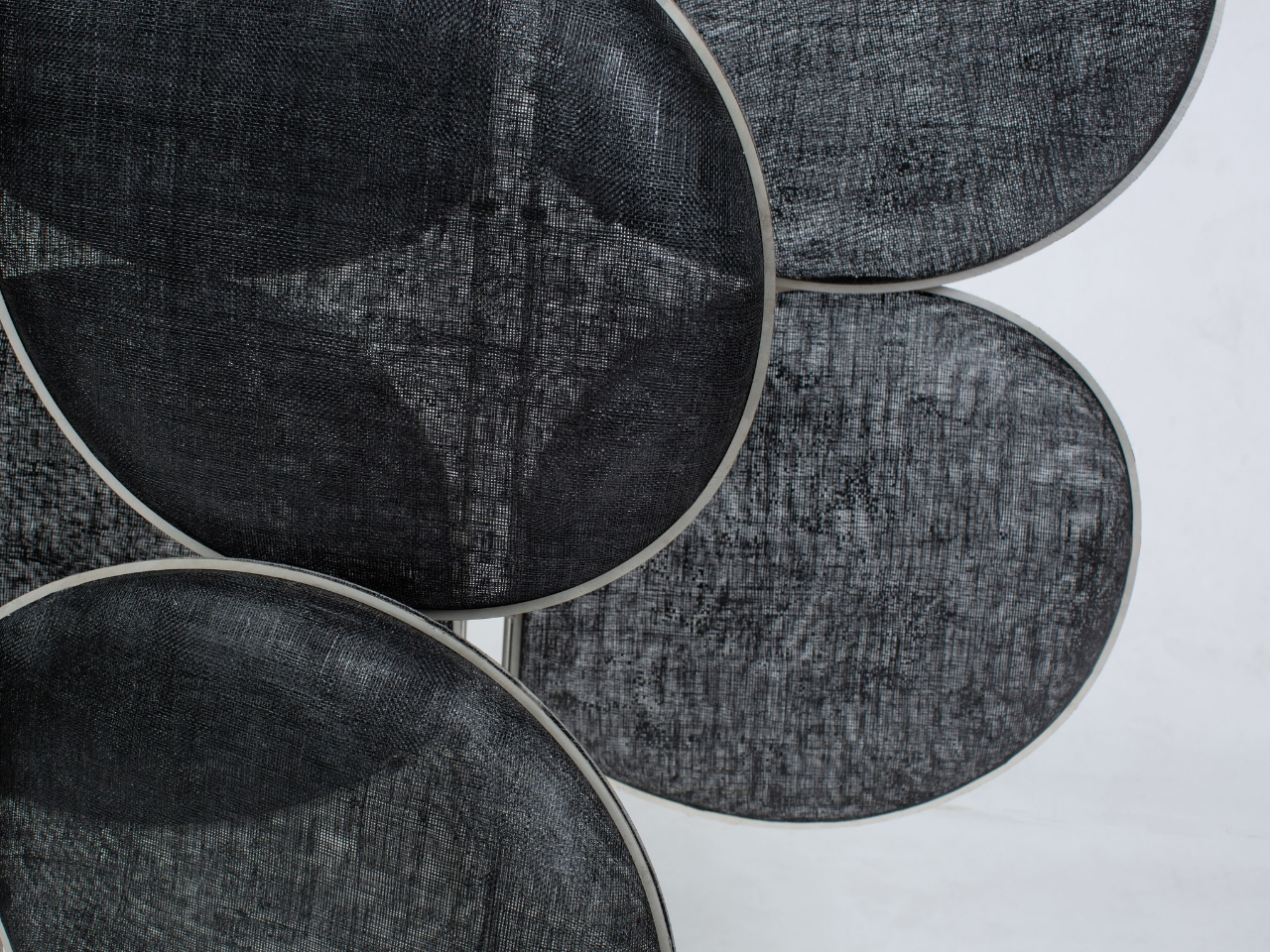
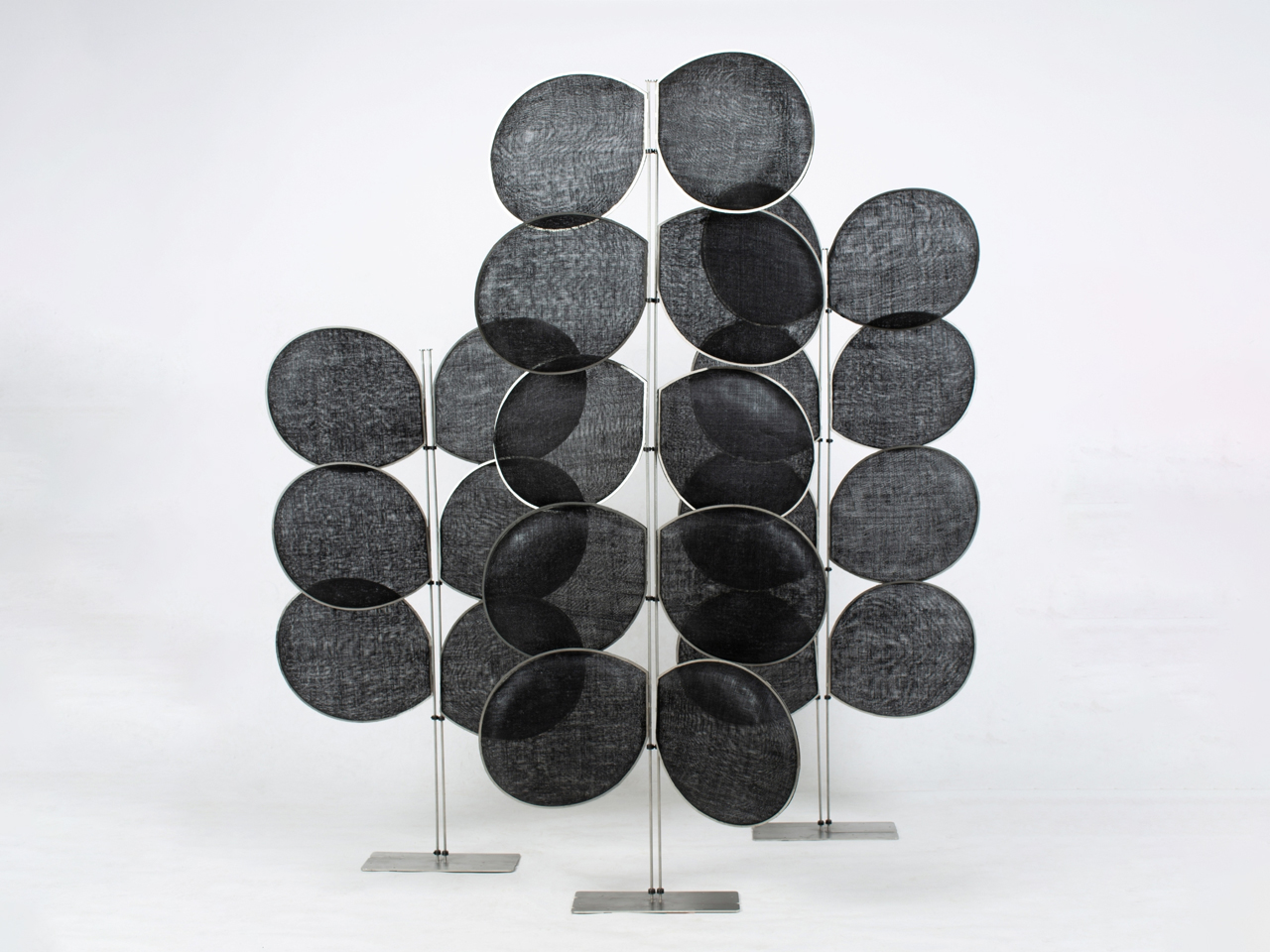
Beyond aesthetics, hemp gives the divider practical and environmental credibility. The material is durable, renewable, and lightweight, making the entire structure easy to dismantle, reconfigure, and transport. This flexibility reduces waste and extends the divider’s lifespan, while its breathable quality keeps interiors open and airy. It’s a modern reinterpretation of an age-old material, used with intelligence and purpose.
The era of bio-electronics has arrived, where even digital infrastructure aligns with carbon accountability. Sustainable design now extends to data itself, exemplified by biodegradable storage devices. Within a circular economy, technology is no longer permanent waste but a material capable of responsibly returning to the earth.
This shift expands the definition of a healthy home to include the devices used daily. Material honesty protects sensitive components while offering a tactile richness far superior to synthetic plastics.
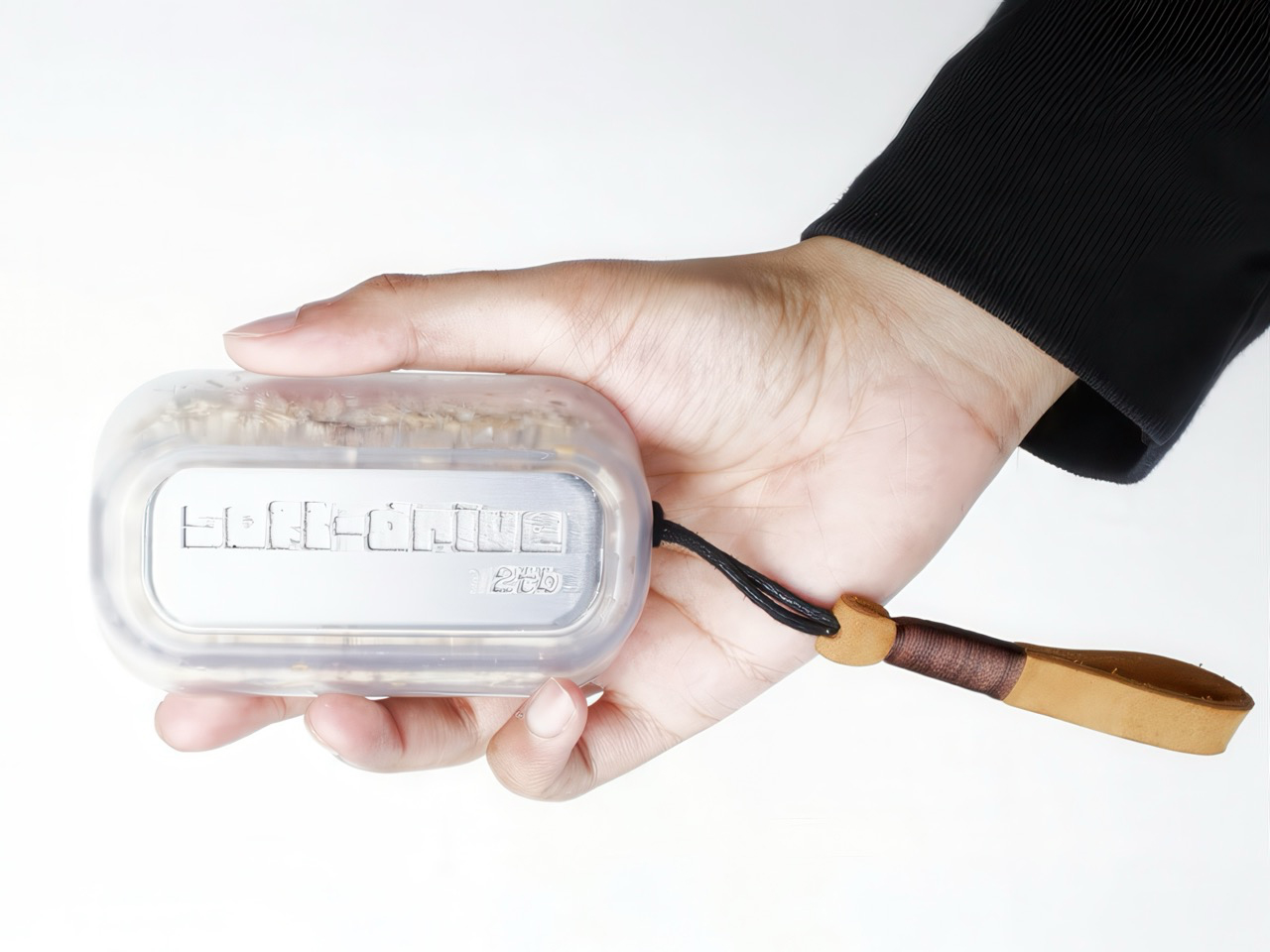
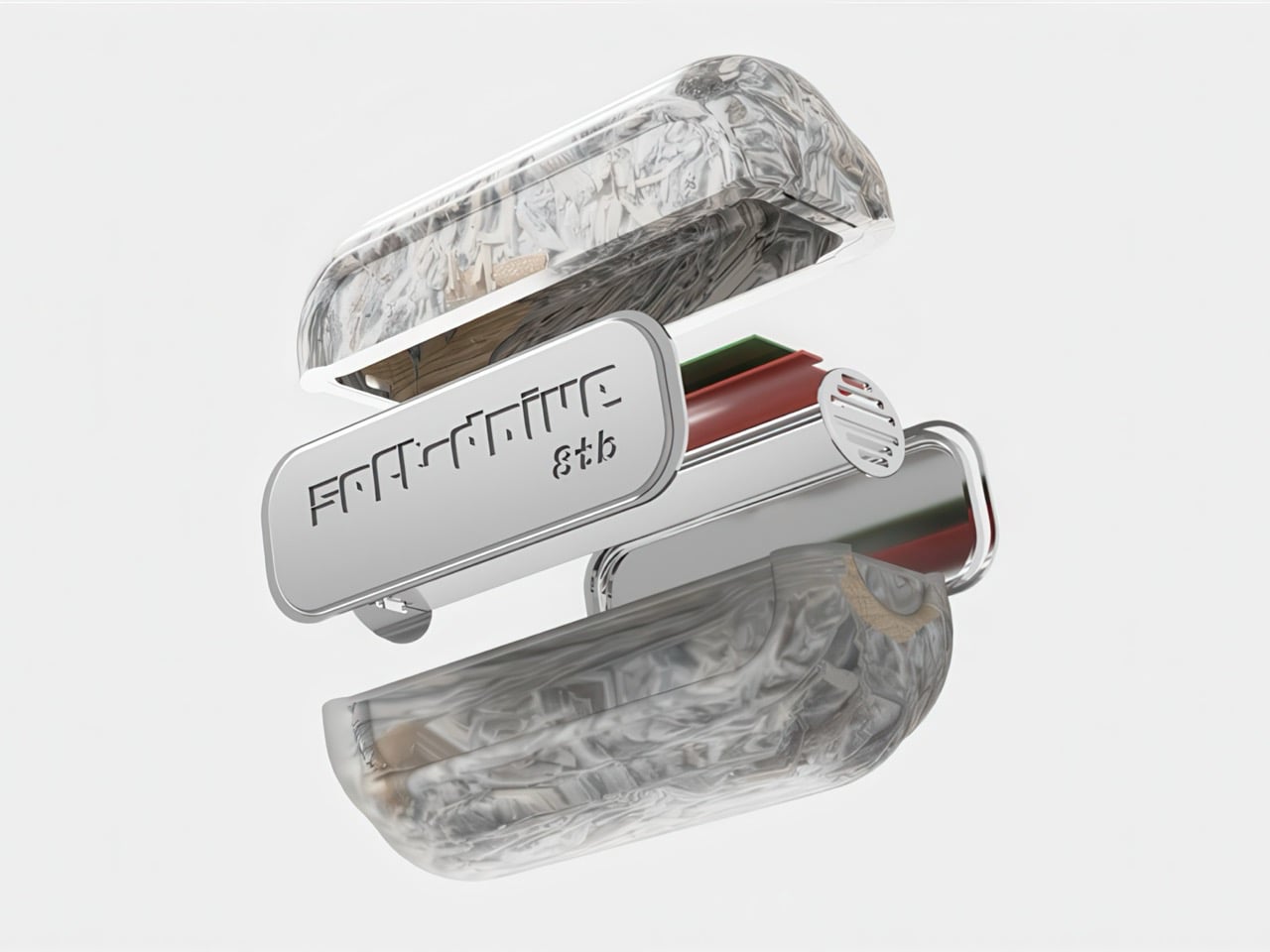
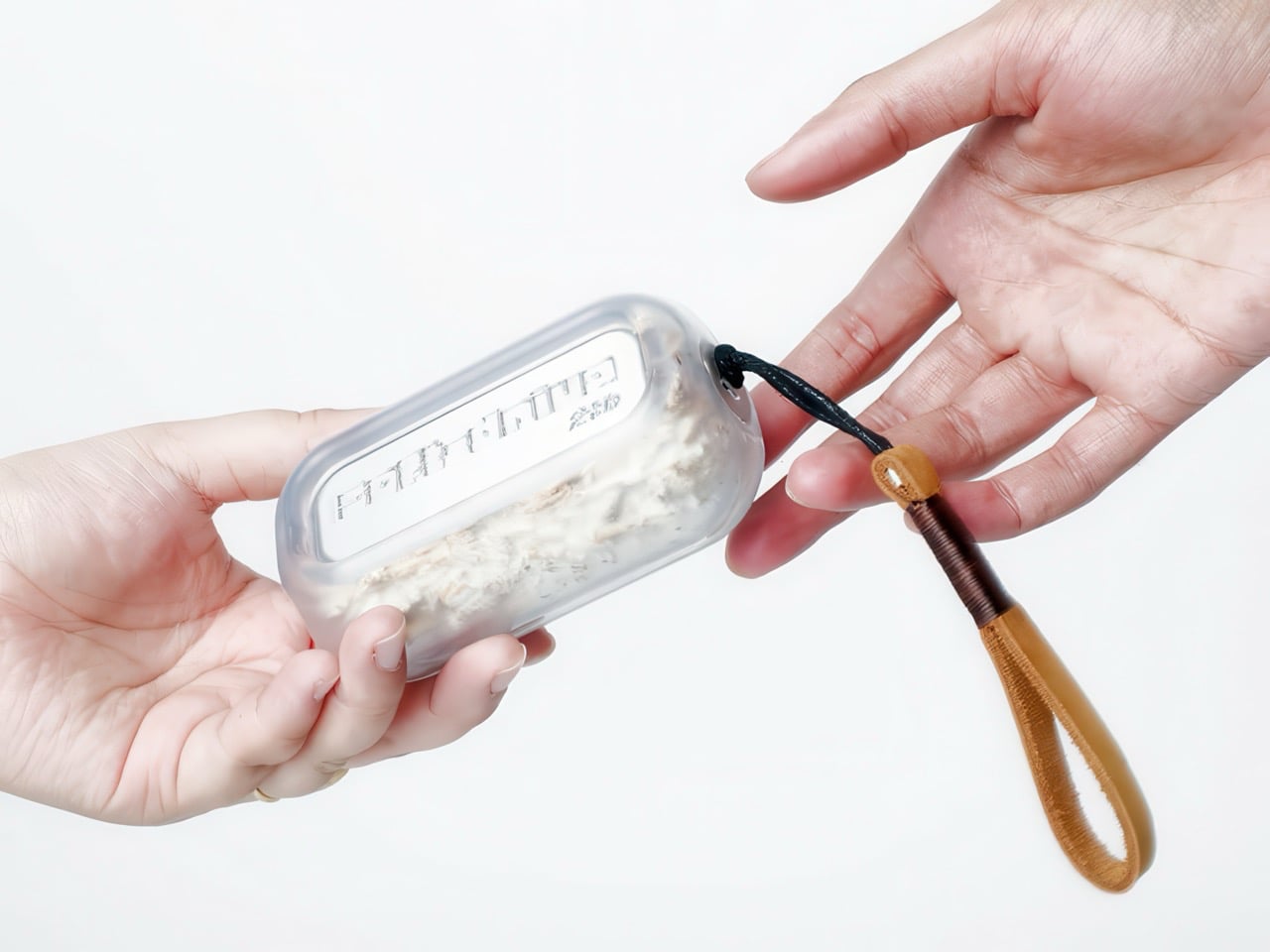
A USB drive made from fungi sounds improbable, yet the idea feels strangely logical. The Soft Drive is built using mycelium – the underground root network of mushrooms – turning data storage into something tactile and materially expressive. Rather than hiding behind glossy plastic, this device makes its construction visible, inviting you to reconsider how personal data is stored and valued. It challenges the invisibility of cloud systems by grounding digital memory in a physical, locally held object.
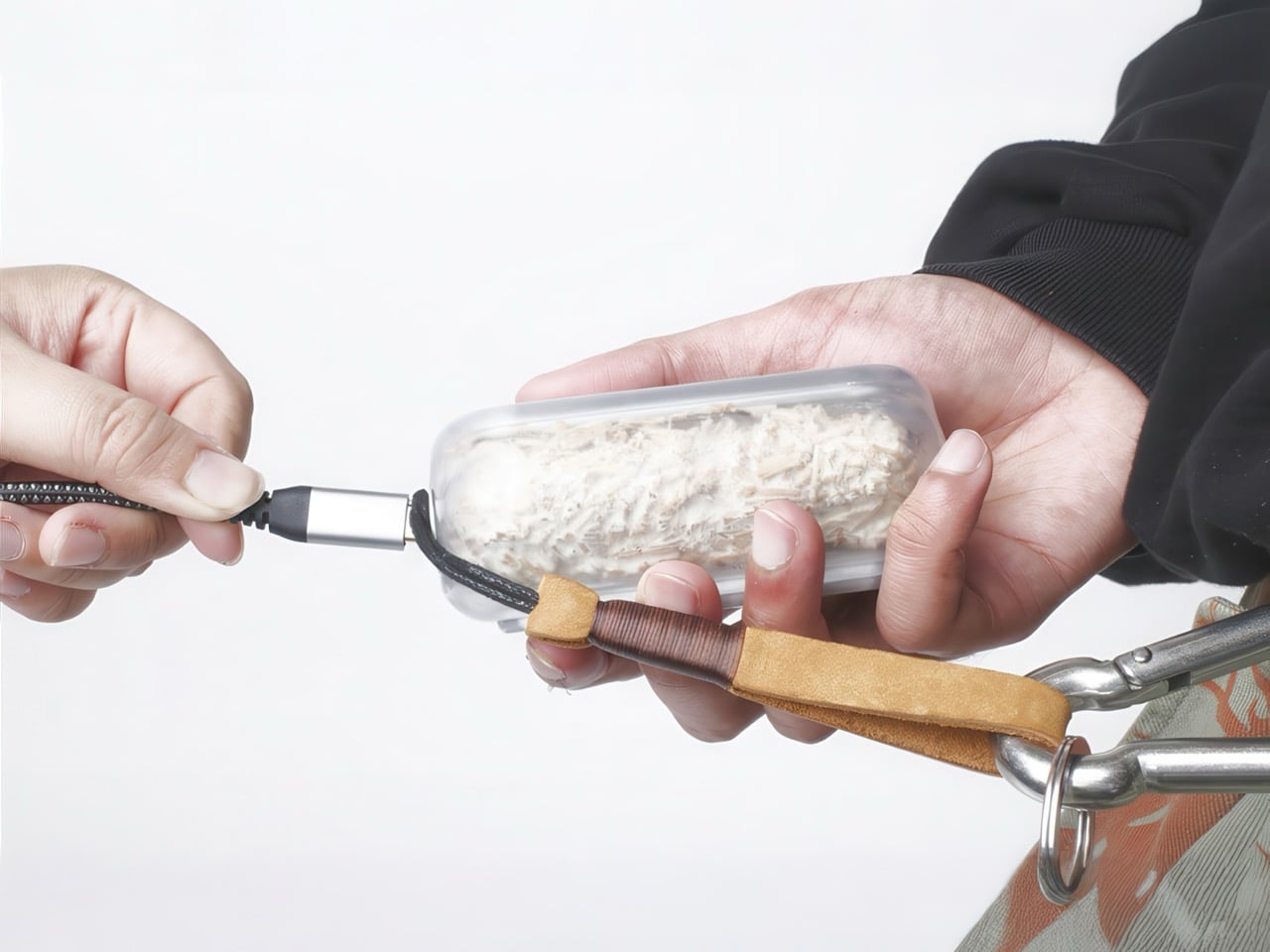
Designed by Sree Krishna Pillarisetti, the Soft Drive features a translucent shell made from mycelium combined with hemp fibres and bioplastic derived from waste materials. The fibrous structure naturally absorbs impact, offering protection for the electronics inside while remaining biodegradable. With an intentionally modest 8GB capacity, the device prioritises conscious storage over excess. Its organic texture, visible layers, and compostable design transform a familiar tech object into a statement on sustainability, material honesty, and regenerative digital futures.
The rise of hemp in 2026 marks a shift from disposable sustainability to material truth. By integrating bio-based elements across the home, you create spaces that balance luxury with responsibility.
The post Someone Built a Compostable 8GB Hard Drive From Mushrooms and Hemp And 5 More Ways Hemp Is Redesigning Your Home first appeared on Yanko Design.

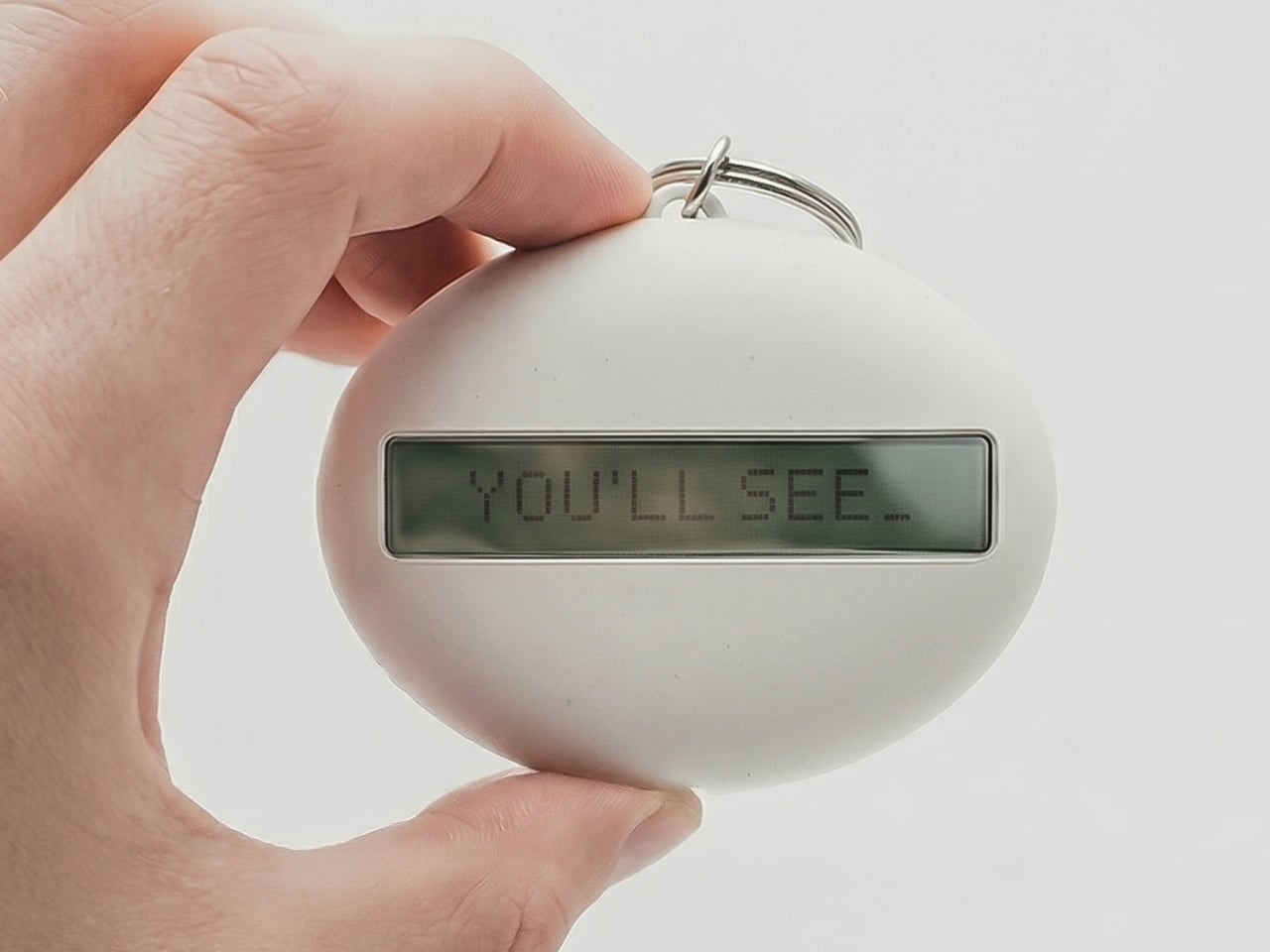
I’m not a huge believer in horoscopes or fortune-telling, but I do enjoy reading those random fortune cookie sayings. I also like those “screenshot your fortune” or “tap to see your horoscope for today” posts on Instagram. So when I saw TOBI and how simple but fun this little accessory is, I knew I’d want one if it ever becomes an actual product I can buy.
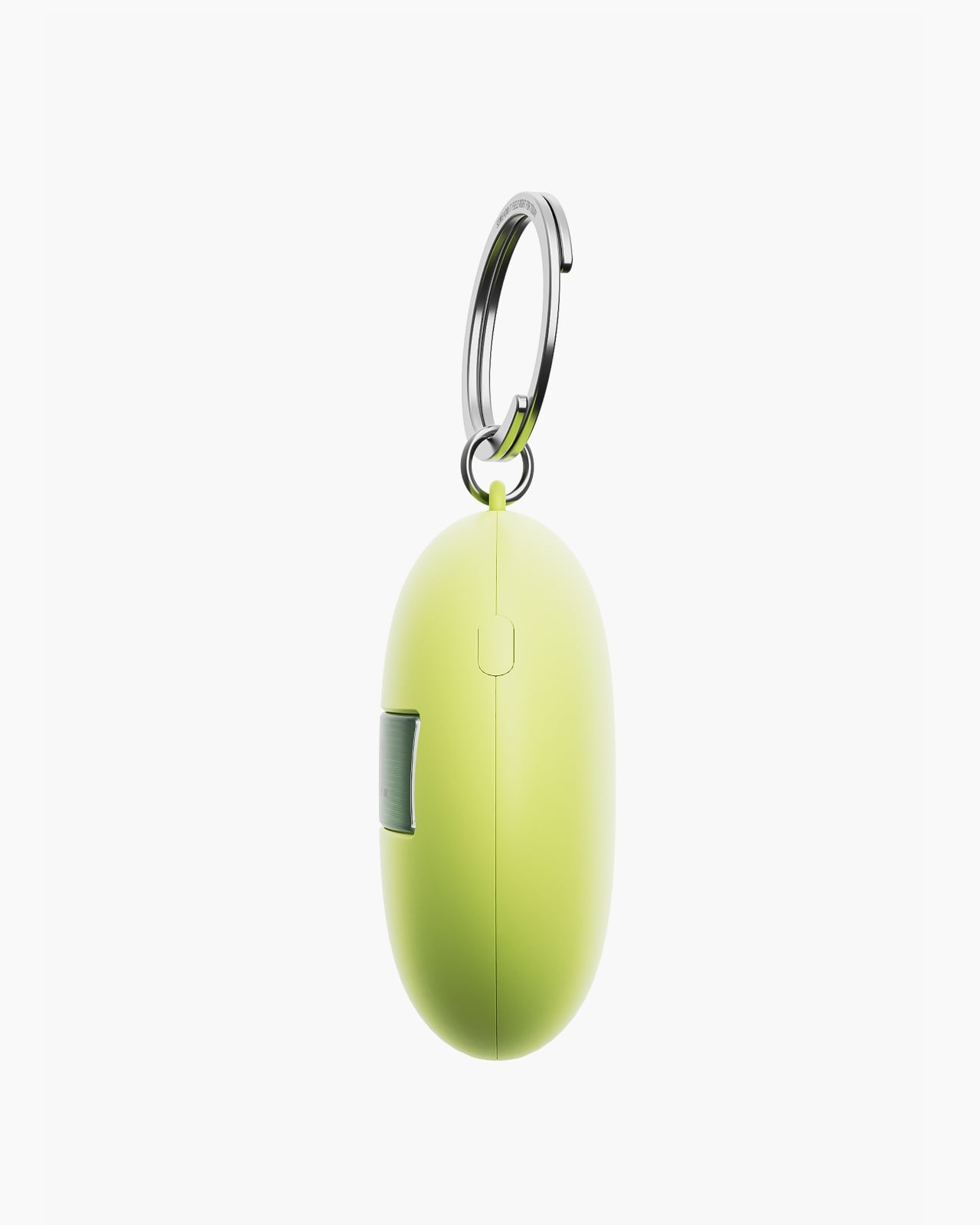
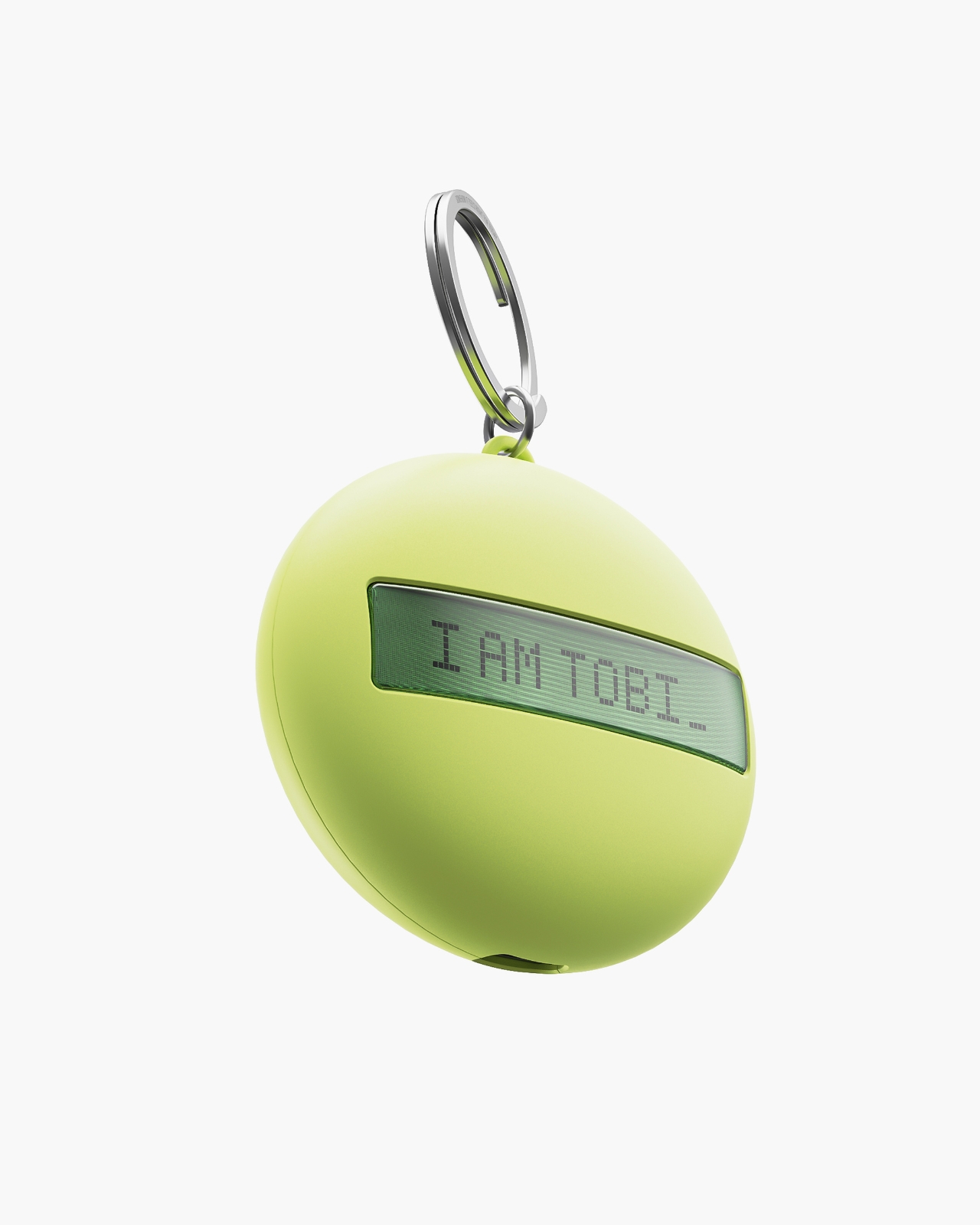
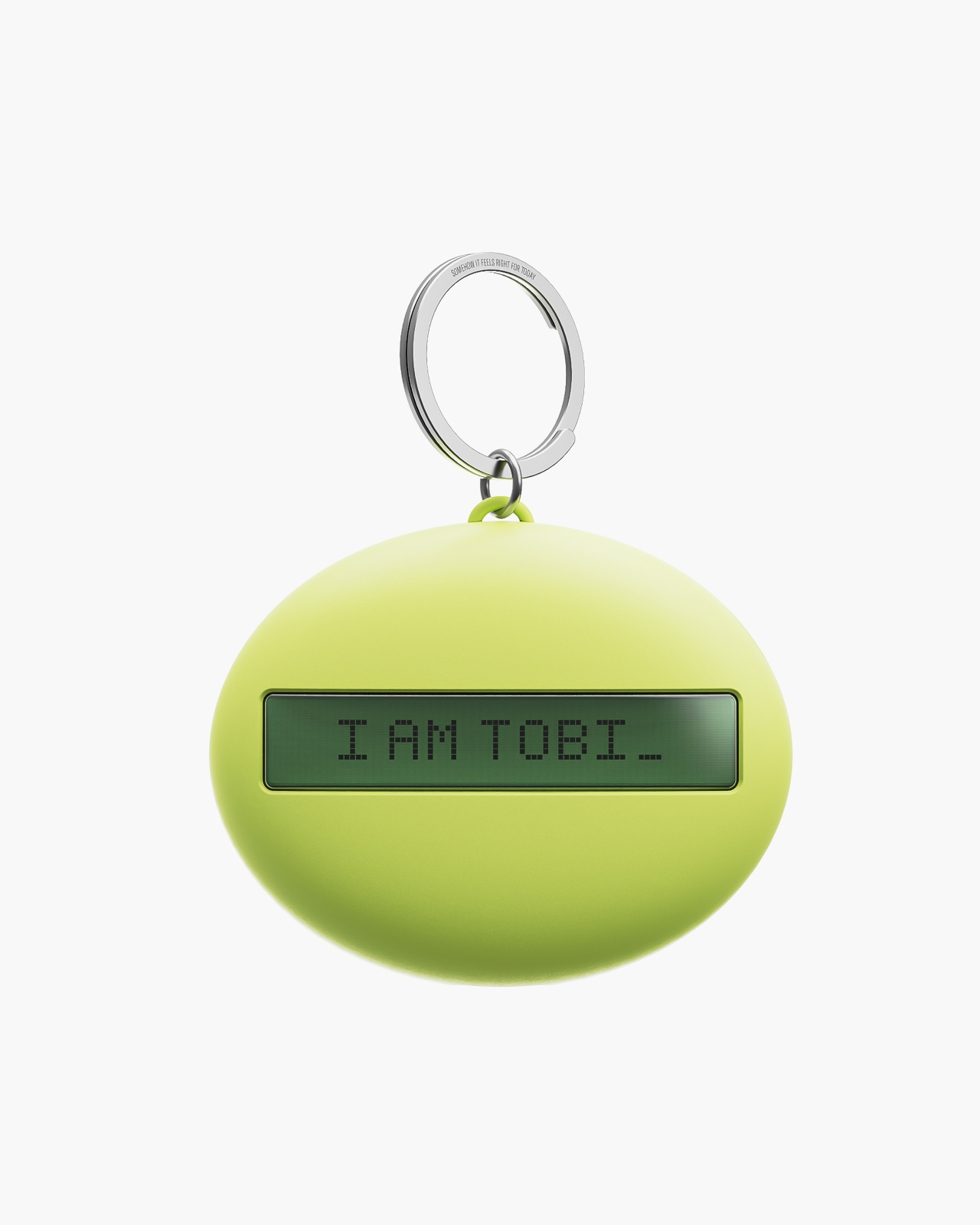
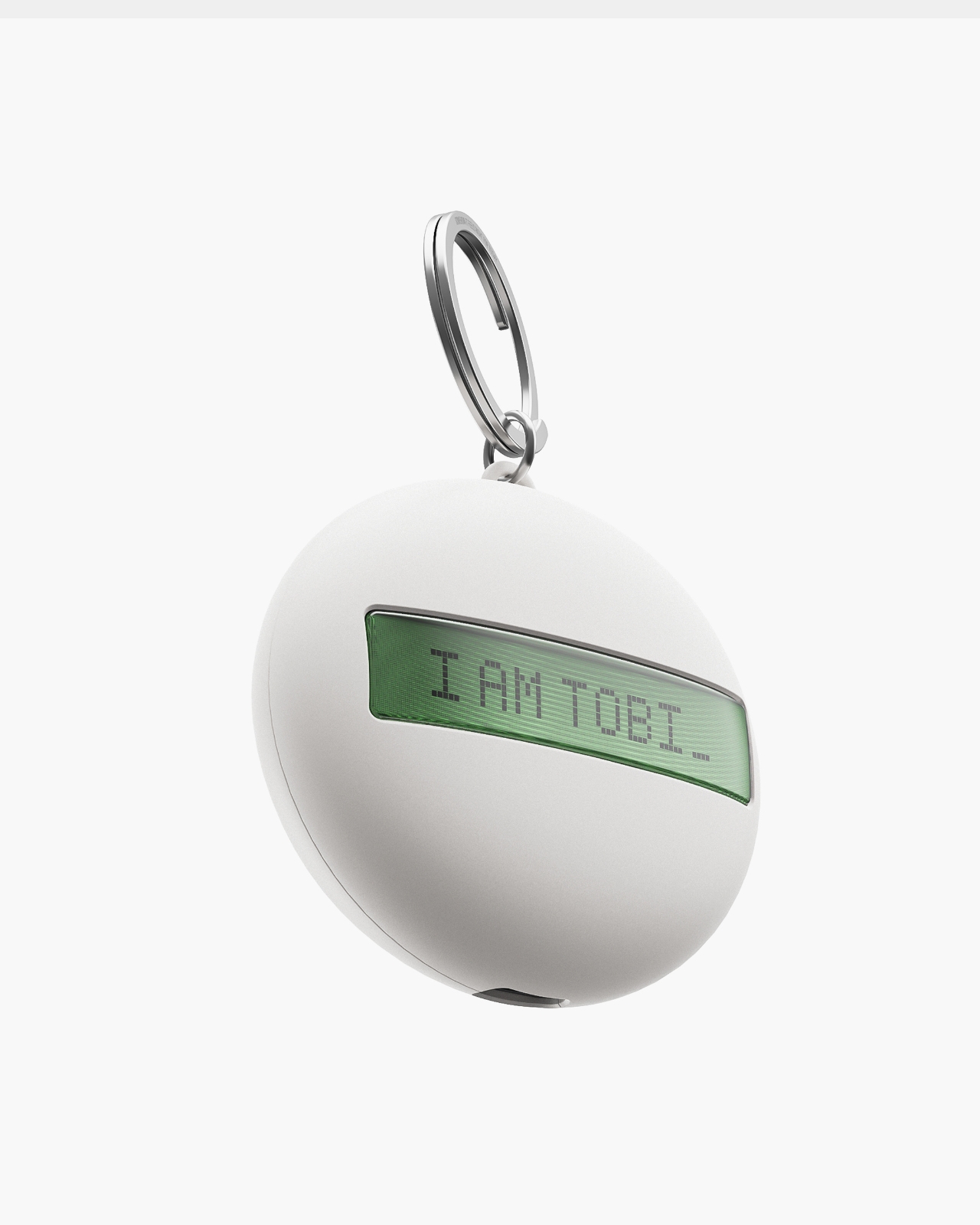
TOBI is a concept for a Tamagotchi-like device that gives you random one-line fortune messages every time you press the button. Rather than just a machine spewing out these lines, it is a keyring-sized device designed to have a personality and be your “friend,” giving you advice or horoscopes whenever you need some random motivation.
Designer: YuJung Jung
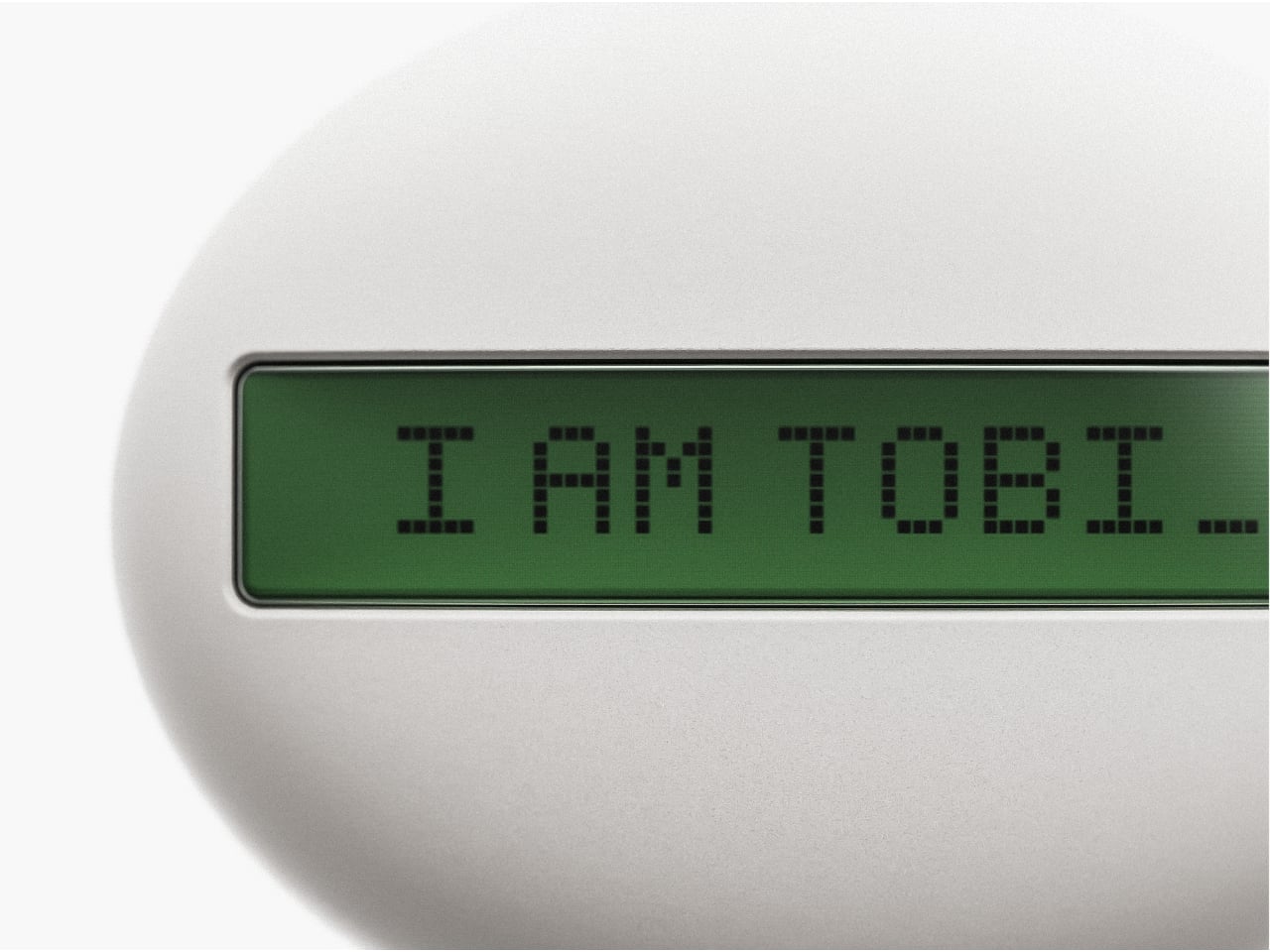
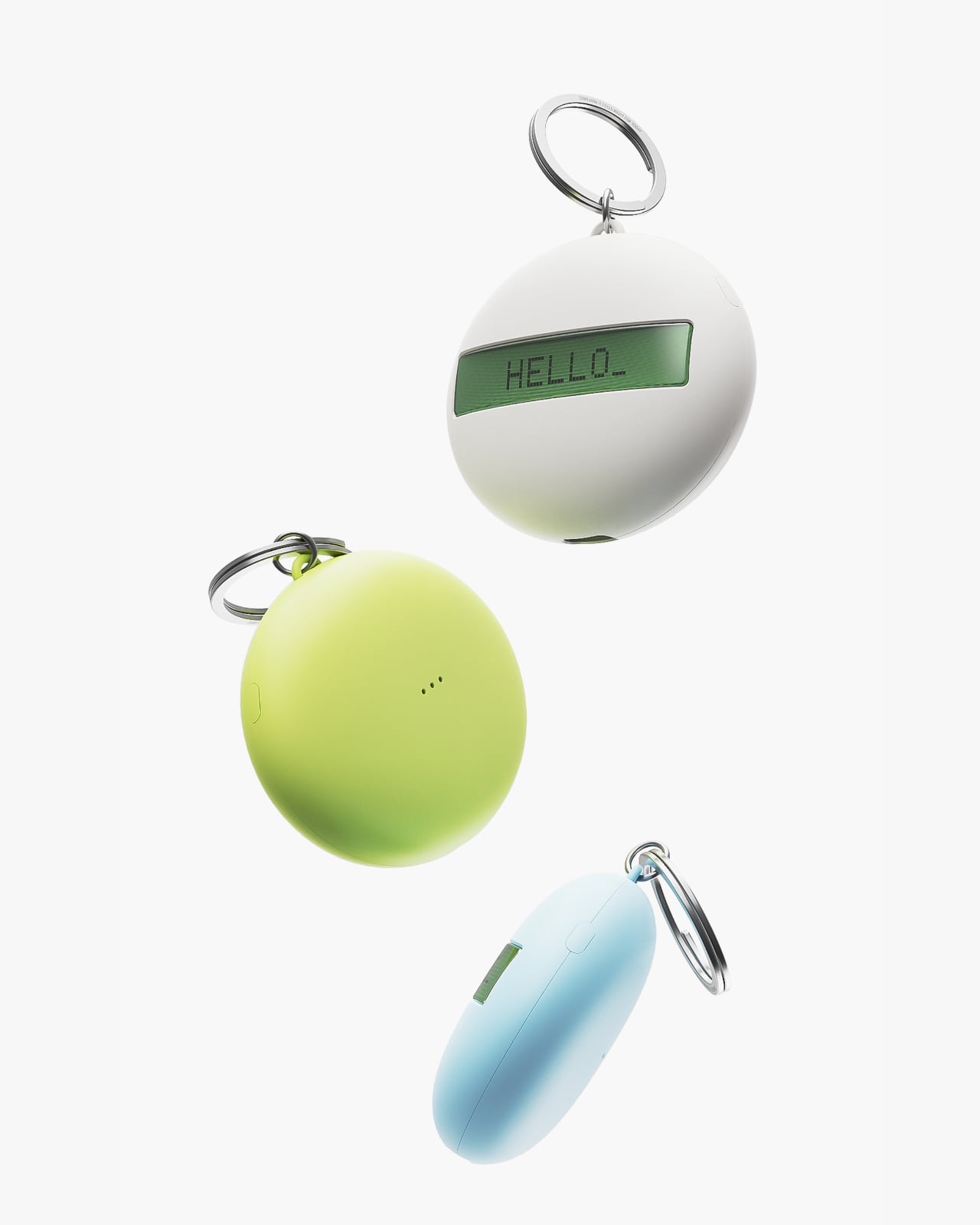
This “cyber friend” comes in a compact oval design that can fit into your wallet, bag, or even clip onto a belt loop. Just hold the button for a couple of seconds and it will introduce itself to you, then give you the one line you may be looking for to kickstart your day. There are no additional features, just a message whenever boredom or curiosity strikes. Instead of reaching for your phone and doom-scrolling, you just press the button and get your one line.
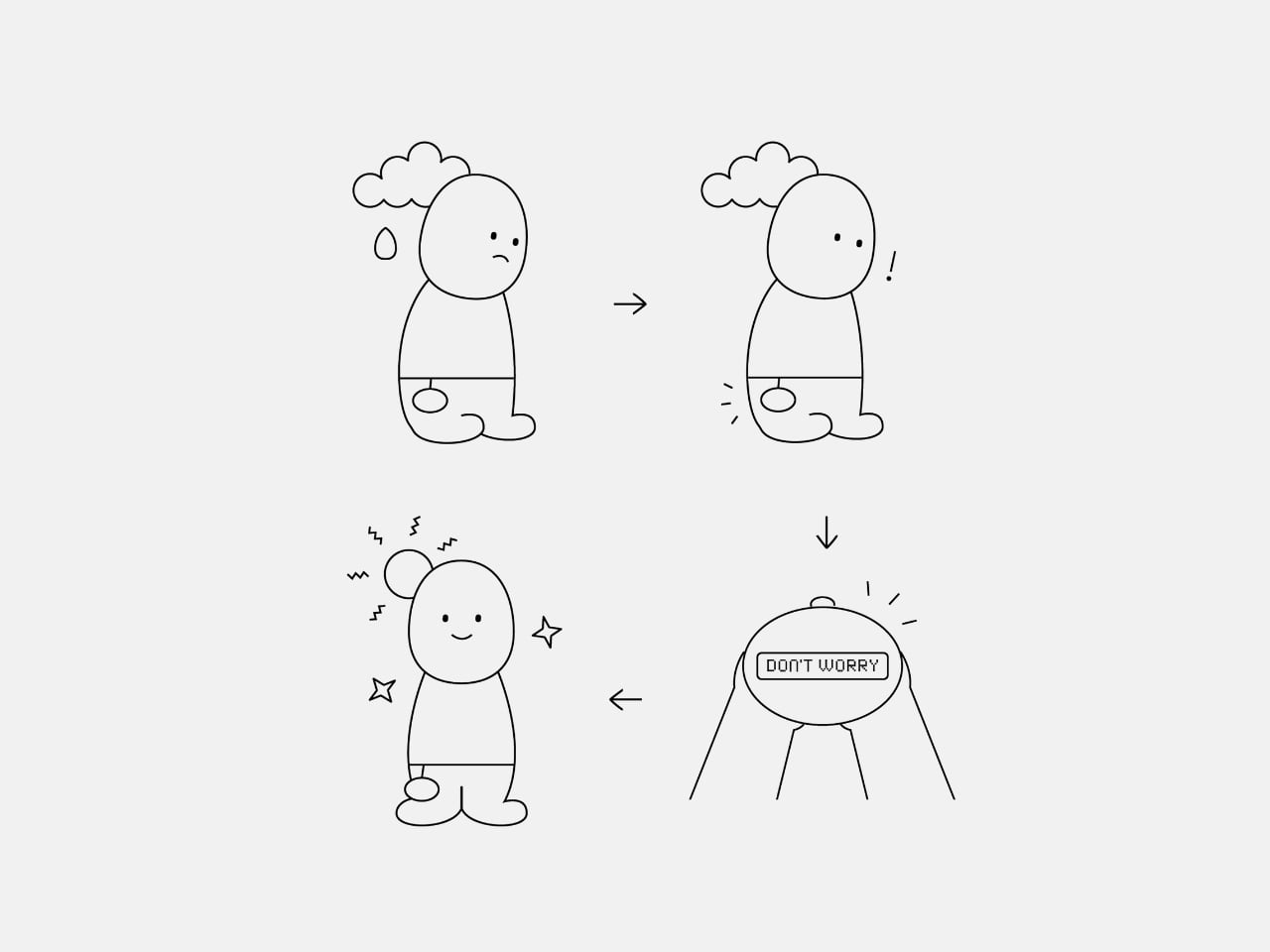
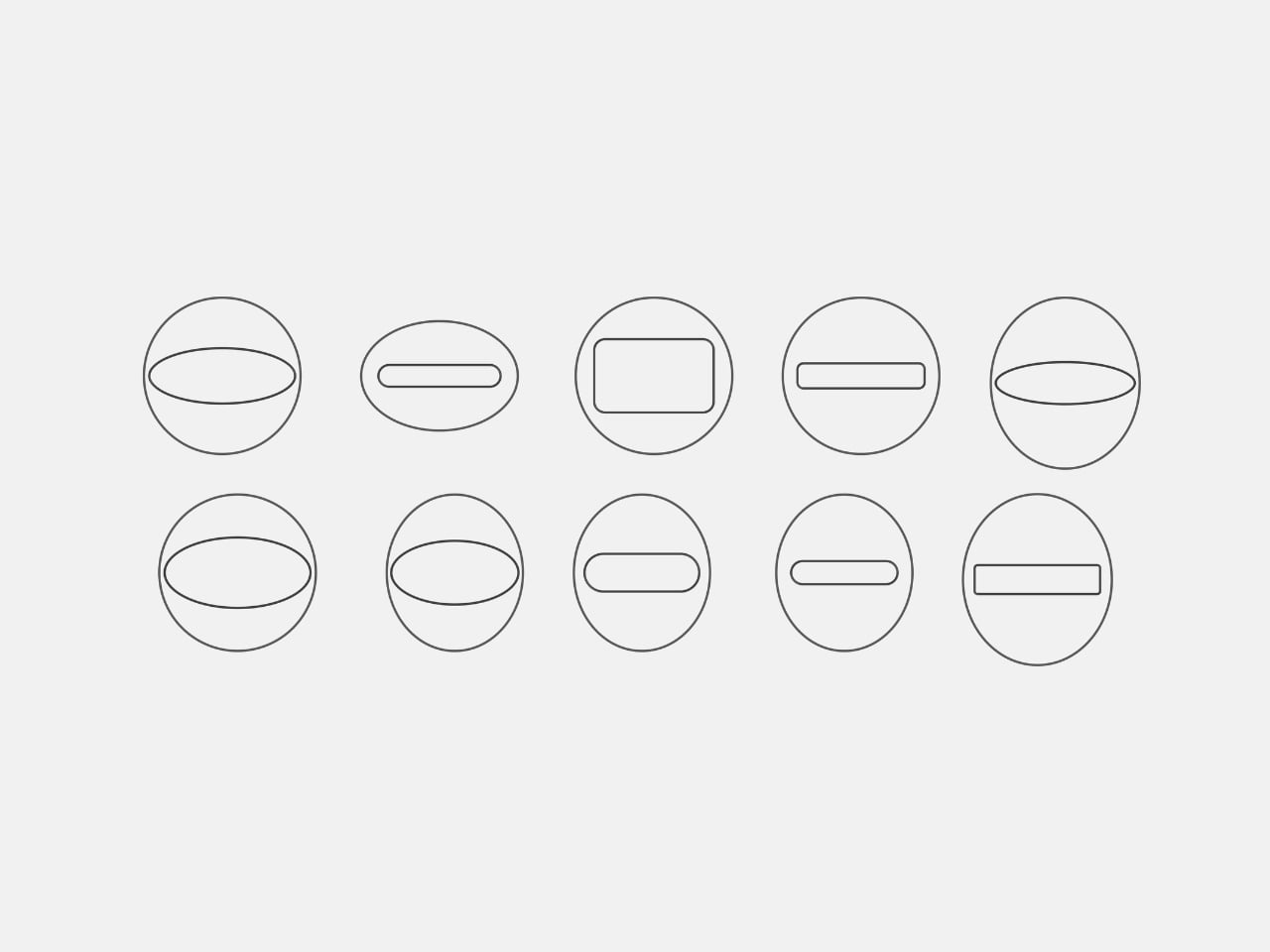
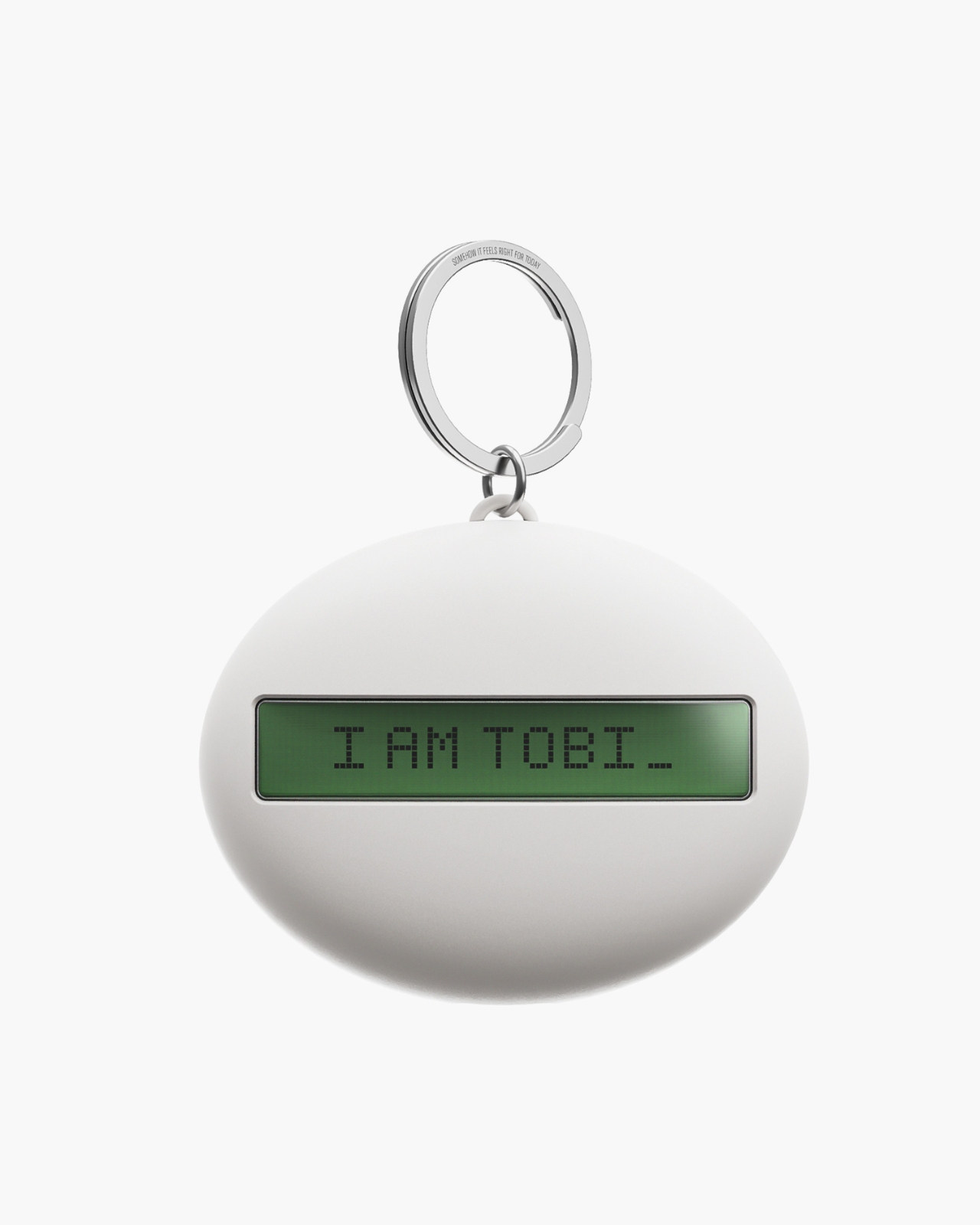
The renders show that it will come in different colors to match your preference. The screen that shows the message takes up about a third of the surface. It scrolls horizontally in a computer-like font, just like unfurling a slip of paper from a fortune cookie. Even though it’s just a keyring, it’s designed to feel like a little companion you’ll want to keep close, like a pocket-sized pet, except you don’t need to feed it or keep it alive.
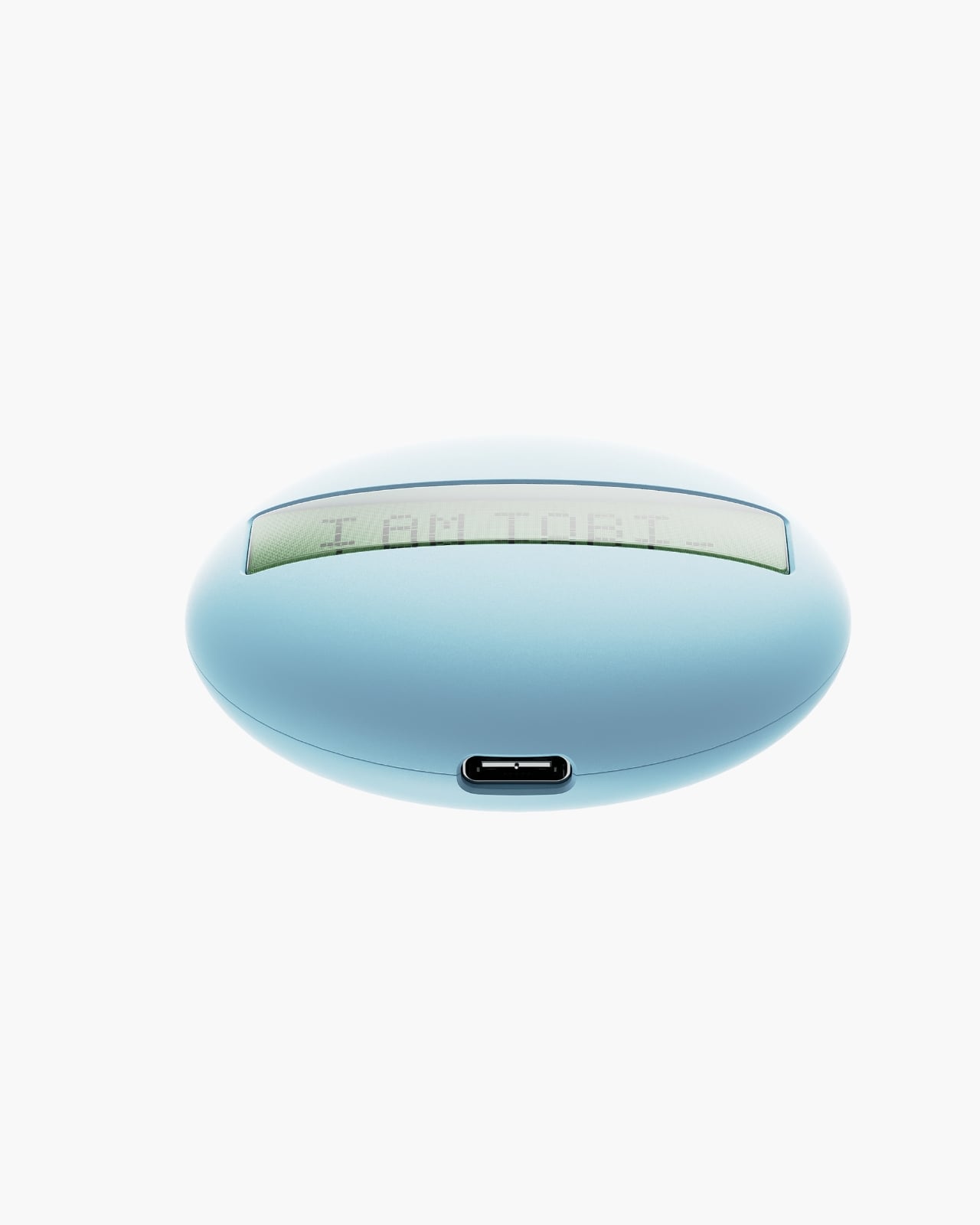
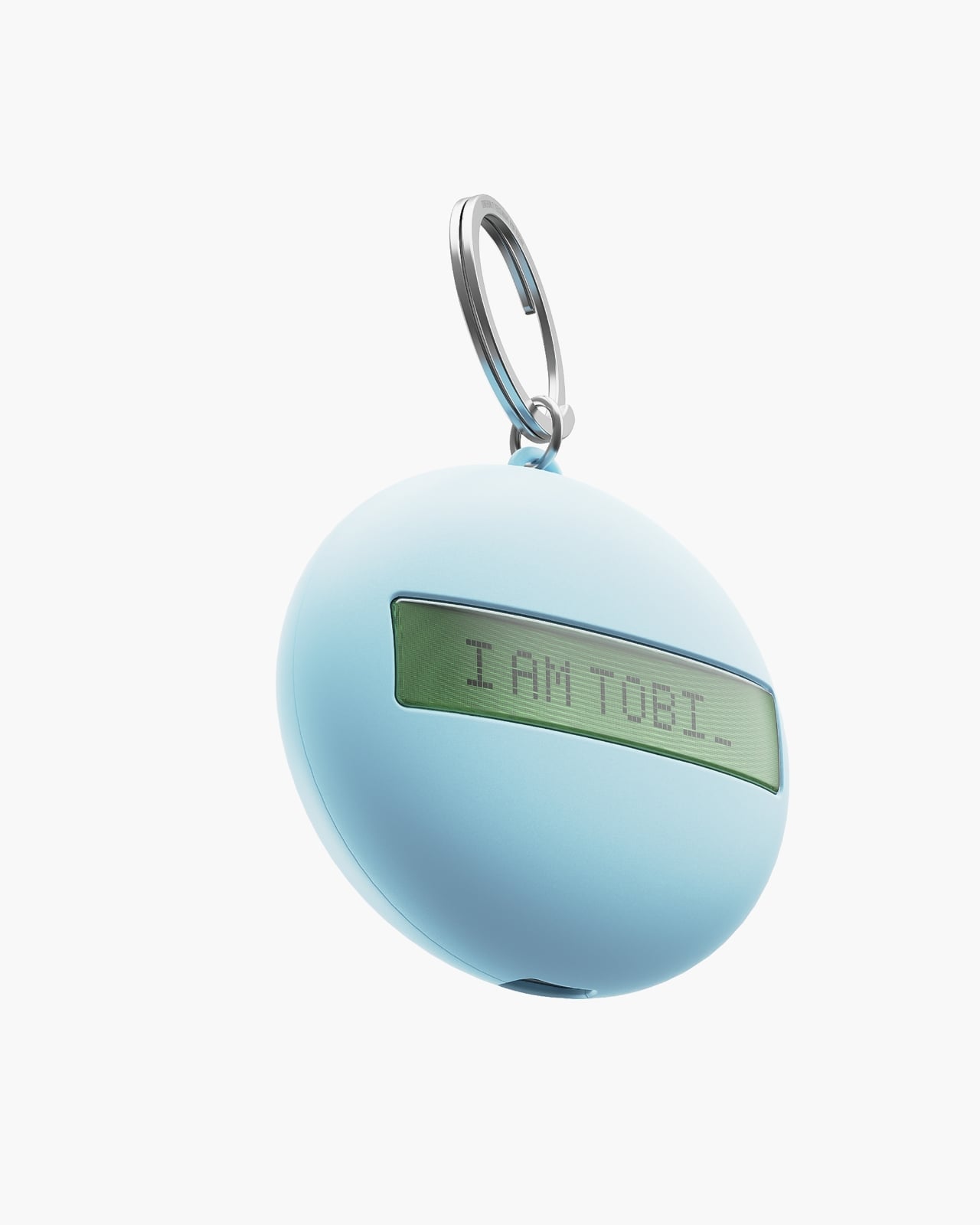
What makes TOBI stand out from the sea of minimalist gadgets being designed right now is the emotional intent behind it. Seoul-based industrial designer YuJung Jung didn’t set out to build another piece of tech. The goal was to create something that sits closer to a charm or a lucky trinket than an actual device, the kind of object you carry not because you need it, but because it means something to you, or at the very least, makes you smile. Jung even developed the proportions through repeated sketches, and the familiar metal keyring was a deliberate choice, one that places TOBI squarely in the same category as the amulets and lucky charms people have carried for centuries. That’s a surprisingly rare thing to aim for in the world of product design, and it’s exactly what makes TOBI feel so different.
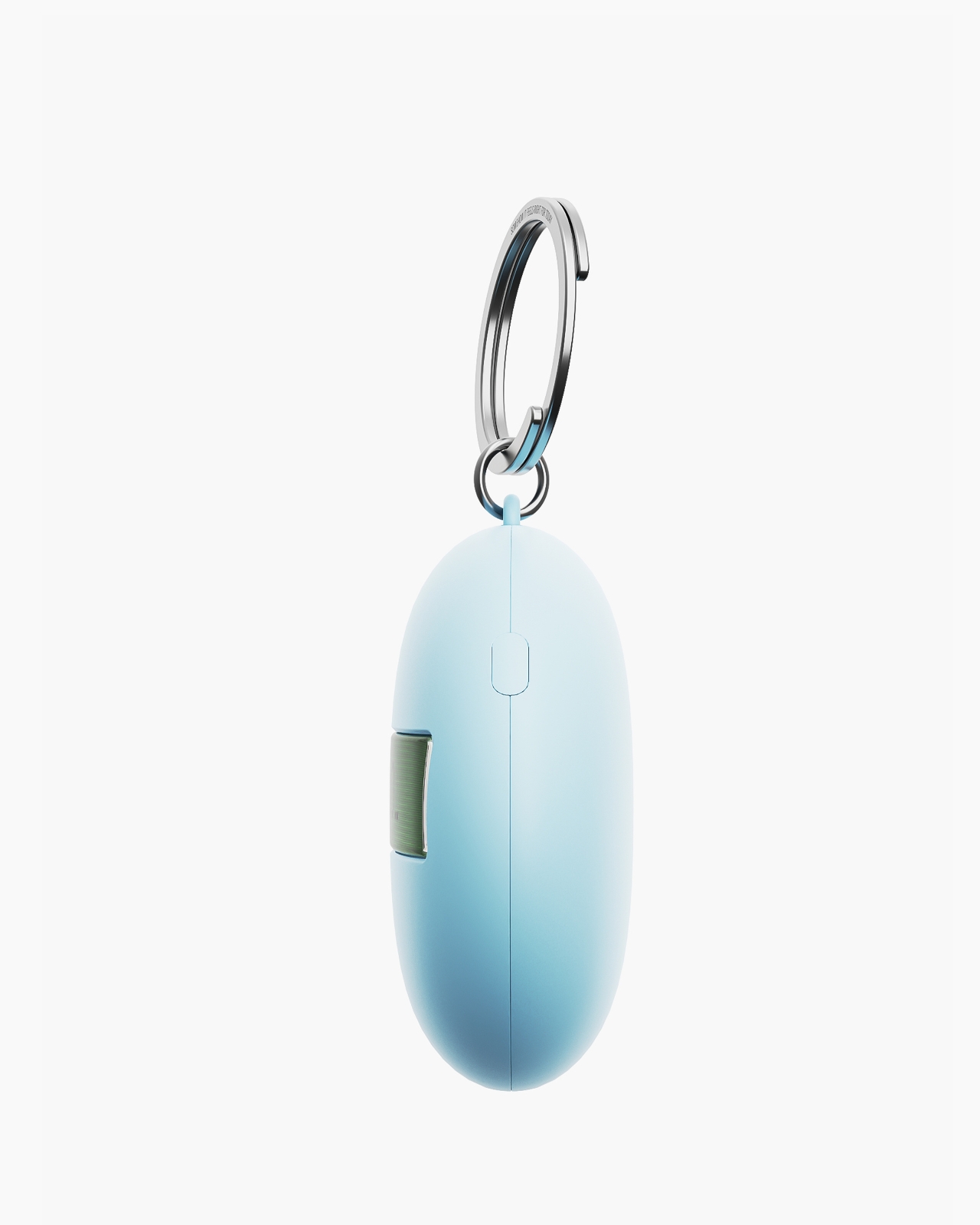
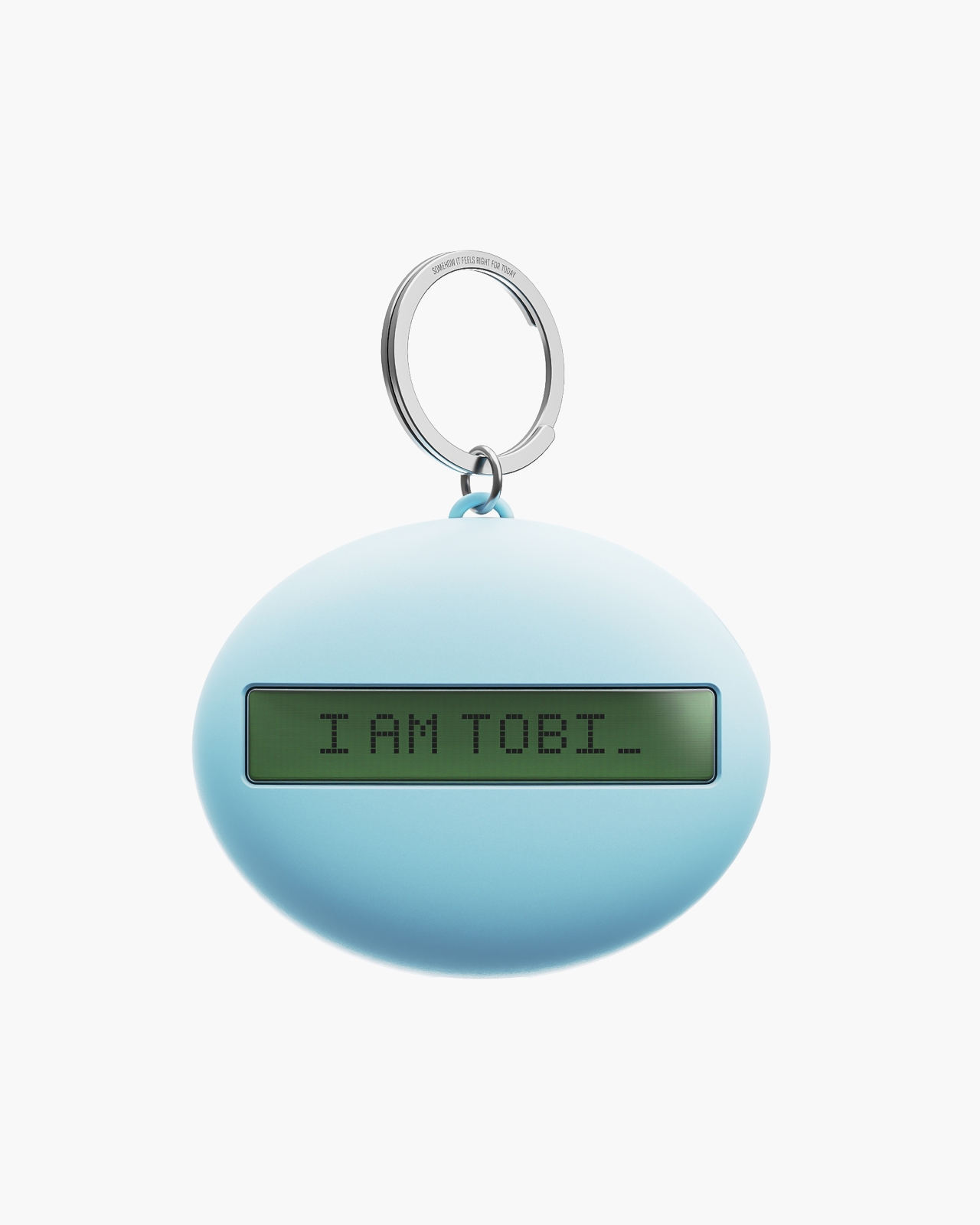
There’s also something quietly rebellious about the whole concept. TOBI is deliberately, almost stubbornly, simple. In a time when every app, gadget, and wearable is competing for your attention with notifications, feeds, and endless features, TOBI offers exactly one thing: a single sentence, delivered when you choose. No algorithm deciding what you see. No pressure to keep scrolling. Just one line that you can carry with you, or choose to let go of.
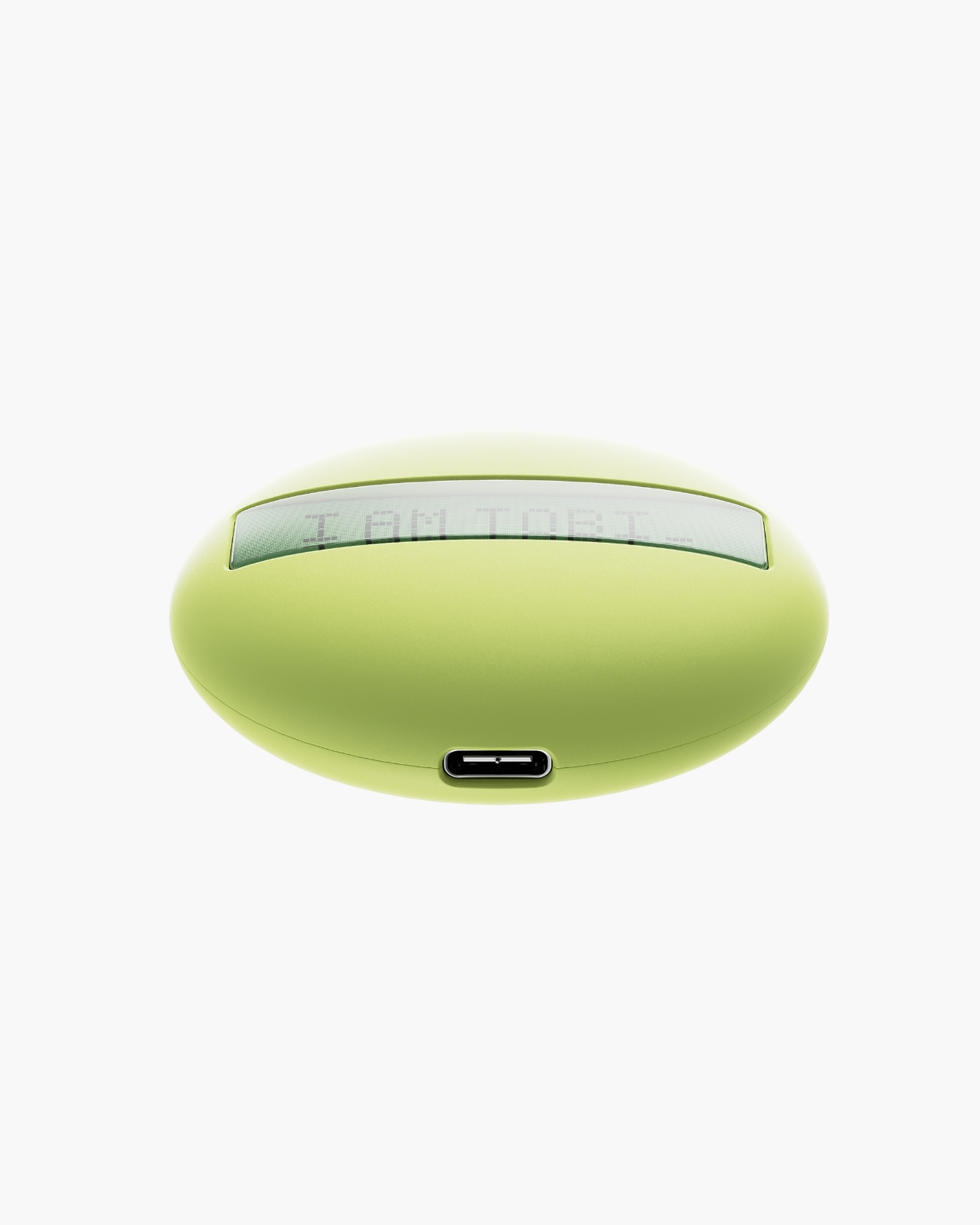
It also lands right at the intersection of two things that are genuinely having a moment, tactile collectible objects and fortune-telling culture. Whether it’s tarot cards, birth chart apps, or manifestation journaling, people are leaning hard into mystical rituals right now. TOBI takes that same energy and wraps it in something you can hold in your hand and clip onto your keys. That’s a combination that feels both timely and timeless, the kind of thing you’d gift to a friend who already has everything.
For now, TOBI remains a concept, a beautifully realized one, but a concept all the same. There’s no release date, no crowdfunding page, and no price tag attached just yet. But honestly, the fact that it doesn’t exist yet somehow makes it more exciting to follow. Thoughtful, specific designs like this don’t always stay as renders forever. And if TOBI ever does make it to shelves, I have a feeling the waitlist would be very, very long, and I’d be somewhere near the front of it.
The post A Korean Designer Just Built the Lucky Charm Gen Z Always Wanted first appeared on Yanko Design.