8 Summer Travel Gadgets & Gear So Good They’ll Make You Book a Flight You Haven’t Planned Yet

Most travel gear exists in one of two categories. It either works beautifully and looks like it was designed for a logistics warehouse, or it looks great sitting on a shelf and becomes a liability the moment you actually need it. The list below doesn’t belong to either. These are products built around a deceptively simple idea: that good design should travel as well as you do, and that the objects you carry should earn their place in your bag every single time.

We pulled this list together with one criterion in mind beyond the obvious. Each product had to make the experience of traveling feel more deliberate, more considered, and genuinely more enjoyable — not just less inconvenient. Plenty of things solve a problem. Very few solve it in a way that makes you reach for them every time you leave the house. These eight do.

1. Oppo and Vivo Gimbal Cameras

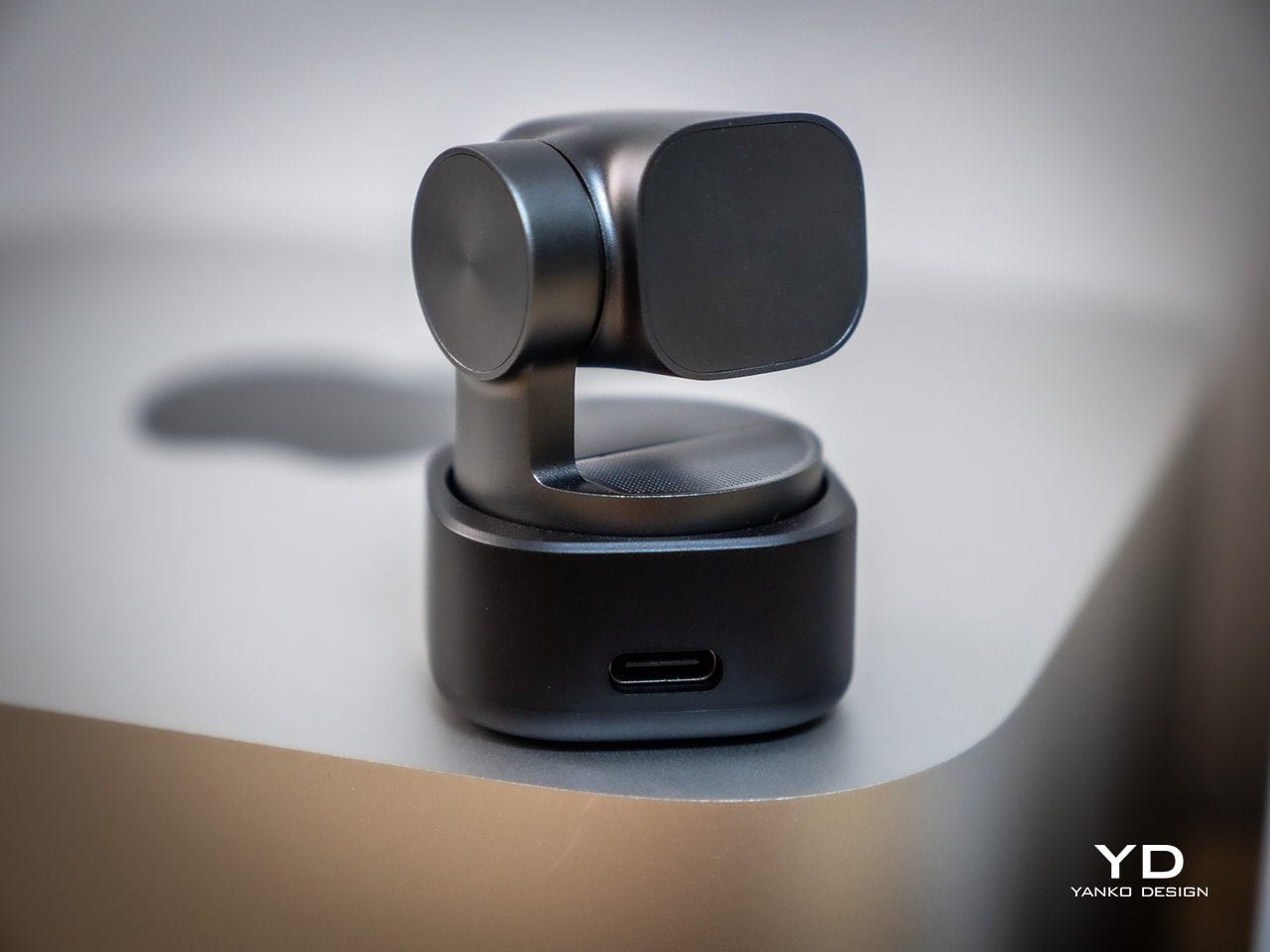
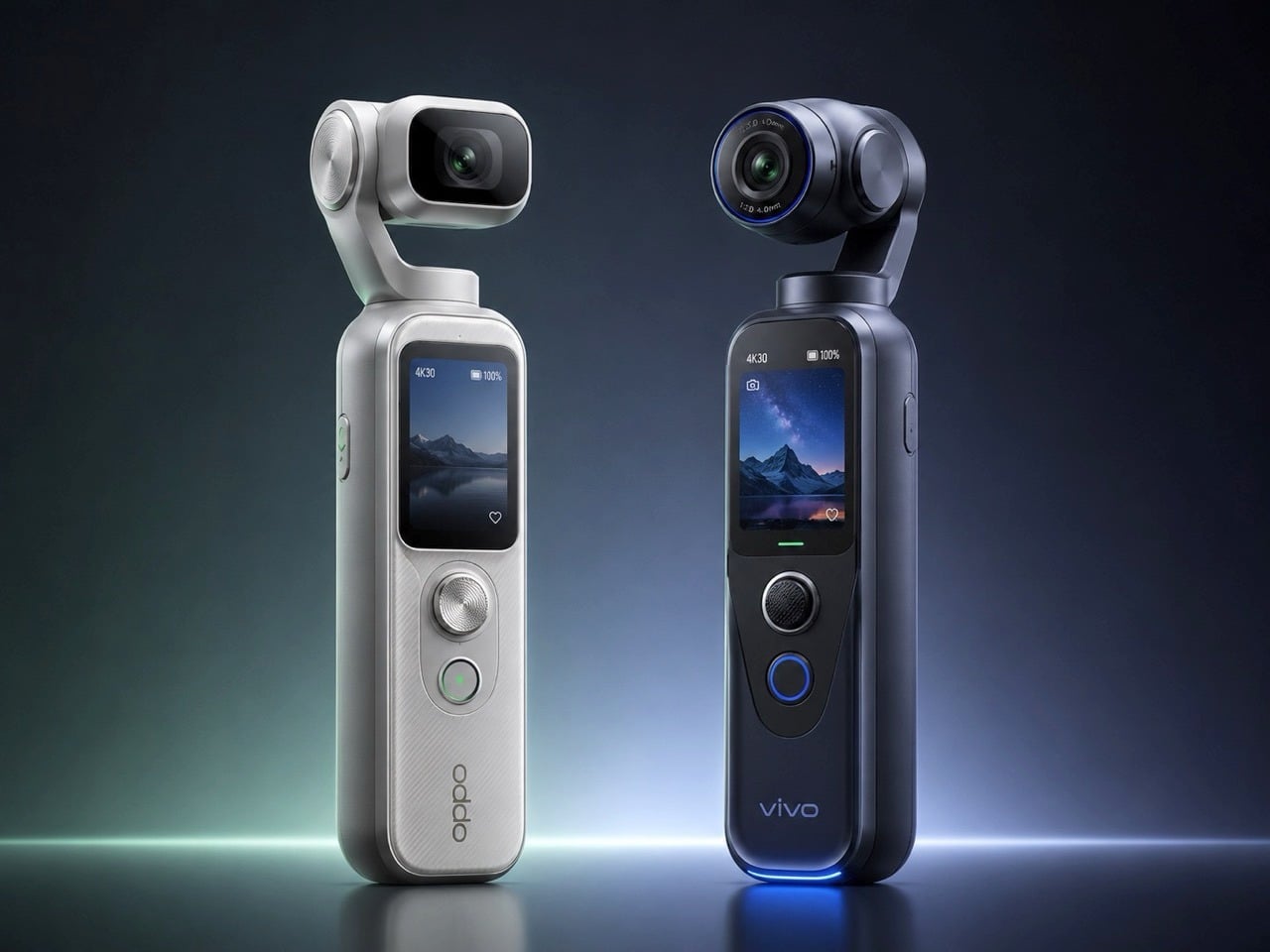
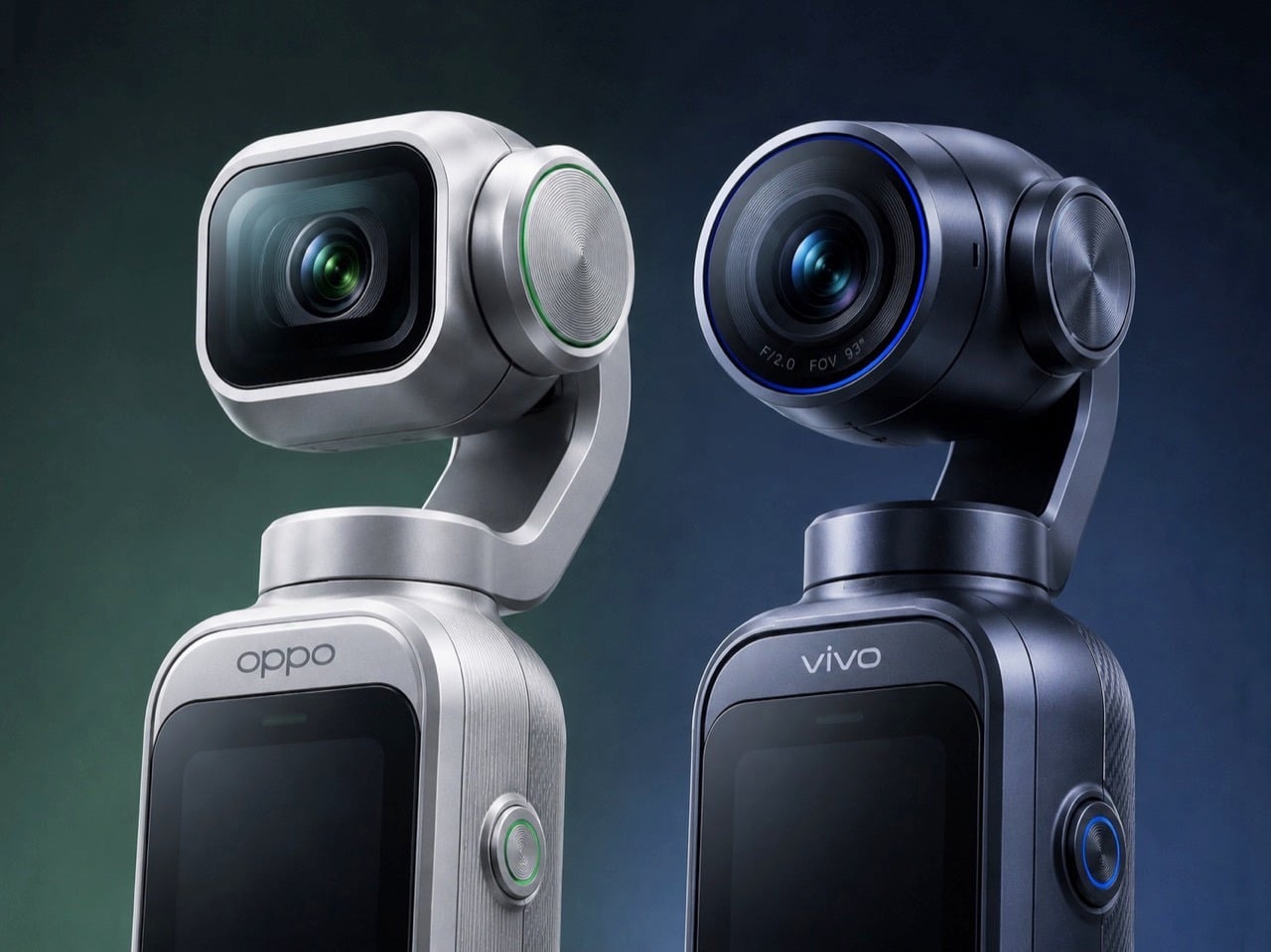
The smartphone camera arms race has been running for years, but both Oppo and Vivo have now made a move that changes the conversation entirely. Rather than competing purely on sensor size or software processing, both brands are building dedicated gimbal cameras designed to take on DJI’s Osmo Pocket series directly. The proposition is a compact, stabilized camera device that draws on each brand’s decade of computational photography experience, now applied to a device that exists solely to capture great video and stills without the phone attached.

What makes this worth paying attention to from a design standpoint is the form factor decision. Dedicated cameras have largely defaulted to either the bulky end or the toy end, with very little in between that feels genuinely pocketable without compromise. The Osmo Pocket carved out that middle ground almost by accident. Oppo and Vivo entering this space with the full weight of their camera research behind them means this category is about to get far more competitive. If you shoot travel content and find your phone getting in the way of how you actually want to move, this is the category to watch before your next trip.

What we like:

  • Two major smartphone camera brands entering the dedicated gimbal space means the Osmo Pocket’s design monopoly on this category is finally under real pressure
  • The crossover between smartphone computational photography and dedicated hardware suggests these will handle low light and stabilization in ways previous pocket gimbals have only approximated

What we dislike:

  • Both cameras are still in the announcement phase, meaning there is no confirmed release date or pricing to plan around right now
  • The category still requires carrying an additional device, which is the exact friction point a better smartphone camera was supposed to eliminate

2. Stillframe Headphones

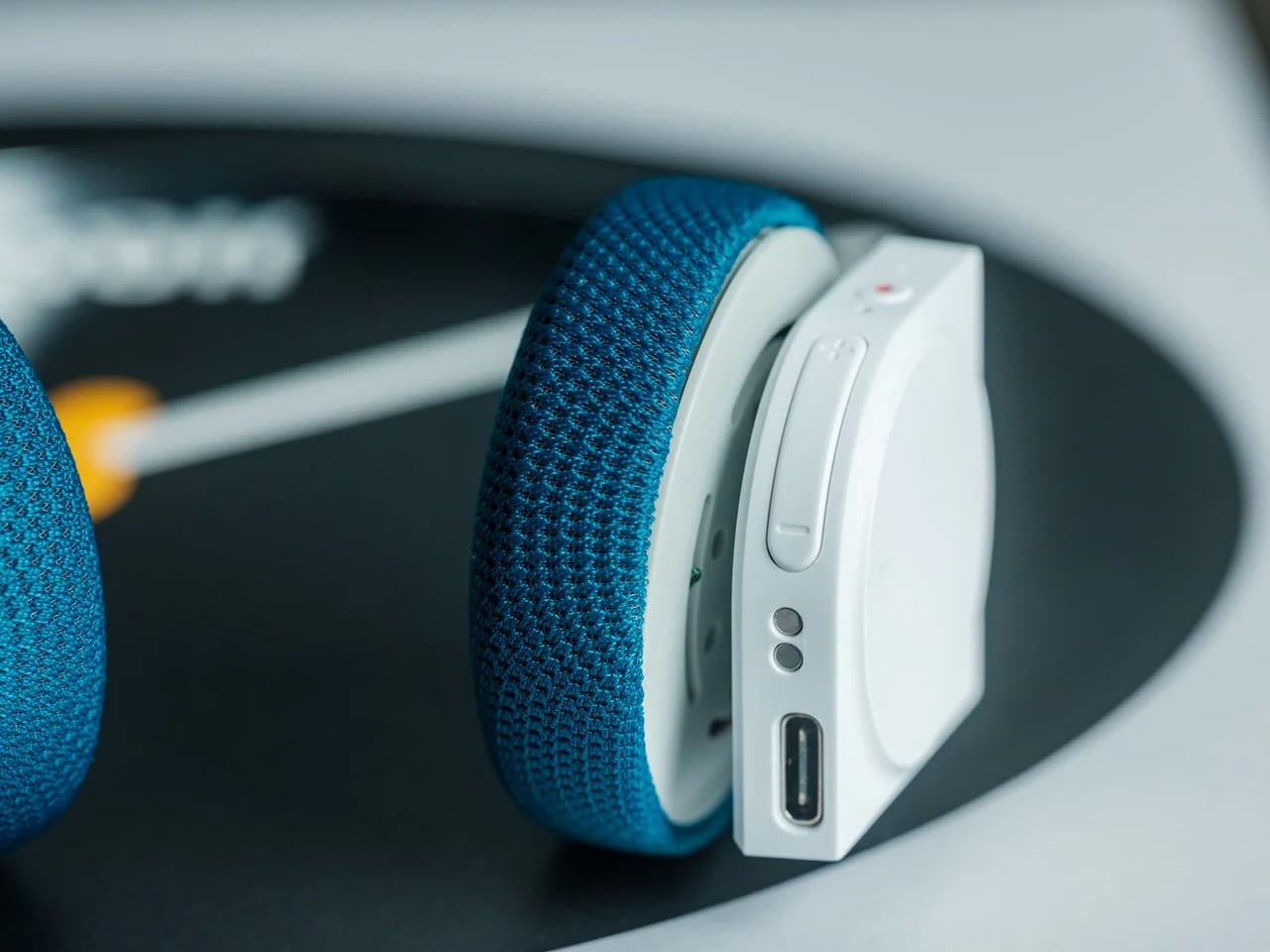
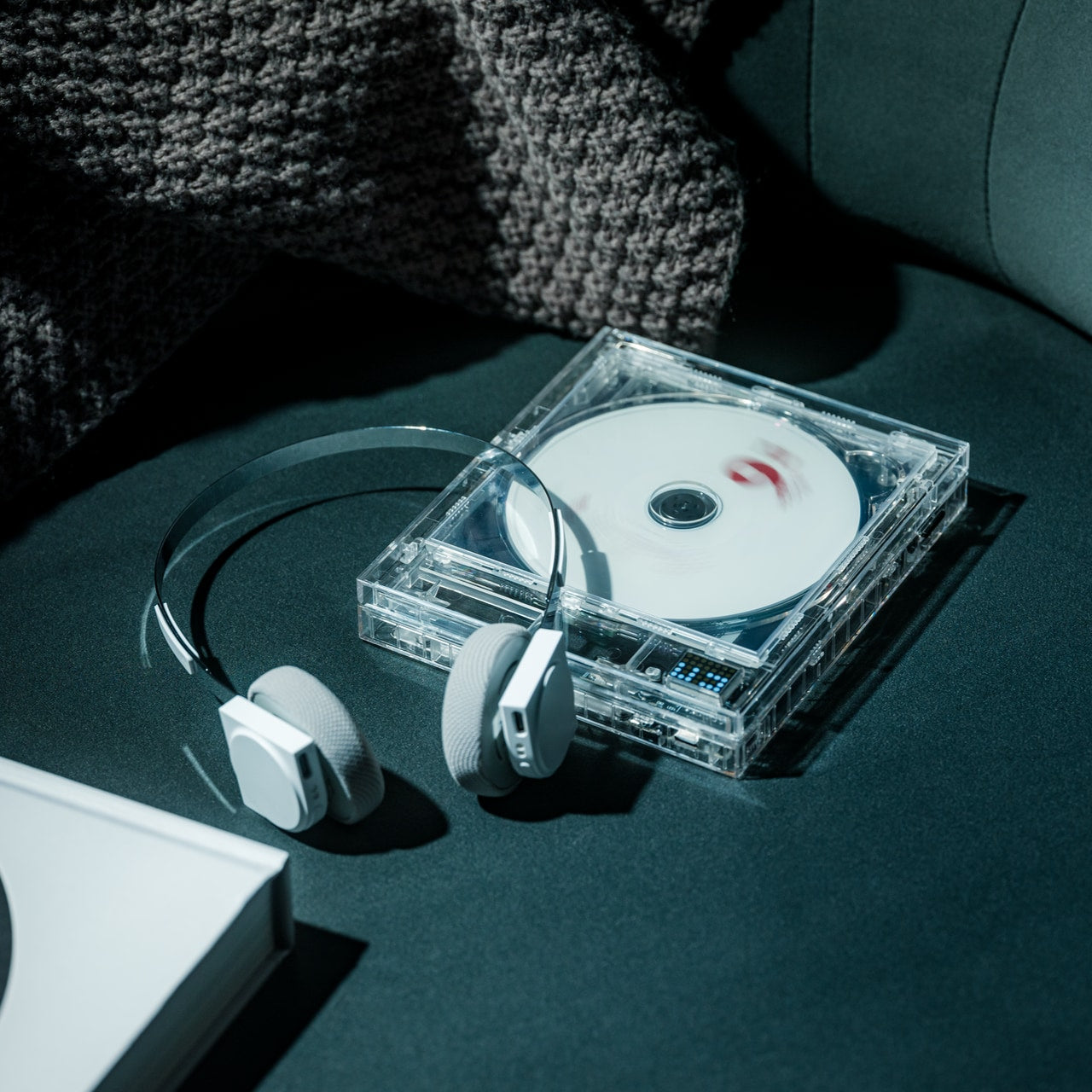
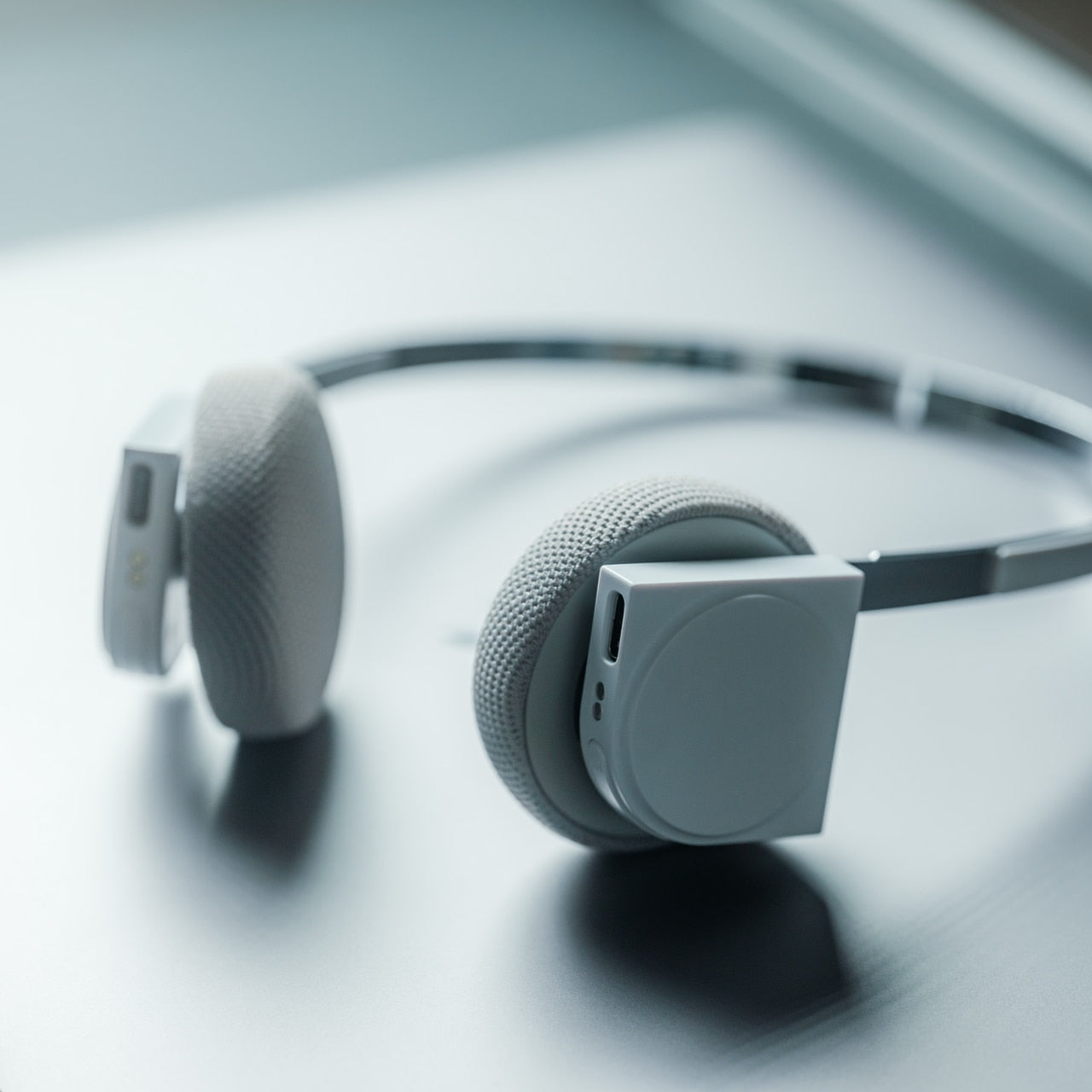
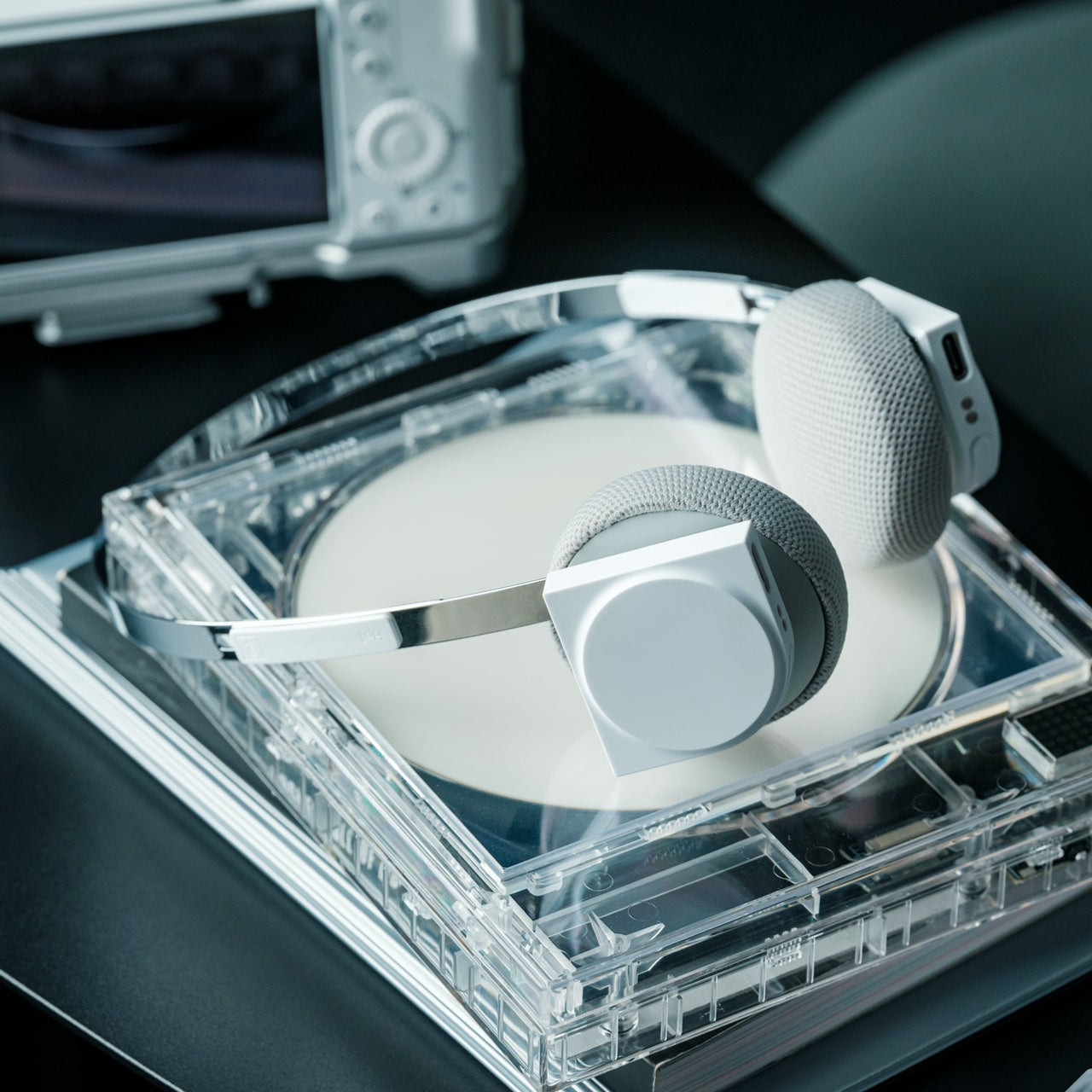
There is a category of travel headphones that exists somewhere between the clinical noise-cancelling slabs most airlines push on you and the fashion pieces that fall apart the first time you stuff them into a bag. The design language reads as functional first — the kind of headphones you would wear through a six-hour flight without adjusting every twenty minutes, and still feel like putting on when you land and need to think.

For travel specifically, the value of a pair of headphones you actually want to wear compounds across every leg of a journey. The airport gate, the connection, the hotel room where you are trying to reset before a meeting the next morning — audio quality matters at all of those moments, but so does how the object feels in your hands and on your head. The Stillframe headphones are designed with that sustained-wear reality in mind, which makes them a different kind of travel companion from the options that optimize for a single use case and assume everything else works itself out.

Click Here to Buy Now: $245.00

What we like:

  • The design aesthetic lands outside the clinical or fashion-forward extremes that dominate the travel headphones market, which is a rarer quality than it sounds

What we dislike:

  • Without a full published spec sheet, audio performance is still something you would want to verify against your own listening habits before committing

3. Carl Friedrik 72-Hour Backpack

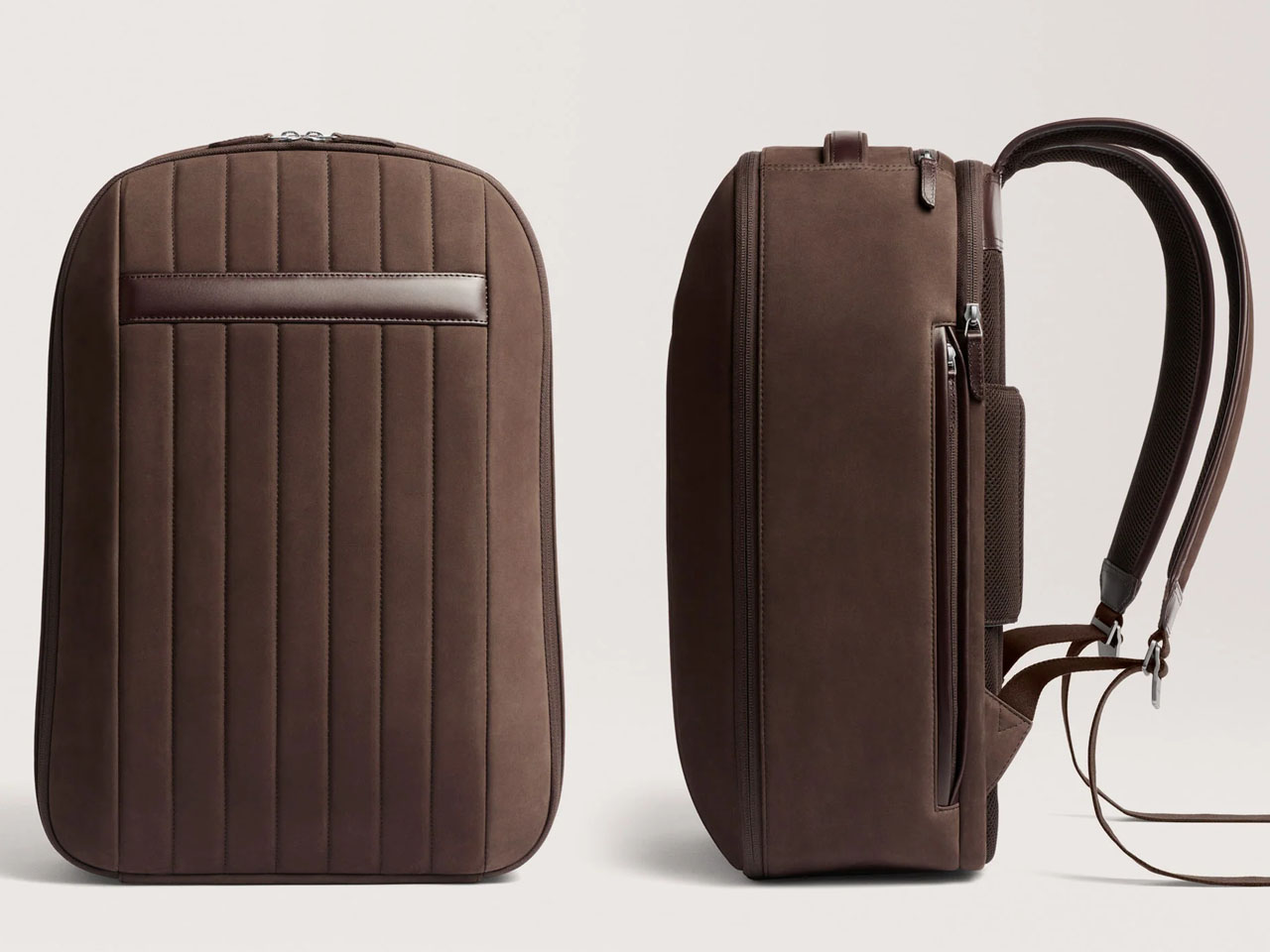
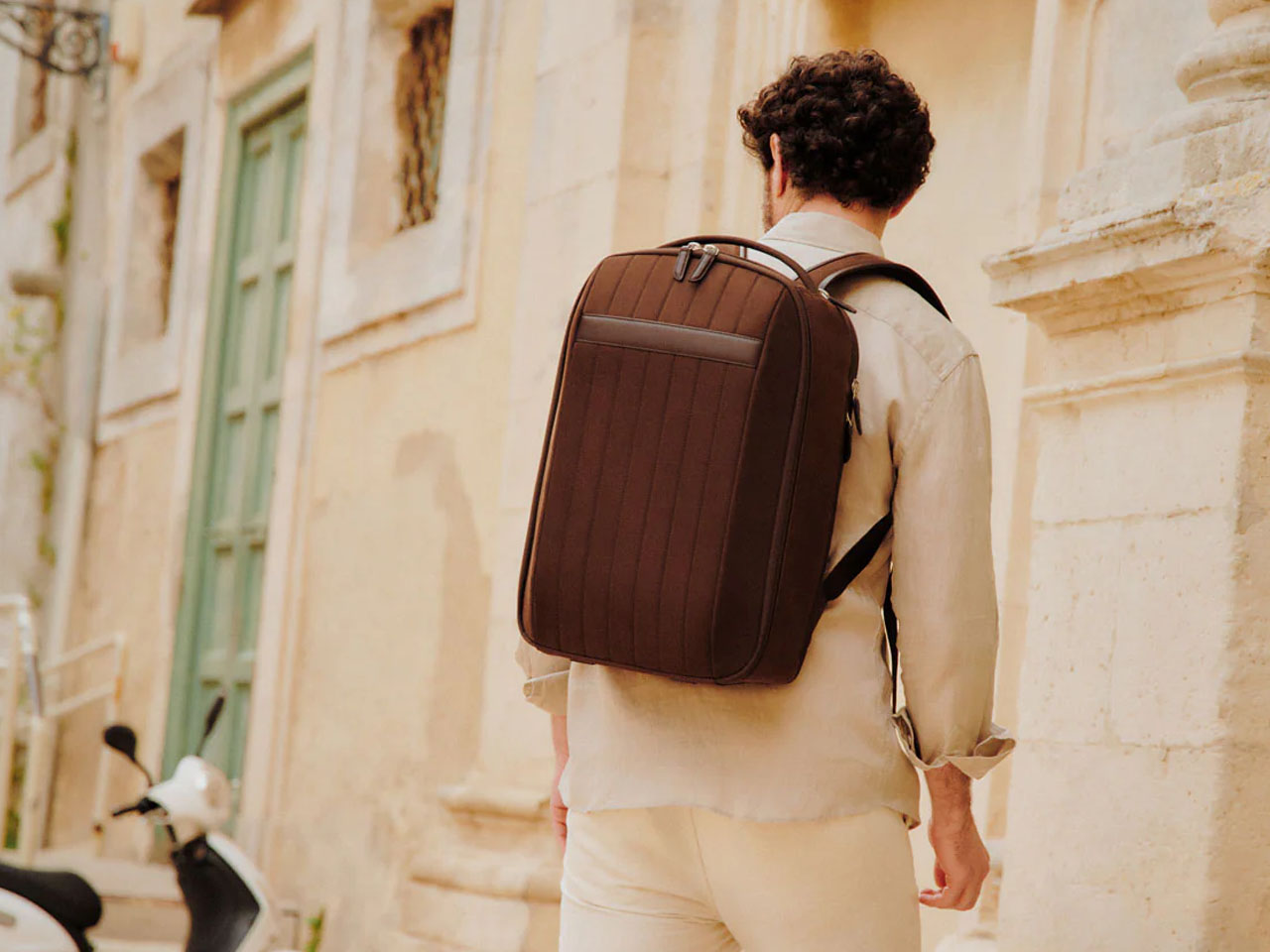
Carl Friedrik has been making the case for premium materials in everyday carry for years, and the 72-Hour Backpack is the clearest articulation of what that means in practice. The design skips the traditional top-load configuration in favor of a clamshell opening, which sounds like a small decision until you have stood at airport security with a laptop in hand, trying to repack a top-load bag while the line behind you moves. The clamshell opens flat, keeps everything visible at once, and closes back up without requiring any particular thought or repacking ritual.

The 72-hour designation is specific because it is honest. This is not a weekend bag pretending to be a carry-on, and it is not a carry-on pretending it can do more than it should. It holds what you need for three days of real travel — laptop, change of clothes, chargers, documents — without expanding into a shape that defeats the purpose of traveling light in the first place. The material quality is the kind that ages well rather than looking worse after six months of regular use, which is the long-term argument for spending more on a travel bag than instinct usually says you should.

What we like:

  • The clamshell opening is a genuinely useful design decision that solves a real airport friction point rather than being a feature added for a spec sheet
  • Carl Friedrik’s material standards produce a bag that improves with use rather than deteriorating under the accumulated wear of frequent travel

What we dislike:

  • The premium positioning comes with a premium price, which makes it a travel investment rather than a travel purchase for most people
  • The 72-hour sweet spot means it deliberately undershoots for longer trips, so you would need a separate solution for anything beyond a long weekend

4. Tetra

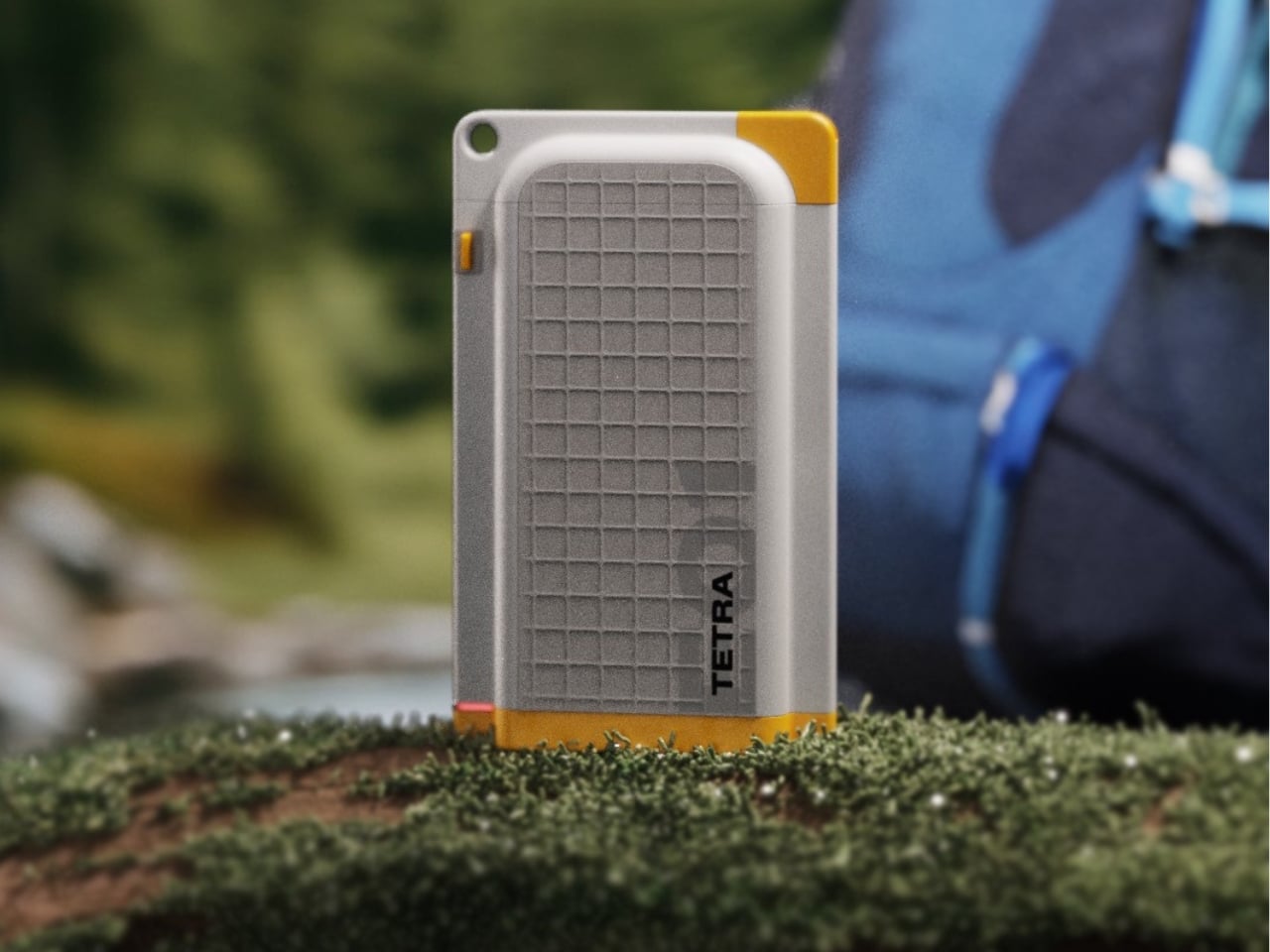
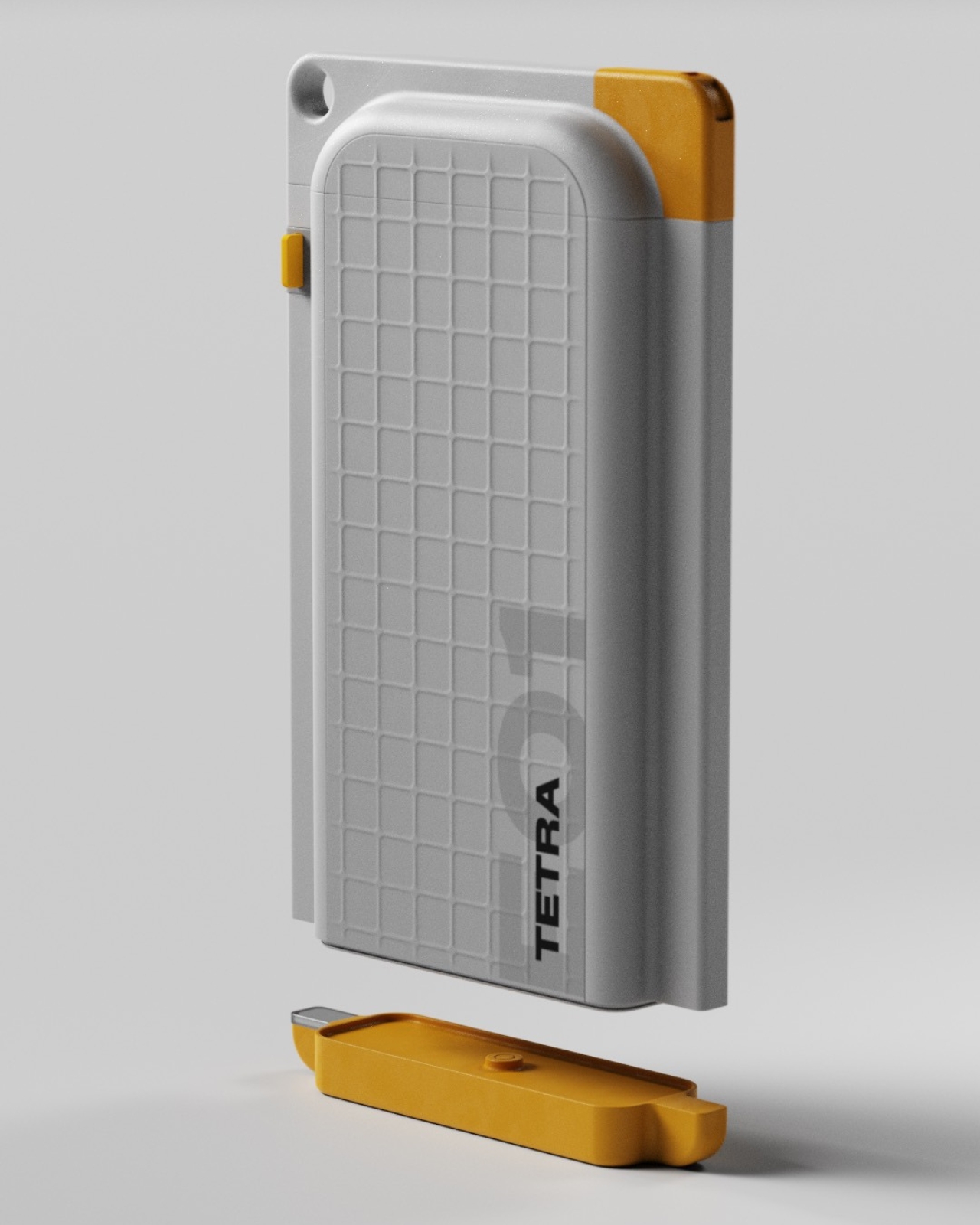
The flat bottle that becomes a kettle solves a problem you might not know you have until you have spent a week in hotels where the in-room kettle is either missing or something you would rather not look at too closely. At its flattest, this bottle sits at roughly A5 notebook size — the kind of footprint that genuinely fits in the outer pocket of whatever bag you are already carrying, not in the way that manufacturers describe as fitting but that actually requires rearranging everything else. When you need it, it expands into a functional travel kettle, handling the one hot-drink moment that hotel rooms handle poorly and camping trips require consistently.

What makes this worth noting as a design object rather than just a useful product is the honesty of its form. It does not try to look like a conventional bottle at its compact size. It looks like what it is — a flat, engineered thing that knows exactly what it is doing. That kind of specificity in product design is rarer than it should be. For travel specifically, the ability to make your own tea or coffee in a hotel room without relying on the in-room setup is a small quality-of-life detail that becomes a non-negotiable habit once you have experienced it even once.

What we like:

  • The A5 flat profile is a genuinely honest claim about packability, not a marketing approximation for a product that still takes up a third of your bag
  • Dual functionality as both bottle and kettle without the usual performance compromise at either end of the use case

What we dislike:

  • The expanding mechanism is the most interesting part of the design, which also makes it the part most likely to show wear under heavy, frequent use

5. AirPods / AirPods Pro Neck Strap

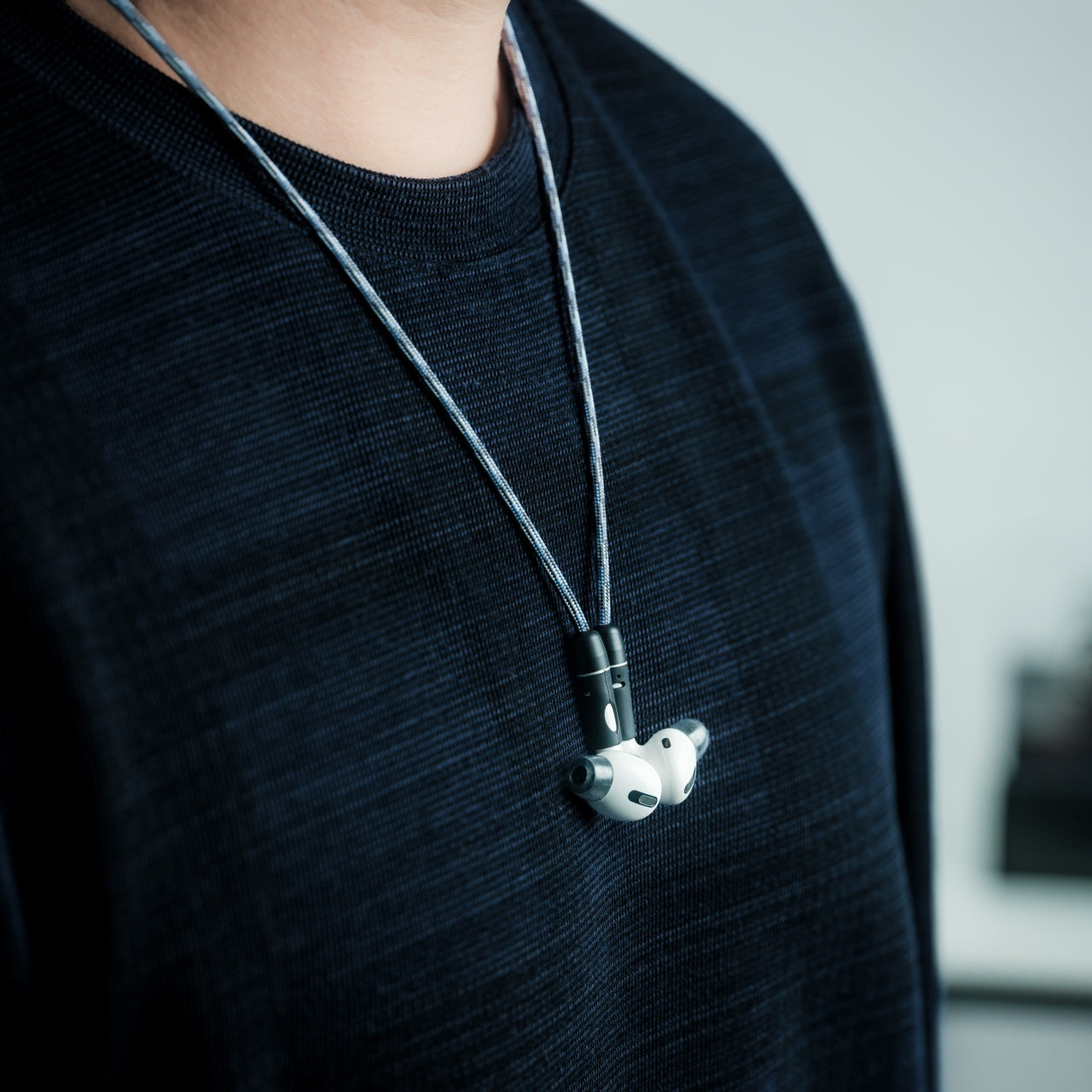
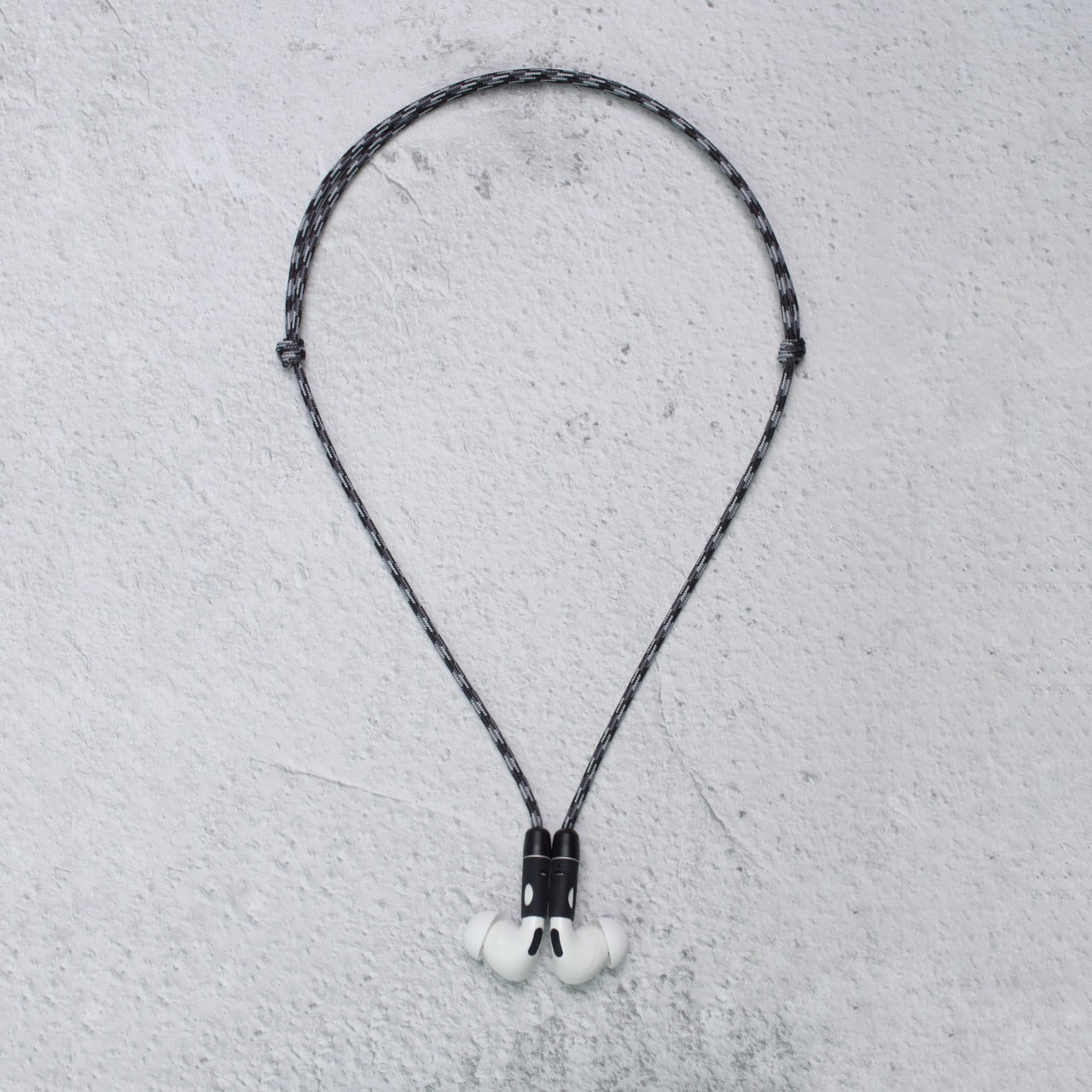
The AirPods case is arguably the most dropped object in modern travel. It lives in pockets, gets pulled out alongside boarding passes and coffee, and ends up on the floor of more transit systems than anyone is tracking. A neck strap solves this with a directness that feels almost embarrassing in hindsight — the case stays on your body, accessible without rummaging, and the cord becomes a visual anchor that tells you at a glance exactly where your earbuds are. It is a small solution to a problem that compounds in proportion to how busy your travel day actually gets.

The design choice here is about reducing the cognitive tax of managing small objects across long days. You do not notice how much attention you spend keeping track of your earbuds until you stop spending it. The neck strap converts the AirPods case from something you lose to something you wear, and that shift in relationship to the object changes how you interact with your audio for the rest of the day. It works with both standard AirPods and AirPods Pro cases, making it a clean pick regardless of which generation you are traveling with.

Click Here to Buy Now: $39.00

What we like:

  • Converts a frequently misplaced item into something worn, which is the simplest possible solution to a genuinely irritating travel friction point
  • Compatible across both AirPods and AirPods Pro generations, so it survives an upgrade without becoming redundant

What we dislike:

  • The neck strap format is not for everyone — wearing your AirPods case as a visible accessory requires a certain confidence in the aesthetic choice

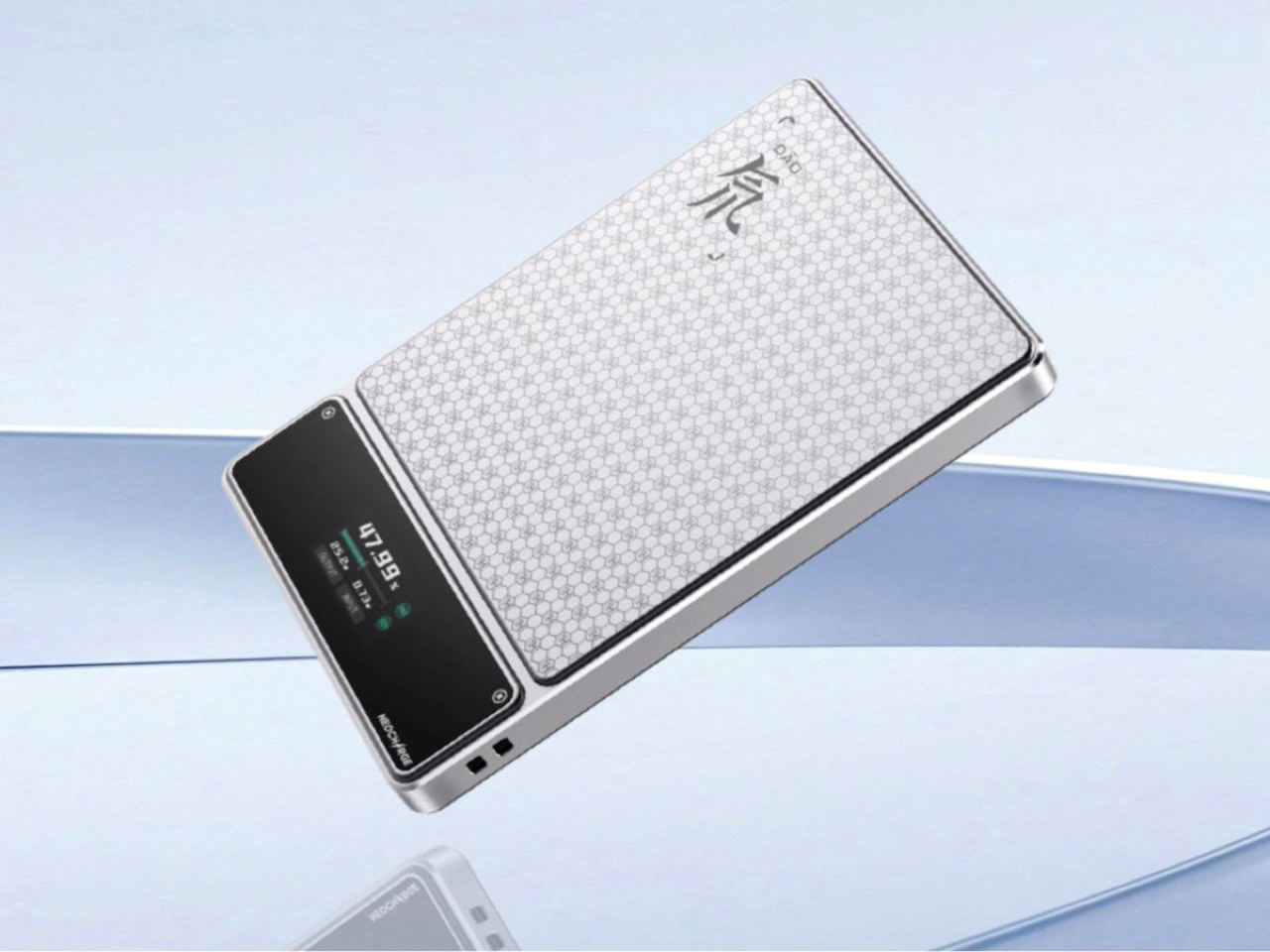
6. RedMagic Deuterium Power Bank

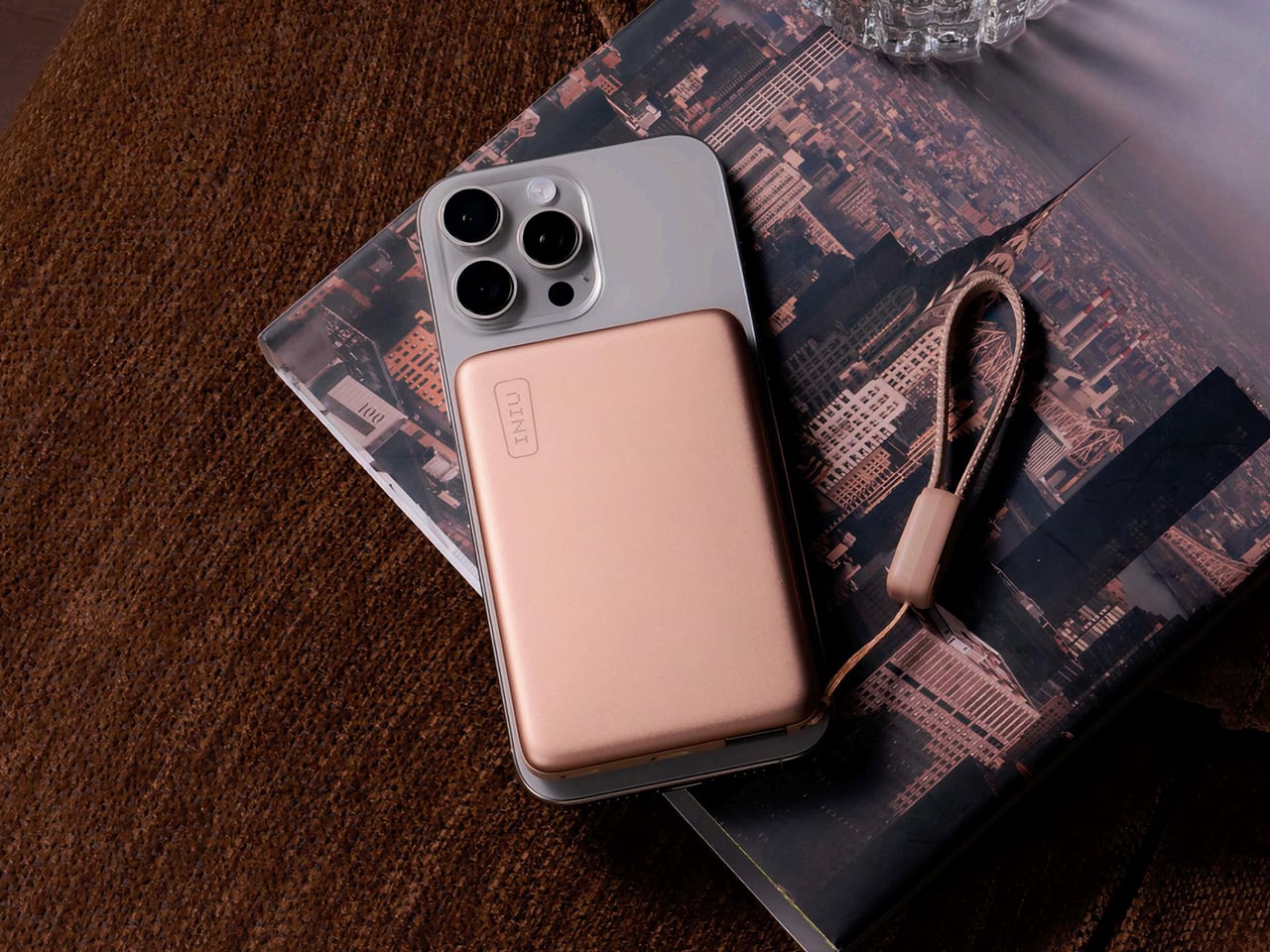
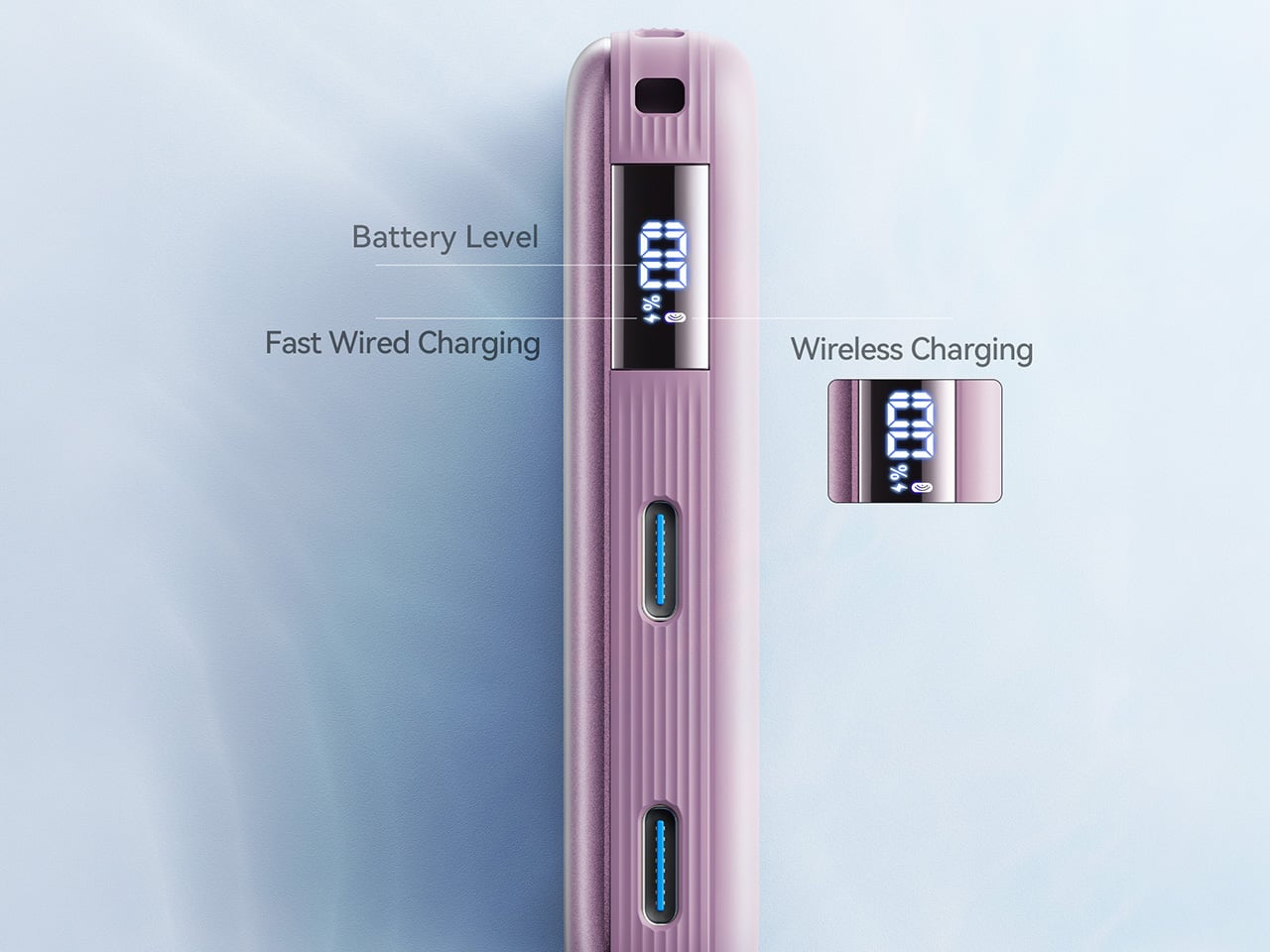
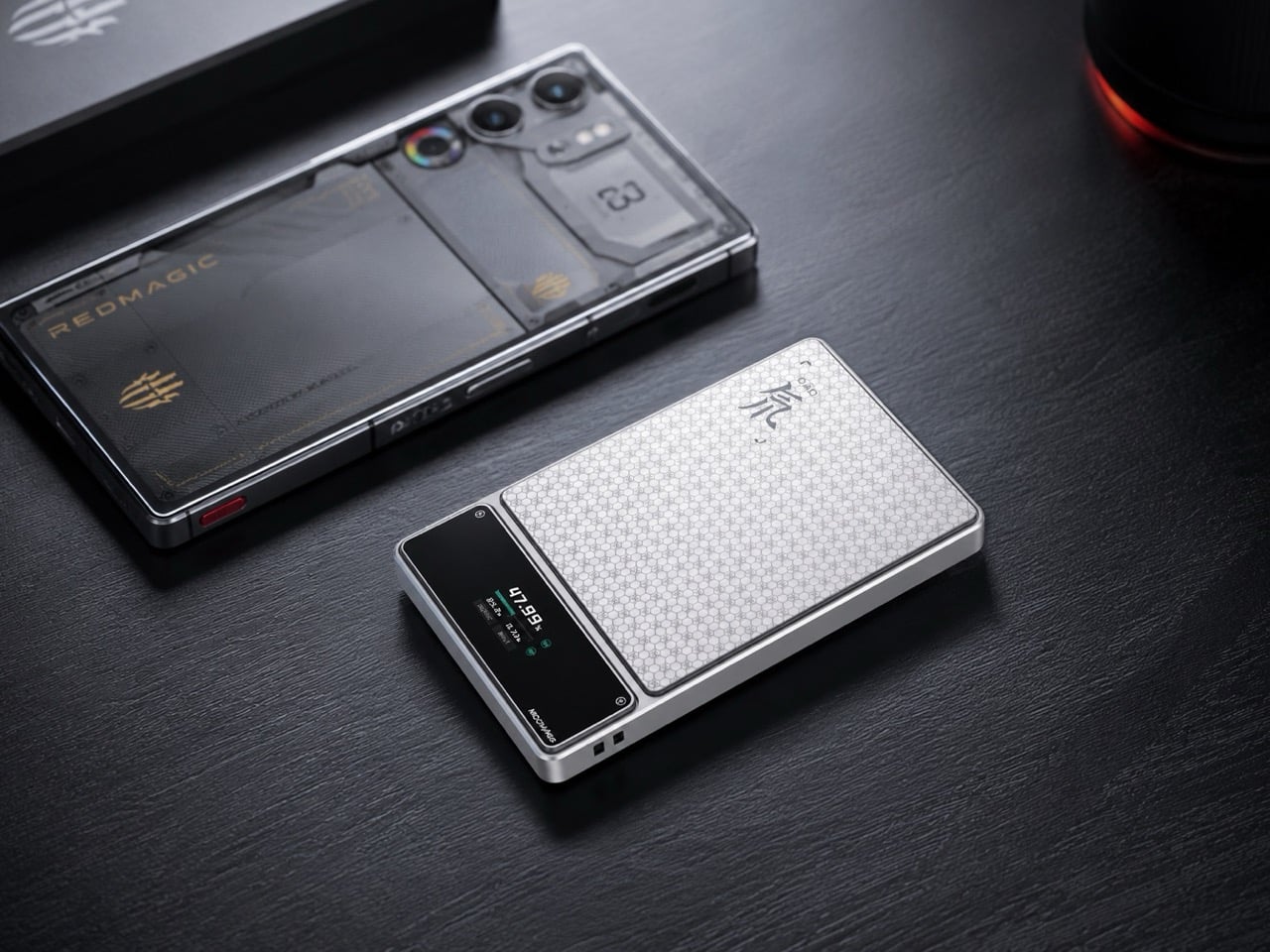
RedMagic built its reputation in gaming hardware, which means its approach to a power bank looks and feels different from the utilitarian brick that most people travel with out of resignation. The Deuterium Power Bank carries the brand’s design sensibility into a category that largely stopped trying to look interesting, and the result is a device that charges your gear just as efficiently as anything else in its class while looking like something you would keep visible on a café table rather than buried at the bottom of your bag next to a receipt from three trips ago.

The travel case for carrying a power bank this summer is straightforward: the Stillframe headphones, the AirPods neck strap, the gimbal camera, and the phone itself all have batteries that need managing across a full day. A power bank you do not mind carrying is one you are more likely to have with you when you actually need it, which is the underrated functional argument for design quality in a category where most people default to whatever is cheapest. RedMagic’s gaming background also suggests the Deuterium is built for high-draw output rather than the slow trickle that most compact power banks deliver when you are in a hurry.

What we like:

  • RedMagic’s gaming hardware background produces a design approach that stands out in a category that stopped caring about aesthetics several product generations ago
  • Built for high-draw output scenarios, which matches the multi-device charging reality of a full travel day rather than optimizing for a single slow charge overnight

What we dislike:

  • The gaming aesthetic does not read as neutral for every traveler — the design language is confident in a way that will not suit every travel kit or personal style
  • RedMagic’s primary market is gaming, which can mean after-sales support is less straightforward for buyers outside that specific ecosystem

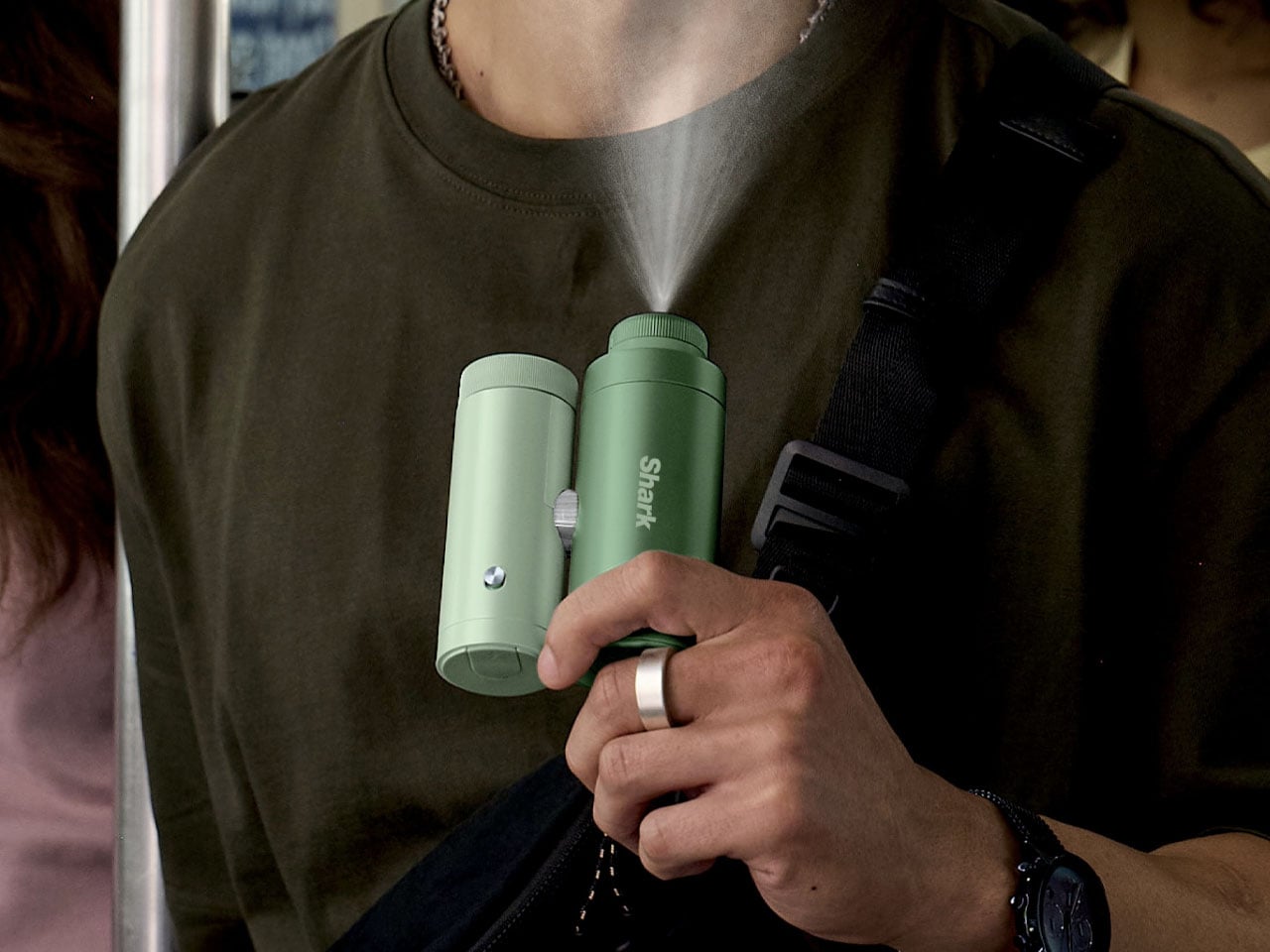
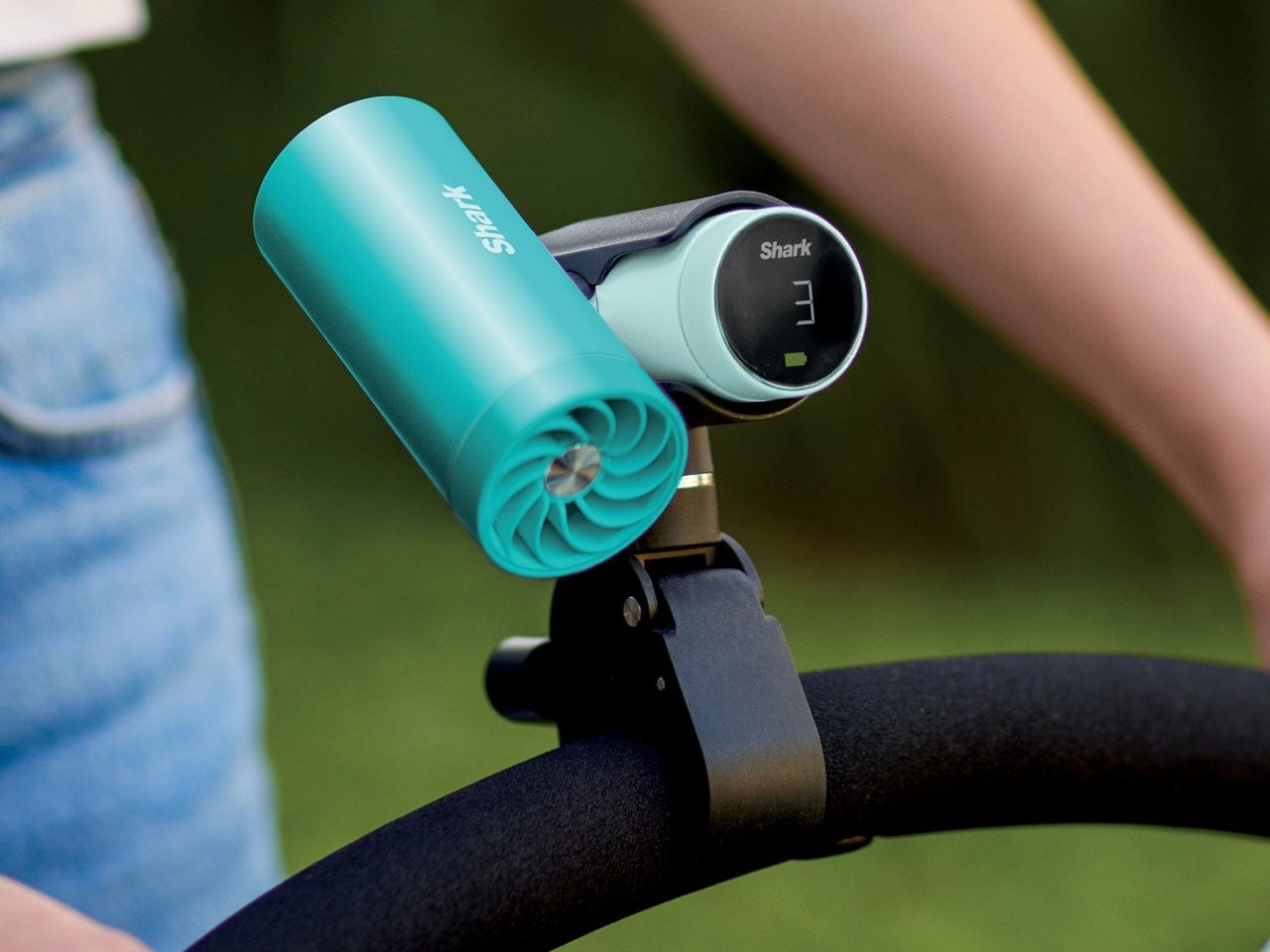
7. Shark ChillPill

The Shark ChillPill is the only product on this list that exists specifically because of the season, and that specificity is entirely the point. At $149.99 and available in seven colorways including Glacier, Matcha, and Rose Gold, this is a personal cooling device built for the particular discomfort of summer travel — the airport with broken air conditioning, the overnight train running two hours late, the hotel room that is either stifling or freezing with nothing in between. It is designed to sit on a desk, a bedside table, or next to you on public transport and make a meaningful difference to your immediate environment without requiring installation or setup.

Shark as a brand has earned a level of trust in the home appliance space that most travel gadget companies have not, which matters here because a personal cooling device is only as useful as your confidence that it will actually perform when you need it most. The ChillPill’s design is compact enough to pack without negotiation. The colorway range — particularly Glacier and Matcha — suggests Shark designed it to be seen rather than hidden, which puts it in the same category as every other product on this list: objects worth choosing, not just owning.

What we like:

  • Shark’s established appliance reputation gives this more credibility at the point of purchase than a startup cooling device at the same price point would reasonably carry
  • The colorway range reflects genuine design attention — options that are worth choosing between rather than a default black with a single token alternative

What we dislike:

  • At $149.99 for a single-season use case, the value calculation is more personal than it is for the other products on this list
  • Personal cooling devices perform best in contained spaces — open-air situations and outdoor travel significantly reduce how much work they can actually do

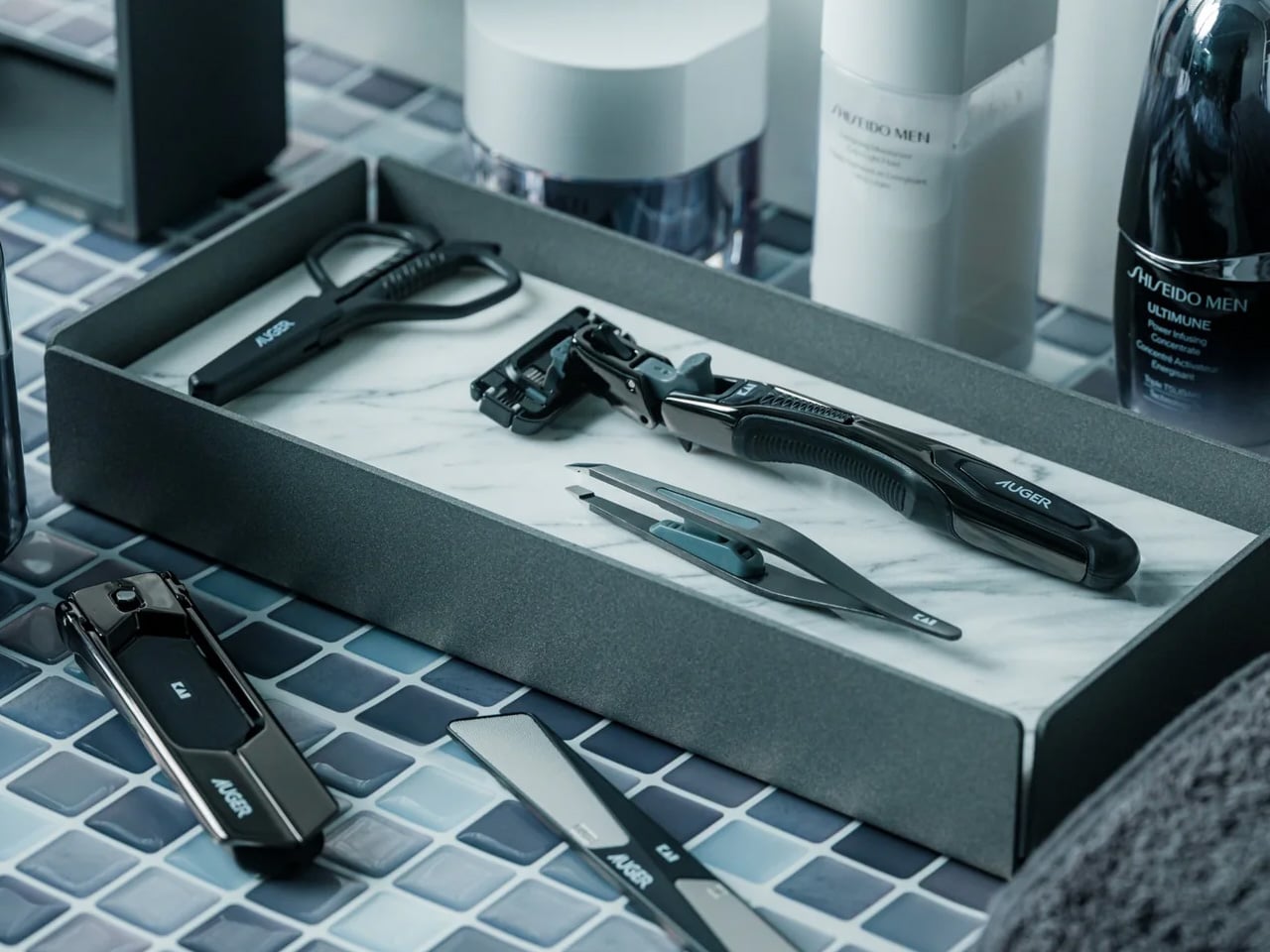
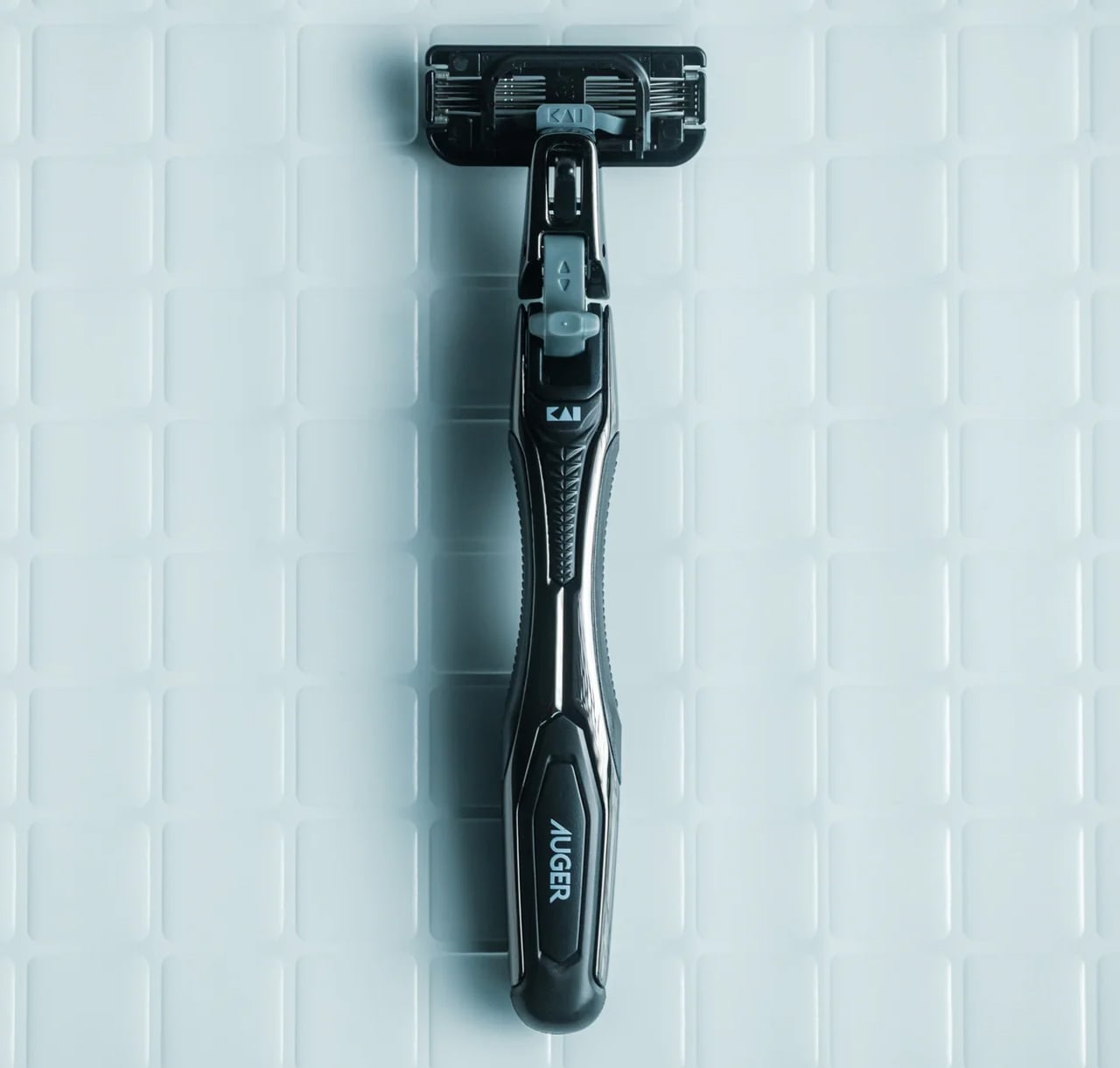
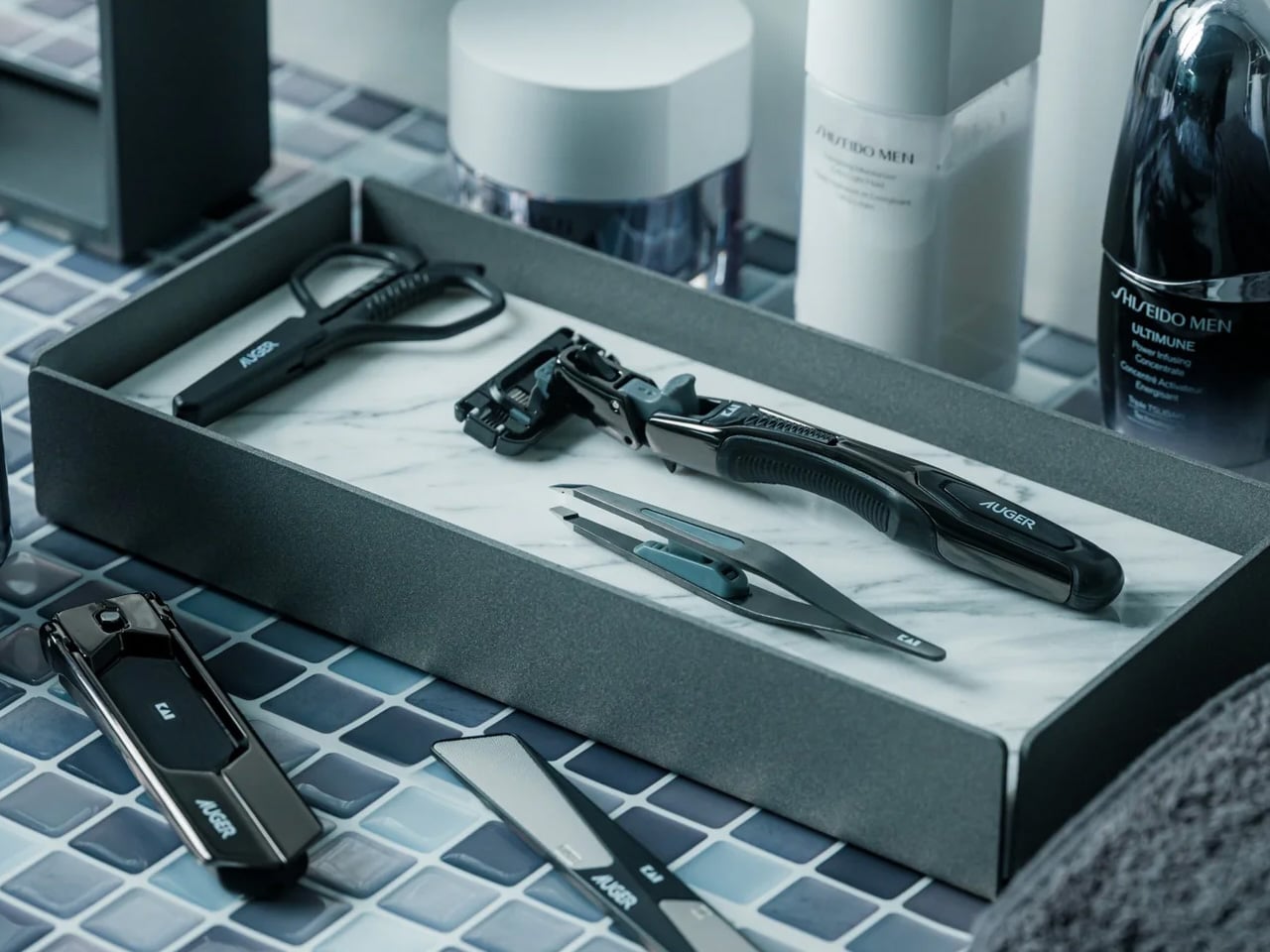
8. Auger PrecisionMaster Grooming Set

A grooming kit earns its place in a travel bag by doing two things simultaneously: packing small and performing well. Most travel grooming sets do one or the other. The ones that pack small feel like toy versions of proper tools, and the ones that perform well require a checked bag or a dedicated hard case that adds more weight than it saves.

For anyone who travels frequently enough that personal grooming across multiple time zones and hotel mirrors is a real logistical consideration, having a set that travels with you rather than forcing you to adapt to whatever the hotel provides is a meaningful quality-of-life upgrade. The PrecisionMaster format suggests a complete set built around specificity — the right tools for the tasks you actually need, rather than a catch-all kit that handles everything at a mediocre level. That philosophy, applied to travel, is exactly the kind of considered product design that makes a long trip feel controlled rather than improvised.

Click Here to Buy Now: $149.00

What we like:

  • Built around precision and completeness rather than the travel-size-everything compromise that makes most portable grooming kits feel like a step backwards

What we dislike:

  • Grooming kits are personal in ways that cut lists cannot fully account for — a curated set always carries the risk of leaving out something specific to your own routine

Final Word

Summer travel is the stress test for every product category. The heat, the packed transit, the improvised schedules — they all expose the difference between gear designed for how travel actually works and gear designed for how brands wish it worked. Everything on this list was chosen because it holds up under that pressure, not just because it looks good in a photograph or reads well on a spec sheet.

The best version of a travel kit is the one you stop thinking about entirely — because every item does its job quietly enough that your attention goes to the trip itself rather than the logistics of getting through it. These eight products get close to that standard in different ways. Some are about capture, some about comfort, some about the small rituals that make a long day in transit feel less like transit. Taken together, they make a compelling case for packing with more intention and arriving with less regret.

The post 8 Summer Travel Gadgets & Gear So Good They’ll Make You Book a Flight You Haven’t Planned Yet first appeared on Yanko Design.

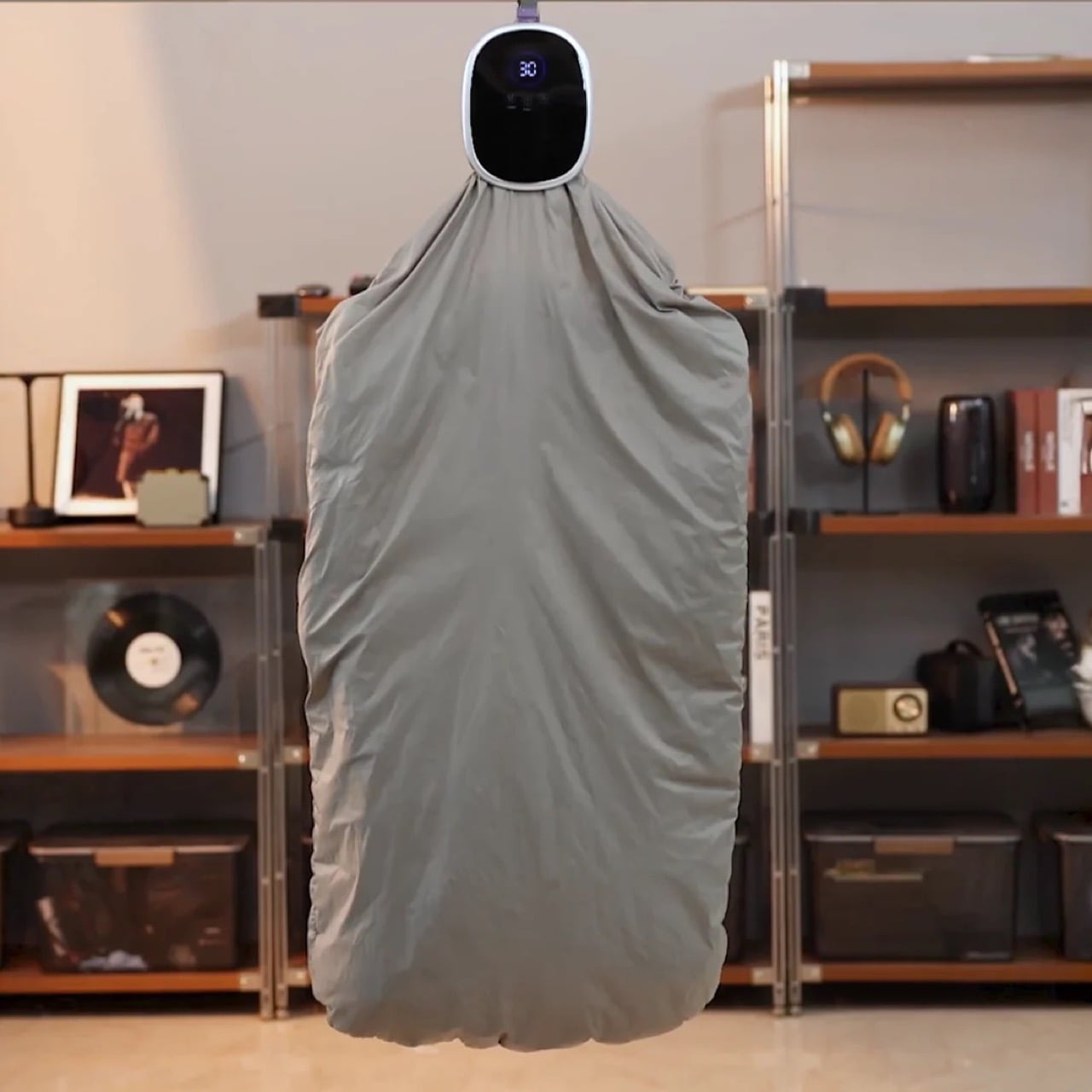
Aironox GO Just Made the Hotel Room Iron Obsolete

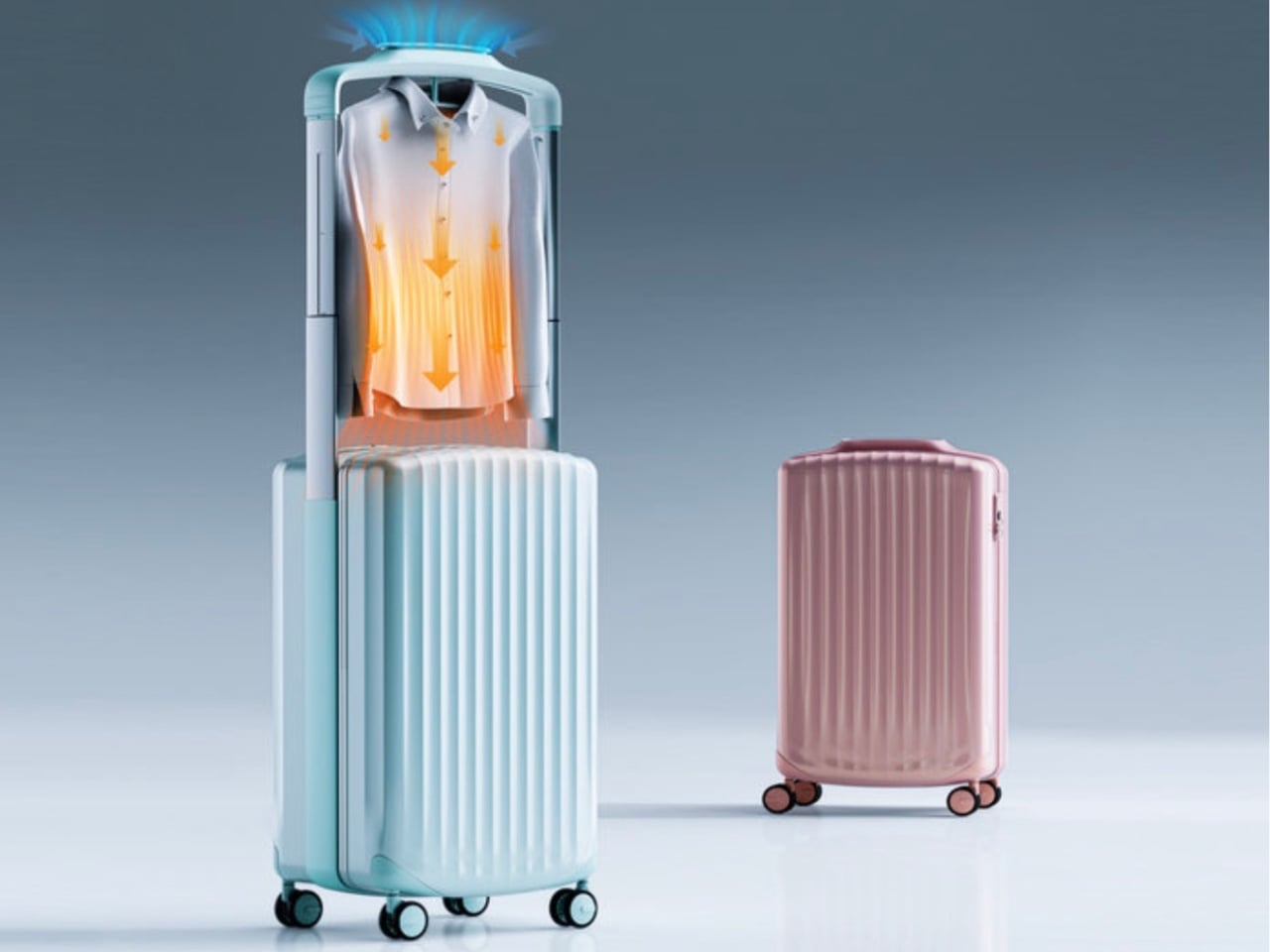
We all know the ritual. You arrive at a hotel after a long flight, unzip your suitcase, and the outfit you were going to wear to dinner looks like it lost a fight with a dryer ball. You eyeball the iron sitting in the corner of the room. It’s coated in someone else’s starch residue. You spend twenty minutes trying to remember how to use the ironing board. You burn the sleeve. I’ve been there. You’ve been there. We’ve all been there. That’s exactly the scenario Aironox designed the GO to solve, and it does it in a way that still feels a little like a magic trick until you understand how it works.

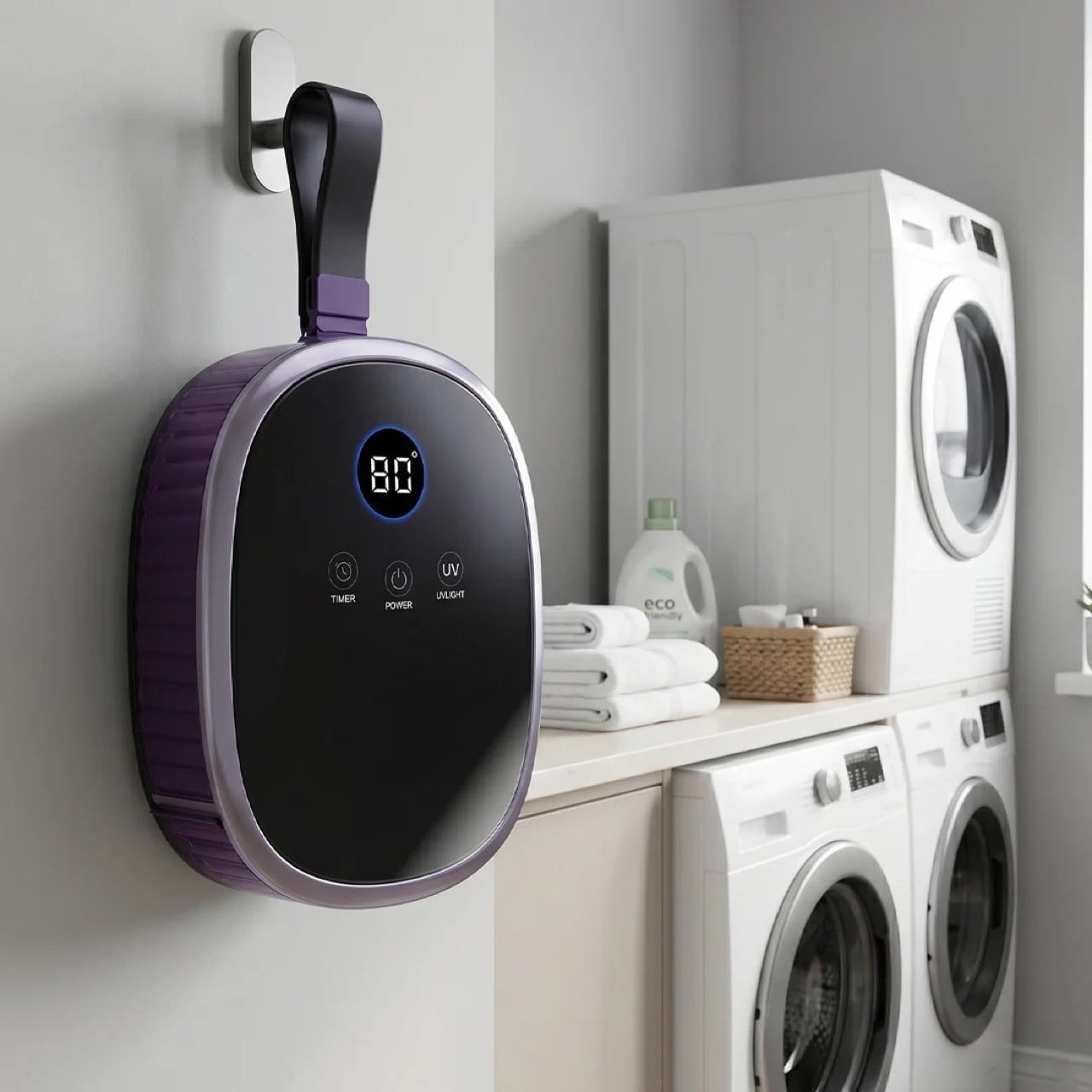
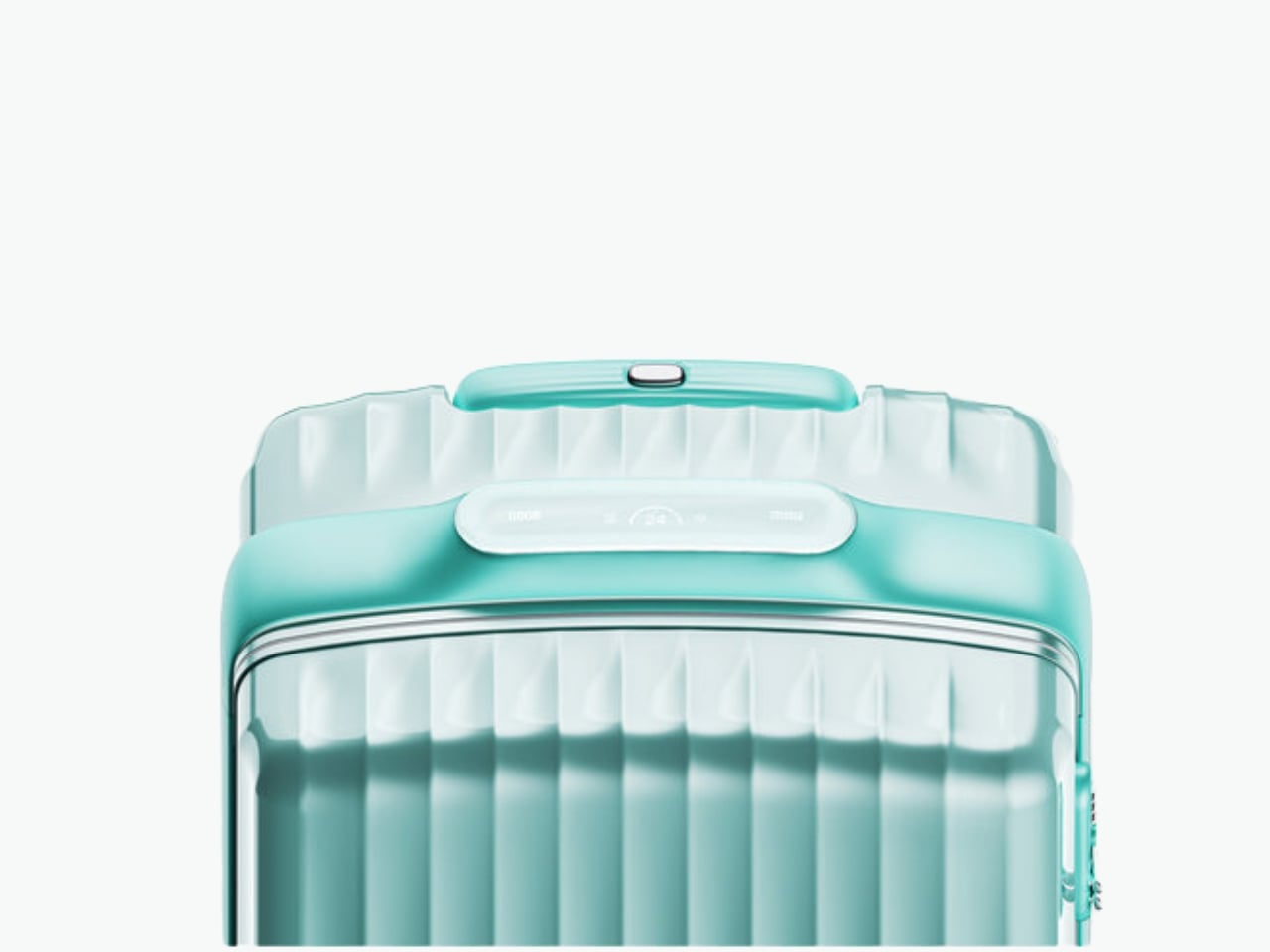
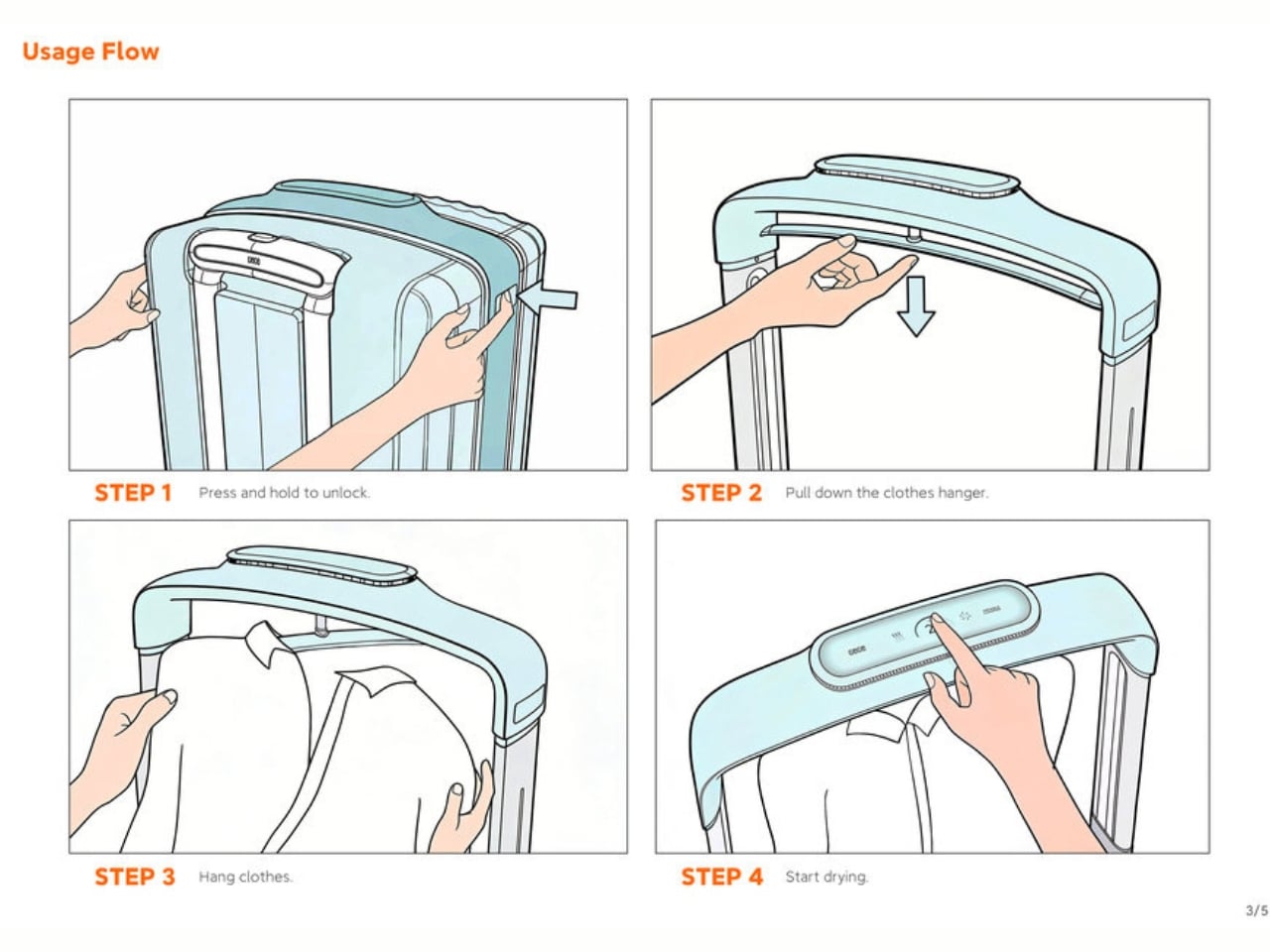
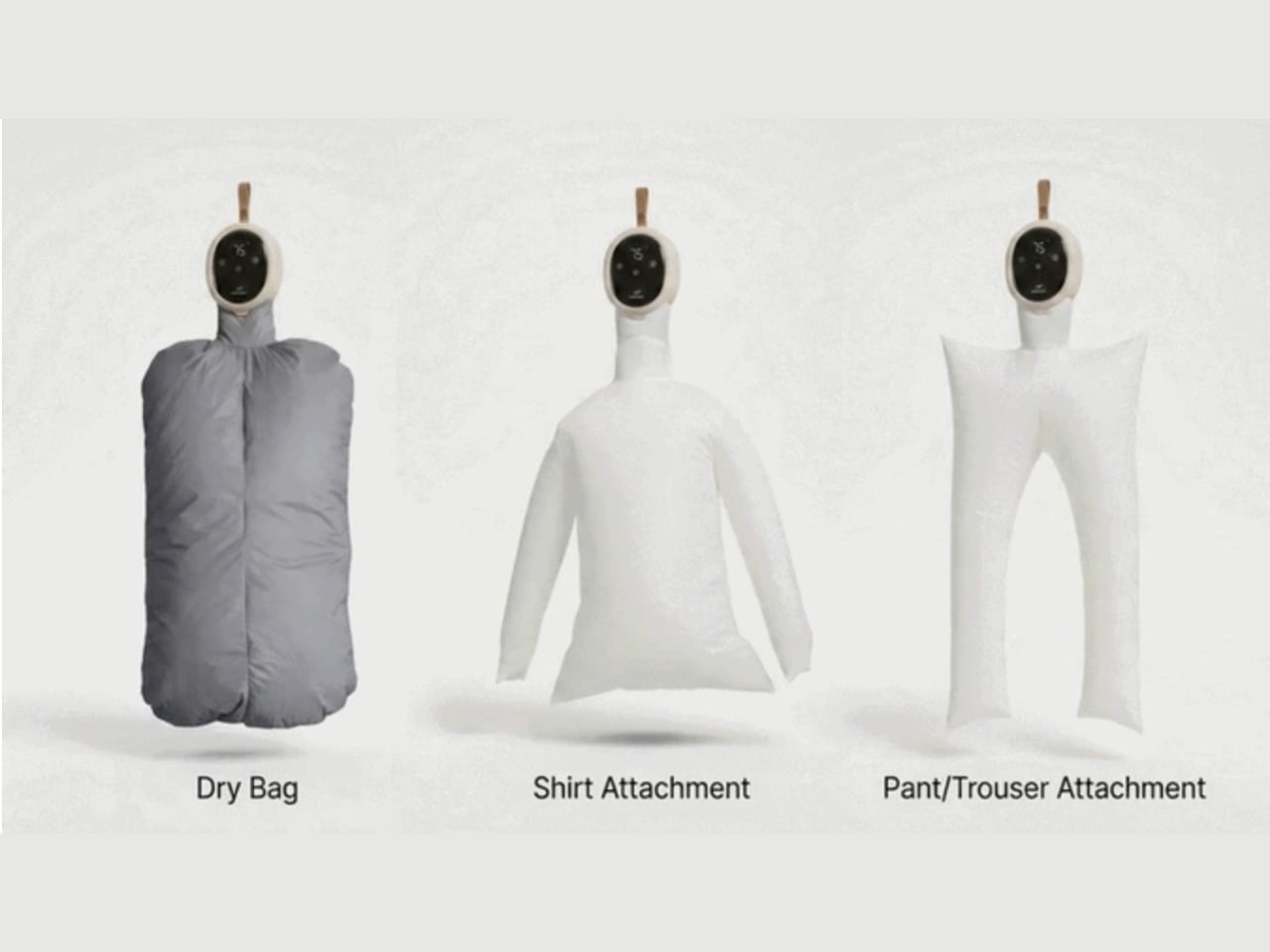
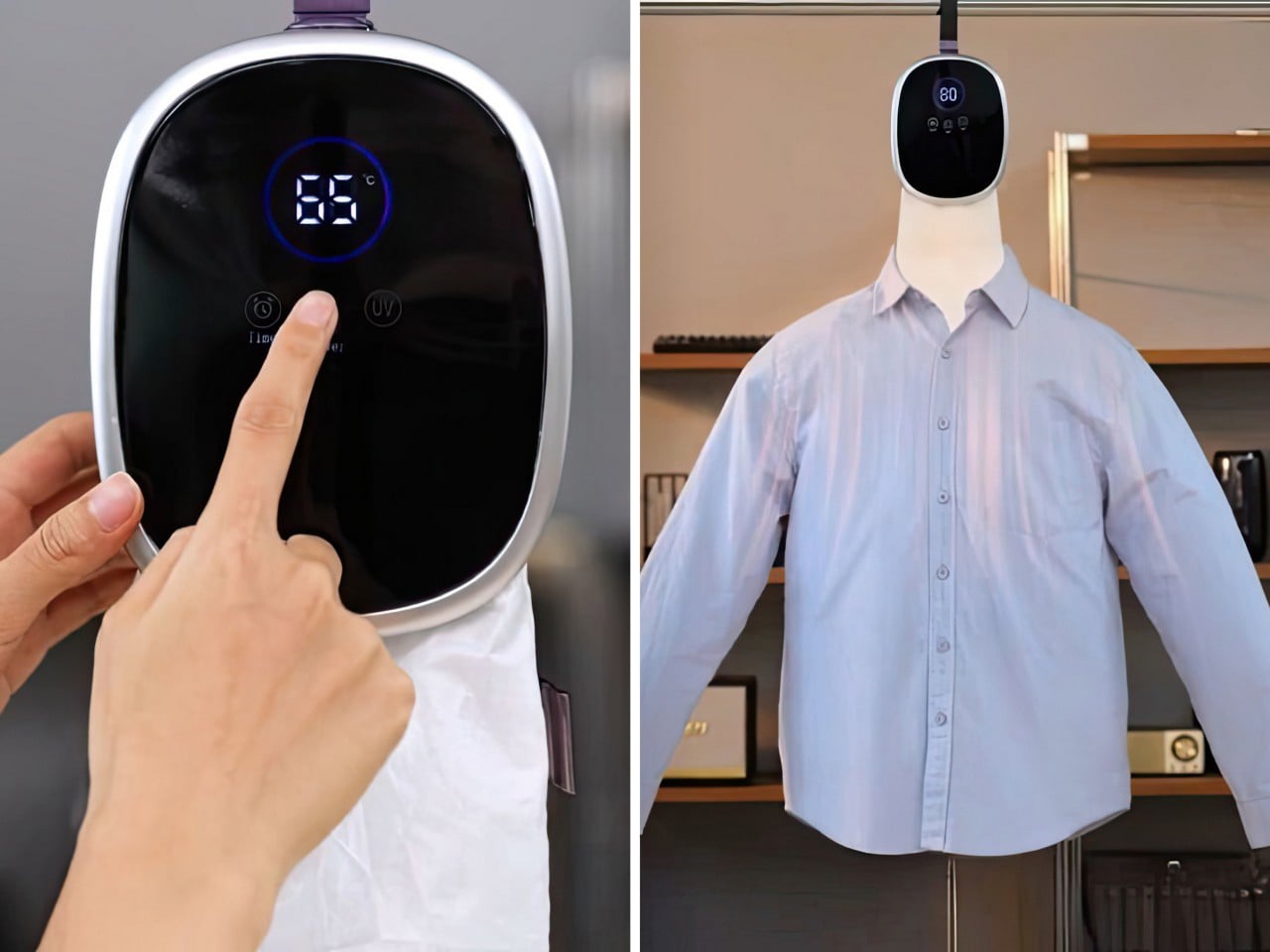
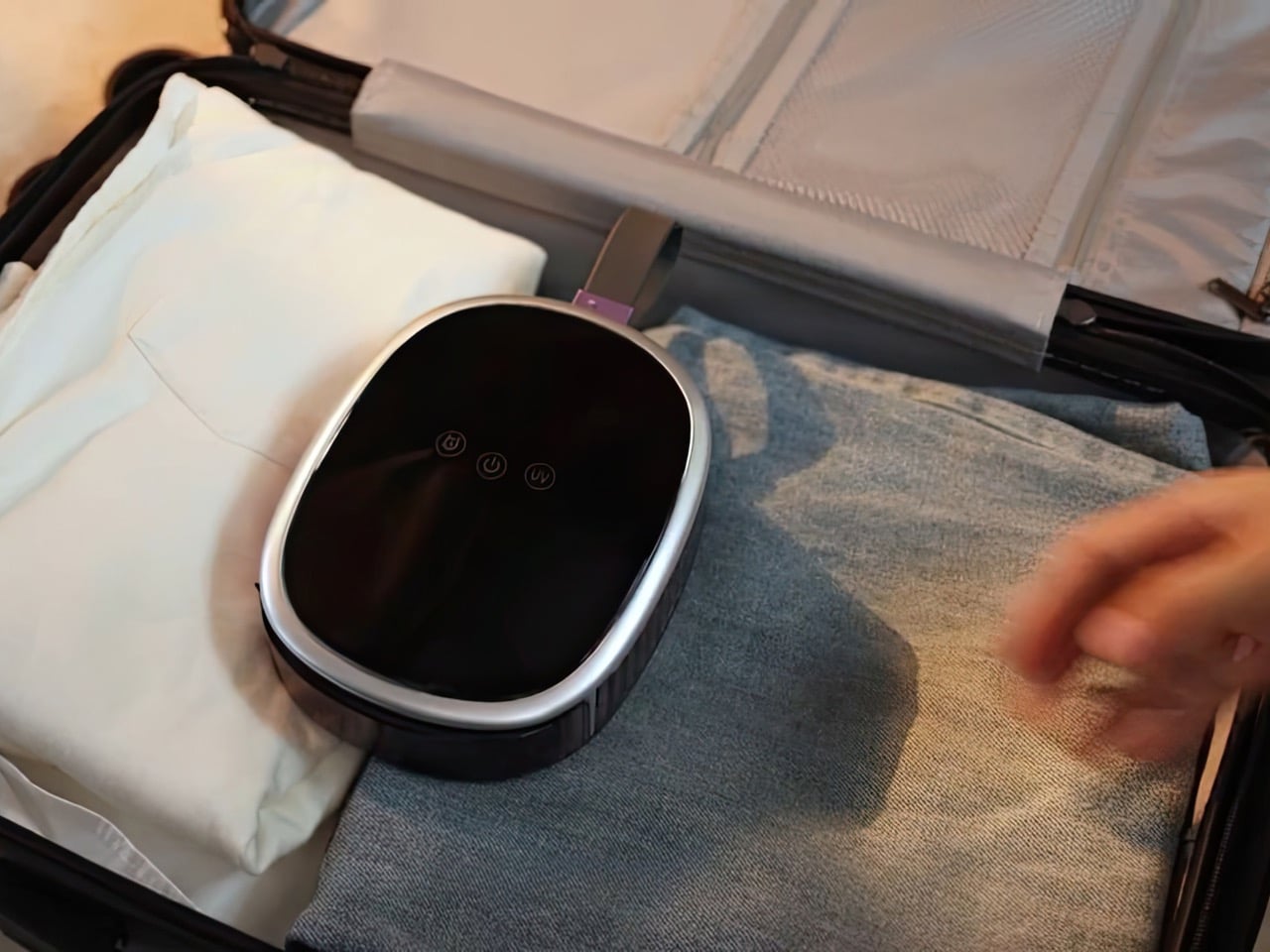
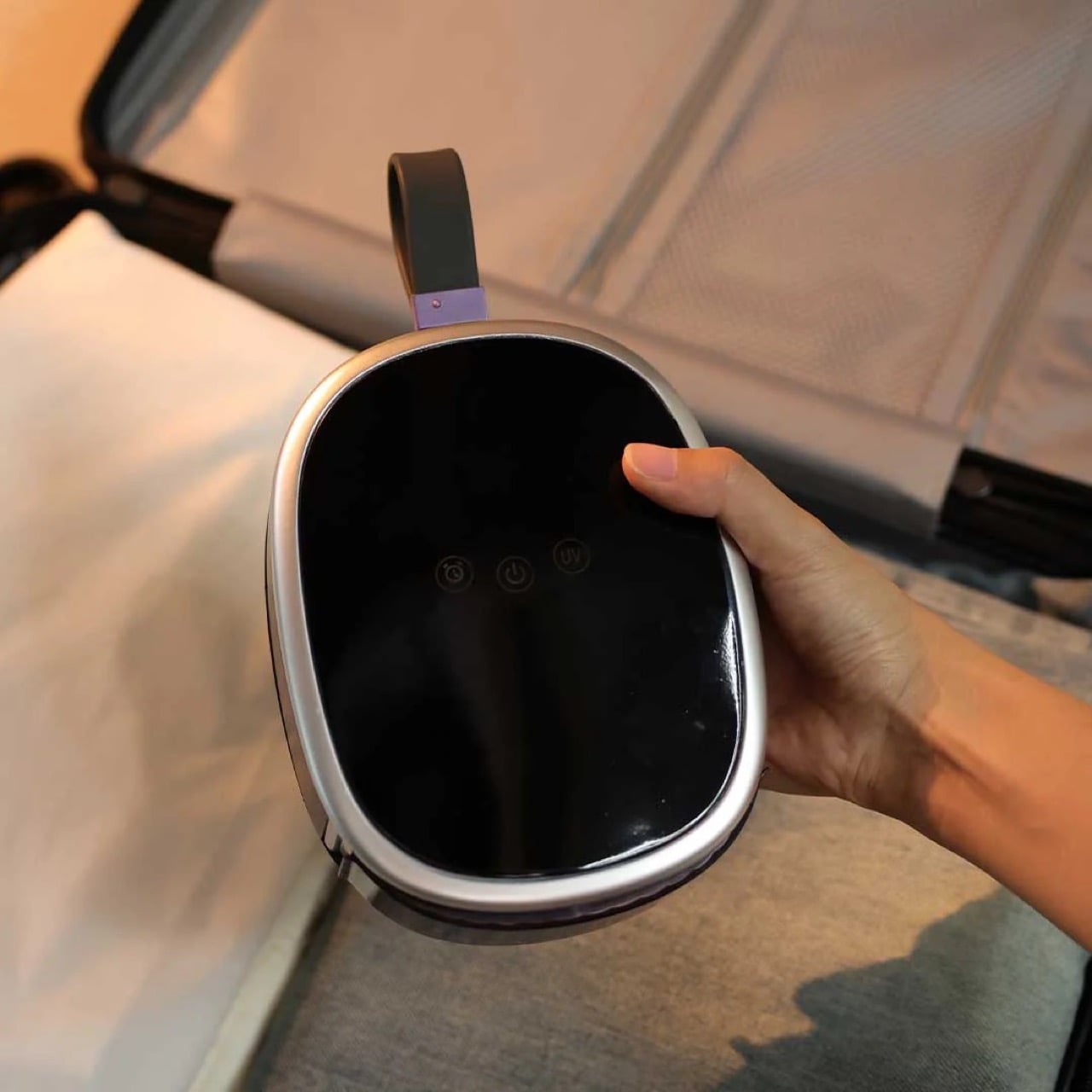
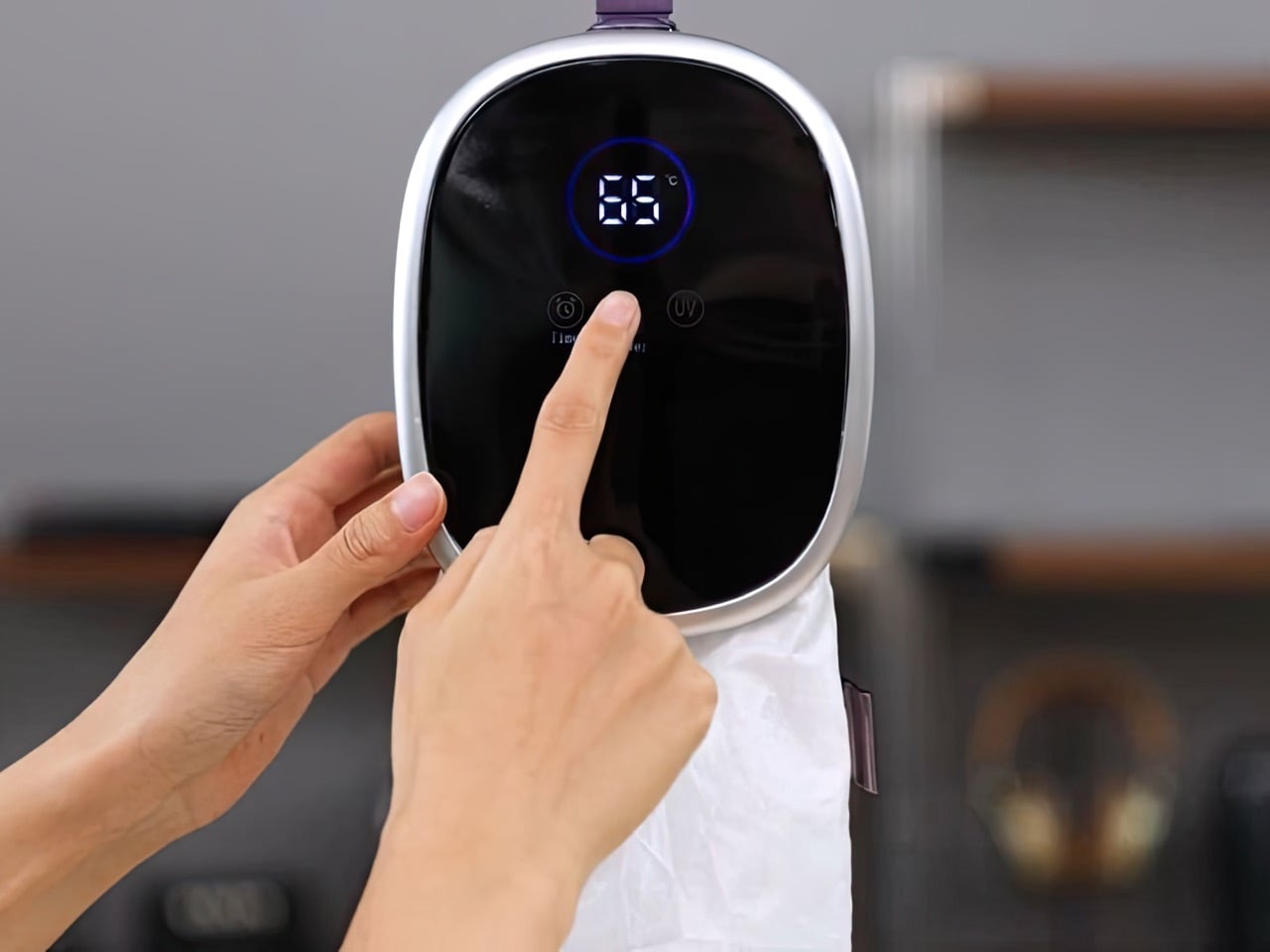
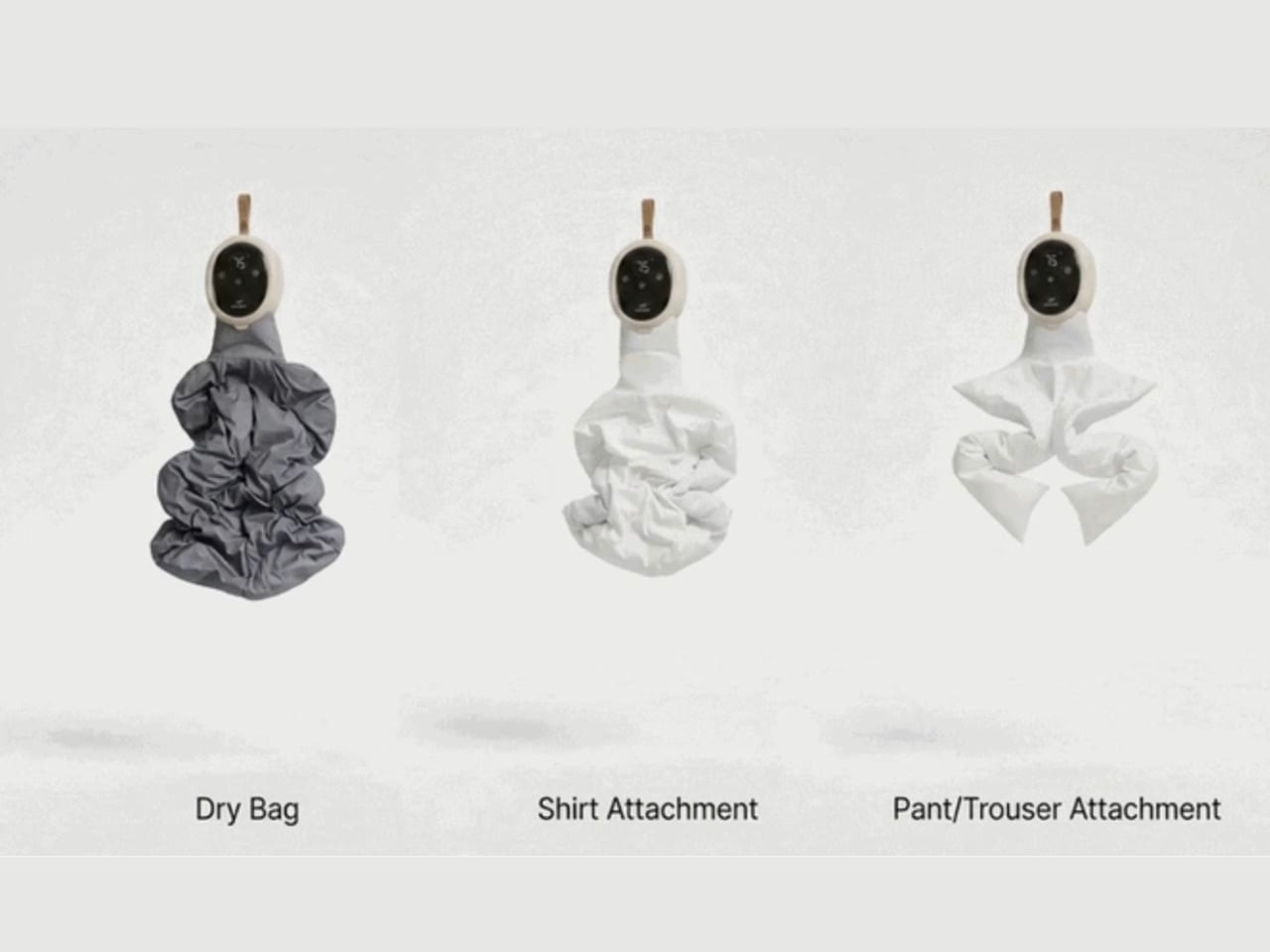
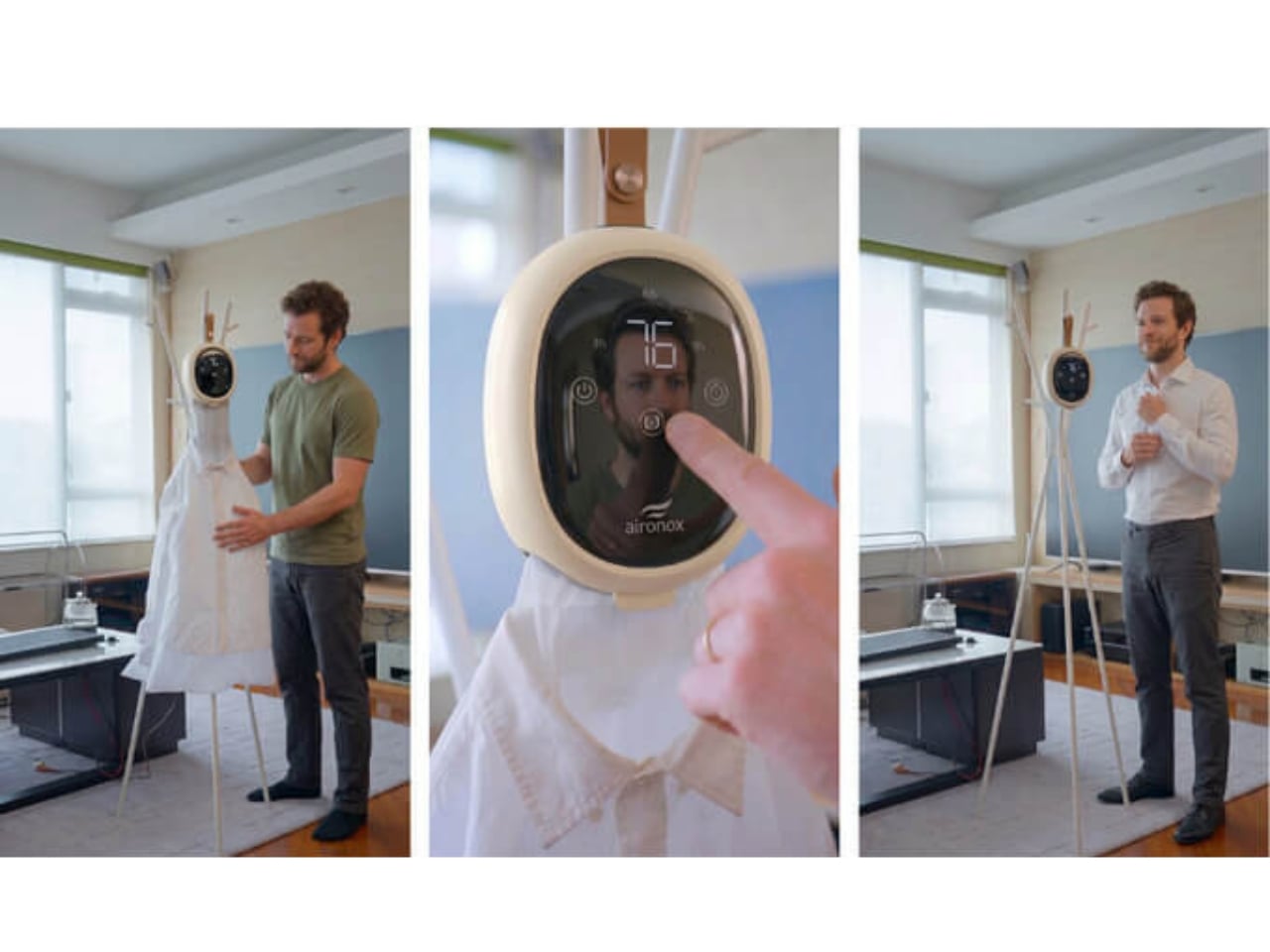
The Aironox GO is the compact travel version of the brand’s original automatic garment care system. The idea behind it is refreshingly simple: you hang your garment over a balloon-style attachment, press start, and the machine pumps warm air through the fabric while you do literally anything else. Shower. Pack. Scroll your phone. The garment inflates slightly, the warm airflow works through the wrinkles, and in about 8 to 12 minutes, you’ve got something wearable. No ironing board. No steamer. No wrestling with a hotel iron that’s been sitting in a cupboard since 2009.

Designer: Aironox

I’ll be honest: the first time I saw the original Aironox Home model, I had questions. The concept of a fabric-inflating balloon machine sounds like a prop from a science fiction short, not a real appliance you’d unpack in a hotel room. But the more you look at how it actually works, the more it starts making sense. Ironing has always been a tactile, hands-on task, and we’ve somehow accepted that for decades without stopping to ask whether there was a smarter way to do it. The Aironox GO is essentially the first product brave enough to ask that question out loud while also being small enough to fit in your carry-on.

The GO is a scaled-down, portable version of the Aironox system, specifically built for travel. It’s dual voltage, which means you can take it internationally without blowing anything up. It works with both shirts and trousers via separate attachments, and the balloon itself has adjustable side zips to accommodate different garment sizes. The brand says it handles everything from small to XXL, which is either very ambitious or genuinely thoughtful design, depending on how it performs with your particular wardrobe.

What the GO isn’t is a miracle worker. It’s not going to replicate the sharp crease of a professional press, and it won’t replace a full garment steamer for delicate fabrics that need careful handling. The Aironox Home model has more power; the GO has been built specifically around portability and travel use, which means some trade-offs come with that. The specs won’t match a home unit, and the brand is upfront about that. Knowing what a product is built to do, and what it isn’t built to do, is a big part of making a good purchasing decision. At least Aironox isn’t overselling this one.

The GO sits squarely at the intersection of practical travel essential and the kind of thing you didn’t know you wanted until someone showed it to you. For frequent travelers, particularly those who move between business meetings and events, it’s a compelling case. For the occasional holiday traveler who packs one nice outfit and hopes for the best, it’s a more personal call.

The wider design story here is worth noting, though. Aironox is part of a growing category of products rethinking domestic tasks not through incremental upgrades, but through a complete reimagining of the process itself. Removing the ironing board from the equation entirely, making garment care something the machine handles while your attention is elsewhere, is a genuinely different approach. Whether the execution fully delivers on the promise at scale is a fair question. But the idea? The idea is good. And sometimes, that’s exactly where it all starts.

The post Aironox GO Just Made the Hotel Room Iron Obsolete first appeared on Yanko Design.

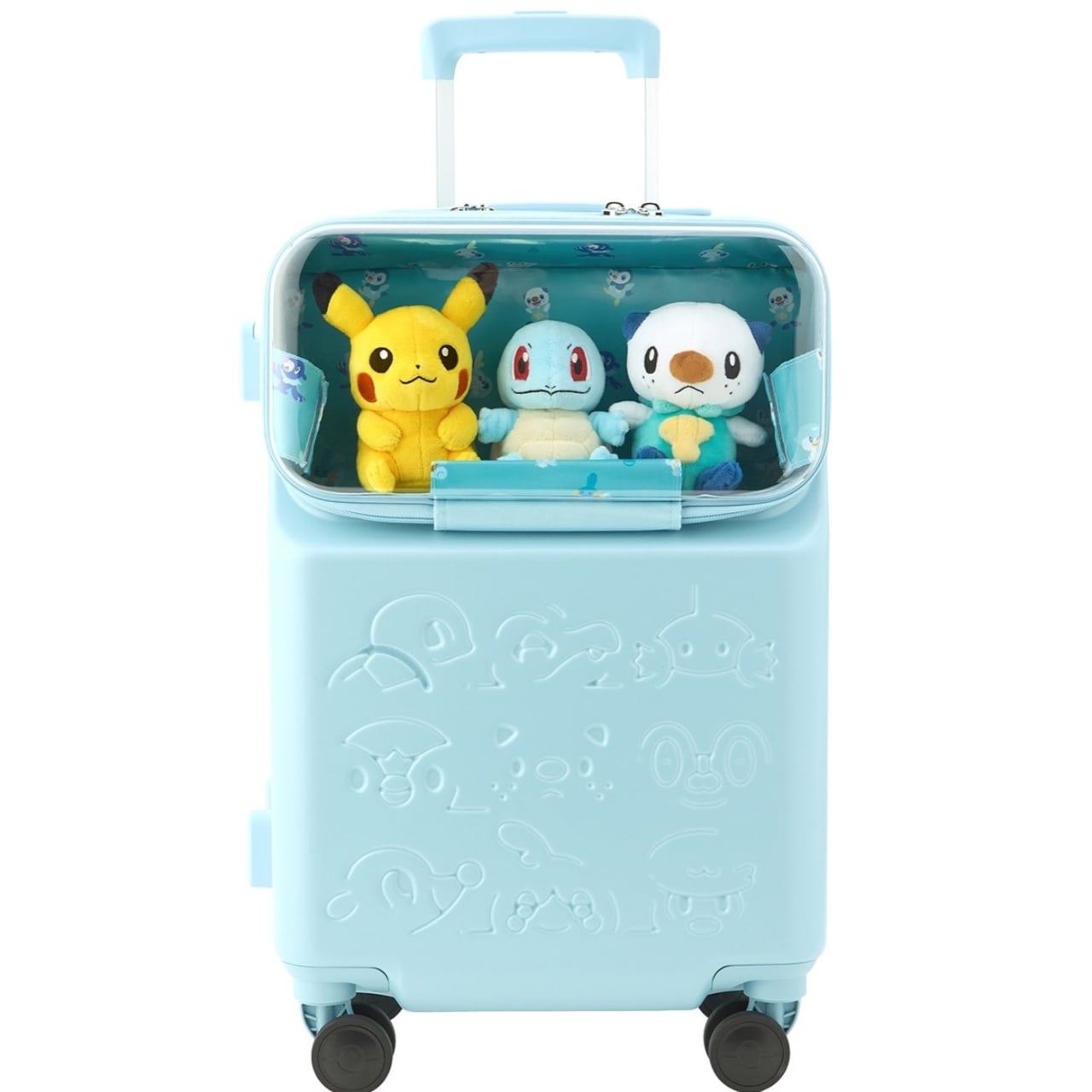
RIMOWA’s Pokémon Collab Proves Nostalgia Travels Well

Thirty years ago, Pokémon taught an entire generation that the real adventure was the journey, not the destination. Now, RIMOWA is making that philosophy literal, and the result is one of the most covetable travel accessories of the year.

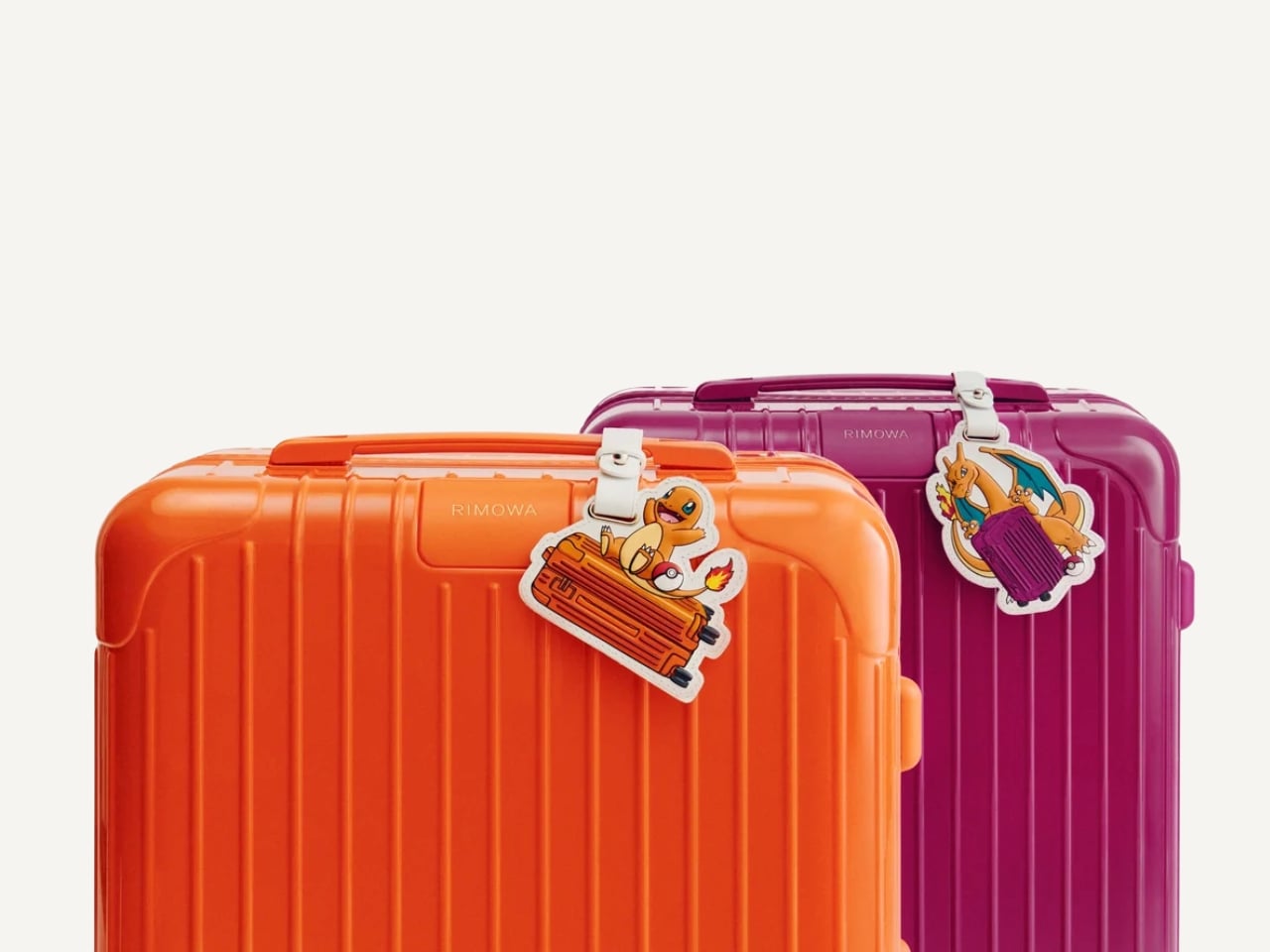
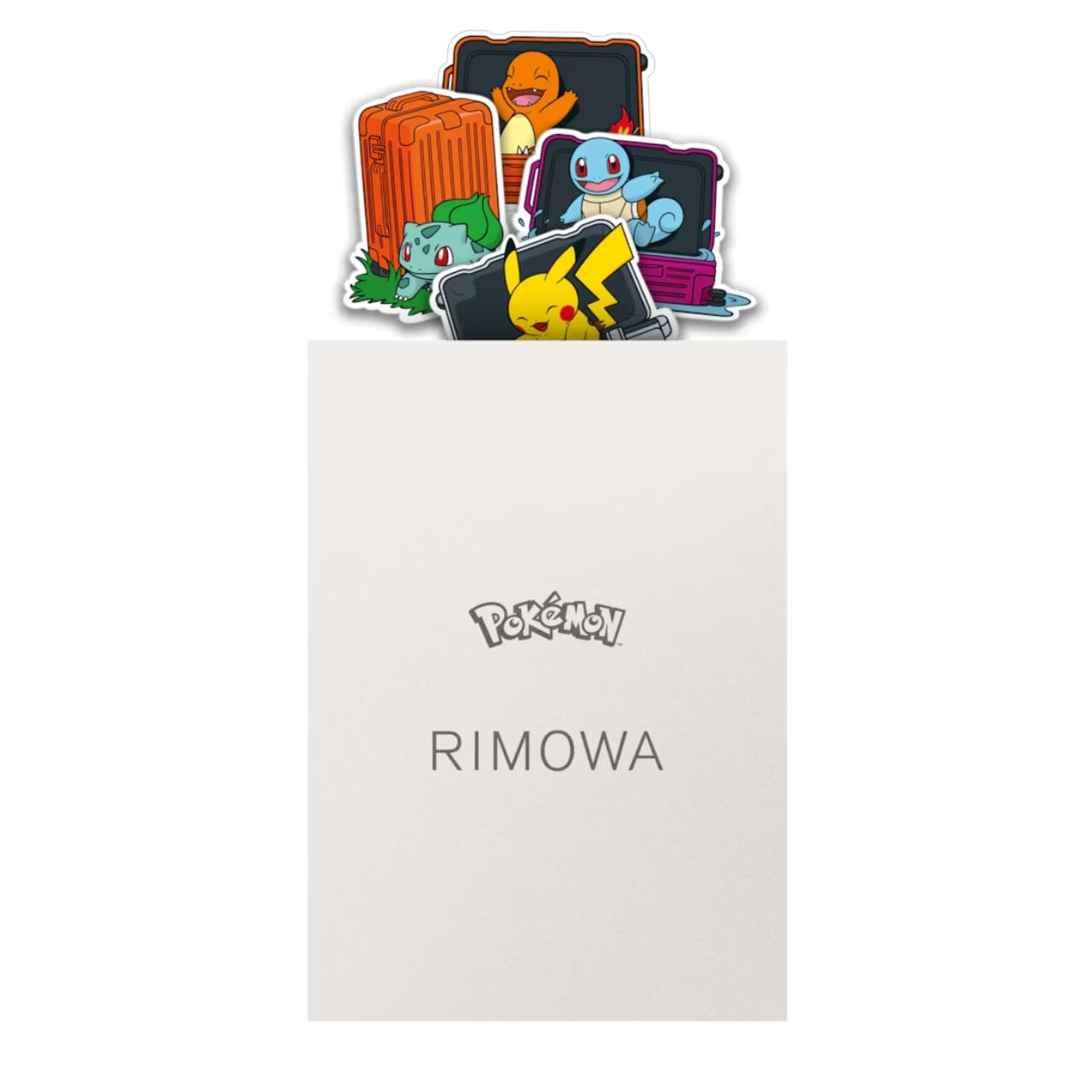
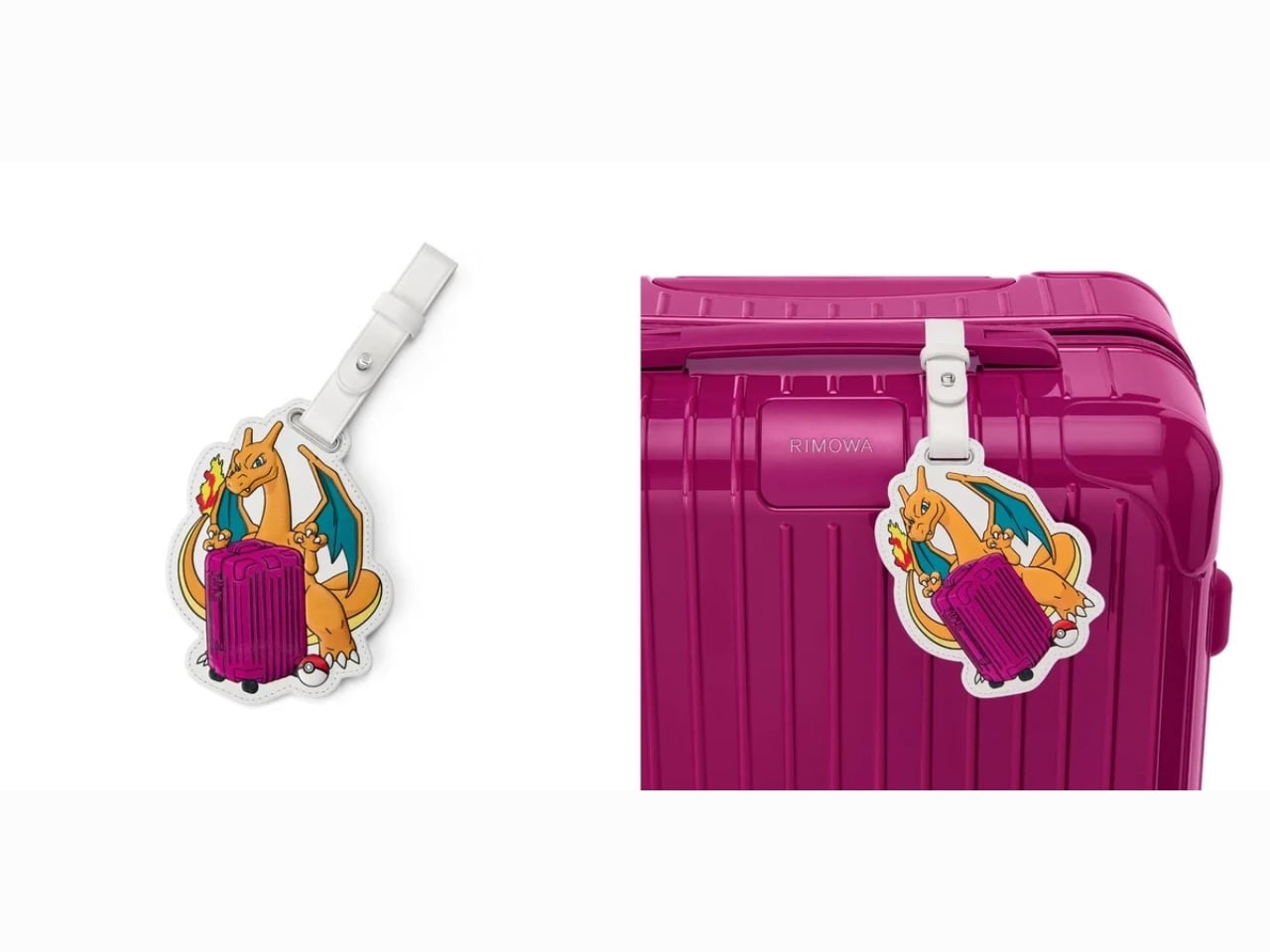
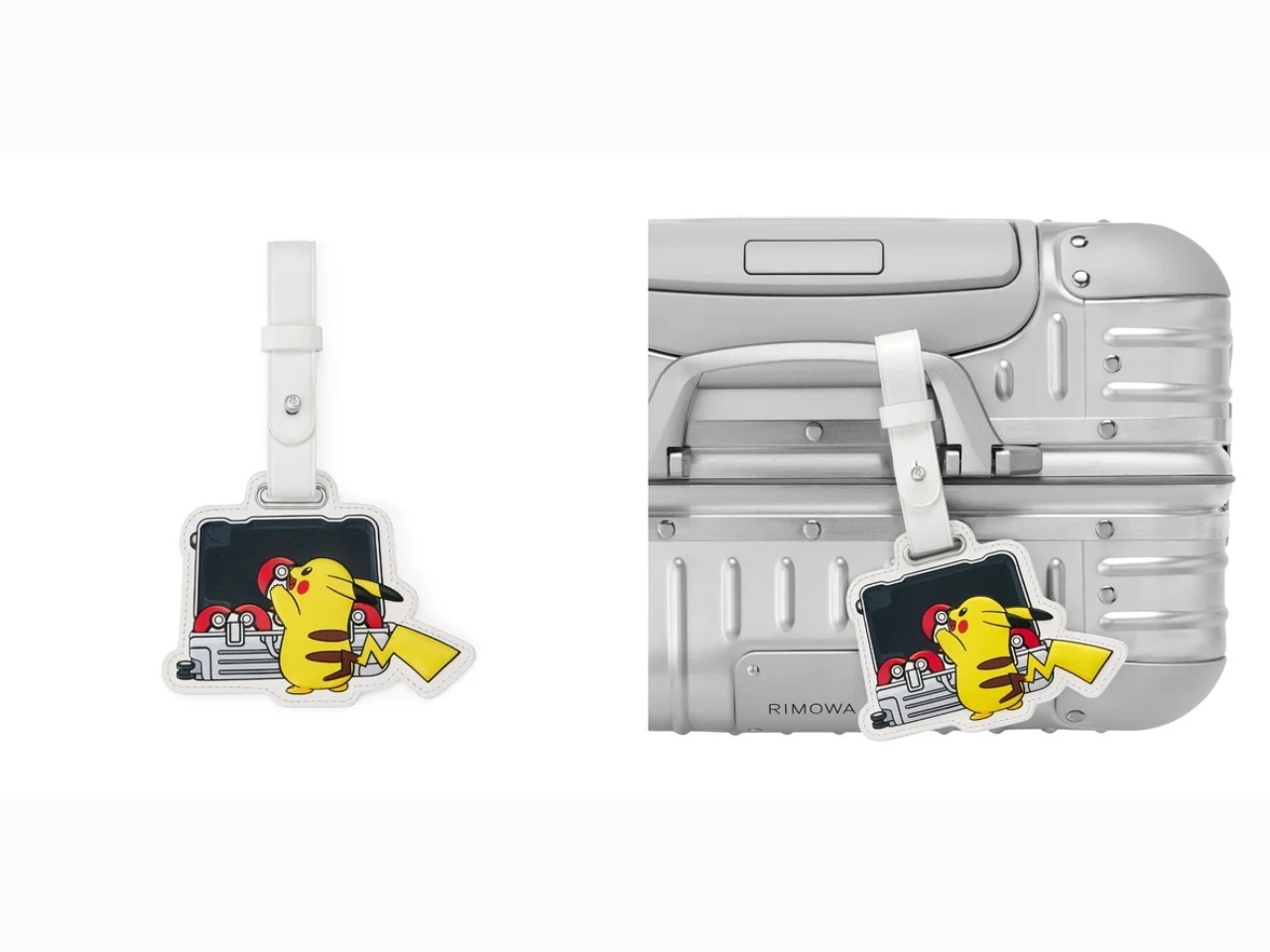
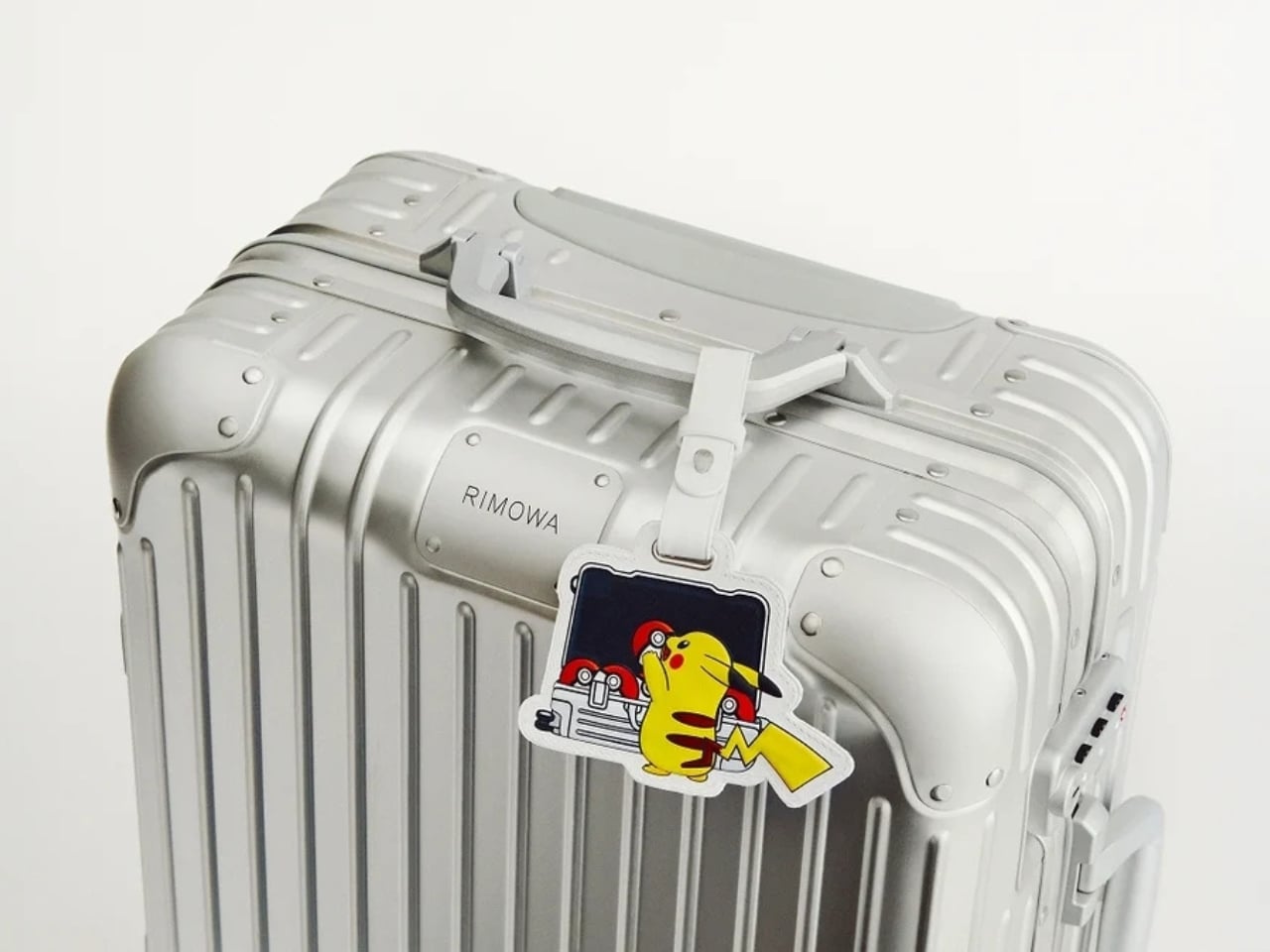
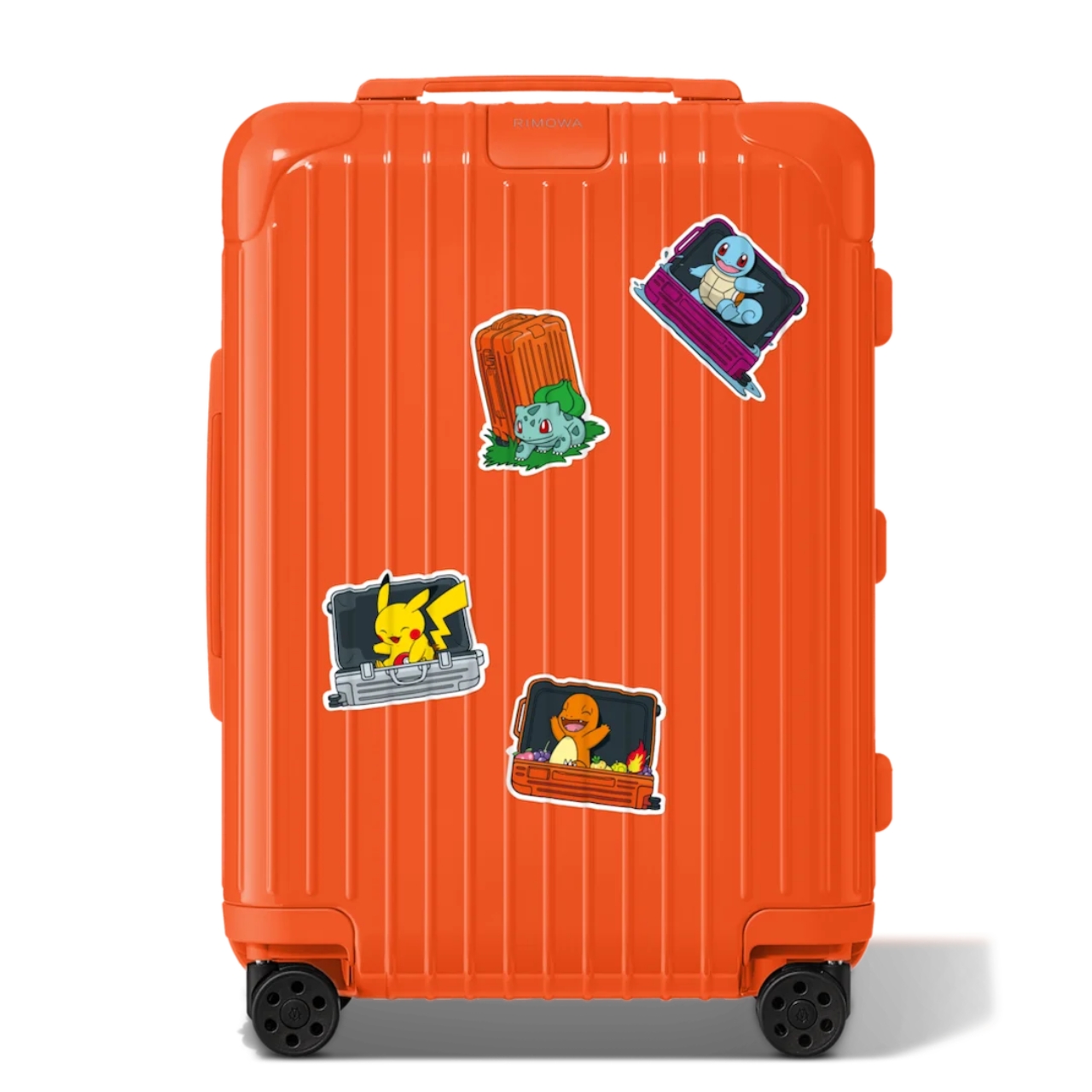
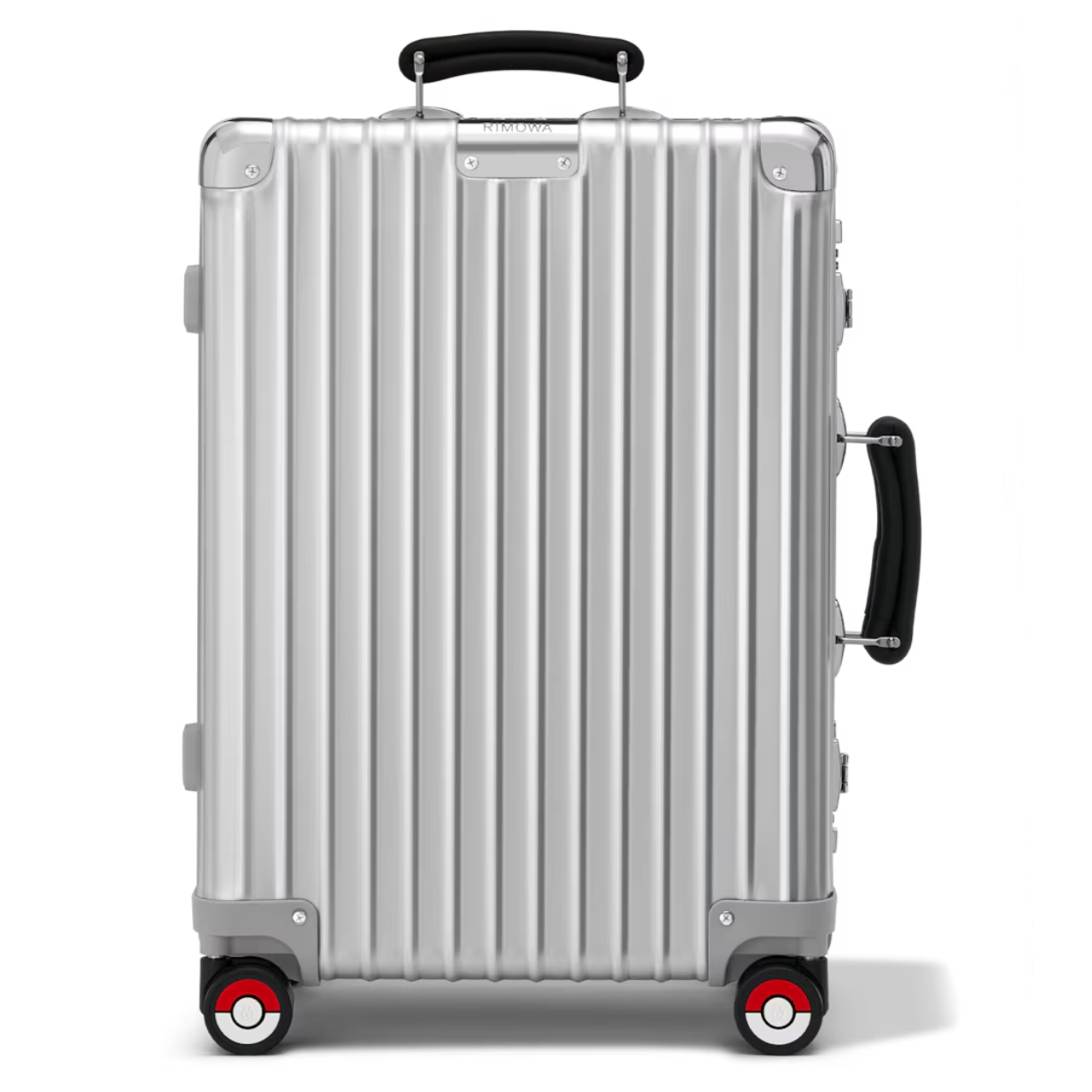
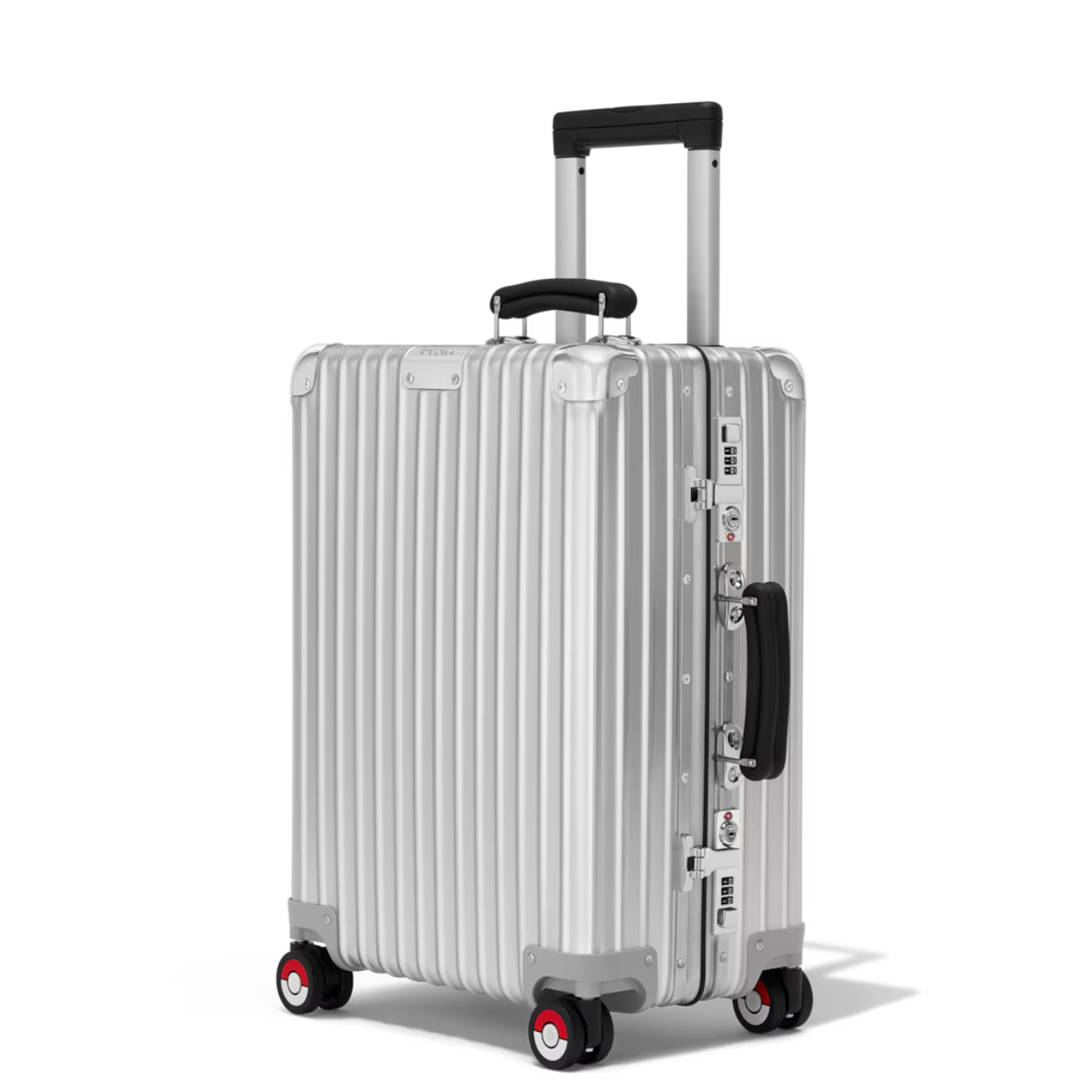
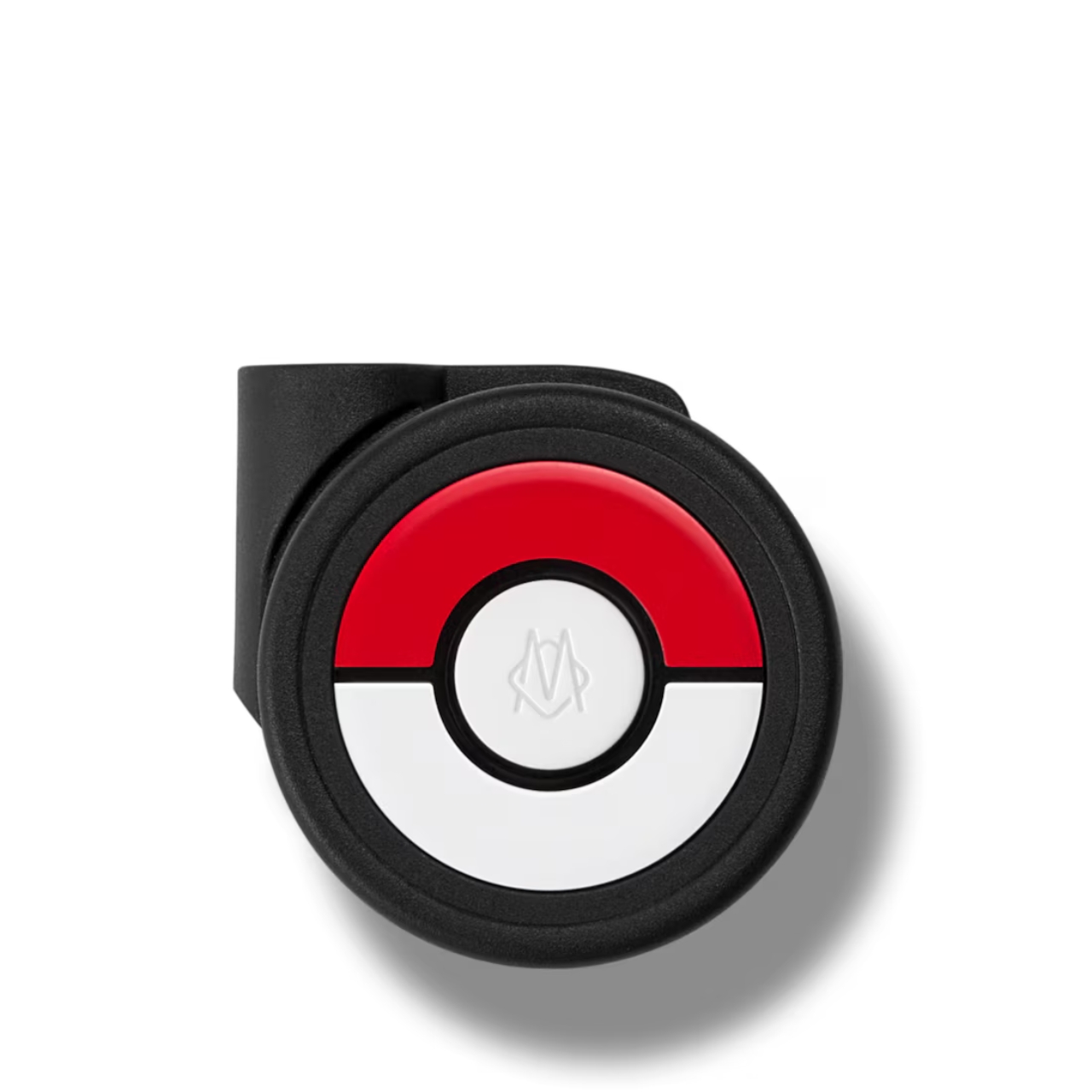
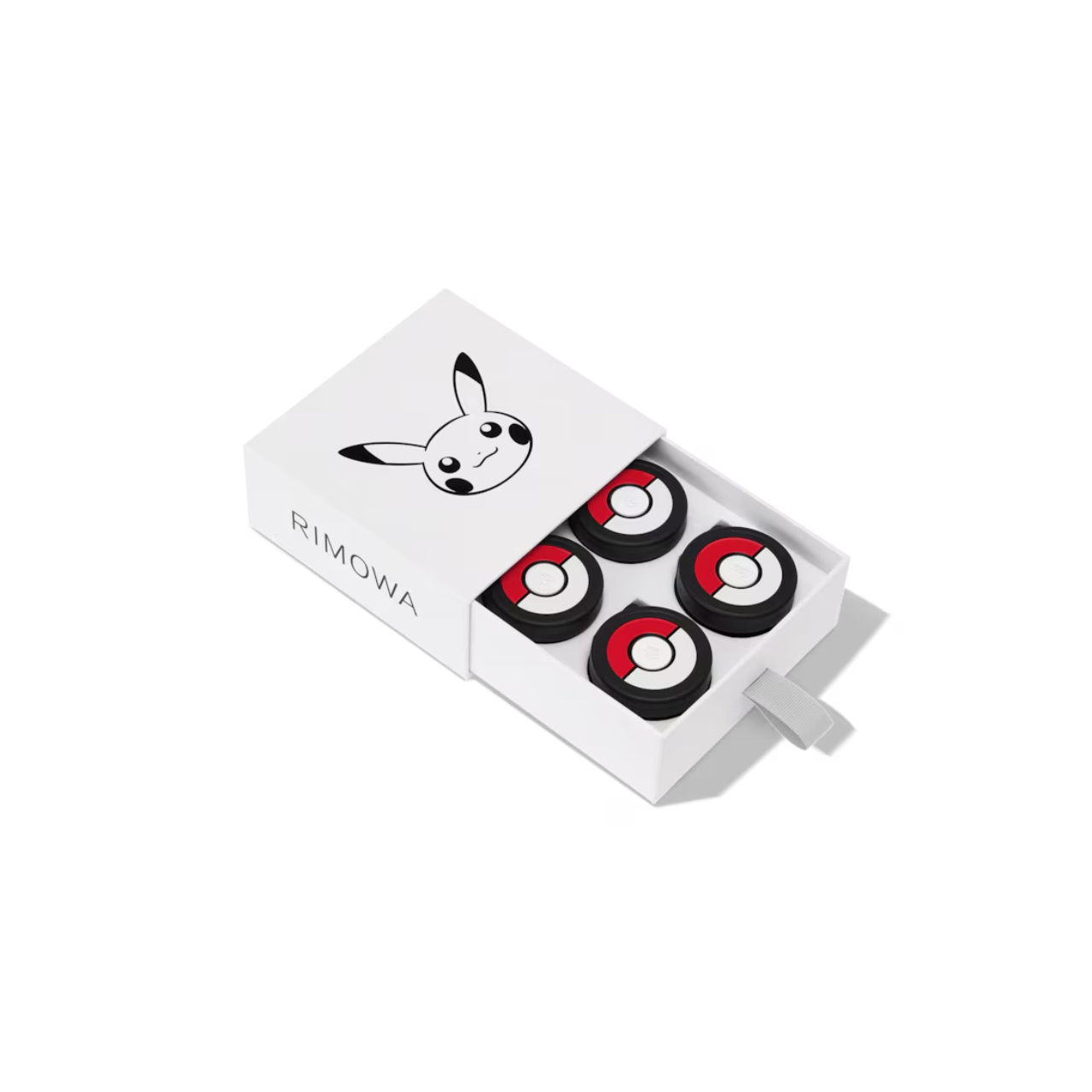
The collaboration, a Japan-exclusive capsule released on June 2, brings Pokémon-themed accessories to RIMOWA’s iconic suitcase lineup. We’re talking Poké Ball wheel sets, Pokémon-inspired luggage tags, and a limited-edition sticker set. The pieces are showcased alongside RIMOWA’s Essential line in bold Orange and Magenta, and the classic Original Cabin in Silver. If you need a moment to process how good that combination looks, take it.

Designer: RIMOWA

Collaborations between luxury brands and pop culture franchises are not new. We’ve seen high fashion shake hands with anime, streetwear collide with fine art, and sneakers morph into collector’s items worth more than a month’s rent. But the RIMOWA x Pokémon drop feels different, and not in the way that brands usually claim something is “different.” The distinction is in the credibility of both sides. RIMOWA has spent over a century building a reputation for precision engineering and design integrity. Pokémon has spent thirty years becoming one of the most enduring cultural franchises in history. When these two come together, the output isn’t just a product. It’s a statement.

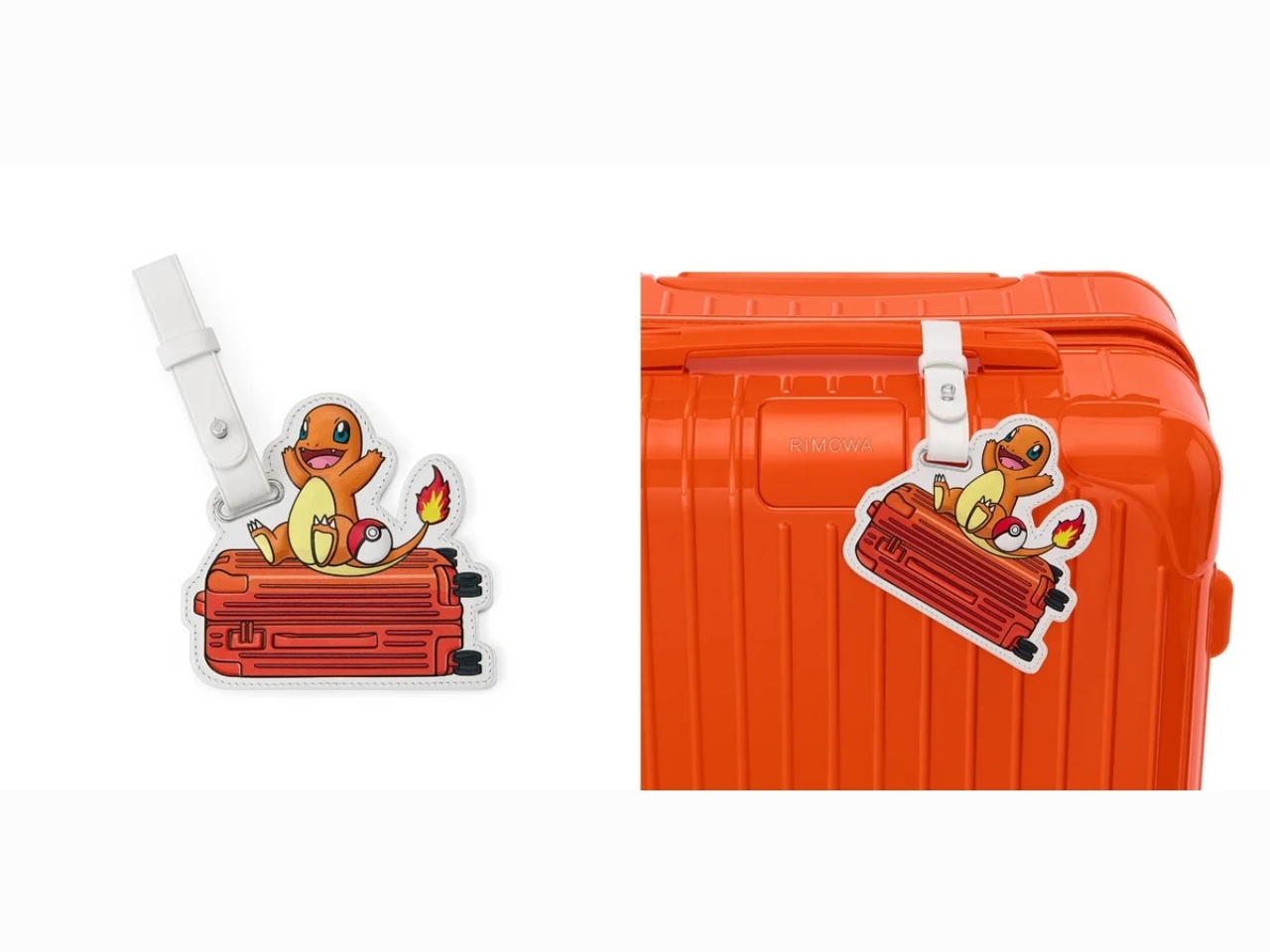
The luggage tags are the quiet stars of this collection. Most people treat luggage tags as an afterthought, just a way to identify your bag on the carousel. But a Charmander or Charizard tag dangling from a polished aluminum case changes the conversation entirely. It turns your luggage into a flex, and the best kind: one that’s playful rather than pretentious. Charmander and Charizard are arguably the most beloved starter evolution line in the franchise, which means these tags carry genuine sentimental weight for anyone who spent their childhood glued to a Game Boy.

Then there are the stickers, and they matter more than you might think. RIMOWA has long encouraged travelers to use their suitcases as a canvas, a rolling record of everywhere they’ve been. The Pokémon sticker set fits that tradition naturally. It gives you something to place with intention, something that says a little about who you are before you even open your mouth at baggage claim. There’s a generational intimacy to Pokémon stickers on a luxury suitcase that feels earned rather than gimmicky.

The Poké Ball wheel sets round out the collection in the most theatrical way possible. You only really see them when the suitcase is moving, which makes the reveal almost cinematic. It’s design thinking at its most fun, and I appreciate that neither brand tried to make it subtle.

The Japan-exclusive angle is worth sitting with, though. It makes sense: Japan is the birthplace of Pokémon, and RIMOWA has a strong presence in the Asian market. A region-specific drop honors that cultural connection and keeps the collection genuinely limited. But if you’re a Pokémon fan, a RIMOWA enthusiast, or both, and you happen to not be in Japan, you’re essentially watching this happen through glass. Resale prices will be predictably painful, and that accessibility gap is the one thing that slightly dulls the shine of an otherwise excellent collaboration.

Still, Pokémon’s 30th anniversary has been a celebration done right. The franchise has rolled out collaborations across fashion, collectibles, and experiential activations throughout 2026, and the RIMOWA partnership sits at the top of that list in terms of design quality and cultural resonance. It understands its audience. It doesn’t try to be ironic or overly self-aware. It simply takes two well-crafted worlds and lets them coexist beautifully.

Good design is about making people feel something. A Charizard luggage tag on a polished aluminum suitcase makes you smile before your flight, and that’s not a small thing. Travel can be exhausting and deeply impersonal. A little bit of joy attached to your carry-on goes further than any airport lounge ever could. For collectors, this one is worth the chase. For everyone else, it’s a good reminder that luxury and nostalgia can share the same overhead bin, and sometimes, the most unexpected pairings are the ones that last.

The post RIMOWA’s Pokémon Collab Proves Nostalgia Travels Well first appeared on Yanko Design.

9 Best Travel Gadgets & Gear That Make Summer 2026 Actually Worth Packing For

Transparent display of an OPT90 cassette speaker in a clear case, with 'CASSette SPEAKER' and 'Bluetooth Connection' labels visible.

The best travel packing lists have always been exercises in subtraction. What earns its weight. What survives a summer of trains, guesthouses, and long airport mornings? The objects that endure are the ones designed with enough intention that they feel better used than new. This year, that edit has gotten easier. A handful of products have arrived that understand travel not as a logistics problem but as a mode of living worth designing for.

There is a particular pleasure in a bag that weighs nothing and contains everything you need. The nine objects below represent that standard. They range from a pressure brewer disguised as a travel mug to a titanium pen that barely exists. What they share is the belief that good design removes friction from the day rather than adding features to it. Pack all nine, and you will still have room for a change of clothes.

1. Side A Cassette Speaker
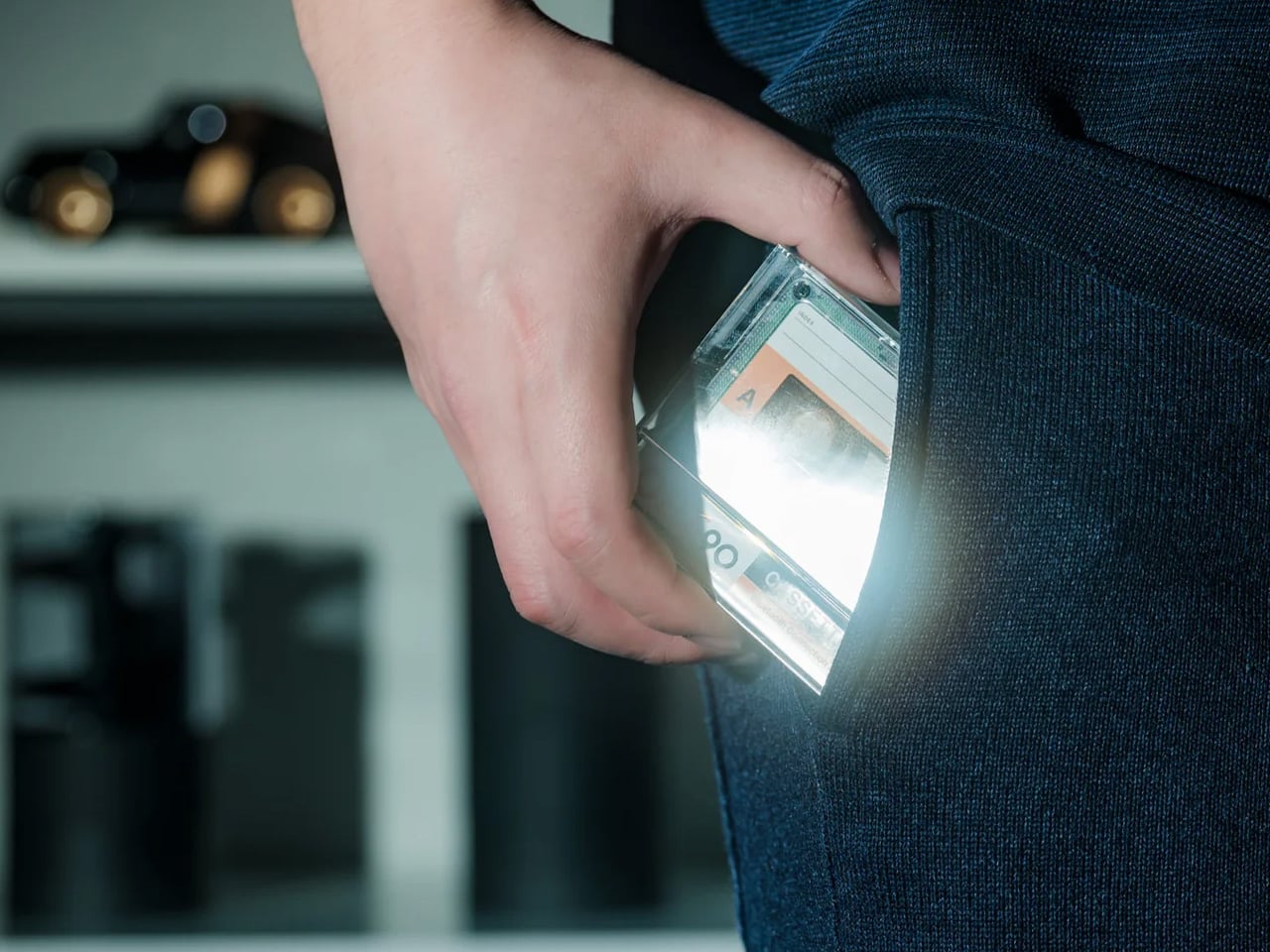
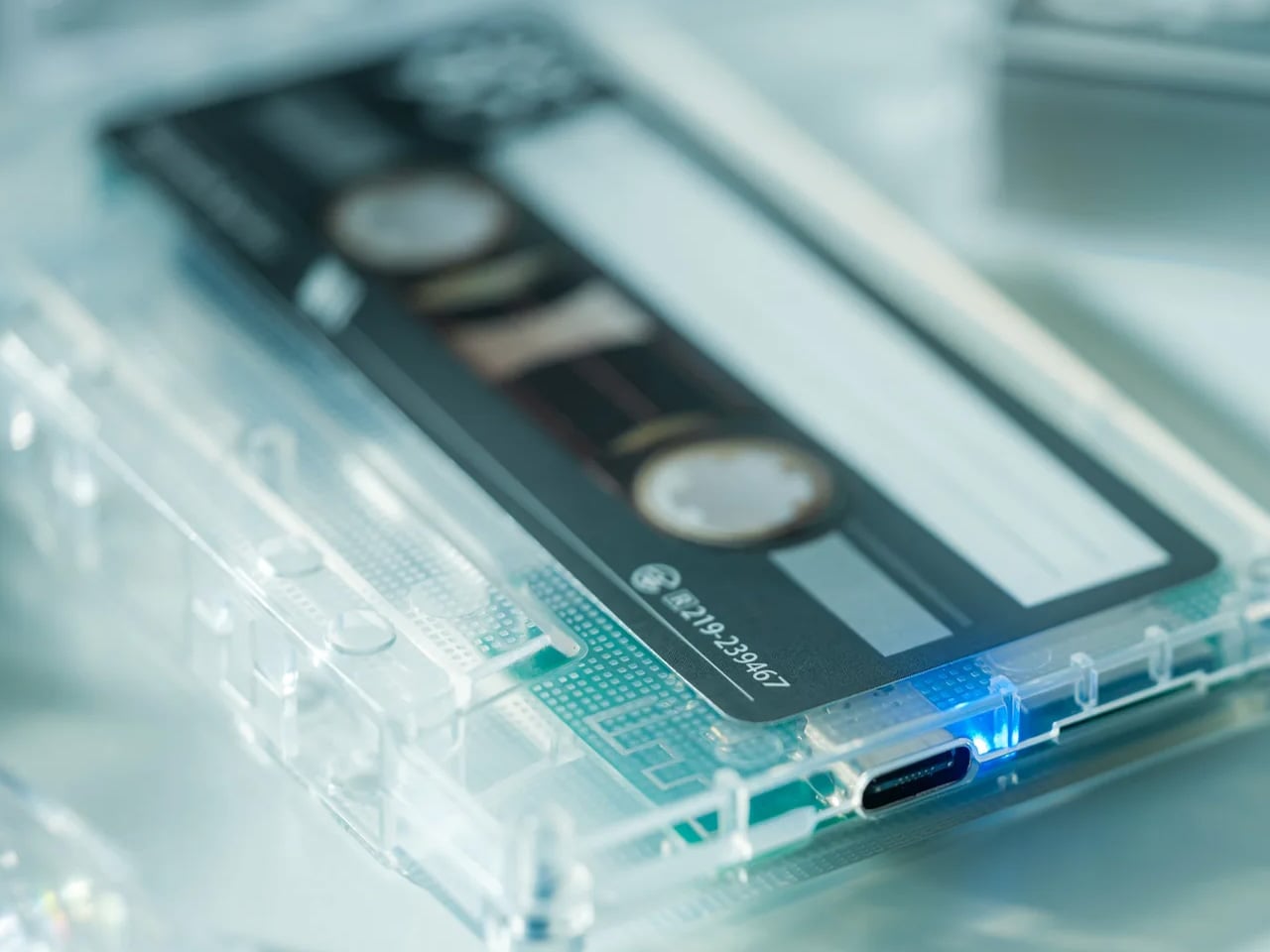
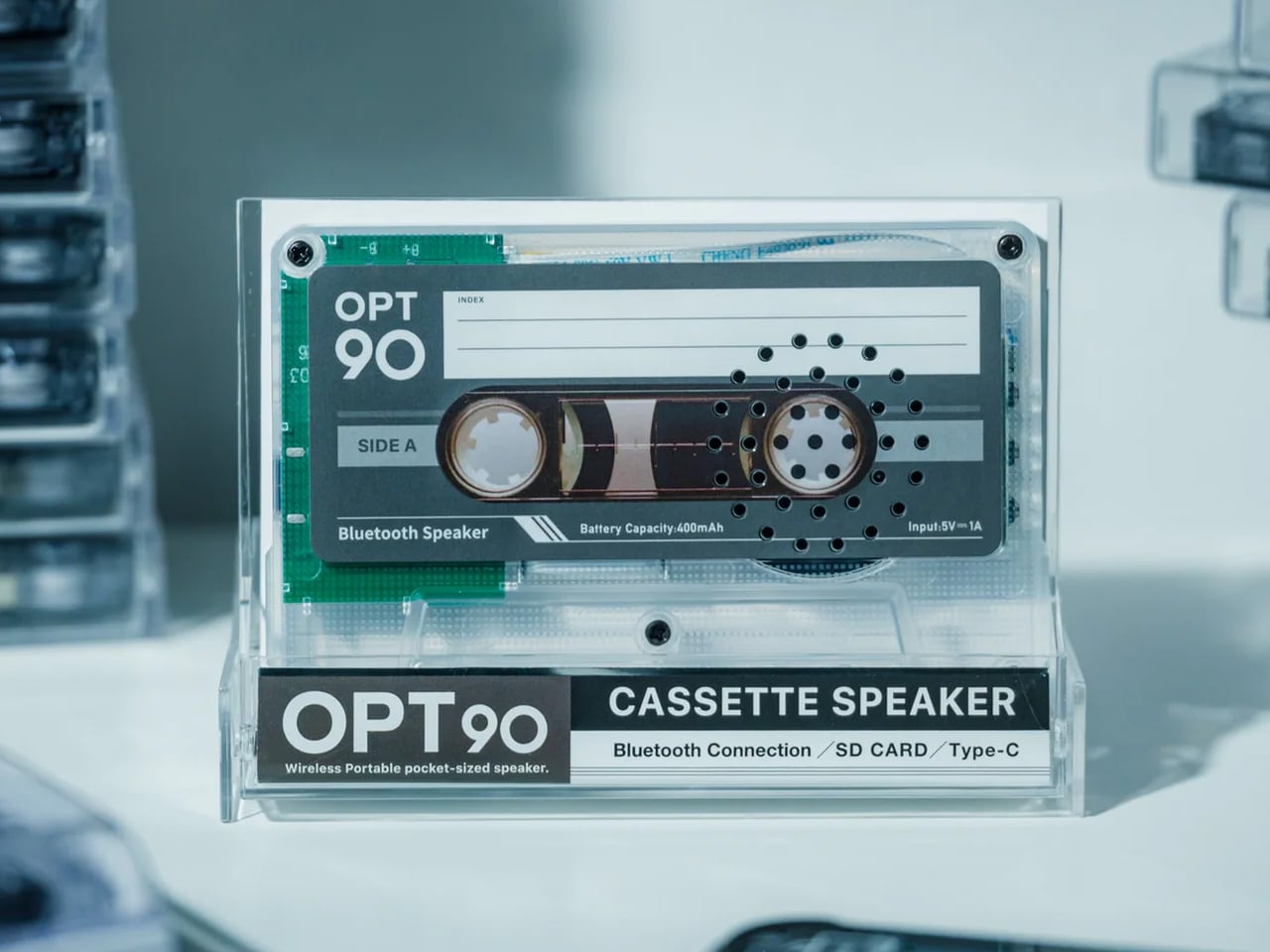
The Side A is a cassette tape that plays music, which makes it one of the quietest pieces of industrial design to land on a travel shelf in years. The form is exact: the dimensions of a 1970s compact cassette, the weight of an afterthought, and a sound quality that has no business coming from something this small. It fits in the coin pocket of your jeans, clips to a bag strap, and starts a conversation with everyone who notices it in a hostel common room or on a beach towel.

For travel, the emotional dimension matters as much as the functional one. The Side A is the object you pull out at a guesthouse in Lisbon or a rented apartment in Kyoto and place on a windowsill while you unpack. It signals something about the kind of traveler you are before you say a word. It runs wirelessly via Bluetooth and charges via USB-C, so the retro aesthetic is purely visual. The ritual of pressing play on something shaped like a tape deck turns any room temporarily yours.

Click Here to Buy Now: $49.00

What We Like

  • The cassette form factor fits in places no other speaker can, including pockets, passport holders, and the side mesh of a water bottle sleeve.
  • Wireless Bluetooth and USB-C charging mean the vintage look carries none of the vintage inconvenience.

What We Dislike

  • Sound projection is directional and intimate rather than room-filling, which large outdoor spaces tend to expose.
  • The compact size means battery life is capped shorter than bulkier travel speakers in the same price range.

2. MokaMax
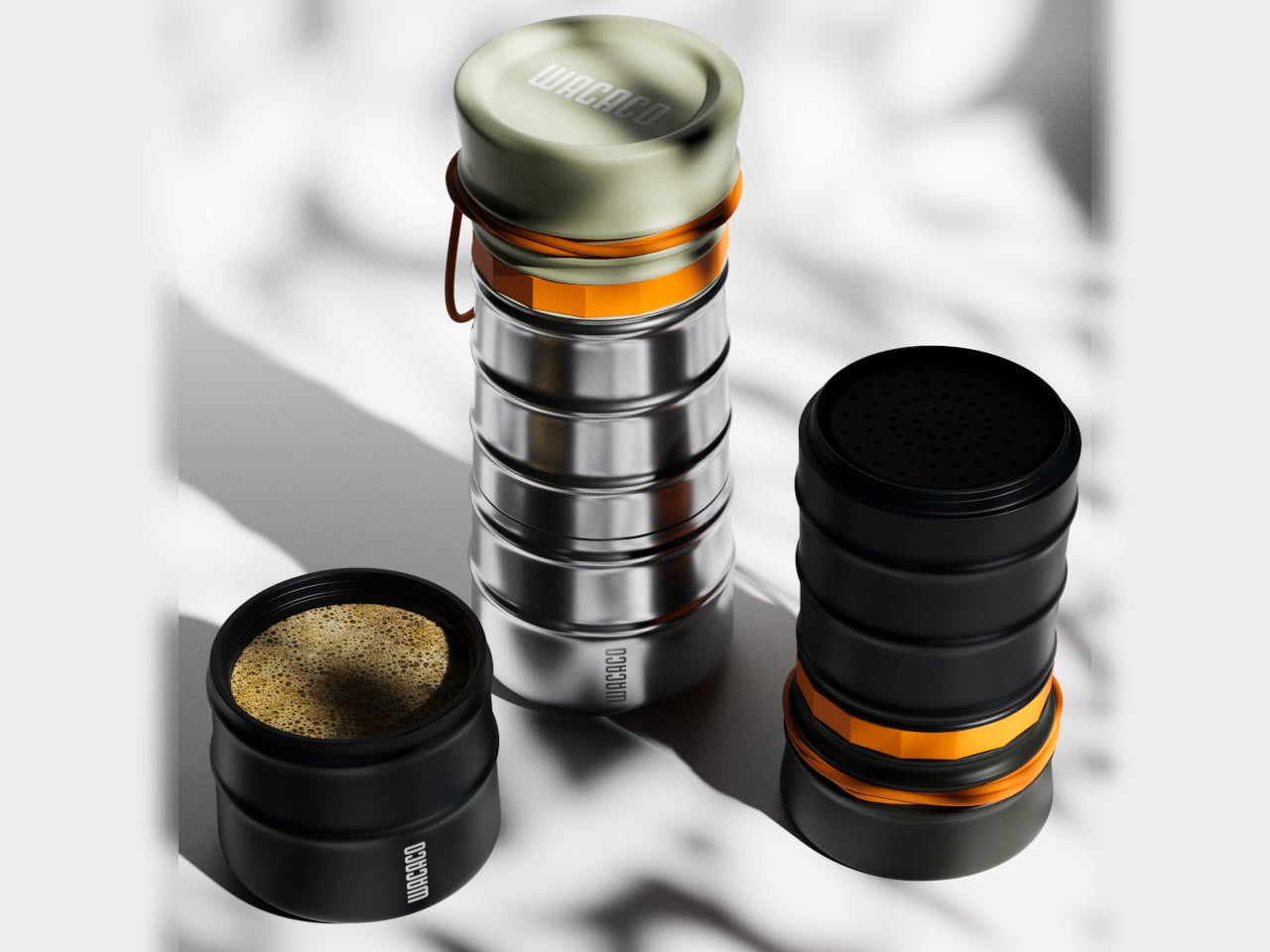
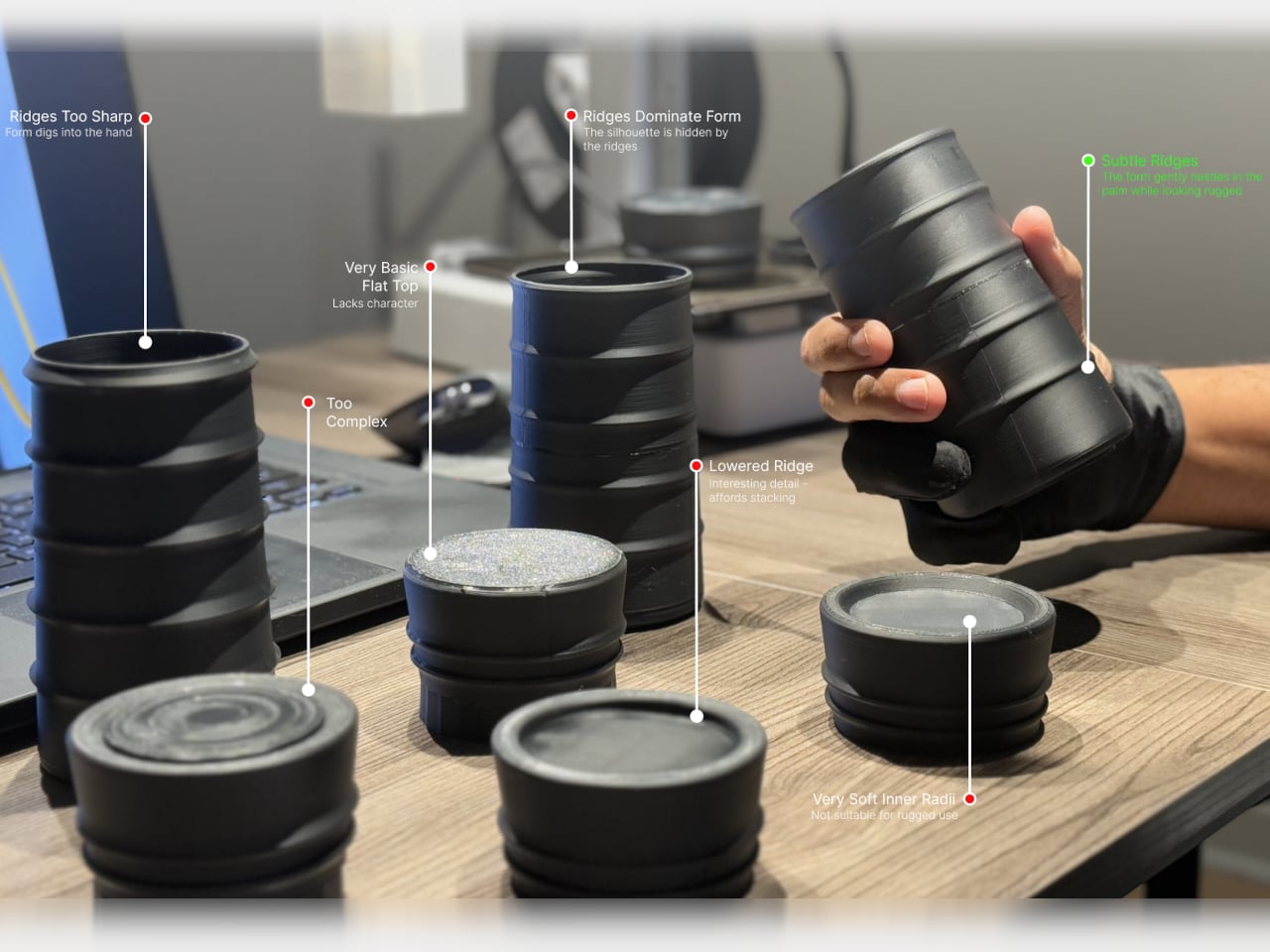
The hotel room coffee situation has not improved. The MokaMax accepts this and brings its own solution: a ridged stainless steel travel mug that contains a full pressure brewer inside its body. You fill the chamber, add grounds, apply pressure through the integrated mechanism, and have something approximating an espresso in under three minutes using nothing but boiling water from the kettle on the credenza. It is a singular piece of design that treats a genuine travel problem with the seriousness it deserves.

The ridged stainless exterior gives it a profile that belongs on the shelf of a Scandinavian kitchenware shop rather than in a carry-on bag. It travels as a sealed container with no separate parts to lose across time zones. The lid doubles as a cup. The whole thing weighs 400 grams fully loaded and fits in the front pocket of most travel backpacks. For coffee people who have tried every in-room alternative and arrived at the same disappointing conclusion every morning, this ends the conversation.

What We Like

  • The integrated brewer and mug in a single sealed body means no separate components, no loose parts, and no compromises across a summer of movement.
  • The ridged stainless exterior is visually distinctive enough to qualify as an object worth owning well beyond its function.

What We Dislike

  • Cleaning the pressure chamber on the road requires access to a proper sink and a few spare minutes that airport transit rarely provides.
  • The 400g weight, while justified, is noticeable in a carry-on where every gram has already been negotiated.

3. AirTag Carabiner

The AirTag Carabiner treats Apple’s tracking disc the way a good frame treats a painting: it makes the object inside worth looking at. Machined aluminum, a clean gate mechanism, and a profile that clips to bag straps, belt loops, and zipper pulls without reading as gear. Most AirTag cases are either cases or carabiners. This one is genuinely both, and the design is considered enough that you clip it on and forget it exists entirely until the moment you need it.

For travel, the peace of mind is architectural. You clip one to your checked bag and one to your day pack, and the anxiety of watching a baggage carousel empty while your luggage doesn’t arrive shifts from dread to information. The form is compact enough that it adds nothing to the weight profile of a bag. The aluminum patinas naturally over months of use into something that looks earned rather than bought. It is the category of object whose value you only understand the first time it does its job.

Click Here to Buy Now: $149.00

What We Like

  • The machined aluminum gate and clean profile make it one of the few AirTag carriers that genuinely improve the look of whatever bag it attaches to.
  • The combination of carabiner utility and tracking function eliminates the need for a separate clip and a separate case simultaneously.

What We Dislike

  • The AirTag itself is sold separately, which means the full experience requires an additional purchase; most listings bury this in fine print.
  • Aluminum gates can feel stiff in cold weather, and the opening requires two hands during the first weeks of regular use.

4. Comes

Siwoo Kim’s Comes is a small AI companion device designed specifically for solo travel, and the premise is more considered than it sounds. It sits in your palm, connects to your phone, and acts as a conversational layer between you and unfamiliar places: translating menus, suggesting detours, and responding to the low-stakes questions that feel embarrassing to search for in public. The design is rounded and quiet, built to stay in a pocket rather than demand a wrist, a screen, or a face to look at.

What makes Comes worth including in any honest travel list is what it refuses to do. It is not a phone. It has no screen. It does not try to replace anything except the particular loneliness of standing in a new city without anyone to ask. For solo travelers who find the performance of looking confident in unfamiliar places genuinely tiring, Comes offers a private layer of support without the social cost of visibly consulting a device. It turns navigation into conversation, which is a different kind of travel entirely.

What We Like

  • The screenless, pocket-sized form means it assists without demanding attention, which is the rarest quality in any device designed for travel.
  • The AI layer is built specifically for travel contexts, making it meaningfully more useful than a repurposed general-purpose assistant.

What We Dislike

  • Connectivity depends entirely on your phone’s data plan, which in rural or international contexts can make the experience inconsistent.
  • The concept is stronger than the current feature set, and early adopters will encounter limits that future firmware will eventually address.

5. Kinto Travel Tumbler
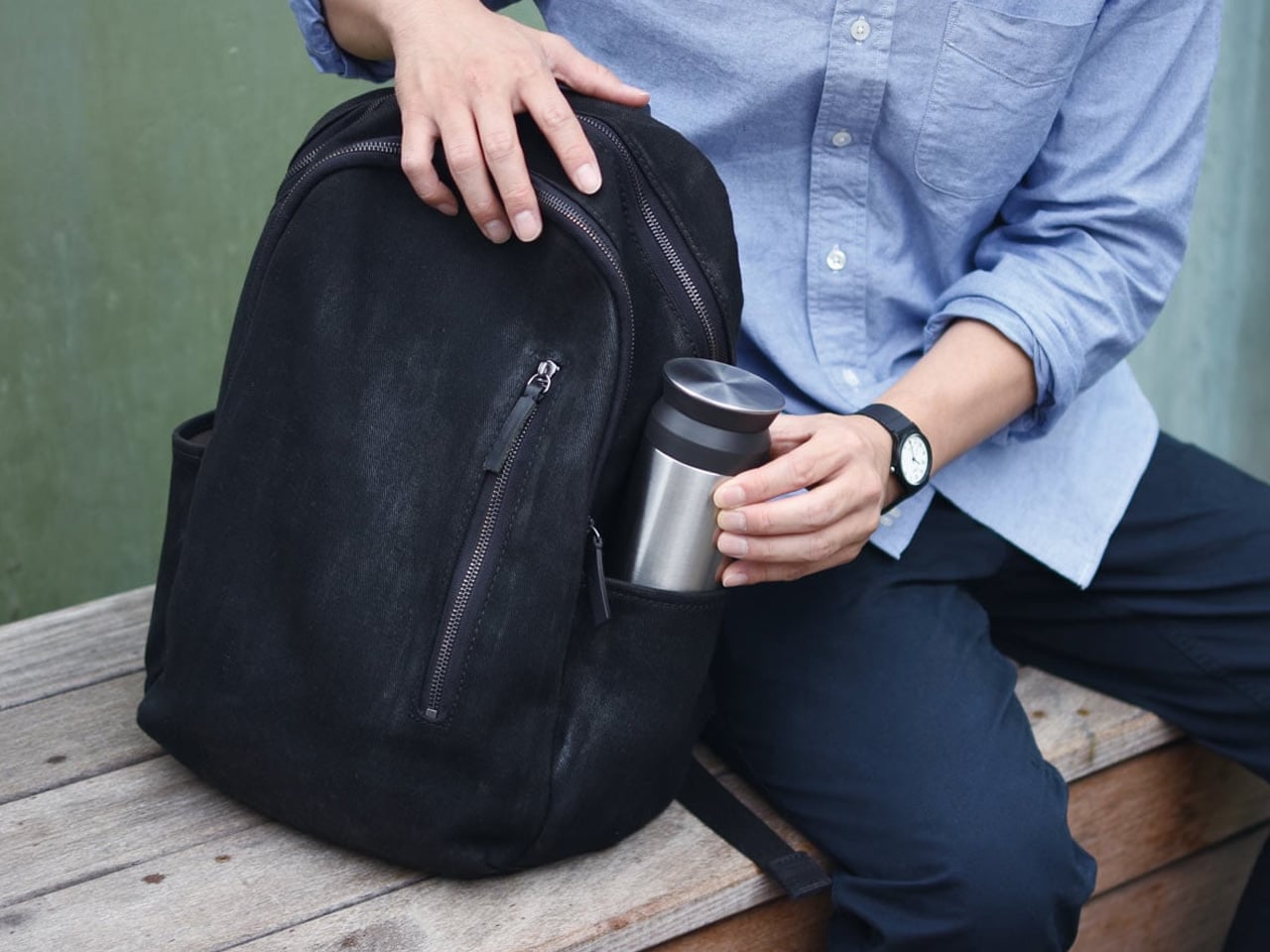
KINTO has been making drinkware in Japan since 1972, and the Travel Tumbler is the product that explains why the brand has a following among people who pay attention to objects. Matte stainless steel, a one-handed screw lid with a silicone seal, and an opening wide enough to drink from without tipping your head back. There is no rubber gasket on the exterior. No logo beyond a debossed stamp. No color options are engineered to attract attention. It disappears into your morning routine and becomes difficult to travel without.

The 500ml capacity is the most considered part of the design. It is enough for a double espresso topped with hot water, or a full cup of whatever the guesthouse kitchen offers, without being the oversized vessel that forces you to drink fast or carry heavy. It keeps liquids at a temperature for six hours in either direction. For a summer of early trains and long afternoons in cities you are still learning, the Kinto becomes the object you reach for more often than any other in your bag.

What We Like

  • The matte stainless exterior and restrained detailing place it closer to Japanese tableware than outdoor gear, which is a genuine category distinction.
  • The 500ml capacity hits the precise middle ground between espresso-sized and inconveniently large for everyday carry.

What We Dislike

  • The screw lid takes slightly longer to open than a flip-top, which becomes apparent when you are holding a tray and a boarding pass simultaneously.
  • The matte finish marks with fingerprints in warmer climates and requires more frequent wiping than a polished surface would.

6. Casabeam Everyday Flashlight
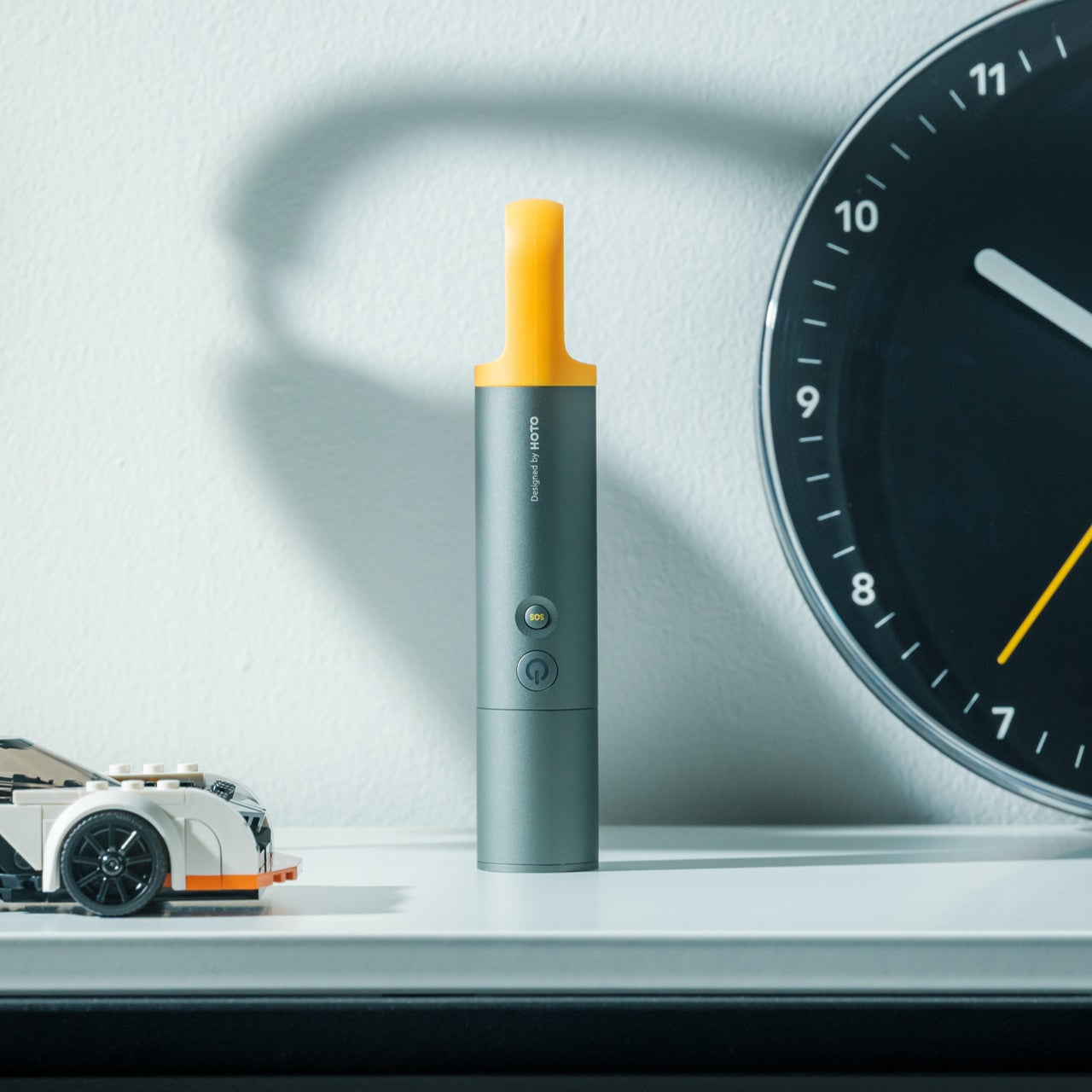
The Casabeam occupies the specific design territory between a tool and an object worth keeping on a desk. The body is machined to a clean cylindrical profile with a pocket clip that doubles as a satisfying fidget mechanism, and the beam output is serious enough for actual use without the tactical overdesign that plagues most EDC lights. It charges via USB-C and remembers its last mode, which sounds minor until you have spent thirty seconds cycling through strobe mode in a dark guesthouse corridor at 2 am.

Travel reveals how often you need a light that is not your phone. Cobblestone streets with broken lamp posts. Power cuts in cheaper accommodation. Reading in a top bunk without waking the rest of the room. The Casabeam handles all of it from a body that fits alongside a pen without adding bulk. The light quality is warm enough to be comfortable and bright enough to be useful. It earns more appreciation the longer you carry it, because it keeps solving problems you had quietly given up on solving.

Click Here to Buy Now: $50.00

What We Like

  • USB-C charging and mode memory remove the two most common sources of friction in EDC flashlight ownership entirely.
  • The machined cylindrical body is refined enough to sit alongside design objects rather than tools without any visual apology.

What We Dislike

  • The warm beam color, while pleasant for ambient use, is less useful for reading text at a distance than a cooler 5000K alternative.
  • The pocket clip was clearly designed for trouser pockets rather than shirt pockets, and the thinner fabric requires deliberate re-positioning.

7. CW&T Pen Type-C Ultra — gnuhr Edition
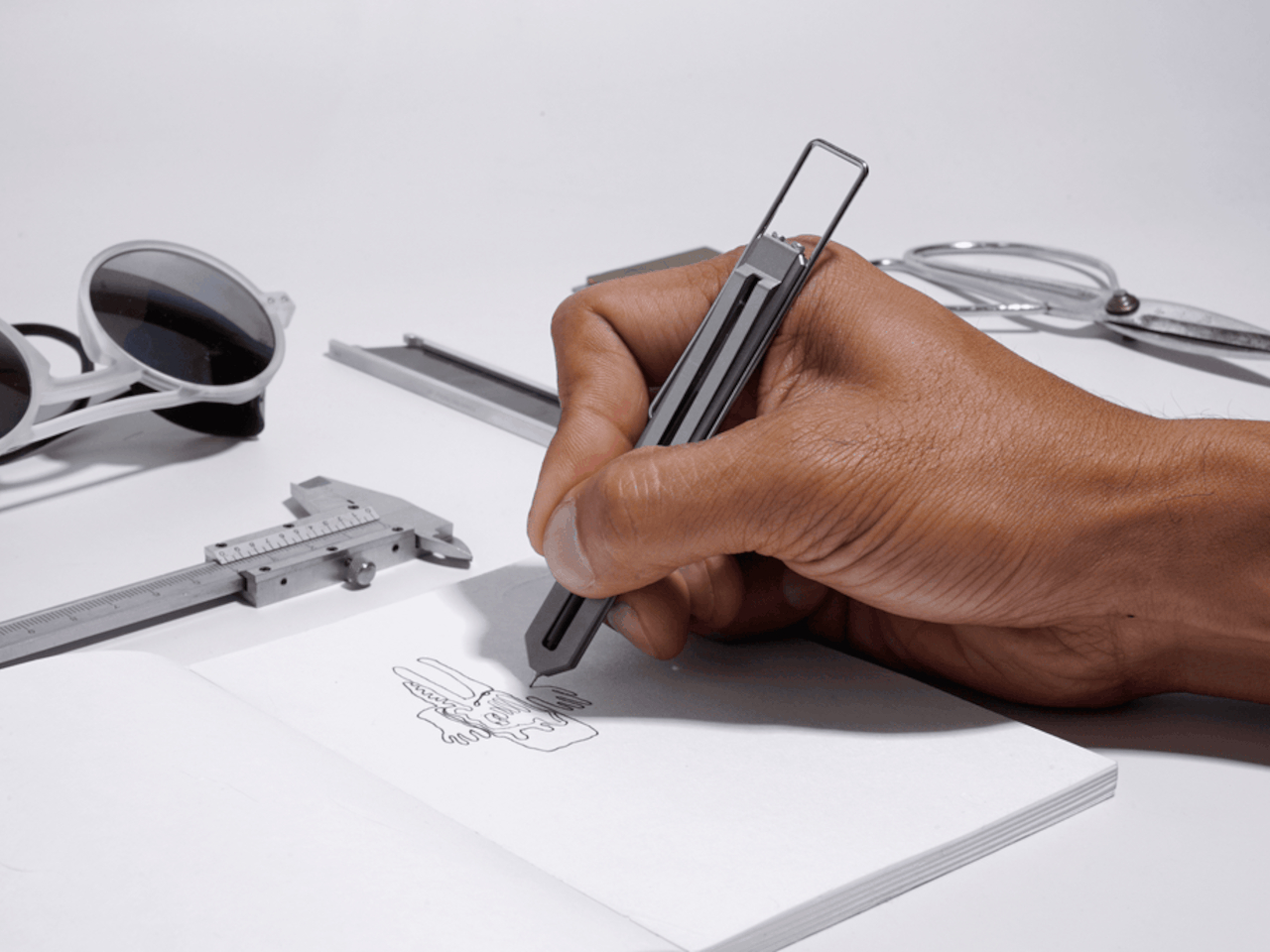
CW&T is a small New York studio that produces objects in limited runs for people who pay close attention to manufacturing. The Pen Type-C Ultra gnuhr Edition is Grade 5 titanium, hollowed and precision-milled to a skeletal profile that removes every gram that does not need to exist. It weighs almost nothing. It looks like it belongs next to aerospace hardware in a design archive. It takes a standard ballpoint refill and writes exactly as a pen should, with no drama and no compromise in either direction.

Traveling with this pen converts the act of writing into something you notice. Filling in a form at a hotel desk, signing a restaurant receipt, sketching a street corner in a notebook: these are the moments when an object of this quality distinguishes itself from everything else in your pocket. It does not perform its material. It simply is the material, in a form tight enough to disappear on a keychain or in the spine of a notebook. For a summer of movement, something is clarifying about carrying a pen that will outlast every passport you own.

What We Like

  • Grade 5 titanium construction and skeletal precision milling place this in a different category from every other writing instrument at any price point.
  • Standard ballpoint refill compatibility means the most beautifully made pen you own is also the easiest to maintain anywhere in the world.

What We Dislike

  • The skeletal body offers minimal grip surface, which becomes fatiguing during longer writing sessions on bumpy transport.
  • CW&T produces in limited runs, so availability can disappear without notice, and restock timelines are rarely predictable.

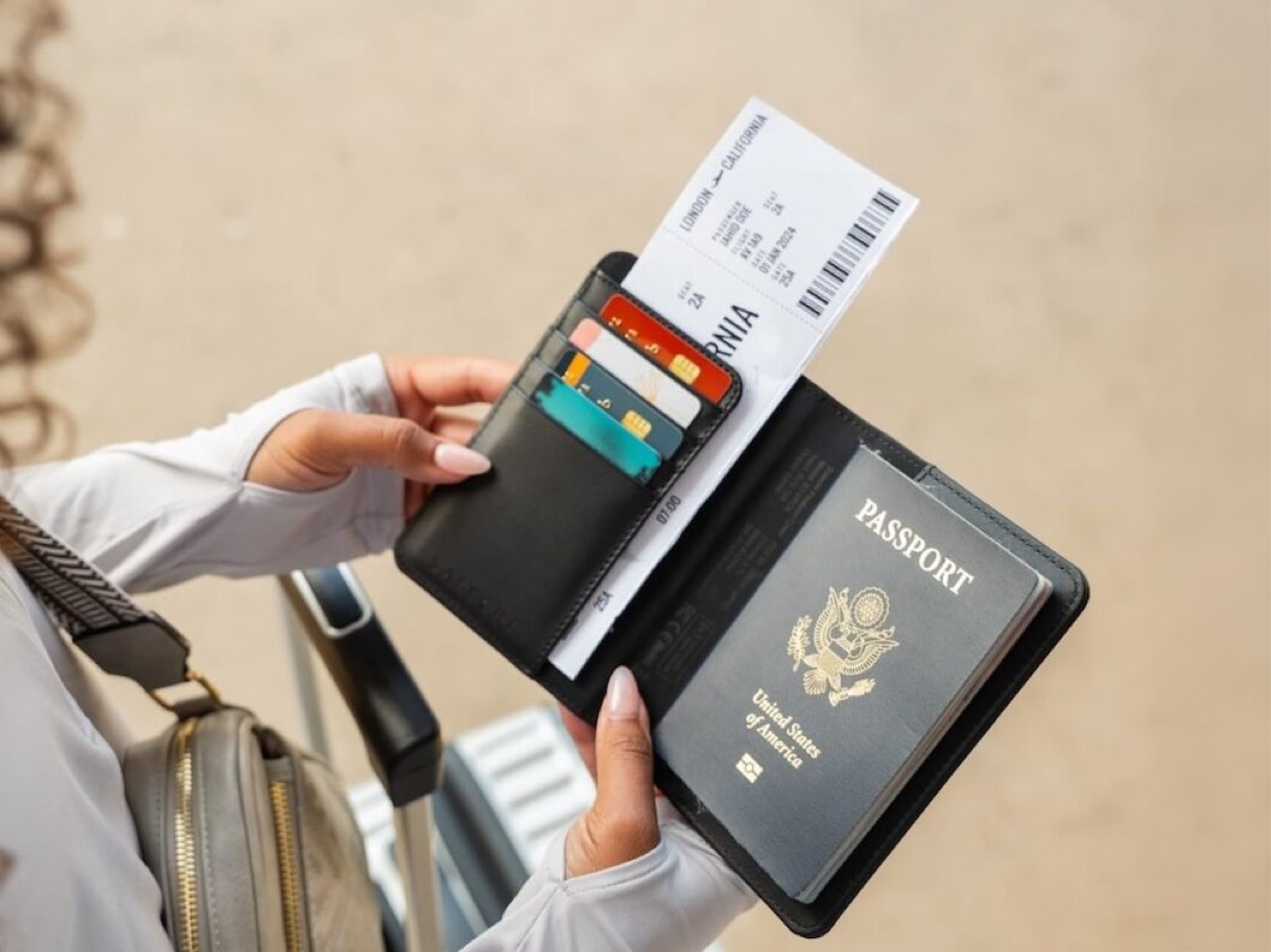
8. PROOF Wallet
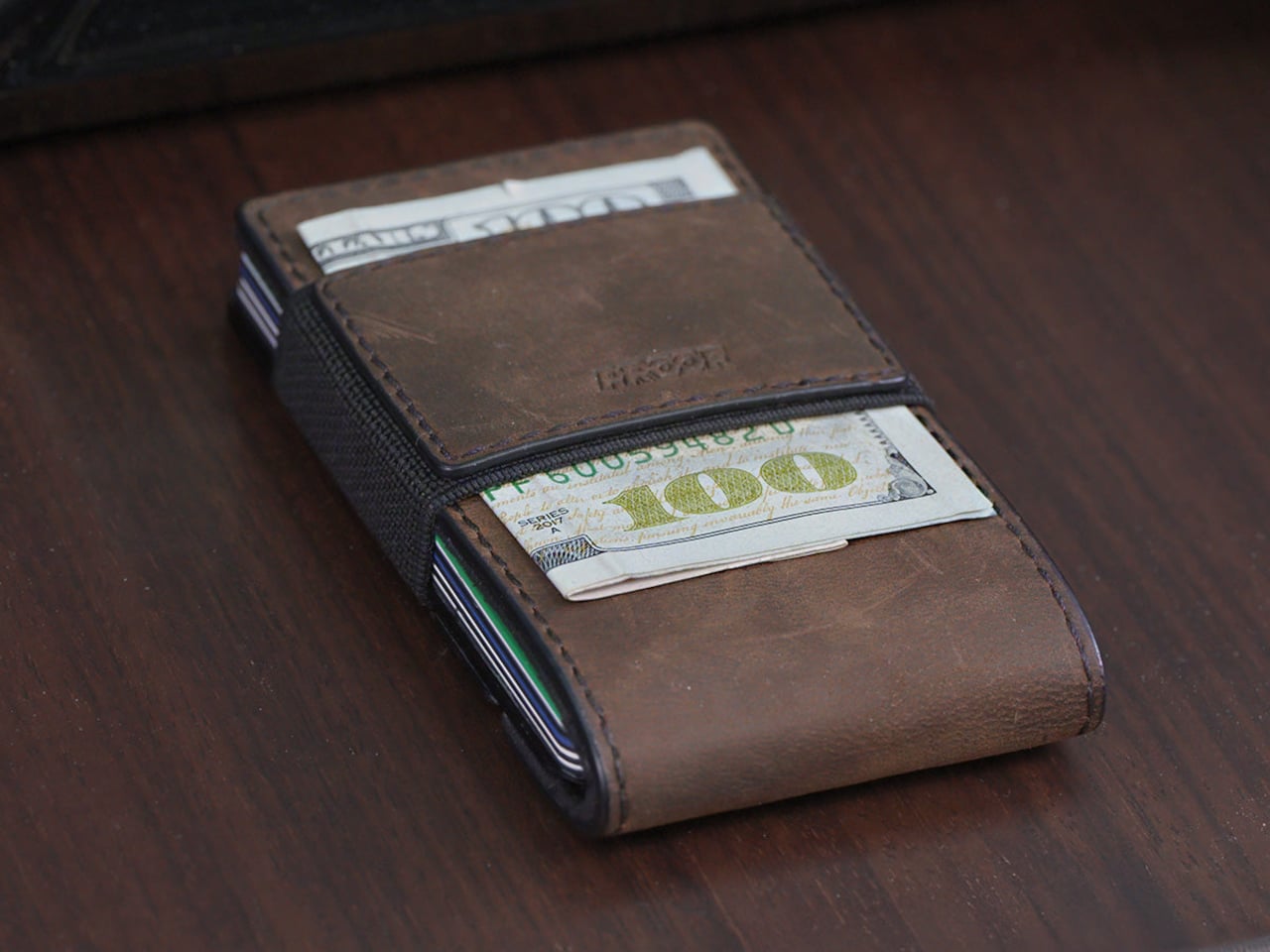
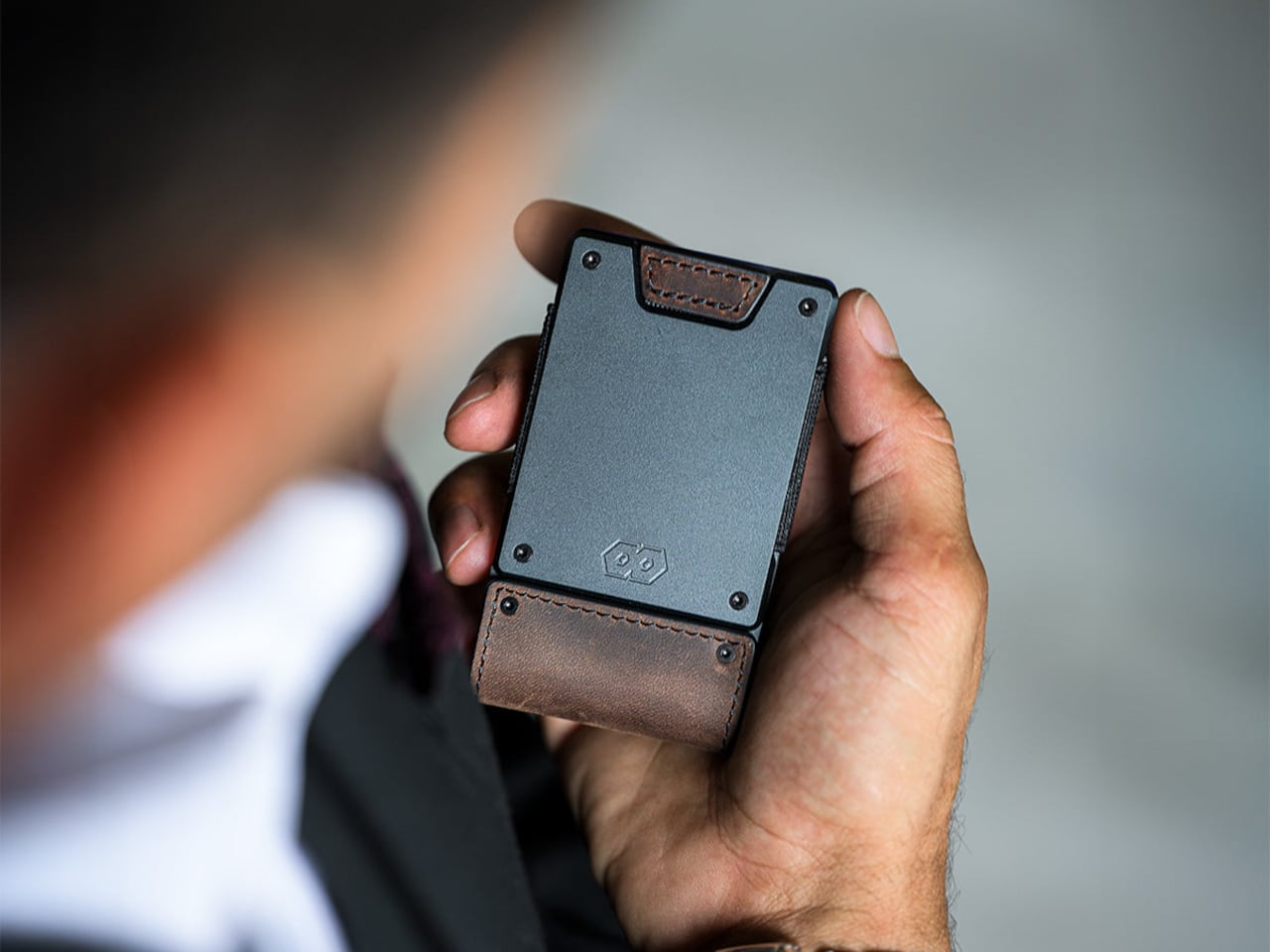
The PROOF Founder pairs an aerospace-grade aluminum plate with top-grain leather and a wide elastic strap in a form that reads as professional rather than tactical. Most minimalist wallets solve their problem by holding less. This one solves it by holding more without growing. The Founder handles anywhere from one to twenty-five cards, with the elastic strap compressing the stack and the leather wrap keeping it contained. It sits flat in a jacket pocket and does not announce itself, which, for travel, where your wallet becomes a daily tool rather than a background object, is the entire point.

The aluminum plate is the structural element that separates this from fabric-only alternatives: it prevents the flex and collapse that plagues elastic wallets after months of use and creates a satisfying resistance when fanning through cards. The leather wrap patinas over a summer into something that looks considered rather than worn. There is no branding on the exterior beyond the material itself. For the kind of traveler who finds the Ridge wallet slightly too aggressive in a formal setting, the Founder is the obvious alternative that nobody else at the table will recognize.

What We Like

  • Aerospace aluminum structure paired with top-grain leather produces a material combination that improves with use rather than degrading with it.
  • The one-to-twenty-five card capacity range makes it genuinely flexible across the context shifts that define summer travel without structural compromise.

What We Dislike

  • The elastic strap shows its age before the leather or aluminum does, and replacement options require contacting the brand directly.
  • The profile, while slim, is wider than card-only holders, which feels unnecessary on short day trips when you carry two cards and nothing else.

9. Traveler’s Notebook
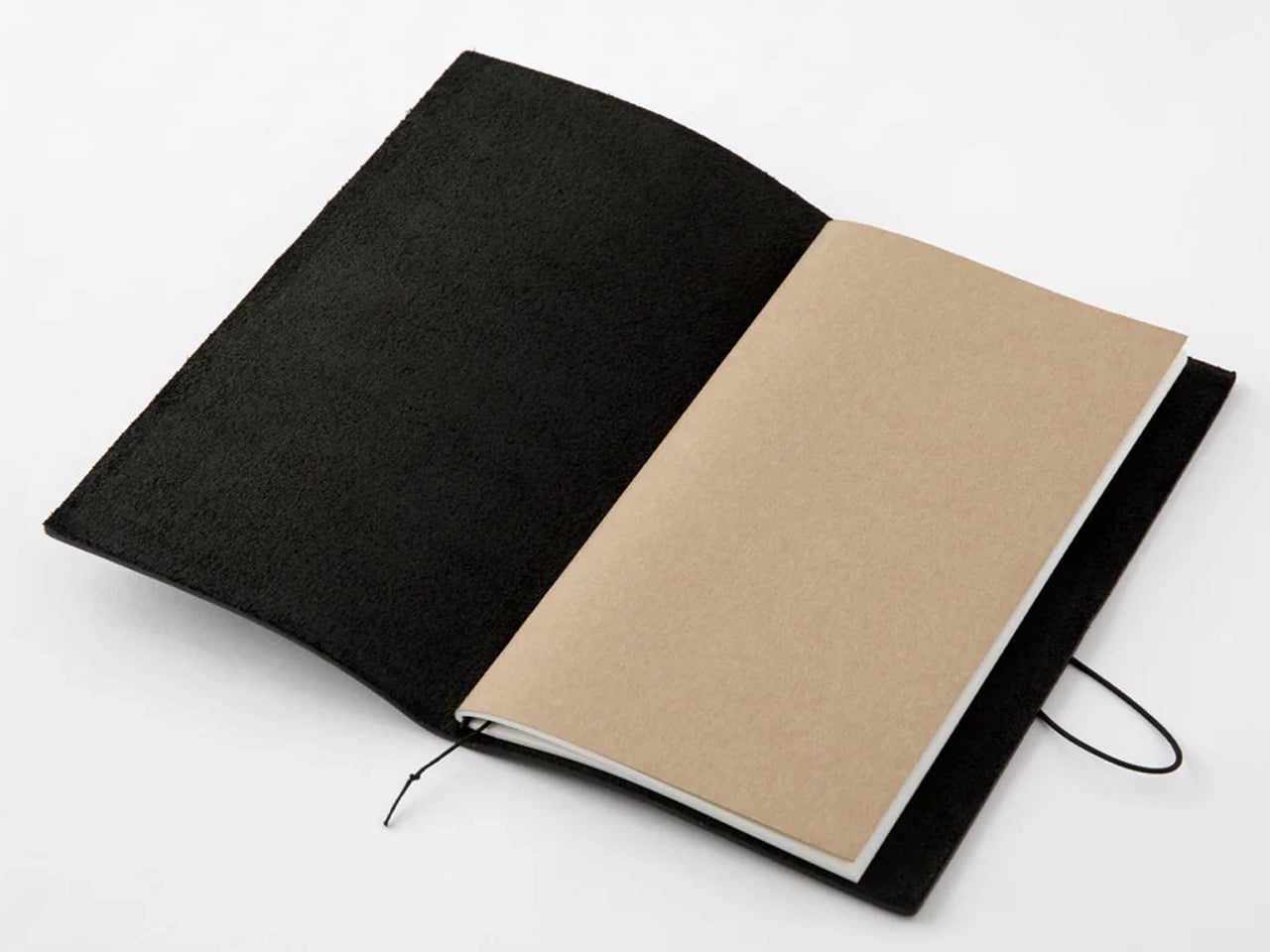
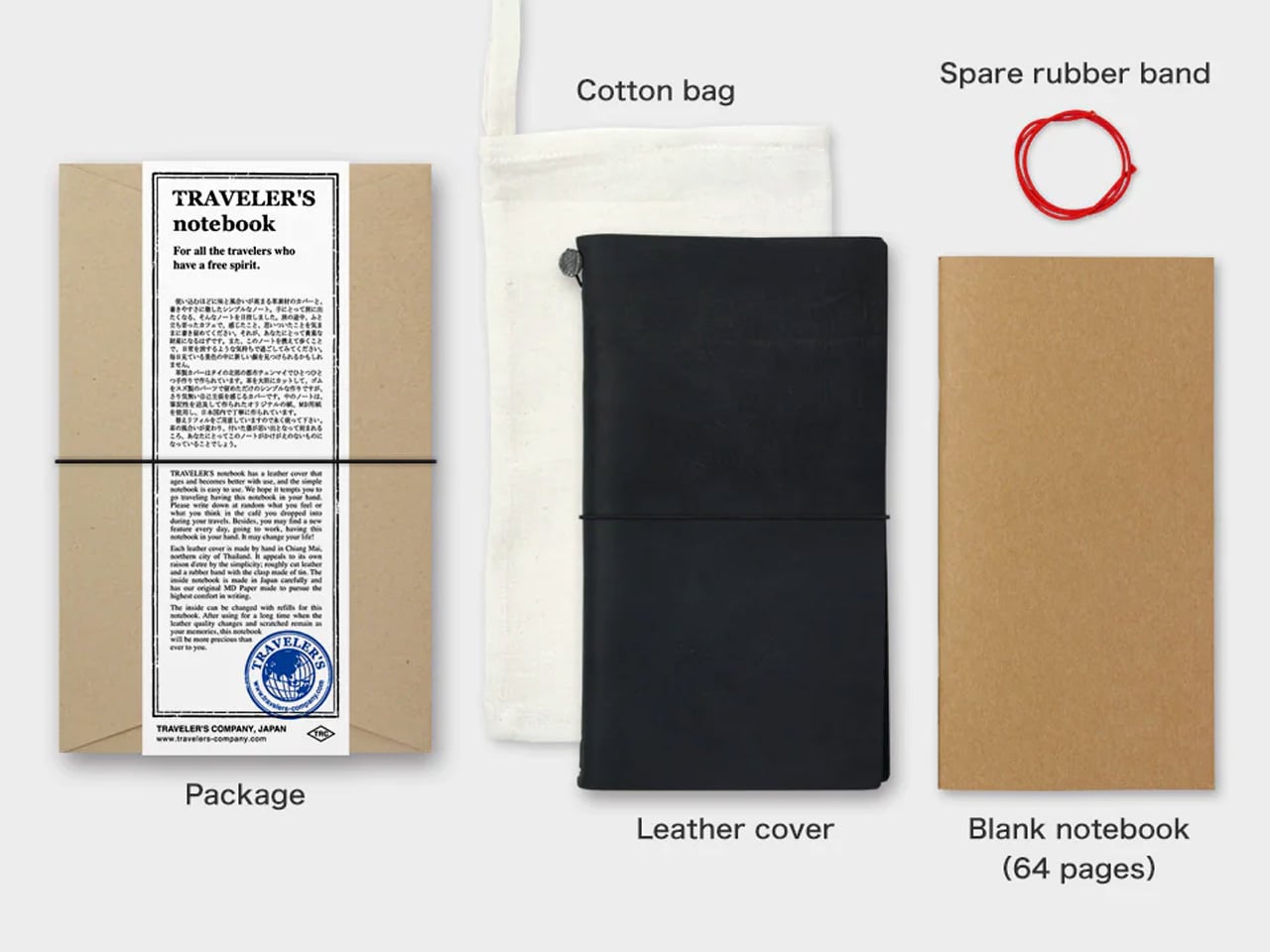
The Traveler’s Notebook has been in continuous production since 2006 and has changed almost nothing about itself, which is as strong an endorsement as any product can receive. The black edition is oiled buffalo leather stretched over a brass clip and elastic cord, aging into something that looks genuinely lived-in after a single trip. The passport size fits a shirt pocket. The paper is cream-colored, fountain-pen-friendly MD stock that resists bleed-through with quiet success. The inside becomes whatever you need it to be: journal, sketchpad, receipt keeper, boarding pass sleeve.

In a list built partly around technology and connectivity, the Traveler’s Notebook earns its place by doing nothing digital. It is the object that captures the parts of a trip that photographs miss: the light on a piazza at seven in the morning, the menu item you want to remember, the address someone wrote down for you on a napkin now tucked into the inner fold. Travel writing done by hand in a book that costs less than a meal has a particular relationship to memory that no app has yet replaced. This is the pocket-sized argument for why.

What We Like

  • Oiled buffalo leather and brass clip construction will outlast every phone, charger, and piece of luggage in the bag by a significant margin.
  • The refillable insert system means the notebook’s physical character accumulates across years while the interior renews for each new destination.

What We Dislike

  • The elastic cord binding requires an initial period of loosening before the inserts sit flat, which new users consistently find frustrating in the first week.
  • The narrow passport format can feel constrained for wider handwriting styles, particularly for left-handed writers working on moving transport.

Pack Less. Pay Attention.

Nine objects across nine categories, and the through-line is identical across all of them. Each one was made by someone who asked a specific question about how a thing should work rather than how it should be marketed. That specificity is what makes a bag lighter, a morning better, and a new city feel less like a problem to manage and more like the reason you left home in the first place.

The best travel gear does not make travel easier in the way a better suitcase wheel makes transport easier. It makes travel richer in the way a good book makes a long flight disappear. These nine objects will not tell you where to go. They will make you pay closer attention once you get there, which is the only travel advice worth taking.

The post 9 Best Travel Gadgets & Gear That Make Summer 2026 Actually Worth Packing For first appeared on Yanko Design.
No More Waiting in Line for Hot Water, This RV Heater Has 66,000 BTU

Summer has a way of changing the rules for RV travel. What was a relaxed weekend trip for one or two people becomes a full-blown family expedition, with everyone’s routines packed into the same tight space. Showers get longer, dishes pile up faster, and the morning rush gets more competitive. The systems you barely thought about in cooler months suddenly start to matter a great deal.

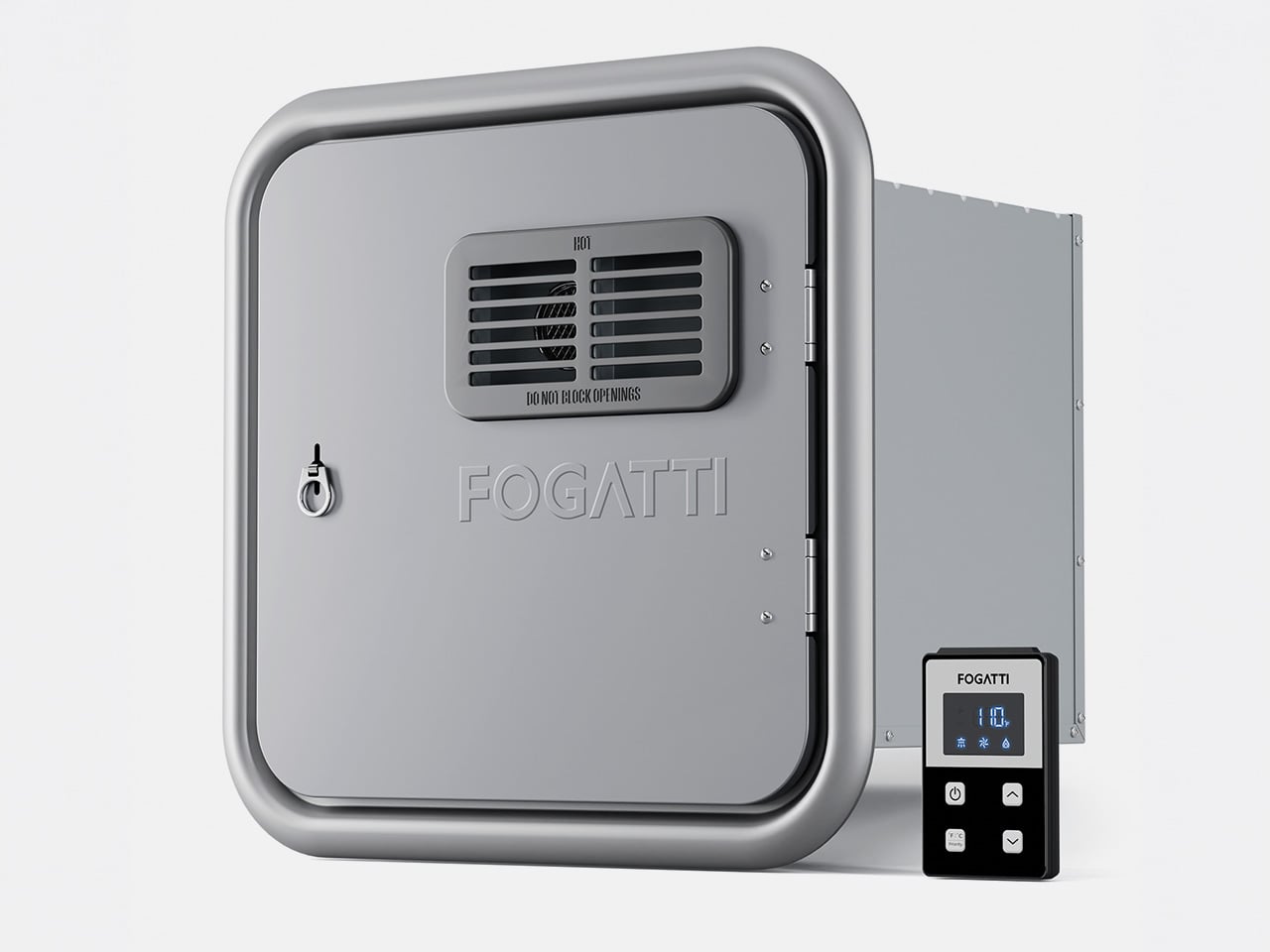
Hot water is one of the first things you notice when an RV can’t keep up. Waiting for the tank to recover, a cold burst just as you find a comfortable temperature, or having to ration usage when multiple people need the sink, these aren’t exactly the highlights of a road trip. The Fogatti InstaShower Ultra is a propane tankless water heater designed to change all of that.

Designer: Fogatti

Click Here to Buy Now: $799.99 $899.99 ($100 off). Hurry, deal ends in 48-hours. Website Link Here.

Picture a typical summer morning at a campground. Someone’s in the shower while another is getting breakfast going, and a third is at the sink washing up before everyone heads out for the day. That kind of simultaneous demand used to be a problem. With 66,000 BTU of rapid heating power and a maximum flow rate of 3.9 GPM, the InstaShower Ultra handles it without much fuss.

The end of a summer day outdoors tells a different story. Whether you’ve been hiking dusty trails, splashing around a lake, or just sitting in the heat all afternoon, everyone comes back to the RV needing a proper wash. A strong, steady shower makes that feel less like a chore and more like a reward, and you don’t have to queue up for it.

One of the more thoughtful bits of engineering is a built-in pre-mix system with a small mixing tank that balances temperature at startup. It addresses a familiar tankless annoyance, namely the cold burst before the heating kicks in. Once that’s handled, water comes out warm right away, and it’s the kind of improvement you only appreciate once it stops being a problem.

Temperature management doesn’t stop there, either. The heater uses segmented combustion that automatically adjusts heat output based on conditions. On a scorching summer afternoon, it scales back to prevent overheating. On a cool mountain evening or at higher altitudes, it ramps up accordingly. It’s a neat bit of self-regulation that keeps water temperature consistent, whether you’re parked in a sun-baked valley or somewhere up at 9,800 feet.

The InstaShower Ultra also activates at a flow rate as low as 0.5 GPM, which is considerably lower than what most standard tankless heaters require to kick on. That might seem like a minor detail, but it matters quite a bit on longer off-grid trips where every gallon counts. You aren’t forced to run the tap wide open just to get the heater going.

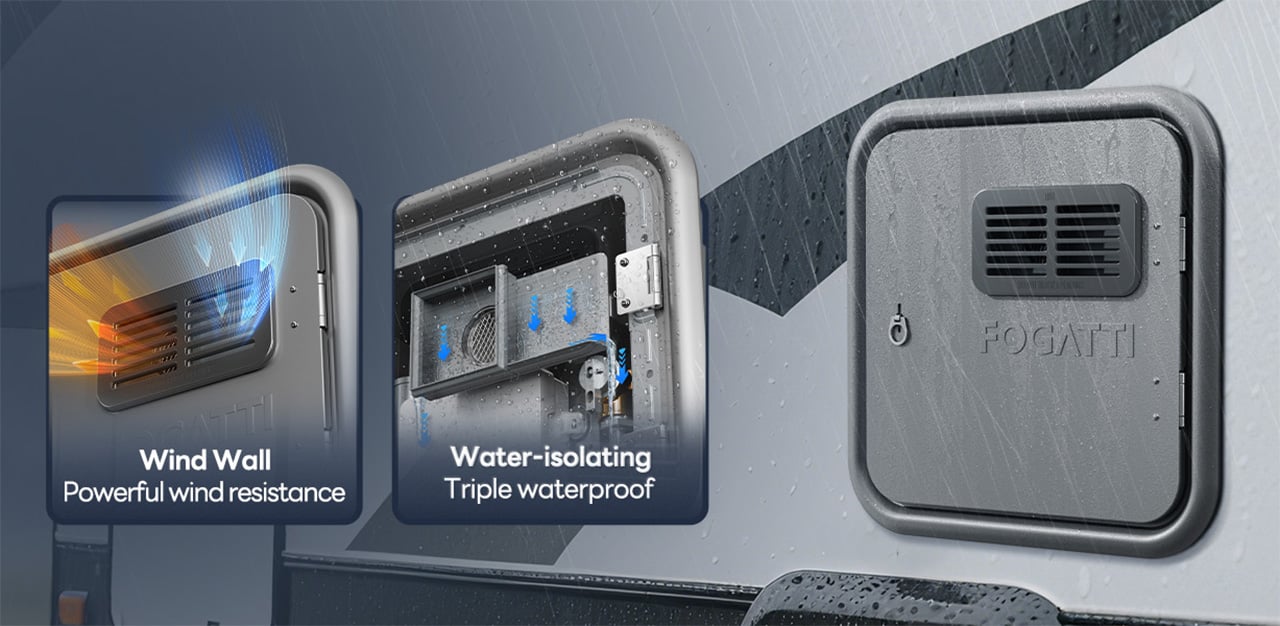
The weather is something a lot of buyers don’t think about until it’s too late. Summer storms roll in fast, and a water heater that can’t cope with heavy rain or strong gusts becomes a liability. HydroShield-Tech gives the InstaShower Ultra both windproof and waterproof resistance, with a NIDEC high-performance fan backing up the wind protection, so the heater keeps running when conditions outside take a turn.

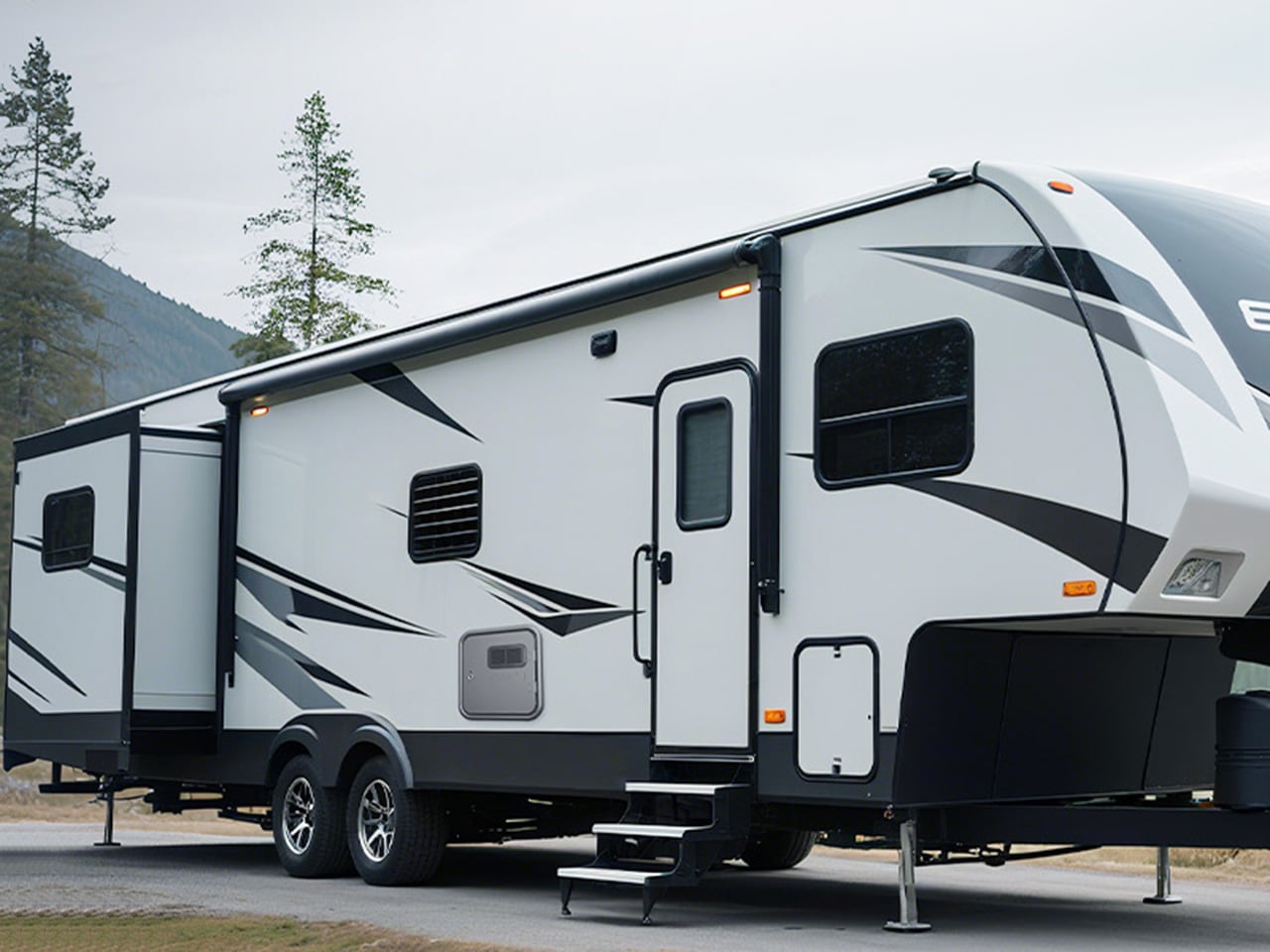
For those still running on an older four- or six-gallon storage water heater, the InstaShower Ultra is a practical replacement. It comes with a door measuring 15 x 15 inches, designed to fit the cutout left by those older tanks, along with a decorative frame. Optional larger door frames are also available separately if your RV’s opening calls for a different fit.

Summer trips have a way of exposing which parts of the RV are actually ready for extended life on the road. A water heater might not top the pre-trip checklist, but it touches nearly every part of the daily routine, from the first shower of the morning to cleaning up after a late campfire dinner. Getting it right makes those routines a lot less stressful, and that’s the peace of mind that the Fogatti InstaShower Ultra delivers.

Click Here to Buy Now: $799.99 $899.99 ($100 off). Hurry, deal ends in 48-hours. Website Link Here.

The post No More Waiting in Line for Hot Water, This RV Heater Has 66,000 BTU first appeared on Yanko Design.
Rimowa Just Made the Classiest Excuse to Never Unpack

Most people treat their Rimowa suitcase like a very expensive houseguest: it arrives looking spectacular, gets shoved in a closet, and stays there until the next trip. Rimowa, apparently, has thoughts about this. And so does Lehni.

The two brands have just unveiled a limited-edition furniture collaboration at Salone del Mobile 2026 in Milan, and it might be the most quietly audacious thing either brand has done in recent memory. The collection consists of two pieces: a Bench and a Drawer, both crafted in anodized aluminum, both designed to hold cabin-sized Rimowa suitcases inside your home. Not in a storage room. Not under your bed. On display, like they were always meant to be there. Which, if you’ve ever owned a Rimowa, you’d know they kind of were.

Designers: Rimowa x Lehni

The Bench is an open-shelving unit that holds two cabin-sized suitcases side by side. It is clean, low-slung, and just architectural enough to look at home next to a mid-century credenza or a spare Scandinavian sofa. The Drawer offers a different kind of storage: a sculptural, closed-frame unit with a built-in drawer for smaller items. Both pieces come in silver and black anodized aluminum, and both carry the embossed Grid pattern that echoes the grooved exterior of a classic Rimowa Original. That detail is not accidental. It’s the kind of material continuity that makes a collection feel cohesive rather than like a brand licensing deal gone slightly off the rails.

The craft side of this is worth paying attention to. Lehni has been working with aluminum since 1922, when Rudolf Lehni opened a sheet metal workshop in Zürich that quickly became a gathering place for artists and architects. That legacy still shows. Today, the company is run by the fourth generation of the Lehni family out of Dübendorf, and every piece is handmade in their Zurich factory. Each shelf on the Bench, for instance, is lined with a specially developed scratch-resistant felt mat to protect the cases stored on it. You notice that kind of thinking. These are small decisions that add up to something much larger than the sum of their parts.

Rimowa, for its part, has been on a quiet but consistent streak of repositioning itself as something more than a travel brand. The aluminum suitcase has already crossed over into fashion and streetwear culture through collaborations with names like Dior, Supreme, and Porsche. Moving into furniture feels like the next logical step, and frankly, it makes more sense than most luxury crossovers I’ve seen. The material language stays the same. The level of craft stays the same. The only thing that changes is the context, which is exactly what makes this feel like a genuine design idea rather than a marketing exercise.

That said, let’s be real: this is not furniture for everyone. The Bench is priced at $4,275, the collection is limited-edition, and in the US it’s only available in the continental states by contacting Rimowa’s client services directly. There’s no add-to-cart button. That purchasing friction is intentional, and it’s the kind of intentional that has a very specific audience in mind: the person who already owns the suitcase, already loves it, and wants their home to reflect the same aesthetic sensibility. I don’t think that’s a bad audience to build for. Niche, yes. But well-defined.

My honest take is that the Rimowa Lehni collection succeeds because it doesn’t try to explain itself too hard. It doesn’t need to. Two brands that both work in aluminum, both care about precision, and both have long histories with good design sat down and made something that looks exactly like what you’d expect from that pairing. The result is a bench and a drawer that feel less like a product launch and more like an obvious conclusion. Sometimes the best collaborations aren’t the surprising ones. They’re the ones that make you wonder why it took this long.

The post Rimowa Just Made the Classiest Excuse to Never Unpack first appeared on Yanko Design.

This Bike Cargo System Gives Your Bike a Face With 12 Color Zones

Bike cargo gear has always been the part of cycling that nobody really gets excited about. Racks, panniers, and baskets exist to haul things, and most of them look exactly like what they are, brackets and platforms bolted on as an afterthought. Cyclists who care about aesthetics often treat this hardware as a necessary compromise, something you’d tolerate rather than actually want.

Chamelion begins with the idea that bikes deserve the same sense of character other vehicles already have. That inspiration drives a modular, color-customizable cargo platform from Seattle that includes front and rear racks, pannier rails, aluminum baskets, and a front assembly the designers call the “bike face,” treating cargo gear as part of your bike’s actual identity.

Designer: Yu-Chu Chen

Click Here to Buy Now: $986. Hurry, only a few left!

The bike face is the most interesting part of the system, and it does more than look distinctive. It consolidates everything that typically clutters the handlebars into one organized front unit. Your phone’s got a dedicated mount with a sunshade, rear mirrors attach at the sides with wide spacing for better sightlines, and your headlight sits front and center behind a transparent shell.

The racks do serious work. The front has been tested to hold up to 20 kg (44 lbs), and the rear handles up to 27 kg (60 lbs), which is enough for a full grocery haul or a heavily loaded bikepacking setup. The aluminum baskets drop in when you need proper containment, or you can skip them and just strap a bag directly to the platform.

One of the quieter design details is how the racks handle rough terrain. Rather than transmitting every bump directly into your load, the material has enough flex to absorb vibration, so things ride more smoothly on uneven surfaces. Add the pannier rails when you need side-hanging capacity, and the same bike that’s carrying your lunch on a weekday is hauling camping gear on a trail by Saturday.

Installing the system takes some effort upfront, but once that’s done, removing and remounting the racks requires no tools at all. The front rack’s handlebar connectors rotate to fit different bar types and the fork clamps have bearings inside that move with your suspension. The rear rack adjusts between 110mm and 180mm between the clamps, wide enough to accommodate most bikes, including full-suspension mountain bikes.

Of course, the color customization goes well beyond picking a finish. Every component has its own configurable color zone, from the rack platform and frame connectors down to the pannier cap and handlebar connector buckle. The bike face alone has more than 12 individually configurable areas. It sounds excessive until you realize that kind of specificity is exactly what makes the system feel genuinely personal.

What makes that level of customization possible is the manufacturing behind it. The plastic components are produced using powder bed fusion 3D printing in PA12 or PA11 nylon, with coloring handled by Dyemansion. That process gives the parts rich, durable color without relying on conventional painted finishes, and it allows for small-batch production without injection mold tooling, which is what makes individual configurations feasible.

Assembly is guided by interactive 3D step-by-step instructions that let you zoom in, rotate, and inspect every connection from multiple angles before putting it all together. It’s the kind of manual that actually makes you want to read it, which is more than can be said for most flat-pack furniture and certainly more than anyone expects from a bike cargo system.

The broader idea here isn’t a one-off accessory set, but a system that can keep expanding over time, with new modules and accessories already being developed. The 3D-printed version stays the lightest and most configurable option, and the design accommodates future additions as the lineup expands. For a category that’s spent decades being mostly forgettable, this one at least gives your bike the kind of personality it probably should have had all along.

Click Here to Buy Now: $986. Hurry, only a few left!

The post This Bike Cargo System Gives Your Bike a Face With 12 Color Zones first appeared on Yanko Design.
Rimowa Classic Aluminium Grid Revives a Forgotten 1969 Design

Most luggage brands don’t have a 127-year-old story to draw from. Rimowa does, and it seems to know exactly when it’s worth pulling from that history and when to let the present speak for itself. With the Classic Aluminium Grid, they’ve clearly decided the archive deserves a second act.

The Classic Aluminium Grid is the German brand’s latest limited-edition release, and it’s generating the kind of quiet excitement that reserved design circles usually save for restored mid-century furniture or a first-edition book that resurfaces at auction. The reason is simple: Rimowa didn’t just design something new. They reached back to 1969, pulled out a hand-carry case design that had been sitting in their archives, and asked what it would look like today if it were treated with the same reverence they give to the grooves.

Designer: Rimowa

That grooved shell, by the way, is practically synonymous with the brand itself. You know a Rimowa from across an airport terminal. Those parallel ridges running down the aluminium surface are one of the most recognizable design signatures in travel goods, and they’ve been that way for decades. So when the brand quietly steps away from them and replaces the lines with a grid, a structured, geometric, embossed pattern pressed right into the aluminium shell, it feels like a real statement. It’s not a gimmick. It’s a choice that speaks to a different kind of confidence.

The grid comes from a real place. In 1969, Rimowa was producing hand-carry cases featuring this geometric pattern: practical, modular, and rooted in the kind of technical precision that defined that era’s design thinking. There’s a reason so much design from that decade still holds up. It wasn’t chasing aesthetics for their own sake. Form followed function, and it did so elegantly. Reviving that spirit in 2026 doesn’t read as nostalgia pandering. It reads as a brand that knows exactly where its DNA lives and isn’t afraid to dig for it.

The collection comes in three sizes: the Classic Hand-Carry Case, the Classic Cabin, and the Classic Trunk. All three are made in Cologne, Germany, which matters more than it might seem. Manufacturing location is one of those details that’s easy to gloss over until you’re actually holding the product, and with Rimowa, the German-made quality is part of the whole point. The embossed grid pattern, the blue leather handles, the individually numbered serial number patch on each case: these aren’t details you’d notice in a thumbnail. They’re details you notice after living with the piece and realising it only gets better over time.

And yes, price matters here. The Classic Aluminium Grid sits in the $2,725 to $3,225 range, which puts it firmly in the territory of deliberate, considered purchasing. That’s not casual spending, and it shouldn’t be. This is the kind of purchase that functions as an heirloom more than a travel accessory, something you keep, care for, and eventually pass along. The lifetime guarantee Rimowa extends to all its suitcases reinforces that framing. They’re not selling you a bag built for a few trips. They’re selling you something built to outlast most things currently in your home.

What makes this collection feel genuinely compelling rather than just another limited drop is the restraint behind it. Rimowa didn’t add bright colour for the sake of attention. They didn’t partner with a streetwear brand or commission someone’s artwork across the shell. They went to their own archive, found something worth preserving, and let the design carry the weight. The grid is subtle enough that it won’t read as flashy at baggage claim, but anyone paying close attention will recognise it as something different. Something that doesn’t quite look like everything else on the carousel.

That’s a hard balance to strike in design. Loud enough to be interesting, quiet enough to be enduring. The Classic Aluminium Grid lands squarely in that space, and for a brand with over a century of aluminium behind it, that feels less like luck and more like a brand that knows exactly what it’s doing.

The post Rimowa Classic Aluminium Grid Revives a Forgotten 1969 Design first appeared on Yanko Design.
Your Carry-On Isn’t Ready for Cherry Blossom Season in Japan — These 9 Designs Are

Cherry blossom season in Japan is one of the shortest windows in the travel calendar. Full bloom in Tokyo peaks around March 26 to April 3. Kyoto follows a few days later. Each city holds its peak for roughly a week before the petals fall. The parks fill before sunrise. The trains are packed. The days move fast, and the light does not repeat. What you brought matters more than it usually does, because there is no second shot at the season and no nearby store stocking the specific things that make the difference between a fluid trip and a frustrating one. These nine designs were not built for airport shelves or generic packing lists. They were made to be used — on the flight over, under the trees, and everywhere in between.

1. Camera (1) — A Tactile Digicam for a Screen-Tired Generation

Camera (1) is a compact, metal-bodied camera with softly rounded corners, sized to slip into a pocket but solid enough to fill the hand with the right kind of weight. All the main controls live on one edge — shutter, a circular mode dial with a tiny glyph display, and a simple D-pad — reachable without shifting grip or navigating a touchscreen. Inspired by Nothing’s transparent, hardware-forward design language, it carries the confidence of a device that has thought carefully about how a person actually holds something. The rear display stays out of the way because it is designed to.

In Japan, during cherry blossom season, the light changes fast, and the best moments do not hold for a menu scroll. Petals falling across a stone lantern at Ueno. A crowded riverbank at golden hour along the Meguro. Camera (1) puts the full interaction in your fingers — twist the lens ring to frame, feel the shutter click, glance at the dial glyph to confirm mode. It encourages you to look at the scene rather than at the screen, which is the right priority when the thing in front of you is a path of blooming trees reflected in a temple pond.

What We Like

  • Single-edge control layout gives full shutter, mode, and navigation access in one hand without lifting your eyes from the scene
  • Pocketable metal body is carry-on ready and solid enough for full walking days across multiple cities

What We Dislike

  • Currently a concept design, meaning production availability and final specifications are not yet confirmed
  • No touchscreen requires an adjustment period for those accustomed to modern smartphone-style interfaces

2. StillFrame Headphones — Listening as a Physical Ritual

StillFrame wireless headphones are built around a specific idea: that listening should feel like something. The form echoes the quiet geometry of 80s and 90s CD hardware — measured proportions, nothing aggressive. The 40mm drivers deliver a wide, open soundstage that shapes quiet tracks into something more spatial, turning melodic textures into landscapes rather than noise. Noise-cancelling engages when the environment demands it. Transparency Mode opens the sound field when the world is worth hearing. Featherlight but full in the hand, it sits in quiet dialogue with a ClearFrame CD Player from a time when music had weight.

The flight to Tokyo runs roughly 14 hours from the US West Coast. Noise-cancelling carries you through the worst of the cabin without asking you to fight it. On the other side of that flight — on the Shinkansen between cities, in a ryokan at night with rain on a wooden roof, walking through a park where petals are already on the ground — Transparency Mode brings Japan back in without pulling the music out. Cherry blossom season moves at the pace of the trees, not the internet. StillFrame is designed for exactly that tempo.

Click Here to Buy Now: $245.00

What We Like

  • Noise cancelling and Transparency Mode cover the full range of environments a Japan trip demands, from the cabin to the temple garden
  • On-ear form is lighter and less fatiguing than over-ear alternatives across long travel days

What We Dislike

  • On-ear design provides less passive isolation than over-ear headphones in the noisiest cabin environments
  • Premium audio hardware adds a carefully packable item to a carry-on already optimized for volume

3, Benro Theta — The Tripod That Refuses to Compromise

The Benro Theta is a tripod that refuses to accept the standard trade-off between portability and capability. Rapid leg deployment, automatic leveling, remote camera control, automatic exposure adjustment, and livestreaming support — all in a package compact enough to carry into a city without rethinking your bag. It does not present itself as a scaled-down version of a better product. The engineering is serious, the footprint is small, and that combination requires actual design effort to achieve, rather than simply removing features until something fits in a daypack.

Sakura season in Japan is a photographer’s season, and the locations that make the best photographs require patience, positioning, and speed. Setting up at Maruyama Park in Kyoto before the light peaks, or along the Philosopher’s Path before the morning crowds arrive, leaves no room for a slow tripod. The Theta’s rapid leg deployment means seconds between pulling it out and having a steady frame. Remote camera control means a solo traveler can step into the shot. Carry-on compatible without the overhead bin negotiation that full-size tripods demand, it earns its space before you even land.

What We Like

  • Rapid leg deployment and automatic leveling cut setup time dramatically in crowded, fast-changing outdoor locations
  • Remote camera control gives a solo photographer full control over framing without being physically behind the viewfinder

What We Dislike

  • Smart Modules that extend the Theta’s full capability are excluded from the standard pack and sold separately, increasing the total cost
  • The depth of technical features may exceed what casual photographers need on a trip built around handheld shooting

4. TMB Modular Bottle — A Bottle That Adapts to the Day

The TMB Modular Bottle starts from a premise most hydration products avoid: no single bottle works equally well for a long-haul flight, a full city day, and a trail hike. The borosilicate glass interior preserves drink flavor without absorbing taste or odor — a genuine material distinction from the steel and plastic alternatives that dominate this category. A translucent mid-section gives a constant read on remaining liquid. Every component is designed to be replaced individually, so a worn exterior case or cracked cap becomes a five-minute fix rather than a full replacement.

Japan’s tap water is among the cleanest in the world, and refilling throughout cherry blossom season is both practical and culturally appropriate in a country with almost no public trash cans. The TMB Modular Bottle handles morning tea, a full afternoon of water, and whatever comes between, without carrying the previous drink into the next. Cherry blossom season means long days on foot across multiple neighborhoods — Yanaka to Ueno, Arashiyama to Gion — and a bottle designed to adapt to those hours without failing them earns its volume in the carry-on.

What We Like

  • Borosilicate glass interior preserves drink flavor completely, with none of the taste transfer found in steel or plastic alternatives
  • Modular construction means worn components can be individually swapped, extending the product’s useful life significantly

What We Dislike

  • Glass interior is heavier and requires more careful packing than steel alternatives on a long-haul flight
  • Multiple modular components mean more individual parts to track across a multi-city itinerary

5. AirTag Carabiner — The Lightest Peace of Mind in the Bag

The AirTag Carabiner is made from Duralumin composite alloy — the same material used in aircraft, spaceships, and boats — which makes its lightness feel like a technical achievement rather than a shortcut. It clips directly onto bag straps, handles, or umbrella loops and turns an Apple AirTag into a permanent part of the bag rather than a separate object to remember. Individually hand-crafted and available in treated alloy, untreated Brass, and Stainless Steel. The AirTag itself is not included, but the carabiner makes a strong case for buying one before the trip.

The cherry blossom season is the peak of tourism in Japan. Parks like Ueno and Shinjuku Gyoen draw enormous crowds through late March and early April, trains between cities run at capacity, and moving a bag through a country where getting lost requires a language you may not speak adds a layer of cognitive friction the trip does not need. One carabiner on the main bag strap. One on the umbrellas you will inevitably set down somewhere and nearly walk away from. The GPS network handles the rest. For a carry-on trip built around doing things rather than managing them, this is a small object with an outsized return.

Click Here to Buy Now: $129.00

What We Like

  • Aircraft-grade Duralumin composite alloy delivers structural reliability at a weight that adds nothing meaningful to the overall load
  • Clips onto existing bag hardware with no case, pouch, or added setup required

What We Dislike

  • Apple AirTag must be purchased separately, adding to the total cost of a complete tracking setup
  • Designed exclusively for AirTag, making it incompatible with other location tracker formats

6. PWR 27 — The Power Bank That Actually Keeps Up

The PWR 27 is a 27,000 mAh power bank with an AC outlet, rated at 99 wH — the maximum battery capacity permitted in carry-on luggage by the TSA and all international air regulations. It charges four devices simultaneously, carries an IP67 dust and waterproof rating, is drop-proof and crushproof to significant tolerances, and features integrated solar battery life extension, an industry first for an AC power bank. It does not ask you to choose between the capacity a long trip demands and the ability to board the plane with it.

Japan runs on apps: navigation, IC transit cards, real-time translation, camera apps, and the constant map-checking that moving between Tokyo, Kyoto, and Osaka requires. A full day of cherry blossom season in any major city will drain a phone twice before dinner. The PWR 27 handles all four devices at once and keeps working in the rain, which matters in a spring season known for sudden, wind-driven showers. Power banks that are smaller and lighter are easy to find. Power banks at this capacity that fly legally, survive getting soaked, and charge a laptop mid-Shinkansen are not.

What We Like

  • Maximum TSA-permitted capacity of 99 wH guarantees full legal compliance without any sacrifice in power availability
  • IP67 waterproofing and crushproof construction make it genuinely dependable in Japan’s unpredictable spring weather

What We Dislike

  • At 27,000 mAh, the physical weight is heavier than compact power banks, which registers across full walking days

7. Ori Frameless Umbrella — The World’s First Umbrella Without Ribs

The Ori umbrella was founded by MIT engineers and origami specialists. Its canopy structure uses the Miura fold — the same origami-derived engineering NASA deploys for spacecraft structures — which means there are no metal ribs, no fabric stretched over a frame, and no traditional failure point waiting for a windy Tuesday. The canopy itself becomes the structure. The result is a compact cylinder that stores like a pen and opens into a full umbrella. Billed as the world’s first frameless umbrella, the engineering behind that claim is real, and it shows in the form.

Spring in Japan brings unpredictable rain, and sakura season specifically delivers the kind of sudden gusts that destroy conventional folding umbrellas in minutes at the worst possible moment. The Ori’s frameless construction removes the single failure mode that makes cheap travel umbrellas frustrating and expensive ones still unreliable. The cylindrical form fits a jacket inner pocket or a bag side pocket that a standard folding umbrella profile cannot reach. Walking Philosopher’s Path in Kyoto in the rain while the petals come down around you is one of the better versions of that walk. Being dry enough to stay in it makes all the difference.

What We Like

  • Frameless, rib-free construction eliminates the primary failure point of conventional compact umbrellas in wind and heavy rain
  • Cylindrical form fits pockets and bag slots that standard folding umbrella profiles cannot reach

What We Dislike

  • As a newer product, long-term durability data for the origami-based canopy in sustained heavy rain remains limited
  • Premium engineering is reflected in a price point above standard compact travel umbrellas

8. Inseparable Notebook Pen — The Pen That Never Leaves the Book

The Inseparable pen is designed to live permanently attached to a notebook. A magnetic clip holds it flush against the cover. A built-in silencer makes the detachment and reattachment quiet rather than abrupt. The form is minimal, the grip is comfortable, and the ink flow is smooth — all by deliberate design choice. It does not compete with the notebook for attention. The goal from the start was a writing instrument that becomes an extension of the book itself, always within reach, never a separate thing to locate when the thought arrives and the moment is already passing.

Japan, during cherry blossom season, produces the kind of experiences worth writing rather than photographing. The name of the temple you want to return to. The smell of a specific lane in Yanaka at dusk. The precise quality of afternoon light through sakura petals at Shinjuku Gyoen. A notebook and a pen that are never separated mean nothing interrupts the move from thought to page. Packing a journal without a reliable pen attached to it is a half measure. The Inseparable pen completes it, quietly and without asking for any attention of its own.

Click Here to Buy Now: $19.95

What We Like

  • Magnetic clip keeps the pen permanently attached to the notebook, removing the friction of searching when the moment arrives
  • Minimalist form and smooth ink flow make it a genuine pleasure to use rather than simply a functional object

What We Dislike

  • Designed specifically as a notebook companion rather than a standalone pen, limiting its versatility as a general writing tool
  • Magnetic attachment performance may vary depending on the notebook cover material and thickness

9. CleanseBot — The Travel Robot That Sanitizes the Room You Sleep In

CleanseBot is a travel robot with 18 sensors and four UV-C lamps, designed to sanitize hotel surfaces autonomously. Independently tested to kill 99.99% of E. coli, it navigates across beds, desks, and surfaces without manual direction. The UV-C light extends its sanitation capability beyond contact surfaces to airborne pathogens. It is compact enough to carry in a standard travel bag and smart enough to complete a full sanitation cycle while you unpack, check tomorrow’s weather, and figure out which train to take to the morning blossom spots.

Cherry blossom season is the busiest tourism window in Japan. Hotels and guesthouses turn over quickly during peak weeks, with rooms running at capacity from late March through early April. The CleanseBot is not a paranoid product — it is a calibrated one. Running it across the bed and key surfaces takes two minutes of setup and leaves a room measurably cleaner than the one you walked into. For a trip across multiple accommodations in Tokyo, Kyoto, and Osaka, the reassurance compounds over time. Small, autonomous, and easy to forget once it has run its cycle, which is exactly the standard a good travel object should meet.

What We Like

  • UV-C sanitation, independently verified to eliminate 99.99% of E. coli, provides measurable assurance rather than theoretical comfort
  • Autonomous operation via 18 sensors requires no manual guidance, freeing you to settle in rather than direct the process

What We Dislike

  • Adds volume and weight to a carry-on already carefully balanced for a long-haul trip
  • Maximum sanitation effectiveness requires clear, unobstructed surface access, which limits performance on heavily layered or textured bedding

Pack Smart, Stay Present — The Only Packing Philosophy That Survives Sakura Season

Cherry blossom season does not wait. The bloom window is roughly a week in each city, and the days inside it move faster than any itinerary accounts for. The nine objects on this list were chosen because each one does a specific job well — and because none of them requires your attention to do it. The camera keeps your eyes on the scene. The headphones adapt to the environment without asking. The carabiner tracks your bag silently. The CleanseBot runs while you sleep. The Ori opens in a second and closes in another. Good carry-on packing for a trip like this is not about having everything — it is about bringing only what earns its space and then forgetting it is there. These nine do exactly that.

The post Your Carry-On Isn’t Ready for Cherry Blossom Season in Japan — These 9 Designs Are first appeared on Yanko Design.
Coleman’s $200 Cooler Chills for 2 Days, Folds Flat in 10 Seconds

Coolers are great until the trip ends. Then they become a large, oddly shaped object that takes up the entire trunk on the way home, sits on the garage floor for a month, and eventually gets shoved into whatever corner will take it. For apartment dwellers especially, owning a full-sized hard cooler is less a convenience and more a spatial negotiation that rarely ends well.

Coleman’s Snap ‘N Go is a hard-sided cooler with a patent-pending collapsible design that compresses to one-third of its open volume in under 10 seconds. The mechanism borrows logic from folding storage crates: the body panels snap down in sequence, and the removable interior liner folds flat and stows inside the lid. What was a full-sized cooler becomes a flat slab thin enough to slide under a bed or stand upright on a shelf between uses.

Designer: Coleman

The construction is hard polypropylene, which matters more than it sounds. Soft collapsible coolers already exist, but they sacrifice insulation to achieve that flexibility. The Snap ‘N Go maintains a fully insulated lid and body, rated to hold ice for up to 64 hours. That’s two full days of cold retention from something that, an hour later, disappears into a closet, which is a combination the soft-sided category has never managed.

1

Setup works in reverse, just as quickly. From flat storage to loaded and latched takes under 10 seconds, and the removable liner handles watertight containment once the body is expanded. The liner also makes post-trip cleanup more manageable, since it pulls out separately rather than requiring the whole cooler to be rinsed out and dried upright somewhere. It’s a small detail, but one that addresses one of the more tedious parts of cooler ownership.

Three sizes cover most group sizes: 35 qt at $200, 45 qt at $220, and 55 qt at $240. The 55-qt model holds up to 93 cans without ice and supports 200 lbs. when expanded, though Coleman is careful to note it isn’t intended as a seat. Handles are designed to accommodate both carry orientations, vertical when the cooler is collapsed flat and horizontal when it’s fully open and loaded.
The one question the design raises, and doesn’t fully answer yet, is how the collapsible mechanism ages. The hinges, panel connections, and liner attachment points are all doing repetitive work that a standard molded cooler body never has to perform. Coleman backs it with a three-year limited warranty, which covers the expected lifespan question in practical terms but doesn’t tell you much about what happens in year four after a few dozen collapse cycles on a tailgate.

The post Coleman’s $200 Cooler Chills for 2 Days, Folds Flat in 10 Seconds first appeared on Yanko Design.