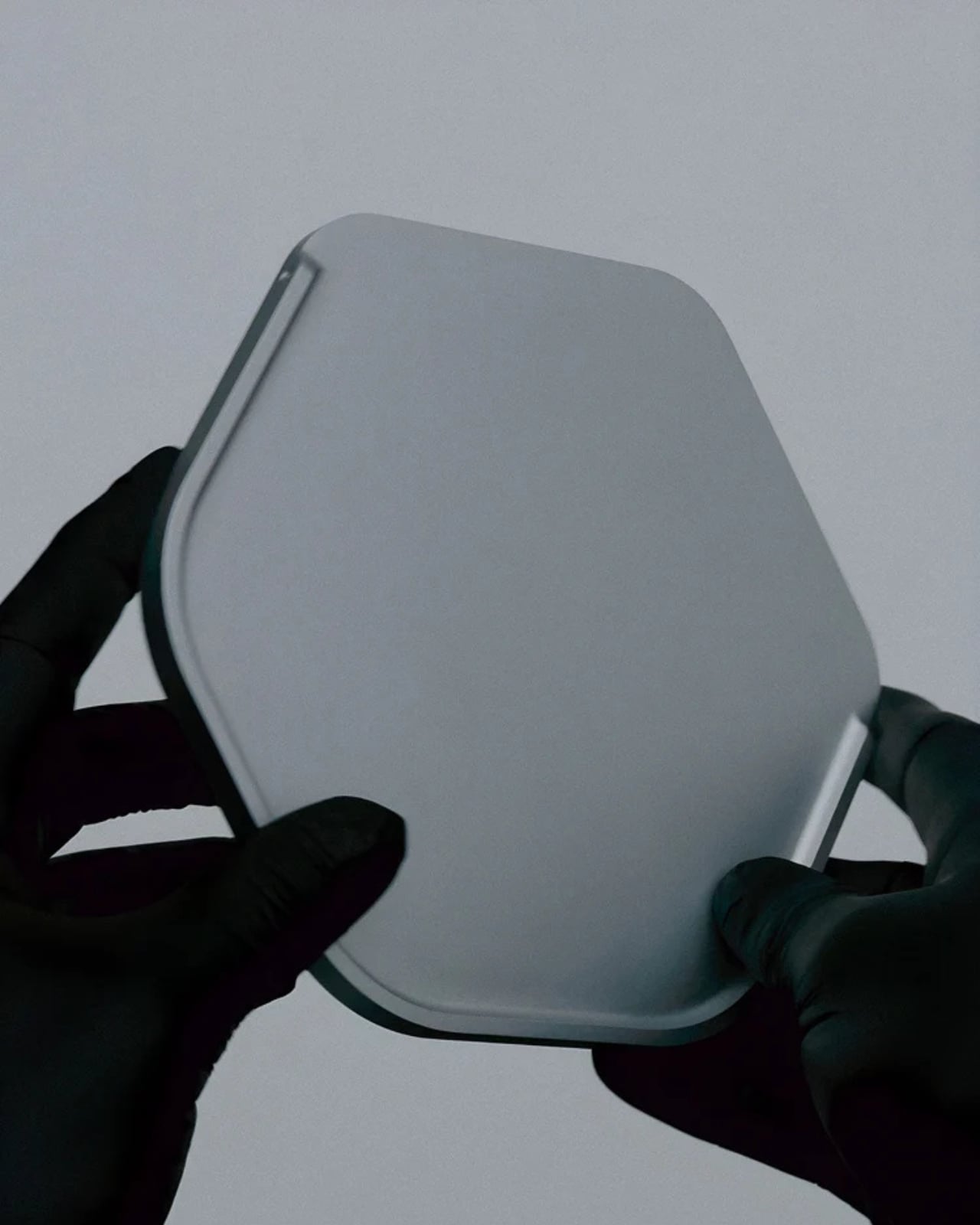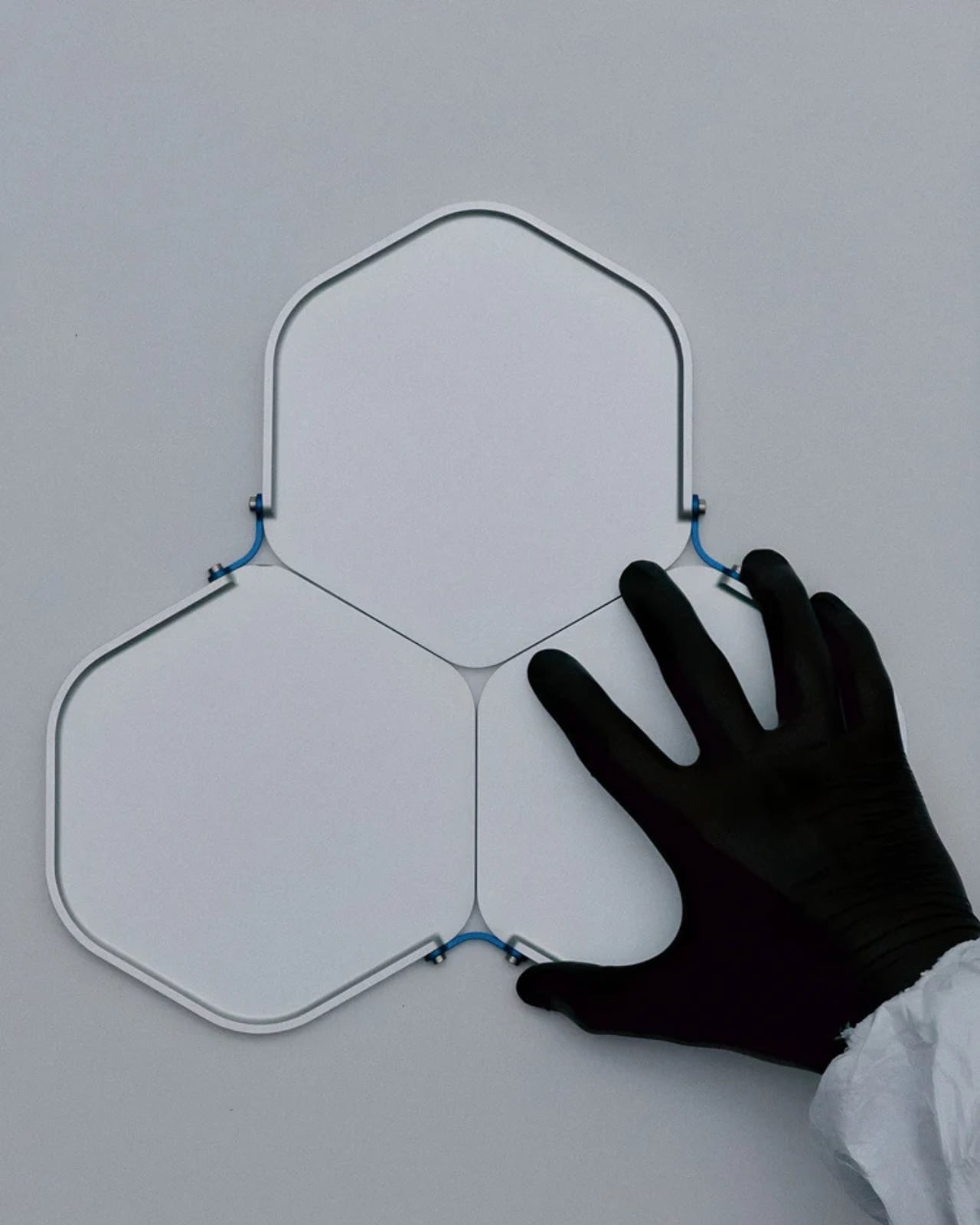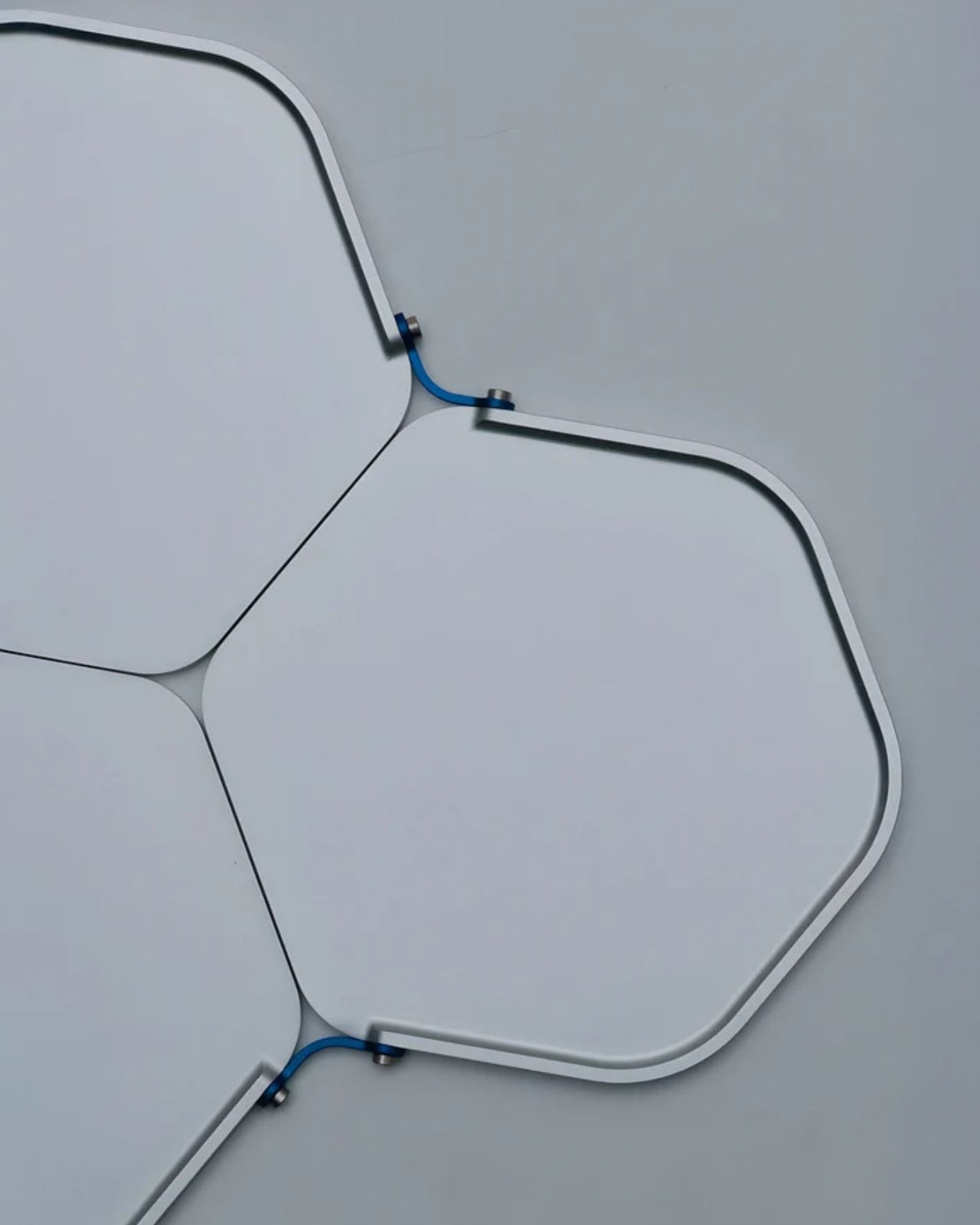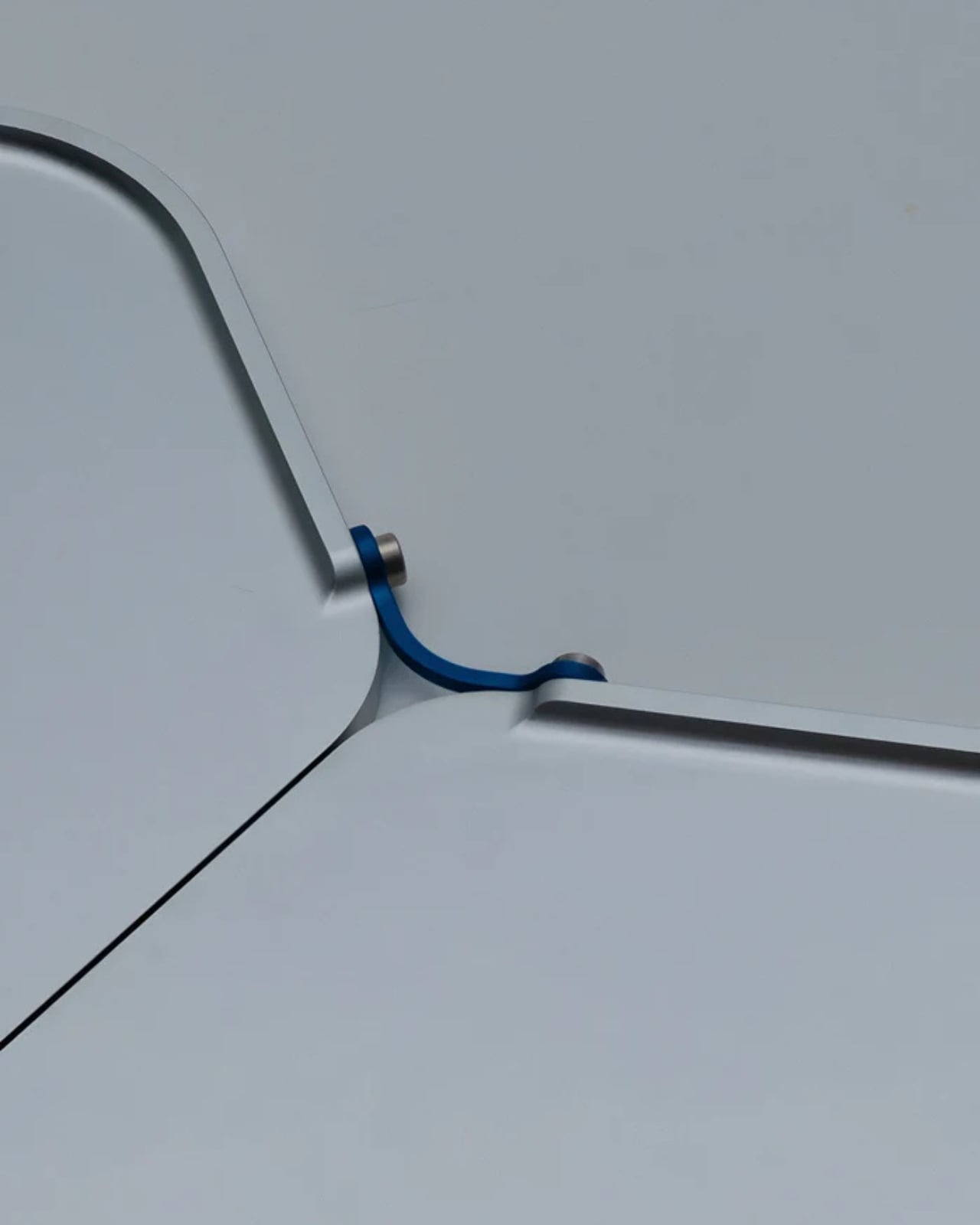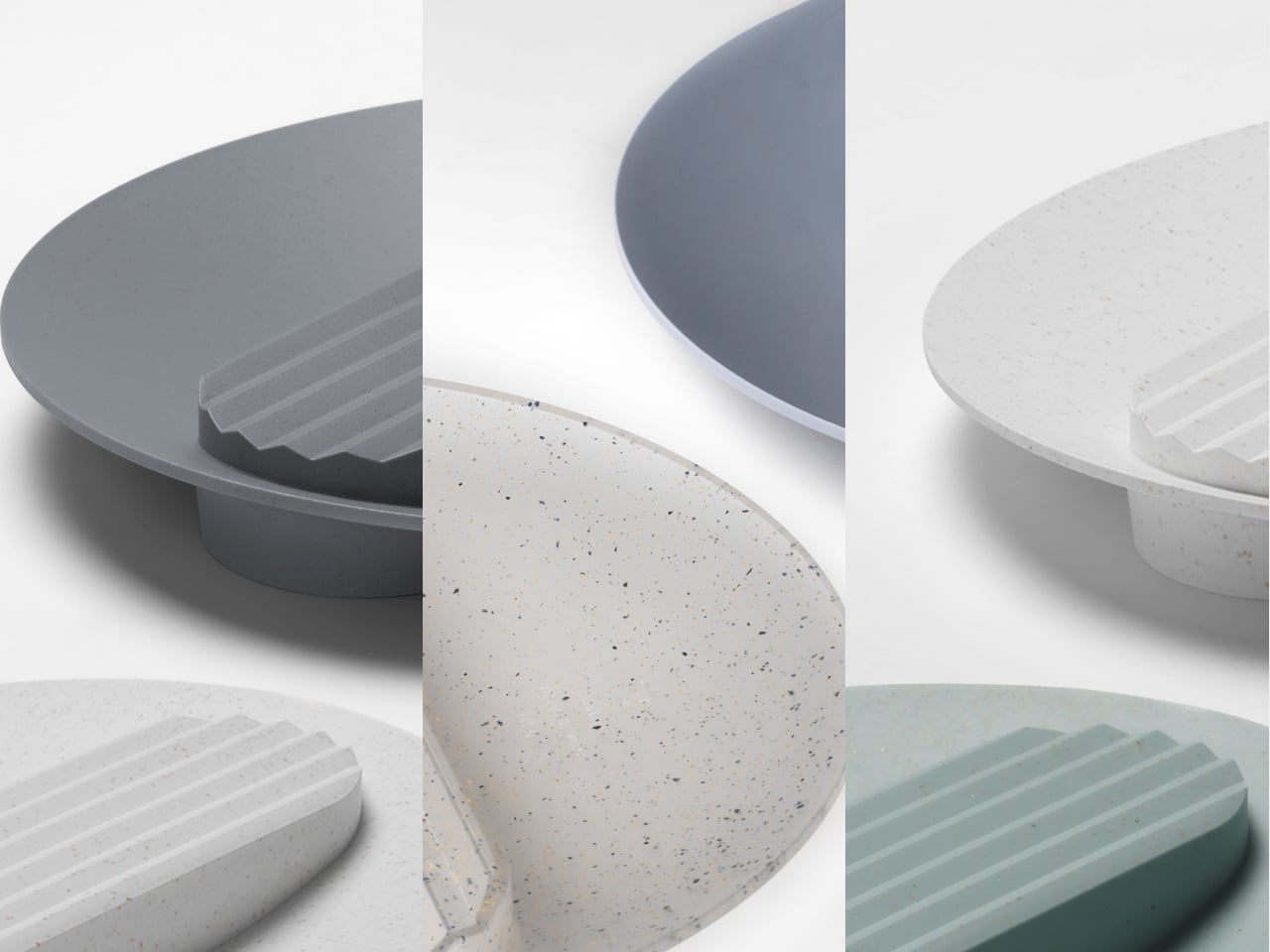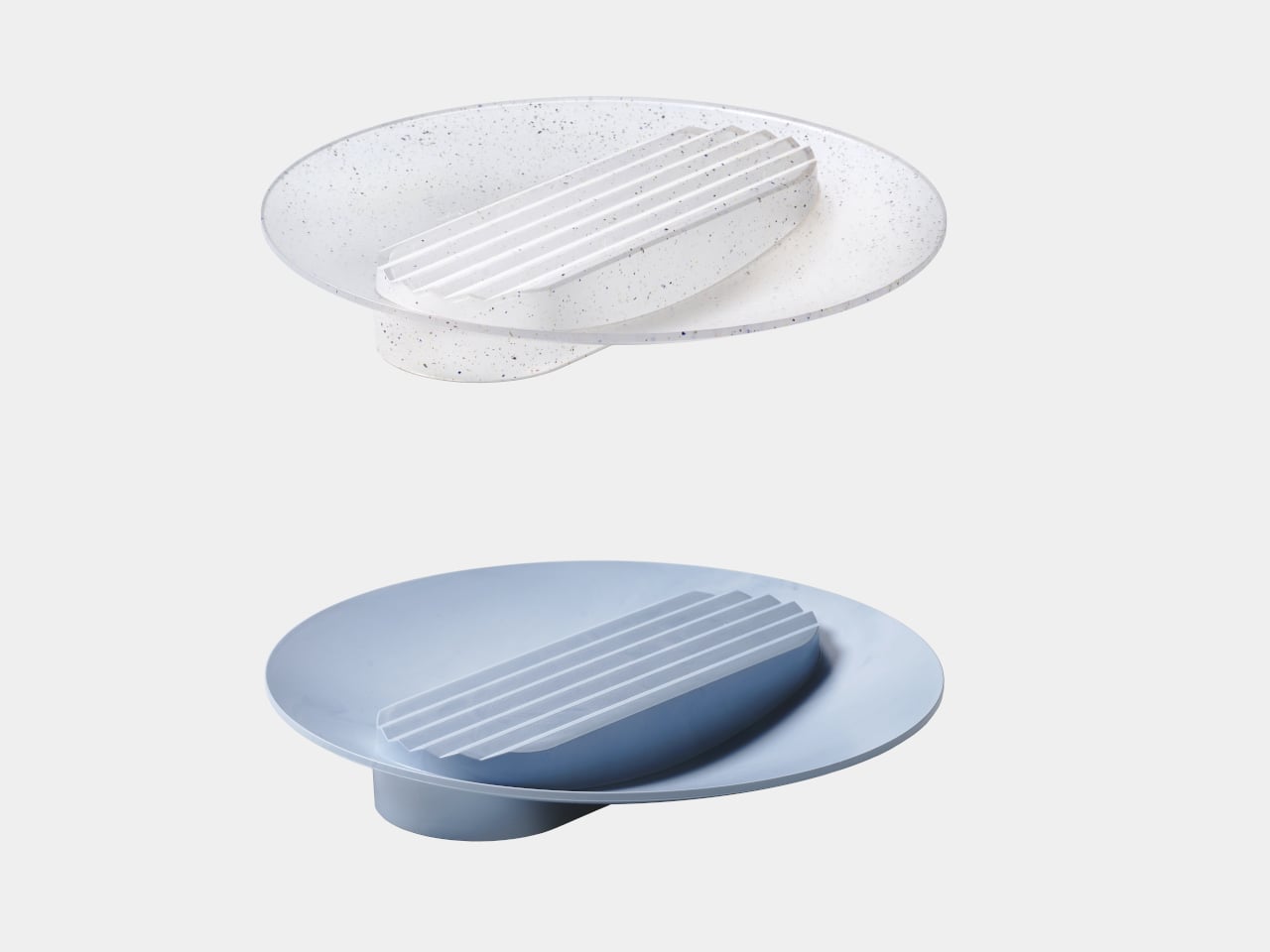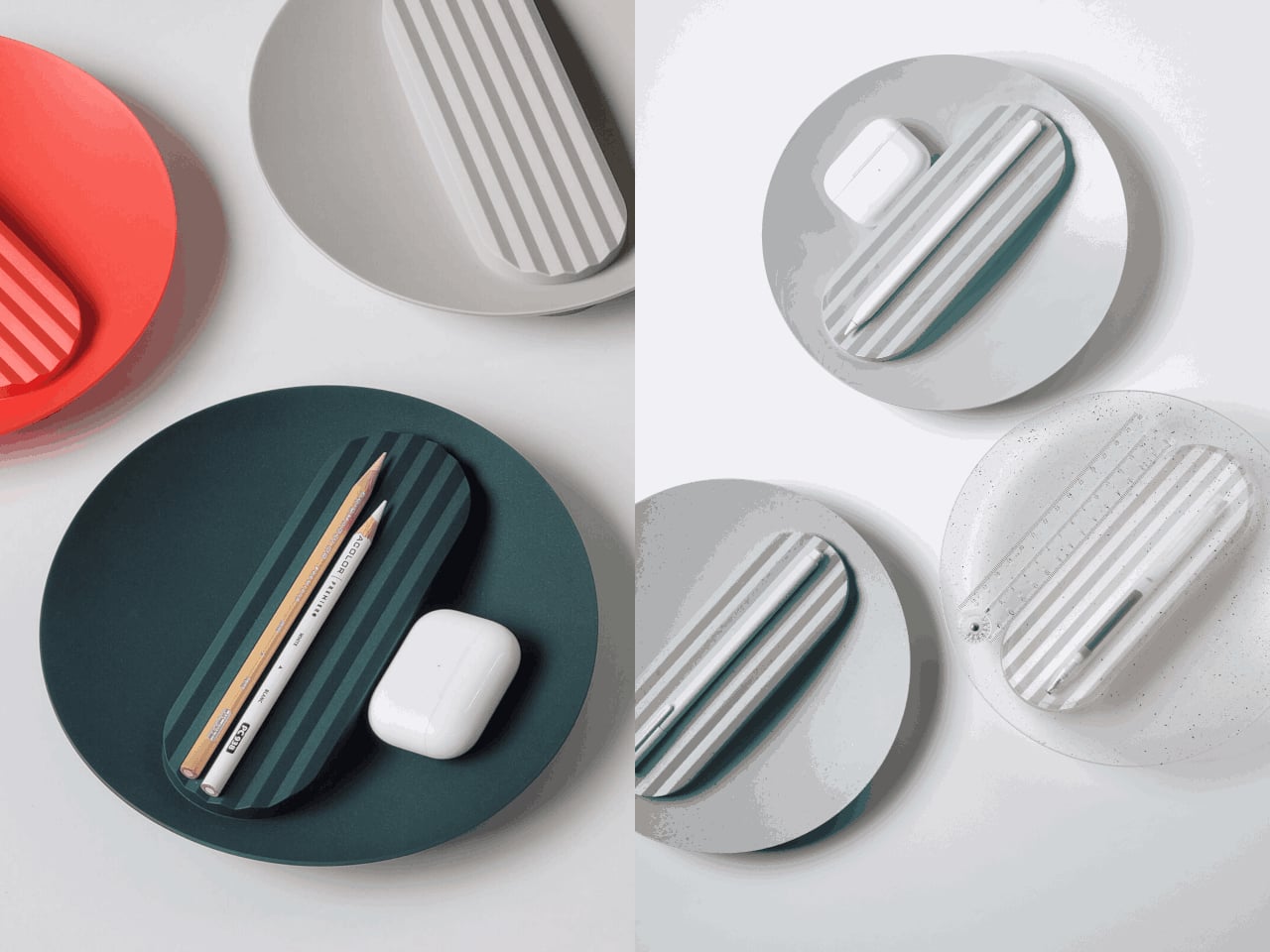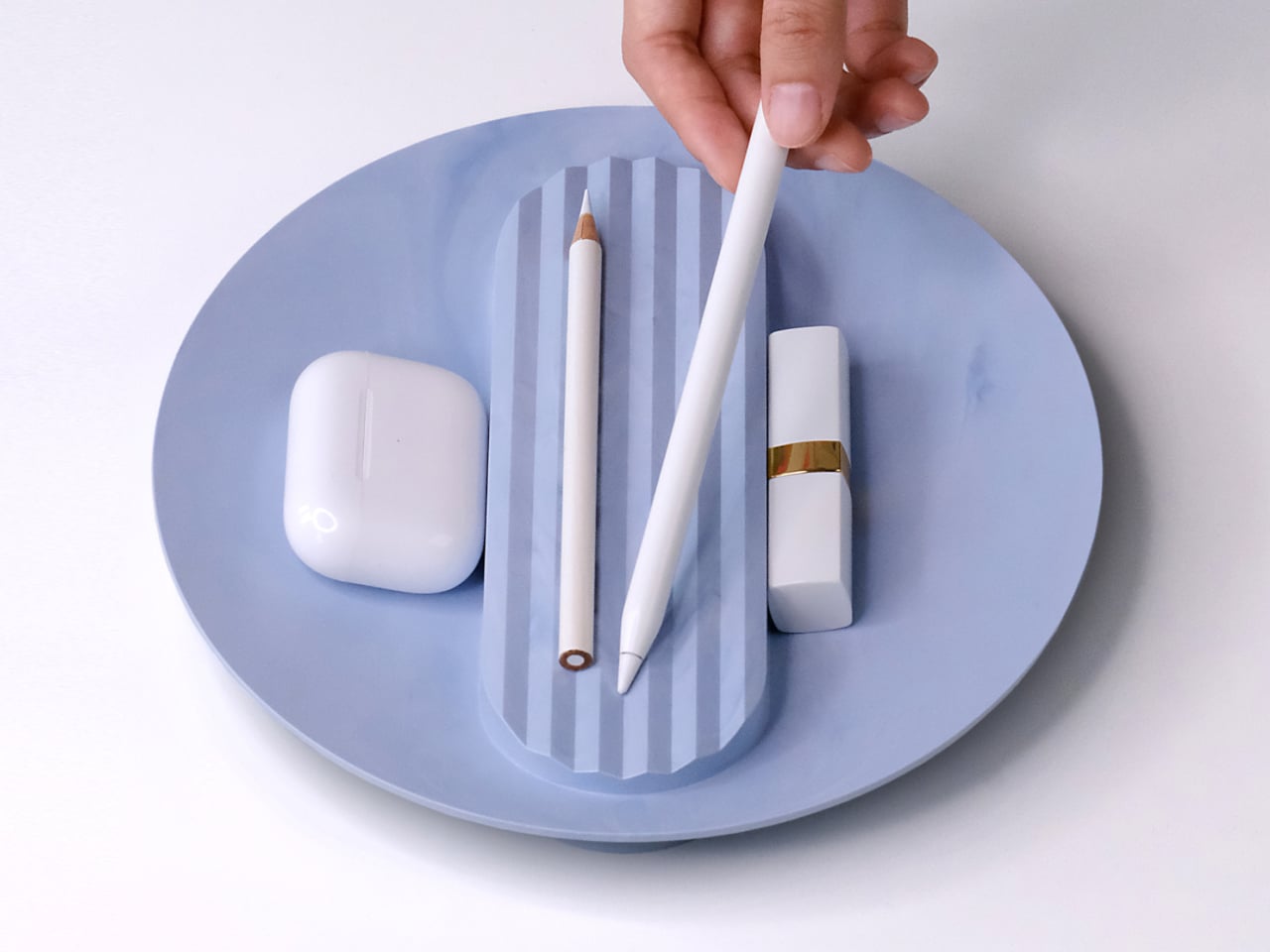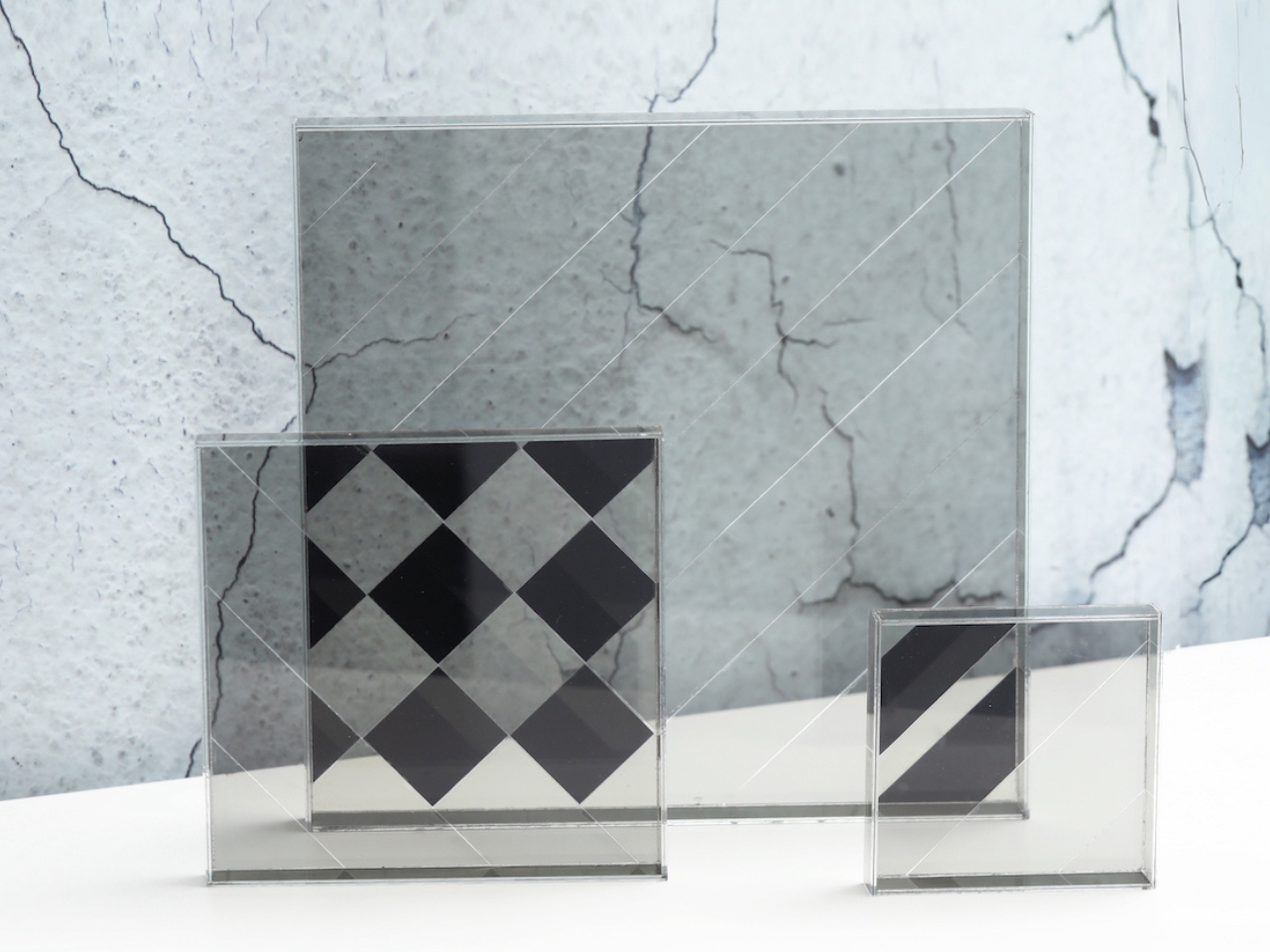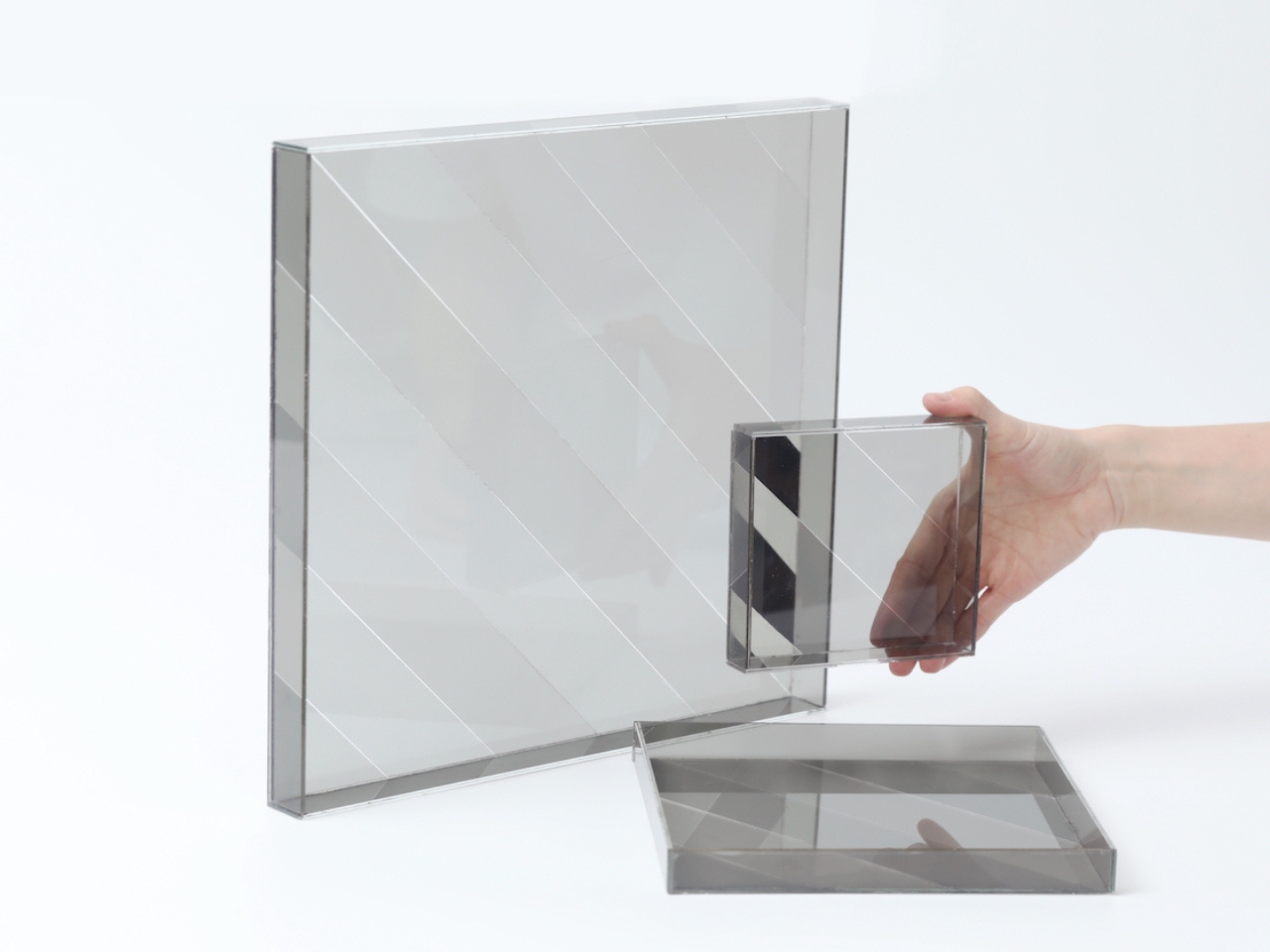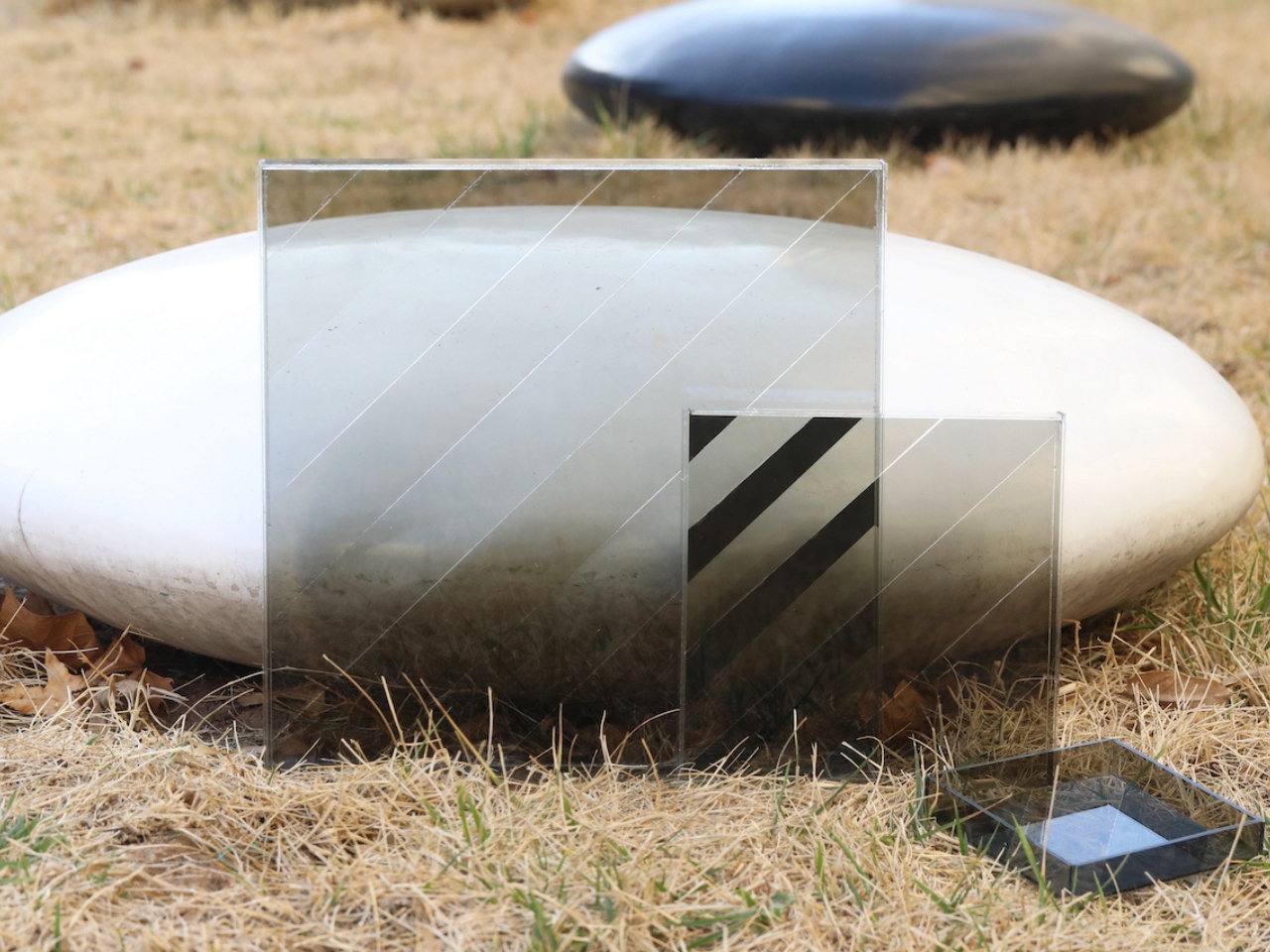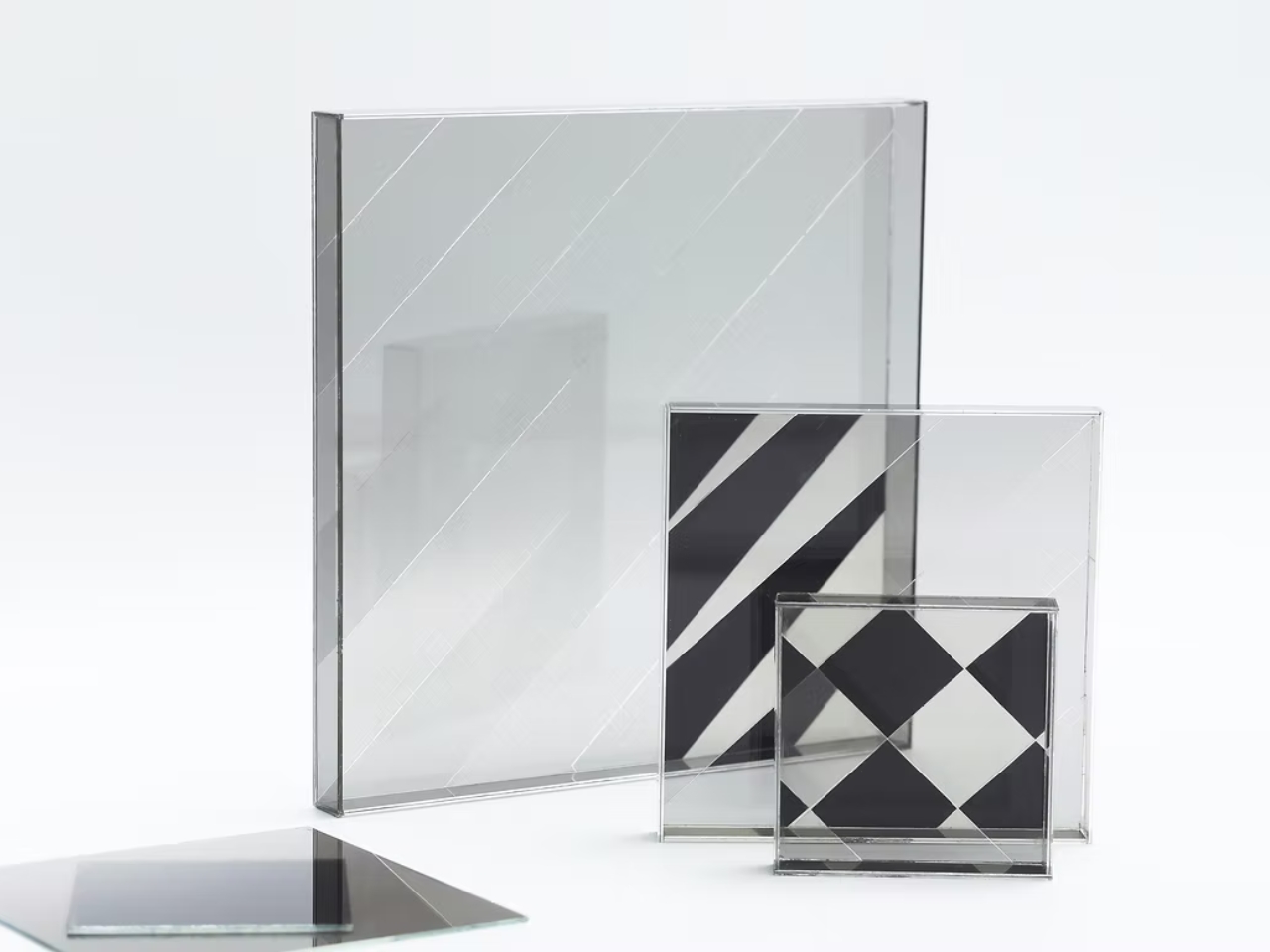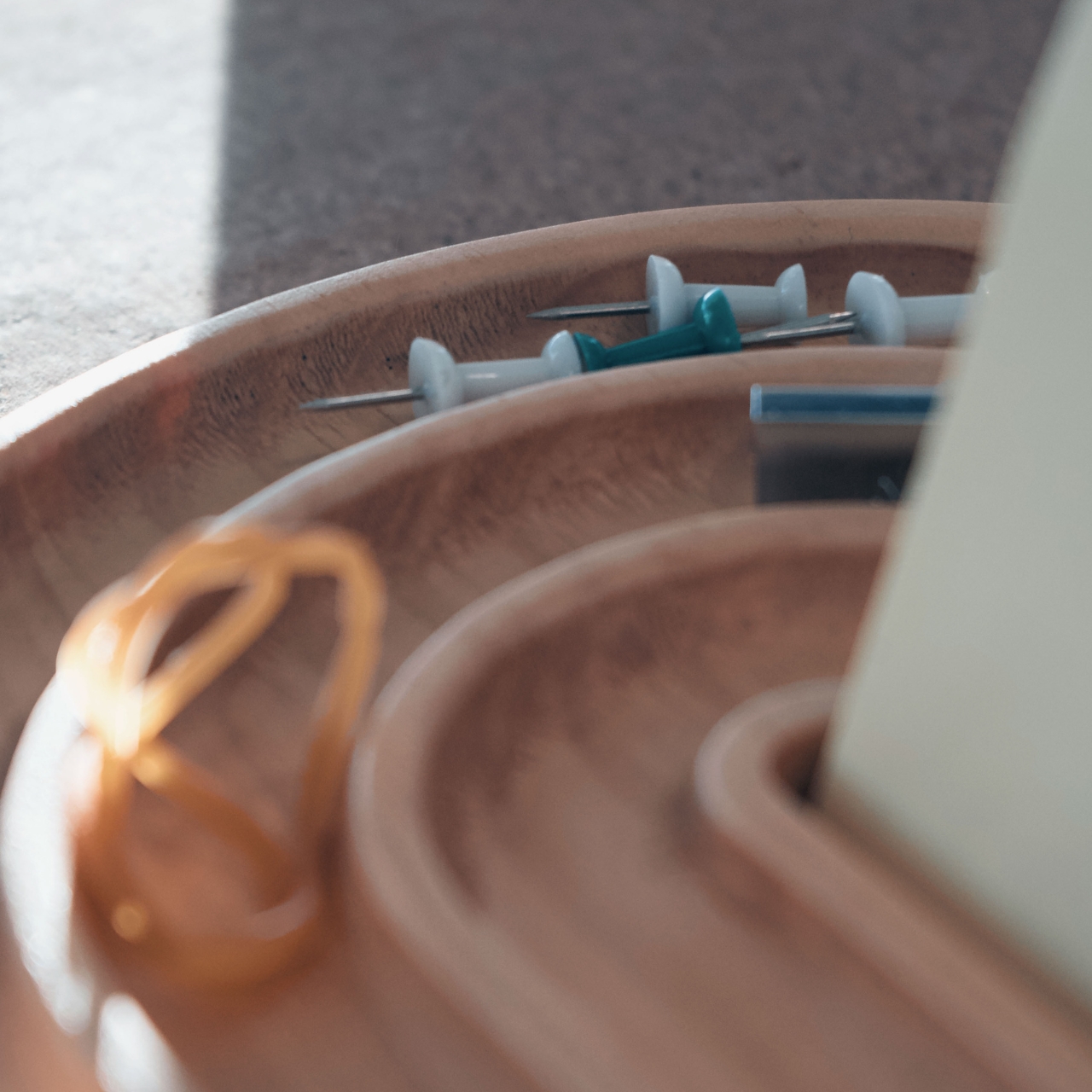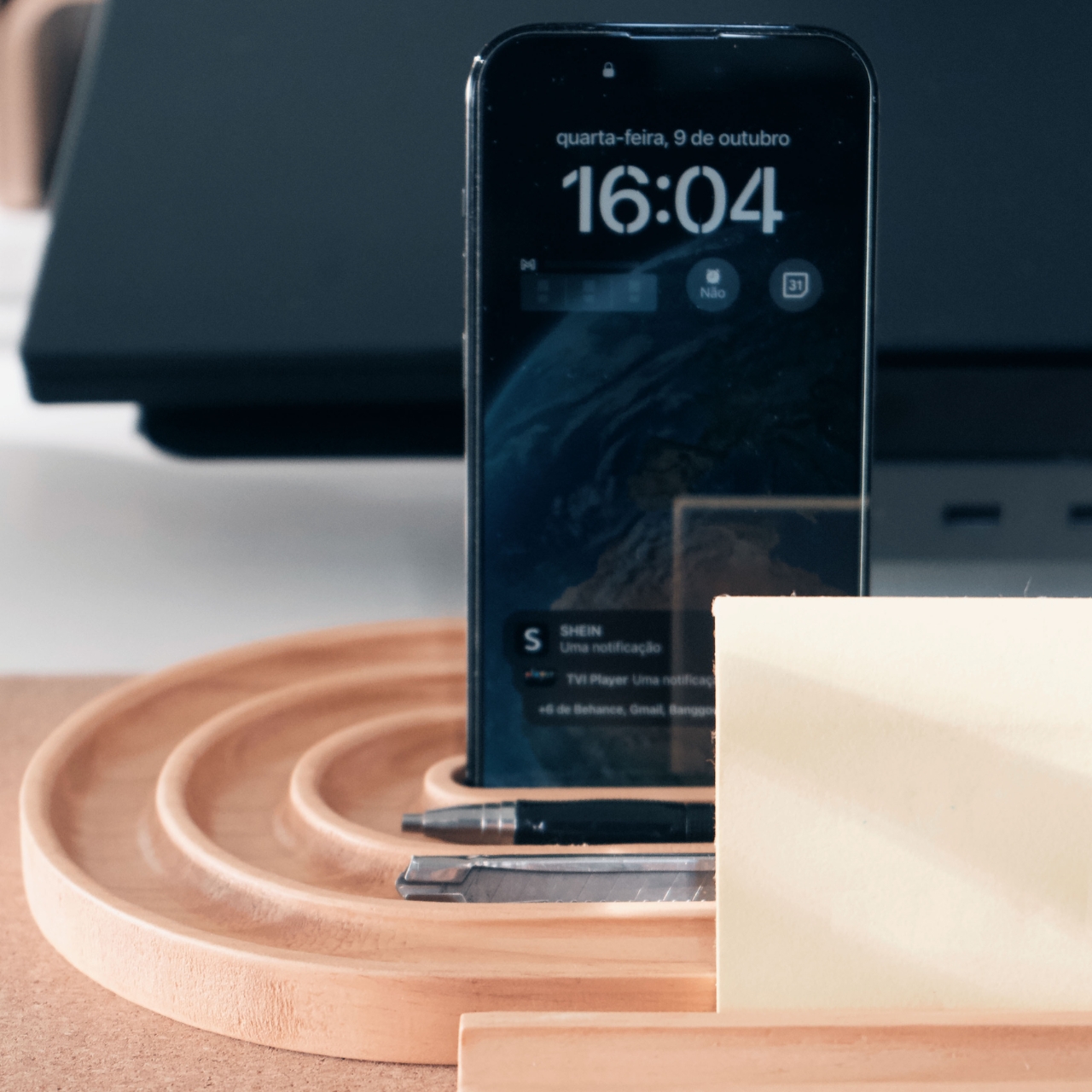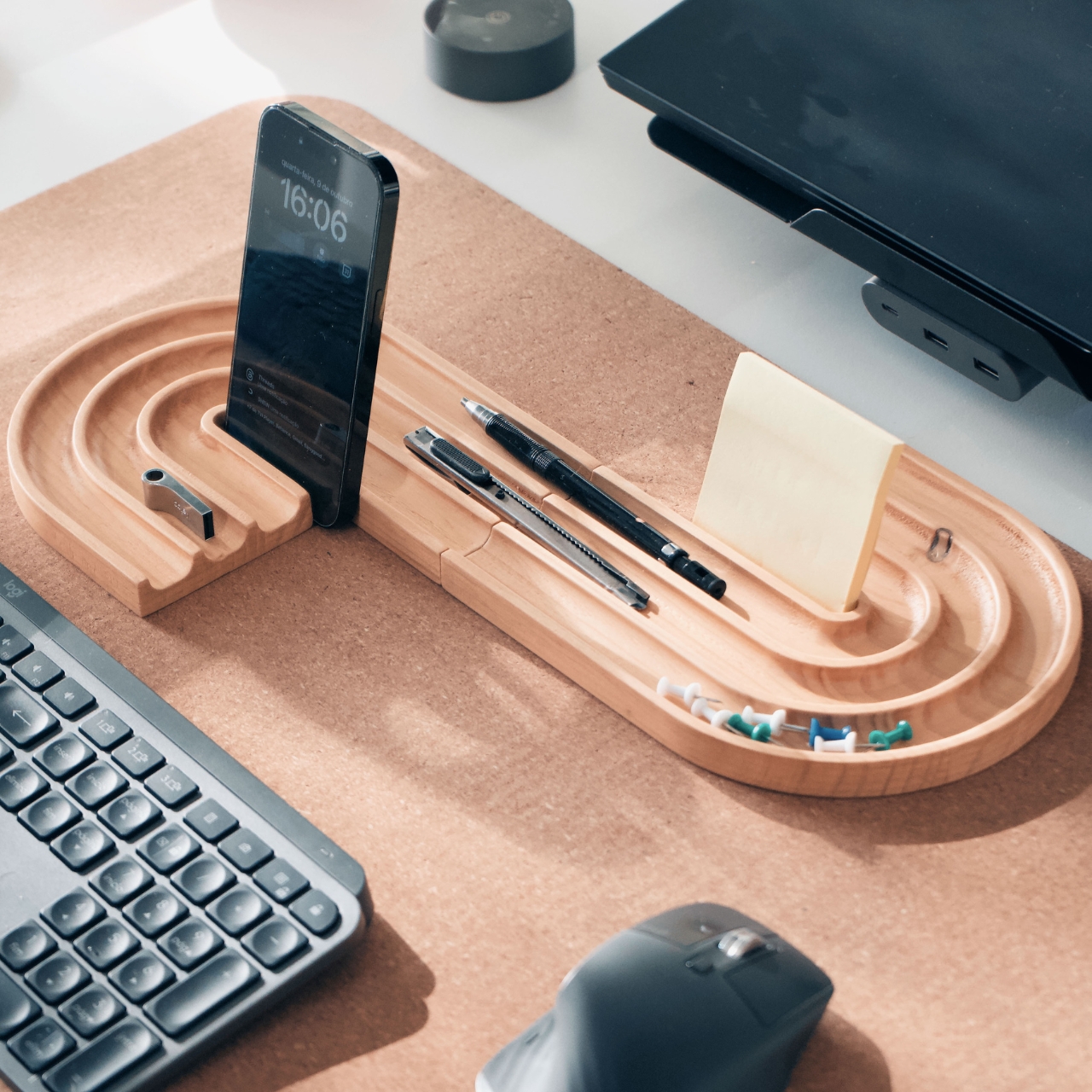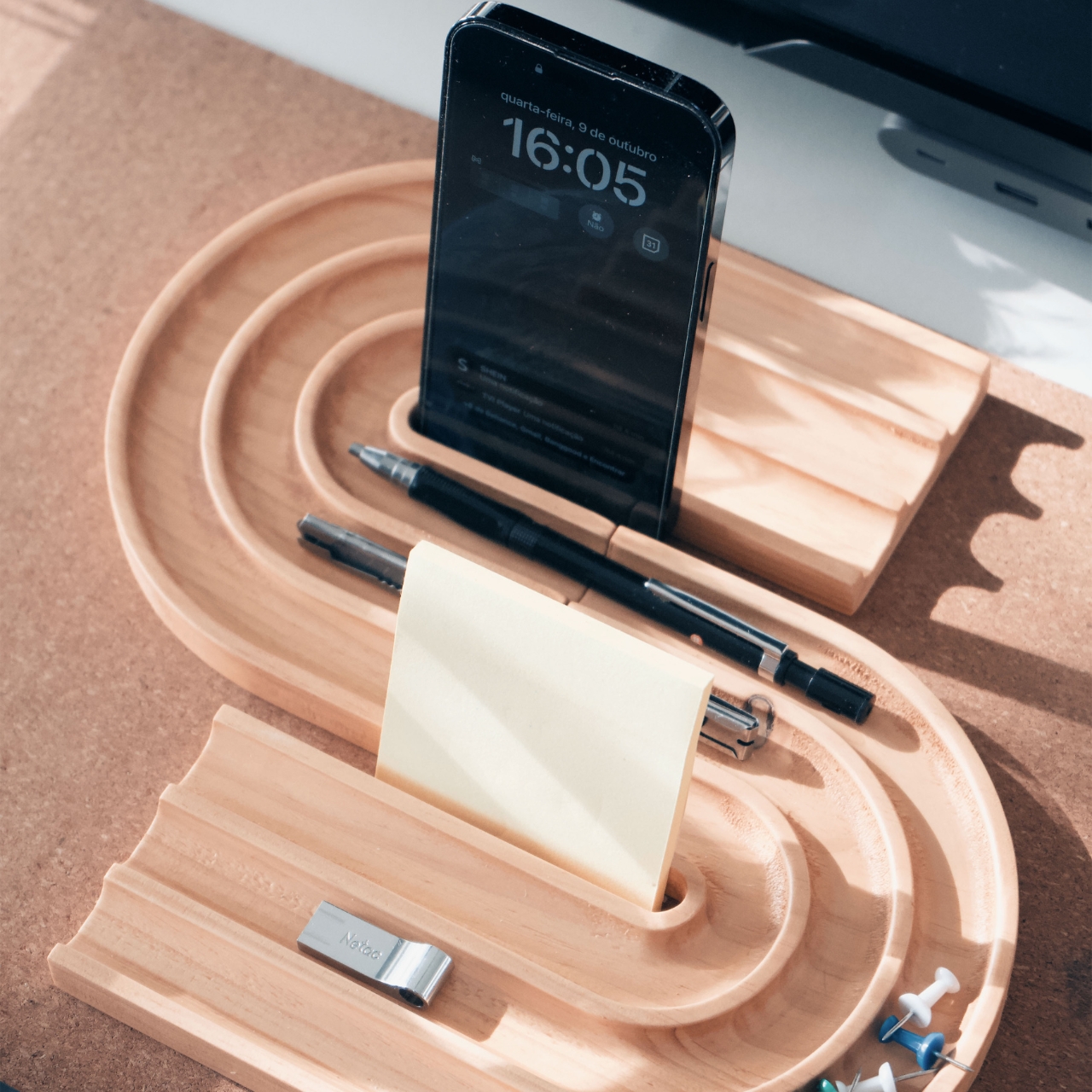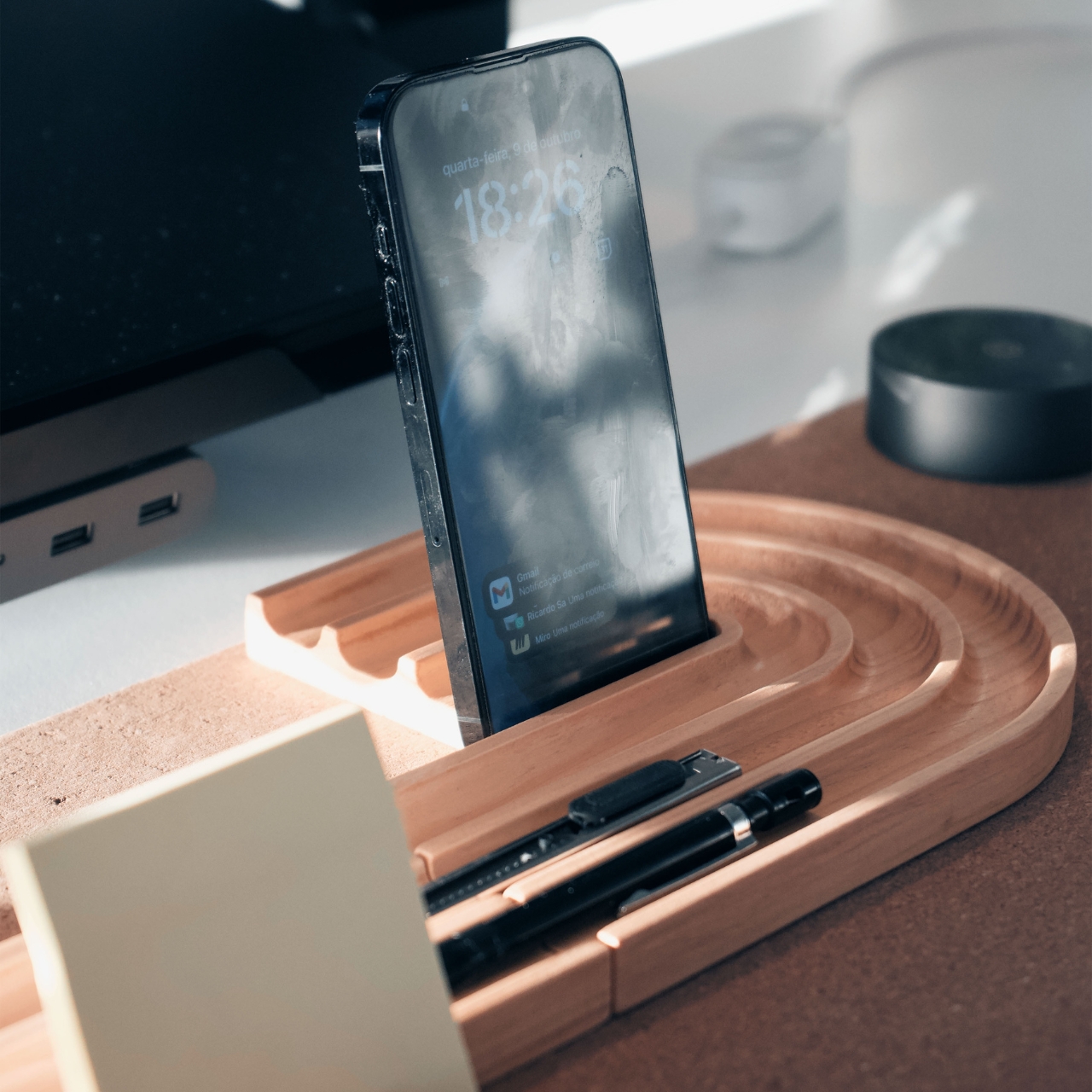
Sustainable and minimalist desk tray collection lets you mix and match to your needs

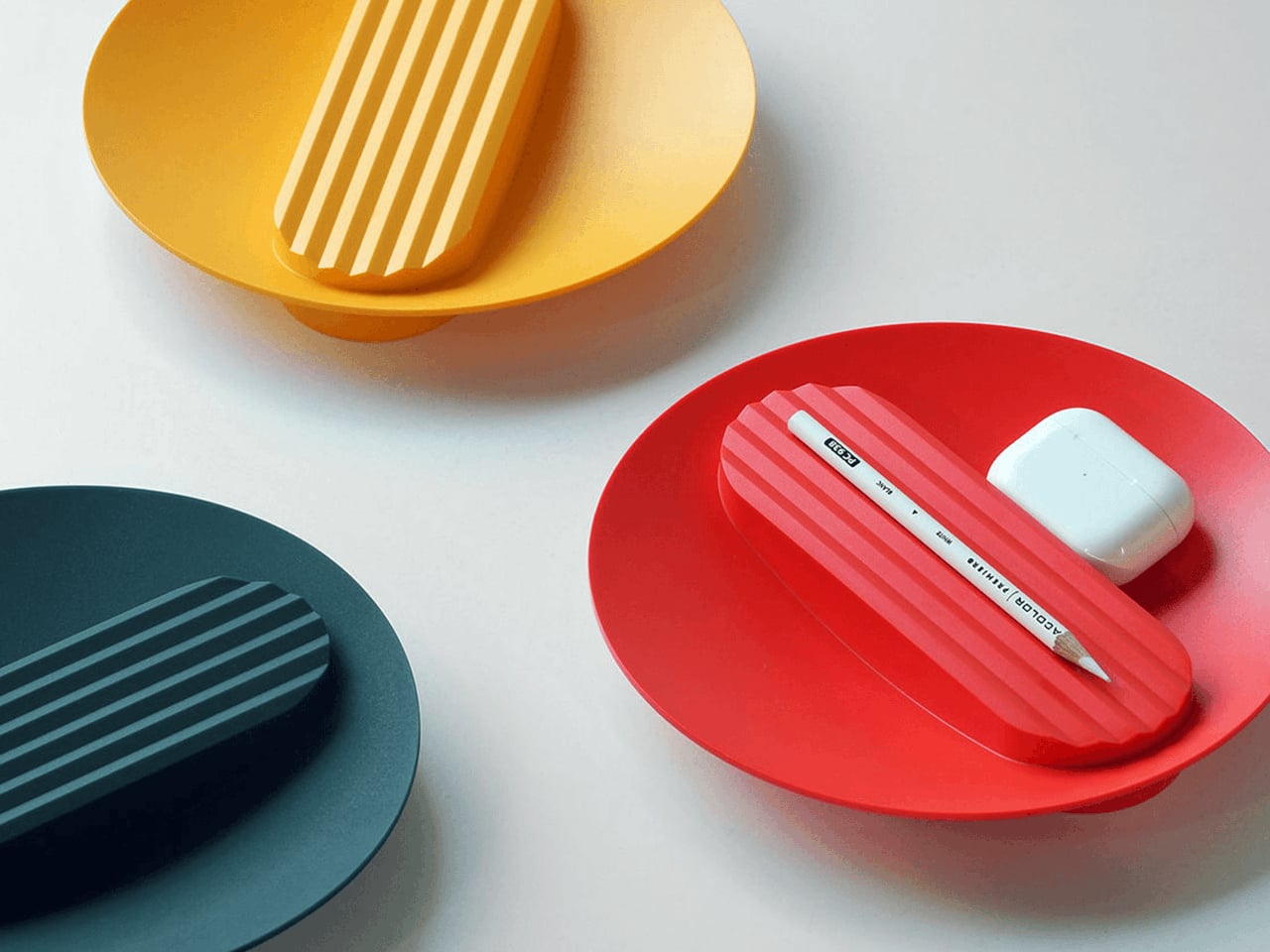
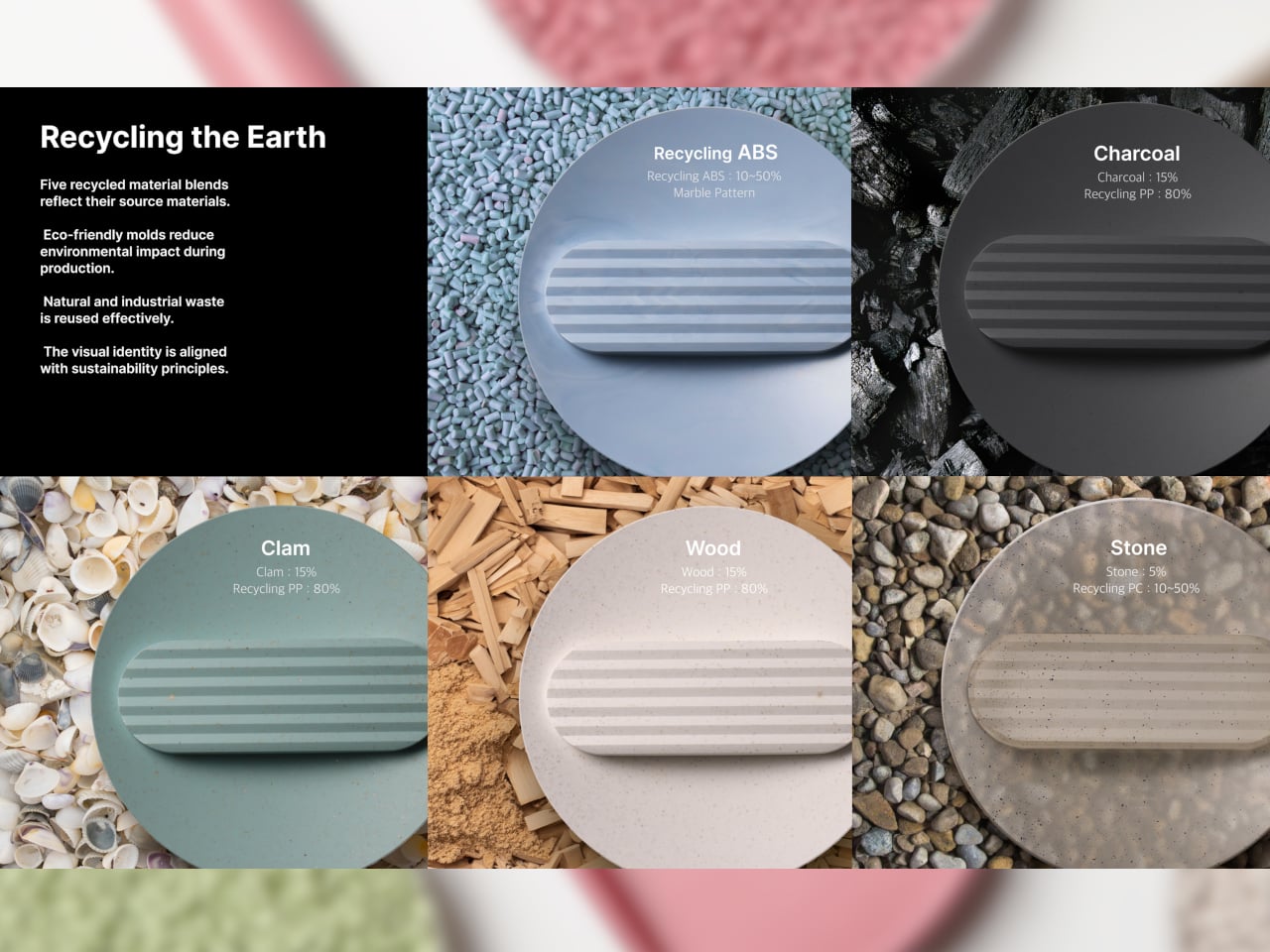
Desk trays are an indispensable part of any organization system, and their designs vary wildly to meet different needs and aesthetic tastes. While wooden desk accessories are not uncommon, the most standard materials used for these products are often virgin plastics that, given the volume of their use, spell trouble for the planet. Fortunately, a few designs nowadays do try to utilize recycled or even upcycled materials to ease the burden on the environment, but good design doesn’t have to stop there. This concept, for example, seems to check all the right boxes by offering not only a sustainable solution with a beautiful minimalist design but also one that lets you combine pieces as you see fit or use them solo in different places as needed.

Designers: Hoyeon Shin, Seokhyoun Han, Joae Kim, Yeongha Kim, Zoae Kim for Haus Bari

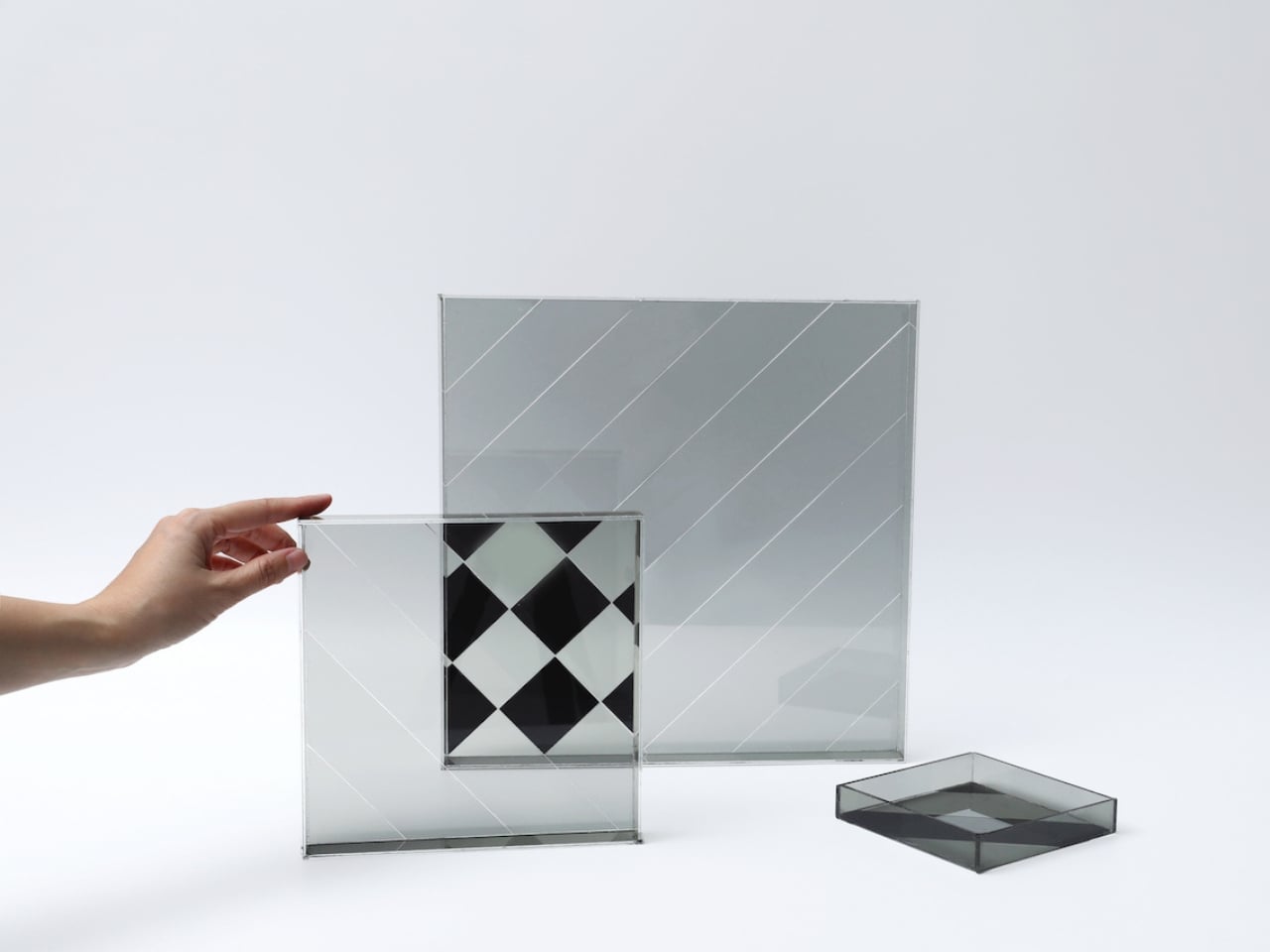
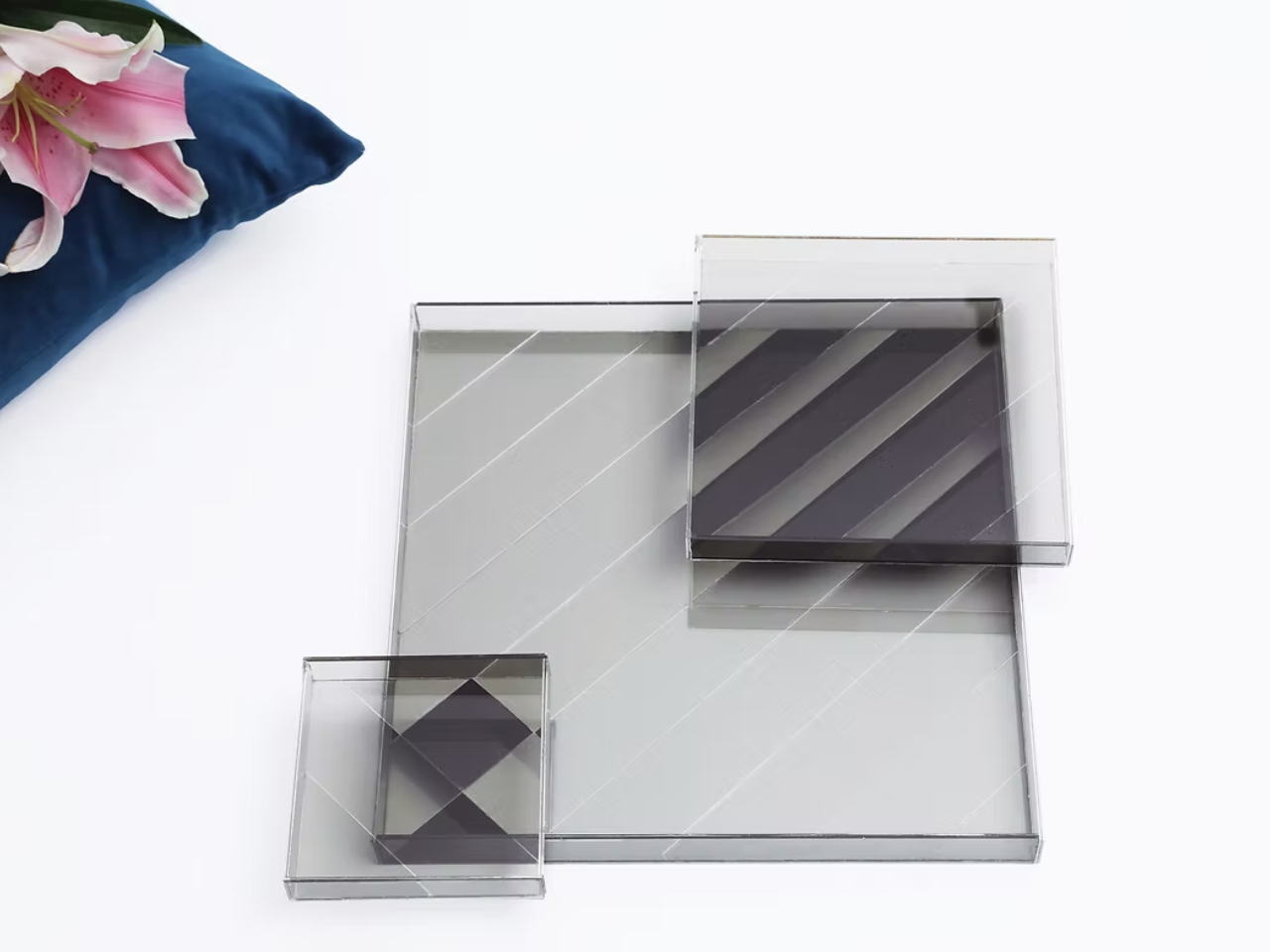
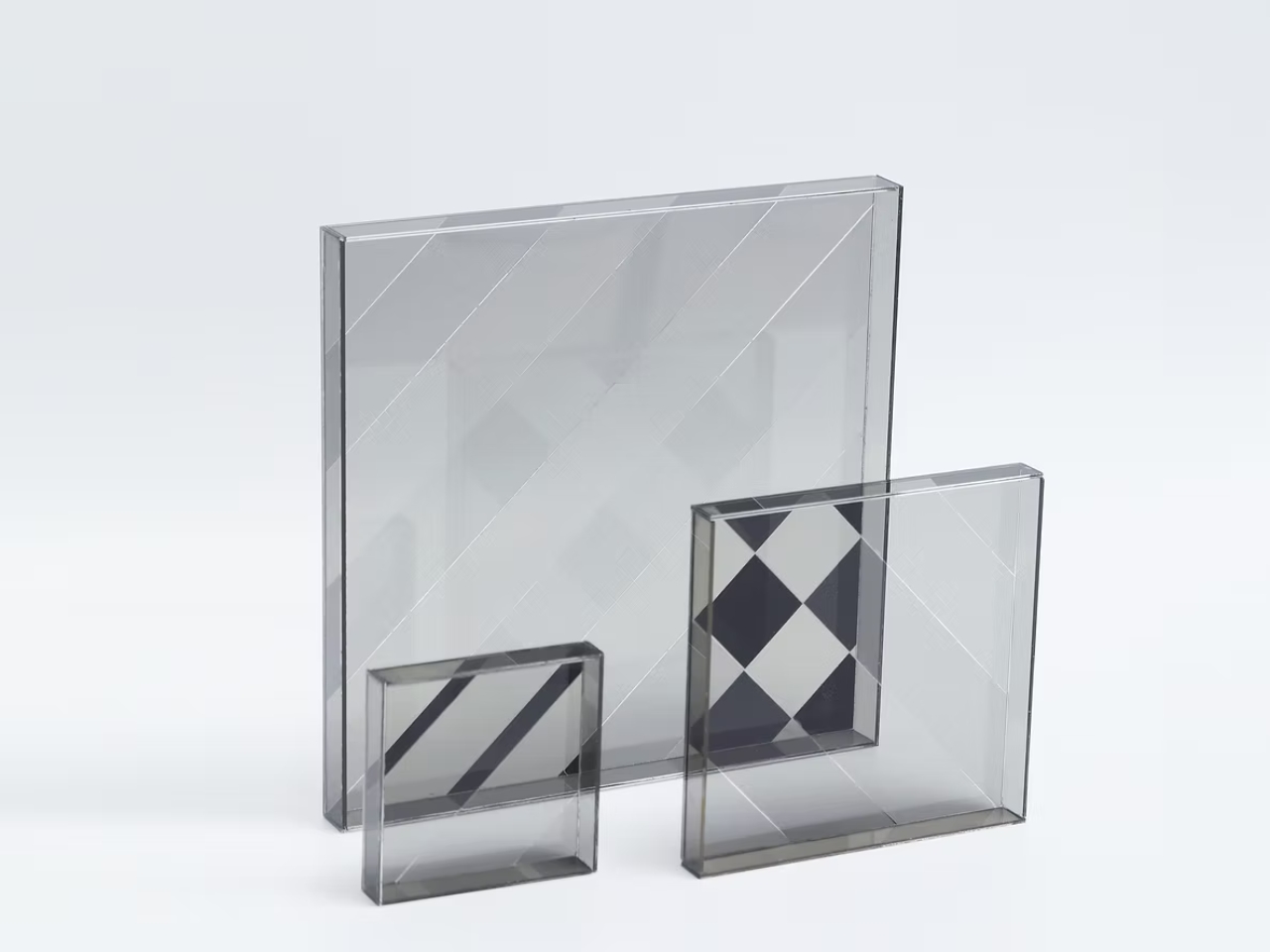
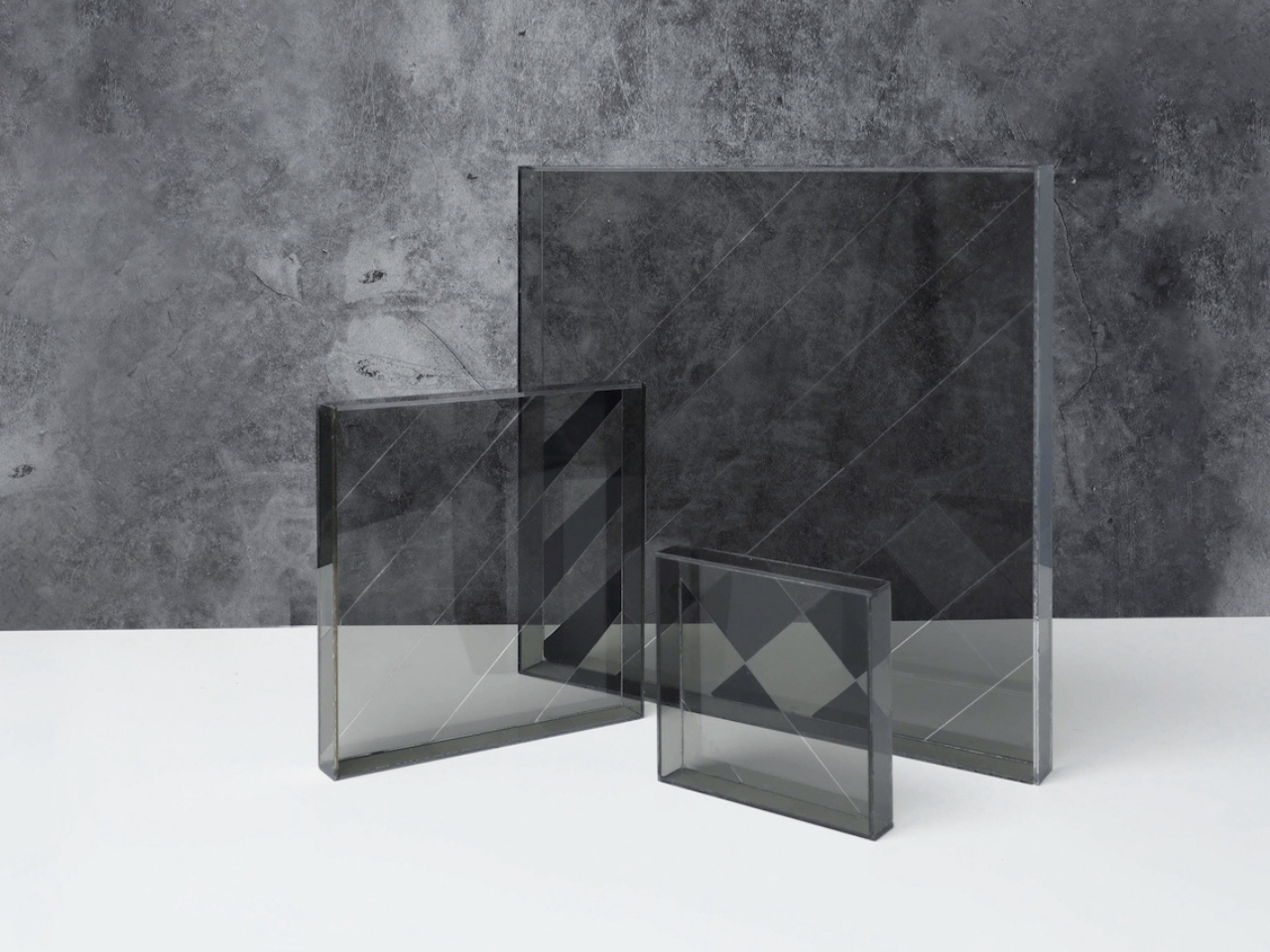
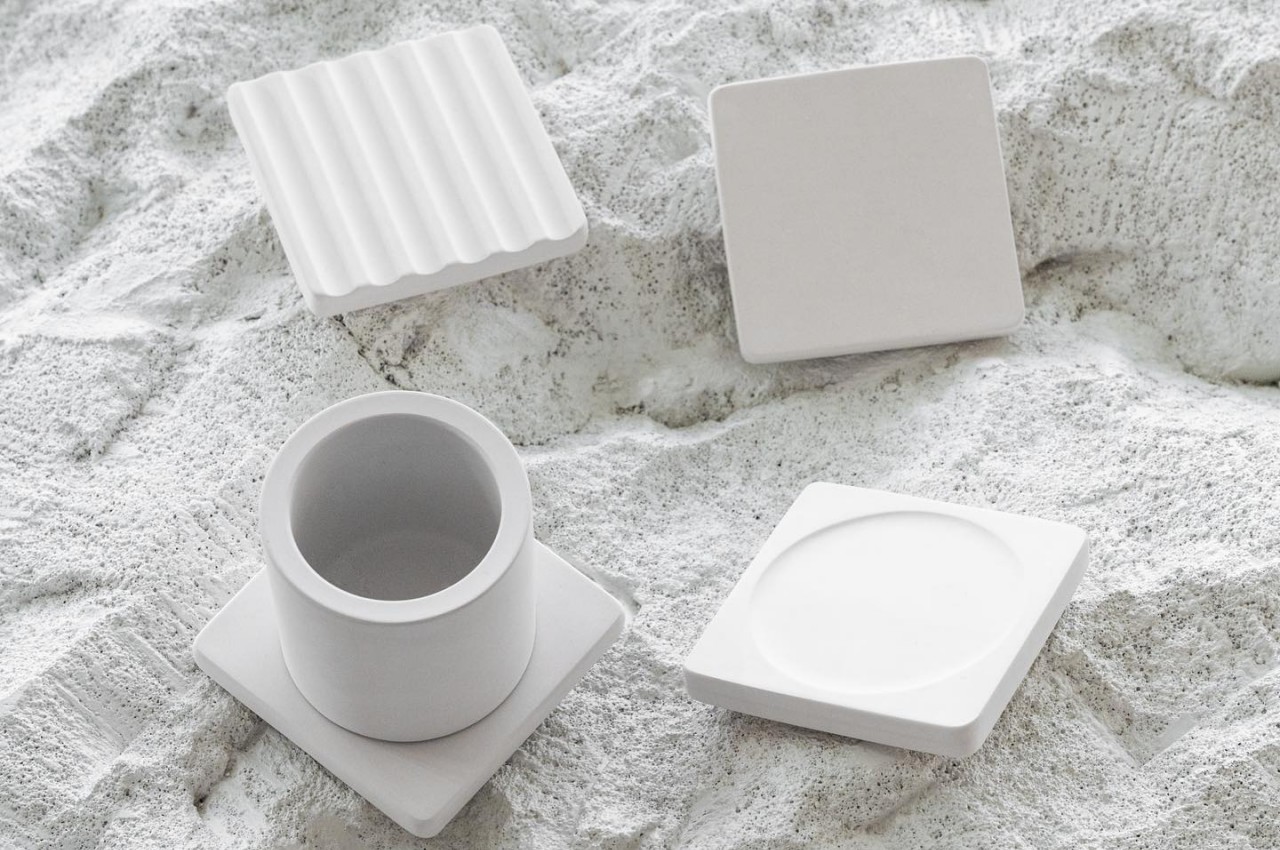
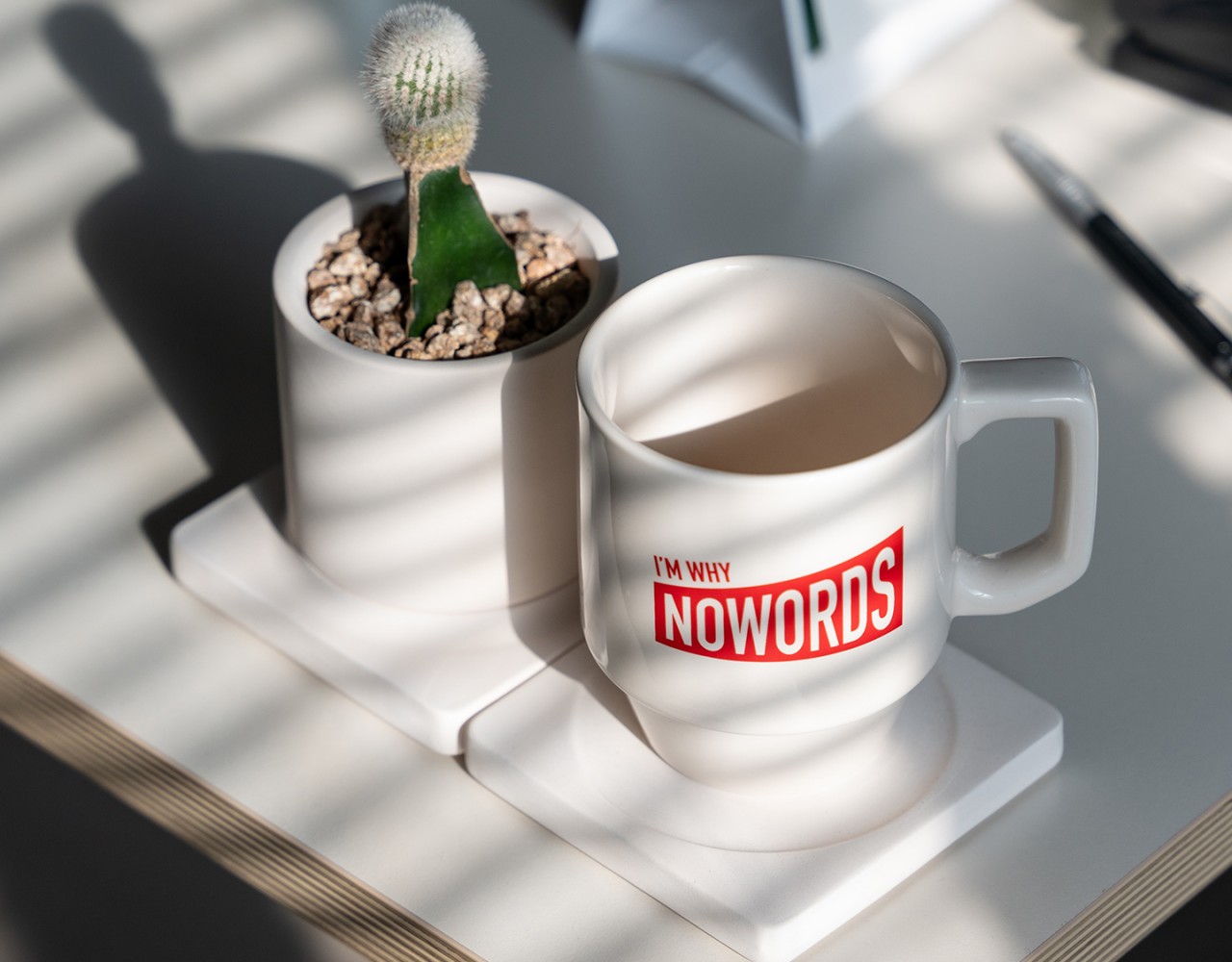
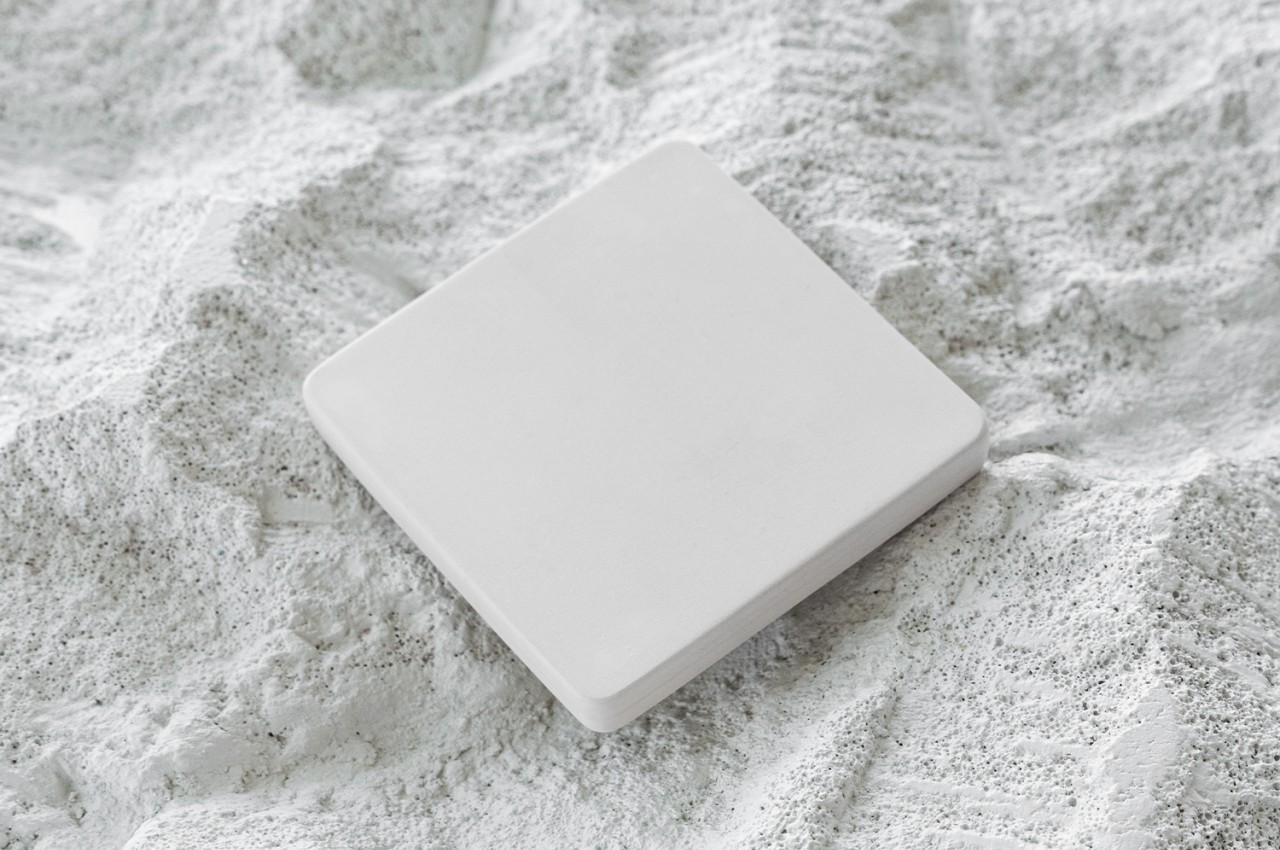
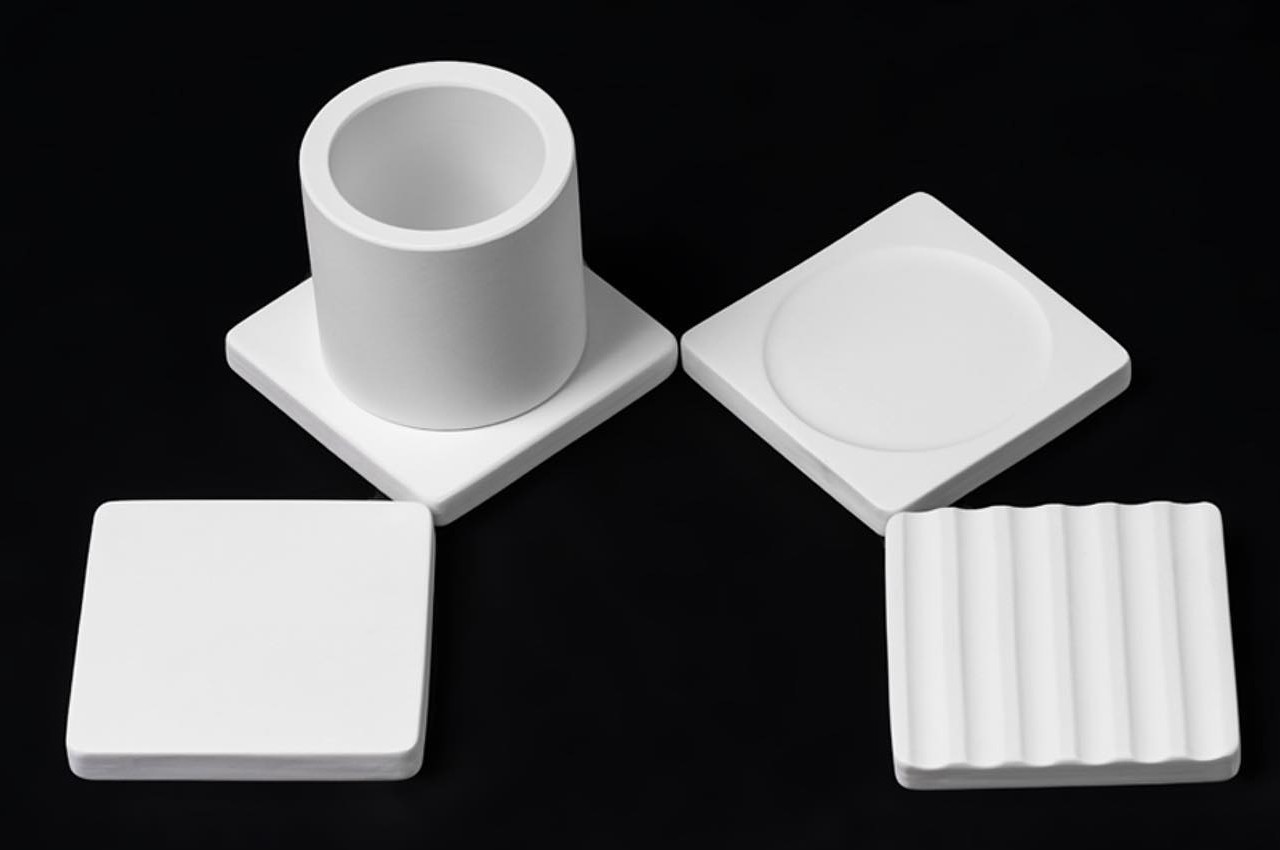
Truth be told, this design is actually four separate products sharing a similar DNA. One design, however, can’t meet all the needs of all users, so rather than make a monolithic product that wastes space and materials, this series of trays simply offers four unique designs that can be used for a variety of purposes, including in places that don’t involve work tables and stationery.

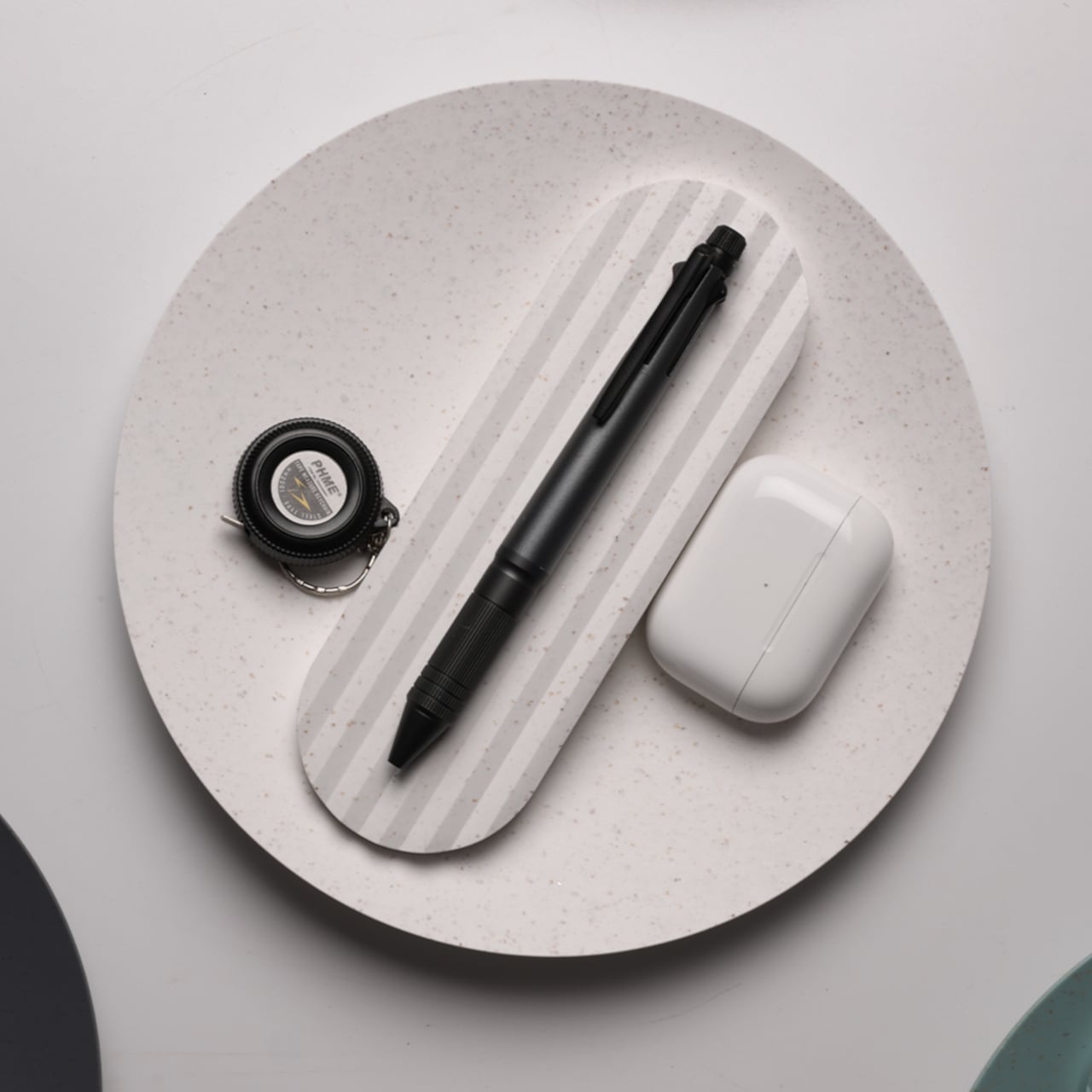
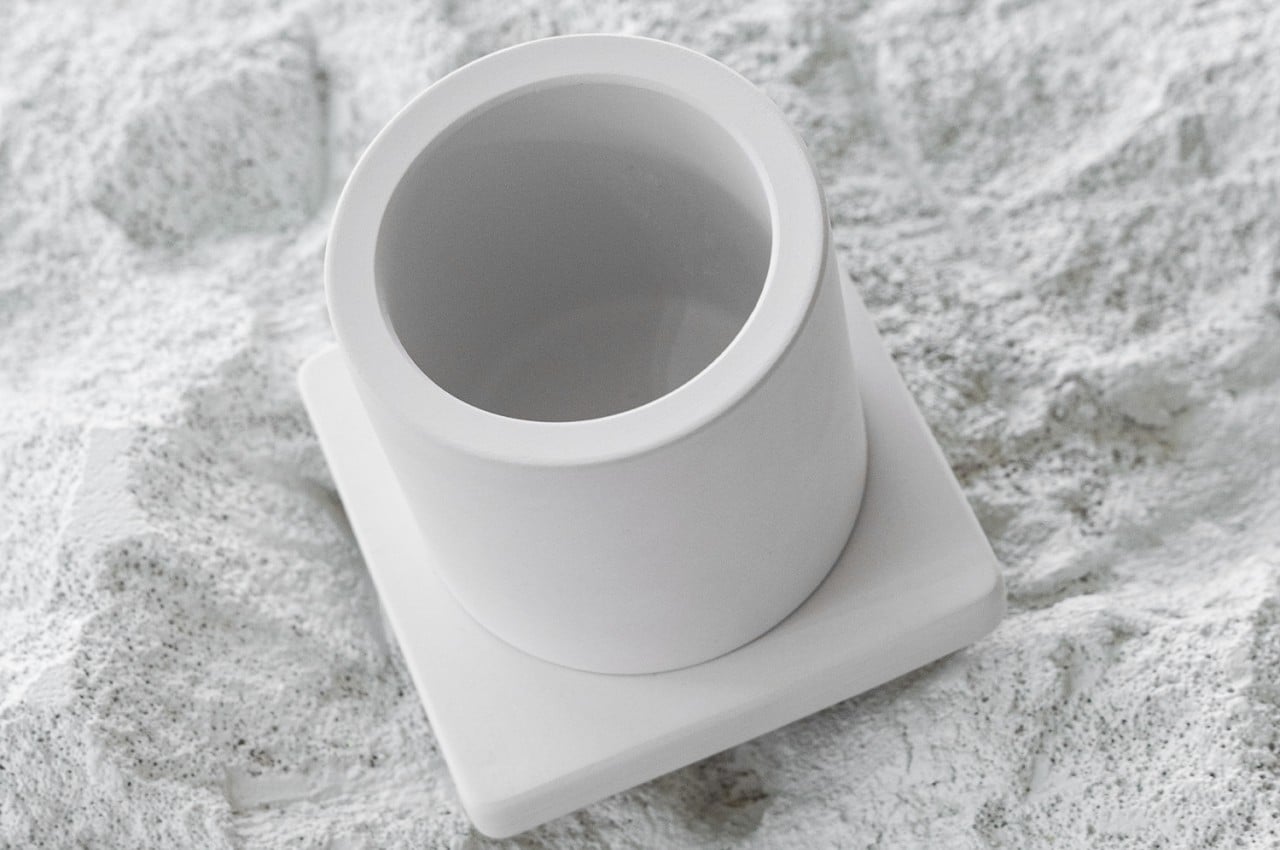
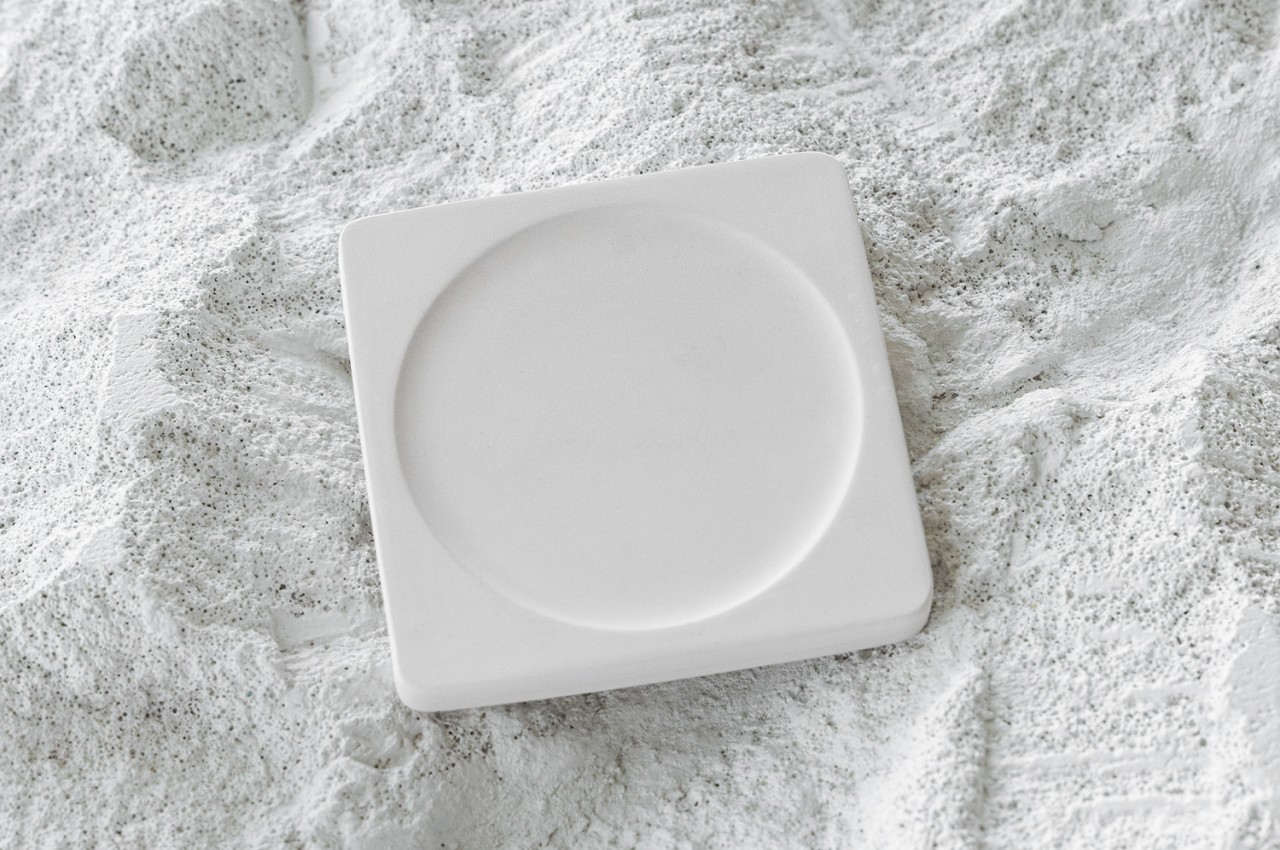
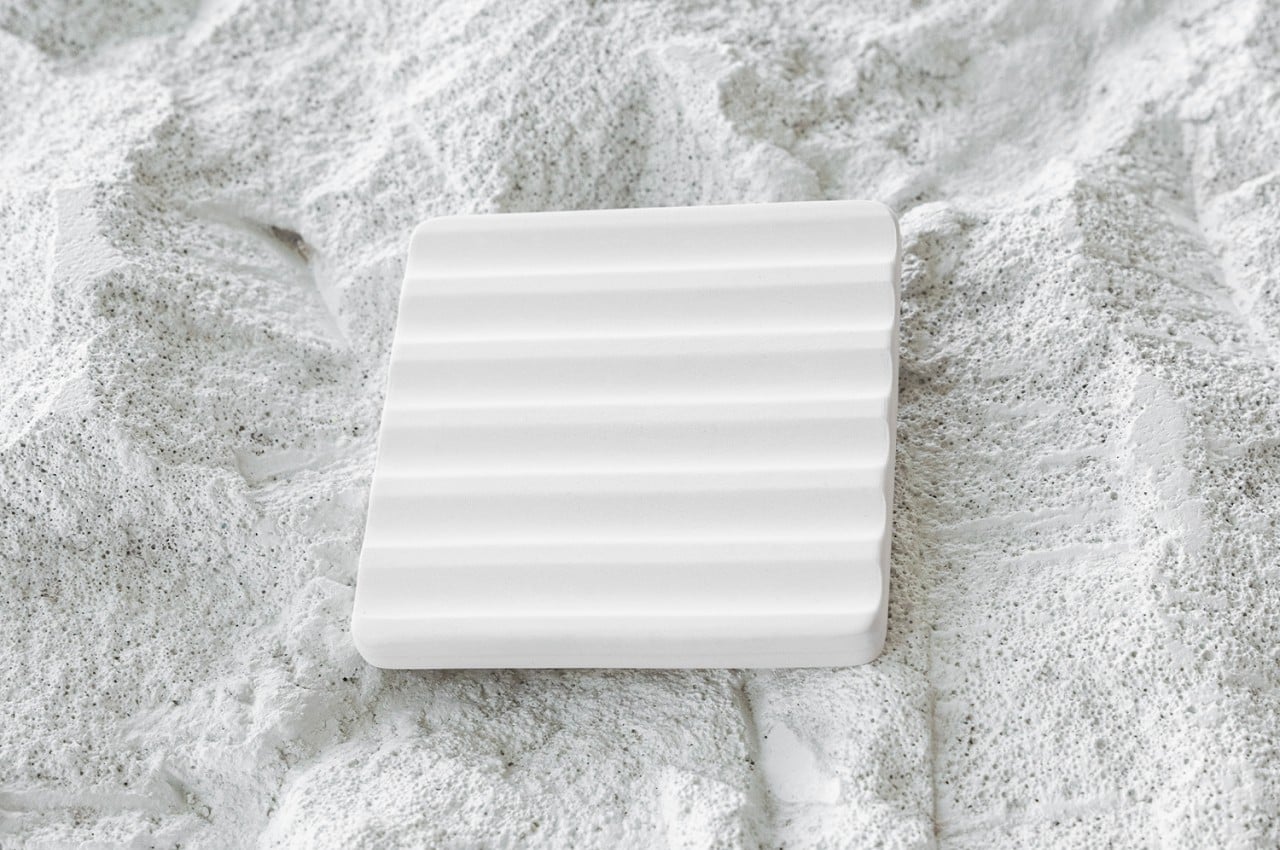
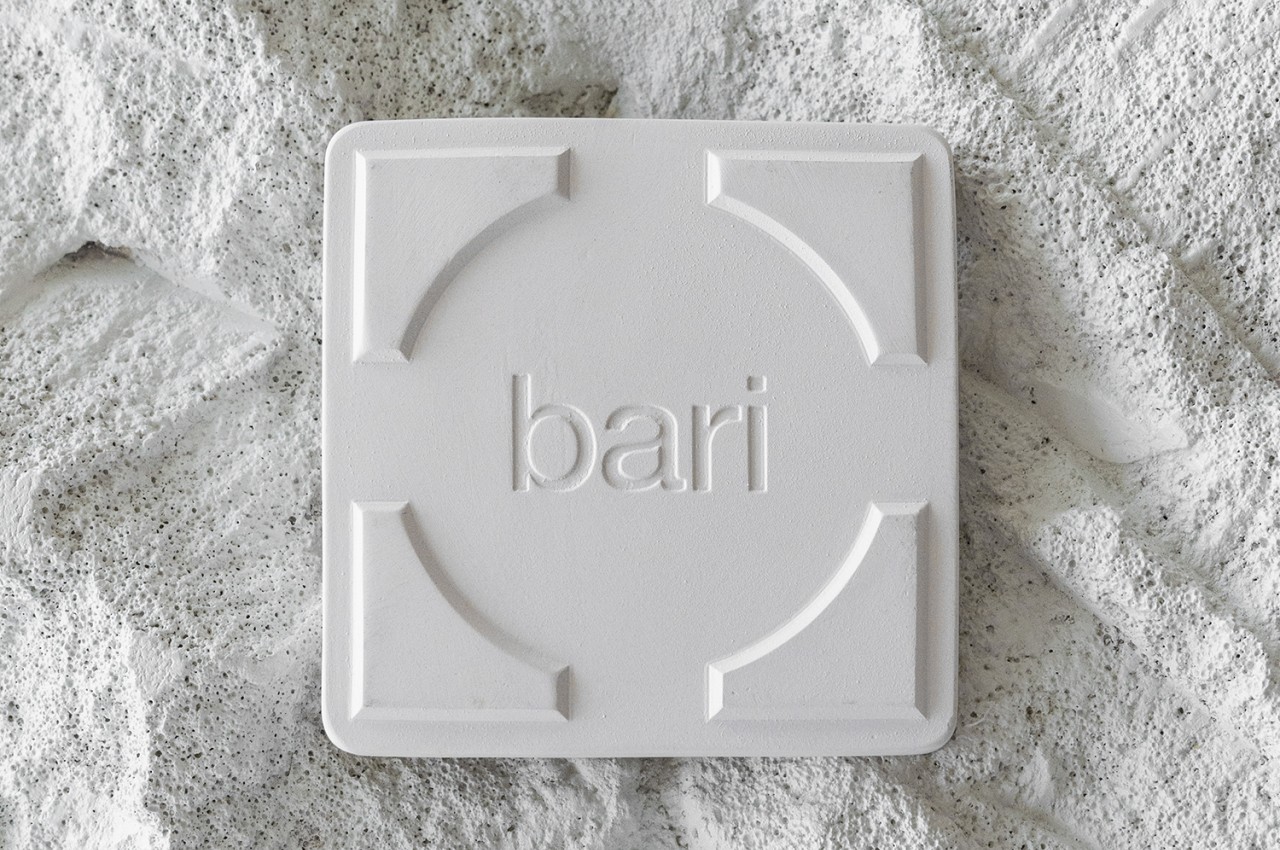
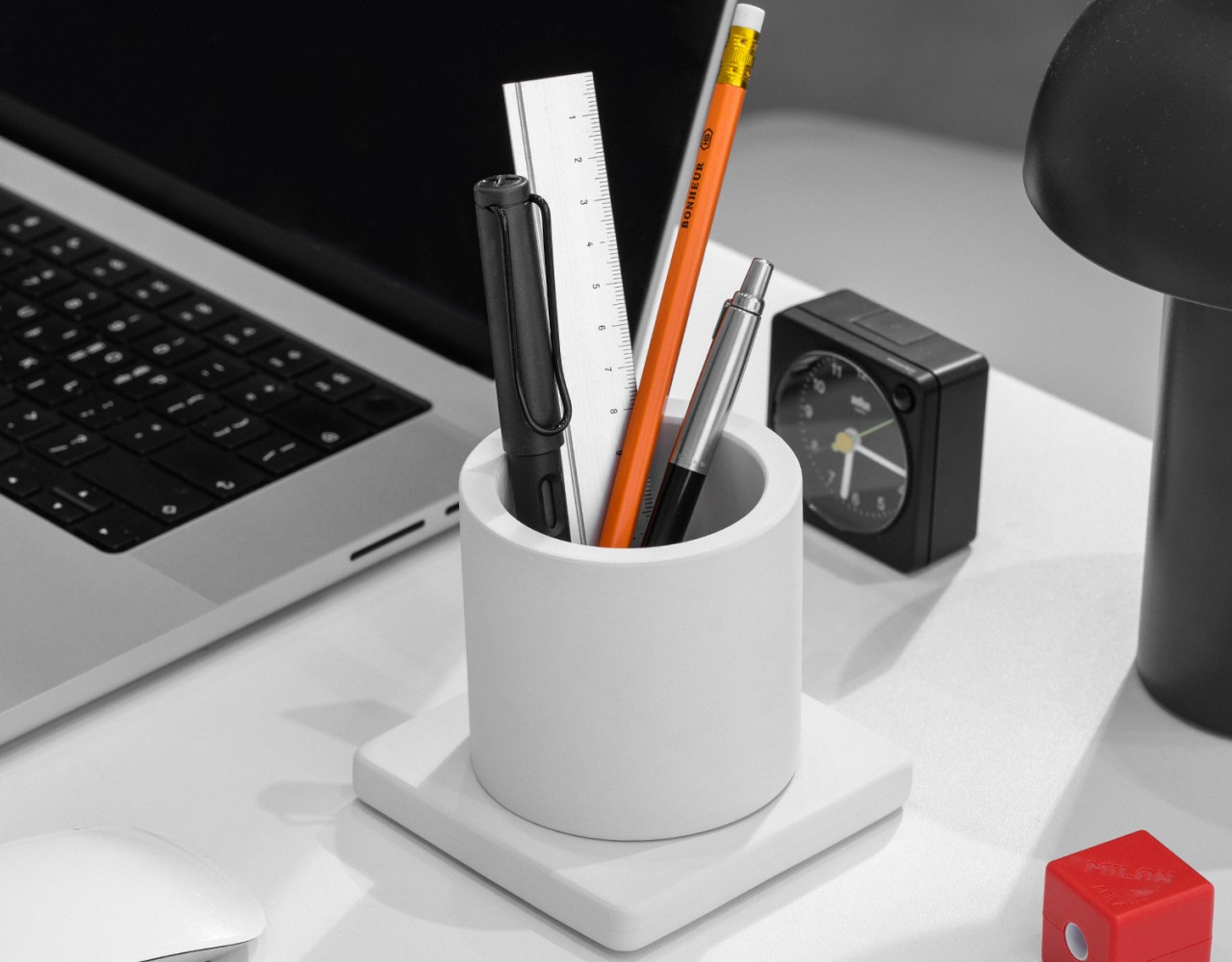
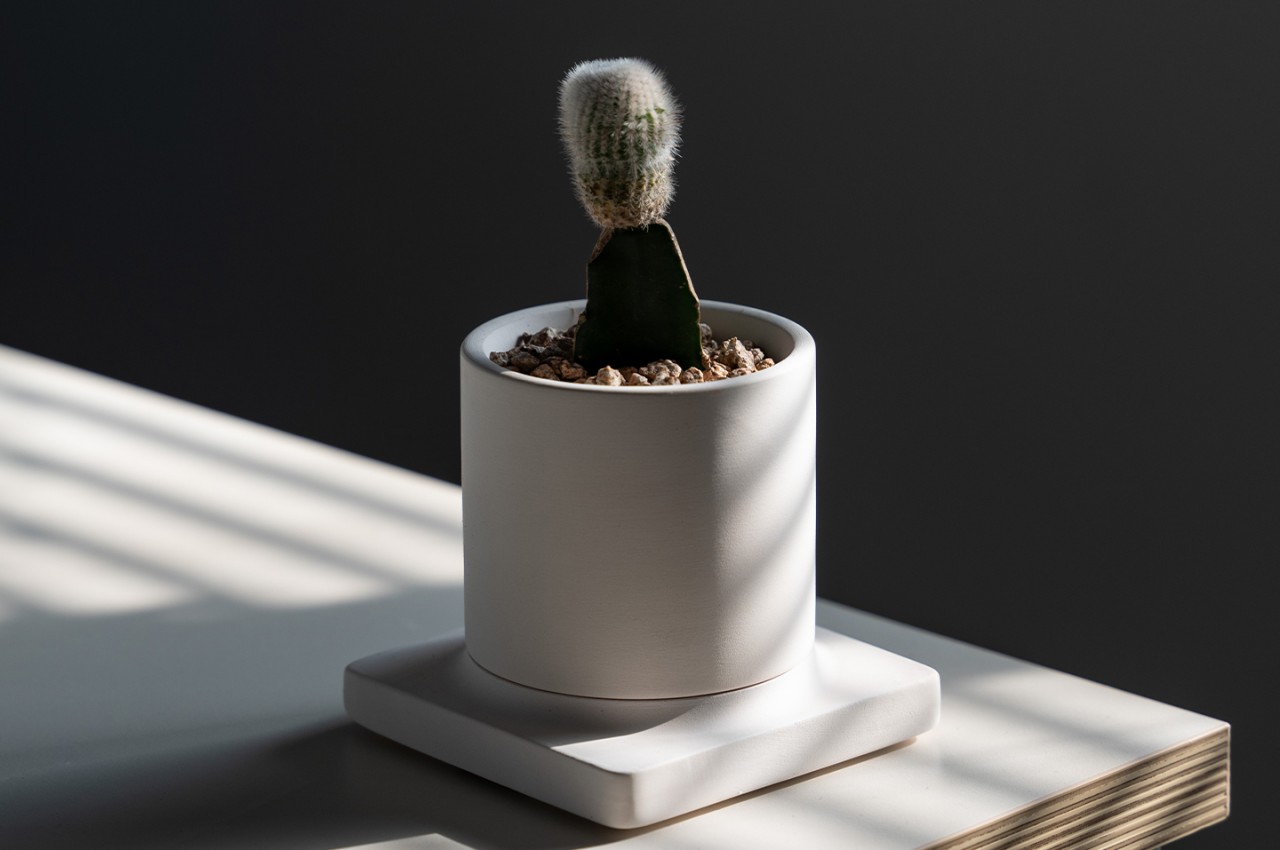
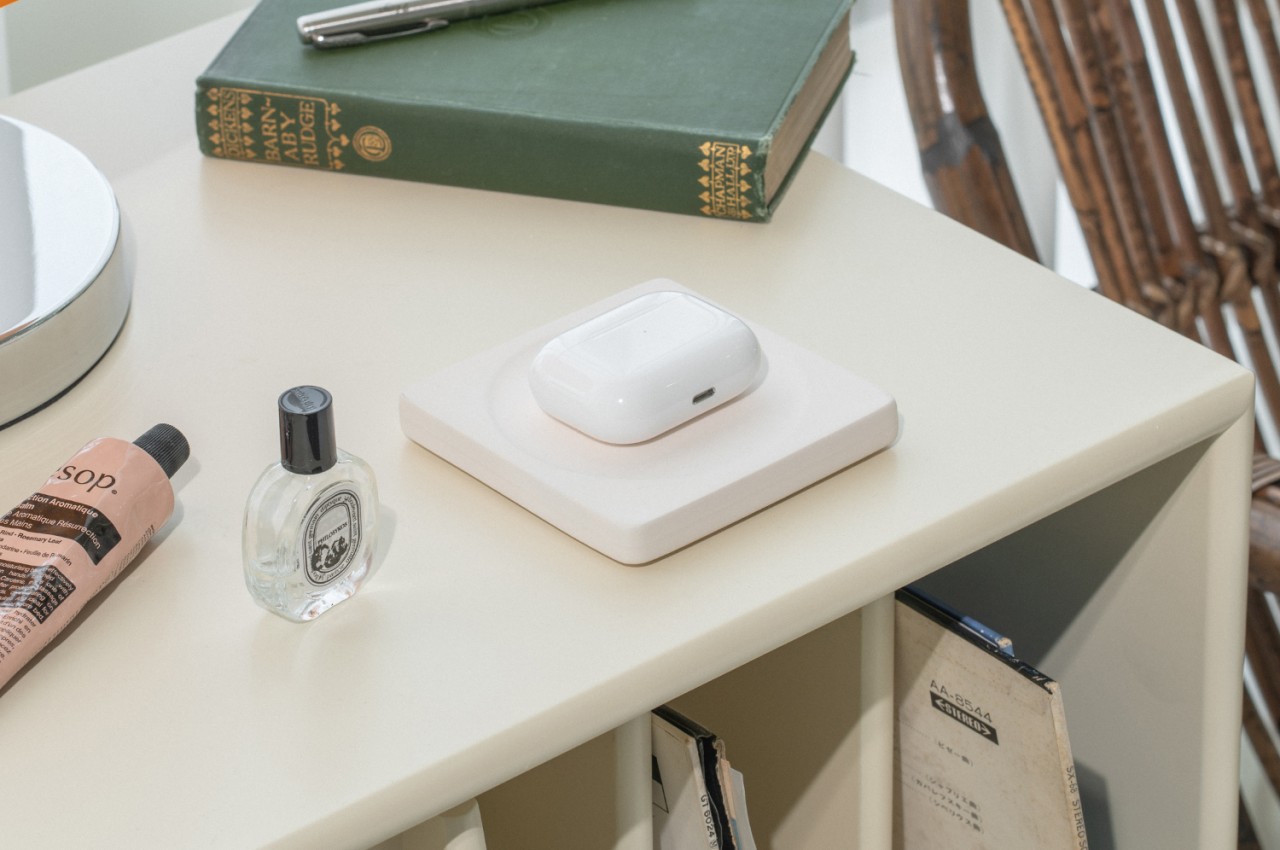
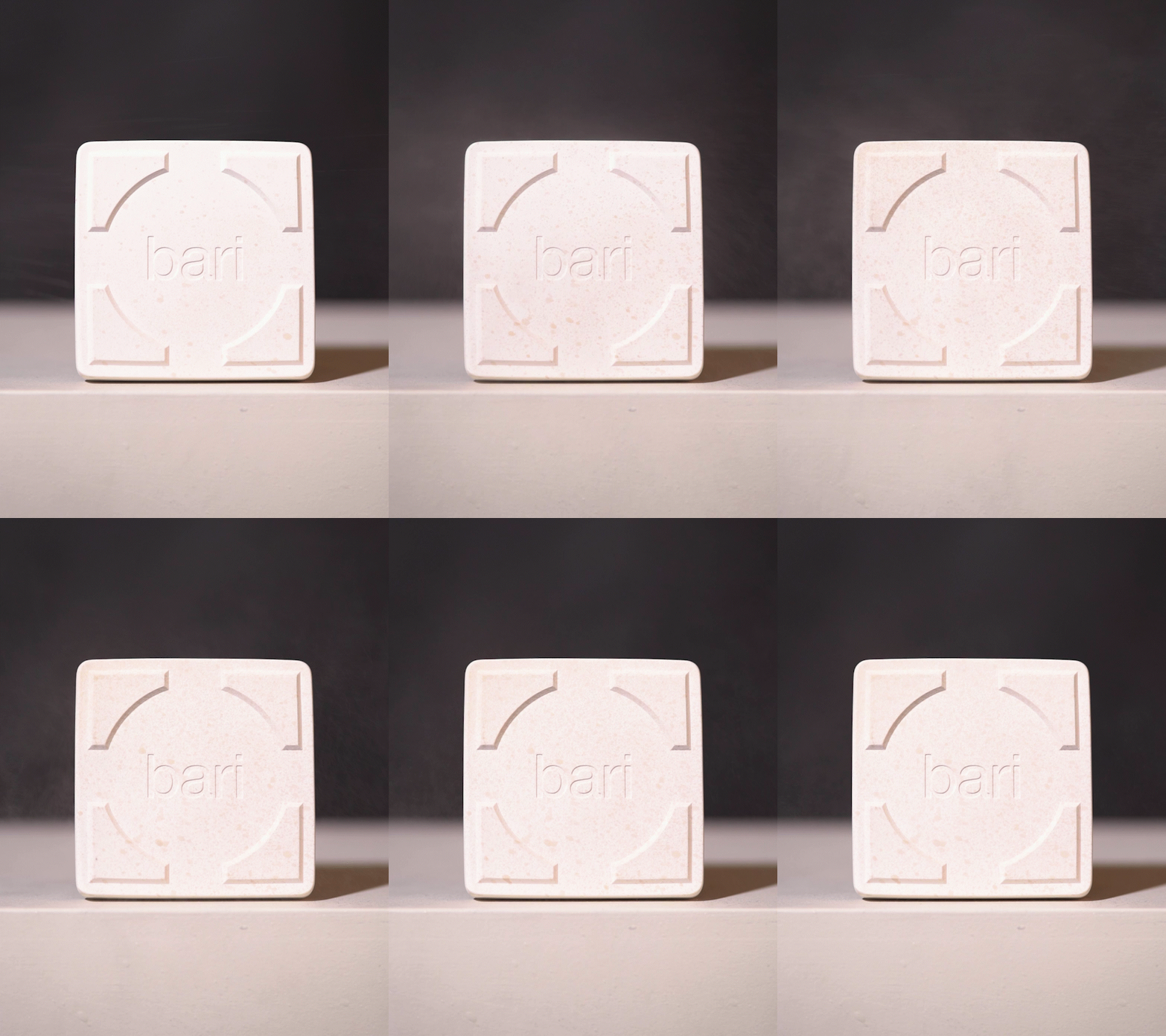
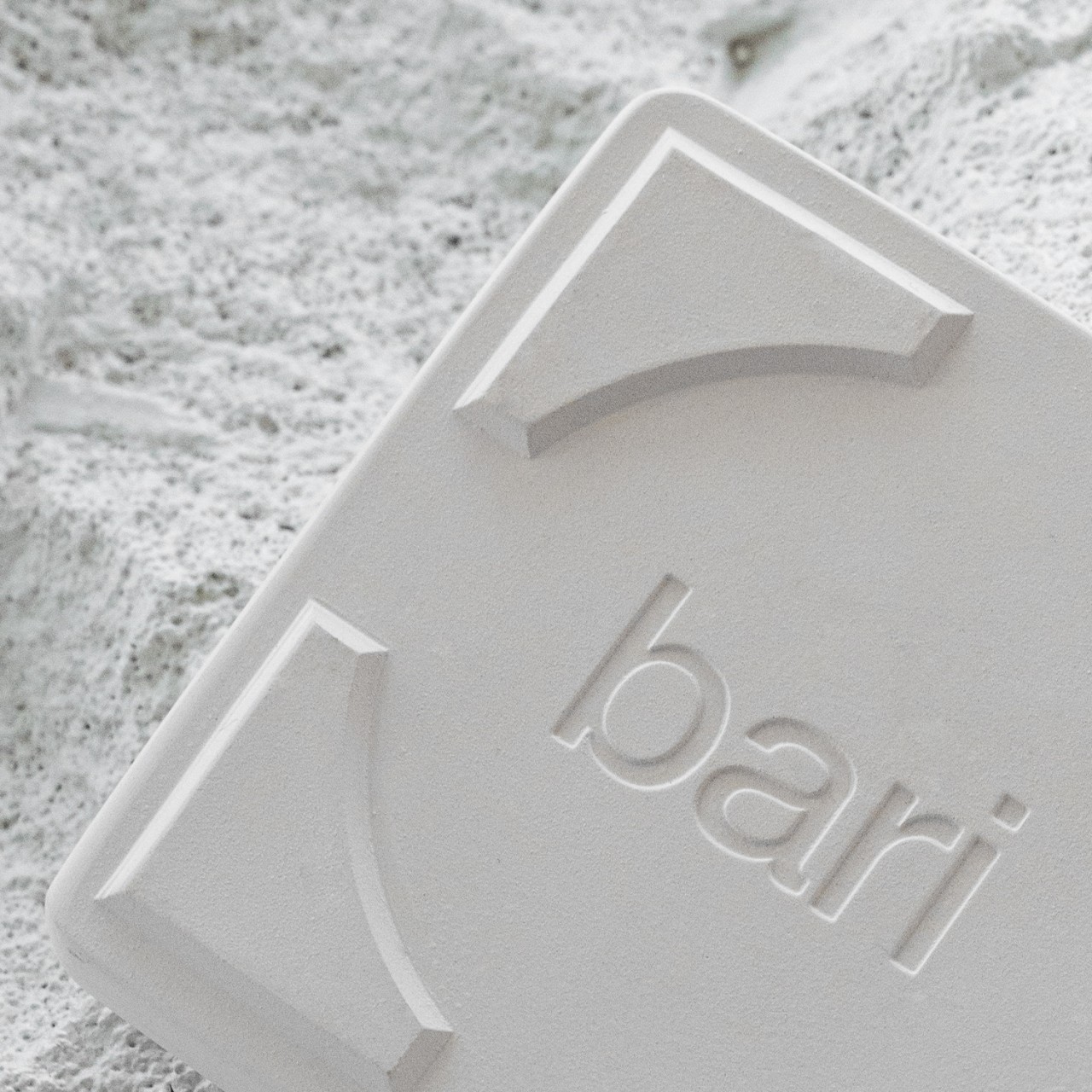
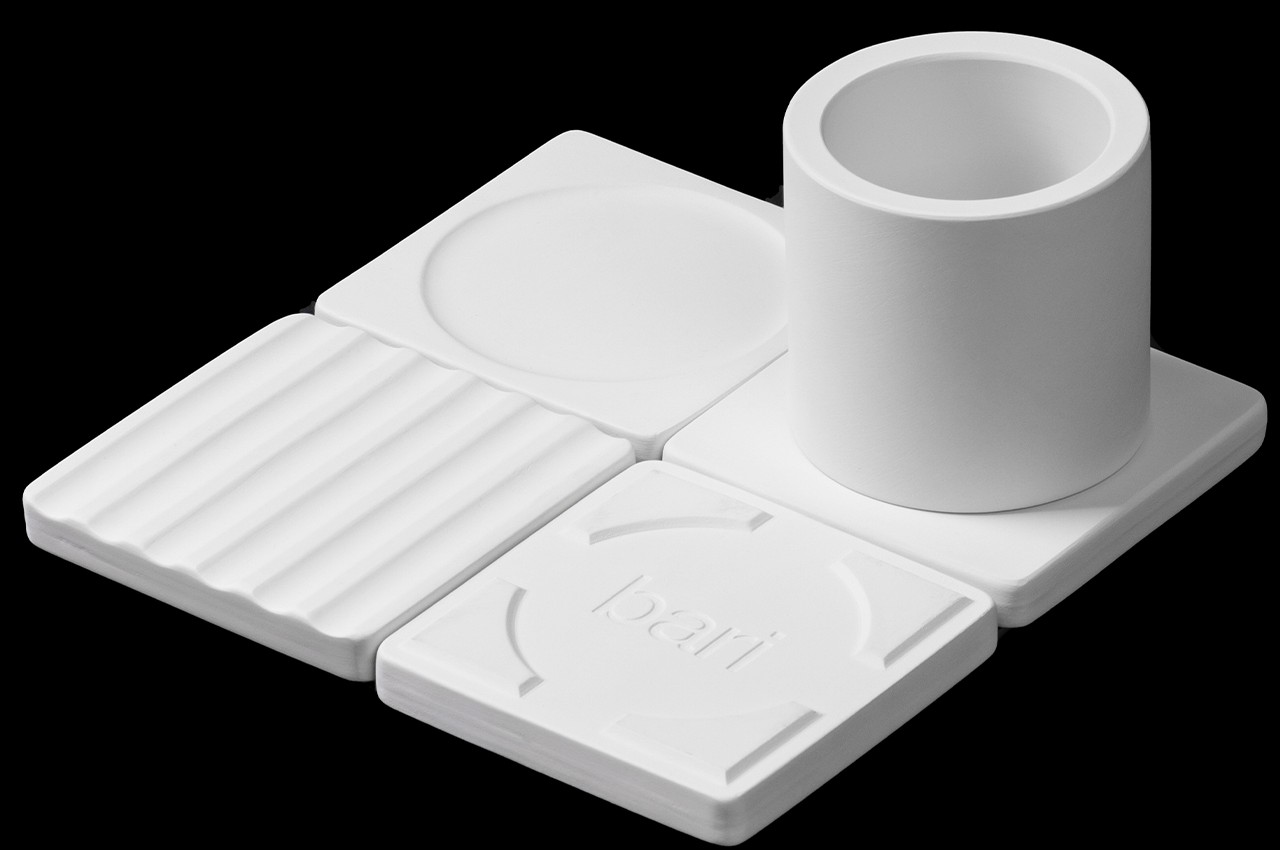
All four pieces share the same thin square platform, but that’s pretty much where the similarities end. One “block”, for example, has a fixed cylinder that can be used for holding writing instruments, tools, or maybe even flowers. Another has a circular indentation that invites you to place a mug or glass on it, though it can also fit small items such as an AirPods charging case. The tray with a wavy surface can be a bed for pens and pencils without having them jumbled up together. The fourth member has a simple flat surface, but flip it over and you will behold the Bari branding underneath. It can also function as another coaster thanks to that circular groove again.

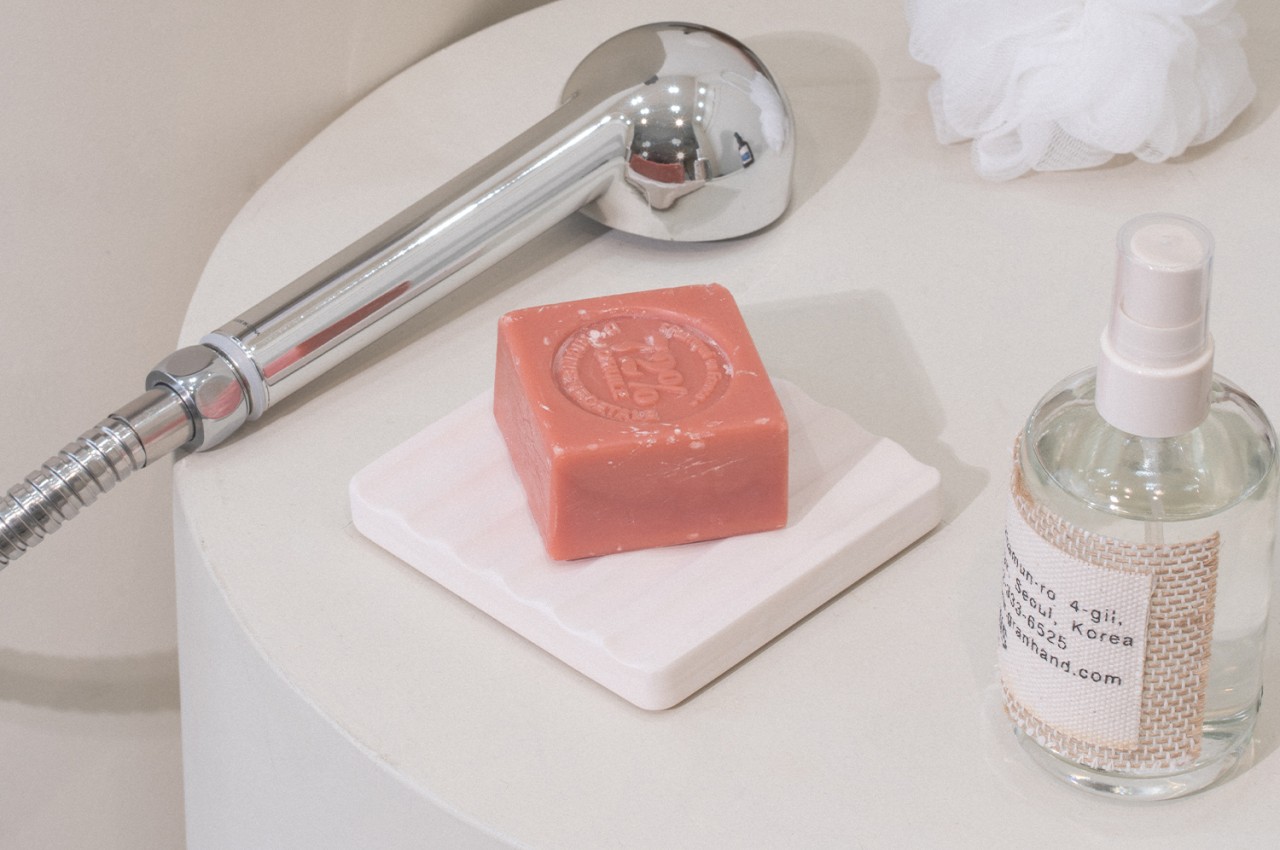
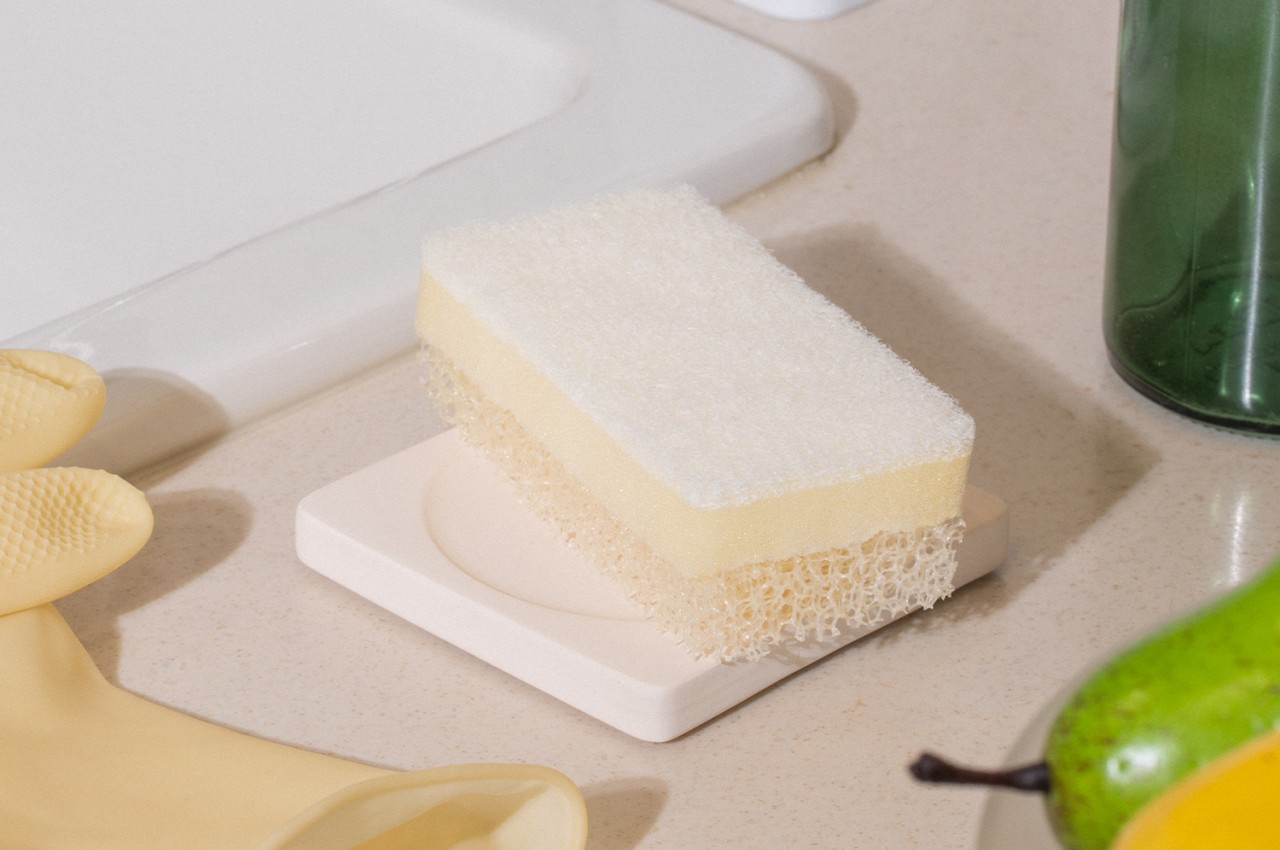
The trays use diatomaceous earth, a sustainable material that is gaining popularity among product designers. It also gives the tray a textured appearance that resembles rough, unpolished stone, making the minimalist products look a little more visually interesting. It also makes it possible to place wet or damp objects on top of the tray, such as sponges or even soap, thanks to the material’s moisture resistance and self-drying properties.

1

Although each of these trays functions as an independent unit, you can also combine them as a single organization system where you have free reign over how they are arranged. You can have them for a line, put them in a grid, or spread them out all over the desk. Of course, you’re not limited to just one of each piece, either, and can form an army of trays and containers ready to keep your mess at bay. It’s an admittedly simple solution to desk and life organization, but one that offers beauty and flexibility in a package that tries to reduce its negative impact on the environment.

The post Sustainable and minimalist desk tray collection lets you mix and match to your needs first appeared on Yanko Design.
This Origami Kitchen Tray is the Perfect Example of How Great Design Lies in Simple Details

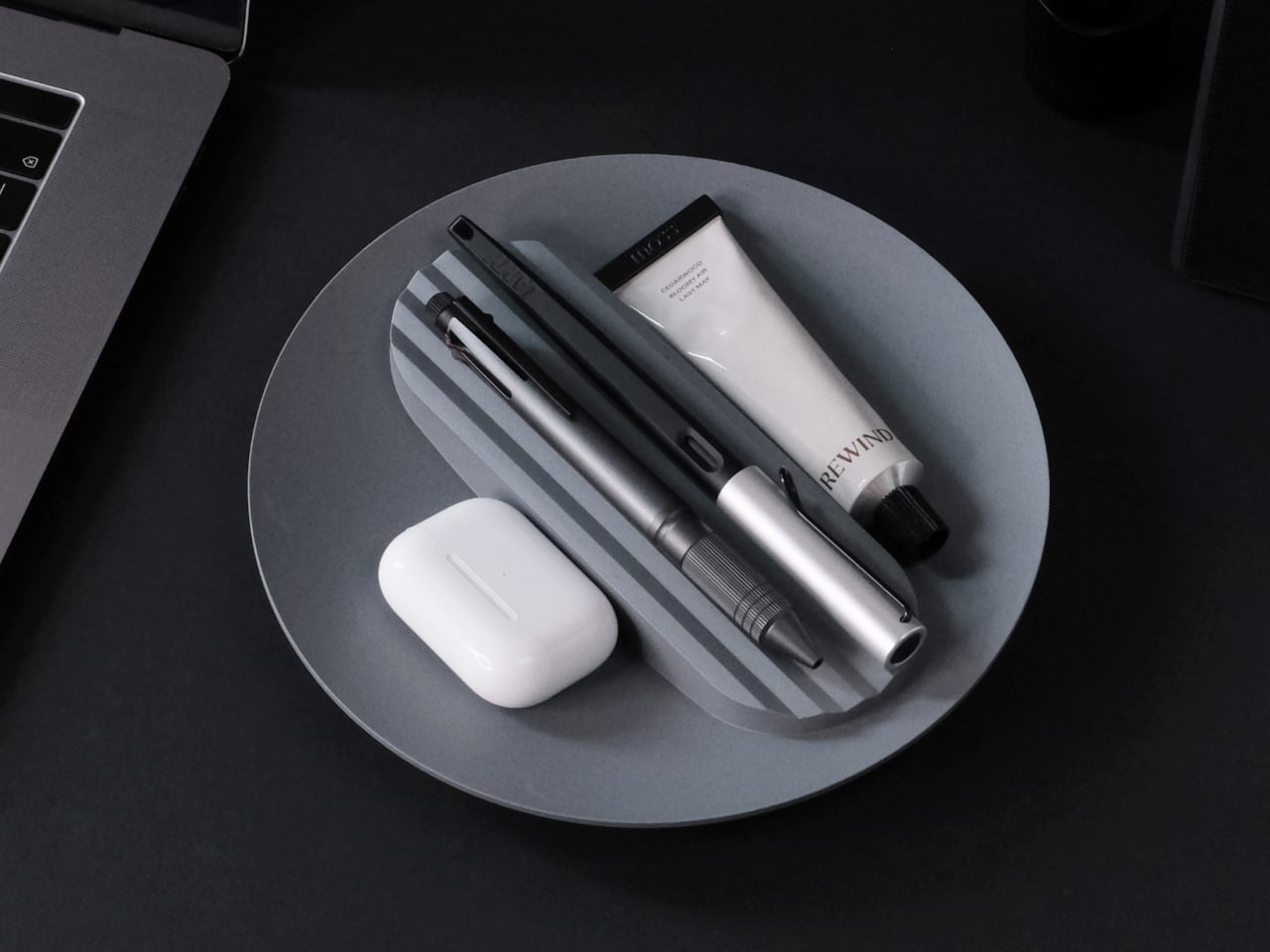
Most household items we own today are made one of two or three ways. If they’re made from plastic, chances are they’re injection molded… and if they’re metal, they’re either cast or they’re rolled/stamped into a distinct form. These methods end up defining what a product will look like. An injection-molded plastic part will never look as intricate as a 3D-printed mesh part… and a stamped metal utensil will never have the elegance of something like the Snapsys tray set. Designed using a series of strategic Origami-style bends, the Snapsys set of trays and table platforms are deceptively simple to look at, but are engineered and manufactured to perfection. Each item is made from a single 0.8mm sheet of metal that’s been creased, bent, and then anodized. The result is a set of kitchenware that’s incredibly slim, yet just as strong, thanks to the nature of the folds that help provide rigidity.

Designers: Sang Hyuk Han & Eunju Jang

Click Here to Buy Now: $149 $160 ($11 off). Hurry, offer ends soon!

The Snapsys set of trays and table are ‘Origami-style folding plate’ that have a thickness of 0.8mm (about as much as a credit card).

The Snapsys set comes in three tray styles that double as decorative tabletop platforms for displaying your food. Most trays look terribly run-of-the-mill, but given the Snapsys set’s unique manufacturing technique, this tray collection has no such problem. The trays look defyingly thin, to the point of feeling fragile. They do measure just 0.8mm (about as much as a credit card), but are surprisingly strong thanks to the folding structures that give them the ability to carry well beyond their weight without bending or flexing.

Use as a service tray.

A decorative incense stick tray!

Candle Holder!

The secret lies in the origami-style folds that help strengthen the trays while giving them their rather memorable designs. The fold lines aren’t regular, but instead follow a curve, allowing the metal sheet to bend in a curved way too. This helps strengthen the metal, making it rigid instead of flimsy. You can try the same technique with paper, observing how curved folds help give paper additional stiffness too.

Some trays look conventional, with handles on either side. Others come with legs, elevating your food by an inch or two to help your dishes stand out against a laid-out table. All trays come with anodized color options, allowing you to add a splash of vibrance to your tabletop decor as well as allowing the trays themselves to serve as accent pieces. The anodized finish also makes them durable and corrosion-resistant, increasing their overall lifespan. The tray sets, which come in black, yellow, blue, or a nude silver, start at a discounted $149, which includes three trays – 1 rectangular tray, 1 oval tray, and 1 half-plate tray.

Click Here to Buy Now: $149 $160 ($11 off). Hurry, offer ends soon!

The post This Origami Kitchen Tray is the Perfect Example of How Great Design Lies in Simple Details first appeared on Yanko Design.
Antiquated tools reinterpreted as delightful everyday products

Humanity has produced no small number of tools and objects over the course of history. Some have evolved to become the tools we use today, while others have almost faded into the background, remembered and illustrated only in history books. While these items of the past may no longer serve a practical purpose today, they could still serve as a stepping stone to inspire the designs of tomorrow. This collection of three everyday products, for example, takes a few pages from the form and even the function of these old objects, creating an atmosphere of wonder and curiosity, while also giving a few visual clues that connect us to our distant past.

Designers: Dami Seo, Dohui Kim, Dong Kyun Kim

1

Fire-lit lamps may have once been the only way that people could see in the dark of night, but these are not only impractical today, they’re also fire hazards. That said, there’s a certain romantic charm to the shapes and curves of these kerosene lamps, an emotion that the DIDIM_Stand Light tries to replicate with modern technology. The tall floor lamp imitates the style of a lamp dangling from a metal bar, but here the lamp is a battery-powered LED lamp that you can remove and use independently of the rest of the structure. The lamp’s two-piece stand and the wavy cantilever are meant to resemble a person holding such a lantern in olden times.

1

A bucket-drawn well is almost an iconic image in many historical or fictional settings that depict periods before an industrial age, and this old contraption has come to symbolize not only life that comes from water but also the routines of life in those ages. Today, we use clocks to mark those routines, and the DIDIM_Alarm Clock combines these two concepts into a miniature well that will hopefully make you feel less annoyed when it wakes you up in the morning. Instead of a basket, the “well” has a bell that rises from within when it’s time to sound the alarm. It isn’t a real bell, however, and has a speaker inside to do the work. Amusingly, you have to hit the bell in order to silence it.

1

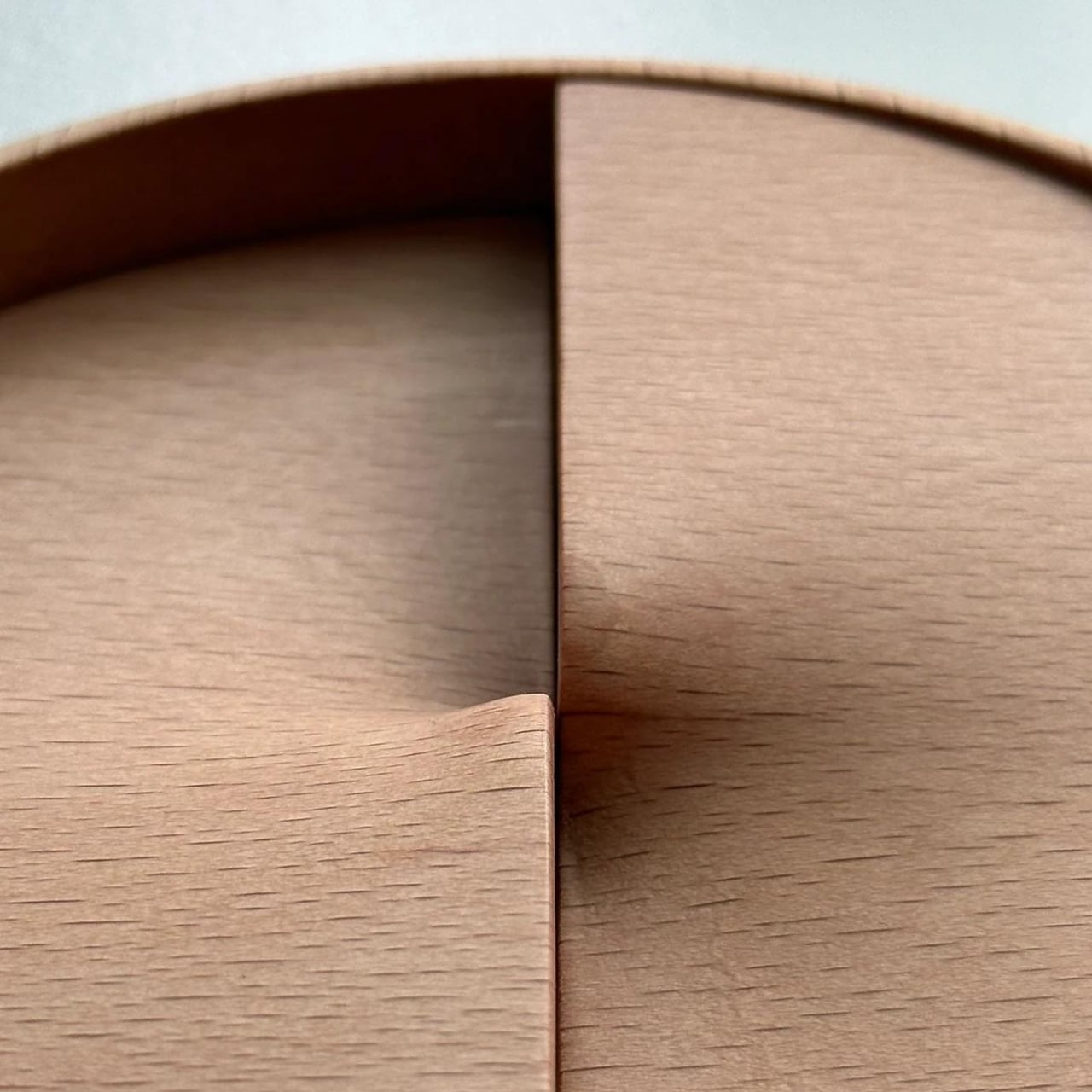
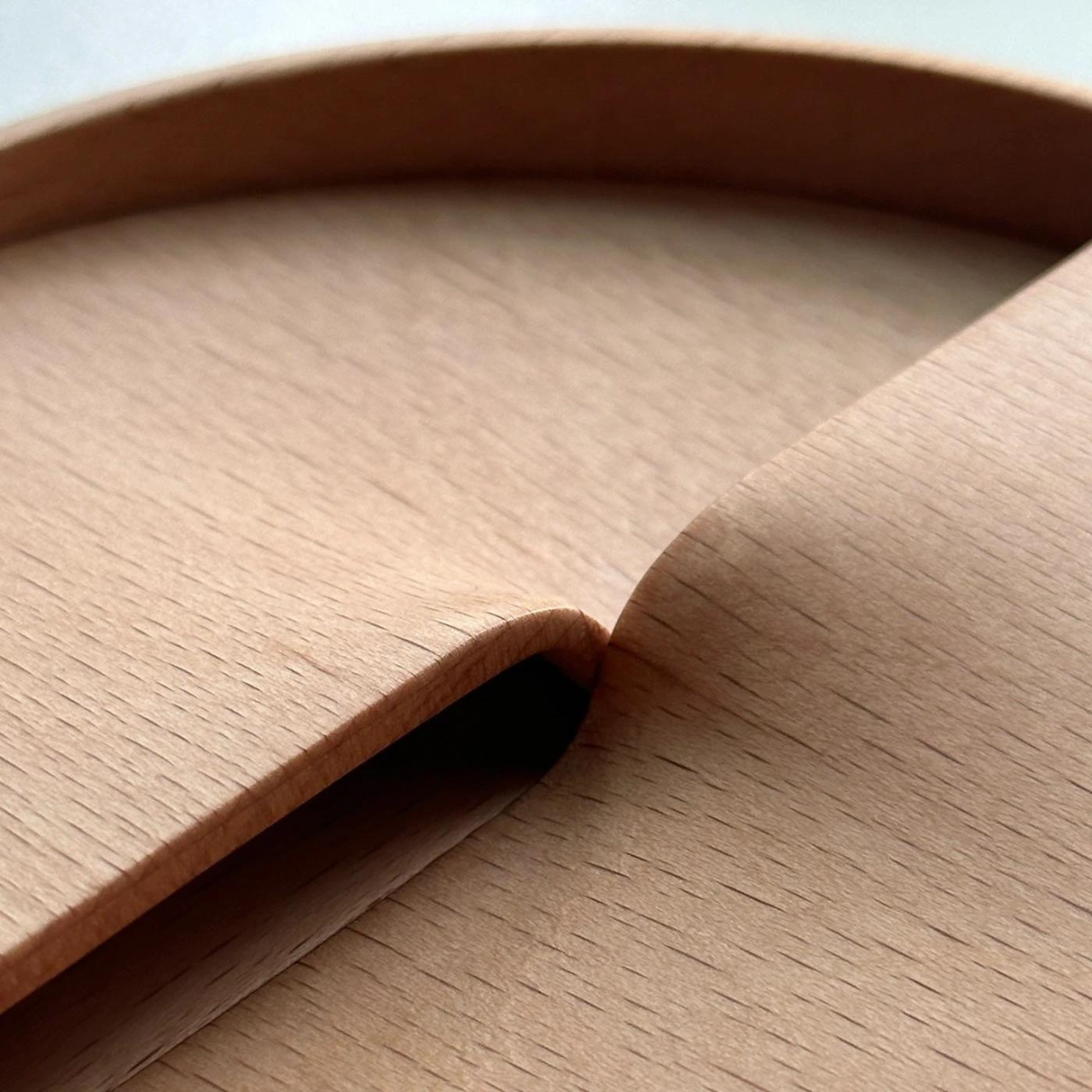
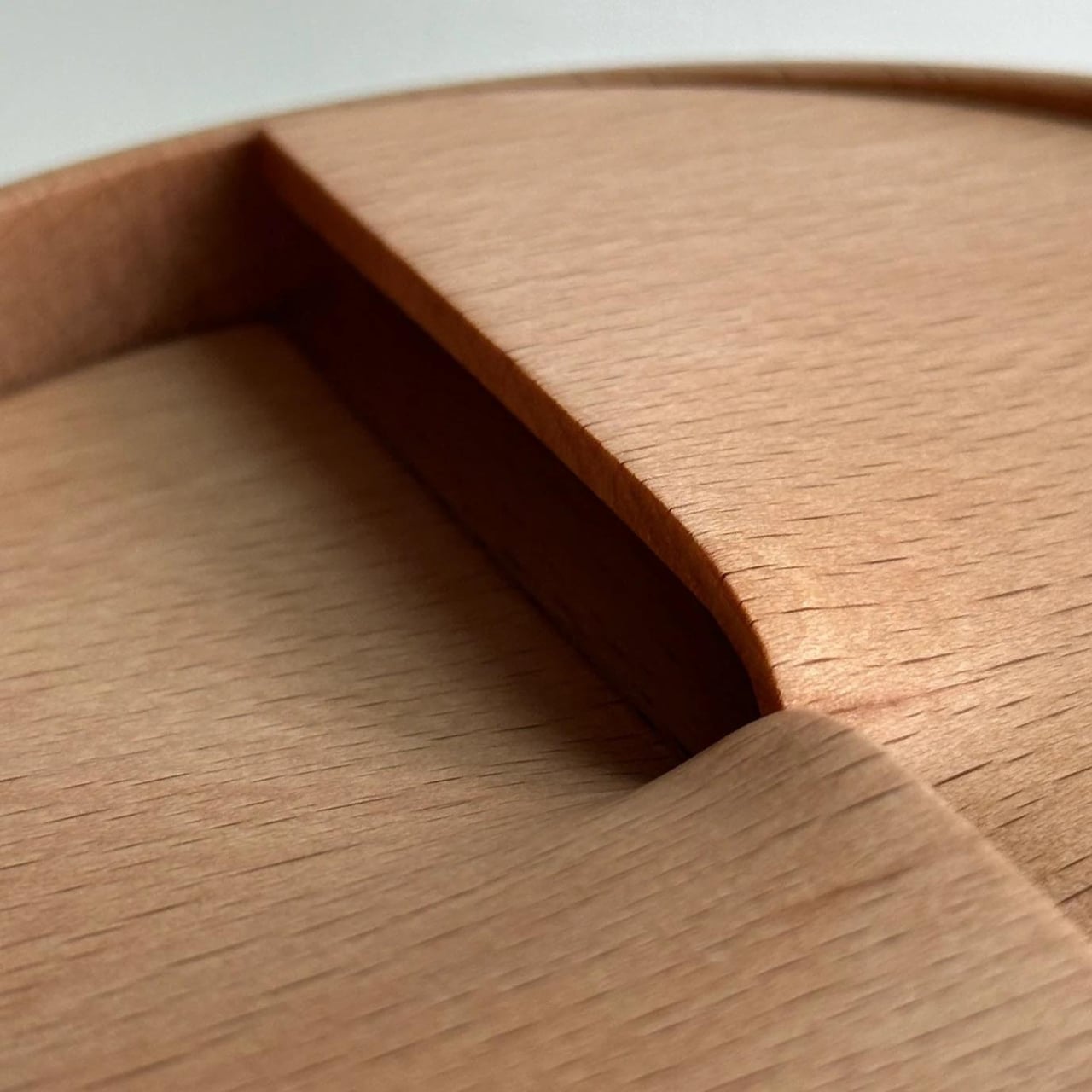
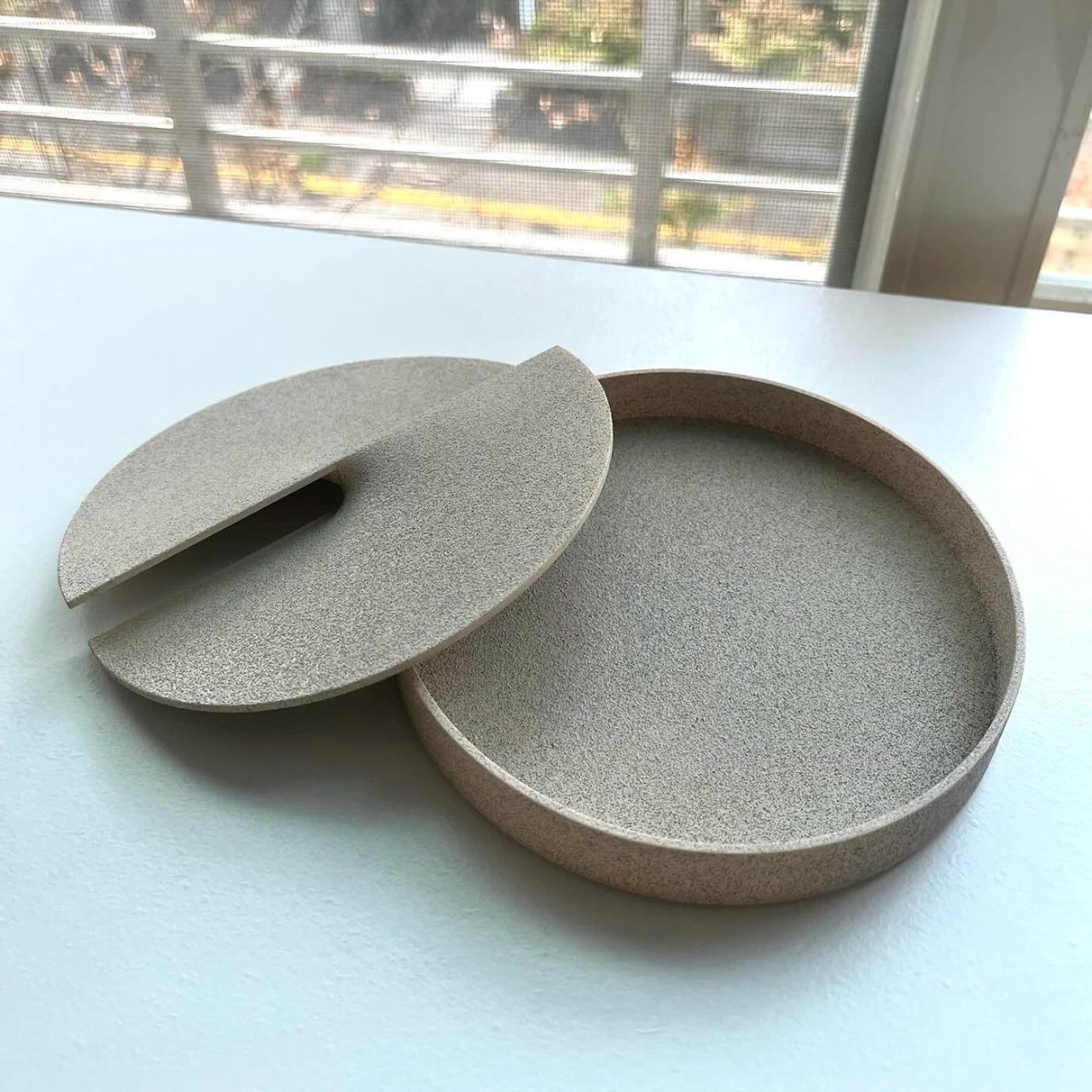
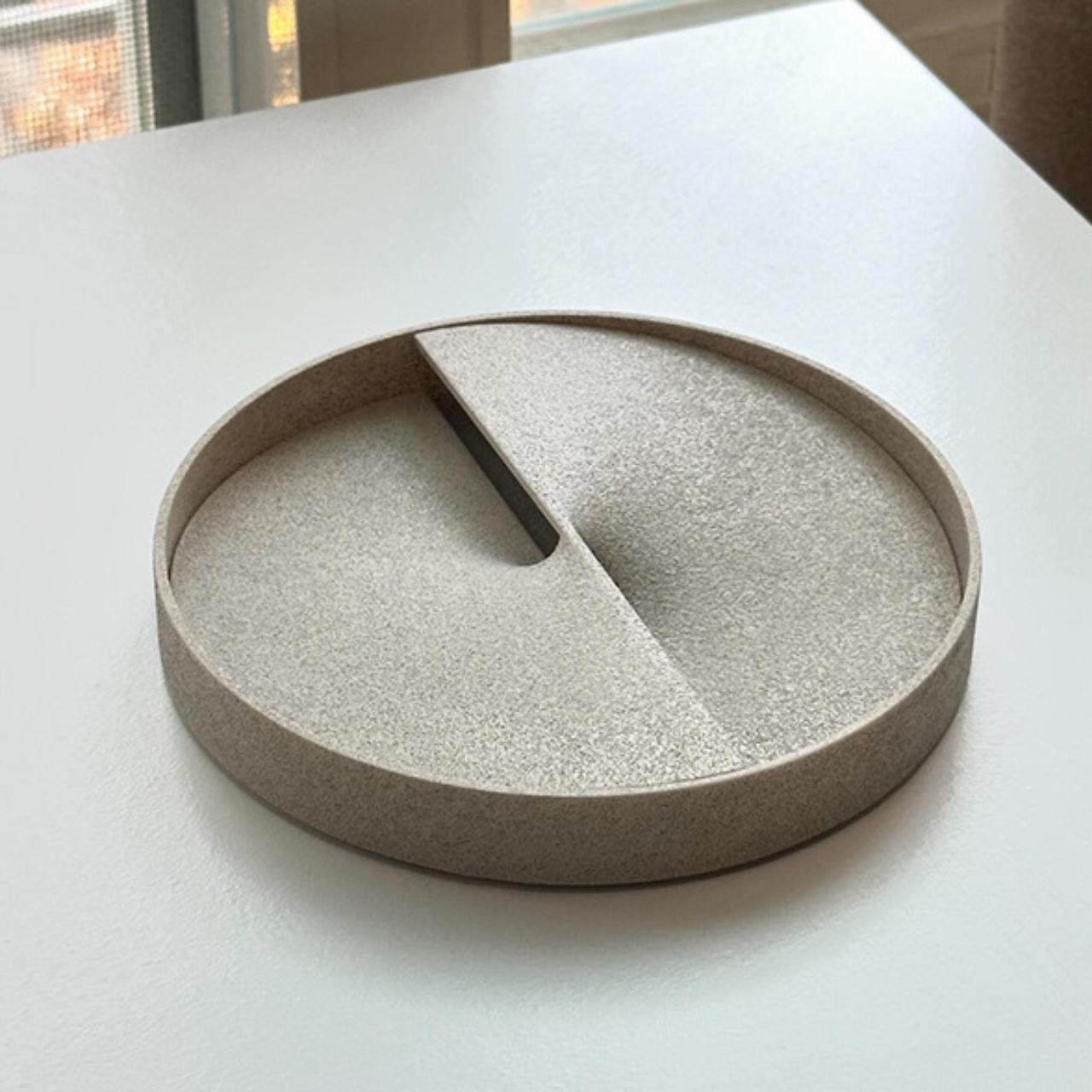
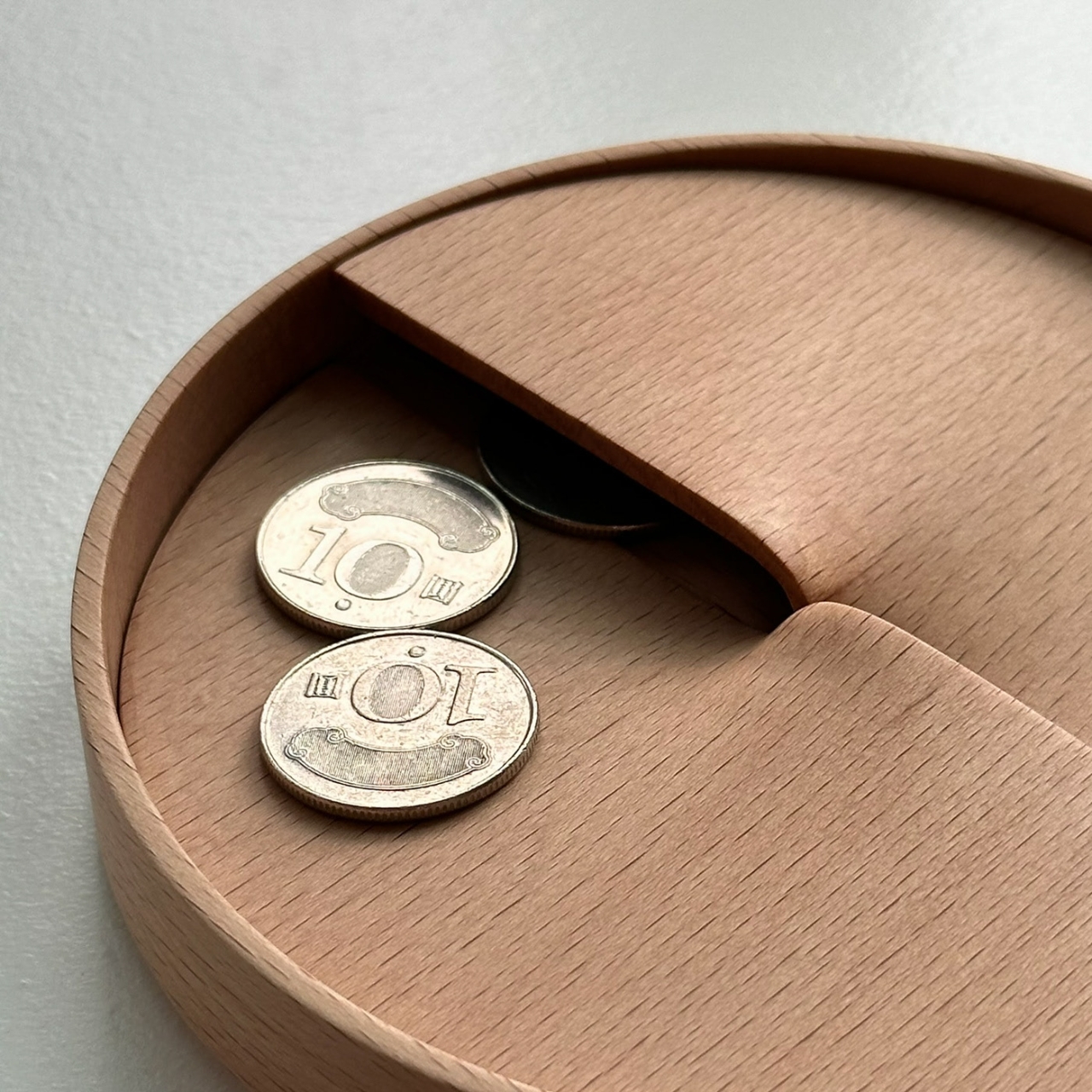
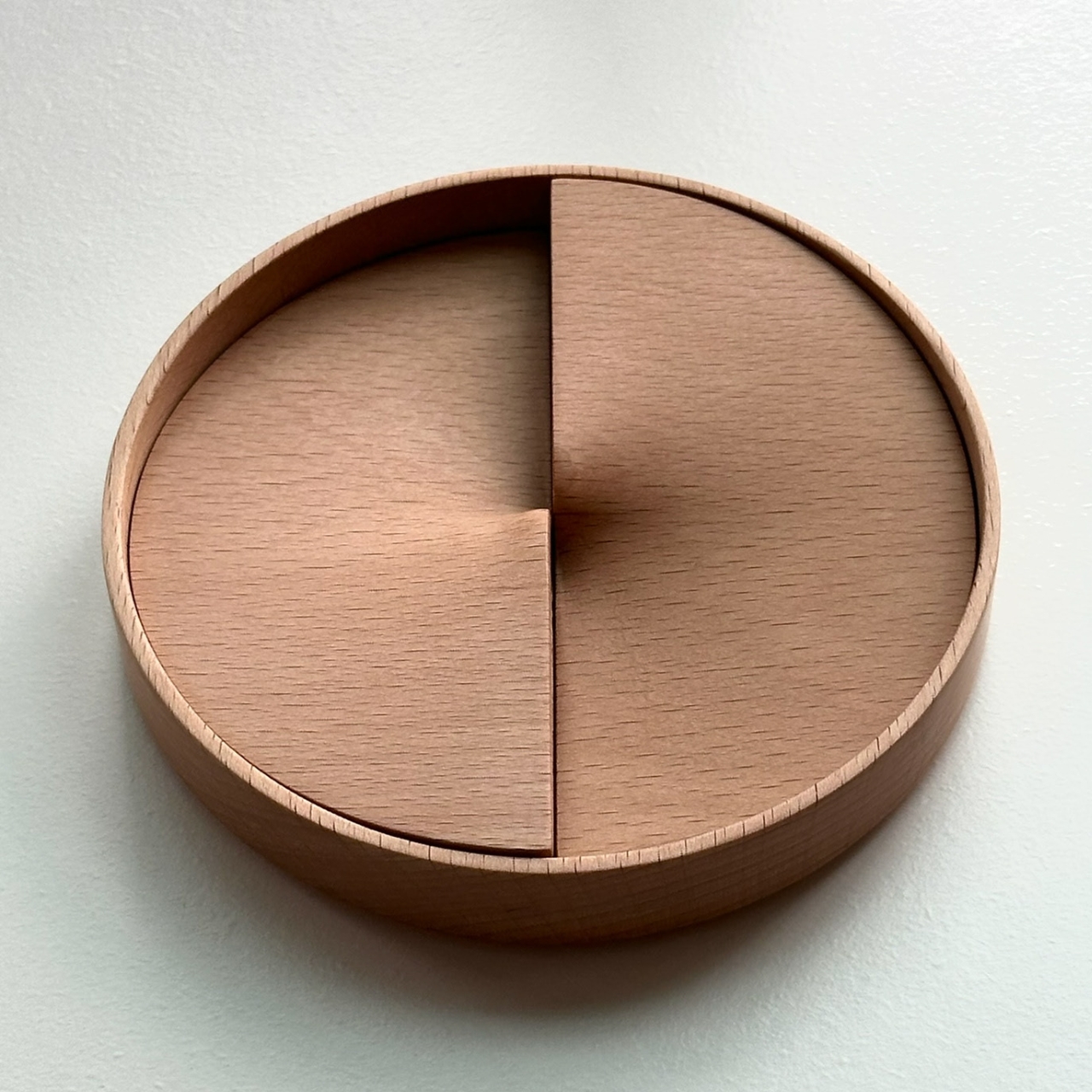
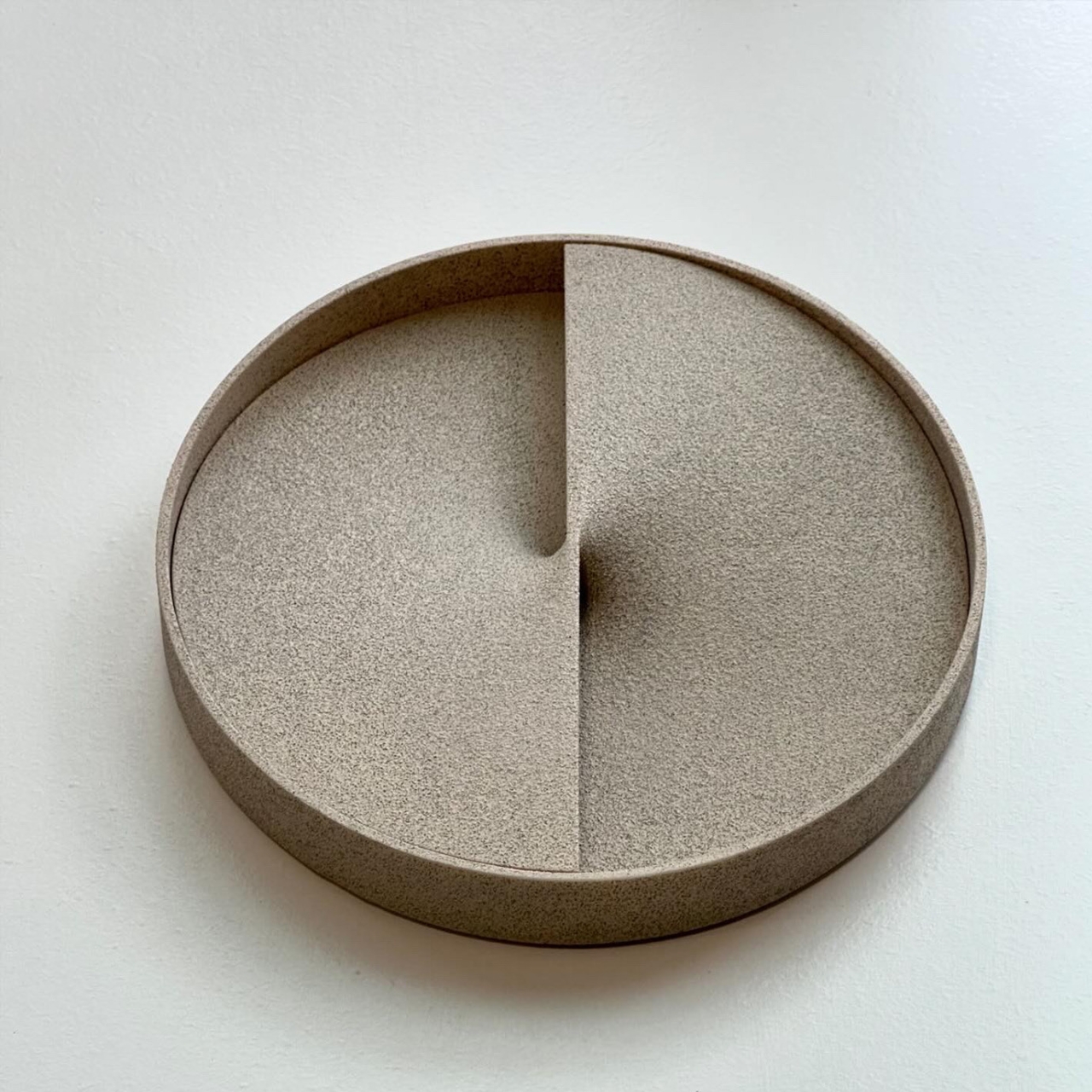
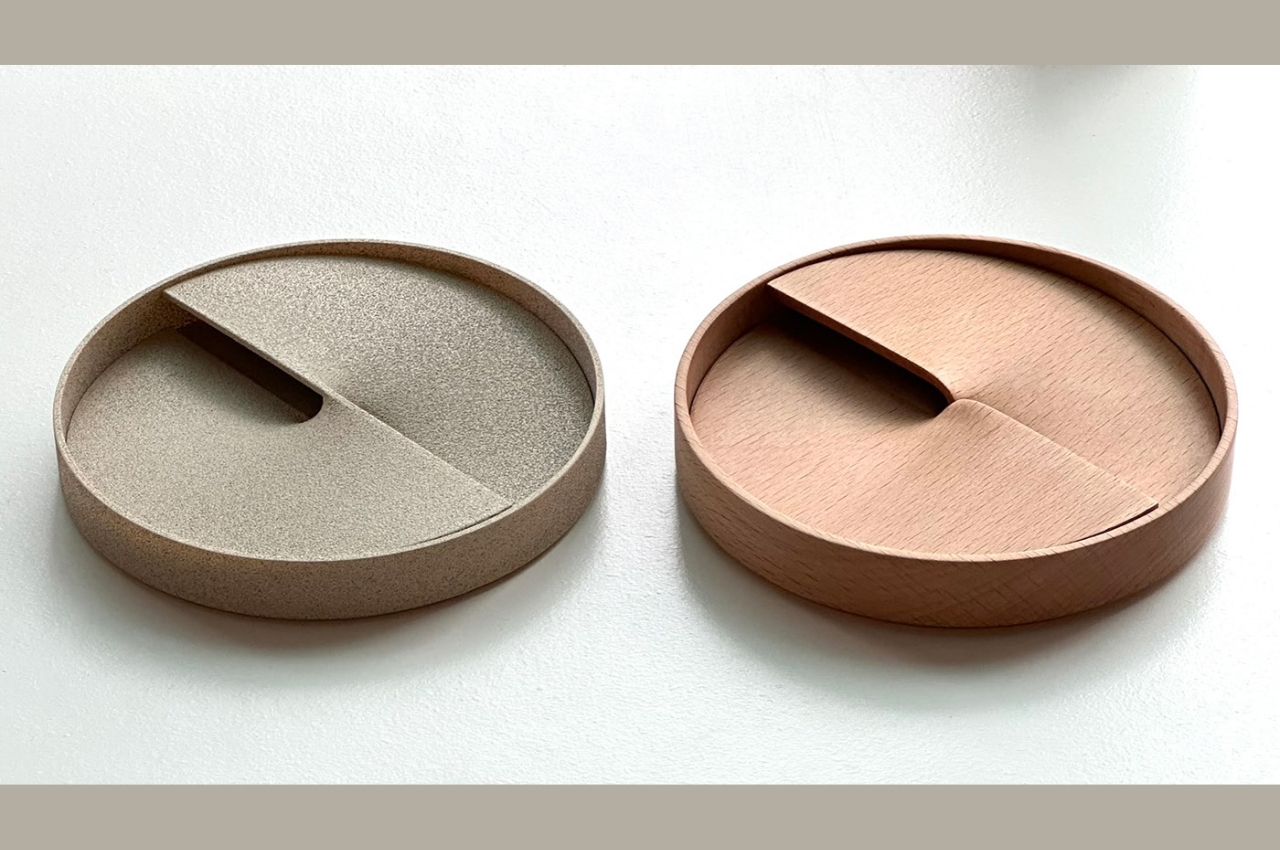
A little bit more obscure is the DIDIM_Tray, inspired by old grinding stones that people used to prepare grains and beans for cooking. Instead of grinding things, however, turning the “pestle” handle deploys the fan-shaped trays that have compartments for your phone, your pens, and your earbuds. When you’re done using it and don’t want the circular tray to take up space, simply turn the handle in the opposite direction to transform it into a decorative for your desk or table.

These might be mundane objects you can find in anyone’s home, but giving them a bit of a flavor not only enhances their appearance but also changes the atmosphere around them. And you don’t even have to think hard of designs that will capture your visitors’ attention. By simply looking at our past and appreciating the designs that have come before us, we can already bring a unique visual and tactile experience to these everyday products, while also helping us make a connection with the past.

The post Antiquated tools reinterpreted as delightful everyday products first appeared on Yanko Design.
This wooden shoe rack doubles as a bench and a tray for transient bodies and objects

A lot of the clutter and missing items in our homes are caused by having no proper place to put our stuff. Whether they’re keys or shoes, small objects can lead to big messes when left anywhere and everywhere. Sometimes, it’s not enough just to have a place to put them; you also have to be smart in where you actually place these objects’ homes. Things that you take with you outside but not indoors are often best left near the door, but that space might not always be the best location for shelves. This design concept offers a rather elegant solution to this multi-layer problem, providing a more permanent fixture for temporary things like shoes, keys, earbuds, and even your own tired body.
Designer: Joao Teixeira

Shoe racks are not an uncommon sight inside houses, apartments, and living spaces. More often than not, their placed by the door to make it easy to put shoes on when leaving and have a convenient spot to leave them after you’ve taken them off. Due to the space these pieces of furniture occupy, however, they usually serve a single purpose only and have almost no other use except for shoe storage. It’s practically wasted space, especially if you don’t have that many shoes there to begin with.

Inspired by traditional Japanese architecture like torii gates, “Tokyo” is a shoe rack that goes above and beyond the call of duty, at least if you want it to. It actually serves two other functions in addition to holding your shoes. The cushioned top serves as a comfy bench, perfect for when you need to sit down to take a breather or put on shoes. There is a small tray on one side that lets you put down your phone, keys, and other knick-knacks for a while. Given the multi-functional design of the concept, it’s something that can easily be placed near the door or against any wall. Yes, it will take up a length of space, but you’re getting three for the price of one.

What’s even more impressive is how this design implements those three functions in a beautifully minimalist manner. Like many of Joao Teixeira’s furniture concepts, it involves using bent planks of plywood to achieve simple yet sophisticated-looking forms. In this case, the two legs are bent at opposite angles, but one of them extends upward and curves embrace the cushion, creating a completely flat and solid surface to act as a temporary holding area for small objects. Structural support is provided by a pseudo three-centered arch, also made from bent plywood, that creates a shelf for larger things.

Admittedly, Tokyo hardly looks like any typical shoe rack, which makes it an ideal piece of furniture to place anywhere. The large empty space at the bottom can be home for taller shoes and boots, while the shelf can hold sandals, loafers, sneakers, and similar footwear. Of course, it could also be used to hide books, foldable umbrellas, or other things you might want to quickly grab before you rush out the door. Either way, this shoe rack and bench in one provides a convenient and charming place for shoes and small items, not to mention a comfortable way to catch your breath after coming back home.

The post This wooden shoe rack doubles as a bench and a tray for transient bodies and objects first appeared on Yanko Design.