Masa’s Wavy Tray Is Sculpture You Can Actually Serve Snacks On

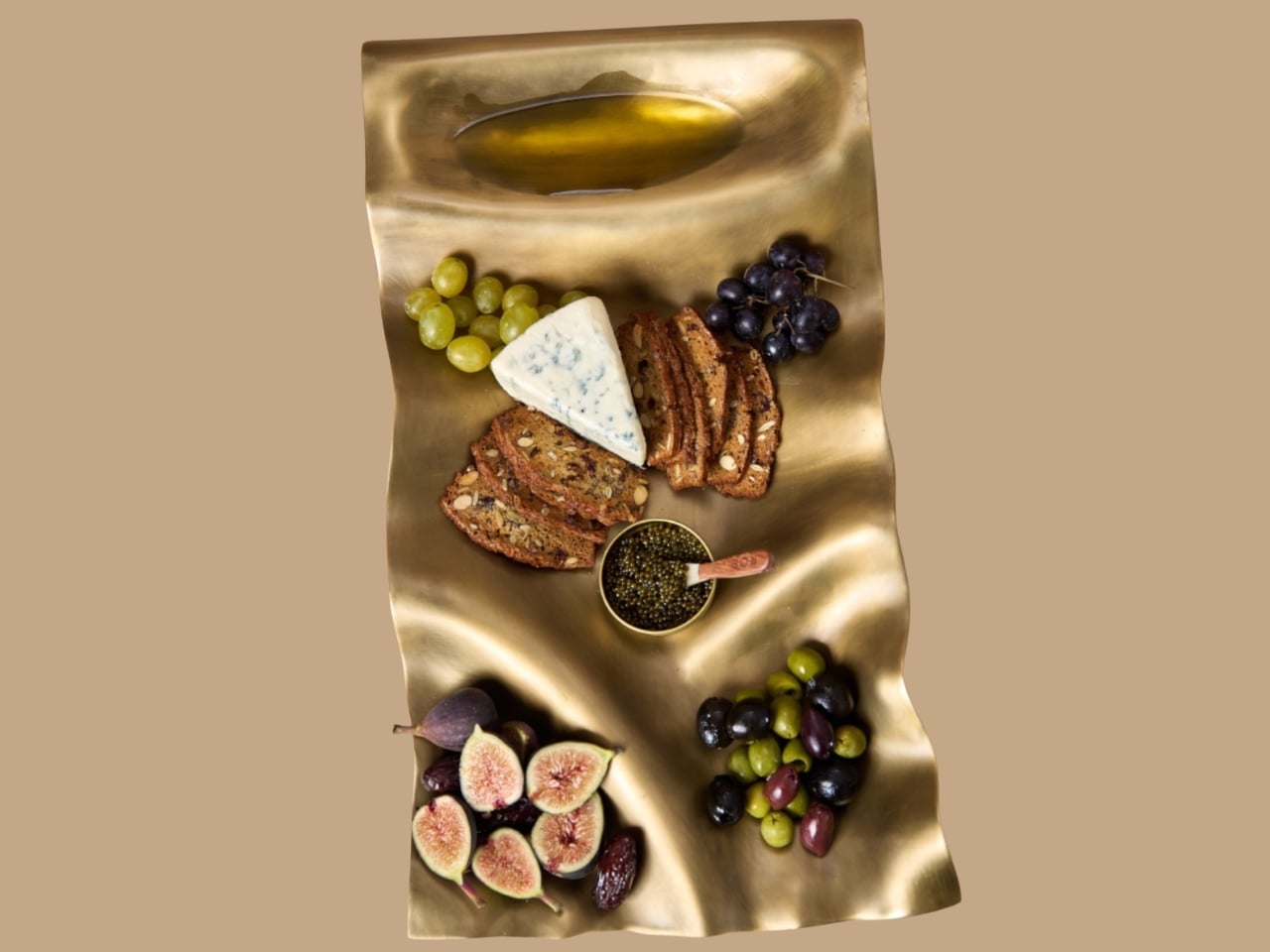
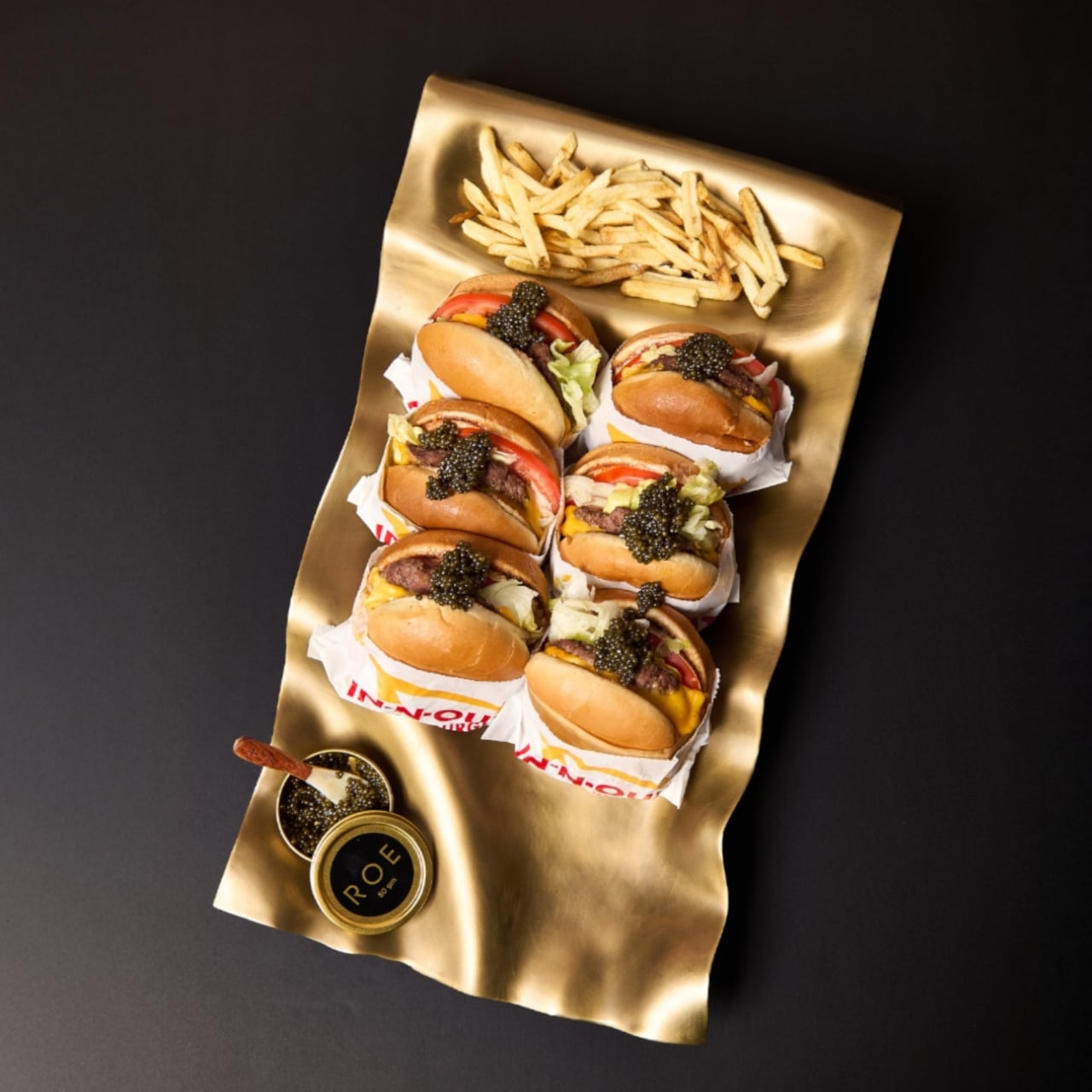
Six burgers, a pile of fries, and generous spoonfuls of caviar are a pretty good way to explain dumæ’s Masa Tray. In the brand’s photographs, the food sits on a rippling brass surface that looks more like a small sculpture than standard serving ware. I like the slightly ridiculous pairing. It also makes the tray’s purpose clear: give dinner a visually interesting home without adding a separate decorative centerpiece.

Designed by Los Angeles brand dumæ and handcrafted in India, Masa addresses that familiar divide between the serving pieces you use and the decorative objects you leave out. Its project description says the brass tray is finished to be food-safe, allowing it to move between both roles. The appeal is having one substantial object that doesn’t need to disappear when everyone finishes eating.

Designer: dumæ
The starting point is the movement of waves, translated into broad rises and shallow dips rather than a literal seashell outline. IADA’s announcement traces the reference to Point Dume, the stretch of coast where dumæ founder Kym Gold grew up. I appreciate that the backstory isn’t required reading. Even without knowing the geography, you can see how the curves break up what could otherwise be a rather stern metal rectangle.

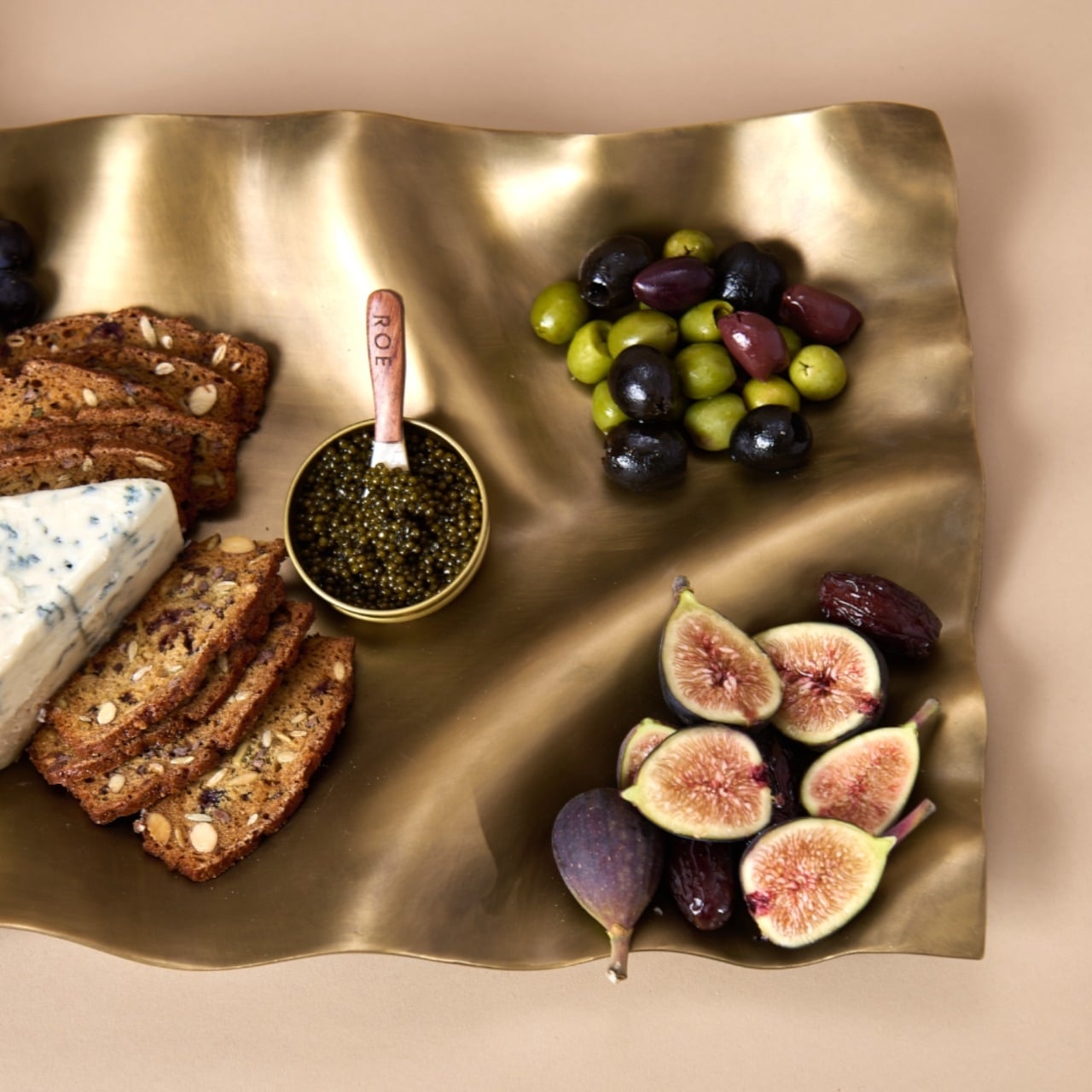
In the close-up photographs, light collects along the higher ridges while the depressions fall into softer shadow. That gives the surface a sense of movement even when it’s covered with crackers and grapes. The edges rise and dip with the rest of the form, so the shape feels continuous rather than decorated afterward. To my eye, that’s the strongest design decision here. The visual interest comes from the tray itself, without needing a pattern applied on top.

Those undulations also deserve a practical look. A sculpted surface offers a different proposition from a flat platter, particularly if you’re arranging small bowls or setting down glasses. I’d treat Masa primarily as a tabletop serving piece rather than assume it’s the ideal tray for carrying drinks across a room. The photographs make a convincing case for loosely arranged food. They don’t establish how securely every vessel would sit, and the distinction matters when the surface is this expressive.
The handcrafting adds another layer. According to the announcement, small differences in form and finish occur from piece to piece. That feels appropriate for a design built around irregular movement; perfect repetition would almost work against the idea. Still, handmade isn’t a performance specification. The individuality is a reason to appreciate the object visually, not evidence that it will resist scratches or survive every kind of use. I’d want the maker’s specific care guidance before treating it as everyday workhorse tableware.

Retail listings put its footprint at approximately 21.5 by 11.5 inches, with a height of 3 inches. That’s worth measuring against your table before imagining a generous spread surrounded by dinner plates. The Happy Kangaroo lists Masa at $595, although it’s marked sold out at the time of writing. At that price, this is a considered decorative purchase with a serving function, and its appeal depends on wanting to see it between meals.

Masa received Platinum recognition in both Kitchen & Dining Room Design and Homewear & Decor at the International Architecture & Design Awards 2026. Those categories neatly reflect its intended overlap: something for the table that can also hold its own elsewhere in the house. The recognition is useful context, though the more persuasive argument is still visible in the photographs: food looks inviting against those broad brass curves.
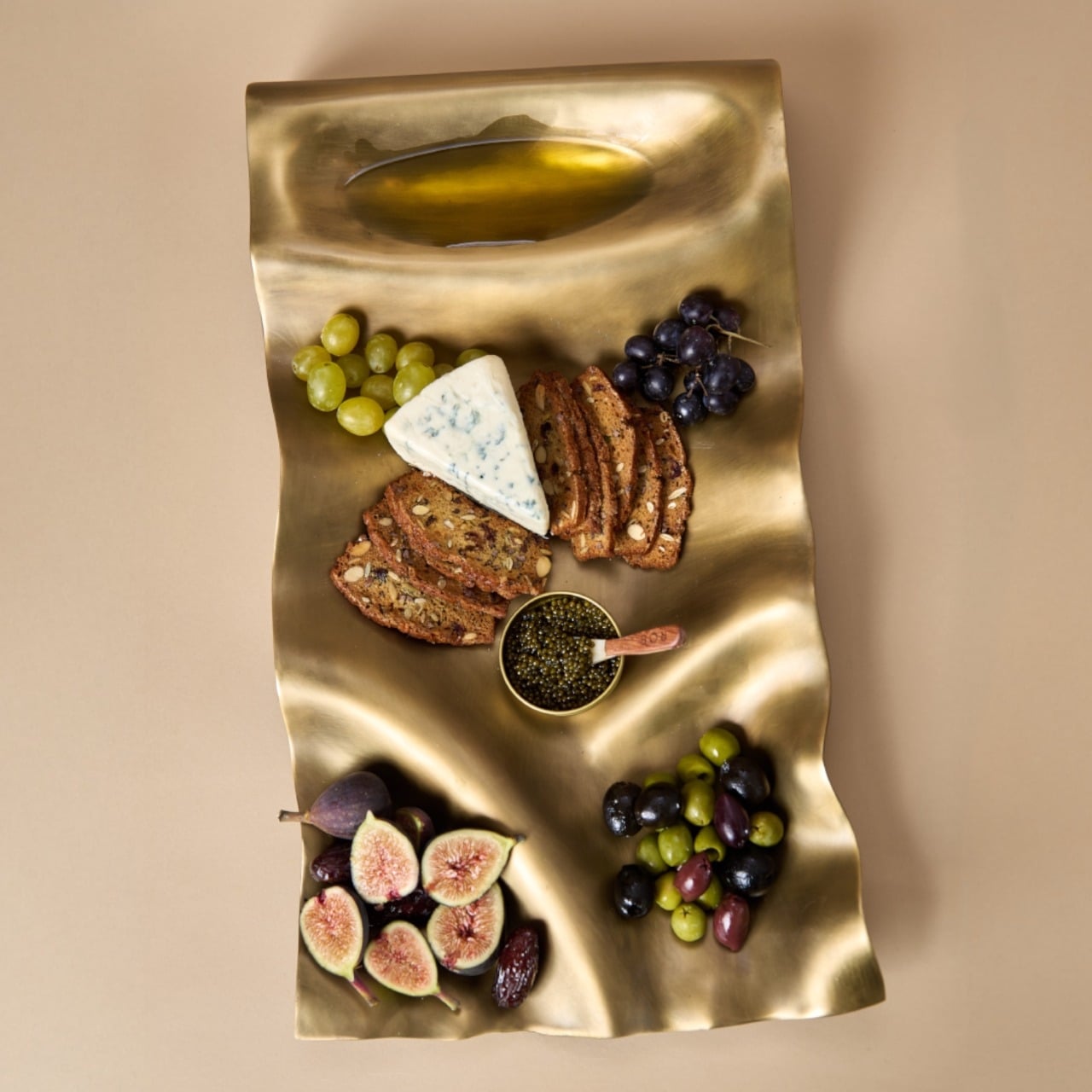
I’m most persuaded by the burger arrangement. The cheese, figs, and carefully grouped grapes are lovely, but takeout gives the tray a less precious personality. It suggests that owning a sculptural serving piece doesn’t require hosting a perfectly coordinated dinner party. I’d rather see an object like this earn its space under a heap of fries than spend its life waiting for an occasion formal enough to deserve it. The waves are already doing the decorating.

The post Masa’s Wavy Tray Is Sculpture You Can Actually Serve Snacks On first appeared on Yanko Design.
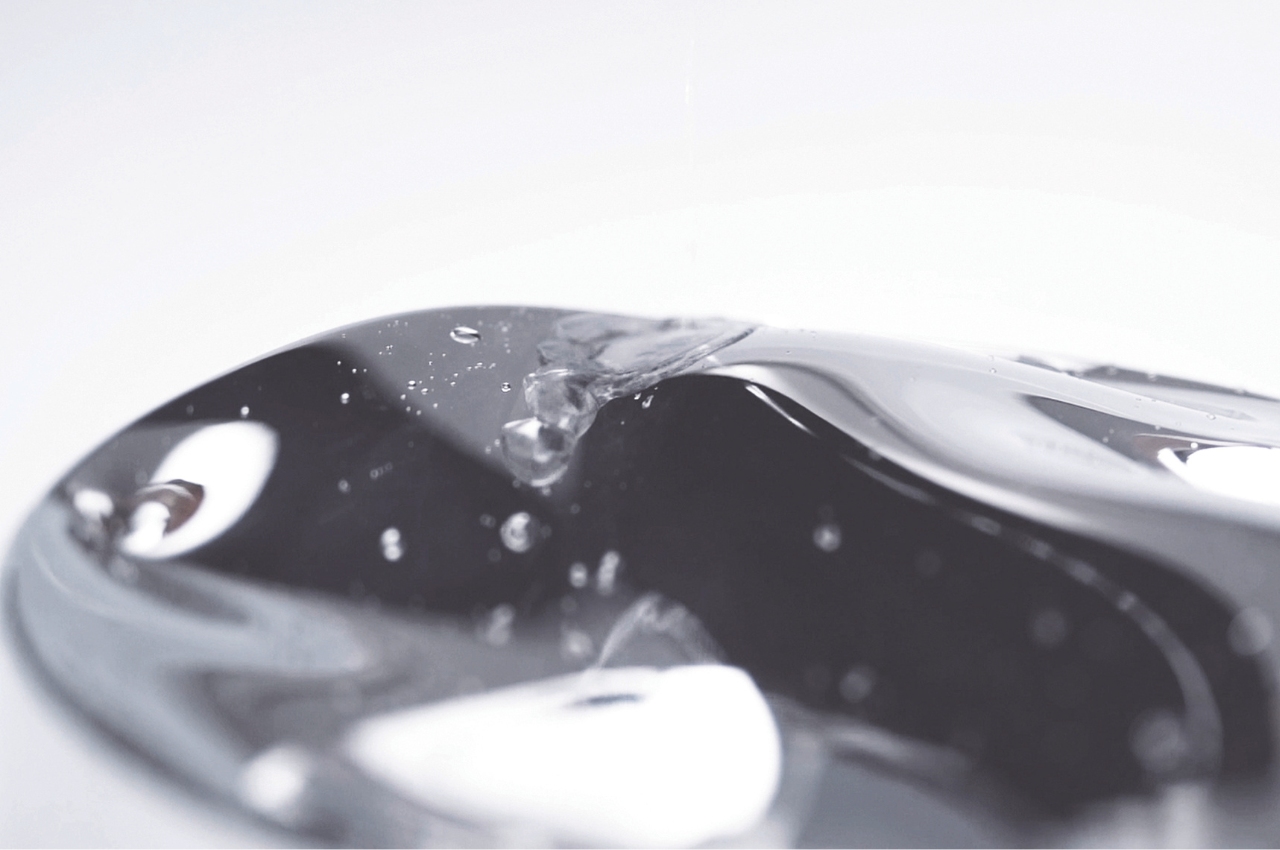
Stainless steel trays represents “coexistence” kind of design

There are some every day items that I use that I don’t really think about the design principle behind them. Sometimes I don’t even think about the design itself as long as it does what it’s supposed to do. But maybe that’s why I’m not a product designer. Ever since I’ve been writing about them though, it has become more interesting to find out why such items are created the way they are, like these minimalist and simple-looking trays.

Designer Name: Irene Yeung (Derangedsign Co. Limited)

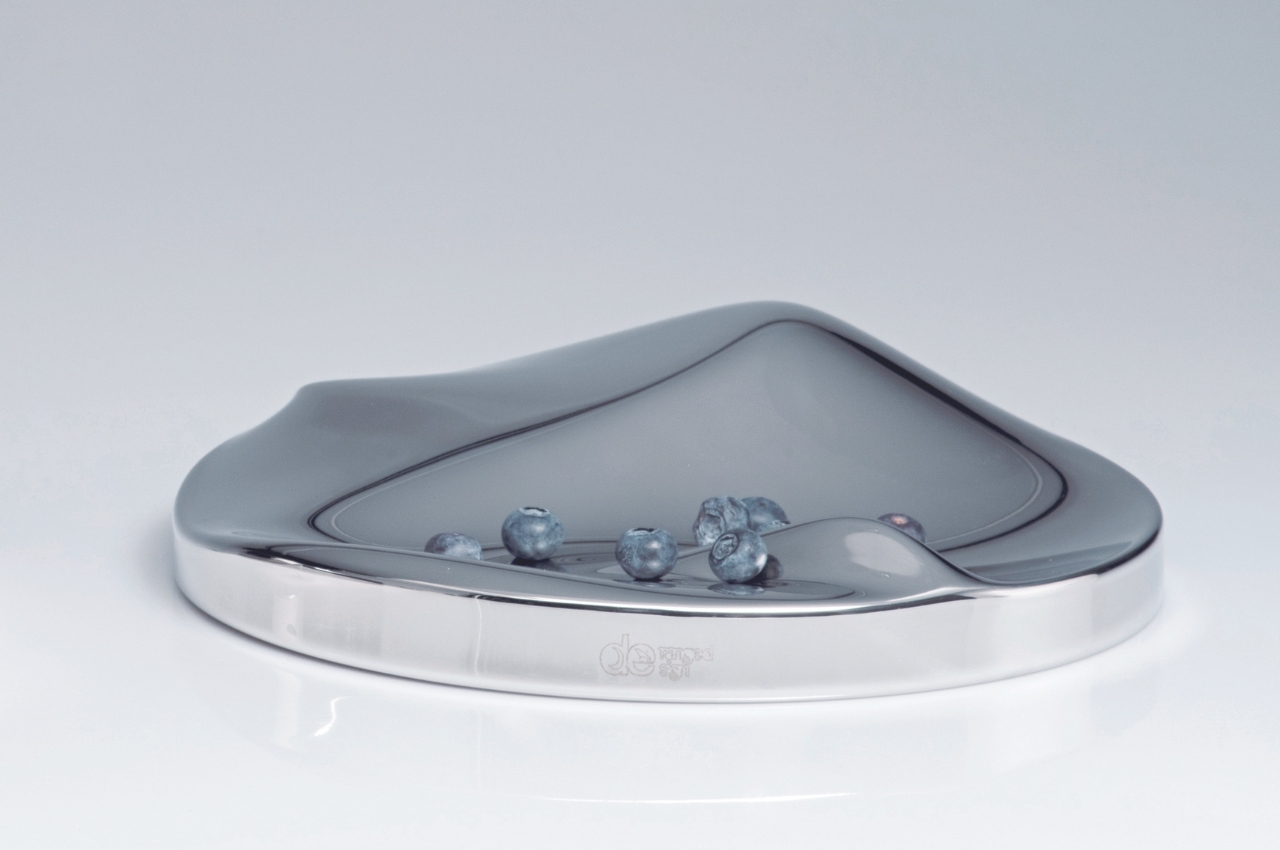
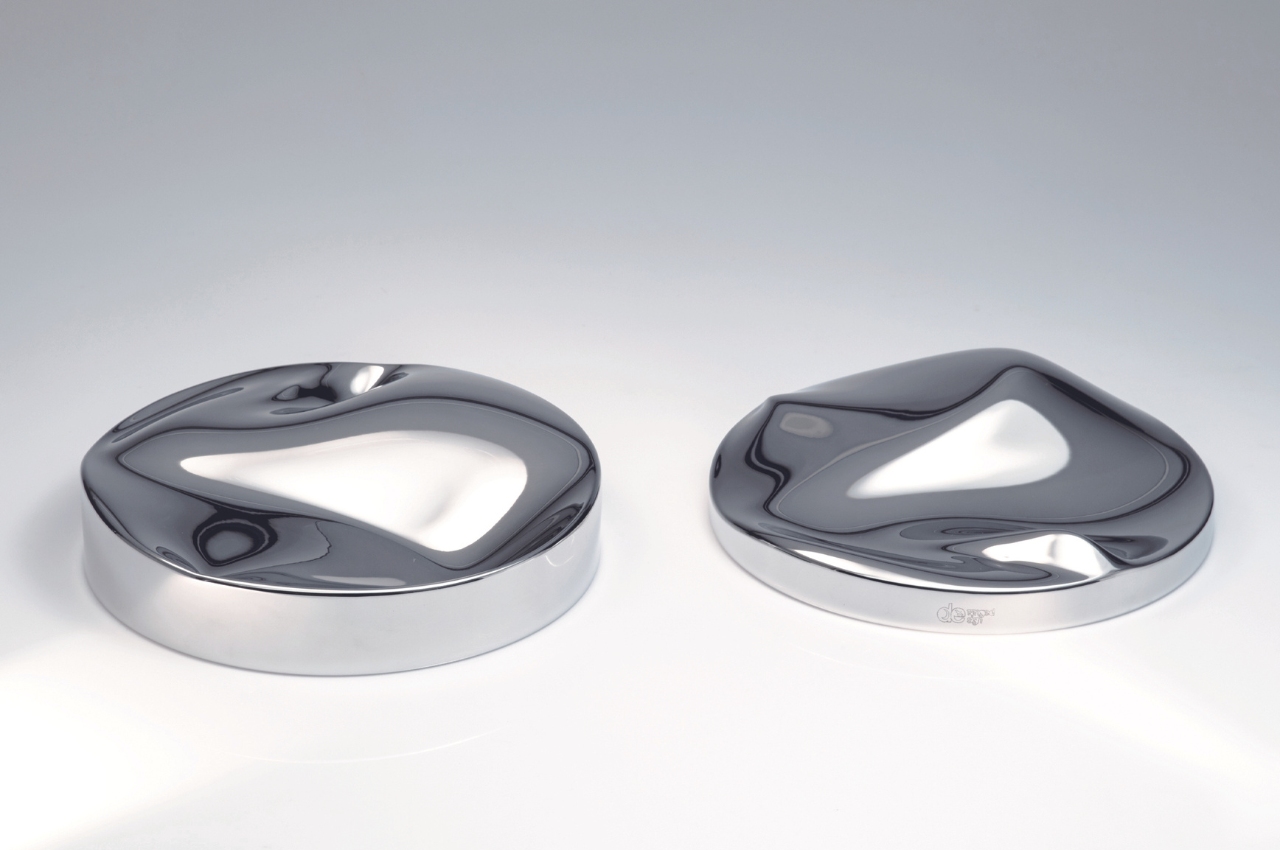
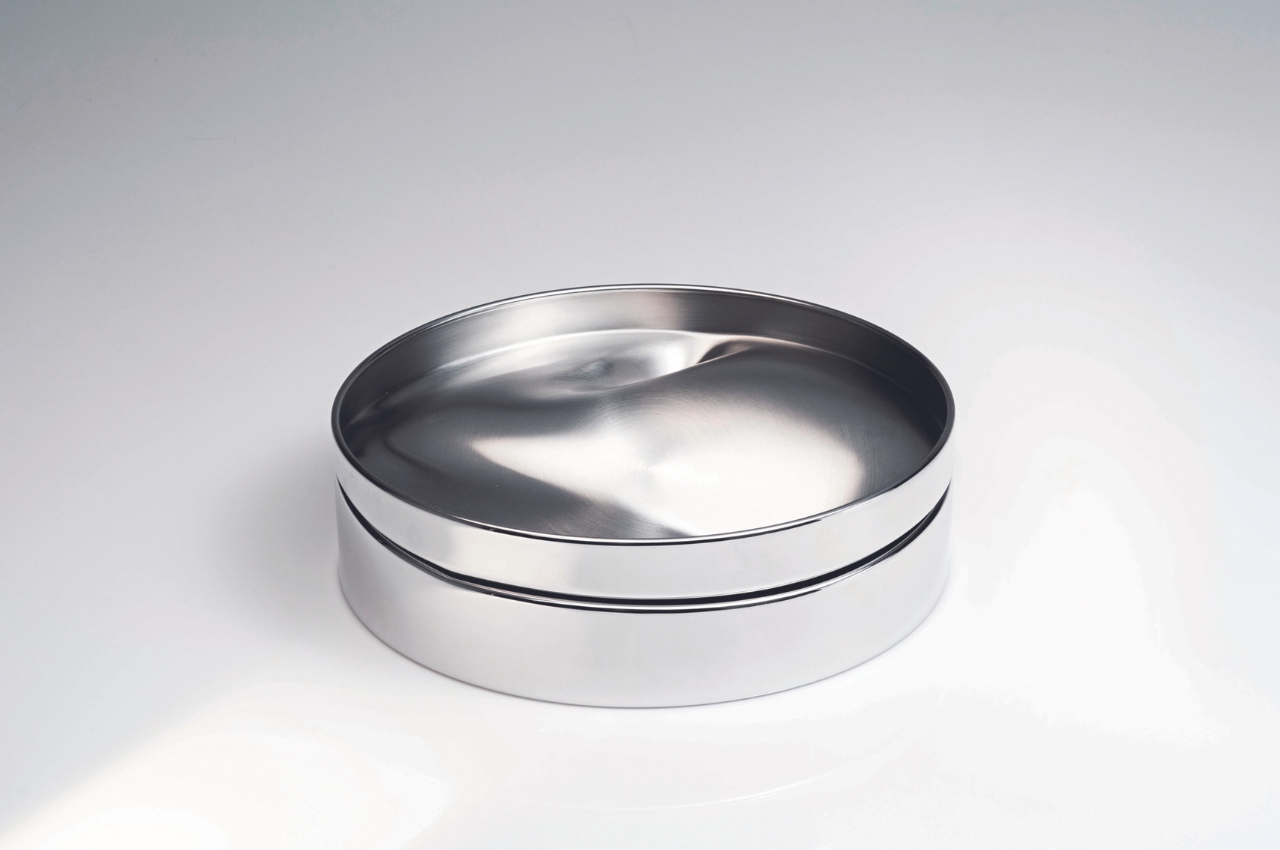
Coexistence is a concept for a stainless steel tray set that takes its inspiration from the ancient philosophical theory “The Sky and Earth Coexist”. It basically says that things are relative to each other like the sky and earth, light and dark, etc. Basically, it’s made up of two tabletop trays that are circular but with landscape or waving surfaces to make it also look like art sculpture.

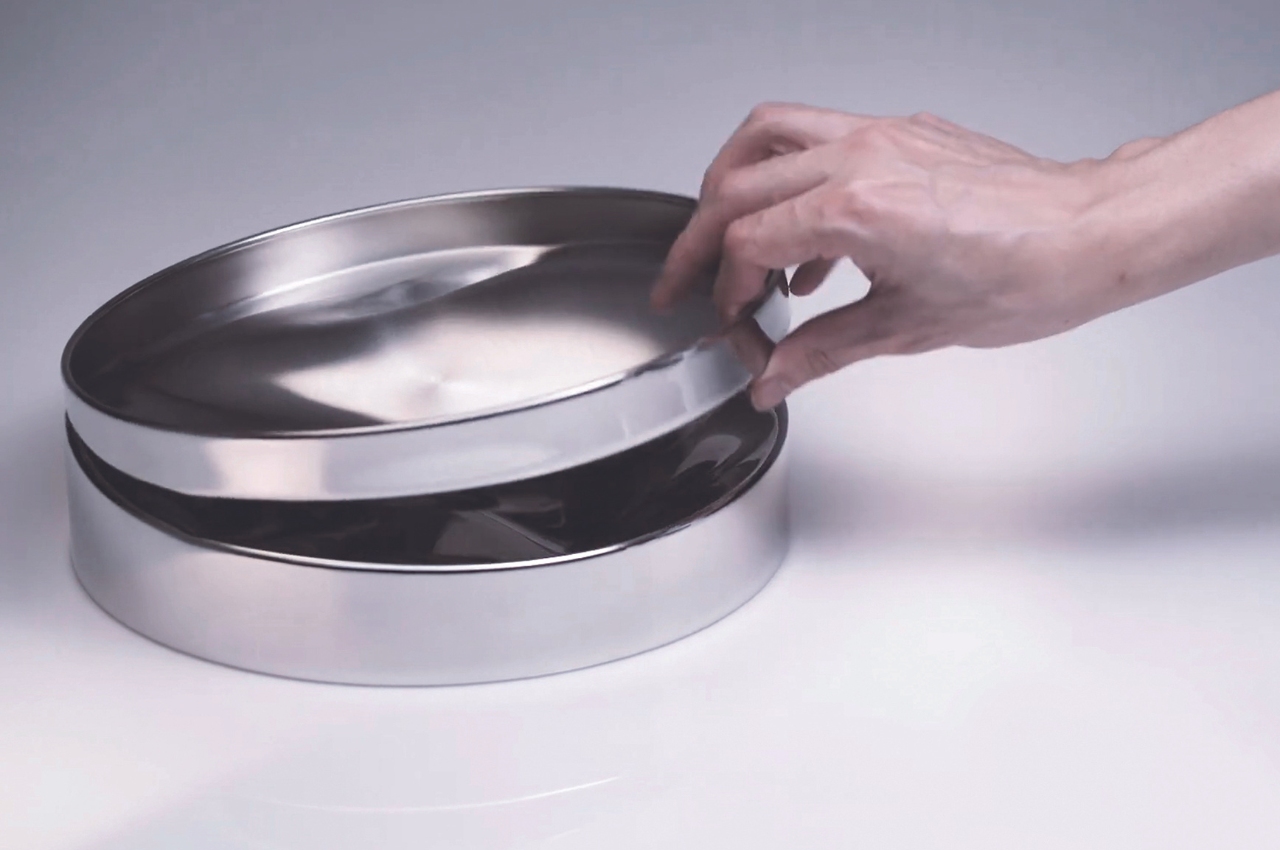
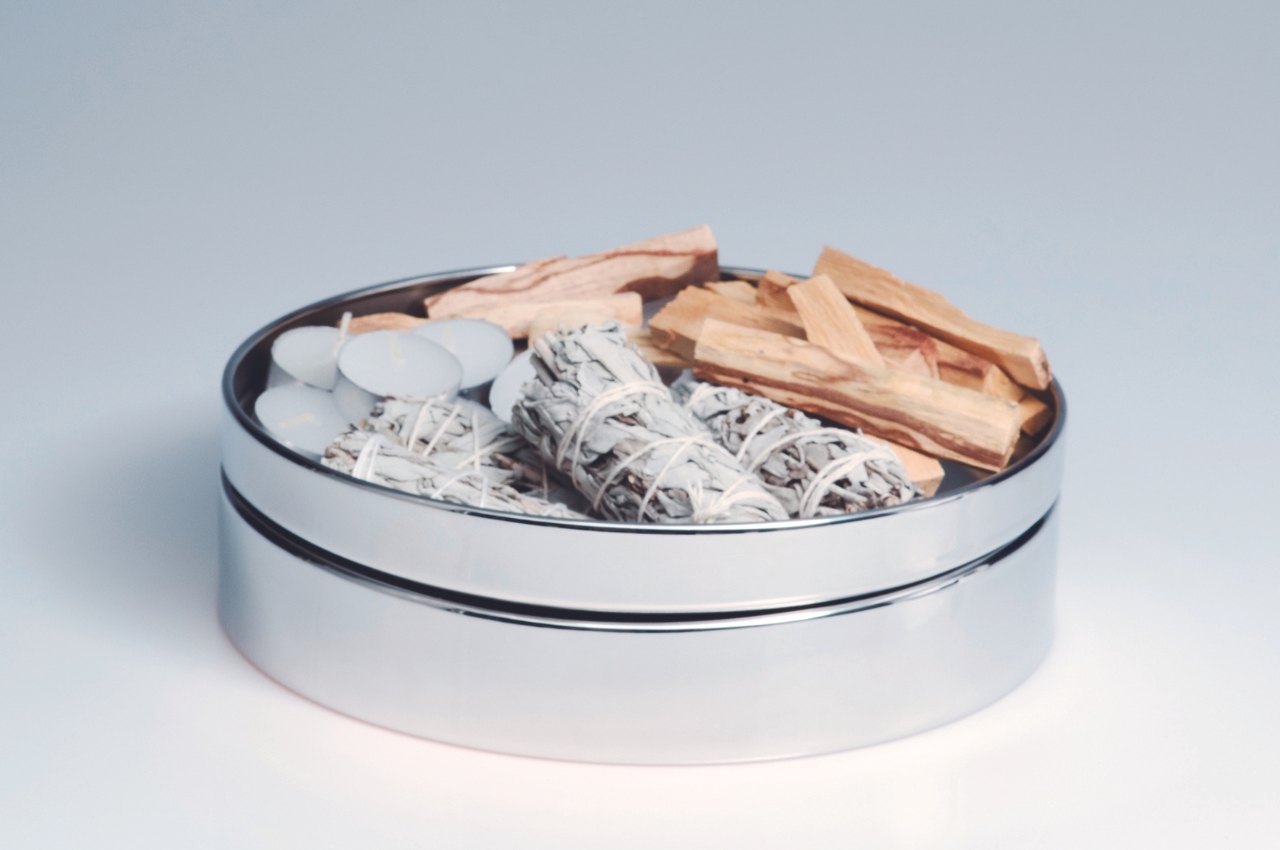
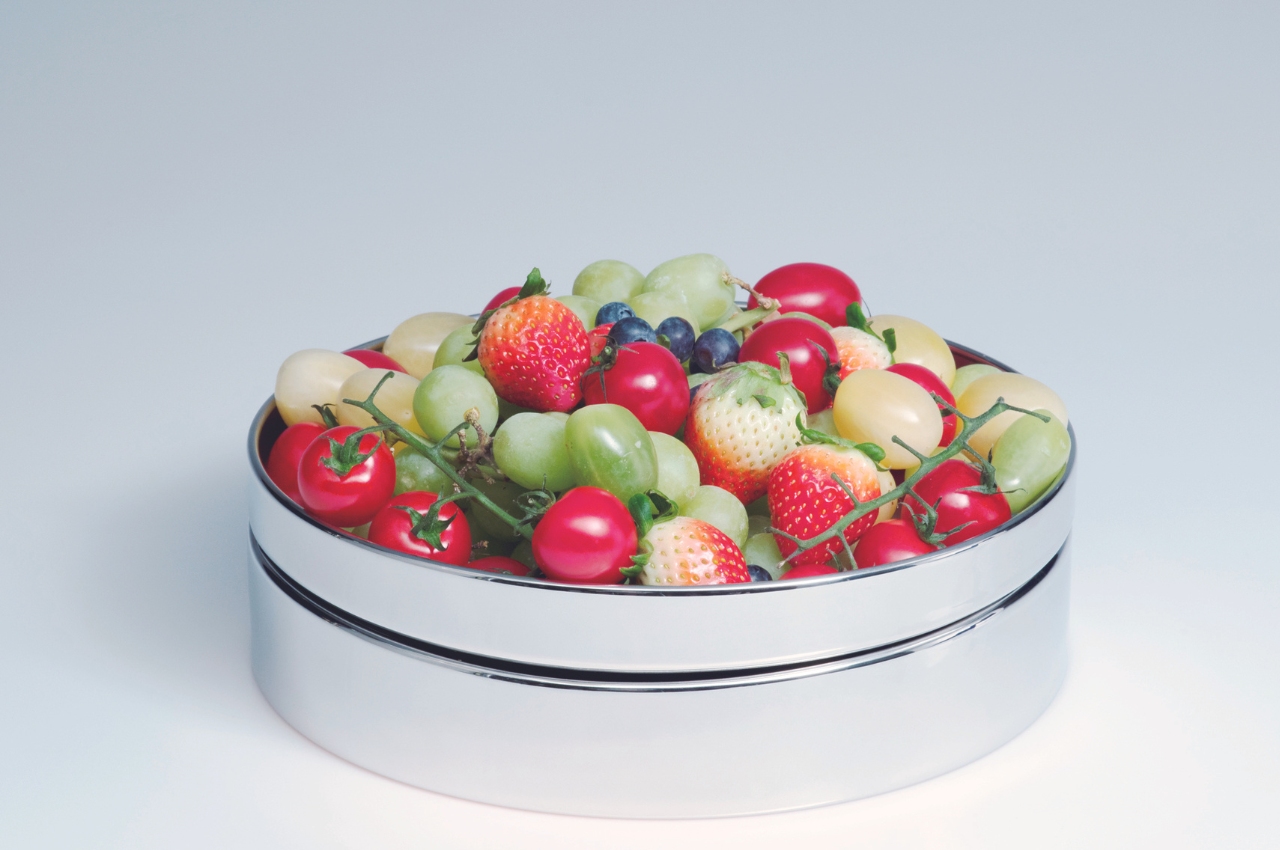
Each tray can be used individually if you need two trays for serving food or for putting stuff on your table. They can also be set upside-down on top of each other in different variations and depending which surface you want to use as a tray. The designer says it can also become one large tray although the product renders don’t show how it can be combined into that variation.

The stainless steel trays have a crisp, mirror finish so if that’s the aesthetic of your dining table or your living space, it should fit right in. The mold they used was specifically designed to make 2 trays so it’s really meant to show the connected duality that the design principle is based on.

The post Stainless steel trays represents “coexistence” kind of design first appeared on Yanko Design.
This Origami Kitchen Tray is the Perfect Example of How Great Design Lies in Simple Details

Most household items we own today are made one of two or three ways. If they’re made from plastic, chances are they’re injection molded… and if they’re metal, they’re either cast or they’re rolled/stamped into a distinct form. These methods end up defining what a product will look like. An injection-molded plastic part will never look as intricate as a 3D-printed mesh part… and a stamped metal utensil will never have the elegance of something like the Snapsys tray set. Designed using a series of strategic Origami-style bends, the Snapsys set of trays and table platforms are deceptively simple to look at, but are engineered and manufactured to perfection. Each item is made from a single 0.8mm sheet of metal that’s been creased, bent, and then anodized. The result is a set of kitchenware that’s incredibly slim, yet just as strong, thanks to the nature of the folds that help provide rigidity.

Designers: Sang Hyuk Han & Eunju Jang

Click Here to Buy Now: $149 $160 ($11 off). Hurry, offer ends soon!

The Snapsys set of trays and table are ‘Origami-style folding plate’ that have a thickness of 0.8mm (about as much as a credit card).

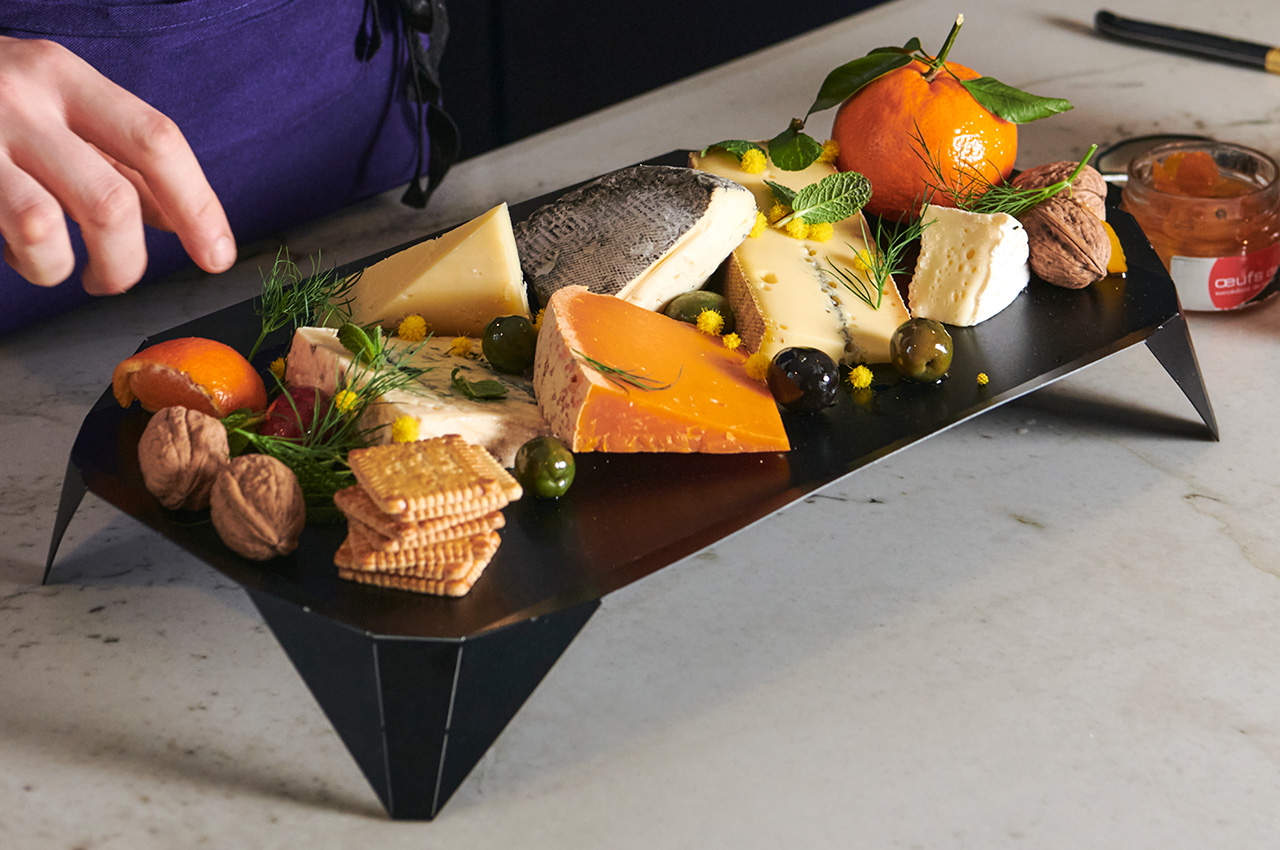
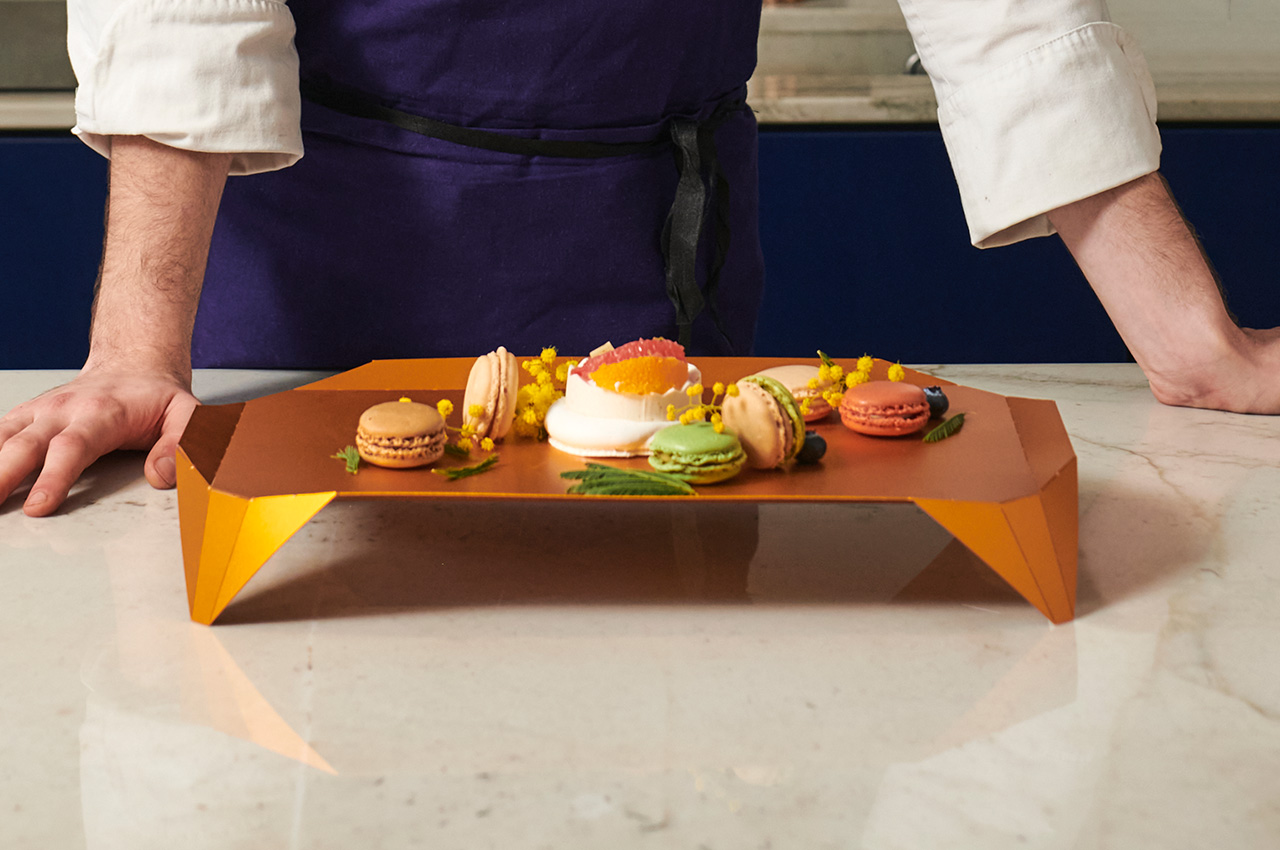
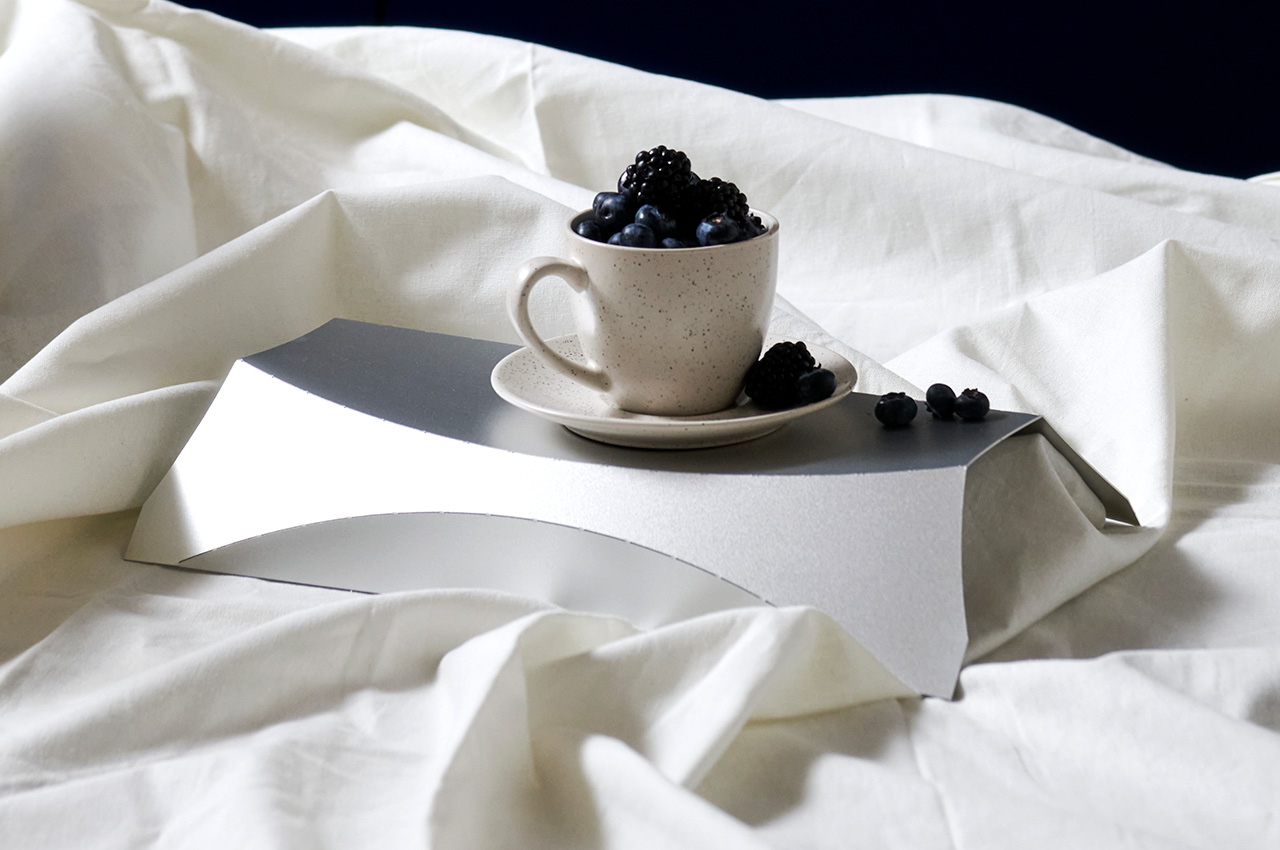
The Snapsys set comes in three tray styles that double as decorative tabletop platforms for displaying your food. Most trays look terribly run-of-the-mill, but given the Snapsys set’s unique manufacturing technique, this tray collection has no such problem. The trays look defyingly thin, to the point of feeling fragile. They do measure just 0.8mm (about as much as a credit card), but are surprisingly strong thanks to the folding structures that give them the ability to carry well beyond their weight without bending or flexing.

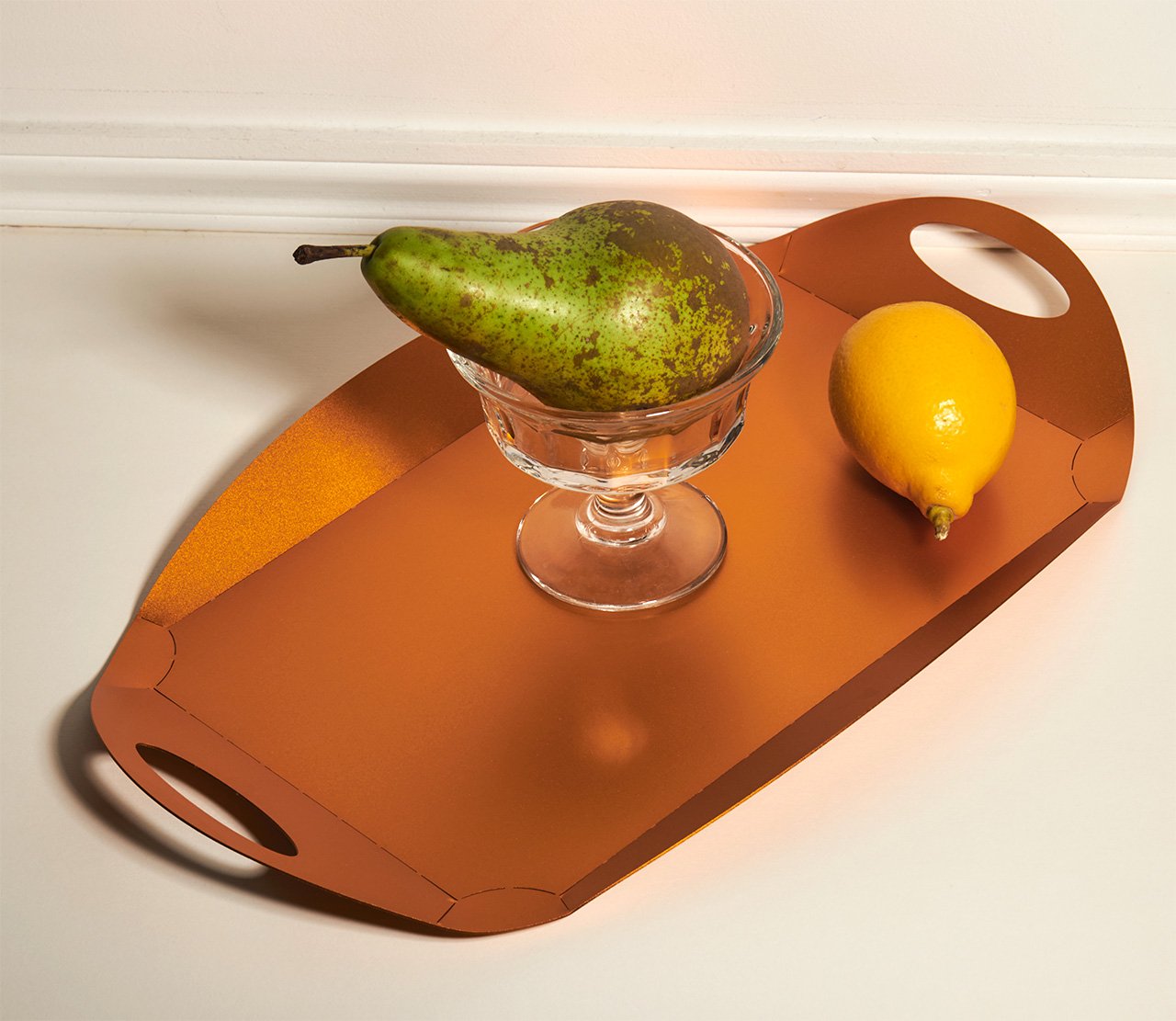
Use as a service tray.

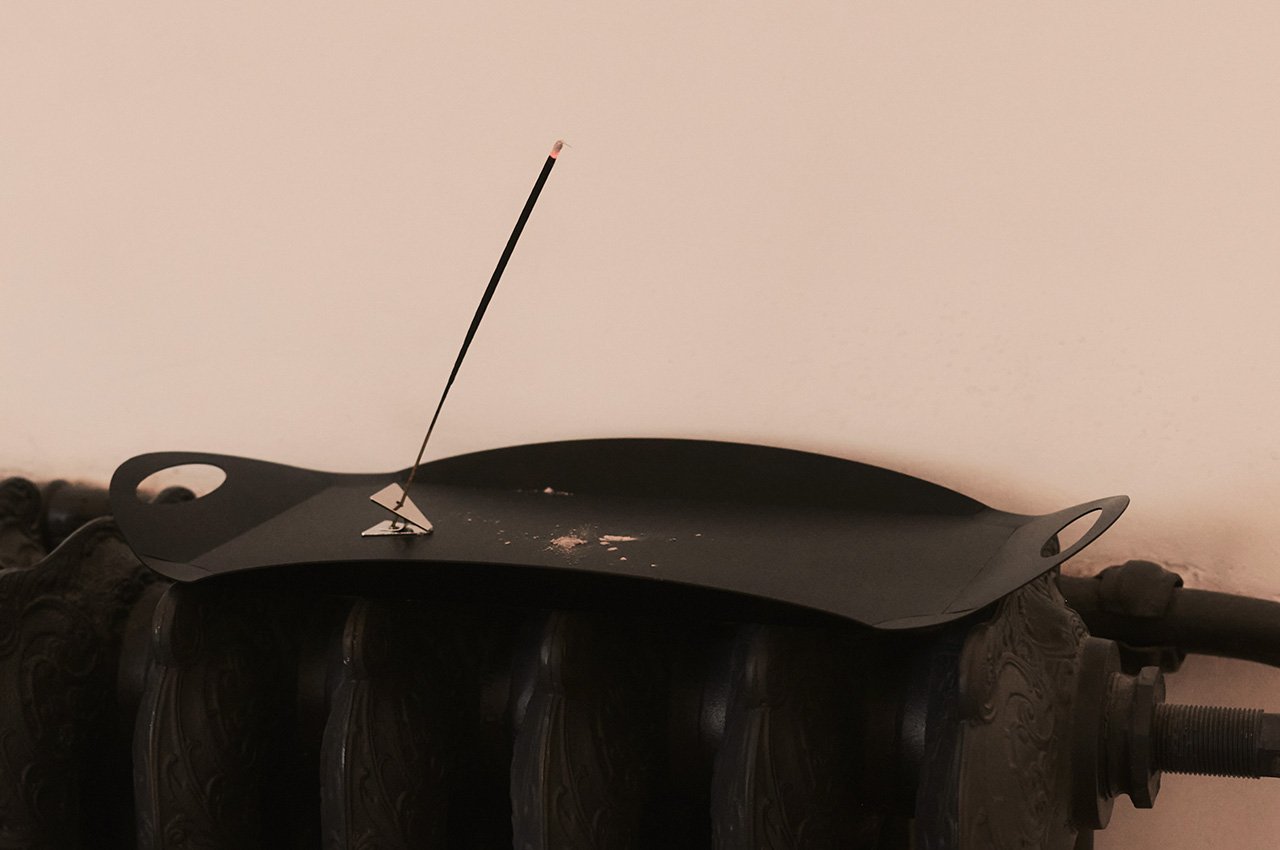
A decorative incense stick tray!

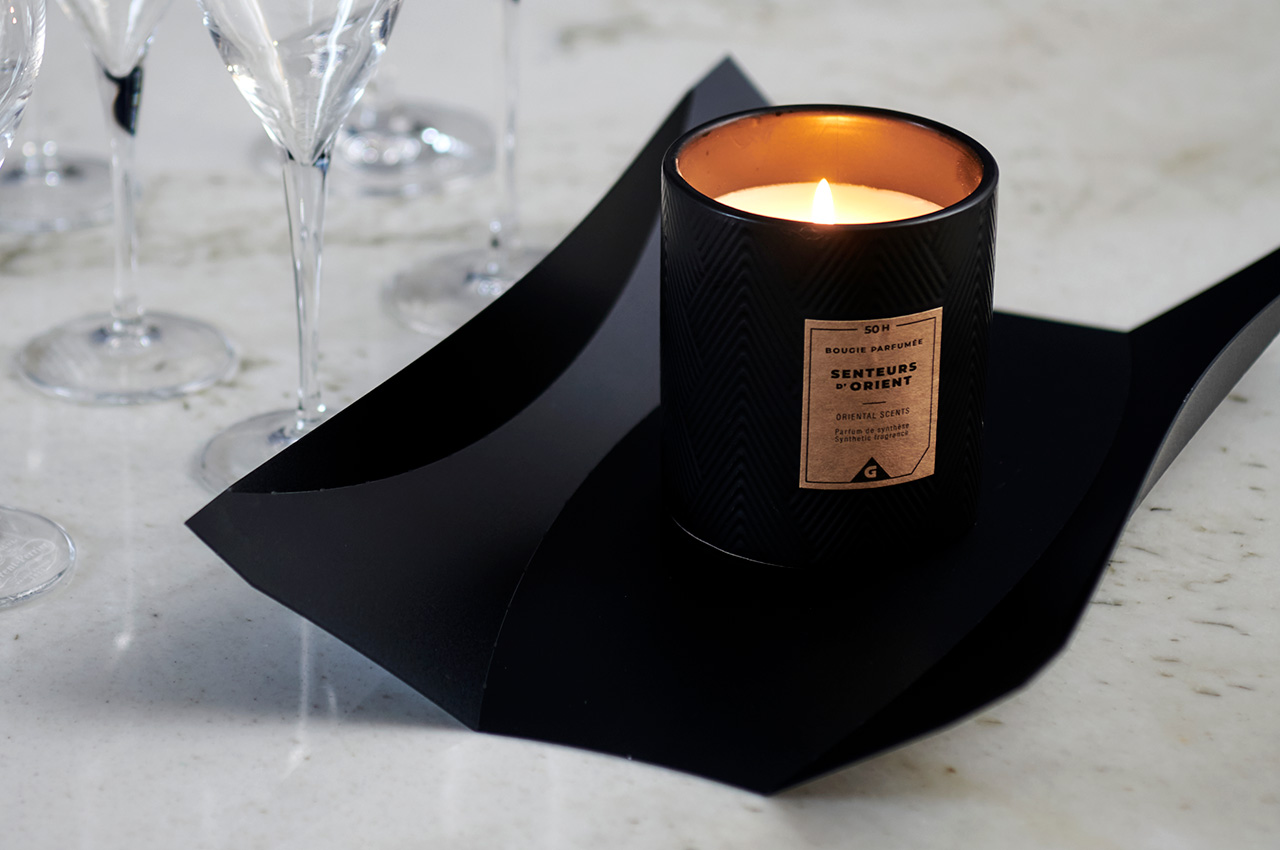
Candle Holder!

The secret lies in the origami-style folds that help strengthen the trays while giving them their rather memorable designs. The fold lines aren’t regular, but instead follow a curve, allowing the metal sheet to bend in a curved way too. This helps strengthen the metal, making it rigid instead of flimsy. You can try the same technique with paper, observing how curved folds help give paper additional stiffness too.

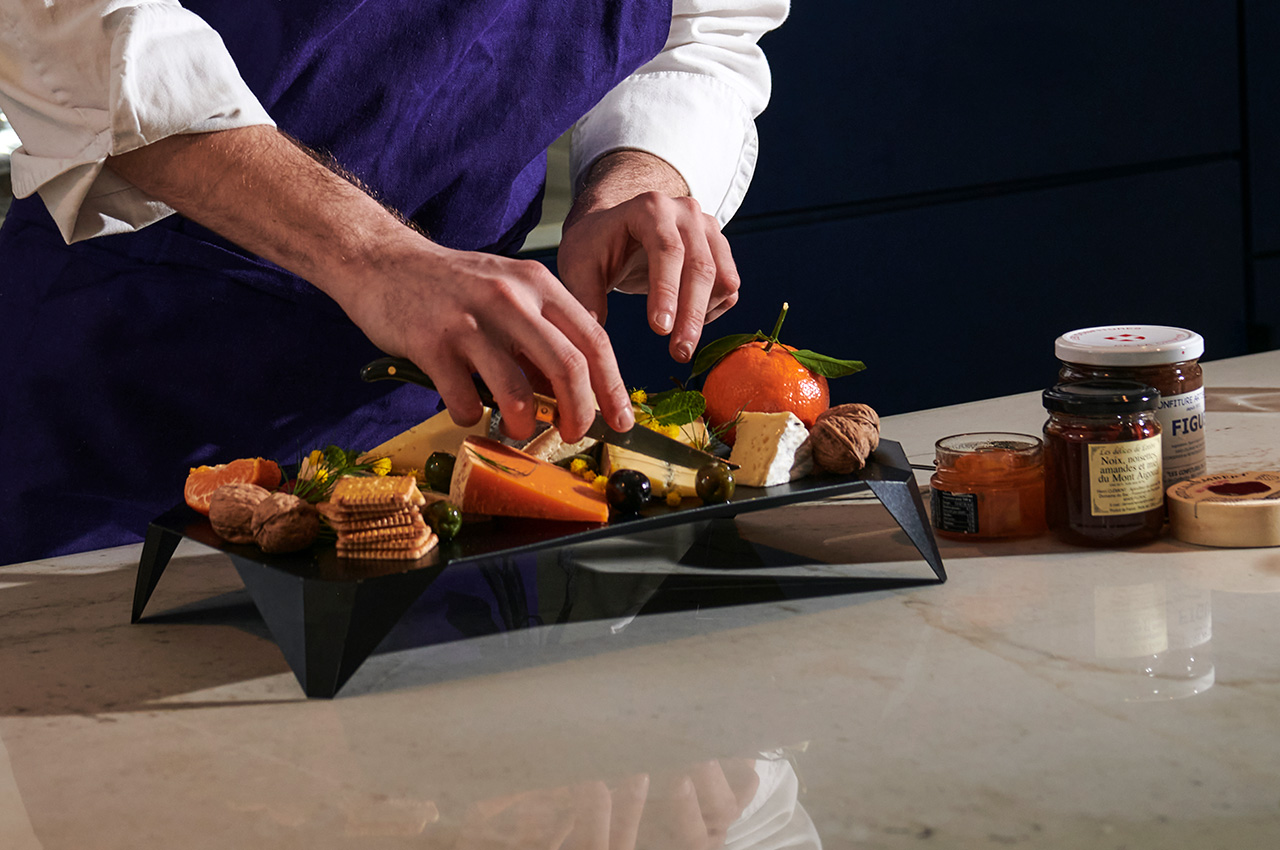
Some trays look conventional, with handles on either side. Others come with legs, elevating your food by an inch or two to help your dishes stand out against a laid-out table. All trays come with anodized color options, allowing you to add a splash of vibrance to your tabletop decor as well as allowing the trays themselves to serve as accent pieces. The anodized finish also makes them durable and corrosion-resistant, increasing their overall lifespan. The tray sets, which come in black, yellow, blue, or a nude silver, start at a discounted $149, which includes three trays – 1 rectangular tray, 1 oval tray, and 1 half-plate tray.

Click Here to Buy Now: $149 $160 ($11 off). Hurry, offer ends soon!

The post This Origami Kitchen Tray is the Perfect Example of How Great Design Lies in Simple Details first appeared on Yanko Design.