Nothing’s Dream Phone concept fixes everything fans dislike about modern smartphones

Let’s be honest, phones virtually look the same with no major design innovation, or for that matter, even hardware progression that would turn eyeballs. The improvements have plateaued and mostly arrive in small increments wrapped in loud marketing jargon to drive sales. So, do we actually own a phone with features that we genuinely desire? Not quite.

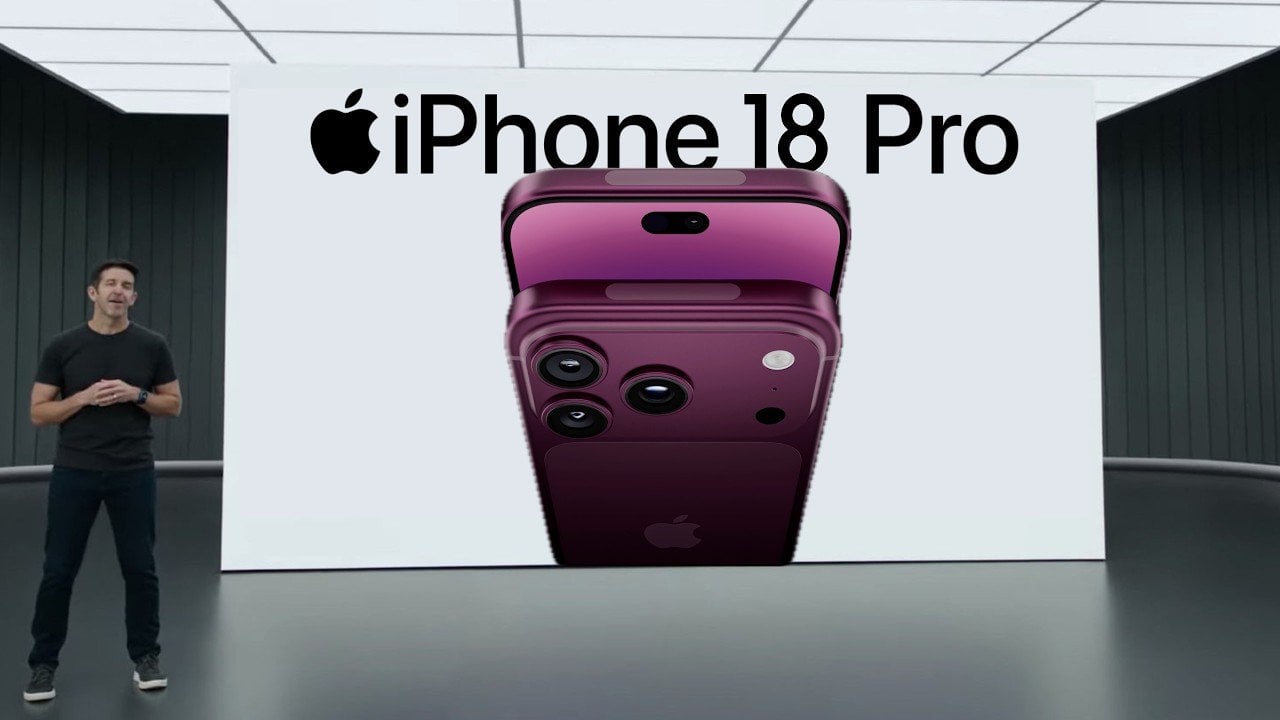
For that very reason, Nothing set out on a design experiment to craft a smartphone that reflects what fans actually want in their daily driver. This isn’t the first time the company has explored such an idea. Last year, it collaborated with MKBHD and JerryRigEverything on community-inspired Dream Phone concepts. This time, however, Nothing turned to its broader user base, gathering suggestions from enthusiasts and longtime smartphone fans to create what it calls the ultimate “Dream Phone.”

Designer: Nothing

Community feedback also brought back features that have largely disappeared from flagship devices. The concept includes a 3.5mm headphone jack and a dedicated microSD card slot, two additions frequently requested by users who value flexibility and long-term usability. While manufacturers have largely abandoned expandable storage and wired audio, Nothing’s exercise highlights that demand for these features still exists among enthusiasts.

One of the most interesting design choices is the elimination of both the display punch-hole and the protruding camera bump. To achieve an uninterrupted screen experience, the Dream Phone uses a pop-up selfie camera system that houses dual front-facing cameras. The rear camera arrangement sits flush with the body, creating a completely flat back that avoids the wobble commonly associated with modern smartphones. Beyond aesthetics, the design also touches on privacy, as the pop-up mechanism provides a visible indication when the front camera is active.

The project also explores the engineering compromises required to build such a device. According to Nothing, shrinking the phone while retaining fan-requested features significantly limits internal space. The company explained that maintaining a slim profile would force sacrifices in areas such as processing power, display quality, and biometric hardware. Instead, the concept adopts a slightly thicker chassis, allowing room for a 3,800mAh silicon-carbon battery and the additional hardware requested by the community.

Another unusual idea discussed during the concept’s development was reducing software restrictions. The Dream Phone imagines a device with minimal pre-installed software and maximum user control, reflecting ongoing conversations around bloatware and device customization.

As appealing as the concept may be, Nothing has made it clear that the Dream Phone is not headed for production. It remains a design exercise intended to visualize what a community-driven smartphone could look like when user wishes take priority over mainstream market trends. Still, the overwhelmingly positive reaction demonstrates that many consumers are eager for devices that prioritize practicality, individuality, and thoughtful design over spec-sheet competition. Whether or not this exact phone ever becomes reality, the Dream Phone serves as a reminder that some of the most desired smartphone features are not necessarily the newest ones; they are the ones people genuinely miss!

The post Nothing’s Dream Phone concept fixes everything fans dislike about modern smartphones first appeared on Yanko Design.
DJI Osmo Pocket 4 Review: A $486 Pocket Camera That Earns Its Price

PROS:


  • Handy 107GB internal storage

  • Excellent low-light performance

  • Bright screen and creator-friendly controls

CONS:


  • Portrait mode tops out at 3K

  • Low-light mode for video is 1x zoom only

  • No formal water and dust resistance rating

RATINGS:

AESTHETICS
ERGONOMICS
PERFORMANCE
SUSTAINABILITY / REPAIRABILITY
VALUE FOR MONEY

EDITOR'S QUOTE:

The DJI Osmo Pocket 4 doesn't ask you to compromise between portability and quality. It just delivers both.

The gap between smartphone convenience and dedicated camera quality has never been more complicated to navigate. Smartphones shoot impressive footage, but the moment you start walking, panning, or filming yourself without a stabilizer, the limitations show. Shaky handheld video, compromised low-light performance, and the inconvenience of carrying a larger camera rig have pushed creators to look for a smarter middle ground.

The DJI Osmo Pocket 4 is designed to solve that exact problem. Building on a line of compact gimbal cameras that have quietly become a go-to tool for vloggers and travel creators alike, the fourth generation pushes the formula further with an improved sensor, smarter tracking, and a handful of practical upgrades that address the friction points that have always come with shooting on the go.

Designer: DJI

Aesthetics

The Osmo Pocket 4 doesn’t try to look exciting. Its silhouette is tall and narrow, with a small three-axis gimbal head sitting at the top. It’s a restrained design that communicates precision rather than personality, and that’s part of the appeal. The matte black finish and clean lines make it look purposeful without being flashy, which is exactly the visual confidence that good industrial design earns.

What makes it visually distinctive is the tension between the utilitarian body and the delicate gimbal mechanism at the top. The rotating touchscreen adds a layer of mechanical thoughtfulness to the otherwise straightforward form. Up close, the camera looks precise and well-assembled, with tight tolerances and a consistent finish across its surfaces. It’s the kind of object that rewards a closer look.

The Creator Combo accessories, including the magnetic fill light and the wide-angle lens, add functional range without dramatically changing the camera’s character. They fit onto the device with minimal fuss and are compact enough to carry without much extra bulk. The wide-angle lens introduces some edge distortion, a minor tradeoff, and it needs to be removed before powering the camera down, making it a small but notable habit to build.

Ergonomics

At 190.5g and measuring 144.2mm x 44.4mm x 33.5mm, the Osmo Pocket 4 genuinely fits in a pocket. That sounds like a marketing line, but it’s one of the more meaningful things you can say about a dedicated camera. It’s light enough to forget you have it and small enough that pulling it out feels no more dramatic than reaching for your phone, which is completely the point.

Operating the Osmo Pocket 4 is intuitive. Rotating the screen starts recording automatically, a shortcut that makes spontaneous moments actually capturable. Two new buttons below the screen handle zoom and custom presets, while the 5D joystick lets you reposition the gimbal or flip the camera orientation without going into menus. The controls feel deliberate rather than crowded, and that discipline counts in a device this compact.

The 2.0-inch touchscreen is bright at 1000 nits, visible enough for outdoor framing, though it could benefit from an anti-reflective surface under harsh direct sunlight. The gimbal clamp that protects the camera head during storage is usefully low-profile, but it’s also easy to misplace precisely because of that. A lanyard attachment helps solve that problem and keeps the clamp reliably on hand whenever the camera needs to be put away.

Performance

The core of the Osmo Pocket 4’s appeal is its improved 1-inch CMOS sensor, paired with an f/2.0 lens and 14 stops of dynamic range. In practice, that combination produces video with noticeably more texture and tonal depth than a typical smartphone sensor can manage. Highlight retention in bright outdoor scenes holds up well, and shadow detail in mixed-light interiors stays controlled rather than collapsing into noise or flat gray.

1x (Top) | 2x (Bottom)

1x (Top) | Wide Lens Attachment (Bottom)

Low-light performance is one of the Pocket 4’s stronger points, both for still photos and videos. The dedicated low-light video mode produces clean, well-exposed footage in dim environments where smartphones typically struggle with noise and color accuracy. Sadly, the latter comes with a hidden cost: low-light video mode only works at 1x zoom.

The magnetic fill light from the Creator Combo is a helpful companion for indoor portraits and evening setups, adding enough brightness to make skin tones look clear, though it’s more of a useful enhancement than an absolute necessity. The Osmo Pocket 4 works well enough on its own for nighttime photography and low-lit environments, but in pitch-black situations, the fill light snaps on in a flash, pardon the pun.

Panorama

Landscape

Vertical

For video enthusiasts, the 4K/240 fps slow-motion mode is a genuine highlight. Capturing slow motion at that resolution opens up detailed, cinematic-looking sequences that would have required bulkier equipment not long ago. Sadly, that 4K upgrade doesn’t apply to vertical portrait mode, which remains in 3K land. The 10-bit D-Log color profile adds post-production flexibility, capturing a wider tonal range for those who want to grade their footage in editing software. It’s a meaningful upgrade from the lighter D-Log M available on the previous generation.

With Fill Light

No Fill Light (top) | With Fill Light (bottom)

The three-axis stabilization is the product’s most compelling advantage. Walking footage stays smooth without the warping that aggressive digital stabilization sometimes produces, and ActiveTrack 7.0 tracks subjects confidently through movement at up to 4x zoom. The 107 GB of built-in storage, transferable at up to 800 MB/s via USB 3.1, removes the need for a memory card on most shoots and makes offloading footage back at a desk genuinely fast.

Pitch Black

With Fill Light

Night Shot (Without Fill Light)

Night Shot (With Fill Light)

Sustainability

The Osmo Pocket 4 doesn’t make bold claims about eco-friendly materials, and that honesty is more useful than hollow greenwashing. What it does offer is a well-built product that feels designed to last. The body has no creaking or flex, and the feature set is current enough that it isn’t likely to feel obsolete quickly. That kind of longevity is a meaningful sustainability argument for a consumer electronics device.

Unfortunately, it doesn’t come with any water or dust resistance guarantee, let alone a formal IP (ingress protection) rating. The Osmo Pocket 4 is best used with a bit of care outdoors, since its gimbal-based design doesn’t lend itself to the kind of weather resistance you’d expect from a rugged action camera.

Like most compact gimbal cameras, the Pocket 4 isn’t particularly serviceable at the consumer level. Tightly integrated components make independent repair difficult, so long-term ownership depends on careful handling more than easy maintenance. That said, the modular accessory system means you’re less likely to replace the camera because one peripheral breaks or becomes outdated. The accessories extend the product’s useful life without requiring a full device swap.

Value

At $486, the Osmo Pocket 4 sits at a price point where expectations of serious performance are fair, and for the most part, it delivers. What you’re paying for isn’t just a feature list but the engineering that concentrates stabilization, a 1-inch sensor, internal storage, and creator-focused controls into something pocketable. That concentration costs more than a simpler compact camera, and the footage quality shows where the money went.

The $607 Creator Combo version adds genuine value through the DJI Mic 3 transmitter, the fill light, and a handful of supporting accessories. The wireless microphone alone is a meaningful addition for anyone who records dialogue, since the built-in setup works well but can’t match a properly placed lapel mic. Together, these accessories shift the package from a capable camera into a more complete creator kit.

For creators who shoot on the go regularly and want footage that looks better than what a phone can deliver, the Pocket 4 sits in a position few other devices can match cleanly. The form factor eliminates excuses for not having the camera out, the stabilization removes the need for post-production smoothing, and the image quality means you’re not apologizing for what you captured.

Verdict

The Osmo Pocket 4 is a thoughtfully resolved compact camera that does its intended job with real consistency. The stabilized footage looks clean and confident, the low-light performance holds up better than the size suggests, and the built-in storage removes a quiet but persistent inconvenience. These aren’t small things for a device that has to fit in your jeans pocket while still competing with cameras twice its size.

There are tradeoffs, as there always are with a device optimized this tightly. Portrait shooting tops out at 3K rather than full 4K, the low-light mode locks to 1x zoom, and the lack of weather sealing limits it in unpredictable outdoor conditions. These aren’t dealbreakers so much as parameters, and understanding them is all it takes to decide whether the Pocket 4 fits the footage you actually want to make.

The post DJI Osmo Pocket 4 Review: A $486 Pocket Camera That Earns Its Price first appeared on Yanko Design.
Adventure Pro Mini 2.0 delivers off-grid freedom in a woodless, lightweight off-road trailer

There is something about high-durability, compact, off-road camping trailers. They are not the most comfortable. But they do the job just right that even some full-size camping trailers fall short. Adventure Pro Mini 2.0 is one such compact trailer that is designed to go where the tow vehicle can, and still offer food and comparatively comfortable lodging, without worrying about the weather and the elements.

Owing to its petite size, the camping trailer is easier to drag through tight spaces in the deep woods or where the road stops, looking black and has a worn-out bumpy face to maneuver. The brainchild of Indiana-based Kingdom Camping, the off-road-ready Aventure Pro Mini 2.0 comes with an articulating hitch coupling. It can conveniently adjust to the shakes and jerks and allow the trailer to follow its towing ride pretty smoothly.

Designer: Kingdom Camping

Adventure Pro Mini 2.0 has an interesting façade. The fiberglass shell keeps the compact rig lightweight but allows it to be stuffed with a host of amenities and facilities you need on the road. The topographical motif on the body is the first interaction you have with this 3,500-pound GVWR trailer that sits on a steel chassis with rock sliders. It rides on 33-inch all-terrain tires featuring independent suspension for a smoother experience on unpaved paths.

The trailer measures 180 inches long and 86 inches wide and is rated with a 2,300-pound fully loaded weight. Inside, you get a triple-fold mattress that provides a queen-size bed on the open floor. Presumably, you can use the vacant space (when the mattress is folded) to store and carry your adventure gear. A bunk, closed with safety netting on one side, is an additional sleeping space for a child or a pet you have along.

Kingdom Camping confirms that wood is not used anywhere in the trailer. In fact, the cabinetry inside is all made from powder-coated aluminum for longevity. Just above the cabinet comprising connectivity ports, power outlets, wireless charging port, and a Redarc display, is the dual-pane skylight. Most interesting still is the full rear galley. Accessible via lifting the hatch, the galley comprises a stainless steel sink with hot and cold water, a dual-zone Iceco BL75 fridge/freezer, and a lot of cabinets, again made from aluminum. The cooktop with a quick-connect propane pipe slides out of the side of the trailer. You also get an option for an outdoor shower.

The rooftop is provided with a roof rack for awnings and a 400-watt solar panel. Kingdom Camping furnishes the new trailer with a 300-Ah lithium battery, a 2,000-watt inverter, and a DC-to-DC charging. For all-season computing, the Adventure Pro Mini 2.0 features a 12-volt Dometic RTX air conditioner. And for the choosy ones, the builder is allowing you to customize your rig with preferred colors and features like air suspension, an additional 300Ah battery, and MOLLE boards.

The post Adventure Pro Mini 2.0 delivers off-grid freedom in a woodless, lightweight off-road trailer first appeared on Yanko Design.