Disney is increasing prices (again) for standalone streaming plans

In what seems to be an annual tradition, Disney announced that the costs for standalone plans of its video streaming services will get more expensive, starting on October 17.

The ad-supported Disney+ Basic plan will increase from $8 a month to $10, while the ad-free Disney+ Premium plan jumps from $14 a month or $140 annually to $16 a month or $160 annually. For Hulu, the plan with ads is changing from $8 a month or $80 a year to $10 a month or $100 a year and the ad-free plan will go from $18 a month to $20 a month. ESPN+ is getting pricing updates as well, with monthly costs going from $11 monthly or $110 annually to $12 monthly or $120 annually.

Recall that Disney+ was a mere $7 a month, without ads, when it launched less than five years ago.

Only one combo plan seems to be getting a change. The Disney Bundle Duo Basic, which includes ad-supported access to both Disney+ and Hulu, is increasing from $10 a month to $11 a month. The Hulu + Live TV plans are also hiking costs: $83 a month for ad-supported, and $96 a month for ad-free.

The increased subscription costs were included in a feature announcement that had been rumored earlier this year. Disney+ will start offering viewers continuous playlists starting September 4. There will be two playlists to start: a channel for ABC News Live, and one with videos for preschoolers. Four more playlists will debut later in the fall: Seasonal Content, Epic Stories (featuring franchises like Marvel and Star Wars), Throwbacks ("nostalgic pop culture content") and Real Life (biopics and documentaries).

This article originally appeared on Engadget at https://www.engadget.com/entertainment/streaming/disney-is-increasing-prices-again-for-standalone-streaming-plans-183518837.html?src=rss

Star Wars Jedi: Survivor is coming to PS4 and Xbox One on September 17

Star Wars Jedi: Survivor is coming to last-gen consoles on September 17, including the PlayStation 4 and Xbox One. The game was originally released for PS5, Xbox Series X/S and PC back in 2023.

For the uninitiated, this is a sequel to the absolutely fantastic Star Wars Jedi: Fallen Order. It’s a third-person adventure with a bit of Metroidvania flair that’s set in the Star Wars universe in between the events of Revenge of the Sith and A New Hope. It’s a very good video game, particularly for franchise fans.

Pre-orders are available now and early purchasers get some bonuses. These include in-game cosmetic items that will turn the protagonist into someone who resembles Obi Wan Kenobi and a new blaster set. As for the software, EA says it’s been fully optimized to run on those older consoles.

It’s worth noting, however, that the game has struggled to run on PCs. EA has issued several updates to address performance problems but some still linger. To that end, the company’s prepping a new PC update that’ll release “in the coming weeks.” This will bring “enhancements to the game’s technical performance, controls and more,” in addition to “a variety of quality-of-life improvements.”

Star Wars Jedi: Survivor also recently released on Game Pass. The PS4/XB1 version will cost $50. A third entry in the franchise has already been announced because, well, Star Wars loves trilogies.

This article originally appeared on Engadget at https://www.engadget.com/gaming/star-wars-jedi-survivor-is-coming-to-ps4-and-xbox-one-on-september-17-181004549.html?src=rss

X sues advertisers for ‘illegal boycott’ of the platform

X, whose top executives have long railed against advertisers who fled the platform amid concerns over hate speech, is now also suing them. X has filed an antitrust lawsuit against the Global Alliance for Responsible Media (GARM) and several of its members, including Mars, Unilever and CVS Health, CEO Linda Yaccarino said in an open letter shared on X.

According to Yaccarino, the group engaged in an “illegal boycott” of X. “The consequence - perhaps the intent - of this boycott was to seek to deprive X’s users, be they sports fans, gamers, journalists, activists, parents or political and corporate leaders, of the Global Town Square,” she wrote.

As Axios points out, GARM is part of the World Federation of Advertisers (which is also named in the lawsuit) and was created to come up with brand safety guidelines for online advertisers. The lawsuit alleges that the group “conspired, along with dozens of non-defendant co-conspirators, to collectively withhold billions of dollars in advertising revenue from Twitter.”

GARM didn't immediately respond to a request for comment.

It’s not the first time X has filed a lawsuit against a group that Musk has accused of stoking an advertiser exodus from the platform. The company previously sued the Center Countering Digital Hate (CCDH), an anti-hate group that published research showing that X failed to take down hateful posts shared by premium subscribers. That lawsuit was later dismissed by a judge who said X was trying to “punish” the group for sharing unflattering research. X is also suing Media Matters, a watchdog group that published a report showing X had displayed ads alongside anti-Semitic content.

“We tried being nice for 2 years and got nothing but empty words,” Musk, who nearly a year ago publicly told advertisers to “go fuck themselves," wrote in a post on Tuesday. “Now, it is war.”

This article originally appeared on Engadget at https://www.engadget.com/big-tech/x-sues-advertisers-for-illegal-boycott-of-the-platform-173100888.html?src=rss

How the Porsche 911 Inspires the Iconic Chronograph I Watch

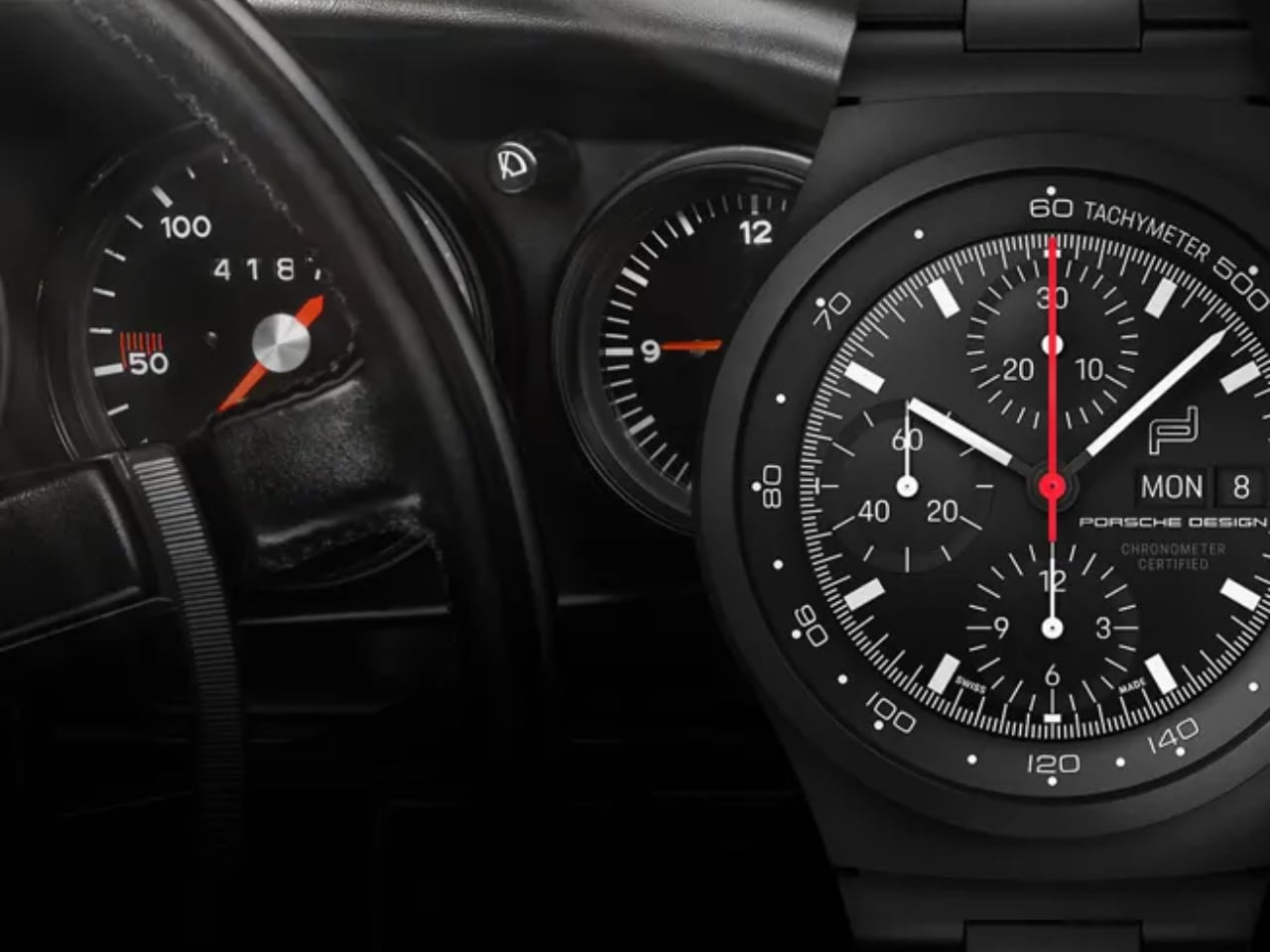
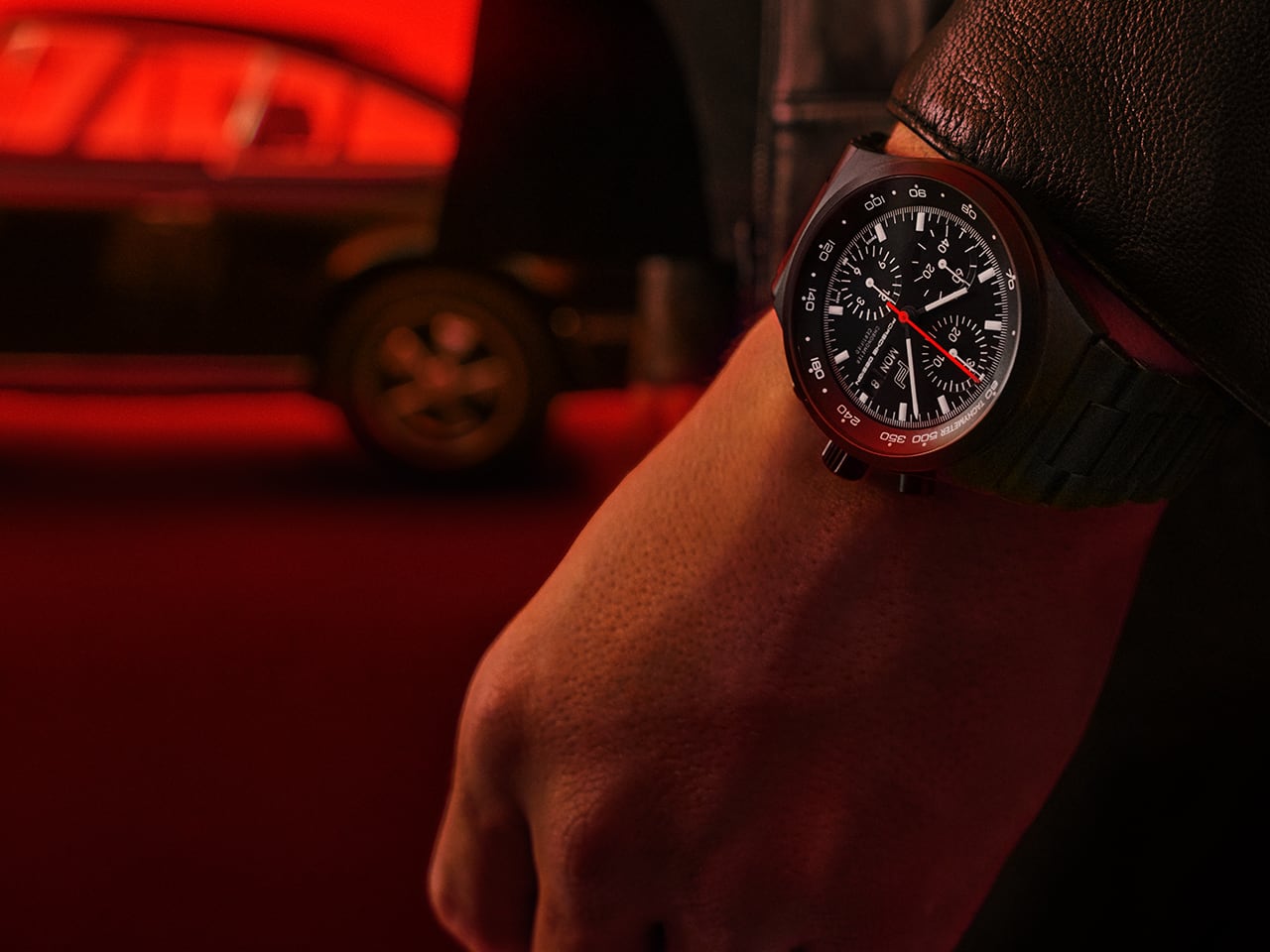
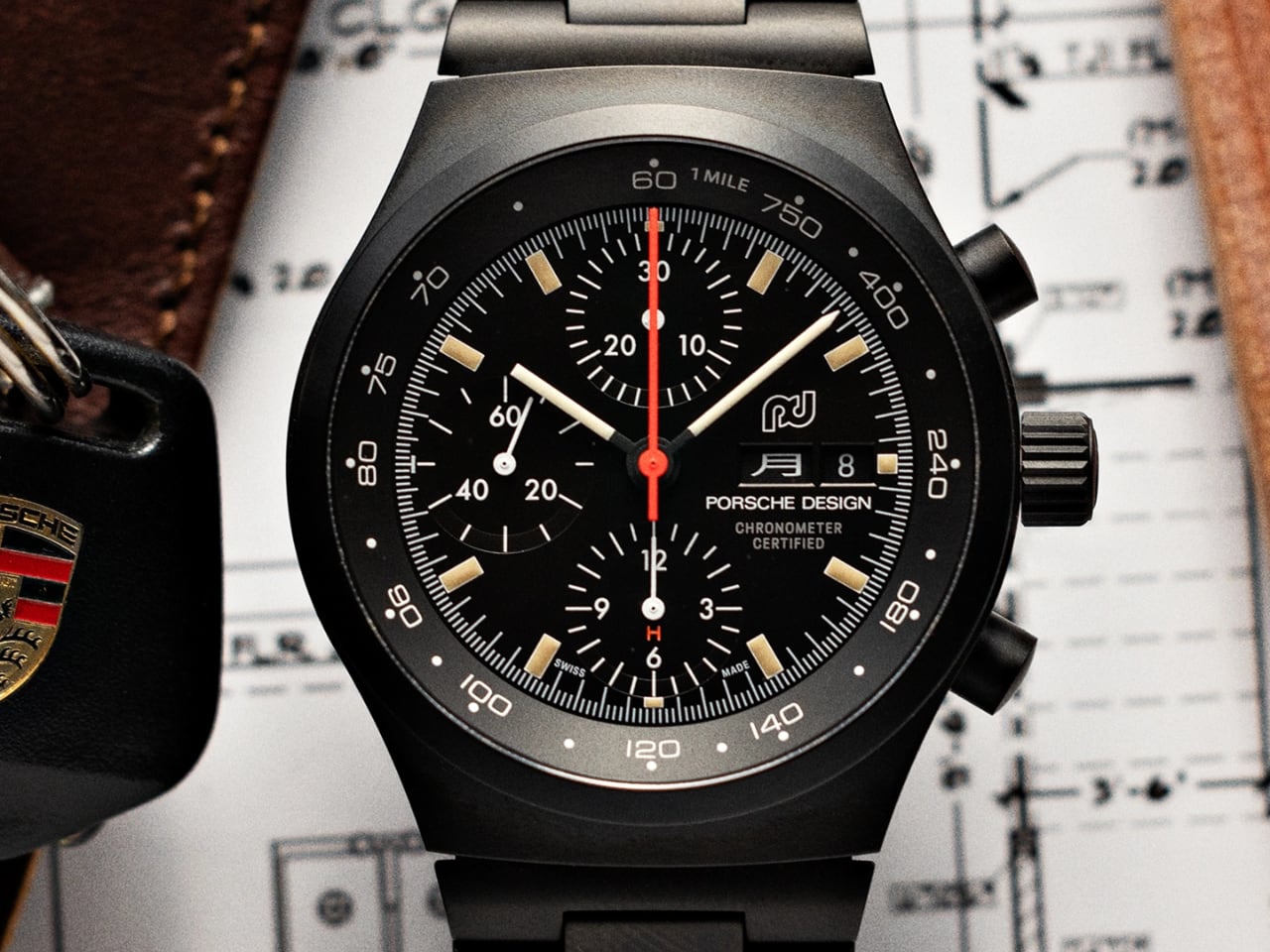
The Chronograph I, designed by Professor Ferdinand Alexander Porsche, stands as an enduring symbol of functional and aesthetic innovation in watchmaking. Originating from the same principles that sculpted the Porsche 911, this watch has retained its iconic status since its debut in 1972. At a time when most chronographs were rendered in gold or silver, the Chronograph I’s all-black design distinguished itself with stark functionality, inspired by the clear, high-contrast instrument panels of the 911, designed to offer drivers precise readability under extreme conditions.

Designer: Porsche Design

Historical Design and Philosophy

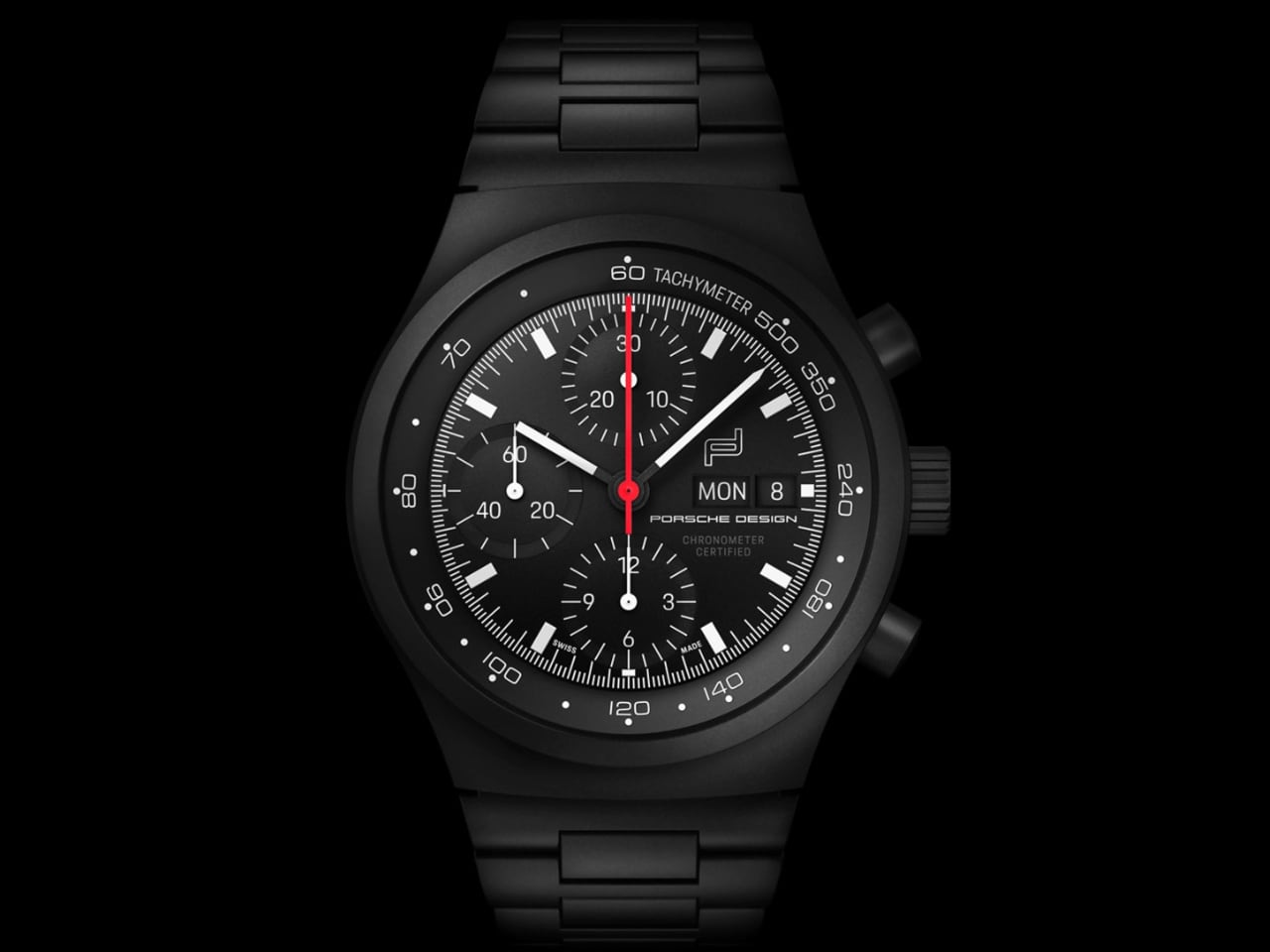
Ferdinand Alexander Porsche, profoundly influenced by his formative years in his grandfather’s design offices, adopted a design philosophy that emphasized honest, functional design. This ethos materialized in the Porsche 911, a vehicle renowned for its distinctive lines and performance-driven design. Tasked with designing a watch in 1972, Porsche aimed to create a piece that was unmistakably derived from the vehicle, embodying unrestricted functionality. The Chronograph I, with its matte black dial, high-contrast indices, and anti-reflective glass, marked a bold departure from conventional watch designs, reflecting the dashboard of the Porsche 911.

Studio F. A. Porsche

The integration of automotive elements like the red second hand and tachymeter, directly inspired by the car’s instrument panel, enhanced its aesthetic appeal and practical utility, transforming Chronograph I into the first “sports car for your wrist.” Despite initial controversies, its design philosophy resonated with those who valued clarity and functionality, setting a new industry standard.

Evolution to the Present

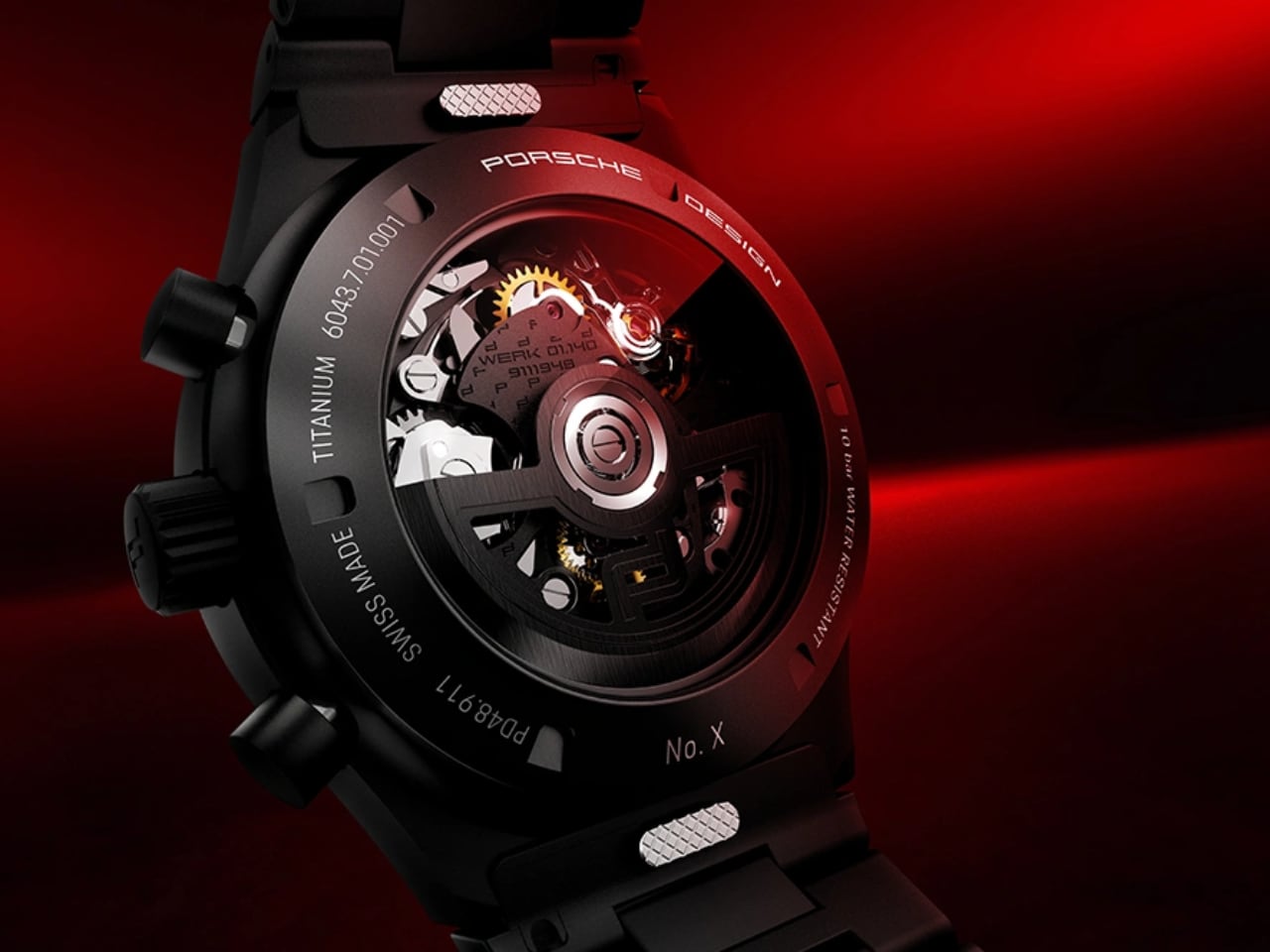
Today, the legacy of Chronograph I is celebrated through Chronograph 1 – All Black Numbered Edition. This modern iteration upholds the core elements that made the original groundbreaking while integrating contemporary materials and technological advancements. The design maintains its historical roots, with the black casing and dial emphasizing its racing DNA and updates like the Porsche Design Calibre WERK 01.140 movement ensuring precision and durability.

Chronograph 1 – All Black Numbered Edition

Produced in Porsche’s specialized facility in Solothurn, Switzerland, the watch continues to attract both watch collectors and automotive enthusiasts. Its high-quality craftsmanship and limited production of 1,000 pieces annually enhance its collectibility.

The Hodinkee 2024 Edition

Porsche Design has introduced the Chronograph 1 – Hodinkee 2024 Edition, expanding this heritage. Curated by Hodinkee, a leader in the watch platform sphere, this special edition merges the iconic design of the Chronograph I with the style of the 1970s, updated with modern technology. It features a COSC-certified Porsche Design calibre WERK 01.140, housed in a black titanium carbide-coated case with a matching titanium bracelet, ensuring both durability and style.

CHRONOGRAPH 1 – HODINKEE 2024 EDITION

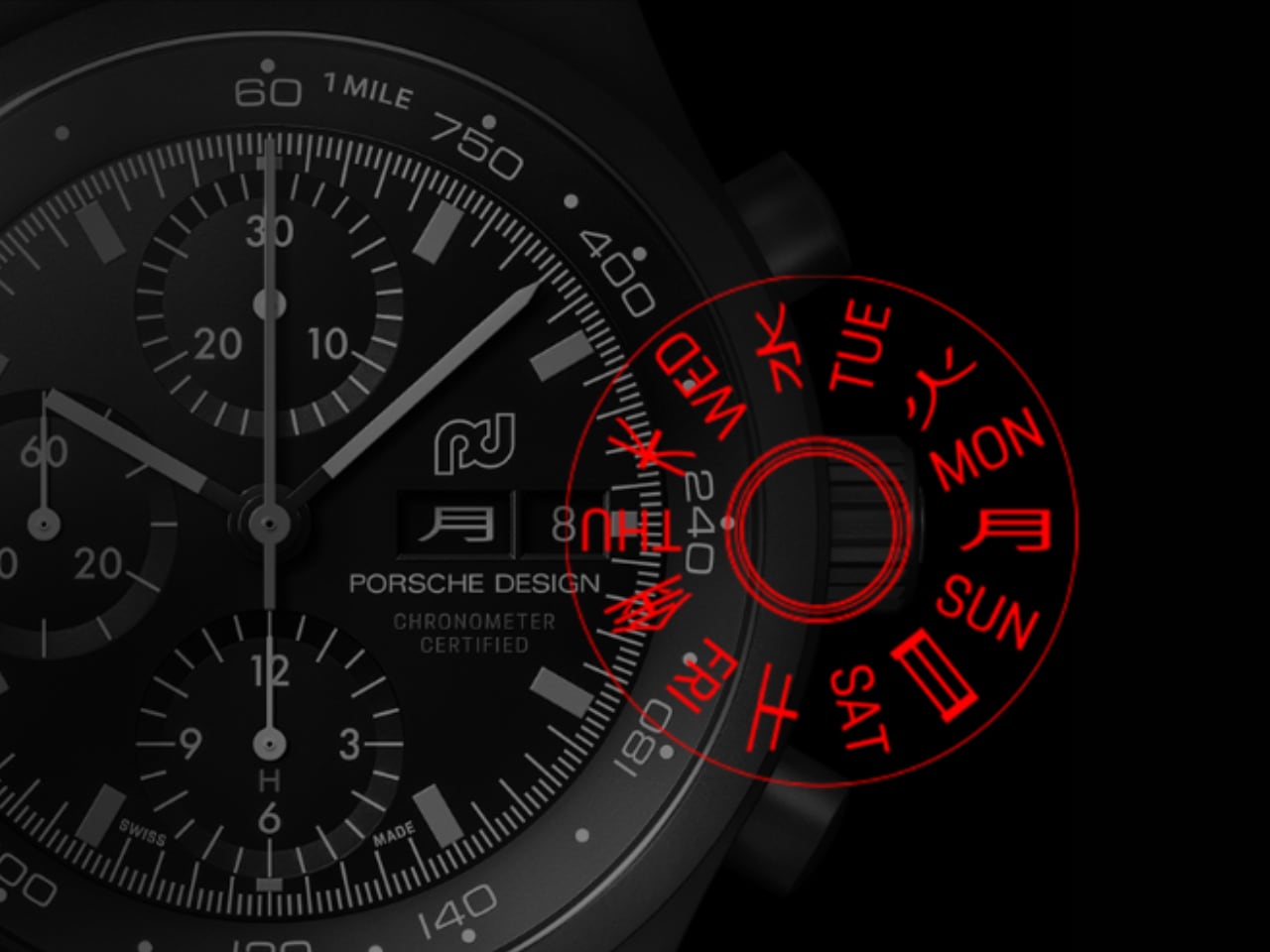
This edition is distinguished by unique details such as the historical “1 Mile” graphic on the tachymeter scale and a bilingual day display in English and Japanese, underscoring its appeal to a global audience. Limited to just 350 pieces worldwide, it features the historic Porsche Design icon and Hodinkee lettering on the case back, marked as “TRILOGY – CHAPTER 1.”

CHRONOGRAPH 1 – HODINKEE 2024 EDITION

Each iteration of the Chronograph 1 encapsulates Porsche Design’s commitment to blending form and function, continuing to embody Ferdinand Alexander Porsche’s vision by capturing the spirit of the Porsche 911 in a wearable form. Whether through the classic All Black Numbered Edition or the exclusive Hodinkee 2024 Edition, this timepiece remains a captivating tribute to timeless design and impeccable craftsmanship, securing its place in the annals of horological excellence.

The post How the Porsche 911 Inspires the Iconic Chronograph I Watch first appeared on Yanko Design.

Fall Guys is now in Fortnite’s battle royale mode for a limited time

Epic Games has brought two of its tentpole titles together in a fun way: Fall Guys has come to the Fortnite island for a limited time. A familiar-looking obstacle course has appeared in the skies above the sprawling battle royale arena. It'll be there until August 15.

If you happen to find a Bean Idol in the Classy Courts area of the map, your character will be transported to the obstacle course and turned into a Fall Guys bean (which, fact fans, is canonically six feet tall). If you're using an original Fortnite character rather than a licensed one, your bean will look like that skin. Otherwise, you'll have a default naked bean. You'll revert back to your regular more-boring humanoid look when you finish the course.

You'll have up to three attempts to finish the course but you can only complete it once per match. Once the course is in the storm, though, it'll be inaccessible.

There's a 120-second time limit and if you fall off, you'll respawn at a checkpoint or the start of the course. The faster you finish, the better the loot you'll get. So if you're good at Fall Guys, you'll suddenly be at an advantage in Fortnite. Finish in under 50 seconds and you'll get gold loot, likely making it easier for you to destroy those pesky Cybertrucks. There are quests you can complete for cosmetics like a Fall Guys bean-inspired back bling too.

Fall Guys is also now part of Fortnite's creative mode. There are a few pre-built islands you can check out that have new versions of iconic Fall Guys stages, including an unlimited version of Hex-A-Gone. You'll be able to build your own Fall Guys-themed islands in Fortnite too and publish them for others to check out. Whenever you're playing on these islands, your character will be in bean form.

Meanwhile, Epic has enabled proximity chat in creator-built islands. It'll be interesting to see that become available in battle royale modes eventually, as it could add an interesting wrinkle to gameplay.

This article originally appeared on Engadget at https://www.engadget.com/gaming/fall-guys-is-now-in-fortnites-battle-royale-mode-for-a-limited-time-171506216.html?src=rss

Teenage Engineering’s built a medieval-themed sampler, complete with Gregorian chants

Teenage Engineering is no stranger to weird gadgets that defy description. This is a company that released a $250 toy car and, uh, whatever these are. We all knew that. We also knew that the company would likely be releasing a follow-up to its massively successful EP-133 K.O. II sampler. We couldn’t in a million years, however, have guessed that it would be a medieval-themed monstrosity.

That’s right. The sequel to the K.O. II is a sampler built entirely around sounds inspired by the middle ages. It’s all here, from Gregorian chants and lutes to drum sounds that recall Monty Python. The sampler also comes pre-loaded with tons of themed foley effects, like sword slashes, arrows, farm animals and, according to the company, “an actual dragon.” The EP-1320 Medieval has everything, if by “everything” we mean samples of screaming peasants.

Aesthetically, it’s basically the K.O. II with a different skin. The design features red calligraphy, castle towers and, of course, plenty of latin. As a matter of fact, it’s not even referred to as a sampler at all. The company’s calling it “the world’s first medieval electronic instrument” and there’s a large label on the front that reads “instrumentalis electronicum.”

The front panel of the EP-1320.
Teenage Engineering

There are new effects, for those worried it would just crib from last year’s model. These include something called a “torture chamber reverb” and another referred to as a “Bardic ensemble." The arpeggiator has been redesigned and there are hundreds of new multi-sampled instruments. Teenage Engineering also says, and I’m not kidding, that the drum pads smell of cocoa. We reached out about that last one and will report back when we get some info.

Of course, this is a sampler at heart, so users can put anything they want on it via the internal microphone or USB-C connection. It’s also essentially a K.O. II, so there’s the same punch-in FX tool, nine memory slots, dinky speaker and a battery compartment that holds four AAAs. But out of the box, it has everything you could possibly need for a D&D-themed rave.

Just like the original, it’s $300. Orders are available now. Diehards can also pick up a themed t-shirt, a vinyl record and a quilted carry bag.

The EP-133 K.O. II was a huge hit, but was plagued by some performance concerns, including a number of units that shipped with busted faders. TE says all of this was due to poor packaging. Let’s hope the company got all that sorted out.

This article originally appeared on Engadget at https://www.engadget.com/audio/teenage-engineerings-built-a-medieval-themed-sampler-complete-with-gregorian-chants-164941795.html?src=rss

Sonos Ace owners can now swap TV audio with the Ray and Beam soundbars

Sonos has delivered on its promise to expand TV audio swap for its new Ace headphones, which launched in June. When the premium cans arrived, support for the TV sound-switching feature was limited to the Arc soundbar. But starting on Tuesday, Ace owners can swap their audio with the Ray and both generations of the Beam.

After installing today’s update through the Sonos app, Ace users can move audio from their TV to their headphones by pressing the content key on their right ear cup. Alternatively, the Sonos app can do the same. The feature works on iOS and Android after being limited to iOS on the headphones’ arrival.

TV audio swap supports spatial audio with Dolby Atmos, so you can feel “centered in the action,” as a Sonos spokesperson put it. Engadget’s audio gear expert, Billy Steele, was impressed with how the feature worked with the NBA playoffs on TNT. “Regularly, the commentary trio is clear with a bit of crowd noise in the background, but after Sonos does its tricks, the announcers are more prominent and dynamic. Plus, the cheers of the crowd envelope you so it feels more like you’re in the arena.”

“TV Audio Swap really is as quick and easy as pressing a button,” he wrote in our Ace headphones review.

Once activated, the feature works through a Wi-Fi chip inside the headphones that takes over to receive the soundbar’s signals. Low-energy Bluetooth will remain connected to your phone for controls and settings, although there’s one caveat: You’ll have to un-swap the audio to reconnect Bluetooth if a call comes in while watching.

This article originally appeared on Engadget at https://www.engadget.com/audio/headphones/sonos-ace-owners-can-now-swap-tv-audio-with-the-ray-and-beam-soundbars-161925958.html?src=rss

A Quiet Place: The Road Ahead is coming to PC, PlayStation and Xbox on October 17

If there was ever a movie franchise that was seemingly made to be turned into a video game, it would be A Quiet Place. The films are basically already stealth horror titles. The premise, after all, involves bloodthirsty and noise-sensitive aliens. To that end, we already knew the franchise was getting the gaming treatment. Now we have an official release date of October 17 for the first digital spinoff. 

A Quiet Place: The Road Ahead is a first-person horror adventure that’s set in the same world as the movies, but tells a brand new story. In other words, you won’t be controlling a digital John Krasinski or a digital Lupita Nyong'o. You’ll play as a brand-new character charting her own path in this royally screwed up dystopia.

Just like the movies, players will have to rely on their wits and whatever simple tools they find when scavenging about, like flashlights and noise detectors. Developer Stormind Games, who was behind Remothered and Batora: Lost Haven, promises both thrills and chills. Today’s release date trailer certainly confirms that. The spooky vibes are off the chart.

A Quiet Place: The Road Ahead will be released on PC, PS5 and Xbox Series X/S. Pre-orders are available right now and early purchasers get “exclusive in-game content and digital concept art.” The game costs $30.

This article originally appeared on Engadget at https://www.engadget.com/gaming/a-quiet-place-the-road-ahead-is-coming-to-pc-playstation-and-xbox-on-october-17-151706002.html?src=rss

Get Beats Studio Pro headphones with AppleCare+ for $174

It's all too easy to accidentally damage a piece of tech, which is why many Apple fans opt to pay for the company's AppleCare+ coverage for piece of mind. It's perhaps not too often that you see deals involving AppleCare+, but there's a solid one on the Beats Studio Pro at the minute. You can snap up a pair with two years of AppleCare+ coverage for $174. That's a discount of $205.

Given that the headphones by themselves cost $180, you're effectively getting 24 months of AppleCare+ protection for zilch and saving five bucks on the headphones. The deal applies to the black, navy and sandstone colorways but not the deep brown variant.

We gave the headphones a score of 81 in our review last year. The improved sound quality (compared with previous Beats over-ear headphones) and voice clarity were major plus points. The transparency mode, a feature that wasn't present in the Beats Studio 3, works fairly well too. Meanwhile, if you plug the headphones into your audio source via USB-C, you can enjoy lossless music at sample rates up to 24-bit/48kHz thanks to the built-in digital-to-analog converter. Dynamic head tracking is a neat feature, while some reviewers have pointed out that the Beats Studio Pro play nicely with Android devices too.

Unfortunately, the headphones might be a tight fit for some folks given their clamping force. We found the lack of automatic pausing and multipoint iOS connectivity to be disappointing, particularly in the latter case since this is an Apple product.

AppleCare+ for Headphones builds on the one year of limited warranty and 90 days of technical support you get as standard with Apple's audio gear. It adds round-the-clock access to Apple experts by phone or chat, along with unlimited incidents of accidental damage protection for the two-year coverage period. You'll just need to pay a $29 fee for each repair..

Follow @EngadgetDeals on Twitter and subscribe to the Engadget Deals newsletter for the latest tech deals and buying advice.

This article originally appeared on Engadget at https://www.engadget.com/deals/get-beats-studio-pro-headphones-with-applecare-for-174-150034075.html?src=rss

Realme 13 Pro+ Review: AI-Powered Photography Masterpiece or Miss?

PROS:


  • Strong main and telephoto performance

  • Plenty of AI features

  • Big battery

  • Elegant design

CONS:


  • Same processor its predecessor

  • No wireless charging

RATINGS:

AESTHETICS
ERGONOMICS
PERFORMANCE
SUSTAINABILITY / REPAIRABILITY
VALUE FOR MONEY

EDITOR'S QUOTE:

Realme's approach with the Realme 13 Pro+ underscores its commitment to staying at the forefront of innovation in the mobile industry.

In 2024, AI has become an indispensable component of modern smartphones. From revolutionizing photography and enhancing device efficiency to providing intelligent personal assistance, AI-powered features are no longer luxuries but necessities. Realme has positioned the Realme 13 Pro+ as an ‘Ultra Clear Camera with AI,’ featuring a dual 50MP Sony AI camera system and the company’s proprietary HYPERIMAGE+ AI photography architecture. This combination aims to deliver advanced image processing capabilities and exceptional photo quality.

Realme recently hosted a press event in Bangkok to showcase the capabilities of the HYPERIMAGE+ system. Attendees had the opportunity to experience the camera’s features firsthand, exploring its potential in various scenarios. Now, we have thoroughly tested the Realme 13 Pro+ to provide you with an in-depth review of its performance and capabilities.

Designer: Realme

Aesthetics

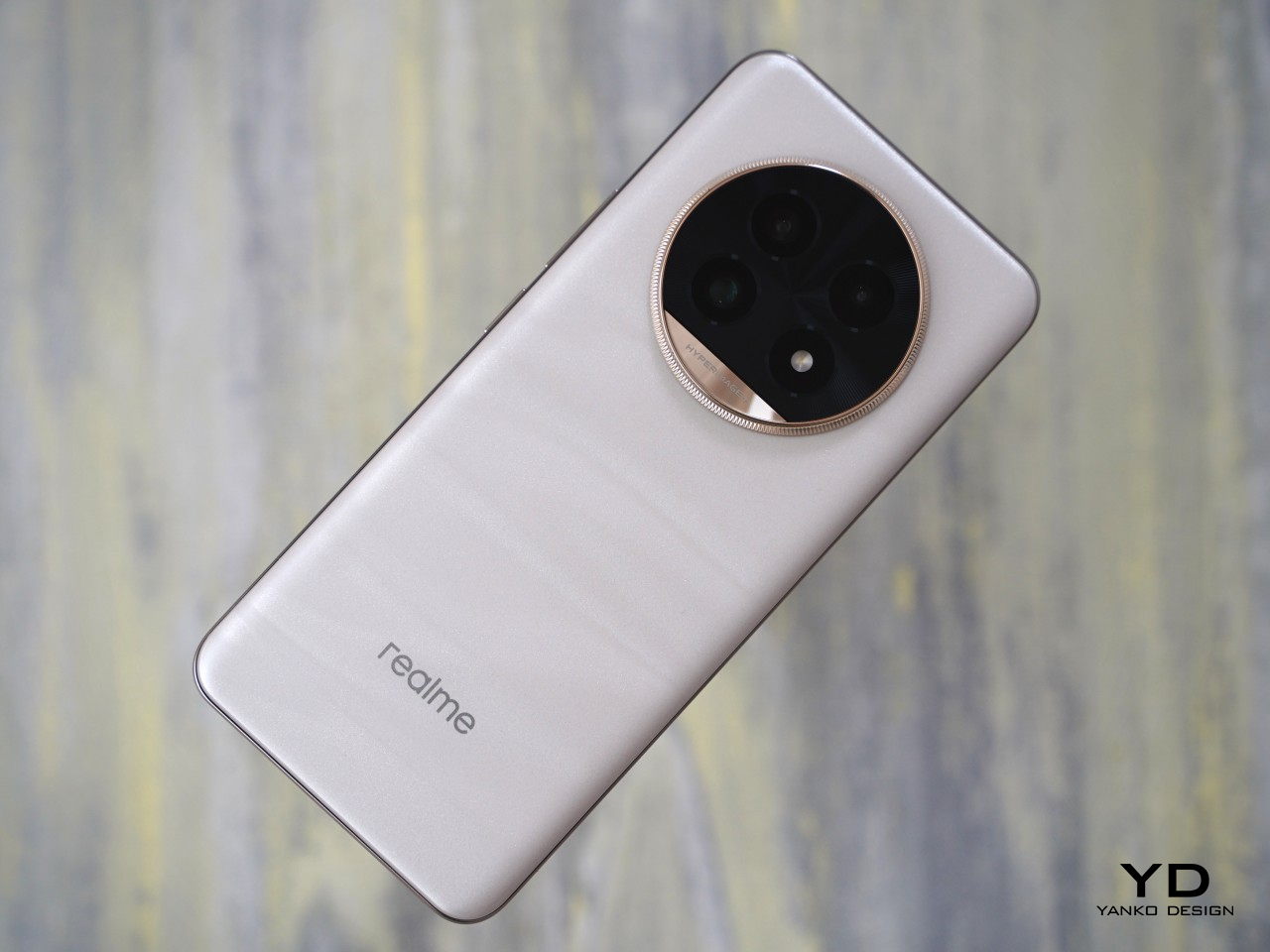
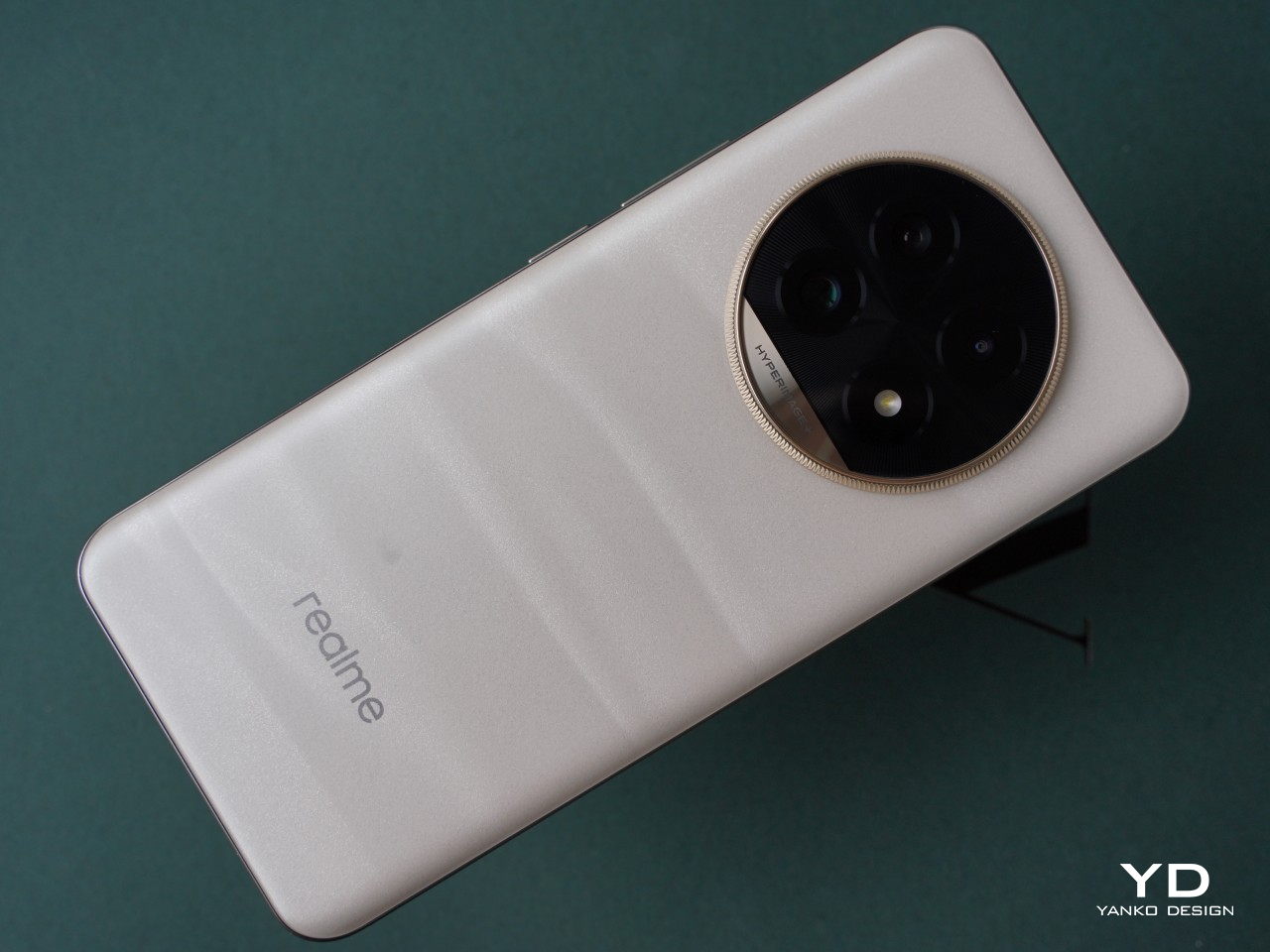
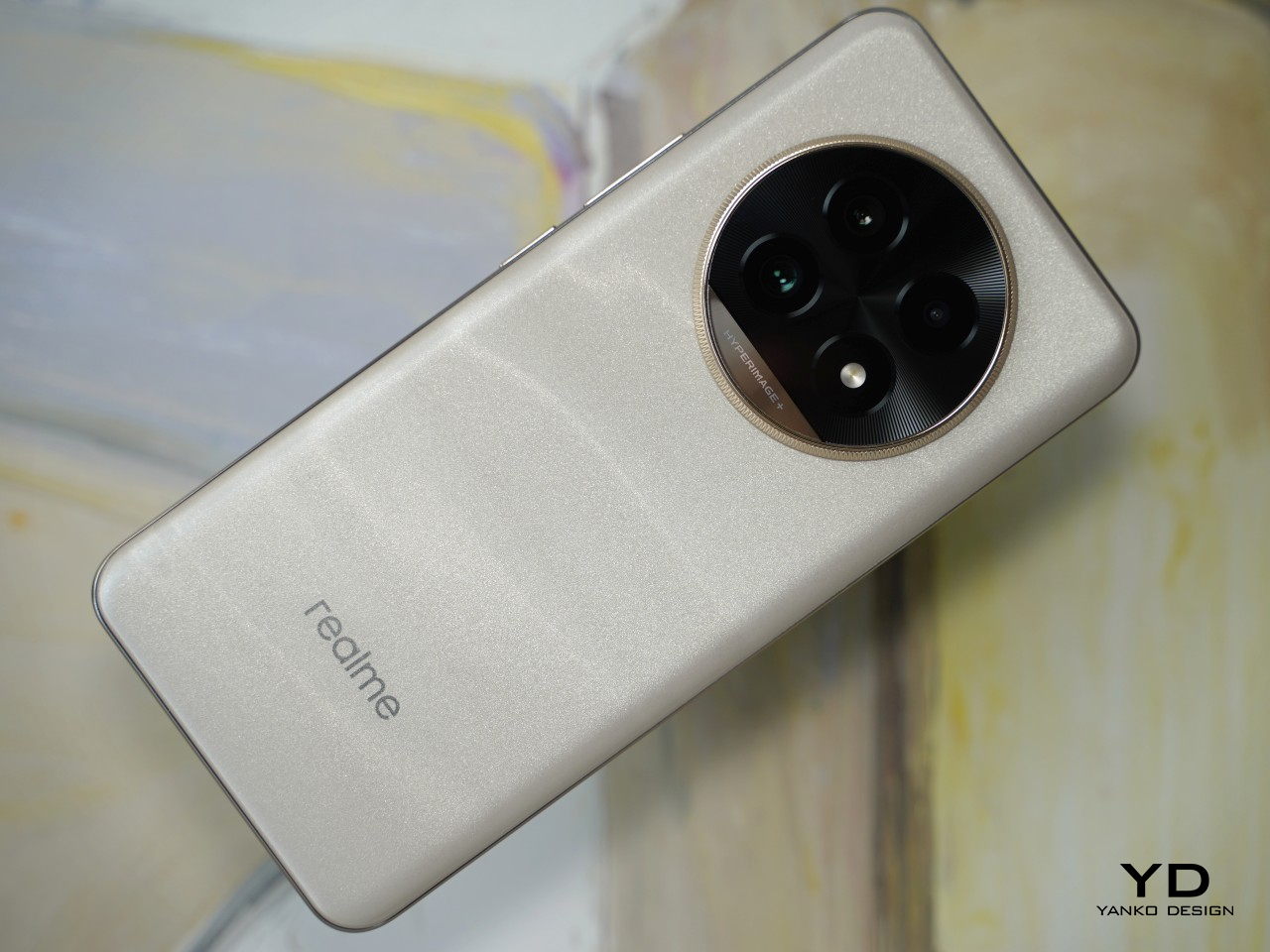
Building upon the design language of the Realme 12 series, the Realme 13 Pro+ smartphone embodies an aesthetic journey inspired by Claude Monet’s renowned painting, Grainstack (Sunset). Gone is the shiny gold vertical line that flowed across the center, replaced by a refined circular camera module with a luxury watch-inspired ring on the back panel.
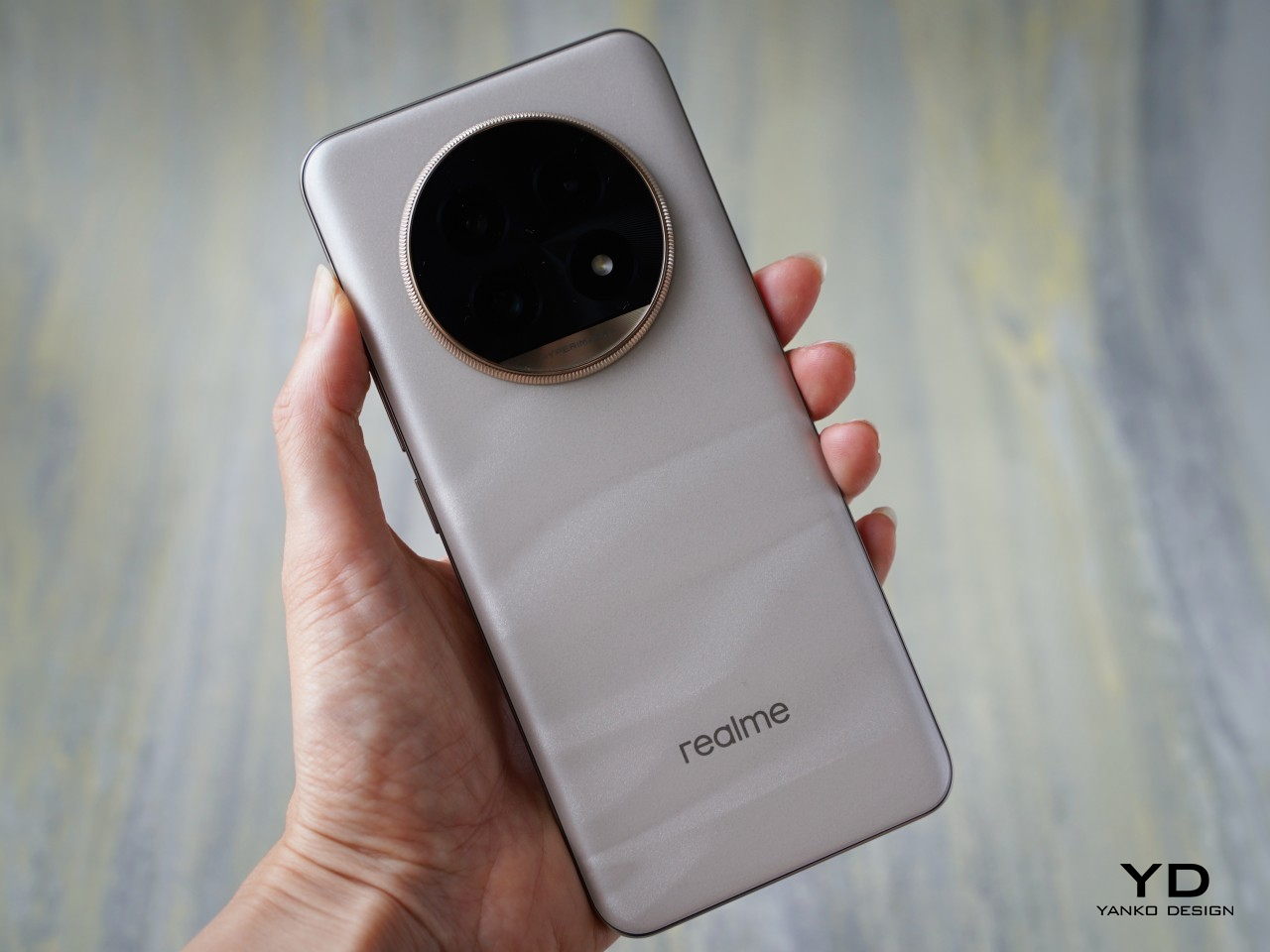
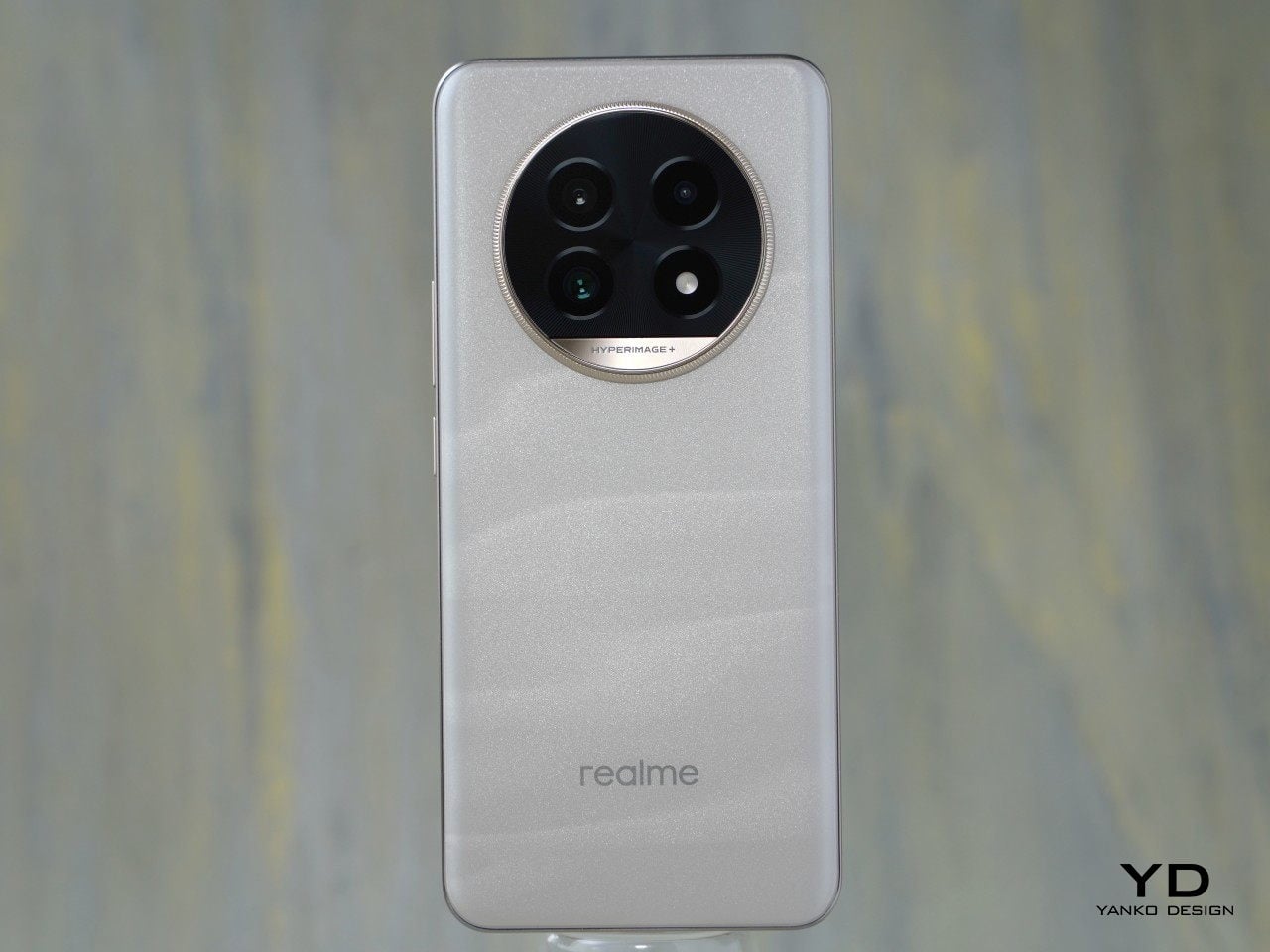
The Realme 13 Pro+ comes in two colorways: Monet Gold and Emerald Green. The review unit we received is the Monet Gold, featuring a frosted glass material that showcases Monet’s brush-inspired pattern on the back panel. The Emerald Green variant, on the other hand, features vegan leather. Whether opting for the shimmering effects of Monet Gold or the luxurious feel of Emerald Green, the Realme 13 Pro+ offers a choice that reflects individual style while honoring Monet’s influence on contemporary design.

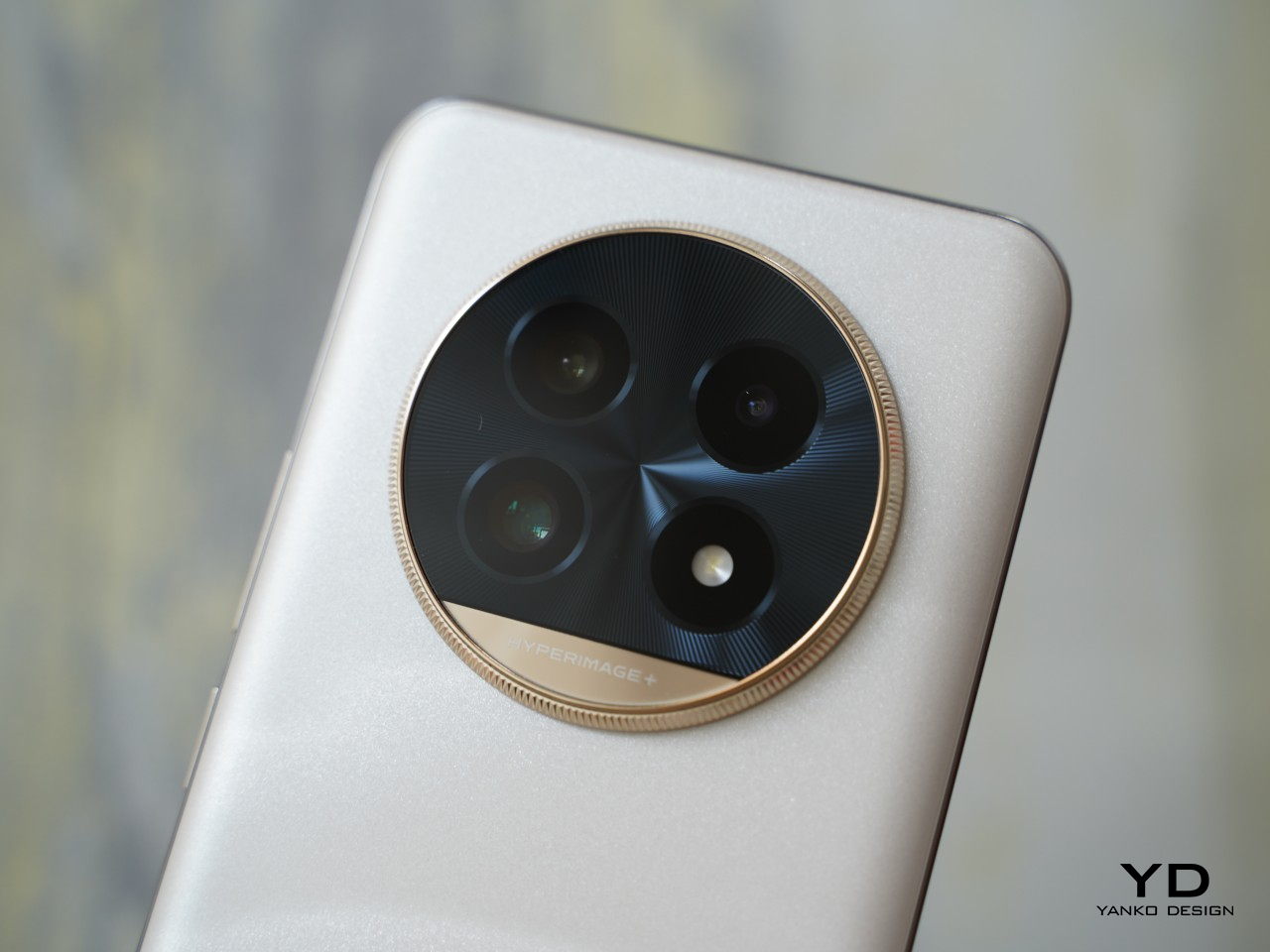
The circular camera module with the gold ring around the edge houses a triple-camera setup and an LED flash. Realme has improved upon the 12 series design by eliminating the fake camera placements and replacing them with the LED flash, resulting in a neater and more practical camera module. The module now features “HYPERIMAGE+” inscribed near the bottom against the gold background, while the Realme branding is subtly placed toward the bottom of the device. Overall, the phone presents a clean and sleek aesthetic, with the camera module serving as the focal point.

Ergonomics

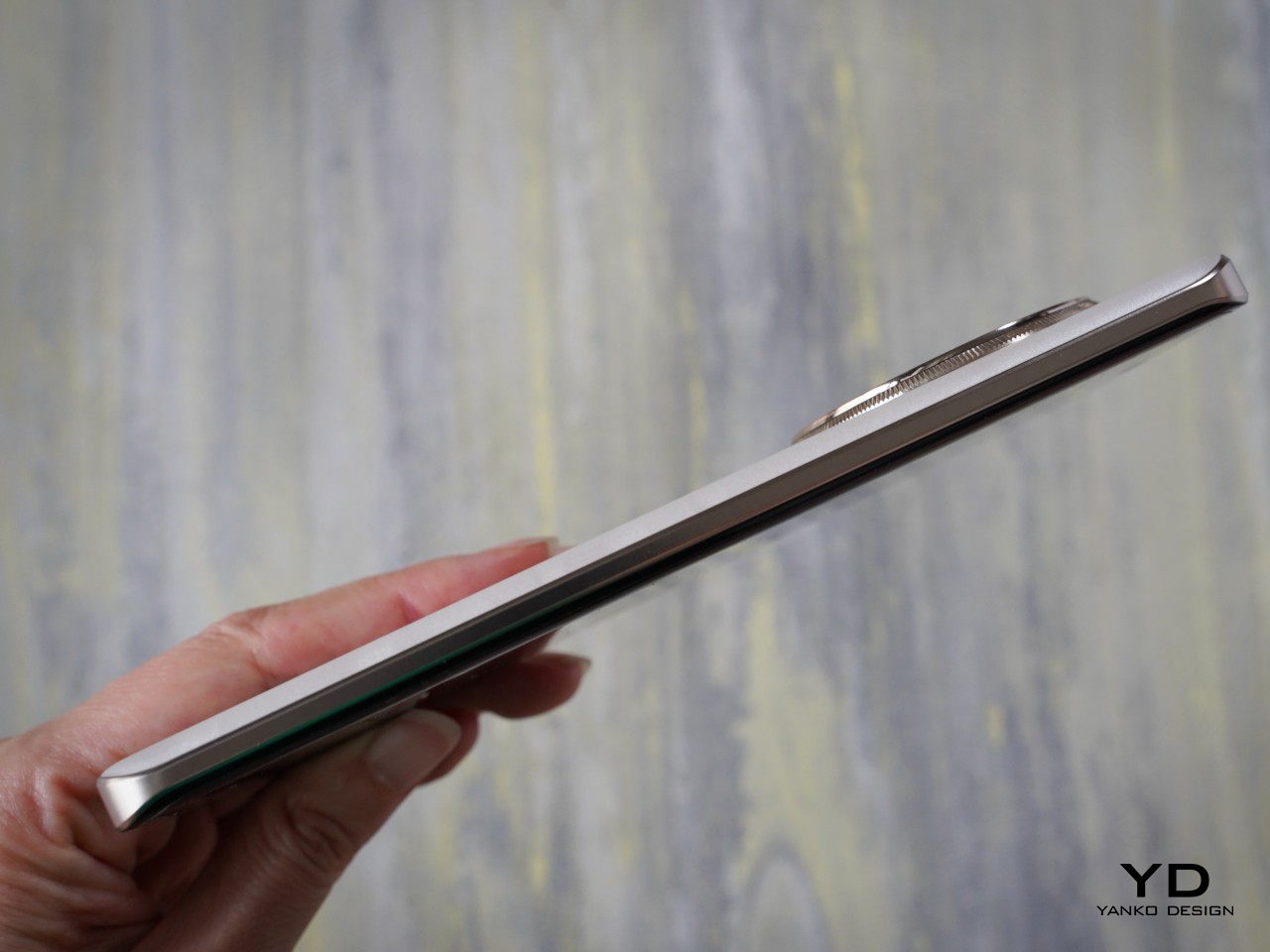
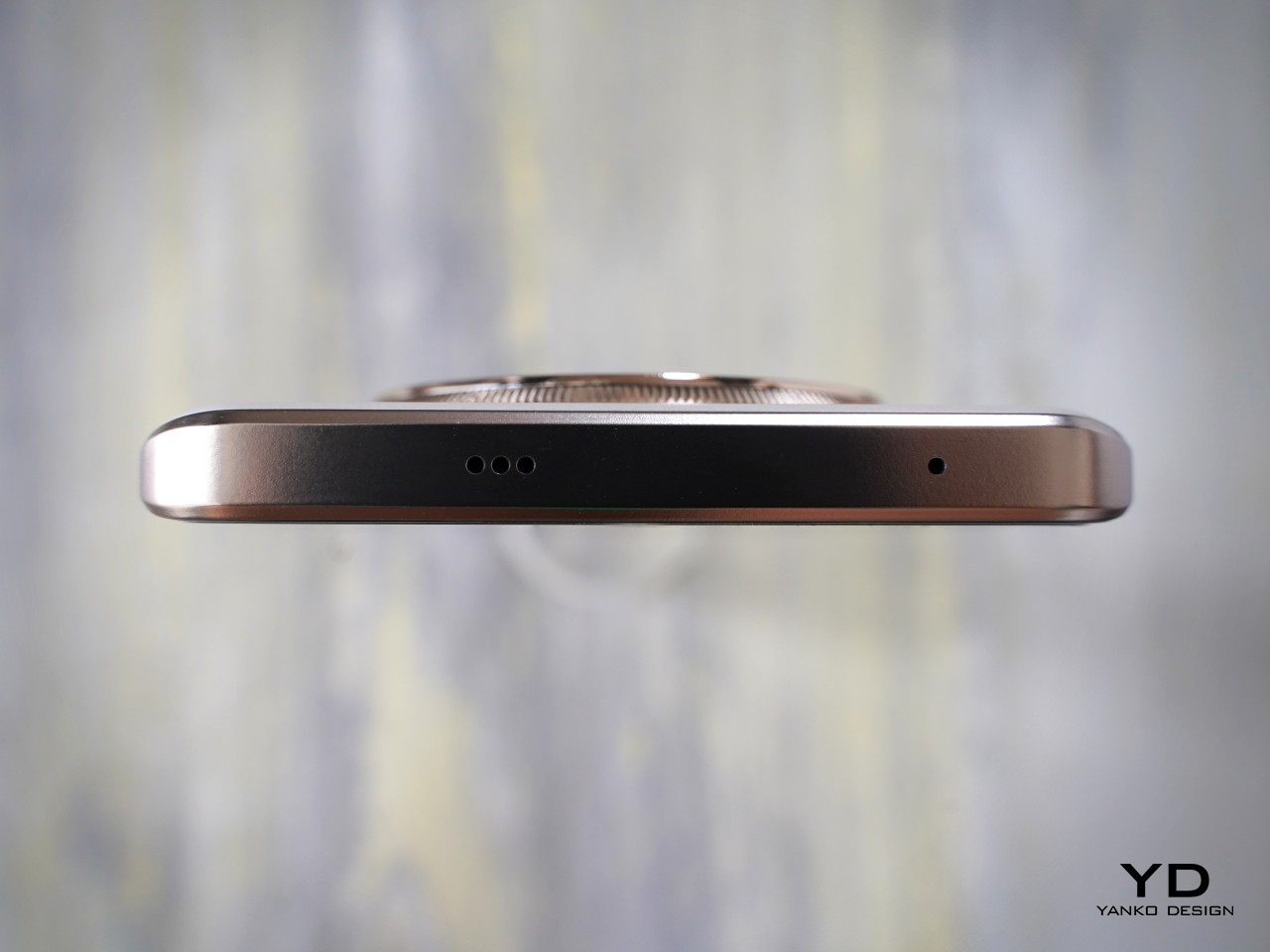
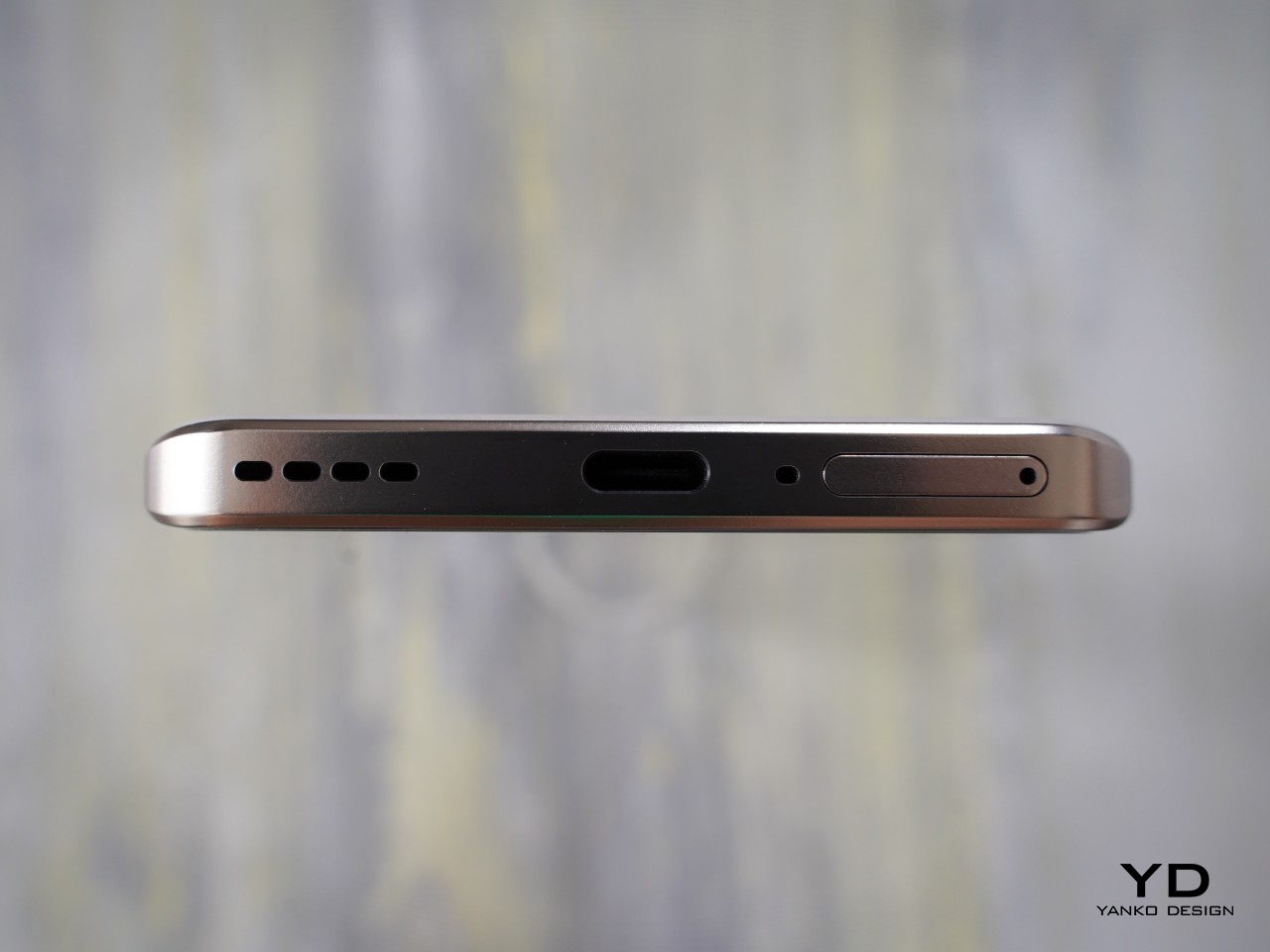
The Monet Gold variant measures 161.34mm x 73.91mm x 8.23mm and weighs 190g, while the Emerald Green variant is slightly thicker at 8.41mm but weighs marginally less at 185.5g. It balances well in hand, and the curved and rounded edges ensure a comfortable grip. The Monet Gold features a frosted glass finish that provides a velvety texture, ensuring a secure and comfortable grip without feeling slippery. The Emerald Green variant, with its vegan leather back panel, should offer a similarly high level of grip, if not more tactile and reassuring.
Performance

As a camera-focused device, the Realme 13 Pro+ boasts two world-first Sony sensors, showcasing Realme’s strengthened partnership with Sony. The first is a 50MP main sensor with the Sony LYT-701, featuring a 1/1.56” sensor, f/1.88 aperture, and optical image stabilization (OIS). The second is a 50MP telephoto sensor with the Sony LYT-600, featuring a 1/1.96” sensor and f/2.65 aperture. Completing the triple-camera setup is an 8MP ultrawide lens with an f/2.2 aperture. On the front, the 32MP selfie camera with an f/2.45 aperture is centered at the top of the display.
The Realme 13 Pro+ is equipped with Realme’s Hyperimage+ camera system, which enhances photos using both on-device AI algorithms and cloud-based AI image editing. The Realme AI HyperRAW Algorithm boosts image clarity and dynamic range, while features like the AI Portrait Algorithm improve subject isolation, bokeh effects, and skin tone. Additionally, the Group Photo Enhance feature sharpens each person’s face, regardless of their position in the group photo.

In optimal lighting, the main camera captures sharp, vibrant photos with rich detail. In low-light conditions, it maintains good performance and handles exposure well. The 3x zoom photos taken with the telephoto camera are excellent in most scenarios, offering strong dynamic range and detail in both daylight and nighttime. The telephoto lens supports up to 120x zoom, though image quality begins to deteriorate beyond 6x zoom, especially in low-light conditions. The ultrawide camera delivers satisfactory results but isn’t particularly remarkable, and the same applies to the front-facing camera.

ultrawide

1x

2x

3x

10x

20x

120x

The AI Ultra Clarity feature, even though it’s still in beta, performs well by naturally unblurring blurred images and salvaging otherwise unusable photos. However, it cannot handle motion blur. The phone also boasts the AI Smart Removal feature, which was first introduced in the GT6 series.


Oplus_131072

For video recording, the device can capture up to 4K footage at 30 fps or 1080p at 60 fps with the main and telephoto cameras. The ultrawide camera is capped at 1080p resolution at 30 fps. The front-facing camera can record video in 4K at 30 fps but does not support 60 fps. The footage from both the main and telephoto cameras is great, though there is no stabilization available in 4K.


Portrait 1x

Portrait 3x

The phone is equipped with the Snapdragon 7s Gen 2, the same as its predecessor, coupled with 12 GB of RAM (expandable by 4 GB) and 512 GB of storage. It handles everyday tasks with many apps open in the background without issue. However, you may need to settle for medium settings in graphic-intensive games. For mobile gamers, the Realme 13 Pro might be a better choice for its 3D VC Cooling system that keeps the phone running at peak performance without getting too hot.
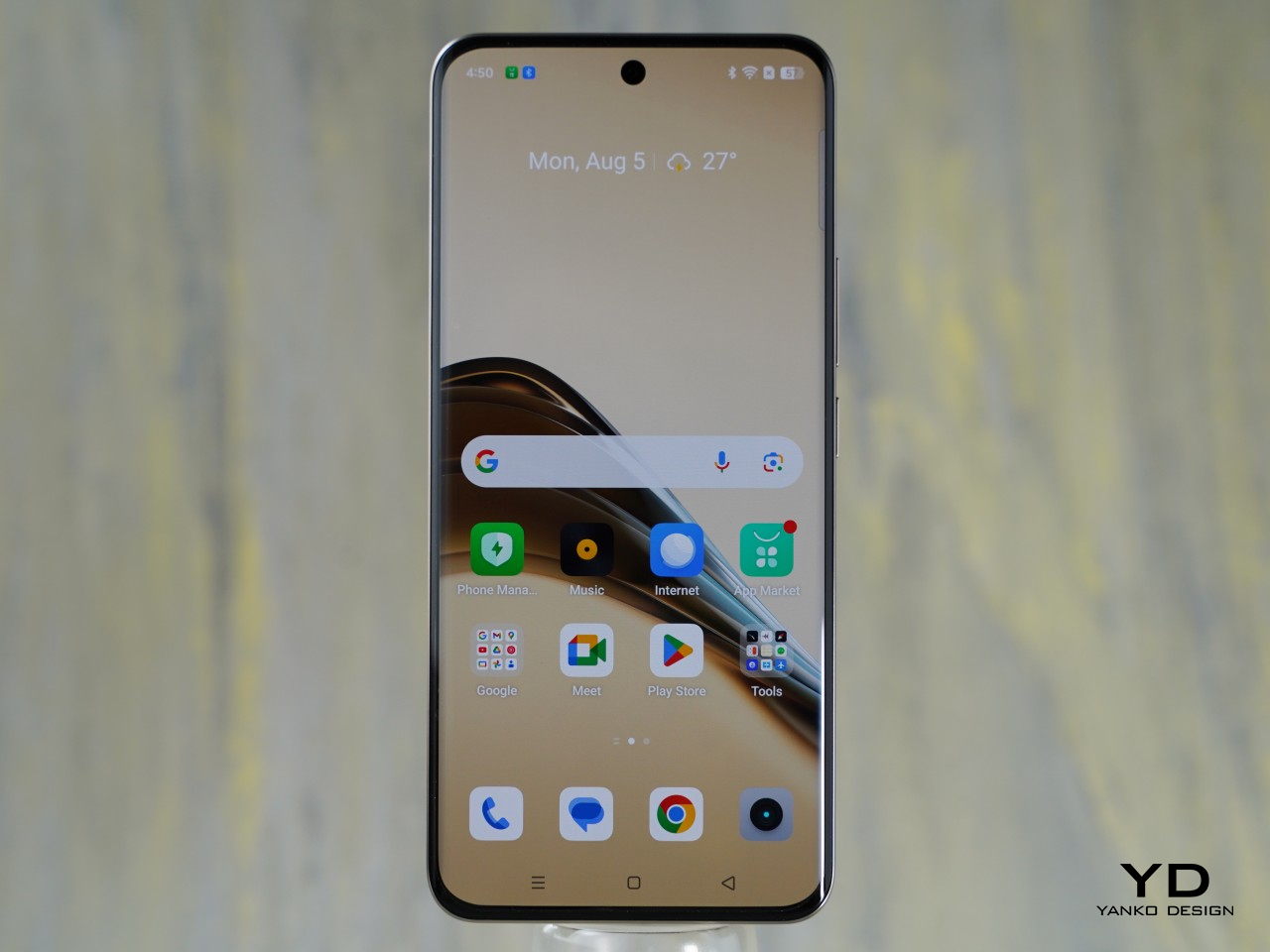
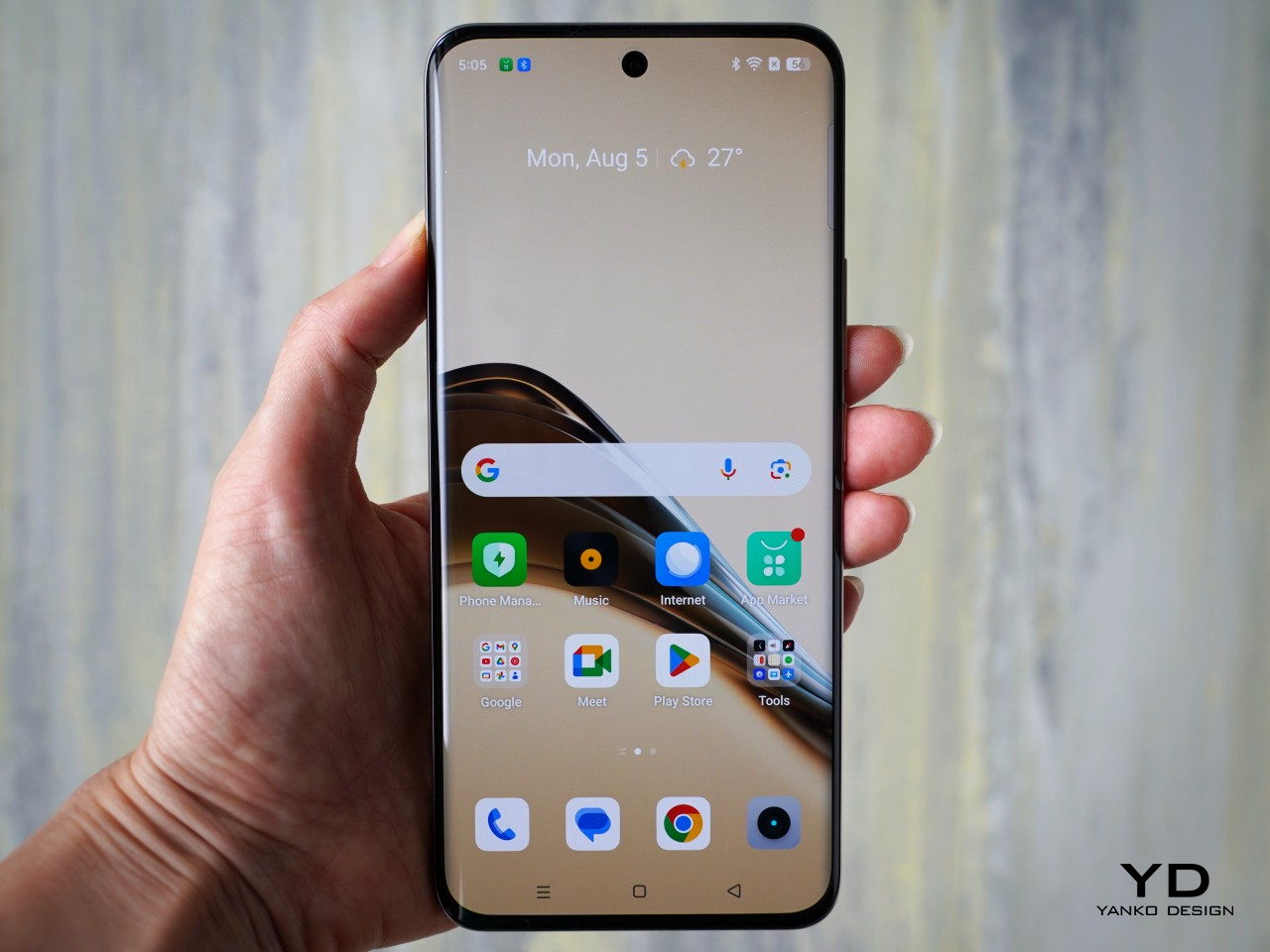
The phone features a 6.7-inch AMOLED FHD+ display with a resolution of 1,080 x 2,412 pixels and a 120Hz refresh rate. The screen boasts an impressive peak brightness of 2,000 nits, ensuring excellent visibility even in direct sunlight. It also features 2,160Hz PWM dimming and an AI Eye Protection function, designed to reduce eye strain and enhance visual comfort during prolonged use.
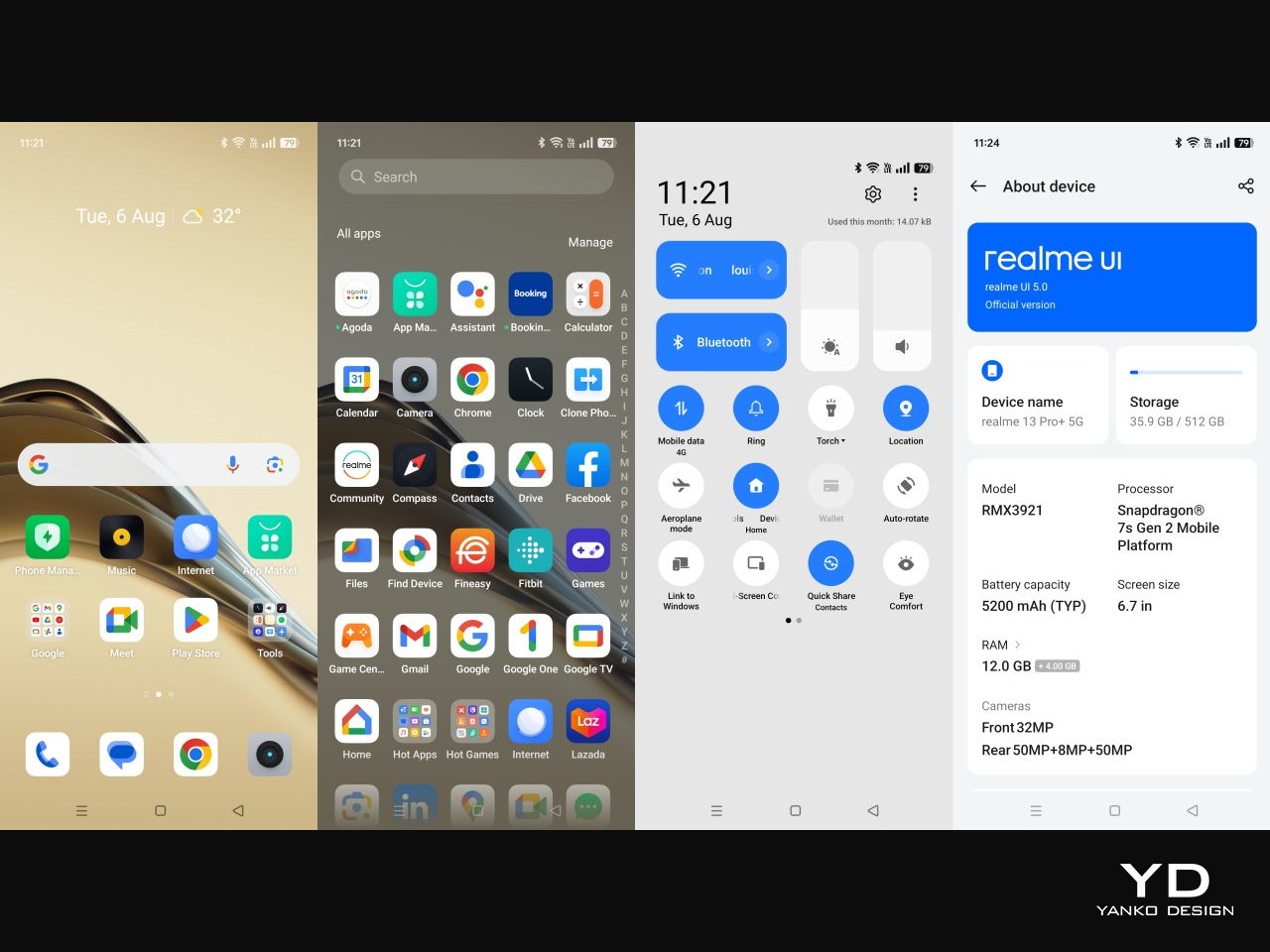
Powering the device is a robust 5,200 mAh battery, which comfortably lasts through a full day of typical usage. For charging, the Realme 13 Pro+ supports 80W SUPERVOOC technology, allowing for rapid recharge times and minimal downtime. Realme claims that the battery maintains over 80% of its original health even after 1,600 charging cycles, highlighting its durability and longevity.
Sustainability

While Realme has not specified the use of recycled materials in the construction of the Realme 13 Pro+, the device is designed with sustainability and durability in mind. Its display is protected by Corning Gorilla Glass 7i, which is known for its robust protection against scratches and drops. Additionally, the Emerald Green variant holds a Swiss SGS 5-Star certification for drop resistance, boasting 160% improved drop resistance and 100% scratch resistance. This design allows you to handle the phone with confidence, even if you’re prone to occasional drops or mishaps.

The phone is also rated IP65, providing effective protection against dust and water ingress, which further extends its longevity and usability in various conditions. Furthermore, Realme’s battery technology contributes to the device’s sustainability by ensuring that the battery maintains over 80% of its original health after 1,600 charging cycles. This longevity not only enhances the device’s overall lifespan but also supports environmental efforts by reducing the frequency of battery replacements and electronic waste.
Value

The Realme 13 Pro+ is now available in India, starting at ₹32,999 (approximately $400 USD) for the base model. Realme has also announced that the phone will soon be launched in other global markets. With its compelling blend of features and impressive main and telephoto camera capabilities, the Realme 13 Pro+ offers notable value for money.

In the competitive mid-to-high range segment where the Realme 13 Pro+ operates, several strong contenders are vying for attention. For instance, the OnePlus Nord 4, which we reviewed last month, stands out with its excellent battery life and sleek metal unibody design. The Nothing Phone (2a) distinguishes itself with a unique aesthetic and robust performance. Additionally, the Infinix NOTE 40 Pro+ presents a cost advantage at roughly $50 USD less, offering magnetic wireless charging and including a magnetic wireless charger in the box. Each of these alternatives has its strengths, making the choice between them a matter of personal preference and priorities.
Verdict

The integration of AI into smartphones reflects a broader trend toward leveraging advanced technologies to redefine user experiences. Realme’s approach with the Realme 13 Pro+ underscores its commitment to staying at the forefront of innovation in the mobile industry, particularly in enhancing photography capabilities through AI-driven solutions. With its strong value proposition, the Realme 13 Pro+ offers a compelling option for those seeking a balance of technology, design, and practicality in their smartphone.
The post Realme 13 Pro+ Review: AI-Powered Photography Masterpiece or Miss? first appeared on Yanko Design.