B&O Just Launched a $5,000+ Soundbar That Costs More Than Your First Car

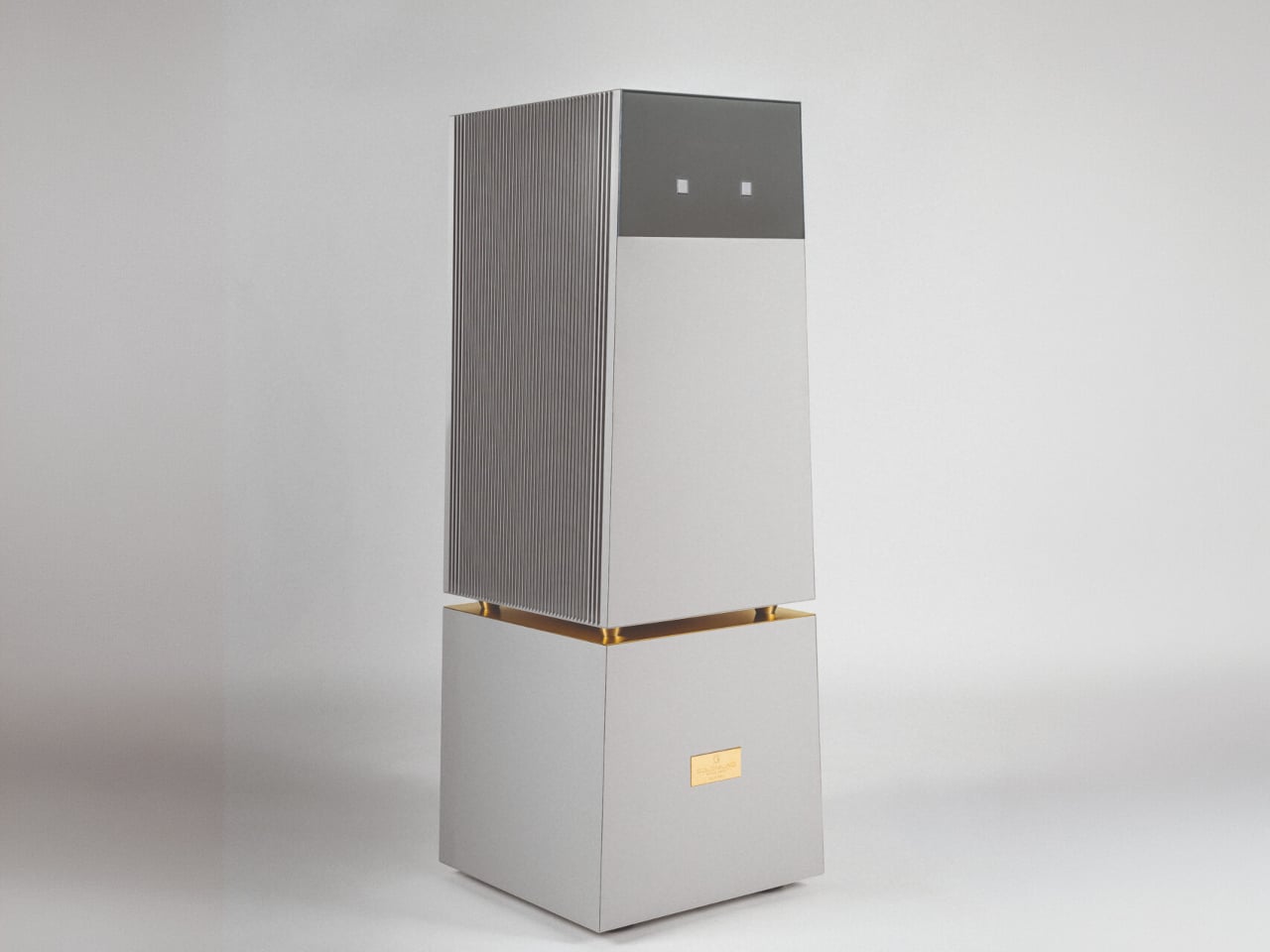
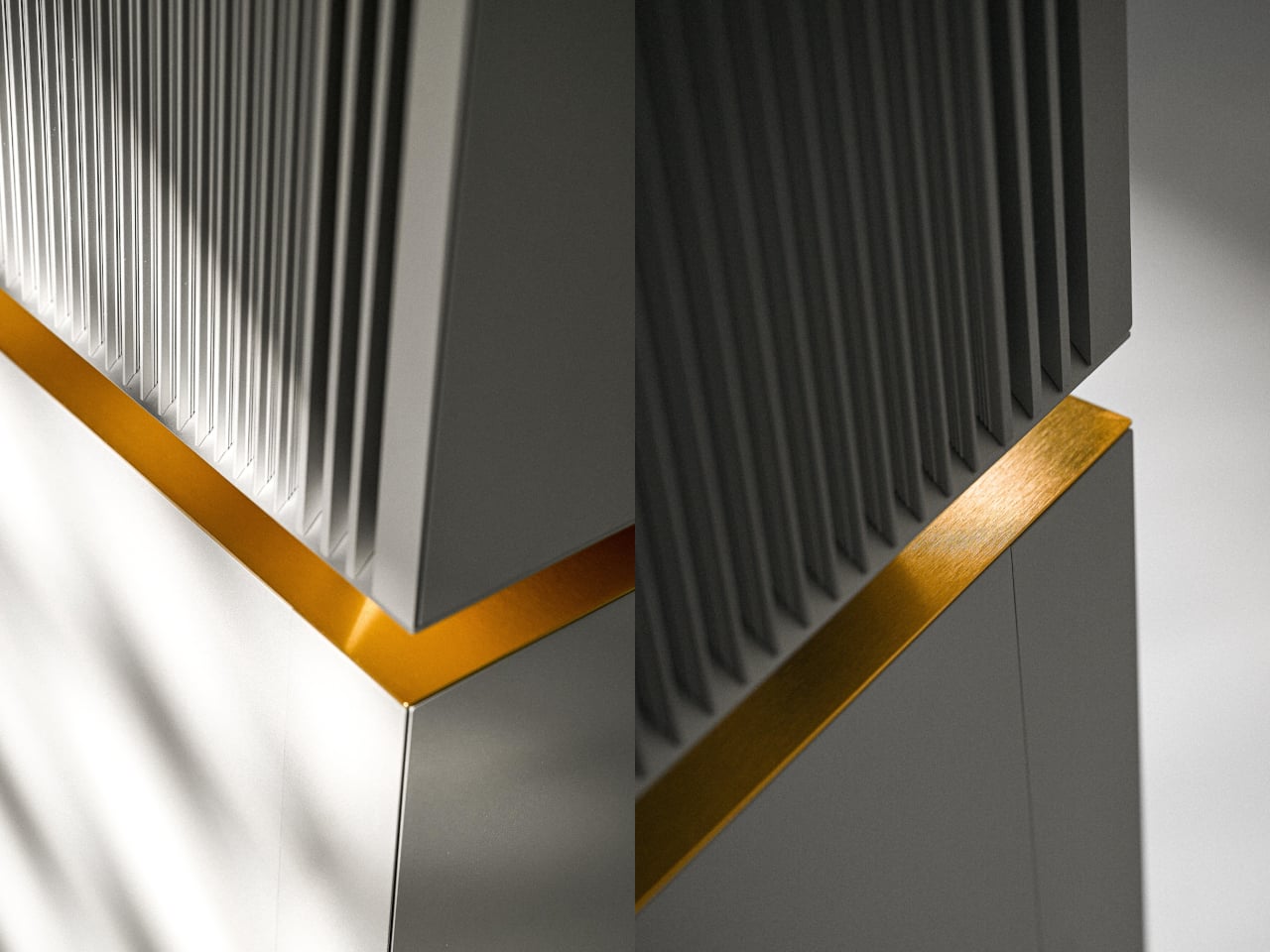
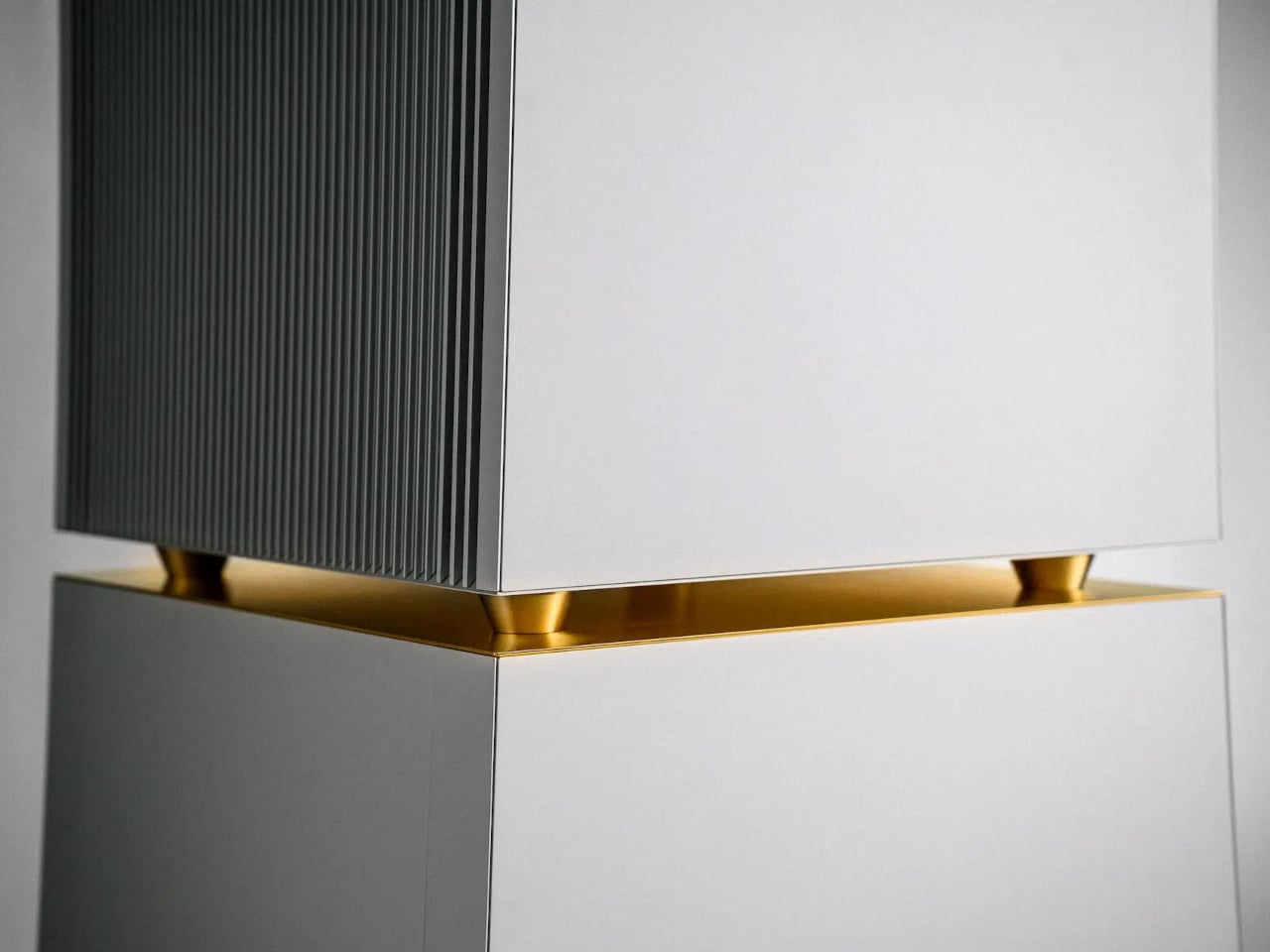
Bang & Olufsen’s Beosound Premiere lands like a spaceship in a room full of toasters. That’s not an exaggeration; it’s just what happens when a company known for treating speakers like sculpture decides to rethink the soundbar. This thing doesn’t just sit under your TV. It commands the room, a slab of pearl-blasted aluminum that looks like it was milled from a single ingot of the future. And yes, it costs £3,900, which is about as much as most people pay for rent, but let’s be real, if you’re the kind of person who buys a soundbar as a statement, you’re not exactly shopping for Black Friday deals.

The Premiere’s design is what happens when industrial designers are given free rein and a budget that doesn’t flinch. The up-firing tweeter sits center stage like a jewel, surrounded by 1,925 precision-machined perforations, a nod to Bang & Olufsen’s 1925 founding year, because of course it is. The aluminum chassis isn’t just for show; it houses ten custom drivers, including four racetrack woofers and a tweeter that looks like it belongs in a museum. The side-firing and up-firing drivers are part of the visual language, a reminder that this isn’t a black plastic slab pretending to be invisible. Then there’s the lighting: 90 LEDs that pulse and shift with your adjustments, because why should your soundbar be any less extra than the rest of your smart home?

Designer: Bang & Olufsen

You’d think all this design flair would come at the cost of actual performance, but the specs tell a different story. Ten amplifiers push 70 watts to the woofers and 50 watts to the rest, delivering a frequency range of 32 Hz to 23 kHz. The Dolby Atmos 7.1.4 decoding is paired with Bang & Olufsen’s proprietary True Image algorithm, which supposedly creates a soundstage wider than the unit itself. The company calls it Wide Stage Technology, and while I haven’t heard it yet, the idea of a soundbar that can convincingly fake a surround setup without extra speakers is intriguing. The max output of 102 dB at 1 meter means this thing can get loud, but the real test will be how it handles the subtleties: dialogue clarity, spatial separation, that kind of thing.

The connectivity suite is what you’d expect from a flagship product in 2025, but with a few Bang & Olufsen twists. HDMI eARC with 8K passthrough is table stakes at this point, but the inclusion of an Ethernet switch with three 1Gbit ports is a nice touch for anyone tired of juggling network cables. Bluetooth 5.4 and AirPlay 2 are here, obviously, but the real party trick is Beolink Surround, which lets you wire up additional B&O speakers for a true multi-channel setup. The fact that you can still use analog audio via USB-C (with an adapter) feels like a nod to the audiophiles who refuse to let go of their turntables. And yes, there’s a voice assistant option, but it requires an external Google device, because Bang & Olufsen would rather you use their app than bark commands at a microphone.

Now, the elephant in the room. £3,900 is a lot for a soundbar, but let’s put it in context. The Premiere isn’t competing with Sony or Sonos; it’s competing with high-end AV receivers and speaker setups that cost twice as much. The Haute Edition, limited to 25 pieces and priced at £11,000, is another story entirely. That’s not a soundbar; that’s a flex. Each one is hand-milled with a pattern that takes 17 hours to carve, because why not? It comes with a numbered certificate and a wooden box for the remote, because at that price, you’re not just buying audio equipment; you’re buying a piece of design history. Or at least, that’s the pitch.

The real question is whether the Premiere can justify its existence beyond being a conversation piece. Bang & Olufsen has a reputation for building products that sound as good as they look, but the soundbar market is crowded with solid performers at a fraction of the cost. The Premiere’s trick will be convincing people that its spatial audio and design justify the premium. For now, it’s hard to deny that this is one of the most interesting pieces of audio gear to come out in years. Whether it’s worth the price of a used car is another matter entirely. But if you’re the kind of person who sees a soundbar as an extension of your aesthetic, the Premiere might just be the centerpiece you’ve been waiting for.

The post B&O Just Launched a $5,000+ Soundbar That Costs More Than Your First Car first appeared on Yanko Design.

4 Smart Devices Controlled by Touch, Not Screens or Apps

Digital devices promise convenience, but too often they deliver complexity instead, with endless menus, constant updates, and a learning curve that never seems to end, no matter how long you use them. Many of us long for the days when using a product was as simple as turning a dial or pressing a button without consulting manuals or watching tutorial videos online to understand basic functions.

The Tamed Digital Devices concept reimagines our relationship with technology by bringing back the tactile, multi-sensory experiences of analog gadgets we used to love and understand instinctively. Created by SF-SO in 2019, it’s a vision of tech that’s calming, intuitive, and designed to fit seamlessly into daily life without demanding constant attention or learning new interfaces. Each device in the series prioritizes touch, sound, and movement over screens and menus.

Designer: Hoyoung Joo (studio SF-SO)

Each device in the series is inspired by classic analog forms and controls that people already understand instinctively without any instruction. The Ball Internet Radio swaps touchscreens for three magnetic balls on top that you roll or lift to change stations, making tuning in both intuitive and satisfying for all ages. The tactile feedback and visual movement of the balls create a playful interaction that feels natural rather than digital or sterile.

The Cone Bluetooth Speaker powers on or off with a simple flip, using a gravity sensor to turn a basic gesture into a moment of physical delight and satisfaction. No buttons to hunt for, no hold-and-press sequences to remember or decipher from tiny icons—just flip the speaker and it responds instantly. The conical shape with its bright orange accent doubles as sculptural home decor when not playing music, blending function with visual warmth.

The Wheel Digital Radio lets you tune frequencies by rotating the entire body like traditional wheel-tuned radios, echoing the mental model of classic analog radios from decades past that everyone intuitively understands. A physical marker shows the tuned station, providing immediate visual feedback without digital displays or complicated interfaces. The cylindrical form with ribbed texture and green accent makes the interaction obvious at a glance to anyone who sees it.

The Fingerprint Smart Door Lock combines the security of a keyless system with the familiar, physical action of turning a traditional lock mechanism that has existed for centuries. Users unlock the door by placing a finger on the sensor and rotating the dial, restoring the satisfying tactile feedback of analog hardware. The circular, wall-mounted form with green accent light provides visual confirmation without overwhelming smart home complexity.

Across the series, the use of tactile controls like rolling balls, turning wheels, and flipping speakers restores a sense of physicality and engagement lost in most digital products today that rely solely on touchscreens. The design language is clean and modern throughout, with geometric shapes, soft edges, and playful color accents that invite touch and curiosity rather than intimidation or confusion about how things work.

Tamed Digital Devices offer a glimpse of a future where technology supports well-being instead of adding stress to already busy lives filled with screens. For anyone craving a calmer, more human connection with their devices and tired of digital overload, this concept series is a reminder that innovation doesn’t have to mean complexity but can mean rediscovering the joy of simplicity and tactile pleasure.

The post 4 Smart Devices Controlled by Touch, Not Screens or Apps first appeared on Yanko Design.

Orbit Kinetic Turntable: See Your Music Move with Flipping Wooden Tiles

Remember when music was something you could actually see? Not just album art or a Spotify playlist, but something physical that moved and breathed with the beat? Designer Lillian Brown is bringing that tangible connection back with Orbit, a kinetic turntable that literally flips the script on how we experience sound.

What started as Brown’s senior thesis at the Savannah College of Art and Design has evolved into something genuinely captivating. Orbit isn’t just a turntable; it’s a performance piece that translates every beat, every note, every rhythm into visible motion through a mesmerizing display of flipping wooden tiles.

Designer: Lillian Brown

The concept is beautifully simple yet surprisingly complex in execution. Picture a classic vinyl turntable, then imagine surrounding the record with 39 handcrafted wooden tiles arranged in concentric circles. As your favorite album spins, these tiles respond to the music’s frequency and amplitude, flipping and rotating to create constantly shifting patterns of light and shadow. It’s like watching your music dance.

What makes Orbit particularly special is how it bridges the gap between vintage nostalgia and contemporary design innovation. In an era where most of us stream music through invisible algorithms and wireless speakers, there’s something deeply satisfying about watching music become a physical, visual experience. Brown has essentially created a hybrid object that transforms passive listening into an active sensory moment, where you’re not just hearing the music but witnessing it unfold in real time.

The wooden tiles themselves are a thoughtful material choice. Each one is carefully crafted and balanced, allowing them to respond with precision to the audio signals they receive. As the music plays, different frequencies trigger different tiles, creating organic patterns that shift with every song. A bass-heavy track might trigger the outer rings more intensely, while high notes could activate the inner tiles. The result is an ever-changing visual symphony that’s unique to each recording.

There’s also something wonderfully analog about the whole concept. While the mechanism that translates sound into motion likely involves some modern electronics, the physical expression is entirely mechanical. No screens, no digital displays, just wood, motion, and light playing together in space. It’s the kind of design that makes you slow down and actually pay attention to your music again.

Brown’s work taps into a growing desire for meaningful interaction with the objects in our lives. As more of our experiences become digital and ephemeral, pieces like Orbit remind us of the joy that comes from tangible, physical engagement with art and technology. It’s not just furniture and not quite sculpture; it exists in that fascinating in-between space where functional objects become art. The timing feels right for something like this. Vinyl has already made a remarkable comeback, with younger generations discovering the ritual of carefully selecting a record, placing it on the turntable, and actually sitting with an album from start to finish. Orbit takes that ritual one step further, adding a visual dimension that makes the experience even more immersive and meditative.

Imagine hosting friends and dropping the needle on a new album as everyone gathers around to watch the tiles respond and shift with the music. Or picture yourself unwinding after a long day, watching the hypnotic patterns emerge from your favorite tracks. It transforms listening from background noise into a focused, contemplative practice. What Brown has created with Orbit goes beyond clever design or technical innovation. It’s a reminder that some of the best ideas come from asking simple questions: What if we could see music? What if listening became watching? What if technology enhanced rather than replaced the analog experiences we value? In answering these questions, she’s created something that feels both nostalgic and refreshingly new, proving that great design doesn’t have to choose between the past and the future. It can honor both.

The post Orbit Kinetic Turntable: See Your Music Move with Flipping Wooden Tiles first appeared on Yanko Design.

This AI Music Sketchbook Captures Ideas Before They Disappear

You know that feeling when a melody pops into your head while you’re walking down the street, but by the time you pull out your phone to record it, the magic’s already gone? Or when you’re hit with a musical idea but don’t have the technical skills to translate it into something real? That frustrating gap between inspiration and creation is exactly what designer Woojin Jang is trying to bridge with their concept project, Everglow.

Think of it as a sketchbook, but for sound. Just like artists carry notebooks to capture visual ideas before they fade, Everglow is designed to help musicians and creators capture sonic inspiration in real time. The concept combines a physical hardware interface with generative AI technology, creating something that feels both wonderfully tactile and futuristic at the same time.

Designer: Woojin Jang

What makes this particularly interesting is how it rethinks the relationship between humans and music-making tools. Traditional instruments require years of practice, and digital audio workstations can feel overwhelming with their endless menus and options. Everglow sits somewhere in between (hence the design name “InBetween”), offering immediate access to sound creation without the steep learning curve.

The hardware interface is key here. Instead of clicking around on a screen or fumbling with software, you’d interact with physical controls that respond to your touch and gestures. This tactile element matters more than you might think. There’s something about physically manipulating sound that connects you to the creative process in a way that mousing around never quite achieves. It’s the difference between typing a description of a drawing and actually sketching it with your hands.

But the real innovation happens when you pair that physical expressiveness with AI-generated sound. The generative system doesn’t just play preset sounds or samples. Instead, it responds to your input by creating and shaping audio in real time, almost like having a collaborative partner who instantly understands where you’re trying to go musically. You guide it with your gestures and adjustments, and it fills in the gaps, suggesting possibilities you might not have considered. This approach democratizes music creation in a fascinating way. You don’t need to know music theory or have mastered an instrument to explore sonic ideas. The concept suggests a world where musical literacy isn’t a prerequisite for musical expression, where the barrier between “I hear something in my head” and “here’s what it sounds like” becomes paper-thin.

Of course, as a concept, Everglow exists in that exciting space where possibility meets imagination. We’re not looking at a finished product you can buy tomorrow, but rather a vision of what music-making tools could become. That’s what makes design concepts so valuable. They push our thinking forward, challenge assumptions about how things should work, and inspire both creators and technologists to pursue new directions.

The timing feels right, too. We’re living in an era where AI is rapidly transforming creative tools, from image generation to writing assistance. Music has been part of this evolution, but often in ways that feel disconnected from the physical, intuitive experience of making sound. Everglow suggests a different path, one where AI enhances rather than replaces the human touch, where technology becomes invisible enough that you can focus on the creative flow rather than the technical obstacles.

Whether or not Everglow itself becomes a reality, the questions it raises are worth sitting with. How do we design tools that capture the fleeting nature of inspiration? What’s the right balance between human control and AI assistance in creative work? And how can we make music creation feel as natural and immediate as doodling in a notebook? For anyone who’s ever had a musical idea slip away before they could catch it, concepts like this offer a glimpse of a more intuitive future. One where the tools get out of the way, and the space between imagination and creation becomes just a little bit smaller.

The post This AI Music Sketchbook Captures Ideas Before They Disappear first appeared on Yanko Design.

AI Lantern Speaker Designed to Reduce Anxiety With Light and Sound

Most home gadgets are designed for function, not feeling or emotional connection. Lamps and speakers fill their roles effectively enough, but rarely do they offer comfort or companionship during quiet nights or moments when you need a little extra calm to soothe anxiety. Finding a device that addresses both practical needs and emotional well-being remains surprisingly difficult in modern home technology.

Calmtern reimagines what a home object can be by blending a portable lantern with an AI speaker in one thoughtful package. It turns light and sound into a source of emotional support, making every room feel a little more welcoming and a lot more personal. The concept is simple yet powerful: bring comfort wherever you go in your home, whenever you need it most.

Designer: Hyun Jin Oh

Calmtern’s silhouette is inspired by classic lanterns, with a translucent upper body for soft, diffused light and a ribbed base that houses the speaker and controls. The integrated handle makes it easy to carry from room to room, hang on a minimalist stand, or set on a bedside table wherever comfort is needed. The portable form invites movement and flexibility throughout your daily routine.

The minimalist design, matte white finish, and lack of visible branding let Calmtern blend into any space seamlessly, from modern apartments to cozy bedrooms and hallways. The ribbed texture provides visual interest and tactile grip, while the clean silhouette feels timeless rather than trendy. It’s a device that looks as good on display as it does tucked away when not in use.

The lantern emits a gentle, warm glow that reduces anxiety and creates a cozy atmosphere perfect for late-night reading, winding down before bed, or simply making a dark room feel safe and inviting. Touch controls on the top panel make it easy to adjust brightness or volume without fumbling for switches or apps in the dark when you’re half asleep.

Calmtern is designed to move with you throughout your daily life and routines. Use it as a reading lamp beside your favorite chair, a bedside companion that plays calming sounds for sleep, or a portable speaker for music and podcasts in any room. The rechargeable design means it’s just as useful on a patio as in a hallway, and the gentle light is ideal for nighttime trips.

Beyond practical functionality, Calmtern is a calming presence that helps reduce feelings of loneliness or anxiety when living alone, making the home feel warmer and more inviting during difficult moments. The combination of soft light, smart sound, and intuitive controls creates a daily ritual of comfort and relaxation that goes beyond what typical smart home devices offer users.

The sculptural form and ambient glow turn Calmtern into a visual anchor for any room, sparking conversation and encouraging moments of pause in otherwise hectic days. For anyone who wants their home to feel as good as it looks while maintaining simplicity and emotional comfort, this concept offers a compelling vision of design where technology and well-being move together naturally.

The post AI Lantern Speaker Designed to Reduce Anxiety With Light and Sound first appeared on Yanko Design.

Technics SL-1200 Final Edition: Only 2,410 Gold Units Worldwide

Some legends never really die. They just get better with age, more refined, and sometimes, a little bit of gold. That’s exactly what Technics is doing with their latest drop: the SL-1200GME Master Edition, a turntable that’s equal parts tribute and technological tour de force. If you’ve ever spent time in a recording studio, DJ booth, or just scrolling through vinyl Instagram, you know the SL-1200 isn’t just a turntable. It’s an icon. And now, Technics is giving it one last proper send-off before closing the chapter on the G series.

Let’s talk about what makes this Master Edition worth all the attention. At its heart is Technics’ ΔΣ-Drive motor control system, a tech upgrade pulled straight from their pricier models like the SL-1200GR2 and SL-1300G. This isn’t just marketing speak. The Delta Sigma Drive actively works to reduce motor vibrations and improve rotational accuracy, which is basically turntable language for “your records will sound cleaner, smoother, and more precise than ever.” When you’re dealing with vinyl, even the tiniest wobble or inconsistency can throw off the entire listening experience. This system keeps things dead steady.

Designer: Technics

Then there’s the power supply situation. Technics equipped these Master Editions with a Multi-Stage Silent power supply, the same one used in their reference-grade SL-1000R turntable that costs a cool $27,000. It combines low-noise switching with active noise canceling to keep electrical interference from creeping into your audio. For audiophiles who can hear the difference between a good power cable and a great one, this is the kind of detail that matters.

The build quality is exactly what you’d expect from a brand that’s been perfecting this design for decades. We’re talking about a four-layer chassis construction featuring aluminum die-cast, BMC (Bulk Moulding Compound), heavyweight rubber, and a 10mm brushed aluminum top plate. That platter? Three layers of aluminum die-cast, vibration-dampening rubber, and a 2mm brass top plate. The whole thing weighs nearly 8 pounds with the rubber mat included, and each platter is individually balanced on dedicated machines to eliminate any unevenness. This is the kind of engineering that separates a good turntable from one that’ll last you a lifetime.

Visually, the Master Edition stands out in all the right ways. Technics added gold-painted accents throughout the design: the tonearm, headshell logo, top panel logo, a numbered badge that proudly states “Master Edition,” and even the dust cover logo sheet. It’s subtle enough to feel classy but distinct enough that anyone who knows turntables will immediately recognize this isn’t your standard model. The SL-1200GME comes in silver, staying true to the original SL-1200 aesthetic, while the SL-1210GME offers a black finish for those who prefer something sleeker.

Here’s the catch: these aren’t going to be around forever. Technics is limiting production to just 2,410 units worldwide. That breaks down to 1,200 units of the silver SL-1200GME and 1,210 of the black SL-1210GME. Each one comes with a numbered badge, so you’ll know exactly which piece of history you’re getting. The price tag reflects the exclusivity too. UK pricing is set at £5,000 (around $6,638), with North American pricing to be announced closer to the launch. These will start shipping in January 2026 in Europe and February 2026 in North America through authorized Technics retailers.

For anyone who’s been following vinyl’s resurgence over the past decade, this feels like a full-circle moment. The SL-1200 helped define DJ culture, shaped the sound of hip-hop, and became a staple in homes where music wasn’t just background noise but a way of life. Now, Technics is closing out the G series with a version that honors that legacy while pushing the technical limits of what a direct-drive turntable can do. Whether you’re a collector, a serious listener, or someone who just appreciates beautifully designed tech, the Master Edition is the kind of piece that reminds you why analog still matters in a digital world.

The post Technics SL-1200 Final Edition: Only 2,410 Gold Units Worldwide first appeared on Yanko Design.

Colorful retro turntables bring back the free-spirited 50s to the present

The predominant minimalism design trend has created hundreds of products with trivial, often singular color schemes with muted hues. Although there’s no rule that it has to be such, this has become the standard practice for those adhering to this aesthetic. This has caused some to label such designs as boring and lifeless, though many will undoubtedly beg to differ.

The retro fever gripping many fields, however, is throwing a splash of color and whimsy on products, whether they’re actually vintage designs or even modern-day objects. Taking inspiration from mankind’s equally colorful history, retro designs like these turntables capture the charm of the past and blend it with the comforts of the present to create an experience that is more memorable and more satisfying than simply listening to music off Bluetooth speakers.

Designer: Gadhouse

Although the television might have only shown black and white, the 50s was characterized by an overabundance of bright, saturated colors, sometimes to a disconcerting degree. The decade also saw the rise of the “Long Play” record format, popularizing the record players and turntables that are being revived today. It seems only fitting that a true-blooded vintage record player pays homage to its roots, at least on the surface.

The Brad Retro Mk II definitely looks the part with its boxy designs, analog controls, and, more importantly, its colorful personality. With a belt-driven mechanism, three-speed play, and support for 7-12″ vinyl, this retro-style record player brings out the analog goodness of the medium, letting you hear it just the way the music was supposed to be heard. Built-in 10W speakers even recreate that experience of not having to plug in speakers just to listen to music.

Of course, the Brad Retro Mk II is also a child of modern technology, and it doesn’t disappoint either. If you do want to play your music louder, you can stream to a nearby Bluetooth speaker or go old-school with a 3.5mm jack. What’s new in this second-gen model is a USB-C port of power, allowing you to play anywhere you want.

The Brad Retro Mk II comes in five color combinations to appeal to as many tastes as possible. The turntables exude a playful charm typical of that period, while still meeting the needs of discerning audiophiles. With vibrant hues, tactile controls, a unique tonality, and modern connectivity, this record player isn’t just a blast from the past but is also a product of humanity’s cumulative history.

The post Colorful retro turntables bring back the free-spirited 50s to the present first appeared on Yanko Design.
Noise-canceling headphone concept creates sound bubble for clearer conversations

When you need to have a serious conversation with someone or a small group, you probably need to find a place that has a private room or where there will only be a few people. But for times when you have no choice but to have it in a not so quiet place, then you probably wish you had a cone of silence so you can drown out other people’s voices while still being able to hear what your companions are saying.

Designers: Tuochao Chen, Malek Itani, Sefik Emre Eskimez

Well that might soon come true if this concept by the engineers at the University of Washington becomes a reality. The headphones is powered by AI and has the power to filter out the noise from as far as a few feet away so you’ll still be able to hear the conversation around you. It creates an imaginary “sound bubble” so you can focus on what you need to hear.

The noise-canceling headphones has six microphones on its headband, with a small onboard computer running a neural network. It will be able to analyze the distance from various sound sources around you. The ones that are farther away will be filtered out while the sounds closer to you will be amplified. If they come in within your imaginary bubble, you’ll be able to hear them clearly too.

It’s an interesting device to have especially if you have a lot of meetings or conversations outside. It would look strange though to have a group of people talking and all wearing headphones. They are working on smaller versions like earbuds or even hearing aids so that should work better.

The post Noise-canceling headphone concept creates sound bubble for clearer conversations first appeared on Yanko Design.
10 Best iPod-Inspired Homage Designs To Honor The Iconic Device

The iPod, a groundbreaking device that revolutionized the way we listen to music, is celebrating its 23rd anniversary. While it may no longer be at the forefront of Apple’s product lineup, its legacy lives on in various nostalgic designs that pay homage to its iconic status. And, we’ve curated a collection of innovative and intriguing designs – concepts and tangibles alike, that perfectly capture the essence of the iPod while integrating modern technology.

These products celebrate the iPod’s legacy by blending nostalgia with modern technology. Each design offers a unique way to honor the iconic device, whether through transforming existing gadgets, enhancing smartphone functionality, or reimagining the iPod Shuffle. They are an interesting mix of conceptual designs and real products but they all showcase the enduring influence of the iPod on the world of technology and design. As we celebrate its 23rd anniversary, these innovations remind us of the iPod’s impact and the creative possibilities it continues to inspire.

1. Pod Case

If you’re wondering if this is the new iPod, sadly, it isn’t. But it is something much better! A way for you to celebrate and reminisce over the iconic iPod. It is designed to be an old-school external case for your beloved Apple Watch. Designed by Joyce Kang and C.O. Design Lab, the Pod Case is a beautiful celebration of the evergreen iPod. It is made from silicone, and will smoothly slide over the body of your Apple Watch, offering it a fun and funky throwback.

Since the watch’s screen almost matches the screen size of the classic iPod Nano, this design works well, creating an amusing fusion of the past and the present. The jog wheel on the front doesn’t work, but you can easily navigate and control the watch through the touch screen. If you’re a Gen-Z who never got to experience the iPod, or a millennial wishing to relive their glorious iPod days, the Pod Case is a great idea.

What we like

  • Perfect fusion of the past and the present.
  • Besides being aesthetically unique, it offers protection for your Apple Watch.

What we dislike

  • The case may not be compatible with all Apple Watch models and sizes.
  • The design may not appeal to those who want a more modern look.

2. AW6 Case

Designed by Elago, and dubbed the AW6 case for the AirPods, this adorable little case is another tribute to the iPod. It is created to replicate the iPod Classic’s jog dial while serving as a protective cover for your AirPods case. This case is compatible with 1st and 2nd gen AirPods, and the sleeve is equipped with a slot for the charger, and a carabiner clip to hang it from your belt loop or backpack. There is a tiny hole above the menu for the charging light as well.

If you’re looking to take a trip down memory, then the AW6 case is a great bet as it not only protects your AirPods and their case but also takes you back to the days when the iPod was a sweet reality instead of a distant memory. It adds a fun twist to typical and conventional AirPods accessories, by merging the old and the new.

What we like

  • The design may offer an improved grip compared to the smooth surface of the original AirPods case.
  • Will serve as a conversation starter amongst Apple enthusiasts.

What we dislike

  • May not appeal to those who want a more minimal and contemporary look for their tech devices.

3. Opal Tadpole

Designed by Opal, the Tadpole is an iPod Shuffle-shaped webcam with a 4k sensor and AI feature. It features a new machine-learning signal processor which delivers “DSLR-rivaling quality”. It is also equipped with a moderately wide 90-degree field of view. The wide angle is great for capturing more than just your face, it is a boon for dynamic presentations, or when you want to show your surroundings more.

It features a f/1.8 lens, which can capture well even in low-light conditions. It also includes a digital microphone array, which can pick up your voice clearly while minimizing any background noise. It adopts the shape and size of a 3rd-Gen iPod Shuffle, with a lovely minimalist design to match. It can easily clip onto your laptop or monitor without adding much bulk.

What we like

  • The 4K sensor offers high-resolution video quality.
  • The iPod Shuffle-inspired design offers a compact and portable form factor.

What we dislike

  • The unique design might raise questions about durability and how well the device can deal with regular use.

4. Shuffle AirTag Case

Elago is back with another cutesy design! This is the Shuffle AirTag Case, and it is the perfect accessory for any Apple lover. It looks like the 4th Gen iPod Shuffle and is designed to be a protective case for your AirTag. It is built from soft silicone and offers protection from bumps and scratches. It also features a keyring, which allows you to securely attach it to bags, backpacks, etc.

The case has been built with attention to detail, and it successfully captures the iPod Shuffle’s iconic beauty. It includes a circular interface on the front, as well as a switch and 3.5mm audio input on the bottom. It is available in two colors – mint green and black, although black does seem like the more appealing option.

What we like

  • It transforms the look of the AirTags, allowing users to personalize their devices.
  • Provides an additional layer of protection for the AirTag.

What we dislike

  • The case may add some bulk to the compact AirTag, which could affect its fit in certain accessories or holders.

5. tinyPod

Called the tinyPod, this delightfully little accessory is another interesting way to convert your Apple Watch into a miniature iPod. It features a nostalgic design and a modern twist. The Apple Watch is enclosed in a case that resembles the iPod and provides a colored screen and an interesting click-wheel-like control system. We are unsure of the functionality, but it will deliver an experience that will take you back to the good old days.

It also allows you to enjoy the added capabilities of the Apple Watch. The accessory allows users to listen to music, watch YouTube, and more without even touching their smartphones. It bridges the gap between a simple portable media player and a full-fledged smartphone.

What we like

  • By combining the Apple Watch’s features with the iPod’s design, users can enjoy music and other media with ease.

What we dislike

  • Details about the click-wheel functionality and overall user experience are unclear.

6. iPod Magnetic Hybrid Card Holder

Say hello to Elago’s iPod Magnetic Hybrid Card Holder. It is a MagSafe-compatible accessory that will bring a hint of nostalgia to modern smartphones. This card holder is designed to resemble the classic iPod, and it merges old-school charm with new technology. It can fit perfectly and seamlessly onto MagSafe-enabled iPhones, providing an easy and convenient way to carry essential cards with you.

The cardholder is made from durable polycarbonate, and it is equipped with powerful Neodymium magnets which provide a secure fit. It is blessed with an ergonomic design which includes a finger groove for easy handling, and a card removal aid for convenience.

What we like

  •  The card pocket holds up to two cards, providing a practical solution for carrying essentials without a bulky wallet.
  • Made from robust materials, the card pocket is designed to withstand daily use.

What we dislike

  • Only compatible with MagSafe-enabled iPhones, limiting its use to a specific audience.

7. Nothing Npod (1)

The Nothing Npod (1) is a lovely fan-made tribute to the iPod Shuffle. It is a conceptual design created by designers Shreyansh Onial and Aditya Pandharpure. It integrates Nothing’s transparent design aesthetic and glyph interface with the beautiful memory of the iPod Shuffle. It is equipped with a signature circular panel that will remind you of the original iPod Shuffle.

The concept also includes a wireless charging coil, and a USB-C charger, thereby combining classic design elements with modern technology. The glyph interface works well, adding a unique touch, and responding to music with visual indicators for volume and playback progress.

What we like

  • Integrates modern conveniences into its retro design.
  • The glyph interface offers the potential for dynamic interaction.

What we dislike

  • It is a conceptual design, so we don’t know how well it will translate into a tangible product.

8. iPod Touch 2024

Designers JUAN and Wong teamed up to reimagine the iPod Touch, drawing inspiration from the iPhone 16 language. The iPod is no longer in production, but this reimagined concept brings to us what the iPod would probably look like in today’s times. Their unique vision retains the 4-inch retina display but adopts elements from the latest iPhones.

The iPod includes a single Apple logo on the back and a revived pop-out loop hanger button. They’ve also retained the 3.5mm headphone jack, bringing attention to the iPod Touch’s identity and cost-effectiveness. It is exciting to see how the iPod Touch would have looked like in 2024.

What we like

  • Blends classic iPod Touch design with contemporary iPhone elements.
  •  The loop hanger button and headphone jack add distinctive touches.

What we dislike

  • Not yet available as a tangible product.
  • It appeals to fans of both iPod and iPhone design languages, so it has a limited audience.

9. W6 Stand

The W6 Stand by Elago is designed as a nifty throwback to the iPod! If you want to convert your Apple Watch into an iPod, this is a tangible and buyable product that you can purchase. It transforms your Apple Watch into a nostalgic display reminiscent of the classic music players. It is compatible with all the Apple Watch series and perfectly creates the impression of the lovely vintage device.

The stand is built from scratch-free silicone, and it provides protection and stability and prevents scratches or wear and tear. The W6 Stand is perfect for nightstand use. You can also slide the Watch charger inside too, so your Watch can charge as it docks in its new yet not-so-new home.

What we like

  • Works with all Apple Watch series, ensuring broad usability.
  • Silicone construction prevents scratches,

What we dislike

  • The retro design may not appeal to everyone.
  • It is best suited for use as a nightstand, so it may not appeal to all users.

10. iPod Classic 2021

Designer Andrea Copellino reimagined a modern iPod Classic that brings the nostalgic and lovely charm of Apple’s iconic MP3 player. This iPod Classic drew inspiration from the iPhone 12 Pro, featuring a stainless steel body and flat sides. The concept also includes a click wheel and Apple Remote Integration. The concept is a celebration of the beloved iPod Classic, weaving a surreal image of its potential future.

Of course, the iPod doesn’t seem to have a foreseeable future, but this iPod Classic concept is a fun and playful way to celebrate and remember the audio device. It manages to capture the essence of the iPod with modern design elements, and contemporary aesthetics, creating a perfect fusion of the old and the new.

What we like

  • Features high-quality materials and a sleek aesthetic.
  • Combines click wheel nostalgia with Apple Remote functionality.

What we dislike

  •  As a design concept, it is not yet available for purchase, and we are unsure how well it will translate into a real product.

The post 10 Best iPod-Inspired Homage Designs To Honor The Iconic Device first appeared on Yanko Design.
This Rugged Android Tablet with 4 Speakers Is Your New All-Terrain Waterproof Entertainment Hub

It’s a tablet PC, a shower speaker, your car’s infotainment system, and a portable dashboard for everything from music to video to phone calls. Meet the Nomad – a tablet-speaker that isn’t designed for productivity… it’s designed for entertainment. With a powerful speaker system, a waterproof design, and mounts that let you place the Nomad anywhere, this device doubles as your shower speaker, your smart display, a Carplay/Android Auto-compatible infotainment system, a dedicated device for Netflix and Chill whether it’s in the bedroom, living room, or poolside, and even your perfect radio alternative when you’re camping. For ages, tablets have grown thinner and their speakers weaker… and smart speakers have remained tethered to their plug points. Nomad combines both in a durable, portable package so you can carry your entertainment with you, without compromising on literally anything.
Designer: UpBeat

Click Here to Buy Now: $249 $399 ($150 off) Hurry! Only 13 days left. Raised over $113,000

The Nomad isn’t a tablet. It isn’t a speaker. It isn’t a smart home hub like the Echo Show or the Pixel Tablet. It’s a little of everything, combined into one product that offers zero compromises if you know what you’re buying it for. It’s designed purely for entertainment, which means that sleek, laptop-bag-friendly profile is a non-issue. The device is rugged, doesn’t compromise on audio quality, and is made to be used everywhere, from in your shower to your car.

With its waterproof build and four-speaker array, the Nomad was crafted with audio at its core. This device excels as a portable entertainment hub, with an audio quality that outshines any tablet’s built-in speaker system—be it the shower, the backseat of a car, or your outdoor adventures. The 4 front-facing speakers and 2 subwoofers on the side deliver rich, resonant sound (at up to 94 decibels) that rivals traditional portable speakers. Combined with a battery life of over 20 hours for music playback, the Nomad is set to keep the party going without frequent recharges.

On the inside, the Nomad runs on Android, which means it’s ready for all your favorite streaming apps, plus it has a microSD slot for expanding storage and loading up on offline content. The 8-inch HD touchscreen has a striking brightness level of 1200 nits, 20% brighter than the iPad Pro which shines at 1000 nits, making it perfect for outdoor use. The display is responsive, has an anti-glare coating, and complements the overall build of the device—it’s rugged yet refined, a rare find in tablets with a focus on durability.

The stick-on Shower Mount lets you easily dock and use your Nomad while in the shower

The built-in speaker is supplemented by microphones too, which means the tablet lets you interact with voice assistants, leave voice notes, or even take phone calls. That’s where the powerful speakers come in handy, allowing you to talk without cupping your ear to hear what the other person is saying. If you want to have a private conversation, just connect Bluetooth earbuds, or better still, use the 3.5mm jack on the Nomad to hook up your wired headphones. The only thing missing is an on-board camera, which means no photographs or even video calls.

Mounting options for the Nomad extend its functionality even further. It comes with a shower wall mount, which lets you easily slip the Nomad in while having a bath. The tablet is fully usable while bathing, so whether you’re watching a TV show or hosting your own bathroom karaoke, the Nomad lets you stay in control, unlike your phone or your Bluetooth speaker, which won’t go in the shower with you.

Outside the shower, a built-in kickstand lets you prop the Nomad up wherever you are. If you want to tether the tablet to a tree or the back of your car-seat for in-car entertainment, the tablet comes with a strap-on mount too. An optional add-on cup-holder mount lets you bring the tablet to the front seat, substituting your in-car radio or music player. When all fails, a tripod mount on the bottom lets you screw a tripod in, allowing you to position your tablet practically anywhere. And since it’s fully waterproof, you don’t have to worry about splashes or moisture damaging the device.

For in-car use, you’ve got built-in Android Auto and CarPlay compatibility, a standout feature that elevates the Nomad from a mere tablet to a full-fledged navigation and media console for your car. CarPlay integration makes the device invaluable for on-the-go use, especially if you prefer your tech streamlined and multipurpose. Mount it on a dashboard, and you have an instant navigation system paired with immersive sound quality, all accessible through the Android interface that many users will find familiar and easy to navigate.

Under the hood, the Snapdragon 662 processor keeps the Nomad humming along smoothly. Sure, it’s not the latest SoC on the market, but in a rugged device focused on reliability and battery efficiency, the Snapdragon 662 is a solid choice that provides a good balance of performance and energy efficiency. You’ll find it more than capable for streaming, navigation, and even some light gaming if the mood strikes. Although the exact battery capacity isn’t mentioned, the Nomad delivers 20 hours of audio on a full charge, and can be doubled thanks to an optional magnetic battery that snaps right on top, bringing its output to 40 hours of music, or 10 full hours of video. Both the tablet and the magnetic battery have USB-C charging, which means you can charge your Nomad anywhere.

The basic bundle starts at $249, which includes the Nomad itself along with the shower mount. The $340 Ultimate Bundle gets you all the other accessories too, like the strap-on mount, the cup mount, and that snap-on magnetic battery. No matter which bundle you pick, the Nomad ships globally, starting February 2025.

Click Here to Buy Now: $249 $399 ($150 off) Hurry! Only 13 days left. Raised over $113,000

The post This Rugged Android Tablet with 4 Speakers Is Your New All-Terrain Waterproof Entertainment Hub first appeared on Yanko Design.