Mobile power bank concept can be used horizontally or vertically to maximize space

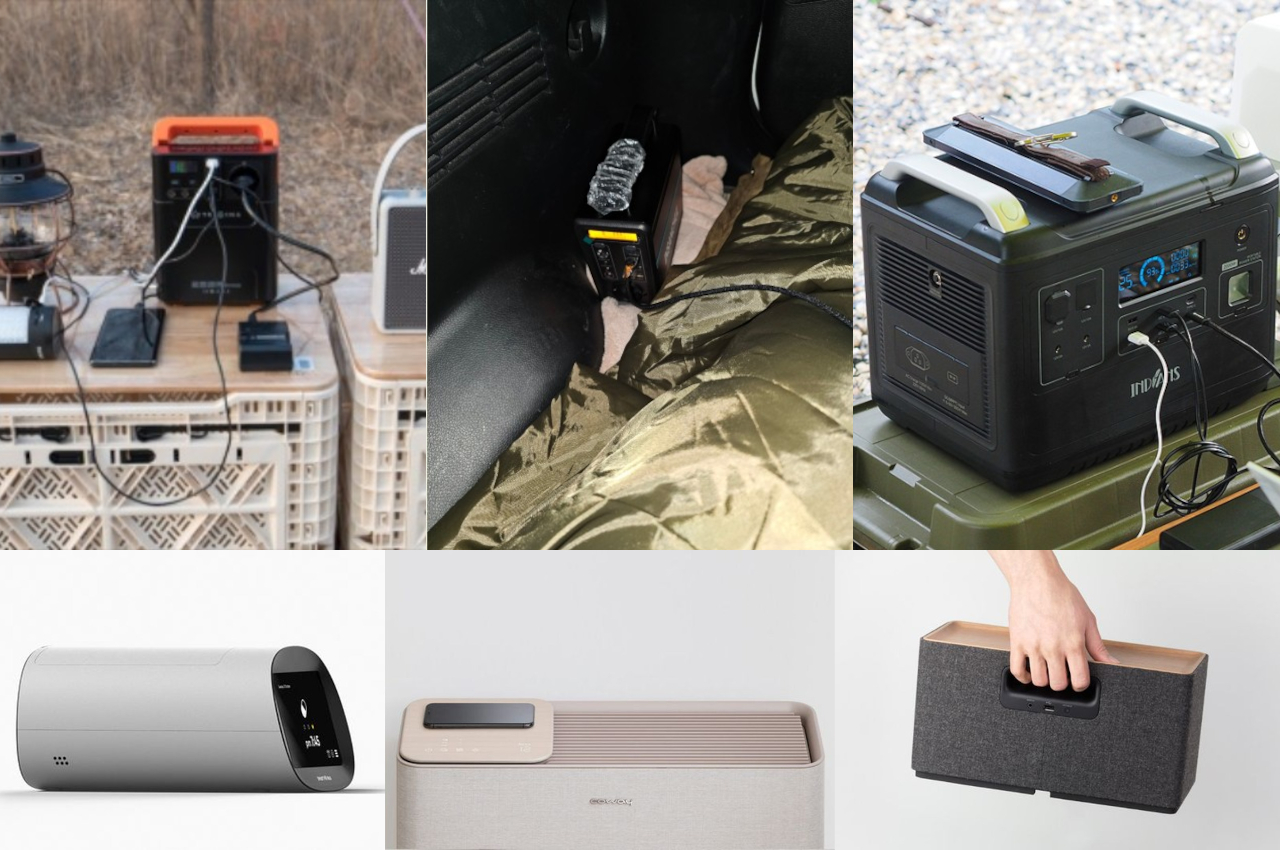
It’s almost comical how we’ve become so attached to our electronic devices that we start to panic whenever our batteries go red. That’s why there’s a large and thriving market for all kinds of portable battery solutions, ranging from pocket-sized blocks just for your smartphone to hulking boxes for a few night’s stay outdoors. The latter, while portable, aren’t exactly space-efficient, especially when it comes to the horizontal space you need to use them. This concept for a portable power station literally turns the design on its head by letting you use the large battery standing up, except for one or two cases where you’ll need it to lie down anyway.

Designer: Real Design
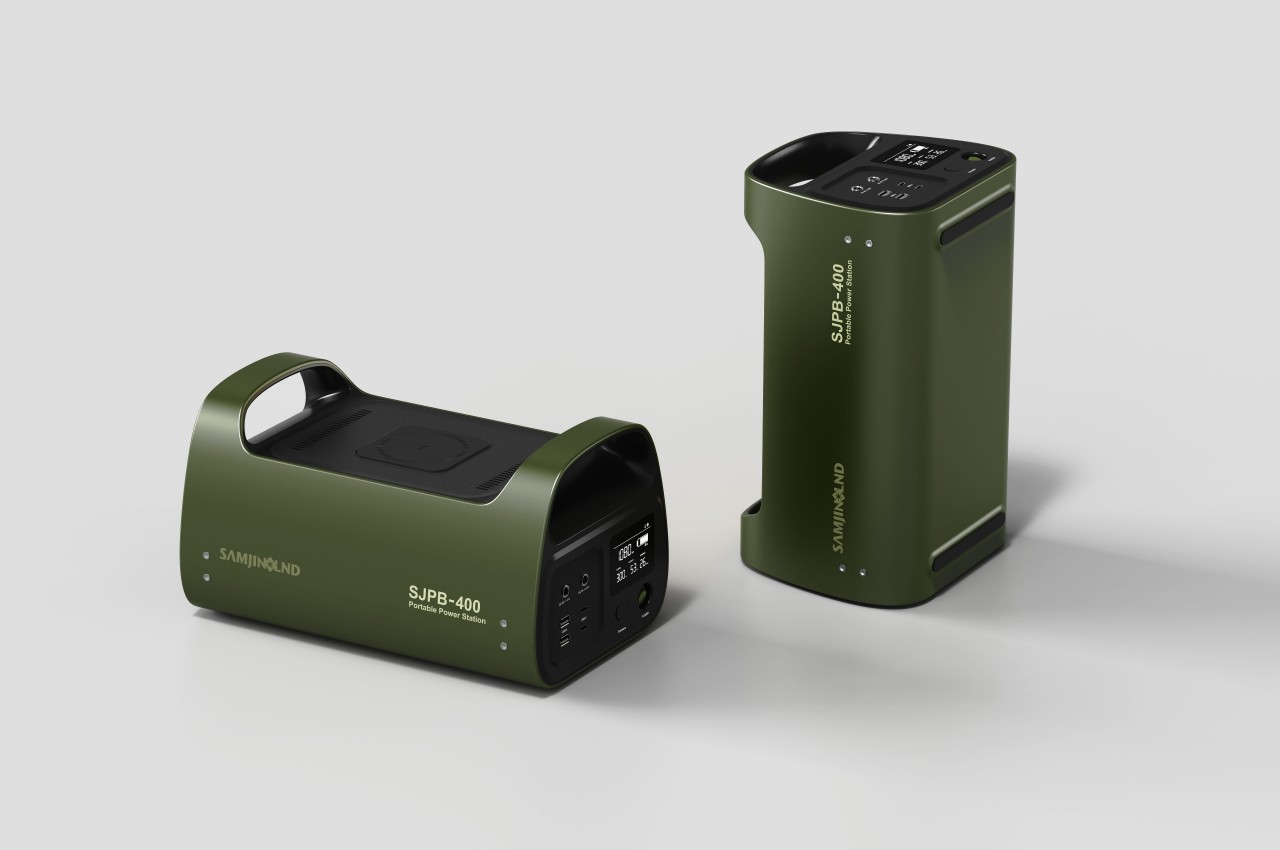
The design convention for large power stations is horizontal boxes as these are definitely the most space-efficient shapes. You can easily stow them in cabinets, trunks, and other storage solutions while allowing you to pack other objects beside or even on top of them. When in use, however, that horizontal orientation can actually be wasteful, especially if you don’t have much space on the ground or on the table in the first place.
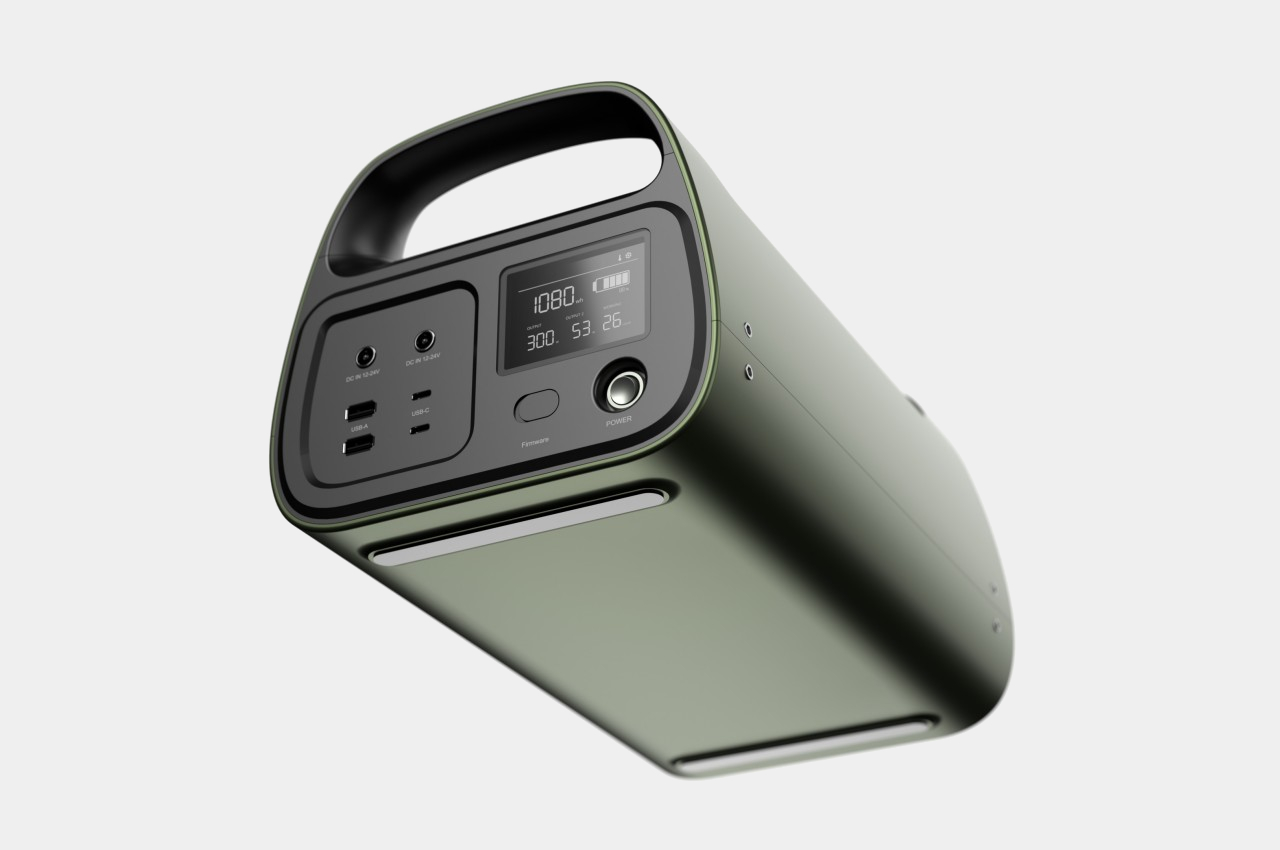
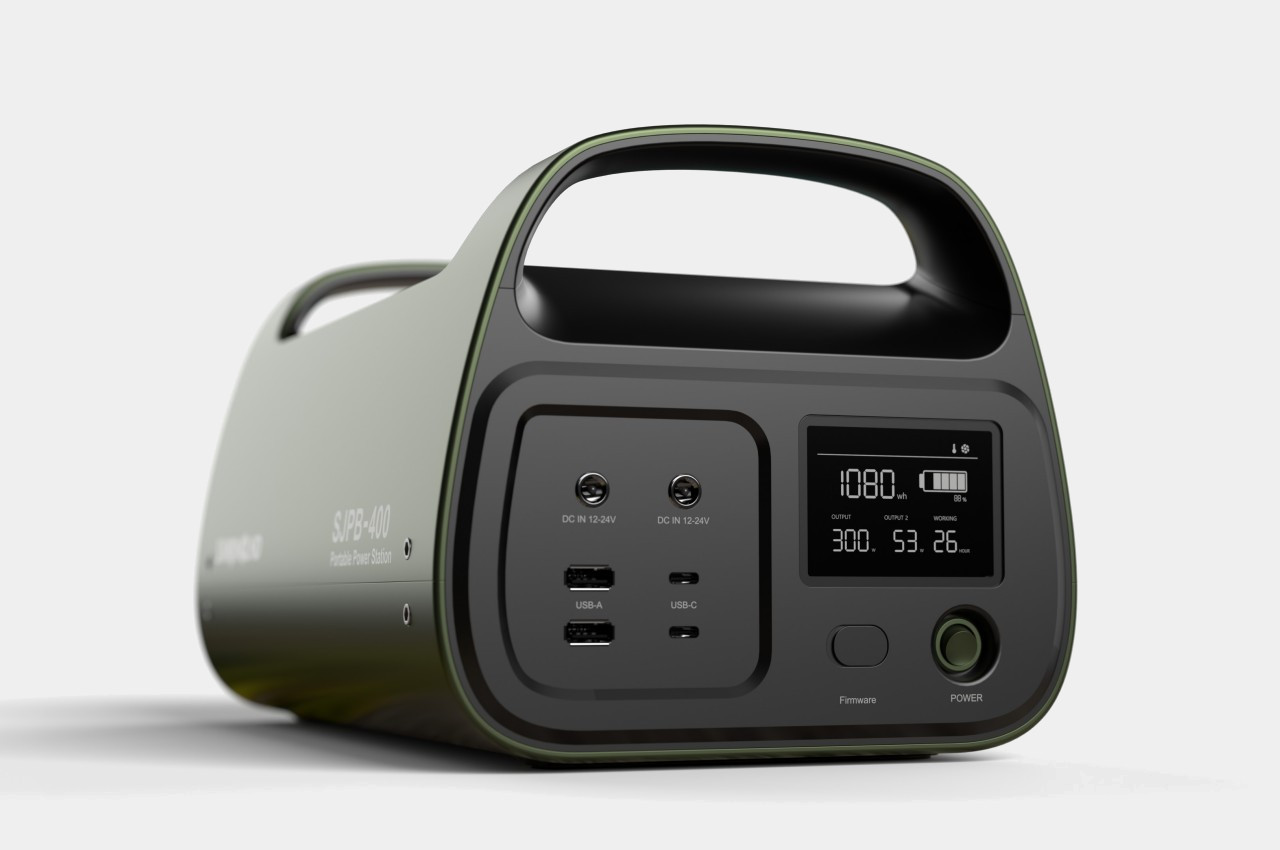
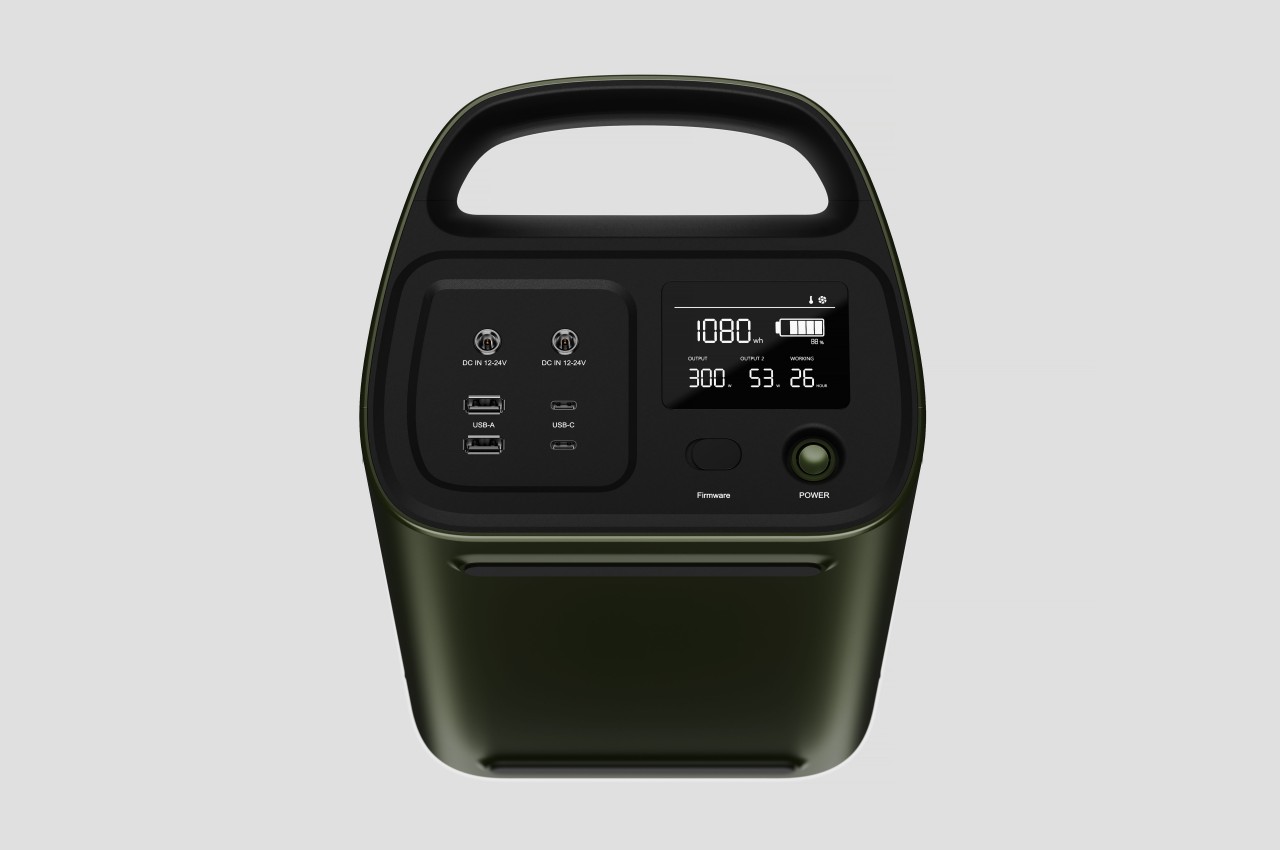
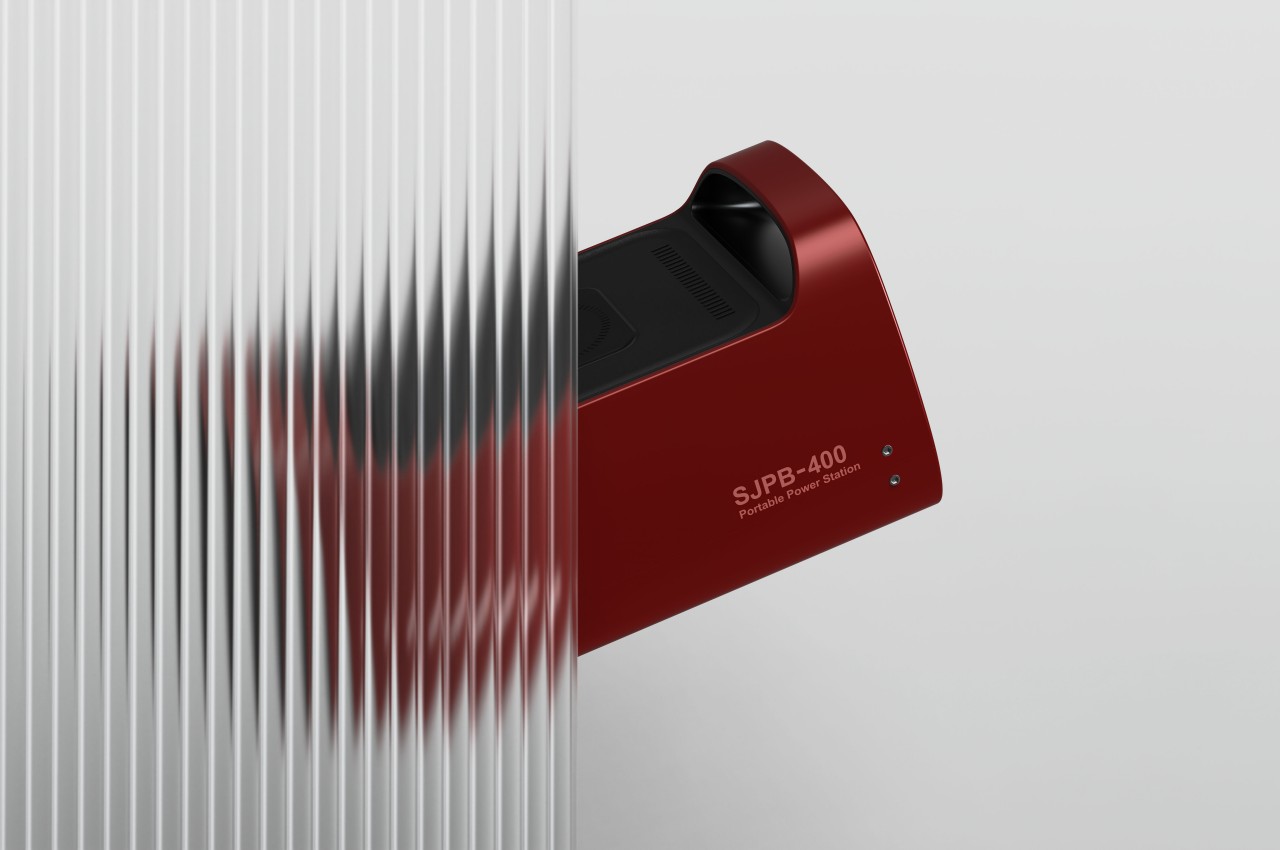
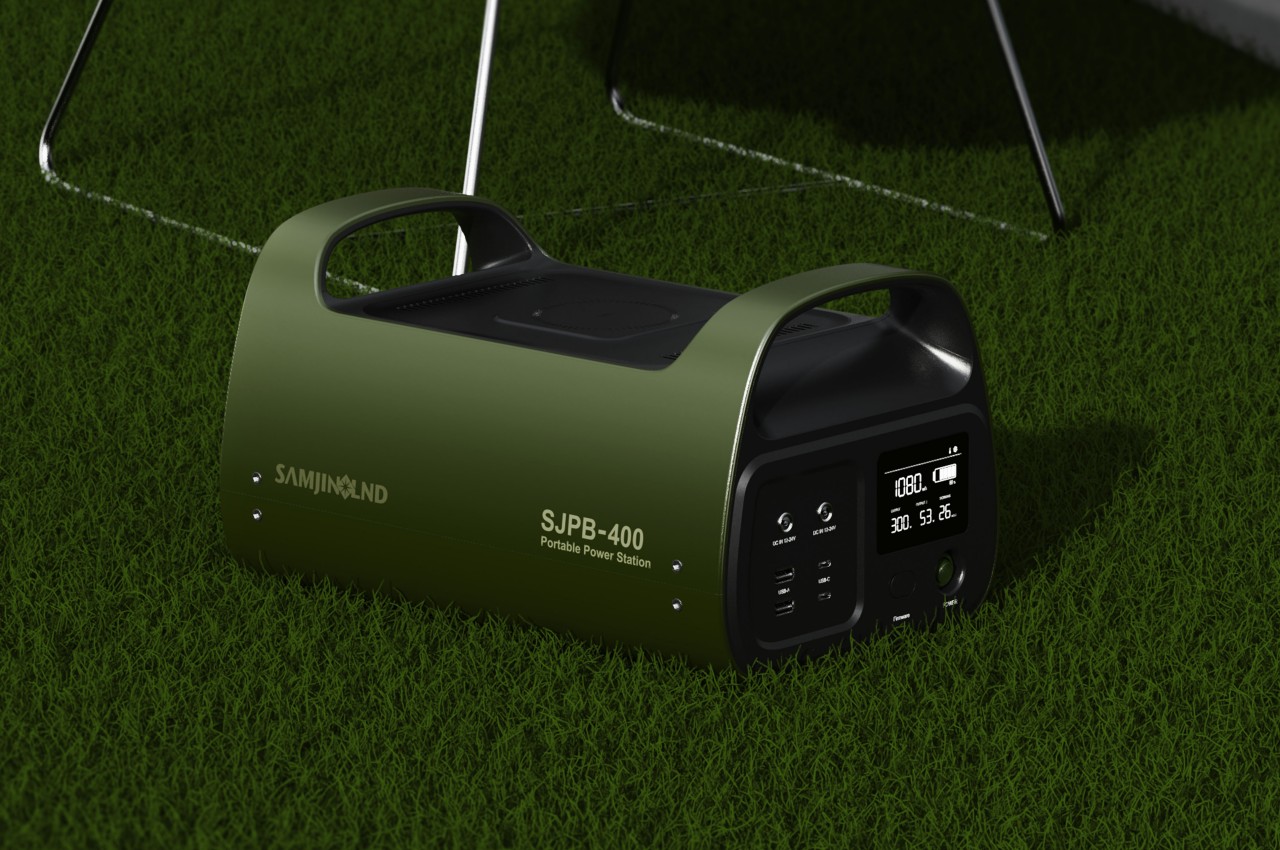
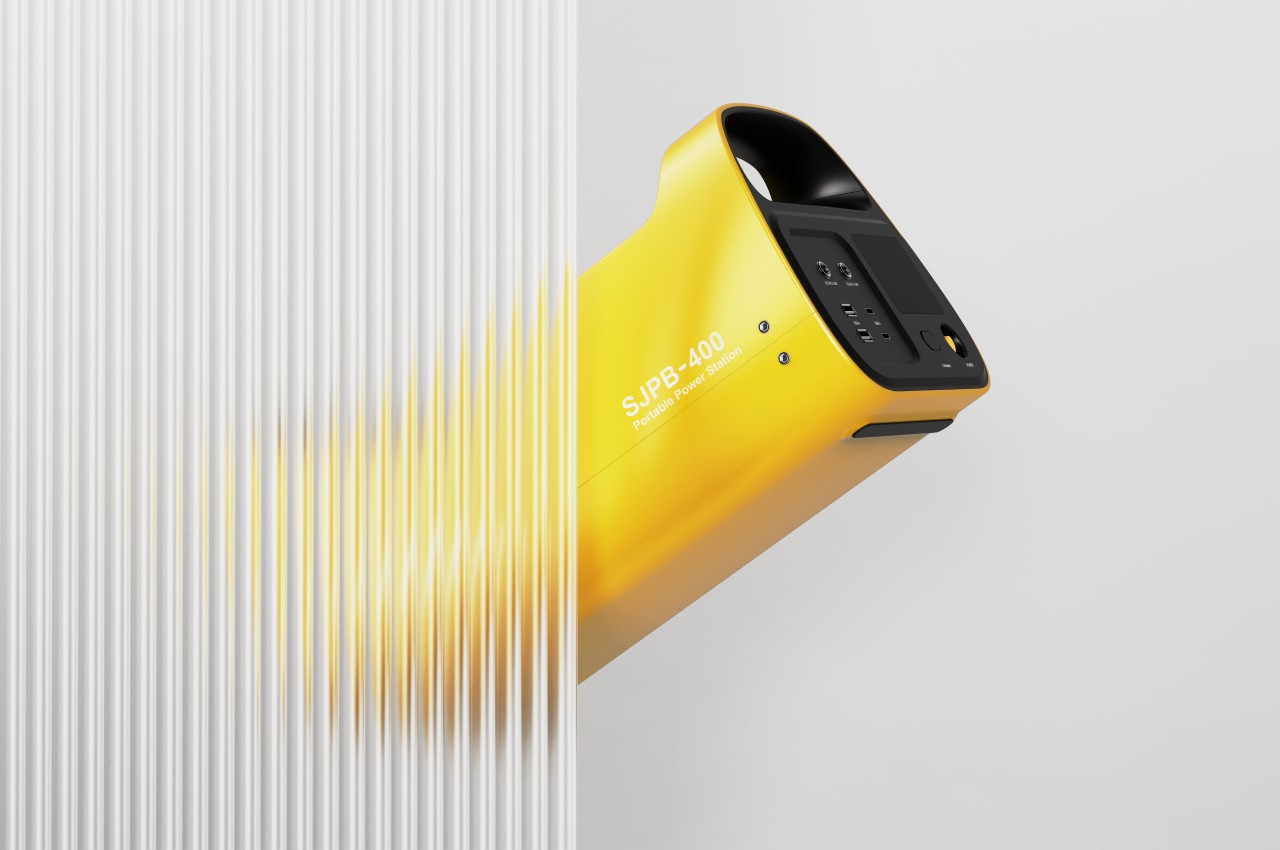
The SJPB-400 Mobile Power Bank is designed with a dual orientation in mind, allowing you to stand it up and put it down on the ground beside your table. You can still have easy access to its most important ports since they’re located not in the “front” of the box but off to one side, which becomes the “top” of the power bank in that position. Other boxy power stations can probably be put up like that as well, but not only are their vents blocked, the ports become harder to use as well.
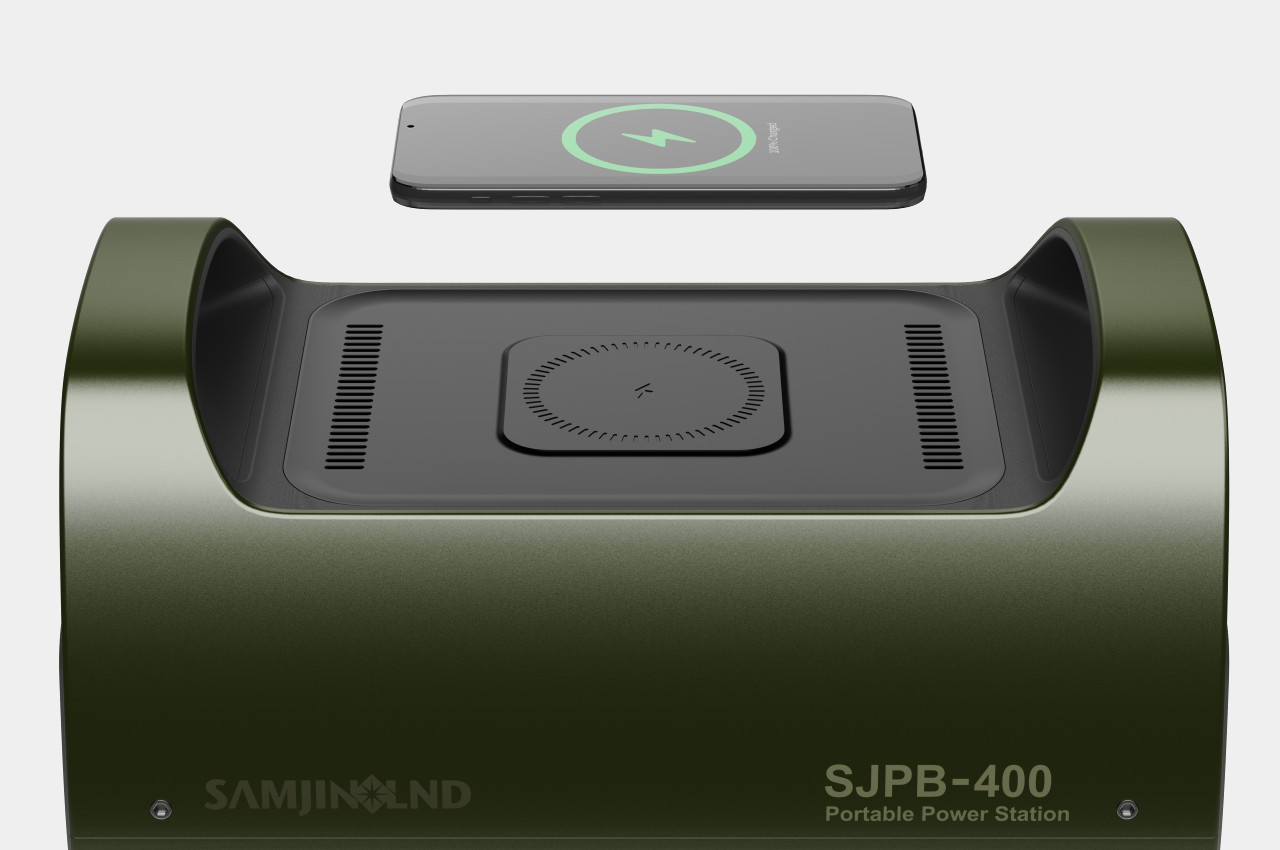
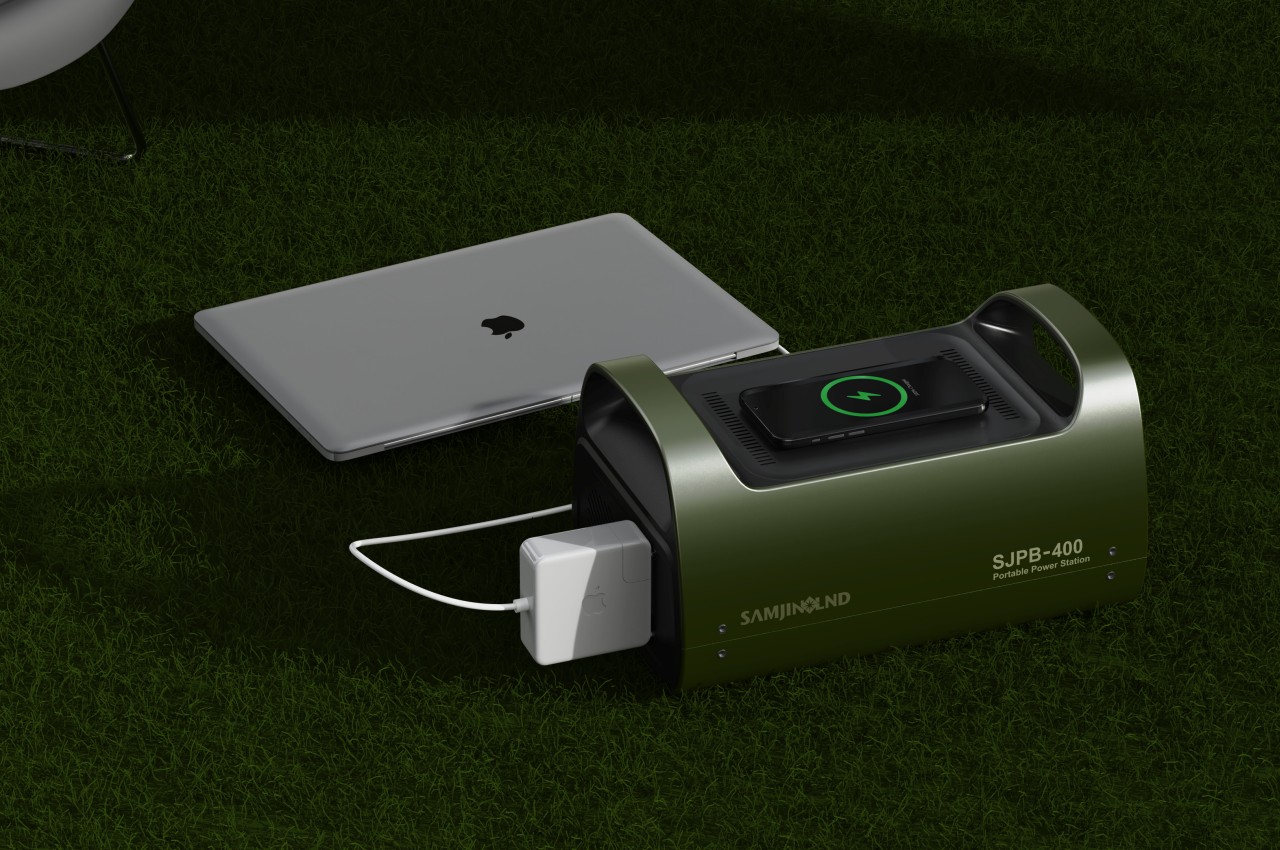
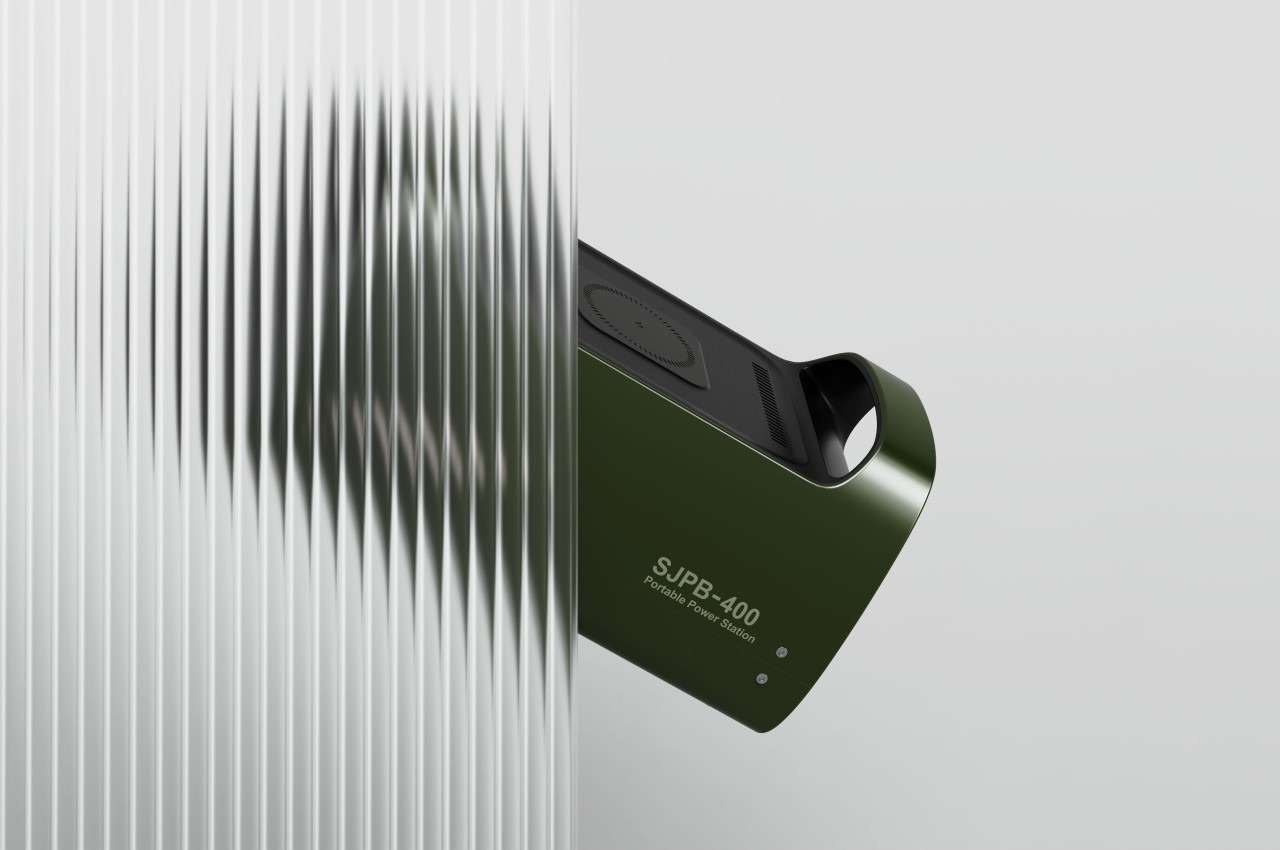
Admittedly, this flexible design does have its disadvantages, even in the case of the SJPB-400 concept. This mobile power bank has a wireless charger on its longer side, so you can’t use it while it’s standing up and vertical, not unless it uses MagSafe or similar technologies that will keep the phone from falling. Regardless, the lone AC outlet on the opposite side of the USB ports will remain inaccessible, so it’s something the user will have to consider on a case-to-case basis.
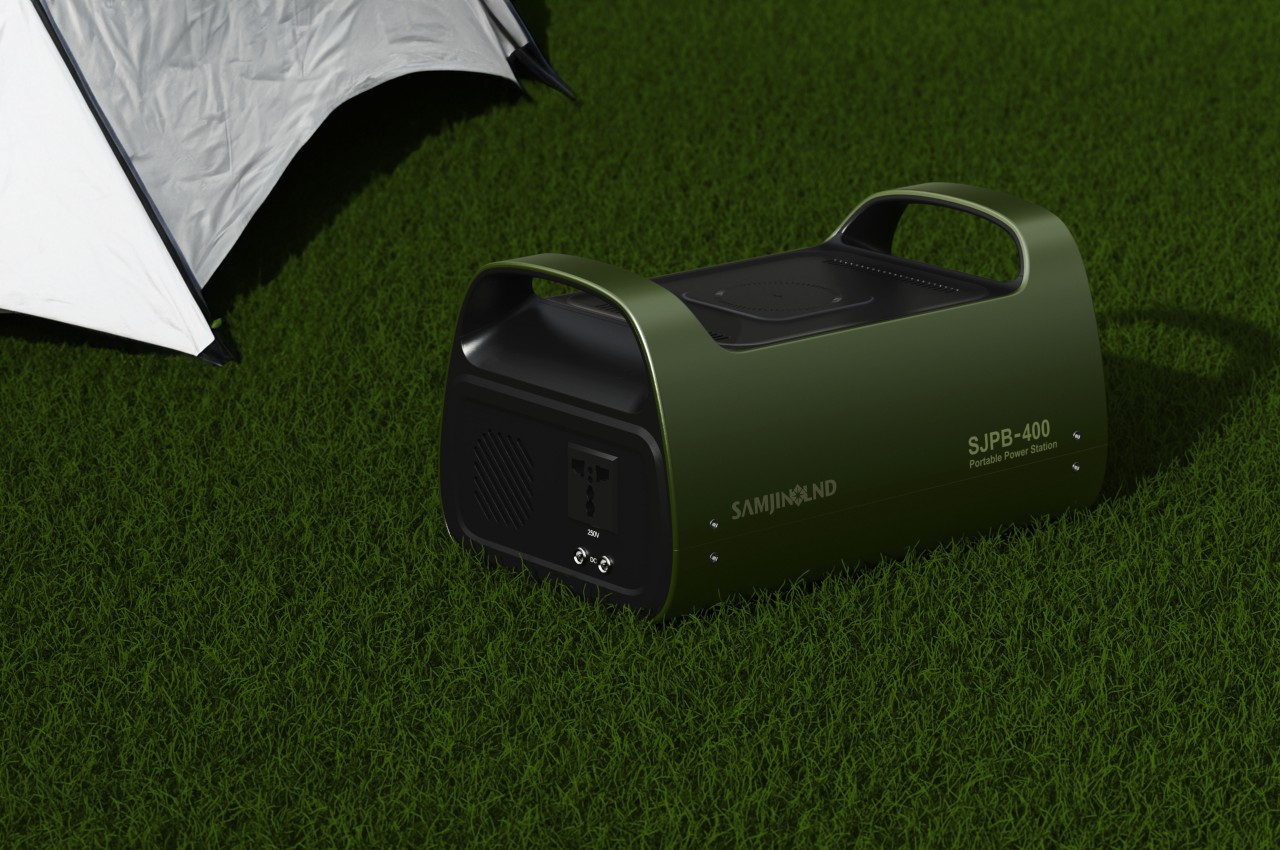
One design feature of this concept that goes against its space efficiency is the handles on each side. They do improve the power bank’s portability and ergonomics when carrying it, but it comes at the expense of compactness and simplicity. You won’t be able to put anything on top that doesn’t fit between those handles, so packing will become a puzzle game of trying to fit pieces together.
The post Mobile power bank concept can be used horizontally or vertically to maximize space first appeared on Yanko Design.
Lego is releasing a Jaws set in August that recreates the final showdown on Quint’s boat

In case you missed it, we’re officially getting a Jaws Lego set this summer. The company unveiled the upcoming 1497-piece set this week alongside a 90-second mini-movie that reimagines the film in Lego brick form. The Jaws set includes the boat (the Orca), the shark, and minifigures of the protagonists Martin Brody, Matt Hooper and Sam Quint, plus a number of key items from their hunt, like a harpoon and a few bright yellow barrels. 

The Jaws Lego set, featuring the shark, the boat and minifigures of Brody, Hooper and Quint
Lego

It’ll be available to the general public on August 6 for $150, but anyone enrolled in the Lego Insiders loyalty program will be able to purchase it earlier, starting August 3. You’ll have the option to build the set on top of a base that’s intended to serve as the ocean for the scene, so you can mount the shark in just the right position to make it look as though it’s attacking the boat. Or, you can display the shark and the boat as separate pieces, with a stand for the former. One of the tiles in the water set will be printed with the line: “You’re gonna need a bigger boat.” 

The intense showdown between a haphazard group of shark hunters and a great white that devours humans has never looked so family friendly. Check out Lego's “Jaws in a Jiffy” to really get into the spirit of things. 

This article originally appeared on Engadget at https://www.engadget.com/lego-is-releasing-a-jaws-set-in-august-that-recreates-the-final-showdown-on-quints-boat-214504555.html?src=rss

Flat-packed accordion-style house can be easily deployed in emergencies

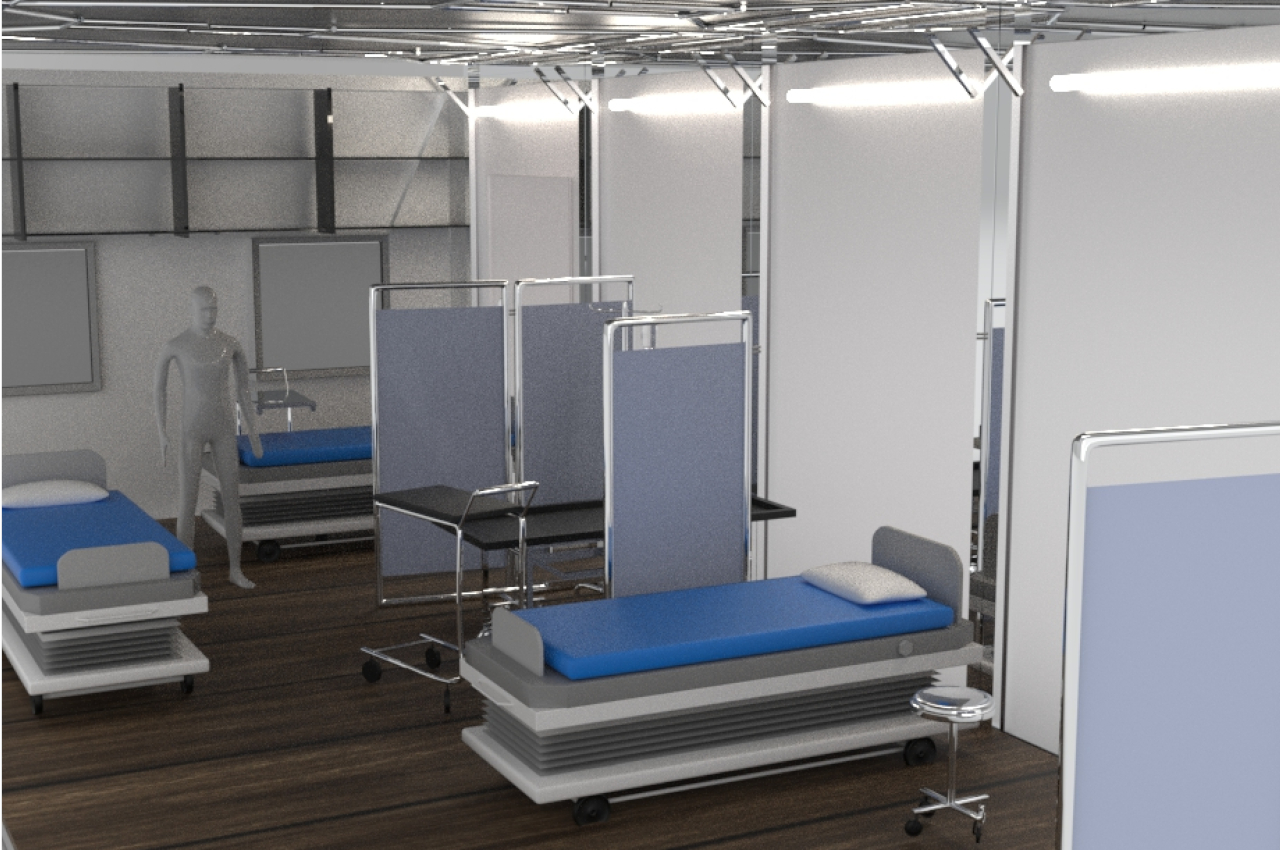
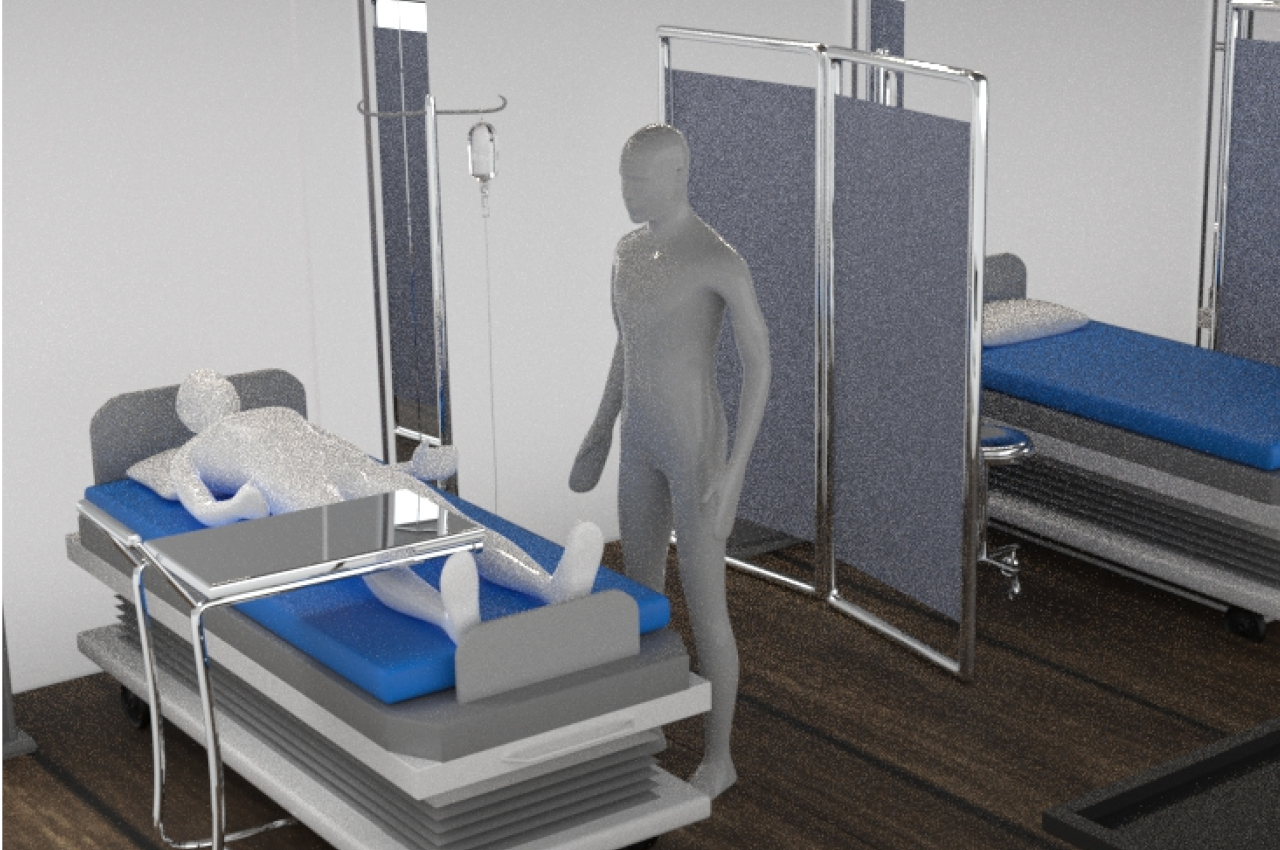
While a permanent mode of residence is always ideal for most people, there are times when that is a luxury that they can’t afford. This can happen in times of natural disasters like floods or earthquakes, military deployment in remote locations, or even shelter in a tourist or pilgrimage spot. Temporary housing, on the other hand, feels nothing like a house at all, especially since they’re often made with low-quality designs to make it cost-effective and easy to tear down when no longer needed. A better and longer-lasting solution would be a portable home that can be extended, set aside, and reused as needed, such as this housing concept design that takes inspiration from flat-packed furniture that can easily be set up even by just a handful of people.

Designer: Komal Panda, Suyash Chavan

There has always been a need for portable or easy-to-assemble housing, even outside emergencies and disasters. Being able to put up a roof over people’s heads in a quick and efficient manner never goes out of fashion, and there is an almost never-ending number of attempts to make that practical and cost-effective. Prefabricated housing is one such possible solution, but it still takes a lot of time and effort to put the house together. These types of houses can’t be easily moved once they’ve been built either, which makes them less ideal for less permanent abodes.

1

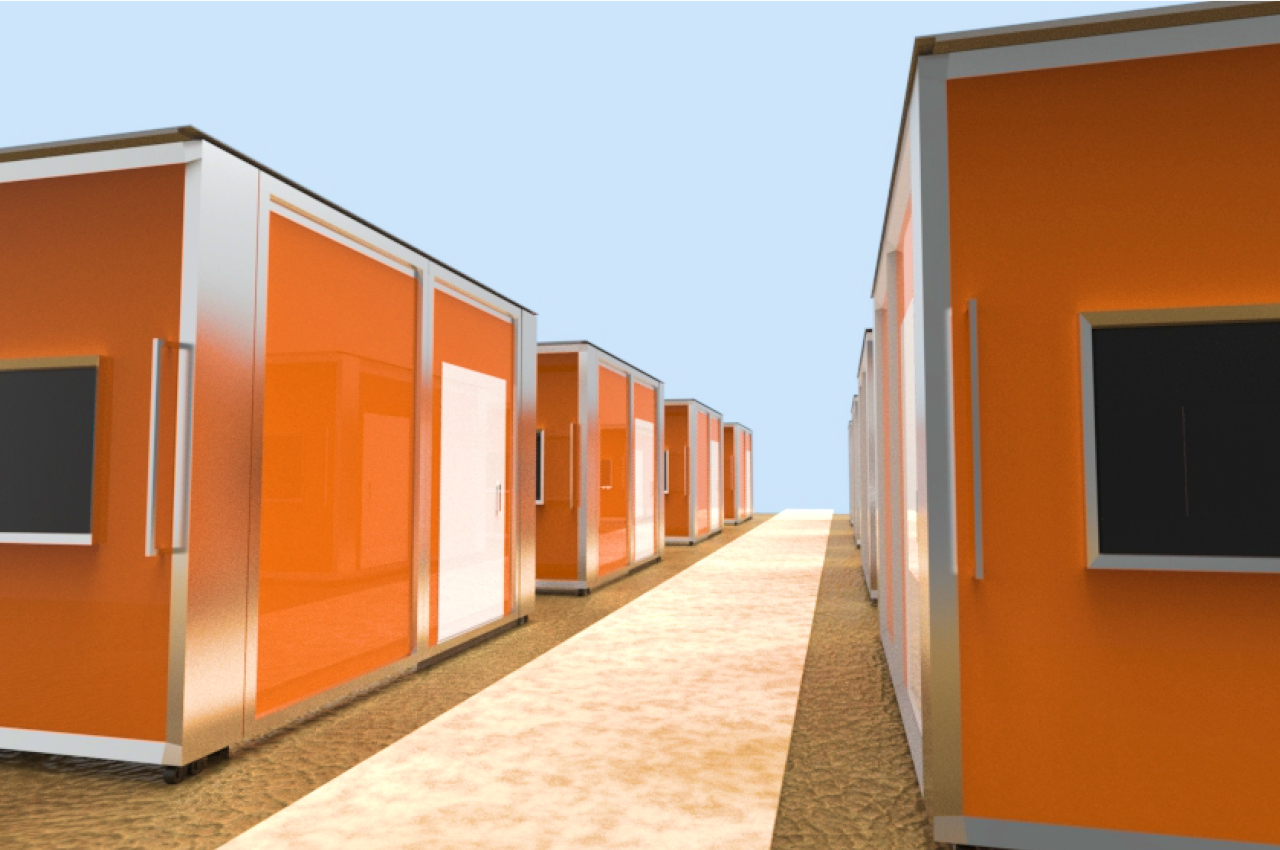
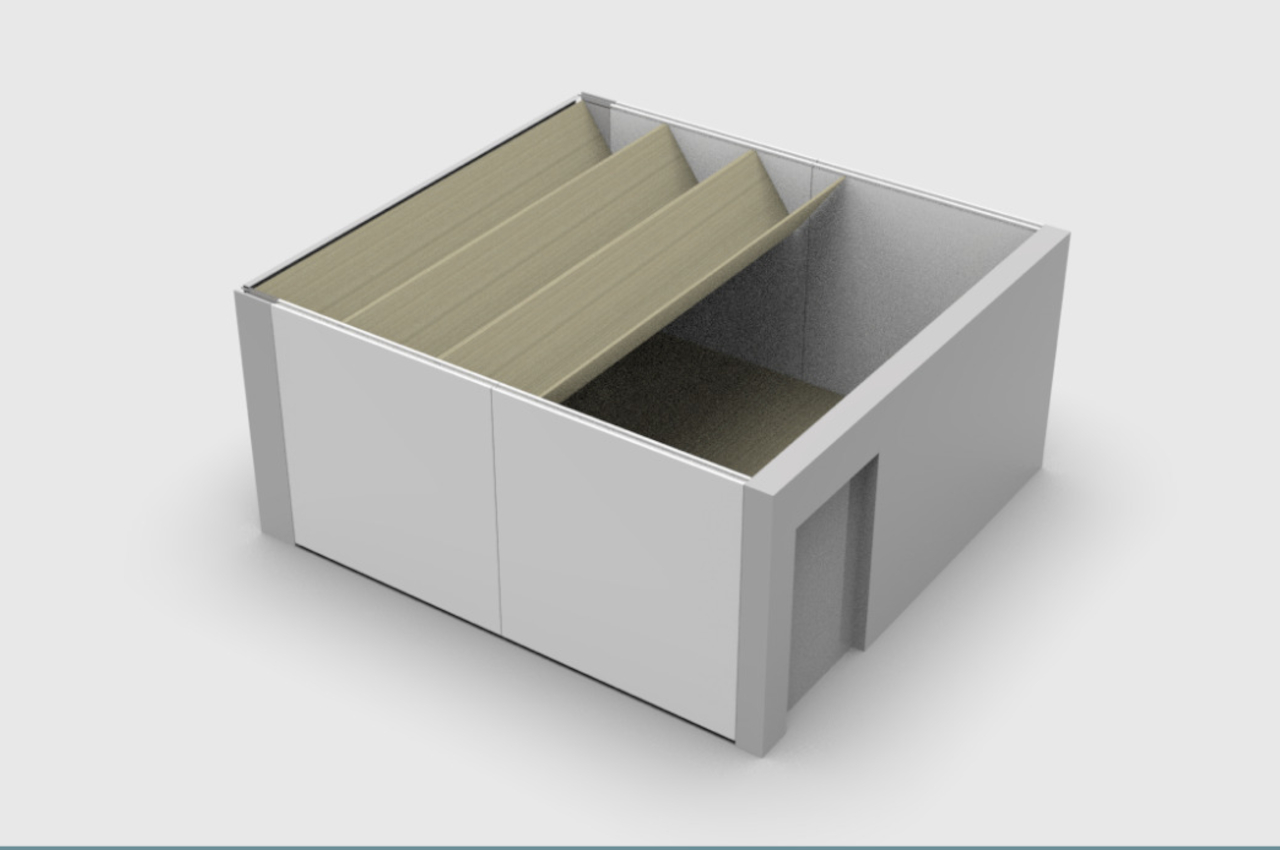
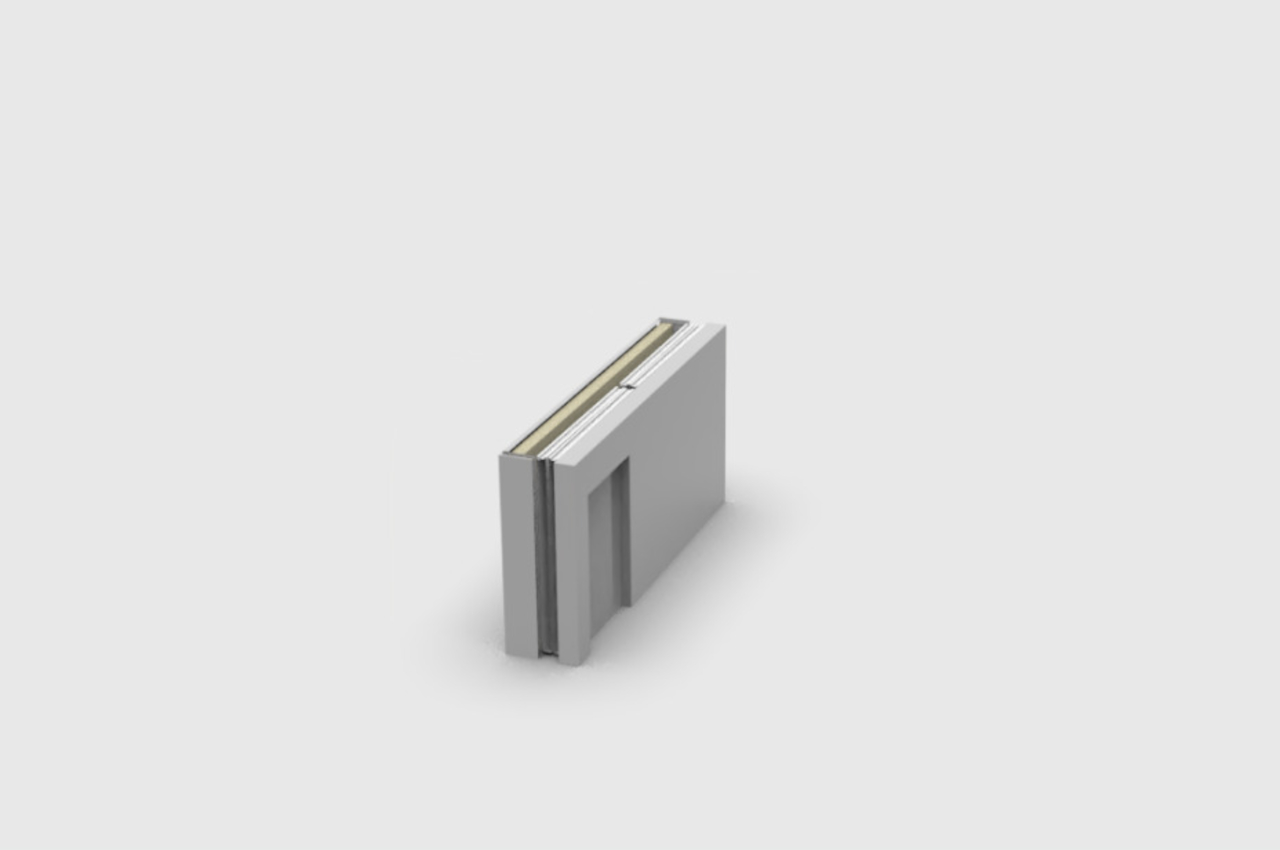
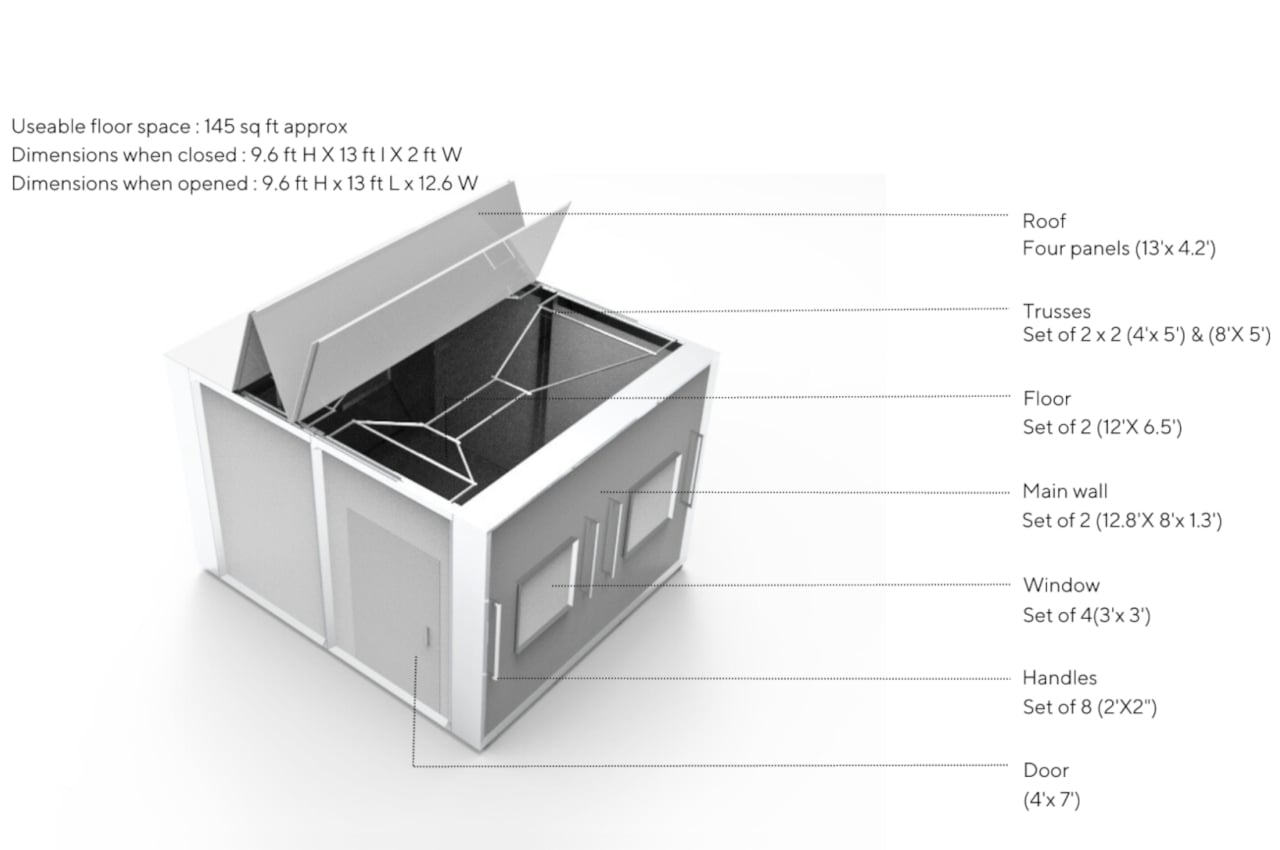
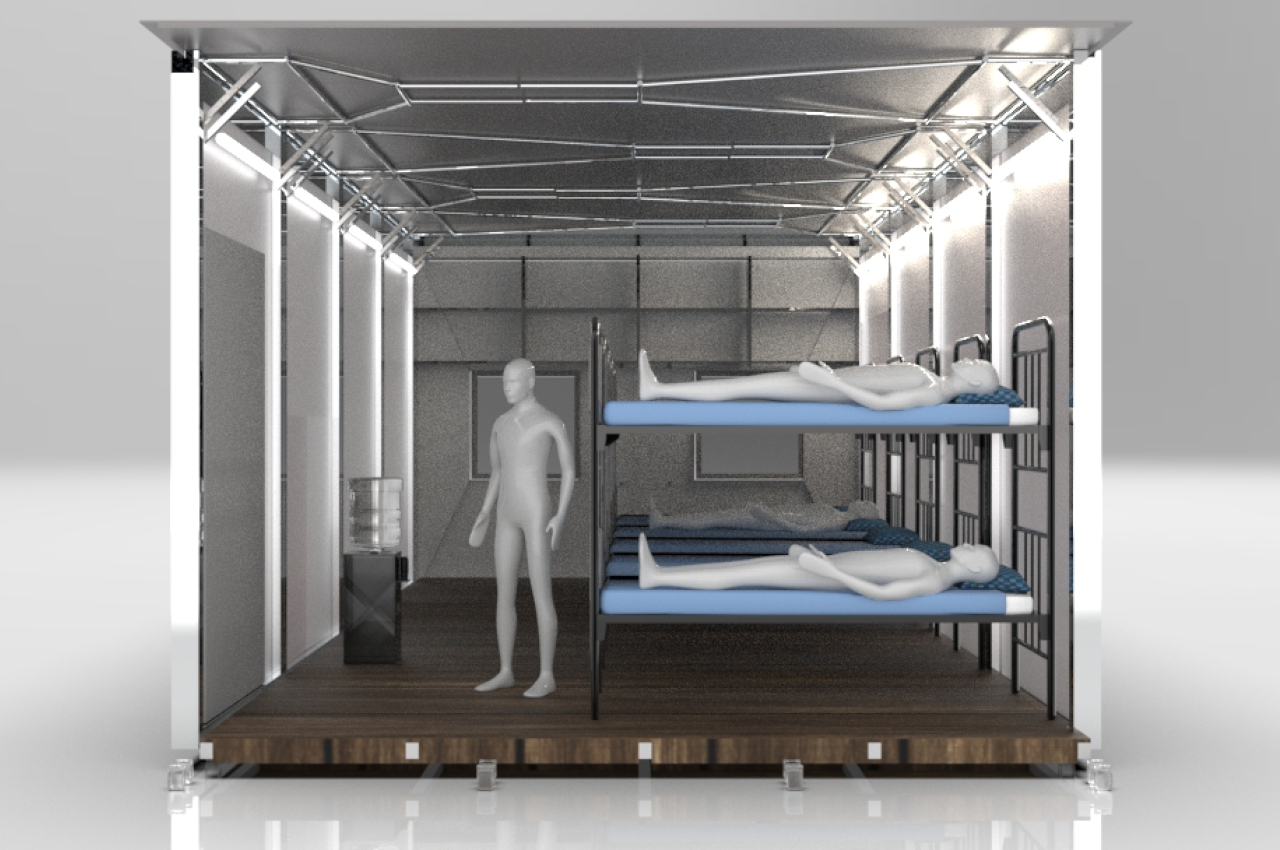
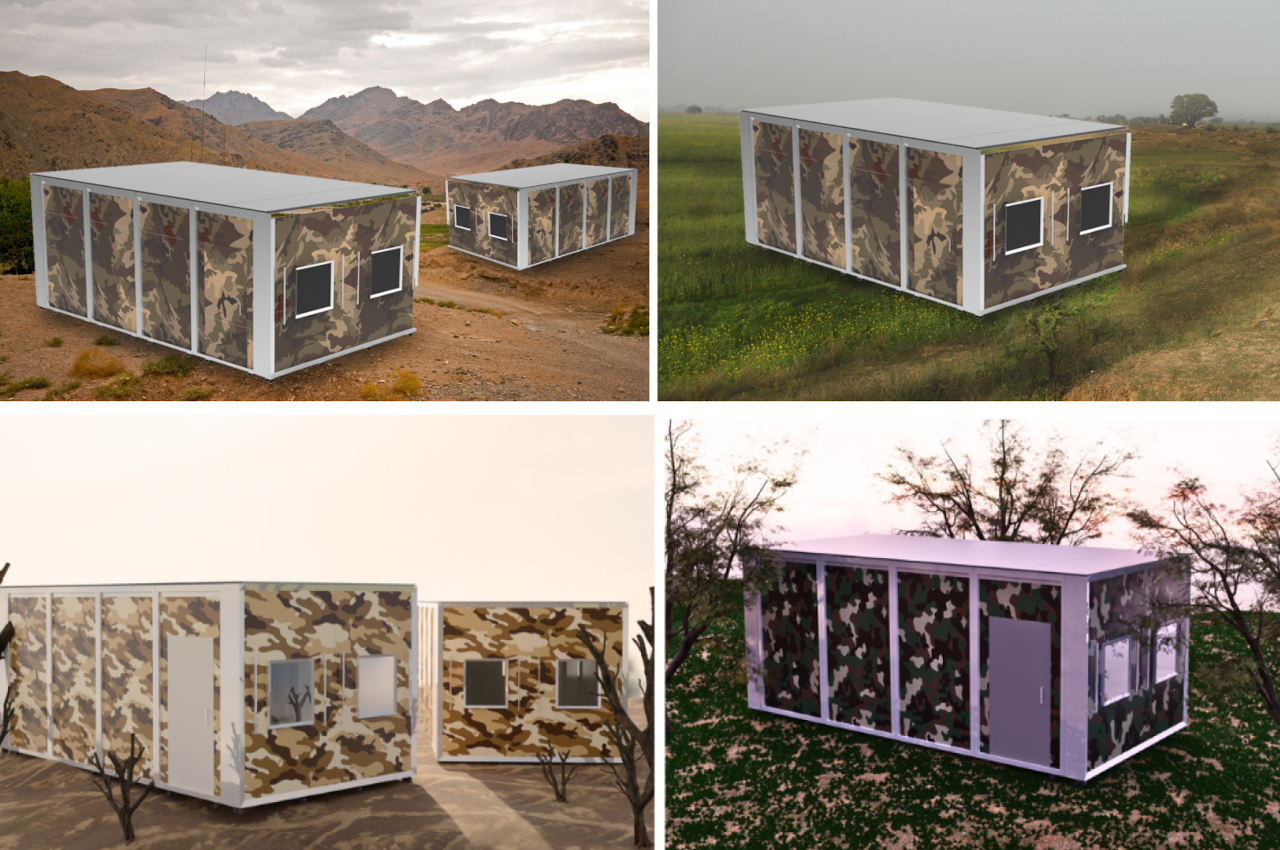
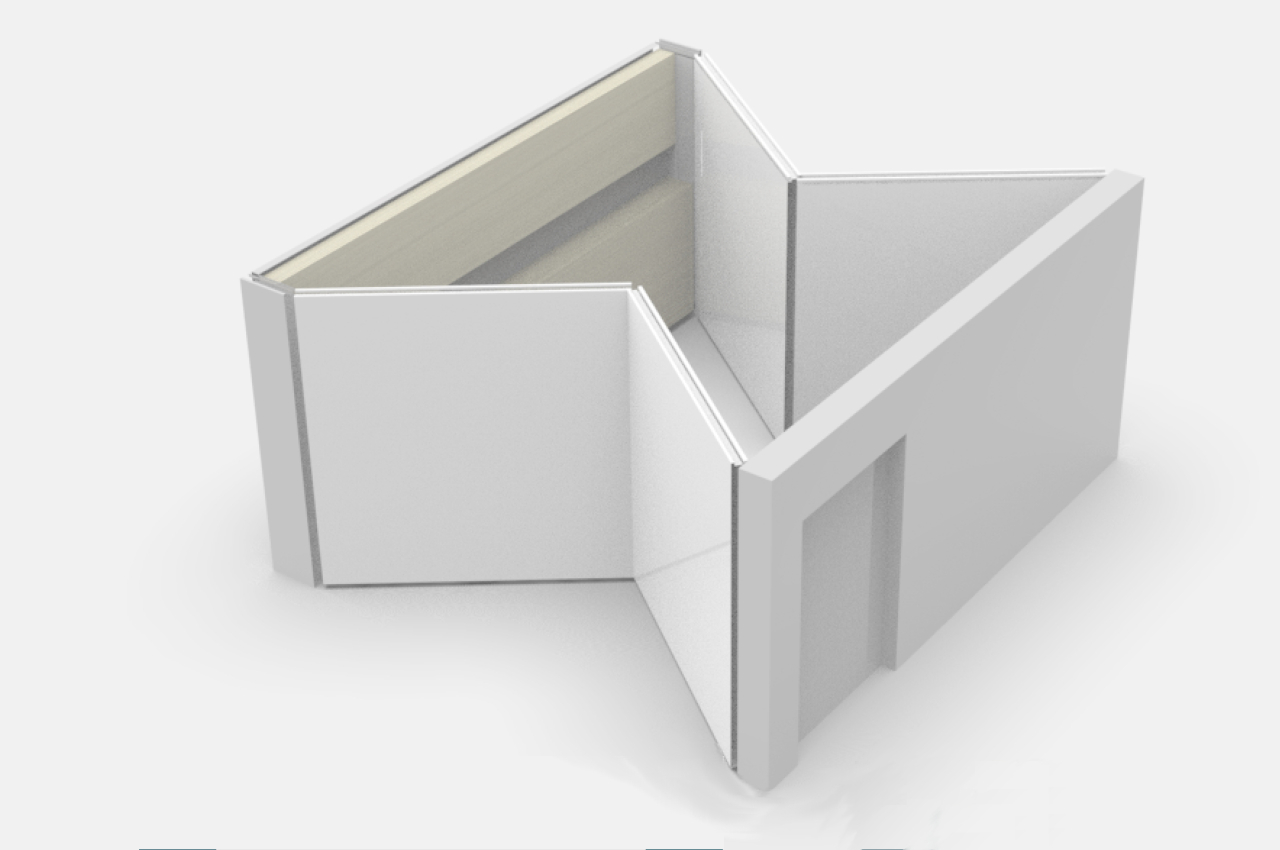
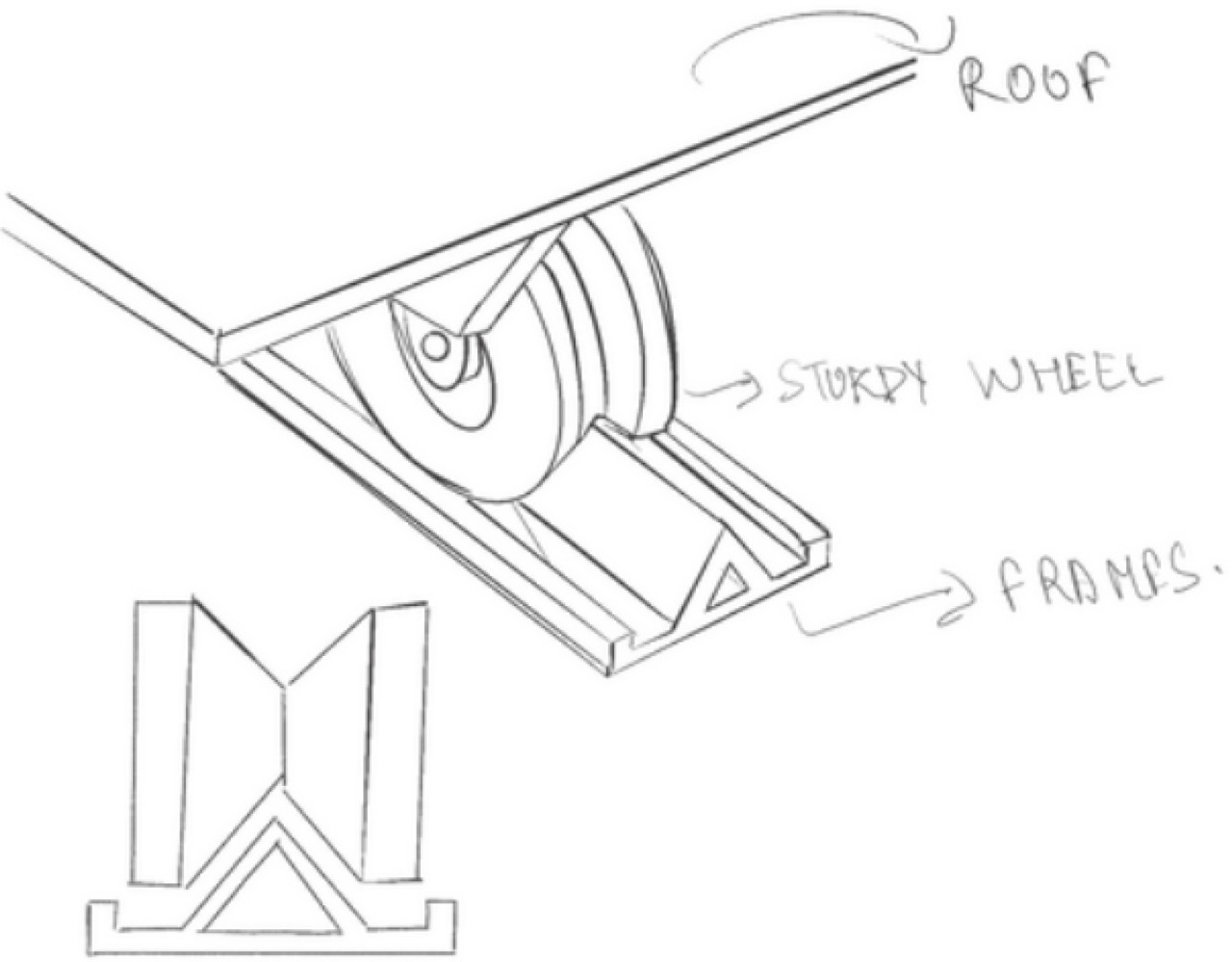
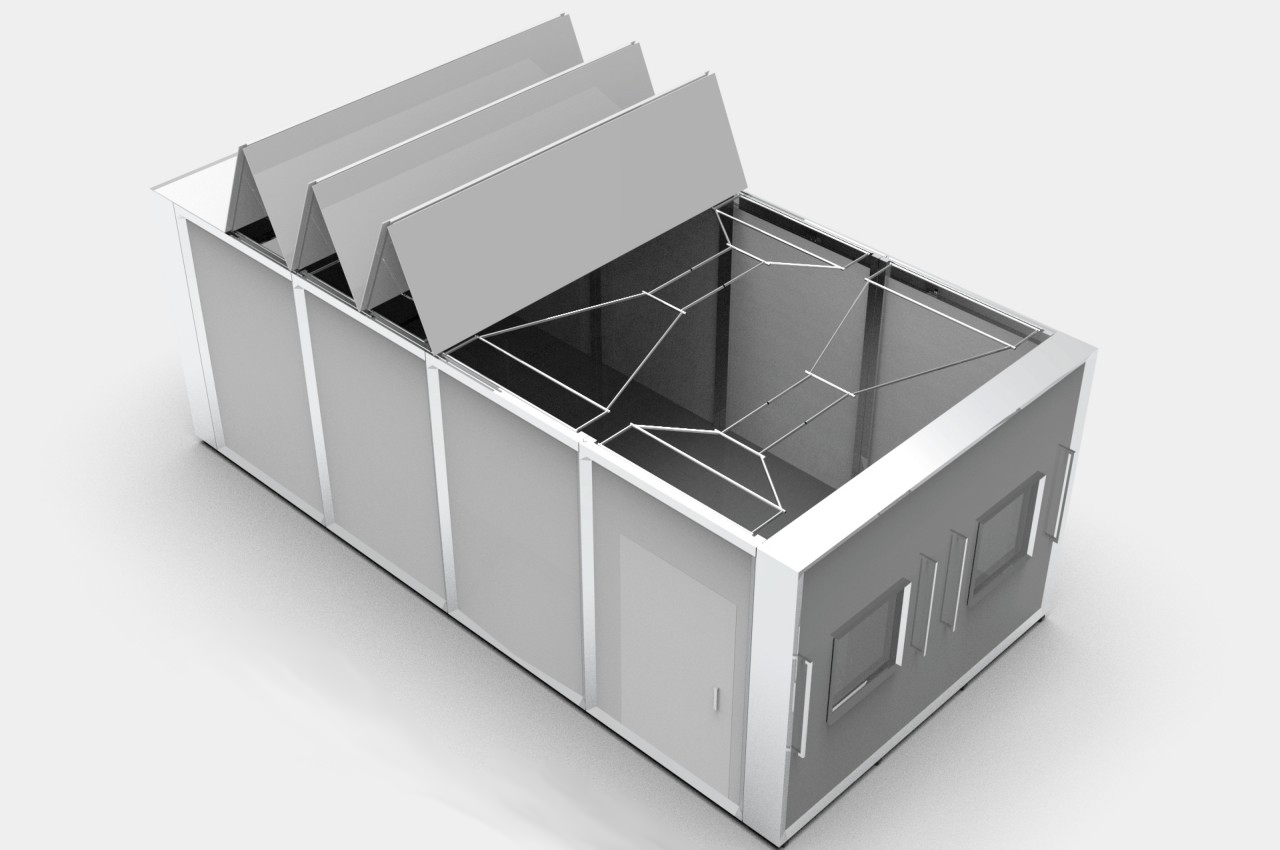
Baadi is a concept that takes the popular flat-pack furniture design to houses, though you don’t exactly assemble one from disparate parts. Instead, you pull out one side of the house, and the rest of the walls expand and unfold like an accordion. This mechanism allows a house that’s big enough for two to four people to be collapsed down to a very flat structure and moved around as needed. The design also makes it possible to deploy multiple houses quickly with only a few people involved, which is a key element when the houses are indeed needed for emergencies.

1

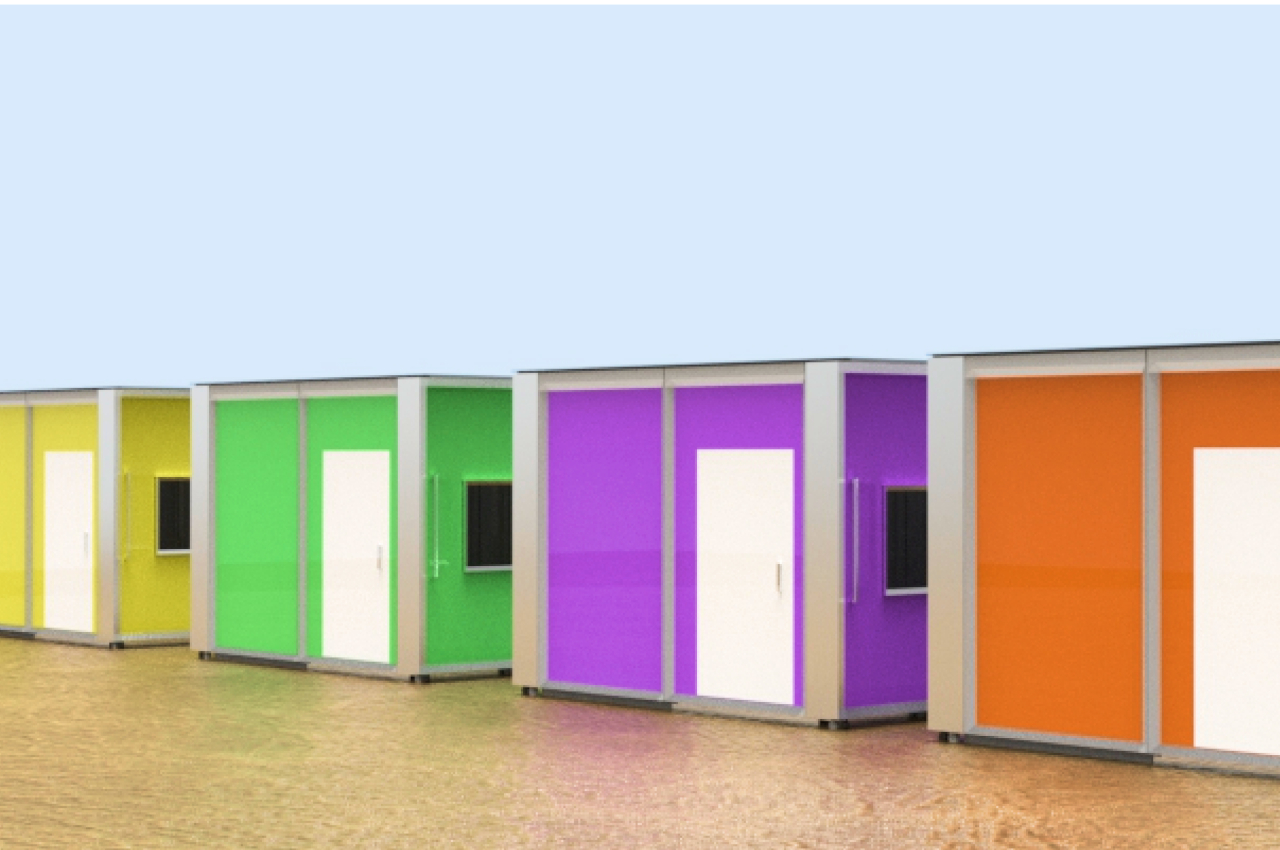
Just like flat-packed furniture, however, there is a connotation of such designs being soulless and dry, especially from lack of customization options. Baadi, however, is designed to be modular and flexible, such as in how many panels can be used to extend the size of the housing, as well as colors for the panels. The latter aspect is actually critical when the houses need to be very visible even from a distance, in case identification and location are needed during natural disasters.

Admittedly, the concept doesn’t leave much room for using different materials, though it’s not that hard to imagine how the design can be extended to support a wider variety, as long as they meet the requirements of durability and resilience. After all, such a housing system places greater emphasis on portability and flexibility, while still providing the necessary protection and comfort when regular houses are near impossible to have.

The post Flat-packed accordion-style house can be easily deployed in emergencies first appeared on Yanko Design.
Stainless steel trays represents “coexistence” kind of design

There are some every day items that I use that I don’t really think about the design principle behind them. Sometimes I don’t even think about the design itself as long as it does what it’s supposed to do. But maybe that’s why I’m not a product designer. Ever since I’ve been writing about them though, it has become more interesting to find out why such items are created the way they are, like these minimalist and simple-looking trays.

Designer Name: Irene Yeung (Derangedsign Co. Limited)

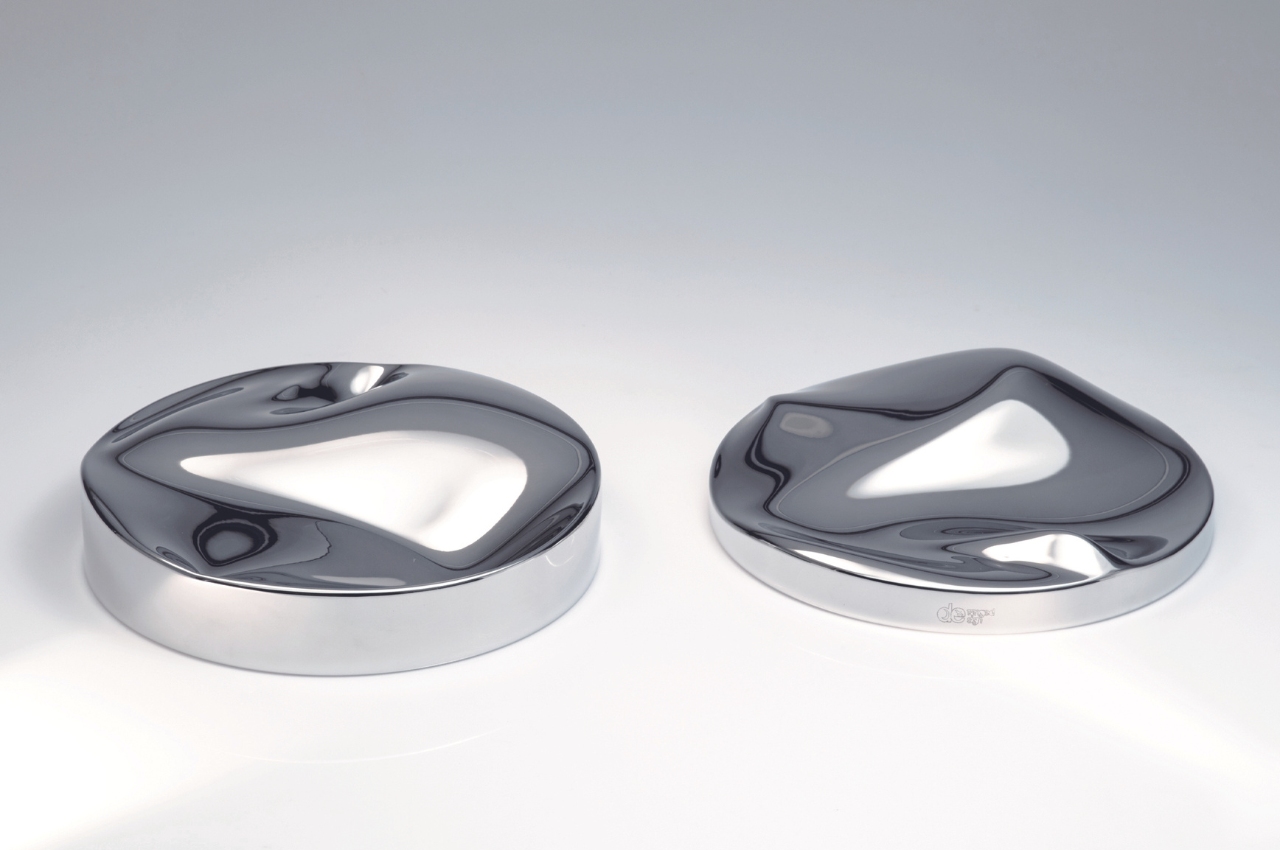
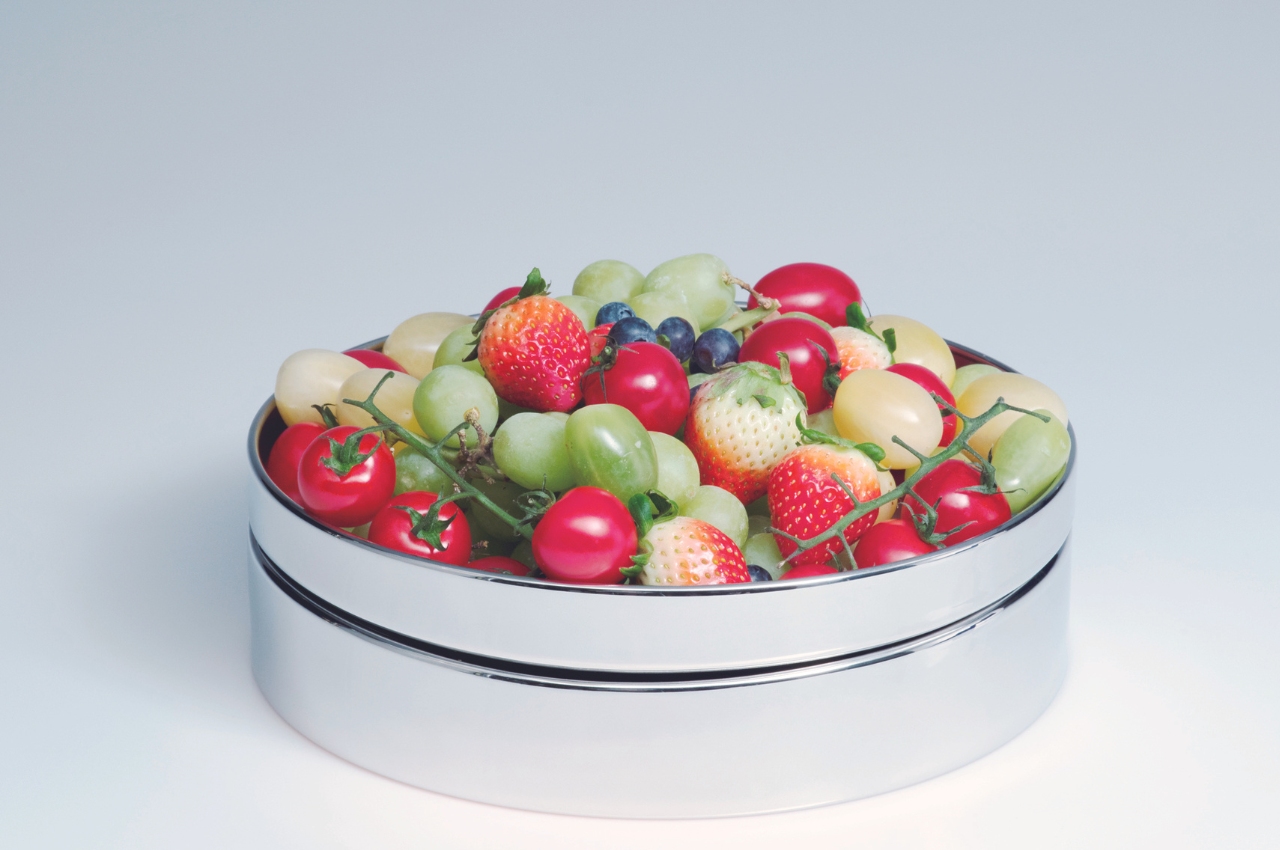
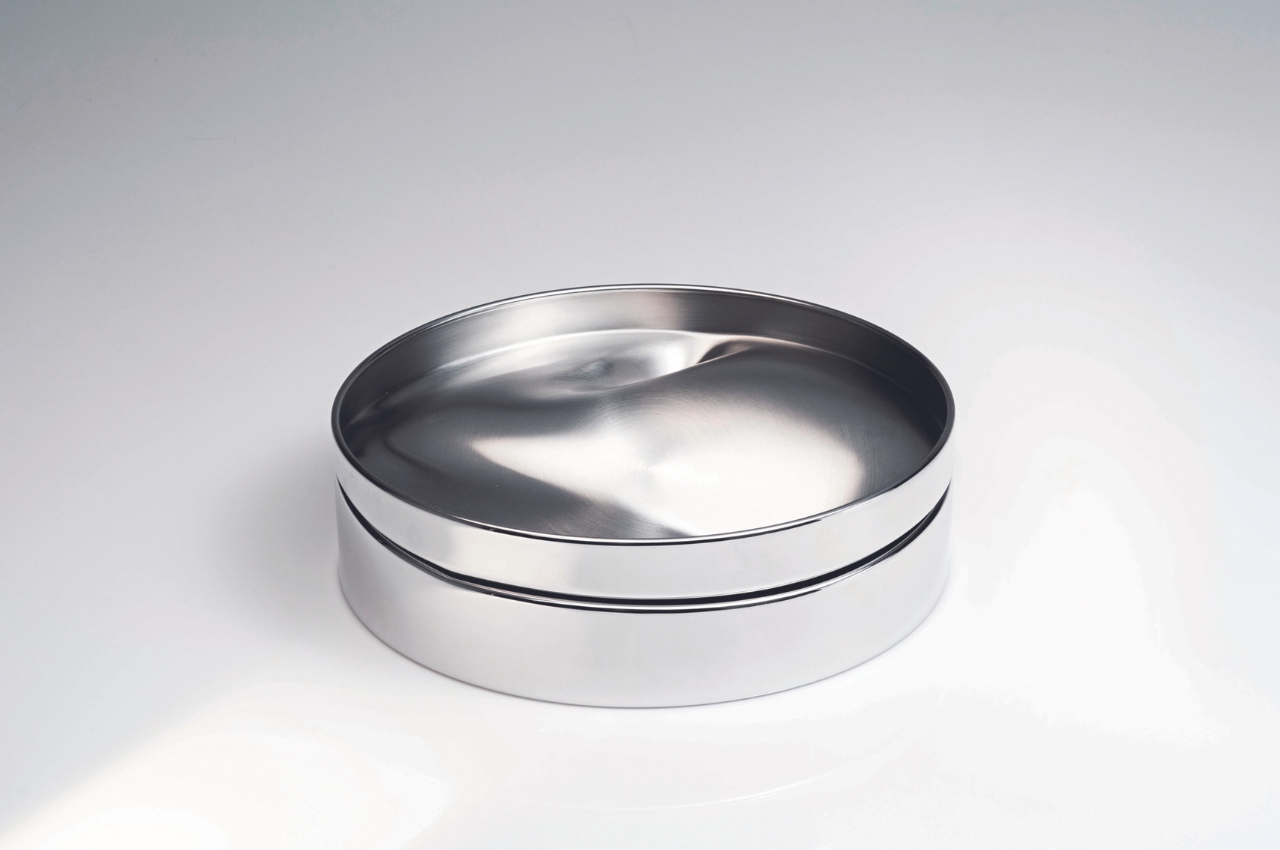
Coexistence is a concept for a stainless steel tray set that takes its inspiration from the ancient philosophical theory “The Sky and Earth Coexist”. It basically says that things are relative to each other like the sky and earth, light and dark, etc. Basically, it’s made up of two tabletop trays that are circular but with landscape or waving surfaces to make it also look like art sculpture.

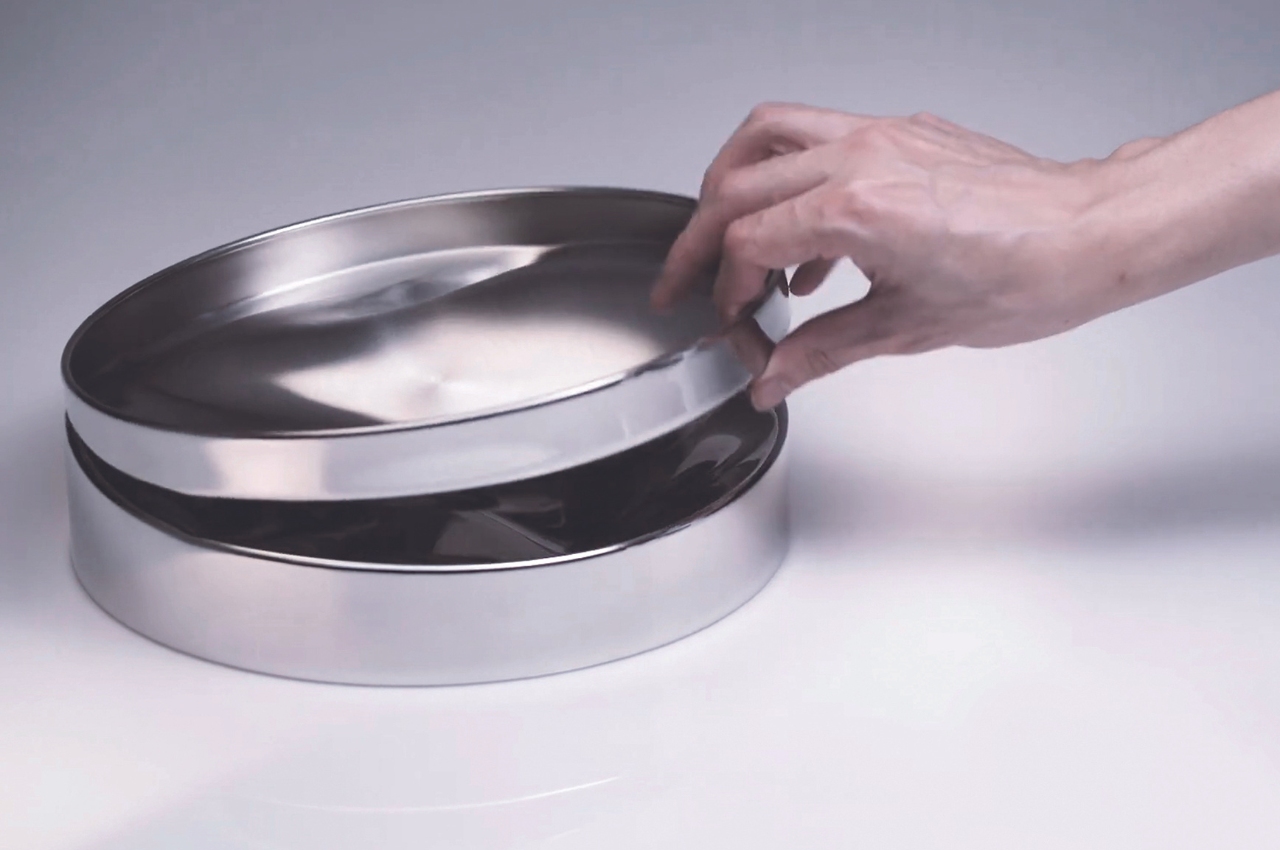
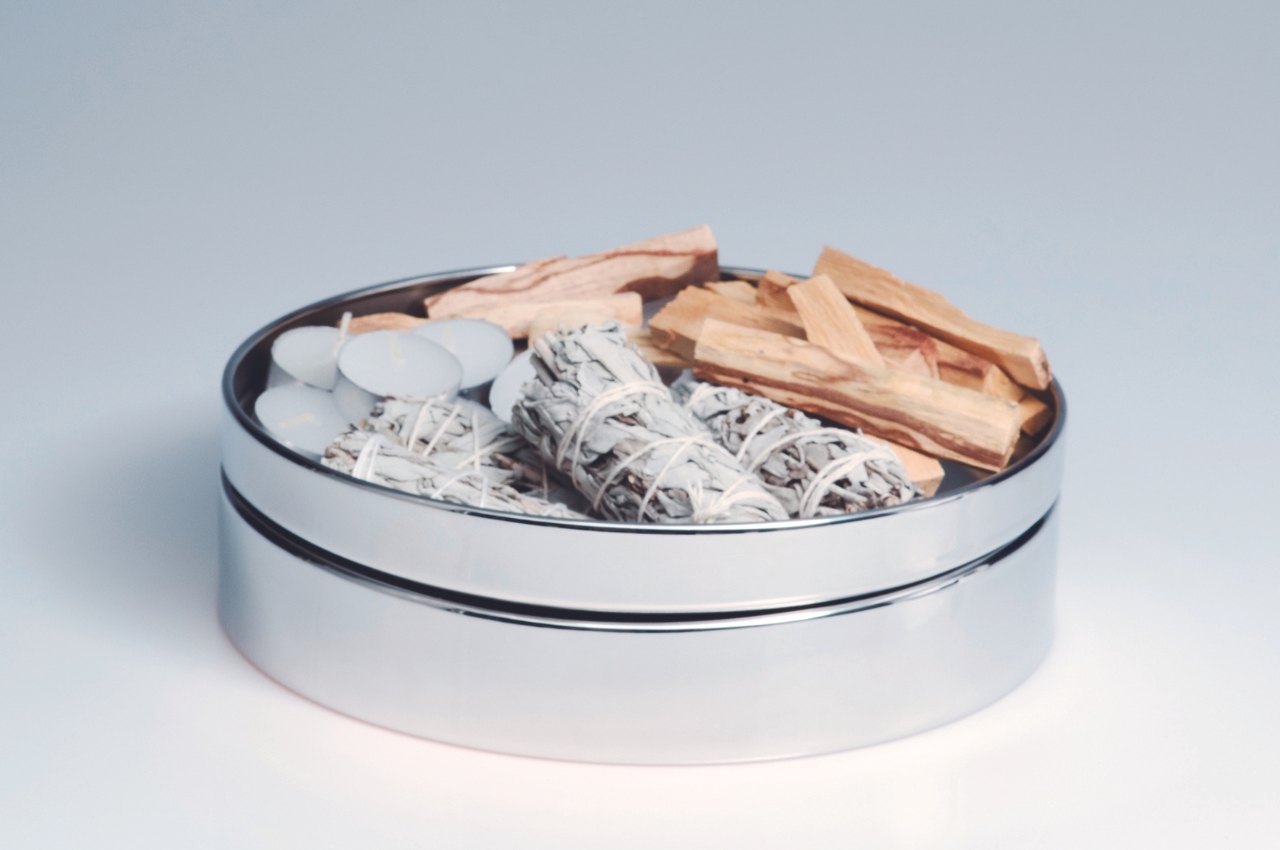
Each tray can be used individually if you need two trays for serving food or for putting stuff on your table. They can also be set upside-down on top of each other in different variations and depending which surface you want to use as a tray. The designer says it can also become one large tray although the product renders don’t show how it can be combined into that variation.

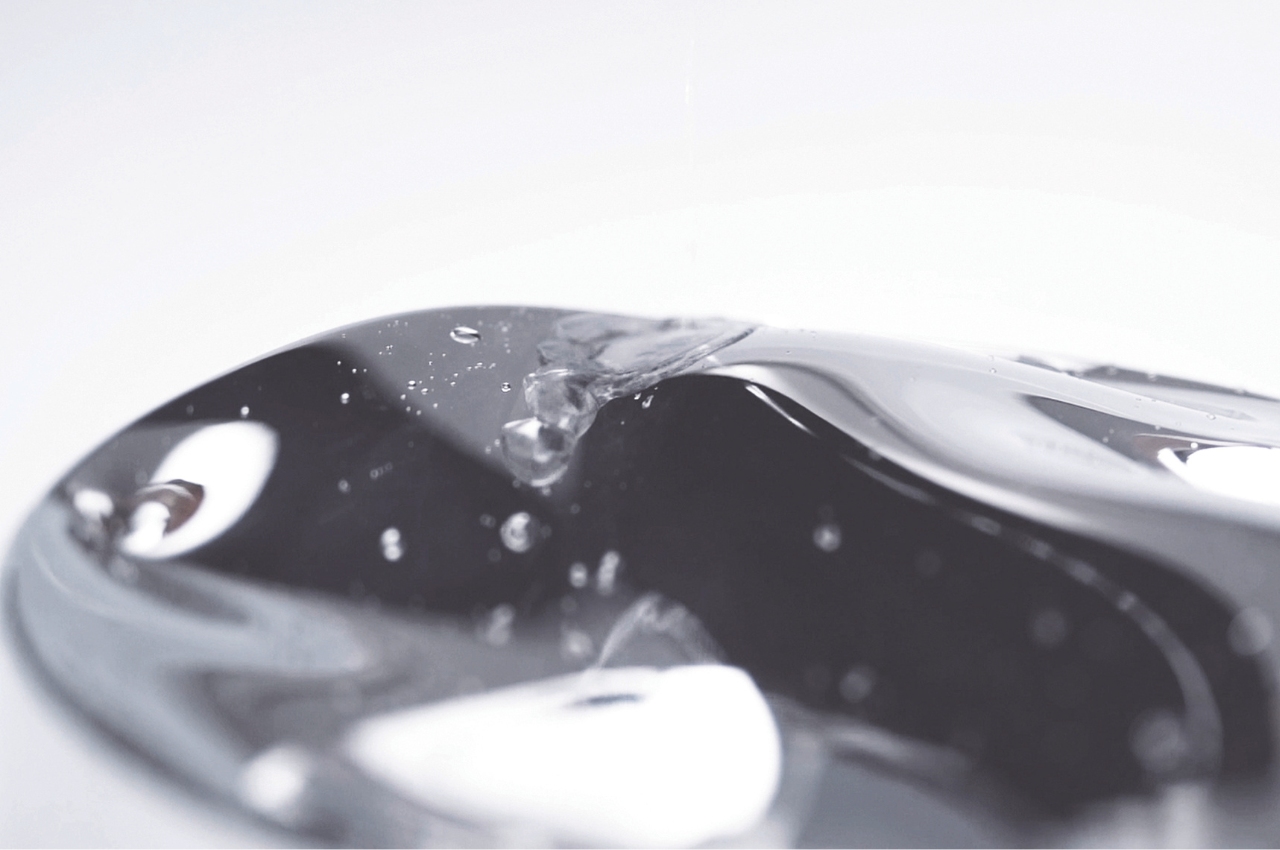
The stainless steel trays have a crisp, mirror finish so if that’s the aesthetic of your dining table or your living space, it should fit right in. The mold they used was specifically designed to make 2 trays so it’s really meant to show the connected duality that the design principle is based on.

The post Stainless steel trays represents “coexistence” kind of design first appeared on Yanko Design.
Volunteers who lived in NASA’s Mars simulation for over a year will finally emerge today

After 378 days inside a mock Mars habitat, the four volunteers for NASA’s yearlong simulation of a stay on the red planet are coming home. The crew — Kelly Haston, Anca Selariu, Ross Brockwell and Nathan Jones — is scheduled to exit the 3D-printed habitat in Houston this evening. You can watch the livestream of their return on NASA TV (below) starting at 5PM ET.

This marks the end of NASA’s first Crew Health and Performance Exploration Analog (CHAPEA) mission. There are plans already for two more one-year missions, one of which NASA recently accepted applications for. 

The Mission 1 crew entered the 1700-square-foot habitat at the Johnson Space Center on June 25 of last year and has spent the months since conducting simulated Marswalks, growing vegetables and performing other tasks designed to support life and work in that environment, like habitat maintenance. No exact dates for the second CHAPEA mission have been set yet, but it’s expected to begin in spring 2025.

This article originally appeared on Engadget at https://www.engadget.com/volunteers-who-lived-in-nasas-mars-simulation-for-over-a-year-will-finally-emerge-today-192522497.html?src=rss

Salad Fingers turned 20 this week and there’s a new episode out to commemorate it

It pains me to say this, but it’s been 20 years since David Firth’s Salad Fingers made its debut and irrevocably altered the humor of the internet. The first episode of the web series hit Newgrounds on July 1, 2004. To mark this milestone birthday, Firth dropped a 20th anniversary special earlier this week that sees the titular Salad Fingers taking a walk down memory lane, bringing us all the way back to those early moments that seared the phrase “I like rusty spoons” into the collective consciousness of an entire generation of internet users.

Things won’t be exactly as you remember them, though. This is how it all went down according to Salad Fingers and, well, are we really expecting Salad Fingers to be a reliable narrator? The 7-minute video expands the lore a bit and revisits characters like the shrieking “young child” (who has some clarifications to make regarding their identity) and the disturbing finger puppet friends Hubert Cumberdale, Marjory Stewart-Baxter and Jeremy Fisher. If you’ve followed the series over the years and made it all the way to 2023’s “Harvest,” you’ll also recognize the absolutely horrifying Melvin Wishcake, who Salad Fingers refers to this time as “Manky Melvin, the stinky reject.”

I’ve got a soft spot in my heart for this deranged cartoon, as I’m sure many of you do, and this was a real treat. I might just have to dive back in and rewatch the whole series now, which is up to 13 episodes not counting this latest special. Thanks for the (cursed) memories, Salad Gregory Stuart Fingers.

This article originally appeared on Engadget at https://www.engadget.com/salad-fingers-turned-20-this-week-and-theres-a-new-episode-out-to-commemorate-it-163230203.html?src=rss

Beyond the Hype: Exploring the Real-World Impact of Apple Intelligence

Apple Intelligence

Apple is poised to introduce a groundbreaking AI technology, Apple Intelligence, with the release of iOS 18 this fall. This innovative integration aims to elevate Siri’s capabilities by incorporating advanced AI features akin to OpenAI’s GPT-4, allowing more intuitive and context-aware interactions. The seamless integration of Apple Intelligence promises to streamline various tasks, prioritize notifications, and […]

The post Beyond the Hype: Exploring the Real-World Impact of Apple Intelligence appeared first on Geeky Gadgets.