Starliner astronauts’ return trip has been pushed back even further

Astronauts Butch Wilmore and Suni Williams, who flew on the much-delayed first crewed flight of Boeing’s Starliner craft, won’t be coming home from the International Space Station until sometime next month, well past their originally planned return date of June 14. NASA announced last night that it's pushing the date of their return trip back even further in order to allow for more reviews into problems that arose with Starliner during its flight, and to avoid conflicts with upcoming spacewalks. As of now, there’s no date set for the flight back to Earth.

Starliner launched on June 5 and delivered Wilmore and Williams to the ISS about a day later. Their stay was only supposed to last a week or so. During the flight, however, four small helium leaks sprung in the propulsion system, on top of the one that had already been identified prior to launch. And, when Starliner first attempted to approach the ISS on June 6 and begin docking, five of its 28 thrusters went offline. Boeing was able to get four of them back up and running. NASA also revealed a few days after launch that the teams were looking into an issue with a valve in the service module that was “not properly closed.”

The space agency had already pushed the date of the return trip back a few times over the last week and most recently landed on June 26, but now says the flight won’t take place until after the spacewalks planned for June 24 and July 2 have been completed. “We are letting the data drive our decision making relative to managing the small helium system leaks and thruster performance we observed during rendezvous and docking,” said Steve Stich, manager of NASA’s Commercial Crew Program, on Friday.

“Starliner is performing well in orbit while docked to the space station,” Stich also said. “We are strategically using the extra time to clear a path for some critical station activities while completing readiness for Butch and Suni’s return on Starliner and gaining valuable insight into the system upgrades we will want to make for post-certification missions.”

This article originally appeared on Engadget at https://www.engadget.com/starliner-astronauts-return-trip-has-been-pushed-back-even-further-174336571.html?src=rss

Are Smartwatches Becoming Obsolete? A Look at AI and Smart Rings

Many of the devices that exist today were, at some point in time, inspired by science fiction, from personal computers to smartphones to tablets. Smartwatches, in particular, may have partly been imagined after seeing wrist-worn communication devices in some sci-fi shows and flicks. Of course, today’s smartwatches are more practical and less sensational, even as they demonstrate the marvels of technology squeezed in such a small space. But smartwatches aren’t the booming business that manufacturers hoped they would be, at least not compared to smartwatches, and every year brings doubts about this product category’s future. This year is no different, especially with new technologies like smart rings and especially AI trying to take center stage, even when it comes to health and fitness.

Designer: Apple

What Are Smartwatches For?

Defining smartwatches has never been easy. Simply saying that they are watches that can mirror notifications from your phone and track your activity is both a disservice and an oversimplification. Given all that they can do these days, seeing them as miniature smartphones on your wrist isn’t exactly inaccurate, though the user experience is significantly limited due to the small screen and feeble hardware. In fact, the very first batch of smartwatches from smartphone makers pretty much tried to sell that image with little success.

Designer: Google

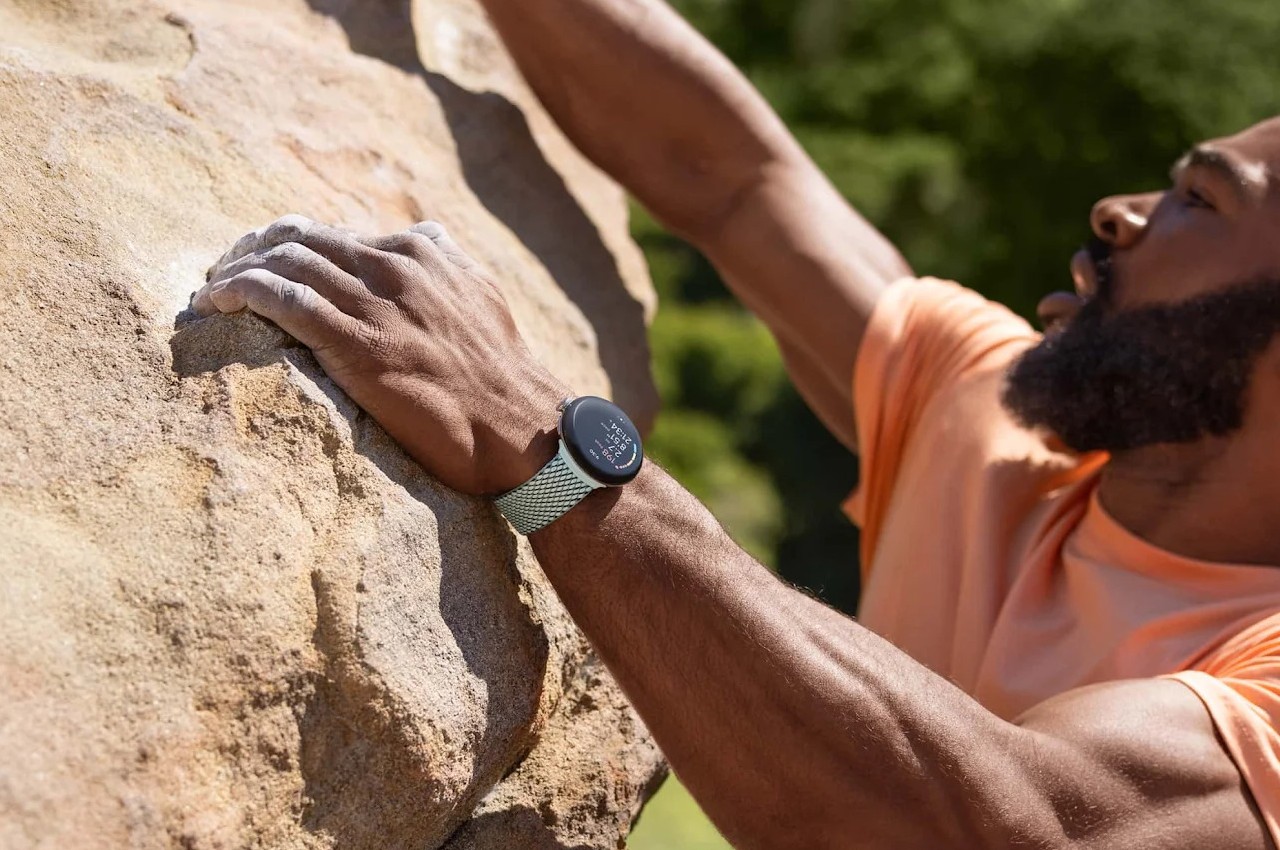
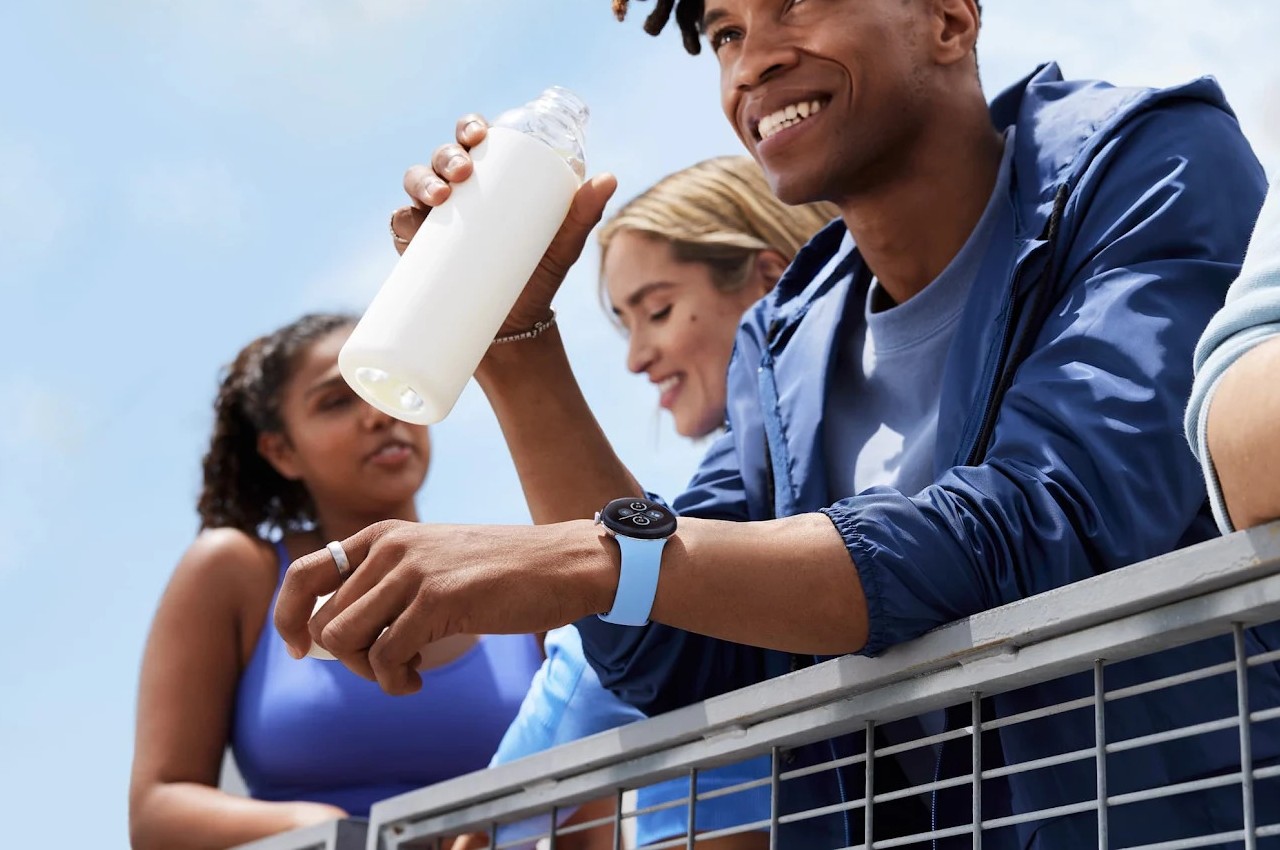
It wasn’t until the Apple Watch and anecdotes of its life-saving features that this wearable really defined its identity in the market. It was, for all intents and purposes, a wearable health tracker masquerading as a timepiece. And depending on the brand and style of the smartwatch, it may or may not pass for a luxury watch, at least from a distance. It basically pushed fitness trackers out of the scene, with more advanced sensors, a more flexible user experience, and connectivity to a smartphone. Over time, however, people and even companies have also started to wonder why they still have a smartwatch, especially with upcoming technologies and designs that offer more choices especially when it comes to aesthetics and style.

True Wearables

Smartwatches are perhaps the world’s first taste of wearable technologies, but that’s hardly the only incarnation possible. Ideally, true wearables will be something you can, well, wear, including clothing, footwear, and especially jewelry. These weren’t possible years ago, but technology and manufacturing are thankfully catching up and, soon, people won’t have to ditch their heirloom mechanical watches just because they want to monitor their health 24/7.

Smart rings, for example, try to offer at least the basics of activity tracking and health monitoring but in a more discreet form that doesn’t get in the way, at least if you’re used to wearing rings all day. A ring would let you wear your favorite timepiece, or wear a different watch for any occasion, all without losing those important health stats. There are also attempts at developing other kinds of smart jewelry that also have health sensors or apparel that let you control your phone or other devices. These are wearables in the truest sense of the term, and they won’t be just science fiction soon.

AI Craze

Another trend gripping the tech industry as a whole is also putting the usefulness of smartwatches into question. AI can be found anywhere these days, from image generators to note-taking apps. Of course, tech companies have long been touting AI-powered services via cloud-based personal assistants, but the trend these days is moving the bulk of the work to the device itself. Smartphones might be powerful enough to support this kind of AI, but smartwatches don’t have that much silicon muscle, at least not without burning through their already meager battery lives.

Designer: Google

It’s actually curious that both Apple and Google have been rather silent about their latest AI features when it comes to their own smartwatches, possibly hinting they won’t be coming any time soon. It’s certainly possible for smartwatches to offload the work to the smartphones they’re connected to, but the latency might be too much to ask as well. It could still be good for the occasional verbal question to AI services, but nothing that actually makes a smartwatch a must-have for this purpose.

Distraction Station

If health monitoring and AI won’t be the exclusive domain of smartwatches, then one must wonder what other unique experiences they offer. Unlike a smart ring or even a fitness tracker, a smartwatch offers more advanced features related to a smartphone, like reading notifications in full, replying to messages, or even viewing some apps in a smaller form. But are these actually advantages or are they merely showing off feats of technology that actually become detrimental to users in the end?

Designer: Samsung

Smartphones are notorious for being sources of distractions, which is why there is a counter-movement of phones espousing minimalism or devices with distraction-free experiences. You can, of course, select only the notifications you really need to see on your wrist, but even smartphones have that same function anyway. In reality, smartwatches make it too easy to be distracted by those notifications without even pulling out your phone, and you spend more time looking at your smartwatch than you would a regular watch. Funnily enough, the people around you wouldn’t even have a clue that you’re wearing a smartwatch and would simply presume you’re being impatient.

Fringe Benefits

That said, there are definitely things that only a smartwatch can offer, at least for now. Smart rings, due to their size, can only offer a small selection of sensors to monitor your health. For more advanced biometrics, you’ll need a larger device to wear, like a smartwatch or a fitness band. There are also still some discussions on whether a ring or a watch is more accurate, though both naturally pale in comparison to medical equipment.

Designer: Apple

Unlike a fitness band, a smartwatch also offers more flexibility when it comes to aesthetics. After all, it can masquerade as a traditional watch given the right band and watch face. More active people might also want a fuller activity-tracking experience without having to wear a watch and a fitness tracker at the same time, and a smartwatch definitely bridges the gap between the two.

Final Thoughts: Smartwatches Today and Tomorrow

Just when the smartwatch market seems to have secured its footing, its future comes into question once again. Luxury brands that once tried to portray smartwatches as fashionable accessories have now pulled back from the market, leaving only tech companies to do the heavy lifting. Some of these tech companies, however, are looking into smart rings as well, and their AI endeavors don’t seem to have a place on smartwatches either. Smartwatches aren’t going to disappear immediately, and they might finally be able to have enough processing power and battery capacity to support even the most basic on-device AI features, but it might be time to again rethink what role smartwatches play in our modern world.

The post Are Smartwatches Becoming Obsolete? A Look at AI and Smart Rings first appeared on Yanko Design.

Take a behind-the-scenes tour of Summer Game Fest Play Days 2024

Summer Game Fest 2024 officially wrapped up on June 10, after a long weekend of game previews, developer interviews and unlimited cold brew — but we just published our final stories from the show this week (held under embargo, of course). Those were Mat Smith's impressions of Black Myth: Wukong and Tales of the Shire, and they capped off a month of juicy video game news out of the summer's biggest show.

No, Silksong did not make an appearance.

There were, however, plenty of bright and shiny games at the show, and many of them were available to play for the first time ever. Our hands-on and first-look stories include Assassin’s Creed Shadows, Astro Bot, Dragon Age: The Veilguard, Kunitsu-Gami: Path of the Goddess, Lego Horizon Adventures, Marvel Rivals, Metaphor: ReFantazio, Neva and Skate Story.

On top of the playable previews, Day of the Devs, Devolver, Xbox and Ubisoft held their own showcases brimming with new information and game reveals, and the big Summer Game Fest kickoff event was similarly stacked. Just to name a few of the hits: There's a new Doom with a medieval flair (and flail), Civilization VII is coming out in 2025, Slitterhead will land on November 8, Heart Machine is building a gorgeous-looking platformer called Possessor(s), and the Fable reboot is due out in 2025. There are also new Xbox Series consoles coming out this fall — and as it turns out, Microsoft's mid-cycle refresh says a lot about the Xbox hardware business as a whole, especially when compared to the company's internal roadmap that leaked in October 2022.

After E3 collapsed on itself like a sad soufflé, Summer Game Fest has emerged as the home of mid-year video game goodness, offering a little more room for smaller studios and plenty of space to grow. It's been four years of digital and physical Summer Game Fest events at this point, and the show just keeps getting better.


Catch up on all of the news from Summer Game Fest 2024 right here!

This article originally appeared on Engadget at https://www.engadget.com/take-a-behind-the-scenes-tour-of-summer-game-fest-play-days-2024-153009861.html?src=rss

How to stream video to your TV via a VPN

Licensing content from their vast libraries and back catalogs is how Hollywood studios make money. A TV show or movie that's on Max in the US may be on a totally different service in the UK or Korea, with the studio pocketing the extra pounds or won in the process. That’s why savvy viewers have long used VPNs – virtual private networks – to expand their options. Change your location from the US to the UK and, voila, you suddenly have access to Friends and The Office on Netflix again.

That’s great if you’re watching on a phone, tablet or PC, where installing and activating a VPN is as generally as simple as visiting the device’s app store. But streaming through a VPN is a bit more challenging on a TV. Thankfully, there are quite a few ways to get that VPN-filtered content on the biggest screen in your home. Below, we’ll walk you through unlocking geo-blocked content on your TV.

If you don’t already have a VPN subscription, we’d suggest choosing a service from our list of best VPNs. And with the notable exception of Proton VPN, we’d strongly recommend avoiding any free VPN options.

The easiest way to install a VPN on your smart TV is to download it from the built-in app store – if your preferred VPN is available. Among the top smart TV platforms, Amazon’s Fire TV and Google TV are your best bets for built-in support. If your set doesn’t run those operating systems, you can add them to any TV with a free HDMI port for as little as $30. Meanwhile, the pricier Apple TV supports a growing list of VPNs as well. Roku, unfortunately, does not support built-in VPN apps.

Amazon’s Fire TV operating system has a wide range of content to binge-watch, as it comes with access to Prime Video’s expansive catalog. Thankfully, its user interface is easy to navigate, making installing a VPN a breeze.

Amazon's Fire TV Stick line is a very VPN-friendly streaming platform.
Amazon

To set up a VPN, navigate to the Fire TV app store and search for the VPN service to which you’re subscribed. Fire TV has multiple options on the app store, including most of the services mentioned in our aforementioned best VPNs list.

From there, the process is pretty simple: Download the app, log in and connect to the VPN. When you obfuscate your IP address using the VPN and connect to a different country, you’ll unlock its Prime Video content library.

Google TV is a smart TV operating system with a sleek user interface that supports thousands of apps, including VPNs and streaming platforms. As with Fire TV, just download your VPN app of choice, input your credentials and run it before activating the streaming service you’d like to check out. While Google TV doesn’t have as robust a VPN library as Fire TV, it currently has a wider selection than Apple TV (see below). Read How to stream using a VPN on your Google TV or Chromecast for more details. 

If you want to install a VPN on your Apple TV directly, you’ll need tvOS 17 or later. If not, you can follow our alternative workarounds below.

Apple TV boxes have become more VPN-friendly with recent OS updates.
Devindra Hardawar/Engadget

For those with tvOS 17 and later, setting up a VPN on your Apple TV is simple. However, it’s important to note that it doesn’t support many services, so you’ll have to double-check that the VPN you subscribe to has Apple TV compatibility. Read How to use a VPN on your Apple TV for more details. 

There are two distinctions between screen casting and mirroring. The former is when you stream content on a device, cast it on your smart TV and still use the device for other purposes without interrupting what you’re streaming. The latter is when you show everything you’re doing on your device on your TV. For example, if you’re streaming a movie and tab out, your smart TV will mirror everything you’re doing.

As with Apple CarPlay and Android Auto in vehicles, there are Apple and Google flavors of screencasting: AirPlay and Google Cast (formerly Chromecast). In each case, you start by running your VPN of choice on your phone or tablet, firing up your streaming app, starting your movie or TV show and simply clicking the AirPlay or Google Cast icon when streaming the video. If your TV doesn’t have AirPlay or Google Cast built-in, you can buy a set-top box that supports one or the other.

AirPlay is probably the most well-known casting and mirroring technology, and it currently works on a wide range of smart TVs and set-top boxes. I screencasted from my iPhone XR with a VPN enabled to my Samsung UHD TV and everything worked without a hitch.

On the Google side, click the icon with a TV and Wi-Fi rays to start casting your content to the big screen.

Note that Amazon is working on a rival screencasting platform called Matter Casting, but it’s not widely supported yet. 

Read How to stream via a VPN on Roku for more details. 

If you don’t want to fiddle with wireless protocols, an underrated and lesser-known way to stream video to your TV using a VPN is via an HDMI cable. You’ll need an HDMI cable and (for some devices) an HDMI dongle, such as one that converts a USB-C port to HDMI. Once connected, your laptop, phone or tablet screen should be displayed on your TV’s screen. At that point, just fire up your VPN, start your streaming app (or browser) and maximize the window.

All of the methods above describe ways to get VPN streaming access on a single TV. But if you want a whole-house approach – in which you could, for instance, watch UK Netflix on every device on your home network – you’d want to investigate accessing the VPN at the router level. Just note this is for advanced users only, and is far and away the most challenging method of the bunch.

This requires installing a new router, or making major modifications to your existing one. Furthermore, it generally requires installing a custom firmware on a router, which usually means voiding the hardware manufacturer’s warranty. And even then, you’ll need an expert user in the household who knows how to engage and disengage the VPN and customize its settings, as leaving it turned on all the time can interfere with non-streaming activities, including simple things like shopping online.

All that said, a more streamlined whole-home option for ExpressVPN users is to try out that provider’s AirCove router models. (Note that Engadget has not yet tested these models.) Because they are ExpressVPN’s own hardware, they include warranty coverage and support through the company.

This article originally appeared on Engadget at https://www.engadget.com/cybersecurity/vpn/how-to-stream-video-to-your-tv-via-a-vpn-143736234.html?src=rss

AI companies are reportedly still scraping websites despite protocols meant to block them

Perplexity, a company that describes its product as "a free AI search engine," has been under fire over the past few days. Shortly after Forbes accused it of stealing its story and republishing it across multiple platforms, Wired reported that Perplexity has been ignoring the Robots Exclusion Protocol, or robots.txt, and has been scraping its website and other Condé Nast publications. Technology website The Shortcut also accused the company of scraping its articles. Now, Reuters has reported that Perplexity isn't the only AI company that's bypassing robots.txt files and scraping websites to get content that's then used to train their technologies. 

Reuters said it saw a letter addressed to publishers from TollBit, a startup that pairs them up with AI firms so they can reach licensing deals, warning them that "AI agents from multiple sources (not just one company) are opting to bypass the robots.txt protocol to retrieve content from sites." The robots.txt file contains instructions for web crawlers on which pages they can and can't access. Web developers have been using the protocol since 1994, but compliance is completely voluntary. 

TollBit's letter didn't name any company, but Business Insider says it has learned that OpenAI and Anthropic — the creators of the ChatGPT and Claude chatbots, respectively — are also bypassing robots.txt signals. Both companies previously proclaimed that they respect "do not crawl" instructions websites put in their robots.txt files. 

During its investigation, Wired discovered that a machine on an Amazon server "certainly operated by Perplexity" was bypassing its website's robots.txt instructions. To confirm whether Perplexity was scraping its content, Wired provided the company's tool with headlines from its articles or short prompts describing its stories. The tool reportedly came up with results that closely paraphrased its articles "with minimal attribution." And at times, it even generated inaccurate summaries for its stories — Wired says the chatbot falsely claimed that it reported about a specific California cop committing a crime in one instance. 

In an interview with Fast Company, Perplexity CEO Aravind Srinivas told the publication that his company "is not ignoring the Robot Exclusions Protocol and then lying about it." That doesn't mean, however, that it isn't benefiting from crawlers that do ignore the protocol. Srinivas explained that the company uses third-party web crawlers on top of its own, and that the crawler Wired identified was one of them. When Fast Company asked if Perplexity told the crawler provider to stop scraping Wired's website, he only replied that "it's complicated." 

Srinivas defended his company's practices, telling the publication that the Robots Exclusion Protocol is "not a legal framework" and suggesting that publishers and companies like his may have to establish a new kind of relationship. He also reportedly insinuated that Wired deliberately used prompts to make Perplexity's chatbot behave the way it did, so ordinary users will not get the same results. As for the inaccurate summaries that the tool had generated, Srinivas said: "We have never said that we have never hallucinated."

This article originally appeared on Engadget at https://www.engadget.com/ai-companies-are-reportedly-still-scraping-websites-despite-protocols-meant-to-block-them-132308524.html?src=rss

What we’re listening to: Nell’ Ora Blu, Grasa, Brat and more

In this installment of What We're Listening To, Engadget editors dive into some of the recent music releases we've been playing on repeat. Yes, Brat has us in a chokehold, too.

When I first heard Uncle Acid and the Deadbeats was putting out an album inspired by 1960s-70s giallo films, I felt like my interests, personally, were being targeted. It’s the kind of crossover that now seems like it had to happen at some point, but I never realized my need for it until this moment. (One person on Reddit, though, was really onto something with the idea last year). Lo and behold, Nell’ Ora Blu dropped last month and it scratches a very specific itch in my brain.

It is not at all the usual fare you’d expect from Uncle Acid, very much taking on the structure of a soundtrack with a lot of ambient instrumentals and short dialogue tracks voiced by genre regulars Edwige Fenech, Franco Nero and Luc Merenda (it pulls influence from the poliziotteschi crime/action films as well). The scores in these movies often feel like psychedelic horror experiences in themselves — with heavy moments that really drag you in, only to be offset by something so delicate it’s almost disorienting — and unsurprisingly, Uncle Acid absolutely nails this. This is the perfect album to pop on in the background while you’re trying to get some art or writing done, ideally as a thunderstorm rolls in. It's pretty long, coming in at around an hour and 17 minutes, but I almost always replay it at least once per sitting. 

Nell’ Ora Blu isn’t necessarily going to be an automatic hit with Uncle Acid fans. It’s more for the person who watched Deep Red or The Bird with the Crystal Plumage or anything of that ilk and immediately sought out the soundtrack afterward. Still, I expect there’s a fair amount of overlap between those groups, considering the band does generally have the whole sleaze horror vibe going anyway. Honestly, I want more. We don't need to stop at giallo — give me Uncle Acid's take on Jean Rollin and the fantastique next (please).

— Cheyenne MacDonald, Weekend Editor

Admittedly, I’m late to the Nathy Peluso bandwagon. I was first introduced to her after falling down a rabbit hole of BZRP Music Sessions (collab tracks made by Argentine producer Bizarrap and various Latin music heavyweights) and listened to hers (#36). Her second album, Grasa, just dropped and represents her latest full body of work released since the Grammy-nominated Calambre came out in 2020. Grasa is likely my album of the summer — and certainly a top pick for the whole year — thanks to its engaging experimentation and its marriage of a bunch of different styles including hip hop, latin trap, bolero, salsa and straight-up pop. There are no skips on this album, at least half a dozen bangers and I personally love the transitions from the snarling, fast-paced tracks to the few ballads and slower songs peppered throughout.

Peluso already proved she was a great singer on Calambre, but I think her vocal performances on this album, particularly in ballads like “Envidia” and “El Día Que Perdí Mi Juvendtud,” standout as high points. And then there are the bangers, as it were: “Aprender a Amar” gets in your face with fierce rapping and blaring horns; “Legendario” might be the most obvious potential single off the whole album thanks to its signature pop tempo and sound; and “La Presa” is basically a salsa IV straight to your veins. There are plenty of others I’m not naming here, but anyone who has even a passing appreciation for Latin pop (regardless of if you speak Spanish or not — I don’t) shouldn’t sleep on Grasa.

Puerto Rican artist Young Miko’s first full-length album, att., is the definition of “a vibe.” After collaborating with Karol G, Bad Bunny and other Latin superstars, Miko has solidified her space in the Latin pop scene with this project. While I don’t think it’s a career-defining album, it’s a great showcase of her laid-back, Spanglish-style rapping that marries genres like reggaeton and Latin trap, and her ability to create a clear mood with such fusion, plus a healthy dose of great beats. Ultimately, it’s simply easy listening from front to back. Personal highlights include “arcoíris,” “tamagotchi” and Feid collab “offline.”

Brat is 100 percent worth the hype. Eloquent music critics and writers have bestowed a lot of praise onto this album already, so suffice to say that I agree with most of them (and you should go read their analyses). Standouts include “Club classics,” “Sympathy is a knife,” “So I,” and “B2b,” but arguably my favorite is the closer “365.” A riff off of the opener “360,” this track ups the ante in every way, and the transition to it from the penultimate “I think about it all the time” is so satisfying and euphoric.

— Valentina Palladino, Deputy Editor, Buying Advice

It's been 10 years since Norwegian producer and DJ Todd Terje declared that it was, finally, album time. He had made a name for himself as a DJ and remixer in the 2000s, but It's Album Time marked his first (and sadly, only) full-length collection on which he is the singular driving force. It's a gloriously oddball collection that flips between dramatic, movie score-style symphonic pieces and true dance-disco bangers. (After a recent listen, I convinced myself that Terje could help Dua Lipa make the best album of her career.)

For my money, the 10-minutes combo of "Straandbar" and "Delorean Dynamite" encapsulate the best things about the album. It's a gloriously funky build-up with intricate percussion, fat synths, bouncing bass lines and a ridiculously simple but incredibly infectious guitar lick that comes in halfway through "Delorean Dynamite" that makes me want to run through a brick wall. You'll know it when you hear it.

And, of course, there's "Inspector Norse," a song that caught fire in 2012 and paved the way for the rest of It's Album Time. If Terje never makes another album (he's only 43, so there's plenty of time!), "Inspector Norse" serves as seven perfect minutes of his career. Maybe he'll swing by and take us to his planet again, but it's hard to be sad about his lack of output when It's Album Time is so damn perfect.

— Nathan Ingraham, Deputy Editor, News

Cocona shaves her head in this video. Just because she wanted to. This song is great. XG is life.

— Aaron Souppouris, Executive Editor

This article originally appeared on Engadget at https://www.engadget.com/what-were-listening-to-nell-ora-blu-grasa-brat-and-more-130028558.html?src=rss

Another Look at Final Cut Camera on iPhone

Final Cut Camera

Apple has introduced the Final Cut Camera app, a groundbreaking tool designed to transform professional video recording on iPhones and iPads. This app offers an unprecedented level of control over video settings, including multi-cam support, making it an indispensable asset for content creators seeking to produce high-quality video content using their iOS devices. The video […]

The post Another Look at Final Cut Camera on iPhone appeared first on Geeky Gadgets.

How to create inspirational writing prompts using AI

How to create amazing writing prompts using AI

As a writer, you have already built a robust foundation in the principles of storytelling and writing techniques. Now, it’s time to elevate your craft by exploring the innovative world of artificial intelligence (AI) to create compelling and imaginative writing prompts. Leveraging AI for generating writing prompts can open new vistas of creativity, providing you […]

The post How to create inspirational writing prompts using AI appeared first on Geeky Gadgets.

10 Proven Tips for Creating a Sustainable and Eco-Friendly Garden

Sustainable gardens aim to reduce human impact on the planet by conserving natural resources and minimizing waste. Embracing these practices can contribute to a happier, healthier Earth. As one engages in activities like potting, pruning, and maintaining green space, one should contemplate adopting more eco-friendly gardening habits, as sustainable gardening is more achievable than one might imagine.

Image courtesy of: puhimec

Why is Sustainable Gardening important?

Amid a global green revolution, sustainable gardening plays a crucial role in minimizing pollution and chemical risks associated with various activities, particularly food production. By embracing sustainable gardening practices, one not only contributes to environmental protection but also safeguards health from potential chemical hazards. The shift towards ‘sustainable gardening’ not only diminishes our carbon footprint but also encourages healthier eating habits. The fruits and vegetables cultivated at home are devoid of pesticides and other preservatives typically employed in mass production, thus preventing harmful chemicals from entering your body and maintaining environmental well-being.

Image courtesy of: DisobeyArtPh

Planting a sustainable garden with native and local species prevents the spread of invasive weeds into natural areas, reducing the need for chemical pesticides and herbicides. Aditionally, sustainable gardens play a crucial role in preventing water pollution by recognizing the significance of water as a valuable resource. Unlike traditional gardening practices, sustainable gardening avoids the use of additives that could contaminate the water supply. Here are ten ways to make your garden more sustainable:

1. Go Organic

The initial action involves transitioning to organic methods and minimizing chemical usage in your garden. Begin by ensuring high-quality soil abundant in nutrients through the addition of natural compost. If the plants are affected by insect pests or plant diseases, it is important to address them using organic remedies.
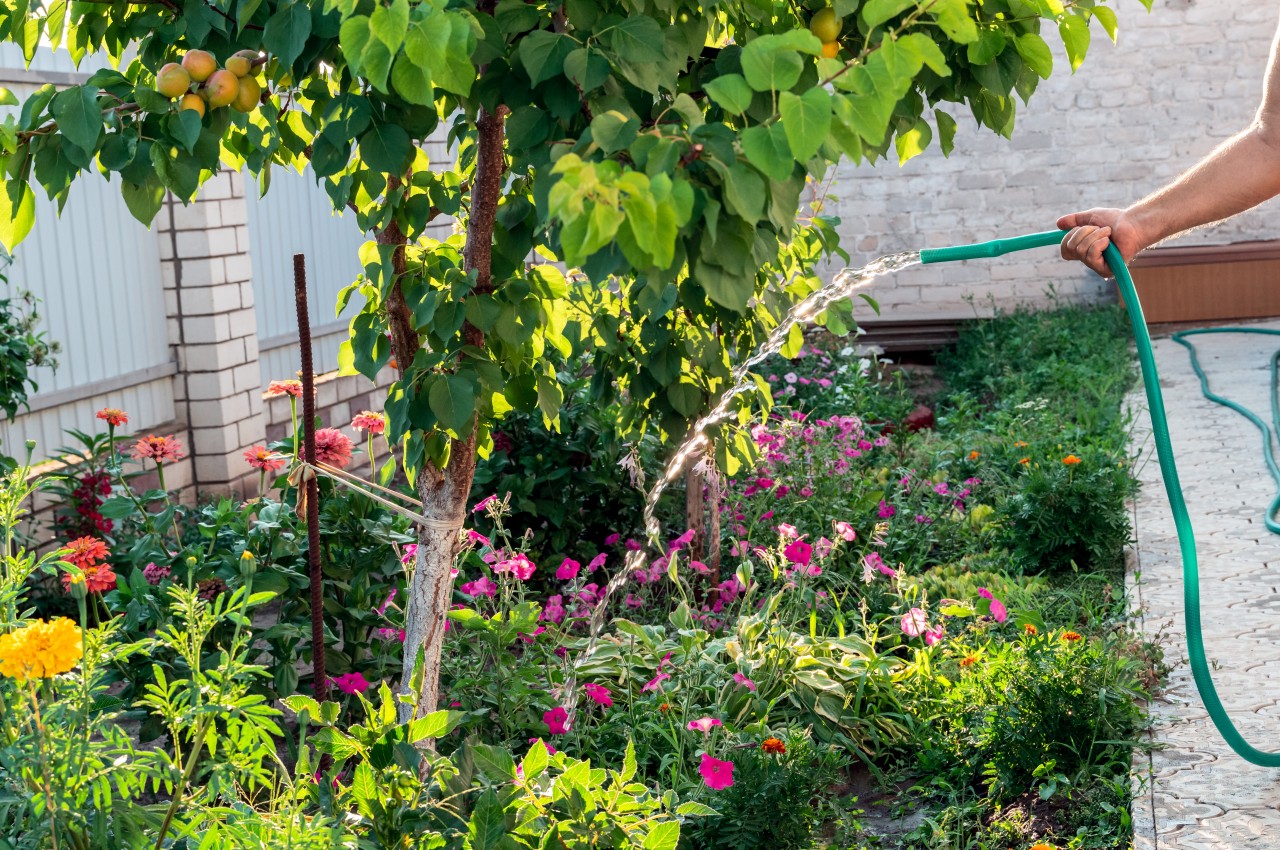
Image courtesy of: VroniV

2. Add Mulch

An effective method to prevent weed growth involves mulching, which not only retains soil moisture but is especially advisable in regions with water limitations or scarcity. This can be achieved by applying a 2 to 3-inch layer of mulch around landscape plants, utilizing materials such as shredded bark, grass clippings, or coir derived from coconut hulls.

3. Go for Native Plants

In sustainable gardens, it’s advisable to include native plants that are well-suited to the region. These plants demand less maintenance, utilize less water, and flourish more effectively than perennials, because of their natural adaptation to the local climate, rainfall, and soil conditions. It’s important to note that a perennial plant, commonly known as perennials, persists for more than two years. Additionally, native plants offer the benefit of attracting indigenous insect and bird species to the area.

4. Say Yes To Composting
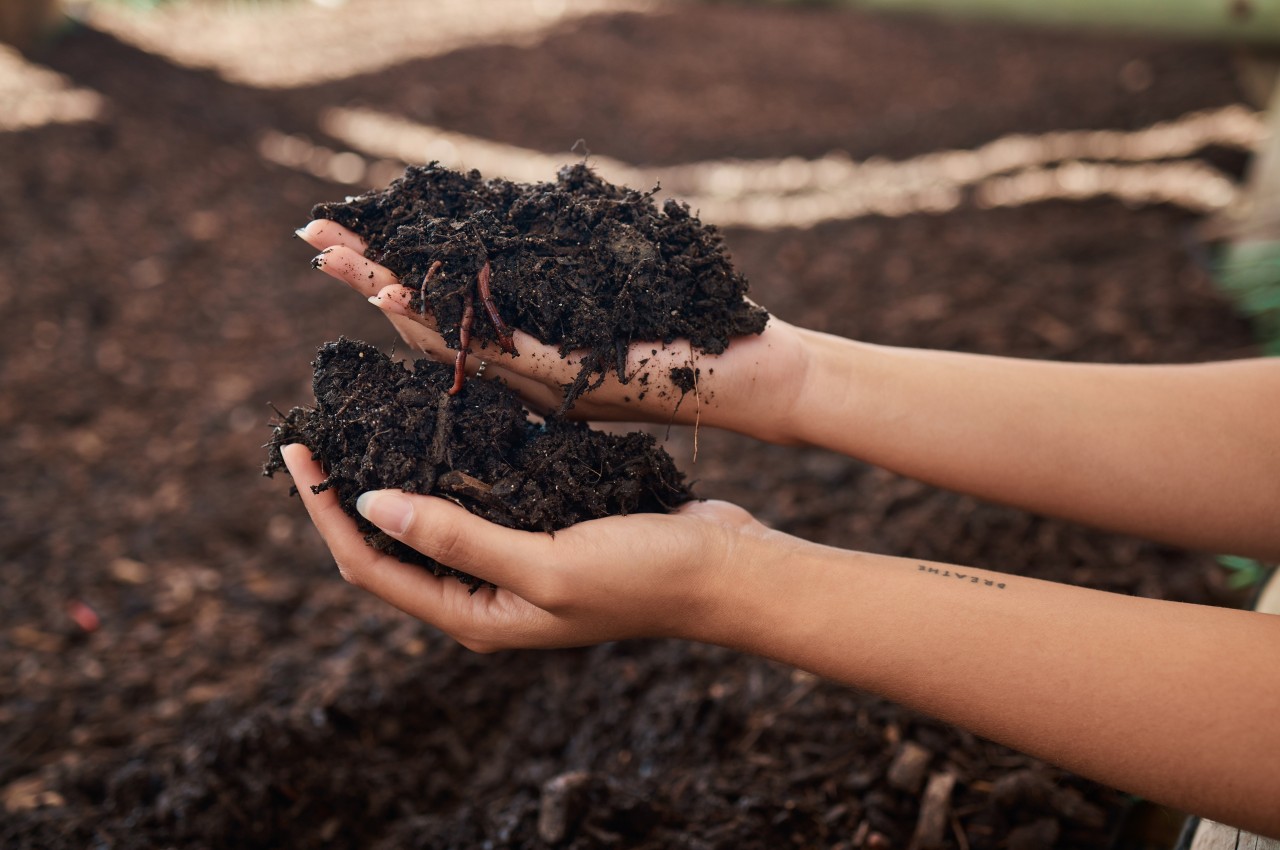
Image courtesy of: YuriArcursPeopleimages

Embracing composting stands out as a top practice for cultivating a sustainable garden. By composting your green waste, such as grass clippings, deadheaded flowers, dried leaves, and kitchen scraps, one can transform it into a nutrient-rich fertilizer, fostering sustainability in gardening endeavors.

5. Reuse Plastic Pots
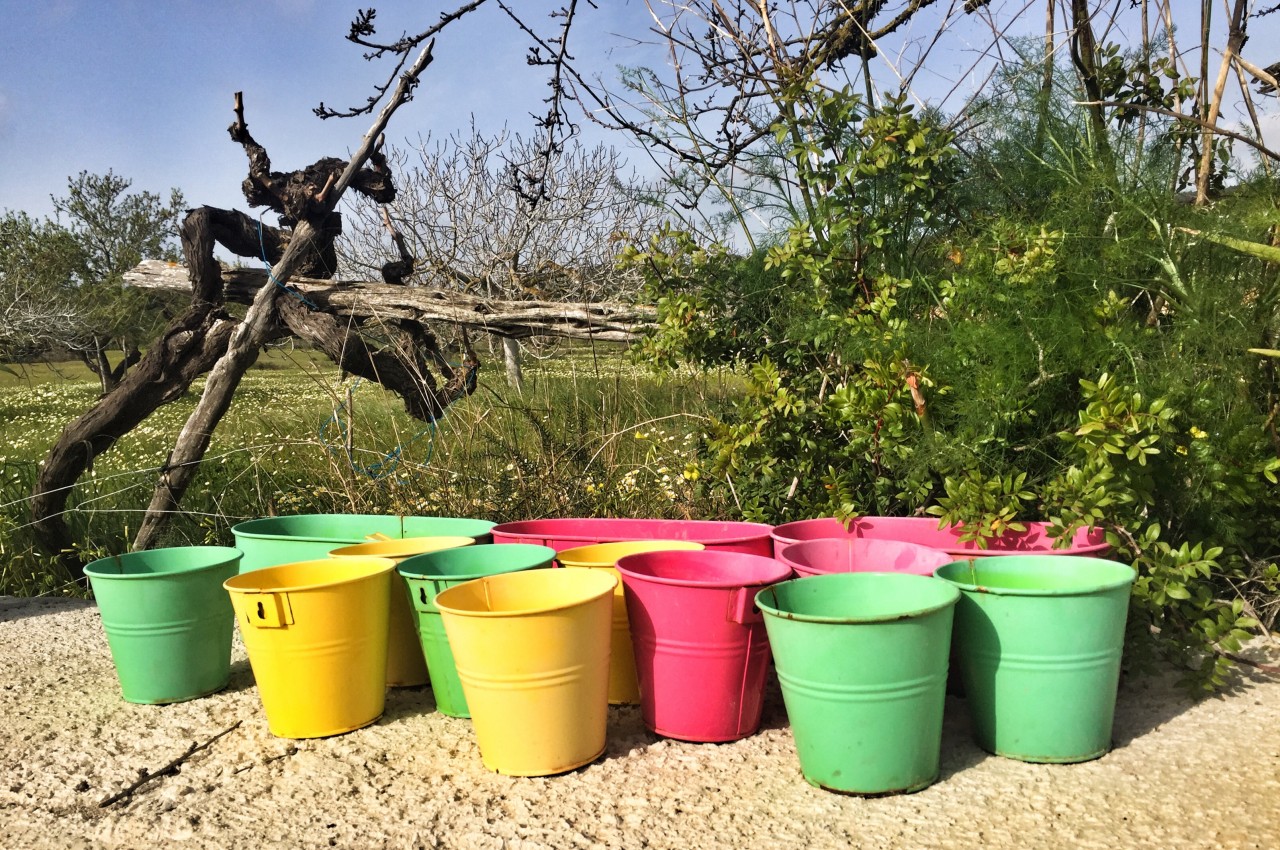
Image courtesy of: pernilla11

Certain plants are sold in plastic pots. Instead of purchasing new ones, consider reusing pots for seed sowing and repotting. Simply rinse them with warm water and detergent before reuse to eliminate any potential diseases or one can return them to the nursery for reuse.

6. Conserve water
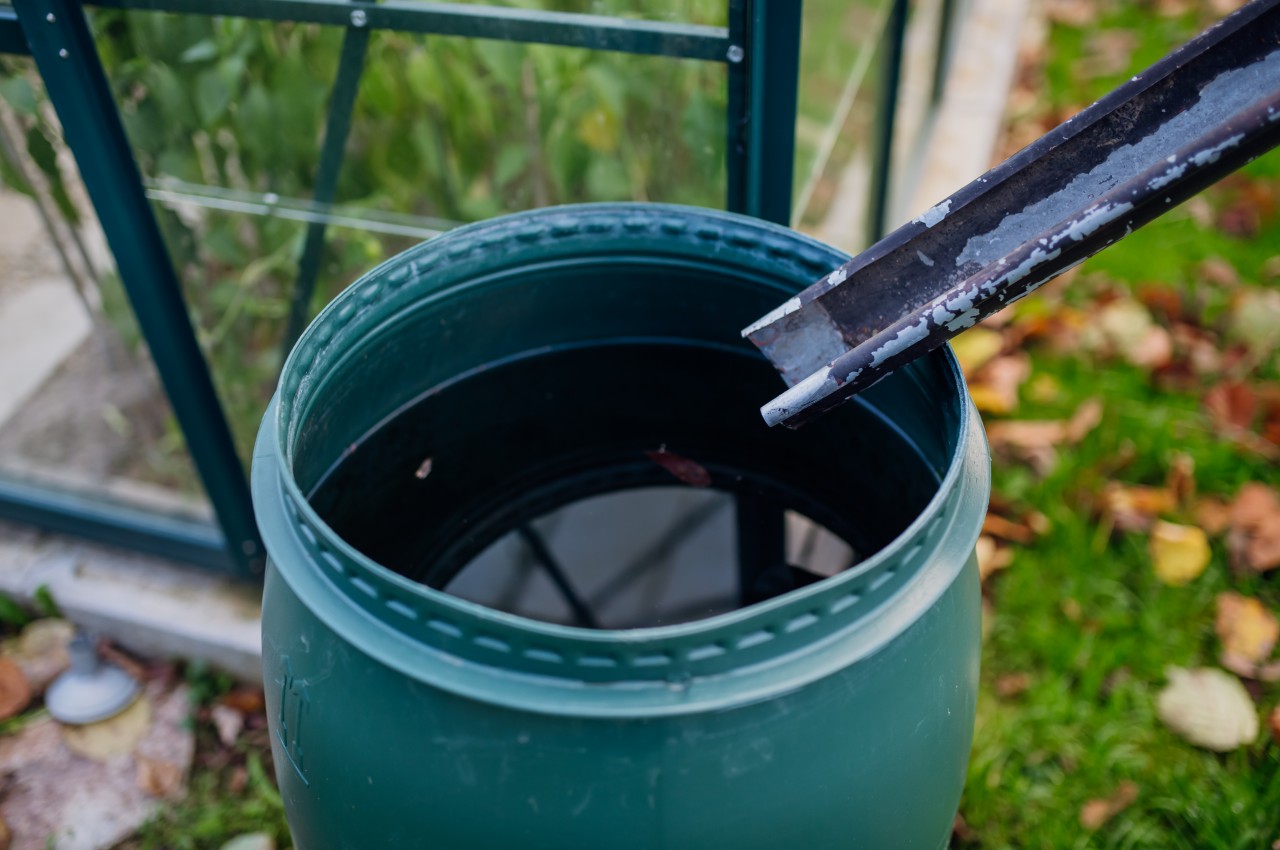
Image courtesy of: halfpoint

Maintaining vibrant gardens in summer often entails frequent watering. To minimize your garden’s reliance on mains water during hot, dry spells, consider installing a water butt and incorporating ground cover plants to lessen moisture evaporation and cool the soil.

7. Grow Wildlife Friendly Plants

Image courtesy of: Mint_Images

Opt for pollinator-friendly plants with uncomplicated flower structures, making it easier for insects like bees and butterflies to access food. Aim for a variety of plants that bloom at different times or have extended flowering seasons to ensure a continuous food source for pollinators throughout the year.

8. Invest in Sustainable and Durable Pots
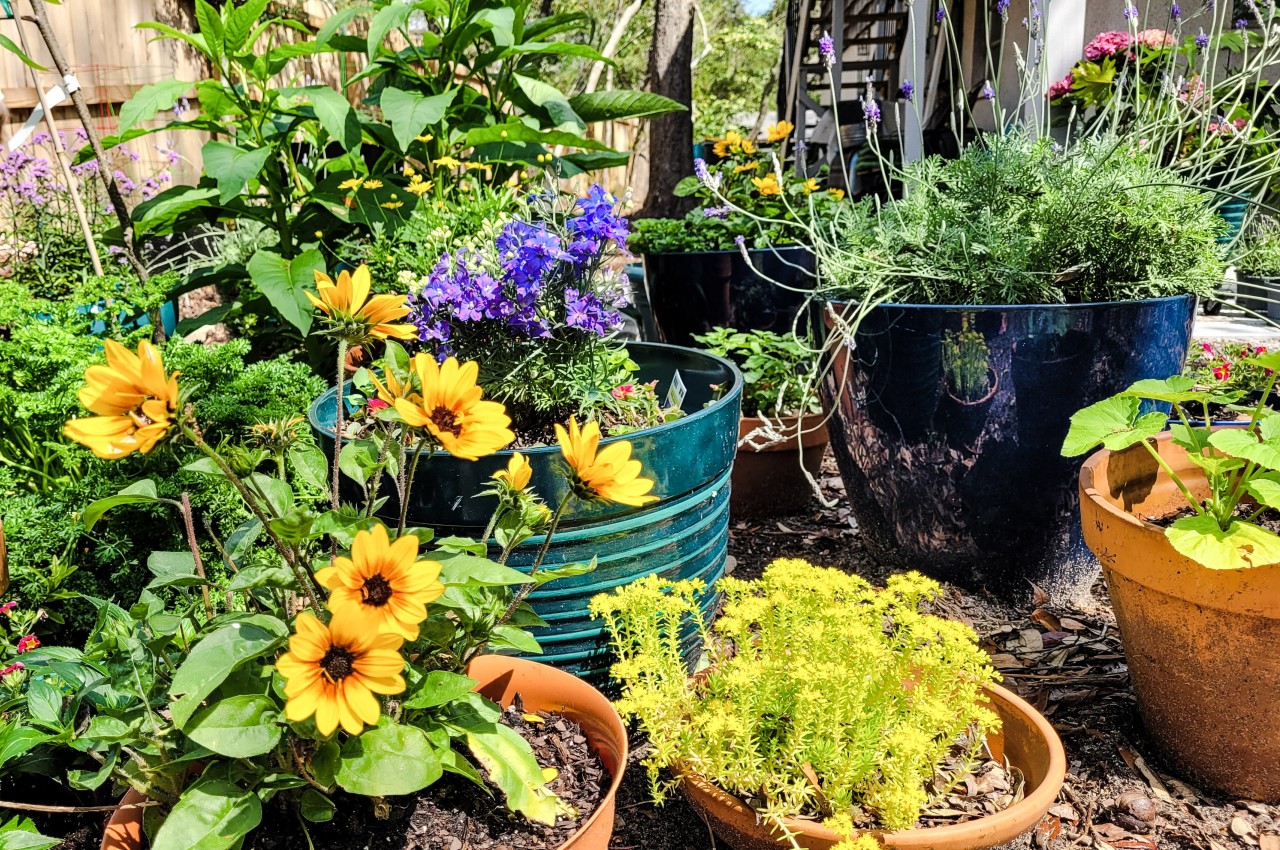
Image courtesy of: Beachbumledford

Opt for sustainable pots and planters to minimize single-use plastics in your garden. It is important to take care of your existing plastic pots and trays for reuse or invest in durable materials like pots made from 100% recycled waste, addressing plastic waste beyond gardening. Bamboo pots and seed trays offer longevity, lasting up to five years, and can be composted at the end of their life cycle. Consider the Hemp Planters Range for greenhouse or terrace use, offering both sustainability and maximizing crop yields.

9. Minimize Use of Fertilizer

Image courtesy of: YuriArcursPeopleimages

Prioritize minimizing fertilizer use in sustainable gardening practices to prevent runoff and excessive plant growth. Start by testing your soil to understand its natural fertility and determine if any adjustments are needed; many soils can sustain plant growth without added fertilizer. Consider enriching your soil with homemade compost as an alternative to synthetic fertilizers, promoting soil health and reducing environmental impact.

10. Use Less Energy

Image courtesy of: valeriygoncharukphoto

Reduce outdoor energy consumption by focusing on lawn care practices. Opt for electric or push-reel mowers and keep blades sharp for efficiency. Prioritize manual weed removal to prevent spread before mowing. Decrease lawn size by planting trees or expanding gardens. Choose solar-powered LED bulbs for lighting to conserve energy and provide natural illumination.

How does a sustainable garden combat climate change?

Home gardeners contribute significantly to addressing climate change through sustainable practices. By employing sustainable gardening and landscaping techniques, they can mitigate future warming by reducing carbon emissions and enhancing carbon storage in soil and plants.

• Choosing rechargeable electric options for mowers and trimmers aids in cutting gas emissions by reducing reliance on gas-powered lawn and garden equipment.

Image courtesy of: duallogic

• Avoiding synthetic nitrogen fertilizer is crucial in sustainable gardening, as it is a major contributor to greenhouse gas emissions.
• Strategically position trees and greenery around your home and community structures to save energy, ensuring they align with the sun’s orientation. Deciduous trees offer summer shade and winter sunlight, while evergreen trees provide protection from winter winds and improve insulation.

Image courtesy of: duallogic

• With climate change, one can expect more rainfall and floods. Sustainable gardens mitigate excess water through rain gardens or vegetated buffers, reducing runoff and erosion. Make it a point to use rain barrels for water storage.
• Food waste in landfills produces methane, a potent greenhouse gas that traps 28 times more heat per unit mass than carbon dioxide. To mitigate emissions, growing your food in sustainable gardens and purchasing from local sources minimizes the environmental impact of long-distance transportation and storage.
• Sustainable gardens aid in carbon storage by maintaining soil coverage with a variety of plants. Enhancing soil health involves adding organic matter and minimizing soil disturbance, while compost serves as a valuable resource for enriching and enhancing soil quality.
• Landscapes boasting diverse plant life exhibit increased resilience against emerging pest and disease threats and environmental shifts such as extreme heat and drought. In sustainable gardens, greater plant diversity also fosters support for pollinators and beneficial insects crucial for pest management and decomposition. Additionally, opting for native plants whenever feasible is important, as they demand less water and fertilizer while offering vital sustenance and shelter for wildlife. Perennial native plants contribute to carbon storage and help control soil erosion.

Image courtesy of: YuriArcursPeopleimages

In conclusion, gardeners can bolster the resilience of their green spaces to climate change impacts by diversifying native plants, improving soil health, cultivating heat-tolerant vegetables, and implementing stormwater management. This approach also termed climate-resilient gardening, fortifies landscapes against climate-related challenges

The post 10 Proven Tips for Creating a Sustainable and Eco-Friendly Garden first appeared on Yanko Design.


A Detailed Look At Apple Intelligence in iOS 18 (Video)

Apple Intelligence

Apple’s iOS 18 introduces a comprehensive suite of advanced artificial intelligence (AI) features under the banner of Apple Intelligence. These features are designed to enhance productivity, creativity, and interaction with Apple devices, making your daily tasks more efficient and enjoyable. The video below from MacRumors delves into the practical applications and benefits of these AI-powered […]

The post A Detailed Look At Apple Intelligence in iOS 18 (Video) appeared first on Geeky Gadgets.