Samsung’s latest update to its user interface, the ONE UI 6.1, has introduced an array of features designed to elevate the user experience to new heights. The video below from Hayls World’s gives us a look at a range of awesome features included in this new update, let’s delve into the exciting functionalities that make […]
We have heard several rumors about Apple’s iOS 18 and Siro 2.0 and now we have a new video from Brandon Butch that gives us more details on what to expect. The latest buzz around iOS 18 and Siri’s new advancements is nothing short of exciting. With Apple’s continuous push towards integrating more sophisticated AI […]
Imagine being able to converse fluently in Spanish, understanding the nuances of the language, and feeling confident in your pronunciation. With Rosetta Stone’s Spanish Learning Program, this dream can become a reality. This award-winning program offers a comprehensive, immersive, and interactive learning experience that has been trusted by top organizations like NASA, Calvin Klein, and […]
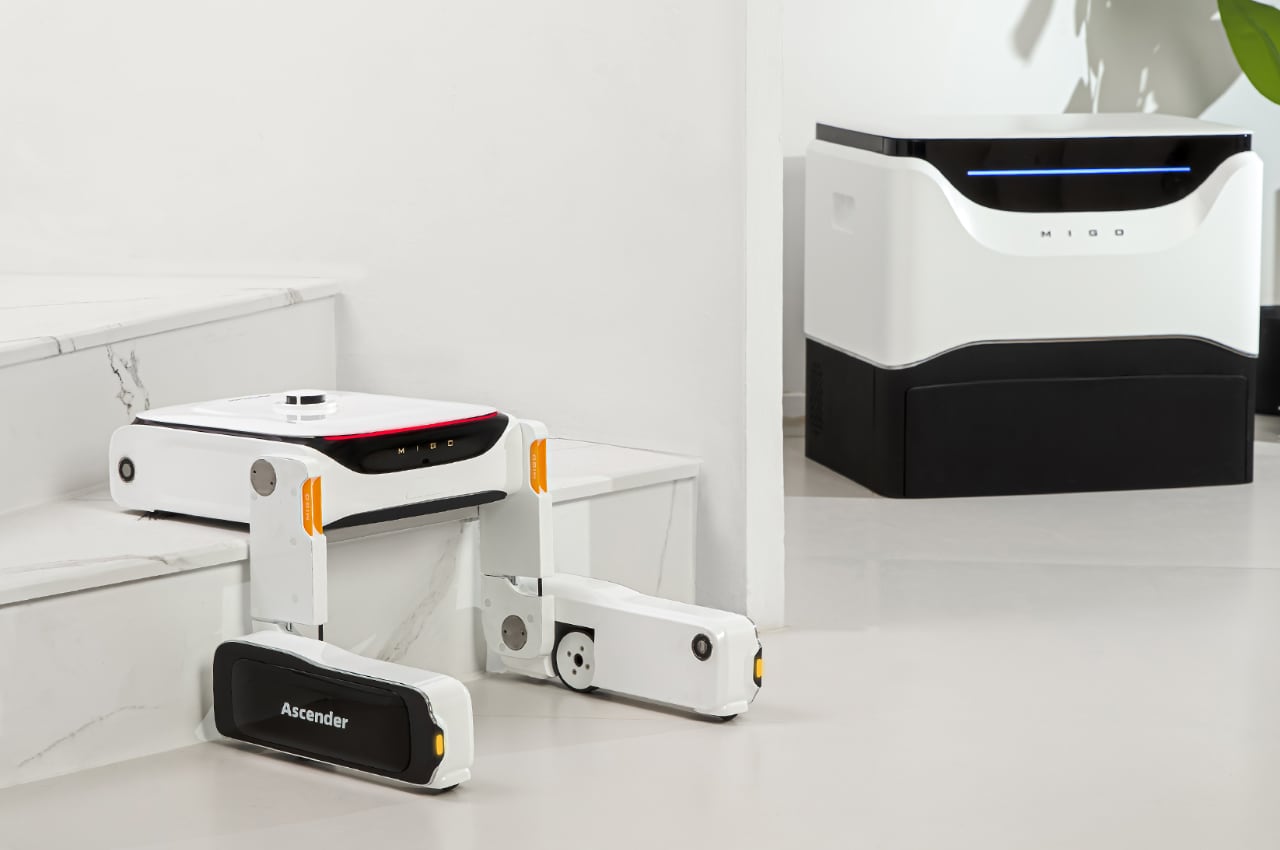
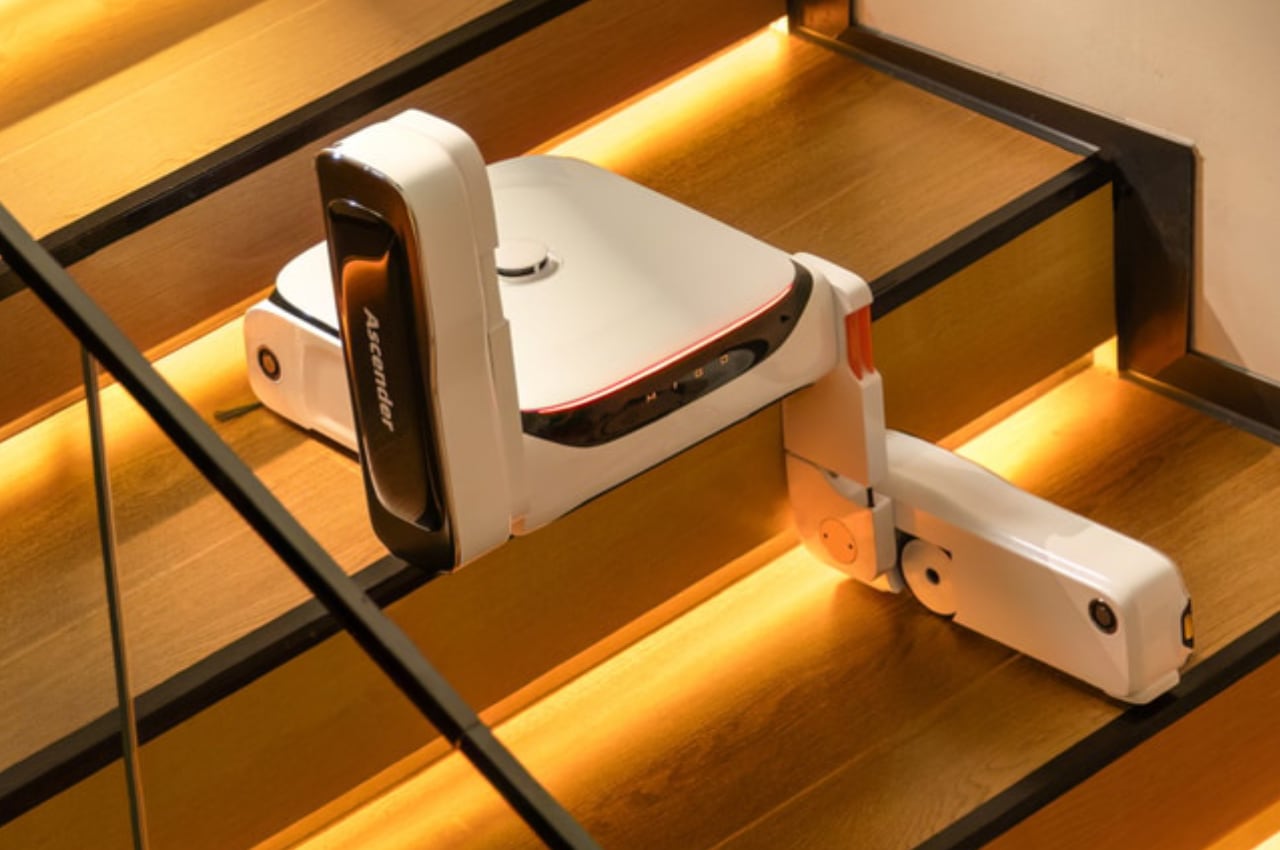
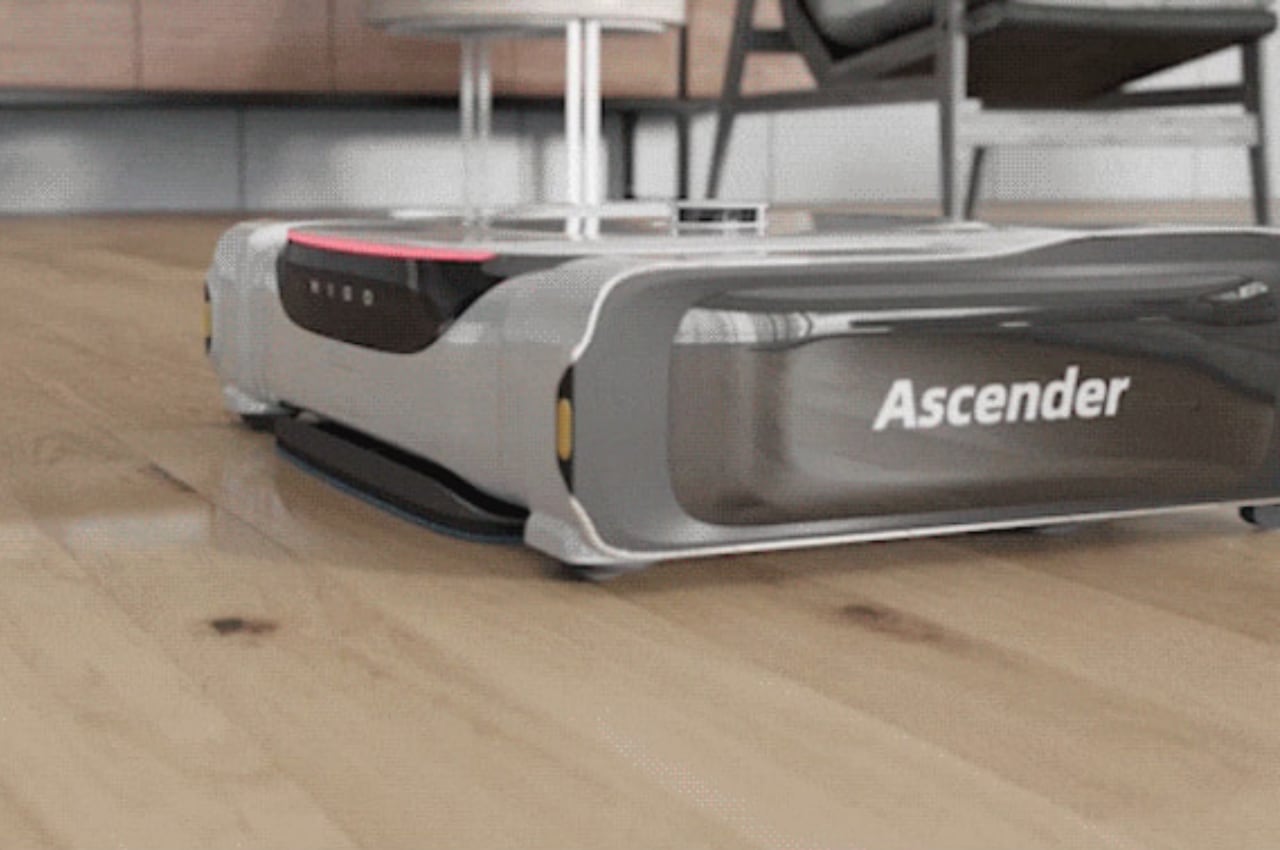
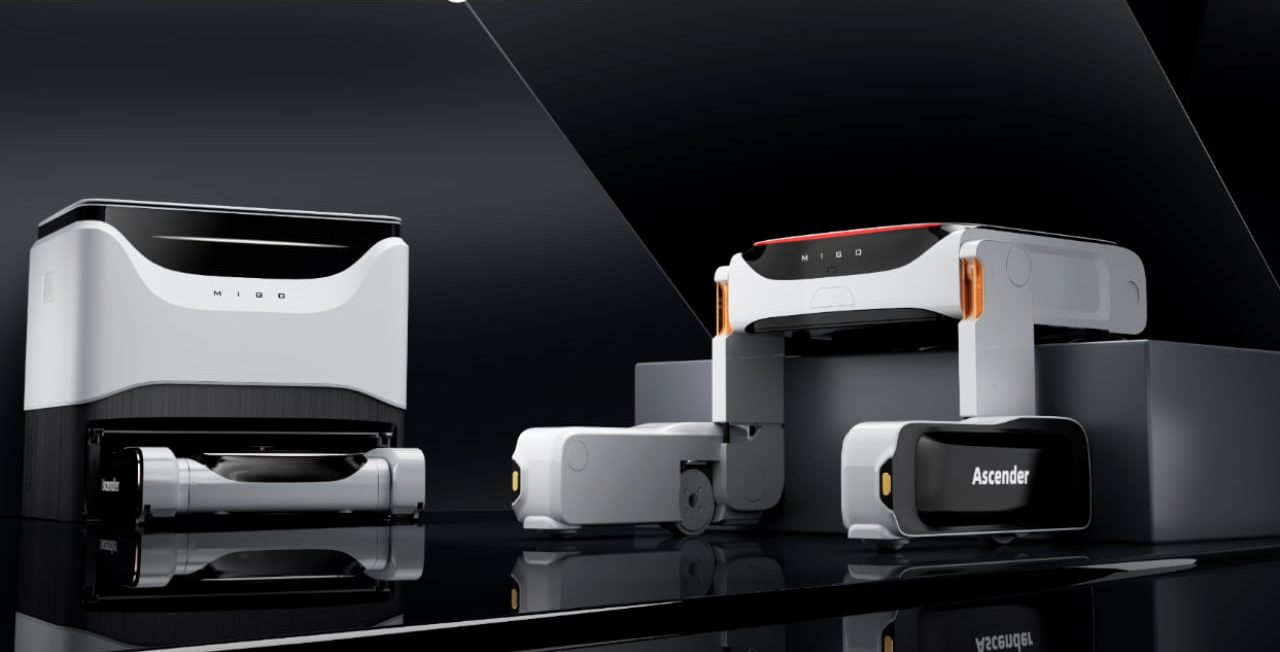
Until now, I haven’t encountered a robotic vacuum cleaner capable of climbing stairs. The Migo Ascender stands out as the first of its kind in the world of robotic vacuums and mops. It’s designed to tackle flat surfaces and the challenging terrain of staircases. This capability is due to an innovative mechanical arm structure that allows it to climb stairs effortlessly, a feature unprecedented in conventional robot cleaners. At the core of the Ascender’s performance are its advanced AI algorithms, which guide the device around typical home obstacles while skillfully navigating staircases, ensuring your home is thoroughly cleaned from top to bottom.
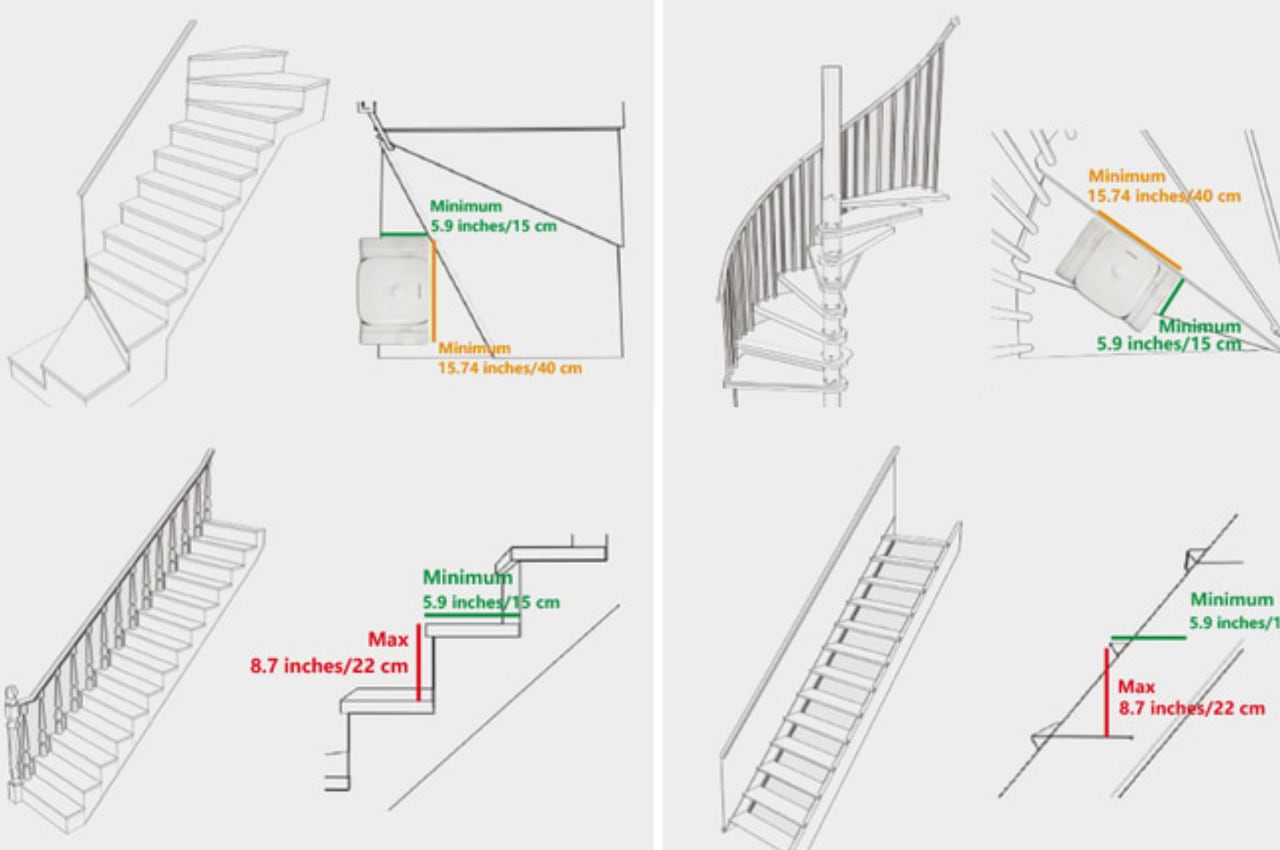
If you are impressed by its ability to climb stairs of different heights up to 8.7 inches and its versatility to handle various types such as open-riser, curved, open-riser spiral, and traditional stairs, then brace yourself. That’s not all it can do. What truly impresses me is the square design complemented by motorized omnidirectional wheels, allowing it to move laterally and achieve impeccable edge cleaning. At its base, the device is equipped with a pioneering pivotable brushing system – a first of its kind – which allows the brush to pivot 90 degrees during side-to-side movements. This feature is particularly effective for sweeping up larger debris, such as dog hair, food crumbs, or just plain old dirt that your kids drag in from outside.
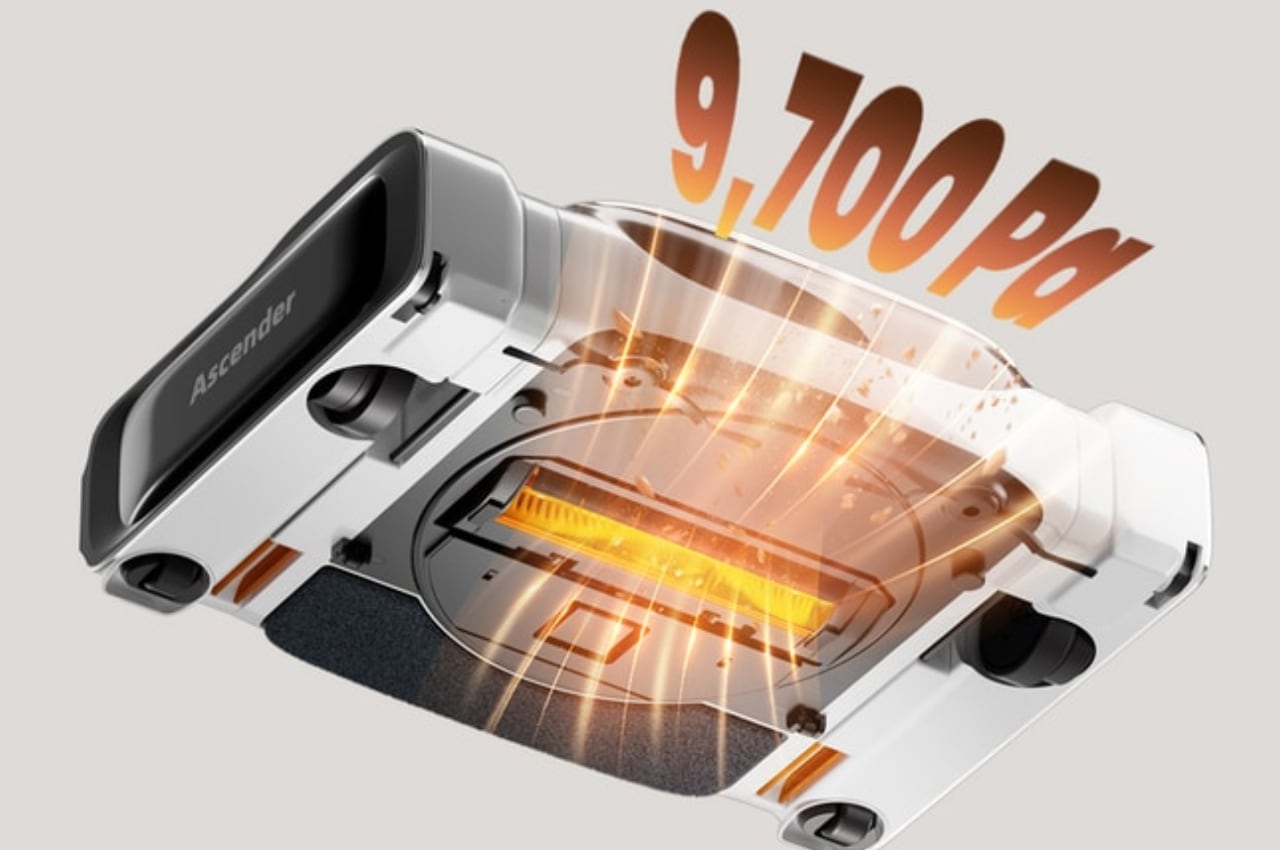
With a suction power of 9,700 Pascals (Pa), the Ascender far exceeds the standard range for robotic vacuum cleaners, typically between 500 to 2000 Pa. Few can match this power, even among high-end models boasting greater suction capabilities. The market’s highest suction powers are usually around 2,500 to 5,000 Pa, seen only in the most advanced and premium models. Thus, with its 9,700 Pa suction, the Ascender surpasses conventional standards and sets a new benchmark for robotic vacuum suction power. This promises exceptional cleaning performance, particularly for demanding tasks like deep carpet cleaning and picking up heavier debris.
Whether your home has wooden, carpet, laminated wood, or marble floors, the Ascender is designed to identify and thoroughly clean them. It applies 17N of downward pressure, three times that of a typical vacuum and mopping robot cleaner. It also features a high-speed 4-zone scrubbing system operating 3000 times per minute and an automatic mop lifting feature that raises the mop by 0.79 inches (20 mm) when encountering carpets.
My home spans 4,100 square feet. While the vacuum cleaner might not reach every area, it should be able to clean the entire house in one go. This is largely thanks to its 12000mAh battery. The Ascender’s claim that it can sweep, mop, and climb a grade slope of up to 5,380 square feet (500 square meters) on a single charge is impressive!
Every home has furniture like couches and coffee tables, which can make cleaning underneath them a challenge, whether done manually or with a robotic cleaner. However, the Ascender’s slim and sleek design, at just 3.86 inches in height, allows it to clean under furniture and reach areas that are usually hard to access. This provides a straightforward solution for keeping your home spotless at all levels.
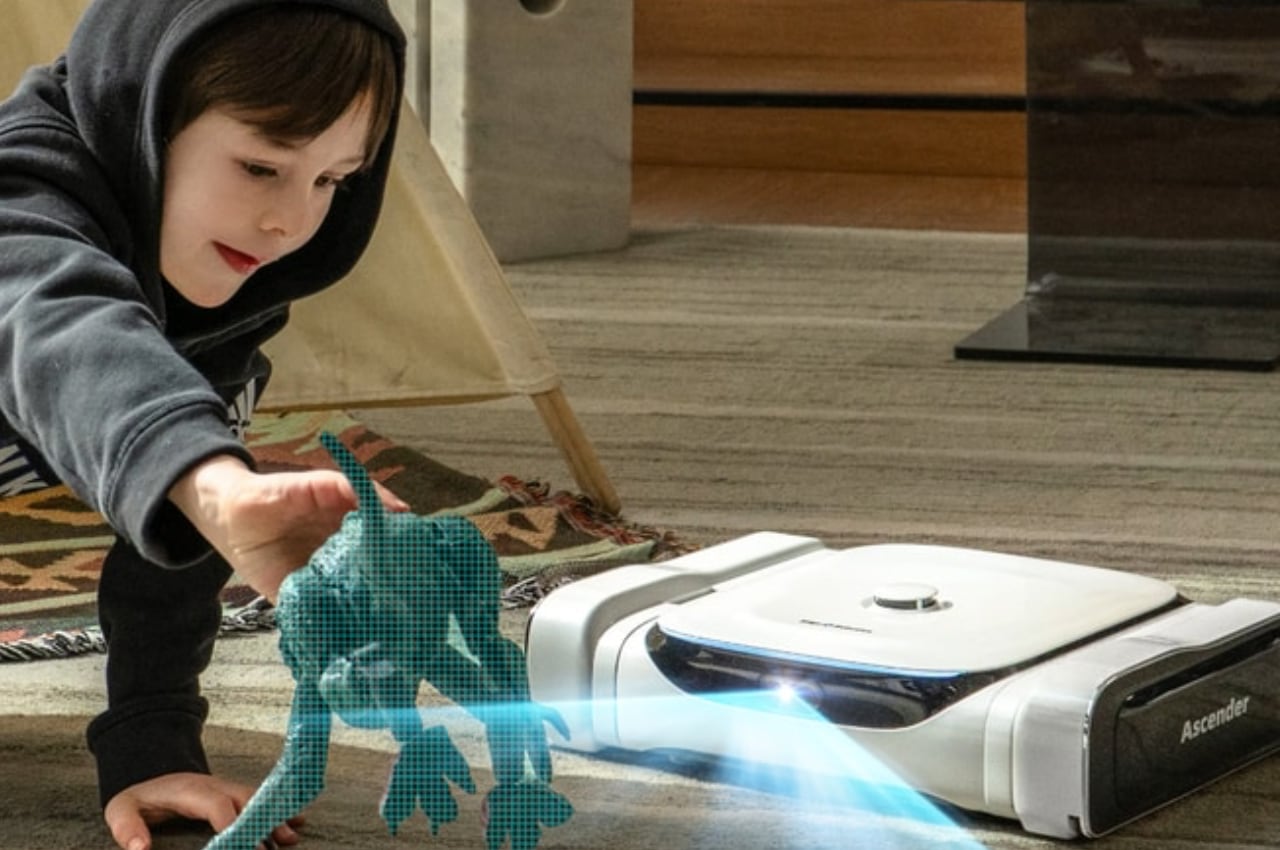
Great ideas always need a bit of intelligence to make them work, especially when it’s about turning a robotic vacuum into something that can ‘see’ and ‘think.’ In my view, the Ascender is a robotic maid navigating through the house. It’s got a sophisticated camera, a super-smart LiDAR for mapping out rooms, and six clever sensors that help it understand every little bit of your space. But the real magic? That’s in its intelligent AI that can zip through tons of calculations in no time, making it more than just a vacuum.
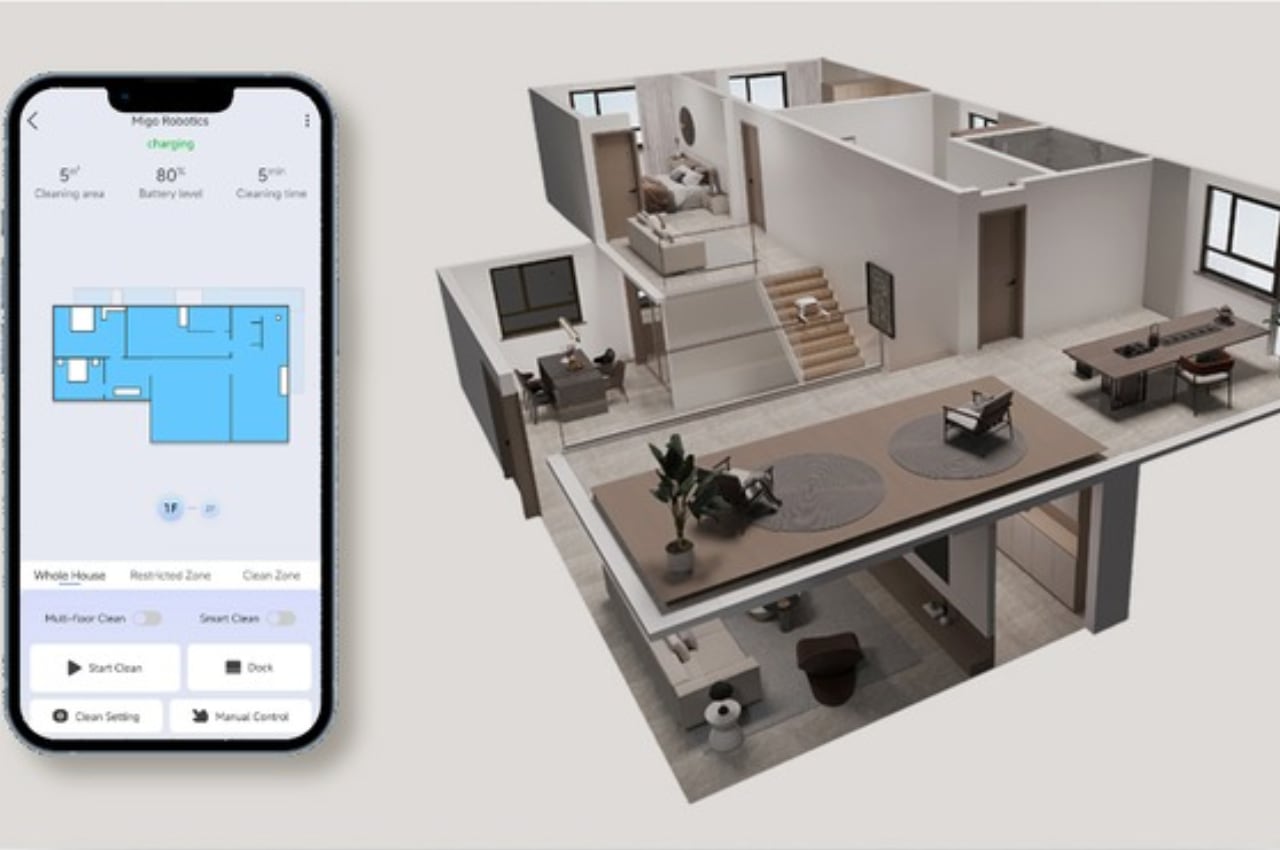
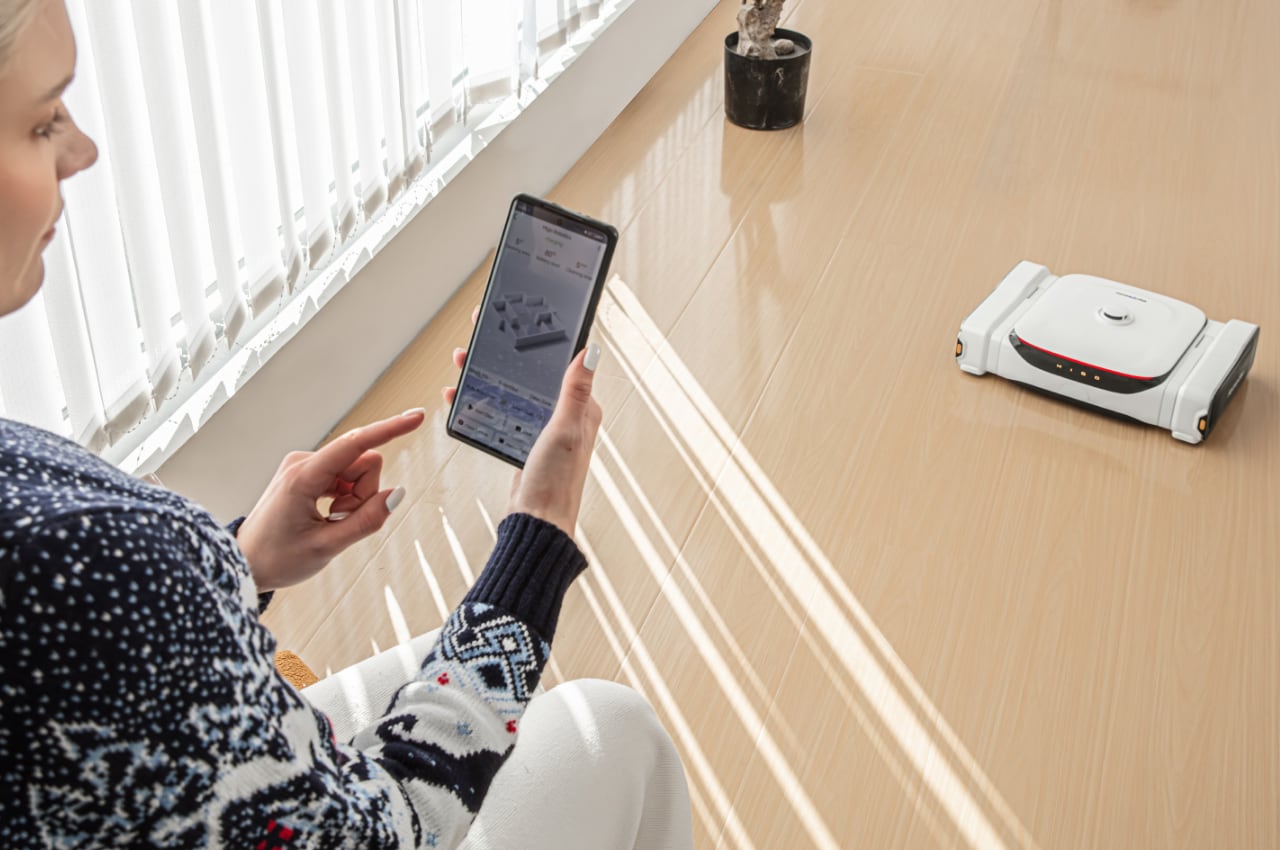
The Ascender app, compatible with Android and iOS devices, simplifies your cleaning routine with the Ascender vacuum. It provides a hassle-free experience by giving you complete control over the device. With the app, you can set restricted areas, schedule cleanups, and even direct the vacuum to specific spots using a virtual joystick. Its 3D mapping feature vividly displays Ascender’s real-time navigation through your home, blending convenience with interactive smart living. Moreover, Ascender is compatible with smart home ecosystems like Amazon Alexa and Google Assistant, allowing for easy voice commands. The app’s offline functionality ensures that you can command your vacuum even without an internet connection, offering flexibility and the potential to save over $100 on electricity over three years when set to charge only during off-peak hours.
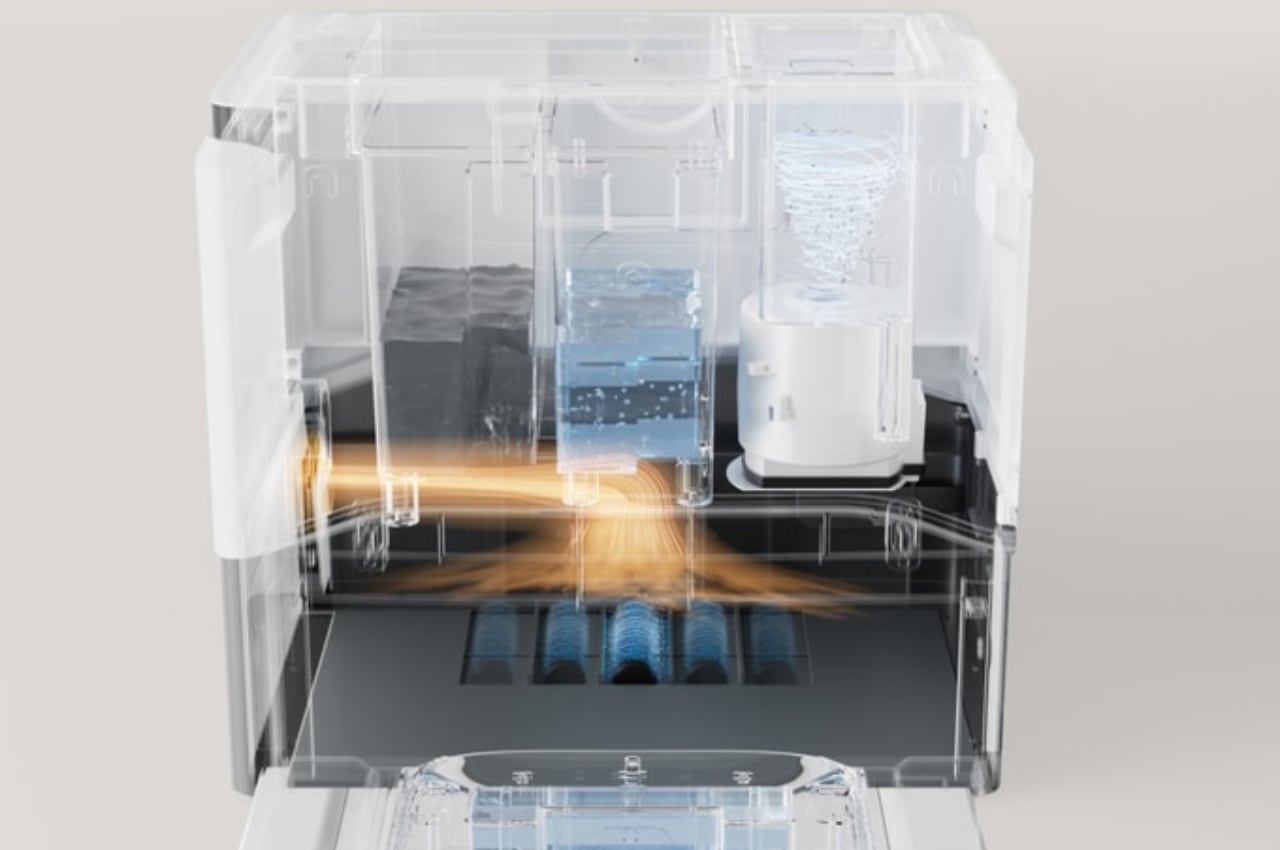
Lastly, the fully enclosed docking and charging station design is desirable as it keeps the vacuum cleaner out of sight. However, this could be a significant safety feature for families with small children. The enclosure is expected to reduce the noise of dust emptying by 10 dB. Furthermore, the dust bag can hold up to 60 days’ worth of cleaning, and its 3.5-liter water tank can last for up to 30 days of mopping. The Ascender’s features, including swapping dirty water for clean water, automatic dust emptying, and hot-air drying, harmoniously coexist.
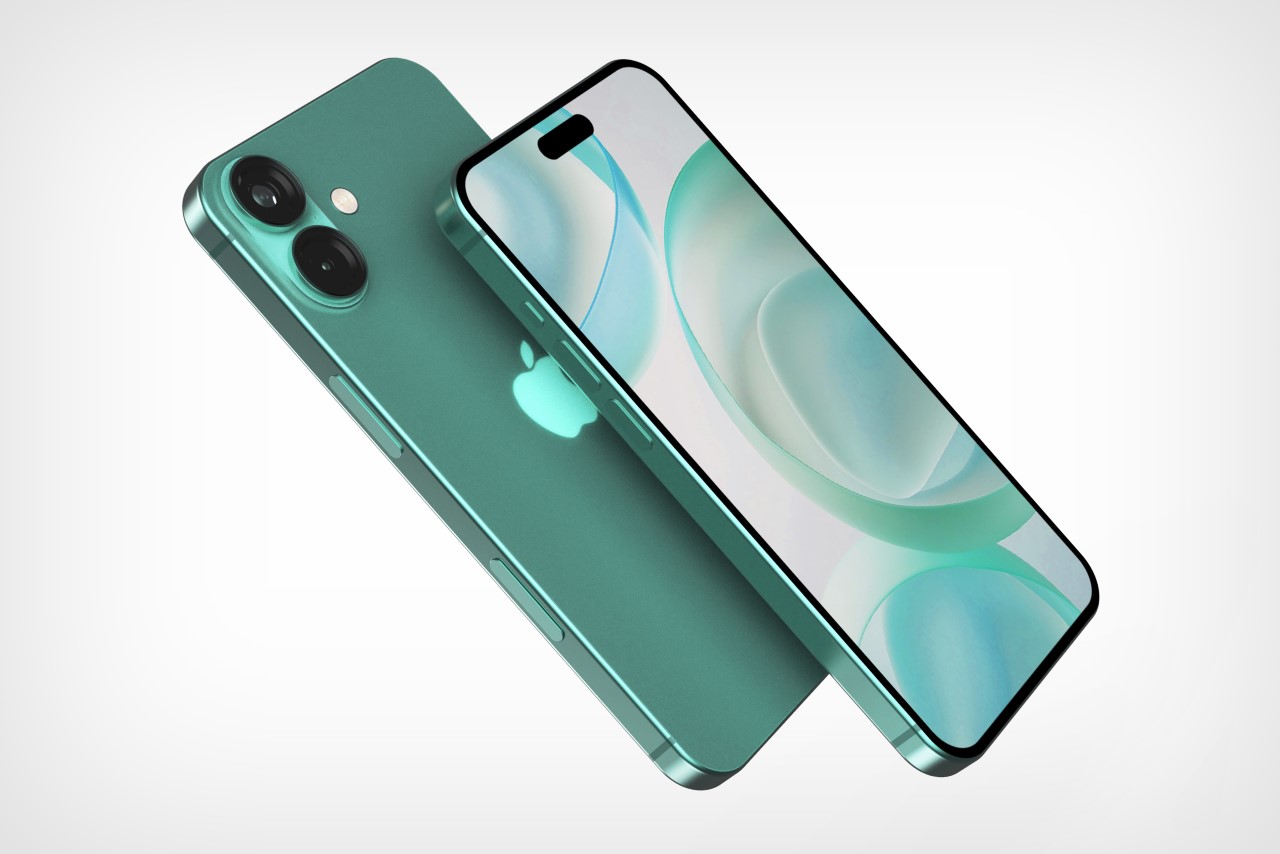
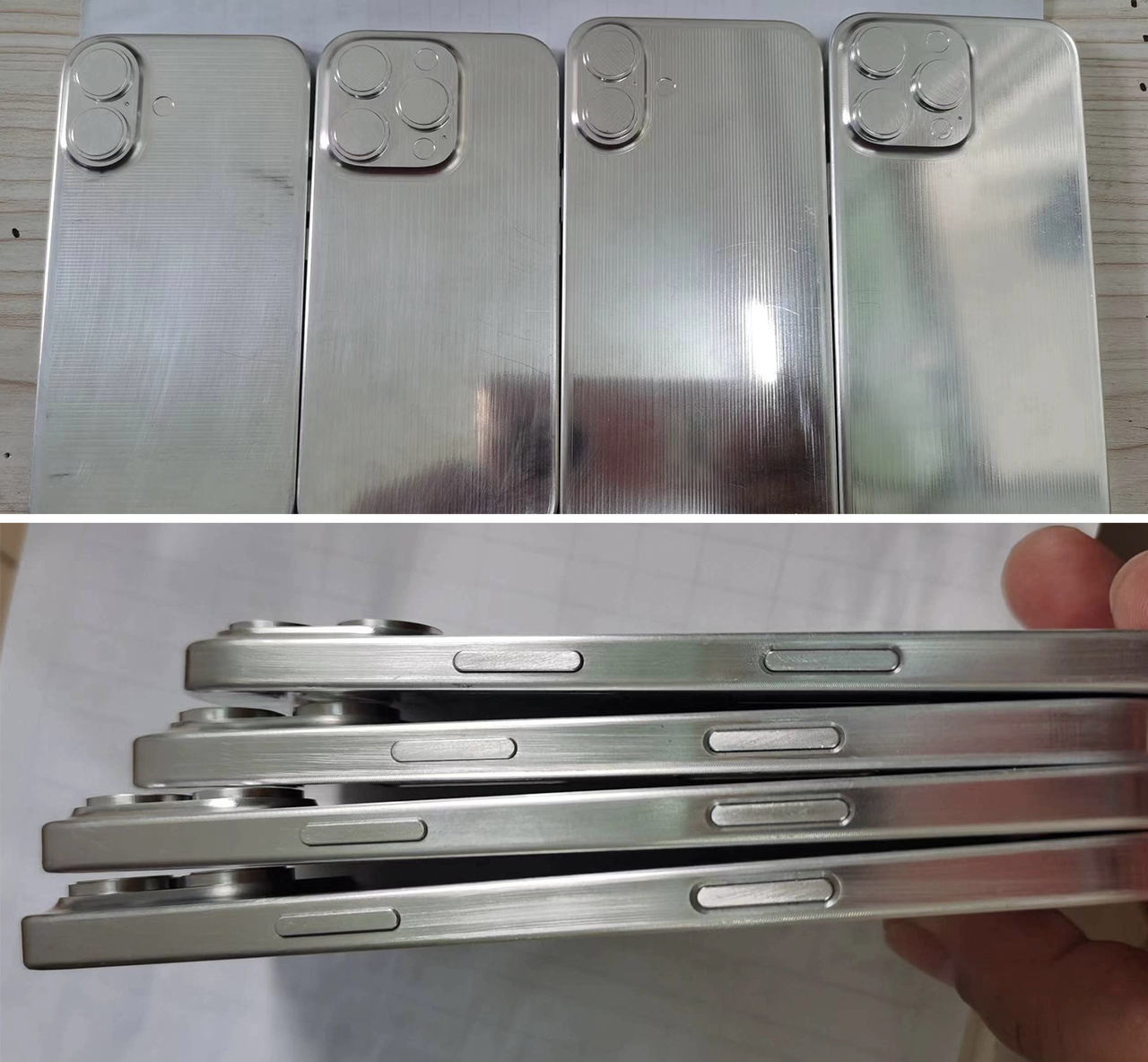
When Jobs took the stage to announce the iPhone back in 2007, he used three terms to describe the revolutionary device – a widescreen iPod with touch controls; a revolutionary mobile phone; and a breakthrough Internet communications device. However, ever since the iPhone 7 introduced a dual-lens main camera system on the phone, the Apple team has sort of obsessed with making sure the iPhone has a great camera first, and phone-adjacent features later. Almost like a handheld camera with an App Store, the iPhones now are just a shadow of what they could be. No foldable technology, no AI-based enhanced features, and not even a damn-near decent voice assistant. In fact, it took Apple YEARS to get 5G to their iPhones. Apple spends nearly 30-40% of each iPhone keynote talking about the camera and screen, and now rumors are indicating that the iPhone 16 will introduce a dedicated ‘capture’ button that lets you click photos like you would with a professional camera. The problem with this is that it’s diluting the very definition of a smartphone… and I feel like it might be deliberate.
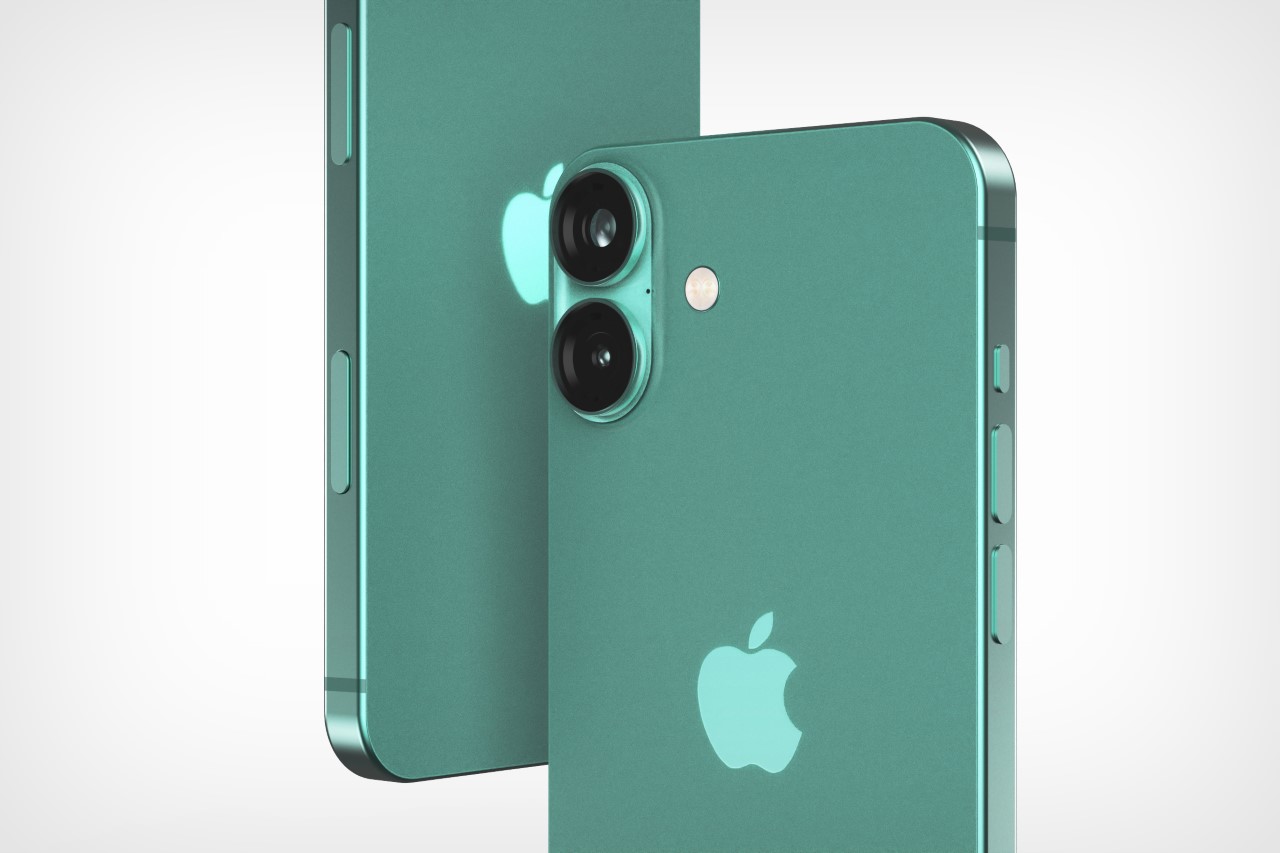
Earlier this week, leaks showed a new hardware feature coming to the iPhone – a Capture Button that would sit on the top right corner of your phone if you held it in landscape mode. Surprising as it is, considering Apple has been trying to go buttonless and portless for a while now, the Capture Button seems like an odd addition to a phone. Not a single other smartphone has a camera shutter button. In fact, the de facto position is to turn your volume button into a capture button while the camera is running… so what’s driving Apple to add YET ANOTHER button to their phone, following the addition of the Action Button last year?
Leaked images of iPhone dummies used for case designs
Last month, I pointed out that the iPhone 16 is just going to be one of those boring phones worth missing, and this Capture Button seems to reinforce that fact. Every 3 years, Apple launches a ‘boring’ iPhone with a minor design upgrade just to keep things moving before a radical change and it’s been 2 years since the Dynamic Island, so this is probably Apple’s boring year. But why a Capture Button? Nobody said we needed it, not a single Android competitor has a Capture Button, heck if anything we’d appreciate bringing the 3.5mm audio jack back. So why is Apple going ahead with this hardware change?
There are two ways to look at it. The first is a simpler explanation – Apple’s run out of ideas. This is just one of those years where Apple pushes out something so it can tick that annual release box and make a few sales before something bigger and better in 2025. It’s a theory that holds merit given that the iPhone 8 was the ‘boring’ phone for the iPhone X, the iPhone 13 hardly had any extra features (unless you count Cinematic Mode as a game-changing upgrade) before the iPhone 14 ushered in the Dynamic Island. This basically means it’s business as usual and 2024 is just going to be a boring year for iPhones… but there’s yet another explanation.
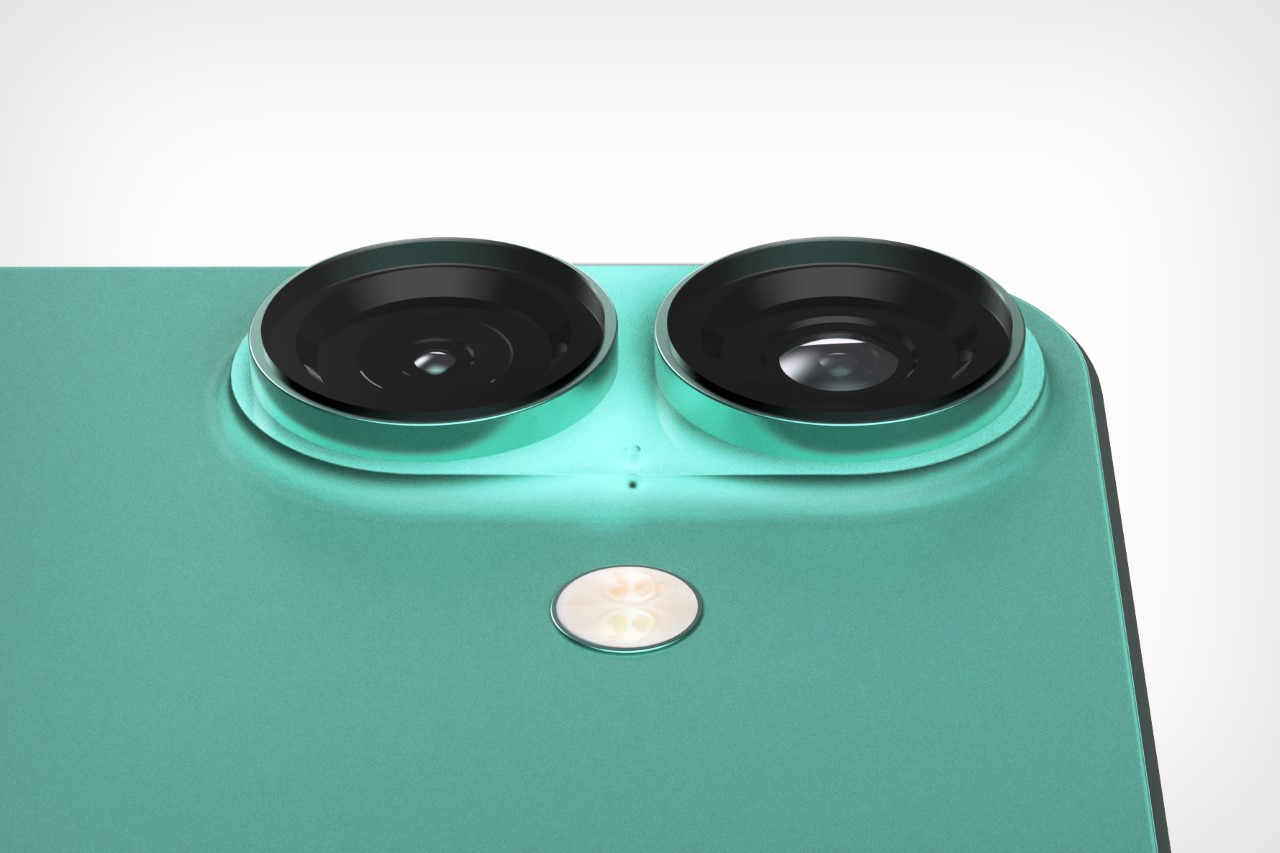
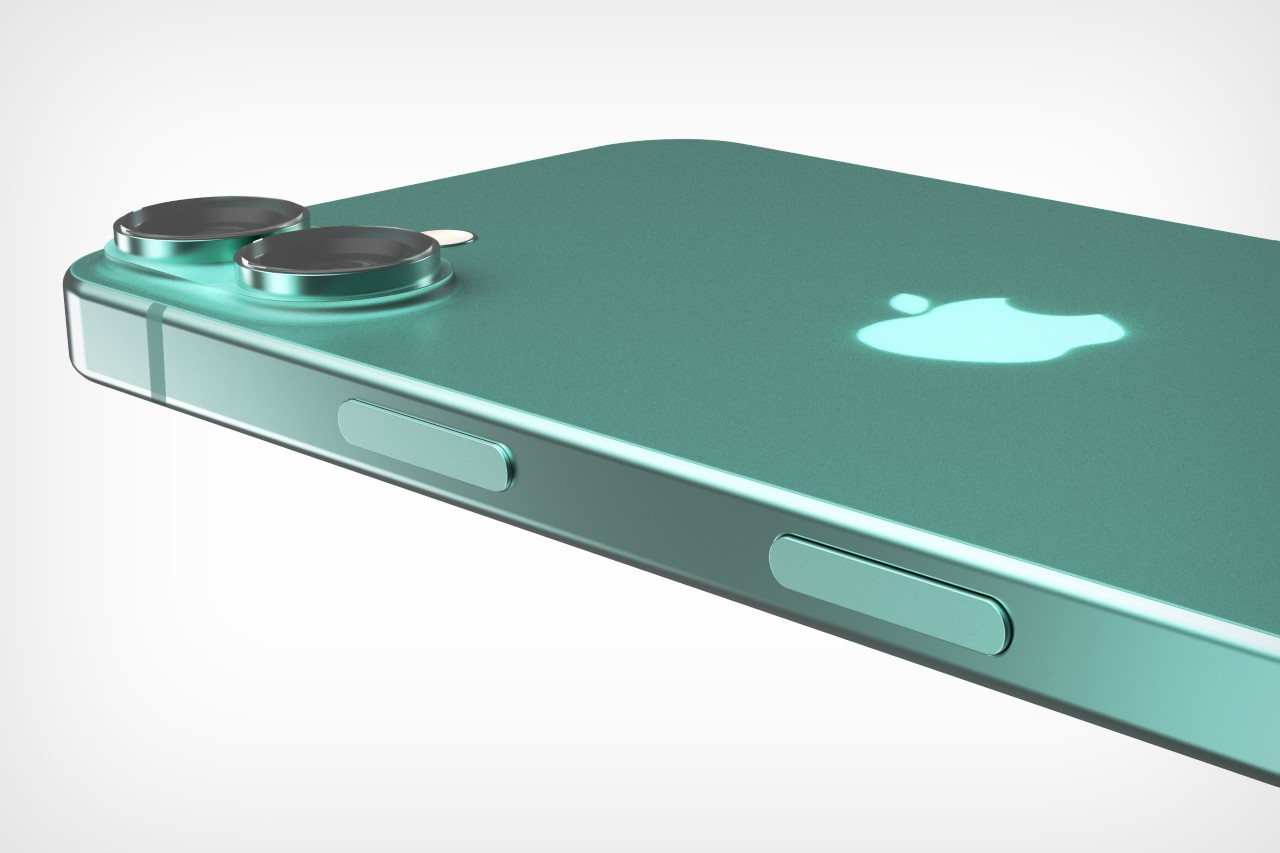
Close-up of the purported Capture Button
The second explanation is a little more layered and vague, considering there’s no concrete proof to the fact. The explanation is that Apple’s pretty much resigning the iPhone to its fate – the camera. With the Vision Pro becoming Apple’s new breakthrough device, the iPhone will eventually take second place, quite like the iPod did 12 years ago. There are multiple rumors that Apple’s building a cheaper Vision headset (without the ‘Pro’ title) for the mass market to immerse in spatial computing… and when that happens, the iPhone won’t be anything except for a glorified photography device. It still doesn’t explain why Apple’s adding a Capture Button to their phone, given that people already use the volume button to capture photos… but that’s the vague part, because we really don’t ever know what’s going on inside the heads of Tim Cook and the Apple team until and unless they tell us. But as far as the iPhone 16 goes, I’d recommend you give it a miss unless you were long due for a smartphone upgrade.
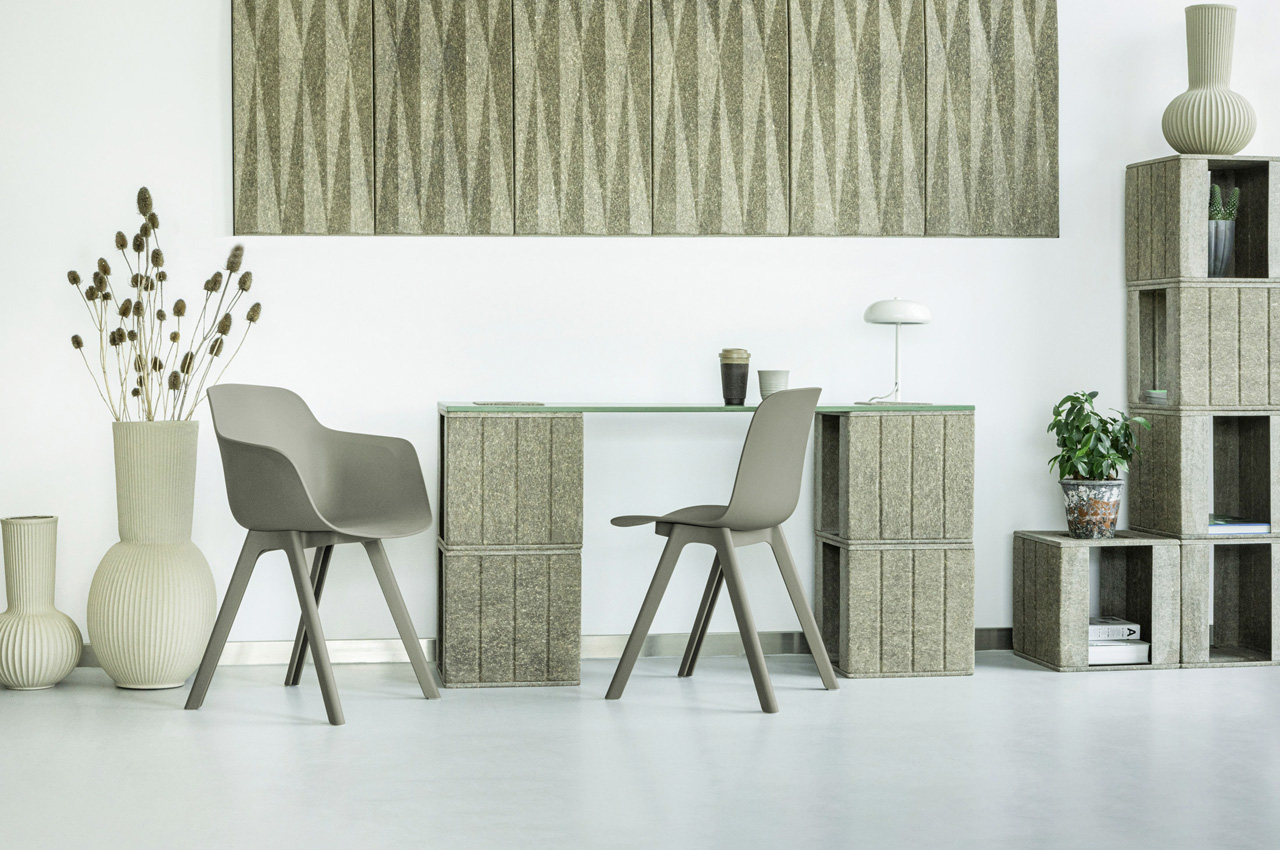
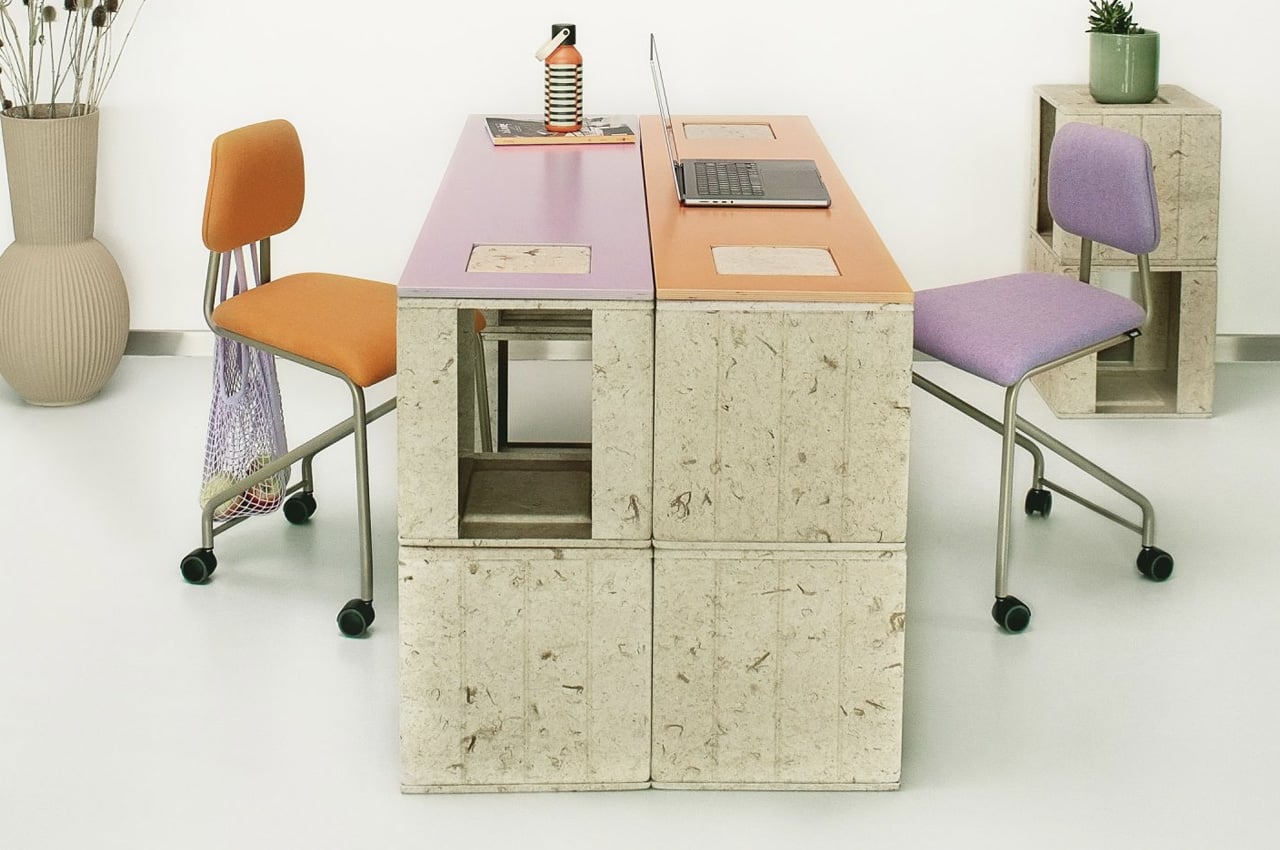
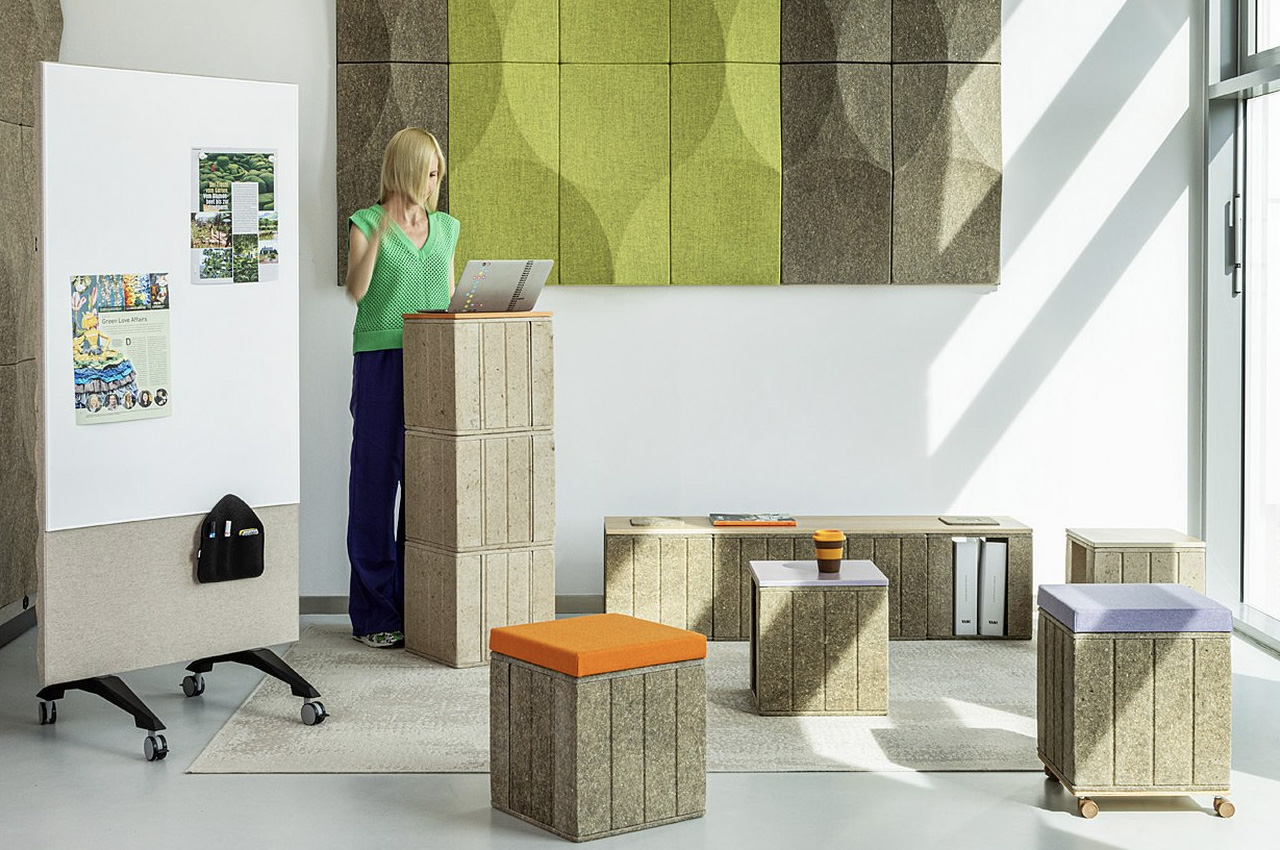
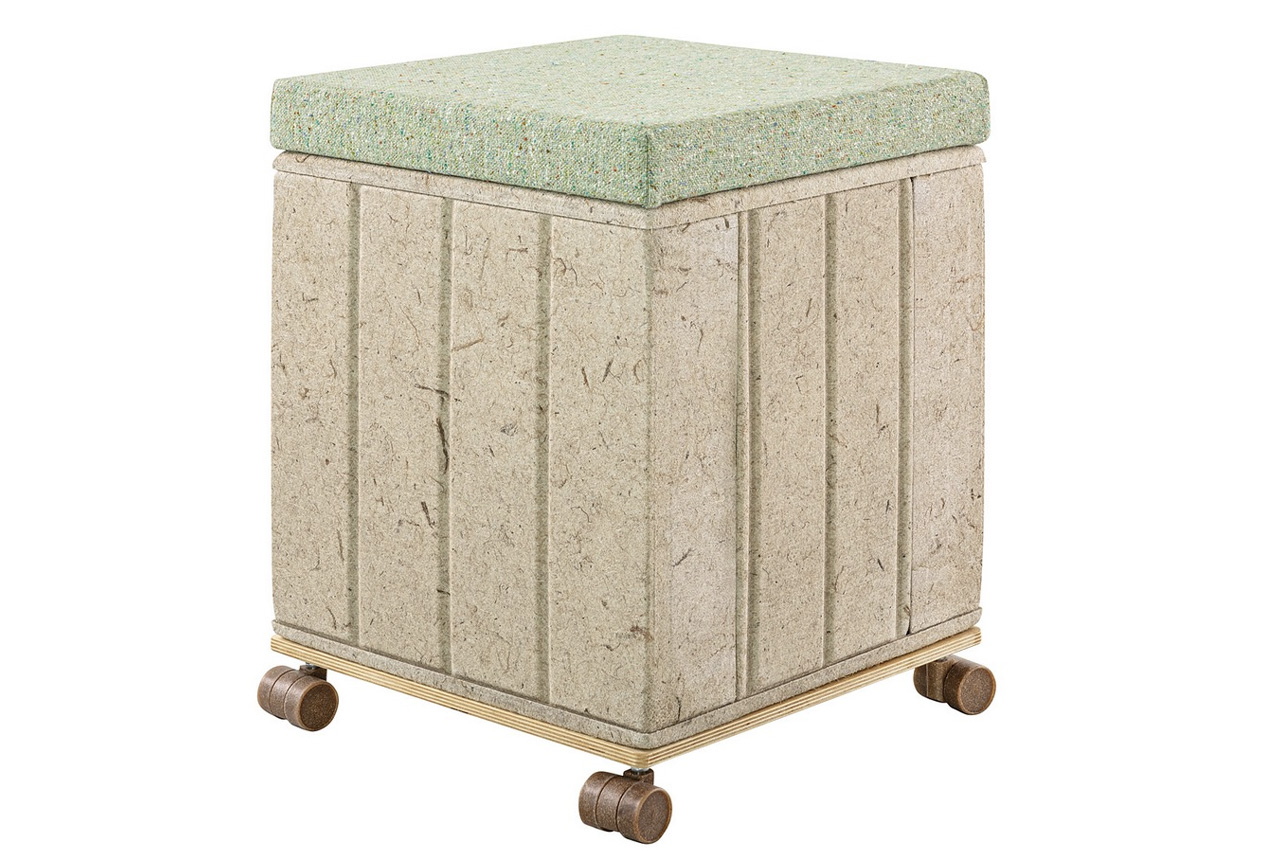
Called the Vank Cube, this modular furniture system was developed by the Polish brand Vank. The furniture system includes intriguing “building blocks” which are made from flax and hemp fibers. Designed by Vank’s creative director Anna Vonhausen, the Vank Cube can be combined and merged to fulfill a bunch of purposes, such as functioning as storage, space dividers, or even as base tables and desks. It is the kind of innovative and modern furniture solution we need in our homes, one which is sustainable, and has versatile functionality.
The various blocks feature a natural color palette, which is because they’ve been crafted from flax and hemp fibers. Vank says that the material choices are perfect for clients who want a minimalist or Japandi aesthetic, something that is subtle and clean, and yet functional. The aesthetic and appeal of the collection allow it to artfully merge with any space, it has a neutral vibe that seamlessly complements different rooms. This system is designed for interior spaces that need a lot of adaptability and versatility, such as cafes, schools, event venues, and offices.
The Vank Cube system utilizes reversible connectors and fasteners which allows for easy modification in “only a few moments”, according to the company. This allows users to customize and change the furniture system as and when needed, enabling them to create a space that perfectly suits their needs and requirements.
The system also includes certain optional add-on elements which support customization. These elements include an upholstered seat cushion, side panels built from biomaterial, and lightweight tops crafted from plywood. These can be finished in oak veneer or with different color coatings. If you’re seeking a well-designed and sustainable furniture solution, then the Vank Cube is the one for you. It is a flexible and modular furniture system that is designed to meet your modern-day requirements, whether they’re in an office, venue, or even your own home.
The number of electric cars on the roads is increasing exponentially, and so is the need for charging stations required for them. Options for personal charging stations that can be installed in your garage are also rising. Not only the conventional manufacturers, but the supercar makers also have the transition to electric vehicles as their long-term agenda. Mercedes Vision EQXX Concept, Maserati GranTurismo Folgore, Ariel Hipercar, and of course the Tesla Roadster are some good examples.
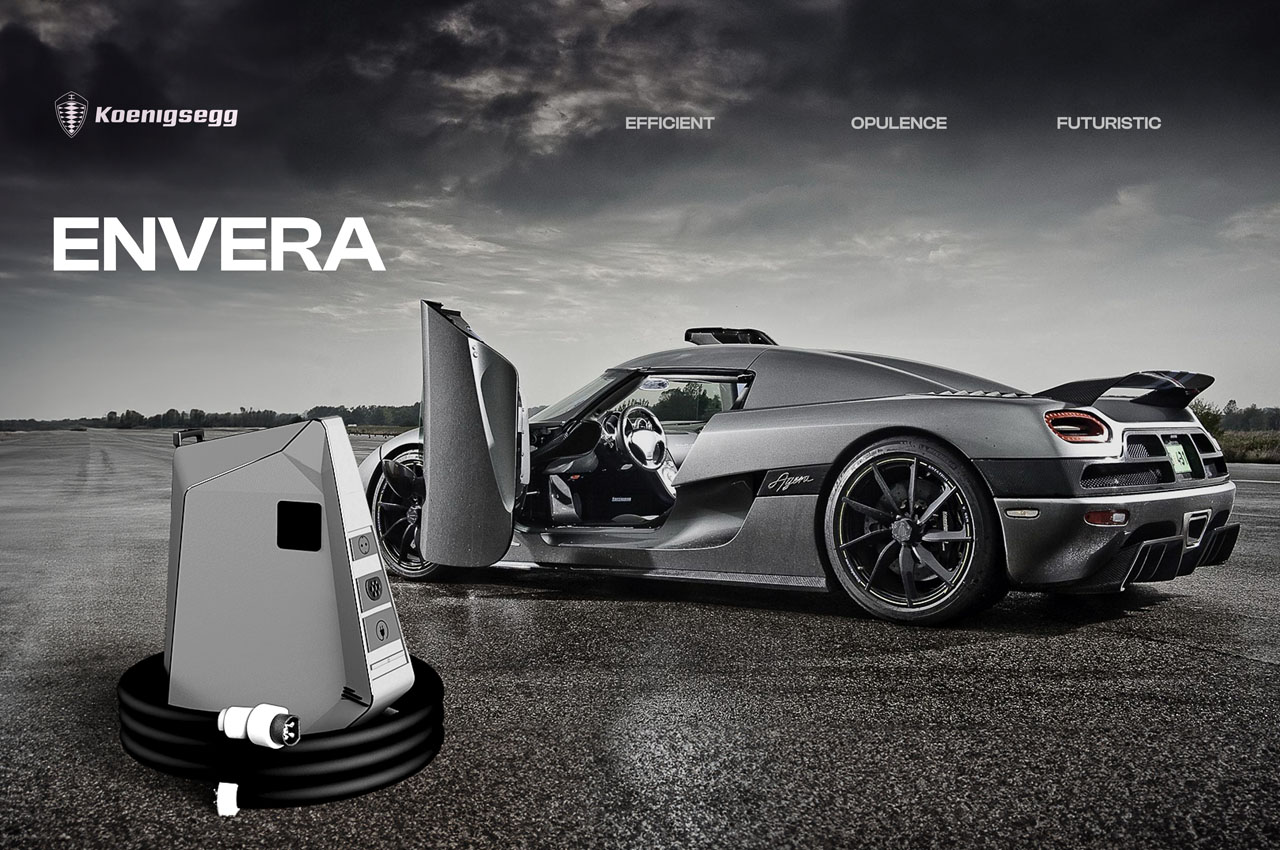
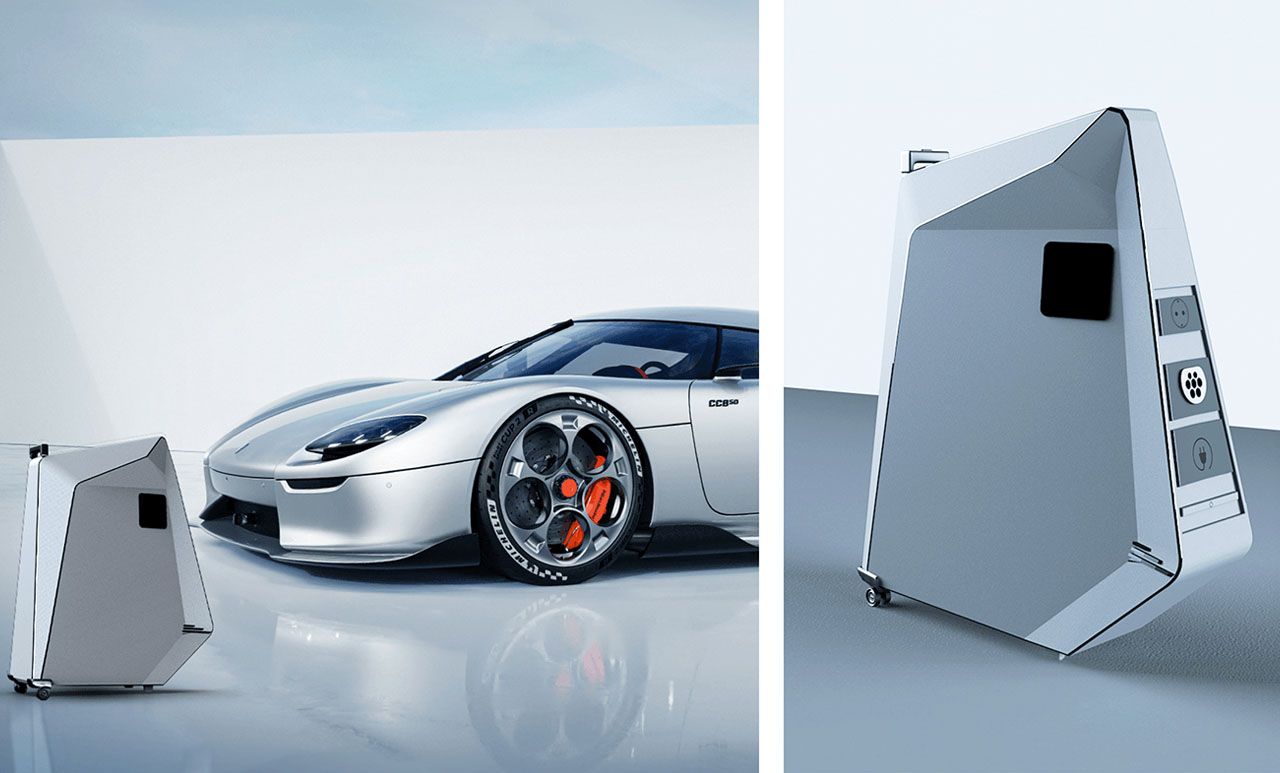
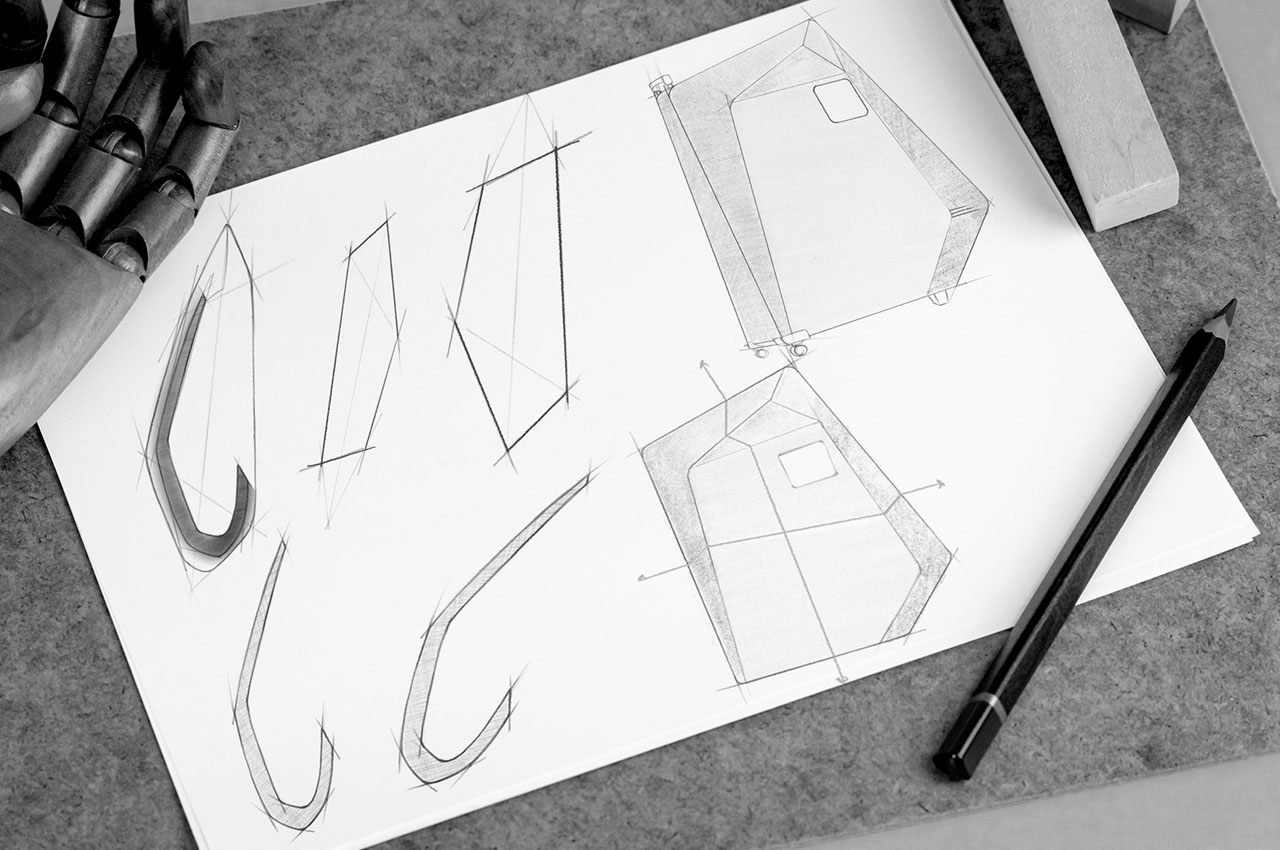
Along the same lines, a pair of designers have proposed a portable battery charging station for the Koenigsegg brand known for its high-performance vehicles. The reason is, to enhance the whole experience of buying an electric supercar and the premium experience of plugging it into a portable charger.
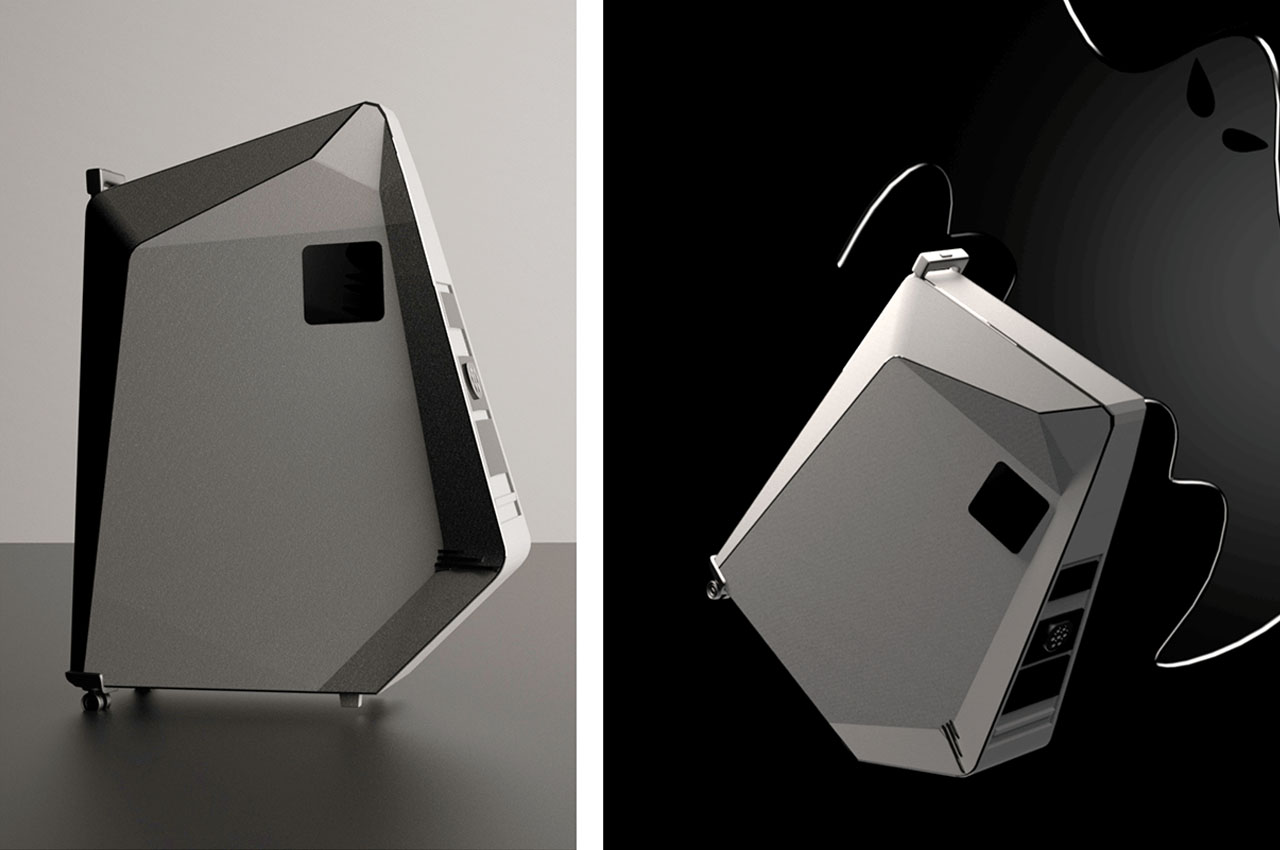
Just like the Koenigsegg brand known for its groundbreaking engineering innovations like the Direct Drive transmission and Freevalve engine technology, this concept charger also boasts innovative features including dihedral synchro-helix doors. The use of advanced materials like aerospace-grade alloys and carbon fiber further adds to the exclusivity. The form is important to make it distinct from other similar products, hence the aggressive design honed by the sleek and aerodynamic lines.
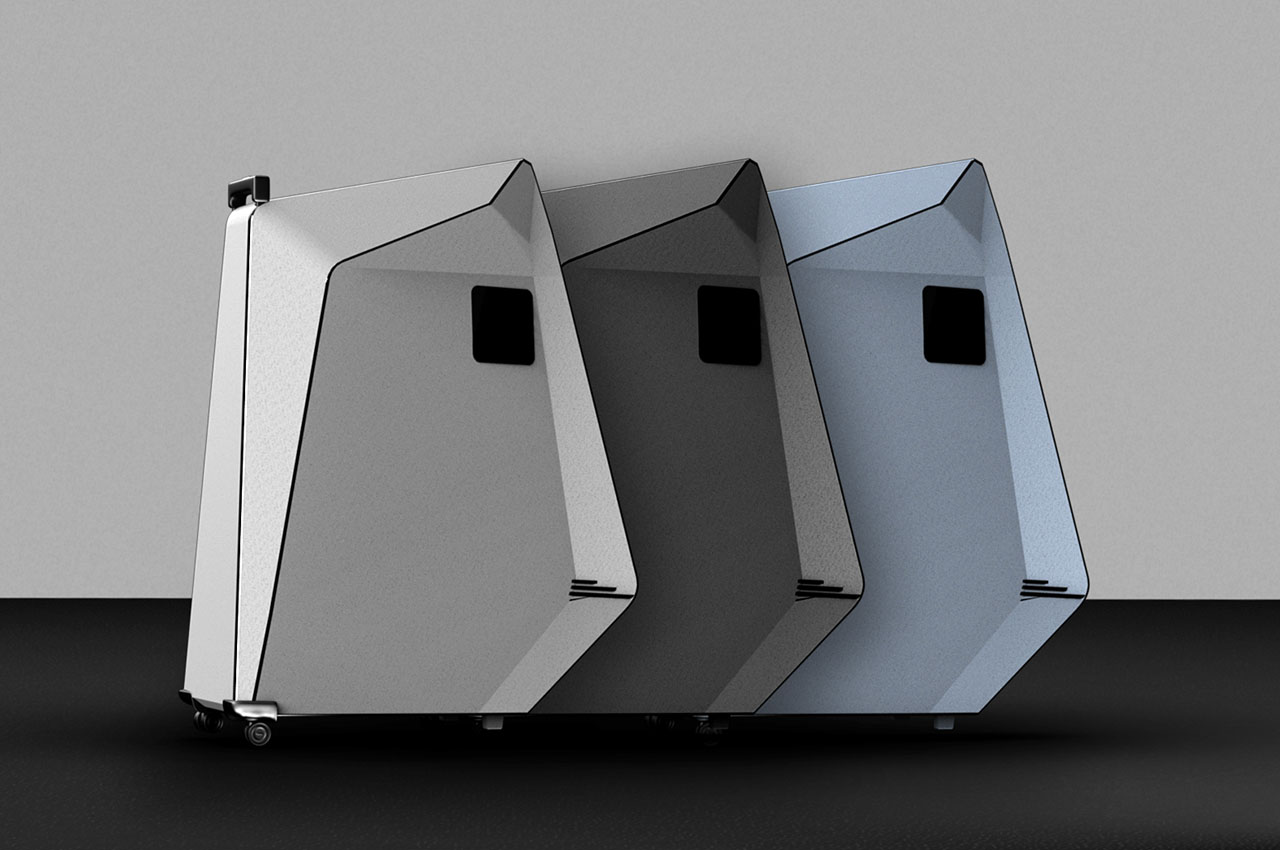
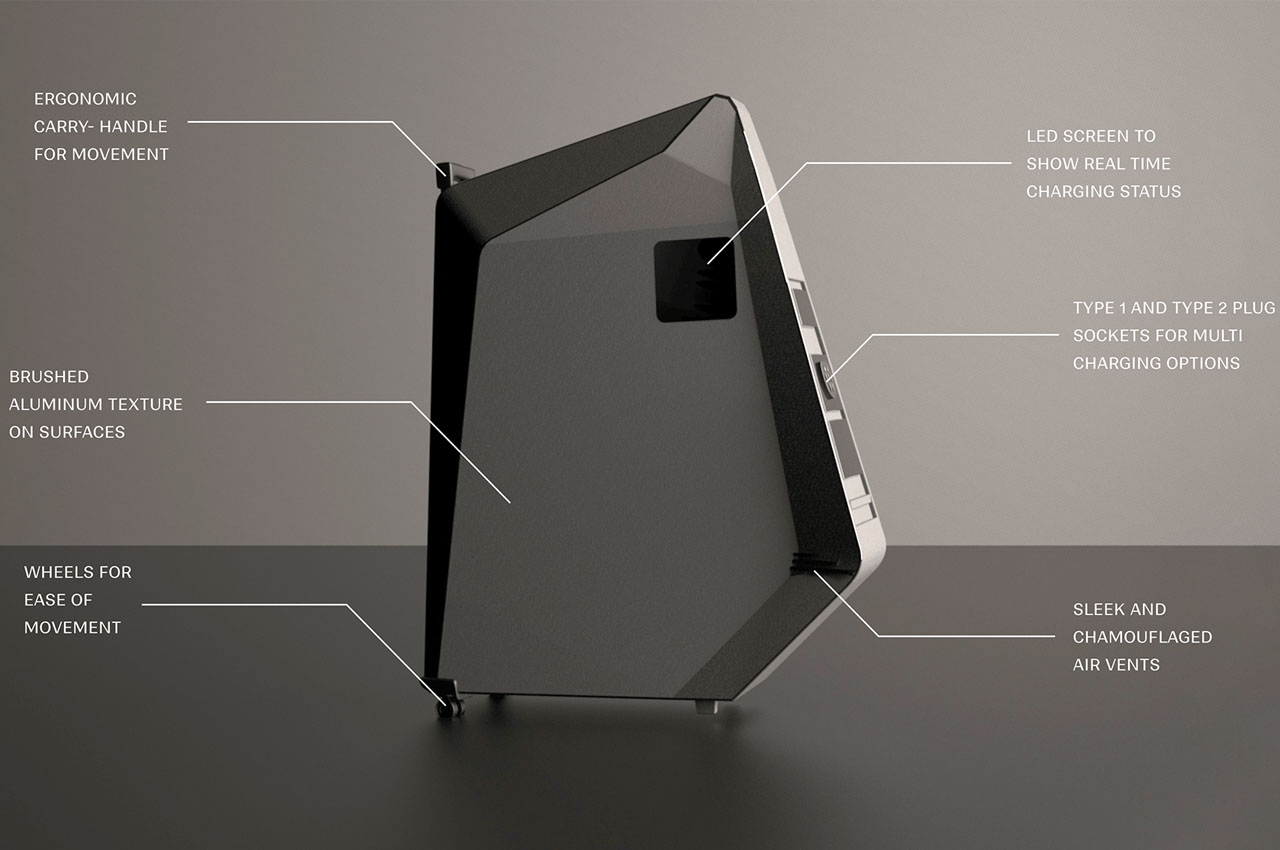
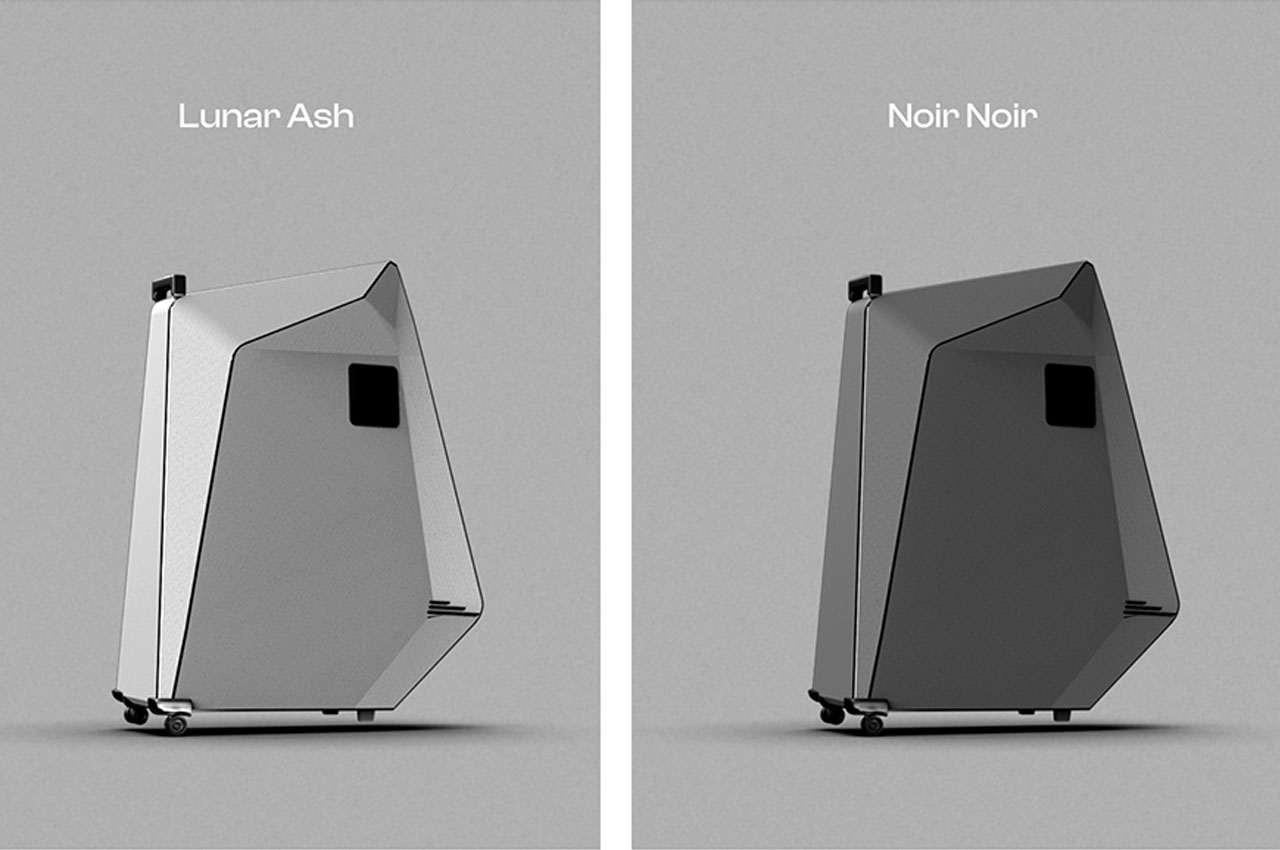
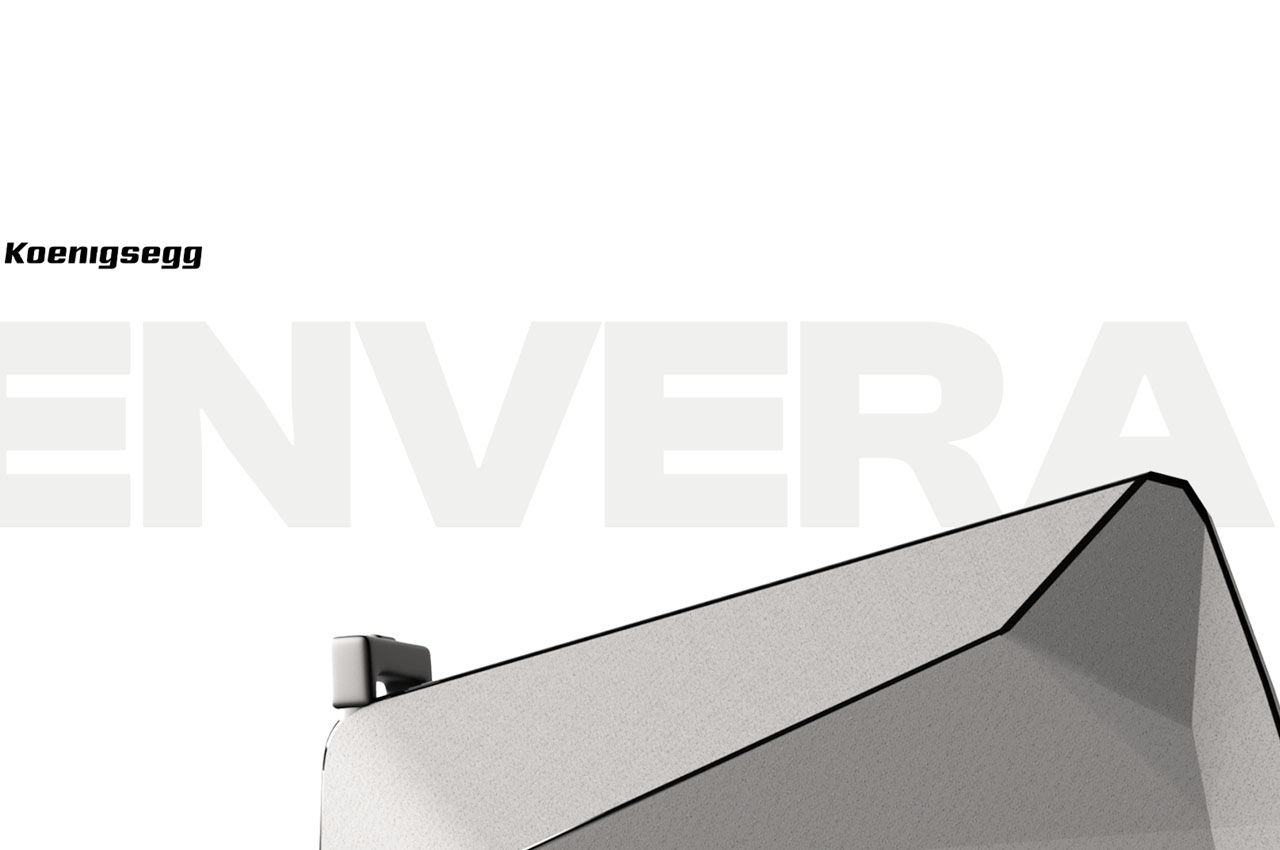
Dubbed the Envera, this portable EV charger is tailor-made for on-the-go charging of your power-hungry hypercar or supercar. Capable of supplying 7.2 kW of power it supports Level 2 charging with voltage compatibility from 100 – 400 volts AC. It has Type 1 and Type 2 AC charging ports too and an optional DC rapid charging adaptor. The designer is also mindful of safety, hence the inclusion of overcurrent, over-voltage, short circuit and ground fault protection. In case the charger overheats, there is an automated shutdown in place.
The sleek body of the charger is inspired by the Koenigsegg Agera, and is not limited to just charging this speed beast. It can charge any other Koenigsegg supercar, or any other electric car from other brands. It is built from an IP65-rated shell for premium protection against wear and tear with the ability to operate in temperatures from -20 Degrees Celsius to 50 Degrees Celsius. To make charging the least of the hassles, it comes with a 20-foot flexible charging cable. Just like other portable chargers, this one gets an LCD to show the real-time charging status and diagnostics.
Truly, the Koenigsegg Envera sets new standards for portable EV chargers, giving us a glimpse of how cool the future is going to be. Of course, the unparalleled convenience, versatility of use, and luxury quotient of using a premium brand’s product will always be there.
Three companies are vying for the opportunity to send their own lunar vehicle to the moon to support NASA’s upcoming Artemis missions. The space agency announced this week that it’s chosen Intuitive Machines, Lunar Outpost and Venturi Astrolab to develop their lunar terrain vehicles (LTV) in a feasibility study over the next year. After that, only one is expected to be selected for a demonstration mission, in which the vehicle will be completed and sent to the moon for performance and safety tests. NASA is planning to use the LTV starting with the Artemis V crew that’s projected to launch in early 2030.
The LTV that eventually heads to the moon’s south pole needs to function as both a crewed and uncrewed vehicle, serving sometimes as a mode of transportation for astronauts and other times as a remotely operated explorer. NASA says it’ll contract the chosen vehicle for lunar services through 2039, with all the task orders relating to the LTV amounting to a potential value of up to $4.6 billion. The selected company will also be able to use its LTV for commercial activities in its down time.
Lunar Outpost
Astrolab
Intuitive Machines, which will be developing an LTV called the Moon Racer, has already bagged multiple contracts with NASA as part of the Commercial Lunar Payload Services (CLPS) program, and in February launched its first lander, Odysseus, to the moon to achieve the first commercial moon landing. Venturi Astrolab will be developing a vehicle it’s dubbed Flex, while Lunar Outpost will be working on an LTV called Lunar Dawn. All must be able to support a crew of two astronauts and withstand the extreme conditions of the lunar south pole.
“We will use the LTV to travel to locations we might not otherwise be able to reach on foot, increasing our ability to explore and make new scientific discoveries,” said Jacob Bleacher, a chief exploration scientist at NASA.
This article originally appeared on Engadget at https://www.engadget.com/one-of-these-concept-lunar-vehicles-could-join-nasas-artemis-v-astronauts-on-the-moon-202448277.html?src=rss
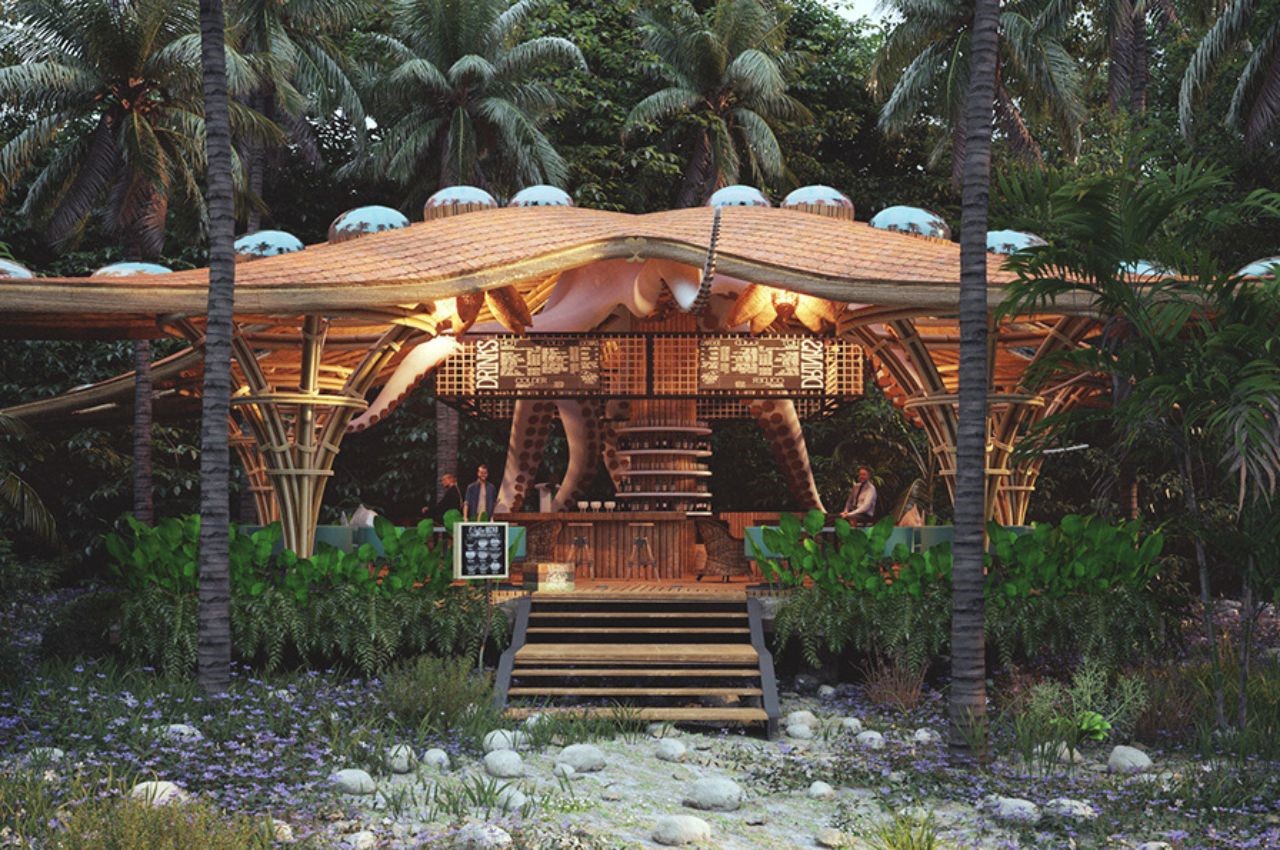
Have you seen buildings that sometimes resemble plants, flowers, or animals? Wonder what that’s called? Biomimetic Architecture is a fascinating concept that takes inspiration from nature to design buildings. It’s about bringing the efficiency, resilience, and beauty of nature into our built environment. The Starfish Coffeeshop & Bar, a stunning architectural marvel, epitomizes this ethos with its seamless integration of organic forms and sustainable materials.
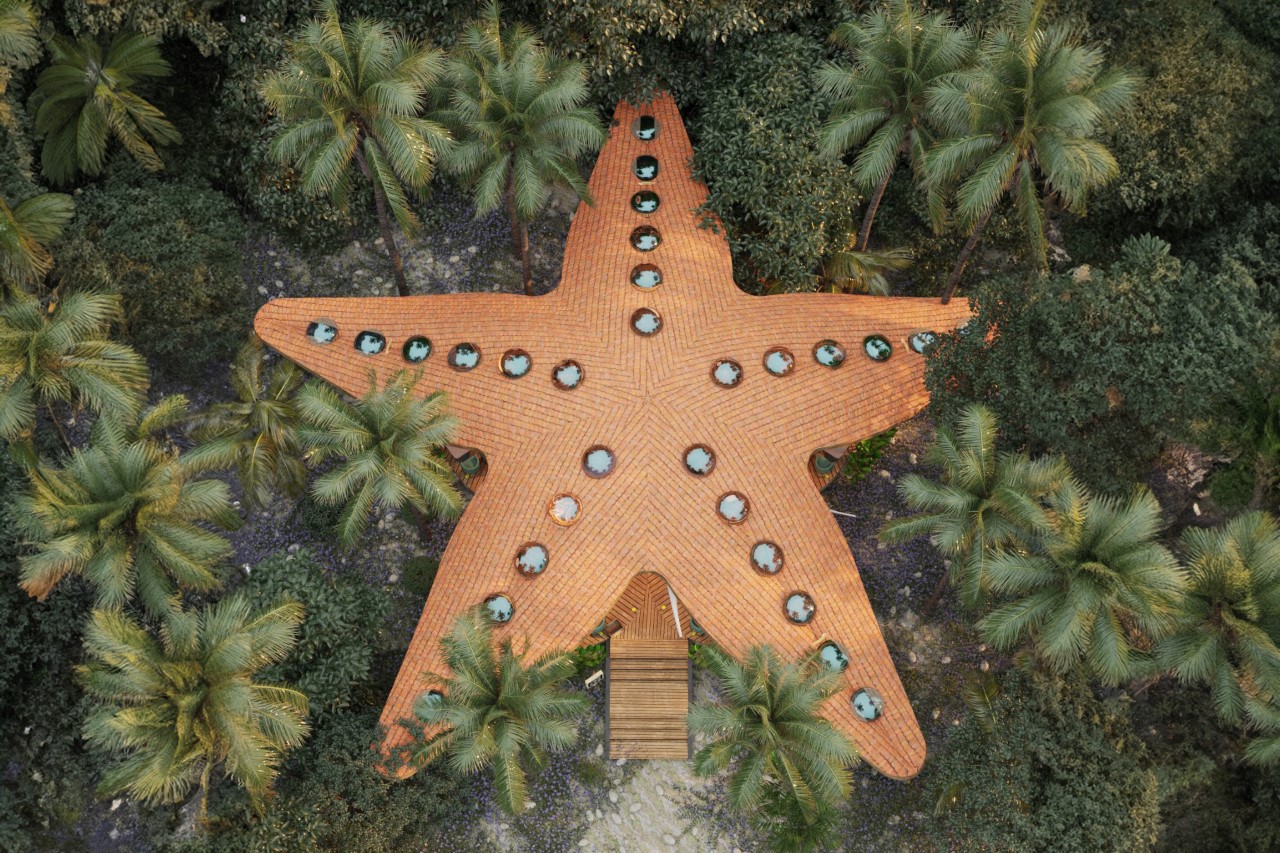
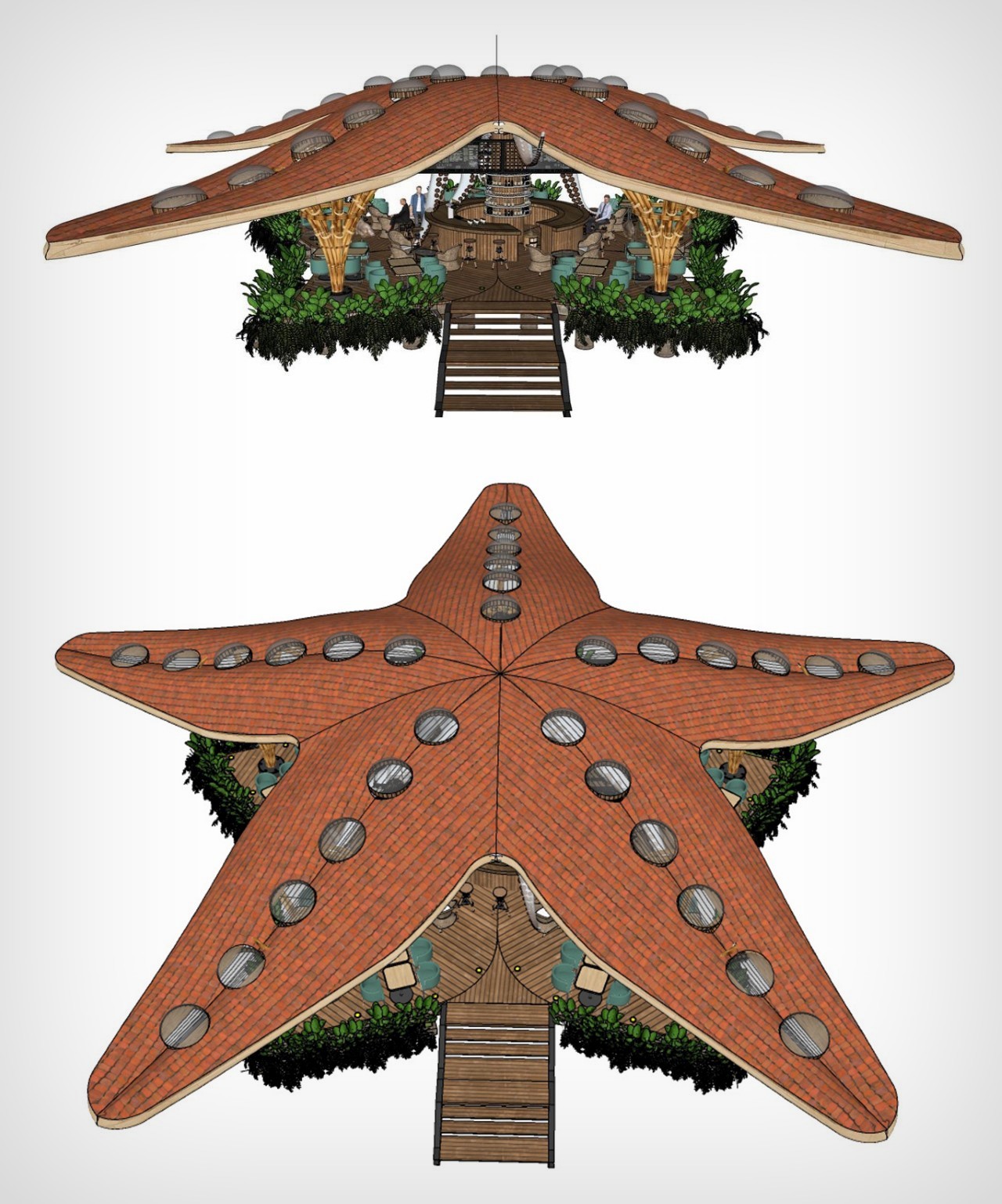
At first glance, the structure resembles a starry creature from beneath the waves. This organic aesthetic is no accident; it’s a deliberate tribute to the starfish, with its graceful arms extending outward. This innovative design approach not only captivates the eye but also serves a functional purpose, creating a space that feels naturally harmonious and inviting.
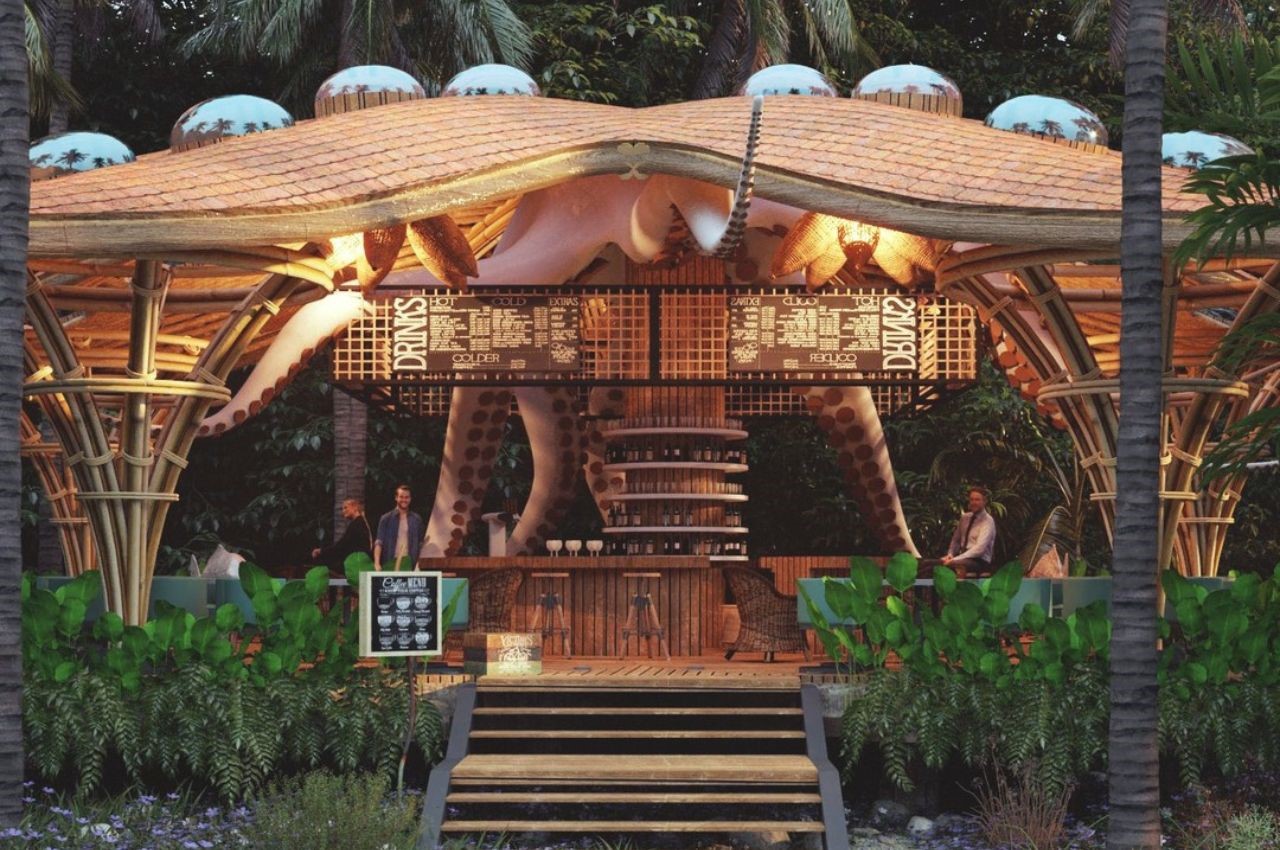
The central disk, reminiscent of a starfish’s body, serves as the nucleus of the coffee shop & bar. Supported by five columns beneath each arm, the structure exudes stability and balance. Here, customers can gather around a 360-degree bar, enjoying cocktails amidst a tropical ambiance. The surrounding seating areas, arranged in a radial fashion, invite visitors to linger and savor the experience, similar to relaxing in a beachside shack with open views on all sides.
One of the most striking features of this coffee shop & bar is its emphasis on natural light and ventilation. Glass panels, resembling the ampullae of a starfish, beautify the ceiling, allowing sunlight to filter through during the day. This not only illuminates the space but also reduces the need for artificial lighting, enhancing energy efficiency.
Moreover, the use of speculative locally sourced materials such as bamboo and wood underscores the project’s commitment to vernacular architecture. By leveraging indigenous resources, the structure seamlessly blends with its surroundings while minimizing its environmental footprint. This emphasis on sustainability extends beyond mere aesthetics, embodying a holistic approach to responsible design.
Perhaps the crowning touch of the Starfish coffee shop & bar is the lifelike sculpture suspended above the bar. Resembling a starfish or octopus, this installation adds a whimsical touch to the space, infusing it with a sense of wonder and playfulness. For customers seated beneath, it creates a sense of being immersed in an underwater world, further enhancing the overall experience.
With its open-air design and ample seating, the coffee shop & bar provides the perfect setting for leisurely conversations and shared moments. Families can gather around the central bar, enjoying refreshing beverages while soaking in the tropical atmosphere. Children can delight in the whimsical surroundings, imagining themselves exploring an underwater kingdom teeming with life.
For those seeking respite from the heat, the coffee shop & bar offers a cool oasis, where icy beverages and frosty beers provide welcome relief. Whether you’re sipping on a craft cocktail or savoring a cold brew, every sip is accompanied by the gentle rustle of leaves and the soothing sounds of nature.
As the sun sets and the temperature cools, the ambiance shifts, casting a soft glow over the surroundings. Couples can enjoy a romantic evening under the stars, sharing sweet moments amidst the enchanting backdrop of the starfish-inspired architecture.