ATTACK SHARK F1 AIR Targets Competitive FPS
ATTACK SHARK F1 AIR weighs just 39g and combines a PAW3955MAX sensor, 8K wireless polling, and sub-0.168ms click latency for competitive gaming.
August arrives with a lineup that feels genuinely considered. Not every gadget this month is chasing a headline spec or fighting for shelf space. Some of the most interesting things landing right now are smaller, quieter, and more honest about what they actually do — a folding mouse that disappears into a shirt pocket, a bedside unit that replaces three devices at once, and a dual-screen E Ink tablet that finally treats reading and writing as a single workflow rather than two separate tasks competing for the same screen.
There’s also something larger worth paying attention to. Samsung is officially pulling back the curtain on the Galaxy Z Fold 8 this month, and what’s shaping up as a tiered foldable lineup could redefine the category’s identity. Meanwhile, Google has quietly slipped a new smart speaker onto store shelves for the first time in six years. August, as it turns out, rewards patience — and knowing exactly where to look.
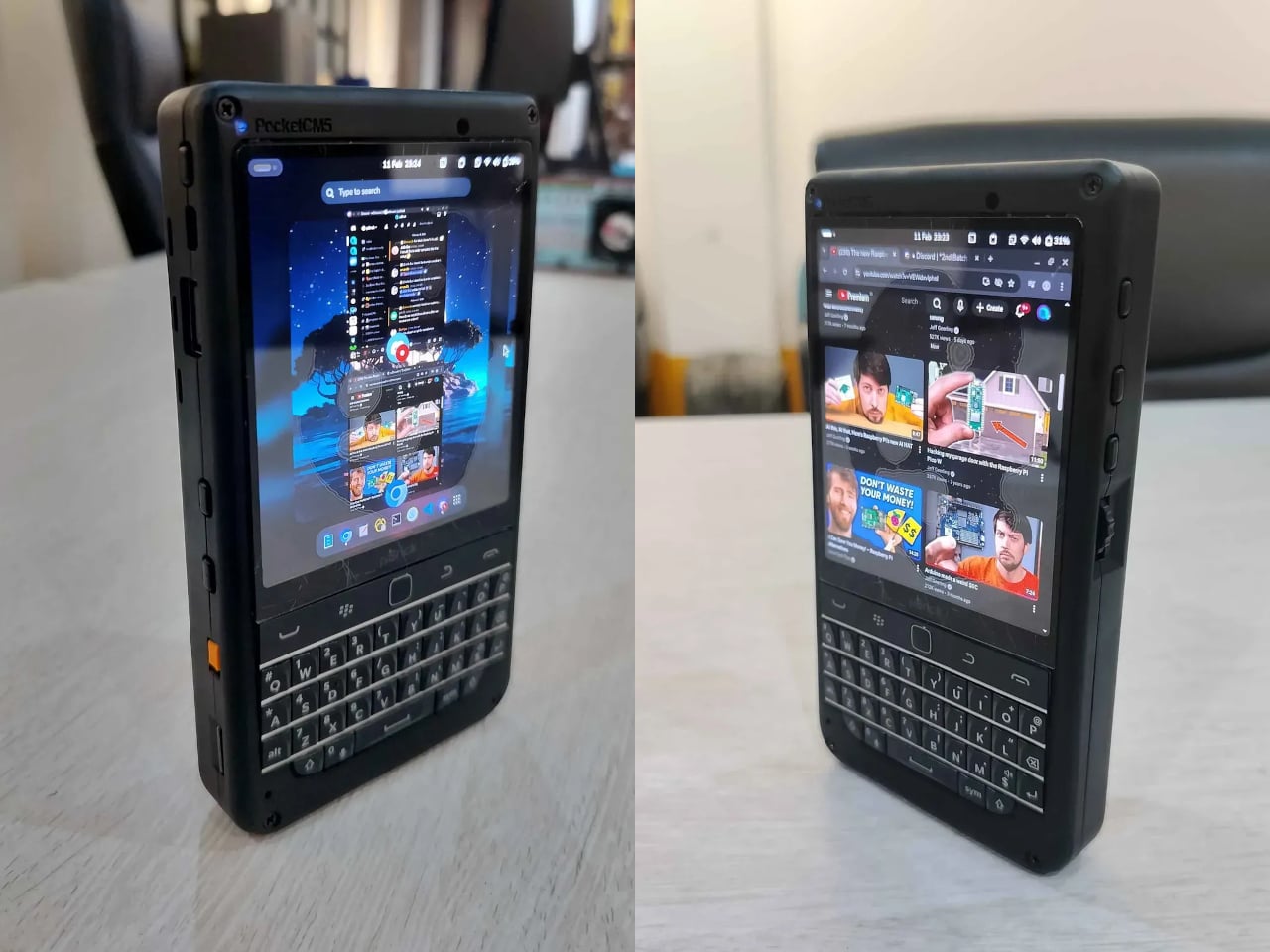
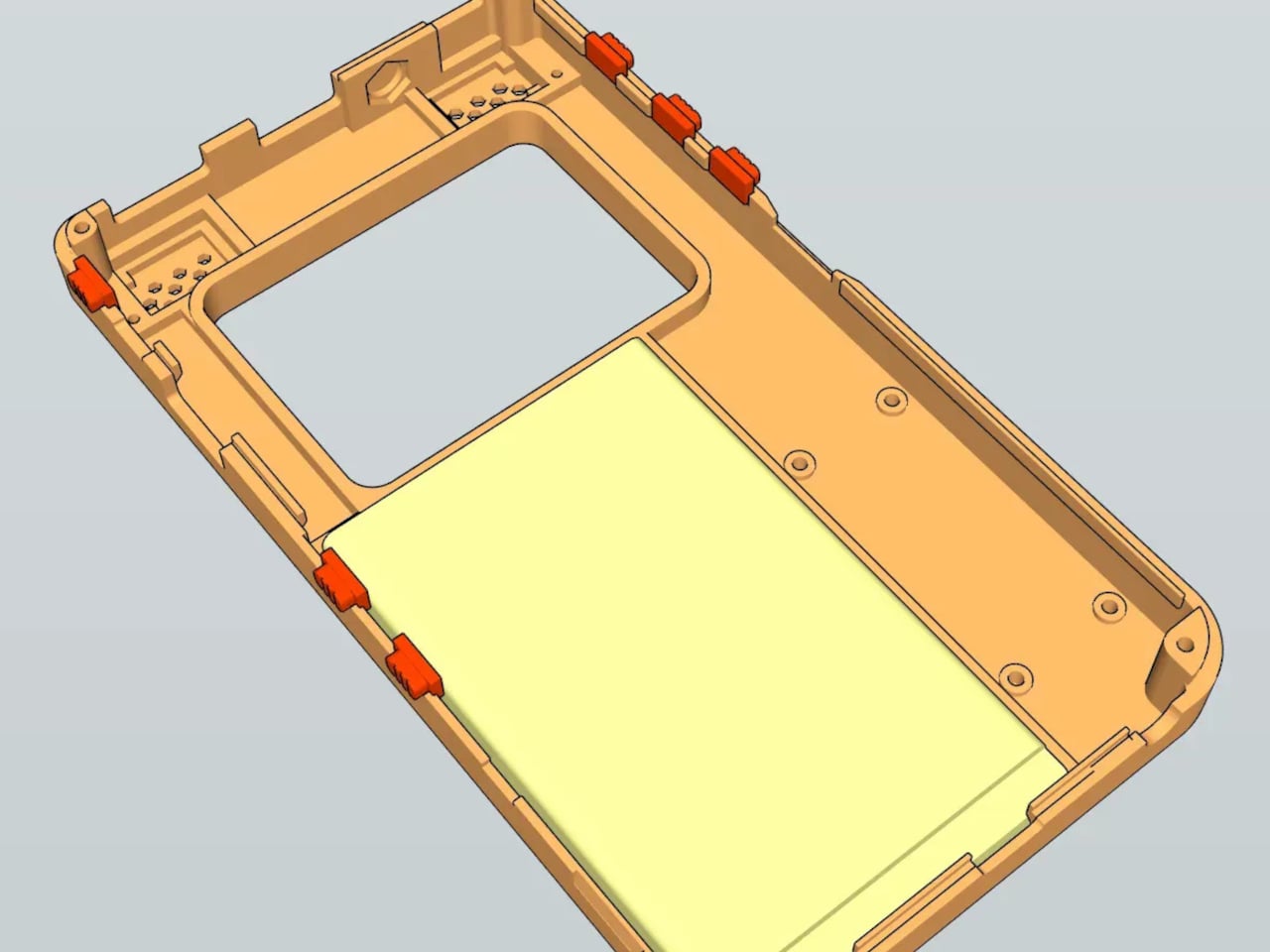
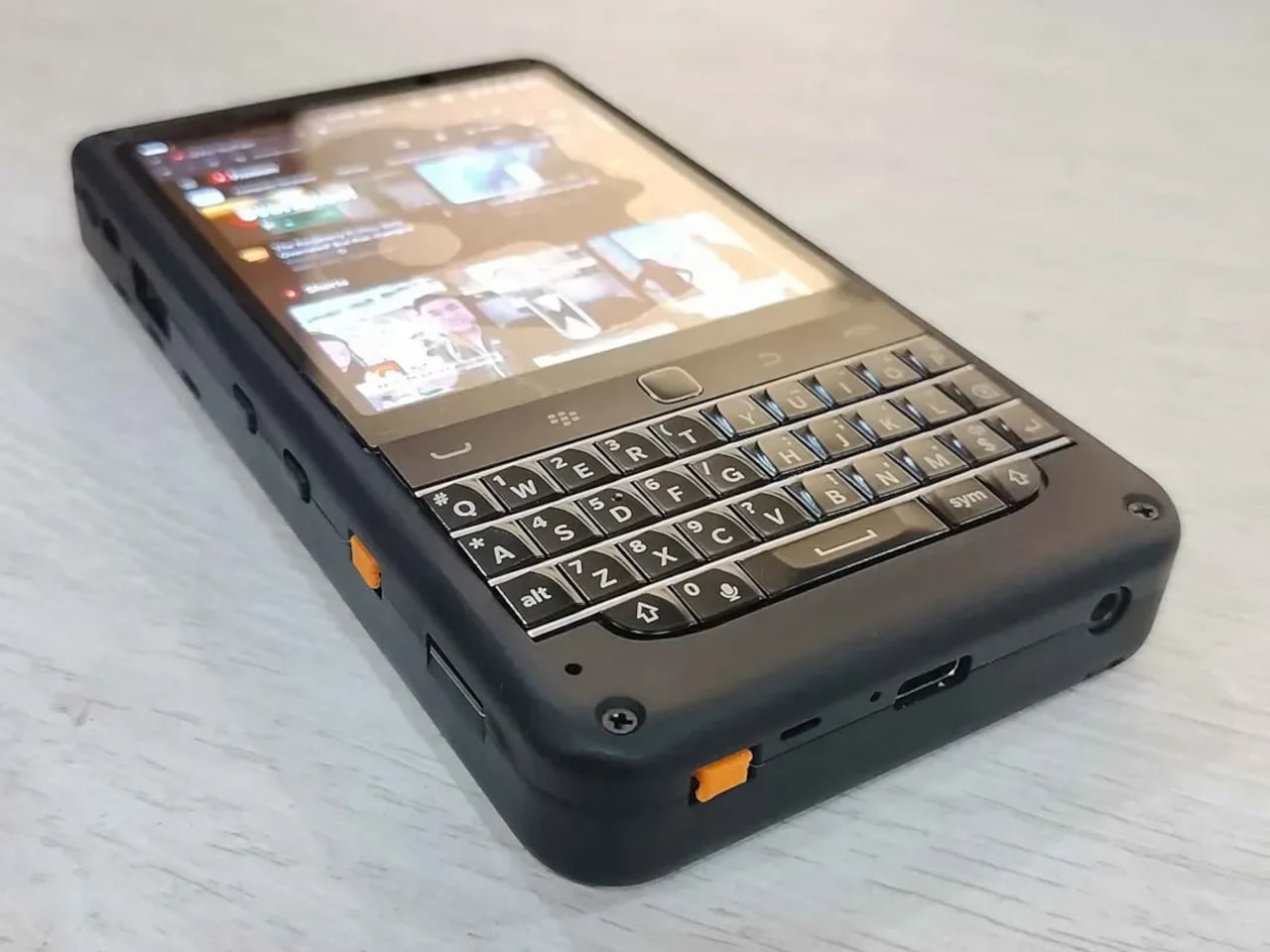
The piBrick Pocket-CM5 is one of those projects that reads better the longer you spend with the spec sheet. Built by Ahmad Amarullah on a custom PCB designed around the Raspberry Pi Compute Module 5, this open-source handheld costs around $172 in parts and arrives at smartphone proportions — 80 × 145 × 19.6mm. The 3.92-inch AMOLED display runs at 1080 × 1240 and 90Hz with Asahi tempered glass over the top, which is the kind of detail that separates a deliberate design from a prototype that merely happens to work. Full-size and micro-HDMI outputs mean the same pocket device can drive an external display when a larger workspace makes more sense.
The BBQ20 keyboard with its integrated BlackBerry-derived trackpad gives the piBrick a tactile depth that touchscreen-only handhelds cannot match, and side rotary encoders plus five programmable buttons extend the input options further still. A 5,000mAh LiPo keeps everything running, NVMe SSD support in 2230 or 2242 formats handles storage, and USB 3.0 with Type-A and Type-C covers connectivity. The most quietly useful feature is USB-HID mode — plug the piBrick into any external machine and its keyboard and trackpad instantly become a functional input device, independent of the Pi entirely. For a sysadmin who shows up at a server rack without a spare keyboard, that framing changes the device from hobbyist novelty to legitimate daily carry tool.

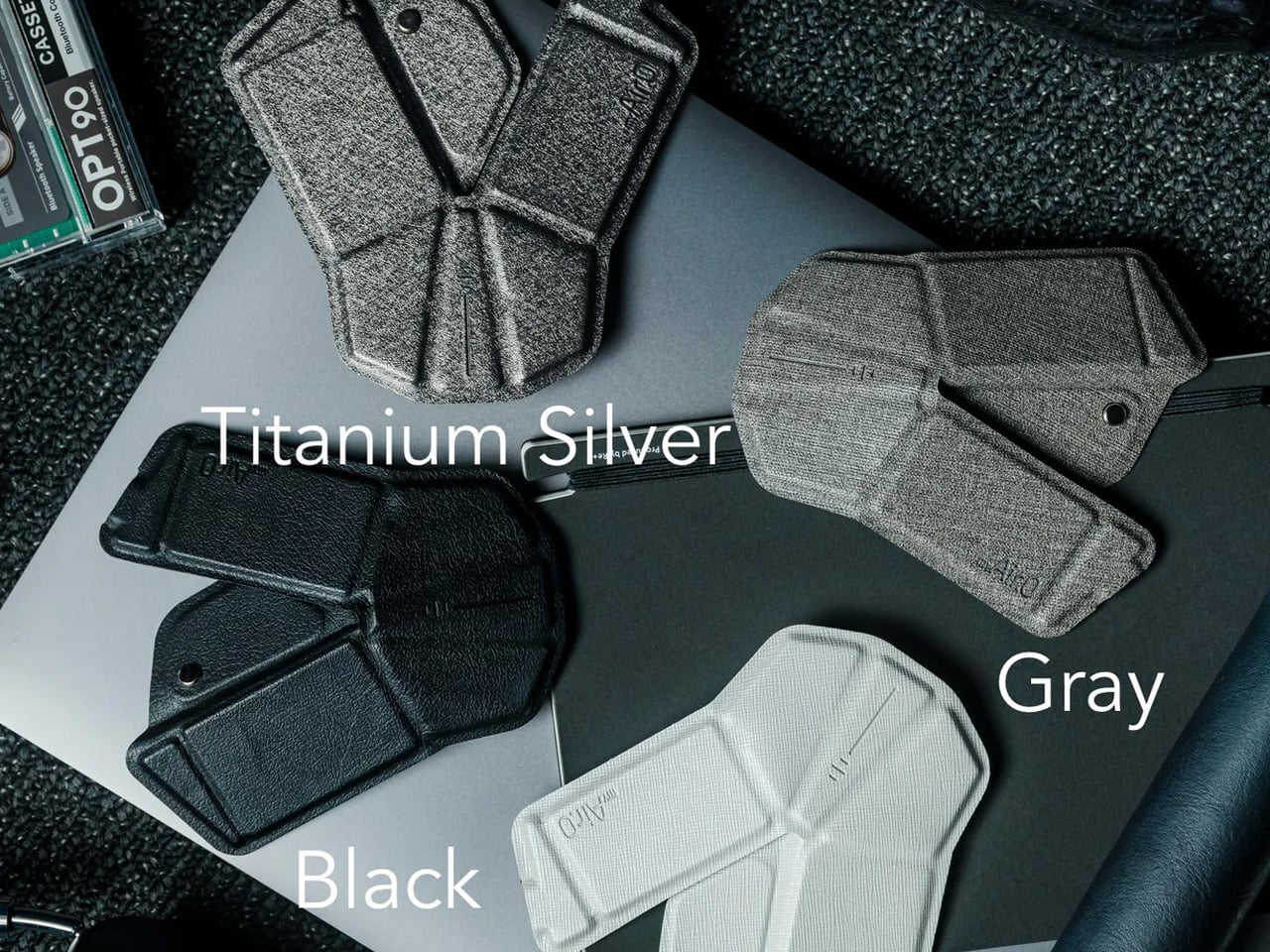
The OrigamiSwift is a Bluetooth mouse that folds flat to 0.18 inches — thinner than most notepads — and springs back into a full-size ergonomic form in under half a second. Designed by Horace Lam and built around the geometry of traditional origami folding, it weighs just 40 grams and connects over Bluetooth 5.2, with a 4,000 CPI HD infrared sensor tracking at up to 30 inches per second. For digital nomads and frequent travelers, the appeal is immediate: full-size mousing comfort that compresses to the front pocket of a bag without any structural compromise.
Soft-click buttons and a smooth, consistent glide make it discreet in quiet environments, and the triangular origami structure that enables the folding mechanism also gives the frame enough rigidity to absorb daily use without flex. Battery life is a genuine standout — one USB-C charge lasts up to three months, which removes the disposable battery cycle from the equation entirely. At $85, it sits in a price range where compromises tend to accumulate, and the sensor performance, weight, and build quality keep most of them from appearing. It works across Mac, iPad, Windows, and Android without additional drivers, which keeps the setup frictionless wherever you end up working.

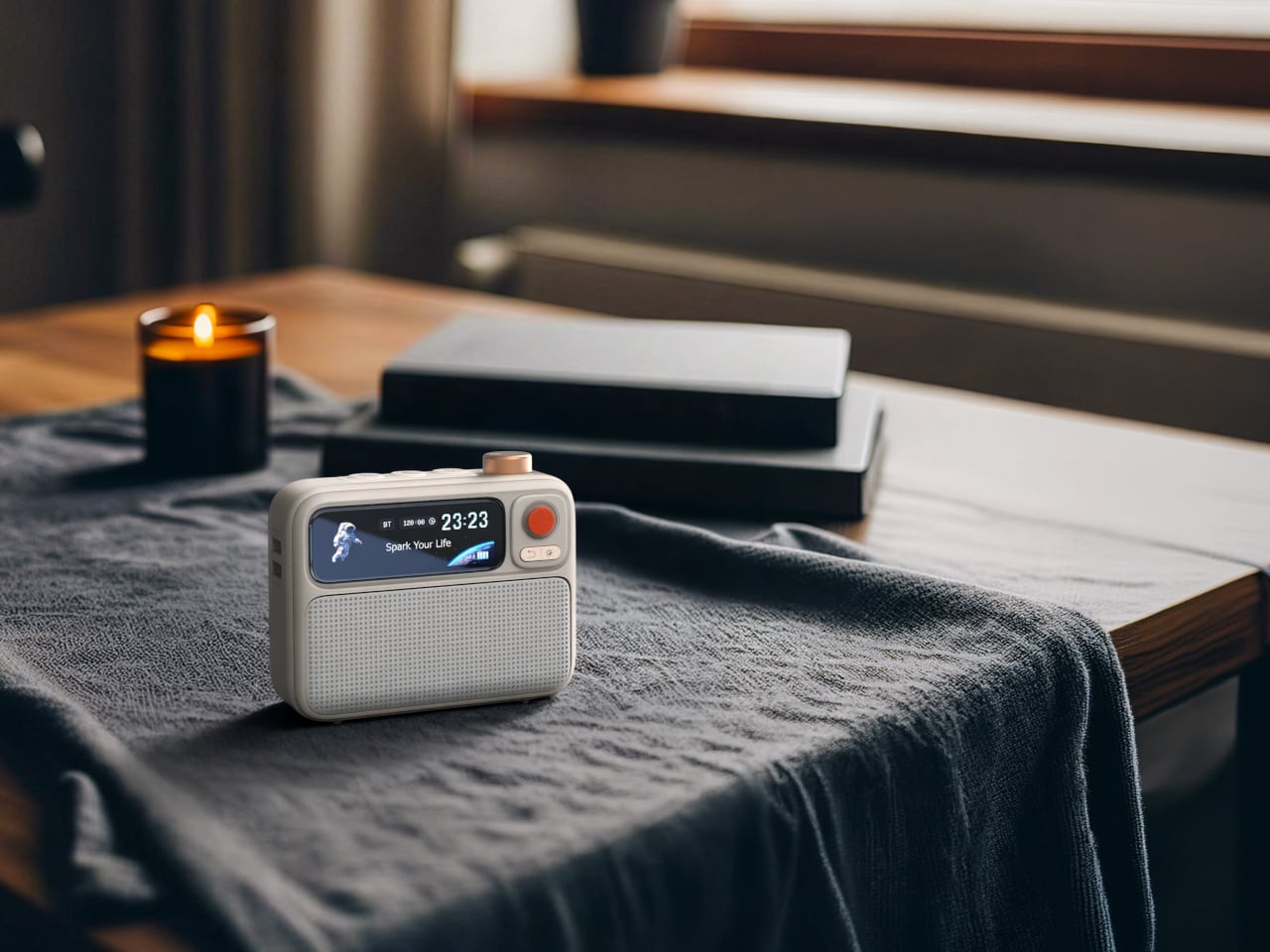
The Divoom FlowToo costs $99.99 and replaces three things that have been quietly cluttering nightstands for years — a Bluetooth speaker, a white noise machine, and an alarm clock. It runs through a 10W amplifier with a 45mm full-range driver, which is enough to fill a bedroom at a respectable volume without the sound becoming harsh at the high end. More than 90 built-in sounds cover the categories people actually reach for at night and during focus sessions, from rain and ocean ambience to forest and calming tones, and the Divoom app handles everything from alarm scheduling to sound selection directly from your phone.
The 2.26-inch smart display is the part that makes the FlowToo feel like something designed with some care rather than assembled from a parts list. It cycles between multiple clock faces, music visualizers that react to whatever’s playing, sleep scene animations, and mood lighting depending on the mode and the time of day. The wake-up sequence replaces a jarring alarm tone with natural sounds that build in volume while the display gradually brightens — a small change that makes a real difference to how the first few minutes of a morning feel. Available in White and Black, the form is clean, rounded, and scaled well enough to sit beside most beds without dominating the surface.
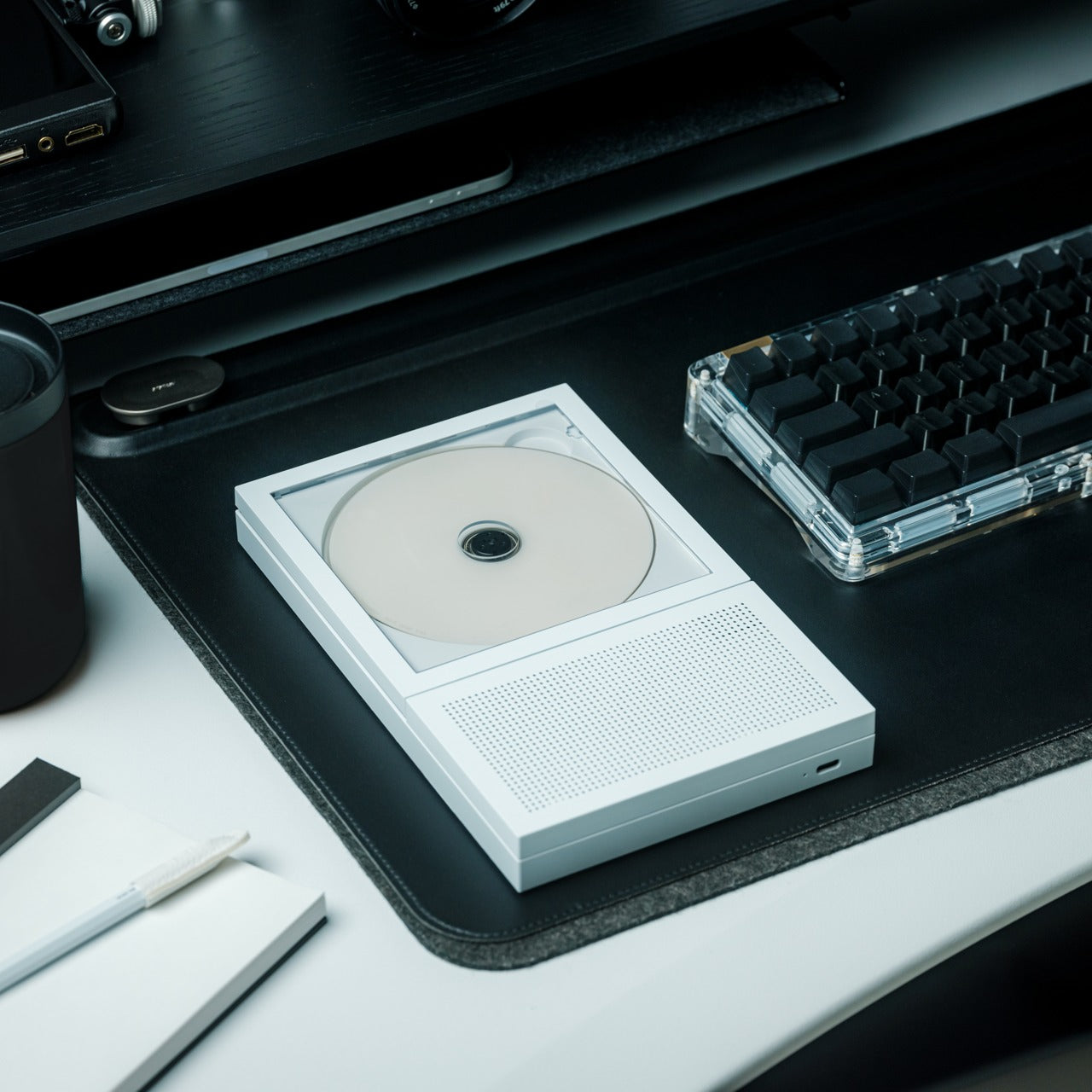
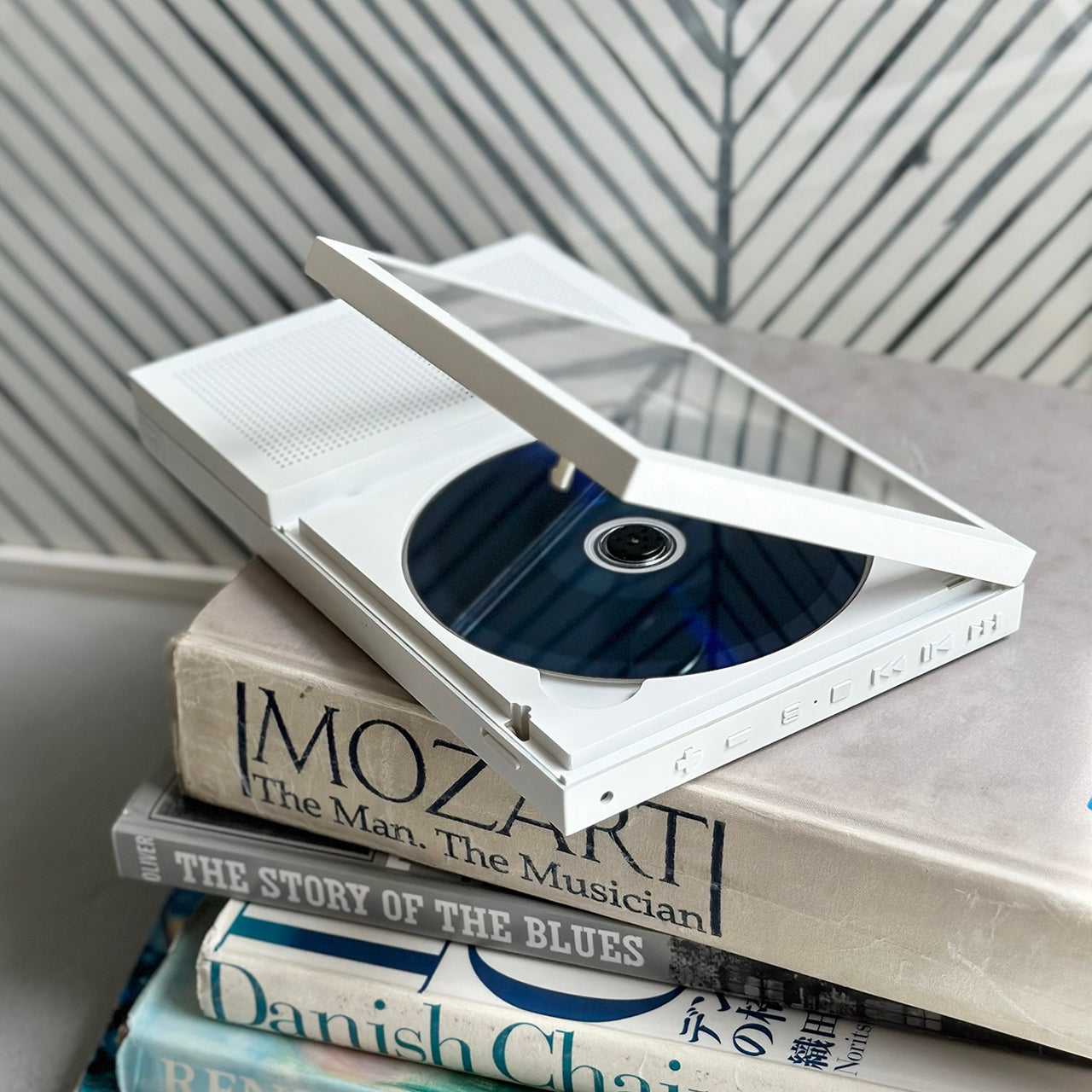
The Portable CD Cover Player brings album artwork back to the physical center of the listening experience at a time when streaming has reduced most music libraries to a scrollable grid of thumbnails no larger than a postage stamp. The form factor is slim and designed to echo the proportions of a CD sleeve — built for the kind of listening that happens away from a desk, on a commute, in a hotel room, or anywhere else a record player cannot reasonably follow you without significant planning.
There is something the CD format offers that streaming still hasn’t managed to replicate — intentionality. You chose this album. You put it in. You listened front to back, the way it was meant to be heard. The Portable CD Cover Player leans into that ritual rather than treating it as an inconvenience to be engineered away. At a moment when cassette players and vinyl decks have staged a credible commercial comeback, there is a real and growing audience for physical music hardware that does not apologize for existing in 2026. For anyone rebuilding a CD collection or looking for a reason to use the one they never threw out, this is the device for it.
Click Here to Buy Now: $199.00
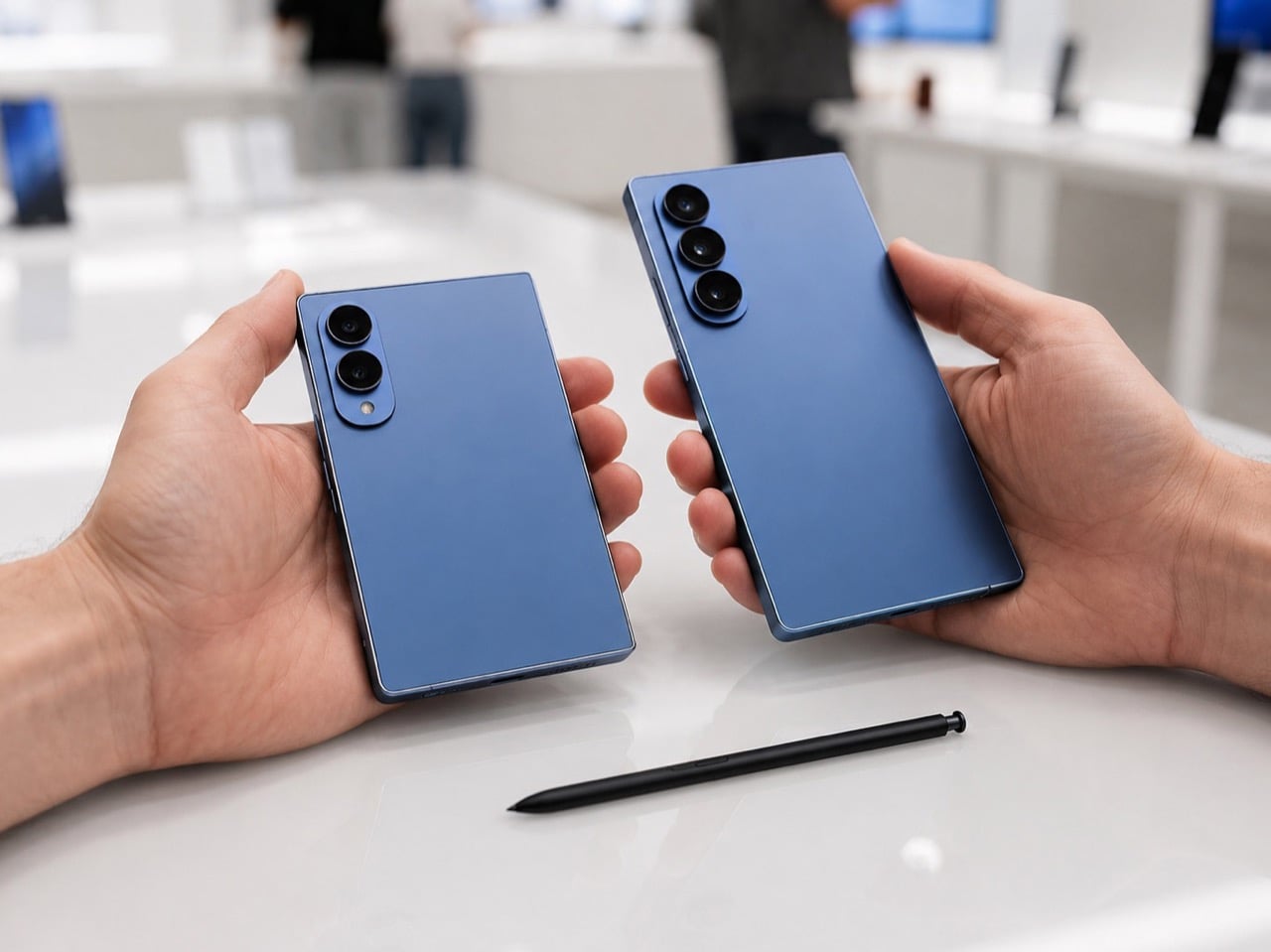
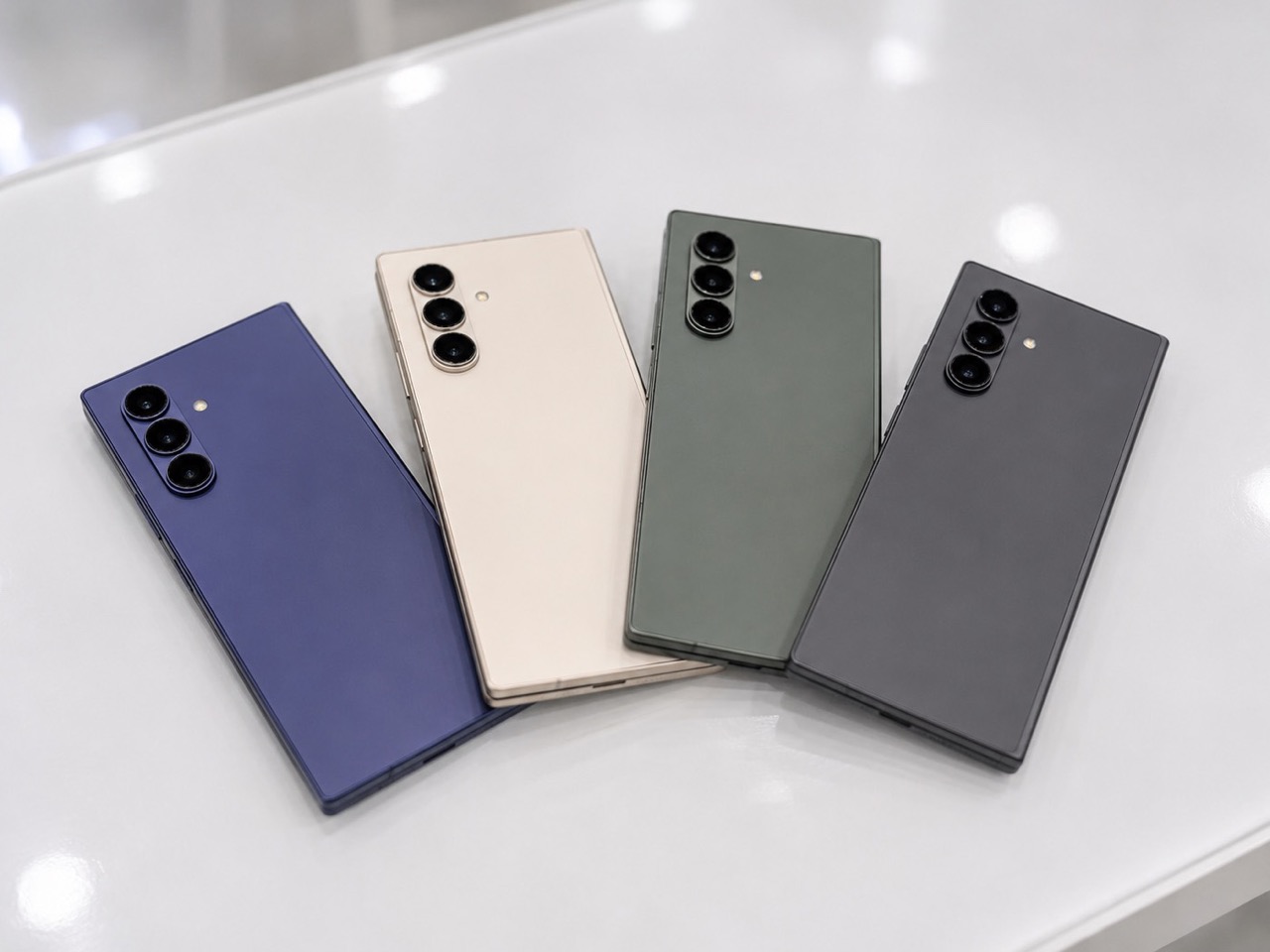
Samsung confirmed the Galaxy Z Fold 8 Unpacked event for July 22 in London, and what’s taking shape is arguably the most architecturally ambitious foldable lineup the company has attempted. Three models appear to be in play — the standard Fold 8 at 4.1mm unfolded, the wide-format Fold 8 Wide at a remarkable 3.9mm, and the Fold 8 Ultra, which is where the S Pen is making its return after being stripped from the Fold 7 to achieve that device’s headline thinness. Reports point to a titanium-plus-carbon-fiber construction for the Ultra, a material combination that works more naturally with the digitizer layer the stylus requires than the pure titanium backplate the Fold 7 used.
The Ultra is the model worth watching most closely. A 5,000mAh battery — the largest in the Fold line since the third generation — marks the first meaningful capacity upgrade the series has seen in years, and the S Pen’s return shifts the Fold 8 Ultra from a premium hardware story into something with actual software depth for power users. Samsung is also reportedly developing a digitizer-free stylus solution for future generations, which would eventually decouple S Pen functionality from physical bulk entirely. If the Ultra ships as the leaks describe, it becomes the first Z Fold that stops treating its own productivity features as a problem to be engineered around, and starts treating them as the reason the device exists.


The Google Home Speaker is the company’s first new standalone smart speaker since the Nest Audio launched in September 2020. Nearly six years is a long time to leave a product category untouched in consumer electronics — Apple refreshed AirPods three times in that window, Sonos shipped new hardware, redesigned its app, and broke it, and still found time to come back. Google’s return is framed almost entirely around Gemini, now built directly into the speaker and positioned as the primary reason to put it on your kitchen counter rather than any particular advancement in audio engineering.
The hardware reads clean — small, rounded, and available in the kind of understated colors Google’s design teams have always been good at selecting. It features 360-degree audio, faster processing for more fluid conversational responses, and a new light ring that signals when Gemini is listening, thinking, or responding. Whether this launch represents a genuine recommitment to the smart home category or simply Google finding Gemini another product surface to occupy is a fair question to ask. The speaker is back on the counter after six years. Whether the company chooses to stay in the room this time is the harder and more important question.


The Inkleaf is a foldable dual-screen E Ink tablet with two 10.3-inch Carta panels that open side by side — one for reading, one for writing, simultaneously. That single feature solves a problem researchers, students, and writers have been navigating awkwardly for years, usually by propping a tablet next to a paper notebook or toggling between apps and losing their place each time. Designed by Kameron Yu, it closes to 8.4mm and 480 grams, thinner than a standard paperback, and each open panel measures 4.2mm — slimmer than the reMarkable 2 at 4.7mm, the Kindle Scribe at 5.4mm, and the Boox Note Air4 C at 5.8mm. None of those fold.
The cast aluminum body and precision-machined hinge barrel lay perfectly flat at 180 degrees when open, tactile page-turn buttons sit exactly where your thumb expects them, and the pressure-sensitive stylus ships in the box with no subscription fee attached. Android handles the OS with support for PDFs, EPUBs, MOBI, and TXT files, and an AI-powered handwriting search can surface any phrase across every notebook you’ve filled. First units are expected to reach founders in August 2026. At around $450, it is a serious financial commitment, but one the form factor and the problem it actually solves manage to earn.
August’s lineup doesn’t follow a single theme, which is part of what makes it worth paying attention to. The piBrick and the Inkleaf both treat computing as something that should fit your actual workflow rather than just your desk. The OrigamiSwift and the FlowToo make the case that the best everyday tech is the kind that removes something from your bag or your nightstand rather than quietly adding to it. The Portable CD Cover Player is a reminder that intentional listening never actually went away — it just needed hardware worth using again.
The bigger stories — Samsung’s Fold 8 and Google’s long-overdue speaker — tell you something meaningful about where two of the industry’s largest companies have landed on the question of what smart hardware is actually for. One is restoring capability it arguably should never have removed. The other is making up for six years of silence with an AI pitch and hoping nobody checks the calendar. Both are worth watching this month, for very different reasons.
The post 7 Best Tech Gadgets of August 2026 first appeared on Yanko Design.

The last time I really thought about what my outfit was doing for me, I was considering whether my summer dress made me look like I was fashionable or it was just perfect for the hot weather. Simon Weckert has me rethinking the question entirely. Do my clothes do something for me other than protect me from the elements or make me look cool? Can they be about something more?
The Berlin-based artist recently unveiled Digital Camouflage, a conceptual garment collection that does one very specific, very remarkable thing: it makes you invisible to AI. Not invisible to the human eye, obviously. You’d still be fully, stylishly present to anyone walking past you. But to the surveillance cameras powered by AI-based person detection systems that increasingly populate airports, streets, and public spaces, you essentially cease to exist. That’s not a metaphor. It’s the engineering.
Designer: Simon Weckert
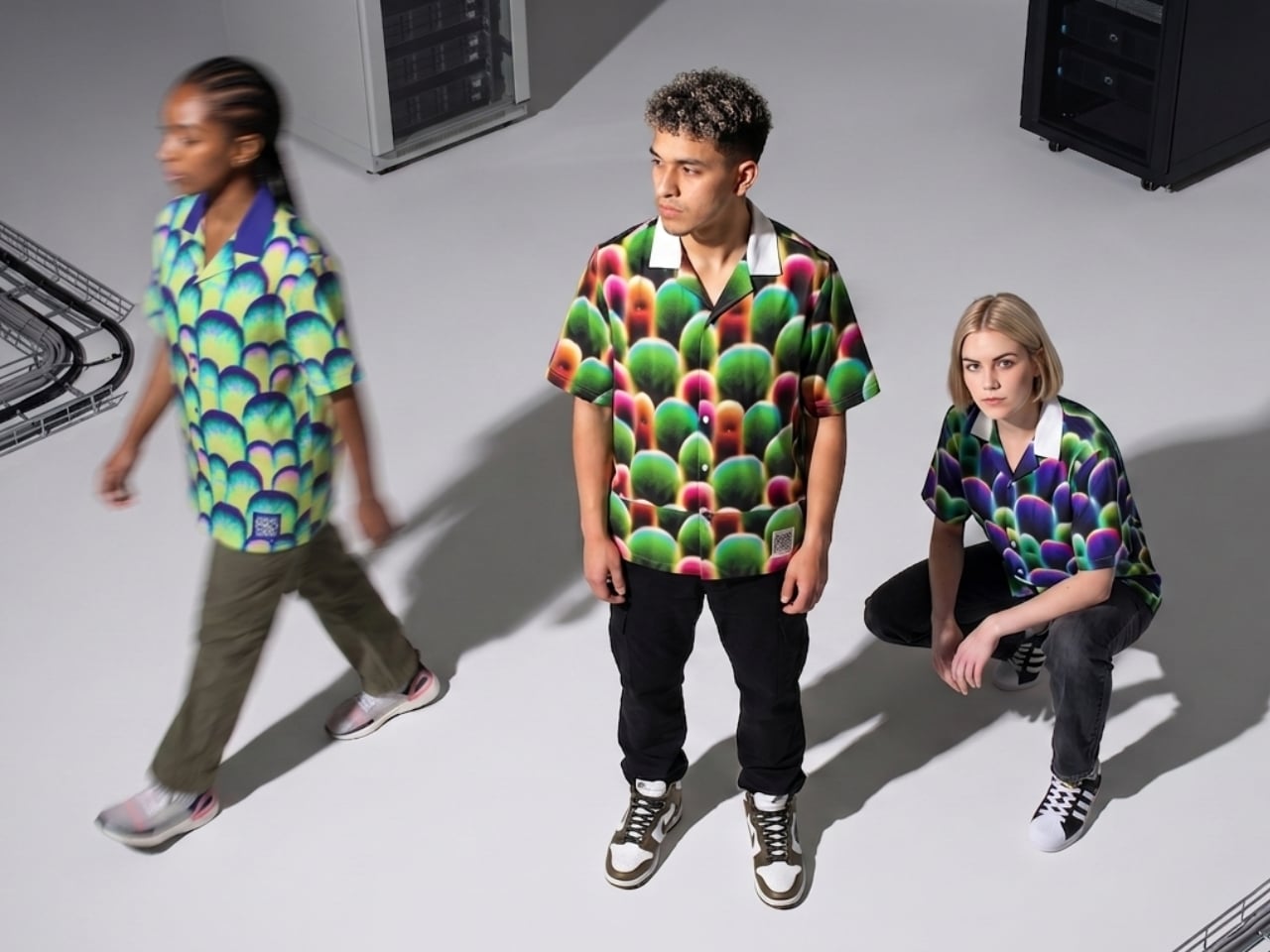
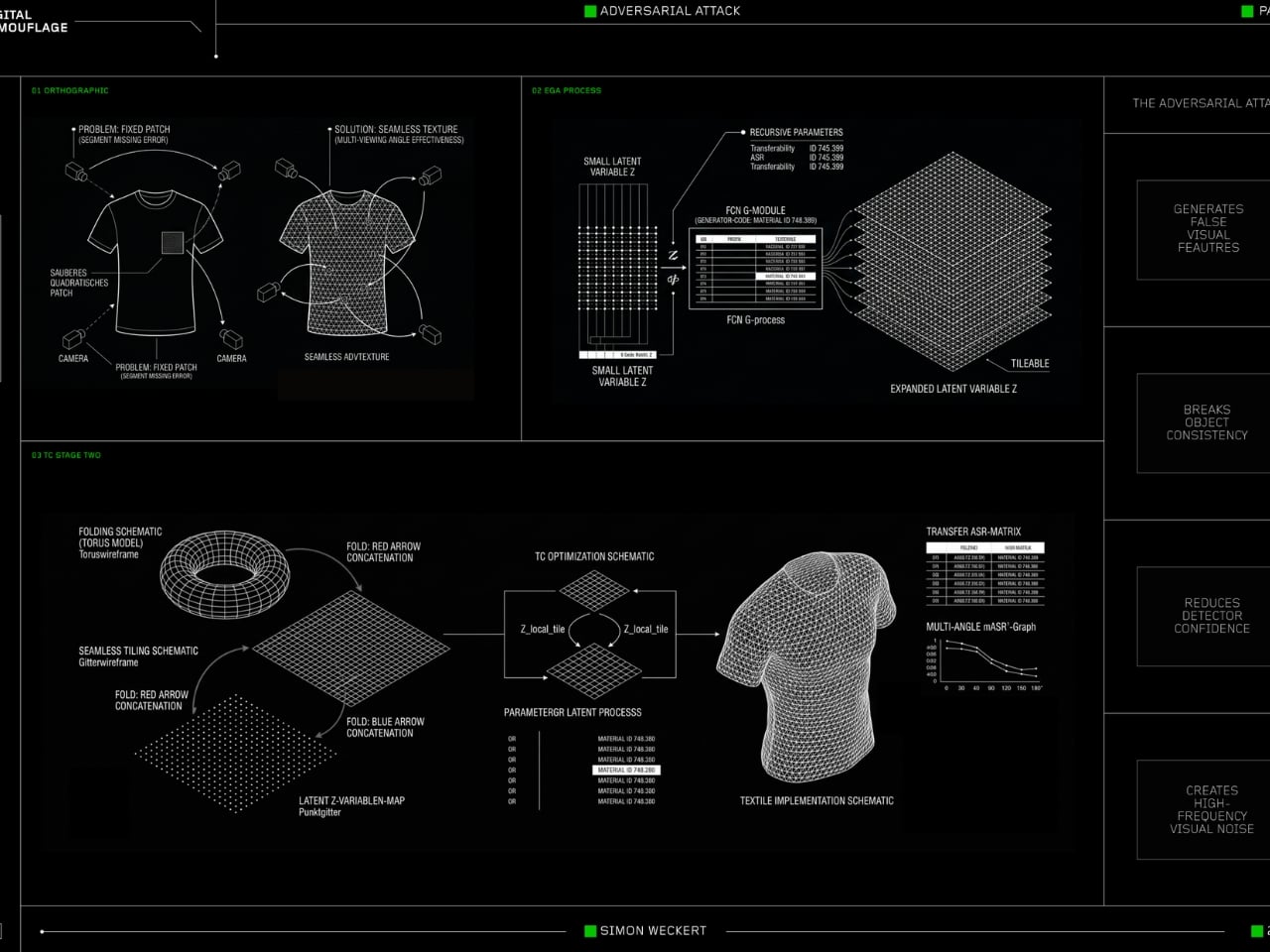
The collection works through what researchers call an adversarial attack, a method of manipulating visual data so that a machine misreads what it’s looking at. The garments are printed with a continuous, generative pattern that floods AI recognition systems with computational noise. The algorithm looks at you, processes the visual information, and fails to register a person. You’re there. The camera sees you. But the machine watching through it draws a blank.
At first glance, the clothes look like bold graphic fashion. The kind of abstract print that could easily headline a capsule collection or land on an editorial mood board. The technical function is completely hidden in plain sight, which is, when you think about it, a fairly elegant bit of design irony.
Previous anti-recognition designs relied on fixed printed patches, a kind of static visual disruption that quickly lost effectiveness when fabric folded or camera angles shifted. Weckert’s collection uses a continuous adversarial texture across the entire garment surface, designed to hold up against both movement and perspective change. It’s not a sticker. It’s the whole jacket.
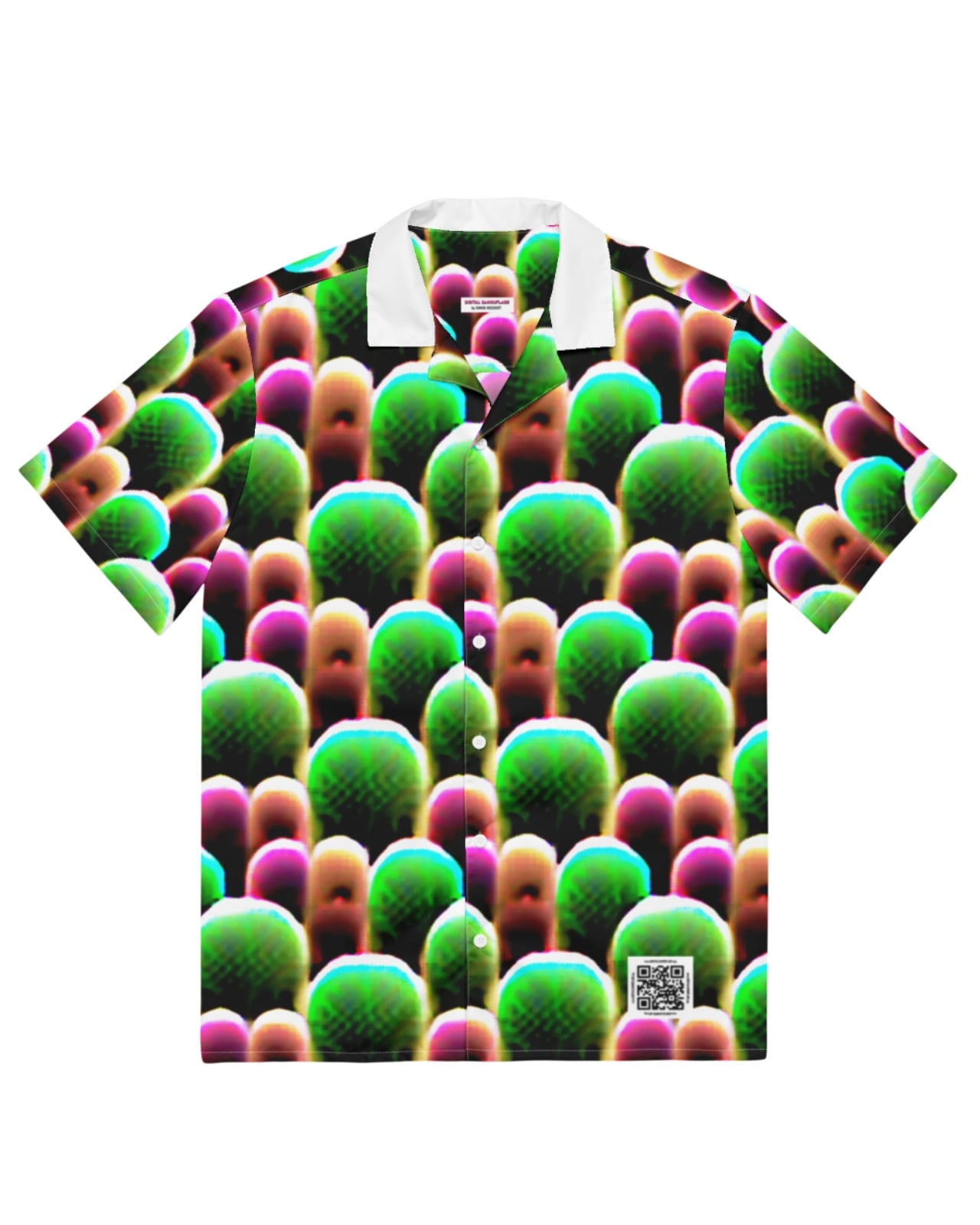
The collection is manufactured in Latvia from a blend of 65% recycled polyester and 35% polyester, with the adversarial pattern applied through digital textile printing. For something that sounds like it belongs in a speculative fiction exhibit, it’s a remarkably practical construction.
And yet, the project lives comfortably in conceptual territory. Weckert is not selling these at retail. Digital Camouflage was exhibited at Ars Electronica Festival 2025, which carries a certain kind of cultural weight. Ars Electronica has long been the venue where designers and technologists come to ask uncomfortable questions rather than offer comfortable answers. Showing the work there feels deliberate. This isn’t a product pitch. It’s a provocation.

I think that tension is exactly where the project is most interesting. The garment works, or is designed to work, but its purpose is as much about raising the question as answering it. Who should have the right to walk through a public space without being catalogued? At what point does automated surveillance stop being a security tool and start being a form of ambient control? Weckert isn’t handing out a manifesto. He’s handing out a jacket.
The fact that we even need clothes that hide us from cameras is worth pausing on. Digital surveillance infrastructure has expanded so quietly and so consistently that most of us have simply accepted it as background noise. AI-powered cameras now occupy the same mental category as streetlights: ubiquitous, impersonal, unremarkable. Weckert’s collection interrupts that acceptance, not through argument, but through design.
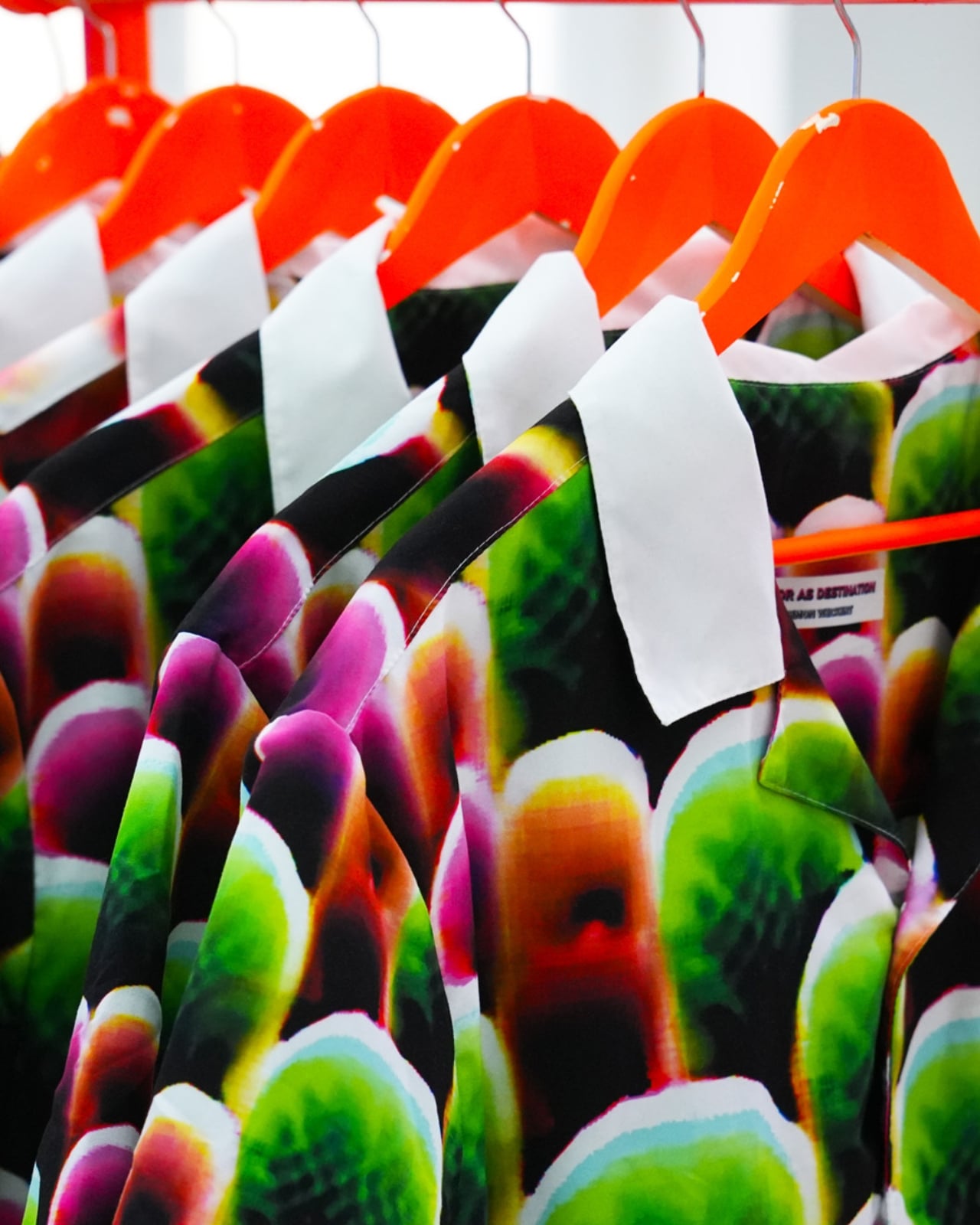
Fashion has always been a negotiation between the self and the seen. We dress for impressions, for identity, for protection against the cold. Adding protection against algorithmic recognition to that list feels like a genuinely new chapter in a very old human conversation about who gets to see us and on whose terms.
Whether or not Digital Camouflage ever becomes something you can actually buy, it has already done its most important work. It made an abstract threat feel like something you can put on your body. And sometimes that’s all it takes to make people start paying attention.

The post AI Surveillance Cameras Can’t See Through This Jacket first appeared on Yanko Design.

The first thing you notice is the skin. Tessellated stainless-steel panels wrap the Chengdu Pavilion like the hide of something alive, catching light in fractured planes, opening and closing through small apertures that pull the outside in without fully committing to it. San Francisco-based IwamotoScott Architecture completed the building in 2025, and calling it an “exhibition pavilion” feels almost too modest for what it actually is.
The pavilion sits on the outskirts of Chengdu, the capital of China’s Sichuan Province, in the early stages of what will become the Chengdu Future Science and Technology City, a 1,200-acre master-planned district designed by OMA and Gerkan, Marg and Partners. It was commissioned in 2020 to serve as an information and learning center for that district, which means it was asked to represent a future that didn’t exist yet when it was being built. That’s a strange brief to be handed, and IwamotoScott responded to it the only way that makes sense: by designing a building that seems to already be in dialogue with what’s coming.
Designer: IwamotoScott Architecture

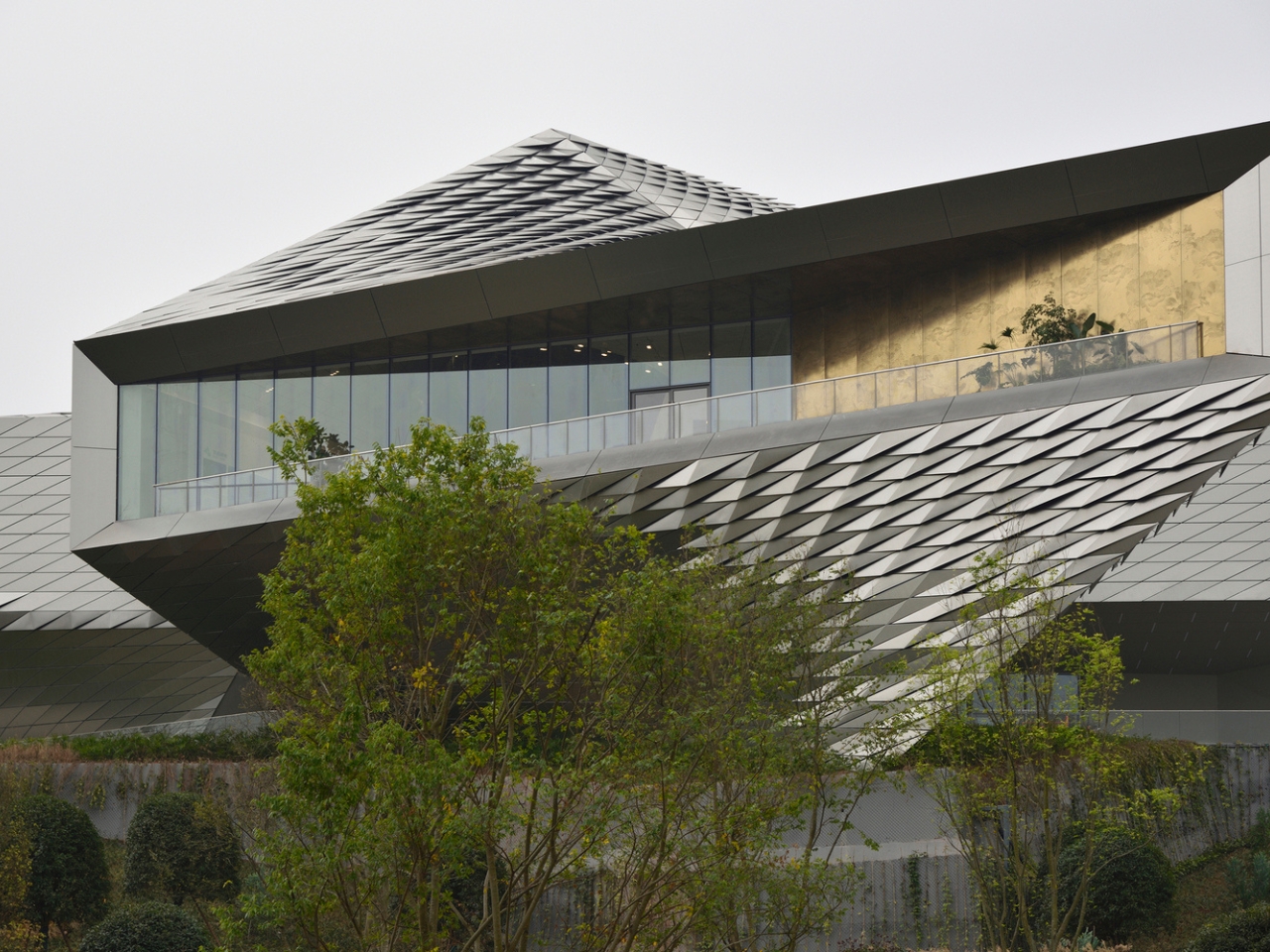
The structure is composed of three intersecting triangular volumes, each one pointing outward in a different direction. That’s not arbitrary. Each wing orients toward one of three nearby infrastructure projects: the Tianfu International Airport to the east, the developing Future City to the south, and the new Jiangxi River Park to the west. It’s a building that physically maps its own context, literally pointing at the forces shaping the land around it. I appreciate that kind of architectural candor. Most buildings just exist in a place; this one acknowledges the place.

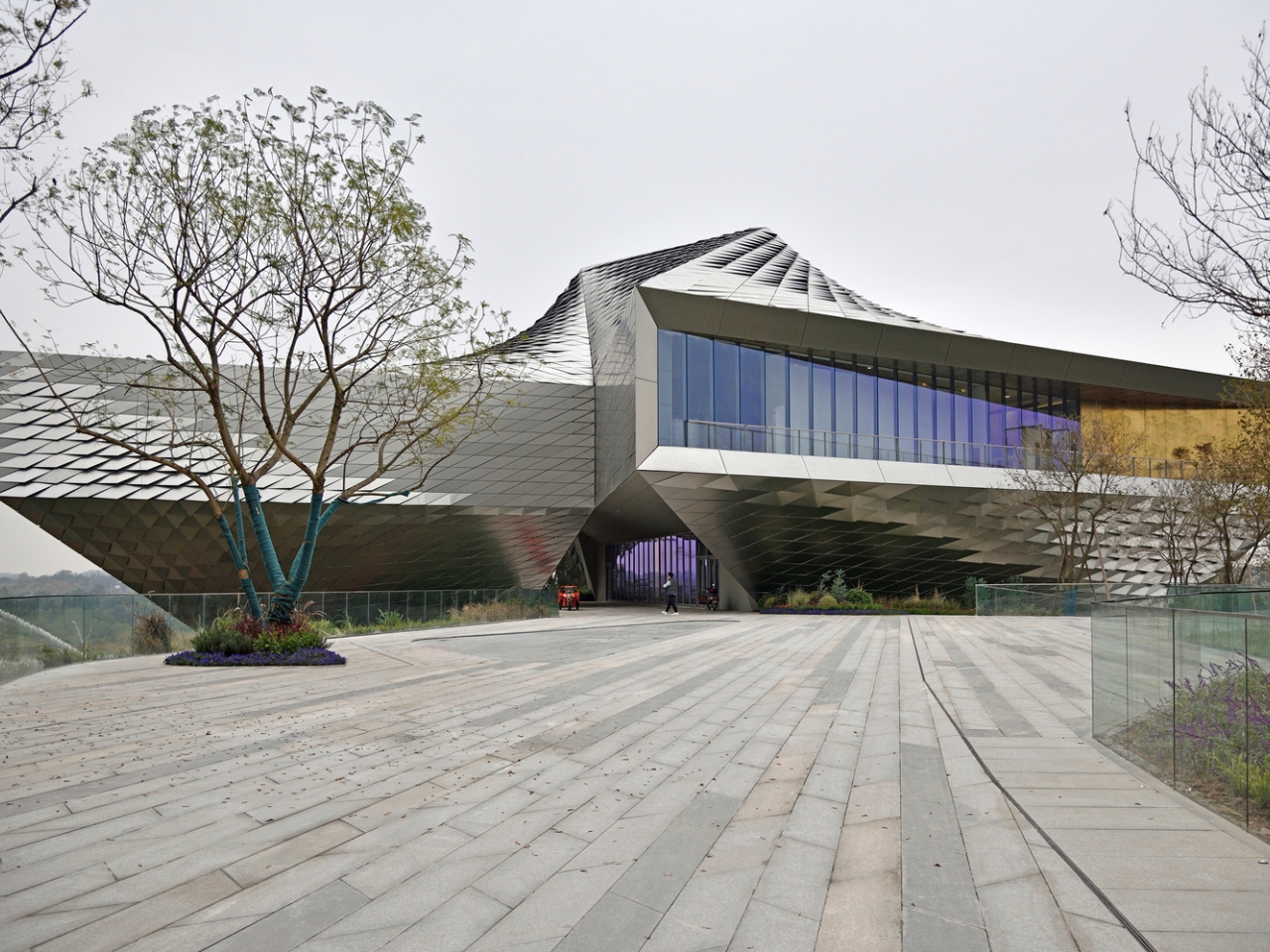
Inside, the three wings radiate from a shared crystalline atrium where the geometry of all three volumes collides and resolves into one shared space. Apertures cut into the lofted roof surfaces let in soft, directional bands of natural light without flooding the interior. It’s controlled, atmospheric, and intentional in a way that feels rare in a building designed primarily to function as an information center. At its base, a breezeway cuts beneath the pavilion entirely, creating a through-passage at plaza level that keeps the building from becoming a wall between the public and the landscape. That detail matters more than it sounds. It keeps the pavilion civic.

The reptilian stainless-steel exterior is the element that makes people stop scrolling. The tessellated panels open selectively in localized clusters, each small aperture mediating between interior and exterior in a way that reads almost like the building is breathing. IwamotoScott traces this approach back to their 2006 speculative project, the Jellyfish House, where they imagined an adaptive, organism-like facade capable of achieving a symbiotic relationship with its environment. Two decades later, that idea has finally landed in built form, in a real city, for a real public. That kind of consistency, following a speculative idea through to actual built form, is rare and it shows.
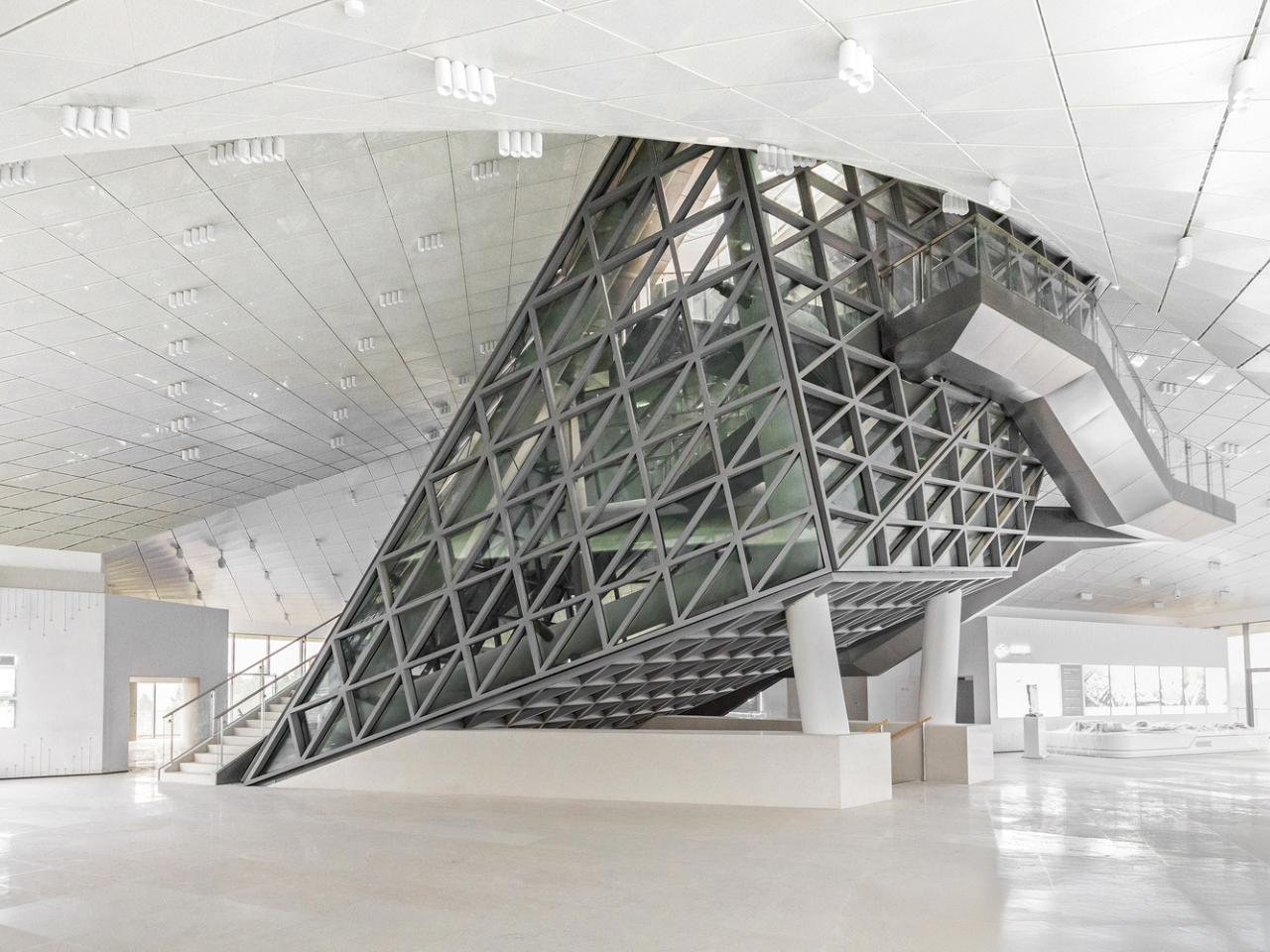

The pavilion is also accompanied by a lookout tower clad in the same metallic language, one that torques as it rises, which, admittedly, could read as slightly too much. But I think it earns it. The tower reads as an extension of the pavilion’s logic rather than a separate gesture, and in the context of a district still mid-construction, having a vertical landmark that draws the eye upward instead of outward makes spatial sense.



The broader question the Chengdu Pavilion raises is one architecture rarely has the courage to ask so directly: what does it mean to build a gateway to something that doesn’t exist yet? City-scale development projects often drop buildings into neighborhoods that haven’t formed, and the result is usually a structure that looks provisional, a placeholder waiting for its context. This building does the opposite. It arrives as if it already knows what it’s part of. Whether the Future Science and Technology City lives up to the ambition the pavilion projects onto it is a separate conversation, but as a piece of design, the building does exactly what ambitious architecture should do. It makes the future feel specific.


The post The Steel-Scaled Pavilion Pointing at China’s Future first appeared on Yanko Design.

As a stationery fiend, I always look forward to the second half of the year because most brands announce their lineups for the next year. I also look forward to the collaborations they create with other related (and sometimes completely unrelated) companies, the kind that make me want to support either brand, depending on how I’ll be able to get my hands on the often limited-edition products.
Some collaborations exist purely for hype. They look good in a press release, generate the right amount of social media noise, and then quietly disappear from shelves and memory. The new Starbucks Reserve Roastery Tokyo x Traveler’s Company collection is not that. It’s the kind of collab that makes sense on paper, and even more sense when you actually hold the pieces in your hands.
Designer: Starbucks x Traveler’s Company
For those not already deep in the cult of Traveler’s Company, let me make the introduction. Founded in Tokyo, Traveler’s Company makes handcrafted leather notebooks and stationery that have earned a devoted following among journalers, designers, travelers, and the kind of people who still believe that writing by hand is an act worth protecting. Their flagship Traveler’s Notebook has become iconic in its own quiet way, a slim leather cover held together by an elastic band, designed to age beautifully and accumulate memories over time. It’s the opposite of disposable. Their annual theme for 2026 is fittingly called “Spirit,” inspired by the excitement of when a journey begins and the pleasure of setting off somewhere completely new.
Then there’s the Starbucks Reserve Roastery Tokyo. Tucked into the leafy streets of Nakameguro, it isn’t your average Starbucks. It’s a flagship experience space housed in a building by renowned architect Kengo Kuma, where the coffee is treated more like a craft than a morning routine. Both brands are, at their core, about the experience of being fully present in a moment. So the partnership makes complete sense.
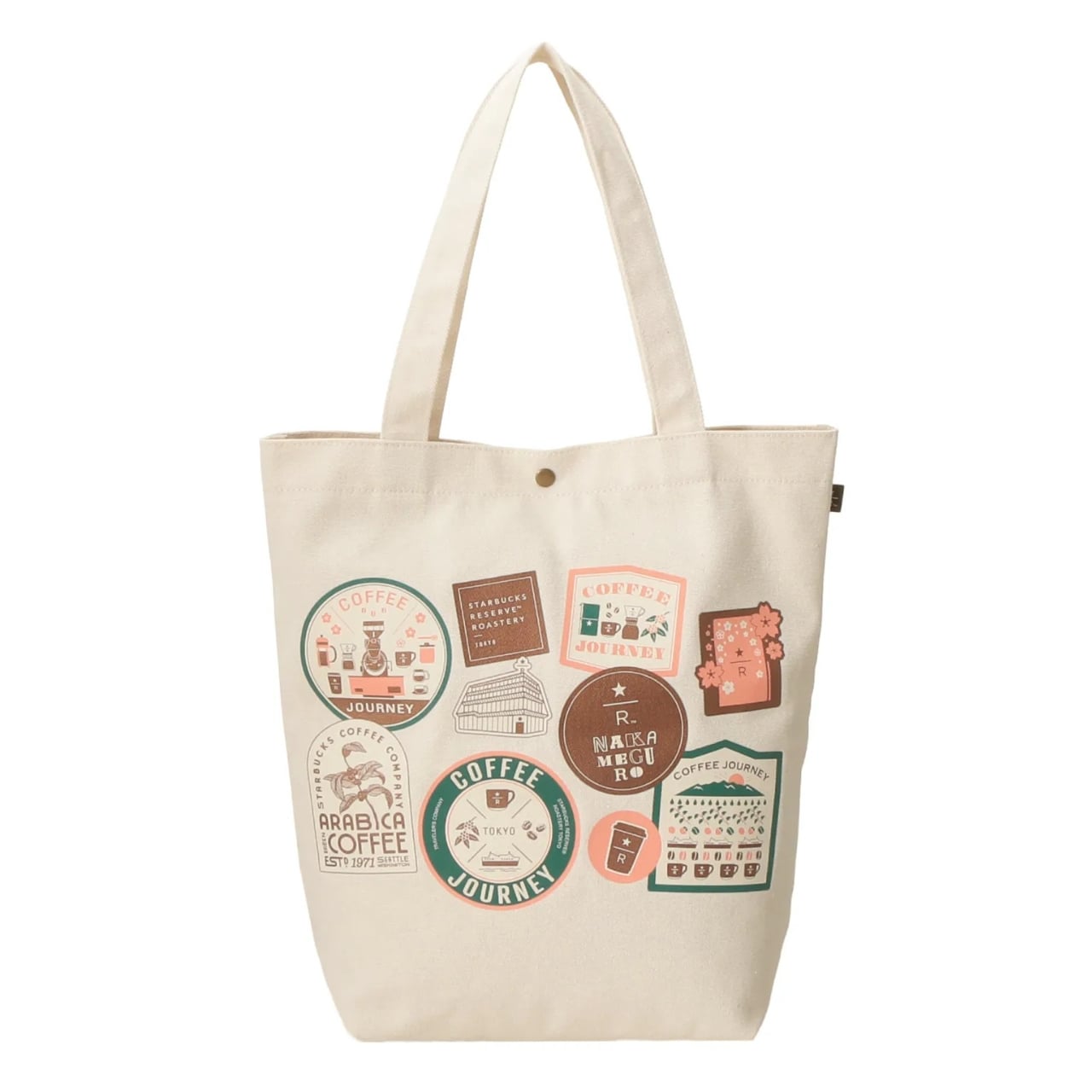
The 2026 collection arrives with a handful of pieces that feel considered rather than rushed. The canvas tote bag is the showstopper. Designed to mimic the look of a well-traveled suitcase covered in destination stickers, with Roastery Tokyo and Nakameguro as the featured stops, it carries the whole spirit of the collab on its exterior. Inside, there’s a pocket sized specifically to hold a Traveler’s Notebook, plus room for a tumbler or bottle and the rest of your everyday essentials. At 5,000 yen, it’s the kind of bag you’d actually reach for daily without feeling like a walking advertisement. It just looks like you’ve been somewhere interesting.
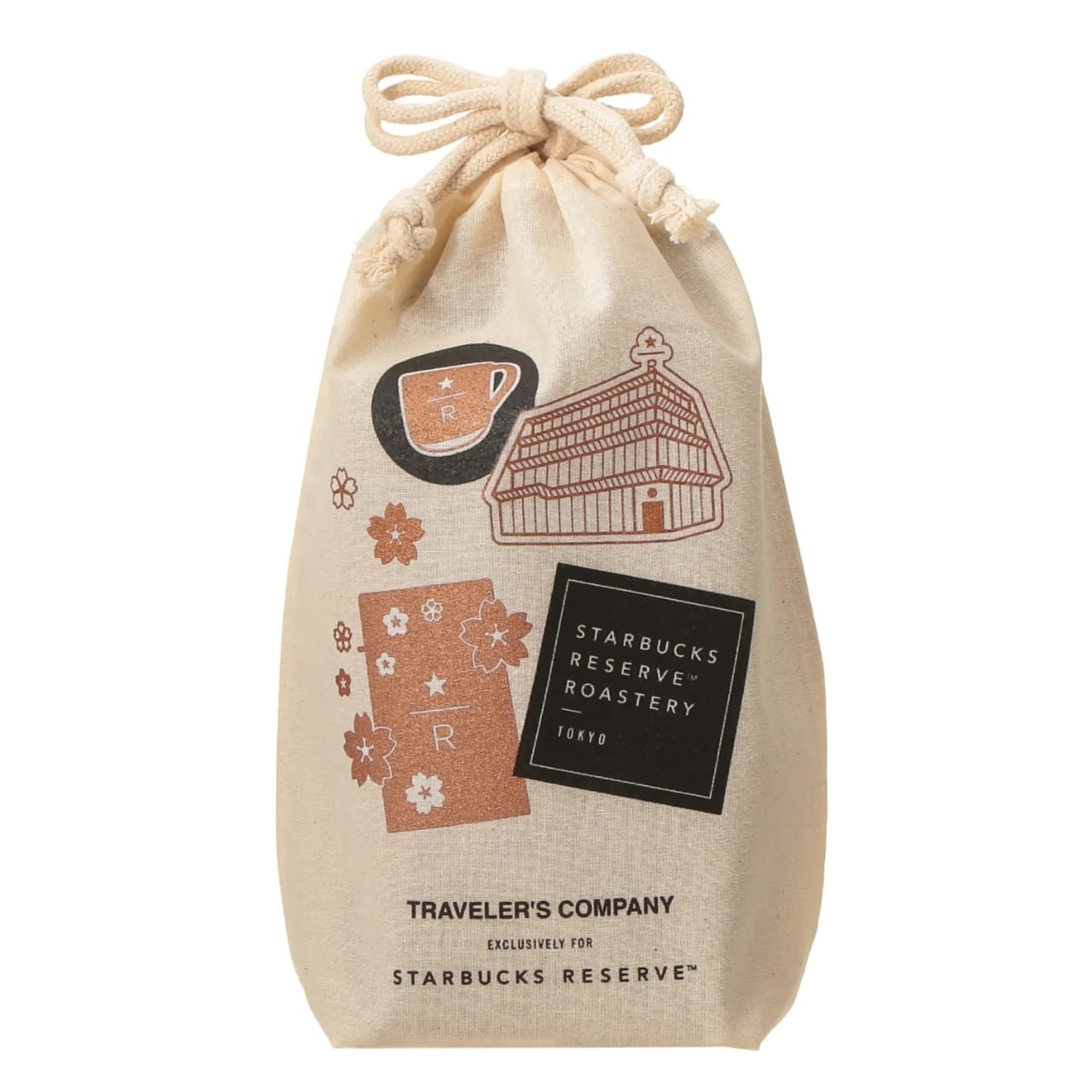
The cotton drawstring bag at 1,800 yen is smaller in scale but just as thoughtful. Designed to hold a bag of coffee beans, it sounds specific until you realize how often people buy coffee as a souvenir and then have absolutely nothing appropriate to carry it home in. It also doubles as an inner bag organizer, which is the kind of practical thinking that elevates a piece from cute to genuinely useful.
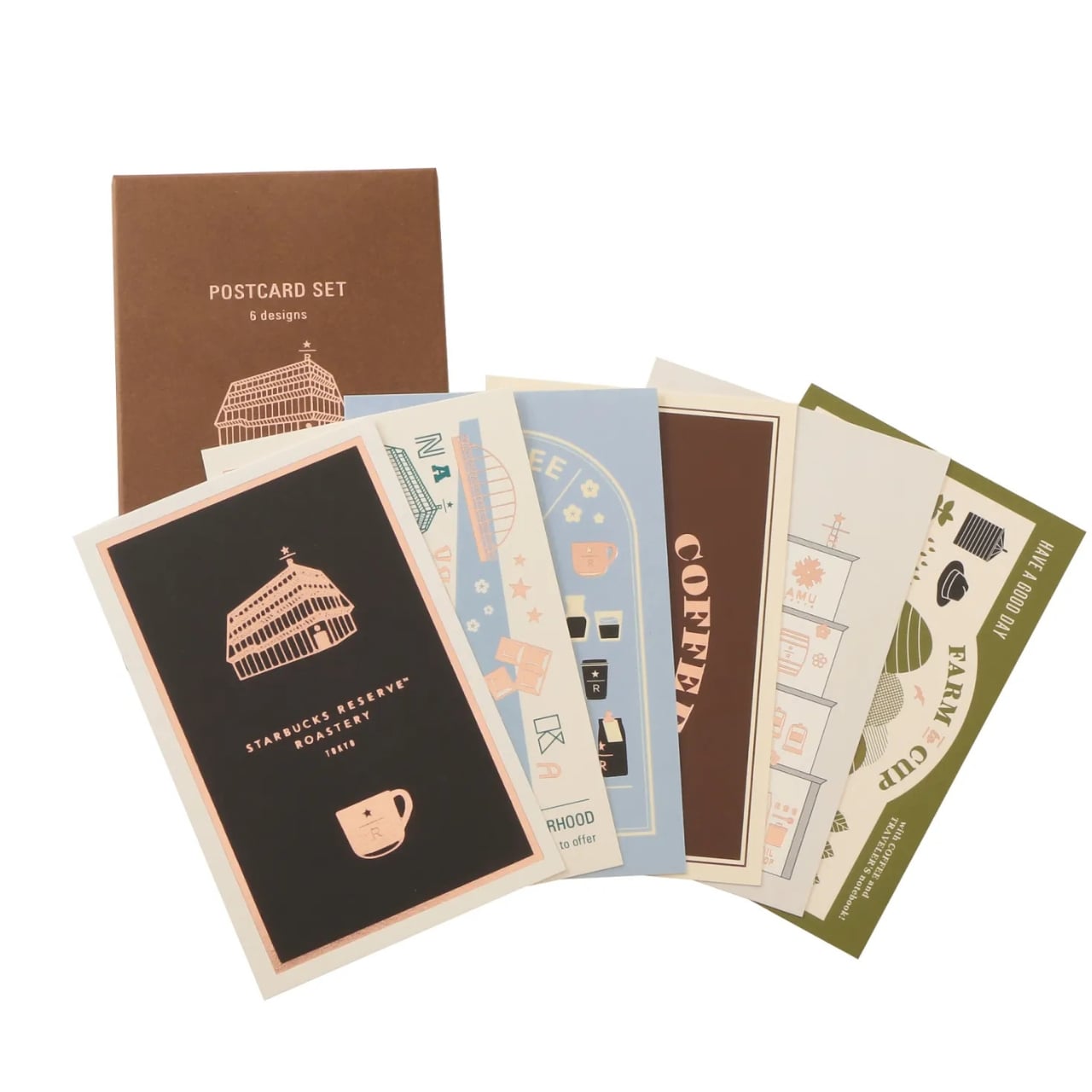
The postcard set is a quiet standout. Six cards featuring original Traveler’s Company illustrations of Roastery Tokyo icons, each printed on a different textured paper. In a moment when even birthday greetings arrive as voice memos, sending something handwritten on paper that was clearly chosen with care feels like a small, intentional act. The collection also includes a notebook set complete with a matching pen, pen loop, and zipper case, the kind of cohesive little kit that looks like it belongs in the bag of someone who has their life meaningfully together.
What makes this collaboration feel different from the average branded merchandise drop is that both parties seem to genuinely understand what the other is about. Traveler’s Company didn’t just place a Starbucks logo on a notebook. The design language is rooted in travel, in coffee as ritual, in the beauty of slow and deliberate moments. Every piece in the collection tells the same story without having to say it outright.

The collection is exclusive to the Starbucks Reserve Roastery Tokyo in Nakameguro, which makes it inherently precious for anyone outside of Japan. The fact that resellers have already picked it up on platforms like Etsy says everything about the demand. For those who can make the trip, the Nakameguro store is worth visiting on its own. That you can leave with a limited-edition collab bag full of coffee and a new notebook is simply a bonus. Some things are made to be used, loved, and carried forward. This collection is exactly that kind of thing.

The post Starbucks x Traveler’s Company Made a Collab Worth Flying to Tokyo For first appeared on Yanko Design.