Odd wooden design object is a table, stool, lamp, or sculpture in one

When we choose furniture, we probably do so for their primary purpose, like a chair for sitting, a table for placing things on, a bed for sleeping, etc. But we also see some pieces that can serve more than one purpose and this is particularly useful for those that either have a small space or need something that’s portable and multi-purpose at the same time. It’s also an added bonus if the piece is well designed enough that it can also have a decorative purpose.

Designer: Kosmos Architects

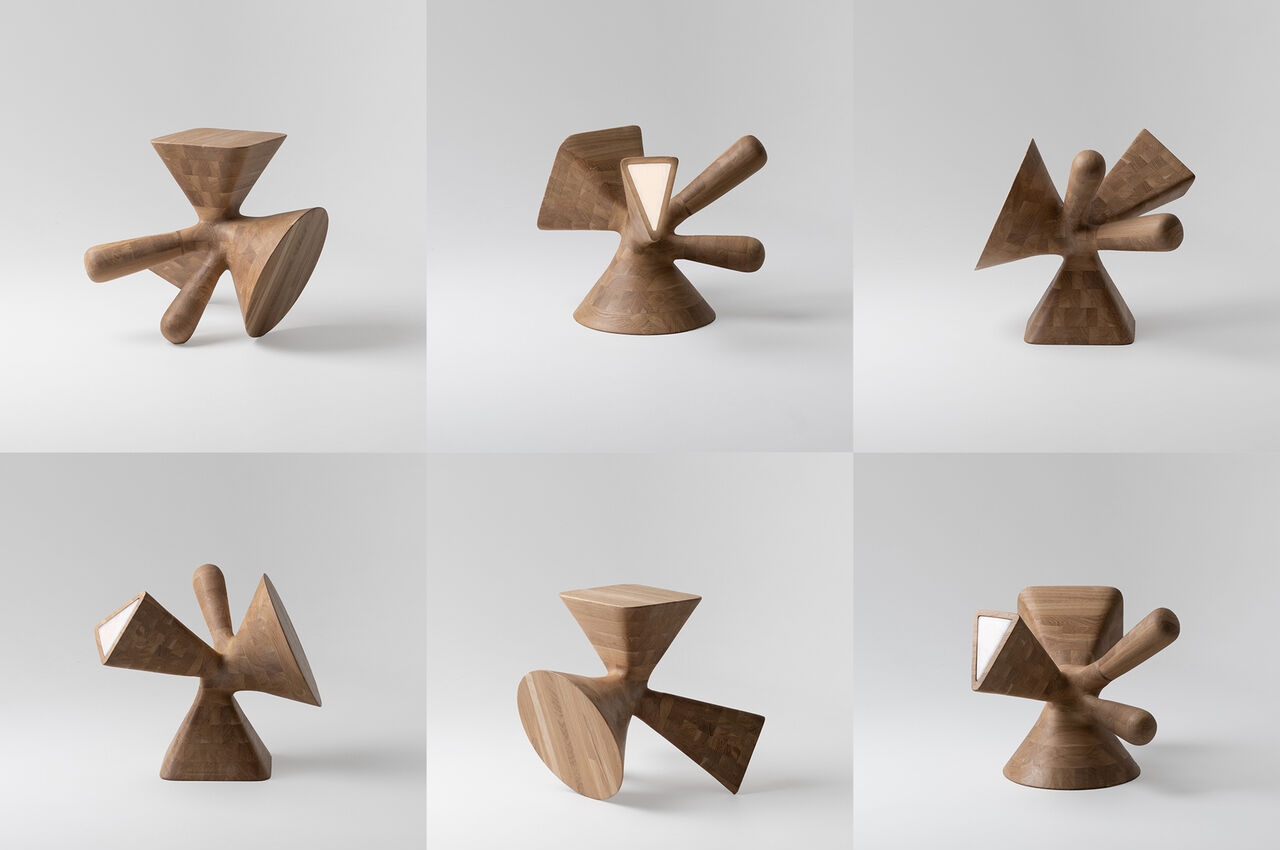
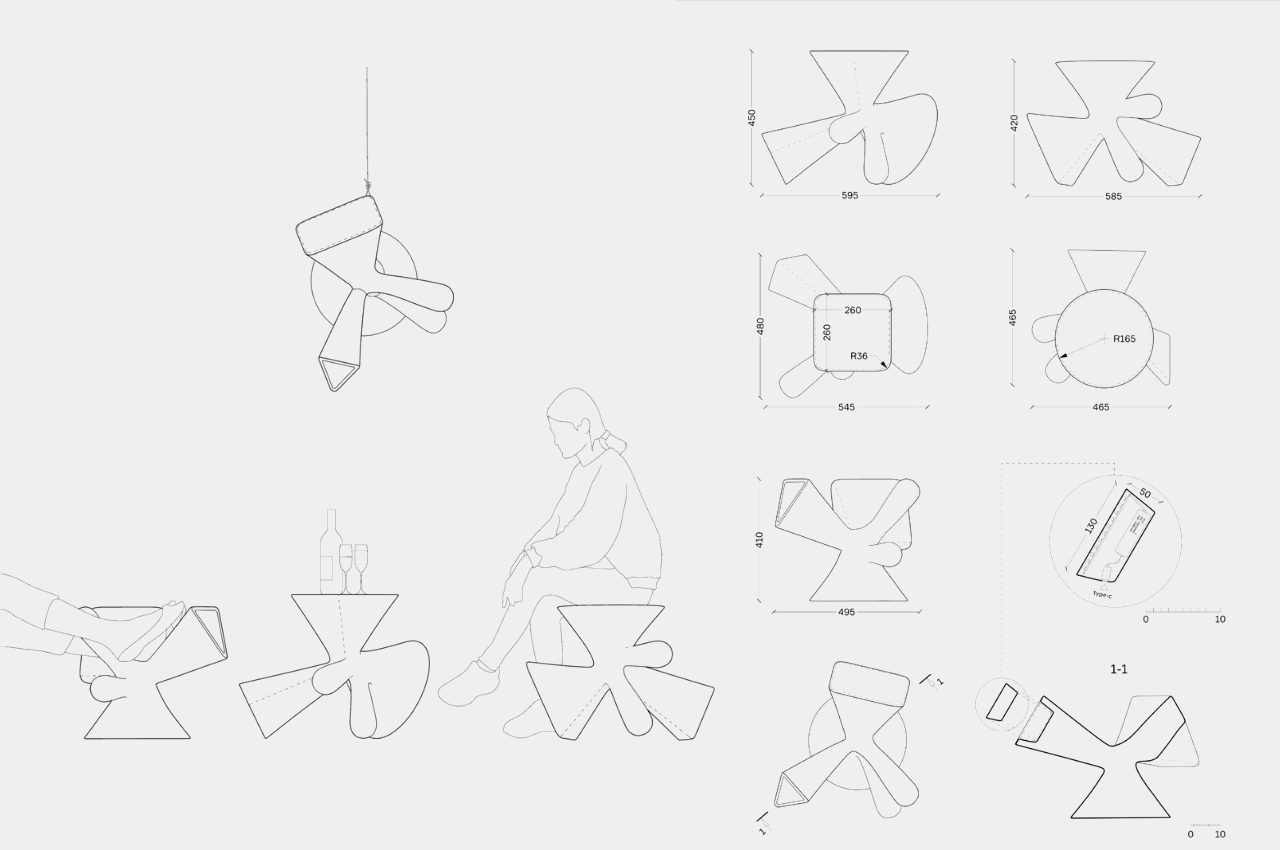
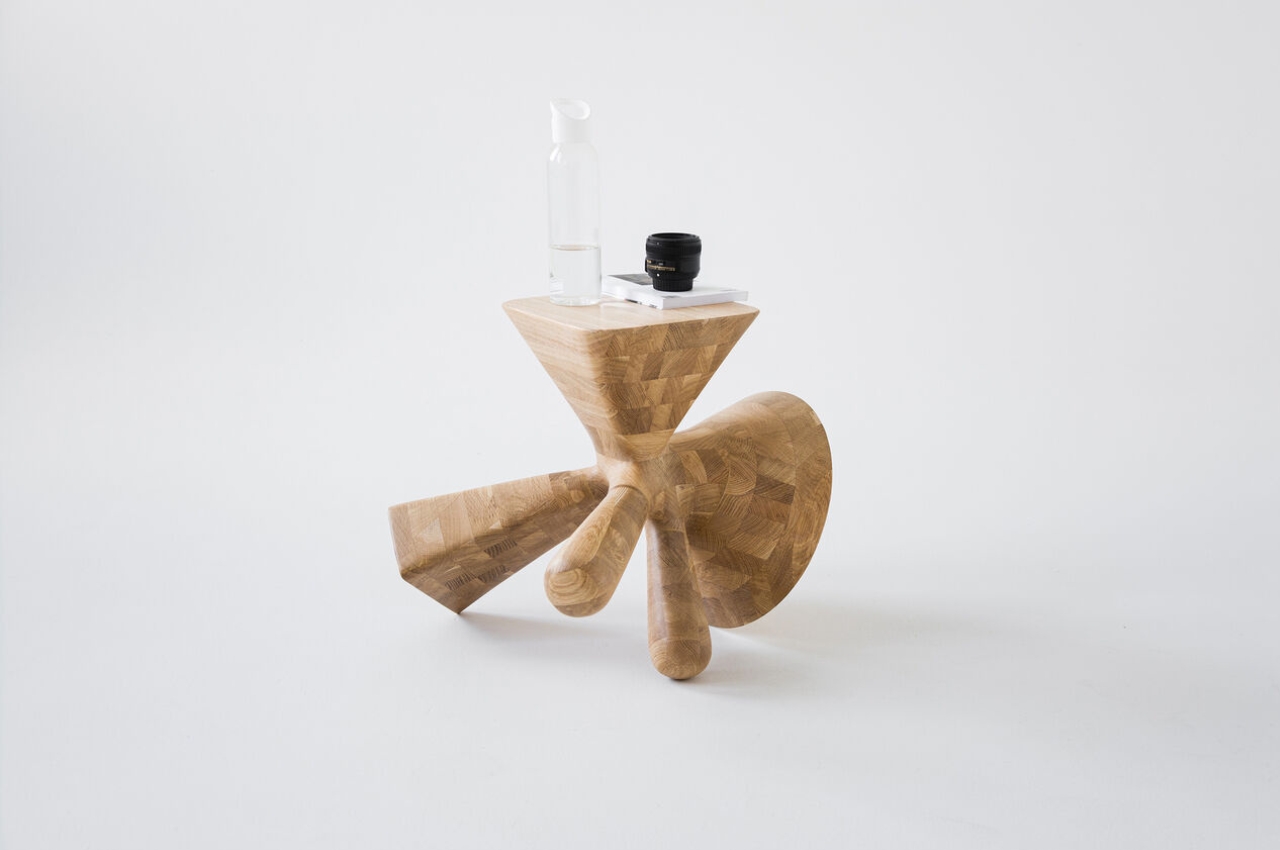
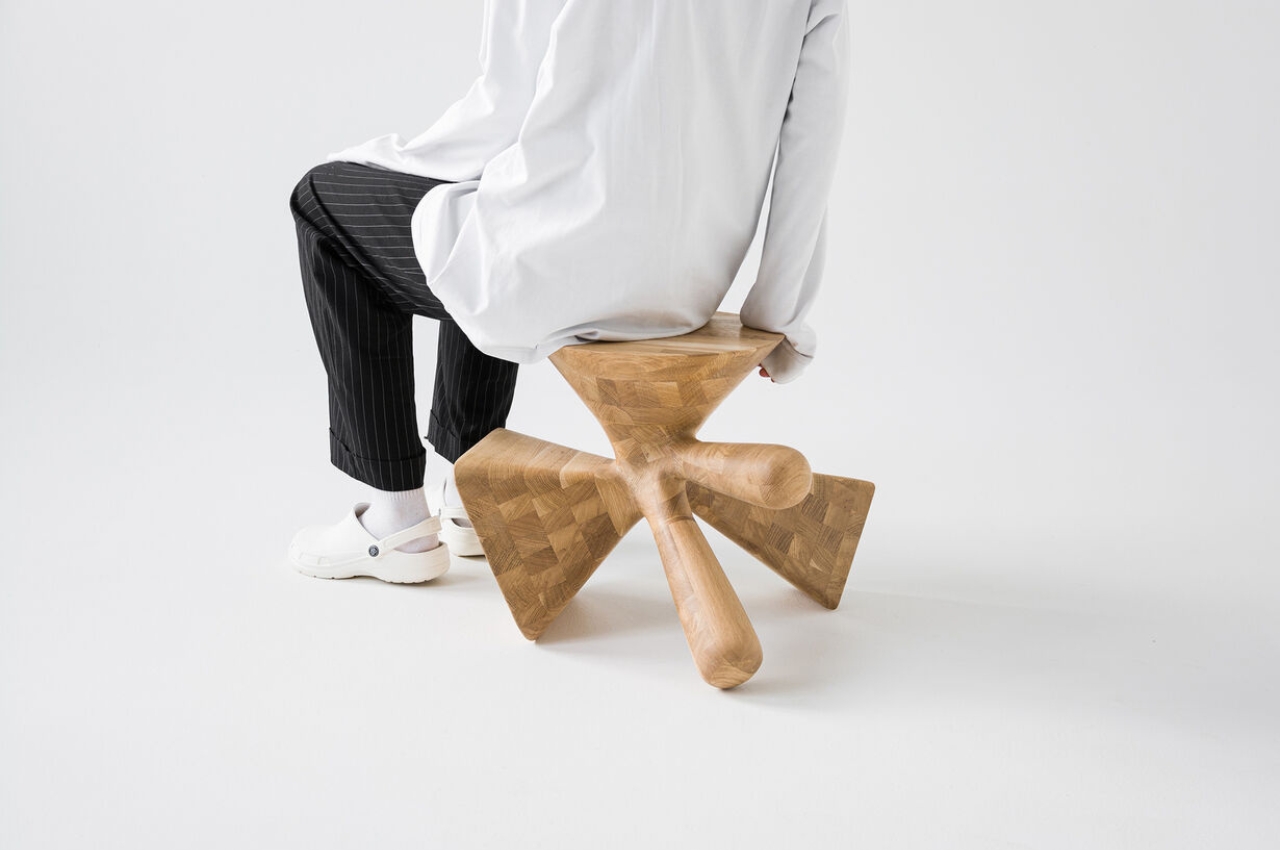
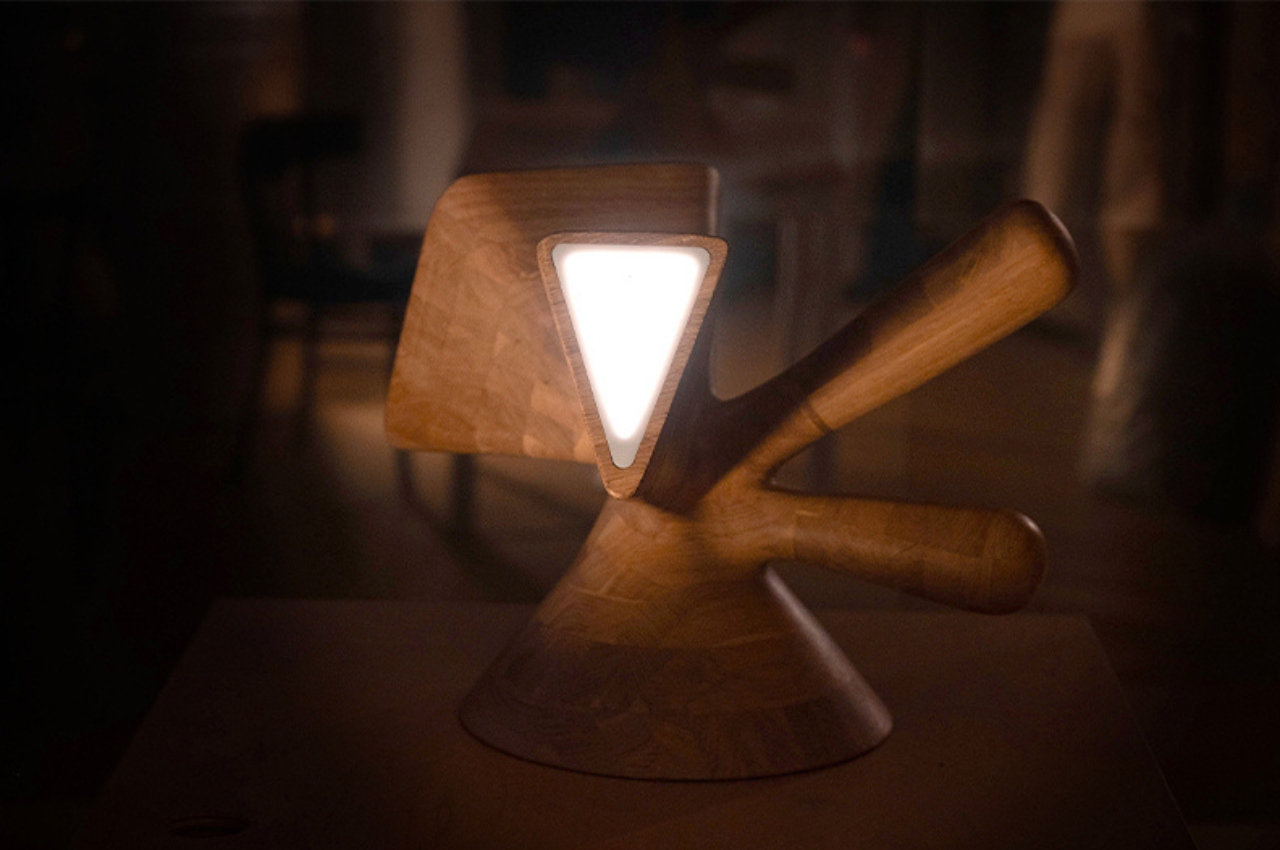
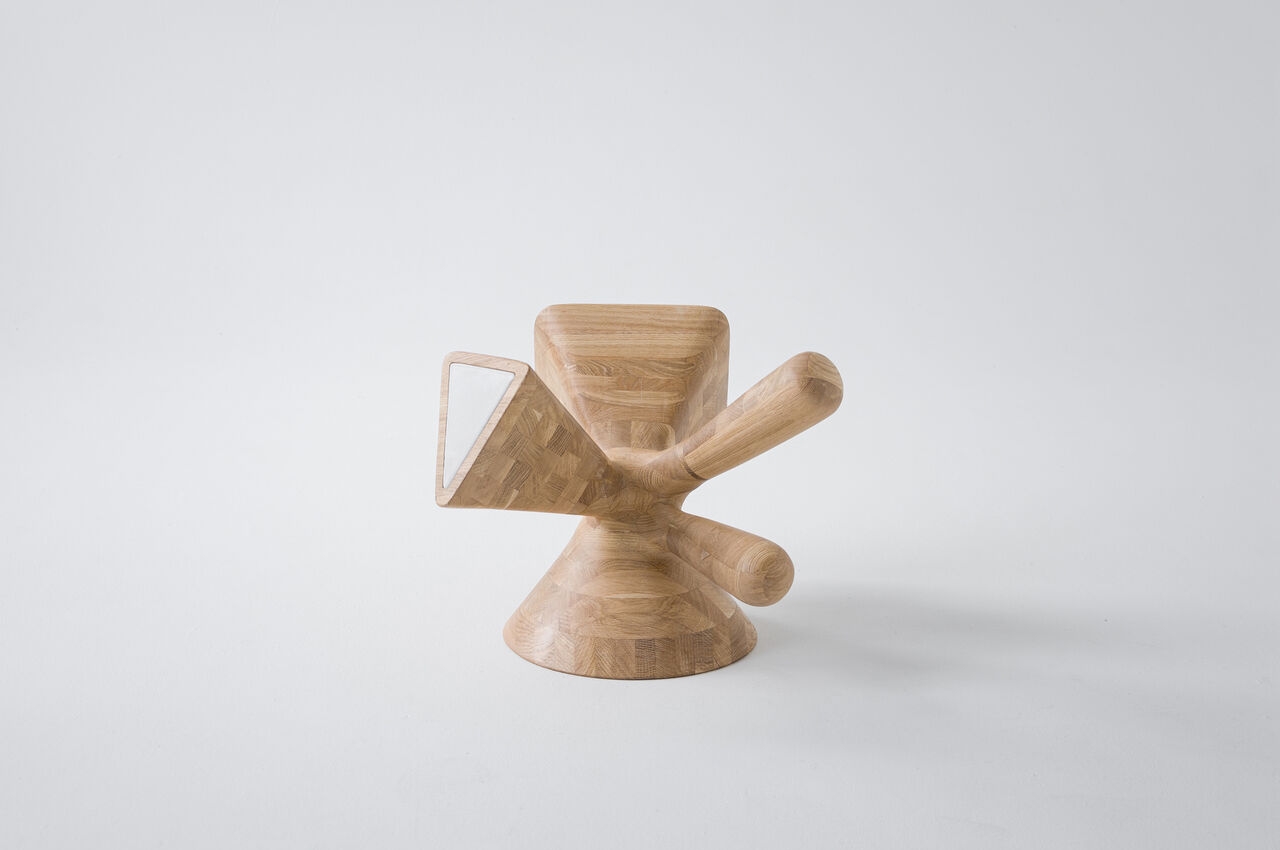
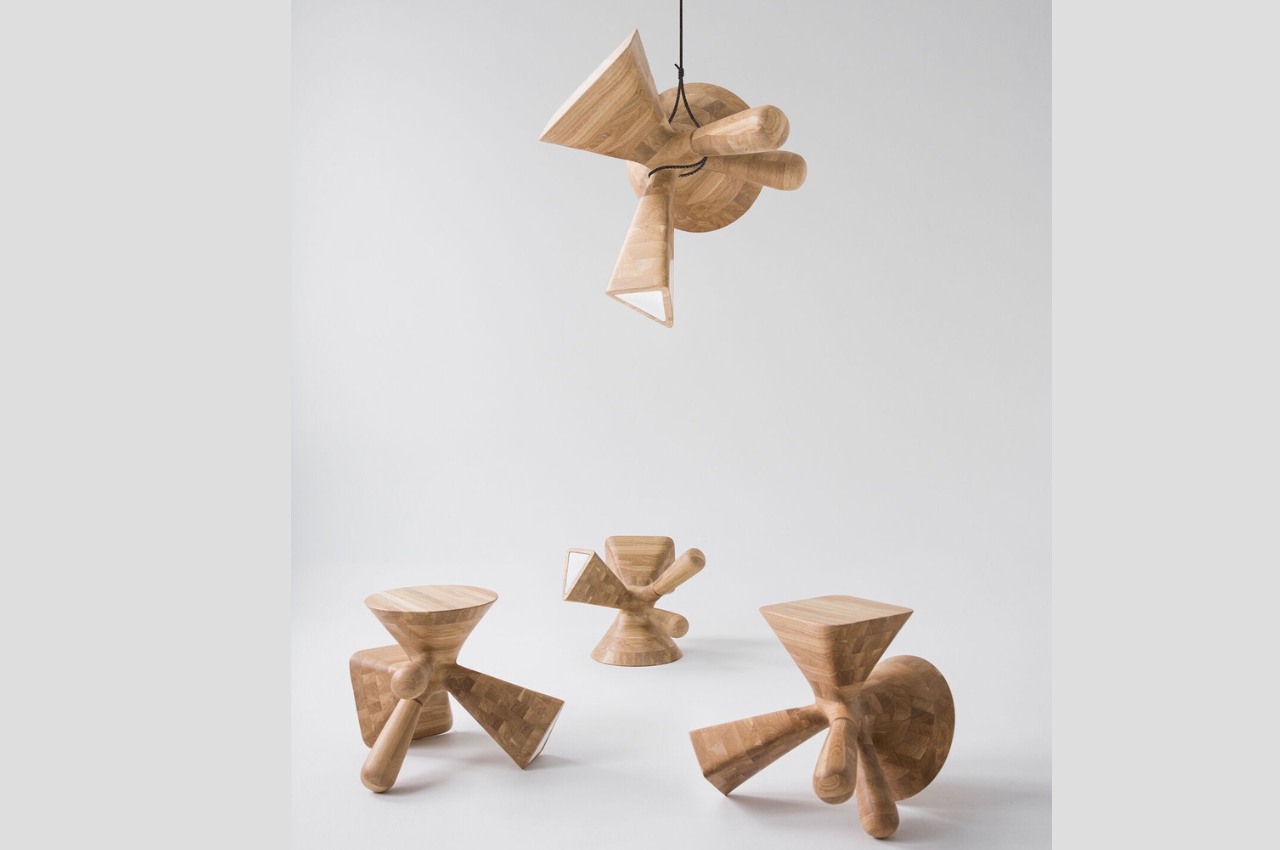
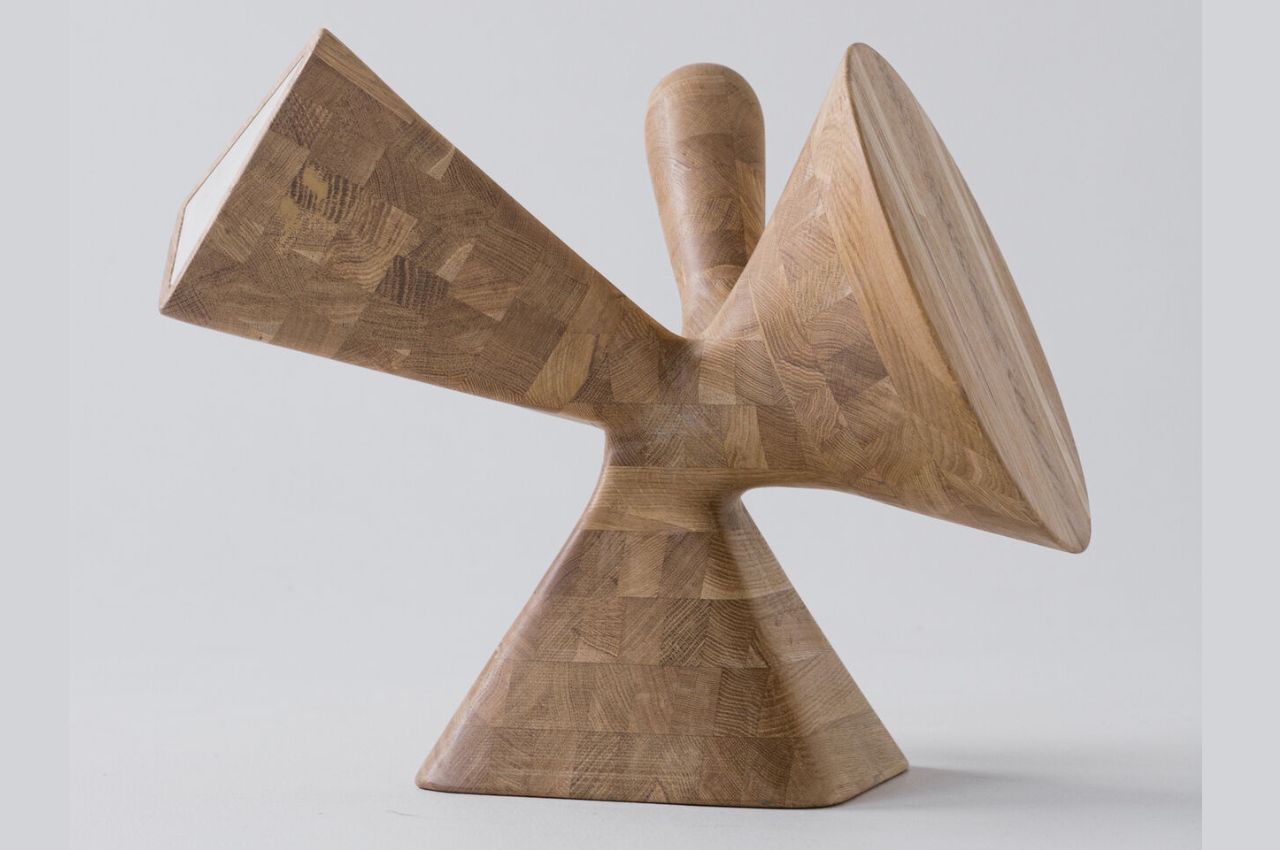
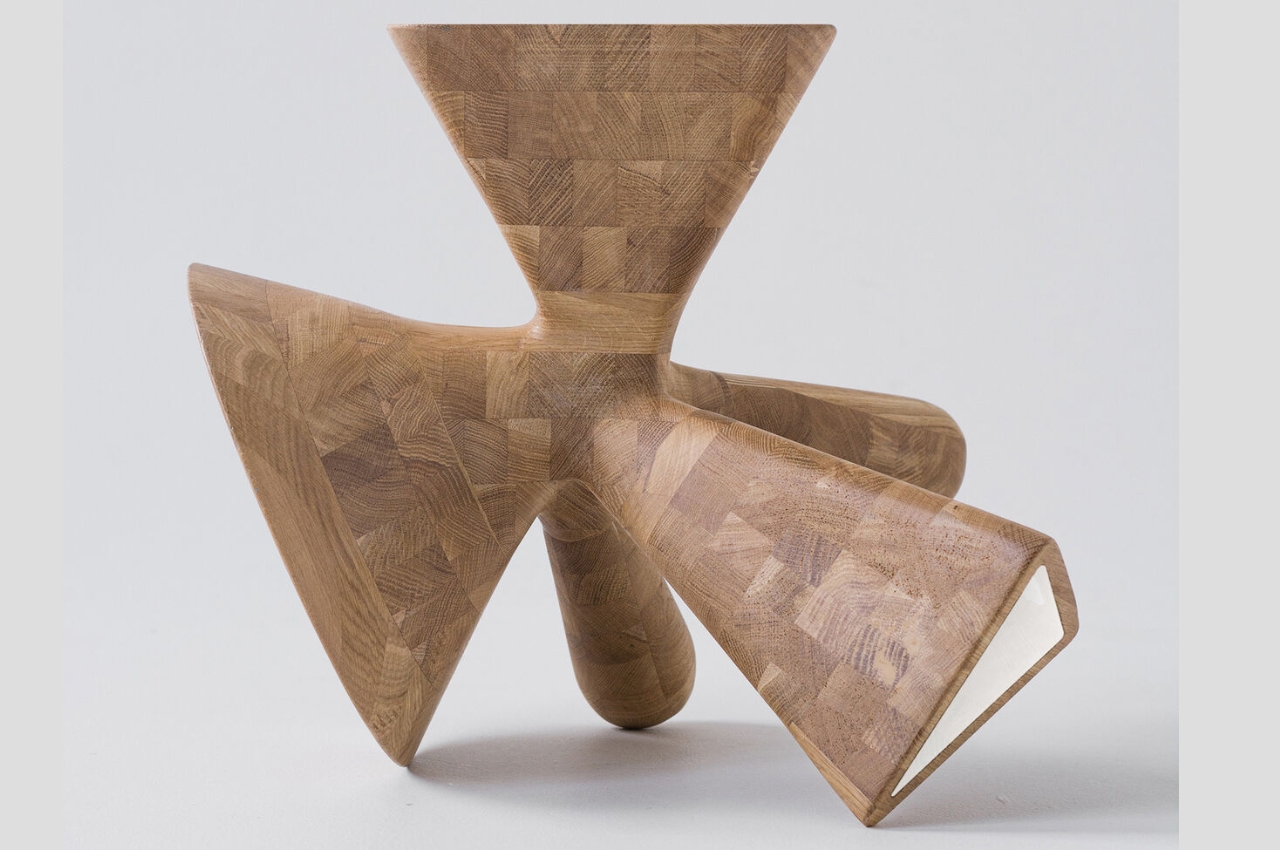
You can say that this latest creation from Zurich-based Kosmos Architects fits all those categories. They were inspired by the idea of the different numbers and dots on the dice and this became the core aspect of the design. The Dice as they called it, looks nothing like the square piece but is instead a four-in-one piece of portable furniture. It’s a stool, coffee table, leg bench, and a lamp in one. How it turns into each of these four furniture typologies depends on how you turn it, hence the dice inspiration.

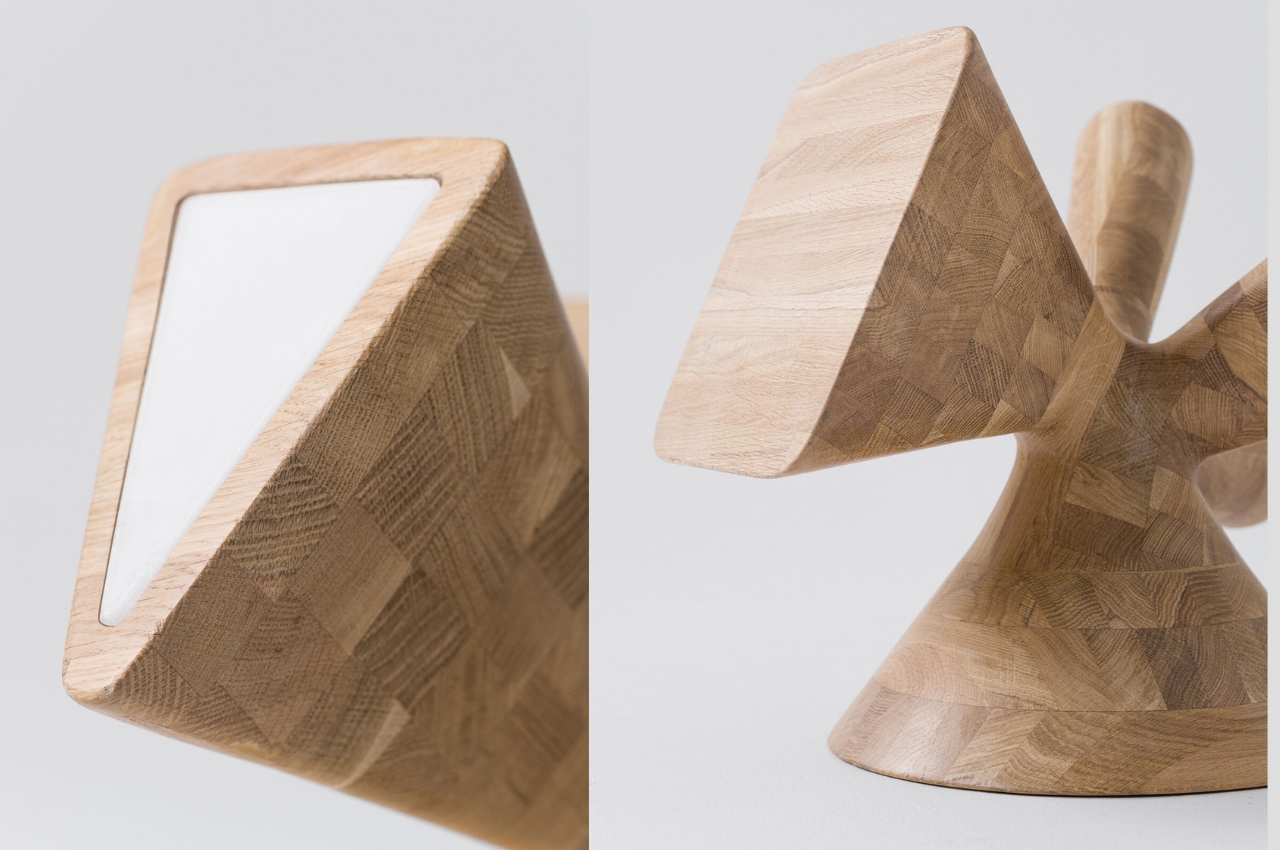
When you put the flat surface on top, whether it’s the round or square surface, it becomes a small coffee table that can hold your drinks, books, or any objects that can fit onto it. The flat surfaces can also serve as the seat if you wish to use it as a chair. The two legs serve as the support so you don’t topple over or the items you placed on the table don’t fall because it’s wobbly. The other part of The Dice is the lamp which has a hollow inside and a frosted glass for protection.

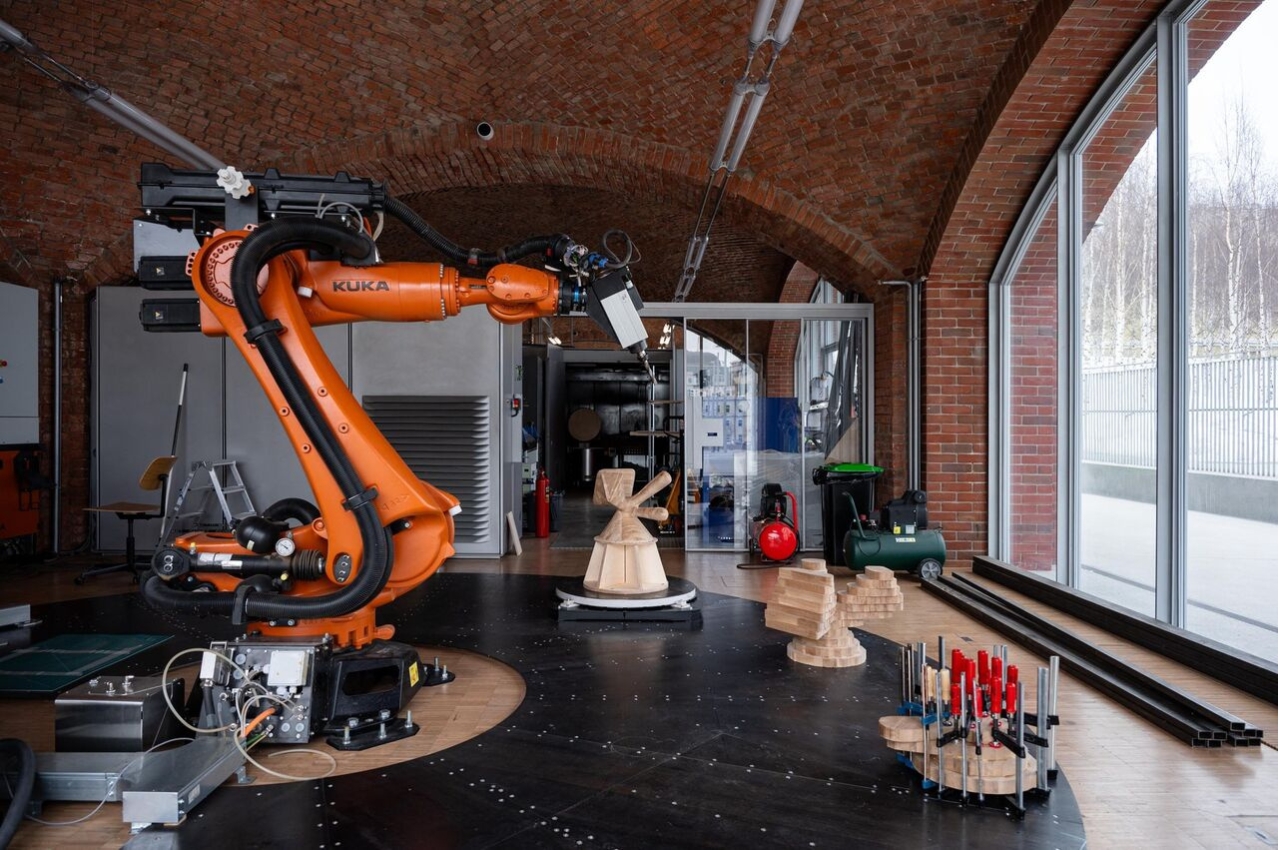
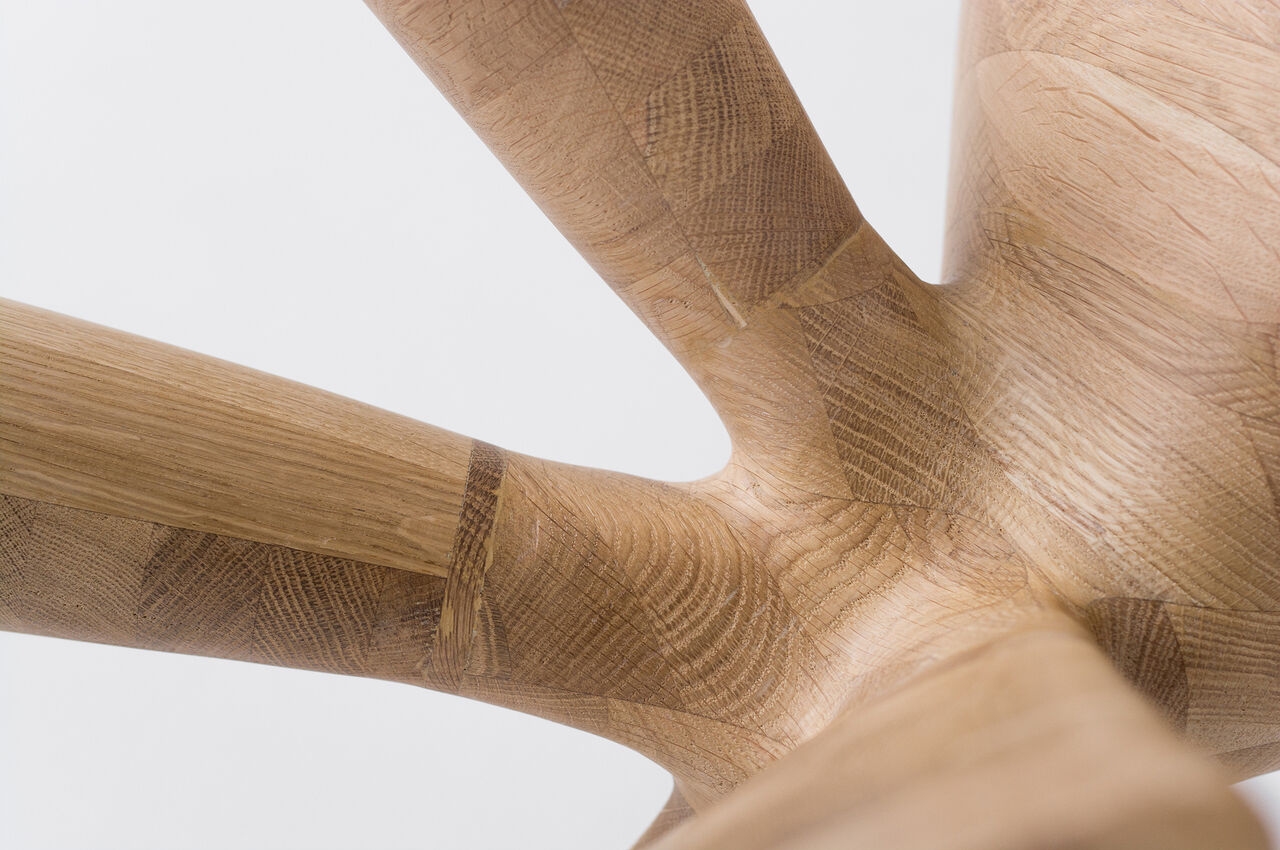
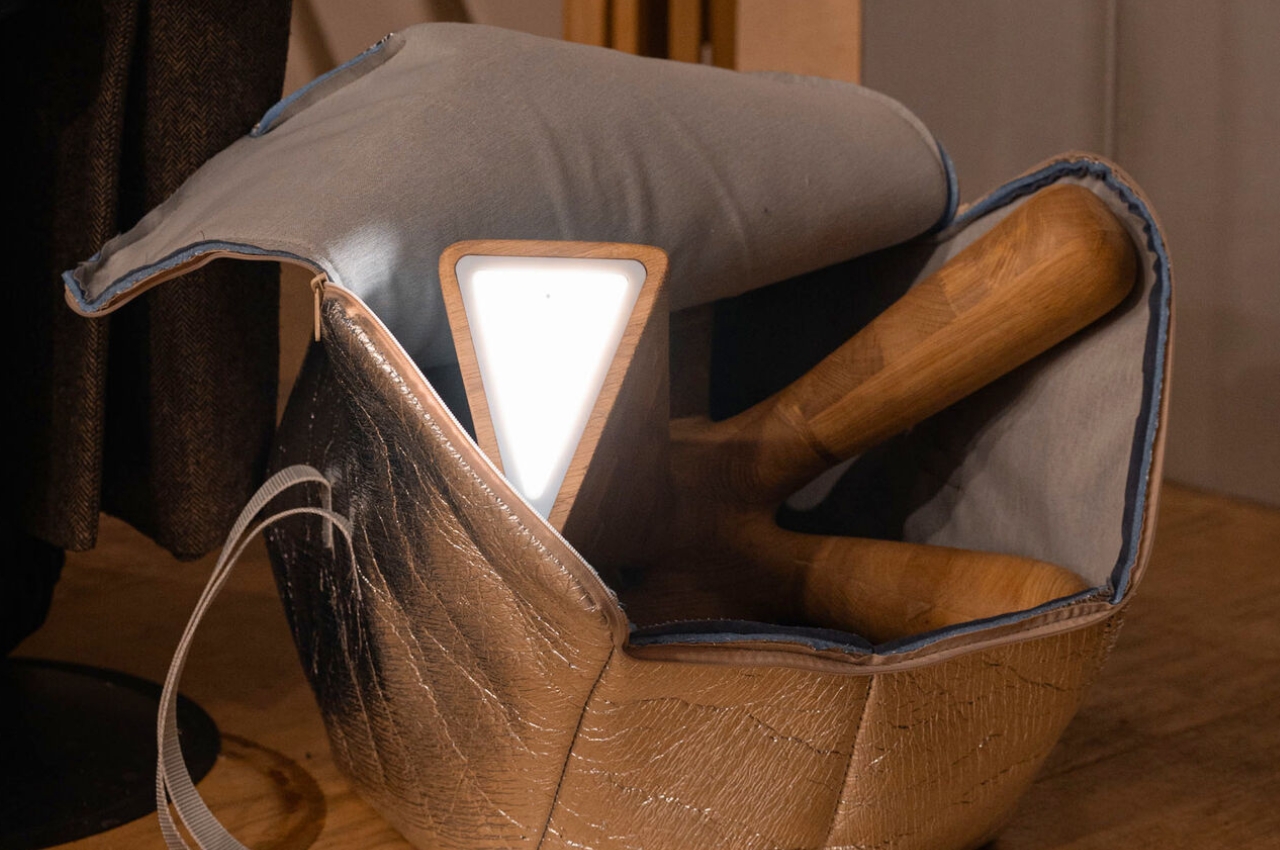
This weirdly shaped piece of furniture is light enough that you can hang it if you just want to use it as a lamp. It can even fit into a huge tote bag if you need to carry it around. It uses oak wood as its main material and its 3D-shape was made through KUKA robotics technology. If you don’t want to use any of its functional properties, you can just place it in your space and it would look like a piece of wooden sculpture.

The post Odd wooden design object is a table, stool, lamp, or sculpture in one first appeared on Yanko Design.
Odd sustainable stool concept prioritizes minimizing materials over recycling

The majority of sustainable designs today focus on using responsibly sourced or biodegradable materials as well as the ability to recycle components at the end of the product’s life. While these are indeed a big leap compared to common production practices, it’s still from the ideal. Even sustainable materials like wood, metal, or bioplastics produce material waste that still gets discarded at the end of the production process. And depending on the materials involved, recycling can actually consume more energy and even result in more pollution, offsetting whatever benefits it should have brought. Another approach to sustainability is to actually reduce the materials used and, therefore, the materials that need to be recycled, as what this rather unconventional “two-piece” stool design tries to propose.

Designer: Kitae Pak

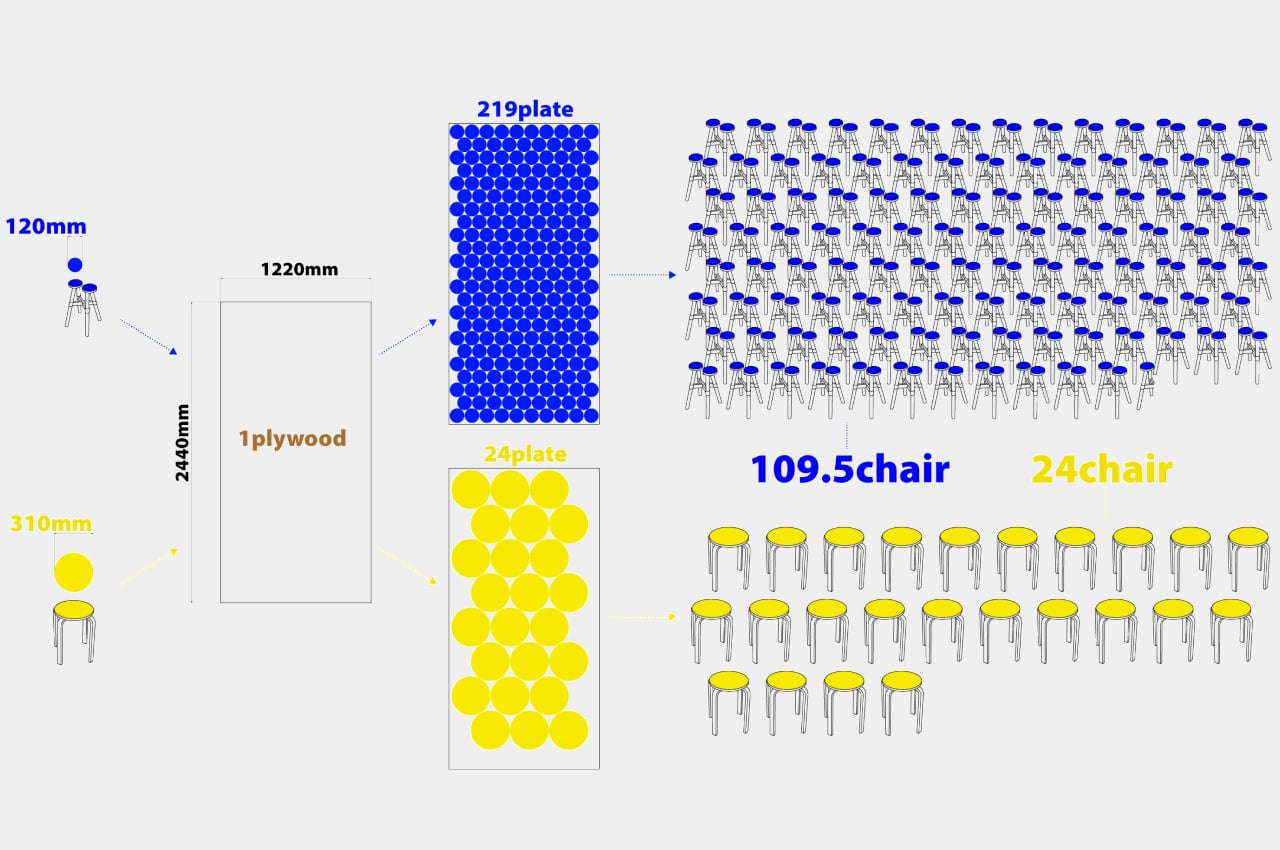
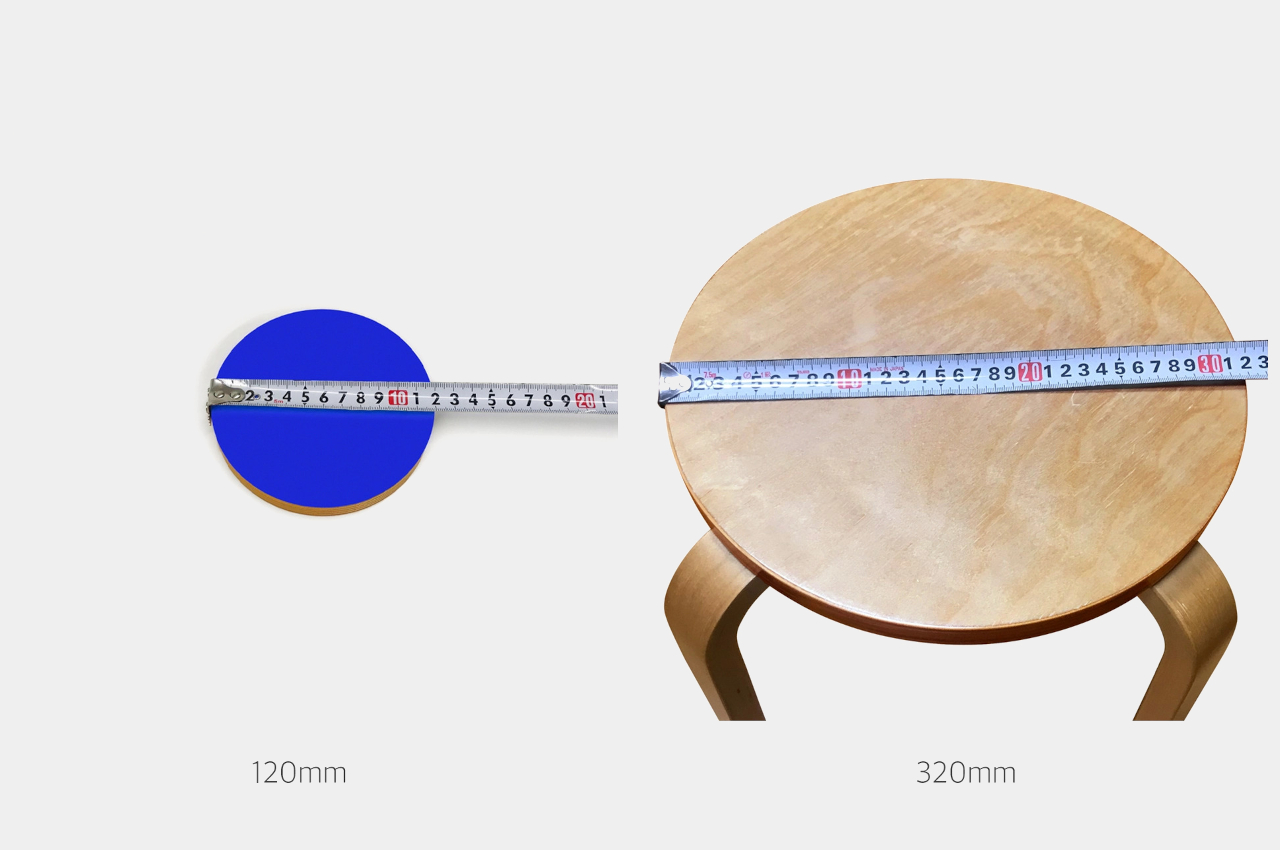
The less materials you use for a product, the more products you can make out of that material. If a single 1,220mm x 2,440mm sheet of plywood would normally yield 24 circular plates with a diameter of 310mm, you could potentially squeeze 219 plates with a diameter of 120mm. That’s the kind of increase in yield that the Dots stool concept is claiming, making more efficient use of a material without compromising on quality, at least in theory.

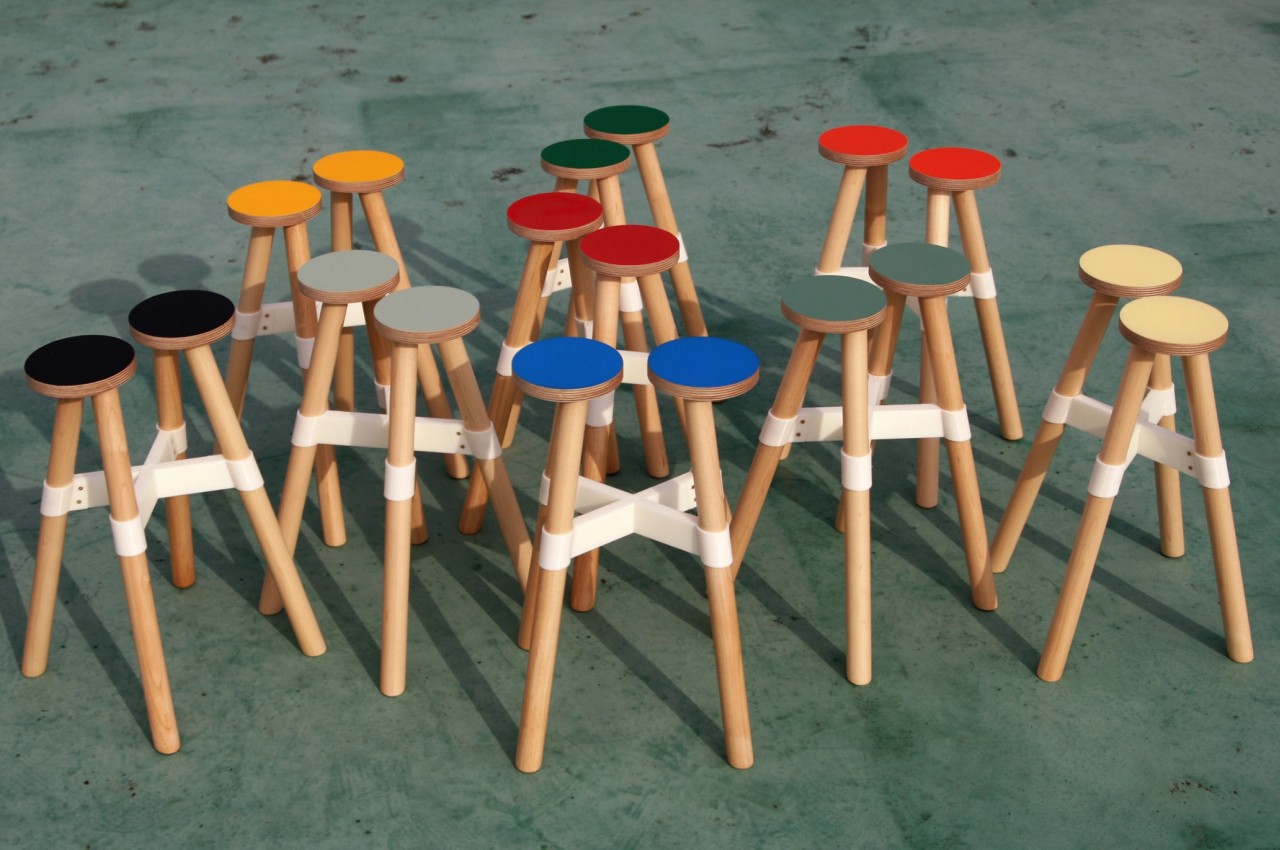
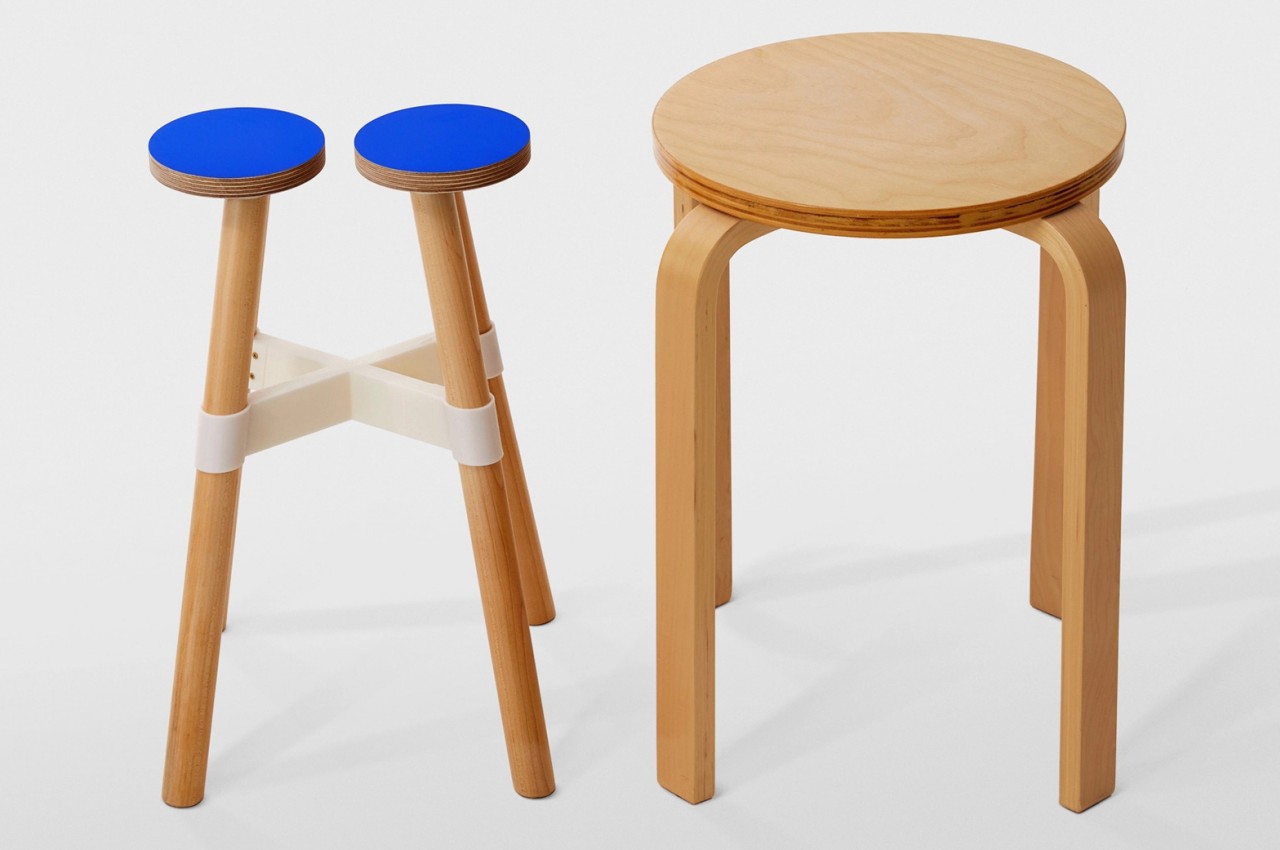
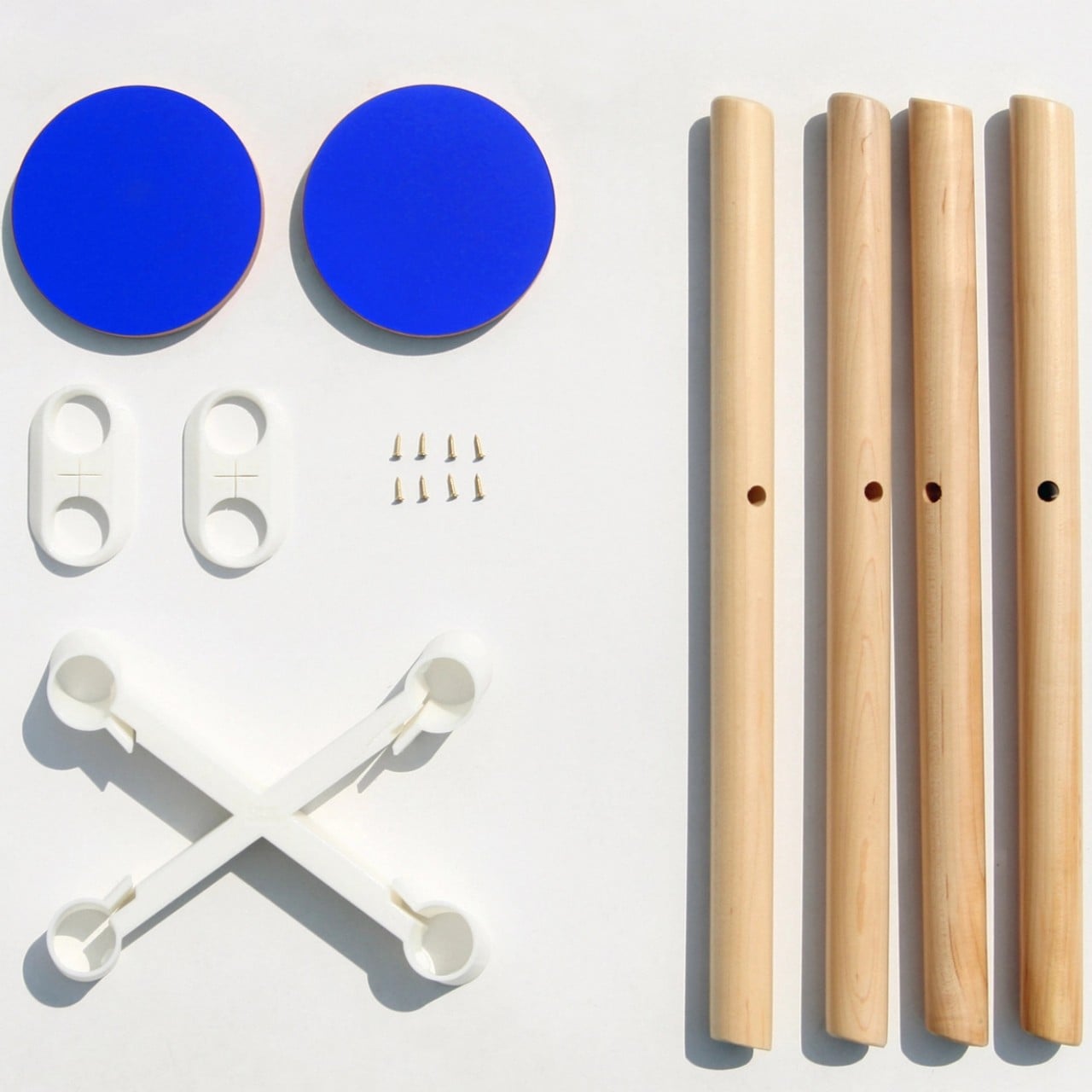
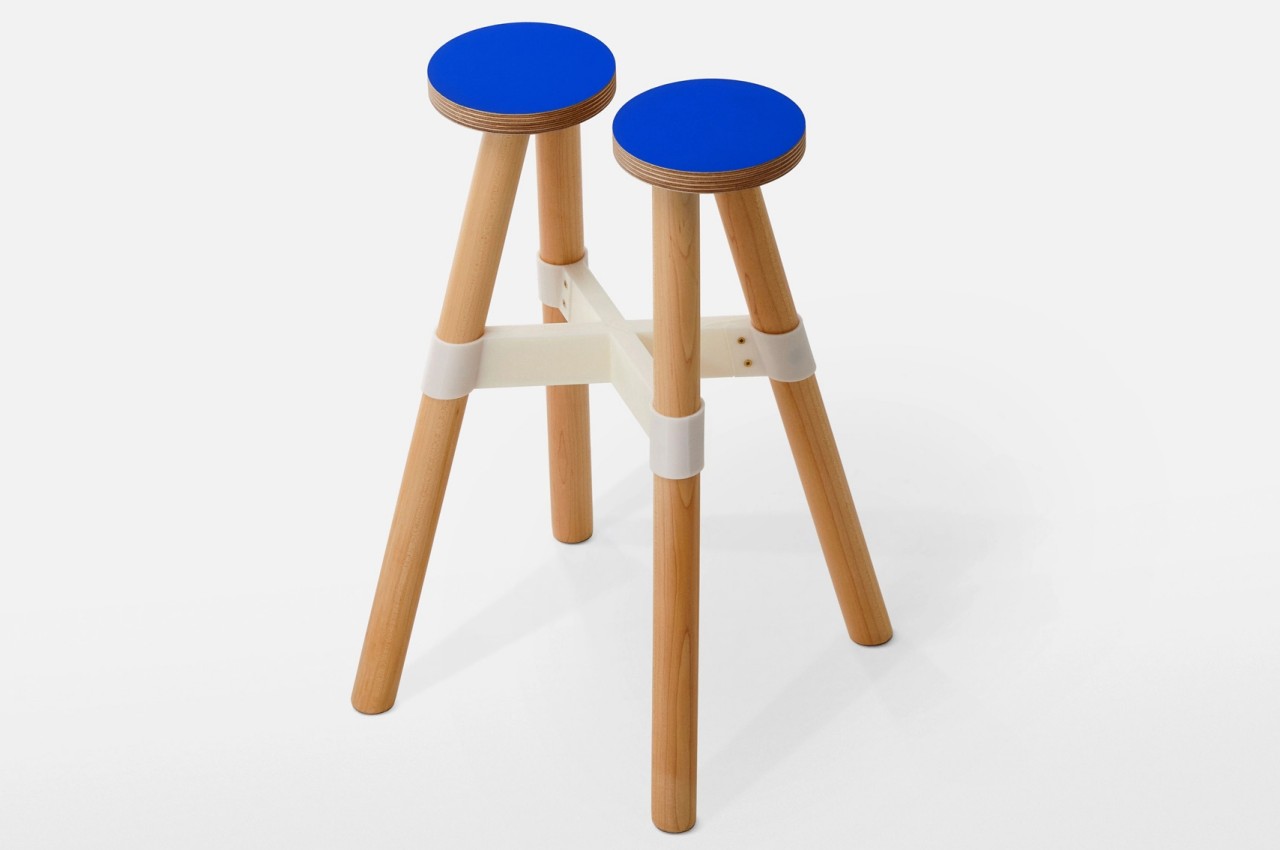
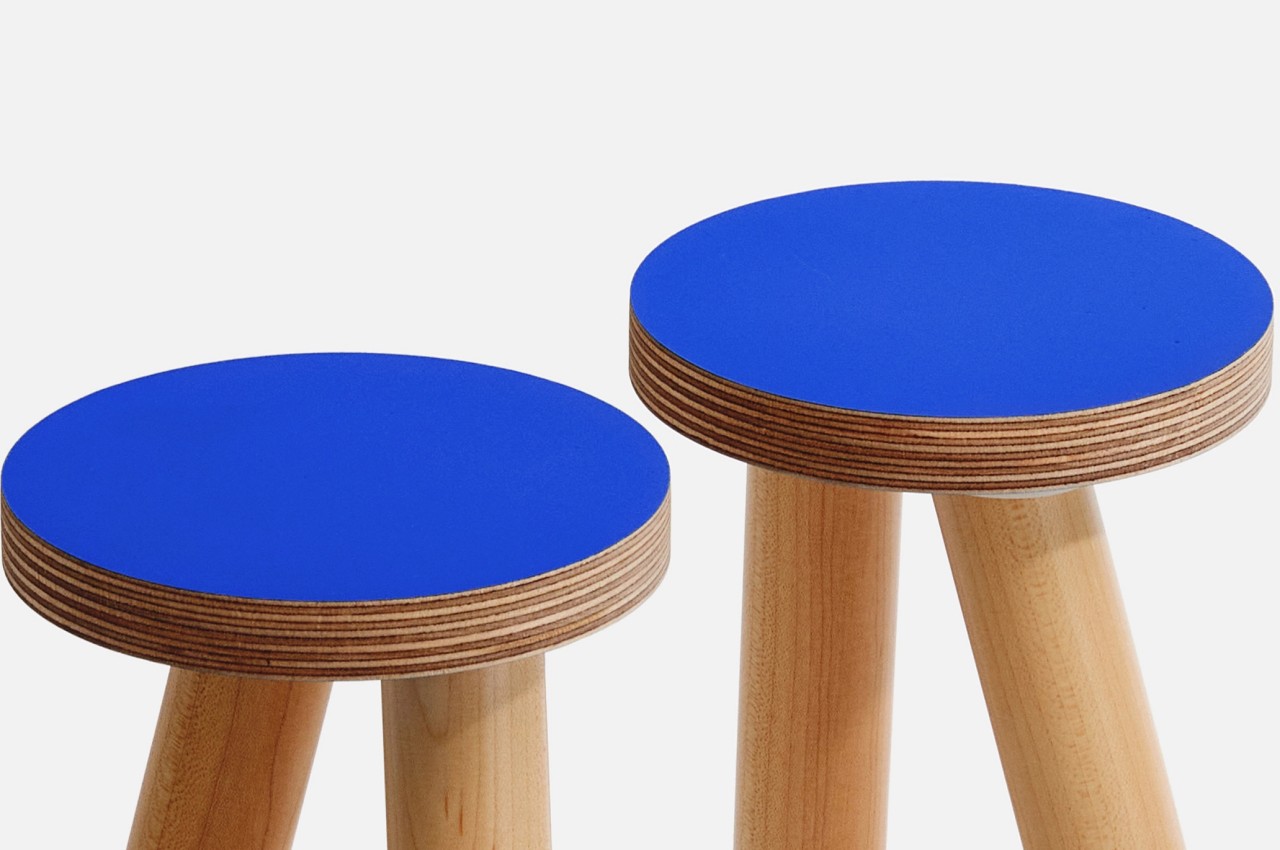
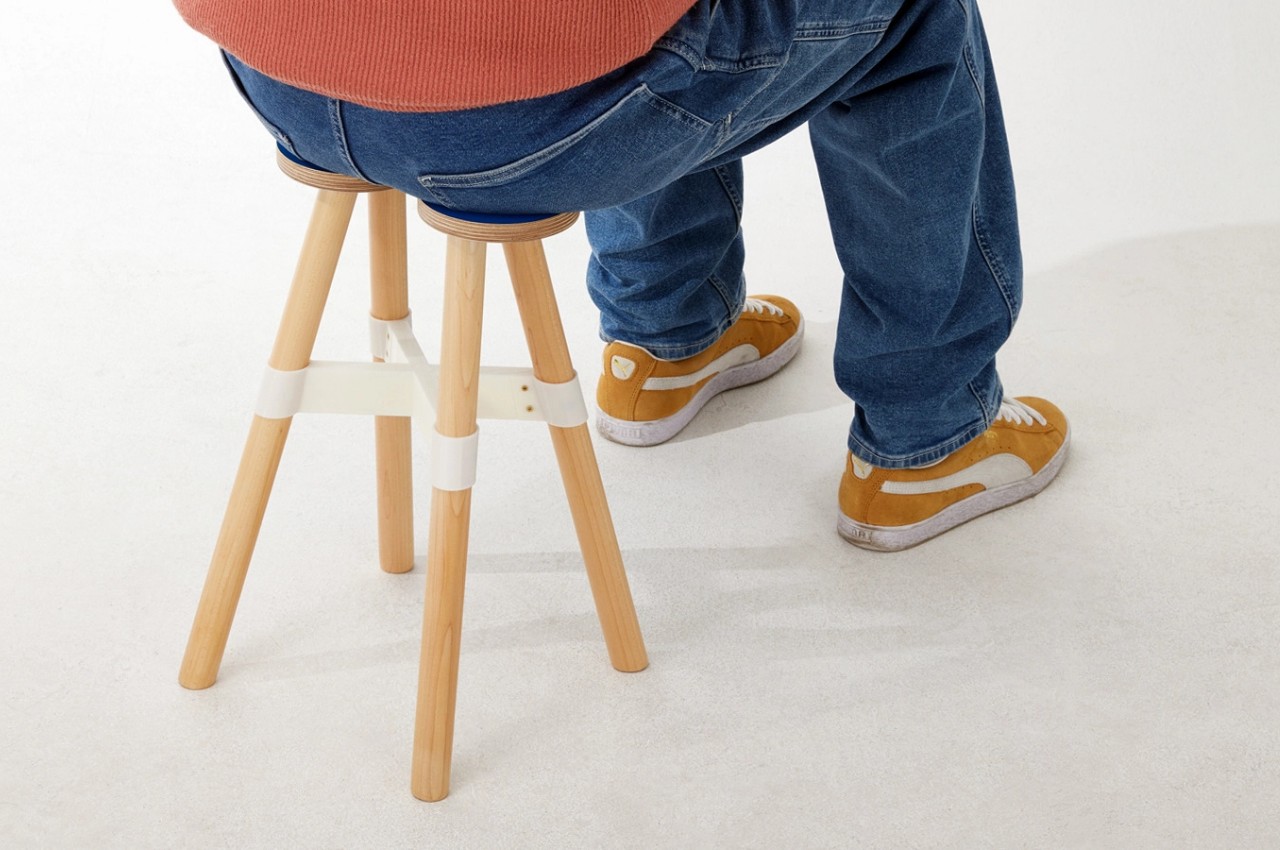
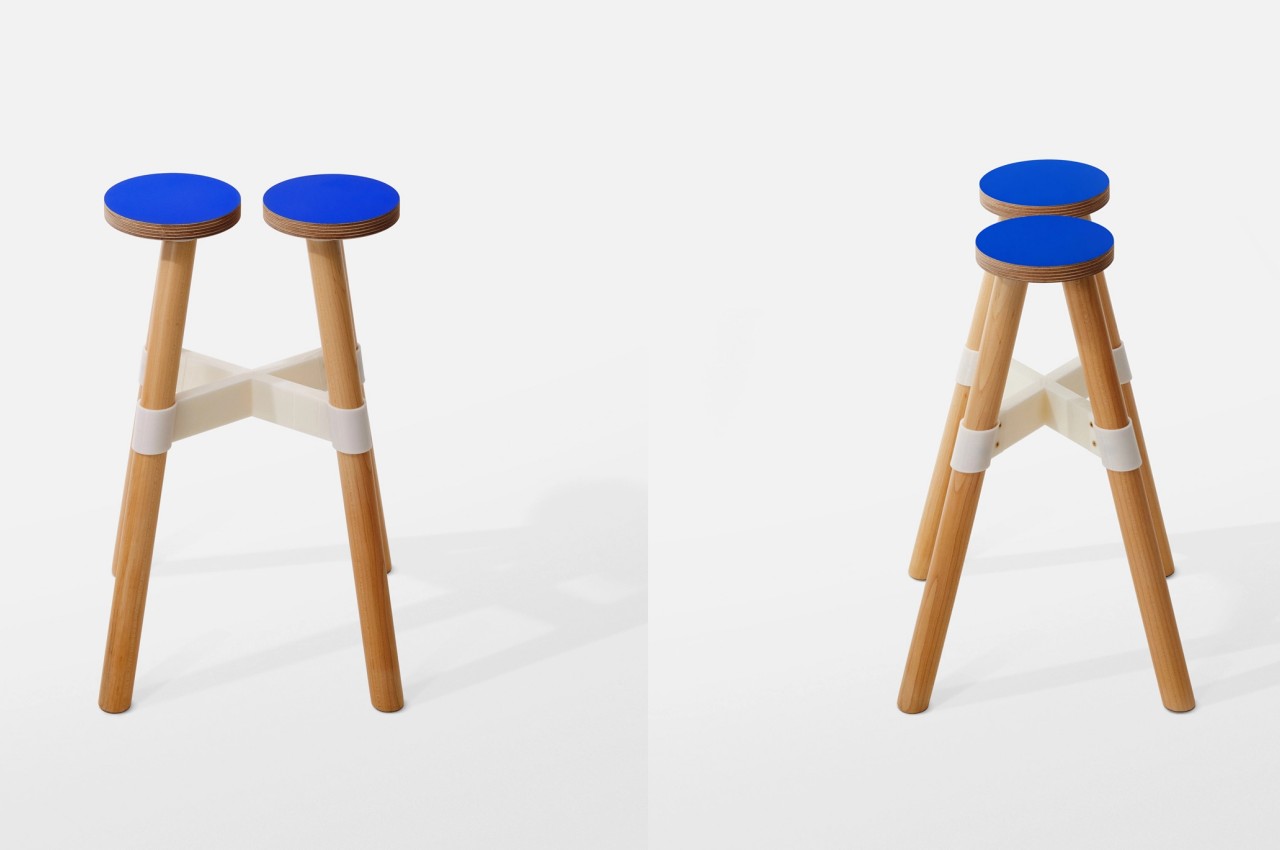
The concept accomplishes this by completely redesigning what a stool is expected to be. Yes, it’s still a piece of furniture for seating, but there’s no hard rule that the seat has to be one large and whole piece. Instead of a single big circle, the Dots stool utilizes two smaller discs to support the body at rest, hence the name. It delivers the same function but at a significantly lower material consumption right from the start.

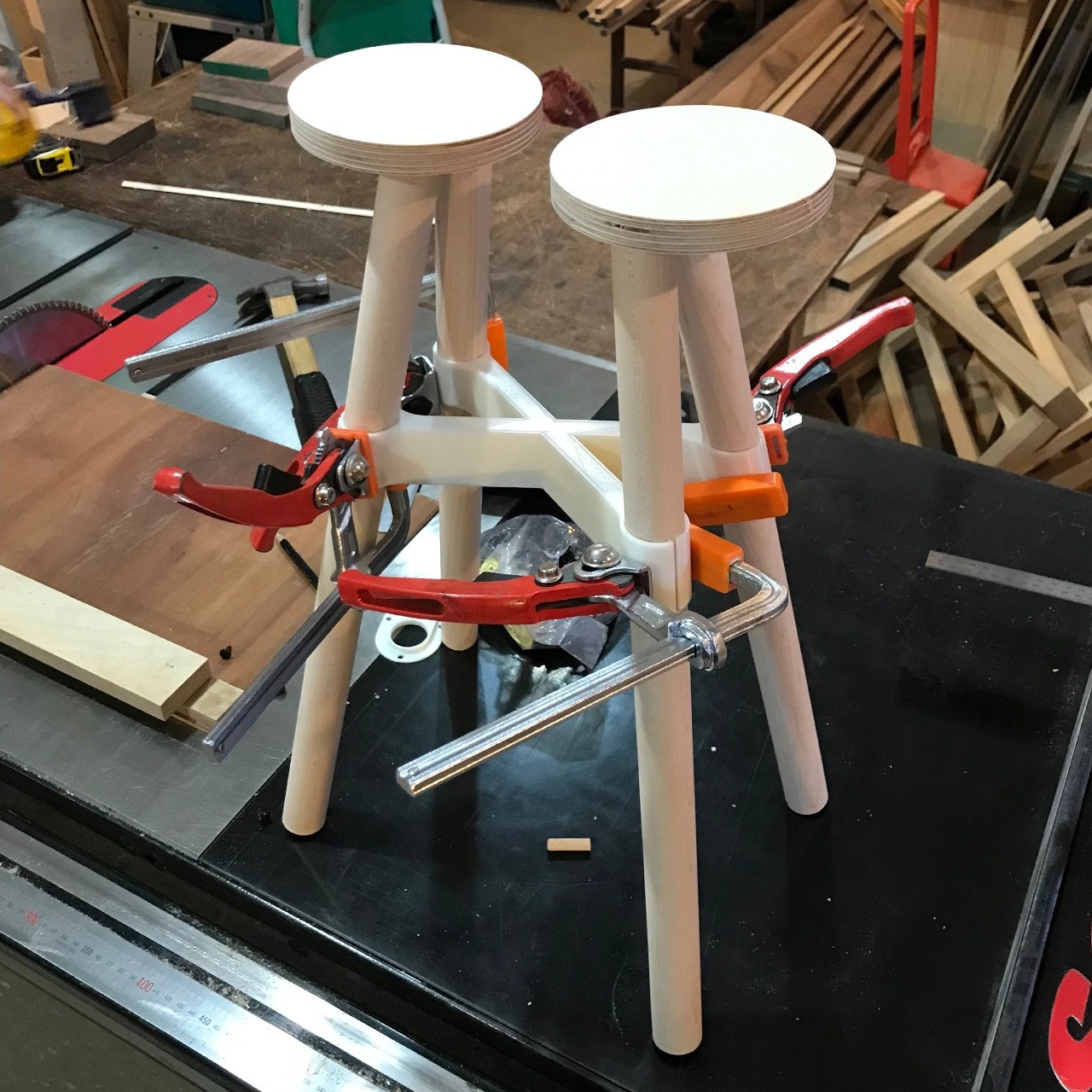
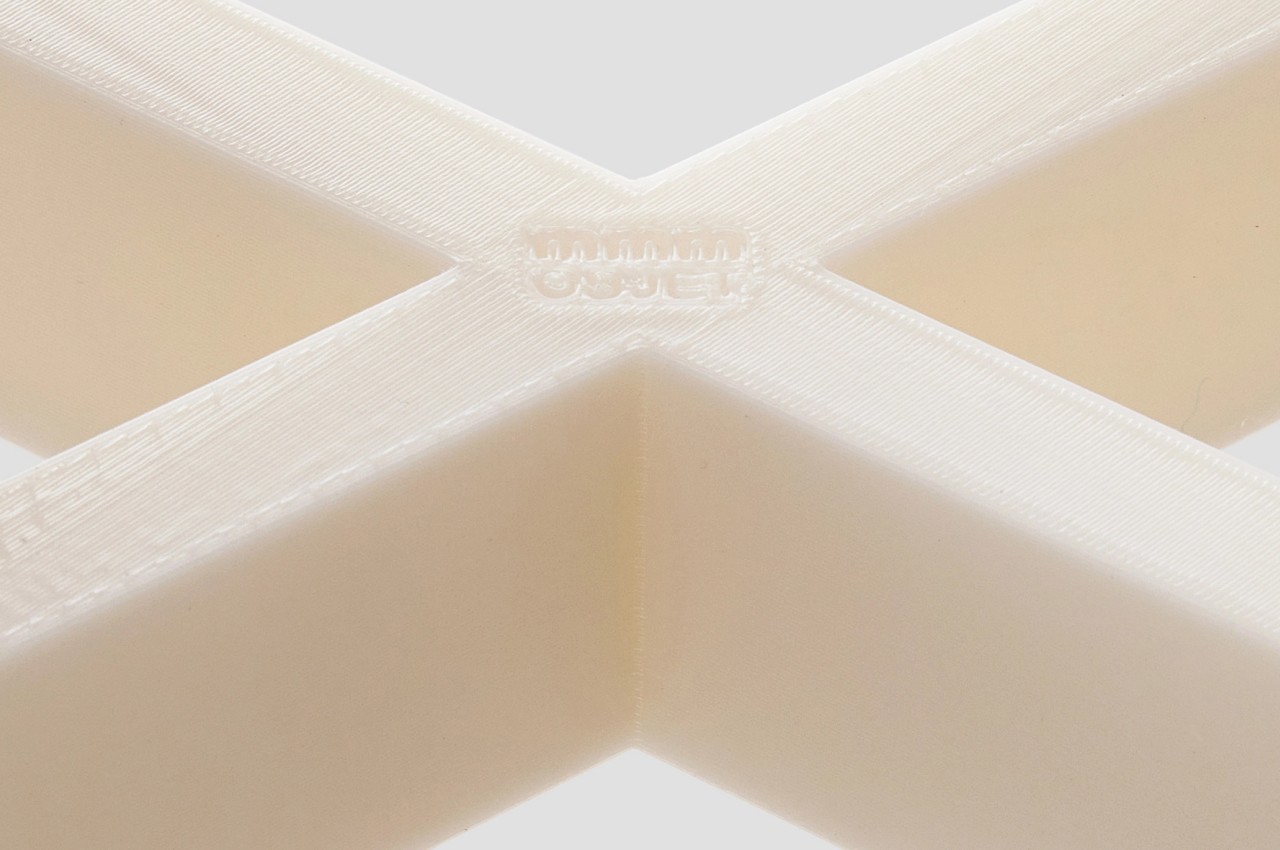
With this minimalist design, which consists of two wooden rods for legs and recycled plastics to connect the pieces into a stable whole, you can make 4 times more Dots stools than a regular stool using the same materials. This kind of conservation means that the production process itself would use less materials and energy to produce the same number of stools, while recycling would also use less energy and water as well. And since it’s mostly made of wood, the stool can also be repurposed for other designs or returned to the Earth one way or another.

While the design does check all the right sustainability boxes, it does raise questions on conform and stability. It’s arguable that it does serve its function well, but neither its appearance nor its ergonomics inspire complete confidence. It’s not a complete loss, however, as the experiment proved that there’s still a lot of room for improvement even for already sustainable designs.

The post Odd sustainable stool concept prioritizes minimizing materials over recycling first appeared on Yanko Design.
Stool has tree shadows printed on top to bring you closer to nature

Before I started focusing on writing for design, I never really paid attention to how mostly functional things like chairs are designed. As long as I could sit on it comfortably on it, then i believed it did its job and I didn’t really need to choose based on how well designed it is. But there are pieces of furniture out there, or even just as a concept, that were really thought of well by the designers to bring something not necessarily new, but at least interesting, to the table. Or in this case, the chair.

Designer: Shota Uruasaki

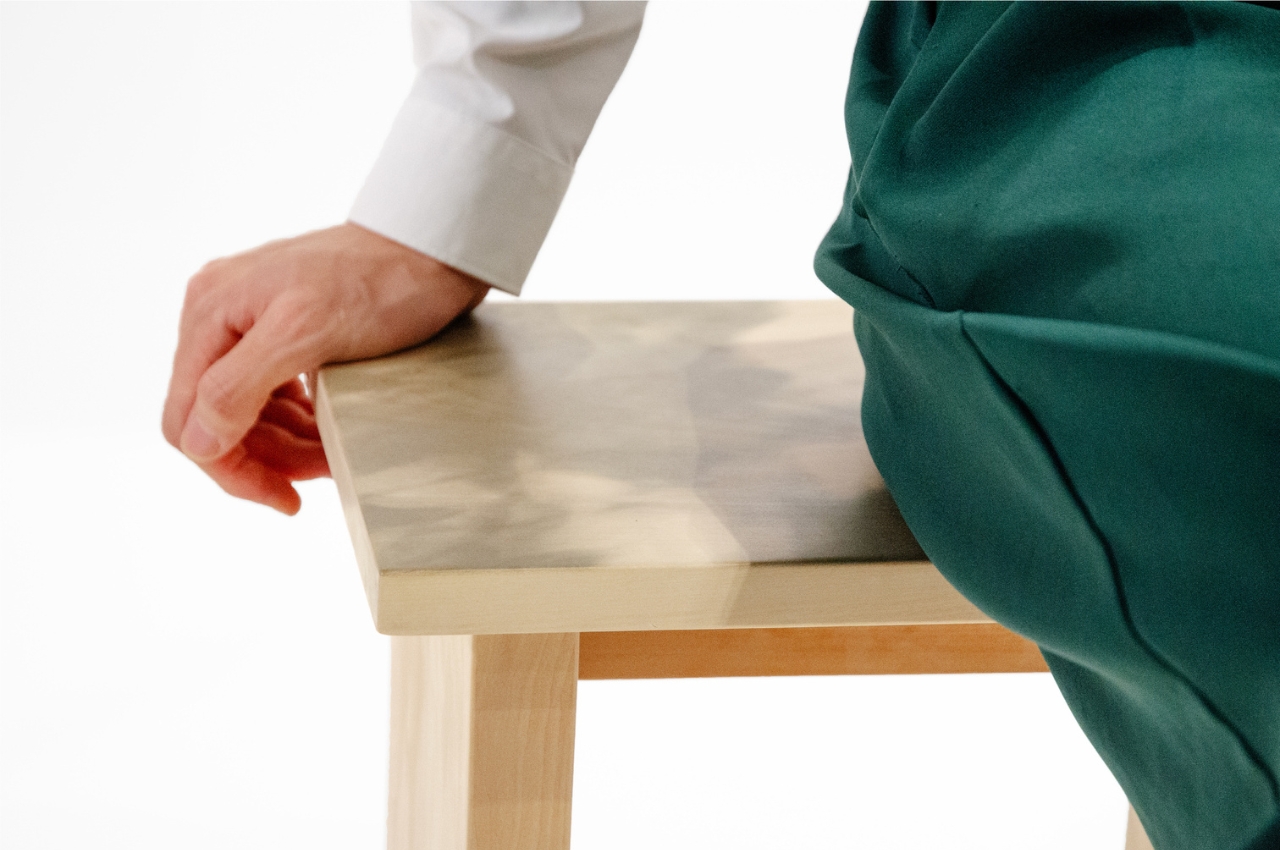
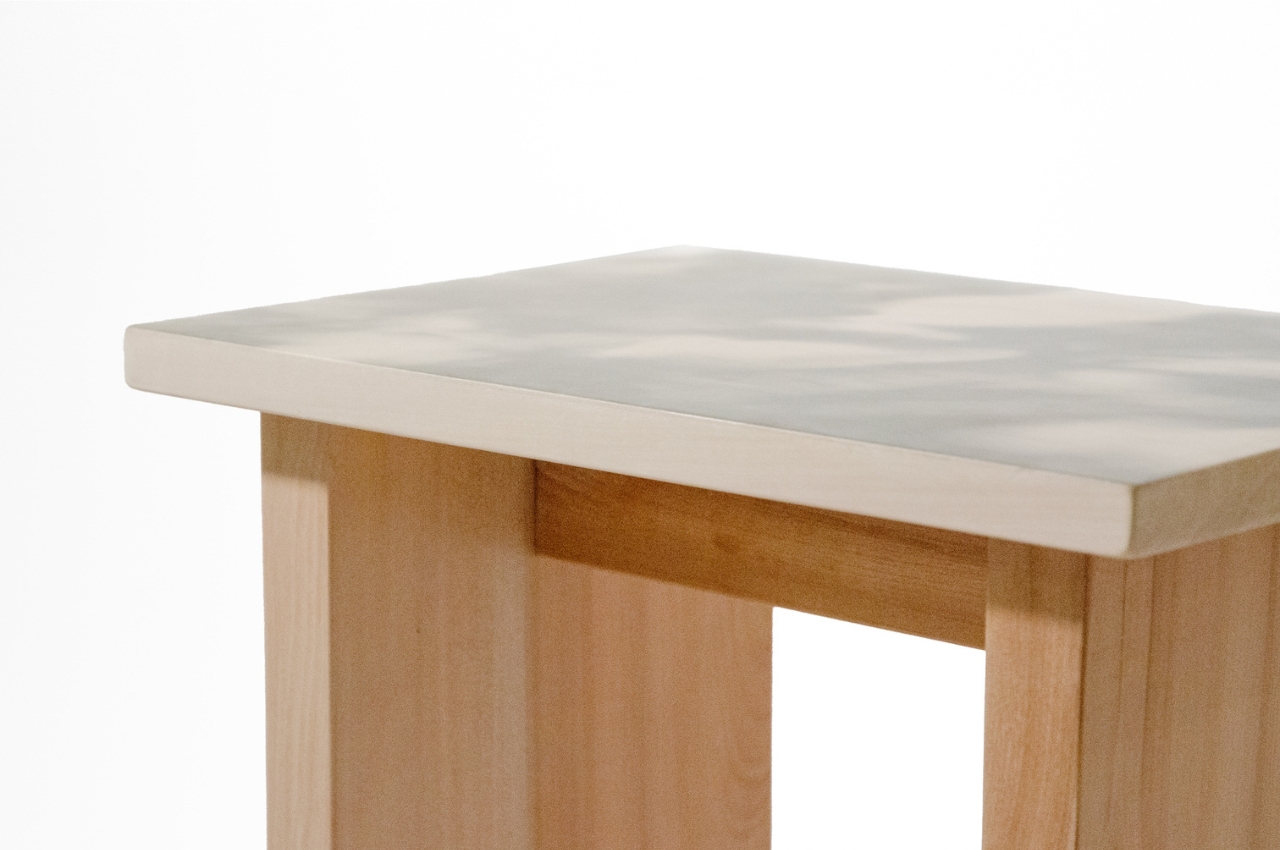
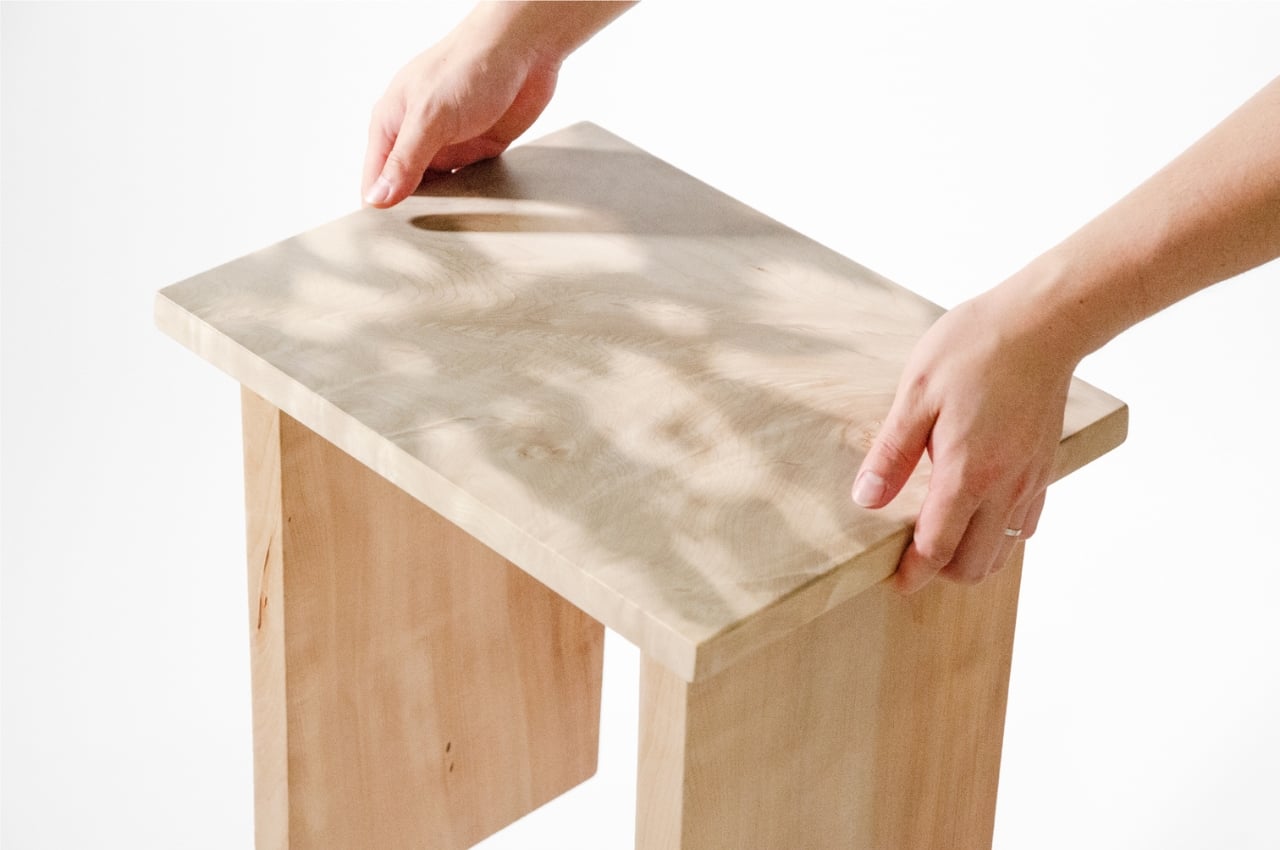
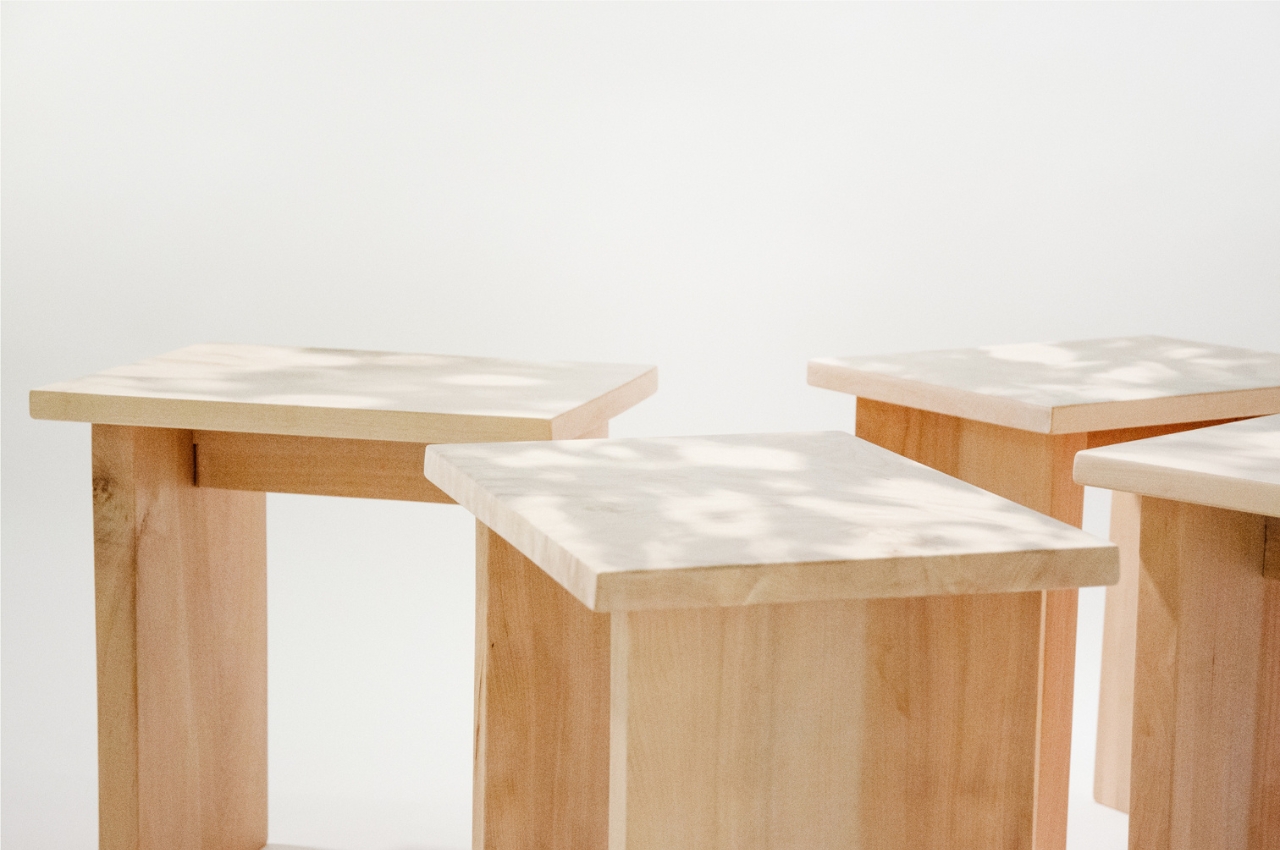
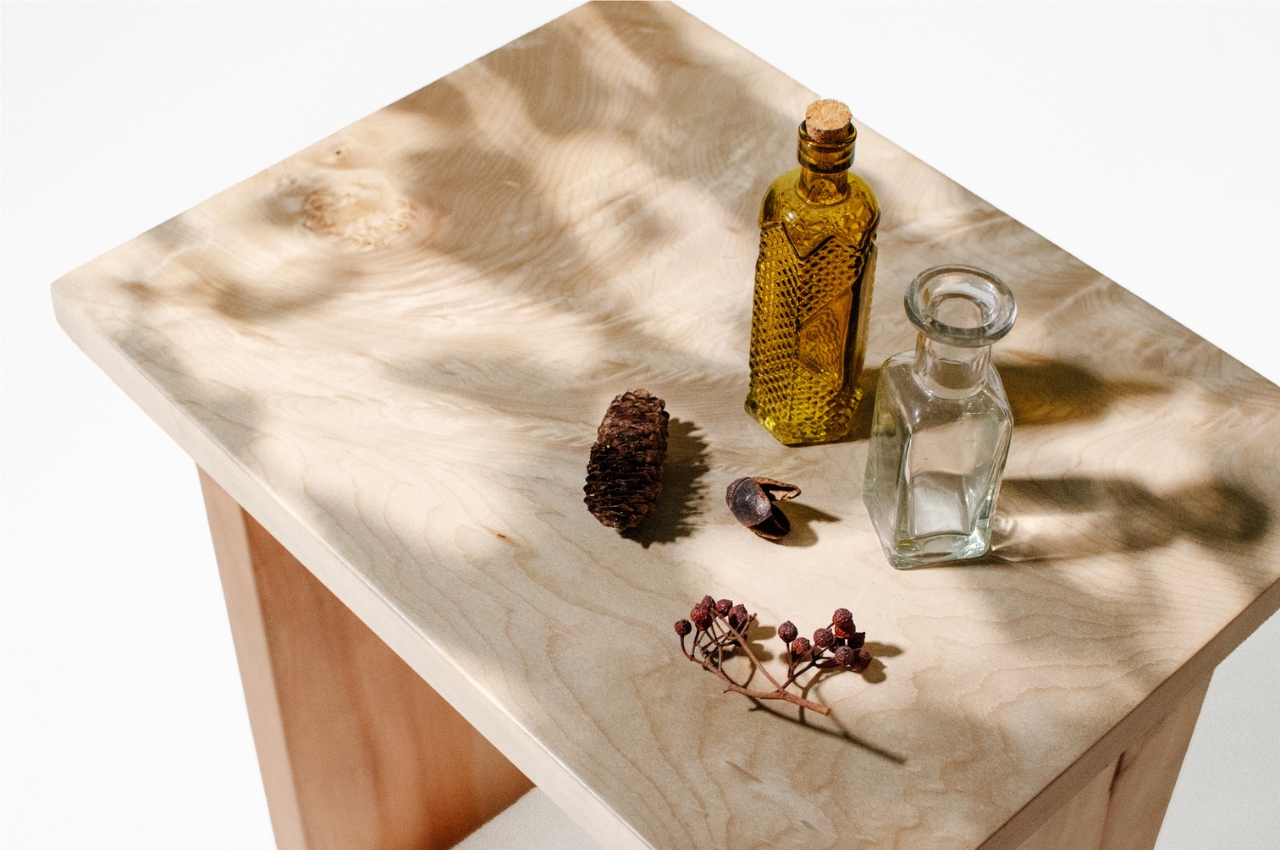
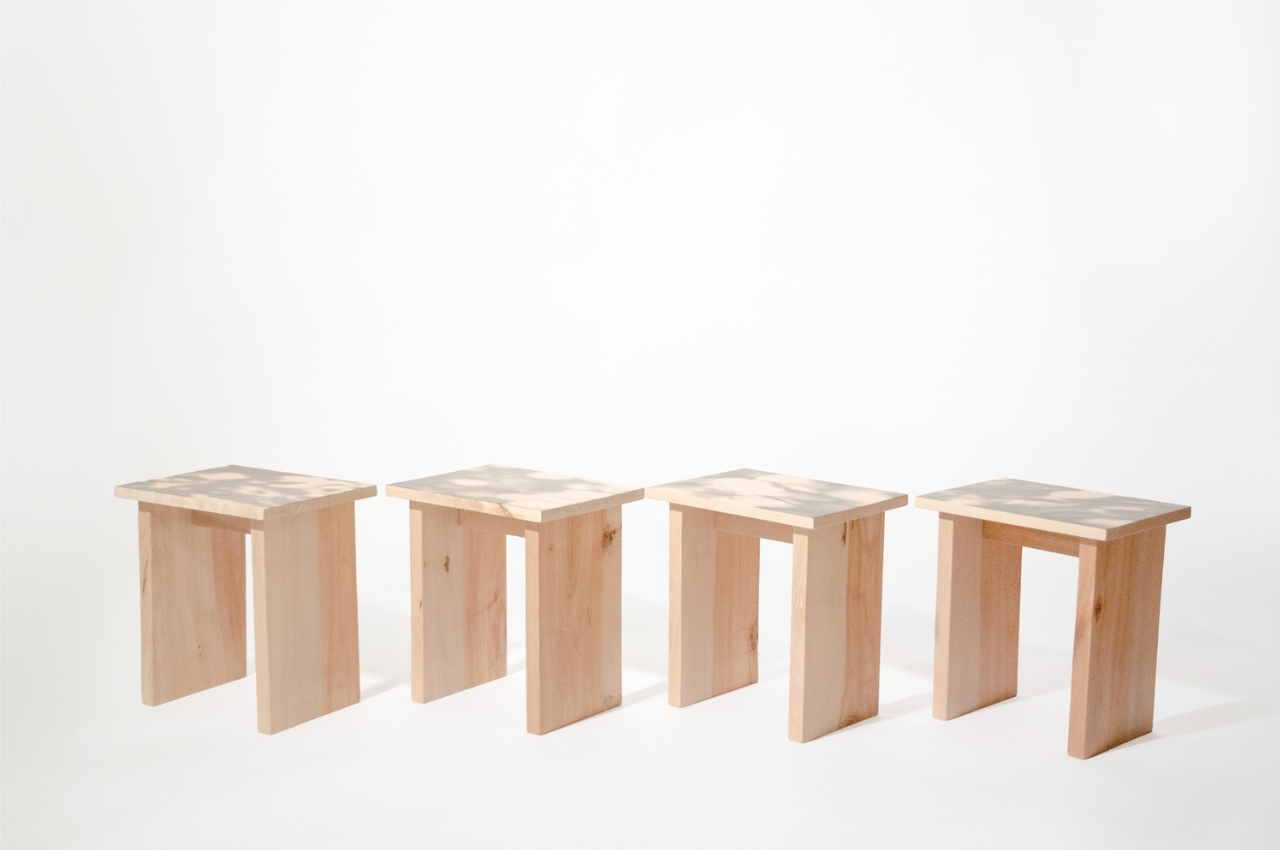
Capture the Light is one such design for a stool. The furniture itself is not a groundbreaking stool but is made up of the usual three blocks (seat, two legs) connected together by one small block. It looks just like your typical wooden stool/bench that you might see at a park or at a museum. But what makes this different is what you’ll see on the seat itself. You might think there’s a tree nearby casting its shadow but if you’re inside, then that may be a mystery.

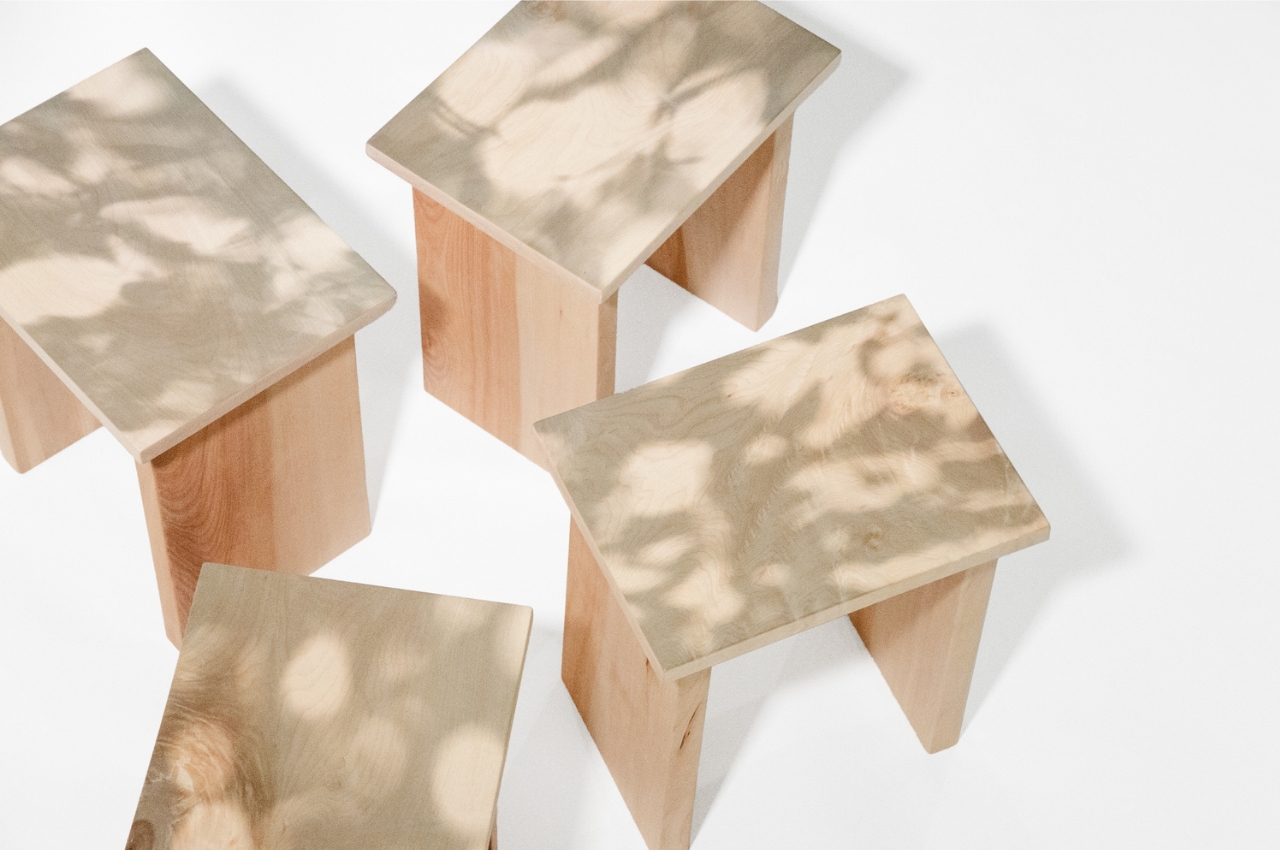
It’s actually the unique design that this stool brings. The shadows casted by trees that you may see at parks or public spaces are immortalized on the seats as the designs are printed on them. The designer went around photographing the patterns that these tree shadows make, carrying a white board with them. The photographs were then inkjet printed on top of the stools and so you have the illusion of trees hovering on you as you sit on them.

It’s a simple design addition to your regular stool/bench but it’s interesting, if you’re into nature and trees. Even if the stool is inside, you get the illusion of still being surrounded by trees because of the shadows. Of course it’s still best to actually be around trees but in cases where you can’t then this stool may be the next best thing.

The post Stool has tree shadows printed on top to bring you closer to nature first appeared on Yanko Design.
Modular cork stool concept offers sustainable seating by turning into a bench

Sitting is an important part of our daily lives, so it’s not unusual to see different kinds of seating furniture around places where people stay or pass through. Unfortunately, it’s hard to predict when you’d need a single chair or a multi-person bench, so spaces tend to either put multiple chairs together or have a few benches and force people to sit together. That strategy does work, at least until the situation changes and you need to change seats, which often means buying new seats and discarding the old ones. This minimalist stool concept tries to offer a more sustainable solution that helps reduce waste by turning two stools into a single bench and back again, depending on the need.

Designers: Erika Avery, Stu Cole

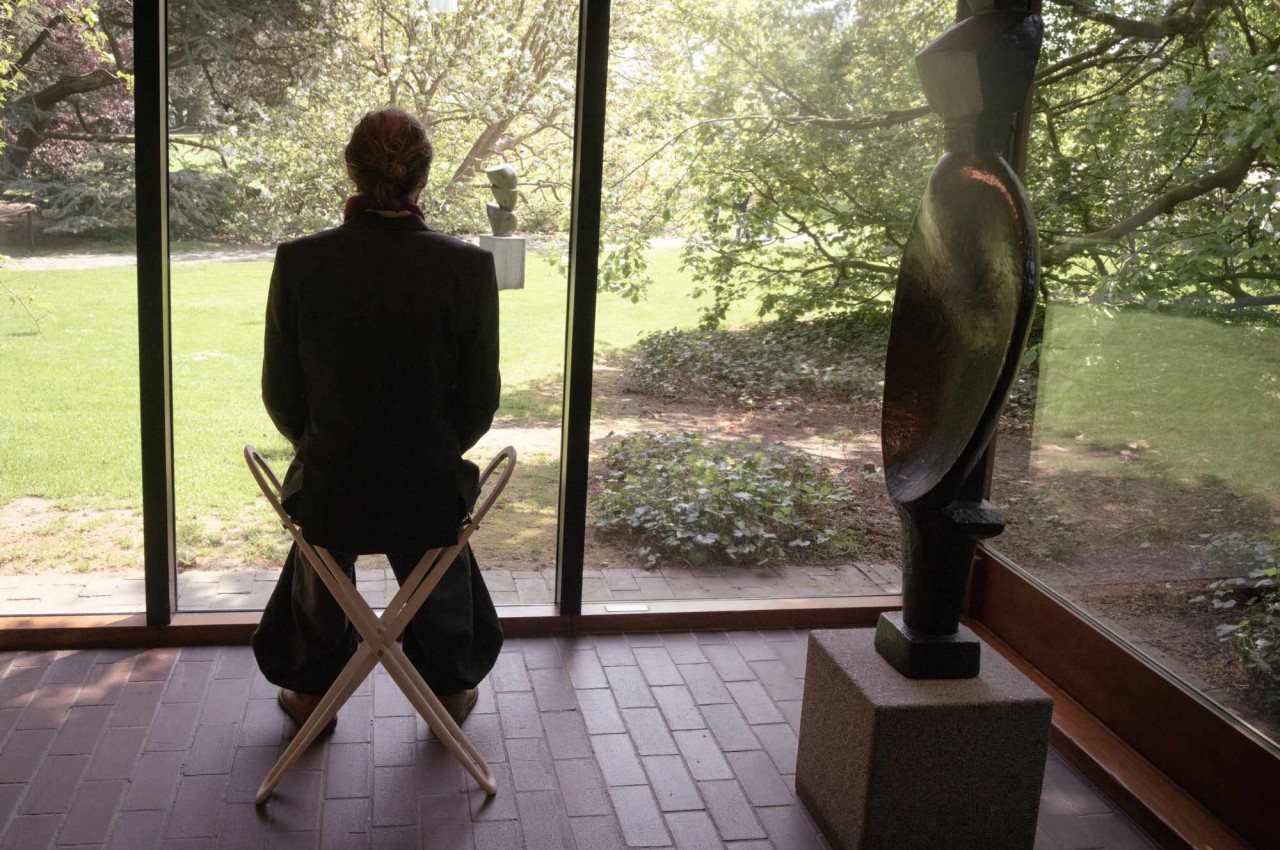
The requirements for a stool, chair, or bench are pretty simple. At the very least, it needs to be stable enough to support the weight of a human person sitting on it without toppling over or collapsing. Comfort is, of course, ideal, but some designs seem to forego that in exchange for other capabilities. It’s arguable that the “unknown” stool concept is one of these designs, though its modular nature leaves that open to interpretation and implementation.

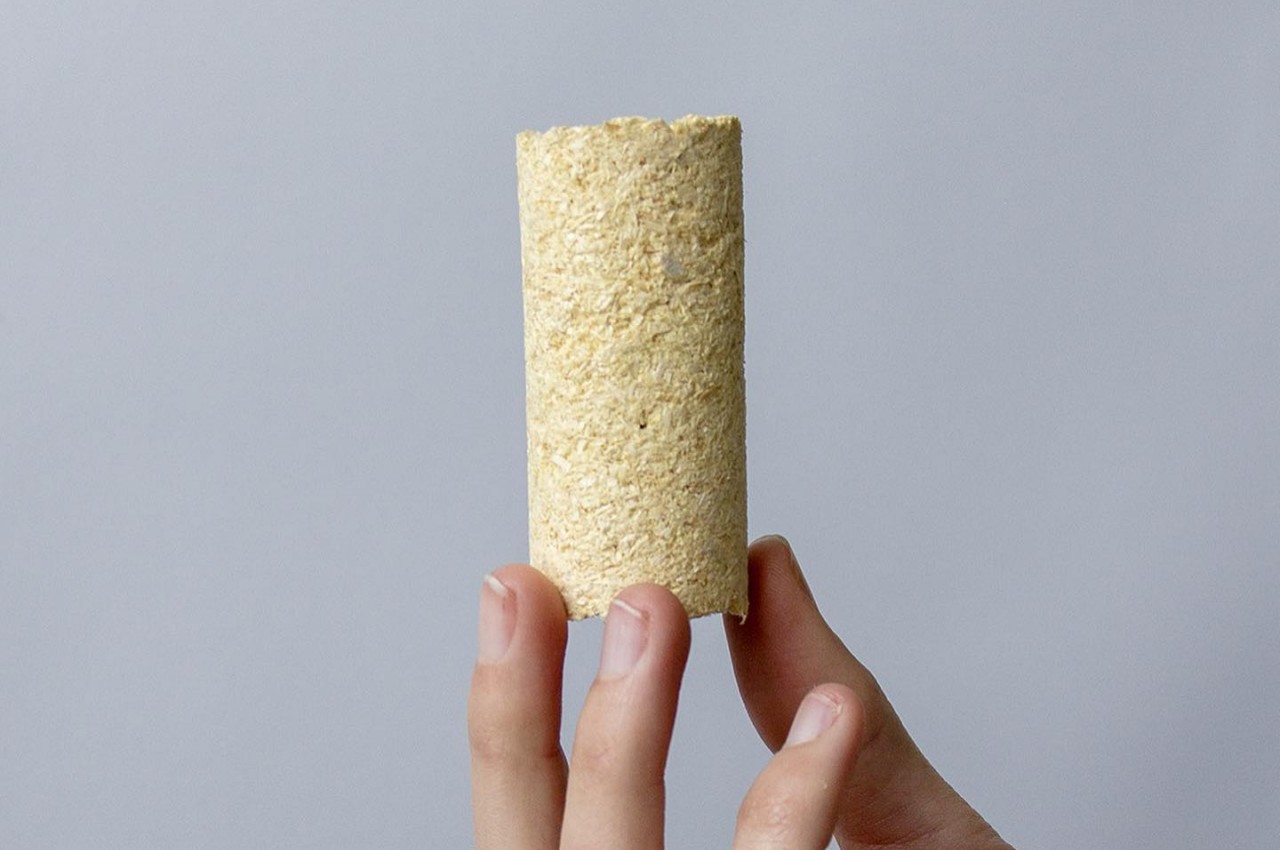
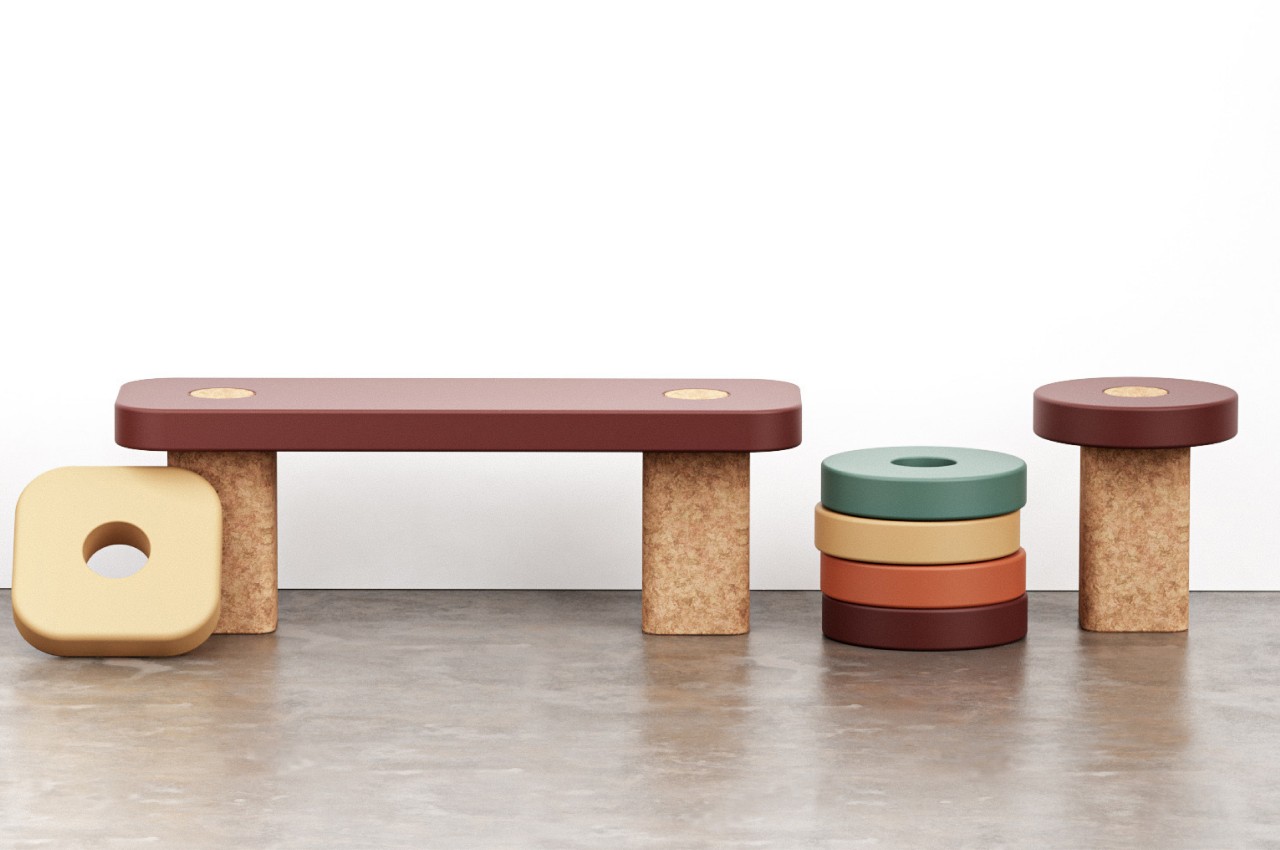
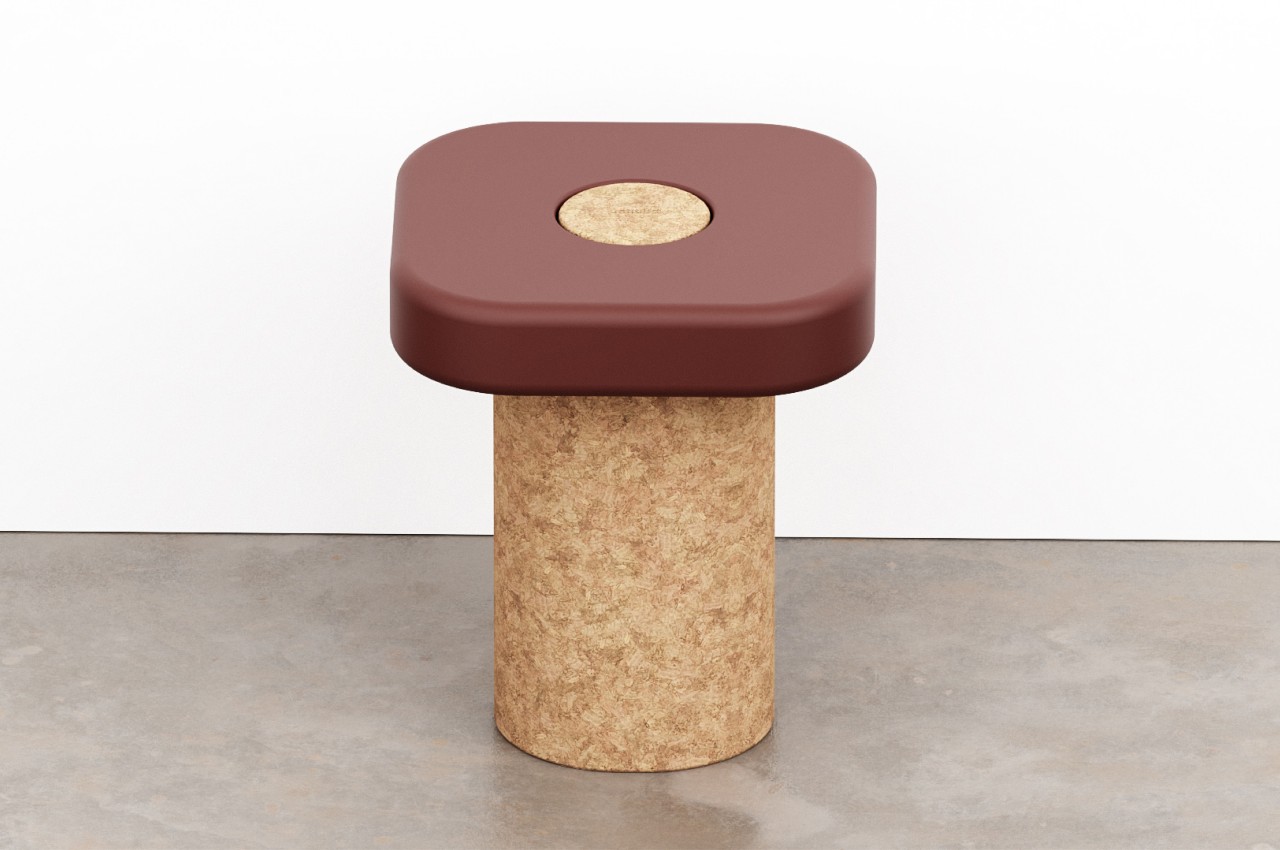
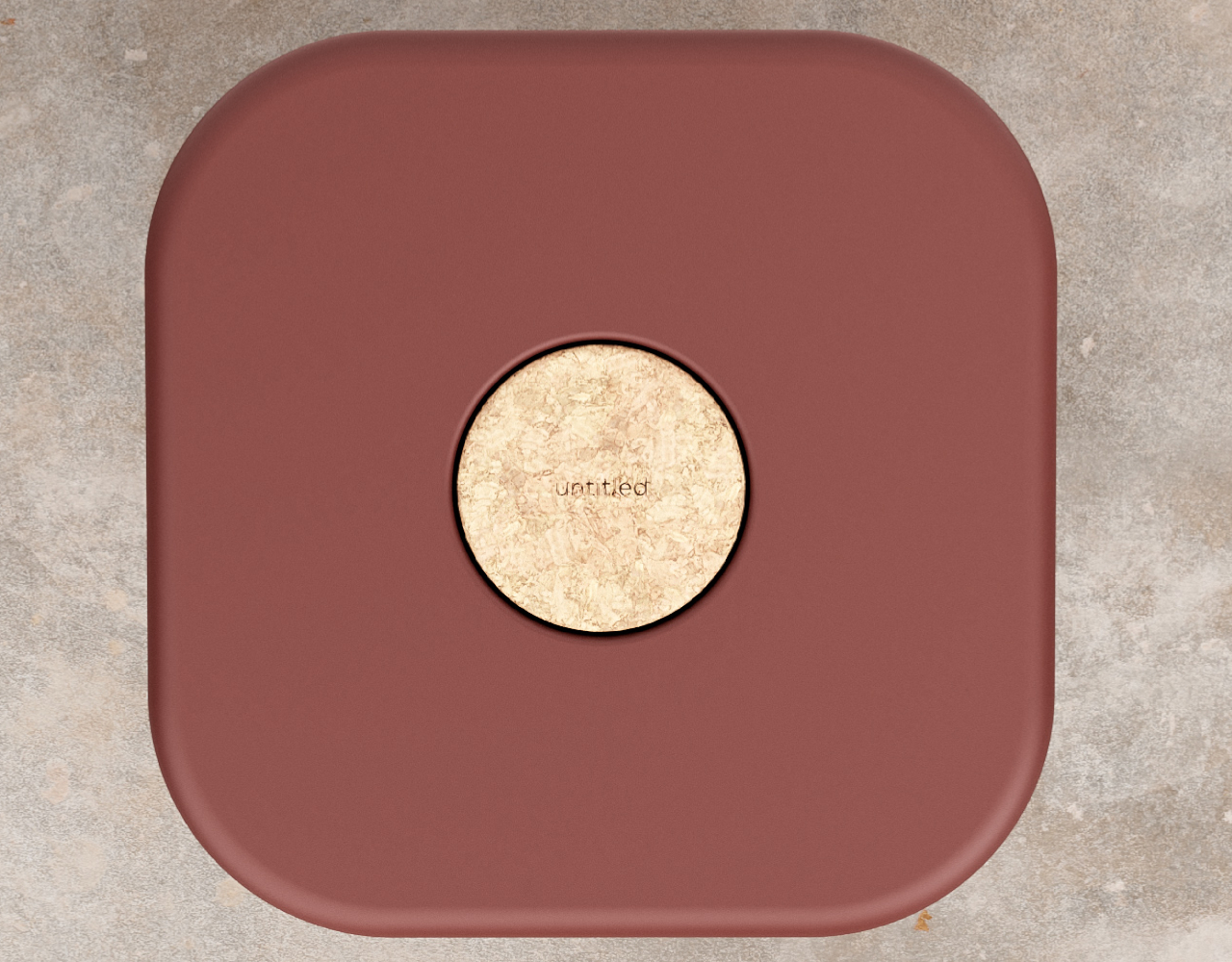
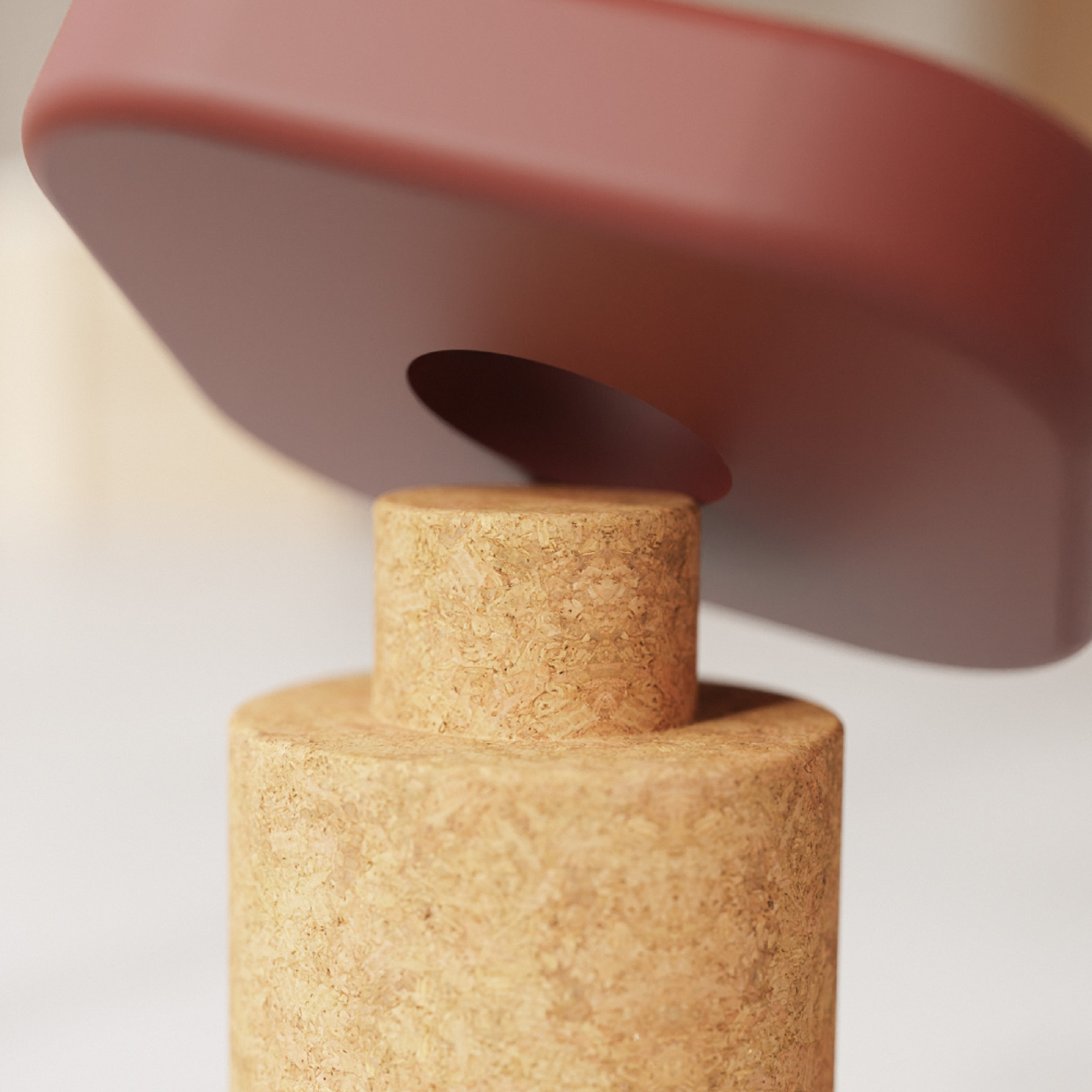
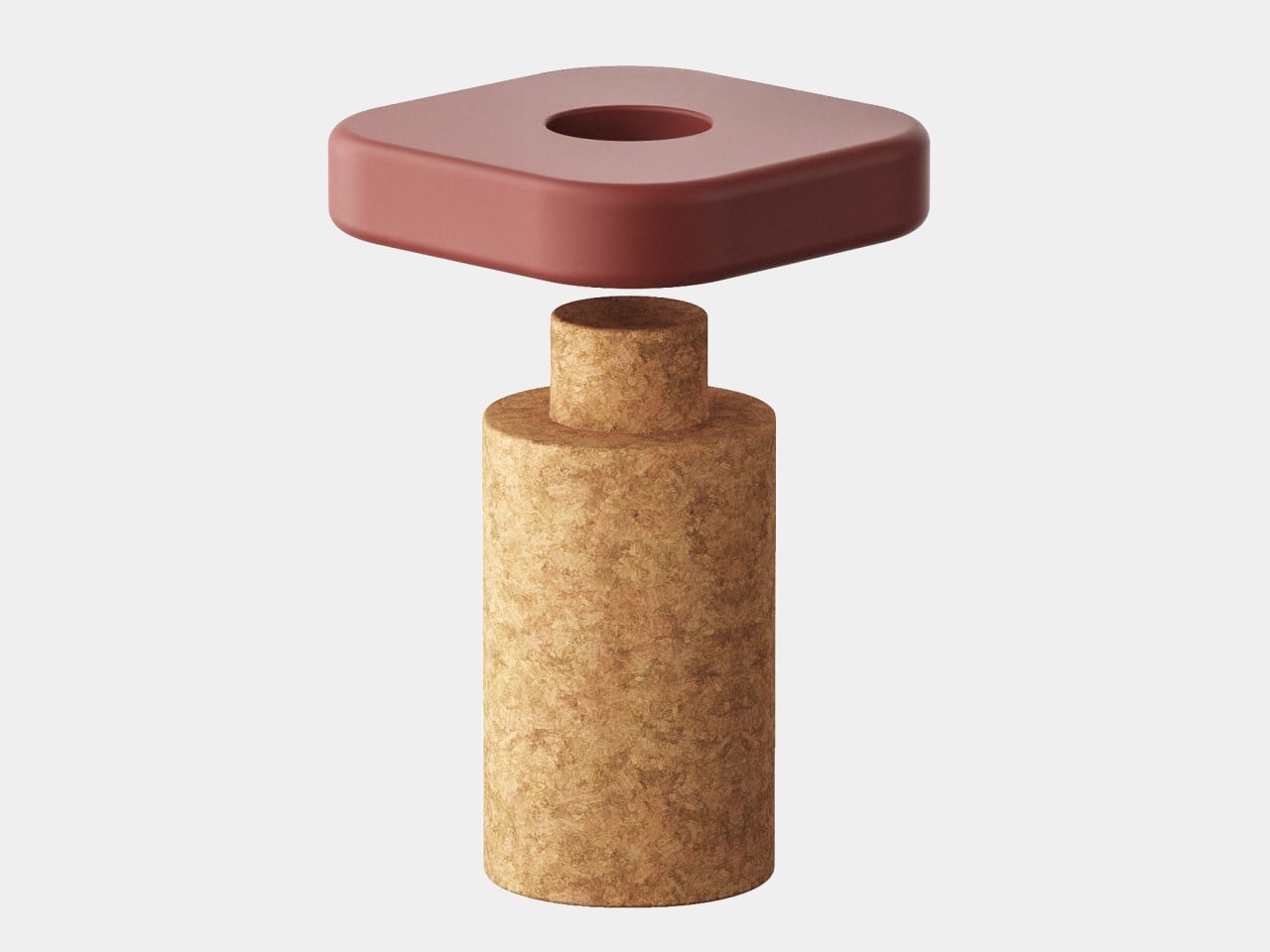
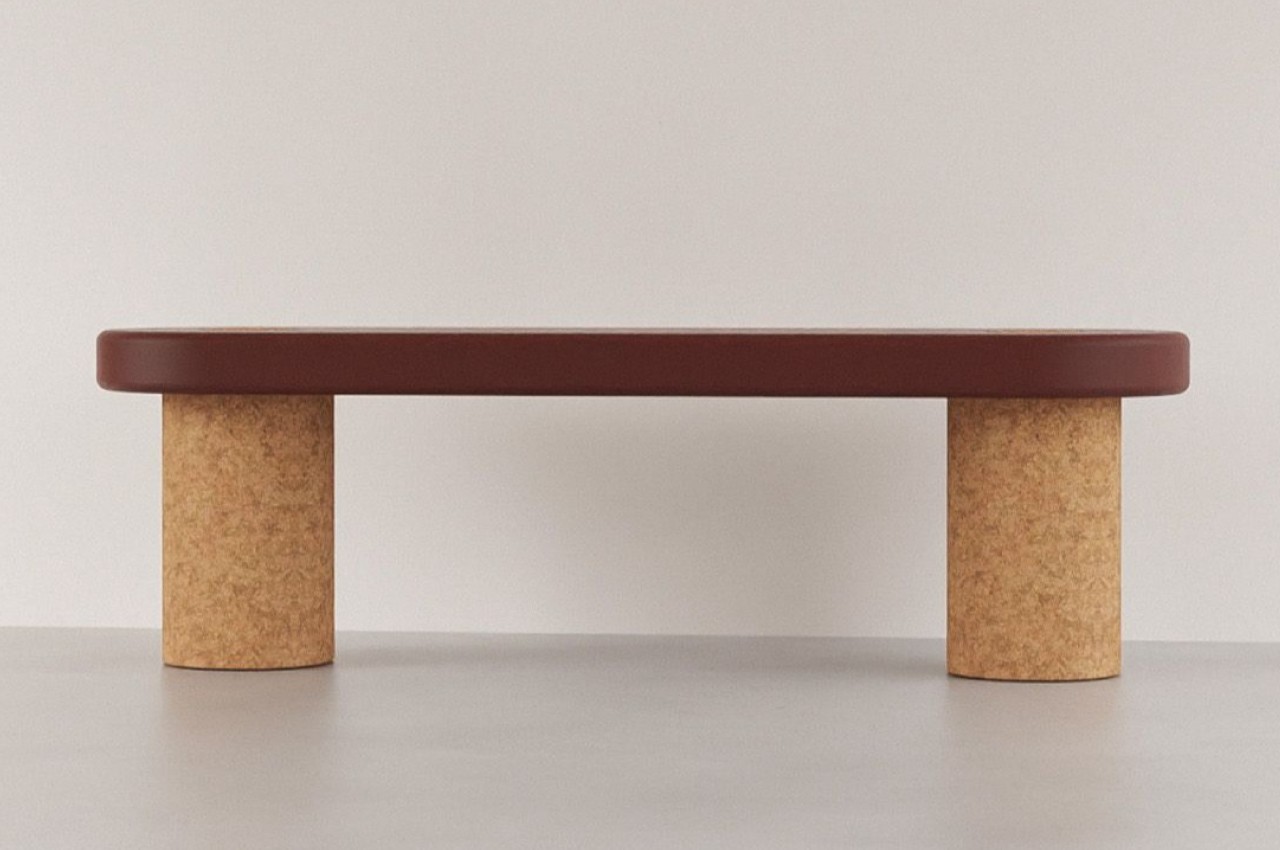
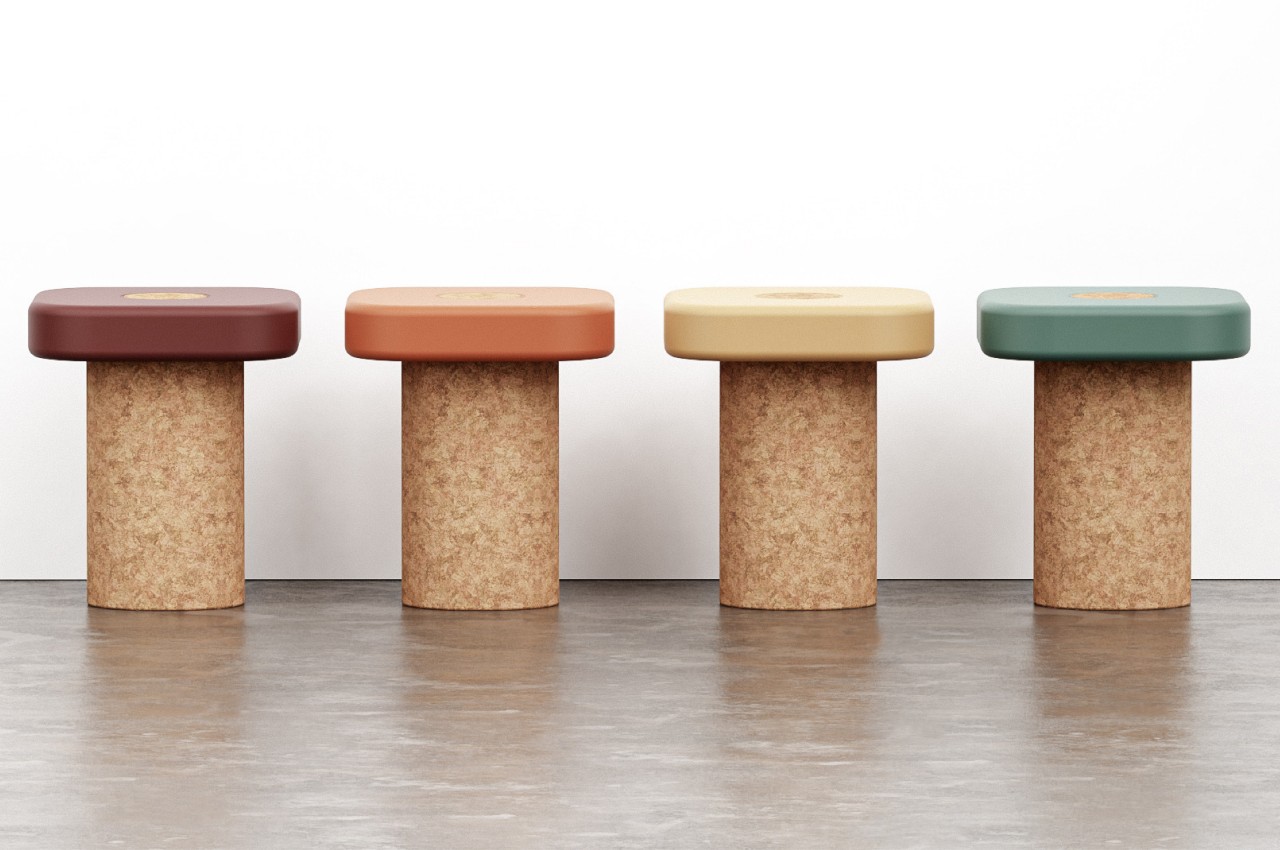
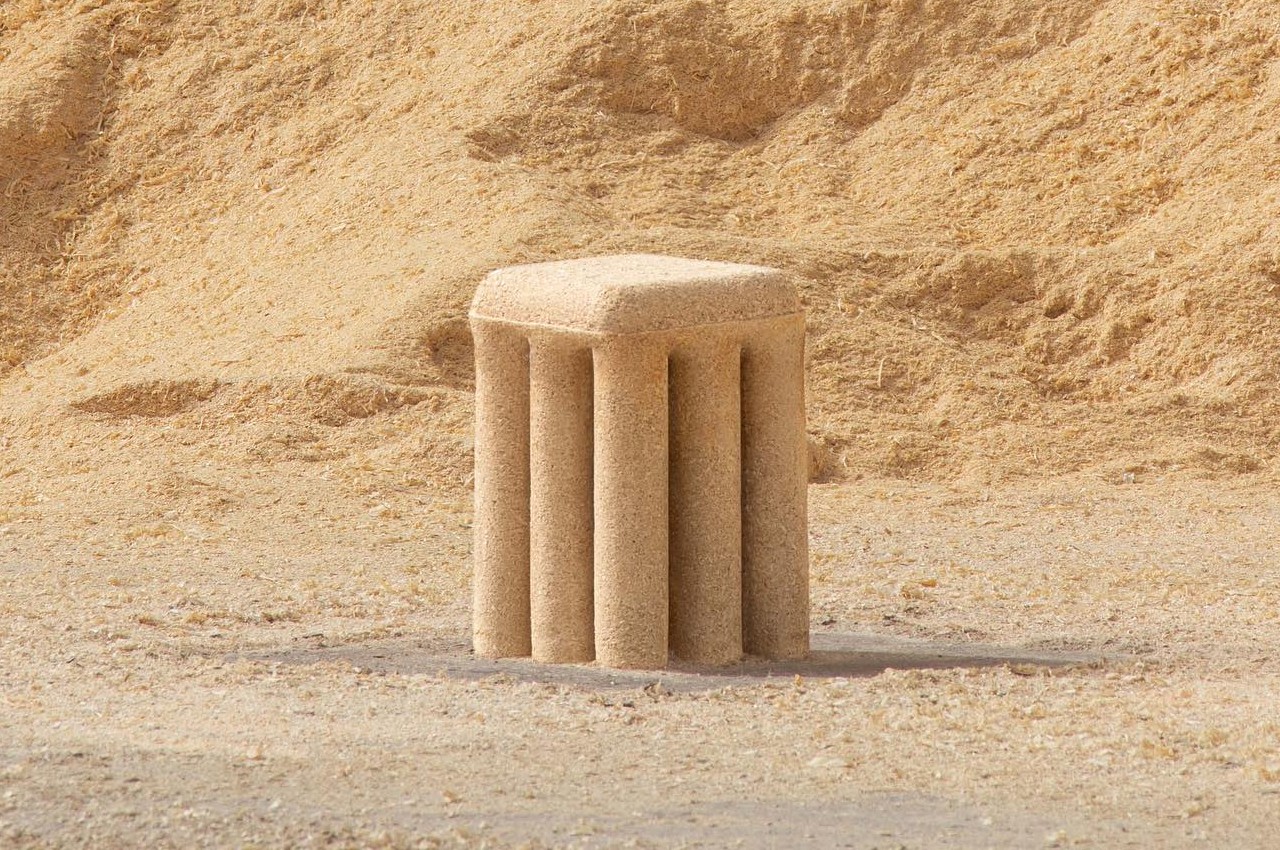
The core element of this concept is the sturdy column made of cork, a sustainable and easily acquired material. It’s a single cylinder that makes up the center of the stool, but its secret lies in a smaller circle that connects to a removable seat with a hole in its center. It’s a simple system that requires no screws, extra parts, or complex mechanisms, which means maintenance, repair, and replacement will be just as simple as well.

That seat can, in theory, be anything, though the simple shapes of a square and a circle immediately come to mind. However, that doesn’t limit it to a single symmetrical shape either, since you can have a long rectangular seat with holes on each end, forming a bench when set on top of two cork columns. In fact, the design of the actual furniture is determined by the shape of that removable seat, and it can be as simple or as complex as needed.

The concept doesn’t exactly define what the seat has to be made of, so it can use wood, metal, plastic, or any other material. It can be bare or it can have some cushioning or upholstery to add a bit of comfort. More importantly, the seats can be changed, repaired, or replaced without throwing away the cork core, or vice versa. It’s a simple yet effective design that limits the waste of fixed chairs and stools while leaving the door open for combinations that deliver what’s needed at any given time.

The post Modular cork stool concept offers sustainable seating by turning into a bench first appeared on Yanko Design.
Swiveling wooden stool is compact, multi-functional, and mildly uncomfortable

While all furniture needs to be stable, chairs and other seating furniture need to meet two requirements. They have to be stable enough to hold the weight of the person sitting on them, but they also have to be comfortable to encourage or even tempt those people to use them. Then again, there are some seats that seem to actually discourage lounging around, adopting a design that’s purely utilitarian and sufficient for a brief rest of a few minutes. However, there are chairs that were designed with comfort in mind but fall slightly short of that goal. This stool, for example, is undoubtedly quite useful, space-efficient, and probably even sustainable, but it might have slightly missed the mark in one of its core use cases.

Designer: Jeongchun Lee

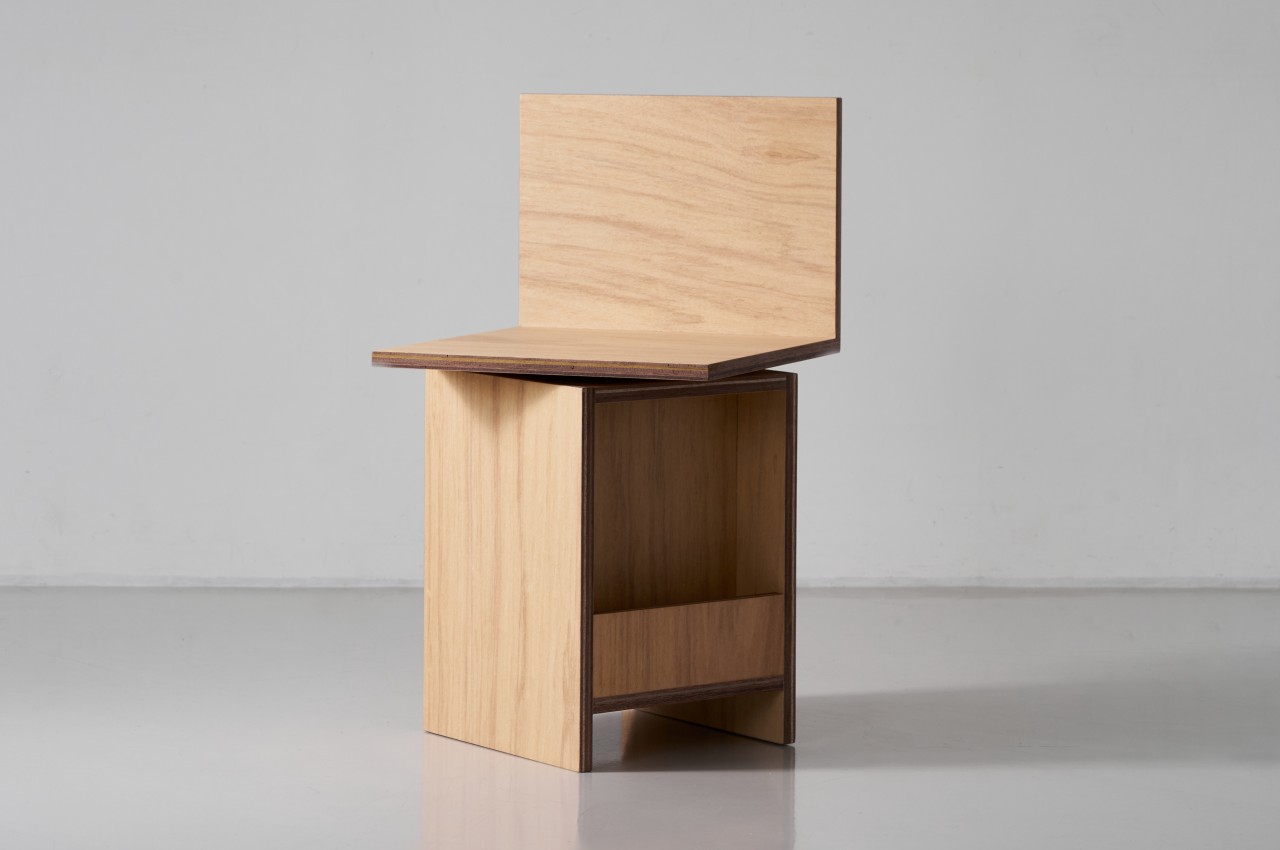
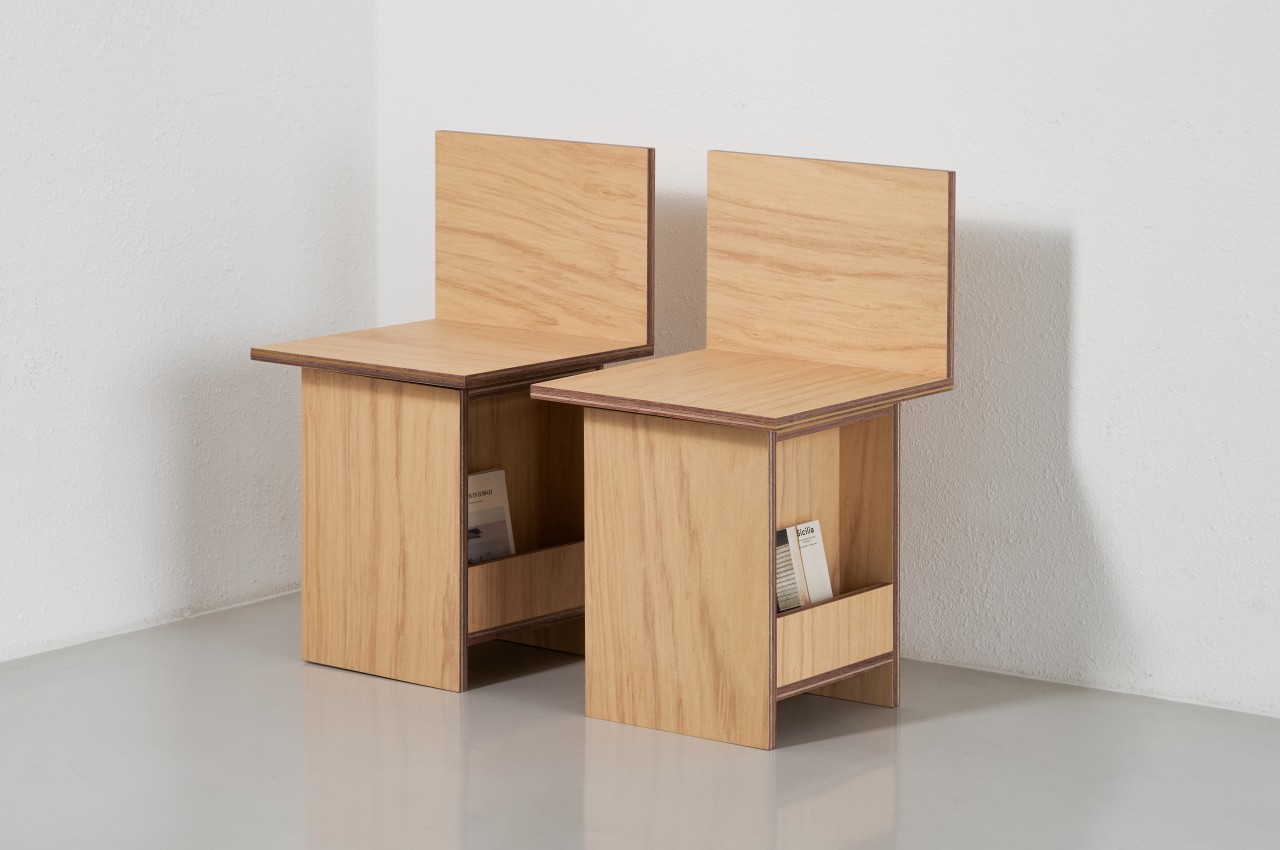
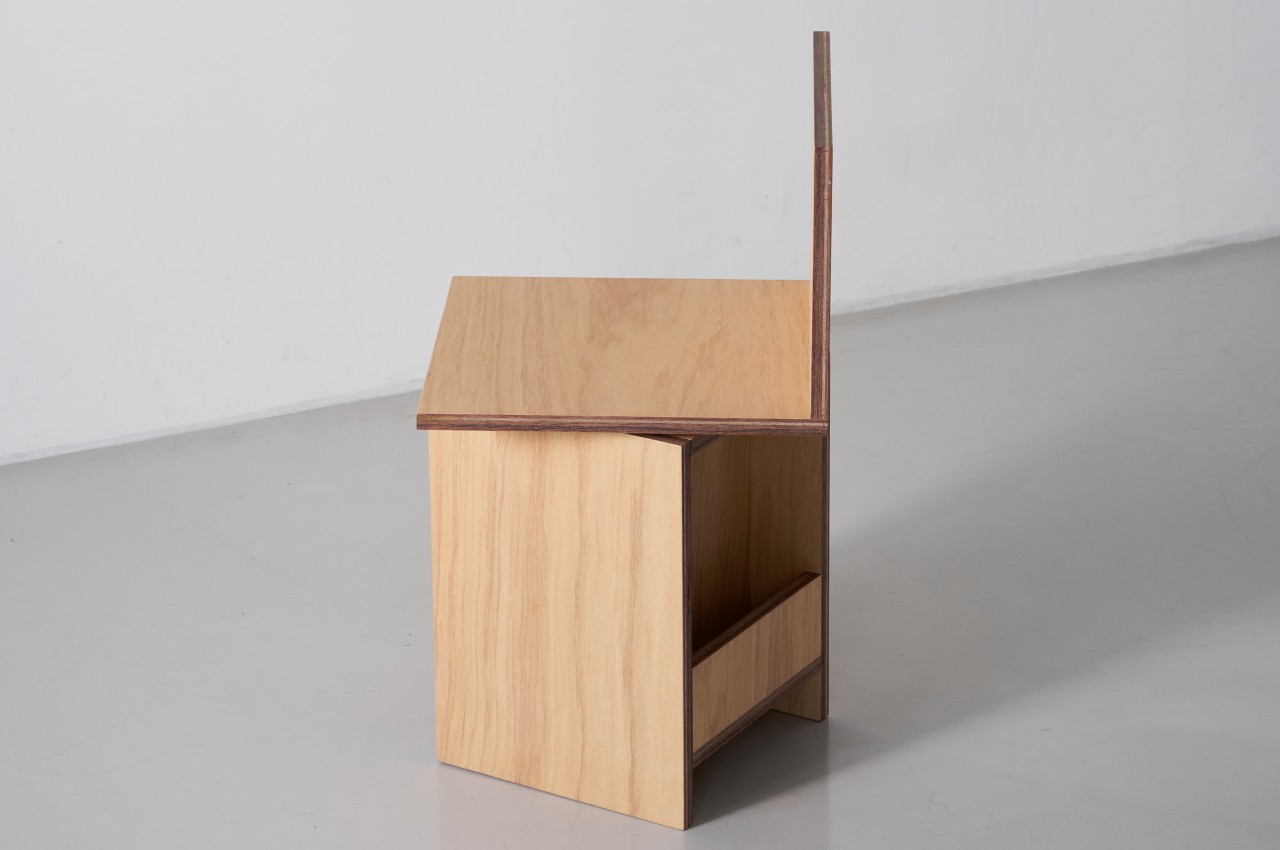
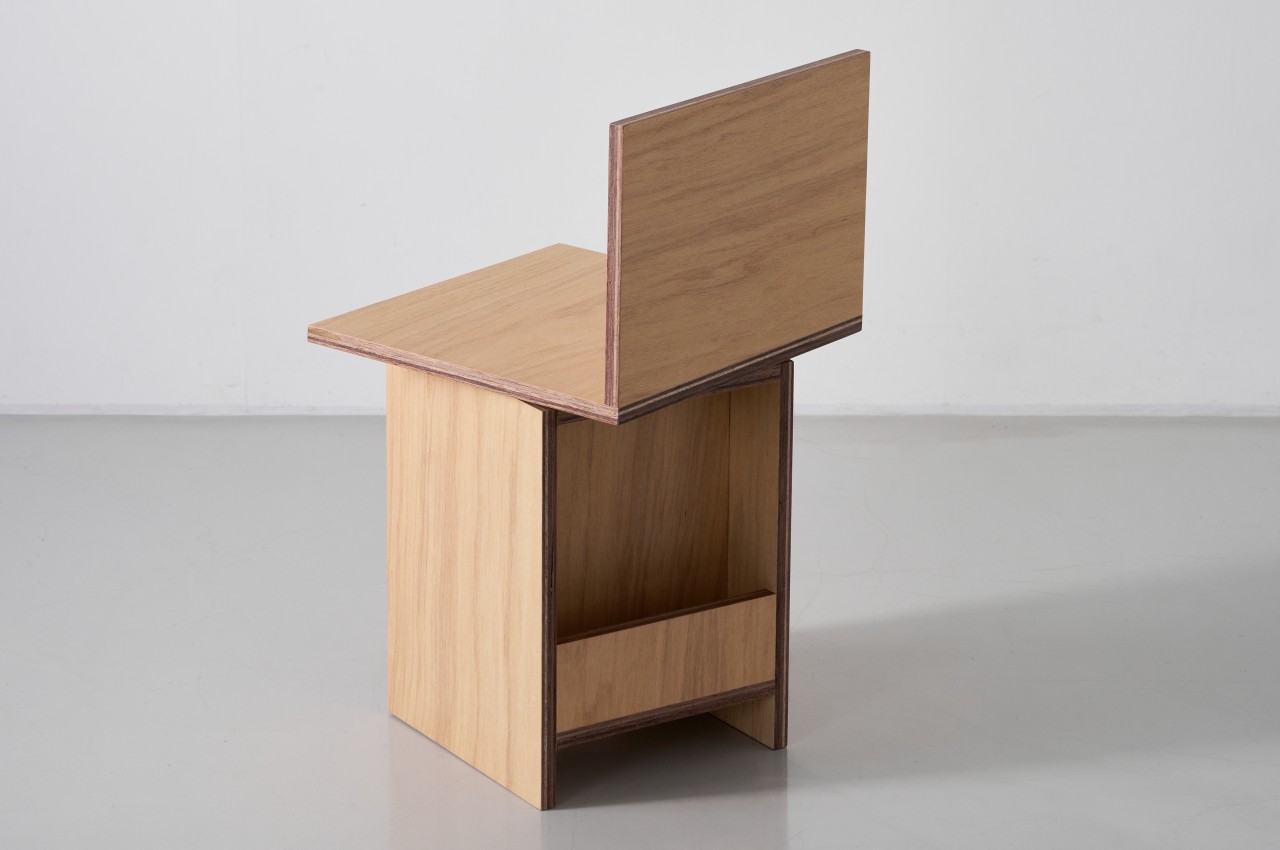
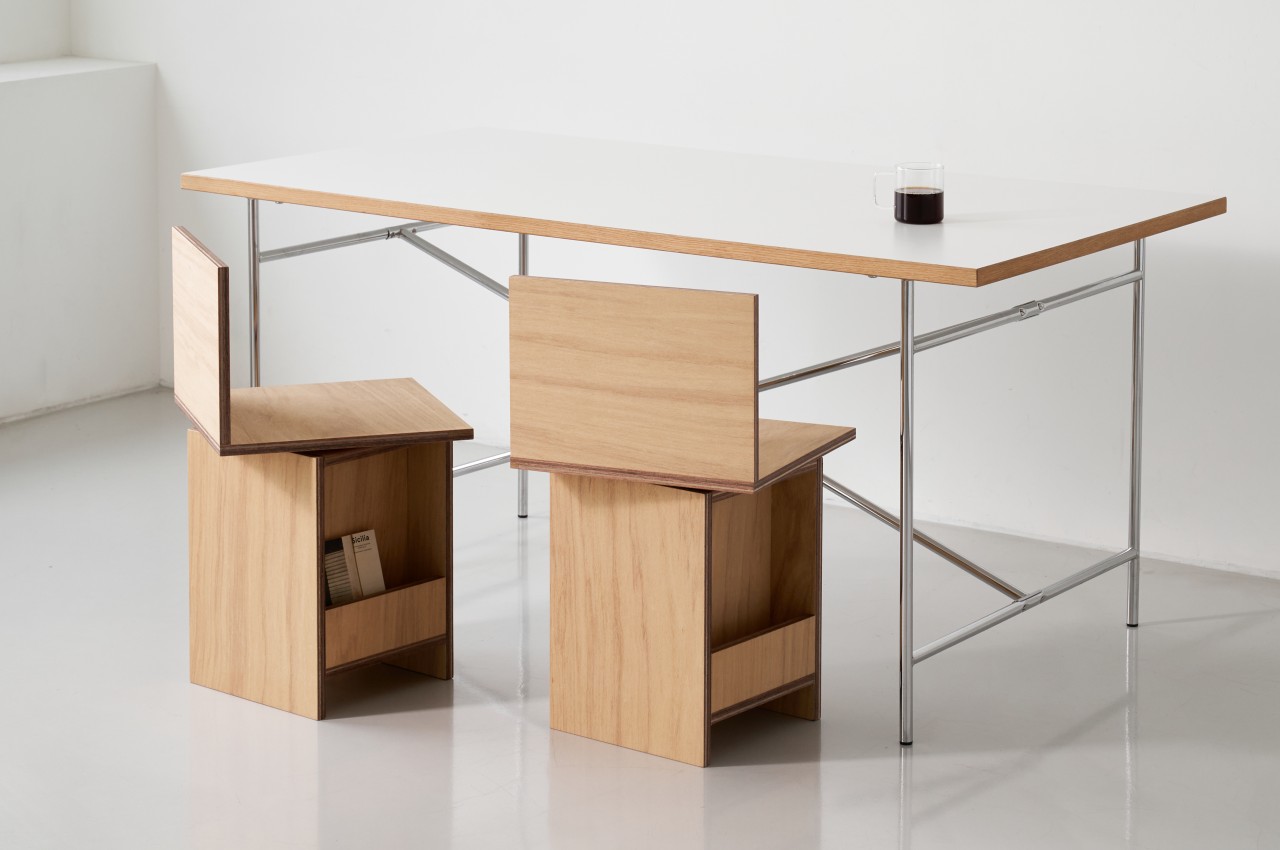
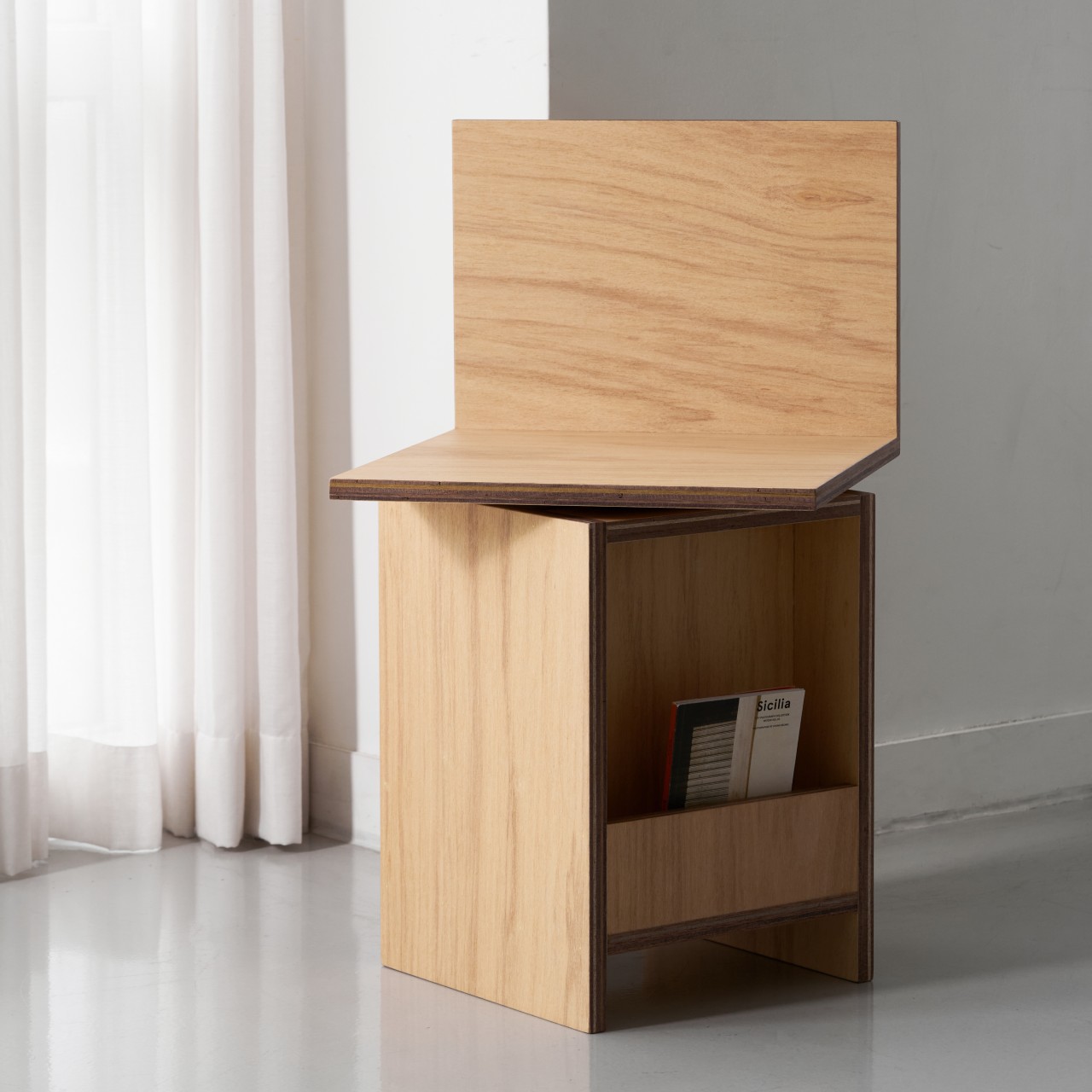
The stool looks simple enough at first glance, with a tall box for a base and two plain boards forming the actual seat as well as a backrest. The latter element puts this design somewhere in between a typical stool and a chair, though the narrow area and absence of arms put it more in the category of a stool. Either way, it’s clearly designed for sitting, but it also does more than that.

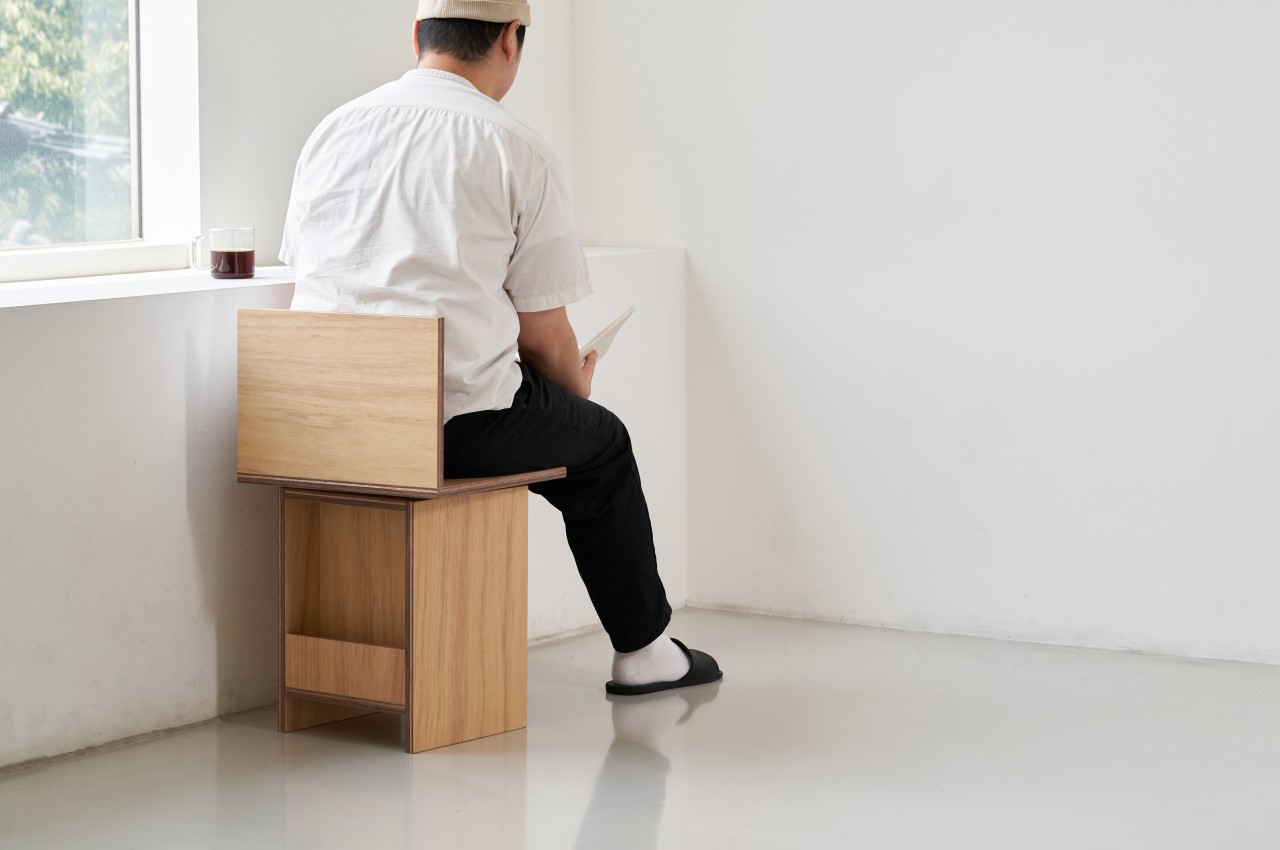
The base of the stool has a rack for holding reading materials, either magazines or a few books. This small detail makes the design better suited for places where such an activity is conducive, such as a library, a lobby, or a common area in offices or schools. Of course, you can also place it around your home and it won’t even take up too much space because of its tall and narrow structure.

The Chair 025 design concept, however, has one trick up its sleeve. The seat can rotate 360 degrees, allowing you to actually face any direction you prefer without having to move the chair itself. That said, you might not be able to swing around so easily because your legs will hit the corners of the “stall” or base. Instead, you will just be swiveling back and forth, which could be the goal to induce a little blood circulation even while you’re sitting, although that still runs the risk of injuring your legs if you’re not careful.

The design’s low backrest can also be a point of contention, given it doesn’t exactly provide enough support and could even lead to injury or accidents if you forget that it doesn’t completely go all the way up. For a stool that seems to encourage sitting for long periods of time to read, the potential discomfort is a little counterintuitive. The economy of design and potential for using sustainable materials, however, do make the Chair 025 concept a candidate for cramped spaces and budget-constrained owners.

The post Swiveling wooden stool is compact, multi-functional, and mildly uncomfortable first appeared on Yanko Design.

Portable stool is made from electronic packaging waste

There are a lot of product developers and designers who love to experiment with ideas for things that we sometimes take for granted. Good thing there are people like them who like to think about ways to improve these functional products. There are also those who think more about the materials used to create such products, especially materials that will lessen our carbon footprint. Chairs and stools are some of those things we don’t really think about innovating but there are still some ways to come up with better designed ones.

Designer: Razeen Mohammed

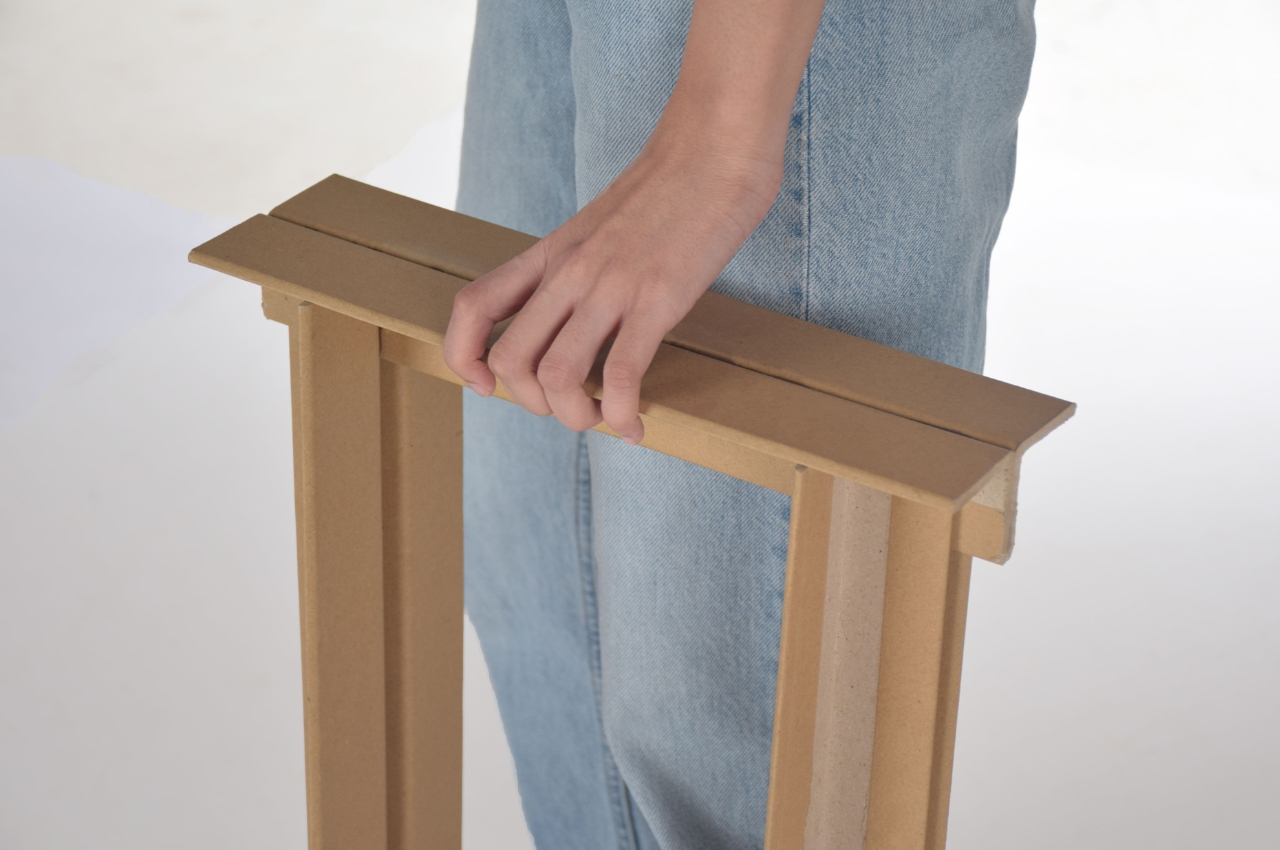
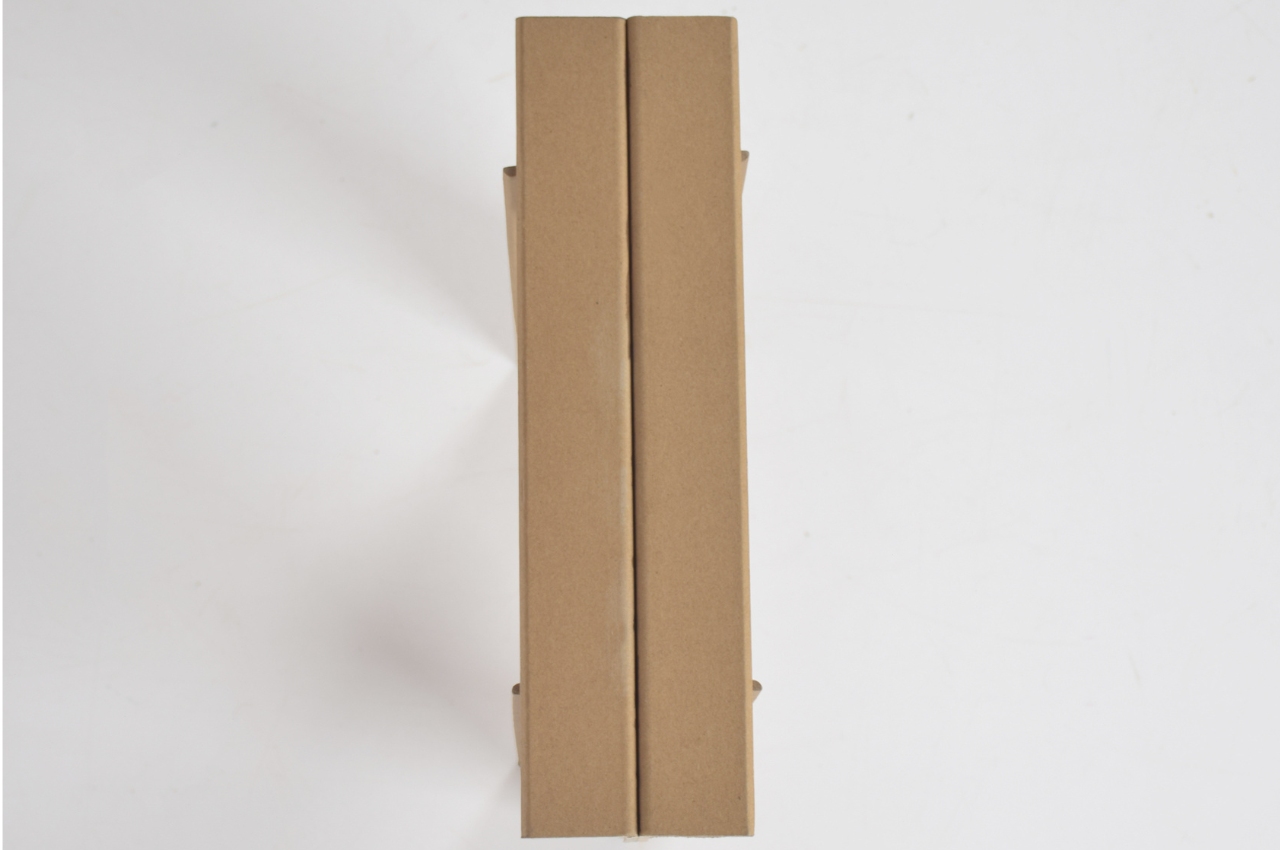
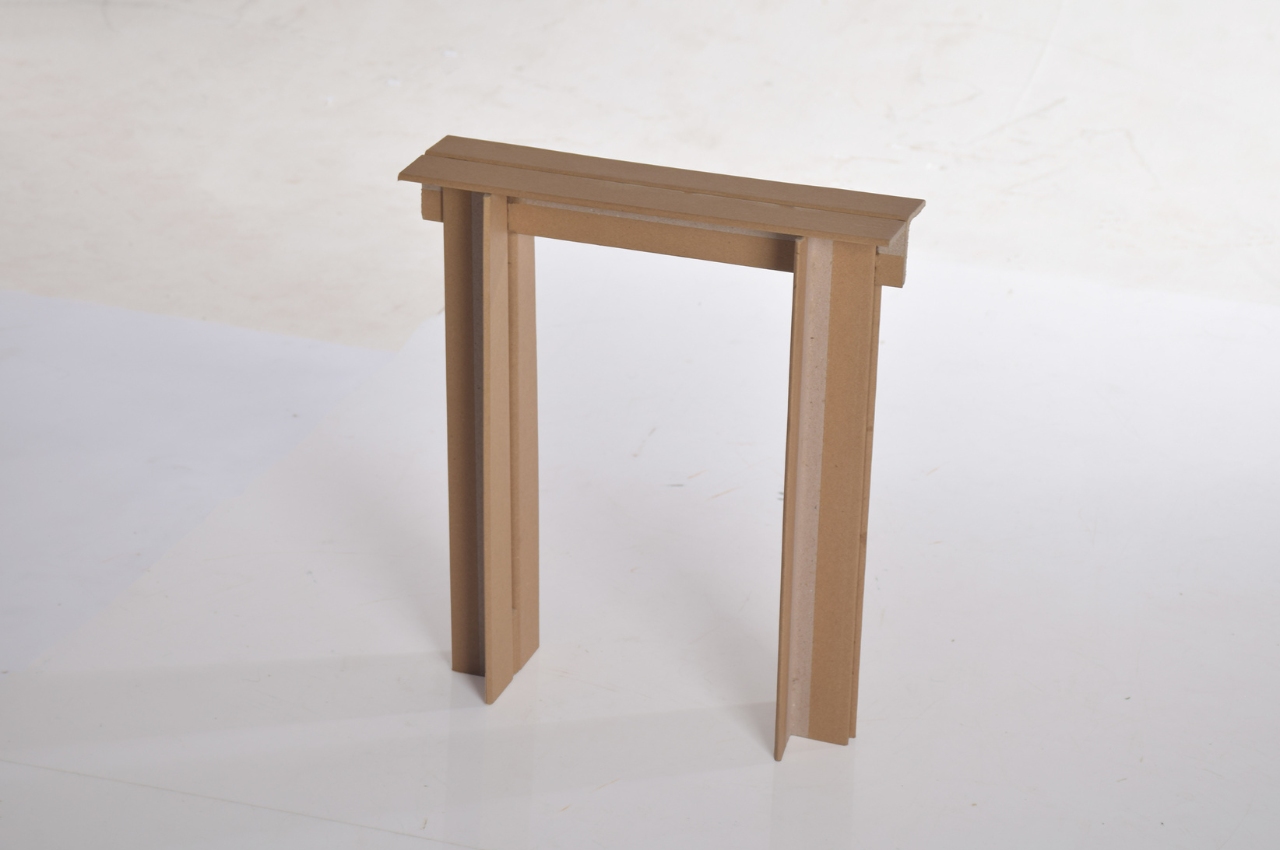
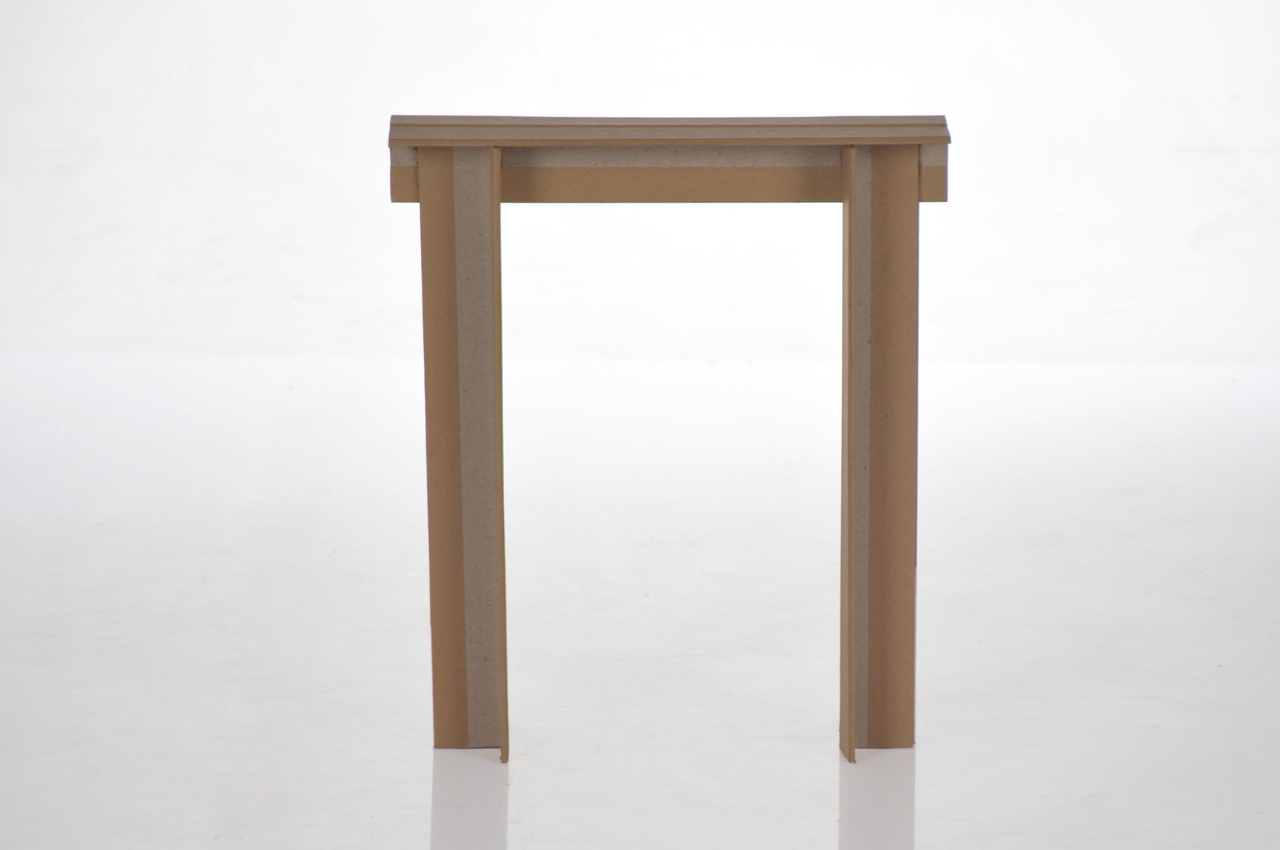
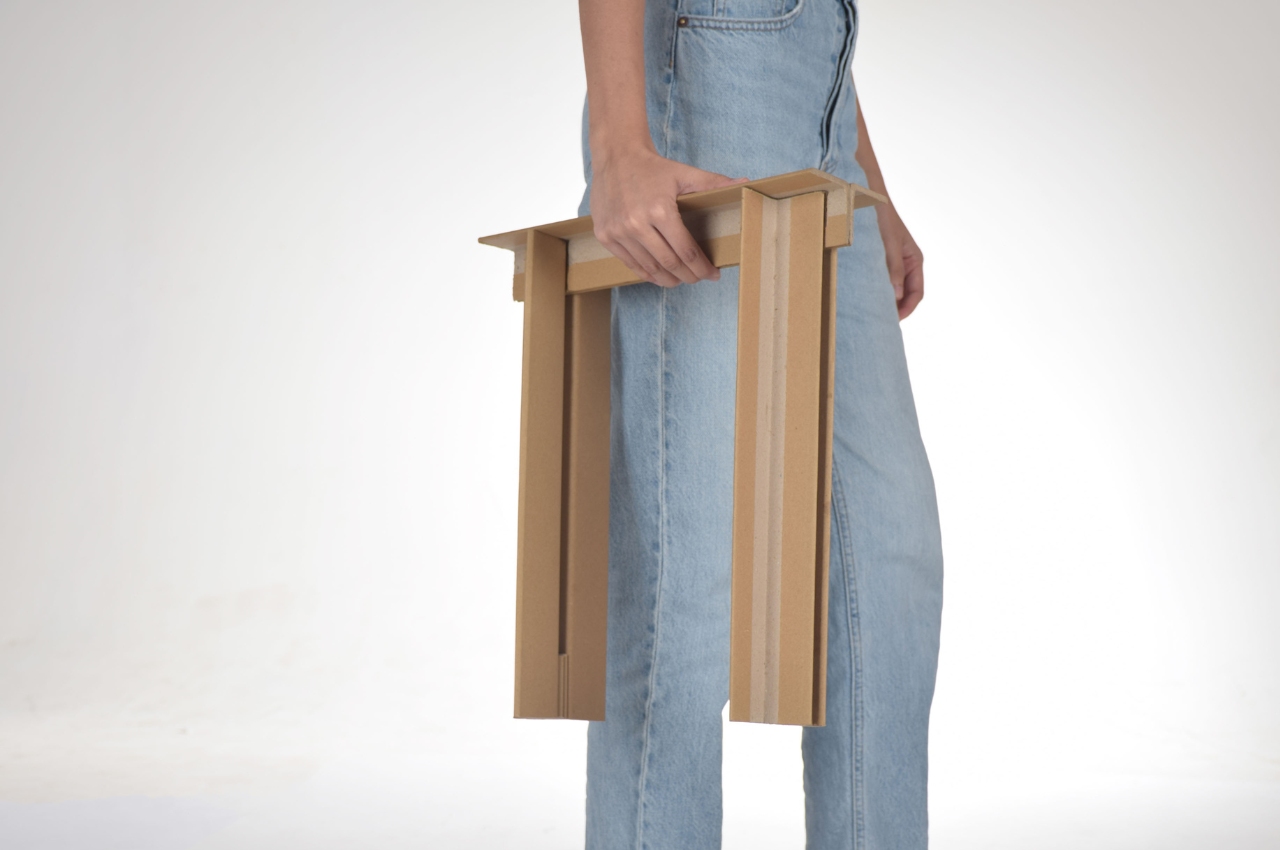
The EDGAR Stool is a concept for a portable stool born from the idea of creating something functional but also using the least amount of resources in terms of the material used for it, the energy needed to create it, and even the cost that you have to spend. In fact, in terms of prototyping this concept, they only spent around $0.29 in making one of these stools.

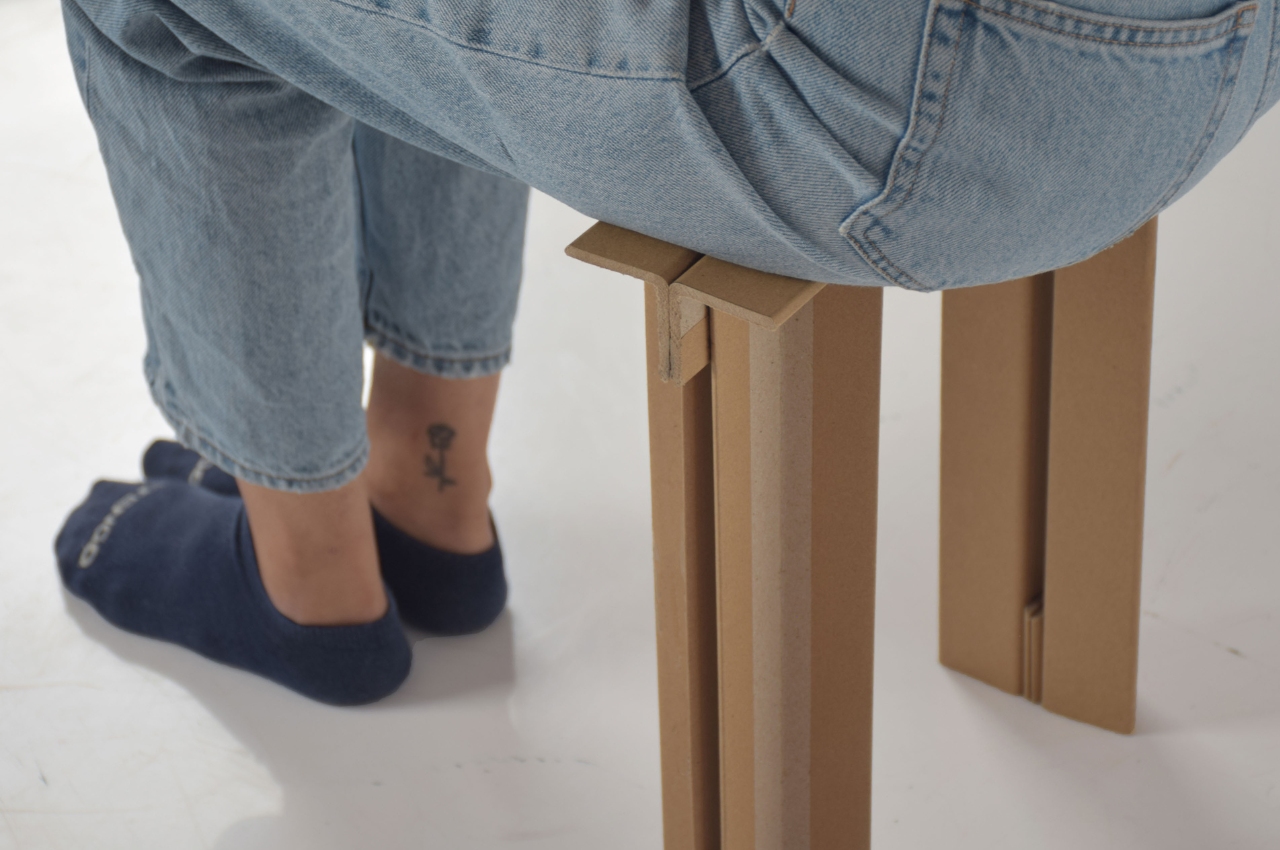
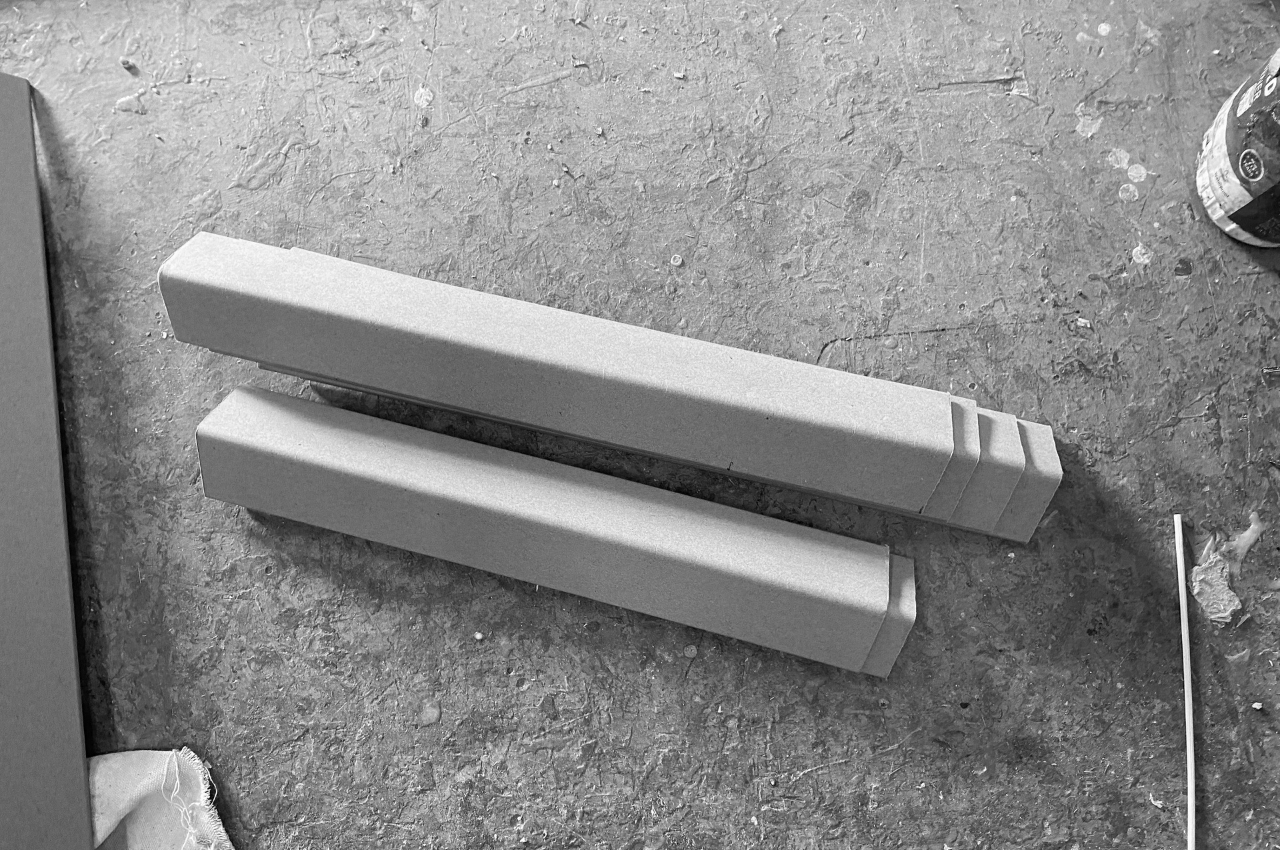
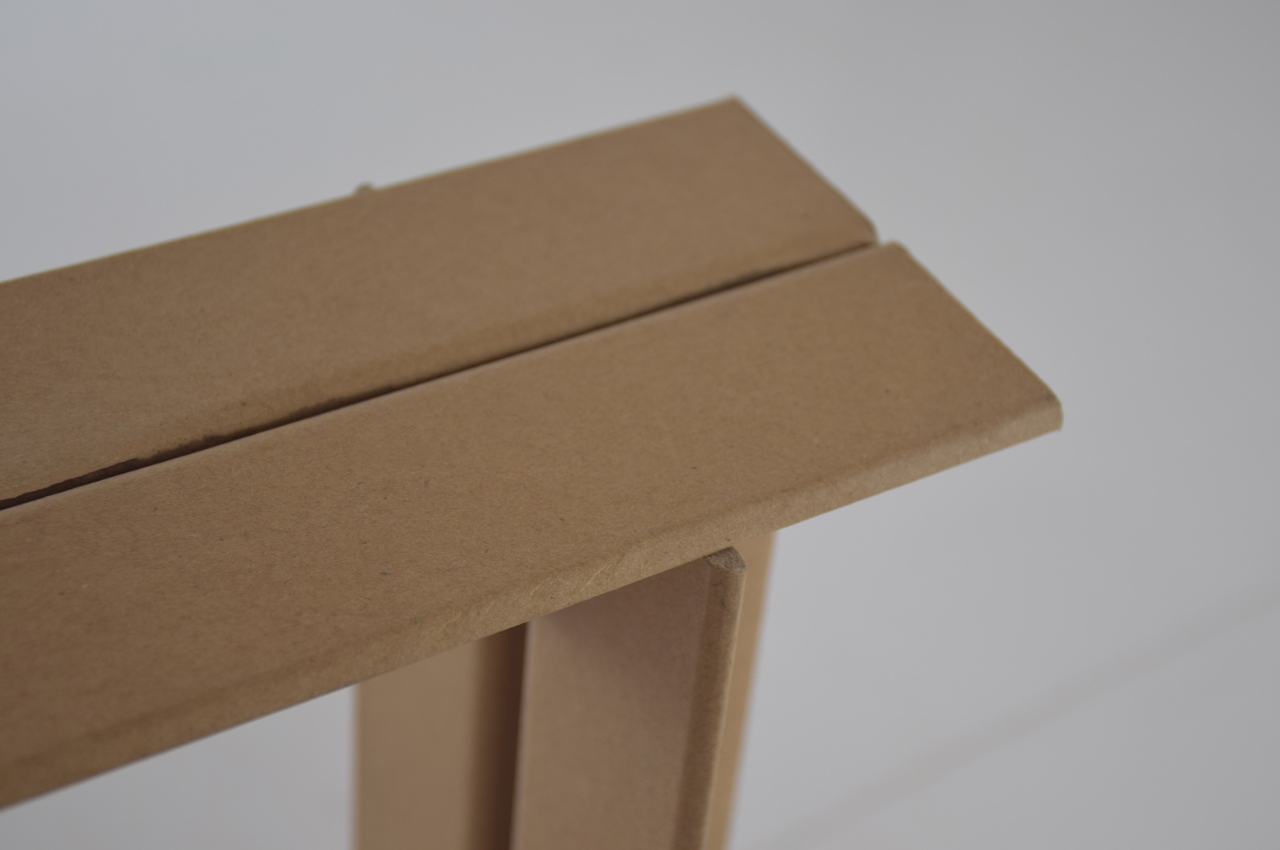
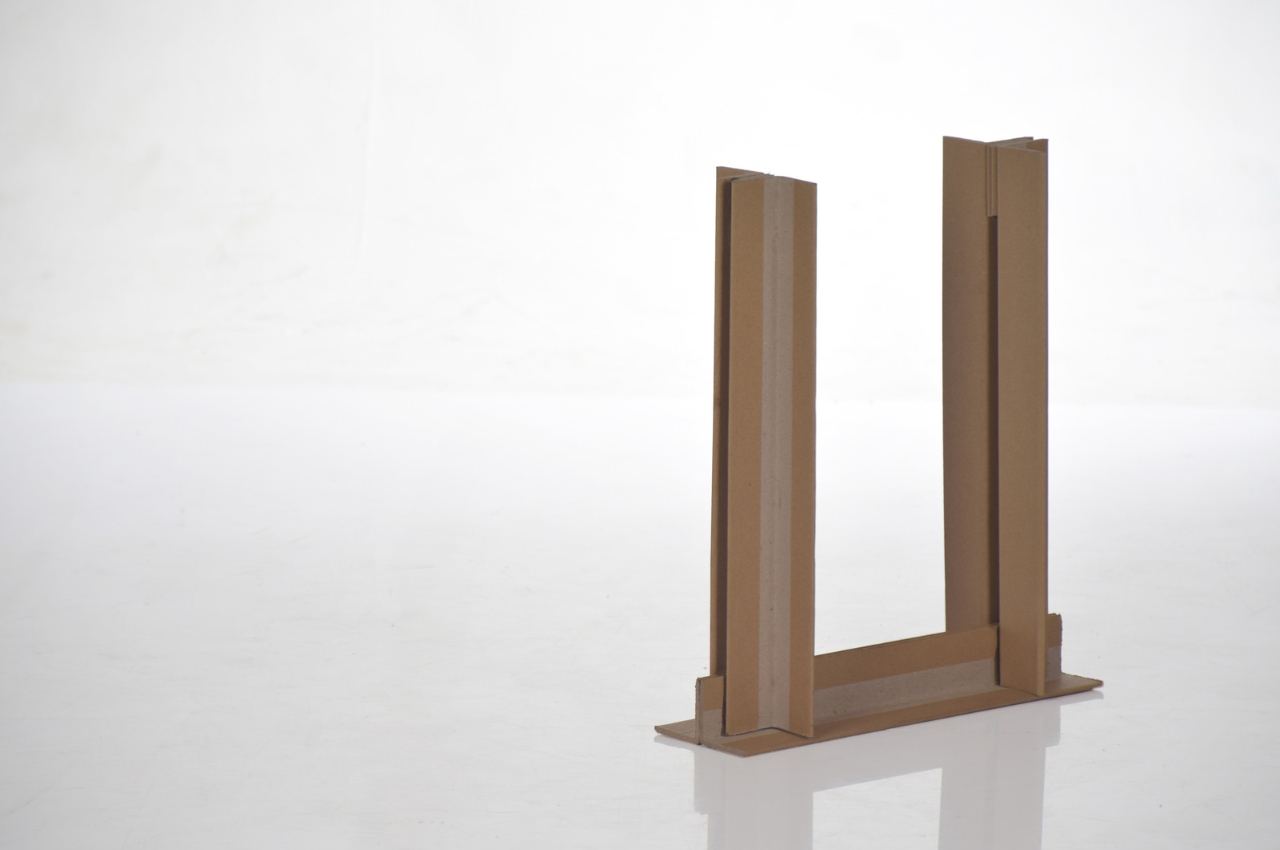
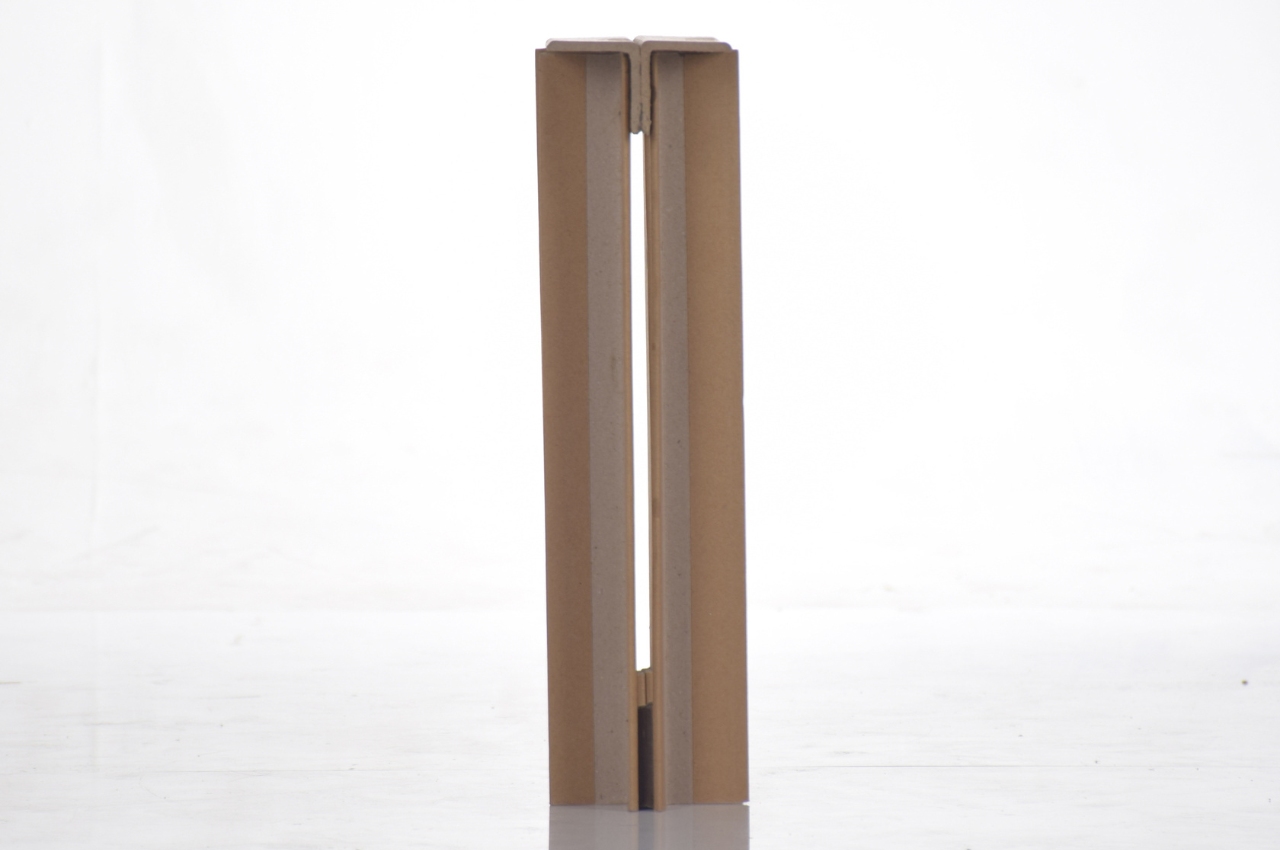
The reason for such a low cost is that the stool is made from waste from the packaging of electronic appliances and adhesives. The former is one of the biggest waste issues that we have now as the production of electronic appliances seem to be increasing. Therefore the waste has also been considerable. They were able to conceptualize a two legged stool from these waste materials and it seems to be light enough that you can carry it around.

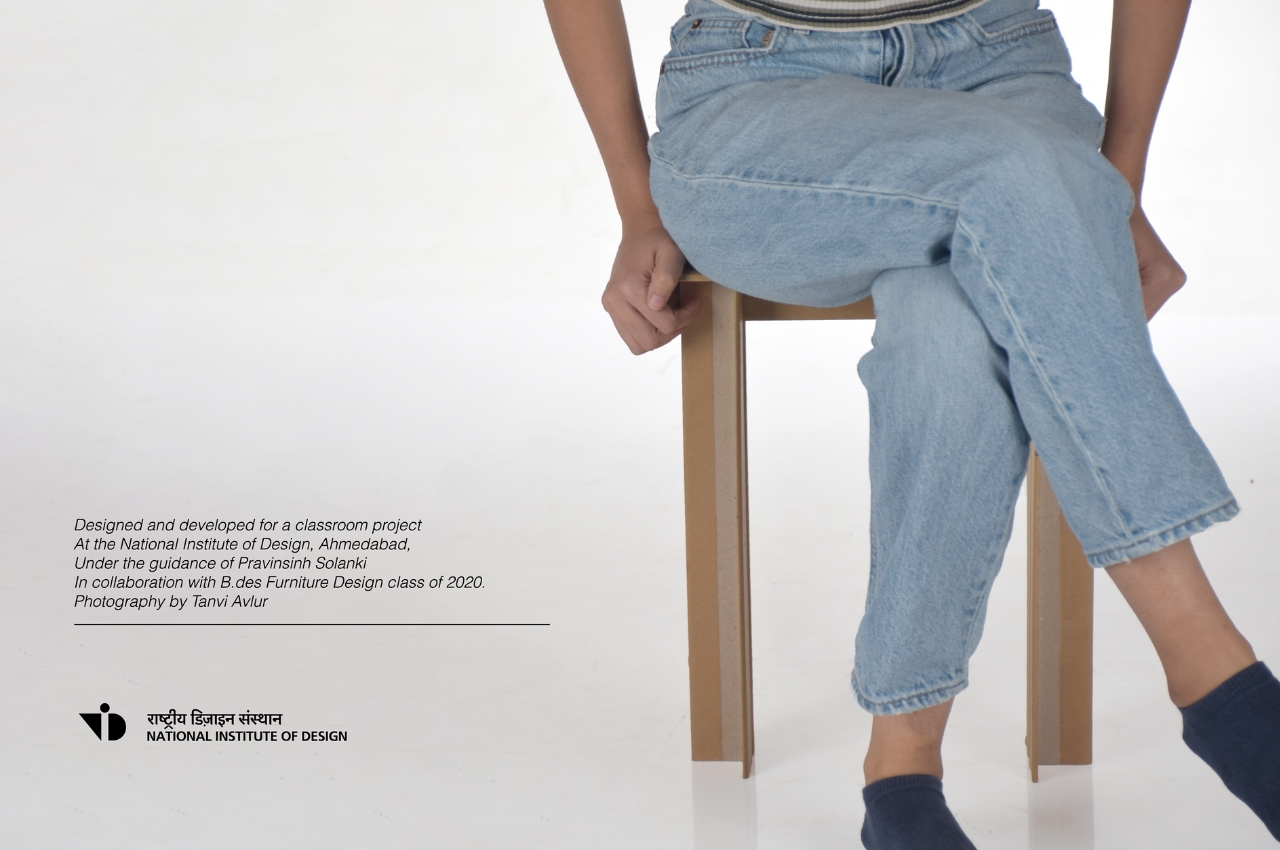
However, from the product renders and photos, I don’t know how stable it is or how it can hold up a fully grown person. It might be able to fit a child or a really thin and small person but those with considerable weight might think twice about sitting on it. It also doesn’t seem all that comfortable especially if you have a pretty round derriere. But props to the designer for coming up with something that can utilize packaging for electronic appliances.

The post Portable stool is made from electronic packaging waste first appeared on Yanko Design.
Portable stool is made from electronic packaging waste

There are a lot of product developers and designers who love to experiment with ideas for things that we sometimes take for granted. Good thing there are people like them who like to think about ways to improve these functional products. There are also those who think more about the materials used to create such products, especially materials that will lessen our carbon footprint. Chairs and stools are some of those things we don’t really think about innovating but there are still some ways to come up with better designed ones.

Designer: Razeen Mohammed

The EDGAR Stool is a concept for a portable stool born from the idea of creating something functional but also using the least amount of resources in terms of the material used for it, the energy needed to create it, and even the cost that you have to spend. In fact, in terms of prototyping this concept, they only spent around $0.29 in making one of these stools.

The reason for such a low cost is that the stool is made from waste from the packaging of electronic appliances and adhesives. The former is one of the biggest waste issues that we have now as the production of electronic appliances seem to be increasing. Therefore the waste has also been considerable. They were able to conceptualize a two legged stool from these waste materials and it seems to be light enough that you can carry it around.

However, from the product renders and photos, I don’t know how stable it is or how it can hold up a fully grown person. It might be able to fit a child or a really thin and small person but those with considerable weight might think twice about sitting on it. It also doesn’t seem all that comfortable especially if you have a pretty round derriere. But props to the designer for coming up with something that can utilize packaging for electronic appliances.

The post Portable stool is made from electronic packaging waste first appeared on Yanko Design.
Colorful stool is made from 80% recycled plastic

When it comes to functional pieces of furniture, we probably go for items that are able to serve their function (and are most likely affordable) and are not really that concerned with the design or aesthetics. But the past years, a lot of people have also been concerned with how these items are made, specifically with the materials used to create them as we become more conscious about our personal carbon footprint and the things taht we consume.

Designer: Alexander Latersztain for Derlot

The original Stump stool from Derlot were already interesting enough with their “bold, minimalist and uncomplicated” take on this piece of furniture that lets us sit. Now the newest version is the Stump Recycled which carries the same basic structure of the stool but is now made from 80% recycled post-industrial plastic LDPE. And if you’re the type that would go for furniture that’s made sustainability then this should be right up your alley.

Because of the material it’s made from, you also get a different design. The patterns on the stools feature a terrazzo-like design which makes it more textured and colorful look. The original Stump stools had pretty solid colors but this time around you have the option to have a seat with a kaleidoscope-like finish. This is their “fresh interpretation” of how you can use recycled materials to enhance your design as well.
Derlot says that more than just a stool that you can sit on, this is a symbol of their commitment to pursue more sustainable design and production. I don’t know how long I can last sitting on this stool though as it’s small and doesn’t look that comfortable but sure, for sustainability, it’s a pretty interesting piece of furniture to have.
The post Colorful stool is made from 80% recycled plastic first appeared on Yanko Design.