AI-powered calculator concept can solve even handwritten math problems

Like it or not, and some definitely don’t, the things that AI and neural networks can accomplish these days are nothing short of mind-blowing. Never mind the rather dated speech recognition that has now become all too common, AI has now become famous and notorious for being able to analyze just about anything and generate something from those data points, whether they’re images, novels, or even the chicken scratch that is our handwriting. Turning human scribbles into digital text that computers can process has long been one of the Holy Grails of computing, but being able to make sense of those scribbles is a different story. AI has come to a point where it can not only understand but even solve handwritten equations, and that’s a capability that this smart calculator is harnessing to ease the pain of cross-checking math problems, almost like magic.

Designer: Divyansh Tripathi

It’s relatively easy for computers and even phones these days to recognize handwriting and turn it into their digital equivalent, but AI goes the extra mile by understanding those words and, in this case, numbers and symbols. Math solvers, just like AI text generators, are somewhat controversial because of their potential for abuse, but the technology itself is quite impressive and, just like any other tool, could also be put to good use.

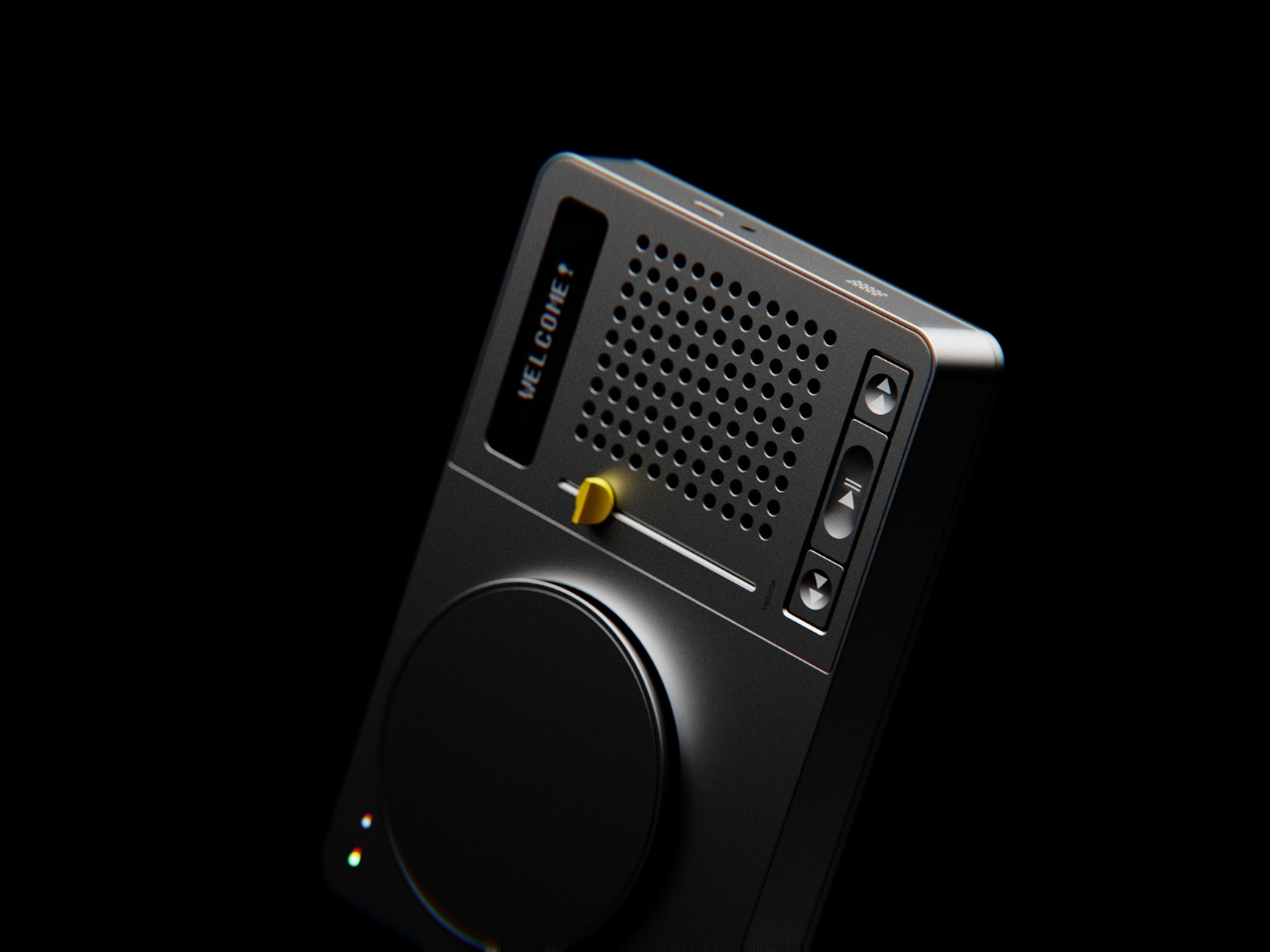
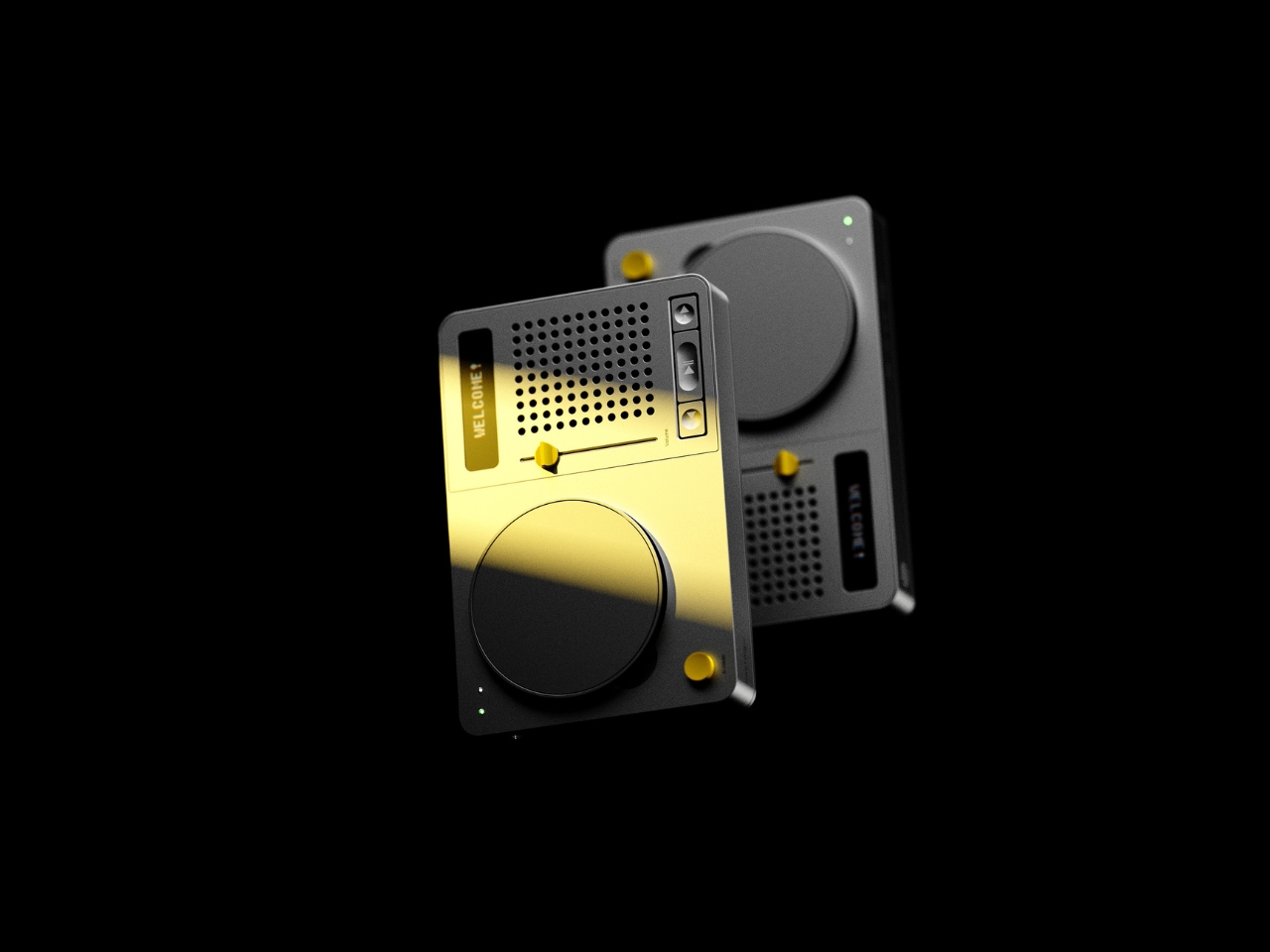
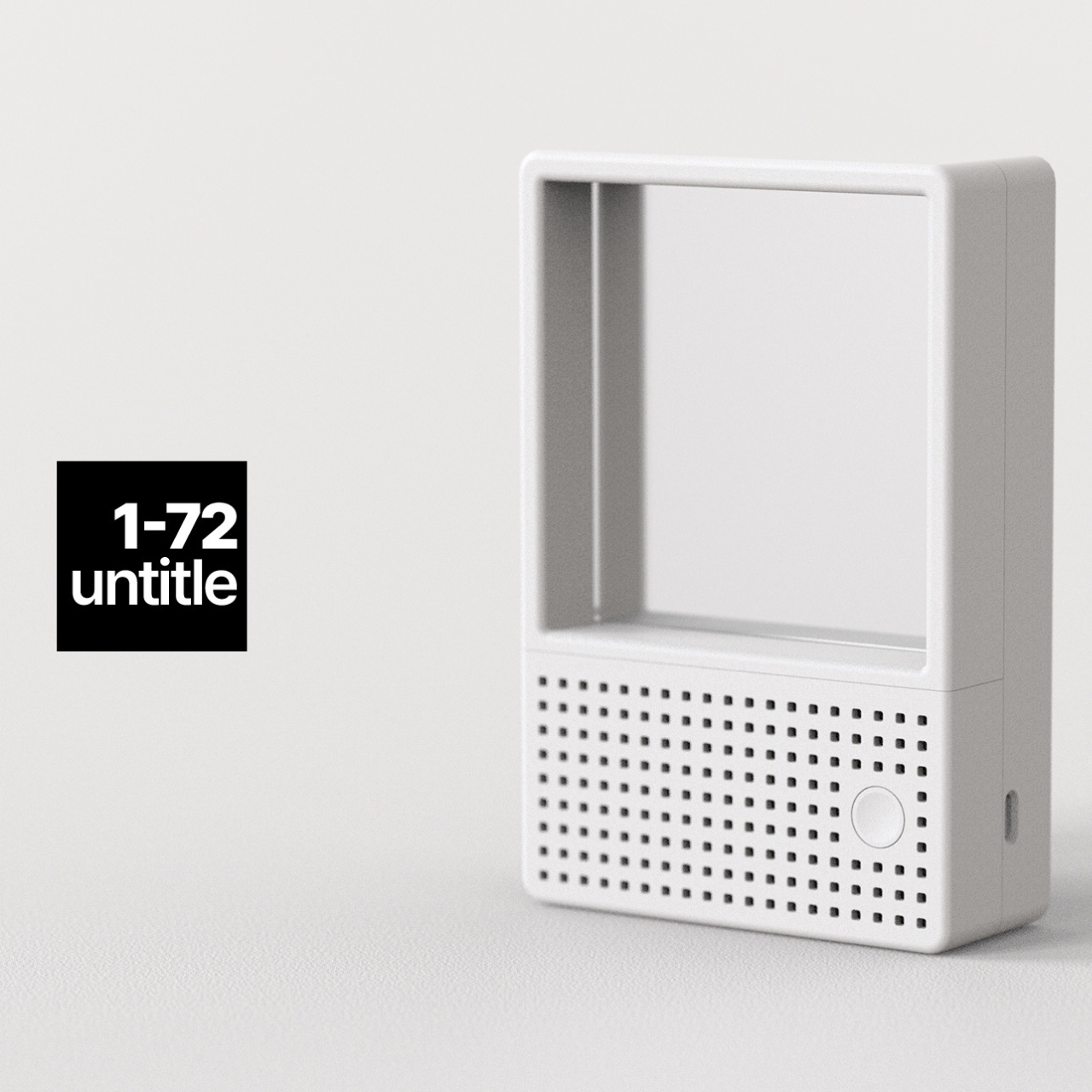
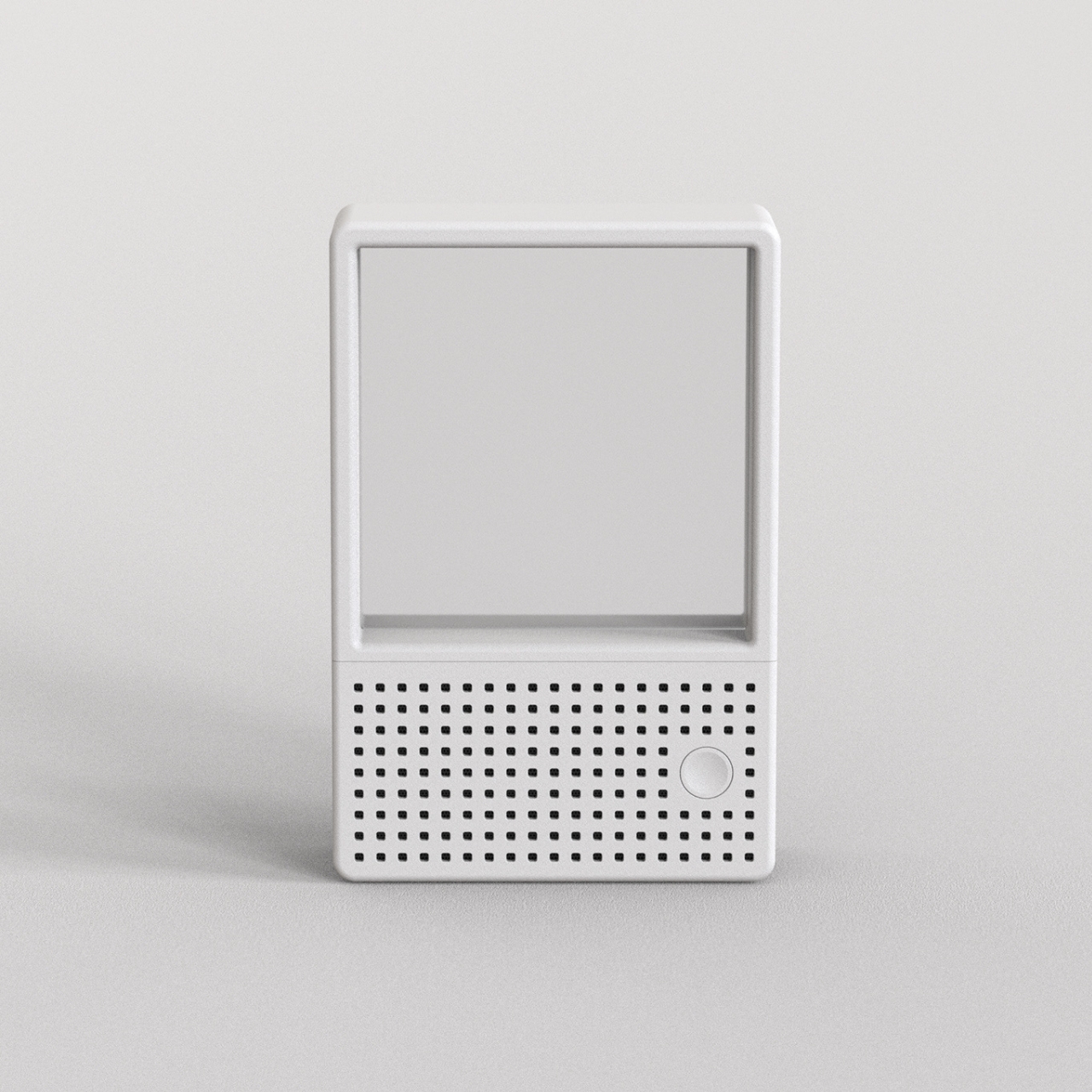
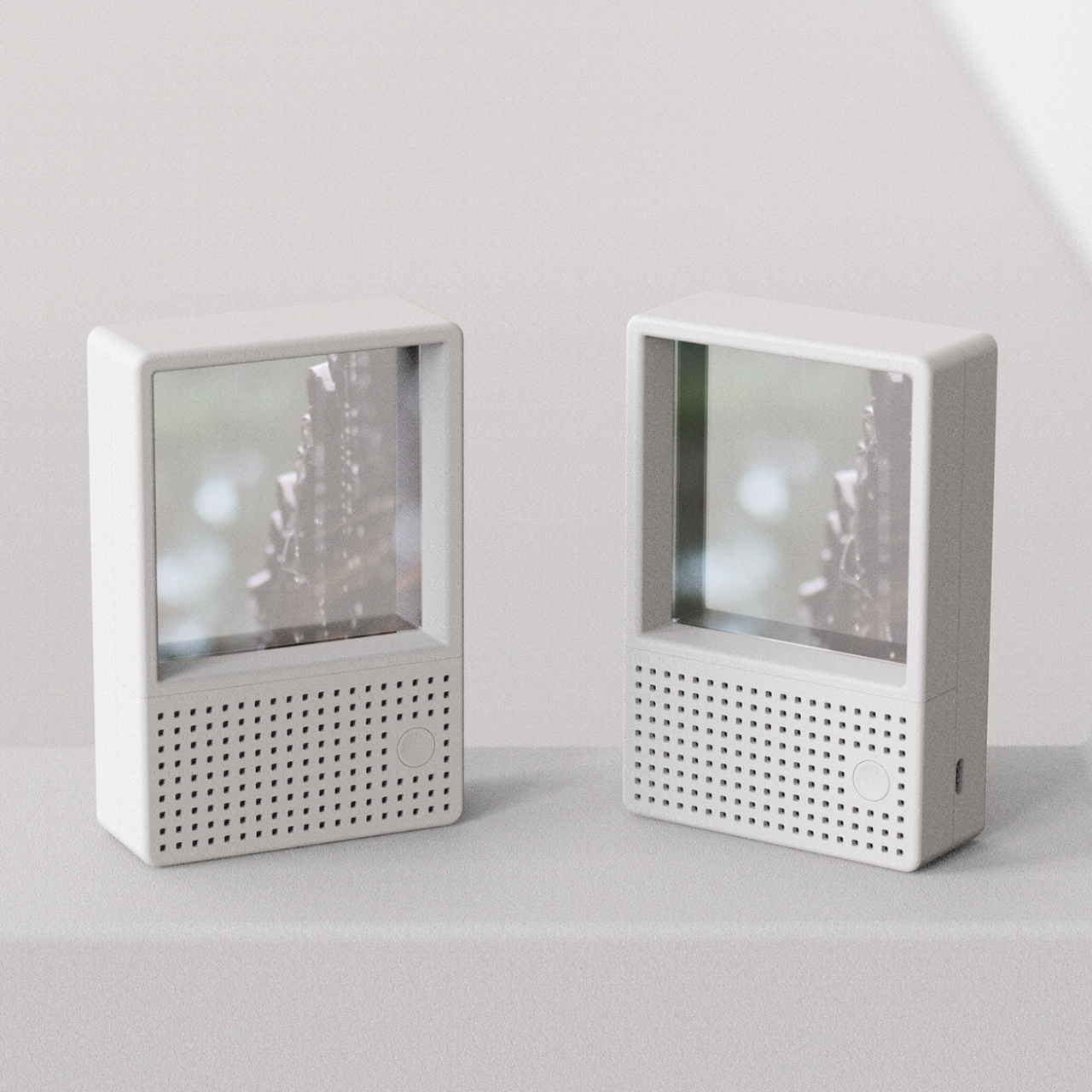
That’s the potential that the OBSCURA smart calculator concept is trying to harness, offering an all-in-one problem-solving device for any and all numerical problems. Unlike your typical advanced calculator, this one comes with a camera so that you can take pictures of a handwritten formula and run it through a solver such as Photomath, Microsoft Maths Solver, Socratic, and others. It doesn’t stop at “seeing” formulas and problems, however. It also has a built-in mic so you can verbally ask it about the problem.

Of course, you can also just type out the numbers like with any regular scientific calculator. In terms of the device’s interface, what sets this calculator apart is a touch control that lets you adjust the viewfinder or move the cursor around on the display. In all other aspects, it’s pretty much like any other powerful calculator, just that it has AI running inside.

Of course, that raises the question of the purpose of such a device, especially when smartphones have access to the same hardware and AI services. A smartphone, however, also has plenty of distractions that can drag you away from the work at hand, especially if that work happens to involve disagreeable numbers. Obscura, at least, offers to do some of the rote work, especially with cross-checking solutions, but it’s still up to the user to be responsible with such great power in their hands.

The post AI-powered calculator concept can solve even handwritten math problems first appeared on Yanko Design.

Wireless earbuds concept turns listening to music into a social experience

Headphones, earphones, and earbuds have become a common sight wherever you go. It helps us be more immersed in our music and podcasts even when outdoors, while also respecting others around us who might not share the same preferences as us. At the same time, however, these devices are designed not only to isolate sound but also to isolate us from people, preventing us from actually sharing our favorite tunes with like-minded people. Sure, we can just turn on the loudspeaker, but that also means blasting the sound for everyone to hear, whether they like it or not, turning it into an all-or-nothing kind of deal. It shouldn’t have to be that way, though, especially not with our current technologies, and this concept tries to offer a more social earbud design that can easily share the music we love with a select number of people only.

Designer: Kusi Boateng-Arthur

Earbuds are intentionally designed to keep sound in so that you can enjoy your tunes without worrying about outside noise coming in or your music “leaking out” to others. Nowadays, there are features that do let some ambient sounds through for safety or communication reasons, but it doesn’t work the other way around. Unless you have a poor fit or extremely loud volumes, no one around you will hear what you’re playing, no matter how much you want to share your new favorite album.

“more. than a bud” is a design concept that tries to remedy this unsociable situation by providing a way for earbuds to share music with each other without having to broadcast it over a loudspeaker. We already have the technology available for this, as demonstrated by wireless speakers that support multiroom modes. The idea is the same but on a smaller and more personal scale.

Inspired by the Aslatua Ghanian percussion instrument, these earbuds simply tap each other to establish a connection. Smartphone users might be familiar with a similar gesture that existed a while back to initiate a file transfer between two phones. That’s pretty much all that’s needed to share your music with another person, letting you develop a closer relationship that goes beyond being a bud.

Aside from that special feature, the “more. than a bud” buds also have a distinctive design which is basically just two halves of a sphere. The actual speaker, however, is angled at 30 degrees in order to maximize the path that sound travels in your ear. The concept also claims that the in-ear design offers a secure fit, but some might have reservations because of its small, stemless shape. While the two halves join together to form a sphere when not in use, charging the buds requires them to attach to opposite sides of a small puck, turning the shape into a capsule. It’s definitely an interesting design, though it will probably be more noted for its ability to turn listening to music back to its original form: a social experience.

The post Wireless earbuds concept turns listening to music into a social experience first appeared on Yanko Design.
Huggable robot concept delivers warmth, power, and comfort during disasters

Natural disasters can take a heavy toll on life and property, even when we’ve prepared for the worst. Floods, earthquakes, fires, and volcanic eruptions can send people running to evacuation centers where they may be safe but are hardly intact both in the body and especially in the mind. These refuge centers are often only able to provide the bare necessities when it comes to shelter and food, with electric power and heating sometimes taking a lower priority. That’s not even considering the psychological pain that all evacuees experience during these dark times, which often take a backseat because of the state emergency. Of course, all of these are important factors to consider, and this concept for an add but cute robot tries to address them in its own little way to provide both physical and mental comfort to people who have been displaced by these calamities.

Designers: Taejeong Kim, Yeji Jeon

To be fair, such shelters have to focus on what human needs to survive, like food, clothing, and a stable roof over their heads. Electricity often isn’t even viable during natural disasters when power lines are down, but considering how much we rely on electric appliances and devices these days, it has become almost just as critical. Depending on the location and the nature of the disaster, keeping warm is also important, especially if the person is shivering from shock.

POWER HUG is a product design concept that tries to bring some of that on a personal level, just enough power and warmth to bring a little comfort and ease the worries of the person. It is pretty much a big power bank, one with outlets for both USB cables as well as typical power adapters. It also has a built-in warmer to keep the person toasty, especially at night when temperatures tend to drop drastically.

What makes the design notable, however, isn’t just the features but also its form. POWER HUG comes as a cylindrical robot with two soft, bendable tubes that wrap around each end like a wheel. It has a screen in the middle to show the robot’s face and deliver a more humane touch to the design. Unlike what you might expect from robots, however, this one is covered with a thin cushion and soft fabric so that you can wrap yours around it in an embrace. Paired with its heating capability, it can deliver much-needed warmth, comfort, and perhaps even peace to a troubled person.

Considering its use in emergency situations, it’s almost necessary for POWER HUG to be made accessible and sustainable materials. Its batteries can be sourced from unused electric vehicle batteries, while its fabric can be made from recycled materials. It’s definitely an interesting idea, even if the production of such a device might not be practical, as it emphasizes humans’ need for more than just food and shelter to survive a disaster.

The post Huggable robot concept delivers warmth, power, and comfort during disasters first appeared on Yanko Design.
Modular speaker concept creates an immersive audio experience anywhere

Portable wireless speakers are becoming quite ubiquitous these days as a way to enjoy your favorite music anywhere you are, whether you’re outside or just in another room. In exchange for their portability, however, the quality of the sound these speakers produce is less impressive compared to bigger and more stationary equipment found at home. It would be nice if you could have the best of both worlds, enjoying an audio system that follows you around the house without missing a beat. You could try to buy multiple wireless speakers and hope they can be connected to each other, or you can hope that this peculiar speaker system concept becomes a reality, allowing you to pick up one or two speakers from their base as easily as you would pick up your takeout meal.

Designers: Junwoo Kim, Yoonjeong Lee, Heeyeol Yang, Jaehoon Jeong

For an audio experience to be considered truly immersive, it has to sound like it’s coming from all around you. More specifically, the right sounds have to come from the correct direction rather than equally from all directions. Making this possible with a single speaker or even a pair of headphones is possible but difficult to accomplish, requiring sophisticated algorithms and precise control to create the illusion of surround sound. Of course, you could set up a surround sound system in your entertainment den, but then that magic only takes effect in that room.

TakeOut is an LG-inspired concept for a modular speaker system that lets you design your own audio space in a snap. At its core is a 360-degree soundbar that tries to bring the sound to you wherever you are in the room by blasting it in all directions. But when you push down on one of the circles on the top of the soundbar, a short cylindrical wireless speaker pops up. It’s not a completely independent speaker and it works in tandem with the soundbar, but its most important feature is that you can take it anywhere with you in the house.

This portability means that you can set up your audio experience just the way you want it, whether you’re listening in the same room or elsewhere. Need to go to your home office for a while? Just pop out one of the speakers and let the music follow you there. You can also create your surround sound setup in a flash by positioning the four “sub-speakers” around the room, though that doesn’t necessarily mean that the system will know which sound needs to come from which speaker.

While the design of TakeOut is quite interesting, there might be some practical issues with it as well. For one, the concept doesn’t clarify if the individual speakers can be used separately from the soundbar or if they’re completely dependent on it. If it’s the latter, it also means that the speakers won’t function properly if they ever go out of range of the soundbar or if the data can’t reach them because of obstacles like walls. Those details, however, could actually be ironed out with some features that don’t take away anything from the spirit of this modular and immersive audio system.

The post Modular speaker concept creates an immersive audio experience anywhere first appeared on Yanko Design.
Bubble-inspired pendant lamp can hang horizontally or vertically as desired

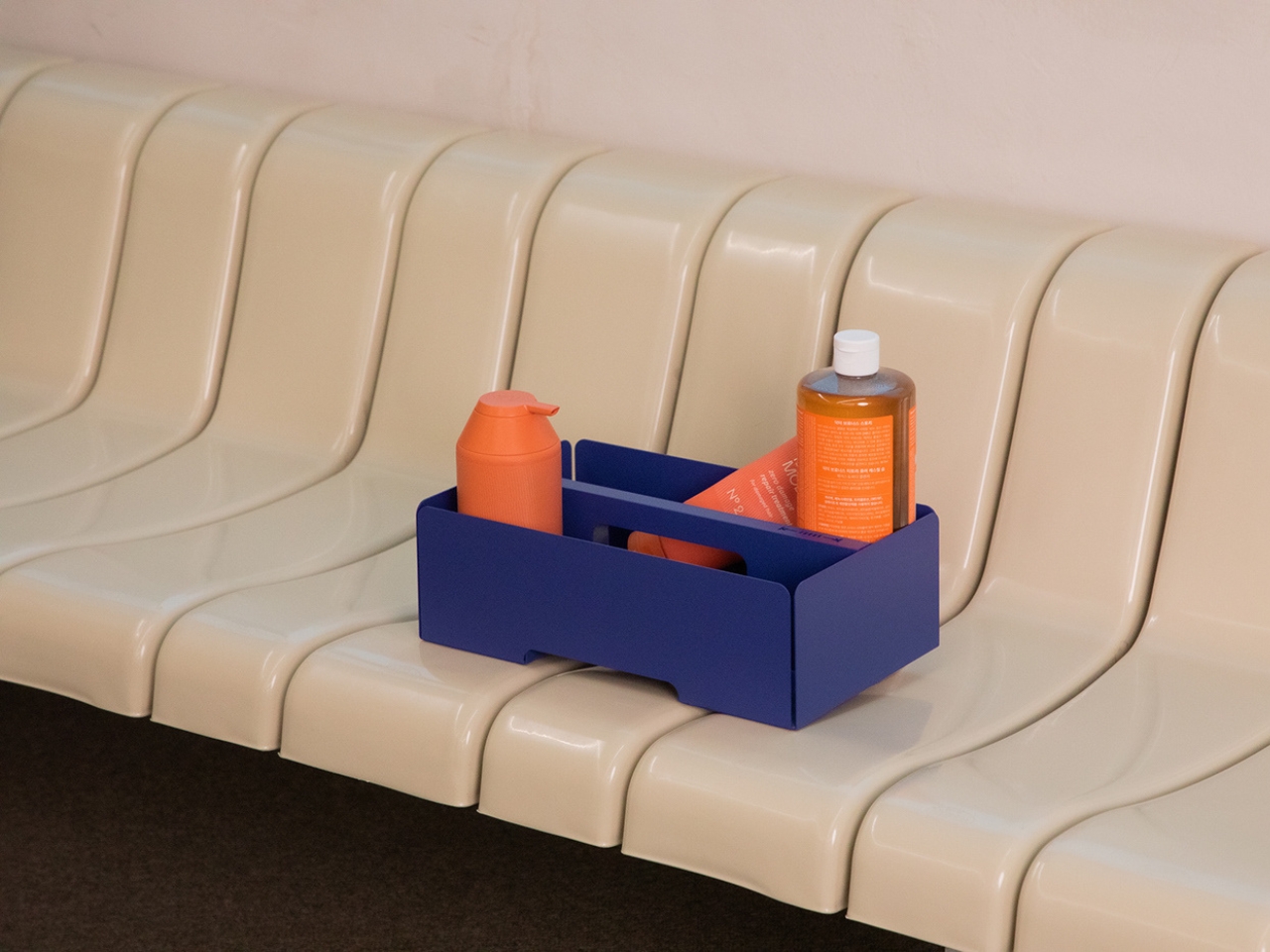
Lamps these days come in all shapes and sizes, especially ones that are designed to elicit certain positive responses through their aesthetic. That said, most of these lamps are also designed to be used in a single manner only, especially if they’re mounted on walls or hung from ceilings. That’s why it’s interesting to come across lamp designs that offer a bit more flexibility, even if it’s just in the way they’re made to hang from ceilings. This concept, for example, tries to add a bit of whimsical fun to a room’s atmosphere by calling to mind the ethereal beauty and joy that floating bubbles bring to the air.

Designer: Begüm Kılınç

There are lamps that try to literally imitate the appearance of bubbles, and while they might be things of beauty, these chandeliers aren’t always the most practical lighting solutions. Just as bubbles convey characteristics of fragility, this kind of lamp is, more often than not, used for more delicate and posh settings. They are beautiful, yes, but they also don’t bring the kind of flexibility and fun that this lamp concept proposes.

The Bubbles pendant lamp design looks more like a toy than a luxurious crystal-clear chandelier. Bubbles, after all, tend to bring out the inner child of anyone who sees or plays around with them. The pastel colors represent some of the hues reflected off the surfaces of bubbles, though toned down a bit to be a bit more discreet with some interior designs. The cylindrical body and rounded ends are akin to bubbles that, despite normally spherical, would sometimes join with other bubbles to form a longer mass.

And just like how bubbles can float vertically or horizontally depending on how the wind blows, these lamps can hang either way as well. When it is held up by two cords, it can hang horizontally as you would expect from such a long lamp. However, it can also hang from a single cord to hang vertically, giving it a more striking presence, especially if the lamp is now at eye level. Interestingly, the clear ends of the lamp have spherical “stoppers” that let you adjust how those cords behave.

Such a simple difference can have a profound effect on the ambiance of a room. Imagine multiple Bubble lamps hanging vertically, creating an almost magical atmosphere with their collective lighting. It’s definitely not a ground-breaking feature, and there might be practical and safety issues with such a design. It’s still an interesting experiment that tries to take inspiration from the ordinary things in life that bring us joy and translate that into a product design that does the same.

The post Bubble-inspired pendant lamp can hang horizontally or vertically as desired first appeared on Yanko Design.
Deskterior accessory collection helps keep late-night workers productive

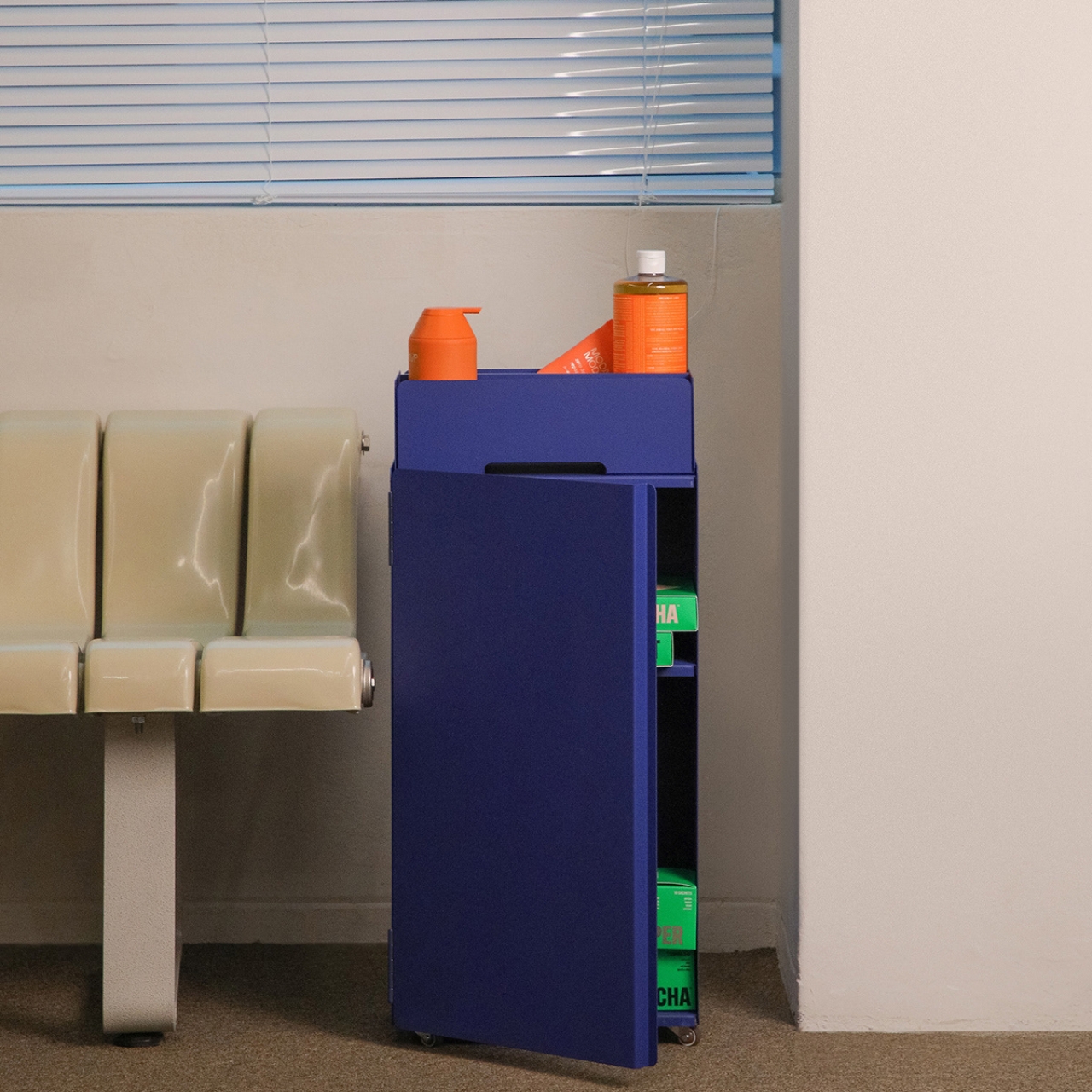
We all know it’s bad for our physical and mental health, but there will always be times when we have to go through the late-night crunch at home. That’s not even considering how some actually have work hours that begin only after the sun has set. Working long hours into the night in the solitude of your home or room can be physically taxing and emotionally draining, which is why there’s now a trend to bring some joy into workspaces through accessories and decorations. This “deskterior” movement tries to energize and even help people remain productive even in the dead of night, and this collection of dark-themed product design concepts injects a little ingenuity and even some attitude to your nighttime quests.

Designers: Jiye Lee, Seoyeong Jang, Junhong Yang, Taeyoon Kim, Jeongeun Kim

There’s no shortage of desk accessories and gadgets that try to boost your productivity at work, but most of them make the presumption that you’re on a regular 8 to 5 clock. Of course, those products would work any time of the day, but there’s something to be said for products designed for a specific purpose or around a certain theme. YAZAK, which is a play on the Korean word for midnight snacks, is a collection of these “deskterior” accessories that help keep you company and stay productive during those late-night shifts, and not just because they have a dark color scheme that better fits that time of the day.

1

TEMPO, for example, is both a desk lamp and a timer. In addition to the main overhead light, its arm also has a trail of light that decreases as time passes until it’s completely empty, at which point the lamp itself turns off. It’s meant to tell you to take a break and visually inform you of the passing of time.

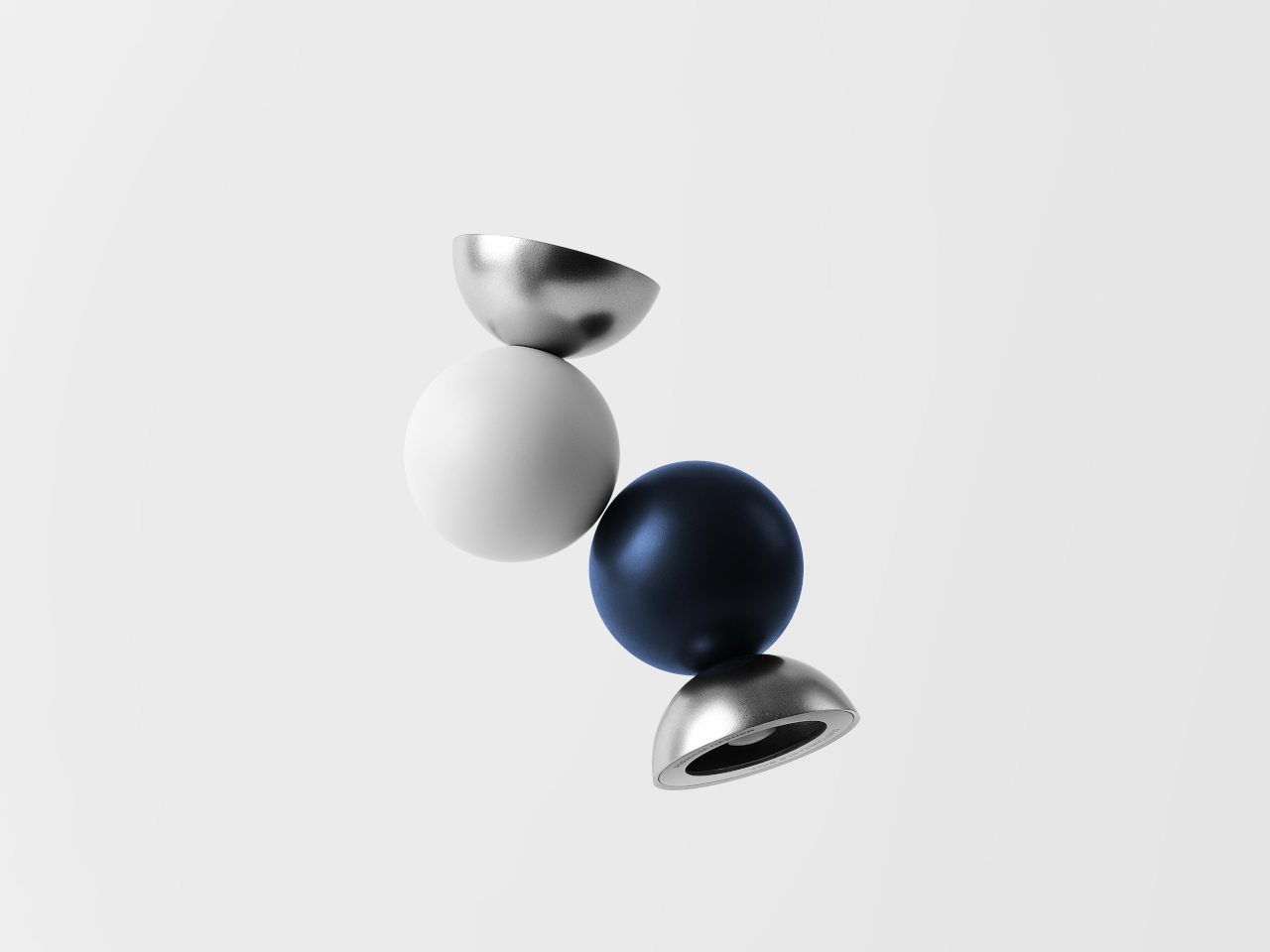
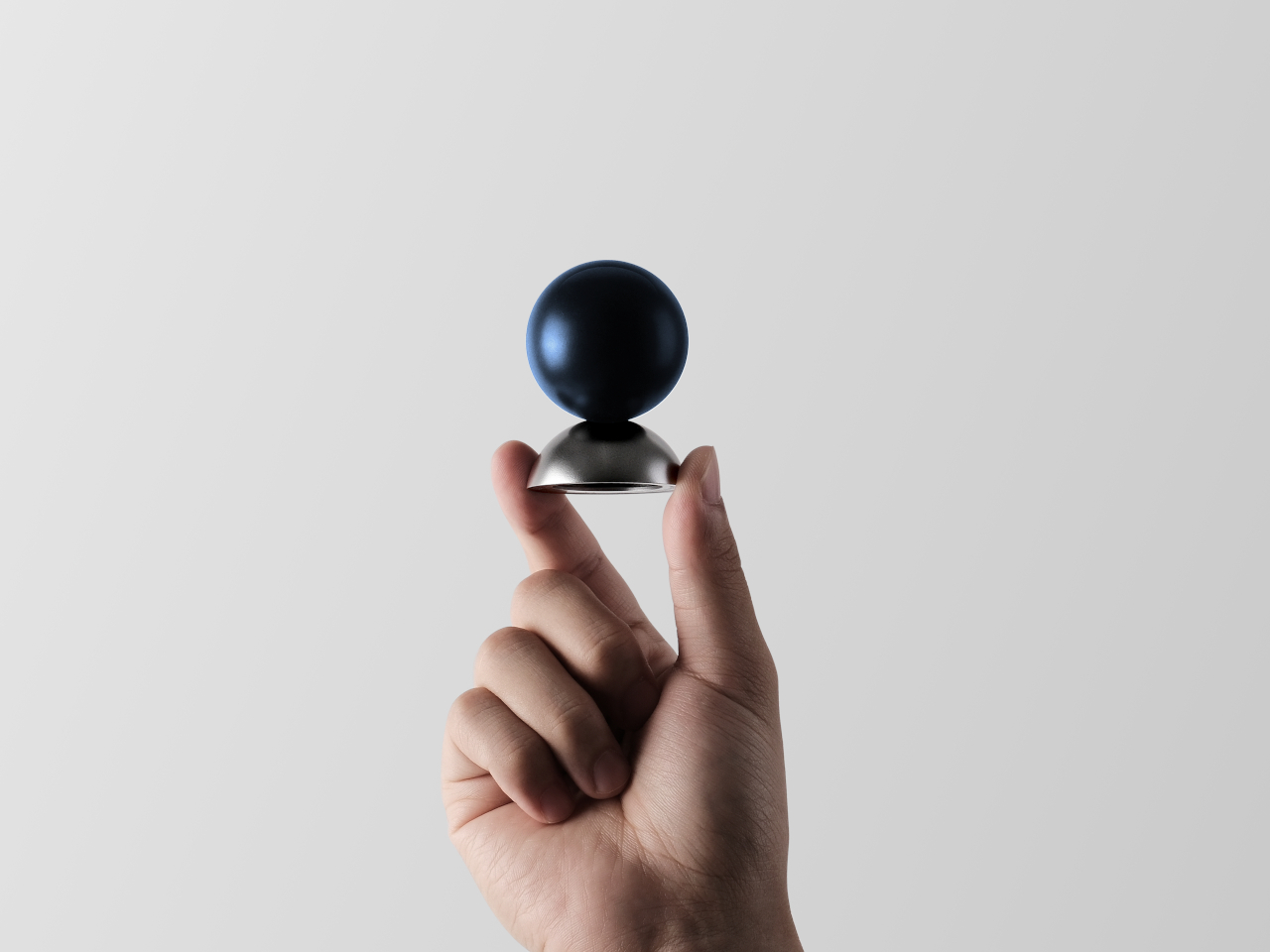
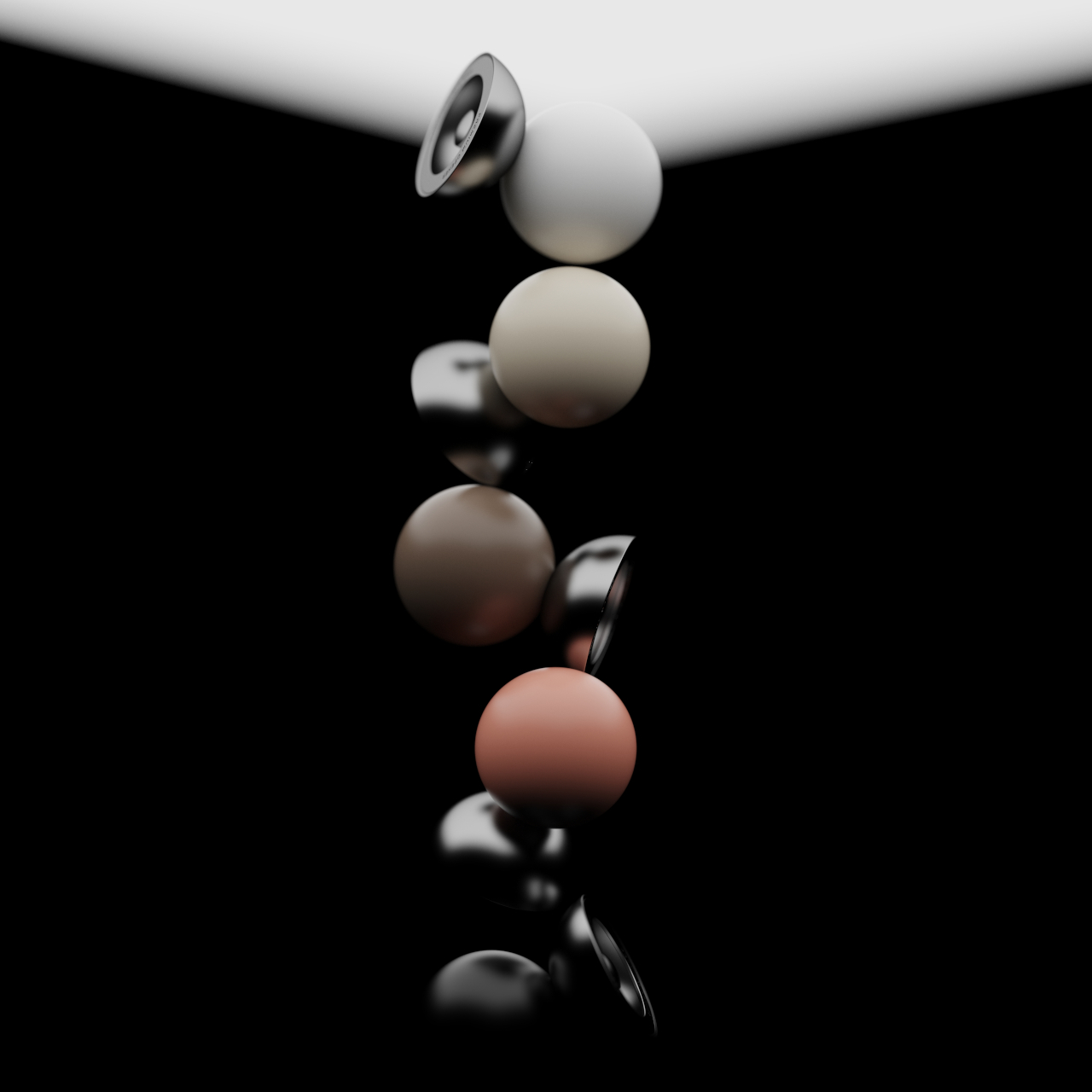
TEMPO probably works well with DODULE, a modular scheduler that’s made up of a stack of discs. Each disc represents a project and the deadline for that project. A tiny ball that sits on top marks the passage of time, letting you know how long it will take to finish the project that the disc represents.

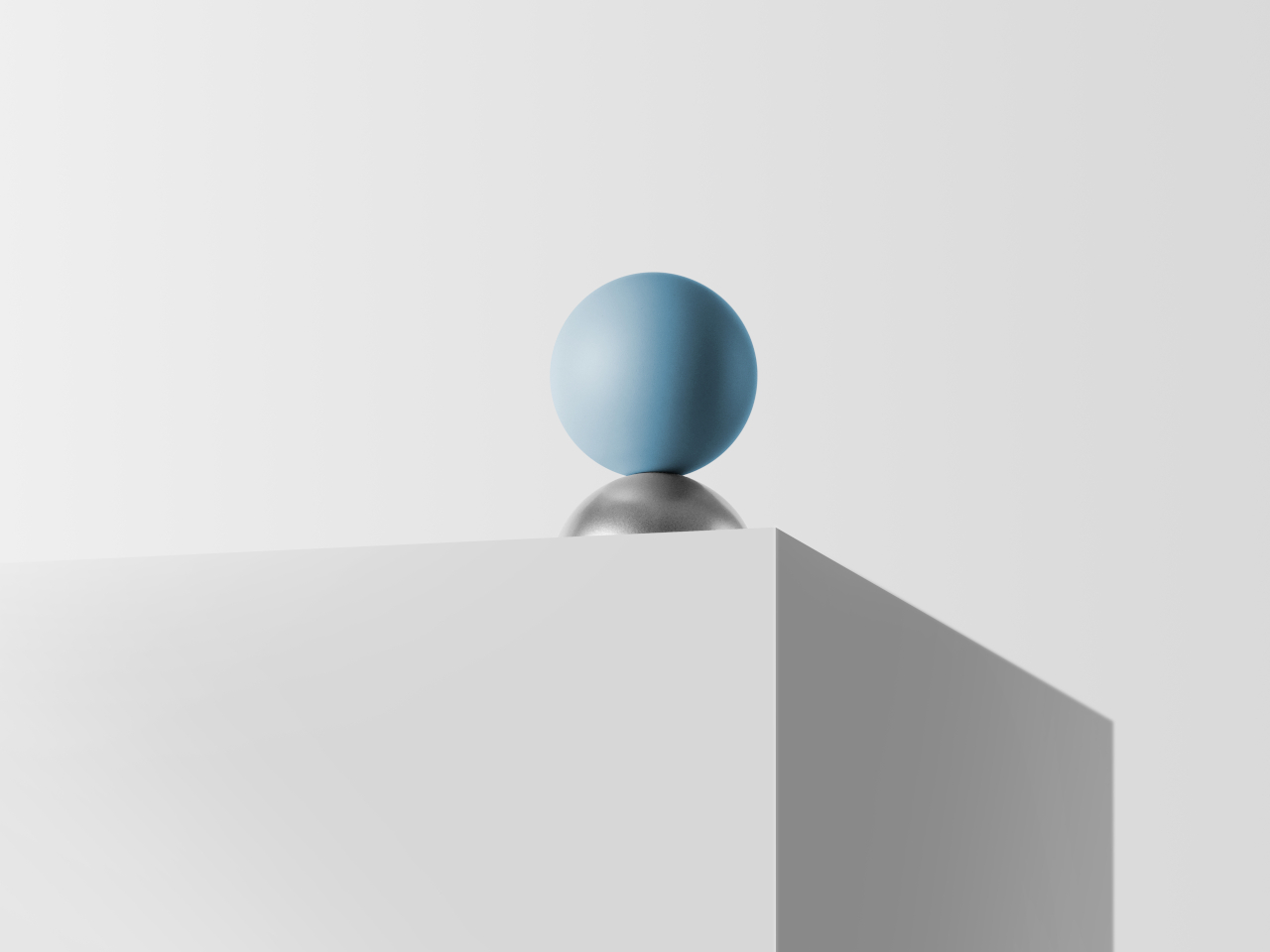
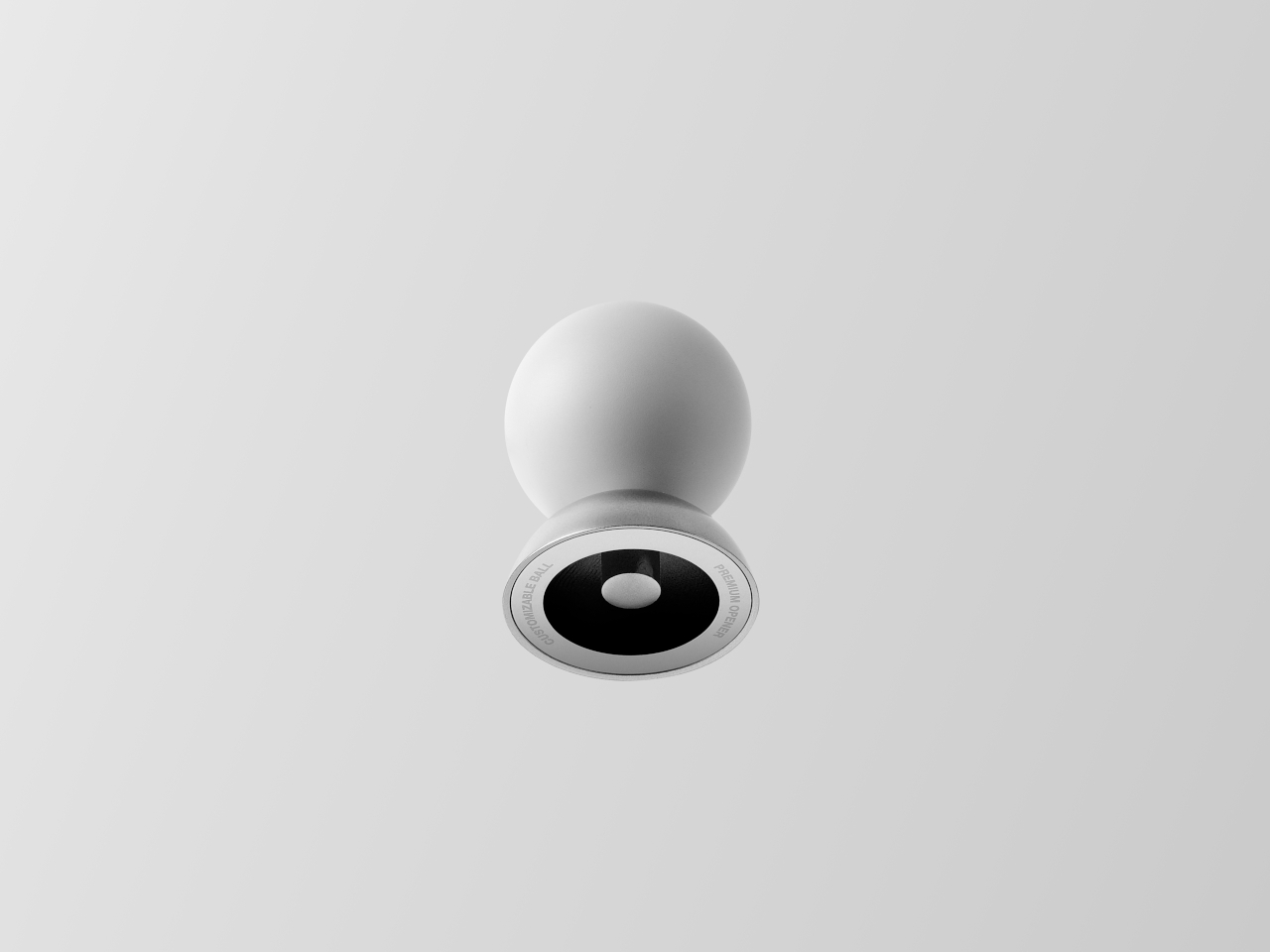
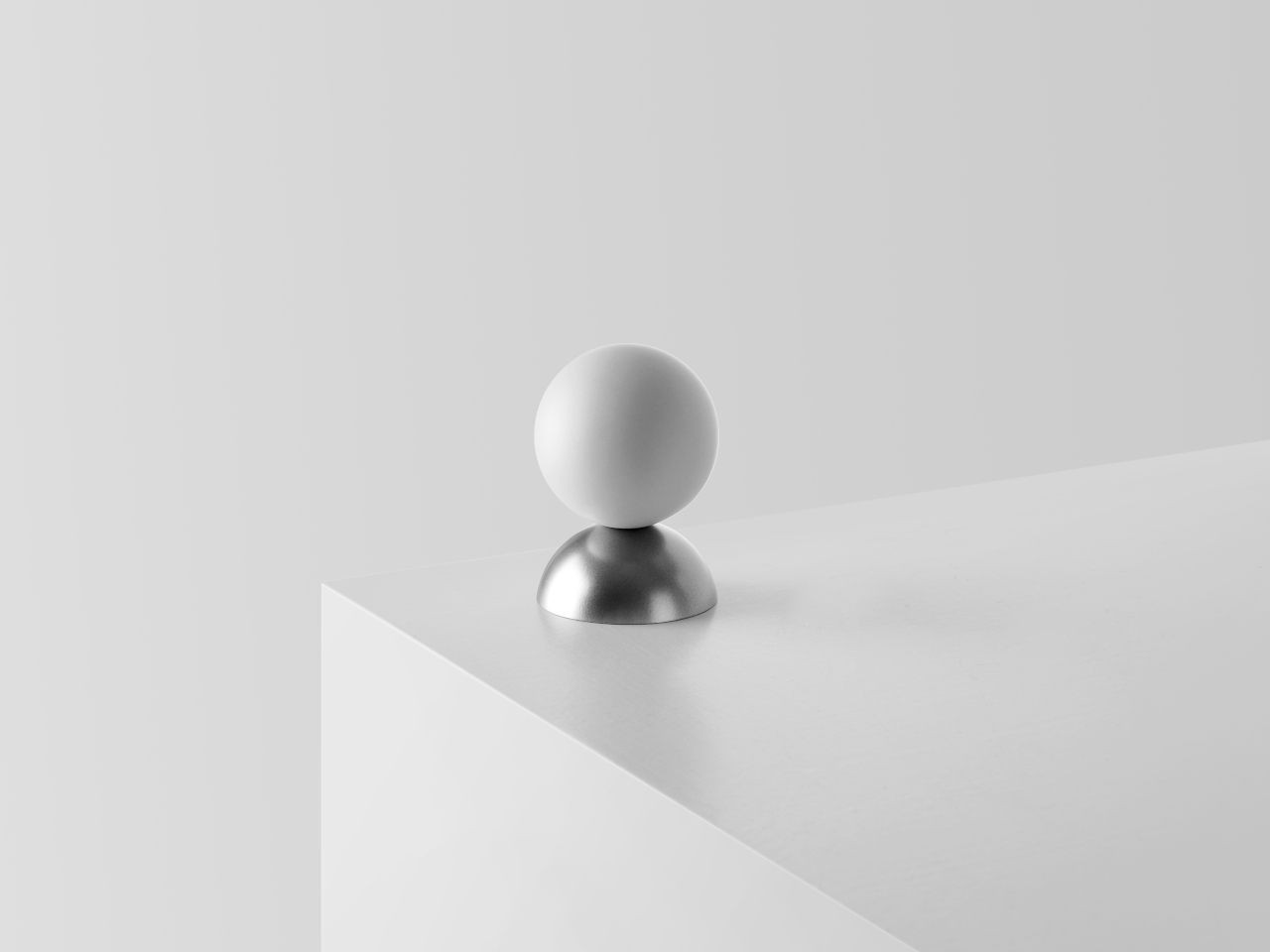
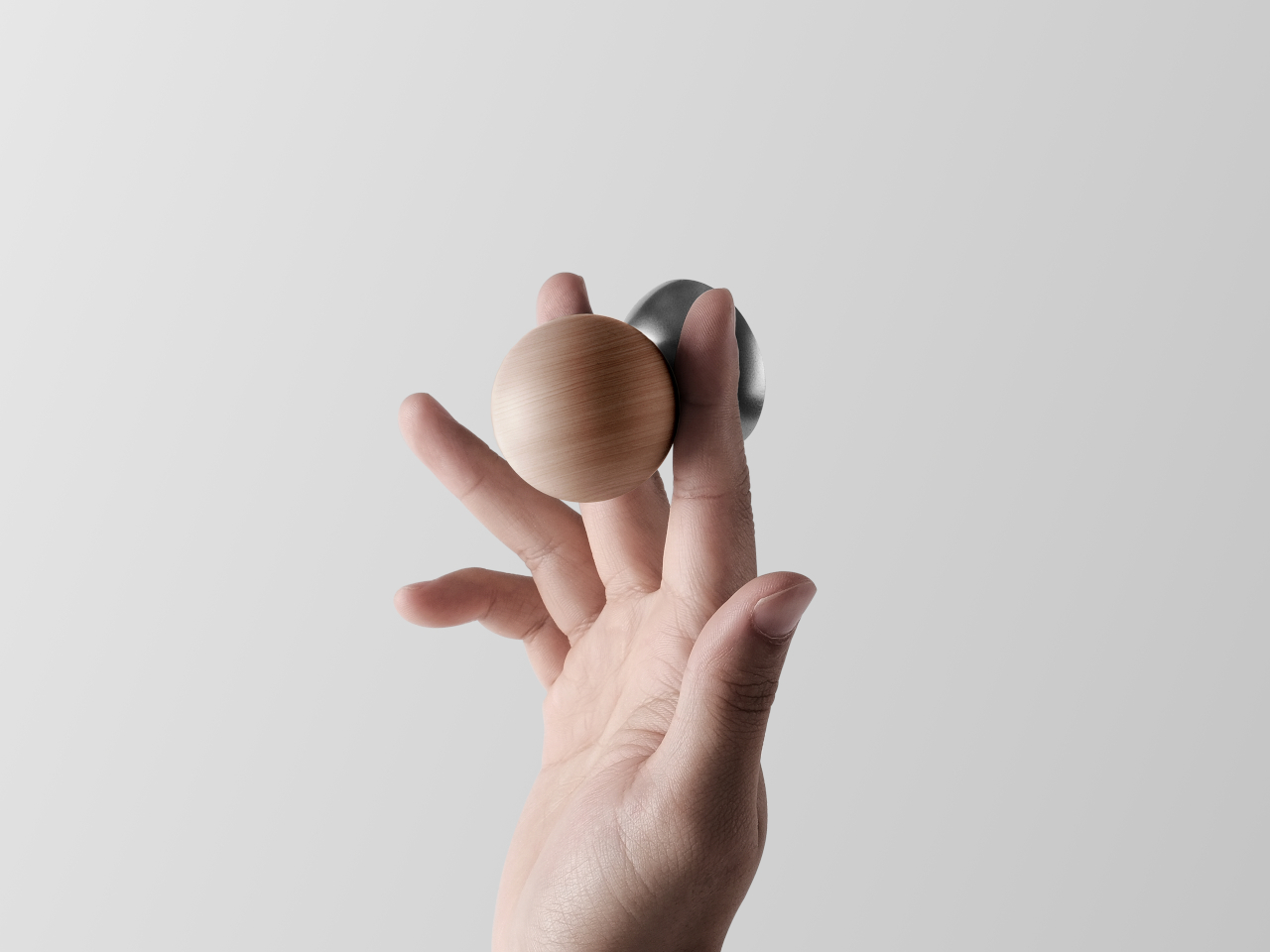
Still somewhat related to the notion of time, PLOP is a cup coaster that has a simpler mechanism. You simply push the ball down to its lowest point to start the timer. The sphere will slowly rise and give you a signal when it reaches the top. That’s time for another break, this time to reach for a glass of water to keep you hydrated.

BITLE is a bit more sophisticated and abstract, a device that’s meant to let you know if you’re not sitting properly. It uses sensors to detect your body’s posture and move the top plate to symbolize the lack of balance. The concept doesn’t indicate if the ball will fall off unless you sit with the correct posture, though that’s more likely to increase your stress rather than relieve it.

Last but definitely not least, SWIBLE is a side table with a swiveling top, offering extra space to place other things without messing up your desk, including those “Yasik” snacks you might need to keep yourself awake. It also has a hidden compartment under the lid for even more storage, though you probably need to remember to take things off it before opening it up. And when you’re work is finally done, the underside of the table can actually hold a tablet so you can sit back and relax with your favorite shows.

The post Deskterior accessory collection helps keep late-night workers productive first appeared on Yanko Design.
Retro laptop concept takes the mechanical keyboard trend to the next level

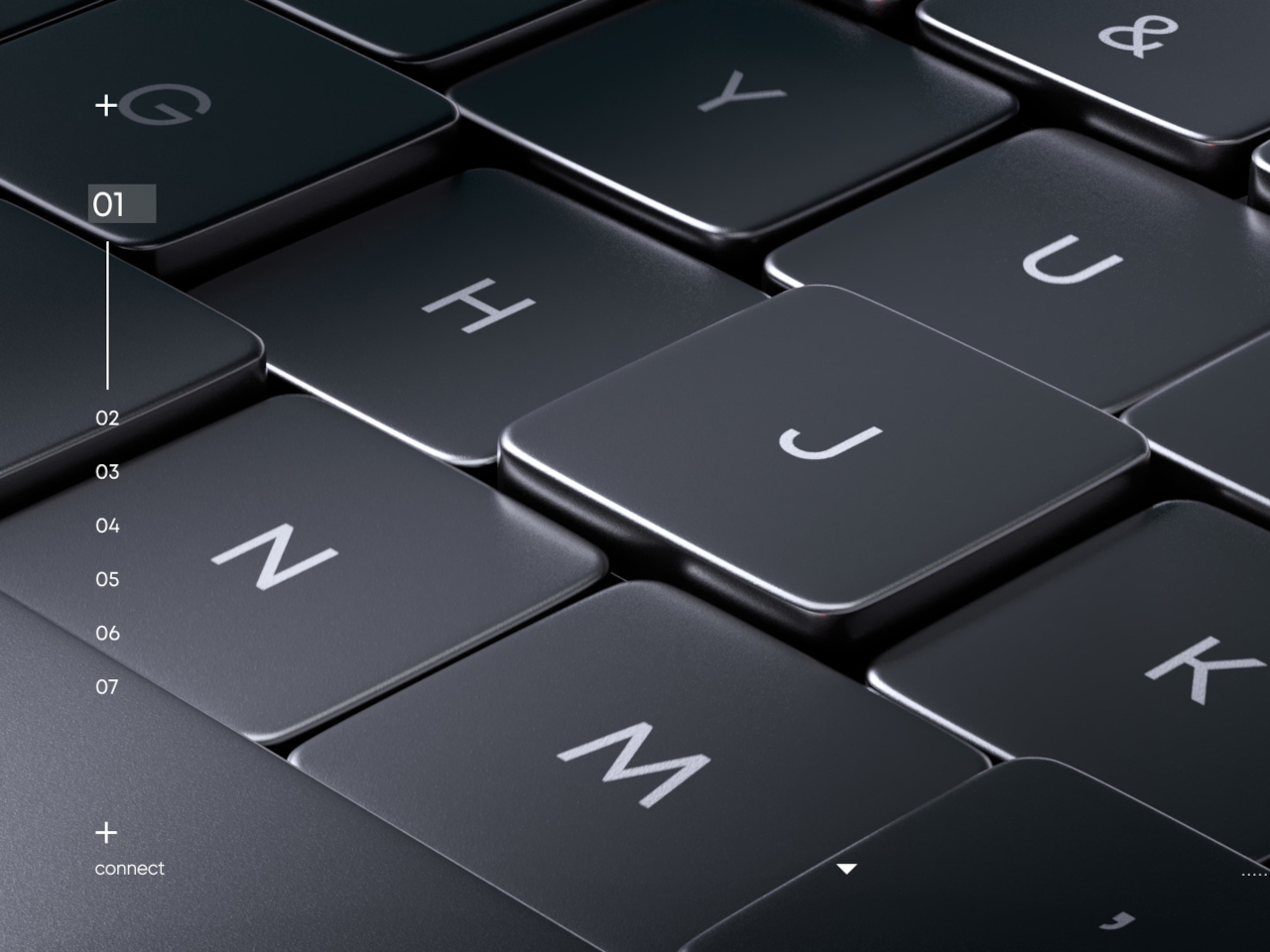
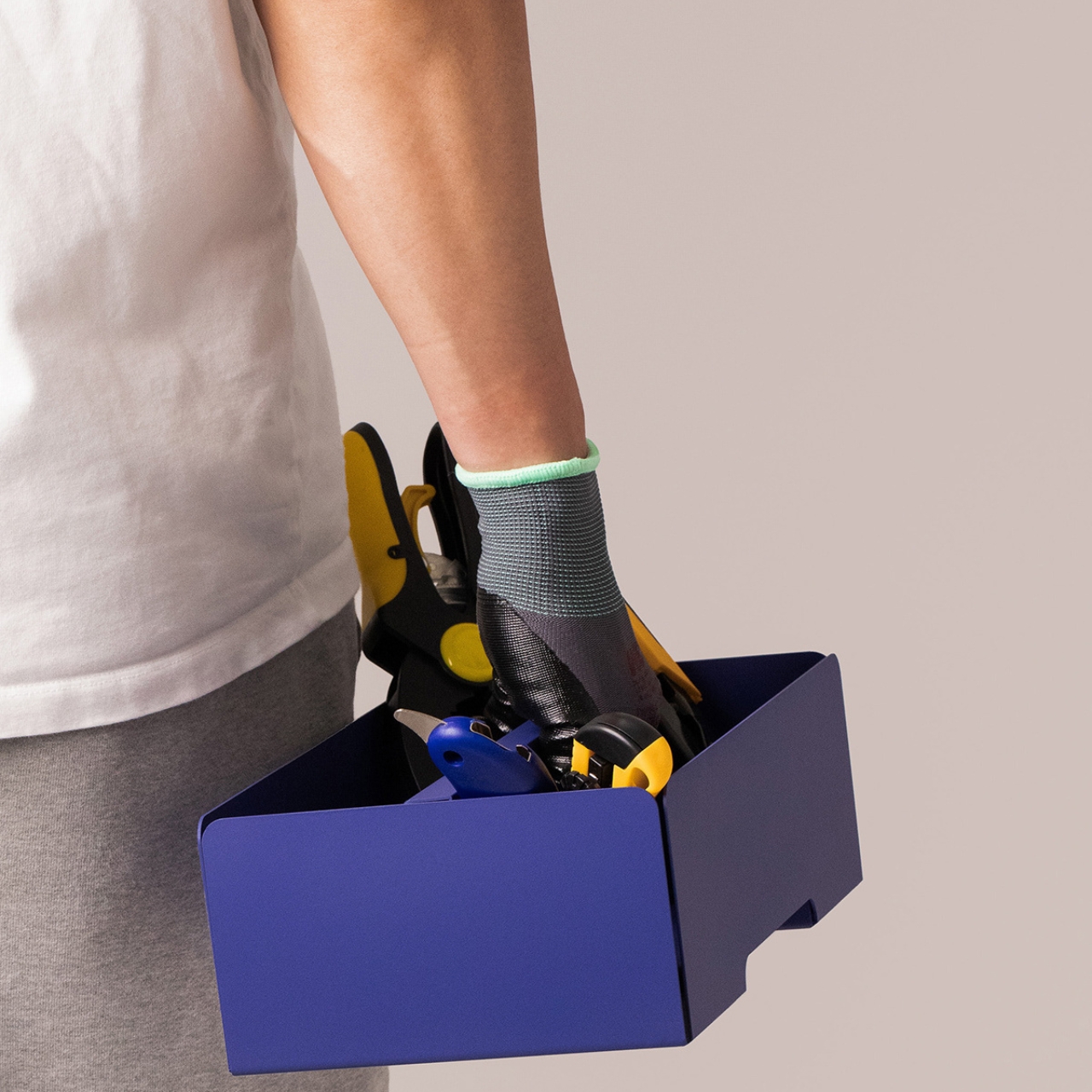
The retro craze shows no sign of slowing down as more people discover the wonderful quirks of designs from the past. It has even reached a point where designs are being applied to things that are somewhat unrelated to the original. We’re seeing computers that look like gaming consoles from the 90s, for example, or media players that would make you think they could play cassette tapes. This laptop has the same feel, although it barely looks like the workstations of Eld. Instead, it takes its cue from the design trend that’s gripping the computer accessories industry, applying not just the aesthetics but even the materials of retro mechanical keyboards to envision a workstation that, while powerful, isn’t made for gamers but especially for developers.

Designer: Wonjae Kim

Mechanical keyboards have always had an old-school ring to them, literally and figuratively. Their chunky keycaps and metallic sounds feel like just a few steps away from typewriters, especially with the prevalence of “chiclet” keyboards with soft sounds and short travel. Some accessory makers have taken that association even further by embracing the designs of keyboards from decades ago, and that same gray and literally edgy aesthetic is being applied to a laptop aimed at people who code more than those who play games.

Inspired by Lofree’s line of PBT (Polybutylene terephthalate) retro mechanical keyboards, this workstation concept has the same shapes, colors, and even materials that would remind one of those old-school keyboards, particularly with the use of blocky forms and a limited number of shades of gray with a single orange accent to break the monotony. The design isn’t apologetic about being a little bit thicker than most laptops that are aiming to grab the “slimmest” title at the expense of performance or flexibility.

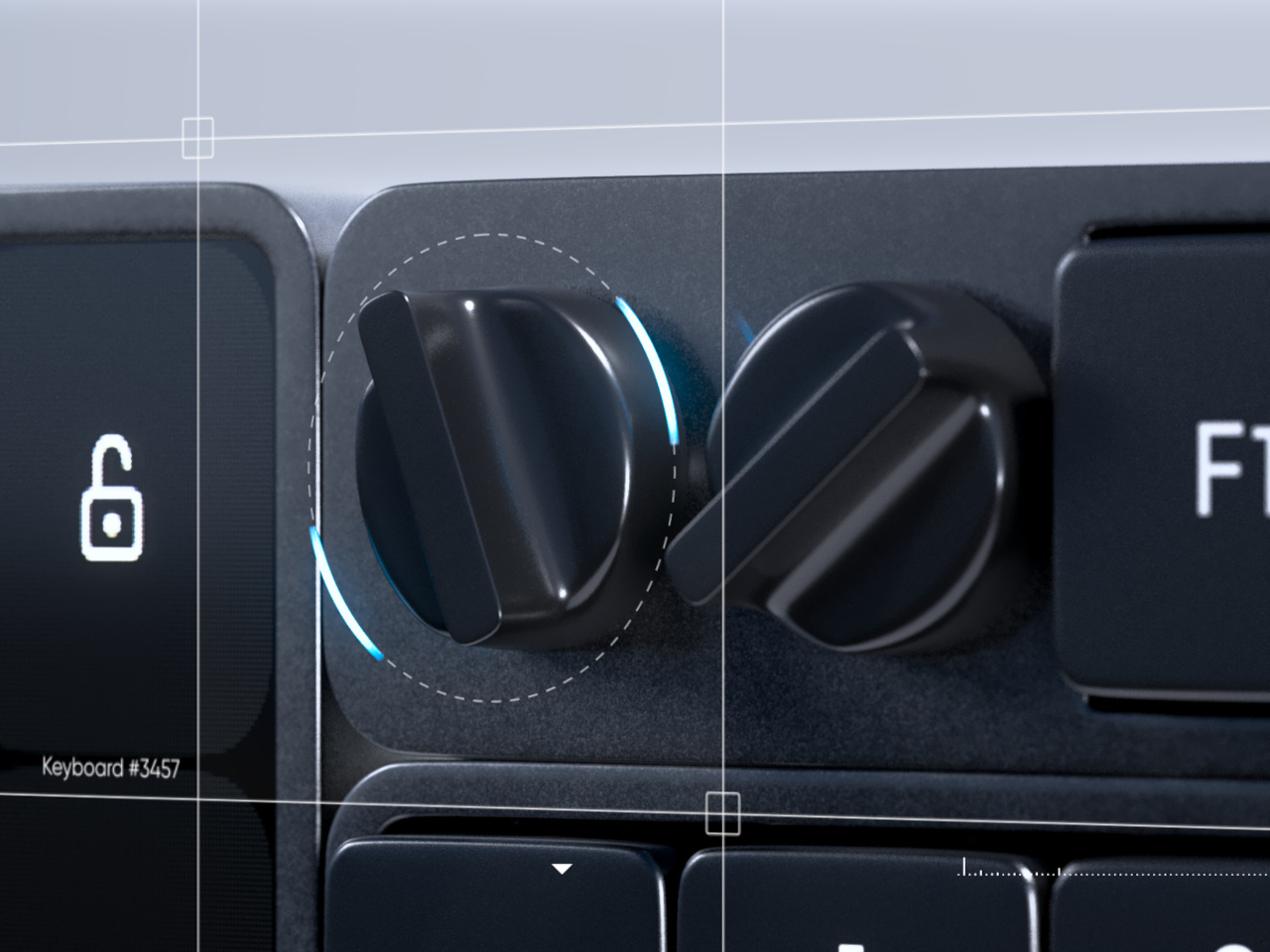
That said, the laptop only looks retro but the concept is actually quite forward-looking. The bezels around the screen, for example, are thin, something that would have been inconceivable in older laptops. The most notable feature, however, is the touch display on the right side of the keyboard that can be used for different purposes, depending on the situation. It can be a numeric keypad, a to-do list, or even a game to give your brain time to breathe after a long and intense coding marathon.

Despite trying to evoke retro aesthetics, this Lofree-inspired workstation is quite clean and minimalist so you won’t stand out from the crowd in a negative manner. Using the same PBT material for the keyboard would make the emulation more authentic, but it wouldn’t be practical for a laptop chassis that needs to be a bit more durable. It’s definitely an interesting design and one that will easily rise from a sea of black and white laptops that have flooded the market today.

The post Retro laptop concept takes the mechanical keyboard trend to the next level first appeared on Yanko Design.
Wireless charger concepts imagine a world free from power cables

Although wireless charging has been around for years, it was only until Apple finally joined the fray that the technology really became popular. Of course, it was Apple’s MagSafe spin on wireless charging that really caught on, but it still sparked interest in a future where wires and cables are a thing of the past. We’re still a long way from that future considering how wireless charging works today, but that’s not to say that there is no progress to improve the situation. These wireless charging product designs, for example, are based on such ongoing development and prepare us for a world where desks can be completely devoid of cables, especially those for charging your multitude of devices.

Designer: Sprout Studios

As convenient as wireless charging might be, especially magnetic wireless charging, the requirement to have the device and the charger touching is still quite restricting. Not only that, you still have to make sure that the charging coils are aligned properly, which is what made it necessary for Apple to implement MagSafe in this way. But what if you could get rid of that restriction? Then every surface or anything on your desk can become a wireless charger.

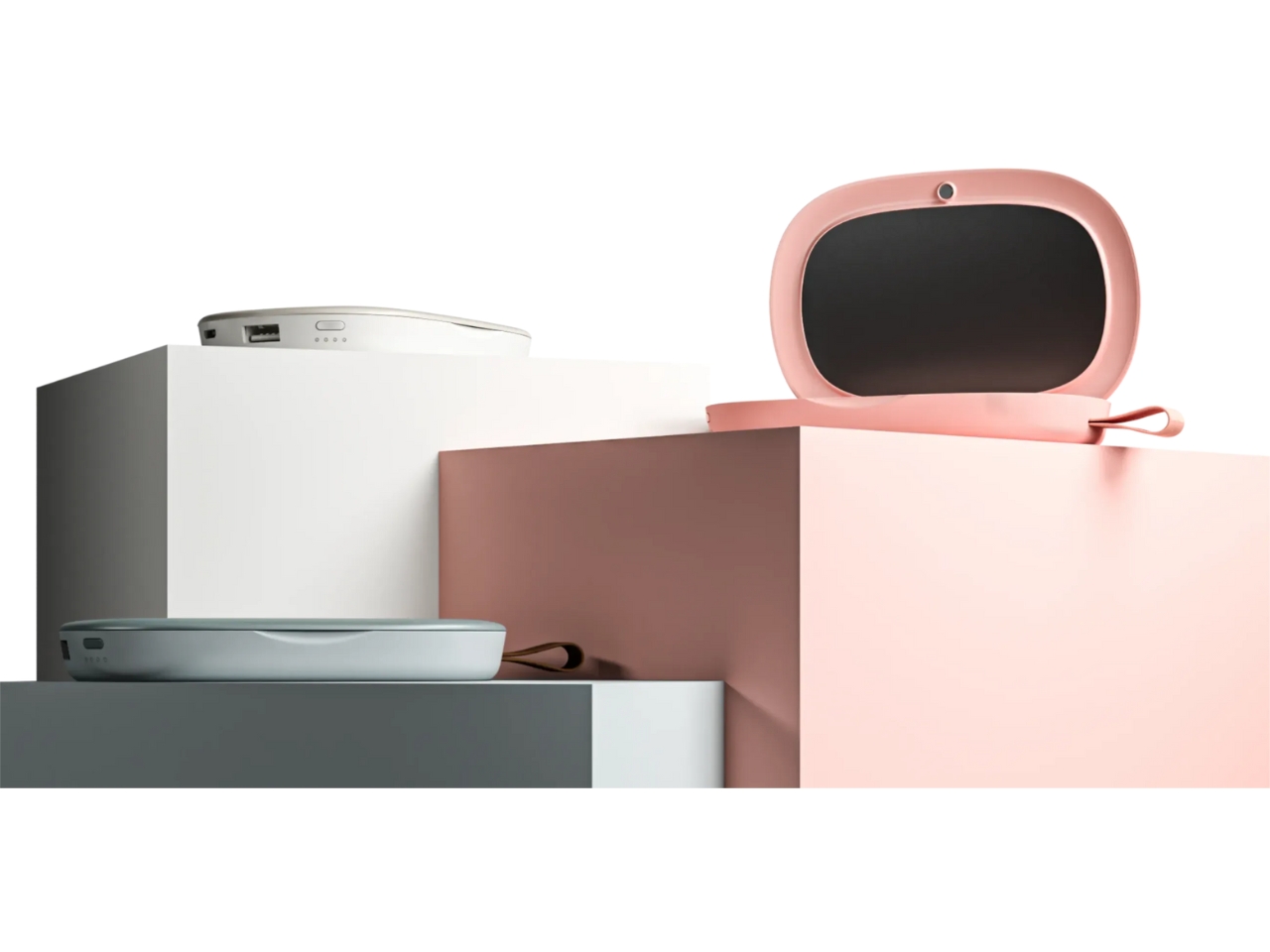
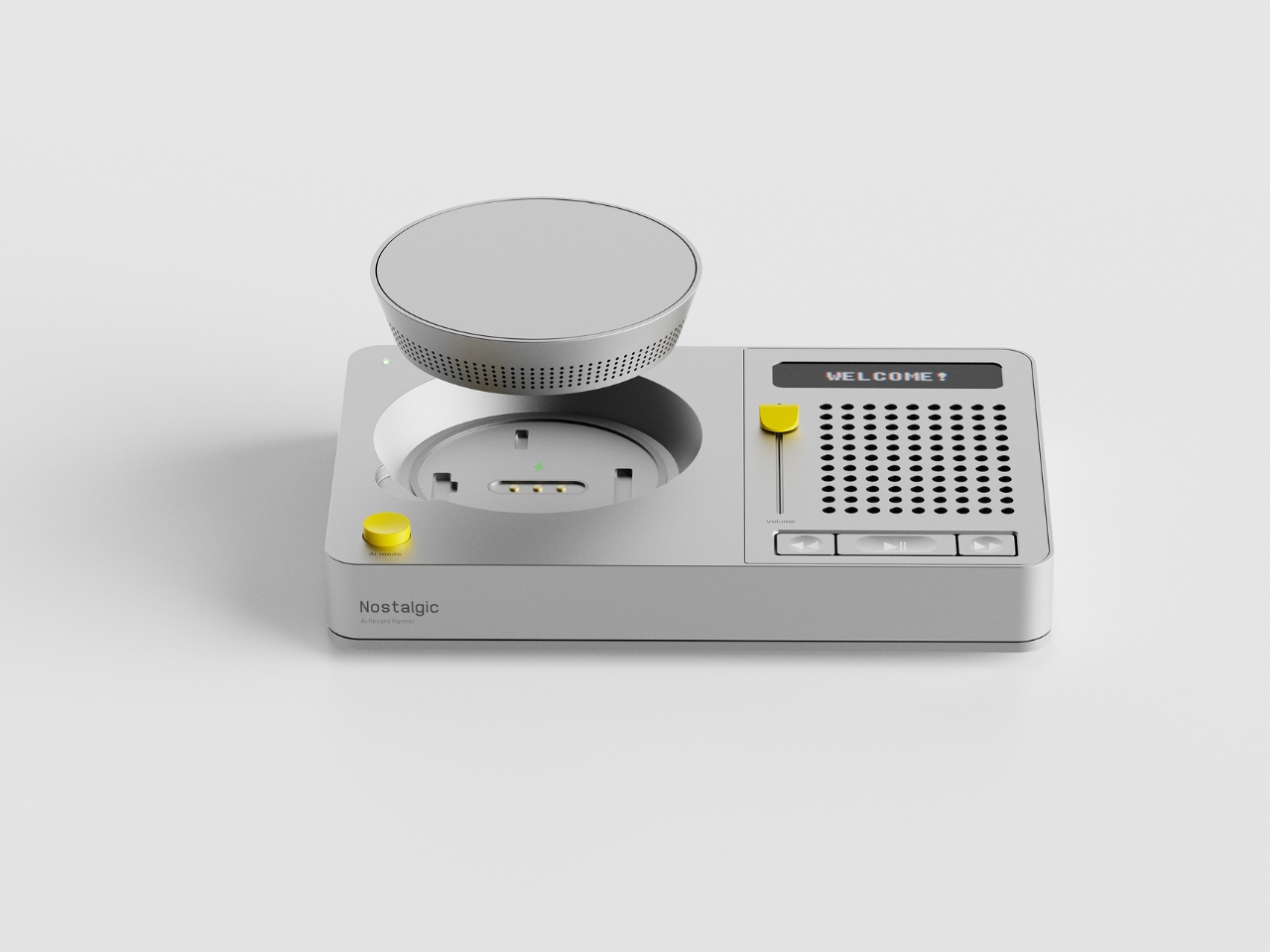
That’s exactly what these designs are proposing, based on technology being developed by startup DeepCharge. Even a laptop mat, for example, can become a wireless charger that can accommodate phones, earbuds, and other devices as well. This Laptop Pad also has extra features like an antimicrobial frantic top and LED lighting to indicate charging status. You don’t have to ensure that devices are in the right area. Simply place them on the mat and watch the LED indicator light up. Another design involves a charging pad that also acts as a landing pad for drones, though that requires attaching some feet to the quadcopter.

A more ambitious design, however, is based on “transmutation” and “energy hopping” technologies that are still being developed. In a nutshell, it could turn any surface, like a desk or a shelf, into a wireless charging area. Then you have small wireless charging stations that can transfer power from a central hub and distribute it even in areas out of reach of your desk. Pretty much like how mesh routers work today, except spreading electrical power instead of data.

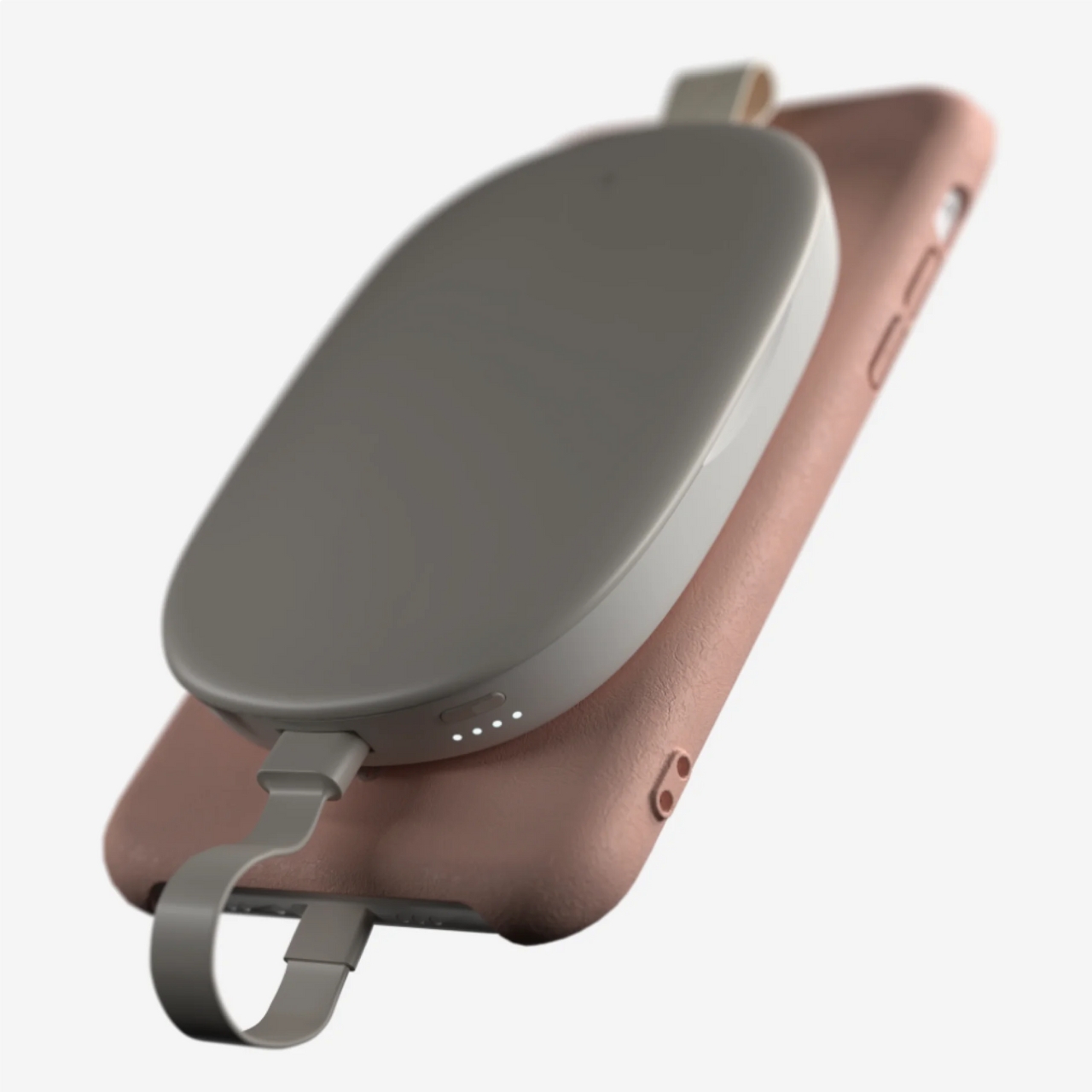
Although the concepts in this collection still look like your conventional technical products, the technology it relies on opens the door to even more flexible designs. Anything on your desk or shelf, be it an accessory or even a piece of decoration, can become one of those satellite charging hubs. With wireless computer peripherals and data connections, such a design could lead to cleaner and tidier workspaces, unless of course, you start cluttering your table with even more devices to charge.

The post Wireless charger concepts imagine a world free from power cables first appeared on Yanko Design.
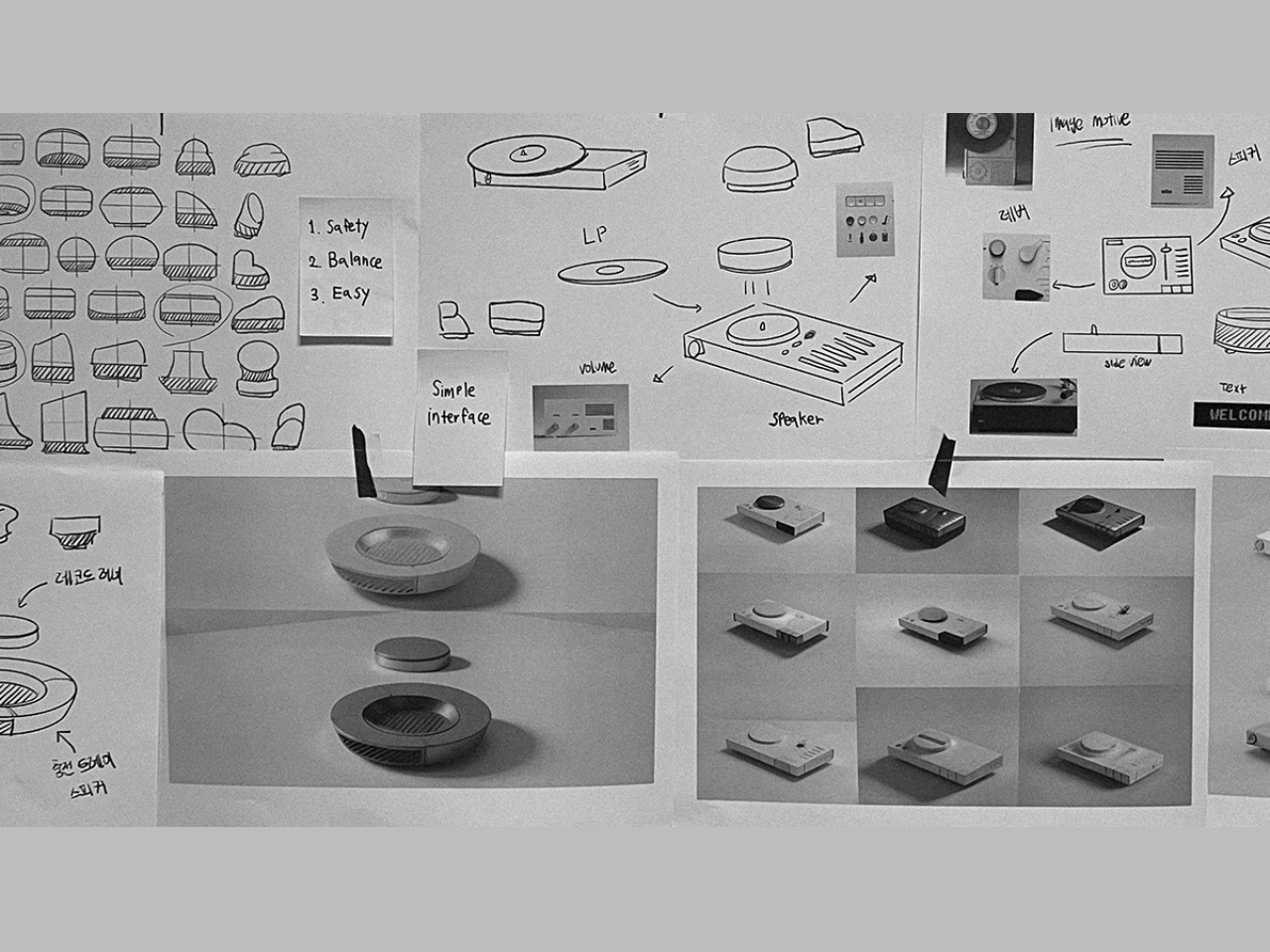
Ultra-minimalist digital clock is actually a pill dispenser in disguise

Sooner or later, we will all need to take some pills regularly, whether it’s for medication or even just daily supplements. But unless you live a very disciplined life or have a sharp mind all the time, there will be times that you miss taking the proper dosage at the right time. Pillboxes try to save us time by splitting pills and tablets into their appropriate days, while smartphone apps give us the timely nudges to take them. The distance between these two objects, however, can lead some people to actually forget to drink those pills, especially if they’re stored in a less accessible place to avoid exposure to sunlight. Smart pill dispensers are becoming more common these days, but this twist on that concept proposes a design that is simpler, more aesthetic, and possibly more accessible since it lets you conveniently place the clock exactly where you need to take those pills.

Designer: Chanho Ju

Yes, the design looks like a huge clock, albeit an extremely minimalist one that doesn’t show the conventional numbers around its face. That face is actually an LCD screen that only displays the clock hands as glowing lines, along with the actual number they’re pointing at for a bit of readability. The display does change its contents when it’s time to take those pills, showing the current alarm time and other necessary information.

1

While it might sound a little underwhelming when it comes to constantly telling the time, its real worth shines when it comes to dispensing medicine. Simply twist the front to detach the clock, revealing 28 compartments for 28 days’ worth of medication. There are four buttons that let you set how many tablets you take per day, anywhere from one to four pieces. There’s also a special compartment for silica gel to make sure the interior of the clock remains dry and prevent pills from spoiling in humidity.

1

Combining a clock and a pill dispenser isn’t just some random design decision. Unlike a typical pill box, you can place this +CLOCK concept design anywhere it makes sense, whether it’s near the table, a kitchen counter, or a shelf. Its minimalist aesthetic makes it double as a decorative piece so it won’t exactly stick out like a sore thumb, especially since it also minimally tells the time anyway.

More importantly, however, when it does call your attention, you will be in the right place and at the right time to actually receive the pills that drop from the dispenser. There’s no physical gap between the two actions, so you’re less likely to forget to actually take the pills after you’ve automatically turned off the alarm by habit. It’s a simple yet elegant design that addresses the core problem of forgetting to take medication without having to use sophisticated and ultimately more expensive solutions.

The post Ultra-minimalist digital clock is actually a pill dispenser in disguise first appeared on Yanko Design.
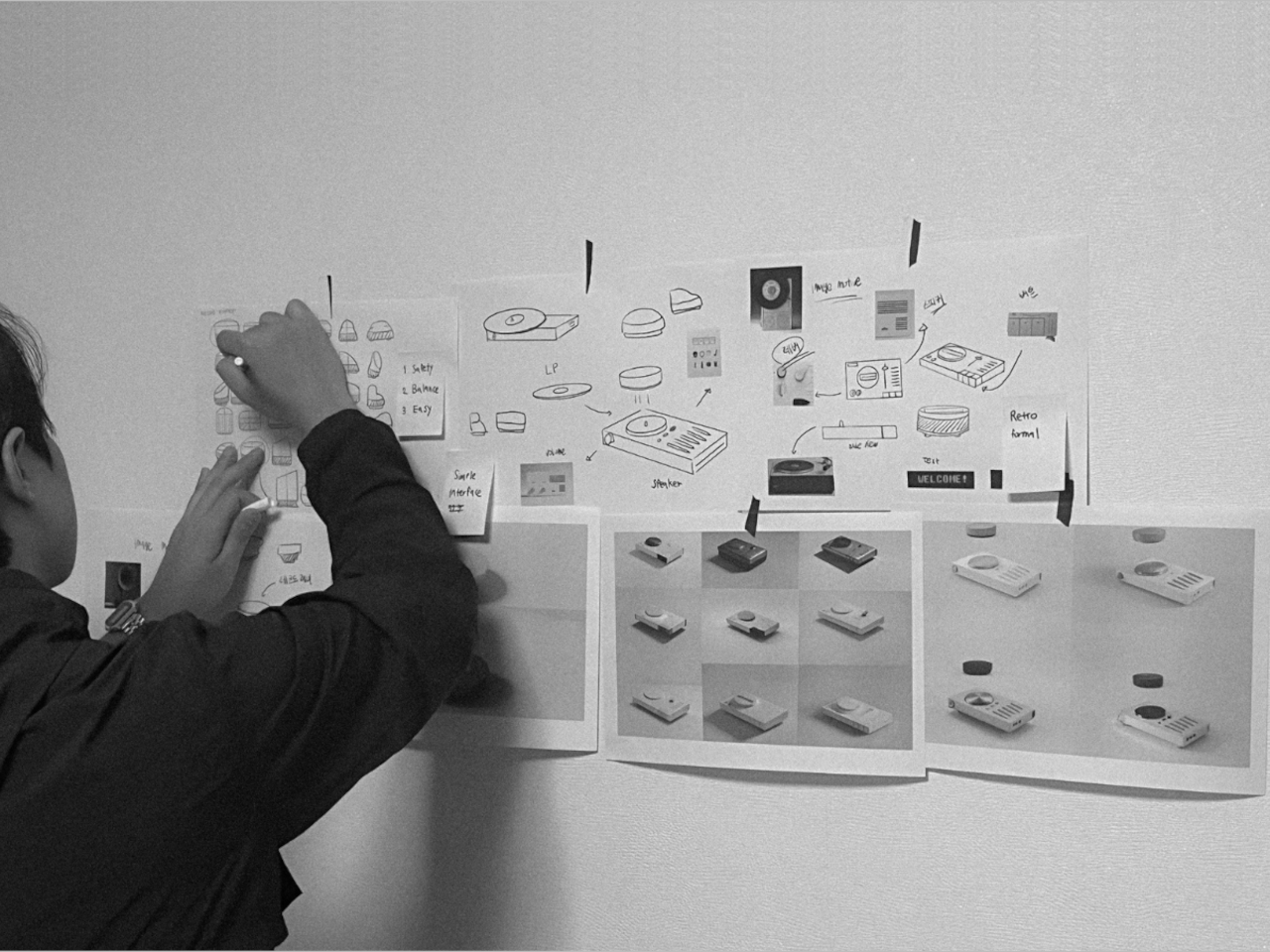
Pebble-shaped camera concept blends object and subject in a lenticular image

Smartphone cameras have become the primary way people record memories, whether it’s a dramatic view of a travel destination, an unforgettable snapshot of a once-in-a-lifetime stunt, or viral selfies to announce to the whole world that you are here. Given how smartphones are designed, you can only take a shot either from the rear camera or the front selfie cam, never both at the same time. There are apps that do attempt that but those are rare and they only insert a small square frame of your face like a sticker on a photo. There are, however, more artistic ways to combine opposite views of the same scene, and this camera design concept applies a particular “holographic” effect that makes each photo taken even more memorable and special.

Designers: JiHoon Park, Eojin Jeon, Jagyeong Baek, Jeseok Poong, Dongheun Kang

We often use cameras to record memories, but those memories always come with an unseen element: the person taking the picture. In many cases, it is definitely better not to see the person behind the lens if the focus is on the scene or object. There are times, however, when such moments are best remembered with your presence, but perhaps in a way that makes it more unique and distinctive, without simply slapping your face or name on the photo.

Ditto is a camera concept that takes a photo both forward and backward, capturing both the object of the photo as well as the person taking it. In some aspects, it’s almost like those 360-degree action cameras, but the focus isn’t on an all-encompassing view of the world around the camera. It isn’t even something that you wear or have powered on all the time. You have to slide its top portion up to reveal the forward-facing camera as well as the viewfinder on the back that lets you frame the shot perfectly.

In truth, it’s not the camera itself that’s actually the most magical part of the design. It’s the conical printer that serves as the base of the camera that produces the biggest impact. It prints out the photo with a lenticular effect, so that you see either the target or yourself on the same sheet, depending on the angle you’re viewing it from. It is a less obnoxious yet also more dramatic way of embedding yourself in a scene, ensuring that your presence will be in each and every photo.
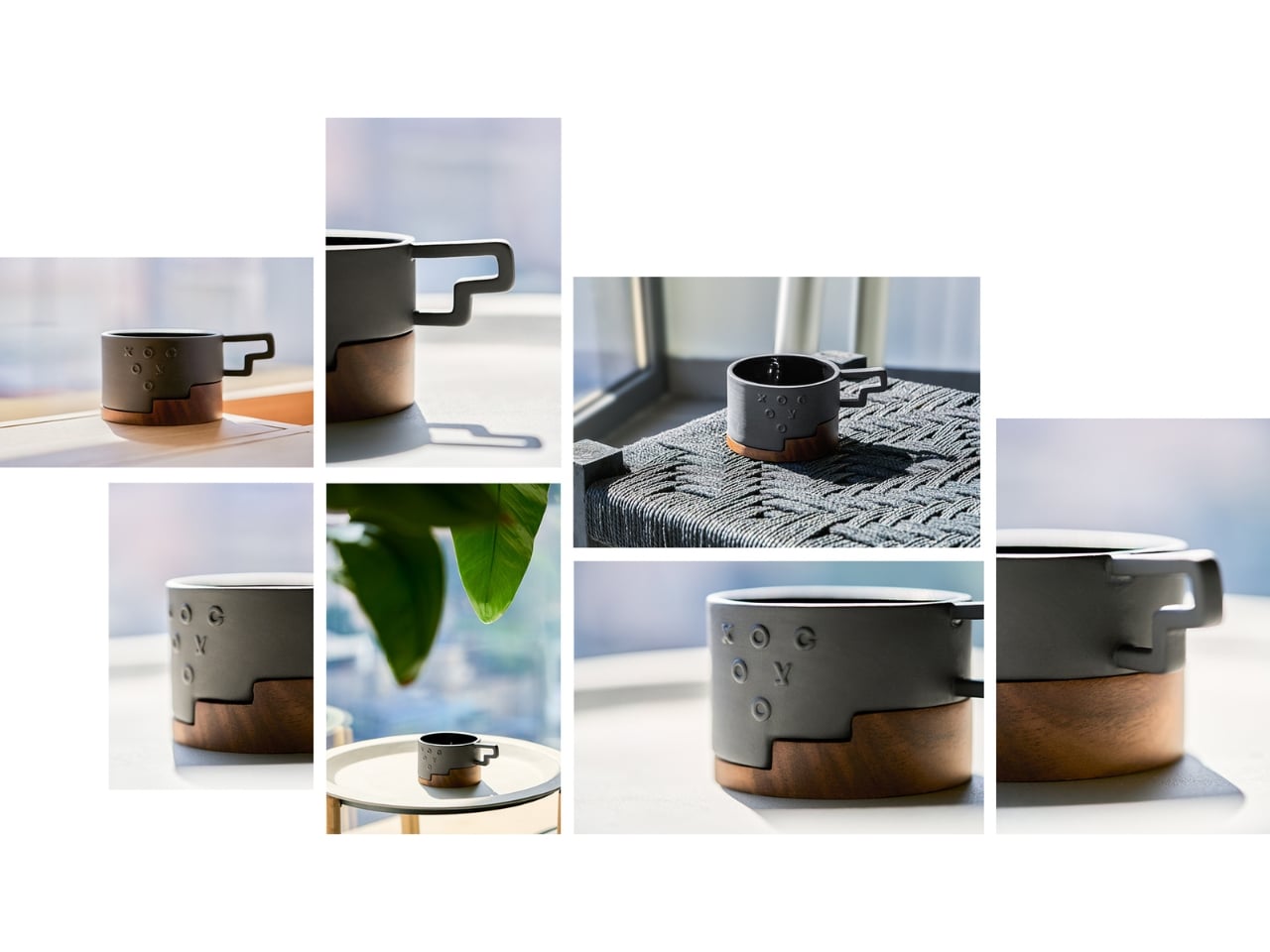
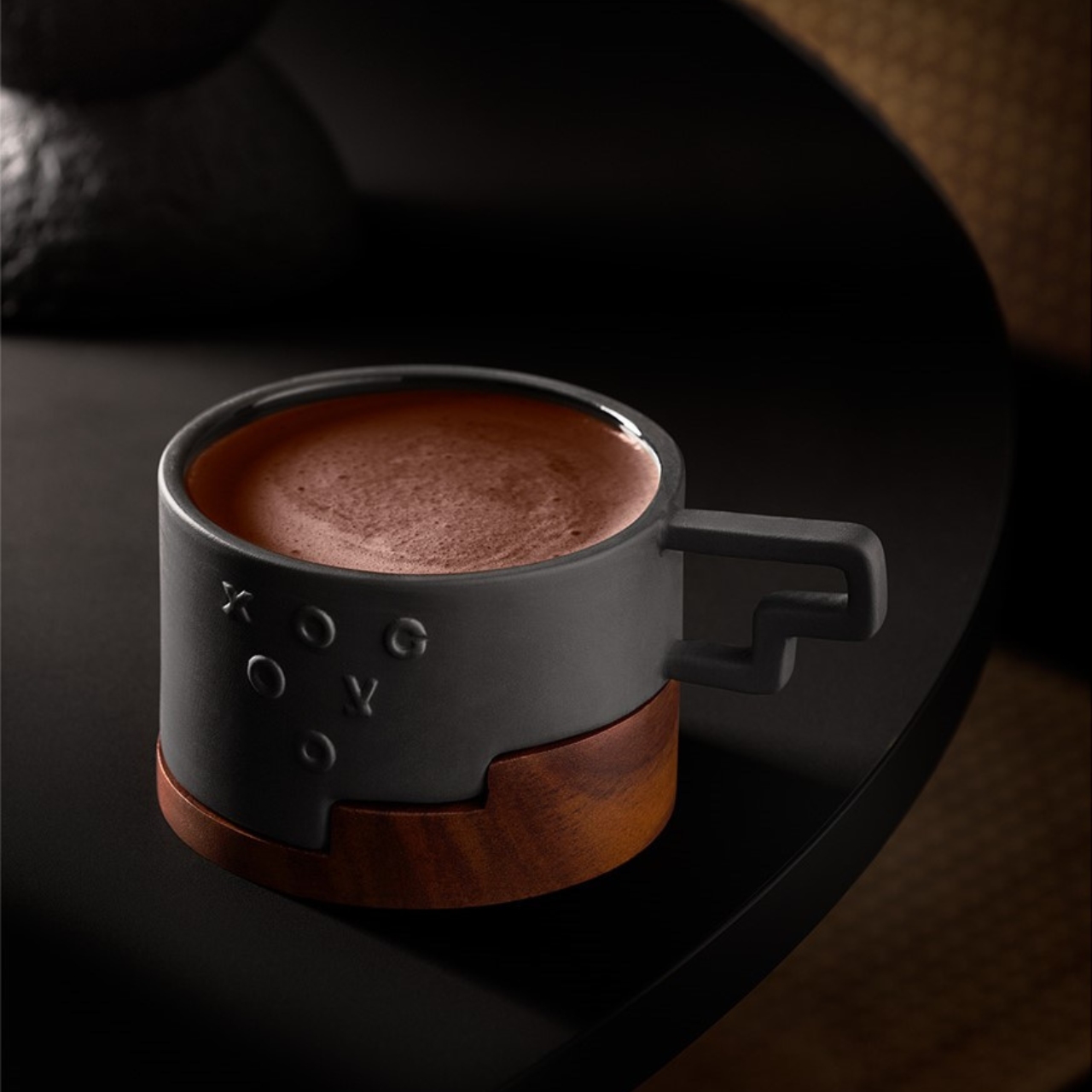
Truth be told, the same experience can probably be achieved using a specialized smartphone app and a special printer. Having a dedicated camera, however, adds a certain flavor to that moment as you slide open the camera and take a shot, either by yourself or with your friends behind you. The design of the camera itself is quite interesting to look at, removing the awkwardness that usually comes when taking photos and especially selfies with a phone. Practical or not, Ditto sparks the imagination and raises the question of what role the photographer’s presence plays in every shot, expressing the answer in an artistic and beautiful way.

The post Pebble-shaped camera concept blends object and subject in a lenticular image first appeared on Yanko Design.