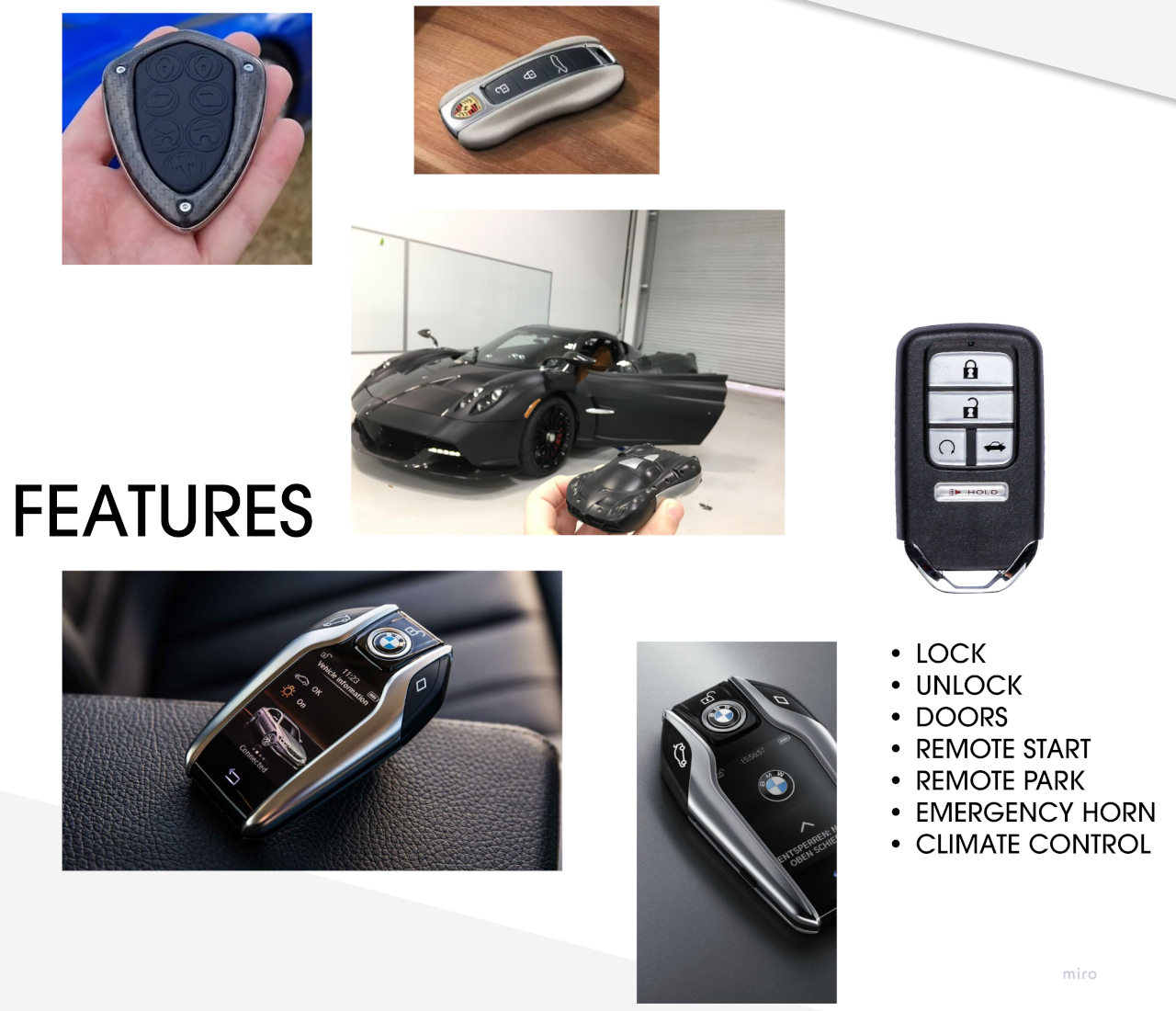
The vast majority of design concepts for future cars unsurprisingly revolve around the more exciting parts of the experience, from hands-free autonomous driving to hotel-like cabins to quiet, efficient, and eco-friendly engines. Of course, those aren’t the only parts of the driving experience, which starts and ends with drivers getting in and out of the car. Oftentimes, that part is presented as a keyless activity that either relies simply on the touch of a finger or the tap of a smartphone screen. It might be quick and efficient, but not exactly satisfying or meaningful. This concept tries to attack the problem from a different angle, retaining the tactile joy of a physical key fob while improving not only the features but even the comfort of using one.
Designer: Zander De Beer
A dedicated car key fob might sound unnecessary today in an age of smartphone apps, but having a distinct and direct device you can easily use is still far more convenient, not to mention faster, than fumbling around with a smartphone and its dozens of apps. It gets the job done without fuss, but it’s not exactly a memorable or even pleasant experience. Neither is its design the most inspiring accessory for a car, especially the sleek and sophisticated vehicles of the future.
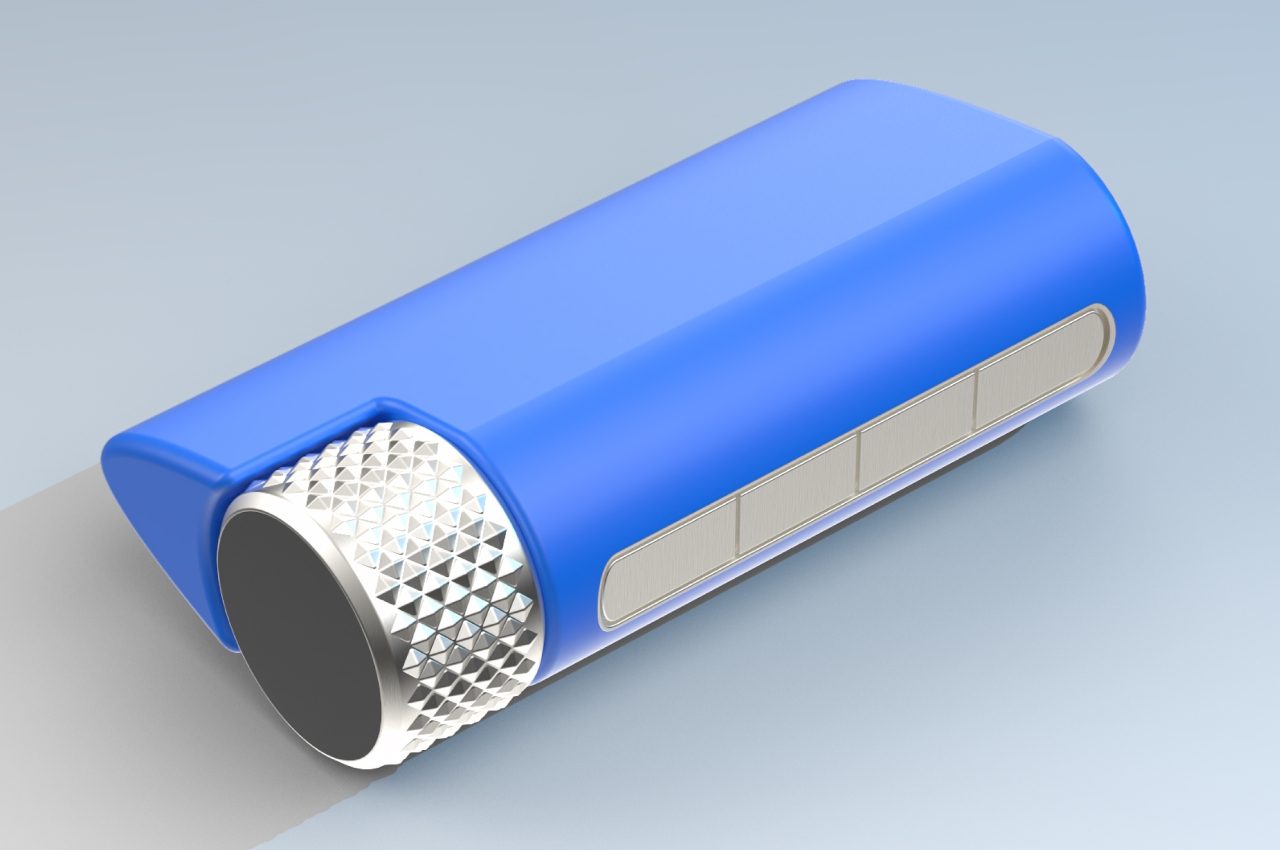
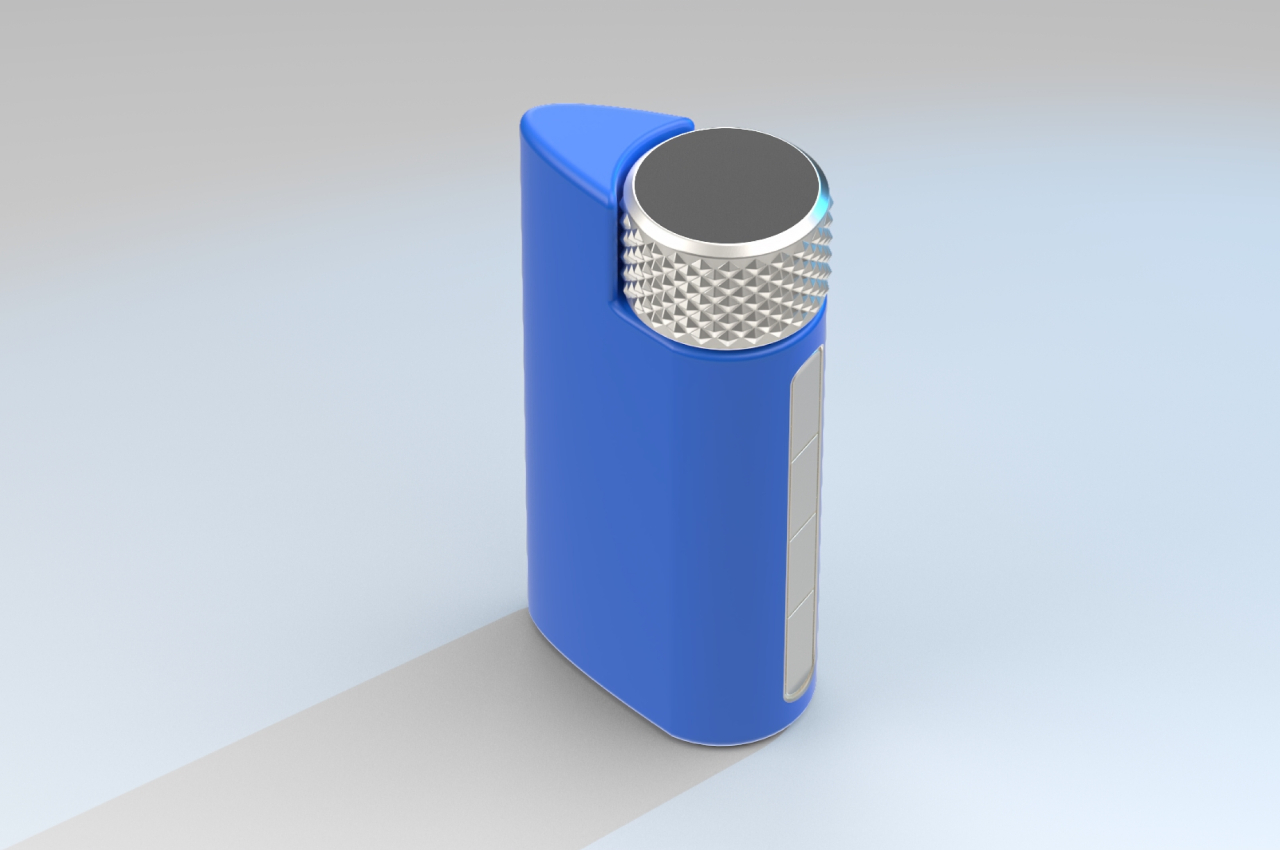
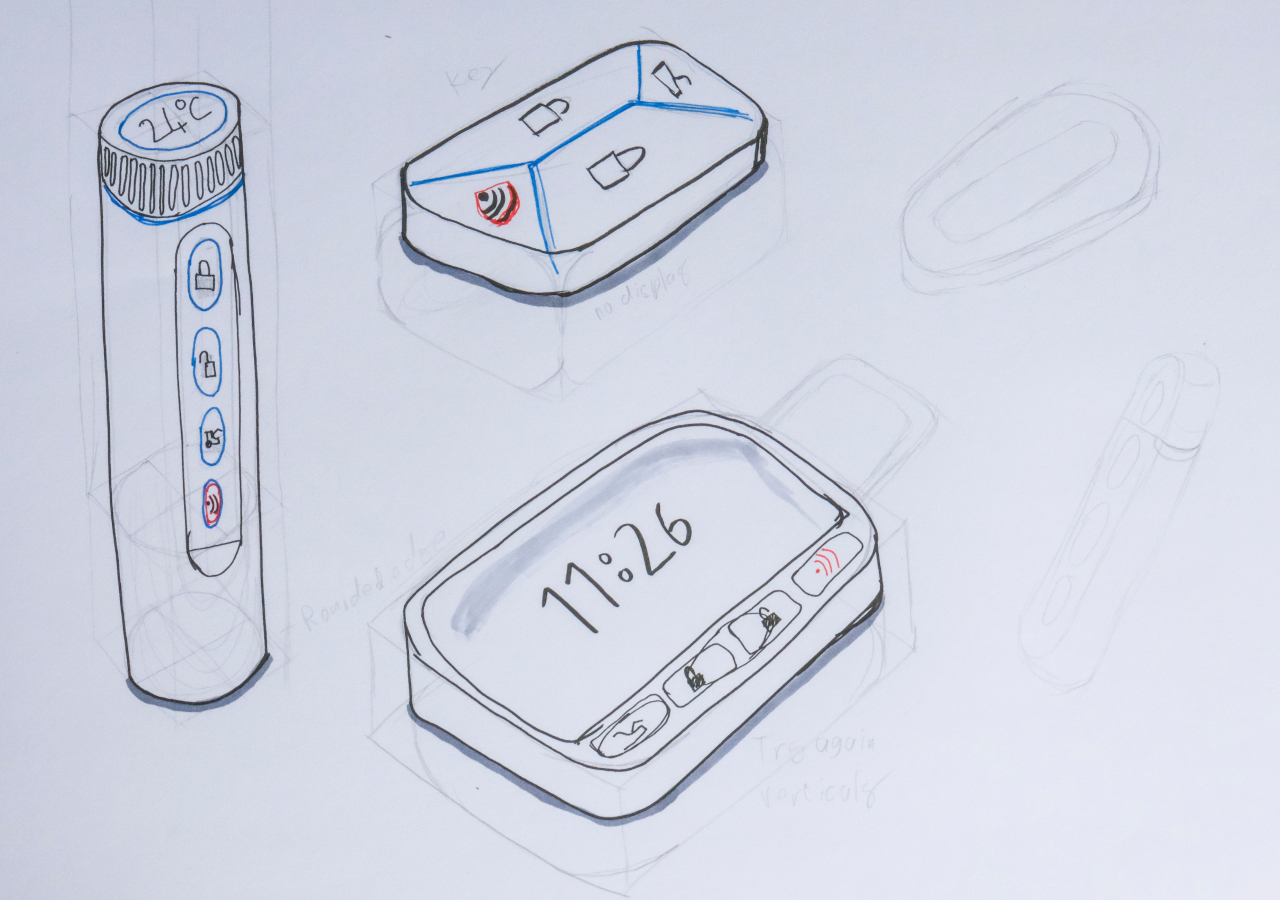
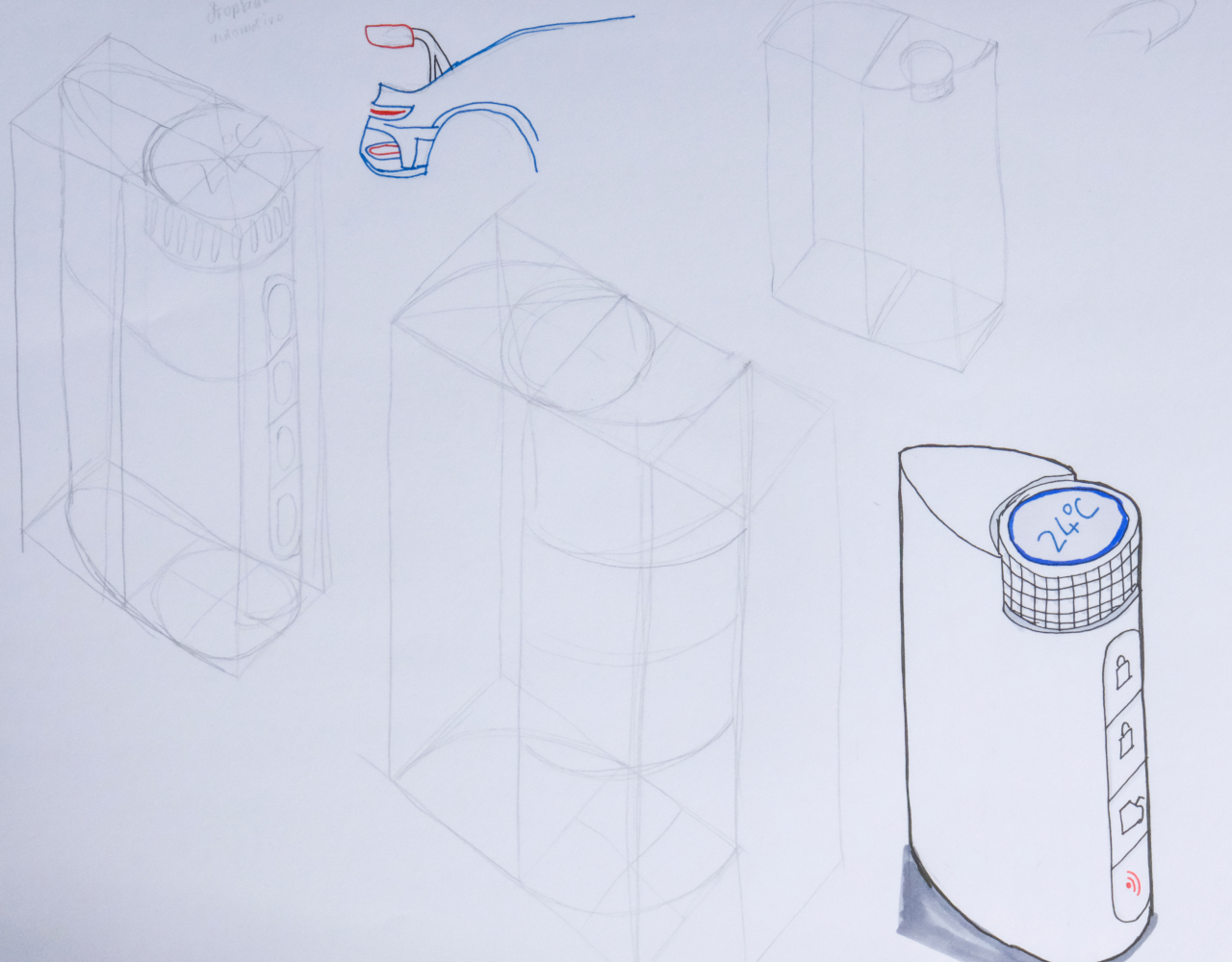
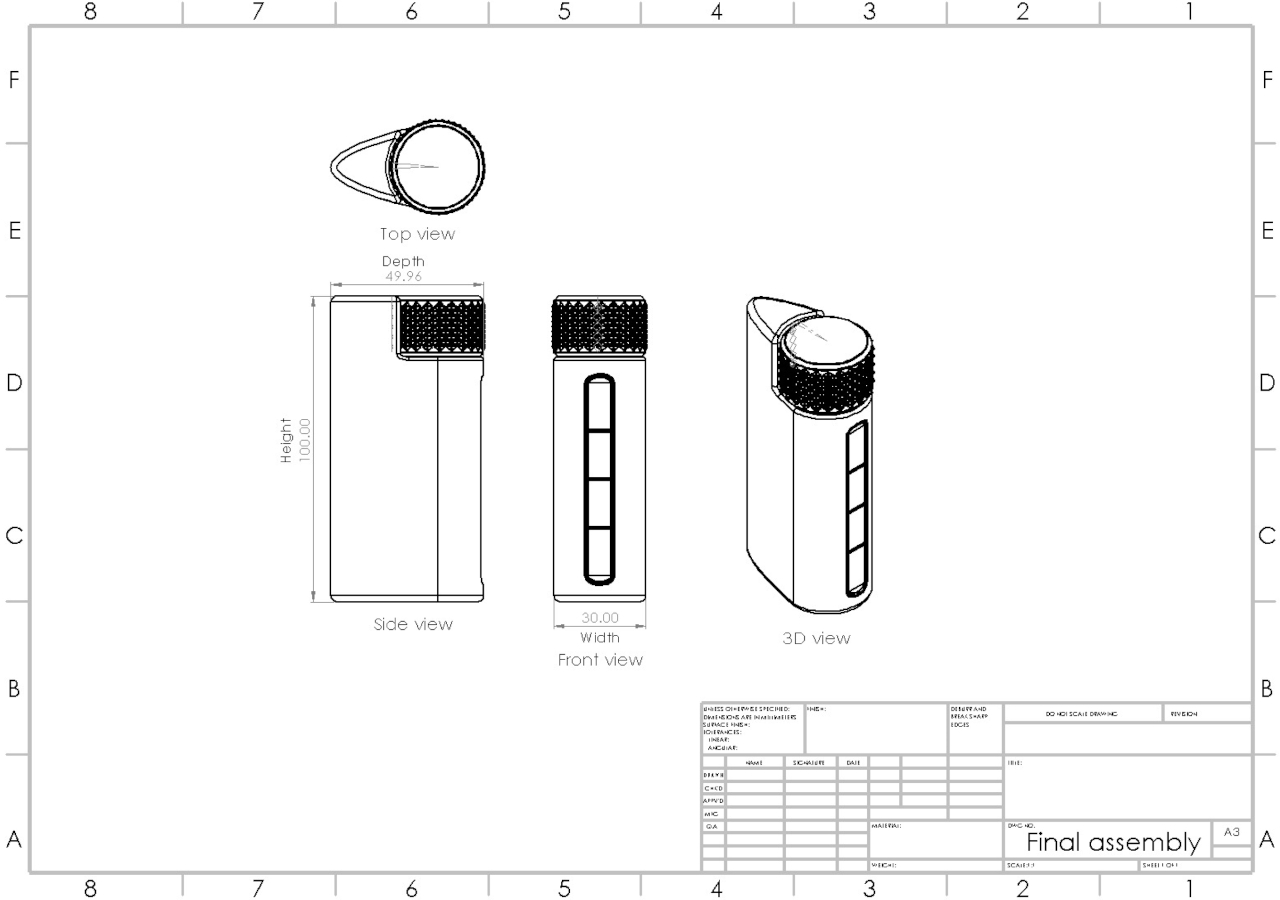
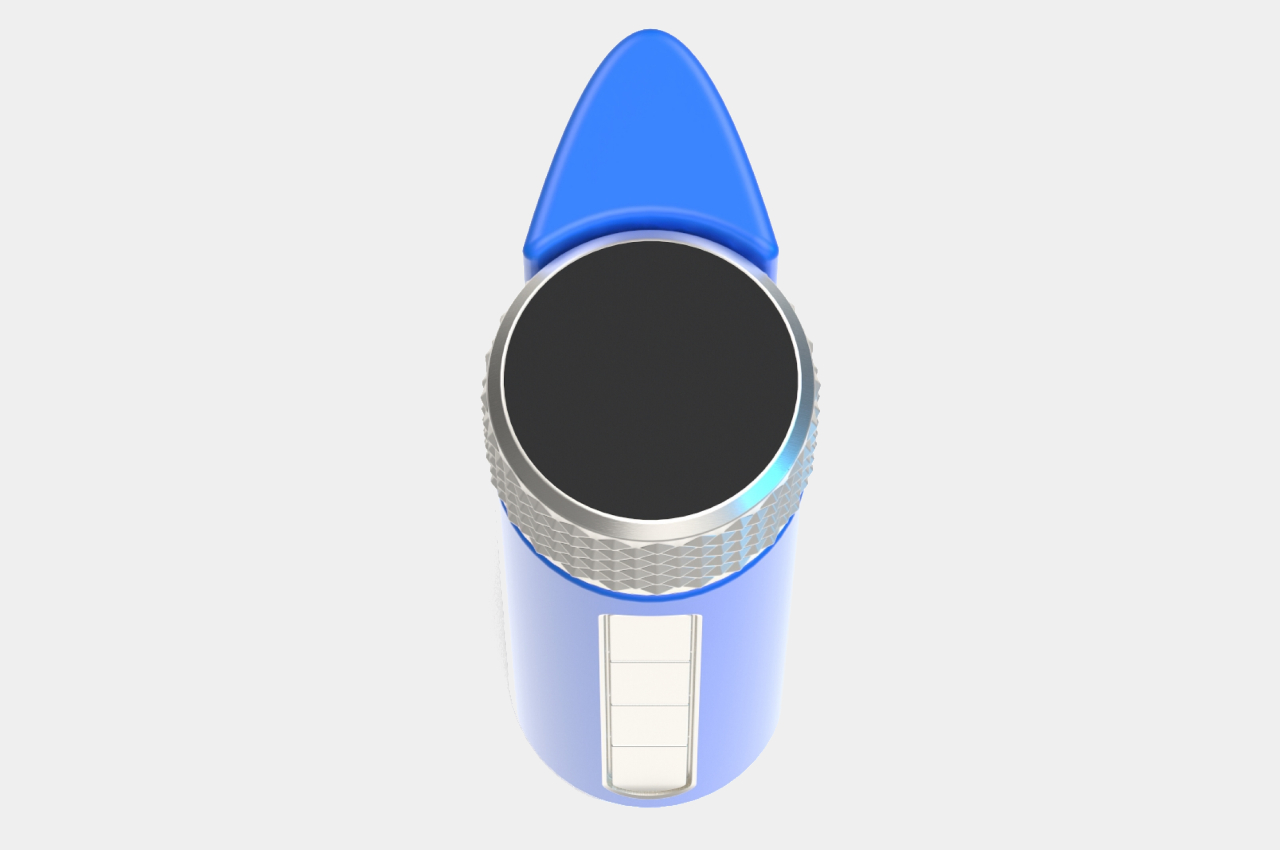
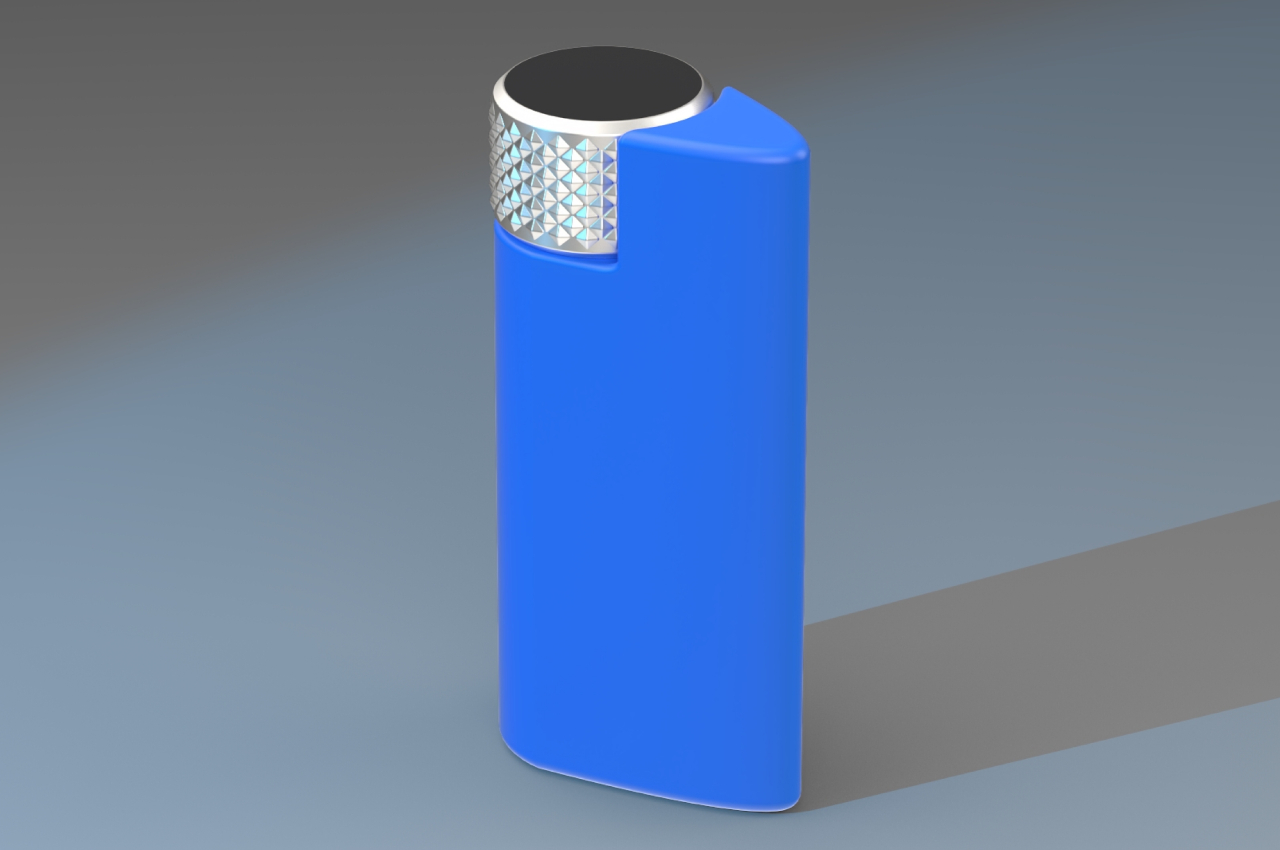
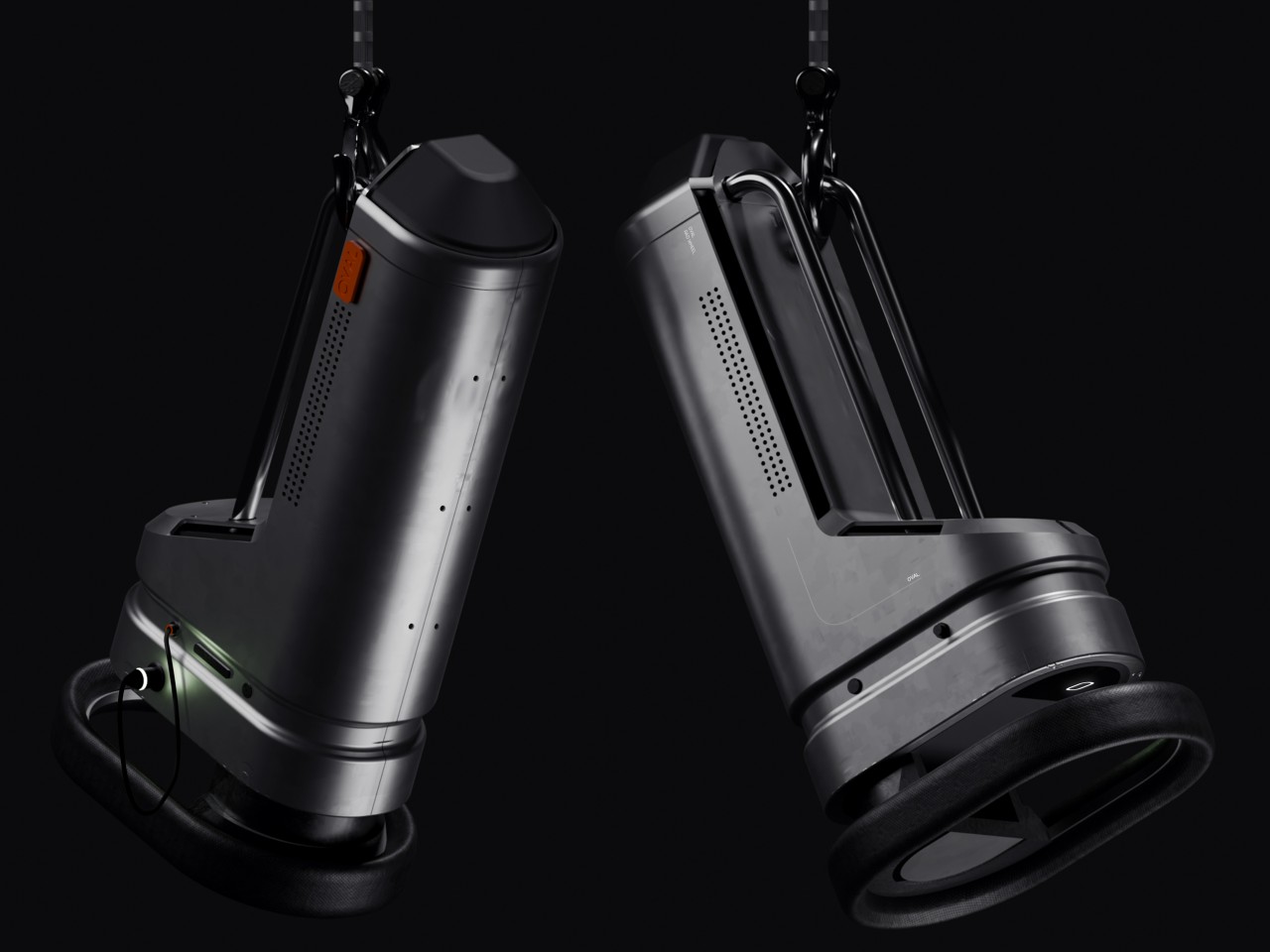
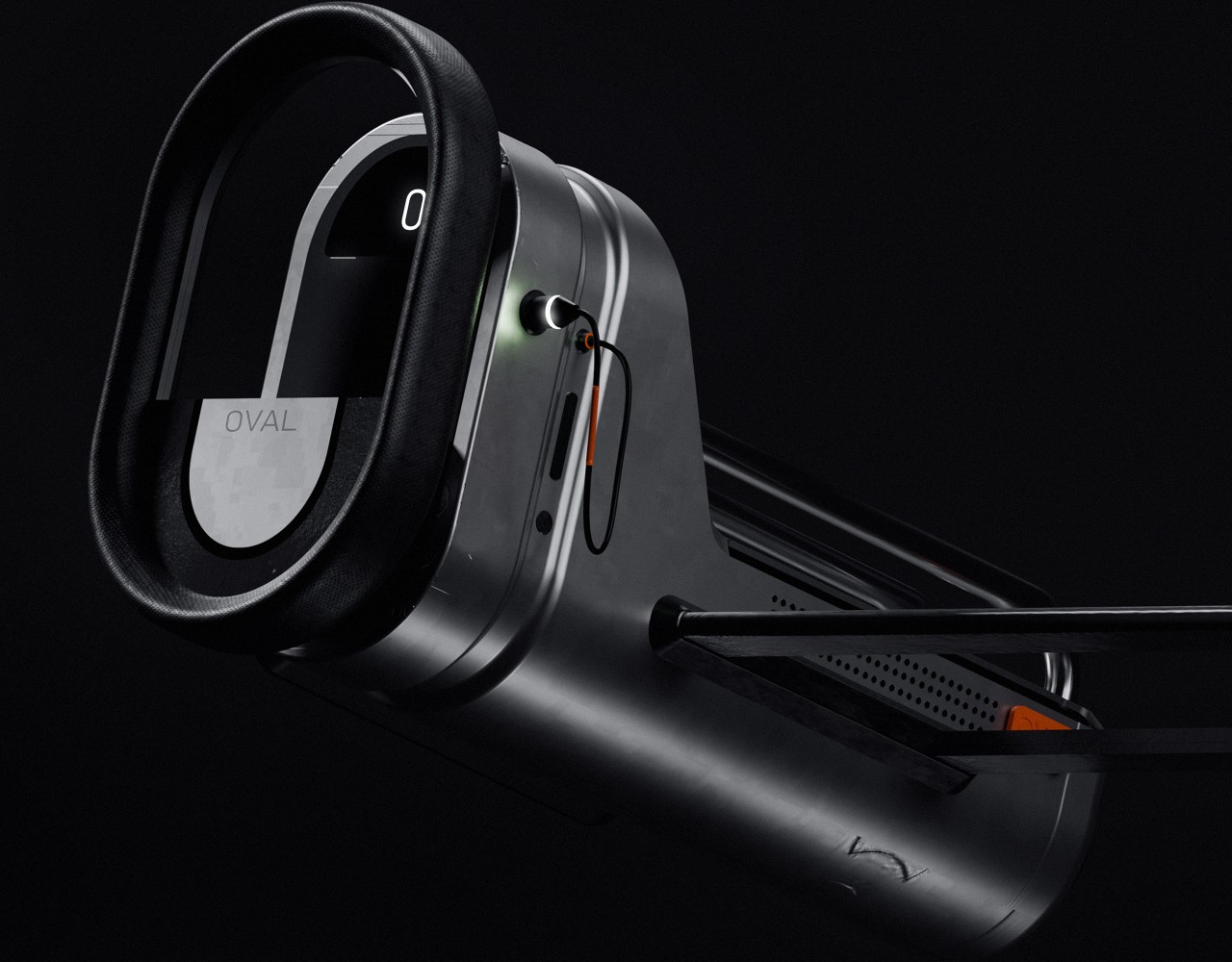
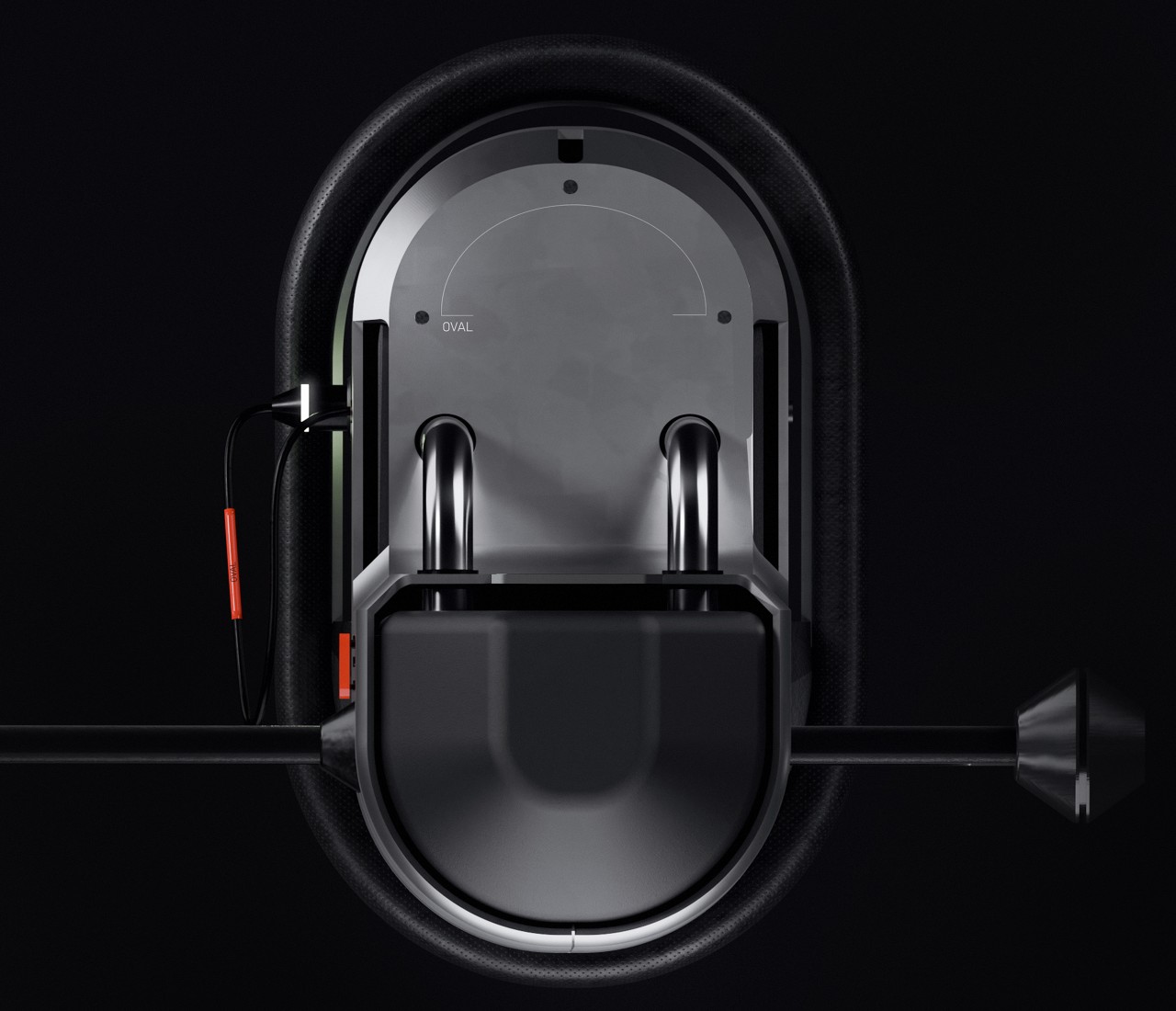
This concept for a new kind of car key fob thinks outside the box and adopts a shape unlike any other fob. Instead of a small disc or teardrop-shaped piece of plastic, it looks to the aerodynamic form of an airplane wing or car spoiler for inspiration, promising a more ergonomic design that you can comfortably hold in your hand. It almost looks like a lighter, with one side tapering sharply to a single edge.
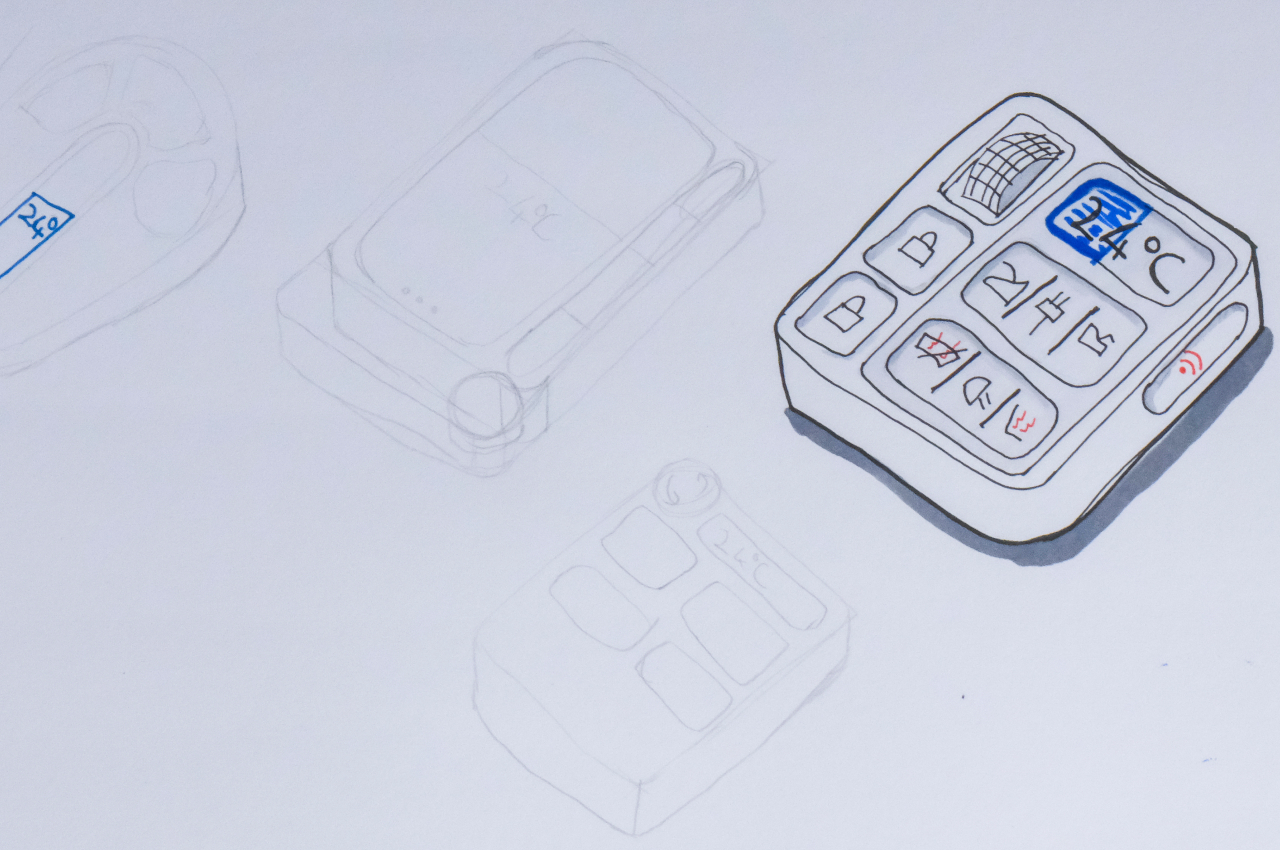
More than just a change in shape, however, this car key fob concept also offers a slight change in functionality. There are still buttons for typical actions like remotely locking and unlocking the car, starting or killing the engine, and even blowing the horn. What’s new is a large dial on top that you turn to set the temperature inside so that it will be as toasty or as cold as you want by the time you enter. This dial has a large display on its top surface to clearly show the current temperature so that you can adjust it accordingly.
The design tries to comply with Deiter Ram’s famous principles of design, though there are still some details that it leaves out in this current iteration. Knowing which buttons map to which actions, for example, could be a matter of guesswork and muscle memory as there are no clear indicators on them, not even embossed symbols that let you blindly press them. There’s also the question of whether the design, ergonomic as it might claim to be, is actually convenient to carry around due to its size and unique shape. Either way, it’s an interesting thought experiment that challenges the presumption that car owners of the future won’t even want physical key fobs like this.
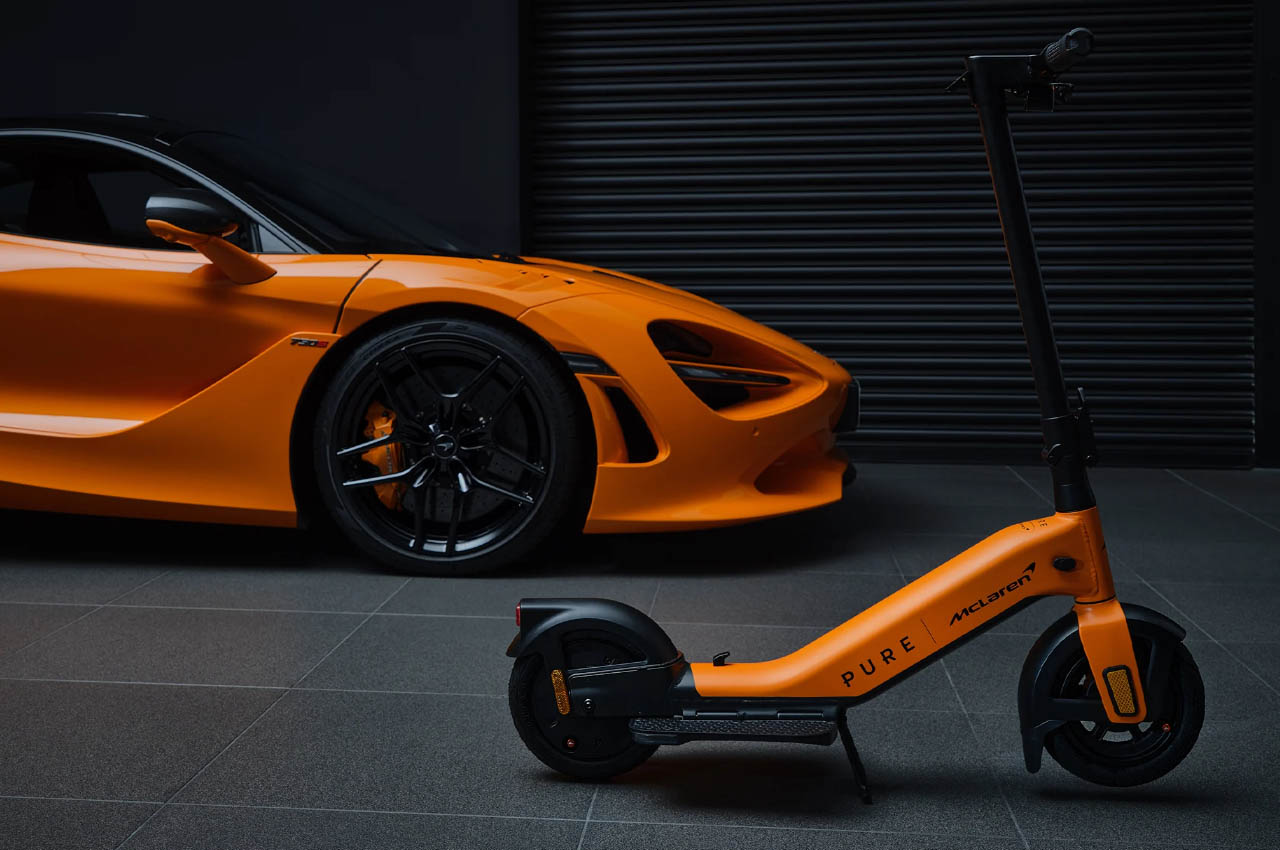
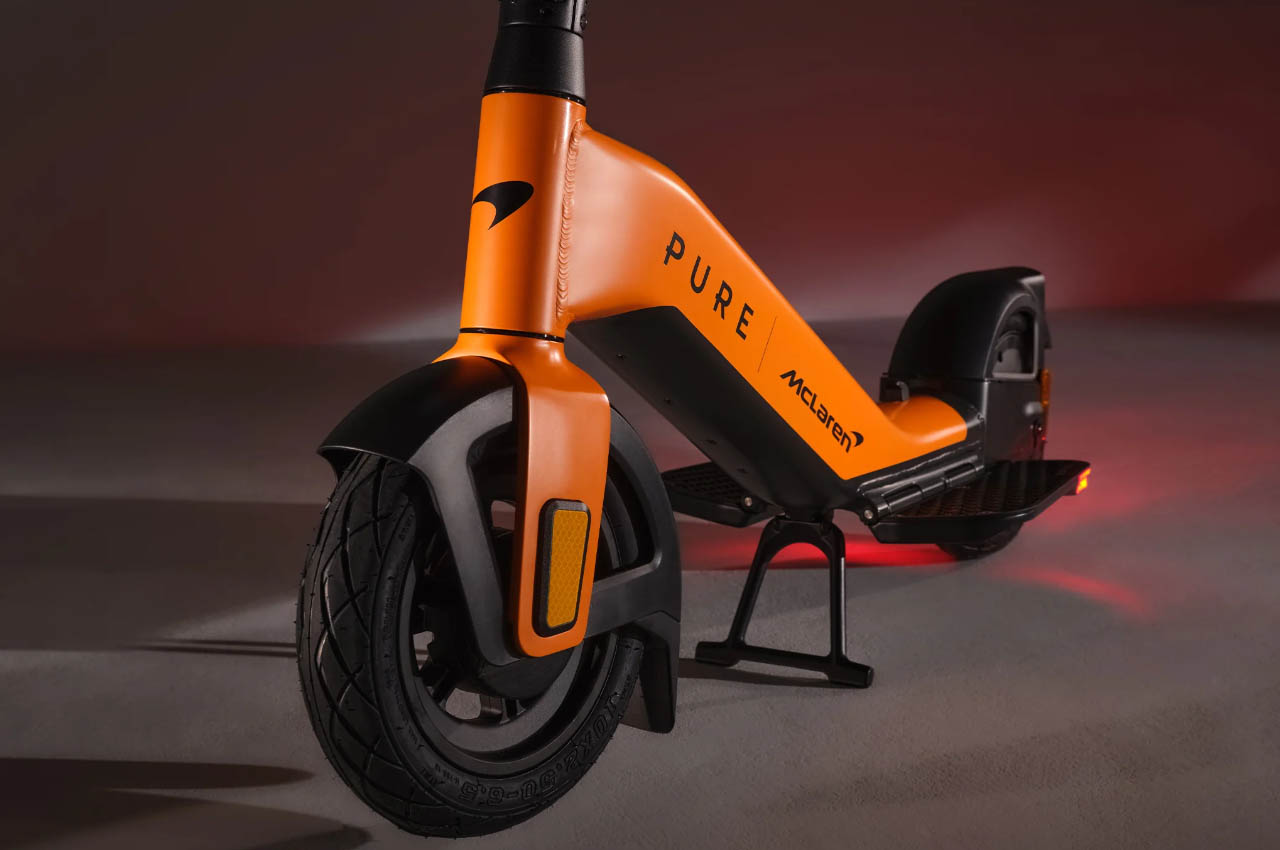
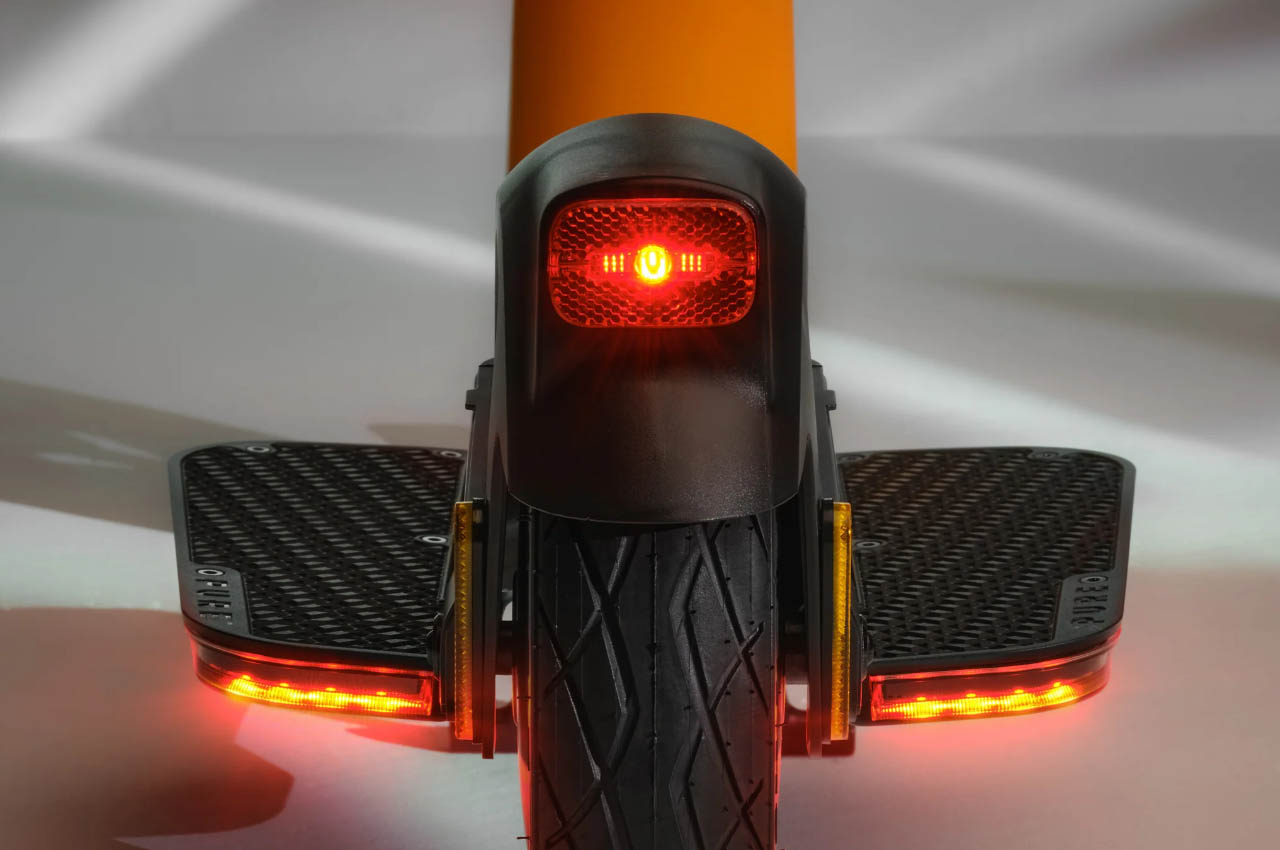
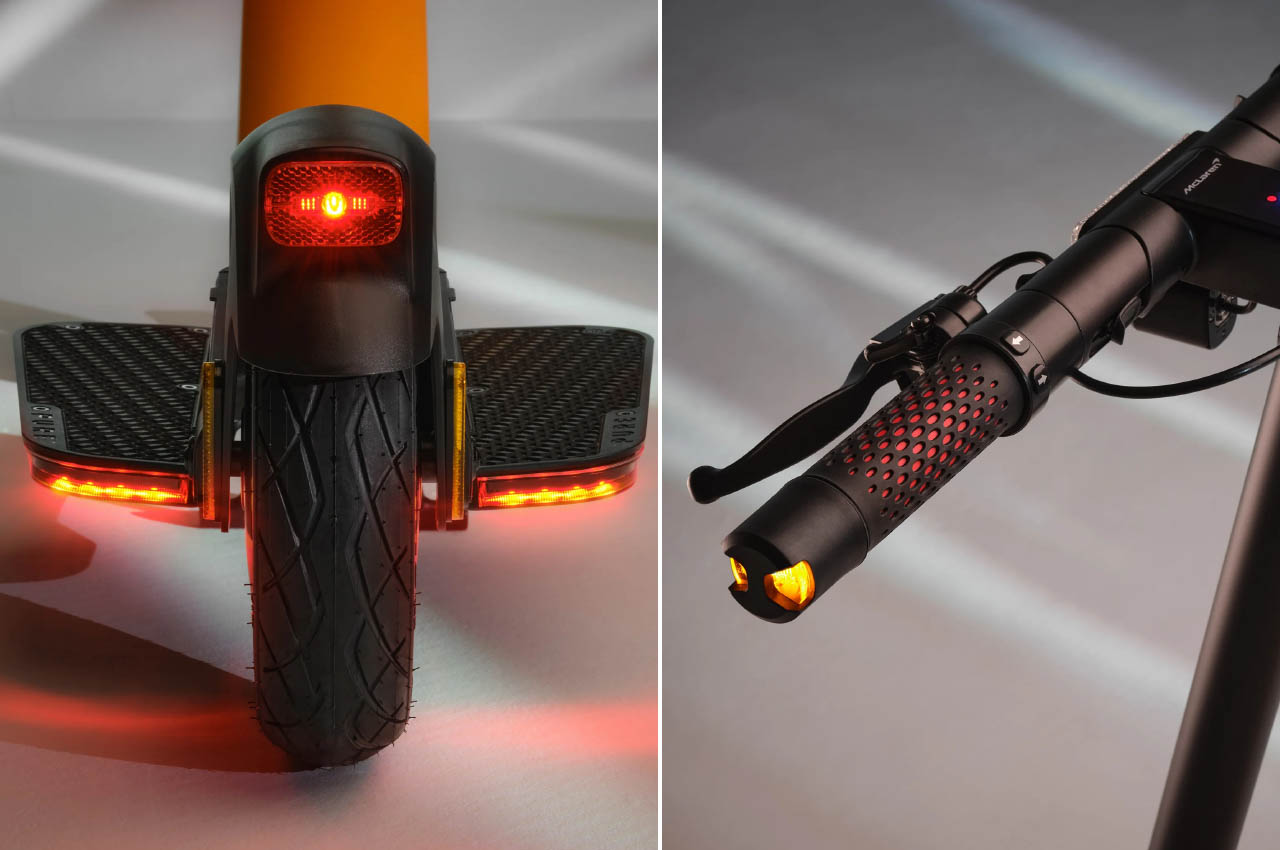
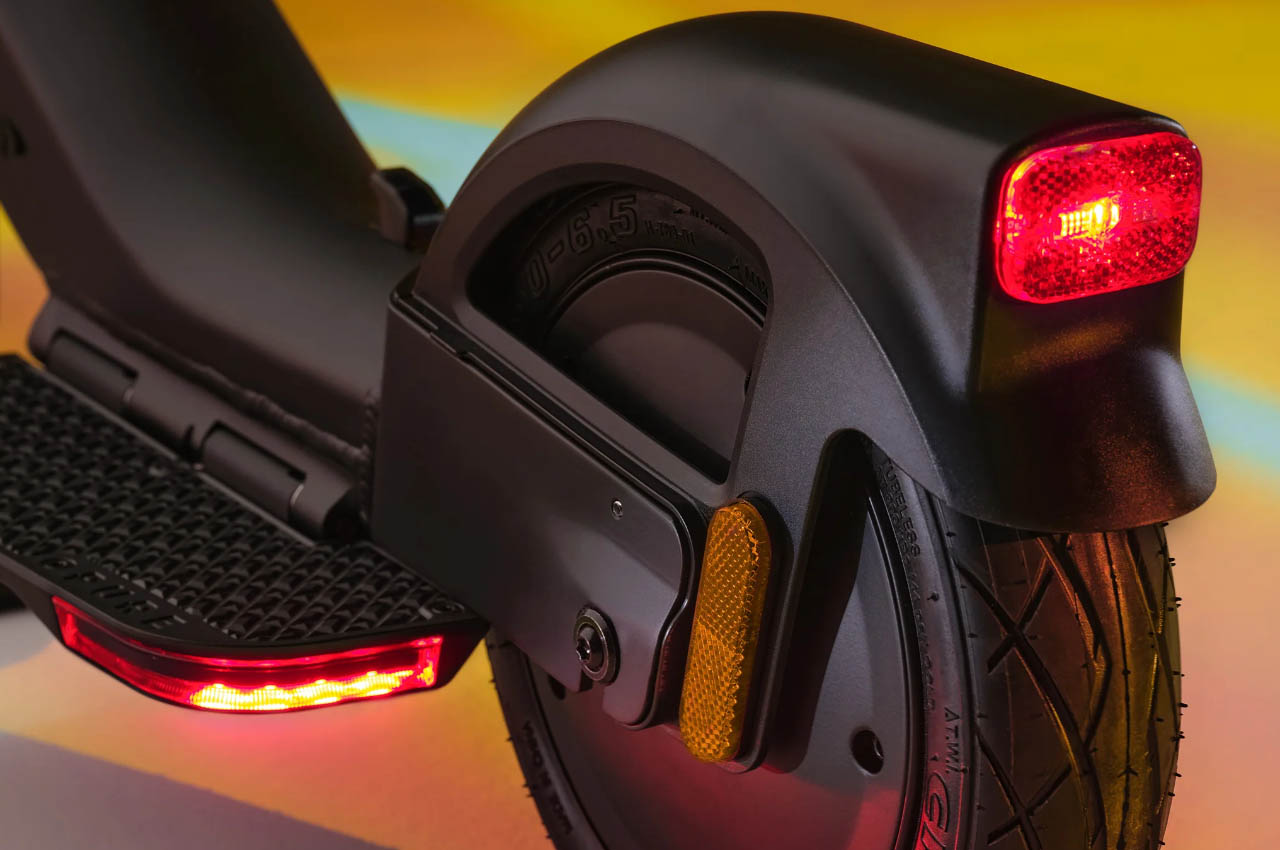
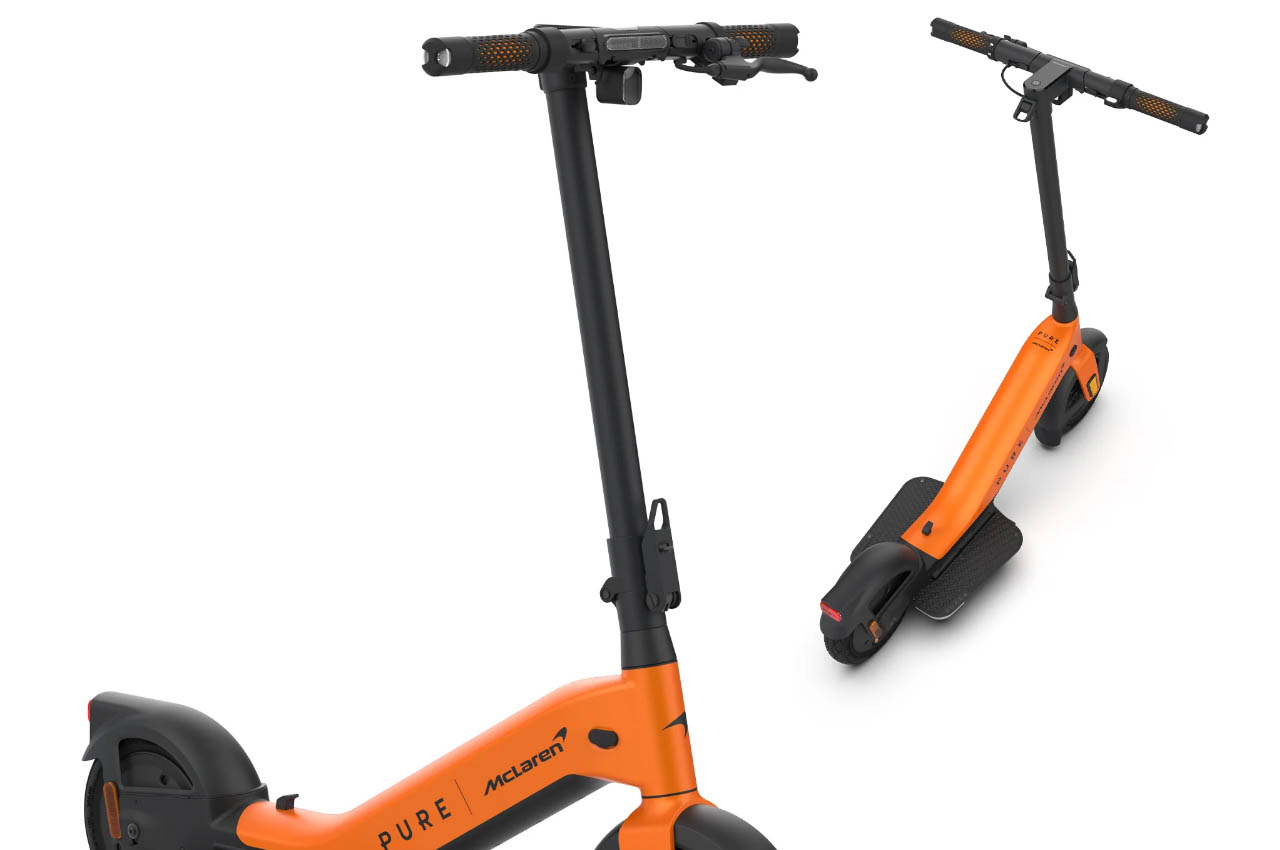
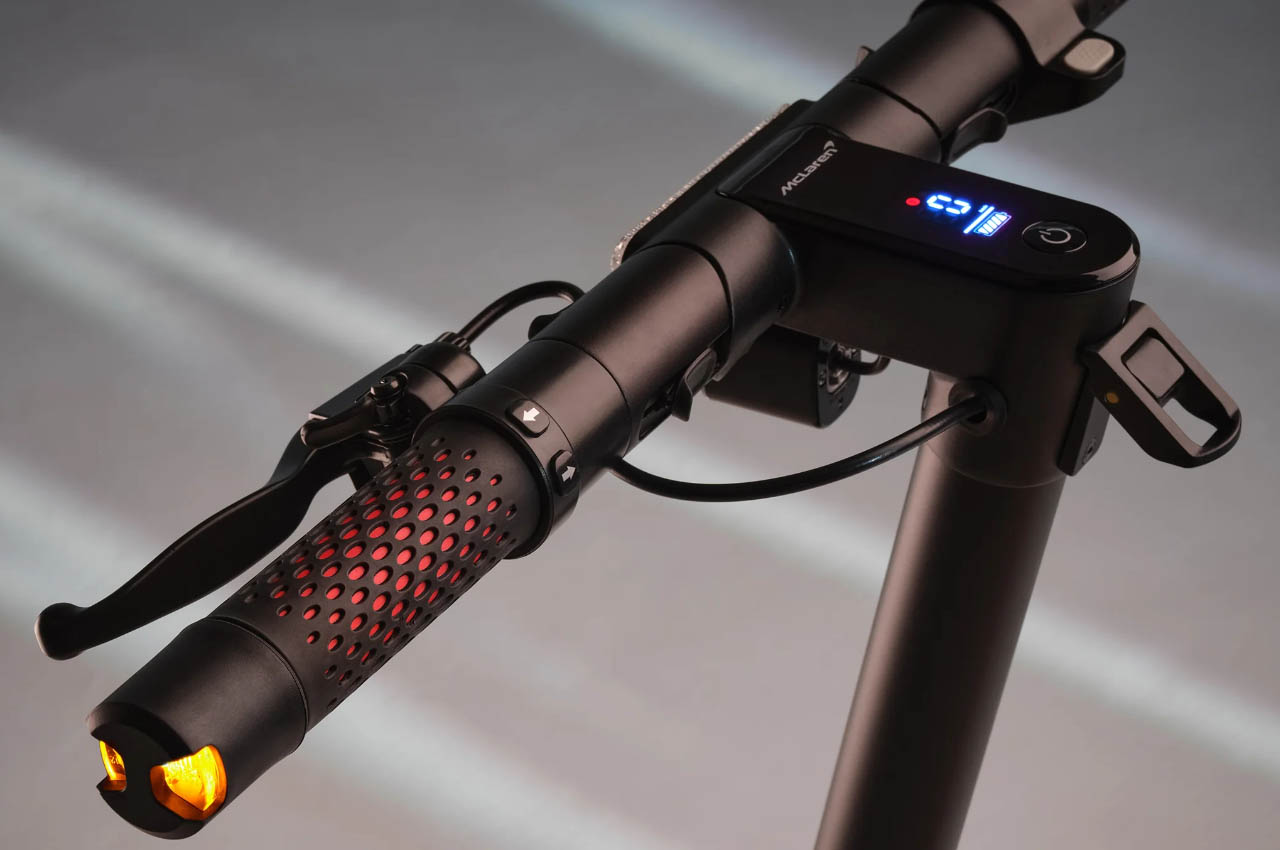
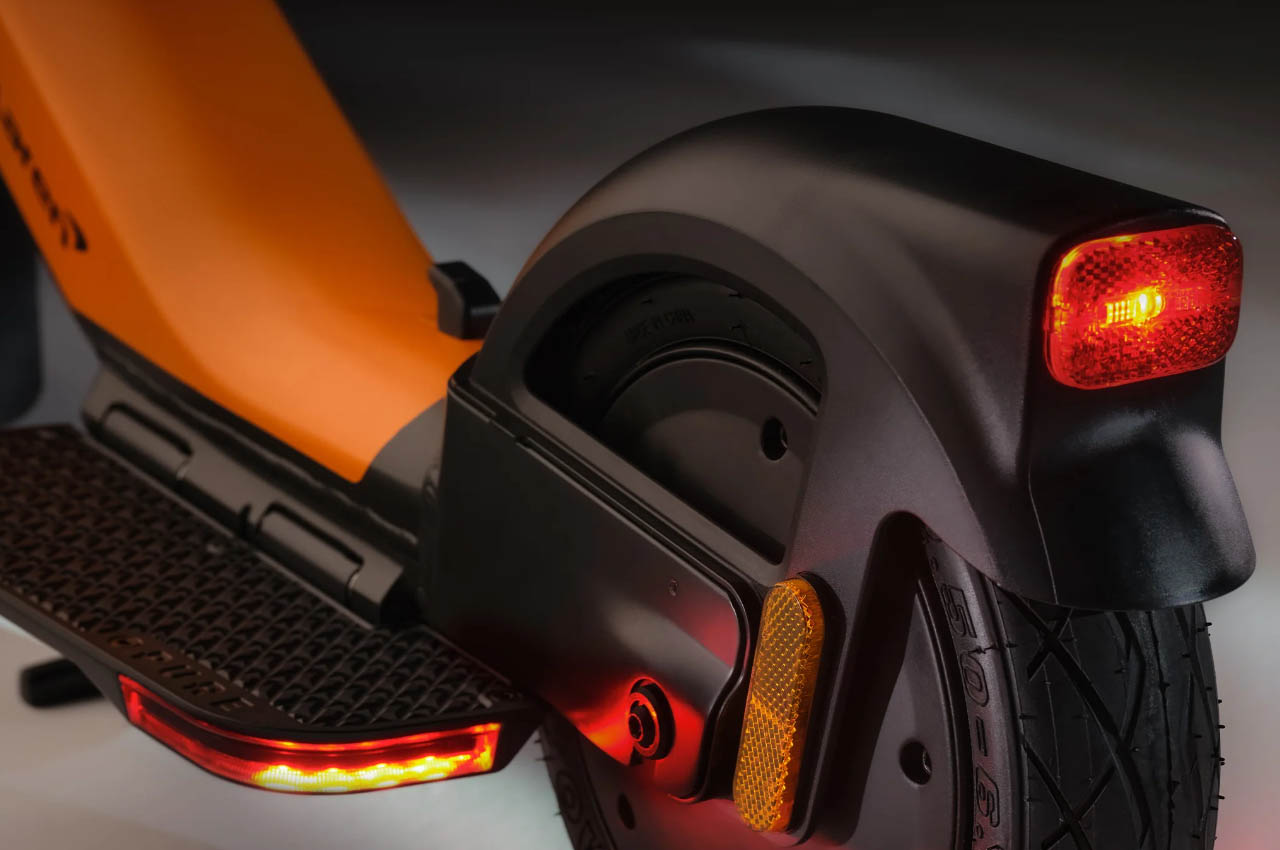
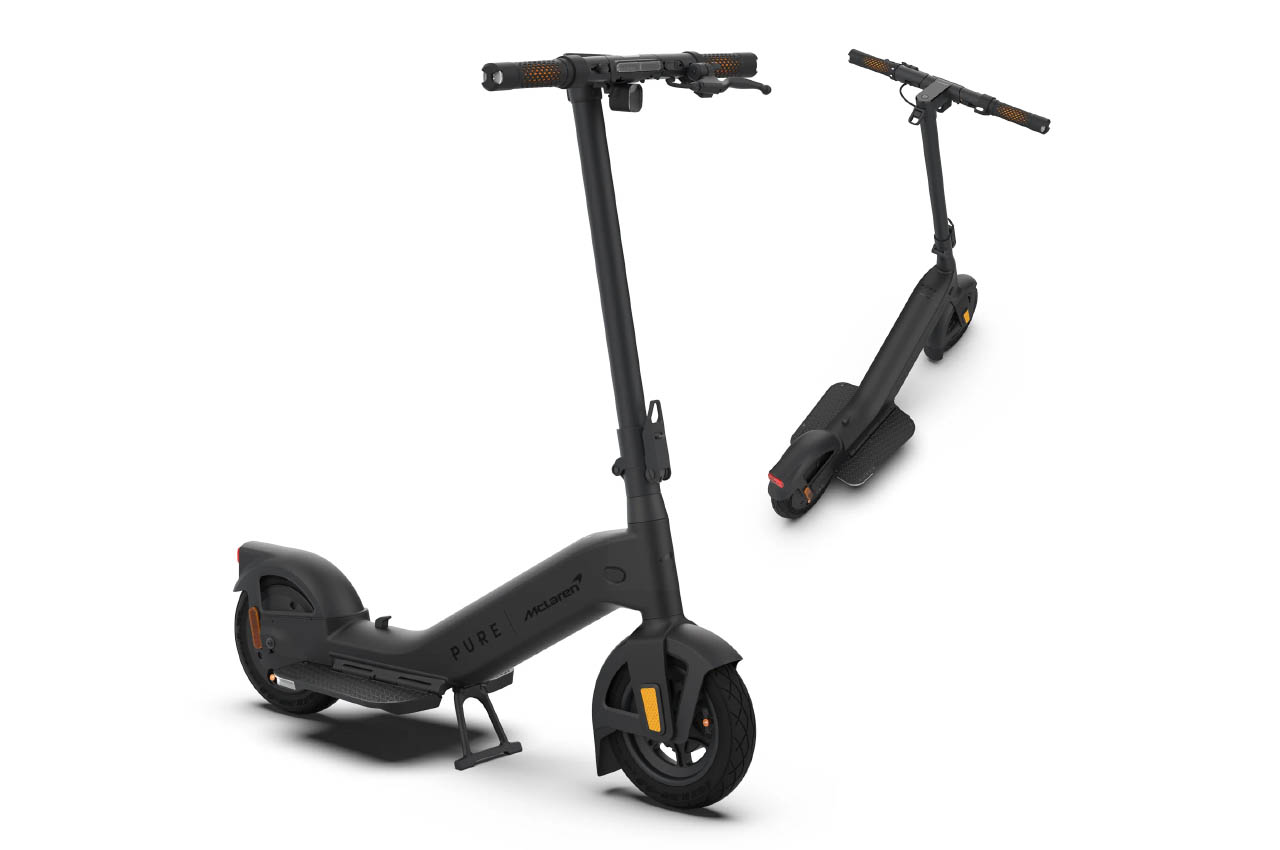
McLaren is currently in an intense dog fight on the track and on the paddock with Red Bull as tensions are rising between star drivers Max and Lando. You as a fan, have the opportunity to own a special edition electric scooter to root for the underdog. Yes, we are talking of an official McLaren edition e-scooter developed by Pure Electric.
The Britan-based company founded in 2018 is in hot pursuit of building the best electric scooter on the planet is owned by Adam Norris (Lando’s father) and the collab is not surprising. Coming on the back of another successful venture between the two brands, this e-scooter is based on the popular Advance+ model.
Pure Electric is 100 percent focused on just one goal, which is to build an e-scooter that changes the complexion of urban transport for good. The foldable commuter gets a bump up in electric motor power and a better range for this special edition version in the signature papaya color and the deep black finish. The e-scooter delivers 710 watts of peak power for better acceleration and much better performance on ascending hills. The range of 31 miles on a single full charge is reassuring if you’ll commute the city in one go.
The all-weather-proof ride comes with an IP65 rating and has 10-inch puncture-proof tires to complement the sturdy frame. Just like the Pure Advance+ model, the Pure x McLaren Special Edition has a natural forward-facing stance for a stable and comfortable riding experience. McLaren’s expertise comes from the valued design approach that’s honed by sharp aesthetics and a deeper knowledge of how hybrid powertrains work.
According to Adam who’s set the company on a success path, the partnership further cements the future of e-mobility, reflecting the engineering and design ethos. Pure x McLaren Special Edition scooters are all set to be available on July 4 in the aforementioned color options. Also, keep in mind, that there’s an Ayrton Senna anniversary edition e-scooter draped in the Brazilian flag skin released just a few months ago.
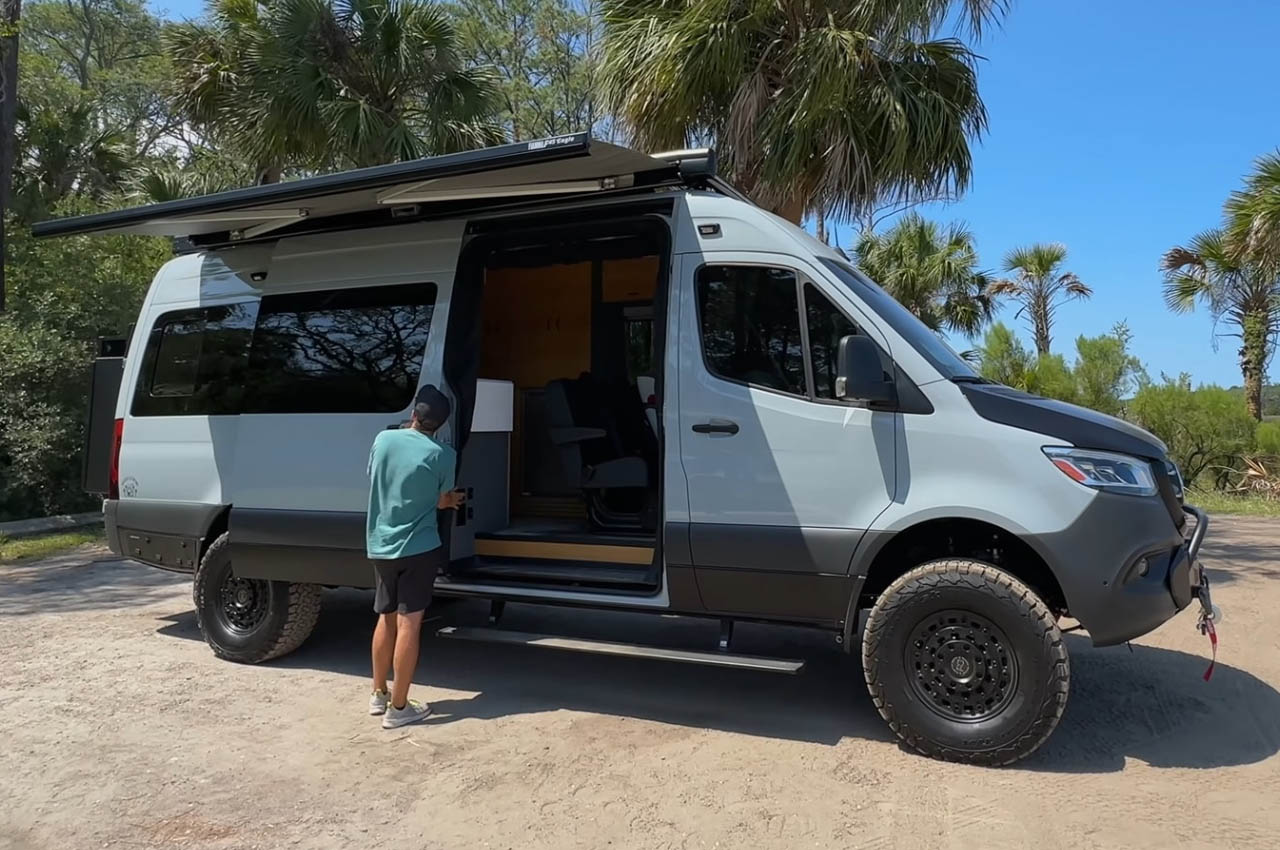
If you have been wanting a custom-built van home for your journeys around the US, Beachside Custom Vans has delivered 2024 AWD Mercedes-Benz Sprinter-based Fam Van: a van home for a family of five to travel together. A van that can accommodate five people seems a cramped-up idea that no one would want to invest in. At least, that was my perception in the beginning. But the way the Mercedes-Benz Sprinter, comprising a 170″ wheelbase, has been configured, I have a different take. When you reach the end of this article, I’m sure you will have a revised perception as well.
Atlantic Beach, Florida-based Beachside Custom Vans is known for designing van homes that rival tiny houses. The vans are custom-built for people, in a manner they want, to make life on the road smooth, comfortable, and feature-packed. These Mercedes-Benz Sprinter-based vans, including the Fam Van, are designed with accessories inside and an exterior that catches the eye at first glimpse.
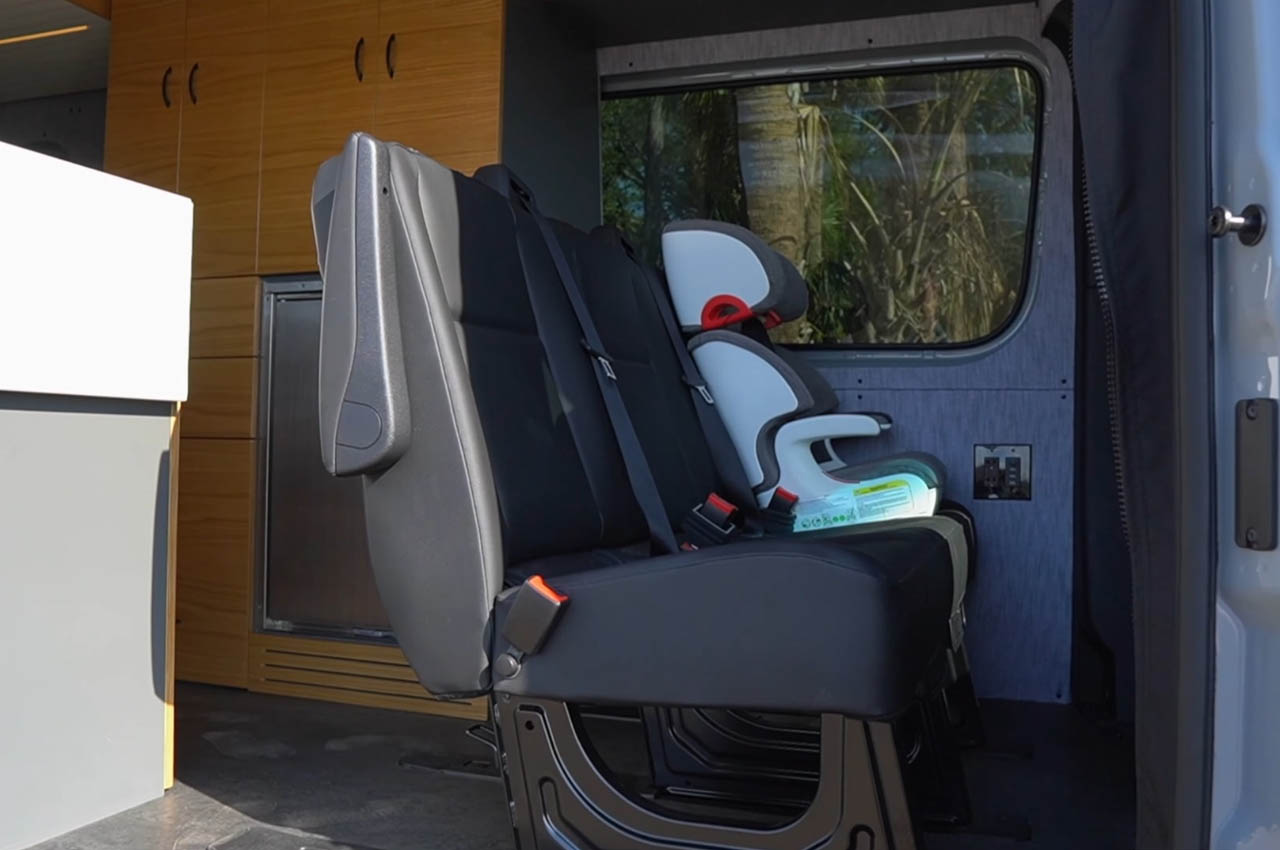
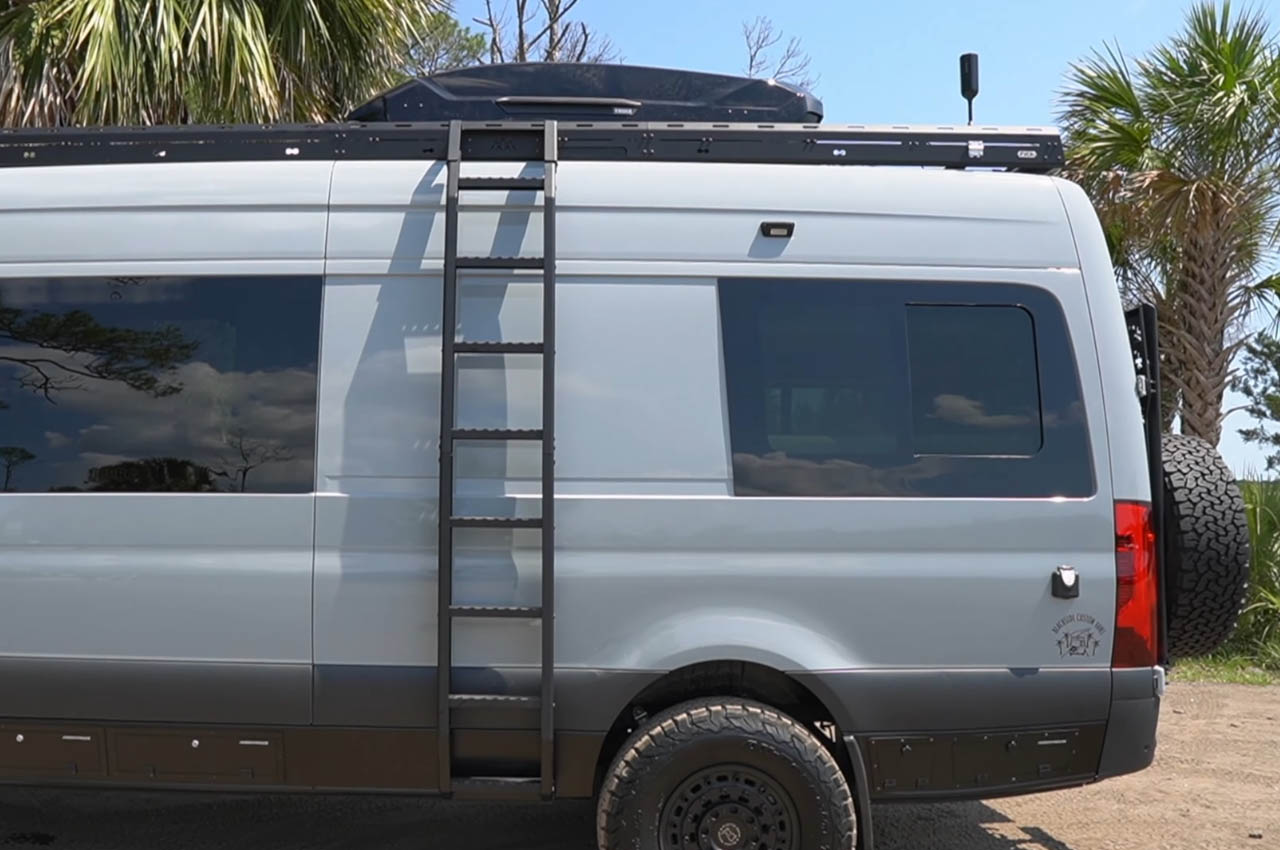
Offering seating and sleeping space for five people, along with a full kitchen, toilet, and enough storage sections; the Beachside Custom Vans’ Fam Van is a superior option for any adventure family. The exterior of the van is delivered in ceramic-coated gray and blue dual-tone. Its suspensions and wheel rims along with all-terrain tires facilitate off-the-road travel.
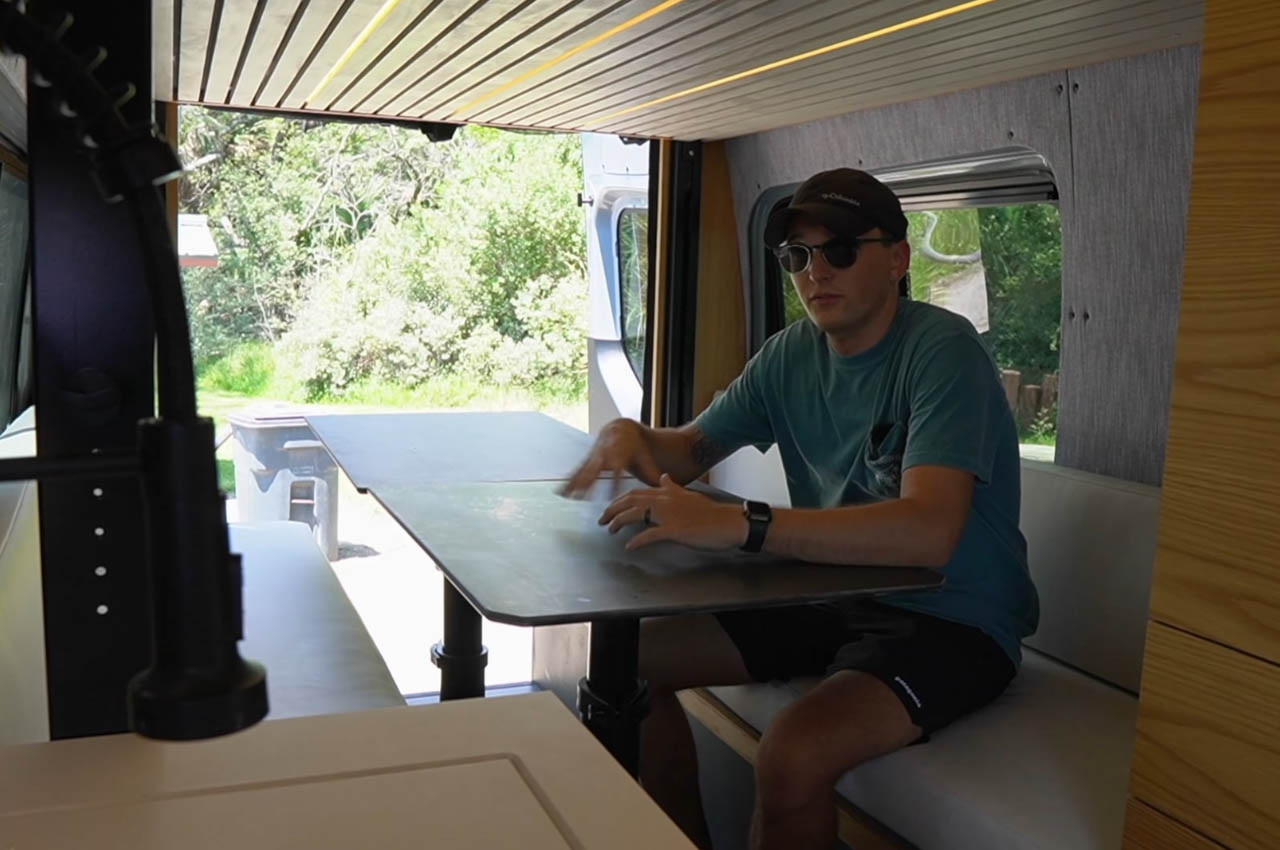
Even when the Sprinter is custom-designed for adventures off the road. It is not entirely off-grid. The van home is provided with 200 Ah batteries, a 3,000 W inverter, but there are no solar panels (presumably you should get it as an addon, if you may). Inside, the Fam Van is pretty spacious and open with oak plywood cabinetry marine vinyl flooring, grey upholstered wall paneling, and white ceiling with strip LED lights.
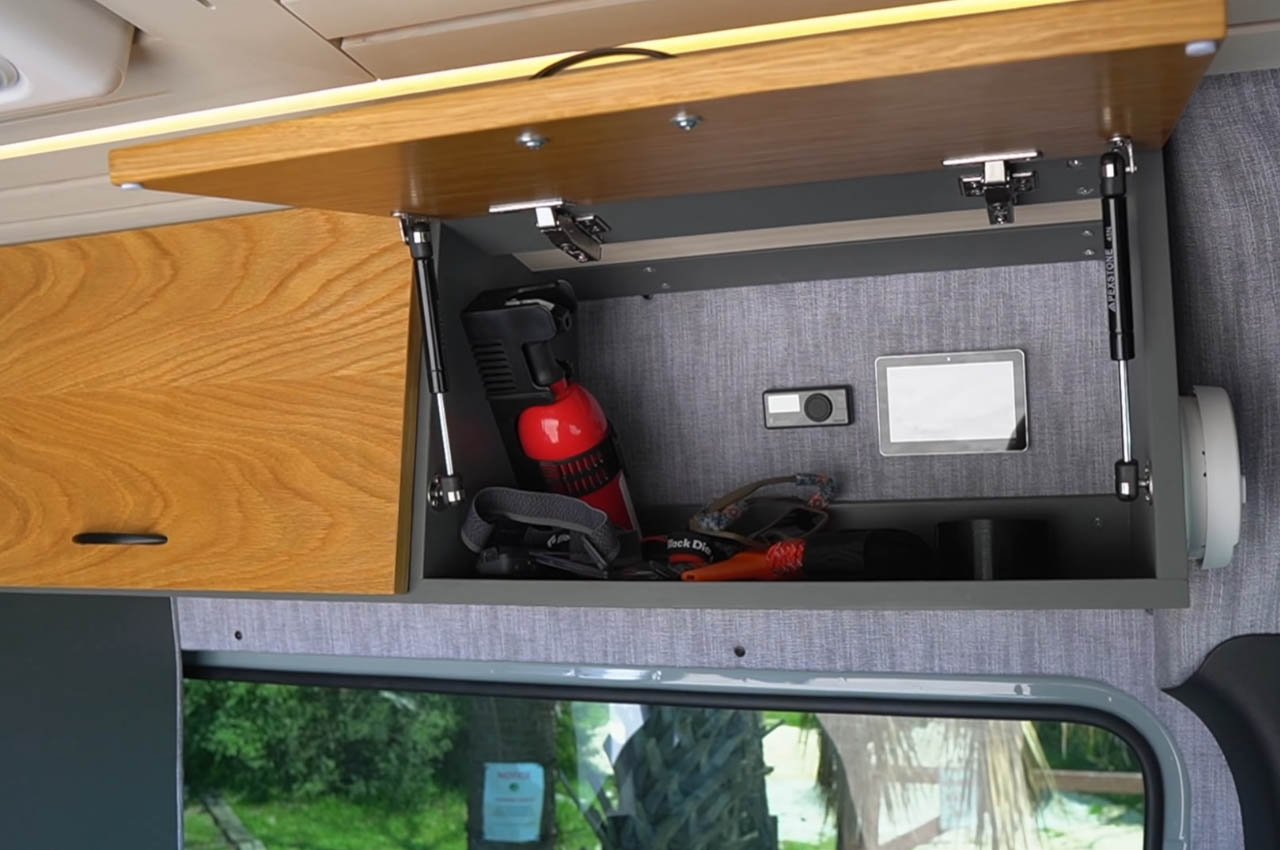
The front portion of the van home has seating for the family comprising the driving seat and a bench for other passengers. Overhead is a shelf featuring the van’s heater control panel and a touchscreen monitor. Moving back on the passenger side is the kitchen that features a white countertop, white subway-tiled backsplash, a countertop with a fold-away table, sink, fridge compartment, a pull-out pantry, and under-sink and overhead cabinets for storage.
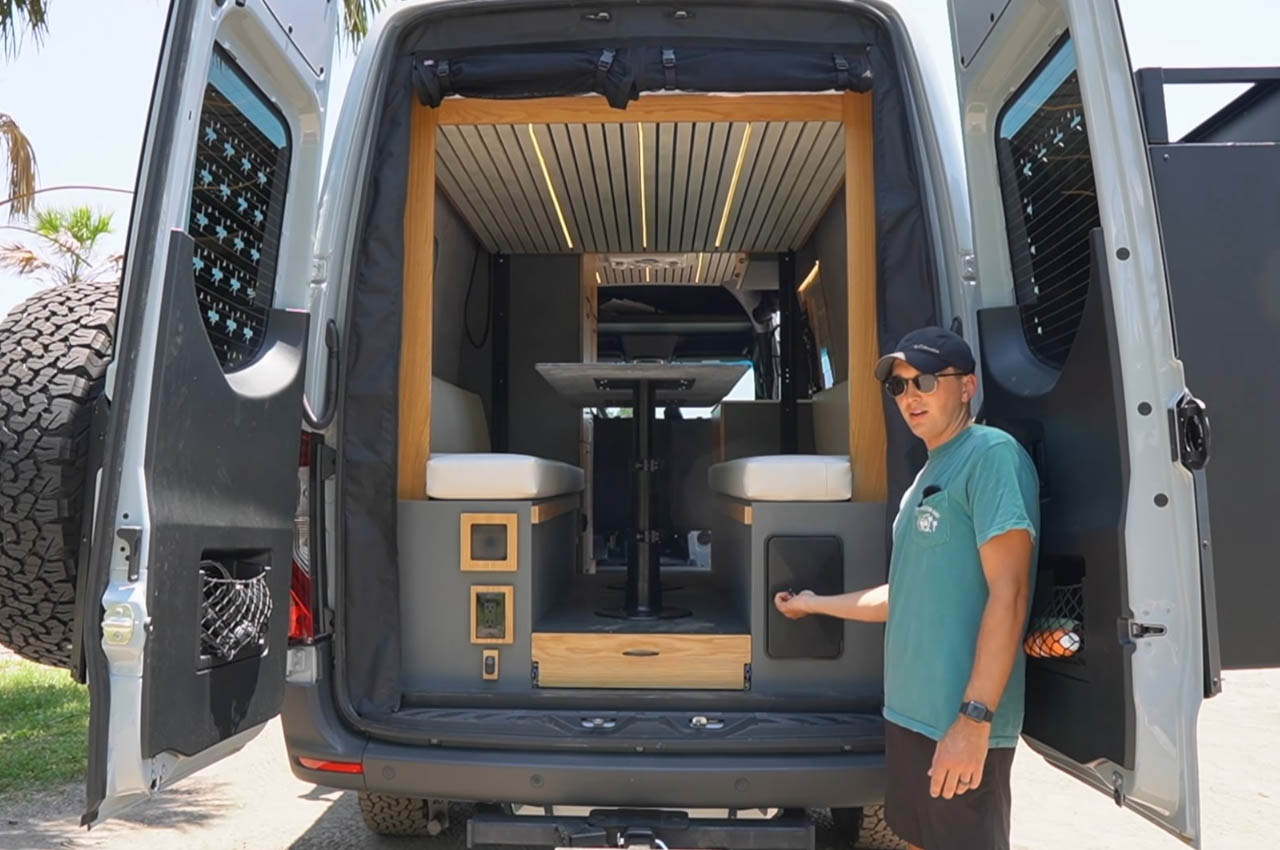
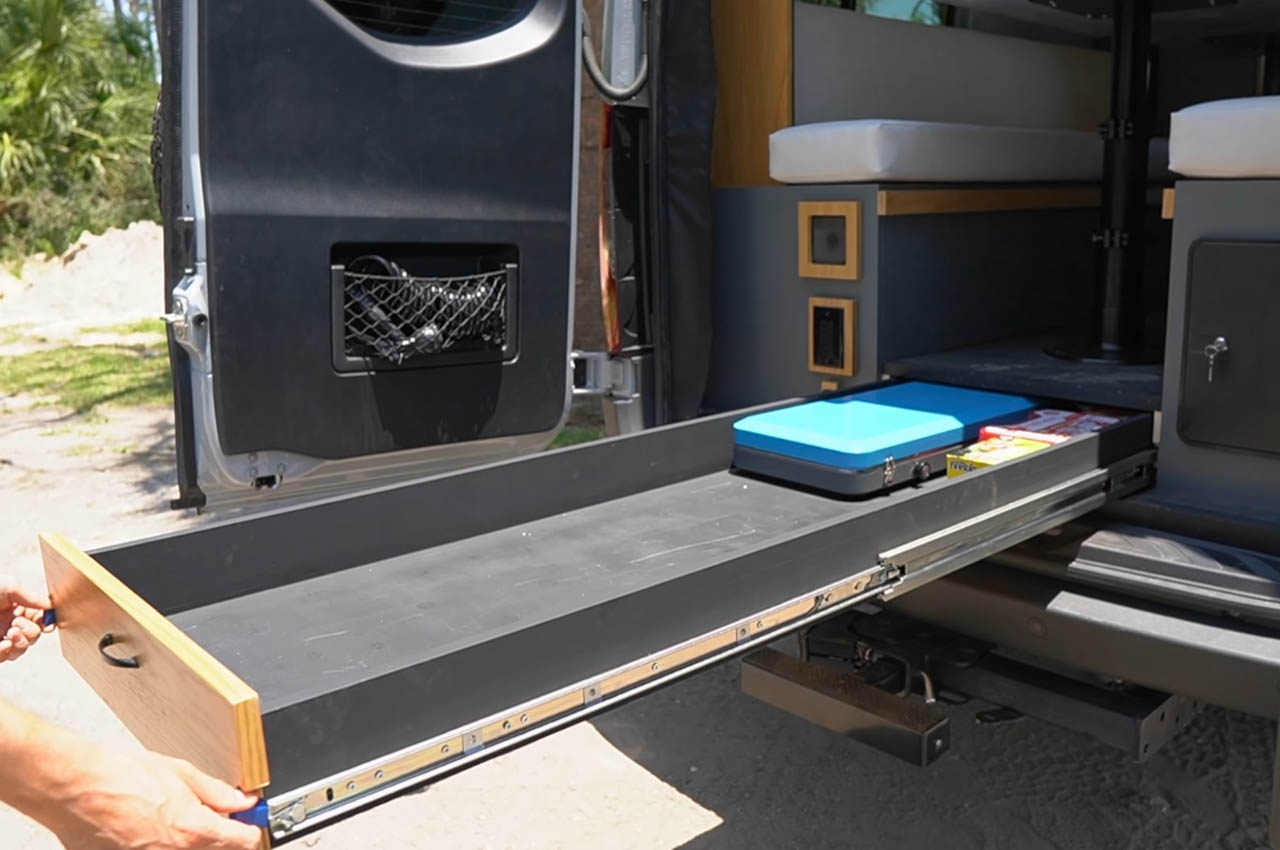
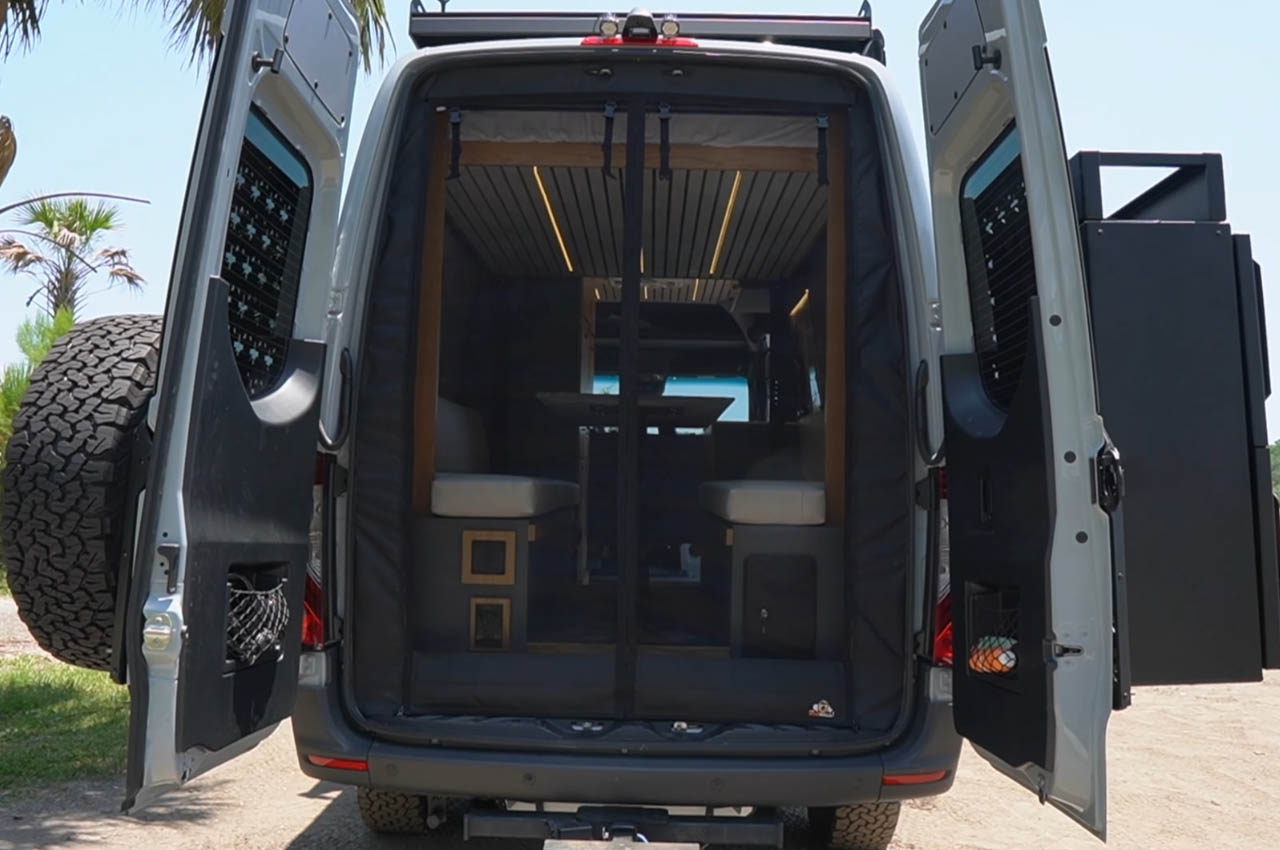
The water of the Beachside Custom Vans family van home is managed by a 28-gallon freshwater tank and a 5-gallon graywater storage, which can be emptied appropriately on the press of a button. Opposite the kitchen are two large closets for storage along with a slide-out section for the dry-flush toilet. If you’re thinking of how to wash up and bathe; opening the two rear doors you can access an outdoor shower. Here a large drawer also slides out which you can use for various requirements, including keeping your gear.
When the day is over and the family wants to dine and retire, there is a dinette with a pair of benches and tables that can transform into a bed. The main queen-size bed hangs down from the ceiling, leaving good headroom for the sleepers on the couch below. The entire van home conversion is possible for $75,000.
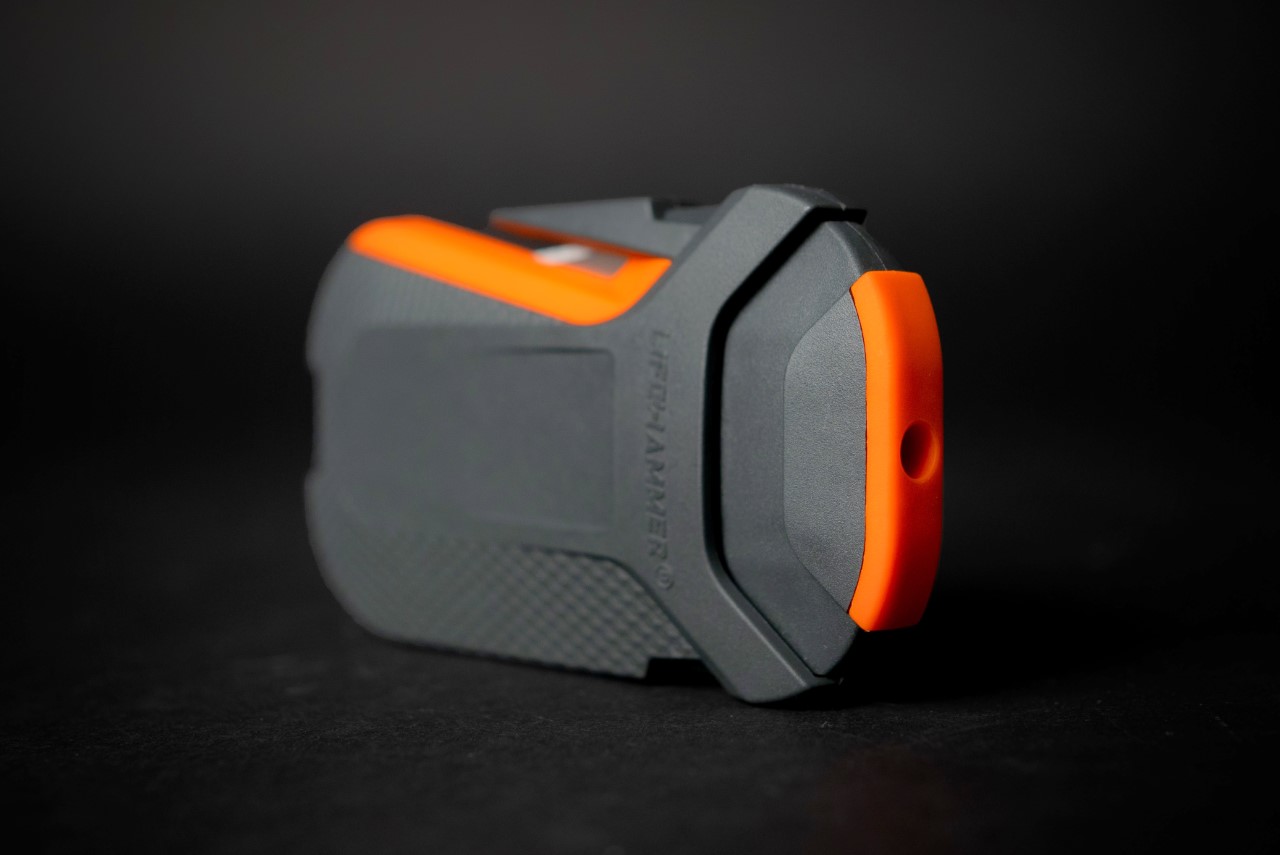
Seatbelts are designed to not be cut. Glasses on cars are designed to not be broken. That’s all well and great until you find yourself in an emergency where you need to get out of a car and you’re stuck because of a jammed seatbelt or door. Although seatbelts and laminated glass panels are designed effectively to protect you, they can sometimes become the barriers to your safety – which is why it helps to have something like the Lifehammer Smart Automatic on you. A little larger than an AirPods case, the Lifehammer Smart Automatic is an emergency tool that helps you quickly slice through seatbelts and shatter glass windows so you can make an exit in a scenario where every second matters to your safety. Designed to be the essential EDC that every car needs, this $25 gadget could literally be a life-saver.
The Lifehammer Smart Automatic has a pretty compact, self-explanatory design, which makes it perfect for intuitive use in a split-second emergency. The soap-shaped gadget is easy to grasp firmly in your palm, and comes with a cutout on the side that you hook around your seatbelt. Slide the device over and it slices through the seatbelt’s tough fibers like a knife through butter… while still maintaining a safe design that won’t ever accidentally hurt you.
The top of the Lifehammer Smart Automatic houses its glass-breaker tip. It’s easy to identify the two crucial features simply by looking for the orange accents which highlight the cutter and breaker respectively. The top of the Smart Automatic has a spring-loaded head that you simply press into a glass panel. Eventually, it triggers the glass-breaker tip to eject outwards and shatter any tempered or laminated glass – like the ones found on car windows and windshields. The process requires minimal effort and time, allowing you to quickly break through the glass in case your door gets jammed.
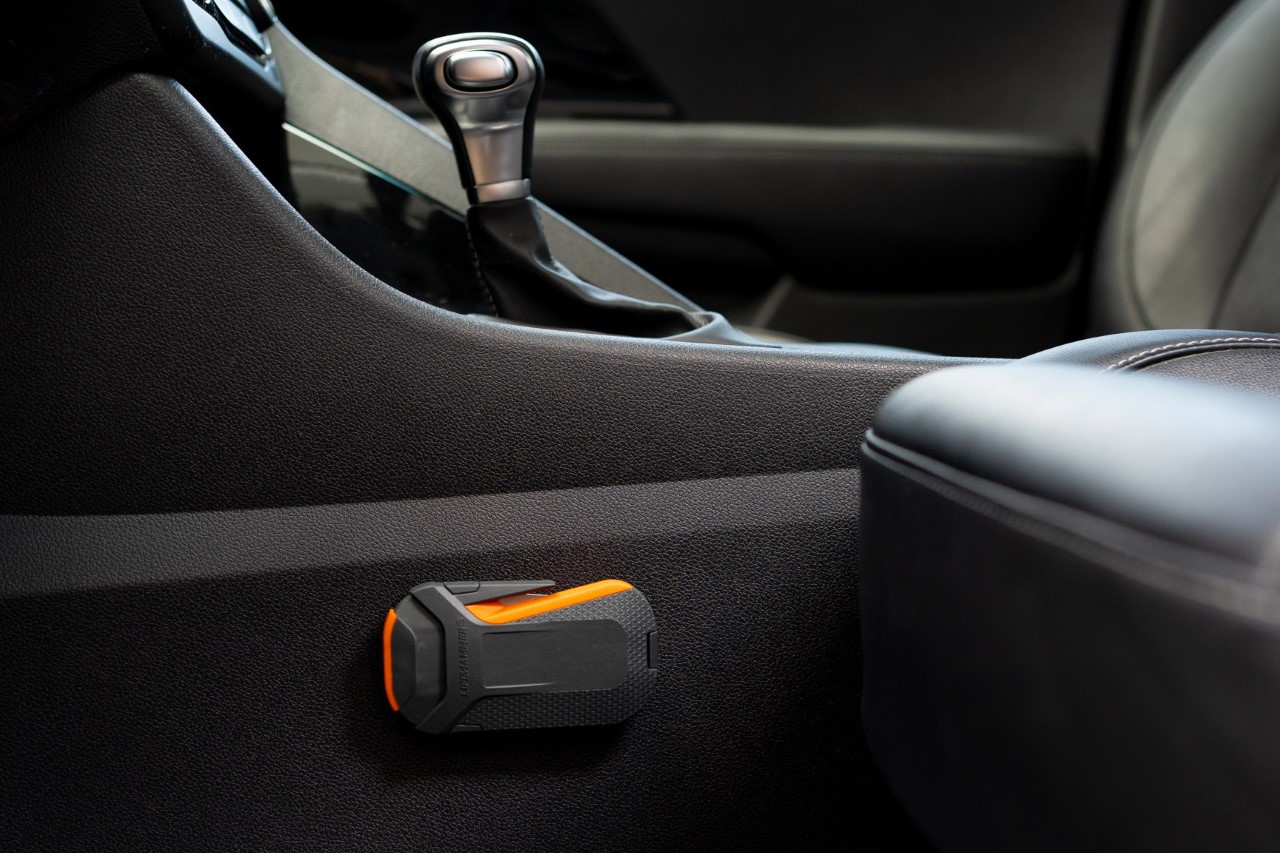
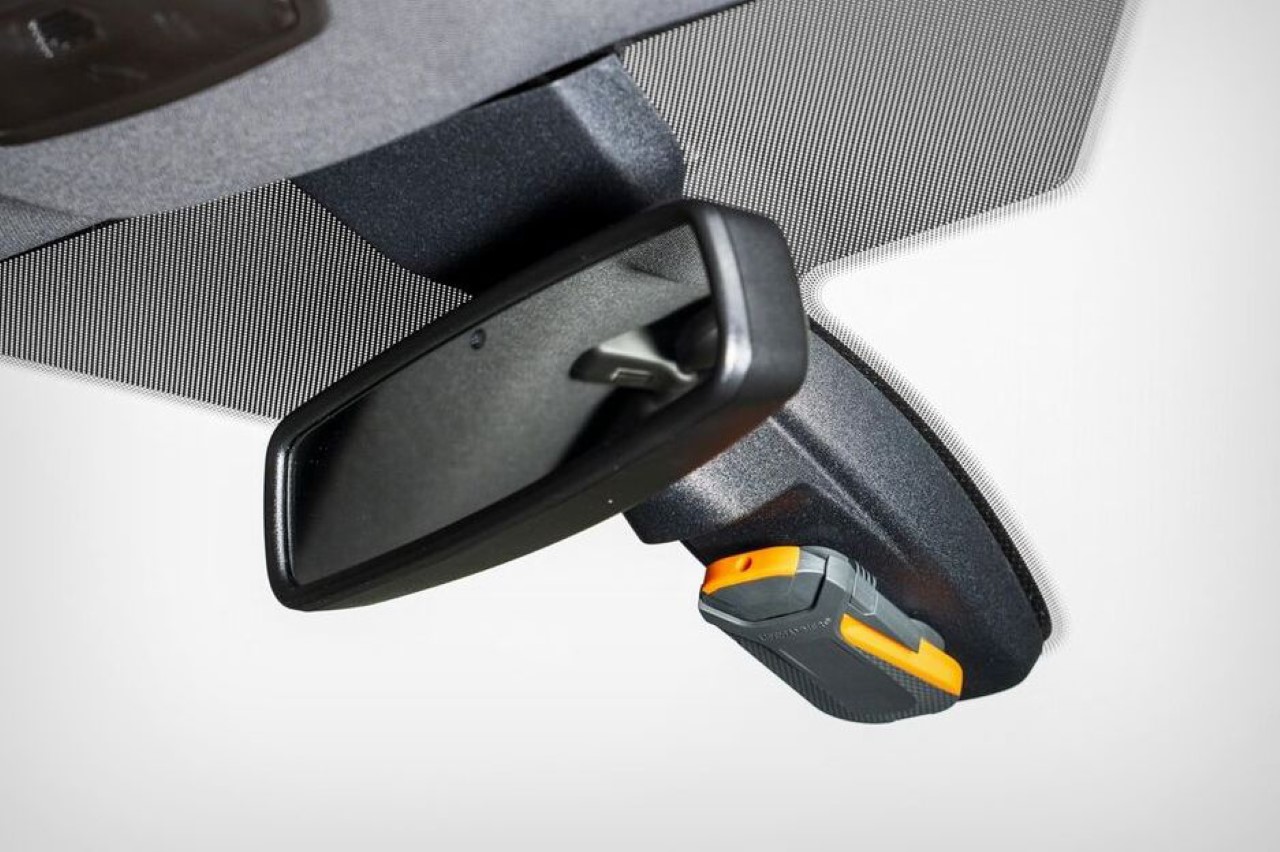
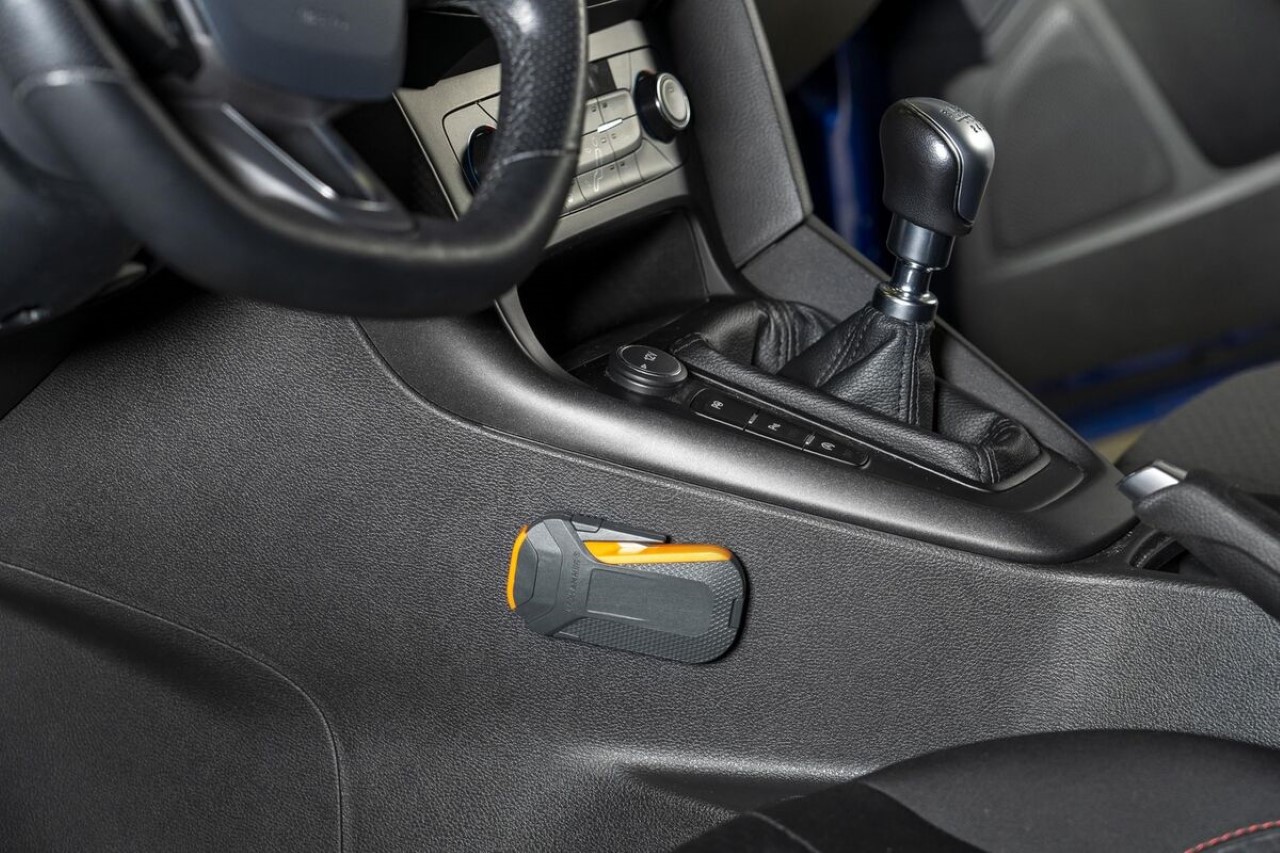
A winner of this year’s iF Design Award, the compact Lifehammer Smart Automatic is a lot smaller than most car-safety gadgets we’ve seen, and comes with its own holder that attaches to any part of your car using 3M adhesive tape. This means you can attach the Smart Automatic beside your seat or the gearbox, or even behind the rearview mirror so it’s easier to access than having to open the glove box and fish around.
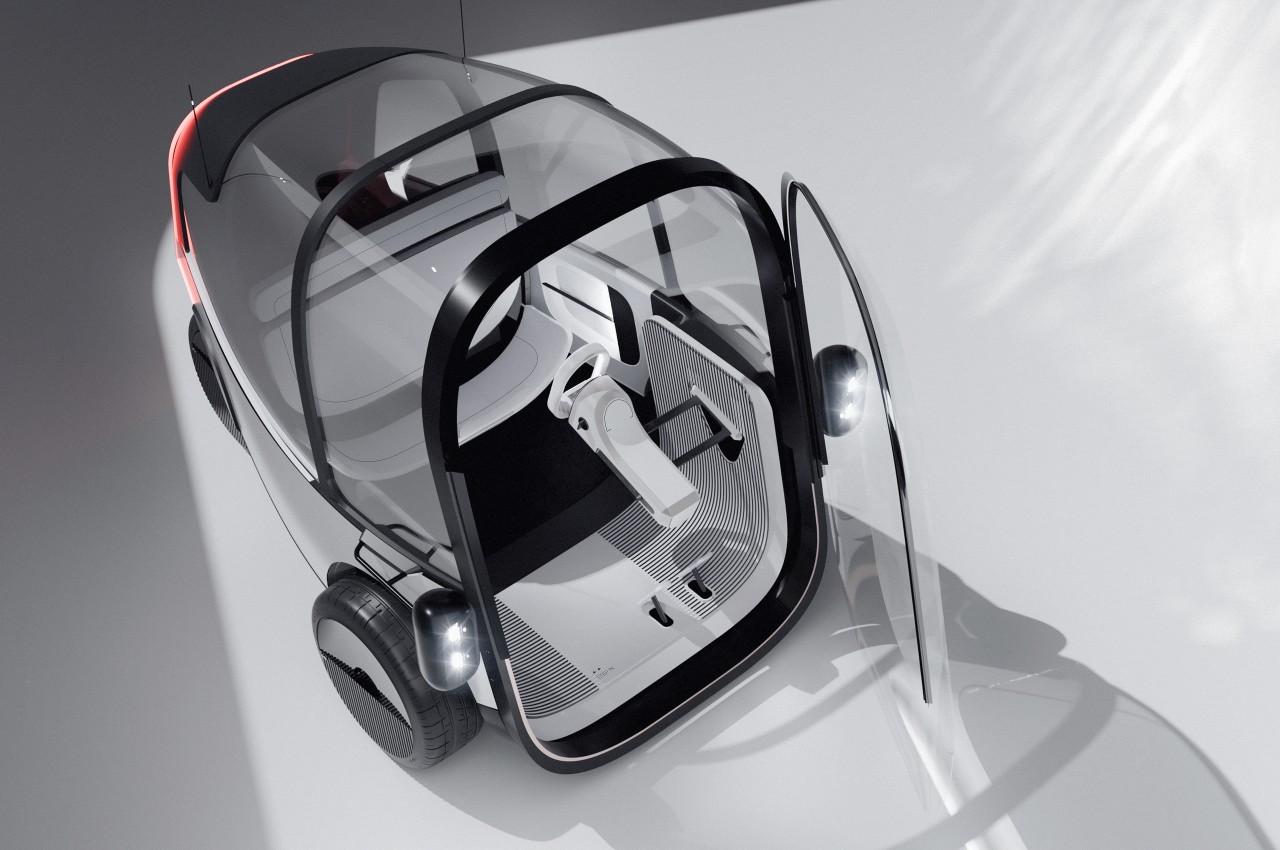
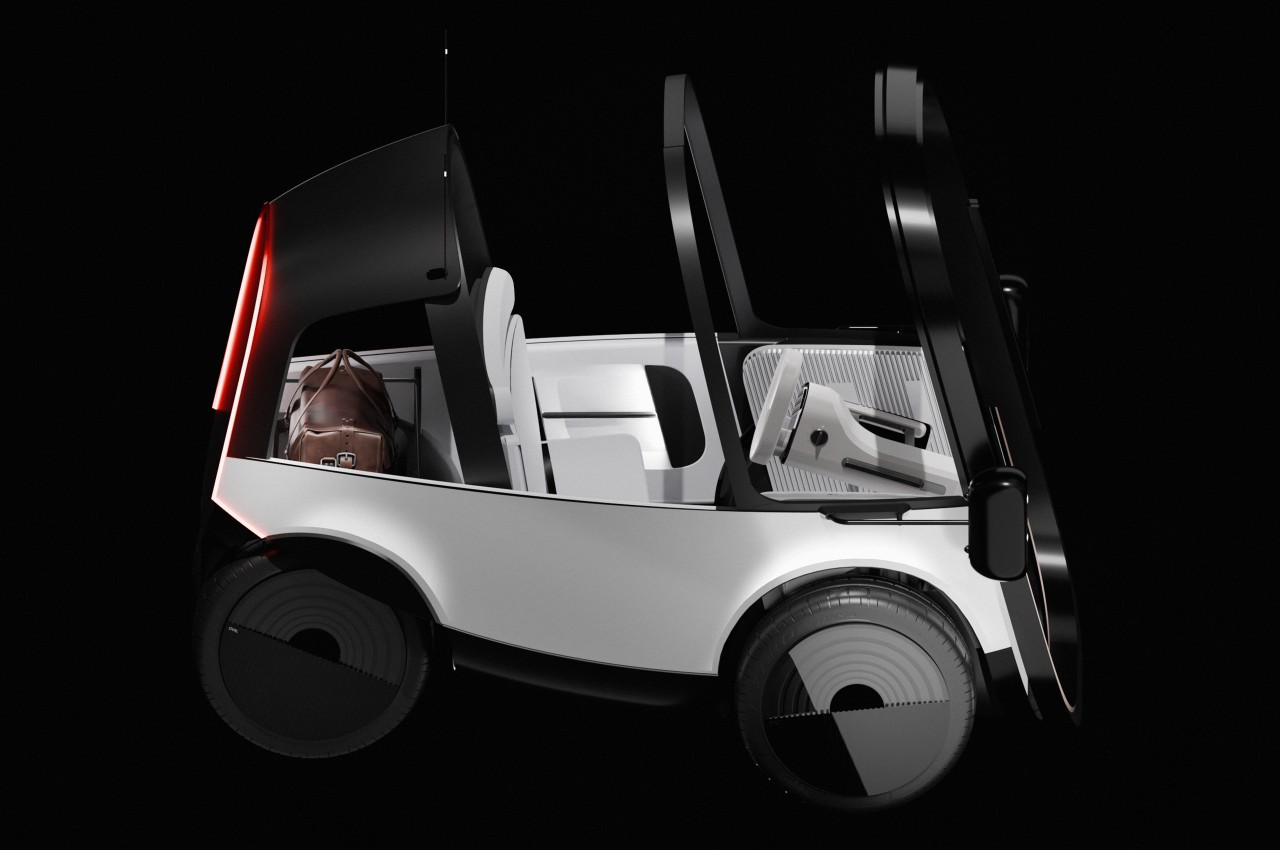
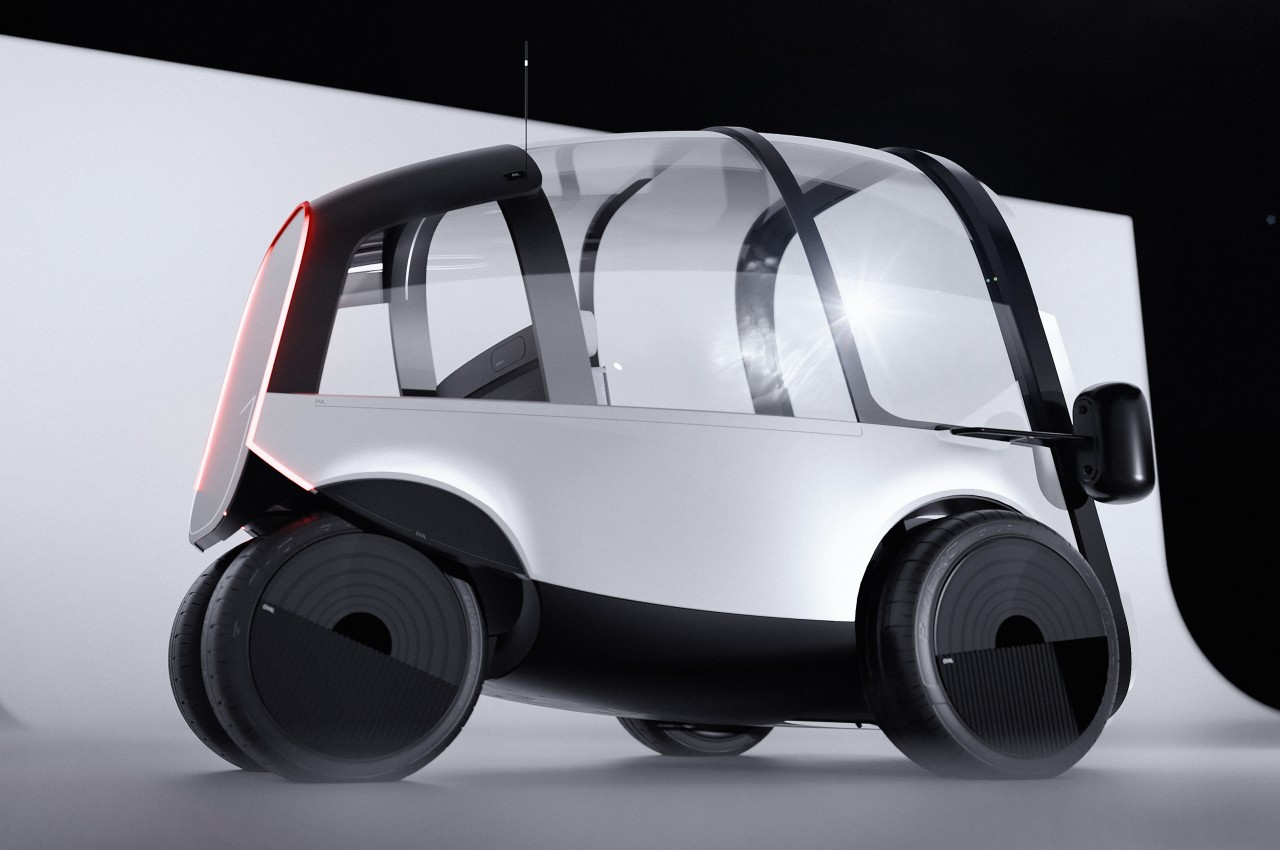
The majority of concept designs that we see for future automobiles seem to revolve around self-driving vehicles cruising along wide and nearly empty highways. Given our present reality, however, the future might not be as idyllic as those images try to conjure up, at least in terms of traffic volume. There is a higher probability that there will be even more cars in the future, self-driving or otherwise, and people will be competing for even less space on roads. This concept, in contrast, bucks the trend and imagines a car that not only has to be driven manually, it is also tall and narrow enough that clearance doesn’t become a problem, allowing it to deftly navigate through traffic and tight spaces, today and tomorrow.
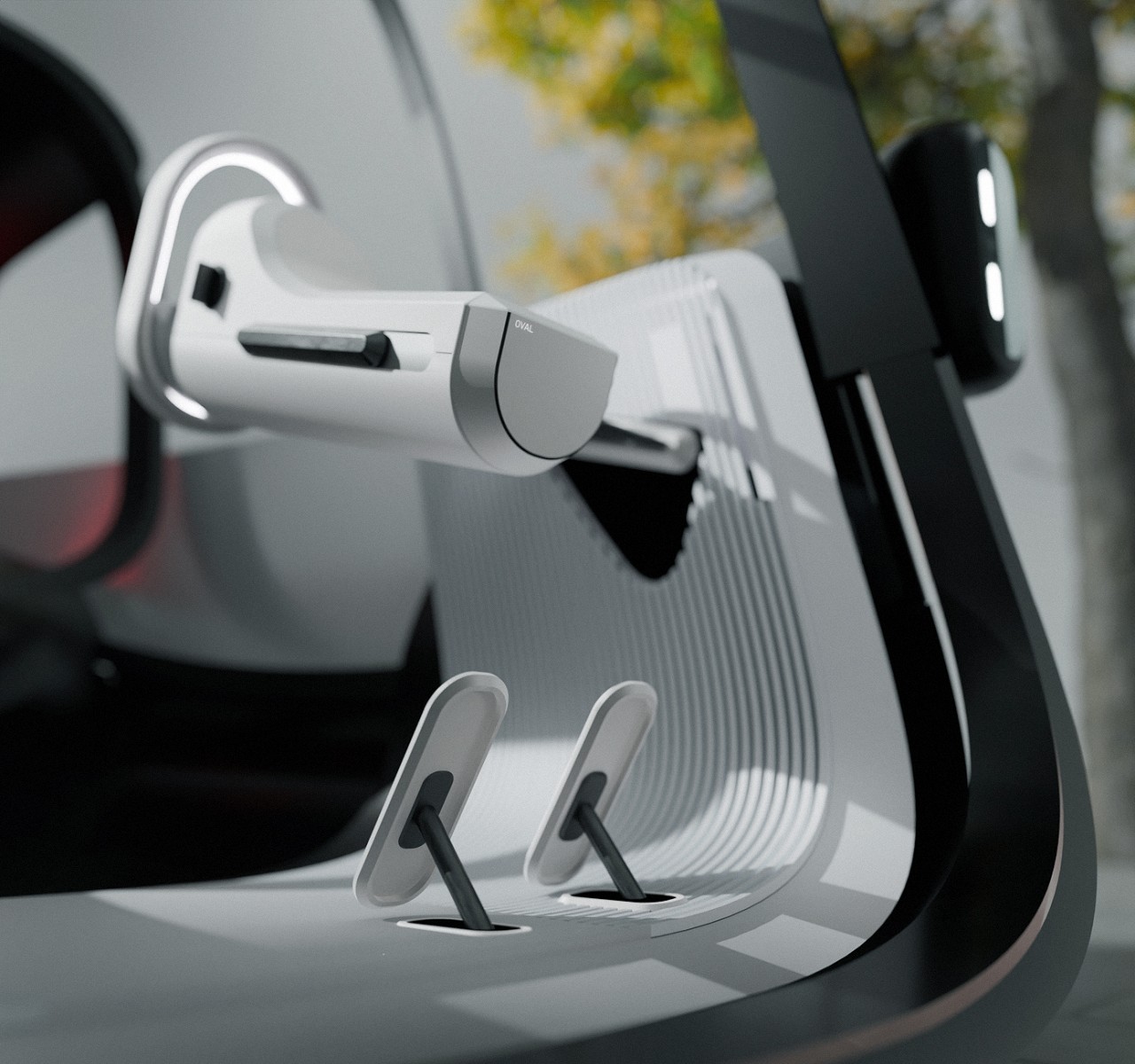
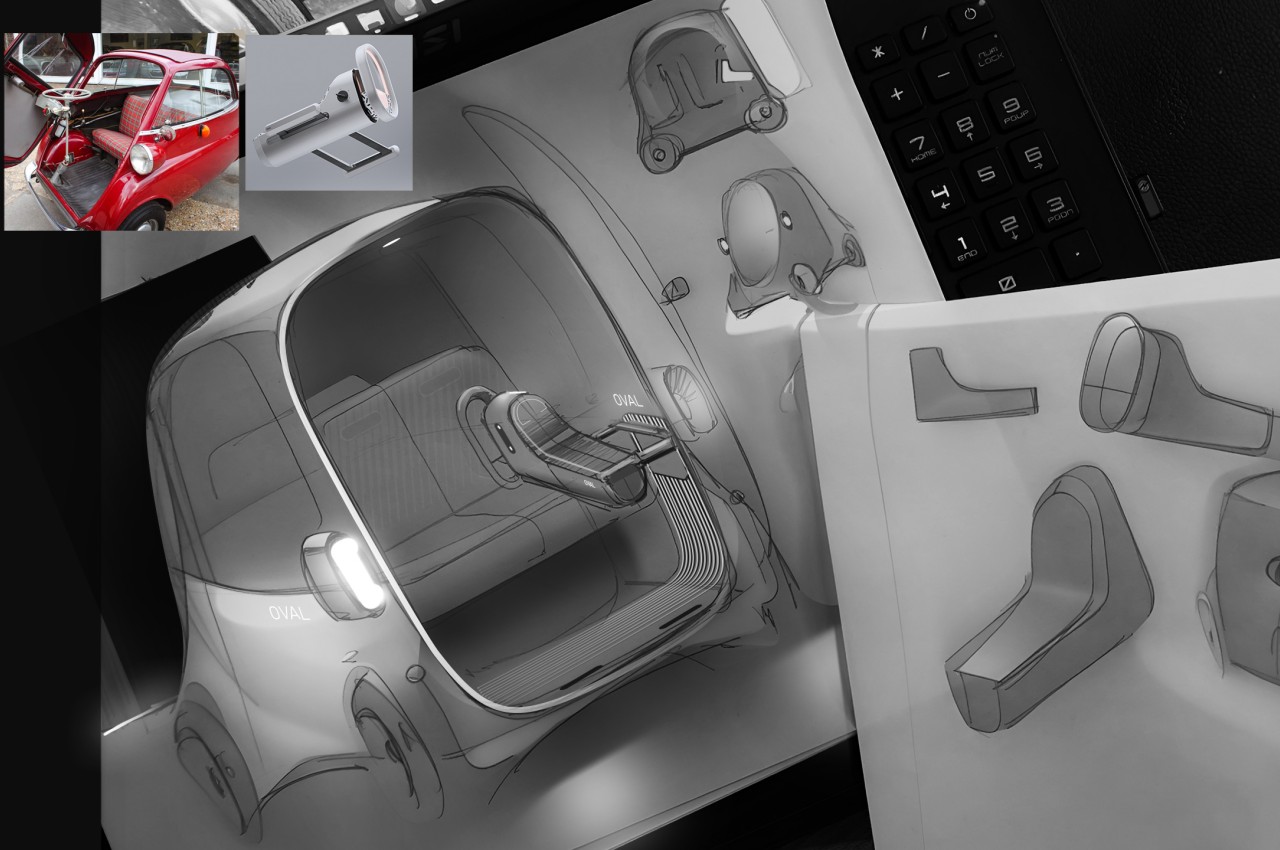
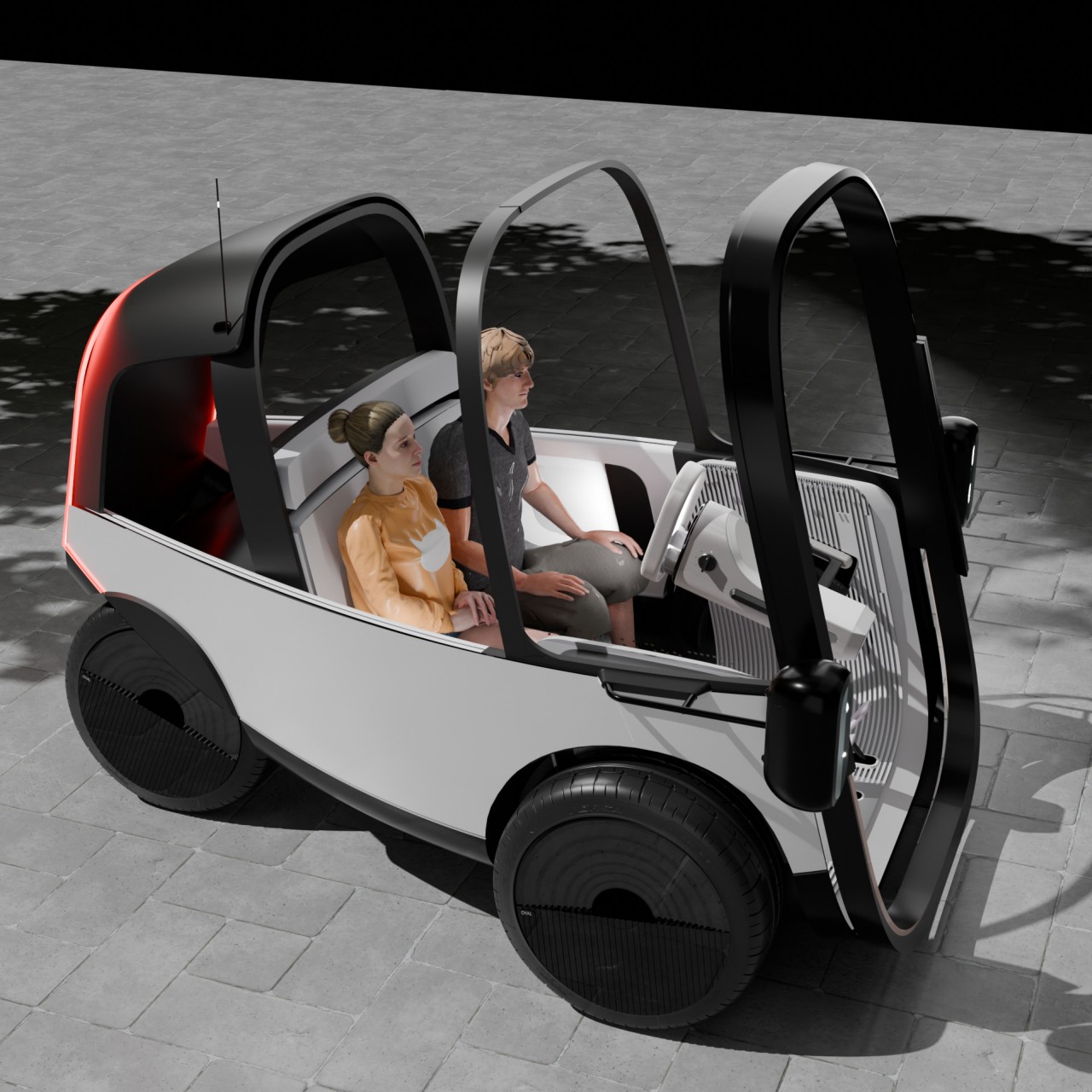
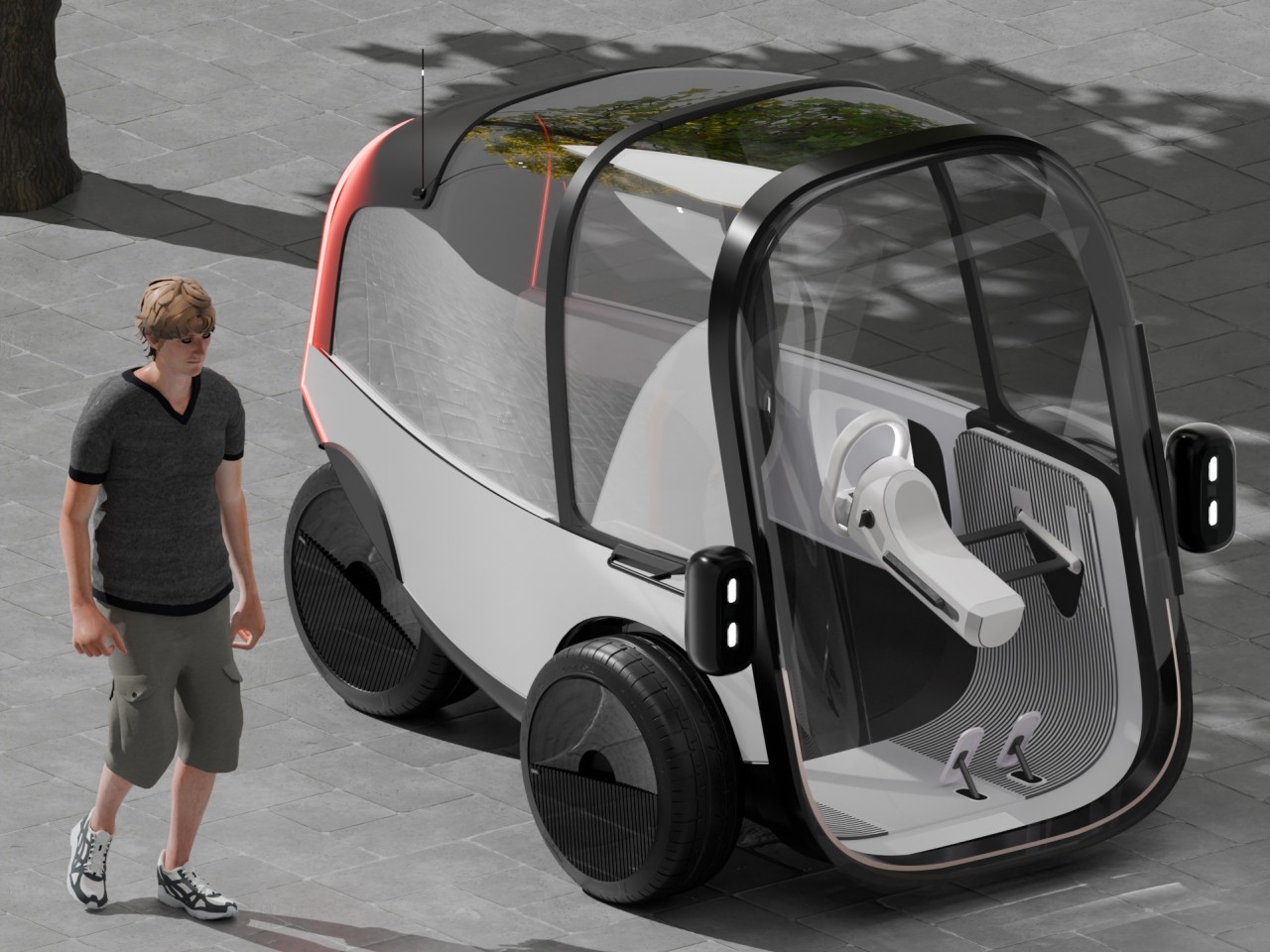
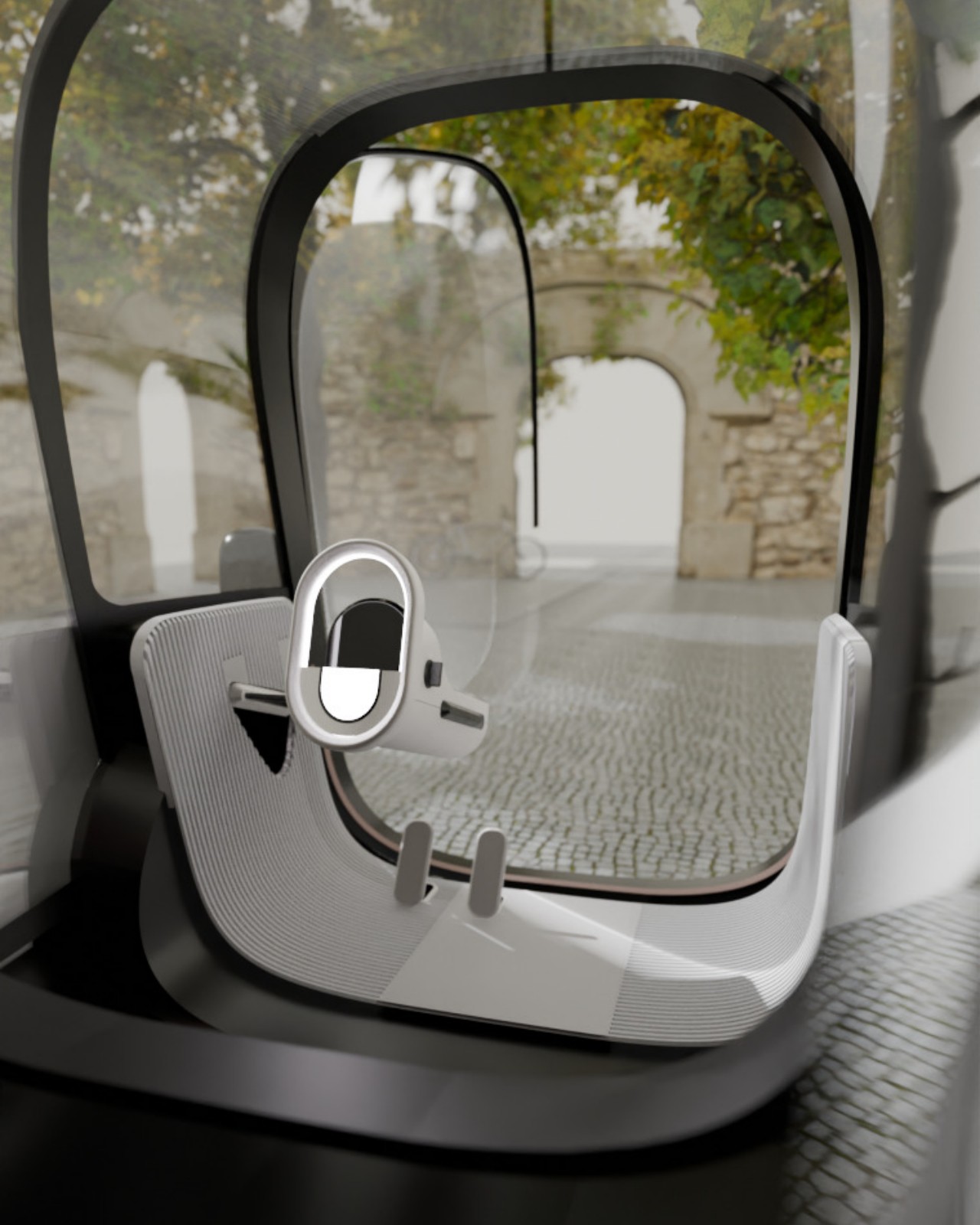
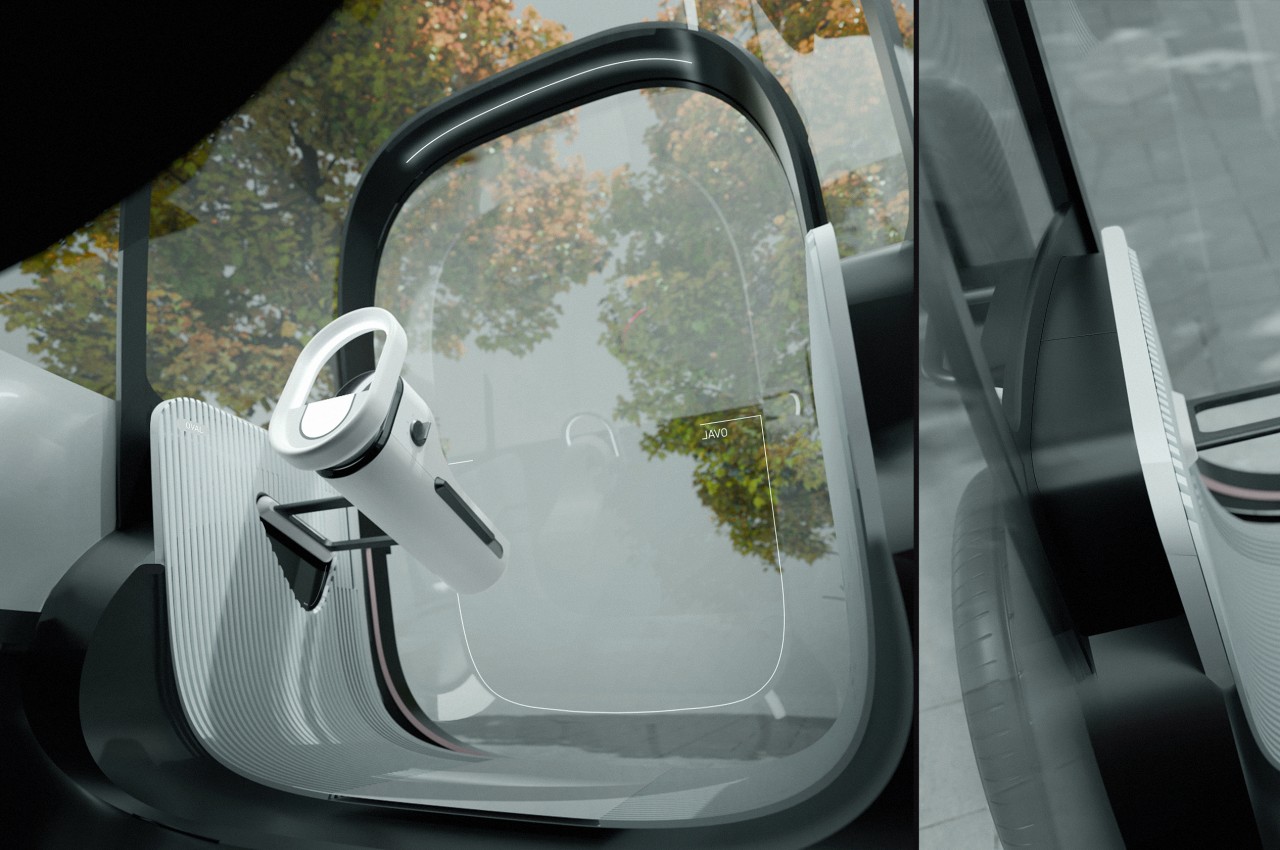
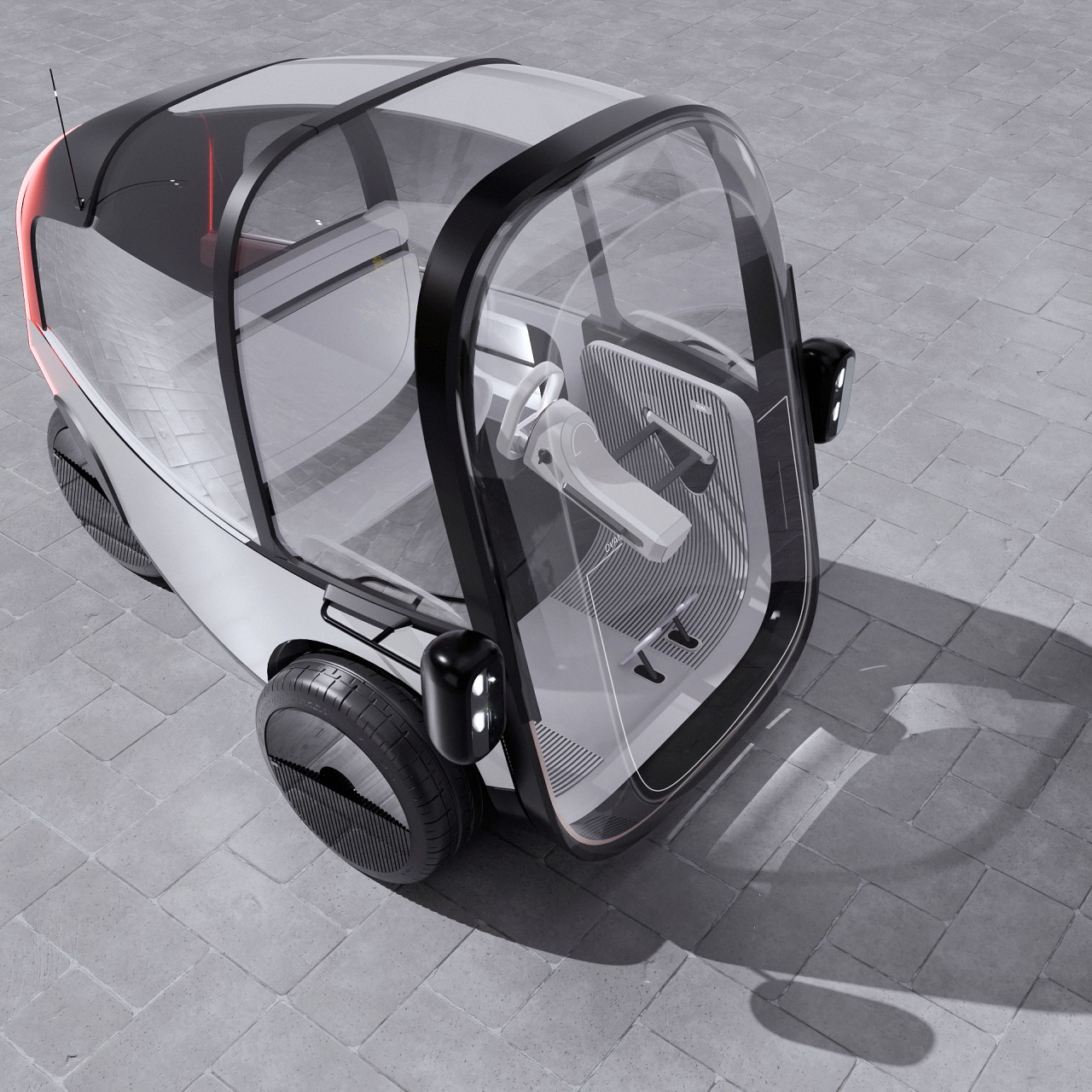
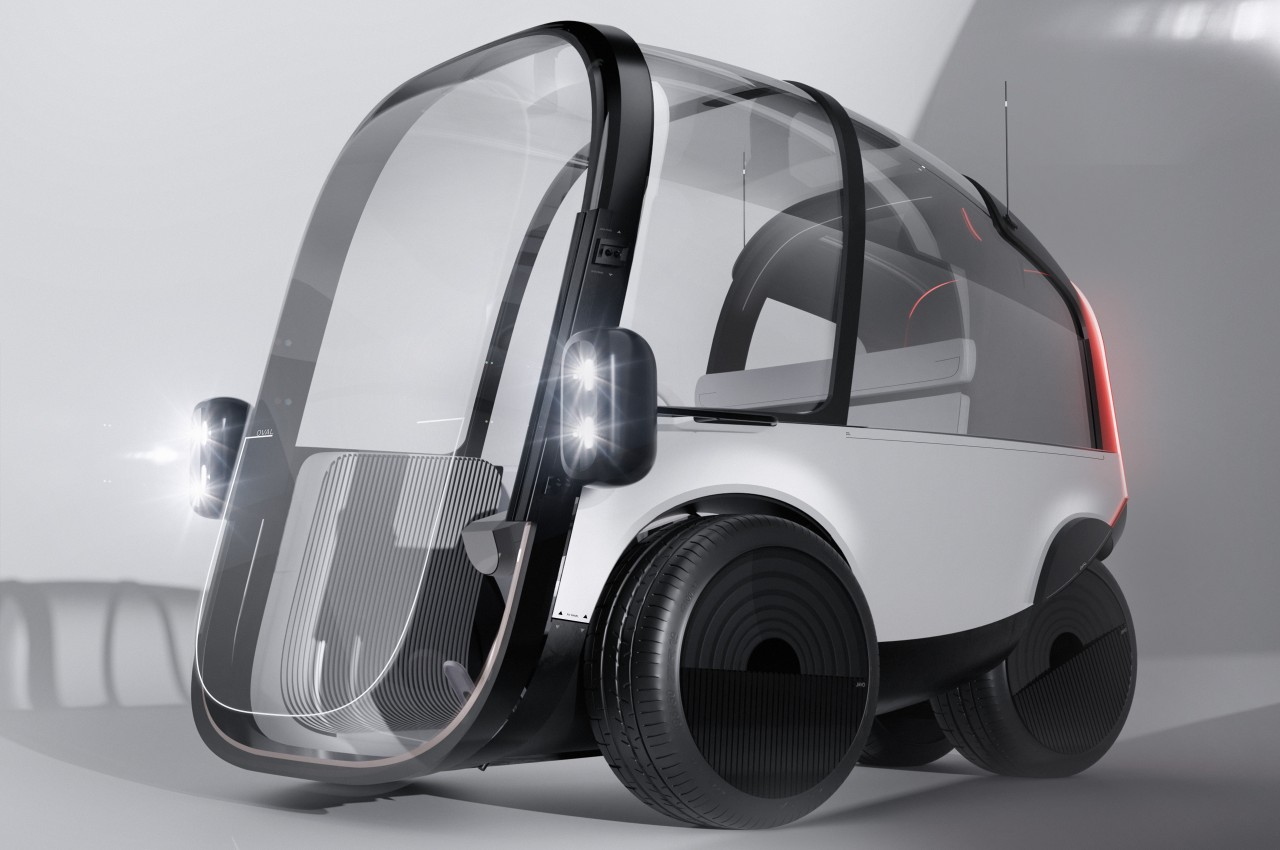
The Project OVAL concept is actually made of two parts, both embracing the idea of a more vertically oriented design. On the one hand, there is a vertical oval for the steering wheel which, along with matching the general shape of the vehicle itself, also saves space inside the cabin. The steering mechanism is attached to the side of the car, almost as if it’s floating, since the vehicle practically has no front, let alone a dashboard for the steering wheel to connect to.
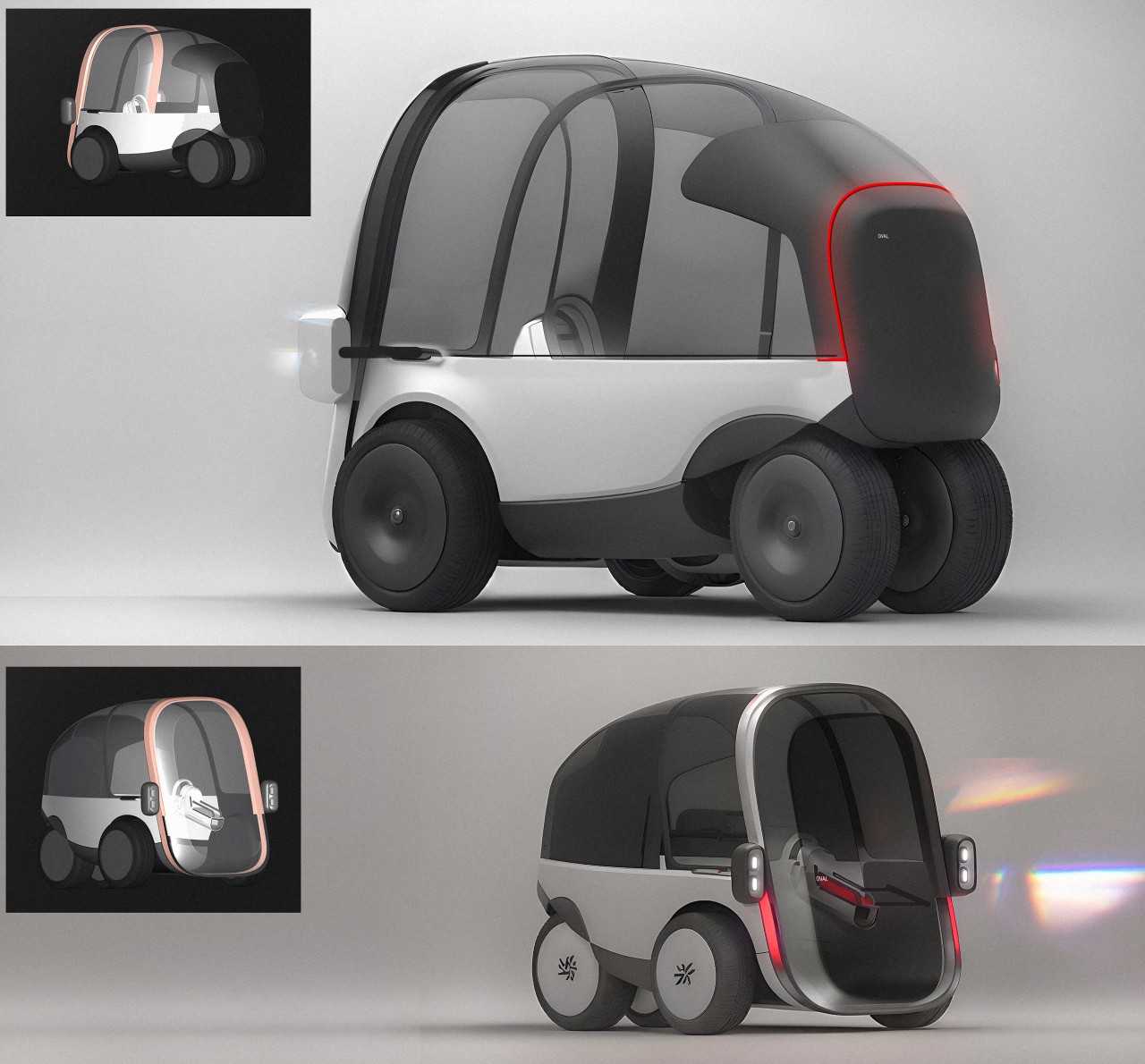
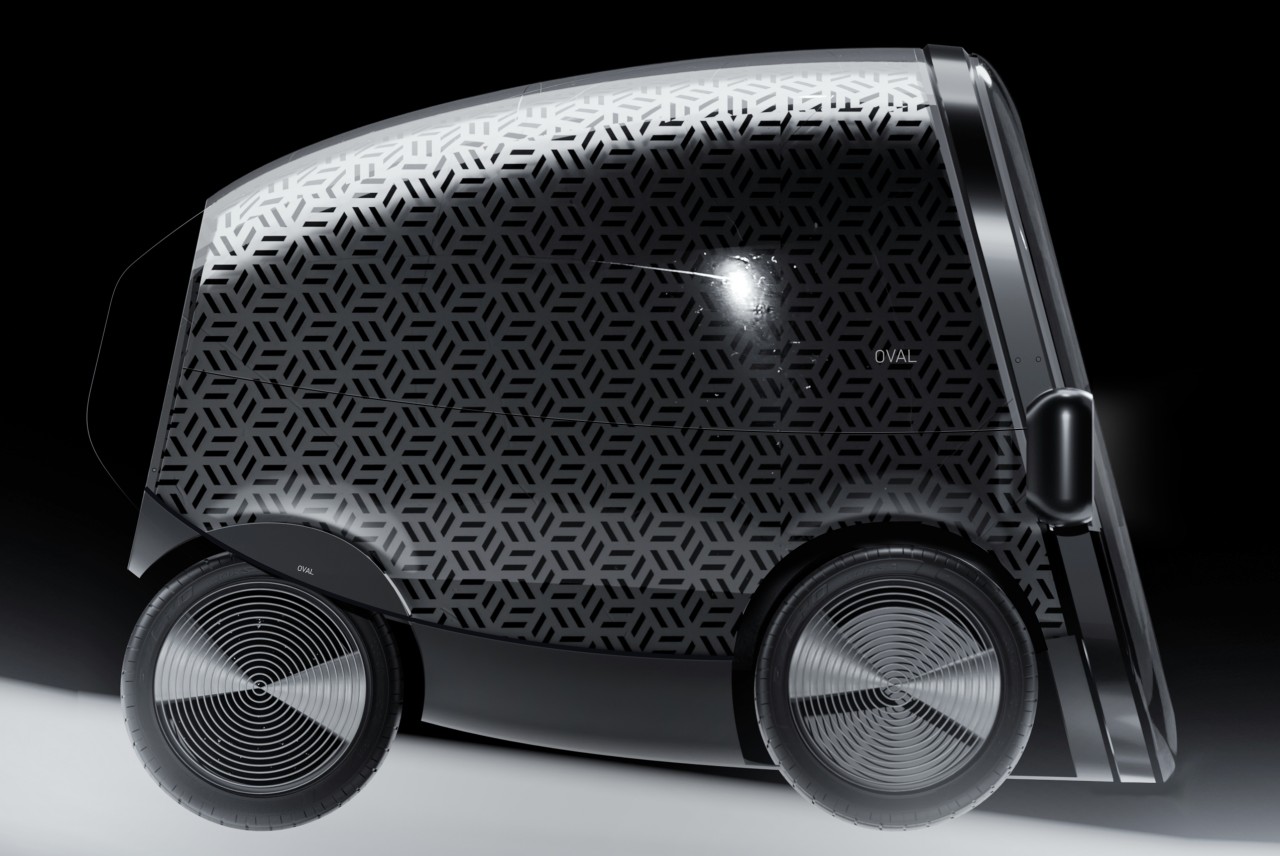
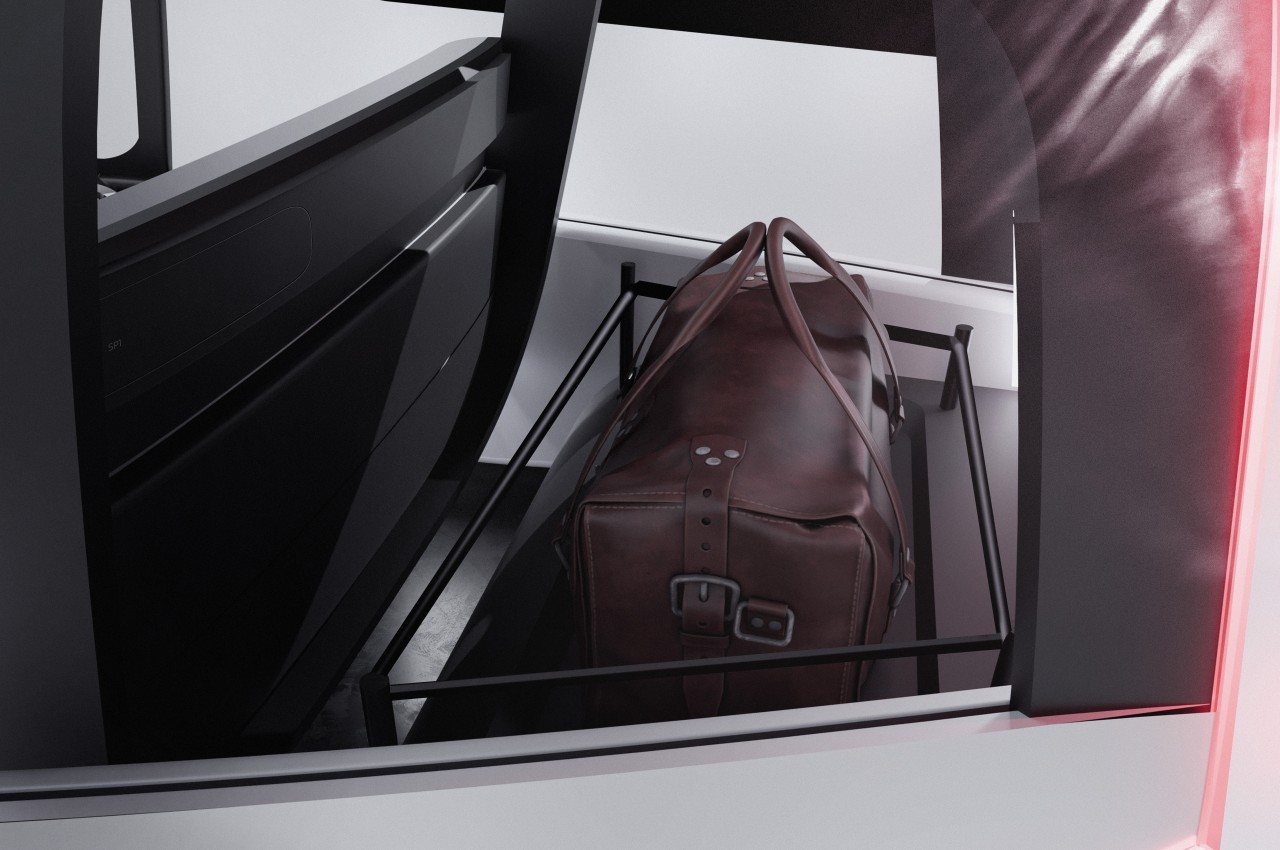
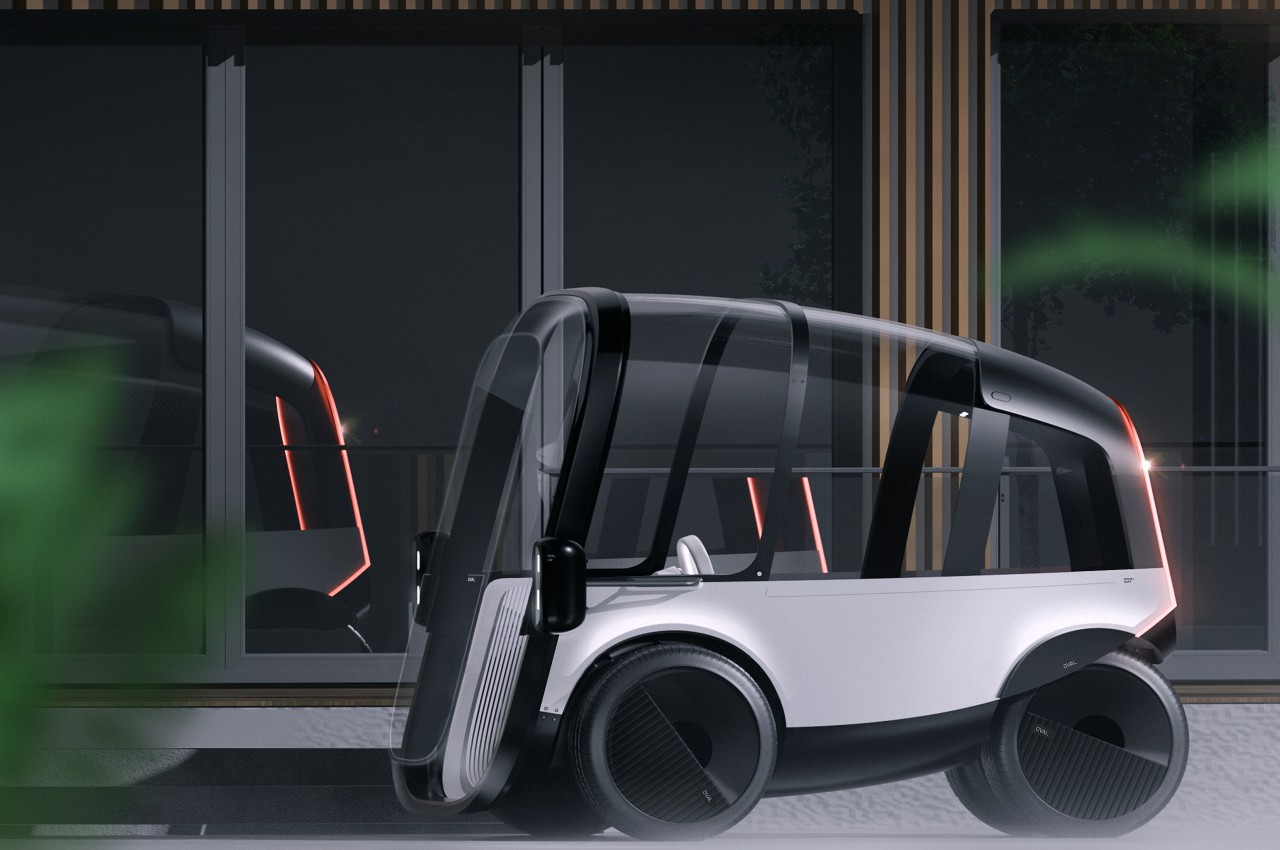
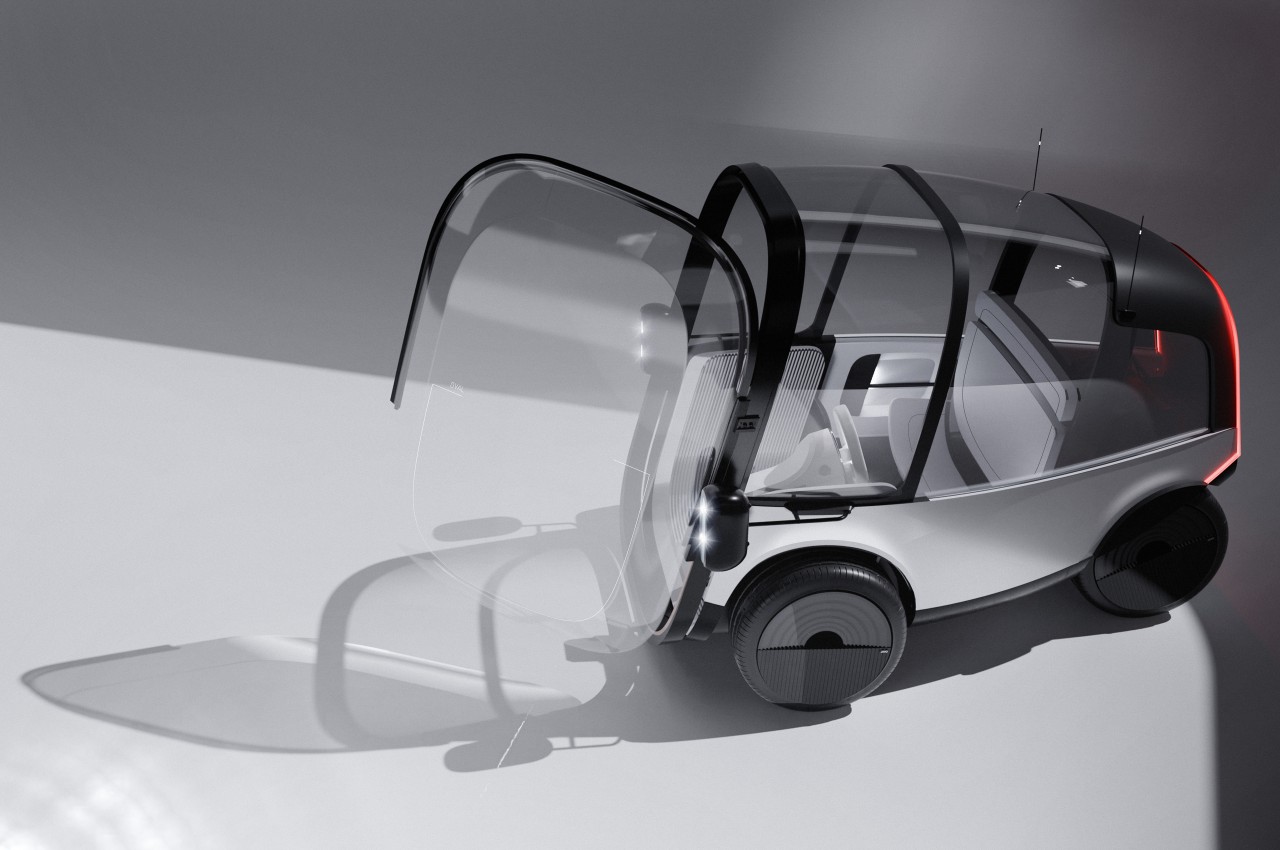
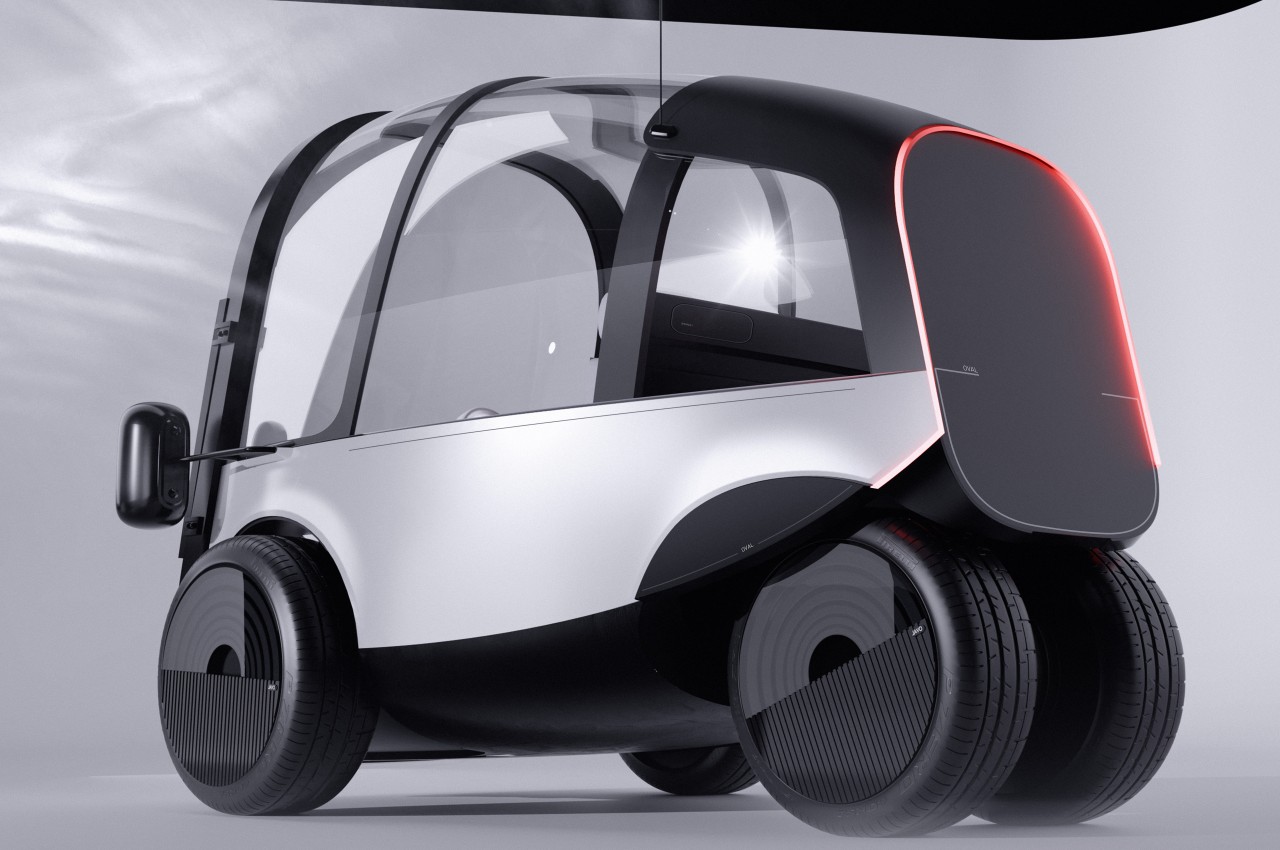
The car, on the other hand, is a rather unique spin on a two-person vehicle that prioritizes the economy of space over anything else. There is practically nothing in front of the driver and side passenger save for that oval steering wheel and two pedals. There is space behind the seats for baggage and, presumably everything else that makes the car run. Save for the pillars, the sides and roof of the vehicle are transparent, as is the front, giving passengers a panoramic view of the world around them.
This ultra-minimalist car is designed to easily navigate narrow city roads which will presumably be even more packed in the future. The slim and narrow body is also a boon for parking spaces which are already a rare commodity today. By also removing everything in front of the passengers, the car also gives more freedom of movement and comfort, even though it might feel a bit cramped as far as the width goes.
Project OVAL doesn’t preclude some self-driving mechanism, especially given how there’s no instrumentation panel to inform drivers of the car’s current state. It is entirely possible that the front glass will have a transparent display that makes all that visible as well, creating a rather dramatic futuristic visual. An autonomous system will definitely help save even more space if you remove the steering wheel and pedals, but such manual controls might be even more necessary if highways become even more congested in the future.
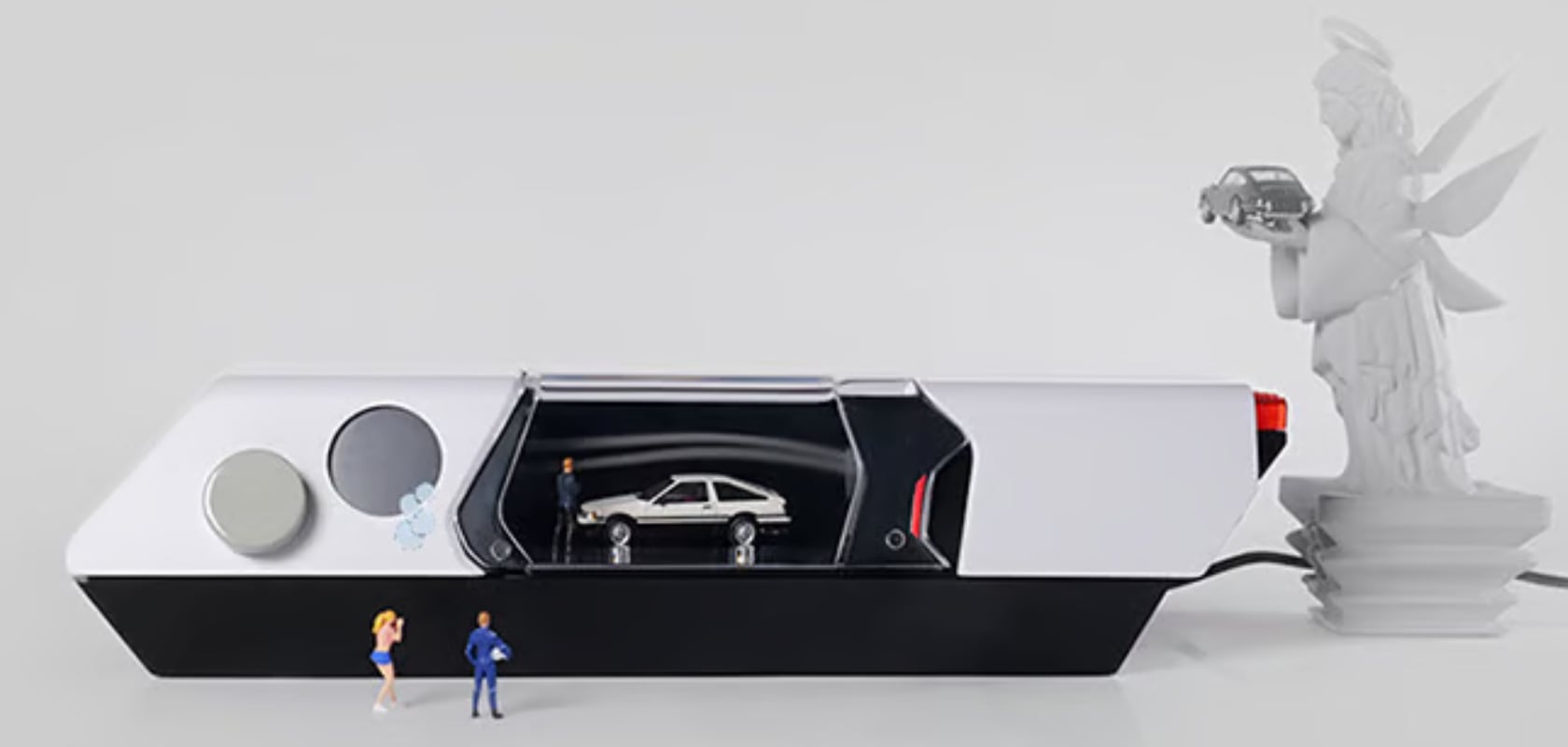
Your static die-cast car collection springs to life with the Windsible Wind Tunnel, a marvel of miniaturized engineering. Visual fluid dynamics ignite as air sweeps over each model, and smoke trails accentuate every curve and contour. These models simulate racing through a gust of wind, mimicking the thrill of a racetrack or the precision of a design lab. Enhanced lighting transforms each car into a spectacle of speed, creating a scene reminiscent of a Formula 1 team’s testing facility right on your desk.
The beauty of Windsible lies in its ability to replicate real-world aerodynamic testing on a miniature scale. Watching your models respond to airflow gives you a new appreciation for the intricate designs and engineering that go into each vehicle. Visualizing how air interacts with different car shapes gives you insights into the principles of aerodynamics, offering both entertainment and education in a single, captivating package.
Windsible’s design is compact and portable, seamlessly fitting into any space, from a professional office to a cozy home. The device’s sleek, futuristic look complements your decor, whether on a desk, a living room shelf, or a display cabinet. Its portability means quickly moving it around, showcasing your collection in different settings, and sharing the excitement with others.
Imagine bringing Windsible to a car club meeting, where fellow enthusiasts can marvel at the dynamic displays. Or place it in your office, where it can serve as a conversation starter and a stress reliever during breaks. The ease of setup and use makes it a versatile addition to any environment.
Customizable Interactive Features
Customization is at the heart of Windsible. The LED lighting can be adjusted to highlight different aspects of each model, creating a fresh and exhilarating display every time. Interchangeable smoke nozzles allow you to create various visual effects, enhancing the realism and visual appeal of the display. This feature enables you to experiment and find the perfect setup that best showcases your models.
These interactive features make every display session with Windsible a unique experience. Each session becomes an opportunity to explore new ways to highlight the beauty and design of your car models, making Windsible a dynamic addition to your hobby.
Educational and Engaging
Windsible brings the science of aerodynamics to life. In the professional realm, wind tunnels are essential for testing and refining designs. By using Windsible, you can explore these principles in a hands-on way. It’s like having a miniature version of a wind tunnel testing facility at your disposal, perfect for both learning and fun.
Imagine a sleek sports car model competing in aerodynamic efficiency against a scale model of a cheeseburger. As smoke trails highlight the airflow, you gain a vivid demonstration of fluid dynamics. This interactive feature turns every test into a captivating lesson, perfect for sparking curiosity and innovation in both young and old. Windsible is a valuable tool for classrooms, workshops, and personal study.
This hands-on approach to learning makes complex scientific concepts accessible and engaging. Visualizing how air flows over different shapes helps you better understand the factors that influence aerodynamics. This knowledge can inspire new ideas and innovations, whether you’re an aspiring engineer, a student, or a curious enthusiast.
Comprehensive Protection and Versatility
Protecting your valuable die-cast models is crucial, and Windsible addresses this with a robust design. The dustproof and shockproof features ensure each model remains pristine, safeguarding them from potential damage. The gentle, oil-based smoke in the display protects the models, avoiding the possible harm that water mist could cause.
Available in three scales—1:18, 1:24, and 1:64—Windsible caters to various model sizes, ensuring every car in your collection gets the spotlight it deserves. This versatility suits many enthusiasts, from casual collectors to dedicated hobbyists. The durable construction and thoughtful design elements ensure your collection is always safe and well-presented.
The Journey and Community
Windsible’s journey began with a spark of inspiration at Cranfield University, ignited by Steven Smith, an engineer passionate about aviation and vehicles. The blend of Steven’s aviation expertise and vehicle design knowledge laid the foundation for this innovative product. He joined forces with Axia Rossi from Politecnico di Torino, who brought her deep understanding of vehicle engineering, and Jayden Brown, a vehicle designer, who added his flair for creating visually appealing designs. Their combined expertise ensured Windsible was technically sound, visually appealing, and user-friendly.
The development process was highly collaborative, involving feedback from model car enthusiasts and experts. Tank Johnson, an enthusiastic member of their Discord group, played a crucial role in managing external communication and gathering user insights. This community-driven approach ensured that the final product met the needs and expectations of its users. By listening to the voices of the community, the Windsible team refined and perfected the design, resulting in a product that truly resonates with its audience.
Embrace the Future of Model Display
Transform how you showcase and interact with your die-cast car models using Windsible’s cutting-edge technology, interactive features, and sleek design. Imagine your collection coming to life, each model animated by a miniaturized wind tunnel on your desk. Adjustable LED lighting and interchangeable smoke nozzles allow you to personalize your display, turning every interaction into a new adventure. This hands-on tool makes aerodynamics accessible, inspiring curiosity and innovation for students, educators, and enthusiasts alike.
Windsible’s dustproof and shockproof design ensures your models remain pristine, while versatile sizing caters to various collections. Rooted in expertise and community feedback, Windsible meets the highest technical and visual excellence standards. Join the community to experience the art and science of car model design in a new way. This ultimate desktop wind tunnel brings excitement, education, and enjoyment to your collection, making it an indispensable tool for every car model enthusiast.
You must have heard a lot of hue and cry about electric vehicles. How they reduce carbon emissions, and how governments are incentivizing citizens to adopt EVs as the new mode of transportation. Silently in the background, more impactful zero-emission vehicles – that emit only water vapor – are doing the rounds, but are much rarer at this time. These are hydrogen-powered vehicles that remain in the shadow of EVs but are not too far from becoming the potent future.
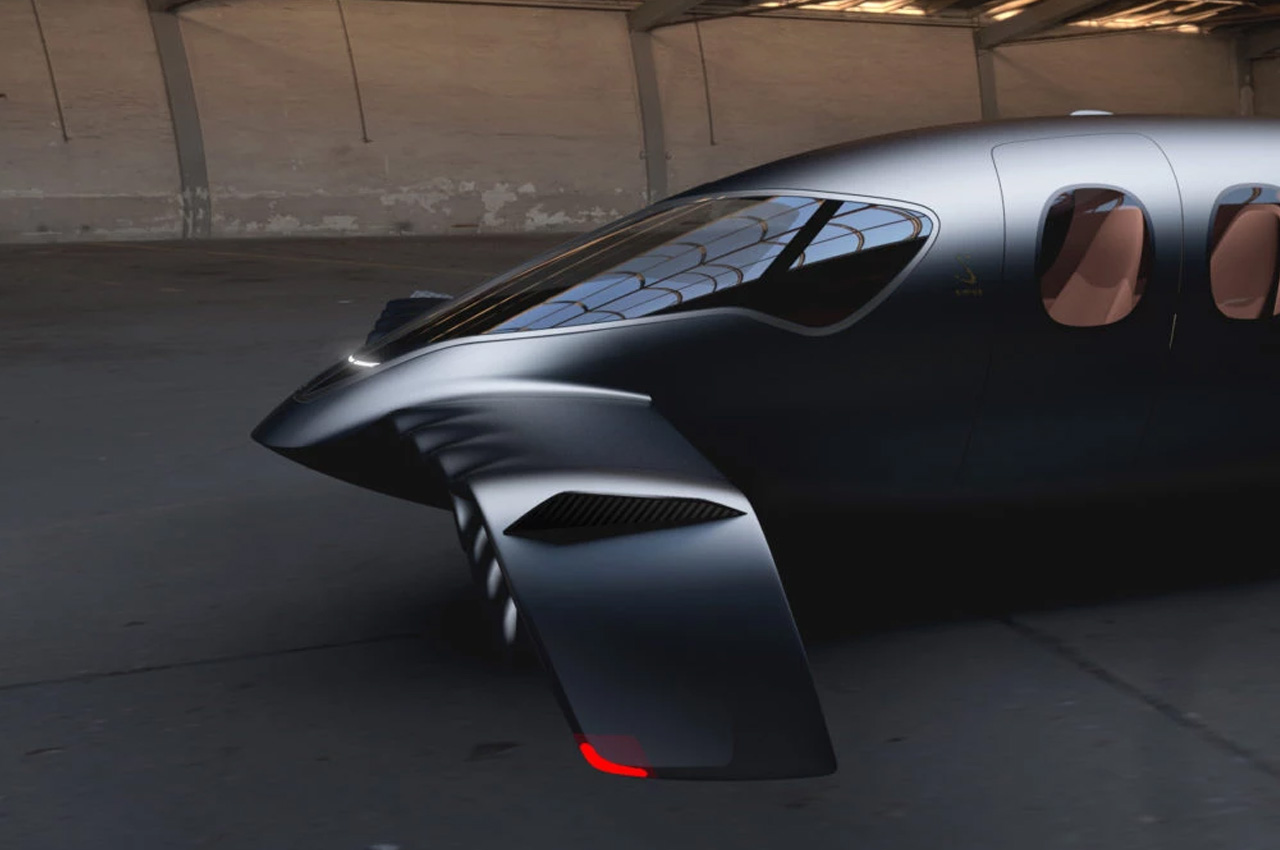
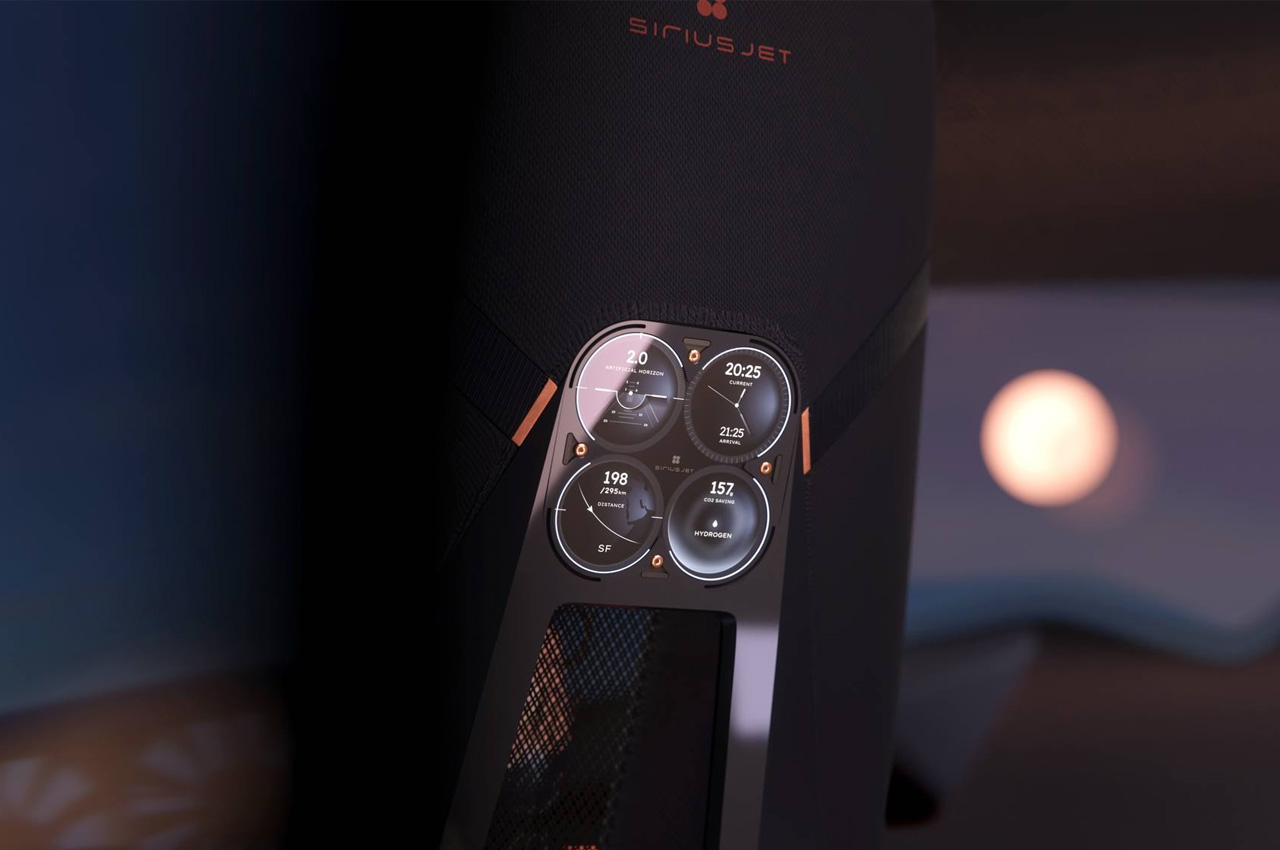
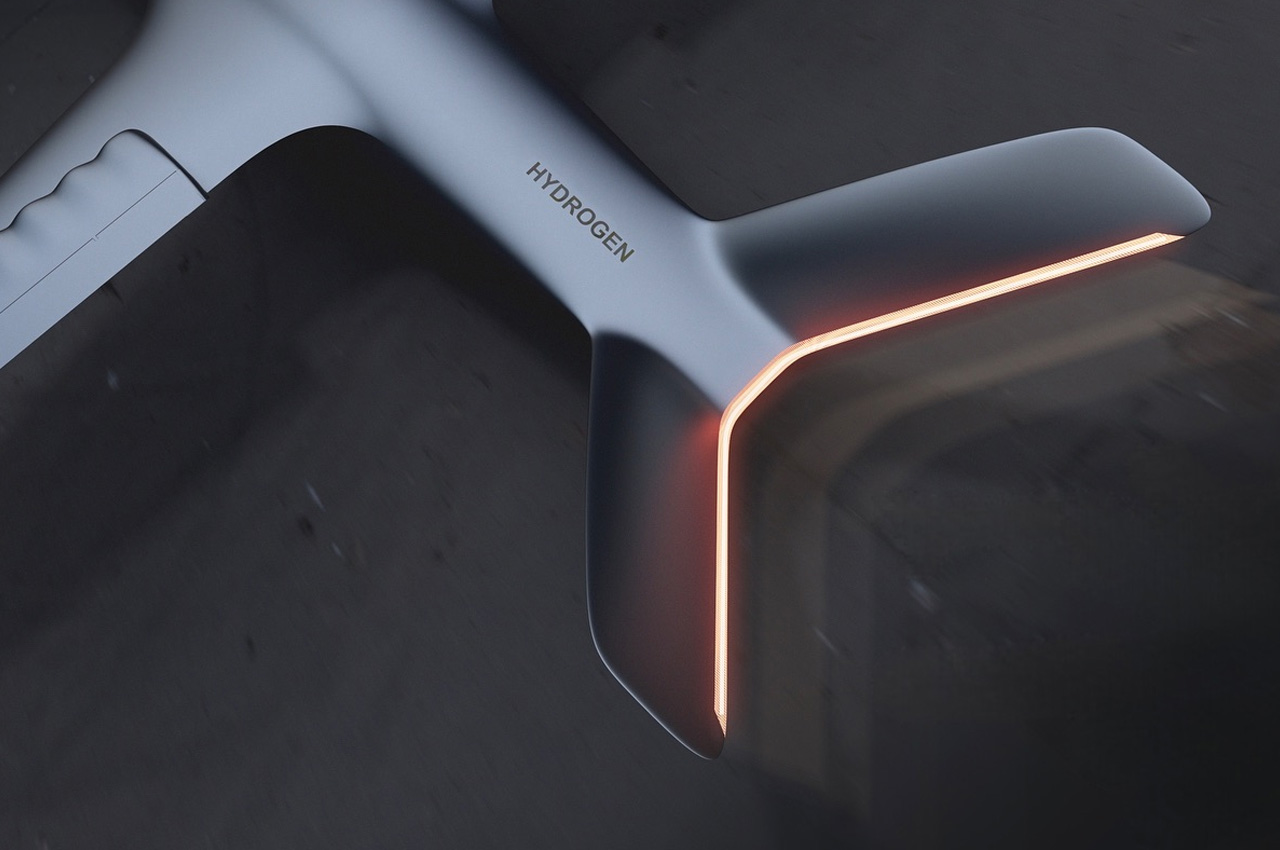
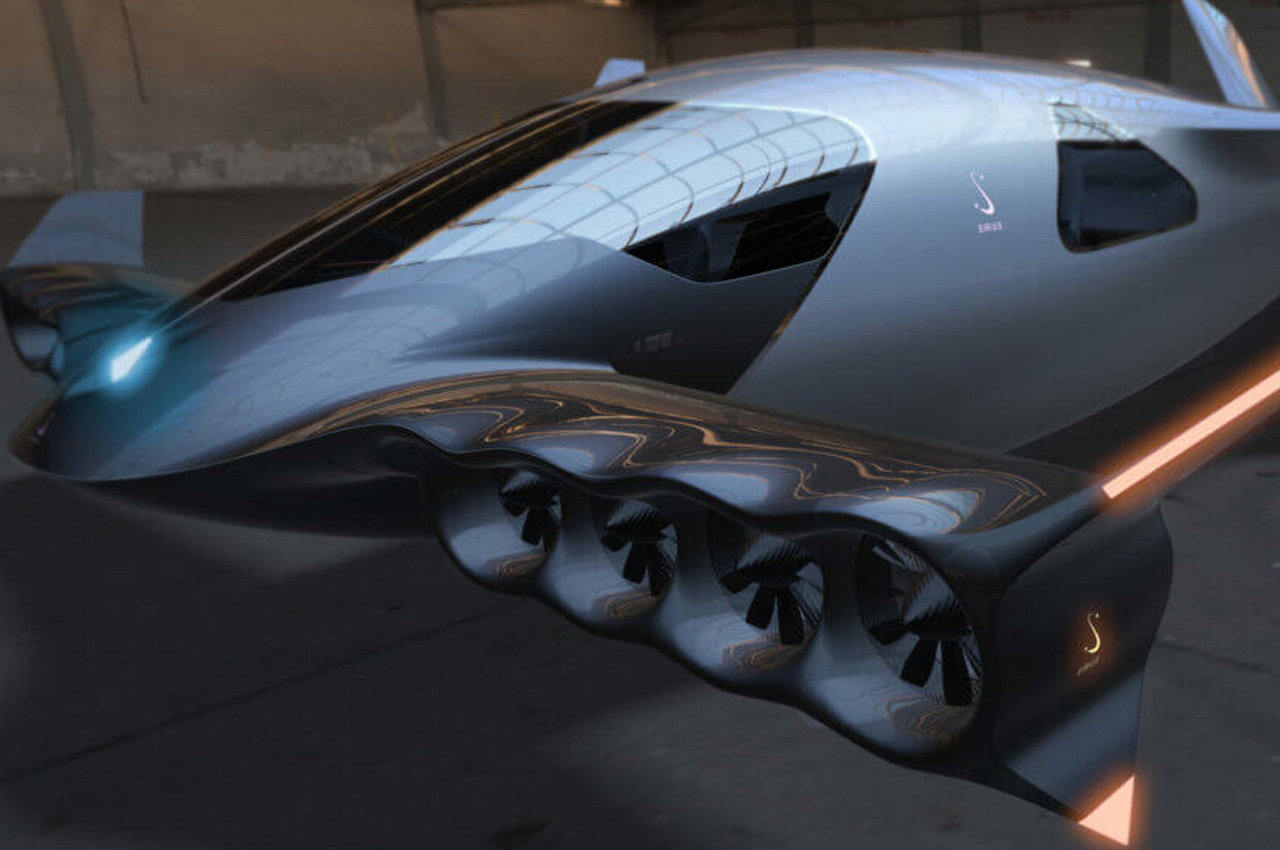
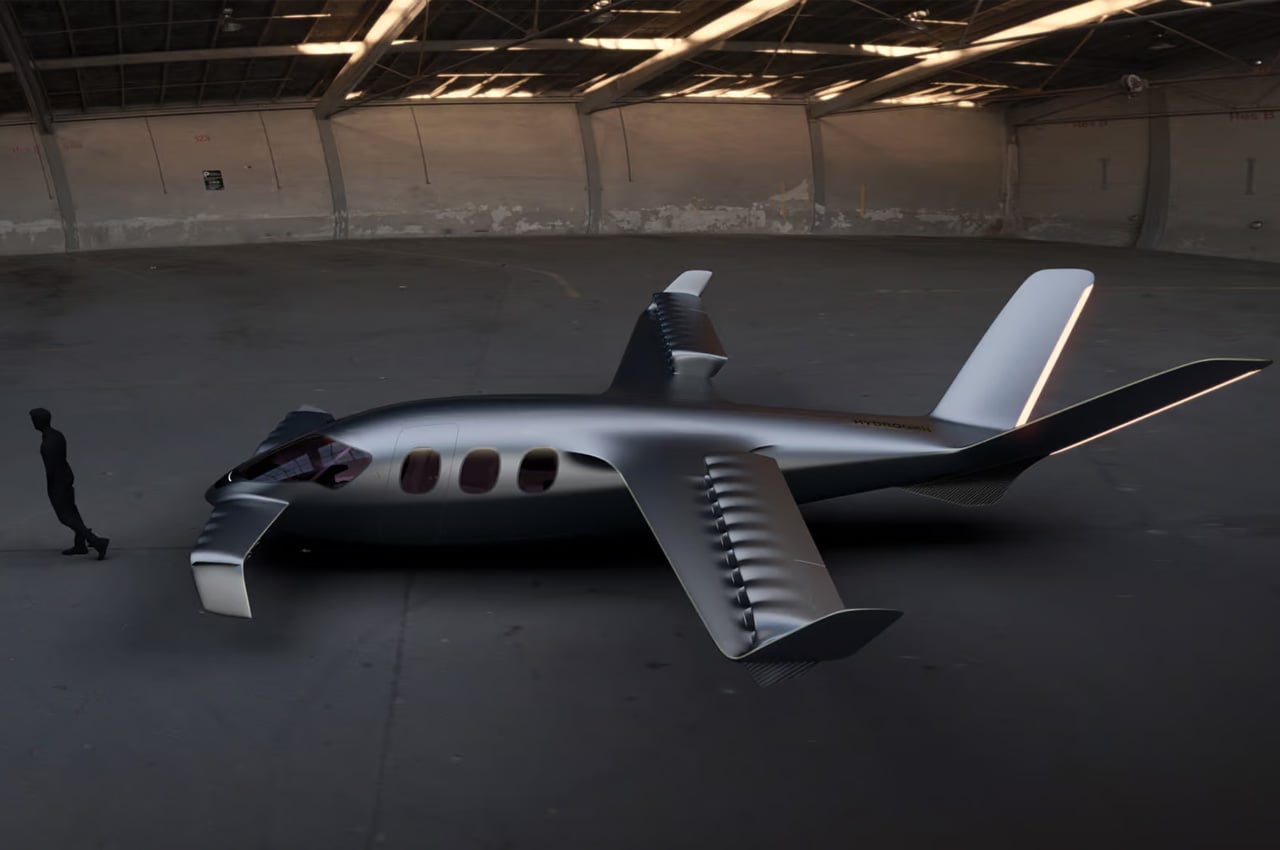
An embodiment of which are the first hydrogen-powered VTOL aircrafts by Sirius Aviation AG, which made their global debut at the MOVE Expo in London recently. Conceived to be the epitome of luxury and sustainability, the new Sirius clean energy aircrafts can bring a paradigm shift in the private air travel experience with high-end design and zero-emission tech.
Sirius has unveiled two hydrogen-powered VTOL aircraft: CEO Jet model and an Adventure Jet version. These are made in collaboration with BMW’s Designworks and the Sauber Group and are likely to make their first official flights with humans onboard in 2025. Yes, these thrilling aircrafts are designed to carry humans. More on that below.
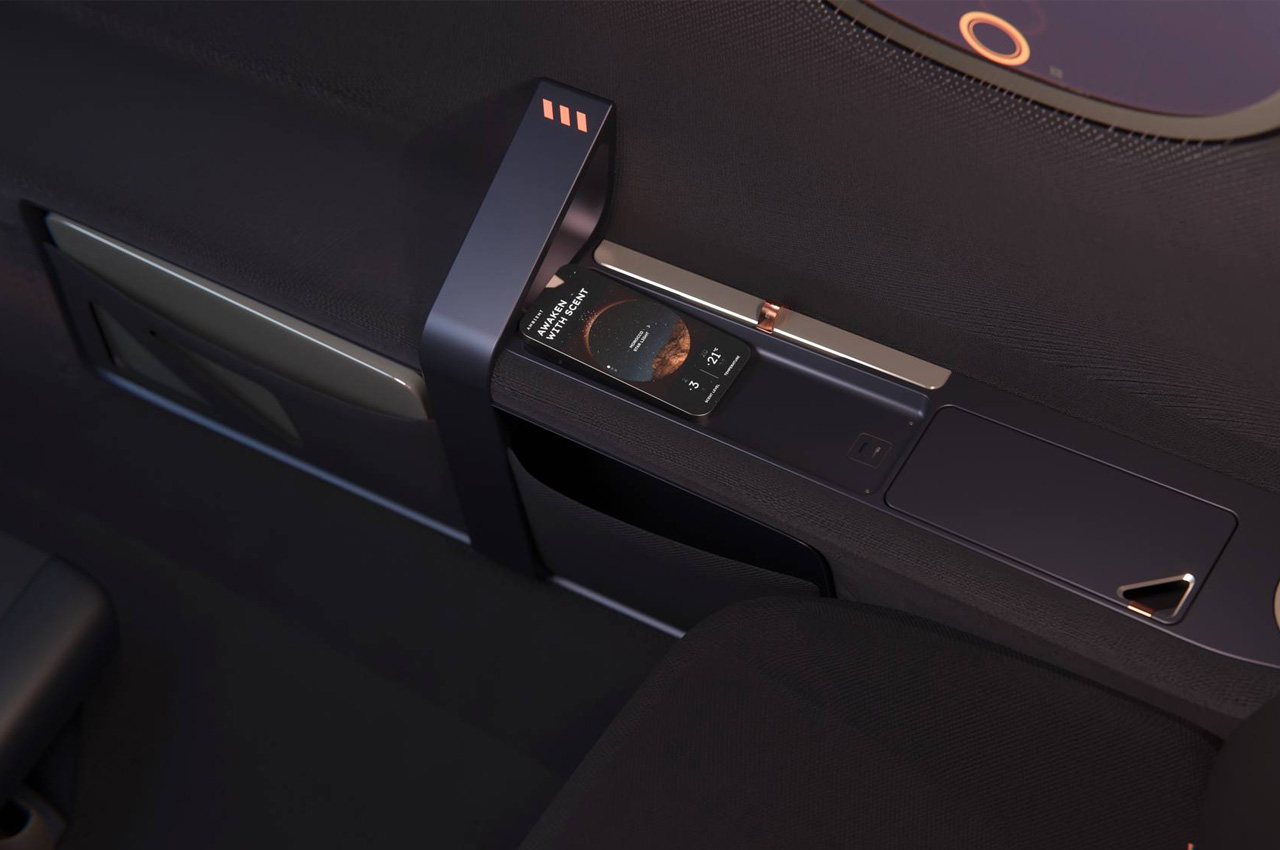
The CEO Jet for instance is, as the name gives up, the high-end executive aircraft of the two. Unlike the Adventure version designed for thrill seekers, the CEO is aligned with business travel needs in mind. It can accommodate three passengers and is meant for point-to-point landings with top speeds of up to 323 mph and a range of 1,150 miles. The interior of the CEO Jet is outfitted with tan brown leather, ambient lighting, and a large window for panoramic views outside. A bezel-less monitor is also installed to display flight information.
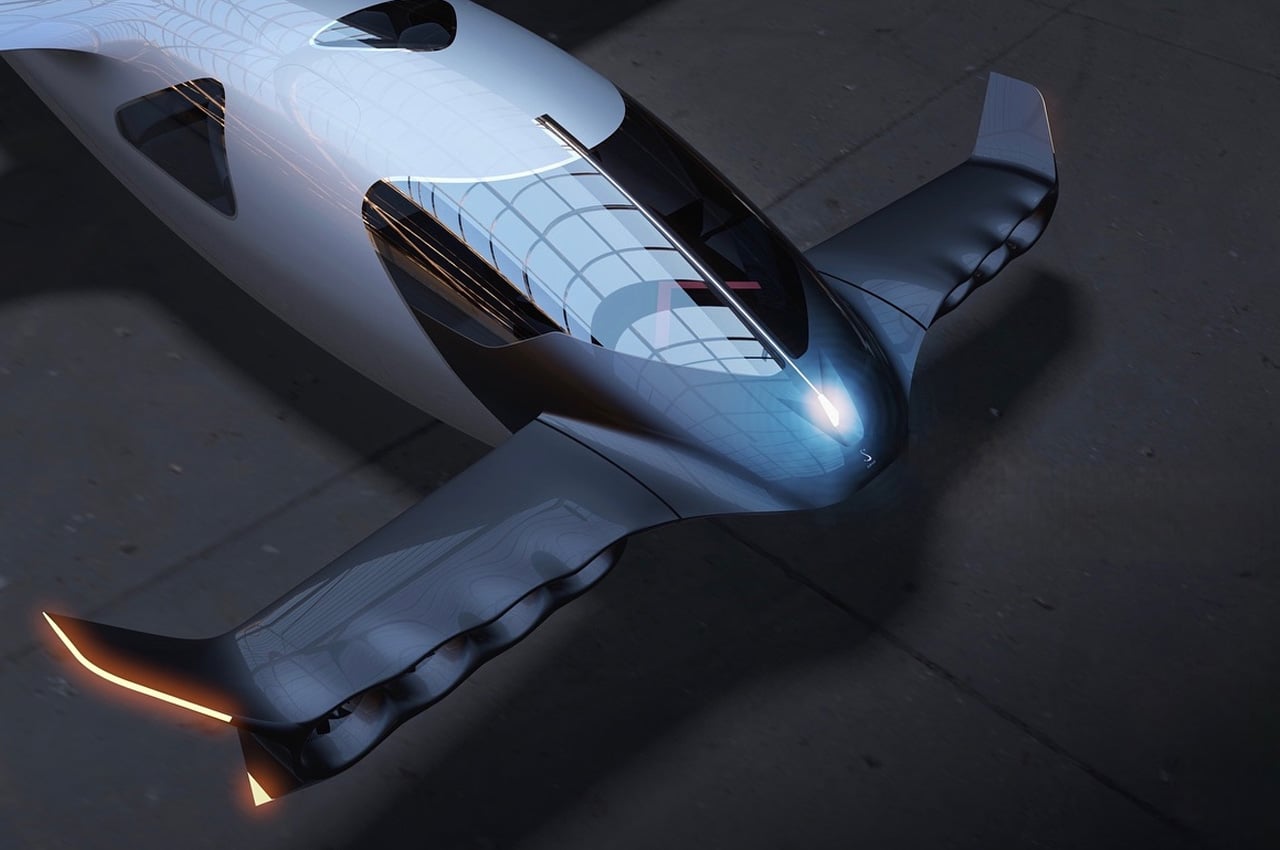
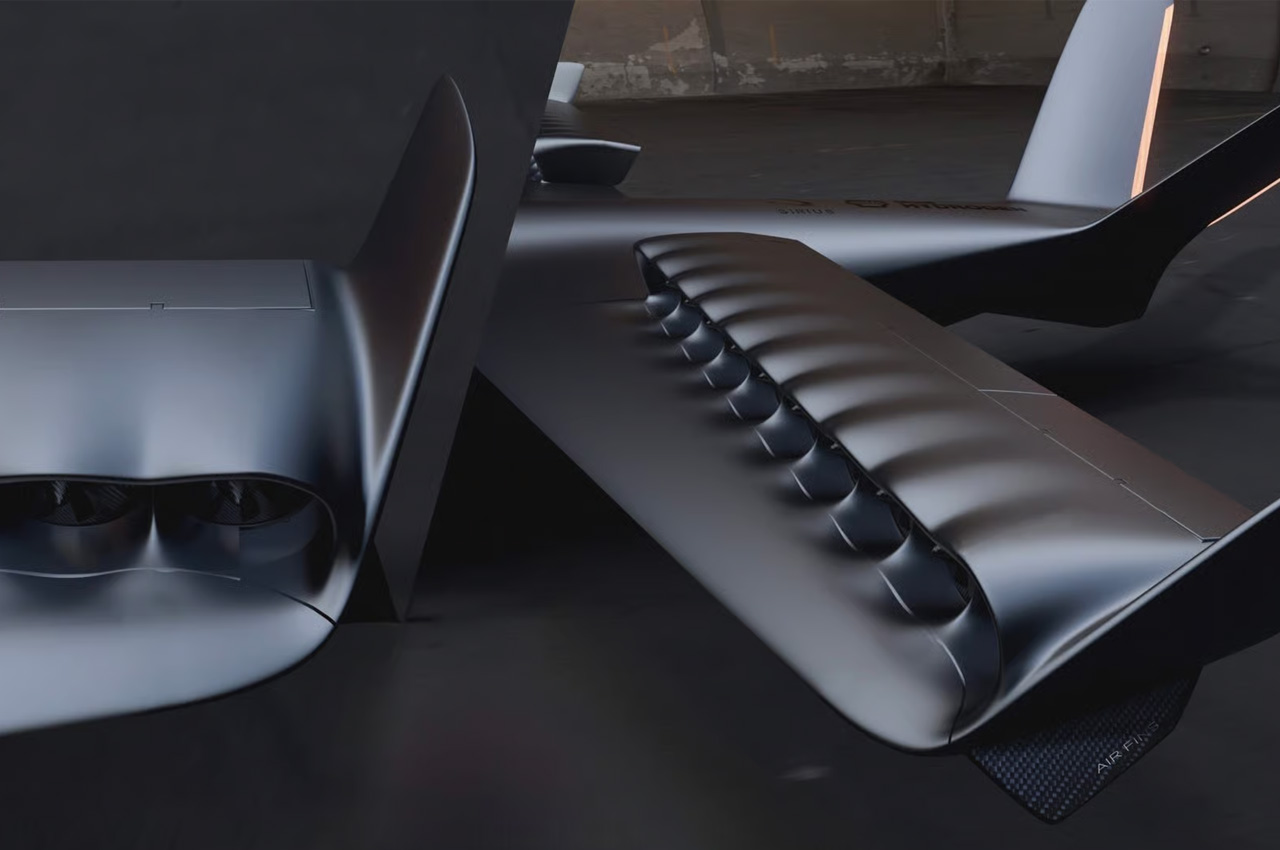
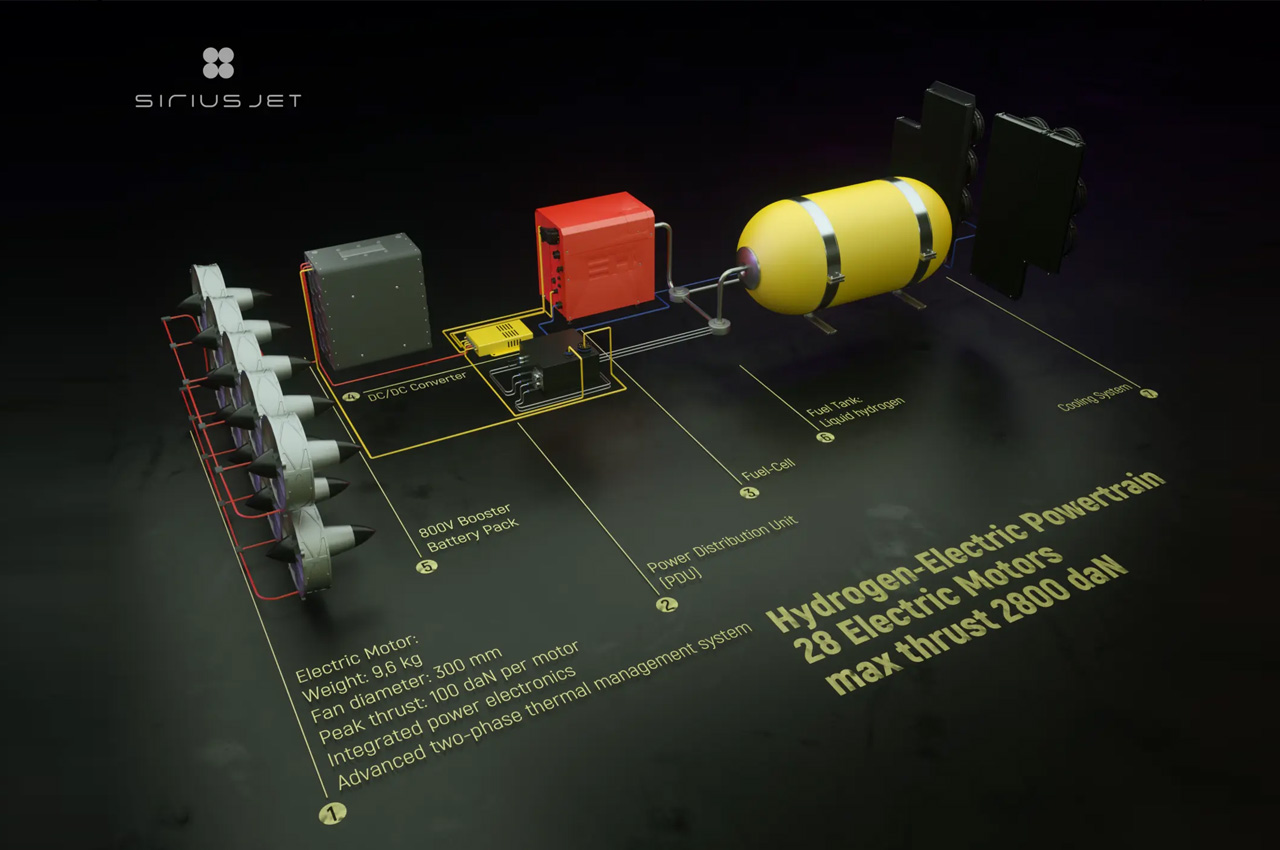
The adventure model of the VTOL is designed for five passengers and a pilot to glide over jungles and mountains, exploring the unexplored from unseen heights, for over 650 miles on a single charge. The rugged aircraft is equipped with off-grid abilities, it also has emergency landing gear including floaters for landing on the water. Both aircrafts have 28 ducted fans, 20 of which are located along the wings while the remaining eight are positioned in the canard. All of these are driven by separate electric motors.
Electric bikes have their own environmental and health advantages. However, riding for long distances – if you’re not a pro – or when planning to go off the tarmac, an e-bike is not the best companion. Before you look for a capable pickup truck – that’ll never be the first choice for a city commute later – spare a thought for an electric trike; a three-wheel genius that strikes the right balance between the comfort of a car and the environmental and health benefits of a bike.
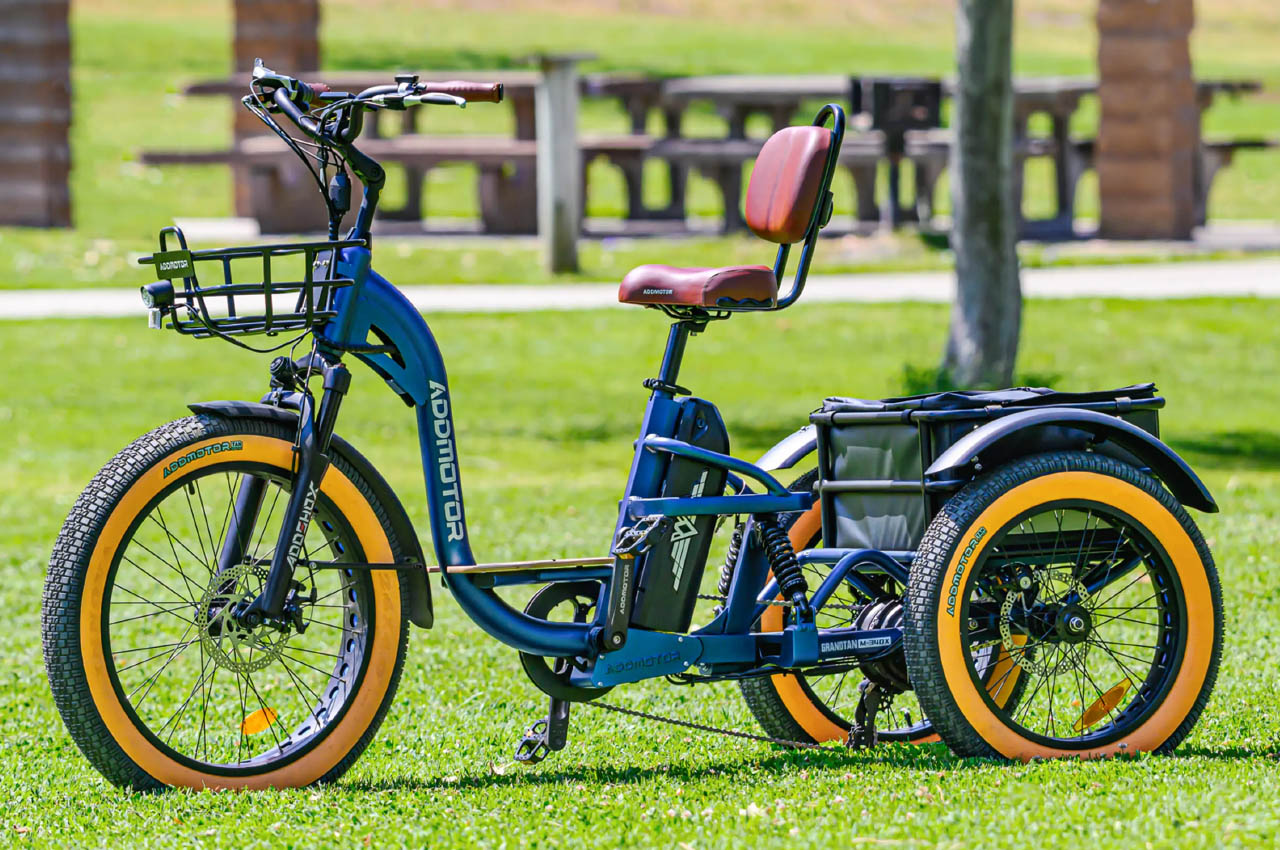
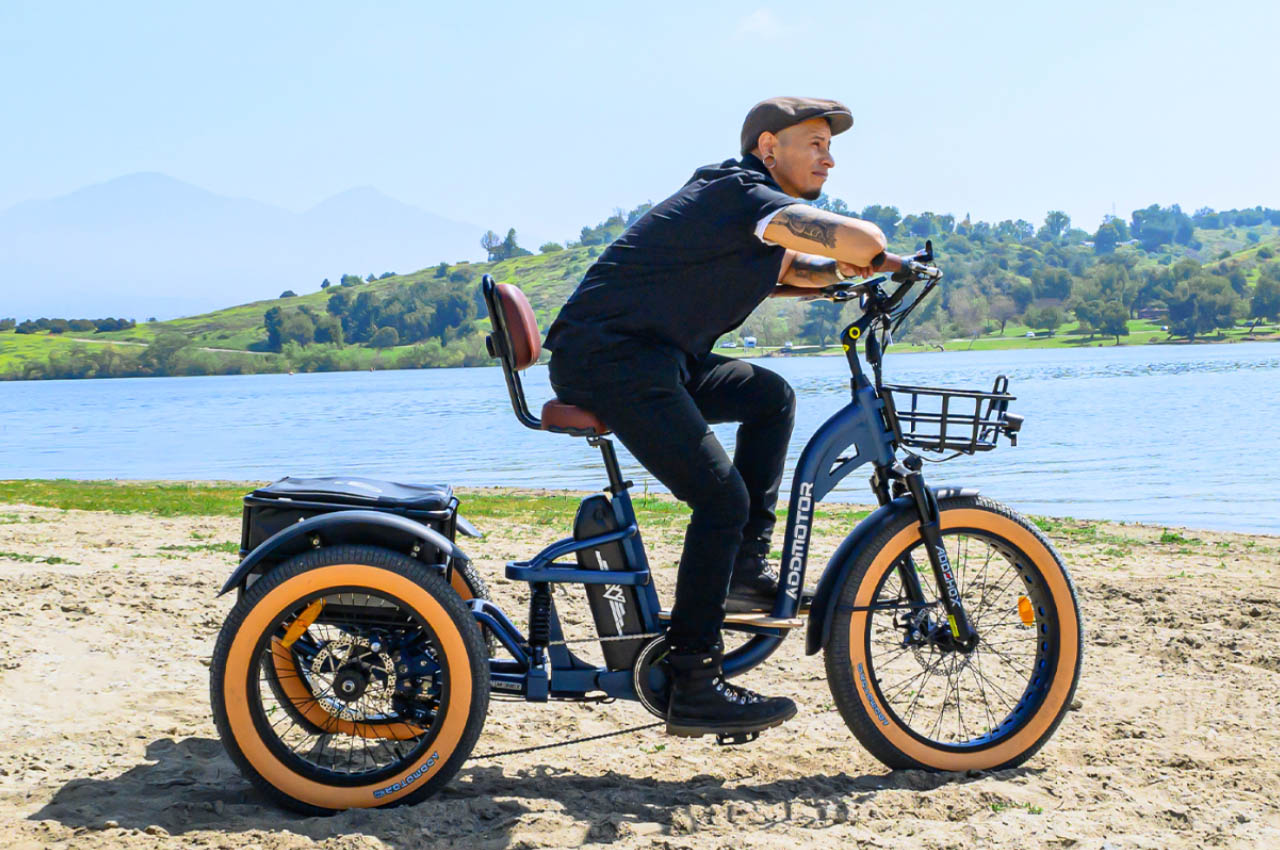
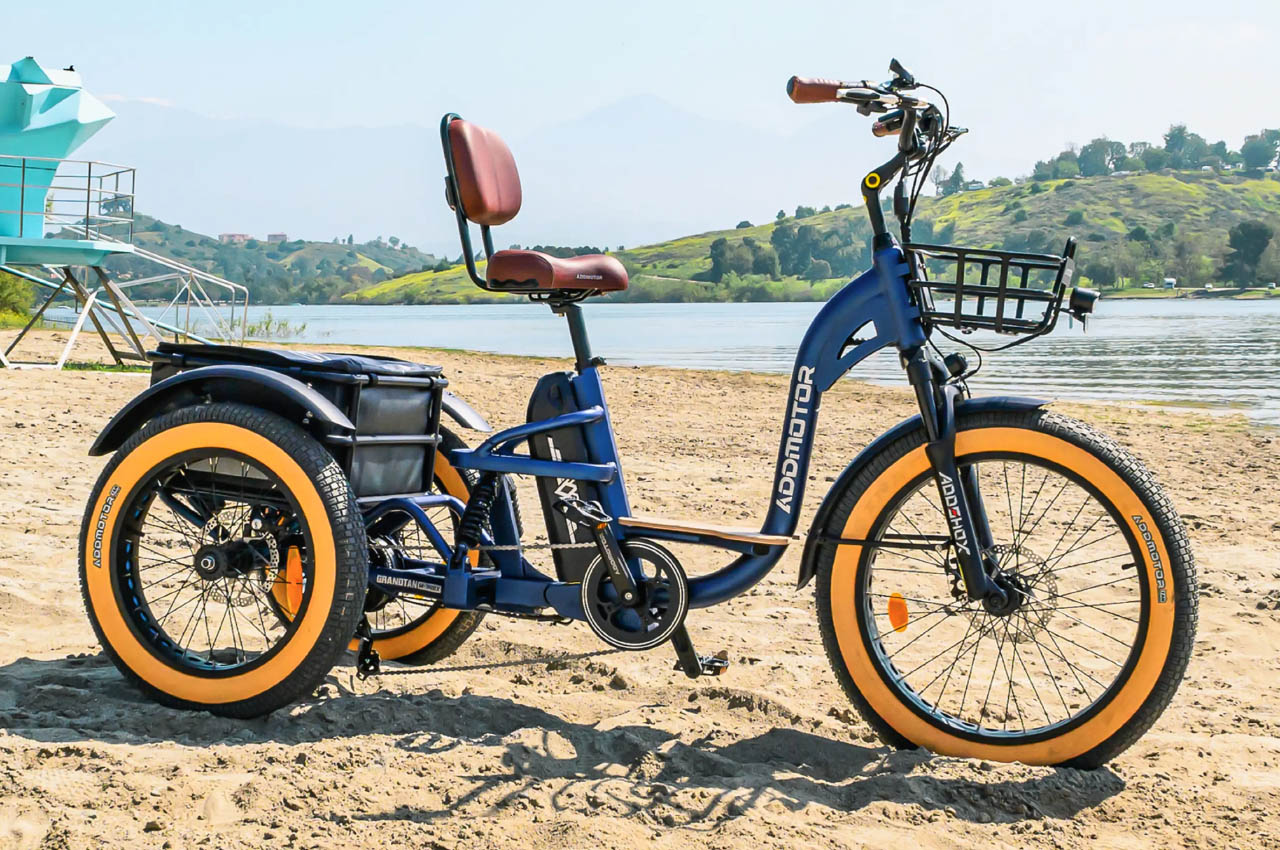
In the past, the shape and design of electric trikes have centered around driving pleasure, speed, and range. To present a commuter of the future, one that’s equally capable of riding within the city and on paved roads, California-based Addmotor has introduced the Grandtan X electric priced competitively at $3,299.
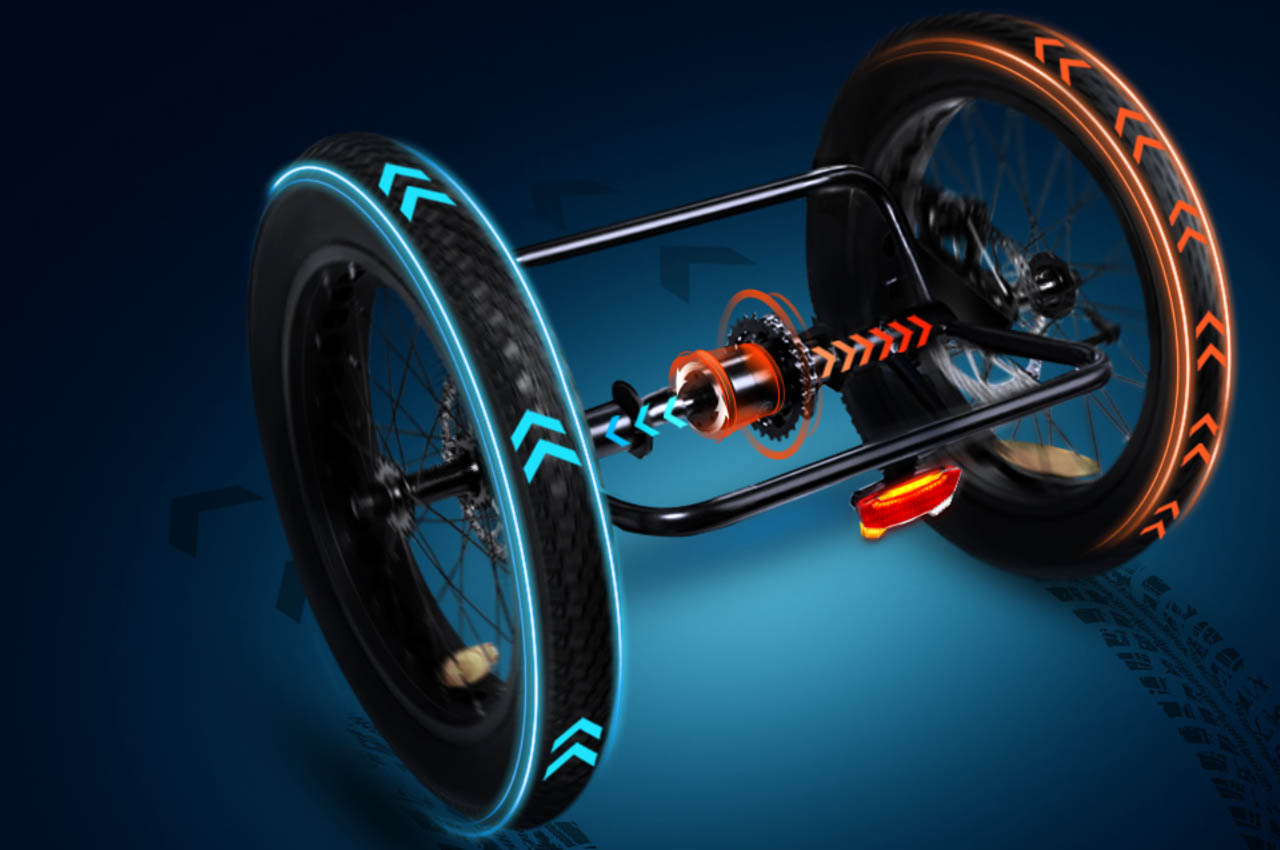
For most of us, it’s a breathtaking new design, but actually, the Grandtan X is a feature-rich version of Addmotor’s previous Grandtan e-trike, with a new high-capacity battery, powerful motor, fat tires, and front and back suspension that makes riding the uneven roads a smoother experience. The full suspension system means comfort for the rider, while the trike’s 750W rear-mount motor ensures up to 1,400W of power, translating into 90 Nm torque to take the rider at 20mph top speed.
The Grandtan X, for robustness on any terrain, has a frame made using 6061 aluminum alloy. The rear-mounted motor adds to the stability and provides a better balance whether cruising through the street or riding over gravel with equal comfort and exhilaration. For a convenient journey uphill or down the hill, the trike has more than seven pedal assistant levels, and also has a mechanical disc brake featuring an automatic motor cutoff sensor to slow or stop it instantly.
The 127.9 lbs trike is powered by a 960-Wh Li-ion battery pack comprising Samsung 21700 cells, which take eight to ten hours to complete a full charge from a 30A output. The battery offers 85 miles of range per charge, while the IPX6 water resistance allows the Grandtan X to drive hassle-free through the elements. As off-roading enthusiasts will love to ride beyond the city roads courtesy of the bike’s rear differential that permits the wheels on the back to adjust to different speeds and terrains, the city explorers will like the trailer attachment, which enhances the trike’s cargo hauling capacity with a trailer in tow.
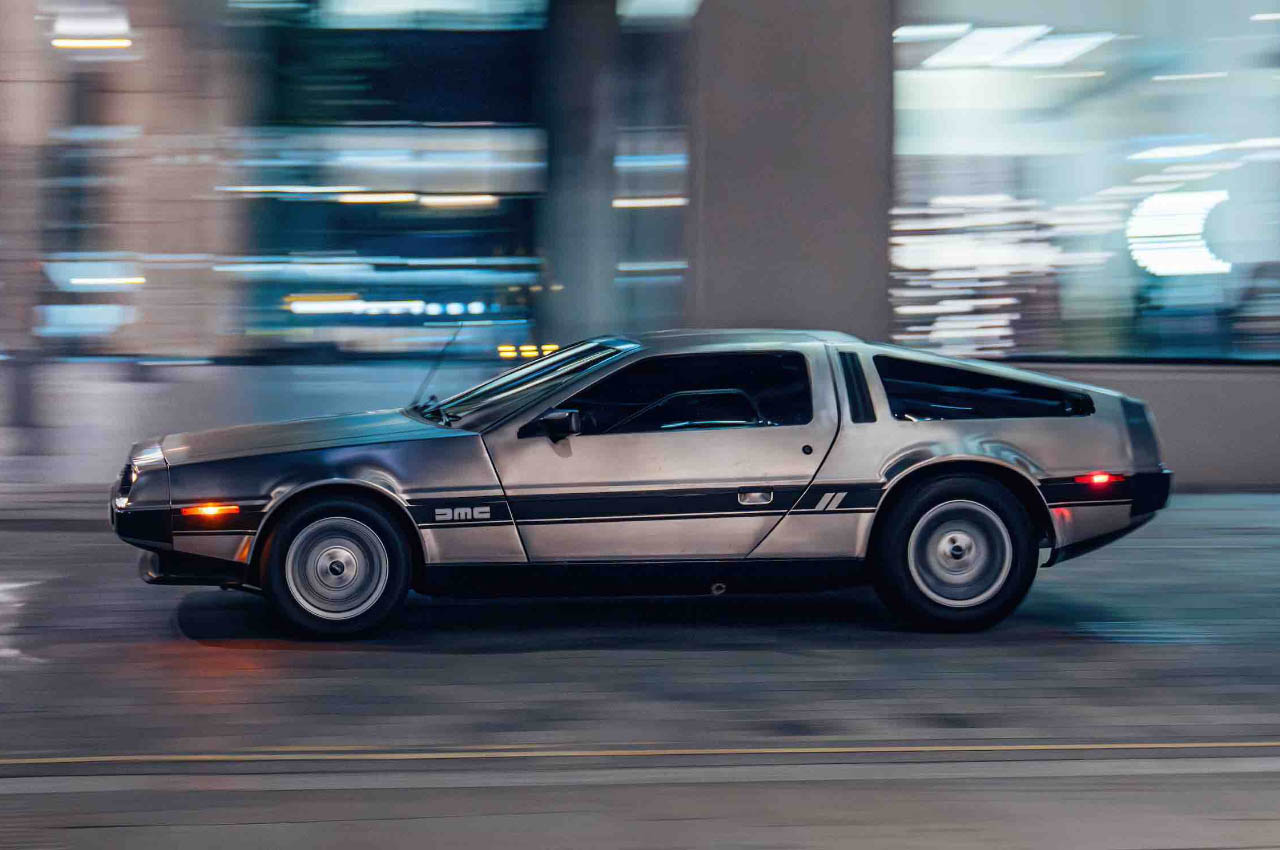
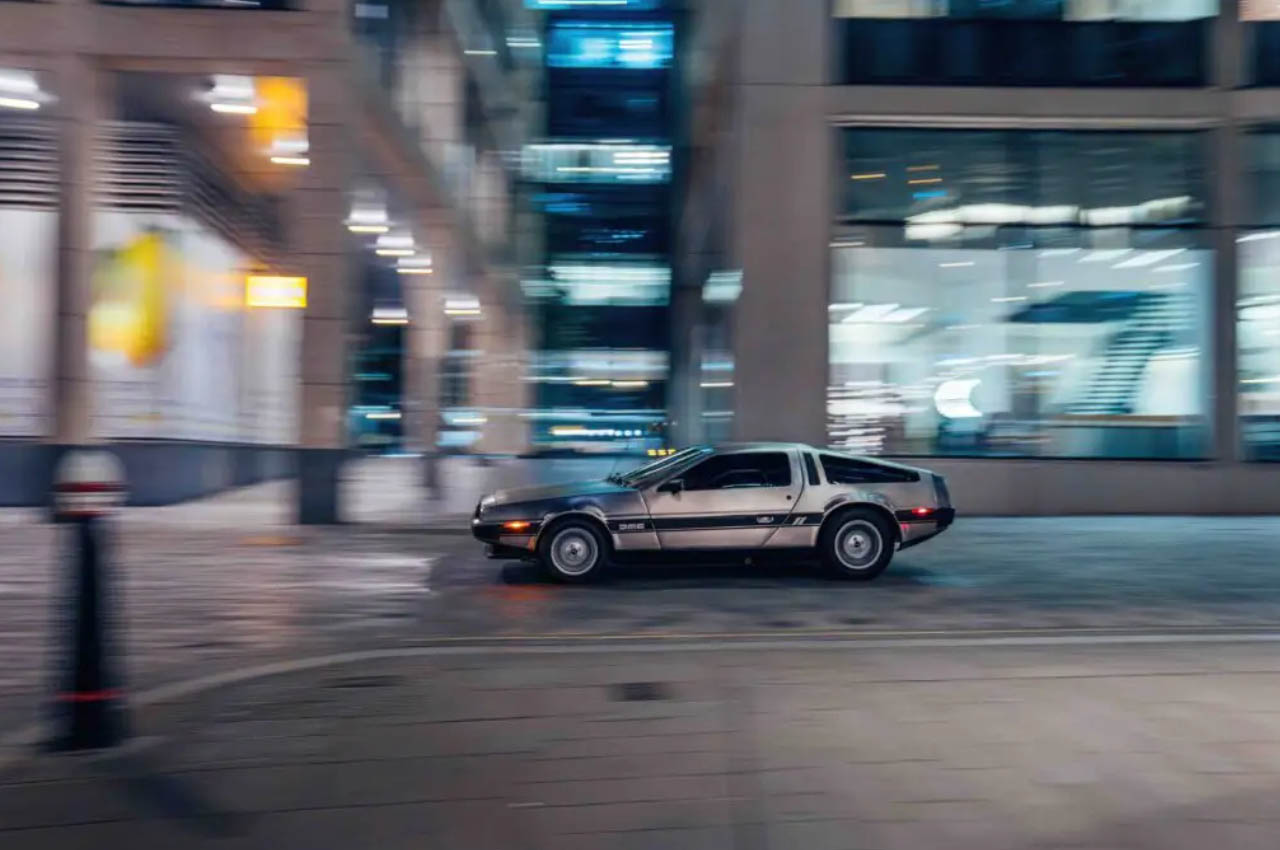
DeLorean Alpha5 is DMC’s take on the electrified future, all set to release the modern roadster later this year. The interest in an electric version of the iconic car, made famous by the Back to The Future franchise, took a long time to materialize, but finally, it did.
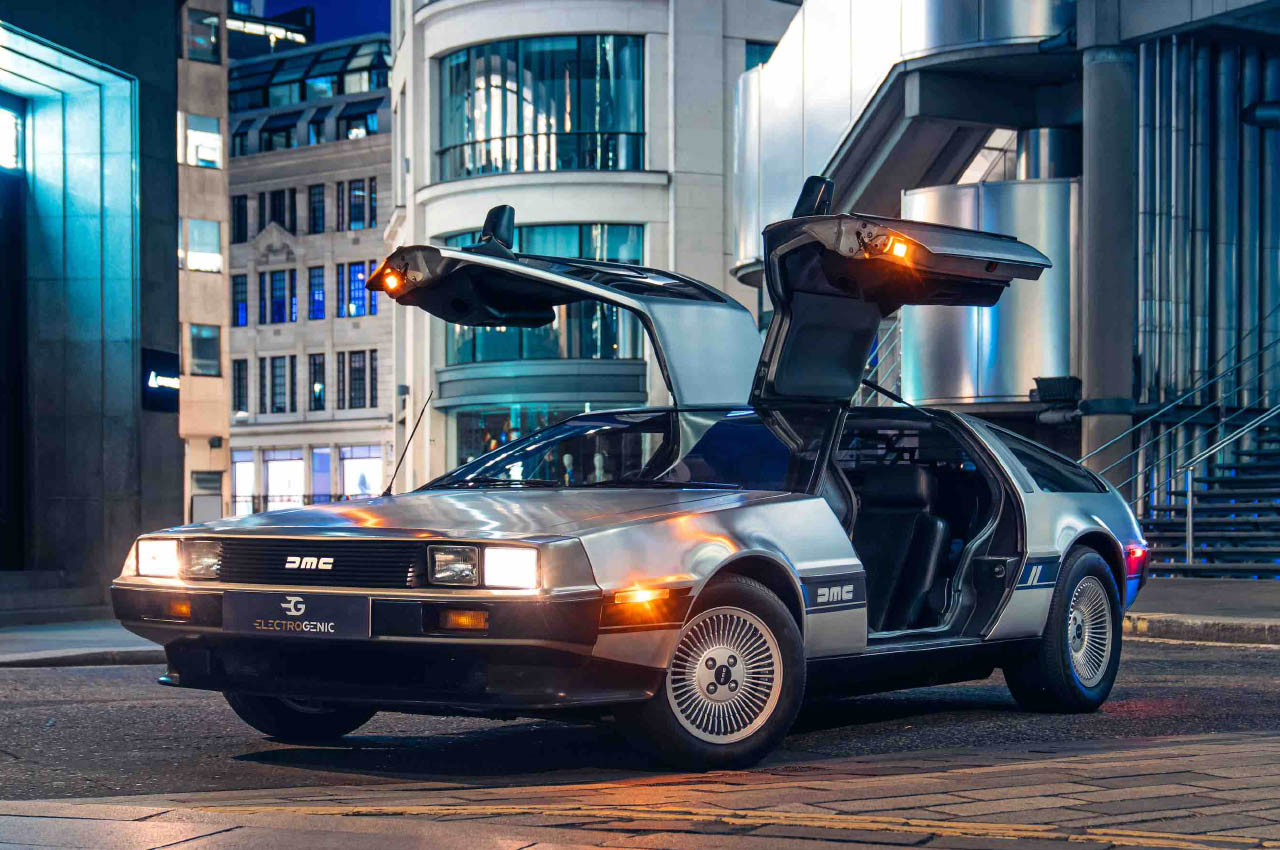
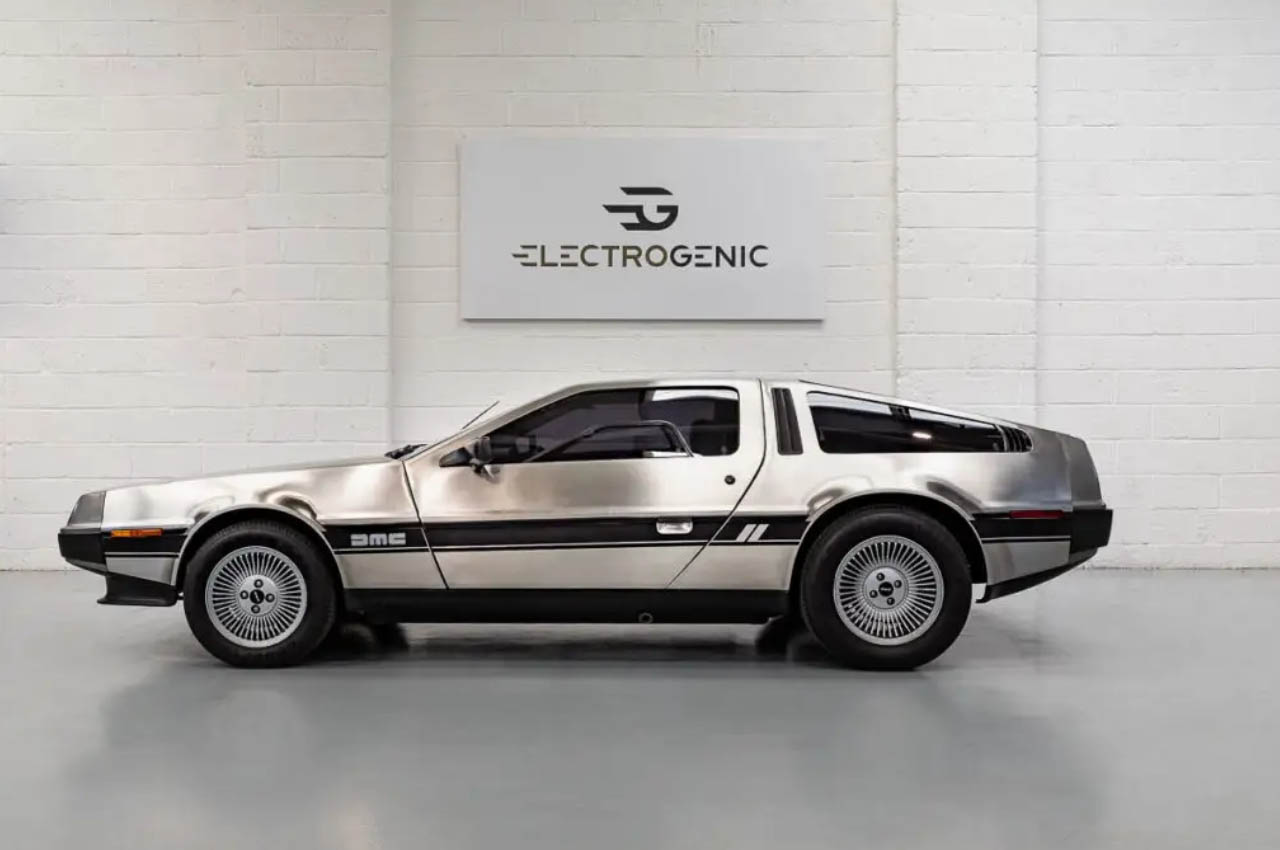
Coming back to the present, the EV still has some months to roll off the manufacturing lines. Perhaps the perfect time for Electrogenic (UK-based EV conversion specialist) to release a plug-and-play kit for the DeLorean DMC-12. As surreal as that might sound, this drop-in solution will beef up the performance of the otherwise coughing DeLorean. The company has previously designed specialized kits for famous models like Land Rover, Porsche 911, Jaguar E-Type and a custom 1929 Rolls-Royce Phantom II for Jason Mamoa.
Well before the Cybertruck honed about the stainless steel exterior, the DMC-12 had it back in the late 1970s. Now Electrogenic is revamping the drivetrain of the gull-winged car and making clever changes to the overall design. All this while maintaining the integrity and signature DNA of the original vehicle. While the official electric DeLorean coming to life pretty soon has a futuristic aesthetic, different from the original, this kit will preserve most of what made it a cult favorite.
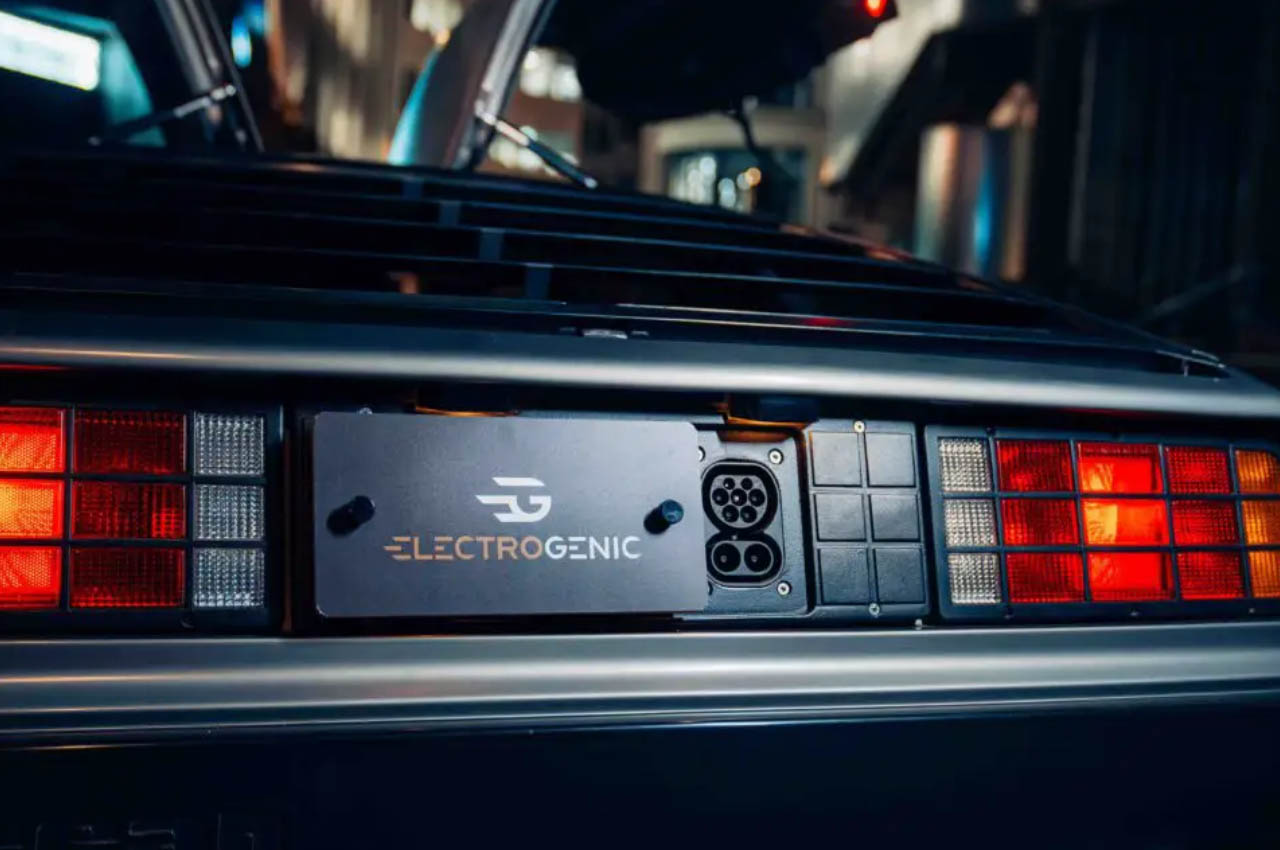
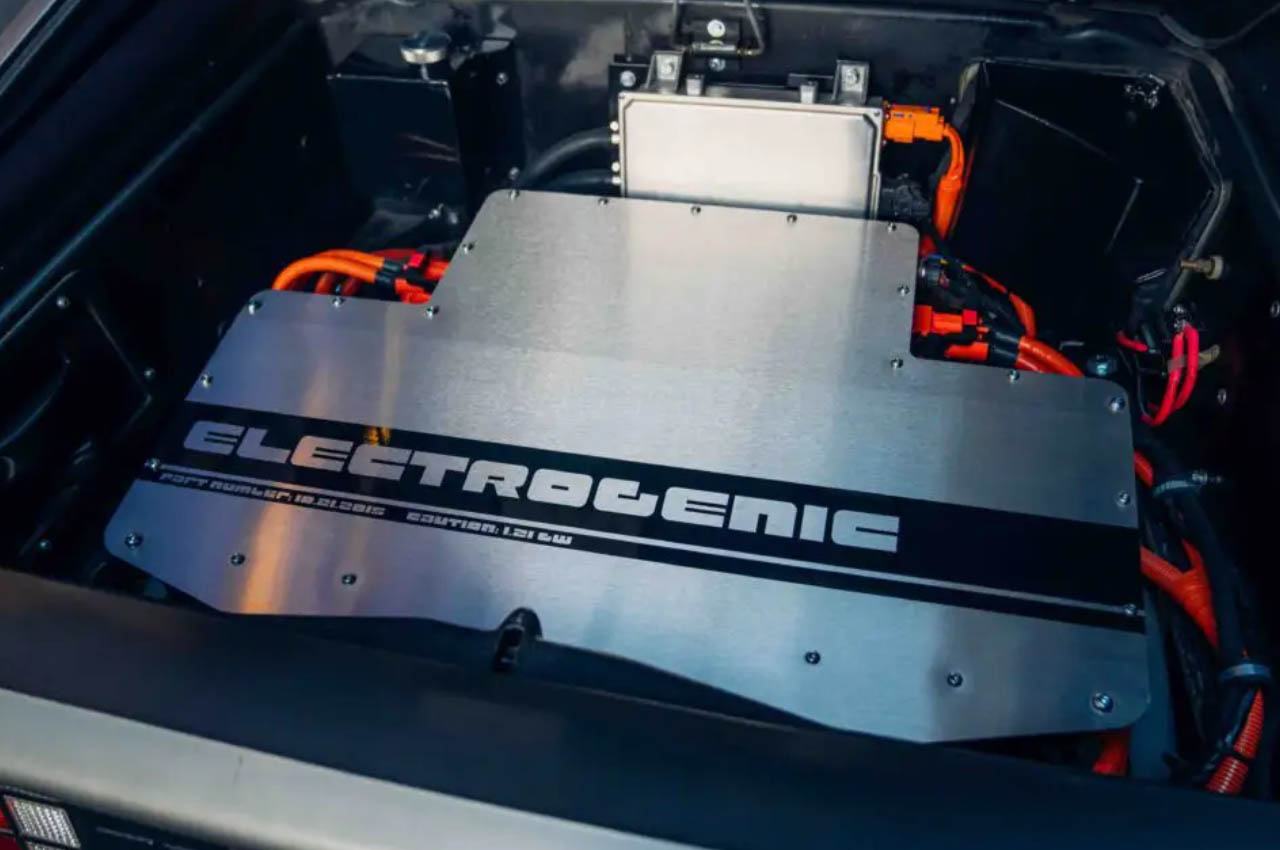
Designing an electric drivetrain for any car model is no ordinary feat, let alone doing it for a car from the 1980s. The company states that its version is future-proof and is completely reversible if the client doesn’t like it for some reason. Going back to the old engine seems unlikely for proud DMC-12 owners who’ve decided to take the leap I believe. Coming onto the specifications, the conversion kit has 43 kWh batteries placed right where the original fuel tank would reside. The upgraded DeLorean will have 160 kW of power and 229 lb-ft of torque at its disposal. Like all Electrogenic kits, this one also comes with fast charging capabilities. The only limitation due to the chassis size of the vehicle is the limited range of 150 miles but I’m not complaining.
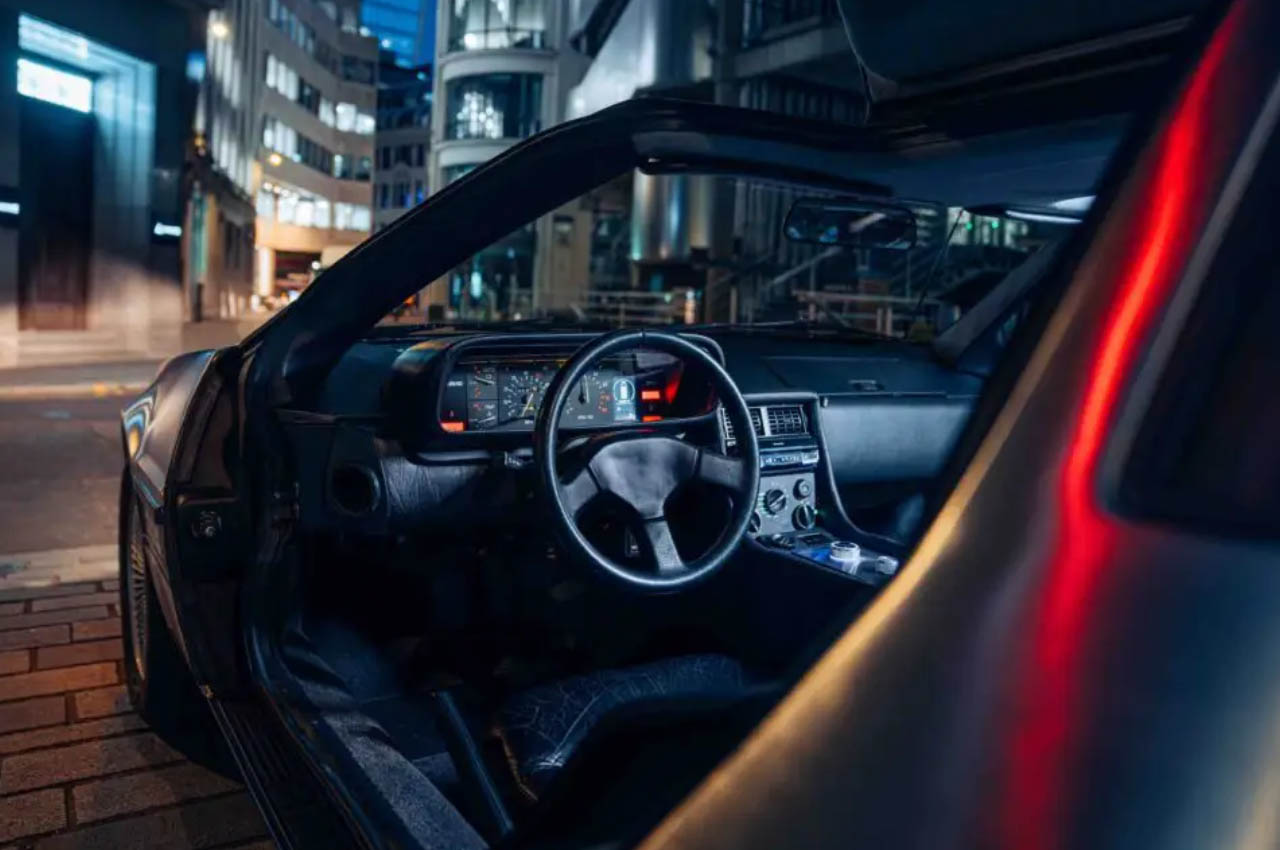
No cutting of the chassis is required as the electric kit’s battery packaging is designed smartly. Although the battery package adds 40kg to the overall weight of the V6 DeLorean, the powerful new electric drivetrain brings down the acceleration time. It will be capable of going from 0-60 mph in five seconds compared to the ten seconds on the original. Modern EV features are also a novelty here with inclusions like regenerative braking and driving modes depending on requirements. On the inside, the car owners can opt for a bespoke virtual dashboard, Launch Control, improved air conditioning or Apple Car Play.
We’re in a time and age where people have started living more sustainably and consciously, and this is reflected in their everyday decisions. They’re making changes in their daily lives, consumption, and even means of transportation! People are slowly but surely adopting bicycles as they are eco-friendly alternatives to the pollution-causing automotive, but also they’re an excellent source of exercise. I mean, not only do we get to save the Earth from air pollution, but we can also get some intense cardio done. And, we’ve curated a whole range of innovative designs for you that caught our attention. From a bicycle with treads to a bicycle with triangle wheels – these impressive bicycles will surely convert you to Team Cycles!
1. Bicycle With Treads
If you’ve spent much time on YouTube, you’ve probably come across the Q or Sergii Gordieiev who creates truly innovative and out-of-the-box bicycles. This time the Q has struck again with a bicycle with treads instead of wheels! The ingenious bicycle features handlebars, a seat, and a frame that have been made from scratch using unique elements. The bicycle has a lower profile at the rear than the front fork. Both the seating and handlebar are aligned, ensuring that the bicycle to quite comfortable to fit on.
2. Firefly MiniVelo Travel Bike
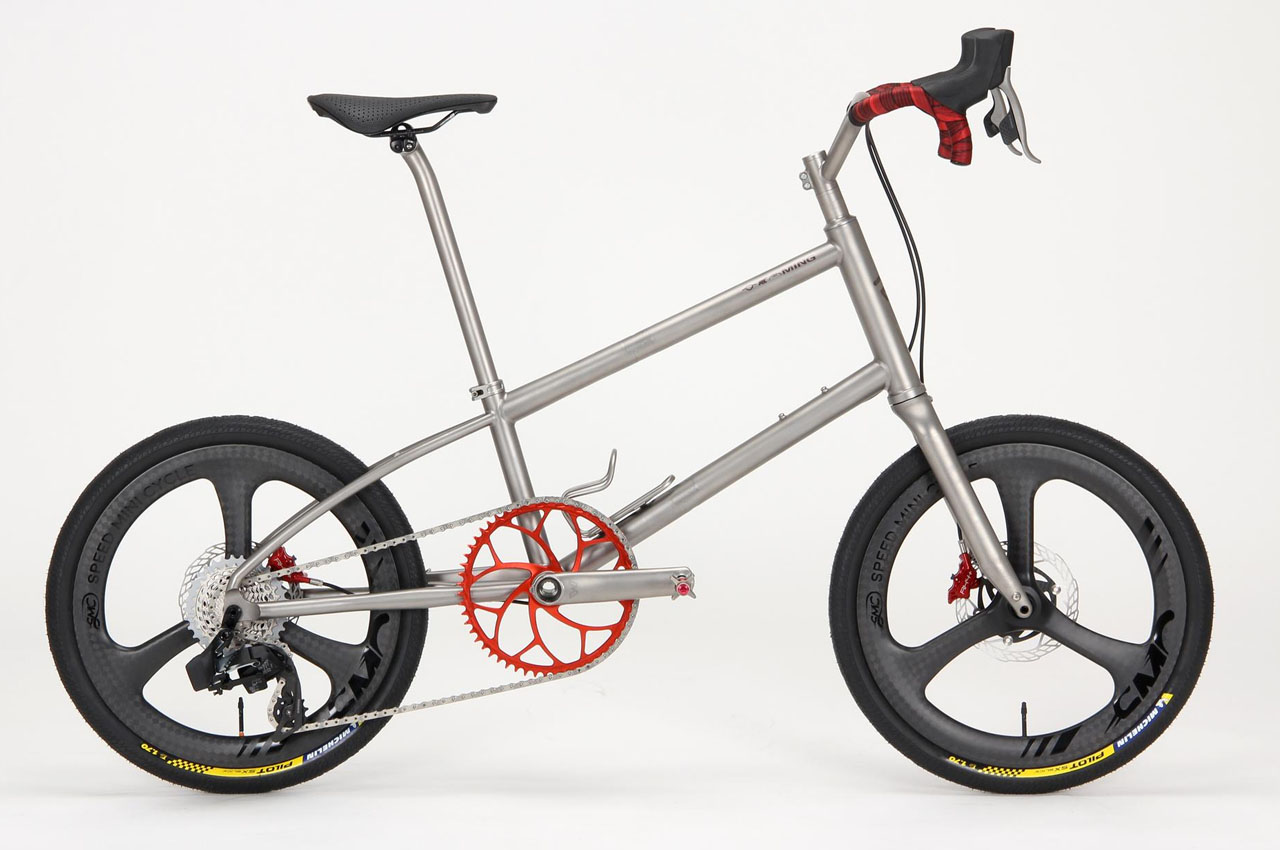
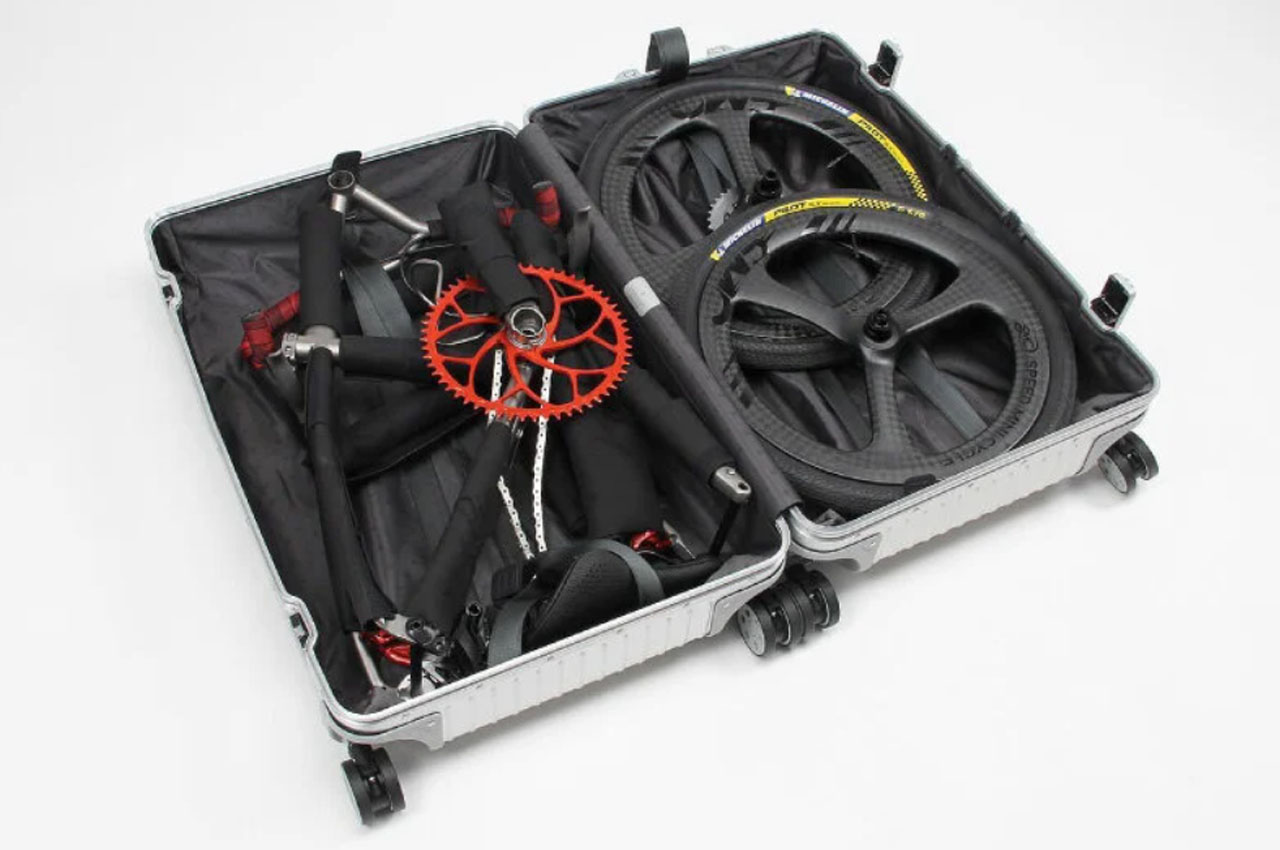
This customized bike is the Firefly MiniVelo travel bike for Ming Thein! It is a titanium bicycle specially tailored for Ming Thein, and designed to fit perfectly into a Rimowa travel case. The bike is custom-made, and it can be easily assembled and disassembled like a puzzle, to fit snugly into a briefcase, and back to ride without a single flinch or issue. It features a lightweight and durable chassis that can be efficiently unfastened into two halves, with the other parts also following suit.
3. The Moccle
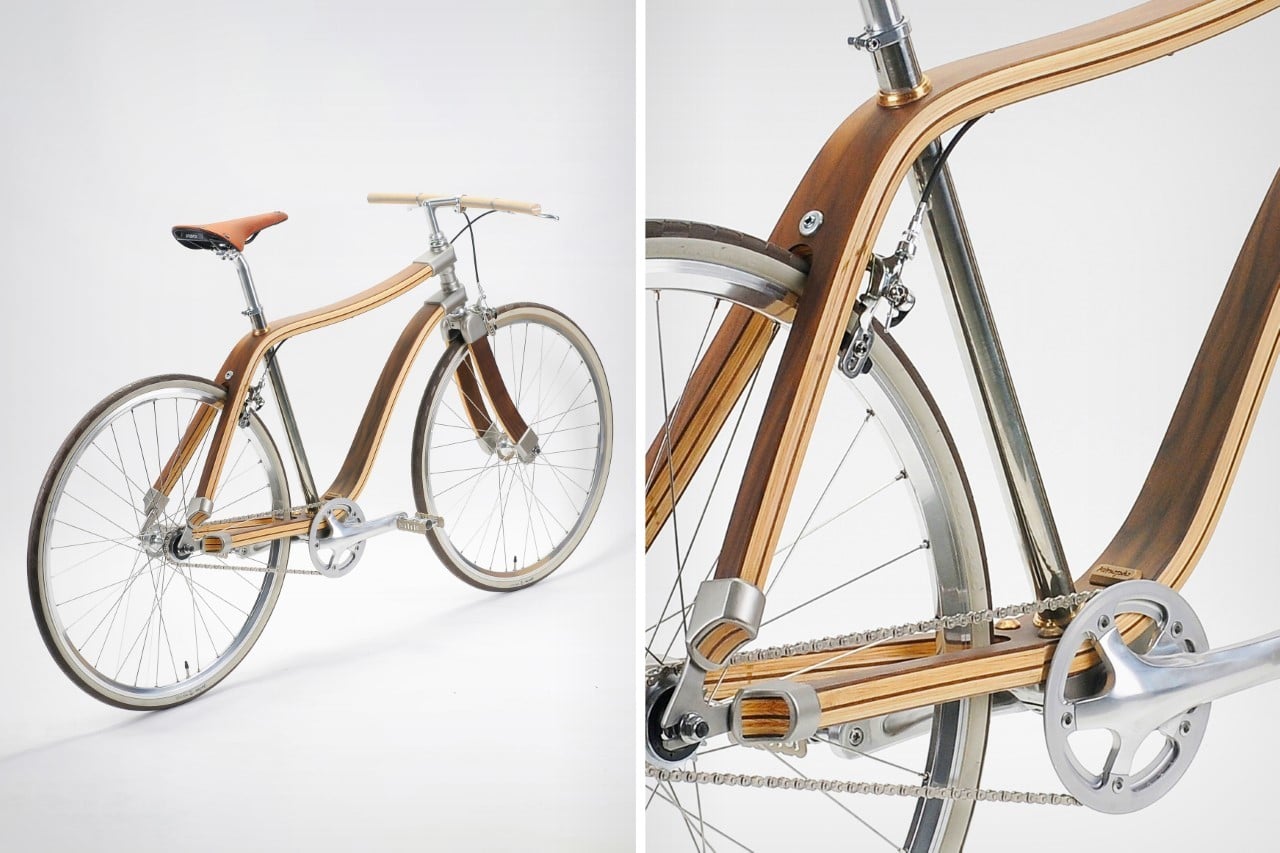
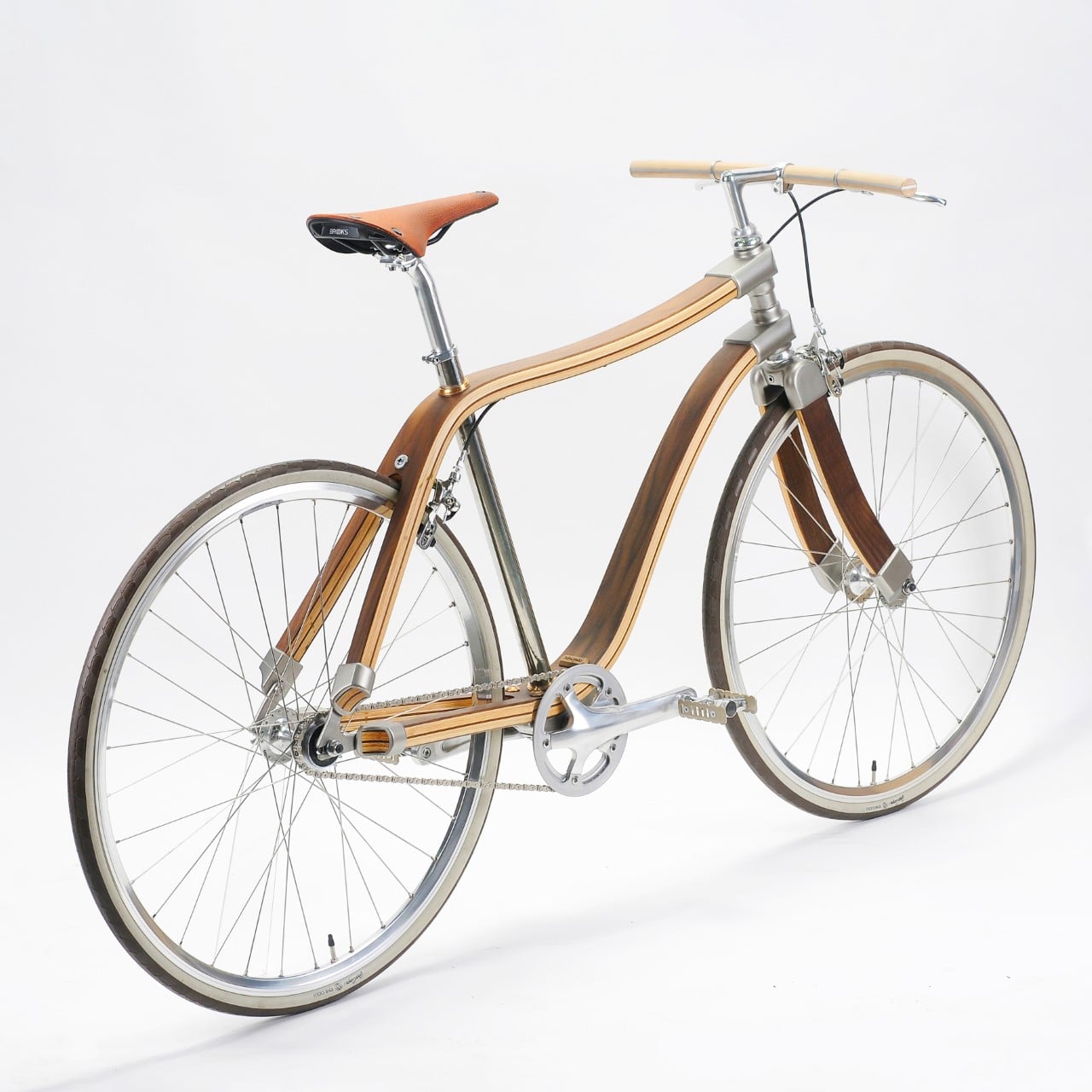
Dubbed the Moccle, this fun and innovative bicycle with a unique aesthetic is designed to create an enjoyable riding experience for you. It doesn’t feature a dashboard, gears, or even shock absorbers, but it has been incorporated with a bent-wood frame to ensure shock absorption. The frame is supported using a metal fixture, and it flexes in response to pressure, ensuring that any stress from rocky terrains or challenging surfaces is absorbed.
4. Three Chair Bike
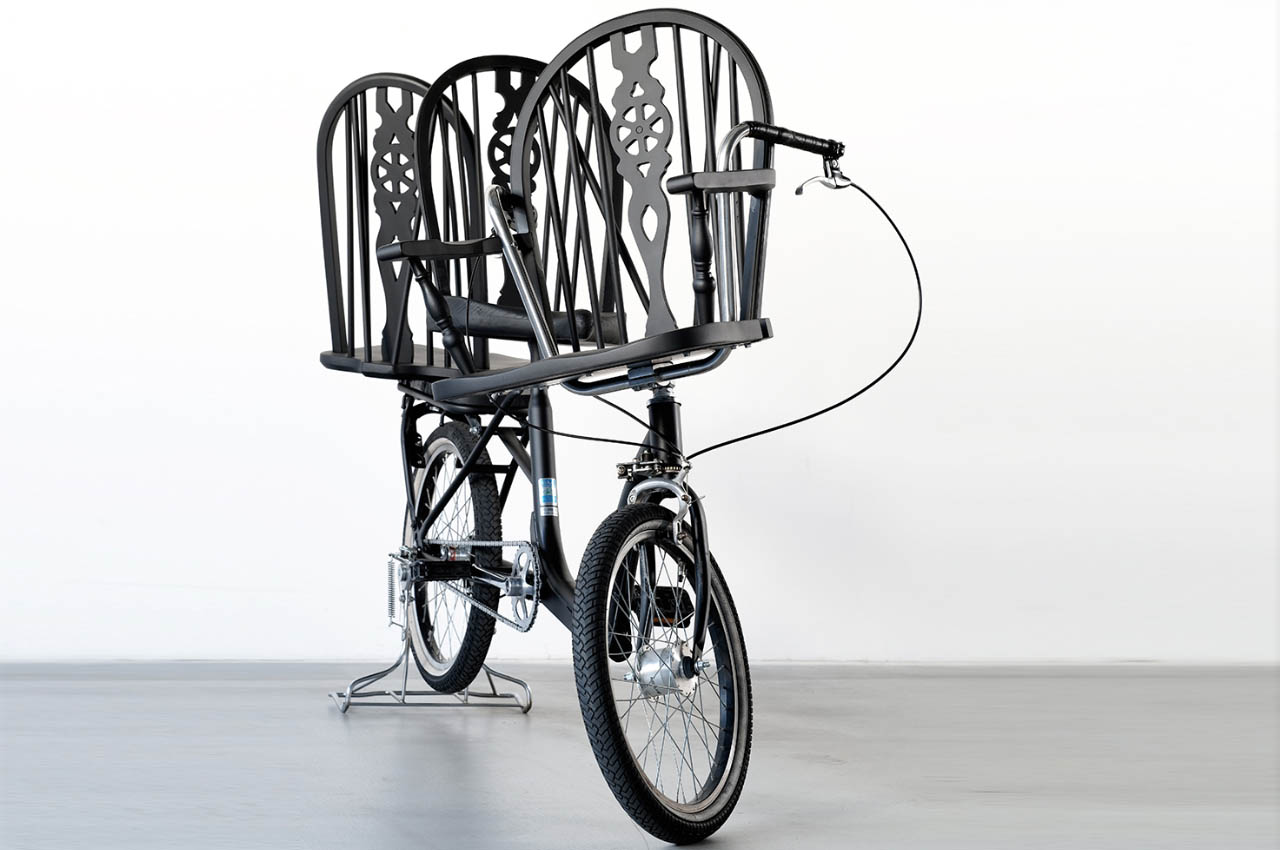
This reimagined bicycle has a chair as the saddle! You can go either riding on the streets or have it parked by the side to rest for a bit. The body is essentially the Furakazu Shushu model from the Maruishi Cycle, which is quite popular in Japan. The designer merges a chair design with a bicycle, to create an ingenious cycle with three chairs. It is designed to not only be a mode of transportation but also as an important element of your living environment. It doesn’t seem like an extremely practical design, to be honest, but it will definitely garner a lot of attention in Japan.
5. Infinity All-Wheel Drive Bicycle
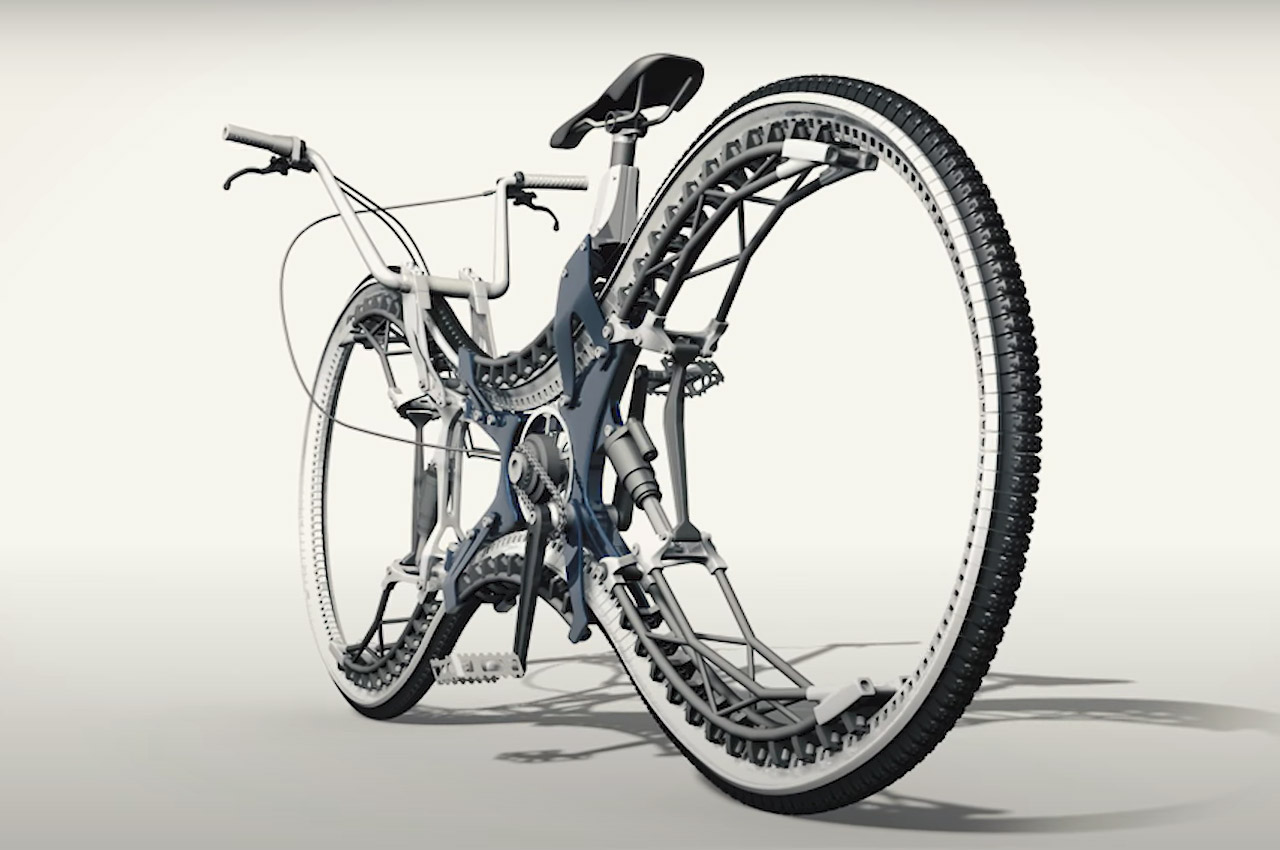
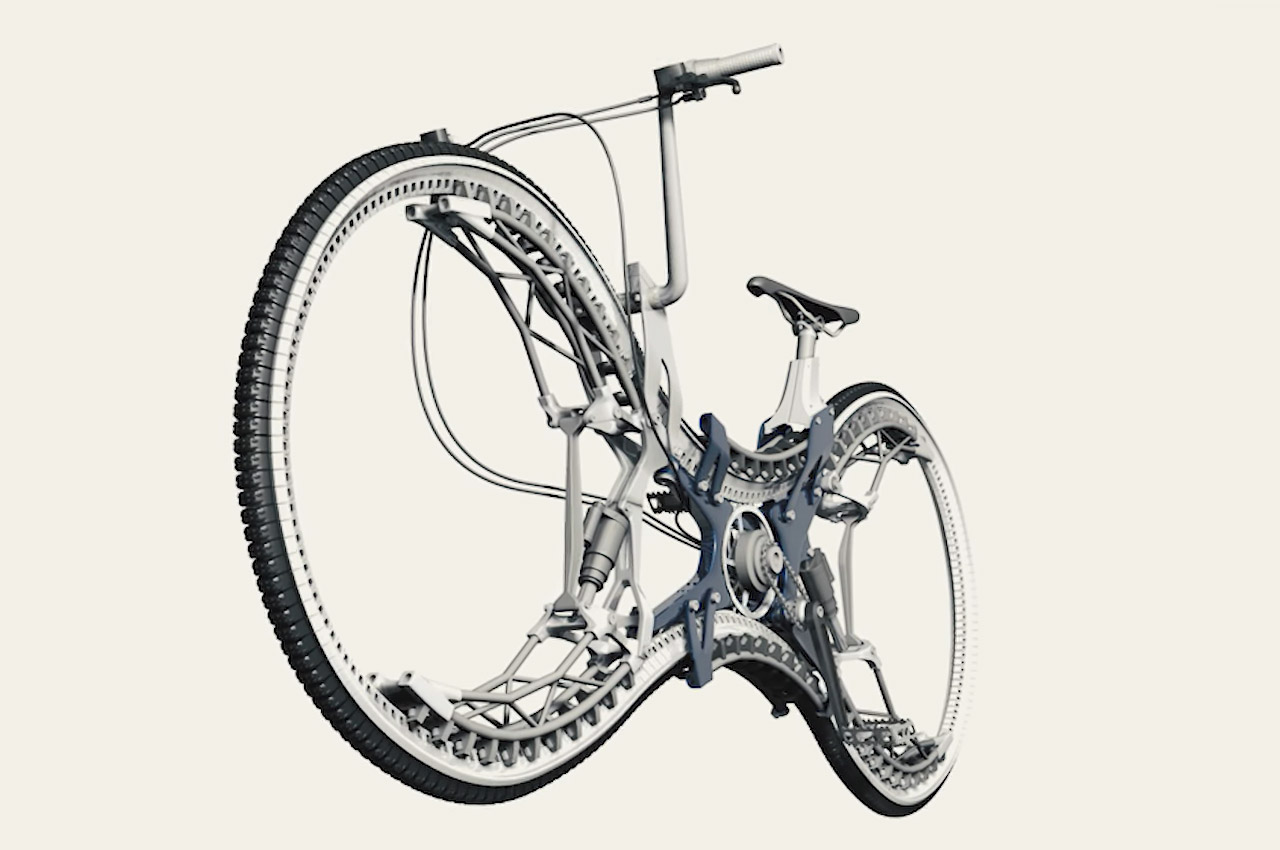
Dubbed the Infinity All-Wheel Drive Bicycle, this innovative bicycle design by Stephan Henrich is truly one-of-a-kind. This bicycle is really one of the most out-of-the-box automotive designs I’ve seen in a long time! The unique bicycle moves ahead using a monotyre-clip chain system which forms a temporary rim on the wheel sections as well as the dental belt drive in the interior groove. The central wheel powers the monotyre as the crank generates the force needed to churn the wheels.
6. CeramicSpeed Bicycle
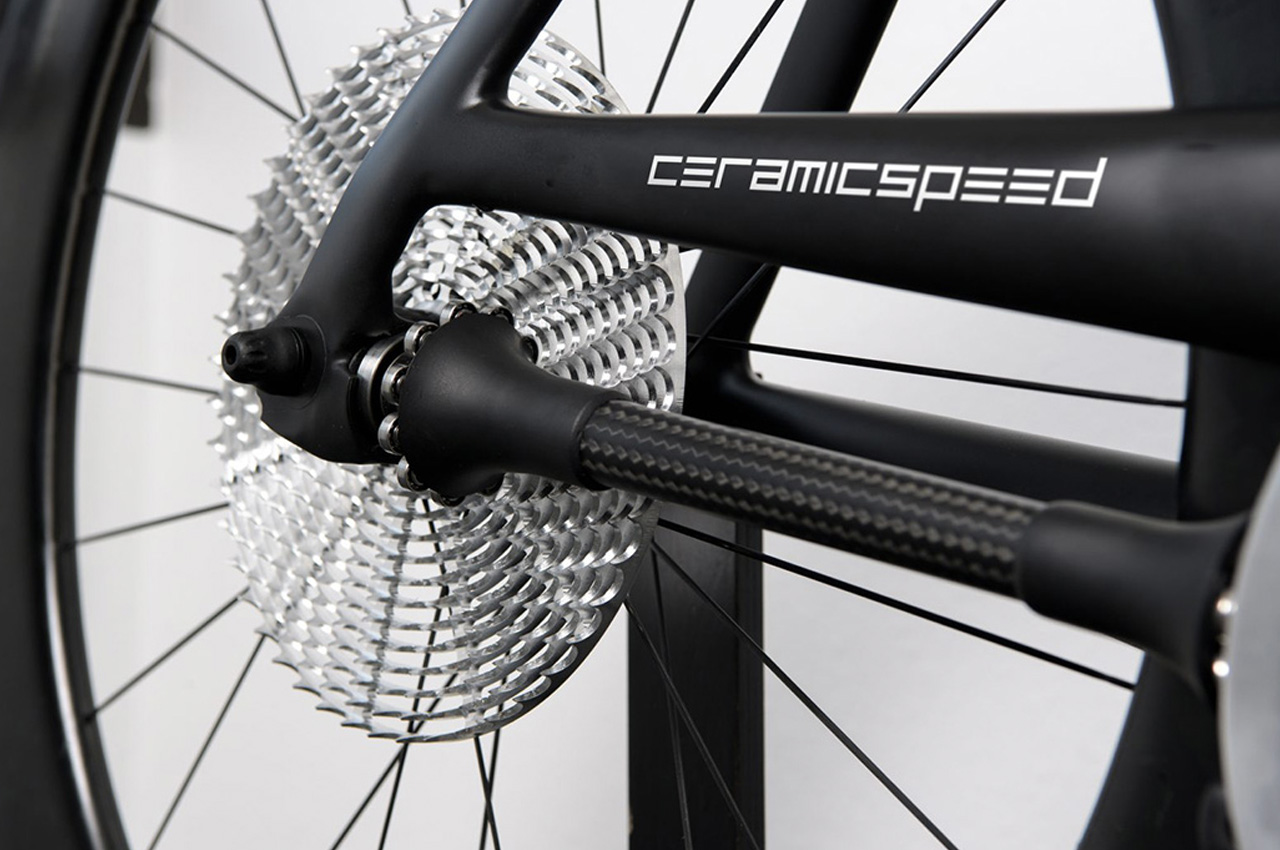
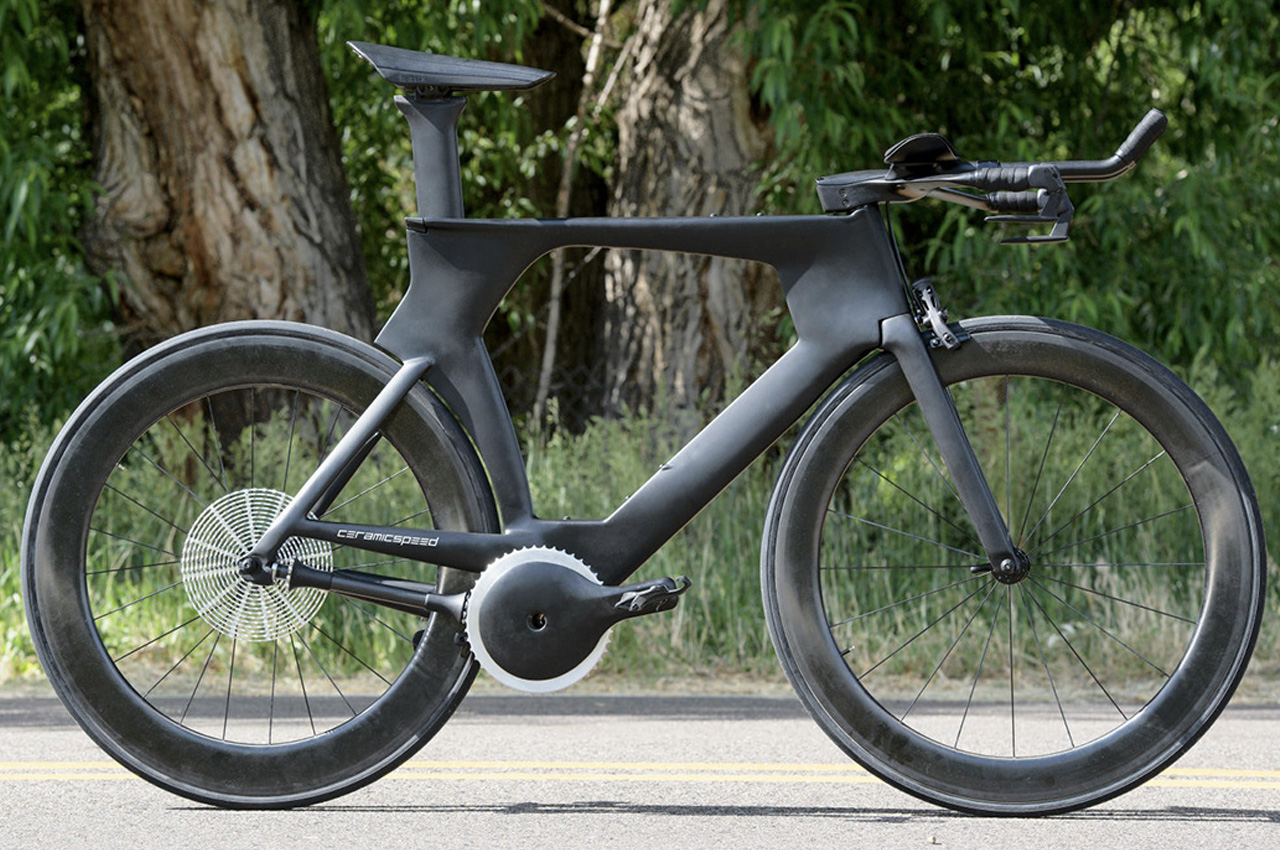
The CeramicSpeed bicycle features a new drivetrain without the ubiquitous chain, making it mess-free, low on friction, and pretty soothing on the eyes. It is equipped with a rotating shaft that eliminates the need for a greasy chain, and it works really well too, reducing friction by 49%. CeramicSpeed has also incorporated ceramic ball bearings on the shaft, which reduces friction, as the bearings push against the gear teeth and rotate as well, forming a smooth movement.
7. RE:CYCLE
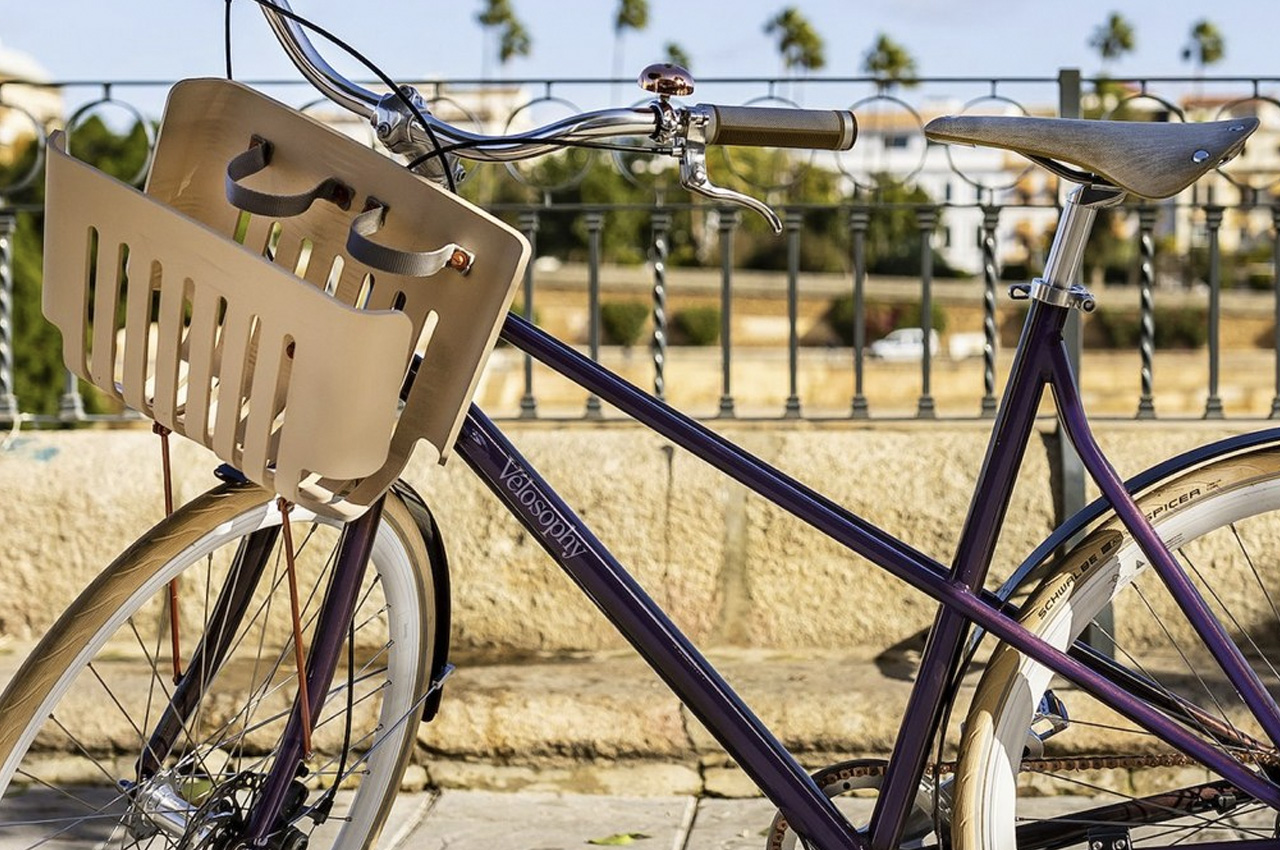
Designed by Jimmy Östholm, the RE:CYCLE bike is made from recycled aluminum coffee capsules. The aluminum in the coffee capsules is melted down and then used by the brand to build a bike that is durable and sturdy. The bicycle is the perfect culmination of sustainability and design, creating a design that retains Vélosophy’s simple and iconic design philosophy as well. The bike features a minimal and sleek ethos marked by clear-cut edges. It has a vibrant purple-colored frame which draws inspiration from Arpeggio (the popular Nespresso coffee).
8. The J.Laverick Aston Martin .1R
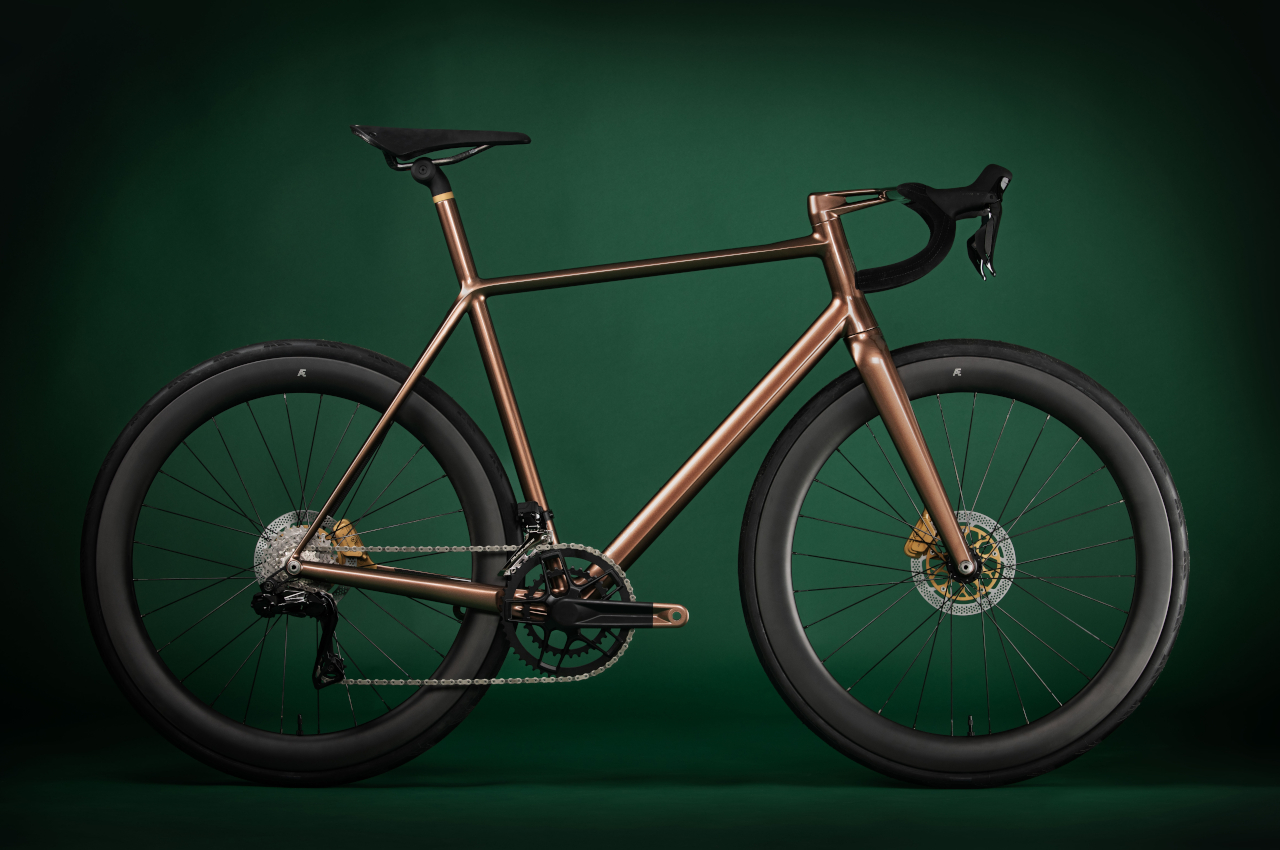
Called the J.Laverick Aston Marin.1R, this good-looking sleek road bike is made from advanced titanium. A mixture of 3D-printed titanium lugs and sculpted carbon fiber tubes were used to build the lightweight yet durable bike, without placing any exposed bolts on the outer body. This is supposed to be the world’s first, and is described as a “titanium hypercar on two wheels”. You can make a choice between a saddle or a handlebar.
9. ONEBOT-S7
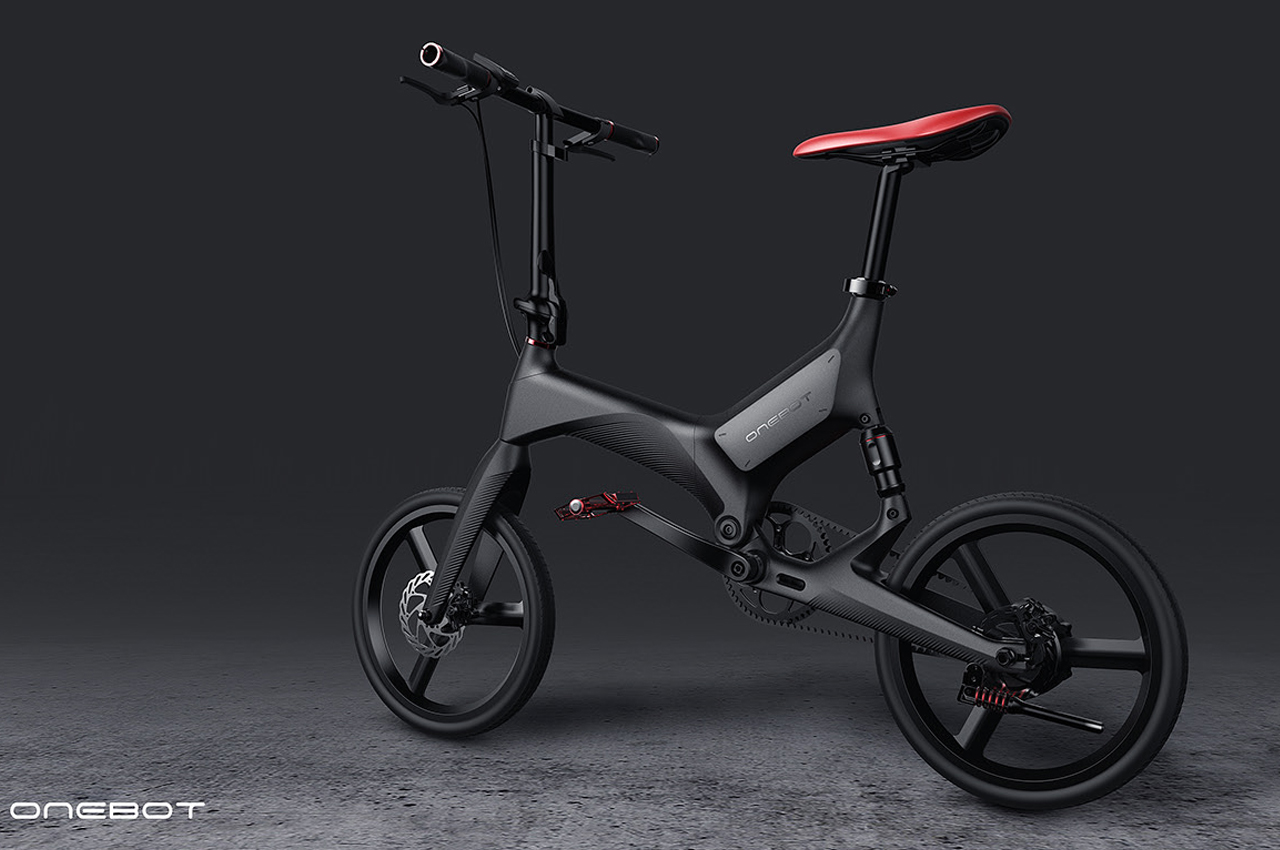
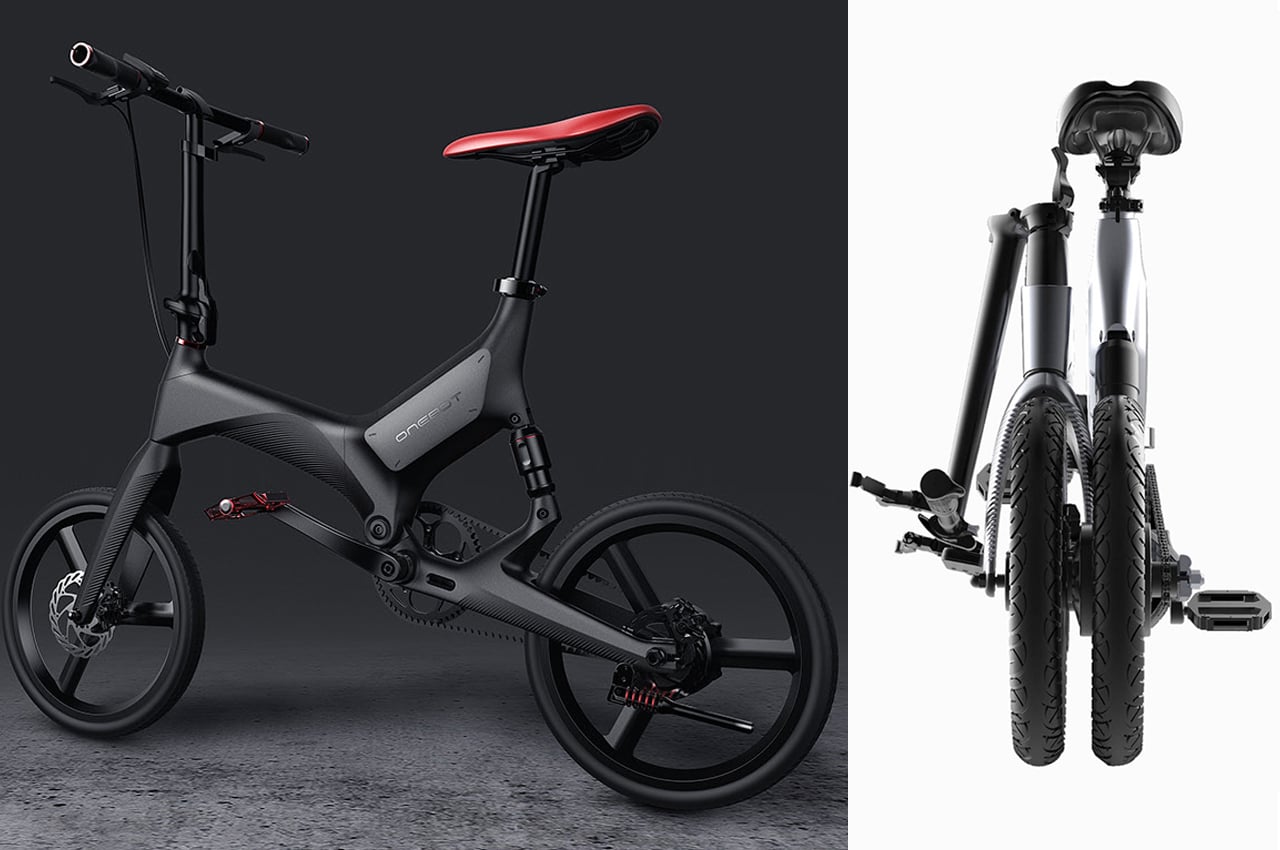
Meet the ONEBOT-S7, an innovative and nifty little bike featuring a unique three-fold structure instead of the typical two-step folding design that we’ve all grown accustomed to. This one-of-a-kind design makes the e-bike quite compact and small when folded, so you can easily place it into the boot of your car, or stealthily slide it under your workstation. And when the need for the bicycle arises, you can conveniently remove it and use it.
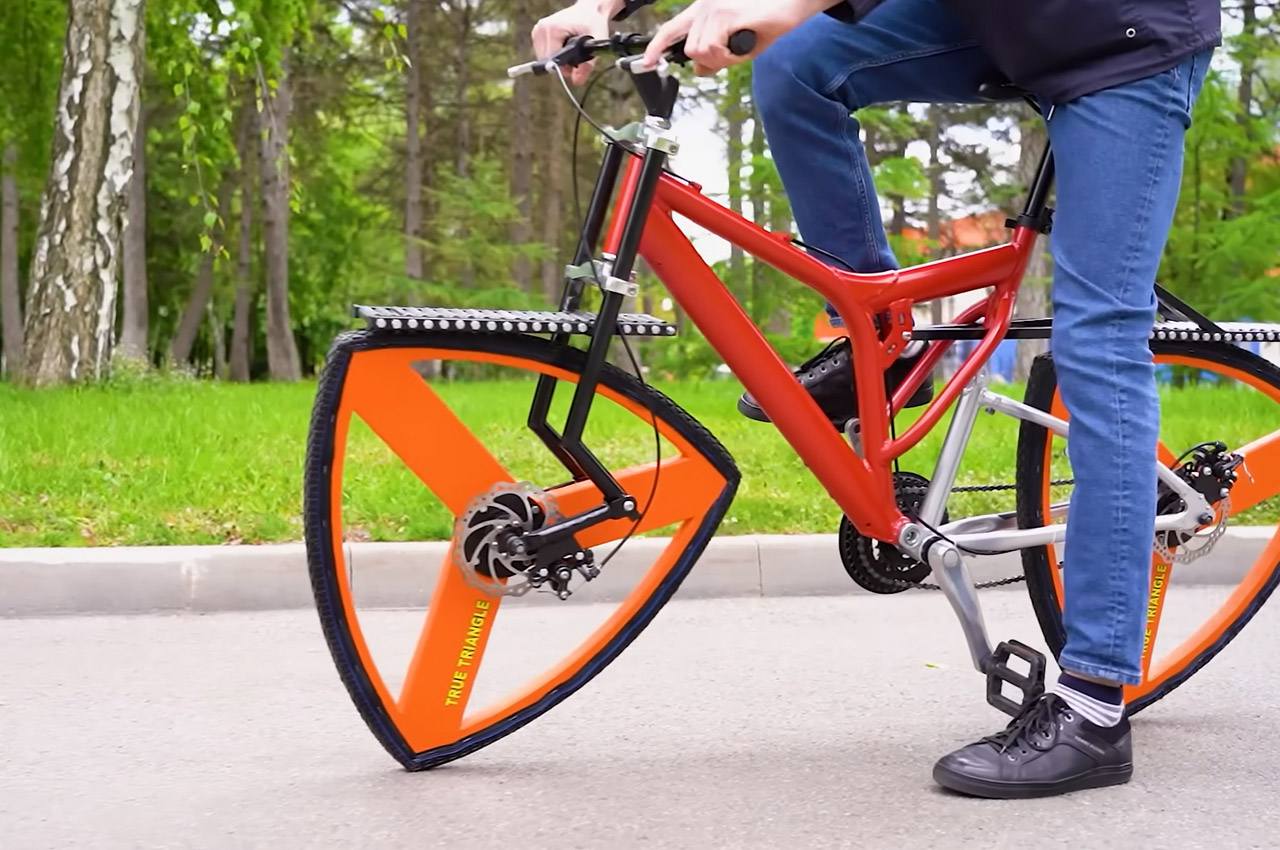
10. Bicycle With Triangle Wheels
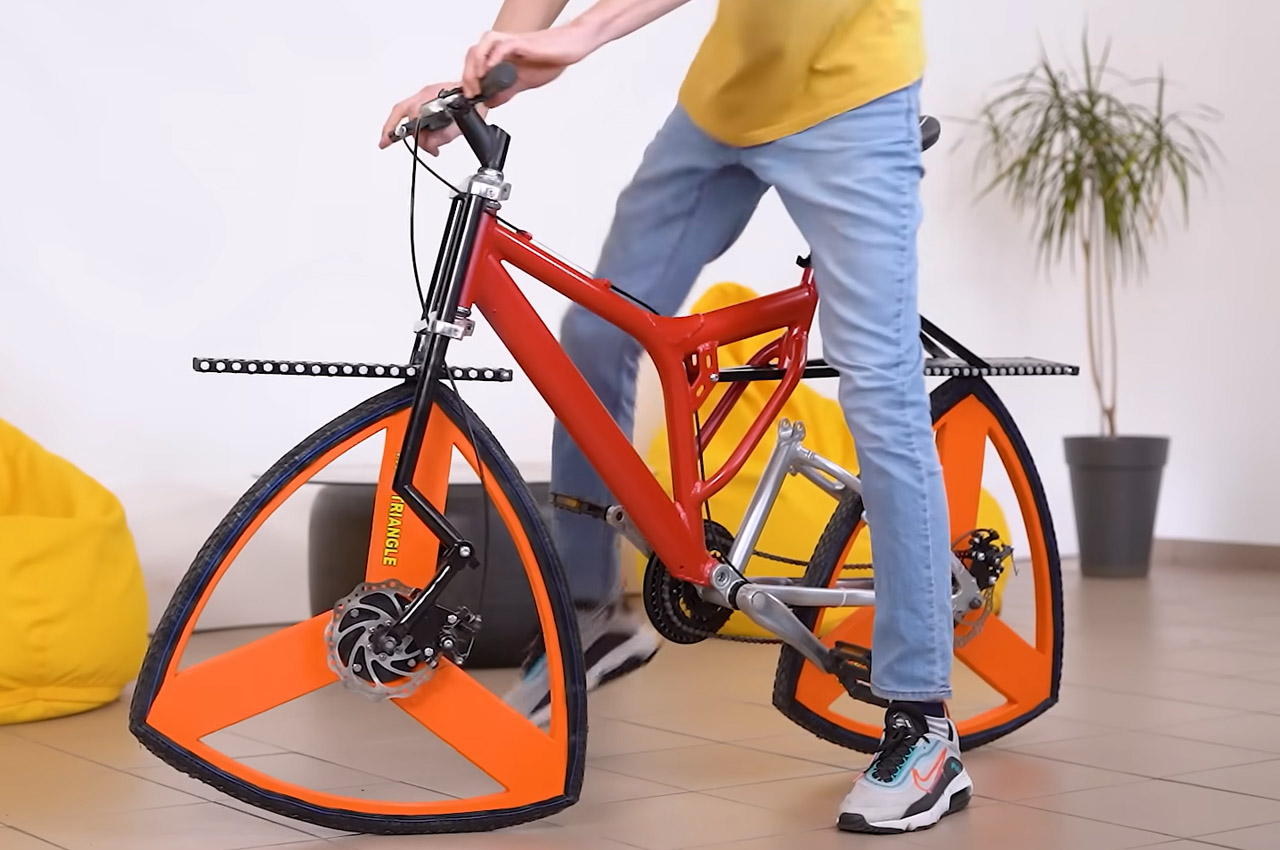
The Q strikes again with this mindblowing bicycle featuring triangle-shaped wheels! This rather cleverly-designed bike moves along in a linear form, building adjacent lines between the rollers and the flat surface it is placed. This enables the triangle-shaped wheels to overcome limitations and challenges, allowing them to move quite comfortably without any issues. The triangular wheels may look impractical and ridiculous, but they’re really quite fun to ride, and more comfortable than you think.