This Dyneema Tent Weighs Less Than 1.75 Pounds and Still Handles Full Storm Conditions

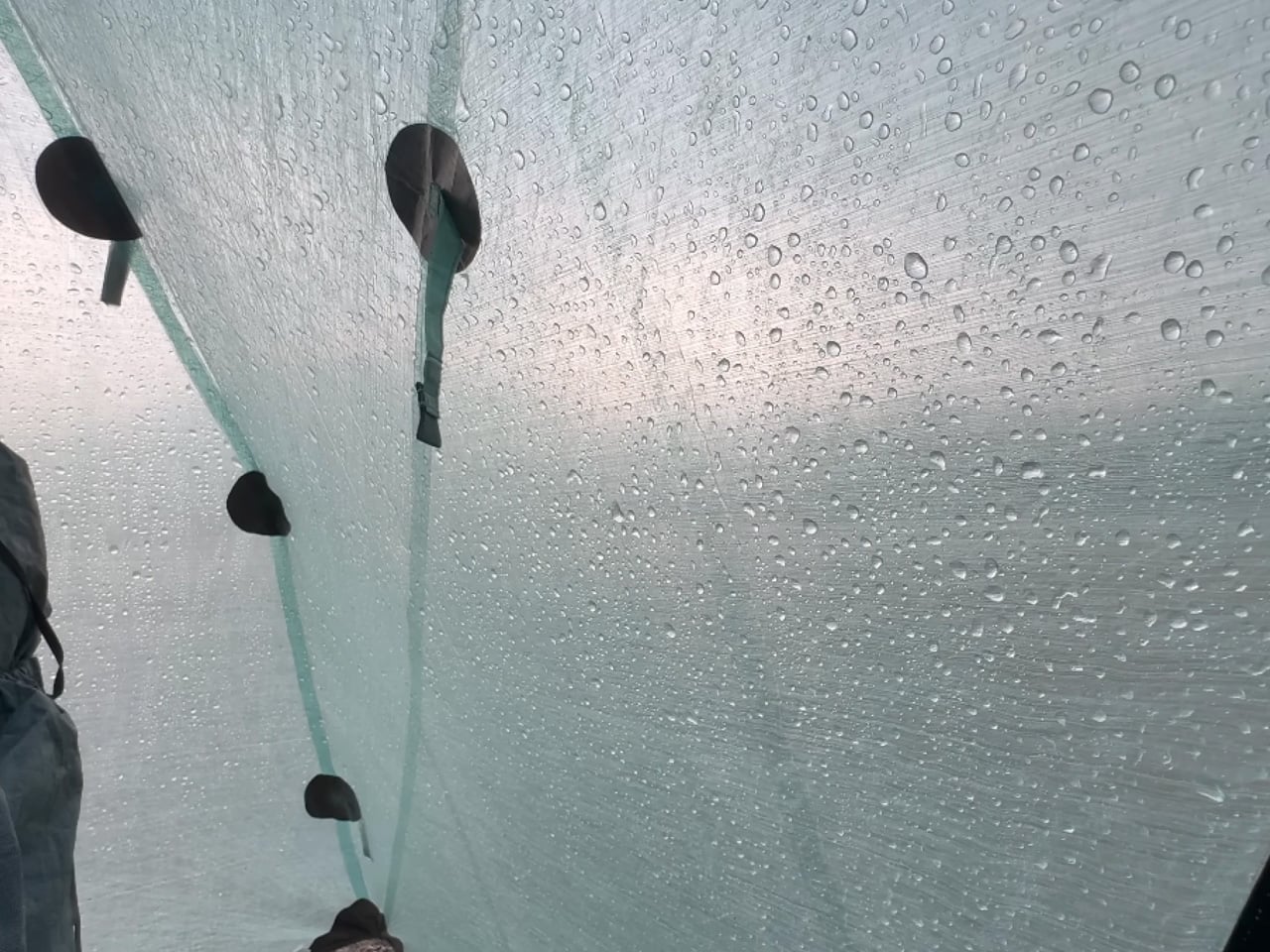
The X-Dome Pro 1+ by Durston weighs 780 grams. For a fully freestanding, double-wall tent with a 42-inch interior, a 9.2-square-foot vestibule, and the structural integrity to survive winds above 100 km/h, that number is genuinely startling.

Durston’s award-winning X-Dome geometry was already doing a lot of heavy lifting in the standard silpoly version. The Pro takes that same patent-pending architecture and rebuilds it entirely in Dyneema Composite Fabrics, pushing the weight savings to where physics and practicality intersect. The fly uses DCF 0.55, the floor DCF 0.67. The result is a shelter where the fabric itself weighs roughly half of what traditional ultralight materials would add. Bonded seams replace the narrow seam taping of the standard version, adding strength and waterproofing without any extra bulk.

Designer: Durston

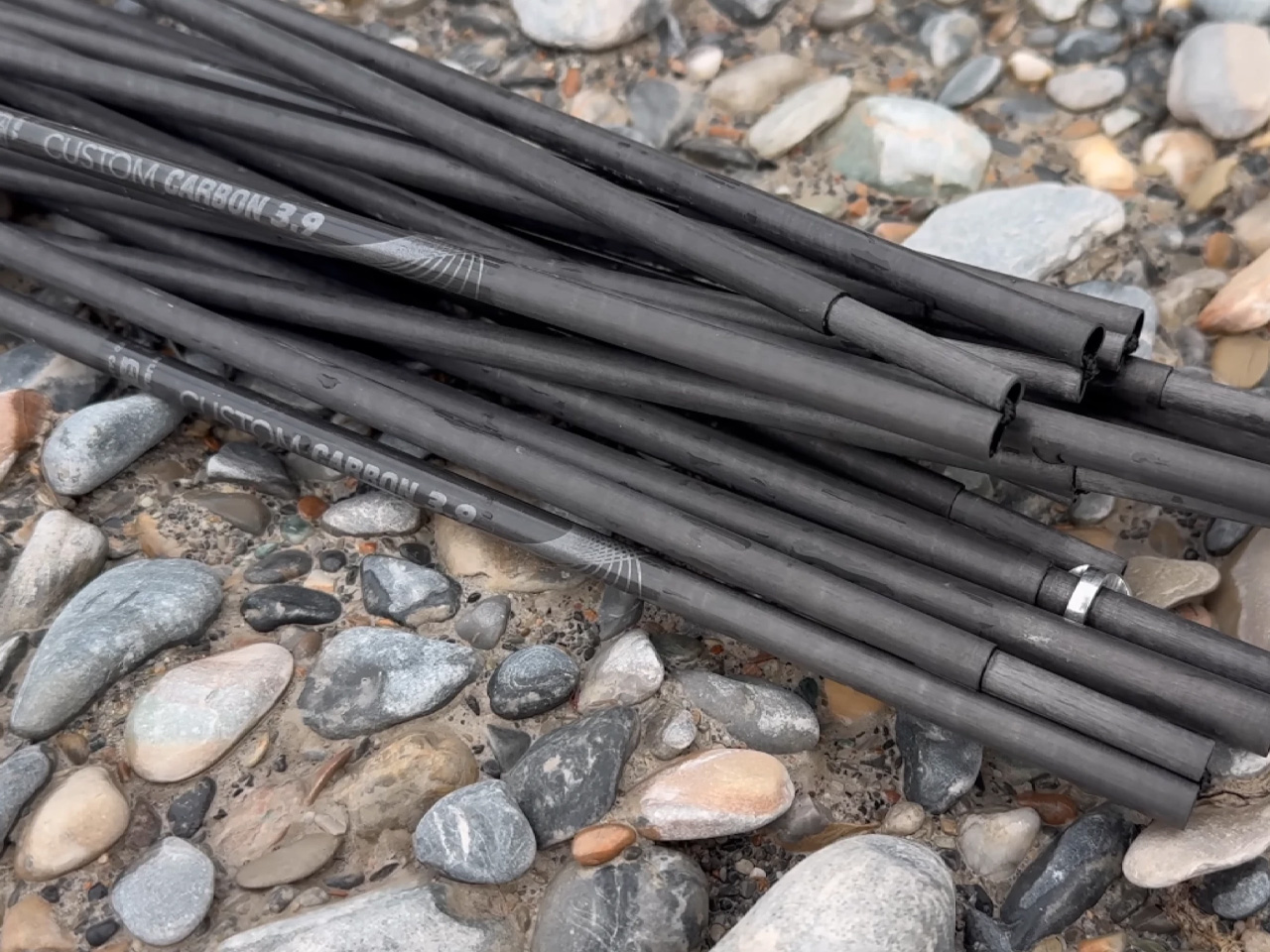
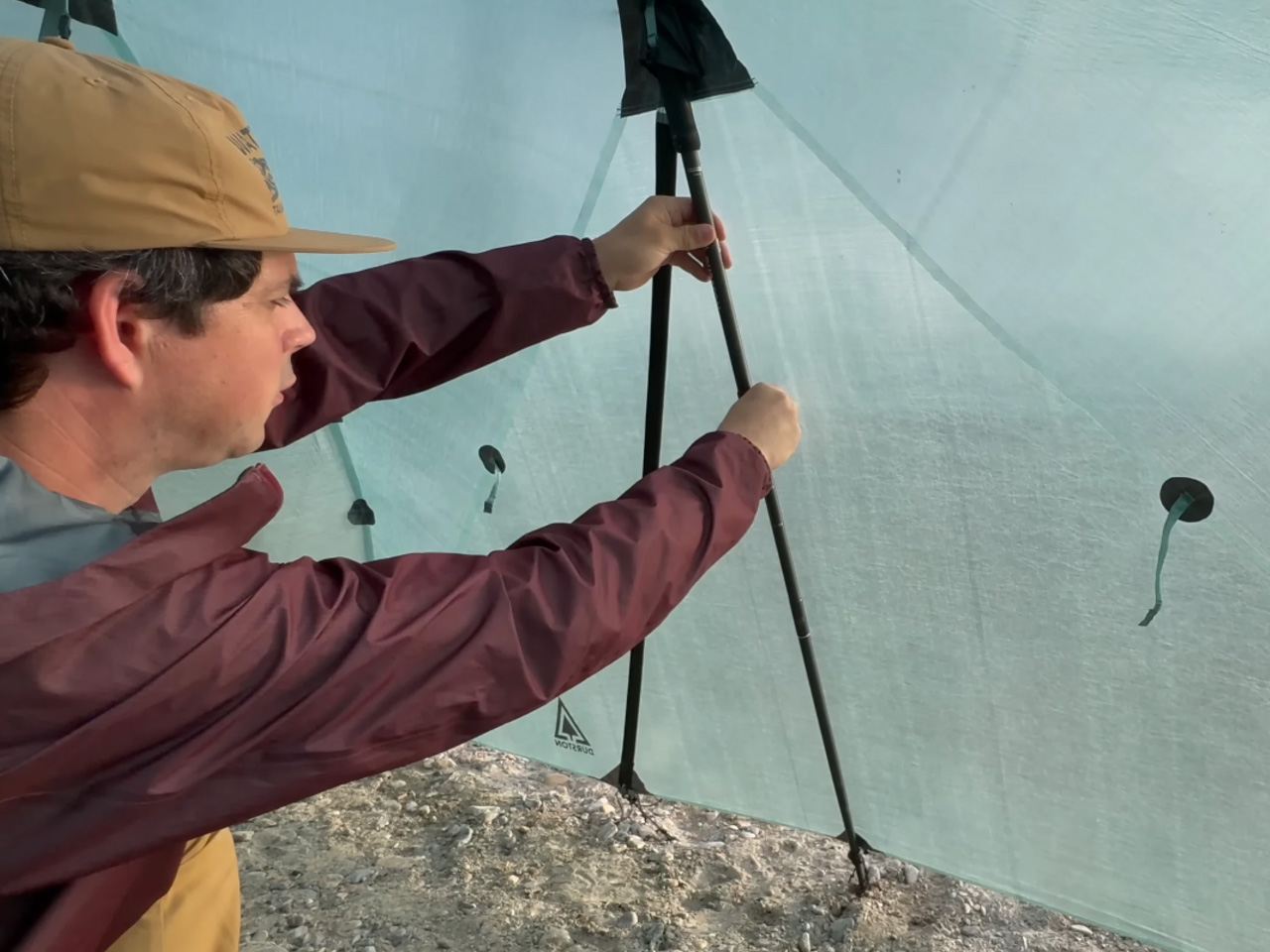
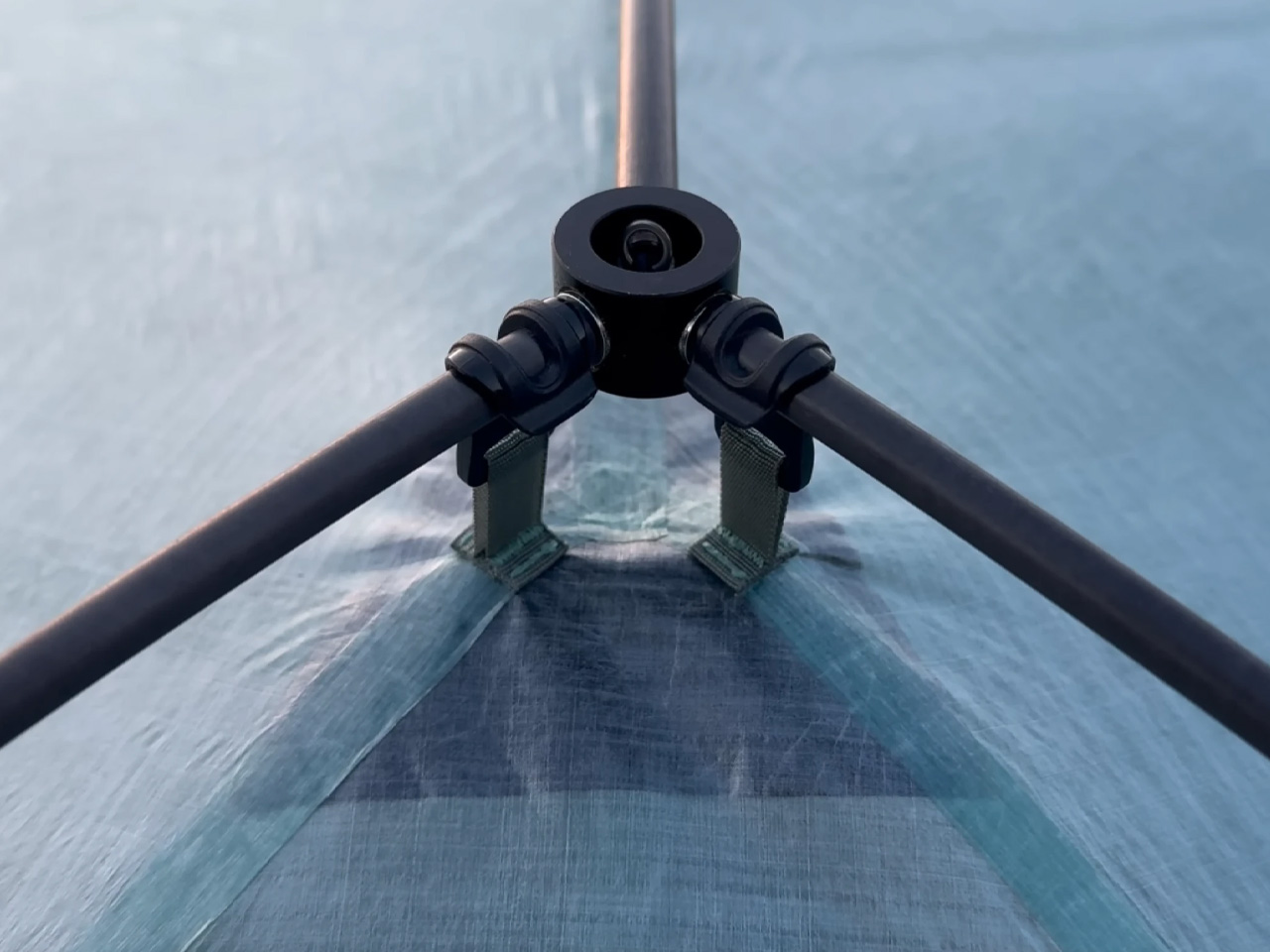
The pole set is equally refined. Easton’s second-generation pure carbon frame now uses carbon inserts at the joints, addressing the glue reliability concerns that affected first-run poles across the industry and dropping the weight a touch further. What makes the system genuinely clever is the counterbalanced trekking pole integration: your hiking poles clip into the crossbar in an angled, opposing orientation that braces the sidewalls against lateral deflection rather than simply propping them up. With this setup and guylines in place, the tent holds in sustained winds that would flatten most ultralight shelters.

Interior dimensions are unchanged from the X-Dome 1+. Floor area: 23.5 square feet, wide enough at 50 inches at the head end to accommodate two narrow sleeping pads. Diagonal sleeping length: 90 inches, practical for hikers up to 6’6″. Peak height: 42 inches, three to five inches taller than comparable 1P options, and it extends over a larger portion of the tent rather than concentrating at the center. The vestibule, at 9.2 square feet, sits beside the doorway rather than blocking it. That detail matters more at the end of a long day than the marketing tends to suggest.

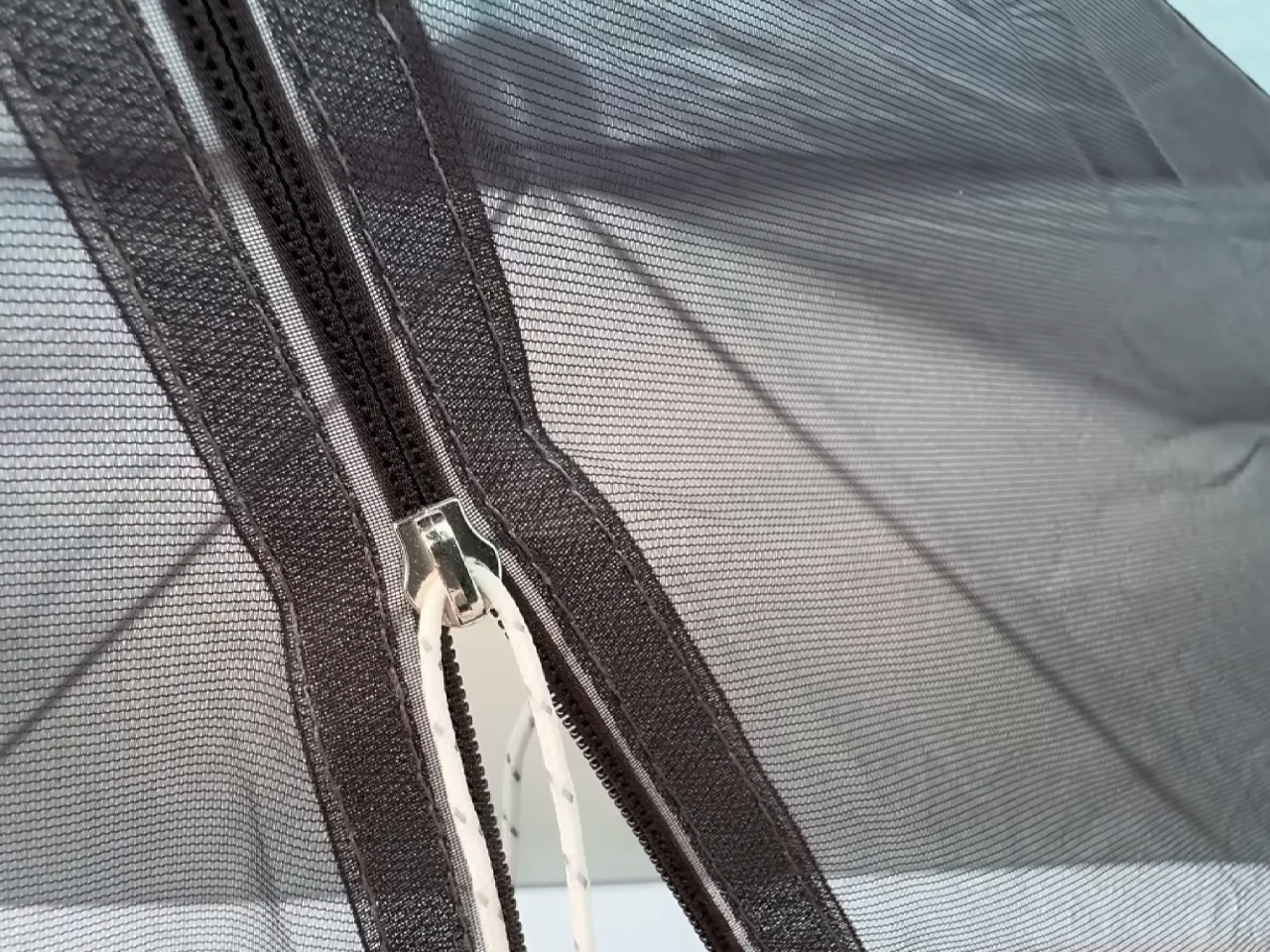
The tent pitches fly-first by design, dual peak vents manage condensation, and magnetic door toggles mean no fumbling in the dark. Packed size is 19 by 4.5 inches, small enough to slide inside a pack rather than strap to the outside.

Price is $849 to $879. The first launch sold out within minutes of going live. A larger fall release is planned for those who missed the initial batch. The X-Dome Pro 1+ is a tent for people who want the full protection and convenience of a freestanding double-wall shelter at a weight the category has never seen before. Durston built that thing. It exists.

The post This Dyneema Tent Weighs Less Than 1.75 Pounds and Still Handles Full Storm Conditions first appeared on Yanko Design.

No Staples, No Refills, No Bent Corners – This $35 Desk Tool Fixed Everything Wrong With the Office Stapler

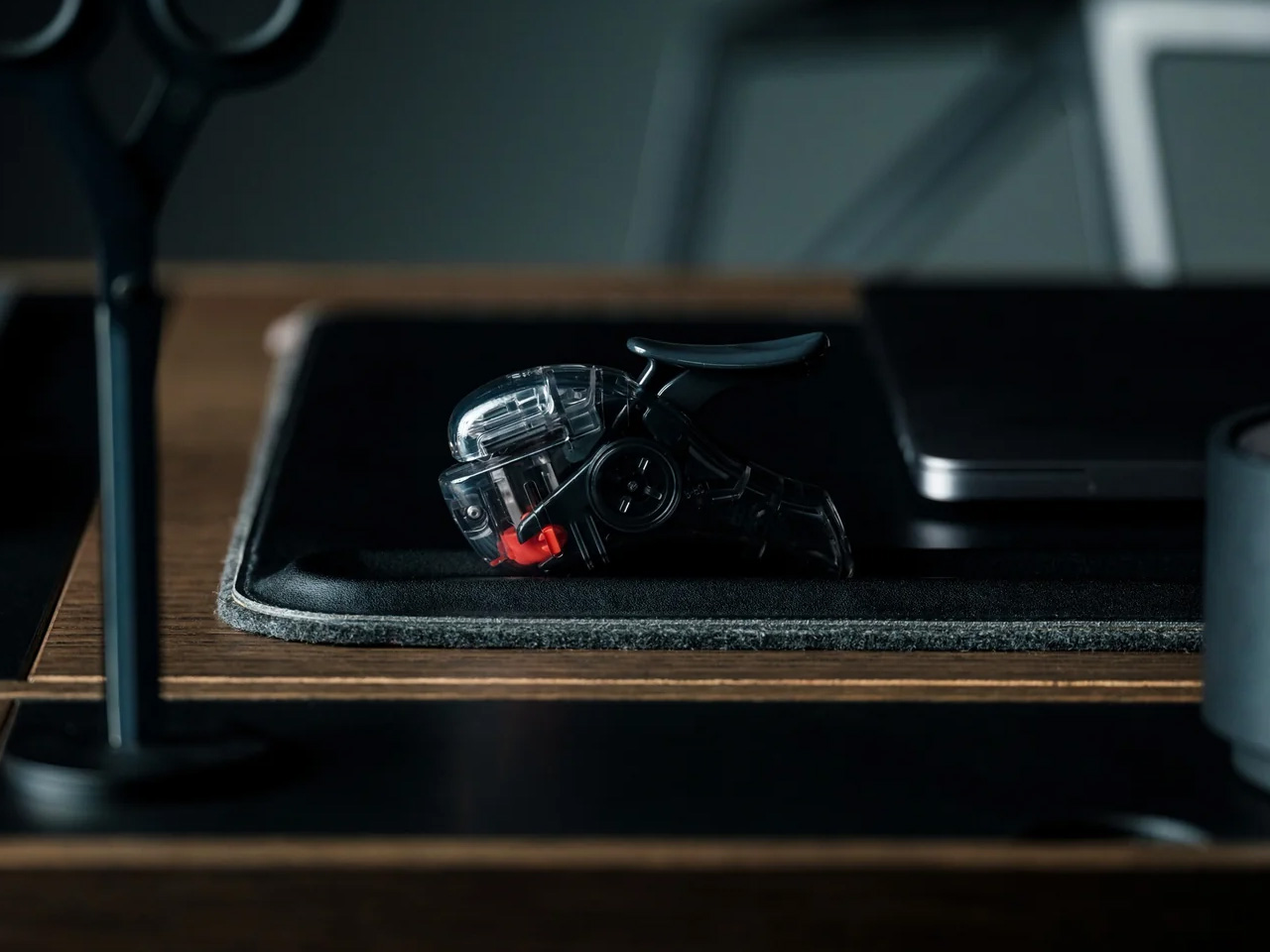
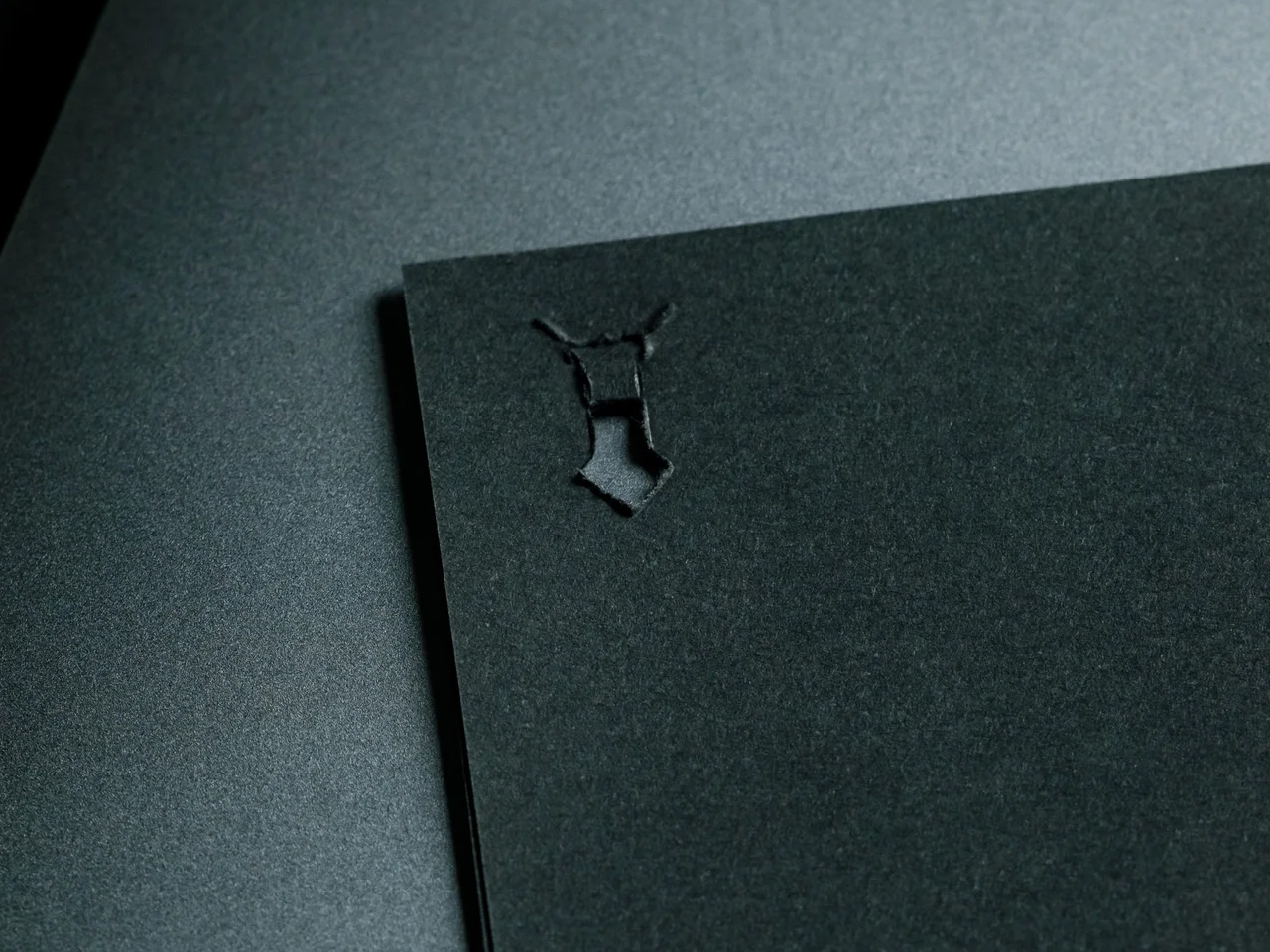
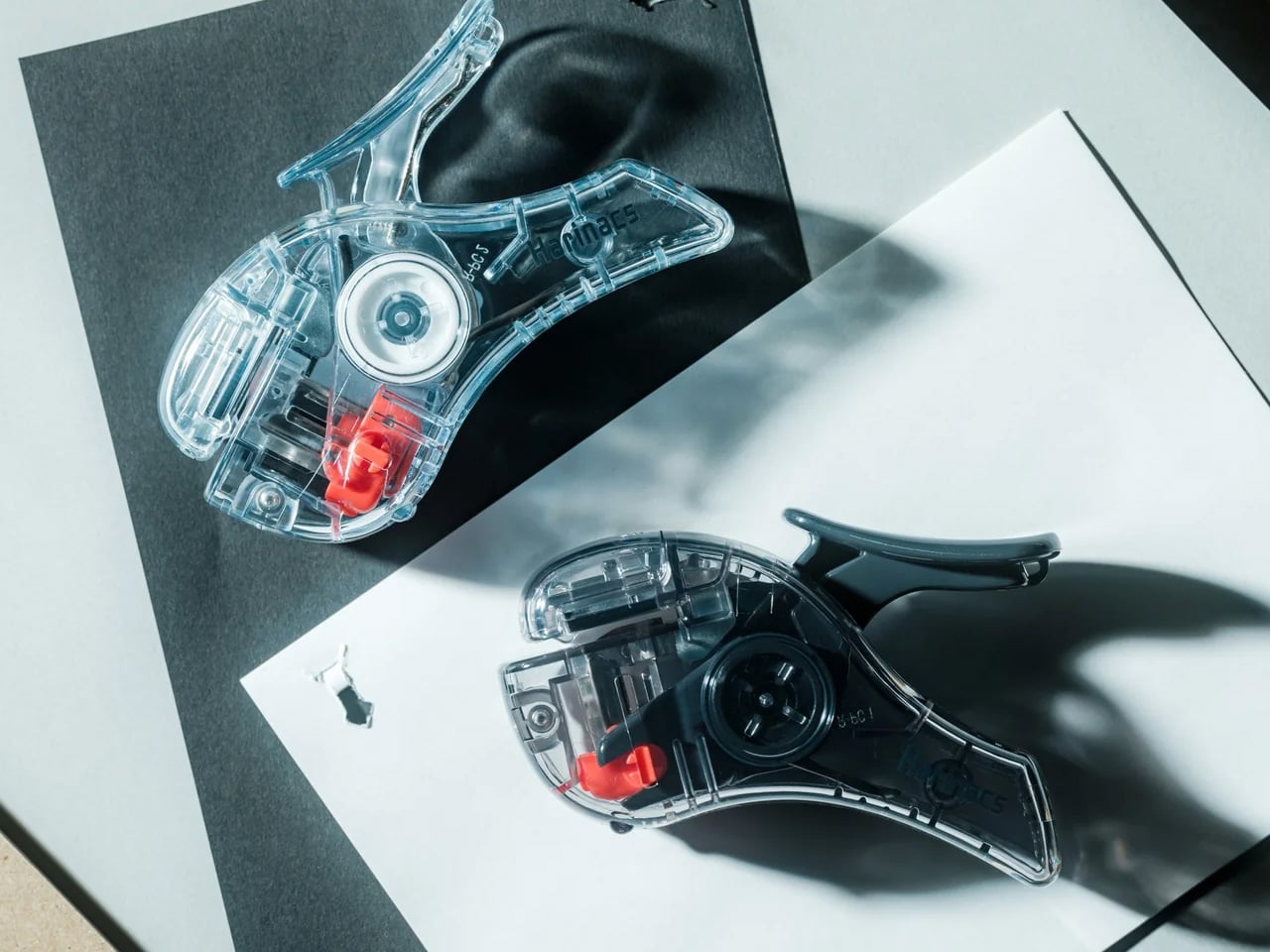
The mechanism behind PaperLock is simple, in the way good design is simple. Press the lever and a small cutting element punches through the stack, folding the paper back through itself to create an interlocked join. No metal passes through the page. No staple is added. The paper becomes the fastener, which means nothing catches against other sheets, nothing stays on the page before shredding, and nothing needs removing before the documents go into recycling.

The binding holds up to five sheets at a time, which covers the majority of everyday stacking without asking the mechanism to do more than it was built for. Whether it is meeting notes, a printed contract, or a packet of instructions, the join sits flat and stays clean. No crinkled staple corners. No misfire leaving a second hole and a bent edge. The result is a page stack that looks as composed as the documents printed on it.

Click Here to Buy Now: $35.00

A Design That Shows Its Work

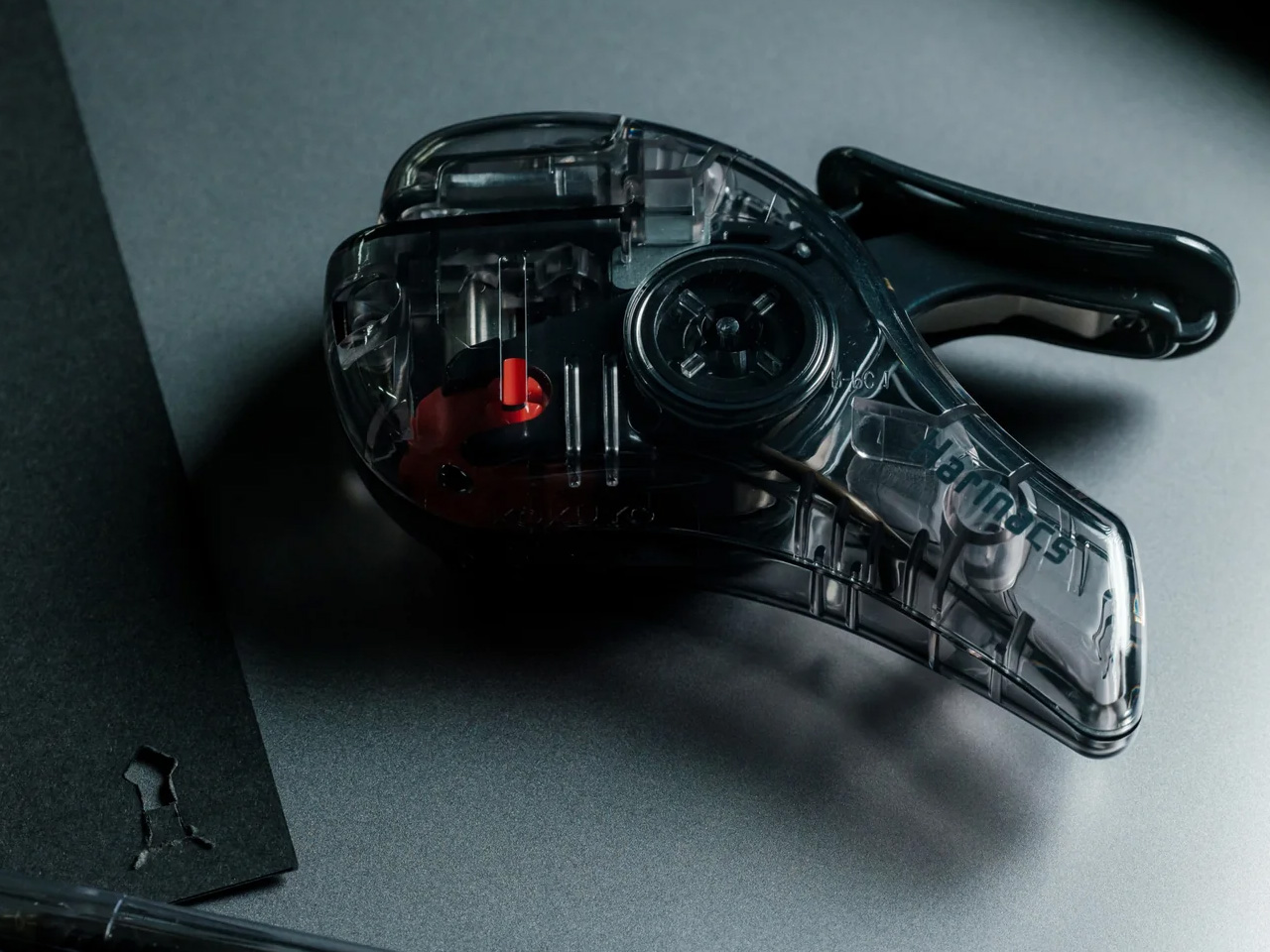
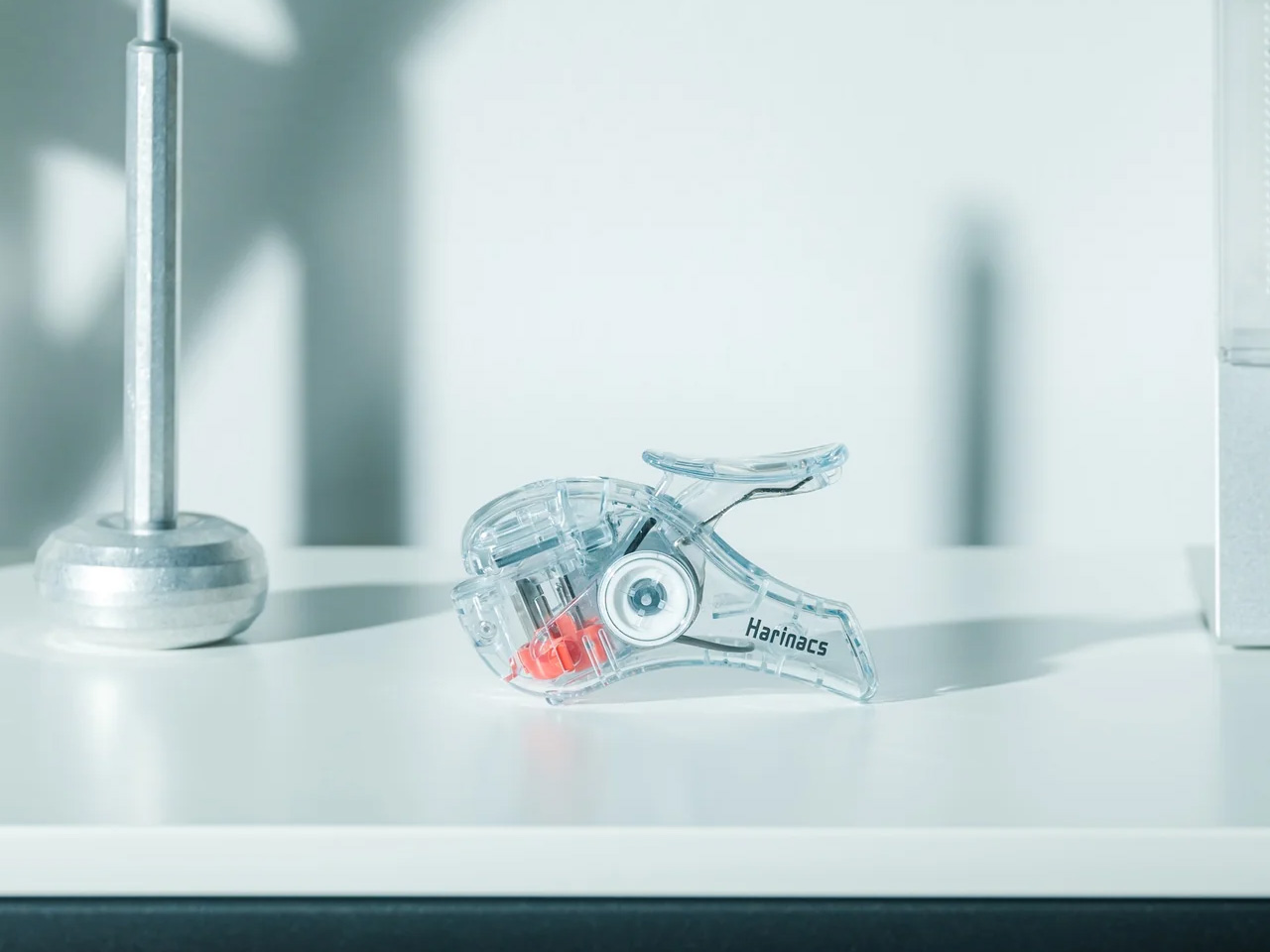
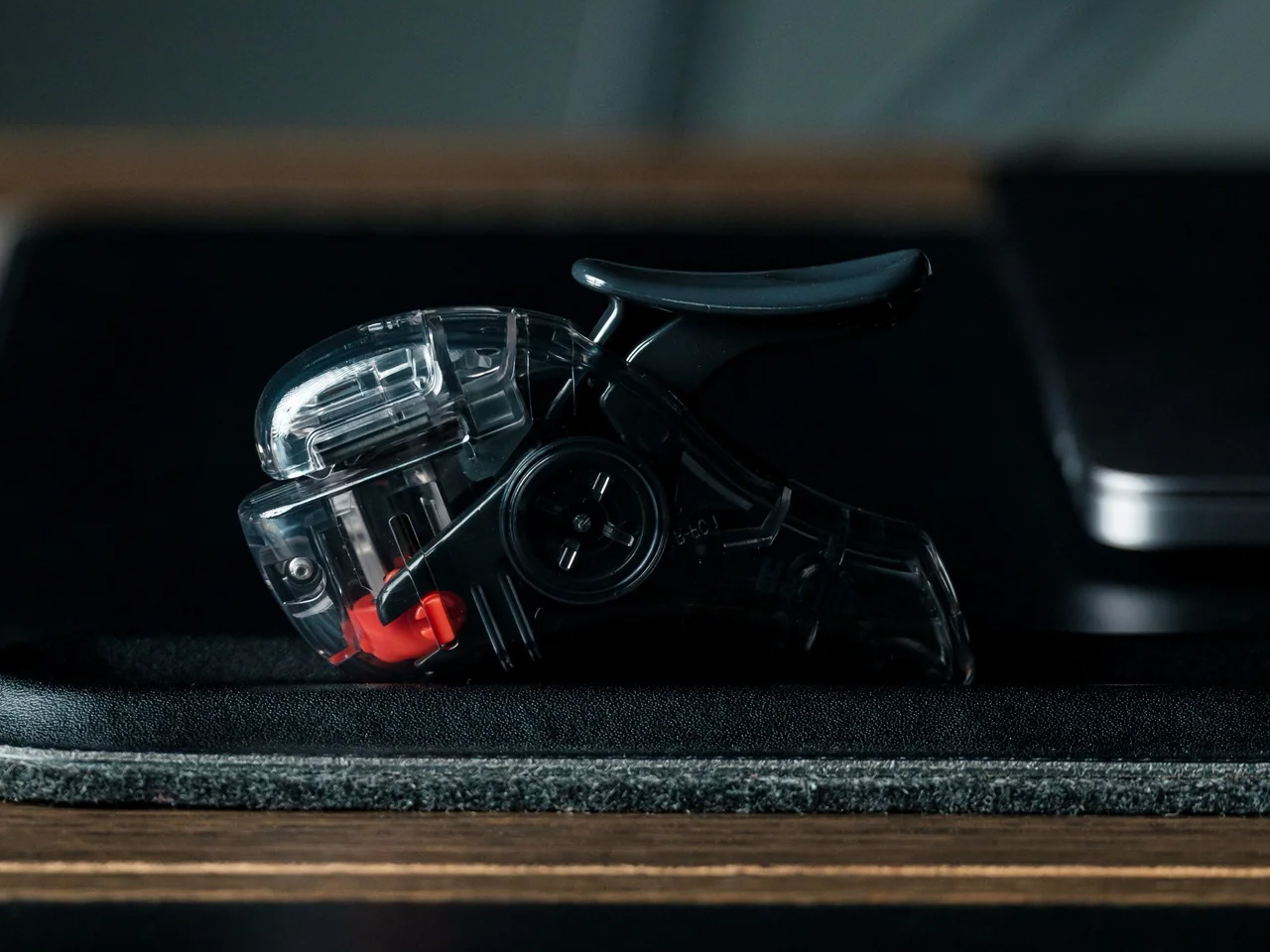
Most desk tools keep their mechanisms out of sight. Usually that just means there is nothing worth showing. PaperLock does the opposite. The transparent body puts the internal parts in view, and pressing the lever becomes something closer to watching a small, well-built machine operate than running a piece of office equipment. It is a minor pleasure, but it is a real one, and it makes the tool feel more honest than its category usually manages.

A viewing window above the binding point shows exactly where the join will land before you press, and the built-in corner guide keeps placement consistent across an entire stack of documents. The lever works two ways: press it down against a surface with the thumb, or squeeze it in the palm with no adjustment required between the two. PaperLock adapts to the motion rather than enforcing one, which is exactly the kind of detail worth noticing in a tool this small.

What We Like

  • Staple-free binding mechanism: cuts and interlocks the paper itself, leaving no metal on the page and nothing to load, manage, or run out of at a deadline
  • Transparent body: puts the internal mechanism on full display with every press, turning a routine desk task into something worth paying attention to
  • Dual-grip lever: works pressed down with the thumb against a surface or squeezed in the palm with no setup or adjustment required between the two
  • Viewing window and corner guide: the window shows where the bind will land before it happens, and the guide keeps corner placement consistent across the entire stack

What We Dislike

  • Five-sheet capacity: handles everyday stacks cleanly, but anything thicker requires a second pass or a different tool, which limits its range for larger document sets
  • Less reversible than a metal staple: separating paper-locked pages without tearing takes more care than pulling a standard staple free, which matters when a binding mistake needs to be undone

The One That Is Always Ready

PaperLock was built for the version of the workday where tools are supposed to disappear into the background. Documents printed, pages gathered, binding done. No pause to check the staple level, no drawer rifled for a refill, no bent staple requiring a do-over. That kind of reliability does not announce itself. It shows up in the fact that the tool is always ready when you reach for it, which turns out to be the most useful feature any desk accessory can have.

For a desk where the details are worth considering, PaperLock earns its place by removing a friction point most people have accepted as normal. The transparent construction, the clean paper-lock join, the mechanism that works every single time without a consumable behind it. These are what make a good tool. Pick it up from the YD Select Shop and take one small problem off the list of things that can go wrong.

The post No Staples, No Refills, No Bent Corners – This $35 Desk Tool Fixed Everything Wrong With the Office Stapler first appeared on Yanko Design.

Sennheiser’s New TWS Earbuds Have a Battery You Can Actually Replace Yourself

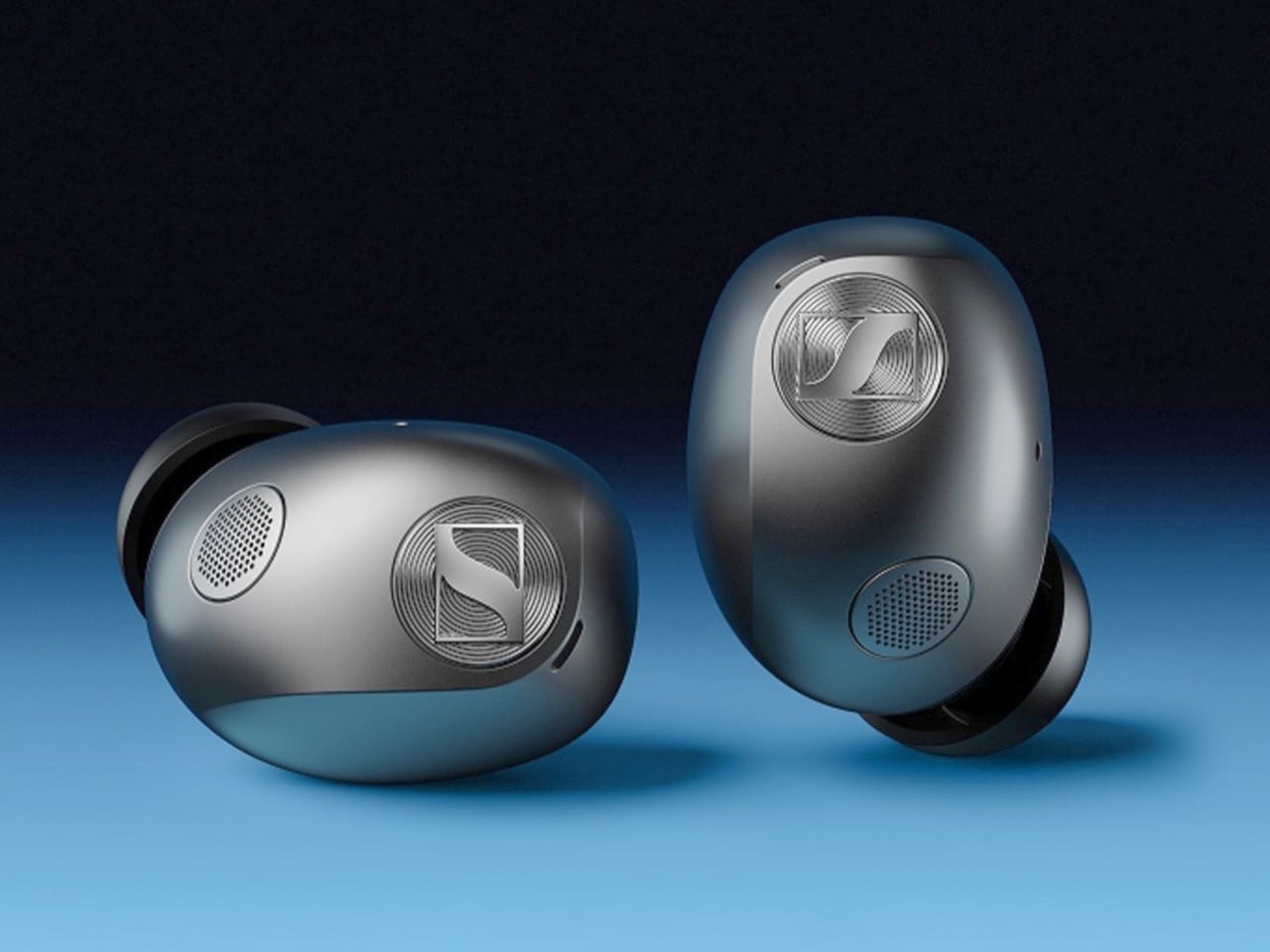
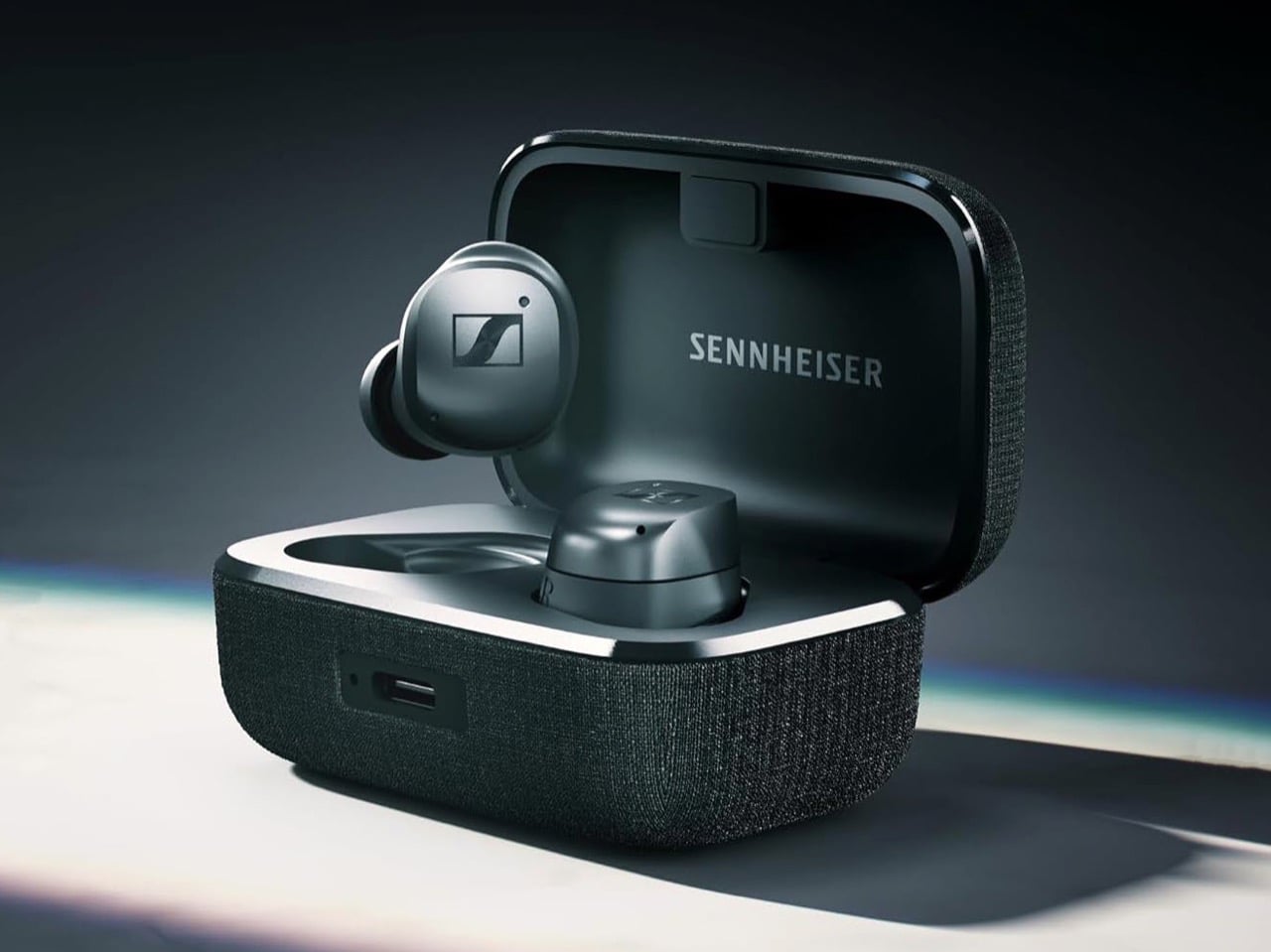
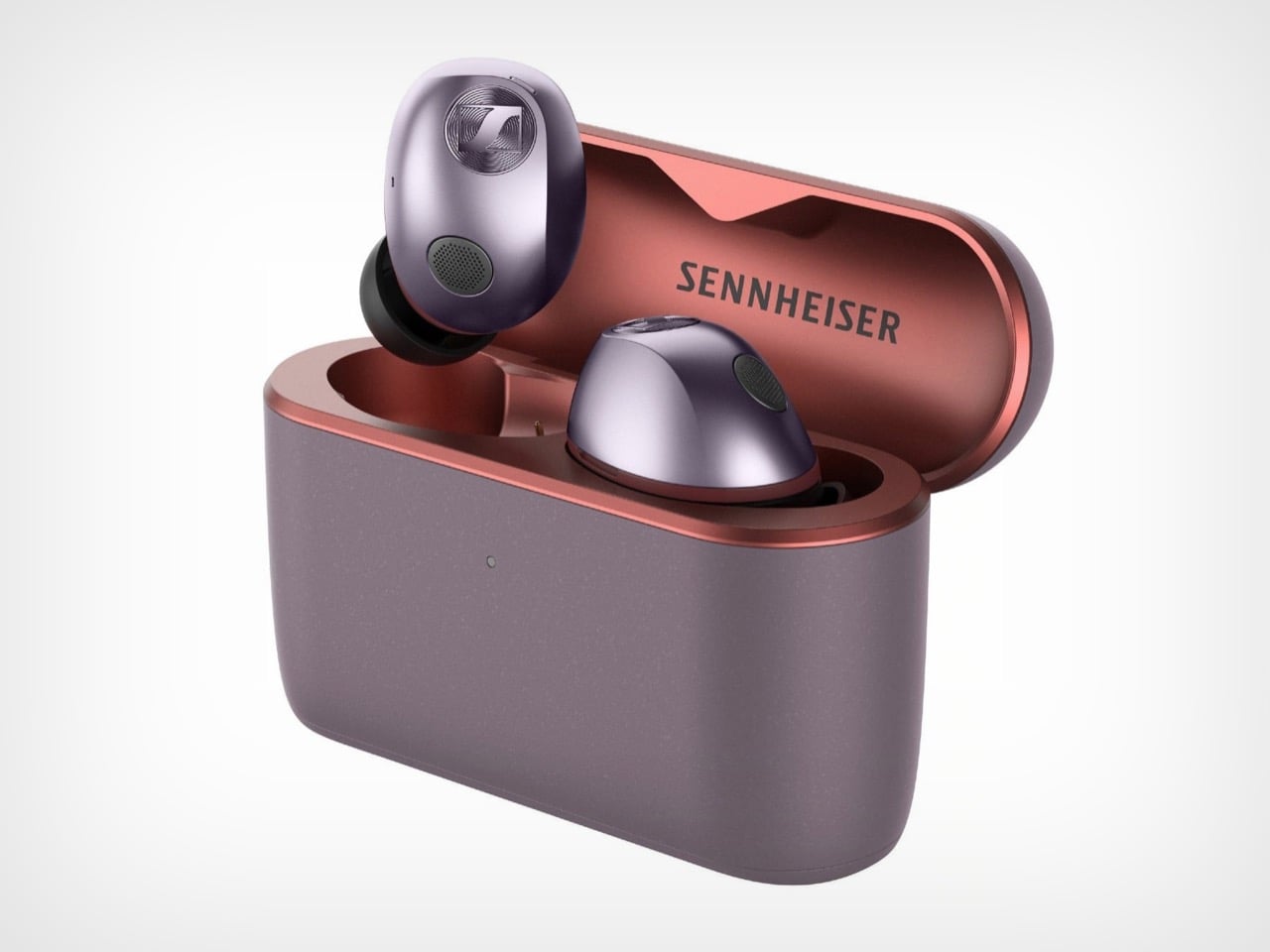
Sennheiser is shipping a screwdriver in the box with its new flagship earbuds. That’s not a gimmick, it’s the entire pitch. The MOMENTUM True Wireless 5 has user-replaceable batteries in both the earbuds and the charging case, something almost nobody in this category bothers to offer. Most premium earbuds are built to be assembled and never opened again, only thrown away. It’s something Apple pioneered, and everyone just accepted. Sennheiser looked at that premise and said “Hold my screwdriver…”

Announced August 20 and landing September 3 for $299.95, the True Wireless 5 arrives in five metallic colorways, graphite, cream, copper, denim, and lavender, with Dolby Atmos head tracking, Bluetooth 6.0, and a redesigned IP54 rated shell. All good upgrades, none of them the real story. The real story is that when the battery eventually degrades, you pop it open and swap it yourself instead of retiring the whole product. Most premium earbuds treat that as impossible. Sennheiser just proved otherwise, screwdriver included.

Designer: Sennheiser

Sennheiser sculpted the new housing using data pulled from thousands of ear scans, chasing a fin-less, “barely there” silhouette that its own testers rated more comfortable than the outgoing MOMENTUM True Wireless 4 by a 73 percent margin. A micro-perforated acoustic mic plate handles wind turbulence so gusts do not wreck call quality or trip up the noise cancellation. The case got the same attention, trading bulk for a narrower, low-friction shape that slides into a pocket instead of fighting it. None of that reads like a company that treated repairability as a compromise. It reads like a company that treated it as a design brief.

Getting inside without wrecking the seal, while still holding an IP54 rating, is genuinely impressive. Sealed adhesive construction has always been the industry’s excuse for why earbuds cannot survive sweat and also be opened by a human being with a screwdriver. Sennheiser just did both at once, and did it on a product this compact, packed with a 7mm TrueResponse driver, an eight sensor call array, and enough silicon to run Dolby Atmos head tracking. The battery swap itself is supposedly a few minute job, not a surgery. That distinction matters more than any spec bump on the sheet, because a spec bump gets outdated in a year and a battery you can replace keeps the product alive for as long as you’re willing to keep unscrewing it.

In July, EU regulators exempted wireless earbuds out of the incoming battery replaceability law entirely, citing water exposure and the risk of a normal person mangling a lithium cell the size of a coin. It was a reasonable enough excuse, and one the industry itself lobbied for. Sennheiser announced a product a few weeks later that quietly makes the excuse look thin. Fairphone got there first with its Fairbuds back in 2024, proving the concept was possible even in a startup’s budget hardware. A flagship brand with an 80 year audio pedigree doing the same thing at premium pricing is a louder statement, and one the rest of the industry will have a harder time waving off as a niche experiment from an ethical hardware outlier.

What happens next is the part nobody has answered yet. A replaceable battery only means something if the replacement itself stays cheap and available for years, the way Fairphone sells its cells for a few dollars with a published guide. Sennheiser hasn’t said what a spare battery will cost or how long it plans to keep selling them, which we’ll wait and watch. The screwdriver is a promise. Whether Sennheiser makes that screwdriver still useful even after 3-4 years is something worth keeping tabs on.

The post Sennheiser’s New TWS Earbuds Have a Battery You Can Actually Replace Yourself first appeared on Yanko Design.

Chrome Spheres Are Now Furniture, and It’s Surprisingly Beautiful

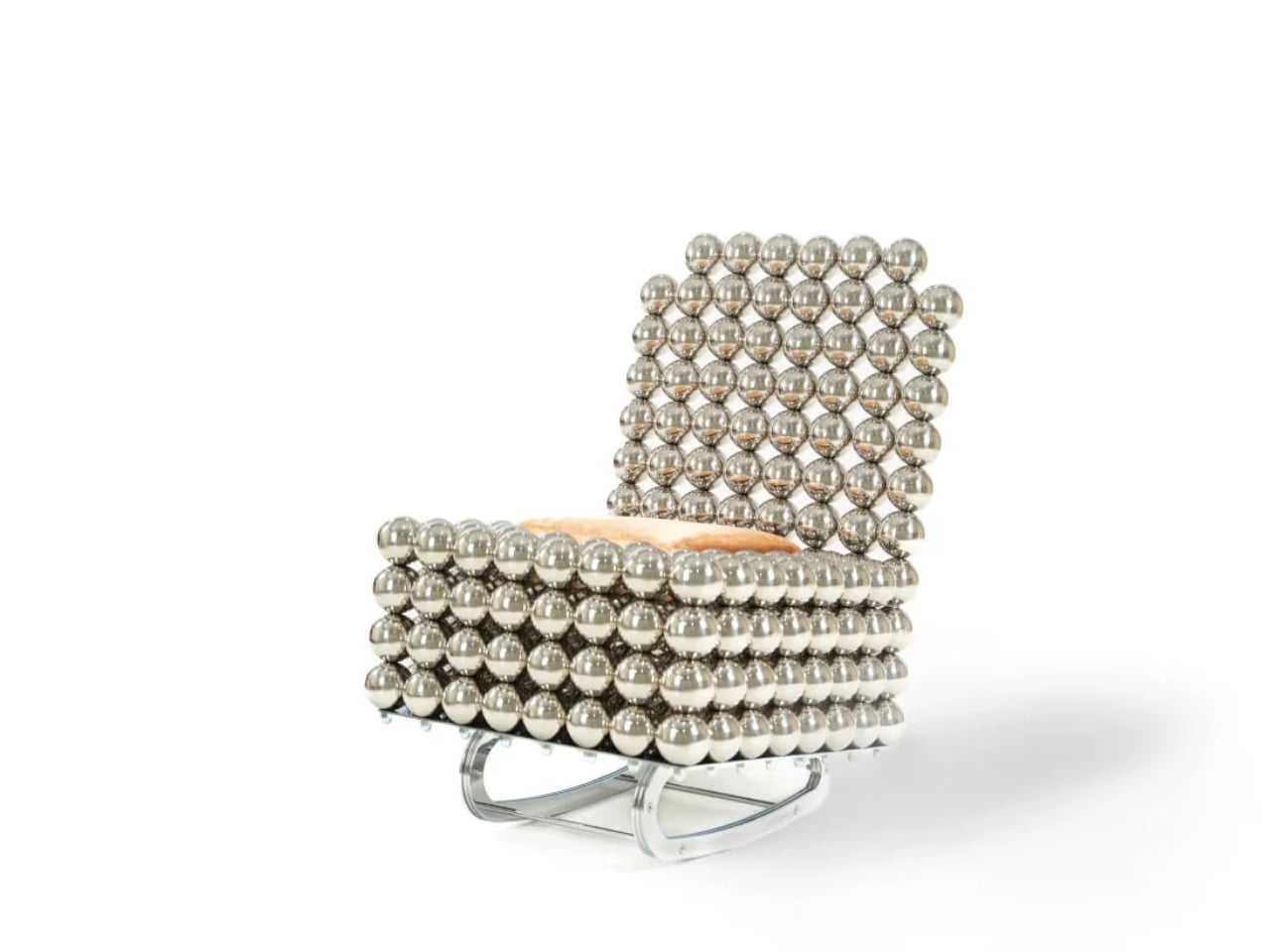
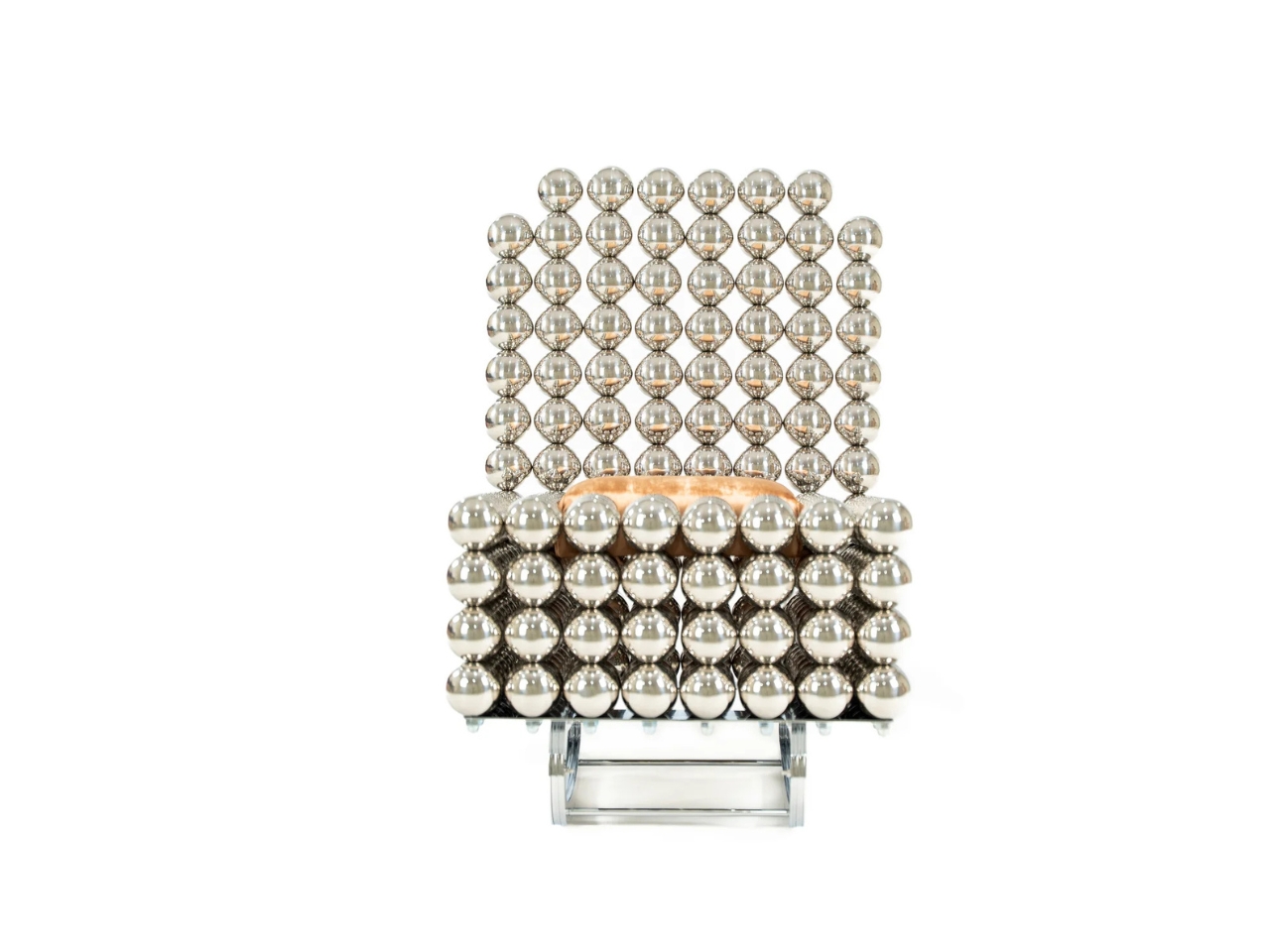
The easiest way to describe the Wishes Collection is to say it looks like someone took a string of chrome Christmas ornaments and turned them into furniture. But that description undersells it considerably.

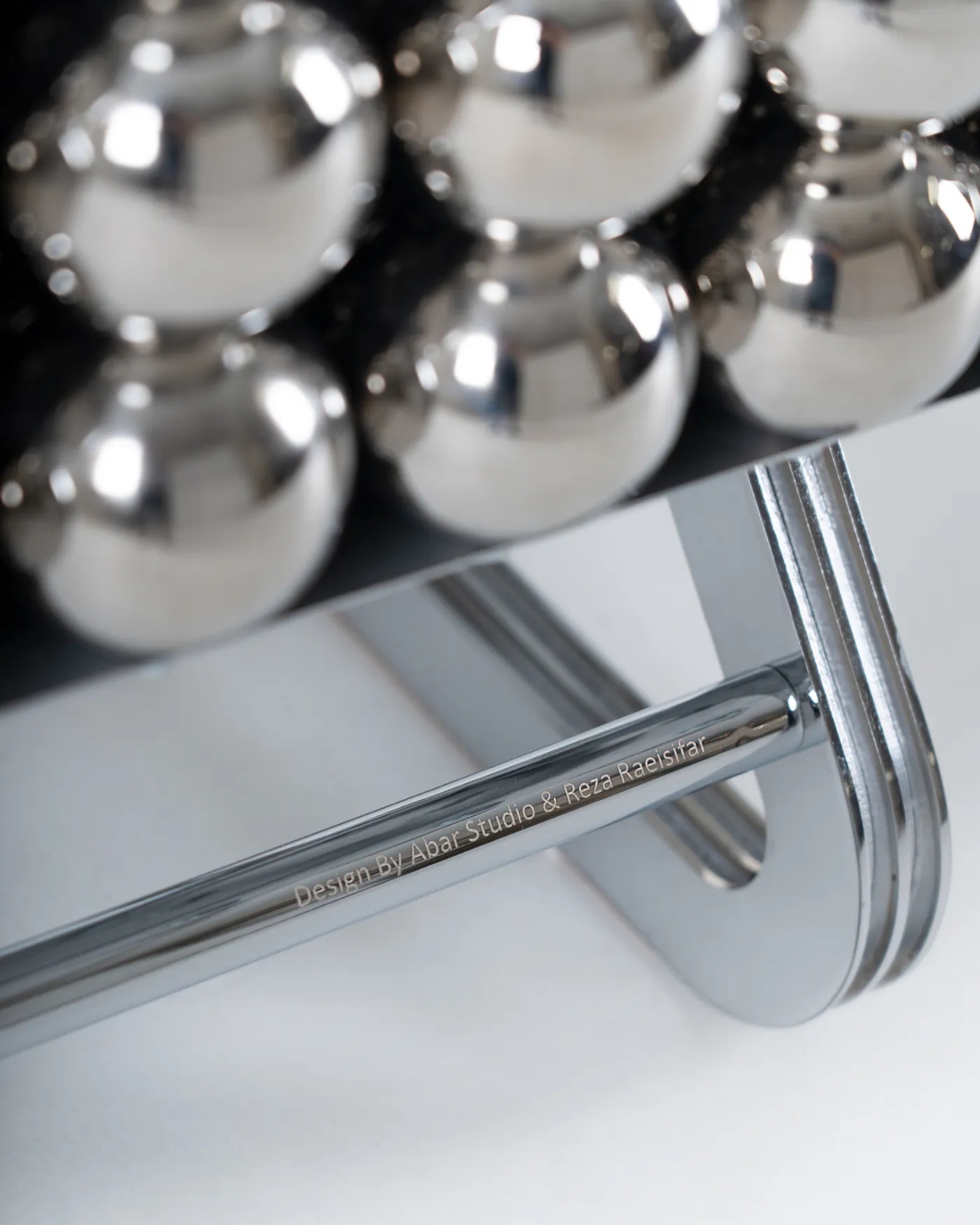
Designed by Reza Raeisifar in collaboration with Saber Abar, the Wishes Collection is a limited-edition furniture and lighting series built around a single, almost stubborn idea: take one spherical module, connect it to another, and keep going until you have a chair. Or a rocking chair. Or a bench, a table, a lamp, or a pet house. The collection includes all of these, and the remarkable thing is that they all feel like they genuinely belong together, not as a marketing decision, but as a structural one. Literally, visually, and materially.

Designers: Reza Raeisifar, Saber Abar

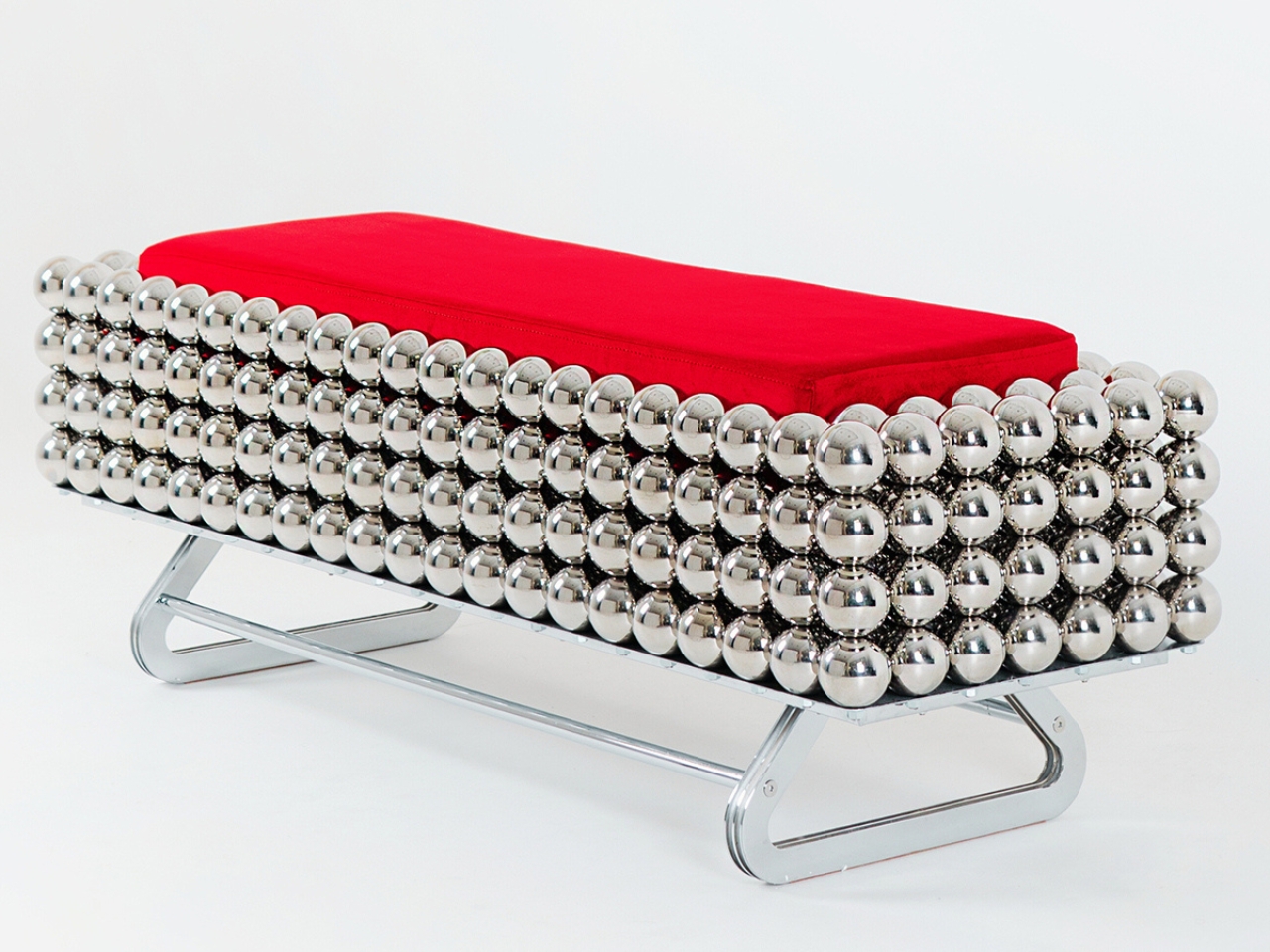
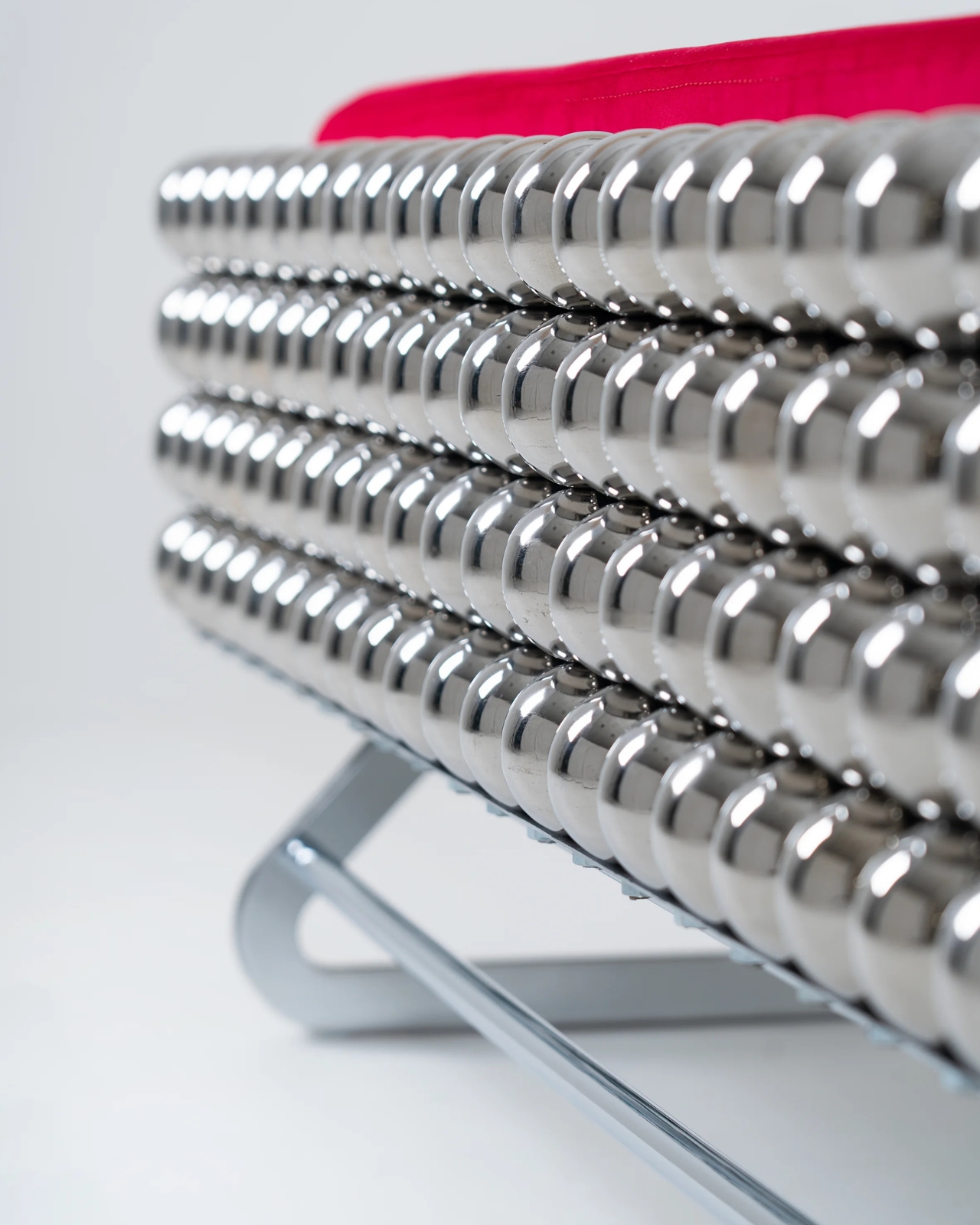
The concept draws from how nature builds complexity. Think coral reefs, honeycomb, bone structure. Raeisifar and Abar were inspired by the way intricate forms emerge from the patient repetition of simple elements, and they made that principle the backbone of everything here. It is a surprisingly old idea to apply to contemporary furniture design, but that is part of what makes the execution feel considered rather than gimmicky. Each piece is constructed from interconnected spherical modules in Grade 404 stainless steel with a nickel-chrome finish. The result reads as opulent without being overwrought, sculptural without needing to announce itself.

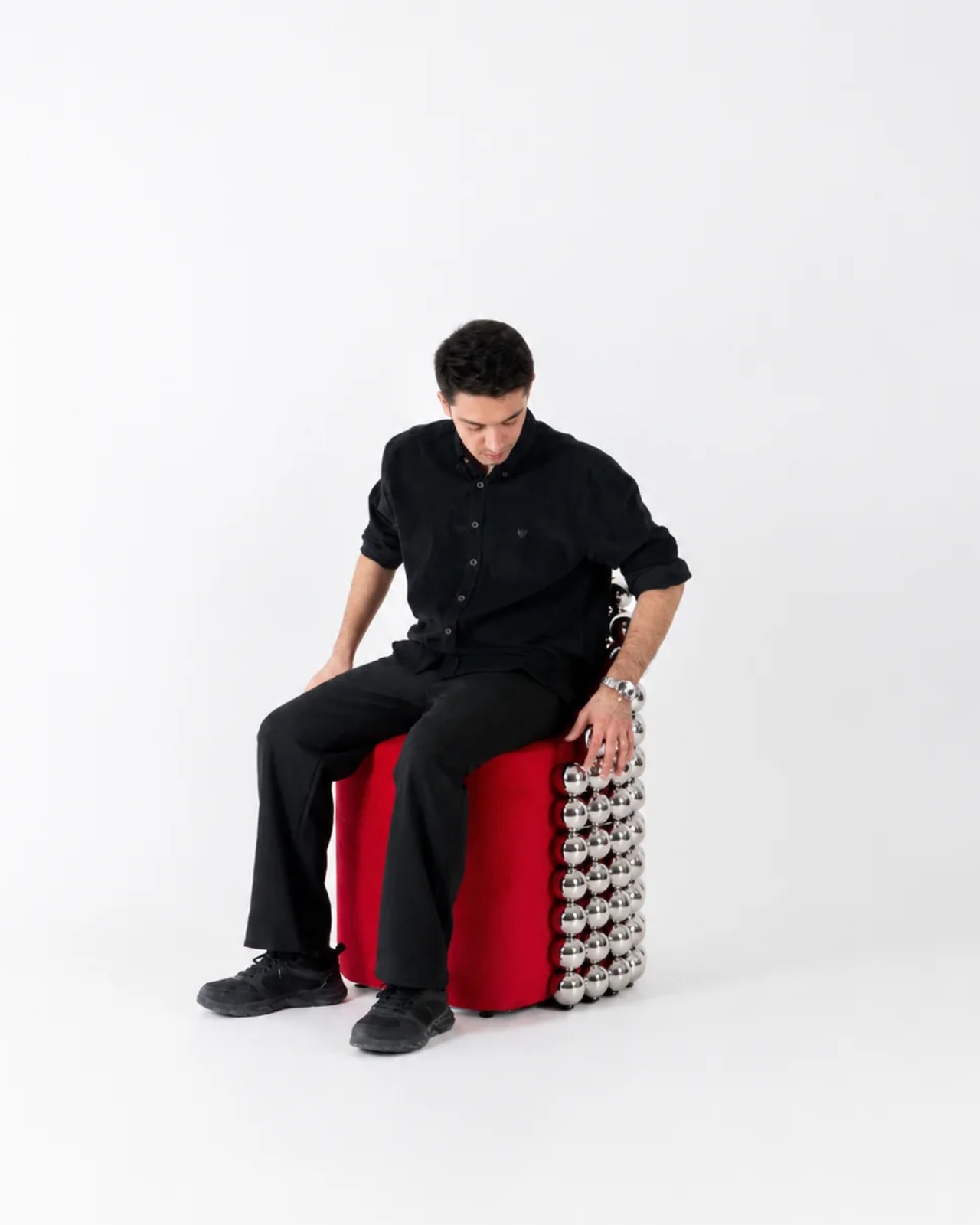
The rocking chair is where the collection’s internal logic gets genuinely interesting. On paper, chrome steel spheres and a piece of furniture meant to sway gently do not sound like natural partners. The spheres carry an obvious rigidity, an almost architectural seriousness. But paired with curved wooden runners beneath and a soft cushion on top, the chair pulls off a kind of material negotiation that should not work as well as it does. You see the tension and it reads as deliberate. It is.

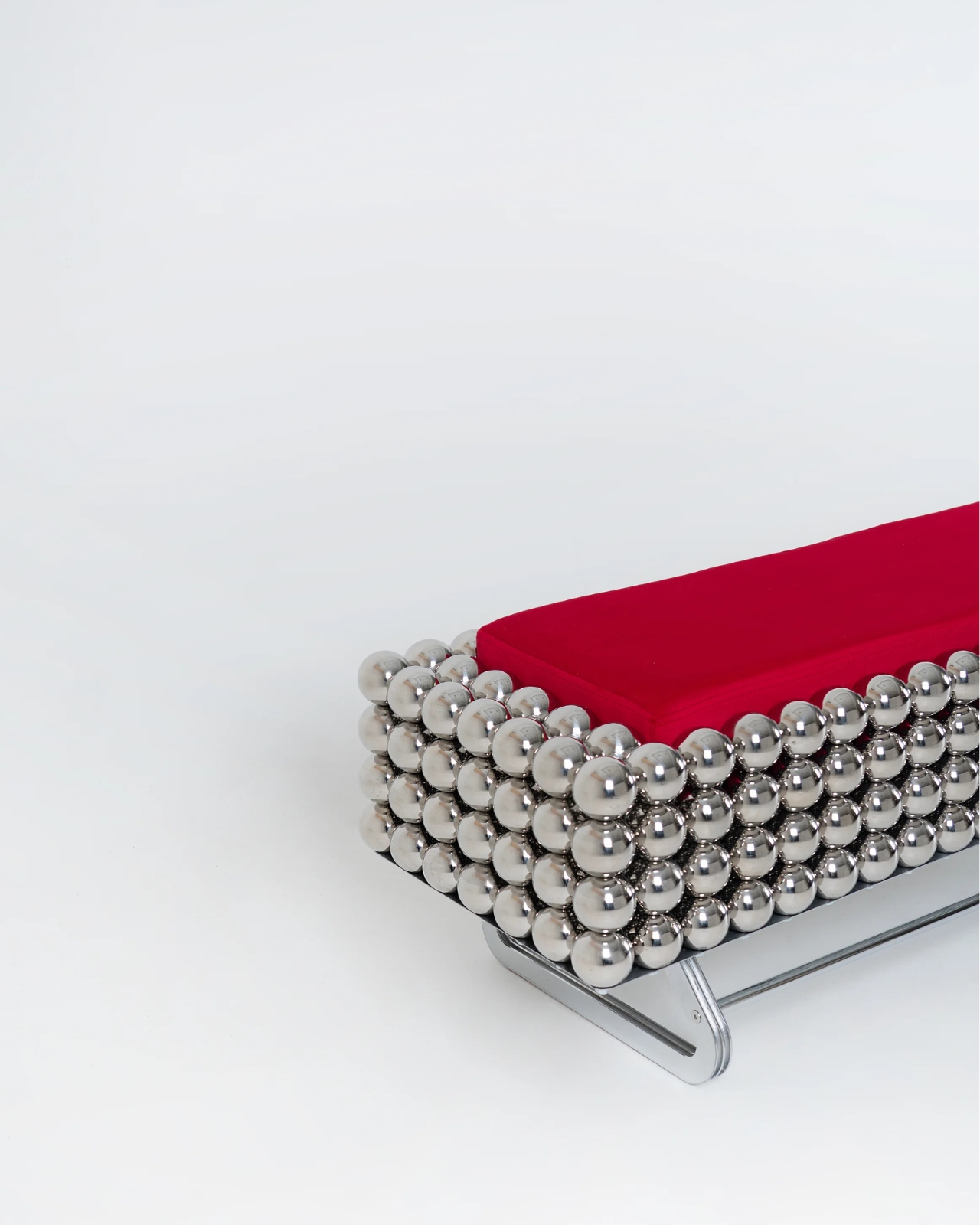
The bench and chair follow the same logic. Polished steel spheres form the body, a cushion in red or velvet sits on top, and the whole thing manages to look both industrial and inviting at the same time. It is the kind of furniture that makes you want to sit in it before you even think to ask whether it is actually comfortable. For a limited-edition piece, that is exactly the instinct you want to provoke.

Then there is the pet home, which is either the collection’s best joke or its most earnest moment, depending on how you look at it. The same modular sphere system that supports a grown adult on the rocking chair now forms a miniature shelter for a cat, a cat that, in the campaign images, looks perfectly unbothered living inside polished chrome walls. The designers describe it as the architectural boundary element now forming a miniature interior of its own, and while that framing reads a bit grand for a cat house, they are not entirely wrong. The logic holds, and it lands.

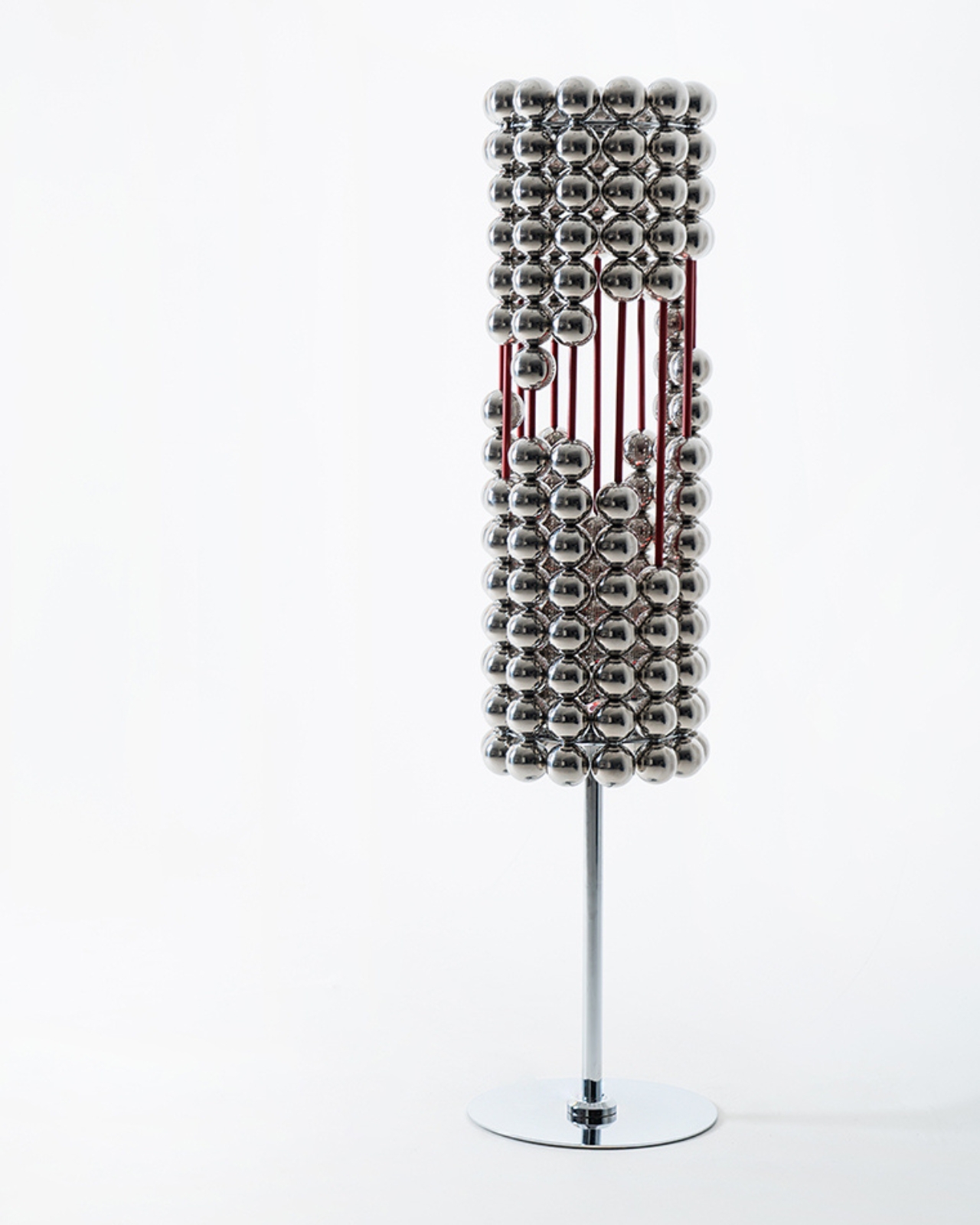
The floor lamp completes the picture by pushing the modular system beyond furniture altogether. Here, the spheres are no longer bearing weight or defining form. They are catching light, letting it fracture across their polished surfaces in ways that feel more jewel-like than industrial. It is a smart shift in function, and it shows how far a single design language can travel when the designers trust it enough to keep pushing rather than introducing something entirely new.

Raeisifar and Abar have tied the collection’s name to a metaphor. A wish, they suggest, takes shape through many small actions over time. One modest step, repeated often enough, eventually becomes something whole. The Wishes Collection makes that idea physical, and it works. Not because the metaphor is particularly new, but because the execution is committed enough to make you believe it.

For a limited-edition collection, Wishes does what the best ones do. It does not just sell you an object. It sells you on a way of thinking about design. And given how much of the current design conversation rewards loudness and novelty at almost any cost, a collection this disciplined, this committed to a single shape, feels more interesting, not less.

The post Chrome Spheres Are Now Furniture, and It’s Surprisingly Beautiful first appeared on Yanko Design.
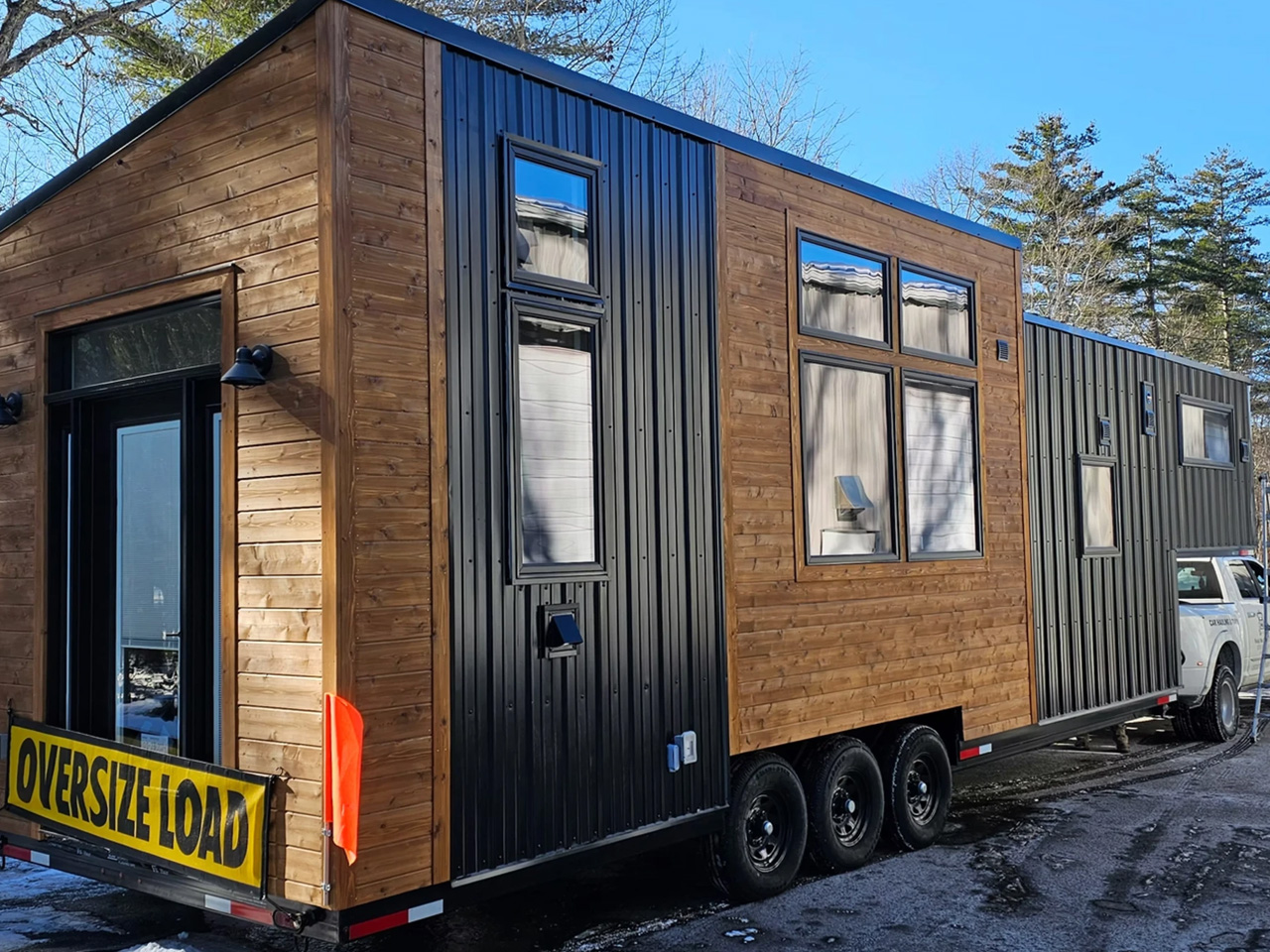
This 38-Foot Wide Tiny Home Feels More Like an Apartment Than a House on Wheels

Most tiny homes ask you to make peace with compromise. The Retirement Retreat, built by New Hampshire-based Backcountry Tiny Homes, asks something different: what if a home on wheels didn’t feel like one at all?
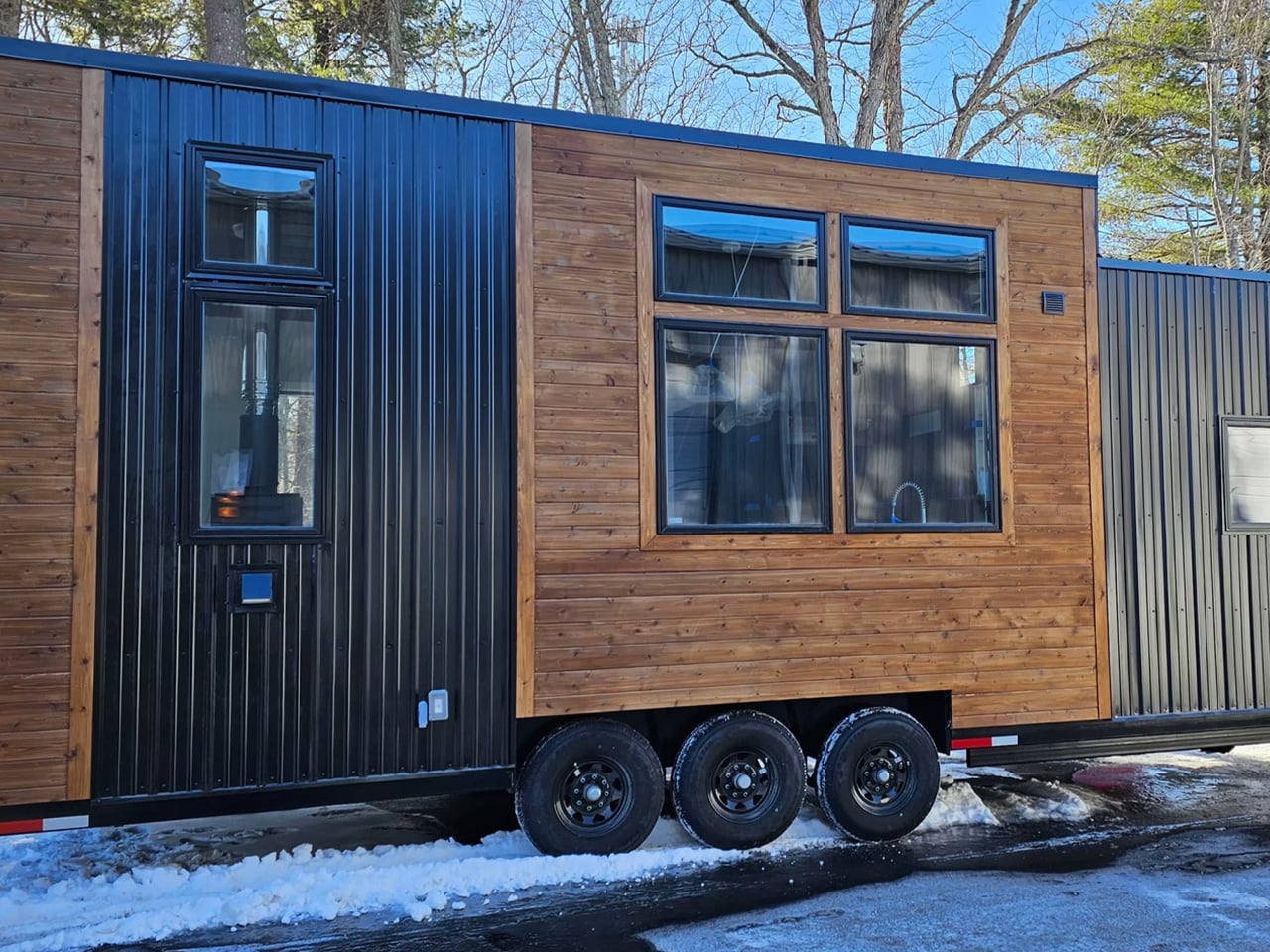
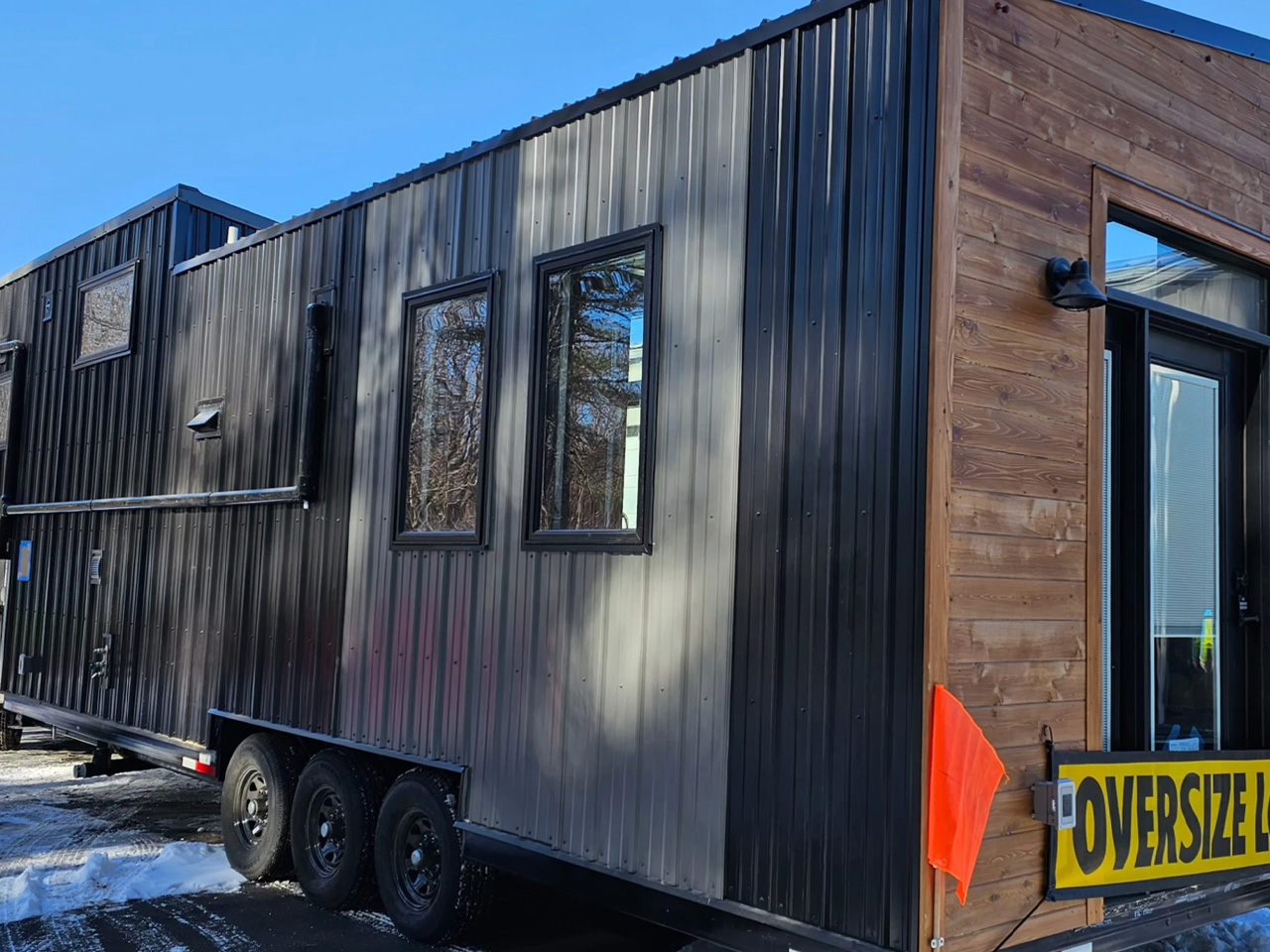
Measuring 38 feet long and 10 feet wide, the Retirement Retreat is built on a triple-axle gooseneck trailer — that extra width pushing it beyond standard road limits, which means a towing permit is required. It’s a deliberate trade-off. The added room reshapes the interior entirely, giving it the breathing space of a small apartment rather than the compressed logic of a typical towable.

Designer: Backcountry Tiny Homes

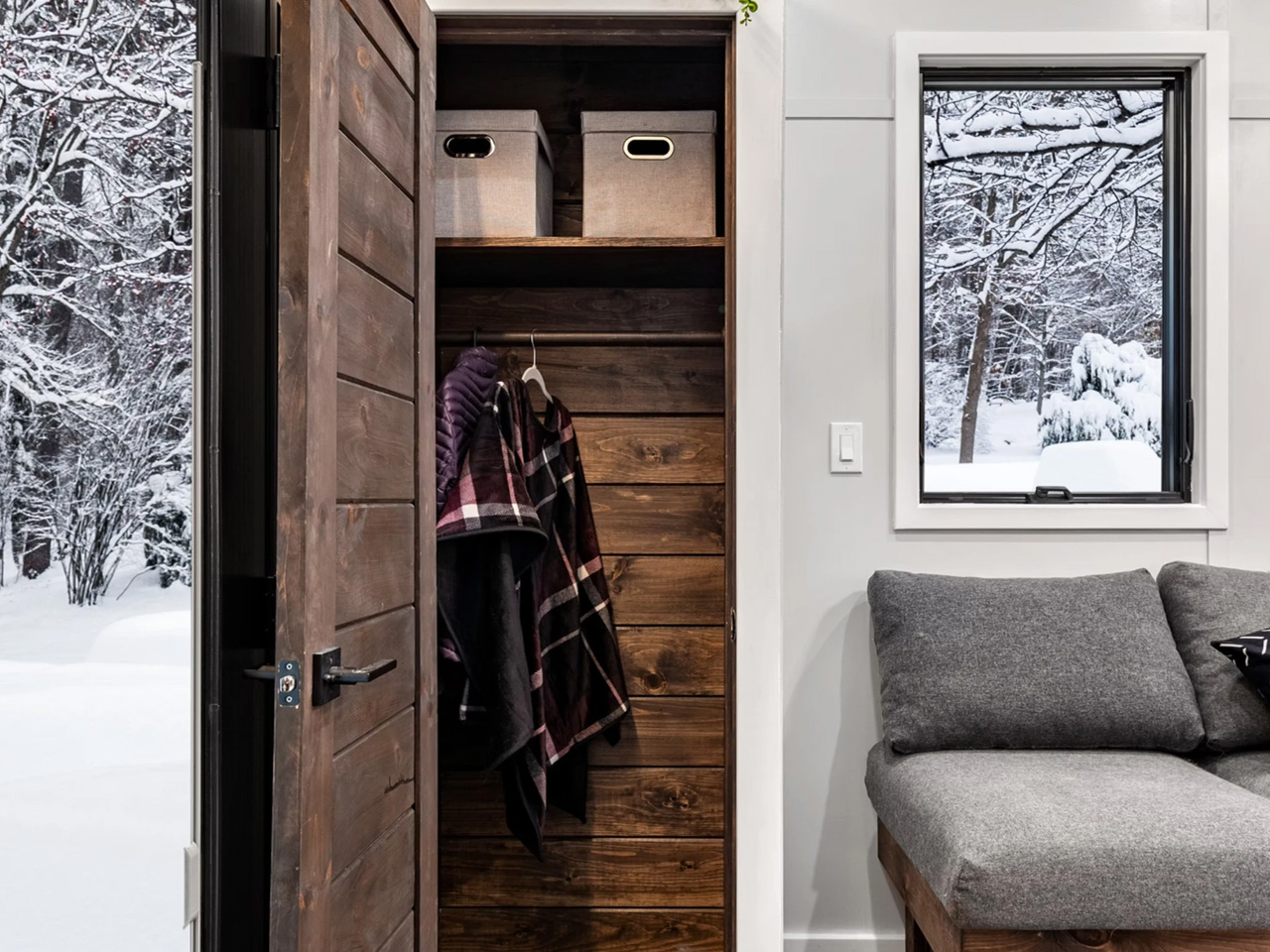
The exterior reads quietly confident. Cedar tongue-and-groove paneling pairs with metal siding and a metal roof — materials that age honestly and hold up well across climates. Inside, painted board and batten walls meet knotty pine ceilings and a mix of engineered hardwood and vinyl flooring. The palette is warm without being precious.

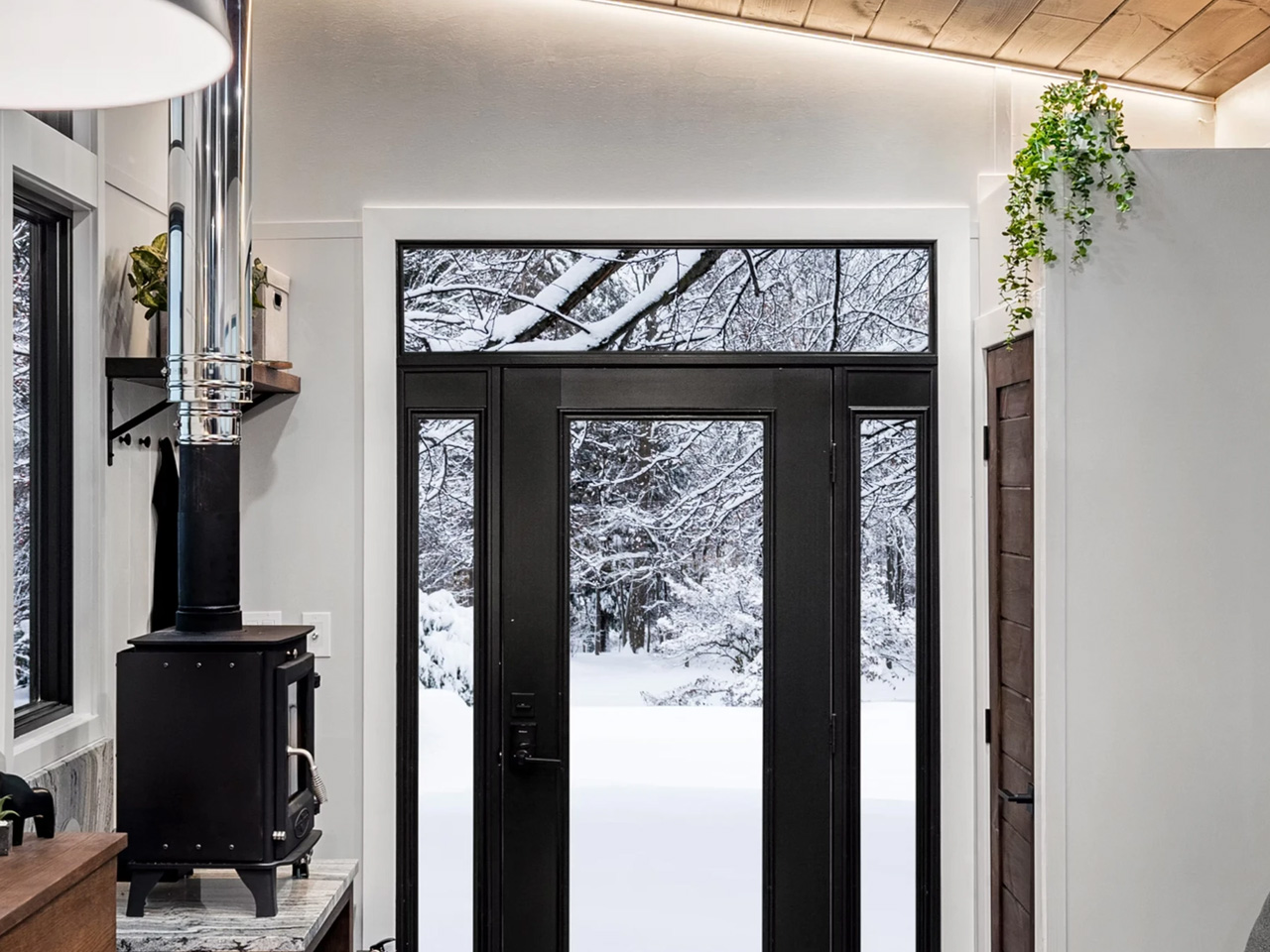
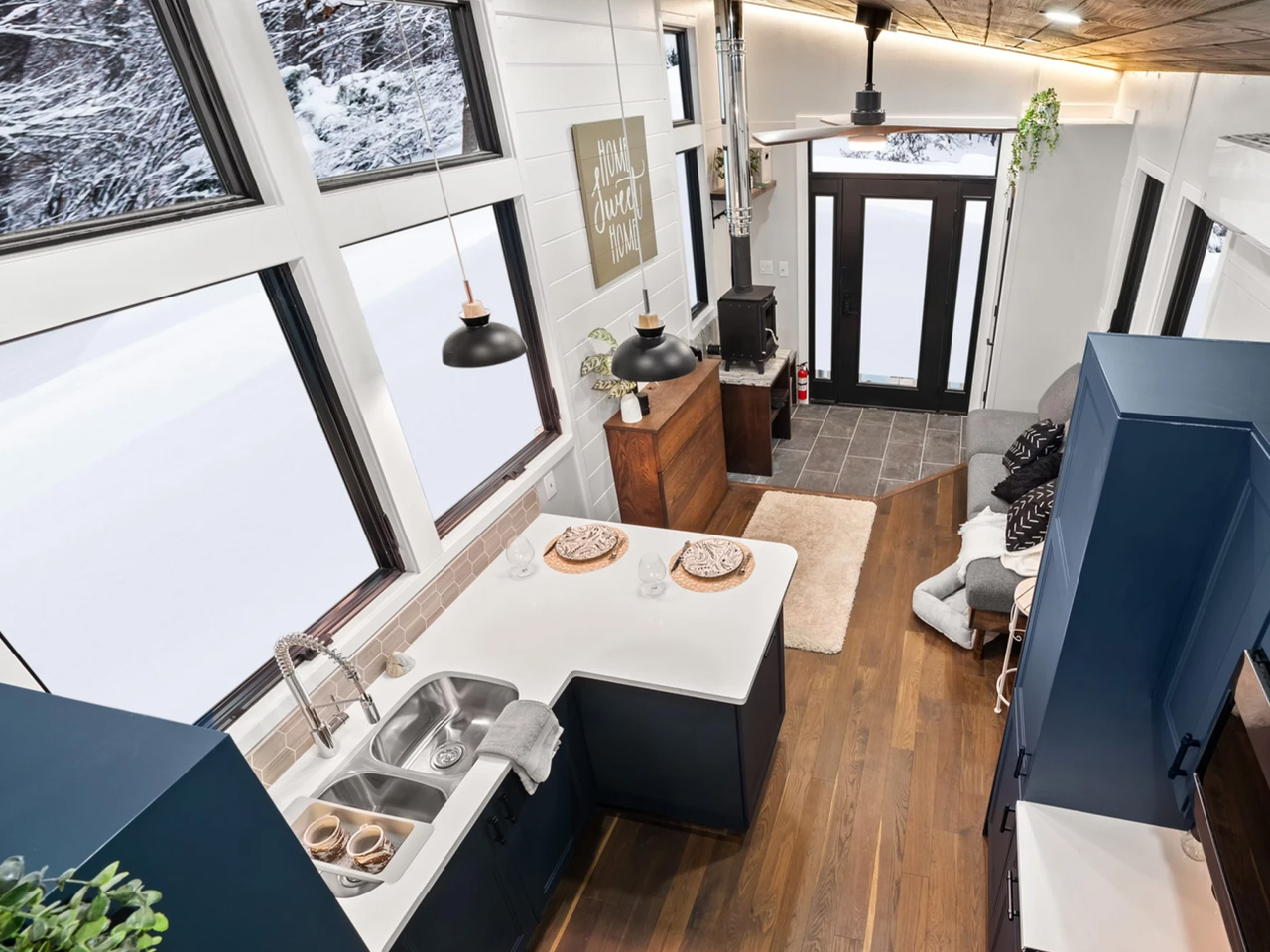
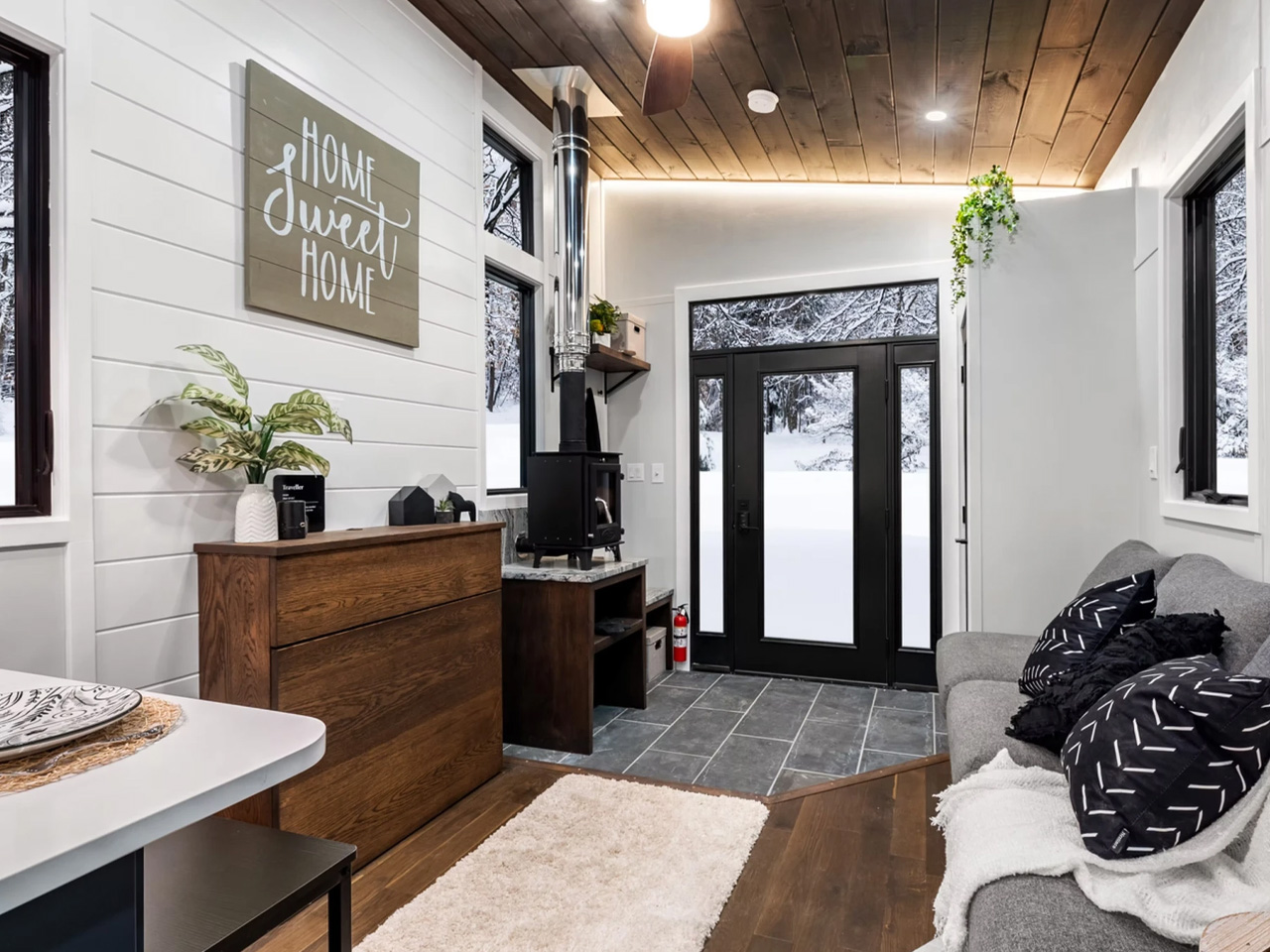
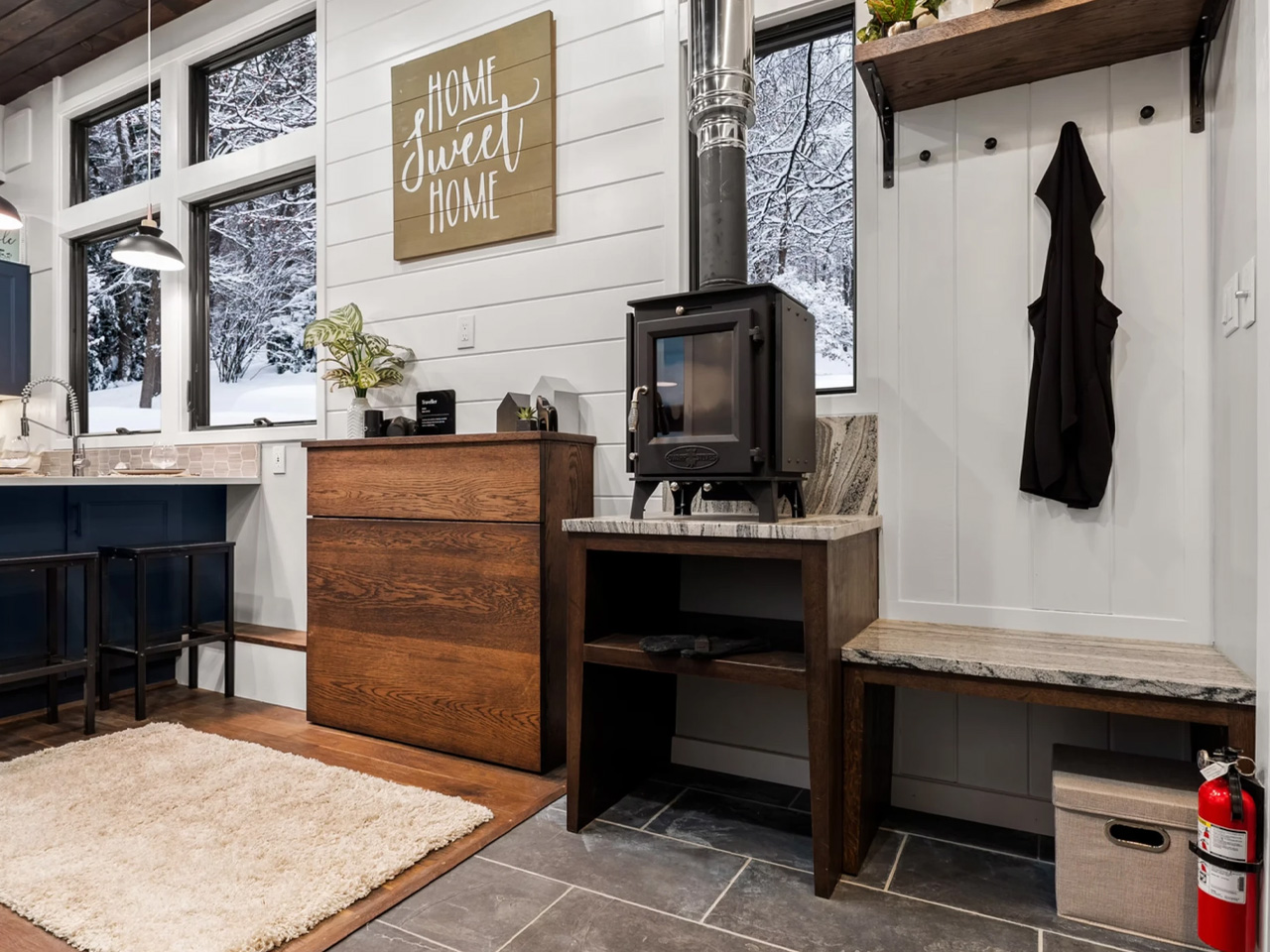
The living room anchors the home near the entrance. A wood-burning stove sits against the wall — modest in scale but entirely capable of heating the space — alongside a chest of drawers and a large built-in cabinet. A mini-split system and ceiling fan handle the warmer months. The wall is prepped for a mounted TV, leaving the room clean and uncluttered.

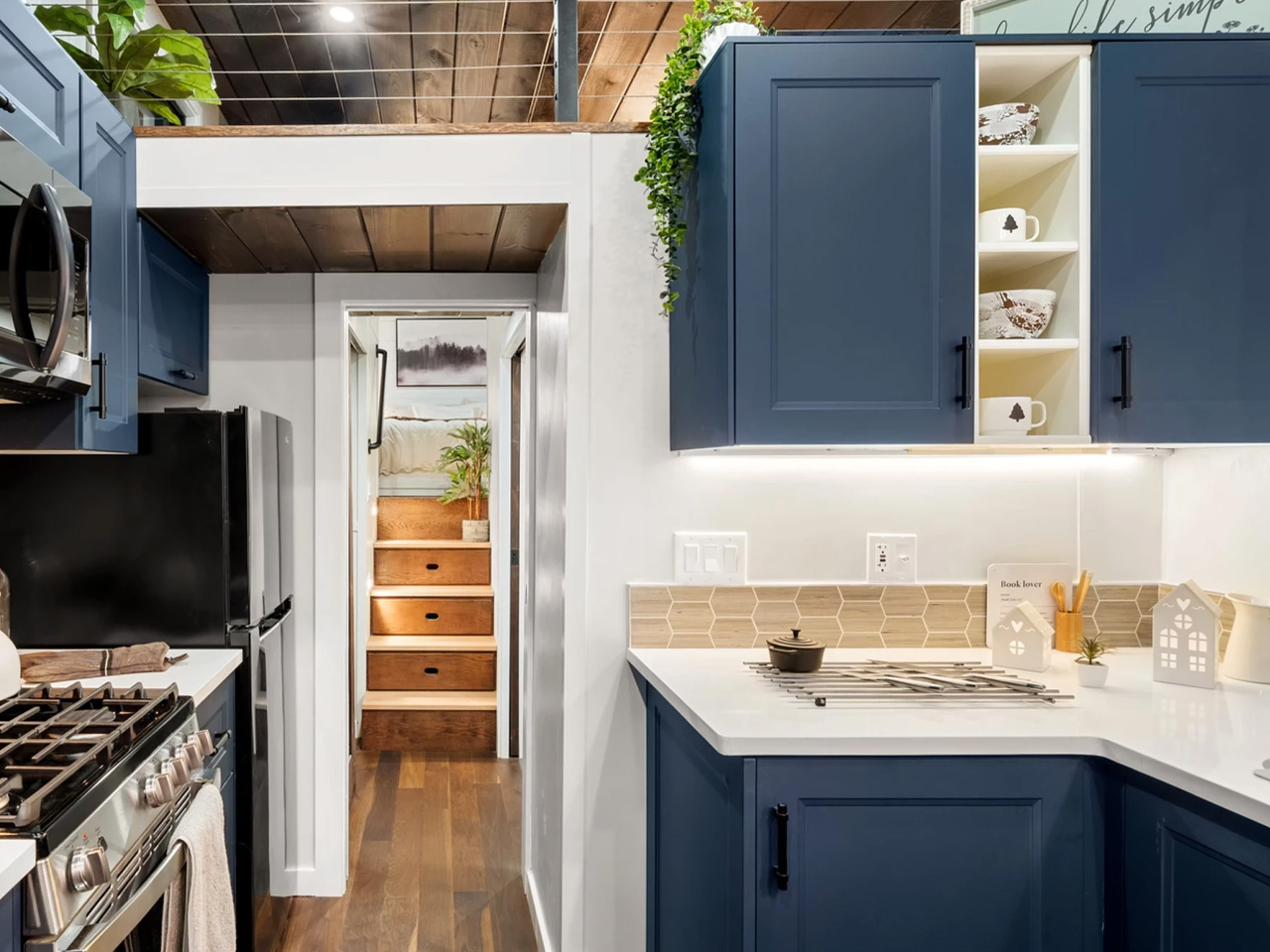
The kitchen is where the extra width earns its permit. Arranged in a galley style with cabinetry running both sides, it includes a dual basin sink, a fridge/freezer, an oven and four-burner propane stove, a microwave range hood, and quartz counters throughout. A breakfast bar for two pulls up to the counter — small enough to be practical, generous enough to feel like a proper meal.

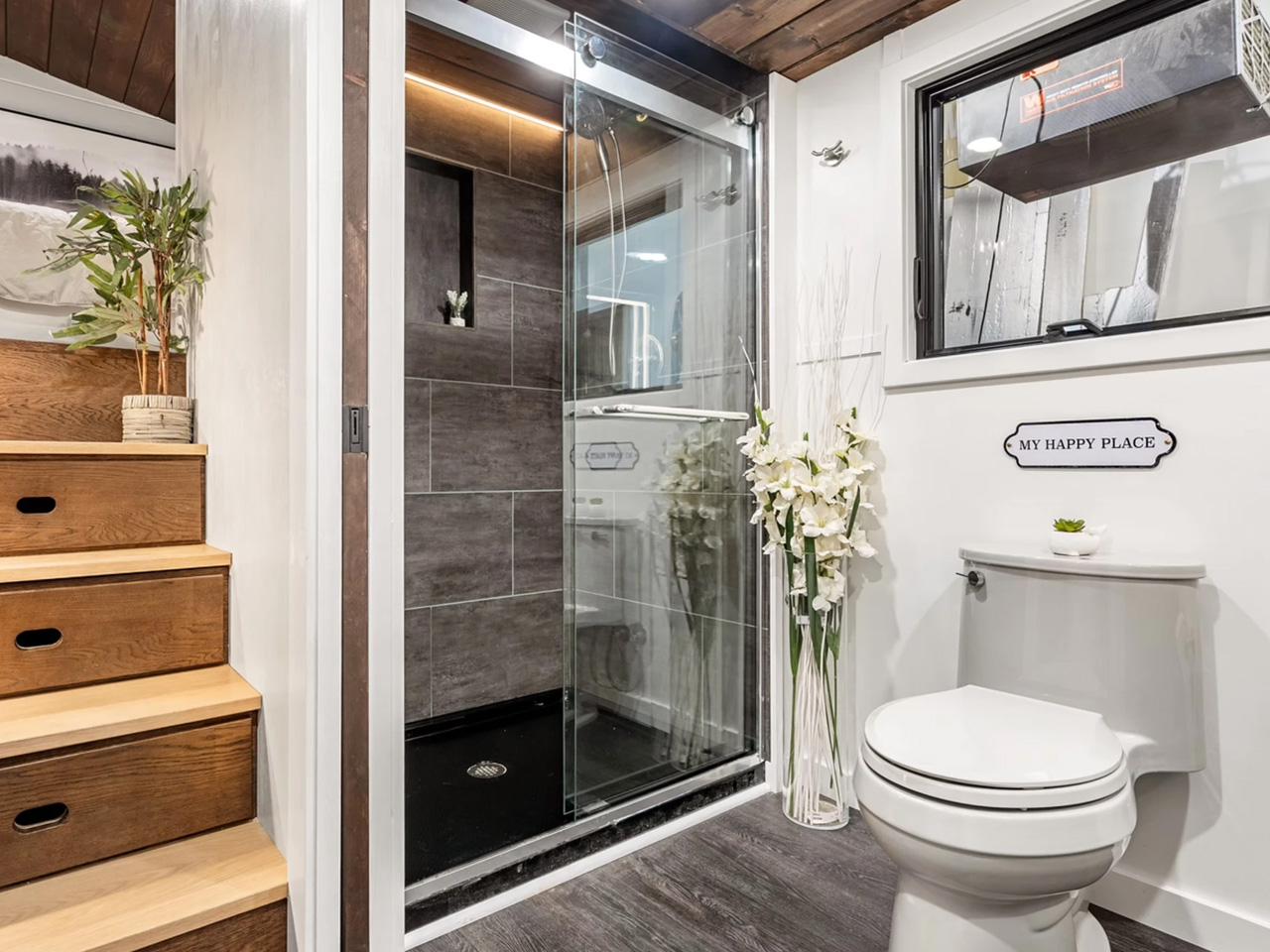
Behind the kitchen, the bathroom offers a shower, vanity sink, and flushing toilet. Across from it, a stacked washer/dryer fits neatly into a laundry alcove beside a small mudroom — the kind of domestic detail that separates a house from a home.

The main sleeping area sits in the gooseneck section, accessed by storage-integrated steps. It fits a king-sized bed with built-in storage, bedside tables, and a wardrobe — with enough headroom to stand fully upright. A secondary loft above it runs low on ceiling height but offers flexible space: a reading nook, a guest bed for two, or extra storage depending on the day. Pricing starts at $91,380 for a shell, $186,575 unfurnished, and $202,950 turnkey. Delivery is available across the US and internationally.

The post This 38-Foot Wide Tiny Home Feels More Like an Apartment Than a House on Wheels first appeared on Yanko Design.