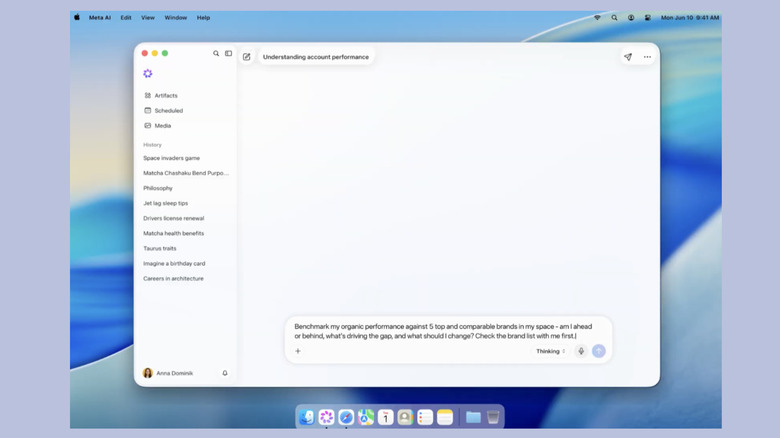
Meta AI now has a dedicated desktop app for Mac
Meta's new Mac app is part of the company's push to make more business-friendly AI tools.


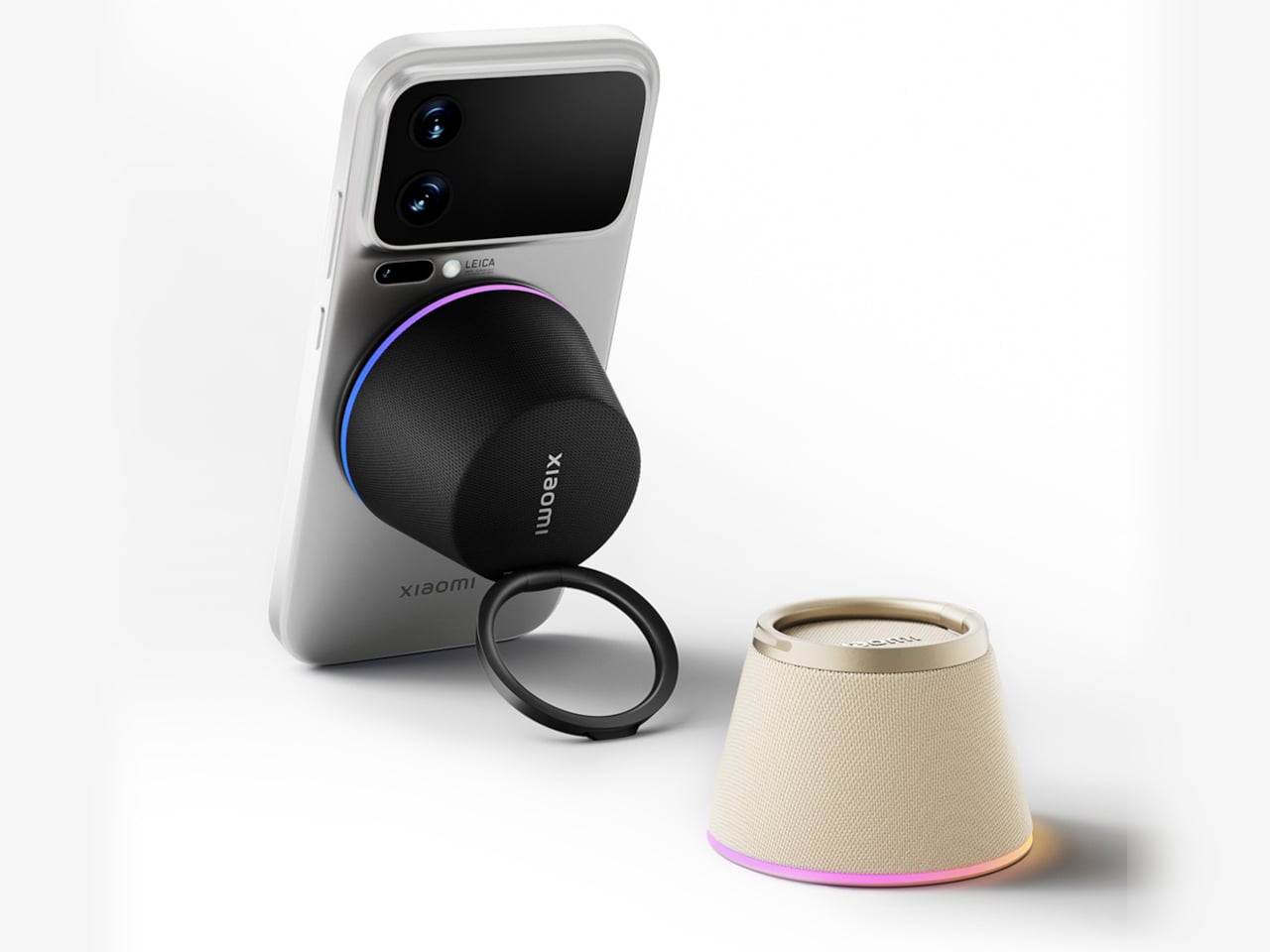
The compact Bluetooth speaker category has been fighting the same battle for years. Every new entry promises to be louder than your phone, smaller than a can of soda, and tough enough to survive a bag. Most deliver on those basics reasonably well, and most of them occupy the same category of objects that you put next to your phone rather than on it. That distinction tends to go unexamined, and it’s the one Xiaomi decided to question with its latest accessory.
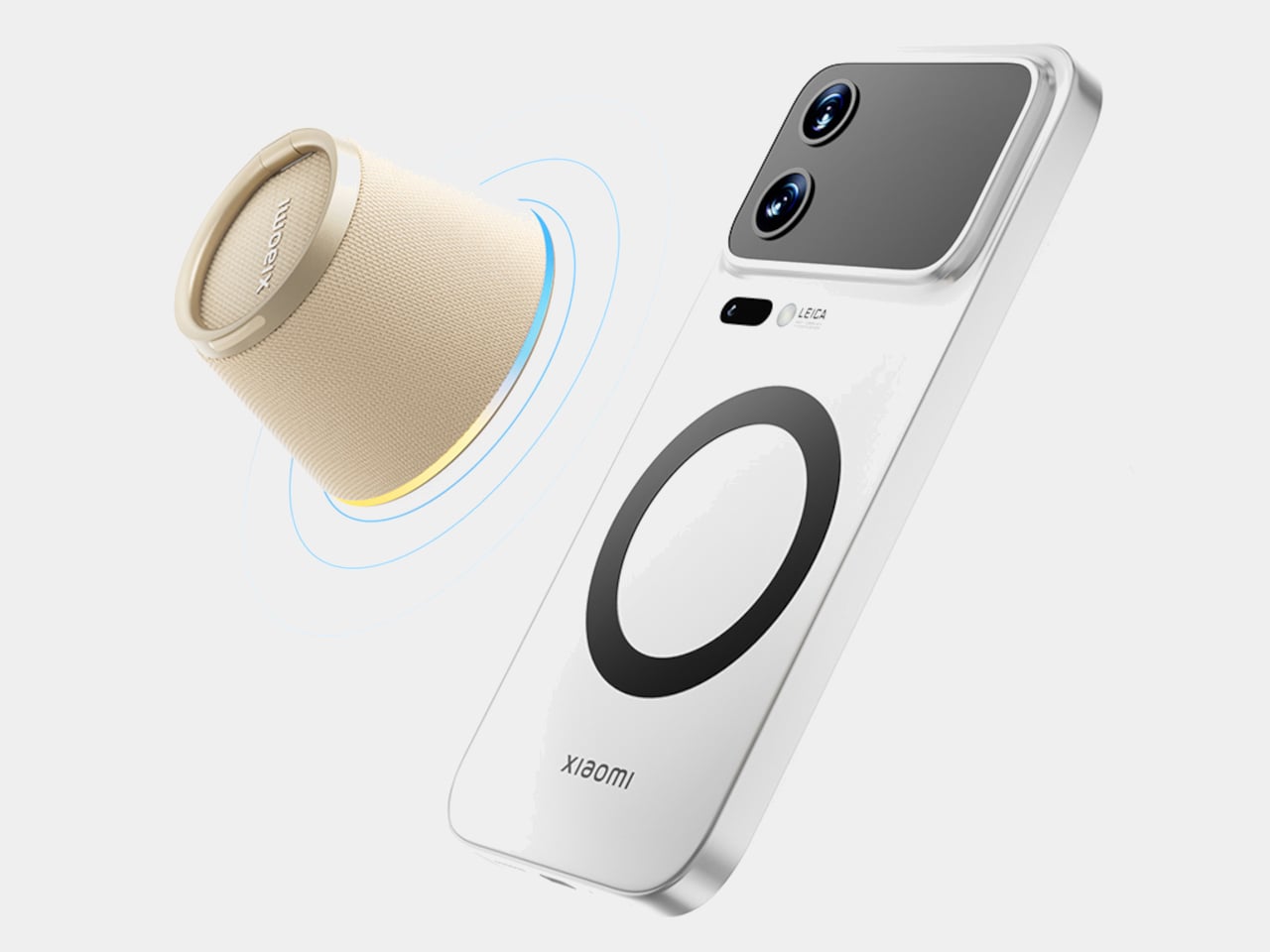
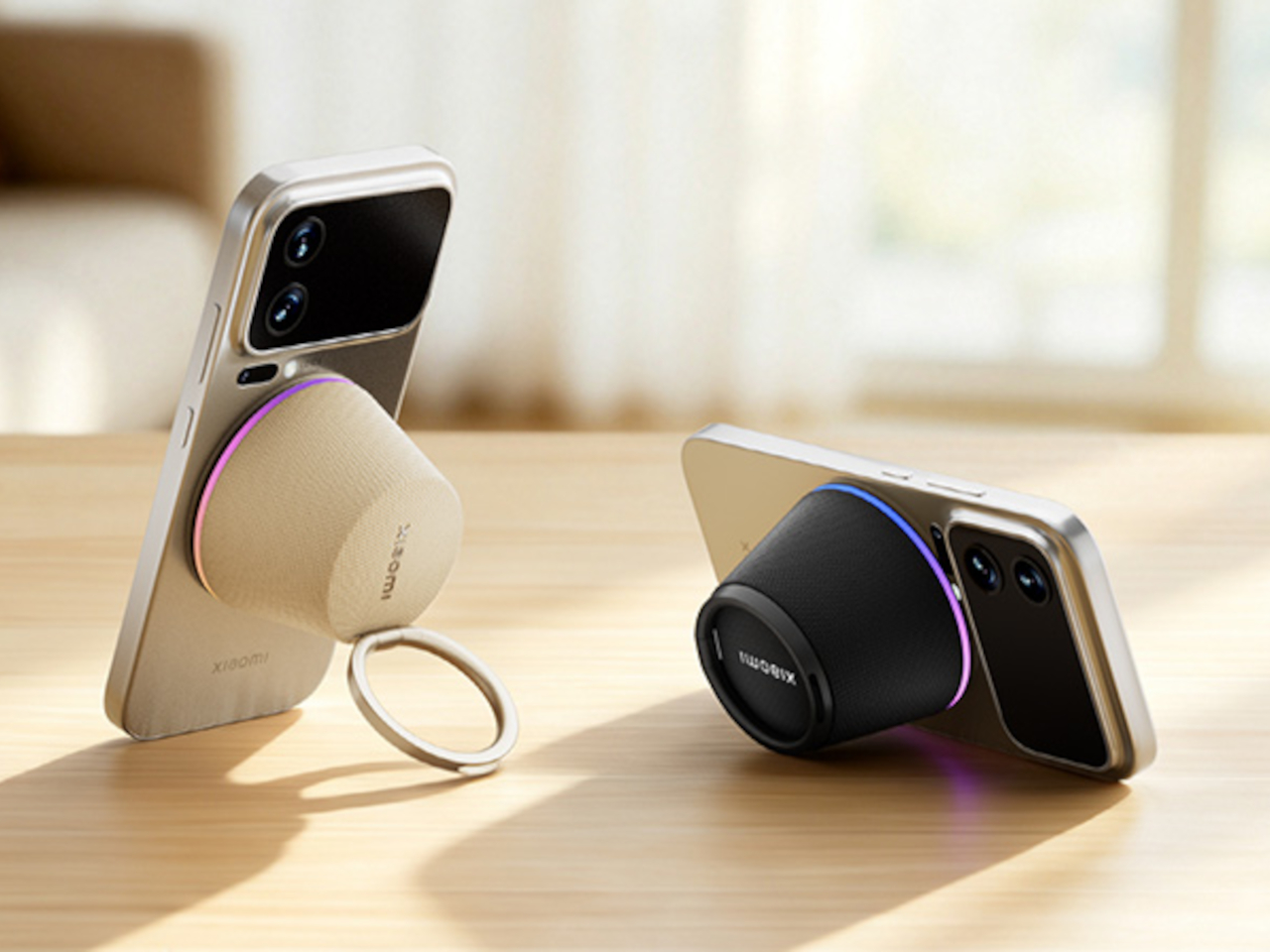
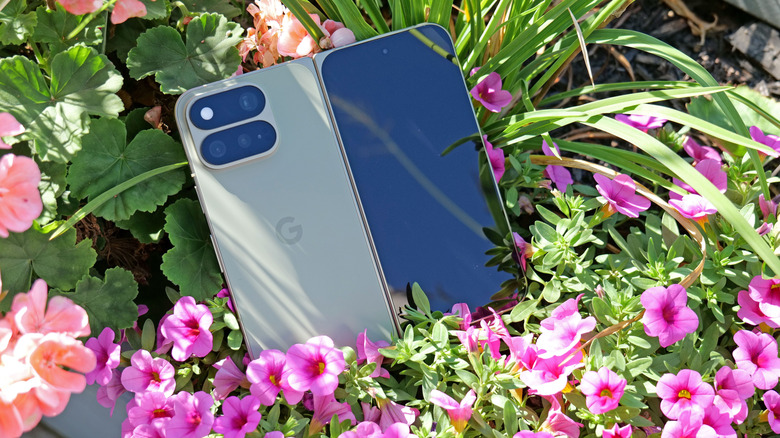
The Xiaomi Bluetooth Speaker Magnetic Edition attaches directly to the back of a smartphone. The connection is magnetic, and a built-in Hall sensor detects the moment it locks on, triggering the speaker to power on automatically. No button to find, no pairing ritual to repeat. You put it against your phone and it starts. Pull it off and it stops. The whole interaction is designed to be immediate enough that the speaker stops feeling like an accessory and starts feeling like part of the phone itself.
Designer: Xiaomi
The stand function is the idea that makes this more than a magnet trick. Rather than simply hanging on the back while the phone lies flat, the speaker’s base props the phone upright at a comfortable viewing angle. That solves two things at once: you get a better listening experience than the phone’s own speaker provides, and you get a hands-free viewing position without hunting for a stand or balancing the phone against something that will slide the moment you look away.
The audio hardware is modest by design. A 1.5-inch full-range driver running at 3W isn’t built for a living room, and the 200Hz to 20kHz frequency response tells you this is tuned for clear, near-field playback rather than bass-heavy output. For someone cooking in the kitchen and wanting to follow a video without holding their phone, or listening at a desk without headphones, that kind of output is exactly right. The speaker isn’t competing with a dedicated tabletop Bluetooth speaker; it’s competing with a phone’s built-in speaker, and that bar it clears comfortably.
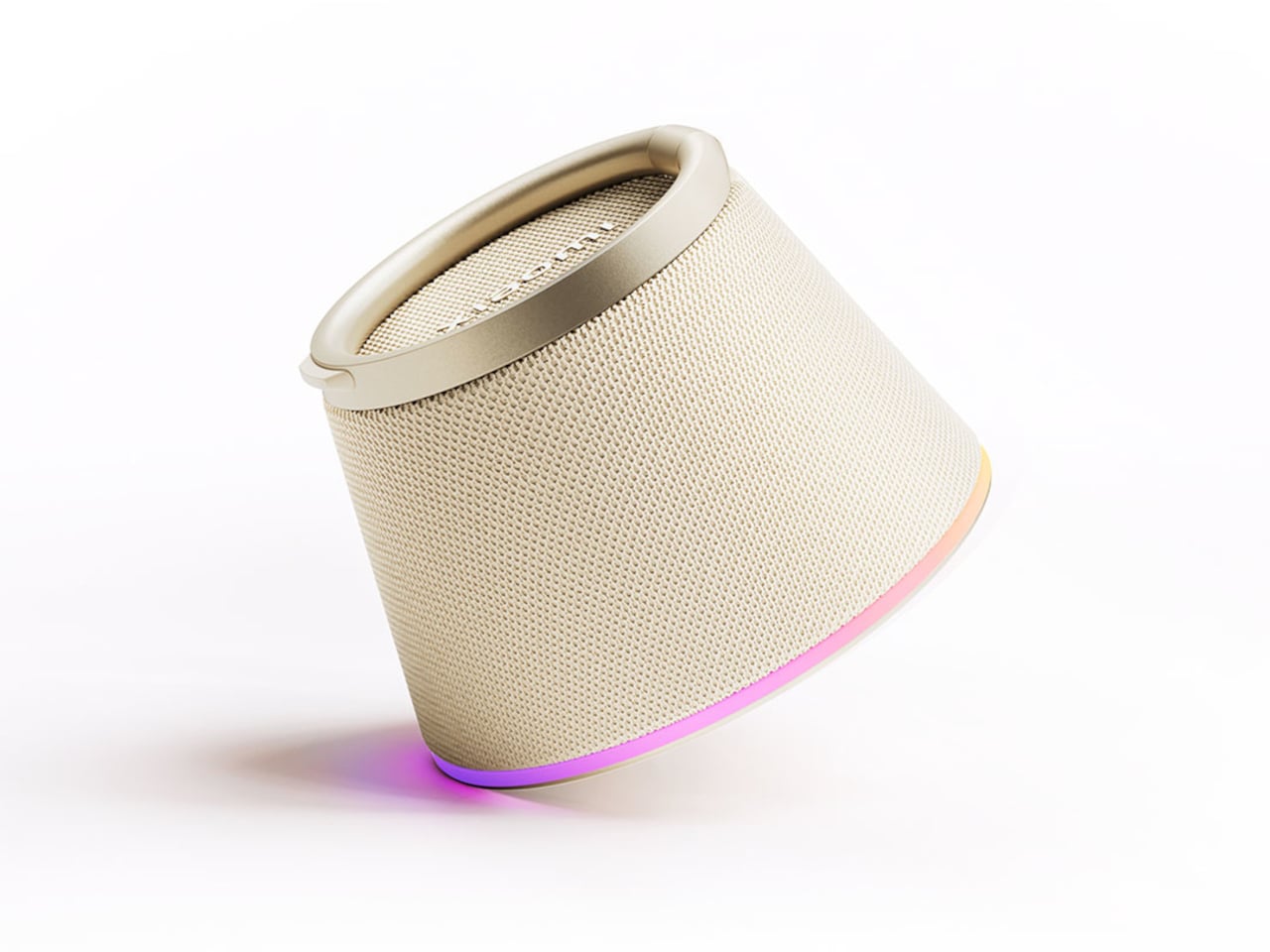
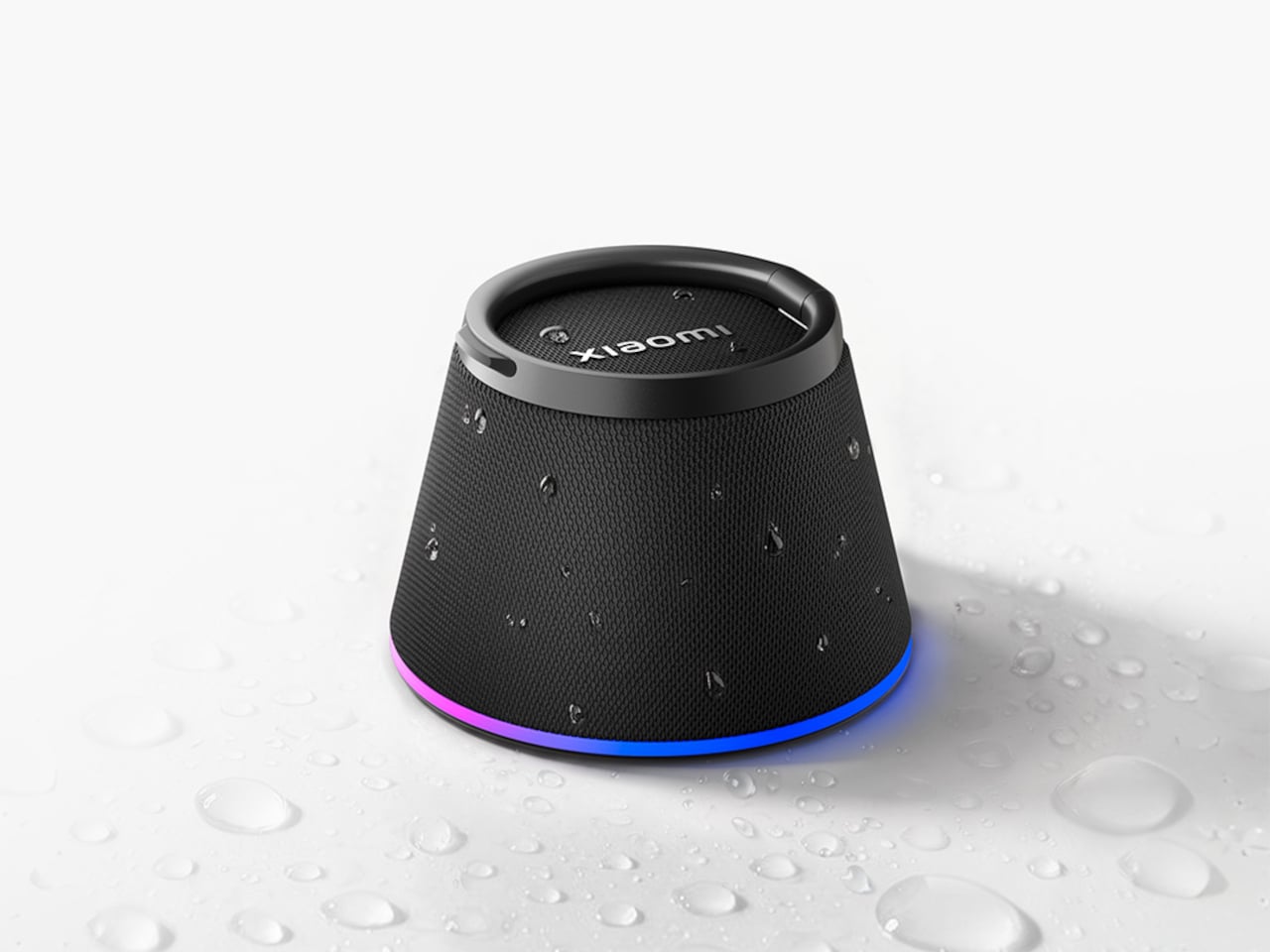
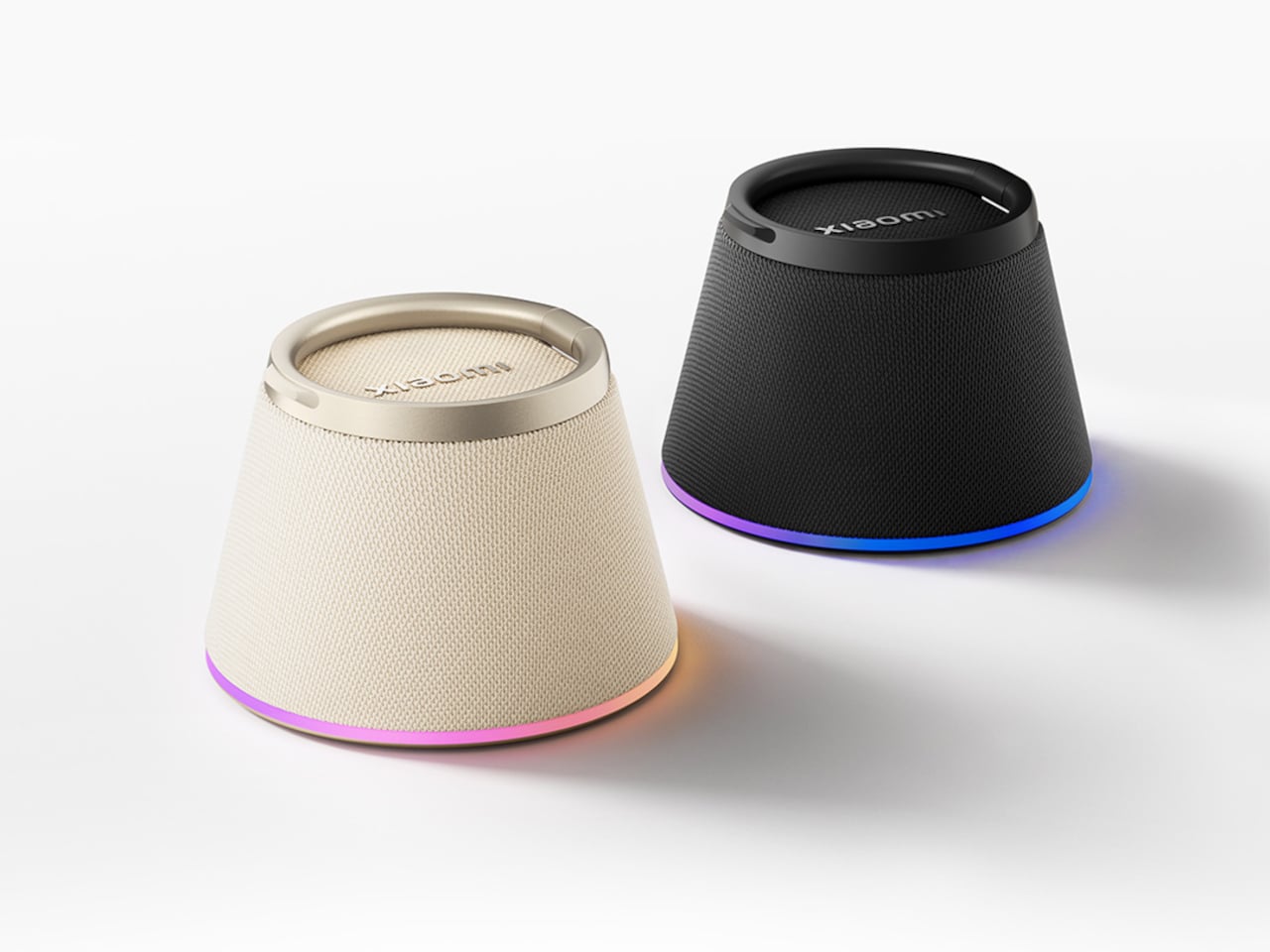
RGB lighting rings the base of the speaker and syncs its colors to the audio playing, adding some visual presence in lower light and keeping the device from reading as purely utilitarian when it’s sitting on a desk as a stand. The 650mAh battery powers the speaker independently from the phone’s own charge. Bluetooth 6.0 handles the wireless connection with AAC and SBC codec support, and the pairing typically carries over automatically each time the speaker is magnetically attached.
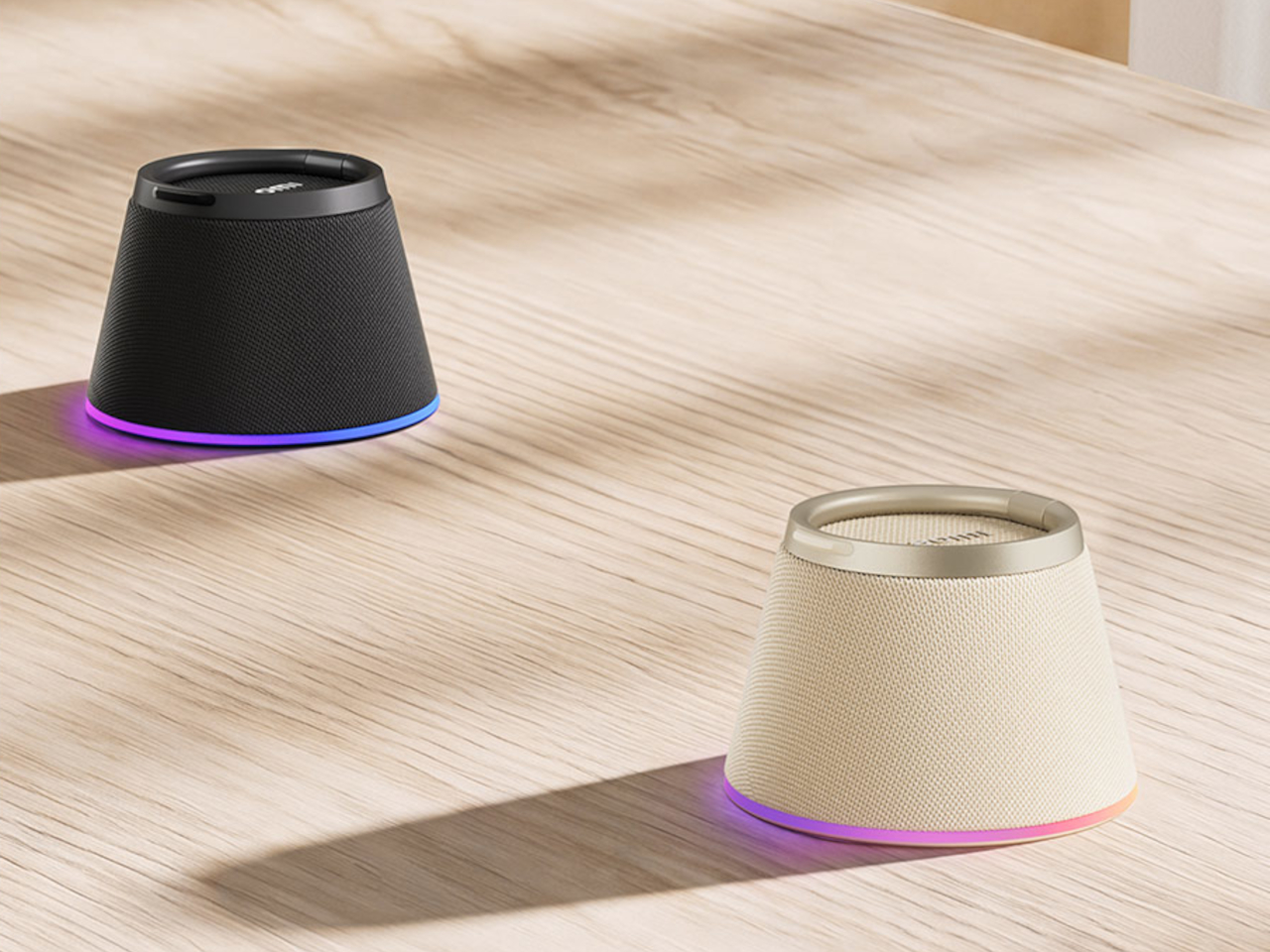
Two color options are available, with dark gray confirmed. Priced at 132 yuan during the Xiaomi Youpin launch period, with a suggested retail price of 199 yuan, roughly $29 or €25, it sits in a price range where the two-in-one premise doesn’t need to be flawless to be worth trying. That’s a meaningful advantage for an accessory built around a function that most people are currently meeting with improvised solutions anyway.
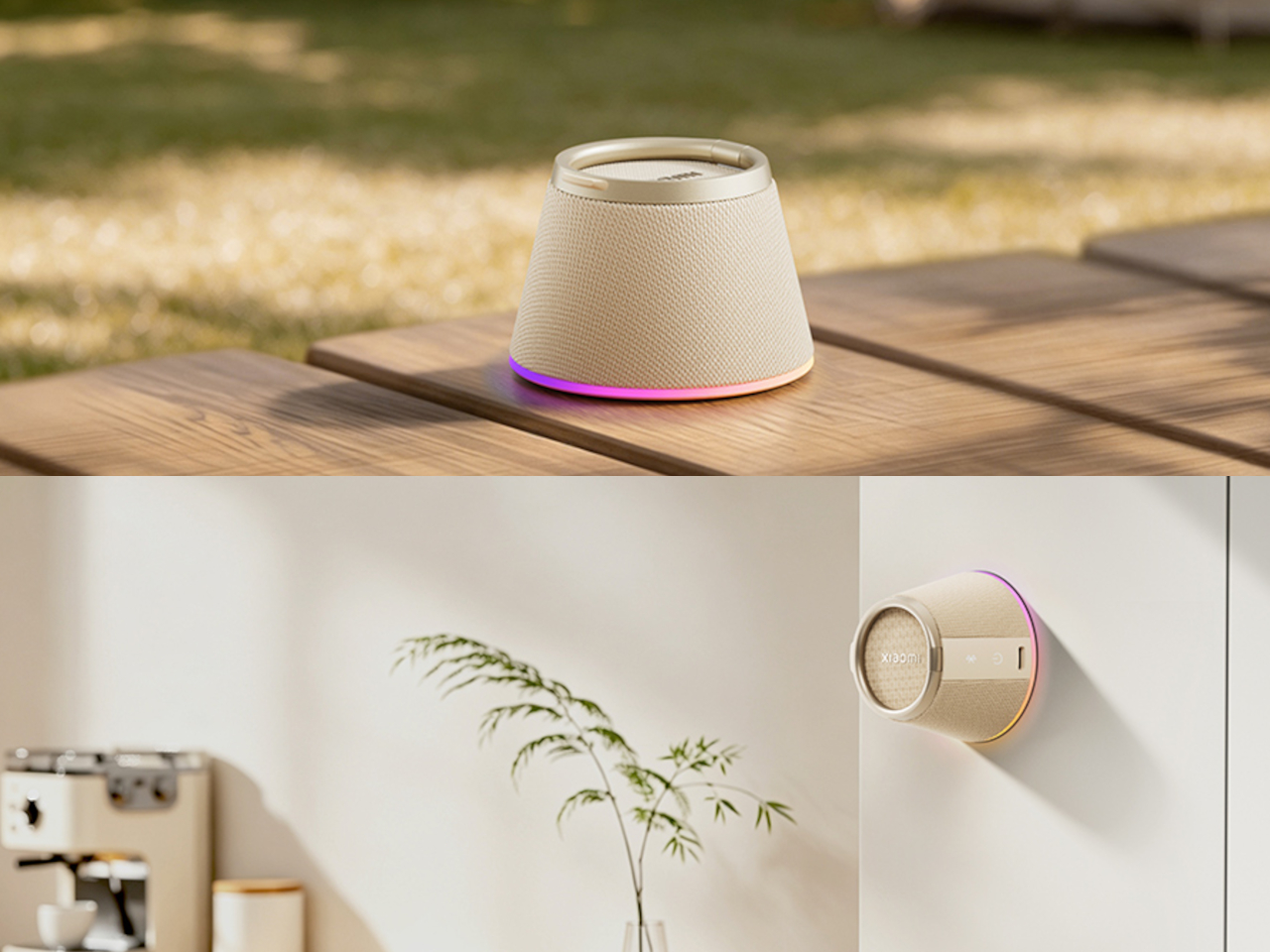
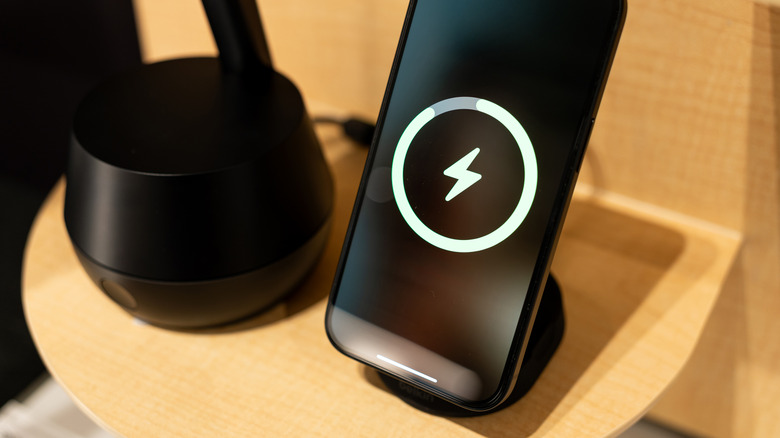
Most desk setups already include an accidental phone prop. A charging pad, a book corner, a keyboard edge, something doing the job that wasn’t designed for it. The Xiaomi speaker makes the argument that the prop might as well be a speaker too, and that at this size and price, consolidating both into one small object costs nothing in practicality and improves the experience every time you sit down to watch something, take a call, or simply want your hands back.
The post Xiaomi Built a $29 Speaker That Snaps to Your Phone and Stands It Up first appeared on Yanko Design.
If you also think a robot Olympics is on the verge of happening anytime soon. You could just be right. If and when that happens, Unitree’s “Superman” would probably break American swimmer Michael Phelps’ record for the most gold medals in a single Olympic Games.
To give us a glimpse of that future, China’s Unitree – which recently became the first general-purpose robotics company to debut on Shanghai’s stock exchange – unveiled a humanoid robot on August 17, which it says “can outrun and outjump top human athletes.”
Designer: Unitree
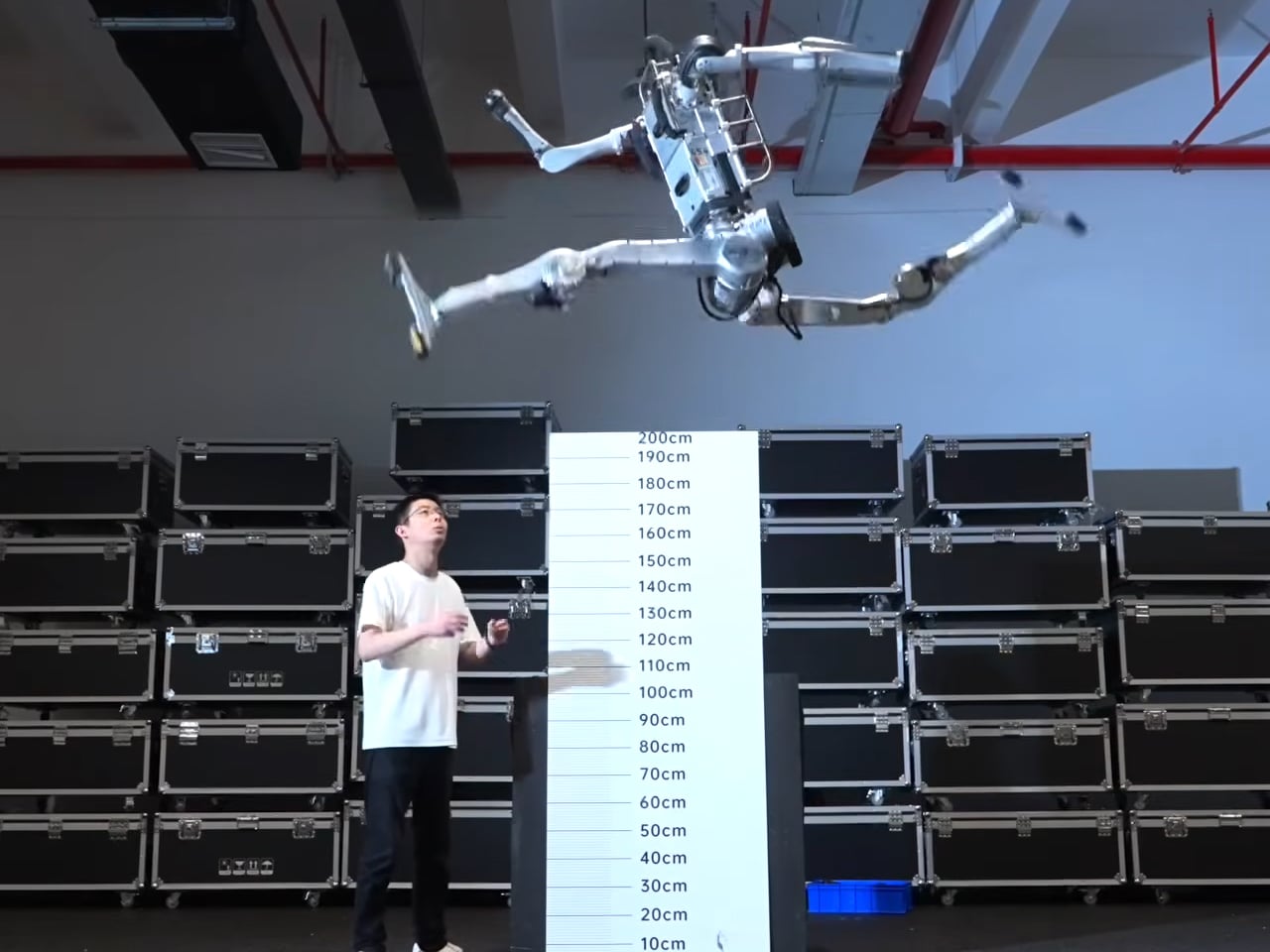
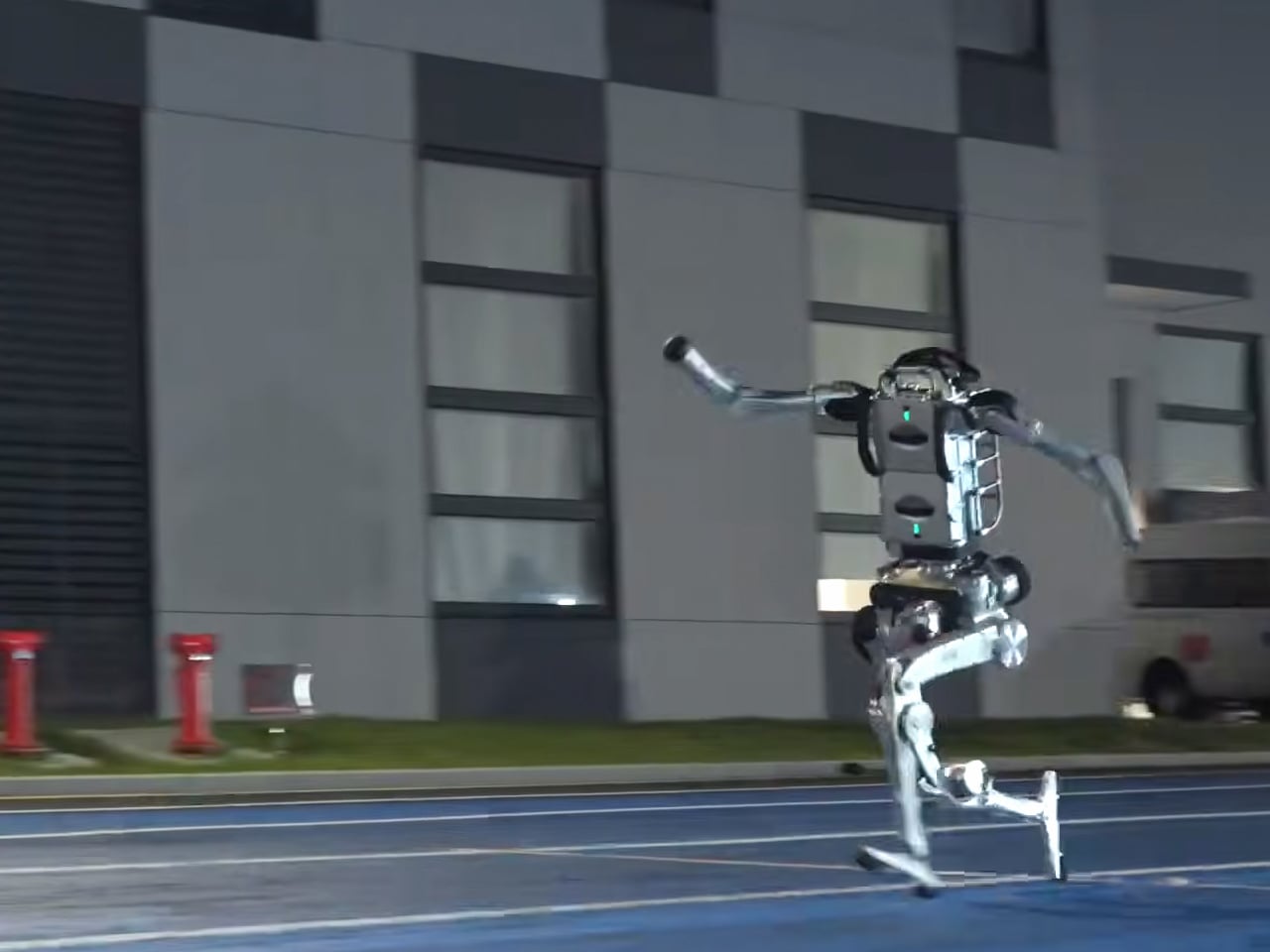
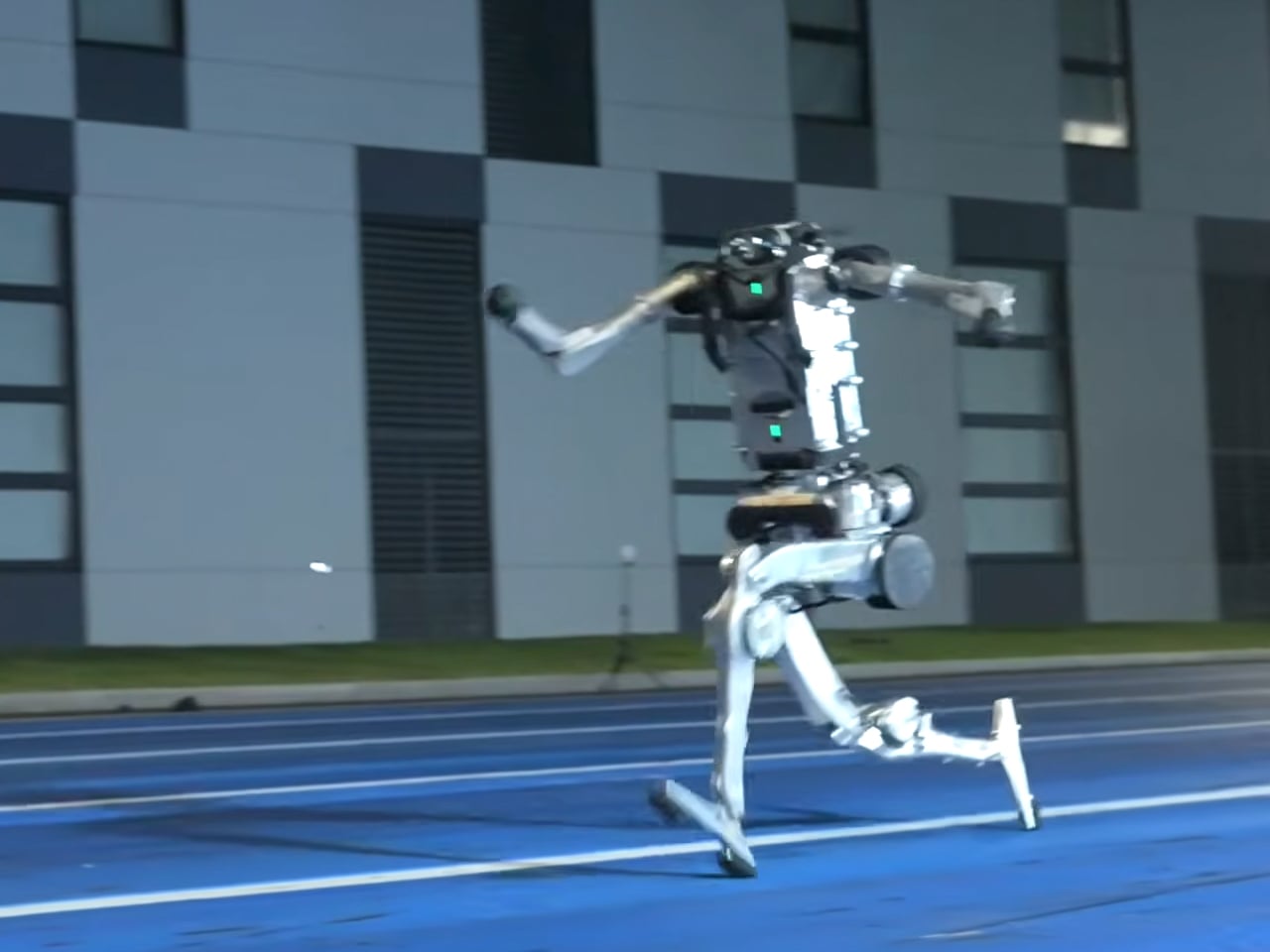
In the demo video doing rounds on the internet, the Unitree Superman (as the humanoid robot is called) can be seen pulling off a standing high jump of 2 meters. It also makes a dash at the speed of 12.66 meters per second, which is a tad faster than the 12.4 m/s speed that Usain Bolt achieved when he completed the world-record-setting 100 m run in only 9.58 seconds. This calculation would stand true if the Unitree humanoid runs 100 meters at the same speed that it has clocked in its demo dash.
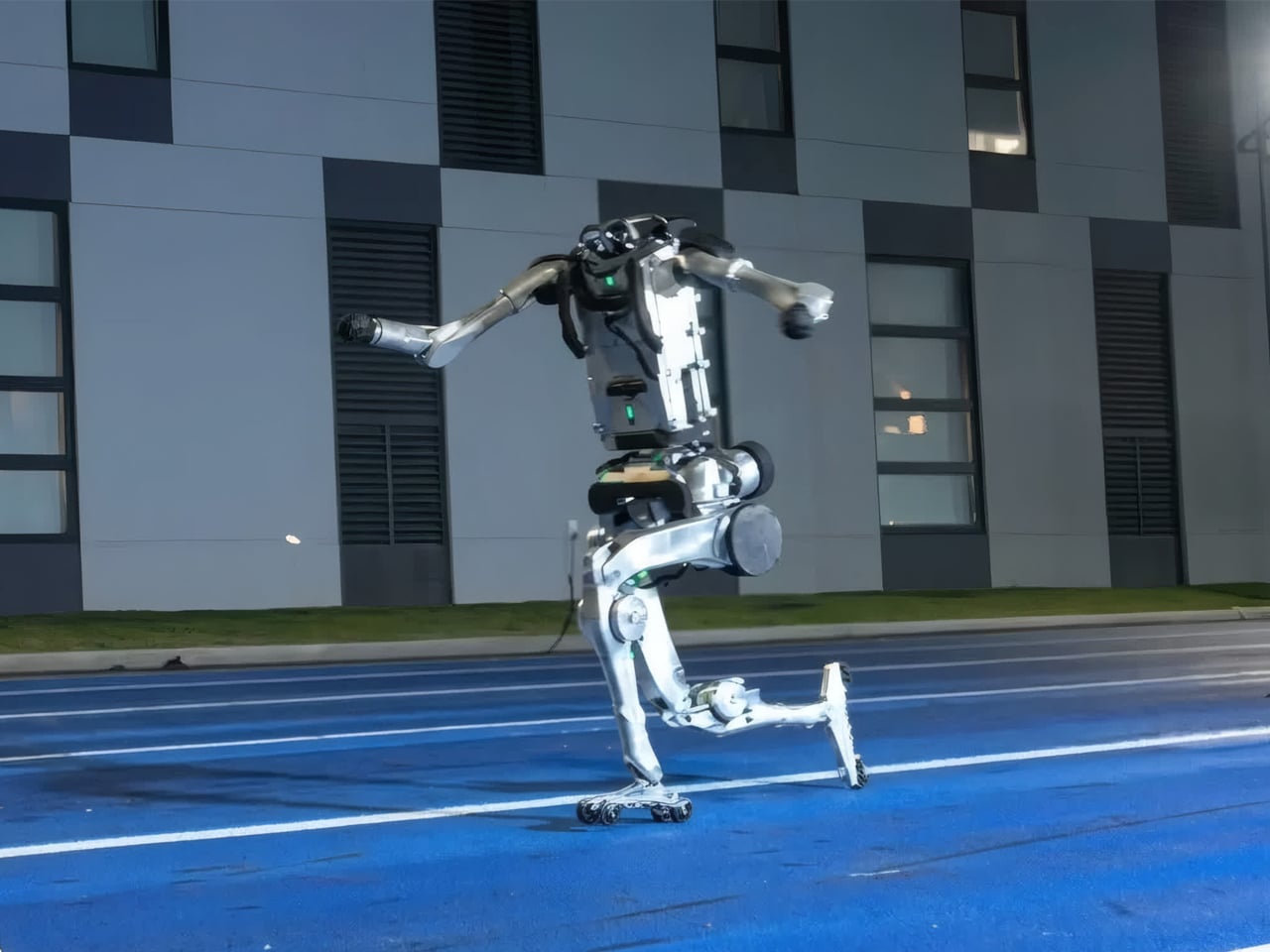
With the kind of feat the Chinese Superman has pulled off, it has conveniently surpassed human ability by a margin. With this standing high jump and running speed, it has done what no human has ever achieved. And considering the progress companies like Unitree are making on robots in the labs, gyms, and training grounds, we are going to fall behind, and robots will throw us on the sidelines to conduct their own Olympics Games soon.
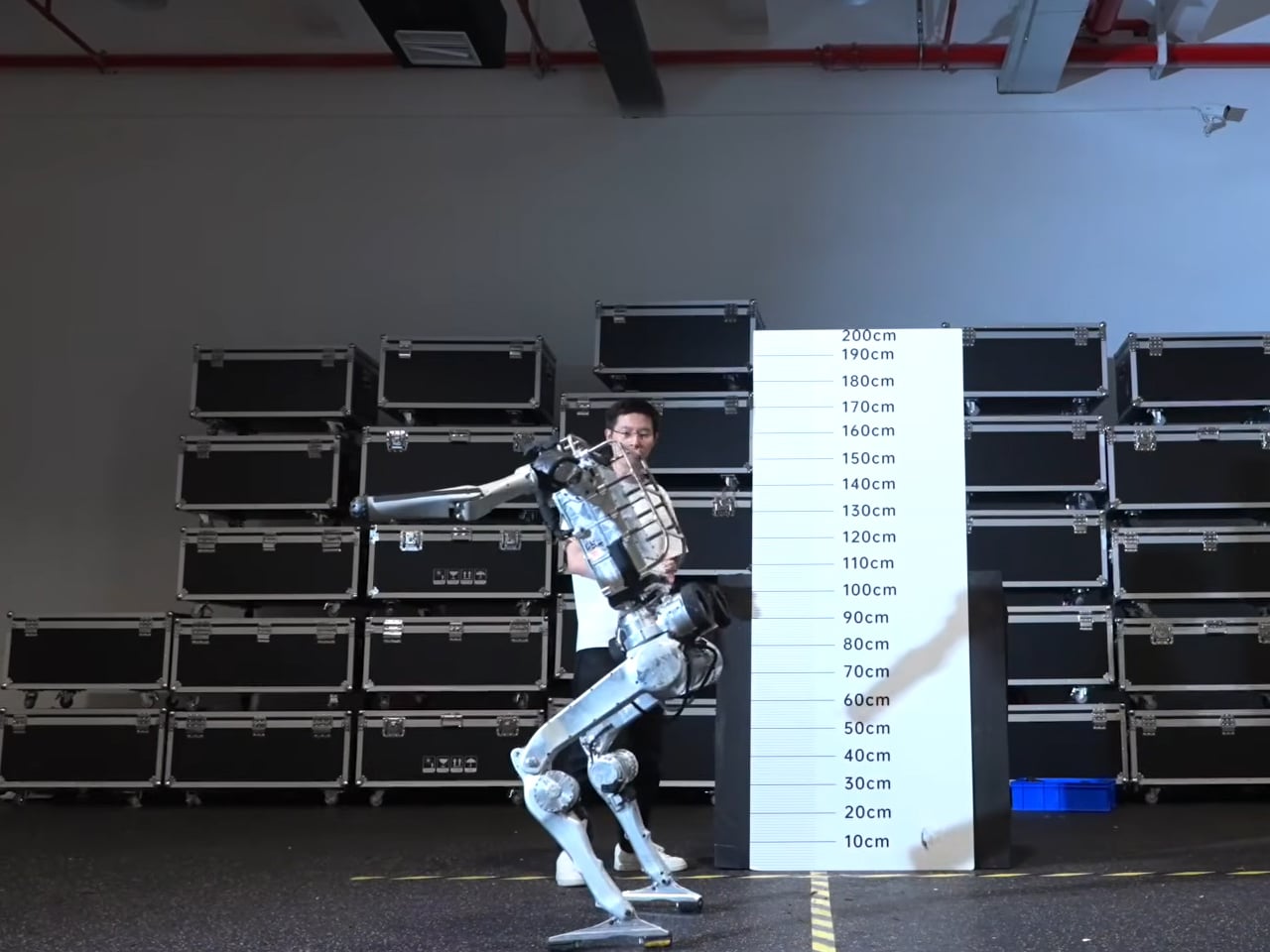
Hangzhou-based Unitree has been ahead of most robotic companies in China. In fact, it is considered the most influential one, with backing from companies including Tencent, DeepSeek, and Alibaba. Its fanfare can be gauged from the unprecedented IPO it made. The company’s stock, according to Bloomberg, skyrocketed by 629% to a $66 billion valuation on its first day of trading on August 19.
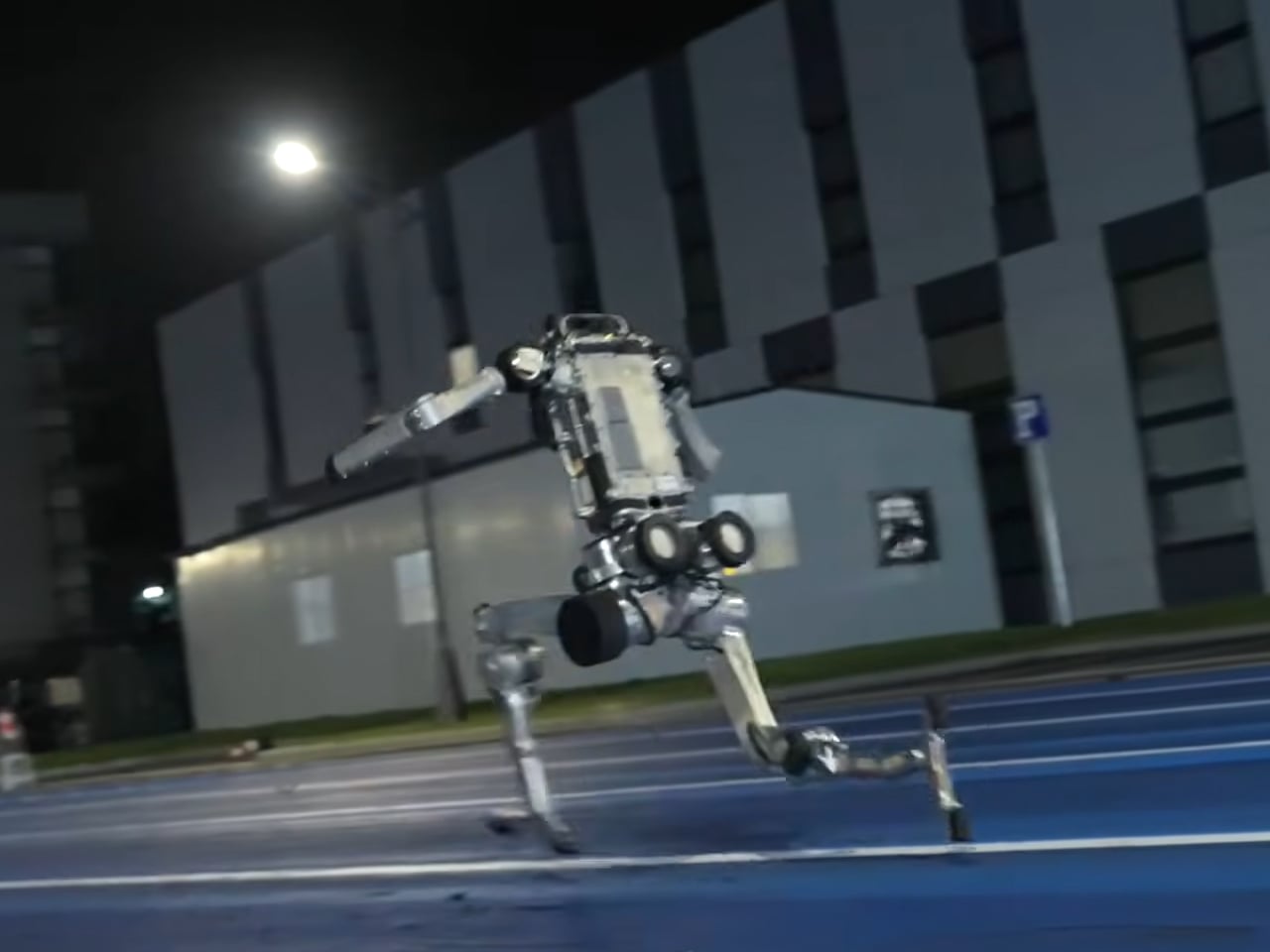
The IPO from the company, which already has a robot dog, humanoid kung fu fighter, and a service robot on the market, has left all financial pundits bewildered. And the new achievement of the Superman humanoid has only substantiated investors’ faith.
According to Unitree, the jumping and speeding robot, which has 0.85-meter-long legs, is a work in progress and is likely to feature improvements to its capabilities in the coming months. Until that news comes in, you can check out some of the more extraordinary Unitree robots, like the transforming Mecha robot or this one that can even do cartwheels.
The post Unitree launches humanoid robot that’s faster than Usain Bolt, and spot jumps higher than any athlete first appeared on Yanko Design.