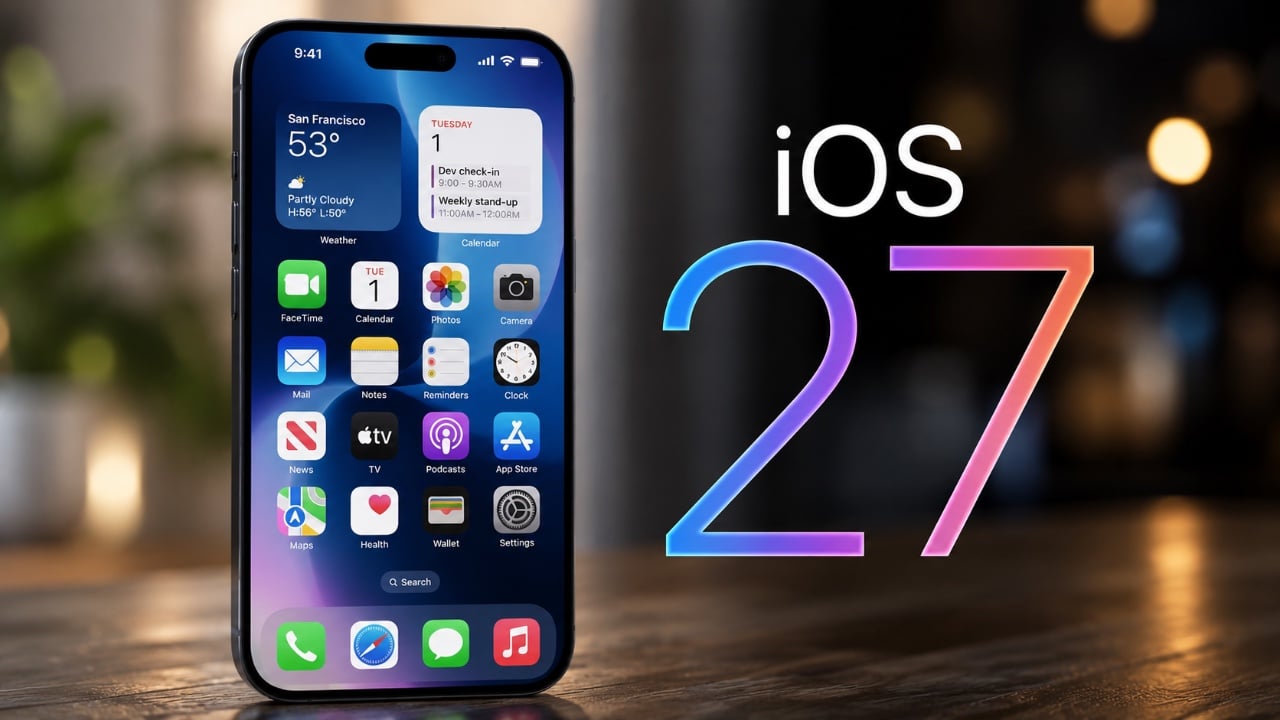
The release of the iOS 27 public beta marks a significant step forward in enhancing the iPhone experience. Packed with a variety of updates, this version focuses on usability, personalization, and accessibility. From AI-powered tools to refined design elements, iOS 27 offers a glimpse into the future of mobile technology. Whether you’re eager to explore […]
Apple has officially released the iOS 27 public beta, accompanied by a firmware update for AirPods, introducing a suite of new features aimed at enhancing the overall user experience. These updates are particularly beneficial for users of the latest AirPods models, offering advanced functionalities and deeper integration within Apple’s ecosystem. However, as with any beta […]
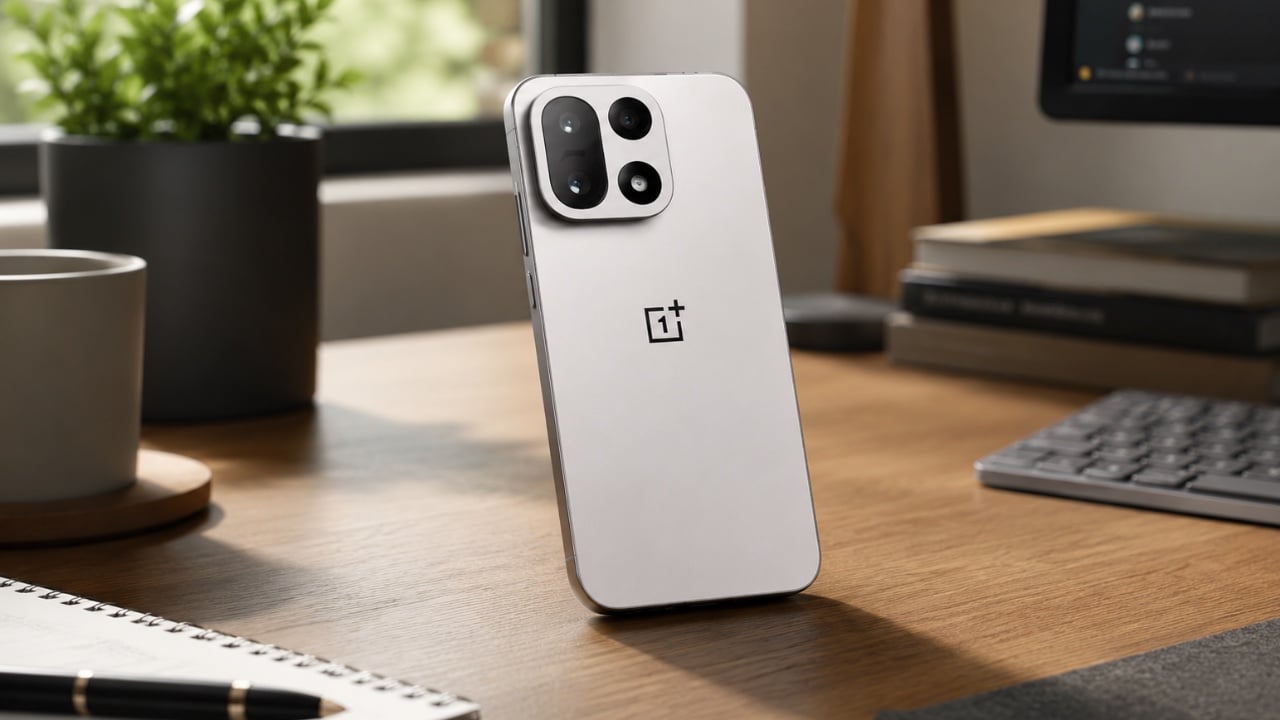
OnePlus, a brand once celebrated for its affordable flagship smartphones and a strong community-driven ethos, has announced its withdrawal from North America and Europe, including the UK. This decision marks a significant turning point for the company, as it steps away from two of the most competitive and lucrative markets globally. While OnePlus has pledged […]
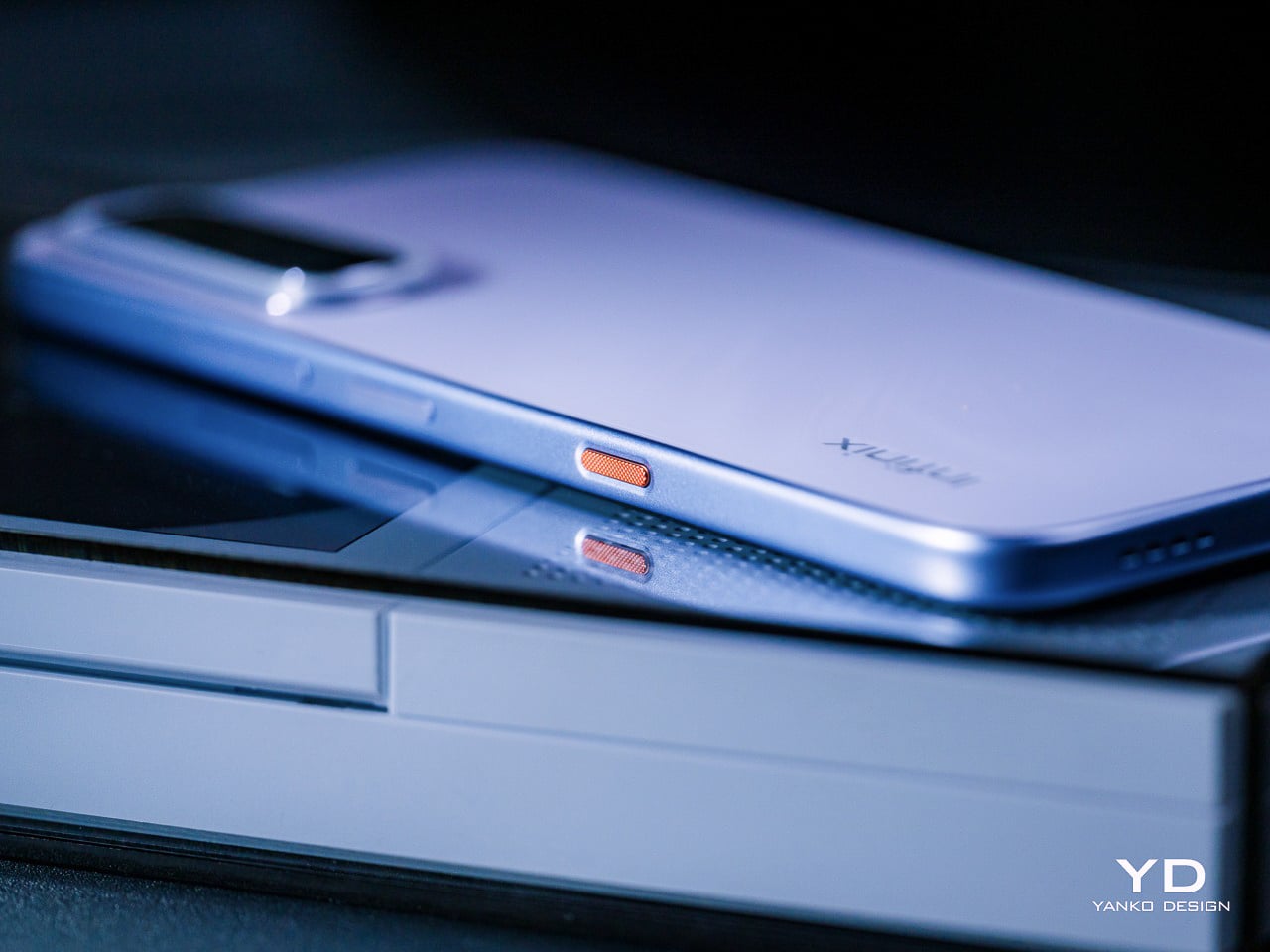
Clous de Paris-inspired button makes AI more tactile and personal
Decent performance and strong value for its price
CONS:
No dedicated telephoto or ultra-wide cameras
Infinix HOT 70 (non-Pro) is limited to 4G networks only
RATINGS:
AESTHETICS
ERGONOMICS
PERFORMANCE
SUSTAINABILITY / REPAIRABILITY
VALUE FOR MONEY
EDITOR'S QUOTE:
The Infinix HOT 70 is proof that expressive, design-forward smartphones don't have to cost a fortune.
The affordable smartphone market has long operated on an unspoken rule: you get your camera, your processor, and a solid battery, but genuine design ambition is a luxury reserved for pricier tiers. Walk into any mid-range phone aisle, and you’re likely to face the same predictable cycle, gradient blues and purples on glass-and-plastic slabs that look almost indistinguishable from one another, functional but rarely intentional.
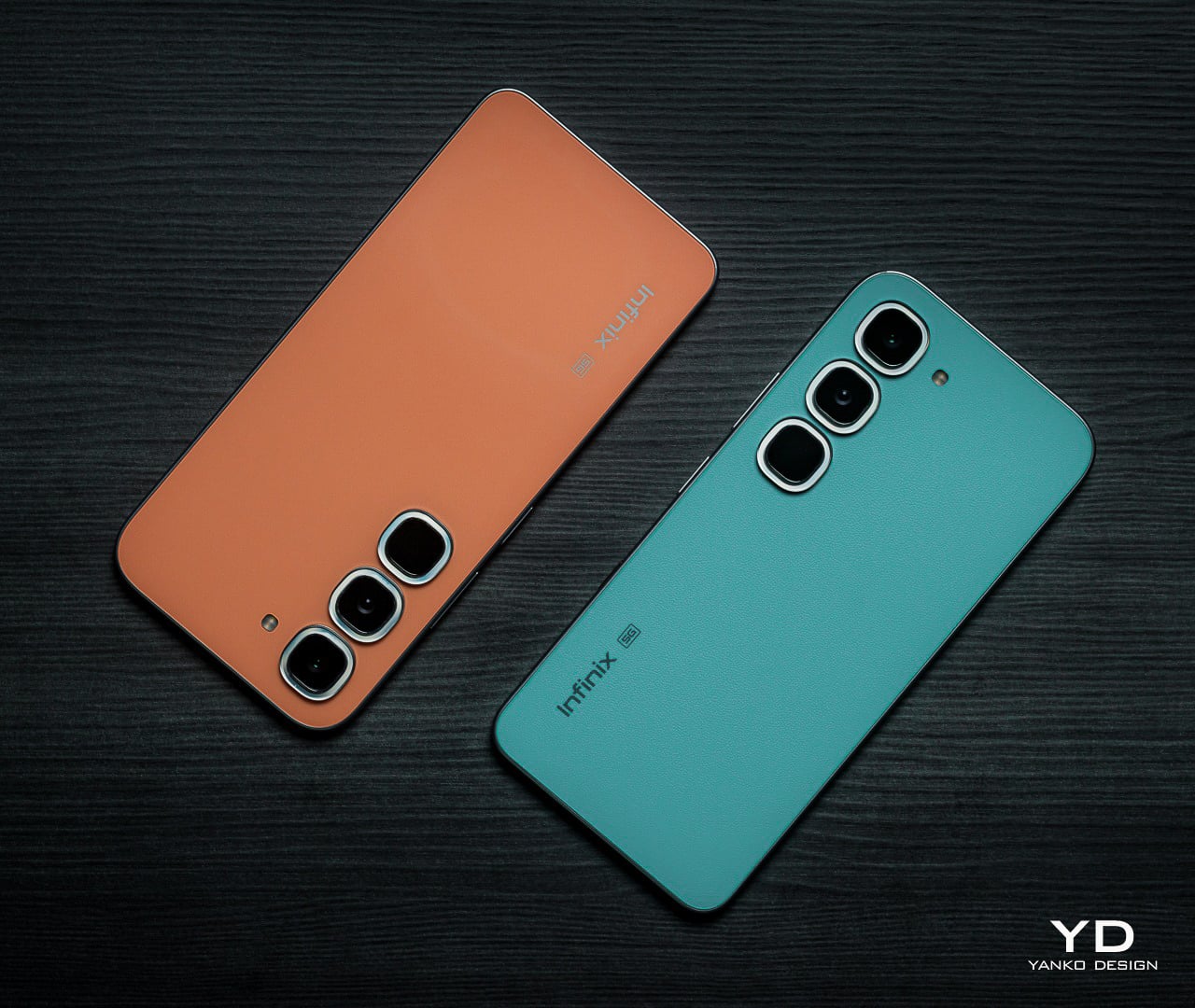
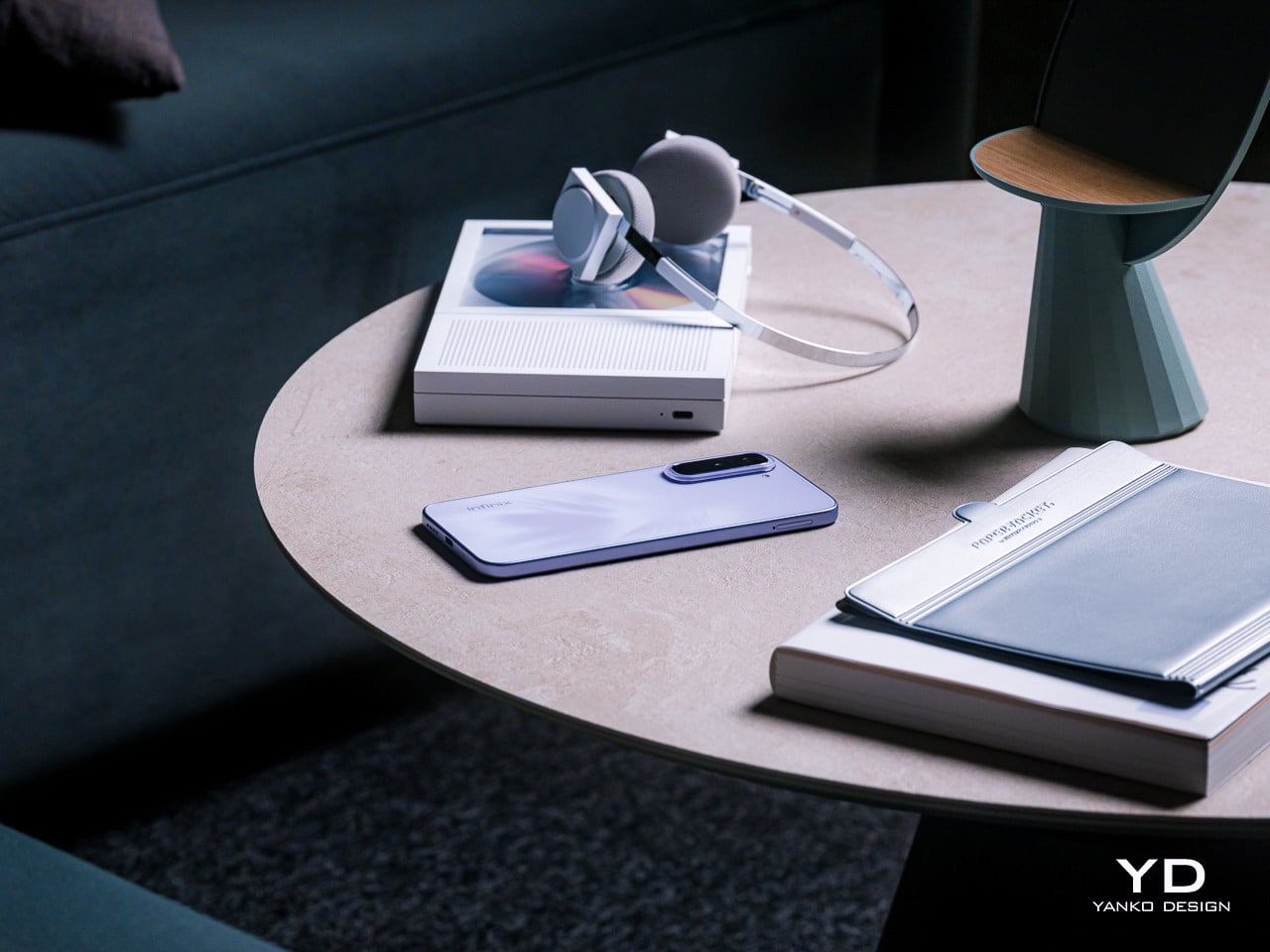
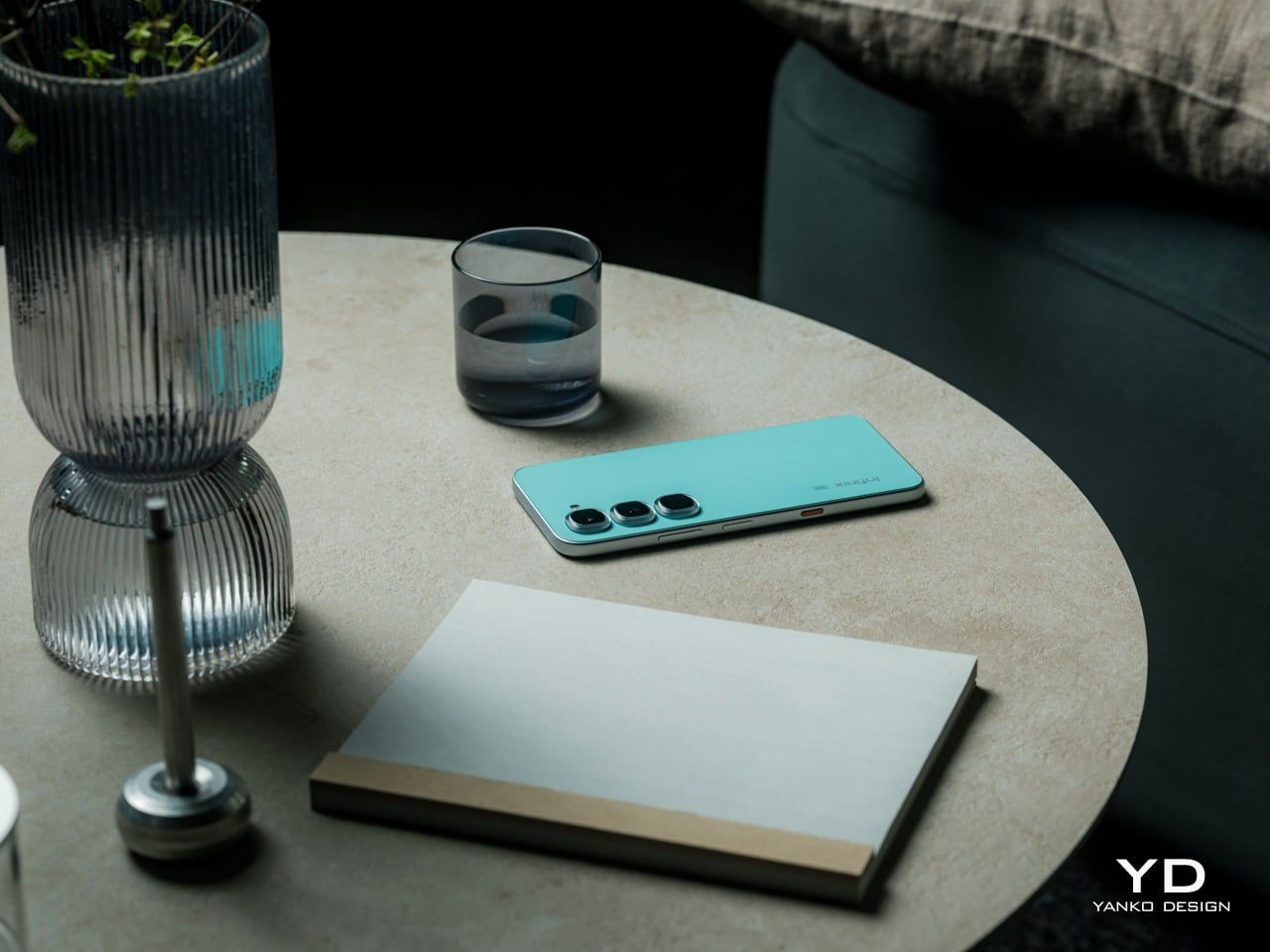
Infinix is trying to challenge that assumption with the HOT 70 series with its Industry-First 12-Colorway Dynamic Shine Design. It comes in two distinct flavors: the HOT 70 and the HOT 70 Pro 5G. Both arrived for this review, the HOT 70 in Quiet Violet and the HOT 70 Pro 5G in Thermo Orange and Mirage Green, and all announced themselves as something genuinely
Infinix has long understood something that a lot of phone brands still haven’t fully caught on to: young users aren’t shopping for specs alone, they’re buying something that reflects who they are and what they’re about. The HOT 70 series is the brand’s clearest statement on that front, organized around a “Colorful, Versatile, Fun” philosophy that treats aesthetic identity and personal expression as core design priorities, not afterthoughts.
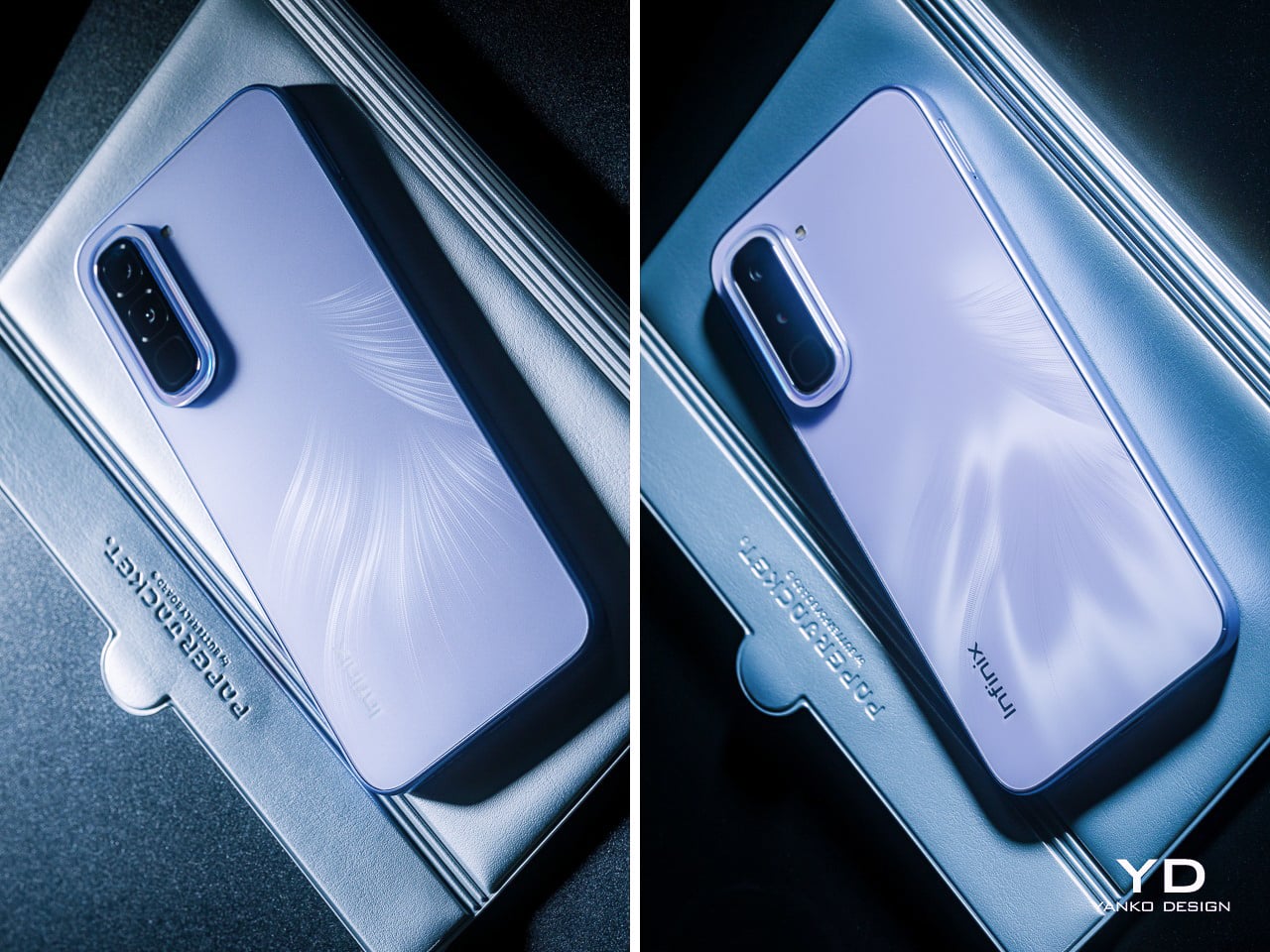
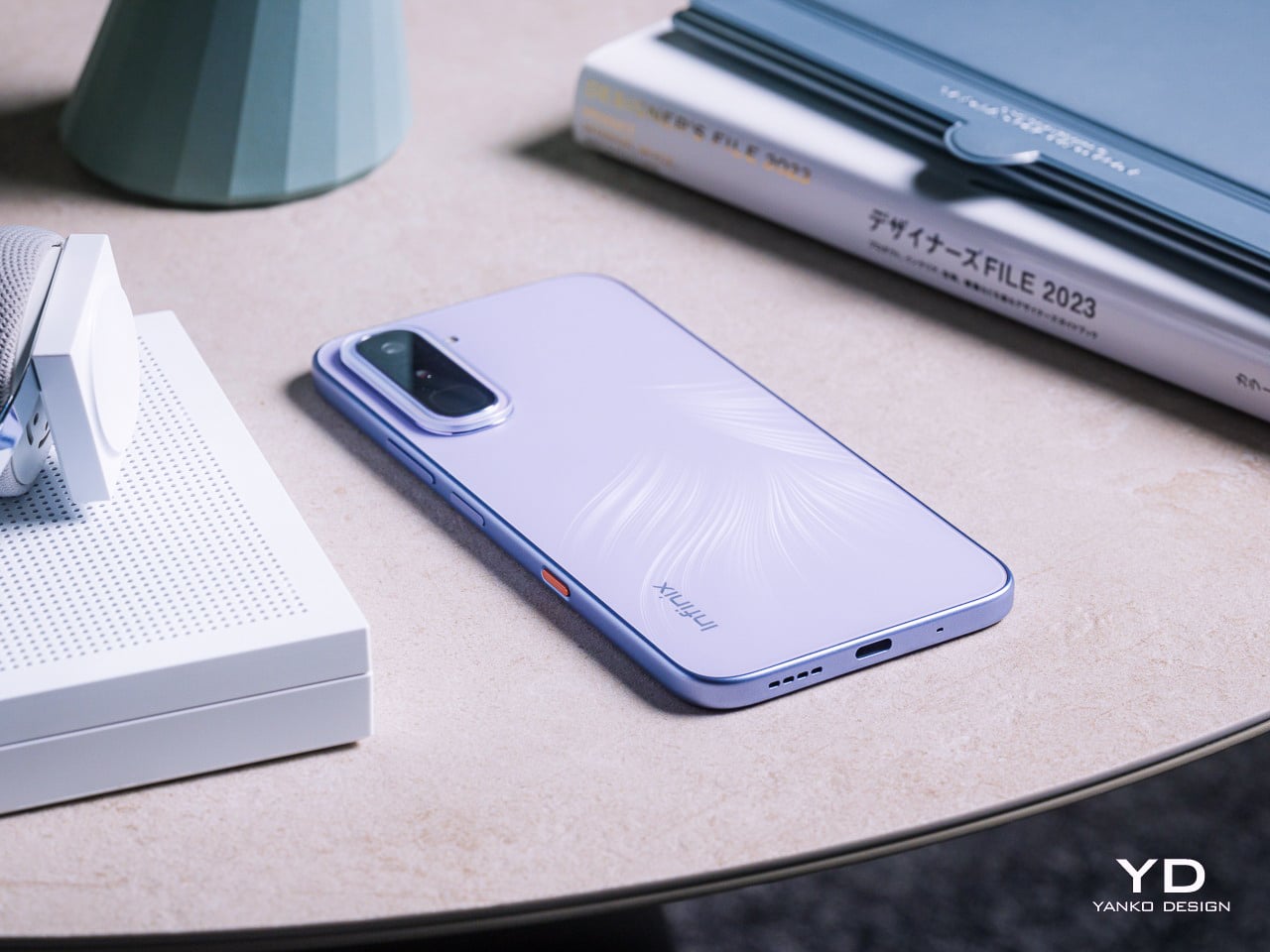
Both phones share a design language Infinix calls the Dynamic Shine Aesthetic Design, and the common thread across both models is a Baby-Smooth Finish, a surface with an advanced anti-fingerprint coating. That silky, finely soft in-hand texture genuinely holds up in practice. After time with both phones, fingerprints and grease smudges are noticeably less of a nuisance than on most others in this price category, which counts for a lot.
Infinix HOT 70
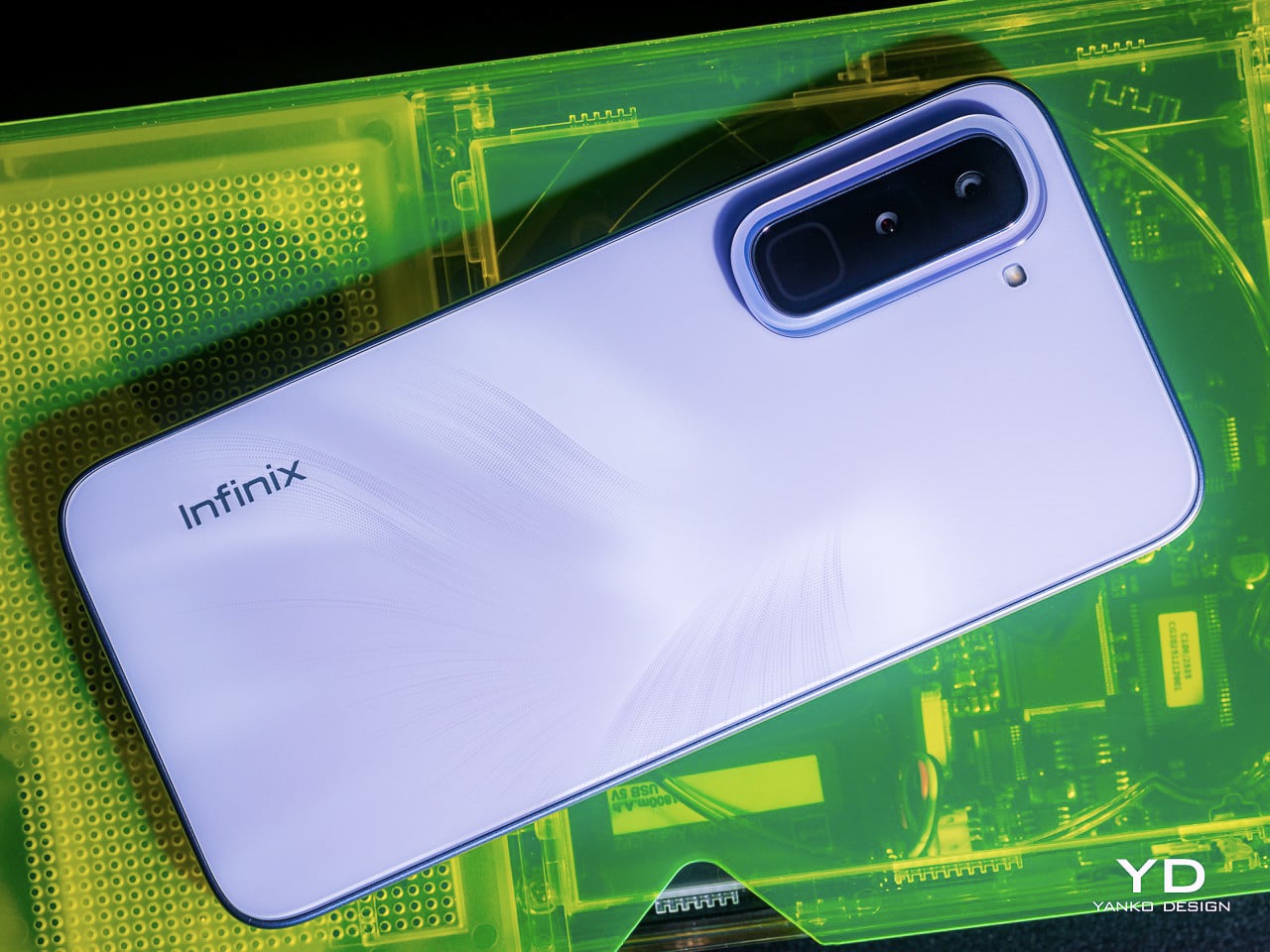
The HOT 70 arrives in six colorways: Thermo Orange, Night Pulse, Silver Dancer, Dive Blue, Green Texture, and the Quiet Violet reviewed here. Where most phones at this price simply pick a color and commit to it, the Quiet Violet does something more considered. The Lumina Flare Dynamic Flame Texture layers micro-textures beneath the surface, creating a shifting light-and-shadow effect that reads differently depending on where you are.
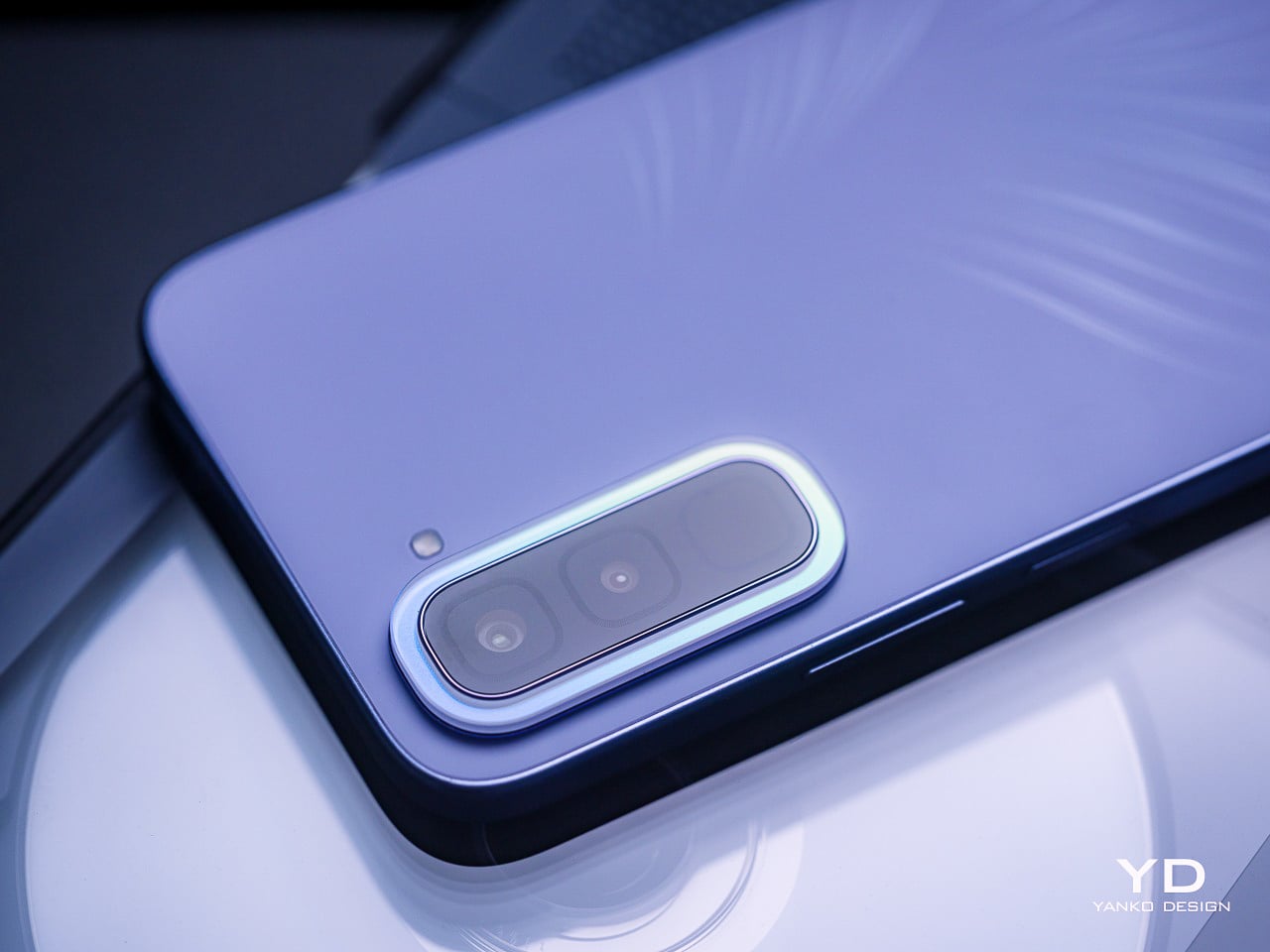
The Crystal Mood Island camera ring is where the craftsmanship gets more deliberate. It sits around the camera bump as a decorative ring that catches light and bends it into iridescent gloss, shifting tone with every viewing angle. On paper, that sounds like a marketing detail, but in practice, it adds genuine visual contrast between the ring and the rest of the panel behind it.
Then there’s the Active Halo, the light ring surrounding the camera area that pulses softly for calls, messages, charging status, and game launches. It’s tempting to dismiss this as a gimmick, but there’s a genuinely useful case for it: the phone is face down, silent, and the Halo quietly signals an incoming call without making you reach for it every few minutes.
Infinix HOT 70 Pro 5G
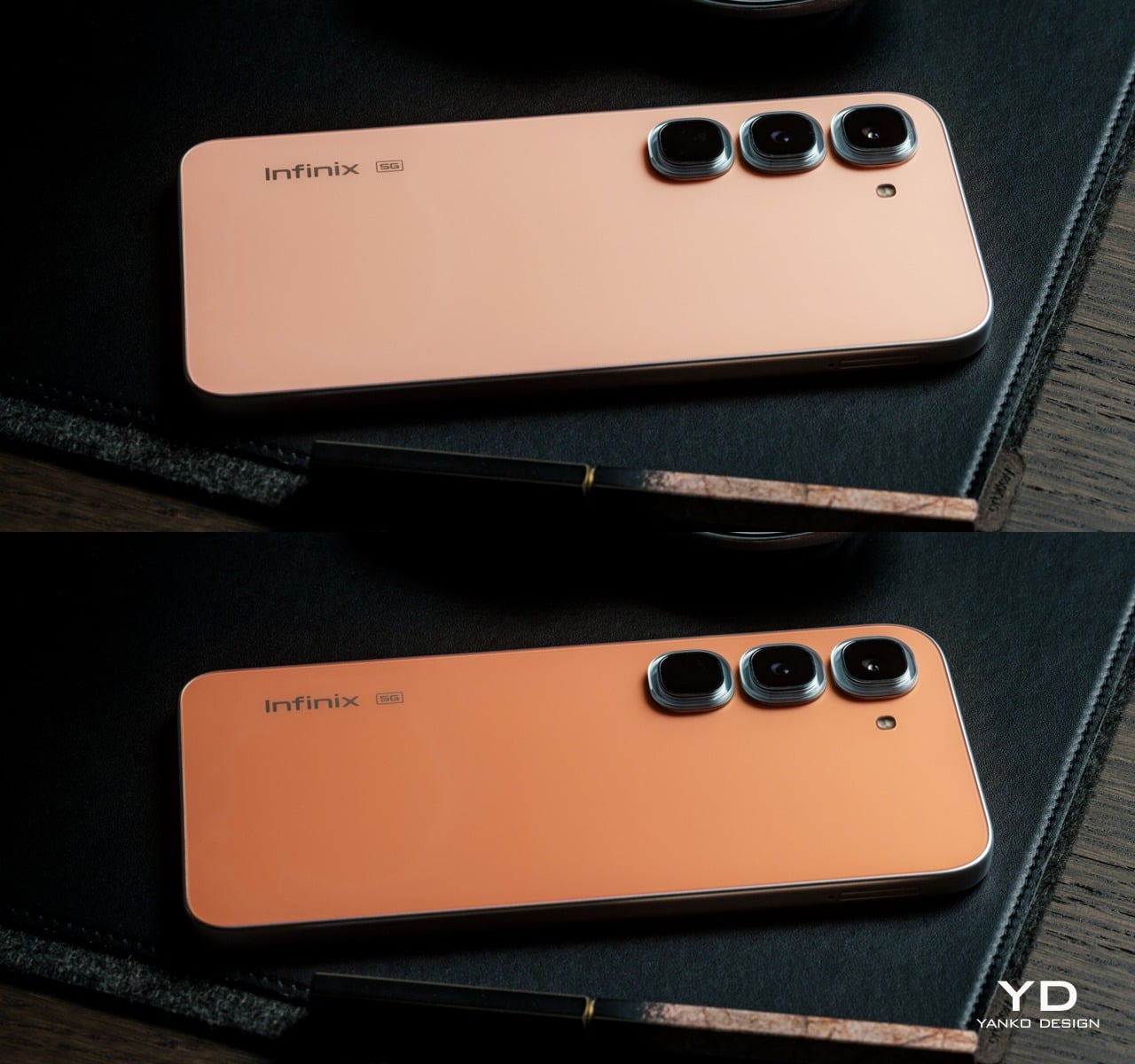
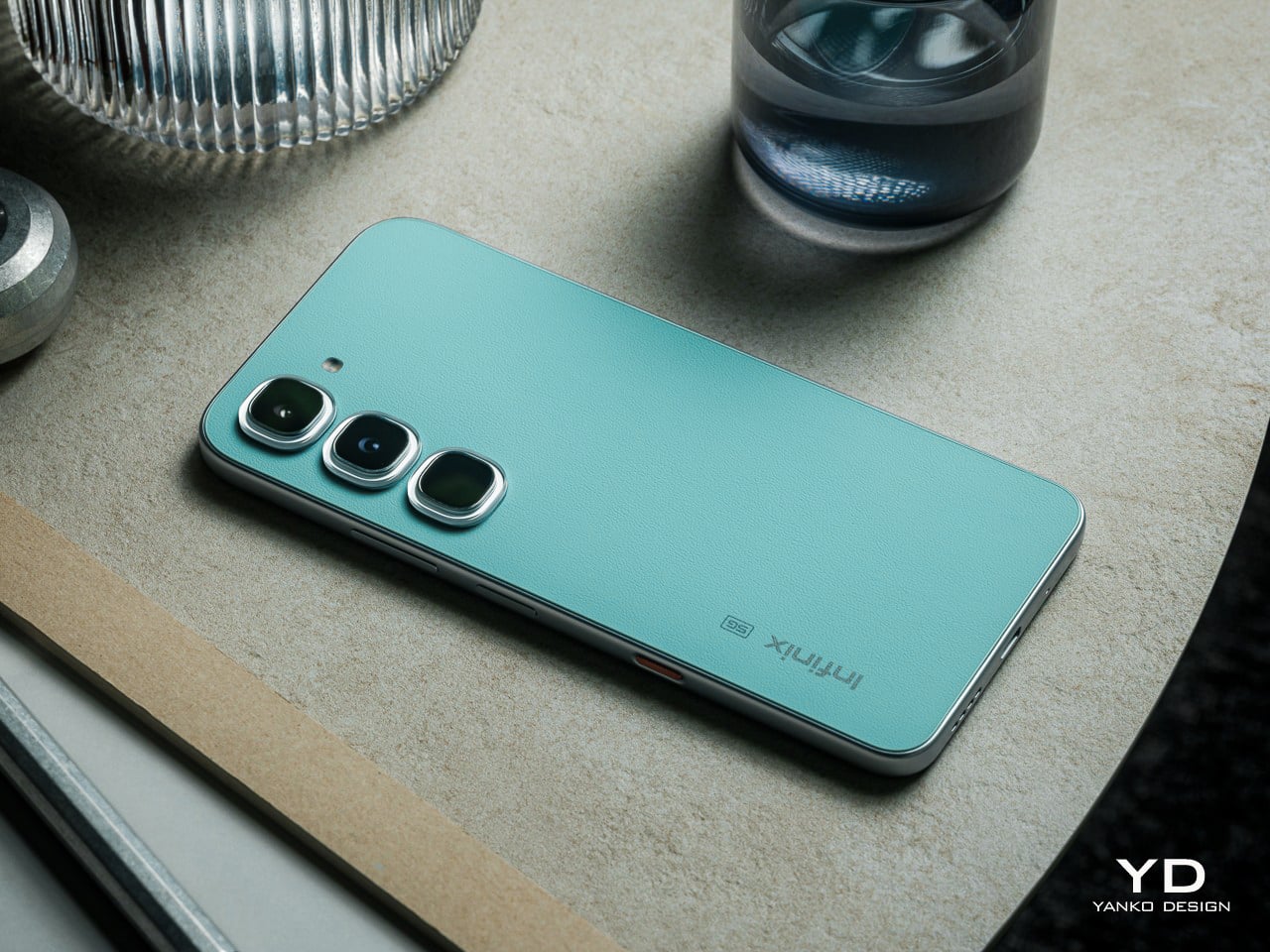
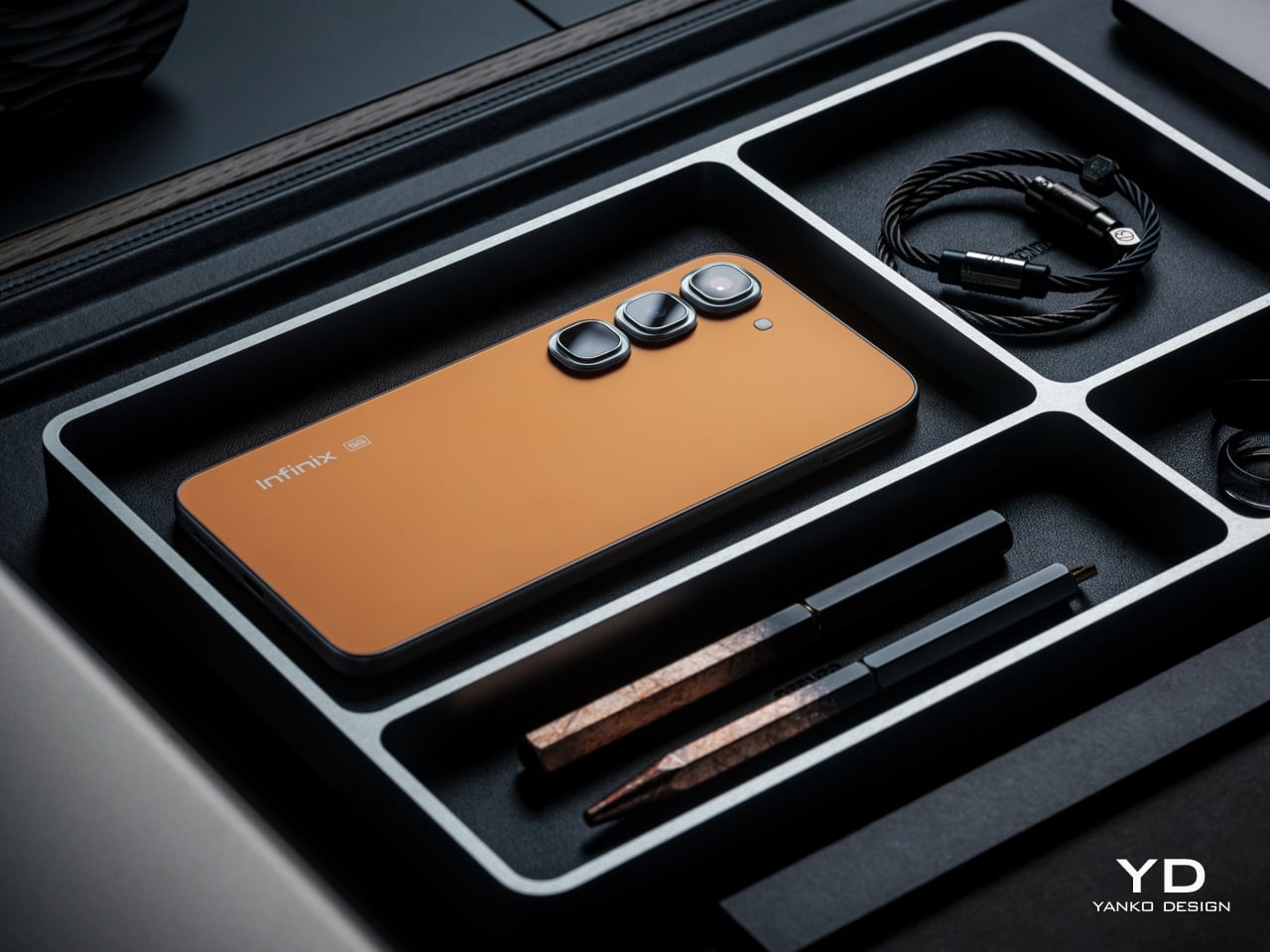
The HOT 70 Pro 5G is available in six colorways: Thermo Orange, Mirage Green, Silk Glow Purple, Night Pulse, Dive Blue, and the limited edition Depth Ring White. The Thermo Orange commands the most attention, and rightly so. Its Dual-way Thermo Sensing Skin technology physically shifts between a deeper orange below 0°C and a lighter tone above 65°C, and crucially, holds that state until the temperature resets it.
What the Thermo Orange also enables is DIY customization: cool the phone to its deep state, then press a heated stamp or trace with a hot glue pen at around 65°C to create patterns directly onto the back. The concept is genuinely novel for this price tier, and it’s quite fascinating to see the phone come out of the freezer with a different shade of orange. It also opens up possibilities for DIY designs with the stencils and the careful use of a glue gun to heat up only certain areas, creating eye-catching contrasts of light and dark areas you’d think the phone was designed with originally. Given that you are exposing the phone to extreme cold and hot temperatures, however, proper care should still be taken.
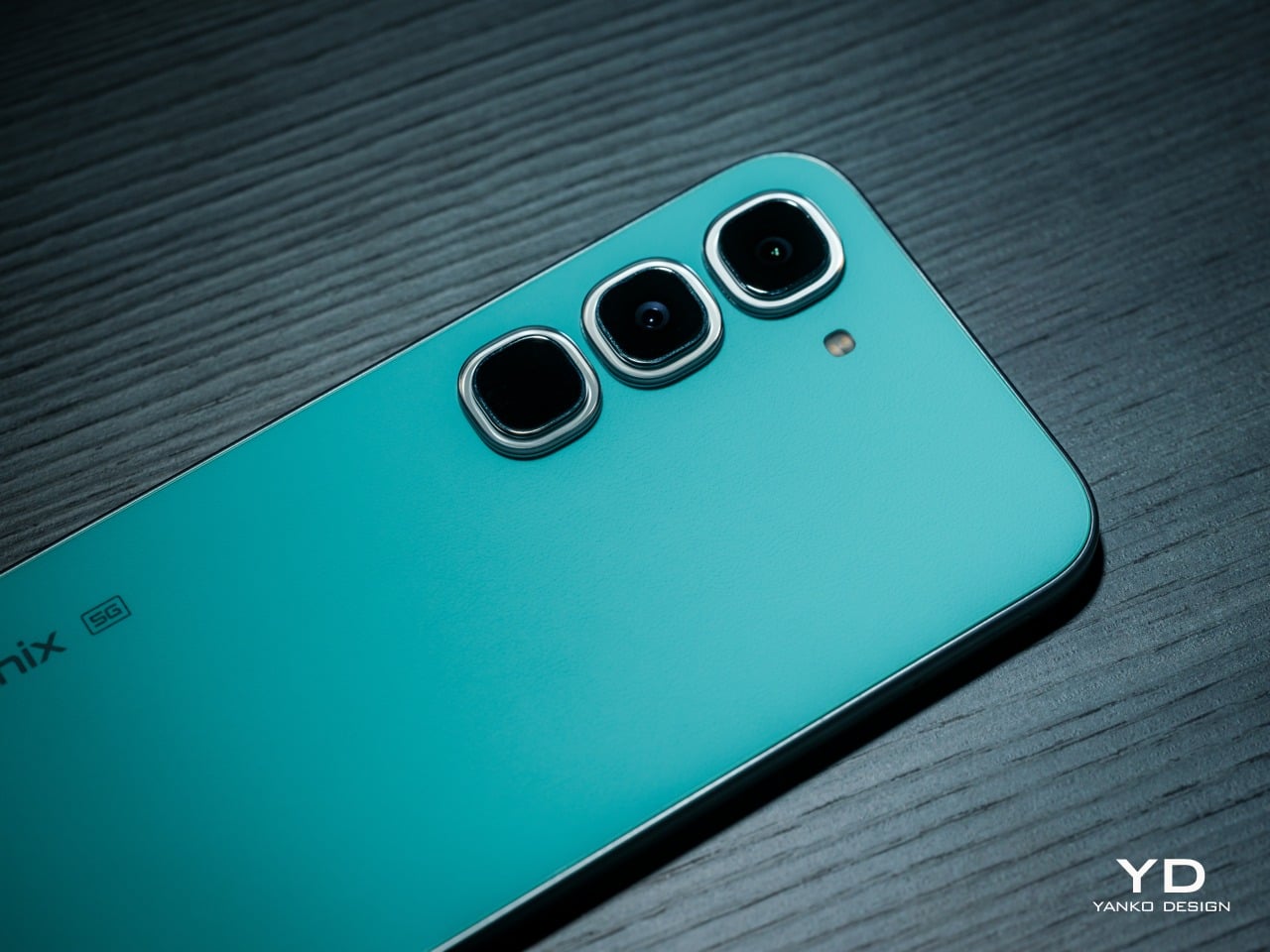
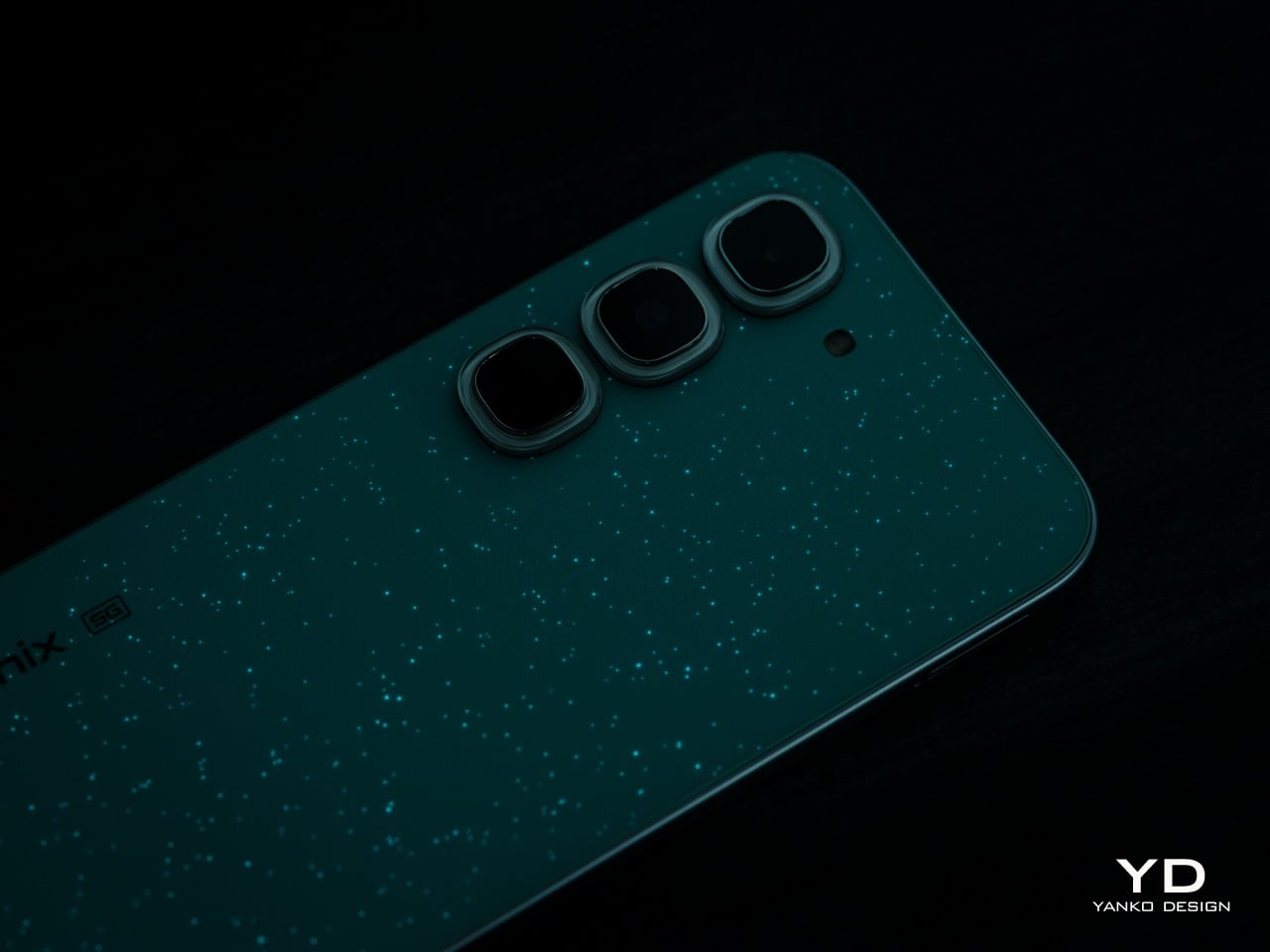
Mirage Green, exclusive to the Pro model, offers a more subtle yet equally stunning color-changing effect. Nearly-invisible luminous particles embedded in the leather-like finish on the back of the phone absorb light during the day. Once the sun sets, these dots glow like stars dots scattered against a dark green night sky. It’s a visual that is both premium and calming, perfectly reflecting its design.
The remaining hero finishes deserve more than a footnote. Silk Glow Purple builds its color from nano-scale structural layers rather than pigment, which means the purple actually shifts and travels across the surface as the angle changes. The Limited Edition Depth Ring White goes further, using a micro-lens array to create what reads as a floating 3D ring against an otherwise flat back panel.
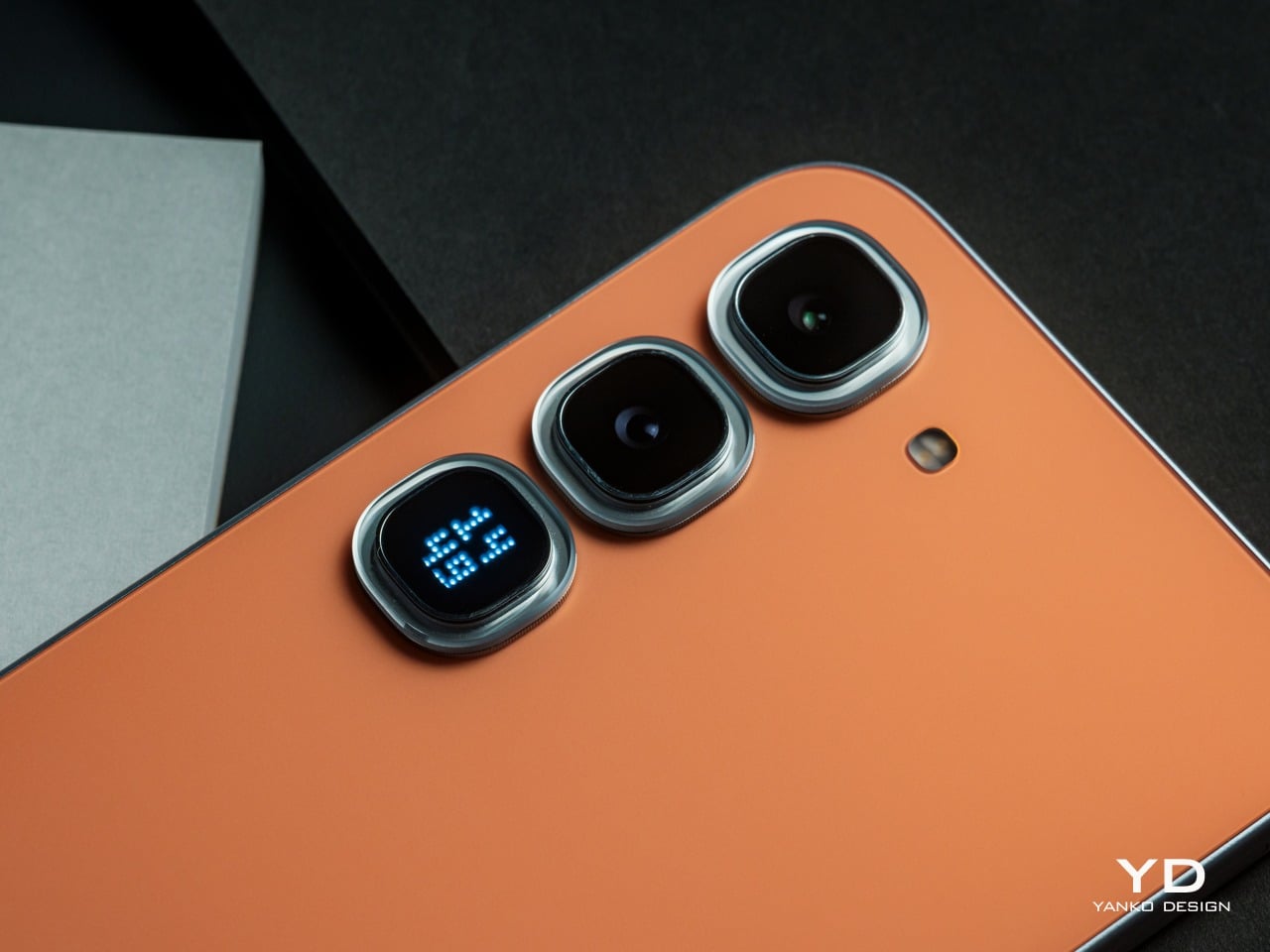
The Active Matrix Cube is the Pro’s most distinctive rear-surface detail, a programmable light matrix that’s a flagship-level feature from Infinix’s premium product lineup. It handles status alerts, ambient lighting, mini-games, and custom pattern displays, and can even share those creations via NFC with a single tap. It turns the back of the phone into a secondary surface that communicates something, even when the screen is dark.
Ergonomics
At just 7.49mm thin and 195g light, the HOT 70’s pocket-favourite design offers effortless portability, slipping easily into pockets or small bags and ensuring smooth one-handed handling for commuting, travel, and everyday use. The HOT 70 Pro 5G is marginally heavier at 204g and slightly thicker at 7.85mm to 7.95mm, depending on the colorway, differences that don’t read as particularly significant in everyday handling.
The One-Tap AI Button on both phones is inspired by the Clous de Paris design, with a three-dimensional textured surface that delivers a refined, premium tactile feel. Its customizable shortcut logic enables One-Tap AI FlashMemo with a short press and activates Folax AI assistant with a long press, allowing intuitive control and more efficient smart interaction by streamlining everyday tasks. That physical anchor makes AI feel genuinely accessible rather than buried in software menus.
Both phones use punch-hole displays with narrow bezels, giving a clean, open canvas for everyday use. The HOT 70 and HOT 70 Pro 5G have very similar screen sizes at 6.78 and 6.76 inches, respectively, so the real ergonomic difference lies in the refresh rate. The HOT 70 Pro 5G’s 144Hz high refresh rate and 240Hz touch sampling rate deliver ultra-smooth scrolling without ghosting while browsing and streaming, while the HOT 70’s 120Hz panel handles daily navigation comfortably. The smooth visuals help ease eye strain while also improving the overall user experience.
Performance
AI is quite the trend these days, and Infinix isn’t one to be left behind. The HOT 70 Series delivers a full AI experience upgrade featuring a physical One-Tap AI Button, with a dedicated AI Button that supports intelligent intent recognition, enabling one-tap capture of ideas, meetings, emails, and more, with auto archiving and smart schedule creation based on content type. Long-pressing the button activates Folax, Infinix’s custom AI assistant, which answers questions based on whatever is on screen, from displayed text to a live camera view, with access to five or more AI models simultaneously. Between FlashMemo’s capture-and-organize logic and Folax’s any-screen contextual awareness, the two together cover most of what people actually reach for their phones to do throughout the day.
Battery anxiety is real, especially among the younger generation, so Infinix naturally has a solution. Both models offer a 15% larger battery capacity than the previous generation, featuring a 6,000 mAh single-cell design or 5,600 mAh in certain regional markets, a capacity difference driven by local regulatory requirements rather than any hardware compromise. Fortunately, both capacities support 45W Lightning FastCharge, and in Super Fast Charging mode, which allowed us to hit 50% in half an hour and fully charge in an hour. Bypass charging routes power directly from the charger to keep the phone cooler during heavy use, a critical safety measure when gaming or using the phone for navigation.
The Infinix HOT 70 runs on a MediaTek Helio G100 Ultimate, a powerful octa-core gaming processor designed for smoother daily use, multitasking, and light gaming. That said, the Helio G100 is a 4G-only chip, which means the HOT 70 can’t connect to 5G networks. The HOT 70 Pro 5G steps up to a MediaTek Dimensity 7100 with 5G support, a meaningfully stronger chip that pushes AnTuTu V11 scores above 780,000, delivers up to 90 fps in supported games, and brings faster 5G connectivity tuned for crowded real-world conditions.
The display difference between the two models is more significant than the size gap suggests. The HOT 70’s 6.78-inch 120Hz Eye-Care Display reaches 700 nits of HBM brightness for sunlight readability. The HOT 70 Pro 5G’s 6.76-inch FHD+ panel pushes that to 950 nits of HBM brightness, a genuine sunlight-legibility advantage, and the jump to Full HD+ resolution adds sharpness that becomes particularly noticeable when reading text or watching video.
Camera setups share a foundation but diverge meaningfully at the Pro tier. Both phones use a 50MP main sensor, with AI Live Photo on both automatically filtering out shaky frames from a burst. The HOT 70 Pro 5G’s imaging toolkit, however, rests on a 50MP Sony IMX882 with a large 1/1.95-inch sensor, f/1.8 aperture, and full-pixel autofocus, plus a 2x lossless zoom shortcut, giving it stronger low-light performance.
In both cases, both images and videos come out clear, detailed, and vibrant, punching above their price tier. Sadly, the lack of a dedicated telephoto or ultra-wide cameras will make you miss out on decent close-ups and breath-taking panoramas. It isn’t the series’s strongest suit, but it at least won’t let you down when you need to preserve important moments and scenes.
Sustainability
The HOT 70 carries an IP65 rating, featuring six-level full dustproofing and IP65 splash resistance, blocking dust, rain, and sweat effectively for safer daily commutes and outdoor use. It also boasts military-grade durability with an SGS-certified 5-star drop protection. The HOT 70 Pro 5G steps up to IP68, Infinix’s highest rating to date, rated for up to 2 meters of fresh water for 30 minutes, with screen and camera protected throughout, and further adds MIL-STD-810 military-grade certification for durability across more demanding conditions.
Both phones deliver long-term OS support, keeping the device smooth, secure, and reliable for years, with guaranteed three years of major XOS version upgrades (only for models with 6GB RAM or more) starting with factory-installed XOS 16, continuously updating to XOS 17, XOS 18, and XOS 19. Three OS upgrades aren’t quite on par with what some flagship brands now offer, but it’s a genuinely generous commitment for this price tier, where software longevity is rarely treated as a selling point at all. One caveat is that certain XOS features only apply if your configuration has 6GB of RAM or more.
Value
The Infinix HOT 70 starts at around $120, depending on configuration and market, and the package it delivers at that price is hard to dismiss. Tactile finishes, a physical AI shortcut, a generous battery, and a sunlight-readable display aren’t common at this tier. The Lumina Flare texture and Crystal Mood Island add visual differentiation that most competitors simply don’t bother attempting.
The Infinix HOT 70 Pro 5G starts at around $200, and the step up from the base HOT 70 is justified on multiple fronts. A faster 5G chip, a sharper and faster display, a more capable Sony camera sensor, full IP68 waterproofing alongside military certification, and the Active Matrix Cube add up to a meaningfully more capable and expressive package.
Neither phone asks for a premium price to deliver a premium-feeling design, and that’s genuinely rare. At comparable price points, the alternatives in this category tend to compete primarily on camera megapixels or battery size, without investing much thought into what the phone feels like to hold, look at, or interact with. The HOT 70 series treats those questions as worth answering, which puts it in a different conversation entirely.
Verdict
The HOT 70 makes a case for what affordable phone design can look like when treated as an actual discipline. The Lumina Flare texture, the Crystal Mood Island camera ring, the Active Halo, and the Baby-Smooth Finish come together in a device that rewards closer attention. It gets noticed on a table or out of a pocket, not because it’s loud, but because it clearly has a point of view. The HOT 70 Pro 5G takes that design ambition further into something genuinely experimental, with four optical behaviors across its colorways, a 5G chip with real gaming headroom, a Sony camera sensor that performs above expectations, and IP68 waterproofing for more demanding conditions.
Together, both phones say something interesting about where considered, expressive design is heading at the more accessible end of the smartphone market. At a price tier where “design” usually means picking between black, blue, or midnight black, the Infinix HOT 70 series is quietly raising the bar for what a phone at this price is allowed to look and feel like.
Most tiny homes are built around compromise. It doesn’t perform the usual tiny-house tricks — the Murphy beds that fold into walls, the loft you access by ladder, the dining table that doubles as a coffee table that doubles as a desk. Vagabond Haven’s latest modular home simply gives you a proper house, just in a more deliberate package.
The Scandinavian brand built its reputation on the original Evergreen, a two-module design that offered 41 square meters of single-floor living. The XL takes that same structural logic and stretches it. Length extends to 11.8 meters (38 feet), and the width comes in just under 6 meters (20 feet) — more than double that of most tiny houses. The result is 59 square meters (635 square feet) of interior space that reads, honestly, more like a compact apartment than a cabin on a trailer.
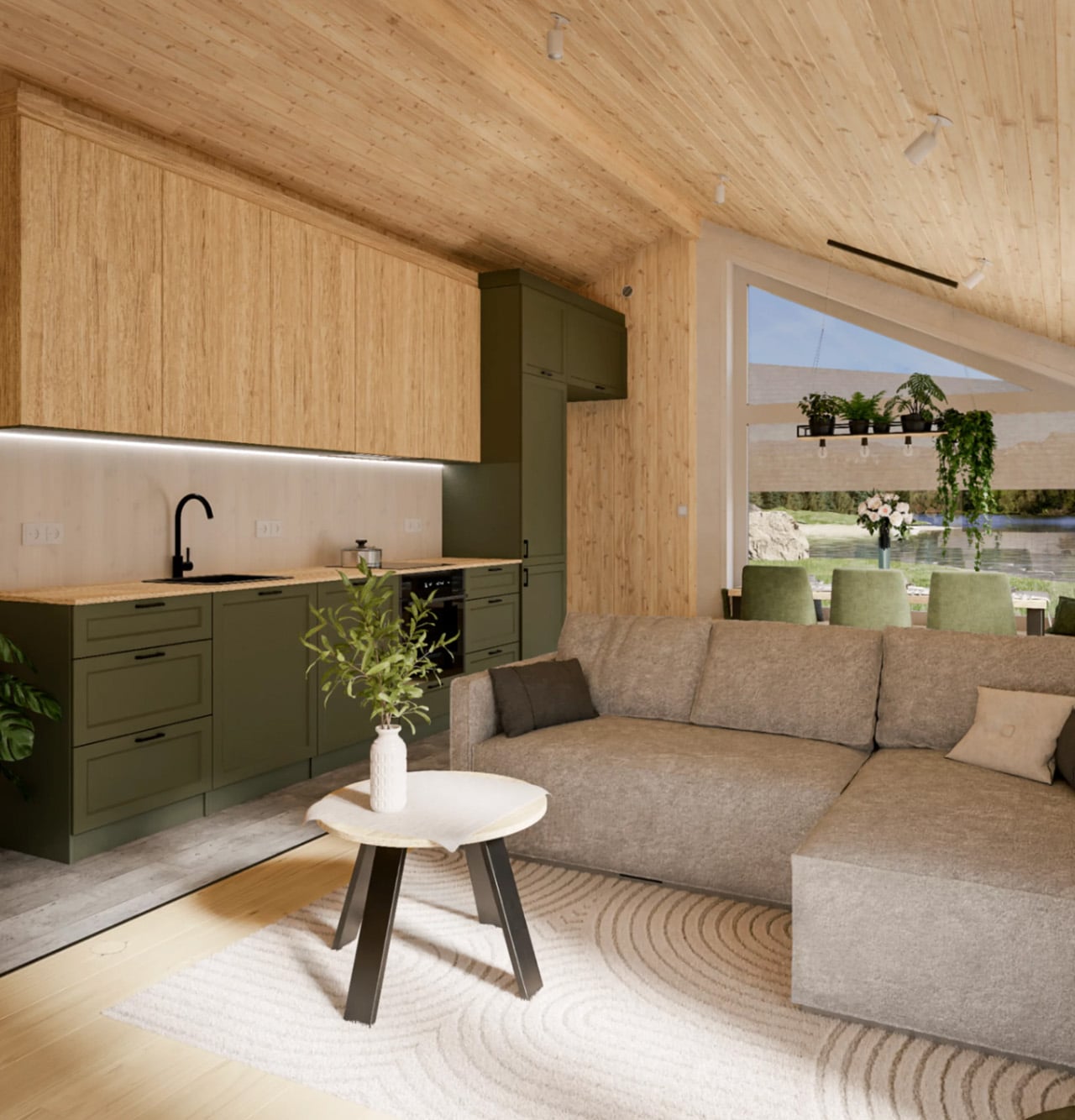
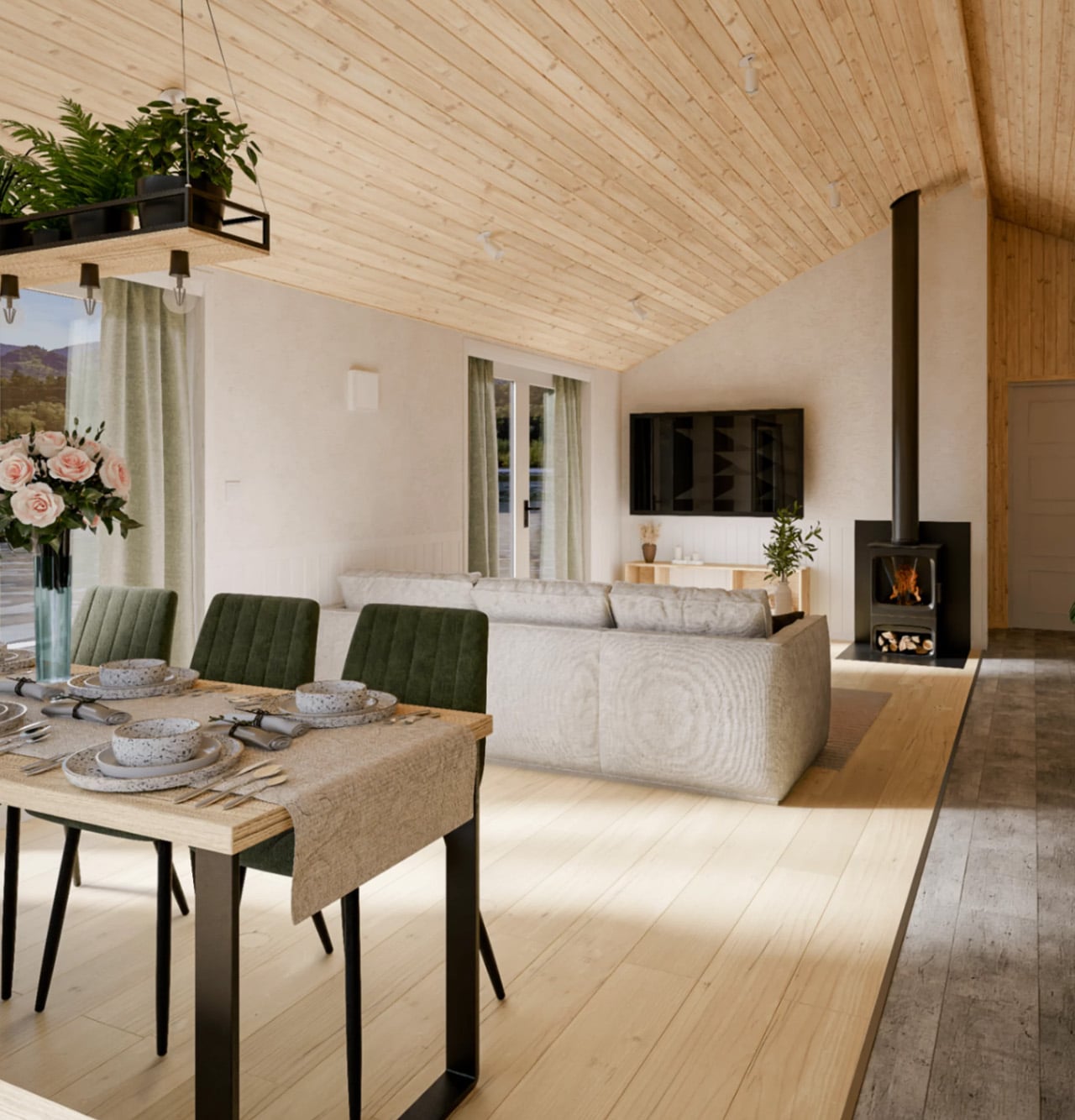
That extra width is where the design earns its keep. Wide homes feel categorically different from narrow ones. Light moves differently. Furniture can breathe. The open living and kitchen area here accommodates an L-shaped sofa, a wood-burning stove, a full entertainment setup, and a six-person dining table — items that typically don’t share the same zip code in a tiny home. The kitchen is equipped with an induction cooktop, a fridge/freezer, a dishwasher (still a genuine rarity in this segment), and both upper and lower cabinetry. It’s a working kitchen, not a galley you tolerate.
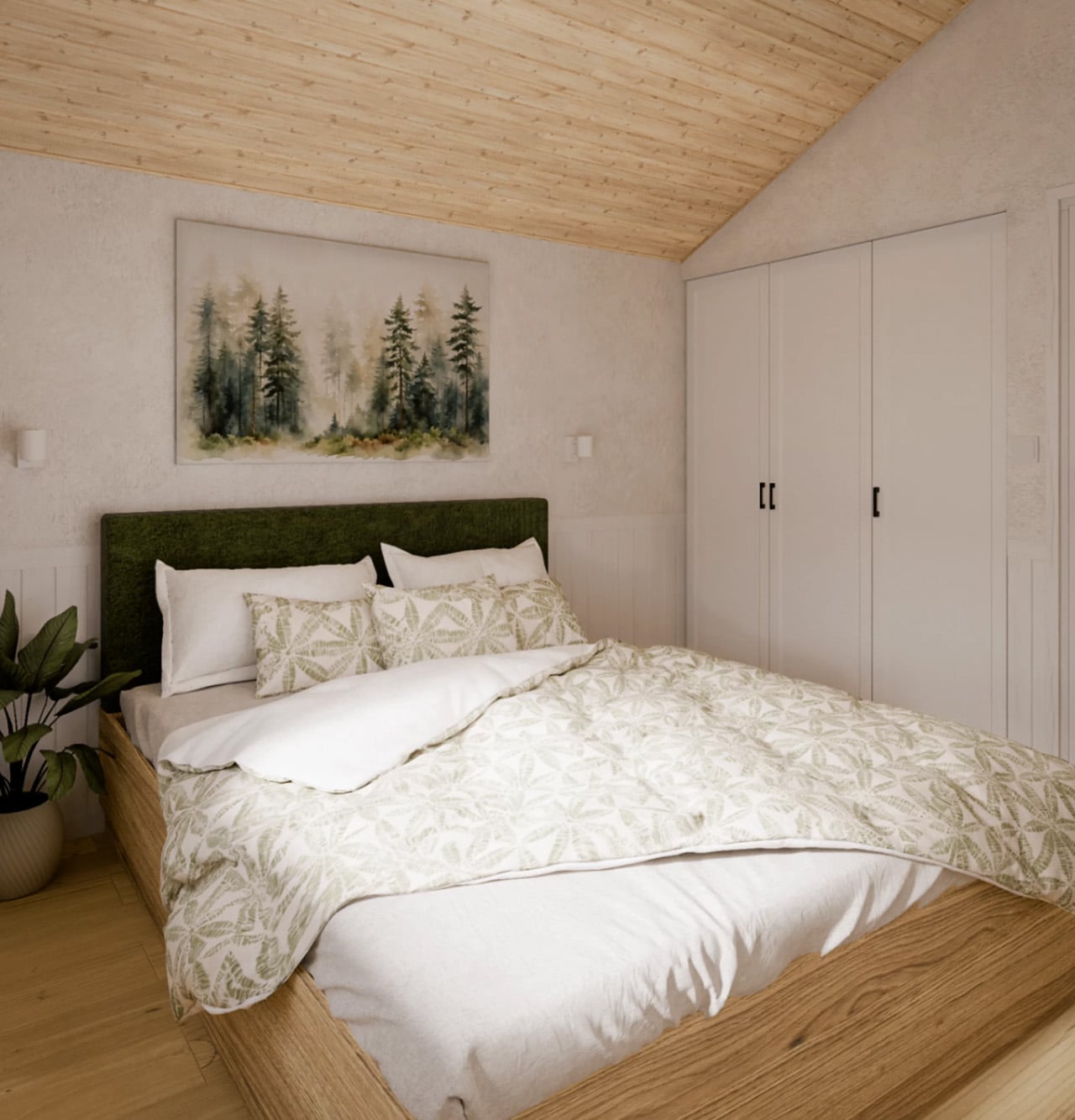
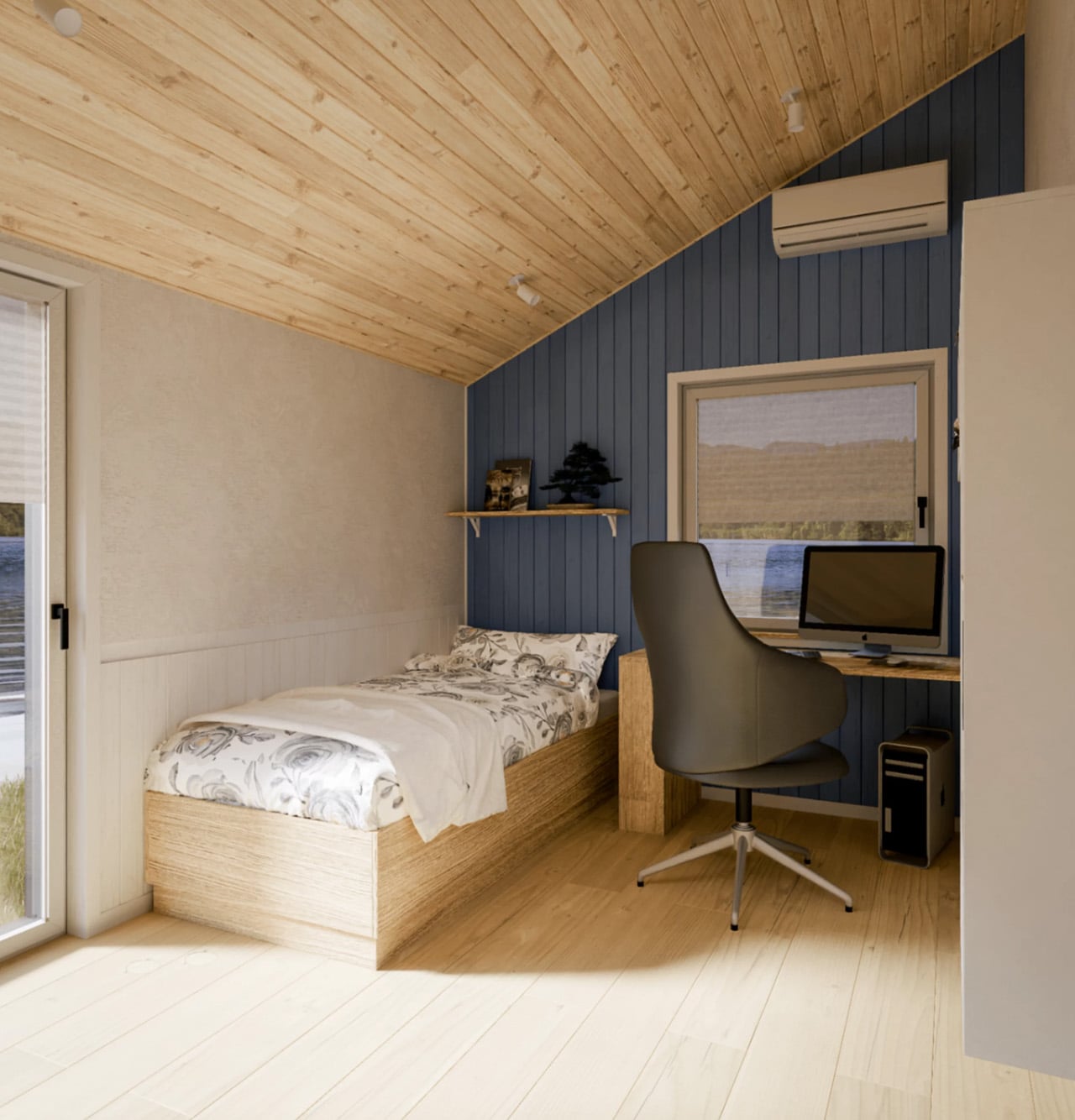
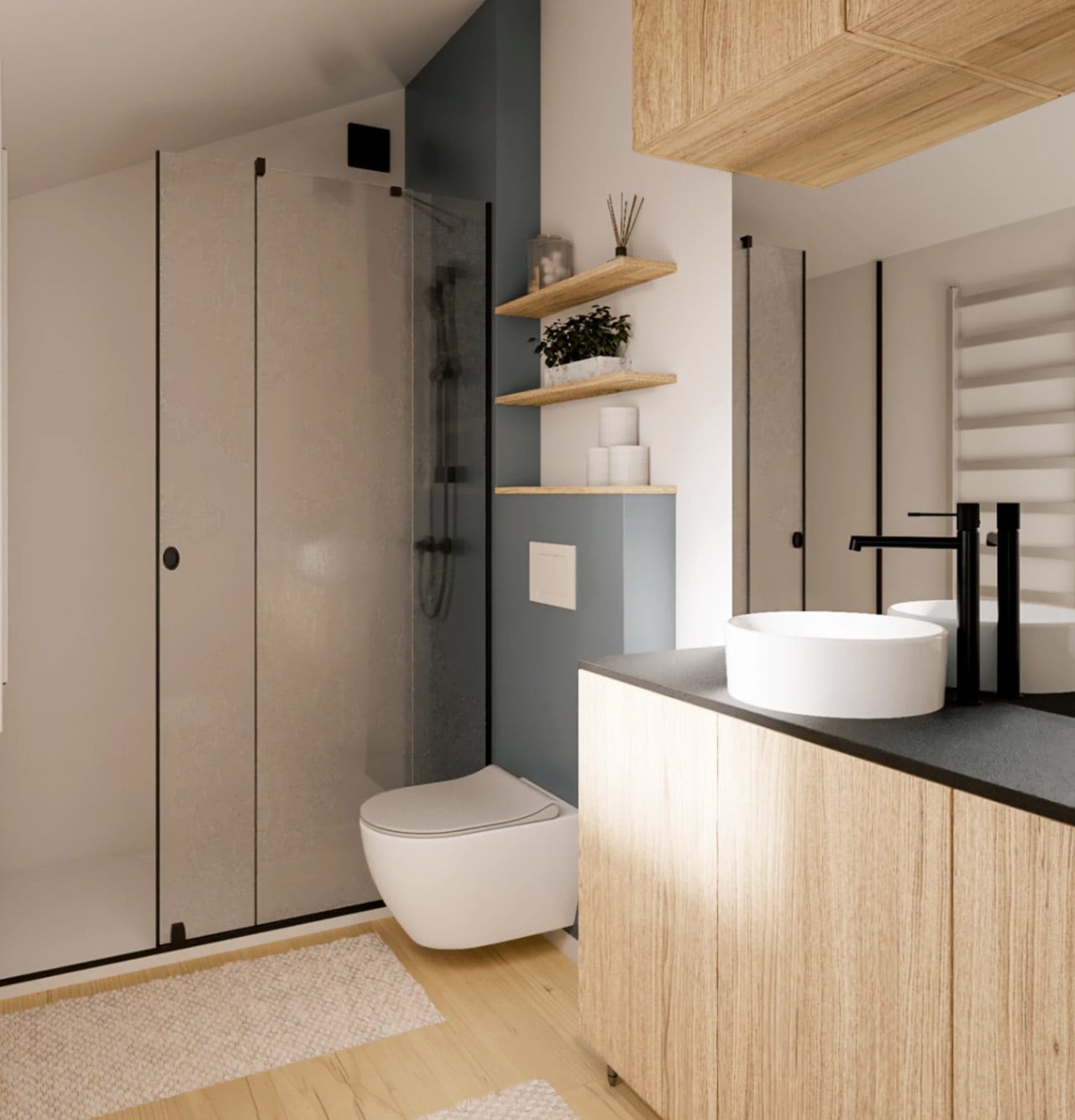
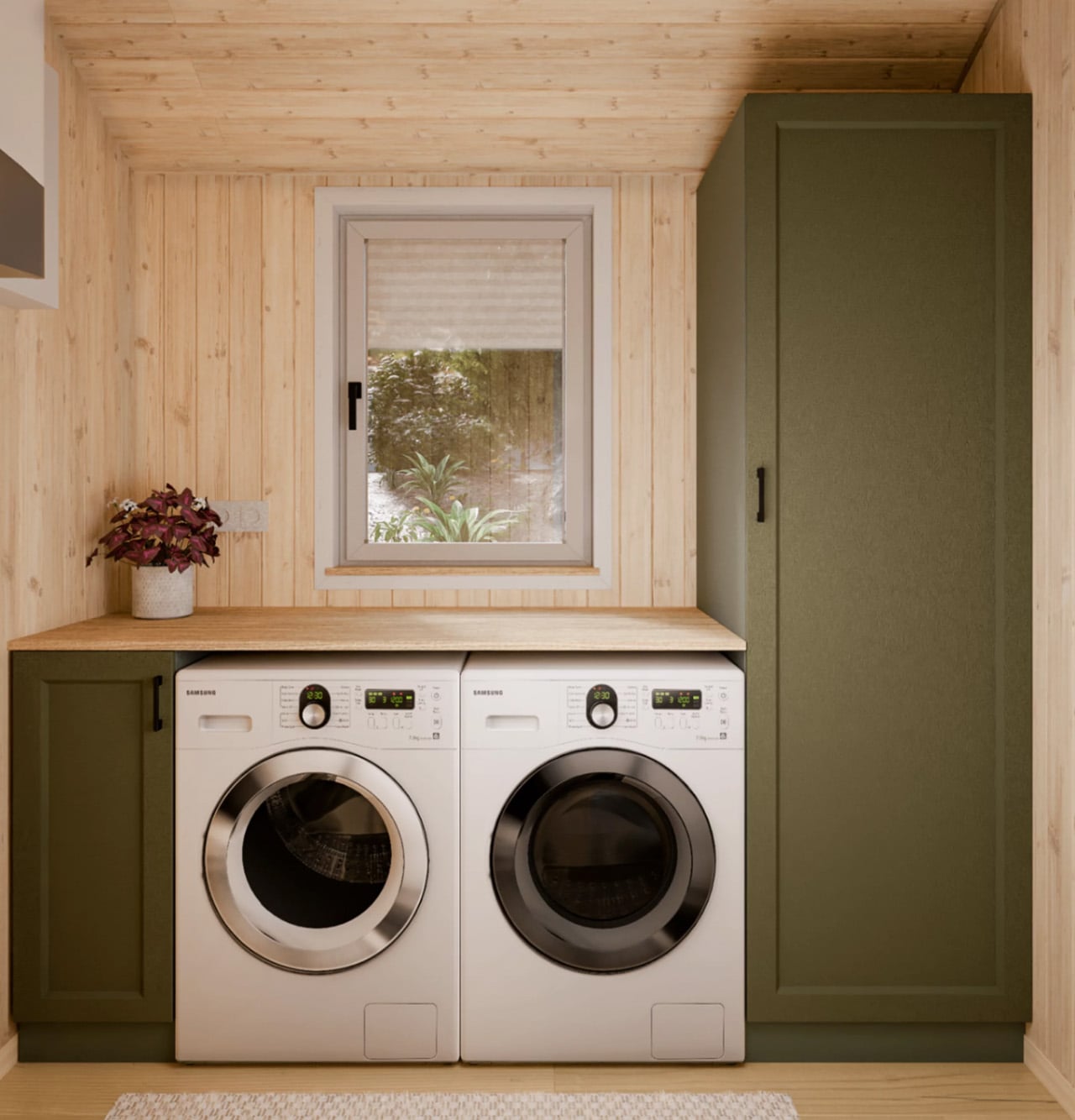
The two bedrooms are separated in function as much as form. The master bedroom features a double bed, a built-in wardrobe, and a TV unit. The secondary bedroom doubles as a home office, with a single bed, a desk, dedicated shelving, and its own exterior entrance — which opens up interesting possibilities for a guest room, a studio, or a live/work setup. The bathroom doesn’t cut corners either: a glass-enclosed shower, vanity sink, and a choice between flushing, composting, or incinerating toilet. A dedicated technical room houses the water heater, washing machine, and dryer — appliances that usually get crammed into a closet.
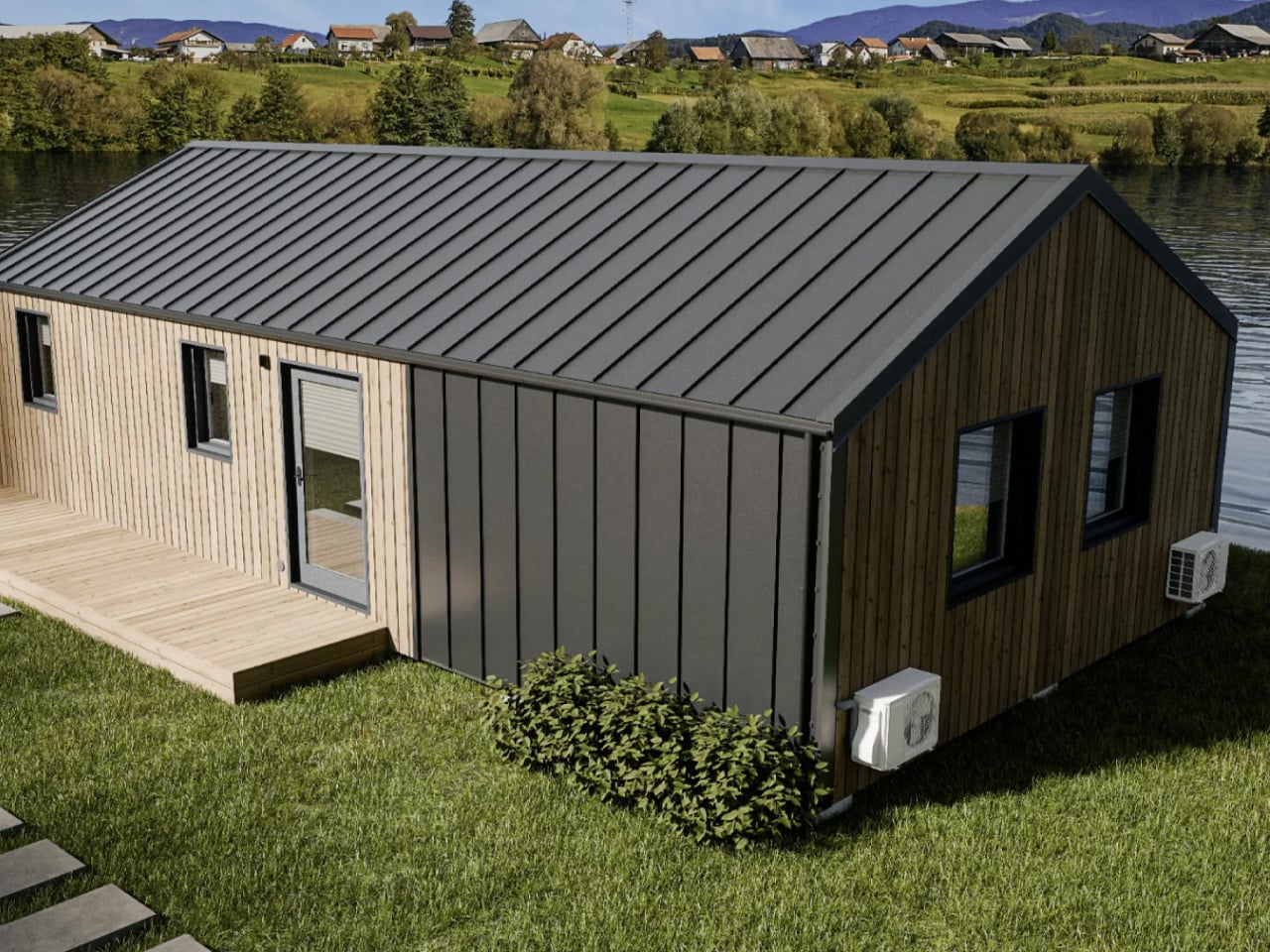
Outside, engineered timber and metal cladding wrap a steel roof, and generous glazing keeps the interior in conversation with the landscape. The home arrives in two sections via truck and is assembled on site — no wheels, no tow hitch, no pretense of mobility. Off-grid solar capability is available as an option, along with flexibility in materials, furnishings, and appliances.
The Evergreen XL starts at around €108,000 (approximately $123,000). For a full-time home that arrives pre-designed and ready to configure, that number is harder to argue with than it might first appear.
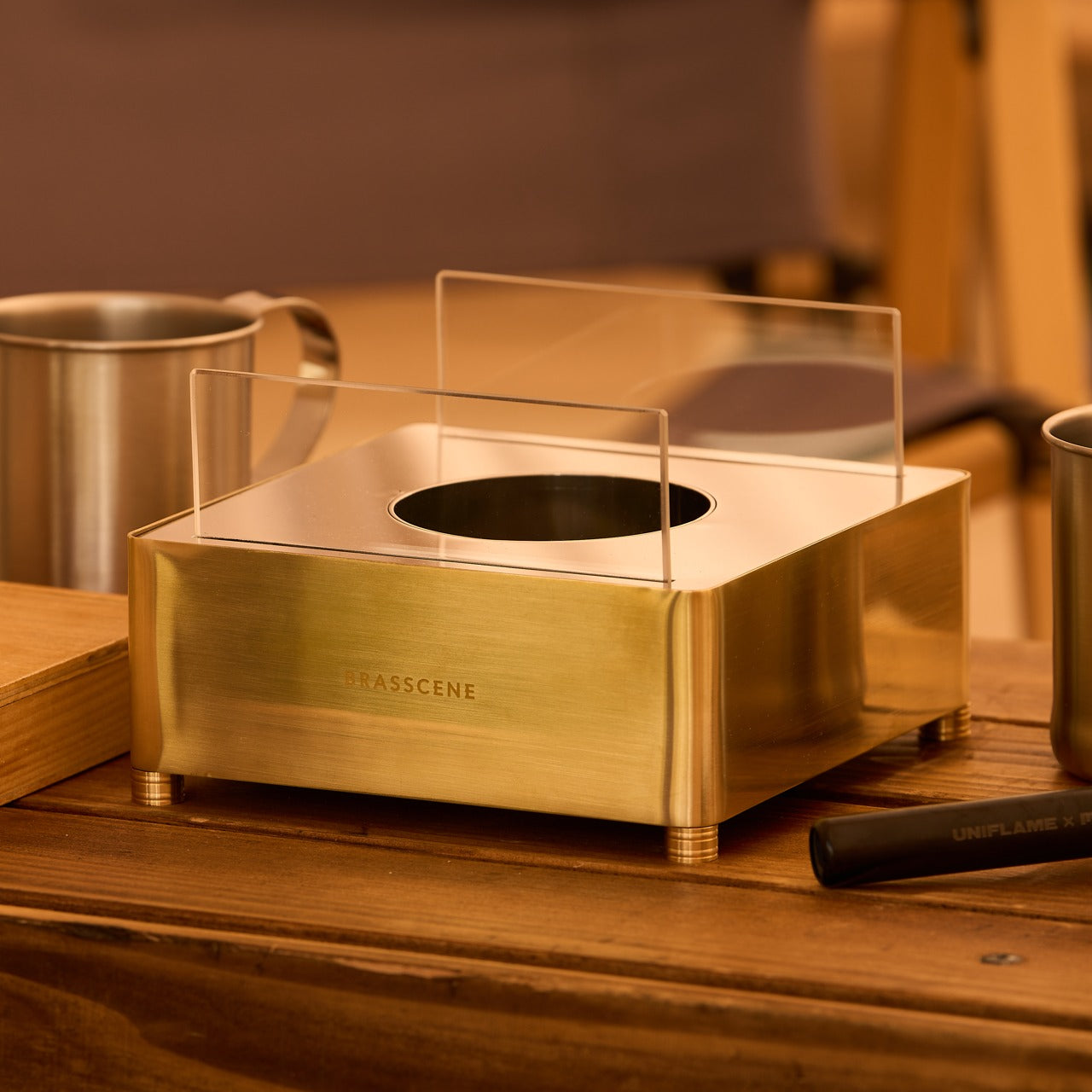
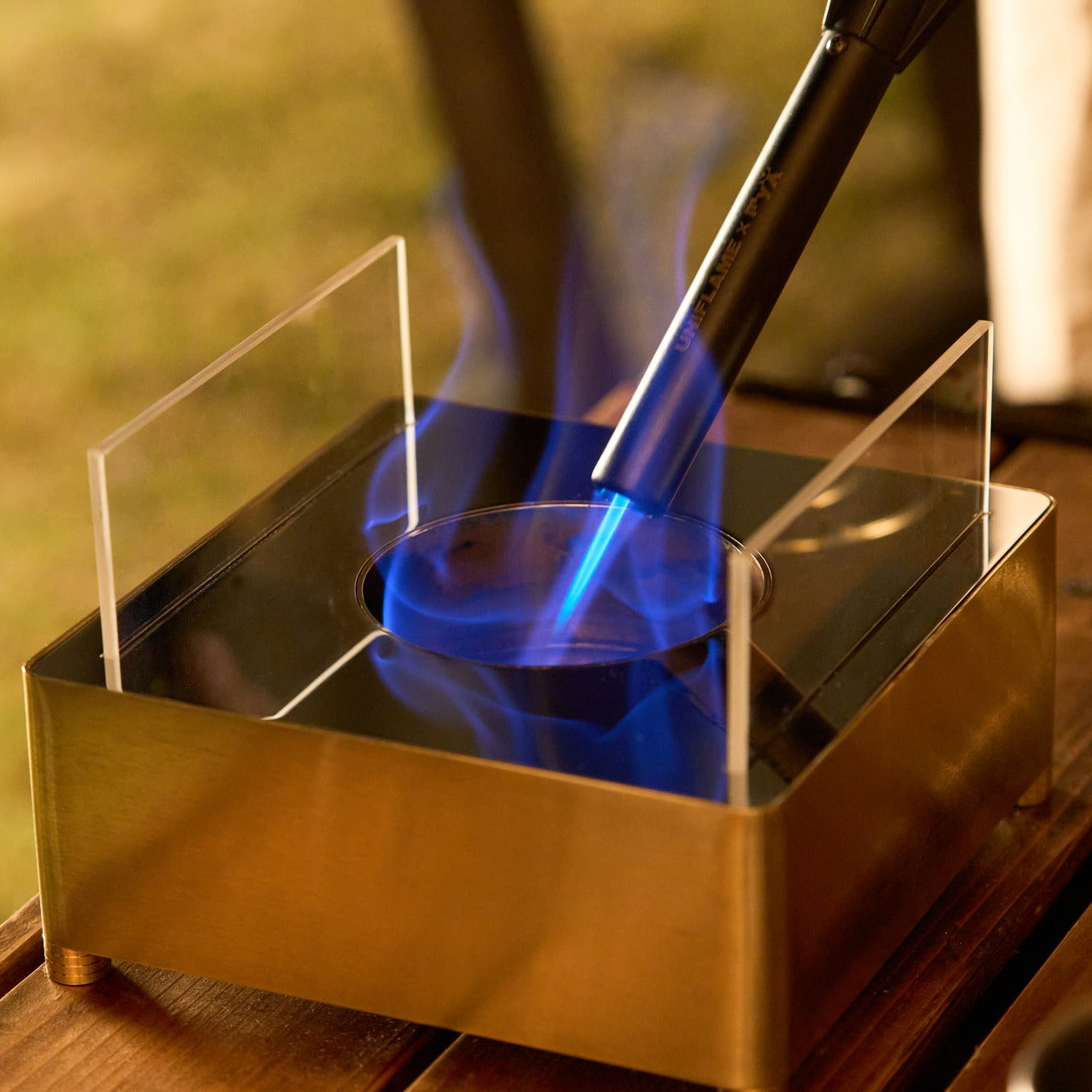
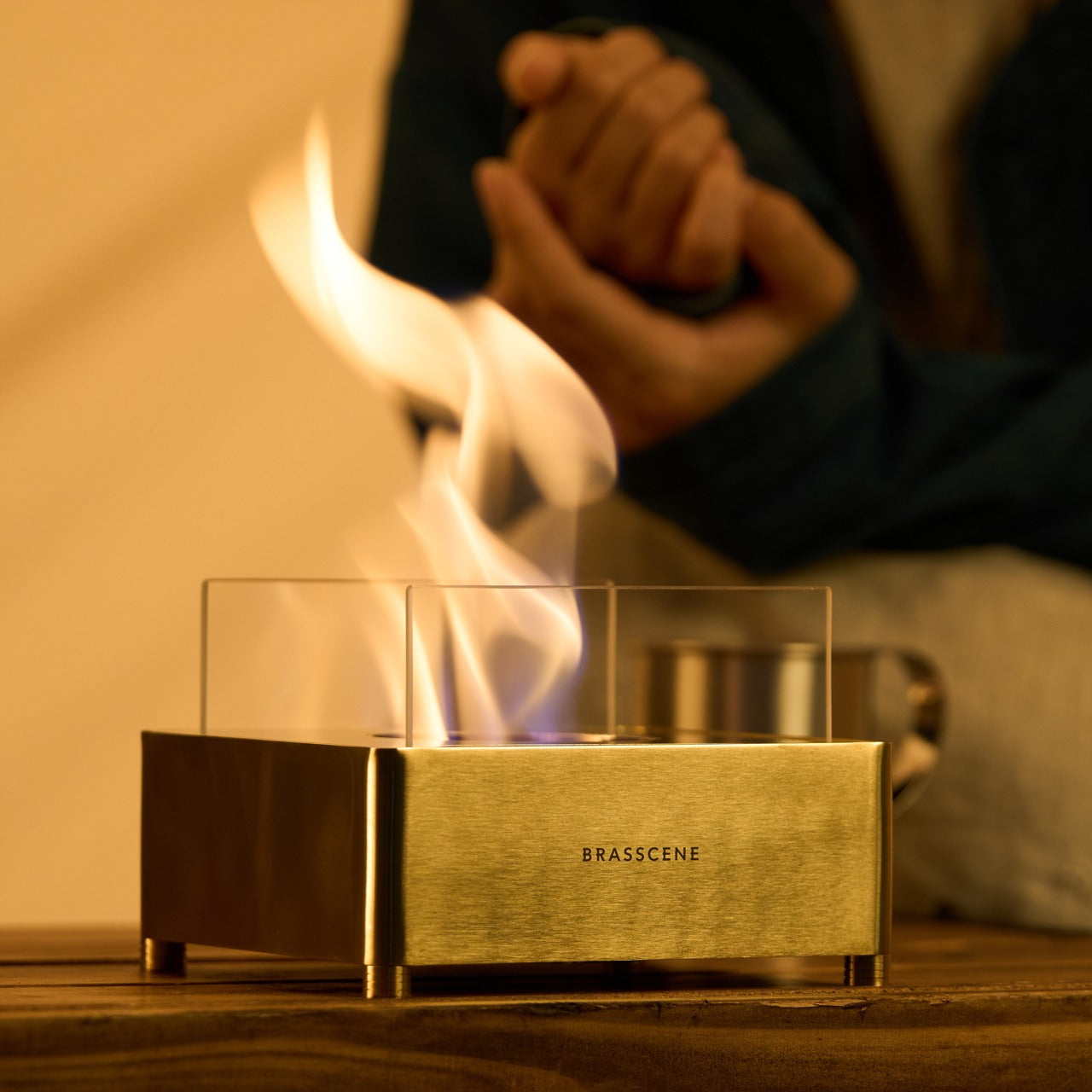
Most fireplaces require a great deal in exchange for a little warmth. A gas line. A flue. A weekend cleared for installation that ends up becoming two. The Harmony Flame asks for none of it. A brass fireplace that runs on bioethanol and sits on any surface you choose, it brings real fire to a dining table or a patio without smoke, without odor, and without anything that needs to be built into a wall.
What makes it worth owning is the craft behind it. The Harmony Flame is made by hand by craftsmen who build brass musical instruments, and that background changes everything about the object. The finishing, the fit, and the way brass behaves in firelight are not accidents of manufacturing. They are the result of people who understand the material at a level that most decorative product makers simply do not.
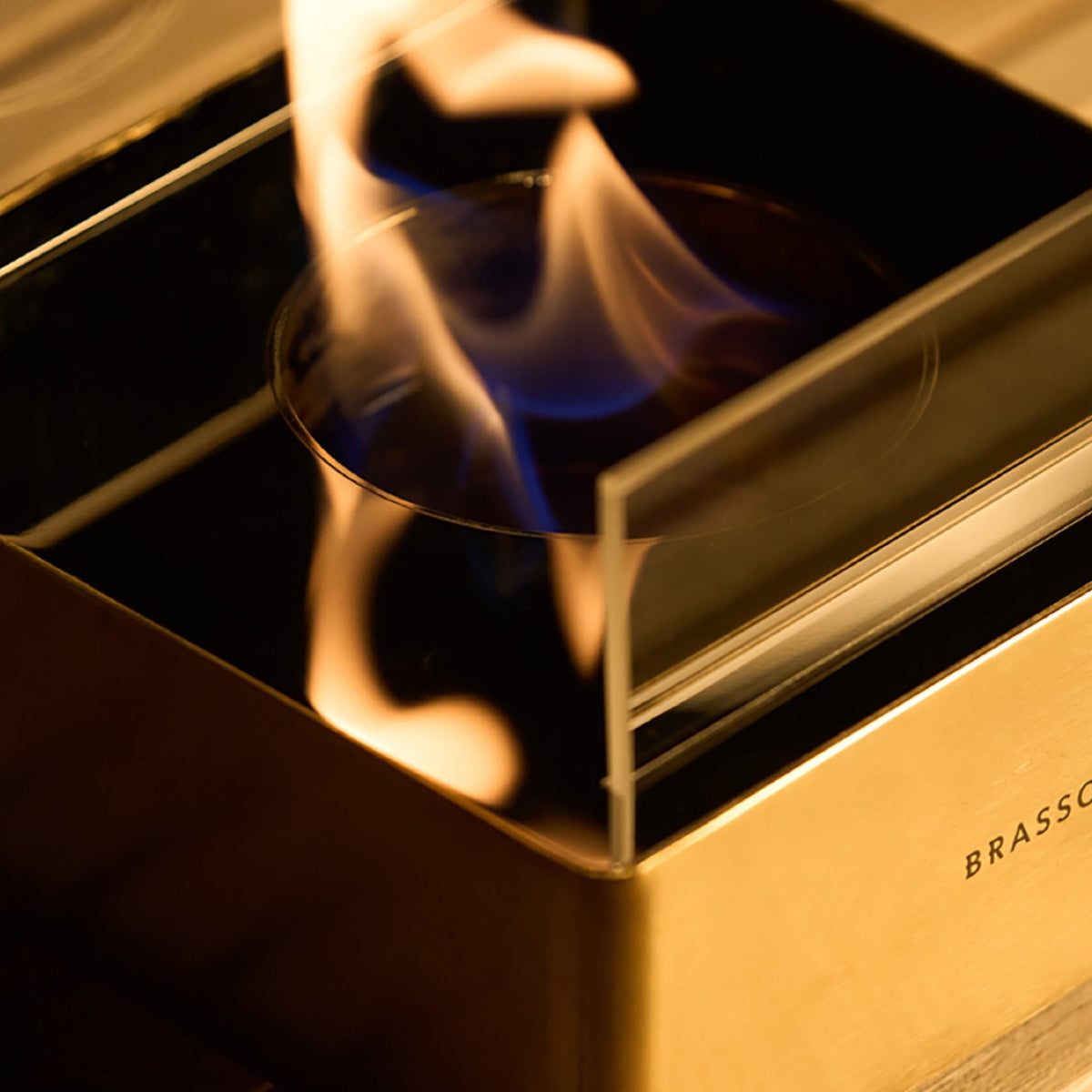
The decision to build this fireplace in brass is not purely aesthetic, though the aesthetics are difficult to argue with. Brass holds heat well, develops a patina over time that makes each piece distinct, and responds to flame the way few other materials can. The craftsmen behind the Harmony Flame come from instrument-making, where precision and finish are non-negotiable because the material reveals everything. That same discipline carries into this fireplace, across every seam and surface, and the result is an object that gets better the longer it is used.
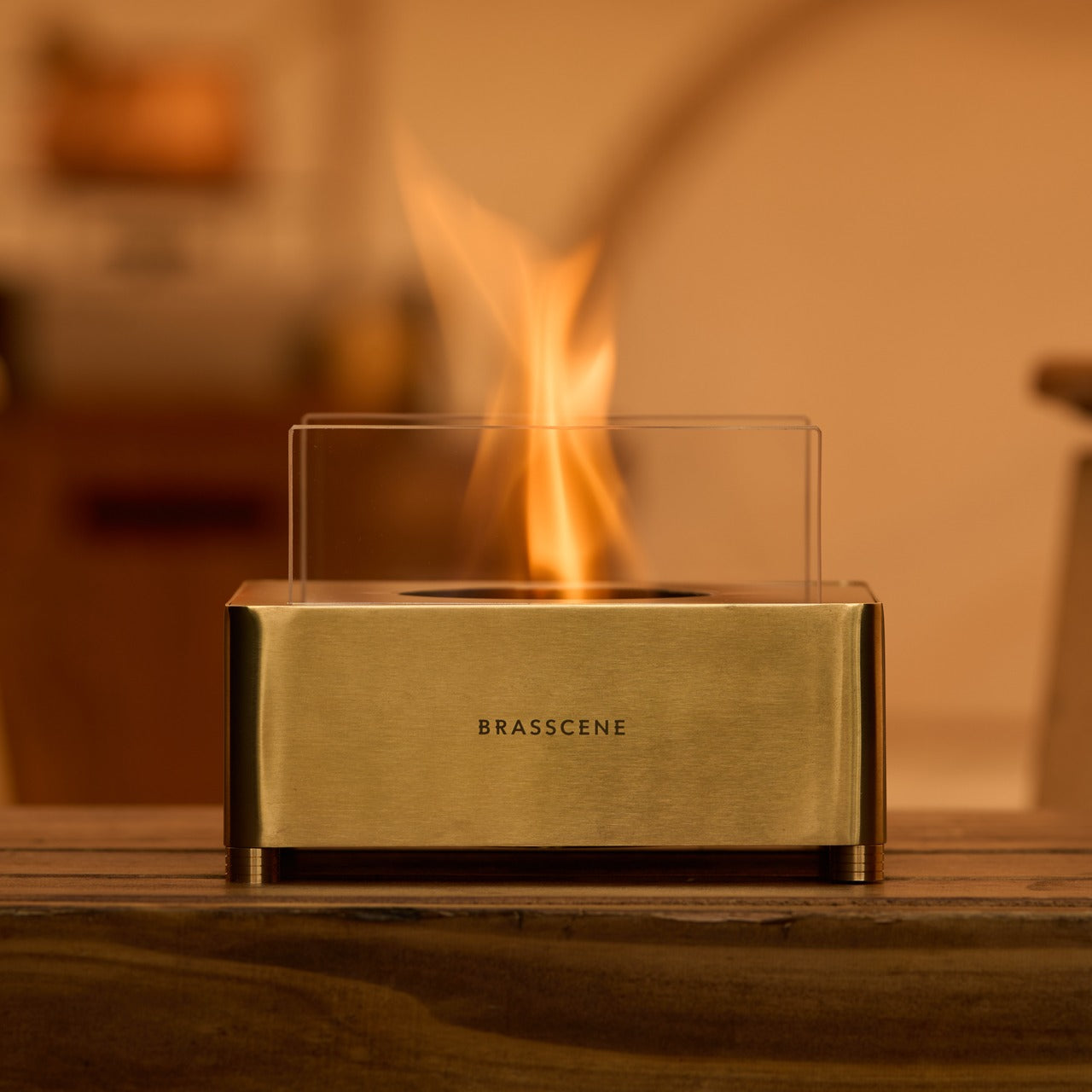
The reflective interior is where the design genuinely separates itself. Fire inside a brass box does not simply burn. It bounces. Light moves across the surface differently with every shift of air in the room, casting shadows that a candle cannot produce and a printed flame never will. The Harmony Flame is not trying to replicate a built-in fireplace. It creates its own atmosphere, and the quality of light it generates is specific enough to change the character of whatever room or table it sits on.
Bioethanol, Any Surface, Anywhere
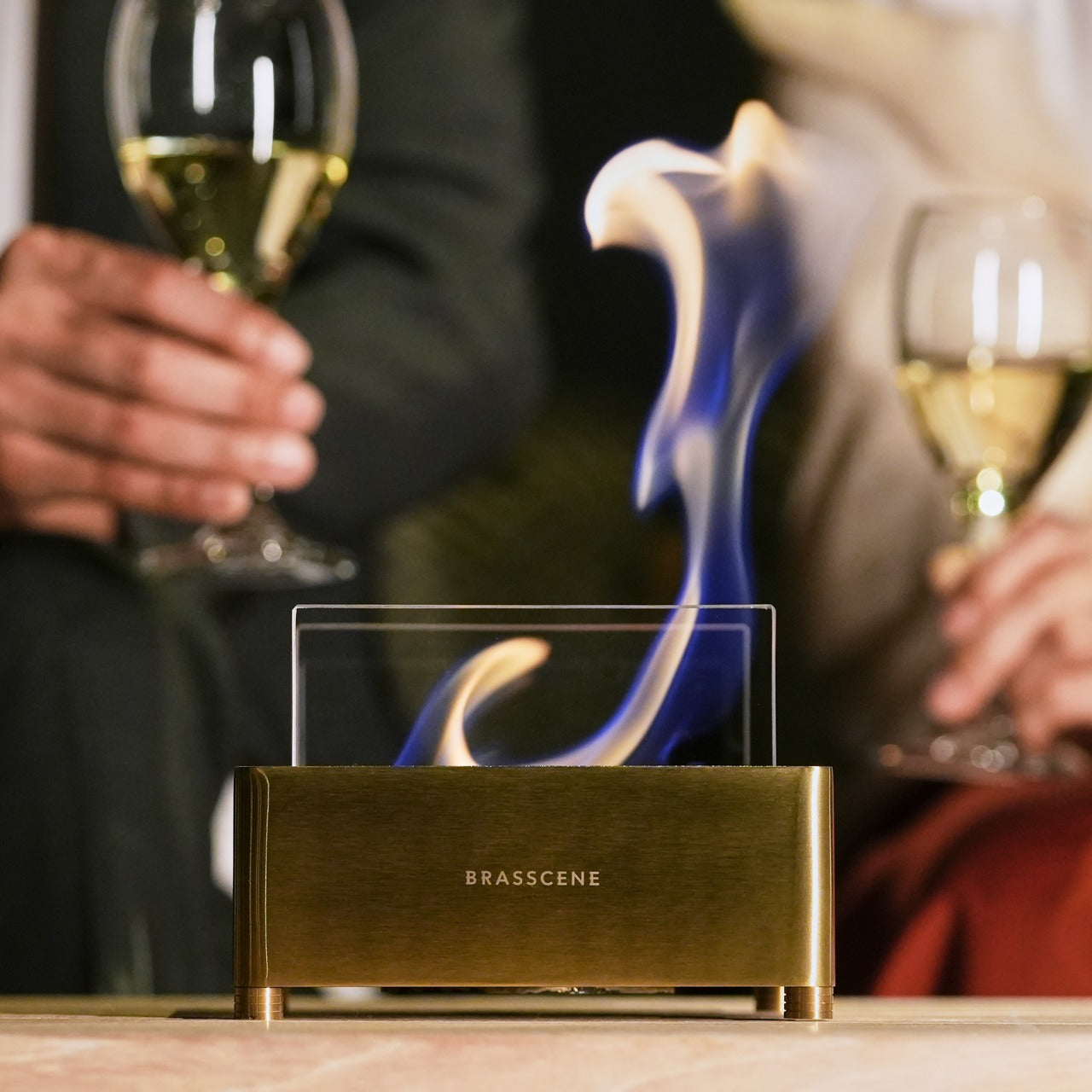
Bioethanol burns clean. No smoke rises from it, no odor lingers after an evening of use, and nothing accumulates on the ceiling or the curtains over time. The Harmony Flame runs on it directly, which means it qualifies as indoor-safe without ventilation requirements and outdoor-ready without any modification. Move it from the dining table to the patio as the evening shifts, or keep it fixed in one place and let the fire do what fire does naturally to any room it occupies.
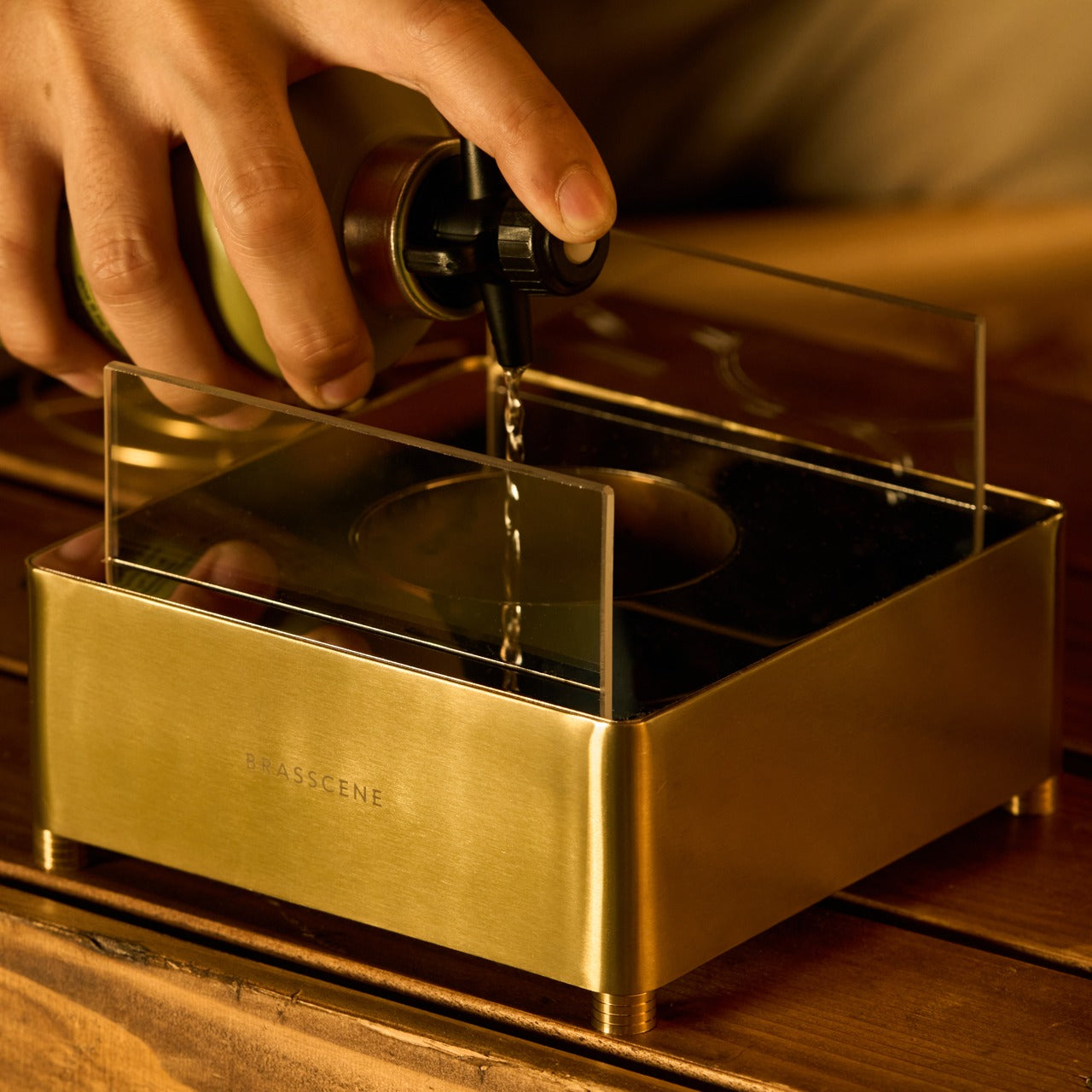
There is no installation because none is required. No plumber, no electrician, no mounting hardware, no manual written in four languages. Fill the reservoir with bioethanol, light it, and the fire starts. When the fuel runs out, refill and repeat. For a product designed to bring warmth to a space, the lack of friction in getting it started is one of the more considered details here. Complicated setup and a beautiful object rarely coexist well, and the Harmony Flame seems aware of that.
What We Like
Brass construction by instrument craftsmen: the level of finishing and attention to material that comes from instrument-making carries into every surface and joint of this fireplace, and it is immediately apparent in the way the object sits and holds itself
Bioethanol fuel system: burns without smoke, odor, or residue, making it genuinely safe for indoor use and equally capable outdoors without any modification or secondary equipment
Zero installation required: fill it, light it, use it — the absence of any setup barrier is a design decision as much as it is a convenience, and it removes every reason to leave the fireplace in a cabinet
Ambiance that earns its place: the reflective brass interior creates a play of light and shadow that neither a candle nor an electric flame can produce, which is the actual reason to own it
What We Dislike
Fuel not included: bioethanol is widely available, but first-time buyers will need to source it separately before the first use, which adds a step to an otherwise immediate experience
No cover or case specified: there is no mention of a protective lid or carry solution for storage or transport, which matters when moving the fireplace between indoor and outdoor settings regularly
Fire Without the Complications
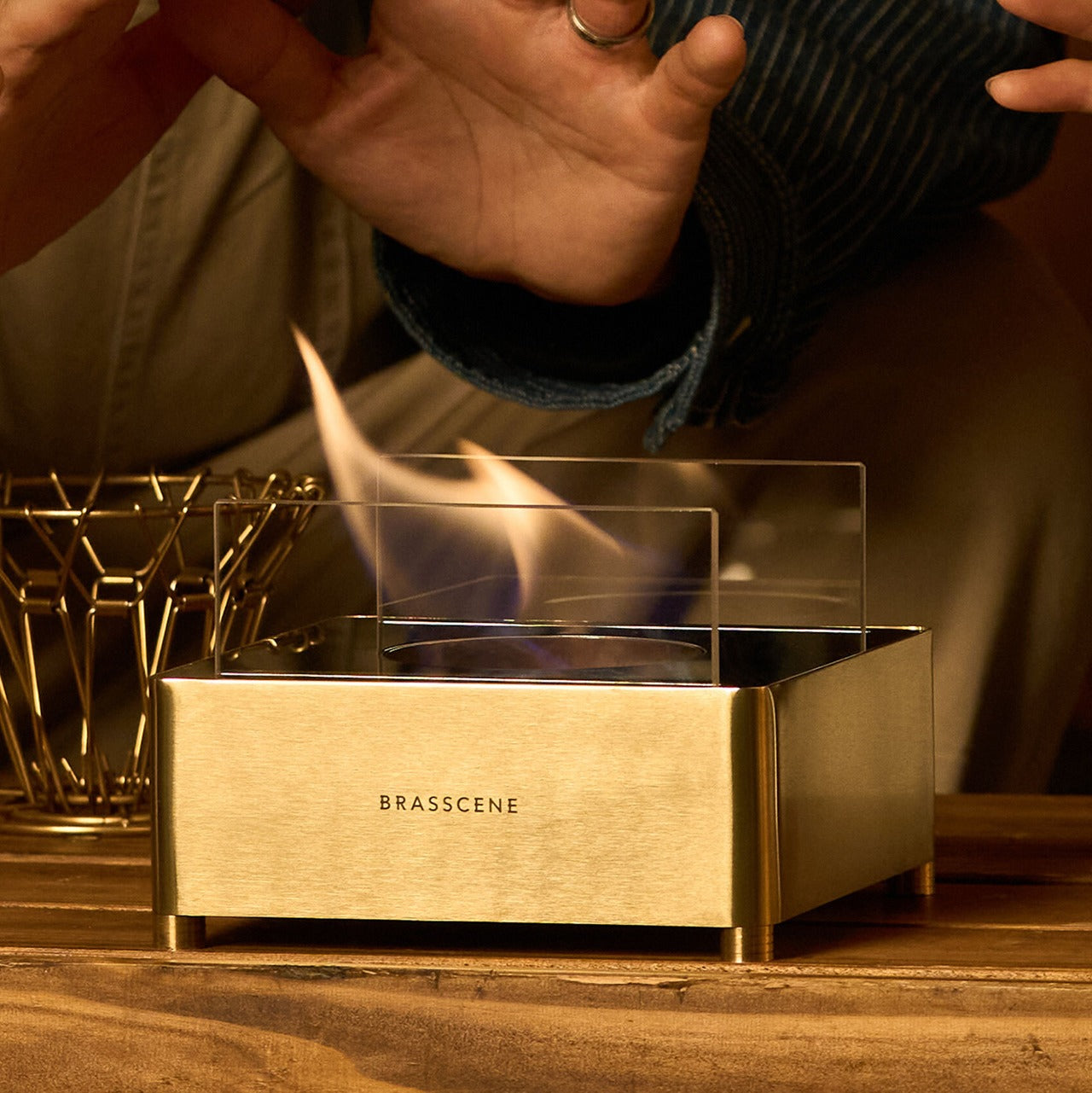
The Harmony Flame was built for spaces that want real warmth and cannot accommodate a traditional fireplace. A dining table where the evening deserves something more than candlelight. A covered patio where the temperature drops late and the conversation keeps going. It works in both settings without modification, without smoke, and without the installation that a fixed fireplace requires. The craftsmanship behind it ensures it earns its place wherever it ends up sitting.
If the rooms and evenings you share feel like they are missing one quiet element and you have not been able to name it, this is likely it. The Harmony Flame does what a good fire has always done. It changes the quality of a space. Pick one up and find out what an open brass flame does to the feeling of a dinner that was already good.
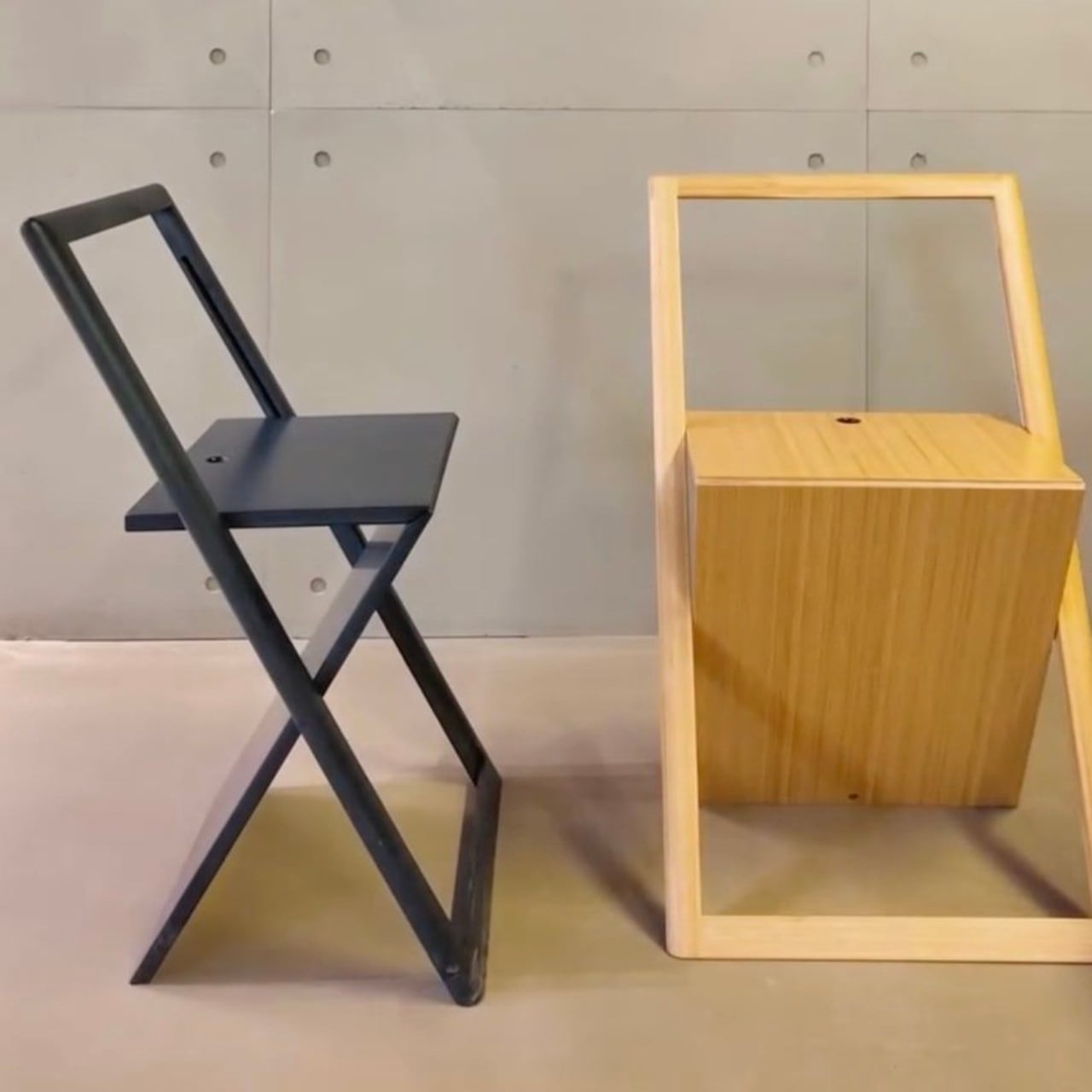
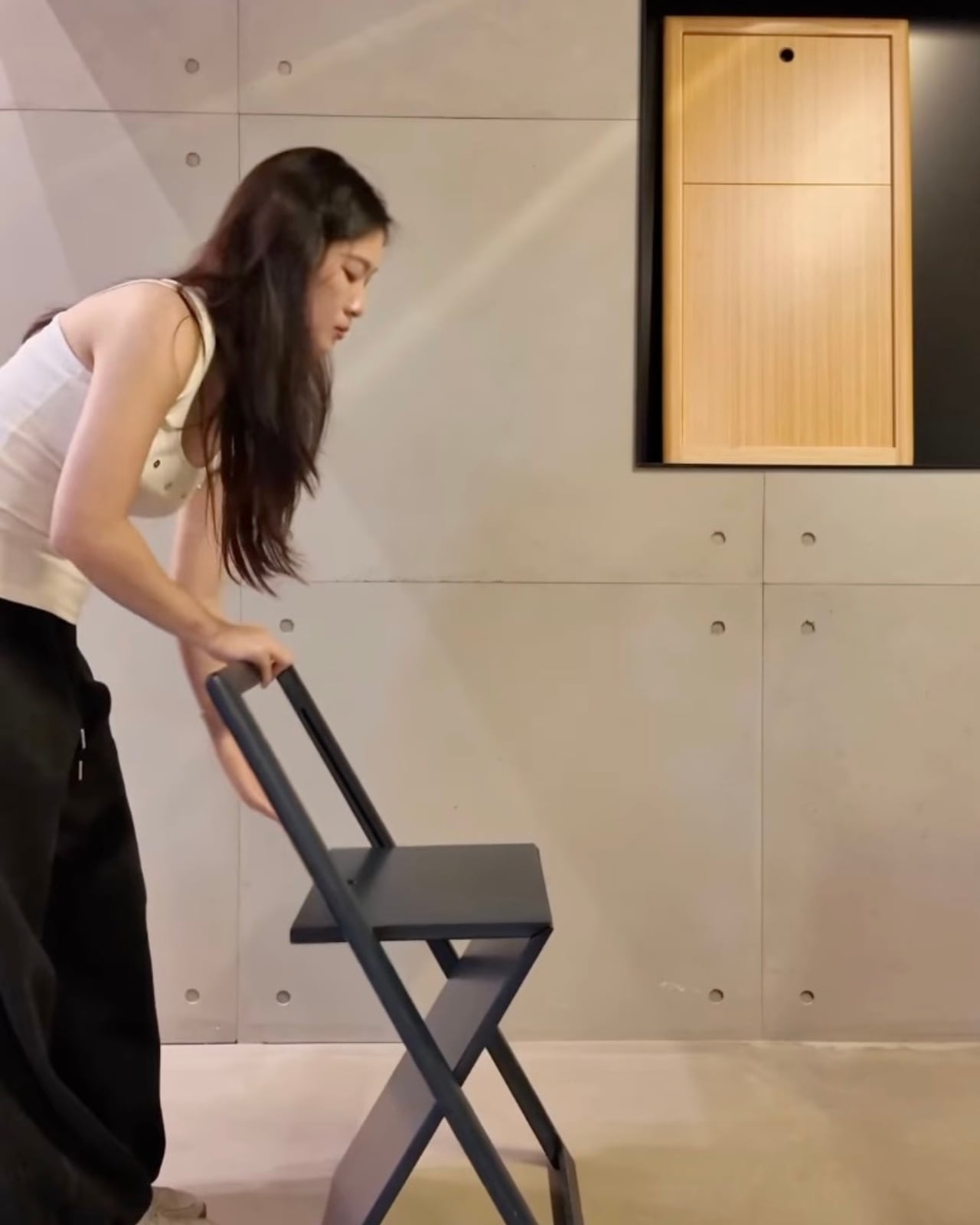
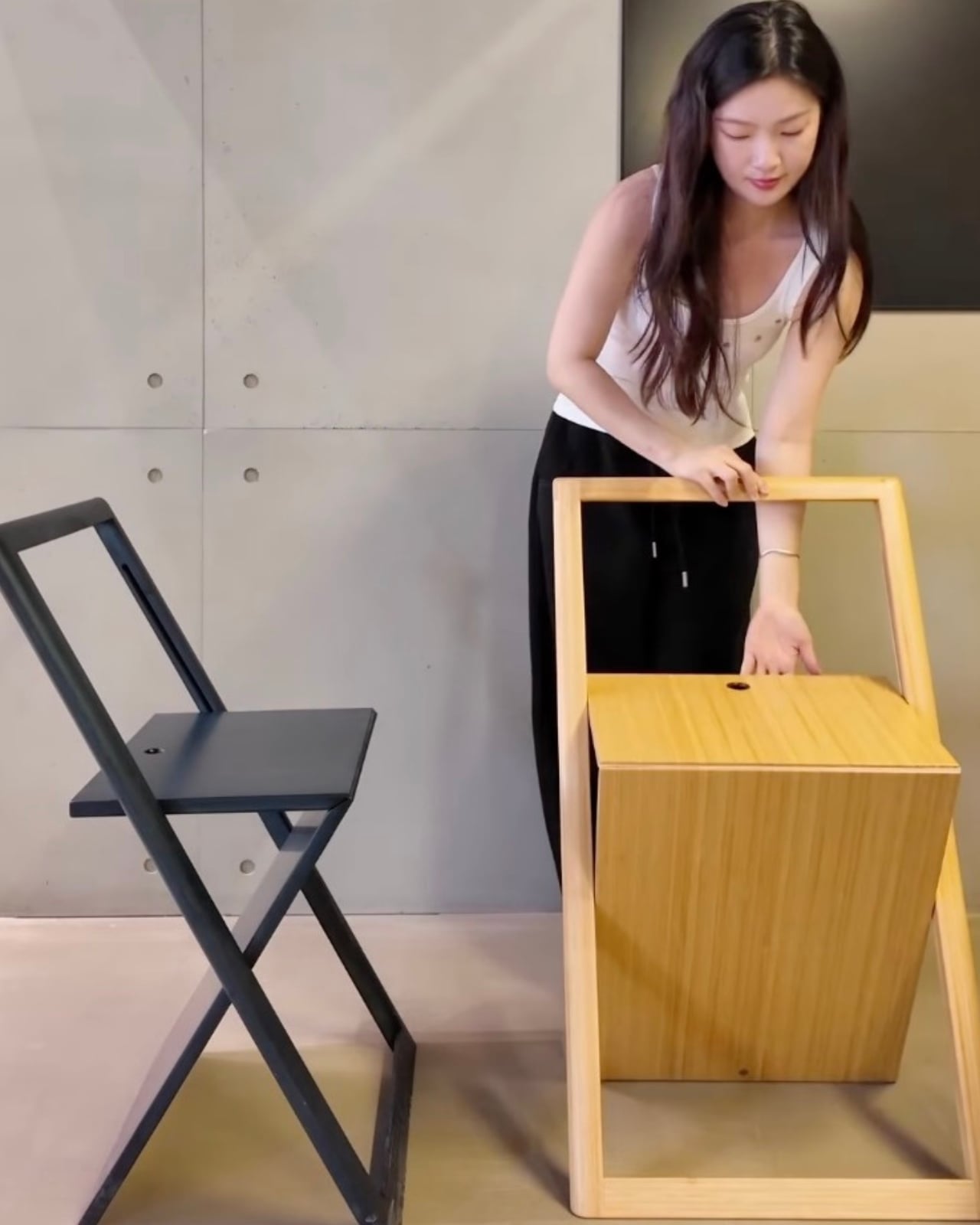
At some point in our collective design consciousness, we collectively decided that a chair could be aspirational. Not just functional. Not just well-made. Aspirational. And Nor Casa’s folding chair, recently described as “flawed but Instagram-friendly,” is basically a case study in exactly that shift.
The chair is striking. The kind of thing that stops your scroll on a Tuesday afternoon when you’re supposed to be answering emails. It has the visual language of something you’d find in a curated boutique hotel lobby or a design fair in Milan: clean lines, considered proportions, the kind of silhouette that photographs beautifully against a white wall or a sunlit concrete floor. Nor Casa, positioned as a distributor rather than a heritage design house, knows their audience. They’re selling a look, and the look lands.
But here’s where it gets interesting. “Flawed but Instagram-friendly” is a phrase that deserves unpacking, because it points to what usually gets compromised when form takes the lead over function: structural integrity, seat comfort, longevity, the kind of quiet durability that makes a chair worth keeping for twenty years instead of two seasons. And I’ll be upfront about where I personally stand. I would rather sit comfortably in an unremarkable chair than perch awkwardly in a beautiful one. A chair’s first job is to hold you well. Everything else is a bonus.
Folding chairs have always occupied an awkward rung in the design hierarchy. They’re the furniture world’s equivalent of the understudies: useful, necessary, but rarely celebrated. The good ones tend to be purely utilitarian, the kind you pull out of a closet for extra guests and fold back up with relief when everyone goes home. The beautiful ones have historically been expensive design objects, carved out of rare wood or engineered with mechanisms that cost as much as a small appliance. Nor Casa seems to be attempting a middle path: a folding chair that photographs like the former and costs closer to something accessible.
That balance is genuinely hard to get right. The chair may wobble. The finish may not hold up the way the images suggest. The folding mechanism might feel less elegant in person than it does in a product shot with perfect lighting and a muted background. These are not small concerns when you’re buying something meant to be sat in repeatedly by actual human beings. And yet, I find the effort worthwhile to discuss, even if the execution doesn’t fully deliver.
We are living through a moment where design fluency has become democratized in a way that would have been unthinkable thirty years ago. Millions of people who aren’t interior designers or architects now have an eye trained by years of scrolling through design accounts, renovation reveals, and aesthetic-obsessed content creators. They know what a good chair looks like. They want to live with beautiful things. The demand Nor Casa is chasing is real, and it didn’t come from nowhere.
The issue is that visual aspiration without material honesty is a shortcut that tends to disappoint. A chair that performs flawlessly in a photo but creaks under pressure the first time a real person sits in it is not just a design failure. It’s a trust failure. And once a brand earns that reputation, it’s very hard to unlearn.
So I’d say this to anyone tempted by the Nor Casa chair: go in with eyes open. If you want it for the way it looks in a corner of your apartment, on a terrace, in the background of every call you take from home, it might genuinely deliver that. But if you need it to hold up under daily use, to last, to justify itself beyond aesthetics, do your homework before you check out.
For me, the choice is simple. Give me the chair I can sink into for hours without thinking about it. The prettiest chair in the room is only as good as the conversation you can have sitting in it. And that conversation gets very short, very fast, when your back starts to ache.