Anthropic’s release of Claude 2.0 brings a host of updates designed to streamline digital workflows and enhance collaboration. In a detailed walkthrough, Jay E explores key features like nested sessions, which allow users to group related tasks for better organization and context cards, which optimize memory usage and chat performance. The guide also highlights how […]
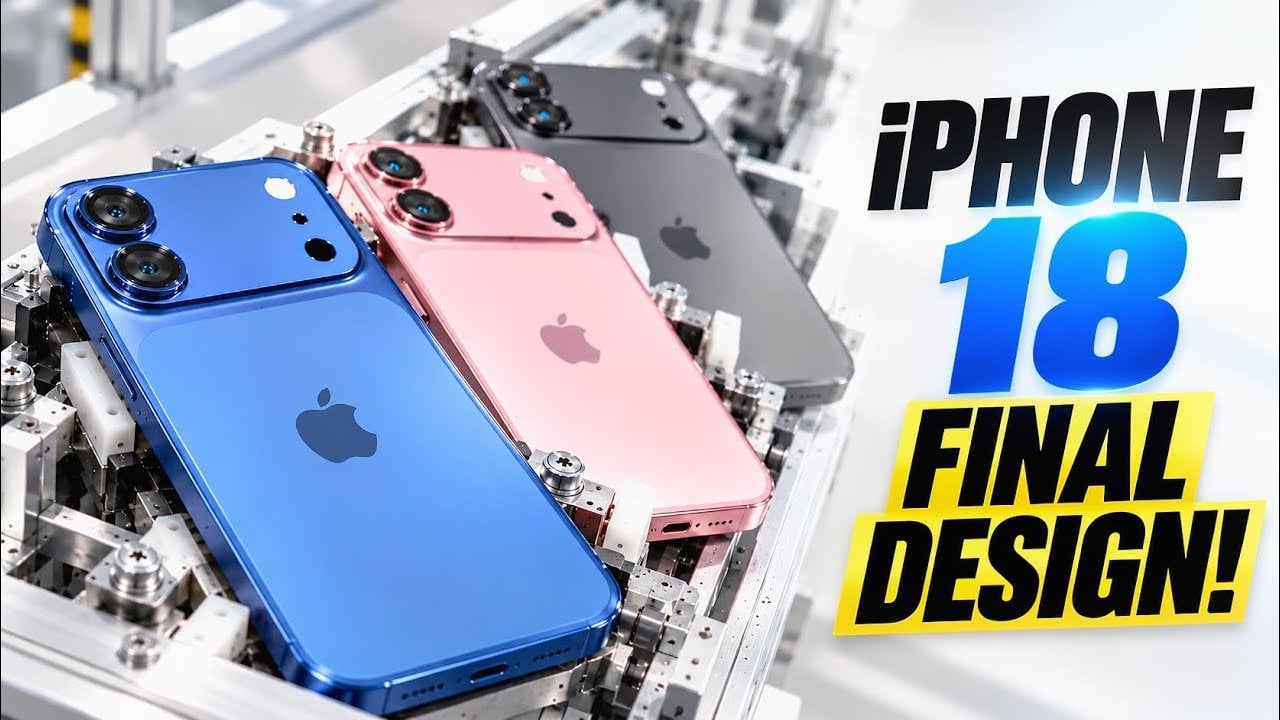
The iPhone 18, rumored for release in spring 2027, is already sparking widespread interest. Leaks suggest this upcoming model could represent a significant evolution in Apple’s standard smartphone lineup. With potential enhancements in design, camera technology and overall performance, the iPhone 18 may bring flagship-level features to a broader audience. While the details remain unofficial, […]
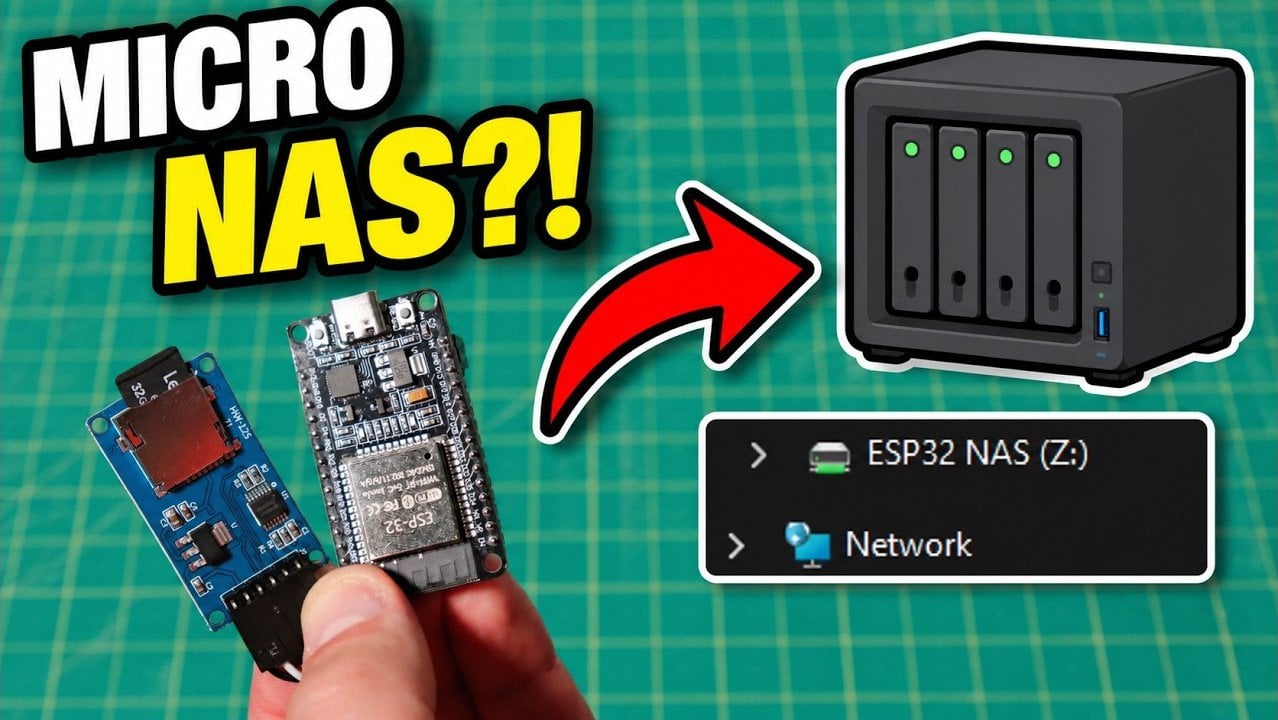
Building a micro NAS system using an ESP32 microcontroller and a micro SD card is a compact and energy-efficient way to enable basic file storage and sharing. Theory to Thing explores how this setup uses the ESP32’s built-in Wi-Fi and the WebDAV protocol to create a standalone, wireless solution for managing files. With a hardware […]
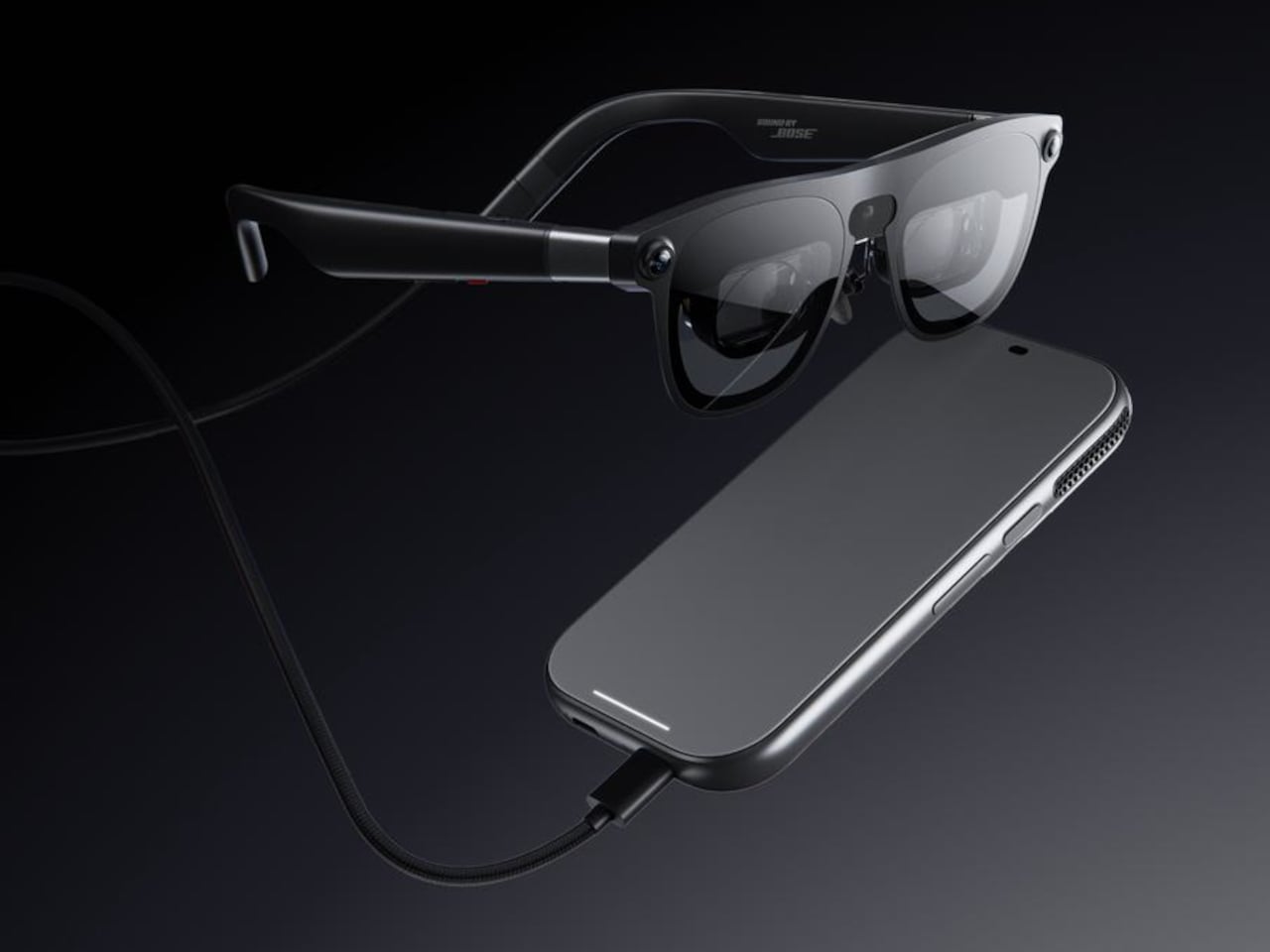
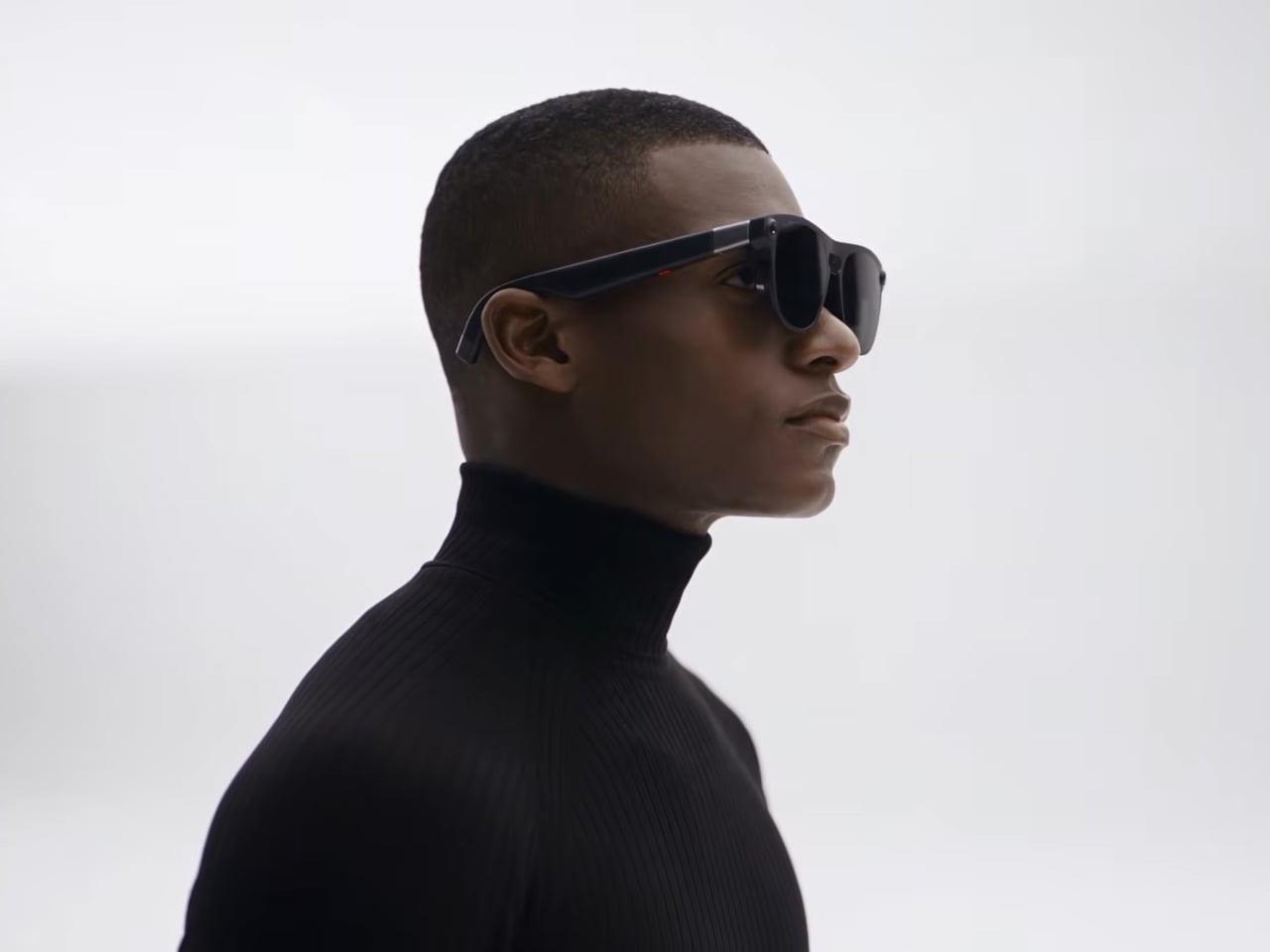
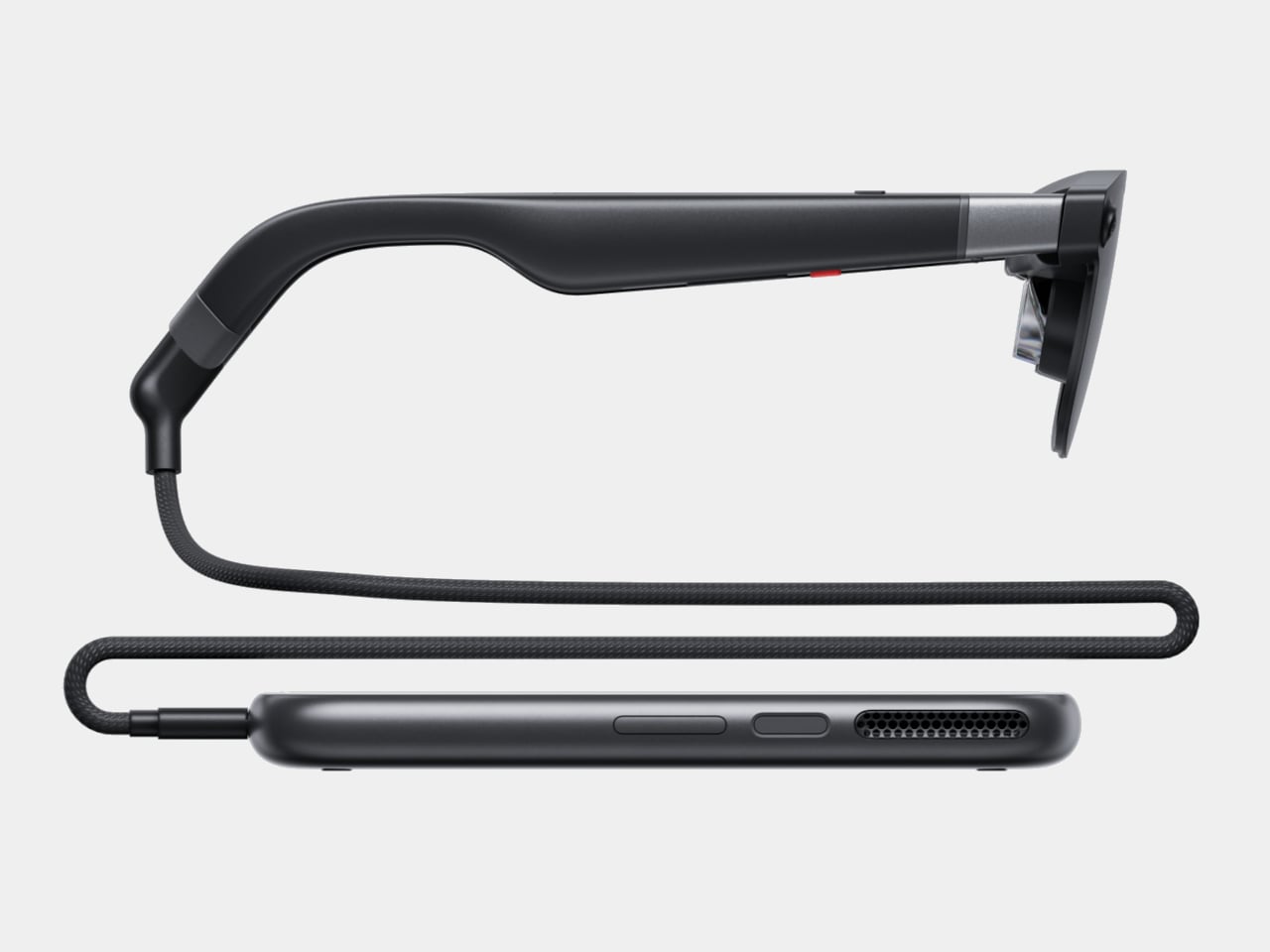
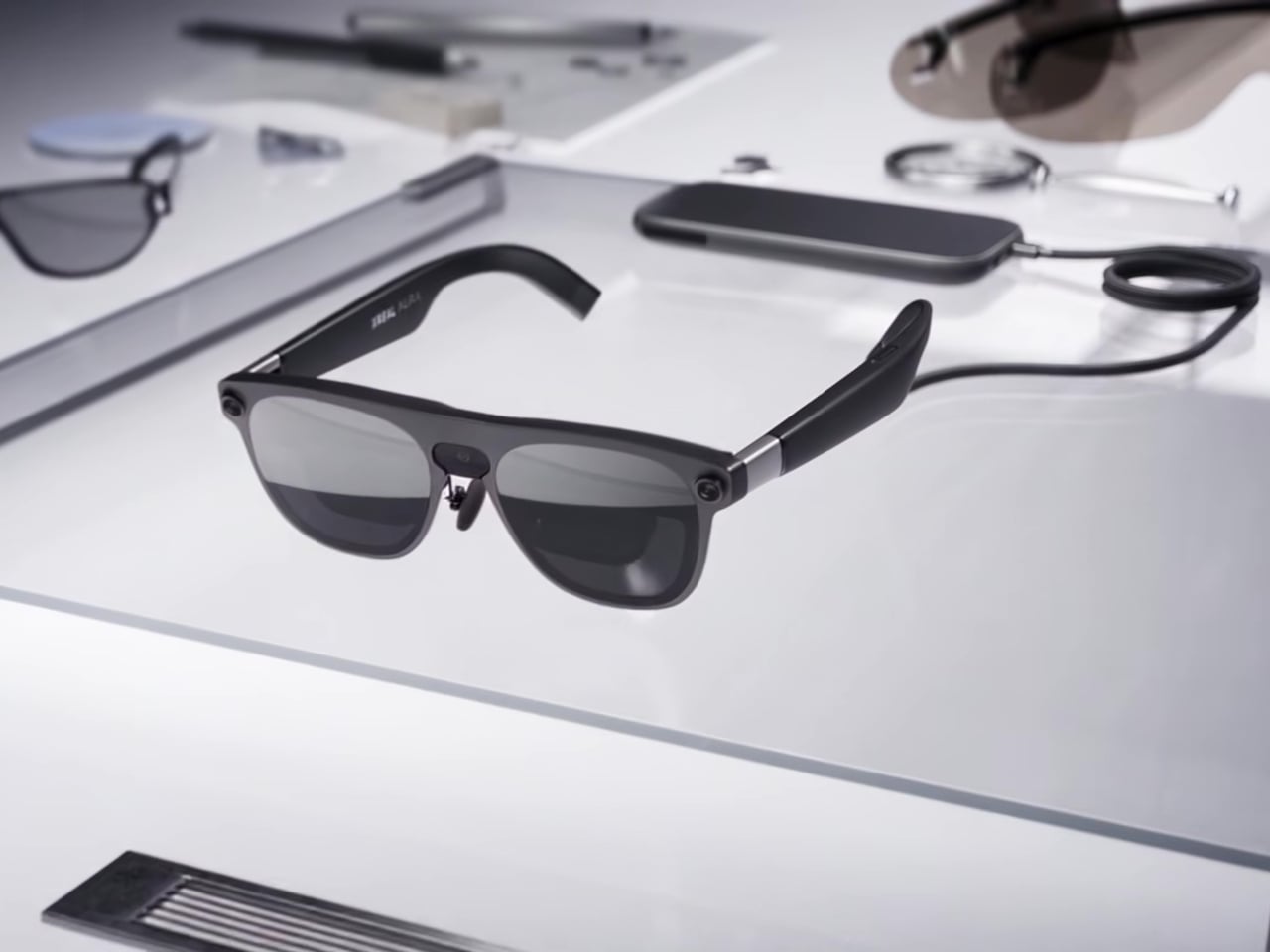
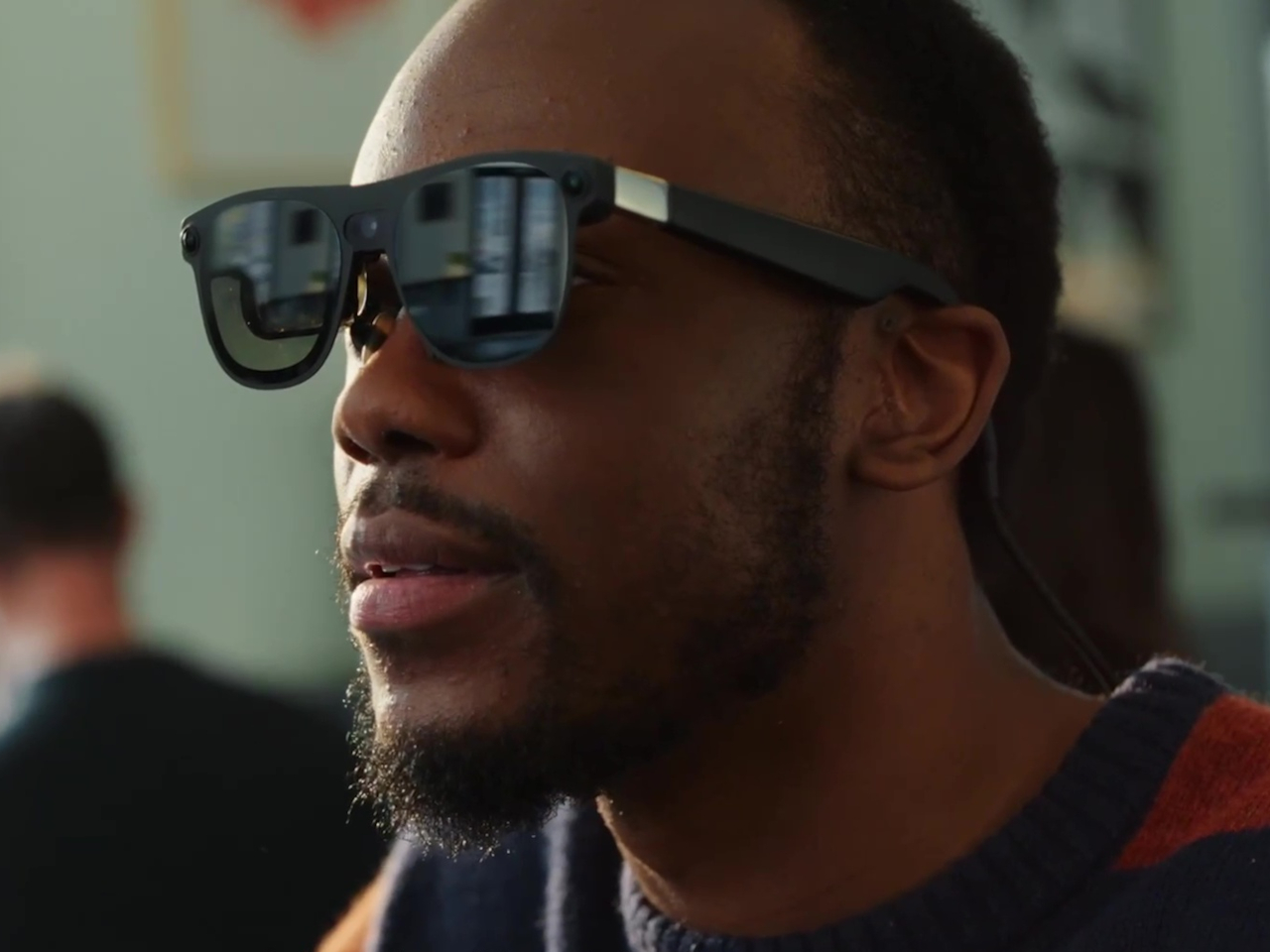
The idea of having a giant screen floating in front of you sounds appealing, until you feel the headset attached to your face weighing down on your head. XREAL AURA takes a different approach, putting Android XR into a pair of glasses connected to a separate pocket computer. It still involves wearing technology on your nose, of course, but the battery and main processor get to live elsewhere.
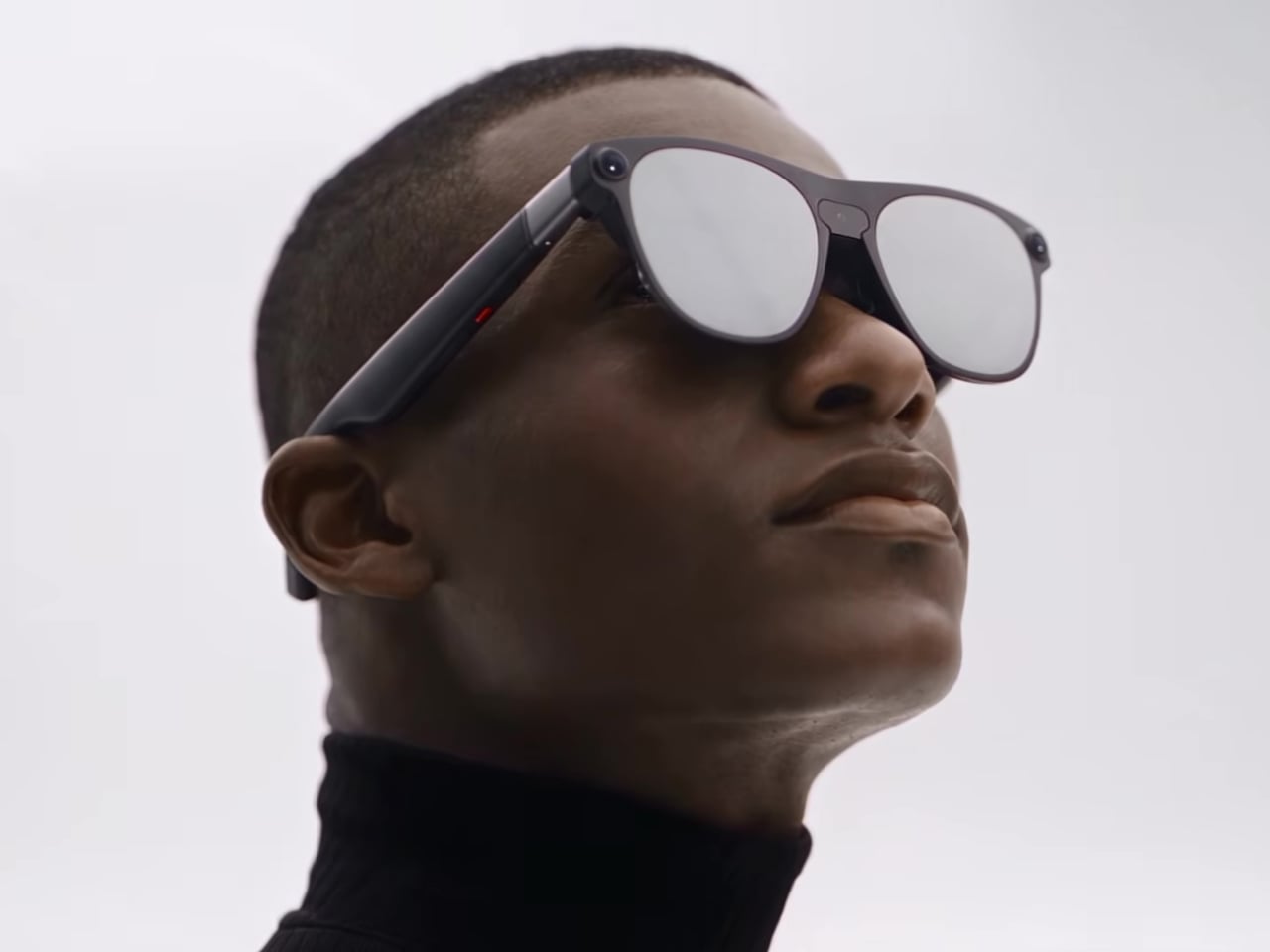
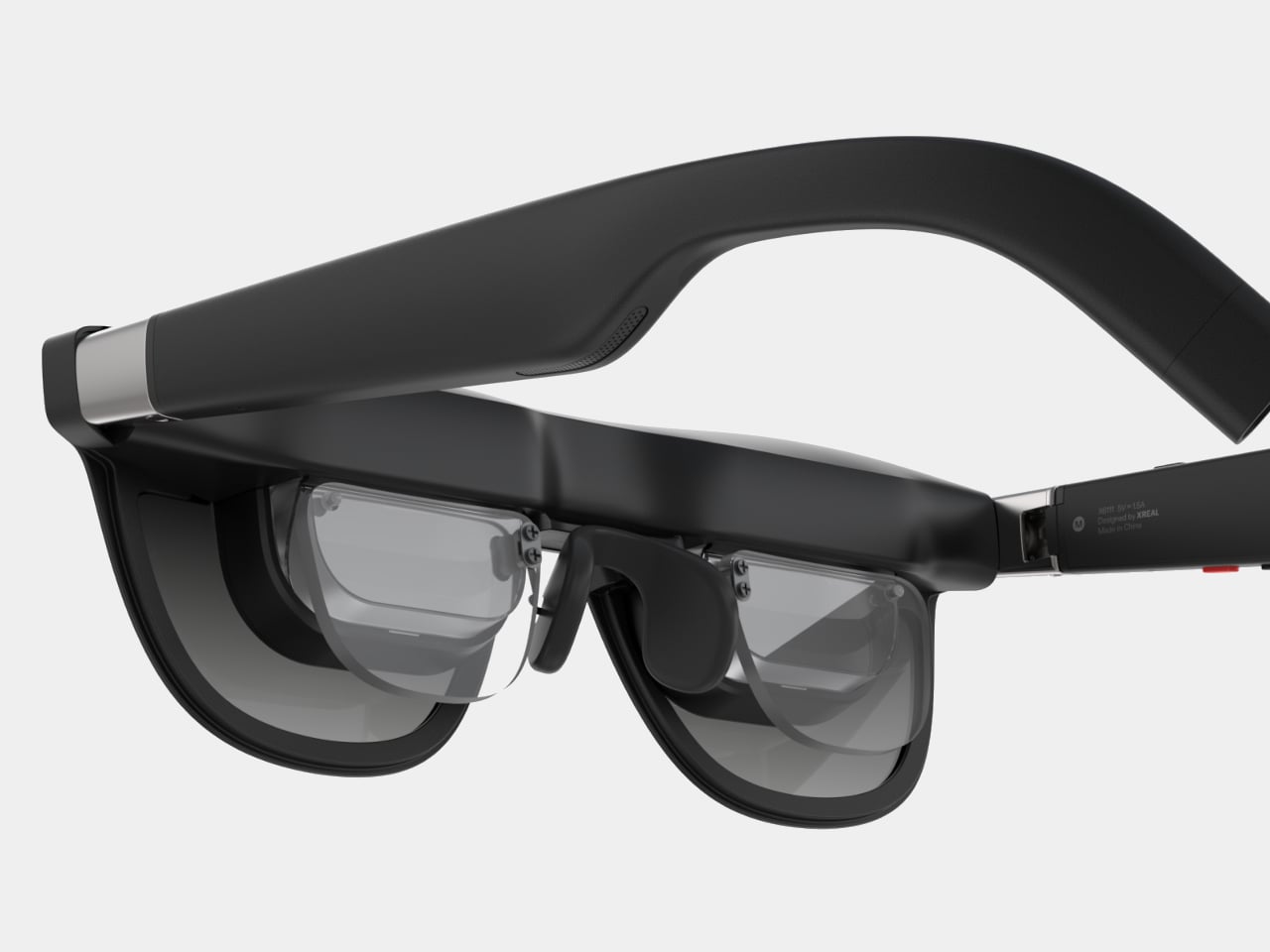
At around 3.4 ounces, the glasses don’t exactly pass for ordinary eyewear. Their dark frame has thick arms and cameras around the front, although the outline is closer to sunglasses than a sealed visor. More importantly, you look directly through the lenses at your surroundings, rather than watching a camera’s version of the room.
That transparency isn’t fixed, thankfully. Five levels of electrochromic dimming let you darken the lenses for a movie or let more of the room back in afterward. Sony Micro-OLED displays provide 1,920 × 1,200 pixels per eye at up to 120Hz, with a 70° field of view. You’re adjusting how the room and virtual picture share your attention, rather than simply changing brightness.
The less glamorous half of the arrangement is the computing puck, which weighs about 9.3 ounces and contains the Snapdragon Reality Elite chip, battery, and cooling fan. Its touchpad gives your fingers somewhere to navigate when waving at windows feels unnecessary. Hand tracking and voice controls remain available, but you don’t have to conduct an invisible orchestra just to open an app.
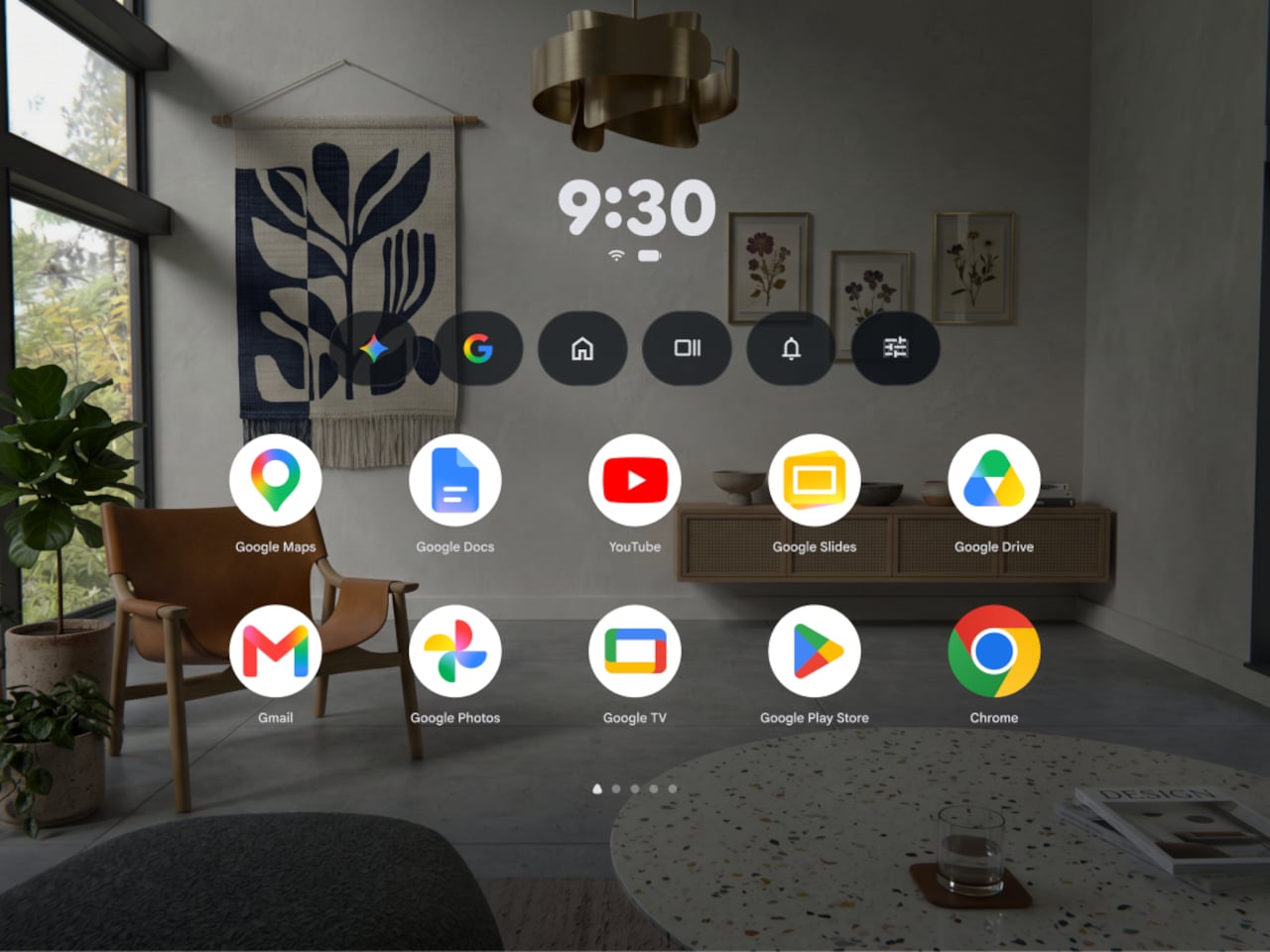
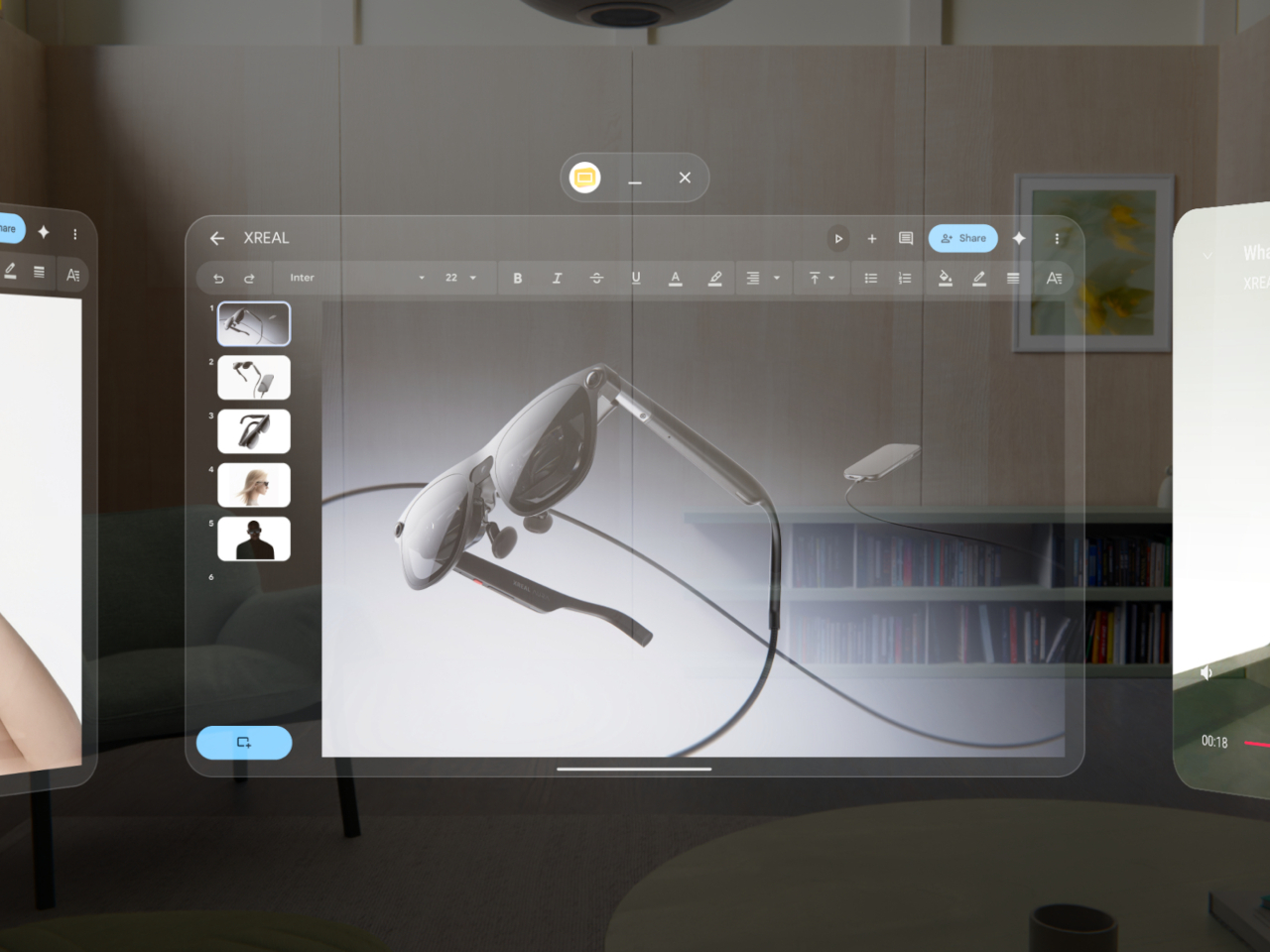
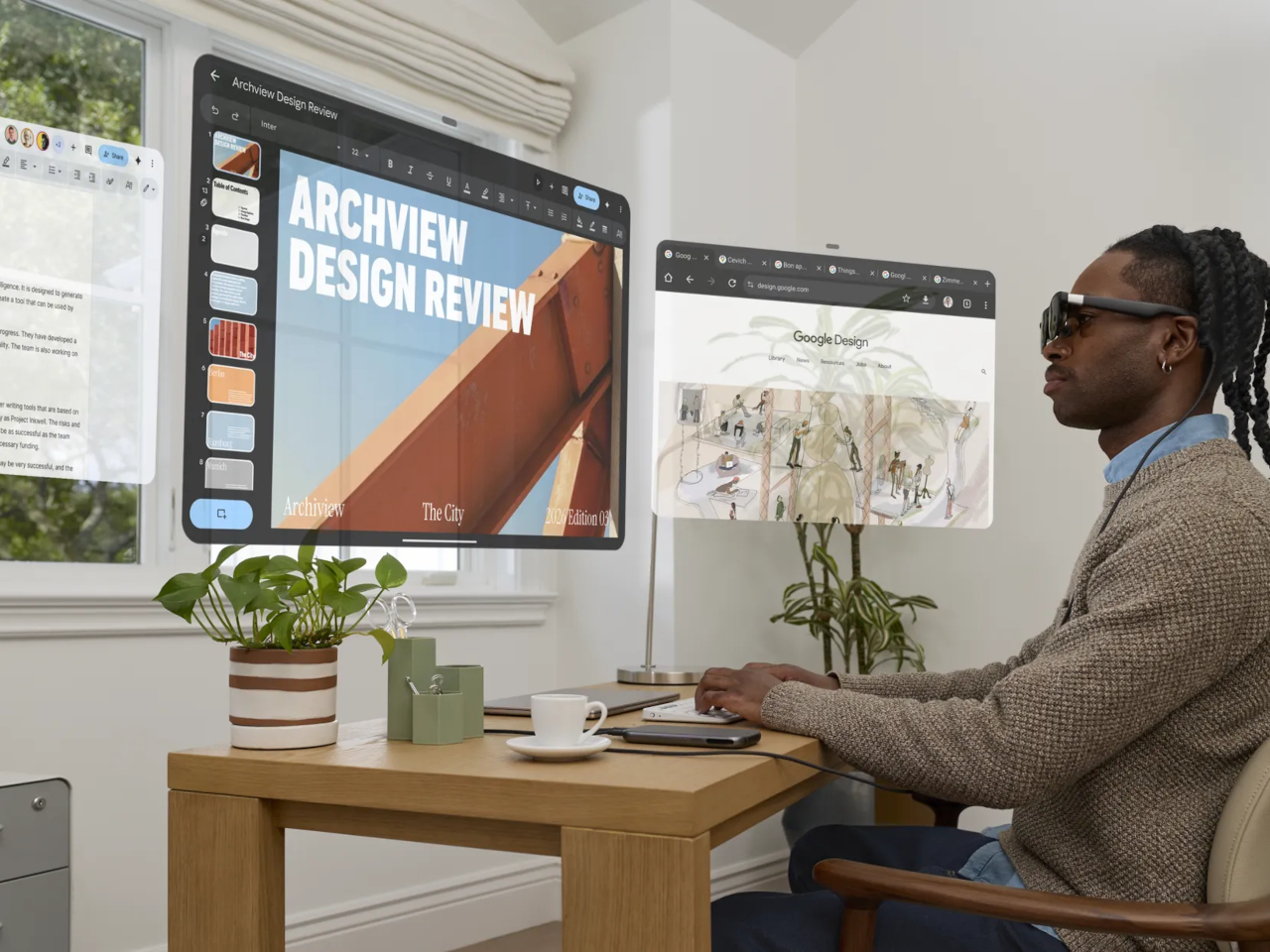
A hotel desk doesn’t become larger, but its workspace can spread beyond the laptop screen. Android XR lets you arrange apps around you, with Bluetooth keyboard and mouse support for familiar controls. Plug a compatible laptop into the puck with a video-capable USB-C cable, and its screen becomes another window alongside the Android apps. That’s mirroring, however, not replacing the laptop’s operating system.
Work can give way to something a little more entertaining without changing the hardware. Google says AURA supports more than 150 experiences made for XR, alongside Google Play apps, including games that occupy your room rather than a flat window. Gemini can answer questions about what’s in view, so asking for help needn’t involve taking the glasses off to consult your phone.
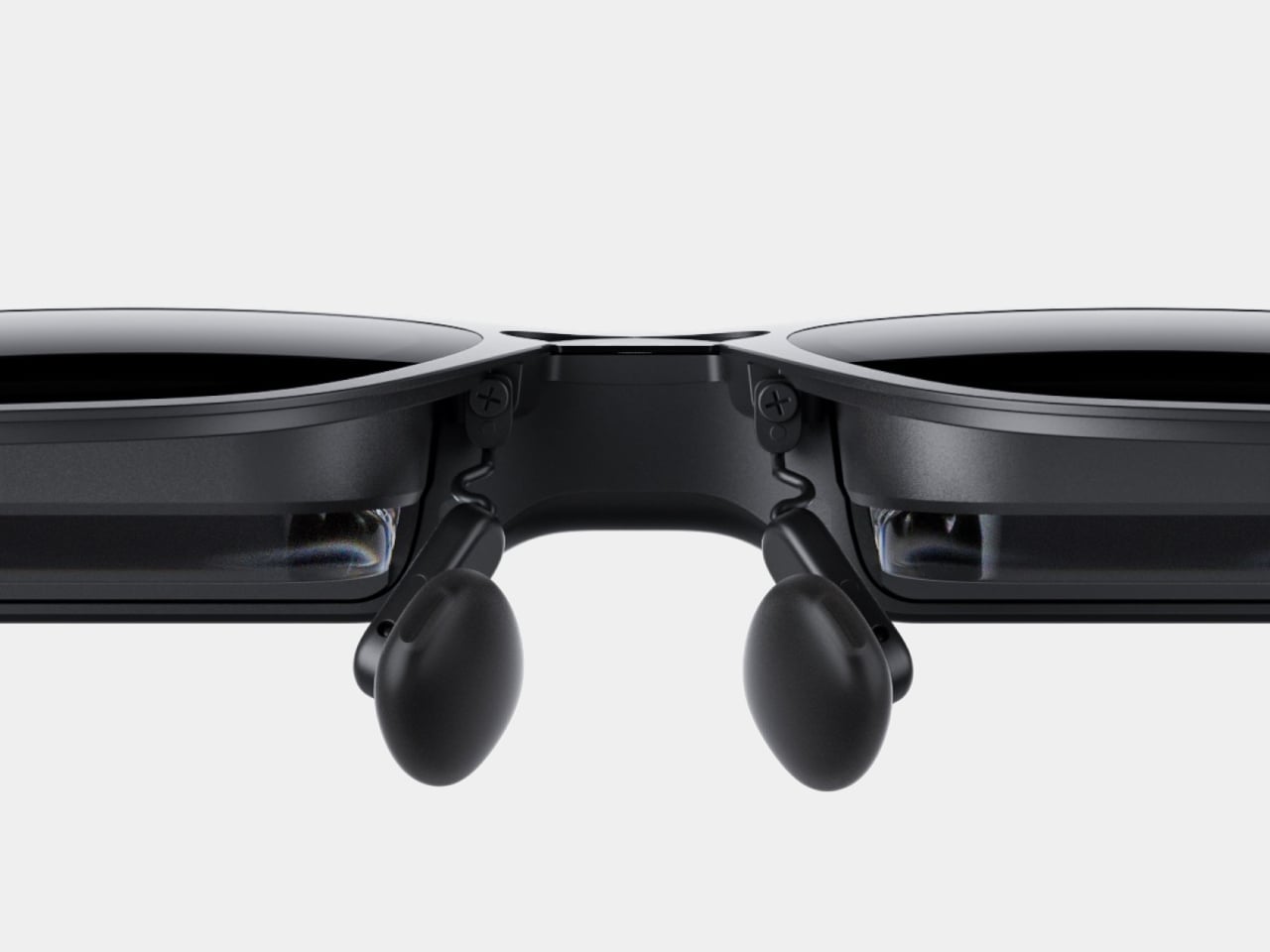
Getting the fit right takes more than picking a frame. AURA comes in two sizes based on the distance between your pupils, with interchangeable nose pads and support for prescription inserts. Those adjustments help position your eyes in relation to the optics. They’re worth considering before imagining a working day behind floating screens, particularly without independently established battery endurance or long-term comfort.
US orders have started, with shipping expected to begin in mid-November. Launch pricing starts at $1,099 for 12GB of RAM and 256GB of storage through December, against a $1,279 regular price. That buys the glasses and their companion computer, not freedom from cables. AURA moves much of the hardware away from your face, but there’s still a wire following it.
DeepSeek’s recent release of its V4.1 Flash 1017 model has sparked significant debate within the AI industry, particularly among American companies. Launched on October 17, 2026, this open source model combines affordability with high performance, offering features like a large context window for handling both text and images. However, its accessibility under the MIT license […]
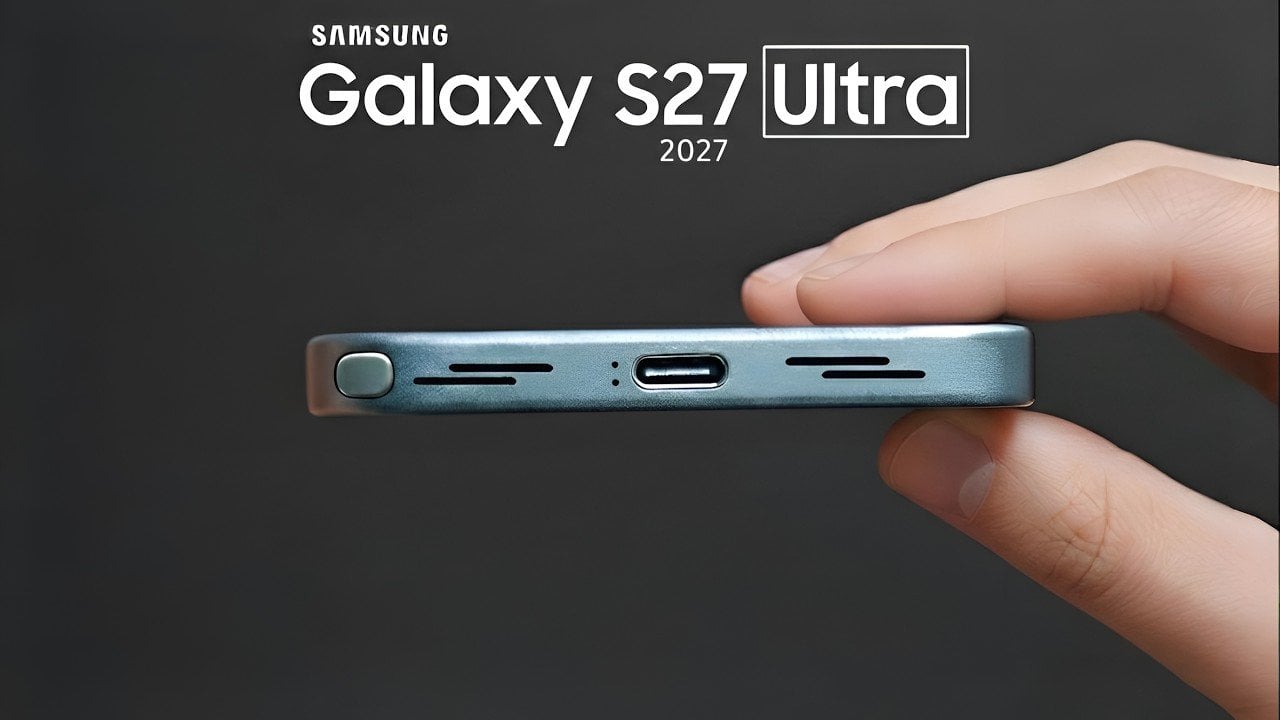
The Samsung Galaxy S27 Ultra could mark a pivotal moment in the evolution of flagship smartphones. Reports suggest that Samsung may prioritize its in-house Exynos 2700 processor over Qualcomm’s Snapdragon 8 Elite Gen 6 Pro for its latest premium device. If this strategic shift materializes, it has the potential to redefine performance standards and influence […]
Vercel’s CEO has introduced a new AI-driven coding workflow that emphasizes aligning AI outputs with specific project goals to enhance development efficiency and quality. As highlighted by AI Labs, this approach encourages developers to test ideas early through isolated projects, allowing for rapid validation without committing to full-scale implementation. For instance, AI agents can analyze […]
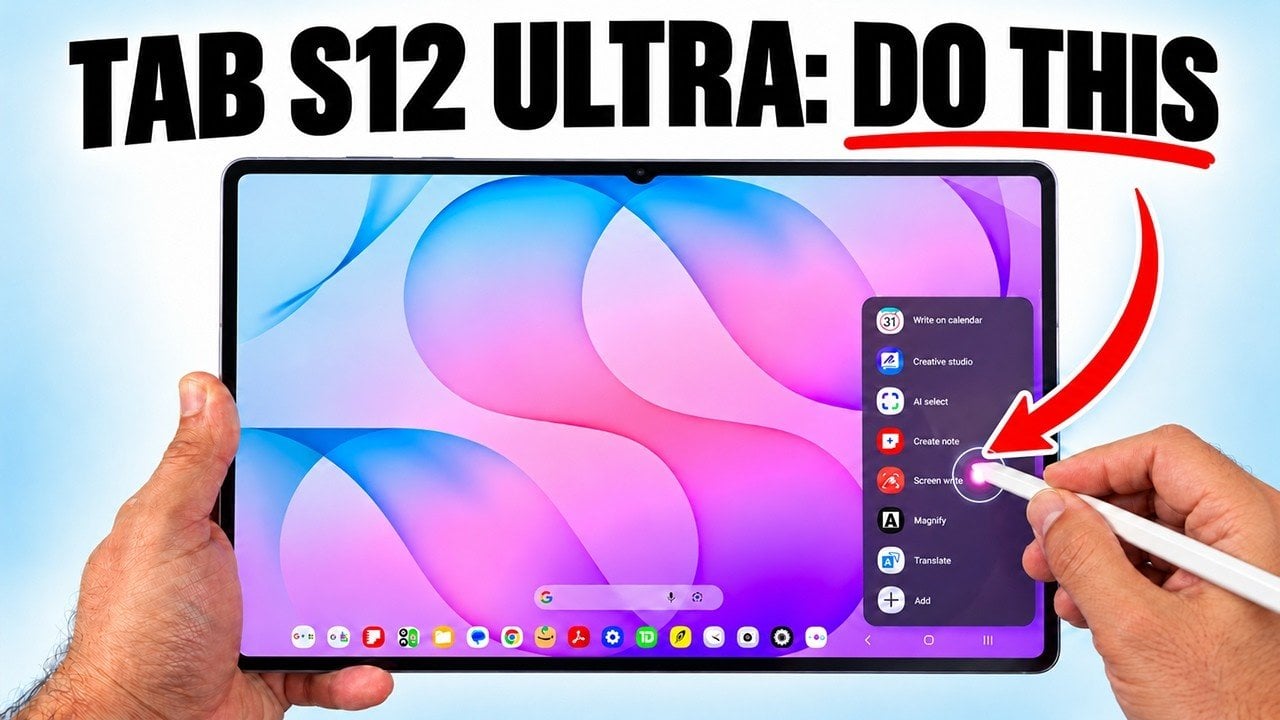
The Samsung Galaxy Tab S12 Ultra is a versatile device that combines sleek design with powerful functionality, making it a top choice for productivity, entertainment and multitasking. However, many users fail to fully use its advanced features, leaving much of its potential untapped. By exploring its capabilities and implementing a few key strategies, you can […]
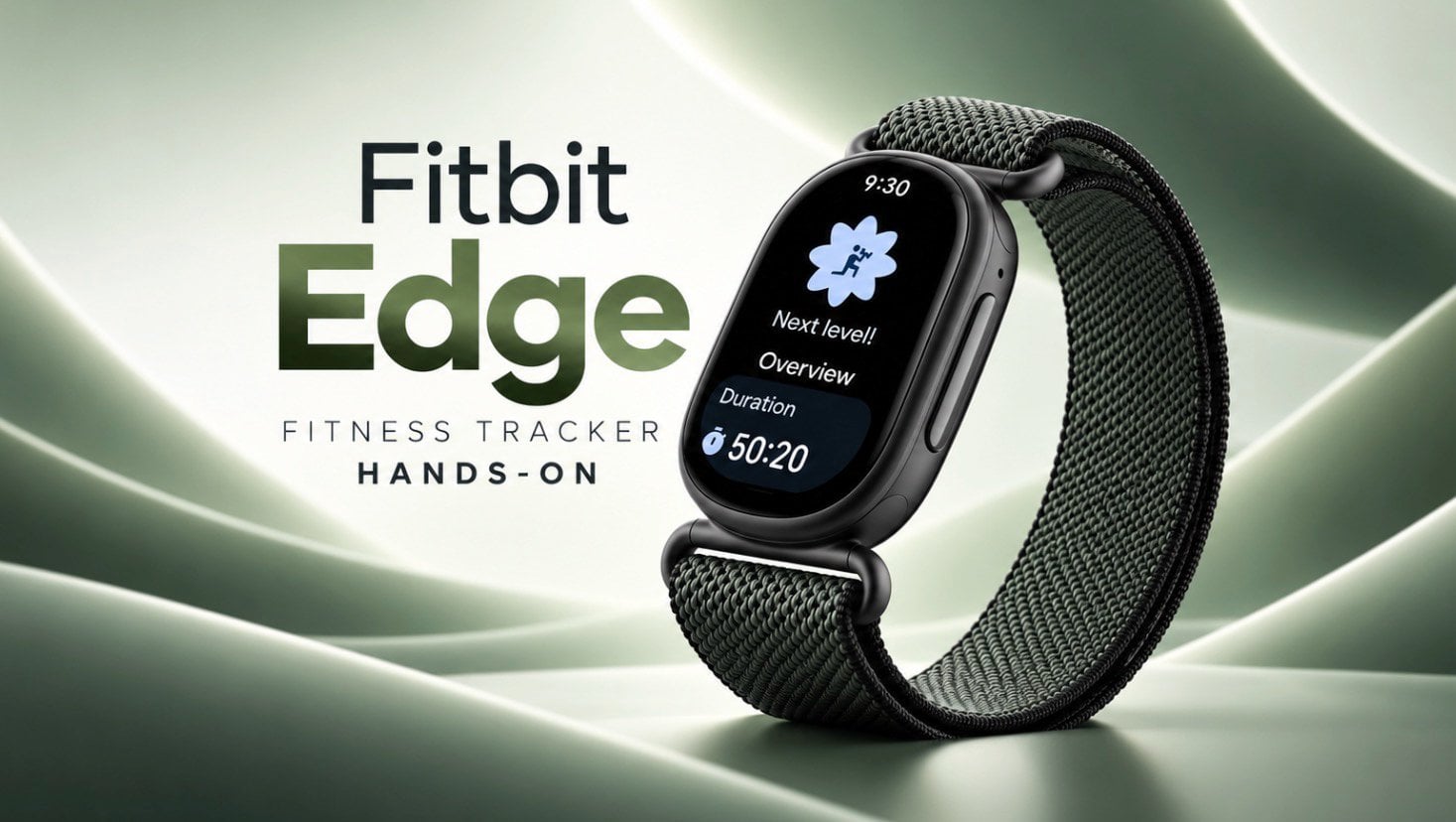
The Fitbit Edge builds on the foundation of the Fitbit Charge 6, introducing updates aimed at improving usability and tracking performance. DC Rainmaker highlights key changes, including a 46% larger, brighter display designed to improve visibility in direct sunlight and a physical side button that simplifies navigation during workouts. These updates address common complaints about […]