5 Best Father’s Day Gifts for the Dad Who Thinks Good Design Actually Matters

Most Father’s Day gifts start and end with good intentions. A nice watch, a tool kit, a gift card wrapped in tissue paper. They say “I thought of you” without really saying much else. But some dads notice when something is well-made, keep objects long after they stop being new, and believe the things around them say something about how they live. If that sounds familiar, this list is for you.

The five gifts below aren’t the most expensive things you’ll find this season, and that’s the point. Each one earns its place through material honesty, considered proportions, or a mechanical logic that just feels right. Some are built to last decades. One runs indefinitely without a refill. Another turns a scattered desk into something worth photographing. All five were chosen because they respect the intelligence of the person receiving them.

1. Pininfarina Aero Ethergraf — The Forever Pen
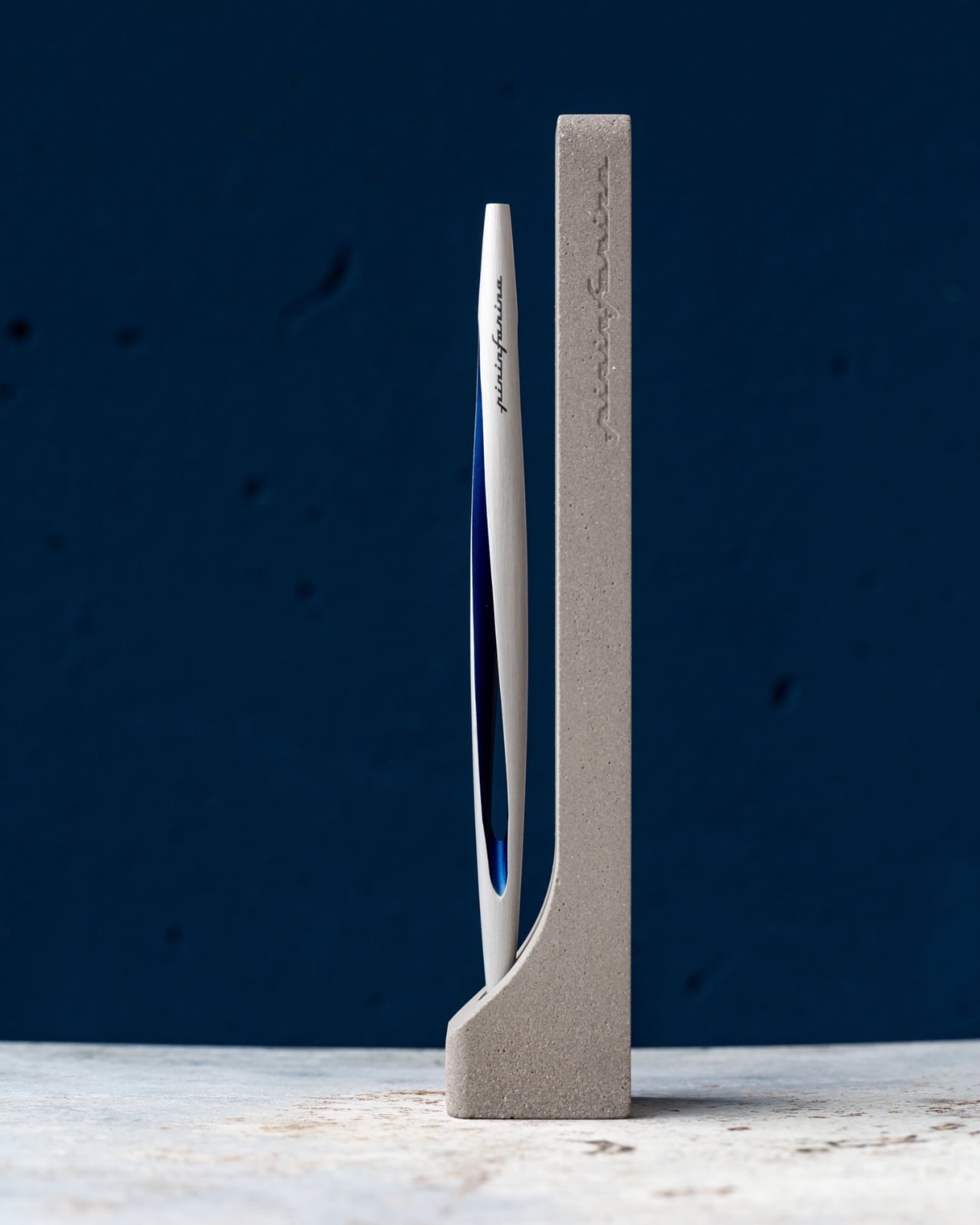
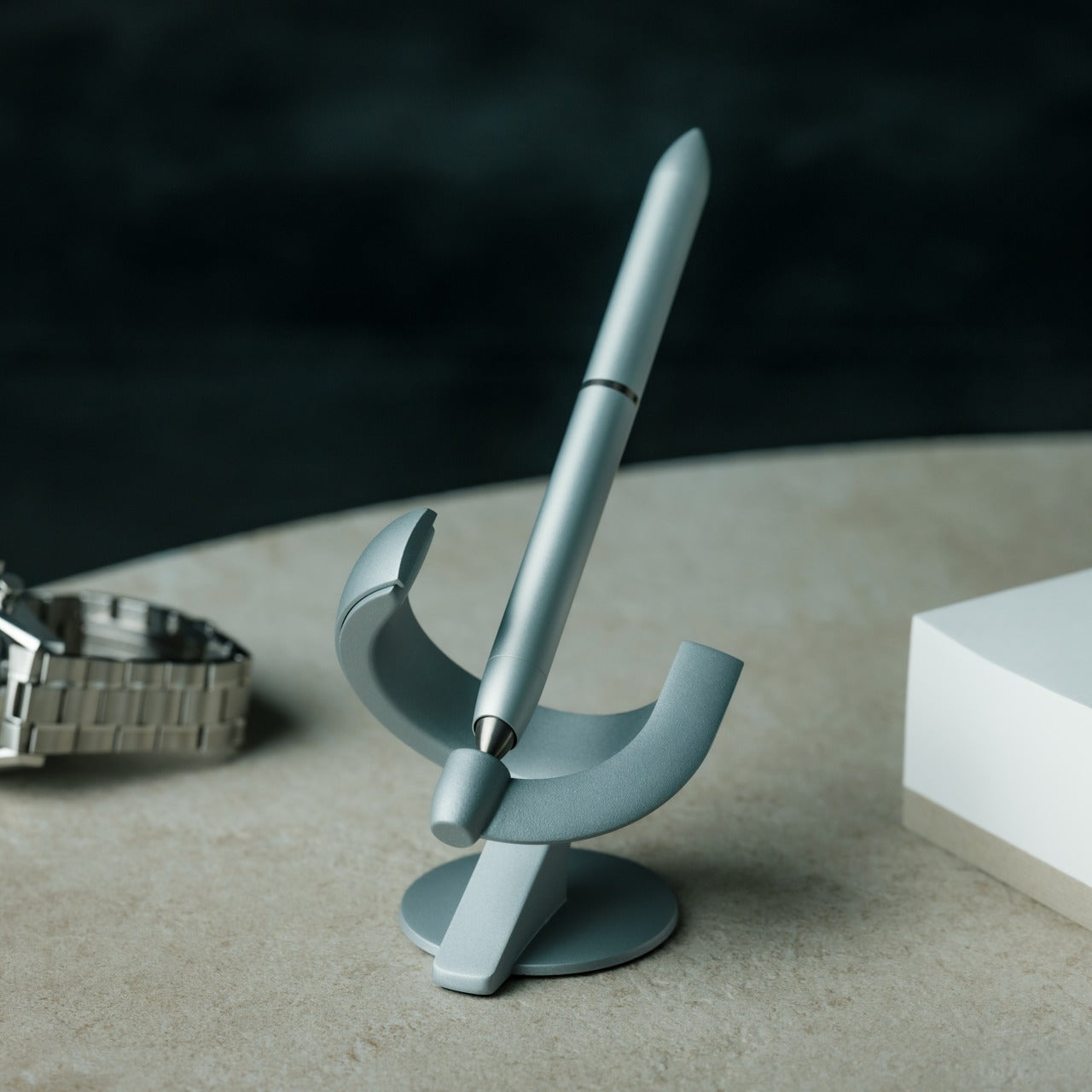
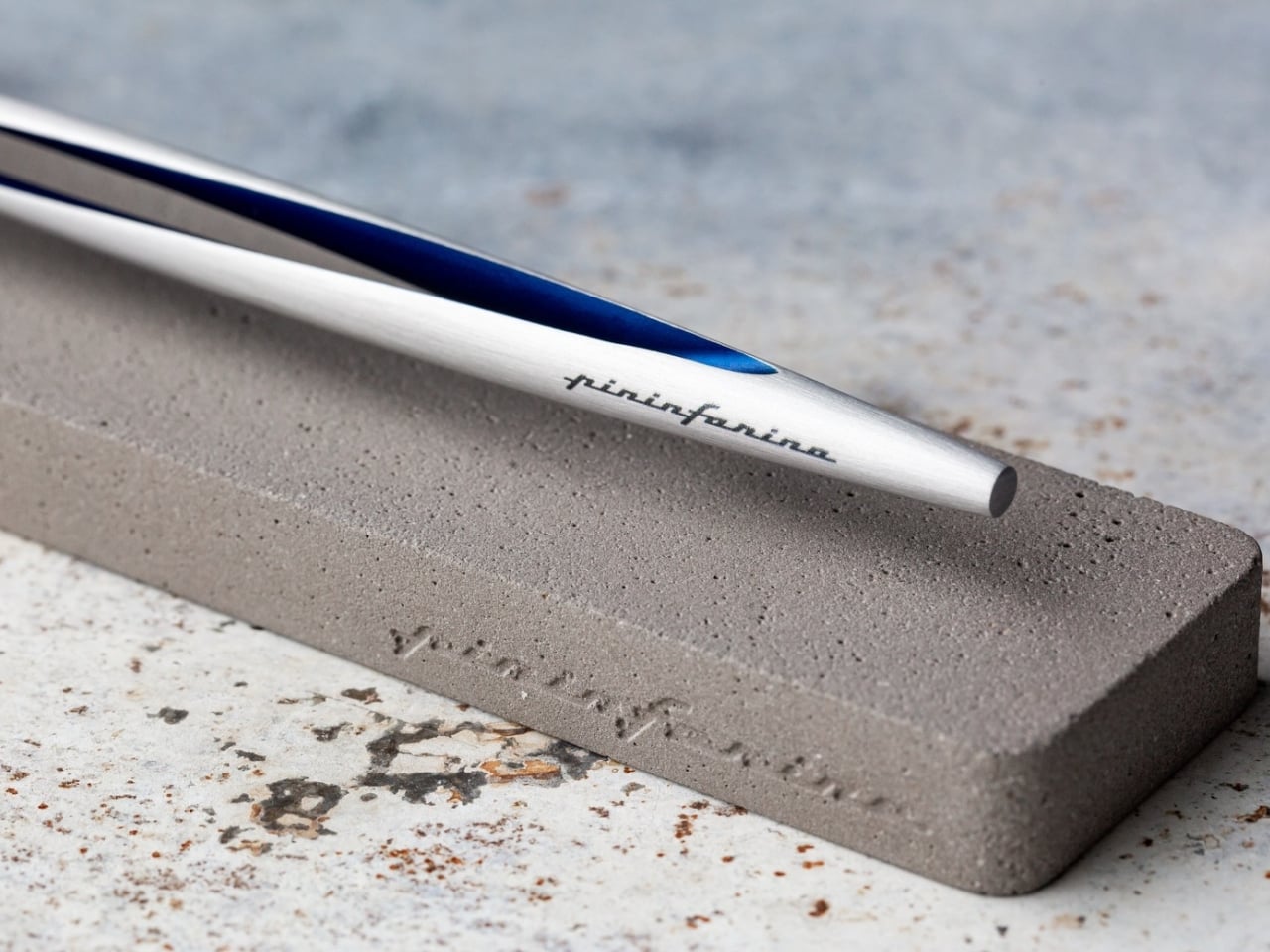
Pininfarina built its reputation on some of the most celebrated automotive silhouettes in history, including Ferrari and Maserati bodies that turned heads for decades. The Aero Ethergraf brings that same design philosophy down to the scale of a writing instrument. Crafted from aerospace-grade aluminum, weighing just 17 grams and measuring 160mm in length, it arrives paired with a raw concrete stand that sits beside it on the desk like a quiet still-life. Made in Italy, built to last.

What makes it genuinely unusual is that it contains no ink. The Ethergraf metal alloy tip writes through oxidation, leaving a graphite-like mark on paper without a cartridge, a cap to misplace, or a refill cycle to manage. The line is precise and smudge-resistant. The pen never dries out and never runs out. For someone who has spent years maintaining fountain pens or replacing rollerball inserts, this inverts the entire expectation of what a writing tool asks of you.

What We Like:

  • The Ethergraf tip writes indefinitely through oxidation, with no ink, no cartridges, and no refills ever needed
  • Pininfarina’s automotive design DNA reads clearly in the body: aerodynamic, precise, and quietly confident about its own beauty

What We Dislike:

  • The oxidation-based line runs lighter than a standard ballpoint, which will not suit every writing style or paper type
  • The raw concrete stand, while a genuinely beautiful pairing, adds considerable volume and weight to the overall package

2. Foldline Pen Roll
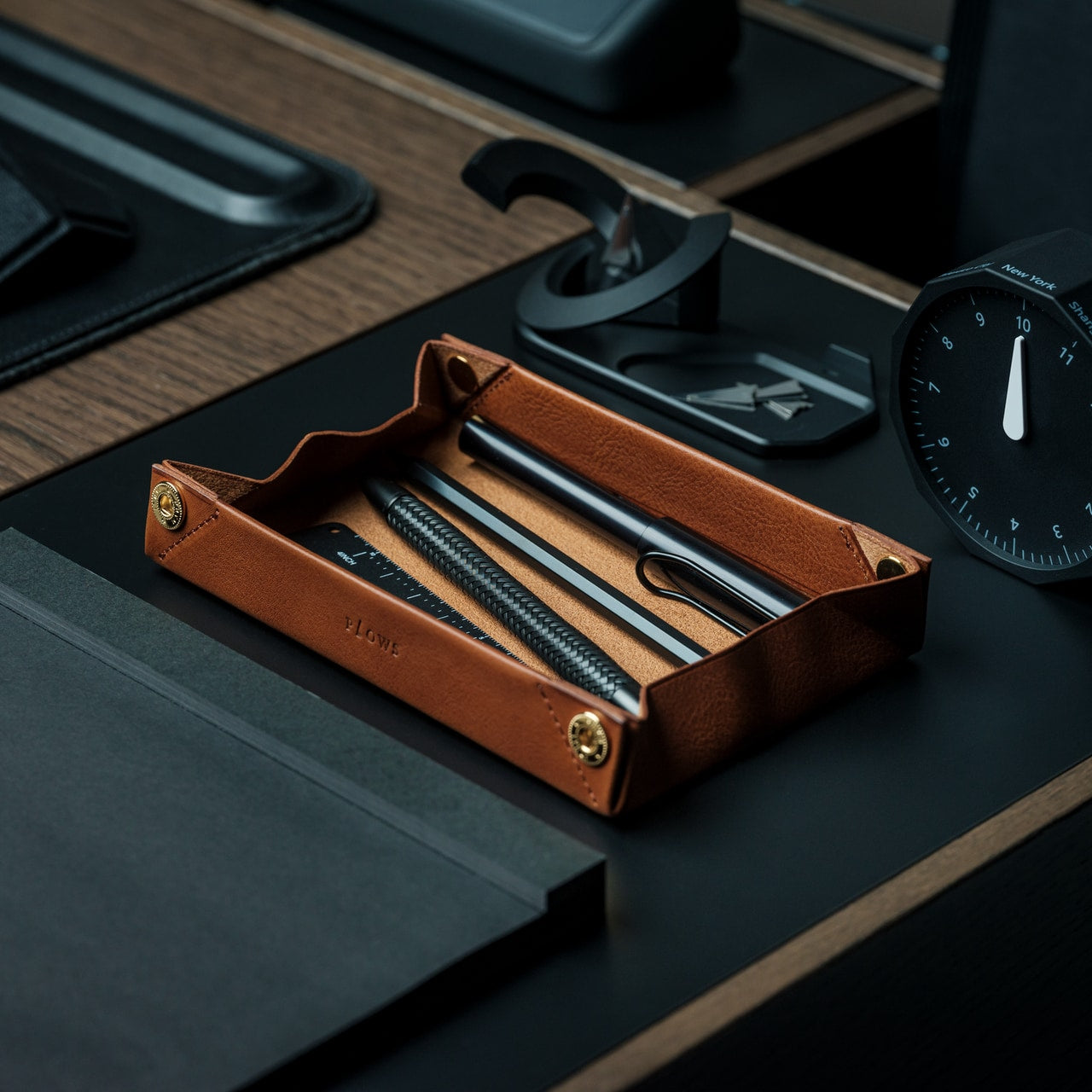
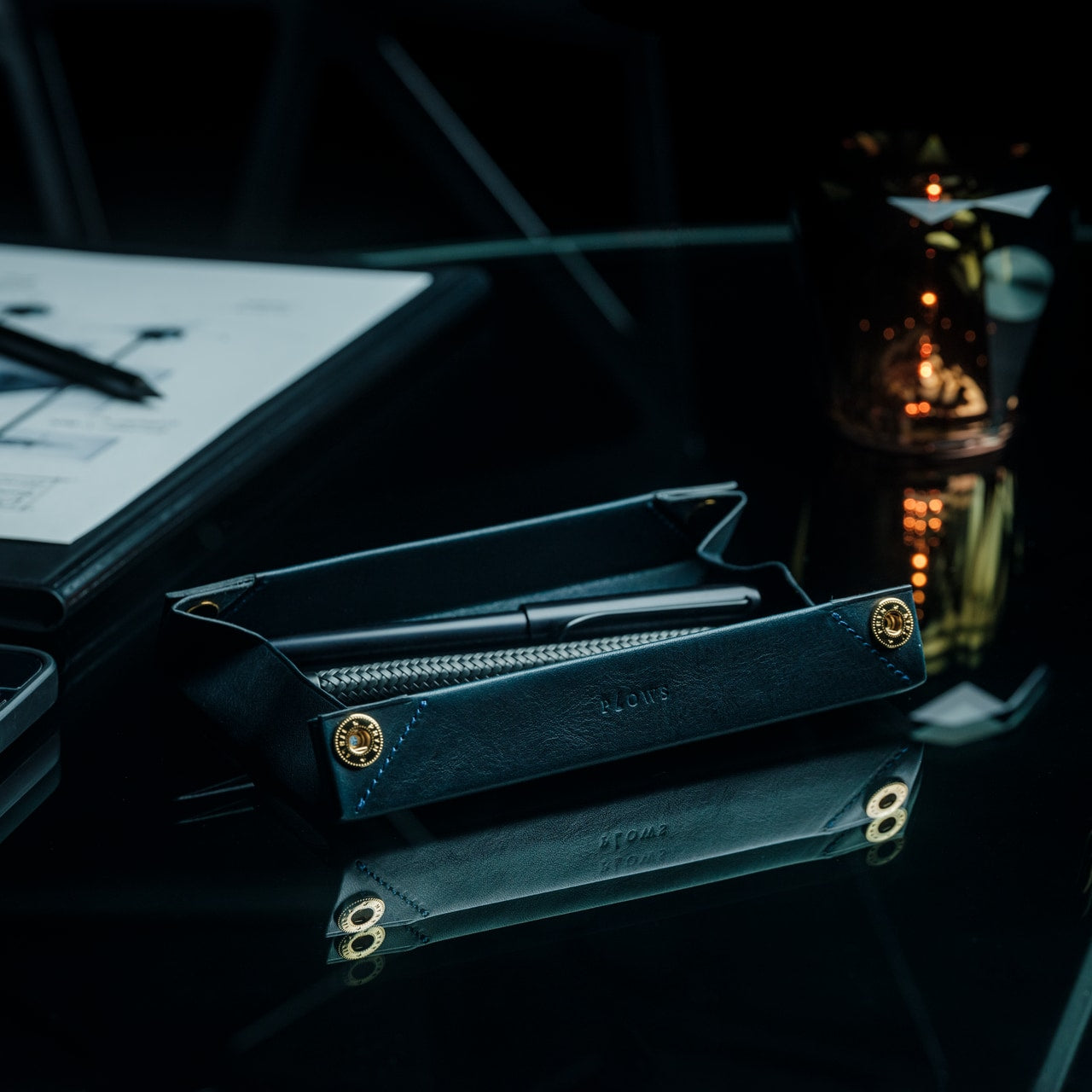
The FoldLine Pen Roll comes from PLOWS, a Japanese leather goods brand founded by a farming company, which may explain why its objects carry a particular kind of patience. The roll is cut from a single piece of Minerva Box leather sourced from Badalassi Carlo, an Italian tannery known for vegetable-tanned hides enriched with cow leg oil. That combination of material sourcing and hand-formed construction produces something that develops a patina entirely personal to how it is used and who carries it.

Structurally, it unfolds in two steps and under two seconds into a tray that holds pens in place without stitched slots or rattling. The entire form comes from precise folds rather than seams or inserts. A large machined snap from Italy’s PRYM closes the roll with satisfying solidity. The symmetrical design opens cleanly from either side, making it equally usable whether you are left- or right-handed.

Click Here to Buy Now: $135.00

What We Like:

  • A single piece of Minerva Box leather that develops a personal patina over time, making each roll gradually distinct to its owner
  • No designated top or bottom, no correct side to open from: a small but considered detail that removes daily friction entirely

What We Dislike:

  • The value is only legible to someone who already appreciates quality leather goods, making it a harder sell as a blind gift
  • Only a few units remain in stock, so availability is not guaranteed as Father’s Day approaches

3. Orbitkey Grid Desk Organizer

Orbitkey built its name around the idea that small daily frictions deserve serious design attention. The Grid Desk Organizer extends that logic into a broader desktop format. Its perforated tray base accepts snap-in dividers at any position, so the internal layout responds to whatever lives inside it rather than demanding objects conform to fixed compartments. Long dividers run the full tray depth while shorter ones slot in crosswise, and any arrangement can be lifted out and reconfigured in seconds. The system earns the word modular.

A soft-touch rubberized interior lining protects items from scratching and gives the tray a tactile quality that cheaper desk accessories rarely bother with. Silicone feet on the base prevent it from migrating across hard surfaces. The lid doubles as a valet tray on top, and its handle converts into a portrait phone stand when set upright.

Click Here to Buy Now: $42 $49.90 (16% off). Hurry, only a few left! Raised over $428,000.

What We Like:

  • The patent-pending snap-divider system adapts to the contents rather than demanding conformity, a structural logic that sounds minor until you experience the alternative
  • Three colorways (Black, Stone, and Terracotta) land in the space between generic and overdone, making it a natural fit for almost any desk setup

What We Dislike:

  • The $42 base price covers the standard configuration, but adding the Mini version raises the total cost beyond the initial impression

4. Olight Oclip Pro S EDC Flashlight
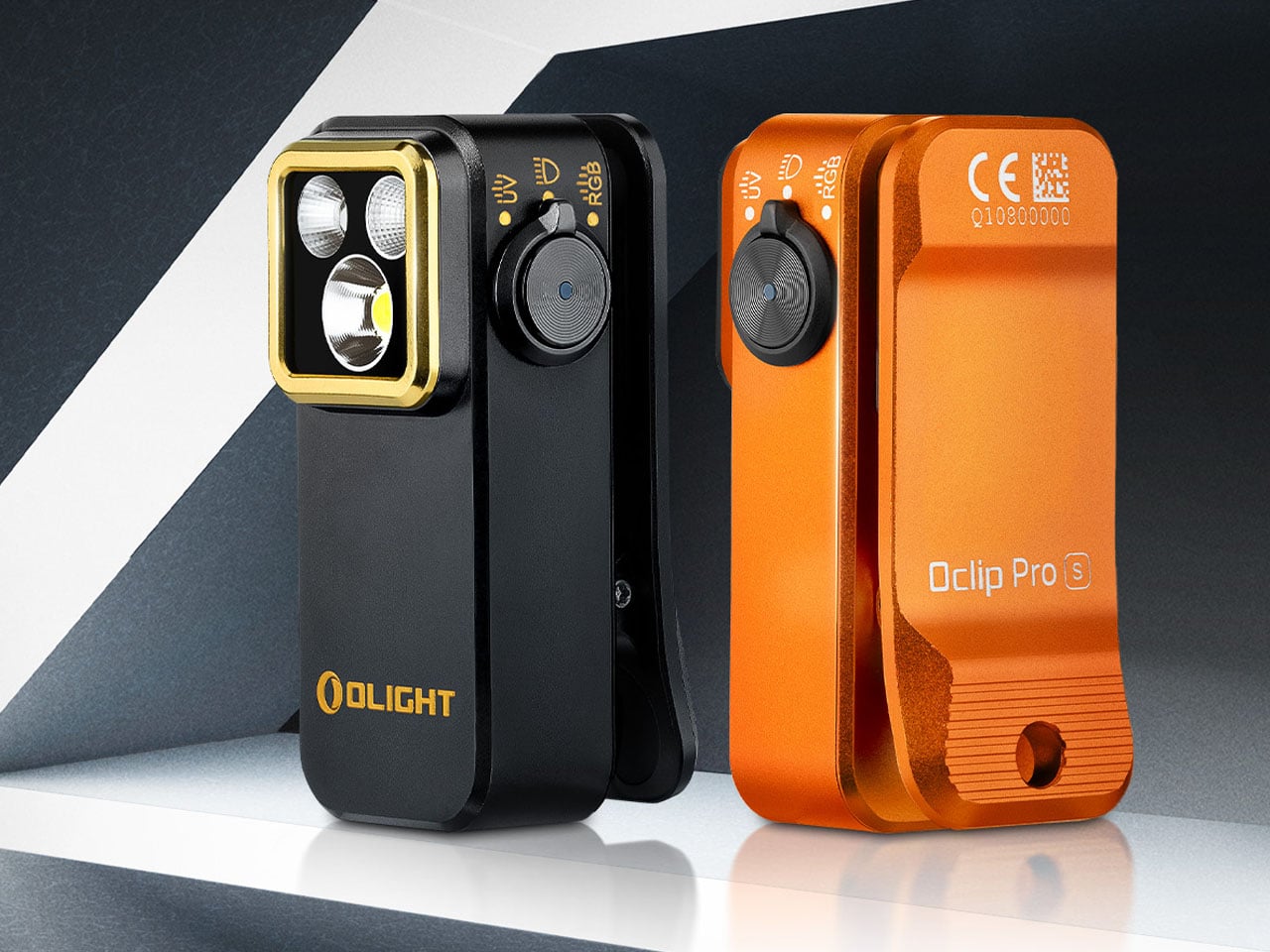
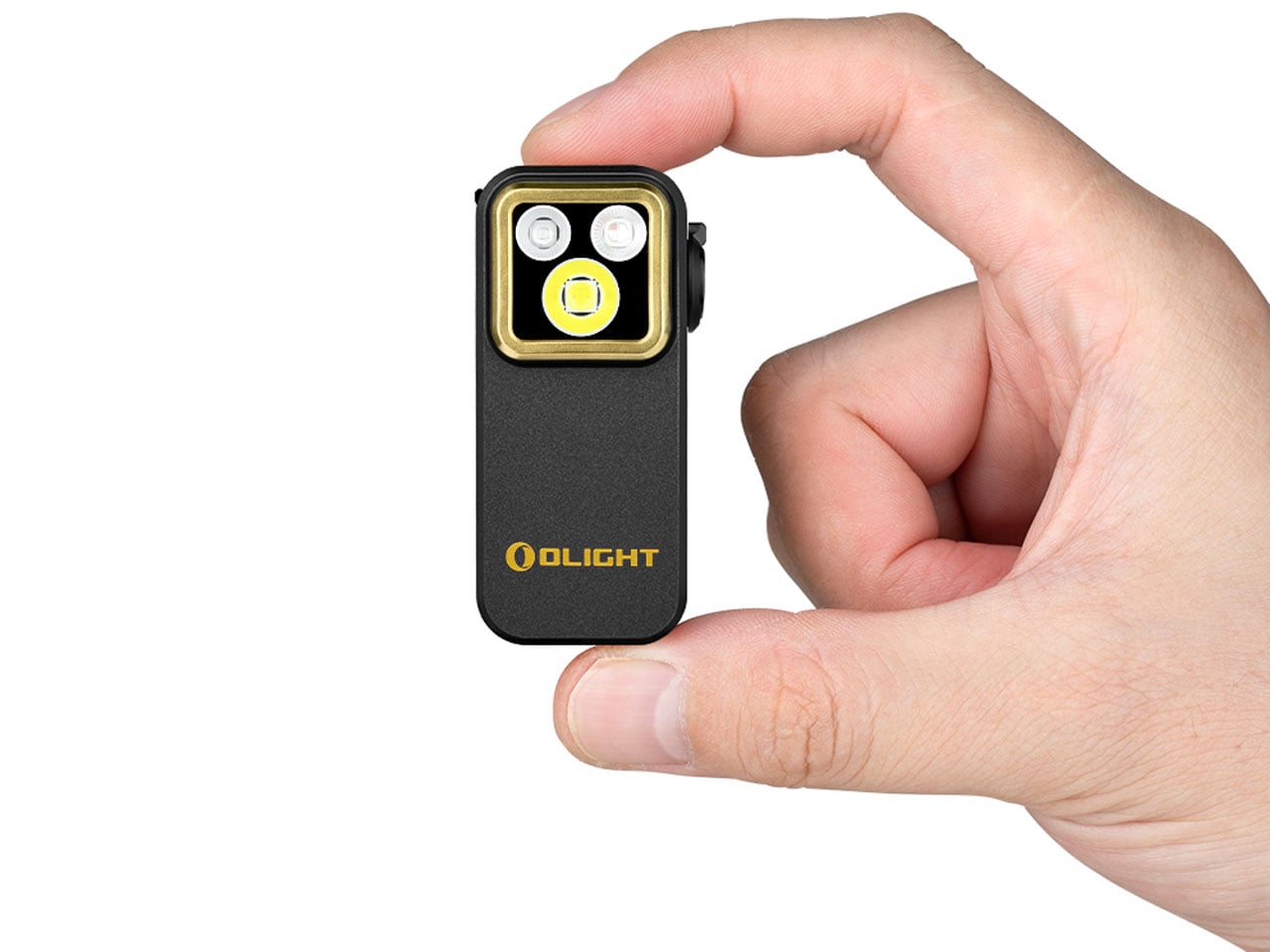
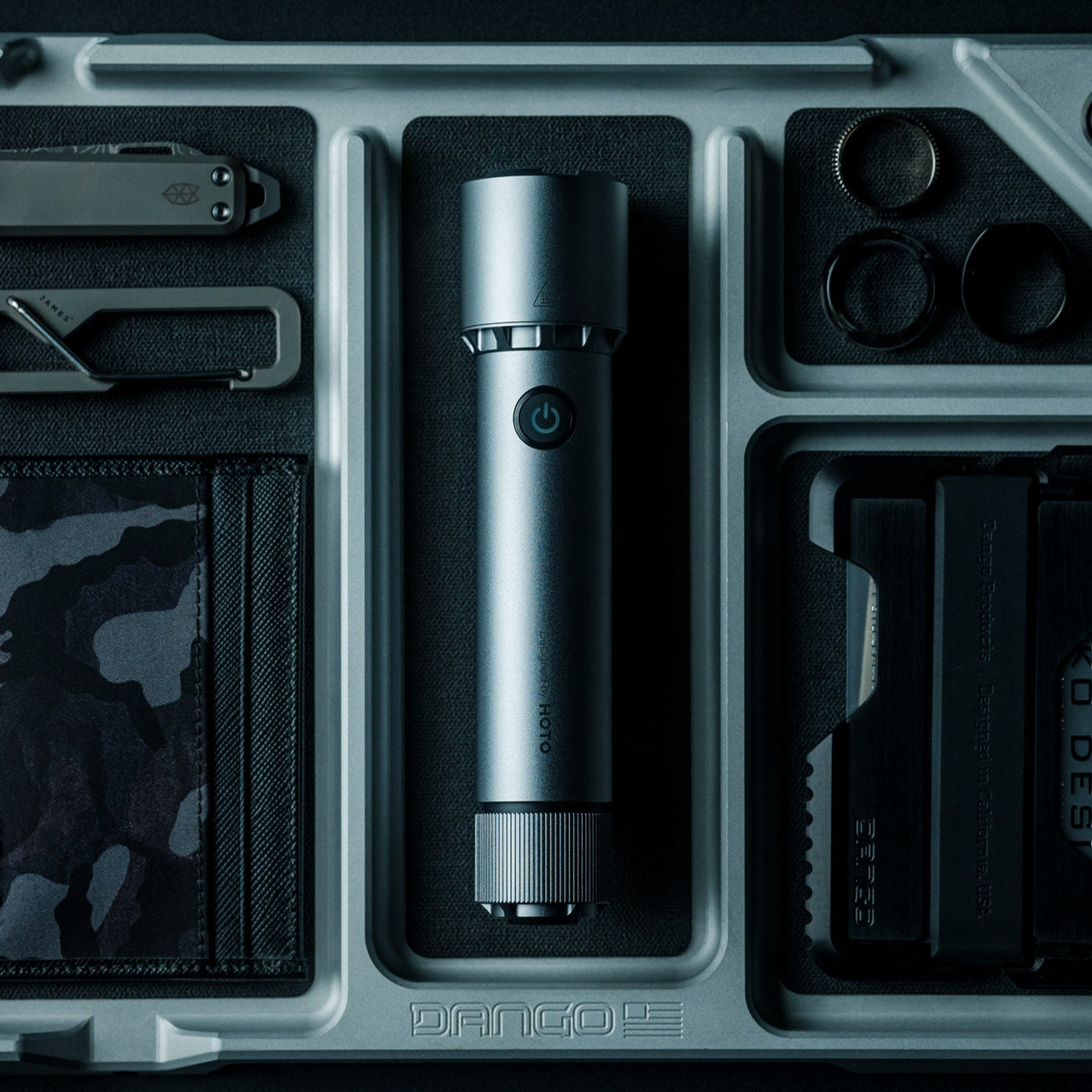
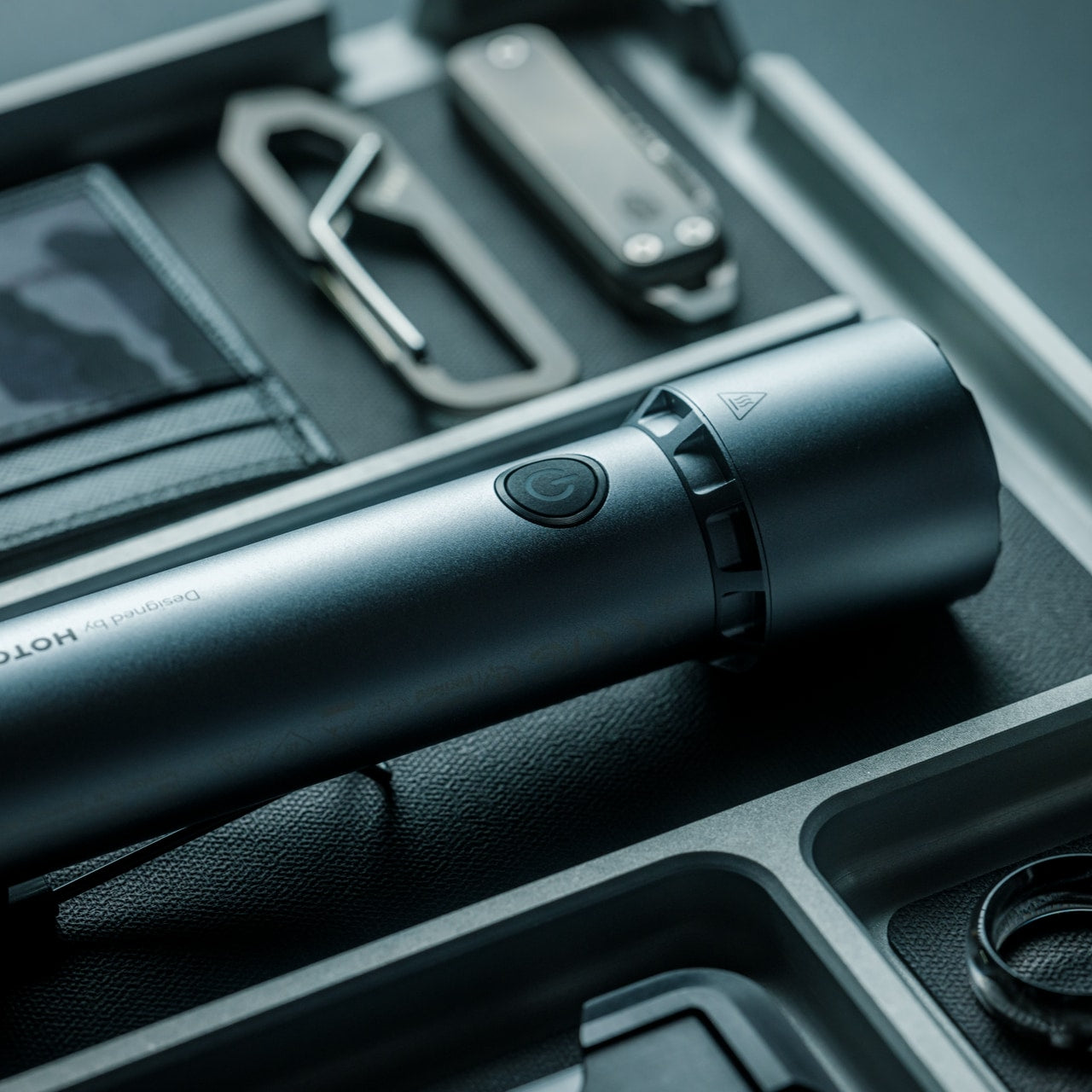
At 57 × 28 × 27 mm and 53 grams, the Olight Oclip Pro S is the kind of EDC tool that earns its carry weight by doing considerably more than one thing. Its integrated clip handles pockets, bags, and gear straps, while a magnetic attachment option makes it a capable hands-free light for tasks that require both hands. The body is compact enough to disappear in a pocket until it becomes exactly what is needed, which is the best quality a carry tool can have.

The 5-in-1 lighting system is what elevates it beyond a simple flashlight. Primary white LEDs deliver up to 600 lumens with an 80-meter beam distance, switchable between flood and spotlight modes. RGB illumination adds red, green, and blue signaling options. A 365nm UV light extends its usefulness into detecting fluorescent materials and checking cleanliness in specialized situations. A side dial controls the entire system intuitively, and battery life reaches up to 144 hours in low mode with USB-C charging throughout.

What We Like:

  • Five distinct lighting modes packed into a 53-gram body is a genuine engineering feat, and the UV capability is the kind of quiet surprise that distinguishes thoughtful design from merely competent design
  • USB-C charging integrates it cleanly into any modern kit without the need for proprietary cables or spare batteries

What We Dislike:

  • A dad who primarily needs a reliable everyday flashlight may never explore most of what the Oclip Pro S actually offers
  • At maximum brightness, thermal management limits extended runtime, which is a reasonable engineering trade-off but worth knowing before relying on it in demanding conditions

5. Side A Cassette Speaker

The Side A Cassette Speaker is shaped exactly like a real mixtape: transparent shell, side A label, the whole thing, and it makes no apologies for that. At $49, it is a speaker you would buy for what it looks like before you hear what it sounds like. The design is faithful enough to prompt a genuine double-take. Weighing just 80 grams with the clear storage case that doubles as a display stand, it occupies almost no space on a shelf but immediately defines wherever it sits.

Bluetooth 5.3 handles wireless connection to phones, tablets, and laptops. A microSD card slot supports offline MP3 playback for anyone who still curates music rather than just streaming it. Battery life runs to six hours at full volume, with a two-hour recharge via the included USB-C cable. The sound is tuned to evoke analog warmth rather than clinical accuracy, which is entirely the right call for the character of the object. For a dad who remembers making mixtapes, this does the emotional work before it plays a single note.

Click Here to Buy Now: $49.00

What We Like:

  • The cassette form is executed with enough fidelity to spark a real conversation, not just a brief smile before it gets set aside on a shelf
  • microSD offline playback is a thoughtful addition for anyone who still curates their own playlists rather than surrendering entirely to an algorithm

What We Dislike:

  • Audio performance leans toward warmth and character rather than reference quality, which suits the object perfectly but is worth setting expectations for anyone anticipating hi-fi output at this price
  • Six-hour battery life is modest compared to larger Bluetooth speakers, though the size makes the trade-off obvious and entirely forgivable

Good Design Doesn’t Need a Bow on Top

The best gift for a design-minded dad isn’t the most expensive thing on the shelf. It’s the one that shows you understood something about how he thinks and what he values. A pen that never needs ink. A leather roll shaped by hand in Japan. A flashlight that carries five functions in a 53-gram body. These aren’t objects that need explaining when someone picks them up. They make their case on their own.

Each pick here falls under $135 and spans a range of interests from desk organization to EDC carry to audio nostalgia. What they share is a commitment to material honesty and considered function. Father’s Day doesn’t have to be another gift that gets thanked and quietly forgotten. Give something built to last, and there is a good chance it becomes the thing he mentions to people for years, without quite being able to explain why.

The post 5 Best Father’s Day Gifts for the Dad Who Thinks Good Design Actually Matters first appeared on Yanko Design.

5 Compact Pocket Essentials Built for a Summer That Never Slows Down

Summer is a season that selects for you. The heat strips every bag to its absolute minimum, and what stays tells you something honest about what you actually value. This list isn’t built around a unified theme. It’s built around intention: five pocket-sized objects that each solve something different without competing for space. None of them is there to fill a slot. Each one earns its position by being genuinely hard to leave behind.

The common thread isn’t material or category. It’s the quality of being designed for a life that doesn’t pause for weather, plans, or inconvenience. A camera that rethinks how a gimbal folds. A flashlight the size of a lighter. A speaker that belongs at the beach as naturally as on a shelf. A bottle that brews, infuses, aerates, and chills with equal conviction. A carabiner that tracks what it carries. Five objects, one honest summer bag.

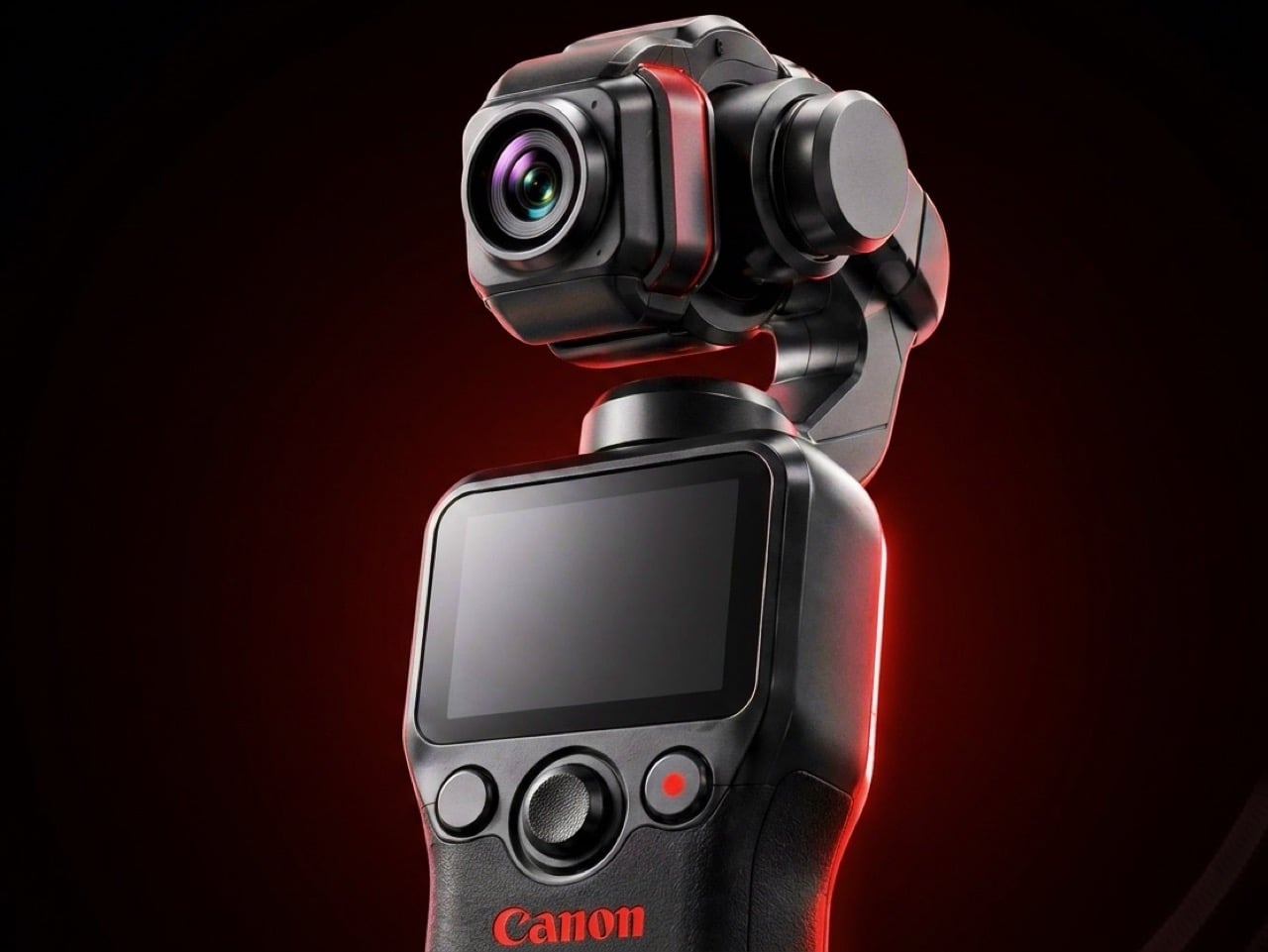
1. Canon Gimbal Camera

Canon has spent five years building toward this moment through a deliberate sequence of three patents, each one more product-ready than the last. The April 2026 filing describes a compact handheld body with a fixed lens, three-axis stabilization, a grip-mounted screen, and a folding mechanism that guides the gimbal head into a safe resting position before cutting motor power. That shutdown sequence is smarter than it sounds. Mechanical wear from limp-motor shutdowns is the quiet reason cameras in this category age faster than they should.

What the patent arc reveals is a company that spent its early filings dreaming wide and its later ones getting practical. The 2021 version imagined an interchangeable-lens cinema device. The 2025 follow-up solved for uninterrupted shooting. This filing drops the interchangeable lens entirely and focuses on fixed-lens portability with intelligent motor behavior baked into the design. Summer light is the most demanding light there is, and Canon’s color science has always handled it with more warmth and more restraint than anything else competing in this category.

What We Like

  • The smart folding shutdown mechanism addresses a real mechanical failure point that the rest of the pocket gimbal category has consistently overlooked
  • Canon’s five-year patent arc signals a product shaped by sustained R&D rather than a reactive response to market pressure

What We Dislike

  • This remains a patent with no confirmed release date or pricing, making it the most compelling item on this list and also the only one you cannot buy
  • Canon’s track record in premium compact categories suggests a launch price that will give most buyers reason to pause before committing

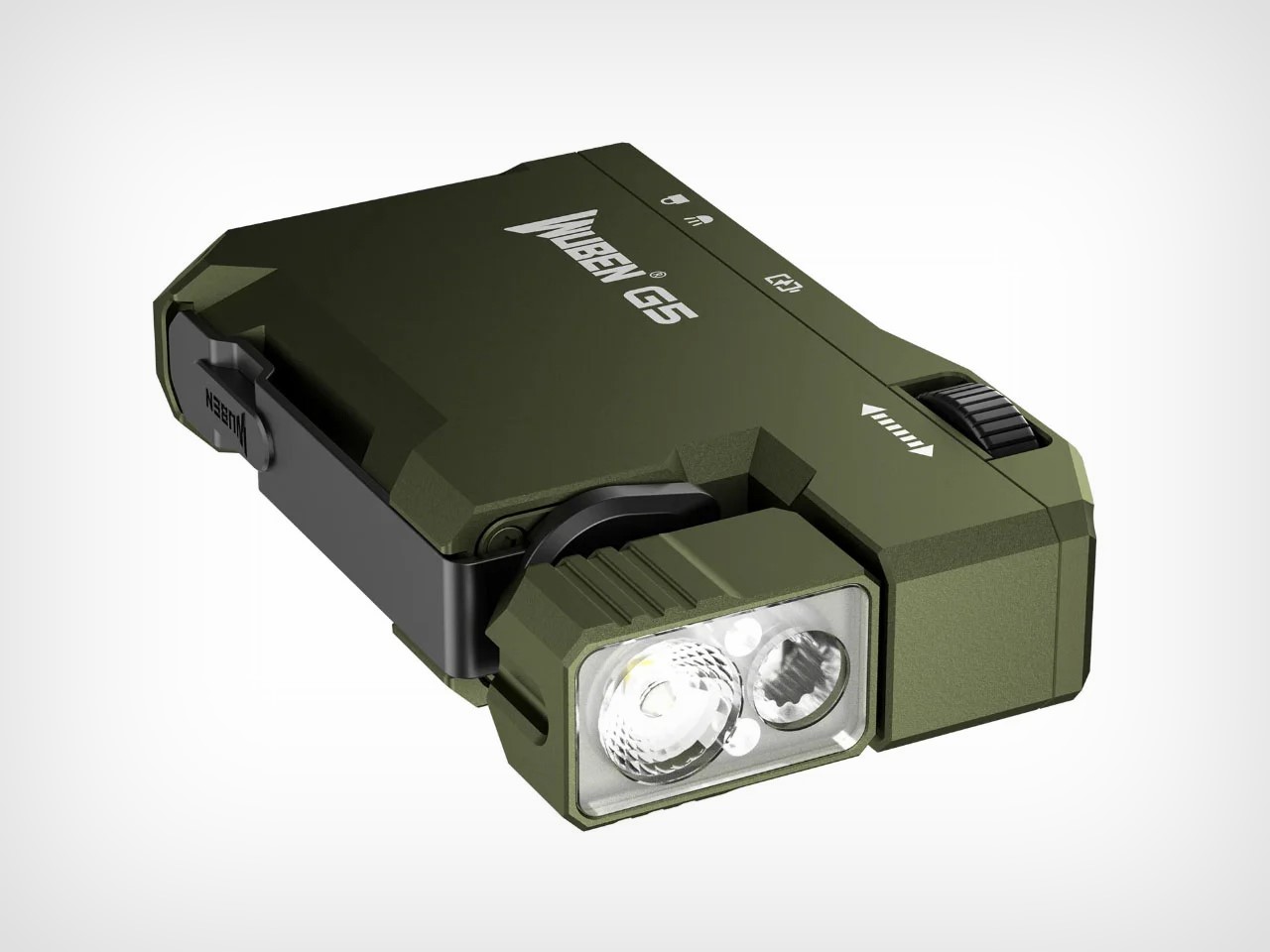
5. Wuben G5

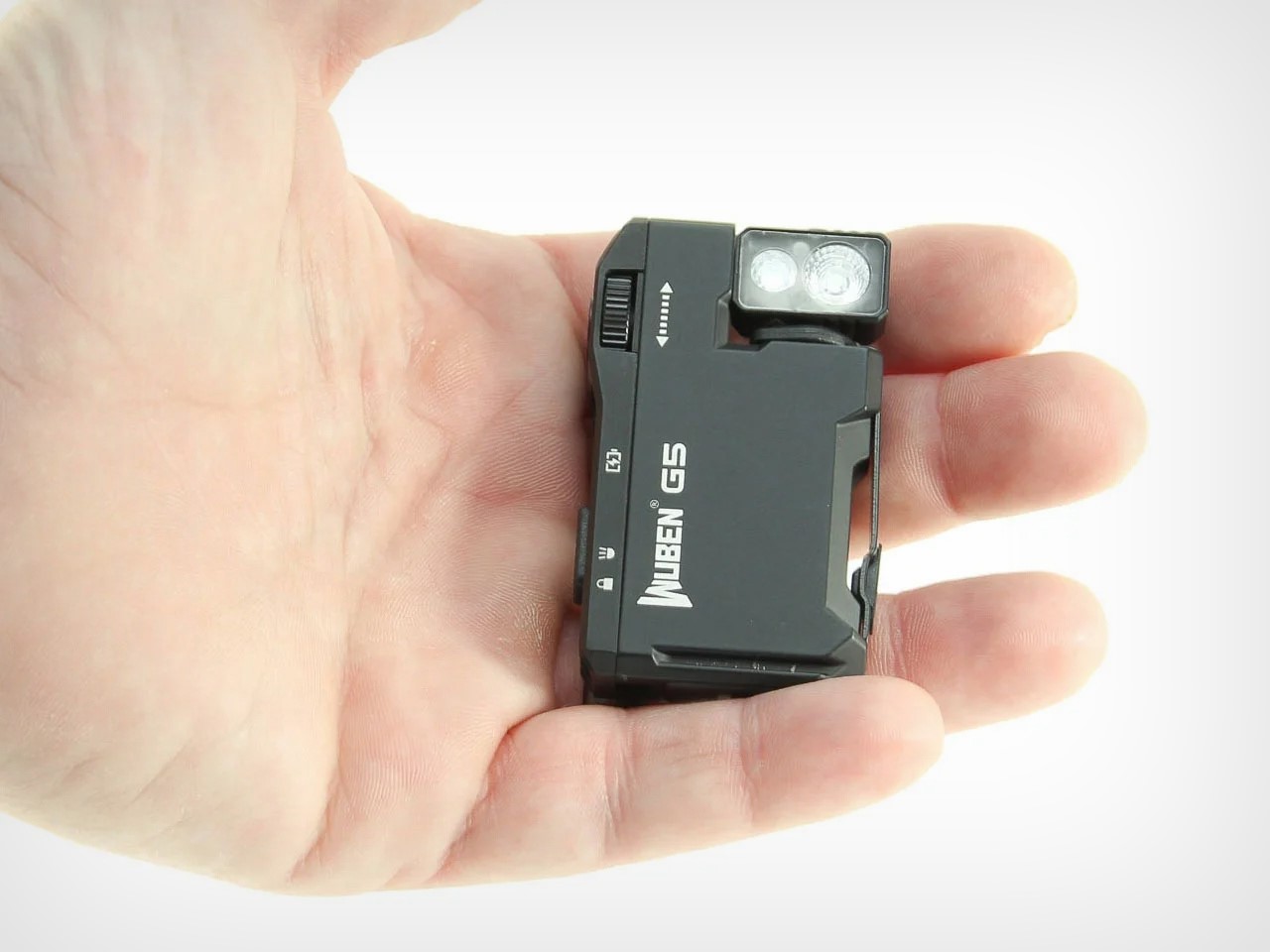
Most flashlights solve for brightness or runtime. The Wuben G5 solves for carry, and that turns out to be the harder design problem. The body is flat and squarish, sized closer to a lighter than any conventional torch, and weighs 52 grams. A 180-degree rotating head lets you angle light wherever it needs to go without repositioning your hand. The spring-tensioned clip grips fabric, straps, and pocket edges with reliable force. A magnetic base sticks it to any metal surface hands-free.

At $25, the G5 delivers 400 lumens, an 82-metre beam, RGB color modes, IP68 waterproofing rated to 2 metres, and an emergency beacon that flashes blue and red. USB-C charging hides neatly behind the tactile rotary switch, a deliberate design choice that keeps the profile clean. Summer makes every feature feel obvious: evening trails, beach bags, festival fields after dark, and camping trips where a headlamp feels like too much and a phone torch never quite feels like enough. It carries like nothing and performs like something far more expensive.

What We Like

  • The 180-degree rotating head and spring-tensioned clip solve the hands-free lighting problem with mechanical elegance rather than extra accessories
  • IP68 waterproofing, magnetic attachment, and USB-C charging at $25 is a combination that flashlights three times the price often fail to match

What We Dislike

  • Battery runtime at full 400-lumen output runs around 50 to 60 minutes, which requires some planning on longer outings or extended sessions
  • The blue-and-red emergency beacon is designed for genuine distress situations, and using it casually creates a real risk of being misread by people nearby

3. Side-A Cassette Speaker

There is a specific pleasure in a speaker who has a point of view. The Side-A wears its design intention openly, taking the cassette tape as its structural reference and arriving at something that sits between functional object and collected artifact. Bluetooth audio in a body that references one of the most culturally significant formats in sound history: it is a design brief that could have landed in a dozen wrong places, and it does not. The form has restraint, which is what separates a considered design reference from a costume.

What makes it a summer essential is its willingness to be present without announcing itself. It belongs on a table outside as naturally as it belongs on a shelf. The cassette format has always carried a sense of intentionality around music, the feeling that someone made a deliberate selection and committed to it. The Side-A carries that quality into Bluetooth territory without apology. Summer listening deserves something with genuine character, and this brings character alongside the sound without asking you to compromise on either.

Click Here to Buy Now: $49.00

What We Like

  • The cassette tape aesthetic is specific enough to be genuinely distinctive without crossing into novelty design territory
  • The form reads as a collected object rather than consumer electronics, which is a rare quality at any price point

What We Dislike

  • The retro design language is strong enough that it may feel tonally out of place for buyers who want their audio hardware to read as visually neutral
  • Buyers who prioritize raw audio specifications over design intention will find more technically competitive options at a similar price

4. All-Day Adventure Flask

The All-Day Adventure Flask is built around a single useful idea: one vessel, every drink the day asks for. The 32-ounce insulated stainless steel body keeps drinks hot or cold for hours, which is the baseline. What lifts it past every other flask on the market is the split-body design. Unscrew the top, invert it, line it with a filter, and you have a wide-mouth pour-over coffee kit. The same configuration decants wine, aerating it without the taste compromise that stainless interiors typically introduce, because the inside is finished in non-breakable glass that stays flavor-neutral regardless of what you put in it.

The modular system extends that range even further. A mesh container brews tea, infuses water, or cold-brews coffee, depending on how long you leave it. A slatted lid converts the whole flask into a cocktail shaker. A thermal core chills drinks without diluting them with ice. A silicone tumbler is built into the base and pops out as a cup, doubling as a shock absorber when the flask gets dropped. It won a Red Dot Design Award in 2020, comes with a 5-year warranty, is built to be carbon neutral, and Hibear commits a percentage of every sale to 1% for the Planet. The flask that carries all of summer, one mode at a time.

What We Like

  • The split-body pour-over and wine decanting function solves two completely different outdoor rituals in the same design move, with zero additional kit
  • The built-in silicone tumbler and non-breakable glass interior address both the drinking experience and long-term durability in one considered detail

What We Dislike

  • The full modular system involves multiple components that need tracking, cleaning, and reassembling, which adds friction on days when simplicity is the priority
  • The range of functions is genuinely impressive, but most users will find themselves returning to two or three of them regularly and barely touching the rest

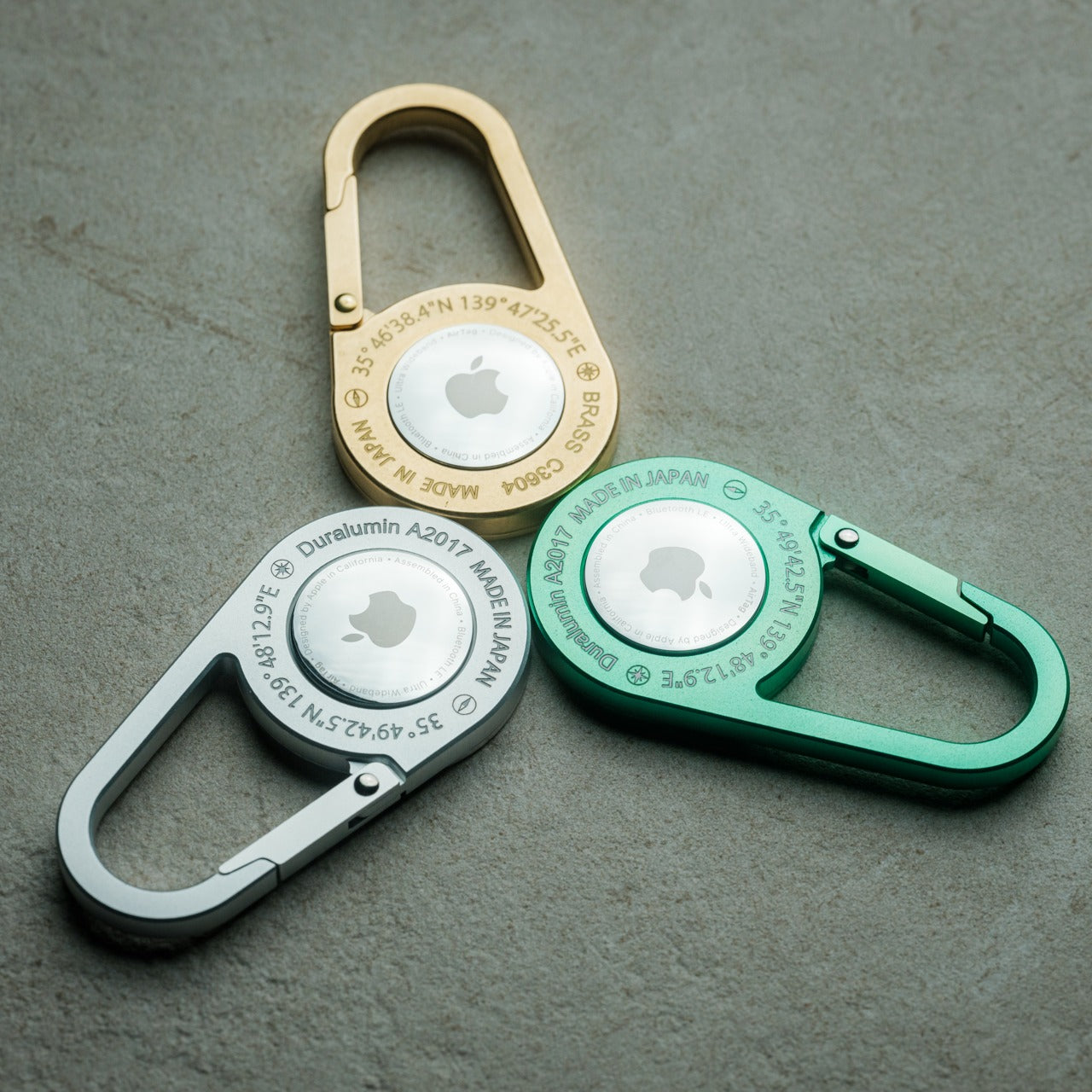
5. AirTag Carabiner

The weakest version of any tracking solution is one you forget to use. An AirTag left loose in a bag pocket, or sitting on a key ring that stays home when the bag leaves, solves nothing. The AirTag Carabiner earns its place by removing the forgetting entirely: the tracking is built into the clip mechanism, so the moment it is attached to something, the Apple Find My network is engaged. No secondary step, no separate attachment decision, no choosing whether today is the day you bother.

Summer creates more opportunities to misplace things than any other season. Bags move between people. Keys get set down at the beach and claimed by the wrong table. Gear left on a trail gets collected by the person walking faster. The AirTag Carabiner sits at the intersection of utility and peace of mind without adding weight or bulk to anything it clips onto. Bags, straps, belt loops, keyrings: it clips to all of them. Summer is unforgiving to the disorganized, and this is the most considered possible answer to that specific problem.

Click Here to Buy Now: $149.00

What We Like

  • Integrating the AirTag directly into the carabiner mechanism removes the secondary step that makes most tracking setups feel optional or easy to skip
  • Find My network coverage means location data is available across virtually any populated environment without additional hardware or ongoing costs

What We Dislike

  • Full functionality is locked to the Apple ecosystem, which limits the product’s value significantly for anyone outside of it
  • Find My operates through a network of nearby devices rather than live GPS, which means there is always a lag between an item moving and its location updating

The Right Five Things Make Summer Easier

The five products on this list share one quality that never makes it onto a spec sheet: they do not complain about summer. They are waterproof, pocket-sized, or designed to adapt, and none require a protective case or a separate pouch to survive a day that gets more complicated than planned. That quiet durability is exactly what the season demands, and it is what separates a genuinely considered kit from a collection of things you meant to bring.

Pick the two or three that close the gaps in what you already carry. The Canon will arrive when Canon is ready, and based on five years of increasingly precise engineering, it will be worth the wait. Everything else on this list is available now, none of it requires much justification, and all of it is designed to stay out of your way while doing its job. Summer does not want to be curated. It wants to be lived. The right five things make that easier.

The post 5 Compact Pocket Essentials Built for a Summer That Never Slows Down first appeared on Yanko Design.

5 Best Japanese Kitchen Gadgets That Make Cooking Feel Like a Meditation Ritual

Japanese kitchen tools operate differently from their Western counterparts. They don’t promise to speed things up or reduce effort. They promise to make that effort worth something. The objects below share a commitment to material honesty and precision that changes the pace of cooking without changing the recipe. Each one invites you to slow down, pay attention, and find something close to calm in the ordinary rhythm of preparing food.

None of these tools asks for much counter space. None comes with instruction manuals. What they share is a design philosophy rooted in centuries of Japanese craft tradition, where restraint and intention produce objects that reward your attention rather than compete for it. Cooking with them slows you down in a way that feels like a gift. The meditation isn’t something you bring to the kitchen. These tools create the conditions for it.

1. Iron Frying Plate

The Iron Frying Plate removes the boundary between the cooking vessel and the serving dish. Crafted from rust-resistant mill scale steel with a detachable wooden handle, it moves from stove to table without a transfer, without a plate in between. Eggs arrive still sizzling. Fish comes off the heat and onto the table in the same object, retaining the kind of temperature and texture that plating destroys. The cook-and-serve design isn’t a shortcut. It’s a different way of thinking about food.

The uncoated surface requires no seasoning before first use and develops natural non-stick properties through regular cooking. The detachable wooden handle attaches and releases with one hand, making the transition from burner to table completely fluid. Retained heat keeps food at a temperature throughout the meal, which changes its pace in subtle but noticeable ways. You stop rushing through dinner because the plate is still doing its job while you’re still deciding what to eat first.

Click Here to Buy Now: $69.00

What We Like

  • The cook-and-serve design preserves the temperature and texture that get lost in any transfer to a separate plate
  • The uncoated mill scale steel develops natural non-stick properties through use, with no chemical coatings involved

What We Dislike

  • The iron construction retains heat long after serving, which requires careful handling at the table
  • Heavier than standard serving dishes, which takes some adjustment if you’re used to lighter ceramics

2. Katakuchi Suribachi & Surikogi Set

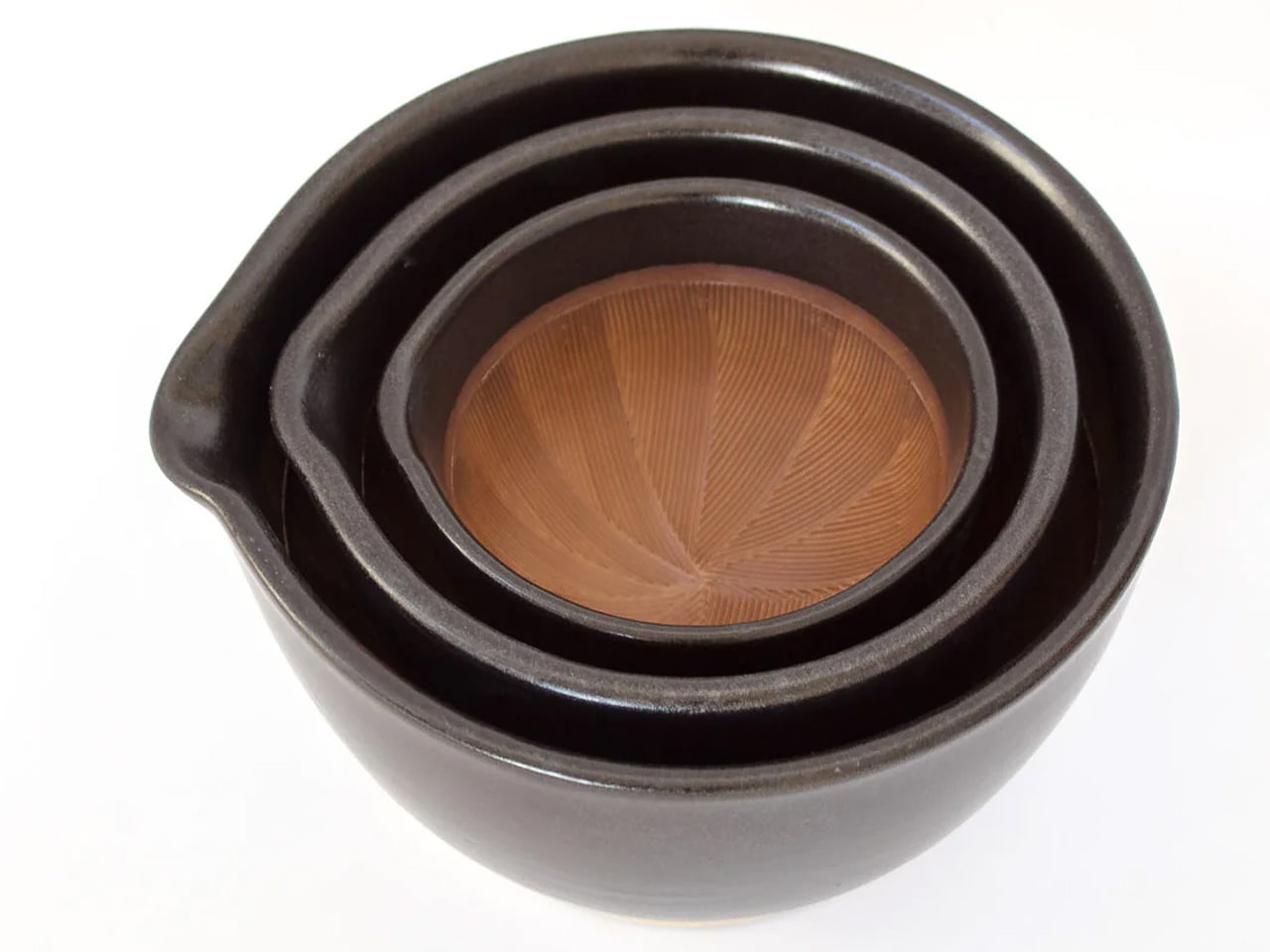
The suribachi is a Japanese mortar defined by its interior: a web of fine ridges that grip seeds and fibres and pull them apart through friction. Unlike smooth-walled mortars that crush, this one grinds, and the difference in what that produces is immediate. The katakuchi design adds a spout, so freshly ground sesame pours cleanly from the vessel without a transfer step. The wood surikogi follows the curve of the bowl exactly, which is the whole point of the pairing.

Using a suribachi imposes a different pace on cooking. You bring the seeds in, you begin to work the pestle in slow circles, and the sound changes as the seeds release their oil. The kitchen starts to smell like food before the pan is even on. That sensory sequence of physical work and gradual transformation is what separates this from a standard grinding tool. Available from TOIRO Kitchen in two colorways, it’s priced between $36 and $63 depending on size.

What We Like

  • The katakuchi spout makes it a single-vessel process from grinding to pouring; nothing gets lost in the transfer
  • The ridged earthenware interior produces a texture and aroma from sesame and spices that a food processor simply cannot replicate

What We Dislike

  • The earthenware body is heavy and requires careful handling; it’s not something you grab quickly
  • Cleaning the grooved interior takes more attention than a smooth-walled mortar

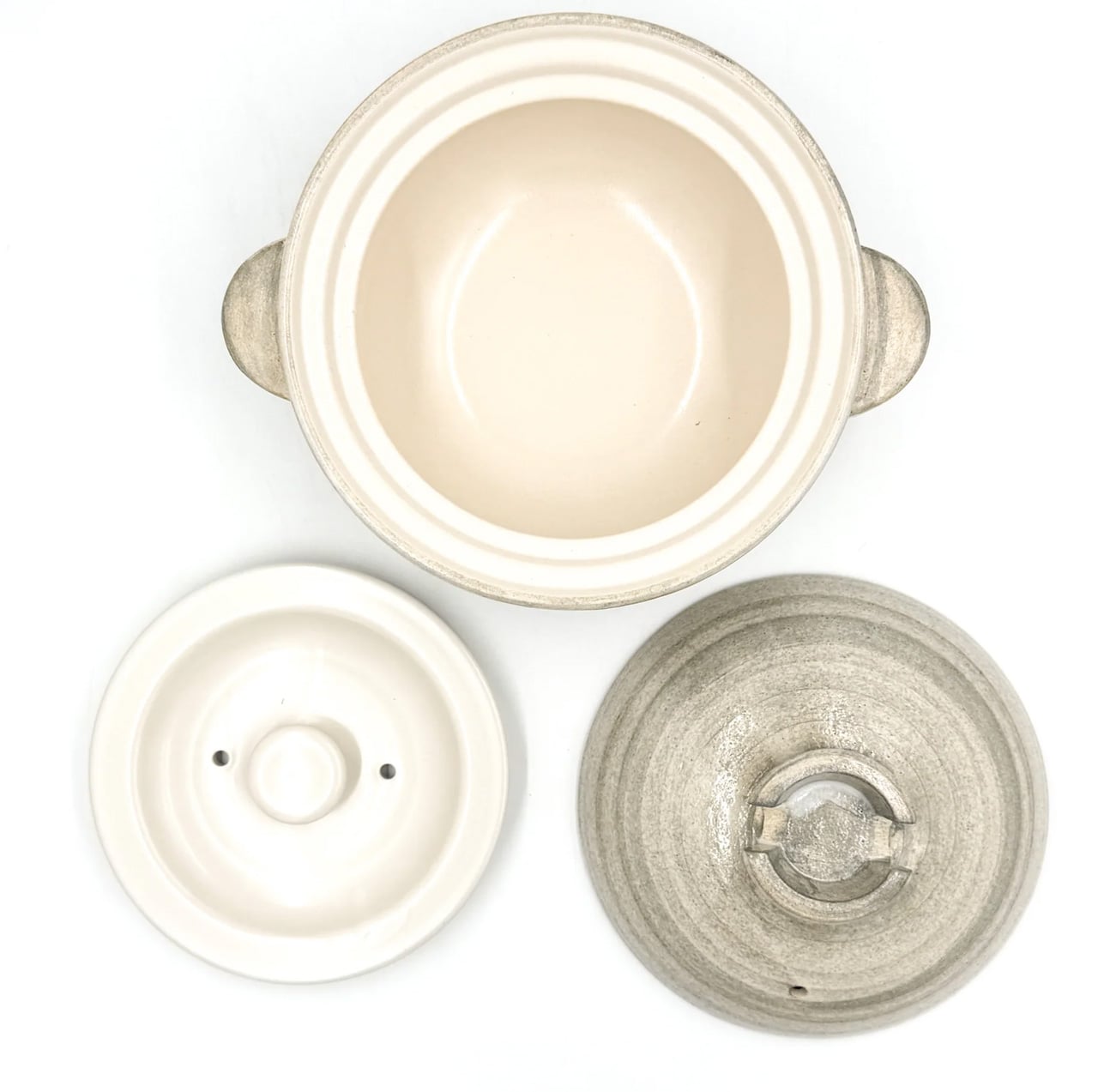
3. Iga-yaki Donabe Clay Pot

Iga-yaki clay comes from Mie Prefecture in Japan, where the local earth has been used for ceramics since at least the Kamakura period. The porous structure absorbs heat slowly and releases it evenly, creating a cooking environment that metal pots simply cannot replicate. Rice cooked in it sweetens. Broth deepens over a lower flame. The exterior stays rough and unfinished while the interior is glazed smooth: two textures on the same vessel, each doing exactly what it needs to.

Using a donabe imposes a different pace on dinner. You bring it to a heat gradually, you watch the steam rising from the lid, you lower the flame, and wait. That sequence of patient setup, attention to what the pot is communicating, and the discipline not to rush transforms cooking into something closer to practice than production. TOIRO Kitchen stocks Iga-yaki donabe in several sizes, all made in Japan, all functioning as vessels for the kind of cooking that rewards presence.

What We Like

  • Iga-yaki clay retains heat well past the point of turning off the flame, keeping food at a temperature while you’re still at the table
  • Genuinely versatile across hot pot, rice, steaming, and slow braise. One vessel covers all of it

What We Dislike

  • Clay donabe requires seasoning before first use, typically by simmering rice water in it, a step not everyone anticipates from the packaging
  • The porous clay body can absorb strong cooking odors over time and needs to be stored with the lid off after washing

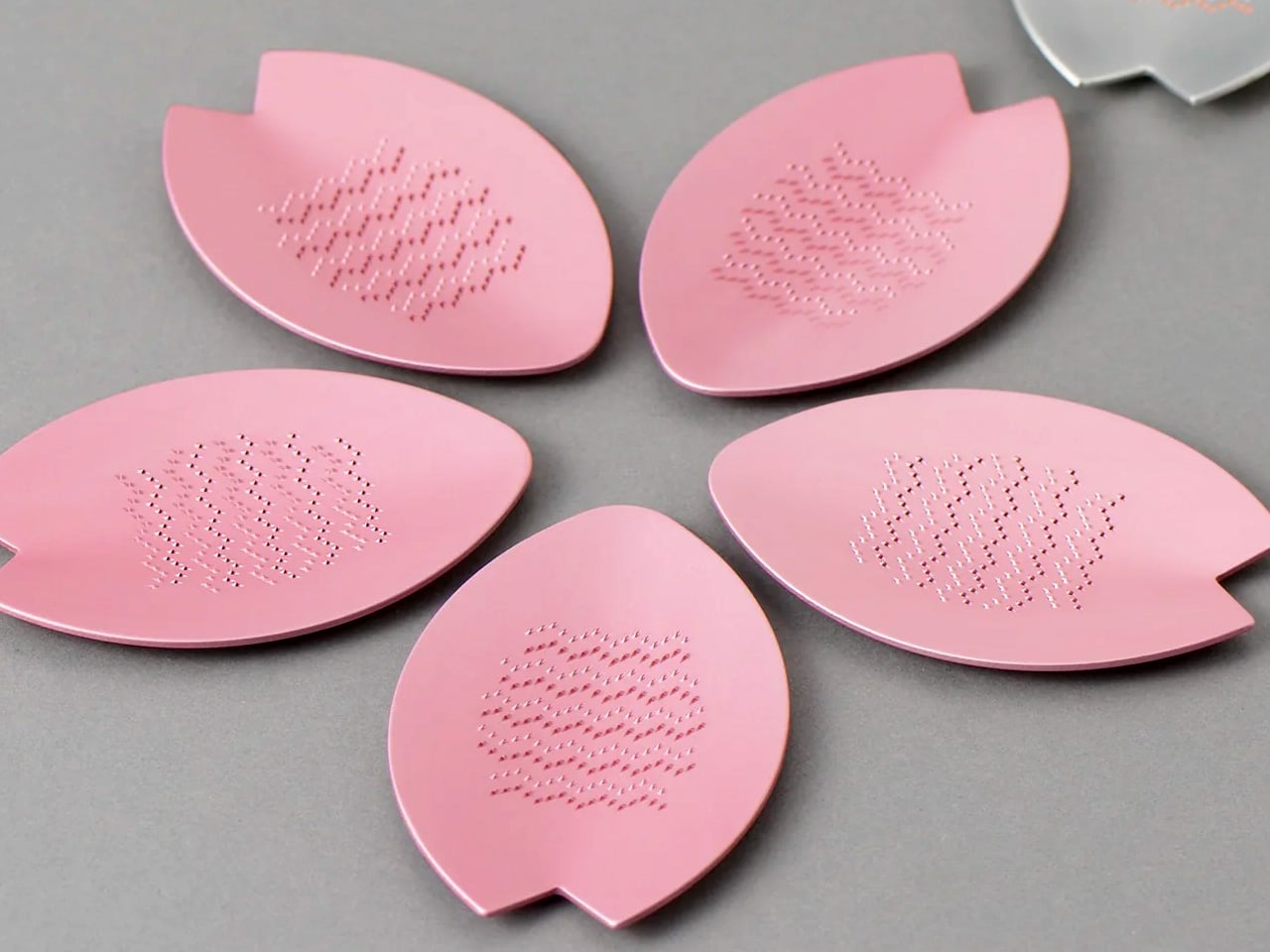
4. Sakura Petal Grater

Fresh wasabi grated at the table is a different ingredient from the paste that comes in a tube. The same is true of ginger, of daikon, of any root that peaks the moment it’s reduced. The Sakura Petal Grater is built around that principle. Its sakura petal form brings tableside preparation into the meal itself, turning garnish work from a kitchen task into part of the ritual of eating. The circular motion has a quality that makes stopping feel abrupt.

Made from stainless steel, the grater sits flat and stable at the table, and the anti-slip silicone base doubles as a protective cover when stored. Its compact size means it takes no space to speak of, but what it brings to the table is disproportionate to its footprint. Grating fresh ginger over soup, wasabi alongside sashimi, and daikon over a bowl of soba becomes something you look forward to rather than manage. The shape itself is worth lingering on.

Click Here to Buy Now: $45

What We Like

  • Tableside grating turns fresh garnish preparation into part of the dining ritual rather than prep work done in advance
  • The compact form requires almost no storage space, and the silicone base doubles as a protective cover

What We Dislike

  • The small size means slower processing for larger quantities, so it works best for garnish amounts rather than bulk grating
  • Specialist in scope: for kitchen prep in volume, a larger grater is the more practical tool

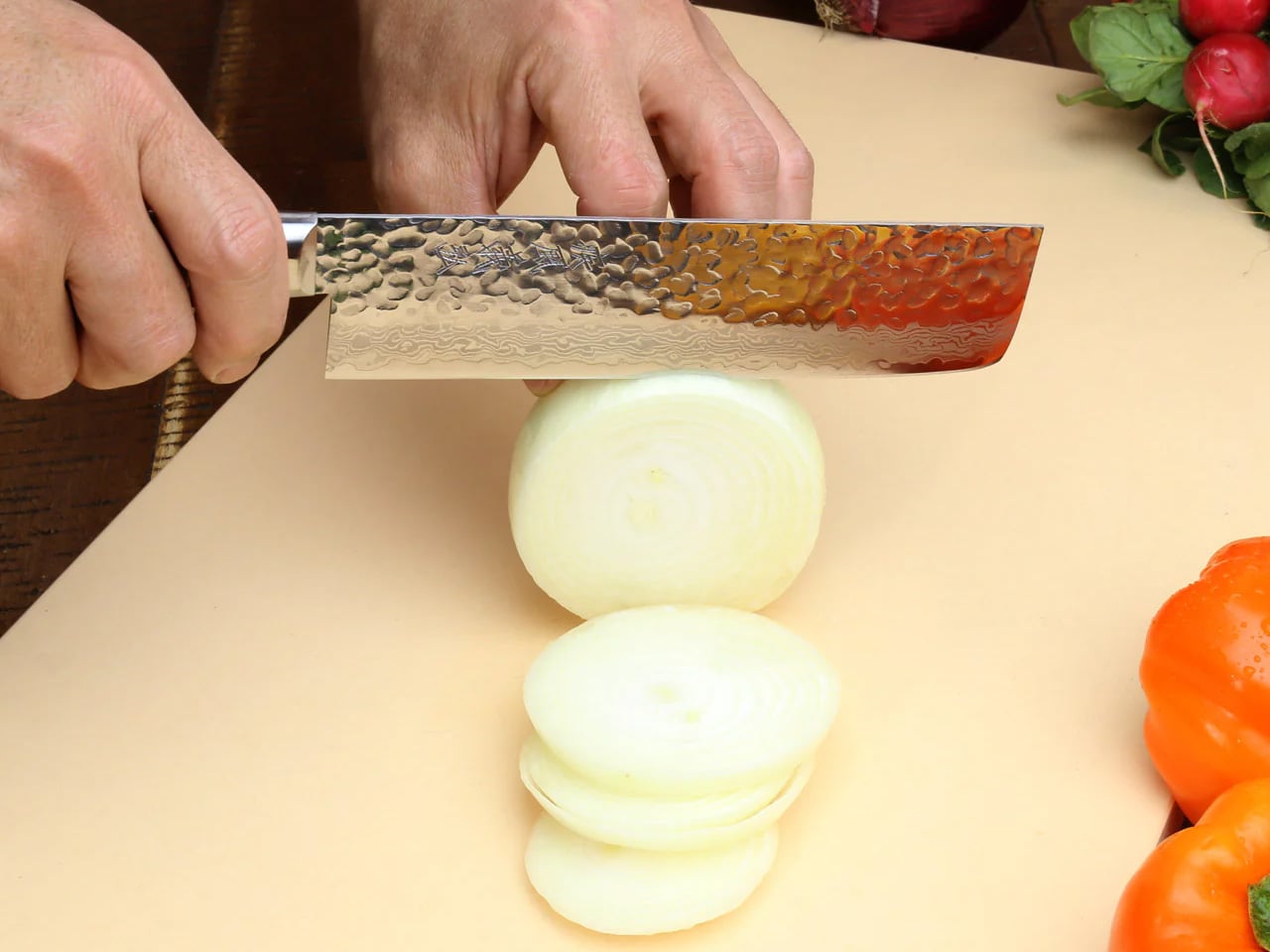
5. Yoshihiro VG-10 16-Layer Hammered Damascus Nakiri 165mm

The Nakiri is designed exclusively for vegetables, and that singular focus is the entire point. The flat rectangular edge makes full contact with the cutting board on every stroke, without tip lift, without the curved rock of a chef’s knife. Just clean forward pressure through root vegetables, leafy greens, and ripe tomatoes with equal consistency. Yoshihiro builds this version around a VG-10 core wrapped in 16 layers of hammered Damascus steel, and the surface reduces friction through each cut, so nothing drags.

The Damascus layering produces a pattern unique to each blade, a specific arrangement of steel that no other knife in the world shares with yours. That individuality matters more than it sounds. The full-tang mahogany handle distributes weight in a way that makes extended prep feel balanced rather than tiring. Each blade is handcrafted by master artisans and certified for commercial kitchen use.

What We Like

  • The 16-layer Damascus pattern is unique to every individual blade, making this a personal object in a way factory knives never manage
  • Full-tang construction distributes weight evenly through the handle, reducing fatigue during longer vegetable prep sessions

What We Dislike

  • The Nakiri is a specialist vegetable blade and is not designed for meat, fish, or general-purpose cutting
  • Damascus finishes need careful maintenance and proper storage to preserve both the edge geometry and the layered surface over time

The Kitchen Is Already the Meditation

These five objects share something beyond country of origin. They each ask something of the person using them: attention, patience, a willingness to slow down and notice. The iron plate asks you to eat at the pace of the heat. The donabe asks you to wait for the steam before you touch the lid. The suribachi asks you to stay with the grinding until the smell tells you it’s ready. That presence is the common thread.

None of these tools will make you a better cook overnight. What they will do is change how cooking feels from one session to the next, until the kitchen becomes a place you want to spend time in rather than a place you want to get through. That shift is harder to achieve than any technical skill, and these five objects are exceptionally good at producing it.

The post 5 Best Japanese Kitchen Gadgets That Make Cooking Feel Like a Meditation Ritual first appeared on Yanko Design.

5 Designer Pens That Make Every Other Gift for Him Look Lazy

Most gift guides for him are boring. A leather wallet, a whiskey set, a watch he already owns in a different color. But if the person you’re buying for genuinely cares about the objects around him, about what something communicates before he even uses it, a pen is an underrated move. Not just any pen. The five below are the kind of pieces that make everything else on the gift table look like an afterthought.

These aren’t novelty pens with logos. Each one makes a deliberate argument about what a writing instrument can be, rethinking the material, the mechanism, or the relationship between the pen and the desk it lives on. Together, they represent how designers are now treating an object that most people have stopped thinking about. Whether you’re shopping for a birthday, an anniversary, or a reason to stop buying the same gift twice, this list delivers.

1. Pininfarina Aero Ethergraf

Pininfarina’s design language has always been about the single confident line that communicates speed and restraint at once. The Aero Ethergraf carries that directly to the desktop. It writes through an Ethergraf metal alloy tip that works via oxidation, leaving a graphite-like mark on paper without any ink. No cartridges, no cap to lose, no refills, ever. For him, this means a writing tool that genuinely never runs out, made in Italy and handcrafted to outlast anything else on his desk.

The aluminum body carries a blue accent that catches light the way a car door does at the right angle, which makes complete sense coming from the studio responsible for decades of Ferrari and Maserati bodies. Sitting in its raw concrete cradle, the Aero Ethergraf reads less like office stationery and more like a considered piece of sculpture. The line it leaves is precise, smudge-proof, and won’t bleed through paper. It’s the kind of object that earns its place on whatever desk it lands on.

What we like:

  • Writes indefinitely with no ink, cartridges, or maintenance required — the Ethergraf alloy tip is genuinely a forever writing surface
  • Handcrafted in Italy, the aerospace-grade aluminum body and raw concrete cradle together make a gift that reads as a design object, not an office supply

What we dislike:

  • The mark left by the Ethergraf tip is lighter than a standard pen line, which may not suit those who prefer a bold, ink-heavy stroke
  • Very smooth or coated paper surfaces can diminish the writing quality, so it performs best on standard uncoated notebooks or writing pads

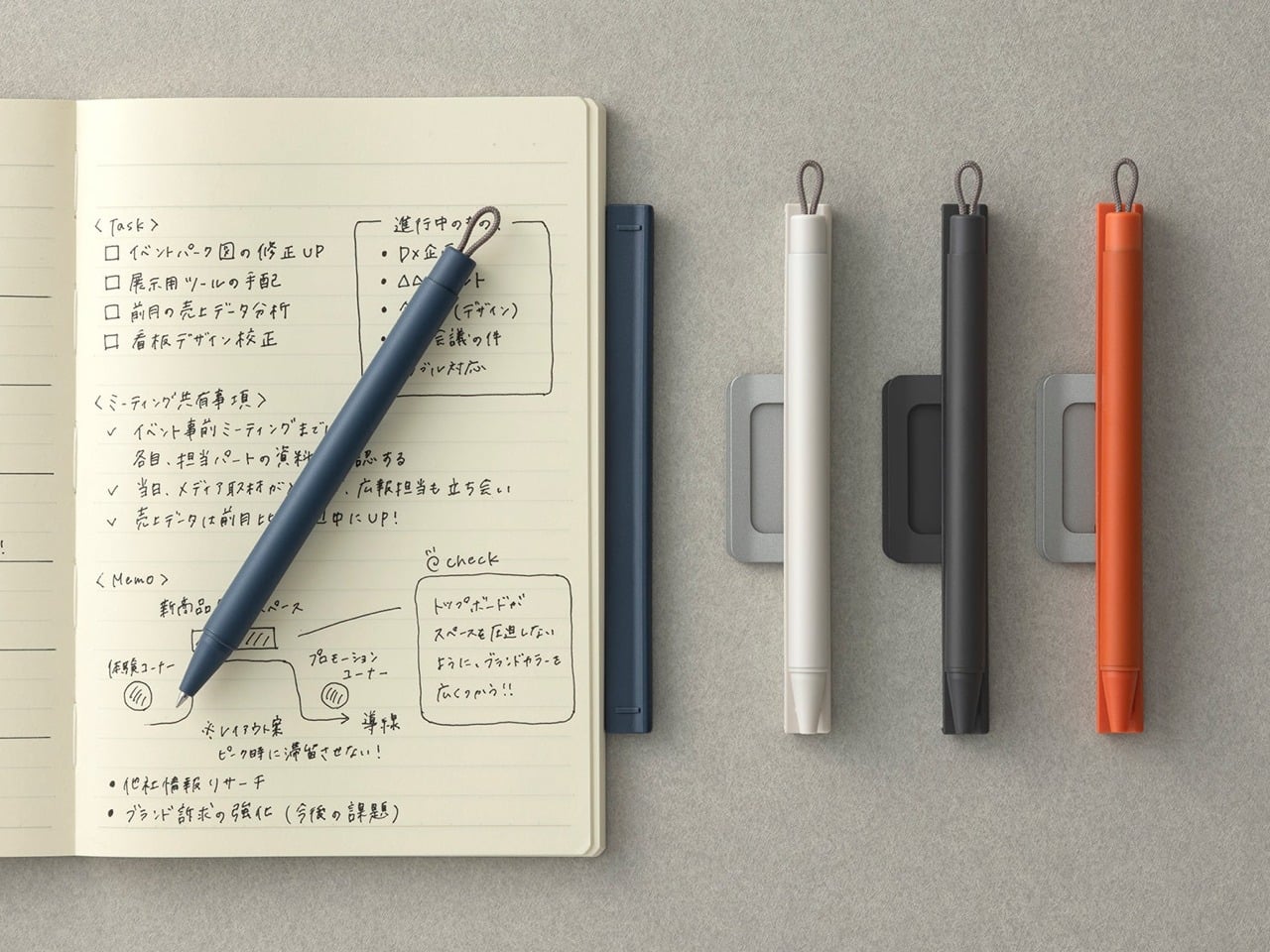
2. Inseparable Notebook Pen

The premise is almost frustratingly simple. A pen that attaches magnetically to the side of a notebook — the way an Apple Pencil does on an iPad — so the two are always together and always ready. Designer Yusuke Nagao built it with a three-part construction featuring a plastic protector, a metal clip, and the pen itself. For him, it solves one of the most persistent small frustrations in daily life: a notebook sitting on the table with nothing to write with.

There’s a quiet confidence to the Inseparable’s design that reveals itself the longer it’s used. Nothing feels overworked. The silhouette is clean, the clip is integrated rather than decorative, and the magnetic attachment snaps silently into place in a way most products would never bother to refine. The ink flows smoothly for clear and precise writing on the go.

Click Here to Buy Now: $19.95

What we like:

  • Magnetic attachment to any notebook eliminates one of the most persistent small frustrations in daily writing habits in the cleanest possible way
  • The minimal three-part design prioritizes function without visual noise — it looks exactly as useful as it actually is

What we dislike:

  • The magnetic clip system is built around a single notebook format, so those who move between multiple journals will find the integration more limiting
  • The compact form and single-ink style serve portability well, but leave little room for those who prefer a heavier body weight or a finer writing point

3. Yamaha Swing Scribe

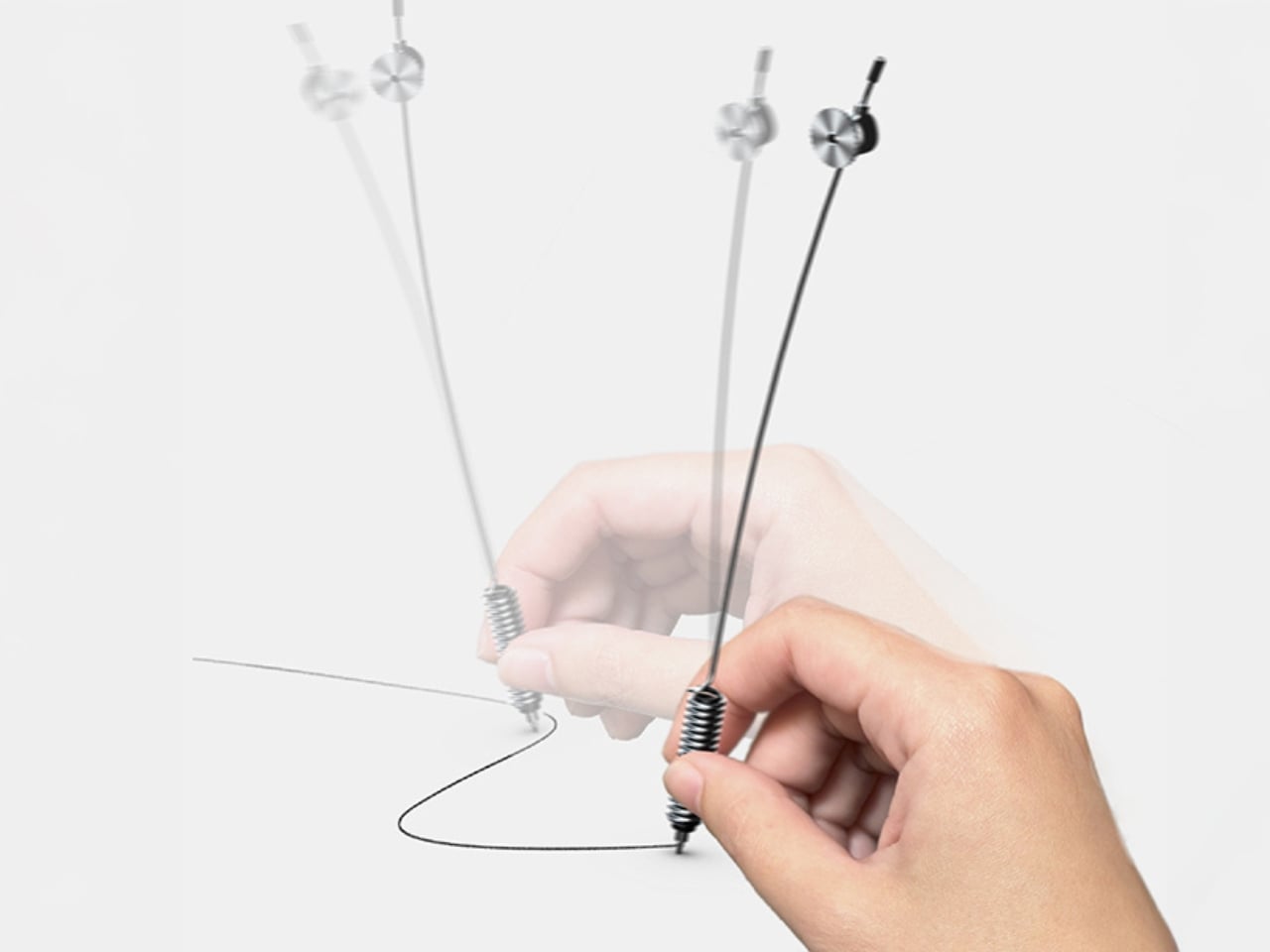
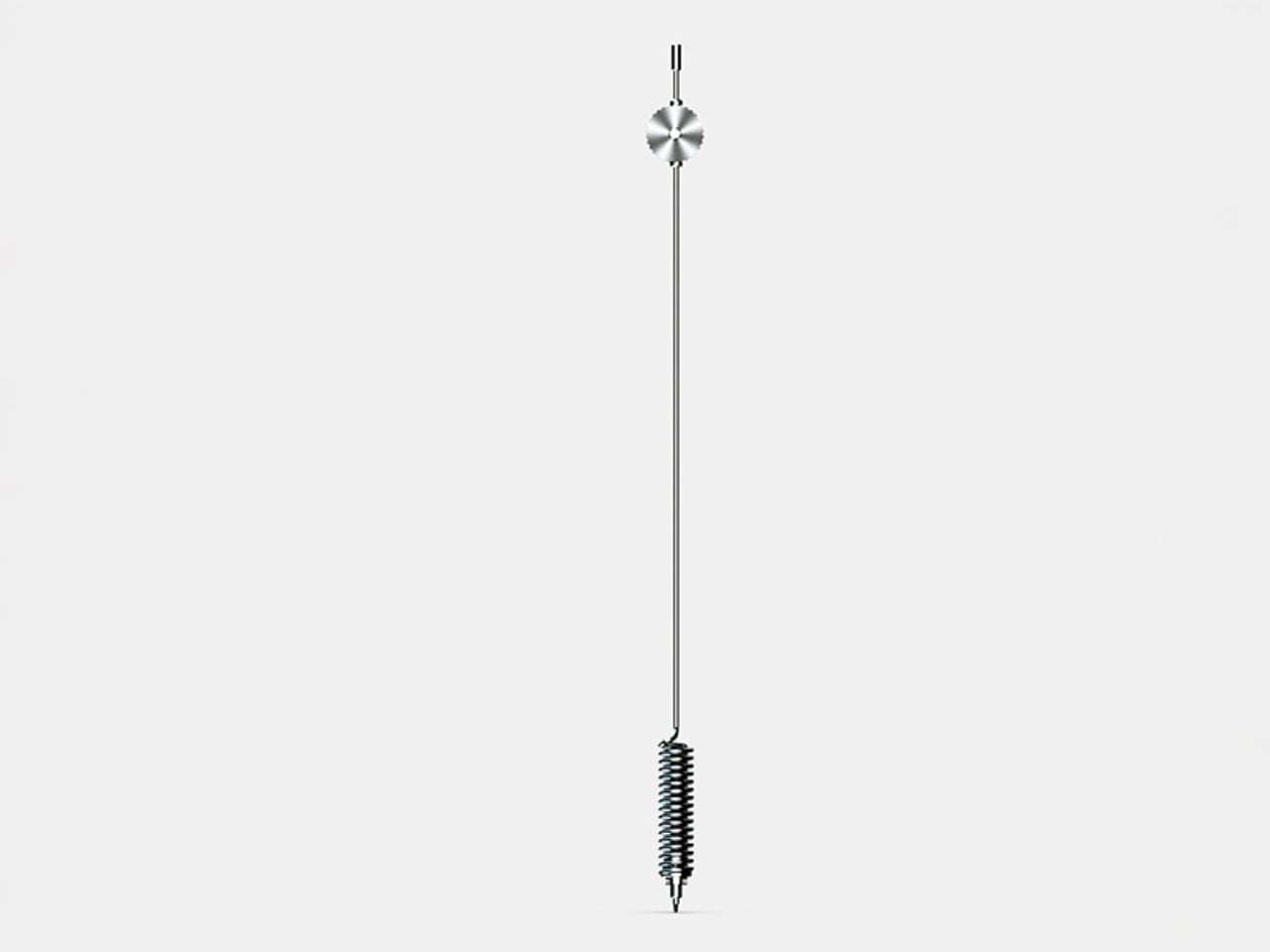
If someone asked you to name a Yamaha product, you’d say piano or motorcycle before you said pen. That gap is exactly what makes the Swing Scribe interesting. Part of Yamaha’s Scribe Tool Design 2024 project, it’s a collaboration between Yamaha Corporation and Yamaha Motor designers in the US. The premise draws from the quill: as a feather naturally wobbles under air resistance while writing, it creates a rhythm. Yamaha made that incidental quality deliberate and physical for him to feel.

A weighted tip is attached to a metal bar, and as he writes, it swings. The small pendulum force feeds a steady beat back into the hand with every stroke. No batteries, no app, just physics. For someone who gets his best thinking done with a pen in hand, the Swing Scribe adds a dimension to the writing experience that no other pen on any other list has thought to offer.

What we like:

  • The pendulum mechanism delivers a genuinely new physical sensation in writing, drawing directly on the natural rhythm that once made quill writing feel so distinct from any modern tool
  • The creative pedigree is unlike anything else here — a joint effort between two legendary Yamaha divisions, treating writing as a sensory design challenge worth solving

What we dislike:

  • The Swing Scribe is a concept from Yamaha’s design research project, meaning it isn’t currently available as a retail product ready to purchase and wrap
  • The swinging weighted mechanism, while compelling in execution, may require an adjustment period for those accustomed to the predictable feel of a standard pen

4. Levitating Pen 3.0

The third iteration of a design that has always pushed toward the improbable, the Levitating Pen 3.0 is built from aerospace-grade aluminum and titanium with a zinc alloy base and balances at a 60-degree angle in a charged magnetic field, bobbing gently when it settles into position. For him, this is the desk object that does something no leather-bound pen set ever managed: it makes people stop mid-conversation and ask what that thing is.

Available in silver or anodized black with a satin finish, it ships with a German-engineered Schmidt rollerball cartridge that delivers a silky writing experience to match its appearance. Undocking the pen to write is its own small ritual. Docking it back lets it find its magnetic sweet spot on its own. Spin it against the stand, and it rotates for up to 30 seconds.

Click Here to Buy Now: $139.00

What we like:

  • The magnetic levitation is genuinely hypnotic, and the Schmidt rollerball cartridge means it writes as well as it performs — form and function earn equal attention
  • Ships complete in silver or anodized black with a satin finish, making this an immediate desk statement that needs nothing added to impress

What we dislike:

  • The levitation only functions on a flat, stable surface — this is strictly a stationary desk piece and cannot be stored on its side or carried in its floating position

5. Pulse

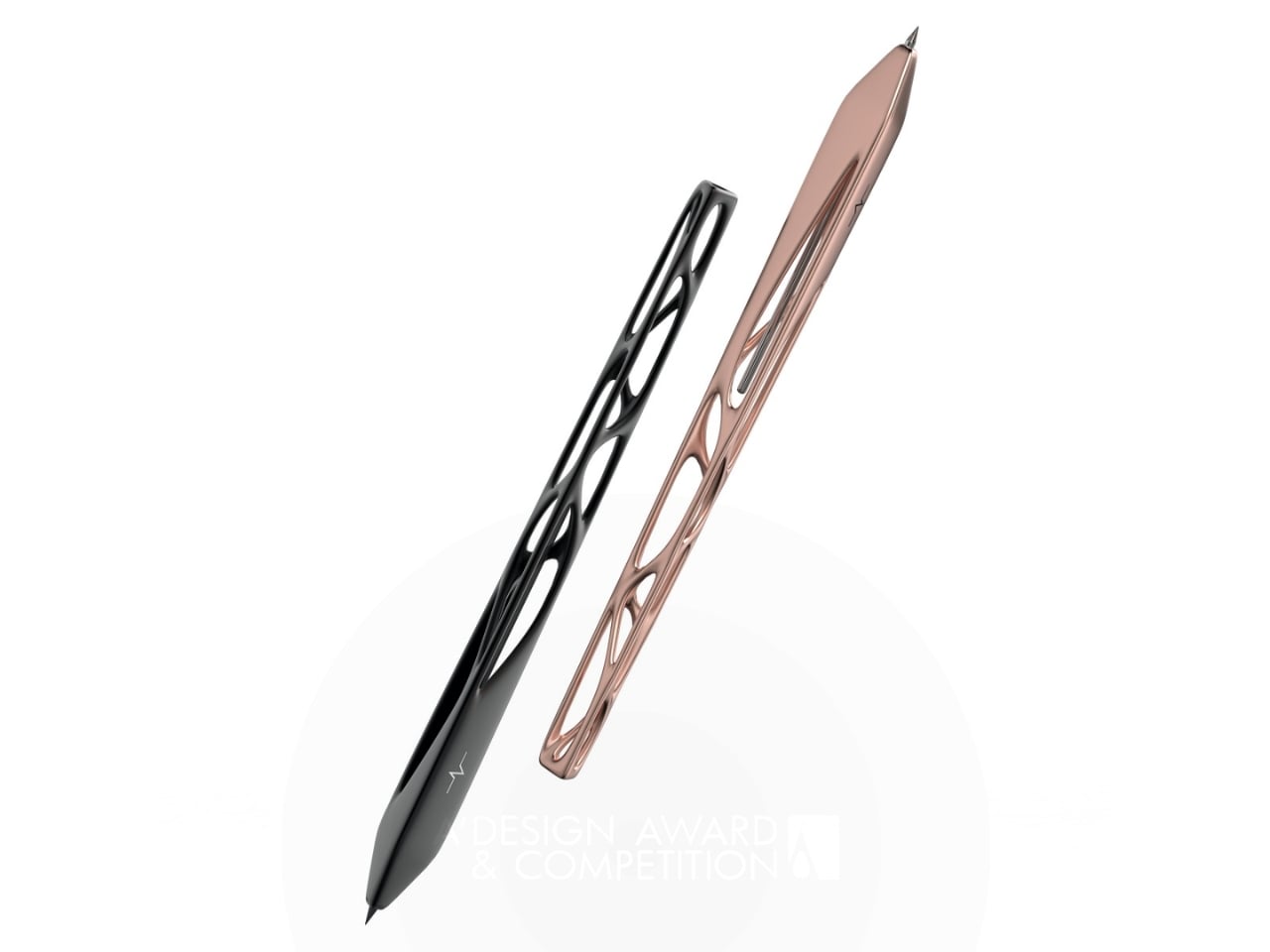
Leila Ensaniat, an industrial designer with a background at Cisco in consumer electronics, spent over a year developing Pulse, earning the 2025 Golden A’ Design Award for 3D Printed Forms and Products. The pen draws its inspiration from clouds — the quiet drift rather than the dramatic storm — translating that into a skeletal biomorphic form with flowing cutouts that resemble veins in a leaf. For him, it’s the kind of object that changes what he expects from a writing instrument entirely.

The biomorphic patterns are created using lost wax casting in aluminum, silver, bronze, and gold — a centuries-old metalworking technique typically reserved for jewelry and fine art. Ensaniat’s approach centers on how we actually interact with objects rather than how they look in isolation. The negative space is considered the material itself. On the desk, it reads as a sculpture. As a gift, it lands as a statement about what good design actually is.

What we like:

  • The Golden A’ Design Award and lost wax casting in precious metals make Pulse as legitimate a design object as anything found in a gallery, not a gift shop
  • The biomorphic skeletal form earns visual attention without demanding it — arresting and considered in equal measure, it rewards a closer look every time

What we dislike:

  • The open skeletal frame, while visually exceptional, may feel more delicate in hand than the solid-body construction many people expect from a daily writing tool

A Pen Says More Than the Note Written With It

What makes a designer pen worth giving isn’t prestige or price. It’s the decision behind every detail — where the material comes from, how it feels before the first word is written, what it says about the person who chose it. The five pens above span different philosophies and price points, but each makes the same quiet argument: the objects we pick up every day are worth getting exactly right.

If there’s a theme running through this list, it’s that the best writing tools aren’t the ones with the most features. They’re the ones where a specific design problem was solved in a way that hadn’t been tried before. Whether that’s a pen without ink, a pen with a heartbeat, or a pen that floats, each one earns its place on a desk. And that’s exactly what a good gift should do.

The post 5 Designer Pens That Make Every Other Gift for Him Look Lazy first appeared on Yanko Design.

5 Best Car Gadgets That Just Made $100,000 Factory Options Look Embarrassingly Overpriced

There’s a quiet lie running through every automotive options sheet. It tells you that safety, intelligence, and situational awareness are features you earn by selecting the right trim level, ticking the right package, or visiting the right dealership. The implication is that proper capability lives at the factory and nowhere else. These five gadgets disagree loudly. Each one does something that costs hundreds or thousands of dollars as a factory option, and does it better, for less money, without requiring a new vehicle or a dealer appointment.

The aftermarket has always had better answers than the showroom — that’s not a new observation. What is new is how sophisticated those answers have become. These aren’t optimistic spec sheets printed on cheap plastic. They are purpose-built tools with genuine engineering behind them, from tungsten-carbide emergency escape instruments to AI-vision heads-up displays.  Together, they make a compelling case that the best version of your car is assembled in parts, not ordered off a build sheet.

1. WYN Bullet

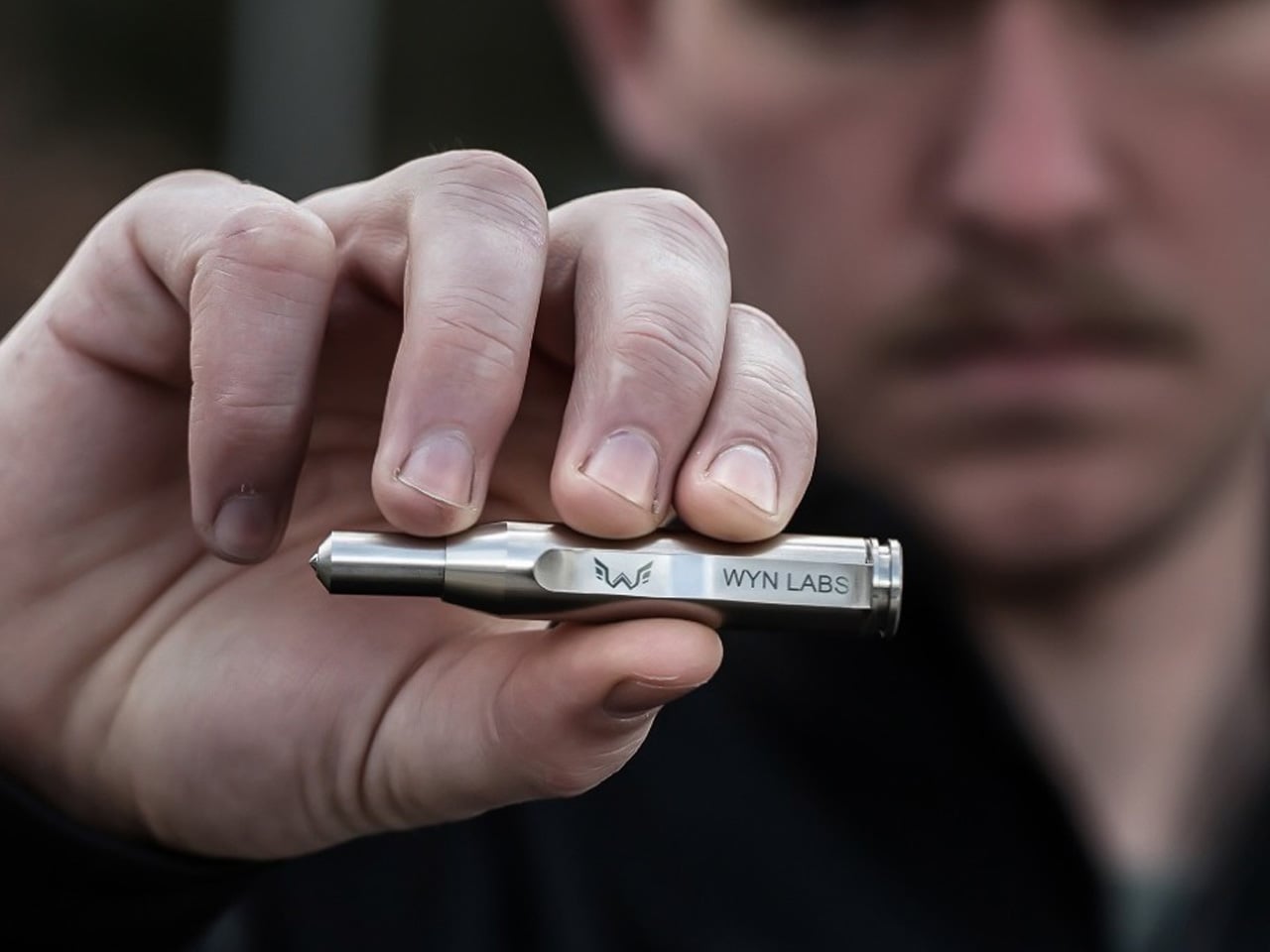
In 2017, over 20,800 US accidents involved fire or water submersion, resulting in nearly 1,900 deaths. A significant portion involved drivers who couldn’t exit their vehicles quickly enough — doors jammed on impact, electrical systems failed, windows stopped responding, and the compression of panic turned every second into a decision too difficult to make clearly. Every premium automaker sells a safety package. Not one of them ships an emergency glass-breaking tool. The WYN Bullet, developed alongside first responders and machined from stainless steel with a tungsten-carbide tip, is exactly that tool — small enough to clip to a keychain and powerful enough to shatter a tempered glass window in under a second with a single push.

The engineering behind it is precise where it needs to be. Toughened glass is designed to withstand the broad, flat impact of a panicked human fist. The WYN Bullet’s patent-pending direct-impact mechanism positions the internal striker directly behind the tungsten-carbide tip, concentrating force into a contact area so small it creates shock waves that fracture the entire panel instantly—no technique required, no repetitive strikes, no Dwayne Johnson-level force. The tool measures 77mm, weighs 45 grams, and ships with both a pocket clip and a keyring loop in stainless steel or black oxide finish. This is AAA-endorsed emergency equipment built for firefighters and EMTs, now available to anyone for the price of a dinner out.

What we like:

  • One-push mechanism requires no practice or upper-body strength to activate
  • Dual carry options — pocket clip and keyring — keep it genuinely reachable in an emergency

What we dislike:

  • The tool’s fidget mechanism makes accidental discharge in a pocket a real possibility
  • No protective case is included, leaving the tungsten tip exposed in storage

2. TrantorVision NeuroHUD

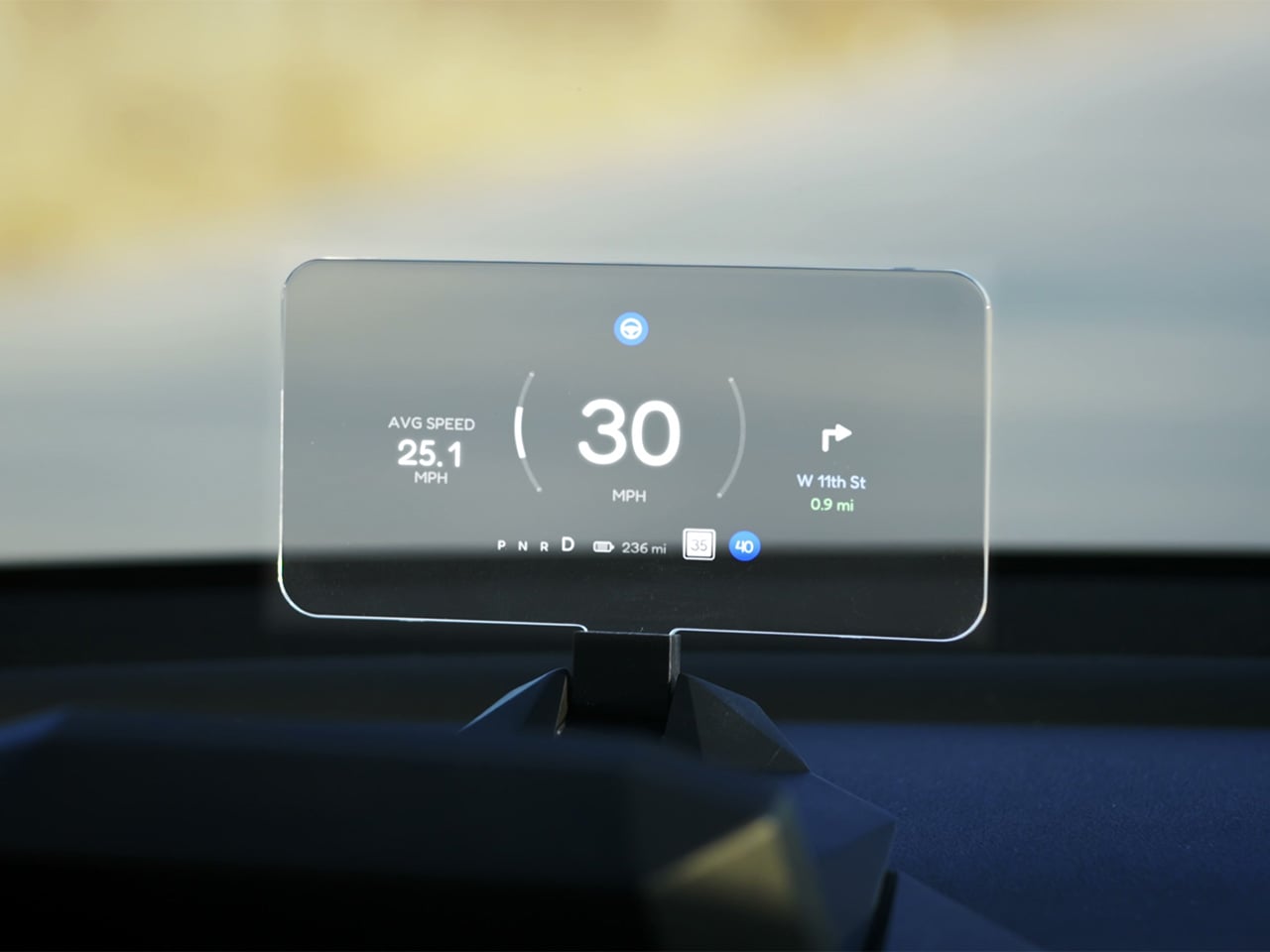
General Motors put a heads-up display in the Oldsmobile Cutlass Supreme in 1988. By 2026, BMW charges $1,200 for one, Porsche charges $2,600 for an augmented reality version, and Tesla — a company founded on the premise that software could replace hardware — ships every Model 3 and Model Y without one, directing all critical driving data to a center-console touchscreen roughly 30 degrees below the driver’s natural forward sightline. TrantorVision built the NeuroHUD specifically for that gap. It installs without tools in under a minute, clips behind the center screen, draws power through a single USB-C cable, and leaves the factory wiring completely untouched.

The dual-channel data architecture is what separates it from the category. A pair of 150-degree AI fisheye cameras face Tesla’s display and read high-frequency data — speed, gear state — at 50Hz, with end-to-end latency as low as 20 milliseconds. Battery range and navigation pull through the Tesla API on a separate channel. The output is a 1,500-nit, 4-inch TFT panel at 480×800 resolution, visible in direct sunlight, projecting information into the driver’s sightline through either a combiner screen or directly onto the windshield — switchable without tools. Screen mirroring, GPS-triggered garage automation, CarPlay, Android Auto, an open API, and a community layout library round out a software stack designed to grow over-the-air. No new hardware required when new features ship.

Click Here to Buy Now: $379 $629 (40% off). Hurry, only a few left! Raised over $557,000.

What we like:

  • Dual-channel architecture matches production-fitted HUDs in latency and data richness without touching factory wiring
  • Open API and community layouts mean the display continues evolving after purchase

What we dislike:

  • Shipping begins September–October 2026, making this a pre-delivery commitment at checkout
  • Windshield Projection Mode and deeper Tesla API integration require the Pro tier at $429, not the standard $379

3. GOOLOO DS200 DeepScan

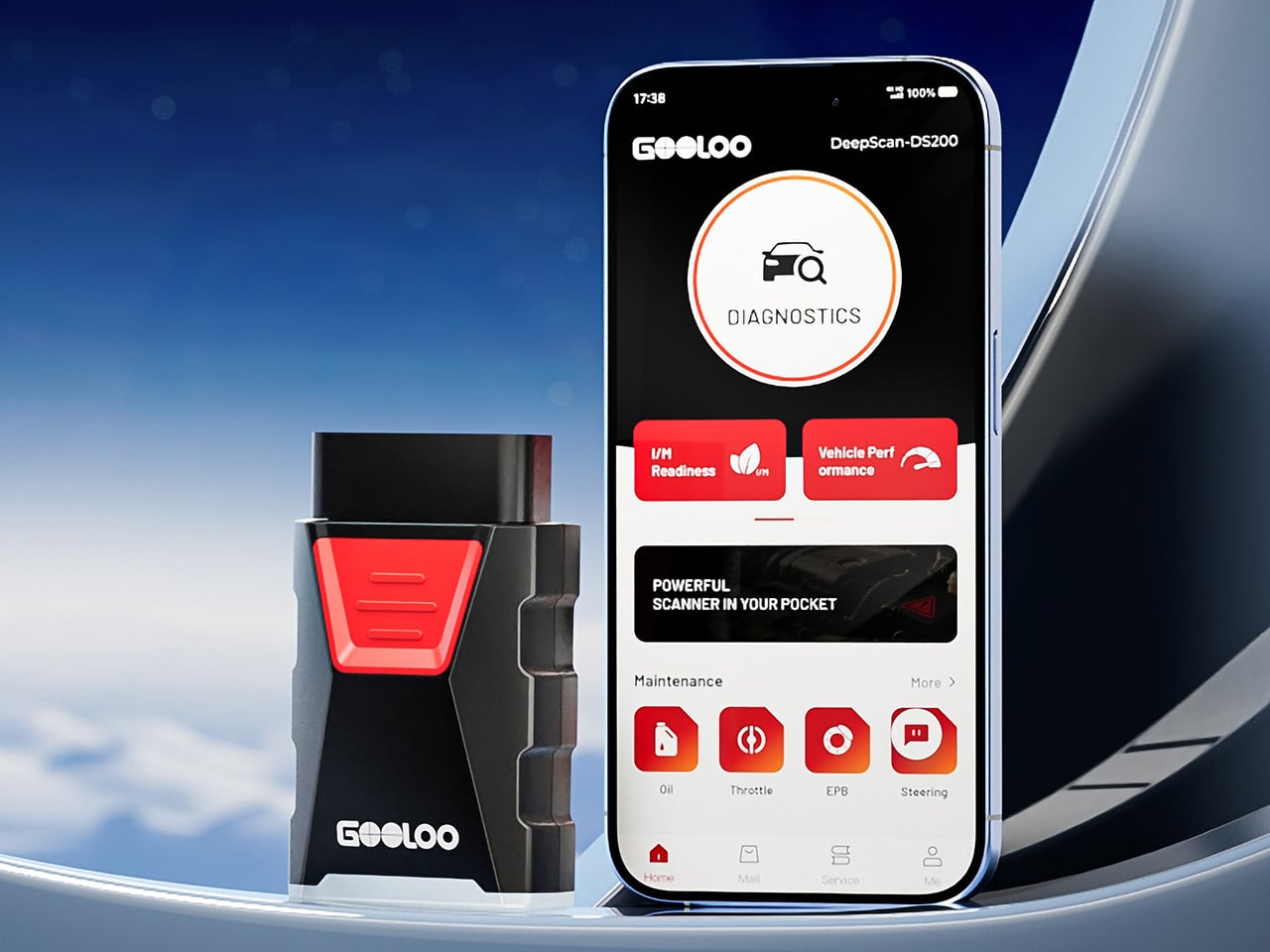
Every car sold in the United States since 1996 carries an OBD2 port — a standardized diagnostic socket that must be present, accessible, and readable by any compliant tool. Dealers have known this for thirty years and built a reliable business around owning the only compliant tool in the conversation, charging $100 to $200 every time a warning light appears to read data that has been sitting in the car’s computer the entire time. The GOOLOO DS200 DeepScan is a Bluetooth dongle the size of a matchbox that performs a full-system scan across engine, transmission, ABS, airbags, stability control, TPMS, steering, and air conditioning, then delivers every result to your phone in plain language, without a waiting room.

What separates the DS200 from the basic code readers that have existed for a decade is the breadth of the scan and the intelligence layered on top of it. It doesn’t hand you a code number to Google separately — it calculates volumetric efficiency, logs fault histories with timestamps, and performs active maintenance functions including oil light reset, electronic parking brake recalibration, steering angle sensor reset, and DPF regeneration. Secure gateway unlock for FCA and Renault vehicles is built in, giving access past the authentication wall that stops most competing tools cold. AutoVIN identifies the vehicle automatically. Bluetooth 5.0 holds a stable connection at 33 feet. The unit weighs 2.89 ounces. The diagnostic intelligence that used to require a $10,000 workshop scanner now fits in a $60 dongle that stays plugged in permanently.

What we like:

  • Full-system sweep across 20+ vehicle systems, not just engine and emissions codes
  • Secure gateway unlock is a genuinely rare capability at this price point

What we dislike:

  • Full functionality requires an annual subscription after the first year of use
  • The $129.99/year tier for advanced special functions is a meaningful ongoing cost for casual home users

4. Tymate TM7

The factory TPMS experience goes like this: a yellow icon appears on the dashboard. It says a tire is low. It does not say which tire, by how much, or at what temperature — only that something somewhere is wrong. The drive to a dealer follows. A service advisor explains that the sensor in question has failed and needs to be replaced. The part costs $150, reprogramming adds another fee, and a four-sensor job on a well-maintained vehicle can clear $1,000 without touching anything else. The Tymate TM7 screws four external sensors onto existing valve stems in under five minutes. From that moment, it monitors pressure and temperature on all four tires simultaneously with ±1.5 PSI and ±3°F accuracy, displayed live on a solar-charged color LCD receiver that plugs into the cigarette lighter with no wiring.

Six independent alarm modes cover every meaningful failure scenario: high pressure, low pressure, rapid leakage, high temperature, low sensor battery, and signal loss. The receiver includes two USB charging ports, turning the cigarette socket from a single-use outlet into a charging hub. The display adjusts its backlight for direct sunlight and near-darkness without manual input. Pressure range runs from 0 to 87 PSI, covering sedans, SUVs, trucks, and RVs. Sensors run on replaceable CR1632 batteries with a guided video for the swap. For vehicles that shipped with no meaningful TPMS feedback at all, the TM7 converts a vague warning light into four individual readings refreshing throughout every drive — which is a more honest picture of what’s happening under the car than most factory systems bother to provide.

What we like:

  • Six distinct alarm types give genuinely comprehensive coverage across failure modes
  • Solar charging on the receiver removes one more thing to remember to plug in

What we dislike:

  • External cap sensors sit exposed on the valve stems, making them easier to steal or damage than internal units
  • Trailers over 36 feet require an additional repeater module, sold separately

5. 70mai 4K T800

BMW’s Driving Assistant Professional — the camera suite with cross-traffic alerts and the full parking sensor array — runs around $1,700. Volvo’s Pilot Assist Pro is closer to $2,000. What those factory systems deliver is a collection of cameras engineered primarily for driver assistance, not evidence. The 70mai 4K T800 works the problem from the other direction: it’s built first for documentation, with the understanding that a camera that captures everything is ultimately more useful than one that warns you about things. Its triple-channel system pairs two Sony STARVIS 2 IMX678 4K sensors for the front and rear — the same sensor class found in flagship smartphones — with a 1080p interior camera backed by four 940nm infrared LEDs. Three synchronized angles, running continuously, all the time.

The engineering decisions that matter most are the ones that don’t surface until something goes wrong. A three-minute pre-collision buffer means the camera was already recording before the accident happened, capturing the context that determines fault. Wi-Fi 6 on the 5GHz band transfers footage at up to 40MB/s, making roadside evidence retrieval a seconds-long task rather than a twenty-minute wait. A supercapacitor replaces the traditional battery, operating cleanly from -40°C to 85°C without the swelling that terminates most consumer dashcams after a few summer cycles. 70mai Lumi Vision handles nighttime parking surveillance across all three channels simultaneously. ADAS alerts cover lane departure, forward collision, and separate detection for pedestrians and cyclists. The system supports up to 512GB of storage, meaning weeks of continuous footage before anything loops.

What we like:

  • Identical 4K quality front and rear — most competing systems give the rear a significantly weaker sensor
  • Pre-collision buffer captures the lead-up to an incident, not just the moment of impact

What we dislike:

  • Running the rear camera cable through the headliner is a job most owners will want professional help with
  • Full parking surveillance with the UP05 hardwire kit pushes total cost well above $500

The Best Version of Your Car Isn’t on the Options Sheet

The factory narrative has always relied on convenience — the idea that buying everything at once, from one source, is simpler than assembling capabilities piece by piece. That’s true, as far as it goes. What it leaves out is that the pieces you’d assemble are often better. A tungsten-carbide escape tool, a full-system diagnostic scanner, four live tire readings, three-angle 4K documentation, and a pilot-grade heads-up display — none of these required a new car. They required a valve stem, a USB port, an OBD2 socket, and a windshield.

What connects all five is something more specific than price. Each one solves a problem the car was designed around without solving — the emergency exit nobody plans for, the check engine light nobody decodes, the tire warning nobody quantifies, the blind spot nobody documents, the HUD nobody included. The aftermarket has always been where honest engineering lives. Right now, it’s producing some of the most considered, driver-focused products available at any price point, and the options sheet doesn’t get a vote.

The post 5 Best Car Gadgets That Just Made $100,000 Factory Options Look Embarrassingly Overpriced first appeared on Yanko Design.

The 5 Best LEGO Designs of May 2026 for Collectors & Design Lovers

May 2026 is one of the most eclectic and genuinely impressive months LEGO has assembled in recent memory. The lineup stretches across an almost improbable range of reference points, from Victorian astronomy and space photography fresh off the Artemis II mission to British absurdist comedy and Parisian haute couture, and in each case the people behind these builds have done something more ambitious than simply reproduce a recognizable subject. They’ve found a reason for it to exist in brick form specifically, and that distinction matters.

The five builds collected here sit at different points on the spectrum from official sets to community MOCs, but they share one defining quality. Each one earns its shelf space with a level of craft and intention that makes conventional display objects feel considerably less interesting by comparison. Whether you’re a collector, a casual admirer, or someone who simply appreciates when a design medium gets pushed somewhere unexpected, this month offers five compelling reasons to make room.

1. LEGO Ministry of Silly Walks

Few comedy performances have earned the kind of cultural permanence that John Cleese’s Silly Walk claimed in 1970. Fifty-six years later, the sketch remains the fastest and most widely understood shorthand for British absurdism in popular culture, and LEGO has finally given it the brick-built treatment it deserves. Mr. Teabag arrives in plastic form with exaggerated proportions that somehow capture every ridiculous knee-flinging motion from the original performance. The Technic joints embedded throughout are not decorative additions. They allow for a genuine range of articulation, letting you pose this figure mid-stride with a conviction that most articulated collectibles simply cannot match.

The facial expression is the detail that lifts this build above novelty status entirely. The sculptors working on Mr. Teabag captured his deadpan seriousness with a precision usually reserved for museum-quality reproductions, and the resulting silhouette reads as instantly recognizable from across any room. The bowler hat and umbrella complete the bureaucratic aesthetic with the restraint that good comedy has always required, nothing exaggerated beyond what the source material already provided. Display it alongside LEGO architecture, and it holds its ground completely, functioning as a standalone celebration of British wit that works whether you’ve seen the sketch fifty times or are encountering the joke for the very first time.

2. LEGO Hermès Birkin

The Hermès Birkin has one of the most theatrical purchasing rituals in luxury retail. You cannot simply walk into a boutique on Rue du Faubourg Saint-Honoré and ask for one. Hermès makes you earn it, cultivating a relationship with a sales associate over months and sometimes years, demonstrating cultural fluency with the house before they will even have the conversation about availability. LEGO Ideas builders BOI_Design and KittyJW have found a considerably more democratic workaround. Their MOC reimagines the Birkin 20 Faubourg, the special edition inspired by Hermès’s flagship Paris store, as approximately 1,400 bricks of deep navy, dark green, and gold that carry the mythology of the original without the waiting list.

What makes this MOC genuinely exceptional is its dual identity. The exterior facade doubles as a miniature rendering of 24 Rue du Faubourg Saint-Honoré itself, complete with arched boutique windows and the house’s signature orange awnings, a level of specificity that rewards anyone who knows the address on sight. And it opens. Inside, a secret runway scene transforms this from a luxury replica into a piece of interactive design with something worth discovering. For collectors who appreciate the gravity of the fashion world but not necessarily its access barriers, this build offers something rare: the cultural weight of the Birkin in a format that anyone can actually acquire.

3. LEGO Icons Road Bike

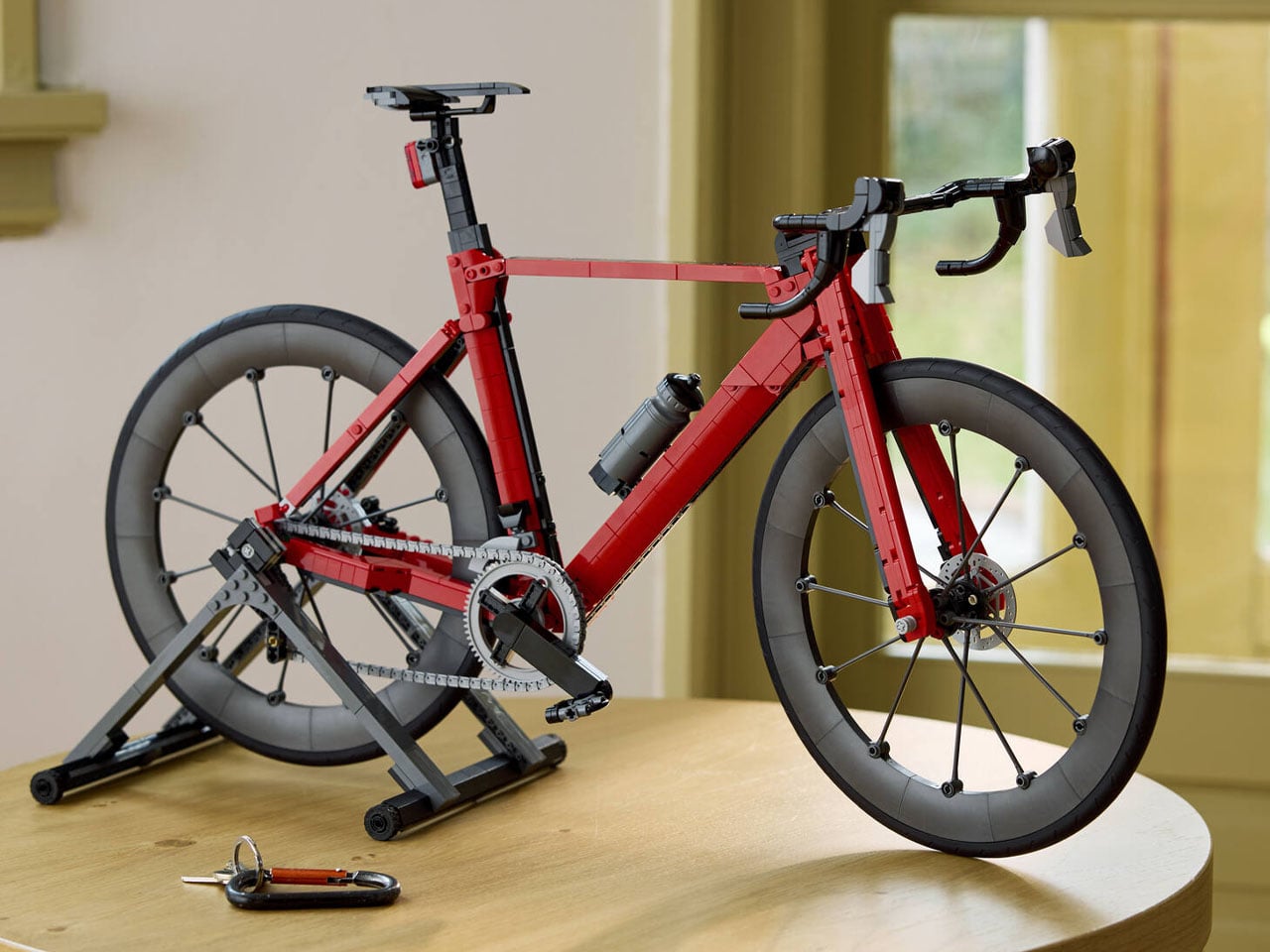
Cycling culture has always had a particular obsession with beautiful objects. The sport attracts a breed of enthusiast willing to spend hours debating titanium stem weights or the relative merits of ceramic bearing sets, and the objects at the center of that obsession tend to be genuinely elegant pieces of functional design. The LEGO Icons Road Bike (set 11380) understands this audience precisely. At 1,015 pieces and $129.99, it builds into a red road bike that stands 14.2 inches tall and stretches a full 23.6 inches in length on its stand, a genuinely substantial presence that captures the aerodynamic geometry of a road frame with an accuracy that will speak directly to anyone who has ever spent a lunch hour deep in a component forum.

The engineering choices go significantly further than surface accuracy. The set includes a fully functional drivetrain with a one-way gear chain drive mechanism, meaning the rear wheel pedals with genuine freewheel action. Brake calipers, derailleurs, and clipless pedals are rendered with the kind of specificity that separates a serious build from a shelf decoration. A removable water bottle and a wheel-lift bike stand complete the picture. Arriving ahead of the summer sporting season, the LEGO Icons Road Bike gives cycling enthusiasts an indoor companion that celebrates the object of their obsession in an entirely new medium, one that requires no maintenance schedule, no garage, and no chamois cream.

4. LEGO Artemis II Earthset Photo

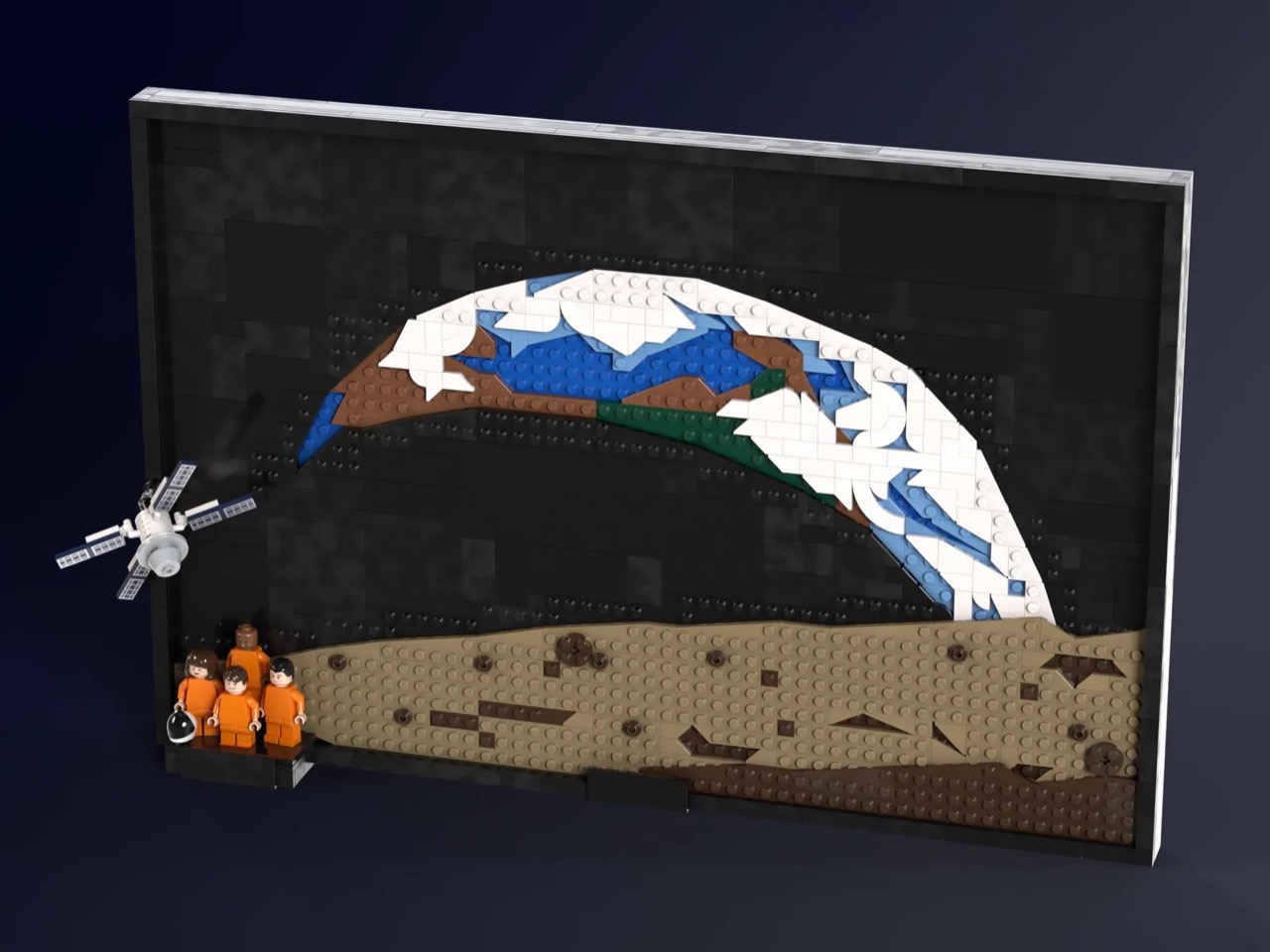
On Christmas Eve 1968, astronaut Bill Anders looked out of Apollo 8’s window and took Earthrise, arguably the most reproduced environmental photograph in history, an image that reframed humanity’s relationship with the planet more profoundly than any scientific paper ever had. On April 6, 2026, the Artemis II crew performed a near-identical act, pointing their cameras backward as Orion swung behind the Moon and capturing Earth in the process of setting below the lunar limb. That photograph existed for barely nine days before LEGO builder BuildingDreams submitted an Ideas project to preserve it in brick form, a response time that says everything about how significant the moment felt to those watching from the ground.

The result is a 48 by 32 centimeter wall-art panel that translates the soft curves of Earth’s atmosphere, the brown and blue patchwork of continents and ocean, and the pale grey sweep of lunar regolith into a grid of plastic studs with a faithfulness that genuinely stops you mid-scroll. As a design object, it functions simultaneously as wall art, historical document, and conversation piece, a brick-built record of one of the most significant human achievements of 2026, rendered in a medium that will outlast any digital photograph on a phone screen. For space enthusiasts and design collectors with wall space to commit, this is a compelling reason to watch the LEGO Ideas voting page.

5. LEGO Functional Vintage Telescope

There is a specific category of object that makes a room feel more deliberately assembled: the brass sextant on the windowsill, the leather atlas propped open on a reading table, the tripod-mounted telescope angled toward a high window. Bricked1980’s LEGO Ideas submission belongs in that category without qualification. At around 600 pieces, the Functional Vintage Telescope stands 40 centimeters high and stretches 53 centimeters in length, with a color palette of deep reddish-brown and pearl gold that reads as genuinely antique from across any room. Modeled on a classic brass refractor telescope mounted on a fully articulated tripod, this is the kind of build that makes visitors assume you’ve spent considerably more than the actual price.

The period detail throughout is what elevates this from a visually striking model to something that feels genuinely researched. The barrel is rendered in warm dark brown with surface texture suggesting wrapped leather or lacquered wood, banded at intervals with pearl gold rings that evoke the ferrules of a real antique instrument. The tripod legs splay convincingly outward in reddish-brown, connected at the apex by Technic hardware functioning as an azimuth mount that allows the barrel to rotate and pivot in all directions. A small gold chain hangs from the objective end, terminating in what appears to be a lens cap. It is exactly the kind of fussy, historically accurate touch that separates a remarkable build from a merely good one.

Bricks Worth Believing In

May 2026 confirms something that LEGO enthusiasts and design writers have understood for years: the best builds are never just toys. They function as design objects, historical records, cultural statements, and engineering exercises, sometimes all four at once. The five designs collected here represent the full range of what brick-built creativity can achieve this month, from a 600-piece Victorian telescope with genuine period accuracy to a 1,400-brick homage to fashion’s most mythologized handbag.

What connects all five is a commitment to solving a real design problem. Each creator had to answer the same fundamental question: how do you translate physical comedy, haute couture, cycling precision, space photography, or Victorian craftsmanship into interlocking plastic bricks without losing what made the original worth caring about? These builds answer that question with conviction, and they are worth your attention whether you add one to your cart this month or simply appreciate the quality of thinking that went into making them.

The post The 5 Best LEGO Designs of May 2026 for Collectors & Design Lovers first appeared on Yanko Design.
5 Camper Vans So Cleverly Designed They Replace Your Apartment, Office, and Hotel Room

The idea that a van could replace your apartment, your office, and your hotel room used to sound like a compromise. It isn’t anymore. The best camper vans being built right now treat their interiors with the same spatial intelligence you’d expect from a thoughtful architect working a studio floor plan. Every surface earns its square footage, every wall hides something useful, and every night of sleep feels intentional.

What separates the best of these builds from the crowd isn’t the price tag or the vehicle underneath. It’s the thinking. A bathroom that travels on rail tracks. A bedroom reached by an internal staircase. A tailgate that becomes a suspended lounge over the landscape below. These five camper vans share one quality above everything else: they make you forget you’re in a van.

1. Vanspeed Album

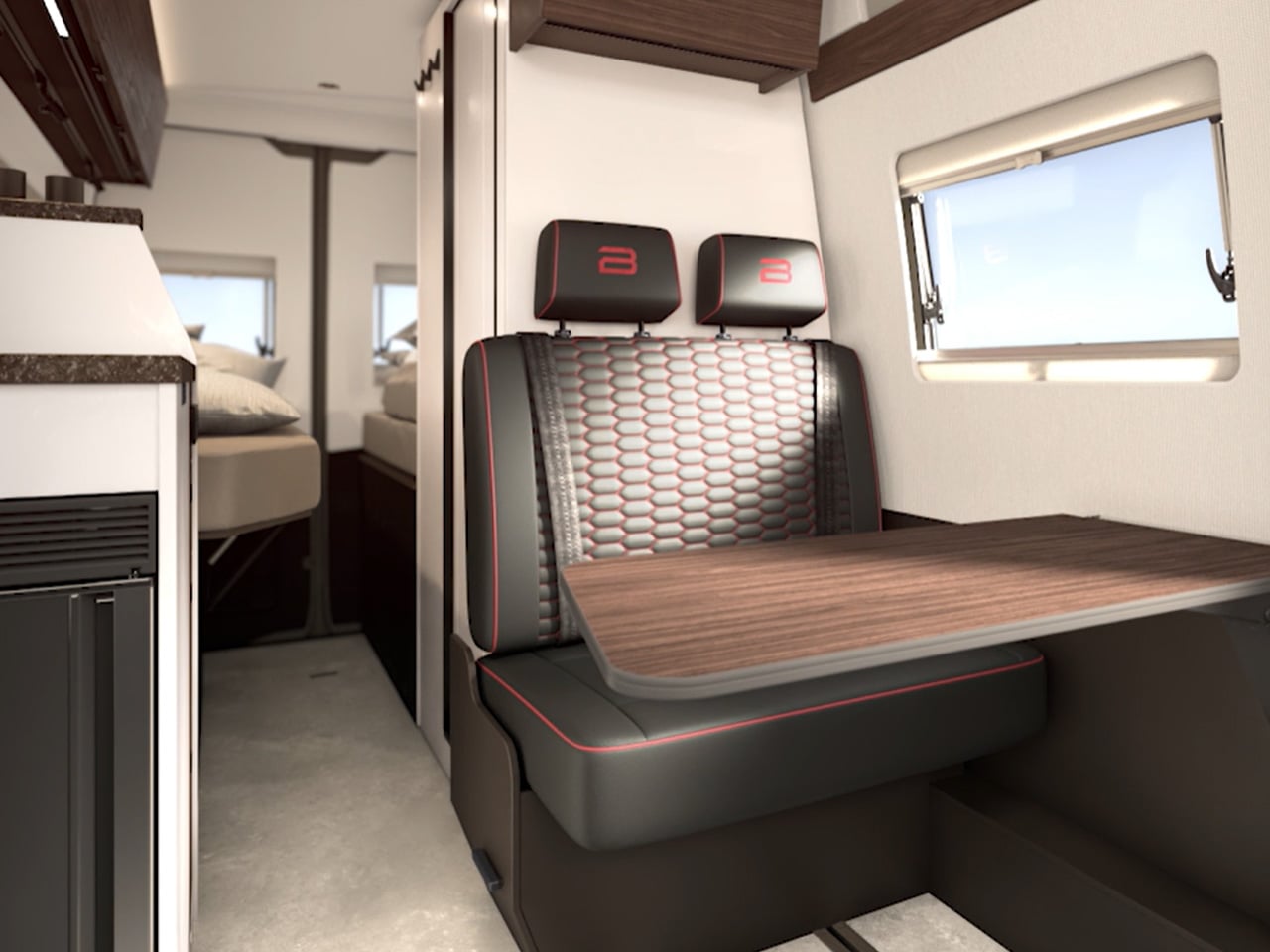
California-based Vanspeed has built its reputation on Sprinter conversions that understand what full-time living actually demands, and the Album is the clearest expression of that thinking. Built on a Sprinter 144 AWD, its warm wood-paneled interior uses a floor plan that shifts between workstation, lounge, and bedroom without any of those transitions feeling forced. A hidden swivel table folds out from the cabinet opposite the L-shaped seating to serve as a dining surface, a desk, or whatever the day calls for.

At night, the Murphy bed folds down from the driver’s sidewall to create an 80-inch sleeping platform for two, resting on its own foundational sidewall supports without disturbing the cabinetry underneath. The kitchenette features a single-burner portable induction cooktop and a countertop that extends outside for outdoor cooking. A lithium battery system supports extended stays, and the wet bathroom doubles as storage when not in use. With the seating removed entirely, the center aisle clears for a surfboard, two bikes, or whatever the trip demands.

What We Like

  • The Murphy bed’s independent sidewall supports leave the lounge and cabinetry completely undisturbed at night
  • Fully removable seating transforms the van into a proper cargo hauler when adventure gear takes priority over comfort

What We Dislike

  • At $219,000, the Album sits at a price point that narrows its audience to serious, committed buyers
  • A single-burner induction cooktop may feel limiting for extended off-grid meal preparation

2. Sunlight Vanlife

Most camper vans treat their interior as a single convertible room that has to be everything at once. The Sunlight Vanlife takes a different approach entirely, building in a full wall partition that separates the cab from the living quarters. That private zone gives the space an architectural identity that feels closer to a studio apartment than a vehicle. Below the pop-up roof, the living area converts between a remote work setup, a dining table, and a double bed without any of those functions overlapping.

The pop-up roof is reached by an internal staircase built into the storage cabinetry, which changes the feeling of going to bed in a van more than any single feature could. The bathroom sits across from the staircase and features a folding sink, a bench toilet, and a shower that swings out through the window for outdoor use. A 64L fridge tucks underneath the staircase, and 100L of fresh water supports extended stays on the road.

What We Like

  • The internal staircase to the sleeping loft gives the van a genuinely residential, loft-apartment quality
  • A fully partitioned cab creates a private living zone that most compact vans simply cannot offer

What We Dislike

  • The partitioned cab limits daytime seating to two people while driving
  • Seating capacity doesn’t scale comfortably for groups larger than a couple

3. Bürstner Habiton

The Bürstner Habiton does something no other camper van in this roundup manages: it lets you physically rearrange the floor plan while you’re living in it. The wet bathroom sits on embedded rail tracks and slides forward toward the cab on demand, opening up the rear of the van for two full-length single beds. That single design decision unlocks a level of spatial flexibility that most vans at twice the price can’t replicate. It’s apartment-level thinking applied to a 5.93-meter Sprinter.

The modularity runs deeper than just the sliding bathroom. The sink drops down when needed, the toilet seat slides back into the wall beneath the bed platform, and when both fold away, the space opens entirely for the shower. A dual-burner stove, sink, and 69L compressor fridge make up the kitchen block on the opposite side. The collapsible dinette houses a 95Ah battery pack beneath its bench seat. The Habiton starts at €72,999, with an AWD Sprinter variant at €86,999 and an optional all-weather pop-up roof add-on from €6,990.

What We Like

  • The rail-mounted sliding bathroom is genuinely unlike anything else offered in the camper van segment right now
  • The AWD Sprinter variant makes this modular floor plan usable well beyond paved roads

What We Dislike

  • The base configuration uses a transverse bed layout that may feel restrictive for taller occupants
  • The all-weather pop-up roof is a paid add-on, starting at an additional €6,990 on top of the base price

4. Mercedes-Benz Marco Polo 2026

For the first time, Mercedes-Benz is building the Marco Polo entirely in-house, with the body assembled at the Vitoria plant in Spain and the conversion completed at the Ludwigsfelde plant in Germany. The result is a camper van that feels as considered as any V-Class interior. The 2026 update centers on the pop-up roof: a double-skinned aluminum lift-top that adds four inches of headroom, paired with an ambient LED system that transforms the upper sleeping area into something that genuinely resembles a boutique hotel room.

The MBAC infotainment touchscreen in the cockpit controls more than the navigation. From the driver’s seat, it manages the eight-speaker audio, the ambient LED lighting, and the pop-up roof, meaning you can raise the ceiling before you’ve even stepped inside. Downstairs, a double-burner gas stove, a mini fridge, and a convertible sofa-to-double-bed arrangement complete the layout. The Marco Polo doesn’t reinvent van living. It refines it to a point where the word “compromise” stops coming up.

What We Like

  • Full in-house Mercedes production means every detail, from the lift mechanism to the ambient lighting, functions as one cohesive system
  • MBAC infotainment control over the pop-up roof and interior lighting brings genuine smart-home behavior to a compact van

What We Dislike

  • The Marco Polo Horizon variant removes the built-in kitchen entirely, limiting it to weekend use only
  • Pricing for the 2026 model has not yet been confirmed, making direct value comparison difficult

5. Marylin Onroad

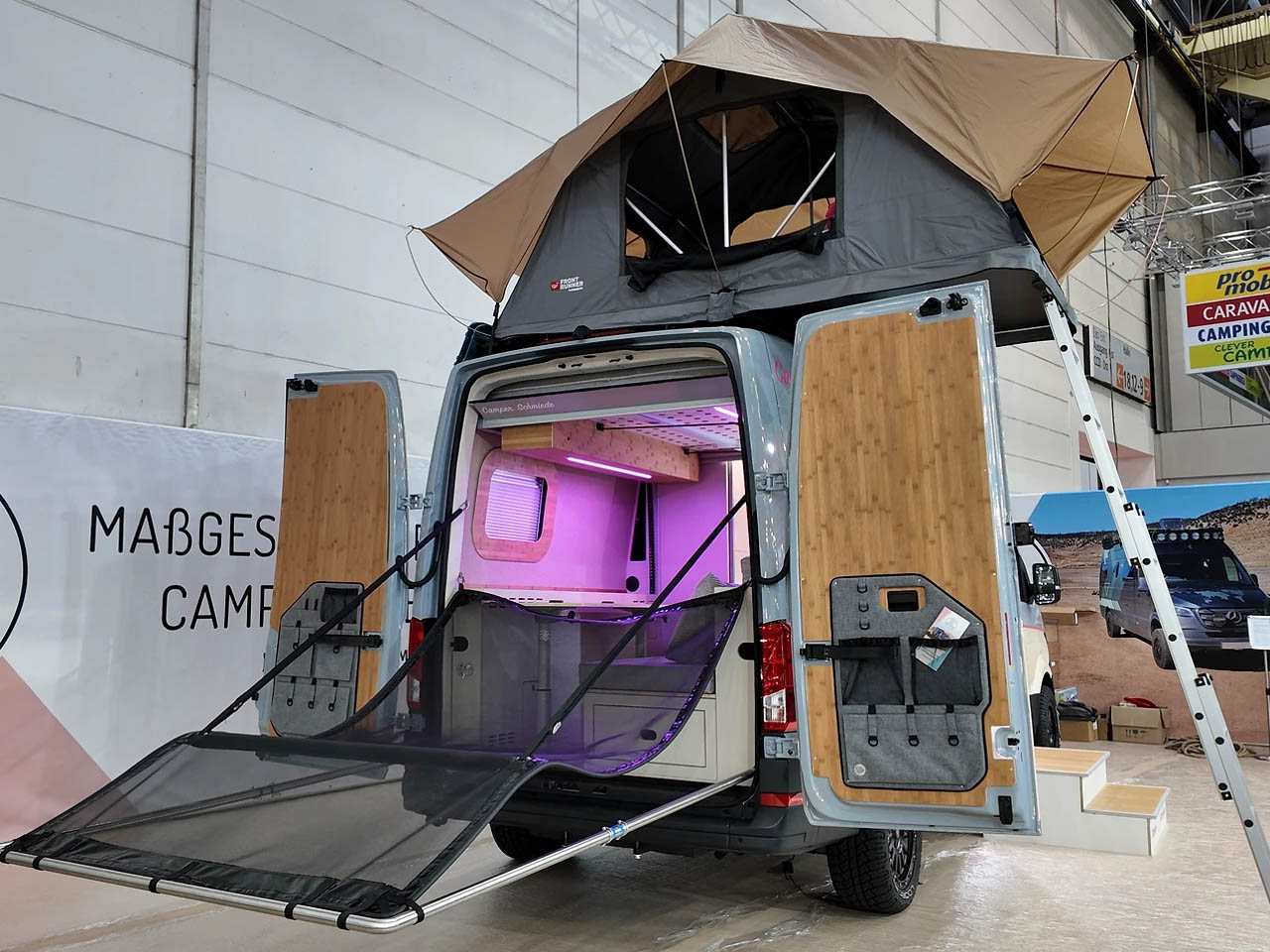
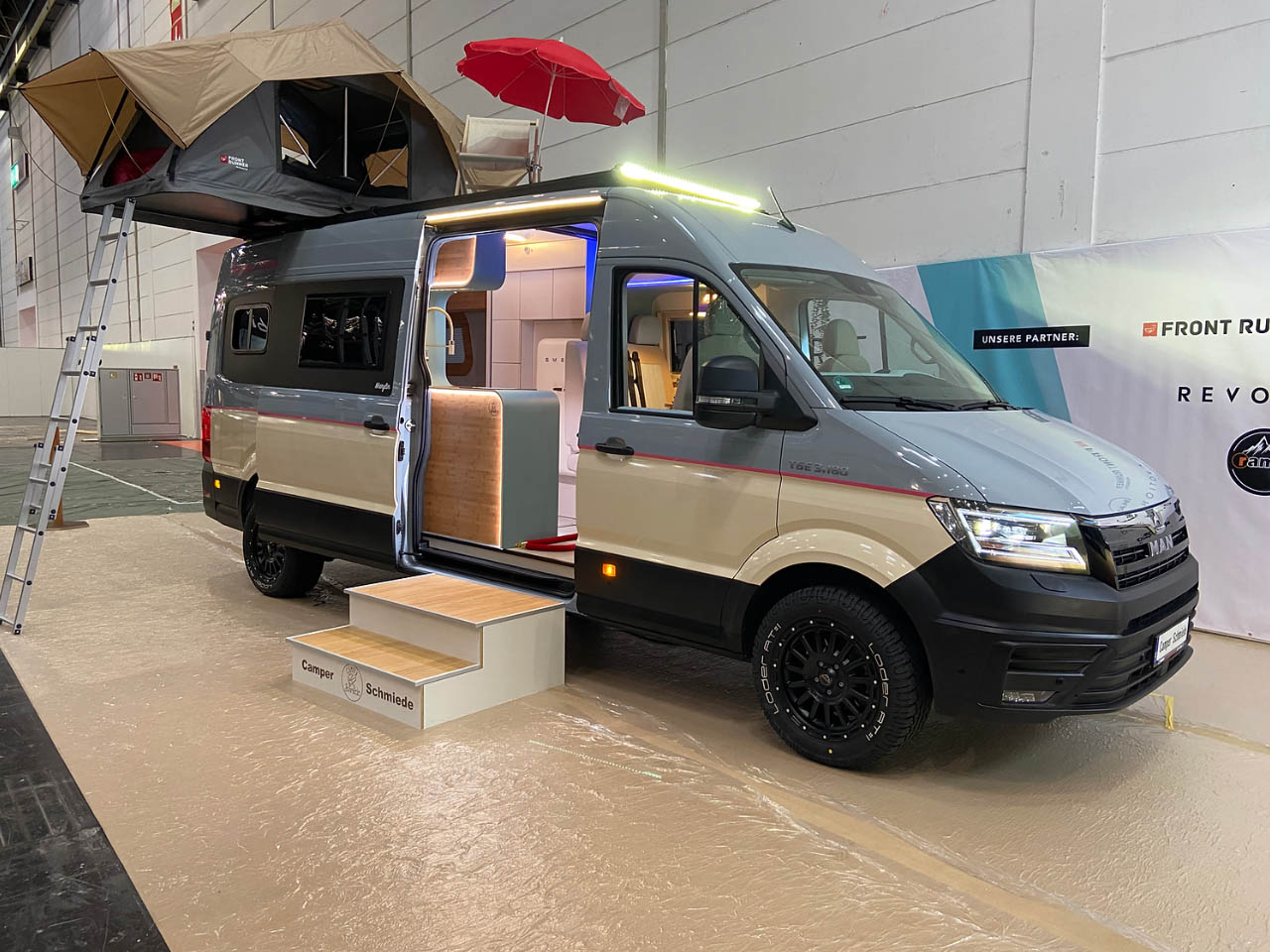
German shop Camper Schmiede built the Marylin Onroad as an exhibition vehicle for Caravan Salon Düsseldorf 2024, and it has since become available for purchase at €269,000. Built on a MAN TGE base, its defining feature hangs off the tailgate: the Soul Floater, a suspended lounger made from a metal frame, support straps, and waterproof fabric, rated to hold 200kg and engineered to fold away quickly when it’s time to move. There is nothing else like it in a van conversion.

The roof is a walkable deck of lightweight aluminum honeycomb panels and solar modules, reached through a glass hatch behind the cockpit. The main bed lowers from the ceiling at the push of a button, a secondary bed converts from the sitting area, and a rooftop tent sleeps two more. Up front, a portafilter espresso machine, a Smeg 130L refrigerator, and a bamboo dining table set the interior tone. Two 330Ah batteries, a 3000W inverter, and a 300W solar array keep everything running indefinitely.

What We Like

  • The Soul Floater tailgate lounger is an entirely original outdoor furniture concept that no other van conversion has thought to include
  • The walkable aluminum rooftop deck doubles as a solar platform and a genuine second outdoor living floor

What We Dislike

  • At €269,000, this is firmly aspirational territory rather than a practical van-life entry point
  • Deploying the full six-person sleeping configuration requires activating multiple systems simultaneously, which adds friction for solo or couple travel

The Van Won

What these five vans share isn’t a price bracket or a base vehicle. It’s a design intention. Each one has looked at the constraints of a van-sized floor plan and treated them as a creative brief rather than a limitation. The result, across all five, is an interior experience that stops feeling like camping and starts feeling like a considered way to live, one that happens to come with an engine.

The Vanspeed Album is the natural anchor for anyone serious about full-time van living, with its Murphy bed and modular lounge setting the template for what that life can look like. Scale up to the Marylin for a rooftop terrace and a suspended balcony, or scale down to the Sunlight Vanlife’s clean loft-style layout at €58,999. Wherever you land on this list, the question has shifted from whether a van can replace your home to which one does it best.

The post 5 Camper Vans So Cleverly Designed They Replace Your Apartment, Office, and Hotel Room first appeared on Yanko Design.
Forget Your Old Loadout — 5 EDC Essentials Built for Summer 2026

Summer 2026 is a different kind of season for EDC. The carry conversation has matured past keychain gimmicks and bulk-heavy multitools into something sharper; gear that’s actually thought through, built from aerospace-grade materials, and designed with the same care as the objects that live on your desk. These five pieces represent the best of where that shift has landed: practical without being boring, minimal without being precious.

Whether you’re navigating festival crowds, weekend camping trips, or the daily urban grind, the right loadout isn’t about carrying more — it’s about carrying smarter. Each of the picks below earned its spot not through spec sheets alone, but through intentional design choices that make the experience of using them genuinely different. These are the five pieces worth making room for this summer.

1. Cubik Knife

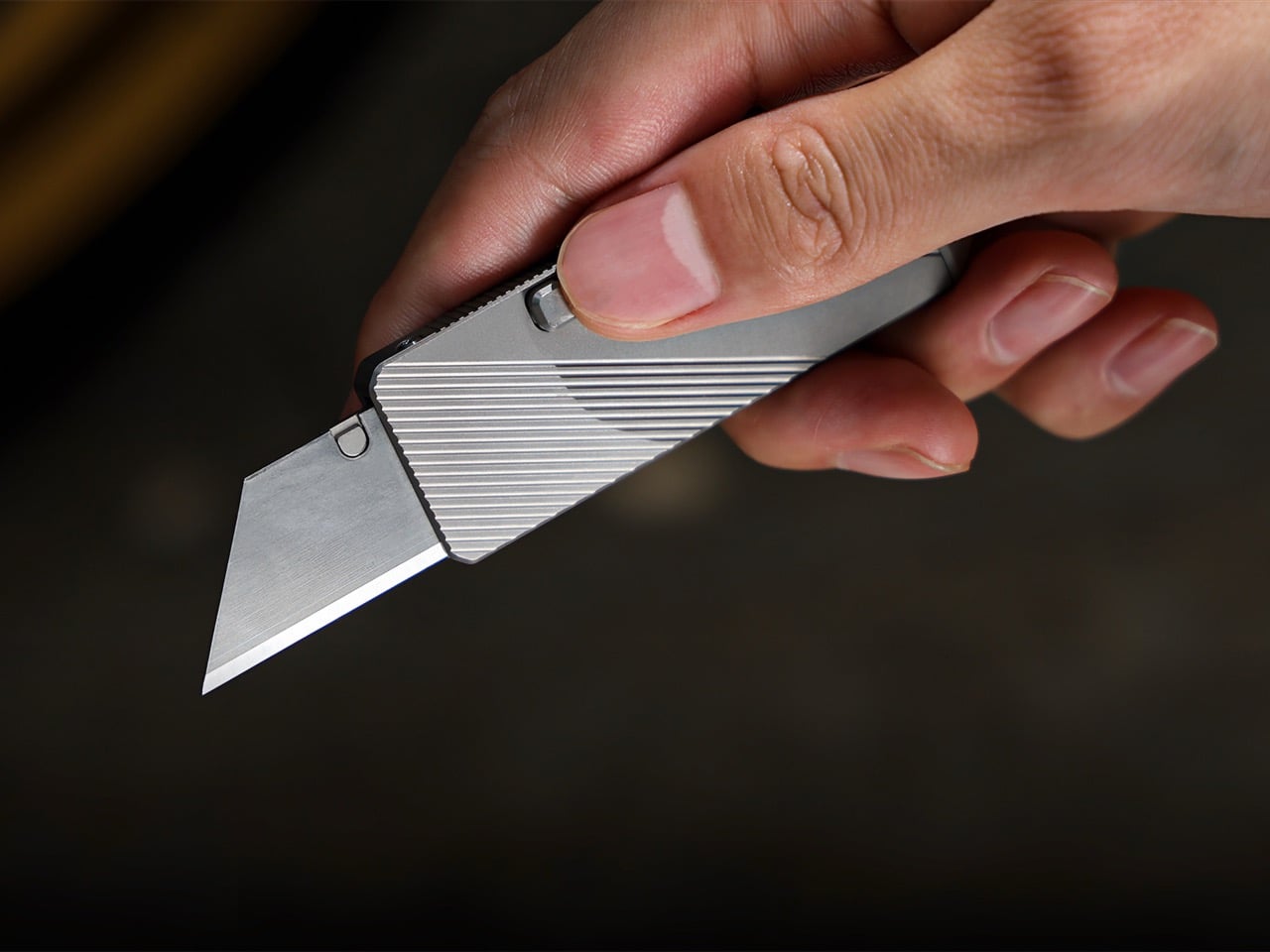
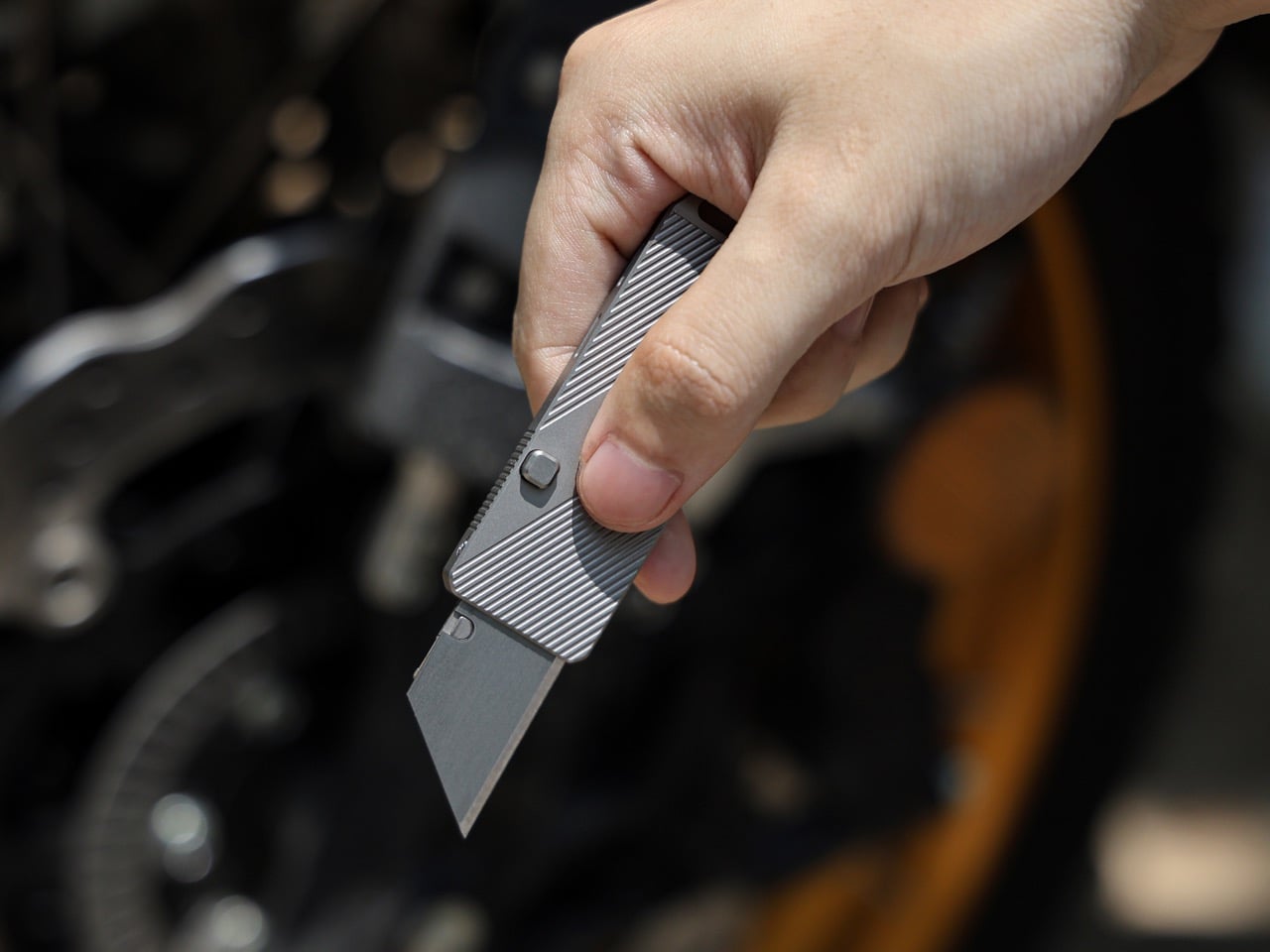
Gravity-powered deployment sounds more cinematic than practical — until you hold the Cubik. Designed by IF and machined from aerospace-grade titanium, this pocket knife opens with a button-flick and the natural pull of gravity: no springs, no mechanisms to fail, no audible snap. At 2.6 inches long, 0.98 inches wide, and just 0.2 inches thick, it slips into a pocket and disappears. The Cubik looks more like a designer flash drive than a knife, which is exactly the point — and what makes it so easy to live with every single day.

The blade runs a standard trapezoid utility format — the same geometry used to slice linoleum, roofing materials, acrylic, and thin sheet metals. When one edge dulls, flip it; when both are spent, swap it. That interchangeable format turns a consumable item into something genuinely sustainable over time. A deep-carry titanium clip keeps it flush to the pocket edge, and a tungsten carbide glass-breaker on the rear makes it a legitimate lifesaver when it counts. At $59 with five replacement blades included, it’s one of the most sensibly priced titanium tools in the category.

What we like

  • Gravity-flick deployment is spring-free, meaning zero moving parts to fail over time
  • Swappable trapezoid blades make the Cubik cost-effective and sustainable for long-term carry

What we dislike

  • The utility blade format won’t appeal to collectors who prefer a dedicated knife steel
  • Gravity deployment requires a deliberate wrist flick that takes a brief learning curve

2. 8-in-1 EDC Scissors

Most EDC scissors ask you to accept a compromise — either you get a folding design that sacrifices cutting power, or you get a rigid tool that’s too bulky to pocket. The 8-in-1 EDC Scissors from Eiger Design, available through the Yanko Design Shop, sidesteps both problems. Made in Japan and compact enough to sit in a palm at just 13 centimeters (5.1 inches) closed, it packs scissors, a knife, a lid opener, a can opener, a cap opener, a bottle opener, a shell splitter, and a degasser into a single carry-ready object.

The scissors themselves are the real story — full-strength blades that don’t rely on a collapsible pivot to achieve their compact profile, which means they cut with conviction through materials that foldable scissors would snag or mangle. The remaining seven functions are genuine, not ornamental. For summer specifically — camping weekends, beach cookouts, farmers market errands, festival packing — this is the kind of tool that earns its weight early and keeps earning it. At $53 through the YD Shop, it’s the most versatile item on this list per dollar spent.

Click Here to Buy Now: $59.00

What we like

  • Eight independent tools in a 5.1-inch, palm-sized package that’s genuinely comfortable to carry daily
  • Made-in-Japan manufacturing brings real precision to both the scissors and every secondary tool

What we dislike

  • The scissors-first form factor means the secondary tools can feel secondary in actual day-to-day use
  • Not the right call if you’re shopping for a dedicated cutting tool rather than a multitool

3. NoxTi

NoxTi is the kind of object that makes you reassess what belongs on your keychain. Designed by Xedge and built from Grade 5 titanium, it measures just 45mm and weighs 10.7 grams. The core of the piece is a tritium vial — a sealed, self-luminous insert that glows continuously for 25 years without batteries, charging, or any external power source. Quartz glass protects the vial from impact, and the titanium housing supports interchangeable vial options alongside a glass-breaker tip at the rear, making it far more than a novelty.

In practical terms, NoxTi solves a problem most EDC setups don’t realize they have: passive orientation in the dark. When your keychain is at the bottom of a bag, buried in a jacket pocket, or left on a nightstand, the glow orients you without reaching for your phone. That always-on, zero-input utility is a design philosophy most gear claims but rarely delivers.

What we like

  • Tritium vial delivers 25 years of passive, battery-free illumination with no maintenance required
  • Grade 5 titanium housing and quartz vial protection make it exceptionally durable for keychain life

What we dislike

  • At 45mm, it’s compact but will add noticeable length to an already-loaded keychain setup
  • Tritium vials are radioactive (safely contained, but a consideration for buyers who prefer chemical-free carry)

4. HYZER

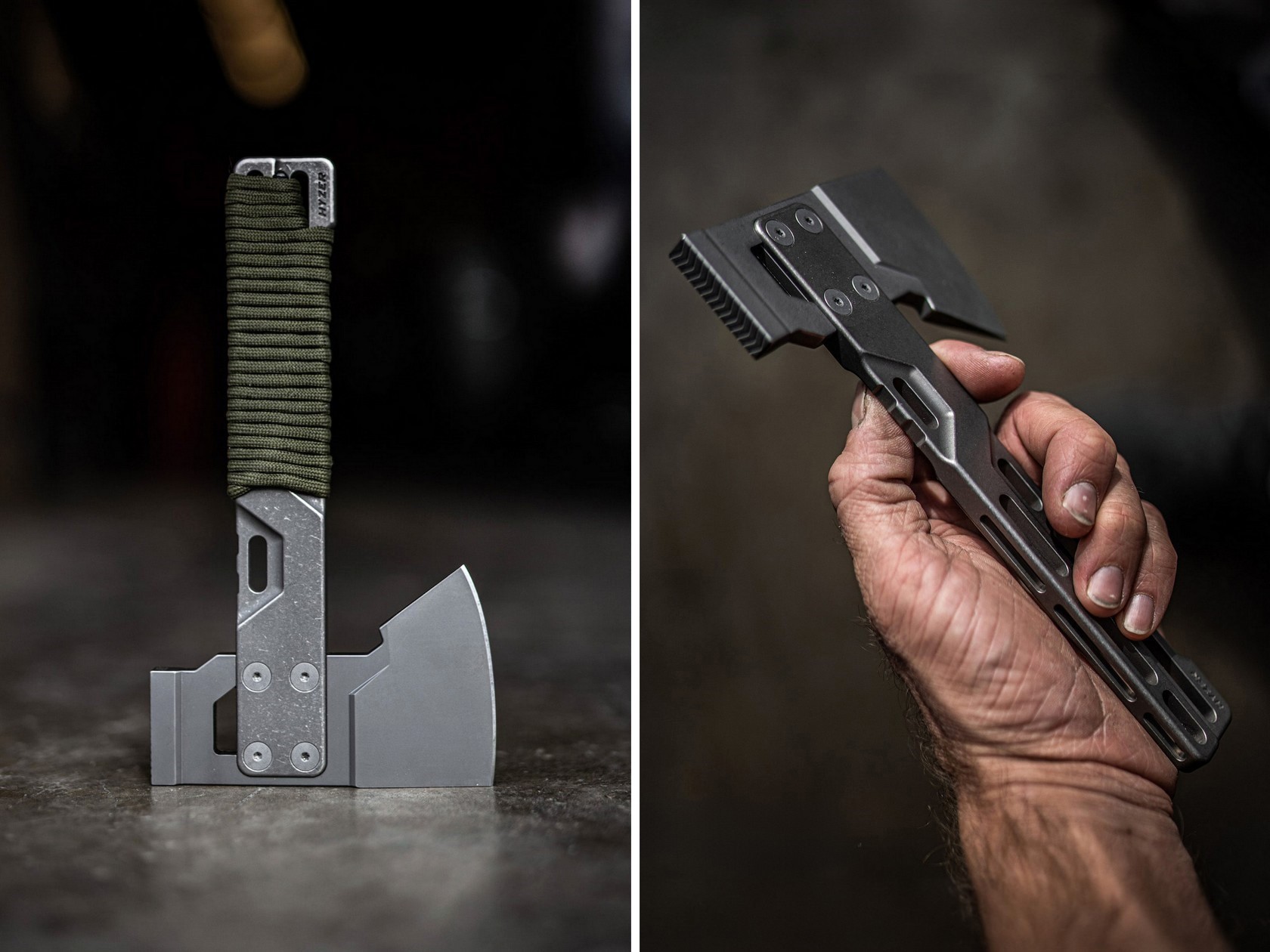
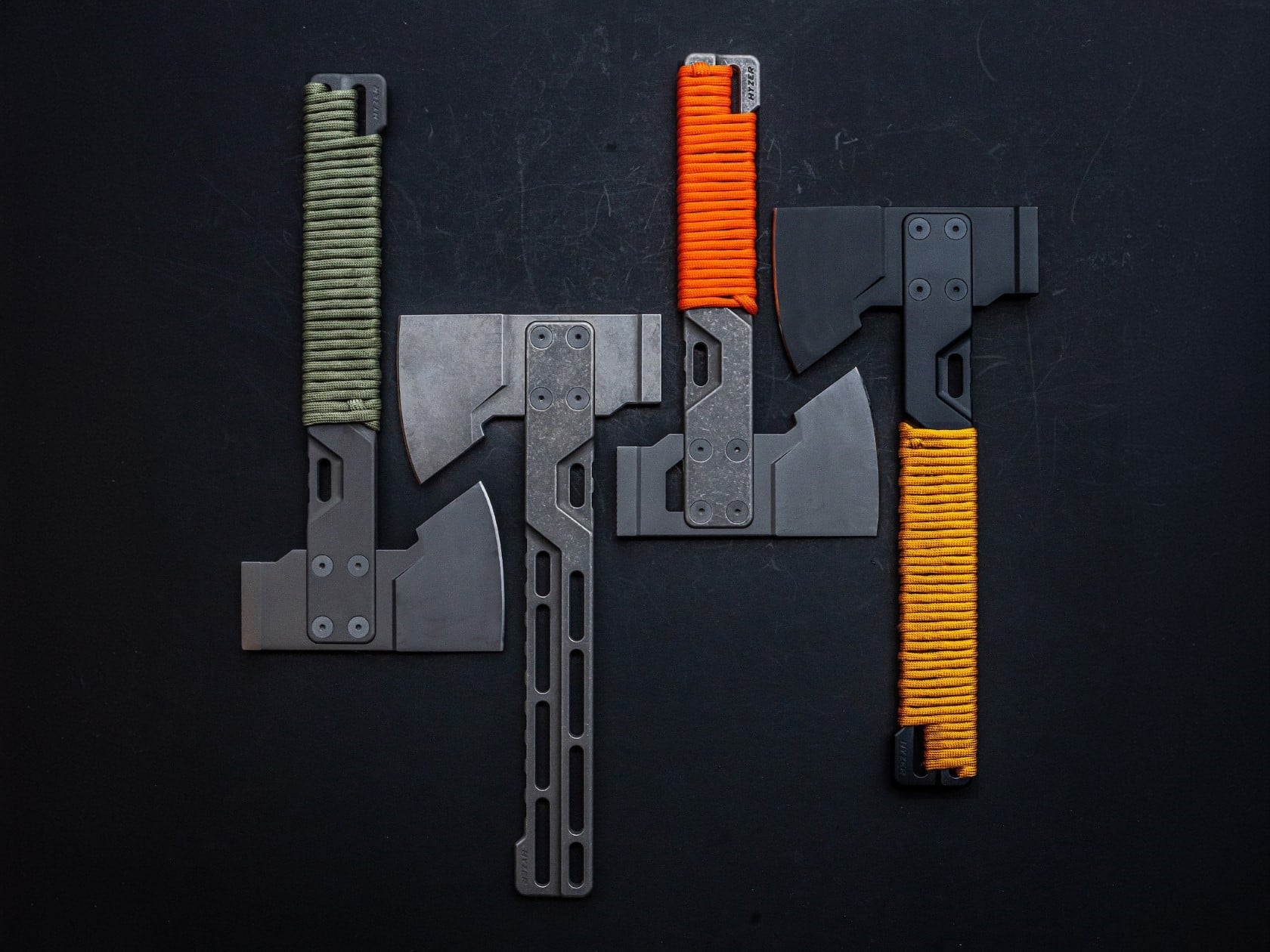
Exceed Designs doesn’t do anything conventionally, and the HYZER is the clearest proof of that. At its core, it’s a hatchet — but calling it that undersells the engineering. The handle is fully skeletonized and CNC-machined from a solid block of 6AL-4V Grade 5 titanium, available in two lengths: a full-size 9.75 inches or a compact 8.15 inches. The head runs on an infinitely modular nested system that lets you swap cutting formats without replacing the handle — a level of adaptability that no conventional hatchet even attempts.

For summer carry — backcountry hiking, basecamp setups, or serious van-life configurations — the HYZER changes the math on what a hatchet needs to be. The D2 steel axe head delivers serious chopping performance, while the titanium handle keeps the tool lighter than any steel-handled competitor in its class. The stonewashed finish gives it a visual identity that’s unmistakably premium without being precious about it.

What we like

  • The modular nested head system allows the HYZER to adapt to different cutting and splitting configurations
  • Full skeletonized Grade 5 titanium achieves meaningful weight savings without compromising structural integrity

What we dislike

  • The premium titanium and D2 material combination places this at a significantly higher price point than most seasonal carries
  • Two-handed hatchet operation demands dedicated pack space that the other four items on this list don’t require

5. BlackoutBeam Tactical Flashlight

A 2,300-lumen output in a tactical flashlight isn’t rare in 2026 — but a 2,300-lumen flashlight that looks like it belongs at a design exhibition rather than a military surplus store is still genuinely hard to find. The BlackoutBeam, available through the Yanko Design Shop at $90, pairs that blinding output with an industrial aesthetic that wears well whether it’s clipped to a backpack or sitting on a shelf. The 300-meter throw distance cuts through darkness with clinical precision, and the IP68 waterproof rating ensures it performs regardless of what summer throws at it.

Five operational modes — including strobe and pinpoint — give the BlackoutBeam tactical flexibility that goes well beyond on-off cycling. The 0.2-second instant-on response is the detail that separates tools built for designers from tools built for actual use: in a power outage, a trail emergency, or any situation where you need light immediately, that activation speed matters in a way that a spec sheet can’t fully communicate. With longer days turning into late evenings outdoors and camping season running hot, the case for a serious flashlight in your summer kit has never been more straightforward.

Click Here to Buy Now: $89.00

What we like

  • 2,300-lumen output with a 300-meter throw distance puts it firmly in professional-grade territory
  • A 0.2-second instant-on response time makes it genuinely dependable when the situation demands it

What we dislike

  • The tactical aesthetic reads as aggressive for carry setups that lean toward minimalist or everyday styling

The Best Loadout Is the One You Actually Think About

What these five pieces share isn’t material or price point…it’s intention. Every one of them was designed by someone who cared enough to solve the actual problem rather than approximate a solution. That’s the standard worth holding EDC to in 2026, and it’s becoming a higher bar to clear as the category matures and the market fills with near-misses. The best loadout is never the one with the most gear. It’s the one with the right gear.

Summer tends to be the season when carry gets edited down; lighter layers mean fewer pockets, and heat means less patience for bulk. These five designs all pass that test. They’re compact enough to disappear when you want them to and capable enough to matter when you don’t. Whether you pick up one or all five, the upgrade from whatever you’re carrying now is real.

The post Forget Your Old Loadout — 5 EDC Essentials Built for Summer 2026 first appeared on Yanko Design.
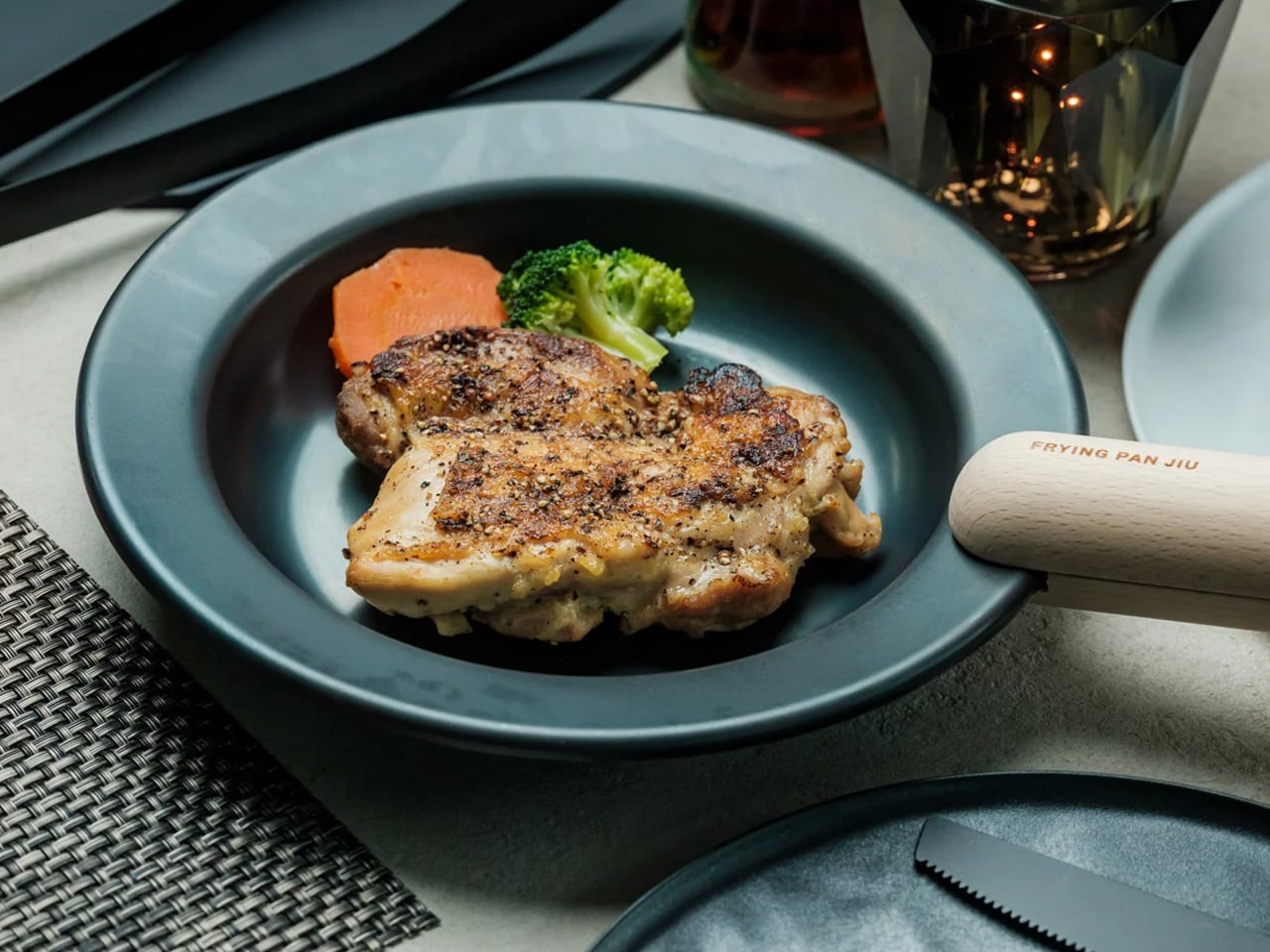
The 5 Best Tech Gadgets of May 2026

May 2026 is a good time to be paying attention. Gadgets aren’t just getting faster or thinner; the best ones this month are getting more intentional. There’s a shared thread running through every standout: each was built around a real constraint, a real behavior, or a real cultural moment, rather than a spec sheet searching for an audience. Five products rose above the rest, and each earns its spot for a distinctly different reason.

From a foldable phone that demolishes the category’s $800 price floor to a Nintendo Switch add-on that turns a gaming console into a live production rig, the range here is unusually wide. What connects them is the quality of thinking underneath. These aren’t renders looking for investment. They’re real objects designed to change how you work, listen, create, and move through a day. That’s the only brief that actually matters.

1. NASA Artemis Watch 2.0

NASA’s Artemis II lifted off from Kennedy Space Center on April 1, 2026, carrying four astronauts on humanity’s first crewed lunar journey in over 50 years. CircuitMess timed the NASA Artemis Watch 2.0 directly into that cultural gravity. At $129, it’s a fully assembled, ready-to-use programmable smartwatch built around a dual-core ESP32 microcontroller, with a full-color LCD screen, accelerometer, gyroscope, compass, and temperature sensor packed into a wristband designed for anyone aged nine and up who wants more than a fitness tracker strapped to their wrist.

What makes it worth your attention is the depth it offers without demanding anything upfront. Out of the box, it pairs with iOS and Android over Bluetooth for activity tracking and notifications. When curiosity takes over, the firmware is fully open-source and reprogrammable in Python, CircuitBlocks, or the Arduino IDE. Build custom watch faces, write your own apps, and modify sensor behavior as far down as you want to go. The Artemis Watch 2.0 is one of the rarer gadgets at this price: it genuinely grows with the person wearing it.

What we like

  • Fully open-source firmware supports Python, CircuitBlocks, and Arduino, giving both beginners and experienced coders meaningful room to explore and build
  • Ships fully assembled and ready to use straight out of the box, lowering the barrier to entry without removing any of the technical depth underneath

What we dislike

  • At $129, it asks for more commitment than most impulse purchases in the kids’ tech category allow for
  • Screen performance in direct sunlight hasn’t been addressed in any available documentation

2. OrigamiSwift Mouse

Every frequent traveler has made the same quiet compromise: leave the proper mouse at home or carry something too small to work with comfortably for more than an hour. OrigamiSwift was built precisely around that problem. It’s a Bluetooth mouse that folds flat when not in use, weighs just 40 grams, and opens into full working position in under half a second. The origami-inspired form isn’t a styling exercise. It’s a structural answer to the oldest tension in portable peripherals: comfort has always cost you size.

The ergonomic shaping holds up across extended work sessions, which matters more than most product pages acknowledge. Whether you’re finalizing a presentation at an airport gate or editing documents in a co-working space, OrigamiSwift stays comfortable in your hand and disappears into a bag when you’re done. The ultra-thin profile and minimal build weight mean it never adds anything meaningful to your load. For anyone who genuinely works from wherever they happen to be, this is the mouse that finally makes sense to own.

Click Here to Buy Now: $85.00

What we like

  • 40-gram weight and flat-fold profile make it practically invisible in any bag, disappearing entirely until you actually need it
  • Sub-0.5-second activation means there’s no friction at all between being packed and being productive

What we dislike

  • Available listings don’t confirm DPI range or scroll wheel responsiveness for anyone doing precision work
  • Bluetooth-only connectivity may create compatibility friction with older desktop setups that lack wireless support

3. Ai+ Nova Flip

The foldable phone category has spent five years convincing itself that the flip experience carries a natural premium of $800 or more. Ai+ is testing that assumption head-on with the Nova Flip, launched in India at Rs 29,999, roughly $320, making it the most accessible foldable phone on the market. The inner display is a 6.9-inch AMOLED panel resolving at 2790 x 1188 pixels, complemented by a 3.1-inch AMOLED cover screen. MediaTek’s Dimensity 7300 handles processing, paired with 8GB of LPDDR4X RAM and 256GB of internal storage.

The spec list doesn’t read like a budget compromise. A 50-megapixel primary camera, a 32-megapixel front shooter, and a 4325mAh battery with 33W wired charging all hold credibly against devices at double the price. 5G, NFC, and an IP64 dust and splash rating close out a package that would feel serious in any category. The Nova Flip doesn’t just undercut the competition on price. It quietly forces a harder conversation about what the flip form factor has genuinely been worth at $1,000 all along.

What we like

  • $320 pricing opens the foldable phone experience to an entirely new audience that the category has ignored since its beginning
  • The 4325mAh battery is a genuinely surprising capacity for the flip form factor at any price point, let alone this one

What we dislike

  • The 2-megapixel depth lens reads as the weakest component in an otherwise strong and well-considered camera array
  • Long-term hinge durability at this price tier is unproven and worth tracking carefully over time

4. Akai MPC Switch

Alquemy’s Akai MPC Switch concept asks a question that feels obvious the moment someone finally puts it to you: if laptop-grade software can run on portable hardware, why can’t a capable gaming console handle serious music production? The MPC Switch is a pair of controller units designed to snap directly onto the sides of a Nintendo Switch, replacing the Joy-Cons with MIDI inputs, outputs, and a full DAW running on the console’s own screen. The control layout reflects real production workflows rather than a stylized render built for social media.

The appeal runs deeper than the novelty of the form. The concept treats the Switch as a legitimate interface surface: something you game on when you need to and produce or perform on when the moment calls for it. Swap the Joy-Cons for the MIDI setup, and you’re there. Whether Nintendo or Akai ever moves this into production is a separate question entirely, but Alquemy has made a persuasive case that the idea deserves a real answer. The best concepts don’t just look good. They make you wonder why nobody shipped it first.

What we like

  • MIDI integration and a credible DAW interface position the Switch as a serious production platform rather than a novelty peripheral
  • The Joy-Con snap mechanism makes the transition between gaming and music production genuinely seamless in concept

What we dislike

  • No confirmed production timeline means this remains aspirational, with no clear path in your hands
  • The Switch’s processing ceiling may be a real constraint for complex, multi-layer production sessions

5. StillFrame Headphones

Most headphone designs land at one of two poles: the over-ear build that announces itself before you even put it on, and the in-ear solution that disappears but gives nothing back in soundstage. StillFrame lands somewhere more considered than either. At 103 grams, it sits closer to weightless than wearable. The 40mm drivers are tuned for a wide, open soundstage that pulls spatial detail and melodic texture out of tracks that most headphones flatten into undifferentiated background noise.

Active noise cancellation closes you off when focus demands it. Transparency mode reconnects you to the room when the world around you matters more. Battery holds at 24 hours, covering a full workday, an overnight flight, and the morning after with no cable required. Switching between modes takes a single tap. StillFrame was designed around the premise that how you listen should adapt to where you are, not the other way around. That’s a harder brief to execute cleanly than it sounds, and the weight alone suggests it’s been taken seriously.

Click Here to Buy Now: $245.00

What we like

  • 103 grams is a genuinely rare achievement for an over-ear headphone carrying both ANC and full-size 40mm drivers
  • 24-hour battery life covers the kind of all-day, real-world use that most headphones in this category only claim to handle

What we dislike

  • No published information on codec support, like LDAC or aptX, for listeners who prioritize wireless audio fidelity
  • Colorway and finish options appear limited in current listings, which may be a sticking point for buyers who care about visual identity

The Only Standard That Matters Is the One You Can Feel

May 2026’s strongest gadgets share something harder to write into a spec sheet than battery life or pixel count. Each was designed around a specific friction point and resolved it with a precision that feels purposeful rather than accidental. The Artemis Watch converts a cultural moment into a learning platform. The Nova Flip resets the floor of an entire category. The OrigamiSwift solves a portability problem that dozens of mice before it never genuinely addressed.

StillFrame and the Akai MPC Switch represent opposite ends of the development spectrum, one shipping and one conceptual, but both make the same underlying argument: that considered design changes the terms of what a product is allowed to be. Whether you’re optimizing a travel bag or rethinking a music studio from a gaming console, the standard these five set is worth taking seriously. The best gadgets this month aren’t the loudest ones in the room. They’re the most resolved.

The post The 5 Best Tech Gadgets of May 2026 first appeared on Yanko Design.
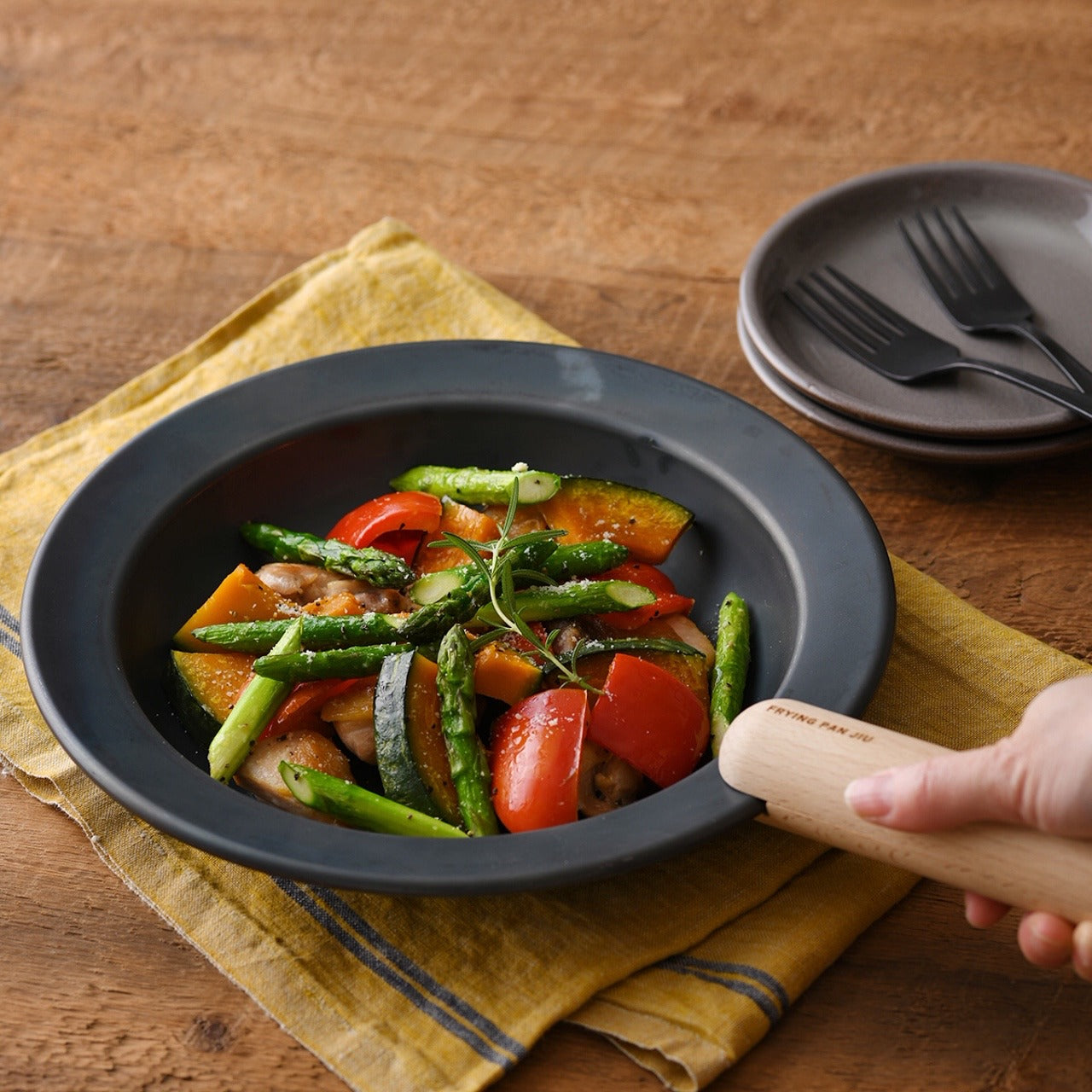
5 Best Tiny Homes of May 2026 Prove Tiny House Design Stopped Being Cute — It Became a Category

Tiny homes had a moment. Then they had another. Then, somewhere between the Instagram hashtags and the weekend specials, they quietly became something more serious. The designs releasing in 2026 aren’t pitching a lifestyle fantasy — they’re solving real problems: family space, year-round comfort, material quality, and genuine mobility. The builders showing up this year aren’t compensating for square footage. They’re rethinking what square footage is even supposed to accomplish.

What’s changed is the thinking behind the build. Reverse floor plans. Apartment-scale dimensions on trailer frames. Japanese material sensibility packed into a 130-square-foot shell. Choices that match what you’d find in a well-funded apartment remodel, not a budget cabin kit. These five tiny homes, all surfacing this spring, represent what the category looks like when builders stop apologizing for the format and start designing with full conviction.

1. Onda

The Tiny Home That Put Bedrooms on the Bottom and Changed the Entire Conversation

The Onda doesn’t tweak the tiny home formula — it inverts it entirely. Australian builder Removed Tiny Homes placed all three bedrooms on the ground floor and pushed the kitchen, living room, and bathroom to the elevated upper level, a reverse loft plan that nobody had executed quite like this before. Built on a double-axle trailer and finished in steel with warm wooden accents, it measures 10 meters long, 3.4 meters wide, and 4.5 meters tall, pushing it firmly into apartment territory.

What the upside-down layout gives you is privacy on your own terms. Bedrooms stay quiet, dark, and grounded — actual breathing room away from the communal noise above. A full-height hallway with 200cm of standing clearance connects each room below, so moving through the home never feels cramped. An optional deck spills the upper-level living space into the open air. For a family that wants to downsize without shrinking their sense of home, this is the most coherent answer currently on the market.

What We Like

  • The reverse loft layout is genuinely original — private spaces below, communal life above — and the spatial logic holds up completely once you see it in practice
  • At 70 square meters across a double-axle trailer, the scale rivals a proper apartment without surrendering mobility or road-legal status

What We Dislike

  • The 4.5-meter height may face clearance restrictions in some regions, limiting where the Onda can realistically be parked or towed permanently

2. Audrey

The Single-Level Build That Makes Efficient Living Look Effortless

There’s a certain confidence in keeping things flat. CozyCo’s Audrey is a single-level build, 7.2 meters long and mounted on a triple-axle trailer, and its restraint is exactly what makes it work. The exterior pairs corrugated aluminium with timber-look panels — a combination that slots into a bush property, a coastal block, or a suburban backyard without missing a beat — while a neatly tucked propane storage box keeps the silhouette clean. It looks like a home that knows precisely what it wants to be.

Inside, the open studio layout does what smart single-level design does best: it makes the space feel larger by refusing to fight itself. Sliding glass doors bring in light and dissolve the boundary between inside and out. R2.5 insulation, double-glazed windows, gas, hot water, and air conditioning mean you can live in the Audrey year-round without a second thought. A storage bed removes the need for bulky furniture. Whether you’re running it as a guest suite, a short-stay rental, or a granny flat, it earns its position effortlessly.

What We Like

  • The combined thermal package — R2.5 insulation, double-glazed windows, and full air conditioning — makes it genuinely livable across every season without requiring expensive upgrades after purchase
  • Single-level circulation eliminates the ladder-and-loft compromise that makes most tiny homes feel like clever camping rather than actual living

What We Dislike

  • Sleeping comfortably up to two people limits the Audrey’s appeal — it isn’t a family home and doesn’t pretend to be, but that’s a real ceiling on its long-term versatility
  • At 7.2 meters, the footprint sits on the smaller end, even for a tiny house, meaning storage and layout flexibility have a defined and non-negotiable limit

3. Harmony

The Family Tiny Home That Proves Four People Don’t Need Four Thousand Square Feet

The Harmony was originally commissioned by a family of four in Southern Alberta who were done with the time and financial weight of conventional living. What emerged from that brief is one of the most thoughtfully designed family tiny homes on the market right now. Built by Alberta-based Teacup Tiny Homes on a triple-axle trailer and clad in metal and wood, it measures 34 feet long and 8.5 feet wide — road-legal across North America, towable without a special permit — with 423 square feet of considered interior space.

That floor plan matters because it holds the things families actually use. A sofa, a fireplace, and a dedicated TV wall mean family evenings don’t have to be compressed into a bench seat. What the Harmony gives you specifically is the freedom to move — across provinces, across states — without putting your life into storage. Mobility and stability, sharing the same triple-axle frame. For a family that wants flexibility without surrendering the feeling of a real home, this is one of the most convincing arguments the tiny home world has produced.

What We Like

  • Standard 8.5-foot road-legal width means the Harmony can be towed anywhere across North America without a special permit — genuine mobility, not just the promise of it
  • 423 square feet with a sofa, fireplace, and dedicated TV wall means family life doesn’t get flattened into efficiency mode the moment you walk through the front door

What We Dislike

  • The metal-and-wood cladding combination, while durable and practical, is familiar territory — the Harmony doesn’t push any aesthetic boundaries and looks exactly like you’d expect it to
  • At 34 feet long, site placement requires real planning, and not every property has the physical footprint to accommodate it without trade-offs

4. Shoji

The 130-Square-Foot Home That Makes the Case for Japanese Minimalism on Wheels

At 130 square feet and just 5.5 meters long, the Shoji is a study in not flinching. Completed in November 2022 and sited in Brittany, France, it was designed by Koleliba alongside architect Hristina Hristova as the brand’s S Tiny model. The name points directly to its influence: clean lines, natural materials, and a deep respect for negative space. Vertical timber siding, a metal roof, and expansive sliding glass doors give it an exterior that reads equally well in a forest clearing or an open countryside field.

Inside, the birch plywood interior does what Koleliba does best — furniture becomes a seamless continuation of the architecture. A U-shaped couch converts into a queen-size bed. There’s a dedicated home office desk, essential kitchen appliances, a washing machine, and a roomy shower, all packed into a footprint that defies logic. Electric floor heating and solid winter insulation make it genuinely year-round livable. What the Shoji gives you is proof that living with intention — rather than abundance — isn’t a lesser version of home. It’s a stronger argument for what home can be.

What We Like

  • The furniture-as-architecture approach means nothing feels crammed in or improvised — every element is a deliberate continuation of the interior, not an afterthought placed inside it
  • Electric floor heating and serious winter insulation make this a genuine four-season home, not a warm-weather retreat built for photography

What We Dislike

  • 130 square feet is a real constraint — there’s no graceful way to accommodate guests, and solitude becomes a structural feature of the design, whether you planned for it or not
  • As a completed, commissioned project, the Shoji isn’t a ready-to-buy model — interested buyers would need to engage Koleliba directly, with no standard production line to order from

5. Urban Gable Park

The Park Model That Stopped Making Compromises and Started Making a Statement

The Urban Gable Park is what happens when a builder decides to stop apologizing for comfort. At 30 feet long and 11 feet wide — significantly beyond the standard 8.5-foot width that most trailer-based homes are constrained to — it’s a single-level park model that gives rooms actual space to breathe. The bedroom has real headroom. The living area fits a proper sofa. That extra width isn’t just a number on a spec sheet; it fundamentally restructures how the interior feels and how you move through it on an ordinary Tuesday.

The material choices confirm the intent. The kitchen comes fitted with maple slab cabinets, an induction cooktop, a full-size fridge, and a dishwasher, all set within a striking limewash alcove. In the bathroom: a concrete vessel sink, terrazzo tile floors, matte black fixtures, a walk-in shower, and a stacked washer/dryer. These aren’t budget finishes dressed up to photograph well — they’re material decisions made by people who know exactly what they’re doing. The Urban Gable Park gives you apartment-grade quality in a format that doesn’t ask you to keep justifying the choice to everyone you meet.

What We Like

  • The 11-foot width fundamentally changes how the interior reads — rooms have breathing room, and daily living stops being an exercise in constant spatial problem-solving
  • Kitchen and bathroom material quality — limewash alcoves, terrazzo tile, maple slab cabinets — matches what you’d find in a thoughtful urban apartment remodel, not a prefab compromise

What We Dislike

  • The 11-foot width requires a road permit for towing on public roads, which meaningfully limits relocation flexibility compared to any standard road-legal tiny home
  • Built as a park model designed to stay in place, the Urban Gable Park won’t suit buyers expecting the full mobility and spontaneity of a traditional tiny home on wheels

The Cute Phase Is Over — What Replaced It Is Far Harder to Dismiss

What these five homes share isn’t a size or a price point — it’s a standard. None of them asks you to romanticize the limitations of small living. They ask whether those limitations are even real. The Onda inverts the entire floor plan. The Shoji strips everything down to what actually matters. The Urban Gable Park adds width and lets the rooms speak for themselves. Each one represents a distinct position on the same argument: that less space is not, by definition, a lesser life.

The category has grown up. The builders who matter right now aren’t chasing aesthetics for a mood board feature — they’re engineering real precision into formats that serve families, couples, remote workers, and anyone tired of paying for rooms they never enter. If May 2026 is a signal of where tiny home design is heading, the message reads clearly: the cute phase is over. What’s replaced it is something far more interesting, and far harder to dismiss.

The post 5 Best Tiny Homes of May 2026 Prove Tiny House Design Stopped Being Cute — It Became a Category first appeared on Yanko Design.