The MacBook Neo is Apple’s most repairable laptop

Apple's cheapest laptop is also its most repairable. iFixit gave the new MacBook Neo a 6/10 repairability score. Although that number would only be mediocre for, say, a game review or final exam grade, it's the MacBook line's highest iFixit score in about 14 years.

As always, iFixit goes into great detail about the product's repairability, but a few points stand out. First, the MacBook Neo's battery is screwed down rather than glued — moving it from "this might burn the house down" to "routine repair" territory. The laptop also has a flat disassembly tree. That means its battery, speakers, ports and trackpad are all immediately accessible after opening the back case.

In other areas, a simplified antenna assembly helps the screen come away cleanly. Keyboard repair is still a bit tedious (41 screws and tape), but at least it isn't riveted to the top case like on other models. (The screwed-not-glued battery helps here, too.) Apple's decision to forego a Force Touch trackpad and return to a mechanical style improves repairability as well. And in a nice touch, all the machine's Torx Plus screw sizes are clearly labeled inside the case.

A person's hand holding the MacBook Neo
Apple

Several other encouraging signs carry over from recent MacBooks. iFixit found that Apple's Repair Assistant accepted all replacement parts it tried without a fuss. And its USB-C ports and headphone jack are modular, so replacing either doesn't "turn into logic board work."

Not everything is peachy. As expected, the Neo still has soldered RAM and storage, so there's no upgrade path there. iFixit describes Apple's pentalobe screws on the bottom case as an "annoying" choice. And while the device's speakers are easy to remove, they, well, just aren't very good. (Had to cut that cost somewhere.)

While iFixit describes the Neo's repairability as "a real comeback," it's premature to assume higher-end MacBooks will follow suit. After all, with this $599 device ($499 for schools), Apple is targeting the educational sector, where repairability could mean more bulk orders. Until Apple is convinced that the MacBook Air or Pro would sell better with similar serviceability, this kind of score may be limited to the budget model.

This article originally appeared on Engadget at https://www.engadget.com/computing/laptops/the-macbook-neo-is-apples-most-repairable-laptop-200923202.html?src=rss

Meta is killing end-to-end encryption in Instagram DMs

Meta is killing end-to-end encryption in Instagram DMs. The feature will "no longer be supported after May 8, 2026," the company wrote in an update on its support page. Unlike WhatsApp, Meta never made encryption available to all Instagram users and it was never a default setting. Instead, users in "some areas" had the ability to opt-in to encryption on a per-chat basis.

In a statement, a Meta spokesperson said the feature was being retired due to low adoption. "Very few people were opting in to end-to-end encrypted messaging in DMs, so we're removing this option from Instagram in the coming months," the spokesperson said. "Anyone who wants to keep messaging with end-to-end encryption can easily do that on WhatsApp.”

Interestingly, Meta's statement doesn't mention the status of encryption on Messenger. The company began turning on end-to-end encryption as a default setting in 2023 after years of work on the feature. A support page for Messenger currently states that the company "is in the process of securing personal messages with end-to-end encryption by default."

Meta's approach to encrypted messaging has changed several times over the years. It started encrypting WhatsApp chats in 2016. In 2019, Mark Zuckerberg outlined a "privacy-focused" revamp of the company's apps, saying at the time that "implementing end-to-end encryption for all private communications is the right thing to do." In 2021, the company's head of safety said that Meta was delaying its encryption work until 2023 in order to create stronger safety features.  

Meta’s use of encryption has been repeatedly criticized by law enforcement and some child safety organizations that say the feature makes it harder to catch predators who target children on social media. Recently, the topic has been raised numerous times during a trial in New Mexico over child safety. Internal documents that have surfaced as part of the trial show Meta executives and researchers debating the trade-offs between safety and privacy as it relates to encryption. 

In testimony that was broadcast during the trial, Zuckerberg said that safety issues were "a large part of the reason why it took so long" to bring encryption to Messenger. "There's been debate about this, but I think the majority of folks, from people who use our products to people who are involved in security overall, believe that strong encryption is positive," he said.


This article originally appeared on Engadget at https://www.engadget.com/social-media/meta-is-killing-end-to-end-encryption-in-instagram-dms-195207421.html?src=rss

GameMT EX8 debuts as a budget Android handheld tailored for retro gaming

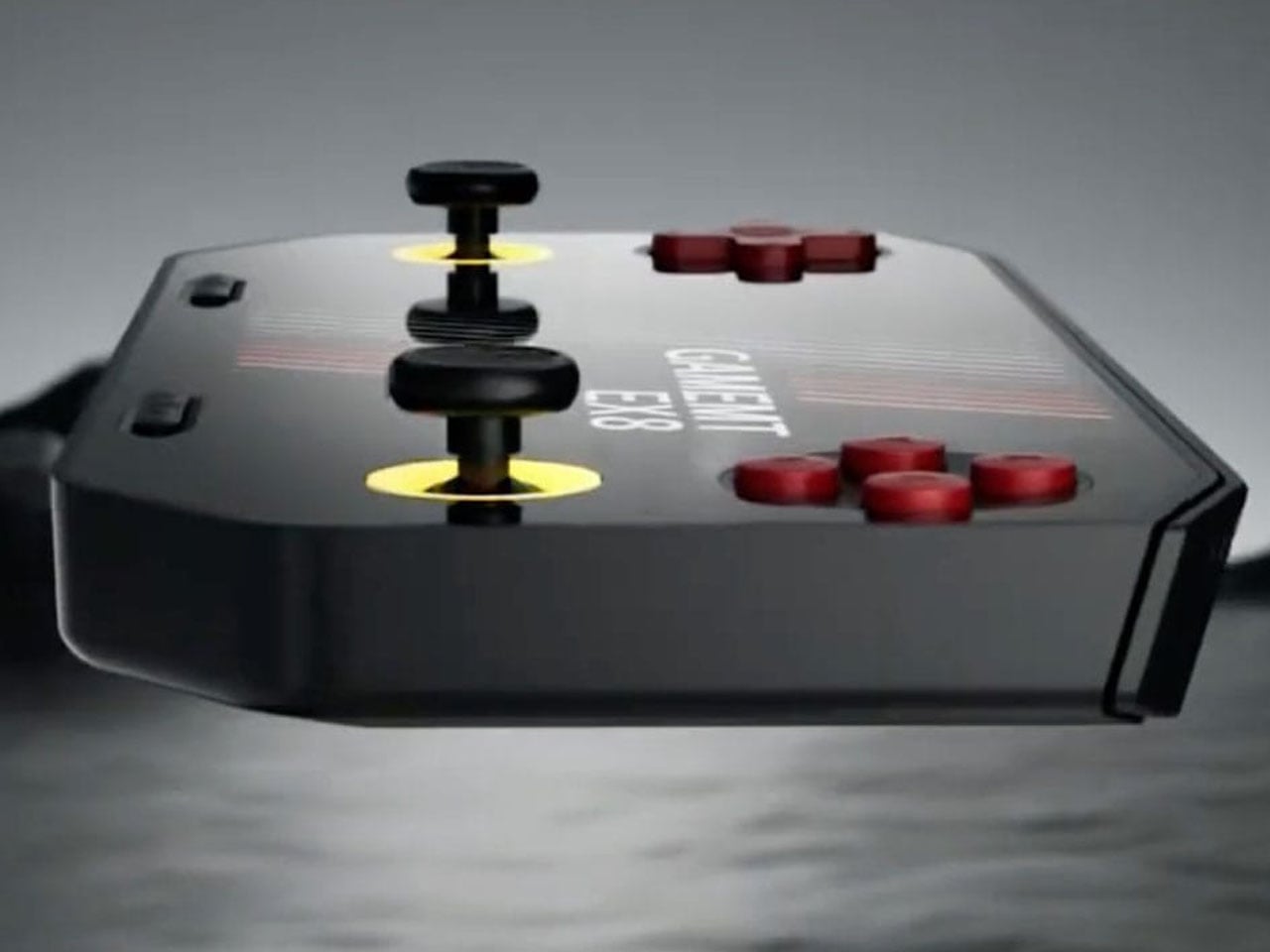
The gaming handheld continues to expand with new devices aimed at retro enthusiasts and mobile gamers. One of the latest additions is the GameMT EX8, a portable gaming console designed to deliver a capable Android-based gaming experience while maintaining a relatively affordable price point. With a high-resolution display, a familiar handheld layout, and hardware suited for emulation and mobile gaming, the EX8 represents GameMT’s attempt to compete with other budget-friendly handhelds in the growing retro gaming segment.

The handheld features a 4.88-inch display with a resolution of 1080 × 1620 pixels and a 3:2 aspect ratio. This format is particularly appealing for retro gaming because it better accommodates older console titles that do not match modern widescreen displays. The panel is also noticeably sharper than the screen used in some competing handhelds, such as the Ayaneo Pocket Micro, which uses a smaller 3.5-inch display with a lower resolution. The larger and sharper screen is expected to improve the visual experience when playing classic games from platforms like the PlayStation and PSP. With its combination of a high-resolution 3:2 display, capable mobile processor, and expandable storage, the GameMT EX8 aims to deliver a balanced handheld gaming experience.

Designer: GameMT

Powering the device is MediaTek’s Helio G99 processor, a chipset commonly found in mid-range smartphones. The chip is paired with 6GB of RAM and 128GB of internal storage, providing enough performance for Android gaming and a wide range of emulated titles. The Helio G99 has already proven capable of handling many retro systems and even some more demanding platforms through emulation, making it a practical choice for a handheld of this category. For users with larger game libraries, the EX8 also includes a microSD card slot that allows the storage to be expanded beyond the built-in capacity.

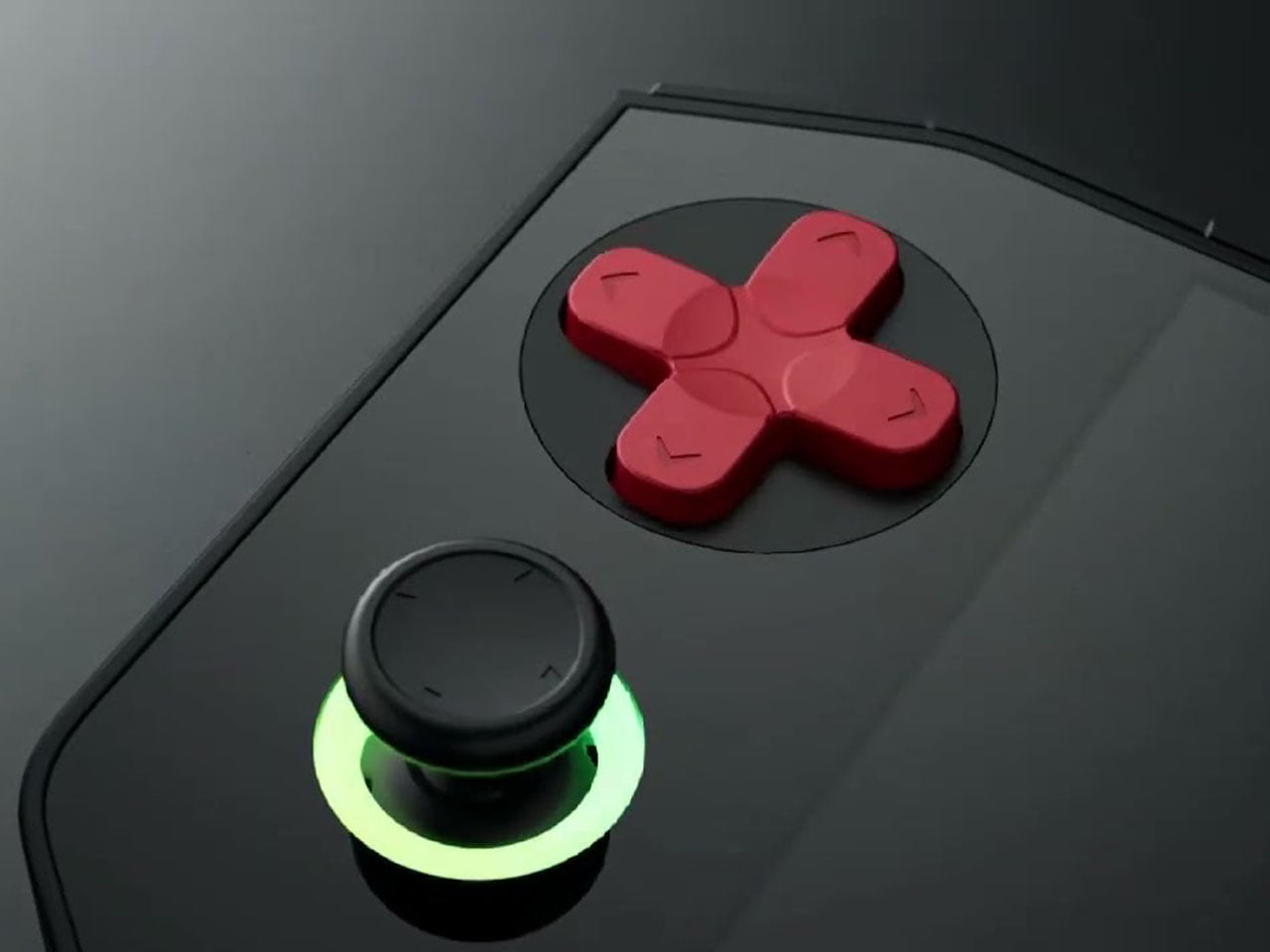
In terms of design, the EX8 adopts a horizontal handheld layout with symmetrical analog sticks positioned on both sides of the display. Each thumbstick is surrounded by an RGB ring light, giving the device a more modern aesthetic. A traditional D-pad and ABXY button arrangement sits alongside the sticks, while shoulder buttons are integrated along the top edge. The device also appears relatively thick compared to some competitors, likely to accommodate its internal hardware and cooling system. Thermal management is supported by an internal cooling fan, which helps maintain stable performance during extended gaming sessions. Audio is delivered through bottom-firing speakers, and the handheld is powered by a 5,000 mAh battery that charges through a USB-C port. These features are designed to ensure the device can sustain longer play sessions without overheating or running out of power too quickly.

The GameMT EX8 will be available in two color options. A black version pairs dark hardware with red D-pad and face buttons, while a white variant features purple buttons and matching accents. This contrast gives the handheld a distinctive visual identity within the crowded retro gaming market.


The post GameMT EX8 debuts as a budget Android handheld tailored for retro gaming first appeared on Yanko Design.

You’ll now have to fork out for an additional subscription if you want to watch 4K content on Prime Video

Amazon is raising the price of its ad-free Prime Video subscription and locking 4K UHD streaming behind this new tier. Starting April 10 for US customers, a rebranded Prime Video Ultra subscription will cost $5 per month, up from $3 per month.

For that extra $2, you get a download capacity increase from 25 to 100, and you can now run five streams concurrently instead of three. Whether those "Ultra" upgrades are worth the $24 annual hike will probably depend on how many boxsets you like to plough through on a long flight, or how many devices are using your Prime Video account.

The changes are most galling for Prime members who automatically qualify for Prime Video with ads through their membership, as Amazon has decided to remove 4K streaming from the standard tier. That means that, despite already paying $15 per month or $139 per year for Amazon Prime, you’ll be stuck with 1080p shows and movies unless you sign up to Prime Video Ultra. 

Amazon has thrown in Dolby Vision support for the first time, as well as upping the concurrent stream and download count on its free tier as well, but you’re losing the privilege of UHD content that has been available to all Prime Video members for years. Dolby Atmos remains exclusive to the $5 tier too.

Amazon is the latest streamer to put its prices up, following similar recent hikes to Apple TV, Disney+ and HBO Max. If you don’t want to give the company any more of your hard-earned, you have just under a month to binge your way through the second season of Fallout in all of its irradiated UHD glory.

This article originally appeared on Engadget at https://www.engadget.com/entertainment/streaming/youll-now-have-to-fork-out-for-an-additional-subscription-if-you-want-to-watch-4k-content-on-prime-video-174028064.html?src=rss

Apple Finally Rounded the MacBook’s Corners After 18 Years

For about 18 years, every aluminum MacBook has looked more or less the same. Silver. Angular. Quietly serious. There’s nothing wrong with that. Apple’s unibody aluminum design, introduced in October 2008 and carved from a single block of metal, was genuinely elegant and set the template for an entire industry. But it also retired something along the way: the idea that a Mac laptop could feel chosen rather than just defaulted to.

The MacBook Neo, announced March 4 and starting at just $599, is the first real crack in that template. It comes in four colors (blush, indigo, silver, and a yellow-green called citrus) with enclosure corners that are noticeably softer than any aluminum Mac in recent memory. Whether that adds up to a proper design statement or just smart positioning is worth thinking through.

Designer: Apple

What happened to Apple’s color confidence

iBook G3 Clamshell (courtesy of Wikipedia)

Apple’s fondness for color didn’t always live inside an iPhone. The iBook G3, launched in 1999, came in tangerine and blueberry, and later in indigo and key lime. It was rounded, slightly toy-like, and completely unapologetic about being a consumer product. When the aluminum unibody arrived in 2008, Apple traded that warmth for precision machining and sharp rectilinear edges. Right call for the MacBook Pro. Default for everything else, apparently, for nearly two decades.
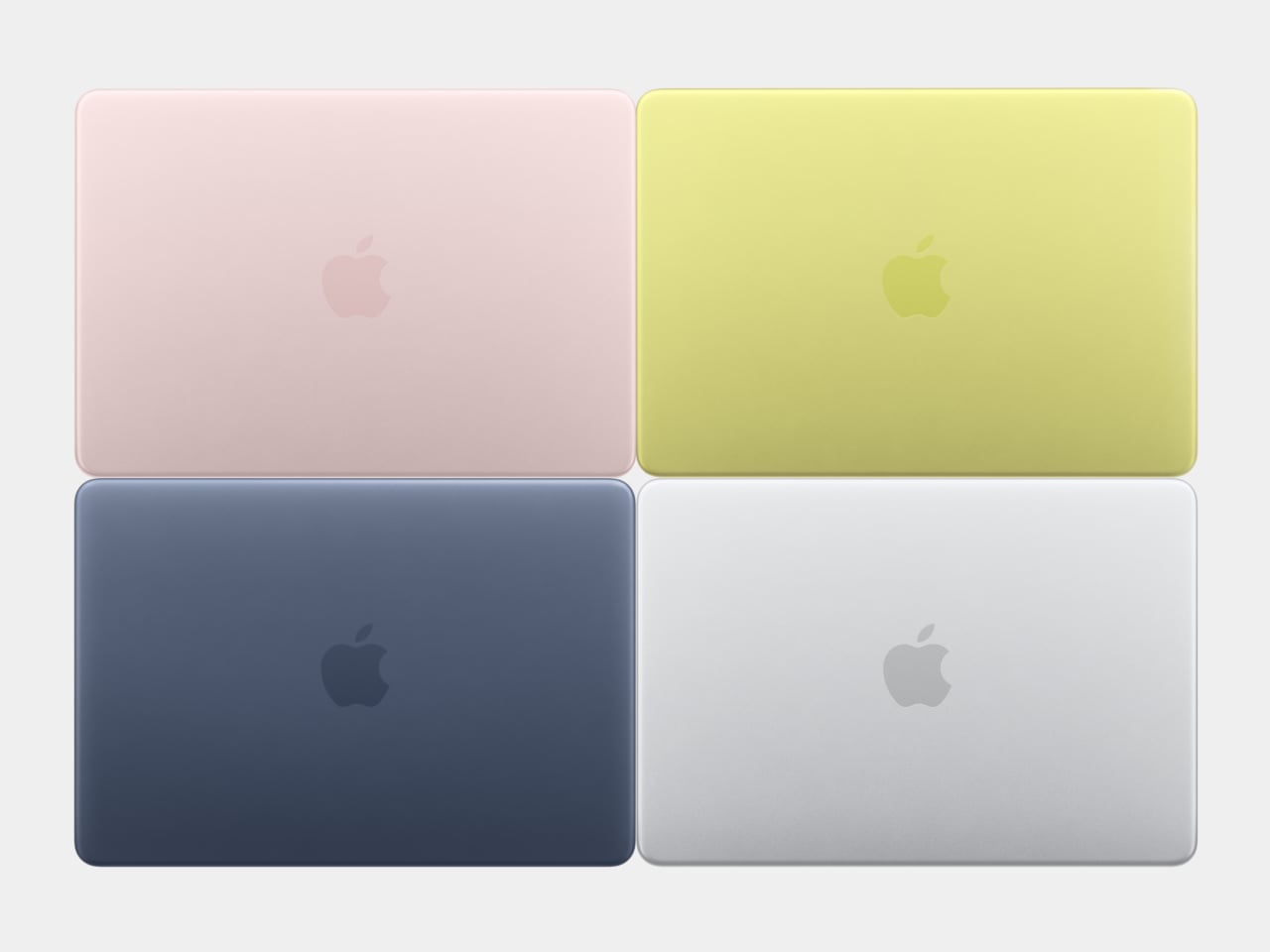
The result was a color drought in aluminum Mac laptops that has lasted until now. Silver, space gray, midnight, starlight: all variations on the same mood of professional restraint. The Neo’s citrus and blush aren’t just options on a spec page. They’re a quiet admission that not every laptop buyer wants a device that looks like it belongs in a boardroom. For Apple, that’s actually not a small thing to say at the product level.

Two different stories about corners

M1 MacBook Pro (2021)

There’s a distinction worth making here, because “rounded corners” gets used loosely when describing the Neo. MacBook displays have had rounded screen corners since 2021, which is a display-level detail and nothing new. What’s different on the Neo is the chassis itself. The physical aluminum enclosure is softer at the edges and corners than any aluminum Mac before it, and Apple’s own press materials describe “soft, rounded corners” specifically in terms of how the device feels to hold and carry.

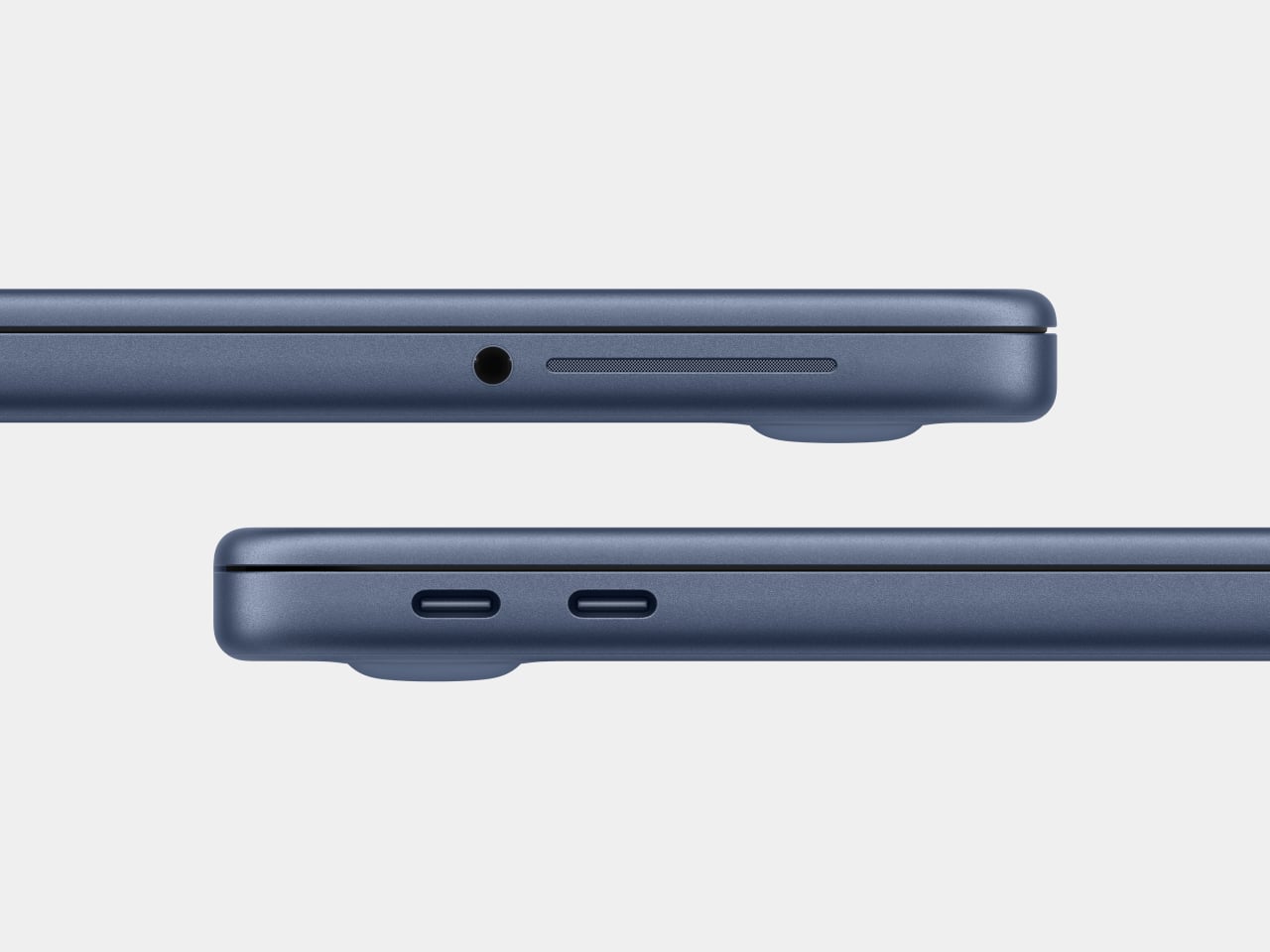
That’s a real shift in the design language. The 2008 unibody was celebrated for machined sharpness, corners you could feel were engineered. The Neo softens that deliberately. It’s not a revival of the iBook, and it’s not trying to be, but the instinct is similar: a consumer Mac that feels a little more like it belongs to you. The notch is also gone, making this the first notchless MacBook since 2020, which quietly tidies up the one thing that made recent Airs feel slightly unfinished.

The repairability angle is actually a design story too

One thing that got a little buried under the color conversation: the Neo is the most repairable Mac laptop in years, and that’s partly a design decision worth noting. Teardowns showed how the whole machine was disassembled in just a few minutes using standard Torx screws throughout. No tape, no adhesive, anywhere inside. That’s a first for a modern Mac. The USB-C ports, speakers, and headphone jack are all modular. The keyboard can be replaced on its own, without swapping the entire top case, which on the MacBook Air currently costs over $370 in parts.

The internal simplicity isn’t accidental. The A18 Pro chip runs so efficiently that the Neo needs no fan at all, which removes a whole layer of thermal engineering that usually clutters a laptop’s interior. The result is a cleaner, more logical internal layout. Whether Apple arrived here from genuine design philosophy or from regulatory pressure (the EU’s right-to-repair push has been building for years) is an open question, but the outcome is real either way.

What it doesn’t fix, and what might come next

It’s not all sunshine and rainbows, of course. The base model has 8GB of non-upgradable RAM, one USB-C port runs at USB 2.0 speeds, and there’s no backlit keyboard. These are calculated trade-offs for the price point, not mistakes, but they matter depending on what you actually need the machine for. And repairability, for all the justified enthusiasm, is still partial: the RAM and storage are fixed at purchase, just like every other current Mac.

Still, the Neo feels like Apple designing for a specific person it had previously ignored: someone who was never going to spend $1,000 on a MacBook Air and wasn’t particularly well served by anything else Apple made. The color, the softer form, the price, the clean internals, all of it points at the same person. What’s genuinely interesting is whether any of this travels upmarket. If a future MacBook Air gets a color story this confident, the Neo might end up looking less like an entry-level product and more like Apple quietly figuring out what comes next.

The post Apple Finally Rounded the MacBook’s Corners After 18 Years first appeared on Yanko Design.

Parallels Desktop creators say MacBook Neo does indeed have enough muscle to run Windows apps

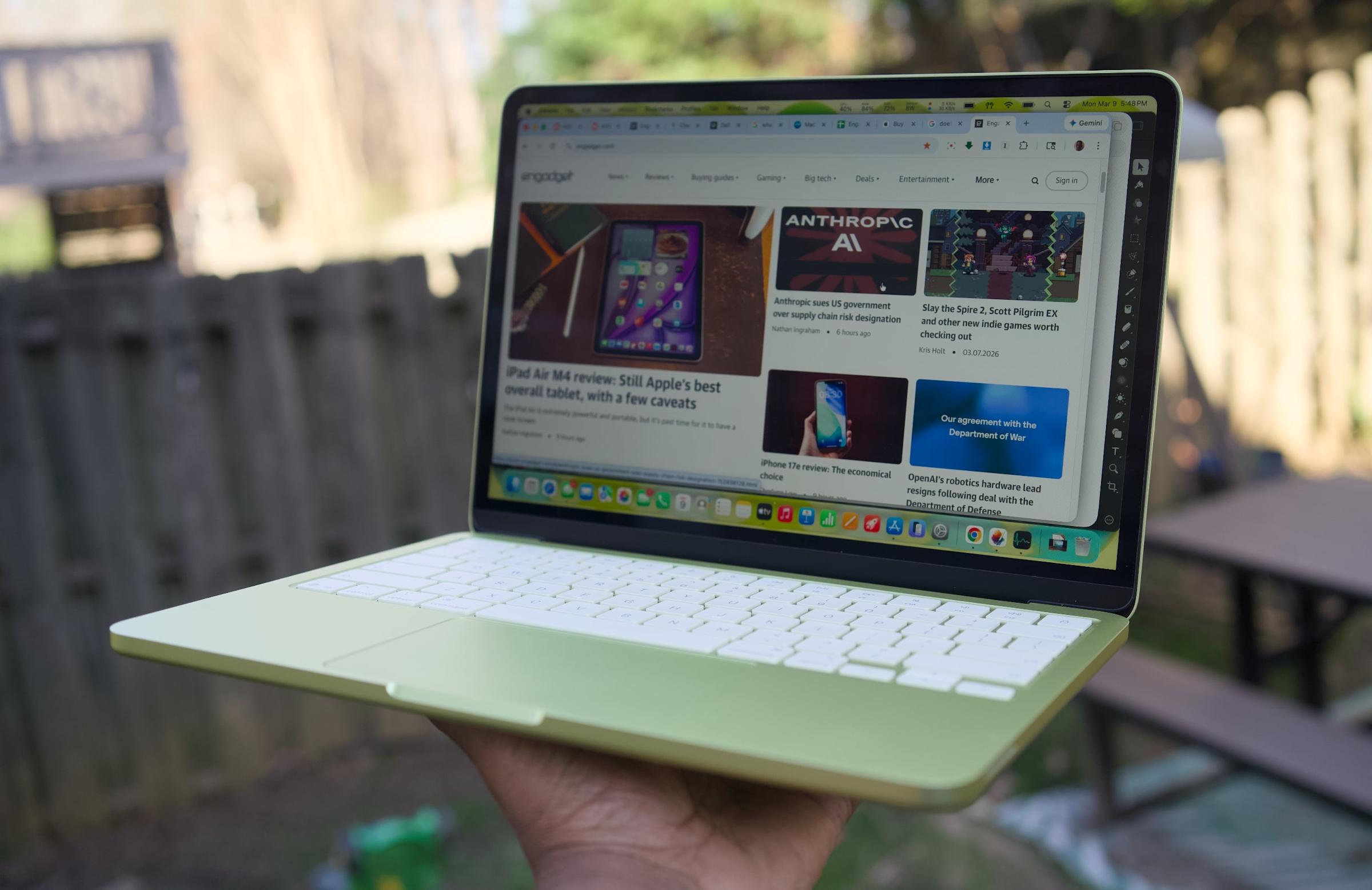
Parallels, the company best known for making the virtualization software that enables you to run Windows and other operating systems on a Mac, has confirmed that Parallels Desktop is compatible with the MacBook Neo.

At launch it was unclear if Apple's new $600 laptop possessed the under-the-hood heft to run Windows apps, but in a recently updated post on its website, Parallels said that initial tests show its software running "stably," although performance is still being assessed.

The MacBook Neo uses an A18 Pro chip, which debuted in the iPhone 16 Pro. However, as this chip is based on the same ARM architecture as M-series chips for Mac, it’s still capable of running Parallels’ Windows virtual machine.

But there is a caveat to all this. Just because you can do something, it doesn’t necessarily mean you should. While Parallels Desktop could theoretically be a viable option for Neo owners who are only interested in light Windows use, anything that puts a significant strain on the CPU or GPU is going to present a problem.

This is because the MacBook Neo only ships with 8GB of RAM, and as Parallels highlights, Windows 11 requires a minimum of 4GB of RAM to run. That leaves a very small amount of remaining headroom for macOS and your Mac apps to run alongside Windows, which is going to noticeably hurt the laptop’s performance. Add to that the lack of a cooling fan, meaning the chip will reduce clock speeds when it detects a heavy CPU or GPU load, and this definitely isn’t a device for power users.

If you really want to dabble with Windows on a Mac, Parallels recommends picking up an Apple laptop with 16GB of unified memory or more, like the new MacBook Air M5 or a MacBook Pro. And for those content with macOS and looking to save some money, we dubbed the MacBook Neo the best $600 laptop we’ve ever used in our recently published review.

This article originally appeared on Engadget at https://www.engadget.com/computing/laptops/parallels-desktop-creators-say-macbook-neo-does-indeed-have-enough-muscle-to-run-windows-apps-164525546.html?src=rss

This Brutalist Lounge Chair Is 3D-Printed From Recycled Water Bottles

Most furniture sits in a room without saying much. It fills a corner, does its job, and disappears into the background. Nako Baev’s THE OBJECT 01 is not that kind of furniture. The Amsterdam-based designer set out to build a chair that carries the weight of a spatial statement, something that holds its ground without decoration or apology, and in that specific ambition, the object largely delivers.

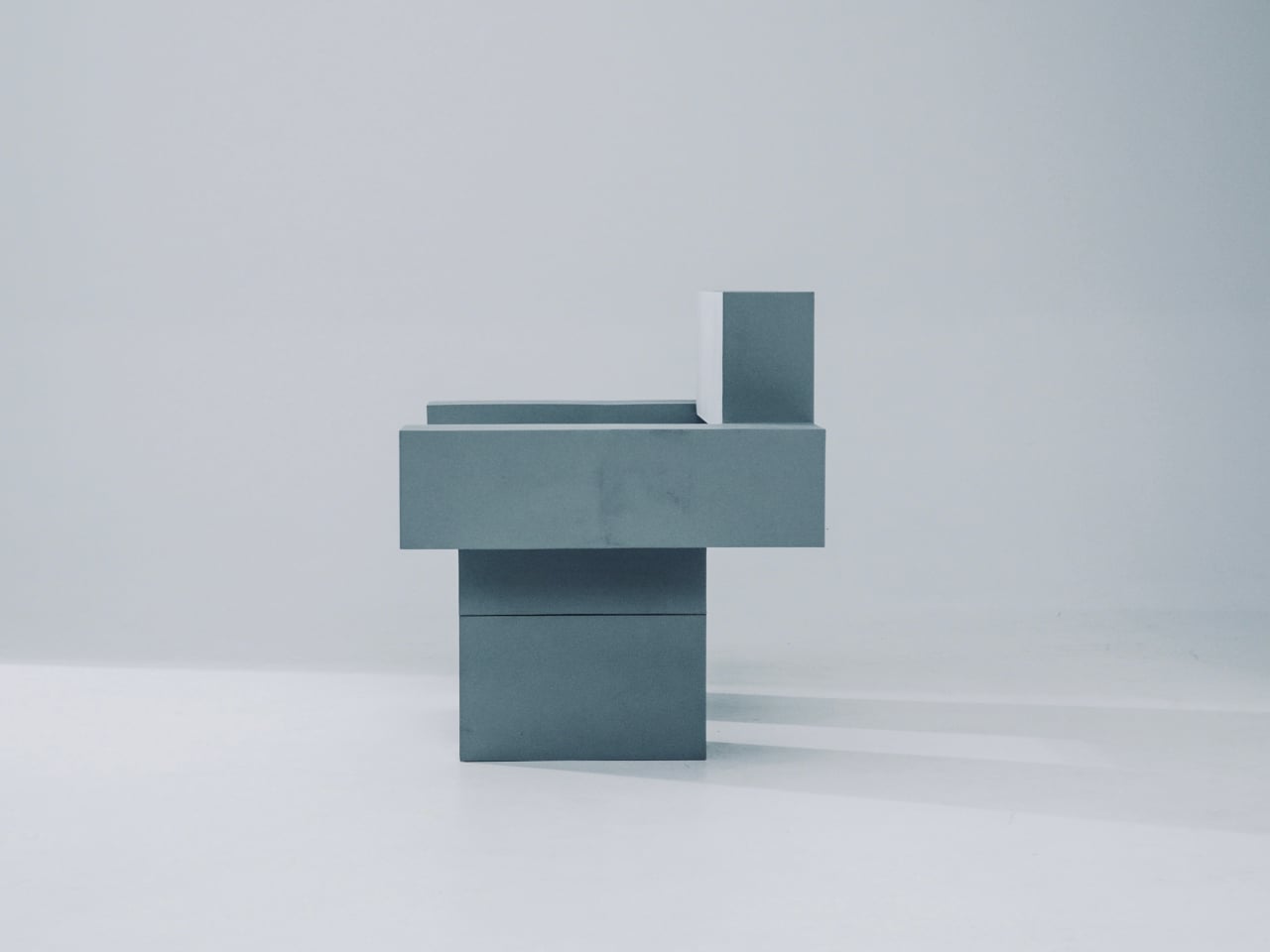
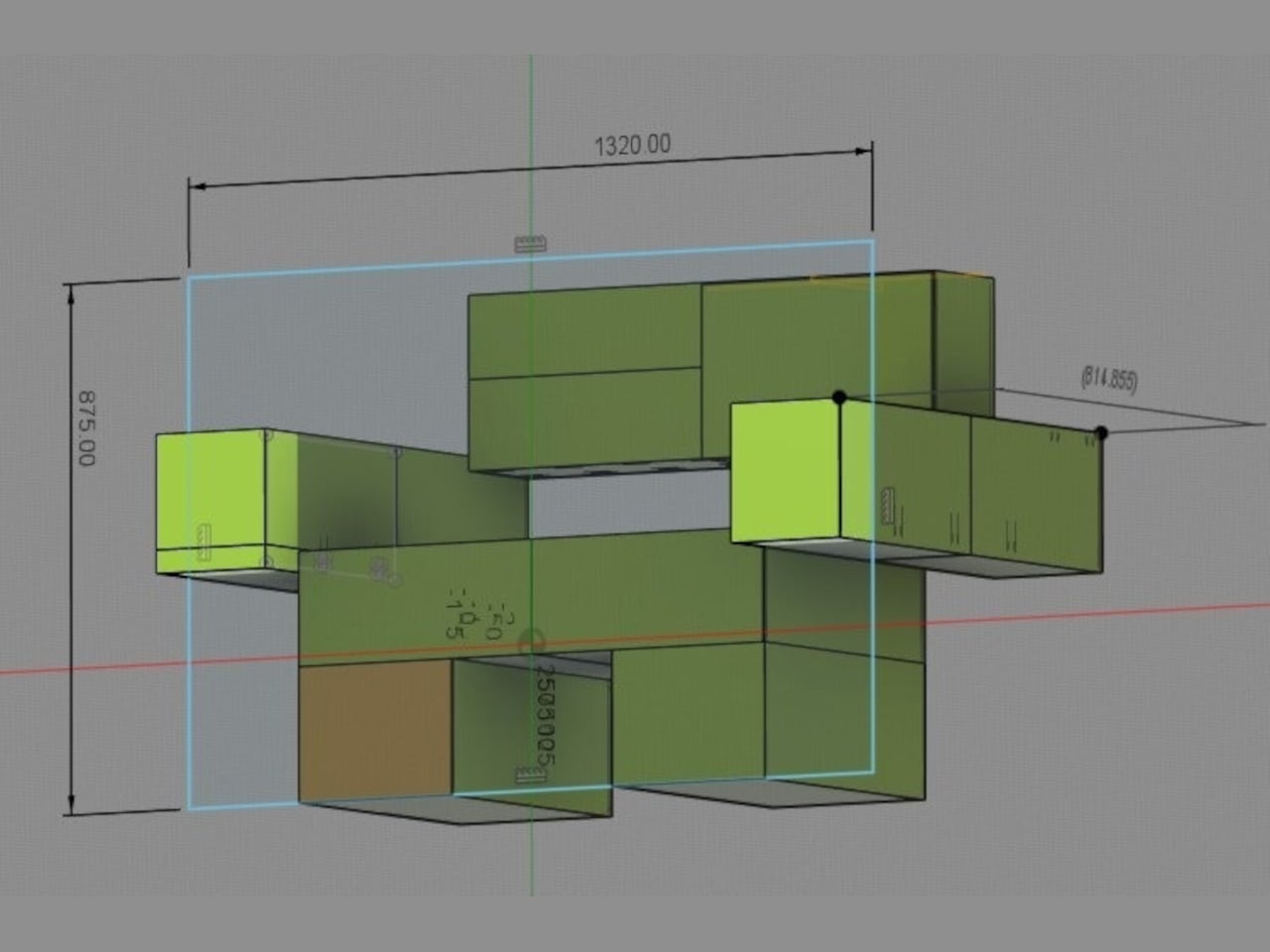
THE OBJECT 01 is a 3D-printed lounge chair built from recycled PETG, a plastic more commonly found in water bottles than in furniture workshops. At 20kg, it is lighter than its blocky, slab-heavy proportions suggest, though not exactly something you would reposition on a whim. Its dimensions push it closer in scale to a small architectural fragment than to a typical chair, which is likely the whole point.

Designer: Nako Baev

The construction follows a modular panel system, where each 3D-printed block fits into a sequence designed to cut material waste and keep the overall mass structurally lean. Finished in a cold grey Baev calls “Kyoto Fog,” the chair reads somewhere between concrete and matte stone. In a sparse studio or raw loft, it anchors the space with quiet authority. In a more conventional living room, it would likely dominate in ways not every household would welcome.

What makes THE OBJECT 01 genuinely worth attention is how honestly it exposes its own making. The layer-by-layer texture from the printing process is not hidden or smoothed away; it stays visible across the surface, turning the manufacturing method into part of the visual language. That kind of material honesty is far more common in ceramics or cast concrete than in plastic furniture, and it gives the piece a tactile quality that polished renders simply do not convey.

Baev describes the design as sitting between furniture and sculpture, drawing on minimalist brutalism and a quieter Japanese restraint in equal measure. The emotional reference points are more unusual: the designer cites the atmosphere of Silent Hill and Half-Life, those game environments built from silence and abandoned space, as part of what shaped the object’s mood.

The workflow involved AI assistance across early form studies, structural testing, and design refinement, reducing development time considerably. That footnote is becoming standard across the industry, and it doesn’t add or subtract much here. This process might even become the key to sustainable furniture design, as it can help optimize 3D printing, increase efficiency, and reduce waste in the long run.

The post This Brutalist Lounge Chair Is 3D-Printed From Recycled Water Bottles first appeared on Yanko Design.

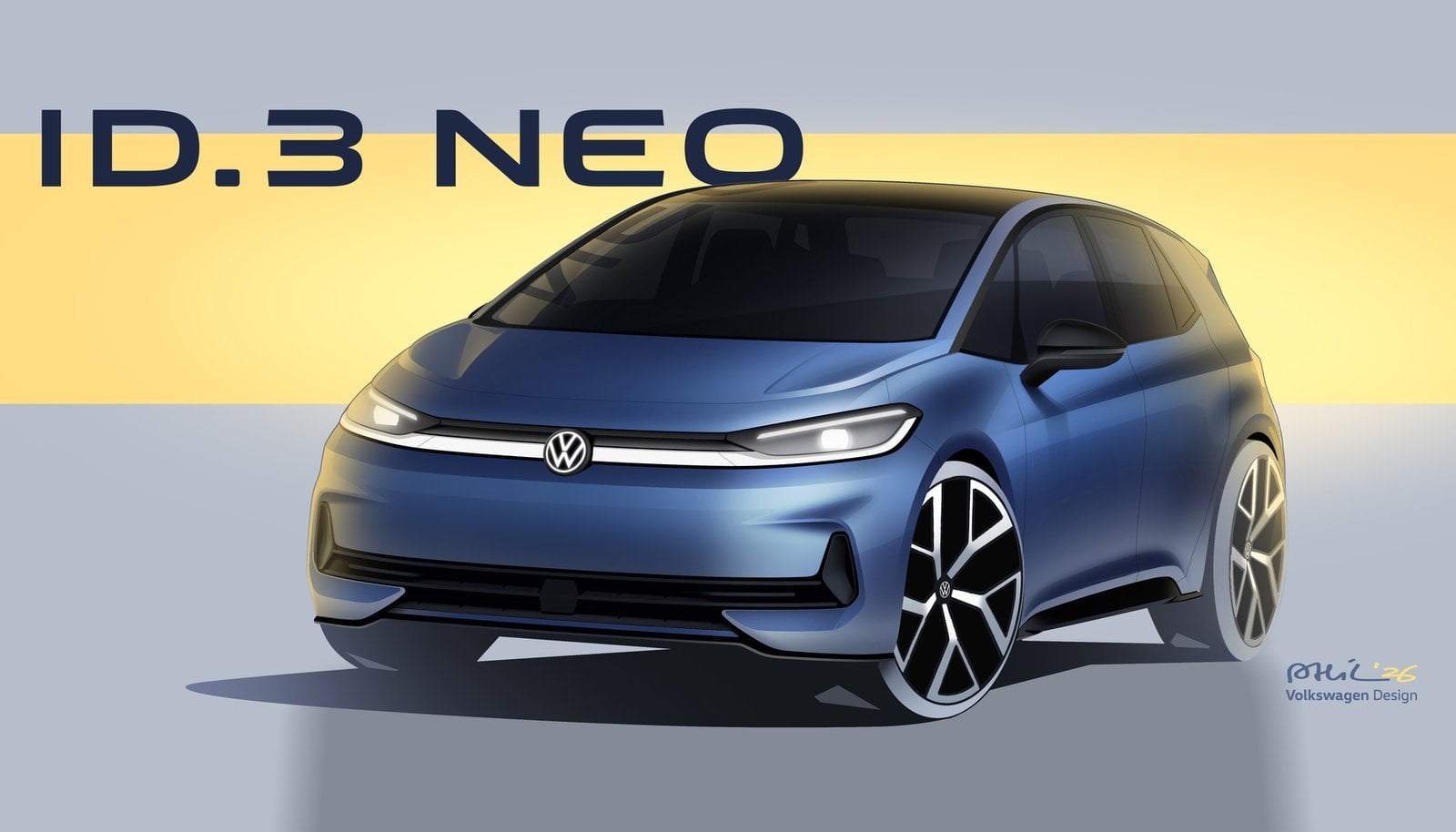
The Next Gen is Almost Here: ID.3 Neo Premieres in April with Major Cross-Model Updates

The Next Gen is Almost Here: ID.3 Neo Premieres in April with Major Cross-Model Updates Volkswagen ID.3 Neo shown ahead of its mid-April premiere, highlighting updated hardware and refreshed cabin controls.

Volkswagen ID.3 Neo: A New Chapter in Electric Mobility Launches This April Volkswagen is poised to make a significant impact in the electric vehicle (EV) market with the upcoming launch of the ID.3 Neo in mid-April. As the latest iteration of the ID.3 series, this model introduces a range of advanced features and enhancements aimed […]

The post The Next Gen is Almost Here: ID.3 Neo Premieres in April with Major Cross-Model Updates appeared first on Geeky Gadgets.

Posted in Uncategorized

ByteDance will reportedly buy NVIDIA’s latest AI chips to use outside of China

TikTok's Chinese parent company ByteDance has figured out a way to access NVIDIA's latest AI chips despite export restrictions, according to a report by The Wall Street Journal. The company is working with a firm called Aolani Cloud and building out Blackwell computing systems in Malaysia.

This should give ByteDance access to around 36,000 B200 chips. That's NVIDIA's most powerful processor. The hardware buildout will reportedly cost more than $2.5 billion. The company says it plans on using this new computing power for AI research and development outside of China.

The country has been unable to access the B200 chip, as it was designed in California and, as such, subject to US export controls. This has led some Chinese companies to do what ByteDance is doing with Aolani Cloud. The Singapore-based firm will buy up the components from NVIDIA and will operate exclusively in Malaysia, giving ByteDance access in the process.

"By design, the export rules allow clouds to be built and operated ​outside controlled ​countries," an NVIDIA spokesperson said. They also said that all of the company's cloud partners go through review before being approved to receive its products.

A representative from Aolani Cloud told Reuters ‌that the company adheres to all applicable export control regulations and that ByteDance will be just one of many customers. It plans on providing cloud-computing services to multiple companies across Asia and the globe. However, it's worth noting that Aolani currently operates ‌with just $100 million worth ⁠of hardware and ByteDance is planning to inject a whopping $2.5 billion.

The US did recently allow ByteDance to buy NVIDIA's H200 chips, but they've been slapped with a 25 percent tariff. Additionally, the US government mandated that the export license would only be approved if NVIDIA accepted a Know-Your-Customer requirement, which is an attempt to ensure that China's military can't access the chips. NVIDIA has yet to agree to these terms.

This article originally appeared on Engadget at https://www.engadget.com/ai/bytedance-will-reportedly-buy-nvidias-latest-ai-chips-to-use-outside-of-china-155553019.html?src=rss

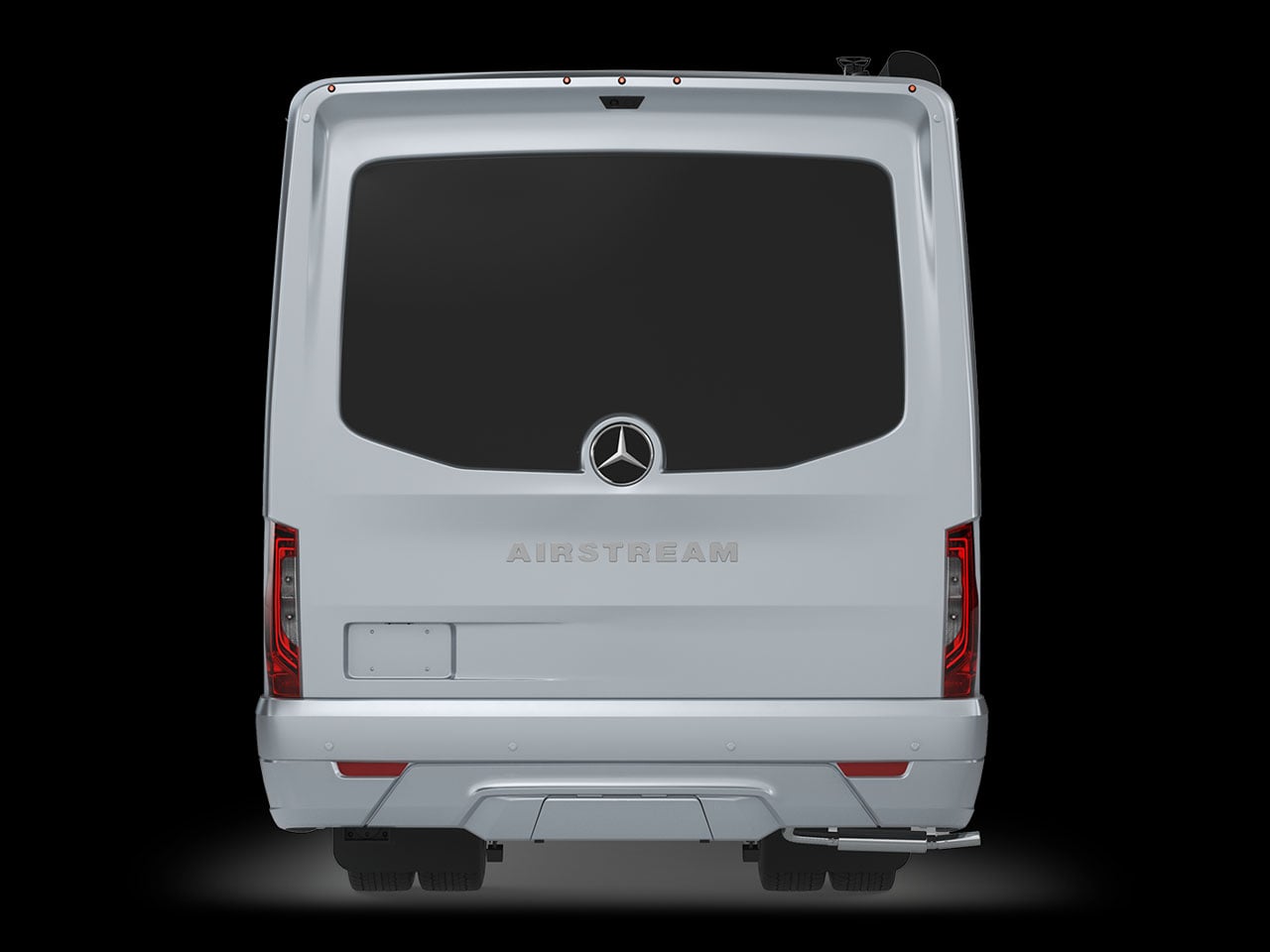
Airstream Atlas 25RT redefines the classic two-person motorhome

Airstream is synonymous with quality. And when that quality meets Mercedes-Benz performance and substance, you get an interesting, adventure-ready motorhome called the Atlas 25RT. From how Airstream puts it – and the photos suggest – this is a luxury-packed touring coach with sophisticated interiors that you would want for a comfortable adventure, whether it’s for a night out or an extended weekend under the stars.

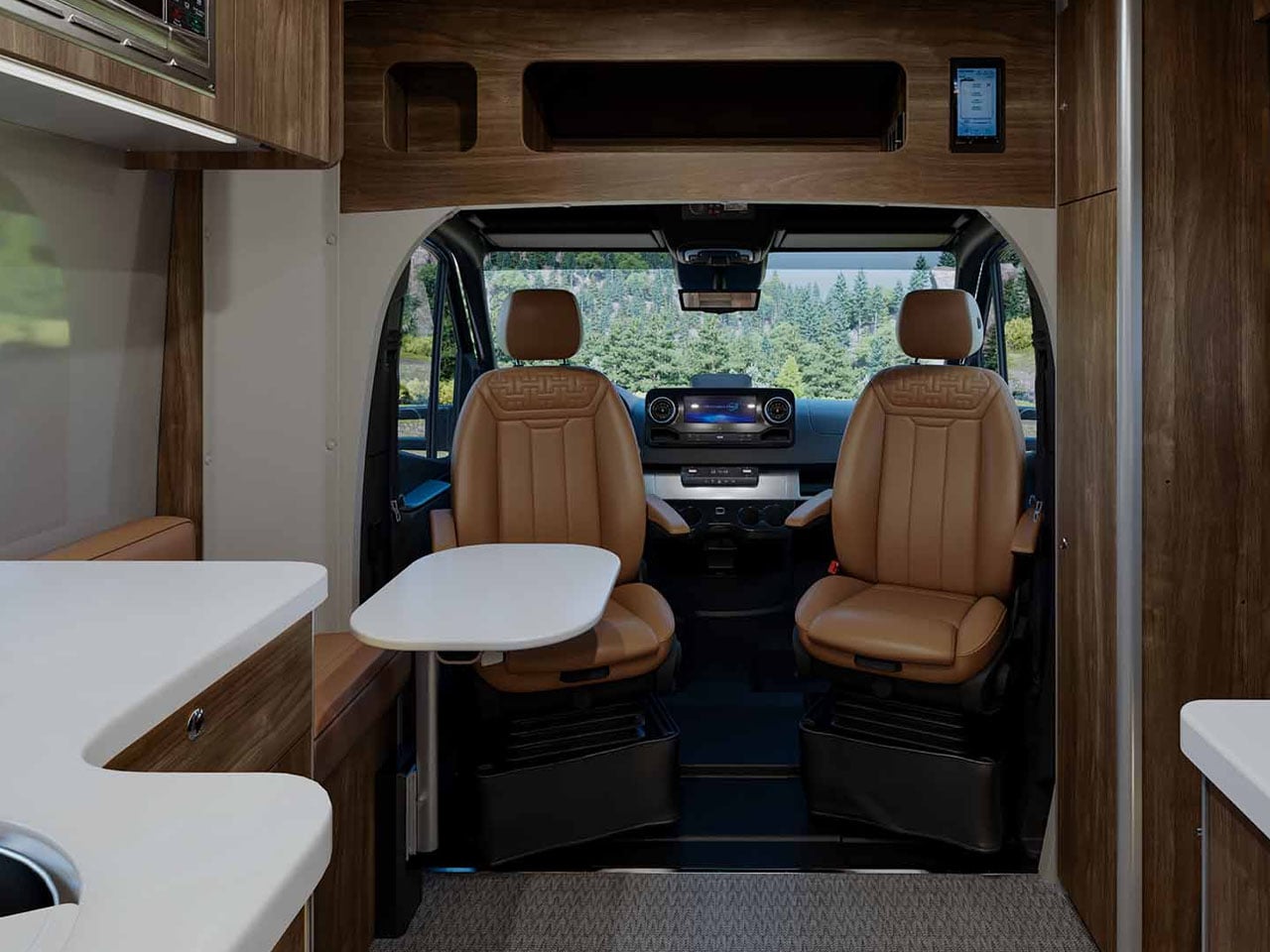
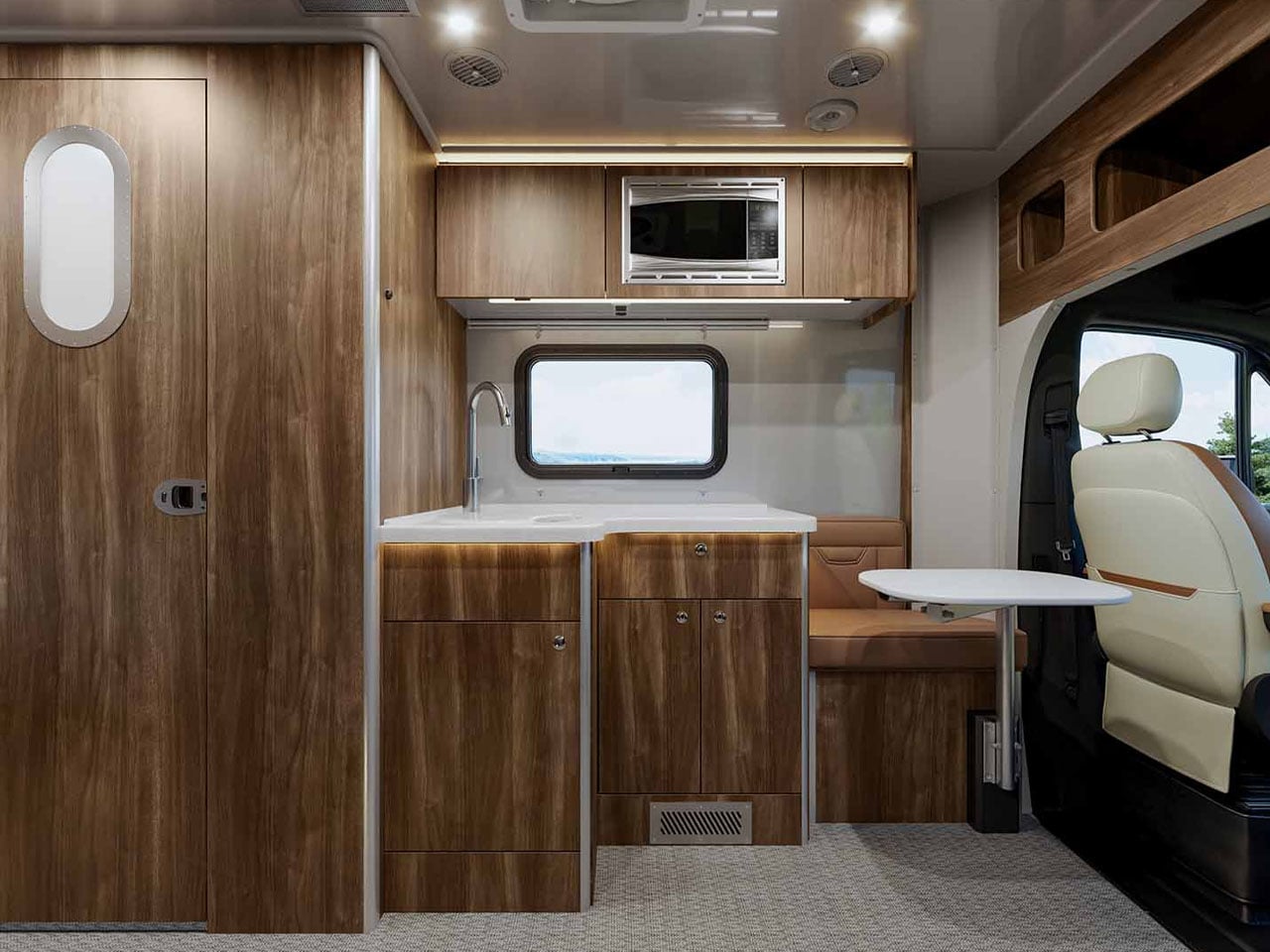
Within the spacious confines of the Airstream Atlas 25RT, you have a convenient layout that supports living, cooking, cleaning, and resting with equal ease. While the space outside, whether under the awning (add-on) or the cavity in the body comprising a pass-through garage, you have ample opportunity to carry gear and live a life outside of the coach.

Designer: Airstream

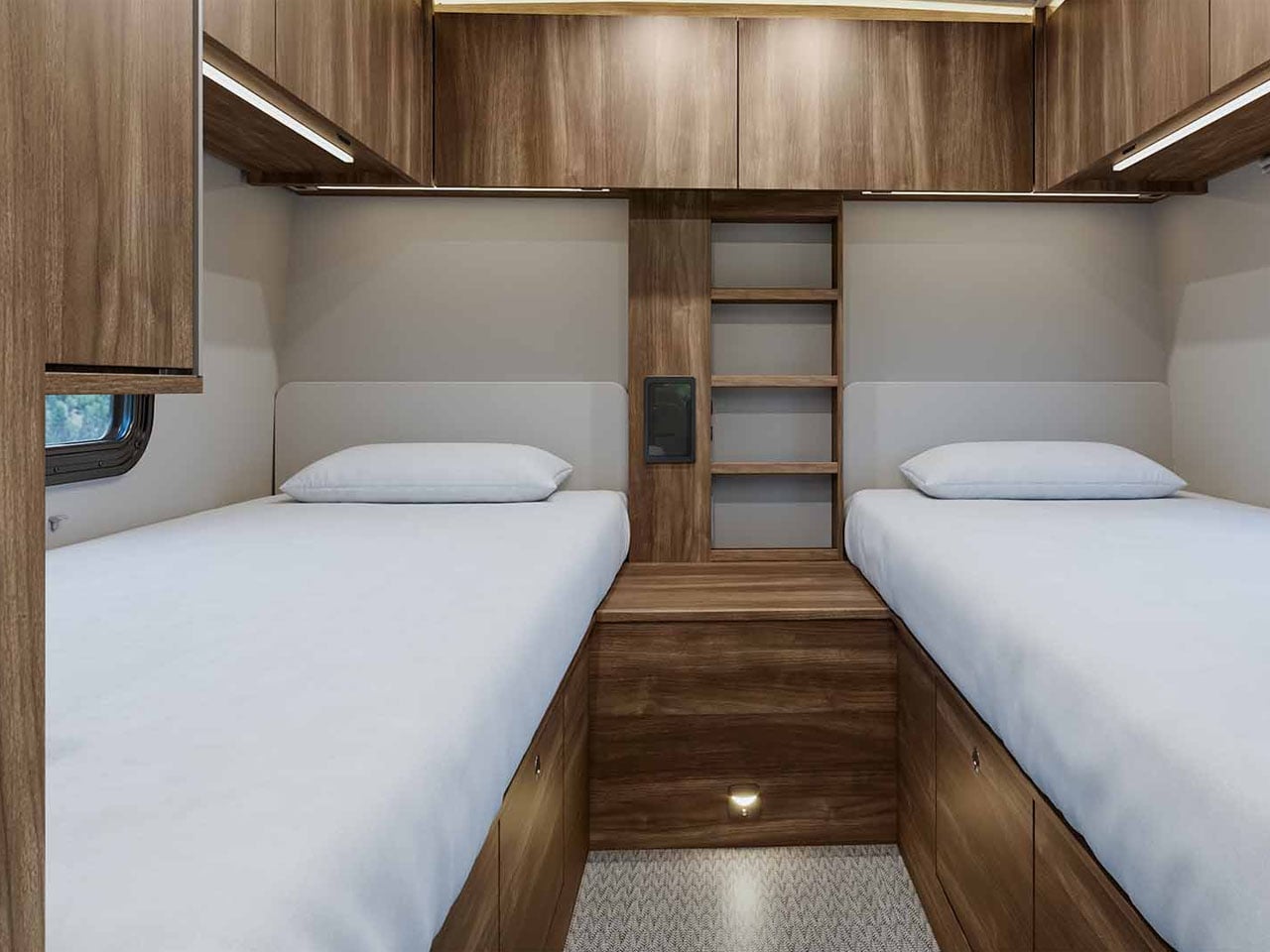
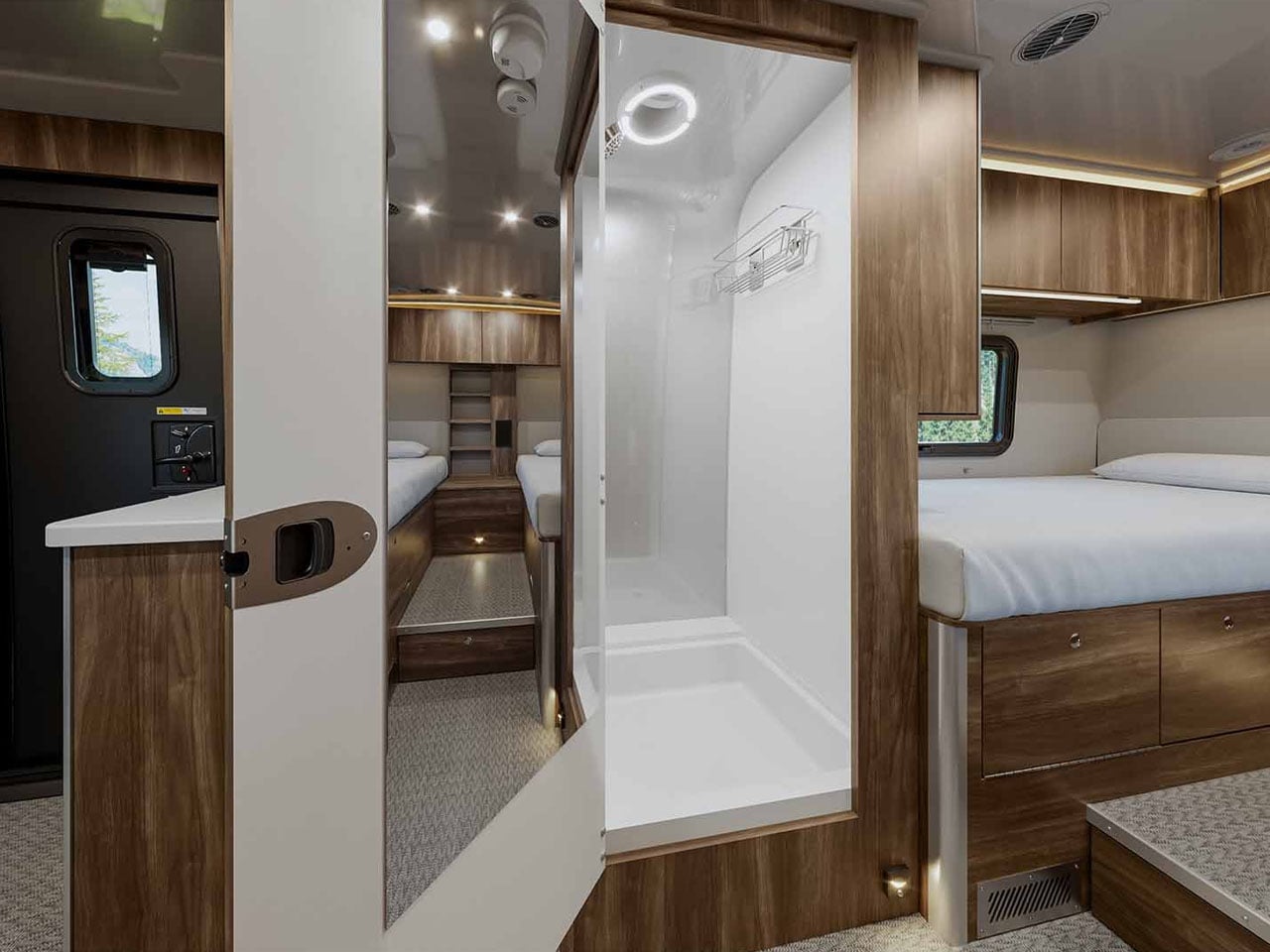
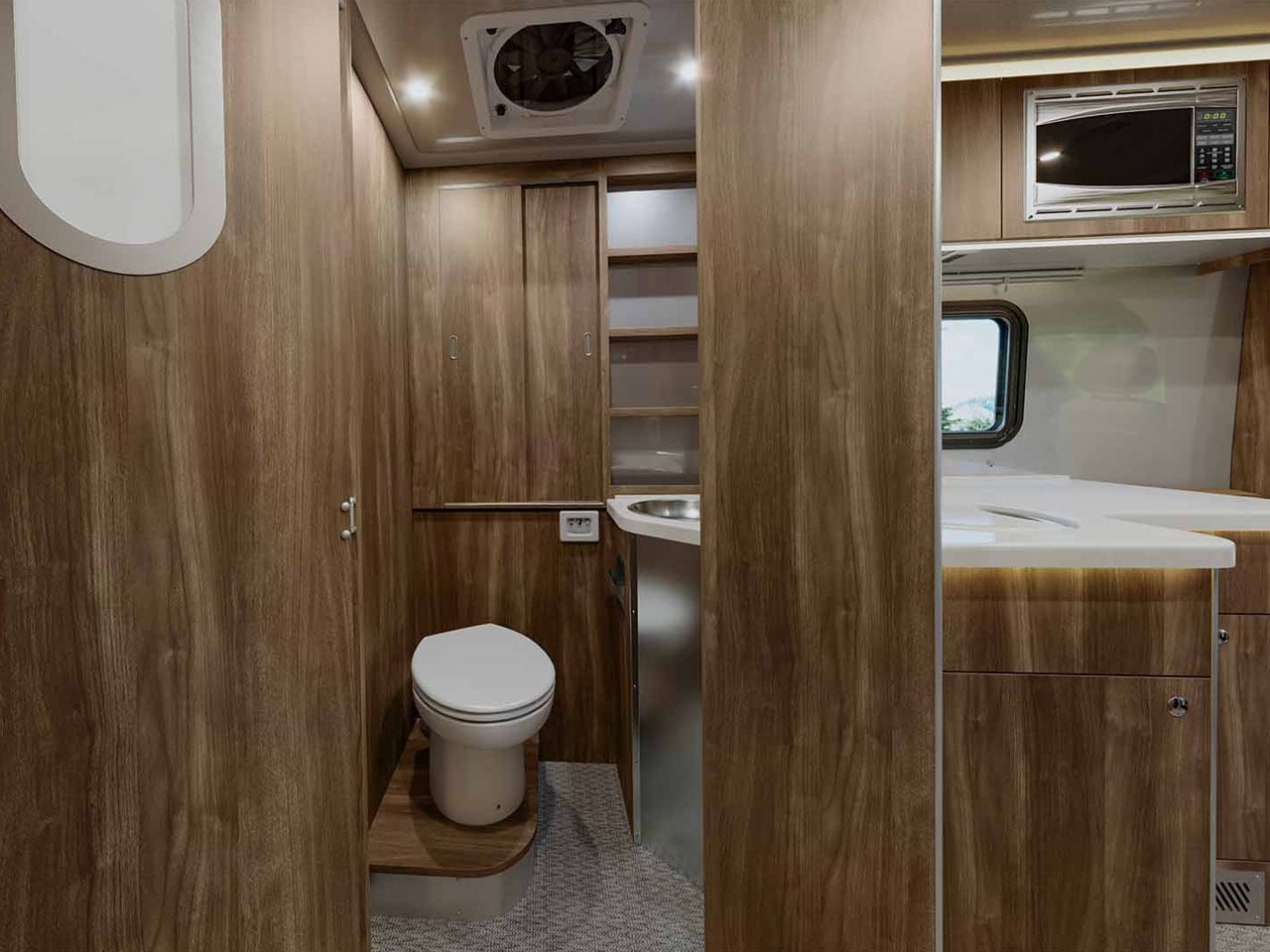
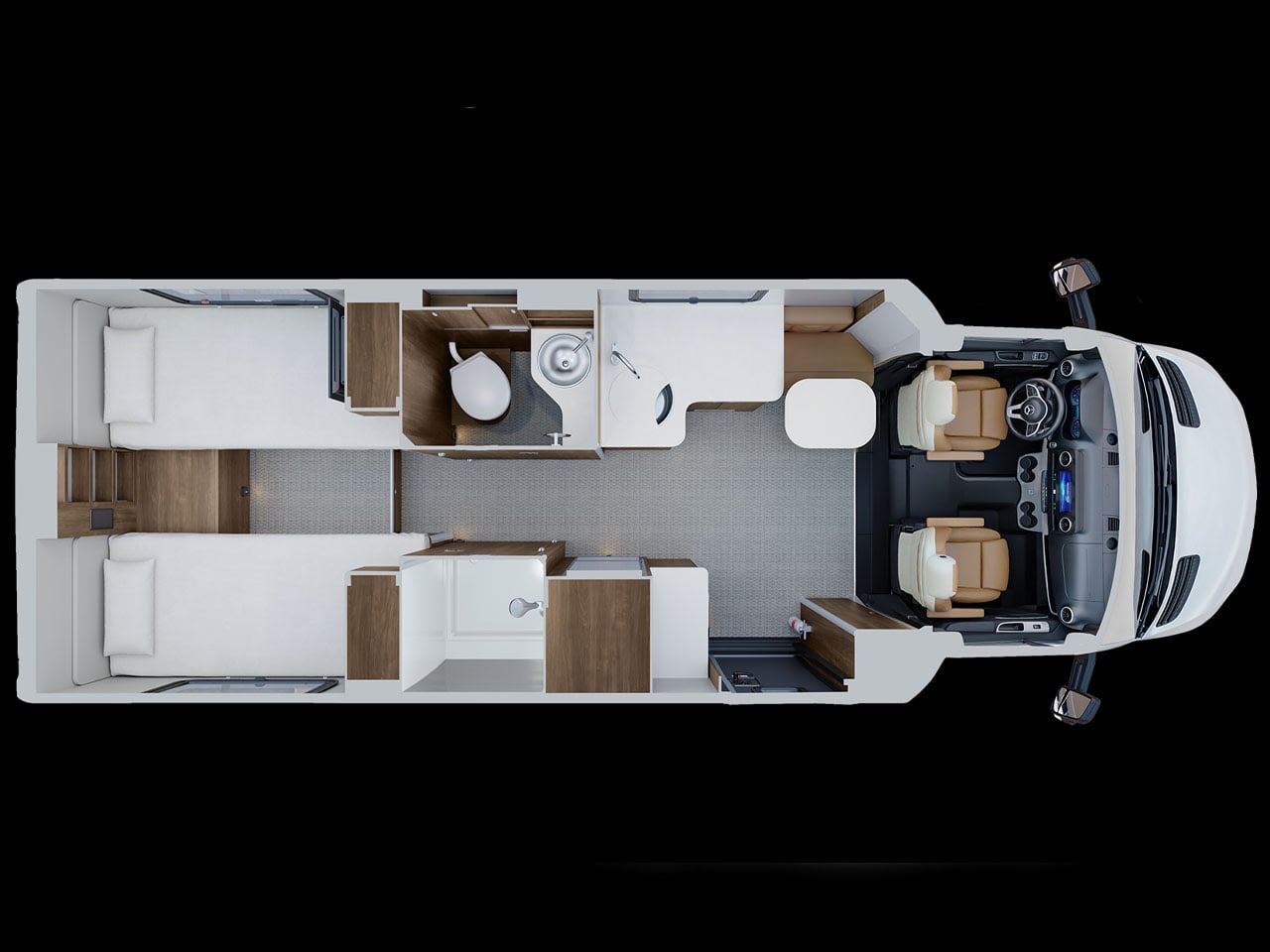
Atlas 25RT has a sleek, not the most symbolic of an Airstream, but pretty refined in Merc style, while the interior is refined and configured with “best in-class craftsmanship,” the company’s website notes. The interior is nicely configured with a functional living space, a spacious sleeping area furnished with a twin bed, and a separate toilet and wet bath, all designed to elevate living within the Class B+ motorhome.

The Atlas 25RT measures 25 feet in length and has two driver and passenger seats. The facility is designed to sleep two people only and Airstream has chosen to provide the motorhome in a solitary floor plan only. And this is a straightforward but efficient floor plan. You enter first into the galley that is provided with storage cabinetry and upscale to modern luxury requirements. Amber Ridge Décor adds warmth, and the use of palette and premium materials elevates the interior.

The craftsmanship here is notable, especially the way the seating and kitchen spaces are designed. For instance, the induction cooktop can be stored in a drawer when not in use to clear up the surface for maybe working or chit-chatting with a partner over a glass of wine. Interesting sight here is a Garmin multiplex system, which is a central system to control lighting, climate, and other functions of the travel coach. For the audiophiles, Airstream is providing a JBL stereo combined with four speakers and a subwoofer onboard.

Another interesting part of the Atlas 25RT is the split dry bath. Located between the galley and the bedroom is the space divided into two sections, comprising a shower space and a separate toilet and sink. A standing refrigerator resides next to the shower room. At the rear end of the coach is the twin bed layout with thoughtful storage planned in between the beds and beneath them.

If you want to spend a few days in the wilderness with the Airstream Atlas 25RT, you can beef it up with optional 400W rooftop solar panels. The motorhome is pre-wired to take it from there. For the more outdoorsy, Airstream provides a pass-through garage that can be handy for stowing your adventure gear or sporting equipment without much hassle. Atlas 25RT is available at a starting price of $290,000.

The post Airstream Atlas 25RT redefines the classic two-person motorhome first appeared on Yanko Design.