New Aboard T4 self-propelled electric travel trailer is built for extended off-grid living

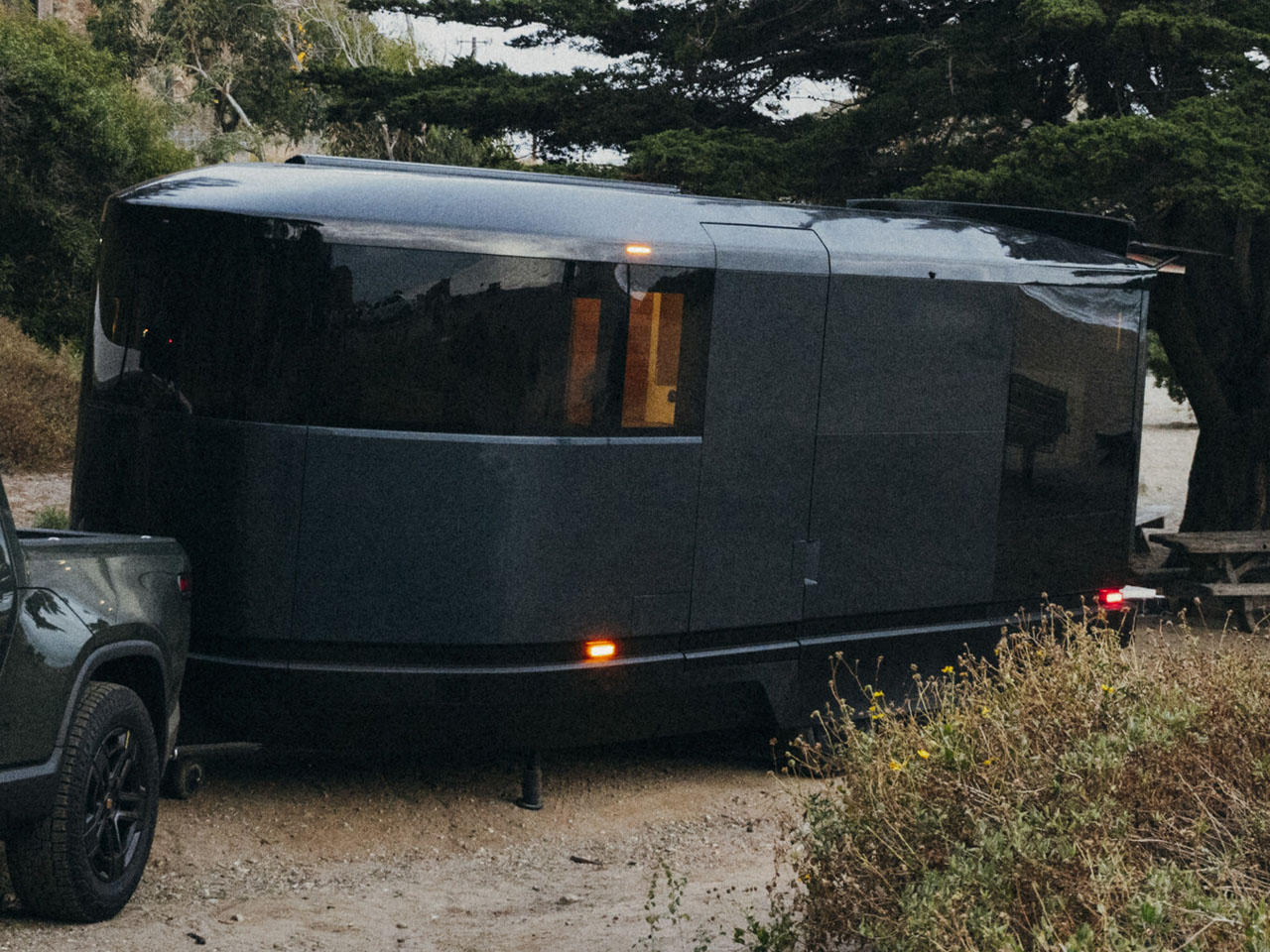
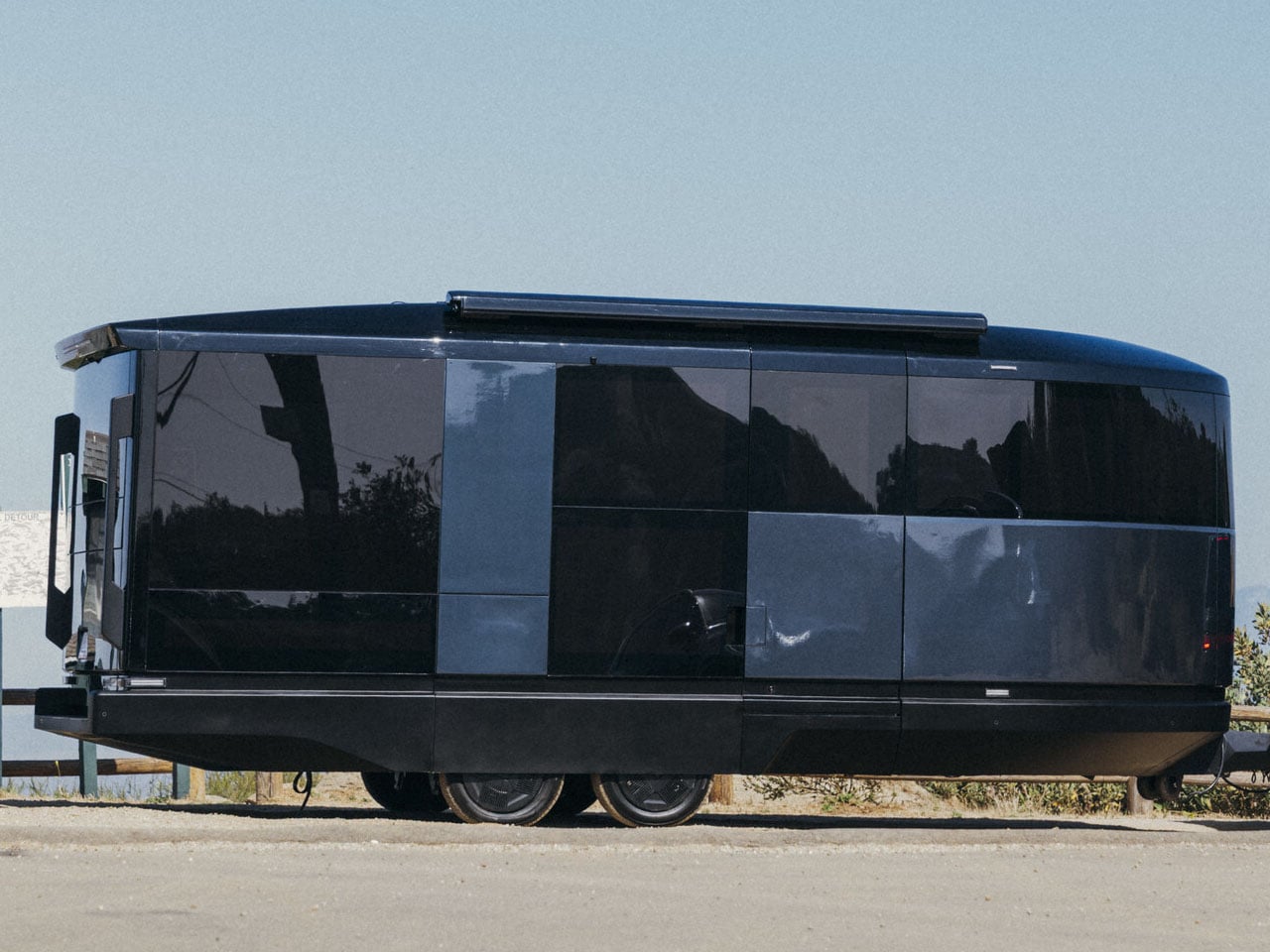
Off-grid travel is not only a buzzword lately. It’s become a way of life. Perpetuated largely by tiny houses on wheels and RVs. Amid the latter, travel trailers have an edge. They live separately from their towing vehicle and tout independent proficiency. Thus, the new form factor of trailers is smarter and more capable than ever before. Such is the case with the recently launched T4 trailer developed by California-based Aboard RV. It is an off-grid rig with an appealing aerodynamic design and a size that neatly places it between a van home and a large motorhome.

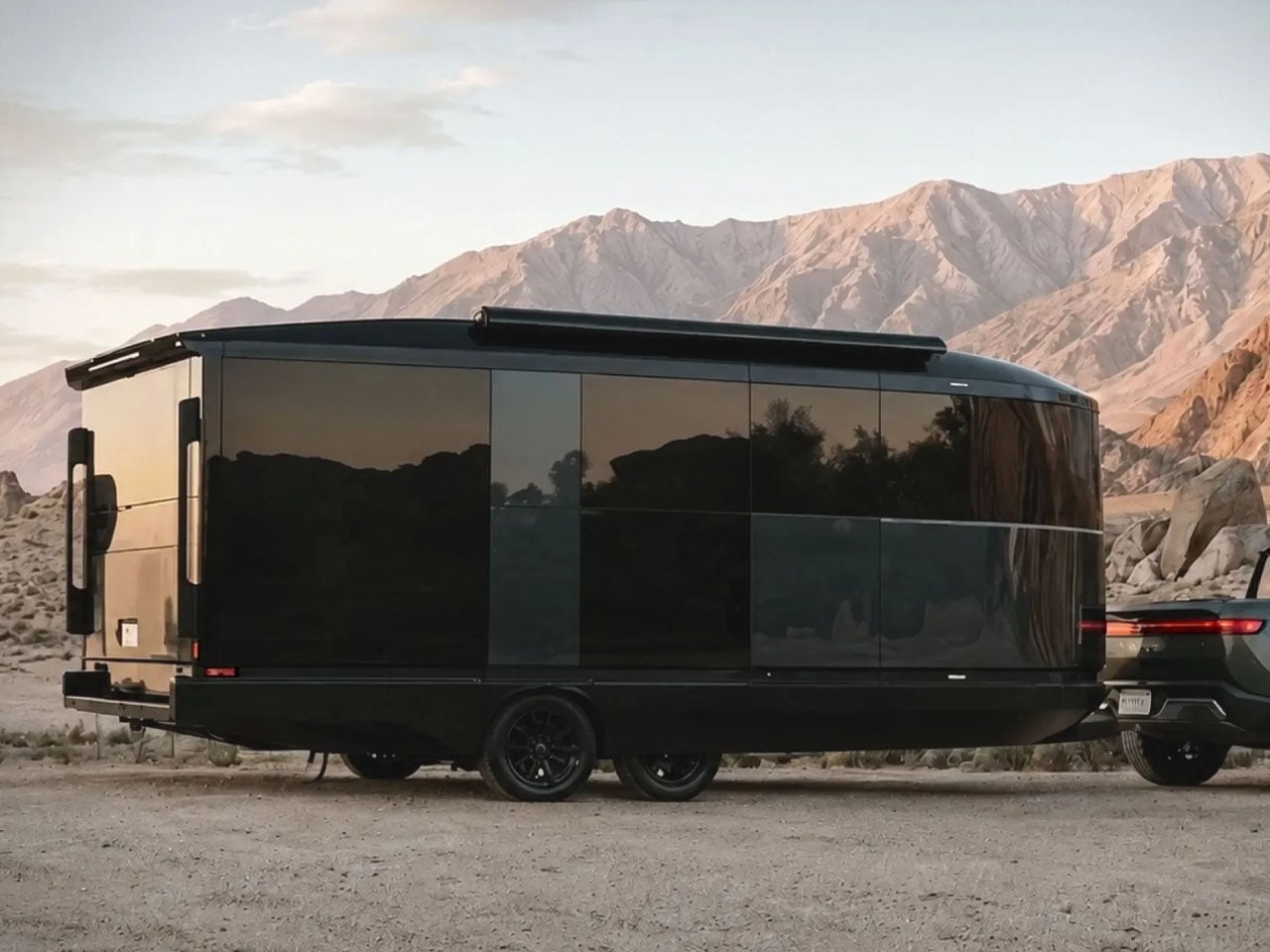
The Aboard T4 electric trailer is anything but a traditional trailer. It features more glass in construction than others would dare to go with and combines automotive engineering with a hybrid electric drivetrain to leave us with a capable RV that none of us would want to miss a chance to get on board.

Designer: Aboard RV

Besides its aerodynamic form factor, the T4 is designed for off-grid adventures. It sits on a reinforced integrated chassis and has a built-in Extended-Range Electric Vehicle (EREV) powertrain. The powered axle system allows enough energy to steer the rig while climbing without creating additional load on the towing vehicle. This is because it is engineered as a fully integrated vehicle, allowing it to self-propel, straining the tow vehicle less to increase range and reduce drag.
The trailer is designed to be about 24 feet long, and it tips the scales at 6,500 lbs. Interestingly, the T4’s hybrid platform has more than 200kWh of onboard power. It features a 41 kWh LFP battery and a 60 kW range-extending generator. Together, extending the off-grid living capability of the trailer for more than a long weekend. The generator can recharge in under 30 minutes, substantially enough to keep your devices and equipment powered during time off the grid. The trailer can, if needed, power the electric tow vehicle as well.

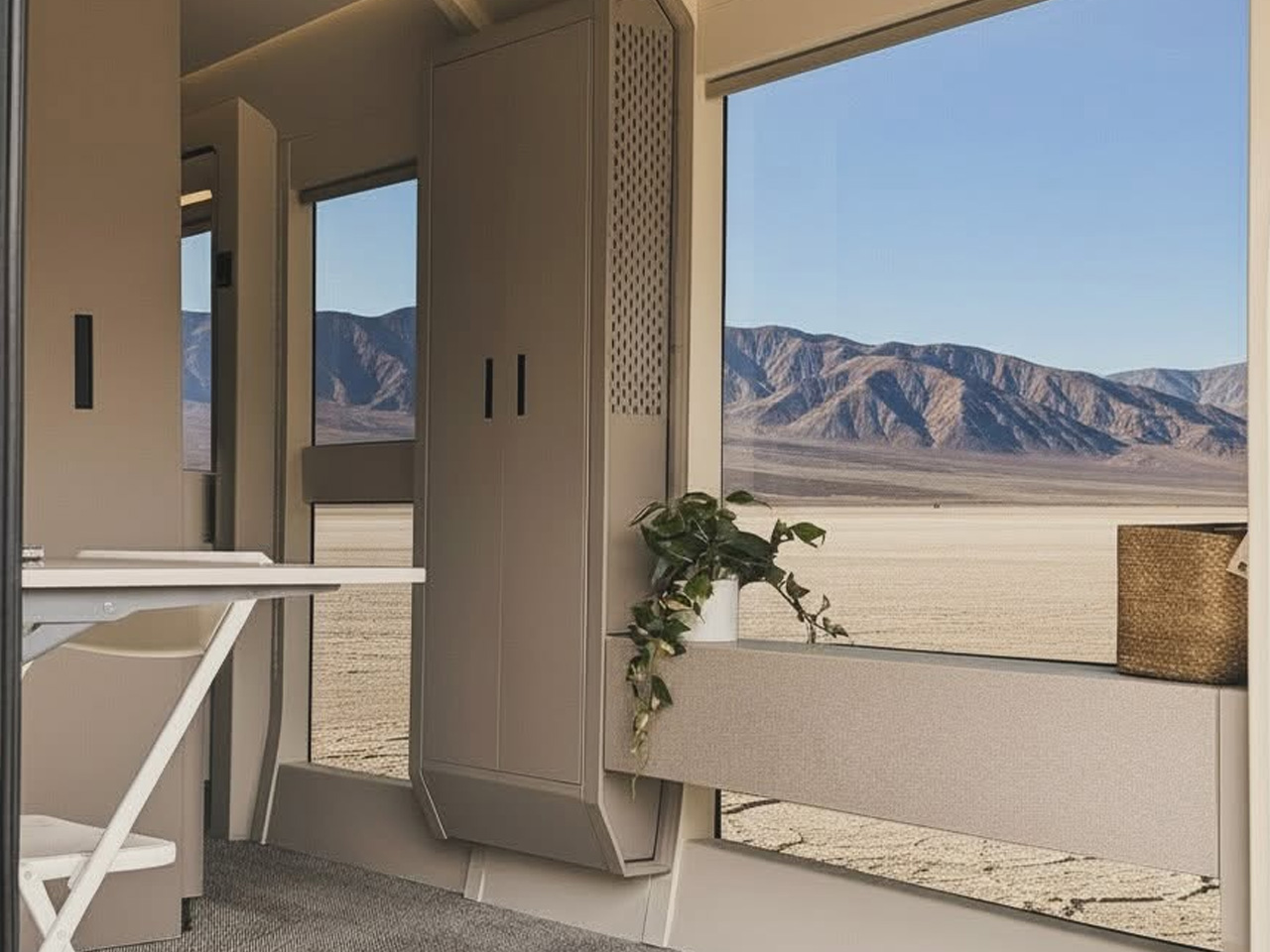
The Aboard T4 electric travel trailer has a metal-paneled body and features car-like secure doors that ensure improved durability, while providing weather protection. The smoothly glazed exterior of this trailer seems completely fashioned with glass, but it’s when you enter that you realize the panoramic windows span only 270 degrees. It may not be as much as you believe it is from the outside, but windows are still enough to fill the interiors with natural light and surrounding views.

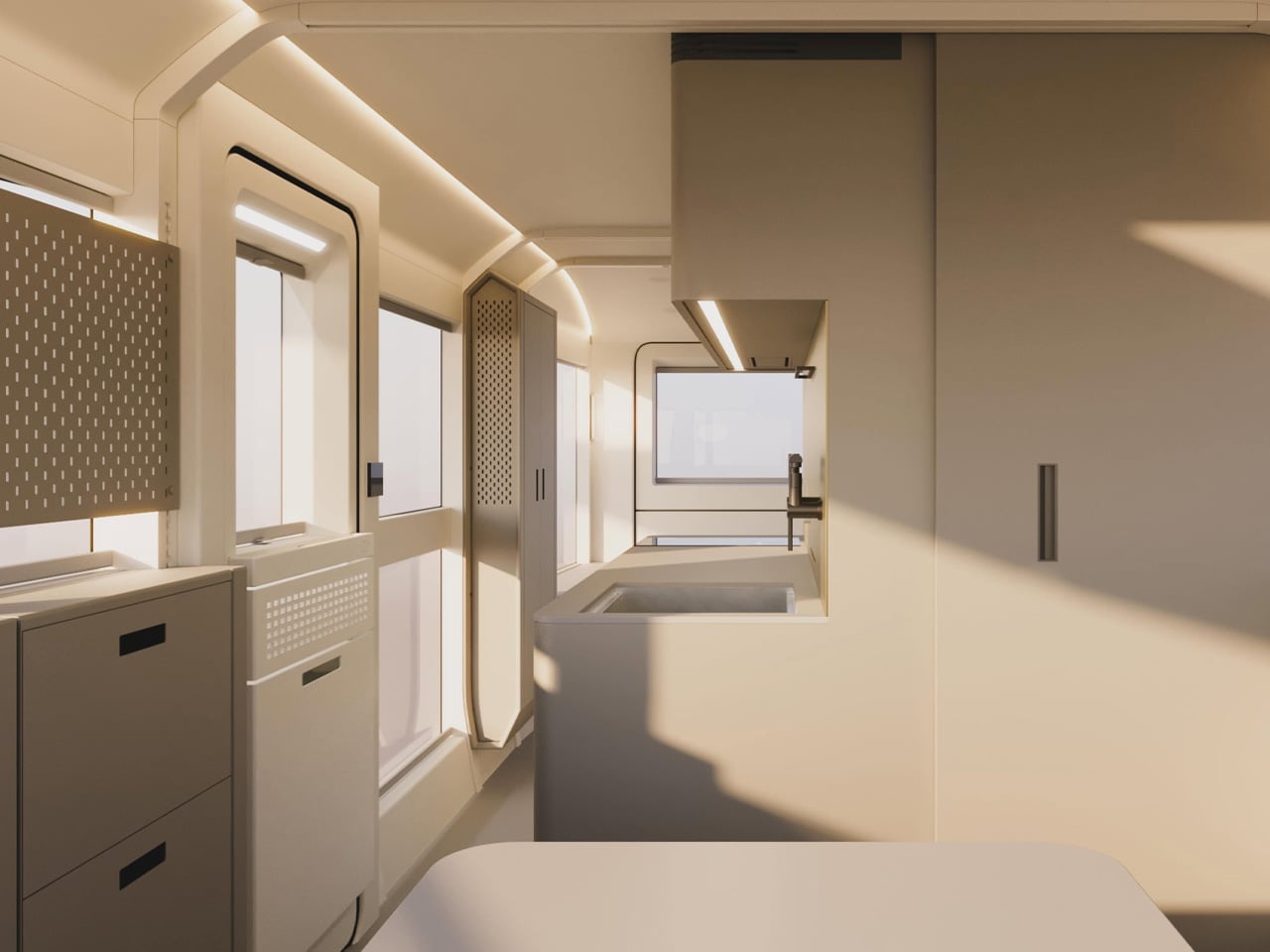
The interior space is centered around the kitchen and bathroom of the trailer, with two convertible lounges – on either side – transforming into bedrooms by night. The bathroom doubles as a mudroom accessible through two separate entries. The kitchen is equipped with an induction cooktop, refrigerator, microwave, and a lot of storage. Interestingly, the trailer is equipped with a 52-gallon fresh water tank and a 35-gallon grey water tank. Also, with a 30-gallon black water tank onboard, the trailer is fully prepared for off-grid stays. Designed to accommodate four people easily, the Aboard T4 travel trailer will be available starting at $80,000. There is no definite release date in sight, but the trailer can be reserved now for a fully refundable deposit of $100.

The post New Aboard T4 self-propelled electric travel trailer is built for extended off-grid living first appeared on Yanko Design.
Apple’s iPhone Air 2 Leak Claims to Fix Everything

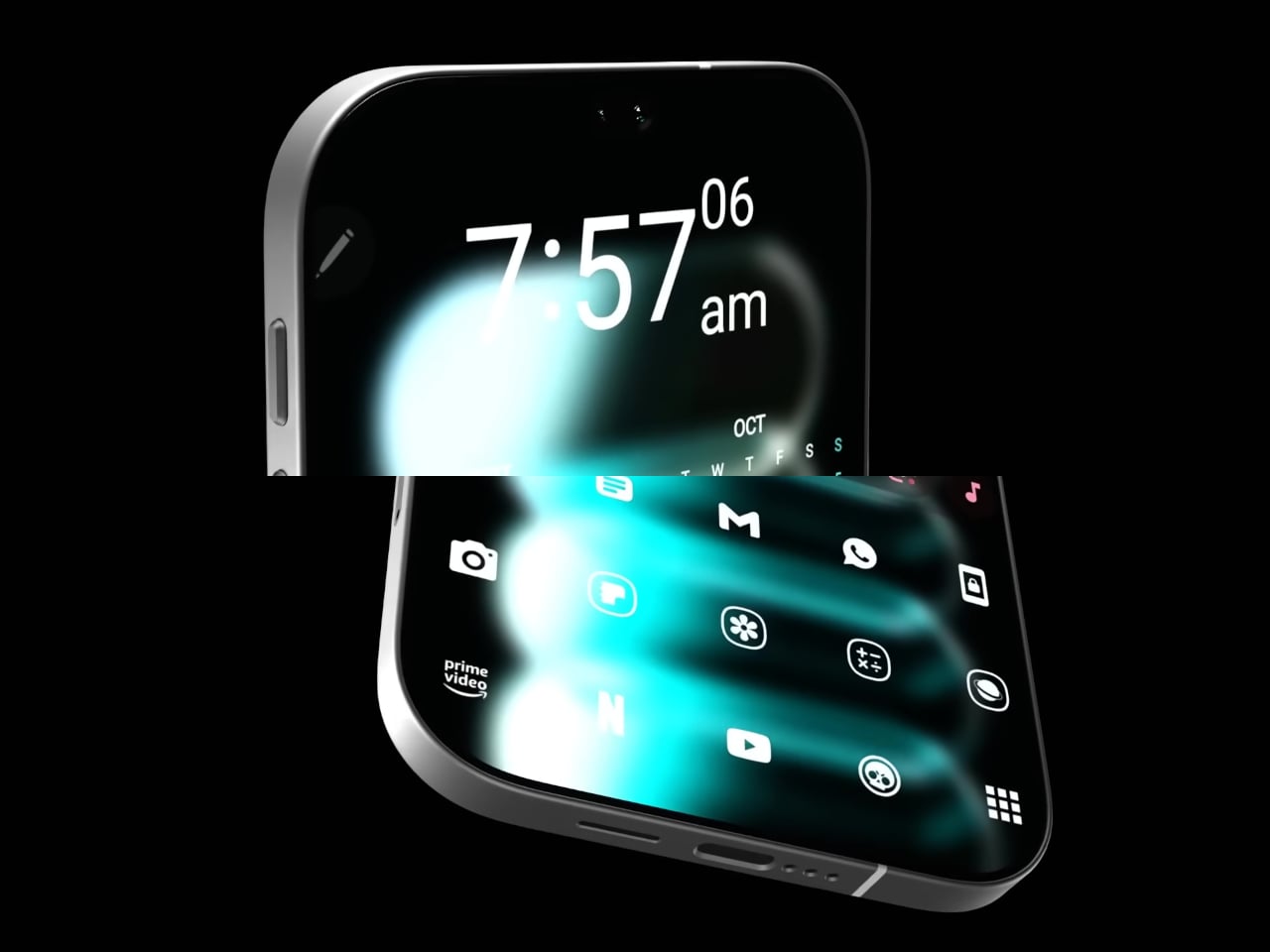
Apple’s iPhone Air 2 Leak Claims to Fix Everything Side profile showing the ultra-thin 5.6 mm design of the iPhone Air 2.

Apple is preparing to unveil the highly anticipated iPhone Air 2, a device that could redefine the ultra-thin smartphone category. Expected to launch in early 2027 alongside the iPhone 18 series, the iPhone Air 2 is designed to address the limitations of its predecessor while introducing a suite of advanced features. With improvements in battery […]

The post Apple’s iPhone Air 2 Leak Claims to Fix Everything appeared first on Geeky Gadgets.

Posted in Uncategorized

Sealed in 10 Seconds: LifePods Changes Disaster Survival

The year was 2011. A tsunami slammed into the Japanese coastline, killed more than 20,000 people, and set off the Fukushima nuclear disaster. For most of us, it became a chapter in the news cycle. For French industrial engineer Cédric Choffat, it became an obsession that eventually became a company.

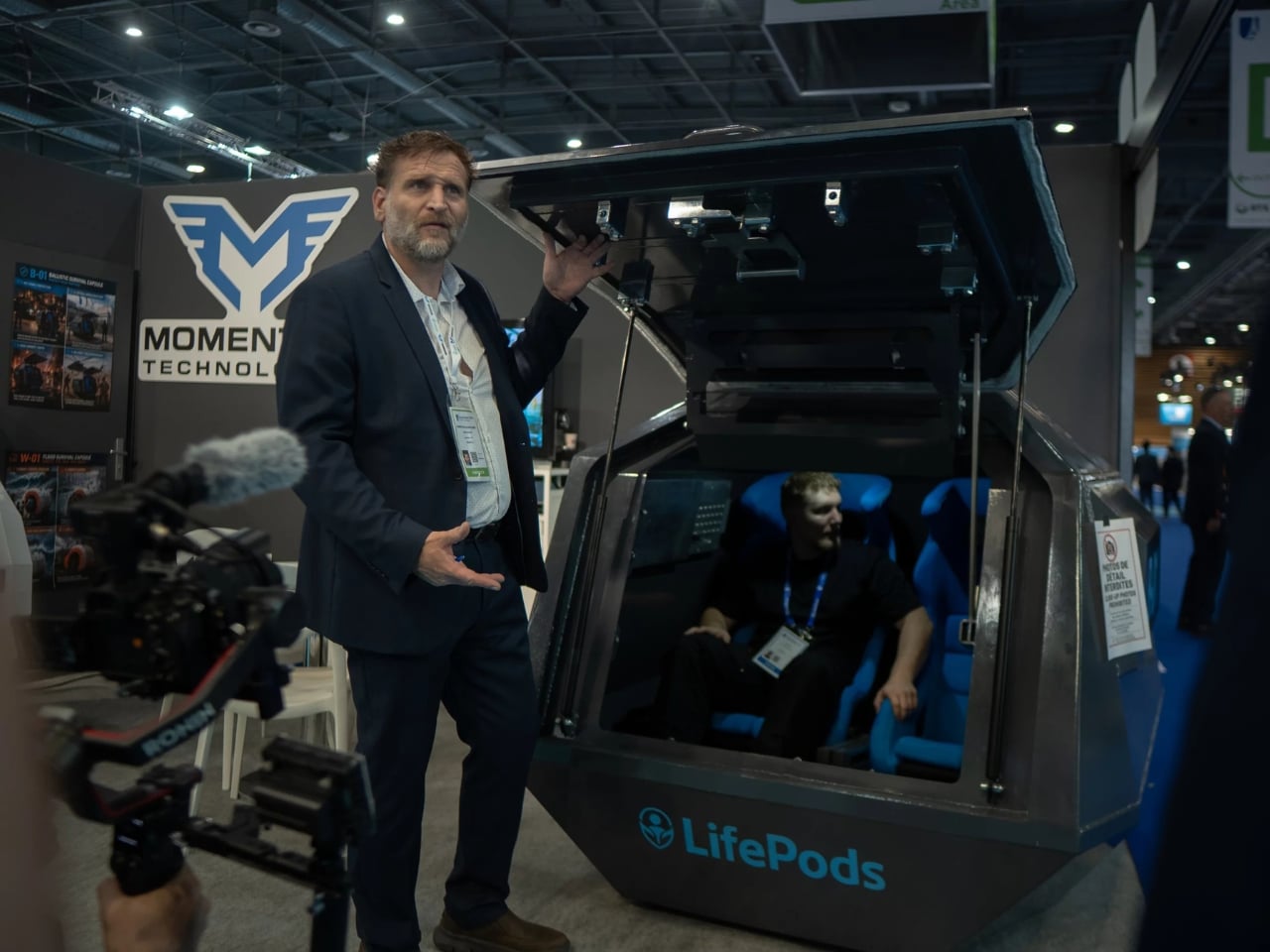
That company is Momentum Technologies, and what they’ve built is called LifePods: a line of portable survival capsules designed for the precise, terrible moment when the infrastructure around you stops working. Not “might stop working someday.” Right now, while you’re still inside.

Designer: Momentum Technologies

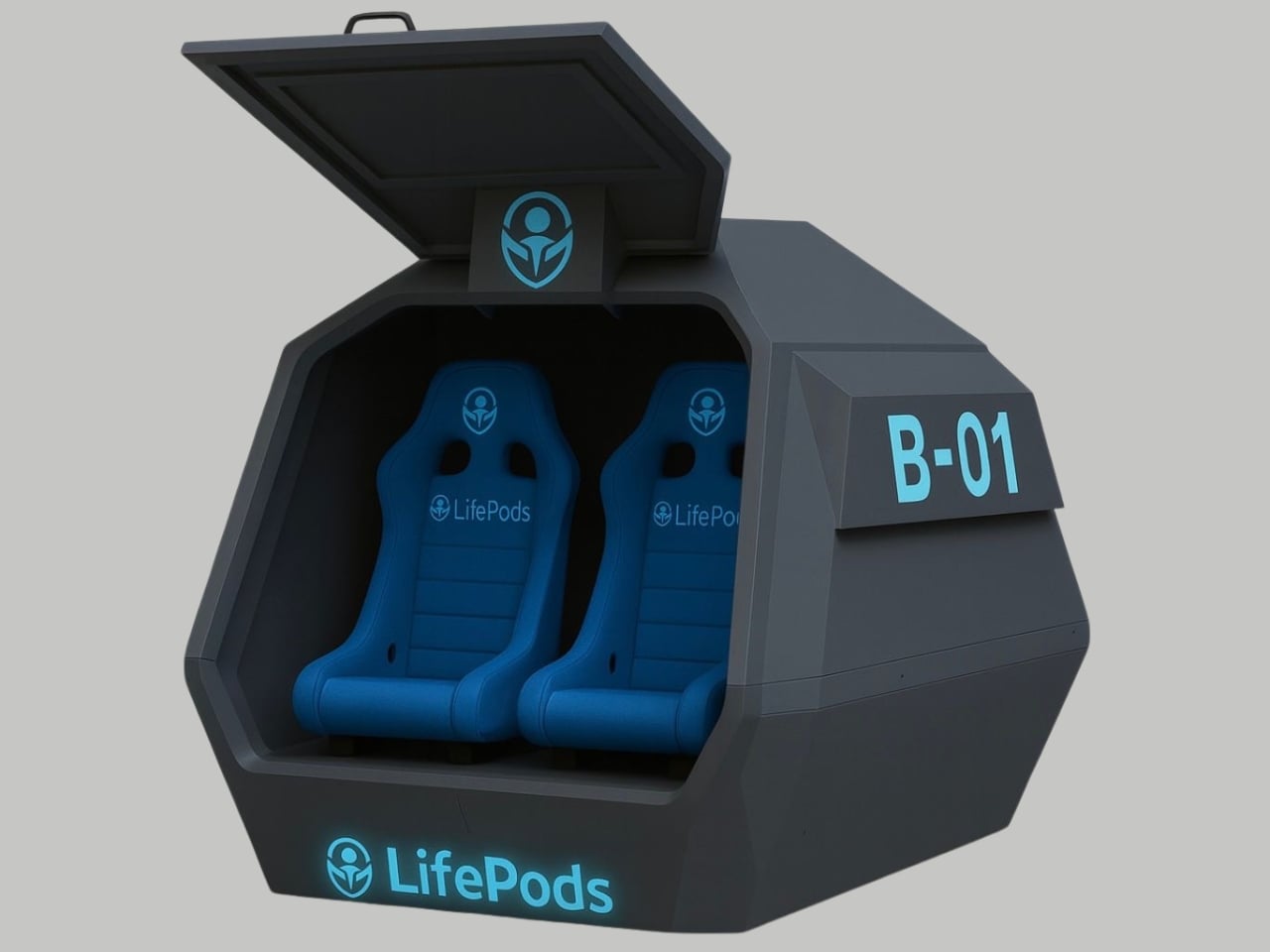
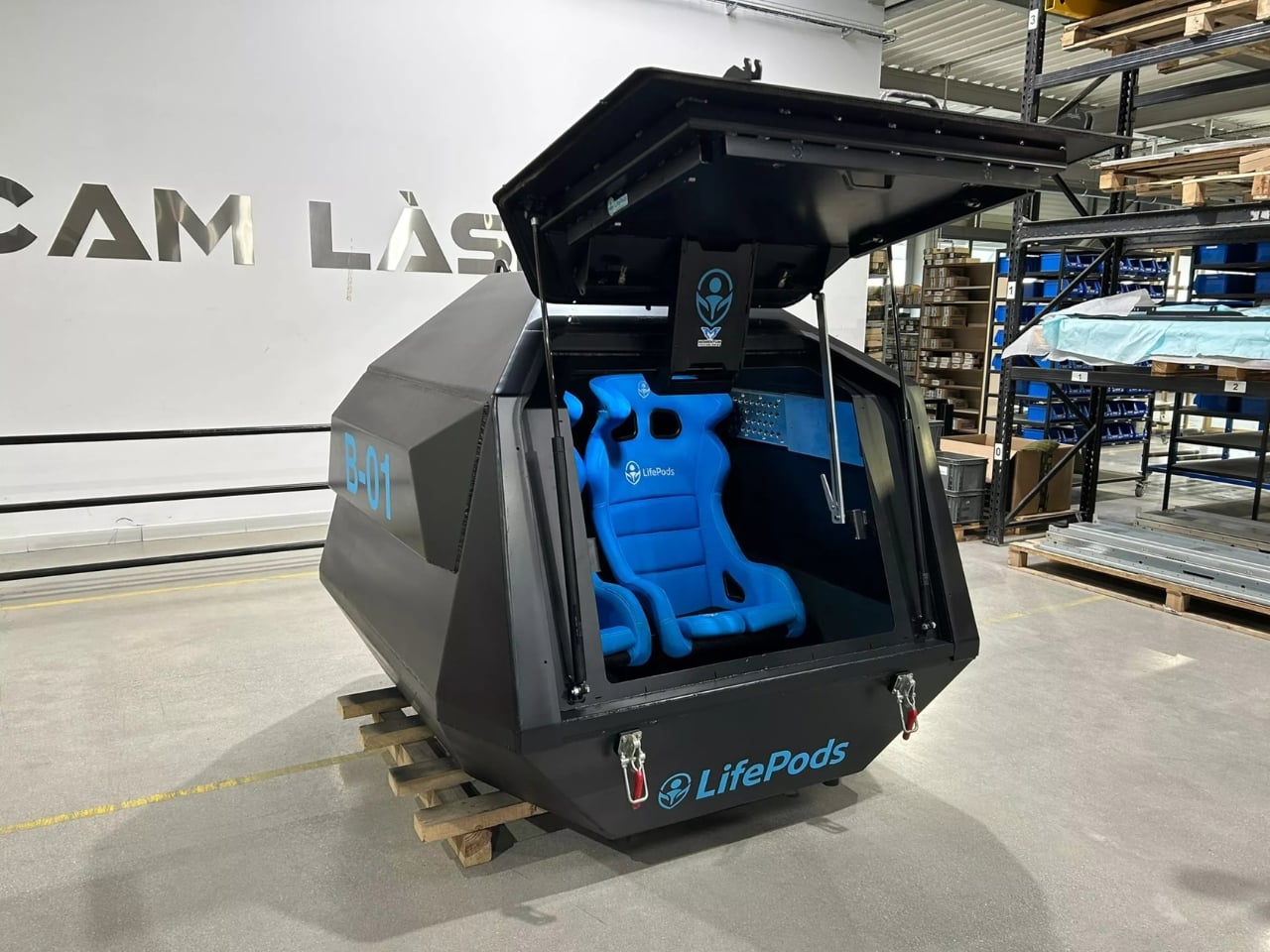
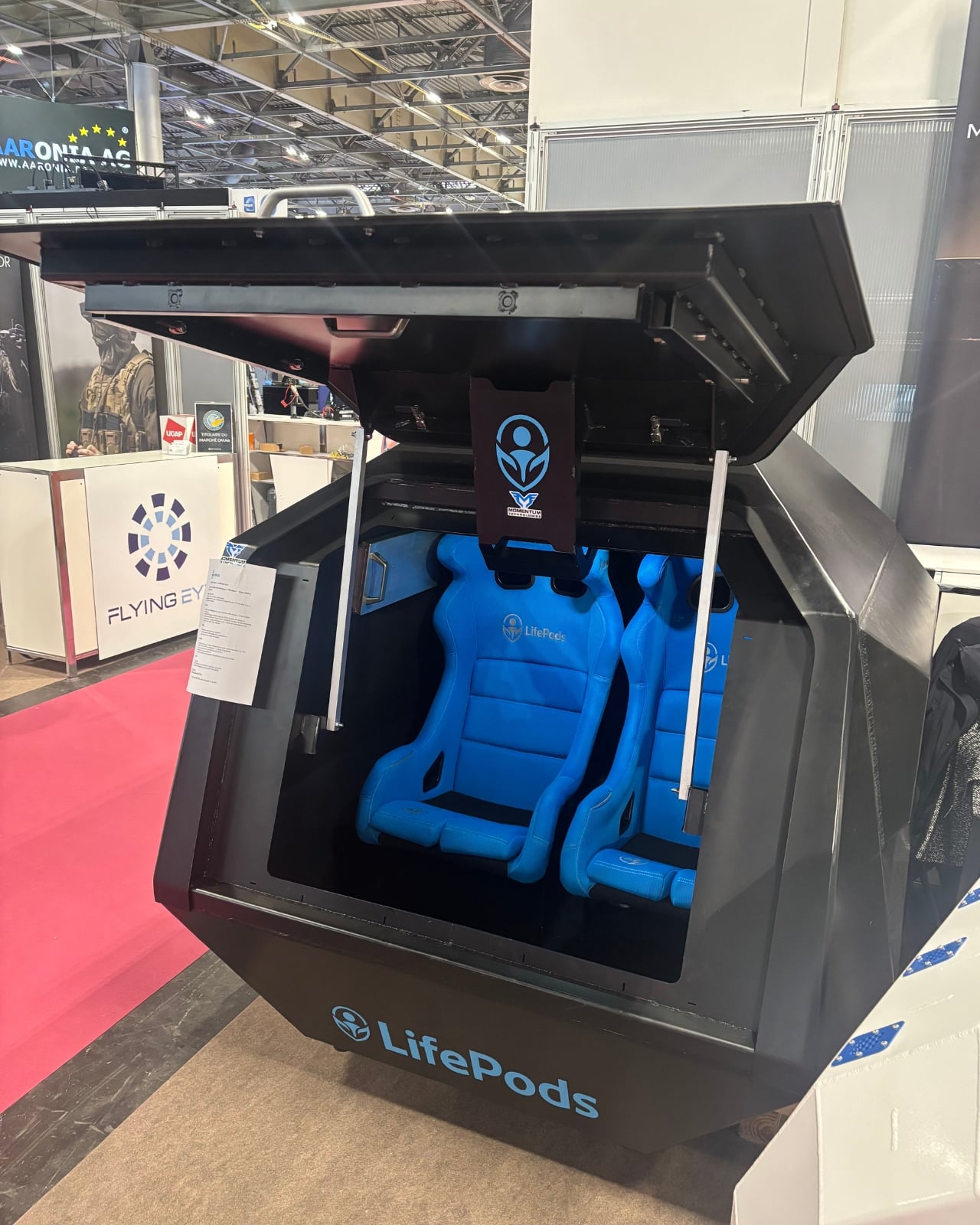
The concept is bluntly simple. You climb in, pull the lever, and the hatch seals in roughly 10 seconds. After that, the pod takes over. No special training required. The entire locking sequence was inspired by vault engineering and professional security hardware, which means if you can close a bank safe, you can operate one of these.

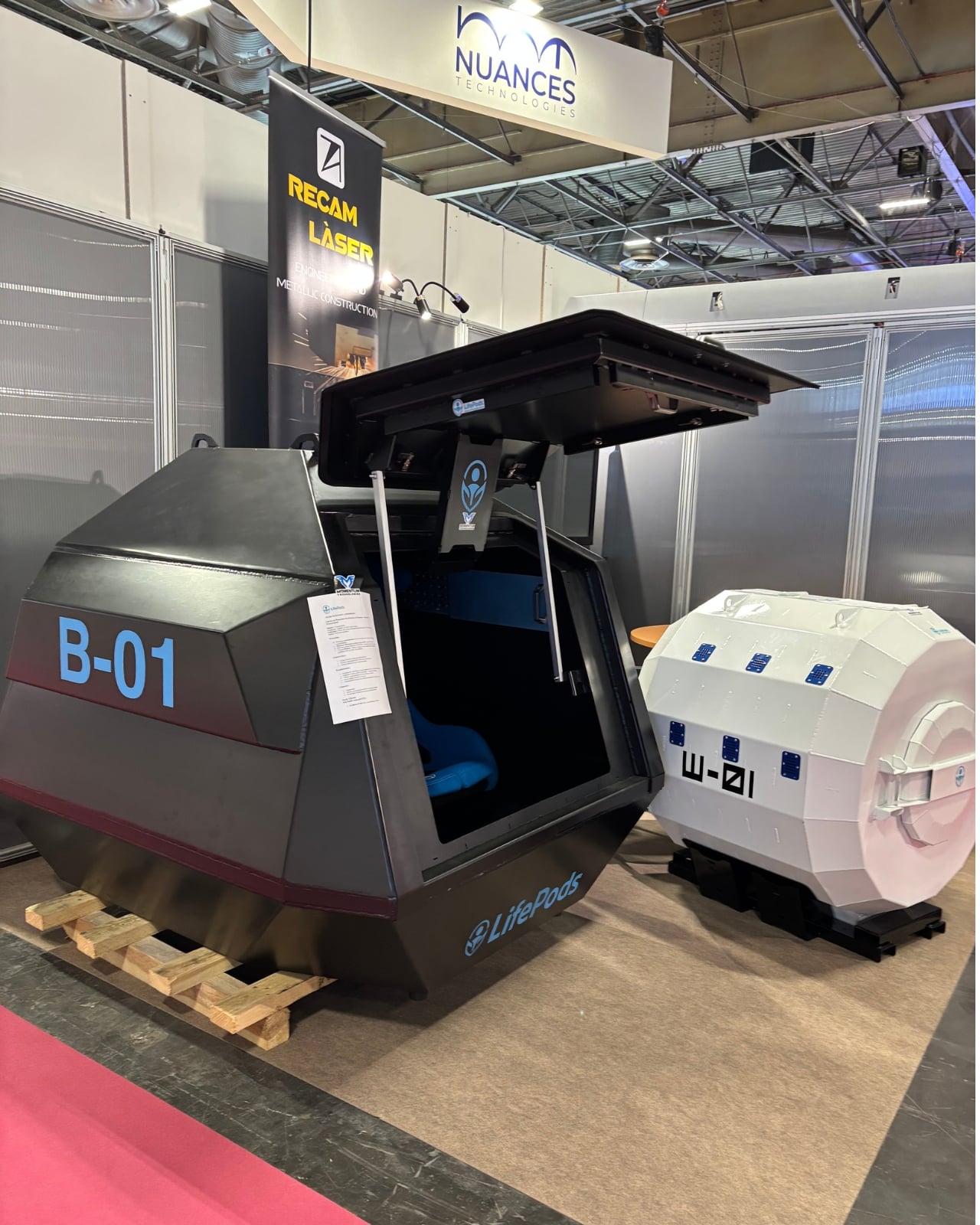
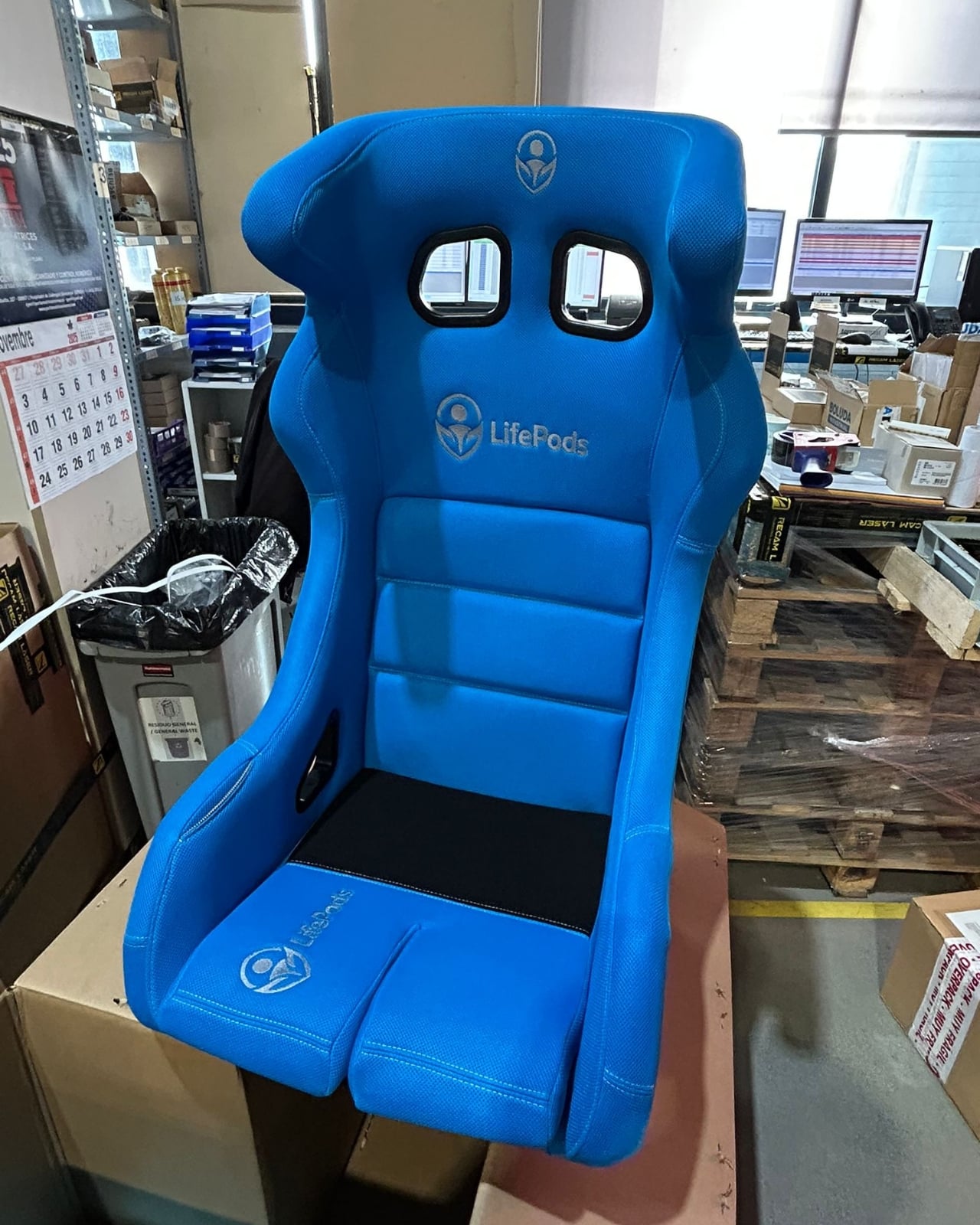
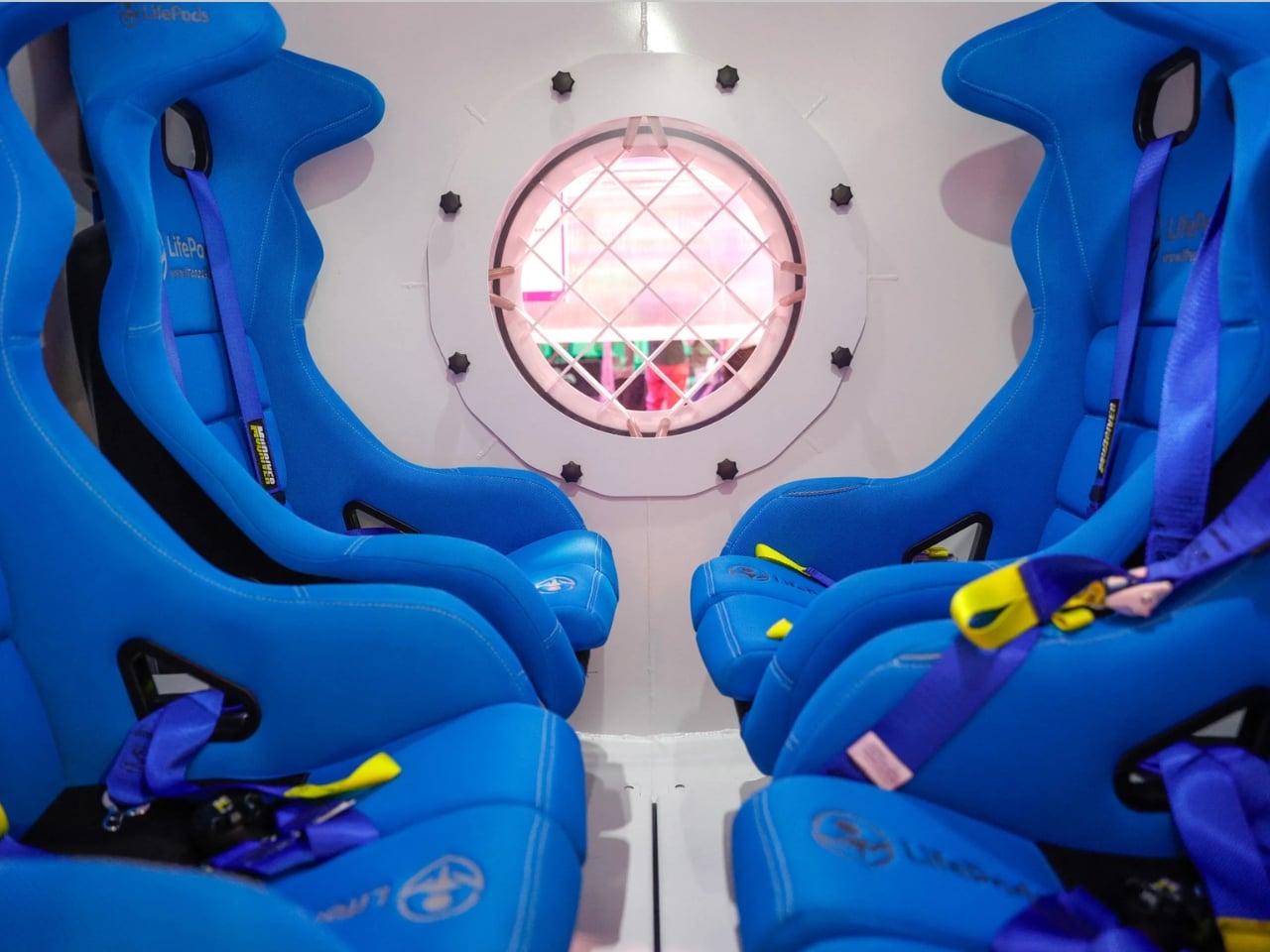
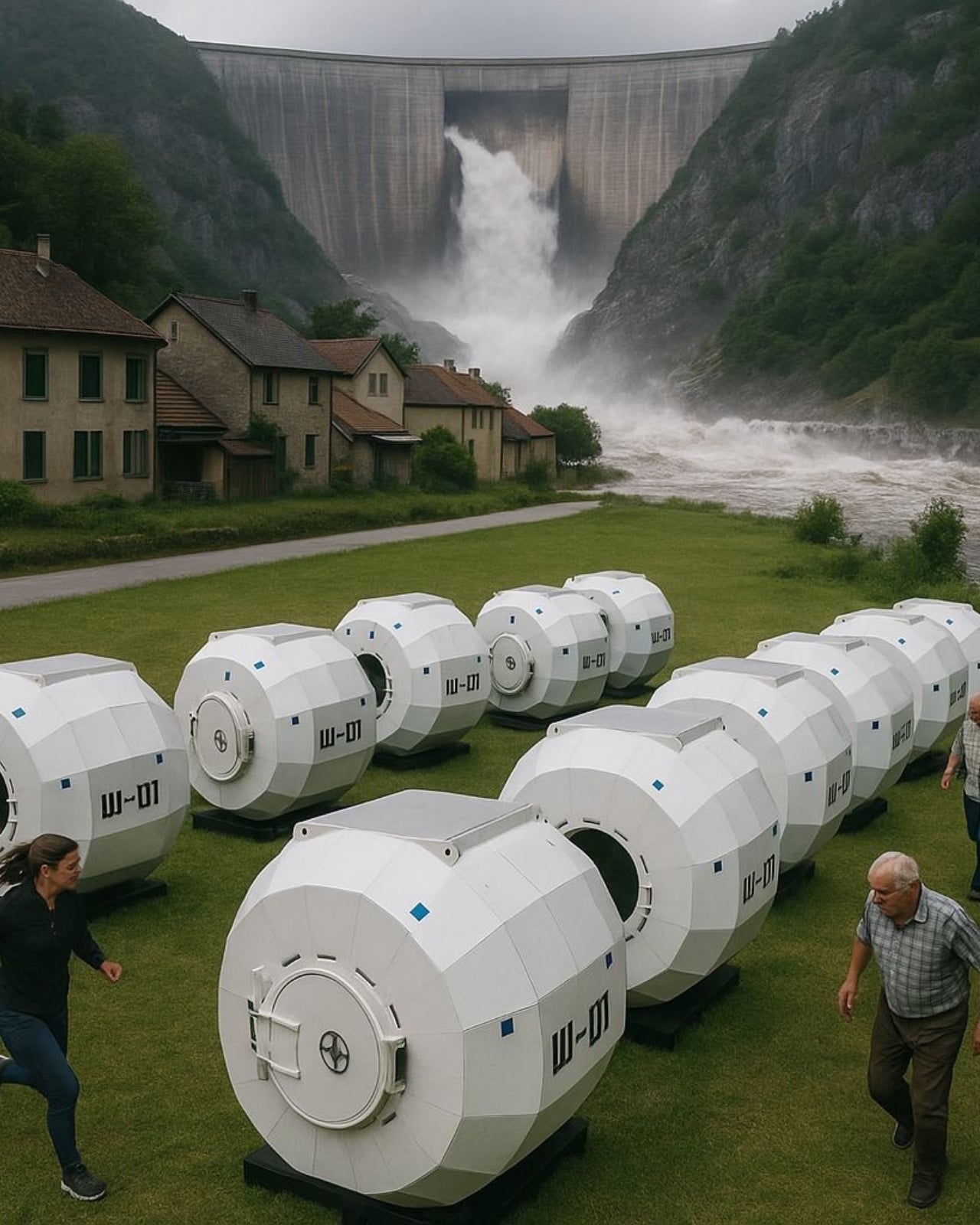
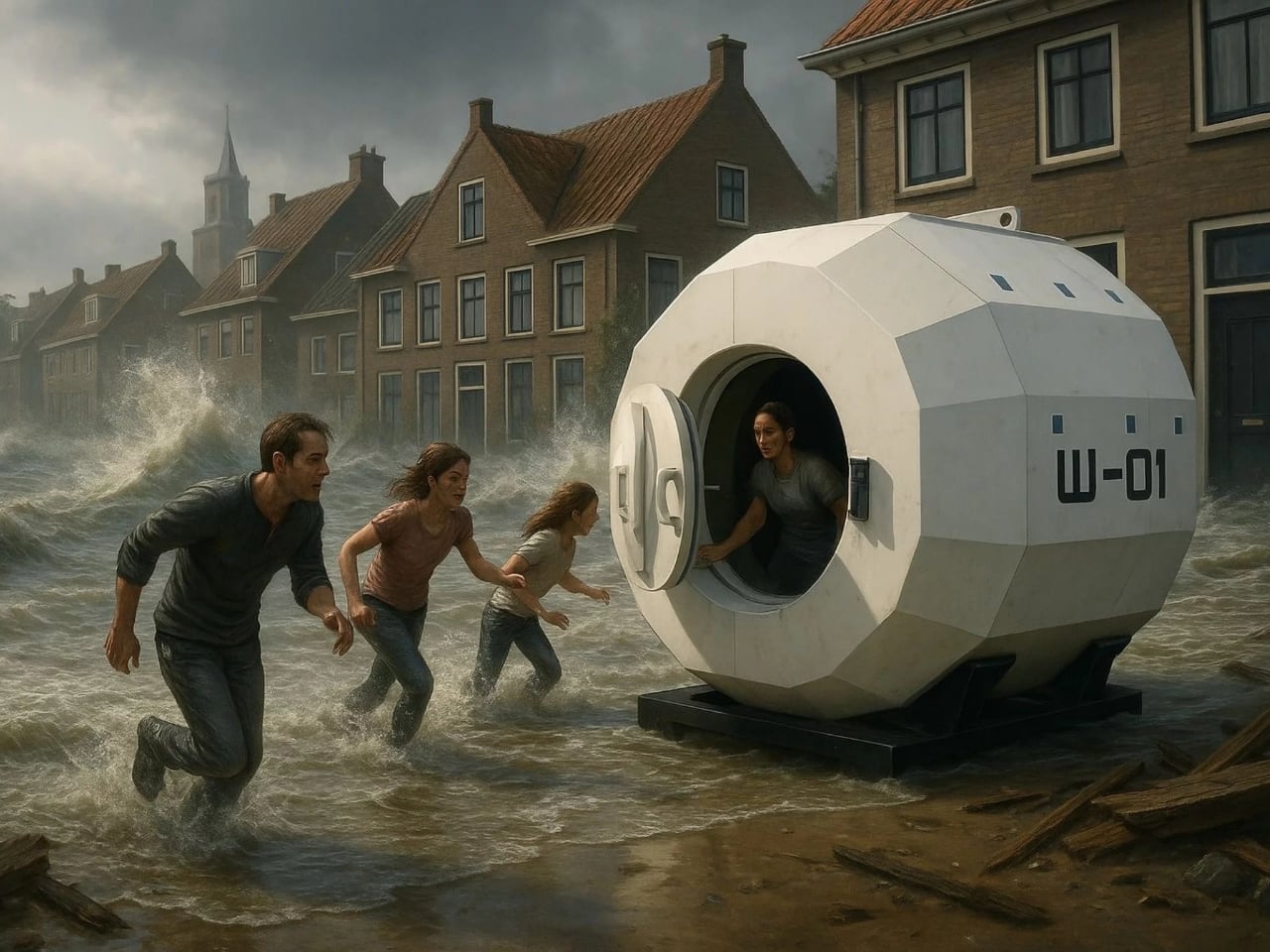
From the outside, a LifePod doesn’t look like panic. It looks like a serious design object, the kind of thing that could sit in a garage or a garden without completely unraveling the aesthetics of the space. But the engineering underneath is built to military standards. The B-01, the land-based version, is constructed from high-strength technical steel with specialized insulation layered through it, built to resist bullets, blast pressure, and fire. The W-01, the flood model, goes further: it’s unsinkable, with a ballast system that flips it upright if it rolls, and it can hold four adults and four children. The kids, as the specs somewhat soberly note, would sit on laps.

Both models carry integrated CO2 scrubbers guaranteeing 72 hours of respiratory autonomy. Optional add-ons include food rations, two weeks’ worth of drinking water, a GPS tracking beacon, and an inflatable emergency raft. The pod is designed not to be your home forever, but to keep you alive and locatable until help arrives. That’s a meaningful distinction. This isn’t a bunker fantasy. It’s a bridge.

I keep thinking about who actually buys this. The obvious answer is preppers, and yes, that market exists and it’s growing. But Momentum Technologies seems to be aiming at something broader: households in flood zones, schools in earthquake regions, industrial facilities in volatile areas. The W-01 was designed for tsunamis, flash floods, dam failures, and marine submersion. The B-01 covers armed attacks, explosions, and fires. Then there’s a third model in development, the Q-01, built for seismic collapse scenarios. Together, they form a kind of taxonomy of modern catastrophe.

LifePods also sidesteps the dread that typically surrounds survival gear. No camouflage, no tacticool aesthetic, no implicit politics of distrust baked into the design language. The capsules look considered. They look engineered. They were shown at VivaTech 2026 and Eurosatory, not at a prepper expo in a convention center parking lot. That placement matters. It signals that the designers want this conversation to be mainstream, not fringe.

And maybe it should be. We’ve watched wildfires consume entire towns in hours. We’ve seen floods arrive faster than evacuation orders could. The argument Momentum Technologies is making, that preparedness should be as accessible and normalized as a smoke detector, is not a paranoid one. It’s arguably just overdue.

The price, around €26,000 for the entry model, does put it out of reach for most individuals. But the company is also targeting governments, schools, and institutions, and there’s a logic there that makes the per-person cost less jarring when you do the math. Four adults and four children in a W-01 changes that number considerably.

Is it strange that a product designed around worst-case scenarios can feel genuinely compelling from a design and engineering standpoint? Maybe. But the appeal of LifePods isn’t rooted in fear. It’s rooted in that specific human impulse to not be helpless when everything outside is falling apart. You step in, pull the lever, and the door closes behind you. Ten seconds, and you’re still here.

The post Sealed in 10 Seconds: LifePods Changes Disaster Survival first appeared on Yanko Design.
The Best Apple Leak in Years Just Exposed the iPhone 18 Series

The Best Apple Leak in Years Just Exposed the iPhone 18 Series iPhone 18

Apple’s highly anticipated iPhone 18 series is set to make waves in the smartphone industry. With a mix of new innovations, strategic compromises, and bold new directions, the lineup is designed to appeal to both tech enthusiasts and everyday users. From innovative hardware to a foray into foldable devices, the iPhone 18 series promises to […]

The post The Best Apple Leak in Years Just Exposed the iPhone 18 Series appeared first on Geeky Gadgets.

Posted in Uncategorized

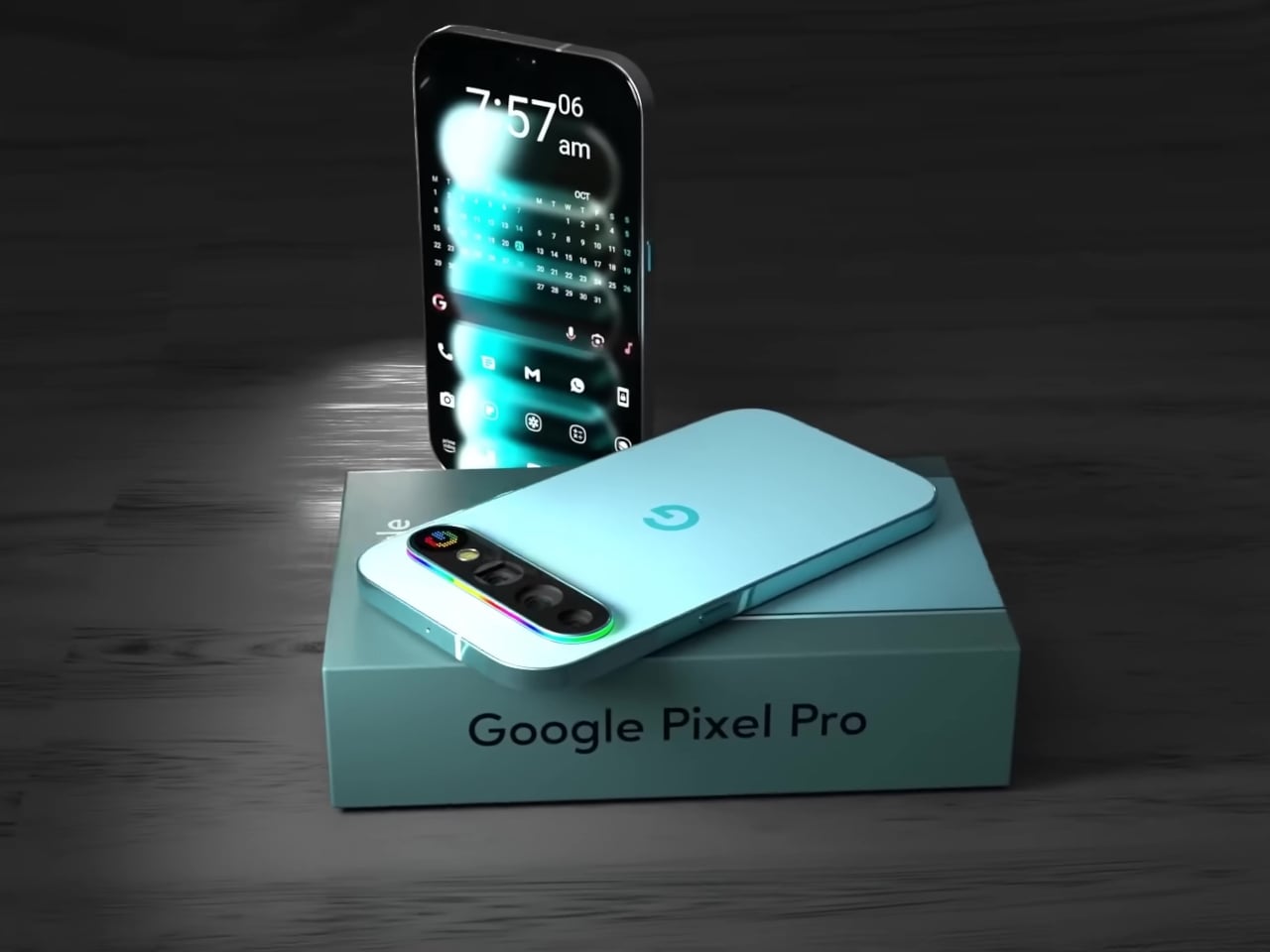
This Pixel 11 Pro Concept Makes the Camera Bump Its Best Feature

The back of a smartphone has historically been the least interesting real estate on the device. A logo, some camera lenses, and a flat slab of glass or metal. Nothing phones started to change that conversation a few years ago by threading LED strips through their transparent backs to indicate calls, charges, and timers with light patterns. The question since then has been whether anyone else would take the idea further.

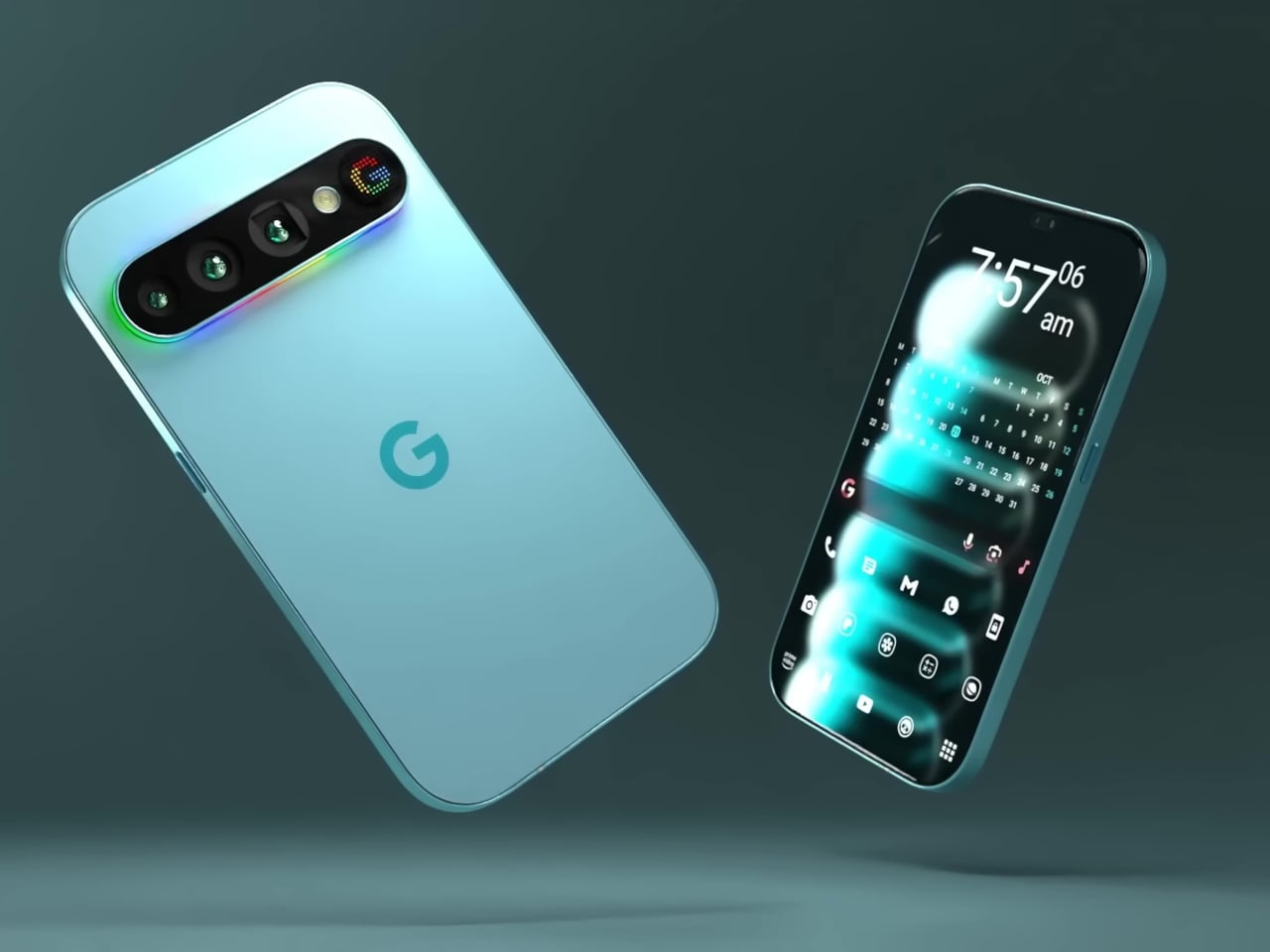
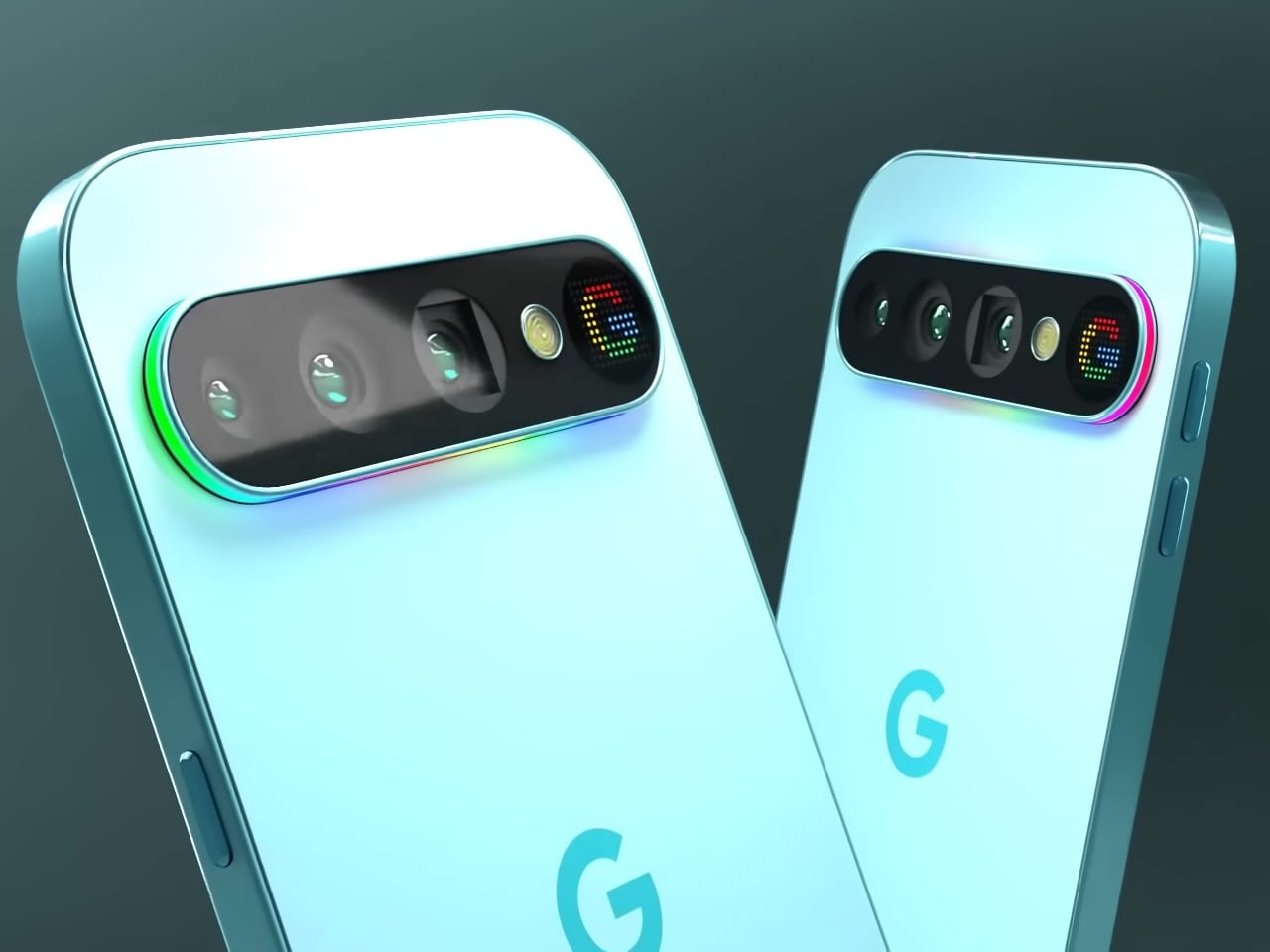
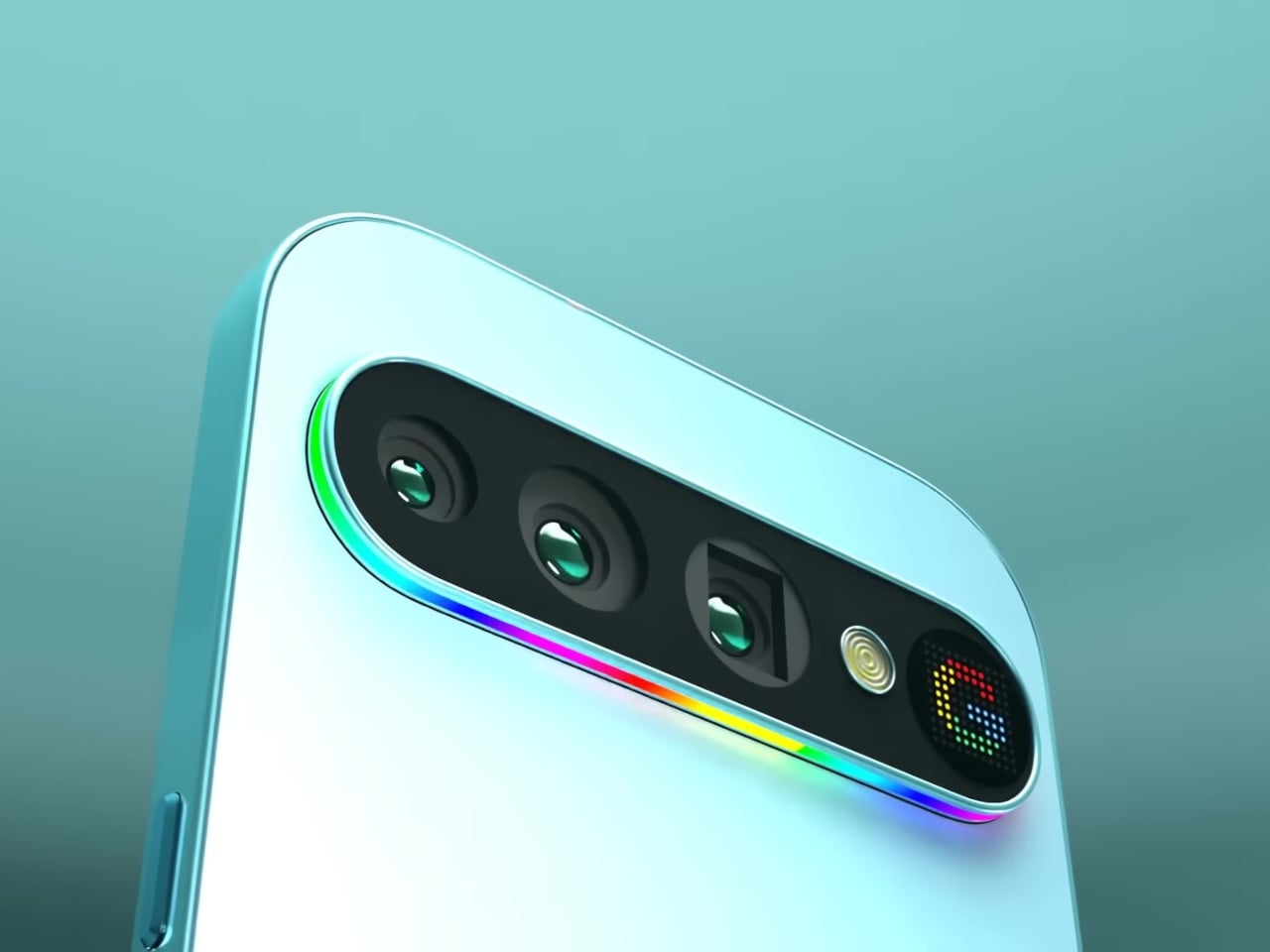
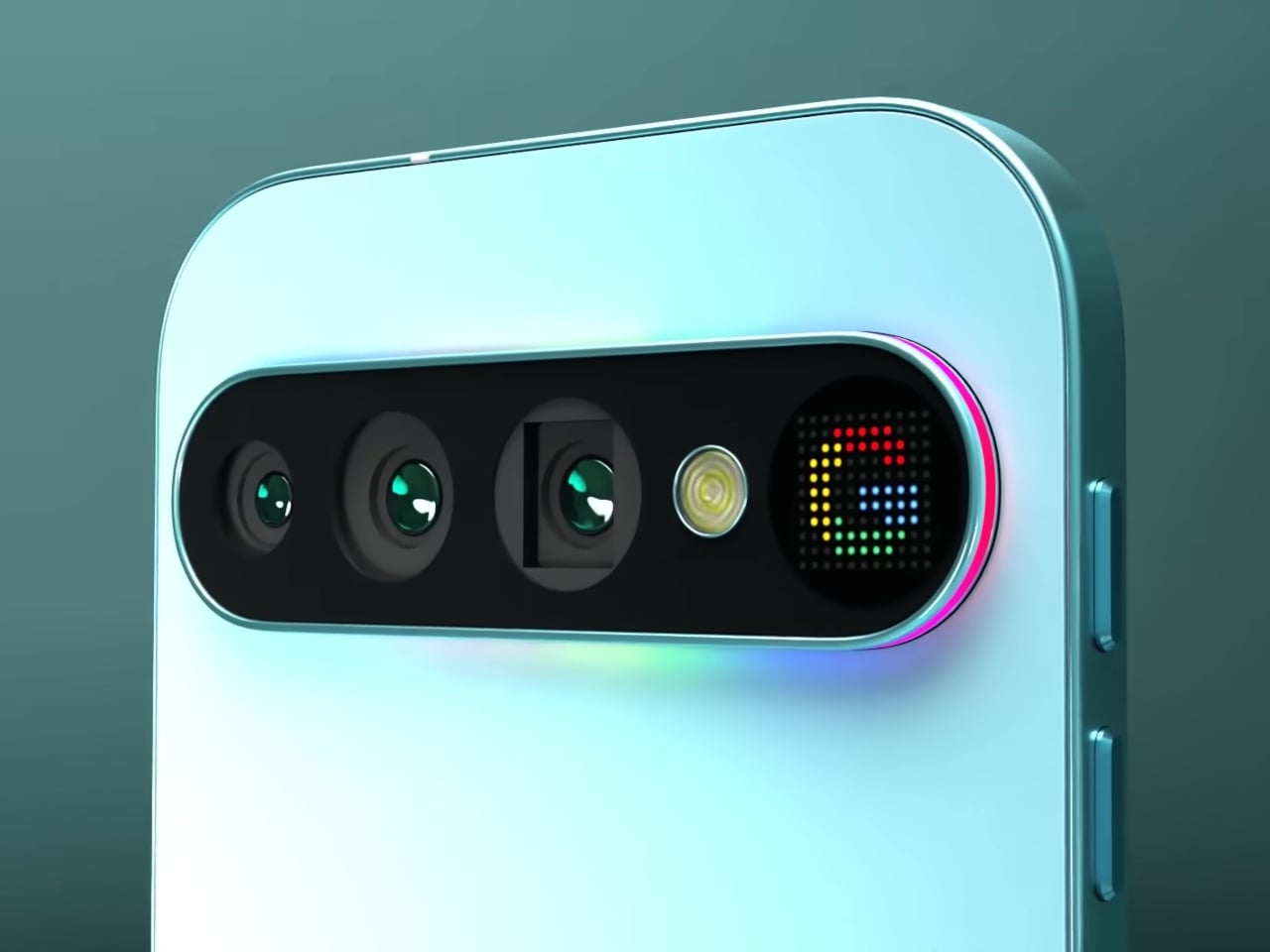
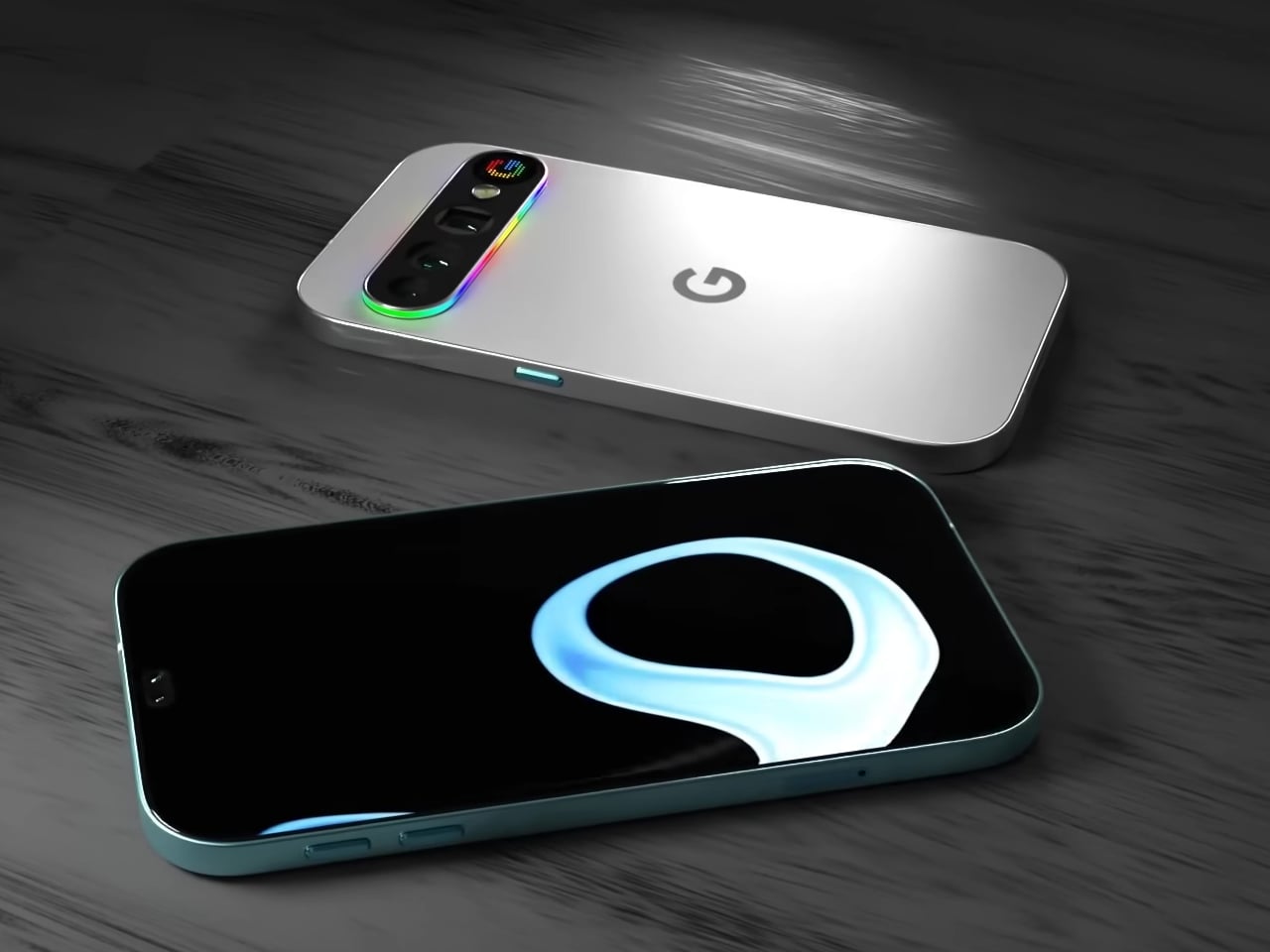
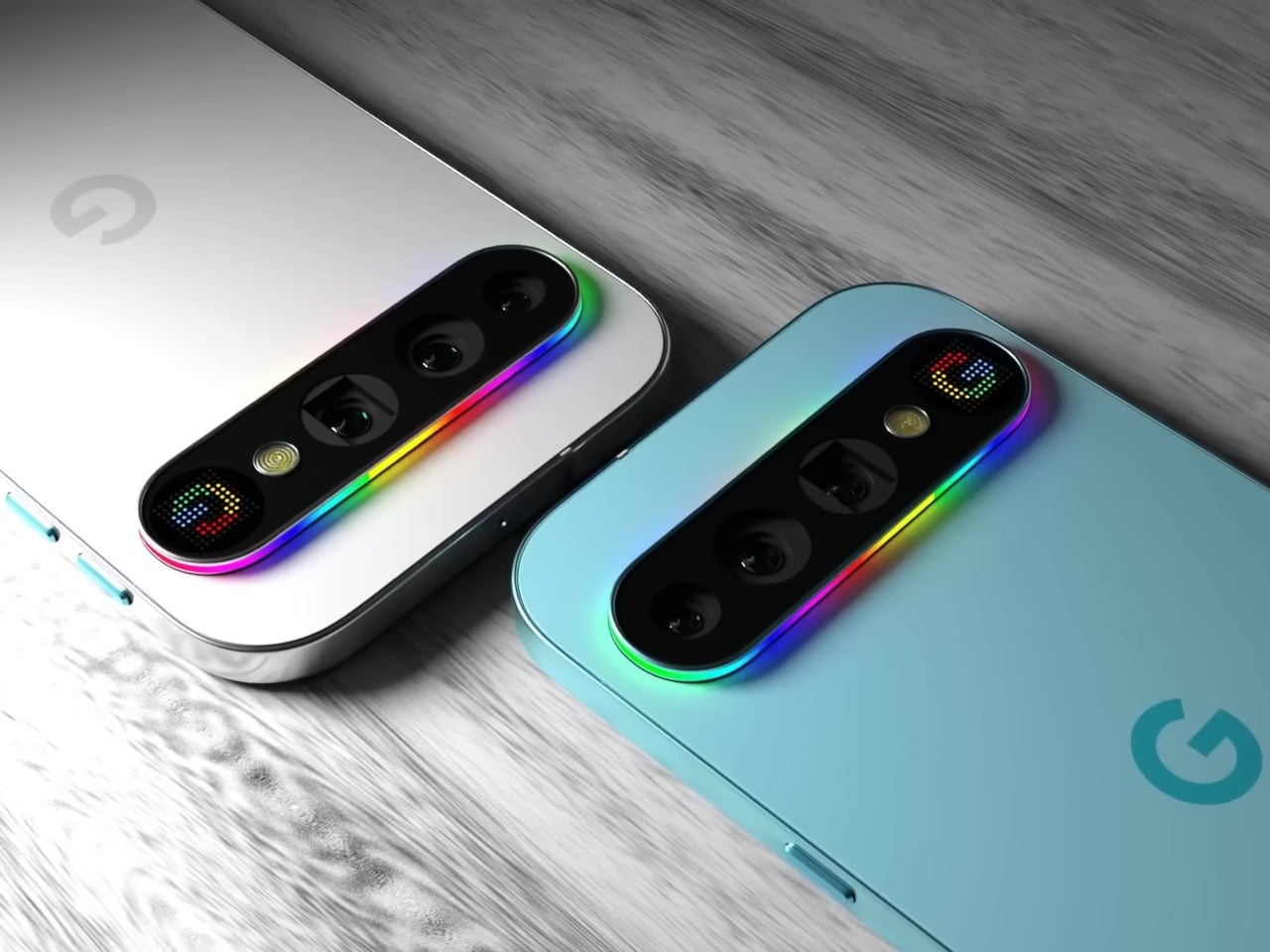
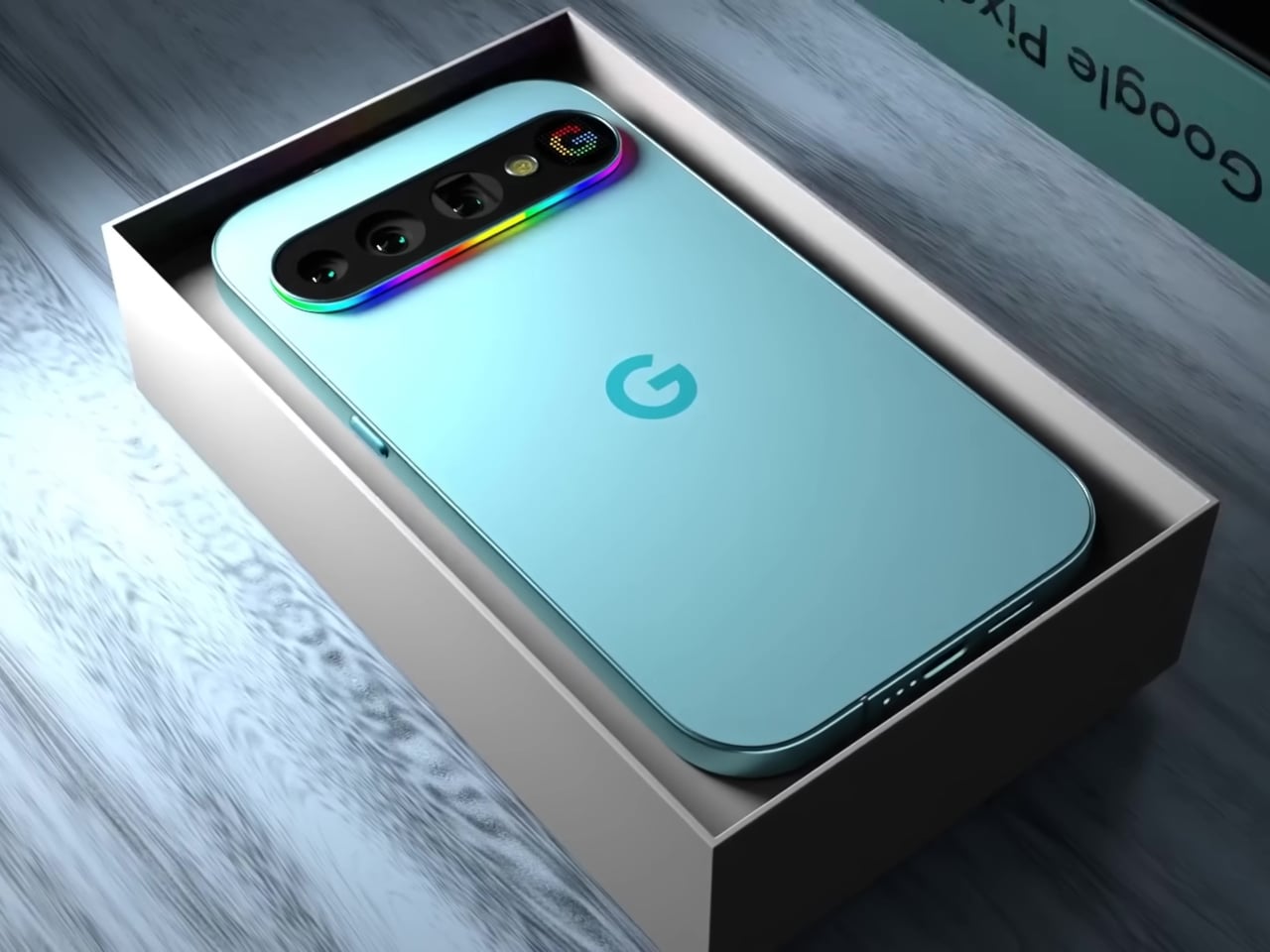
This concept for the Google Pixel 11 Pro imagines exactly that. Built around the Pixel’s signature horizontal pill-shaped camera module, it proposes two distinct types of back-panel feedback: a full-spectrum RGB light strip running around the entire perimeter of the camera bump, and a small dot-matrix display embedded at its right end that can render icons and text in pixel-art style.

Designer: AndroidLeo

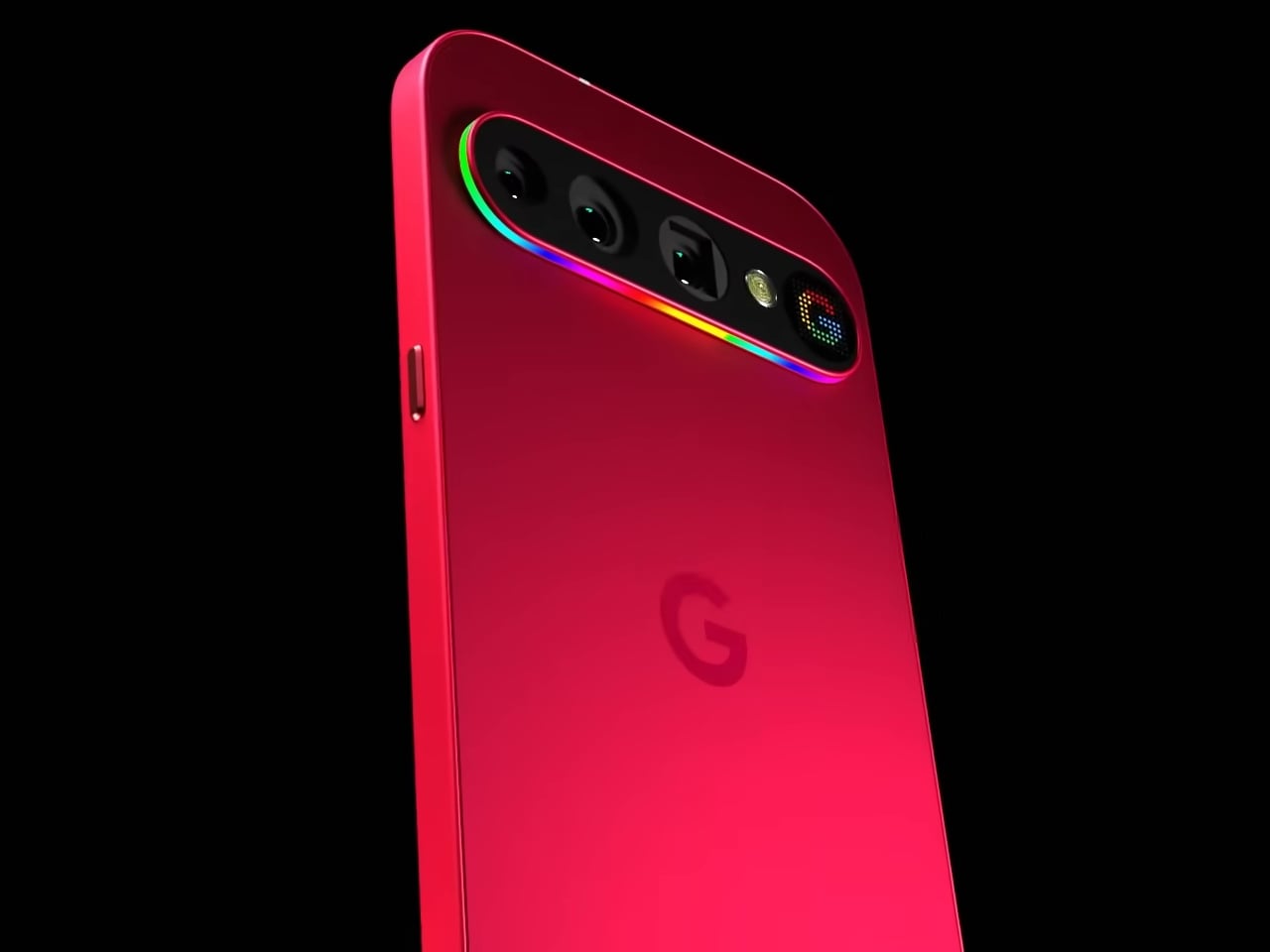
The light strip is the more immediately readable of the two. A continuous loop of addressable LEDs traces the full outline of the pill module, capable of cycling through any color and pattern the software dictates. A missed call could glow one color, a new message another, and a timer nearing its end could pulse differently again, all communicable from across the room without touching the phone.

The dot-matrix panel, which the concept labels the “Pixel Display,” takes things a step further. Rather than a single color conveying a signal type, this small grid of colored LEDs can render simple graphics, caller ID icons, app logos, or even short scrolling text. It’s the difference between a traffic light and a small sign, and for a platform with as much software integration as Google’s, the implications are hard to ignore.

There’s an obvious precedent in Nothing’s Glyph Matrix, which brought a similar dot-matrix concept to Phone (3). That system already lets users assign custom animations to specific contacts and apps, turning the back of the phone into a secondary notification surface. What this Pixel concept adds is the light strip as a companion layer, the two systems working together rather than choosing between ambient mood and readable icon.

The practical case for this kind of design doesn’t require much imagination. Leave your phone face down on a table, and you will lose all notification awareness. Flip it over, and you get the full attention-grabbing brightness of the main display. A customizable light strip and a small icon panel would let the phone communicate at a much lower intensity, at a glance, rather than a full distraction.

The concept renders the phone in both a pale aqua colorway and Parchment white, giving the full-spectrum strip a different quality in each: cool and vivid against the teal, soft and almost art deco against the white. Either way, the camera bump, typically the most criticized part of Pixel’s evolving design language, becomes something that actually earns its presence.

This is, of course, a fan concept rather than a leaked render or confirmed direction. The real Pixel 11 Pro hasn’t arrived yet, and nothing official confirms either the Pixel Display or the RGB strip. But the appetite for this kind of back-panel intelligence is clearly there, and if Nothing can build a devoted following around light strips alone, the version with two complementary systems and Google’s ecosystem behind it would be something worth watching for.

The post This Pixel 11 Pro Concept Makes the Camera Bump Its Best Feature first appeared on Yanko Design.