
Overwatch’s latest hero will throw a bike at your head
Shion arrives when Season 3 starts on June 16.
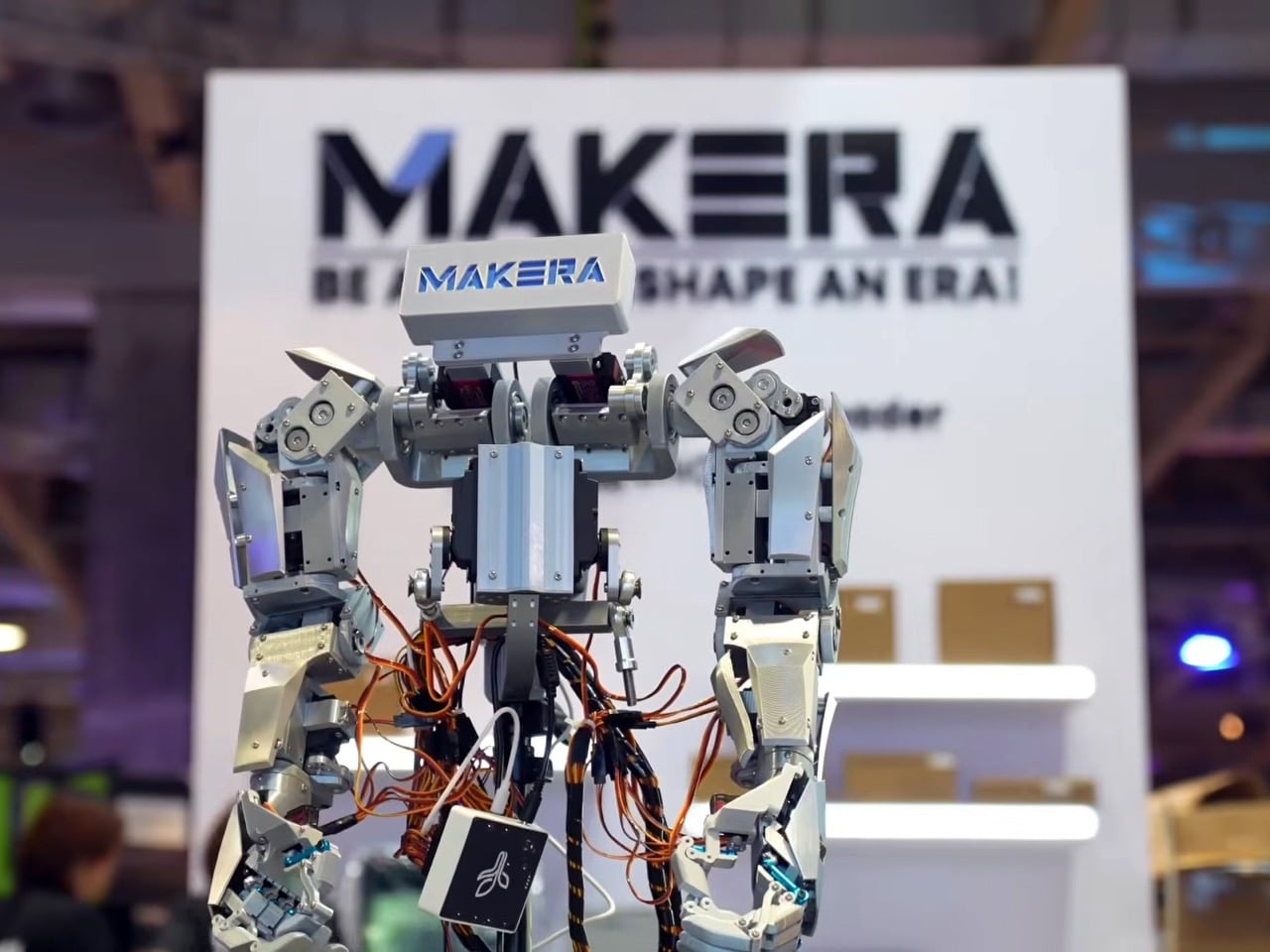
The guiding idea at BEYOND Expo 2026 was that AI software has finished its warm-up, and the main event is technology that acts in the physical world. Humanoid robots, intelligent wearables, and autonomous vehicles all made that case. So when the Makera Z1, a compact desktop CNC machine, won a Best of Innovation award, it felt less like a surprise and more like a statement.
This recognition was a direct nod to the expo’s central theme, “AI: Digital to Physical.” The Z1 is a tool of physicalization, a machine that takes a digital file and gives it mass, texture, and function by milling aluminium or wood. In a showcase built around moving intelligence beyond the screen, Makera’s device provided a clear, powerful example of what that transition looks like at a human scale.
Designer: Makera
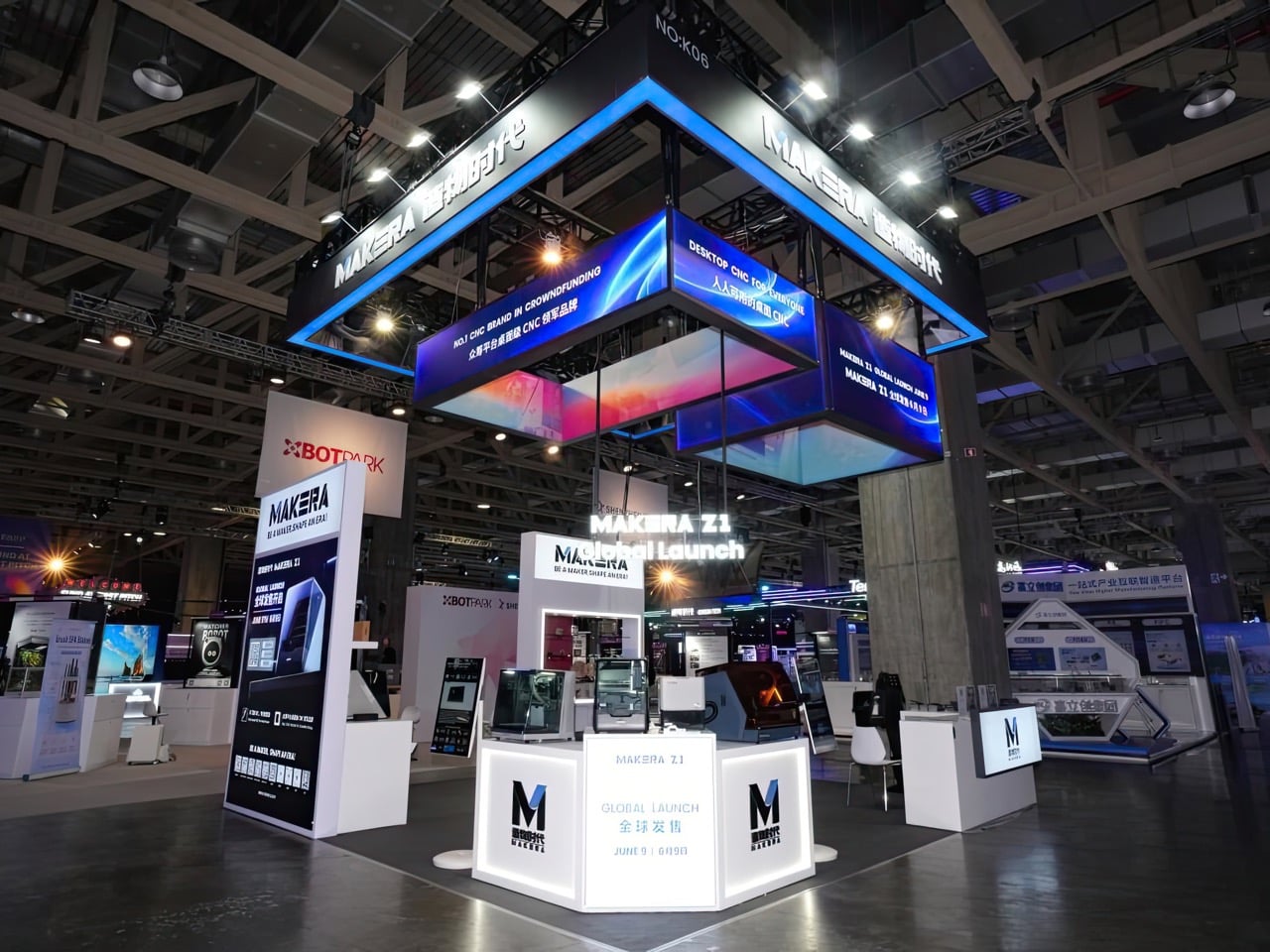
Four days at The Venetian Macao’s Cotai Expo brought together nearly 800 exhibitors, over 400 speakers, and more than 30,000 attendees from 120 countries and regions. Opening keynotes featured senior figures from NVIDIA, XREAL, Pudu Robotics, and the Linux Foundation, setting a tone built around industry direction rather than individual product announcements. Summits ran across seven main stages and covered embodied intelligence, spatial computing, AI agents, global capital flows, and cross-regional developer ecosystems. BEYOND co-founder Dr. Lu Gang described it as a moment where Asia is producing companies with real depth and global relevance, and the expo exists to show that to the world.
Over $10.2 million from nearly 7,000 backers is what the Z1’s Kickstarter campaign produced before closing in December 2025, a number that sits well above the typical ceiling for desktop hardware crowdfunding. IFA 2025 had already given the machine a “Best in Content Creation” Innovation Award before units shipped. The BEYOND recognition completes a three-stop credibility arc across Kickstarter, IFA, and Asia’s largest tech expo, a run few products in the desktop maker category have managed with this kind of consistency. As Makera’s third CNC machine, following the Carvera in 2021 and the Carvera Air in 2024, it carries a company track record behind it.
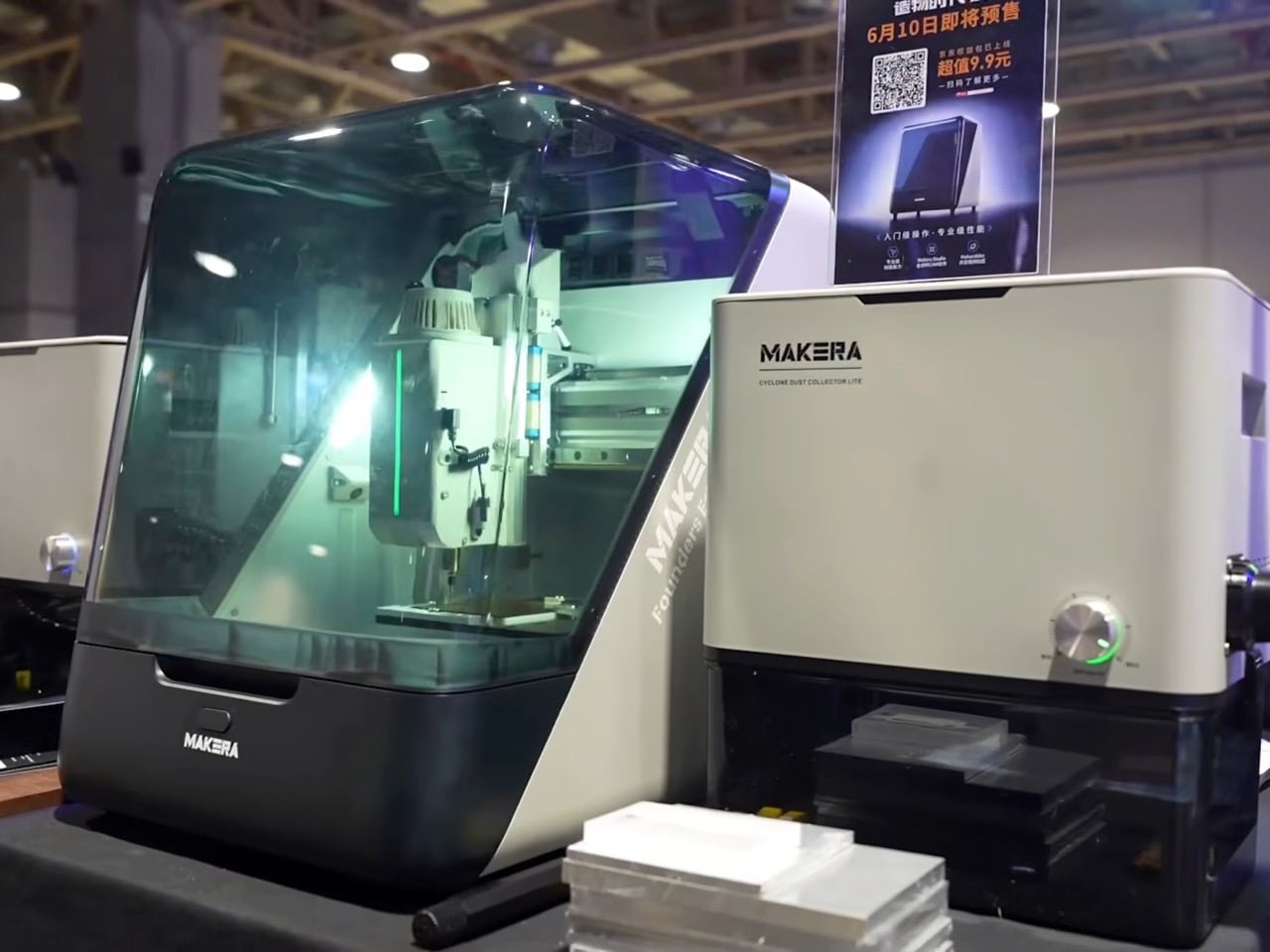
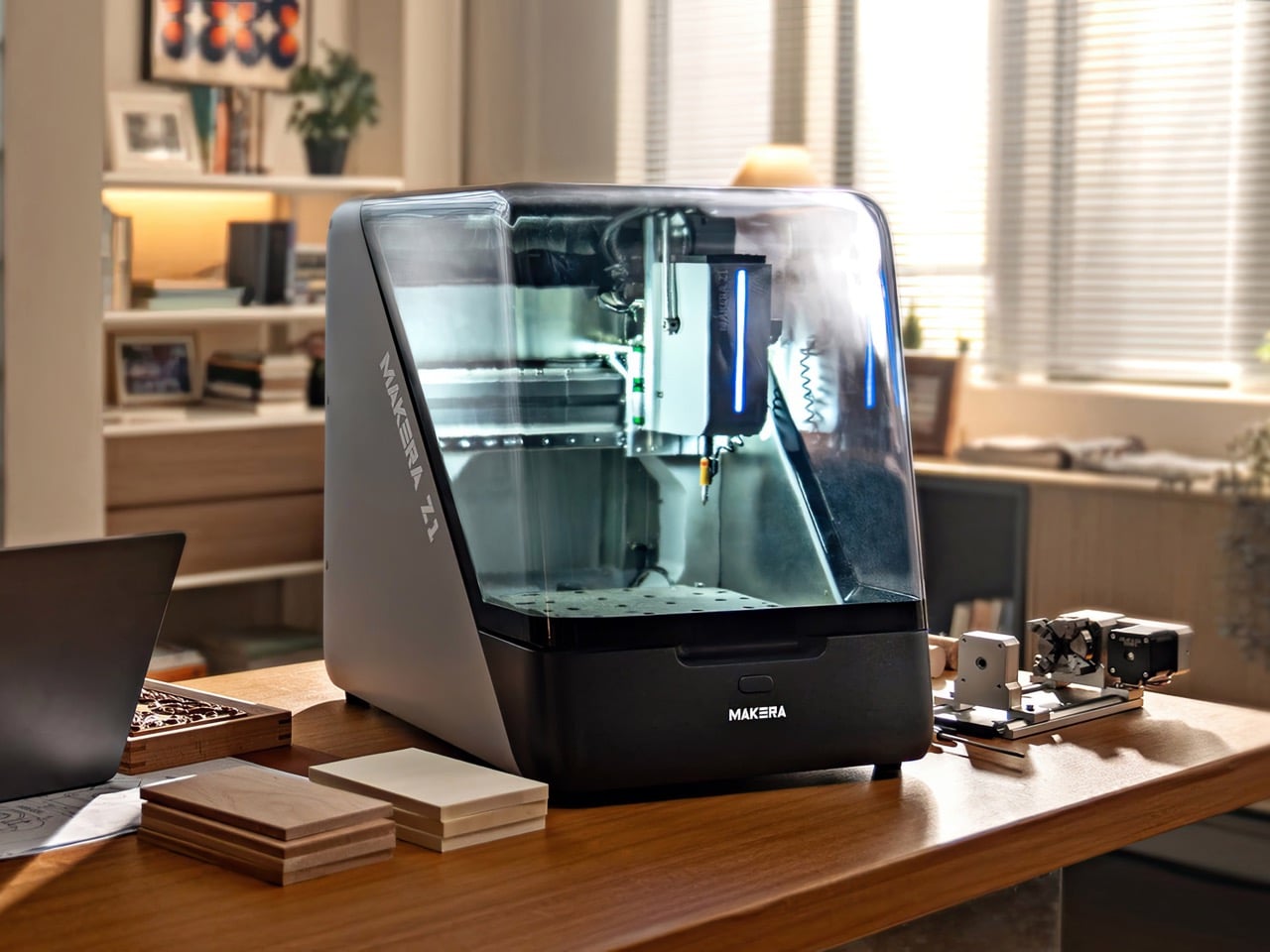
At $899 during its crowdfunding run, the Z1 targets a gap in desktop CNC that has historically been hard to fill. The machine carries a 200 x 200mm cutting area, a 100mm working depth, and a 150W spindle running at 13,000 RPM, handling materials from aluminium, brass, and copper to wood, PCBs, acrylic, and carbon fiber. With a claimed accuracy of 0.02mm, it sits in territory more commonly associated with machines priced two to three times higher. Automatic probing, levelling, a quick tool change system, and a built-in camera for real-time monitoring come standard, with an optional fourth axis, laser attachments, and dust collection available as add-ons.
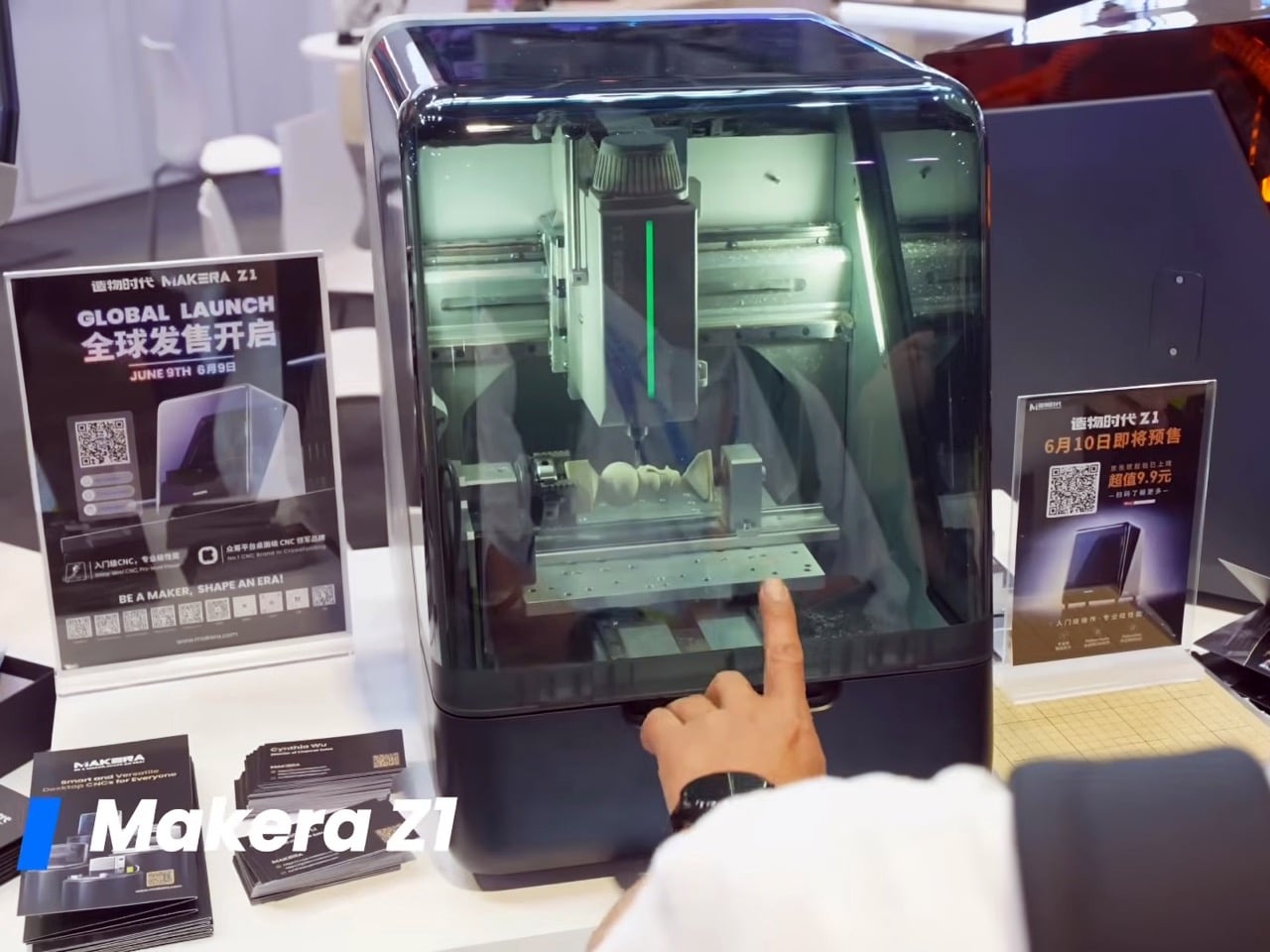
Makera Studio handles toolpath generation automatically, and an AI-powered feature converts hand-drawn sketches or reference images into machinable 3D models, significantly lowering the barrier for anyone without a background in CAD software. A companion platform called Makerables extends this further, giving users access to a shared library of designs they can download, modify, and machine immediately. That full workflow, from a rough idea to a digital design to a finished physical object on a workbench, maps directly onto what “AI: Digital to Physical” was built to celebrate. Where many exhibitors at BEYOND demonstrated digital intelligence or physical hardware in isolation, the Z1 brought both into a single, compact package.
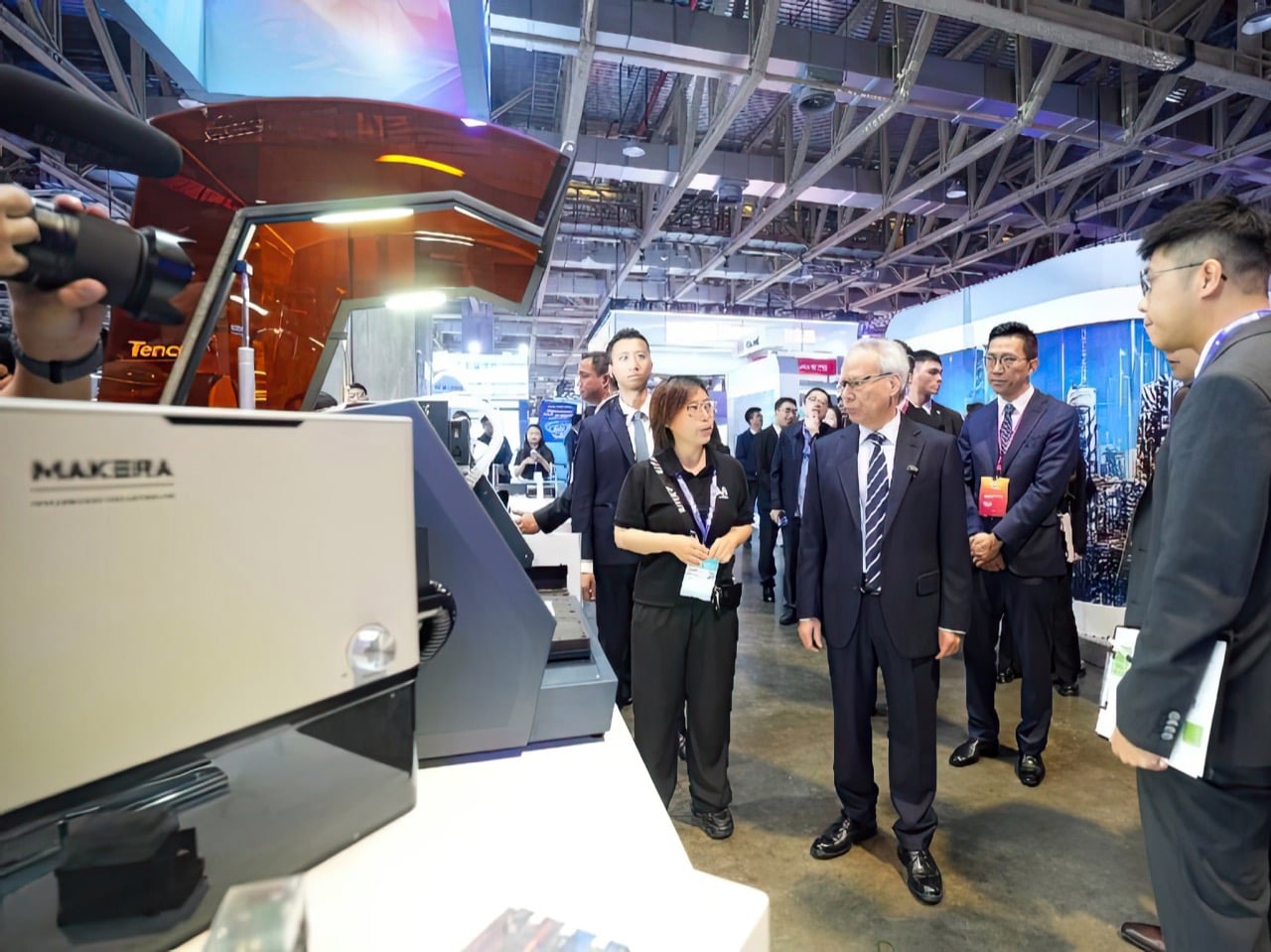
The Best of Innovation list at BEYOND 2026 included DEEPRobotics, Engine AI, iFLYTEK, Pudu Robotics, and AEROFUGIA alongside Makera, placing a sub-$1,000 desktop fabrication tool in the same frame as some of Asia’s most heavily funded hardware and AI companies. That company says something about where innovation appetite is moving at Asia’s largest tech gathering: toward tools that extend precision manufacturing beyond factory floors and into the hands of individual creators and small workshops. Whether the Z1 delivers fully on that promise across its growing user base is still being tested, but the BEYOND stage gave Makera a much bigger conversation to build from.
The post The $899 Desktop CNC That Impressed Asia’s Biggest Tech Expo first appeared on Yanko Design.
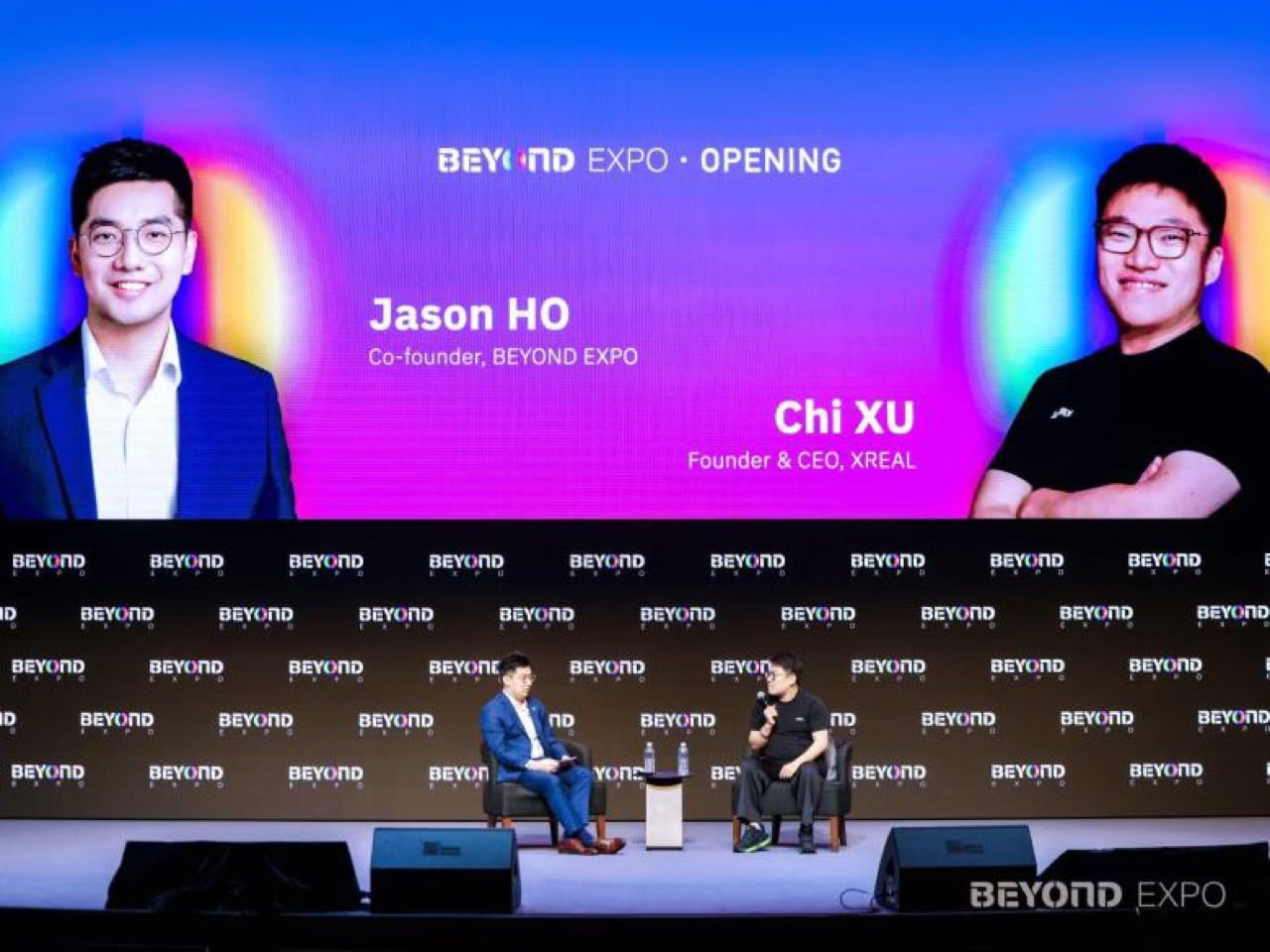
BEYOND Expo 2026 had no shortage of AI talk, but one of its most compelling hardware stories came in the shape of a pair of glasses. On stage in Macau, XREAL CEO Xu Chi laid out a vision for AI glasses as the next major personal computing device and revealed that XREAL is working with Google on a new product built around Android XR and Gemini, with a global launch expected later this year.
That announcement landed at a moment when BEYOND Expo was already showing how crowded and competitive the smart glasses field has become. XREAL shared the wider conversation with companies like iFlyTek, METLEN, and Even Realities, all pointing to a fast-moving shift in wearable tech. The thread running through all of it is industrial design, platform strategy, and the race to make AI hardware people might actually want to wear every day.
Designer: XREAL
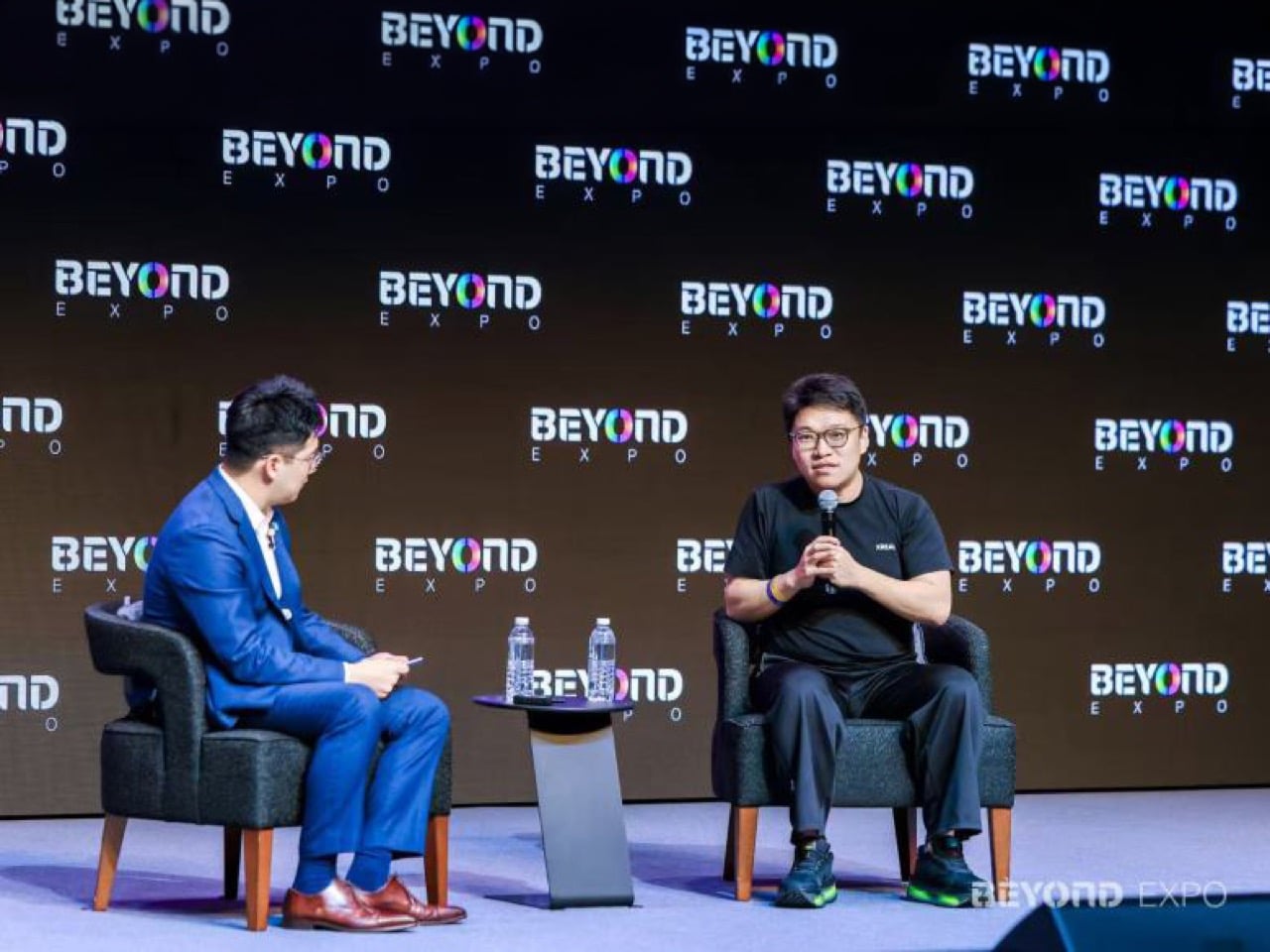
Apple Vision Pro generated enormous attention when it launched, but the market’s response to its weight, price, and the physical effort of wearing it for extended periods made clear that the premium immersive headset route has a real ceiling. Xu Chi acknowledged this directly at BEYOND Expo, framing it as a hard lesson the entire industry absorbed. The opportunity XREAL and Google are now chasing is the one Vision Pro left open: a wearable that feels closer to a regular pair of glasses than a piece of lab equipment.
Called Project Aura, the product is being developed on Google’s Android XR platform with Gemini AI integrated at the core. It is a pair of lightweight extended-reality glasses featuring a 70-degree field of view and an optical see-through display. Processing is split between an X1S chip in the glasses frame and a Snapdragon XR2+ Gen 2 processor in a separate external compute puck, keeping weight off the face while retaining the muscle needed for 6DoF tracking, hand tracking, eye tracking, and continuous Gemini AI assistance.
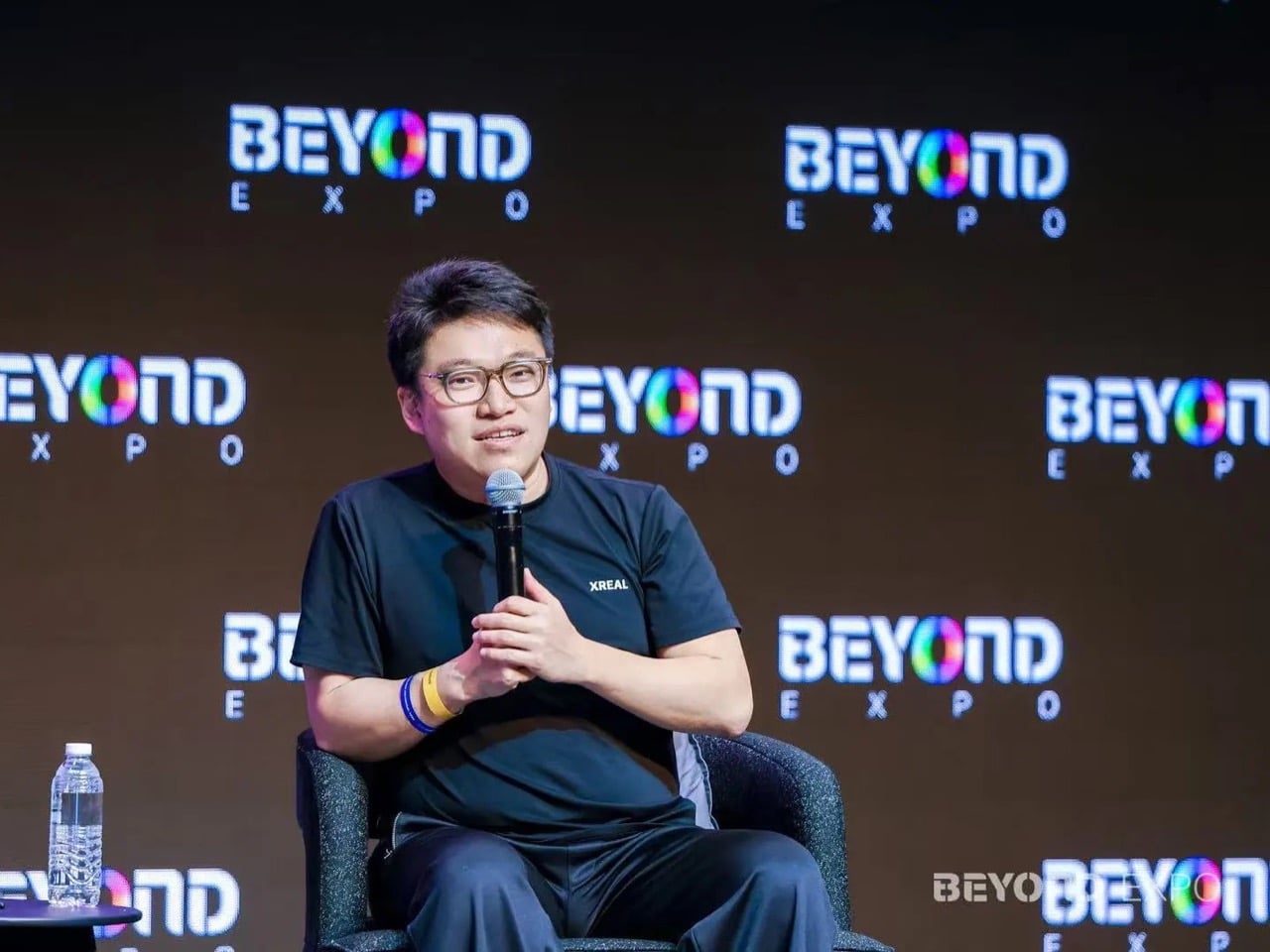
Splitting compute between the frame and a pocketable external puck is the kind of constraint-led industrial design thinking that tends to produce genuinely useful hardware. Every previous attempt to pack full AR processing into a glasses frame has produced something that looks ungainly, runs hot, or drains its battery in under two hours. Project Aura sidesteps that compromise, and the fact that it took a Chinese hardware company partnering with Google to land on this solution says something interesting about where design ambition in this category currently lives.
Smart glasses have struggled for years to answer a simple question: what are they actually for? At BEYOND Expo, Xu Chi’s answer was the clearest the category has produced in some time. The true killer app, in his view, is a continuous all-day AI assistant that sees the world from the wearer’s perspective; navigation and translation are table stakes, not destinations. What he is describing is closer to ambient intelligence that understands context and responds usefully across the full span of a person’s day, and Gemini’s multimodal capabilities give that vision real technical grounding.
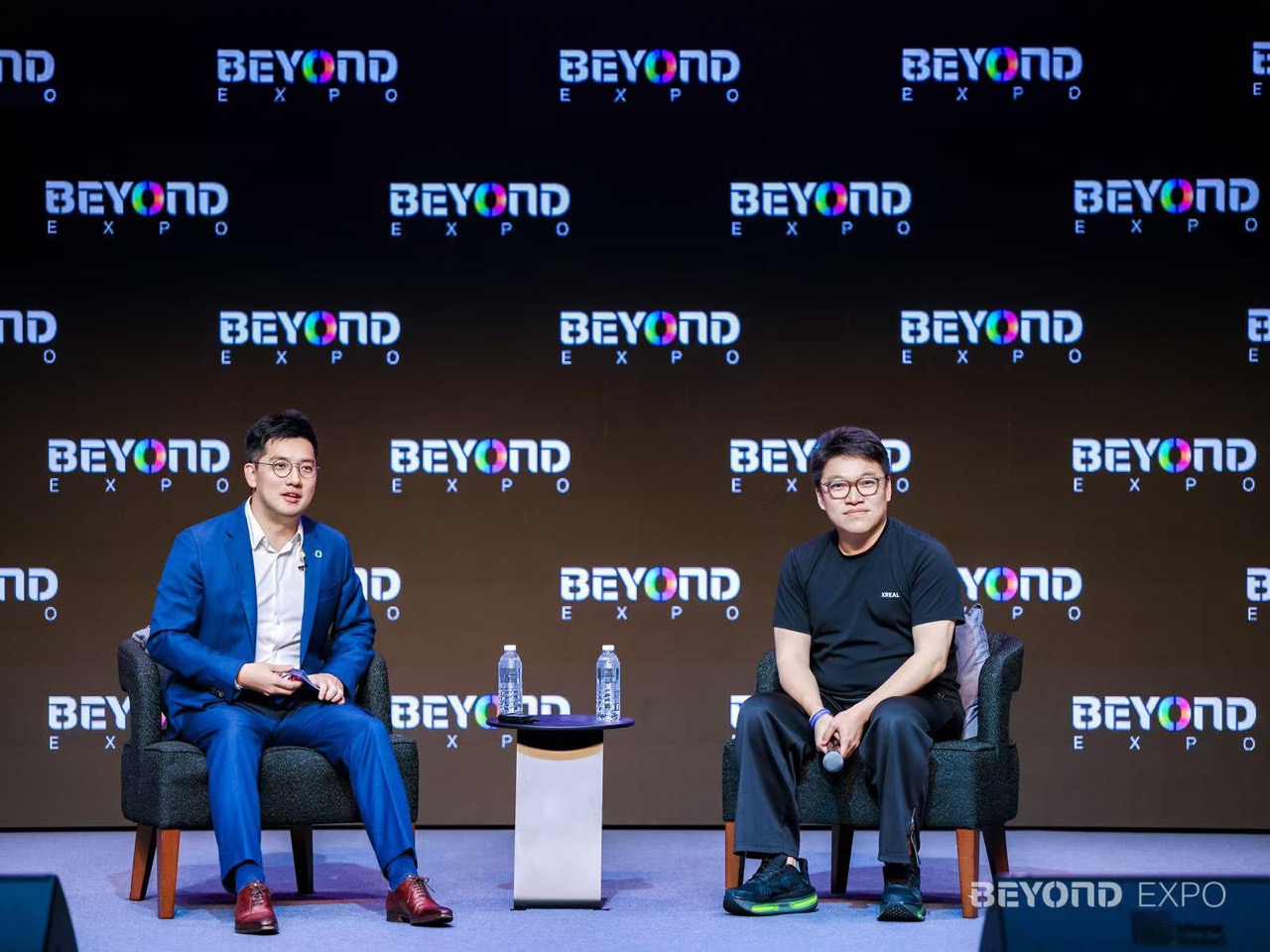
Global smart glasses shipments hit nearly 14.8 million units in 2025, a 44.2% year-on-year increase. Chinese hardware vendors held 23.3% of global shipments overall and an 87.4% share of the AR and extended reality segment specifically. These are the companies that have been quietly iterating on form factor and optics while the Western tech press kept its attention on headsets. BEYOND Expo’s smart glasses floor this year was, in a sense, the moment that iteration became difficult to overlook.
Even Realities, which picked up a BEYOND Best of Innovation award at the expo, represents the sharpest design-philosophy contrast to XREAL’s approach. Their glasses carry no camera and no microphone, a deliberate choice built around privacy concerns that have slowed wearable AI adoption in several markets. METLEN and iFlyTek each showed their own AI smart glasses interpretations on the same floor. Four distinct companies arriving at one event with serious smart glasses products, each solving the form factor problem from a different angle, signals something well beyond a routine product cycle.

Xu Chi used the phrase “iPhone moment” during his BEYOND Expo address, and it is a comparison that usually ages badly. But the conditions that made the iPhone’s arrival feel defining were a convergence of hardware maturity, software readiness, and a platform worth building for. Android XR with Gemini is a credible attempt at the third element. Project Aura handles the first two more convincingly than anything the category has previously produced. Whether 2026 turns out to be the year that proved Xu Chi right is a question the market will answer, but BEYOND Expo made clear that the companies trying to get there are no longer on the fringes of the industry.
The post XREAL Just Partnered With Google to Build the Smart Glasses Apple Can’t first appeared on Yanko Design.


Feature phones have been having something of a quiet comeback, driven largely by people who are tired of the attention-capturing machinery baked into modern smartphones. Most of what’s on the market offers a stripped-back feature set with very little room to grow. Calls, texts, maybe a basic camera, and that’s about where the conversation ends, which hasn’t exactly made the category feel like an exciting place to be.
The Sidephone SP-01 has been quietly building a different kind of case for itself since its debut in 2025, not by piling features onto a simple phone but by letting users choose what kind of phone they want through a swappable modular keypad system. The Mini Controller Keypad is the fourth tile to join that family, and it’s the most unexpected one yet.
Designer: Sidephone
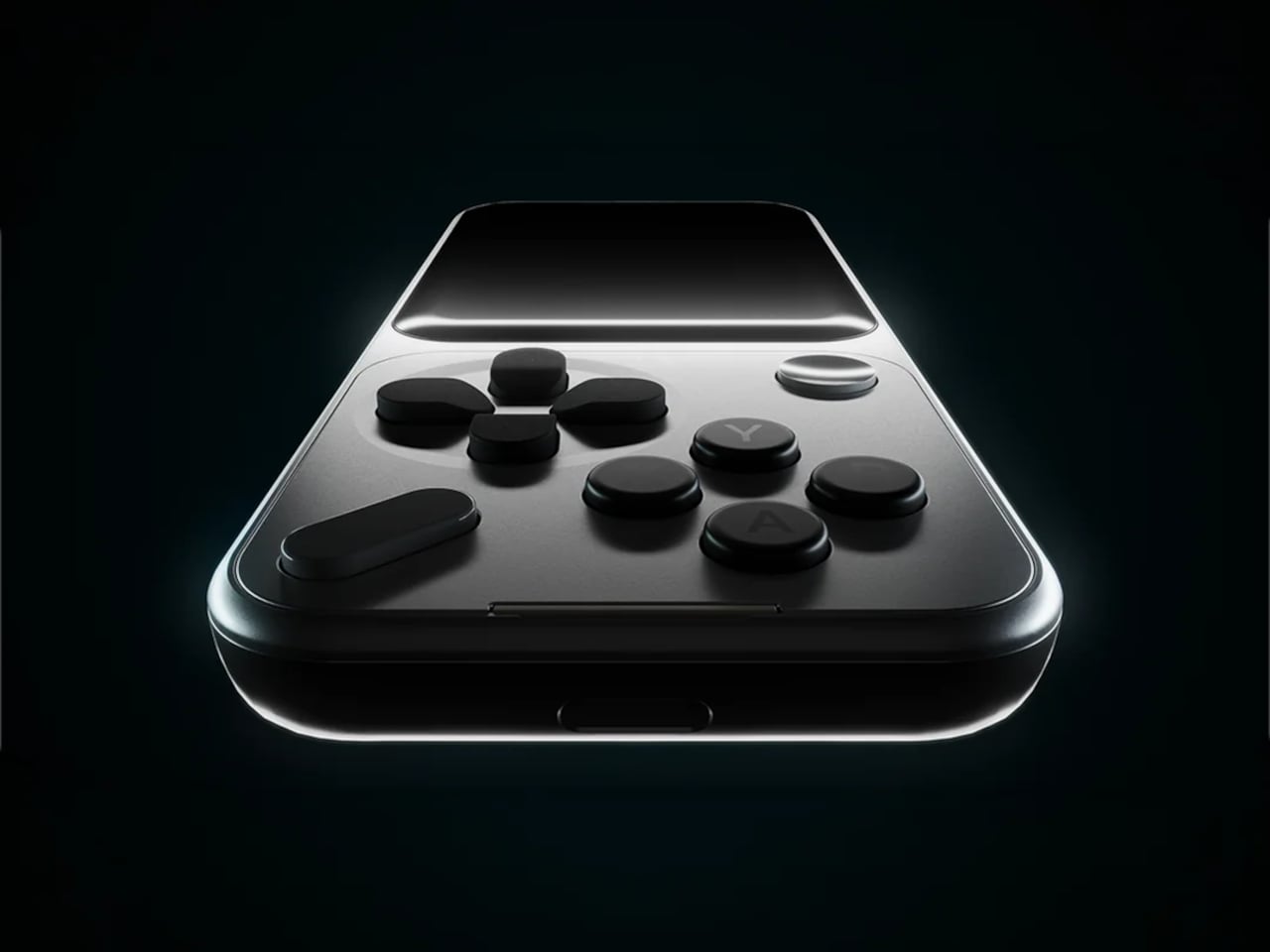
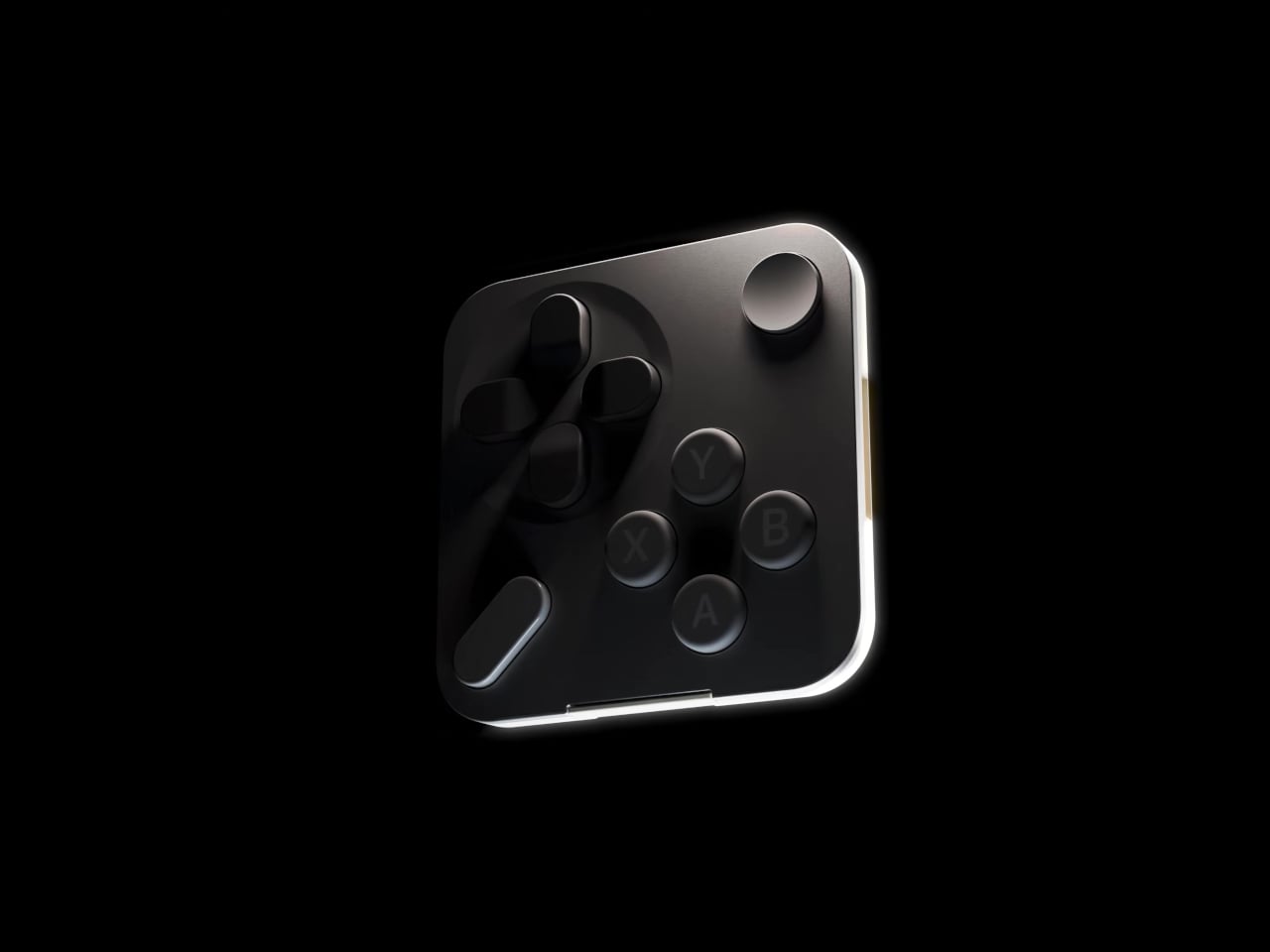
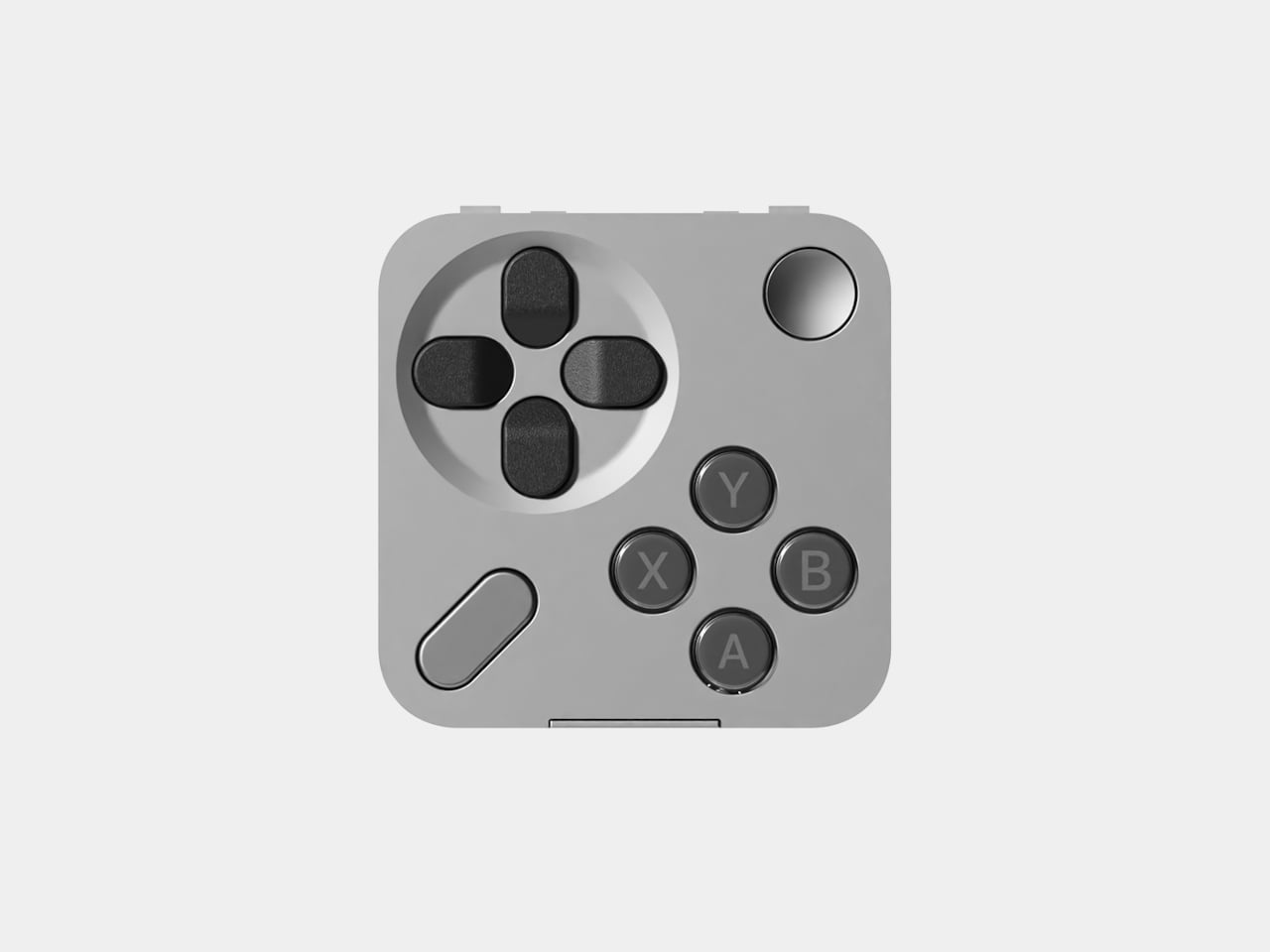
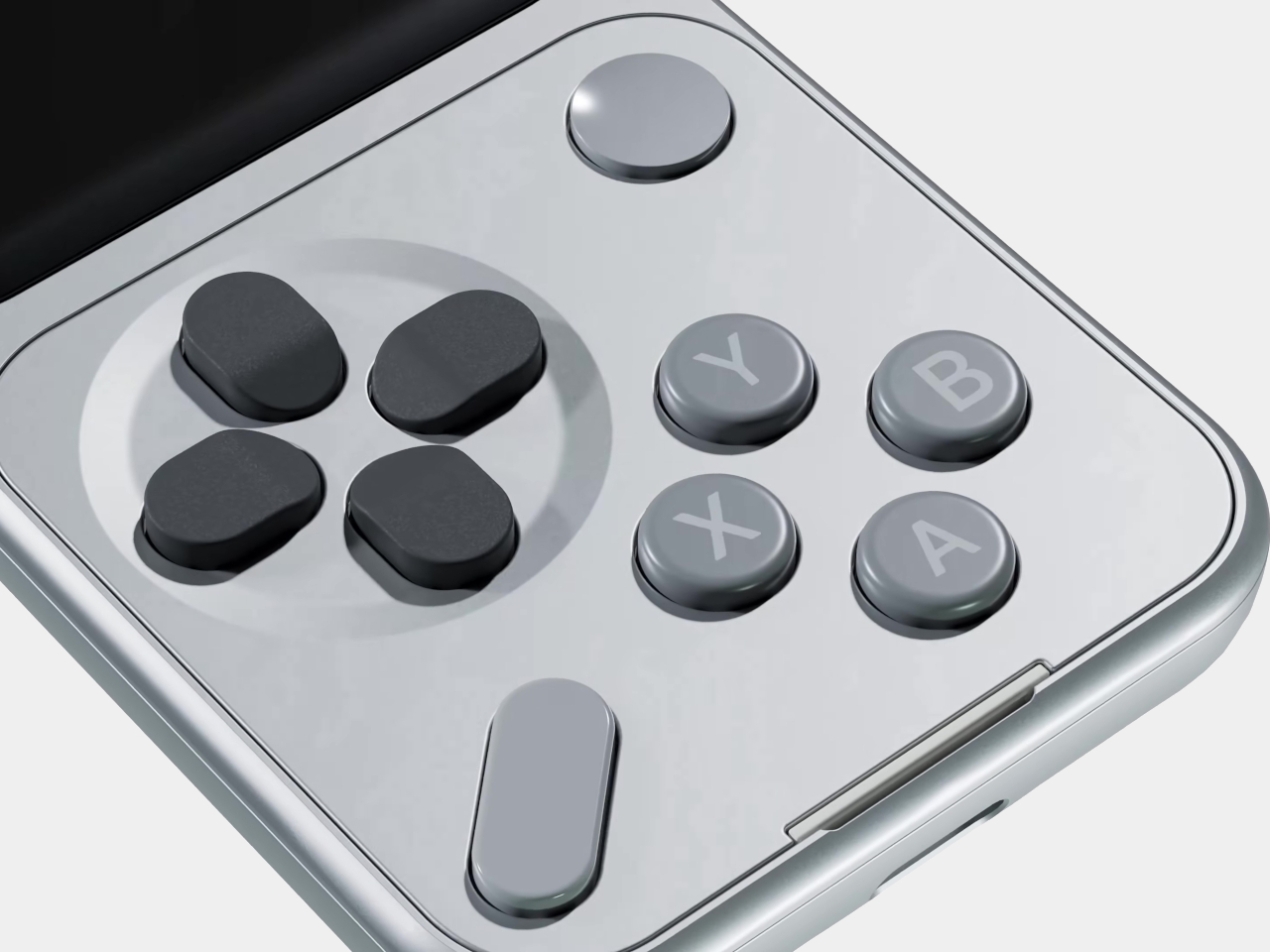
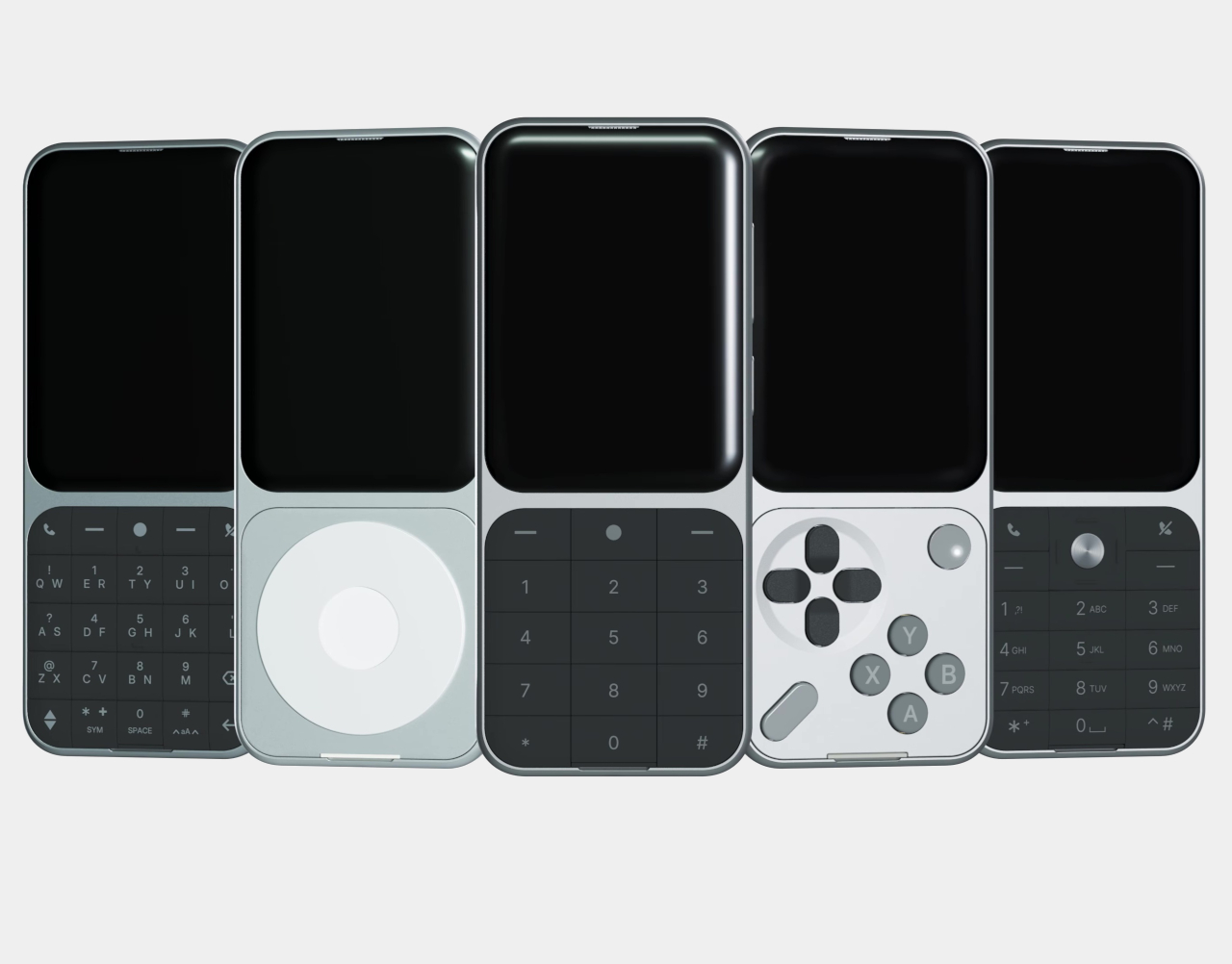
Unlike the T9 pad used for texting or the Sundial’s iPod-wheel-style controls for music, the Mini Controller brings a game controller layout to the front of the phone. It carries a D-pad, A, X, Y, and B action buttons, plus Start and Select, all of which will feel immediately familiar to anyone who has ever held a handheld gaming device. The keypad sells separately for $29, the same price as the other add-on tiles.
To go with the hardware, Sidephone has developed two mini games that ship alongside the keypad: Mini Asteroids and Mini Blocks. They’re clearly starter content rather than the main event, but they establish that this isn’t just a novelty tile. The company has plans to open a community development environment so that third-party developers can build their own games and apps for the platform, which is when things will likely get more interesting.
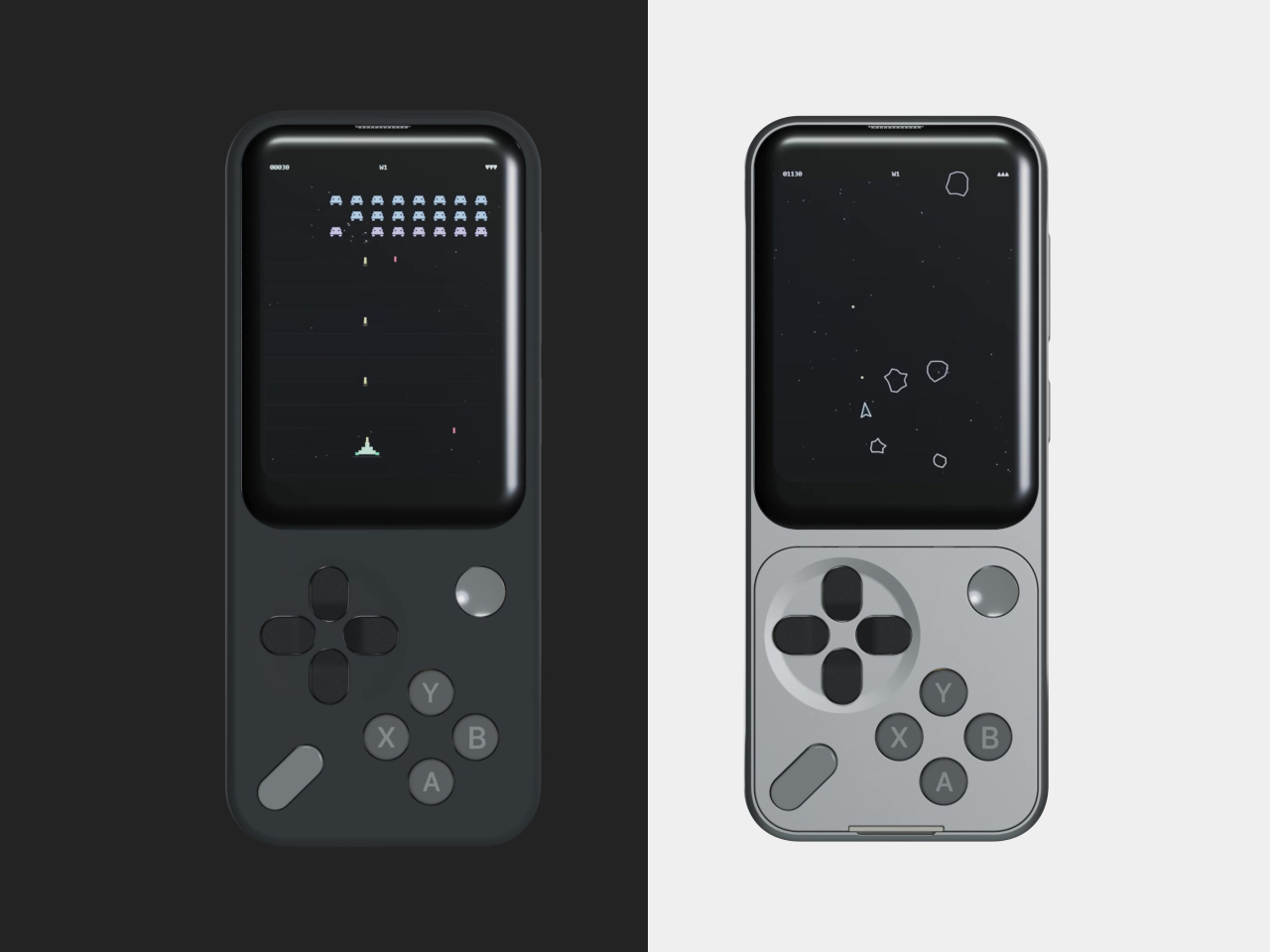
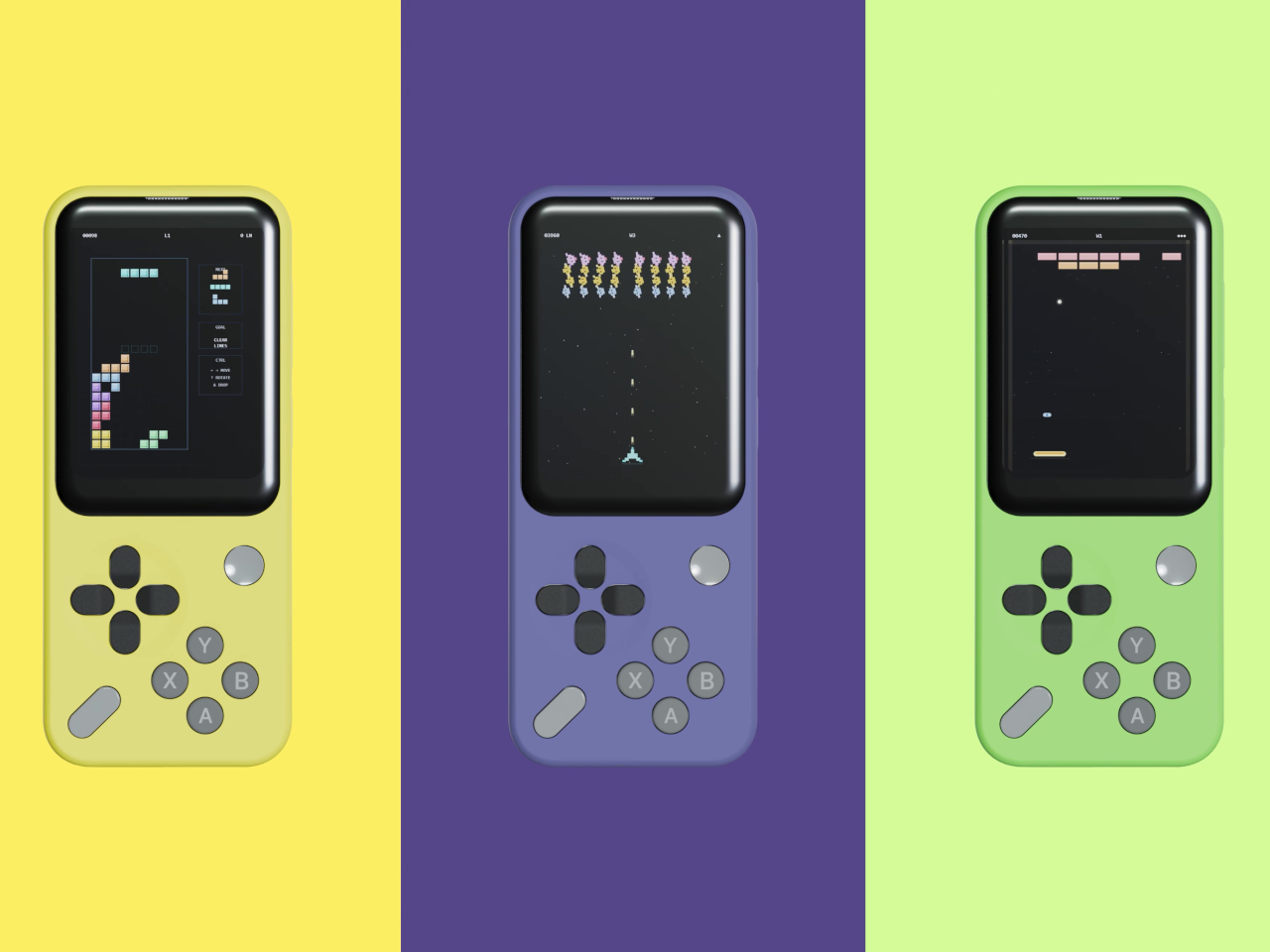
What Sidephone has been sketching out goes considerably further. GBA and arcade emulator support has been floated as a longer-term possibility, alongside universal smart remote functionality. If even a portion of that lands, the Mini Controller starts looking like less of a playful add-on and more of a meaningful expansion of what a deliberately simple phone can do on an idle evening.
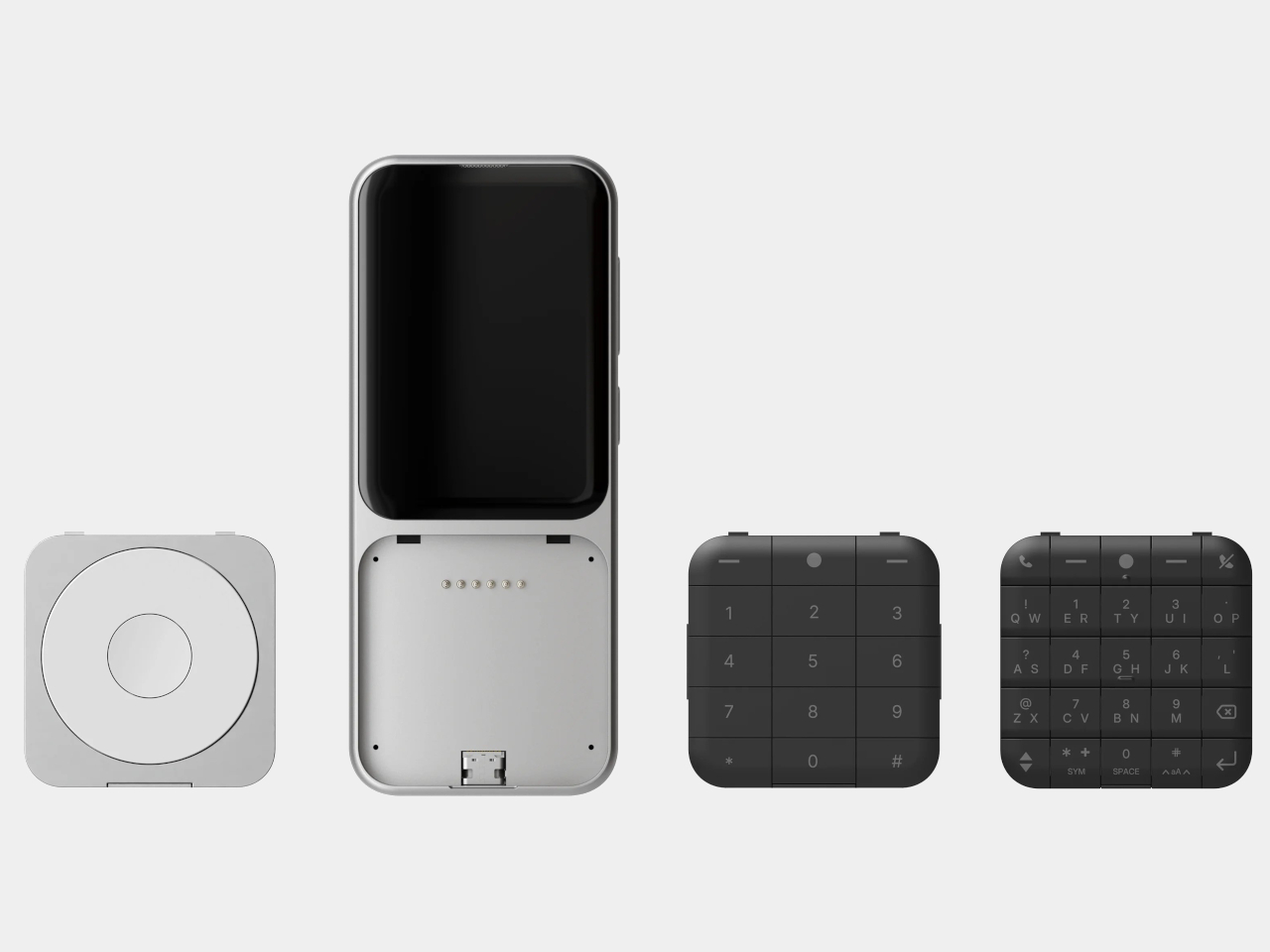
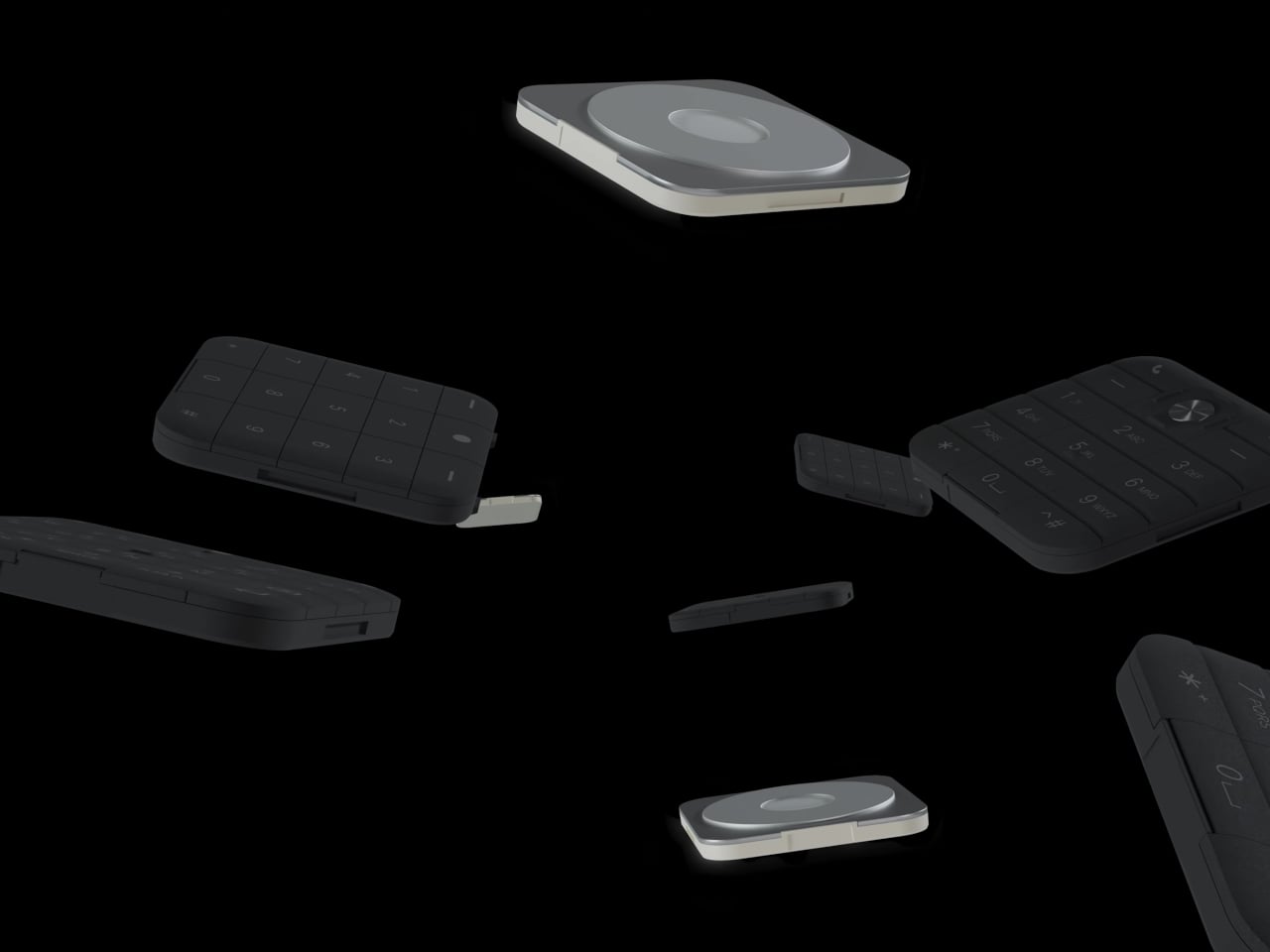
The whole system rests on the premise that a feature phone doesn’t have to be a featureless object. The SP-01 runs a custom Android-based OS, carries a 2.8-inch touchscreen and a 12 MP camera, and supports essential apps without dragging in the full weight of a smartphone’s notification ecosystem. The swappable keypad system, which uses pogo-pin connectors and magnets to click tiles into place, is what allows the device to shift personalities without requiring a hardware upgrade.
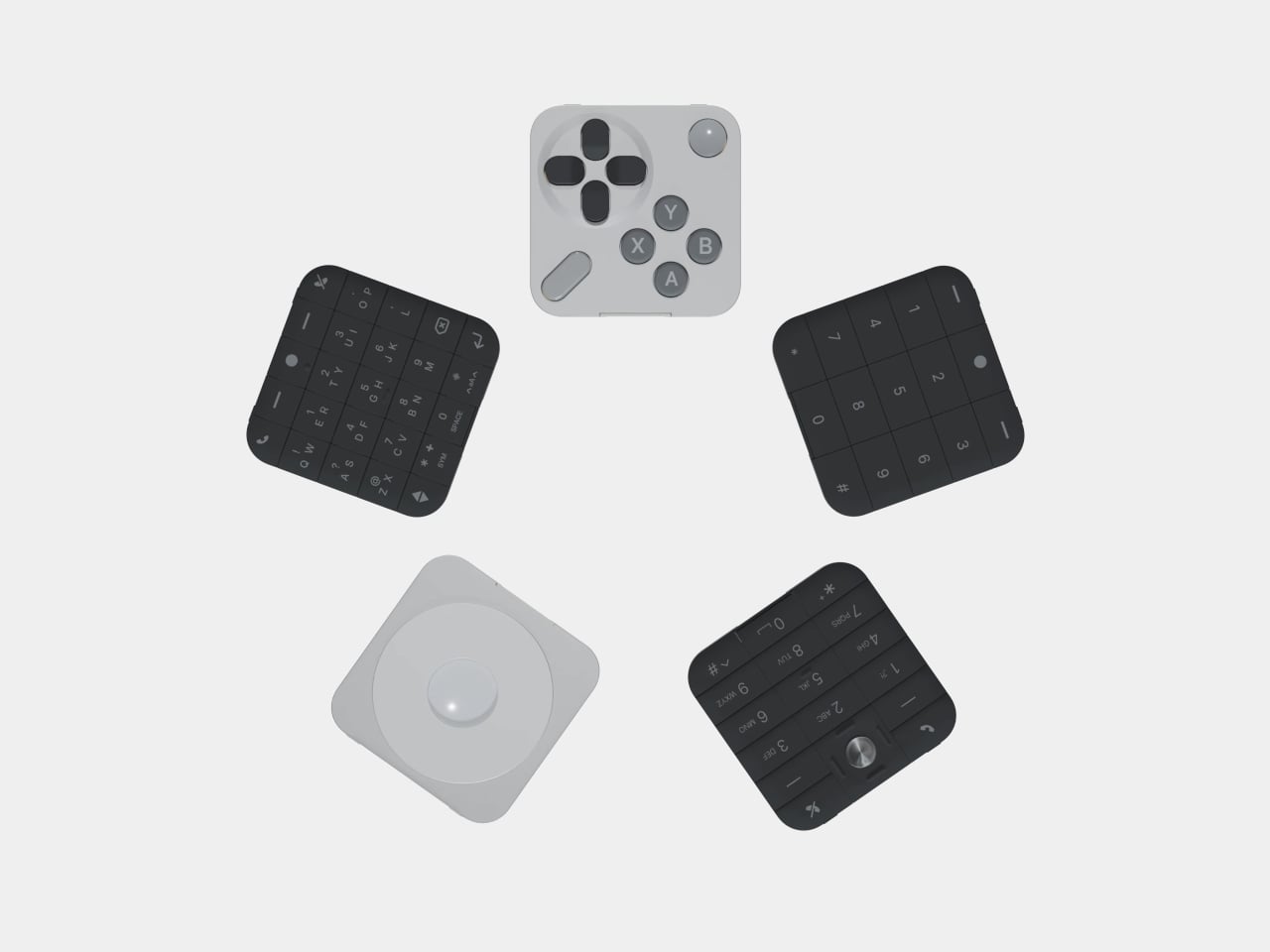
The Mini Controller sits alongside a growing family of tiles that now spans T9 dialing, compact QWERTY typing, scroll-wheel media control, and controller-style gaming. What started as a phone built around the premise of doing less has turned into a modular platform that keeps finding new things to do, each one contained in a $29 tile that snaps onto the same core hardware.
The post This $249 Phone Becomes a Game Console With One $29 Snap-On Tile first appeared on Yanko Design.