Music-reactive LED Christmas tree turns holiday decor into an interactive display

Holiday lighting has long relied on repeated patterns and static effects, but this music-reactive LED Christmas tree brings a new dimension to seasonal decor by turning sound into visual effects. The project is a simple wooden frame with off-the-shelf LEDs and an audio sensor to create a festive display that animates in real time with sound. Built around an ESP32 microcontroller running the open-source WLED software, the assembly combines woodworking, basic electronics, and wireless configuration into a project that is both instructive and visually striking.

The core of this DIY is an ESP32-D1 mini microcontroller, chosen for its built-in Wi-Fi, processing capability, and compatibility with WLED, a flexible lighting control platform. WLED runs on the ESP32 and provides a web-based interface for configuring LED lighting effects, colors, and patterns without requiring deep coding knowledge. In this tree, WLED’s audio-reactive mode analyzes sound input and drives the LED effects so that the lights flash, pulse, and change in response to music playing nearby. A small INMP441 digital microphone module is wired to the ESP32 to capture ambient audio, enabling this interaction between the physical decorations and sound.

Designer: DB Making

Structurally, the tree is made from common materials. A wooden frame cut into the triangular silhouette of a Christmas tree serves as the backbone. Addressable WS2812B LED strips are mounted along this frame, arranged to expose each LED through a round opening in a corresponding ping-pong ball acting as the light diffuser. These balls soften and spread the light emitted by each LED, creating a uniform glow rather than pinpoint beams. A 3D-printed jig assists in cutting consistent openings in the balls, which are then glued in orderly rows to complete the tree’s face.

Electronic assembly happens on a small perfboard, where the ESP32, microphone module, power connector, and LED strip connector are soldered together. Wiring the LEDs to follow the correct data flow direction and securing the controller board in a neat enclosure ensures reliable operation. Once built, a 5V DC supply powers the tree, and the ESP32 is connected to a computer or network to install WLED firmware via the official web installer. Within WLED’s setup interface, users enter Wi-Fi credentials, set the total number of LEDs, assign the correct data pin, and enable audio-reactive settings along with microphone parameters.

After configuration, the tree’s lighting can be controlled from a smartphone or computer, allowing owners to adjust brightness, choose effects, or simply enjoy music-responsive visuals. The sound-reactive mode responds to ambient audio captured by the microphone, translating beats and rhythms into dynamic light patterns that bring an interactive element to holiday decorations.

Beyond its immediate festive appeal, the project provides a learning platform for hobbyists seeking hands-on experience with microcontrollers, programmable lighting, and real-time sensor integration. By using off-the-shelf components and open-source software, builders can expand or modify the design. This can be done by increasing the number of LEDs, experimenting with alternative diffuser materials, or adding networked effects.

The post Music-reactive LED Christmas tree turns holiday decor into an interactive display first appeared on Yanko Design.

Mercedes-Benz reimagines the stellar Unimog with a sublime touch of luxury

Mercedes-Benz has unveiled what could be the most luxurious Unimog ever built, marking a distinctive moment in the model’s nearly eight-decade history. Created by Mercedes-Benz Special Trucks in collaboration with Hellgeth Engineering, this one-off show vehicle celebrates the Unimog’s 80th anniversary in 2026 by pairing its legendary go-anywhere capability with levels of comfort and sophistication previously unseen in the series.

The new luxury Unimog is based on the robust U 4023 chassis, a platform already respected for tackling extreme terrain in both civilian and military settings. It retains core mechanical DNA such as a flexible frame, portal axles that lift critical drivetrain components high above obstacles, selectable all-wheel drive, and differential locks on both axles. These features ensure the vehicle maintains the off-road competence that defines the Unimog name.

Designer: Mercedes-Menz Trucks

Under the hood, the standard four-cylinder engine has been replaced by a Mercedes-Benz OM 936 six-cylinder turbodiesel displacing 7.7 liters and producing around 220 kW (300 hp). This upgrade not only boosts performance over traditional configurations but also pairs with a recalibrated transmission for smoother power delivery and improved on-road manners, notable in a vehicle as rugged as the Unimog. Visually, the luxury Unimog blends utilitarian toughness with contemporary design cues inspired by Mercedes’ SUV range. Its matte grey exterior is punctuated by aluminum beadlock wheels for serious off-road durability, modern LED lighting, and the innovative MirrorCam system, which uses cameras and internal displays in place of conventional mirrors to improve visibility. While still unmistakably a Unimog, these refinements hint at a more premium character.

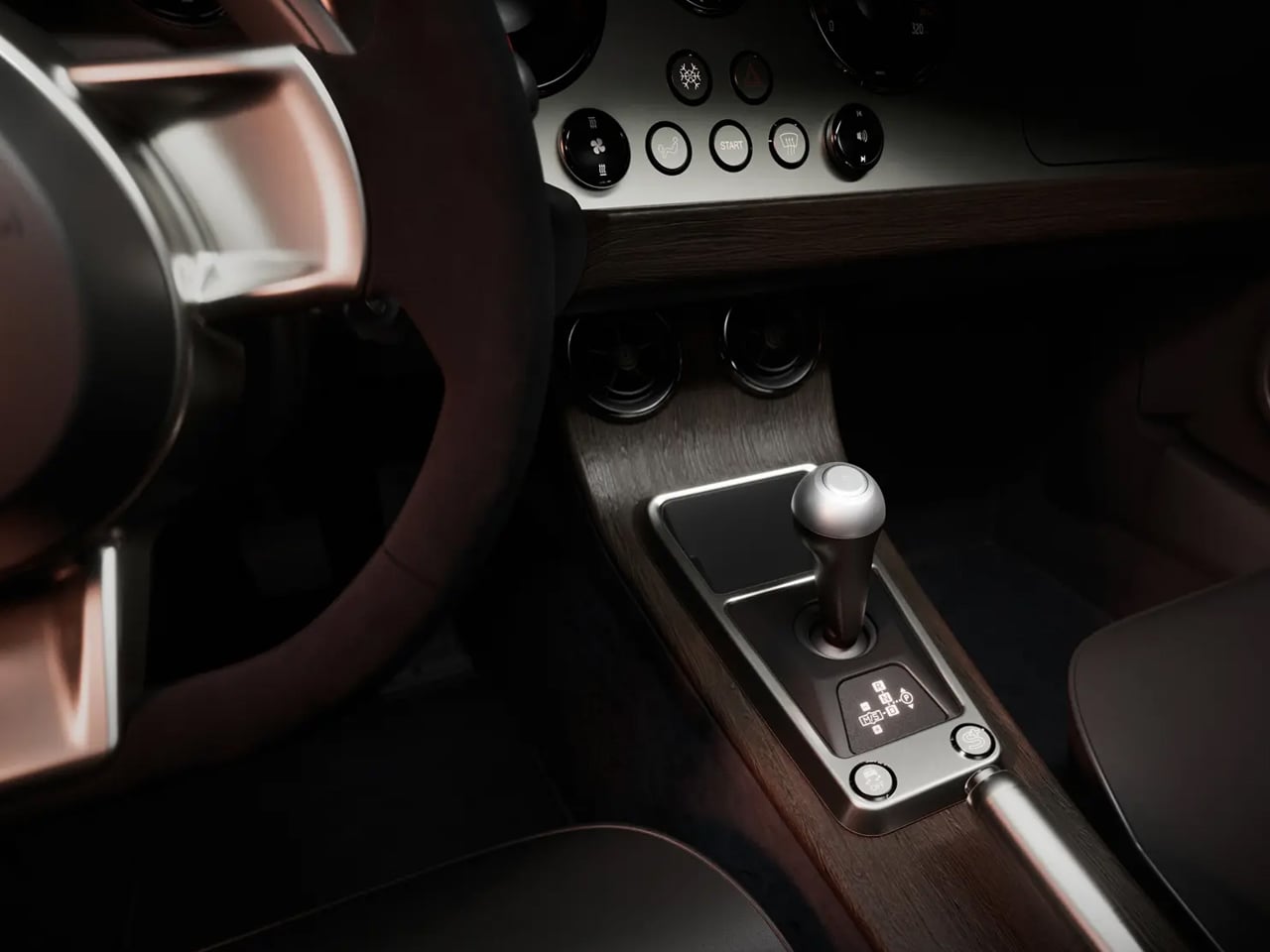
Inside the double cab, which accommodates four passengers, the transformation is most striking. Premium leather covers the seats, steering wheel, and even the floor mats, all detailed with contrasting stitching. LED ambient lighting enhances the cabin’s atmosphere, and ergonomically revised seating promotes comfort over long journeys. These elements create an experience far removed from the typically utilitarian interiors of traditional Unimogs. Mercedes-Benz Special Trucks frames this build as more than a static exhibit. After its public debut, the luxury Unimog will be handed to a customer for real-world testing in 2026. Feedback from this trial will help determine whether aspects of the project could evolve into a limited production or inspire future special editions.

The Unimog itself has a long legacy of versatility. Originally conceived as a “Universal-Motor-Gerät” in the aftermath of World War II, the model has served as everything from agricultural machinery to military transport and emergency-response vehicle. Its hallmark has always been exceptional adaptability and resilience across environments. Pricing for the existing U 4023 begins around the mid-six-figure mark (around $225,000), and with the bespoke powertrain and luxury appointments, this anniversary edition could command a significantly higher valuation should it ever reach limited production. For now, it stands as a bold reinterpretation of a vehicle long prized for its capability, signalling what might lie ahead if demand for ultra-premium off-road trucks continues to grow.

The post Mercedes-Benz reimagines the stellar Unimog with a sublime touch of luxury first appeared on Yanko Design.

Tiny Camper Company’s Stubby is $2,900, all-composite slide-in camper built to last

I’m in awe of how quickly the RV industry is transitioning from wood and metal builds to all-composite construction. Following the release of the Unit-1 rugged squaredrop off-roader from California-based Ecno Evil, which was constructed without wood yet designed to tackle untamed roads, another 100 percent wood-free camper makes its presence known. Called the Stubby, it is a bare-bones slide-in camper that starts at just $2,900, making it an accessible entry point for almost any type of adventurer.

Completely wood-free, all-composite construction means this slide-in camper, whether it’s stationed on the pickup truck bed or mounted on a platform, will remain leak-proof and corrosion-free for the lifetime of the vehicle. To stay put where you choose to place it, the camper features a pair of aluminium slides and built-in tie-down points so it’s secure and stable to transport.

Designer: Tiny Camper Company

The Stubby is designed and engineered by the guys at the Tiny Camper Company in Florida, which has been creating affordable and compact RVs and has a decent portfolio to show. The Stubby slide-in can fit right into the back of a medium-sized truck with the help of only two people, who can lift and put it there. The cabin is absolutely lightweight at 280 lbs – largely because it’s only a sturdy and capable skeleton. If you want it out there in the wilderness with you, you will have to furnish it up at least with bedding, cooking, and toilet facilities.

Notably, Stubby makes provision for power with a 110V interior outlet and a Marine-grade exterior power connection, but an alternative power source would be necessary when you want to camp in it. With the optional Zero Breeze Mark 2 air conditioner (that comes for an additional $700) and other addons, the slide-in camper should be apt for off-grid adventures and as a quick sleeping solution when you want to “convert your truck into a resting spot.”

Crafted for utmost durability and maximum utility, the 48 inches wide x 6-foot 5 inches long Stubby may be bare bones on the inside to start with, but on the outside, it’s an impressive cabin. The rear access door, measuring 26 inches x 32 inches, is the only entrance. The periphery of the slide-in camper is marked by a set of 12-inch x 24-inch side windows that are strategically positioned to maximize natural light and ventilation. To ensure passive airflow, the Stubby also gets a half-moon air vent on either side. For an asking price of under $3,000, the Tiny Camper Company’s offering is surely enticing. Also, if you don’t like a lot of weight and side-protruding campers in your truck bed, the compact Stubby is a winner!


The post Tiny Camper Company’s Stubby is $2,900, all-composite slide-in camper built to last first appeared on Yanko Design.

AI-powered headphones for private conversations even in the most crowded places

We’ve come a long way when it comes to noise isolation used in headphones and earbuds. The Active Noise Cancellation technology employed in current-generation audio accessories has reached a level that allows for adaptive ANC levels depending on the ambient noise environment. A handful of brands even go the distance to implement turning on transparency mode automatically when someone is talking to you. That’s a novelty, but still, you’ll hear the voices of other people in the vicinity if you are in a crowded environment.

That could change with an innovation that aims to eliminate any unwanted voices in the conversation. For instance, when you are talking to your pal on the street, you’ll only hear his voice, and all the other voices of people will be muted out. This innovation will not be helpful as a daily driver, but it will assist people with hearing impairments in hearing better. The initial prototype developed by the group of researchers at the University of Washington is known as the proactive hearing assistant,” and it filters the conversation partner’s voice only and looks promising.

Designer: University of Washington

The AI-powered headphones do all the filtering automatically without any manual input which is a potent functionality current-gen headphones can hugely benefit from. The speech isolating technology suppresses the voices that don’t match the pattern of turn-taking conversation. The AI model on board keeps a tab on the timing patterns and filters out anything that doesn’t fit. Application of this exciting tech could not only be limited to audio accessories and hearing aids but also come integrated with wearable tech like smart glasses or VR headsets. The most practical implementation could come in handy at crowded places where you have to really focus on the person in conversation.

According to Senior author Shyam Gollakota, “Our insight is that when we’re conversing with a specific group of people, our speech naturally follows a turn-taking rhythm. And we can train AI to predict and track those rhythms using only audio, without the need for implanting electrodes.” The current prototype supports one wearer and up to four other people which is impressive. More so when you factor in the lag-free overall experience. Currently, the team is testing two different models of the iteration: one that runs a “who spoke when” check to look for any overlap between the speakers, identifying who’s speaking when. The second model cleans the raw signal and then feeds real-time isolated audio to the user. The latter, so far, has scored well with the 11 participants in the study.

Currently, these basic over-ear headphones are loaded with extra microphones, and the team is working on slimming down the size. In conjunction with the research that is going on, small chips are being developed that run these AI models, so that they can be fitted inside hearing aids or earbuds. So, are we ready for a future where intelligent hearing is part of our daily drive?


The post AI-powered headphones for private conversations even in the most crowded places first appeared on Yanko Design.

Based on sensors in game controllers, this upper-limb wearable robot will help you with your daily chores

One thing exoskeletons have done right is help with motor rehabilitation. Of course, their size and weight have decreased over time, but most of those available are suitable for rehabilitation, load-bearing assistance, and similar purposes. However, they are not designed for daily wear. Not concentrating on the lower limb, which is a saturated market, a duo of budding South Korean designers has targeted the upper limb; creating a wearable robot that can be worn for daily usage.

It’s called the Sleev. For now, it’s not far beyond the drawing books, but from how and what it’s projected to be built for, its God damn great solution for the purpose. Sleev is designed as a daily upper-limb exosuit (wearable robot). It supports independent arm movement and is effortless to wear and remove: just one hand, no more!

Designers: Youngha Rho and Sungchan Ko

It’s not that we are seeing a robotic assistant for the arm for the first time. The market is flooded with iterations of bulky and inconvenient wearable robots that are designed with a great level of technological input and robotic sensors, but somehow make the wearer feel like a cyborg. With its sleek and lightweight limb, the Sleev is conceptualized to change that for a robotic assistant that you would like to wear. It can be strapped on like any other elbow brace to provide assistance in its movement. In addition to being a crucial option for people recovering from stroke or sports injury, the Sleev (for its design and attractive appearance) will augment daily tasks like lifting and carrying; you will like wearing it when carrying a baby for a long time or doing groceries and have a lot of packets to carry back home.

As a wearable robot conceptualized to integrate exoskeletons into our daily life, the Sleev is also strong and intelligent enough to support with rehabilitation activities. To ensure this, the design is integrated with FMG (force myography), a method that detects movement intentions through muscle pressure. The muscle pressure is different in people based on their gender, height, weight, and age. So, for the data accuracy and for the correct functioning of the wearable robot, this information about the users will be necessary. And a larger database will ensure better results, the designers believe.

Collaborating FMG with IMU sensors, the designers suggest, they can allow the algorithm to know where the user intends to move and help them with it accordingly. Both these sensors are affordable and commonly used in game controllers, so they should not be overly expensive when Sleev can find itself into mass production. Interestingly, it relates its movements based on muscle strength and intention. The Sleev doesn’t need to be worn directly on the skin; users can wear it over a thin innerwear as well and go on with it during their daily activities.

The post Based on sensors in game controllers, this upper-limb wearable robot will help you with your daily chores first appeared on Yanko Design.

This portable display for smartphones extends usability and convenience for hustlers

Average screen time in the modern era has increased significantly due to the diversity of content available. The number of gadgets that we own on average has also increased, as we all love consuming content on TVs, computer screens, and the more convenient smartphones and tablets. The latter segment puts a lot more strain on our eyes and ultimately, on the brain.

While you have the freedom of extending the display real estate on your desktop, the option to have a portable display for your gadgets always comes in handy. The ONZE portable display with built on transparent OLED technology, wants to elevate how one views the content, without any strings attached. You can carry the display in your backpack, and when desired, it can be used for extending the display or used as a second screen for multitasking.

Designer: Seojin Lee

The standalone device is built for convenience, whether you are working remotely during travel or consuming multimedia content. It comes with a base that integrates the 3D spatial speakers and the trackpad for controlling the playback in multimedia mode without touching the screen. This sturdy base has a dual free-stop hinge that can move seamlessly to fit the best viewing position. The 16:9 aspect ratio of the screen is ideal for viewing in portrait mode if you want to use it as a tablet instead of your smartphone.

ONZE portable display has a rotating sensor dial on the top front that comes with an integrated R sensor, a ToF sensor, and an ambient light sensor. This ensures you are getting the most optimized brightness level, and the display can be fully operated with gestures. The portable display comes with two different viewing modes: Object Mode, which orients the display in a more vertical position for it to be used as a secondary screen for displaying widgets, and the Viewing Mode, which is a more laid-back orientation for relaxed viewing of content. The AOD Dial can be manually adjusted as well to adjust the amount of information that’s on the screen.

The Object Mode, in particular, displays the ambient graphics that automatically adapt to the room’s settings and the interior space. It can be doubled as a picture frame or have a more translucent vibe that overlays the screen with the elements and colors in the backdrop. For instance, it can adapt the color tones of your couch for the background of the on-screen display, thereby seamlessly blending with the interiors.

ONZE portable display is proposed to come in three classy color variants: Purple, Beige, and Steel Grey. Definitely, the portable gadget is utilitarian for professionals as well as content consumers, given its thoughtful design and features.

The post This portable display for smartphones extends usability and convenience for hustlers first appeared on Yanko Design.

Saucony and Lay’s collaborate for food-inspired sneakers with regional flavors in China

Around 2020 – give or take a year or two – when I was just getting into writing about sneakers, I read about Dunkin’ collaborating with Saucony (an athletic footwear brand I had only just discovered), for a marathon in Boston. At the time, I wasn’t convinced that food and shoes, an odd pairing, could really find common ground for a collaboration. Nearly a decade later, Saucony finds itself in the middle of another food-themed partnership. This one is specific to China, but it’s likely to interest foodies and sneakerheads far beyond the region.

Saucony this time has teamed up with Lay’s to develop a trio of sneakers inspired by the potato chip brand’s three regional flavors. Since, the silhouettes are made exclusively for the Chinese market, it is not yet confirmed if the sneakers will be sold outside of the country. The interested collectors would have to look at the resale websites and markets for these pairs.

Designer: Saucony x Lay’s

Food-inspired sneakers are not only limited to a company per se. Over the years, we have seen many brands combine the two, at various occasions, to create surprisingly great results. These pairs either derive names for their colorway from tasty treats or are licensed to sell in collaboration with a food item or a restaurant. The iconic potato chip brand here finds room in the sneaker culture with the partnership.

The three sneakers launched in this collection include a Cohesion 2K, Grid Fusion, and the more globally recognized Trainer 80X. The first in the trio is the Saucony Cohesion 2K, which is inspired by the popular seaweed flavor. It features a grey mesh and suede upper with a few green accents all around, which includes the Saucony logos.

The next in the collection is the Grid Fusion, designed after the spicy crayfish. The essence of the spicy crayfish is exquisitely carried in this pair, which feature warm brown swede and dark mesh in the upper and hints of its in the midsole. The soft beige on the midsole and the other accents complete the look.

The third pair in the series is the Trainer 80X which is instinctively identifiable with its classic yellow of a Lay’s potato chip bag. It has a gum sole and a yellow leather and suede upper. What really ties the three pairs together at the playful chip bag-like hashtags and exclusive co-branding. There is no word on when these silhouettes will be available or how each one of them will be priced. But one thing we are sure of is that we can only admire these food-inspired sneakers, there is no way these are crossing the shores of China.

The post Saucony and Lay’s collaborate for food-inspired sneakers with regional flavors in China first appeared on Yanko Design.

Record setting Pocket Lab shrinks a full AI supercomputer into the size of a power bank

We have come a long way from the computers the size of entire rooms to the sleek personal computers that sit comfortably on our desks. The evolution of computing has consistently pushed toward smaller form factors and greater efficiency. The Mac mini, for example, illustrates how compact modern PCs have become. Yet the question persists: how miniature can a powerful computing device truly be? A recent Guinness World Records certification offers a striking answer.

Tiiny AI, a US-based deep-tech startup, has unveiled the Pocket Lab, officially verified as the “world’s smallest personal AI supercomputer.” This palm-sized device, no larger than a typical power bank, is capable of running large language models (LLMs) with up to 120 billion parameters entirely on-device, without relying on cloud servers or external GPUs.

Designer: Tiiny AI

At its core, the Pocket Lab aims to make advanced artificial intelligence both personal and private. Traditional AI systems often depend on cloud infrastructure, which can raise concerns around data privacy, latency, and carbon emissions associated with large server farms. The Pocket Lab addresses these issues by enabling fully offline AI computation. All processing, data storage, and inference happen locally on the device, reducing dependence on internet connectivity or cloud resources.

Despite its compact size, measuring 14.2 × 8 × 2.53 centimeters and weighing roughly 300 grams, this mini supercomputer delivers noteworthy computing power. The system operates within a typical 65-watt energy envelope, comparable to a conventional desktop PC, yet manages to support extensive AI workloads. The hardware architecture combines a 12-core ARMv9.2 CPU with a custom heterogeneous module that includes a dedicated Neural Processing Unit (NPU), together achieving approximately 190 TOPS (tera-operations per second) of AI compute performance. This configuration is backed by 80 GB of LPDDR5X memory and a 1 TB solid-state drive, allowing large AI models to run efficiently without external accelerators.

Two key technologies underpin the Pocket Lab’s ability to run large models so efficiently in such a small package. TurboSparse improves inference efficiency through neuron-level sparse activation, reducing computational overhead while preserving model intelligence. PowerInfer, an open-source heterogeneous inference engine with a significant developer following, dynamically distributes workloads across the CPU and NPU, delivering server-grade performance at far lower power and cost than traditional GPU-based solutions.

In practical terms, the Pocket Lab supports a wide ecosystem of open-source AI models and tools. Users can deploy popular LLMs such as GPT-OSS, Llama, Qwen, DeepSeek, Mistral, and Phi, alongside agent frameworks and automation tools, all with one-click installation. This broad software compatibility extends the device’s usefulness beyond enthusiasts and hobbyists to developers, researchers, professionals, and students.

By storing all user data and interactions locally with bank-level encryption, the Pocket Lab also emphasizes privacy and long-term personal memory. This feature contrasts with many cloud-based AI services that retain data on remote servers. Tiiny AI plans to showcase the Pocket Lab at CES 2026, but has not yet disclosed full details on pricing or release dates.

The post Record setting Pocket Lab shrinks a full AI supercomputer into the size of a power bank first appeared on Yanko Design.
Turkish RV maker just dropped ‘most durable and lightest’ full-bodied pickup camper with unfurling rooftop tent

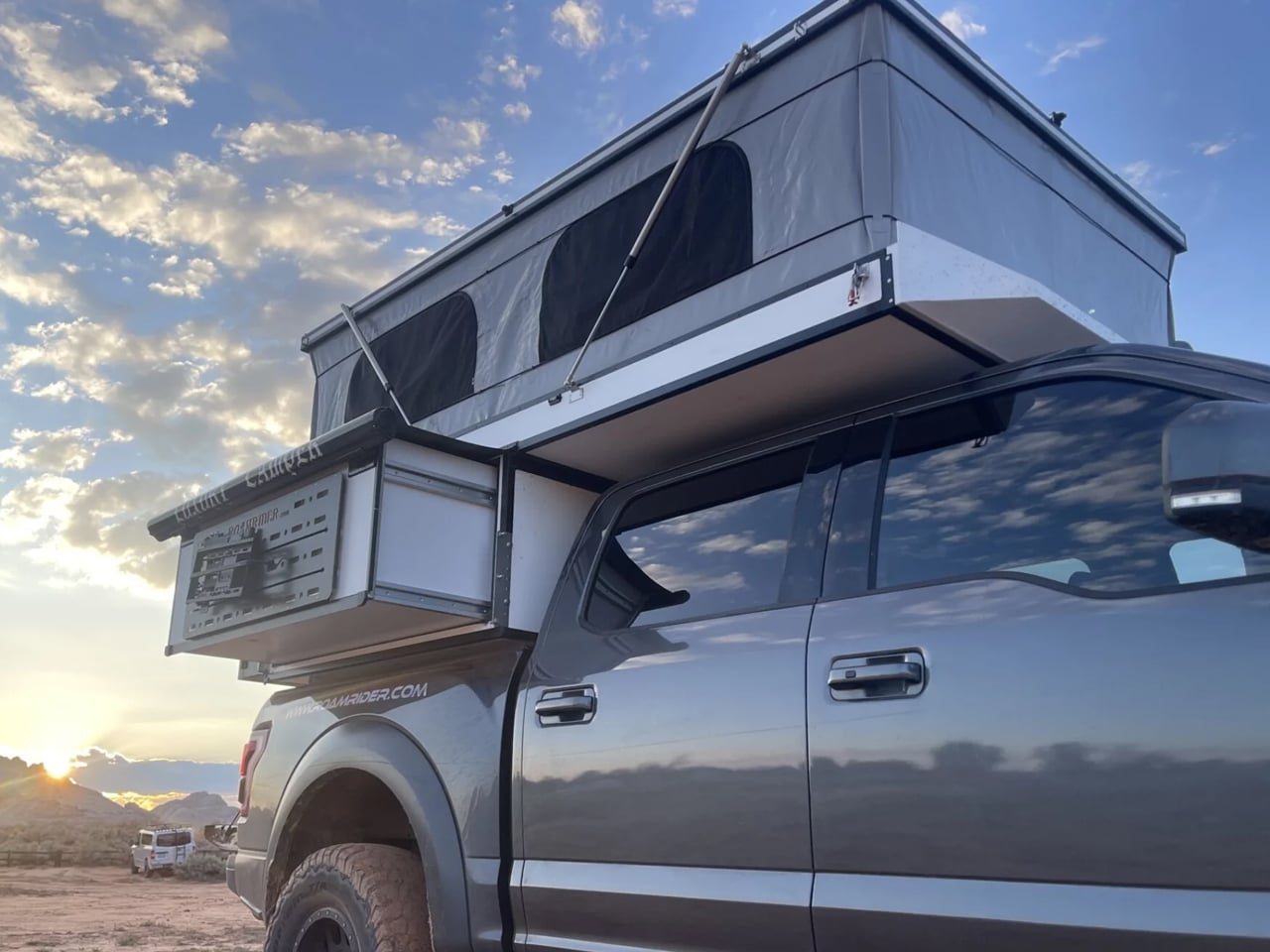
I don’t always envy adventurers living out of pick-up campers; for some reason though, the Atlas Cabin Box is making me weak in the knees. Designed by Hotomobil, an RV manufacturer from Istanbul, Türkiye, the Atlas is not a typical hardtop truck camper. It is somewhere between a full-bodied option and a rooftop tent that is really impressive to start out with. And the interior, well that’s actually where I find this cabin different from what we have seen in the past.

The combination makes the Atlas different but appealing in two ways. One, the transformative build allows it to maximize the space, and two, it is pretty affordable as opposed to other truck campers. The hard box image of the Atlas Cabin is deceptive of its capability. The low-profile design, sits flush on the truck bed and confines itself well within the side boundaries, minimizing drag and of course packing in a complete camping setup for two. It sets up in a jiffy when the camper’s top is lifted and the tent unfurls.

Designer: Hotomobil

Designed to be spacious and fully-equipped for a user’s camping needs, the Atlas Cabin box, the company claims, is the “most durable and lightest” option in its class. This is made possible with its Monoblock body. The cabin in its absolute versatility can be used as a spacious cargo box and when at the camp, it can transform from the box into and full-size tent pitched above from the ground on a truck bed.

The safe and secure camper is ideal for weekend and even those long road adventures without a reservation. But its insulation can be a concern if you’re planning to take it out in the winter. The tent will require insulation and heating to sustain that kind of camping requirement, but otherwise, there should be no concern in having a comfortable stay in it. Coming to what you get here; the Atlas is a 4-foot-high, 150 kg T-shaped cabin. Of course, that’s not something worth camping in, so the top lid of this box opens full 90-degress to unfurl a tent.

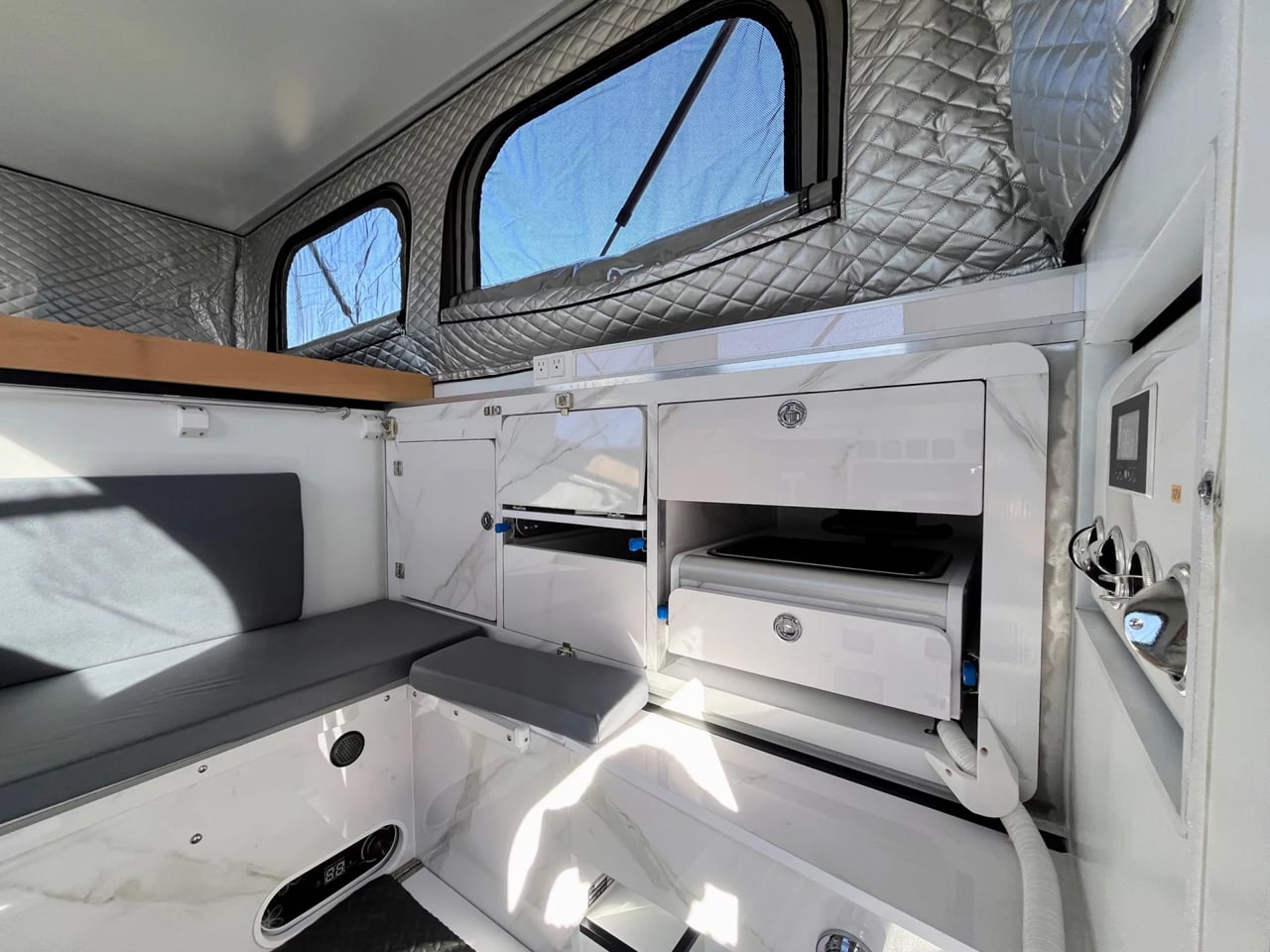
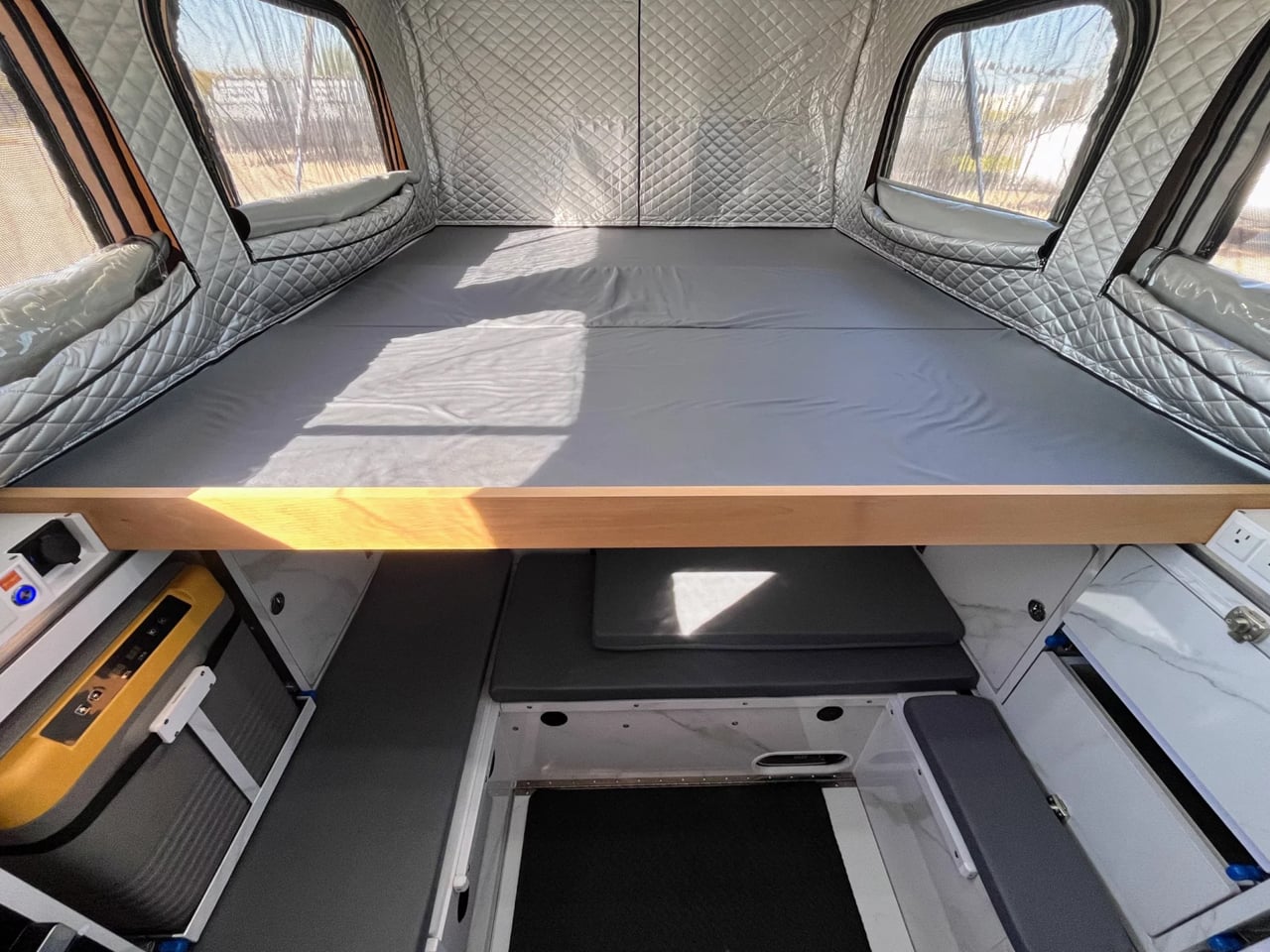
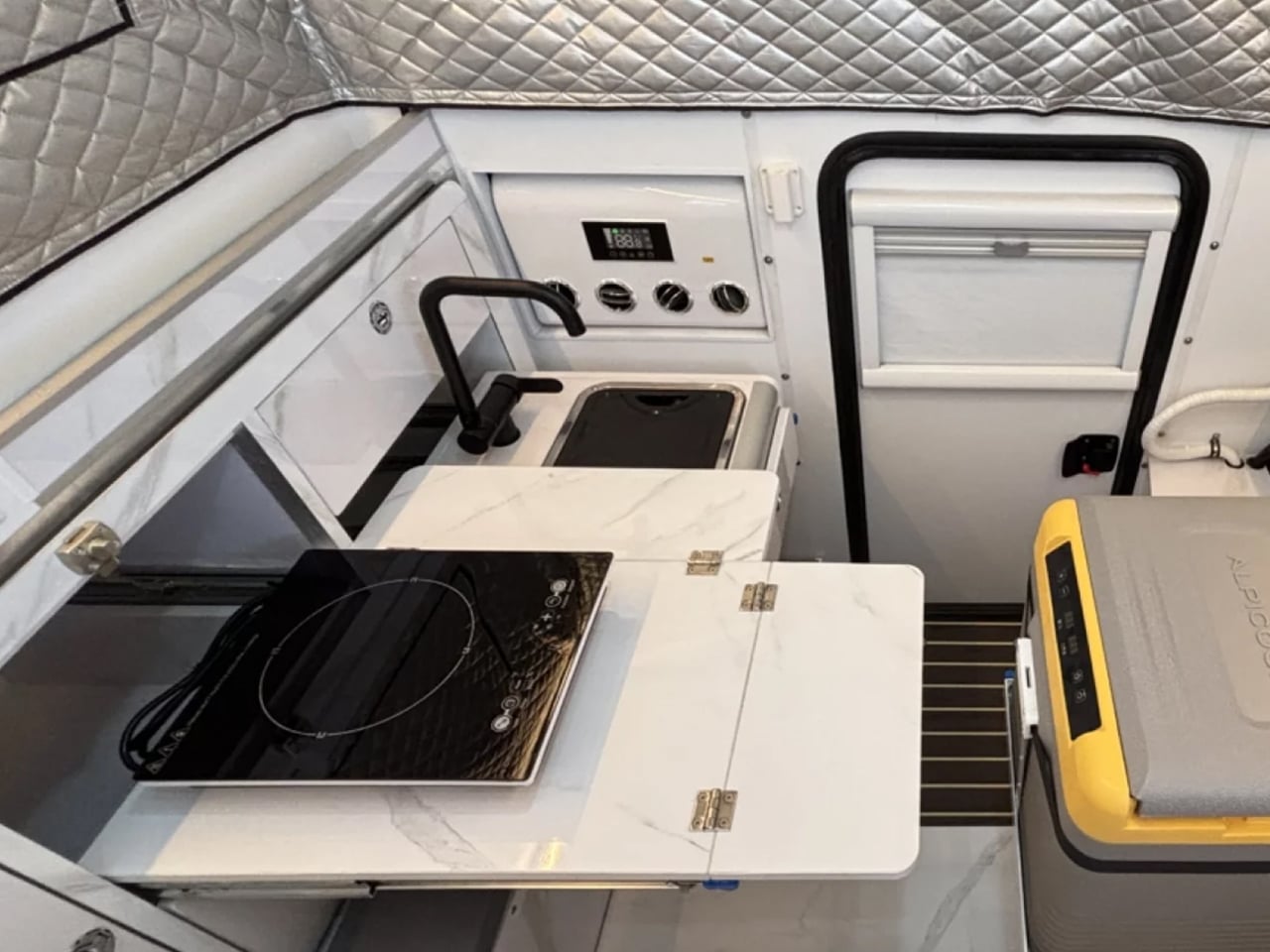
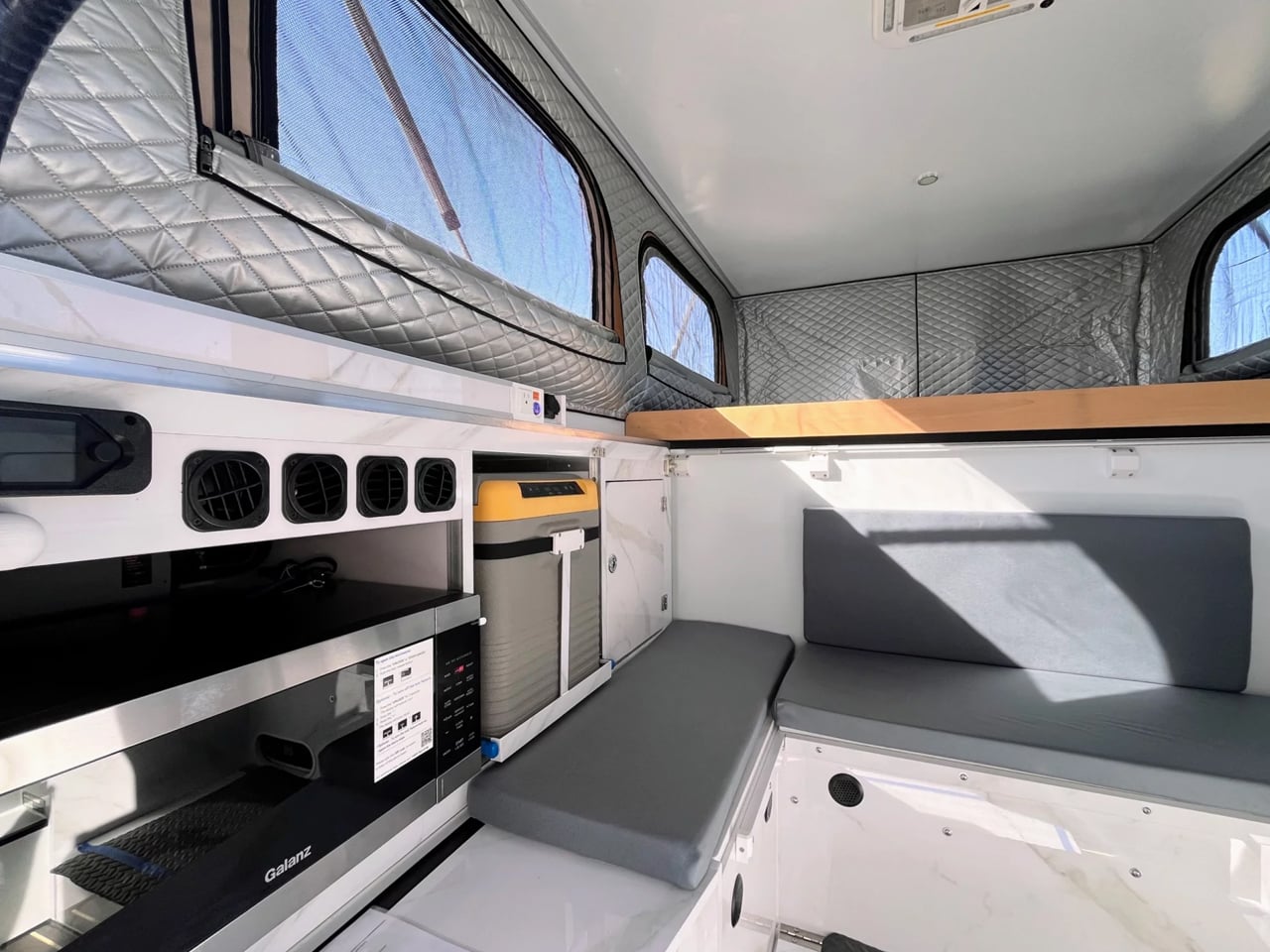
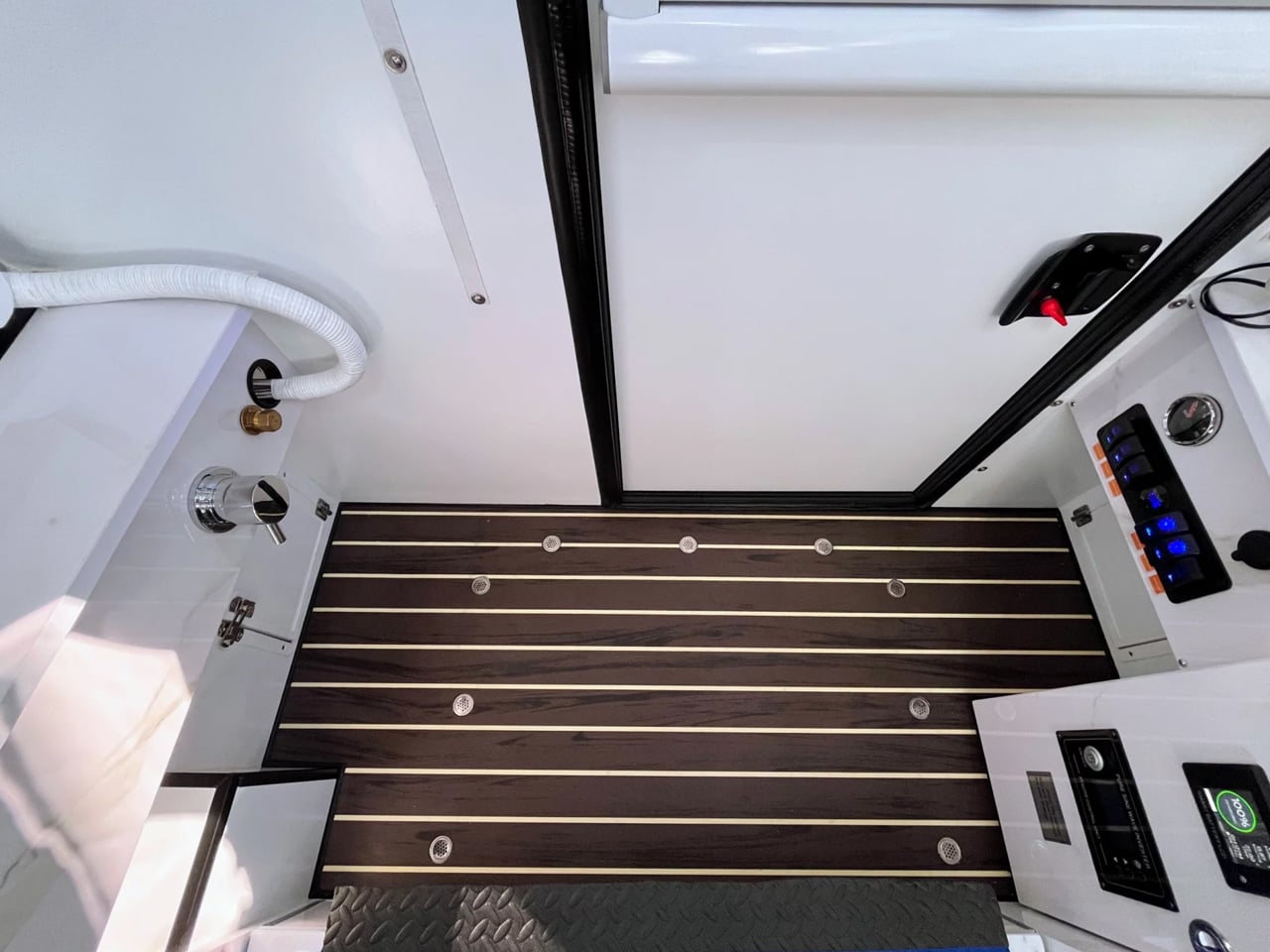
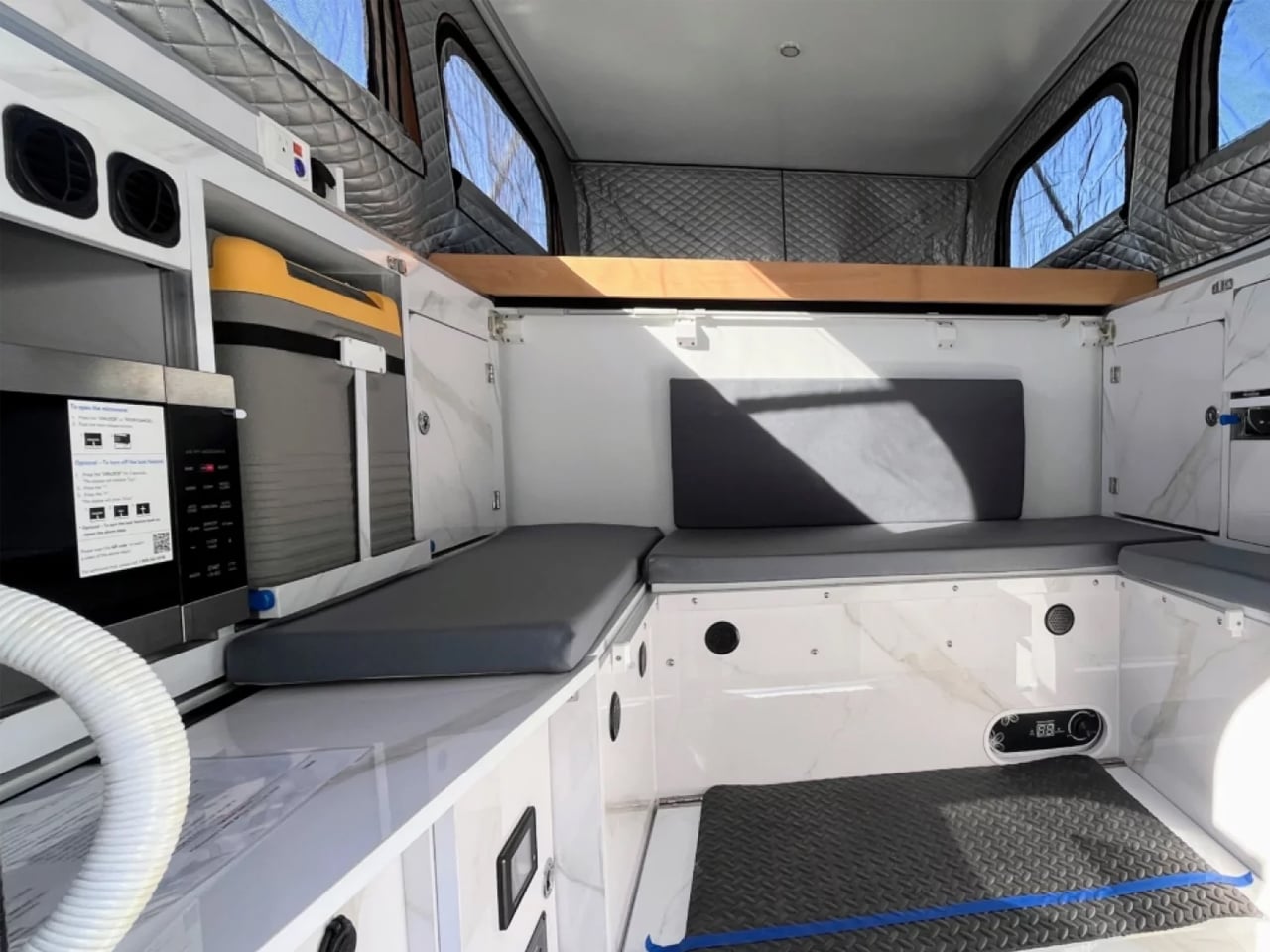
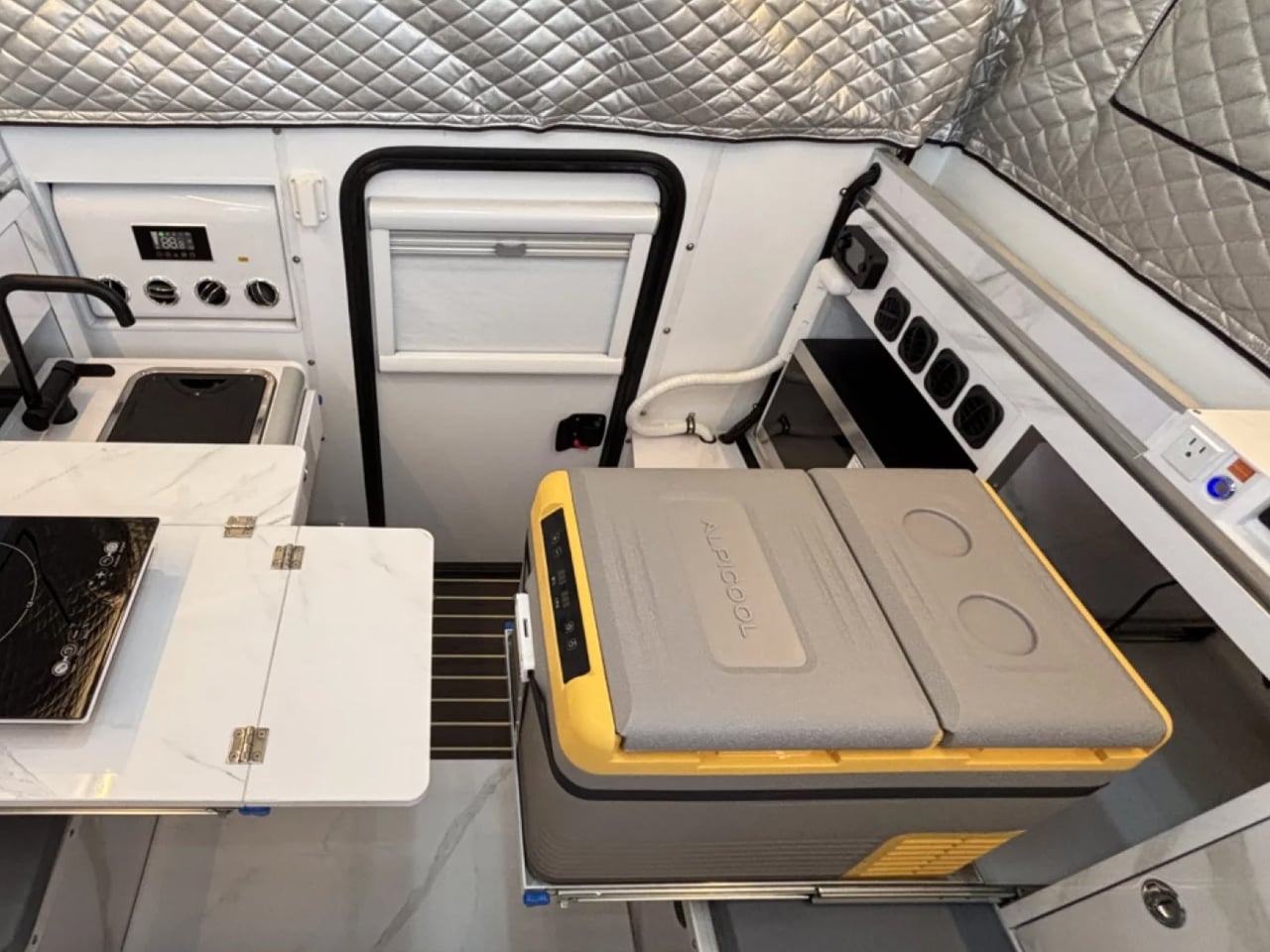
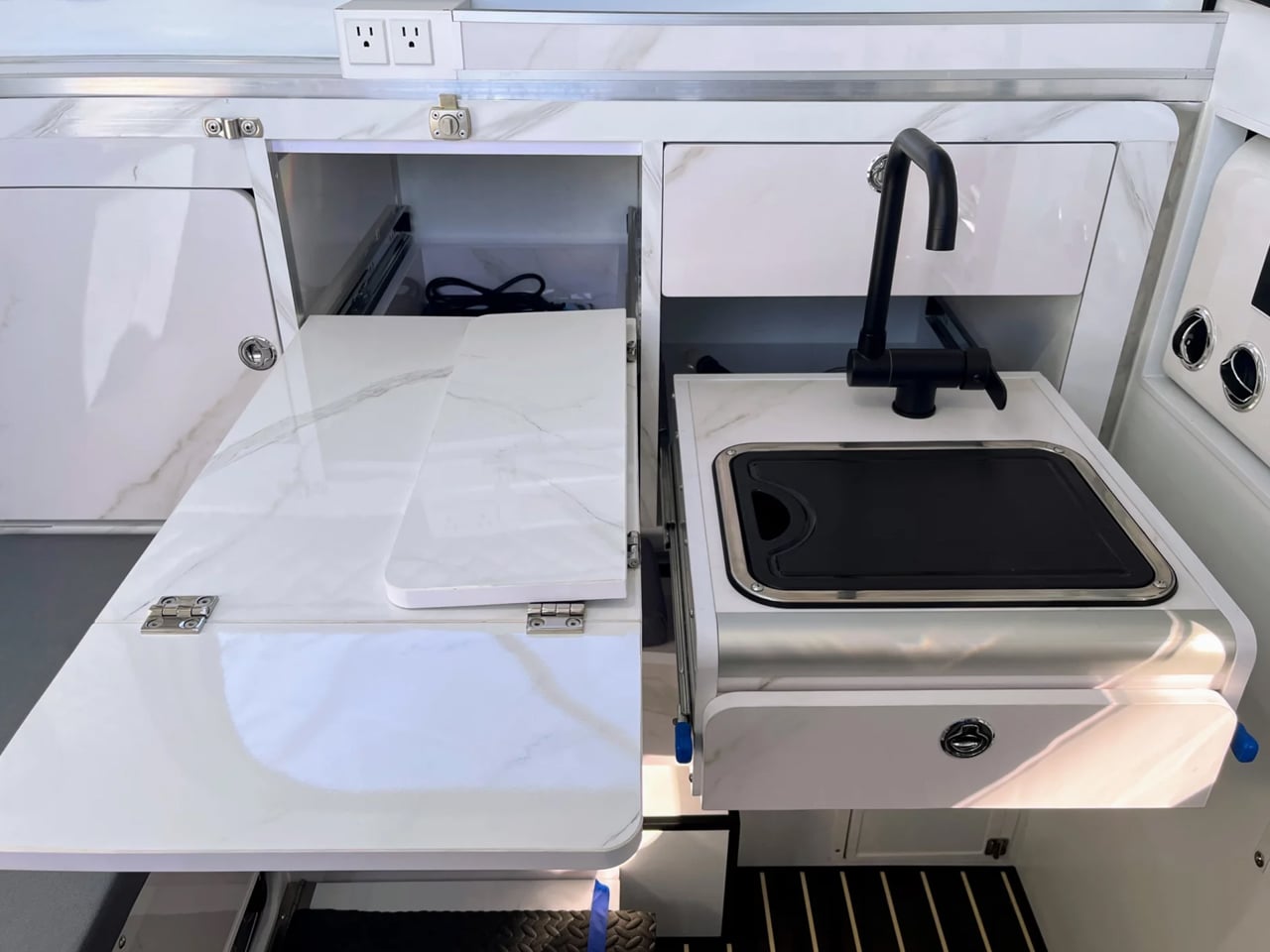
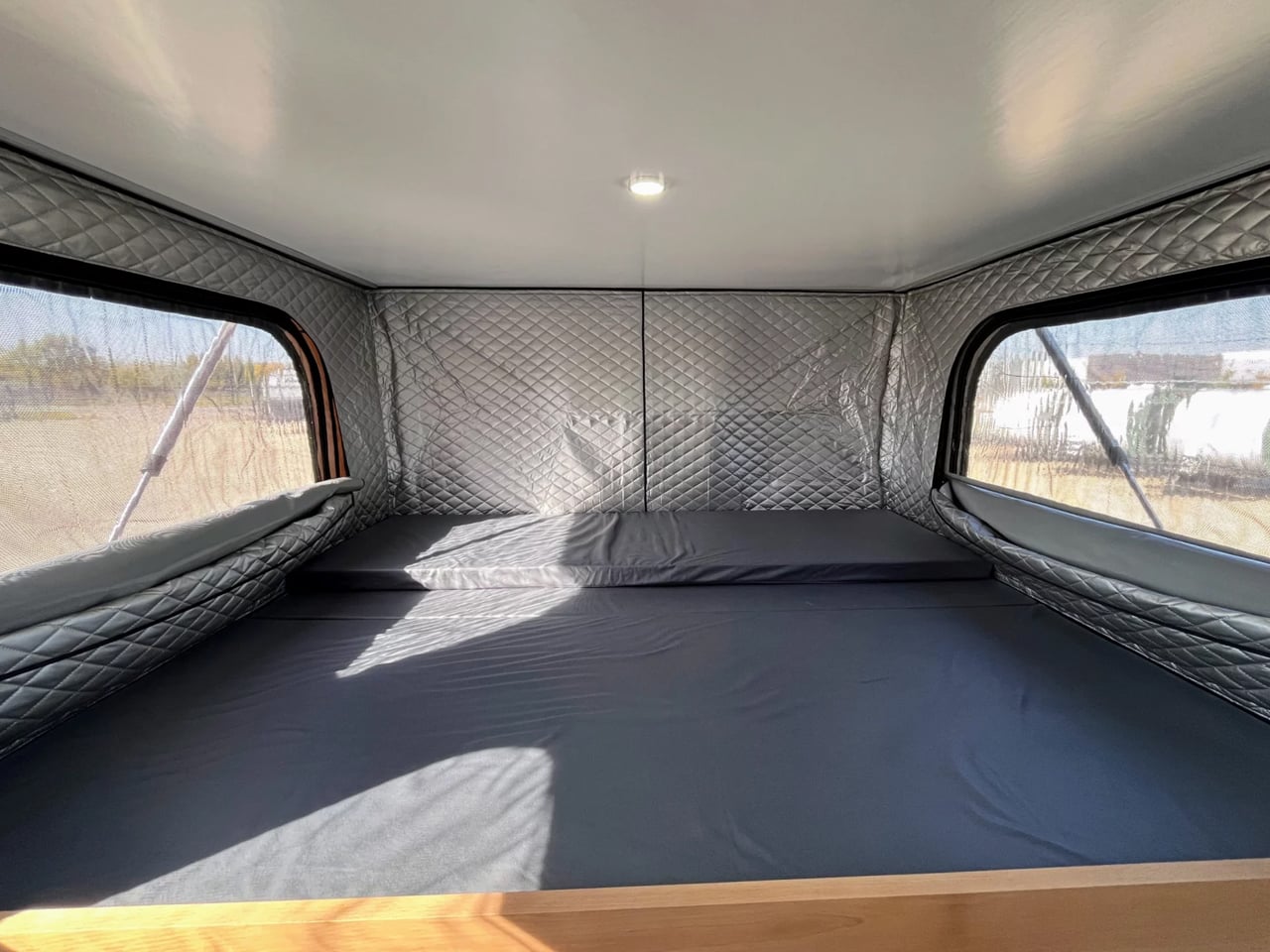
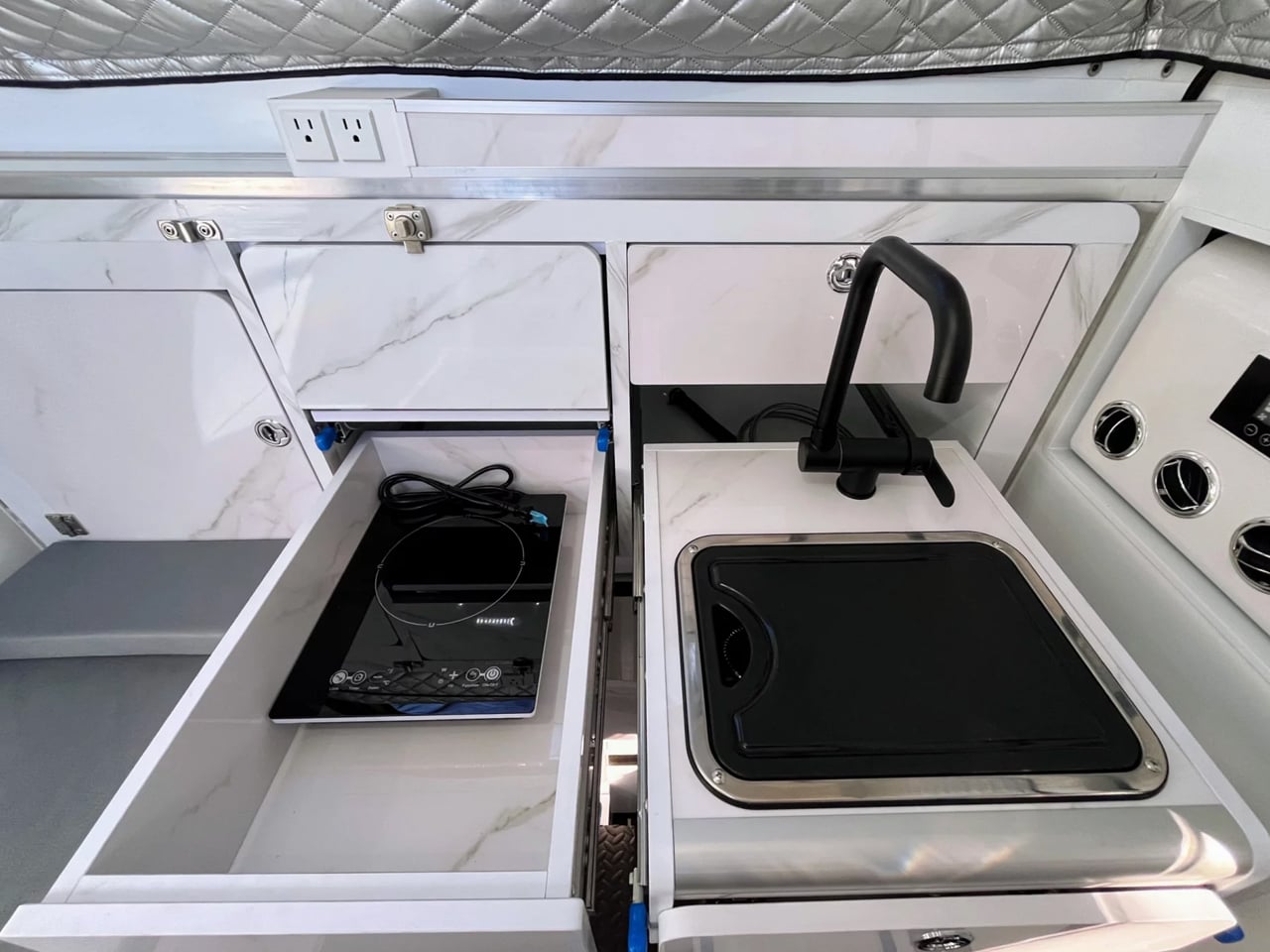
The open tent instantly extends the headroom to 8.5 feet and pitches comfortably from the truck bed down to the ground, opening up space for more than just sleeping and eating. The living unit of the tent is accessible via a telescopic ladder and is provided with a double bed and a dinette with cushioned seats and a table that functions as a work desk when required. Other accessories include a single-burner portable gas stove placed alongside the dinette, a fresh and waste water cans, faucet, space for the power station, and a chest fridge. The Hotomobil Atlas Cabin is available as an empty shell or an Urban Edition that features the above-mentioned amenities. The pricing starts at approximately $11,000 bare bones, and $13,400 for the accessorized Urban Edition.

The post Turkish RV maker just dropped ‘most durable and lightest’ full-bodied pickup camper with unfurling rooftop tent first appeared on Yanko Design.
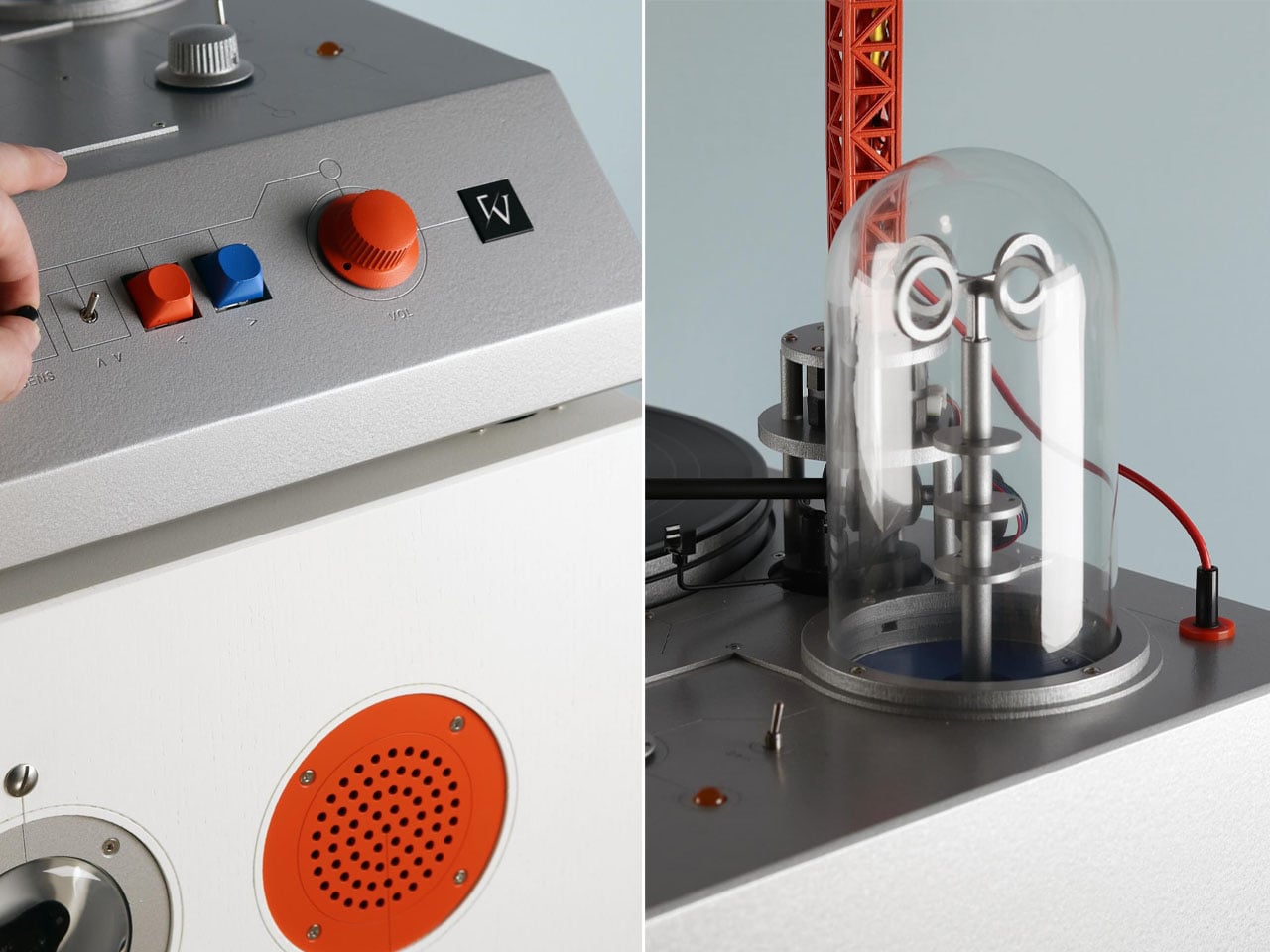
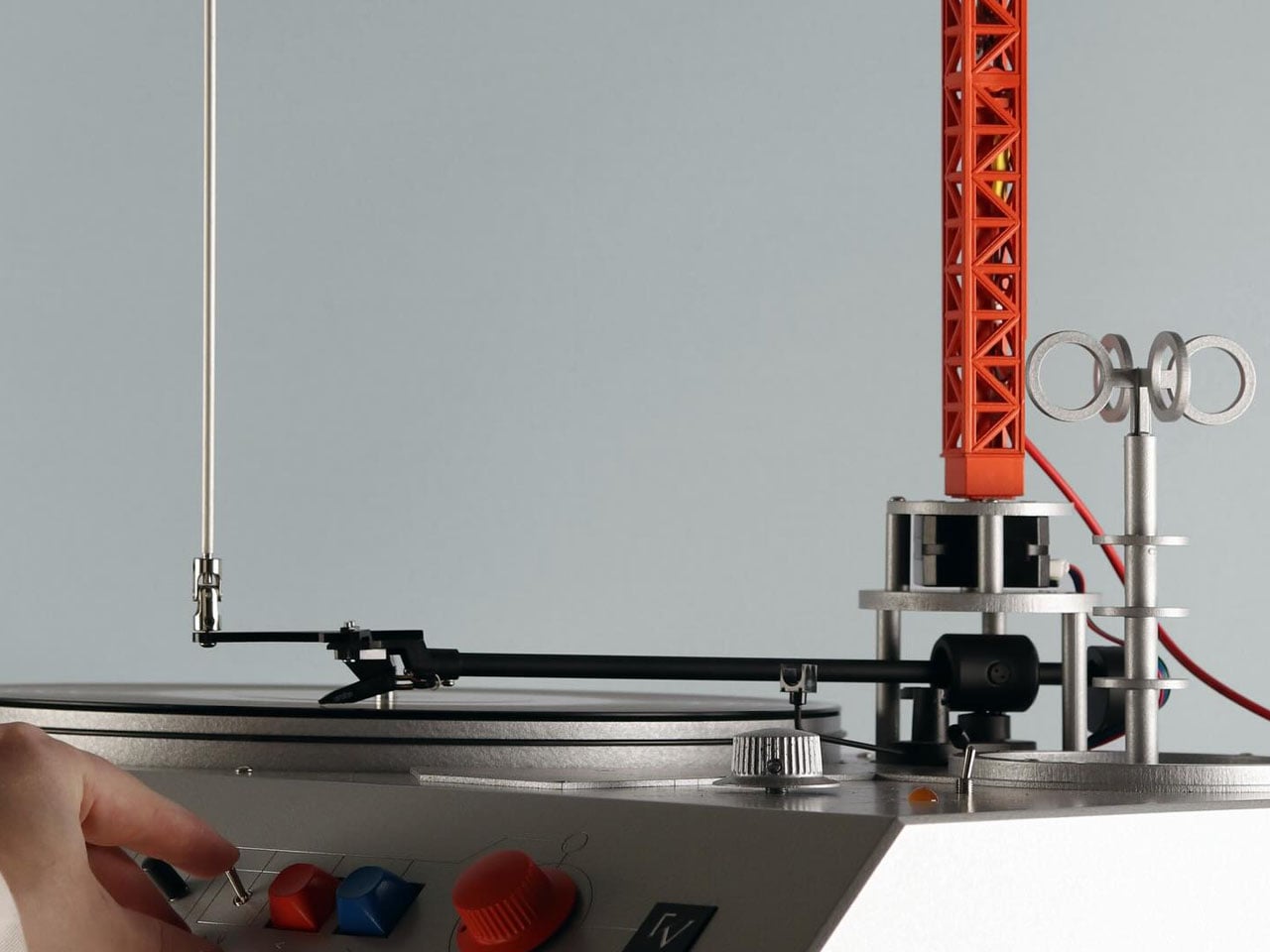
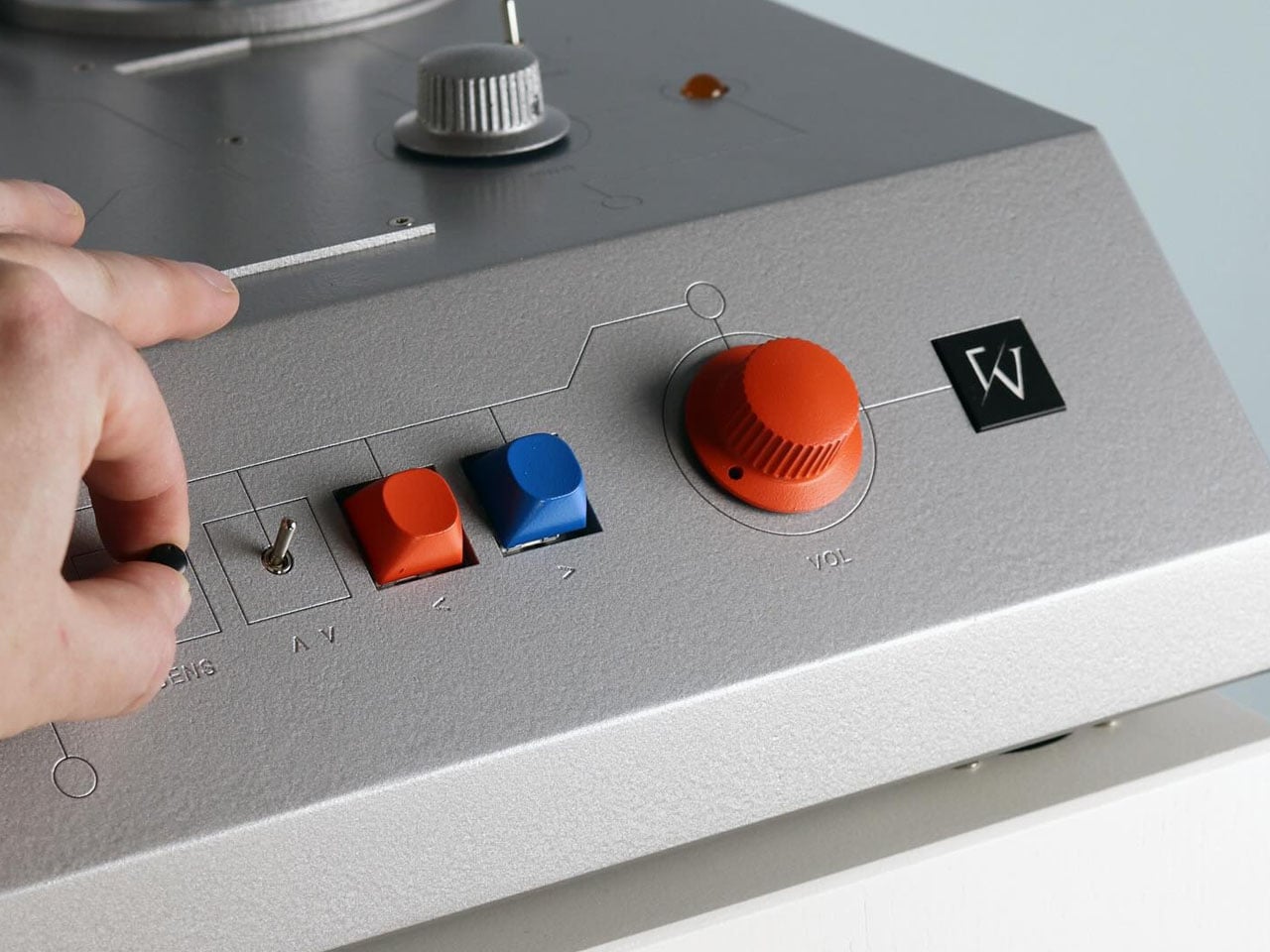
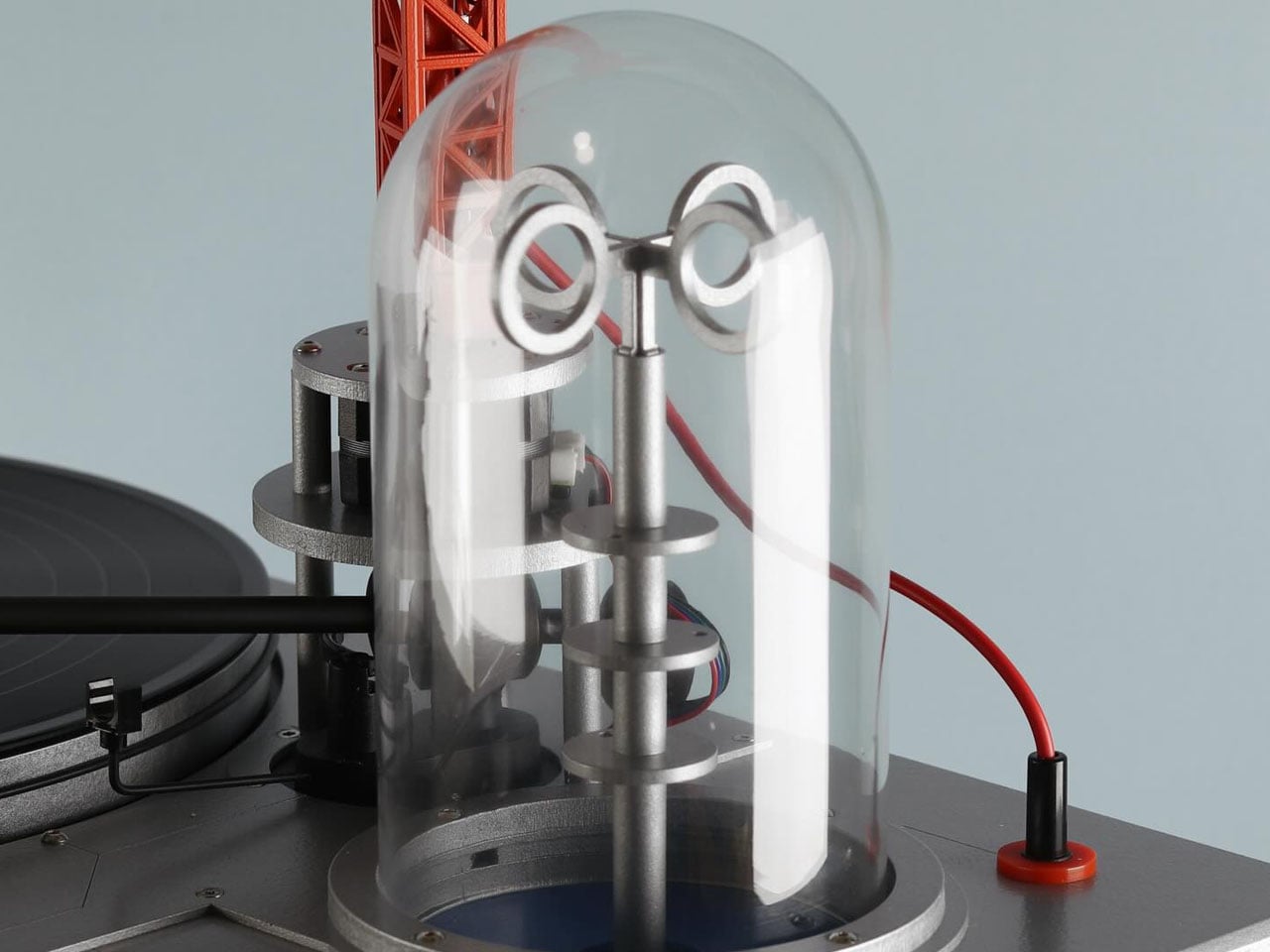
DIY Lo-Fi Cassette Machine turns Bluetooth streaming into a living, analog kinetic sculpture

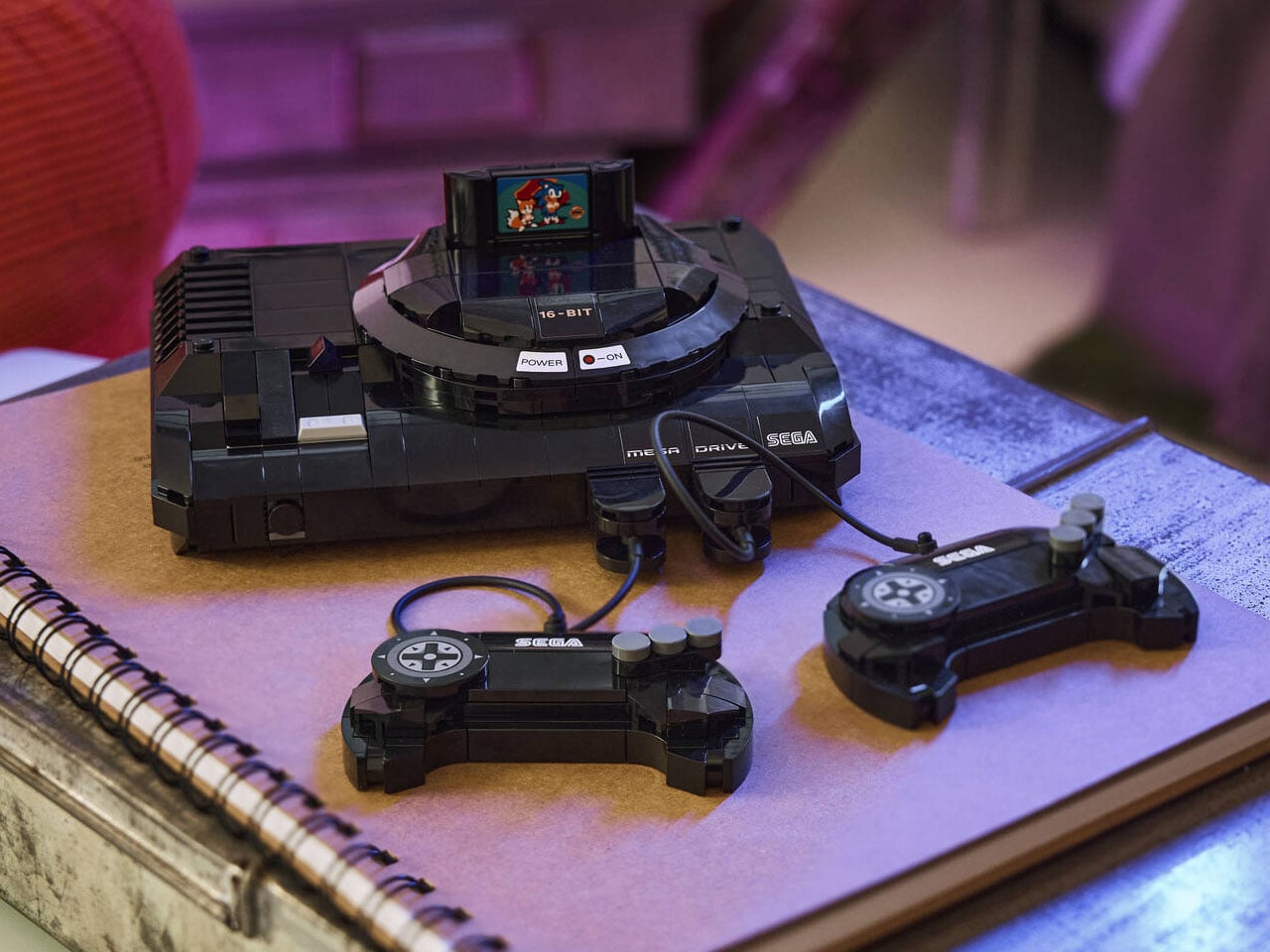
This Lo-Fi Cassette Machine feels like something pulled straight from an alternate timeline—one where streaming never erased the tactile magic of analog media. It takes the quiet charm of a vintage cassette deck, stretches the tape into a kinetic sculpture, and fuses it with modern Bluetooth convenience to create an experience that’s as visual as it is sonic. The moment you see the exposed tape gliding across acrylic panels and the fluorescent VU tube pulsing to the beat, the build instantly recalls the nostalgic futurism that makes retro tech so irresistibly alive.
At its core, this DIY creation is more than a typical Bluetooth speaker. Julius Curt engineered a fully analog tape loop recorder and player with Bluetooth input, custom electronics, and a striking stainless-steel enclosure. Instead of playing streamed music directly, the device first records the Bluetooth audio onto a continuous loop of magnetic tape. The tape then travels through the playback mechanism before delivering sound through an integrated amplifier and speaker. This process infuses the music with the warm saturation, gentle hiss, and subtle pitch fluctuations that define lo-fi tape character, giving familiar digital tracks a tangible, analog soul.

Designer: Julius Makes

Magnetic tape formats, such as compact cassettes, once dominated personal audio, prized for their portability and DIY spirit. They faded from mainstream use as digital formats and streaming services rose to prominence. Yet, they have maintained a cult resurgence among audiophiles and makers who appreciate their physicality and imperfections. Curt’s project taps into this resurgence by exposing every moving part, turning what is usually hidden into the centerpiece of the experience.

The construction blends salvaged and custom components. An old cassette deck forms the foundation, but it is repurposed to drive a looped tape rather than a standard cassette reel system. Custom printed circuit boards designed in KiCad house the Bluetooth module, analog op-amps, and a TDA2030 amplifier, while a reclaimed cold-cathode fluorescent lamp serves as an analog VU meter that visually dances with the audio signal. The housing combines laser-cut acrylic, 3D-printed elements, and sheet-metal work, reflecting a high degree of craftsmanship.

Using the system is simple and engaging. After pairing a Bluetooth device and starting music playback, there is a brief delay—typically around three seconds—while the streamed signal is recorded onto the tape loop and then read back. Once the loop engages, listeners hear their chosen tracks transformed by the analog circuitry and tape path, complete with the characteristic warble and texture that tape enthusiasts seek out.

Beyond its technical novelty, the Lo-Fi Cassette Machine invites reflection on how we interact with sound. Modern streaming prioritizes clarity and convenience, often at the expense of emotional engagement with the medium. This one-off creation takes the opposite route with its unique approach, and that’s what I love.

The post DIY Lo-Fi Cassette Machine turns Bluetooth streaming into a living, analog kinetic sculpture first appeared on Yanko Design.