Nothing’s Glow-in-the-Dark Phone (2a) Plus Sparks a New Design Trend: We Need Glowing Phone Cases!

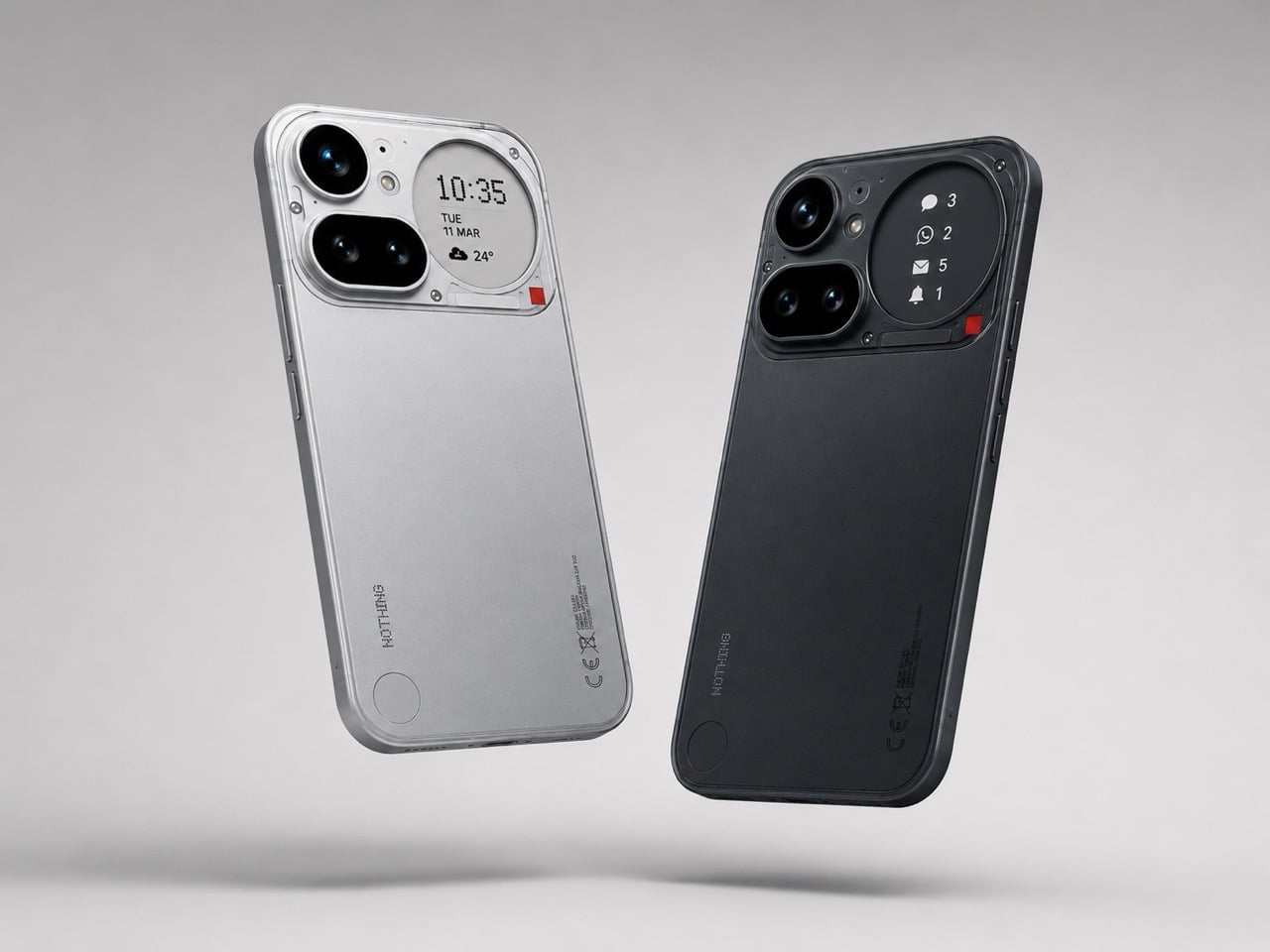
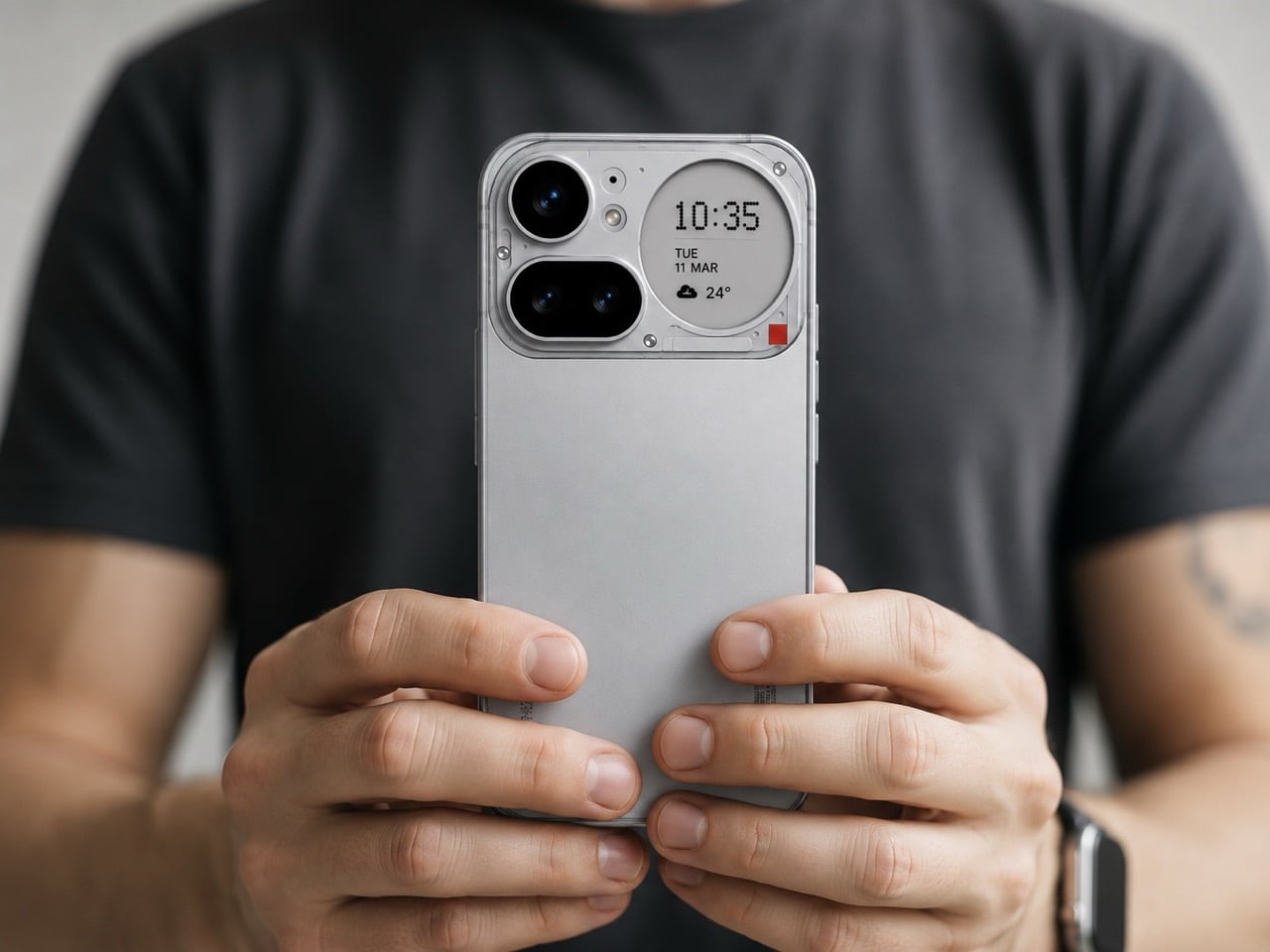
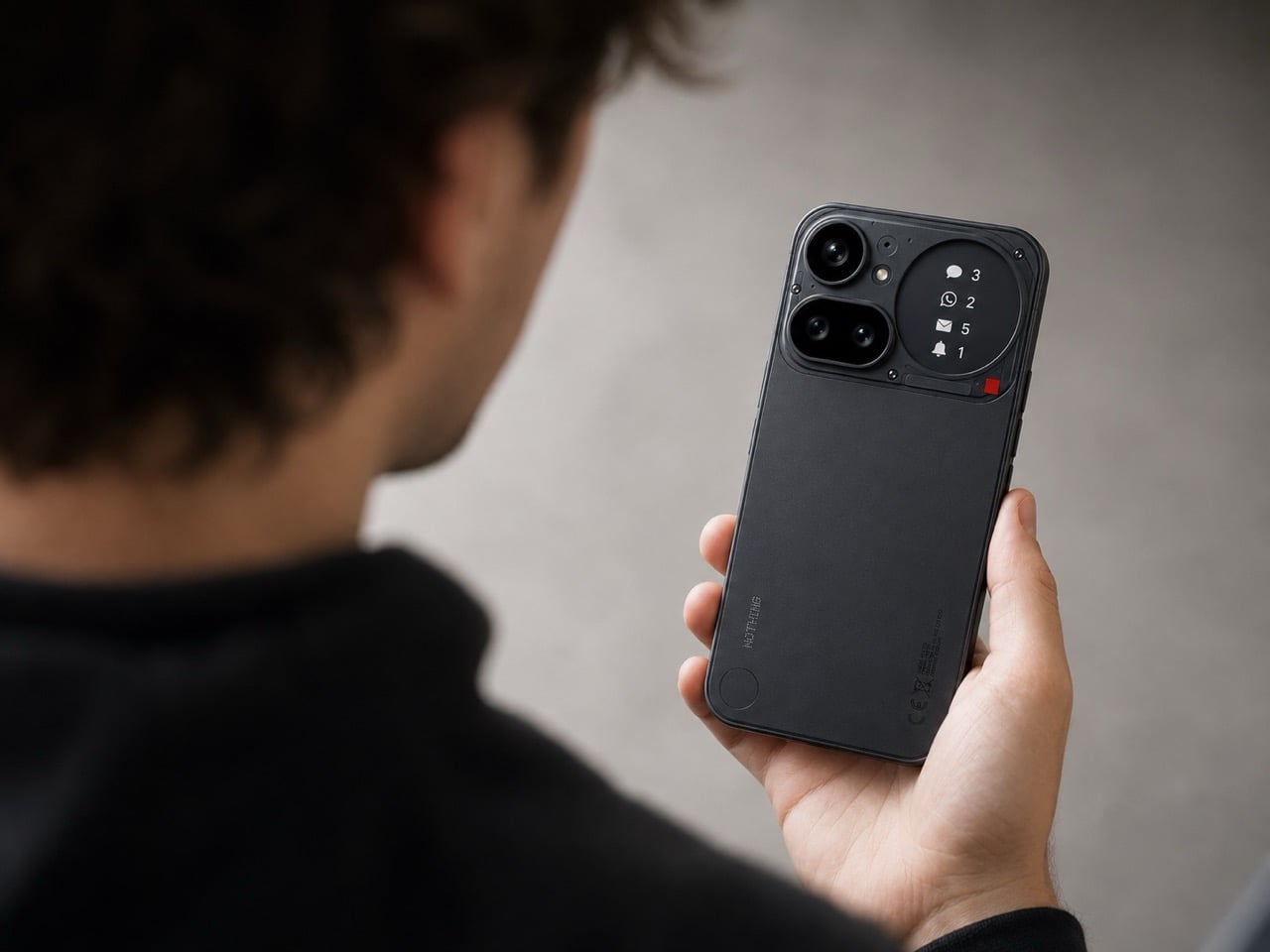
If you loved the Nothing Phone’s glyph interface, their Community Edition phone may just absolutely capture your heart. Announced today following a lengthy community-driven design competition, the Nothing Phone (2a) Plus Community Edition made its global reveal, with a unique twist on the original phone’s design. Sure, you’ve got the Glyph Interface with LEDs that glow to make the phone’s rear panel turn into a dynamic display for notifications and alerts, but the new Community-made version of the phone comes with literal glow-in-the-dark ribbon cables that are ‘nothing’ like anything we’ve seen on any phone in the past decade!

Thanks to input from community members Astrid Vanhuyse and Kenta Akasaki, this phone stands out in a crowd—but not with power-hungry LEDs. Instead, it uses a green phosphorescent material that charges up with ambient light, glowing gently in dim settings and giving the 2(a) a dose of unique, eco-friendly style.

Designers: Astrid Vanhuyse & Kenta Akasaki for Nothing

The design shift here is significant, especially if you remember the original Phone (2) and the less glowy Phone (2a). While the Phone (2) featured bright LED glyphs, the 2(a) kept things quieter, dialing back on the glow to maintain a sleeker look. This Community Edition, though, reintroduces some of that distinctive Nothing flair, swapping LEDs for a phosphorescent effect along the phone’s ribbon cables and components. It’s a subtler, softer glow that gives the phone character without the need for extra power or flashing lights. Imagine your phone lighting up on the nightstand—not enough to keep you awake, just enough to catch your eye.

The phosphorescent material works just like those glow-in-the-dark stars you might have seen as a kid. It absorbs natural or artificial light and emits a soft glow when the lights go down. Unlike typical LEDs, it doesn’t drain the battery, giving this 2(a) a style boost without impacting battery life or performance. It’s the kind of understated cool that’s right in line with Nothing’s design philosophy: thoughtful, sustainable, and practical. Plus, it makes it easier to find in a dark room, giving the design a practical edge as well as aesthetic appeal.

The collaborative effort on this phone really says a lot about Nothing’s approach to designing for their community. The company didn’t just create the effect on its own; they opened it up to the public and sorted through more than 900 design submissions from fans across 47 countries. Out of these, Vanhuyse and Akasaki’s concept shone the brightest, resulting in a design that feels distinctively Nothing while showcasing a global community’s creativity. It’s part of Nothing’s shift toward community-centric product innovation, giving fans a real voice in shaping what they carry.

Nothing also went to great lengths to ensure this glow effect wasn’t just a gimmick but a part of the Phone (2a) Plus Community Edition’s build. The phosphorescent material is durable and seamlessly integrated, meaning it won’t interfere with the phone’s performance or longevity. You get a sturdy device with an artistic edge, a blend of tech and simplicity that fits seamlessly into daily life.

The Phone (2a) Plus Community Edition is priced at $518 USD (£399 / €449 / ₹29,999), with sales beginning on November 12. If you’re located in London, you might also grab one in person at the Nothing Soho store on November 16. There are just 1,000 units available up for grabs… so if you enjoy the idea of having a phone so dazzling that you’ll never want to put a case on it, grab one while you still can. And for anybody at dbrand or Spigen, you best believe people will want glowing cases for their iPhones and flagship Androids too!

The post Nothing’s Glow-in-the-Dark Phone (2a) Plus Sparks a New Design Trend: We Need Glowing Phone Cases! first appeared on Yanko Design.
This Steampunk Magic Mouse Competitor has a built-in SD Card Reader, and even Charges Normally

We could spend a lot of time bashing the new USB-C Magic Mouse for repeating the same charging port mistake as its predecessor, but let me just take a minute to ask a few questions about mice in general. Wireless or not, why does a mouse ONLY serve as an input device? Personally, it has the capability to do much more than move a cursor, right? So why is it that in all these years the only improvements to mouse design are only upgrading their Bluetooth chipsets and making them more responsive?

A winner of the Red Dot Award for best Design Concept, the D Mouse comes with a few unusual design choices that may seem weird at first, but make a world of sense if you try to think about how these changes make a mouse ‘better’ than existing ones. Built with an unusual design that employs stainless steel mesh on top and wood on the bottom, the D Mouse looks extremely different from existing plastic mice – because it is. This one comes with NFC pairing, a built-in SD card reader, and in-device storage of up to 1 terabyte, transforming the mouse into a data storage and processing device too.

The best part? It has its own cable integrated into the mouse that wraps around the base, and charges normally – unlike the Magic Mouse that needs to be overturned to charge. Even after an entire decade of people pointing it out.

Designer: Tride Design

The D Mouse is notably a wired mouse, relying on a built-in braided USB-C cable to connect to devices – although it does have Bluetooth 5.0 too. The wired design makes sense considering the D Mouse also works as a data storage and transfer device, given that wired transfers are far more secure and rapid than wireless transfer. Unwrap the cable, plug the mouse in, and it becomes a cursor that also stores data for you. The mouse has up to 1TB of SSD storage on-board, which is fairly helpful if you want to stash important files that nobody goes looking for. After all, who searches for files on a mouse, right?!

The rest of the mouse has a fairly unique but familiar design. The silhouette of the D Mouse is like your everyday ergonomic peripheral, albeit with a metal and wood construction instead of plastic (98% of the materials are recycled). A steel mesh on the top provides a very tactile surface to rest your hand, while still being breathable because of the open mesh. The mouse clicks silently, and instead of the scroll wheel, there’s a scroll-bar right near the thumb for touch-sensitive scrolling.

The mouse has a built-in card reader, along with internal storage that makes it perfect for creatives wanting to carry their files and access them on multiple devices without dongles and such. In this case, the D Mouse IS the dongle, working both wired and wirelessly, depending on how many files you have to transfer. It’s got an integrated fan that keeps the mouse (as well as your palm) cool while in use, and if you’re a gaming fanatic, there’s LED lighting too.

The D Mouse is a winner of the Red Dot Award: Design Concept for the year 2024.

The post This Steampunk Magic Mouse Competitor has a built-in SD Card Reader, and even Charges Normally first appeared on Yanko Design.
This LEGO Lockheed SR-71 Blackbird Is A Bold Brick-based Tribute to Aviation’s Fastest Jet

The Lockheed SR-71 Blackbird is a true aviation legend. Developed in the 1960s, this reconnaissance jet set the bar for speed and stealth, cruising at Mach 3 and reaching altitudes over 85,000 feet. Engineered primarily for high-speed, high-altitude intelligence gathering, it quickly became an icon of the Cold War era, untouchable by enemy missiles and outpacing everything else in the skies. Its titanium skin and advanced aerodynamics embodied the cutting-edge technology of its time, pushing the limits of engineering and daring. Now, this iconic aircraft has been reimagined in a completely different medium: LEGO bricks. A detailed, fan-made LEGO model of the SR-71 Blackbird is making waves for its impressive recreation of this iconic plane.

Designer: Buds 234

This LEGO model of the SR-71 distills the original aircraft’s spirit perfectly. With every detail meticulously crafted, the model captures the SR-71’s sleek, elongated form, its sharply defined nose, and its sweeping wings. The LEGO model includes functional flaps, retractable landing gear, and a fully realized cockpit, each piece integrated to honor the original’s groundbreaking design. This project, created by aerospace engineering student by the name of ‘Buds 234’, reflects both technical appreciation and a keen eye for detail—details that ensure this MOC (My Own Creation) goes beyond a typical LEGO build, bringing a model that’s both captivating and technically faithful to the real SR-71.

Designing a model with this level of complexity in LEGO form isn’t easy. Capturing the SR-71’s aerodynamic design with limited brick options requires an advanced understanding of both LEGO techniques and aviation engineering. The builder succeeded in creating a miniature that’s structurally sound while visually true to the original. While Buds 234 doesn’t detail how many bricks were used in the final build, he does mention adding several stickers and intricate features and details to retain the Blackbird’s authenticity.

The completed model stands on a supportive base with a plaque detailing the SR-71’s key specifications, offering an extra layer of historical and educational value, along with two suited minifigures that can even be fitted into the plane’s cockpit.

Rather than a simple exterior, the LEGO build includes a fully realized cockpit, retractable landing gear, and working flaps, giving it a touch of mechanical authenticity. Aside from merely capturing the Blackbird’s shape, it allows fans to explore its functional design too – making it a must-have for aerospace enthusiasts.

In a touching nod to the people behind the plane, this model includes a tribute to Marta Bohn-Meyer, NASA’s first female SR-71 pilot and flight engineer. Bohn-Meyer’s contributions to high-speed flight testing were instrumental in expanding knowledge of aerodynamics, and she left a lasting impact on the program.

The LEGO Ideas Lockheed SR-71 Blackbird is currently a fan-made submission on the LEGO Ideas forum – an online community where LEGO enthusiasts share their own creations. With over 1400 votes in just 3 days, the SR-71 Blackbird is well on its way to hitting the 10,000 vote mark, following which the MOC will be reviewed by LEGO’s internal team and hopefully turned into a retail box set! You can vote for the LEGO Ideas Lockheed SR-71 Blackbird on the LEGO Ideas website here.

The post This LEGO Lockheed SR-71 Blackbird Is A Bold Brick-based Tribute to Aviation’s Fastest Jet first appeared on Yanko Design.

BLUETTI’s Backpack with a built-in Solar Generator could power your entire Outdoor Adventure Trip

BLUETTI’s Handsfree 2 Backpack might seem like an unexpected twist for a company best known for portable power stations, but it’s actually a clever next step for those who want their gear to match their sense of adventure. The company’s tagline sums it up: “Don’t just explore nature—take control of it with Bluetti’s backpack solar generators.” And honestly, that’s exactly what this thing is built to do. It’s a combination of a high-capacity power station and a rugged 60-liter backpack, designed to keep your gear charged without having to slow down.

Think of those times when you’re out in the backcountry, and every device is crucial. Your drone captures stunning aerial shots, your GPS app guides you through new trails, and your camera’s memory card fills up with breathtaking landscapes. But then, you see that low battery alert on your screen, and suddenly, your ability to capture those moments is at risk. That’s where the Handsfree 2 steps in, with a built-in 512Wh power station and a 700W inverter that keeps everything from your camera to your laptop powered up for days. And since it’s integrated directly into the backpack, it’s one less thing to juggle when you’re already navigating rough terrain.

Designer: BLUETTI

Click Here to Buy Now: Handsfree 1+PV120S solar panel $499 $629 ($130 off). | Handsfree 2+PV120S solar panel $599 $799 ($200 off). Hurry, deal ends in 48 hours!

This setup comes with five output ports—AC, USB-C, USB-A—so you can recharge multiple devices at the same time. No more carrying an extra bag just for batteries or stopping to dig through your pack for a charger. Instead, you can plug in on the go, thanks to the side-access charging port. This kind of design is all about making the outdoors easier to navigate, keeping your focus on the scenery instead of on cables and discharged batteries.

The Handsfree 2 isn’t just a power solution; it’s a capable pack in its own right. The 60-liter capacity means you can load up everything you need for a multi-day trek, and with water-resistant materials, you don’t have to stress about a little rain or mud. BLUETTI has also thought about comfort: the backpack features an ergonomic design that distributes weight evenly across your shoulders and back, making those longer hikes feel a little less grueling. Plus, the MOLLE straps and compartments mean you can customize the layout to fit your style, whether that’s packing extra clothes, camera gear, or a favorite snack stash.

If you’re a true off-grid enthusiast, the solar compatibility of the Handsfree 2 really comes into play. Pairing it with BLUETTI’s PV120S solar panel, an optional 120W foldable accessory, means you’re no longer limited by access to a wall outlet. The panel is compact and designed to work seamlessly with the Handsfree 2, making it easy to recharge the 512Wh power station directly from the sun’s energy. Just unfold the PV120 during a break, let it soak up the rays, and you’re back in business—perfect for those multi-day treks where you’re far from traditional power sources. The efficient solar charging setup helps extend your adventure without interruption, keeping essential devices like cameras, GPS units, or even your laptop powered. When you’re done, the panel folds down to a quarter of its original size, and is designed to fit right into the backpack, occupying the space of a laptop.

When you do get back to having a traditional power supply around, the Handsfree 2’s power station recharges quickly using its turbocharging capability—about 45 minutes to reach 80% from a wall outlet. That means you can get back out there faster, instead of waiting around for hours. It’s details like this that show how BLUETTI has thought through the needs of anyone using their gear, whether that’s a serious hiker, a photographer, or just someone who likes their freedom with a side of connectivity.

The Handsfree 2 with the PV120S solar panel is priced at $599 for early adopters, while the smaller Handsfree 1 + PV120S solar panel bundle is available at $499, offering a more compact solution for those with lighter power needs. Both models feature BLUETTI’s robust LiFePO4 battery technology, known for its long-lasting durability and safety. With over 4,000 charging cycles, these batteries are built to endure years of regular use without significant capacity loss, making them ideal for extended outdoor adventures. They perform reliably across a wide temperature range, ensuring that you won’t have to worry about power drops in extreme conditions.

LiFePO4 is also safer than other battery types, with a lower risk of overheating, which is a crucial consideration when exploring remote areas. To further back up their durability, BLUETTI includes a 5-year warranty on the backpack itself, adding an extra layer of assurance. This combination of a high-performance battery and a reliable build makes the Handsfree 2 a compelling option for those looking to stay powered through all their off-grid explorations.

Ultimately, BLUETTI’s shift into the backpack space isn’t as random as it might seem. They’ve taken their expertise in portable power and applied it to the way people actually live and explore life – creating a functional wearable portable power solution with 60 liters of storage, rather than a beer-cooler-shaped power station that you have to lug around with you while tailgating or camping. The result is a backpack that keeps you connected without tying you down. And that means more time to focus on the trail, the view, and the stories you’ll take home.

Click Here to Buy Now: Handsfree 1+PV120S solar panel $499 $629 ($130 off). | Handsfree 2+PV120S solar panel $599 $799 ($200 off). Hurry, deal ends in 48 hours!

The post BLUETTI’s Backpack with a built-in Solar Generator could power your entire Outdoor Adventure Trip first appeared on Yanko Design.

Nintendo Switch 2 could launch before November 5th, says a reliable source

Rumor has it that Nintendo is finally set to unveil the long-awaited Switch 2. If rumors from PH Brazil (a fairly credible source) are to be believed, we might see an official announcement within the next few days—possibly as early as Monday or Tuesday. Nintendo’s silence on the matter has only amplified speculation, with the gaming community eagerly piecing together hints from any credible leak. And while Nintendo confirmed that their next-generation console would arrive “within this fiscal year,” they’ve kept other details under lock and key, leaving fans in a swirl of speculation.

So, why now? Nintendo has an investor meeting on November 5, and word has it that their current lineup may not be enough to impress stakeholders. A Switch 2 announcement, strategically placed before this meeting, could reinvigorate investor interest and affirm Nintendo’s commitment to the next chapter of handheld gaming. This timeline has driven speculators to suggest that Nintendo might be gearing up for a surprise reveal, hoping to make waves in an industry where rivals like the Steam Deck and Asus ROG Ally are gaining ground.

But don’t start celebrating just yet. Even with leaks buzzing around, Nintendo has a history of playing by its own rules. Previous product reveals have shown Nintendo’s knack for timing announcements when fans least expect it. They’ve defied industry norms before, so it’s entirely possible they’ll keep fans in suspense for longer. That said, the recent online frenzy surrounding the Switch 2 has taken on a life of its own, fueled by social media chatter and updates from other reputable leakers. For fans, each tweet or cryptic profile update becomes a breadcrumb in the hunt for clues.

Assuming the rumors are accurate, what could the Switch 2 bring to the table? While no specs have been confirmed, leaks hint at design enhancements and potential performance upgrades that could set it apart from the original Switch and put it toe-to-toe with competitors. Some speculate a larger, high-resolution display; others suggest faster processors and better graphics capabilities to support Nintendo’s growing library of high-demand titles. If this device lives up to even half of what’s rumored, it could well mark a new era in Nintendo’s handheld dominance.

The stakes are high for Nintendo. The current Switch’s momentum is slowing, with handheld gaming increasingly defined by feature-rich, high-performance devices. For Nintendo, introducing a true next-gen handheld means more than just keeping pace; it means reminding the world why they still set the gold standard in portable gaming. Whether it’s a quiet drop or a full-throttle reveal, the question isn’t if the Switch 2 will make waves — it’s how big they’ll be when it finally hits the water.

Until Nintendo confirms anything, fans remain caught between hype and caution. The possibility of a major reveal has the gaming world on edge, but as always with Nintendo, only time will tell.

Images via Salvo Lo Cascio & Riccardo Cambò Breccia

The post Nintendo Switch 2 could launch before November 5th, says a reliable source first appeared on Yanko Design.

Top 10 Highest Paying Product Design Jobs and Fields

Here’s a professional hot take you’ll only hear from an actual professional – you want to future-proof your career? You want to work in a field that’ll stay relevant for years? Follow the salary structure. I remember when I graduated almost 11 years ago, the UI/UX field had pretty much sucked all the air out of the room for industrial designers and graphic designers. My friends making interfaces were getting much better jobs and earning much more money than my friends (and myself) doing a traditional industrial design job. Cut to just a few years later, UI/UX design became the dominant design discipline, outpacing traditional design fields that had stuck around for decades. As weirdly capitalist as that sounds, follow the money and you’ll know where that capital is being used to build the future. A well-paying job is indicative of the fact that the market deems it important/necessary for the future, and for designers looking to ensure they’re a part of this future – here’s a list of the top 10 highest-paying product design jobs as of now.

These jobs were curated using a combination of job market entries along with salary entries on sites like LinkedIn, Glassdoor, Payscale, etc. It isn’t perfect, but it’s fairly indicative of what jobs are currently experiencing high demand. The salaries are aggregated too, and will differ from country to country, and economy to economy – if you want to know which countries have the highest average salaries for industrial designers, I recommend taking a look at this article from last month. Feel free to use this article as a basis for planning your career trajectory (you can bookmark it too), but ultimately, do your own research to figure out which is the right path for you, your interests, your skill set, and your diverse background.

Images created by AI for representation purposes only

1. Metaverse Designer

Salary Range: $85,000 – $170,000 annually

With the metaverse (ahem, spatial computing industry) promising immersive and interactive virtual environments, Metaverse Designers are pioneering new experiences. These designers focus on both productivity as well as entertainment, creating expansive interfaces and collaborative tools in the metaverse, as well as 3D worlds, characters, and scenarios that come to life in VR and AR platforms. Key skills include UI and UX design but for AR/VR spaces, 3D modeling, animation, and a deep understanding of immersive storytelling, allowing them to design compelling digital spaces for entertainment, education, and even work environments. With the metaverse once again becoming a buzzword following the announcement of headsets from both Meta and Snap, demand for skilled designers in this area is expected to keep growing.

2. AI Experience Designer

Salary Range: $80,000 – $150,000 annually

AI Experience Designers create human-centered interactions for applications that incorporate artificial intelligence, such as virtual assistants, smart home systems, and predictive applications. They need to blend user-centered design with an understanding of AI capabilities, optimizing each experience to feel natural and intuitive. Skills in machine learning concepts, interaction design, and usability testing are essential, as they work closely with data scientists to tailor AI behaviors. As AI integration grows exponentially across sectors, these designers are increasingly sought after to help make technology more accessible and engaging.

3. Human-Computer Interaction (HCI) Specialist

Salary Range: $80,000 – $140,000 annually

HCI Specialists design interfaces where human interactions with systems need to be efficient, intuitive, and often AI-enhanced. Their work often centers on creating seamless interactions between users and systems that might involve natural language processing, touch, and even gesture-based controls. Proficiency in UX/UI principles, cognitive psychology, and advanced programming is crucial, as HCI specialists aim to minimize friction in the user experience. This role has become essential with the rise of smart devices and virtual environments, ensuring that technology remains user-friendly in an increasingly complex digital world.

4. Automotive Designer

Salary Range: $75,000 – $140,000 annually

Automotive Designers work on the aesthetic and ergonomic design of vehicles, focusing on both form and function. From exterior styling to interior layout, these designers aim to enhance user experience while keeping in mind aerodynamics, safety, and sustainability. Knowledge in materials engineering, 3D CAD modeling, and a keen sense of current design trends are important, especially as the industry moves toward electric and autonomous vehicles. With the rise of electric vehicles (EVs) and increasing attention to sustainable design, automotive design remains a robust and lucrative field.

5. Medical Device Designer

Salary Range: $70,000 – $140,000 annually

Medical Device Designers focus on the unique demands of healthcare, creating tools and devices used by medical professionals or patients. They must be skilled in human factors engineering, materials science, and regulatory compliance, as devices need to be both functional and safe. The work is highly impactful, often directly contributing to patient well-being. As healthcare technology advances and the need for remote healthcare grows, these designers are in high demand, helping to innovate lifesaving equipment and devices.

6. Systems Designer

Salary Range: $75,000 – $130,000 annually

Systems Designers manage the complexity of multi-component structures, whether they’re designing transportation systems, organizational frameworks, or digital platforms. Their goal is to ensure each component functions in harmony to achieve the desired outcomes, requiring skills in systems engineering, user journey mapping, and design thinking. As the world becomes more interconnected, systems designers are indispensable in fields that rely on a blend of digital and physical systems, like smart cities and automated industries.

7. User Interface (UI) / User Experience (UX) Designer

Salary Range: $70,000 – $130,000 annually

UI/UX Designers focus on creating smooth, aesthetically pleasing user interfaces that optimize the ease of use and functionality of digital products. They combine visual design principles with usability research to ensure that users have a satisfying experience. Expertise in wireframing, prototyping, and interaction design is essential, along with an understanding of user psychology and behavior. With digital products now central to business, social, and personal activities, UI/UX designers are more critical than ever to product success, driving customer satisfaction and loyalty.

8. Consumer Electronics Designer

Salary Range: $70,000 – $130,000 annually

Consumer Electronics Designers specialize in creating products that people use daily, from smartphones and smart home devices to audio equipment and more. Their work combines industrial design with technical specifications, focusing on aesthetics, ergonomics, and functionality. Proficiency in CAD software, knowledge of materials, and attention to manufacturing constraints are essential for creating durable and attractive consumer products. As consumer tech evolves rapidly, this role remains lucrative and vital to the electronics industry’s ongoing innovation.

9. Data Visualization Designer

Salary Range: $70,000 – $130,000 annually

Data Visualization Designers are responsible for transforming complex data into understandable, visually engaging formats that help stakeholders make informed decisions. They work with software like Tableau, D3.js, and Adobe Illustrator, balancing visual appeal with clarity and insight. Skills in data analysis, graphic design, and familiarity with AI-enhanced analytics are key, as AI now plays a role in generating predictive and interactive data visuals. As businesses rely more on data-driven insights, demand for skilled data visualization designers is steadily rising.

10. Wearable Technology Designer

Salary Range: $70,000 – $120,000 annually

Wearable Technology Designers work on integrating tech with fashion, creating devices that are as functional as they are fashionable. This includes items like fitness trackers, smartwatches, and other health-focused wearables. They combine industrial design with an understanding of electronics and software, emphasizing ergonomics and usability. As the trend toward personalized health monitoring and smart accessories grows, these designers are in high demand, innovating the future of personal technology and fashion.

These high-paying roles reflect not just the demand for specialized skills but also the rapid transformation of technology across industries. From immersive virtual worlds to cutting-edge healthcare solutions, these fields represent the future of product design in 2024 and beyond. It’s safe to say the design world has never been so diverse—or so lucrative.

The post Top 10 Highest Paying Product Design Jobs and Fields first appeared on Yanko Design.

The Tactical EDC Knife That’s Also a Fidget Toy: Meet the HK2024 Eggplant

I have a special affinity for folding knifes – they’re compact, safe when shut (by design), and can sometimes be extremely fun to deploy. However, once in a while I come across a fixed-blade knife that feels like it has the spirit of a folding knife. Meet the Harnds HK2024 Eggplant (or just Eggplant) – it’s compact, capable, and charming. Designed to be a full-tang knife with a neat sheepsfoot blade, the Eggplant may just seem like your regular knife if you’re just reading this text without looking at the images. Take a look at the knife, however, and you notice its most obvious design detail – a hole running right through the center of the knife. Wide enough to slip your finger right through, the Eggplant knife gives you a sense of reliability when in use – but when you’re not wielding its sharp blade, the knife doubles as a fidget toy, allowing you to spin it around for fun. Eventually, your hands and eyes fall in love with the Eggplant knife, making it a staple part of your EDC collection.

Designer: HARNDS

Click Here to Buy Now: $40 $49 (18% off) Hurry! Limited units at discounted price.

The mark of a good EDC isn’t just something that’s good-looking or functional, it’s EDC your hands can’t get enough of. Whether it’s playing with a wallet that fans your cards out, rotating your keys on your index finger, or playing with a switchblade or butterfly knife – the tactile experience of EDC plays a pretty important role in ensuring your mind falls in love with its design. That’s what the HK2024 Eggplant knife does with its ‘hole-punch’ design. It’s a knife you’ll absent-mindedly always want to have in your hand even when you’re not using it, and that’s really what subconsciously makes it such a handy little devil. The entire knife measures a mere 5.3 inches, with the blade clocking in at a compact 2-3 inches. The rest of the Eggplant is fairly grippy and ergonomic in hand (a sentence I never thought I’d say professionally), and its ambidextrous handle makes it perfect for both left and right-handed use.

The HK2024 comes in two variants: the D2 steel with a G10 handle and the N690 steel with a carbon fiber handle. The D2 version has the feel of a workhorse—ready to handle tasks from the mundane to the unexpected. D2 steel is a high-carbon, high-chromium material known for its excellent edge retention and durability, ideal for those who value a knife that can keep its sharpness through rough use. Pair this with a G10 sheath, and you’ve got a setup that’s built for those who expect their gear to take a beating. G10 is a composite material, strong yet lightweight, with a textured surface that ensures a solid grip, even when your hands are wet or the conditions get rough. The result is a knife that feels secure in hand, whether you’re cutting rope, working wood, or slicing through a particularly stubborn clamshell package.

The HK2024 Eggplant D2 Steel Variant

The HK2024 Eggplant N690 Steel Variant

Then there’s the N690 variant, which feels like the more refined cousin in this lineup. N690 stainless steel is prized for its superior corrosion resistance and sharpness, making it a great choice for environments where moisture or humidity might be a concern—think coastal hikes or rainy-day urban adventures. The carbon fiber handle adds an extra layer of finesse, offering the same lightweight durability but with a touch of elegance that makes it feel like something special. The carbon fiber sheath keeps the whole package sleek and minimal, reducing weight without sacrificing strength.

Both versions keep the blade length at 2.36 inches, with an overall length of 5.35 inches. This size strikes a sweet spot—it’s compact enough to carry comfortably but long enough to handle a range of cutting tasks. Weighing just over two ounces, they’re light enough that you’ll forget it’s there until you need it. The blade’s sheepsfoot design offers just the right amount of cutting surface for detailed work, like carving, slicing, or opening packages. The curved belly makes it good for rocking back and forth too – an essential for chopping herbs or mincing aromats.

Full-tang construction means the blade and handle are a single piece of metal, making the knife sturdier than those that rely on separate parts. There’s also jimping on the spine for better thumb control during precise cuts, and lightening holes in the design to trim down the weight. These are the kinds of features that seem small but make a big difference in use.

A fixed blade almost always needs a good sheath if you need to carry it around – and the Eggplant does come with one, made from either G10 or carbon fiber depending on whether you buy the D2 or N690 steel variant. The knife snaps into the sheath, and can be ejected with a click sound that adds that wee bit of audio feedback that feels really satisfying. The hole in the center of the knife makes un-sheathing rather simple, giving you a fairly good grasp as you tug the knife out of its ‘holster’ of sorts. With clips made from 420J2 stainless steel, you can attach the knife + sheath to your belt, bag, or even keep it in a pocket. There’s also a lanyard hole, letting you wear it around your neck or attach it to other gear. These options matter, especially when you’re out on a trail or need to access your knife quickly. It’s all about making the tool fit into your routine, not the other way around.

The D2 model offers finishes like black titanium stonewash or satin, while the N690 variant comes with a sleek satin look. These finishes aren’t just for show; they add a layer of protection to the steel, helping it withstand the scratches and scuffs that come with regular use. It’s the kind of detail that keeps the knife looking good even after months of carry.

The HK2024 Eggplant doesn’t try to overcomplicate things. It’s a knife that gets the basics right and adds just enough of a fun fidget-style interaction that your hands will intuitively and instantly get used to. Combine that with the knife’s solid build, its versatile blade, and fairly affordable price and you’ve got an EDC that’s a no-brainer.  The D2 version starts around $40, while the N690 model is about $74. Plus, the campaign promises free global delivery by December 2024, making it a potential holiday gift—or a new tool for your own kit to kick off the new year.

Click Here to Buy Now: $40 $49 (18% off) Hurry! Limited units at discounted price.

The post The Tactical EDC Knife That’s Also a Fidget Toy: Meet the HK2024 Eggplant first appeared on Yanko Design.

This $100 Smartphone is as small as a Credit Card but packs 4G, Wi-Fi, Dual-SIM, and runs Android

Three years ago, Apple ditched the iPhone mini to focus on larger phones with bigger displays. I don’t expect the NanoPhone to fill that void, but for a phone as small as a stack of credit cards, it definitely packs enough to grab one’s attention. Almost comically compact, the NanoPhone has a 3-inch IPS touchscreen, looks and feels like a shrunken iPhone Pro, and packs quite a few impressive features. It has 4G support, dual SIM trays, expandable storage, and a 2000mAh battery that should last fairly long given how tiny the entire device is. The phone runs Android 10, so it isn’t your flagship killer, but it’s the perfect backup smartphone – or a functional phone for kids who are too young to be given flagships. The NanoPhone has access to the Play Store, runs all the apps you’d need from a phone, and costs a mere $99 (on discount), making it a no-brainer if you want a spare phone that’s sure to have everyone’s attention.

Designer: NanoPhone

At first glance, it looks like an iPhone Pro got hit by a shrink-ray, but switch it on and you realize what’s really happening. The phone has thick bezels that were somewhat excusable 3-4 years ago but not really anymore – but then again, you only get so much for a hundred bucks, right?! The HD screen (which isn’t even 1080p) comes with a custom theme that’s designed to make it look like iOS, but you’ll quickly notice the presence of Android buttons on the bottom, and the Play Store icon on the home screen. Flip the phone over and you’ve got a faux camera setup that looks like 3 lenses, but is actually just one 5MP shooter. Don’t expect Portrait Mode or Night Mode on this bad boy – the photos should be barely passable. You’ve even got a 2MP front-facing shooter – no FaceID obviously, or even fingerprint detection. Just old-fashioned patterns and PINs.

The NanoPhone, however, is a fully functional smartphone despite its size and OS limitations. It runs all the apps available on the Android Play Store and that are compatible with the OS. Yes, you can browse Instagram or TikTok on this (or even Snapchat for the younger folk), and there’s WhatsApp for the older folk too. YouTube and Netflix feel especially weird, given how tiny the screen is, but yes, they run flawlessly too. Dual SIM support means your tiny smartphone can support two carriers together (with 4G capabilities and WiFi support too), and 2Gb of RAM should be fairly potent enough to handle all your daily tasks. The NanoPhone does come with 16 gigs of built-in storage too, expandable thanks to a memory card slot. Plus, a phone that size isn’t particularly a battery guzzler, which means the 2,000 mAh battery is more than enough to last you an entire day. Don’t expect wireless charging on this thing – a USB-C port is all you have to juice the NanoPhone’s battery.

It’s easy to get caught up on the things the NanoPhone doesn’t have – like a good camera setup, the latest operating system, a bezel-less display, but when you look at the fact that it’s 1/10th the price of a flagship, and 1/10th the size of your high-end folding phone, you realize exactly what makes it so special. It’s just a little larger than a watch, but runs a full smartphone experience. The NanoPhone is a perfect spare for someone who’s got multiple SIMs lying around, or for someone who just wants a small phone without those addictive flagship-like features. At 3 inches, that screen is far from being immersive or addictive. In fact, it’s honestly perfect for people who love the idea of having their thumb reach every part of the display, especially for kids who can often struggle with larger, heavier, and more expensive smartphones.

The post This $100 Smartphone is as small as a Credit Card but packs 4G, Wi-Fi, Dual-SIM, and runs Android first appeared on Yanko Design.
Teenage Engineering-inspired Geiger Counter deserves to be a part of the next Bioshock video game

Let’s move beyond the steampunk stylings of the Bioshock games of the past and bring a new neo-punk style to the game fit for the year 2024-25. This Geiger counter designed by Max Kibosh takes a potentially apocalyptic instrument and gives it a new-world cool aesthetic that could just as easily pass off as a tech product from the mind of Nothing or Teenage Engineering.

Dubbed the GC-01, it simplifies an otherwise complicated-looking piece of machinery, with a minimalist aesthetic that trickles all the way down from the exterior to the interface and even the user experience. Is it weird that I now want a Geiger counter??

Designer: Max Kibosh

The GC-01 is simple because why not? Geiger counters have one singular function – detecting and measuring radiation levels. To that end, Kibosh designed a handheld device that looks good on your person, and feels good in your hand. The simplified control panel makes measuring easy, and a monochrome display gives you a clear reading without any fluff.

The counter is conceptual, so any details/controls are purely speculative – however, the idea of bringing minimalist styling to something as unique as a specialist device for measuring radioactivity feels, well, inspired. You’ve got a Bluetooth button on the side (I honestly don’t know why), and a yellow switch that allows the user to switch between different operating ranges to get an effective reading. It’s perhaps the only detail on the GC-01 that has any color, hinting at its significance – sort of like the International Orange color used for the Action button on the Apple Watch Ultra.

Being modern shouldn’t come at a cost of being useful, and I guess Kibosh realised that slapping a touchscreen on a Geiger counter made no sense – especially given that you’re probably in a hazmat suit if you’re using a Geiger counter. The buttons on the GC-01 are large, tactile, and have indents in them that make them easy to intuitively control with minimal error. A loop on the bottom left corner makes tying a lanyard easy so your counter is always at arms length, and here’s the best part, the GC-01 even comes outfitted with a built-in flashlight on the top, allowing you to see where you’re walking as you take readings – pretty useful in a post-apocalyptic abandoned building when the electricity grid’s collapsed. I won’t lie, that makes for a pretty compelling video game – Hey 2K Games, I call dibs.

The post Teenage Engineering-inspired Geiger Counter deserves to be a part of the next Bioshock video game first appeared on Yanko Design.

This Titanium EDC Folding Fan makes you a Real-Life Kitana from Mortal Kombat

Most EDC enthusiasts are familiar with the few common formats – knives, screwdrivers, multitools, wallets, sometimes even stationery. A folding fan, on the other hand, isn’t ‘conventional EDC’, but the folks at Titaner have a way of turning it into something cool anyone would love to own. Titaner’s Titanium DIY Folding Fan feels like something straight out of an action hero’s kit—think Kitana from Mortal Kombat, but with a practical, everyday twist. While Kitana may wield her metal fans with deadly precision, the Fan 4.0 is not here to slice and dice. Instead, it blends elegance, craftsmanship, and utility into a piece of EDC gear that’s as refined as it is functional. Redesigned using titanium instead of bamboo wood, the Titanium DIY Folding Fan is a modernized version of the original EDC from ancient Asia. Equal parts a fan and a self-defense tool (if you know how to use it), the Titanium DIY Folding Fan (or Fan 4.0 as its creators call it) makes for a unique addition to your EDC collection, and is the kind that works for both men and women – especially given the heat-wave we’ve been having!
Designer: Titaner

Click Here to Buy Now: $305 $610 (50% off). Hurry, only 13/120 left! Raised over $110,000.

An EDC titanium folding fan might be niche, but the folks at Titaner are no strangers to the EDC industry. They’ve worked on 9 other successful EDC campaigns, so as a 10th campaign it’s perfect that they’re stepping beyond the boring multitools and working on something that has a little more panache. Simply put, the Fan 4.0 is a tool to beat the heat as well as other scenarios that may require potential beating. We don’t condone violence, but hey, the idea of defending yourself using just a folding fan sounds incredibly cool. The fan’s titanium build gives it robustness, making it a baton when closed. Use it to defend yourself as a striking tool, and when you’re feeling safe, fan away the sweat with your folding titanium fan. I won’t lie, that sounds absolutely wicked.

The Fan 4.0 brings a fresh, modern spin to the ancient art of folding fans, offering a distinct combination of tradition and innovation, past and future, and culture and purpose. Crafted with a titanium frame (known for its high strength-to-weight ratio), the fan is built to endure, yet it doesn’t sacrifice elegance in its quest for durability. The ribs, slimmed down to reduce weight, are diamond-shaped and chamfered to offer a more ergonomic grip, ensuring comfort whether you’re fanning yourself in the heat or showing off its impressive craftsmanship. Adding a touch of luxury, the ribs are inlaid with strips of natural mother-of-pearl, bringing a shimmering, oceanic sheen to the otherwise industrial look. These inlays, painstakingly set into the fan’s surface, add a traditional artistry that contrasts beautifully with the rugged titanium structure. The fan’s waterproof silk fabric—another nod to both beauty and practicality—keeps it lightweight, flexible, and impervious to moisture, ensuring it remains in top condition even after prolonged use. The combination of these elements—titanium, mother-of-pearl, and silk—creates a fan that is as much a tool as it is an accessory, marrying functionality with undeniable style.

Optimized center of gravity for a more comfortable grip.

Hidden fan nails for a comfortable grip.

If you’ve ever wrestled with a folding fan that was too tight or flopped around uselessly, you’ll appreciate the engineering at play here. The Fan 4.0 boasts a tool-free tension adjustment system that works without screws or requiring you to dig your nail into grooves to tighten or loosen the fan’s rotating joint. A simple turn of the pop-out T-shaped knob adjusts the tension to your liking, whether you prefer a crisp snap when opening or a more leisurely glide. And thanks to a clever design tweak that limits how much the T-shaped knob juts out, you won’t have to worry about over-rotating and losing the tension nail. Once you’re done adjusting, the knob slides back into its housing, sitting flush against the fan’s grip.

Of course, none of this would matter if the fan didn’t feel good in your hand. Traditional folding fans can be cumbersome, but Titaner took a different approach. The fan ribs have been slimmed down, making them lighter without compromising strength. This seemingly minor change makes a world of difference in usability without compromising on the fan’s overall experience. It still looks and feels like your traditional folding fan made from thinly cut sheets of bamboo. It’s probably marginally heavier than traditional fans, but the flipside is that while bamboo can break or even rot under moisture, titanium won’t. The balance and weight distribution are also finely tuned so you can use it comfortably for extended periods without any hand fatigue. Whether you’re in a humid area or even in dry heat, the titanium fan folds open gracefully, letting you fan yourself for some heat relief. The compact design means it fits right in your pocket so you don’t have to potentially leave the fan lying around anywhere – exposing it to direct sunlight which could make the titanium metal hot to touch. I mean, you wouldn’t leave any EDC out in broad daylight anyway, right?!

The Fan 4.0’s practicality goes beyond being just your traditional folding fan. Sure, it also doubles as a pretty cool fidget toy and conversation starter – but it holds a fair bit of potential as a self-defense tool too. I don’t condone violence here at all, but in emergencies, the closed Fan 4.0 is more than powerful enough to be used as a striking tool. The titanium base (where the pivot lies) can break through most types of glass, and can even be used to fend off attacks. Don’t expect any Mortal Kombat-style warfare though – Kitana’s weaponized fans are a different breed entirely.

Fan 4.0 isn’t just for collectors or those with a flair for the dramatic – it has a little something for everyone. It’s available in three sizes—9.2 inches, 11.8 inches, and 13.4 inches and weighs anywhere between 120.5 grams (4.2 ounces) and 237 grams (8.3 ounces). As far as designs go, you have 3 to choose from, ranging from a Sumi-e horse graphic to an ancient Chinese proverb and even a fluid-art pattern inspired by Van Gogh’s Starry Night. Whether you want something compact enough to fit in a pocket or prefer a larger fan with more presence, there’s an option for you. Starting at $305 on Kickstarter, this fan might raise eyebrows with its price tag, but it’s not about luxury for luxury’s sake. You’re not just buying a fan—you’re buying a piece of expertly crafted gear that combines ancient design with modern innovation. The Titaner Titanium DIY Folding Fan is a perfect example of how even the simplest tools can be reimagined and perfected for today’s world.

Click Here to Buy Now: $305 $610 (50% off). Hurry, only 13/120 left! Raised over $110,000.

The post This Titanium EDC Folding Fan makes you a Real-Life Kitana from Mortal Kombat first appeared on Yanko Design.