The iPhone 16 might just be a snoozefest… History tells us why.

Historically, every three years, the iPhone’s design gets a ‘boring’ upgrade. Do you remember the iPhone 8 or the iPhone 13’s most exciting features? Neither do I.

The iPhone X and 11 had radical new designs with the notch, the iPhone 12 introduced 5G and MagSafe… but after two consecutive years of exciting features, the iPhone 13 barely had anything worth talking about (unless you consider ‘Cinematic Mode’ to be a game-changing feature). Skip to the next year and the iPhone 14 Pro had the Dynamic Island and Satellite Connectivity. The iPhone 15 had the Action Button, the USB-C port, and a titanium construction. All indications show that the upcoming iPhone 16 won’t really dazzle much. Aside from a few hardware upgrades and perhaps one or two extra camera features (probably tied to the Vision Pro), there isn’t any thrilling rumor regarding the upcoming iPhone 16’s design. Not that there needs to be – Apple’s entitled to taking a short break every few years and just focusing on fine-tuning the product rather than wowing people. If you’re thinking of upgrading to the 16 this year, I’d probably give it a miss and go for the 15 instead. The iPad, on the other hand, is due for a BIG refresh with rumors of a glass-back, MagSafe, and perhaps some more camera upgrades to support the Vision Pro.

The rumor mill for the latest iPhone often begins around a year prior to its release. Once a model of the iPhone launches, analysts and experts begin speculating what the next year’s model could look like. Speculations turn into rumors by January. Rumors turn into leaks by April or May. And renders emerge online by July or August, approximately a month before Apple announces its newest iPhone. So far, the rumors have been rather underwhelming at best, with some minor upgrades being touted for the iPhone 16.

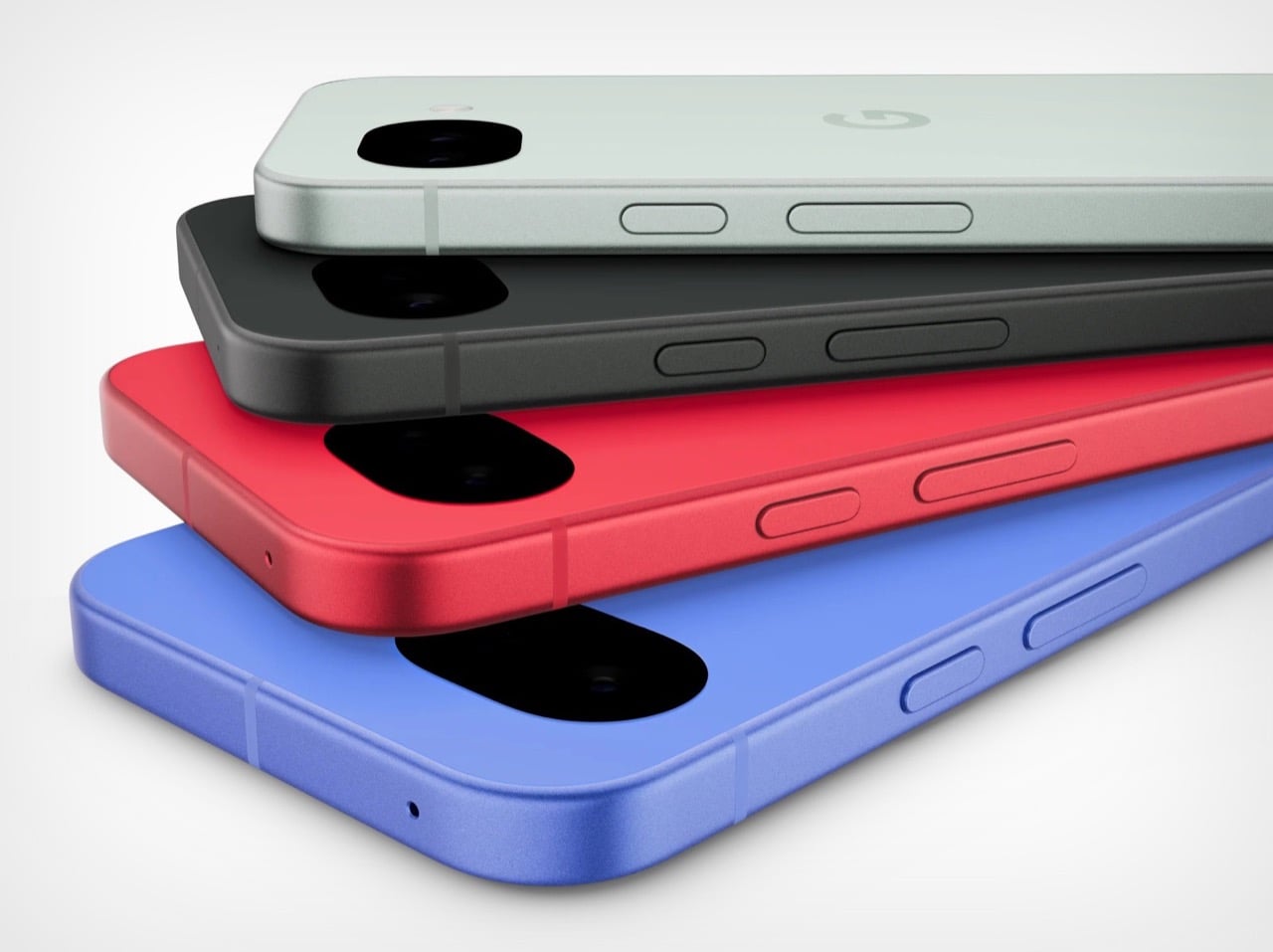
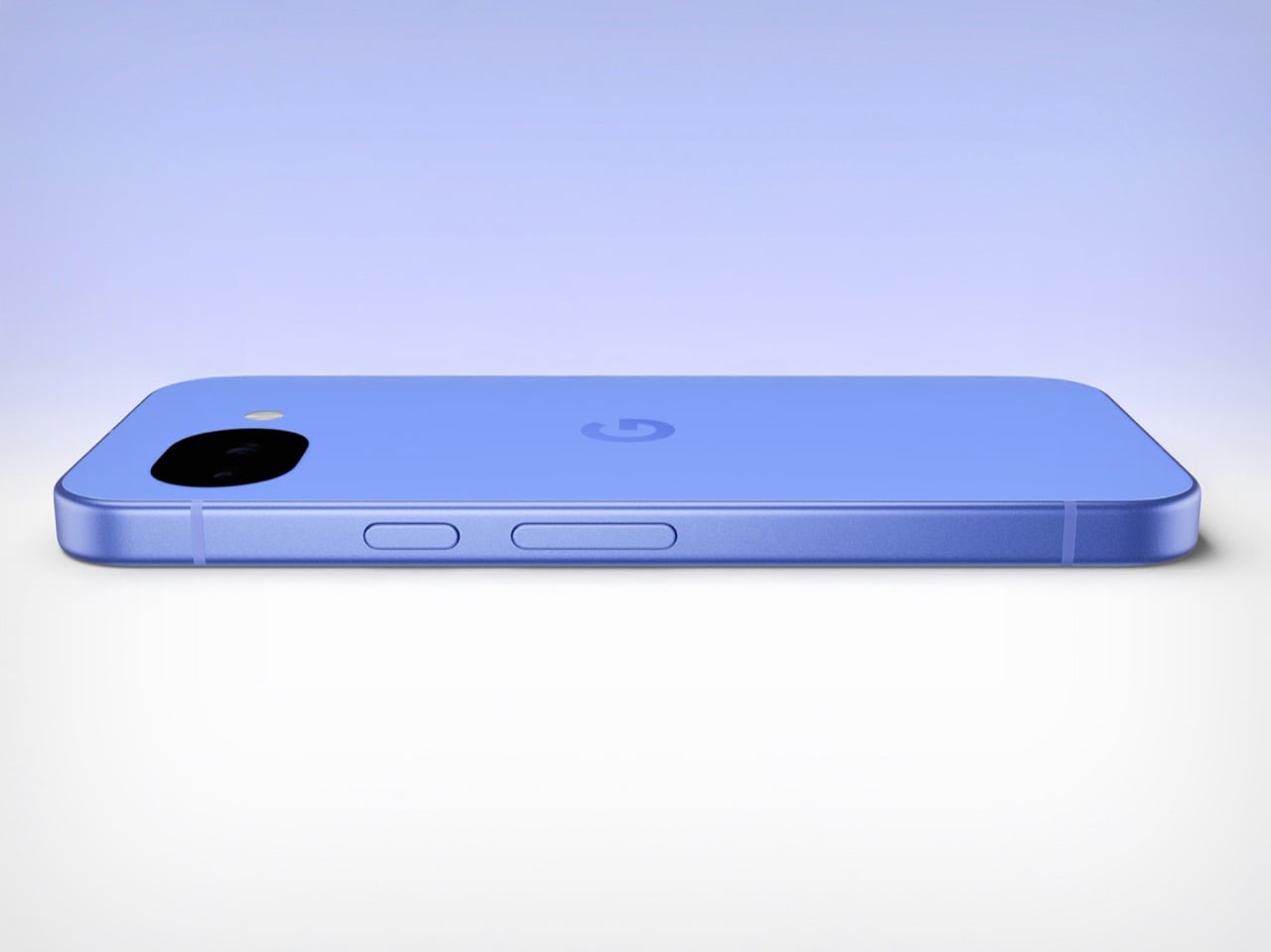
So far, outlets like MacRumors haven’t specified any ‘game-changing’ new features for the iPhone 16. Sure, you have a chipset upgrade every year and the 16 Pro will run Apple’s latest A18 Bionic chip. Cameras get upgraded too, and there’s speculation that the Ultrawide camera could get a 48MP bump this year. The new iPhone 16 series will apparently have larger displays (so maybe smaller bezels), better 5G, WiFi 7 capabilities, and a new stacked battery architecture for better battery life. Visibly, the iPhone 16 might have a different camera layout, defaulting to the original vertical orientation seen with the iPhone 11 and 12 (although the bump around them may be capsule-shaped instead of square like older models). There’s also speculation about a new physical ‘capture’ button for clicking photos or recording videos… although all indications show that this might just be one of those rumors that end up staying a rumor. Apple’s famously trying to move away from buttons and ports, so adding an extra button to the new phone just doesn’t sound like something the company would do. Moreover, the volume buttons already work as capture buttons when the camera app’s active… so a dedicated capture button feels rather redundant.

The iPhone 16 Pro might see some extremely small incremental changes, with barely any visible differences. The rendering below shows a possible iPhone 16 Pro with a design that’s indistinguishable from last year’s 15 Pro model. Apple will almost certainly stick to titanium for the Pro series, potentially with newer colors to help differentiate them from last year’s models.

All eyes, however, are on Apple’s software development team this year. The company famously canceled its rumored Apple Car project, moving the entire Project Titan team to work for the in-house AI development department. Analysts like Ming-Chi Kuo speculate that Apple might announce AI-based features like a next-gen Siri powered by Apple’s own LLM, or other generative AI capabilities. These announcements, however, may just come with the iOS 18 debut during WWDC in June. To push the latest iPhone series, Apple may also limit these AI features only to the iPhone 16 range, forcing consumers to make the upgrade. However, until these speculations are confirmed, the iPhone 16 may just be worth a miss this year.

Images via MacRumors

The post The iPhone 16 might just be a snoozefest… History tells us why. first appeared on Yanko Design.

Bang & Olufsen’s wireless hub turns even their 30-year-old speakers into smart Bluetooth devices

When companies mention the term “backward compatibility”, it seldom means revamping their products from 30 years ago… but Bang & Olufsen’s managed to pull off the unthinkable. You see, people who own B&O sound-systems do so because they’re passionate about audio quality – and if there’s one thing all audiophiles will agree to, it’s that analog sound systems from the years gone by are still the gold-standard in sound quality. The only problem is that they aren’t designed to be wireless. Not that any audiophile would dream about listening to Spotify on their state-of-the-art sound system, but there’s admittedly a certain convenience to being able to play any song directly from your phone on wireless speakers. Announced just this month, Bang & Olufsen’s latest device lets you do just that. The Beoconnect Core, priced at £999 ($1150 USD), is an intermediary wireless hub that turns all of B&O’s older speakers wireless, connecting the rich, auditory legacy of Bang & Olufsen with the convenience of today’s streaming culture.

Designer: Bang & Olufsen

Not to be confused with the BeoSound Core from 5 years ago, the Beoconnect Core is B&O’s latest accessory designed to be infinitely backward compatible with the company’s entire speaker catalog. The Beoconnect Core transforms legacy speakers, some dating back more than 30 years, into modern wireless systems capable of streaming music from any app, connecting to turntables, or even enhancing TV audio for a cinematic experience. This device is a celebration of the brand’s heritage, ensuring that the beloved sound systems can continue to create memorable moments in the digital age.

“Our aim is to build product icons that can last a lifetime, and Beoconnect Core is an important addition to our product offering, that enables us to deliver on this longevity promise. Beoconnect Core connects our past with our future and comes with our replaceable Mozart streaming module that can easily be upgraded to the newest technology”, says Michael Henriksson, Vice President of Product Marketing at Bang & Olufsen. “This means that the products that our customers love can be used for years to come and continue to provide memorable moments”.

The Beoconnect Core’s understated design complements any room’s aesthetic. Its gently curved, pearl-blasted aluminum chassis is as stylish as it is functional, efficiently dissipating heat. The non-conductive cover ensures clear and uninterrupted antenna reception. For a truly integrated experience, the Core can be seamlessly docked into a BeoSound Shape tile using a custom-designed bracket. The Core’s design prioritizes easy upgradeability too. Its functionality is future-proofed by the replaceable Mozart streaming module, ensuring your system stays compatible with the latest streaming technologies. This commitment to longevity extends to the Cradle-to-Cradle design principles used in the Core’s construction, minimizing environmental impact and maximizing serviceability.

As far as compatibility goes, the Beoconnect Core offers a variety of options to integrate your B&O speakers seamlessly into your existing setup. Powerlink and USB connections ensure optimal performance with Beolab 50 and Beolab 90 speakers, while a line-in port allows for the connection of turntables and other audio sources. But the Core’s capabilities extend beyond pure audio. It features an HDMI eARC connection, enabling you to connect your B&O speakers to any TV and experience the immersive power of Bang & Olufsen sound with your favorite movies and shows. So if you’ve got yourself some B&O speakers from more than a decade ago (when wireless connectivity wasn’t really much of a priority for high-end audio companies), the $1150 Core is a worthwhile investment in future-proofing your sound system to be compatible with latest streaming apps while still retaining its ability to default back to the glorious analog playback whenever you want.

The post Bang & Olufsen’s wireless hub turns even their 30-year-old speakers into smart Bluetooth devices first appeared on Yanko Design.

Fujifilm’s Instax Mini 99 creates color filter effects by shining LEDs on your photo film

The way film cameras work is simple – light is focused onto a light-sensitive film, causing images to form based on the kind of light that passes through the aperture. Fujifilm’s latest Instax camera cleverly uses that process to its advantage to create funky effects on film. The Instax Mini 99 has a set of LEDs sitting right in front of the photo paper. Choose an effect and the camera clicks the image, but also shines those built-in LEDs during capture to ‘color’ the image with extra hues. A yellow LED, for instance, would give your photo a sepia tone, green LEDs give your photo a faded green effect, and randomized colored LEDs create a light-leak effect reminiscent of old vintage-style cameras. Sure, you can toggle the effects off and click a normal photo too, but honestly, what’s the fun in that??

Designer: Fujifilm

Ask a photography purist and they’re sure to have some wild thoughts about whether what the Instax Mini 99 does is ‘legit’ or not. Most hardcore photographers don’t believe in additive editing, or the idea of adding something extra to an already clicked photo. That means airbrushing skin, fixing highlights, or using extra elements in their editing process. For any photography purist, the most you can really do to a photograph is either subtract from it, or modulate existing elements like play with contrast, color-correct, etc. So the idea of shining LEDs onto an exposed film may see mixed reactions. However, what the Instax Mini 99 does is just genius. It doesn’t apply a digital filter onto your film (the way you would in your photo editing app) – instead, it changes what your camera sees by adding extra color information. What it does is entirely analog, and it recreates a kind of imperfection you’d associate with vintage cameras but does so deliberately.

The interface is simple. A set of knobs on the side of the camera let you choose between different modes. The knob on the top lets you choose any of the Instax Mini 99’s effects, while a knob below lets you adjust brightness with five levels to choose from. This allows you to fine-tune the intensity of the color effect or even use it for standard lighting adjustments. Feeling adventurous? Combine the color effects with different brightness levels or even the double exposure mode for truly unique and artistic results. For those who like a touch of drama, the vignette mode is a welcome addition. By sliding the manual vignette switch near the lens, you can darken the edges of your photos, drawing attention to the center of the image. This technique can be particularly effective for portraits and close-up shots.

Beyond the creative features, the Instax Mini 99 offers a solid foundation for instant photography. It packs a 60mm f/10 lens, an LCD panel for framing your shots, and a long-lasting NP-70S lithium battery. The camera also comes with a shoulder strap and a base grip that includes a tripod mount, making it convenient to carry and use on the go.

The Instax Mini 99 starts at $199.95 for preorder, with the camera officially becoming available starting April. You can even grab yourself a dedicated camera case for $20.

The post Fujifilm’s Instax Mini 99 creates color filter effects by shining LEDs on your photo film first appeared on Yanko Design.

This Card Reader On Steroids Can Store and Read up to 16 Memory Cards at 300Mb/s Speeds

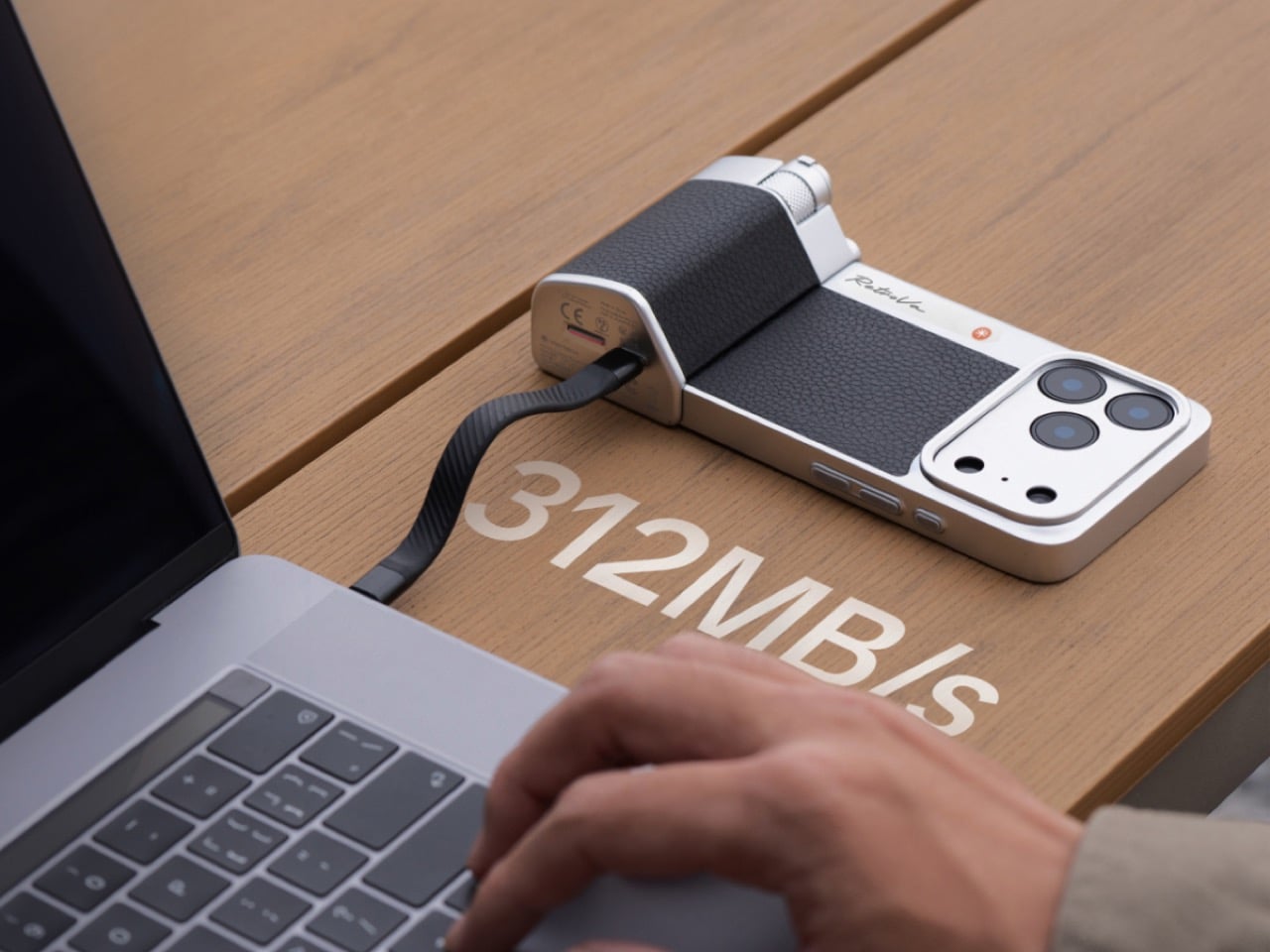
It looks like an SSD, but pop its hood open and the CAZE is a photographer’s best friend. Designed with as many as 20 slots, this portable gadget stores 4 SD cards, 12 MicroSD cards, and 4 SIM cards in its inner tray. Built-in card readers then let you access data from all those memory cards, giving you a convenient place to stash all your active memory cards and even read/write data on them. Content creators and photographers know the importance of safeguarding their precious data. However, managing multiple memory cards, ensuring their safety, and achieving fast transfer speeds can be a constant struggle. That’s where the CAZE comes in, with its compact yet powerful design. The CAZE gives you a place to store all your memory cards, but also access the data on them. A USB cable allows you to hook your CAZE to a laptop, phone, or tablet, letting you view media on the cards or even edit them. Heck, you can even store media from your phone onto a memory card in the CAZE too, giving you a clever offline alternative to cloud storage.

Designer: Asuzio

Click Here to Buy Now: $49 $69 ($29% off) Hurry! Only 7 days left!

CAZE transcends the concept of a simple storage case. It’s a meticulously designed fortress built to safeguard your creative work while keeping it organized. With a remarkable capacity for 4 SD cards, 12 Micro SD cards, and 4 Nano SIM cards, CAZE allows you to carry your entire digital library in one secure place. But security goes beyond just holding a lot of cards.

The design prioritizes the well-being of your data. Precision-engineered card slots ensure a snug fit and effortless access, while inner sealing rings shield your cards from dust and moisture, potential enemies of digital memories. The exterior is constructed from a robust aluminum alloy, offering a perfect blend of strength and lightness. To further enhance protection, a silicone shell encases the case, significantly improving shock absorption and safeguarding your precious storage cards from the perils of accidental drops.

Gone are the days of waiting for data transfers to crawl along. CAZE integrates cutting-edge technology, supporting the high-speed capabilities of SD4.0 UHS-II (up to 300MB/s) and USB 3.1 Gen 2 (up to 10Gb/s). This translates to lightning-fast data transfer, freeing you from unnecessary delays. The card reader and USB port are designed for simultaneous reading of SD cards, MicroSD cards, and USB devices, ensuring a smooth and efficient workflow.

Furthermore, CAZE boasts universal compatibility. Whether you use iPhones, Android phones, tablets, laptops, or various storage formats like SDXC, SDHC, and SD cards, Micro SDXC, Micro SDHC, and Micro SD, CAZE seamlessly integrates with your existing devices, keeping you connected and productive across your entire tech ecosystem.

CAZE isn’t solely focused on speed and protection; it prioritizes organization as well. The ingenious status management toggle feature provides a quick and clear view of which cards are full and ready to capture new content. This eliminates the frustration of rummaging through cards, saving you valuable time. Additionally, the thoughtful design of the card slots allows for effortless retrieval of MicroSD cards without removing the SD cards above. This clever approach minimizes the risk of losing those tiny cards in the shuffle.

CAZE offers additional features that cater to the specific needs of content creators. Four dedicated Nano SIM card slots and an eject pin eliminate the hassle of managing those miniature SIM cards, a common pain point for those who frequently switch devices or travel internationally. An included USB adapter ensures easy connection with devices lacking a Type-C port, providing greater flexibility for connecting to a wider range of devices.

If you’re a photographer, videographer, or any creative professional who juggles multiple memory cards and demands fast, secure data transfer, then CAZE might be the ideal solution for you. The Kickstarter campaign is still ongoing, so head over to their page to learn more about this innovative storage solution and see if CAZE can unlock your creative potential by streamlining your workflow and keeping your data safe.

Click Here to Buy Now: $49 $69 ($29% off) Hurry! Only 7 days left!

The post This Card Reader On Steroids Can Store and Read up to 16 Memory Cards at 300Mb/s Speeds first appeared on Yanko Design.
This Mechanical Controller Brings Glorious Desktop-style Clicky Keycaps to your PlayStation

You’ve used a gaming controller to play on the PC but how about the other way around? Meet the Hitbox, a console controller that sort of flips the status quo, giving you a comfortably tactile desktop-style gaming controller for your other consoles. The Hitbox sports 12 hot-swappable keycaps with backlights (and an additional 6 programmable buttons) looking like a mechanical marvel for PC gamers… however, the Hitbox isn’t designed to just work with a PC. It’ll work with the Nintendo Switch, PS3, and PS4 too, thanks to a USB-C port that lets you hook the controller to your console for beautifully clicky computer-style gaming on pretty much any device. (You’ll need a Brook converter to run it with the PS5 because Sony only allows licensed controllers to work with their latest console)

Designer: Drop

The Hitbox eschews the traditional joystick in favor of a layout of buttons, mirroring the design of arcade fight pads. This layout, while potentially unfamiliar to newcomers, is prized by fighting game veterans for its precision and ability to execute complex combos and special moves with greater ease.

But the Hitbox isn’t simply a retro throwback. It boasts several features that cater to the modern gamer. One of the most compelling aspects is the hot-swappable key functionality. Similar to mechanical keyboards, the Hitbox features 12 individual key slots that can be easily customized with your favorite mechanical keyboard switches. This allows players to tailor the feel and responsiveness of the controller to their specific preferences, a significant advantage for competitive players seeking that perfect edge in terms of speed and actuation.

Beyond the core buttons, the Hitbox offers six programmable buttons. Using the included PC driver software, players can assign intricate in-game macros to these buttons. This allows for effortless execution of complex combos and special moves, freeing up mental resources and allowing players to focus on strategy and execution during intense matches. The Hitbox also offers compatibility in the form of plug-and-play functionality with the Nintendo Switch, PS4, and even the PS3, broadening its appeal to a wider audience of fighting game enthusiasts across various platforms.

The build quality of the Megalodon Hitbox is as impressive as its functionality. The sleek design combines a high-quality aluminum alloy base with a durable acrylic top, ensuring the controller can withstand the rigors of competitive play. This marriage of materials makes it a reliable companion for countless battles to come.

The Hitbox also boasts a small but useful technological feature: a built-in 0.96-inch screen. This allows players to monitor their macros and navigate menus with ease. Additionally, the Hitbox runs on GP2040-CE firmware, opening the door for further customization for tech-savvy gamers who want to tinker with the controller’s functionalities.

While the Hitbox offers a compelling package, it’s important to consider its target audience. The controller caters to fighting game enthusiasts who prioritize peak performance and extensive customization options. If you’re new to fighting games or simply prefer the feel of a traditional controller, the Hitbox might not be the best choice. However, for those seeking an arcade-style experience with the added benefits of modern technology, the Hitbox is a serious contender.

Currently available for pre-order in four color options (yellow, white, soy, and black), the Megalodon Hitbox Controller offers a unique blend of classic design and cutting-edge functionality. With its focus on customization, performance, and durability, the Hitbox is a compelling option for fighting game aficionados looking to elevate their skills and dominate the competition. Just remember, pre-orders come with an estimated ship date of June 14, 2024, so a little patience is required.

The post This Mechanical Controller Brings Glorious Desktop-style Clicky Keycaps to your PlayStation first appeared on Yanko Design.

Caviar’s Custom iPhone 15 Pro Has A Vision Pro-inspired Design And A Ridiculous $8060 Price Tag

You could buy two Vision Pros at that price and still have change to spare…

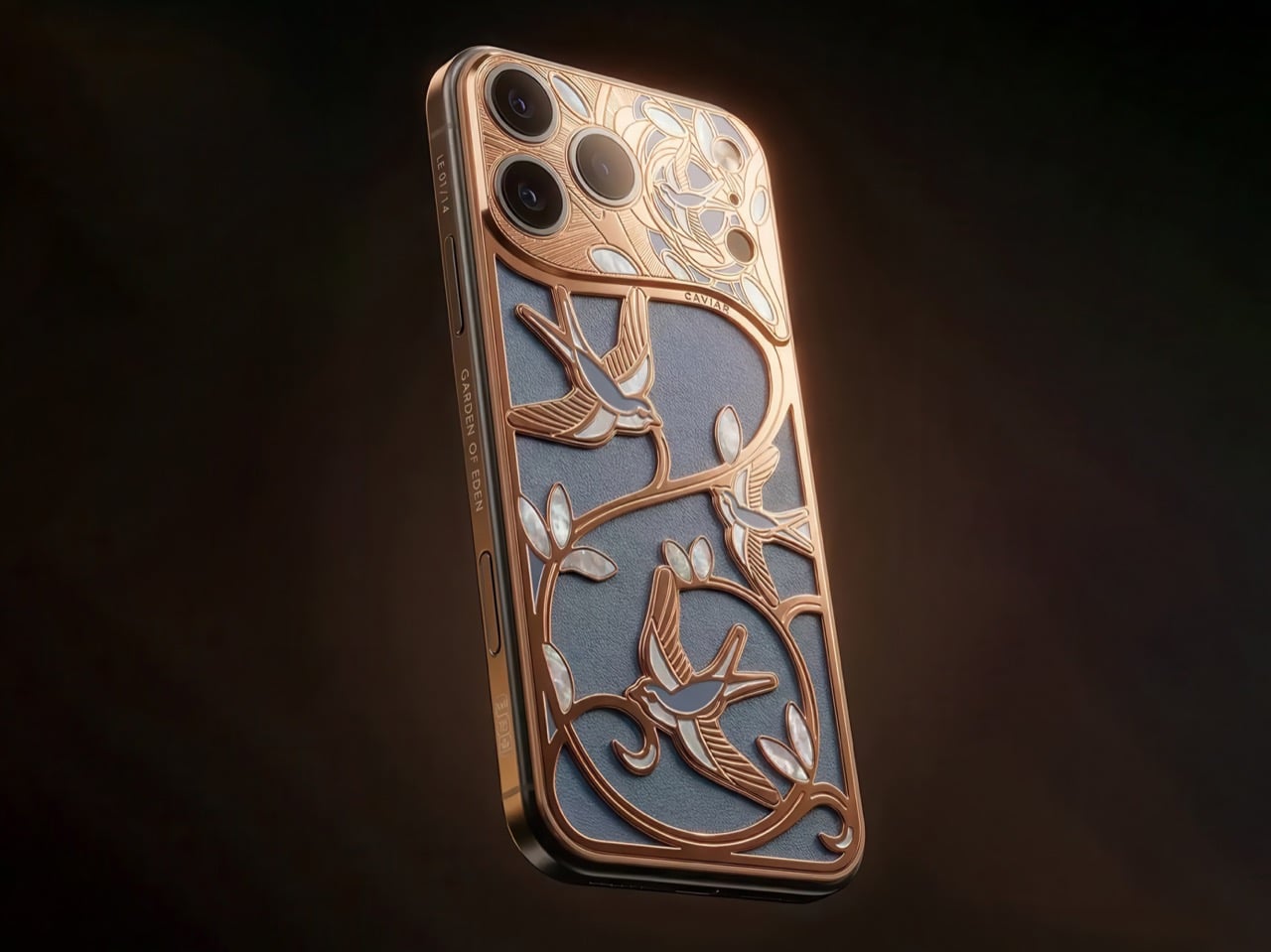
I’m not sure whether to call this prohibitive pricing or to just keep scrolling without reacting viscerally, but the folks at Caviar, in their infinite wisdom, have created a version of the iPhone 15 Pro that’s so ludicrously expensive it actually makes the $3500 Vision Pro look affordable. The ‘Vision’ is Caviar’s latest customized iPhone model, designed to pay homage to the Vision Pro. Its rear comes embellished with Vision Pro-inspired details, featuring a close-up of the nose-ridge, along with speaker and camera details along the edge, and a diamond-knurled surface on the top. The entire iPhone’s backplate is machined from Titanium (unlike the regular iPhone which has a glass back), and detailed with jewelry-grade enamel. The collection is limited to just 99 units, and Caviar says it’s perfect for people who want an iPhone that complements their Vision Pro. That’s if you’ve got any money left over from purchasing the spatial computing headset in the first place…

Designer: Caviar

The Vision’s overall appeal lies entirely in the design of its backplate. Under the hood, it’s still your standard 128Gb iPhone 15 Pro with all the features intact. Caviar just takes liberties with redesigning the exterior surface, sometimes embellishing it with rare materials like gold, diamonds, and other jewel-worthy accouterments. With the Vision, while you don’t get any gemstones per-se, you do get an edgy, futuristic-looking backplate that complements your spatial headset. The drawback, however, is the fact that it costs 80 Benjamins (and some more) and you can’t wirelessly charge the Vision because of the metal back.

At this point, discussing the Vision any further becomes a moot point just because of that price tag. Strangely enough, the Vision is still cheaper than some of Caviar’s other custom iPhone models… but ultimately you’re paying for a luxury statement-piece more than anything. People who splurge on Caviar phones are pretty much the creme-de-la-creme of society, with yachts and private jets to their name.

The Caviar iPhone Vision starts at $8060 for the 128Gb model. If you want to upgrade to models with higher storage, the price goes up significantly (why, I don’t know since it isn’t like Caviar’s got anything to do with the storage). The 1TB iPhone Vision has an eye-watering price tag of $9060. Just for context, with that much money, you could buy high-end versions of every Apple product and probably still have enough money to spare for a top-tier iCloud+ and Apple Care subscription.

The post Caviar’s Custom iPhone 15 Pro Has A Vision Pro-inspired Design And A Ridiculous $8060 Price Tag first appeared on Yanko Design.

The DJI Express UAV Drone Helps Easily Deliver Cargo Over Inter-City Journeys

Designed to extend the range of delivery from specific hubs, the DJI Express can easily make short inter-city commutes to deliver cargo and supplies without needing a semi-truck or even a dedicated driver. Perfect for smaller cities located next to bigger ones, the drone takes on the role of a delivery-agent, helping easily and rapidly cover large distances to complete deliveries.

Designer: Qingsheng Meng

The DJI Express UAV concept, created by China-based Qingsheng Meng, explores a different format from the drones you’re currently used to. Unlike most quadcopter-shaped aerial devices, the Express takes on the shape of a winged eVTOL that can fly longer distances like your regular airplane. However, significantly smaller than most airplanes, the Express UAV, as its abbreviation suggests, doesn’t have any humans inside it. The unmanned aircraft is controlled entirely remotely, relying on a combination of sensors for route-mapping and obstacle avoicance, and a rather massive camera unit on the tip that allows the remote pilot to look around as they maneuver the craft.

The drone’s design can functionally be split into a few distinct groups. You’ve got yourself a winged aircraft with propellers on each side. A high-definition camera mounted on a 2-axis gimbal on the front allows the drone to ‘see’, while the body of the aircraft houses a battery module on top, and the cargo payload at the bottom. Finally, a tail with a dedicated propeller helps with steering and stability.

A close-up of the top shows you the drone’s detachable battery, which comes with an easy-to-pull-out handle for swapping battery cells during a delivery cycle. However, the drone has its own charging port too, allowing you to charge said battery packs – a feature that can be used while the drone’s grounded for a significant number of hours. In front of the battery is a flip-switch that lets you set the drone to auto or manual, hinting at fully-autonomous flying capabilities thanks to the intelligent obstacle-avoidance sensors on the top as well as the bottom of the craft.

The DJI Express UAV’s design also has a rather well-ventilated fuselage that allows wind to rapidly cool the motor and batteries during flight. Cool air passes through the UAV’s body, helping maintain optimal temperatures during flight and keeping the battery healthy over longer journeys. Given the UAV’s fan-made conceptual nature, there are really no concrete details of its size or capabilities, although DJI does have a delivery drone in its enterprise roster – the Flycart 30. That being said, the Flycart still has a quadcopter-style design that severely limits its range and ability to deliver cargo over inter-city commutes.

The post The DJI Express UAV Drone Helps Easily Deliver Cargo Over Inter-City Journeys first appeared on Yanko Design.

Keurig Just Killed The Coffee-Pod With Their New Biodegradable Compressed Coffee Pucks

Around 2.25 billion cups of coffee are consumed on a daily basis, and even if a fraction of them are produced in Keurig or Nespresso machines, those are a LOT of coffee pods that get thrown in the waste after they’re used. Keurig’s finally tackling this persisting problem with the K-Round, an alternative to the pod that’s biodegradable, plastic-free, and still manages to produce a great brew. The K-Round is essentially a compressed disc or puck of coffee grounds (sort of how your local barista tamps down coffee into a puck), bound together with plant-based materials like cellulose. The K-Rounds go into Keurig’s upcoming machine, the Alta, which can process these rounds, extracting coffee from them without leaving you with a throwaway plastic and metal coffee pod like your regular Keurig machine currently does.

Designer: Keurig

Every company reaches a level of scale where it suddenly becomes difficult to sustain growth, and Keurig’s CEO Bob Gamgort mentioned that the company had reached that point. Creating great coffee is easy, but that isn’t precisely what Keurig does. The company creates great ‘single-serve’ coffee, helping users brew exactly one cup at a time instead of an entire pot and then having to either consume more coffee than needed or throw the rest. The company pioneered the single-serve coffee movement, and now, in order to grow even further, has realized that generating more waste in the form of use-and-throw pods isn’t particularly tenable.

Enter the K-Round, a puck of compressed coffee that achieves a few things. For starters, it does away with the pod entirely, using only plant-based natural materials in its design. The K-Round is entirely biodegradable and leaves no waste apart from a small leftover disc that can easily be composted or discarded with natural waste. But more distinctly, the K-Round reinvents the perception of the pod by allowing users to have a sensorial experience BEFORE the coffee is even brewed. Most coffee pods are shrouded in mystery – nobody knows what’s in them or how they work, and all you really have is a label on top that tells you what’s inside the pod. The K-Round on the other hand, is much more sensorial. Users can actually look at the pod and see how coarse or fine the grounds are, or if they’re light or dark-roasted. The pods also give off a distinct coffee aroma, helping prepare you for the brewing/drinking journey you’re about to embark on, all while keeping the process relatively simple – place the pod in the machine, shut the lid, hit the button, and voila! Barista-level coffee brewed in mere minutes.

The K-Rounds are essentially just roasted/ground coffee that’s been compressed into the shape of a puck, and bound together using a plant-based coating of cellulose and alginate (the same stuff used to create those bursting pearls in boba tea). Different variants also have sorbitol, a form of sugar that’s 50% as sweet as sucrose, and is non-fermenting (you don’t want the coffee turning into alcohol in the pod). The engineers at Keurig Dr. Pepper (yes, that’s the name of the company, I didn’t know they were co-owned either) developed the K-Rounds to be space-saving, shelf-stable, and entirely plant-based, while still ensuring that the resulting coffee tastes great and doesn’t have any underlying undesired flavors or aromas. Their inspiration for the puck shape came from the way baristas tamped down coffee into pucks before loading them into coffee machines. The pucks come in a variety of sizes, depending on the type of brew. Espressos are smaller and flatter, while other ‘larger’ brews like double shots or tall cold-brews result in taller pucks. The K-Rounds currently only work with the upcoming Keurig Alta coffee machine, which can apparently identify each puck and automatically adjust temperature, water-level, and brew time accordingly. Notably, the Alta is designed to be backwards compatible too, and will accept the older use-and-throw K-Cups coffee-pods too. The Alta and K-Rounds don’t have an official date – Keurig says it’s still fine-tuning the two based on consumer feedback. If you want to be a part of the beta test, Keurig’s inviting coffee aficionados to sign up on their website.

The post Keurig Just Killed The Coffee-Pod With Their New Biodegradable Compressed Coffee Pucks first appeared on Yanko Design.

10 Things To Consider Before Planning To Study Design Abroad

We’re finally at a point where design as an occupation holds the same mental weight as medicine, engineering, or law. The past two decades have seen a rapid rise in ‘design’ and ‘design thinking’ becoming permanent parts of the professional vocabulary, and with that, there’s a steady rise in the demand for designers. The educational setup, however, is still taking time to catch up to the industry’s need for designers, which is why even today there are still just a handful of institutions that command the design education space. A lot of them are in the global west, undoubtedly, but the global east is picking up pace too, offering young designers and aspirants the ability to travel to a whole variety of countries to study and specialize in design. If you’re reading this, chances are that you’re either thinking of studying design abroad, or you’ve already studied design abroad… or you’re just design-curious.

The allure of studying design abroad is undeniable—new experiences, exposure to international design perspectives, and the promise of personal growth. However, before your dreams take flight across borders, there are critical considerations that can make or break your educational journey. From cultural nuances and the constant evolution of design requirements to financial planning and accreditation standards, venturing into foreign territories for a design education requires meticulous preparation. My objective here is not just to guide you through practical steps but also to present you with a wealth of options when it comes to planning your career trajectory.

1. Evaluate the Worth of Studying Design Abroad

The decision to study design abroad is more than a question of education; it’s an exploration into cultural diversity and global perspectives. Exposure to different design philosophies, techniques, and cultural aesthetics can significantly enrich a designer’s creative arsenal. International programs often boast cutting-edge technology and facilities, alongside faculty who are leaders in their fields. However, this comes at a cost, both financially and emotionally, as you step away from the familiar comforts of home. It’s essential to balance these factors against your personal and professional goals. Does the international exposure align with your career aspirations? Can the unique experiences and skills acquired abroad offer you a distinctive edge in the competitive design industry? These are questions only you can answer, making this initial evaluation a cornerstone of your decision-making process.

2. Choose the Right College or Program

Choosing the right institution is a multifaceted decision encompassing several critical factors. Reputation is often the first consideration, but digging deeper into the curriculum offered, faculty expertise, and the strength of the alumni network can provide greater insight into the program’s value. The program’s location can also significantly influence your learning experience, offering unique cultural and design opportunities. Accreditation ensures that the education you receive meets global standards, essential for your future employability. Lastly, consider the program’s connections to the design industry, including internship and employment opportunities post-graduation. Each of these factors plays a crucial role in not just shaping your educational experience but also in laying a solid foundation for your future career in design.

3. Future-Proof Your Education: Choose Programs with Potential

The design industry is continually evolving, driven by advances in technology and shifts in societal needs. Future-proofing your education means choosing programs that not only provide a solid foundation in traditional design principles but also incorporate emerging fields such as UX/UI design, sustainable design, or digital media. Programs that emphasize adaptability, critical thinking, and innovation prepare students to navigate the rapidly changing landscape of the design industry. Look for curriculums that blend theoretical knowledge with practical application, offering opportunities to work on real-world projects and collaborate with industry professionals. This approach not only enhances learning but also ensures that students graduate with a portfolio that showcases their skills in addressing contemporary design challenges.

4. The Merits of Studying Design in Your Own Country

While international study offers unique advantages, considering the merits of studying in your own country is equally important. Cultural relevance in design can be a significant factor, especially if you intend to work within your local market post-graduation. Studying domestically can also be more cost-effective, reducing the need for international travel and living expenses. Moreover, local education systems are often well-aligned with the country’s specific design industry needs, providing relevant networking opportunities and internships. However, this doesn’t preclude international opportunities; many domestic programs offer exchange or study abroad options, allowing students to gain international exposure without committing to a full degree program overseas.

5. Job Opportunities: Local vs. Global Market Readiness

The design job market is incredibly diverse – design itself doesn’t have a standalone industry, it instead builds on the capabilities of other industries, whether it’s medical, consumer-goods, architecture, city planning, etc. Understanding the demand for specific design skills in your target market—whether local or international—is crucial. Programs that offer robust internship and placement services can significantly enhance your employability by providing practical experience and industry contacts. Networking, both in-person and online, can open doors to job opportunities not advertised publicly. However, international students should also consider a few things before planning on studying abroad. Aside from mere market readiness or a burgeoning need for your skill-sets, it’s important to evaluate the future from a social, economical, and even political lens. Looming sociopolitical unrest could lead to disruptions in your studies/work, low-skill work could be replaced by AI, a weak economy could easily affect job availability.

6. The Financial Aspect: Weigh Costs Against Benefits

The financial implications of studying design abroad are a major consideration. Tuition fees for international students can be substantial, and when combined with the cost of living, travel, and materials, the total expense can be daunting. Exploring scholarship opportunities, financial aid, and part-time work options can help mitigate these costs. It’s essential to conduct a cost-benefit analysis, considering the potential return on investment in terms of career opportunities and salary prospects. Ask yourself – “Will my salary grow proportionate to how much I’m investing in my career?” While the initial financial outlay may be significant, the long-term benefits of an international design education can outweigh the costs for many students.

7. Learning Vs. Earning – Upskilling Amidst Work

The debate between pursuing further studies and entering the workforce directly presents a compelling consideration: the possibility of learning while earning. This approach champions the idea of upskilling within the context of a job, where theoretical knowledge meets practical application. It’s a strategy that not only keeps the financial wheels turning but also enriches a designer’s skill set and experience in real-world settings. It allows aspiring designers to avoid the substantial financial and time investments typically associated with studying abroad, without sacrificing the advancement of their skills and careers. You build a skill set while building your savings – it’s a win-win.

8. Legal Considerations and Work Rights for International Students

Understanding the legal framework of your host country is essential for international students. This includes visa requirements, work rights during and after your studies, and potential pathways to permanent residency or employment. Regulations vary widely between countries, so it’s important to research thoroughly and plan accordingly. Many countries offer post-study work visas that allow graduates to remain in the country and gain valuable work experience, enhancing their career prospects.

9. Building a Global Network: Long-Term Career Advantages

One of the most significant benefits of studying design abroad is the opportunity to build a global network. Connections with fellow students, faculty, and industry professionals can provide invaluable support and opportunities throughout your career. These relationships can lead to collaborative projects, job offers, and partnerships. Actively engaging in your institution’s alumni network, attending industry events, and participating in design competitions can help you build and maintain these critical connections.

10. Reflection: Is Further Studies in Design Worthwhile?

Finally, reflecting on the value of further studies in design is crucial. While formal education can provide a strong foundation, the design industry also values experience, portfolio strength, and creativity. Consider whether your career goals are best served by further academic study or by gaining practical experience through internships, freelance projects, or starting your own design venture. For many, a combination of both education and practical experience offers the best path to a successful career in design.

The post 10 Things To Consider Before Planning To Study Design Abroad first appeared on Yanko Design.

These Colorful Acrylic Furniture Pieces Are Like If Willy Wonka Met IKEA

Furniture so yummy-looking you’d want to lick them…

Meet Flare, a collection of furniture by Draga & Aurel designed to explore the theme of refraction. The furniture’s relatively blockish shape comes from the fact that it’s manufactured out of multicolored blocks of lucite (a patented version of acrylic resin known for its sheer glass-like transparency) that look practically like pieces of candy fused together to form functional decor pieces. The collection includes tables and decorative totem pieces, all of which are painstakingly crafted by hand, and are completely unique in their pattern and color composition. Much like wooden furniture are distinctly unique because of their woodgrain, Flare’s tables and totems have their distinct color-grains that make each unit individualistic. Unlike wood, however, these pieces have a kind of funky pop-futurism to them that’ll grab your attention and probably even cause you to salivate. I’d probably recommend against licking them.
Designer: Draga & Aurel

Draga & Autel’s collection boasts a range of coffee tables and a unique totem-style sculpture. Each piece is meticulously handcrafted from sheets of Lucite in various colors, shapes, and thicknesses. These sheets are layered and glued together to create the furniture’s bold, geometric forms, for instance, the use of bold geometric shapes creates a sense of dynamism and stability. The chunky shapes and vibrant hues reference minimalism, space-age design, and the captivating patterns of optical art.

A defining characteristic of the Flare collection is its exploration of light refraction. The layered acrylic creates a kaleidoscope effect, with the colors shifting and transforming depending on the viewer’s position. This dynamic interplay of light adds a captivating element of intrigue to any space.

The meticulous craftsmanship is evident in each piece of the Flare collection. Lucite sheets are hand-selected and cut to precise specifications before being carefully layered and glued together. This attention to detail ensures that each piece is not only beautiful but also built to last.

The Flare collection is a perfect example of how design can bridge the gap between art and function. The pieces are not only conversation starters but also provide practical surfaces for everyday use. Their only tragedy is the fact that they probably won’t go with most conventionally decorated homes. The Flare fits well in more quirky, minimalist houses dominated by pops of color and whimsy.

The post These Colorful Acrylic Furniture Pieces Are Like If Willy Wonka Met IKEA first appeared on Yanko Design.