This Smart Perch Weighs Birds Without Ever Touching Them

Picture this: you’re a wildlife rescuer trying to nurse an injured falcon back to health. Every few days, you need to catch the bird, restrain it, and place it on a scale. The bird panics, thrashing and screeching. Your heart races as you try not to get talons to the face. Sometimes, the stress alone can kill the very creature you’re trying to save. It’s a nightmare scenario that plays out in rescue centers worldwide, but a team of Korean designers just might have cracked the code on a better way.

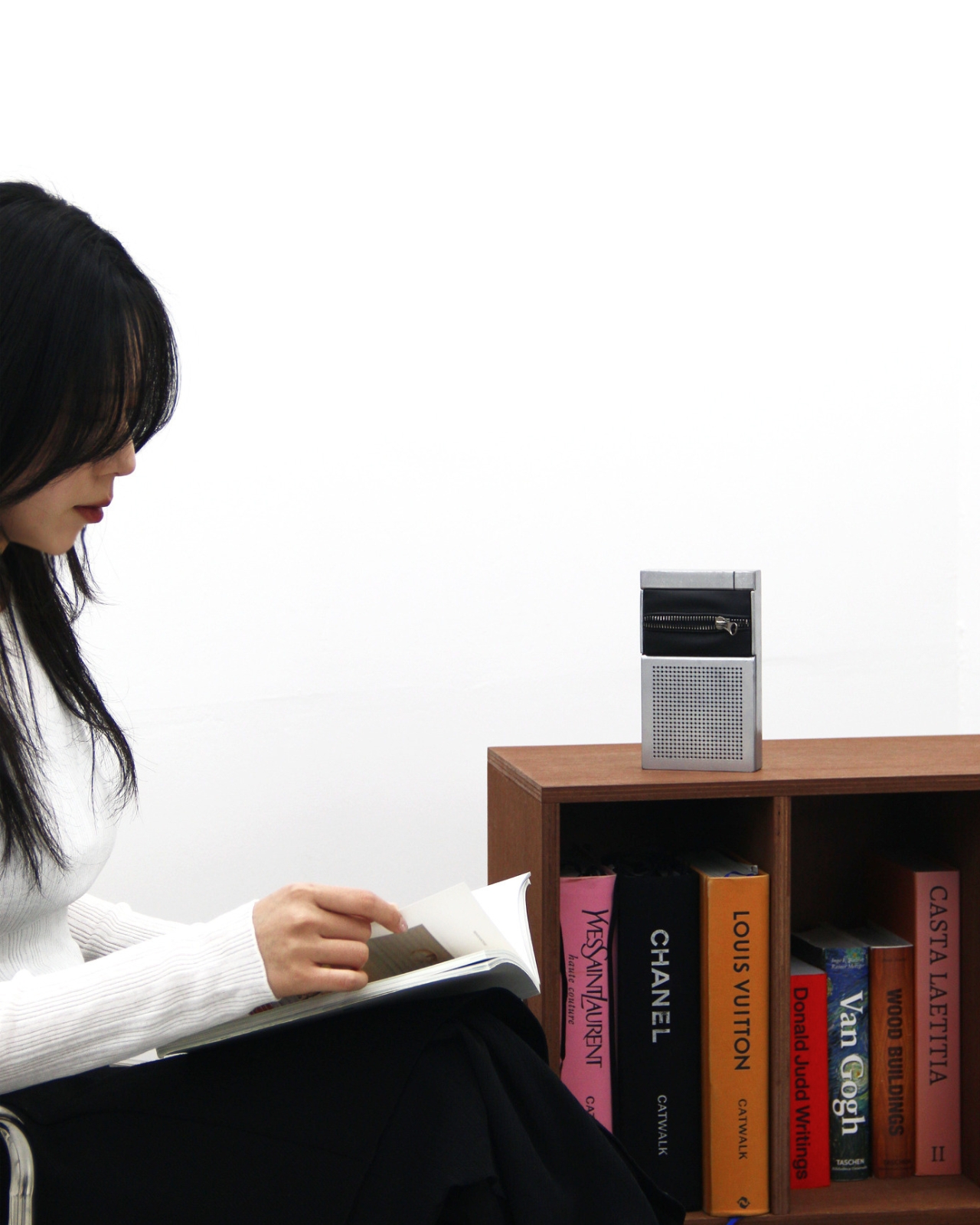
Enter PerchCare, a sleek smart perch that’s basically the Fitbit of the bird world, minus all the drama. Created by designers Lee Hanung, Kwon Hyeokwoo, Choi Yoonji, and Kim Minji, this Red Dot Award-winning design tackles a problem most of us never knew existed. But for wildlife rehabilitators, it’s been a persistent thorn in their side for decades.

Designers: Lee Hanung, Kwon Hyeokwoo, Choi Yoonji, Kim Minji

Here’s the thing about wild birds: they’re masters of disguise when it comes to illness. It’s a survival instinct hardwired into their DNA. In the wild, showing weakness makes you an easy target for predators, so birds will act perfectly fine even when they’re seriously unwell. That’s why tracking their weight becomes absolutely crucial. It’s often the only reliable indicator that something’s wrong before it’s too late. The design team didn’t just dream this up in a vacuum. They spent time interviewing rescuers at the Gyeonggi Northern Wildlife Rescue Center, getting their hands dirty with real-world insights. What they heard was consistent: the current method of weighing birds is dangerous for everyone involved. Birds get stressed to the point of harm, and caretakers risk injury every single time.

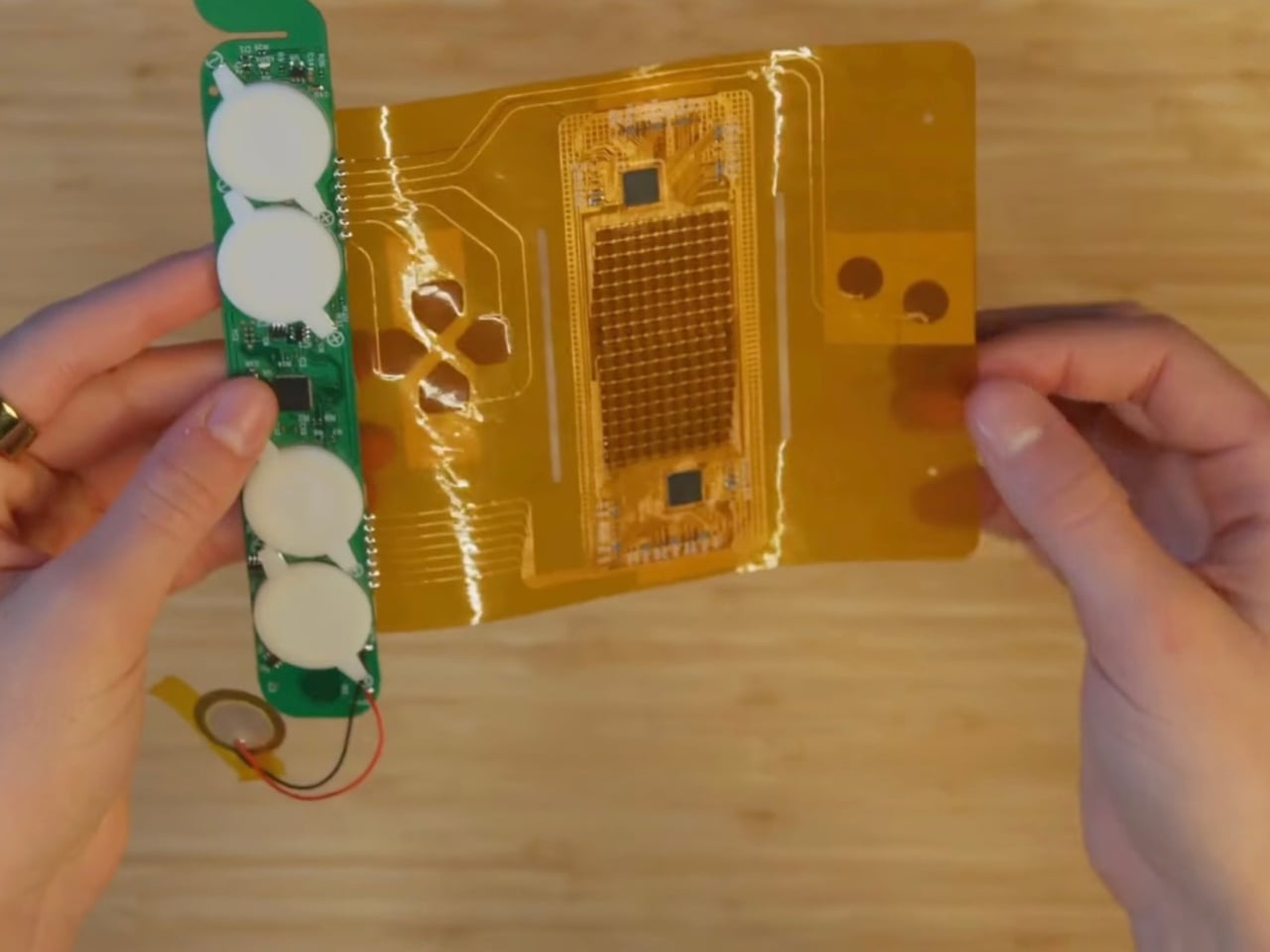
So how does PerchCare work its magic? The genius lies in its simplicity. Instead of forcing an unnatural interaction, it turns an everyday object into a monitoring device. Birds need to perch anyway, right? It’s what they do. By embedding weighing technology directly into something that mimics a natural branch, PerchCare lets birds just be birds while quietly collecting vital health data in the background.

The perch itself looks refreshingly minimal, almost Apple-esque in its aesthetic. It comes in multiple sizes to accommodate different species, from tiny songbirds to larger raptors. The mounting system uses suction cups, which means installation is as easy as sticking it to the cage wall. No tools, no complicated setup, no engineering degree required. But the really cool part is how the system communicates. An integrated lighting system provides at-a-glance status updates, while a companion app delivers detailed charts and trends over time. Rescuers can spot concerning weight drops before they become critical, all without ever touching the bird. It’s like having a 24/7 health monitor that doesn’t require awkward vet visits.

The implications here go beyond just making life easier for rescuers (though that alone would be worth celebrating). When you reduce stress during rehabilitation, birds recover faster and more successfully. That means higher release rates back into the wild, which is ultimately the whole point of rescue work. Every bird that makes it back to its natural habitat is a win for biodiversity and ecosystem health.

There’s something beautifully poetic about technology that works by getting out of the way. In our world of constant notifications and flashy interfaces, PerchCare succeeds by being invisible to its primary users. The birds have no idea they’re being monitored. They just land on what feels like a normal perch and go about their business while the tech does its thing quietly in the background. This is design thinking at its finest: identifying a real problem, understanding the needs of all stakeholders (including the non-human ones), and creating a solution that’s both elegant and effective. It’s not about reinventing the wheel or adding unnecessary complexity. Sometimes the best innovations are the ones that feel obvious in hindsight.

The post This Smart Perch Weighs Birds Without Ever Touching Them first appeared on Yanko Design.
Finally, a Lamp That Changes Shape as Often as Your Mood

There’s something about lighting that can completely transform a space, isn’t there? You walk into a room with harsh overhead fluorescents and immediately feel different than when you step into a warmly lit corner with just the right glow. But here’s the thing: most lamps are stuck being one thing forever. That sleek floor lamp you bought? It looks great, sure, but what happens when you rearrange your furniture or want to read in bed instead of on the couch?

Enter MOODI, a modular stand lamp designed by Taehyeong Kim that’s challenging everything we thought we knew about lighting. Instead of being locked into one configuration, MOODI is basically the LEGO set of lamps. You can snap together different components, swap out parts, adjust heights and angles, and completely reconfigure the whole thing whenever your space (or mood) changes.

Designer: Taehyeong Kim

Create your own Aesthetic Render: Download KeyShot Studio Right Now!

The design takes inspiration from telescopic mechanical structures, and honestly, it shows. Those exposed joints and metal textures give it this industrial, almost mechanical aesthetic that feels refreshingly honest. Nothing’s hidden away or disguised. You can see exactly how the lamp works, which joints pivot, how the pieces connect. It’s functional beauty at its finest.

What makes MOODI particularly clever is how it addresses something many of us don’t even realize we’re missing. Kim’s philosophy centers on the idea that our homes aren’t just places to crash at the end of the day anymore. For millennials and Gen-Z especially, our spaces have become extensions of our personalities, stages where we live out our daily narratives. We’re curating our environments the same way we curate our Instagram feeds, and lighting plays a massive role in setting those scenes.

The modularity goes way beyond just being able to tilt the lamp head up or down. You can actually build different types of lights from the same set of components. Need a tall floor lamp for your living room? Done. Want a compact desk light for focused work? Rearrange a few modules. Heading out for a camping trip? Reconfigure it into a flashlight. It’s wild how versatile the system becomes once you start thinking about all the possibilities.

The lamp comes in three elegant finishes: white, black, and a warm beige tone that adds just a touch of softness to the industrial vibe. Each version maintains those signature exposed joints and clean lines, but the color options let you match it to your existing decor or create intentional contrast.

What really resonates about MOODI is how it puts control back in your hands. We’re so used to products dictating how we use them, but this flips that relationship. You’re not adapting your life to fit the lamp; the lamp adapts to fit your life. Morning coffee at the kitchen table? Adjust it for soft ambient light. Late-night reading session? Reconfigure for focused task lighting. Video call with friends? Move it to create that perfect ring-light effect.

There’s also something refreshingly sustainable about the approach. Instead of buying multiple specialized lights for different purposes (and contributing to more waste), you invest in one versatile system that grows and changes with you. When you move apartments, redecorate, or just feel like mixing things up, MOODI moves right along with you. The design manages to walk that tricky line between being statement-worthy and genuinely functional. It’s sculptural enough to be interesting, but never so precious that you’re afraid to actually use it. Those mechanical joints beg to be adjusted and played with, turning the simple act of repositioning a light into something tactile and satisfying.

The post Finally, a Lamp That Changes Shape as Often as Your Mood first appeared on Yanko Design.

This $2,500 Home Uses Clay Pots to Beat the Heat

When you think of award-winning architecture, your mind probably jumps to glass towers or sleek minimalist villas with price tags that could fund a small country. But here’s something that’ll flip that script: designer Xinyun Li just proved that brilliant design doesn’t need a massive budget. In fact, she did it for less than the cost of a decent used car.

The $2,500 Vernacular Home sits in Para Dash, a bamboo village in Modonpur, Bangladesh, and it’s basically a masterclass in working with what you’ve got. Built for a multigenerational family of four (parents, their son, and his wife), this isn’t some stripped-down minimalist box. We’re talking two bedrooms, a kitchen, toilet, two cow sheds, a future child’s room, a weaving space, and even a roadside teahouse and shop. All for under $2,500. That includes materials and labor.

Designer: Xinyun Li

So how did Li pull this off? By going hyperlocal. Every single material came from the surrounding area. Mud, straw, and bamboo were literally gathered from nature, while bricks and tin sheets were produced nearby using local resources. No shipping costs, no imported materials, just what the land and community could provide. It’s the kind of approach that sounds simple but requires serious design chops to execute well.

But here’s where it gets really interesting. Bangladesh isn’t exactly known for mild weather. The climate is hot, the monsoon season is long, and flooding is a legitimate concern. Li didn’t just slap together some walls and call it a day. She designed the entire house to work with (not against) these environmental challenges. The structure sits on raised plinths to protect against flooding, while steeply pitched roofs ensure rainwater runs off efficiently rather than pooling. The room layout itself is strategic, arranged to maximize cross-ventilation. Windows are placed at varying heights on windward and leeward sides, creating a natural airflow that pushes hot air out. No AC needed.

Then there’s my favorite detail: those clay pots you can see dotting the mud walls of the teahouse. They’re not decorative (though they look pretty cool). These locally made pots from a neighboring village are actually functional. When inserted into the wall, they compress airflow and help cool the incoming air, creating a more comfortable microclimate inside. It’s ancient technology meets contemporary design thinking, and it’s genius.

Since electricity is limited in the area, Li integrated something called “liter bottles of light” into the roof. These simple devices (basically plastic bottles filled with water) refract sunlight and illuminate interior spaces during the day without requiring any power. It’s the kind of low-tech, high-impact solution that reminds you innovation doesn’t always mean adding more technology.

The layout also reflects a deep understanding of how this family actually lives. The daughter-in-law has a small weaving space on an upper-level balcony right outside her bedroom. She can work on her craft while staying connected to what’s happening with the rest of the family below. Meanwhile, the parents’ teahouse and shop sit at the edge of the courtyard along the village road. It’s positioned perfectly to give the main home privacy while remaining accessible to community members who stop by.

What makes this project so compelling isn’t just the low price tag (though that’s impressive). It’s that every decision, from materials to building methods, is rooted in local knowledge and ecology. The brick openings aren’t random; they’re carefully designed to enhance ventilation. The bamboo screens filter light beautifully while maintaining privacy. Even the tin roofs, which might seem like a purely practical choice, become part of the home’s aesthetic identity.

This is what true vernacular architecture looks like when it’s done right. It’s not about imposing some outside design vision onto a place. It’s about listening to the land, the climate, the culture, and the people who will actually live there. Li created a home that’s resilient, adaptable, and beautiful, all while proving that thoughtful design can be radically affordable.

The post This $2,500 Home Uses Clay Pots to Beat the Heat first appeared on Yanko Design.
One Pole to Rule Them All: The Swiss Army Knife of Streetlights

You know those moments when you walk through a city and notice something that makes you think, “Why didn’t anyone think of this sooner?” The Shift Pro by Italian design firm Simes is one of those designs. It’s not trying to reinvent the wheel, but it’s definitely reimagining what a simple streetlight can do.

Think of it as the Swiss Army knife of urban infrastructure. Instead of cluttering our sidewalks with separate poles for lighting, cameras, speakers, and Wi-Fi routers, Simes has condensed everything into one sleek, weatherproof system that actually looks good while doing all the heavy lifting.

Designer: Simes

At first glance, the Shift Pro looks like your typical modern street pole with a minimalist black finish. But here’s where it gets interesting: this thing can be equipped with up to four independently manageable modular heads. Each head can be customized to serve different functions, from adjustable LED lighting to IP67 security cameras, passive acoustic speakers, or Wi-Fi access points. Oh, and if you’re riding an e-bike or electric scooter, there’s even an optional door with an electrical socket for charging.

The flexibility here is genuinely impressive. Each head can rotate 360 degrees, and the integrated projectors can tilt up to 90 degrees. This means you’re not stuck with fixed lighting that only illuminates one spot. Cities can adjust the configuration based on what each specific location needs. A park might prioritize lighting and speakers for events, while a commercial district could lean into surveillance and Wi-Fi connectivity.

What I really appreciate about the Shift Pro is how it addresses a real urban planning headache. Walk down any busy street and you’ll see the visual clutter: one pole for streetlights, another for traffic cameras, a third for public Wi-Fi, maybe a fourth for something else entirely. It’s messy, it’s expensive to maintain, and honestly, it’s not great to look at. By consolidating these functions, Simes isn’t just solving an aesthetic problem but also making cities more efficient and potentially saving money on installation and maintenance.

The technical specs are solid too. With an IP66 protection rating and IK10 impact resistance, this pole is built to withstand whatever weather or vandalism throws at it. The LED lighting comes with DALI 2 dimming capabilities, which means cities can easily adjust brightness levels based on time of day or specific needs. During late hours, for instance, lights could dim to save energy but brighten when motion is detected.

Of course, there’s the elephant in the room: surveillance. The idea of integrated cameras might make some people uncomfortable. And that’s a valid concern worth discussing. We’re living in an era where the balance between public safety and privacy is constantly being negotiated, and adding more cameras to our streets isn’t a decision to take lightly. But the beauty of the modular design is that cities can choose which functions to include. If a community decides they’d rather not have cameras, they can opt for lighting and connectivity instead.

What makes the Shift Pro particularly clever is how it turns infrastructure into a service platform. Cities aren’t just getting a light pole, they’re getting a foundation for smart city technology that can evolve over time. Need to add emergency communication features later? Swap out a head. Want to upgrade the camera system? Same deal. This kind of flexibility is increasingly important as urban technology advances faster than traditional infrastructure can keep up.

Simes, based in Italy’s Franciacorta region, has been specializing in outdoor lighting for years with a focus on what they call “Light for all around the building.” The Shift Pro feels like a natural evolution of that philosophy, expanding from just illuminating spaces to genuinely enhancing how those spaces function and connect.

Since a lot of cities are getting smarter but also more cluttered with technology, the Shift Pro offers a refreshingly elegant solution. It’s not flashy or revolutionary in the disruptive sense, but it’s thoughtful design that makes you wonder why we’ve been doing things the complicated way for so long. Sometimes the best innovations aren’t about inventing something entirely new, but about combining what already exists in a way that just makes sense.

The post One Pole to Rule Them All: The Swiss Army Knife of Streetlights first appeared on Yanko Design.
This Swedish Designer Just Turned Childhood Puzzles Into Furniture

You know that satisfying click when two puzzle pieces finally snap together? Swedish designer Gustaf Westman has blown that feeling up to furniture-size with his latest creation, the Puzzle Shelf, and honestly, it’s the kind of playful design we didn’t know we needed.

If you’ve been following Westman on Instagram (and you really should be), you’ve probably already fallen for his signature aesthetic: chunky, glossy objects in candy-bright colors that somehow manage to feel both nostalgic and completely modern. Think rounded edges, inflated geometry, and a sense of humor that most furniture seriously lacks. The Puzzle Shelf fits right into this universe while marking something new for the designer. It’s his first venture into modular shelving, and it’s exactly as delightful as you’d expect.

Designer: Gustaf Westman

The concept is brilliantly simple. Westman took inspiration from, well, puzzles. Actual jigsaw puzzles. “I usually get inspired by the most random things, and in this case, puzzles,” he explains in a recent Instagram Reel. Each shelf unit features those familiar protruding tabs and recessed slots that slide and lock together without any visible hardware. No screws, no Allen keys, no confusing instruction manuals with cryptic diagrams. Just pure, friction-based satisfaction.

What makes the Puzzle Shelf so compelling is how it transforms something functional into something sculptural. These aren’t just storage units. They’re bone-shaped, oversized blocks that you can stack, rearrange, and play with to create whatever configuration your space needs. Want a tall tower of shelves? Go for it. Prefer something low and horizontal? That works too. The system is completely flexible, giving you the kind of creative control that makes arranging your space feel more like art than organization.

Westman’s design process is also pretty fascinating. Before committing to full-scale production, he tests everything through 3D printed miniatures that mirror the final product almost exactly. It’s a smart approach that lets him work out all the kinks while keeping that essential puzzle functionality intact. The result is a system that actually works the way it promises to, which in the world of trendy furniture, is refreshingly rare.

And can we talk about how these pieces look? The glossy finish and those signature candy hues make the Puzzle Shelf feel like an oversized toy that somehow grew up without losing its sense of fun. It’s the kind of design that makes you smile when you walk past it, which is exactly what good furniture should do. Plus, the generous spacing between levels means you actually have room for your books, plants, ceramics, or whatever else you want to display.

This latest piece comes on the heels of Westman’s collaboration with IKEA earlier this year, a 12-piece collection that brought his playful aesthetic to a wider audience. That partnership showed how his rounded forms and informal approach to design could translate across different price points and product types. The Puzzle Shelf feels like the next logical step, proving that Westman’s chunky universe has plenty of room to grow.

What’s refreshing about Westman’s work is that it never takes itself too seriously. There’s a lightness to his designs, a sense that furniture doesn’t have to be stuffy or precious. The Puzzle Shelf embodies this philosophy perfectly. It’s functional without being boring, sculptural without being impractical, and playful without being juvenile. It invites you to interact with it, to rearrange it, to make it your own. It isn’t trying to revolutionize how we think about storage. It’s just making the everyday act of organizing your stuff a little more joyful, a little more tactile, and a lot more fun. And isn’t that what good design should do?

The post This Swedish Designer Just Turned Childhood Puzzles Into Furniture first appeared on Yanko Design.
These 3D-Printed Lamps Glow Like Coral Reefs

There’s something quietly radical happening when designers stop thinking about furniture as rigid, finished objects and start treating them like organisms that could have grown from the ocean floor. That’s exactly what YET FAB has done with their Alherd Collection, a series of lamps that look less like traditional lighting and more like glowing coral formations pulled from some computational reef.

Founded by Ilya Kotler, Anastasiya Kotler, and Rael Kaymer, YET FAB sits at that fascinating intersection where material science meets algorithmic design. The Alherd lamps are all born from the same generative system, inspired by how coral grows and how water erodes stone over centuries. The result is a porous, cellular texture that doesn’t just hold light but transforms it into something softer, more atmospheric, more alive.

Designer: YET FAB

What makes this collection especially interesting is how it scales. Rather than designing three separate products, YET FAB created one visual language that works whether you’re holding a compact table lamp or standing next to a 130 cm floor sculpture. It’s a smart approach that gives the collection a cohesive identity while offering real flexibility for different spaces and needs.

The table lamp is the quiet overachiever of the trio. Small enough to live comfortably on a desk or nightstand, it has this sculptural presence that works even when it’s switched off. But here’s where it gets clever: inside that organic, textured shell is a customizable filter system. You can swap out internal filters to shift the mood completely, moving from warm amber to soft white to deep red without changing how the lamp looks externally. It’s like having multiple lamps in one body, ready to adapt to whether you’re working late, hosting friends, or just need something moody for a quiet evening.

That adaptability matters more than it might seem at first. We’re living in smaller spaces with less room for single-purpose objects, and lighting plays a huge role in how a room feels. A lamp that can shift its emotional register without demanding more square footage? That’s genuinely useful design thinking wrapped in a beautiful package.

Then there’s the floor lamp, which takes everything up several notches in scale and presence. Standing at 130 cm, this piece becomes a vertical sculpture that anchors a room rather than just illuminating it. It’s made from recyclable plastic using a custom 3D printing process, which means each one is fabricated to order. The sustainability angle isn’t just marketing speak here; it’s baked into how these lamps are actually made.

You can choose between fully transparent or a sunset gradient finish, each offering a different vibe. Both versions use internal LED tubes that make the entire porous surface glow from within, creating this soft halo effect that feels more like ambient sculpture than functional lighting. It’s the kind of piece that makes you rethink what a floor lamp can be.

The pendant version brings that same organic aesthetic overhead. Suspended by two minimal cables, it floats above dining tables or work surfaces with an elongated form that breaks away from the typical linear pendant design. There’s something almost weightless about how it hangs there, despite having such a strong visual presence. Like its siblings, it comes in transparent or sunset gradient finishes and uses that same coral-inspired, porous surface to diffuse light gently across whatever space it occupies.

What ties all three pieces together isn’t just their shared aesthetic DNA but the philosophy behind them. YET FAB is researching how computational design can create forms that reference natural systems without mimicking them directly. These aren’t literal recreations of coral; they’re interpretations of how natural structures grow, adapt, and interact with light. It’s biomimicry filtered through algorithms and fabricated with contemporary technology.

Every lamp in the Alherd series is made to order and can be customized in color on request, which adds another layer of personalization to an already thoughtful collection. In a world drowning in mass-produced lighting that all looks vaguely the same, there’s something refreshing about objects that feel computationally precise yet organically imperfect, sustainable yet sculptural, functional yet deeply atmospheric. These aren’t just lamps. They’re experiments in how we might live with light differently.

The post These 3D-Printed Lamps Glow Like Coral Reefs first appeared on Yanko Design.
This Furniture Trick Makes Flat Wood Look Curved With Zero Waste

Have you ever wondered why ergonomic furniture costs so much? Here’s a secret: creating curves that actually fit the human body is ridiculously complicated. Our bodies are all soft lines and organic shapes, but transforming hard materials like wood into those comfortable contours usually requires serious craftsmanship, expensive machinery, or both. Designer Minhwan Kim just cracked this puzzle in the most elegant way possible, and the design world is taking notice. Layer, his recent furniture project, just won Red Dot’s prestigious “Best of the Best” award for 2025.

The genius of Layer lies in how it rethinks an old problem. Traditional curved furniture typically means either steam-bending wood (labor-intensive and temperamental) or carving from solid blocks (hello, massive waste). Some designers have experimented with parametric structures, which use flat sheets cut into specific patterns that can be assembled into three-dimensional curves. It sounds perfect in theory, but there’s a catch. These designs often waste huge amounts of material because the cutting patterns don’t efficiently use the available sheet space. You end up with gorgeous furniture and a dumpster full of expensive scraps.

Designer: Minhwan Kim

Kim’s approach flips this wasteful equation. Layer uses an optimized parametric system that minimizes material waste while creating furniture that looks like it was sculpted rather than assembled. The process starts by digitally breaking down a 3D curved surface into individual layers. Think of it like those topographic maps that show elevation through contour lines, except here each line becomes a physical piece of wood. These intersection curves are then aligned and processed into solid wood components that stack together to create the final form.

The beauty of this system is visible in the finished pieces. That curved seat you see isn’t molded or carved. It’s actually dozens of thin wooden layers precisely cut and stacked, creating a fluid, organic surface that perfectly supports the human form. The wood grain flows across the surface like waves, emphasizing the layered construction rather than hiding it. It’s functional sculpture that actually works as furniture.

What really makes this project special is how it bridges digital design and traditional craftsmanship. The parametric modeling happens on a computer, allowing Kim to optimize every cut for minimal waste. But the actual fabrication involves real woodworking, real routers and sanders, and actual human hands assembling each layer. You can see this in the workshop photos where curved wooden ribs are being clamped together, sawdust coating the workbench, showing that even cutting-edge design still requires getting your hands dirty.

The manufacturing process is surprisingly straightforward once you understand the system. Standard flat plywood sheets get CNC-cut into the calculated patterns. Because the system is optimized, the pieces nest together on the sheet like a jigsaw puzzle, using nearly every inch of material. These flat pieces are then processed into their final curved profiles through careful routing. Finally, they’re assembled layer by layer, each piece fitting into precisely calculated positions until the complete three-dimensional form emerges.

This isn’t just clever for its own sake. In an era when we’re increasingly aware of material consumption and waste, Layer demonstrates how thoughtful design can be both beautiful and responsible. The furniture industry generates enormous amounts of waste, particularly in custom and high-end pieces. By optimizing material usage from the digital design phase, Kim shows that sustainability and aesthetics don’t have to be competing values.

The finished stool in the exhibition space looks deceptively simple. Its dark wood surface curves gently to cradle the body, the layered edge visible like the pages of a closed book. Nothing about it screams “innovative fabrication technique” or “award-winning design.” It just looks like a really nice piece of furniture you’d actually want in your home. And maybe that’s the highest compliment you can give any design: it solves complex problems so elegantly that the solution becomes invisible.

For anyone interested in where design and technology intersect, Layer represents an exciting direction. It shows how computational design tools can enhance rather than replace traditional craft, and how constraints like material efficiency can inspire creative solutions rather than limiting them. Sometimes the most innovative designs aren’t about flashy new materials or radical forms, but about finding smarter ways to work with what we’ve always had.

The post This Furniture Trick Makes Flat Wood Look Curved With Zero Waste first appeared on Yanko Design.
This Smart Pen Just Turned a Poet’s Legacy Into Your Next EDC

Your everyday carry says something about you. Every item you slip into your pocket or bag is a choice, a reflection of what matters when you’re moving through your day. Nicolas Studio’s Poet smart pen understands this, which is why they designed something that’s not just functional tech, but a meaningful object worth carrying. It’s a tribute to Yun Dong-ju, one of Korea’s most beloved poets, and it might just earn a permanent spot in your rotation.

If you’re not familiar with Yun Dong-ju’s story, here’s why he matters. He wrote in Korean during Japanese colonial rule when doing so was an act of resistance. His poems were simple, everyday observations turned into quiet defiance, preserving language and culture through words until his death in a Japanese prison at 27. In a 1986 survey, Korean youth voted him their most popular poet, and that love hasn’t diminished. His work is about finding light in darkness, about self-reflection and hope, all expressed in language anyone could understand.

Designer: Nicolas Studio

That accessibility, that everyday poetry, became the design brief. Nicolas Studio didn’t want to create another aggressive tech gadget. They wanted something you’d actually want to carry every day, something that felt as natural in your hand as Yun’s words felt on the page. The result is a smart pen that proves EDC doesn’t have to sacrifice beauty for function.

The form language is all gentle curves and flowing lines, a direct translation of the softness in Yun’s poetry. The body is elegantly elongated with a subtle taper, finished in soft white that stays clean-looking without feeling clinical. It’s the kind of minimalism that works in real life, not just on a mood board. At a glance, it could be a premium fountain pen, but pull it out to sketch or take notes and the smart functionality reveals itself seamlessly.

The details make it. A warm gold band transitions between the body and writing tip, adding just enough visual interest without screaming for attention. The same brushed gold accent appears on the charging case, which doubles as a display stand for your desk. The word “poet” is etched vertically in lowercase letters, subtle enough that most people won’t notice, but meaningful when they do. It’s the kind of detail that rewards daily interaction.

Speaking of daily carry, the charging case is brilliantly designed. It’s cylindrical with a slightly undulating top edge that mirrors the pen’s curves, finished in matching white and gold. But here’s what matters for EDC: it’s compact enough to slip into a bag pocket without adding bulk, protective enough to keep your pen safe, and beautiful enough that you won’t mind leaving it on your desk between carries. It becomes a small sculptural moment in your workspace rather than tech clutter. Ergonomics were clearly a priority. The grip area has subtle contouring that makes extended use comfortable whether you’re sketching, annotating documents, or taking meeting notes. Smart pens can feel awkward, especially if designers prioritize tech over usability. The Poet feels like it was designed by someone who actually carries and uses a pen daily, not just renders it in CAD.

What elevates this beyond typical EDC gear is the story it carries. Yun Dong-ju used poetry to maintain humanity during Korea’s darkest period. Every time you pull out this pen, you’re connected to that legacy of using everyday tools for meaningful creation. It’s not just about capturing ideas or staying productive. It’s about the intentionality of choosing tools that mean something beyond their function. Most smart pens now look like they’re trying too hard to be futuristic but the Poet takes the opposite approach. It’s quiet. It’s refined. It earns its place in your carry through design restraint rather than feature overload. The tech serves the experience rather than defining it.

For the EDC enthusiast who appreciates when gear tells a story, or when design connects you to something larger than yourself, the Poet offers something rare. It’s proof that smart devices can have soul, that technology and poetry aren’t opposing forces. Sometimes the best addition to your everyday carry isn’t the thing with the most features, but the one that makes you think differently about why you carry anything at all. This is EDC with intention. This is carrying poetry in your pocket.

The post This Smart Pen Just Turned a Poet’s Legacy Into Your Next EDC first appeared on Yanko Design.
Peak Saunas Pack Medical-Grade Wellness Tech Into Your Home

Remember when saunas were those wooden boxes at the gym that smelled faintly of eucalyptus and other people’s sweat? Yeah, those days are over. Peak Saunas is changing the game with infrared saunas that look like they belong in a luxury wellness retreat, not your basement.

Here’s the thing about Peak Saunas: they’ve managed to pack every feature you’d expect to pay thousands extra for into sleek, minimalist designs that actually fit in modern homes. We’re talking medical-grade red light therapy, WiFi app control, oxygen ionizers, and upgraded Bluetooth speakers, all included as standard. Most premium brands would nickel and dime you for these add-ons, but Peak just builds them in from the start.

Designer: Peak Sauna

The lineup ranges from solo sanctuaries to couple-friendly spaces. The Rainier and Shasta are perfect one-person pods, while the Fuji and Everest offer two-person capacity for those who prefer company during their sweat sessions. If you’ve got the space and want to go all in, the Denali and Matterhorn models comfortably fit three people. And for the bold? There’s even the Patagonia, an outdoor model designed to handle whatever weather you throw at it.

What makes these saunas genuinely interesting from a design perspective is how they’ve solved the assembly problem. Anyone who’s ever tried to build flat-pack furniture knows the special kind of frustration that comes with cryptic instructions and missing hardware. Peak uses a modular, snap-together system with tongue-and-groove panels that apparently goes together so smoothly even non-DIY types can handle it. No special tools, no construction expertise required. Just you, the instructions, and maybe a friend to help hold things steady.

The tech integration is where Peak really shines. Each sauna connects to WiFi and comes with its own app, so you can preheat your sauna from your phone while you’re wrapping up work or finishing dinner. There’s something oddly satisfying about walking into a perfectly heated sauna instead of sitting there waiting for it to warm up. The full-spectrum infrared heating covers 360 degrees, from halogen and quartz heaters delivering near, mid, and far infrared wavelengths (700 to 25,000 nanometers, for the spec nerds out there) plus advanced carbon panels for consistent heat distribution.

Then there’s the red light therapy component, which has become increasingly popular in wellness circles. Peak includes XL medical-grade panels as standard equipment, not as an expensive upgrade. Red light therapy advocates swear by its benefits for skin health, muscle recovery, and overall wellness. Whether you’re a believer or skeptical, having the option built in gives you room to experiment without dropping extra cash.

The construction quality deserves attention too. Peak uses ethically sourced Canadian wood (either Hemlock or Red Cedar depending on the model) with no volatile organic compounds, which means cleaner air inside your sauna and better long-term durability. The wood naturally resists moisture and bacteria, making maintenance refreshingly simple. All electrical components come with EMF shielding, addressing concerns about electromagnetic field exposure during those long, relaxing sessions.

Peak hasn’t forgotten about ambiance either. Built-in chromotherapy lighting lets you bathe in whatever color suits your mood, from calming blues to energizing reds. Bluetooth speakers let you soundtrack your sessions with music, podcasts, or meditative sounds. There’s even an oxygen ionizer working quietly in the background to keep the air fresh. The company backs everything with a lifetime warranty, which speaks to their confidence in build quality and longevity. They claim these saunas are designed to last over a decade with daily home use, which is exactly what you want to hear when making this kind of investment.

What Peak Saunas really represents is the democratization of luxury wellness. The same features you’d find at high-end spas or exclusive fitness clubs are now available for your home, without the recurring membership fees or awkward small talk in the steam room. It’s wellness technology meeting thoughtful design, packaged in a way that actually makes sense for real homes and real people. Whether you’re an athlete looking for better recovery, a stressed professional seeking a daily escape, or someone who just really loves the idea of sweating in a beautiful wooden box while scrolling through your phone (no judgment), Peak has created something worth paying attention to. The sauna experience has officially gone mainstream, and it looks pretty good doing it.

The post Peak Saunas Pack Medical-Grade Wellness Tech Into Your Home first appeared on Yanko Design.
These Musicians Turn Obsolete Tape Decks Into Living Instruments

There’s something wonderfully defiant about watching three musicians hunched over dusty reel-to-reel tape recorders, coaxing haunting melodies from technology most people consider obsolete. The Japanese trio Open Reel Ensemble isn’t just playing vintage machines from the 1970s and 80s. They’re rewriting the rules of what counts as a musical instrument, one spinning magnetic tape at a time.

Their latest project, “Magnetic Folklore,” feels less like a performance and more like a conversation with ghosts trapped in analog media. While the rest of us stream crystal-clear audio from the cloud, these artists are literally fishing for sound waves, their hands manipulating tape loops stretched across bamboo bows in a process that looks equal parts technical wizardry and interpretive dance.

Designer: Open Reel Ensemble

The group, composed of Ei Wada, Haruka Yoshida, and Masaru Yoshida, has been perfecting what they call “magnetikpunk” for years. It’s a fitting name. Like cyberpunk imagined gritty futures through technology, magnetikpunk explores forgotten pasts through the warm hiss and physical presence of tape. The sound they create is ethereal and otherworldly, full of texture that digital production often scrubs away in pursuit of perfection.

What makes their approach truly fascinating is how they’ve turned recording equipment into live performance instruments. These aren’t simply tape playback devices. The ensemble has developed techniques to program sounds directly onto the recorders, switching individual tracks on multi-track machines on and off like notes on a guitar. They record blocks of sustained noise at various pitches, then trigger and disable them during performances to create intricate chords and melodies in real time.

One of their most striking innovations is the JIGAKKYU, which they describe as a traditional folk instrument despite being entirely invented. Picture this: magnetic tape stretched across a bamboo bow, attached to a reel-to-reel deck. As the performer draws the bow, they control how the tape moves through the machine, manipulating speed, tension, and playback in ways the original manufacturers never imagined. It looks like they’re fishing, only instead of catching dinner, they’re catching sounds that shouldn’t exist.

There’s something deeply satisfying about watching old technology get a second life. In our culture of planned obsolescence, where last year’s phone becomes this year’s landfill, Open Reel Ensemble’s work feels like a quiet rebellion. They’ve taken machines that most people hauled to the curb decades ago and transformed them into instruments capable of sounds no synthesizer can quite replicate. That characteristic warmth, the slight imperfection, the tactile relationship between performer and machine, it all adds up to music that feels genuinely alive.

The analog revival happening across creative industries isn’t just nostalgia, though there’s certainly some of that. It’s a recognition that different technologies offer different possibilities. Digital audio workstations can do things tape never could. But tape can do things digital never will. The physical limitations of the medium, the happy accidents, the way sound degrades and transforms as it passes through magnetic fields, these aren’t bugs. They’re features.

Open Reel Ensemble understands this intuitively. In interviews, Wada talks about constantly discovering new techniques, exploring “rotation and movements, and the relationship between magnetics and sound.” Each performance becomes an experiment, each machine a collaborator with its own quirks and personality.

What they’ve created goes beyond retro aesthetics or hipster fetishization of old gear. This is about expanding our definition of what music can be and where it can come from. In an era where AI can generate technically flawless compositions in seconds, there’s something powerful about three humans wrestling with finicky machines, their sounds emerging from friction and patience rather than algorithms and processing power.

The beauty of “Magnetic Folklore” lies in its contradictions. It’s experimental music that honors tradition, high-concept art that’s deeply tactile, cutting-edge performance built on discarded technology. It reminds us that innovation doesn’t always mean forward. Sometimes it means sideways, backward, or in directions we forgot existed.

For anyone fascinated by where design, technology, and art intersect, Open Reel Ensemble offers a masterclass in creative thinking. They looked at equipment everyone else had moved past and asked: what if we’re not done here yet? What stories are still trapped in these spinning reels? Turns out, quite a few. And they sound absolutely mesmerizing.

The post These Musicians Turn Obsolete Tape Decks Into Living Instruments first appeared on Yanko Design.