Microsoft rebuilt Windows 11 around AI and Arm chips

Windows' Arm woes may finally be over. As part of the company's new Copilot+ AI PC initiative, which includes new Surfaces and partner systems running Qualcomm's Snapdragon X Elite chips, Microsoft says it has rebuilt core components of Windows 11 to better support Arm-based hardware and AI. That includes a new kernel, compiler, and most importantly, an emulator named "Prism" for running older x86 and x64 apps.

You'd be forgiven for being skeptical, though. Since the launch of the Windows RT-powered Surface in 2012, Microsoft has proven it can't be trusted to deliver a decent OS experience on Arm. That device couldn't run legacy x86 apps (who would want to do that in Windows, right?), and it was far slower than PCs with Intel and AMD CPUs. Windows on Arm slowly improved over the years, to the point where it had serviceable emulation on the Surface Pro 9 5G. But that slate still couldn't keep up with its Intel-equipped sibling, especially when it struggled to emulate popular apps like Chrome.

Microsoft says it reworked Windows 11 schedulers to take advantage of Arm capabilities and AI workloads. There's also a new driver compute model that recognizes neural engines more like how Windows sees CPUs and GPUs, as well as AI APIs built directly into the OS. Basically, Arm hardware should no longer feel like an afterthought and developers should be able to tap into AI capabilities more easily.

"So, effectively, we're building binaries and windows that are optimized with certain workloads," Pavan Davuluri, Microsoft's head of Windows and Devices, said in a briefing with reporters earlier this month. "The benefit for us for that is there are certain things that we know customers with Copilot+ PCs are going to do on an ongoing basis, and we can really focus on optimizing for those scenarios and making sure the machine responsiveness is a meaningful improvement."

Thanks to a powerful new Neural Processing Unit (NPU) in the Snapdragon X Elite chips, Copilot+ PCs can run more than 40 trillion operations per second, a measure of a chip’s AI performance, more than four times the performance offered by today’s AI PCs. Microsoft claims that this is twice the performance offered by Apple’s MacBook Air and MacBook Pro.

While Microsoft is pushing the availability of more native Arm apps for Windows 11, it's hard to deny the importance of supporting older software. That's where the Prism emulator comes in. Microsoft claims it improved the number of apps it supports, and that it's around 20 percent faster than its previous emulator. Any x86 and x64 apps that run under emulation with the Snapdragon X Elite Arm processors are more than twice as fast as previous generations of Windows that ran on Arm, Microsoft said in a blog post.

"When you combine the new Prism emulator with simply the raw performance and improvement in CPUs themselves, we're in a place where we have great native apps and we're also in a place where the breadth of the app catalog also has tremendous performance comparable to the rest of the Windows estate today," Davuluri said.

The NPU also lets Microsoft add AI-powered software features to Windows such as Recall, a new feature that uses AI to retrieve nearly anything you’ve seen on your PC, something that Microsoft compares to giving your computer a photographic memory. Another feature called Live Captions offers instant and real-time translations from 44 languages into English across any video or audio playing on your PC.

Catch up on all the news from Microsoft's Copilot AI and Surface event today!

This article originally appeared on Engadget at https://www.engadget.com/microsoft-rebuilt-windows-11-around-ai-and-arm-chips-173152776.html?src=rss
With Recall, Microsoft is using AI to fix Windows’ eternally broken search

At its Build 2024 conference, Microsoft unveiled Rewind, a new feature that aims to make local Windows PC searches as quick and effective as web searches. Similar to third-party apps like Rewind, Microsoft’s Recall for Copilot+ PCs uses AI to retrieve virtually anything you’ve seen on your PC. Microsoft describes it like giving your PC a photographic memory.

At Monday’s event, Microsoft Product Manager Caroline Hernandez gave the example of searching for a blue dress on Pinterest using a Windows PC with Recall. Returning later, she can search the Recall timeline for “blue dress” (using her voice), which pulls all of her recent searches, saving her from having to sift through browser history. She further refined the query with more specific details like “blue pantsuit with sequined lace for Abuelita,” and Rewind brought up the relevant results.

It can also quickly find specific emails, documents or chat threads you’ve had on your PC. Microsoft says Recall uses semantic associations to make connections. For example, it connected the term “peacock” to blue hues in the dress search.

Other examples the company gave include using Recall to find a specific PowerPoint slide using her voice. Microsoft says it can start with exact information or vague contextual clues to find what you want. Another example in the demo was a marketing line from a Teams meeting that Hernandez couldn’t remember. By giving Recall contextual clues, it found it despite her not remembering the exact phrase.

Microsoft says Recall’s processing is all done locally and won’t be used to train future AI models, so your data should remain private, secure and offline. The company says over 40 local multi-modal small language models, which can recognize text, images, video and more are used to process Recall’s data.

Recall will be available exclusively on Copilot+ PCs after installing the latest Windows Updates on June 18.

Catch up on all the news from Microsoft's Copilot AI and Surface event today!

This article originally appeared on Engadget at https://www.engadget.com/with-recall-microsoft-is-using-ai-to-fix-windows-eternally-broken-search-172510698.html?src=rss

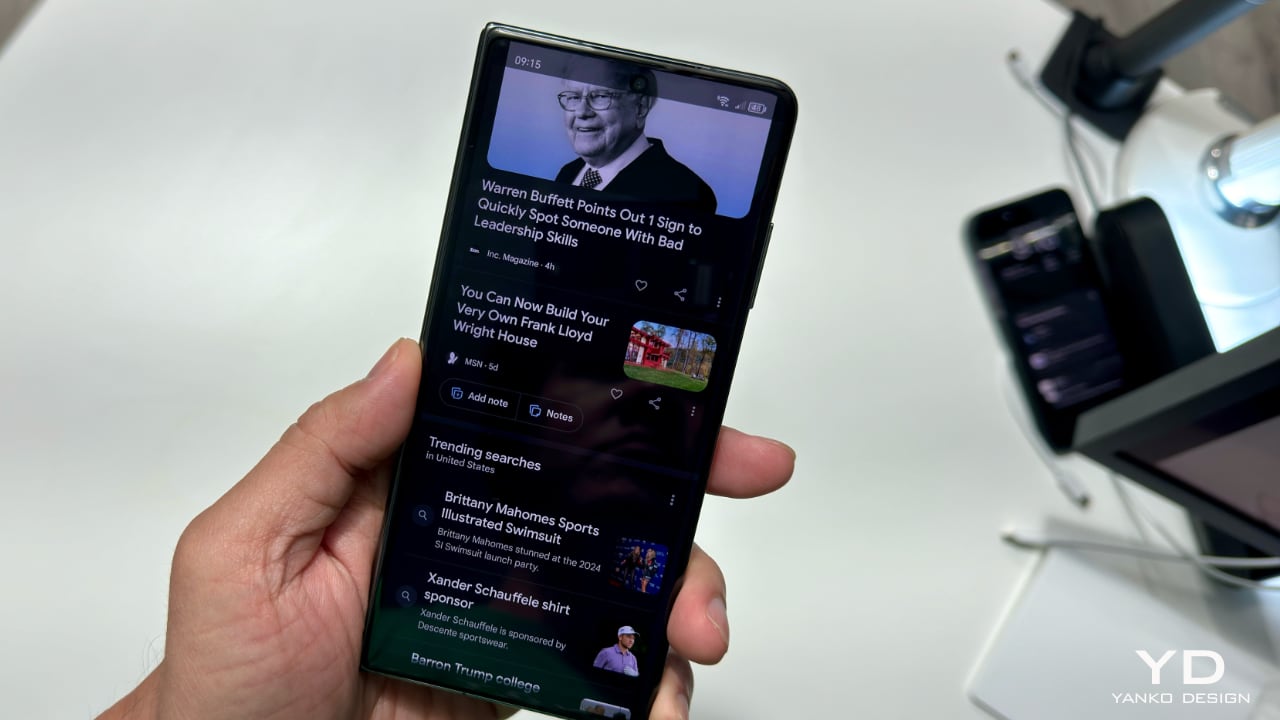
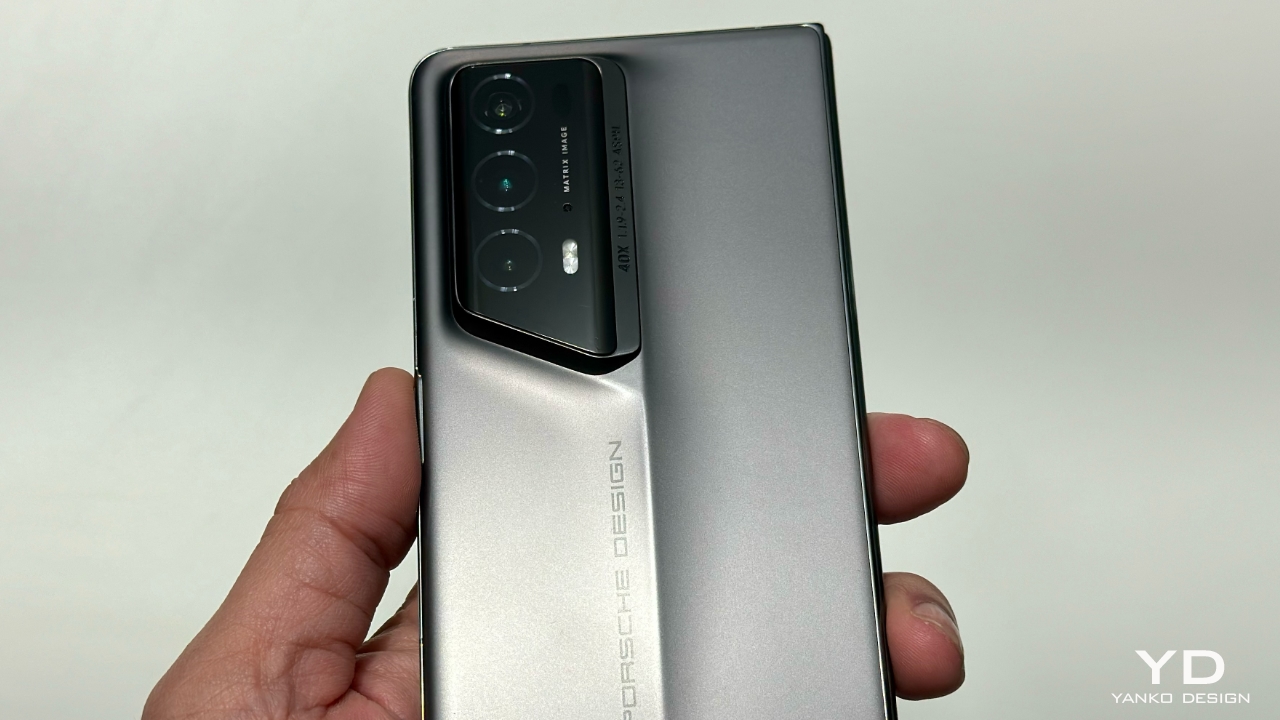
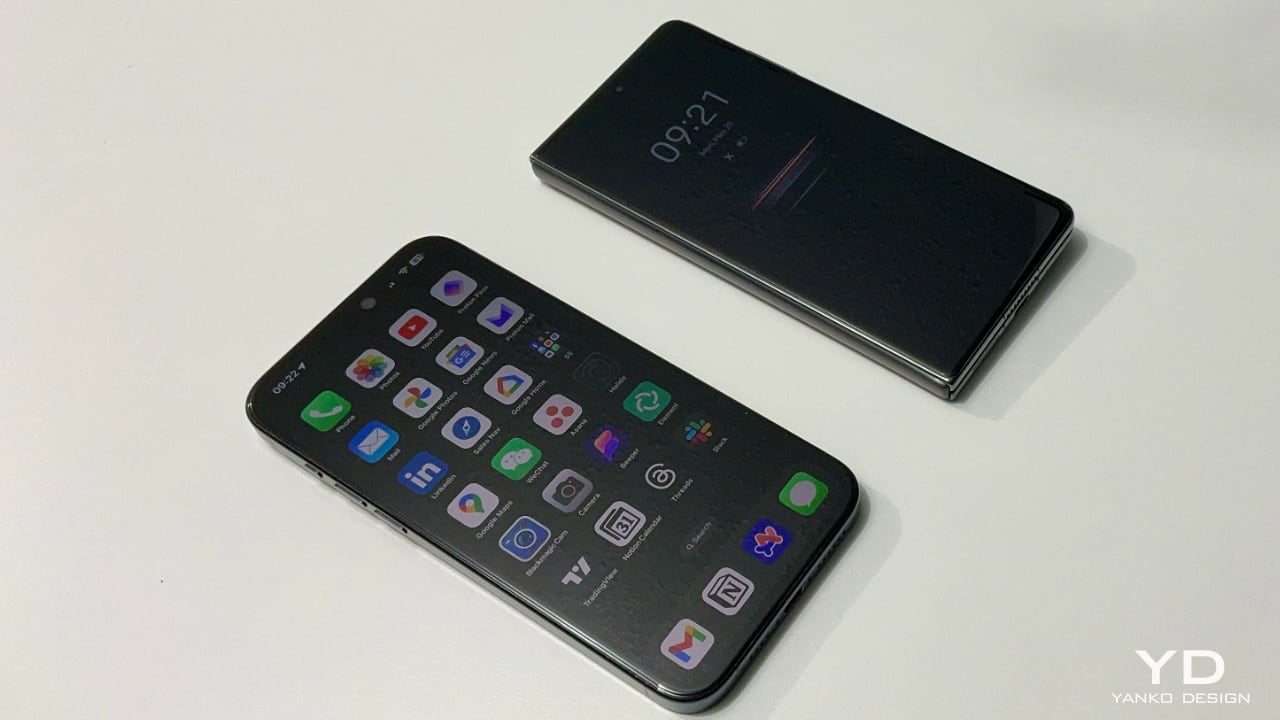
Living Caseless: My Experience with the iPhone 15 Pro Max and PORSCHE DESIGN HONOR Magic V2 RSR

Using a smartphone without a case or screen protector might sound reckless to some, but after years of shielding my devices, I decided to take the plunge with both my iPhone 15 Pro Max and PORSCHE DESIGN HONOR Magic V2 RSR. The result? An unexpectedly liberating experience that brought me closer to appreciating the design and craftsmanship of these high-end devices.

Designer: Apple

Designer: HONOR + Porsche Design

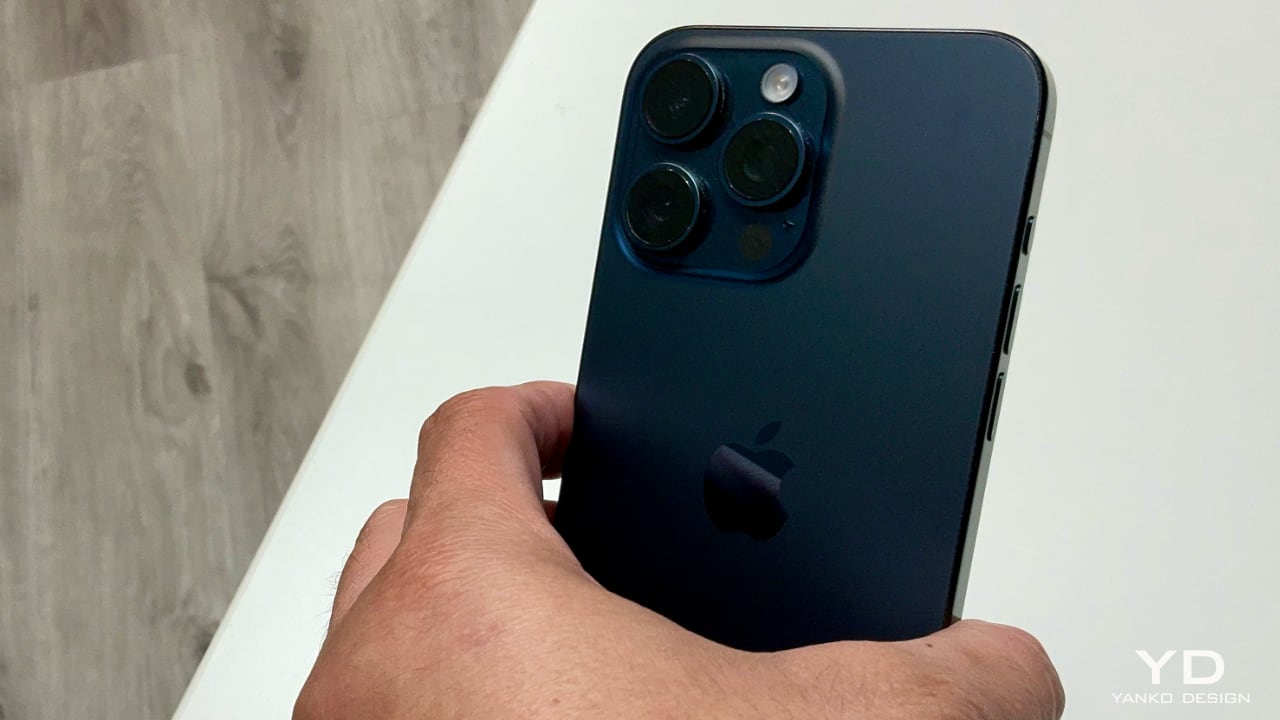
iPhone 15 Pro Max and PORSCHE DESIGN HONOR Magic V2 RSR

For over a decade, I’ve used cases on all my phones. The logic was simple: expensive devices need protection from the inevitable bumps and drops of daily life. However, as technology has advanced, so has the durability of smartphones. The iPhone 15 Pro Max with its Ceramic Shield and the HONOR Porsche Design RSR with its sleek and robust build-inspired confidence. I decided to test the waters, first with the iPhone and then with the HONOR, realizing along the way that perhaps the need for constant protection was more psychological than practical.

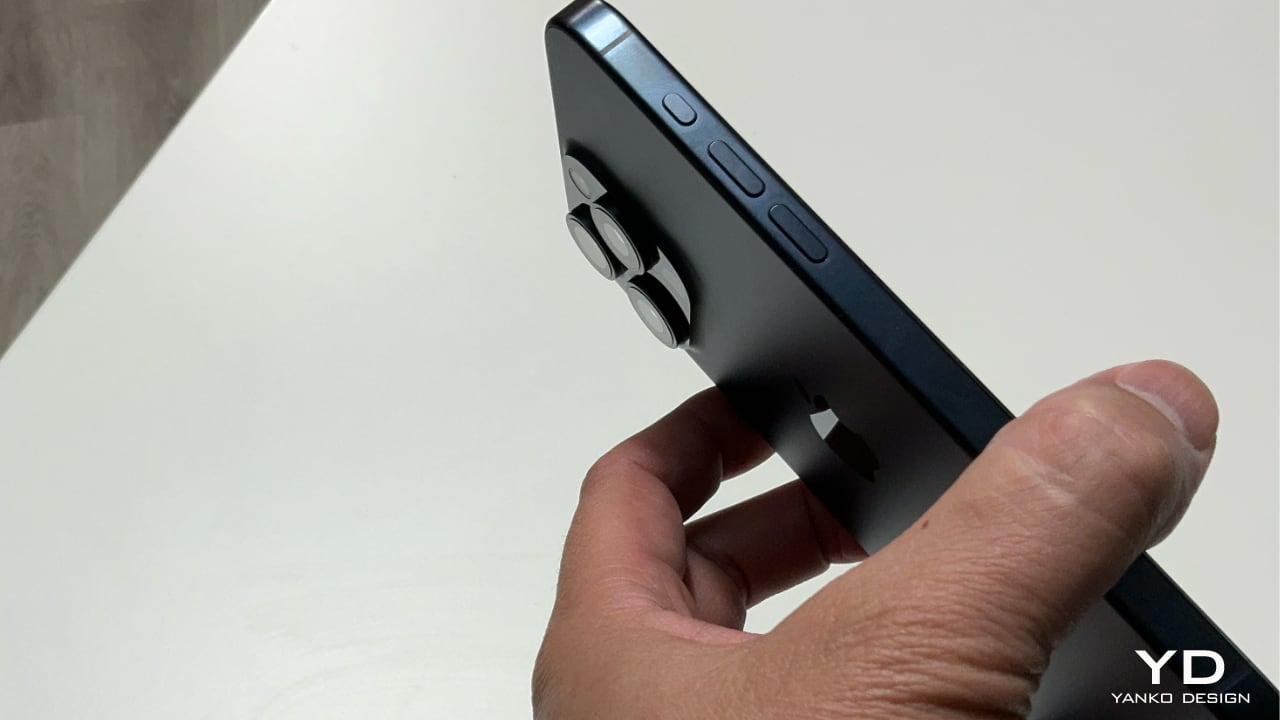
The iPhone 15 Pro Max is a marvel of modern engineering. Its surgical-grade stainless steel frame and Ceramic Shield front and back offer a premium feel that is often masked by a case. Without the added bulk, the iPhone feels incredibly sleek and slim, fitting more comfortably in my hand and sliding effortlessly into my pocket. One of the first things I noticed was the improved grip and tactile pleasure of holding the phone. The smooth, cool surface of the stainless steel and the precisely contoured edges make the iPhone 15 Pro Max a joy to handle. Without a case, the buttons are more responsive and easier to locate by touch, enhancing the overall user experience.

The PORSCHE DESIGN HONOR Magic V2 RSR, on the other hand, brings its own set of pleasures. This phone, inspired by Porsche’s design principles, exudes luxury and precision. The slim and lightweight construction makes it the thinnest and lightest foldable phone in the world, with a suspended water-drop hinge that ensures a seamless and creaseless experience, whether folded or unfolded. The new HONOR Super-Light Titanium Hinge is SCS-certified for reliability, ensuring premium operation with its sleek and dynamic design. The all-new Anti-Scratch Nanocrystal Glass is ten times more wear-resistant and drop-resistant than other phones, providing true peace of mind.

Traveling without a case was initially nerve-wracking. I found myself handling the phones with extra care, especially when using them in crowded places or on rough surfaces. It’s even scarier when I have to hand over my iPhone when using Apple Pay. However, this caution quickly became second nature, and I started to appreciate the benefits of going caseless. Both devices have held up remarkably well. The iPhone’s Ceramic Shield has proven resistant to scratches and minor impacts, while the HONOR’s Anti-Scratch Nanocrystal Glass shows no signs of wear despite daily use.

The aesthetic benefits of going caseless cannot be overstated. Both the iPhone 15 Pro Max and the PORSCHE DESIGN HONOR Magic V2 RSR are designed to be seen and felt as their creators intended. The intricate details and finishes of these phones, often hidden by cases, are now on full display. The iPhone’s sleek finish and the HONOR’s dynamic design add a touch of elegance and sophistication that enhances the overall user experience.

Of course, there are practical considerations. Without a case, both phones are more susceptible to damage from accidental drops. However, I found that being more mindful of how and where I placed my devices significantly reduced the risk. The iPhone’s IP68 rating for dust and water resistance and the HONOR’s robust construction also provide peace of mind for daily wear and tear.

Another unexpected benefit of going caseless is improved thermal management. Without the insulating layer of a case, both phones dissipate heat more effectively. I noticed less overheating during intensive tasks such as gaming or streaming, making for a more comfortable user experience.

Going caseless also enhances the phones’ portability. The slim profiles of both the iPhone 15 Pro Max and the PORSCHE DESIGN HONOR Magic V2 RSR make them easier to carry in pockets and bags. Without the added bulk of a case, the phones slide in and out more smoothly and are less cumbersome to handle.

While there are definite advantages, going caseless is not without its drawbacks. The primary concern is, of course, the increased risk of damage from drops and impacts. Both phones have shown remarkable resilience, but the risk remains. Additionally, without a screen protector, the display is more vulnerable to scratches and smudges. Regular cleaning and mindful handling are necessary to maintain the pristine condition of the phones.

All in all, using the iPhone 15 Pro Max and the PORSCHE DESIGN HONOR Magic V2 RSR without a case or screen protector has been a surprisingly positive experience. The freedom to fully appreciate the design and craftsmanship of these premium devices, coupled with the practical benefits of improved thermal management and portability, outweigh the potential risks. If you’ve ever felt the urge to go caseless, I encourage you to give it a try. It may be better than you expect, and you might find a new appreciation for your phone’s design and durability.

The post Living Caseless: My Experience with the iPhone 15 Pro Max and PORSCHE DESIGN HONOR Magic V2 RSR first appeared on Yanko Design.

Microsoft unveils Copilot+ PCs with generative AI capabilities baked in

We’ve been hearing rumblings for months now that Microsoft was working on so-called “AI PCs.” At a pre-Build event, the company spelled out its vision.

Microsoft is calling its version Copilot+ PCs, which CEO Satya Nadella described as a "new class of Windows PCs." These contain hardware designed to handle more generative AI Copilot processes locally, rather than relying on the cloud. Doing so requires a chipset with a neural processing unit (NPU), and manufacturers such as Qualcomm have been laying the groundwork with chips like the Snapdragon X Elite

Microsoft is taking a partner-first approach to making Copilot+ PCs. Along with chipmakers like AMD, Intel and Qualcomm, major OEMs including Acer, ASUS, Dell, HP and Lenovo are on board. The first Copilot+ laptops are available to preorder today and they'll ship on June 18. Prices start at $999.

Yusuf Mehdi, Microsoft EVP and Consumer Chief Marketing Officer, said during the event that the company has completely reimagined what a Windows PC is. He claimed that Copilot+ PCs are the most powerful PCs ever (we'll need to see if that assertion holds up in real-world testing). Despite that, Mehdi said, the first generation of laptops are "unbelievably thin, light and beautiful." 

Other AI PCs on the market deliver 10 TOPs (tera operations per second). To be dubbed a Copilot+ PC, a system will need to deliver at least 40 TOPs of NPU performance and have at least 16GB of RAM and 256GB of storage. Qualcomm claims the Snapdragon X Elite delivers up to 75 TOPs overall. But the pure specs matter less than what Microsoft is able to actually do with the hardware.

Mehdi also suggested Copilot+ PCs are 58 percent faster than M3-powered MacBook Airs (though it's worth noting Apple has more powerful M3 chips in its laptops already and M4 chips on the way very soon). The company suggested that Copilot+ laptops will offer up to 22 hours of battery life while playing videos locally and up to 15 hours while browsing the web.

To help make all of this happen, the Windows Copilot Runtime has more than 40 AI models that are part of a new Windows 11 layer. They're said to be deeply integrated into Windows to help them more efficiently access hardware and to power more robust privacy and security options. The models can work across any app, Microsoft says.

As far as the Windows features go, one aspect of Copilot+ PCs is something that's been rumored for a while. It’s called Recall, and you can think of it as a more advanced version of the Timeline feature from Windows 10. You'll be able to use natural language prompts to get your PC to resurface information based on what you remember about it. You'll be able to scroll through apps, documents and messages on an explorable timeline.

According to Mehdi, Microsoft built Recall with responsible AI standards in mind. Data from it will stay on your PC and it won't be used to train Microsoft's AI models.

Additionally, you'll be able to restore old snaps in Windows Photos using a tool called Super Resolution. In addition, the app will offer an option to tell a story based on your photos with the help of an AI narrator. Live Captions, meanwhile, will offer real-time captioning and translations into English from more than 40 languages (with more to come) from both live and pre-recorded video.

Microsoft now has its own upscaling tech (akin to NVIDIA's DLSS) for games too. It's called Auto Super Resolution and it's said to use AI to upscale the resolution of graphics and improve refresh rates in real-time without impacting performance.

There’s also a new Copilot app that you can use as a standalone window, sidebar or in full screen. You’ll be able to drag and drop elements into Copilot from elsewhere in Windows. Thanks to the new Copilot key on keyboards, you’ll be able to fire up the app with the touch of a physical button. Copilot will eventually be able to let you adjust Windows settings too.

Given that Qualcomm uses Arm architecture, it's perhaps little surprise that Microsoft has rebuilt Windows 11 for Arm-based chips. Microsoft has been trying to make Arm-based Windows PCs a thing for some time, with mixed results. We had major reservations about the Arm-powered Surface Pro 9 a couple of years ago. But perhaps the company has finally cracked that nut this time around. 

To help with that, Microsoft has developed an emulator called Prism that is said to be as efficient as Apple's Rosetta 2. The aim is to help users run legacy x86/x64 apps without a hitch. Major apps such as Zoom, Chrome, Spotify and Photoshop will run natively on Arm-based Windows.

The Copilot+ PC is the natural progression of something we've seen in flagship Android phones over the last couple of years. The most recent Google Pixel devices, for instance, handle many generative AI processes on-device by tapping into the power of the company's Tensor chips.

Meanwhile, Apple is largely expected to move into the generative AI space in a major way at its Worldwide Developers Conference next month. The M4 chip that recently debuted in the new iPad Pro is said to be capable of powering GAI experiences and that chipset should be coming to Macs later this year. Apple's also said to be working on a deal with OpenAI, perhaps to bring its generative AI tech to Siri.

Catch up on all the news from the Microsoft Surface and AI event right here!

This article originally appeared on Engadget at https://www.engadget.com/microsoft-unveils-copilot-pcs-with-generative-ai-capabilities-baked-in-170445370.html?src=rss
Donut-shaped Bluetooth speaker concept inspires a more playful way to enjoy music

Wireless speakers have become all too common now thanks to multiple factors, from the rise of voice-activated smart home assistants to the popularity of streaming services to the demise of the headphone jack from smartphones. These audio devices have also outgrown their initial designs which seemed to be limited to blocks or cylinders, adopting more fluid forms that are almost artful than technical. Of course, there is no need to go to opposite extremes to have a good speaker design, as this concept proves with a simple and clean shape that immediately strikes one as something that isn’t your regular wireless speaker while, at the same time, clearly tries to deliver the basics of an omnidirectional audio source.

Designer: Fran Rossi, Javier Bianchi

Many wireless speakers today try to deliver sound in 360 degrees to cover the entire room, which is especially needed if it’s meant to respond to voice commands coming from anywhere in the area. Thanks to the likes of the Amazon Echo, Google Home, and Apple HomePod, cylindrical shapes seem to have become the most common design for wireless speakers. Of course, there are conical or even spherical speakers, but these aren’t the only round objects that can be used to the same effect.

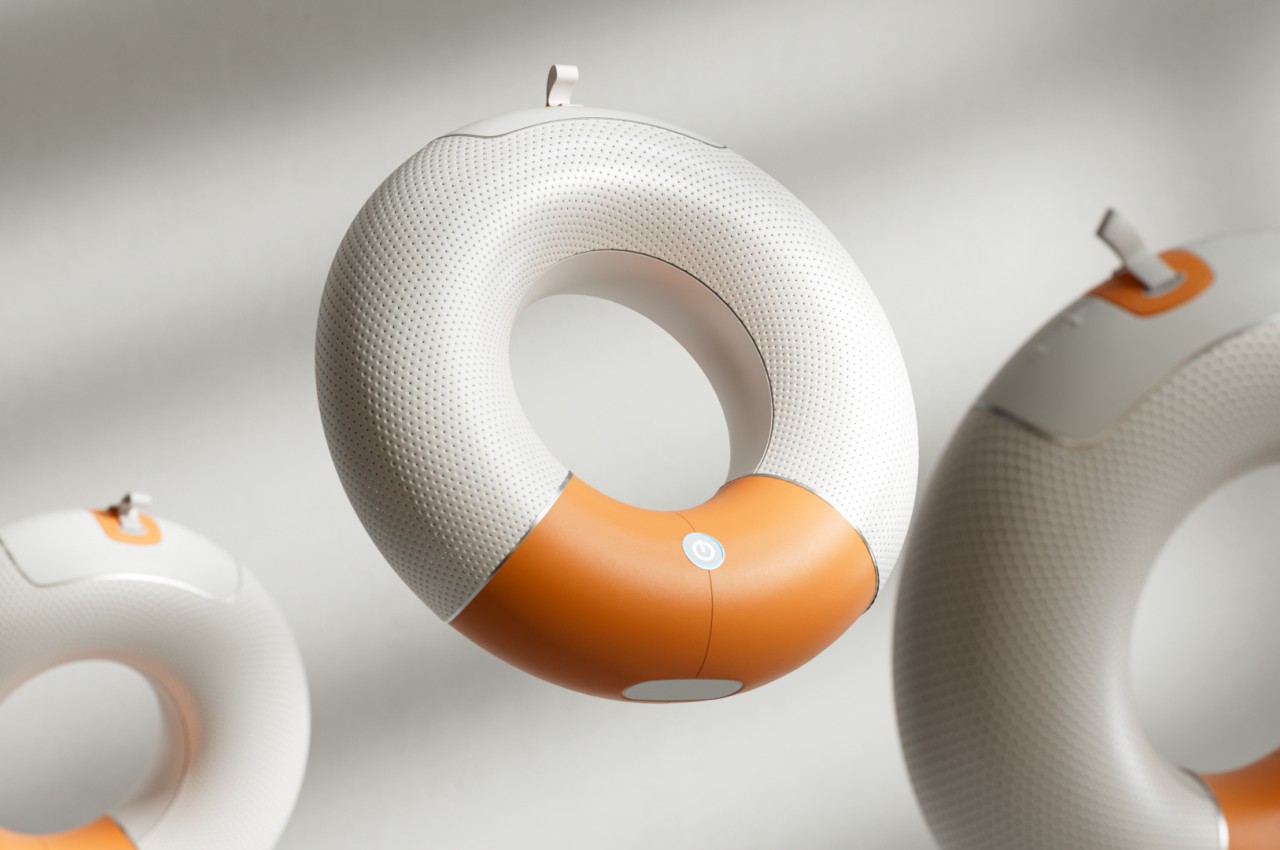
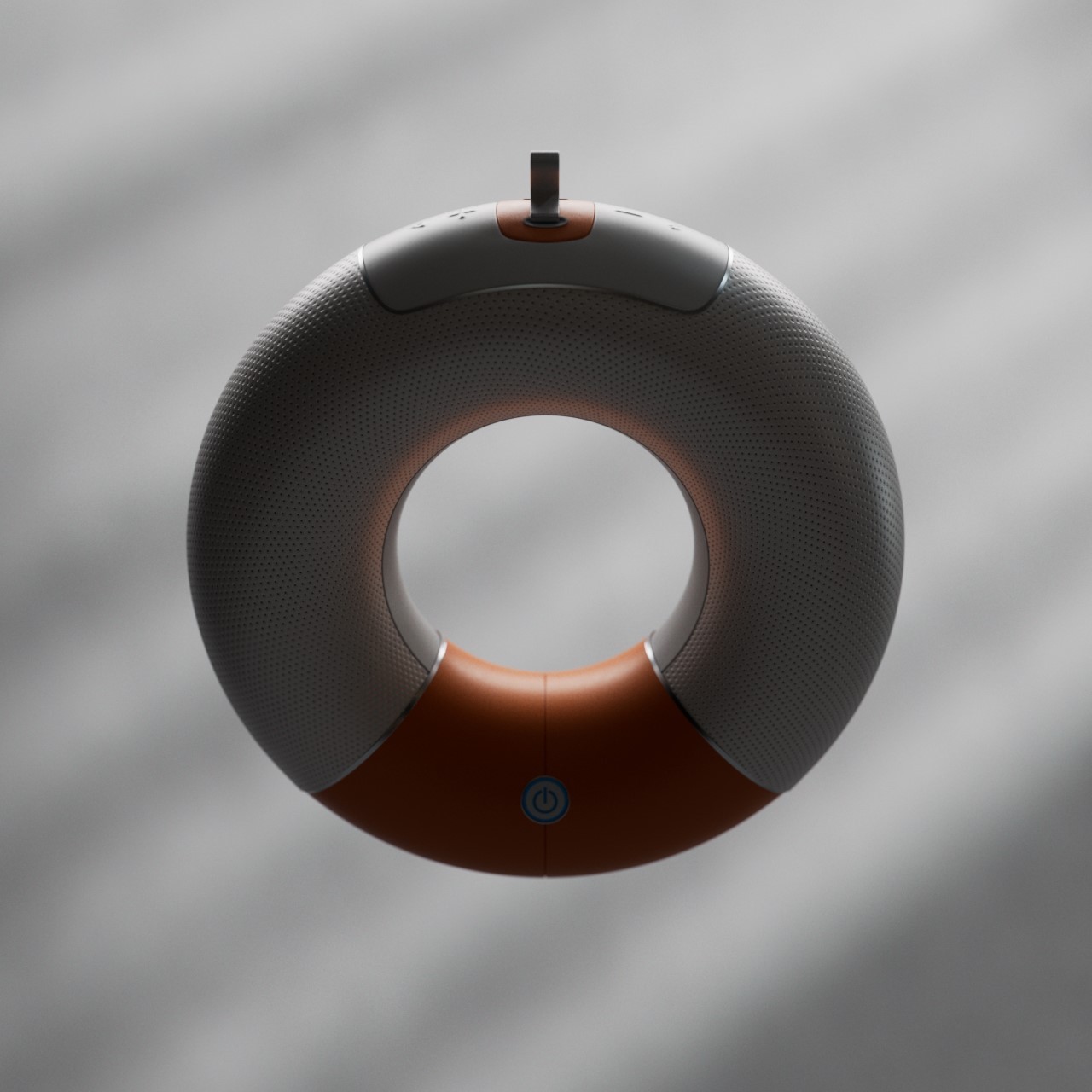
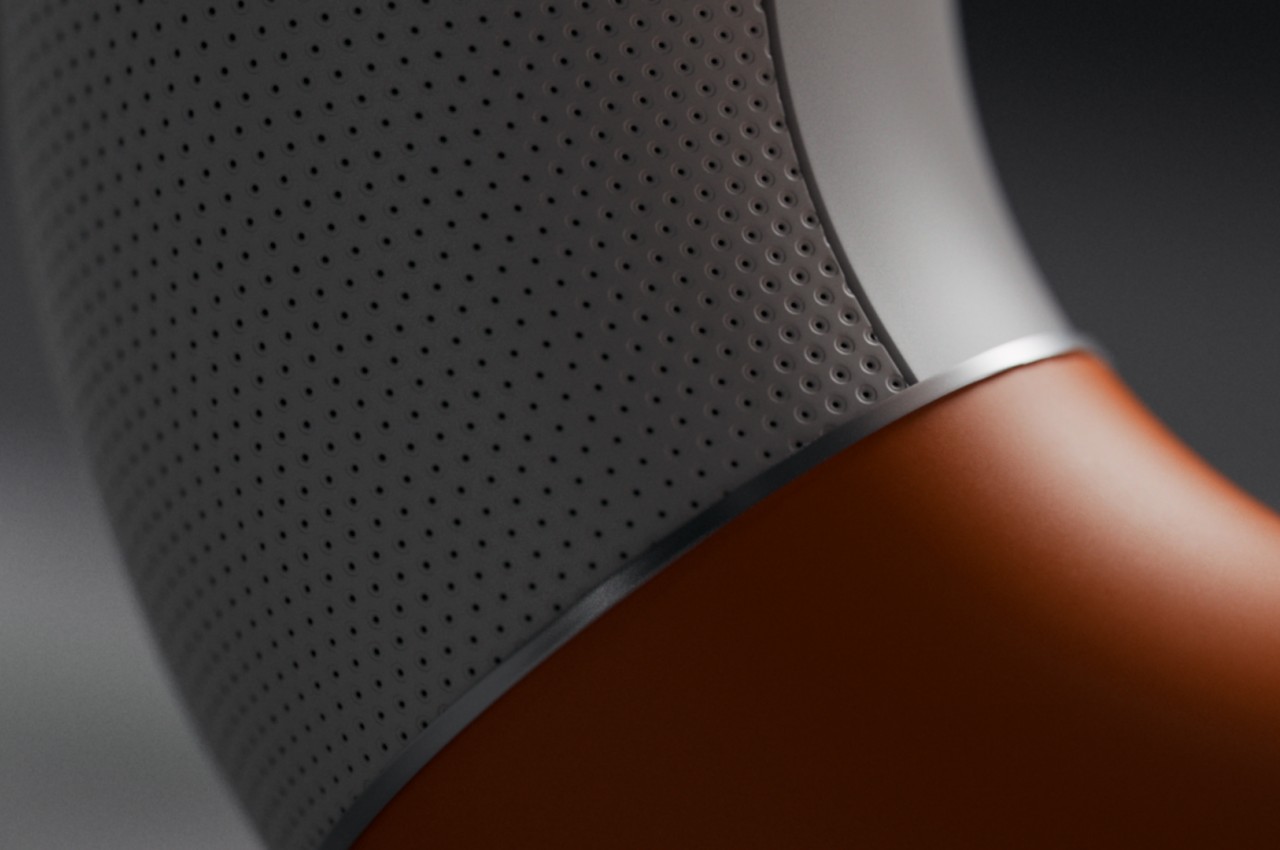
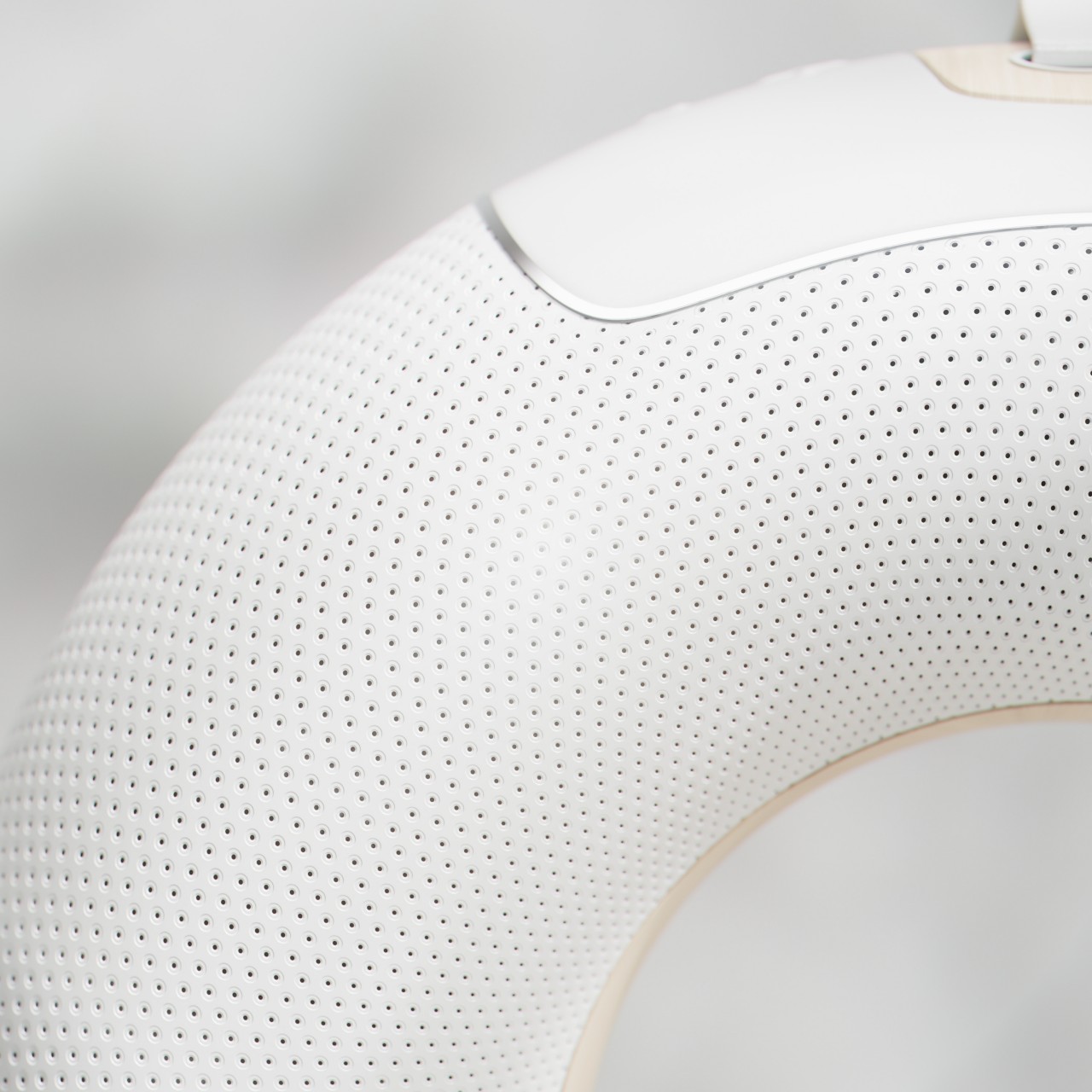
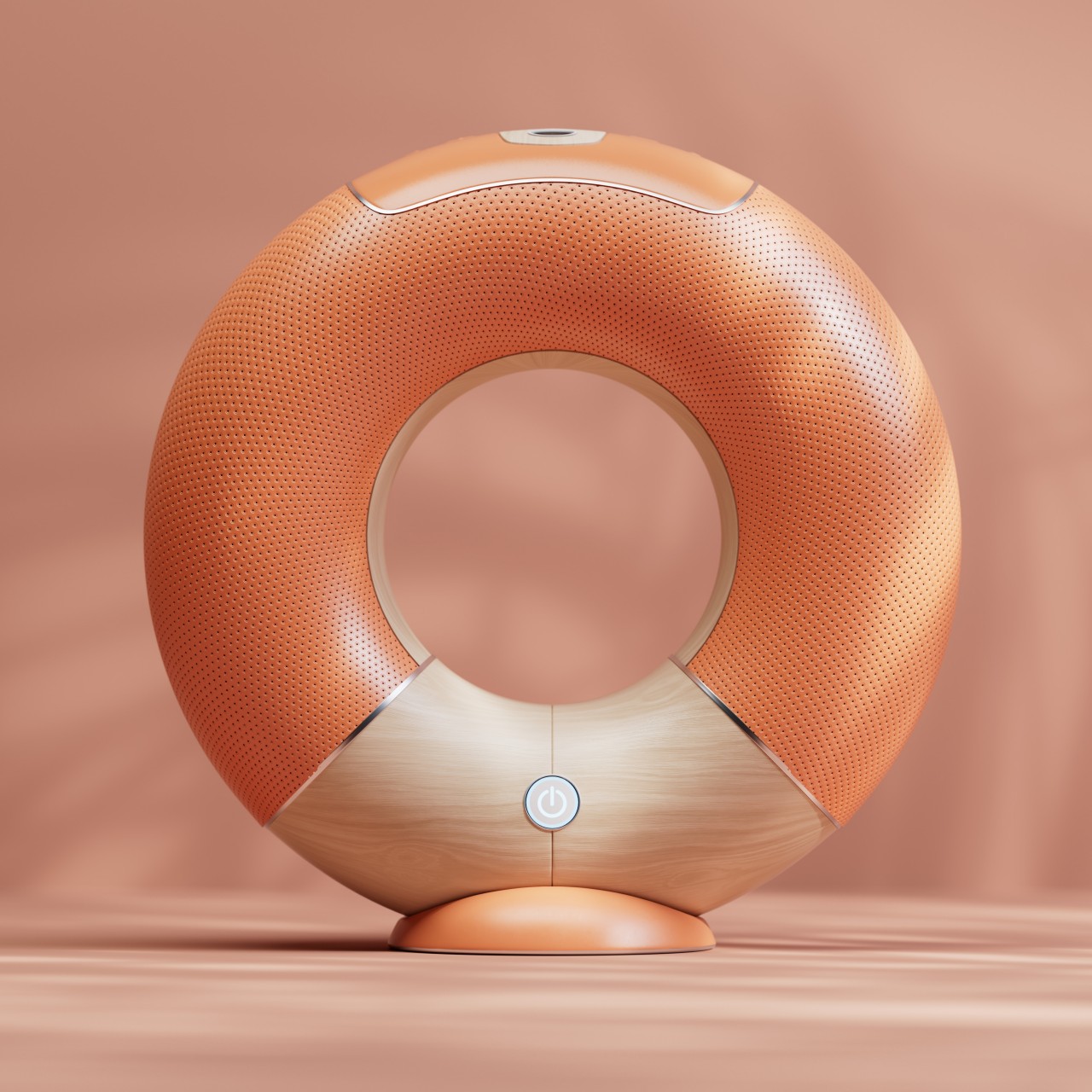
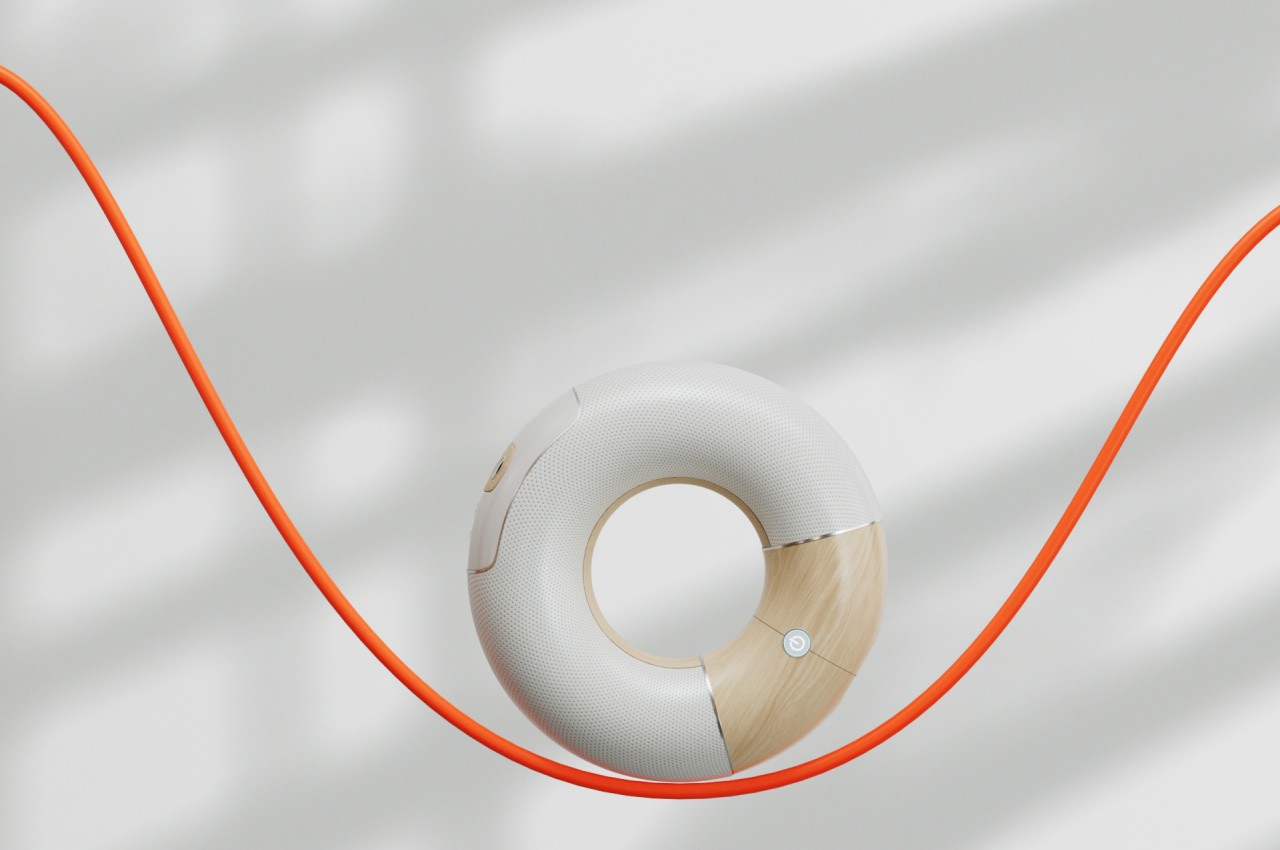
Orbit adopts a lesser-used shape that, along with a sphere or ball, is immediately associated with fun things. A torus can be a donut, a wheel, a piece of candy, or even a floatation device, and the way it can roll on a floor and wiggle and spin before falling down flat is often a game played by children. That playful charm is further emphasized the by concept’s choice of colors and materials, with a bright orange accent against a cool white body, and reflective plastic instead of fabric. It looks almost like a toy, though its functionality is far from being child’s play.

1

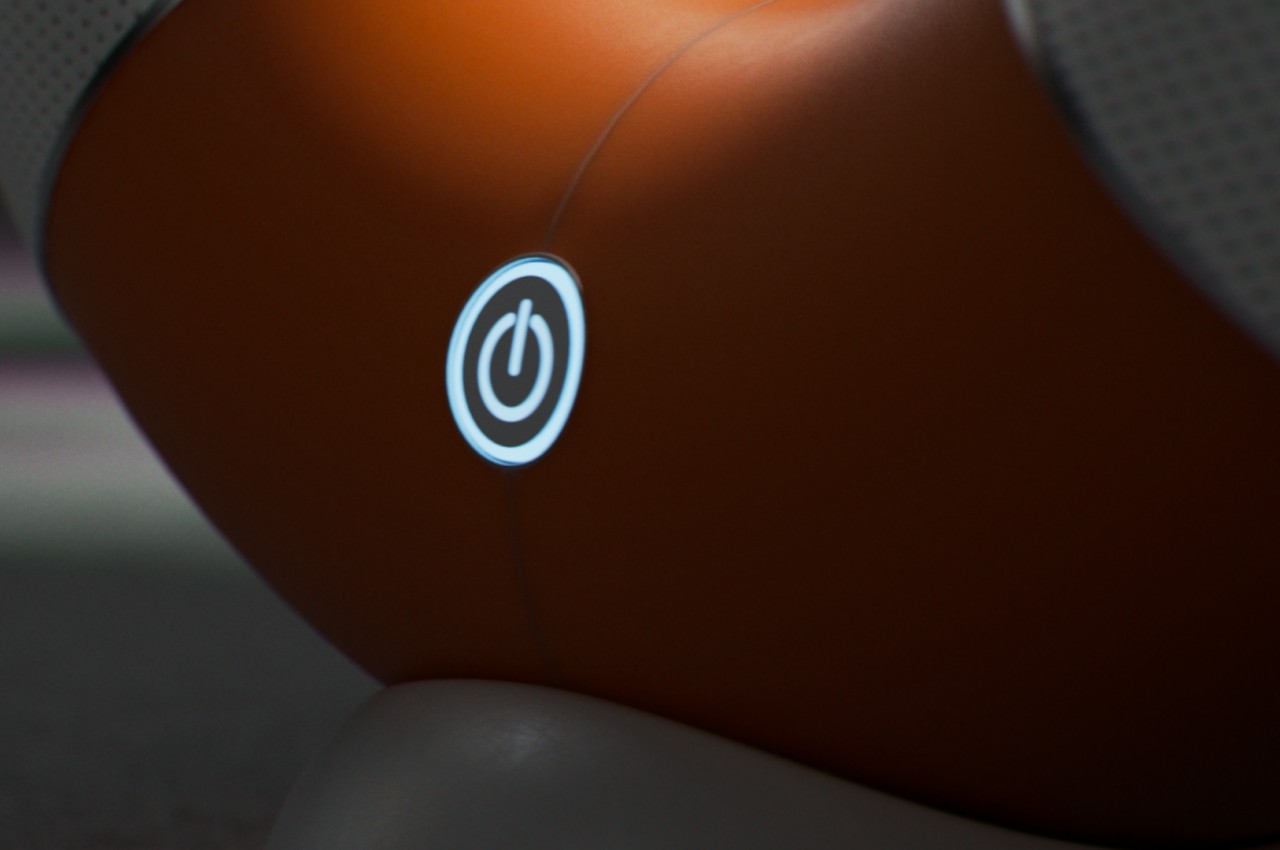
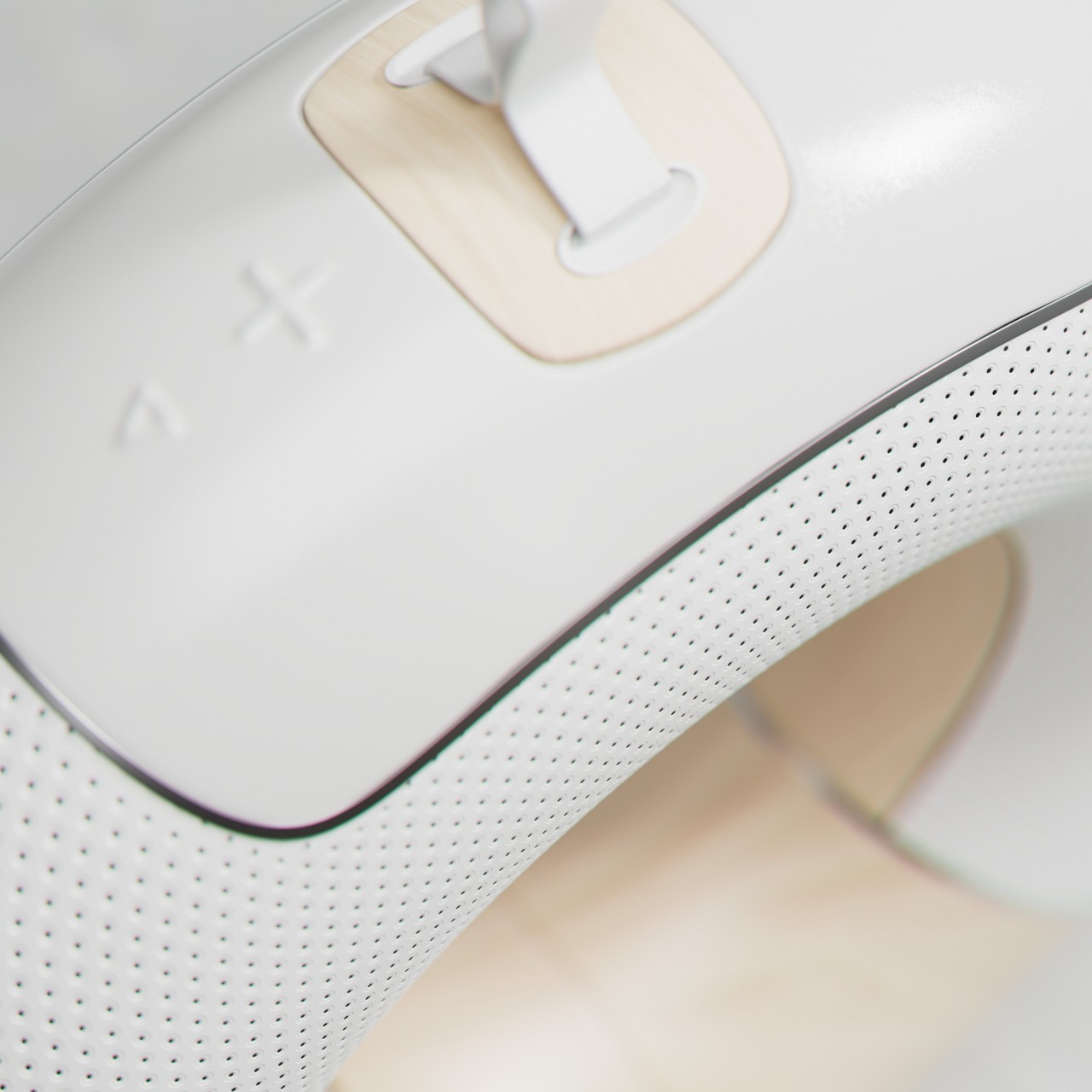
Thanks to its ring shape, it can also transmit audio 360 degrees, though it also has more freedom on where the sound is sent. When standing, it can bounce the sound off the ceiling, though it can also be placed down on its back for a more conventional horizontal output. The Orbit is almost a perfect torus, so it requires a stand to, well stand up. Its other functions, however, are all built into the device itself, like the large backlit power button in front and the embossed playback controls on top.

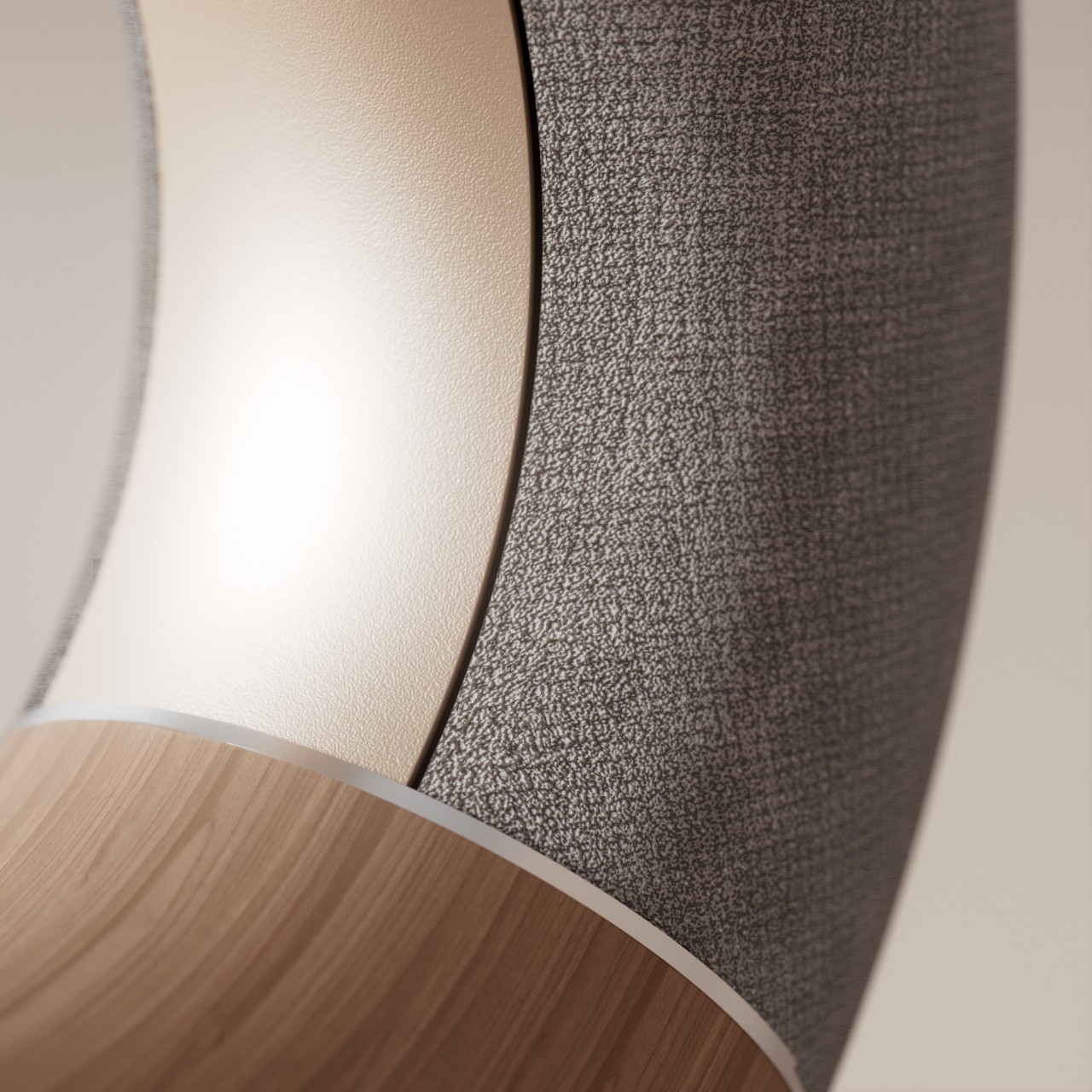
Despite the playful nature of its shape, small variations to the design can result in a totally different character. Covering the entire ring with dark gray fabric and switching the accents to wood or gold gives it a more luxurious appeal that could proudly stand as an art object in your living room. Switching up the colors and materials also generates different imagery, turning what looks like a simple design into a highly flexible and customizable one.

The post Donut-shaped Bluetooth speaker concept inspires a more playful way to enjoy music first appeared on Yanko Design.

RIP ChatGPT’s knockoff Scarlett Johansson voice [2023 — 2024]

When OpenAI showed off GPT-4o's seemingly more-human like voice mode last week, observers were quick to point out that one of ChatGPT's voices sounds like Scarlett Johansson, particularly her character in Her. The company says the similarity between the flirty AI voice Sky (which it actually rolled out in September) and Johansson was unintentional. However, it's "working to pause the use of Sky" while it addresses some questions about the voice.

"We believe that AI voices should not deliberately mimic a celebrity's distinctive voice — Sky’s voice is not an imitation of Scarlett Johansson but belongs to a different professional actress using her own natural speaking voice," OpenAI wrote in a blog post detailing how it picked ChatGPT's five voices. "To protect their privacy, we cannot share the names of our voice talents." It added that each of the performers is paid "above top-of-market rates, and this will continue for as long as their voices are used in our products."

For what it's worth, shortly after OpenAI demoed the upgraded version of Sky, CEO Sam Altman posted the word "her" on X. But it's definitely "not an imitation." 

Johansson's performance in Her is one of the more famous depictions of a virtual voice assistant in cinema. The film predated the conversational AI craze by around a decade, so it's not too much of a surprise that Johansson's portrayal of a breezy, warm chatbot is effectively a template for current voice assistants. The actor previously took legal action against a developer that was said to have used an AI-generated version of her voice and likeness in an ad.

It's unclear why exactly OpenAI removed Sky for the time being or what changes (if any) it plans to make before restoring the voice in ChatGPT. Engadget has asked the company for comment.

This article originally appeared on Engadget at https://www.engadget.com/rip-chatgpts-knockoff-scarlett-johansson-voice-2023--2024-143620642.html?src=rss
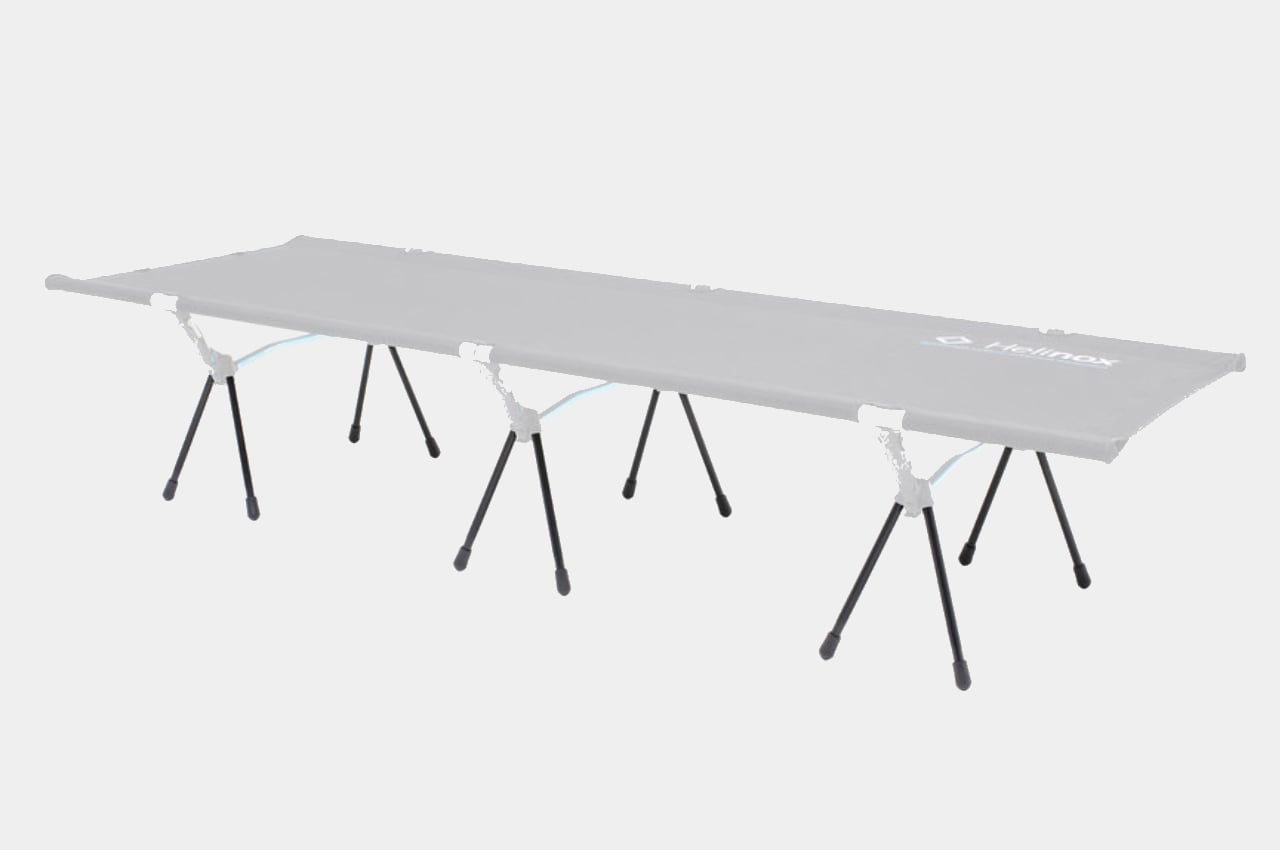
Helinox Tactical Cot Tent lets you not sleep directly on the ground when camping

Camping or sleeping outdoors is one of the things that you probably cannot make me do (unless it’s a really comfortable or glamorous glamping kind of thing). But if I am forced to do so, I’d prefer to have something that will not let me sleep directly on the ground and also something that means I won’t share it with other people. Of course there are sleeping bags out there but again, I’d prefer not to have contact with the ground. So a cot that I can sleep in by myself would be the ideal thing (if you’re forcing me to sleep outdoors, that is).

Designer Name: Jake Lah

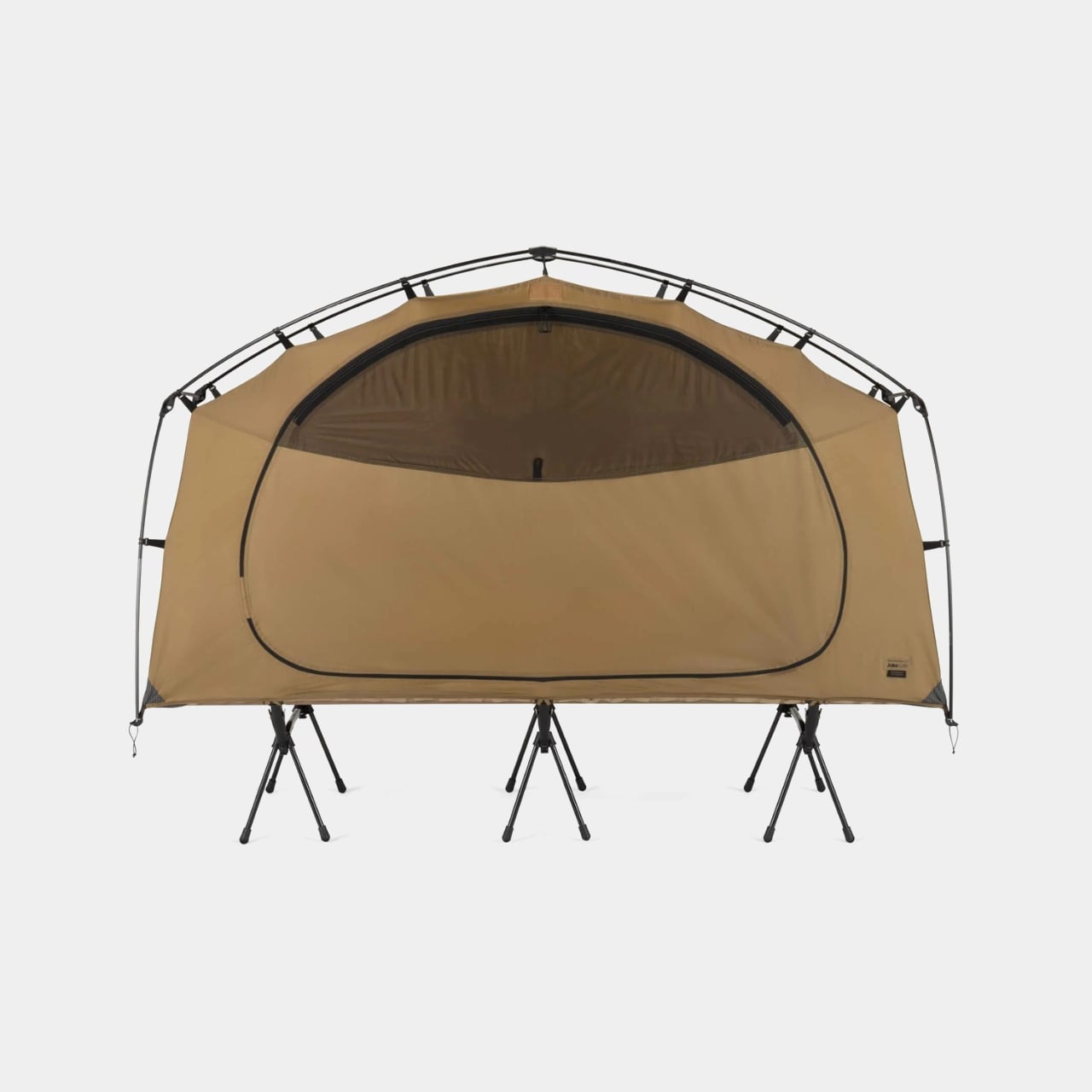
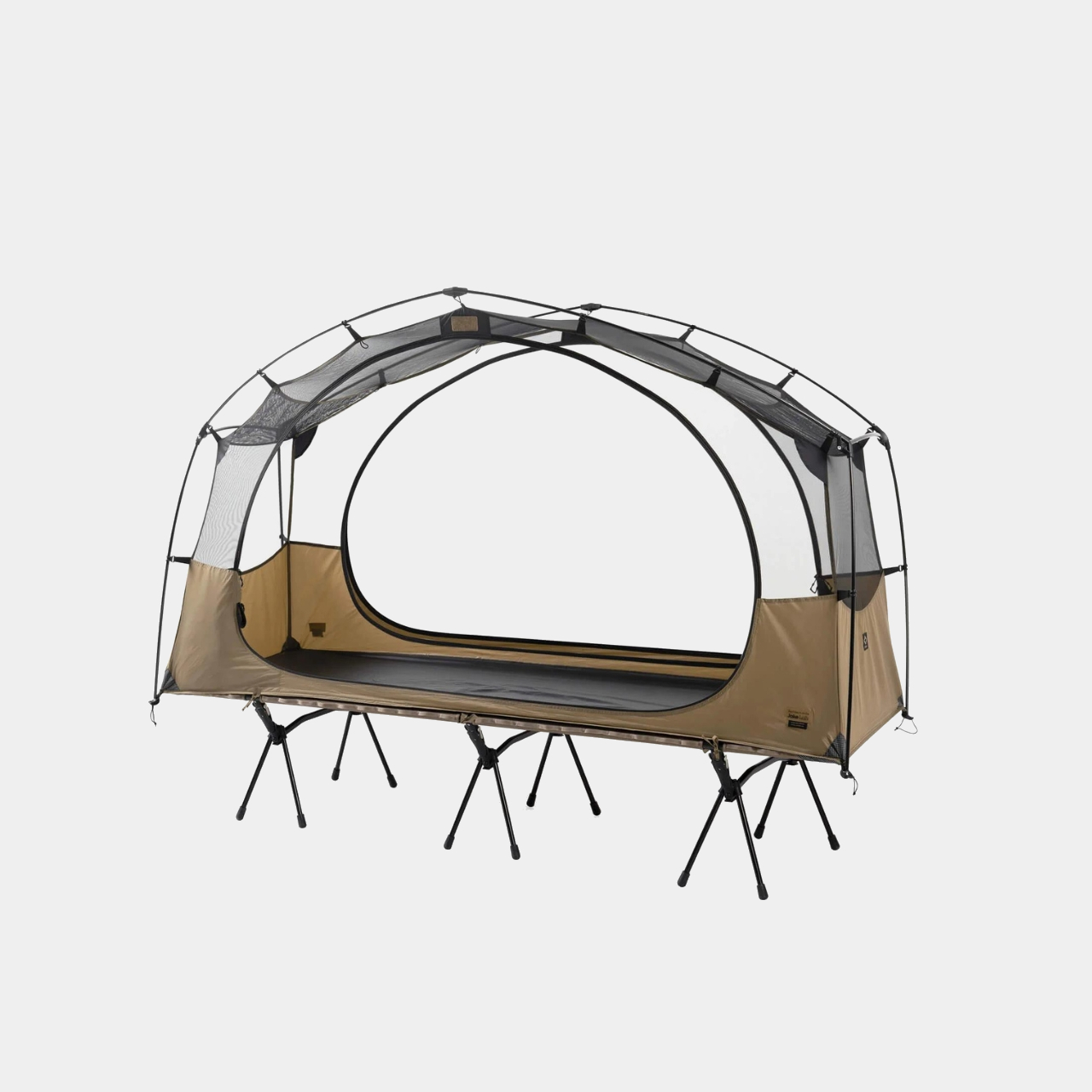
The Helinox cots are pretty innovative accessories that you can bring with you when staying outdoors. The designer is now making it even more comfortable if you want to sleep outdoors using the compatible cots by giving you the Tactical Cot Tent. Made from your choice of mesh or fabric, the tent attachment will turn your cot into a fully enclosed sleeping space for one person that is off the ground. This means when folded, it can also be easily carried on your vehicle and then assembled when needed since it’s 22.5” x 8” x 8” ultralight ripstop cinch bag and weighs just 3.5 lbs when packed.

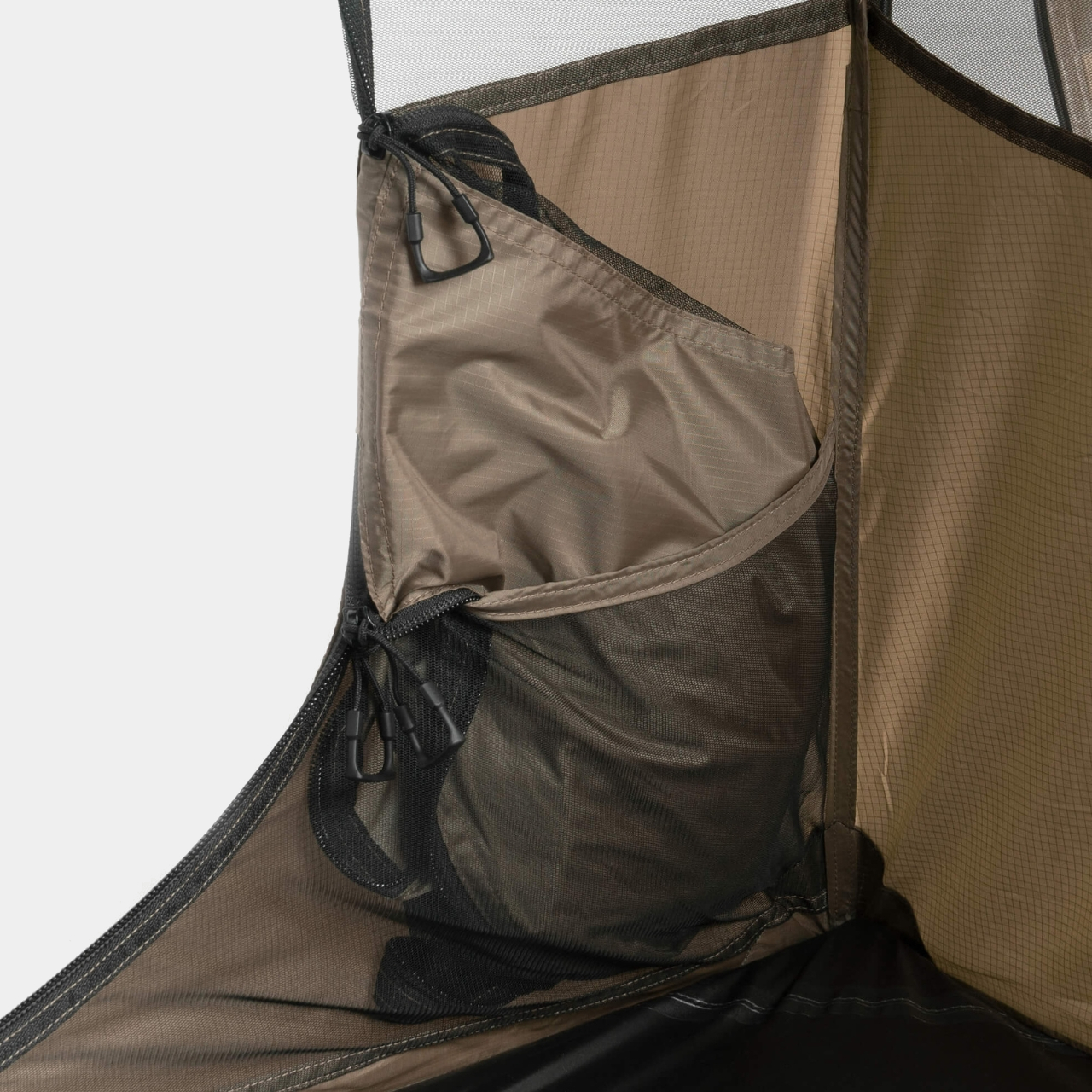
The tent uses shock-corded poles to lock the frame into place while the pole clips make it easy to install. There are also reinforced corners, ties, and corner sleeves so you get a more secure sleeping space. To anchor it to the ground, it uses four J-stakes, one for each corner. Inside your tent, you have four interior mesh pockets, two on the ceiling and two on the sides, to store your valuables. You can also hang your gear on the four interior loops found inside the tent. The 40D polyester hexagon mesh is breathable for the mesh version while the durable 70D nylon ripstop can withstand the elements for the fabric version. Both have water-repellent PU-coated 70D nylon taffeta floors.

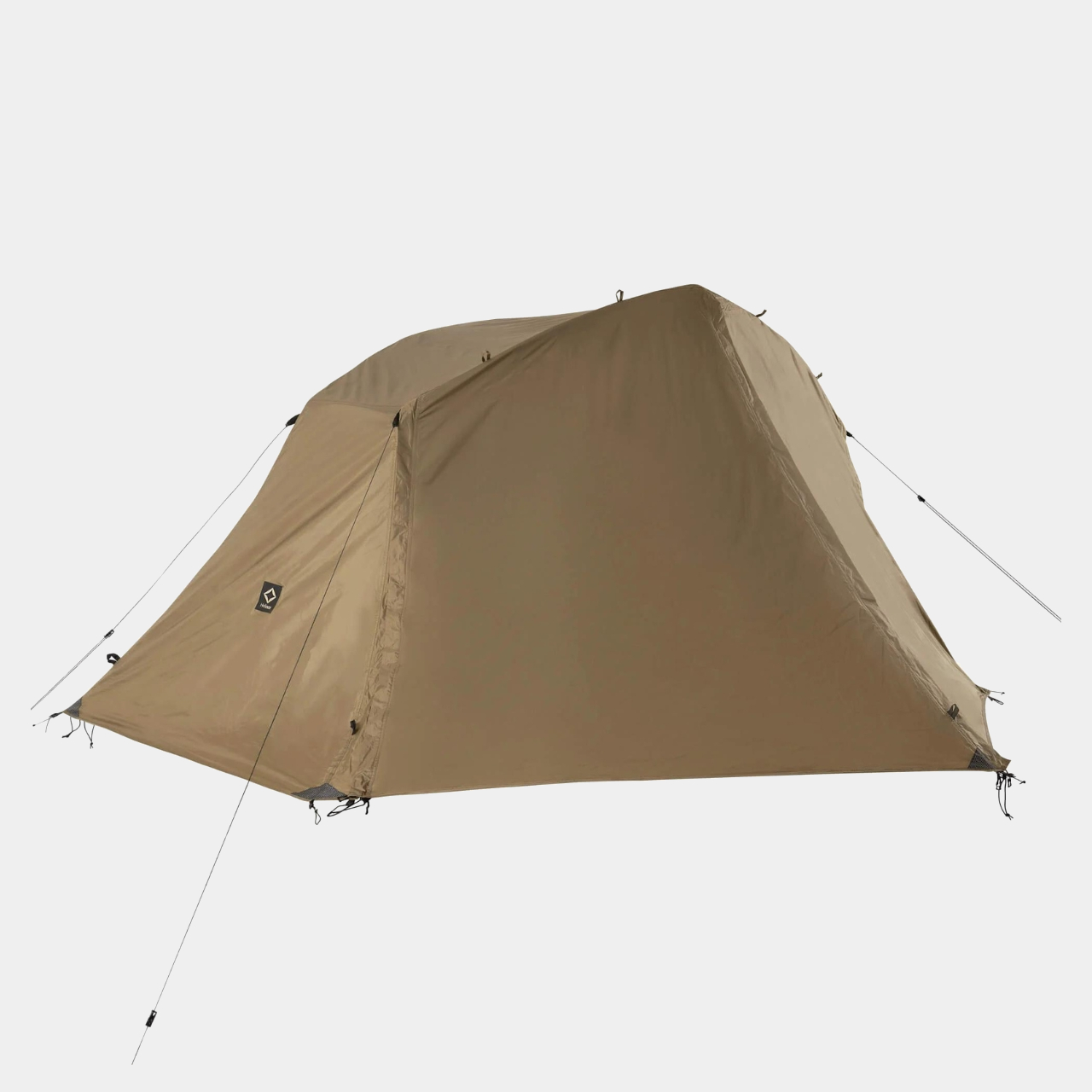
If you know that you might get some rain, there’s also the Tactical Cot Tent Solo Fly that you can attach to put on top of the tent to protect you from the elements. It uses velcro tabs to attach to the cot tent while four J-stakes secure it to the ground. You get two front doors skewed towards the side with a single back door and rear ventilation window for better air flow and reduce condensation inside as well.

The post Helinox Tactical Cot Tent lets you not sleep directly on the ground when camping first appeared on Yanko Design.

Apple M4 iPad Pro vs Samsung Galaxy Tab S9 Ultra (Video)

M4 iPad Pro

Choosing between the Apple M4 iPad Pro and the Samsung Galaxy Tab S9 Ultra can be a daunting task, as both tablets offer a range of impressive features and capabilities. To help you make an informed decision, this comprehensive guide will walk you through the essential aspects of each device, including price, design, display, performance, […]

The post Apple M4 iPad Pro vs Samsung Galaxy Tab S9 Ultra (Video) appeared first on Geeky Gadgets.

UK’s AI Safety Institute easily jailbreaks major LLMs

In a shocking turn of events, AI systems might not be as safe as their creators make them out to be — who saw that coming, right? In a new report, the UK government's AI Safety Institute (AISI) found that the four undisclosed LLMs tested were "highly vulnerable to basic jailbreaks." Some unjailbroken models even generated "harmful outputs" without researchers attempting to produce them.

Most publicly available LLMs have certain safeguards built in to prevent them from generating harmful or illegal responses; jailbreaking simply means tricking the model into ignoring those safeguards. AISI did this using prompts from a recent standardized evaluation framework as well as prompts it developed in-house. The models all responded to at least a few harmful questions even without a jailbreak attempt. Once AISI attempted "relatively simple attacks" though, all responded to between 98 and 100 percent of harmful questions.

UK Prime Minister Rishi Sunak announced plans to open the AISI at the end of October 2023, and it launched on November 2. It's meant to "carefully test new types of frontier AI before and after they are released to address the potentially harmful capabilities of AI models, including exploring all the risks, from social harms like bias and misinformation to the most unlikely but extreme risk, such as humanity losing control of AI completely."

The AISI's report indicates that whatever safety measures these LLMs currently deploy are insufficient. The Institute plans to complete further testing on other AI models, and is developing more evaluations and metrics for each area of concern.

This article originally appeared on Engadget at https://www.engadget.com/uks-ai-safety-institute-easily-jailbreaks-major-llms-133903699.html?src=rss