macOS Sequoia may require weekly permissions for screen recording apps

macOS Sequoia will require regular permissions updates to use screen recording and screen-sharing capabilities. The software is in its public beta, and the new Apple operating system has added pop-up notifications that will ask users to confirm that software has access to the device's video and audio. For now, there doesn't appear to be a way to permanently grant permissions to third-party apps. Developers confirmed with 9to5Mac that this is a feature, not a bug. We've reached out to Apple for more information and will update this post with any additional details we receive.

These permissions alerts in Sequoia will pop up weekly, as well as the first time a relevant app is opened after a reboot. This security feature will be triggered by both third-party apps focused on screen recording and general programs that have screen-sharing capabilities, such as Zoom, Slack or Discord.

This feature might remind you of the User Account Controls from the Windows Vista days. We haven't run into this permissions issue in our time with the beta version of macOS Sequoia, so it's hard to say if the Apple version will be quite as infuriating as the Microsoft pop-ups.

macOS Sequoia does bring other useful updates to the computing experience. As well as introducing AI features with Apple Intelligence, the update will let users see their iPhone screen mirrored on their Macbooks, and can block distracting pop-ups in Safari.

This article originally appeared on Engadget at https://www.engadget.com/computing/macos-sequoia-may-require-weekly-permissions-for-screen-recording-apps-215854870.html?src=rss

RIP Chromecast: Looking back at 11 years of Google streaming

Google’s Chromecast is no more. With Tuesday’s introduction of its successor, the company laid to rest the brand that kicked off 11 years ago with a novel product that helped move streaming onto the center stage of home entertainment. With the Google TV Streamer taking the baton, it’s time to look back at 11 years of Chromecast.

Google’s casting-centric brand arrived on July 24, 2013, with the first-generation Chromecast. The streaming stick plugged directly into a TV’s HDMI port and lacked a remote control. Instead, you fired up content using a mobile device or computer.

Most importantly, the innovative gizmo only cost $35. This was when an Apple TV set-top box started at $99, and app-laden televisions were nowhere near commonplace. Even Roku’s same-generation Streaming Stick, which landed a year earlier, cost $100. Oh, and it required a TV certified as “Roku-ready.”

When faced with pricier options, it was hard to resist the Chromecast. And many people felt that way: The stick quickly sold out. And it hung around for longer than most tech products, as the company only retired it last year.

Engadget applauded the device. Our review praised it as a wholehearted recommendation “for anyone who’s been looking for an easy, unobtrusive way to put some brains into their dumb TV.” The device was Google at its best: Innovating in a highly accessible, affordable and device-agnostic way.

Second-generation Chromecast in box
The second-generation model from 2015.
Nicole Lee for Engadget

What followed were years of iterations as competitors pushed out competing products, and Google responded with more modern features and redesigns.

The second-gen model from 2015 switched to a dongle form factor with a magnetized back and HDMI plug. The same year, Google launched a music-focused sister device, Chromecast Audio (with a vinyl record-inspired appearance). Chromecast Ultra, the first stab at a higher-end model, landed in 2016 with 4K streaming and Dolby Vision support. A third-gen model followed in 2018 with faster speeds, Nest speaker integration... and not much else.

This decade, we saw the awkwardly branded Chromecast with Google TV (4K) in 2020 — now with a remote!! — and the Chromecast with Google TV (HD) in 2022. In hindsight, the strange naming could now be seen as the company’s first nudge toward a rebrand. Of course, the Chromecast branding for casting popped up on smart TVs, speakers, and projectors as Google opened up and expanded the ecosystem beyond its own hardware. 

Two Google TV Streamer devices sitting on a red table.
Sam Rutherford for Engadget

This brings us to today, as Google bids adieu to its streaming wunderkind—at least under its old name. The Google TV Streamer, with its sleek wedge shape and unique hazel color option, is taking over in a much different landscape than we saw 11 years ago.

The Chromecast, especially that innovative first-generation model, helped push us into the streaming-first world many of us have lived in ever since. That’s especially true when you consider its impact on competitors. Roku’s second-generation Streaming Stick from 2014 dropped from $99 to $50 and ditched its doomed “Roku Ready TV” requirement. Meanwhile, Amazon saw an opening and launched a Fire TV Stick (also in 2014) that cost $39.

Without that first Chromecast model, it’s hard to tell how that landscape may have looked different in the following years.

It isn’t too late to dip your toes into the nostalgia pool and pick up a Chromecast, as Google says the old devices will remain on the market while supplies last. Crucially, the company’s promise of security updates and support remains unchanged, so there’s no need to fret if you recently picked up one of the soon-to-be-extinct devices.

This article originally appeared on Engadget at https://www.engadget.com/entertainment/streaming/rip-chromecast-looking-back-at-11-years-of-google-streaming-211742586.html?src=rss

Teenage Engineering debuts new $300 Sampler… but it’s only Medieval Sounds and Gregorian Chants

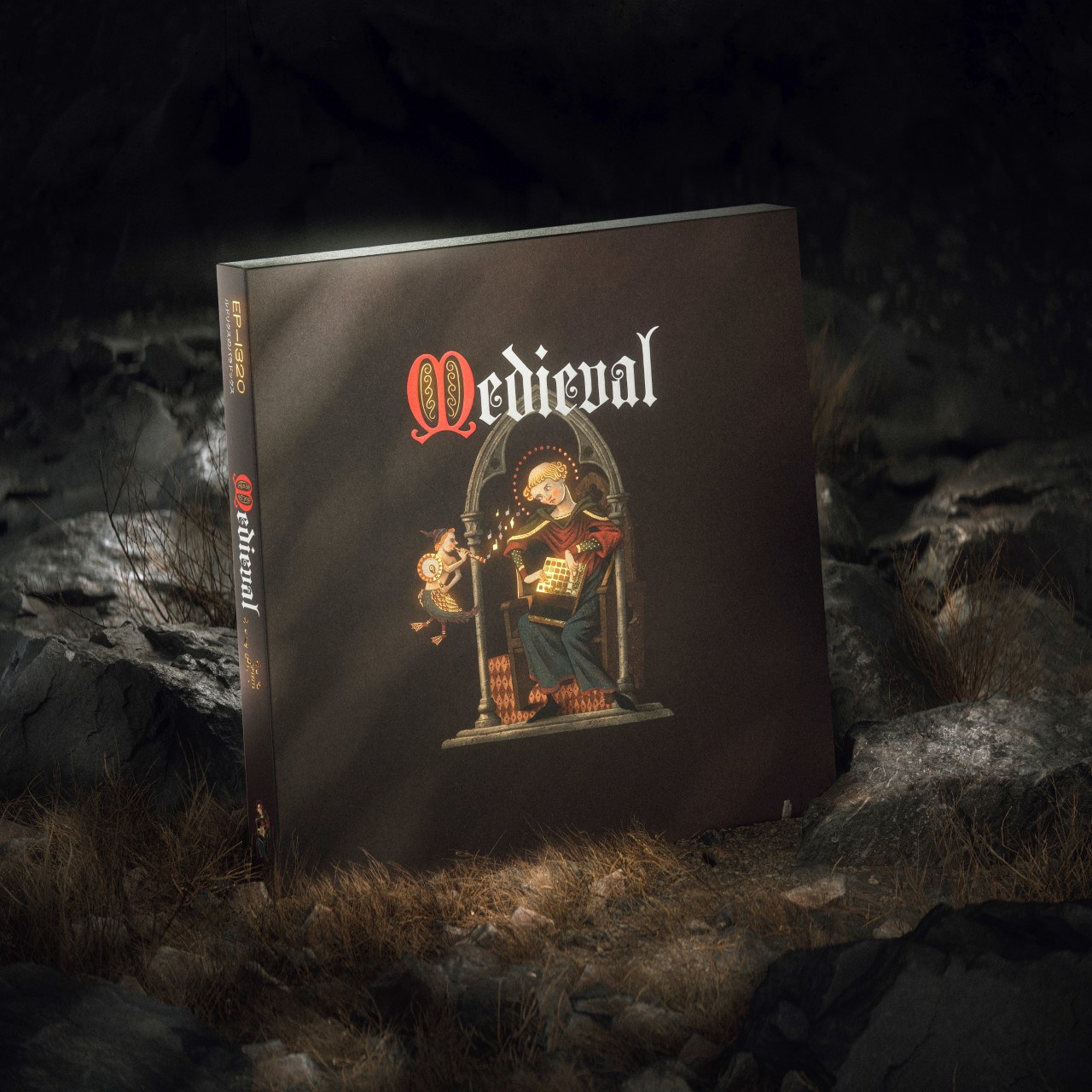
Medieval-themed Teenage Engineering Audio Gear was definitely not on my Bingo card this year.

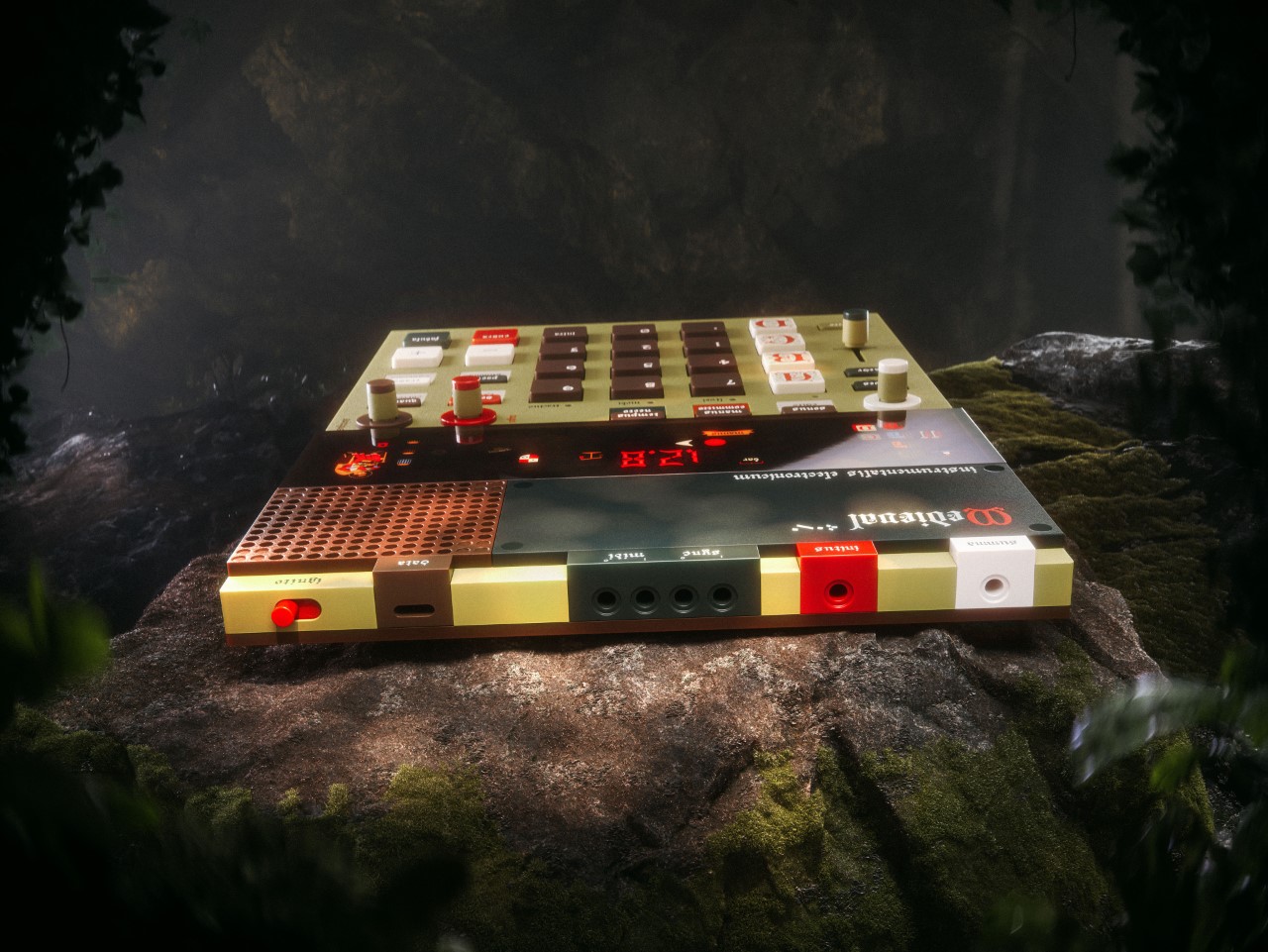
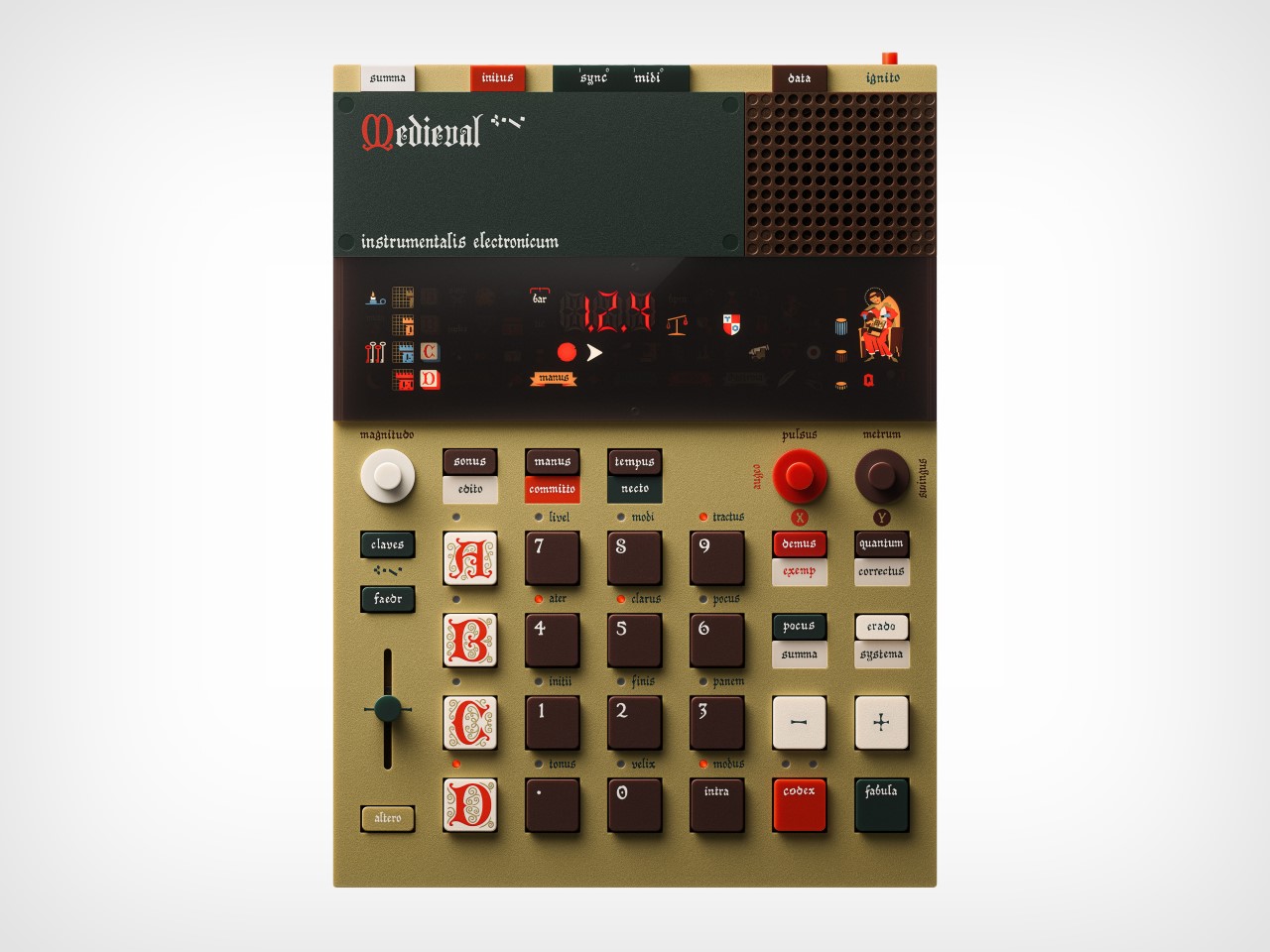
Building on the success of its EP-133 K.O.II sampler from not too long ago, the quirky audio-tech company just debuted the EP-1230, a variant of the K.O.II with a medieval twist. Featuring old-timey instruments like the hurdy-gurdy and the bowed harp, sound effects like swords clashing or even a dragon roar, along with 9 original songs, and a bunch of effects (there’s even a Torture Chamber Reverb setting), this biblically accurate sampler is perfect for people looking to experiment with their sonic portfolio, making audio for medieval-themed games like your Dungeons & Dragons sessions, or perhaps trying to emulate the musical genres of a certain Woodkid.

Designer: Teenage Engineering

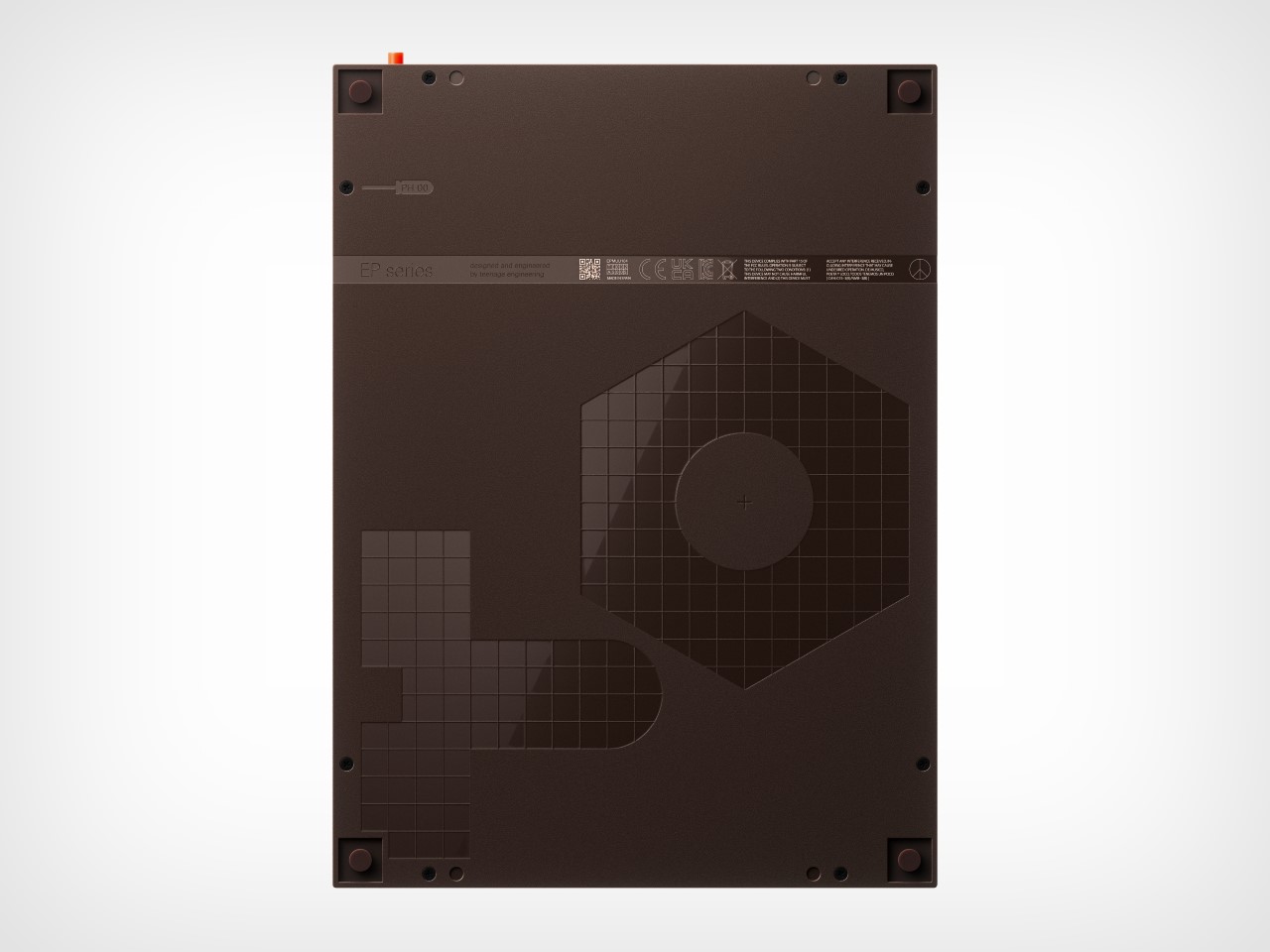
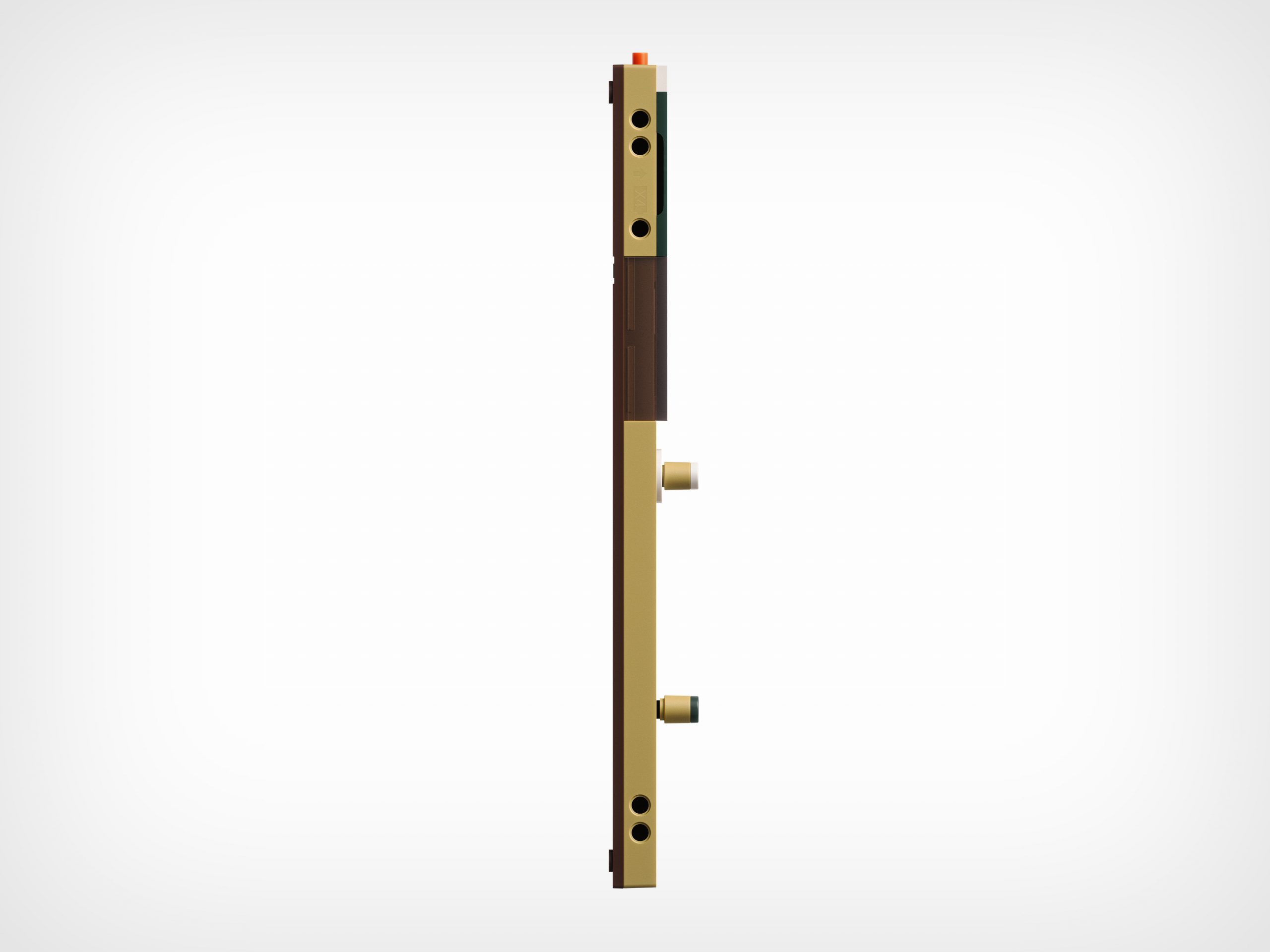
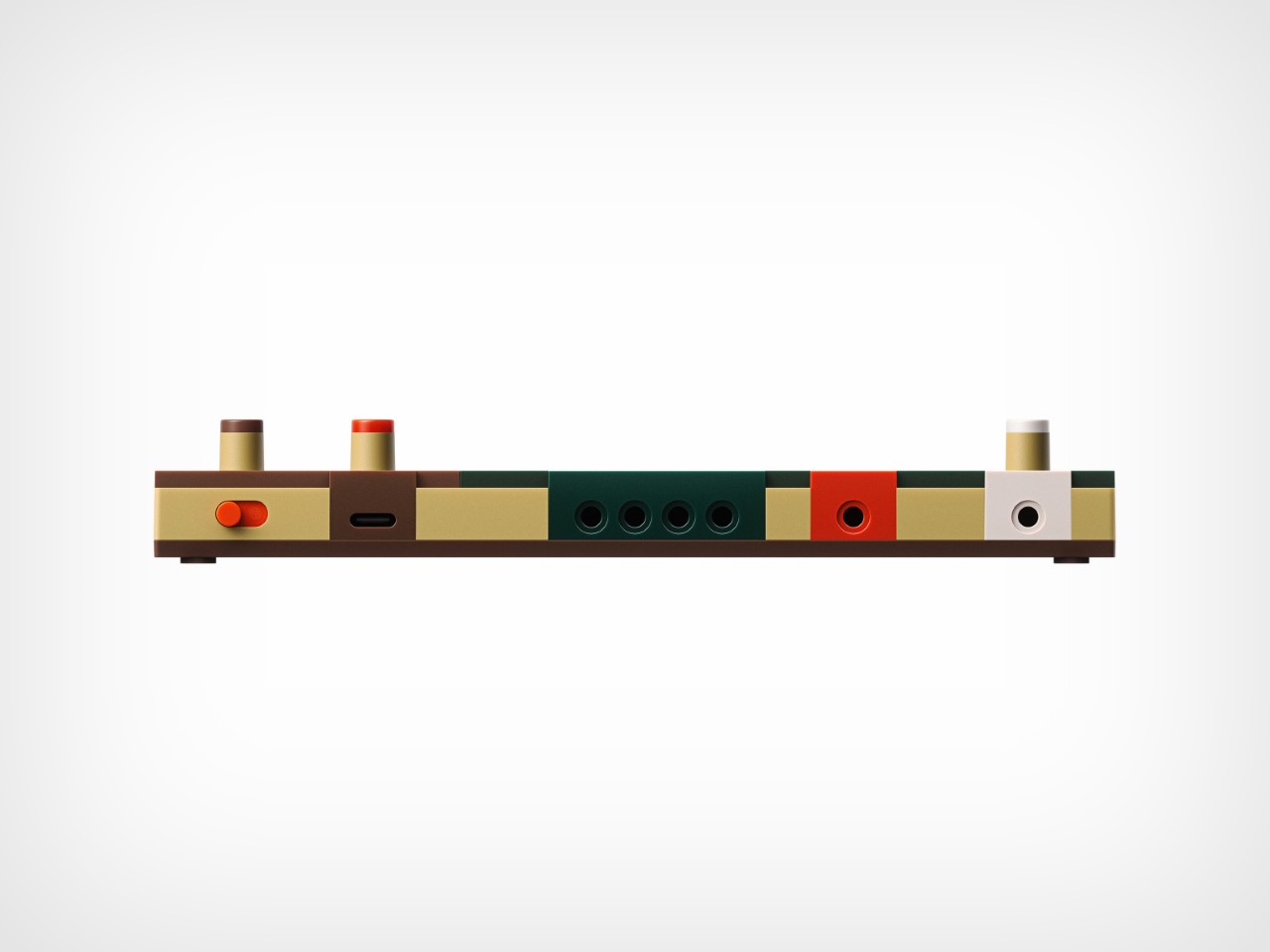
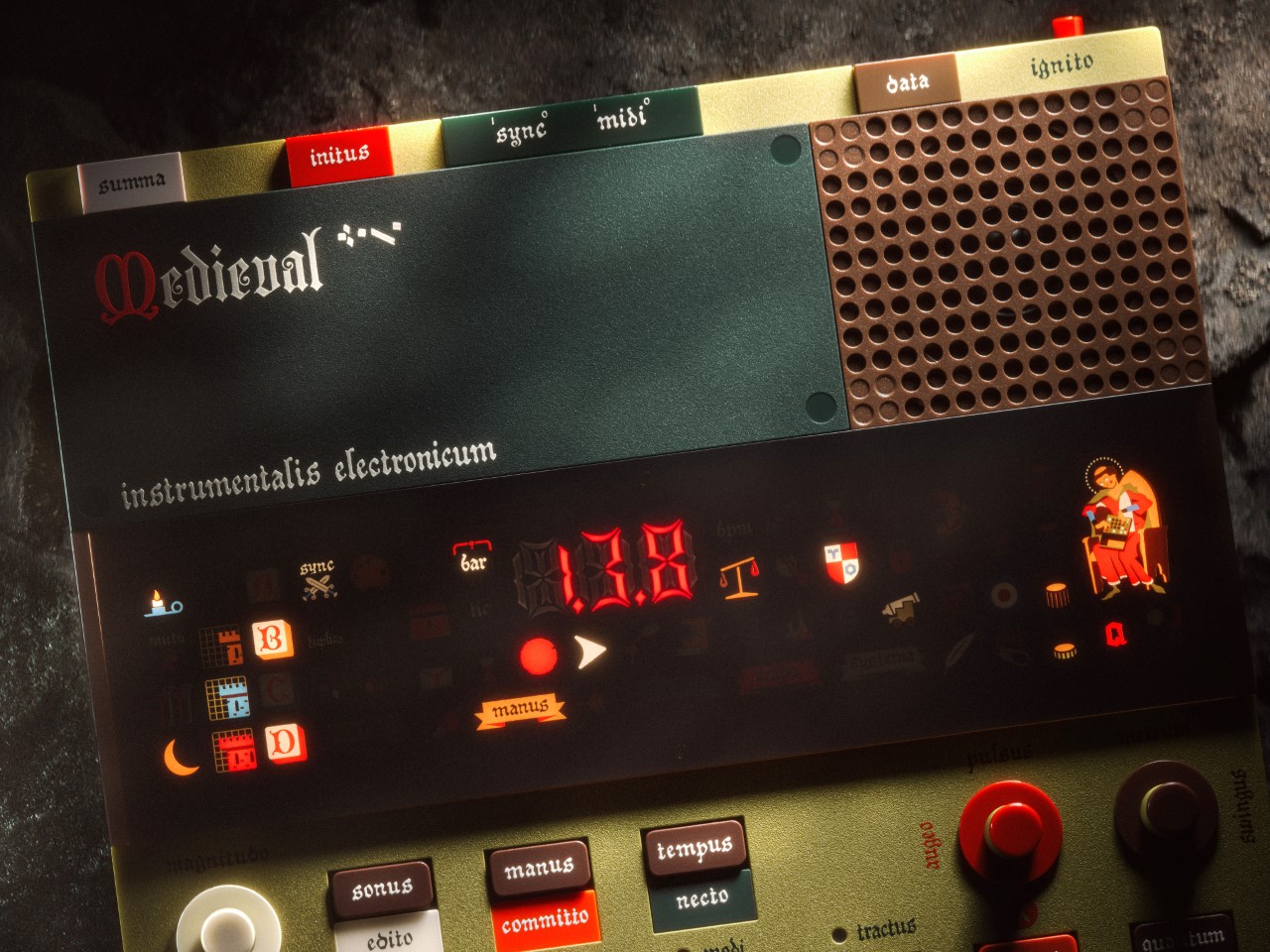
The EP-1230 is almost exactly like its predecessor in format, except for the ye-olde overhaul. It sports a rather beige color scheme, with medieval fonts on the keys as well as a medieval typeface on the seven-segment screen. Switch it on and you’ve got hundreds of sounds to choose from, featuring everything from old instruments to audio loops, original songs, and even SFX or foley sounds. You may find navigating the settings a bit of a learning curve because even the language on the keys is in Latin, but that’s all a part of the charm I guess.

Beyond its extensive sound library, the EP-1320 is a fully functional instrument. Its intuitive interface features pressure-sensitive pads for triggering samples, a built-in sequencer for arranging musical ideas, and a suite of effects processors to add depth and character to sounds. The device also invites you to build on its capabilities by recording your own sounds through its built-in microphone and line input. Whether it’s capturing the rhythmic hammering of a blacksmith’s forge or the haunting melody of a traditional instrument, the EP-1320 empowers musicians to infuse their creations with a personal touch. The sampler’s compact size and battery-powered operation make it a versatile tool for both studio and on-the-go music making.

The overall design of the EP-1230 is interesting, as it literally applies a medieval skin onto what’s ostensibly a very quirky contemporary-looking sampler. That fusion isn’t something most companies can pull off (it’s giving Medieval Winamp skin), but I guess if I had to trust a company with doing a good job, it would probably be Teenage Engineering. That being said, the market for a medieval-themed sampler could possibly be a lot slimmer than one for the company’s other products. The EP-1230 is up on Teenage Engineering’s website for $300 (the same as the EP-133 K.O.II), and enthusiasts can even grab themselves a medieval quilt bag, leather keychain, or tee shirt to complete the ‘look’.

The post Teenage Engineering debuts new $300 Sampler… but it’s only Medieval Sounds and Gregorian Chants first appeared on Yanko Design.

Transparent Game Boy with detachable projector promises uninterrupted gaming on the big screen

Nintendo Game Boy is one of the bestselling consoles of all time, owing to its competitive pricing and gamer-friendly features. Right from the original version to the consequent variants released in the 90s, the handheld gaming console has been popular across generations and inspired similar designs all these years.

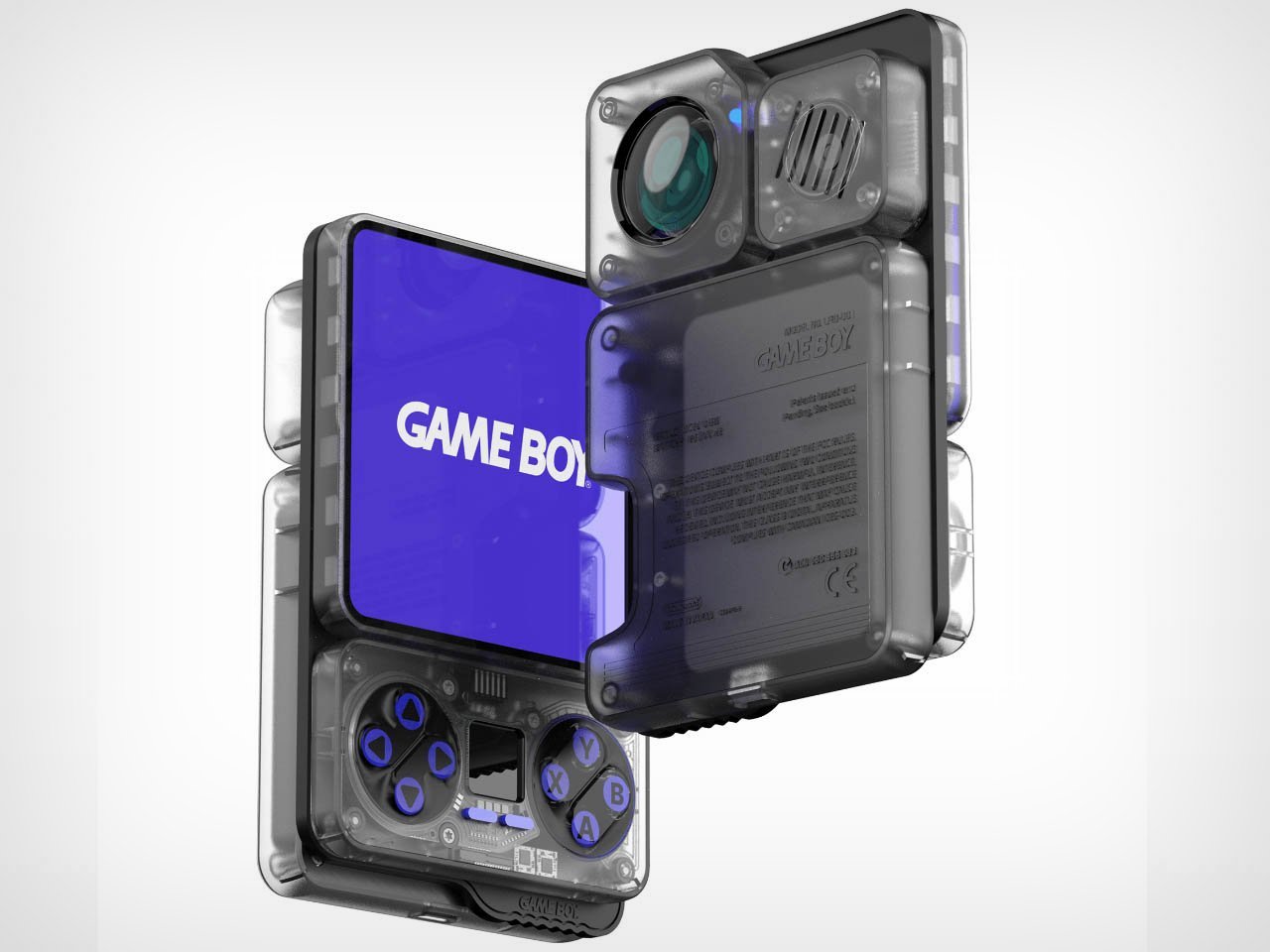
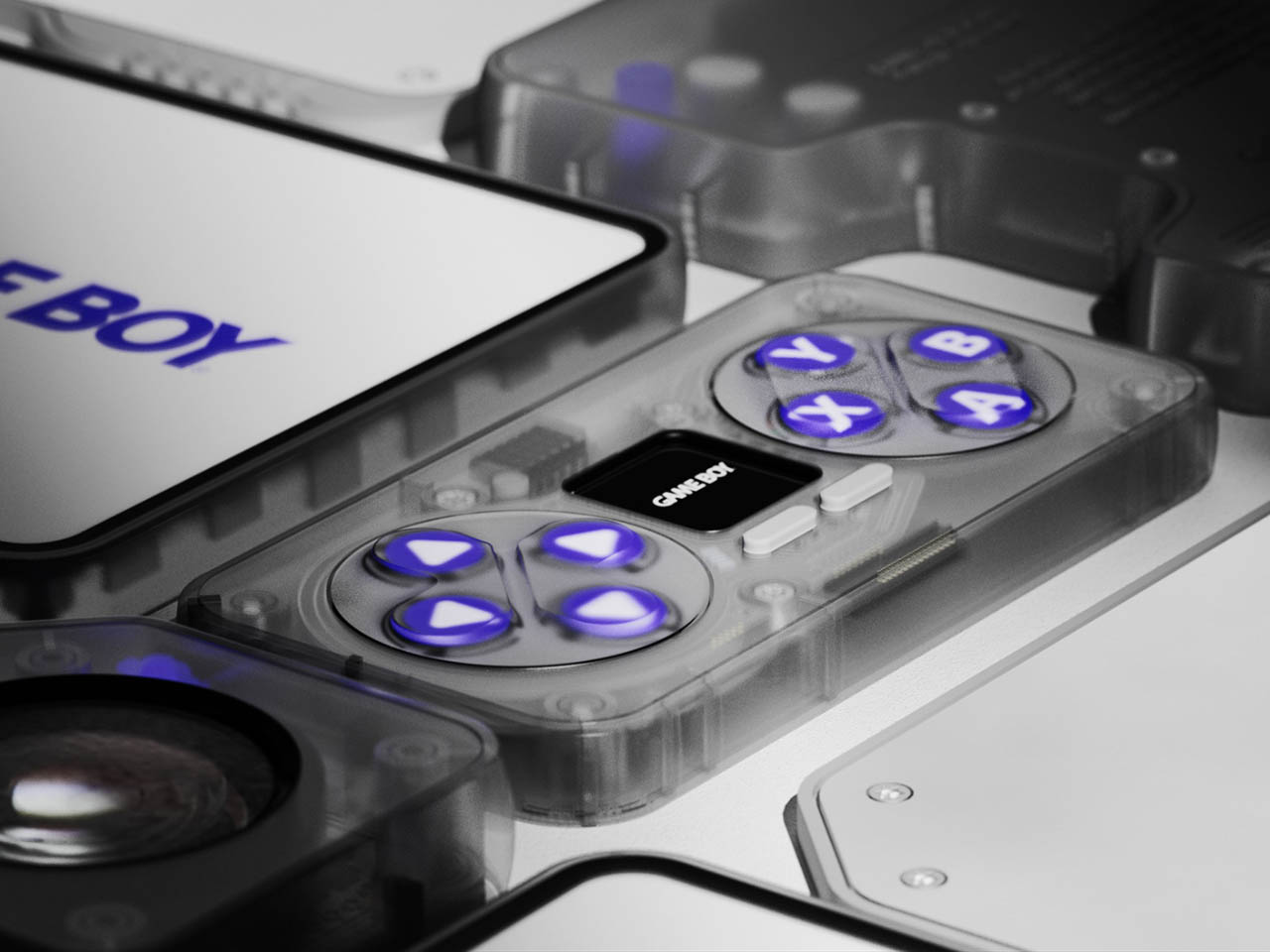
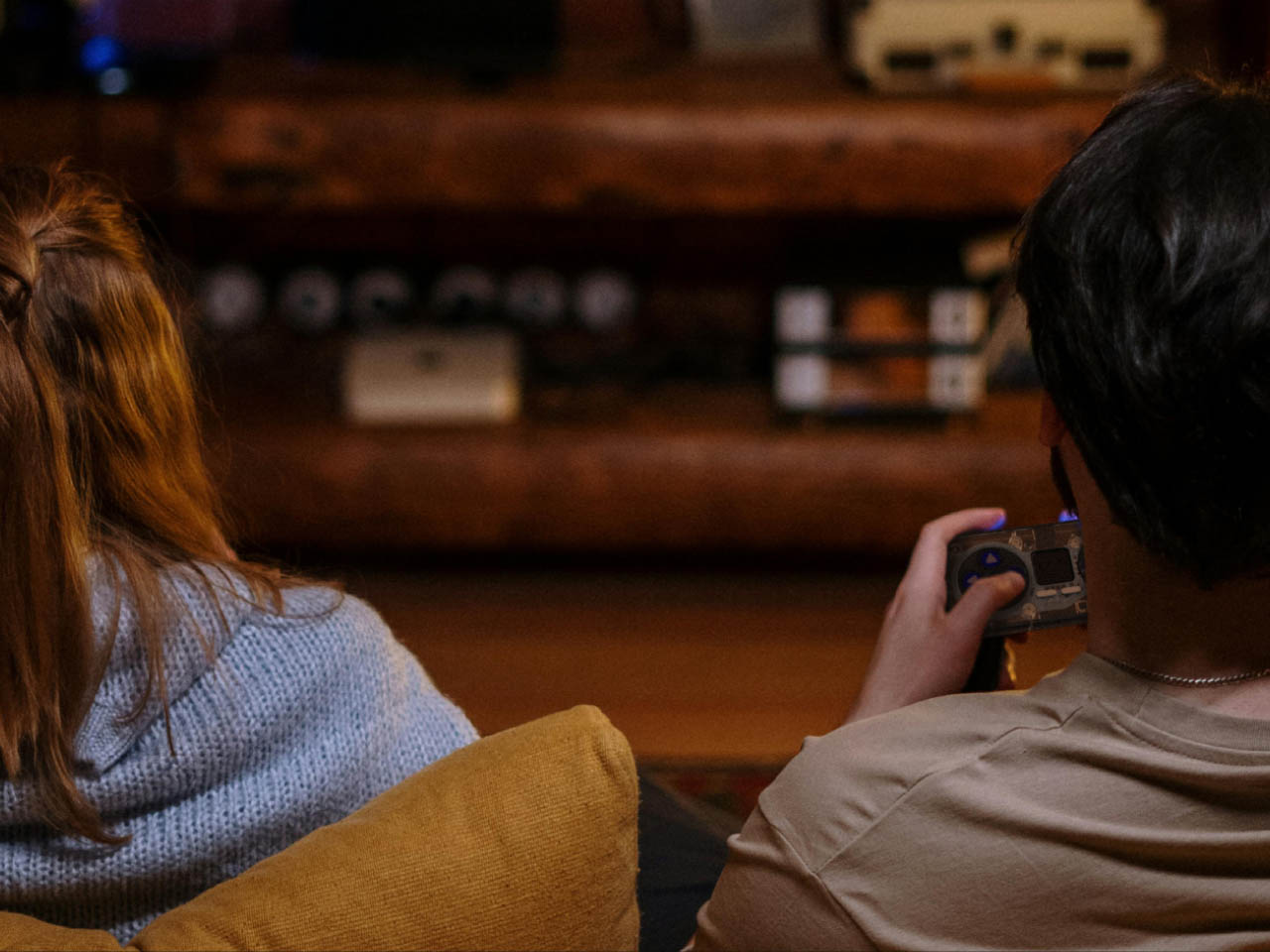
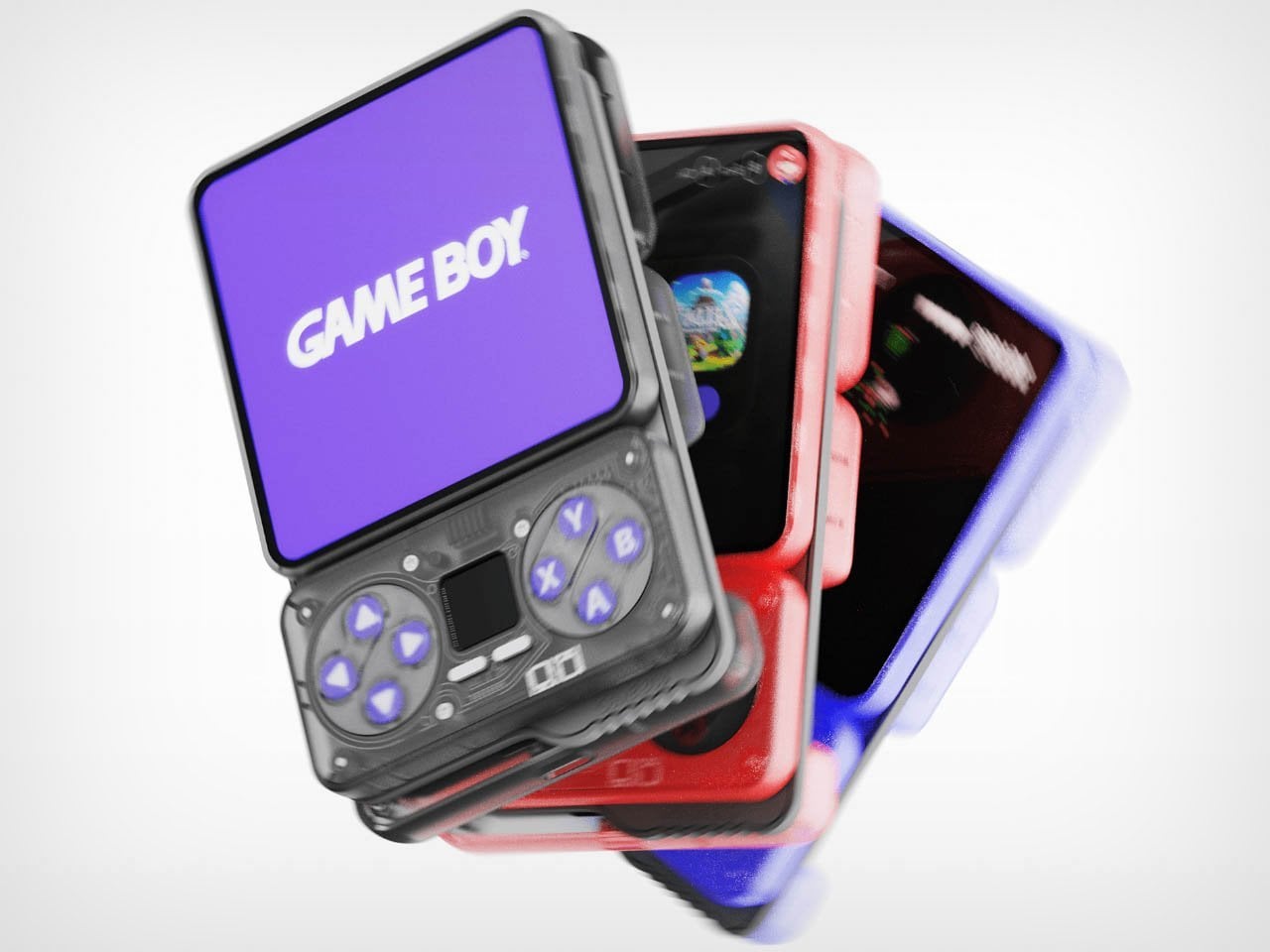
While Nintendo has no plans to release a Game Boy version in the future, a concept design puts the handheld right in the realms of ultra-advanced gaming accessories. The gaming handheld visualized here solves your gaming needs indoors and outdoors sans any restrictions on whether you prefer playing it on the native small screen or the bigger one.

Designer: LFD Official

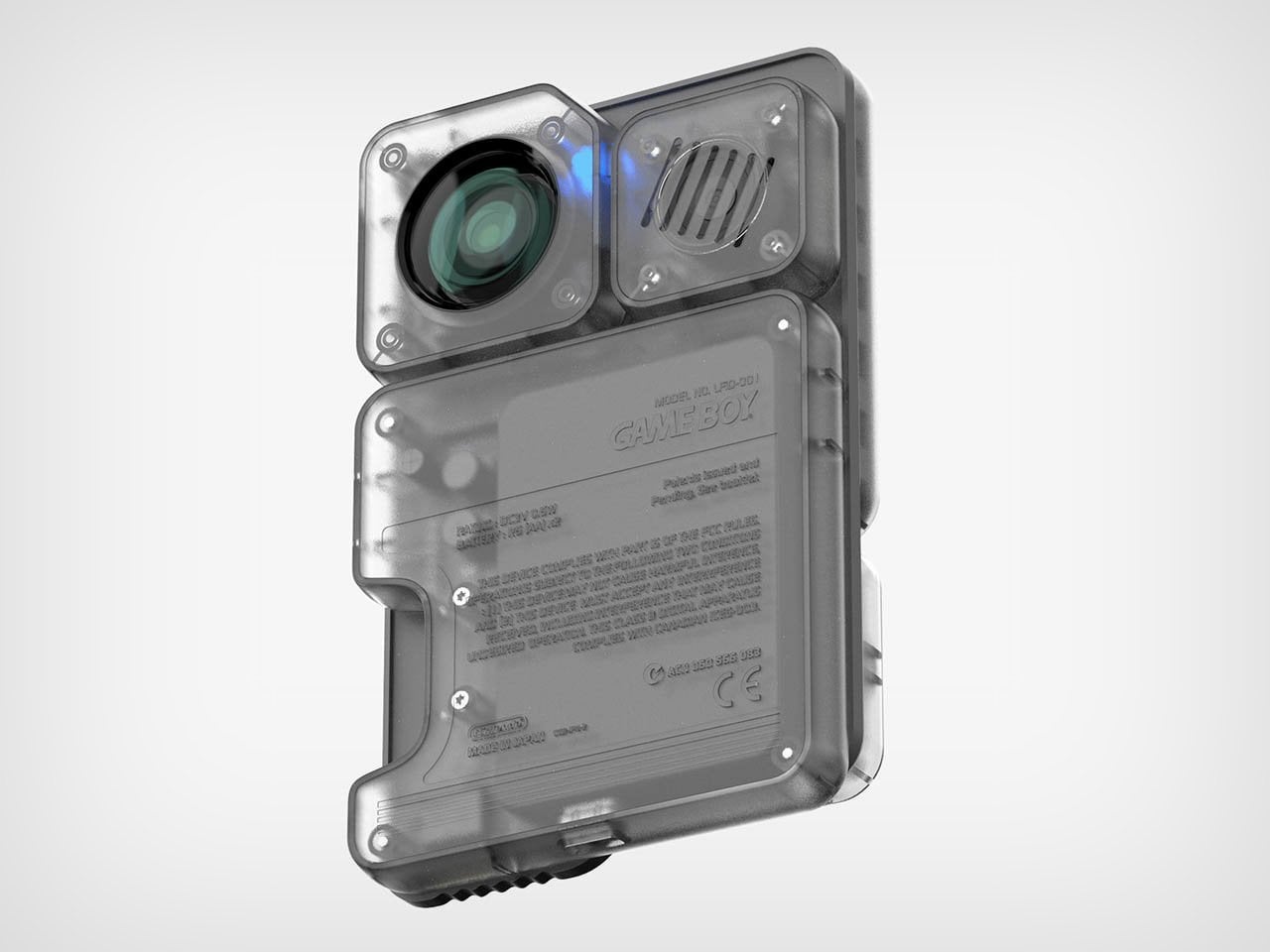
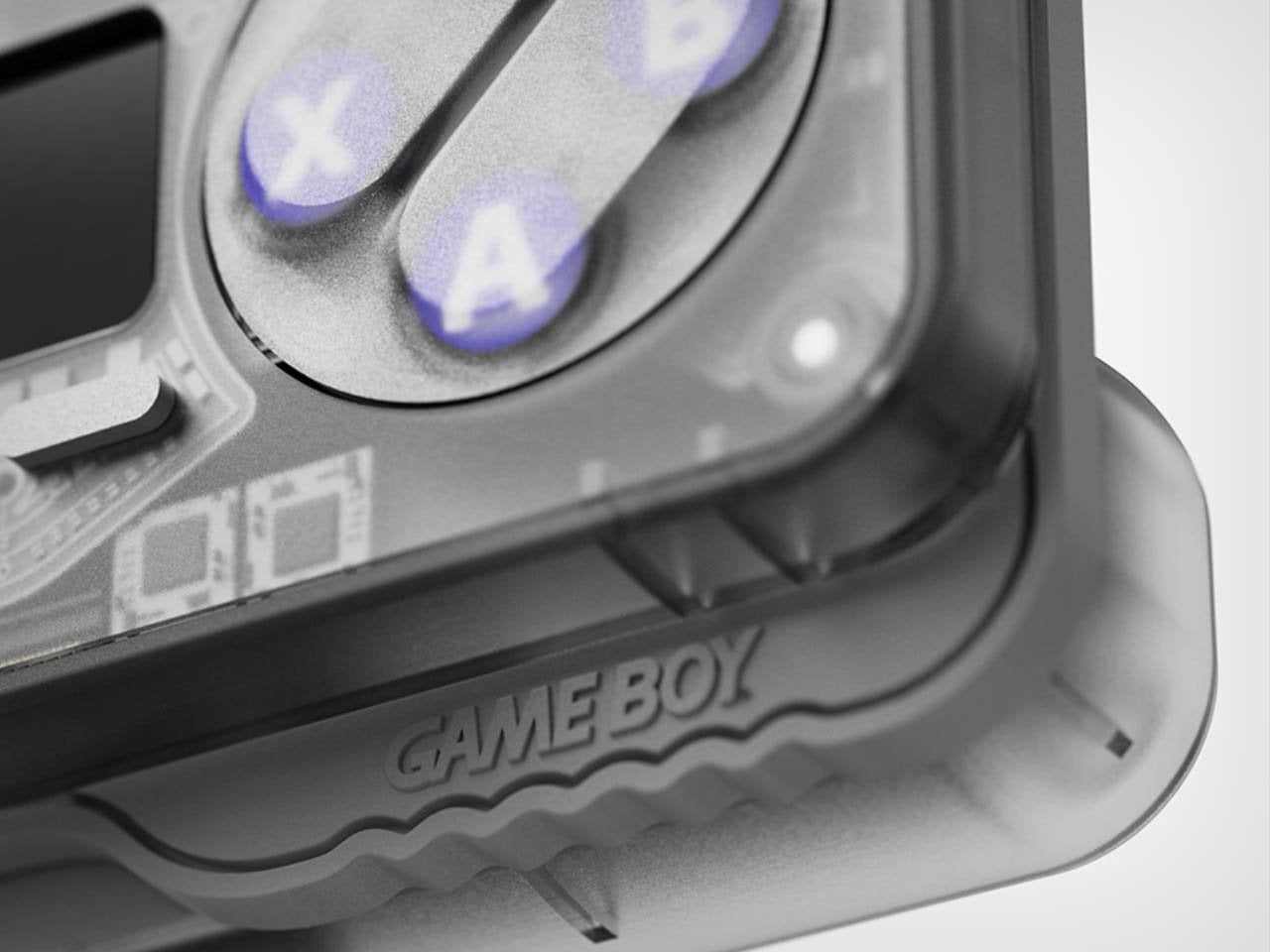
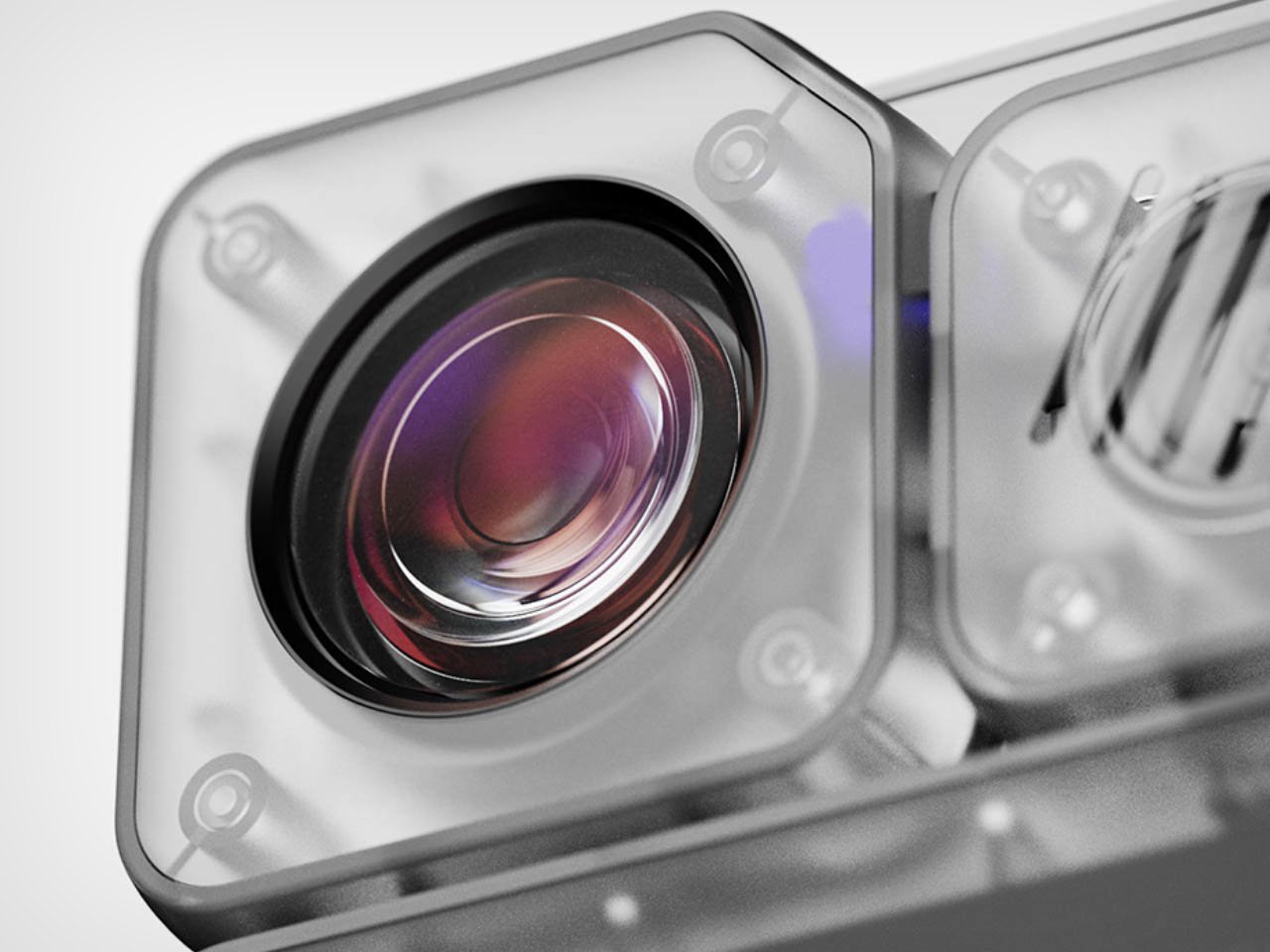
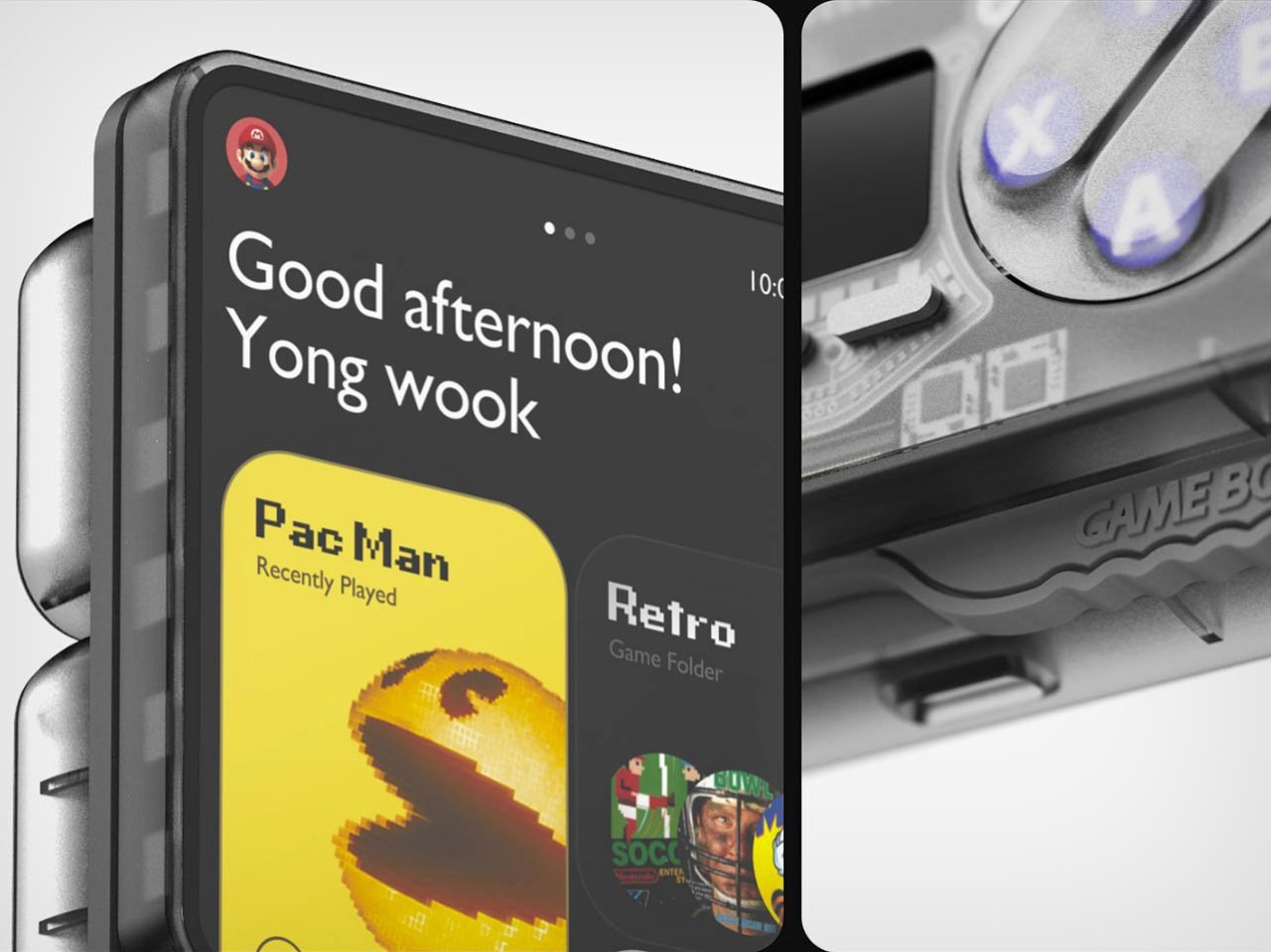
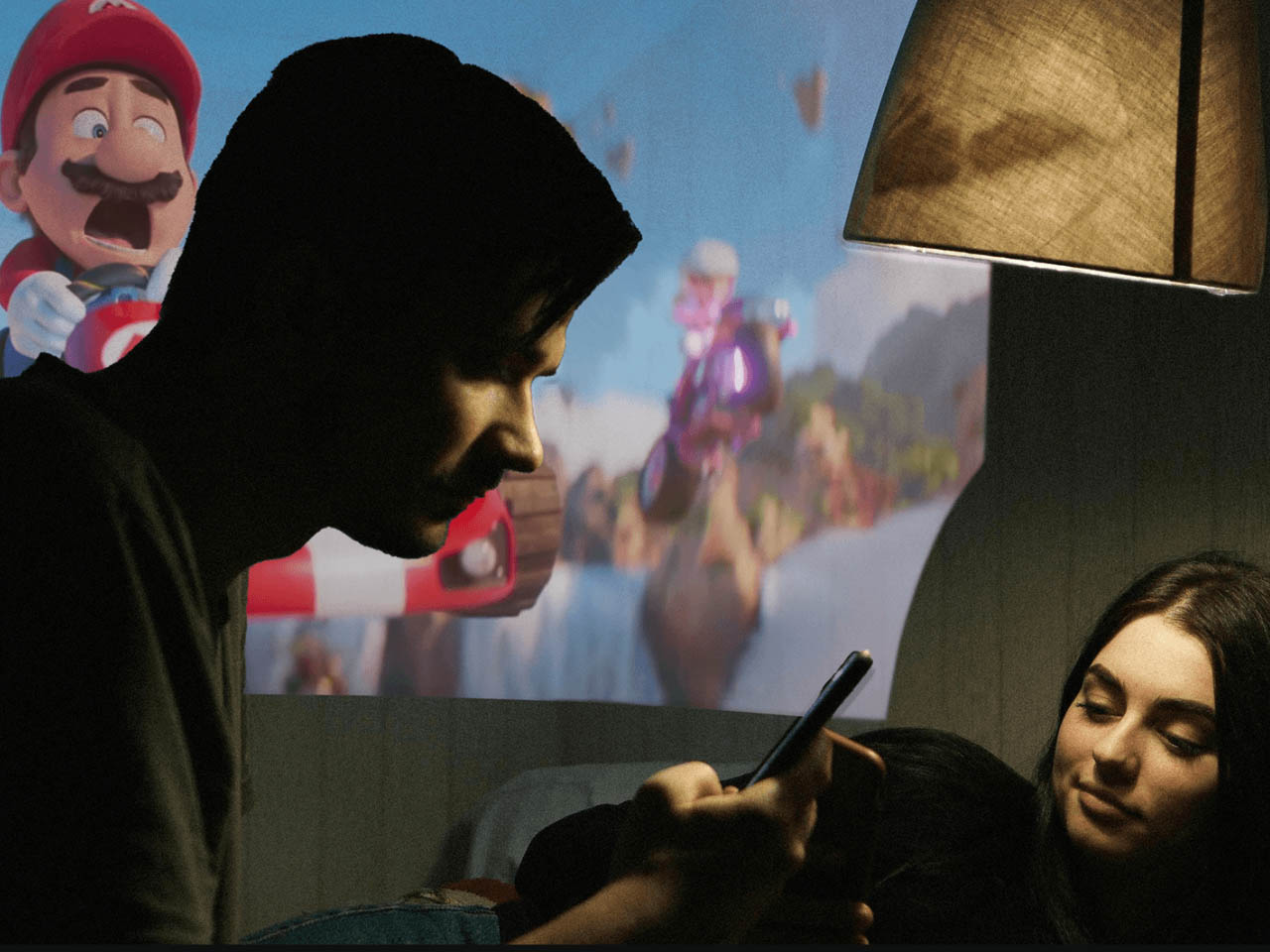
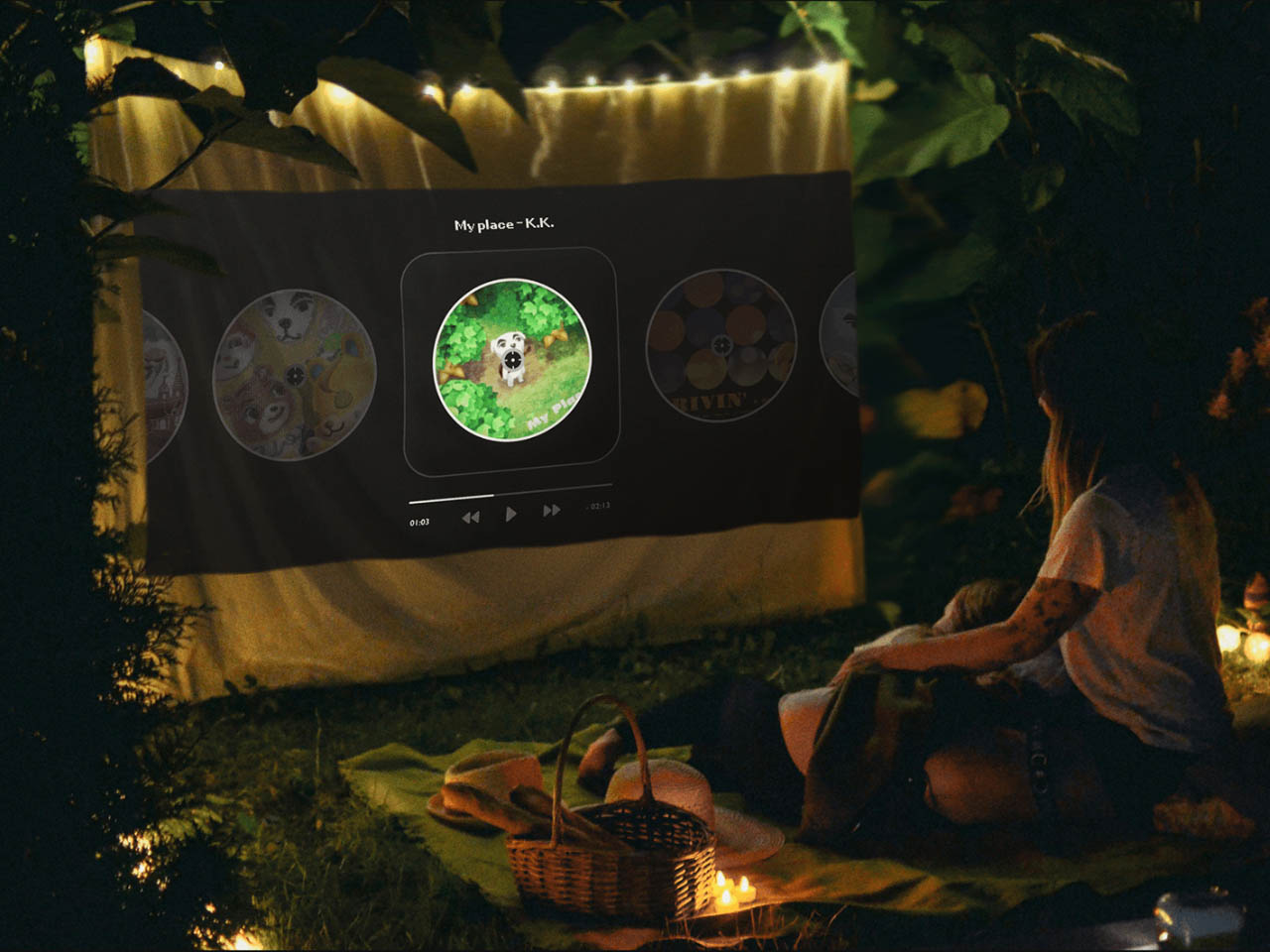
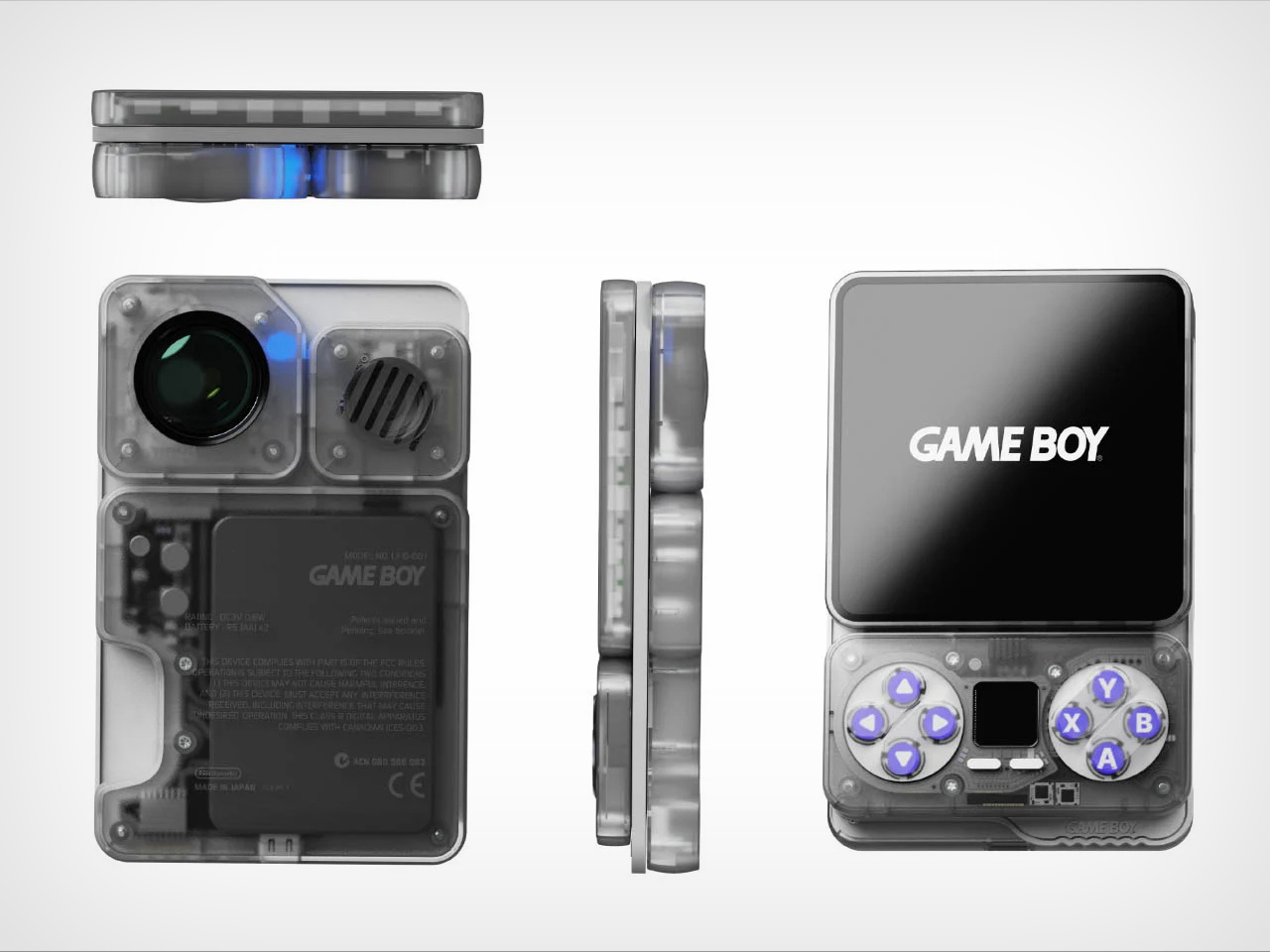
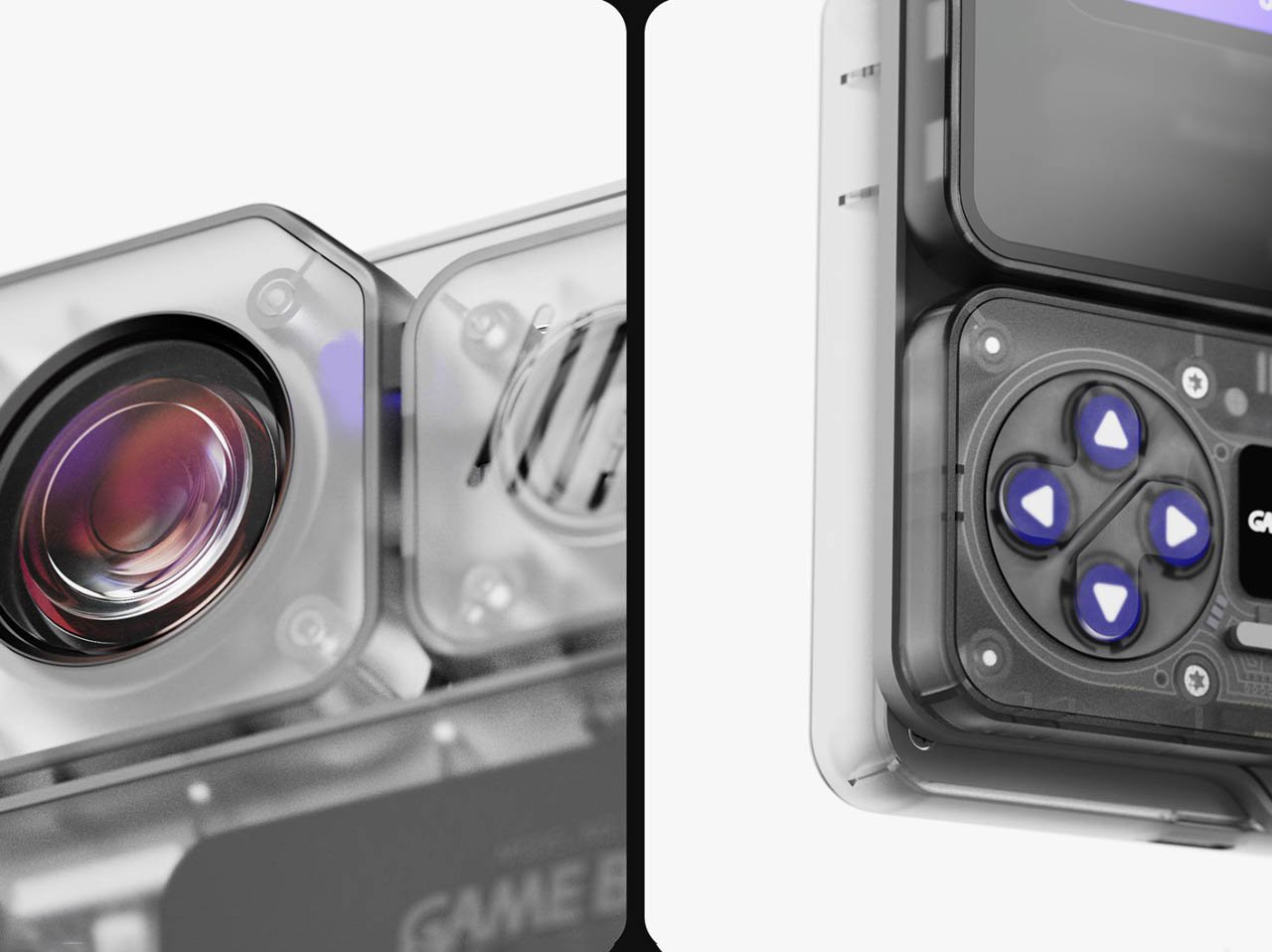
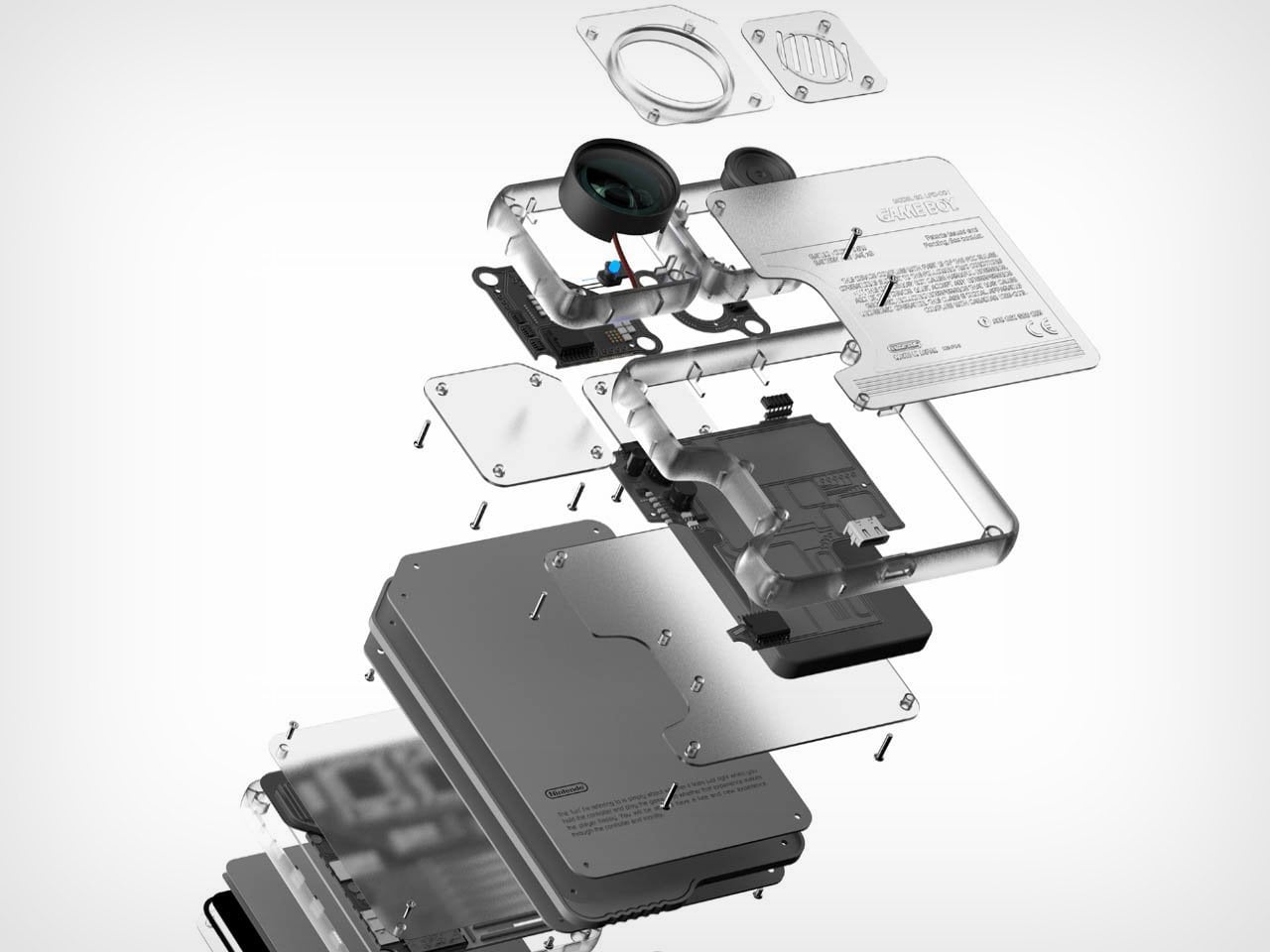
That’s possible with an integrated mini projector that can be taken right off the back of the handheld and positioned to project on any room wall, outdoor tent, or anything with a plain surface. This detachable projector module seamlessly switches the gameplay output, so you can enjoy games on the big canvas anytime. The transparent aesthetics of the handheld are inspired by the clear transparent version dubbed Game Boy Bros. released in 1995.

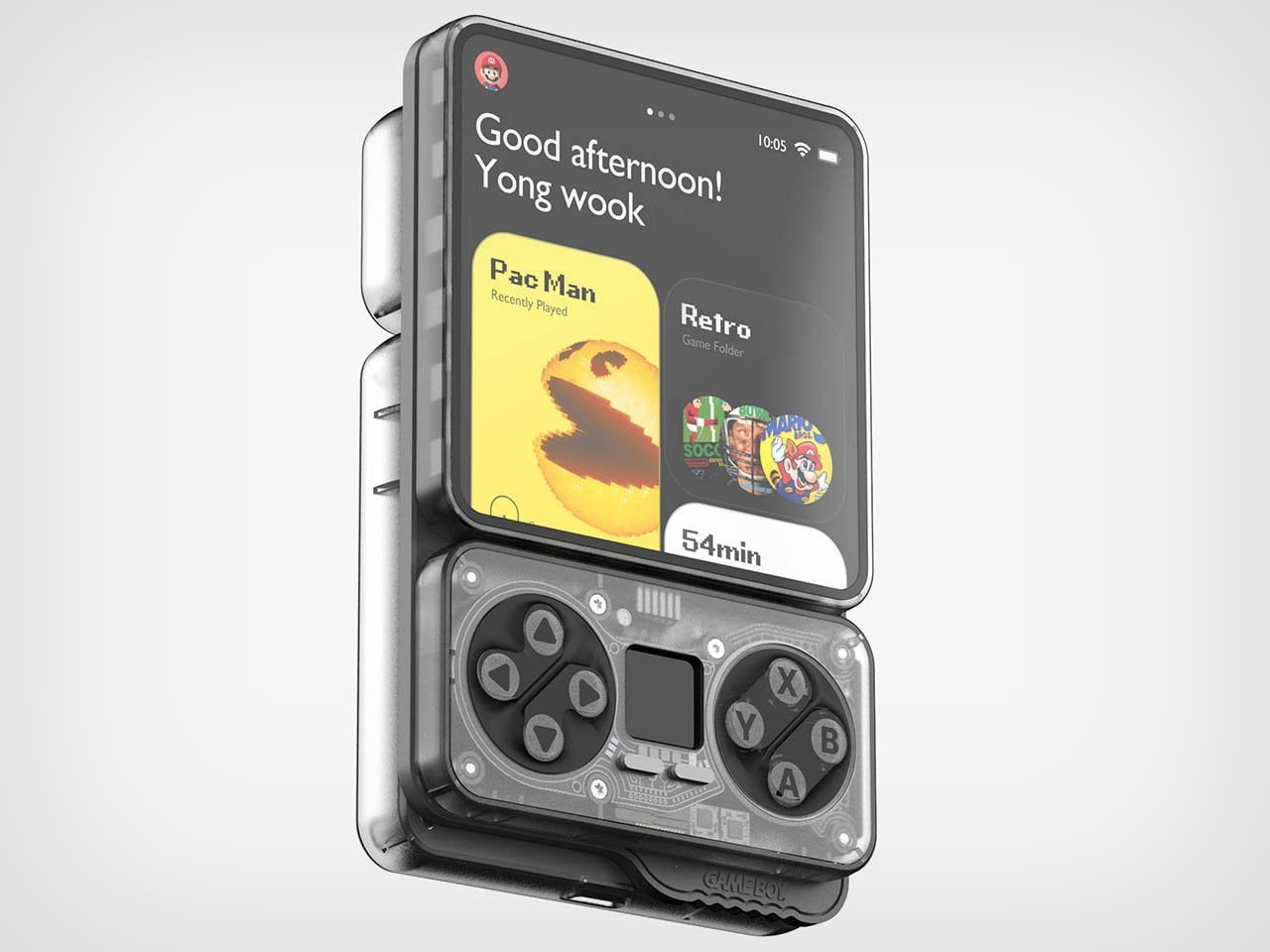
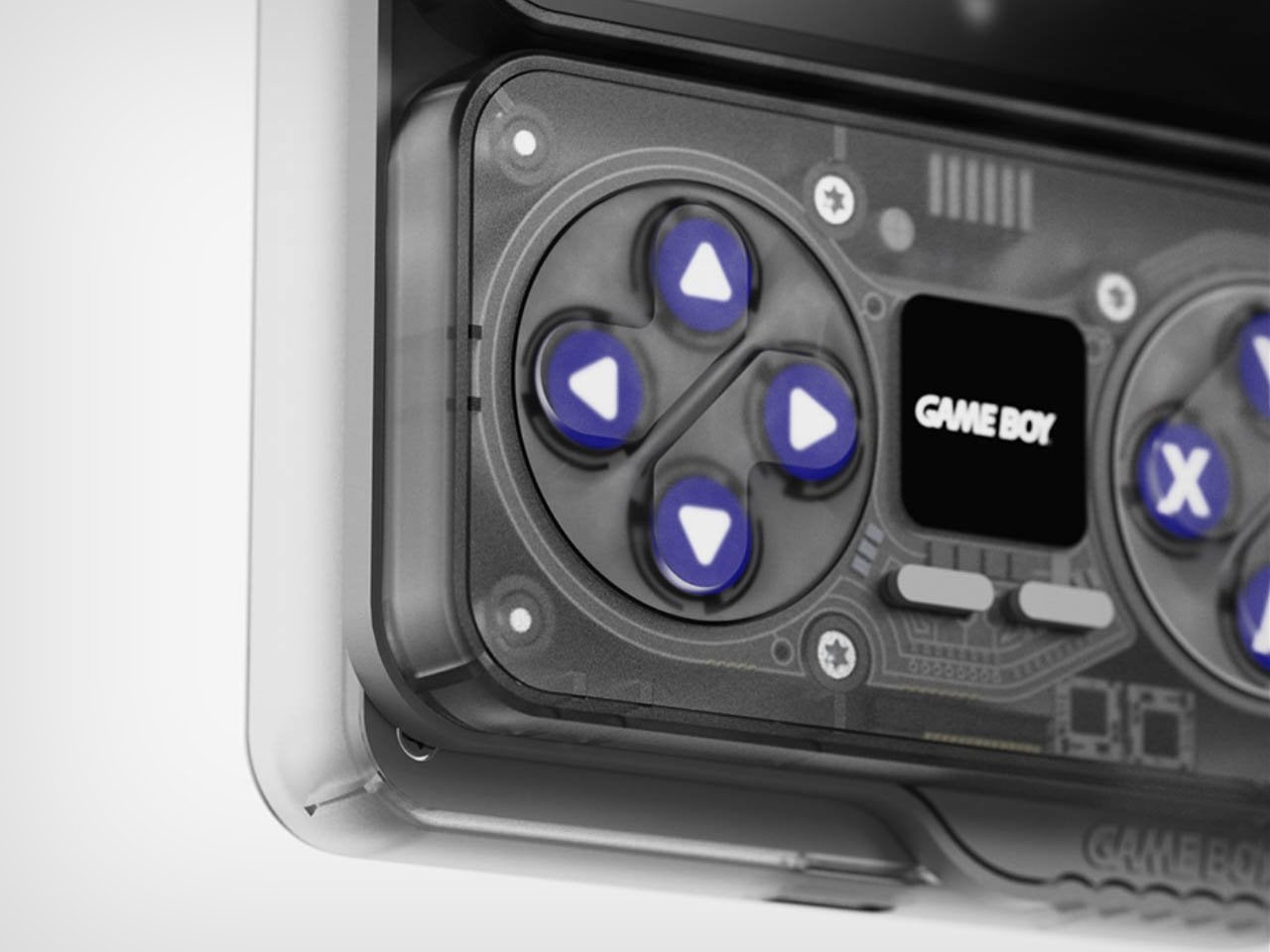
The display is much bigger, using most of the screen real estate with minimal bezels. Right below it are the gamepad controls that are much bigger and more tactile for improved gameplay and ergonomics. The tiny hardware of the gadget is enclosed in a transparent polycarbonate housing protected by the gorilla glass layer. To make this modern Nintendo handheld stand out, the designer envisions it in cool color options – Flame Scarlet, Greenery, Ultra Violet and Blue Grotto.

The back panel of the handheld holds the detachable projector in place and adjacent is the speaker to enjoy multimedia content and favorite games on the go. The UI of the gadget is heavily influenced by the Game Boy cartridge and the pixelated Gill Sans font evokes the neo-retro feel.

The post Transparent Game Boy with detachable projector promises uninterrupted gaming on the big screen first appeared on Yanko Design.

Castlevania comes to Dead by Daylight on August 27

Yet another video game crossover is coming to Dead by Daylight in the near future. Behaviour Interactive says the previously announced Castlevania chapter will go live on August 27. Those who can't wait that long for the official release can check it out on the Steam public test build right now.

The chapter brings both a new killer and survivor to The Fog. Of course, the latest killer to join the lineup is Dracula. Whenever he's the killer, you might see his castle looming on the horizon of the map.

He's also the first shapeshifting killer. In vampire form, Dracula "stalks his prey, able to conjure flames that sear flesh and render bone to ash," Behaviour says. As a bat, he can move quickly and quietly. When he's a wolf, Dracula is said to be a relentless hunter.

As for the new survivor, it's a Belmont, but perhaps not the first one that springs to mind. You can play as Trevor Belmont, a skilled vampire hunter. While he's maybe not the most physical member of the Belmont bloodline, his teamwork focus and ability to find allies in a pinch should stand him in decent stead in The Fog.

So far this year, Behaviour has brought Alan Wake, Tomb Raider's Lara Croft and Dungeons and Dragons to DbD. An original chapter will arrive in December. That's not all, though, as the publisher is gearing up to release a spinoff game called The Casting of Frank Stone on September 3. That will be a narrative horror-adventure along the lines of developer Supermassive's previous projects, such as Until Dawn and The Quarry.

This article originally appeared on Engadget at https://www.engadget.com/gaming/castlevania-comes-to-dead-by-daylight-on-august-27-190954431.html?src=rss

Disney is increasing prices (again) for standalone streaming plans

In what seems to be an annual tradition, Disney announced that the costs for standalone plans of its video streaming services will get more expensive, starting on October 17.

The ad-supported Disney+ Basic plan will increase from $8 a month to $10, while the ad-free Disney+ Premium plan jumps from $14 a month or $140 annually to $16 a month or $160 annually. For Hulu, the plan with ads is changing from $8 a month or $80 a year to $10 a month or $100 a year and the ad-free plan will go from $18 a month to $20 a month. ESPN+ is getting pricing updates as well, with monthly costs going from $11 monthly or $110 annually to $12 monthly or $120 annually.

Recall that Disney+ was a mere $7 a month, without ads, when it launched less than five years ago.

Only one combo plan seems to be getting a change. The Disney Bundle Duo Basic, which includes ad-supported access to both Disney+ and Hulu, is increasing from $10 a month to $11 a month. The Hulu + Live TV plans are also hiking costs: $83 a month for ad-supported, and $96 a month for ad-free.

The increased subscription costs were included in a feature announcement that had been rumored earlier this year. Disney+ will start offering viewers continuous playlists starting September 4. There will be two playlists to start: a channel for ABC News Live, and one with videos for preschoolers. Four more playlists will debut later in the fall: Seasonal Content, Epic Stories (featuring franchises like Marvel and Star Wars), Throwbacks ("nostalgic pop culture content") and Real Life (biopics and documentaries).

This article originally appeared on Engadget at https://www.engadget.com/entertainment/streaming/disney-is-increasing-prices-again-for-standalone-streaming-plans-183518837.html?src=rss

Star Wars Jedi: Survivor is coming to PS4 and Xbox One on September 17

Star Wars Jedi: Survivor is coming to last-gen consoles on September 17, including the PlayStation 4 and Xbox One. The game was originally released for PS5, Xbox Series X/S and PC back in 2023.

For the uninitiated, this is a sequel to the absolutely fantastic Star Wars Jedi: Fallen Order. It’s a third-person adventure with a bit of Metroidvania flair that’s set in the Star Wars universe in between the events of Revenge of the Sith and A New Hope. It’s a very good video game, particularly for franchise fans.

Pre-orders are available now and early purchasers get some bonuses. These include in-game cosmetic items that will turn the protagonist into someone who resembles Obi Wan Kenobi and a new blaster set. As for the software, EA says it’s been fully optimized to run on those older consoles.

It’s worth noting, however, that the game has struggled to run on PCs. EA has issued several updates to address performance problems but some still linger. To that end, the company’s prepping a new PC update that’ll release “in the coming weeks.” This will bring “enhancements to the game’s technical performance, controls and more,” in addition to “a variety of quality-of-life improvements.”

Star Wars Jedi: Survivor also recently released on Game Pass. The PS4/XB1 version will cost $50. A third entry in the franchise has already been announced because, well, Star Wars loves trilogies.

This article originally appeared on Engadget at https://www.engadget.com/gaming/star-wars-jedi-survivor-is-coming-to-ps4-and-xbox-one-on-september-17-181004549.html?src=rss

X sues advertisers for ‘illegal boycott’ of the platform

X, whose top executives have long railed against advertisers who fled the platform amid concerns over hate speech, is now also suing them. X has filed an antitrust lawsuit against the Global Alliance for Responsible Media (GARM) and several of its members, including Mars, Unilever and CVS Health, CEO Linda Yaccarino said in an open letter shared on X.

According to Yaccarino, the group engaged in an “illegal boycott” of X. “The consequence - perhaps the intent - of this boycott was to seek to deprive X’s users, be they sports fans, gamers, journalists, activists, parents or political and corporate leaders, of the Global Town Square,” she wrote.

As Axios points out, GARM is part of the World Federation of Advertisers (which is also named in the lawsuit) and was created to come up with brand safety guidelines for online advertisers. The lawsuit alleges that the group “conspired, along with dozens of non-defendant co-conspirators, to collectively withhold billions of dollars in advertising revenue from Twitter.”

GARM didn't immediately respond to a request for comment.

It’s not the first time X has filed a lawsuit against a group that Musk has accused of stoking an advertiser exodus from the platform. The company previously sued the Center Countering Digital Hate (CCDH), an anti-hate group that published research showing that X failed to take down hateful posts shared by premium subscribers. That lawsuit was later dismissed by a judge who said X was trying to “punish” the group for sharing unflattering research. X is also suing Media Matters, a watchdog group that published a report showing X had displayed ads alongside anti-Semitic content.

“We tried being nice for 2 years and got nothing but empty words,” Musk, who nearly a year ago publicly told advertisers to “go fuck themselves," wrote in a post on Tuesday. “Now, it is war.”

This article originally appeared on Engadget at https://www.engadget.com/big-tech/x-sues-advertisers-for-illegal-boycott-of-the-platform-173100888.html?src=rss

How the Porsche 911 Inspires the Iconic Chronograph I Watch

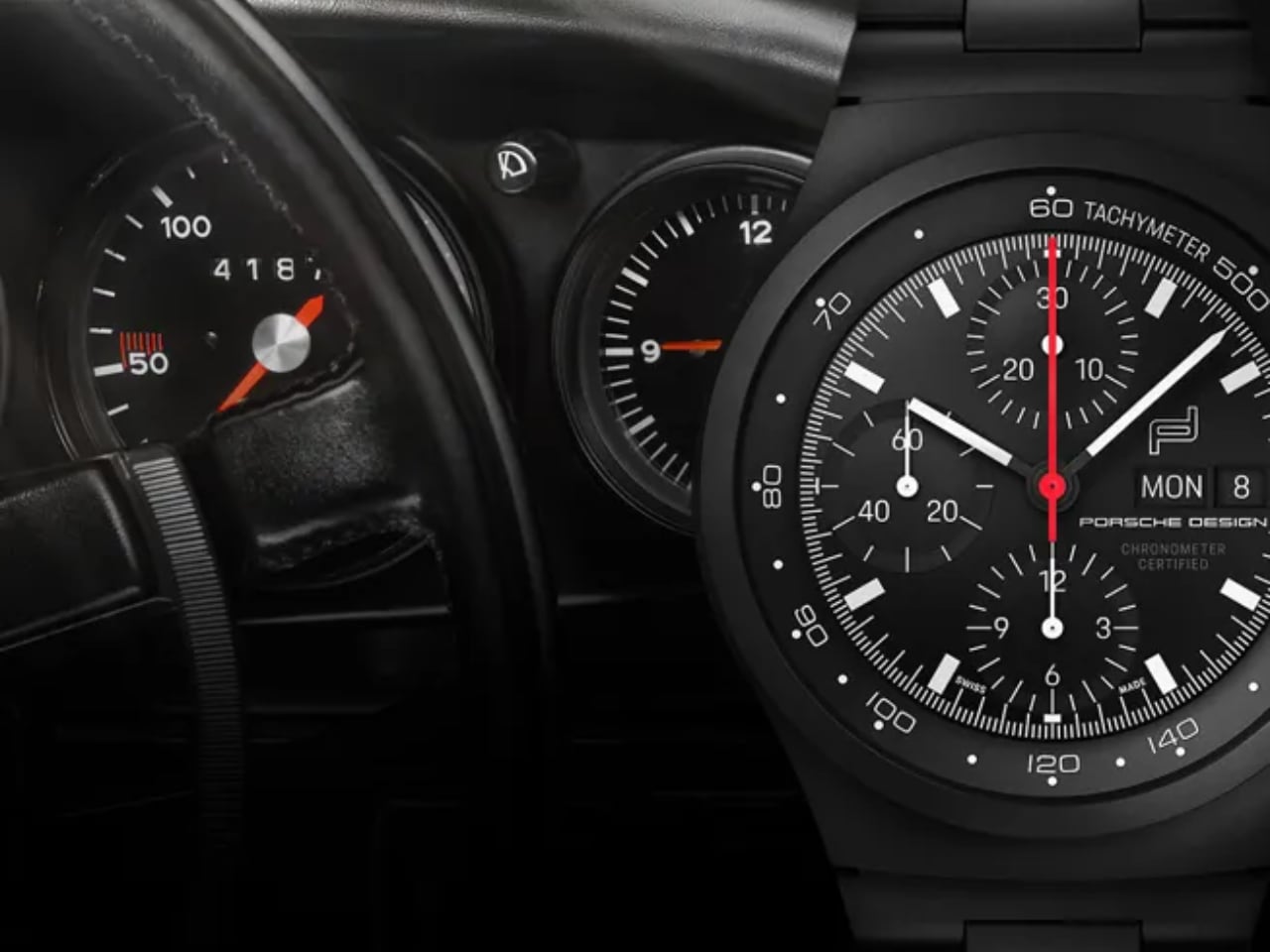
The Chronograph I, designed by Professor Ferdinand Alexander Porsche, stands as an enduring symbol of functional and aesthetic innovation in watchmaking. Originating from the same principles that sculpted the Porsche 911, this watch has retained its iconic status since its debut in 1972. At a time when most chronographs were rendered in gold or silver, the Chronograph I’s all-black design distinguished itself with stark functionality, inspired by the clear, high-contrast instrument panels of the 911, designed to offer drivers precise readability under extreme conditions.

Designer: Porsche Design

Historical Design and Philosophy

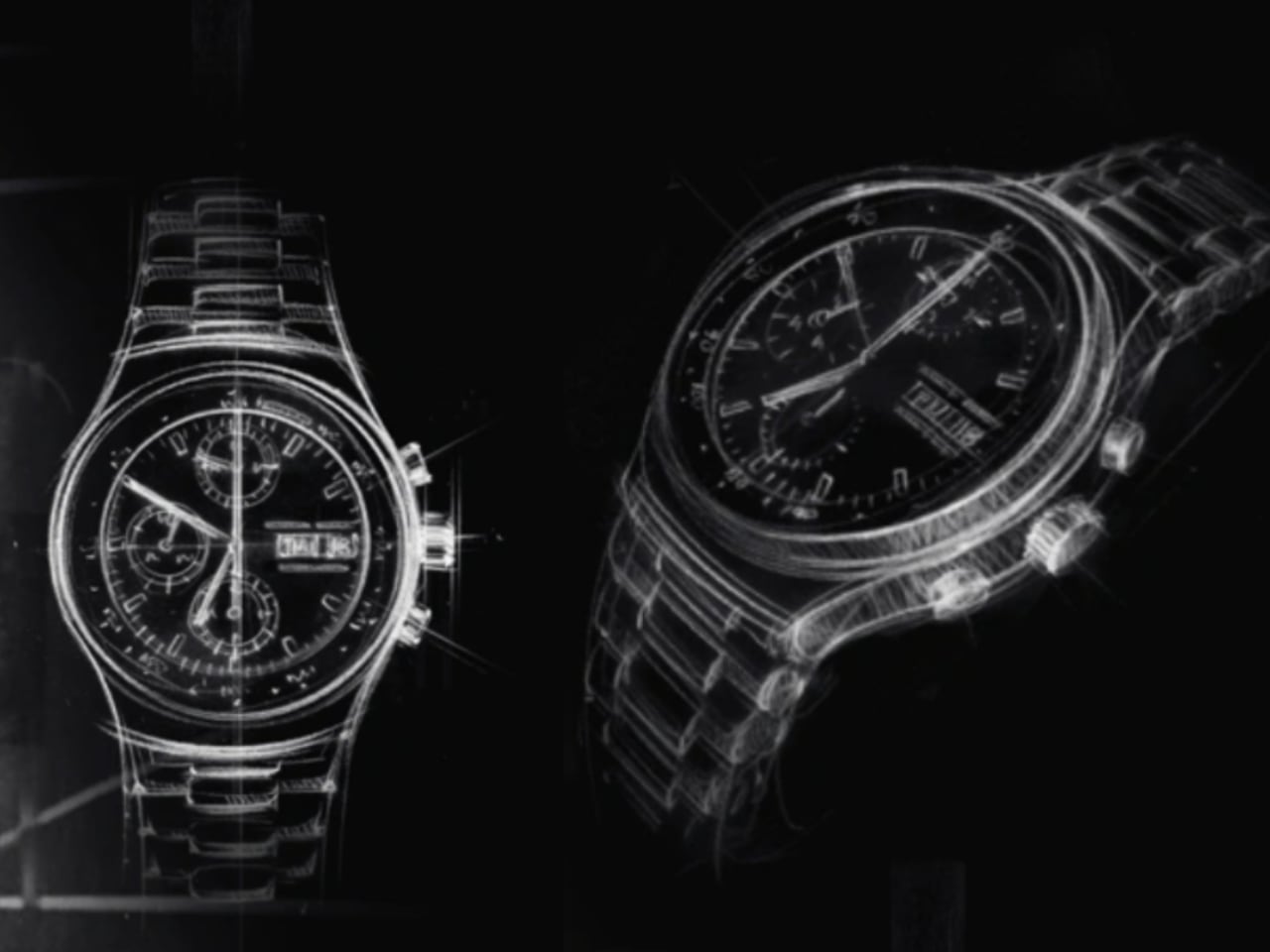
Ferdinand Alexander Porsche, profoundly influenced by his formative years in his grandfather’s design offices, adopted a design philosophy that emphasized honest, functional design. This ethos materialized in the Porsche 911, a vehicle renowned for its distinctive lines and performance-driven design. Tasked with designing a watch in 1972, Porsche aimed to create a piece that was unmistakably derived from the vehicle, embodying unrestricted functionality. The Chronograph I, with its matte black dial, high-contrast indices, and anti-reflective glass, marked a bold departure from conventional watch designs, reflecting the dashboard of the Porsche 911.

Studio F. A. Porsche

The integration of automotive elements like the red second hand and tachymeter, directly inspired by the car’s instrument panel, enhanced its aesthetic appeal and practical utility, transforming Chronograph I into the first “sports car for your wrist.” Despite initial controversies, its design philosophy resonated with those who valued clarity and functionality, setting a new industry standard.
Evolution to the Present
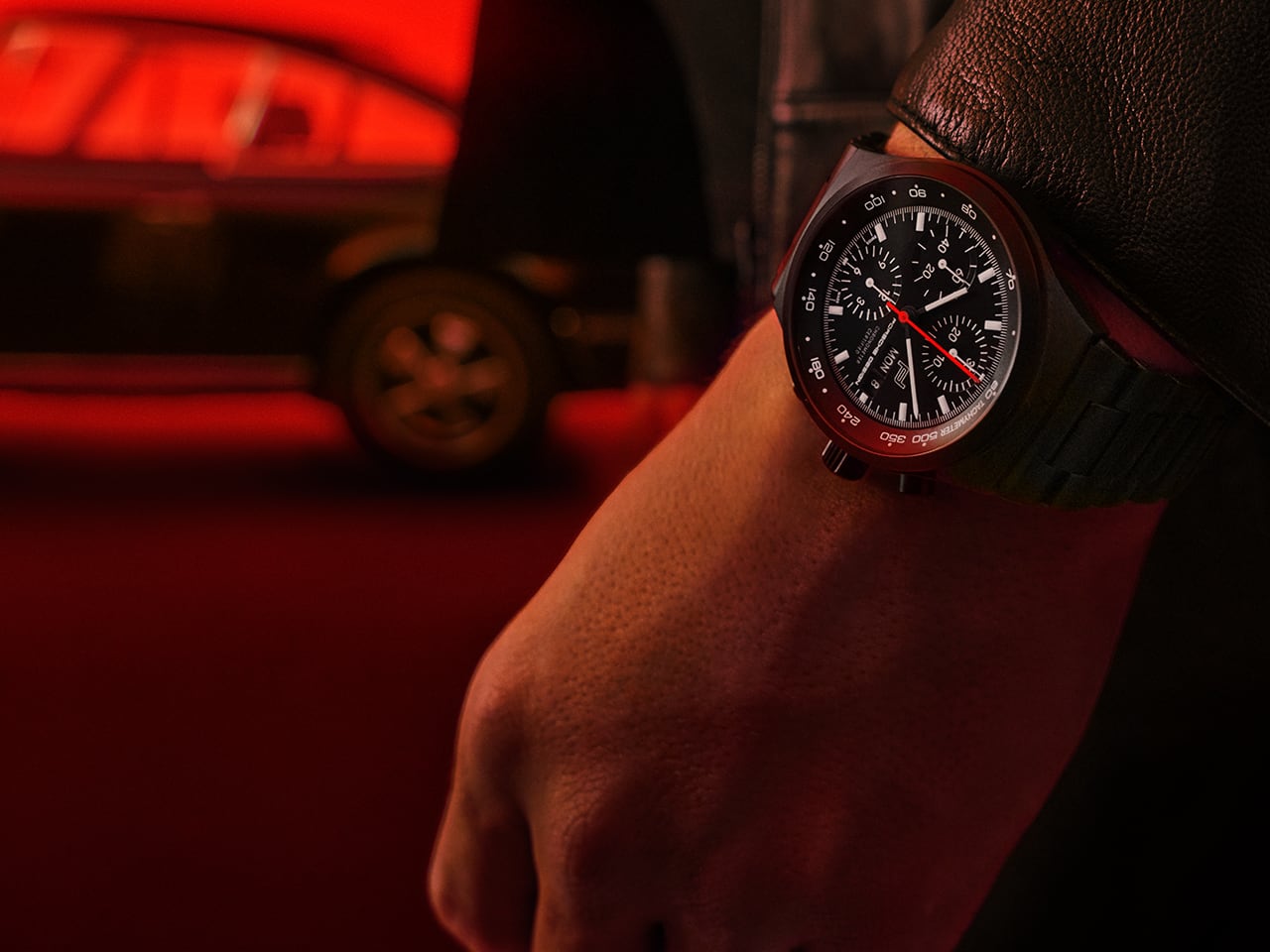
Today, the legacy of Chronograph I is celebrated through Chronograph 1 – All Black Numbered Edition. This modern iteration upholds the core elements that made the original groundbreaking while integrating contemporary materials and technological advancements. The design maintains its historical roots, with the black casing and dial emphasizing its racing DNA and updates like the Porsche Design Calibre WERK 01.140 movement ensuring precision and durability.
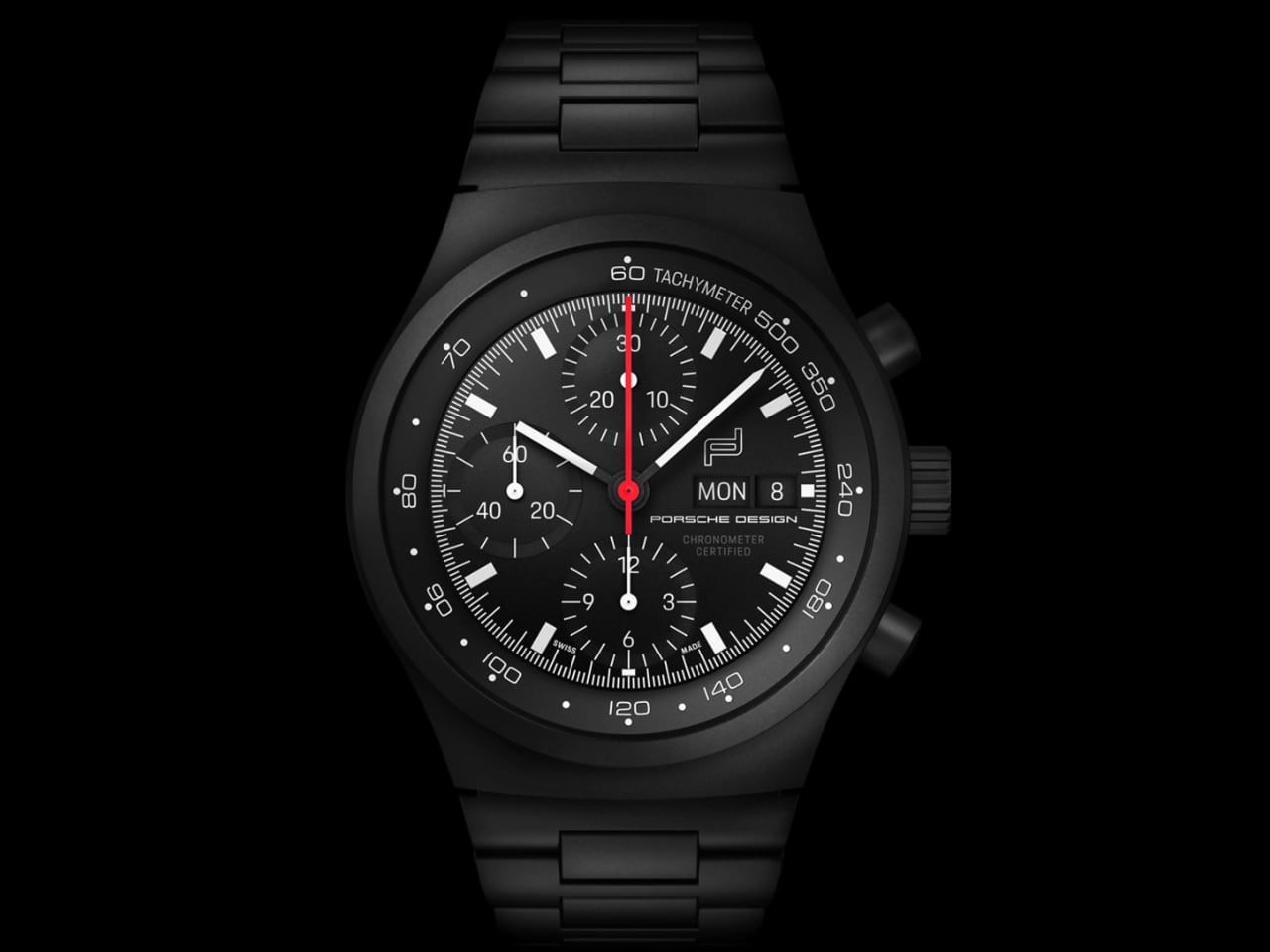
Chronograph 1 – All Black Numbered Edition

Produced in Porsche’s specialized facility in Solothurn, Switzerland, the watch continues to attract both watch collectors and automotive enthusiasts. Its high-quality craftsmanship and limited production of 1,000 pieces annually enhance its collectibility.
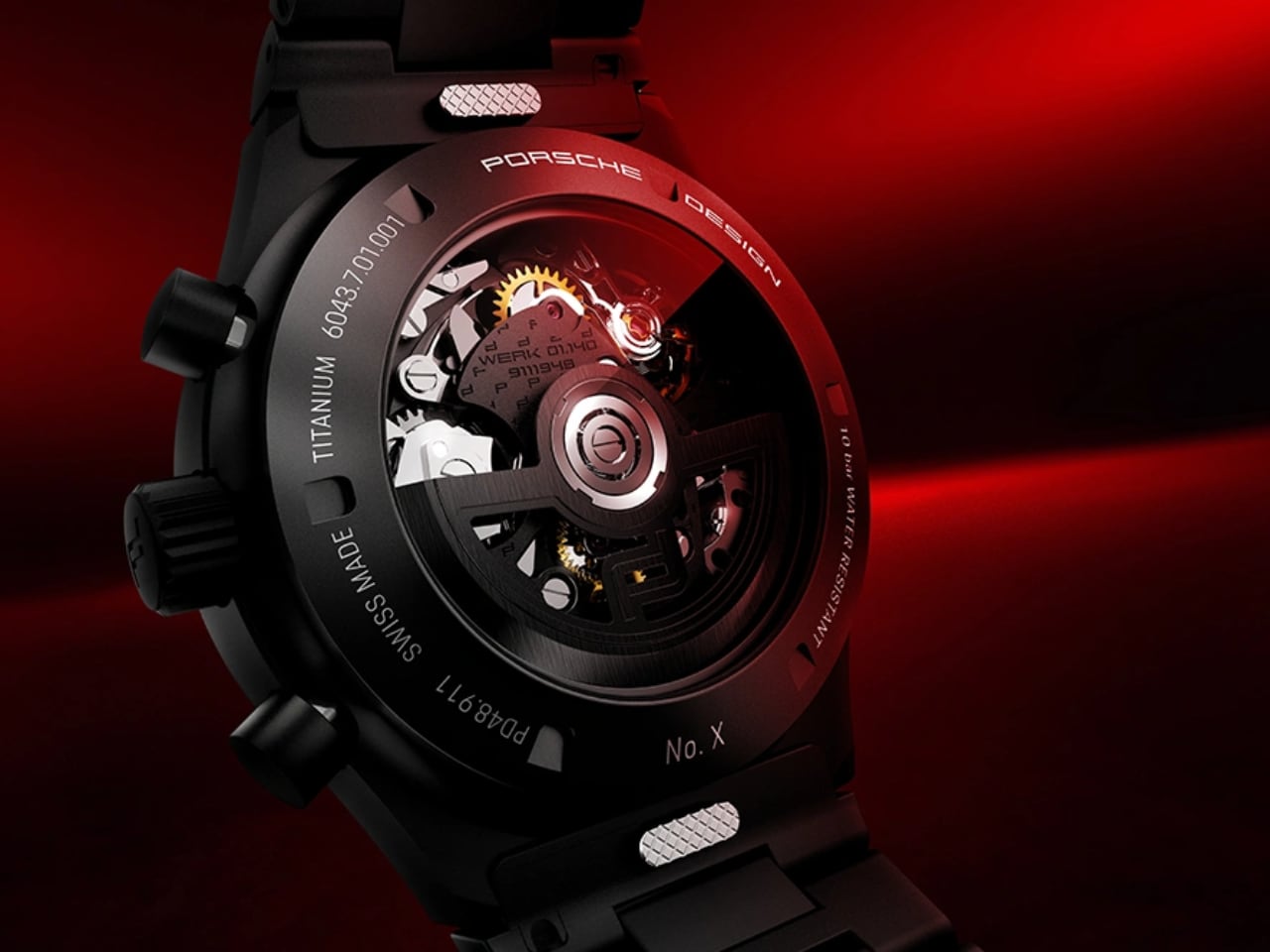
The Hodinkee 2024 Edition

Porsche Design has introduced the Chronograph 1 – Hodinkee 2024 Edition, expanding this heritage. Curated by Hodinkee, a leader in the watch platform sphere, this special edition merges the iconic design of the Chronograph I with the style of the 1970s, updated with modern technology. It features a COSC-certified Porsche Design calibre WERK 01.140, housed in a black titanium carbide-coated case with a matching titanium bracelet, ensuring both durability and style.
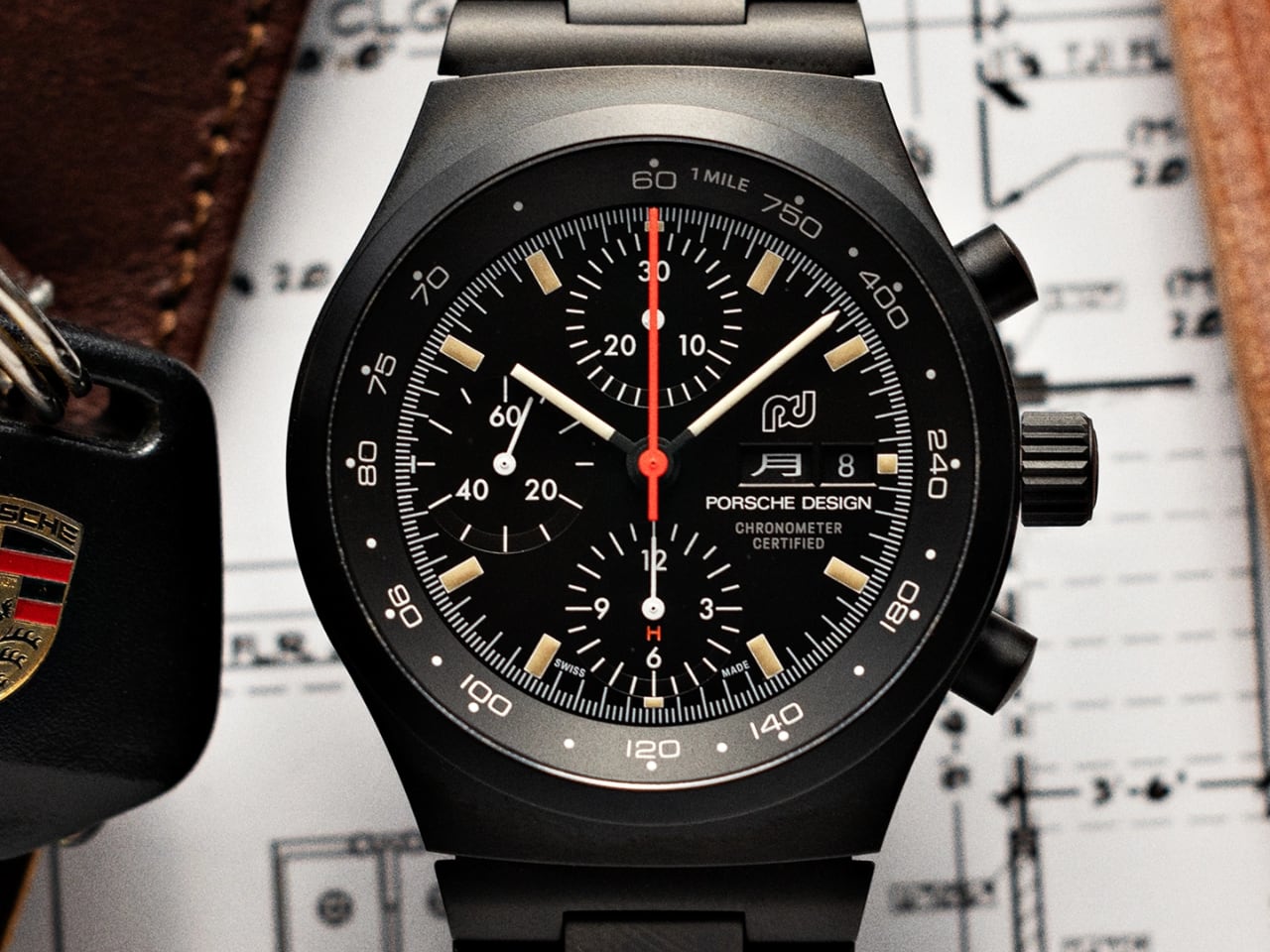
CHRONOGRAPH 1 – HODINKEE 2024 EDITION

This edition is distinguished by unique details such as the historical “1 Mile” graphic on the tachymeter scale and a bilingual day display in English and Japanese, underscoring its appeal to a global audience. Limited to just 350 pieces worldwide, it features the historic Porsche Design icon and Hodinkee lettering on the case back, marked as “TRILOGY – CHAPTER 1.”
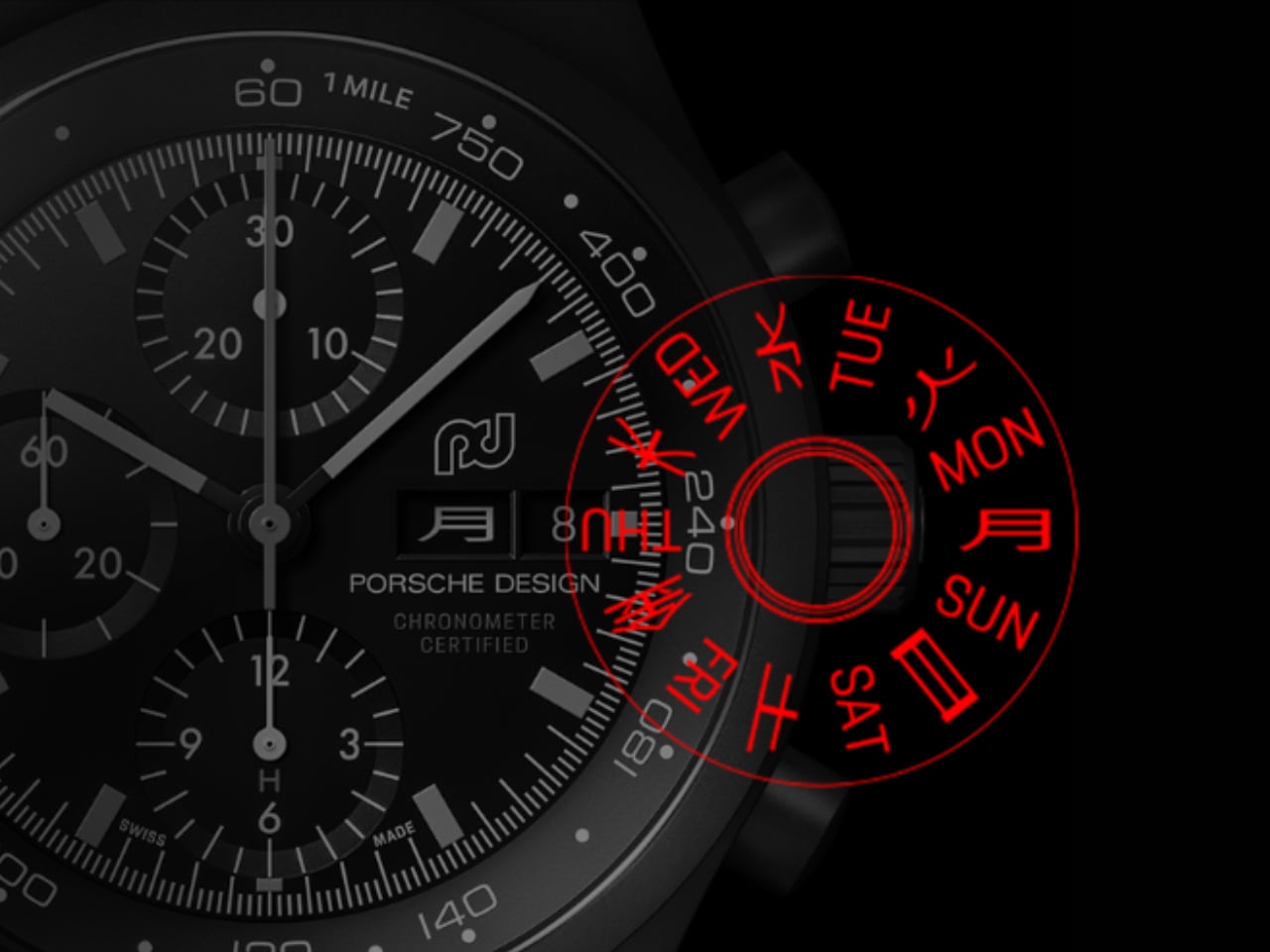
CHRONOGRAPH 1 – HODINKEE 2024 EDITION

Each iteration of the Chronograph 1 encapsulates Porsche Design’s commitment to blending form and function, continuing to embody Ferdinand Alexander Porsche’s vision by capturing the spirit of the Porsche 911 in a wearable form. Whether through the classic All Black Numbered Edition or the exclusive Hodinkee 2024 Edition, this timepiece remains a captivating tribute to timeless design and impeccable craftsmanship, securing its place in the annals of horological excellence.

The post How the Porsche 911 Inspires the Iconic Chronograph I Watch first appeared on Yanko Design.
Fall Guys is now in Fortnite’s battle royale mode for a limited time

Epic Games has brought two of its tentpole titles together in a fun way: Fall Guys has come to the Fortnite island for a limited time. A familiar-looking obstacle course has appeared in the skies above the sprawling battle royale arena. It'll be there until August 15.

If you happen to find a Bean Idol in the Classy Courts area of the map, your character will be transported to the obstacle course and turned into a Fall Guys bean (which, fact fans, is canonically six feet tall). If you're using an original Fortnite character rather than a licensed one, your bean will look like that skin. Otherwise, you'll have a default naked bean. You'll revert back to your regular more-boring humanoid look when you finish the course.

You'll have up to three attempts to finish the course but you can only complete it once per match. Once the course is in the storm, though, it'll be inaccessible.

There's a 120-second time limit and if you fall off, you'll respawn at a checkpoint or the start of the course. The faster you finish, the better the loot you'll get. So if you're good at Fall Guys, you'll suddenly be at an advantage in Fortnite. Finish in under 50 seconds and you'll get gold loot, likely making it easier for you to destroy those pesky Cybertrucks. There are quests you can complete for cosmetics like a Fall Guys bean-inspired back bling too.

Fall Guys is also now part of Fortnite's creative mode. There are a few pre-built islands you can check out that have new versions of iconic Fall Guys stages, including an unlimited version of Hex-A-Gone. You'll be able to build your own Fall Guys-themed islands in Fortnite too and publish them for others to check out. Whenever you're playing on these islands, your character will be in bean form.

Meanwhile, Epic has enabled proximity chat in creator-built islands. It'll be interesting to see that become available in battle royale modes eventually, as it could add an interesting wrinkle to gameplay.

This article originally appeared on Engadget at https://www.engadget.com/gaming/fall-guys-is-now-in-fortnites-battle-royale-mode-for-a-limited-time-171506216.html?src=rss