The ViewSonic VG1656-2K portable monitor offers 2K resolution, flexible power options, and ergonomic design for enhanced productivity anywhere.
The post ViewSonic VG1656-2K: A Portable Monitor for Productivity first appeared on Trendy Gadget.
The ViewSonic VG1656-2K portable monitor offers 2K resolution, flexible power options, and ergonomic design for enhanced productivity anywhere.
The post ViewSonic VG1656-2K: A Portable Monitor for Productivity first appeared on Trendy Gadget.
A clean design, flawless and silent operation, and perfect results with just the right amount of tech. That’s what the Meraki promises, as compared to other espresso machines which can be cumbersome, archaic, and sometimes outright messy.
Ask any true-blue coffee lover and they’ll tell you that the Nespresso and Keurig aren’t coffee machines. They’re merely water boilers that pass hot water through a pod filled with coffee grounds. That isn’t how coffee should be extracted or savored. The true magic is in going from bean to cup, covering the grinding, tamping, extracting, and pouring process in one singular cycle. While the idea of grinding beans every time you want a cup of coffee may feel tiresome to most, devices like the Meraki make the ritual more foolproof and enjoyable. Touted as the ‘ultimate’ espresso maker, this nifty device uplifts coffee-making using a combination of design and innovation.
Designer: Meraki
Click Here to Buy Now: $1199 $1799 (33% off). Hurry! Limited time offer—over $1.2 million raised.
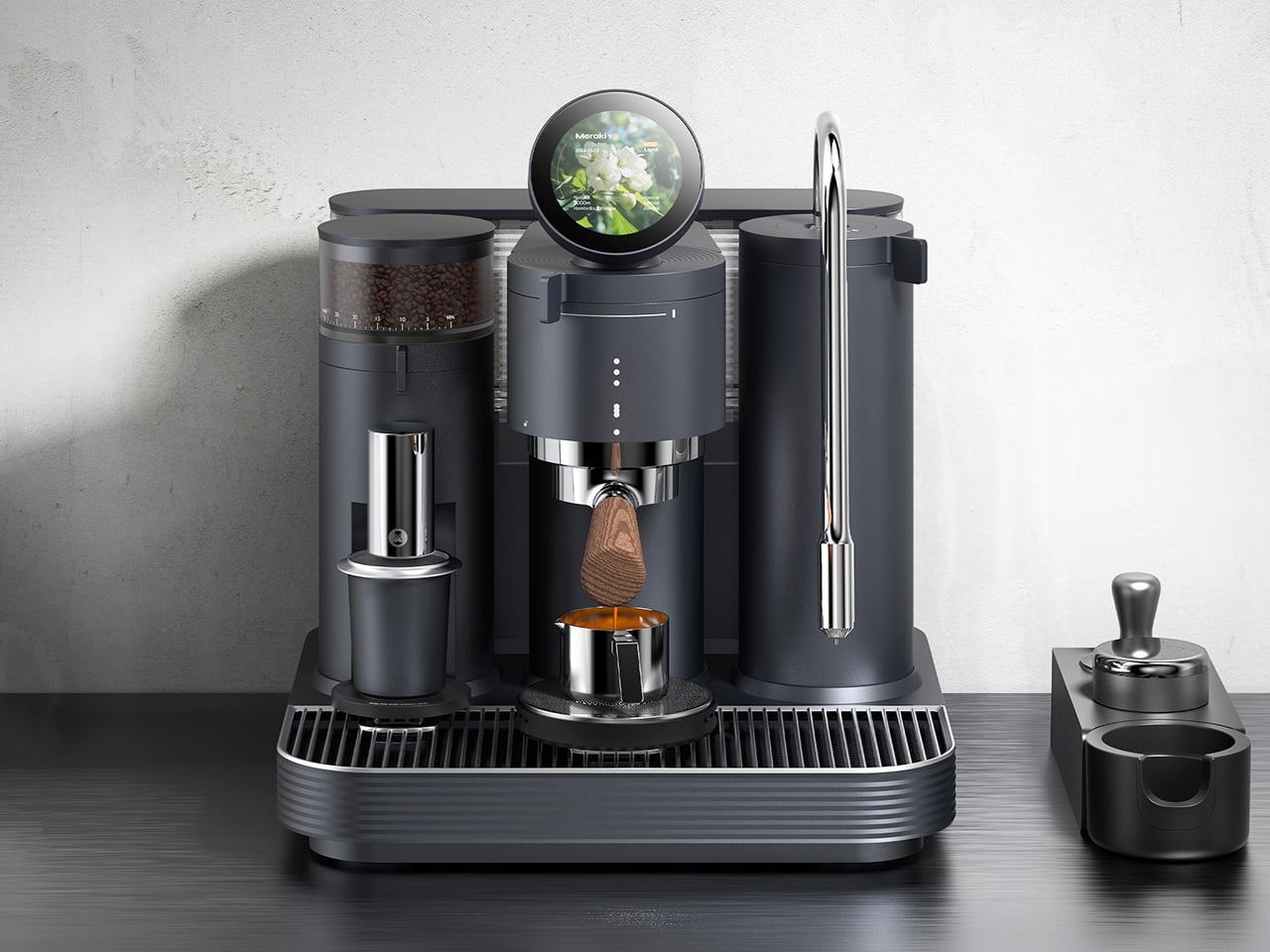
The first thing that really catches your eye is the Meraki’s design. Best described as futuristic-yet-contemporary, the espresso maker has a matte exterior with metallic accents, sleek surfaces, and a circular display on the top that guides you through the espresso-making process. The somewhat monolithic device handles grinding, extraction, and frothing, and clearly separates the three functions into distinct zones from left to right. This linear approach optimizes and simplifies your coffee-making ‘workflow’ while still preserving the artistry and authenticity of barista-crafted espresso. The Meraki literally takes you on a coffee-making journey, starting first with an NFC reader on top that analyzes your coffee beans to adjust coffee-making practices (which Meraki calls its CoffeeSense tech), and the circular display that either guides you through the fairly automated process, or allows you to manually adjust settings based on your preference. If you already have a favorite coffee-blend, you can use it with the Meraki too, eschewing the entire NFC scanning process. At the end of this journey, you’re greeted with a cup of coffee that feels like it was brewed at a specialty coffee shop, bringing world-class coffee to you instead of the other way around.


Meraki partnered with TIMEMORE®, a leader in coffee grinding technology, to develop a grinder that offers stepless adjustment and utilizes a conical burr design. This ensures consistent grinds, which are essential for unlocking the full flavor potential of coffee beans. Unlike other 3-in-1 machines that often compromise on grind quality, Meraki’s grinder is designed to maintain the integrity of the coffee, preventing heat and moisture from affecting the beans. The grinder’s design also includes an innovative magnetic dosing cup that attaches securely, making the process of dosing and prepping your puck more efficient and stable.

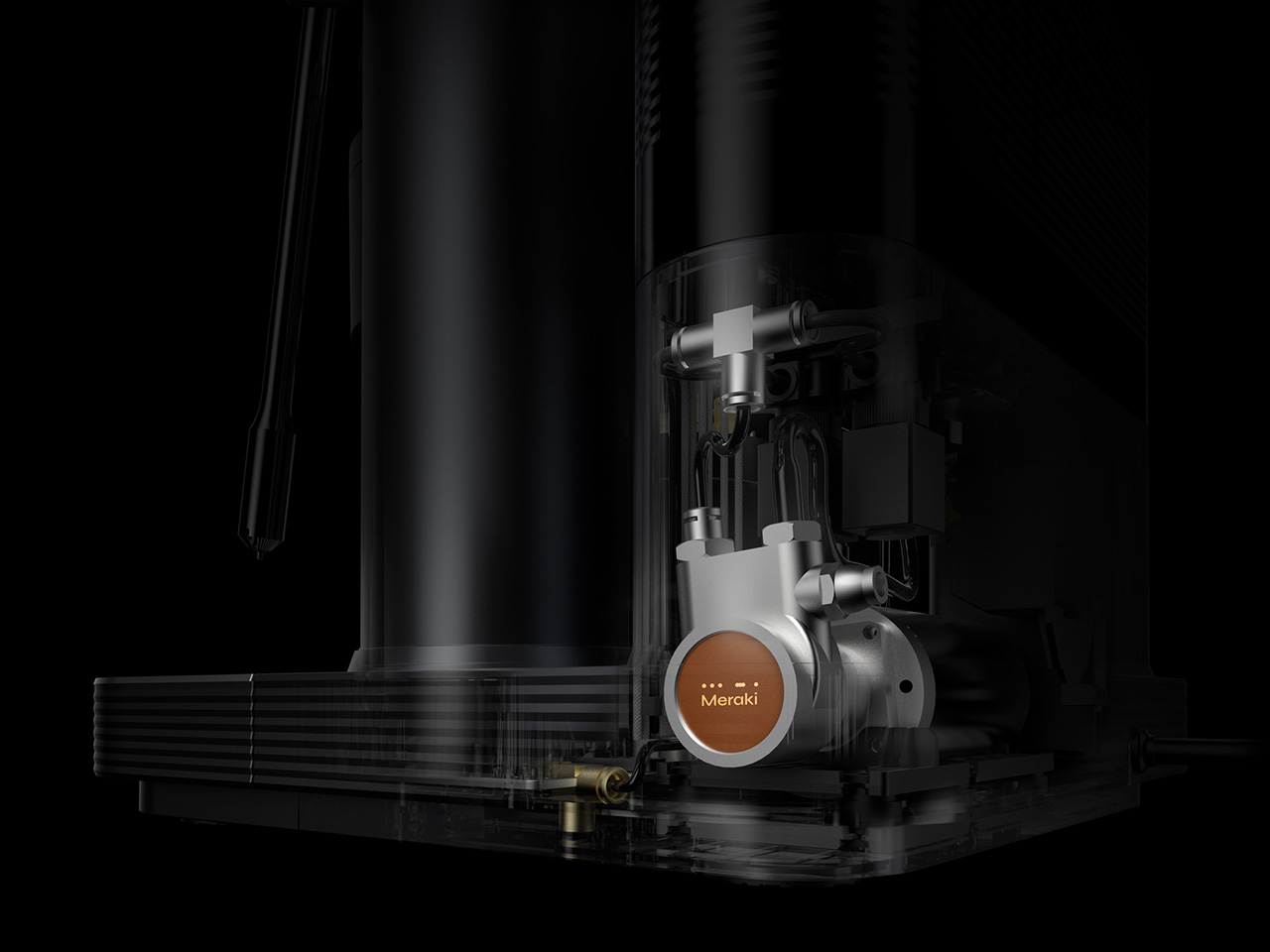
Extraction is made easy thanks to its commercial-grade components. The rotary pump ensures a consistent 9-bar pressure, which is crucial for the rich, flavorful extraction that espresso lovers crave. Additionally, Meraki employs a sophisticated temperature control system that includes an independent extraction boiler, PID technology, and a dedicated group head heater. This triad works in harmony to maintain a steady steeping temperature, eliminating the fluctuations that can ruin a shot of espresso. Real-time feedback allows users to fine-tune their coffee to perfection, whether they prefer a light and fruity shot or a deep, robust espresso. This level of control is typically reserved for high-end commercial machines, but Meraki brings it into the home kitchen.
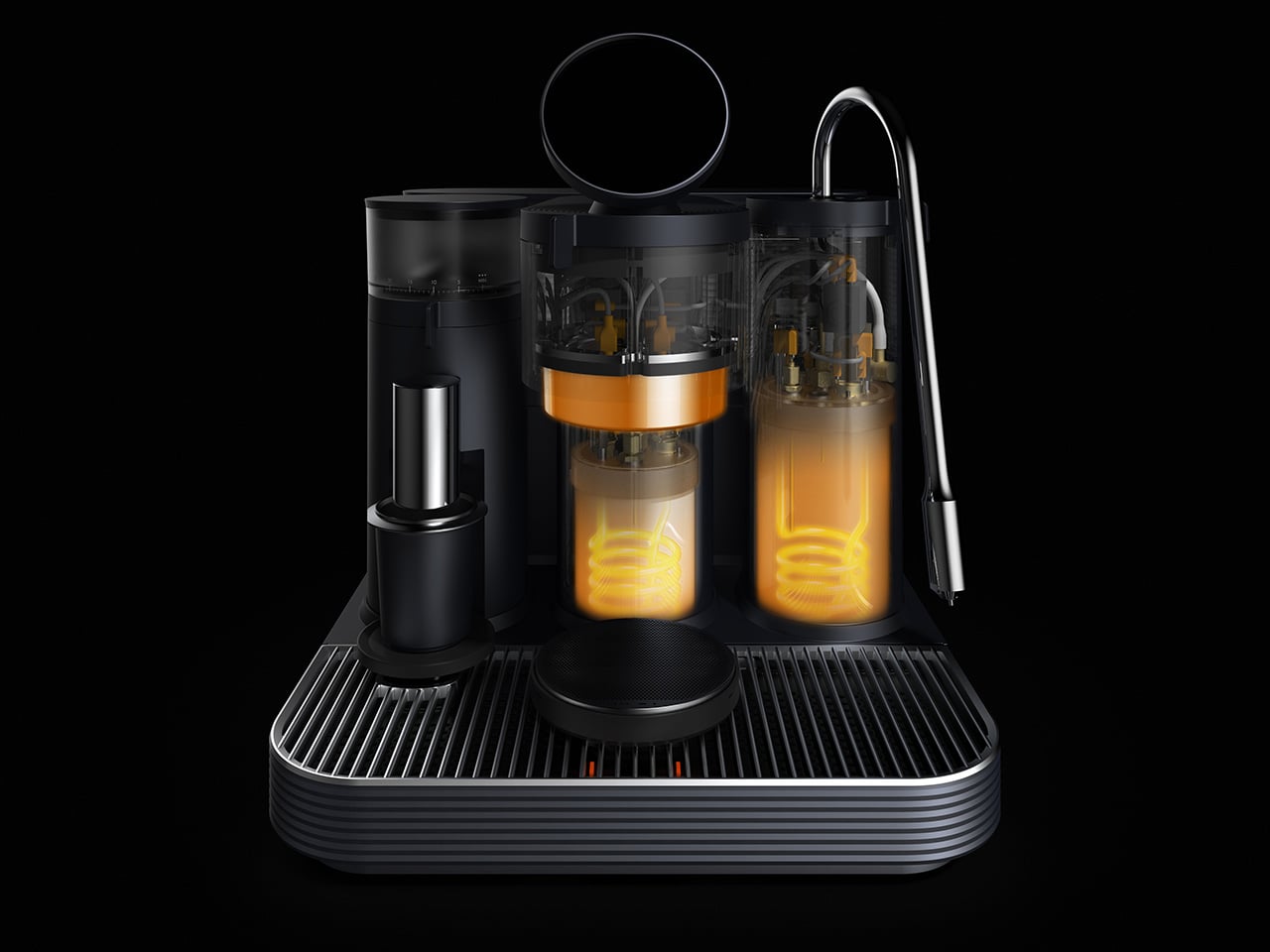
Beyond its grinding and extraction capabilities, the Meraki also excels in milk frothing – the final step in your coffee-making journey. The machine boasts an independent steam boiler and a 360° adjustable steam wand, allowing for precise control over milk texture. Separate boilers for coffee-extraction and for steaming mean the Meraki can simultaneously handle both tasks. High-pressure steam from the boiler, along with an integrated temperature sensor ensures that your milk is heated to the perfect temperature, whether you’re aiming for silky microfoam or airy froth. The steam wand’s design is also user-friendly, eliminating the wait times associated with traditional machines and allowing for uninterrupted frothing. This makes it easier than ever to create café-quality drinks, complete with latte art, right at home.


Meraki’s user interface is another design highlight, offering an Auto Mode that simplifies the coffee-making process. Users can select their desired coffee grounds, liquid weight, and milk temperature through an intuitive touchscreen, and the machine takes care of the rest. The dual integrated scales in the Auto Mode stop the grinding and extraction processes once the preset parameters are achieved, ensuring consistency with every cup. This feature, combined with the aforementioned CoffeeSense technology, makes the Meraki accessible to both novice coffee drinkers and seasoned baristas. CoffeeSense utilizes NFC chips embedded in Meraki’s coffee bags to automatically set the optimal grinding and extraction parameters for each specific bean type, taking the guesswork out of making great coffee. The folks at Meraki have even worked extensively with coffee roasters from across the world to curate a ‘global coffee library’ that you can tap into, allowing you to explore coffee across different countries and cultures.

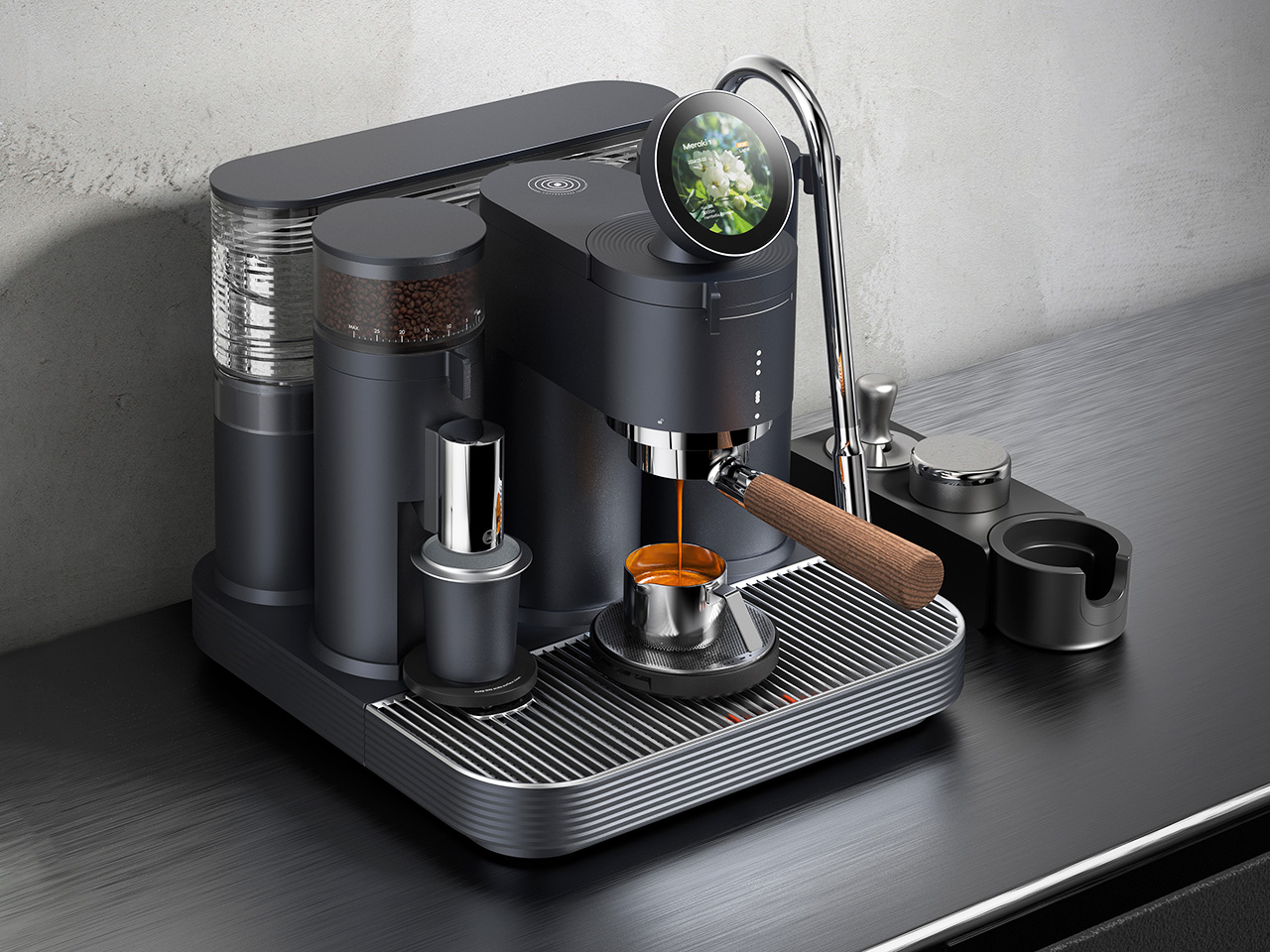
The Meraki ships with everything you’d need to make coffee, right down to the minor details like a full-fledged portafilter and tamping setup to a milk-frothing jug and even a cleaning brush to maintain your all-in-one espresso maker. The Meraki comes in both matte black and matte white variants, although I personally prefer the former for its slick, mysterious appeal. With its gorgeous design and simplified coffee-making process, the Meraki is for anyone who loves their coffee but is exhausted by how multiple appliances can complicate the ritual of making a great cup of coffee. By handling every step of the coffee-making process, down from expertly grinding the beans to extracting a shot and even frothing your milk to a silky smooth consistency, the Meraki is your at-home barista that puts you in the ‘driver’s seat’, allowing you to own the experience from start to finish without spending hundreds on sub-standard Keurig coffee-pods, or overpriced lattes at your local cafe. In fact, the Meraki takes you well beyond your local cafe too, giving you the ability to explore high-standard blends from specialty cafes around the world, right in the comfort of your own kitchen. The ‘ultimate’ espresso machine ships to the United States, Australia, Canada, New Zealand, the United Kingdom, Germany, Spain, Italy, France, Hong Kong, Taiwan, South Korea, Japan, Singapore, Sweden, Switzerland, the Netherlands, Denmark, Malaysia, Poland and the United Arab Emirates, with a 2-year warranty to cover any issues, and customer service in all aforementioned regions.
Click Here to Buy Now: $1199 $1799 (33% off). Hurry! Limited time offer—over $1.2 million raised.
The post The MERAKI Espresso Machine is what you get if Apple and Dyson collaborated to design a coffee maker first appeared on Yanko Design.
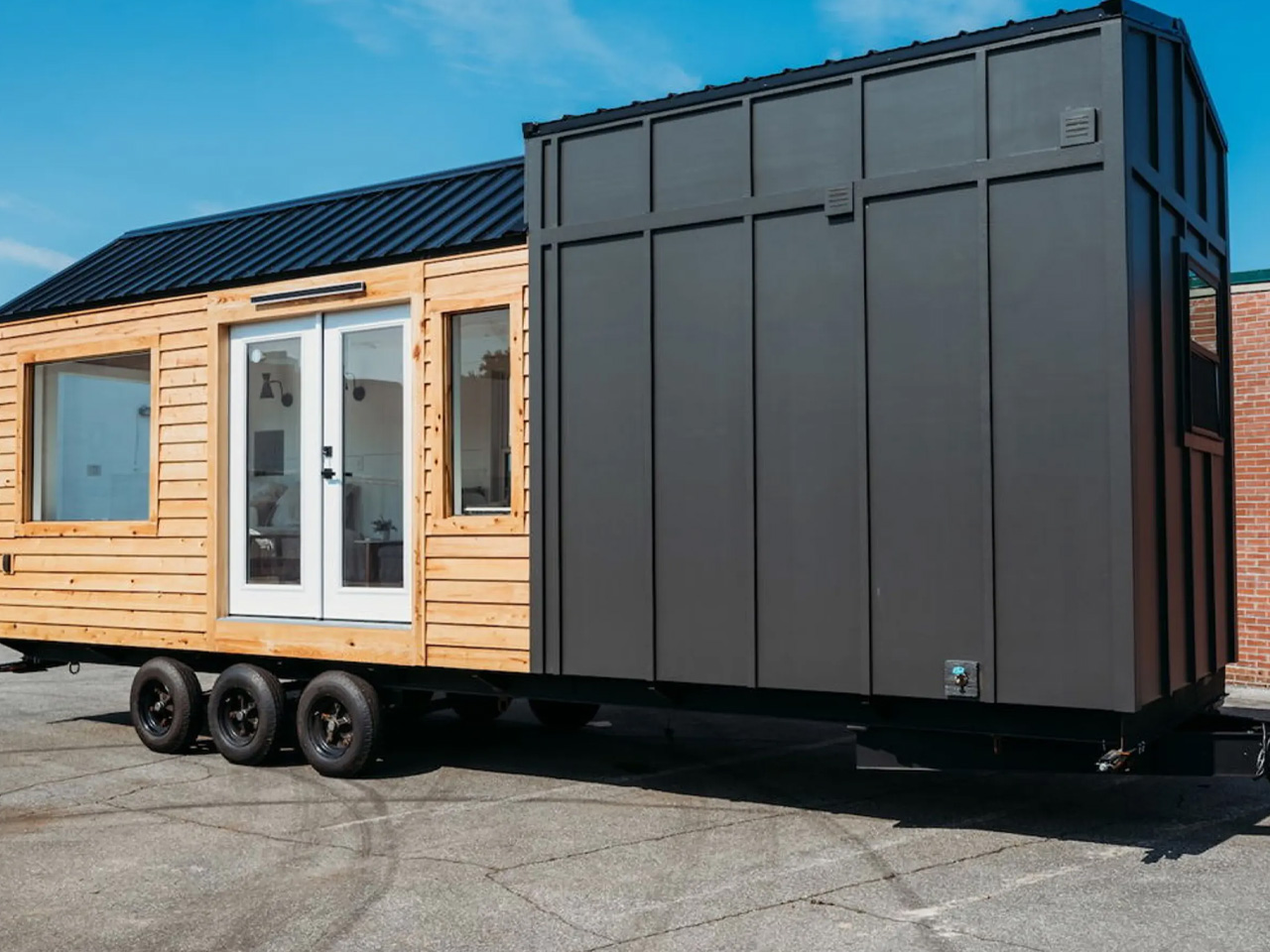
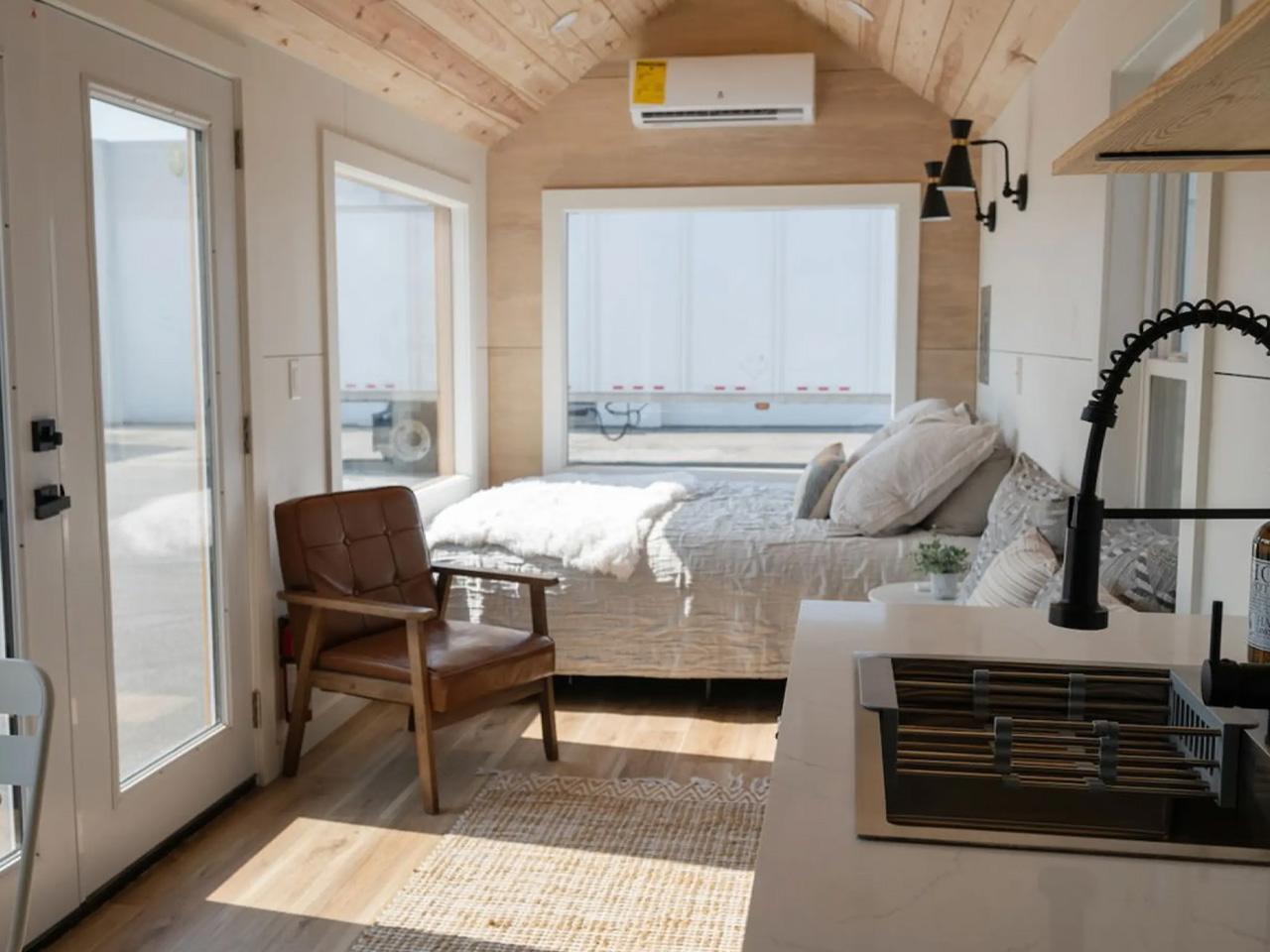
The online marketplace Tiny House Listings recently created a new towable home which is pretty large and spacious. Called the 28′ Model Tiny, this cozy house features a light-filled interior that is great for those who hate climbing stairs into the bed every night. All the amenities are mostly arranged on one floor. The tiny home measures 8.5 meters, and it is on the smaller side for typical North American tiny home models. The tiny house is based on a triple-axle trailer and features a finishing of wood and cement board siding. It is accentuated by a steel roof.
Designer: Tiny House Listings


The tiny home occupies 224 square feet and has a pretty airy and impressive layout. The interior is quite open and can be accessed via double glass doors which lead to the living room. The living area includes a sofa with integrated storage, as well as a bed. The glazing is pretty generous and offers stunning views of the surrounding landscape. It also allows light to generously stream in. The kitchen is located next to the living area, and this includes a sink, induction stove, cabinetry, and a big pantry. The kitchen also includes quartz counters, and an apartment-sized fridge/freezer, as well as a dining table for two people.

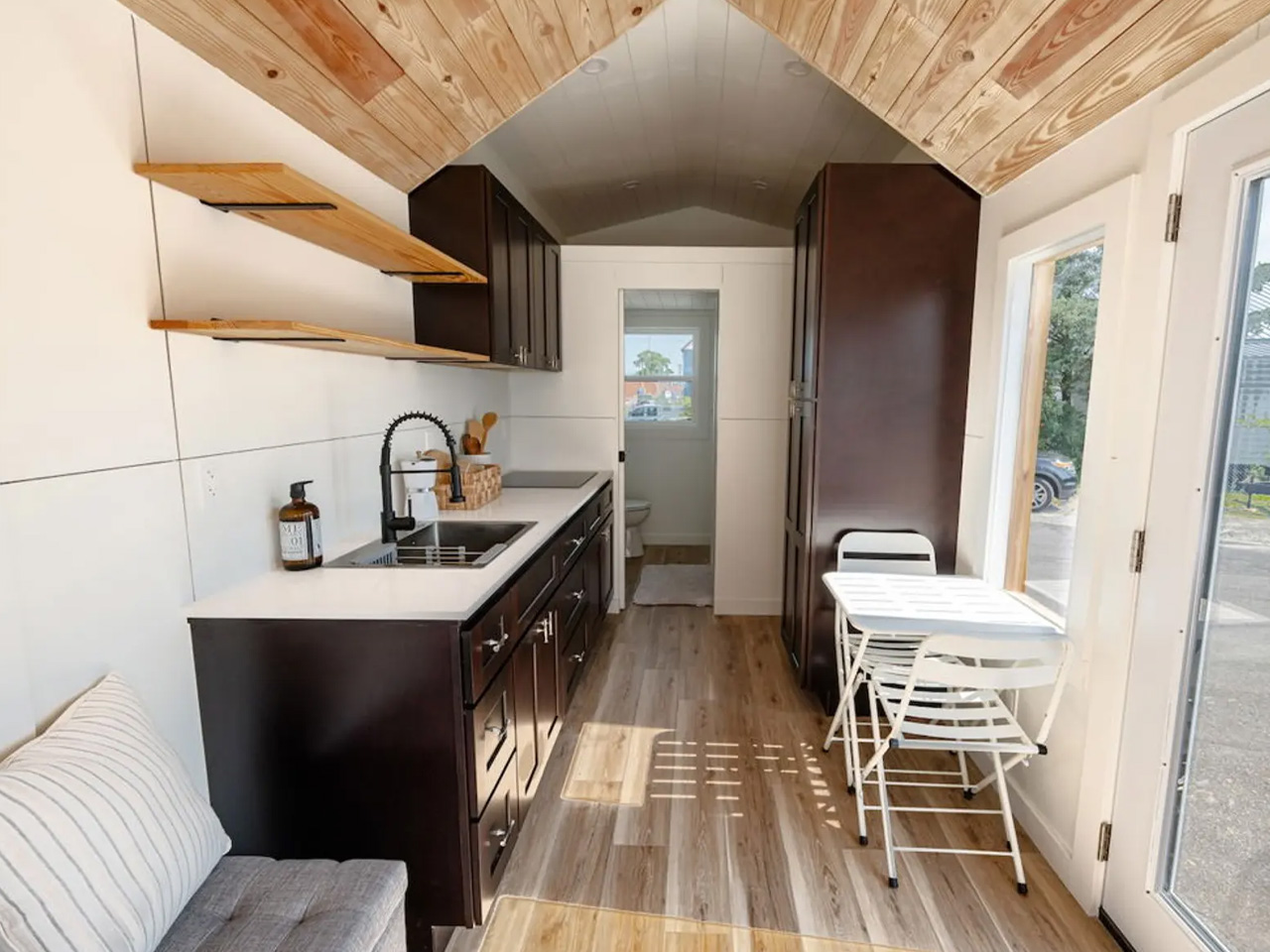
The 28′ Model Tiny Home’s kitchen and bathroom are connected via a pocket sliding door. The bathroom is pretty small and compact, and it includes a shower, a flushing toilet, and a wall-mounted sink. A loft is located above the bathroom, and this is big enough to be used as a bathroom, but since it doesn’t include any windows, it is better used as a storage space.
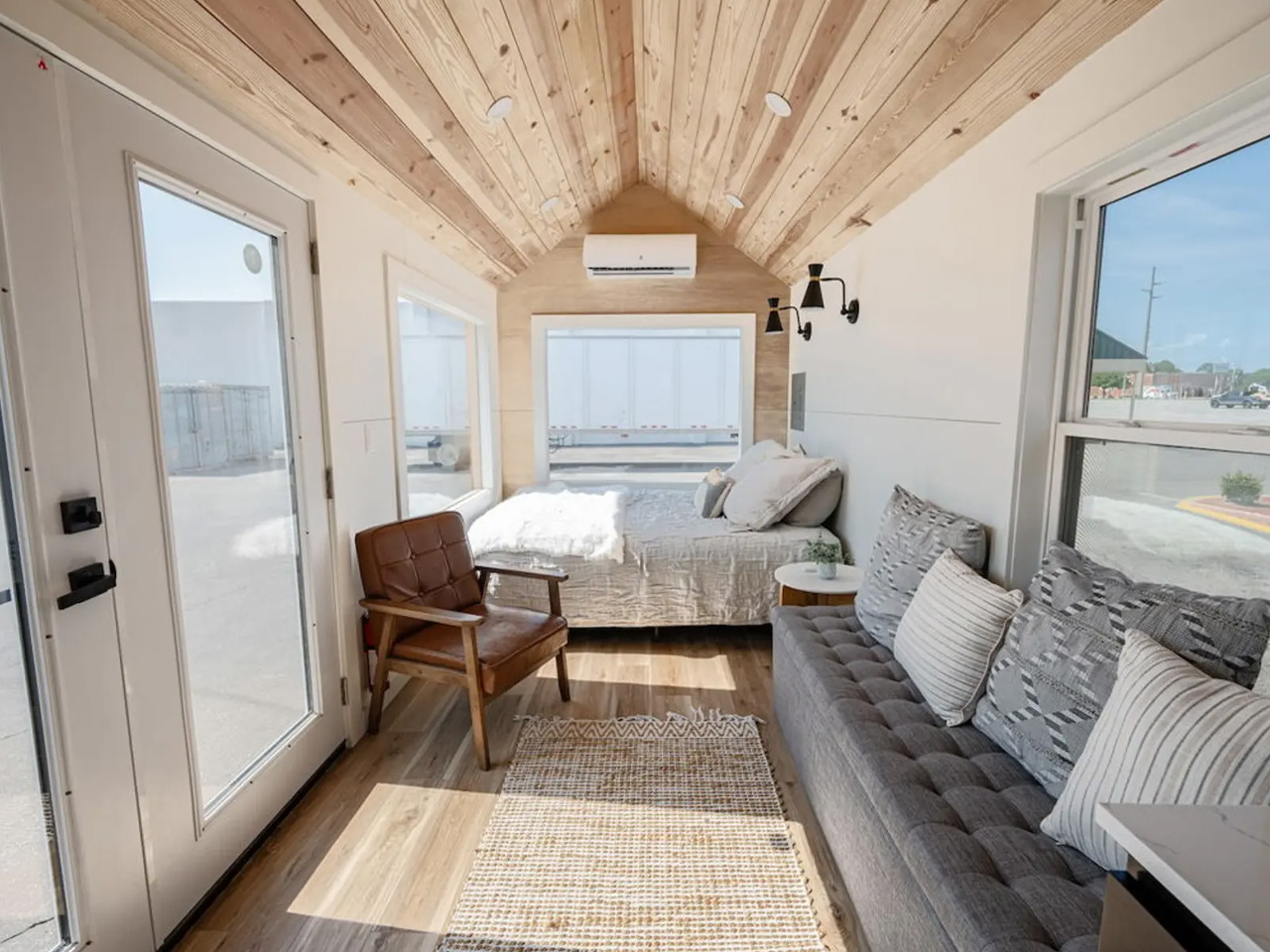
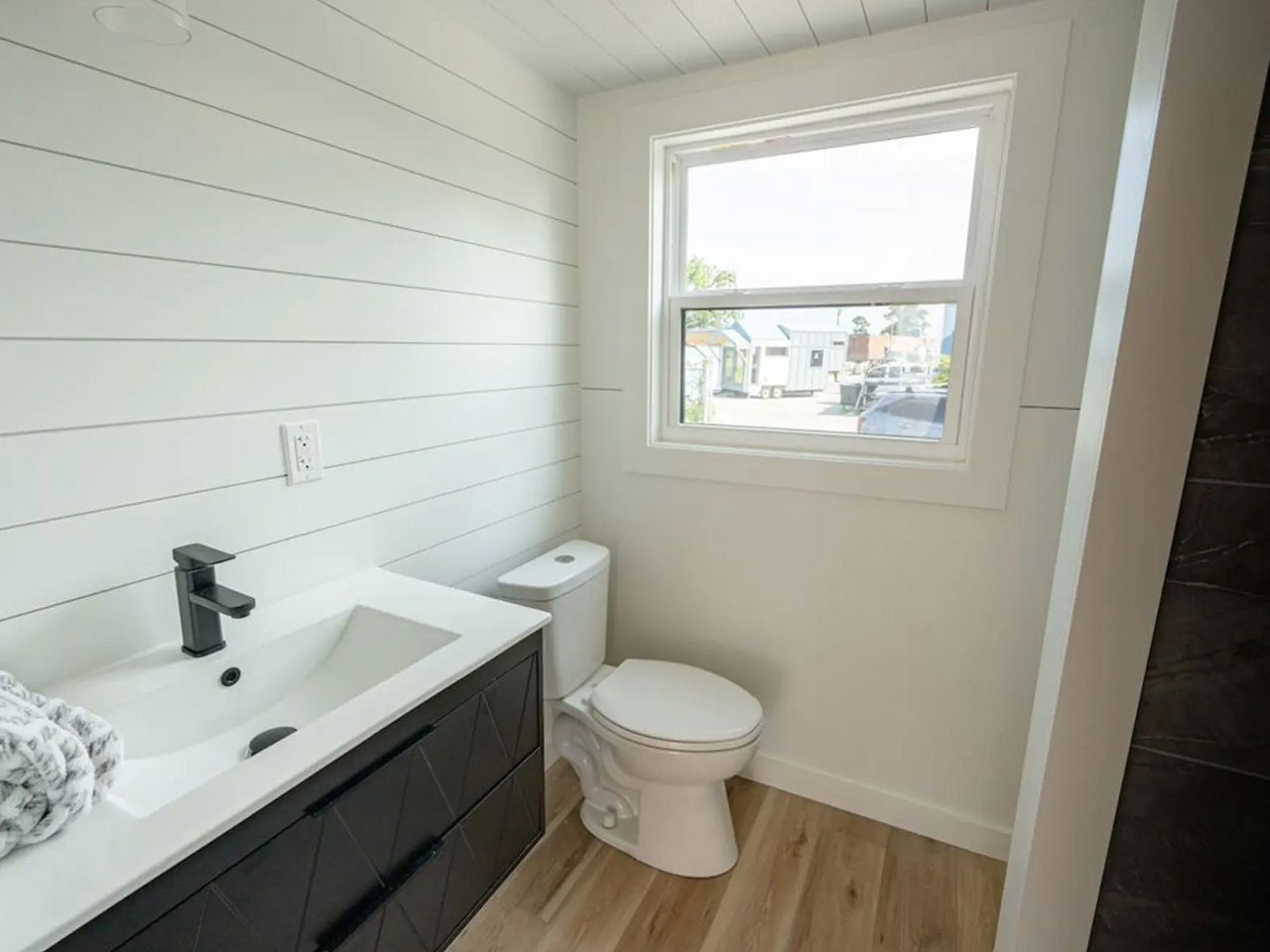
The 28′ Model Tiny is a well-designed and free-flowing home for those who prefer open layouts, and spaces that seem inviting and airy. It is well-equipped with generous glazing, and an ample amount of storage space. All the rooms are placed on one floor, which facilitates easy movement, and eliminates the need for stairs.
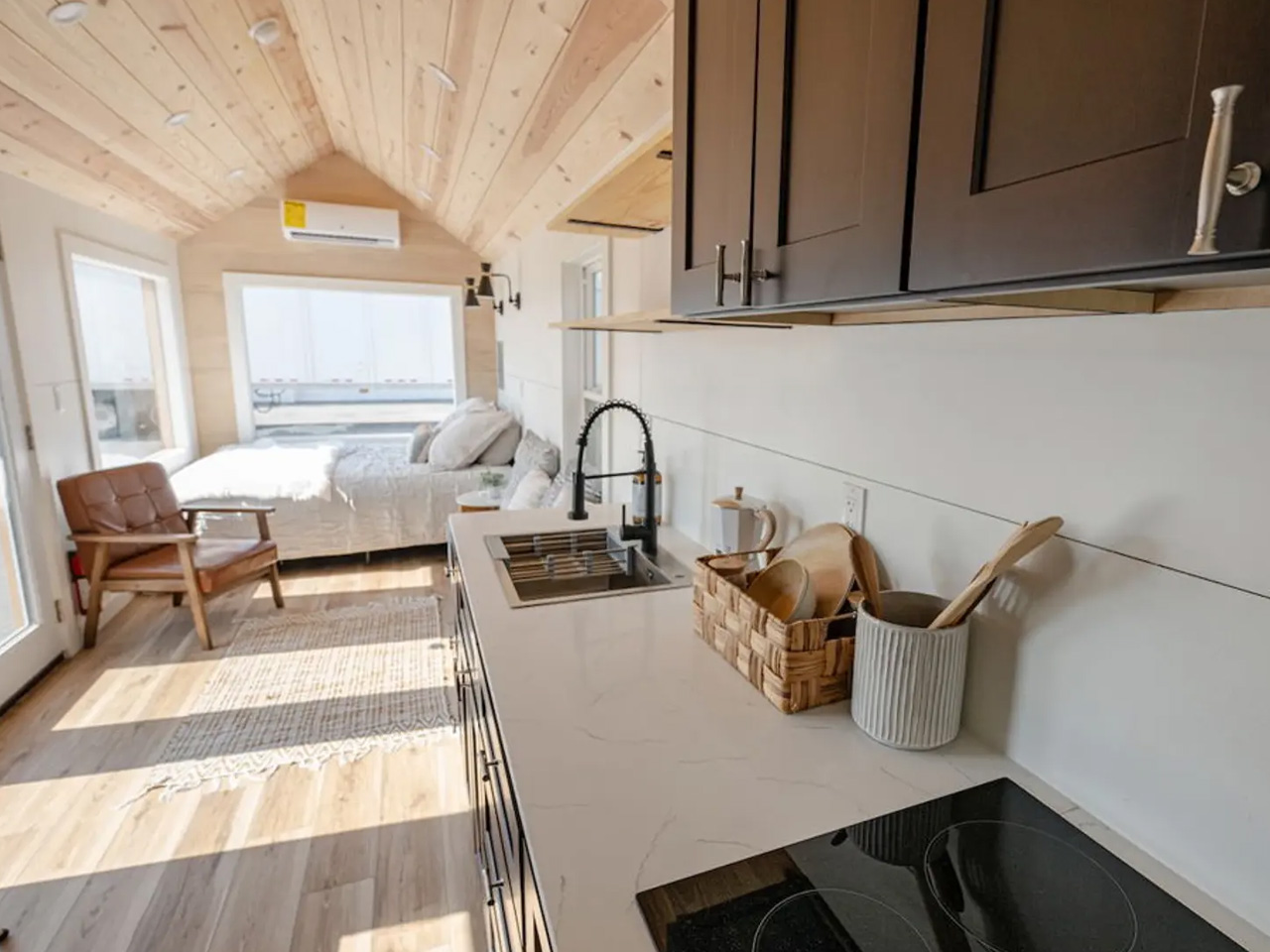
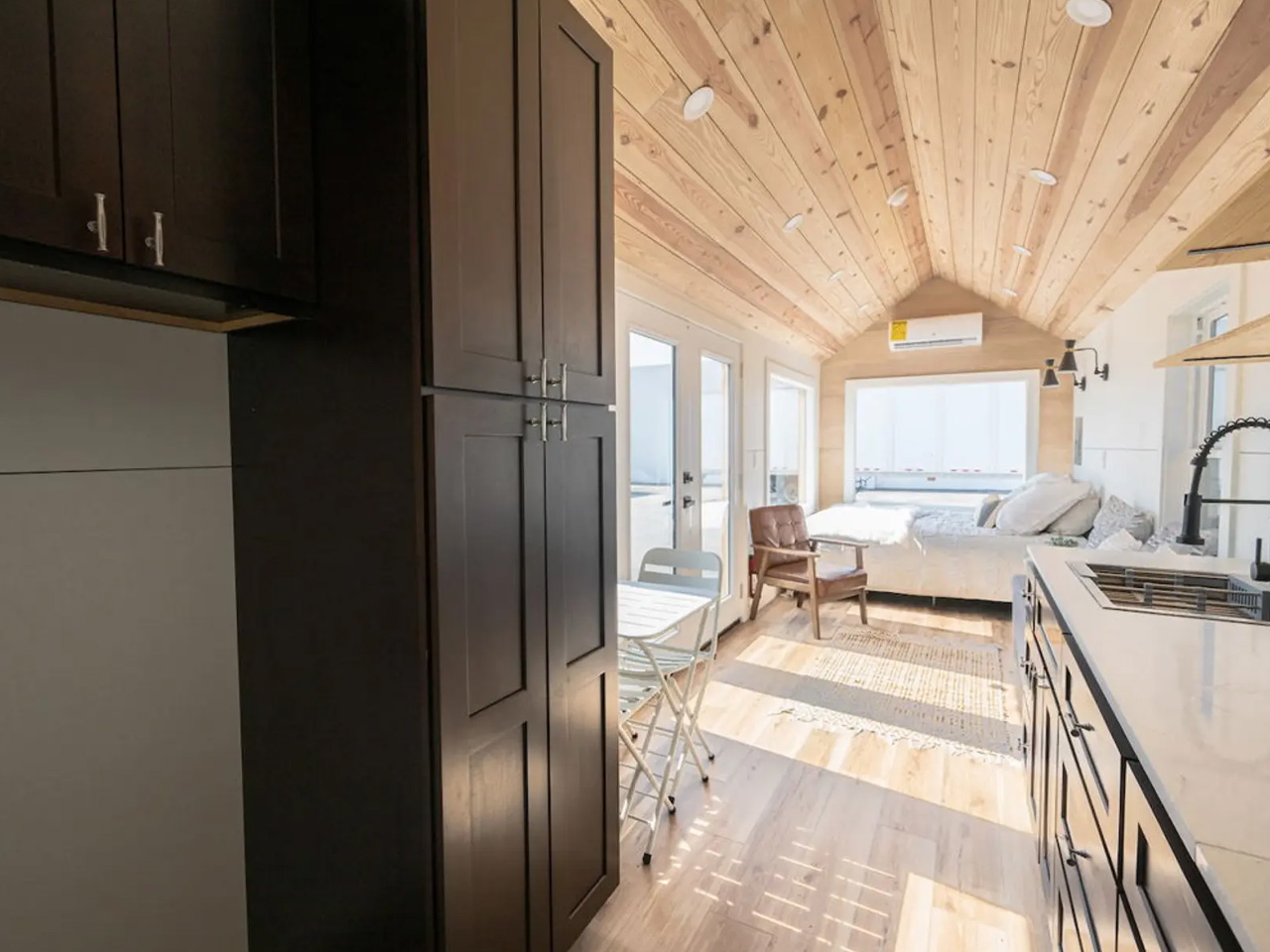
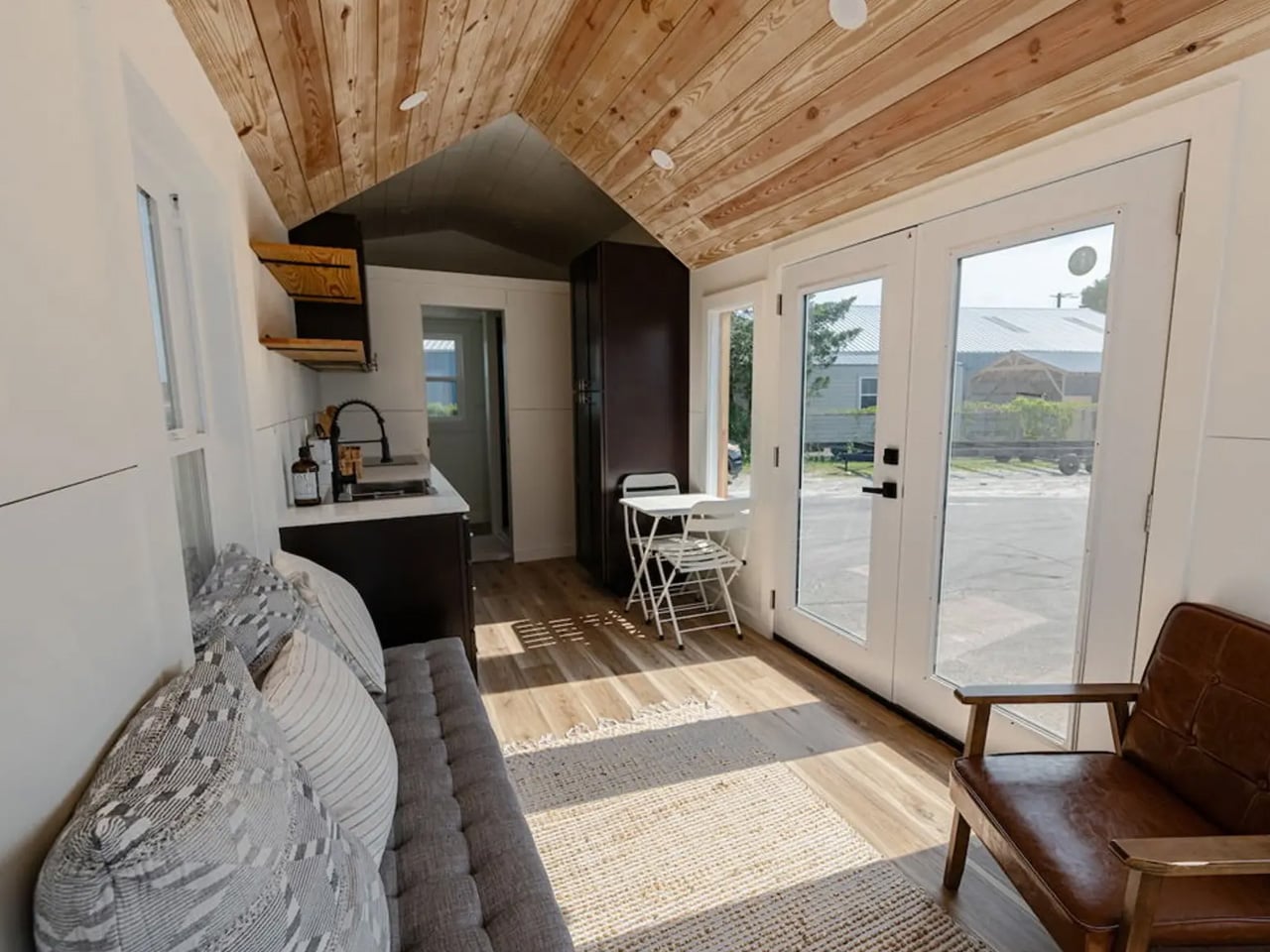
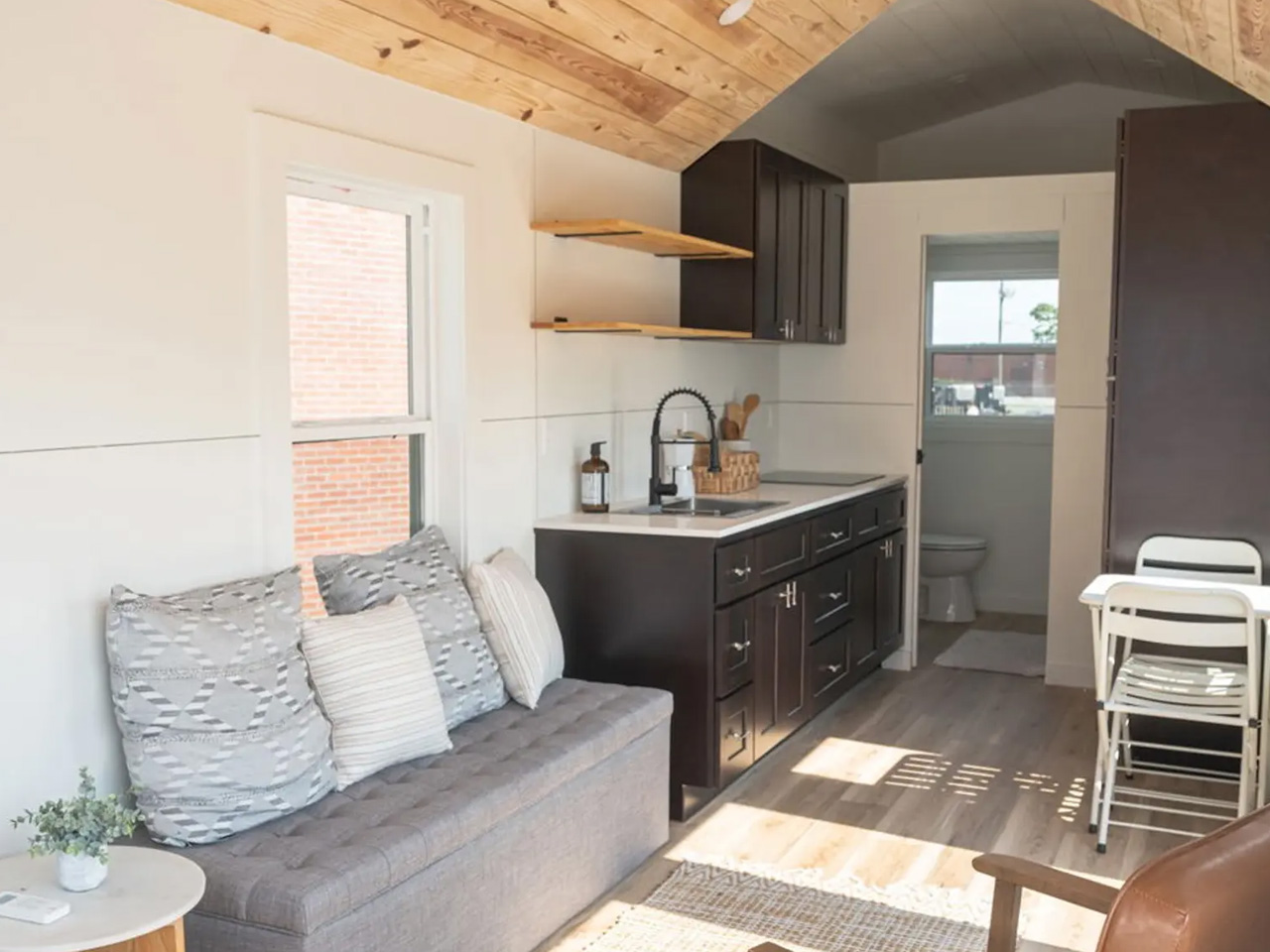
The post Light-Filled & Airy Tiny Home Eliminates Stairs By Arranging All Rooms On One Floor first appeared on Yanko Design.
Genshin Impact is bringing its fantastical world to the Xbox this fall. During Gamescom 2024, developer HoYoverse announced that the free-to-play open-world game will be available on Xbox Series X|S and Xbox Cloud Gaming beginning on November 20.
With that release, Xbox players will receive all the same updates, cross-play and cross-progression as Genshin has on other platforms. It can be wishlisted today and Xbox Game Pass players can pre-install it today as well.
Since its debut in September 2020, Genshin Impact has gotten many content updates, arrived on additional platforms, and even spawned an anime series. HoYoverse followed up this international success with a similar science fiction title, Honkai: Star Rail, last spring and then with Zenless Zone Zero this spring.
This article originally appeared on Engadget at https://www.engadget.com/gaming/genshin-impact-is-coming-to-xbox-this-fall-224105925.html?src=rss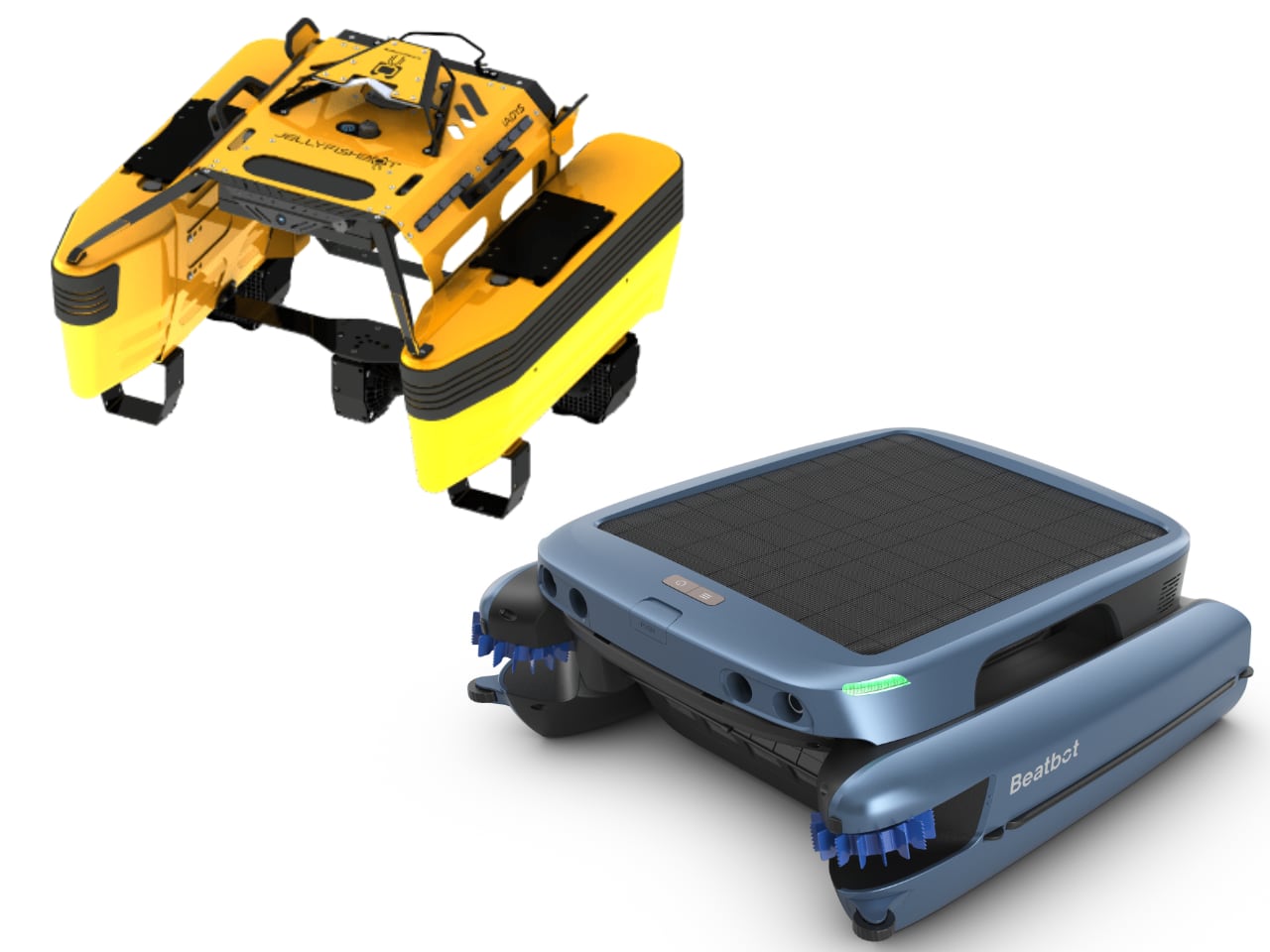
The Jellyfishbot, developed by IADYS in 2016, is a robotic cleaner emphasizing practical design and versatility to combat water pollution effectively. Launched in 2018, it has revolutionized how marinas, ports, and other hard-to-reach areas are cleaned, thanks to its thoughtfully engineered design. Unlike larger machines that often struggle with precision, the Jellyfishbot is compact and agile, allowing it to navigate tight spaces and around obstacles. This capability makes it ideal for handling various tasks, from picking up everyday debris like plastic waste to managing more severe environmental threats like oil spills. Its design is not just about getting into difficult areas; it ensures those areas are thoroughly cleaned.
Jellyfishbot Classic: This original model is well-suited for general cleaning tasks in marinas, ports, and smaller bodies of water. Its compact design and ability to be remotely operated make it particularly effective in accessing and cleaning areas that larger vessels cannot reach, making it a reliable choice for routine maintenance.
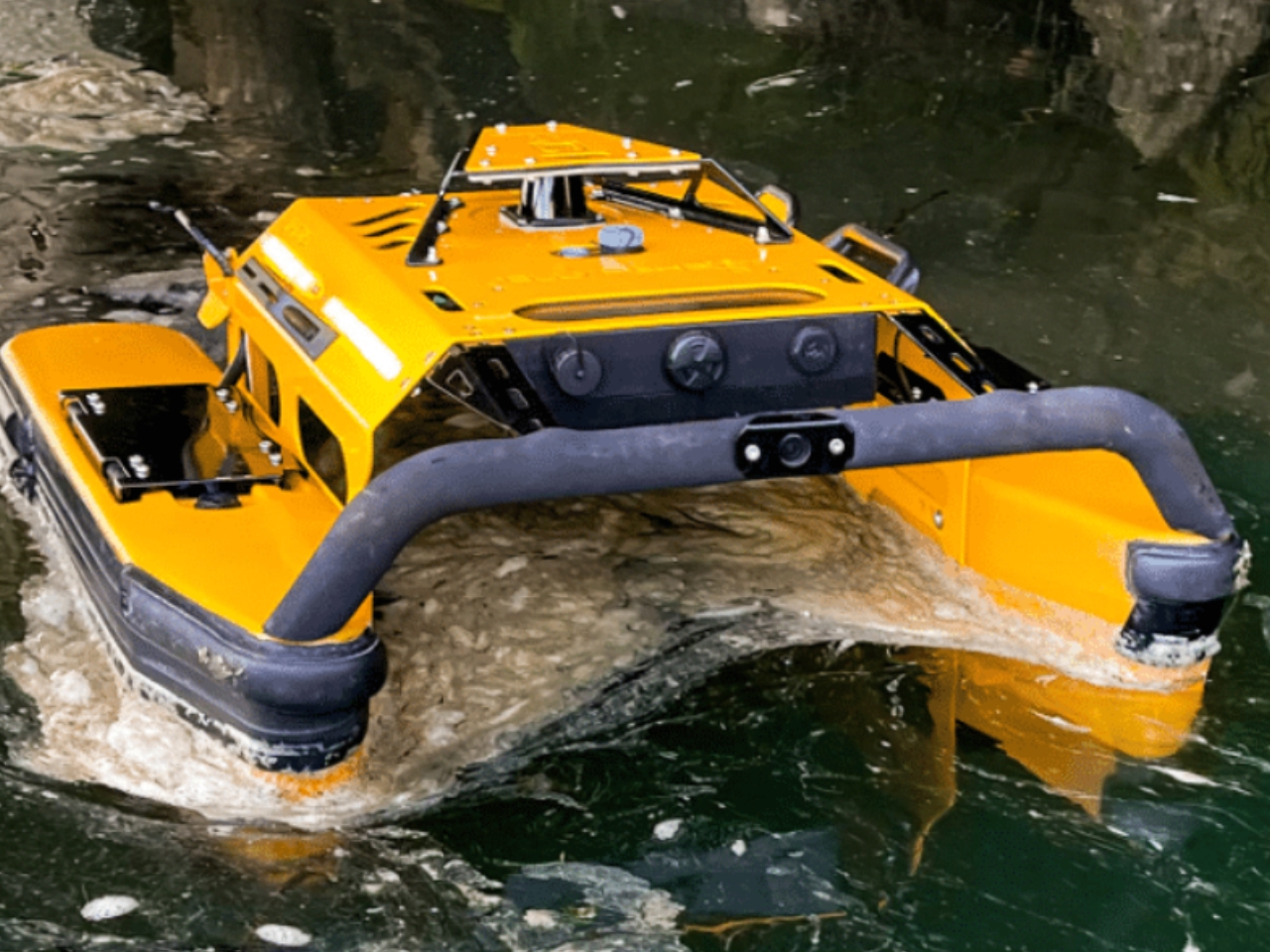
Jellyfishbot Expert: Building on the Classic’s foundation, the Expert model integrates advanced sensors that provide real-time water quality monitoring and depth measurement. It’s designed for more complex environments, such as industrial sites, where it can handle cleaning and environmental monitoring, making it an efficient dual-purpose tool.

Jellyfishbot Mobile Oil Skimmer: This model is specifically engineered to respond to oil spills. It efficiently skims oil from the water’s surface without needing disposable materials, reducing costs and environmental impact. The design allows it to operate in narrow, shallow areas, making it particularly effective in sensitive environments like riverbanks.

Jellyfishbot Custom: IADYS offers a custom version of the Jellyfishbot for clients with unique or specialized requirements. This model can be equipped with additional sensors, tools, or features to meet specific environmental challenges, ensuring the robot is fully capable of addressing the exact needs of any situation.

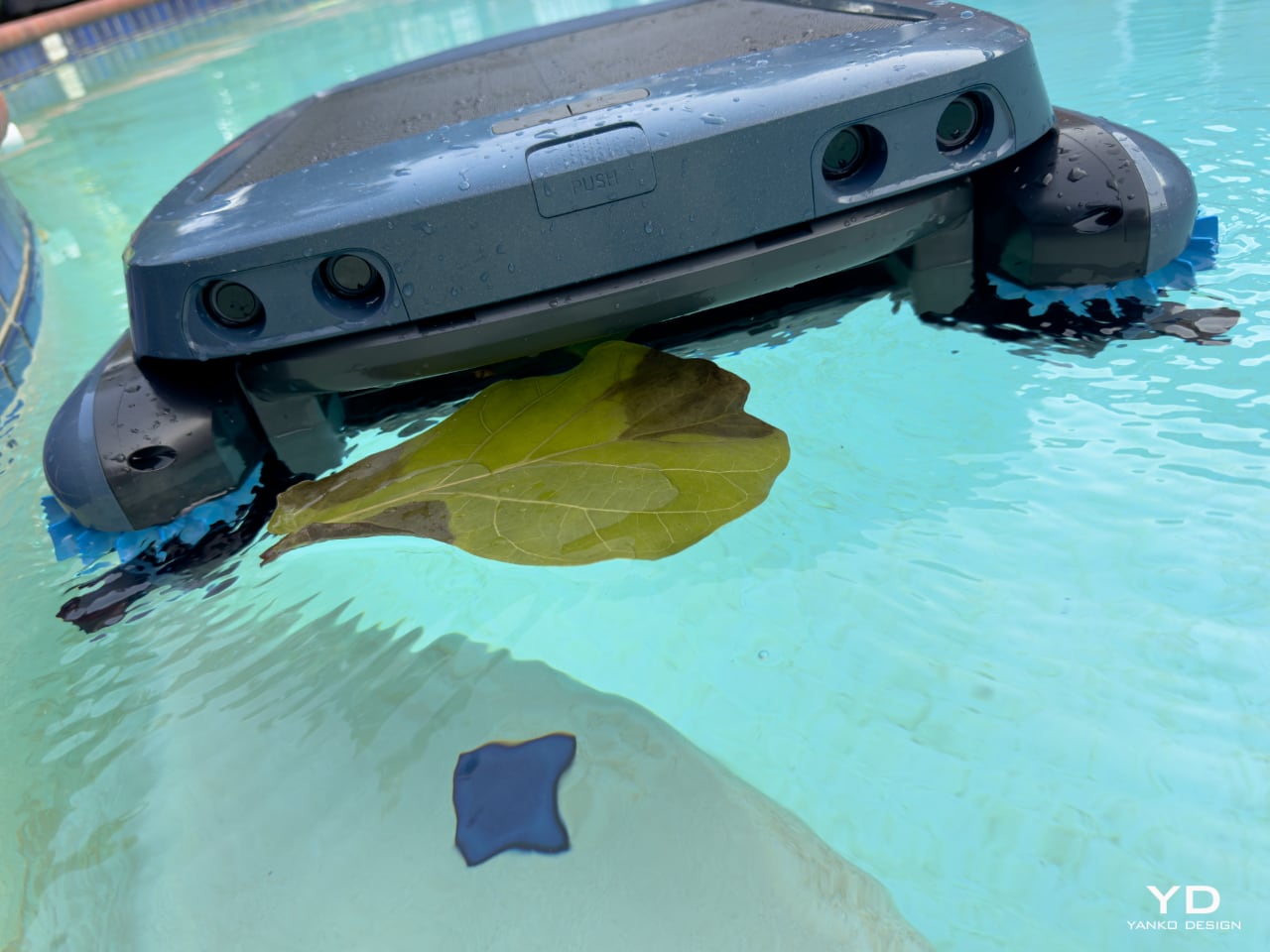
The differences between the Jellyfishbot and a consumer product like the Beatbot iSkim Ultra, reviewed by Yanko Design, are significant in terms of design and application. The iSkim Ultra is designed especially for pool cleaning, focusing on high-speed, efficient debris removal within the controlled environment of a swimming pool. Its design emphasizes quick and thorough cleaning of a confined area, ensuring the pool remains clear of debris like leaves and dirt.
On the other hand, the Jellyfishbot is built to operate in much more varied and complex environments. It’s designed for natural and industrial water bodies, tackling larger-scale challenges such as macro-waste, oil spills, and environmental monitoring. While the iSkim Ultra excels in maintaining the cleanliness of swimming pools, the Jellyfishbot’s versatility and adaptability make it suitable for a wide range of outdoor water cleanup tasks that demand more robust and flexible solutions.
Both robots share key design elements, such as compactness, maneuverability, and the ability to operate autonomously or under remote control. These features highlight their shared emphasis on providing user-friendly, automated solutions for surface cleaning in water environments. However, the Jellyfishbot’s design includes additional capabilities, such as sensors for water quality monitoring and the ability to manage hazardous waste, which extends its utility far beyond the iSkim Ultra.
After reviewing the Beatbot iSkim Ultra, Yanko Design recommended enhancing its functionality by incorporating features that pool owners care about. These features include monitoring pH levels, analyzing water chemistry, and recommending chemical adjustments. Such upgrades would transform the iSkim Ultra from a device focused solely on surface cleaning into a comprehensive pool management tool, addressing a broader range of maintenance needs. While the iSkim Ultra currently excels in clearing debris from the water’s surface, these potential enhancements would align it more closely with the Jellyfishbot’s multifunctional approach, offering users a smarter, more integrated solution for pool care.
The variety within the Jellyfishbot lineup reflects IADYS’s commitment to addressing diverse environmental challenges with specialized tools. Each model is crafted to meet specific needs, whether it’s handling routine debris in marinas or dealing with the complexities of oil spill cleanup. The Jellyfishbot’s design focuses on delivering functionality and efficiency, ensuring that, regardless of the task, there’s a model equipped to tackle it effectively.
In contrast, the Beatbot iSkim Ultra is purpose-built for the specific environment of swimming pools. Its design is tailored to quickly and efficiently clean this controlled environment, where debris is typically more predictable and less hazardous than what the Jellyfishbot encounters. While the iSkim Ultra handles its intended job with precision, the Jellyfishbot’s range of models is engineered to tackle a broader spectrum of water cleaning tasks, especially in environments where precision and adaptability are crucial.
The post Jellyfishbot vs. Beatbot iSkim Ultra: A Tale of Two Robotic Cleaners Designed for Different Worlds first appeared on Yanko Design.
Firaxis Games announced the release date and shared gameplay for Sid Meier's Civilization VII at Gamescom 2024. The strategy game will launch on February 11, 2025. It's been a long wait for fans since Civilization VI arrived back in 2016, and today's announcements at Gamescom mark a few departures for the storied empire-building series.
For starters, the game will be released across platforms. It will be available on PC, Mac, PlayStation 5, PlayStation 4, Xbox and Nintendo Switch at launch. Past entries in the series have arrived on console much later post-release, and sometimes with very clunky ports. Hopefully this approach means a better console experience for Civ VII.
There are also some big changes in gameplay that the team highlighted during a Gamescom livestream. In previous Civilization games, you'd pick one famed leader from history and stick with them for the scenario, guiding their single empire across the decades and centuries. With Civ VII, you'll pick a new civilization at the start of each age that will continue building on what you've already accomplished.
Your options at the start of a new age will vary based on historical context and what you've already done with your current civilization. A full game will have three time periods – the Antiquity Age, the Exploration Age and the Modern Age – or you can opt to play a single-age scenario. For even more variety, players will also be able to mix and match, picking from the whole roster of potential leaders and pairing them with historically inaccurate locations. This should yield a whole new array of intriguing and entertaining situations for players to create.
This article originally appeared on Engadget at https://www.engadget.com/gaming/prepare-for-world-domination-when-civilization-vii-arrives-in-february-2025-213051202.html?src=rss
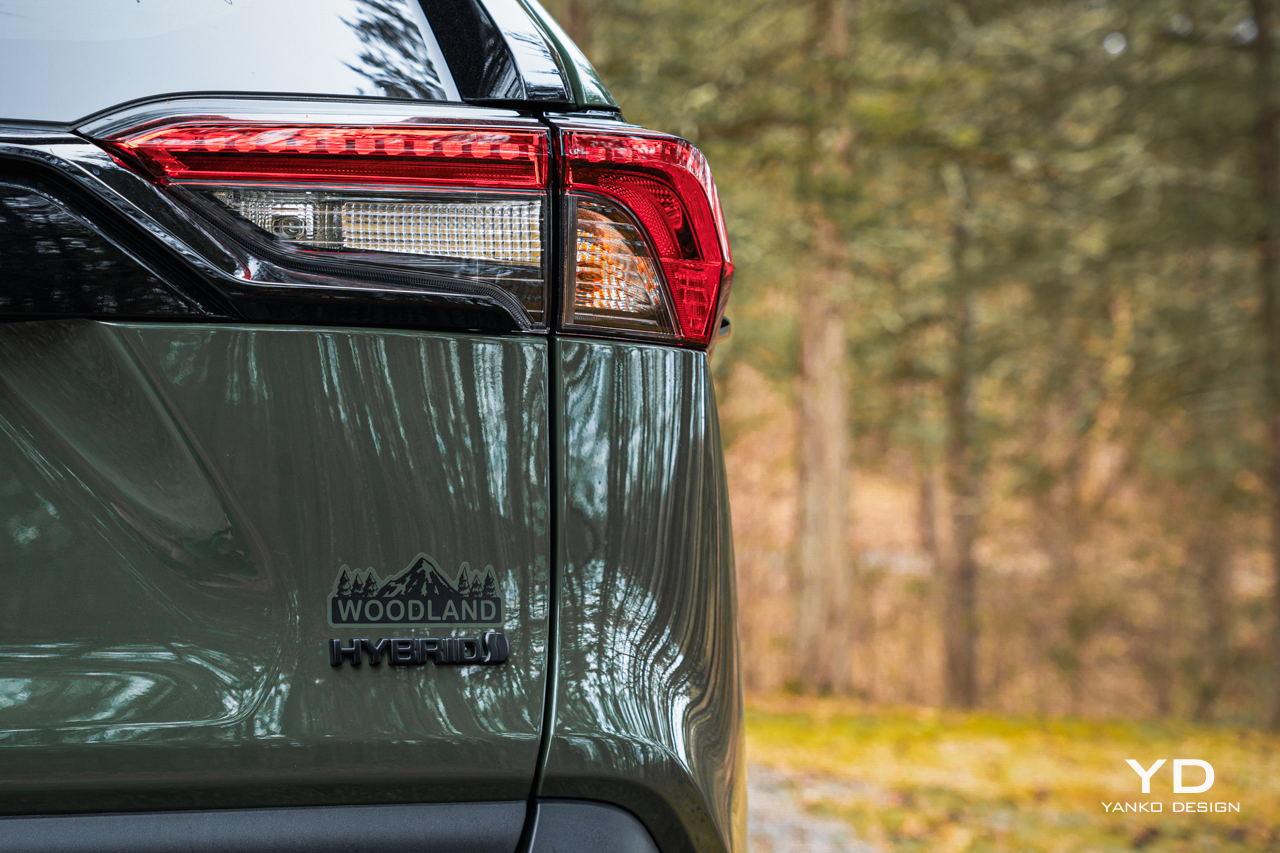
The auto market is being flooded with semi-rugged, lightly off-road editions of everyday SUVs, and Toyota’s getting in on the game with this. It’s the RAV4 Woodland Edition, a version of its ubiquitous and perpetually popular SUV that looks a little more ready for adventure than its lesser versions.
But is it actually a functional upgrade, and is it worth the roughly $3,000 over a base RAV4 Hybrid LE? That’s what I aimed to find out in my week with this green and gold hybrid.



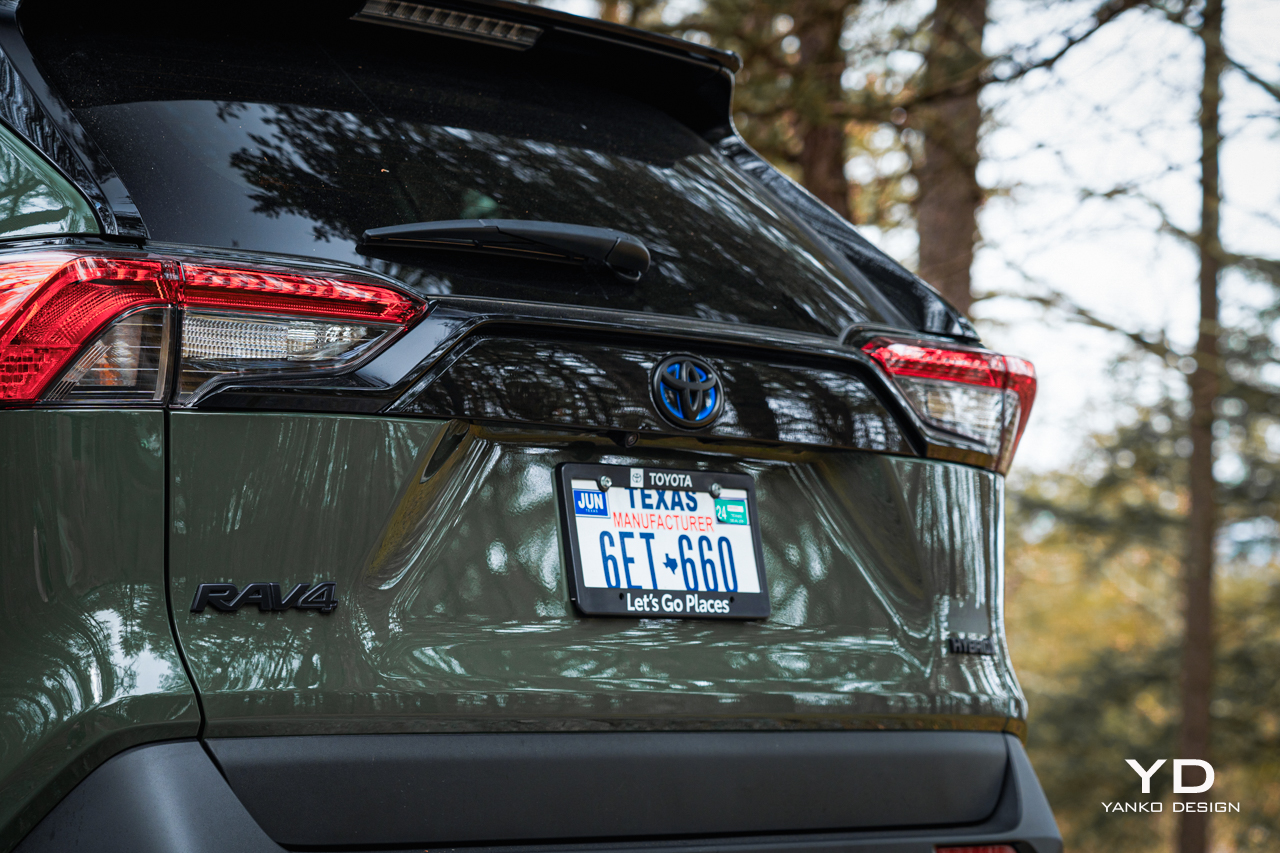
Before we even get into the functional upgrades on the Woodland Edition, I’m tempted to say this flavor of Toyota’s RAV4 SUV is worth the extra cost for the color scheme alone. That color, which Toyota calls Army Green, works remarkably well on this car. It’s not quite a military olive drab in that it definitely has a glossy hue to it, but it’s certainly in the same chromatic family.
Pairing that with a set of satin bronze wheels is an act of genius, resulting in an SUV with far more presence than any of the dozen other RAV4s you’ll likely find in the average parking lot. This is the best color combination available in Toyota’s crossover at the moment, and you can only get it in the Woodland edition.
That said, even the base RAV4 is not a bad-looking machine. Though its facelift is getting a bit familiar at this point, its angular styling cues and the dramatic, downward sweep of the lines running from the rear fenders all the way to the front grille give it an active stance that works perfectly with the attitude of the Woodland Edition.




Pick the Woodland, and you get the roof rack with rails standard, plus those 18-inch wheels and the all-terrain tires they’re covered in.
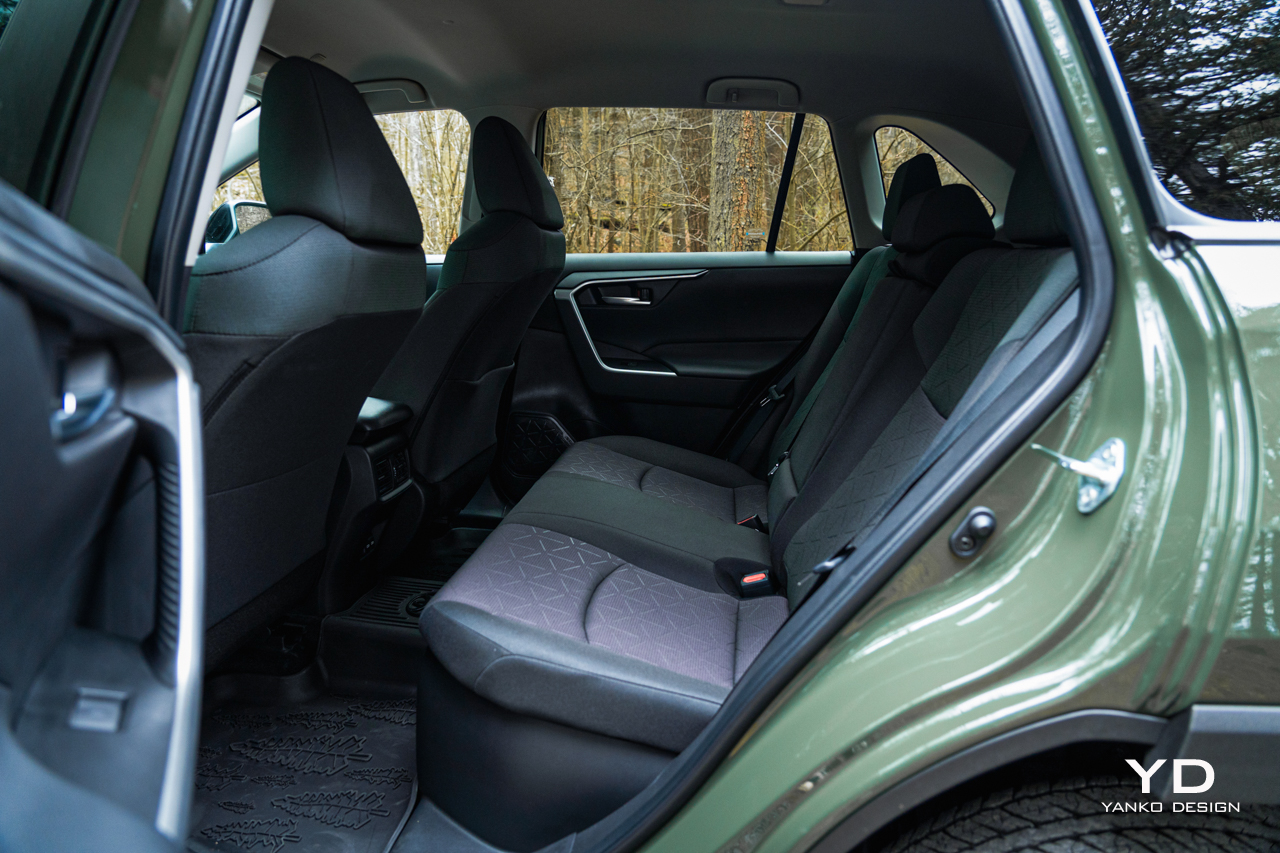
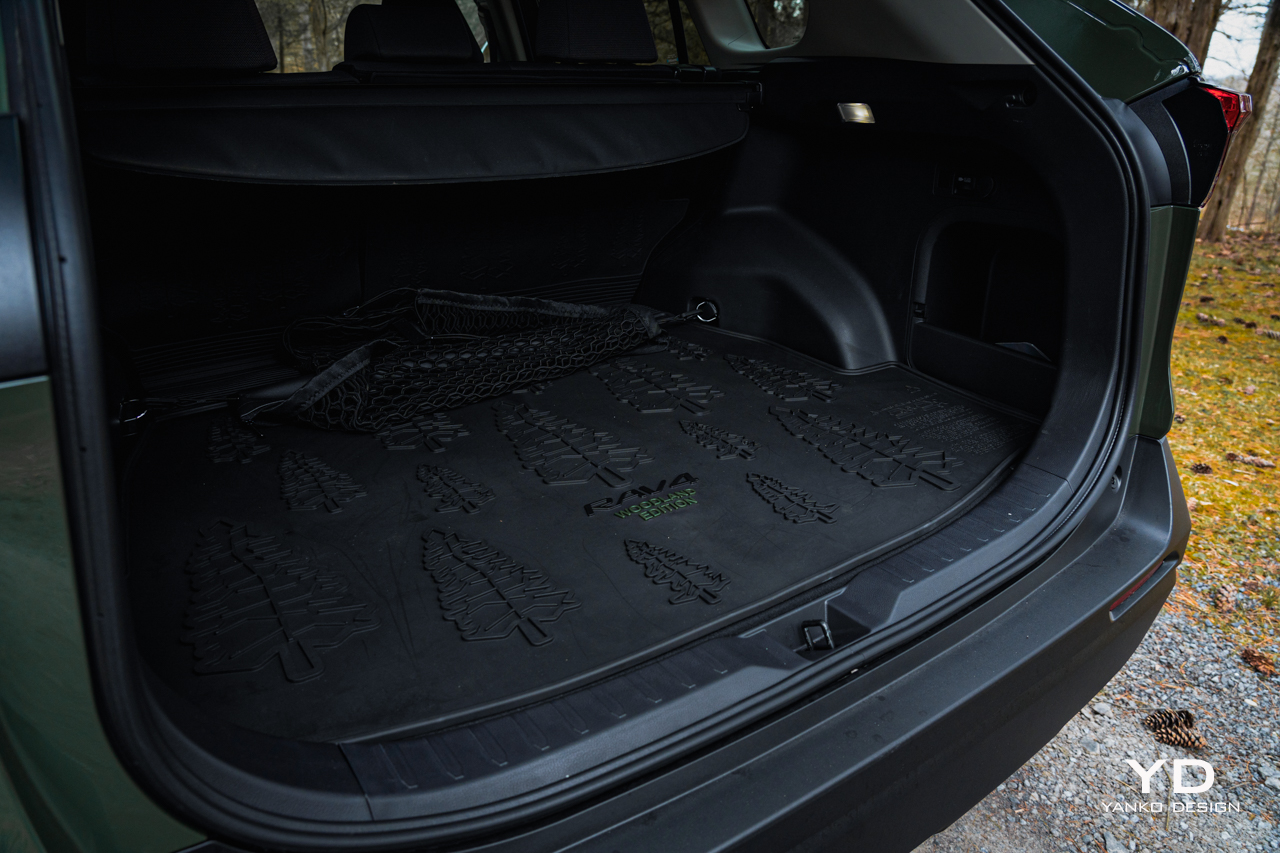
Things are less dramatic on the inside. Where that green and cold combo dominates your view as you approach, the only special touches on the inside are on the floor: a set of all-weather floor mats with Woodland Edition embossed on them, plus a few pine trees emblems. Those mats provide a functional upgrade for sure, but hardly a striking one visually.
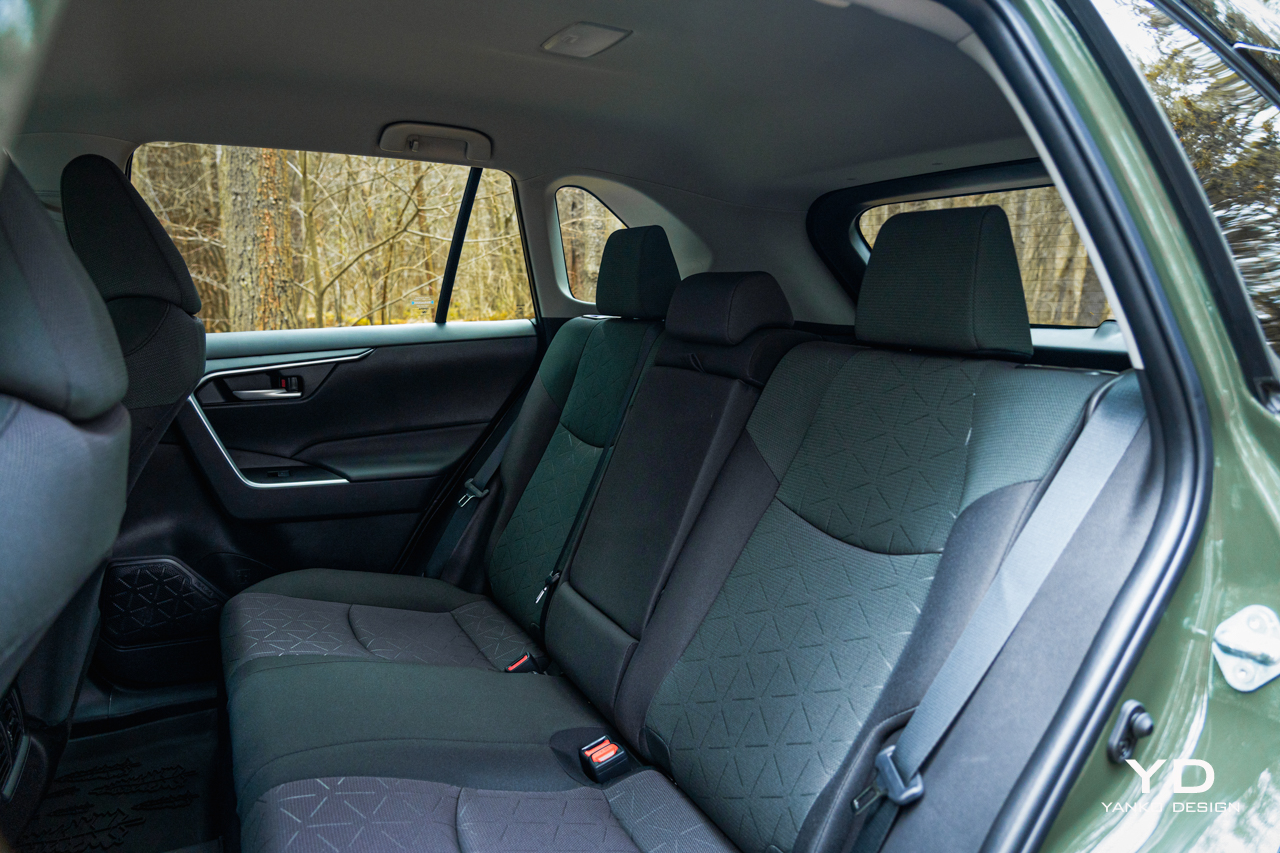
The rest of the interior is standard stuff, thoughtfully laid out and featuring durable materials, but not much to look at. The RAV4 seats five maximum, with rear seats ample for two but only passable for three passengers. A separate heating vent plus a pair of USB-C ports are the only creature comforts available to those in the back.

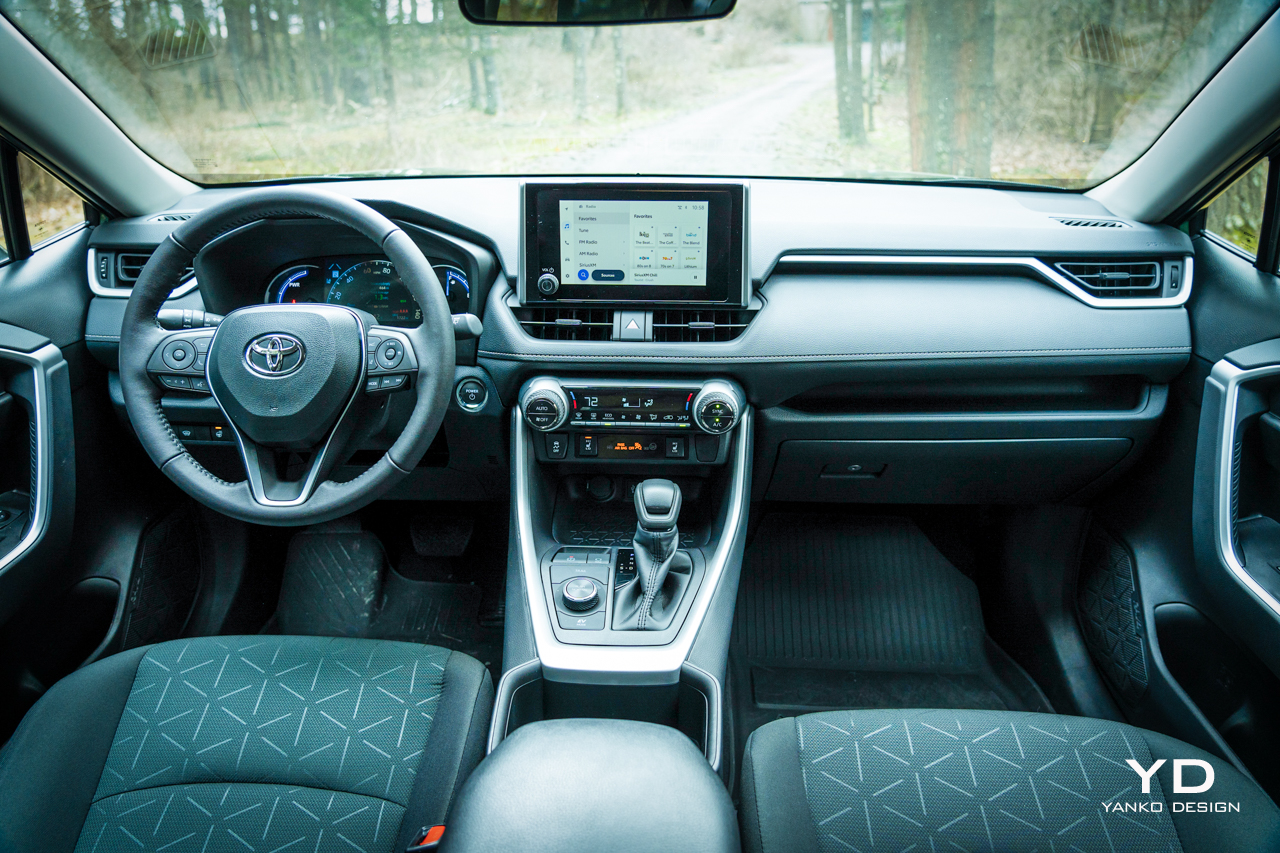
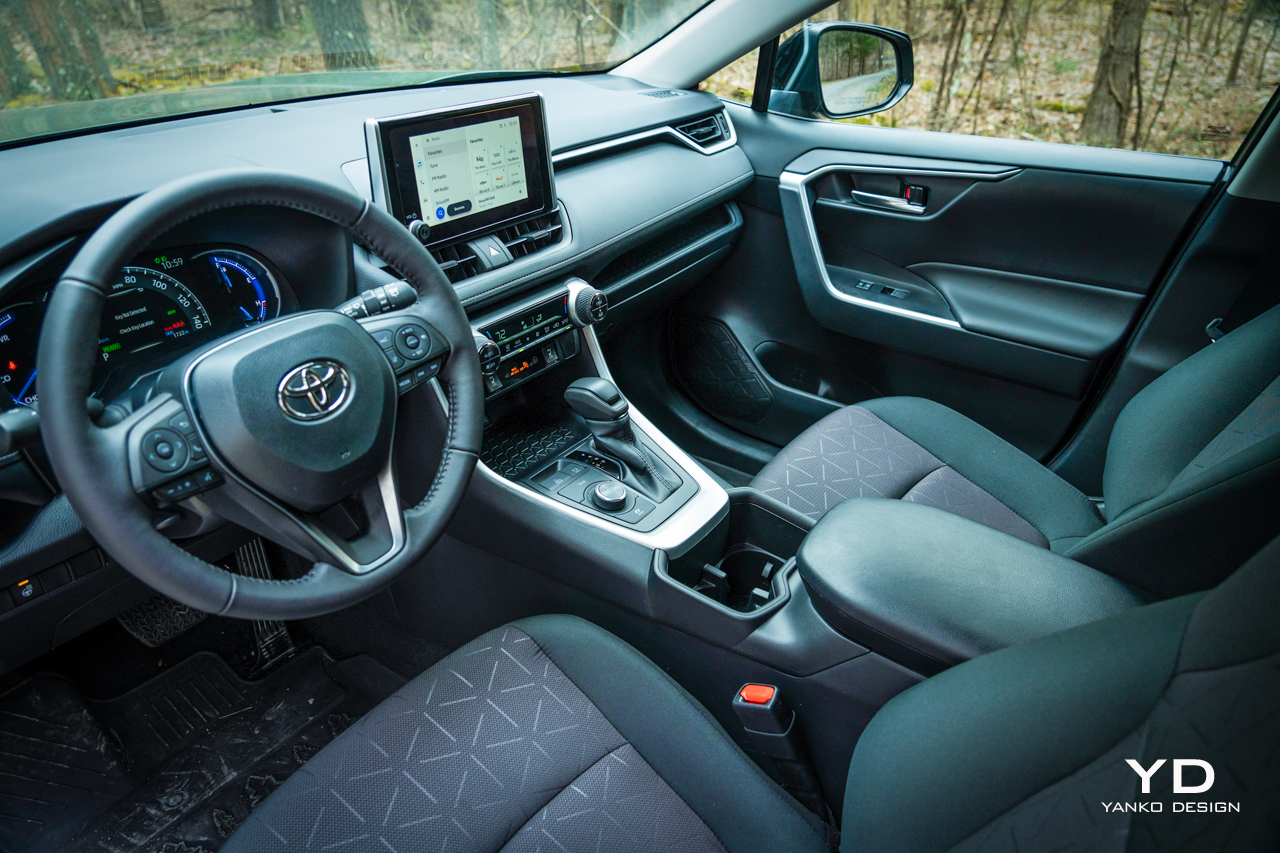
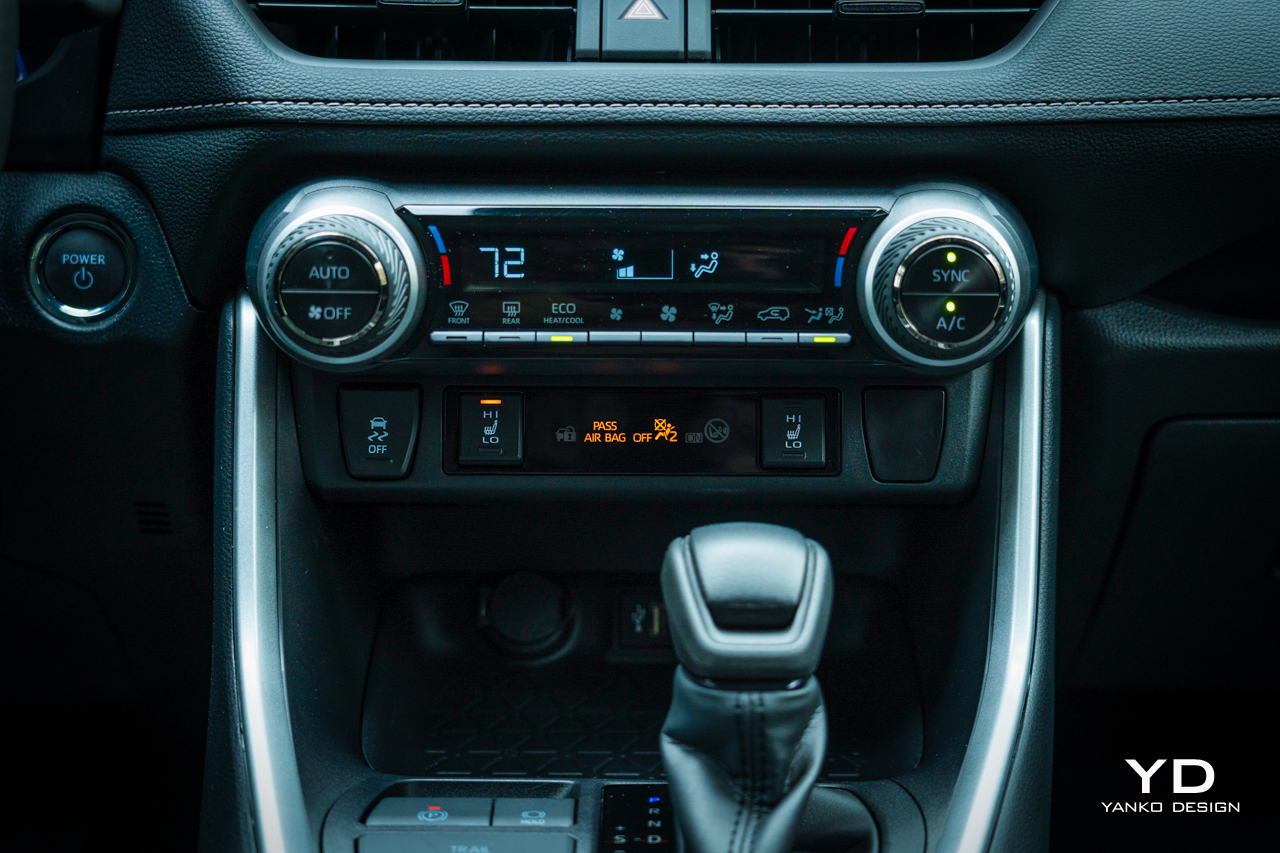
The two front seats feature prodigious heating, toggled with chunky physical switches that stay in whatever position you left them last.So, if you’re the sort who wants a perpetually warm backside, you won’t have to reach for that button every time you start up this SUV. The steering wheel heating is less effective, but it too at least stays enabled between car starts.
Seat upholstery is of a basic fabric embossed with a geometric pattern that adds just a bit of visual appeal to an otherwise dark interior, though the light headliner helps. The dashboard, door cards, and center console are a mixture of leather-textured black vinyl and hard black plastics, with a few slashes and hints of matte silver plastic throughout.
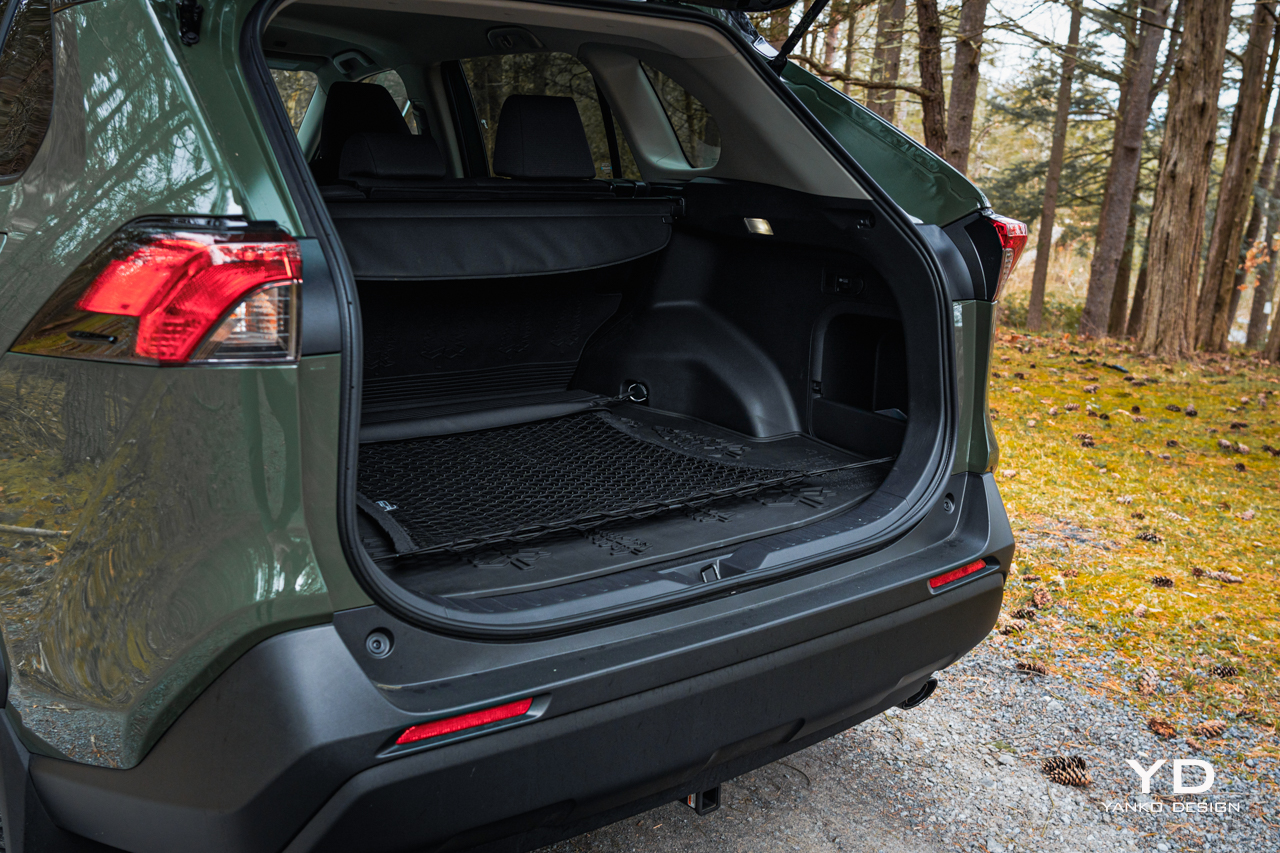
Again, it’s not much to look at on the inside, but the numerous pockets and storage compartments leave ample opportunity for stashing stuff, while the cargo net out back in the hatch ensures that whatever you put in the 37.6 cubic feet of cargo space will stay put. The rear seats fold down with a 60/40 split, expanding that cargo volume to 69.8.
Other than those seat heaters, tactile controls are limited to the HVAC system, which features some oversized, chunky knobs that are a pleasure to spin. There’s a smaller volume knob as well and a small knob for cycling between Eco and Sport modes, but that’s about it.
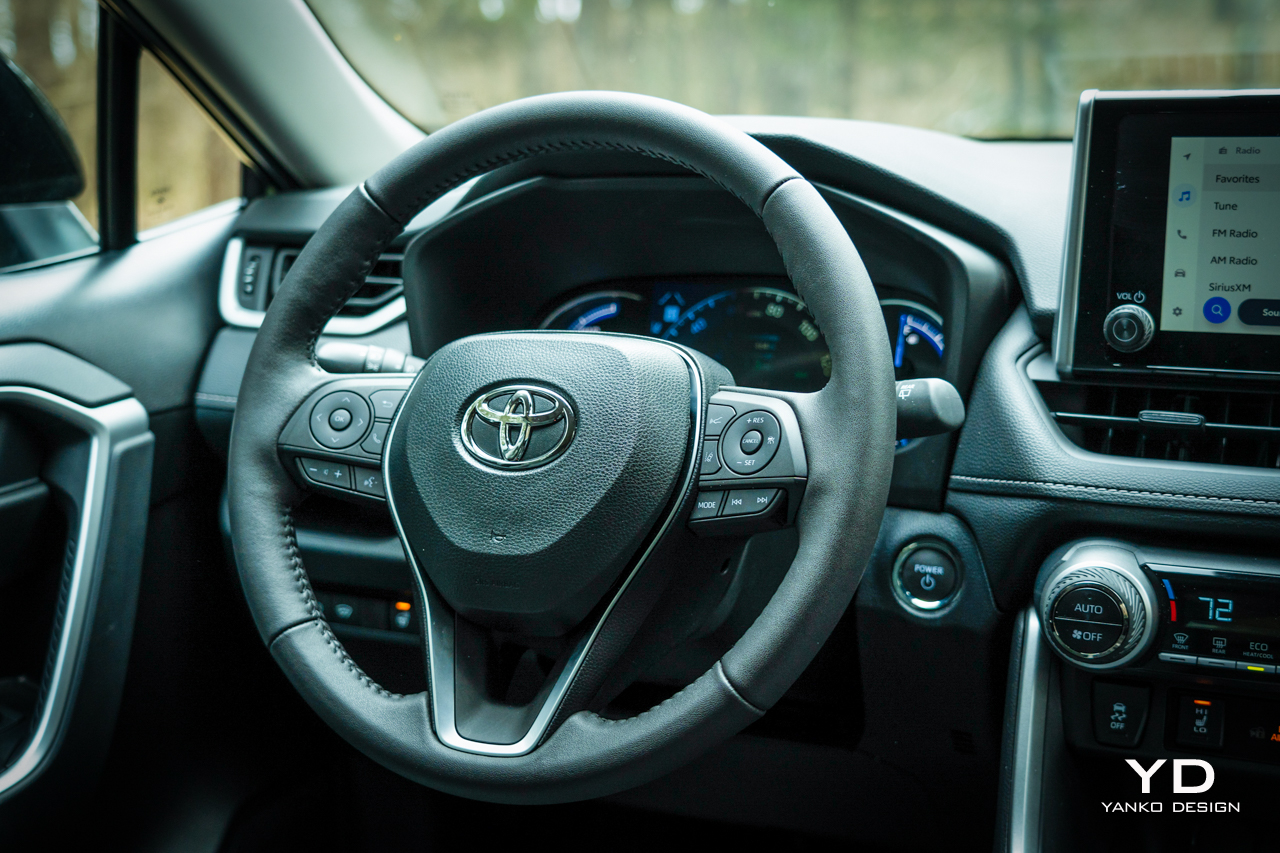
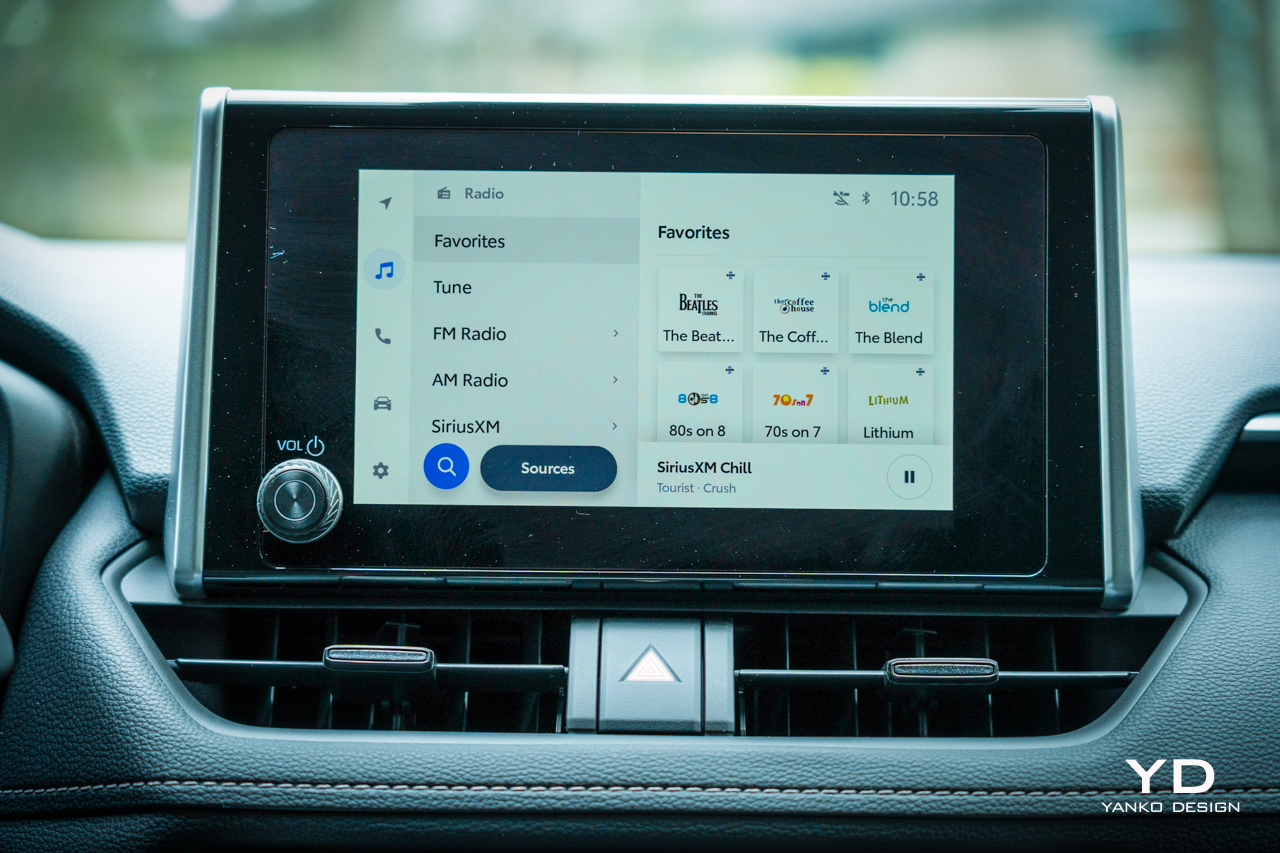
Most interior controls are available through the eight-inch touchscreen running Toyota’s Drive Connect system, which offers integrated navigation and a voice assistant. Android Auto and Apple CarPlay are also available, which I found to be a far more appealing option.
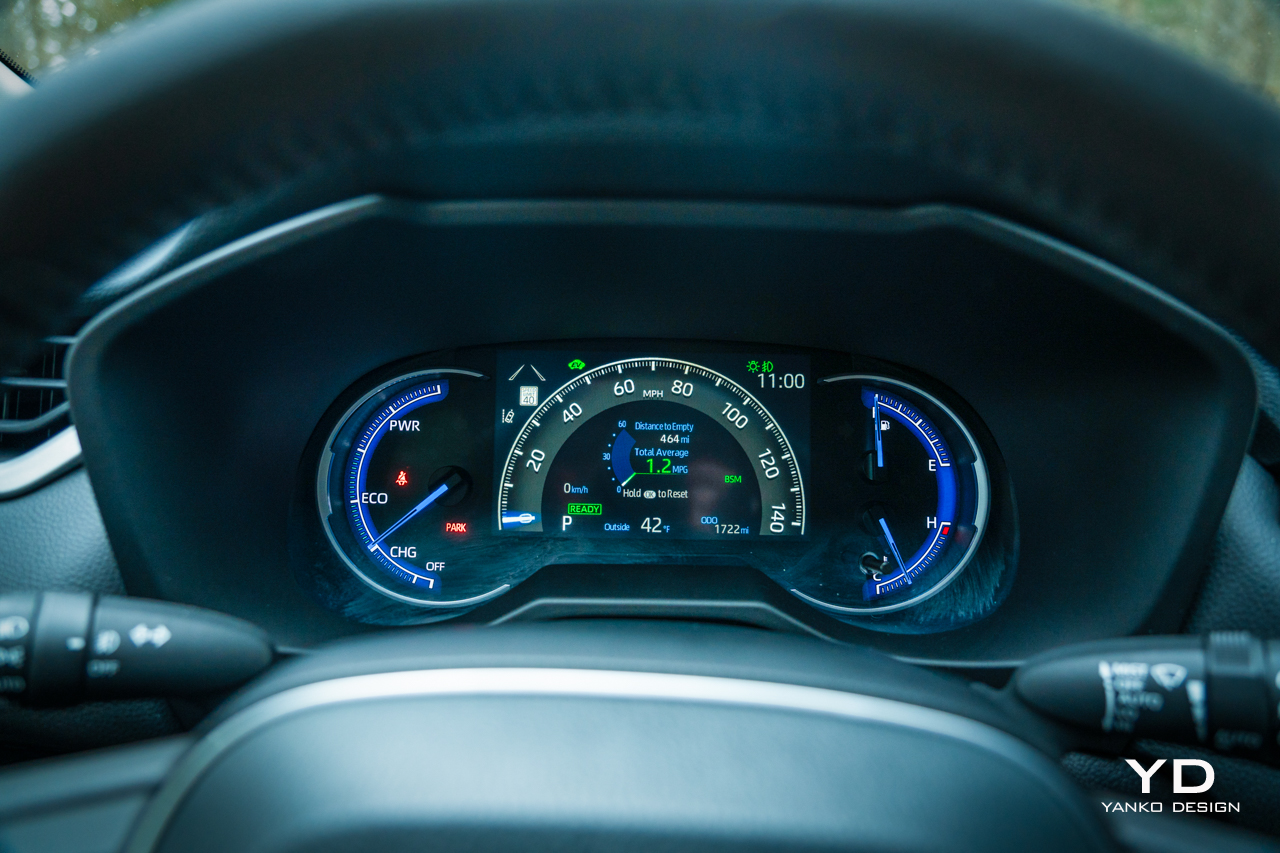
The gauge cluster features a series of traditional analog gauges with a digital, virtual gauge system in the center. This display is customizable to cycle through a series of vehicle settings, parameters, or navigation prompts if you like. There’s nothing particularly notable here, but it’s all perfectly functional.
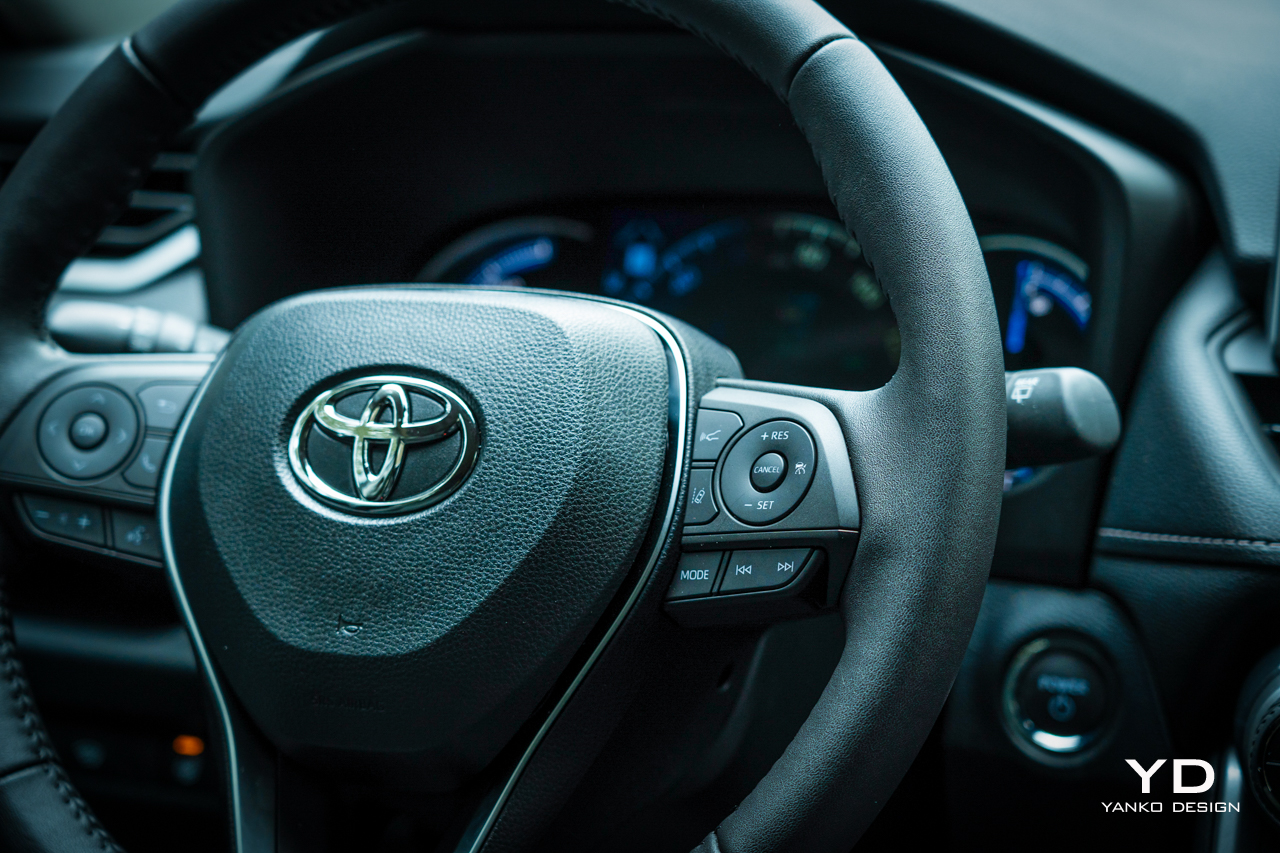
In terms of active safety, the Woodland Edition features Toyota’s Safety Sense 2.5 system, which includes features like automatic emergency braking with pedestrian detection, roadside sign detection, lane-keep assist, and adaptive cruise control. The adaptive cruise worked well, but the lane-keep assist was a little less reliable in my testing. It often struggled to detect road markings and only made very late, very indistinct corrections to keep the car centered.
The RAV4 is a simple, pleasant SUV to drive in most situations. The Woodland Edition doesn’t do much to change that formula, but it does add just a hint of additional capability. The suspension in this version has been retuned, slightly stiffer with up-rated bump stops, capable of handling the trails that Toyota apparently thinks people will be hitting in this thing.
Additionally, there’s a Trail drive mode, which Toyota says helps to maximize grip, but in my testing in slippery conditions, I couldn’t detect any difference. The front wheels always seemed to break loose first and most significantly before the rears got much in the way of power from the hybrid system out back.
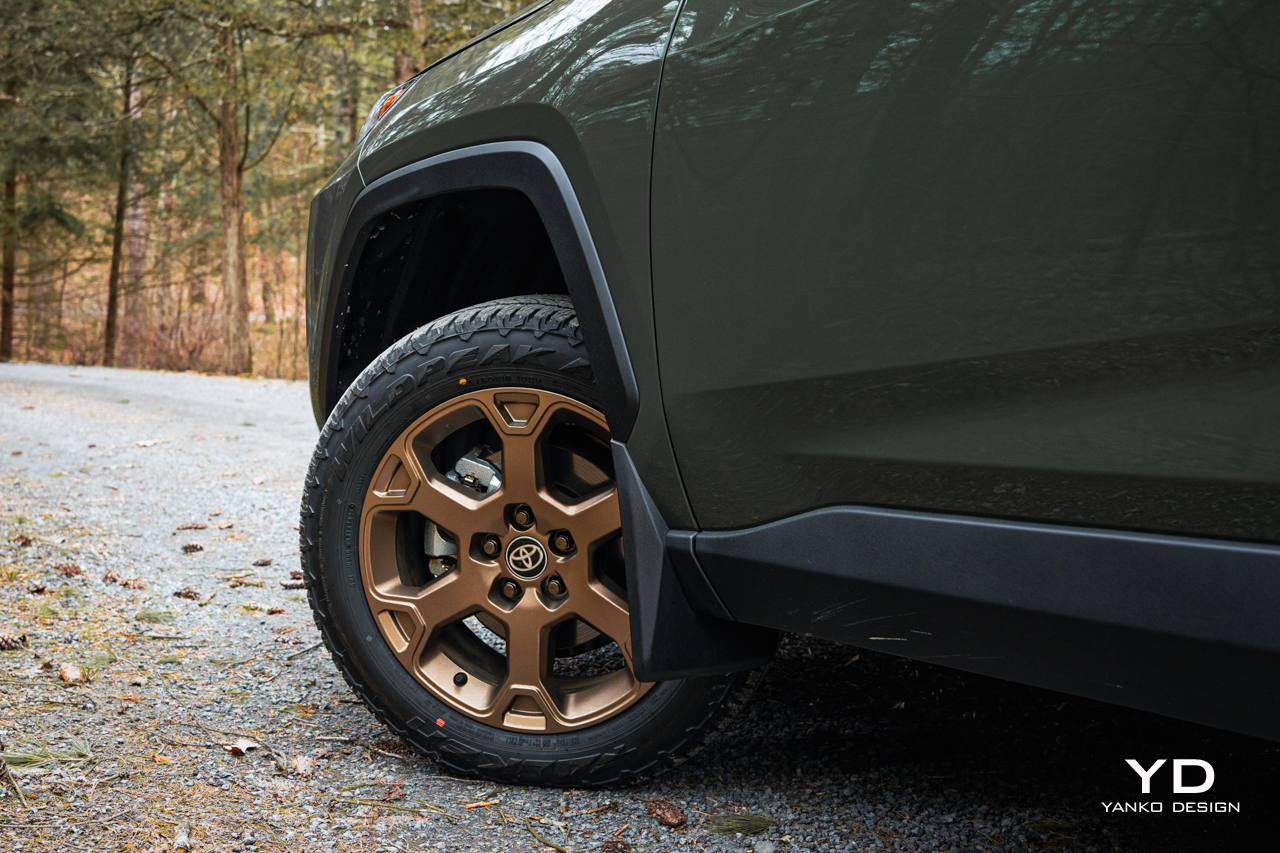
The Woodland Edition’s biggest change, regardless, is what it rolls on. 18-inch Falken Wildpeak A/T Trail tires have been mounted on all four corners, far chunkier and more aggressive than the usual all-seasons found fitted on the RAV4.

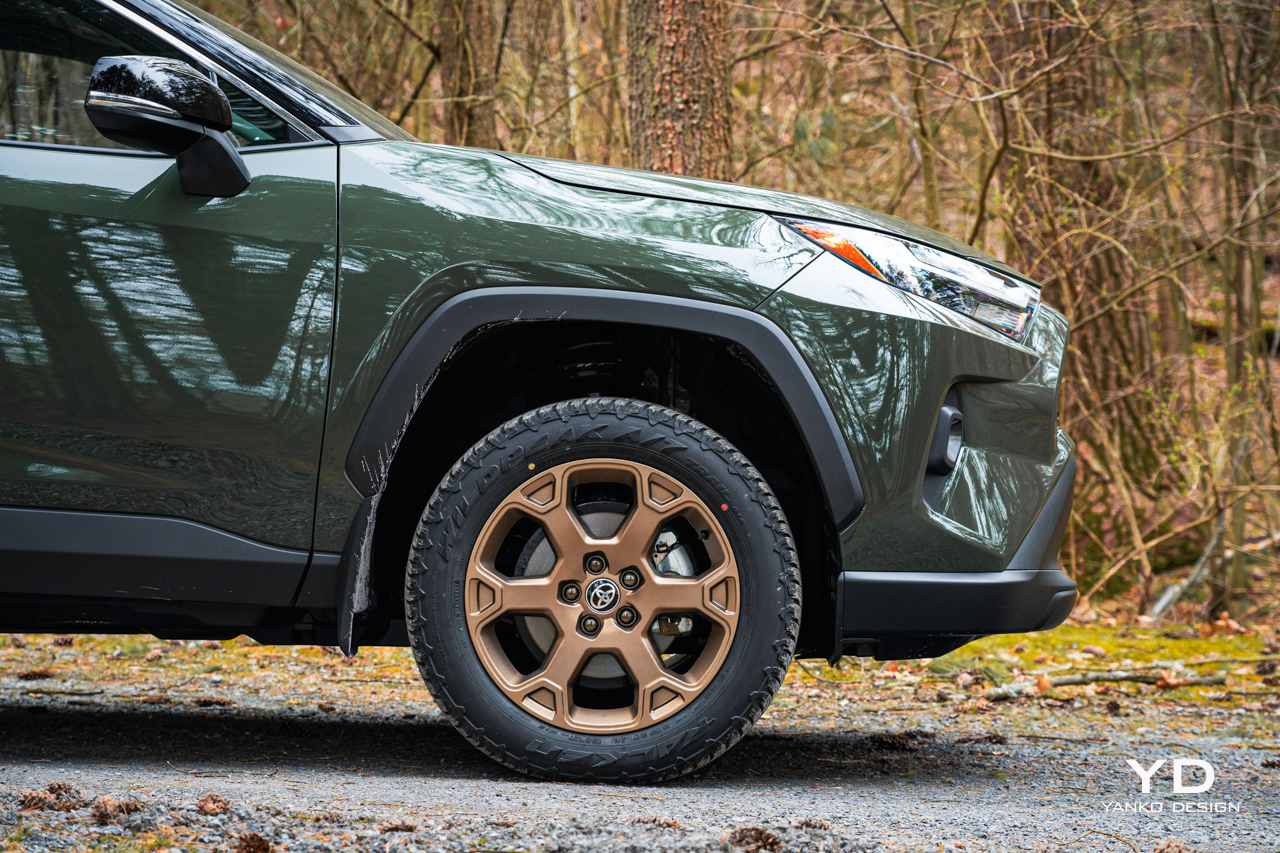


Does any of it make a difference in terms of off-road performance? The suspension upgrade should make the Woodland Edition survive slightly harder stuff offroad, and there’s no doubt the tires will provide more grip on loose surfaces.
On-road, the changes are definitely noticeable, with some increased road noise and a slight decrease in everyday ride quality. While far short of harsh, the Woodland Edition was less pleasant over the bumps and frost heaves that plague the roads near me as we come out of an extended winter season. Whether it’s the tires, suspension, or some combination of the two, I can’t say for sure, but if on-road poise and comfort is your priority, you might want to go for an XLE instead.


In terms of power, as in any other RAV4 hybrid, the 219 horsepower hybrid system in the Woodland Edition is more than adequate but far from breathtaking. The car accelerates cleanly and has plenty of power to keep up with traffic, plus reasonable throttle response, largely thanks to the hybrid system. However, when most people are shopping for Toyota Hybrids, their top priority is fuel economy, and I wasn’t blown away there.
The Woodland Edition is rated for 38 mpg in the city, 35 on the highway, and 37 combined. In my mixed testing, I did substantially worse, coming in at 32.3 mpg. An XSE, meanwhile, is rated for 39 mpg combined. Those all-terrain tires here surely don’t help, nor does the roof rack up top.
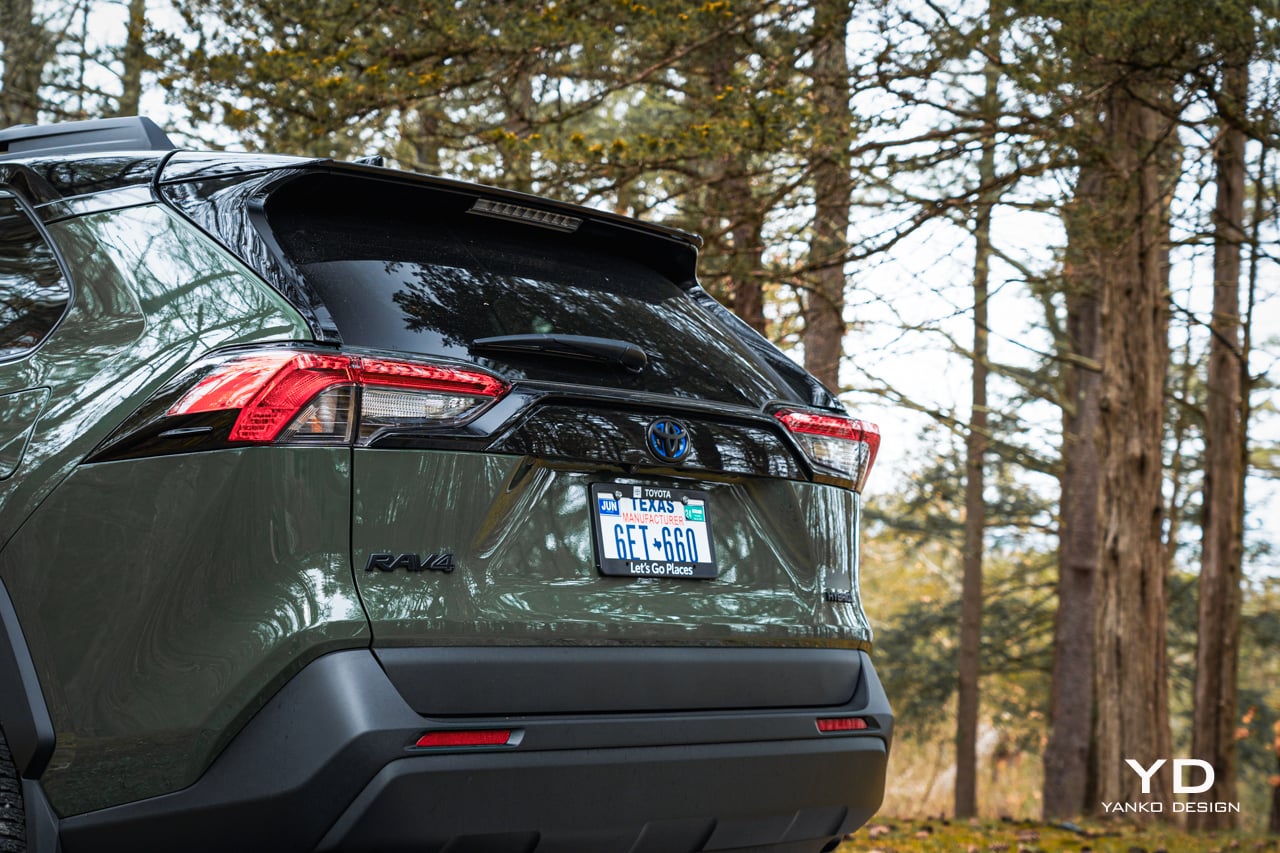


The 2024 Toyota RAV4 starts at $28,675 for a base LE edition. For a Woodland Edition, you’re looking at a minimum of $34,695. My model included the $925 Weather Package, which adds on heated seats and steering wheel, plus $500 for that exterior color, which brought the total price to $37,470 after a $1,350 destination charge. That compares favorably to its most direct competitor, a Subaru Forester Wilderness Edition, which starts at $34,920.
Is it worth the extra $3,000 over a RAV4 LE hybrid? I don’t know if it is. While I appreciate the desire for something with more off-road capability and love the look and color scheme here, I can’t say that I’m convinced the on-road penalty combined with the extra cost is worthwhile. The mpg hit also doesn’t seem worthwhile unless you’re frequently going to be making use of those all-terrain tires or that roof rack.
In general, I’d recommend sticking with the RAV4 XLE hybrid, which is an excellent SUV and continues to be a value leader and saves. But, if you want something with a smidge more attitude and have a bit more to spend, I don’t blame you for being tempted by this green and bronze charmer.









The post 2024 Toyota RAV4 Woodland Edition Review : A True Adventure Upgrade or Just a Facelift first appeared on Yanko Design.
Don't Nod's spiritual successor to its popular video game series Life is Strange, Lost Records: Bloom & Rage, is confirmed to launch in two parts, and the first gameplay trailer is being revealed. The first part, Tape 1, will launch on February 18, 2025. You can expect Tape 2 to come out exactly one month later, on March 18, 2025.
Earlier this year, Don't Nod decided to delay the game’s release from late 2024 to early 2025. The primary reason is Square Enix and Deck Nine Games are working on Life is Strange: Double Exposure, a new game in the series. It’s planned for an October release on PC, Xbox Series X/S and PS5. Gamers on the Switch will have to wait.
It’s safe to say that the delay of Lost Records: Bloom & Rage is to prevent it from competing with the new Life is Strange title, as they would share similar audiences. Having some breathing room between the two would also allow fans to play them at comfier pace.
The new trailer showcases gameplay from Lost Records: Bloom & Rage, which allows the main character, Swann, to switch between 1995 and 2022 timelines. The game will feature a dynamic dialog system, which changes dialog based on where players look or what they choose to say. Performing or ignoring actions will also affect outcomes.
Lost Records: Bloom & Rage will be available on PC, Xbox Series X/S and PS5. There’s currently no word about a Switch version. Don’t Nod also announced plans for physical PS5 copies, but there’s no release date set for them yet.
If you happen to be at Gamescom 2024, feel free to check out Don't Nod's space in the B2B and B2C areas. Besides a photo booth themed after Lost Records: Bloom & Rage, you might even bring a keepsake home.
This article originally appeared on Engadget at https://www.engadget.com/gaming/dont-nods-lost-records-bloom--rage-will-launch-in-two-parts-starting-february-18-2025-203015444.html?src=rssSecret Level is a gaming-inspired anthology series coming to Prime Video on December 15. The upcoming Amazon title is from the same team behind Netflix's Love, Death and Robots. From the teaser released during Gamescom, this new project will be continuing the Blur Studio specialty for creating masterful animated works for an adult audience. The creative team was looking to inspire "nerd joy" with Love, Death and Robots and from the first glimpse, Secret Level seems like a natural progression of that goal.
Each of the 15 stories in the show are inspired by a different game. The official list of inspirations is: Armored Core, Concord, Crossfire, Dungeons & Dragons, Exodus, Honor of Kings, Mega Man, New World: Aeternum, PAC-MAN, various PlayStation Studios games, Sifu, Spelunky, The Outer Worlds, Unreal Tournament and Warhammer 40,000.
Games feel like a natural inspiration for this type of animation showcase. The cinematics in some contemporary AAA titles have all the polish and emotion of standalone films. Plus, game-inspired television series have been reaching new levels of success in recent years thanks to projects like Fallout, The Last of Us and Arcane.
This article originally appeared on Engadget at https://www.engadget.com/entertainment/tv-movies/animated-video-game-anthology-series-secret-level-is-coming-to-prime-video-202027254.html?src=rssTarsier Studios, creators of the first two Little Nightmares games, is back with another creepy adventure — and its “partially disemboweled talking pig” teaser video looks like it set the proper tone. Announced at Gamescom Opening Night, Reanimal takes two children on an adventure across land and sea as they work together to rescue their missing friends on an island filled with horrifying creatures.
The developer helmed the first two Little Nightmares installments before Supermassive Games took over for part III. The new game promises to up the ante with “a more terrifying journey than ever before.”
The horror-adventure game stars a brother and sister in an “unsettling tale” who “go through hell to rescue their missing friends.” The protagonists are described as broken but resilient, facing fragments of their troubled past in the guise of gruesome beasts. It will somehow explore themes of hope and redemption as they navigate the chilling environment.
The game lets you play single-player or co-op (local and online). In an illustration of the creators’ understanding of the horror genre, it uses a shared, directed camera “to maximize claustrophobia and tension.”
Reanimal doesn’t yet have a launch date other than “coming soon,” but we know it will be available on PS5, Xbox Series X/S and PC. You can check out the announcement trailer below.
This article originally appeared on Engadget at https://www.engadget.com/gaming/reanimal-promises-a-more-terrifying-journey-than-little-nightmares-200457474.html?src=rss