Excel Copilot vs OneDrive Copilot: Which is Right for Your Data Analysis Needs?

Excel Copilot vs OneDrive Copilot

When working with Excel workbooks, choosing the right tool for data analysis and management is crucial. Two popular options available are OneDrive Copilot and Excel Copilot. While both tools offer assistance in handling Excel files, they differ in their capabilities and target user base. This guide provides an in-depth comparison between OneDrive Copilot and Excel […]

The post Excel Copilot vs OneDrive Copilot: Which is Right for Your Data Analysis Needs? appeared first on Geeky Gadgets.

Posted in Uncategorized | Tagged

Seamless Switch: Transferring Everything From Your Old iPhone to Your New iPhone 16 or 16 Pro

iPhone 16

Upgrading to a new iPhone 16, 16 Plus, 16 Pro, or 16 Pro Max is an exciting experience, but the thought of transferring all your data from your old device can be daunting. However, with the right steps and preparation, you can ensure a smooth and seamless transition, bringing all your important information, settings, and […]

The post Seamless Switch: Transferring Everything From Your Old iPhone to Your New iPhone 16 or 16 Pro appeared first on Geeky Gadgets.

This Titanium EDC is an advanced analog calculator, a measuring tool, and a brilliant fidget toy

All great things are circular. The sun and moon, the metaphorical circle of life, pizzas, donuts, CDs, the iPod jog wheel, and the Mini Titanium Curve Measure Slide Rule from the folks at Titaner. Sure, that intro sounded rather grandiose, but this humble little torus-shaped device transcends the simple rolling scale. Crafted from a combination of titanium and copper, the Mini Titanium Curve Measure Slide Rule can measure linear and non-linear distances (in multiple units), but it can also add (or subtract) and even multiply using basic logarithmic principles. In short, this tiny handheld device is stationery from an alternate reality, capable of doing multiple things in a form factor mainstream tools haven’t explored before. The added bonus? It doubles as a fidget toy, making it just the perfect EDC for creative-folk.

Designer: TITANER

Click Here to Buy Now: $53 $98 (46% off). Hurry, only 36/1030 left! Raised over $225,000.

At first glance, this slide rule stands out with its sleek, circular form. Unlike traditional straight rulers, the TITANER’s hubless ring-shaped design allows for continuous measurements along any surface, whether flat or curved. Its circular construction eliminates the limitations of a fixed, linear ruler, offering limitless potential for measuring longer lengths by simply rolling it along a surface. This continuous loop system is what sets the TITANER apart, making it a versatile tool for designers, engineers, and DIY enthusiasts who often need to measure odd shapes and sizes without being limited by scales and measuring tapes.

Measure irregular shapes so fast

With a 10 cm circumference of the outer ring (there’s a larger 5-inch variant too), the Mini Titanium Slide Rule provides precise readings through a combination of outer and inner rings. Synchronizing both before use ensures measurement accuracy. For example, to measure a distance, you roll the ruler across the surface and count the number of full revolutions (marked by slight vibrations) while noting the final position of the inner ring relative to the outer scale. Adding these values together gives you the total length, making it a breeze to measure long or curved paths without having to reposition the tool.

No limit to extension length

The slide rule also incorporates simple arithmetic functions. On one side of the tool, you can use logarithmic principles to add values, and on the other, you can multiply. To add two numbers, you find the logarithms of the values on the outer ring, and their sum gives you the result of the addition. Similarly, for multiplication, the rule allows you to calculate the product of two numbers by summing their logarithms and aligning the rings accordingly. While this feature may seem rooted in history, it’s surprisingly intuitive and adds a layer of intellectual engagement that transforms this measuring tool into a small calculating device.

No need to reposition

Crafted from titanium, this slide rule is built to last. Titanium, known for its strength, durability, and resistance to corrosion, ensures that this tool will endure daily wear and tear, making it a perfect companion for outdoor activities or everyday tasks. Weighing only 20 grams, the TITANER is light enough to carry with you wherever you go. Its small size (just 31.8 mm in diameter) and thickness of 5.3 mm make it a discreet yet powerful tool that fits comfortably in your pocket or can be worn as a pendant.

The precision of this ruler is highlighted by its laser-engraved scale, which ensures that measurements are not only easy to read but also resistant to fading over time. Each marking is meticulously etched with high accuracy, providing clear and durable references even after prolonged use. The high processing precision, down to 0.01 mm, guarantees that each rotation is smooth and that measurements remain consistent across multiple uses.

Rolling Ruler

The Role of Ceramic Beads

Beyond its practical applications, the TITANER Mini Slide Rule serves as an excellent everyday carry (EDC) item. Whether you attach it to your keychain, use it as a zipper pull, or simply carry it in its leather pouch, this tool is always at hand for spontaneous measurement tasks. Its sleek, minimalistic design complements its functionality, adding a touch of elegance to your daily gear.

Interestingly, this slide rule isn’t just a precision tool; it’s also a delightful fidget toy. The smooth, rhythmic rotation of the rule, paired with subtle clicks and vibrations, offers a satisfying sensory experience. Much like a spinning top, it provides a calm, meditative activity that can help relieve stress during work or study sessions. This dual functionality as both a tool and a fidget toy makes it an excellent companion for those who enjoy practical, yet playful gadgets.

The TITANER Mini Titanium Curve Measure Slide Rule comes in a few variants. Enthusiasts can either grab the all-titanium variant (which has a slightly higher price owing to the material and manufacturing), or buy a slide rule with an inner ring made of brass (this variant’s distinct dual-color aesthetic has it standing out from the rest). The slide rule comes with a 10-cm circumference, although you can upgrade to a larger version with a 5-inch circumference. All variants rely on a precisely machined structure with an anti-slip texture on the outside, and spring-loaded ceramic beads on the inside that enable the rolling and clicking function.

A masterclass in design, the TITANER Mini Titanium Curve Measure Slide Rule merges functionality with thoughtful engineering. It’s an EDC tool that excels in precision, portability, and durability, while also serving as a unique conversation piece while in use or even worn around your neck as a mark of your creatively aligned profession (sort of like how architects love to show off their mechanical pencils, or fashion designers with their measuring tape always handy). Whether you’re using it to measure unconventional surfaces or simply spinning it between your fingers for a moment of relaxation, this ruler proves that the simplest tools can often be the most innovative.

Click Here to Buy Now: $53 $98 (46% off). Hurry, only 36/1030 left! Raised over $225,000.

The post This Titanium EDC is an advanced analog calculator, a measuring tool, and a brilliant fidget toy first appeared on Yanko Design.

Alien-inspired smartwatch concept eschews conventional design for more organic aesthetics

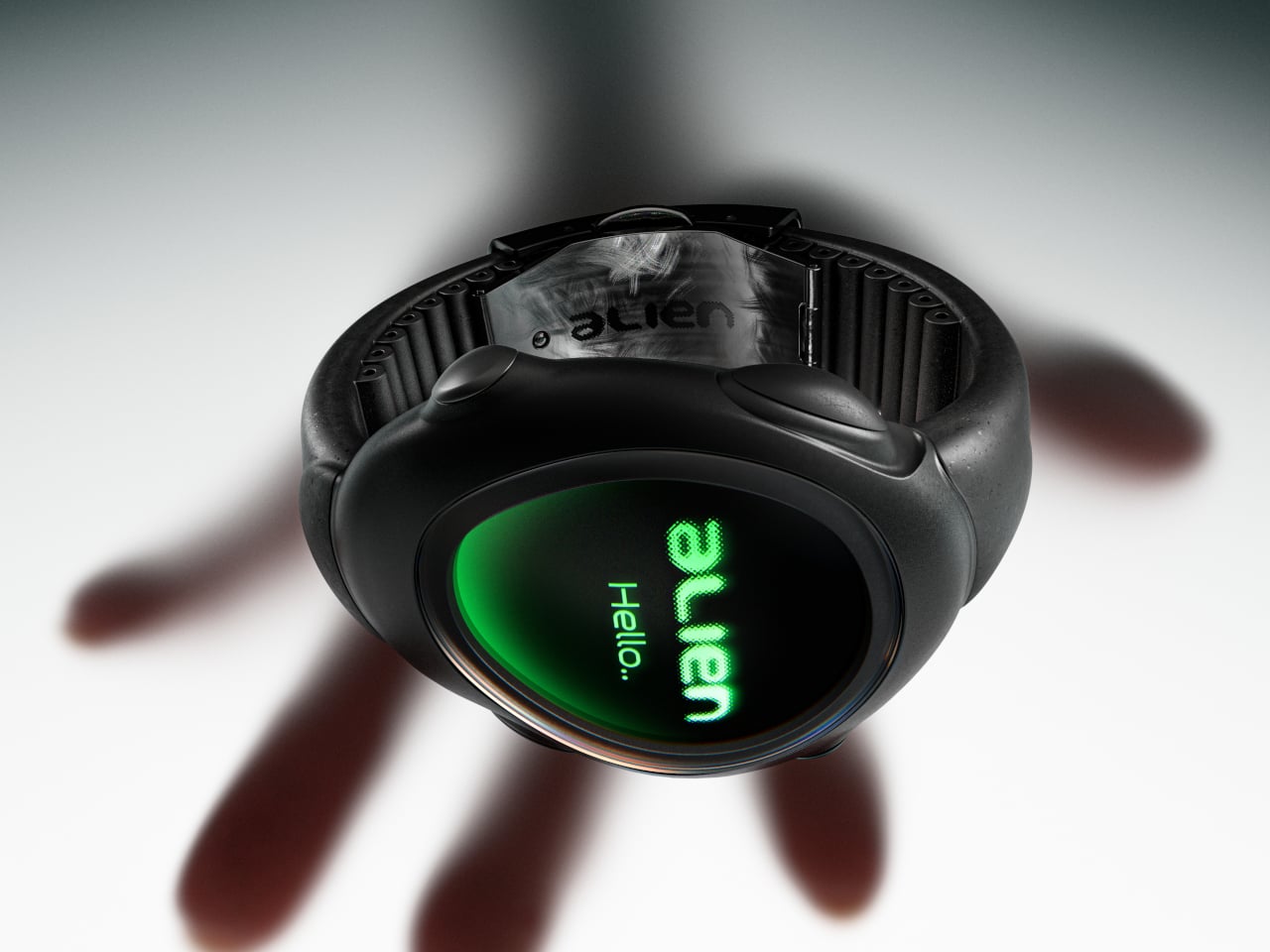
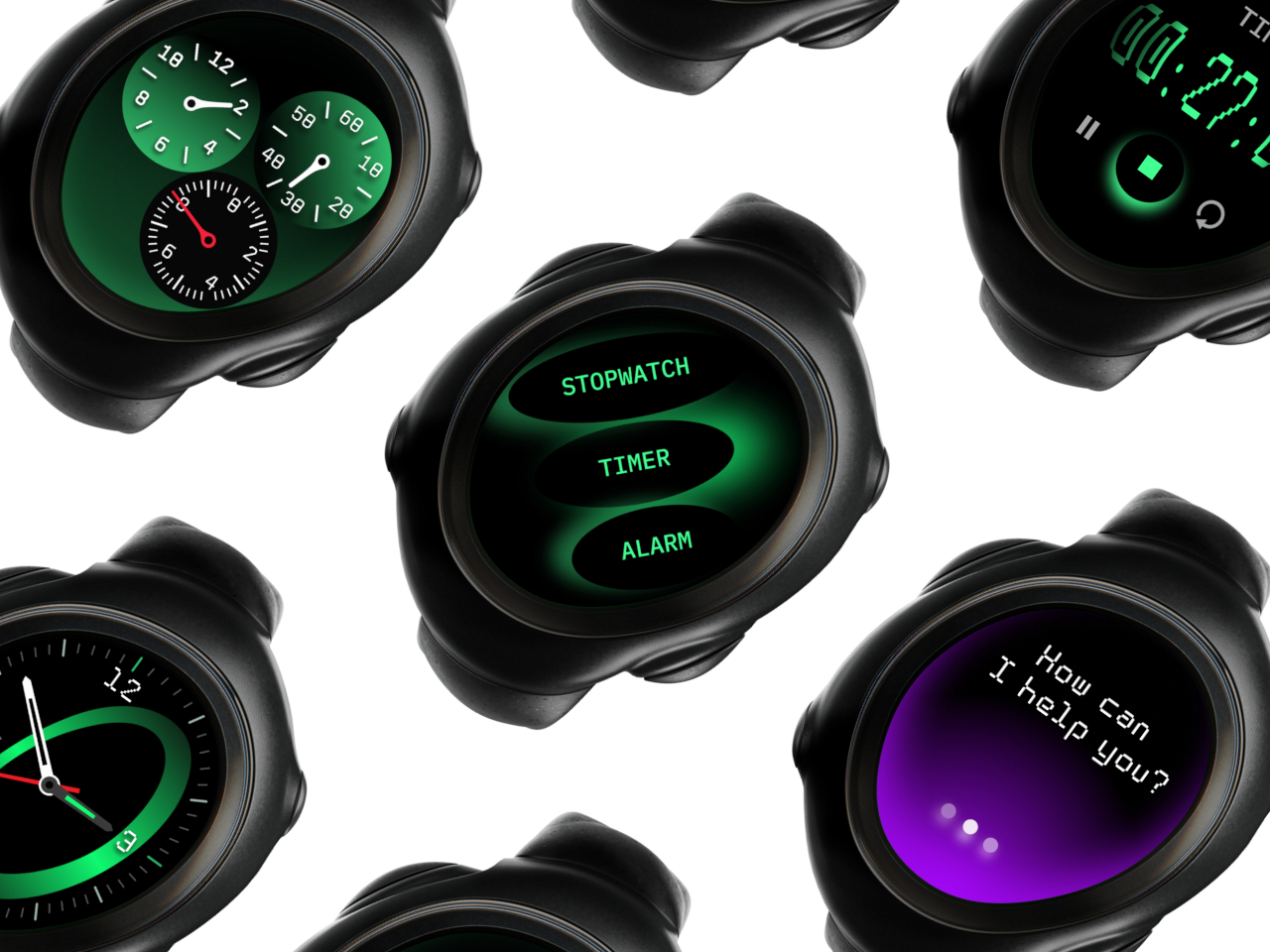
Smartwatches today have evolved from miniature smartphones on our wrists to miniature health clinics on our wrists. The design of these wearable devices has finally settled down to a handful of designs, most of which try to mimic the appearance of classic timepieces. There is, however, still plenty of room for exploration, for designs that redefine the product category or challenge the status quo. This design concept, for example, tries to look farther ahead into the future, when conventions no longer hold water and where today’s unfamiliar, alien aesthetics would ironically look more natural and more human.

Designer: Olga Orel

Smartwatches had a hard time finding its niche in the market. They were too technological to match the majesty of mechanical watches, but also too underpowered to be the multi-purpose wrist-worn communicators of science fiction. In the end, smartwatches today adopted the core design convention of traditional wristwatches, be they the sporty kind or the luxurious timepieces. But does it really have to be that way? Do smartwatches need to look like, well, watches?

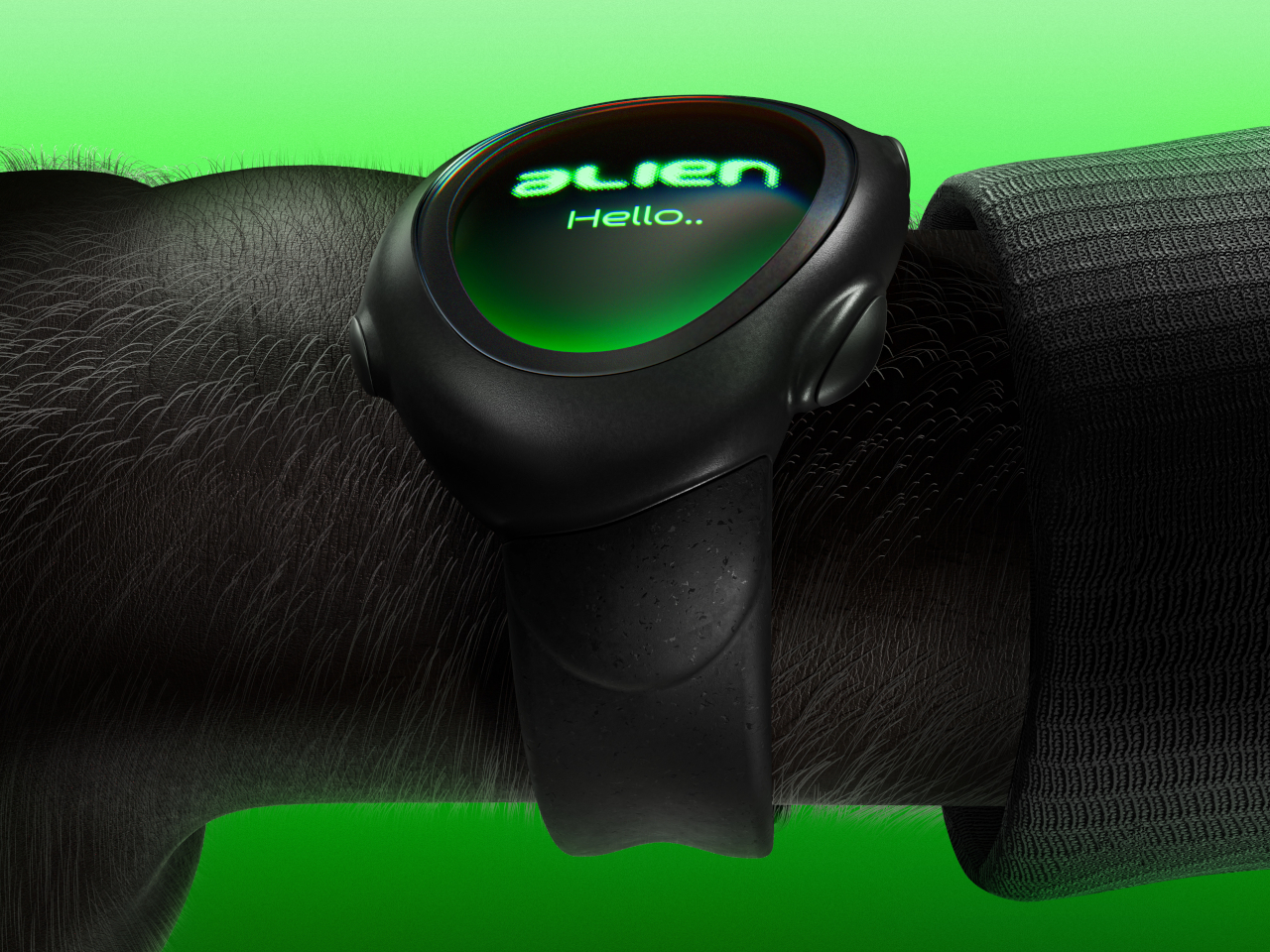
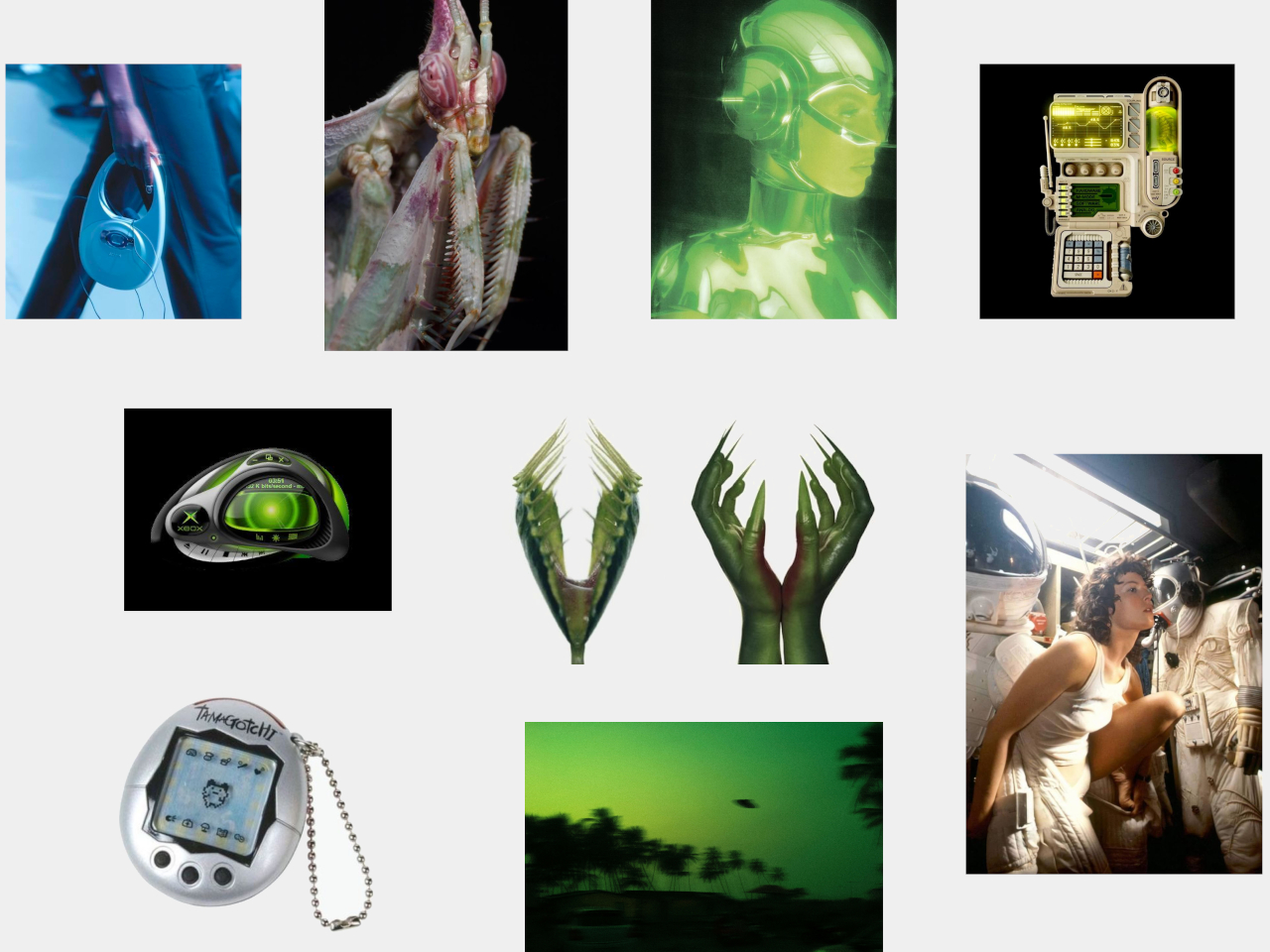
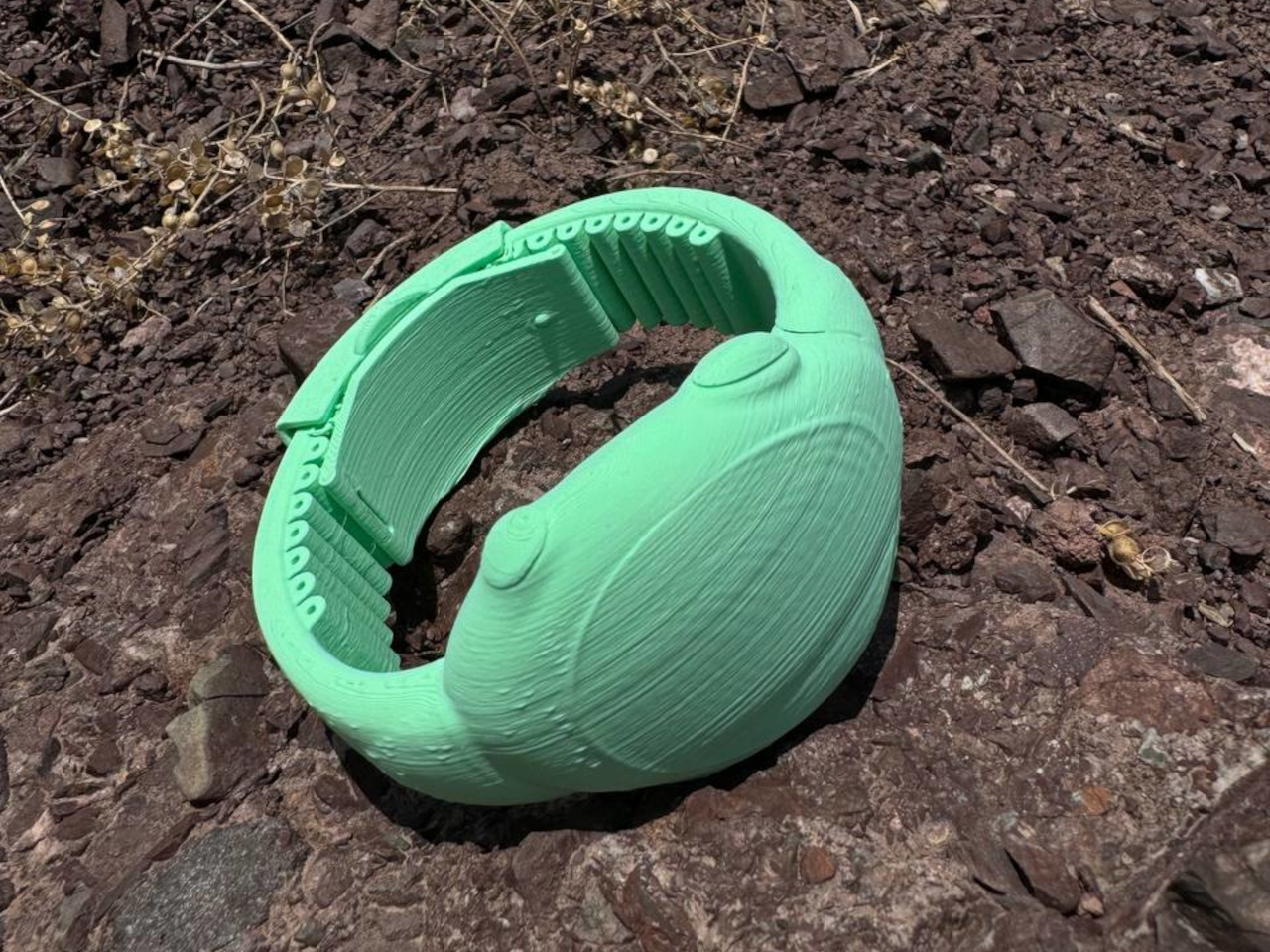
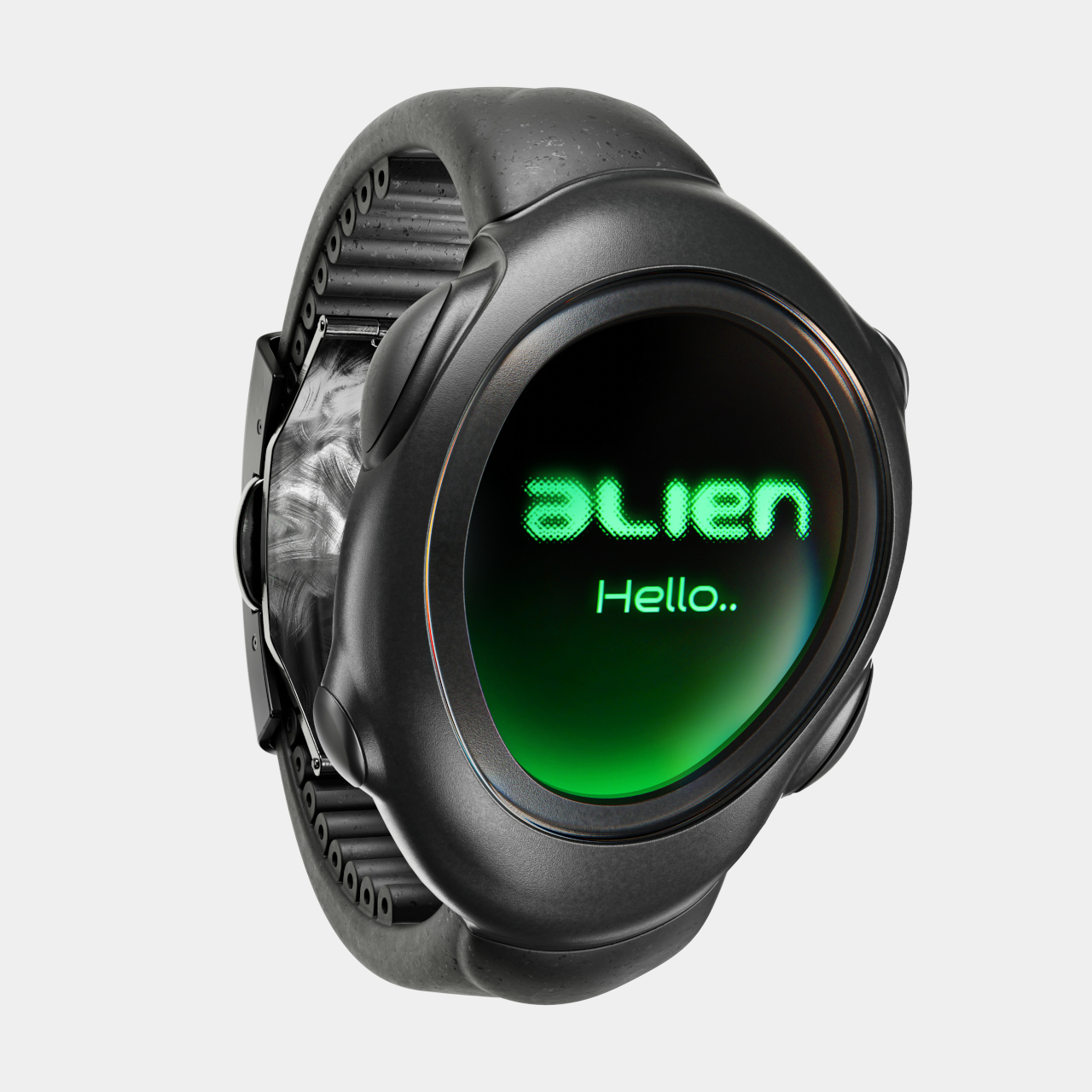
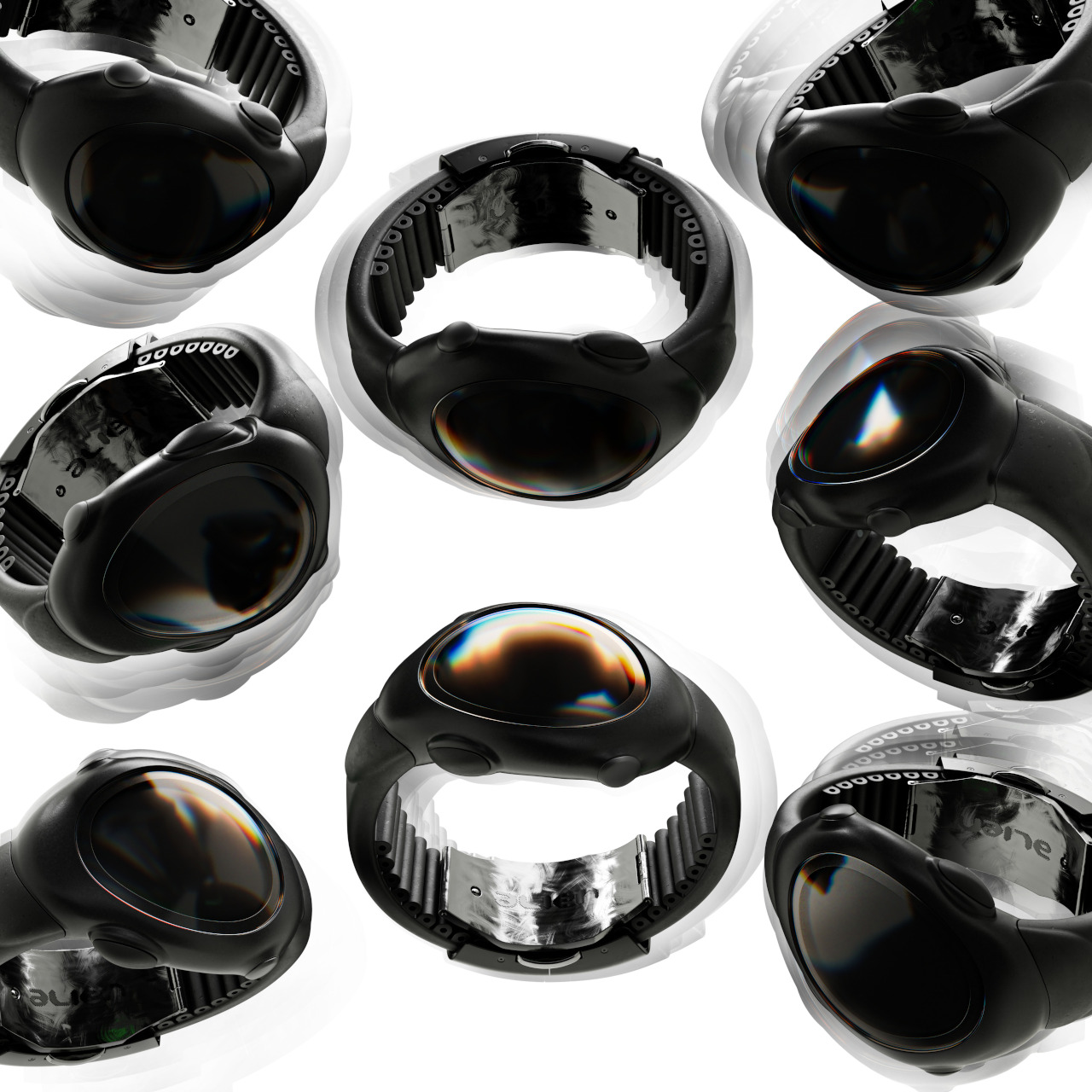
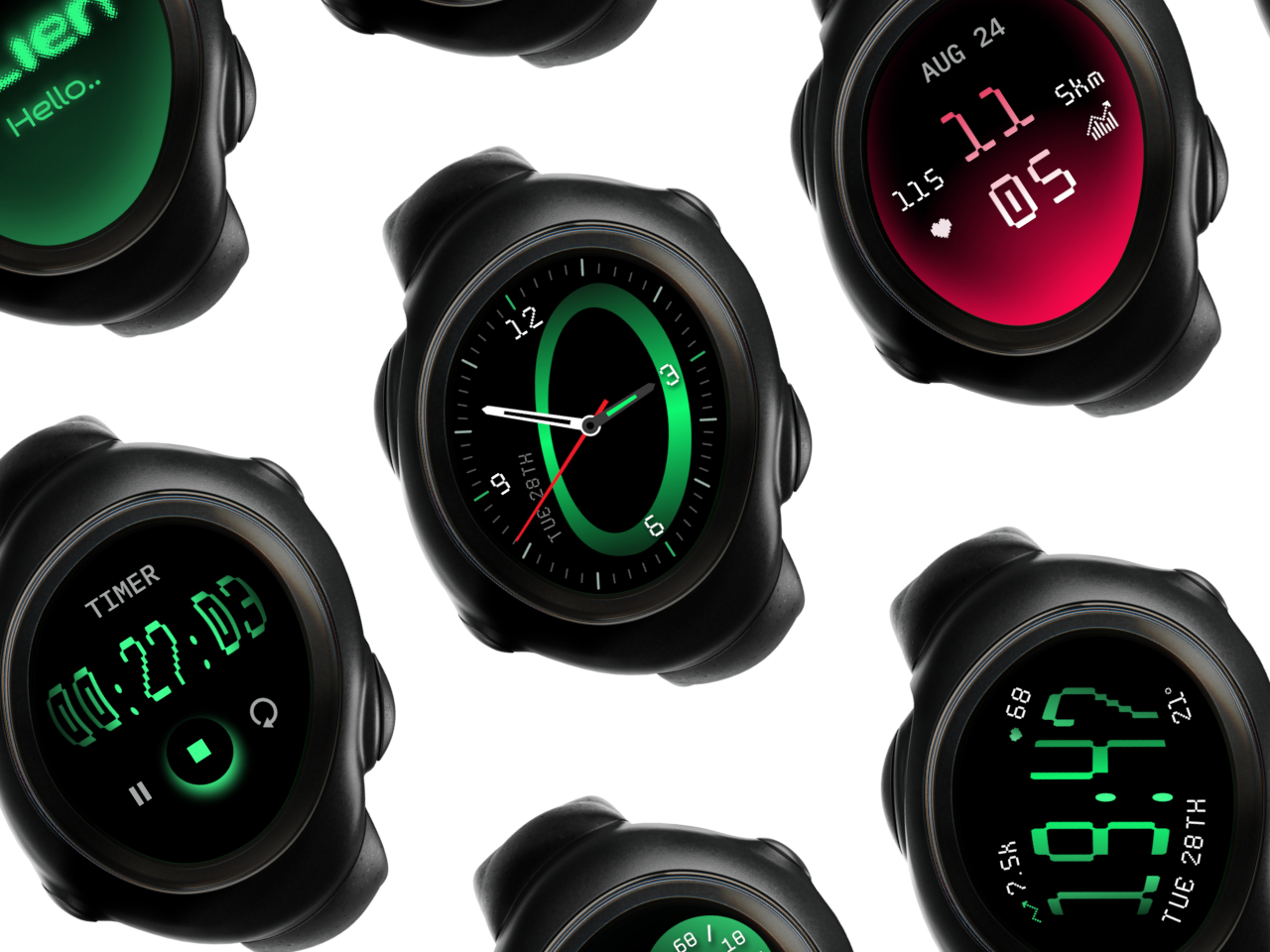
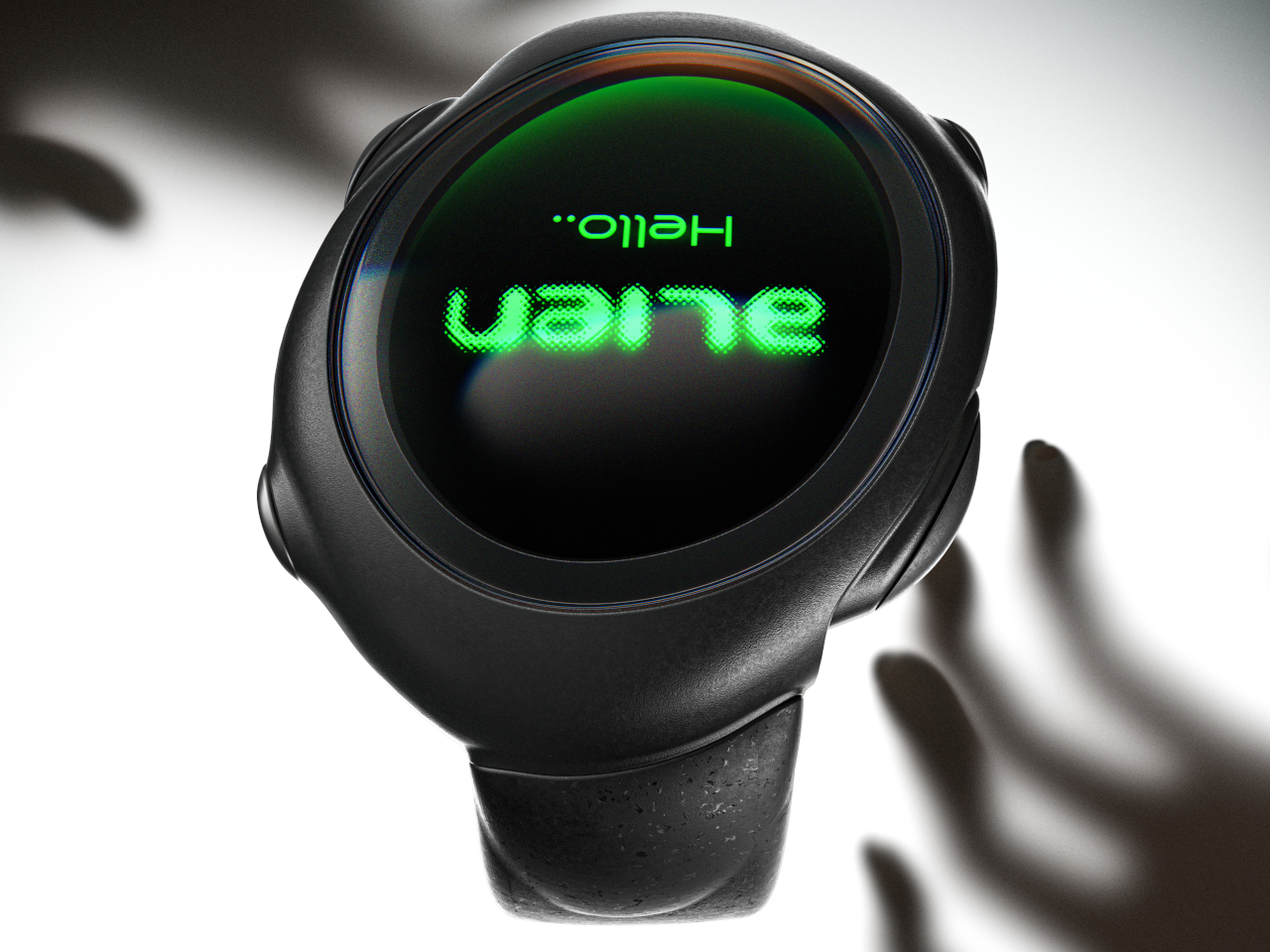
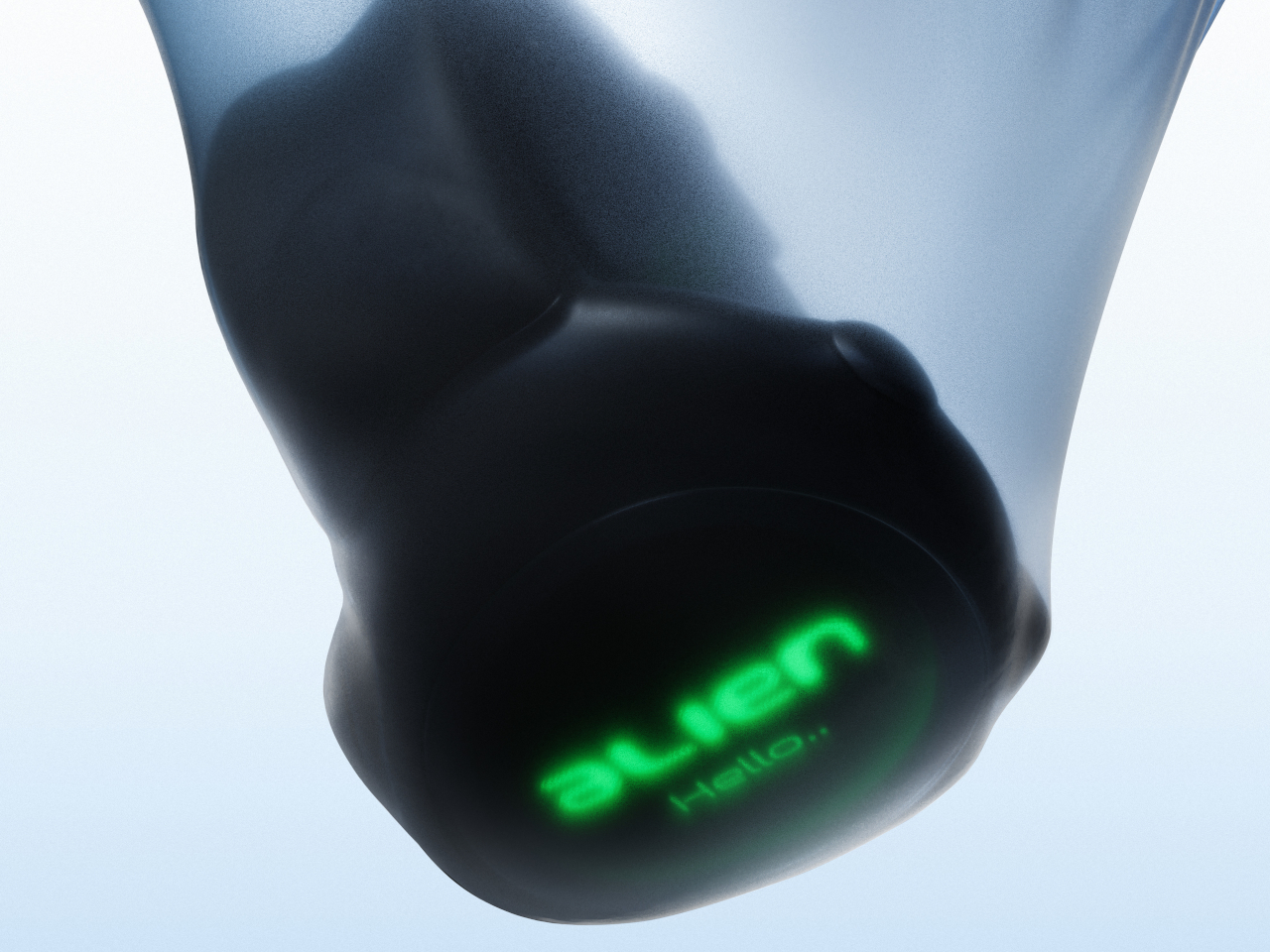
The ALIEN concept gives an empathic “no,” embracing a design language that is more organic and ironically closer to us than its extraterrestrial name would suggest. Its asymmetrical and amorphous design, not to mention the matching domed display, gives it that otherworldly character seemingly pulled out from some 90s sci-fi flick, with its eerie green glow and dark brushed metal surface. Of course, there’s nothing to stop a manufacturer from using other color motifs or materials, but it would still look alien compared to common smartwatches.

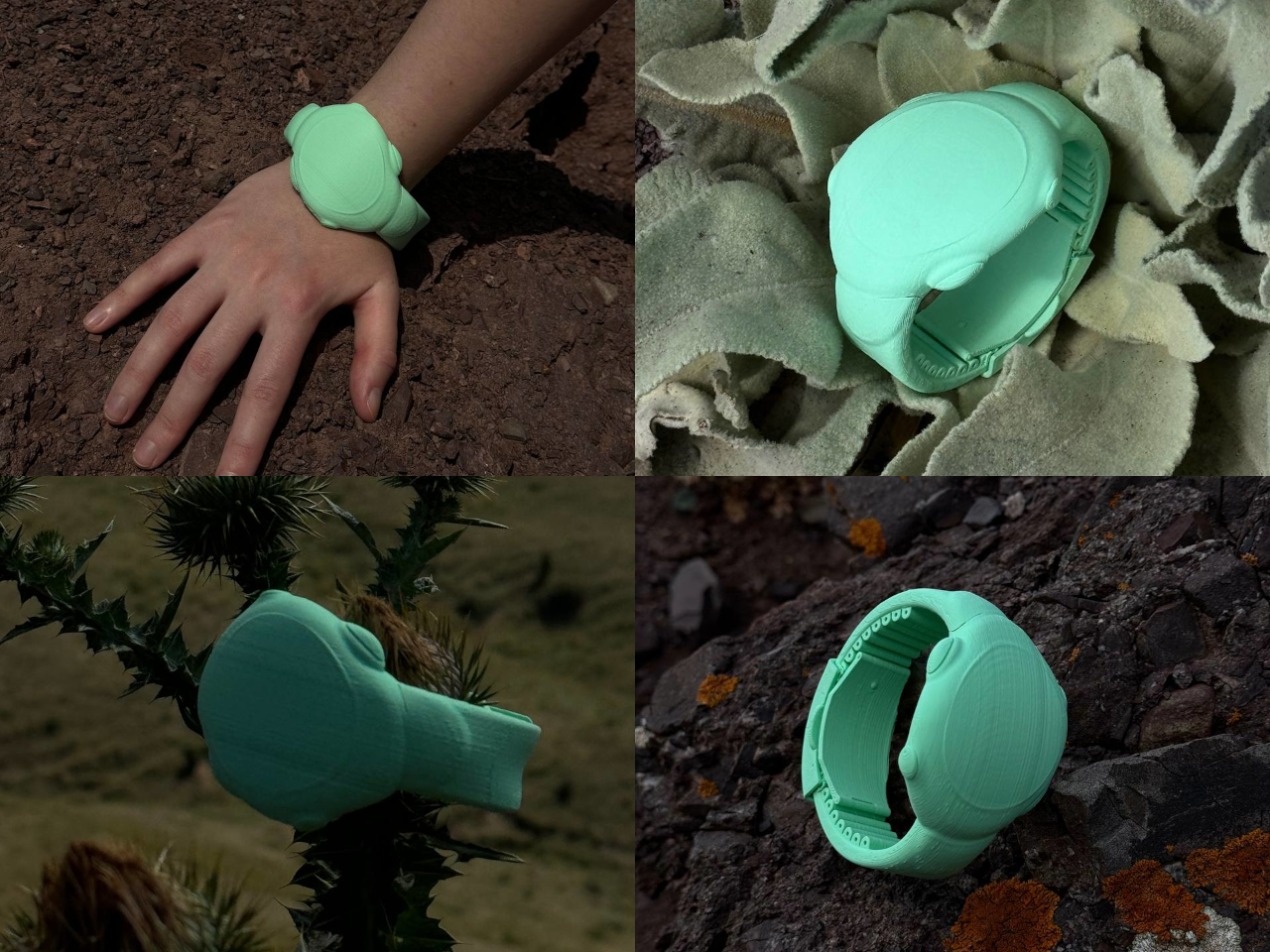
The irony is that, freed from the restrictions of circular and square watches, ALIEN can take on shapes that better conform to people’s wrists, offering a more natural, more ergonomic, and more pleasing curvature that is more human-centric. Even the buttons seem to organically grow out of the watch’s body rather than just jutting out like an artificial add-on. And unlike most smartwatches today, it isn’t content to have just one button but can have as many as four in each corner.

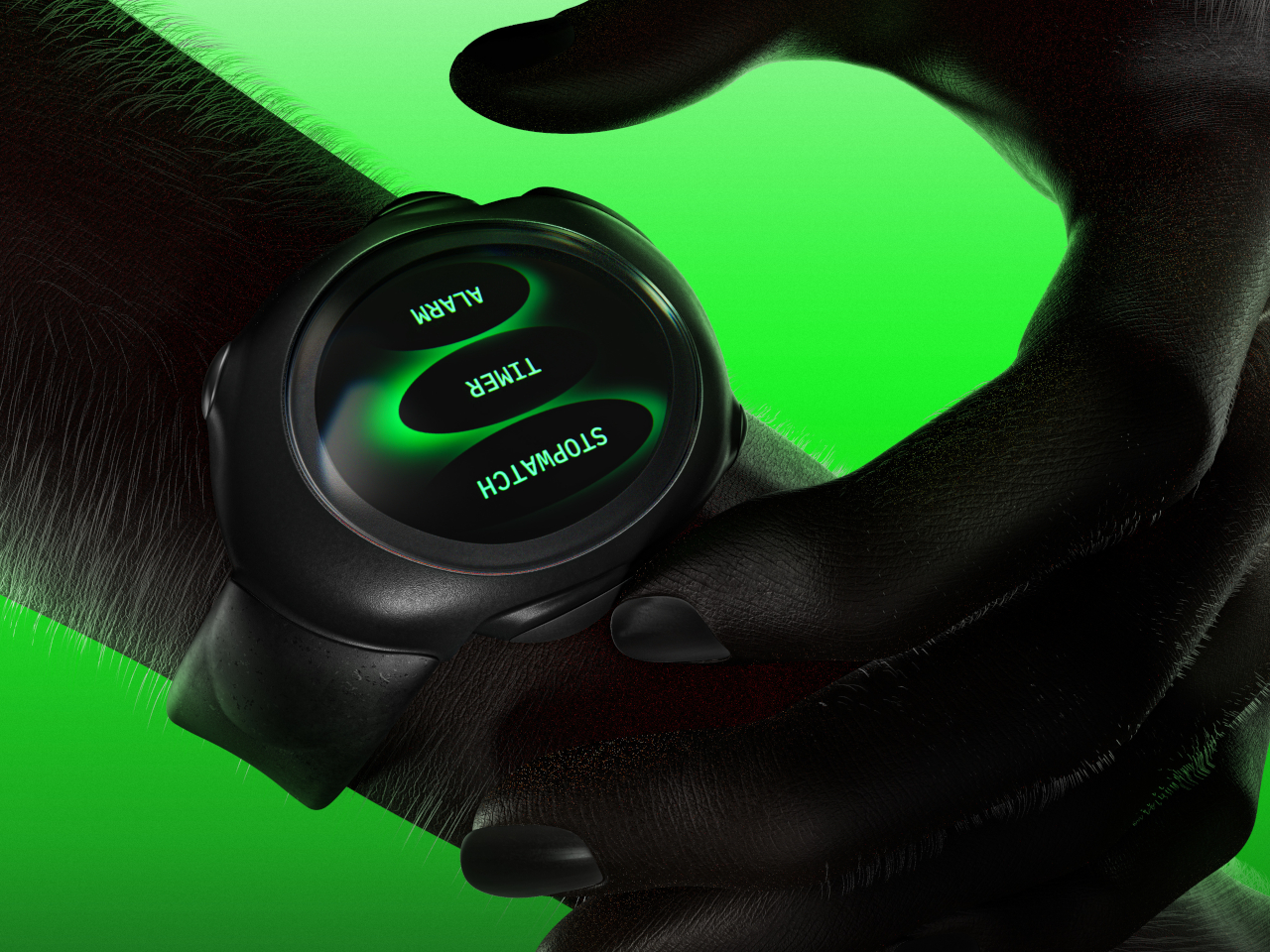
This unconventional design also changes the user experience, though not always in good ways. Because the shape of the screen is non-standard, there is more flexibility for different UI elements and arrangements, but it can also make things more confusing as well. Humans are creatures of habit, and smartwatches try to offer a uniform experience across different models or even platforms to make it easier for owners to switch from one watch to the next. That is, unfortunately, one of the disadvantages of this concept design, making the interaction and experience a little foreign and, well, alien.

The post Alien-inspired smartwatch concept eschews conventional design for more organic aesthetics first appeared on Yanko Design.

What to read this weekend: A house haunted by AI and the mysterious murder of a superhero

New releases in fiction, nonfiction and comics that caught our attention.

This article originally appeared on Engadget at https://www.engadget.com/entertainment/what-to-read-this-weekend-a-house-haunted-by-ai-and-the-mysterious-murder-of-a-superhero-193544502.html?src=rss

ASUS Zenbook S 14 Ceraluminum Laptop Review: Elegance You Can Feel, Power You Can Touch

PROS:


  • Gorgeous Ceraluminum design with a unique tactile experience

  • Ultra-thin and lightweight chassis for effortless portability

  • Lush and vibrant 14-inch 3K 120Hz OLED display

  • Impressive performance, including light gaming

CONS:


  • Port selection is a bit constrained

  • RAM is integrated into System-on-Chip


RATINGS:

AESTHETICS
ERGONOMICS
PERFORMANCE
SUSTAINABILITY / REPAIRABILITY
VALUE FOR MONEY

EDITOR'S QUOTE:

Packing incredible performance in a compact and beautiful design, the ASUS Zenbook S 14 redefines what ultraportable laptops are capable of and demonstrates how to deliver a design that you can feel.
award-icon

For the longest time, Apple MacBooks have set themselves apart from the rest of the laptop crowd with their stylish designs, while laptop manufacturers preferred to focus on the performance and technical aspects of their products. Consumer tastes have shifted, however, and brands have started their search for thinner and lighter designs, though they always get stumped by the laws of physics and the limits of technologies and materials. Always in Search of Incredible, ASUS decided to look to other places for inspiration, both from other industries and Mother Nature herself. The result is a new “meta-material” Ceraluminum, which debuted on the ASUS Zenbook S 14, a rather striking laptop that promises the best of all worlds. Naturally, we couldn’t resist getting our hands on it and taking it for a test run to see whether its beauty runs deep.

Designer: ASUS

Aesthetics

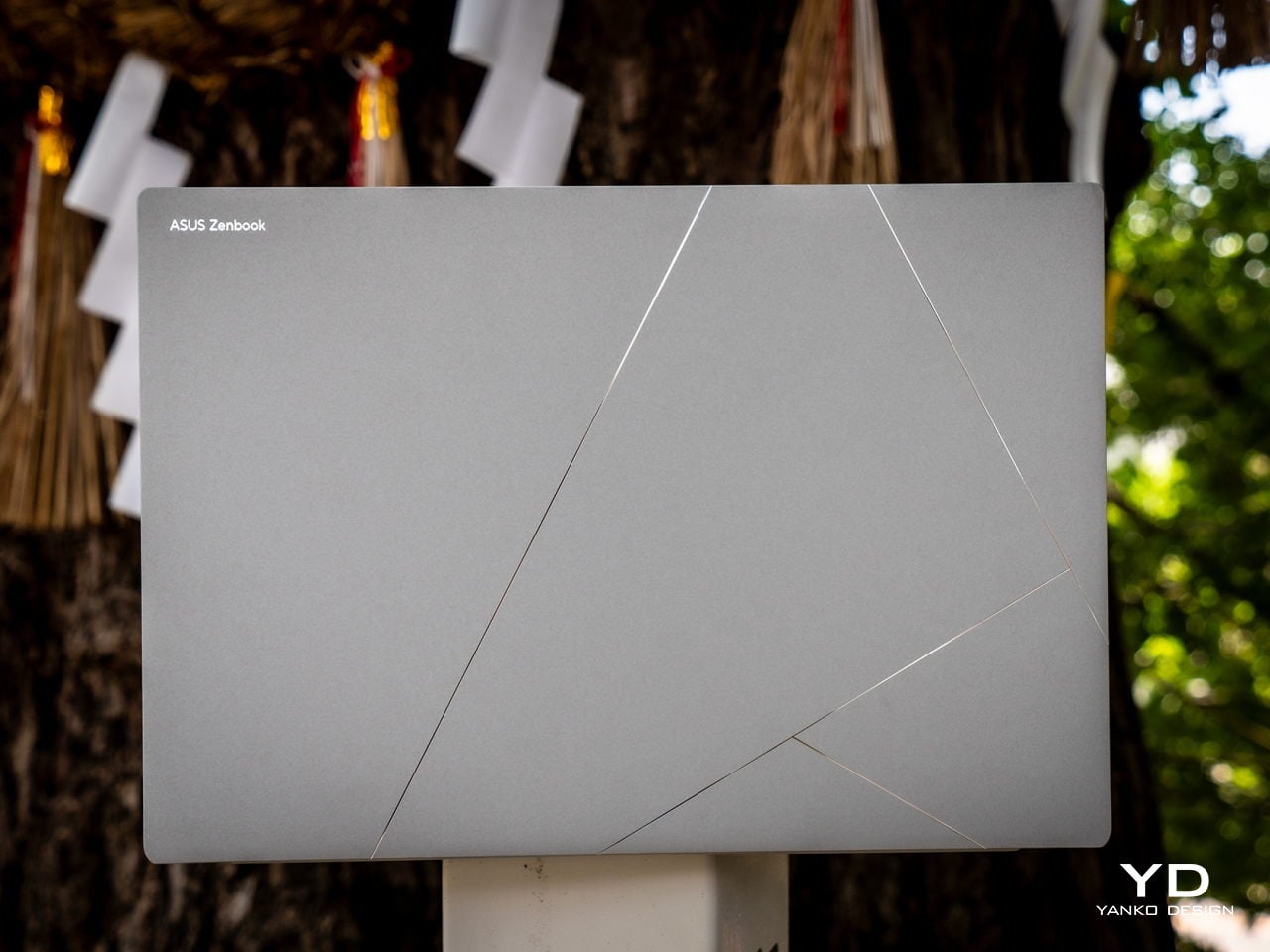
Laptop lids are often made from metal like aluminum or plastic, both of which offer different strengths but also weaknesses. Lately, titanium has become the hot new material for electronics because of its durable and lightweight properties, but it is far from the end-all and be-all of metallic products. Taking a page from the aerospace and luxury watch industries, ASUS developed a new oxidation or “ceramization” to produce a sort of hybrid or meta-material, if you would, that combines not only the lightness of aluminum and the hardness of ceramic but also creates a new visual and tactile experience never before seen on a laptop.
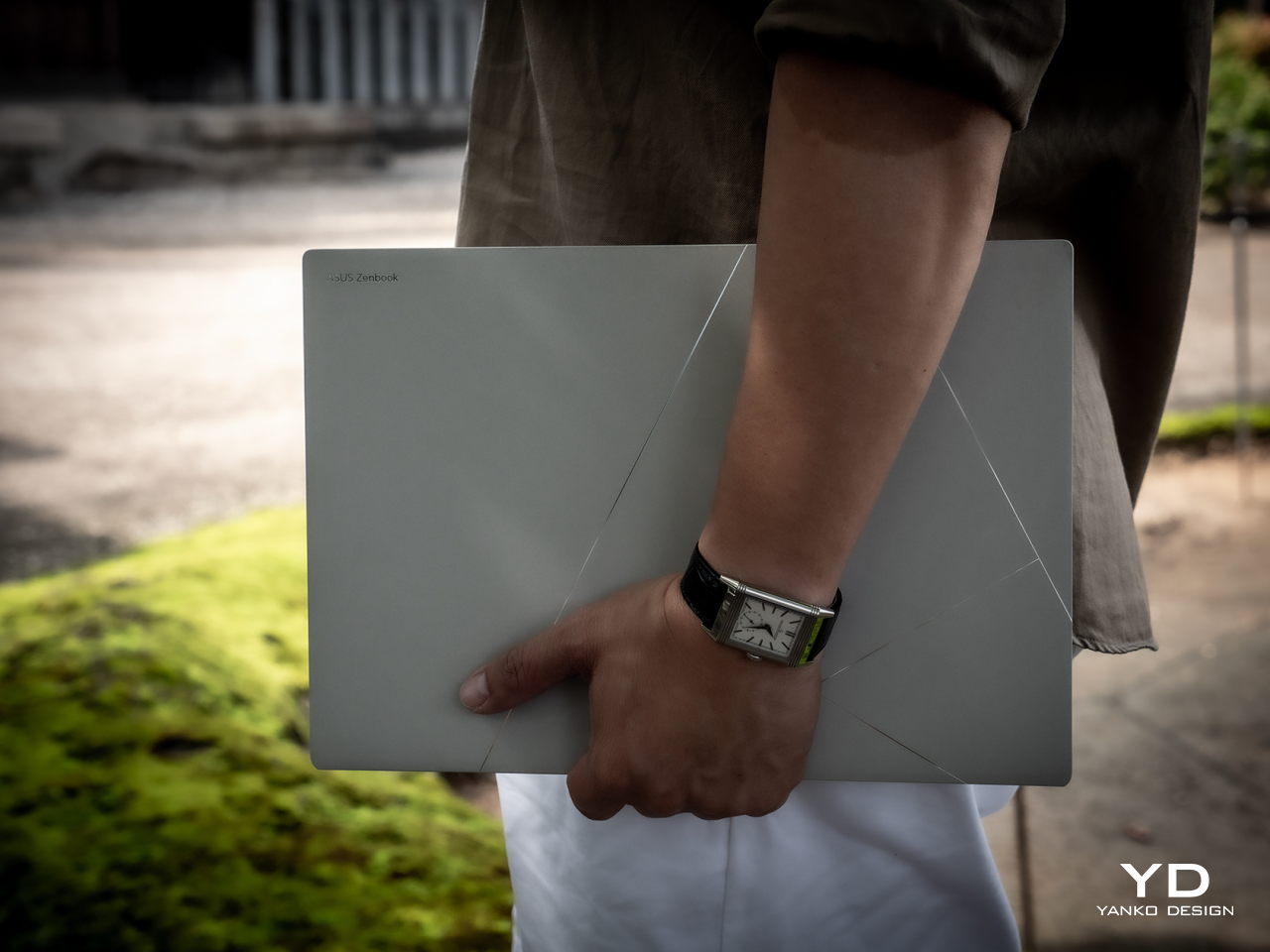
“Ceraluminum” is the marketing term for what ASUS previously called Plasma Ceramic Aluminum, and our very own Vincent Nguyen describes the material in better detail. The end result is a laptop cover that looks nothing less than a piece of art, especially with the lines that cross its surface to create geometric patterns. Not only is the laptop great to look at, but it also feels great to touch. There’s a certain degree of roughness to its surface, almost like paper. Considering its paper-light weight and thinness, it almost feels like you’re simply carrying a stack of white or gray paper.

And yes, the ASUS Zenbook S 14 is unbelievably thin and lightweight, only 1.1cm (0.47 inches) thin and 1.2 kg (2.65 lbs) light. It gives the laptop a rather striking profile that grabs attention from any angle. And with its tactile design and lightweight body, you might find yourself wanting to carry the laptop in your arms often, truly a design that you can feel.
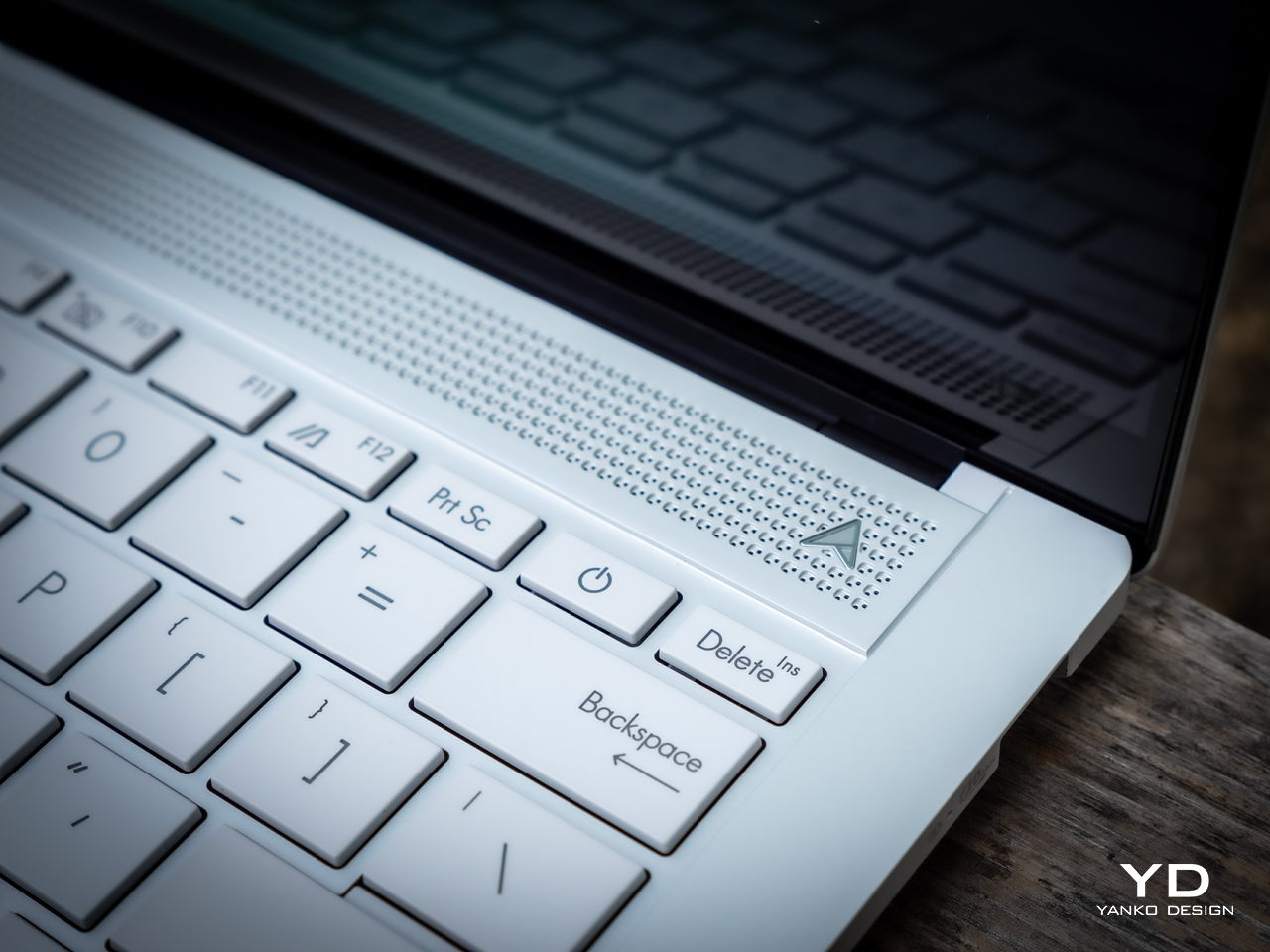
Fortunately, the laptop’s beauty doesn’t disappear when you lift up the lid. The very thin bezels almost disappear completely, giving way to the bright and colorful ASUS Lumina OLED display. The clean and modest design of the keyboard and the touchpad pad perfectly complement the minimalism of the laptop’s lids. Even the rather unique ventilation grid lying between the keyboard and the display hinge brings functional aesthetics into the picture. No matter which way you look at and hold the Zenbook S 14, you are greeted by a strikingly elegant display that you touch with your eyes as well as with your fingers.

Ergonomics

With such a thin and light design, there is really no argument about the portability of this laptop. You can easily carry it anywhere by hand or slip it inside a bag, and use it anywhere as well, including on your laptop. This makes the Zenbook S 14 ideal for people who find themselves always on the move, sometimes even at a moment’s notice. Best of all, they aren’t losing out on power and performance, as we’ll see later, so there are almost no downsides to its design.

That said, if you’re a bit picky about your typing experience, you might have some issues with the ASUS Zenbook S 14’s keyboard. With a profile as thin as this, it shouldn’t come as a surprise that the keyboard actually has a bit of a shallow travel distance, just around 1.1mm. Mind you, that’s not exactly a deal breaker and we found it to still be quite comfortable and enjoyable to type on. In fact, considering that same thin profile, it’s a miracle that this keyboard could actually feel this good. Again, your mileage might vary, but keyboard connoisseurs might want to take note of this detail.
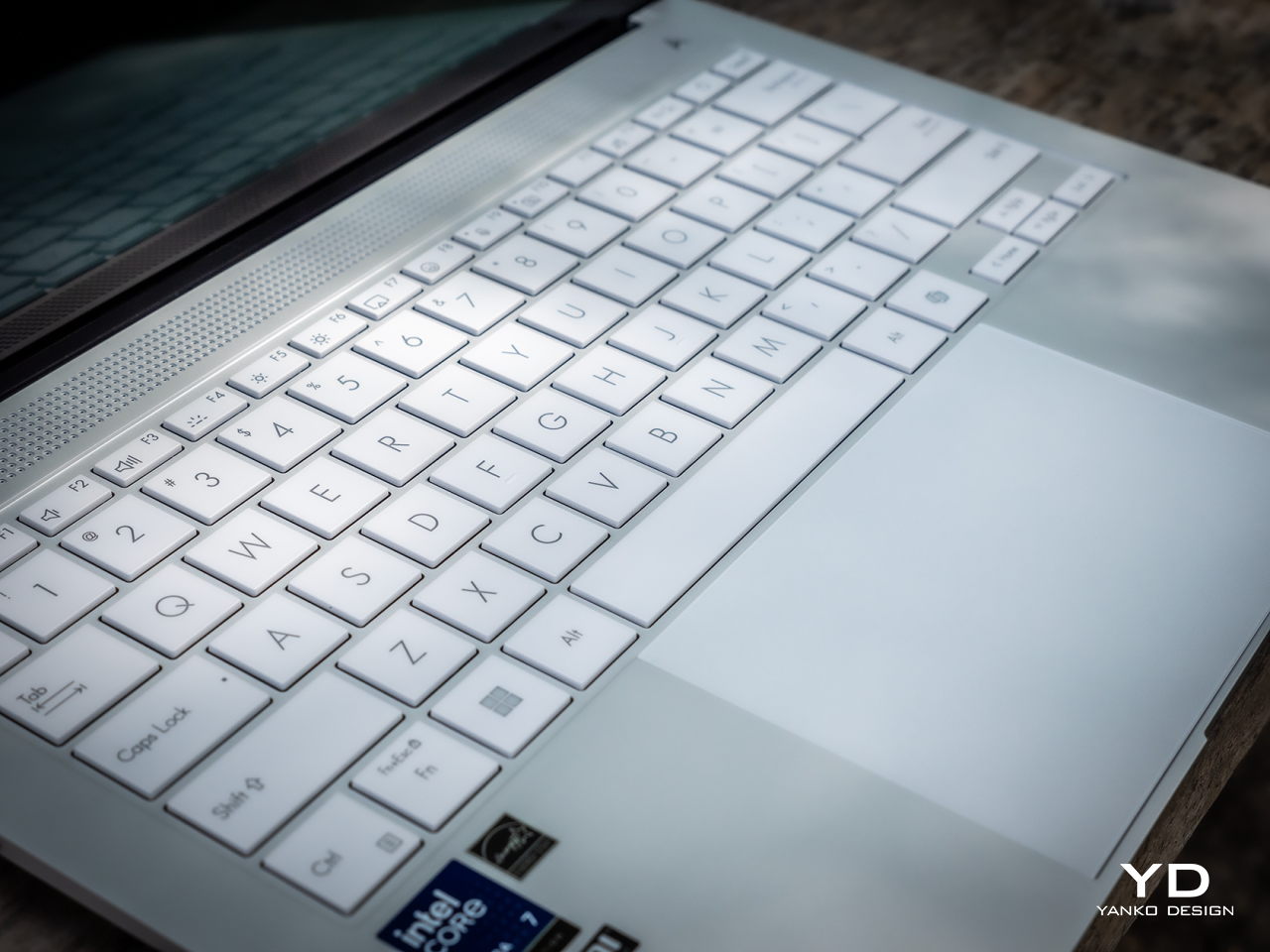
Another minor matter that may or may not ruin your experience is the very bright keyboard backlight. Although adjustable, even its dimmest setting might feel a little blinding to more sensitive eyes, especially in a dark room. On the bright side (no pun intended), the light and the keys are also very visible even in bright surroundings. Again, not a huge flaw but something you’ll want to consider based on your personal preferences.

Performance

You might be wondering what the catch is since thin laptops have traditionally been underpowered to the point of being unusable for anything but the most basic computing tasks. There are a small number of gotchas, indeed, but not in the ways you might expect and definitely not damning enough to ruin mar the Zenbook S 14’s prestige. In fact, it’s pretty mind-blowing that this ultra-thin laptop is able to perform this well, offering a no-compromise mobile computing experience.
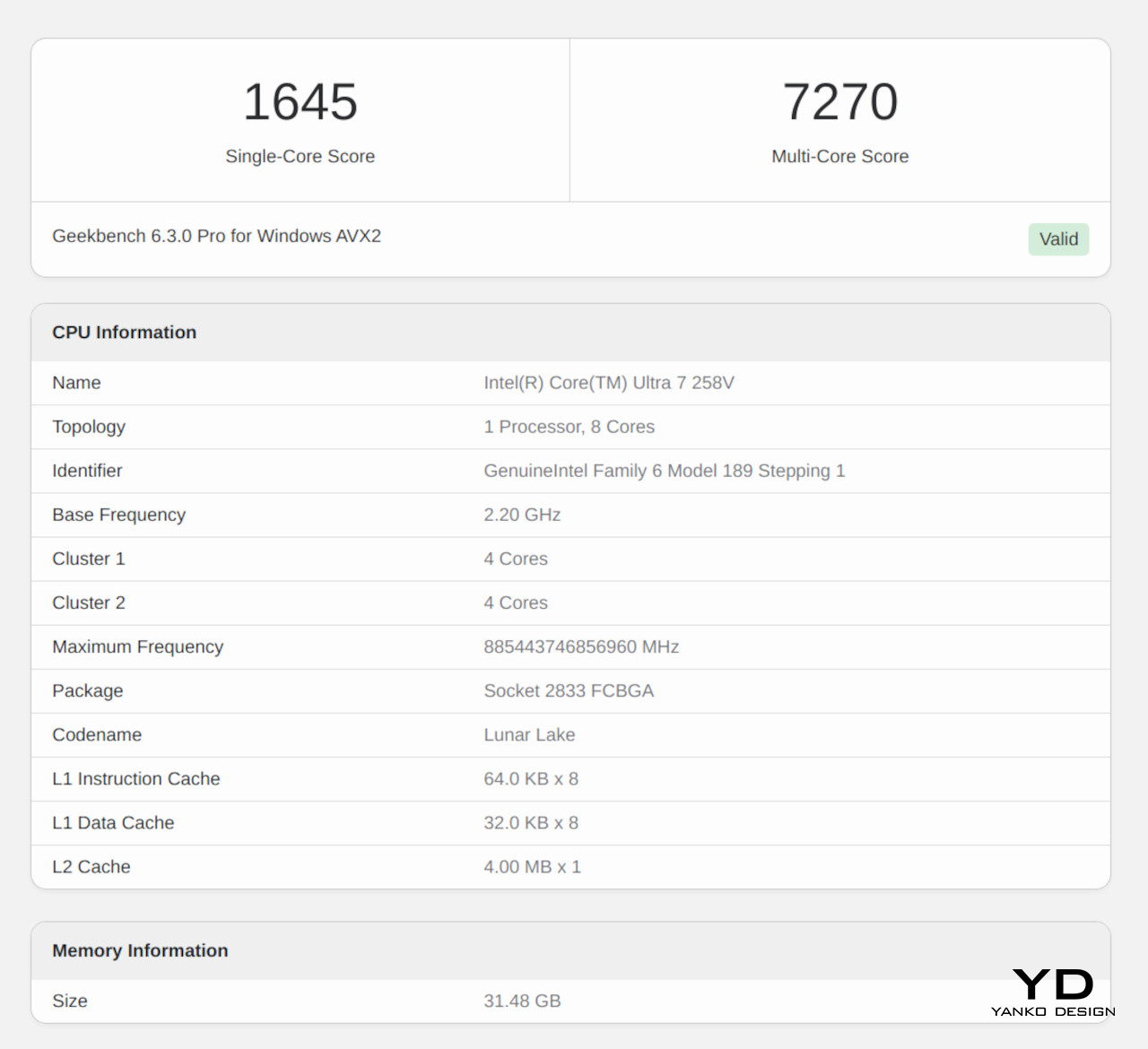
Part of that is thanks to the new Intel Lunar Lake processor, specifically the Core Ultra 7 258V. It uses a system-on-chip design that integrates a CPU, a dedicated NPU (Neural Processing Unit), an Intel Arc Xe GPU, and 32GB of RAM. Yes, that memory is built into the processor, which does have an important implication we’ll get to later. Regardless, this compact silicon design is what allowed Intel and ASUS to maximize internal space, allowing them to cram more or bigger components, like a 72Wh battery.
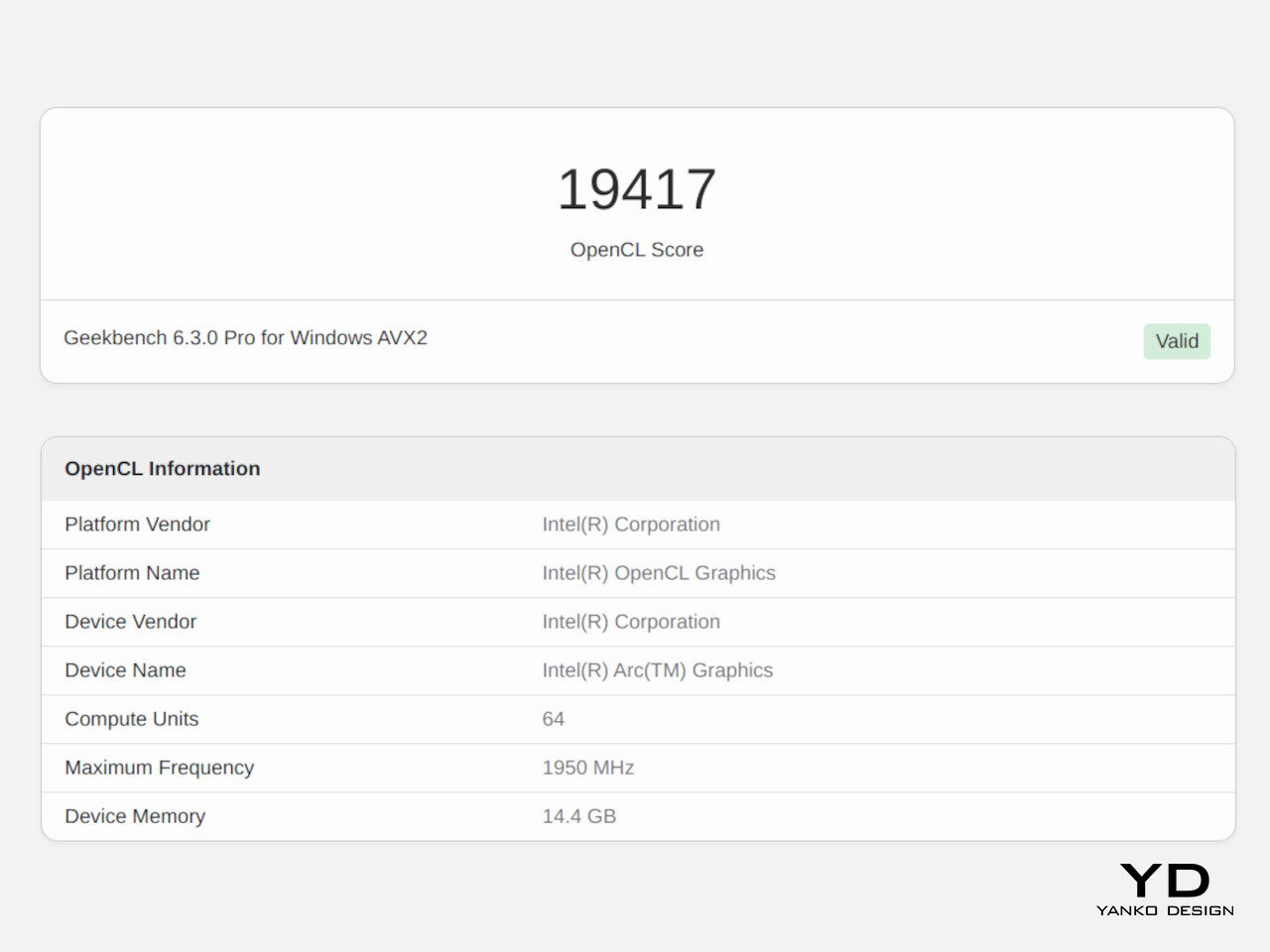
The Zenbook S 14’s raw benchmark performance is nothing short of impressive, easily matching other 28W laptops. Considering ultra-thin 14-inch laptops often operate at a much lower 15W TDP to avoid overheating, this is quite a remarkable feat. Perhaps the most telling achievement is how this slim laptop can deftly handle gaming loads with medium graphics settings instead of the typical low settings. Although it’s not marketed as a content creation or gaming laptop, it can definitely fit the bill with some performance tweaking and adjustments.

What’s a bit more interesting, however, is how the laptop’s performance seems to lean more towards unplugged use. Of course, this is perhaps one of the most important considerations for a laptop, since wouldn’t want to have it always plugged in, defeating the purpose of its portability. Long story short, the Zenbook S 14 seems to perform best when on battery, providing a good balance of power and efficiency to meet any computing need anywhere, anytime. And with mixed use, you can get a little under 20 hours of battery life on a single charge. That’s well under ASUS’s advertised 27 hours of non-stop video playback, but the realistic numbers are still quite good.
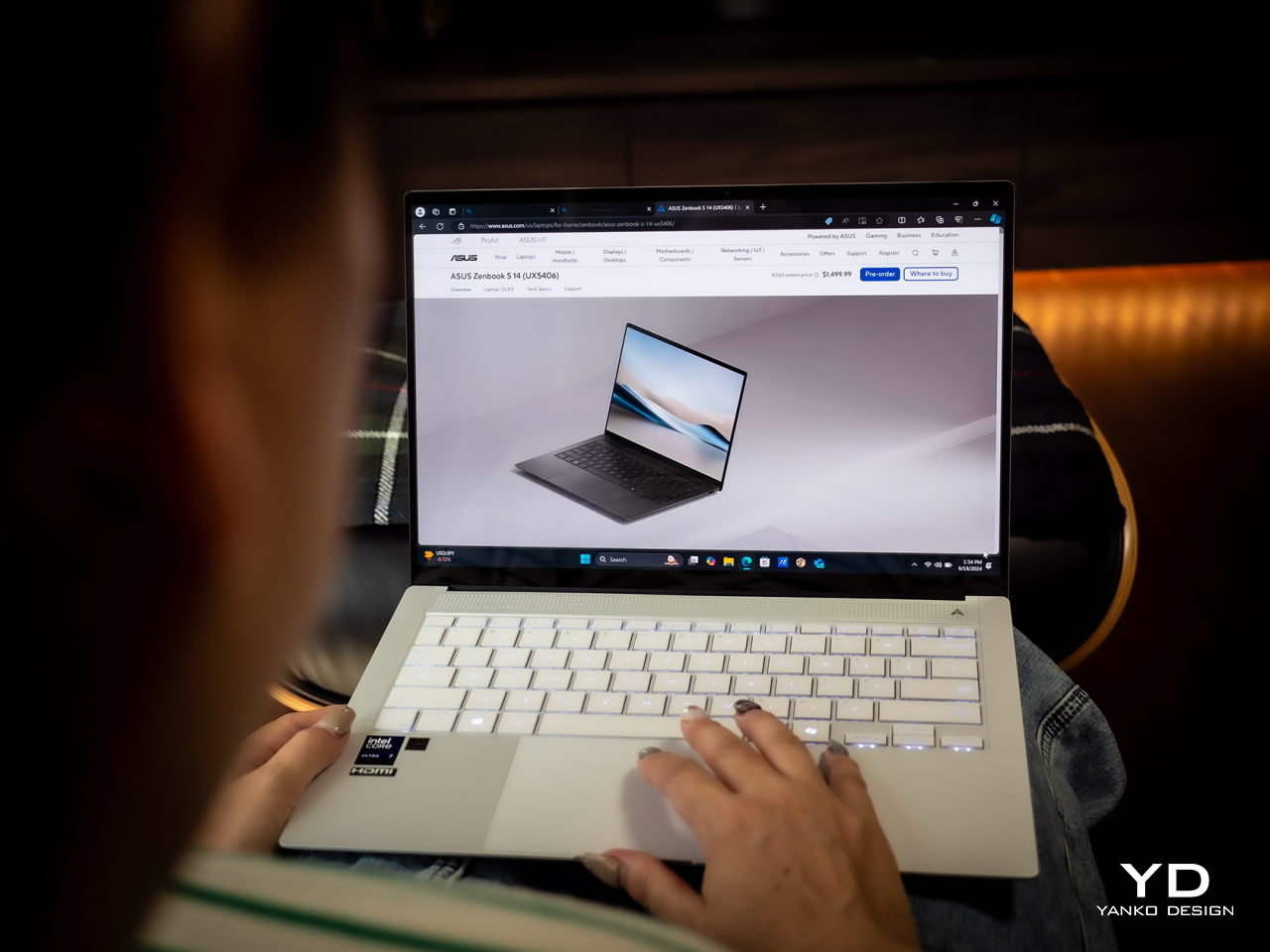
This makes the ASUS Zenbook S 14 a great all-around laptop, and that includes multimedia and, as mentioned, even games. The 14-inch 3K OLED screen is just breathtaking with its brightness and colors, and being part of the ASUS Lumina line, it is also PANTONE-validated, making it an excellent tool for creators, and the monitor’s 120Hz is actually a must-have for gamers. Four high-quality speakers give a punchy treatment to videos and music, making this laptop a multimedia powerhouse despite its modest and business-minded looks.
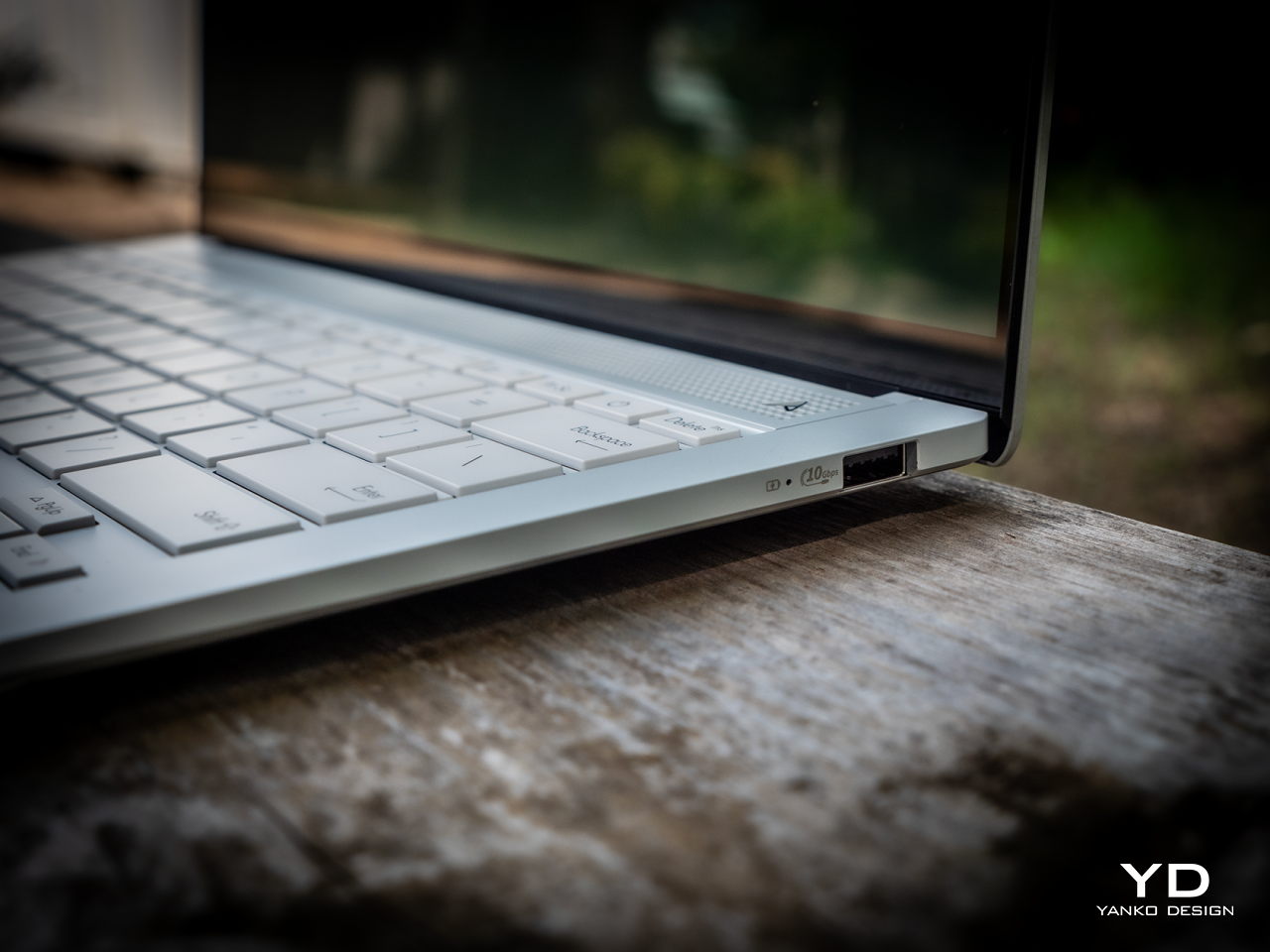
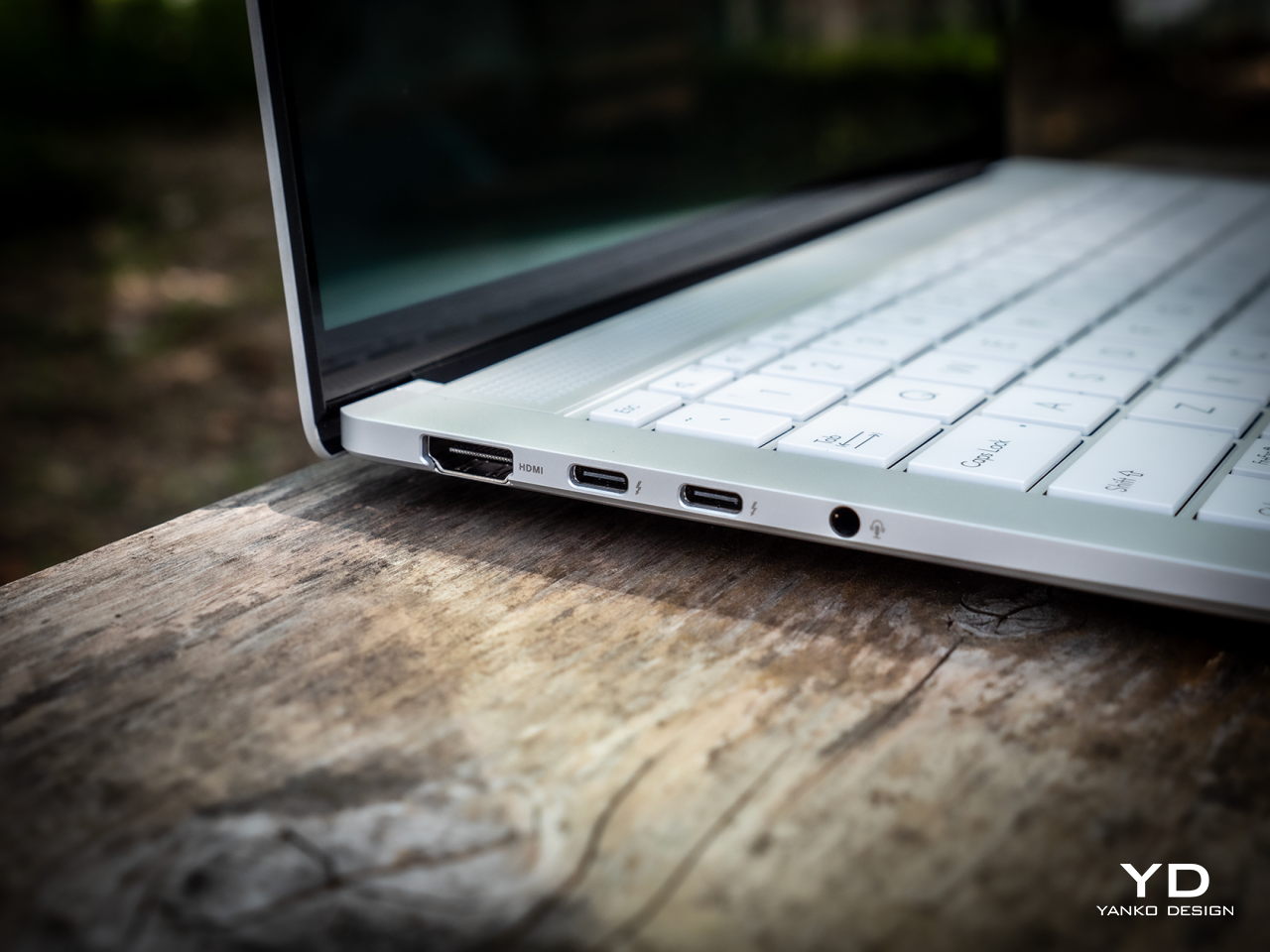
One area where the Zenbook S 14 might come up short for some people is the number of ports available. Remember that time when Apple got chided for replacing all the ports on MacBook Pros with just four C-Type Thunderbolt 4 ports? It’s not as bad here, but there will definitely be some who will find the selection far too modest. There are only two of those USB-C Thunderbolt 4 ports, both of which can be used for charging, data, and video out. There’s also one full-sized USB 3.2 Gen 2 Type-A port, one HDMI 2.1 port, and a headphone/mic combo jack. That’s pretty much it. There isn’t even an SD card reader, which will probably disappoint photographers. Both USB-C ports are located on the same side, which forces you to have the charger and dongles competing for space. The lack of other ports might not be that big of a problem when you dock the laptop at home or in the office, but if your office tends to change locations, you’ll have to bring a hub with you as well.

Sustainability

ASUS has been working hard to step up to the challenge of making the world a greener place for future generations, and its most ambitious attempt yet can be seen in its most ambitious material design as well. Ceraluminum isn’t just a fancy new material with a beautiful aesthetic and satisfying texture; it is also a more sustainable alternative to the usual metal anodizing techniques used by manufacturers. Instead of corrosive acids that release harmful toxins into the air, ASUS’ ceramization process uses water and super-high voltage electricity to produce an even better oxide layer, creating this blend of lightweight durability your fingers will love.
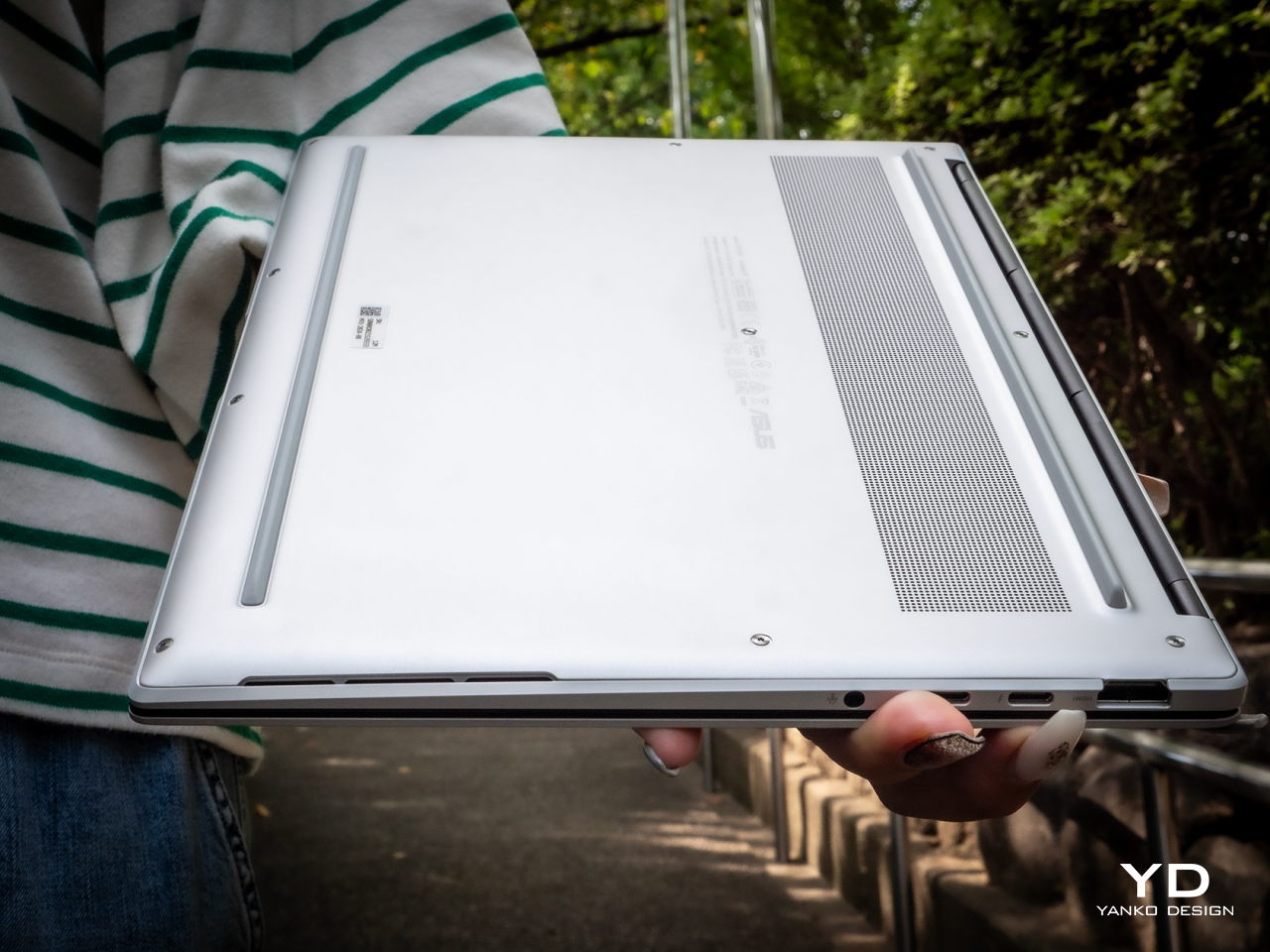
The ASUS Zenbook S 14 is also made to last, thanks to that Ceraluminum material that’s not only scratch-resistant but also smudge-resistant. And despite its luxurious aesthetic, this laptop actually boasts military-grade MIL-STD-810H compliance, ensuring that it can survive accidental bumps, high-frequency vibrations, and extreme temperatures. One aspect that takes a point from its longevity is the fact that you can only upgrade the M.2 NVMe SSD, and only up to 1TB capacity. The 32GB of RAM is, as mentioned, fixed and soldered. Yes, that might be enough for most use cases, but only today. Who knows how demanding apps and services will be just a few years from now.

Value

Most people marvel at ultra-thin laptops but pass them over because those slim profiles barely have enough power to meet their needs. Finding the right balance between portability, power, and price is like a hunting game, but you don’t need to go any further than what ASUS is now offering on the table. With a beautiful 14-inch screen, only 1.1cm thick, and weighing only 2.65 lbs, the ASUS Zenbook S 14 delivers a versatile machine that doesn’t compromise on performance, at least not in significant ways.
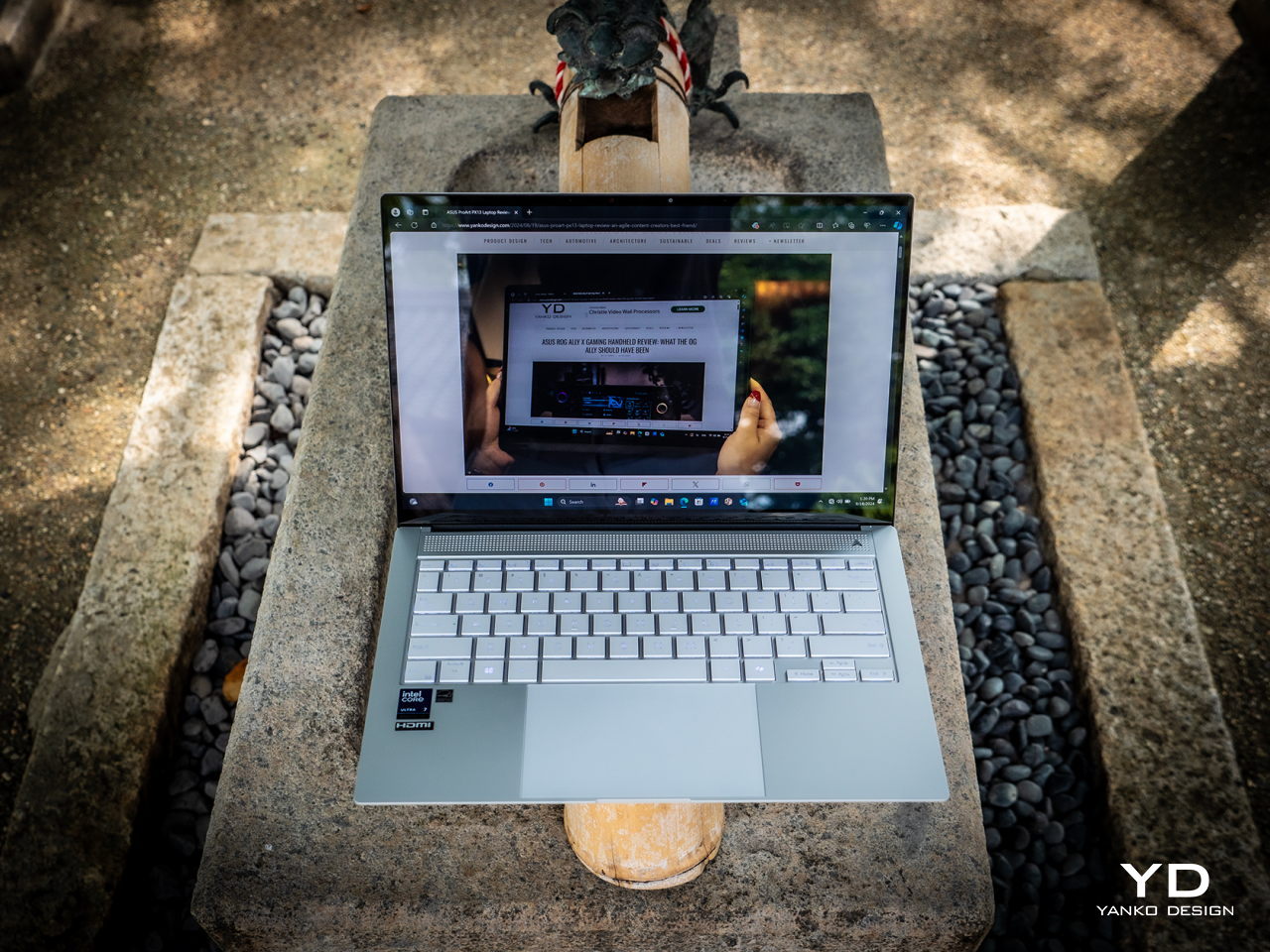
Best of all, it’s an absolute beauty to behold and to hold! Ceraluminum might sound like a buzzword, but its aesthetic value and tactile experience are the real deal. The $1,499.99 price tag for the 32GB RAM model is indeed nothing to scoff at either, but when you realize all the value that you’re getting, it’s almost a steal.

Verdict

We have finally reached a point where laptops no longer need to be hulking blocks of metal just to catch up with their desktop counterparts. While they still lose out on raw performance and customization, today’s laptops can be slimmer than ever and, more importantly, offer a design experience that desktop towers can only dream of. Of course, it takes no small amount of creative thinking, bold decision-making, and the courage to go beyond the boundaries of convention to create an amazing experience that will satiate consumer’s thirst for better-designed products. ASUS has definitely proven that it isn’t averse to taking that big leap, and the Zenbook S 14 is a shining testament to that daring spirit to create designs that you can see and feel.

The post ASUS Zenbook S 14 Ceraluminum Laptop Review: Elegance You Can Feel, Power You Can Touch first appeared on Yanko Design.

X is reportedly now complying with orders from Brazil’s Supreme Court

X is reportedly reversing course after weeks of refusing to comply with conditions set by the Brazilian Supreme Court that would allow it to operate in the country again. According to The New York Times, the company’s lawyers said in a Friday court filing that X has named a legal representative in Brazil as demanded by justice Alexandre de Moraes and removed accounts that the judge had identified as a threat to democracy, along with paying the fines it owed. But, the publication also reports that the Brazil Supreme Court has said X did not submit all the necessary paperwork, and now has five days to do so.

The paperwork X failed to submit is that which would prove it formally appointed a legal representative in Brazil, as required by Brazilian law, according to Reuters. X named Rachel de Oliveira Conceicao as its new legal representative in the filing on Friday. The company has been working to restore service to users in Brazil after it was blocked at the end of August, and briefly came back online earlier this week using Cloudflare’s DNS. But, it said that this was “inadvertent and temporary.” In a statement, an X spokesperson said at the time, “While we expect the platform to be inaccessible again in Brazil soon, we continue efforts to work with the Brazilian government to return very soon for the people of Brazil.”

Brazil has threatened X and Starlink with daily fines of nearly $1 million if they do not comply with the ban in the country. Justice Moraes also made it so users in Brazil could be fined roughly $8,900 if caught using a VPN to access X. The company’s latest move is a step toward resolving the issue and potentially bringing X back to Brazil legally.

This article originally appeared on Engadget at https://www.engadget.com/social-media/x-is-reportedly-now-complying-with-orders-from-brazils-supreme-court-170651920.html?src=rss

OpenAI staffers reportedly ‘taken aback’ by ‘ominous’ logo rebranding

OpenAI could undergo massive changes next year, which include getting a brand new logo. According to Fortune, though, staff members were less than enthused when they got a sneak peek of its supposed new logo at a recent company-wide meeting. The company's hexagonal flower symbol, which has become pretty recognizable thanks to ChatGPT's popularity, is gone. Instead, it's replaced by a large black "O" or a simple ring or circle that staffers reportedly found to be devoid of creativity — ominous, even. 

Based on how the publication's sources described it, the new logo sounds like the complete opposite of OpenAI's current one, which was designed to represent "precision, potential and optimism." The company apparently started its redesign efforts a year ago after hiring new people for its internal creative and design team. Fortune says one of the reasons OpenAI is going for a brand new look is because it doesn't own the typefaces used for its logo and its website. The company is, perhaps, looking to solidify its identity as it becomes more of a household name. 

Fortune also previously reported that OpenAI is changing its convoluted non-profit corporate structure next year. The company started as a non-profit, and a non-profit entity still controls its for-profit arm. Sam Altman, OpenAI's CEO, reportedly told employees that the company is moving away from its non-profit structure and is becoming a more traditional for-profit company. If OpenAI's leaders listen to employee feedback, though, then the new OpenAI will debut with another logo and not one that even its own people find sinister.

This article originally appeared on Engadget at https://www.engadget.com/ai/openai-staffers-reportedly-taken-aback-by-ominous-logo-rebranding-160017936.html?src=rss