What if the future of drone technology was already here, and it wasn’t just a step forward, it was a leap? The DJI Neo 2 has arrived, and it’s not just another upgrade; it’s a bold redefinition of what drones can do. With its cinematic-grade camera, advanced tracking, and unparalleled obstacle avoidance, this next-gen marvel […]
Fast chargers are no longer a nice-to-have item. With phones, tablets, laptops and wearables all competing for outlets, the right charger can make a difference in how quickly you get back to full power without worrying about overheating or long-term battery wear. Since many devices now ship without a power brick, choosing a charger with the right compatibility, ports and charging technology is just as important as raw speed.
Today’s best fast chargers are designed to handle multiple devices at once, whether that’s a phone, laptop, AirPods or even an Apple Watch. Many models combine Type-C ports with a USB-A charger option to support older cables like a Lightning cable, while newer designs focus on multi-port chargers that can intelligently distribute power across everything you plug in. Brands like Anker continue to refine their designs, with compact options such as an Anker charger that’s easy to toss in a bag but powerful enough for everyday use.
With so many wattages, port layouts and standards to consider, finding the best fast charger depends on how and where you charge. Whether you want a simple wall adapter, a travel-friendly option or a desktop hub built to power everything at once, this guide breaks down our top picks for 2026.
Best fast chargers for 2026
What to consider before buying a fast charger
Before you start looking at specific chargers, it's critical to determine three things: how many devices do you need to charge, how much power do they require and whether or not you're planning on traveling with any of them. This is especially true if you’re charging a mix of devices that still rely on a Lightning cable alongside newer USB-C gear.
The reason for the first question is simple. If you only need to charge a single device, like an iPhone or Android phone, it's cheaper and usually more space-efficient to get a lower-wattage phone charger with one port instead of two or three. Next, it's critical to figure out how much electricity your gadgets need because it doesn't make sense to buy a power brick that pushes out more juice than your device can actually use. This may sound a bit tricky, but most major manufacturers will list a product's max charging speeds in its tech specs, which is typically denoted by a specific wattage (15W, for example) or a quick-charge rating.
Unfortunately, very powerful or large laptops like gaming notebooks can suck a ton of juice (more than 140 watts), which means they may rely on more traditional power adapters with barrel plugs. This may result in them not being compatible with universal chargers. Some of these PCs may also support charging over USB-C, so even if a specific adapter can't deliver its full power draw, it can still send over some energy — but it will do so at a slower rate compared to the laptop's included charger. To get the best performance, using a fast charging cable, such as a USB-C cable, can make a big difference in maintaining consistent power delivery.
For frequent travelers, size and weight are often important considerations, because the bigger and heavier a charger is, the more annoying it will be to lug around. You'll also want to think about other factors like support for international plugs, which can be a big help to anyone who regularly visits other countries. If you’re already traveling with power banks or a charging station, choosing a compact GaN charger can help streamline your gear.
Finally, you'll want to figure out if your smartphone uses a proprietary charging standard or if it's compatible with the USB Power Delivery spec (USB PD). For example, the OnePlus 13's included SuperVOOC power adapter can send up to 100 watts to the phone. However, if you use a generic USB-PD charger, speeds top out at 45 watts. That’s still pretty quick, but not nearly as fast as OnePlus' brick — and the same applies to devices with super fast charging support. Also, make sure your charging cable and connector are up to spec, as lower-quality accessories can bottleneck speeds or contribute to overheating during fast charging.
Fast charger FAQs
What is GaN?
When looking for chargers, you may notice that some are marked as GaN, which stands for gallium nitride. This is an important distinction because, when compared to older adapters that use silicon switches, GaN-based devices support increased power efficiency and output, allowing manufacturers to create more compact bricks that run cooler and support higher wattages.
Depending on the specific power output, GaN adapters can be 30 to 50 percent smaller and lighter than silicon-based alternatives. That might not sound like much, but when they’re sitting in a bag alongside a laptop and a half dozen other accessories you might have, cutting down on excess bulk and weight goes a long way.
Do fast chargers affect battery life?
Technically yes, because the process of sending a ton of watts into a gadget and potentially generating additional heat while doing so can decrease battery health over time. That said, modern devices and chargers use various protocols to ensure temperatures and power levels stay within preset limits — in large part to avoid damaging the product or creating a safety risk. At a base level, simply charging a gadget regardless of speed will cause degradation over time (nothing stays perfect forever, you know?). So as long as you use compatible chargers and cables, the impact of fast charging is generally quite negligible.
What's the difference between a fast charger and a regular charger?
There isn't a single generally accepted definition of fast charging. However, with power adapters capable of sending as little as five watts or less, it's important to know how much juice your device is getting, especially if you need to recharge something quickly. So depending on who you ask (particularly when it comes to smartphones), any charger that can push out more than 15 to 18 watts is generally considered to be "fast." That said, with some phones capable of receiving more than 100 watts and up to 240 watts for some laptops, it's more important than ever to consider what devices you own before buying a new fast charger.
This article originally appeared on Engadget at https://www.engadget.com/computing/accessories/best-fast-chargers-140011033.html?src=rss
The Samsung Galaxy S26 Ultra, scheduled for release in February 2026, represents a significant milestone in the evolution of flagship smartphones. With its sleek design, enhanced camera capabilities, and an exclusive Qualcomm processor, Samsung continues to push the boundaries of premium mobile technology. However, these advancements come with a higher price point, reflecting the integration […]
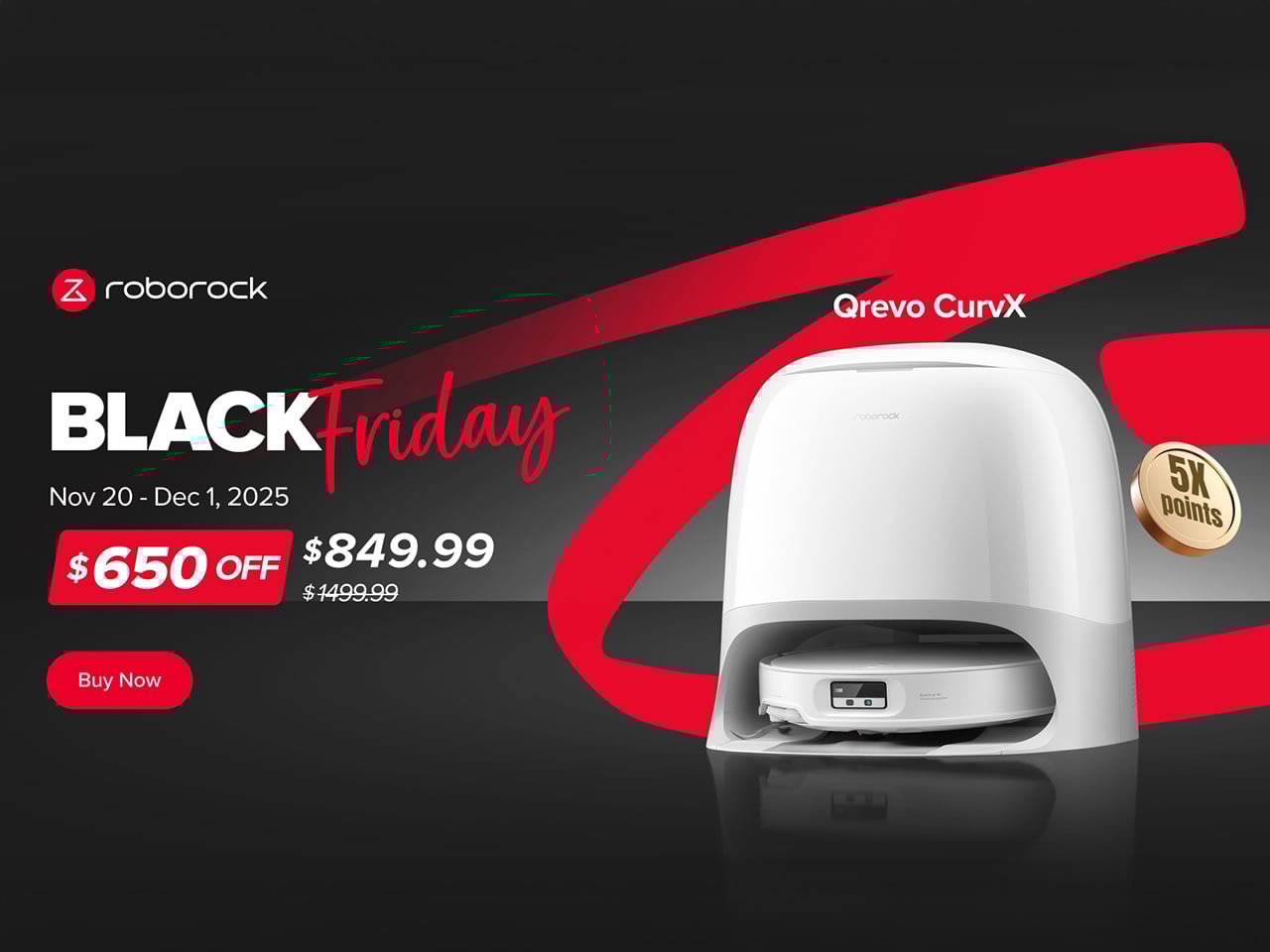
Most robot vacuums ask you to choose between brains and beauty, performance and polish. They either look like something you’d tuck away in a utility closet or they clean with all the conviction of a demo unit at a trade show. Roborock’s Qrevo CurvX has been one of the rare exceptions since launch, which explains why it commanded $1,499.99. That’s flagship territory, the kind of pricing reserved for products that are supposed to solve problems rather than create new ones. The question for Black Friday is what happens when that same robot drops to $849.99, because suddenly you’re not comparing it to other flagship models anymore.
The 43% discount would be noteworthy on any robot vacuum, but this isn’t any average robot vacuum being purposely cleared from stock for Black Friday. The CurvX is genuinely Roborock’s current top offering, complete with 22,000Pa suction that actually makes a difference on carpets, a chassis that physically lifts itself over thresholds up to 4cm high (which sounds gimmicky until you live in a house with transitions between rooms), and a 3.14-inch profile slim enough to navigate under most furniture without getting wedged. For anyone who’s spent the past few years watching robot vacuum tech inch forward while waiting for one that doesn’t require you to compromise on either capability or how it looks sitting in your living room, this is the kind of pricing shift that’s worth paying attention to.
The slim profile is a bigger deal than it sounds. At just under 8cm tall, the CurvX glides under sofas, beds, and cabinets where dust bunnies breed because most vacuums can’t reach. Roborock made this possible with RetractSense navigation, featuring a LiDAR sensor that retracts into the body when it isn’t needed. Most LiDAR robots have a permanent turret on top, an extra bit of height that forces them to avoid low-clearance furniture entirely. This is a thoughtful piece of engineering that addresses a real-world frustration, ensuring a truly comprehensive clean in the spaces that are often missed. It’s a design choice that reflects a deeper understanding of how modern homes are actually furnished.
Even more impressive is the AdaptiLift chassis. This is Roborock’s system for lifting the entire robot body to clear obstacles, and it transforms how autonomous the cleaning actually becomes. Thick rugs, raised thresholds between rooms, or even the slight lip where tile meets hardwood are handled with ease. Lesser robot vacuums will attempt these crossings, fail, and get stuck. The CurvX lifts itself up to 1.57 inches and just drives over the obstacle. In real-world use, this means your robot isn’t getting trapped on a daily basis, which sounds basic but genuinely improves the whole ownership experience.
For pet owners, the holy grail has always been a robot vacuum that doesn’t choke on hair. Roborock built the Dual Anti-Tangle System specifically to address hair wrapping, pairing it with what they call a DuoDivide main brush that splits the roller to prevent tangling at the source. Combined with FlexiArm technology that extends the side brush and mop pad out to reach baseboards and corners, this robot actually handles pet households well. Most robot vacuums leave visible gaps along edges because their circular design can’t physically get close enough. The CurvX extends past those limitations, meaning you’re not manually cleaning baseboards after the robot runs.
The CurvX also packs a pretty advanced mopping system that ties in with the vacuum’s dock. The Multifunctional Dock 3.0 Thermo+ is far more than an auto-empty bin. It washes the robot’s dual spinning mop pads with 80°C (176°F) water, hot enough to dissolve greasy kitchen spills and sanitize floors effectively. After washing, it dries the mops with 45°C warm air, preventing the mildew and sour odors that can plague other robot mops. The dock also refills the robot’s water tank and empties its dustbin into a large 2.5-liter bag that can go for up to 65 days between changes. This level of automation means the robot is always ready for the next job, providing a consistently clean and hygienic experience with minimal human oversight.
Underpinning all of this is the Reactive AI obstacle avoidance, which uses structured light and an RGB camera to see and interpret the world around it. With the ability to recognize 108 different object types, the system is remarkably adept at navigating a lived-in home. This gives you the confidence to run a cleaning cycle without having to tidy up beforehand; it will intelligently steer around charging cables, shoes, and pet toys instead of trying to consume them. It’s a system designed for real-world messiness, which is a refreshing change of pace.
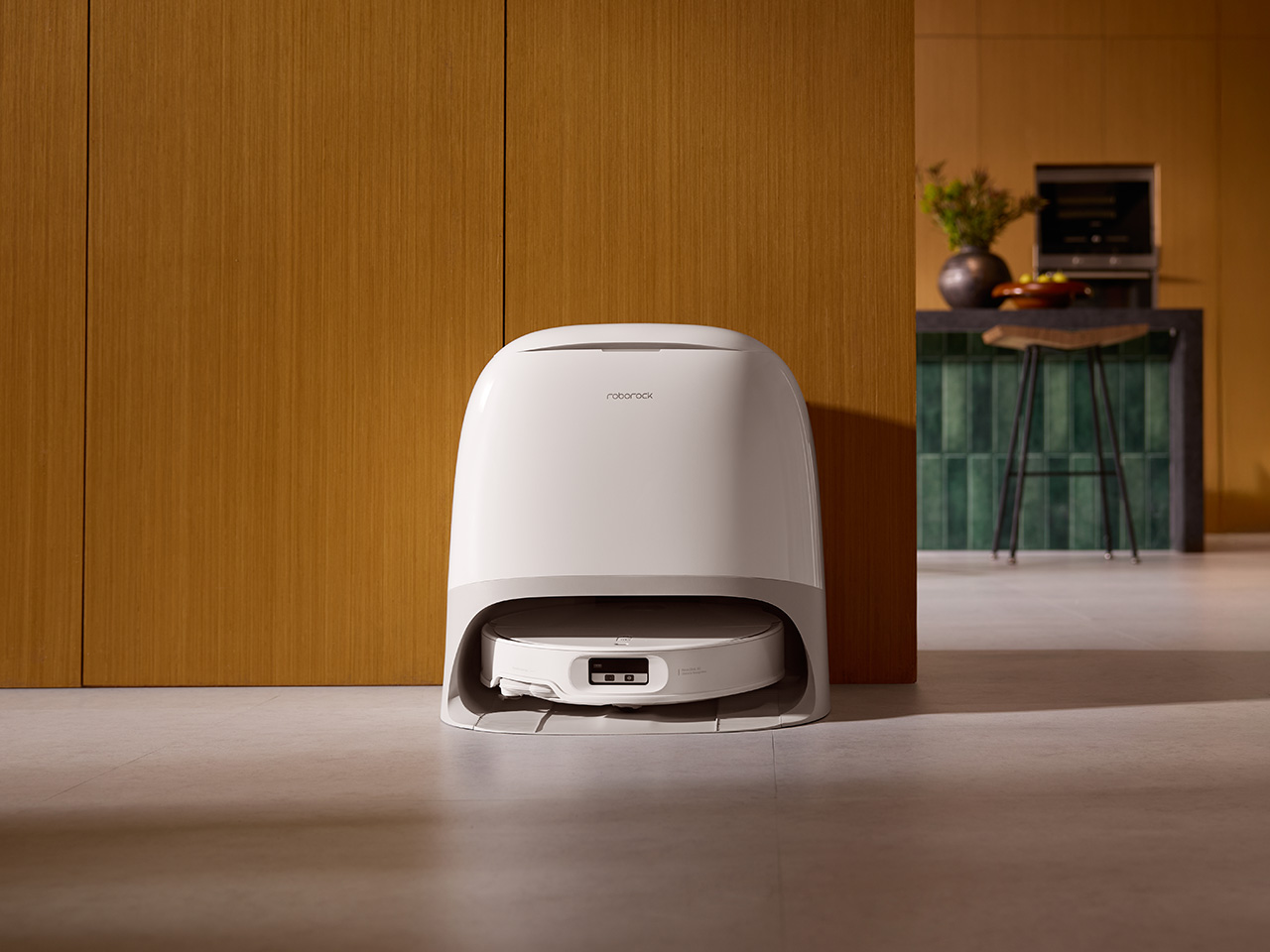
Roborock also clearly understood that for a device to live in your main space, its design matters. The CurvX’s dock is sleek and rounded, with a smooth, dust-resistant top cover. Most of the robot tucks away inside the base when docked, so it maintains a low profile. It’s a functional appliance that doesn’t look like one, actively complementing a modern home’s aesthetic rather than detracting from it. It’s a small touch, but it’s one that speaks to a user-centric design philosophy that considers the entire ownership experience.
At $849.99, the value proposition shifts significantly. You’re getting flagship performance and capability at a price point that suddenly feels accessible. Most robot vacuums in this range offer either strong suction or competent mopping, rarely both with the kind of dock automation that makes daily use genuinely hands-off. The CurvX delivers on all three, and the timing matters because Roborock is extending serious discounts across its lineup. The Saros 10R, another ultra-slim flagship with 22,000Pa suction and industry-first 3D ToF navigation, is getting cut from $1,599.99 to $1,049.99. The Qrevo Edge S5A (18,500Pa suction with DuoDivide brush and FlexiArm technology) drops from $999.99 to $549.99, making it a compelling mid-range option for those who want solid performance without the ultra-premium price. The Q10 S5+ (10,000Pa suction, 70-day auto-empty, VibraRise 2.0 mopping) offers even more accessible pricing with its $249.99 price tag for budget-conscious buyers who still want auto-empty convenience. If you’re someone who prefers cordless cleaning, the Flexi F25GT wet-dry vacuum (20,000Pa suction, self-washing at 194°F, lie-flat design) is dropping from $299.99 to $199.99. The CurvX still represents the apex of what Roborock offers, but having this many capable options discounted simultaneously means there’s genuinely something for different household needs and budgets.
If you’ve got a multi-surface home, pet hair to contend with, or you’ve simply gotten tired of manually maintaining a robot vacuum every week, the CurvX actually solves those problems. The slim design means it cleans spaces other robots miss. The suction power handles both carpet and tile effectively. The dock system means mop maintenance is genuinely hands-off. These aren’t theoretical benefits. They’re practical improvements to how the robot actually functions in real homes. At $849.99 during this Black Friday window, you’re looking at a product that’s genuinely capable of delivering on what robot vacuums have been promising for years. That’s worth paying attention to.
Most robot vacuums ask you to choose between brains and beauty, performance and polish. They either look like something you’d tuck away in a utility closet or they clean with all the conviction of a demo unit at a trade show. Roborock’s Qrevo CurvX has been one of the rare exceptions since launch, which explains why it commanded $1,499.99. That’s flagship territory, the kind of pricing reserved for products that are supposed to solve problems rather than create new ones. The question for Black Friday is what happens when that same robot drops to $849.99, because suddenly you’re not comparing it to other flagship models anymore.
The 43% discount would be noteworthy on any robot vacuum, but this isn’t any average robot vacuum being purposely cleared from stock for Black Friday. The CurvX is genuinely Roborock’s current top offering, complete with 22,000Pa suction that actually makes a difference on carpets, a chassis that physically lifts itself over thresholds up to 4cm high (which sounds gimmicky until you live in a house with transitions between rooms), and a 3.14-inch profile slim enough to navigate under most furniture without getting wedged. For anyone who’s spent the past few years watching robot vacuum tech inch forward while waiting for one that doesn’t require you to compromise on either capability or how it looks sitting in your living room, this is the kind of pricing shift that’s worth paying attention to.
The slim profile is a bigger deal than it sounds. At just under 8cm tall, the CurvX glides under sofas, beds, and cabinets where dust bunnies breed because most vacuums can’t reach. Roborock made this possible with RetractSense navigation, featuring a LiDAR sensor that retracts into the body when it isn’t needed. Most LiDAR robots have a permanent turret on top, an extra bit of height that forces them to avoid low-clearance furniture entirely. This is a thoughtful piece of engineering that addresses a real-world frustration, ensuring a truly comprehensive clean in the spaces that are often missed. It’s a design choice that reflects a deeper understanding of how modern homes are actually furnished.
Even more impressive is the AdaptiLift chassis. This is Roborock’s system for lifting the entire robot body to clear obstacles, and it transforms how autonomous the cleaning actually becomes. Thick rugs, raised thresholds between rooms, or even the slight lip where tile meets hardwood are handled with ease. Lesser robot vacuums will attempt these crossings, fail, and get stuck. The CurvX lifts itself up to 1.57 inches and just drives over the obstacle. In real-world use, this means your robot isn’t getting trapped on a daily basis, which sounds basic but genuinely improves the whole ownership experience.
For pet owners, the holy grail has always been a robot vacuum that doesn’t choke on hair. Roborock built the Dual Anti-Tangle System specifically to address hair wrapping, pairing it with what they call a DuoDivide main brush that splits the roller to prevent tangling at the source. Combined with FlexiArm technology that extends the side brush and mop pad out to reach baseboards and corners, this robot actually handles pet households well. Most robot vacuums leave visible gaps along edges because their circular design can’t physically get close enough. The CurvX extends past those limitations, meaning you’re not manually cleaning baseboards after the robot runs.
The CurvX also packs a pretty advanced mopping system that ties in with the vacuum’s dock. The Multifunctional Dock 3.0 Thermo+ is far more than an auto-empty bin. It washes the robot’s dual spinning mop pads with 80°C (176°F) water, hot enough to dissolve greasy kitchen spills and sanitize floors effectively. After washing, it dries the mops with 45°C warm air, preventing the mildew and sour odors that can plague other robot mops. The dock also refills the robot’s water tank and empties its dustbin into a large 2.5-liter bag that can go for up to 65 days between changes. This level of automation means the robot is always ready for the next job, providing a consistently clean and hygienic experience with minimal human oversight.
Underpinning all of this is the Reactive AI obstacle avoidance, which uses structured light and an RGB camera to see and interpret the world around it. With the ability to recognize 108 different object types, the system is remarkably adept at navigating a lived-in home. This gives you the confidence to run a cleaning cycle without having to tidy up beforehand; it will intelligently steer around charging cables, shoes, and pet toys instead of trying to consume them. It’s a system designed for real-world messiness, which is a refreshing change of pace.
Roborock also clearly understood that for a device to live in your main space, its design matters. The CurvX’s dock is sleek and rounded, with a smooth, dust-resistant top cover. Most of the robot tucks away inside the base when docked, so it maintains a low profile. It’s a functional appliance that doesn’t look like one, actively complementing a modern home’s aesthetic rather than detracting from it. It’s a small touch, but it’s one that speaks to a user-centric design philosophy that considers the entire ownership experience.
At $849.99, the value proposition shifts significantly. You’re getting flagship performance and capability at a price point that suddenly feels accessible. Most robot vacuums in this range offer either strong suction or competent mopping, rarely both with the kind of dock automation that makes daily use genuinely hands-off. The CurvX delivers on all three, and the timing matters because Roborock is extending serious discounts across its lineup. The Saros 10R, another ultra-slim flagship with 22,000Pa suction and industry-first 3D ToF navigation, is getting cut from $1,599.99 to $1,049.99. The Qrevo Edge S5A (18,500Pa suction with DuoDivide brush and FlexiArm technology) drops from $999.99 to $549.99, making it a compelling mid-range option for those who want solid performance without the ultra-premium price. The Q10 S5+ (10,000Pa suction, 70-day auto-empty, VibraRise 2.0 mopping) offers even more accessible pricing with its $249.99 price tag for budget-conscious buyers who still want auto-empty convenience. If you’re someone who prefers cordless cleaning, the Flexi F25GT wet-dry vacuum (20,000Pa suction, self-washing at 194°F, lie-flat design) is dropping from $299.99 to $199.99. The CurvX still represents the apex of what Roborock offers, but having this many capable options discounted simultaneously means there’s genuinely something for different household needs and budgets.
If you’ve got a multi-surface home, pet hair to contend with, or you’ve simply gotten tired of manually maintaining a robot vacuum every week, the CurvX actually solves those problems. The slim design means it cleans spaces other robots miss. The suction power handles both carpet and tile effectively. The dock system means mop maintenance is genuinely hands-off. These aren’t theoretical benefits. They’re practical improvements to how the robot actually functions in real homes. At $849.99 during this Black Friday window, you’re looking at a product that’s genuinely capable of delivering on what robot vacuums have been promising for years. That’s worth paying attention to.
Gaming has come a long way from the nostalgic gamepads to the current wireless controllers with haptic feedback that mimic the vibration of game input elements. Right from the texture of the road in racing games, to the recoil of weapons in FPS titles, the idea is to bring that extra element of realism to the whole experience. Wearable headsets have taken the quotient of realism to the next level, but they are bulky, can cause eye strain, and are currently not very practical for everyday gaming. Therefore, the buck stops at buying a pricey racing sim, or dedicated hardware that caters to a niche set of gaming titles.
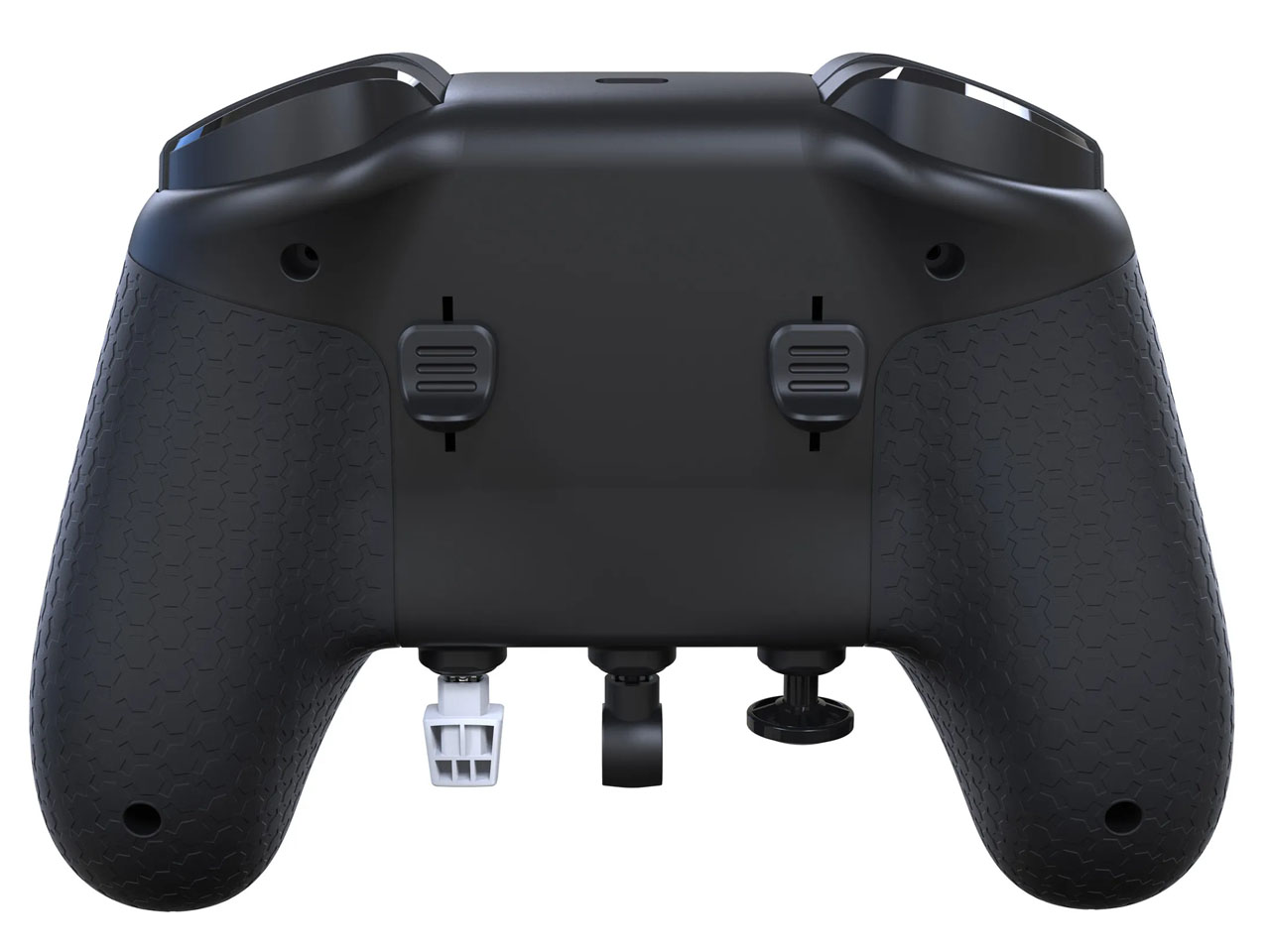
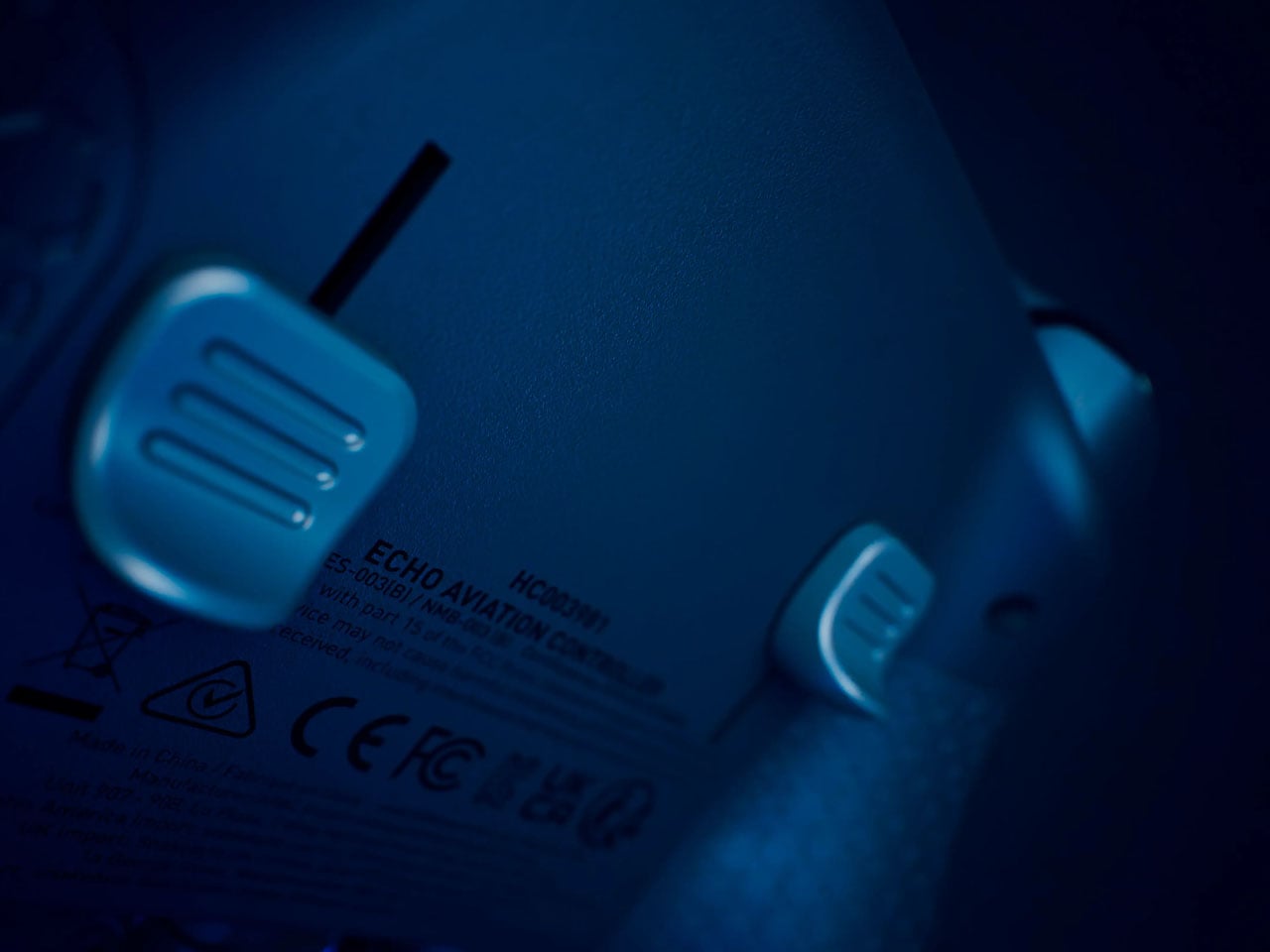
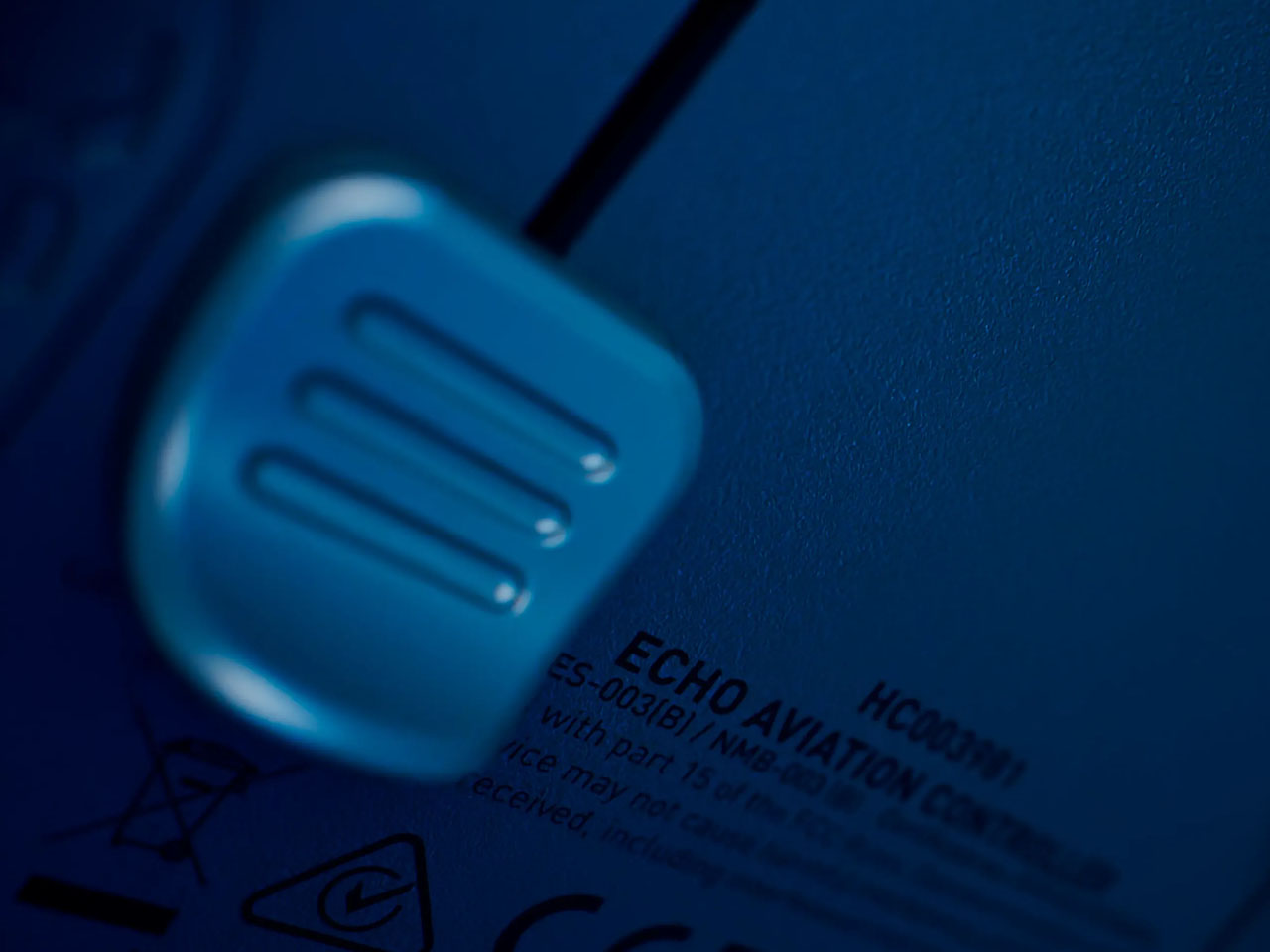
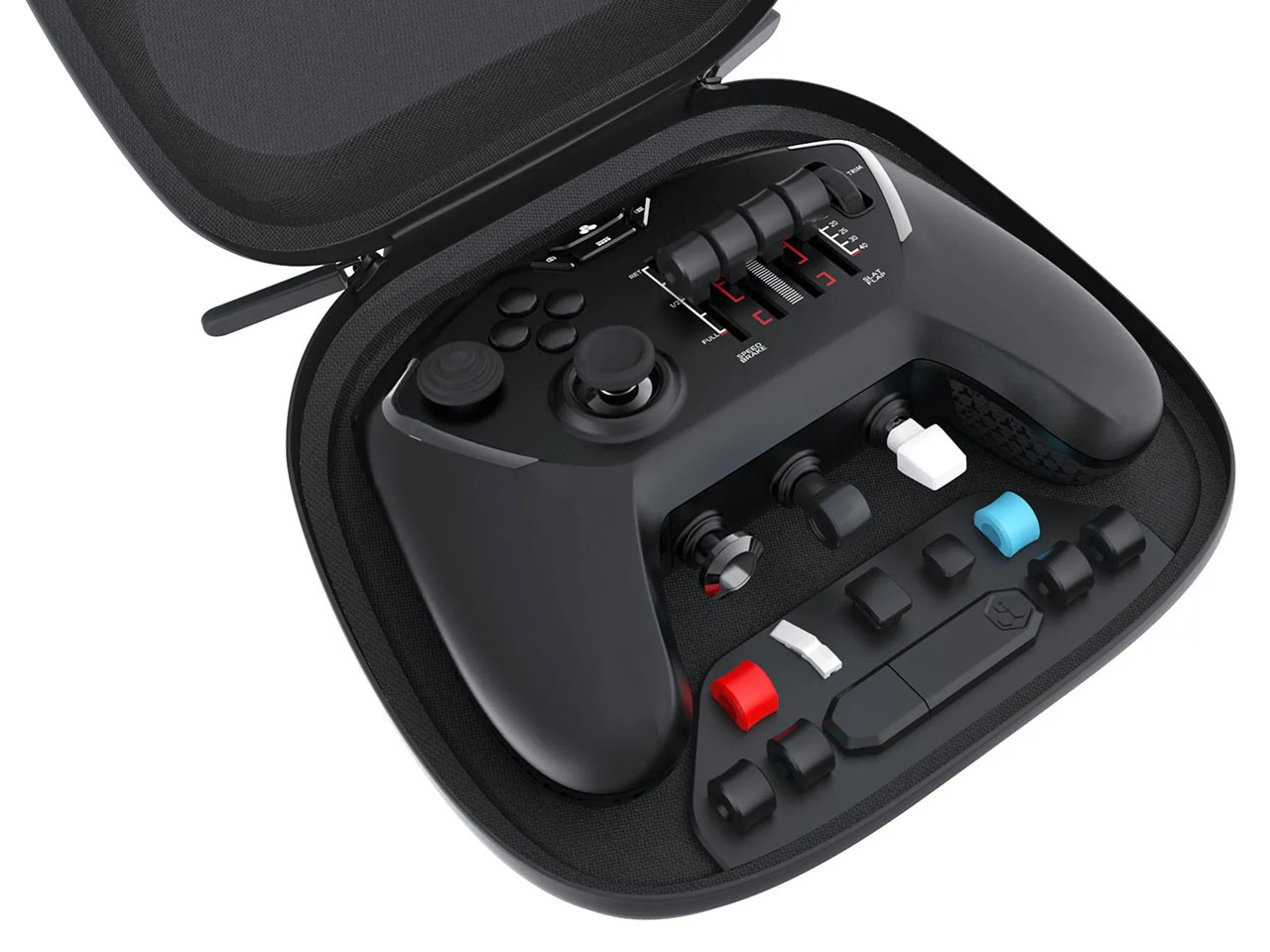
Microsoft Flight Simulator has a cult following, and I wish there were a simpler gaming controller to enjoy the game without any strings attached. That wish has come true with this unique gaming controller dubbed the Echo Aviation Controller, which is tailored for precision flight control input. Best of all, it has a small form factor and is portable enough to carry in your backpack. Slated for mid-December release for a price of $150, the gamepad guarantees hours of immersive gameplay during the holiday season.
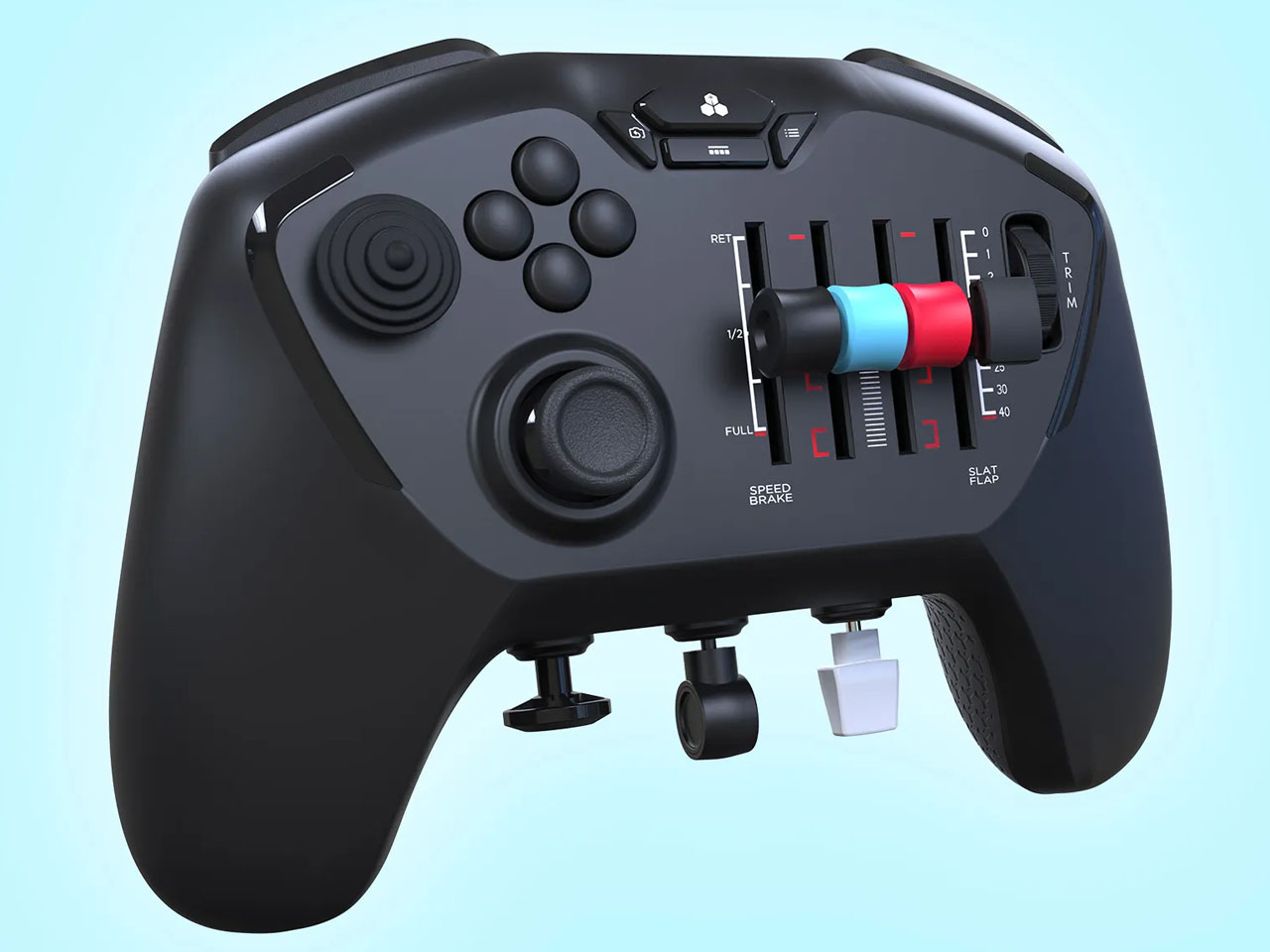
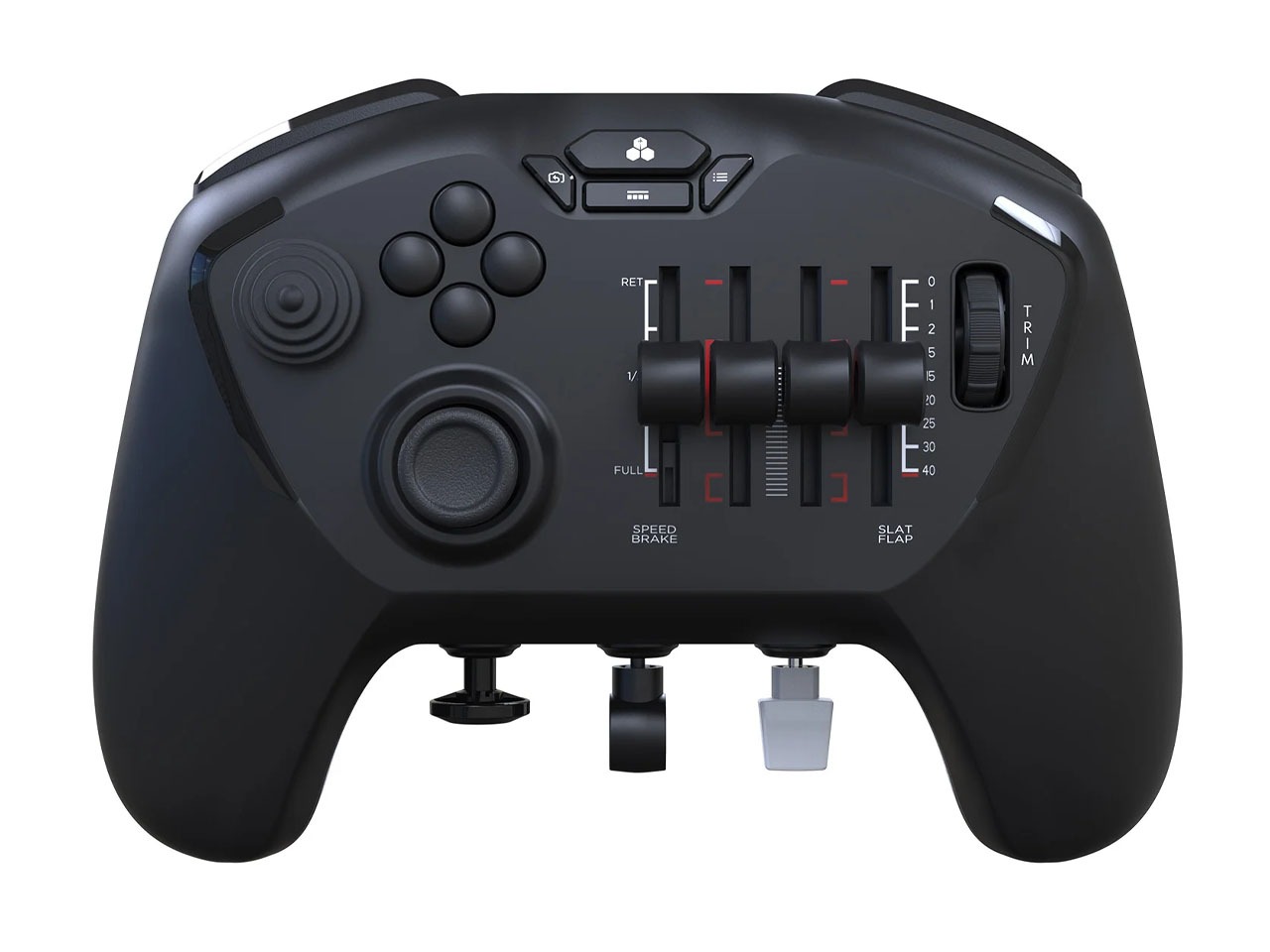
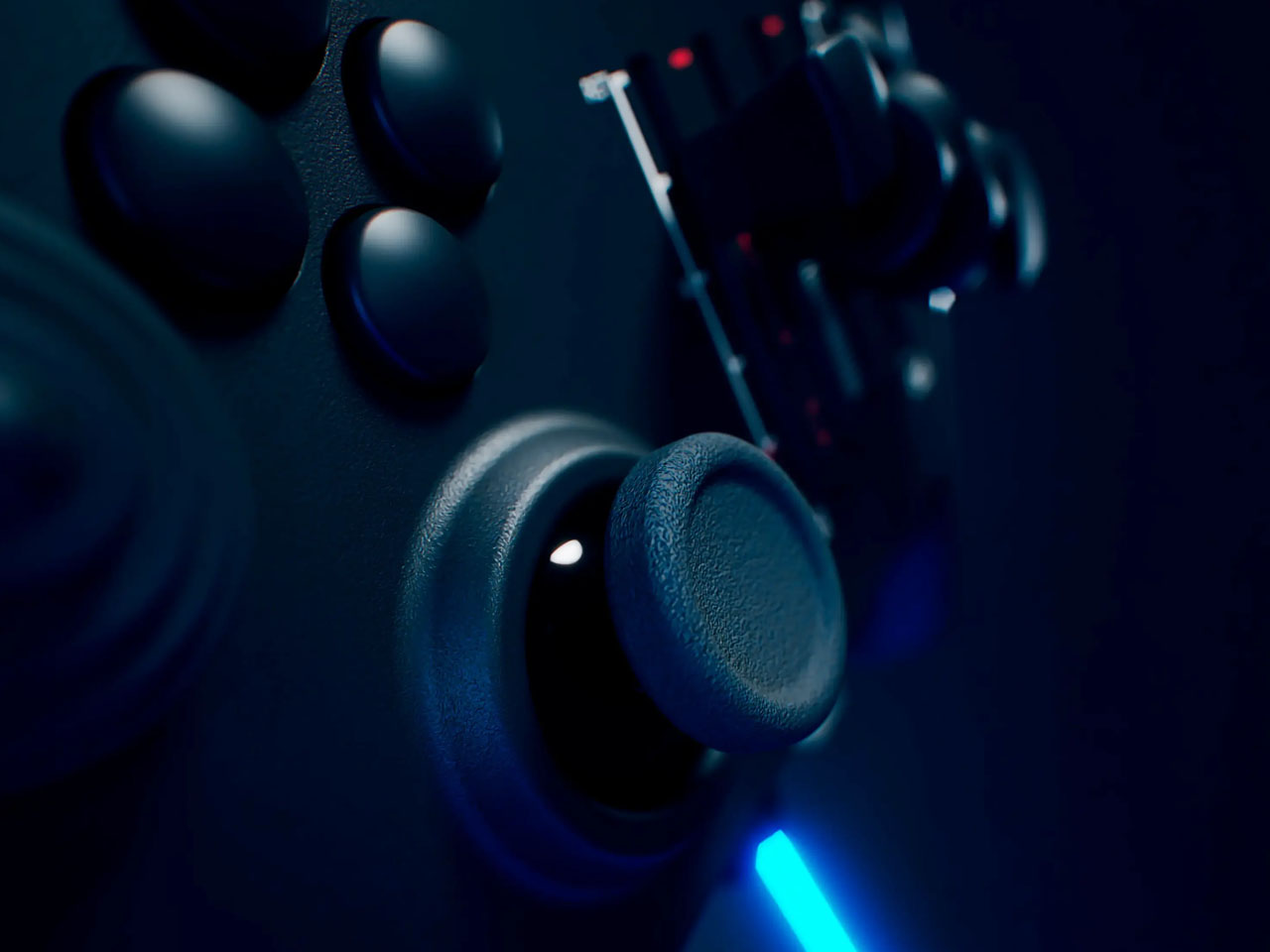
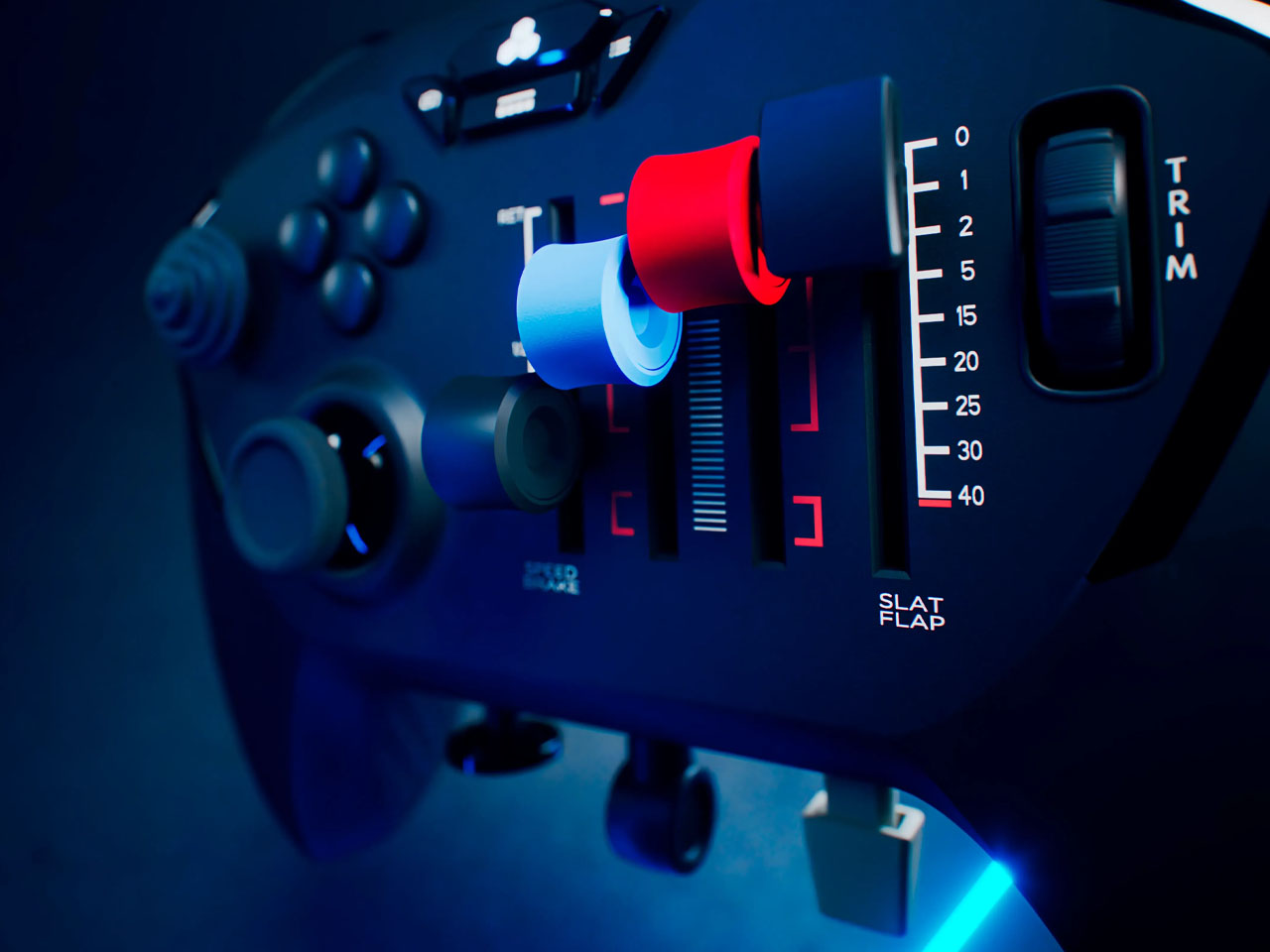
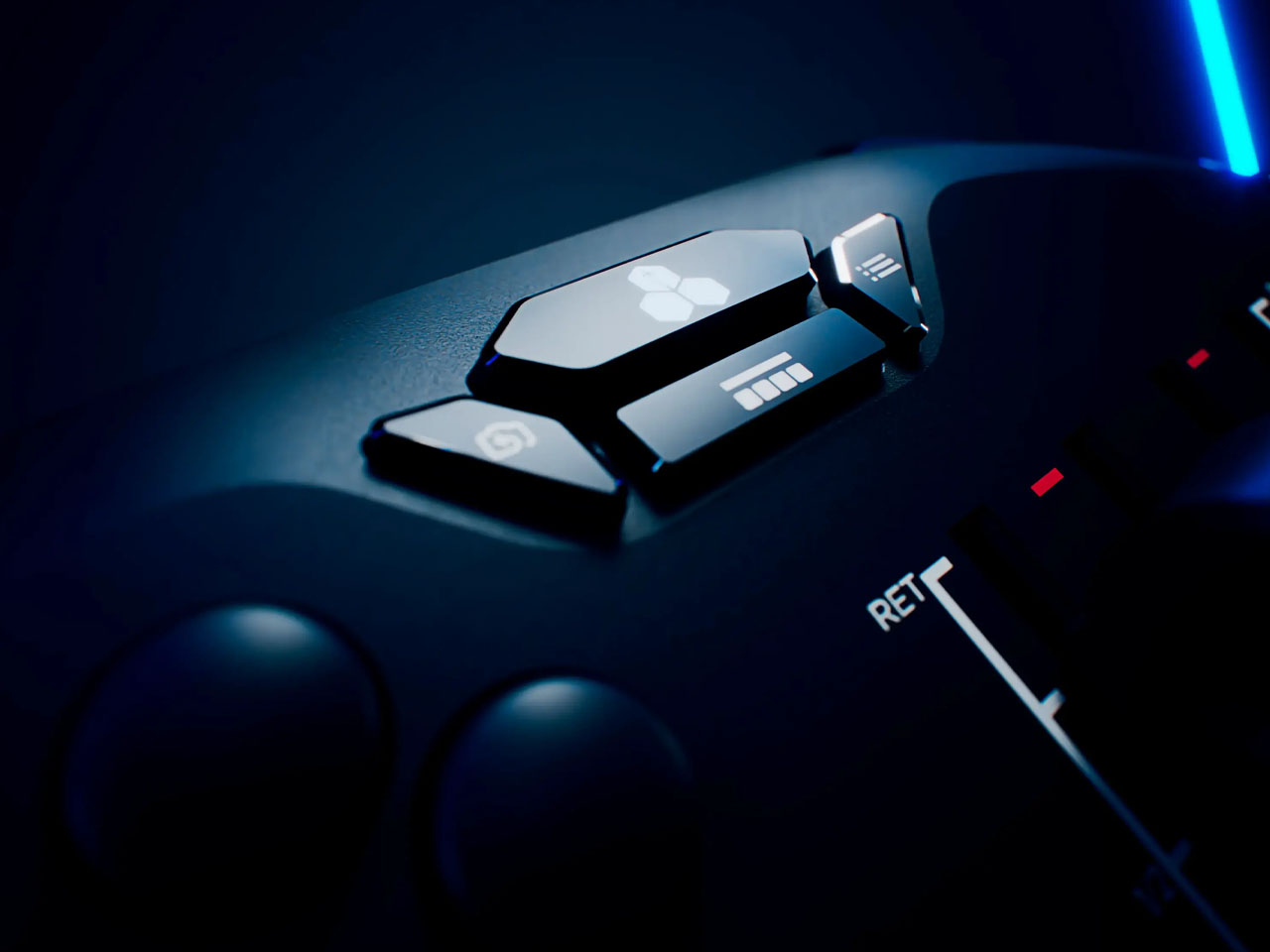
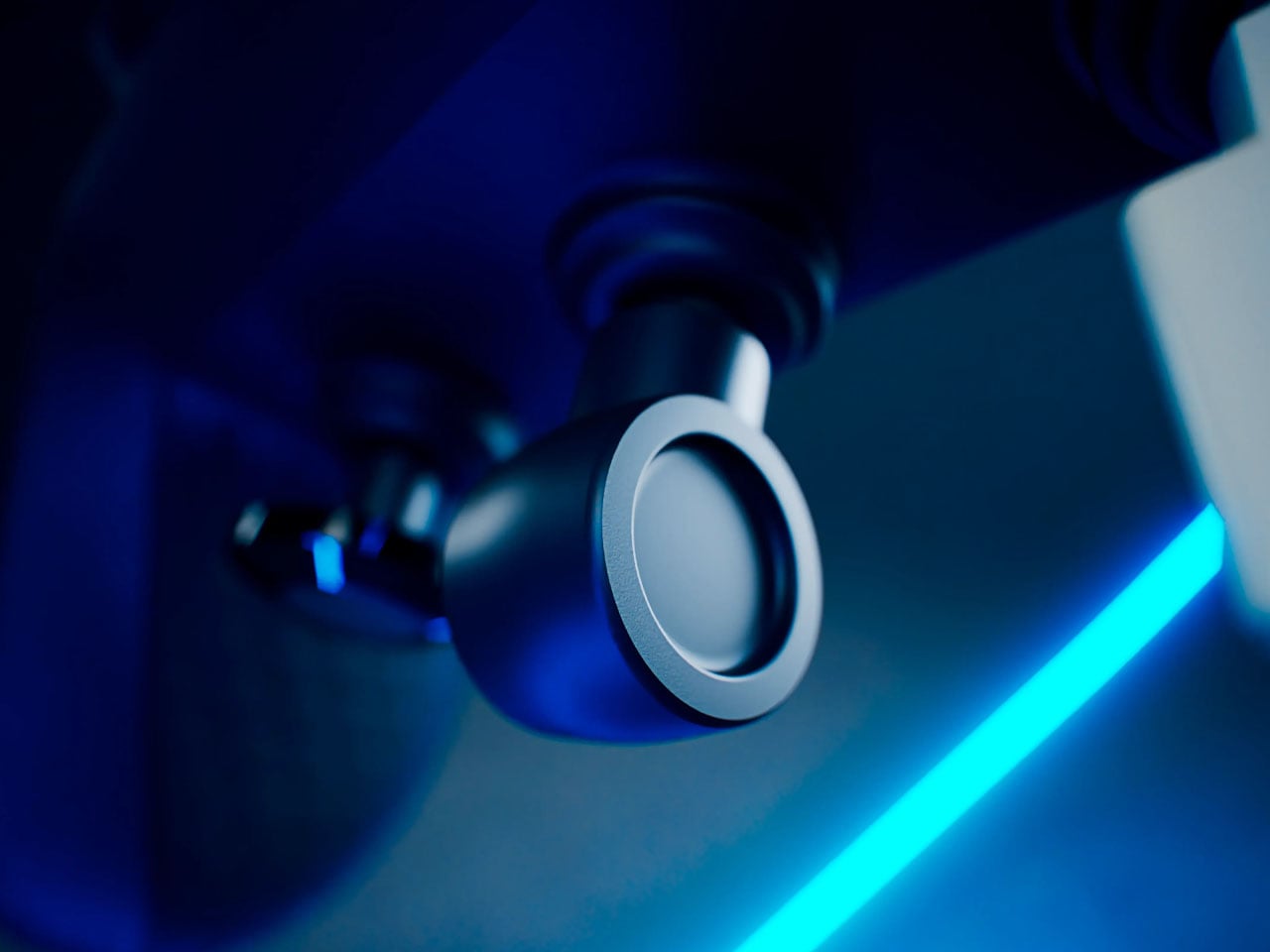
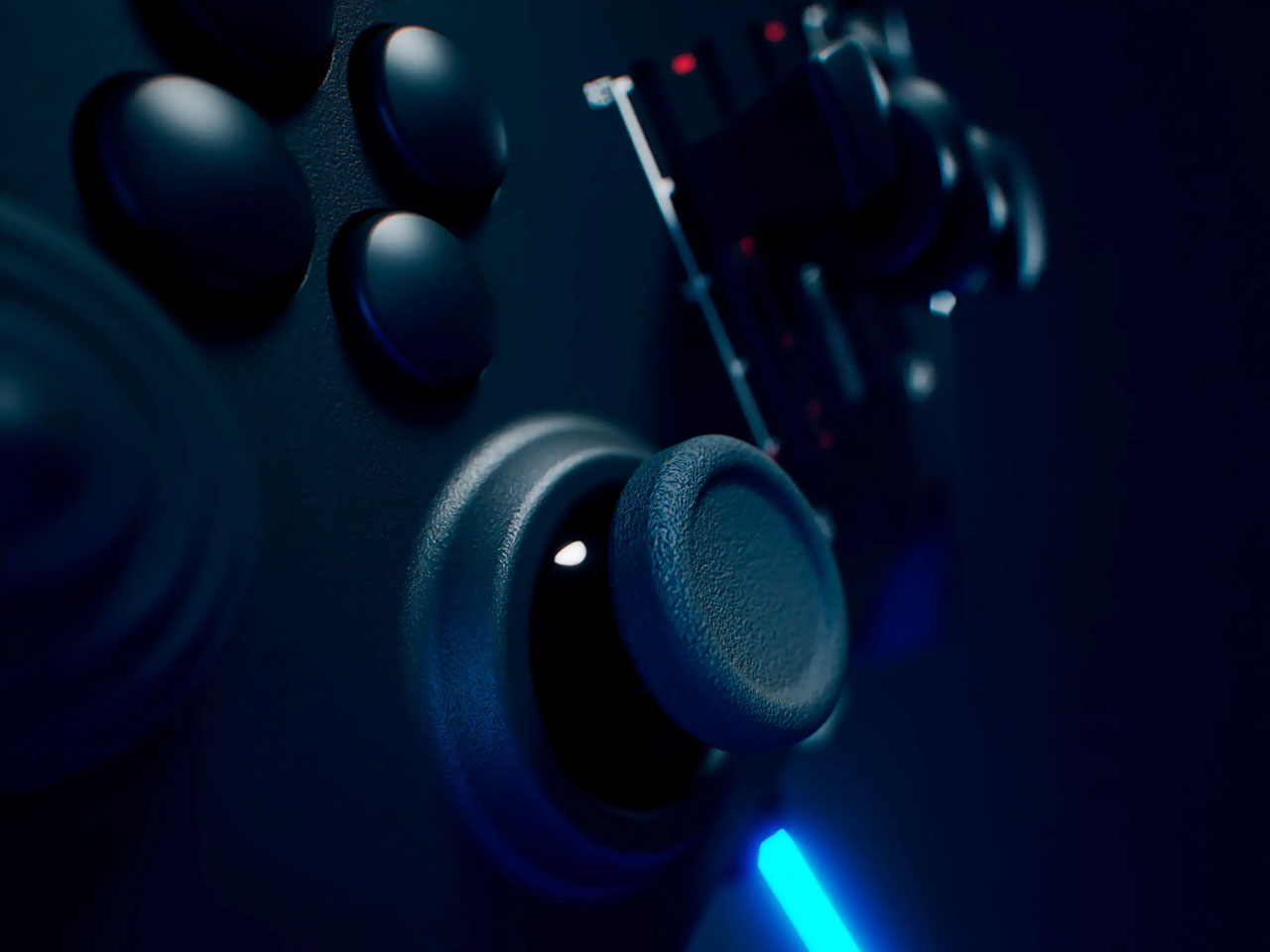
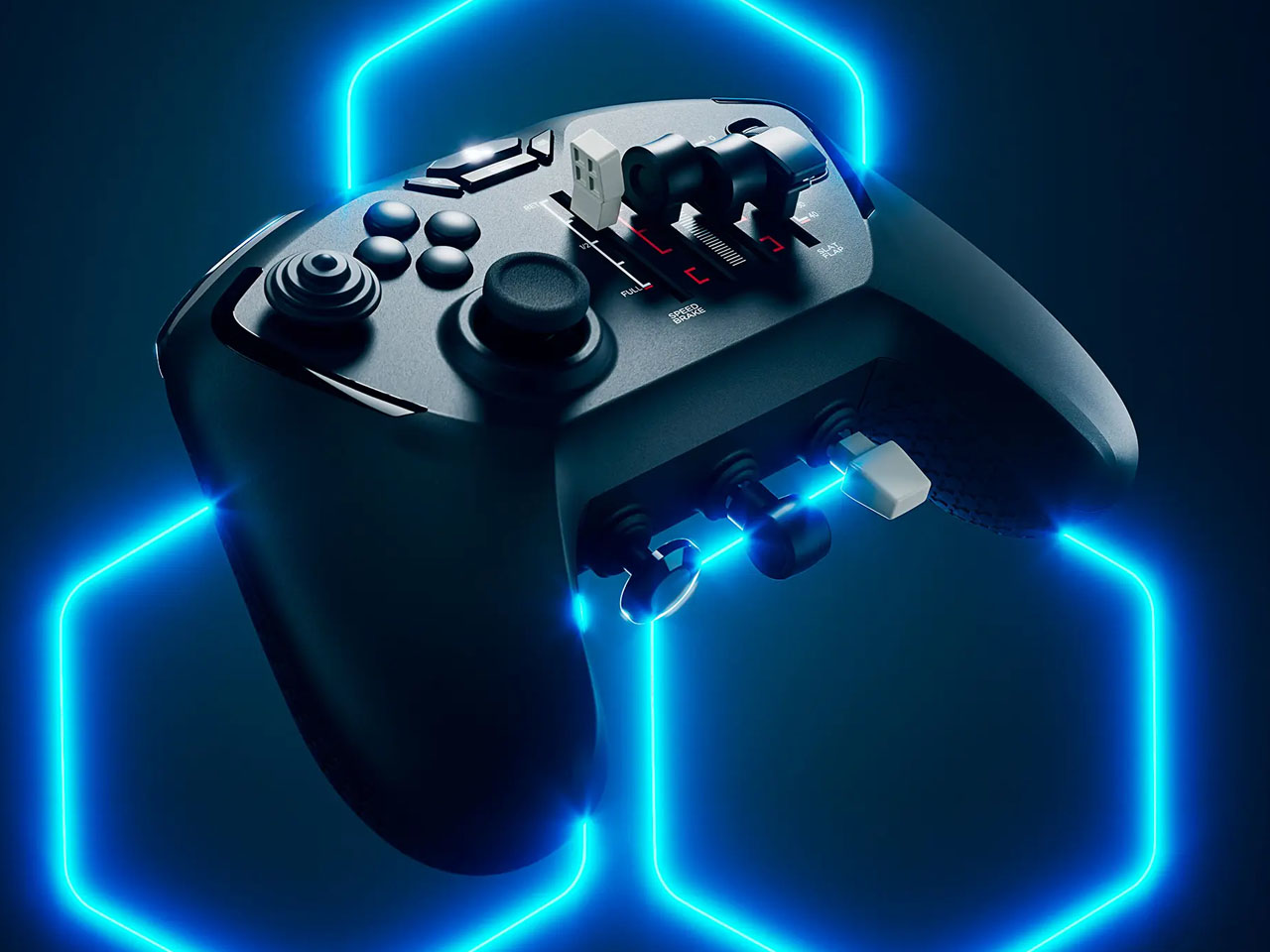
The gamepad-shaped flight controller is an accessory that’ll let you game from the comfort of your couch without losing out on the precision control method that isn’t possible with a conventional controller. Coming from a company that crafts flight simulator accessories, this controller is ideal for sim fanatics who like a compact gaming setup, especially for titles like Microsoft Flight Simulator. It comes with small joysticks, a dedicated trim wheel to actuate the plane’s altitude, and buttons on one side for flight-specific controls to actuate the in-game throttle levers. On the other side is positioned a thumbstick, four action buttons, and a conical joystick for panning the sim’s camera control.
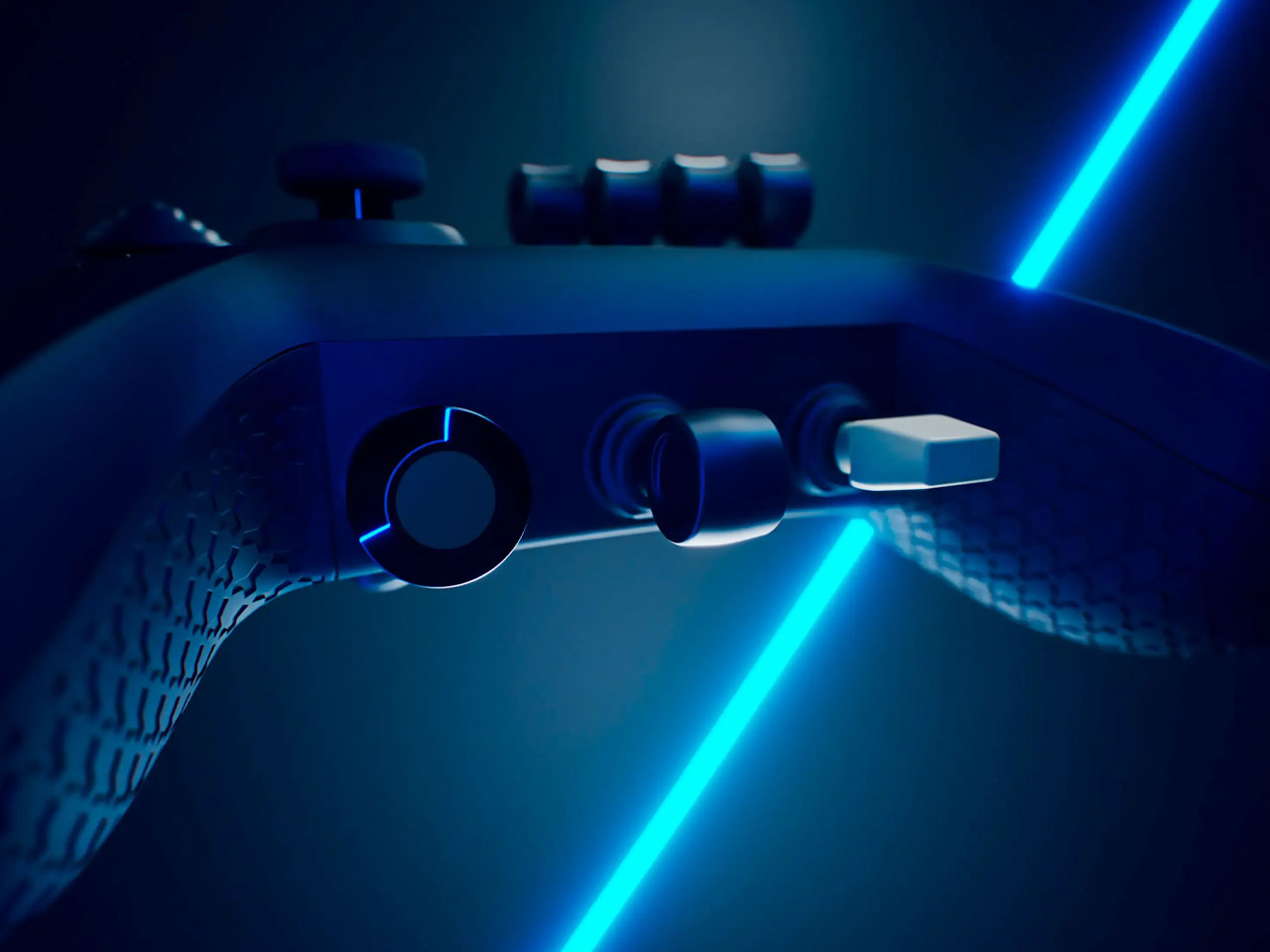
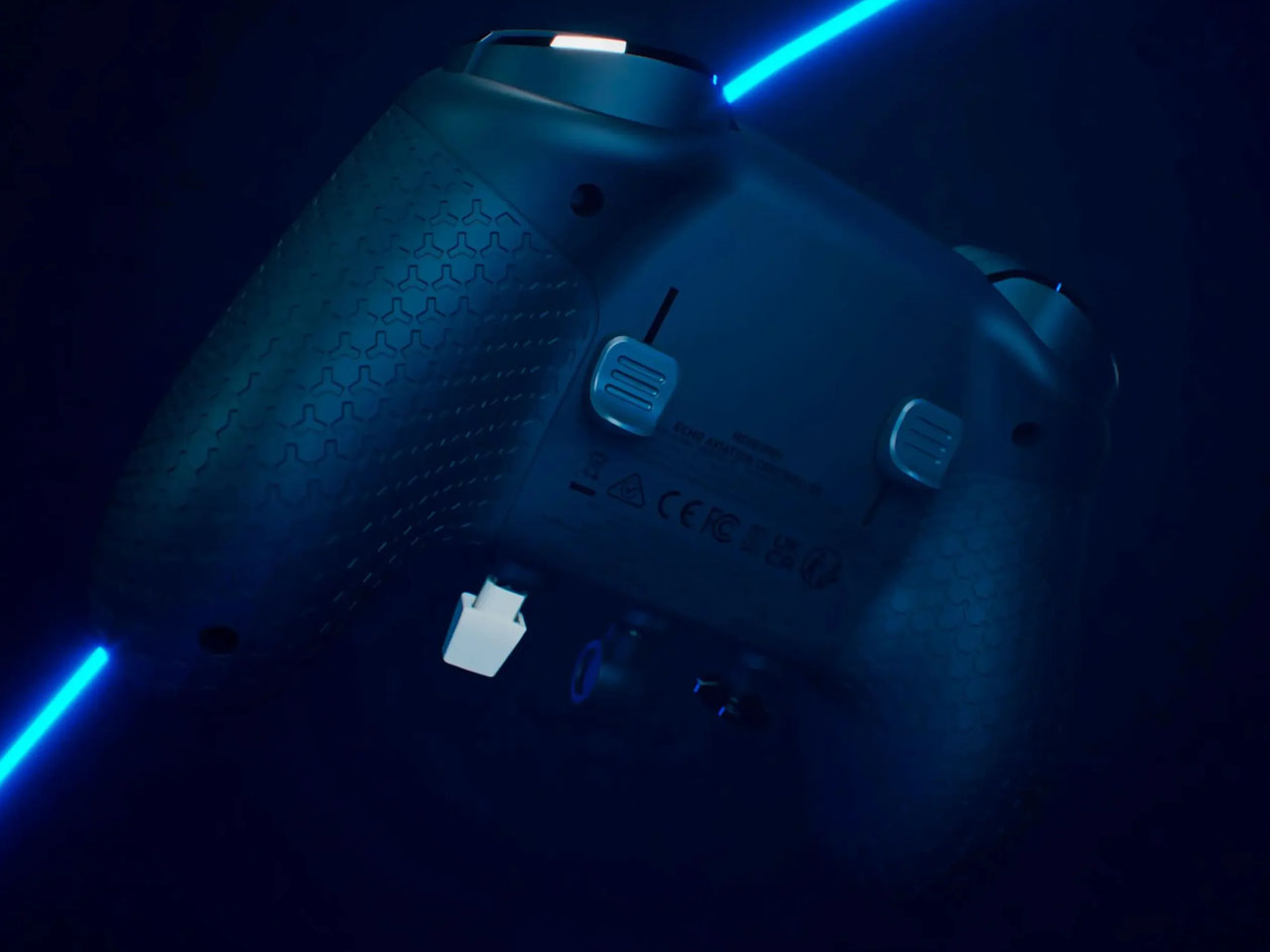
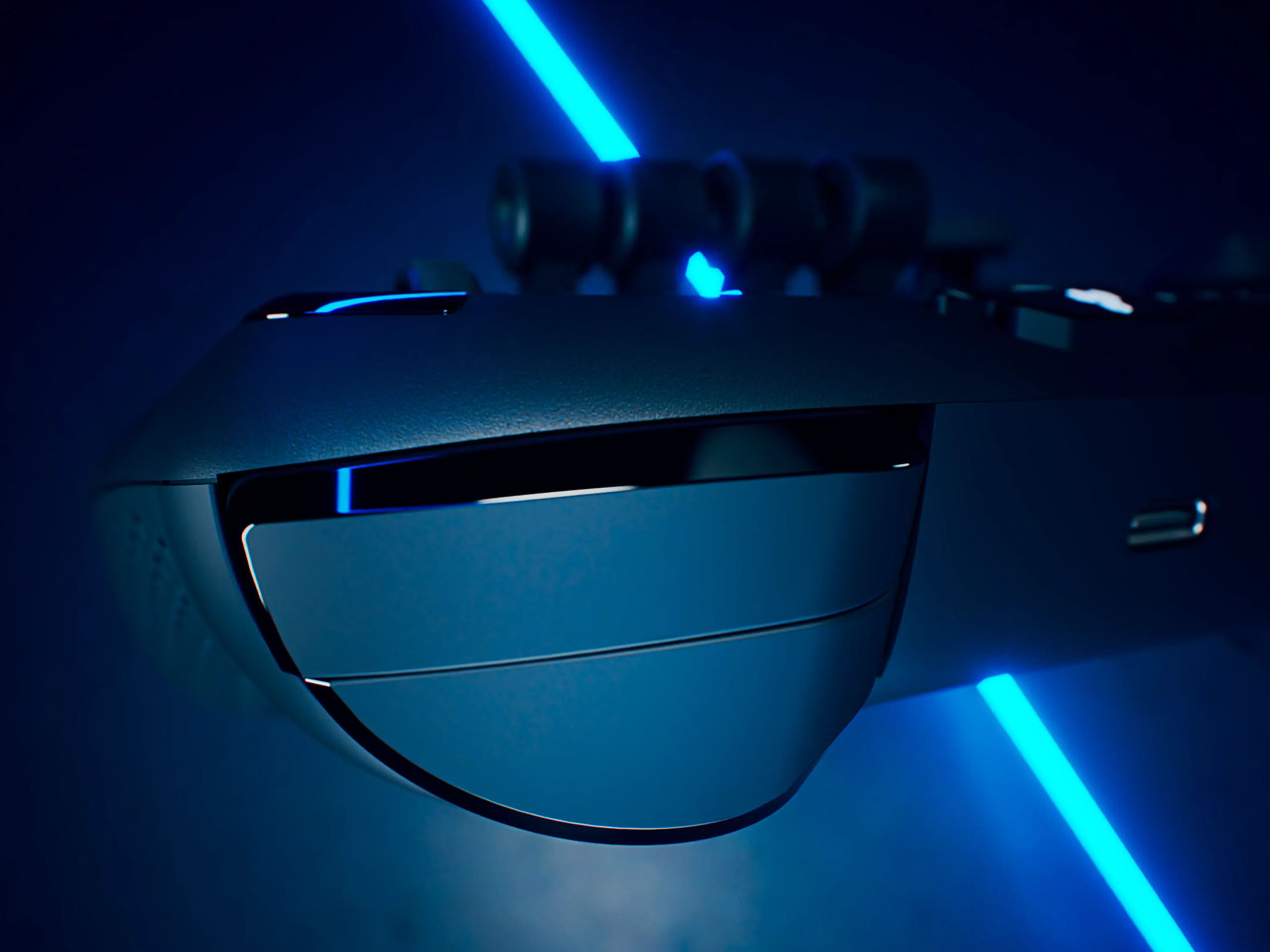
Bottom of the Echo Aviation Controller has flap adjustment controls, landing gear control, and the parking brake activation controls. This gives the player an array of inputs that were earlier only possible with keyboard buttons. That method of input, however, couldn’t reach the level of professionalism you would expect from advanced sims. The shoulder section of the gamepad has sliding paddles to control the rudder function for directional movement of the plane. This controller is a middle ground of gaming aspirations without spending a ton of money or requiring ample space to set up the gaming accessory rigs.
The gaming accessory will be accompanied by a set of interchangeable caps that can be swapped with the default throttle levels and other controls. There are four assignable thrust levers with swappable caps for “GA or commercial aircraft.” The idea is to have the visual differentiation in the form of color and shapes of the remapped buttons. This controller is a plug-and-play experience that requires no advanced setup, perfect for casual gamers who desire to experience advanced simulation games. The gamepad has a 15-hour battery in wireless mode and can also be used in wired mode via USB-C charging port.
Remember when camping meant wrestling with tent poles at dusk while mosquitoes feasted on your ankles? Or trying to decipher those cryptic instruction diagrams that somehow never matched the pile of canvas and metal at your feet? Well, South African brand Alphago just released something that makes all that struggle feel wonderfully obsolete.
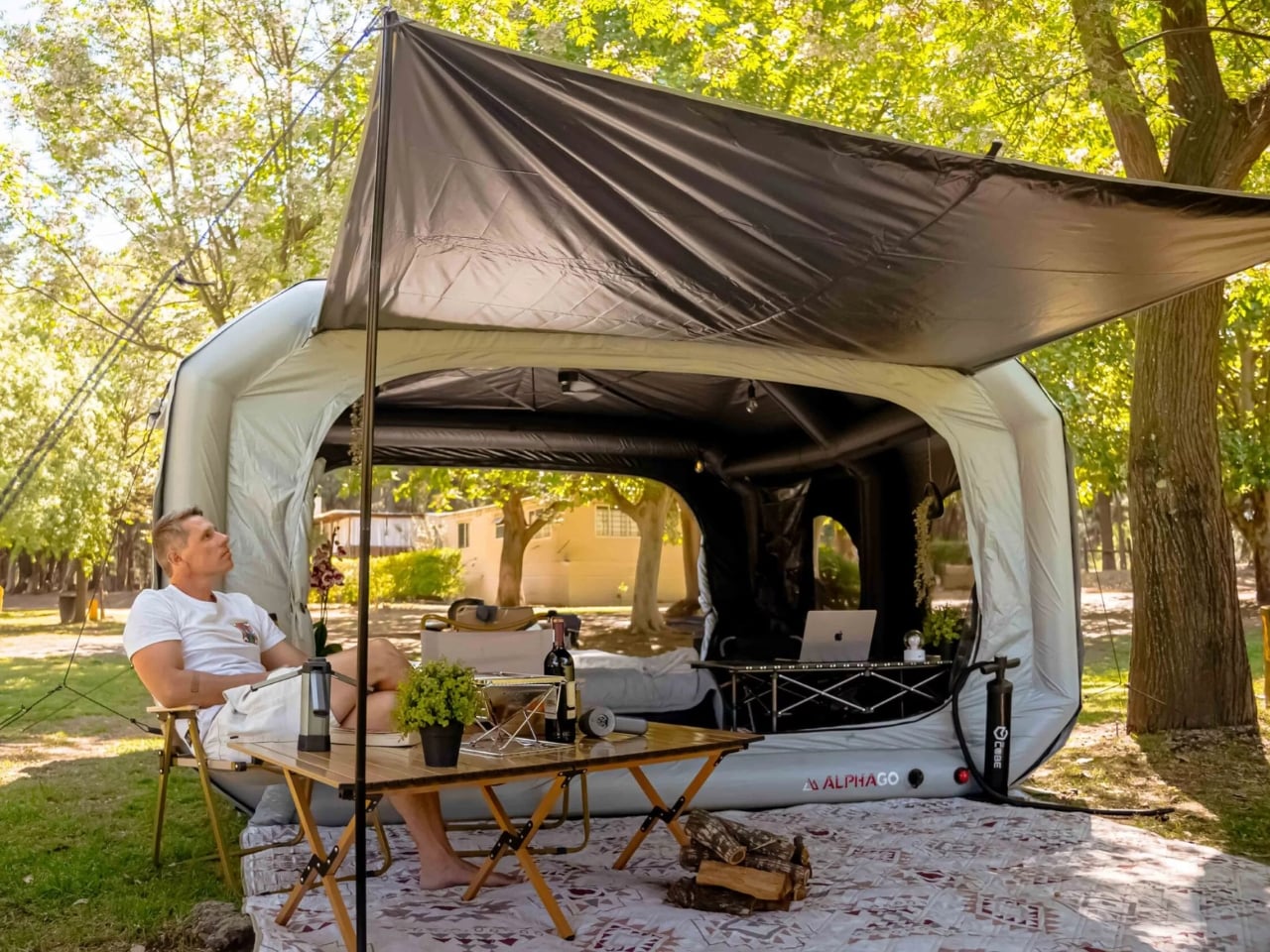
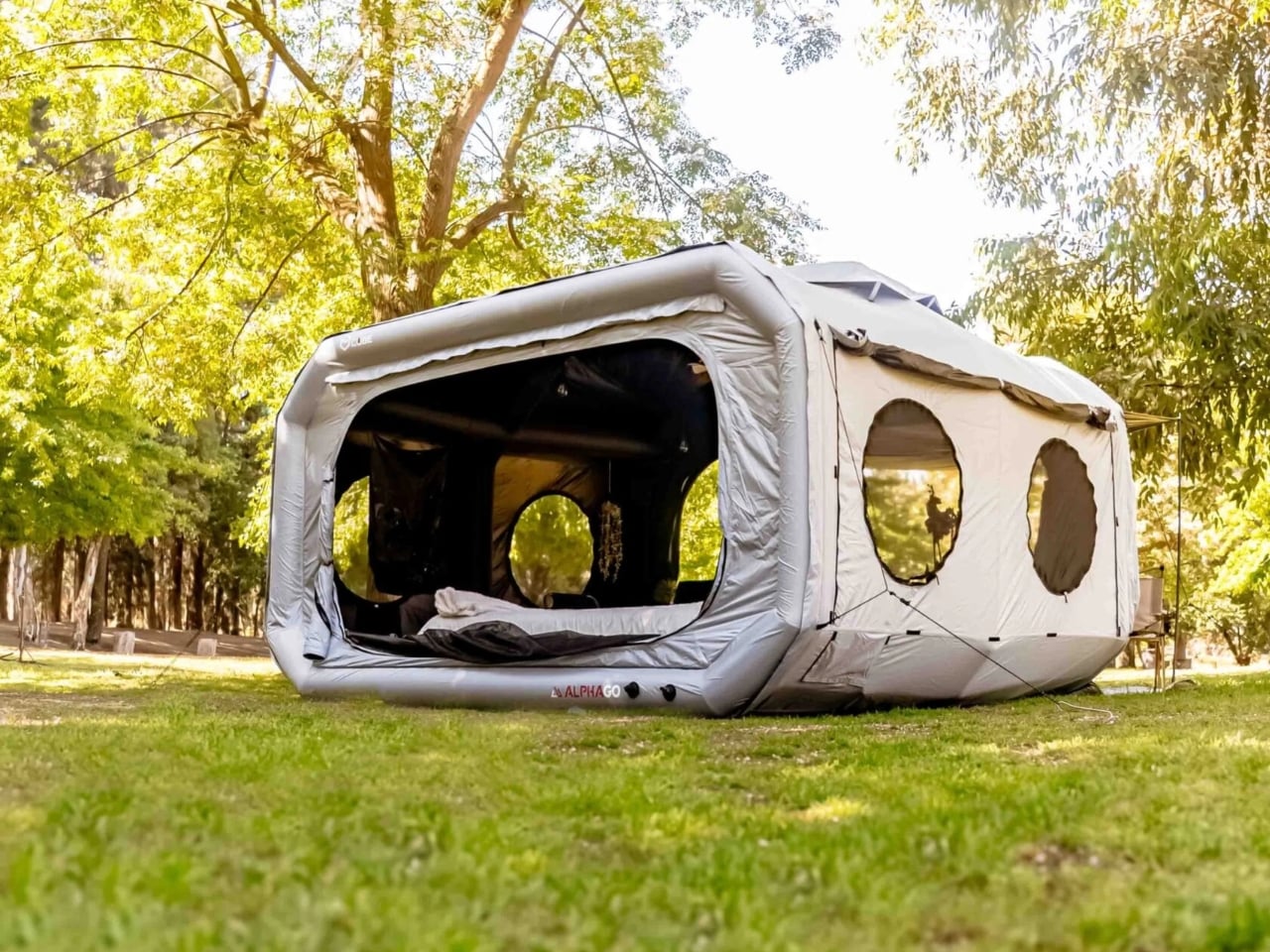
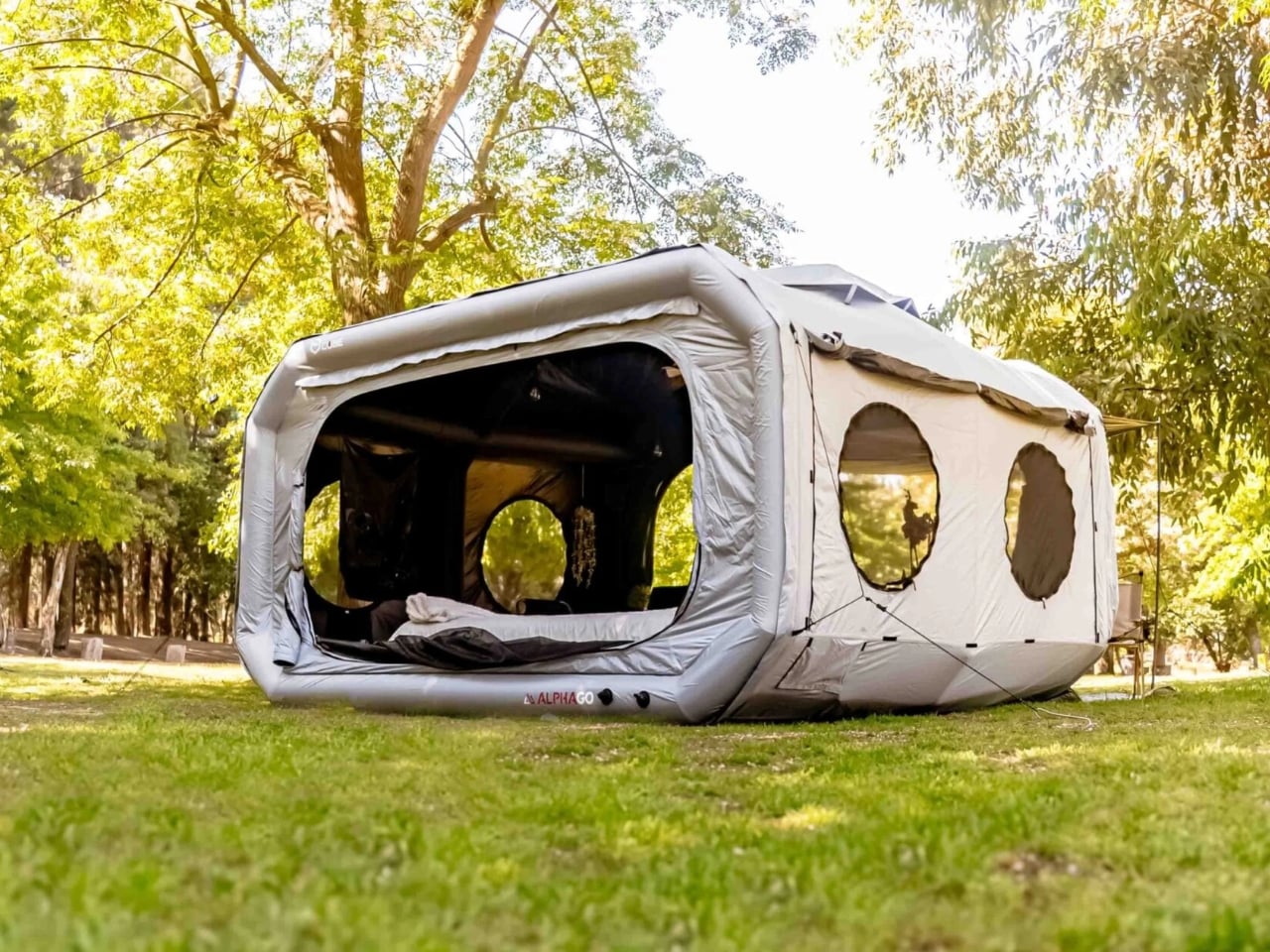
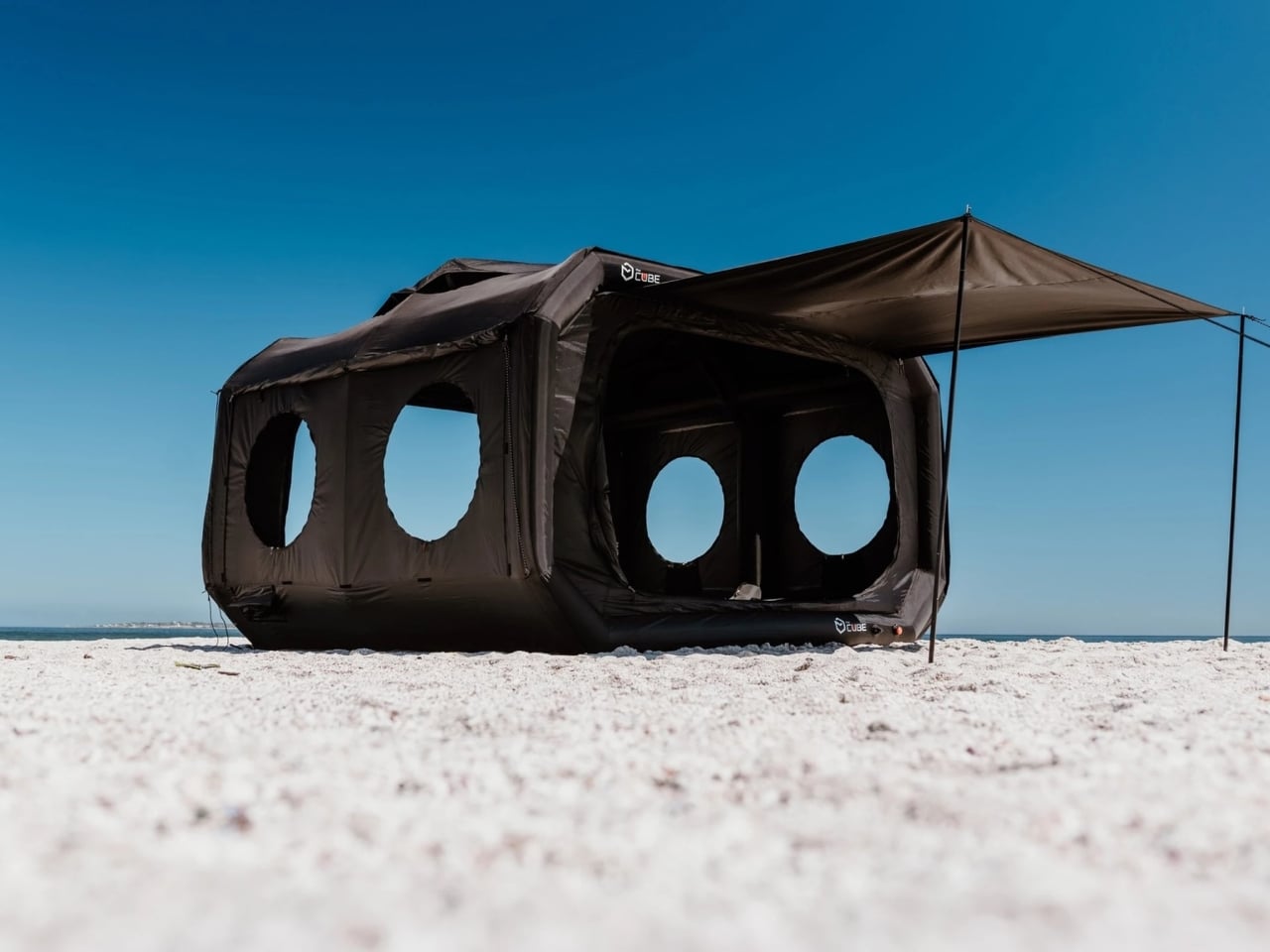
Meet The Cube, an inflatable tent that basically sets itself up while you crack open a cold drink and enjoy the view. We’re talking four minutes from bag to fully erected shelter, and the only tool you need is your finger to press a button.
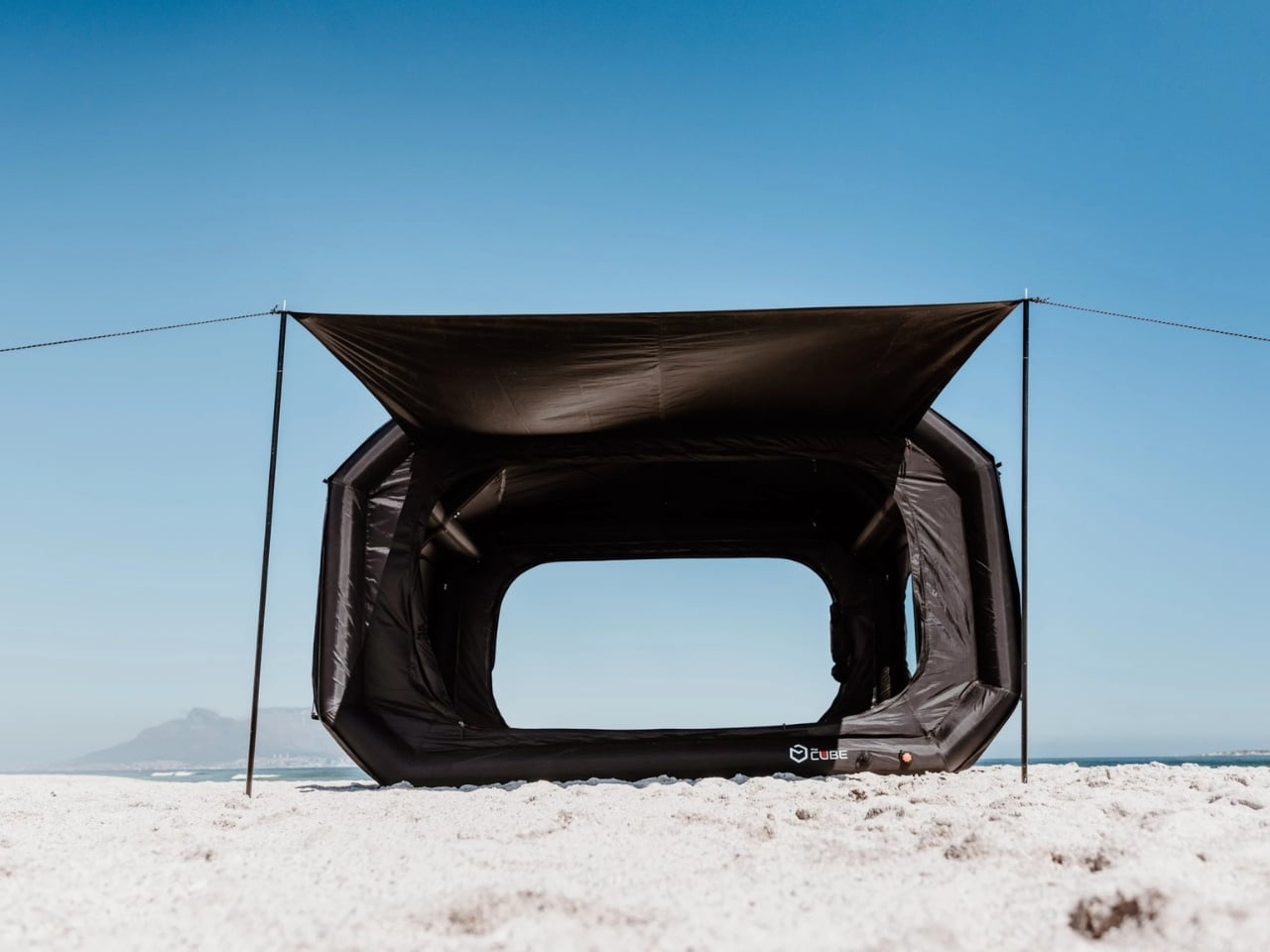
Here’s how it works: instead of traditional poles, The Cube uses an air tube frame system that inflates via a wireless electric pump. One button press, and the tent whooshes to life like some kind of architectural magic trick. No hammering stakes at odd angles, no accidentally threading poles through the wrong sleeves, no arguments with your camping buddy about which end is the front. Just push, wait, and watch your home away from home take shape.
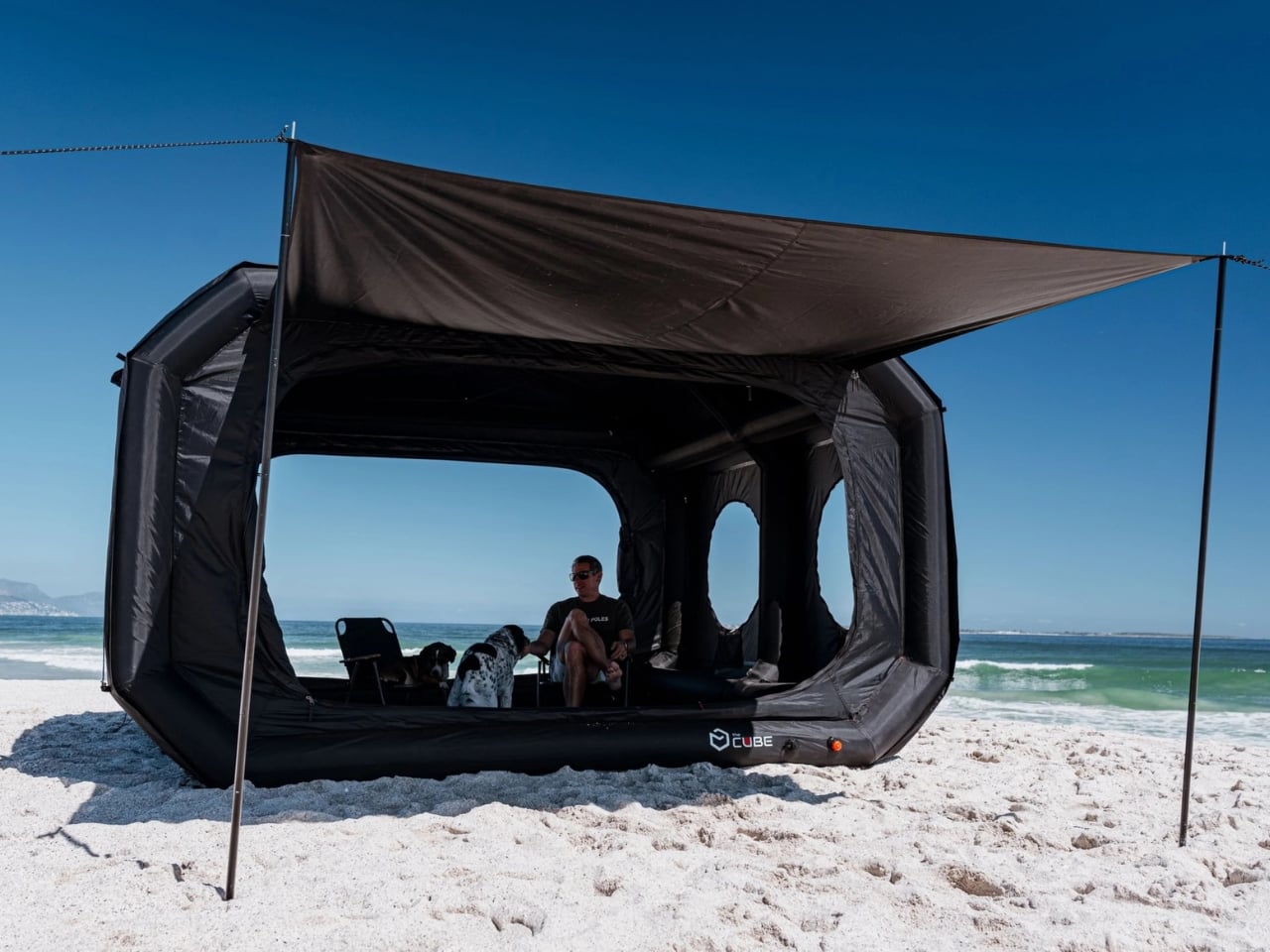
But what really sets The Cube apart isn’t just the speed. It’s the fact that this thing is actually designed for comfort, not just survival. The stretched, oversized design puts this firmly in glamping territory rather than roughing-it camping. We’re talking about a spacious interior that doesn’t force you to hunch over or play tetris with your gear. The modular design means you can customize your setup depending on whether you’re solo adventuring or bringing the whole crew.
Weather resistance is where The Cube really flexes. The tent features an ultra-rigid airframe that stands up to wind and rain, with a WeatherTec system that includes welded floors and inverted seams to keep you dry even when the weather turns nasty. Both the front and back come with three layers: privacy screening, mosquito netting, and weather panels, so you can adjust your exposure to the elements based on conditions and mood.
The attention to practical details is impressive. Some versions come with camping tables, side tables, and even storage solutions like cupboards with plates, bowls, cups, and cutlery drawers. It’s like someone actually thought about what you need when you’re living outdoors for a few days, rather than just providing a roof over your head. Now, is this traditional camping? Absolutely not. If your idea of connecting with nature involves minimalist gear and earning your shelter through physical labor, The Cube probably isn’t for you. But if you’re someone who loves being outdoors without sacrificing comfort, or if you’ve been put off camping by the sheer hassle of setup and teardown, this is a game changer.
The design also speaks to a broader shift we’re seeing in outdoor recreation. As remote work becomes more normalized and people seek experiences beyond traditional tourism, there’s growing demand for gear that bridges the gap between adventure and comfort. The Cube fits perfectly into this zeitgeist of “soft adventure,” where the goal is experiencing beautiful places without the suffering that used to be considered mandatory. From a design perspective, there’s something satisfying about how elegantly The Cube solves a genuine problem. Traditional tent design hasn’t changed much in decades, but by borrowing from inflatable architecture and modern materials science, Alphago created something that feels genuinely innovative rather than just incrementally better.
Is it affordable? That depends on your camping commitment level, though Alphago has offered specials with significant discounts. Think of it less as a tent and more as portable architecture, an investment in stress-free outdoor experiences for years to come. The bottom line: The Cube represents where outdoor gear is heading. Smarter, faster, more comfortable, and designed for people who want nature without the nature-induced backache. Sometimes innovation isn’t about reinventing the wheel. Sometimes it’s about admitting that tent poles were kind of a pain, and maybe we can do better.
The Rolls-Royce Black Badge Ghost Gamer transforms vintage arcade aesthetics into automotive craft. This one-off commission features hand-painted 8-bit aliens across the coachline, arcade-themed interior details, and custom-programmed fiber-optic headliners that simulate laser fire. The vehicle reflects how luxury collecting now embraces gaming history alongside traditional high-culture references.
Designer: Rolls-Royce
Design Execution
Salamanca Blue covers the lower body, Crystal-over-Diamond Black the upper sections. The coachline features hand-painted “Cheeky Alien” motifs, each composed of 89 individual pixels measuring one-eighth inch square. One side shows a green alien with a pink 8-bit explosion, the other displays yellow and blue variations. Each pixel requires exact placement and consistent paint application to maintain the digital aesthetic at automotive scale.
Black and Casden Tan leather seats feature embroidery reading “Player 1” through “Player 4” in 8-bit font. Each headrest displays a “Cheeky Alien” composed of 89 embroidered pixels in vivid thread colors mimicking vintage CRT monitors. The Waterfall between rear seats features hand-painted arcade artwork requiring over two weeks of execution. Two stainless steel flying saucers hover above a lunar landscape, rendered through brushwork, sponge techniques, and airbrushing.
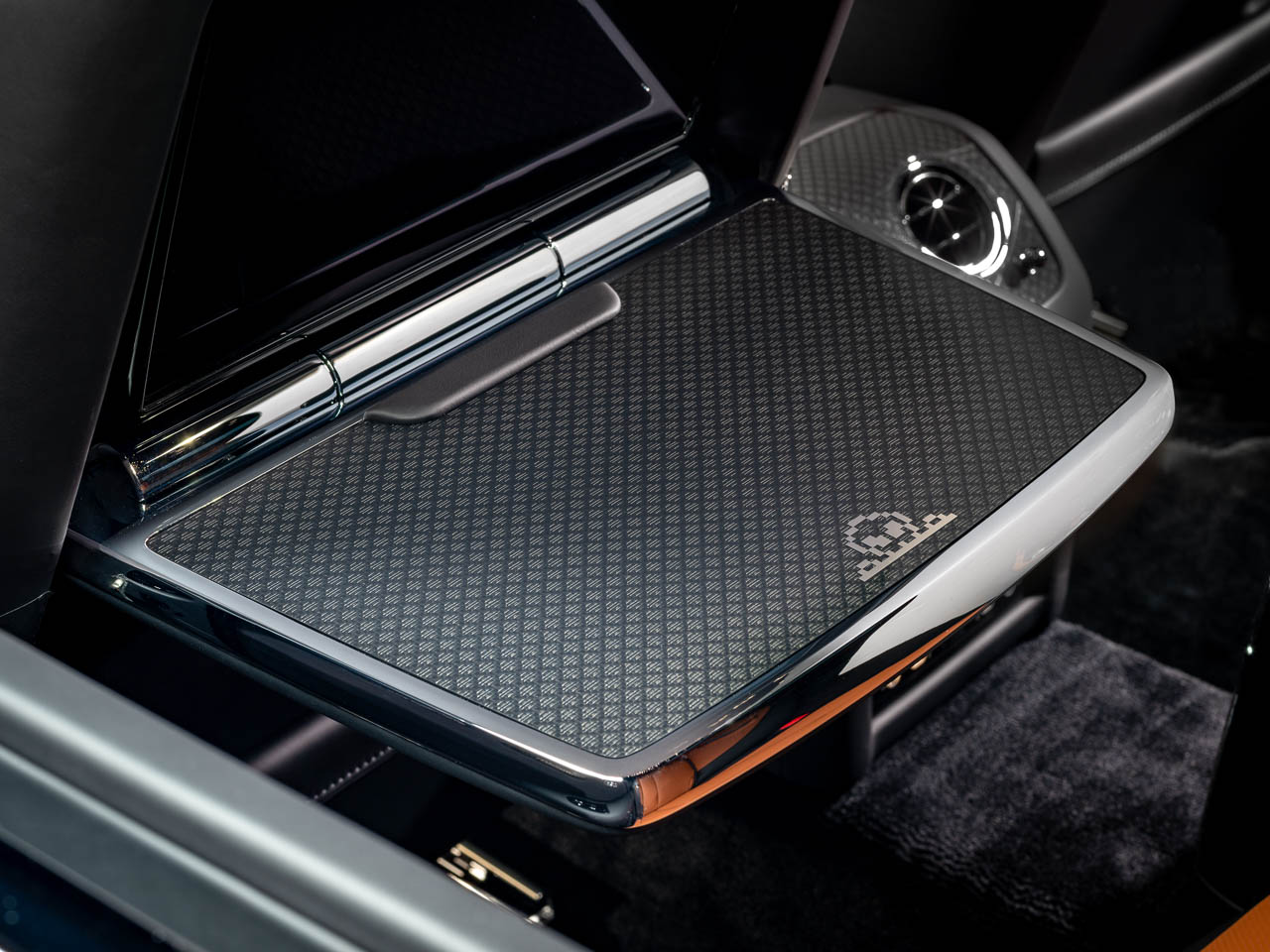
A metal inlay decorates the rear picnic table. An engraved 8-bit motif hides on the concealed side of the front black-chrome air vent. The Bespoke Illuminated Treadplates display arcade prompts: “PRESS START,” “LOADING…,” “LEVEL UP,” and “INSERT COIN.”
Technical Systems
The “Pixel Blaster” Starlight Headliner features 80 bitmapped battlecruisers formed from individually placed fiber-optic lights. Rolls-Royce’s Shooting Star effect receives custom programming to simulate laser fire pulsing across the headliner. The “Laser Base” Illuminated Fascia integrates an 85-star gunship into the dashboard constellation pattern.
Rolls-Royce’s Bespoke team spent a month studying late-1970s and early-1980s gaming culture, examining original arcade cabinets and promotional materials to ensure authentic translation. The Ghost platform features a 6.75-liter twin-turbo V12 producing 591 horsepower. Zero to 60 mph happens in 4.6 seconds despite the 5,500-pound curb weight.
Black Badge and Collecting Culture
Rolls-Royce established Black Badge to accommodate more assertive design expressions. Traditional clientele expect timeless elegance. Black Badge clients challenge those conventions while preserving quality standards. Hand-painted arcade aliens and “INSERT COIN” treadplates would disrupt a standard Ghost’s character but become legitimate opportunities within Black Badge parameters.
The commission reflects broader market shifts. Sotheby’s launched Geek Week for pop culture collectibles. Heritage Auctions sold a sealed Back to the Future VHS for $75,000. Rally offers fractional ownership in graded Pokémon cards and sealed video games. The person commissioning this Rolls-Royce likely participates in this expanded collecting ecosystem, where sealed Super Mario Bros. cartridges command five-figure prices.
Previous generations requested coachlines celebrating equestrian pursuits or yachting. Contemporary clients increasingly reference gaming history and streetwear culture. Hand-painting 89 individual pixels per alien requires identical precision whether depicting classical mythology or vintage video games.
Sling TV offers multiple ways to stream cable channels without having to commit to a month of service, and for Black Friday it's offering its new $5 Day Passes for a healthy discount. You can get a Sling Orange Day Pass for just $1 through November 30, and get access to 34 channels, including ESPN, ESPN 2 and ESPN 3.
Besides ESPN, the Sling Orange Day Pass includes access to TNT and TBS, which makes it a solid option if you're trying to watch the NBA, NFL or college sports. The pass also includes children's channels like Disney Channel and Nick Jr., CNN for news and HGTV and Food Network for purer forms of lean back entertainment. Sling TV is Engadget's pick for the best customizable live streaming service for a reason: You can add on extra premium channels when you buy a pass, and their price will be prorated for whatever length you choose. That way even if a dollar isn't getting you all the channels you need, you don't need to pay that much more to get them.
It's worth noting, while this promotion runs during Thanksgiving in the US, a Sling Orange subscription won't get you access to the football games scheduled for that Thursday. To watch those, you'll need at least a Sling Blue subscription, which includes FS1 and NFL Network, but isn't available as a day-long pass. A Sling Blue subscription currently starts at $46 a month.
Still, for your $1, around $4 off the price Sling TV normally charges, you're getting a deal. Dozens of popular channels, access to Sling TV's DVR feature, and the ability to use your subscription from a smartphone, tablet, the web or your TV. Plus, Sling TV's interface is easy to navigate, which is what you want when you're likely subscribing with one game or show in mind.
This article originally appeared on Engadget at https://www.engadget.com/deals/black-friday-streaming-deals-include-sling-orange-day-passes-for-only-1-each-231208088.html?src=rss
Many e-bike brands focus their marketing on being a sustainable and environmentally friendly consumer choice. Future Motion has gone the other direction and emphasized how its new product can pop infinite wheelies, which sounds like either loads of fun or a quick way to an injury, depending on your worldview.
After developing a line of single-wheel skateboards called Onewheel, Future Motion has released a new transportation option with an e-bike dubbed Antic. (Though I am deeply disappointed it isn't named Twowheel). The 70s-inspired design claims a top speed of 35 miles per hour, a range of 28 to 50 miles, and wide tires intended to handle many types of terrain. It also says that with its Wheelie Assist mode, the bike's gyroscopes and accelerometers can hold an endless single-wheel ride. The base model Antic has a list price of $2,500 but is currently discounted a few hundred bucks for the launch; longer-range options with more capable tires will run up to $2,900.
This article originally appeared on Engadget at https://www.engadget.com/transportation/onewheel-teams-antic-e-bike-can-pop-eternal-wheelies-230602296.html?src=rss