The best budget gaming laptops for 2025

Even though just about everything is getting more expensive these days, it’s still possible to find a few cheaper gaming notebooks under $1,000. If you’re just looking to hit 60 fps to 120 fps of performance, or you just want to play the latest games without cranking up your graphics settings, these are the notebooks to consider. You’ll still find high refresh rate displays, as well as modern CPUs and GPUs. Just be prepared to live with slightly flimsier build quality, as well as plastic cases.

To get a high-end gaming experience, you can easily spend $5,000 on a fully tricked-out notebook like the Razer Blade 18. But when it comes to the best budget gaming laptops, we're focusing on the other end of the pricing spectrum: laptops under $1,000. Rising prices due to tariffs and a more chaotic economy has made it tougher to find these inexpensive gems, but they’re still around if you look hard enough.

Stepping up a bit to systems between $1,400 and $2,000 puts you firmly in mid-range territory, which is beyond the scope of this guide. Still, it's worth keeping an eye out for sales that can push those higher-end models below $1,000. Be sure to check out our guide to the best gaming laptops for a general overview of what to look out for in these more expensive systems.

Cheap gaming laptops are definitely worth it if you’re trying to save money and are being realistic about what you can get at this price range. You can expect to find Intel and AMD's latest (but not greatest) CPUs, as well as entry-level GPUs like NVIDIA's RTX 4050. Budget models are also typically paired with FHD (1080p) screens running at a respectably high refresh rate of 120Hz or beyond — ensuring smooth frame rates in your favorite games. You’ll occasionally see some 16-inch budget options, like Alienware’s Aurora 16 when it dips below $1,000 on sale.

Many cheap gaming laptops also skimp on specs like RAM and hard drive space. We'd recommend getting at least 16GB of RAM and 512GB of SSD storage at a minimum. Modern games need a decent chunk of memory to run, and they also tend to be large, so you wouldn't be able to fit much alongside Windows 11 on a 256B SSD. You might be tempted to jump on one of those dirt-cheap gaming laptop deals from Walmart or Best Buy, but it's just not worth it if you're stuck with 8GB of RAM or a tiny SSD. You can’t upgrade those components down the line, which gives super-cheap laptops a short lifespan.

As for build quality, expect to find more plastic than metal on budget gaming machines. Still, the best budget gaming laptops we're recommending should be sturdy enough to last a few years. Affordable systems will also be heavier and thicker than mid-range and higher-end models, and often don’t have the best Wi-Fi or connectivity options. Battery life is another trade-off, though even the most expensive gaming laptops can struggle with longevity.

This article originally appeared on Engadget at https://www.engadget.com/computing/laptops/best-budget-gaming-laptop-130004199.html?src=rss

KAMRUI Black Friday Power Deals: Three Elite Mini PCs at Their Lowest Prices of the Year

KAMRUI Black Friday Power Deals: Three Elite Mini PCs at Their Lowest Prices of the Year

Black Friday is here — and the competition for the season’s strongest desktop deals has officially begun. This year, KAMRUI is pushing harder than ever, dropping three massive limited-time offers on their top-performing mini PCs. Whether you’re upgrading your home office, building a compact gaming setup, or gifting premium hardware for the holidays, these deals […]

The post KAMRUI Black Friday Power Deals: Three Elite Mini PCs at Their Lowest Prices of the Year appeared first on Geeky Gadgets.

Posted in Uncategorized

Cloudflare outage was not caused by a cyber attack

Cloudflare wrongly suspected that the widespread outage that took numerous websites offline on November 18 was caused by a DDoS attack, the company’s CEO has admitted. In his blog post that breaks down what happened, however, Matthew Prince explained that after realizing their mistake, his team was able to fix the issue. “The issue was not caused, directly or indirectly, by a cyber attack or malicious activity of any kind,” he wrote. It was instead caused by a change to its database systems’ permissions, which led to an issue with a file used by its Bot Management system.

The company’s Bot Management system uses a machine learning model to score bots for every request they make when they crawl Cloudflare’s network. Its clients rely on those bot scores to decide whether to allow or to block specific bots from accessing their websites. One the uses of having bot scores is being able to block AI companies’ bots so they can’t use a website’s content to train their LLMs. In July, Cloudflare launched an experiment called “pay per crawl,” which allows website owners to let an AI bot crawl their pages if they get paid for access.

Prince said the model relies on a “feature” configuration file to make a prediction on whether a bot request was automated or not. The feature file is refreshed every few minutes, and a change in the underlying mechanism generating that file caused a change in its size that triggered the error. “As a result, HTTP 5xx error codes were returned by the core proxy system that handles traffic processing for our customers, for any traffic that depended on the bots module,” Prince wrote.

This recent event has been Cloudflare’s worst outage in years. The company said it hasn’t had an outage that has “caused the majority of core traffic to stop flowing through [its] network” since 2019. Prince apologized for the issue on behalf of his team.

This article originally appeared on Engadget at https://www.engadget.com/cybersecurity/cloudflare-outage-was-not-caused-by-a-cyber-attack-053000551.html?src=rss

TikTok now has an in-app ‘affirmation journal’ and sound machine

TikTok is replacing its screen time management page with a Time and Well-being space, which also comes with new wellness features. You can now find an affirmation journal, where you can set your intentions for the day using the 120-plus cards the app provides. You can, say, choose the “grace” card that reminds you to be free of the expectation of others. The card is downloadable on your device, and you can share it with others.

You’ll also find an in-app soothing sound generator that you can use to listen to relaxing audio, such as those featuring the sound of rain, waves and white noise. The sounds stop after a few minutes when the timer ends, so you can play them to induce sleep when you go to bed. TikTok says its users are 14 percent more likely to listen to music to help them relax or go to sleep than non-users. You’ll also find different types of breathing exercises you can do in the new space.

In addition, TikTok is rolling out new well-being missions, expanding the original set it launched in July. These missions, which are particularly designed for teens, will reward you with badges for completing challenges related to balanced digital habits. The new Sleep Hours Mission will award you with a badge if you stay off TikTok at night, while the daily screen time mission will earn you another if you set a screen time limit and manage to stick to it. There’s also a new weekly screen time mission that will prompt you to check your screen time report every week, as well as a well-being ambassador mission that will earn you badges if you invite others to do the missions.

This article originally appeared on Engadget at https://www.engadget.com/social-media/tiktok-now-has-an-in-app-affirmation-journal-and-sound-machine-050100713.html?src=rss

TikTok will let users tone down the amount of AI content in their feed

TikTok is the latest social platform to hand users more control over the amount of AI-generated content they see. The app is experimenting with a new setting that will allow users to request to "see less" AI in their "For You" feed.

The new toggle will be available in “the coming weeks” in the app's "manage topics" section that lets people personalize the types of videos more likely to appear in their feed. In a blog post, TikTok says the control is meant to help users "dial things down" if they want to see less AI content in their recommendations. The update follows a similar move from Pinterest, which has faced complaints about AI slop drowning out authentic images on the platform.

TikTok, like most other platforms, has seen an influx of AI-generated content in recent years. The company, which requires users to label such creations, says that there are more than 1.3 billion videos with these labels. At the same time, the company notes that its existing methods for detecting AI content aren't perfect, Currently, TikTok relies on a widely-used watermarking system called Content Credentials that adds metadata to AI-generated content. But these signals can get harder to detect when images or videos are edited in other apps or copied and reshared to other sites, as often happens with viral content. 

To address this, TikTok says that it will also experiment with an additional "invisible watermarking" system that could help it identify and label AI content more reliably. "'Invisible watermarks' add another layer of safeguards with a robust technological 'watermark' that only we can read, making it harder for others to remove," the company explained.

This article originally appeared on Engadget at https://www.engadget.com/social-media/tiktok-will-let-users-tone-down-the-amount-of-ai-content-in-their-feed-050100596.html?src=rss

This E Ink Clock Prints Fortunes and Jokes on Paper Slips

Time usually passes without much fanfare. Numbers flip on your phone screen, the day blurs from morning coffee to evening TV, and most minutes feel interchangeable. Clocks are background objects, functional but forgettable, doing nothing more than reminding you how late you’re running. There’s no ceremony to checking the time, no surprise waiting when you glance at the display. It’s just numbers counting down to whatever you’re supposed to do next.

Houracle by True Angle approaches this differently. Instead of treating time as something that simply ticks away, it turns each minute into a potential moment of delight. The device is part clock, part oracle, with an eco-friendly thermal printer tucked into the top that spits out fortunes, jokes, riddles, or random facts tied to the exact moment you press the button. It’s the kind of thing that makes you want to check the time just to see what happens.

Designer: True Angle

Click Here to Buy Now: $128 $213 (40% off). Hurry, only a few left!

The design is deliberately retro. A boxy, powder-coated aluminum body with rounded edges, a large orange or yellow button on the top, and an e-ink display that looks like a pencil sketch on paper. The screen shows the time and date, the weather for your selected location, and a small prompt inviting you to press print. Five icons along the right edge let you select modes, fortune, fact, joke, riddle, or surprise, each represented by simple graphics.

Press the button and the printer whirs to life, a satisfying mechanical sound as the paper slip emerges from the top. At 7:42 in the morning, it might tell you destiny took a coffee break and suggest making your own magic. At 11:15, it could mention your brain runs on about 20 watts, enough to power a dim bulb or a brilliant idea. The messages feel oddly personal because they’re tied to that specific minute.

What makes this genuinely charming is how the slips accumulate. They end up on the fridge, tucked into notebooks, or shared with family members over breakfast. Heck, you might find yourself printing extras just to see what weird fact or ridiculous joke Houracle generates next. The lucky numbers printed at the bottom add an extra layer of whimsy that completes the fortune cookie vibe without taking itself too seriously.

The e-ink screen plays a bigger role than you’d expect. Unlike the glowing blue displays most clocks use, this one reflects ambient light rather than emitting it. That makes it easier on the eyes, especially at night, and gives the whole device a calming presence. The screen updates when you interact with it, but otherwise sits quietly, blending into the background.

Of course, the whole thing runs on wall power, which means no batteries to replace or USB cables to manage. The aluminum body is built to last, assembled with screws rather than glue. Houracle also uses BPA and BPS-free thermal slips, sourced from a company that plants a new tree or restores kelp in the ocean for every box of thermal rolls purchased. True Angle designed Houracle with sustainability in mind, using recyclable materials and avoiding planned obsolescence.

What’s surprising is how much a simple printed slip can shift your mood. A clever riddle before bed, a dumb joke during a work break, or a strange fact that makes you pause for a second. These aren’t profound moments, but they add small pockets of joy to days that might otherwise feel routine. Houracle captures the anticipation you used to feel when cracking open a fortune cookie.

The device sits on your desk or nightstand, looking unassuming until you press that button and hear the printer activate. Then it becomes something else entirely, a little machine that marks time with paper artifacts you’ll probably keep longer than you should. For anyone who’s tired of clocks that just tell time and do nothing else, that small shift makes all the difference.

Click Here to Buy Now: $128 $213 (40% off). Hurry, only a few left!

The post This E Ink Clock Prints Fortunes and Jokes on Paper Slips first appeared on Yanko Design.

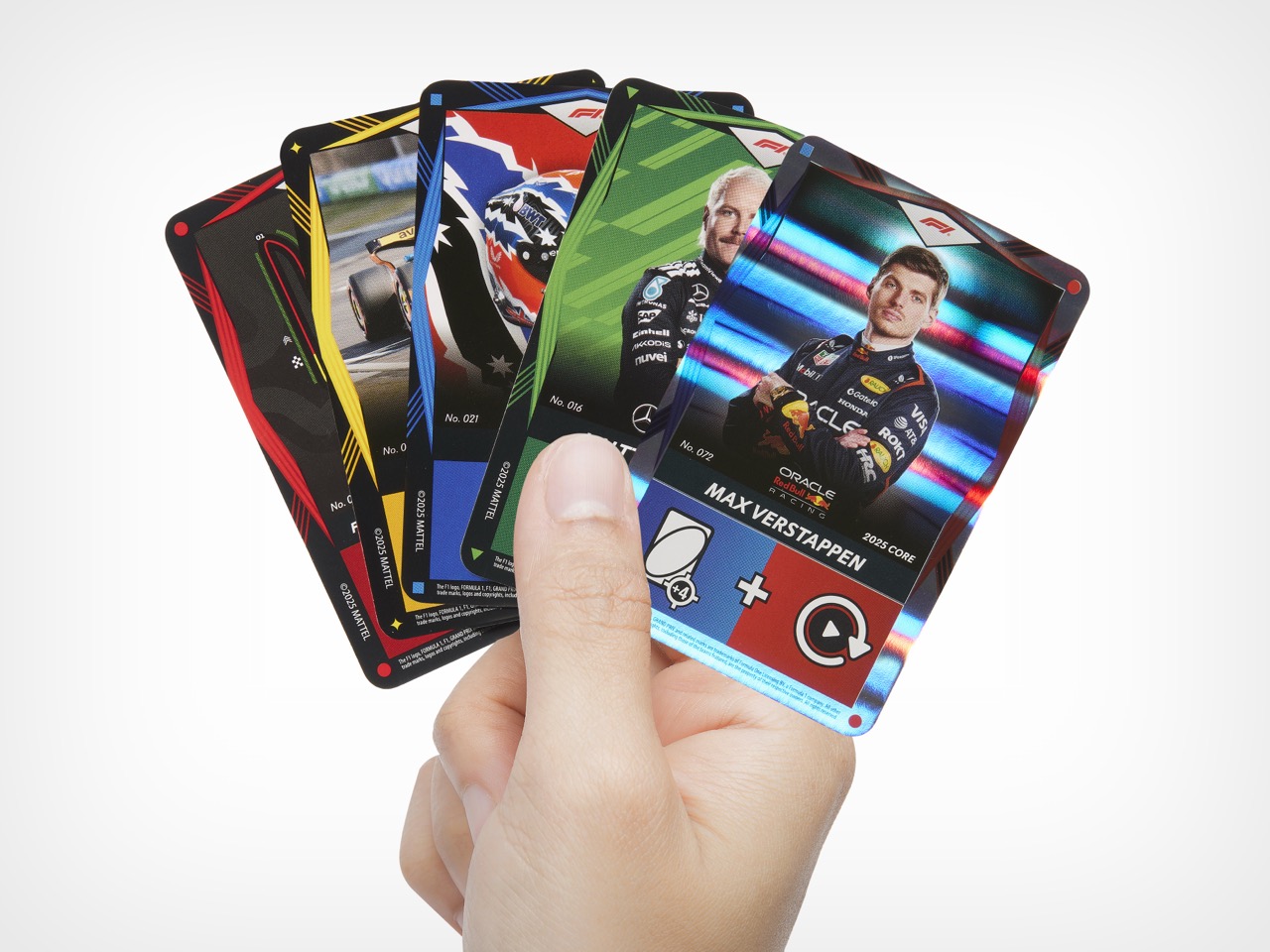
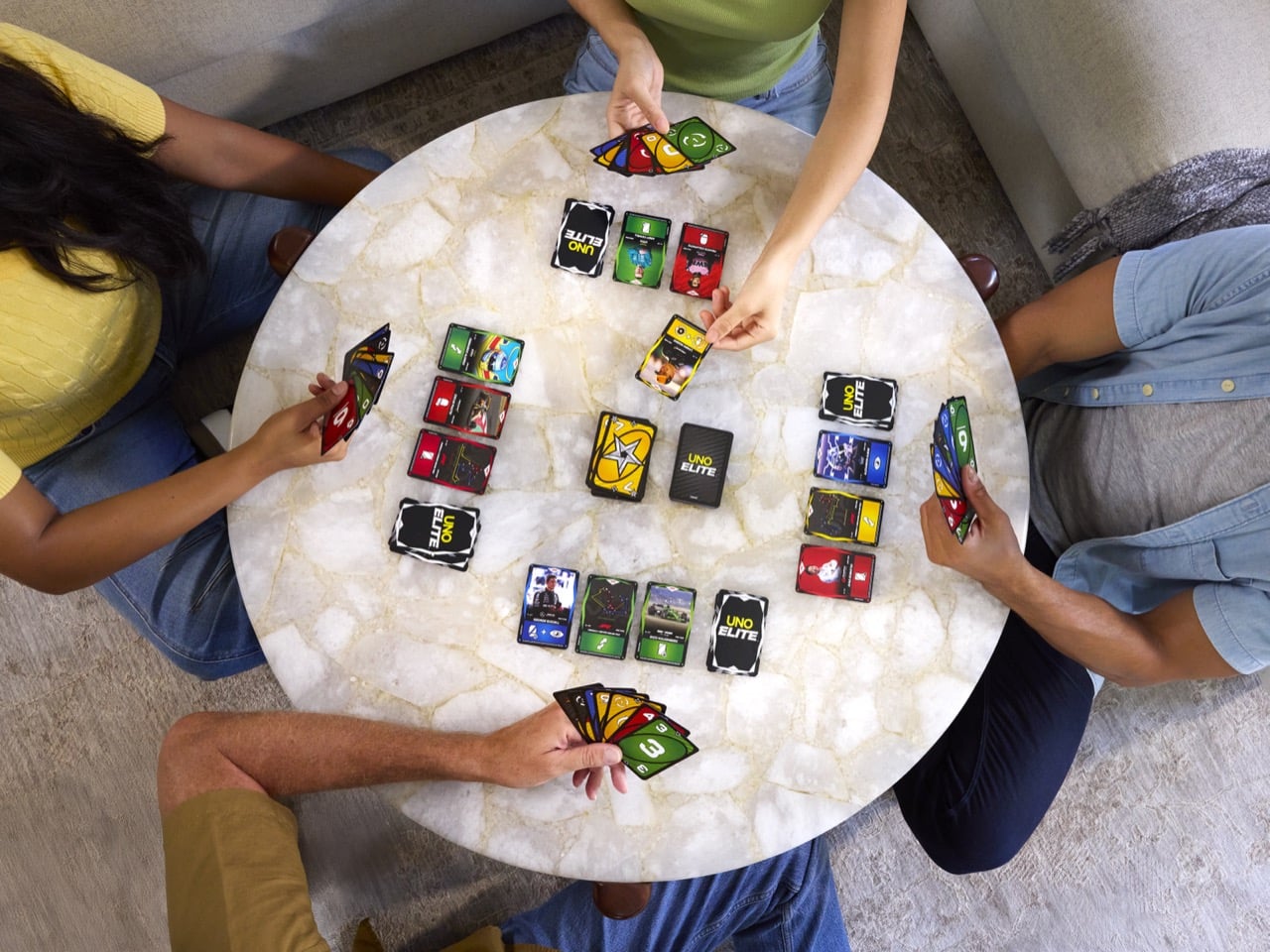
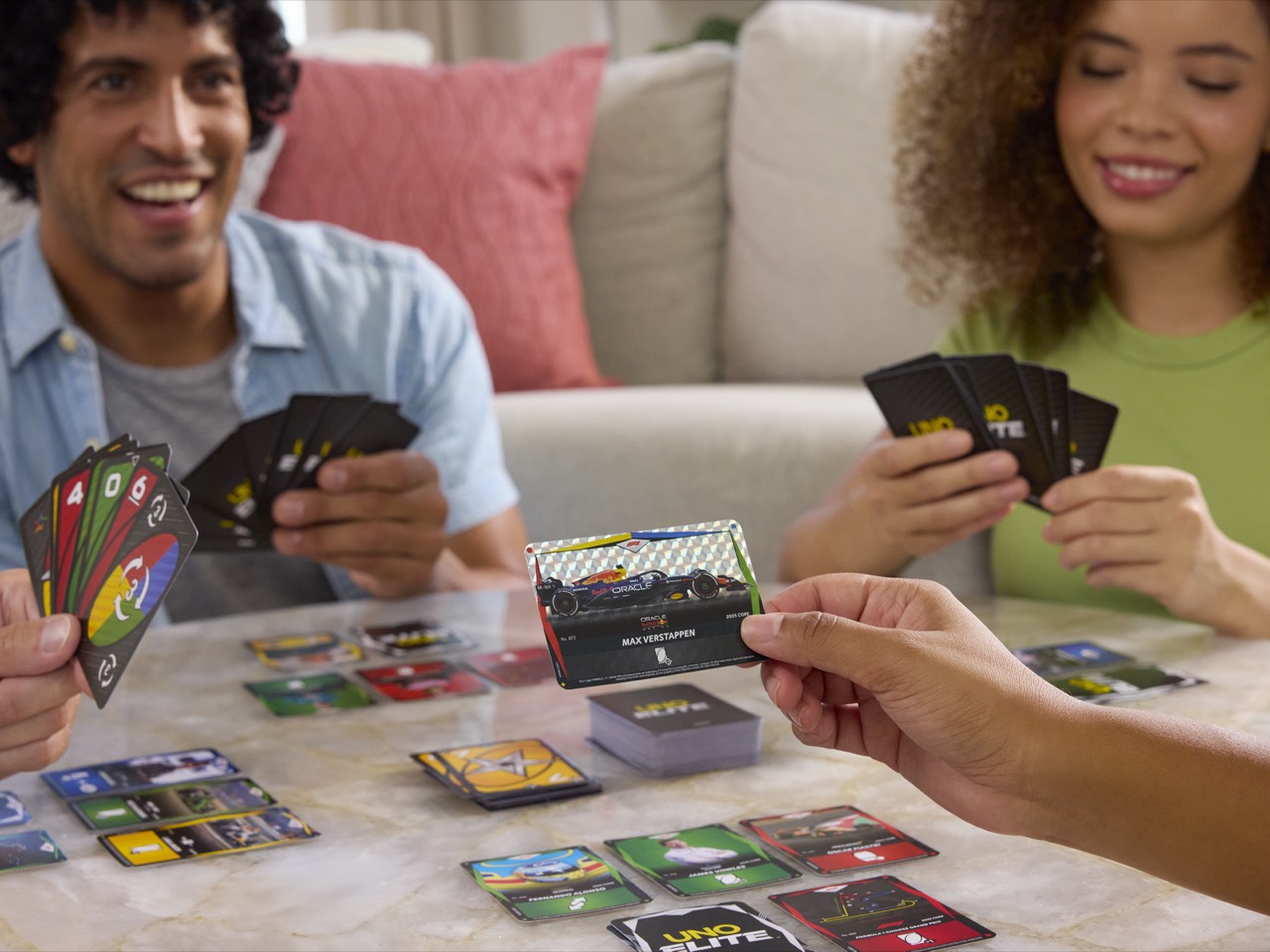
UNO x Formula 1 Card Game Features Exciting New Gameplay With All 10 Teams And 1000+ Collectible Cards

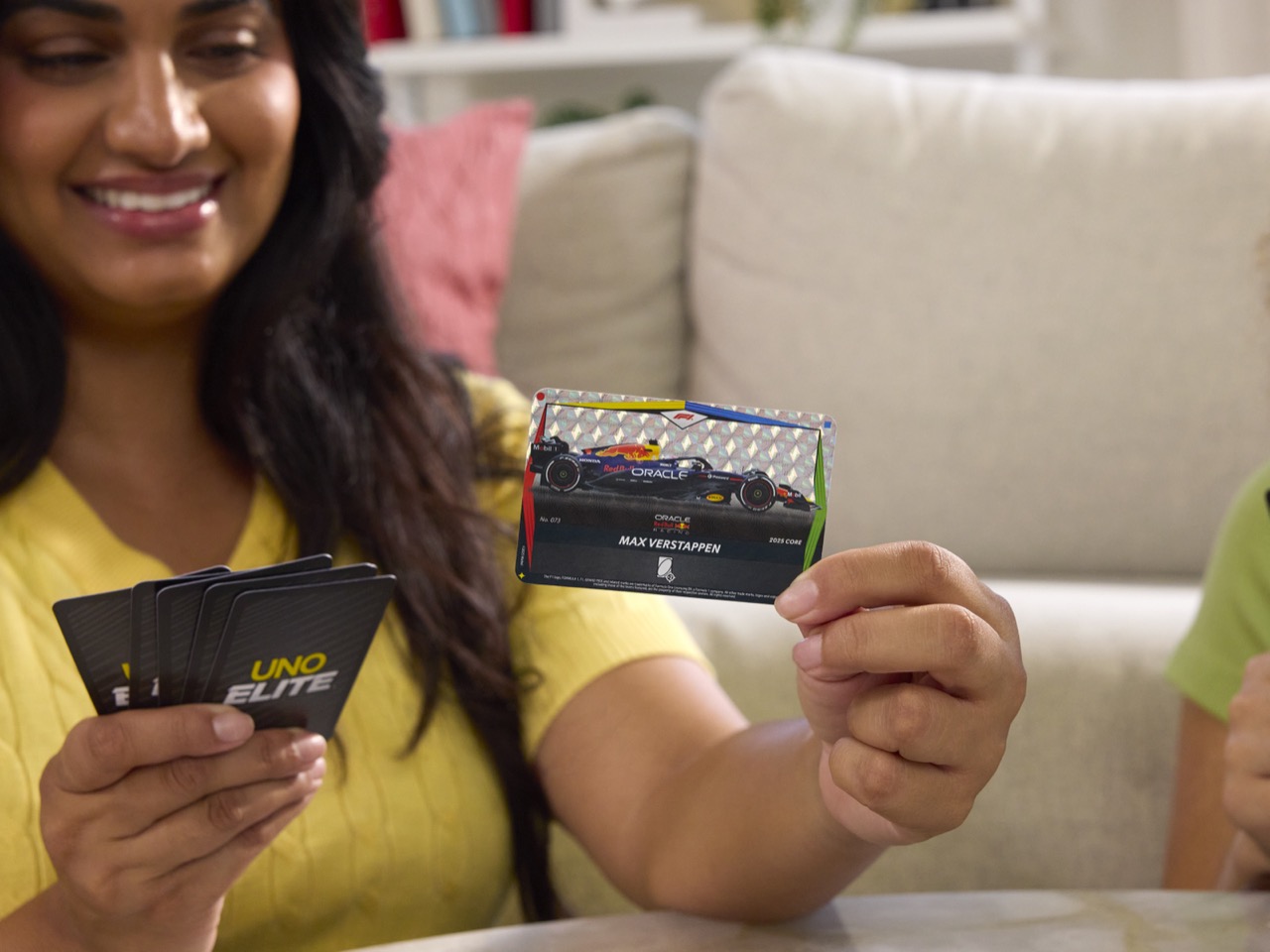
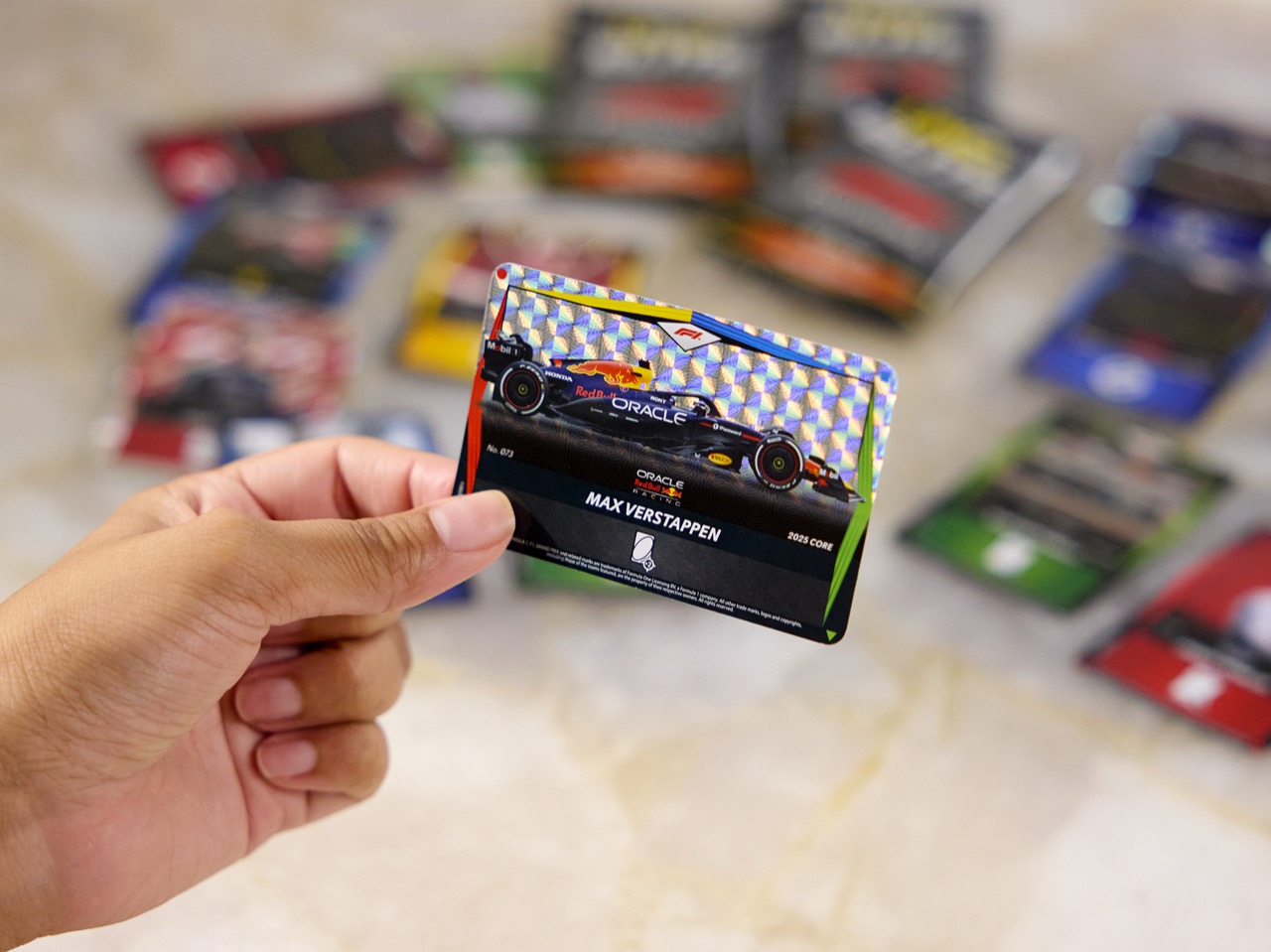
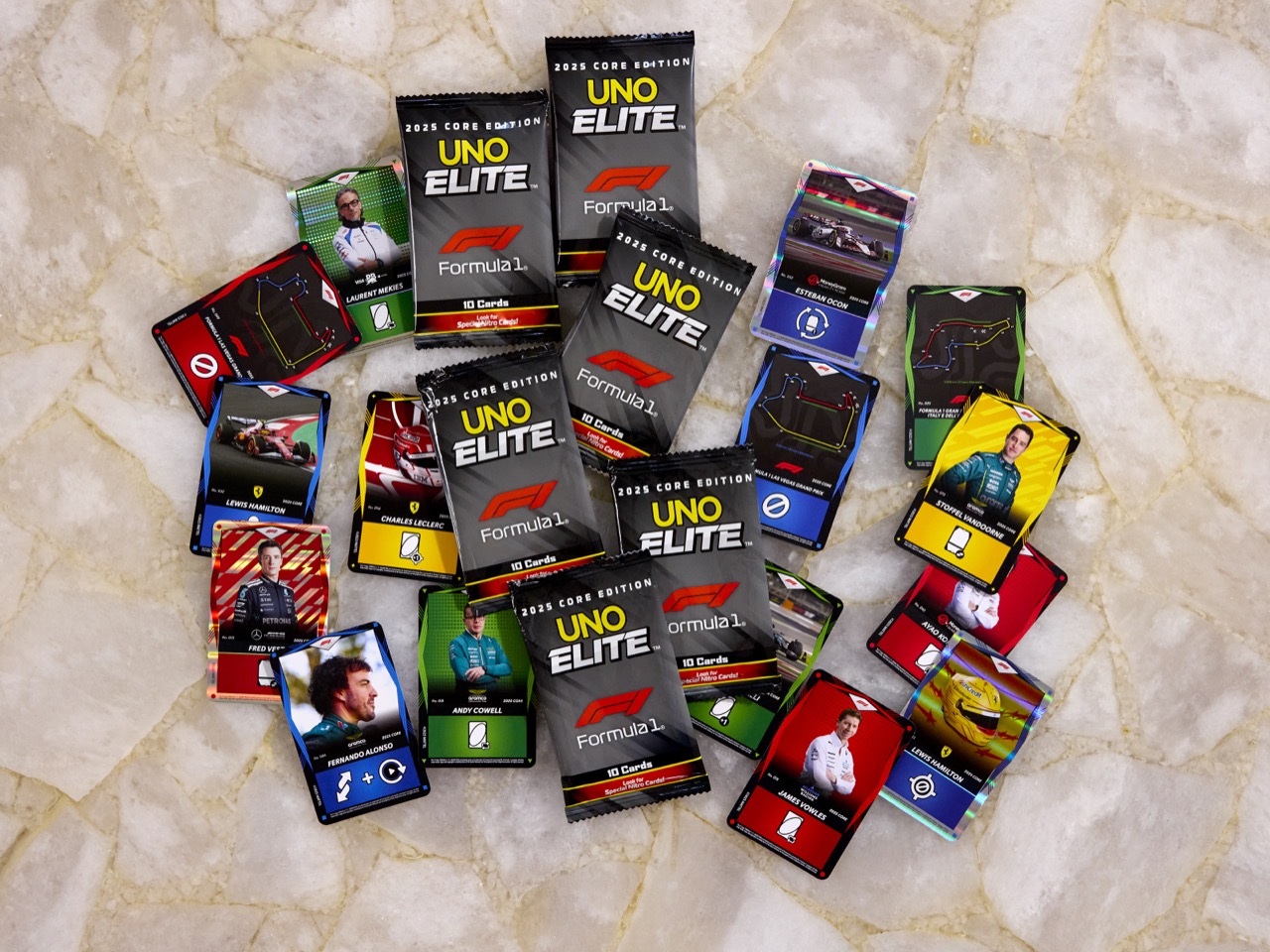
Most licensed UNO decks are basically souvenirs; you play the same game you always have, only this time with movie stills or cartoon faces staring back at you. UNO Elite Formula 1 is aiming for something more ambitious. Mattel is taking the basic UNO framework and wrapping it in a light collectible shell, with Elite Action cards that feature F1 drivers, cars, team principals, circuits, and helmets, and then selling those cards in starter packs and boosters like a stripped down trading card game.

That shift changes what an “UNO edition” even is. Instead of a one and done deck, you get a product you can tune, expand, and personalize around your favorite teams and drivers. It is still approachable enough to throw on the table at a family gathering, but there is a clear nudge toward collecting, tinkering, and even house ruling your way into race weekend formats and team championships. In other words, this is UNO stepping closer to F1’s world of strategy and fandom, without asking players to learn an entirely new game.

Designer: Mattel

On paper, UNO and Formula 1 do not look like natural teammates. One is a simple, almost universal card game you can teach in under a minute; the other is a hyper technical, data obsessed motorsport with a rulebook thick enough to choke a diffuser. UNO Elite Formula 1 is Mattel’s attempt to bridge that gap, not by turning UNO into a simulation, but by layering F1’s personalities and drama onto a ruleset that practically everyone already knows. The result is a deck that plays like classic UNO at its core, but arrives packaged with Elite Action cards and boosters that push it into collectible territory.

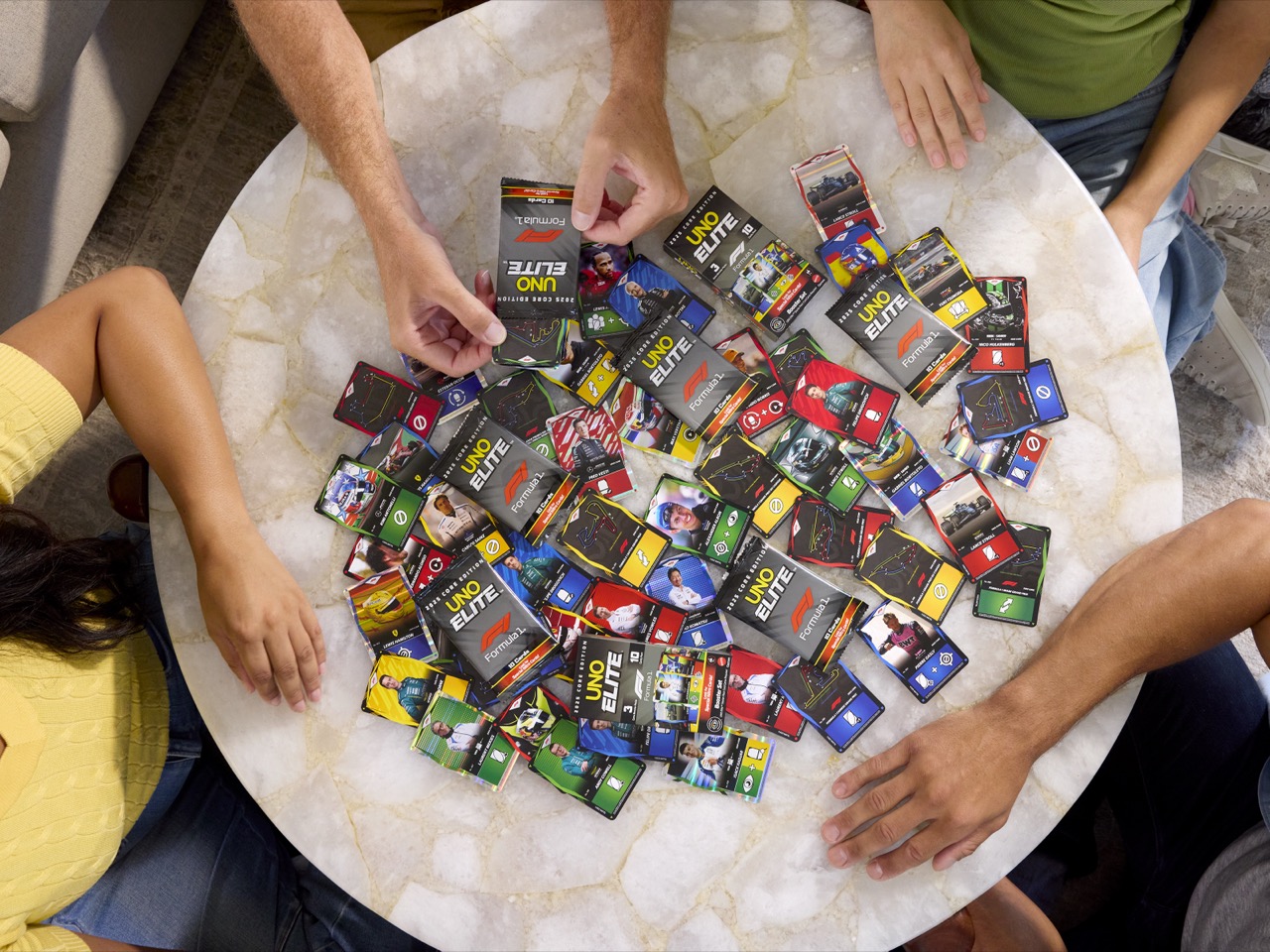
The Core Edition Starter Pack gives you a 112 card deck that functions just like the one you already own, but it also includes four booster packs to get you started. Those packs contain a random assortment of the set’s 100 plus unique Elite Action cards. From there, you can buy separate Booster Sets to keep hunting for your favorite drivers or to find rare foil variations, which bring the total number of unique cards in the line to over 1,000. It is a clever way to add the thrill of the chase from trading card games without the intimidating barrier of complex deckbuilding rules.

What this does at the table is make the game modular. You can keep the Elite cards out and play a pure, classic game of UNO. Or you can shuffle in a handful of them to add a little F1 flavor, introducing new actions tied to drivers, teams, or circuits. For dedicated fans, the real fun will be in curating the experience, perhaps creating a deck where only cards from rival teams are included, or running a “constructors championship” where players team up and score points over a whole evening. The game provides the pieces; the players provide the narrative.


This is a smart play from both Mattel and Formula 1, who both acknowledge that their fanbases are passionate and ready for new ways to engage. It is a low friction entry point for F1 fans who might not touch a traditional hobby board game, and it gives UNO a much needed shot of strategic depth and collectibility that could keep it on the table for longer. The success of UNO Elite Formula 1 will ultimately depend on whether players embrace that potential. It is one thing to provide the tools for a deeper experience, but it is another for the community to pick them up and build something truly exciting with them.

The post UNO x Formula 1 Card Game Features Exciting New Gameplay With All 10 Teams And 1000+ Collectible Cards first appeared on Yanko Design.

This Printed-Circuit Sconce Turns Exposed Electronics Into Functional Sculpture

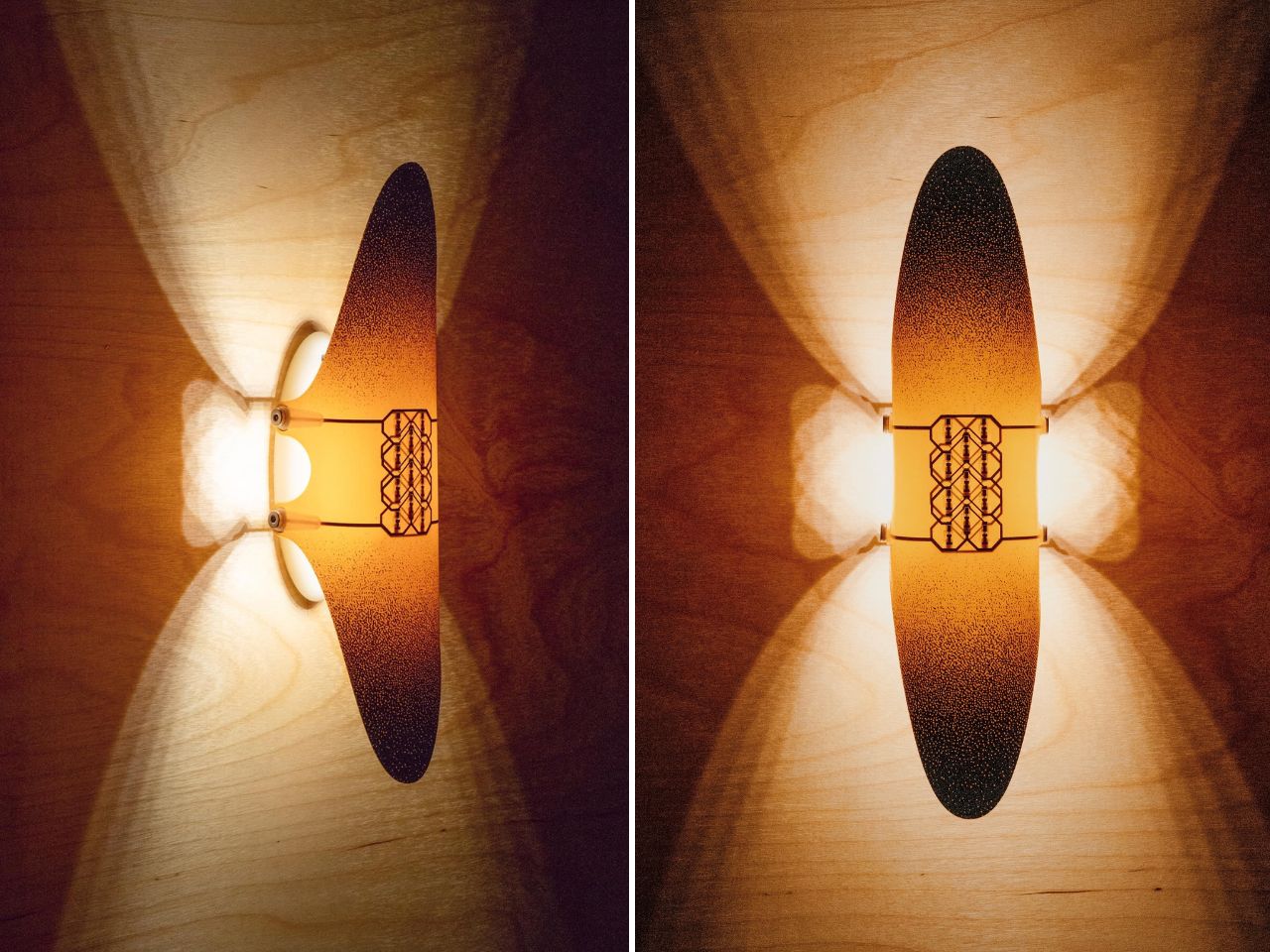
In contemporary lighting, technology is often concealed, hidden behind frosted diffusers, buried in housings, or tucked into recesses where its presence is merely utilitarian. The Printed Circuit sconce by American designer August Ostrow turns this convention inside-out. Instead of disguising the mechanics of illumination, the sconce makes electronics themselves the aesthetic centerpiece, revealing the beauty of a material more frequently associated with industrial devices than interior design.

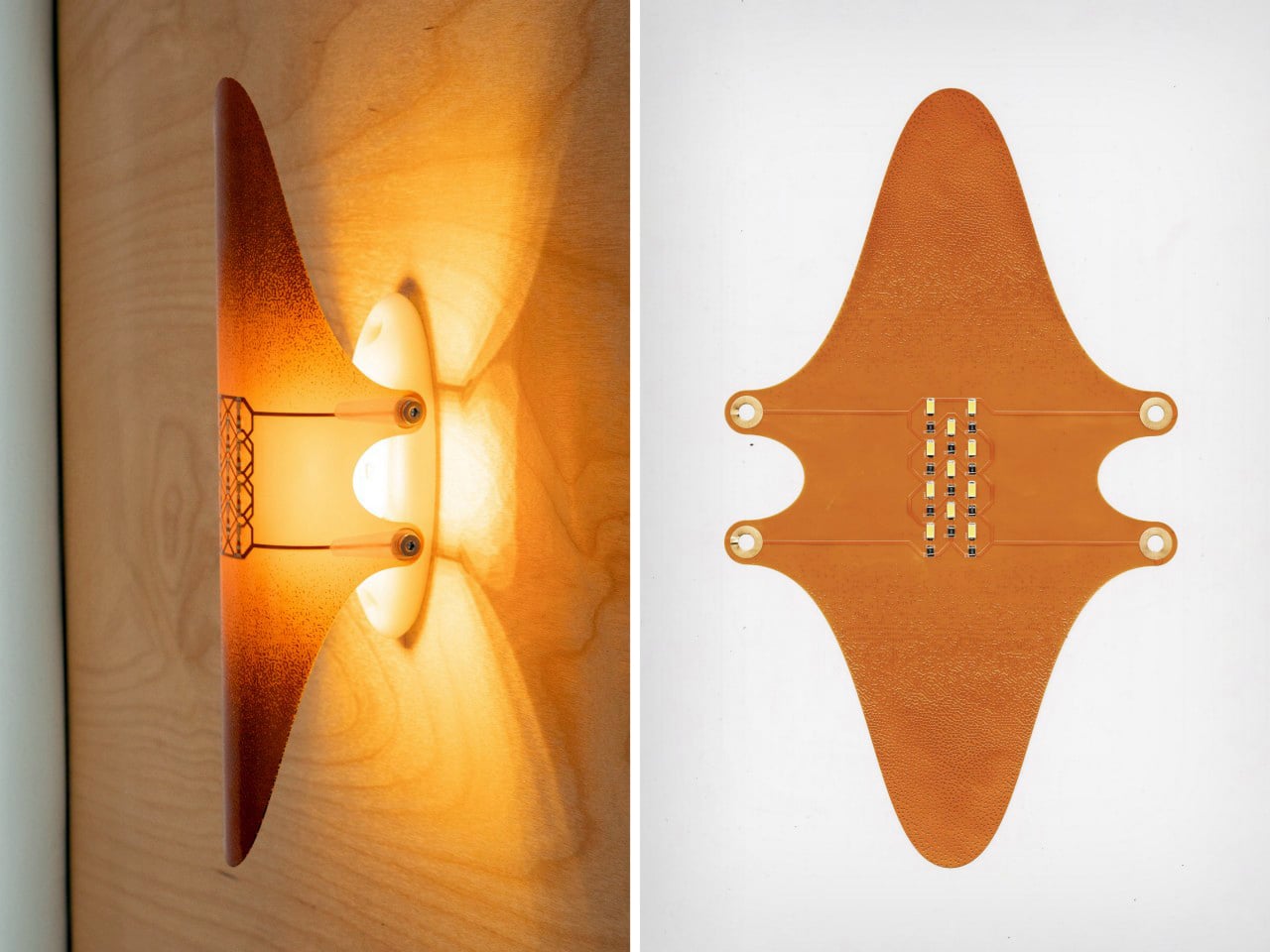
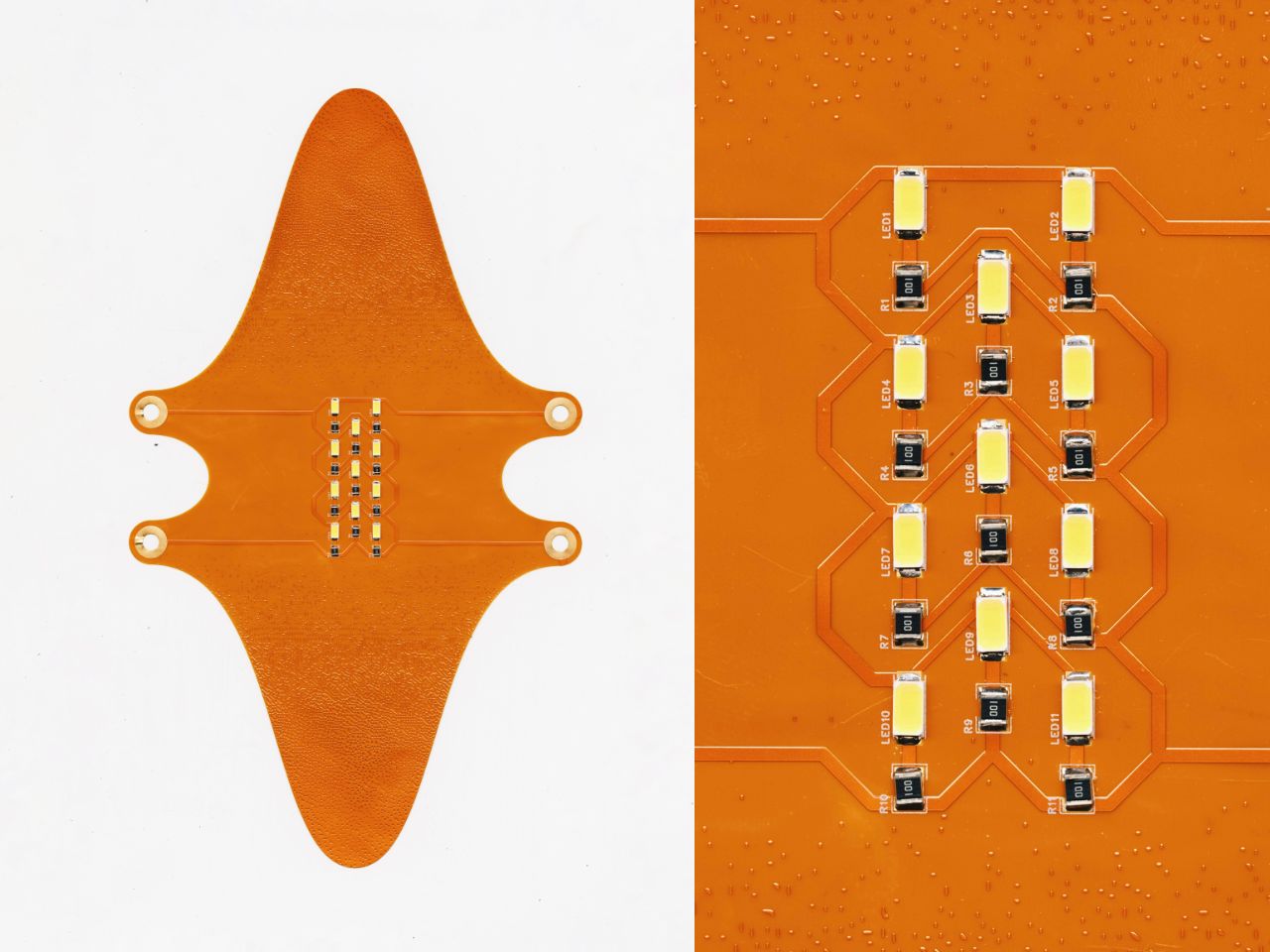
At the core of the sconce is a flexible polyimide printed circuit board, a material prized in the electronics industry for its thermal stability, durability, and ability to bend without losing structural integrity. Commonly found within consumer devices, aerospace components, and advanced industrial systems, polyimide typically remains unseen, functioning behind the scenes as a backbone for electrical pathways. Ostrow repositions this substrate as both shade and light source, allowing the circuitry to take on a sculptural presence within the room.

Designer: August Ostrow

The traces, copper routes, and tactile surface details that usually operate invisibly now become the primary graphic language of the design. When illuminated, these pathways glow softly, revealing an intricate network that is part engineering diagram, part textile-like pattern. The sconce becomes a luminous map of its own function, offering viewers a rare opportunity to see the inner logic of circuitry elevated to decorative status.

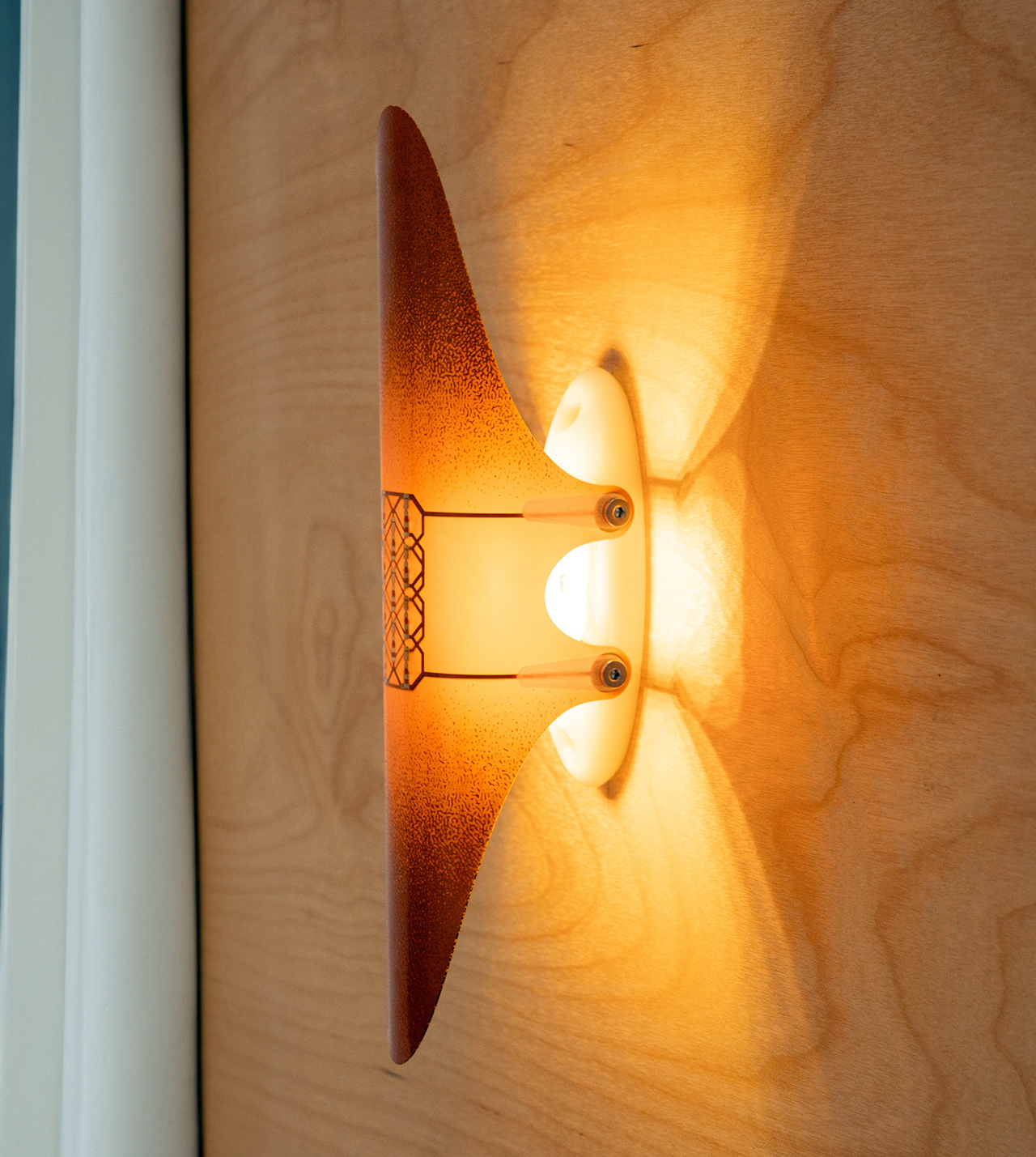
This approach aligns with Ostrow’s broader practice of material exploration, challenging expectations of what electronic components can be when removed from their typical contexts. By bending the polyimide board into a gentle arc, the designer leverages its natural flexibility, allowing it to act simultaneously as a structural element, a diffuser, and a carrier for the embedded LEDs. The armature that supports the sconce performs dual duty as well: it physically holds the piece in place while also serving as the conduit for its DC power connection. The result is a clean, integrated assembly where function and form are inseparable.

The Printed Circuit sconce also speaks to a growing movement in industrial and lighting design where designers intentionally expose mechanisms, celebrate raw materials, and reveal inner workings rather than hiding them. The aesthetic of the PCB, once considered too technical or visually chaotic for interior surfaces, is reinterpreted here as refined, graphic, and unexpectedly elegant. The glow of the light accentuates the fine geometries etched into the board, producing an effect that is both futuristic and tactile.

Beyond its visual appeal, the sconce raises interesting questions about the relationship between technology and ornamentation. What does it mean when circuitry, traditionally understood as purely functional infrastructure, becomes decorative? How do our perceptions shift when we encounter electronic materials not as hidden hardware but as expressive, crafted surfaces? The Printed Circuit sconce offers a compelling answer: electronics, when thoughtfully framed, possess a structural and aesthetic richness worthy of display. In celebrating the circuitry rather than concealing it, the design offers a refreshing perspective, one that suggests beauty does not need to be added to technology; sometimes it only needs to be revealed.

The post This Printed-Circuit Sconce Turns Exposed Electronics Into Functional Sculpture first appeared on Yanko Design.

The all-electric Jeep Recon gets official specs and launch price

Jeep says that the all-electric 2026 Jeep Recon will finally begin production "early next year." This comes three years after the model's original announcement amid multiple delayed starts.

Built on a dedicated EV architecture, the Recon will deliver 650 horsepower and 620 ft-lb of torque. Its 100kWh battery pack will have an estimated 250 miles of range on a full charge and accelerate from 0-60 mph in as little as 3.6 seconds.

The Recon is billed as the first and only fully electric Trail Rated SUV in the industry. This means it meets Jeep's internal standards for the traction, water fording, maneuverability, articulation and ground clearance necessary to earn the Trail Rated badge. Bolstered by its 4X4 capability and 33-inch tires, the Recon can tackle a wide range of terrains.

The Jeep Recon was originally supposed to be available in 2024, though the closest we got to seeing it in action was spy photos of a possible prototype at the tail end of that year. Last month Jeep CEO Bob Broderdorf told MotorTrend that the Recon was coming to showrooms "next spring." The Jeep website, which may need some updates, still says "coming late 2025."

Jeep had previously introduced multiple hybrid models including a hybrid version of the Grand Cherokee and Wrangler. Both models were subject to substantial recalls this year due to fire risks in their batteries, encompassing over 375,000 vehicles. This came after a similar recall for Jeep hybrids the year before 194,000 vehicles, also due to fire risks.

The EV will have a starting MSRP of $65,000 and Jeep says production will take place at the Toluca Assembly Plant in Mexico.

This article originally appeared on Engadget at https://www.engadget.com/transportation/evs/the-all-electric-jeep-recon-gets-official-specs-and-launch-price-000032015.html?src=rss
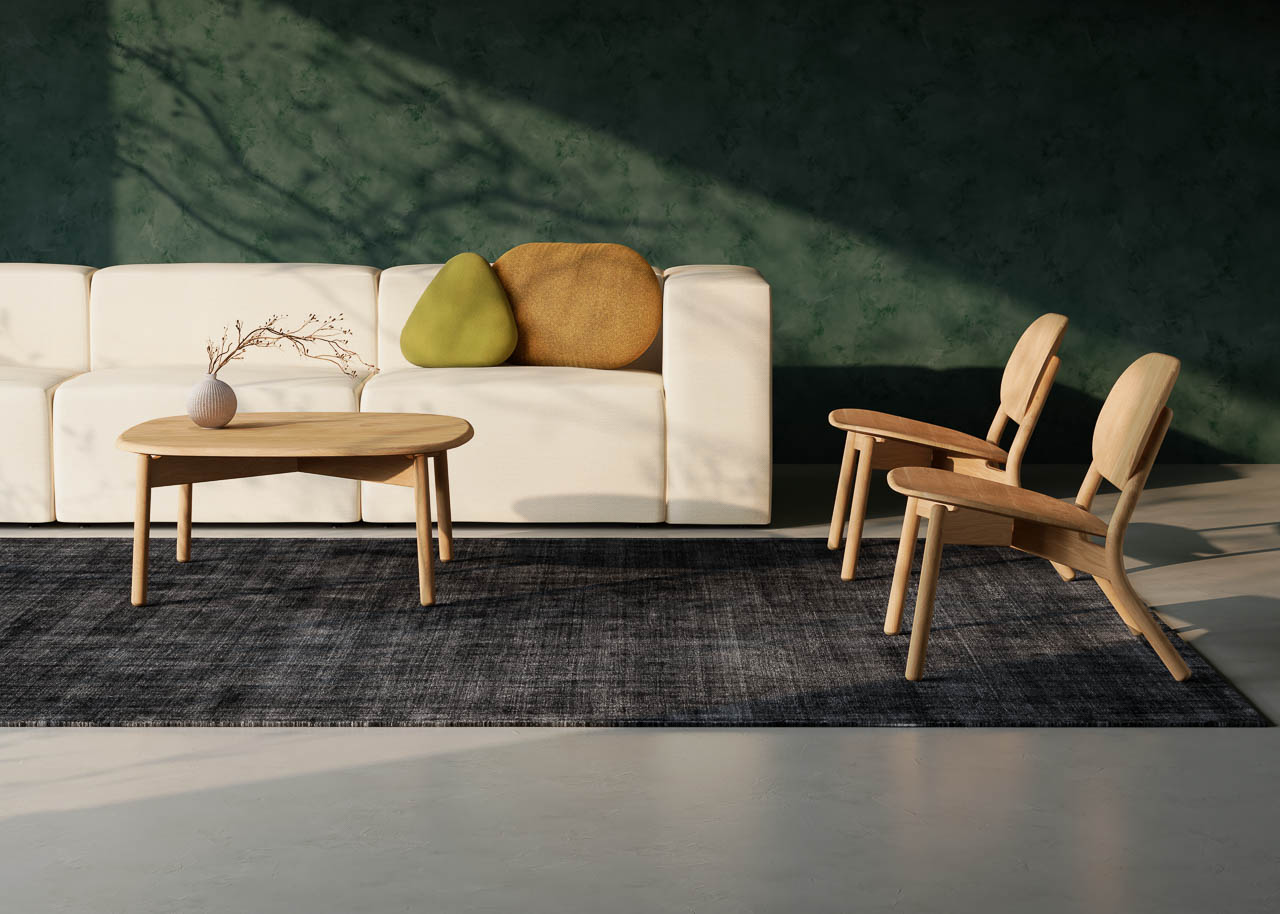
Silva Wood Collection by KFI Studios: Steam-Bent Beech Furniture Designed by Union Design

When solid beech wood flows from floor to backrest in a single steam-bent arc, you’re witnessing KFI Studios push the boundaries of what wood furniture can achieve. Silva, the company’s first fully wood collection, exemplifies material honesty and sculptural restraint.

Designer: KFI Studios

Designed in collaboration with Union Design, Silva rejects the noise of contemporary furniture design in favor of something more enduring: curves that follow the wood’s natural character, finishes that reveal rather than conceal grain patterns, and forms that balance timeless craft with approachable modern sensibility.

A Collection Built on Natural Warmth

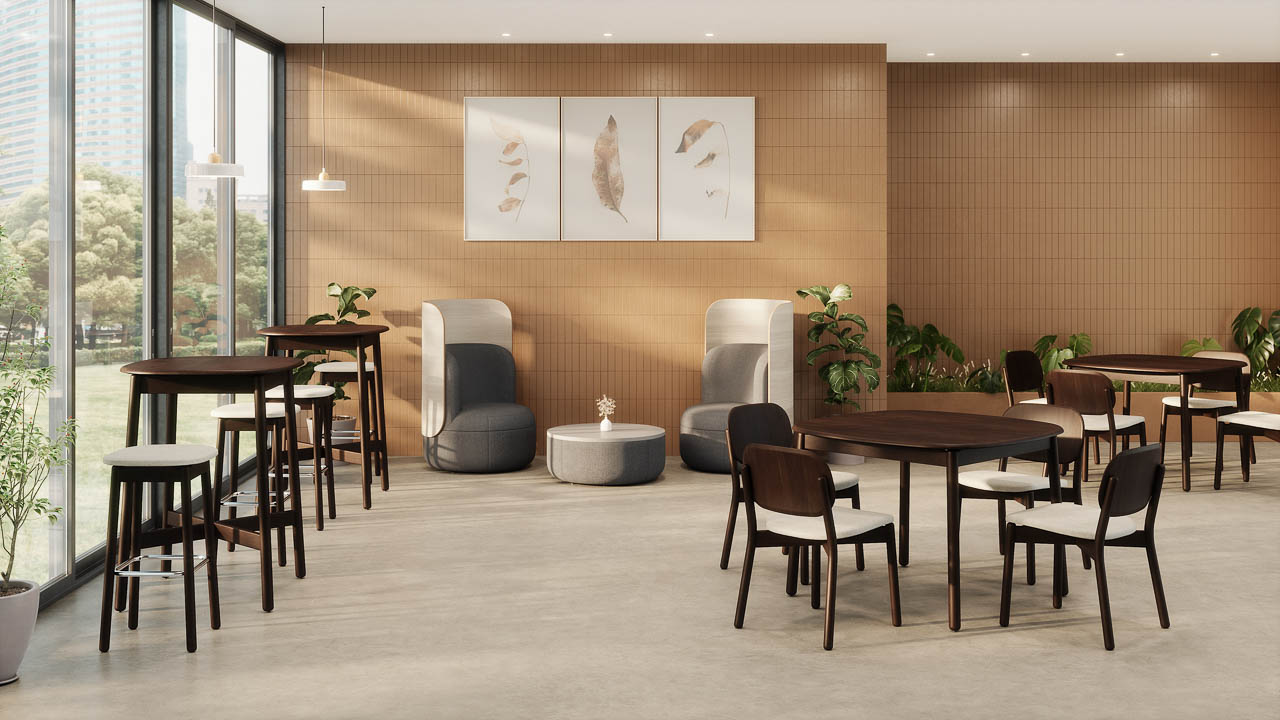
Silva includes guest chairs, lounge chairs, stools, and coordinating tables across occasional, standard, counter, and bar heights. The versatility makes it equally at home in workplace lounges, hospitality environments, and social spaces where warmth matters more than clinical precision.

“It’s our first full wood collection, and something we’ve wanted to do for a long time,” says Chris Smith, CEO of KFI Studios. “It’s got that natural warmth and character that makes spaces feel instantly inviting.”

The signature detail defining the collection is that steam-bent rear leg. It flows in a single graceful line from floor to backrest, giving each piece a sculptural quietness that traditional joinery methods simply can’t achieve. The lounge chair in particular pushes wood bending techniques into elegant, continuous arcs that demonstrate what happens when material capability meets design ambition.

Design Details That Honor the Material

Every curve, edge, and contour in Silva was calibrated to highlight beech wood’s natural grain and inherent character. Gently rounded edges on seating pieces create tactile comfort without over-designing. Softly shaped square tabletops offer practical surface area while maintaining the collection’s organic aesthetic language.

“Every curve, edge, and contour was carefully considered to highlight the material, create comfort, and offer a sense of simplicity,” says Jeff Theesfeld, founder of Union Design.

The solid wood construction extends throughout the collection, with subtle engineering details that enhance functionality without compromising aesthetic purity. Guest chairs stack three high for space-efficient storage, making them practical for venues that need flexible seating arrangements. Stools feature chromed steel footrests that add durability and comfort while maintaining visual lightness. Table tops come in two configurations: wood tops with soft edge profiles that emphasize organic warmth, or optional laminate tops with knife edge profiles for environments requiring enhanced durability.

The finish palette expands beyond traditional wood tones into territory that feels distinctly contemporary. Seven stain options include Natural, Timber, Coffee, and Black alongside modern color-drenched hues: Navy, Evergreen, and Clay. These colored finishes don’t obscure the wood grain. They enhance it, letting the material’s natural texture show through while introducing unexpected color depth.

Chairs can be specified with or without upholstered seats. When upholstery enters the equation, KFI Studios offers a wide selection of graded-in textiles or COM options, allowing designers to calibrate comfort and aesthetic expression to specific project requirements.

Silva and the Biophilic Design Resurgence

According to Jeff Theesfeld, Silva arrives at a moment when designers are increasingly prioritizing wellbeing through material choices. Biophilic design, the practice of connecting interior environments to natural elements, continues gaining momentum as research confirms what intuition already suggested: natural materials and calming tactility improve how people experience spaces.

Silva’s all-wood construction, paired with finishes that enhance rather than hide wood grain, brings grounding presence to environments that benefit from nature-inspired warmth. As workplace design evolves beyond stark minimalism and hospitality spaces seek differentiation through material authenticity, collections like Silva offer designers tools to create environments that feel both contemporary and fundamentally human.

The collection represents more than aesthetic preference. It signals a broader shift toward furniture that prioritizes enduring material quality over trend-driven surface treatments, toward forms that respect craft traditions while serving modern spatial requirements.

The post Silva Wood Collection by KFI Studios: Steam-Bent Beech Furniture Designed by Union Design first appeared on Yanko Design.