What if the future of work wasn’t just faster, but smarter, effortlessly blending creativity, technical precision, and strategic insight? OpenAI’s latest release, ChatGPT 5.2, promises to redefine what’s possible in artificial intelligence, setting a new gold standard for professionals and businesses alike. With its ability to handle tasks as diverse as generating intricate SVG graphics, […]
The recent release of iOS 26.2 introduces a range of enhancements aimed at improving your iPhone’s performance, battery efficiency, and security. Whether you’re eager to explore the latest features or simply want to ensure your device remains secure, updating to the latest version is a crucial step. The video below from iReviews provides detailed instructions […]
The best stocking stuffers aren’t the ones that fill space—they’re the ones that get plucked out first, pocketed before breakfast, and quietly claimed before anyone else notices. These are the gifts that punch above their price tag, blending clever design with genuine utility in a package small enough to tuck into a sock but compelling enough to become someone’s new everyday carry. They’re the kinds of objects that spark conversations, solve real problems, and feel impossibly thoughtful for something that costs less than dinner.
This year’s lineup leans into tactile pleasure, unexpected innovation, and quiet luxury that doesn’t scream its price point. From gravity-defying desk sculptures to grooming tools engineered like precision instruments, these ten designs prove that small gifts can carry a serious impact. Each one clocks in under a hundred dollars, fits in the palm of your hand, and delivers the kind of daily delight that makes people wonder why they didn’t have one sooner.
1. Side A Cassette Speaker
Remember making mixtapes? This pocket-sized throwback reimagines that ritual for the Bluetooth era, disguising modern wireless tech inside an eerily accurate cassette shell. The transparent casing reveals inner mechanics that mirror the real thing, complete with side A labeling and that distinctive tape aesthetic that defined an entire generation’s music culture. Pop it into its crystal-clear protective case, and it transforms into a desk-worthy display piece that actually delivers sound.
The engineering surprises lie beneath the nostalgia. Bluetooth 5.3 ensures stable connections across devices, while microSD support allows for offline playback when streaming isn’t an option. The audio profile skews warm rather than tinny, deliberately echoing the softness of analog tape rather than chasing clinical clarity. At 80 grams with its case, it disappears into jacket pockets and backpacks, making it the kind of speaker people actually carry instead of leaving on a shelf collecting dust.
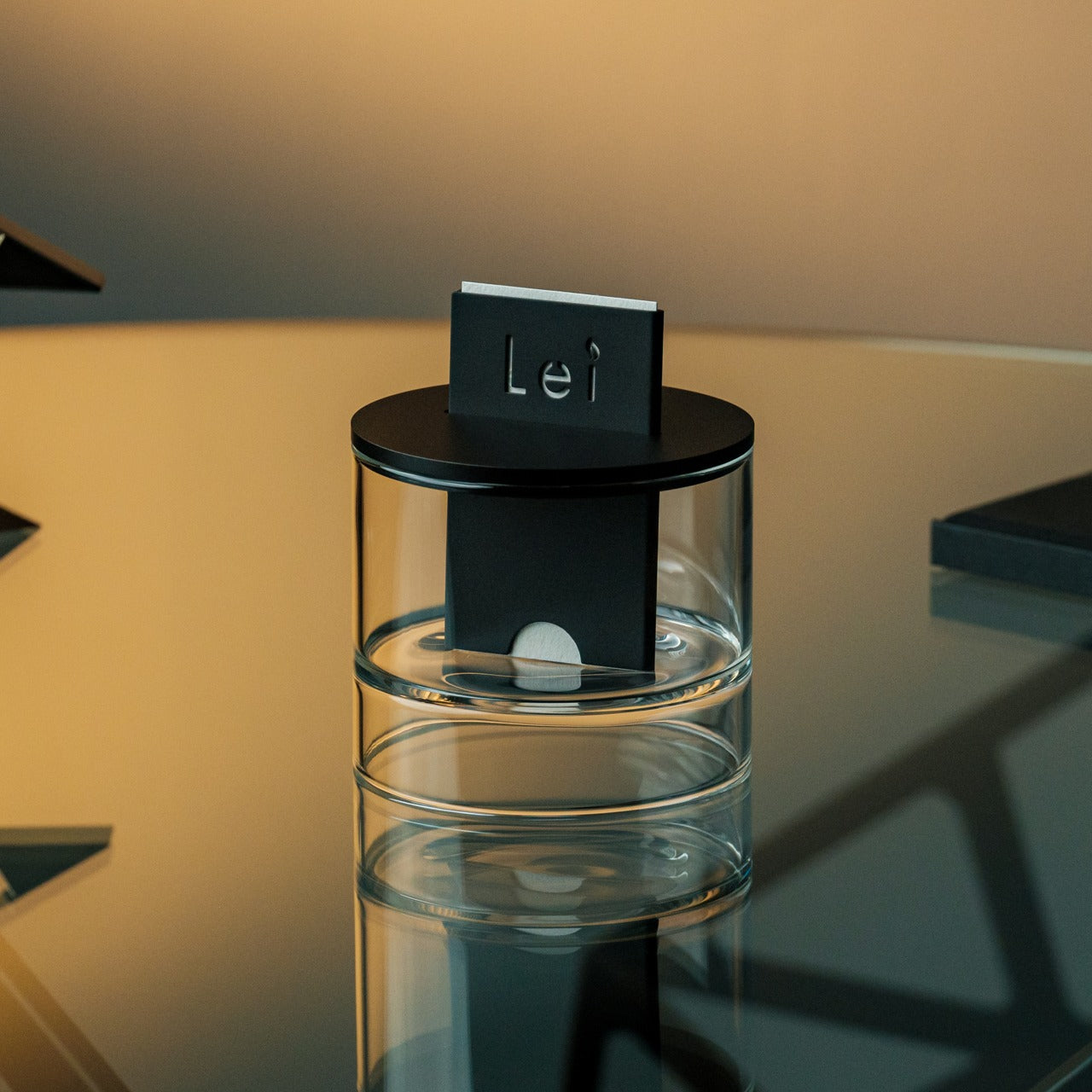
Scent diffusion gets stripped to its essence here—no mist clouds, no reed forests, just a simple card insertion that marks the beginning of a fragrance ritual. The mechanism borrows from Japanese train ticketing, where sliding a washi paper card into an anodized aluminum body initiates a slow, controlled release of alcohol-based fragrance oils. It’s diffusion as deliberate practice rather than background ambiance.
The design language stays minimal to the point of zen. Hand-poured oil bases pair with handcrafted Japanese washi paper that absorbs and disperses scent through capillary action alone. Layered glass creates visual lift while the aluminum housing grounds everything with industrial elegance. Fire-free and power-free operation means placement flexibility—nightstands, desks, shelves—anywhere stillness exists. When the oil runs low, refilling takes seconds without disassembly or mess.
Lost keys cause daily chaos. This magnetic key holder solves that problem by making the act of placing keys genuinely satisfying—so satisfying you’ll actively want to do it. The system combines a wooden base with a metal keyring, held together by a powerful neodymium magnet that releases with a crisp, surprisingly soothing tap when pulled apart. That sonic feedback creates instant habit reinforcement every single time.
Material choices elevate this beyond typical key storage. Choose between maple or walnut bases, each paired with a stainless steel, brass, and iron keyring that carries proper weight. The magnetic hold stays strong enough to prevent accidental drops yet releases smoothly with intentional pulling. Placed near an entryway, it becomes a calming transition point between outside chaos and home sanctuary—a small ritual that anchors your arrival routine with sensory pleasure instead of mindless muscle memory.
Multi-metal keyring construction adds premium tactile weight
Elegant desk or entryway presence doubles as decor
What we dislike
Limited to a single keyring capacity per base unit
The wood base requires occasional maintenance to preserve the finish
The magnetic field may interfere with certain proximity cards
4. CasaBeam Everyday Flashlight
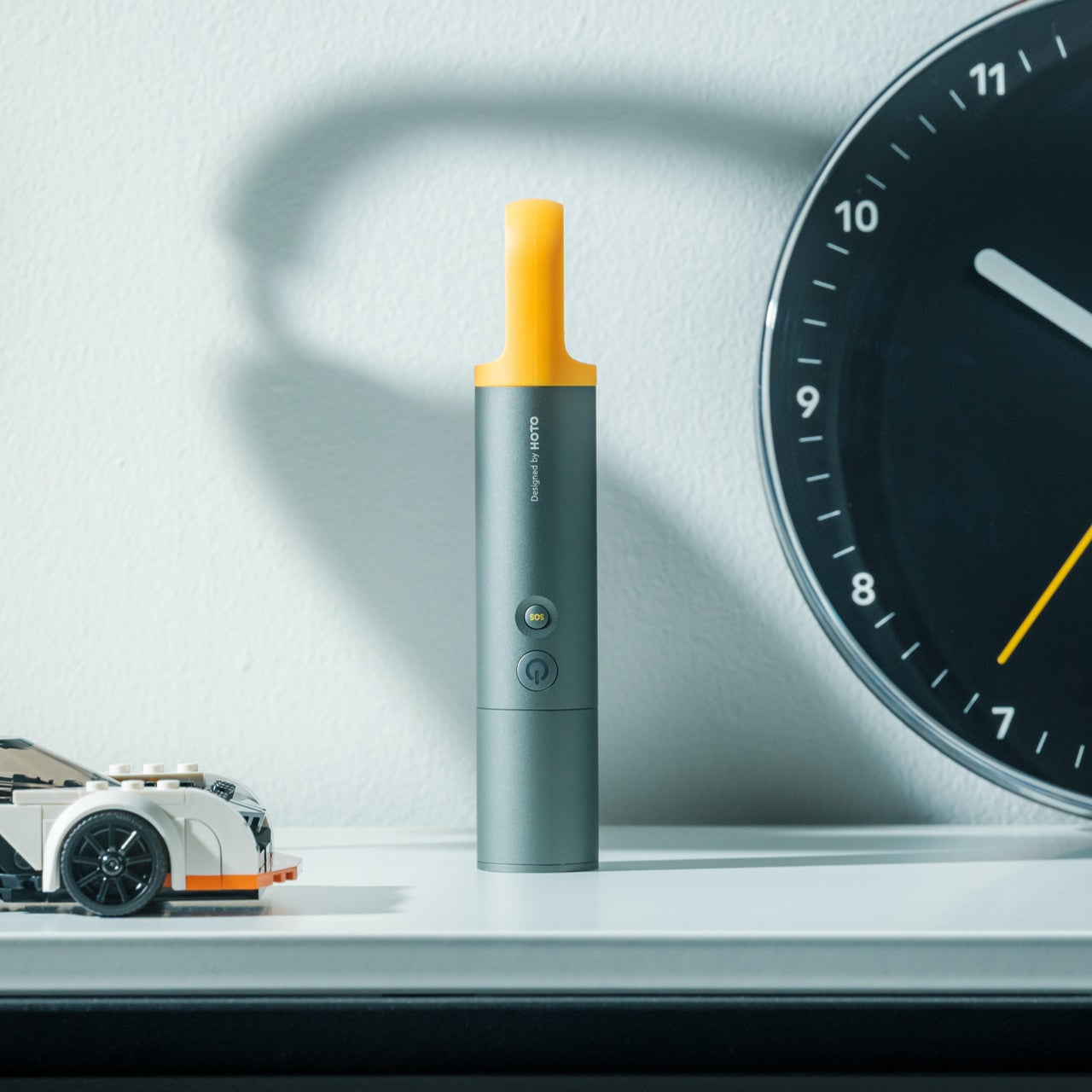
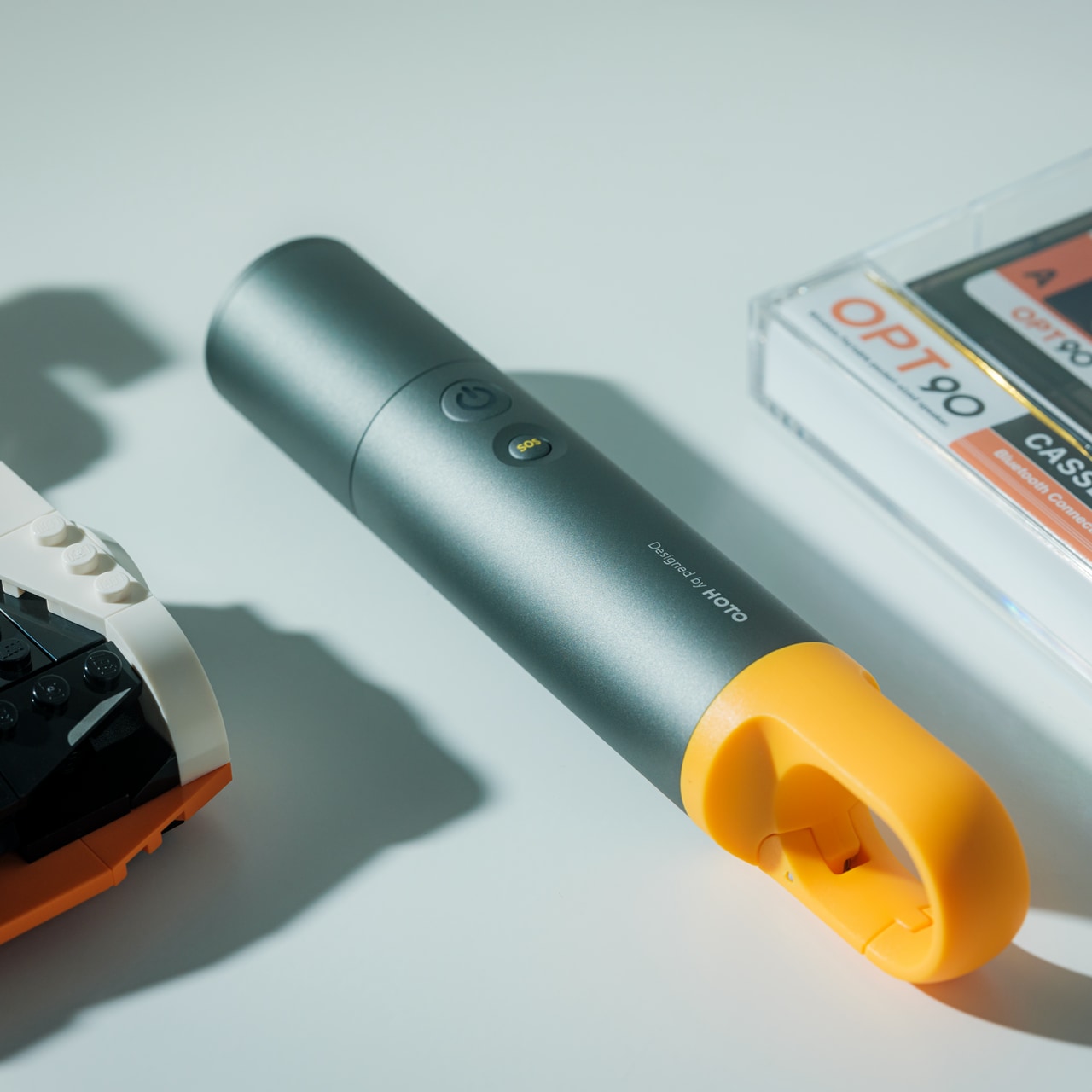
Most flashlights get buried in junk drawers until emergencies strike. This one stays visible because it actually deserves counter space, blending minimalist form with dual-mode versatility that works as both a handheld beam and a freestanding lantern. The 1000-lumen output reaches 200 meters in spotlight mode, while the adjustable zoom head twists to flood light across entire rooms when needed.
Stand it upright and watch it transform into ambient lighting for reading, dining, or a power outage calm. Five modes span three brightness levels plus two SOS settings, all controlled through an intuitive two-button operation that stays simple even when fumbling in darkness. The 2,600mAh battery delivers up to 24 hours on low settings, recharging via USB-C hidden beneath the zoom head to maintain clean visual lines. A bright yellow hanging loop adds practical mounting options while serving as the design’s only color accent.
Built-in battery means no field-swappable power options
The yellow loop may not suit all aesthetic preferences
The zoom mechanism requires periodic cleaning to maintain smooth operation
5. Auger PrecisionLever Nail Clipper
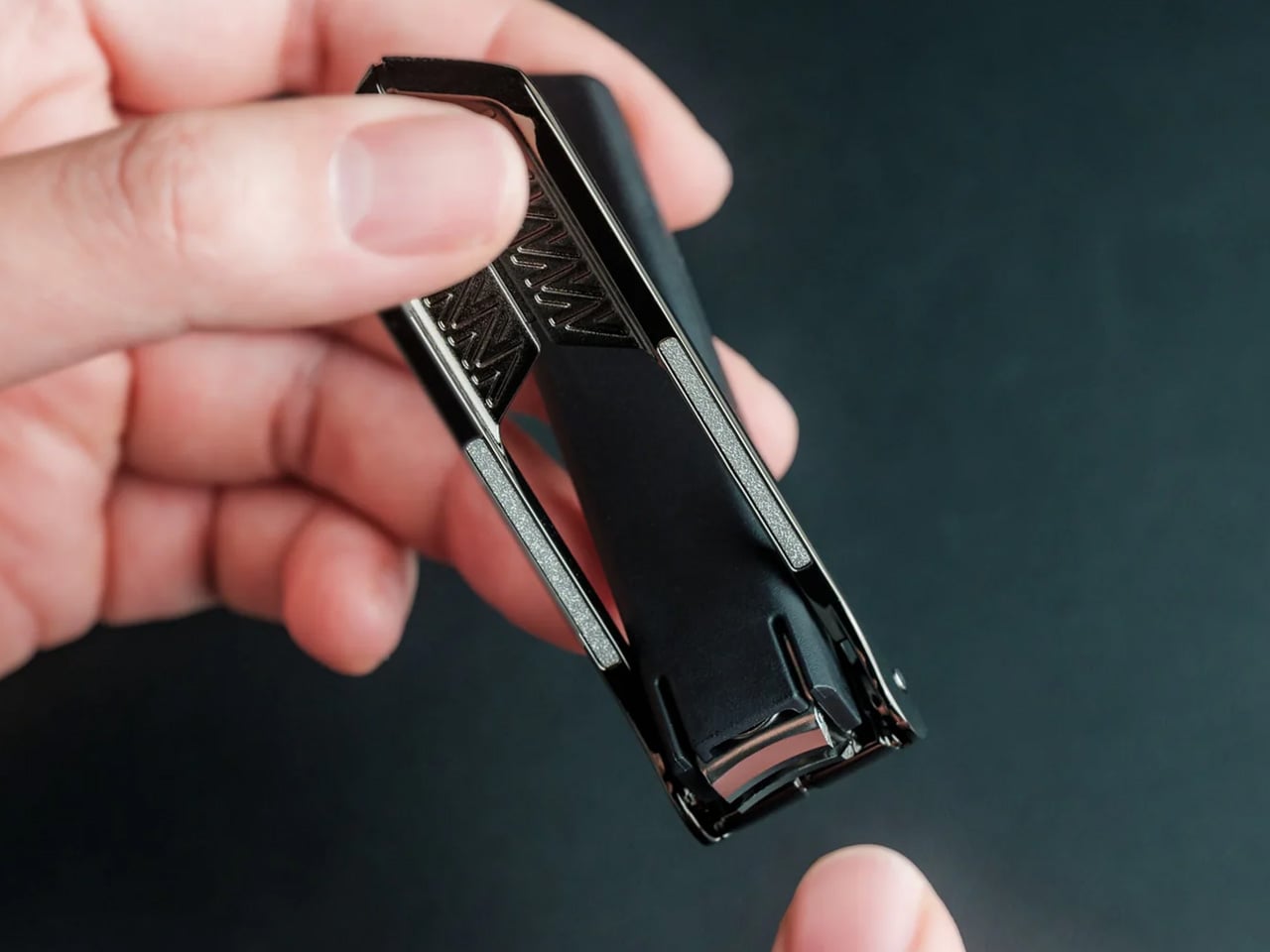
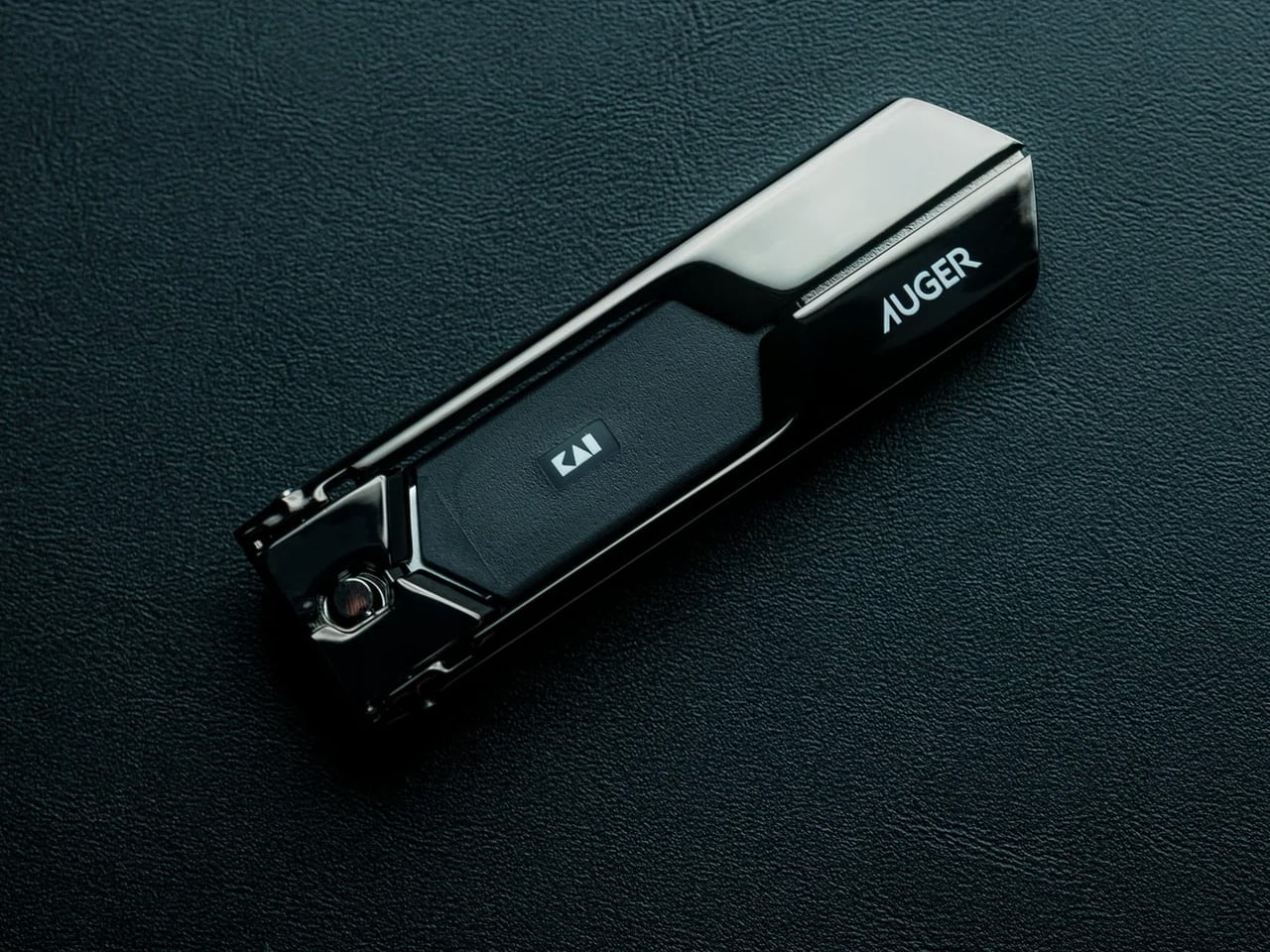
Grooming tools rarely warrant much attention until you encounter one engineered like actual equipment. Kai Corporation—Japan’s blade authority since 1908—designed this clipper around a patented rotating lever mechanism that shifts the pivot point closer to the cutting edge. The result delivers cleaner cuts through thicker nails using less hand pressure while maintaining surgical control throughout each clip.
At 67 grams, the clipper carries satisfying heft that signals quality without bulk. The 86mm compact form slips into dopp kits and desk drawers with equal ease. Stainless cutlery steel blades slice cleanly without tearing or splitting, producing smooth edges that rarely snag fabric afterward. Zinc die-cast lever components wear a sleek plated finish while the thermoplastic stopper and integrated filing surface round out the material story. The press-and-release action stays whisper-quiet and consistently smooth—precision you can feel with every trim.
Patented rotating lever optimizes cutting pressure distribution
Stainless cutlery steel blades deliver clean cuts without nail splitting
Weighted 67-gram feel provides stable control during use
Compact 86mm length fits grooming kits and drawers easily
Quiet operation maintains subtlety during use
Refined material selection ensures long-term performance consistency
What we dislike
Premium price point exceeds basic clipper budgets
The rotating mechanism requires occasional cleaning for optimal performance
Compact size may challenge users with larger hands
6. Sakura Petal Grater
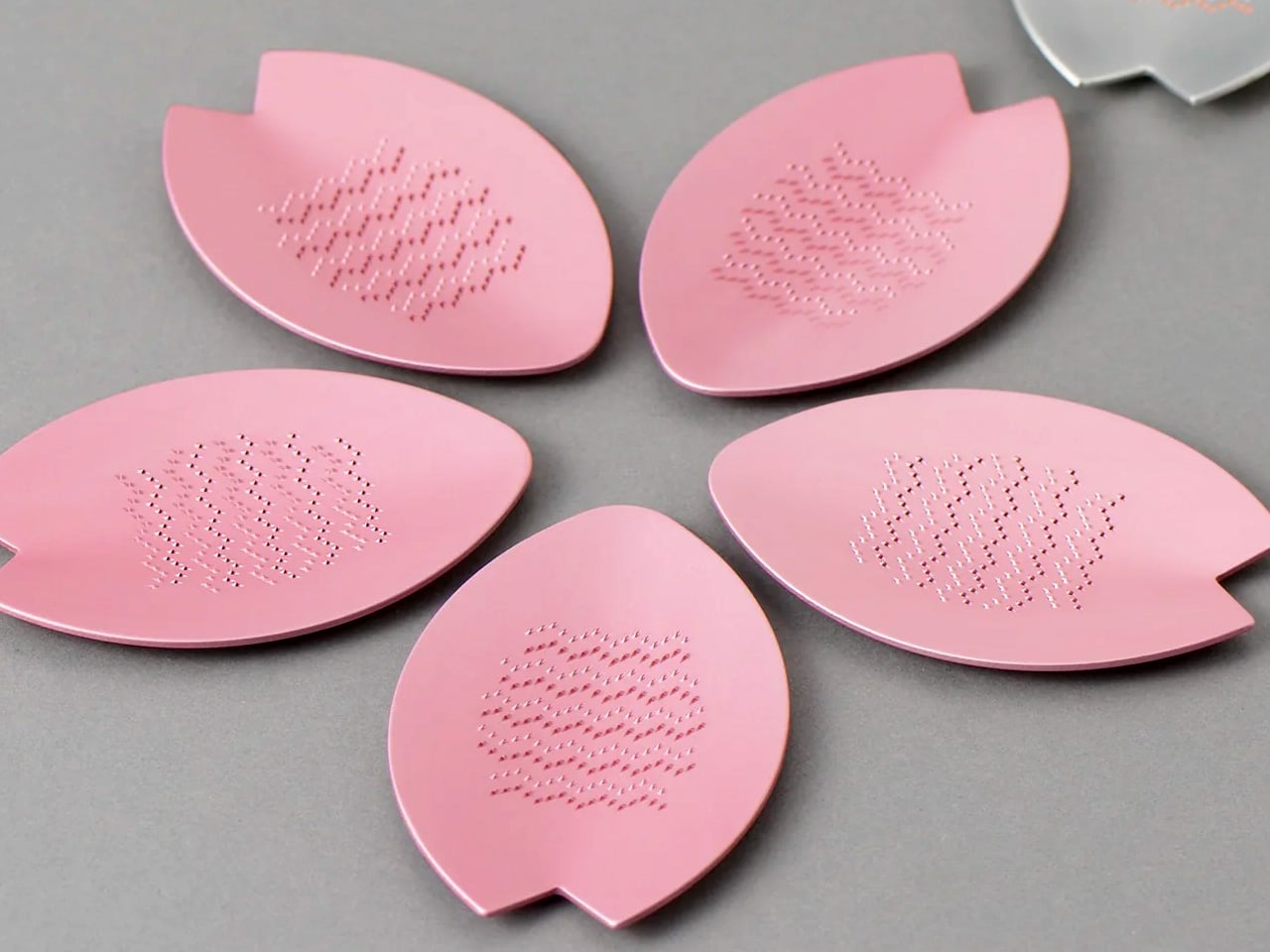
Culinary tools become art objects when Japanese heritage meets functional design. Tsuboe created this sakura blossom-shaped grater to commemorate the Ōkōzu Diversion—a historic flood control project that transformed the Shinano River region—while delivering razor-sharp grating performance for ginger, wasabi, garlic, and citrus zest. The petal silhouette fits comfortably in your palm while adding genuine beauty to any kitchen environment.
Two material options define the aesthetic. The pink edition features lightweight aluminum alloy with a vibrant anodized finish inspired by cherry blossoms lining river levees. The silver edition showcases pure copper with tin plating that creates a luminous interplay between metals while adding substantial heft. Precision-raised blades crafted via custom NC machines maintain sharpness through countless uses. Commemorative packaging includes sakura motifs and story cards celebrating the cultural heritage behind each grater’s creation—transforming kitchen prep into a connection with Japanese craftsmanship traditions.
Heritage storytelling connects users to Japanese cultural history
What we dislike
Premium materials command a higher price versus standard graters
Small size limits large-volume grating tasks
The copper edition requires occasional polishing to maintain luster
7. DraftPro Top Can Opener
Cracking a cold can usually mean sipping through a narrow opening that traps aroma and limits taste. Award-winning designer Shu Kanno reimagined that moment, creating a precision opener that removes the entire top to deliver glass-like drinking experiences straight from the aluminum. The smooth-edged cut transforms canned beer, sparkling water, and premixed cocktails into proper vessels where you catch every aromatic note.
Beyond elevated sipping, practical advantages multiply quickly. Drop ice cubes directly into opened cans for instant chilling on hot days. Mix cocktails inside the can itself—no shaker, no cleanup, no glassware. Universal sizing works across domestic and international CAN standards, so you’re never caught without compatibility. The lightweight, portable build makes it easy to pack for camping, tailgates, or beach days. Used cans become mini planters or desk organizers thanks to the clean, safe edge. Japanese design discipline shows through every detail—smooth opening motion, comfortable grip, zero visual excess.
Universal fit works with domestic and international can sizes
Lightweight portability suits outdoor and travel use
Clean cut facilitates creative can reuse and recycling
What we dislike
Single-purpose tool adds to kitchen gadget collection
Opening motion requires a brief learning curve for the technique
Sharp cutting mechanism demands careful handling and storage
8. Titanium Artisan Spirits Cup
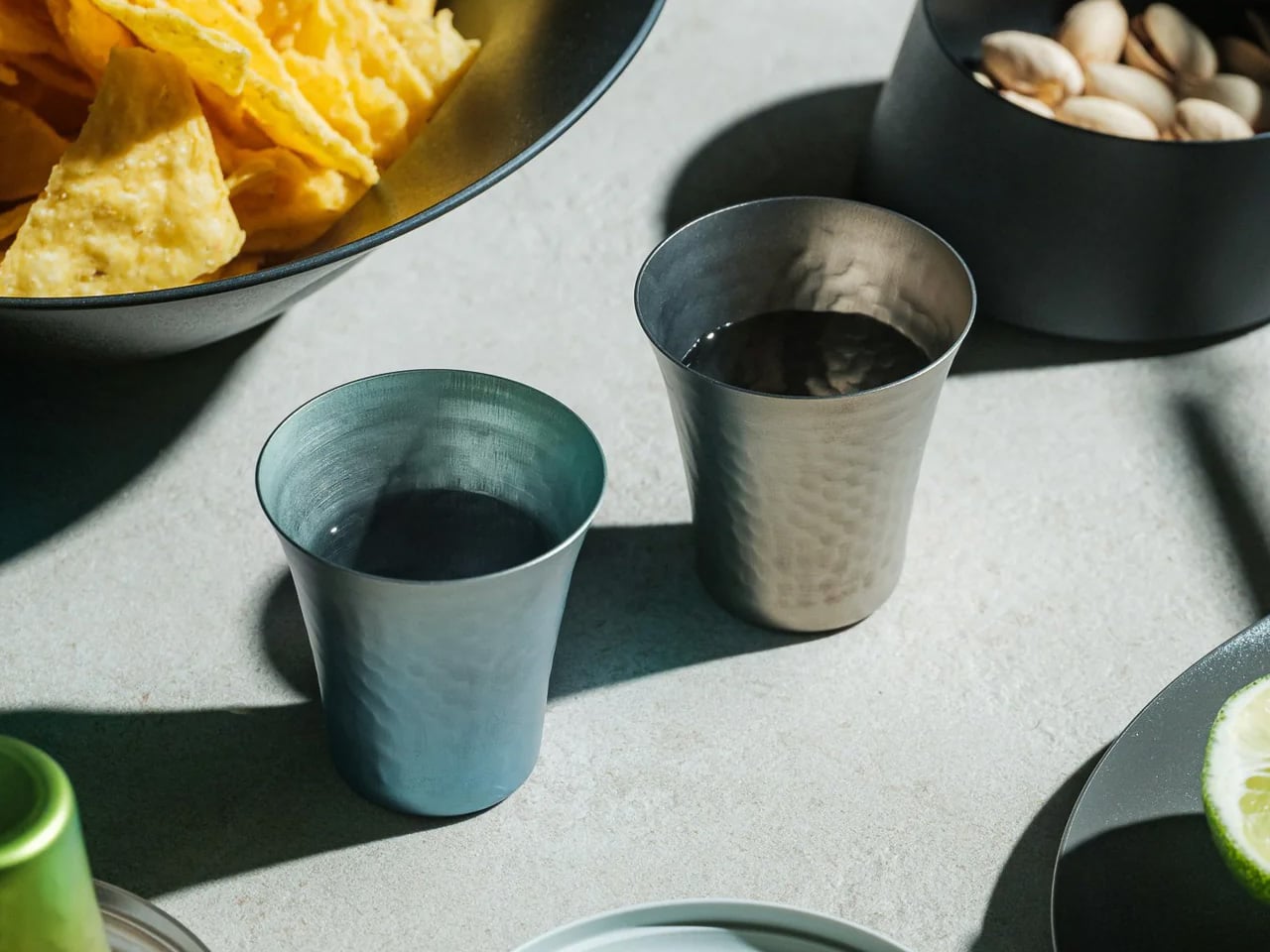
Spirits deserve glassware that enhances rather than distracts from their complexity. This titanium vessel weighs just 22 grams yet delivers sensory amplification through hammered texture that lifts aromatic compounds, while the ultra-thin rim ensures clean flavor contact. At 2.05 inches in diameter by 2.17 inches in height, it fits sake, tequila, and whiskey servings with equal grace.
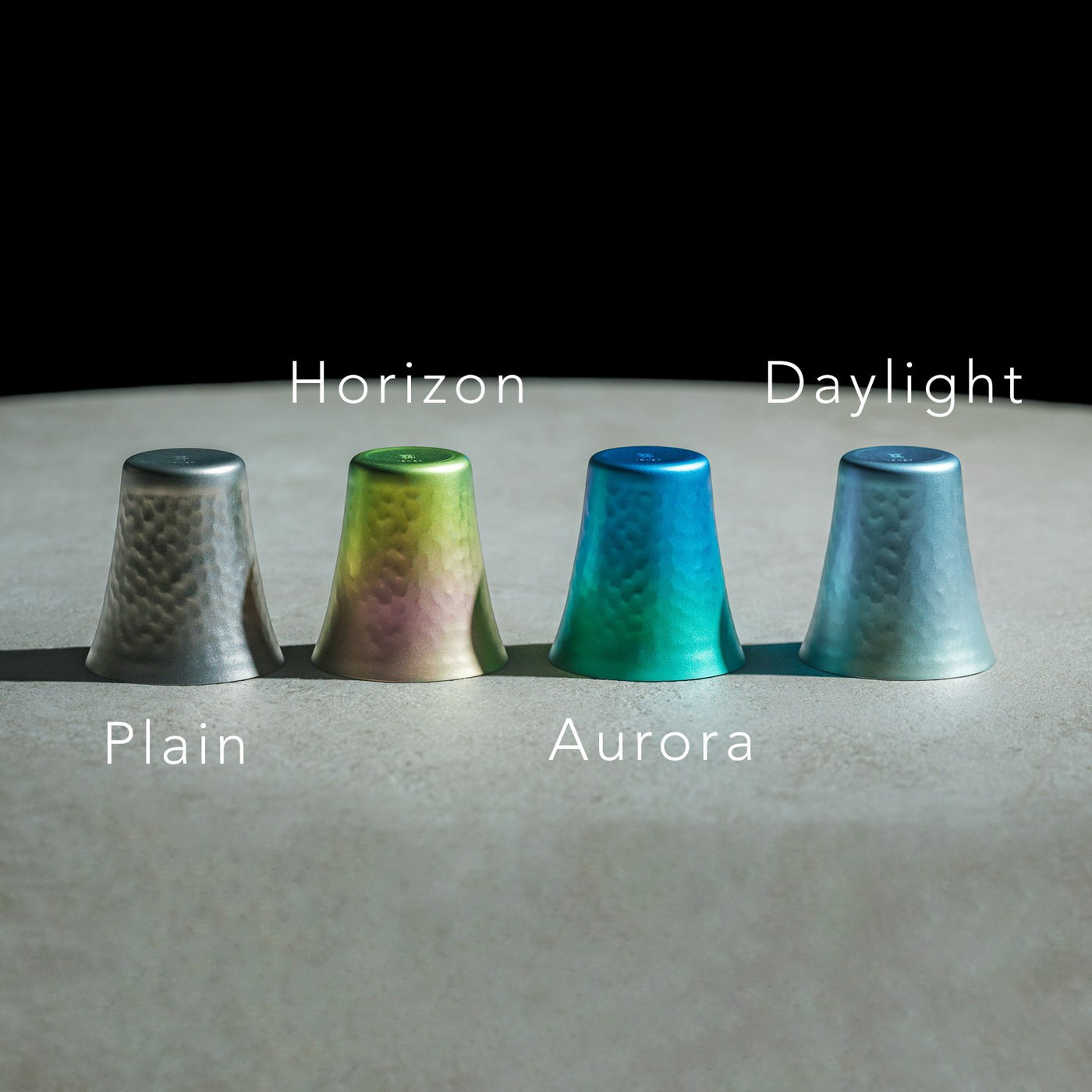
Titanium construction brings unexpected benefits beyond durability. The metal maintains temperature without rapid heat transfer from your hand, keeping chilled spirits cold longer. Vibrant anodized finishes create unique color variations across each cup—no two look identical, adding bespoke character to any collection. The hammered surface provides subtle grip texture while refracting light beautifully. Compact dimensions suit modern interiors and outdoor settings alike, transitioning seamlessly from home bars to campfire toasts. Minimalist elegance meets practical performance in a cup engineered for connoisseurs who value both flavor clarity and design integrity.
Ultra-light 22-gram weight enhances portability and comfort
Hammered texture amplifies aromatic profiles during sipping
Thin rim ensures clean flavor contact without interference
Unique anodized finishes create individualized color variations
Titanium construction offers exceptional durability
Compact size suits diverse spirit types and settings
What we dislike
Hand-wash requirement adds care steps versus dishwasher convenience
Premium titanium pricing exceeds standard glassware budgets
Small capacity limits the use to spirits rather than mixed drinks
9. Levitating Pen
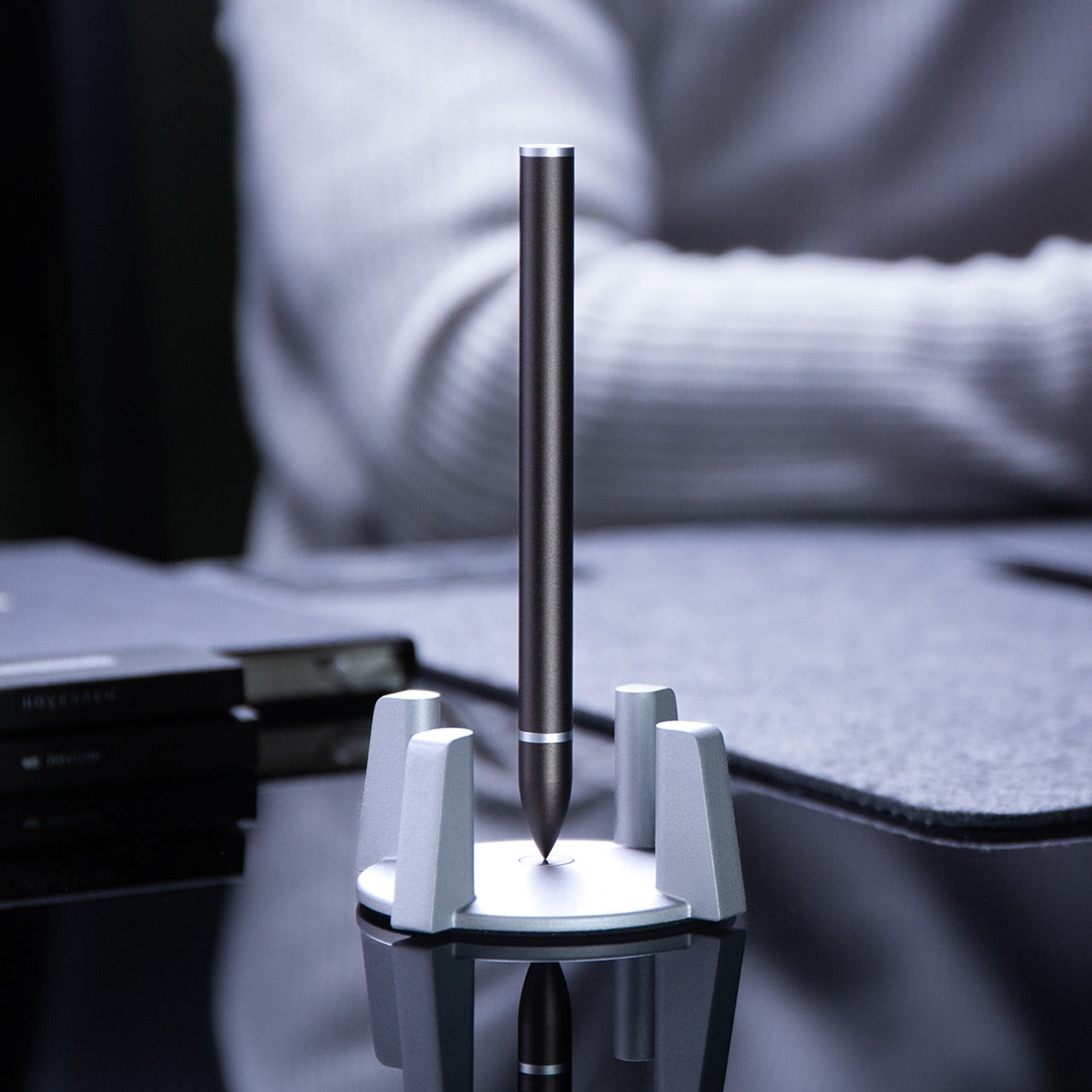
Most desk accessories serve function or form—rarely both with equal commitment. This gravity-defying pen floats vertically above its magnetic pedestal without batteries or electronics, transforming writing tools into kinetic sculpture. The invisible magnetic field holds the pen suspended and spinning with the gentlest touch, creating mesmerizing motion that offers mental breaks during intense work sessions.
Engineering precision makes the magic possible. High-precision CNC machining maintains tolerances under 0.1mm—the same manufacturing standards used for Apple products—enabling perfect hover balance and fluid rotation. Swiss-made ballpoint cartridges deliver smooth, reliable writing performance while Cross-brand refills ensure long-term usability. The magnetic cap provides instant access without fumbling. Whether spinning hypnotically during calls or standing elegantly between uses, the pen becomes a source of inspiration and relaxation. Sleek aesthetics meet practical function in a design that professionals, artists, and engineers appreciate equally for performance and presence.
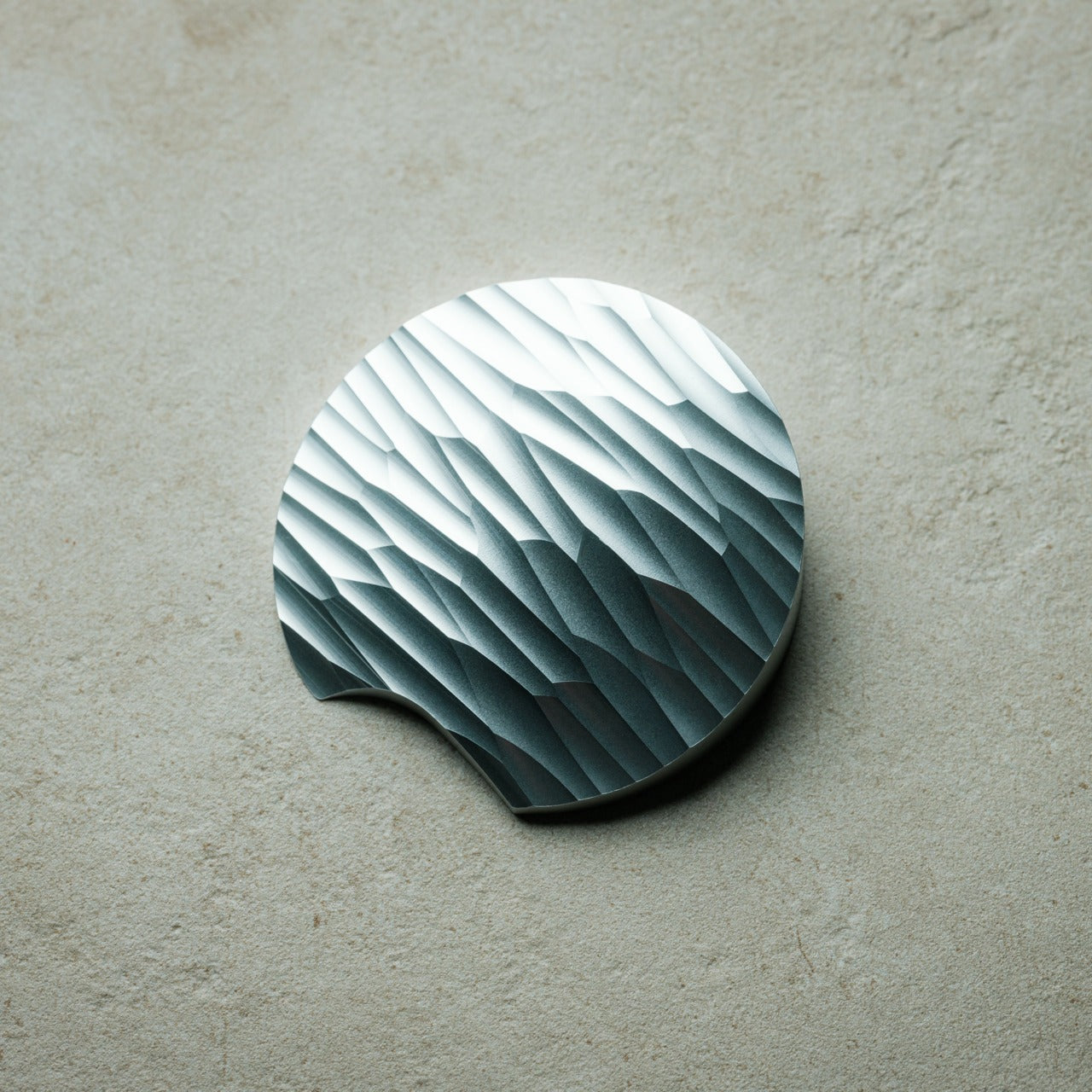
Box cutters typically hide in drawers because they look utilitarian at best. This one deserves prominent desk placement, carved from solid aluminum into a form inspired by Paleolithic hand axes—ancient tools reimagined through modern precision machining. Wave-like cutting patterns create visual intrigue while providing secure grip texture. The circular shape and tapered profile feel substantial in hand, while the raw metal aesthetic radiates both mystery and intentional design.
Aluminum once commanded prices higher than gold, and this knife showcases the material’s inherent luster and satisfying weight. Milling from a solid block rather than casting ensures structural integrity and refined surface quality. The blade slices through packing tape and cardboard with surgical ease, while the distinctive form starts conversations whenever someone spots it. Placing this on your desk signals appreciation for objects that blend utility with artistry—tools that inspire rather than just serve. Unboxing packages becomes a moment of tactile pleasure rather than a mindless routine.
Paleolithic hand axe inspiration creates a distinctive sculptural form
Solid aluminum construction showcases material luster and a premium feel
Precision machining produces wave patterns that enhance grip security
Tapered shape balances visual weight with handling comfort
Desk-worthy aesthetics encourage display rather than drawer storage
Sharp blade handles tape and cardboard efficiently
What we dislike
Exposed blade design requires careful handling and storage
Aluminum softness may show wear marks over extended use
Unconventional shape requires adjustment for traditional box cutter users
The Gift That Keeps Getting Stolen
Stocking stuffers reveal their true value in the days after unwrapping, when practical magic beats flashy excess every time. These ten designs prove that thoughtful gifts don’t require three-digit budgets or oversized boxes—just genuine utility wrapped in forms people actually want to touch, use, and keep within arm’s reach. They’re the presents that migrate from stockings to pockets to daily rotation faster than anyone expects.
Smart gifting means choosing objects that respect both giver and recipient through lasting quality and daily relevance. Each of these pieces delivers experiences beyond their physical size, turning mundane moments into small rituals worth savoring. Whether someone’s grating ginger, opening mail, or taking mental breaks with a spinning pen, these are the gifts that prove you paid attention to how people actually live rather than what they might politely accept.
Huawei expands its flagship ecosystem with the Mate X7, FreeClip 2, WATCH Ultimate Design, and MatePad 11.5 S, blending design, performance, and creativity.
Traditional wooden cellos and violins are exquisite but fragile. They crack in dry weather, warp in humidity, and require constant environmental monitoring. A professional instrument can cost tens of thousands of dollars, yet one bad flight or unexpected temperature change can cause irreversible damage. This vulnerability has long kept quality instruments out of reach for traveling musicians, students in varied climates, and performers who need reliability above all else.
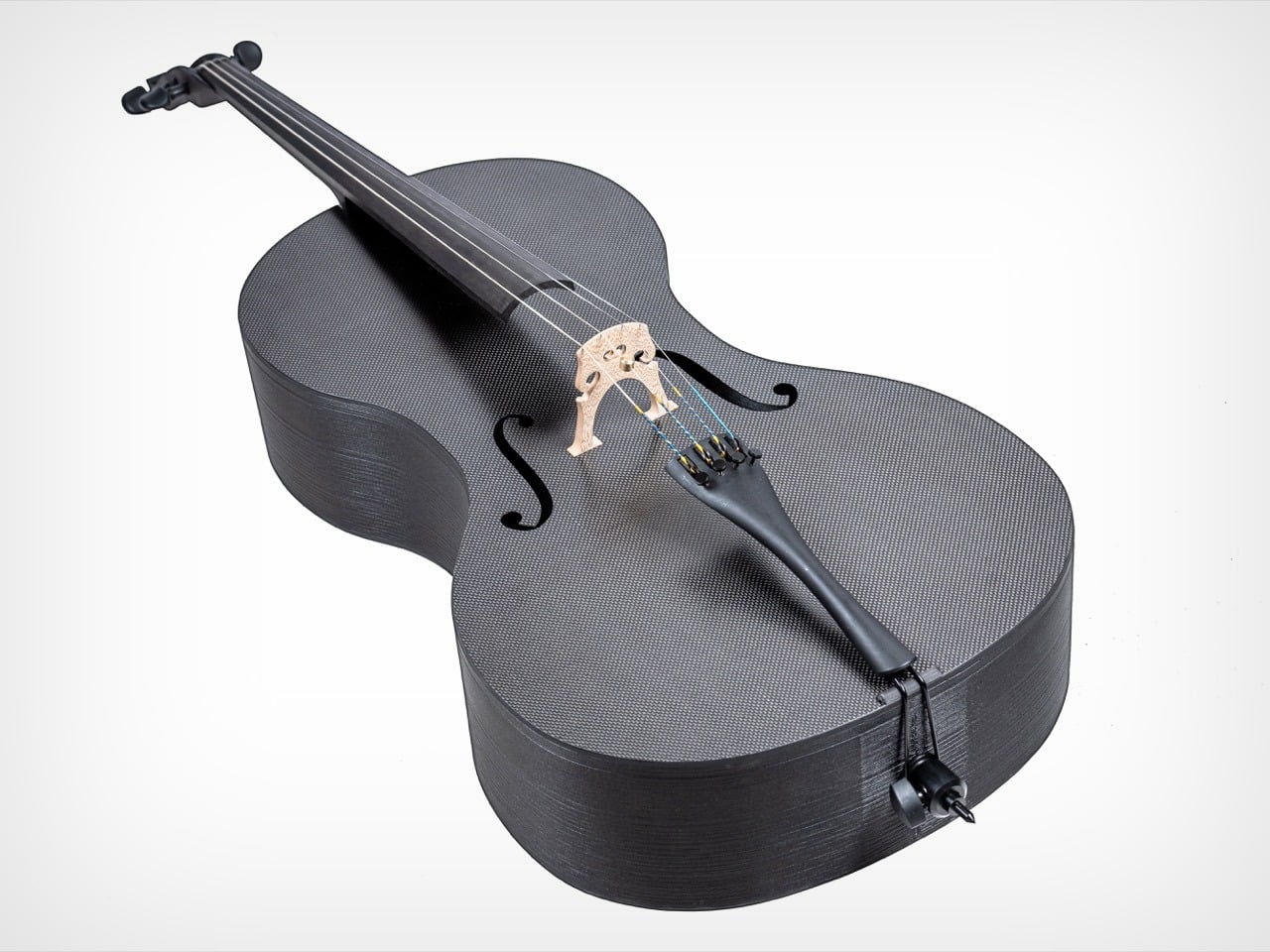
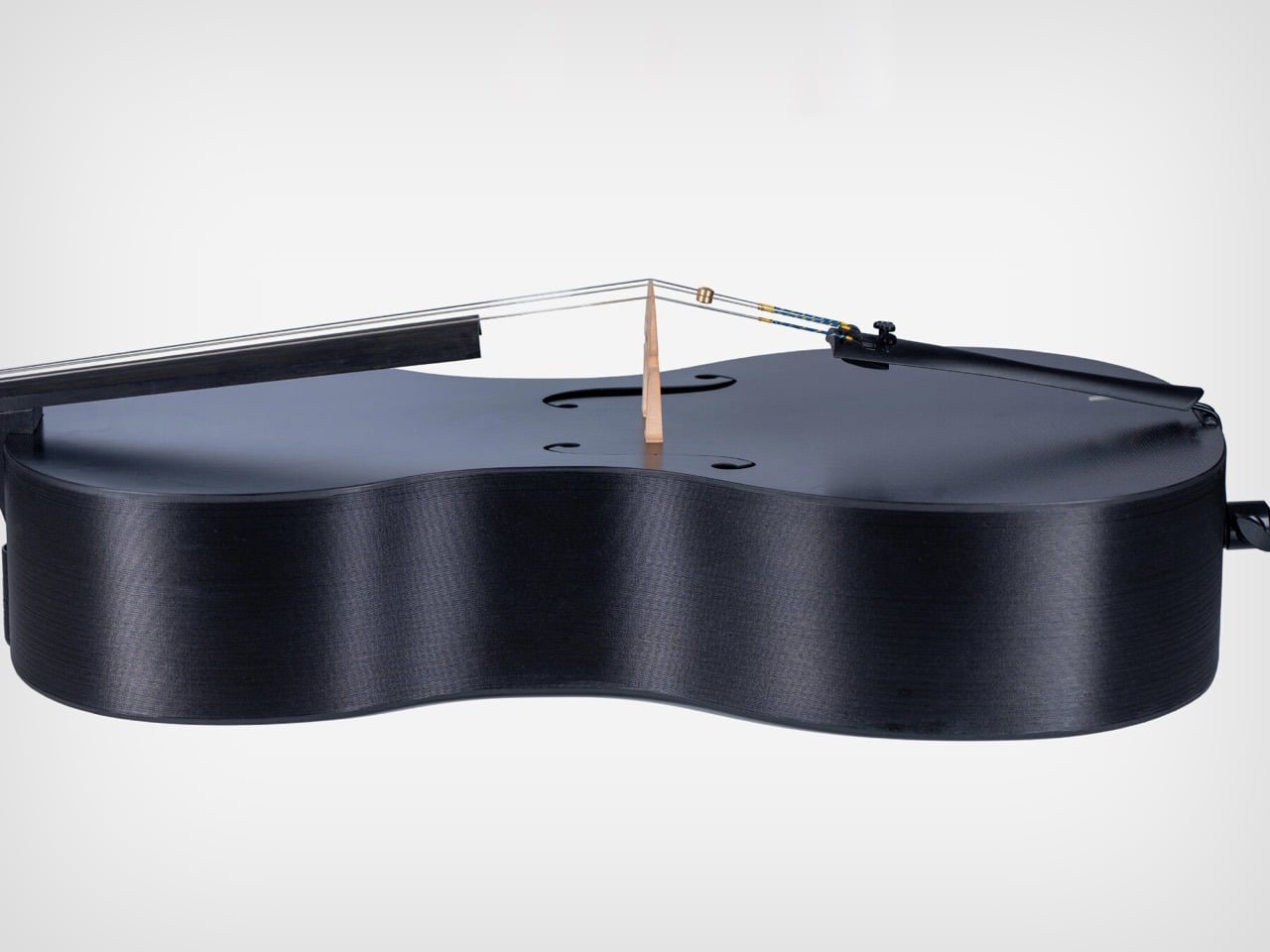
Forte3D’s answer combines 3D printing technology with carbon fiber construction. The team, led by Yale student Elijah Lee and co-founder Alfred Goodrich, created instruments with flat carbon fiber panels and 3D printed polymer components that maintain their shape regardless of environmental conditions. The sound quality matches traditional instruments because the team used computer-aided design to control every structural element and dial in the acoustics precisely. These instruments also include adjustable string heights and smooth tuning mechanisms, making them accessible for players at different skill levels.
The project originated from a practical challenge. Lee’s orchestra director asked if he could use his early 3D printing skills to design a cello that was strong, low cost, and easy for more people to use. Rather than simply replicating traditional designs in new materials, Lee and Goodrich rethought the entire structure. They tested different thicknesses and configurations using computer-aided design tools, discovering they could shape the sound in more controlled ways than traditional luthiers. This digital precision allowed them to dial in the acoustics by controlling every part of the structure.
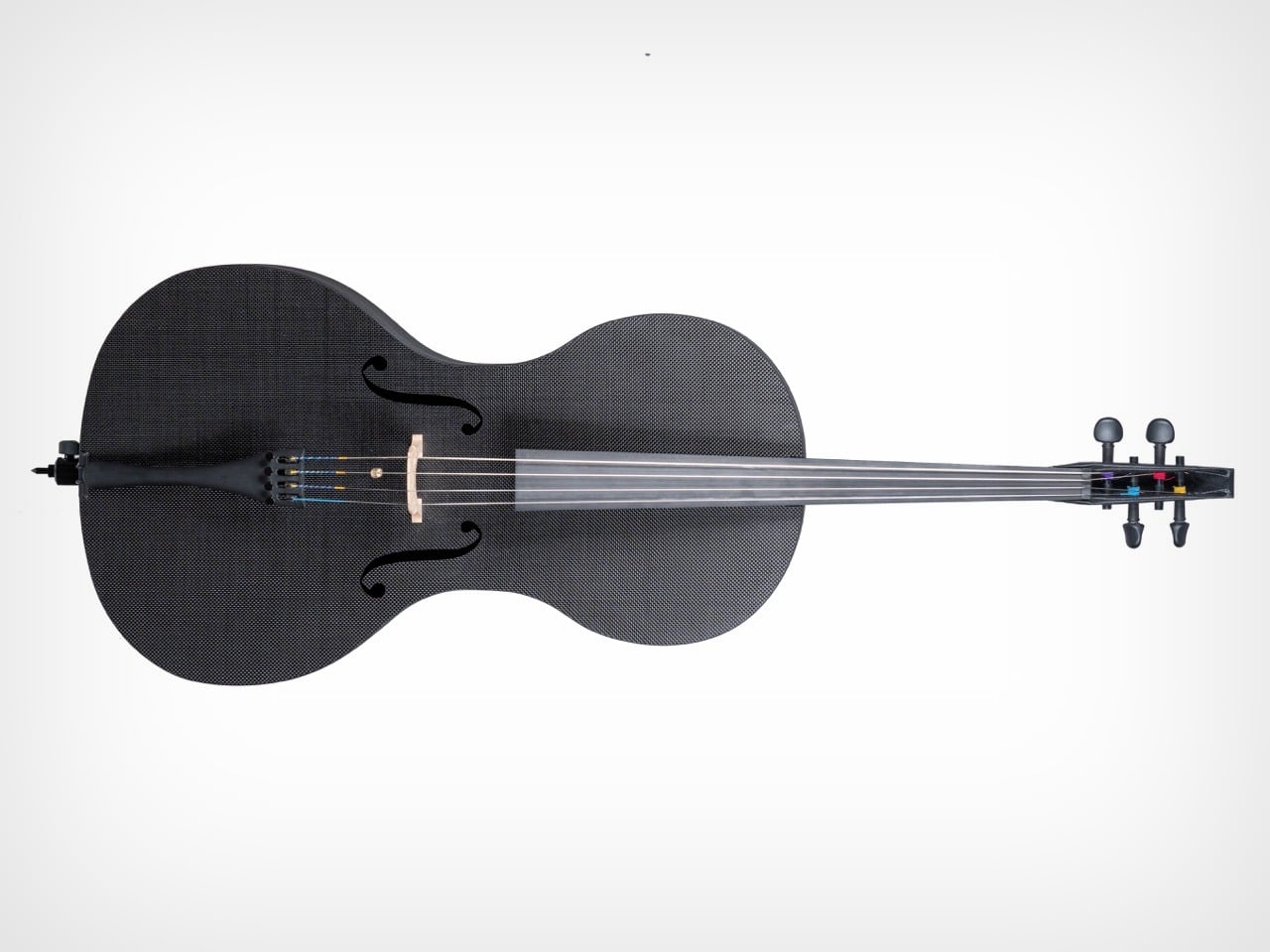
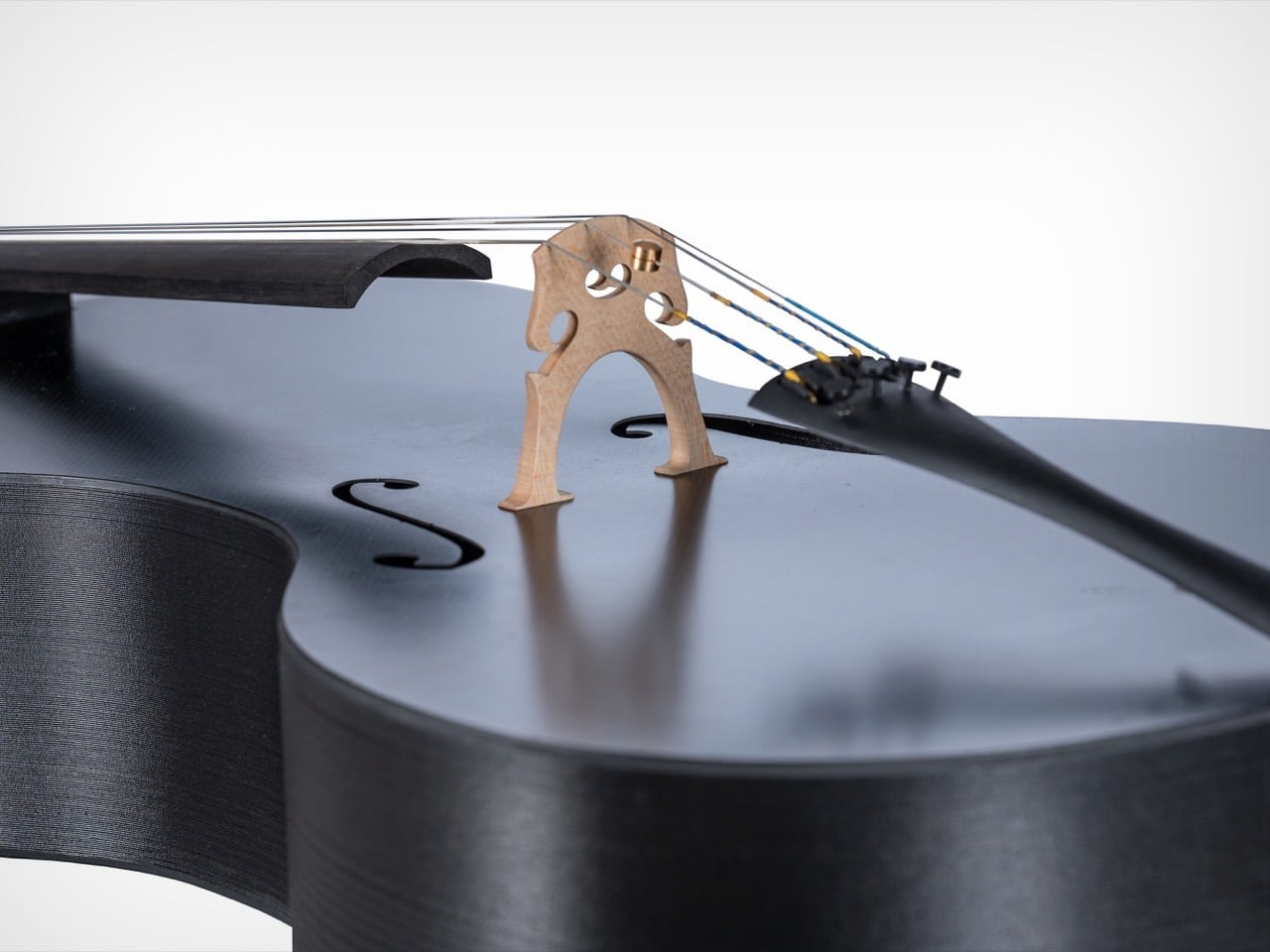
The final design breaks from tradition in significant ways. The top and back panels are made from carbon fiber and shaped as flat and concave surfaces rather than carved forms. The ribs and neck come from 3D printed polymer material. However, certain classical elements remain unchanged because they work perfectly as they are. The sound post, fingerboard, and bridge are still made using traditional methods and materials, creating a hybrid that respects acoustic principles while embracing modern durability.
Carbon fiber’s core advantage is its stability. Unlike wood, which expands and contracts with atmospheric changes, carbon fiber maintains its dimensions regardless of humidity or temperature. This means musicians can bring their instruments to outdoor performances, different climates, or even extreme environments without worrying about structural damage. The material also eliminates the need for specialized maintenance products. A simple cloth and common household cleaners are sufficient to keep these instruments in excellent condition.
Forte3D also addressed playing comfort, which directly affects technique and long-term health. When strings sit too high or too low, musicians experience hand pain and their personal technique becomes harder to execute. The team built in an adjustable string height system that lets each player move the strings up or down using a small tool that comes with the instrument. The cello also includes smoothly moving tuning pegs and tools for stopping wolf tones, which are unwanted resonances that plague certain notes on string instruments. A printed guide ensures the bridge sits in the correct position, and all these design elements work together to support both playing comfort and sound production.
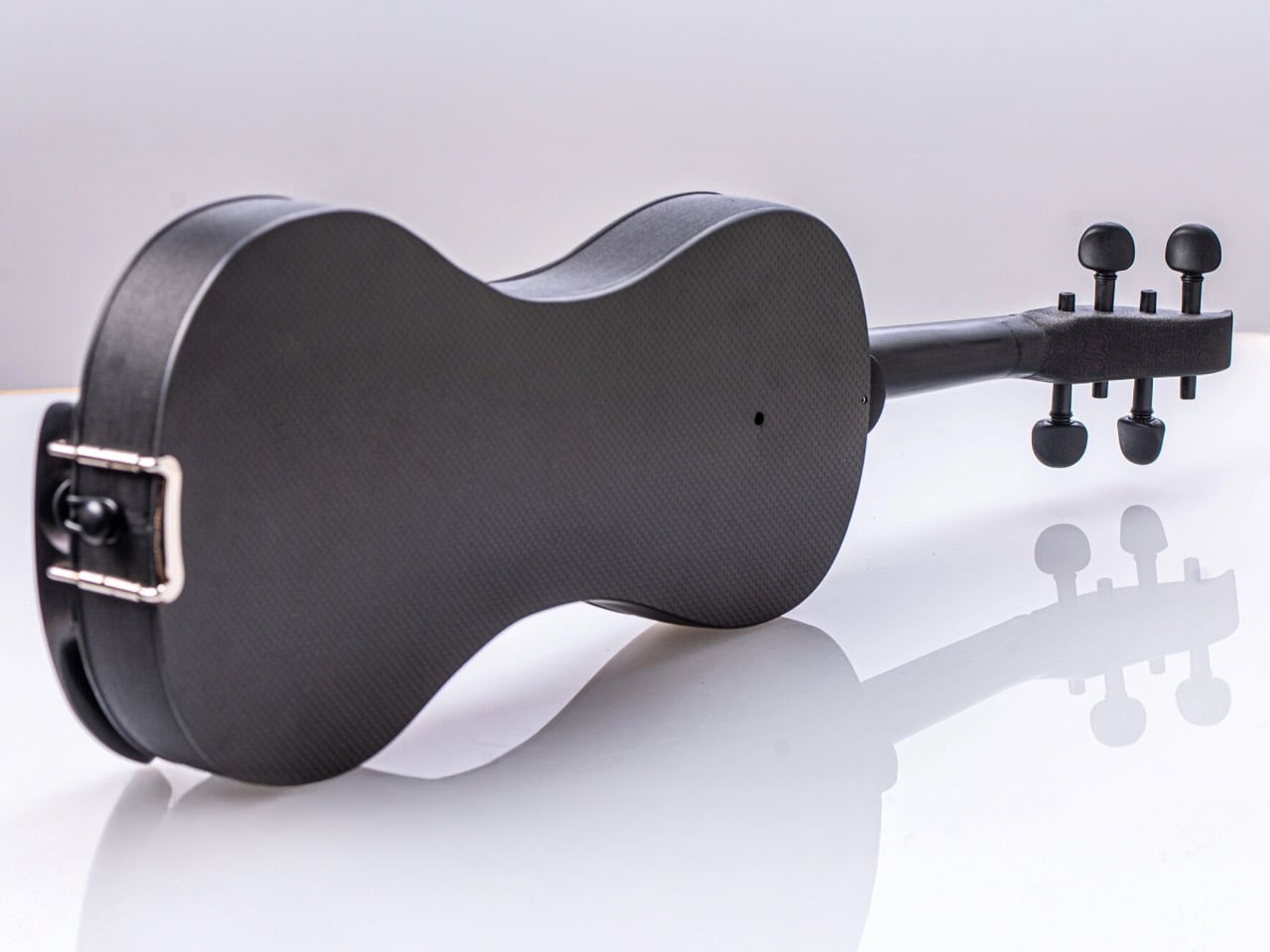
The violin version carries the same philosophy. Players can adjust string height to match their needs, and the body features a hole at the back to support sound flow. Like the cello, it ships with strings and tuning pegs designed for easier tuning. Both instruments handle weather changes and physical bumps that would damage wooden counterparts. For the Forte3D team, these instruments are not about making a style statement. They focus on what musicians actually need, which means less worry about damage, easier carrying, simpler care, and lower cost. The result is an instrument that honors centuries of acoustic development while finally freeing musicians from the constraints that wood has always imposed.
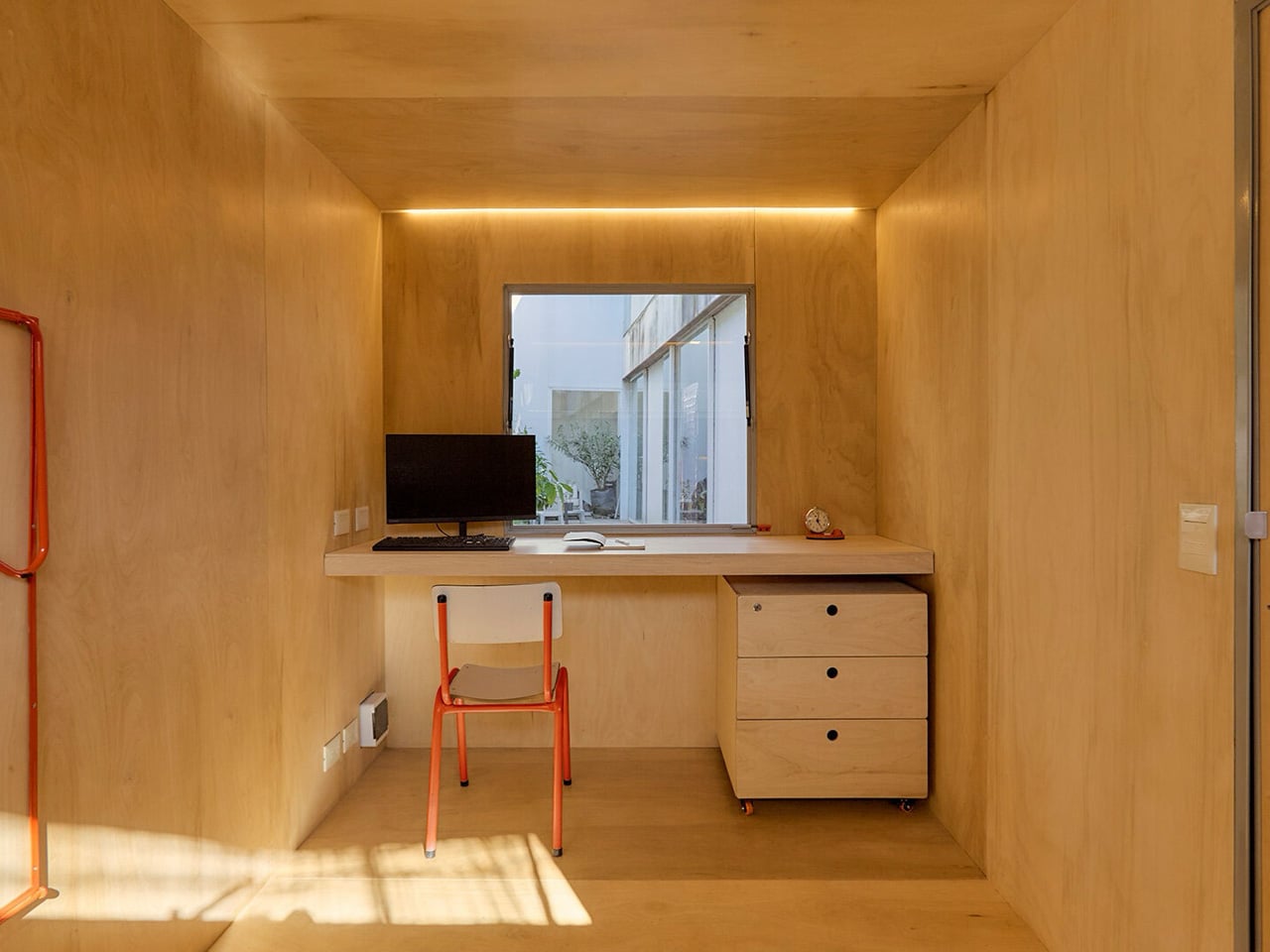
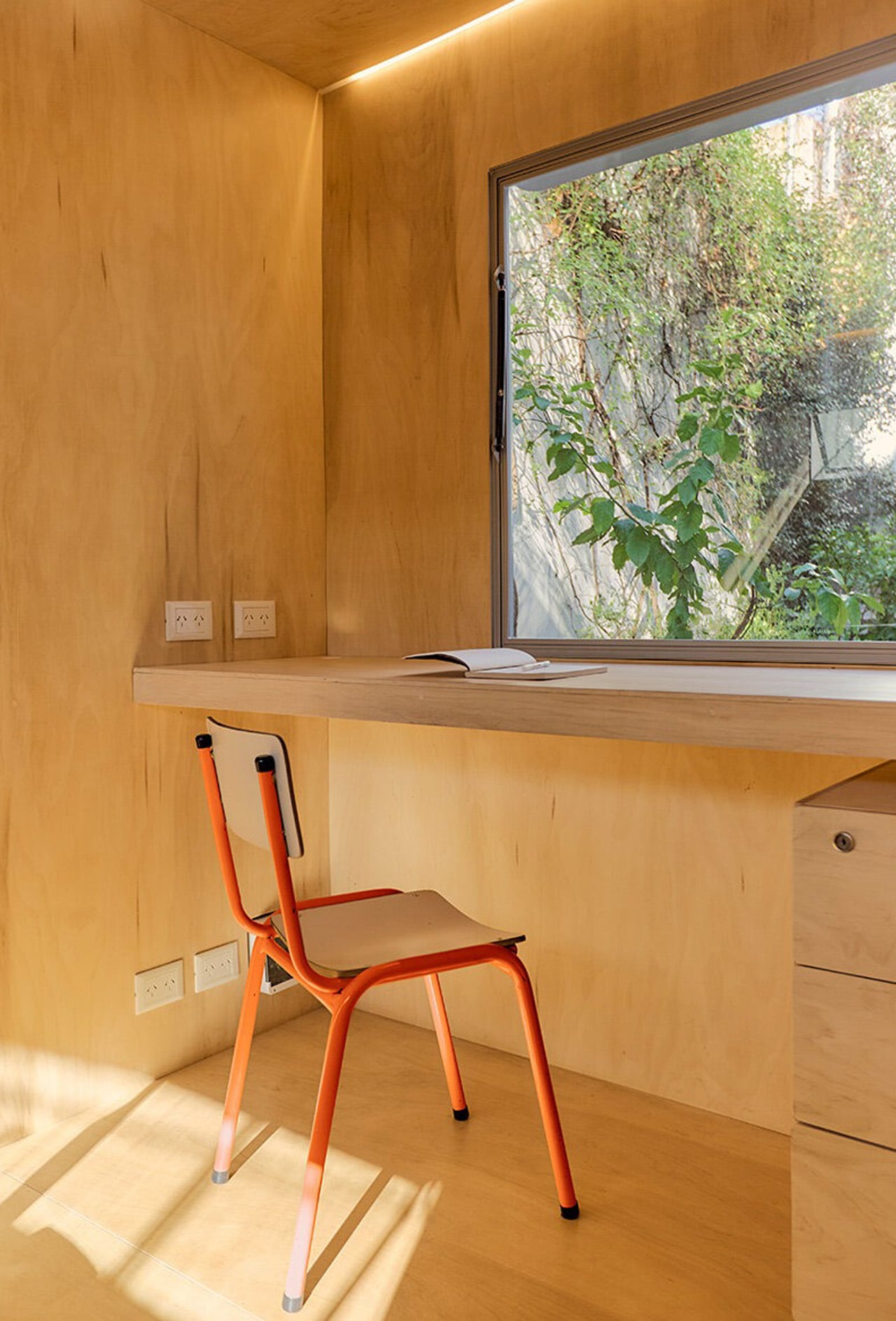
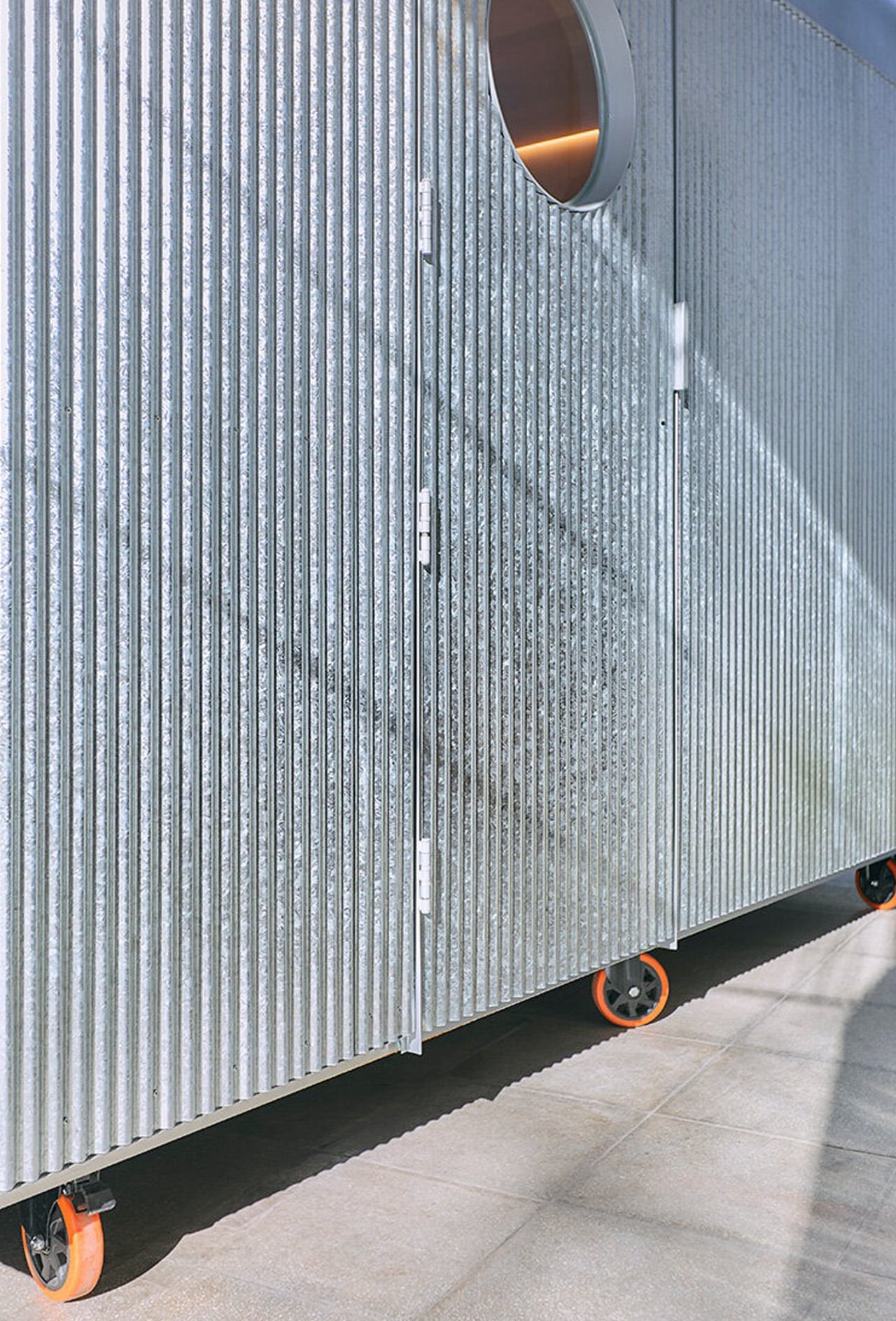
Parked in the courtyard of a private home in Buenos Aires, the Castillo Mobile Office challenges everything we expect from workplace architecture. Morsa Taller has distilled the essence of mobility into seven square meters, creating a structure that moves between sites with the ease of rolling luggage yet operates with the seriousness of a permanent studio.
The design reads like architectural origami. Six prefabricated pieces arrive separately, then snap together within a single day using nothing more than a screwdriver and a riveter. Four detachable facade panels frame strategic openings for light and air. A curved roof caps the composition, channeling rainwater while nodding to the rounded profiles of Buenos Aires’ iconic buses. The wheeled base turns the entire volume into a vehicle of sorts, ready to relocate from backyard to rooftop, from residential plot to rural outpost.
Designer: Morsa Taller
What makes Castillo remarkable is its refusal to compromise on craft despite its temporary nature. Every junction required its own insulation and mechanical connection, transforming the project into an exercise in layered logic. The team at Morsa Taller, working alongside fabricator Santiago Legnini, custom-built each interior element, from carpentry to storage systems to equipment mounts. The result feels less like a portable shed and more like an inhabitable machine, where form follows the internal demands of function rather than external architectural conventions.
The structure draws from Morsa Taller’s broader practice in material investigation and objectual construction, led by architect Alejandra Esteve, who describes herself as both designer and welder. This hands-on approach permeates the Castillo project, where metalworking expertise translates into precise modular connections that allow independence and integration to coexist.
Currently stationed in Buenos Aires, the mobile office represents a shift in how workspace can respond to contemporary work patterns. It doesn’t anchor professionals to fixed addresses but instead follows them, adapting to changing needs without sacrificing quality or comfort. The seven-square-meter footprint proves that small doesn’t mean compromised when design treats constraints as creative fuel. Castillo demonstrates that architecture can be nomadic without being provisional, compact without being cramped, and prefabricated without losing its soul.
John Cena began his WWE retirement tour back in January, and it's coming to an end this weekend when the wrestling legend headlines WWE Saturday Night's Main Event. For the last fight of his career, Cena has been matched up with "The Ring General" Gunther on the night's fight card, which also features matches between Cody Rhodes and Oba Femi, a tag team match featuring AJ Styles & Dragon Lee vs. Je'Von Evans & Leon Slater, and a women's matchup between Bayley and Sol Ruca. This show starts at 8 p.m. ET on Saturday and will stream with a subscription to Peacock, or grab a 7-day trial of Peacock through Prime Video and tune in for free.
Here's a look at how to watch John Cena's final fight at WWE Saturday Night's Main Event this weekend, including how to stream the entire thing for free.
How to watch WWE Saturday Night's Main Event:
Date: Dec. 13, 2025
Time: 8 p.m. ET/5 p.m. PT
Streaming:Peacock
Where to watch WWE Saturday Night's Main Event:
The WWE Saturday Night's Main Event will air live on Saturday, Dec. 13, 2025 on Peacock, with fights starting at 8 p.m. ET. You can also tune in to the Saturday Night's Main Event Countdown pre-show starting at 6 p.m. ET, and the post-show, which immediately follows the event on Peacock.
Who will be at WWE Saturday Night's Main Event?
This weekend's Saturday Night's Main Event will be headlined by John Cena and Gunther. Also on the bill, you can catch matches between Cody Rhodes and Oba Femi, a tag team bout between AJ Styles & Dragon Lee vs. Je'Von Evans & Leon Slater, and a women's matchup between Bayley and Sol Ruca.
How to watch the WWE Saturday Night's Main Event:
WWE Saturday Night's Main Event Fight Card:
John Cena vs. Gunther (John Cena's final match)
Undisputed WWE Champion Cody Rhodes vs. NXT Champion Oba Femi
World Tag Team Champions AJ Styles & Dragon Lee vs. Je'Von Evans & TNA X Division Champion Leon Slater
Bayley vs. Sol Ruca
This article originally appeared on Engadget at https://www.engadget.com/entertainment/streaming/wwe-saturday-nights-main-event-how-to-watch-john-cenas-final-match-for-free-235537779.html?src=rss
John Cena began his WWE retirement tour back in January, and it's coming to an end this weekend when the wrestling legend headlines WWE Saturday Night's Main Event. For the last fight of his career, Cena has been matched up with "The Ring General" Gunther on the night's fight card, which also features matches between Cody Rhodes and Oba Femi, a tag team match featuring AJ Styles & Dragon Lee vs. Je'Von Evans & Leon Slater, and a women's matchup between Bayley and Sol Ruca. This show starts at 8 p.m. ET on Saturday and will stream with a subscription to Peacock, or grab a 7-day trial of Peacock through Prime Video and tune in for free.
Here's a look at how to watch John Cena's final fight at WWE Saturday Night's Main Event this weekend, including how to stream the entire thing for free.
How to watch WWE Saturday Night's Main Event:
Date: Dec. 13, 2025
Time: 8 p.m. ET/5 p.m. PT
Streaming:Peacock
Where to watch WWE Saturday Night's Main Event:
The WWE Saturday Night's Main Event will air live on Saturday, Dec. 13, 2025 on Peacock, with fights starting at 8 p.m. ET. You can also tune in to the Saturday Night's Main Event Countdown pre-show starting at 6 p.m. ET, and the post-show, which immediately follows the event on Peacock.
Who will be at WWE Saturday Night's Main Event?
This weekend's Saturday Night's Main Event will be headlined by John Cena and Gunther. Also on the bill, you can catch matches between Cody Rhodes and Oba Femi, a tag team bout between AJ Styles & Dragon Lee vs. Je'Von Evans & Leon Slater, and a women's matchup between Bayley and Sol Ruca.
How to watch the WWE Saturday Night's Main Event:
WWE Saturday Night's Main Event Fight Card:
John Cena vs. Gunther (John Cena's final match)
Undisputed WWE Champion Cody Rhodes vs. NXT Champion Oba Femi
World Tag Team Champions AJ Styles & Dragon Lee vs. Je'Von Evans & TNA X Division Champion Leon Slater
Bayley vs. Sol Ruca
This article originally appeared on Engadget at https://www.engadget.com/entertainment/streaming/wwe-saturday-nights-main-event-how-to-watch-john-cenas-final-match-for-free-235537779.html?src=rss
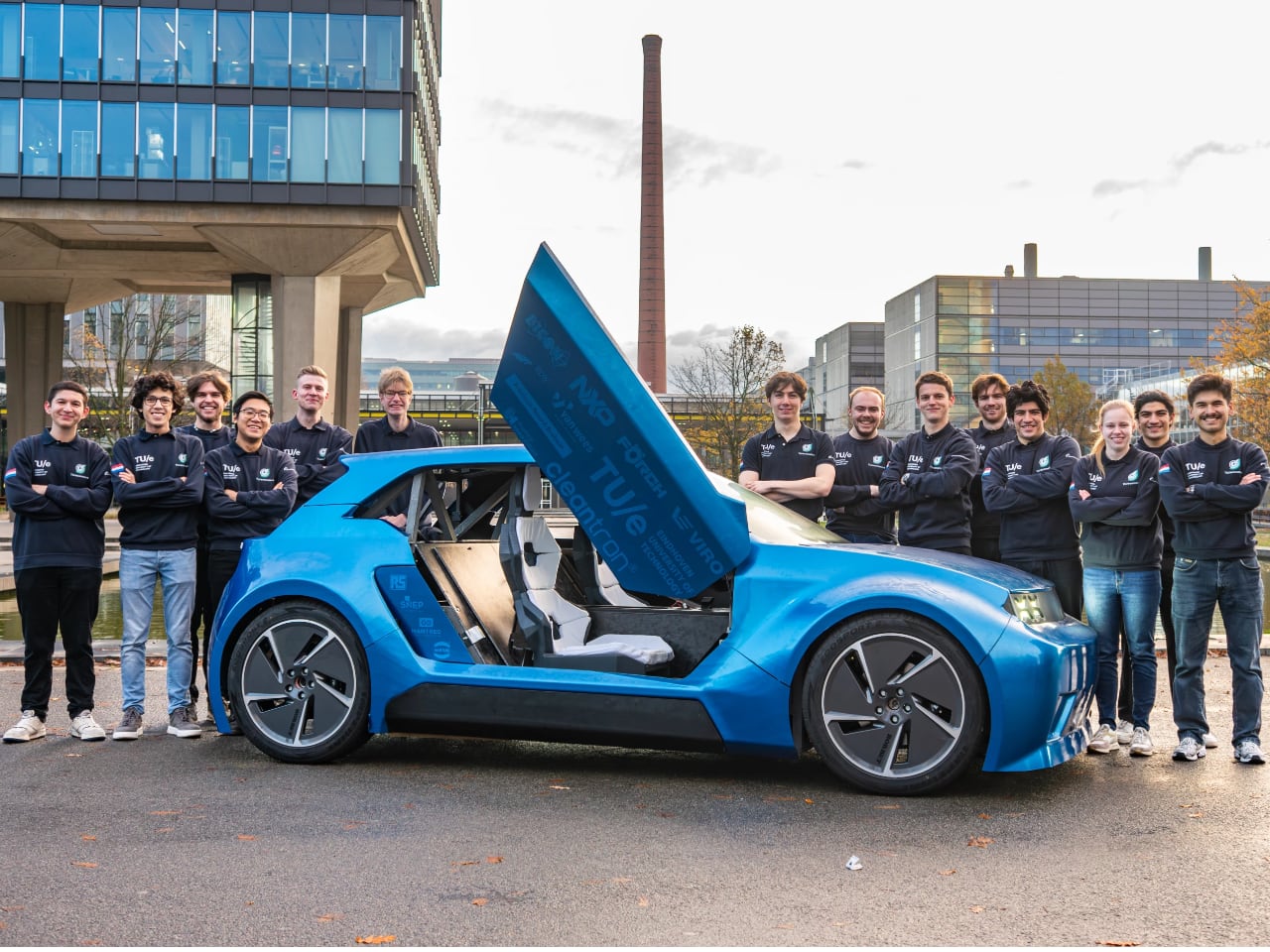
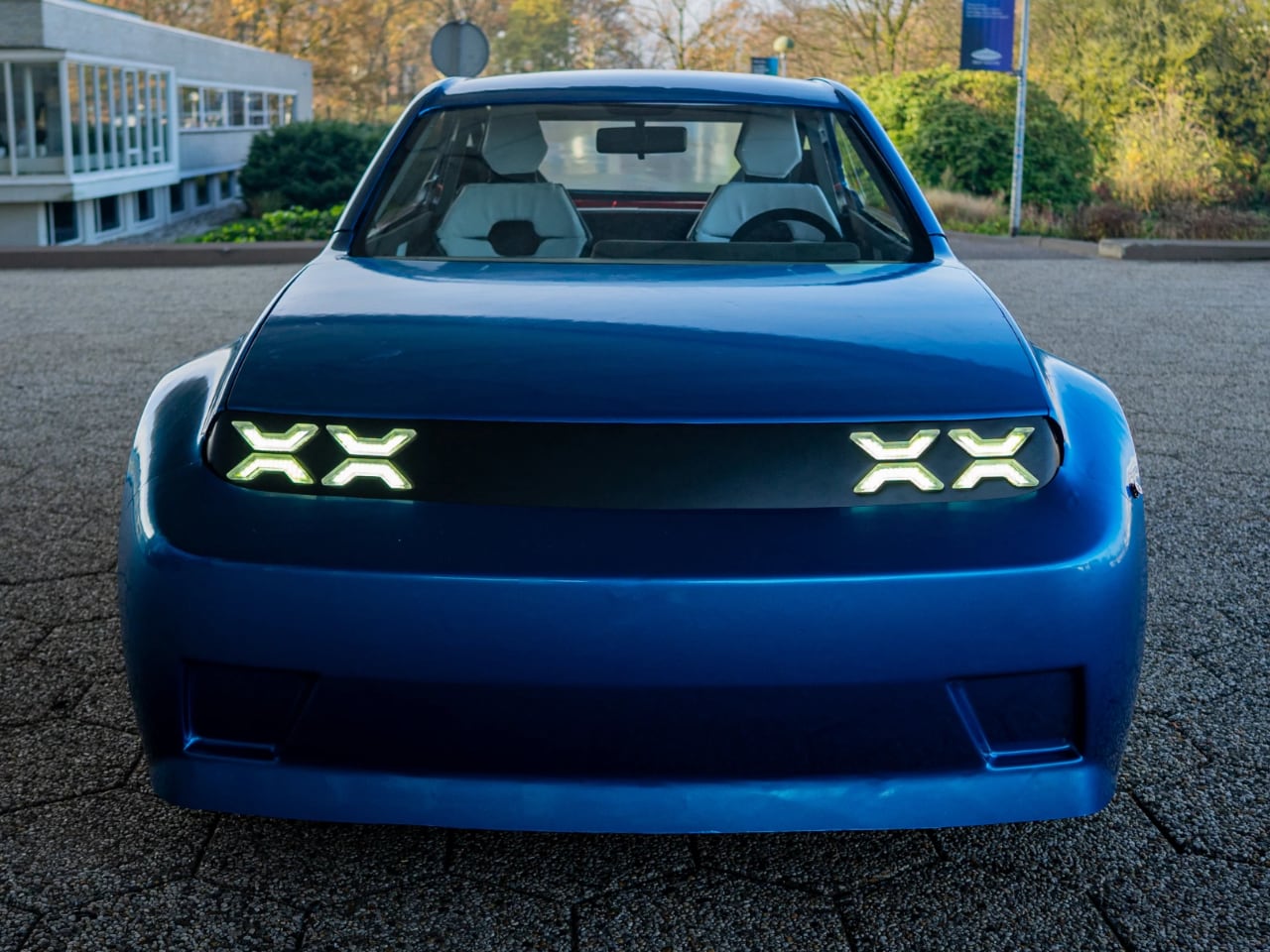
In most modern EVs, the battery pack lives deep inside a sealed structure that only brand-approved technicians ever see. A student team in the Netherlands decided that design logic works against long-term sustainability and affordability, so they built ARIA, a compact electric city car that treats owner repair as a core feature rather than an afterthought. The bright blue prototype with its upward-opening doors represents the tenth vehicle from TU/ecomotive at Eindhoven University of Technology, and it carries a philosophy that feels almost countercultural in 2025: if you own it, you should be able to fix it.
Designer: Students at TU/ecomotive at Eindhoven University of Technology
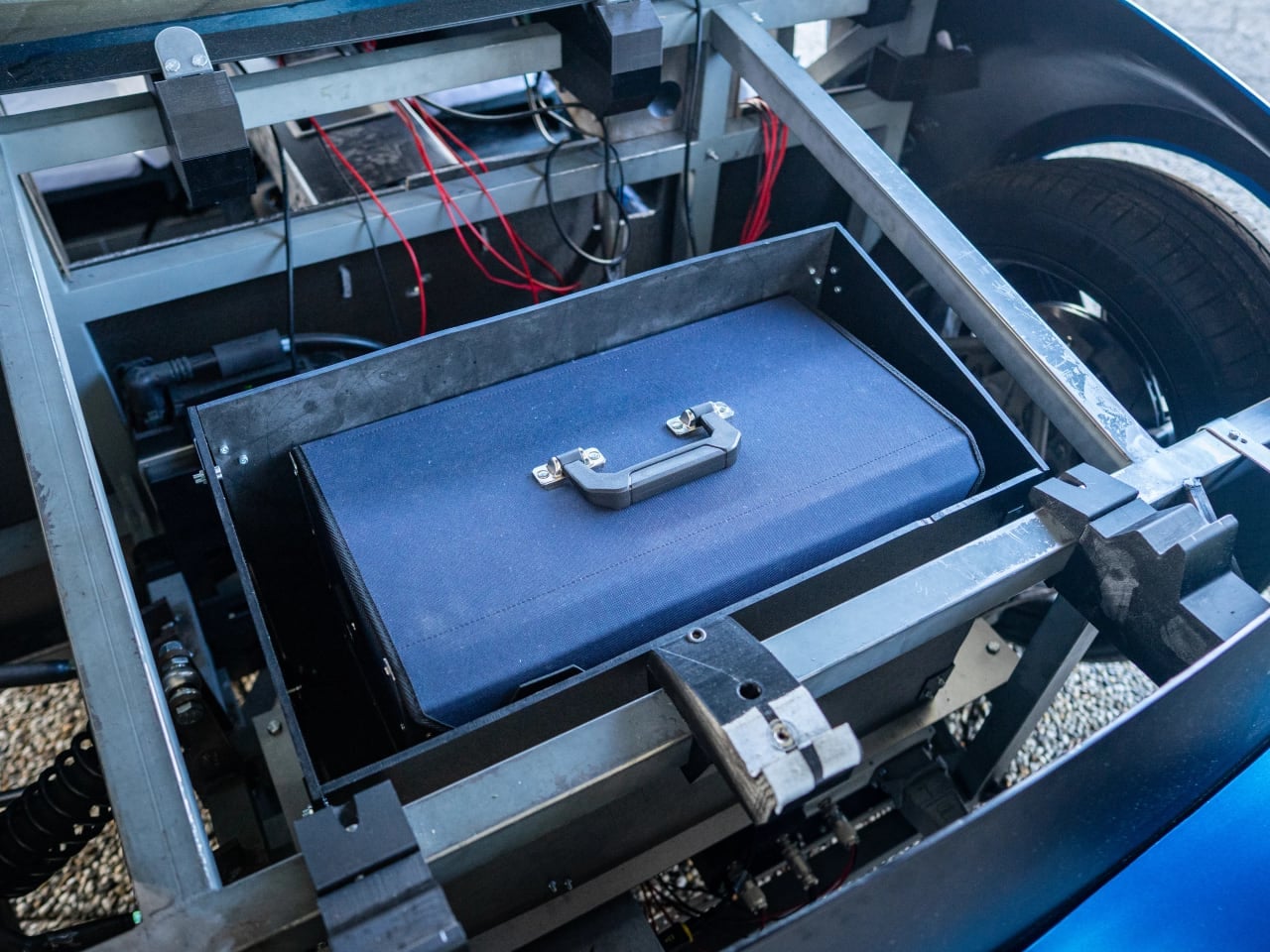
The name stands for “Anyone Repairs It Anywhere,” and the team took that promise seriously. Six independent battery modules sit accessible from the vehicle’s side without needing a lift. Exterior panels are designed for quick removal and refitting using standardized fasteners, so cosmetic damage can be addressed at home. A companion app reads the car’s status and walks owners through maintenance procedures. The team even ships a built-in toolbox with the vehicle, which signals exactly how they expect ARIA to be used.
What makes this project notable is not the ambition alone. Student teams have built conceptual EVs before, including earlier TU/ecomotive prototypes that scrubbed CO2 from the air or used recycled ocean plastic. ARIA differs because it tackles a problem that actually keeps EV owners awake at night: repair costs that can exceed the vehicle’s value when something goes wrong.
Why Modularity Changes the Repair Equation
Traditional EV battery packs are monolithic units, heavy and powerful but designed as single replaceable components. When one cell cluster degrades or fails, the entire pack often needs replacement. With too few mechanics trained on electric drivetrains and proprietary diagnostic systems locking out independent shops, repairs drag on for weeks. Costs climb into thousands of dollars. Some owners simply scrap functional vehicles because fixing them costs more than replacement.
ARIA’s architecture inverts that logic completely. The 12.96 kWh battery capacity splits across six independent modules, each weighing just 12 kilograms. Each of the six battery modules is light enough to handle manually, so an owner can remove a faulty unit and slot in a replacement instead of changing out an entire pack. The app identifies which module is underperforming, and the side-access design means you can reach it without crawling under the car or booking shop time.
The body panel system follows the same philosophy. A Summa student specifically devised the modular exterior approach, prioritizing repair speed over traditional automotive construction. If a fender gets scratched in a parking lot, the idea is to keep the fix in your driveway instead of at a service center: unbolt the damaged section, order a replacement, and install it yourself. According to the team, the whole process moves fast enough to make body shop appointments feel unnecessary.
This granular approach to vehicle architecture extends beyond convenience into genuine sustainability territory. Extending a vehicle’s usable lifespan by making repairs accessible keeps functional cars out of recycling streams longer. The environmental calculus of EVs depends heavily on how long vehicles stay on the road, since manufacturing emissions only pay off over years of use. A car you can maintain yourself has a better chance of reaching that payoff.
The Numbers Behind the Concept
ARIA reaches a maximum speed of 56 mph with a range of approximately 137 miles on a full charge. Those numbers position it firmly as an urban commuter, not a highway cruiser. The specifications make sense for the repair-focused mission: simpler systems mean fewer components that can fail and more accessible maintenance when they do.
The battery modules are accessible without specialized equipment. Team member Marc Hoevenaars, a computer science student at TU/e, emphasized that repositioning components requires no tools or prior experience. The diagnostic app reads vehicle status and provides maintenance guidance, essentially serving as a digital repair manual tailored to the specific car.
Built in approximately one year by students from TU Eindhoven, Fontys, and Summa, ARIA represents what a small team can accomplish when unconstrained by legacy manufacturing processes. The bright blue exterior and dramatic upward-opening doors add visual flair, but the real engineering statement lives in the underlying architecture.
Where ARIA Fits in a Crowded Concept Space
Modular vehicle concepts have appeared before with mixed results. The German startup ElectricBrands developed XBUS, imagining Lego-like body swaps that would let owners transform a camper into a pickup truck. Funding shortfalls stalled that project. Kia’s PV5 uses electromagnetic “Easy Swap” technology for commercial fleet reconfiguration between taxi and cargo van modes, but targets businesses with dedicated infrastructure rather than individual owners.
ARIA pursues something different: enabling owners to maintain their own vehicles rather than transforming them into other configurations. The team points to Europe’s emerging right-to-repair rules, which currently focus on appliances and electronics, as the policy backdrop for their work. Their argument is that passenger EVs should be held to the same standard of openness and longevity, and ARIA serves as their working example of how that might look in practice. Team manager Taco Olmer frames ARIA as a right-to-repair showcase, arguing that EV owners deserve genuine control over their vehicles rather than being locked into dealer-only service networks.
Reality Check: What ARIA Is and Is Not
The team has no plans to commercialize ARIA, which means the prototype’s long-term durability under actual driving conditions remains untested. Whether the modular design proves as repair-friendly as claimed after hundreds of hours on real roads is an open question. Splitting a vehicle into smaller independent modules might introduce maintenance challenges that traditional integrated designs avoid, particularly around weather sealing and connection reliability over time.
The specifications also limit practical applications. A 137-mile range and 56 mph top speed work fine for urban commuting in the Netherlands, where distances are short and speed limits modest. Drivers with longer commutes or highway requirements would find ARIA insufficient regardless of how easy it is to repair.
Still, the project succeeds as a proof of concept and a policy statement. If a student team can build an owner-repairable EV in roughly a year, the major manufacturers choosing sealed, dealer-dependent designs are making a business decision rather than following engineering necessity. Whether that message reaches the automotive industry remains to be seen, but ARIA at least demonstrates the alternative exists.
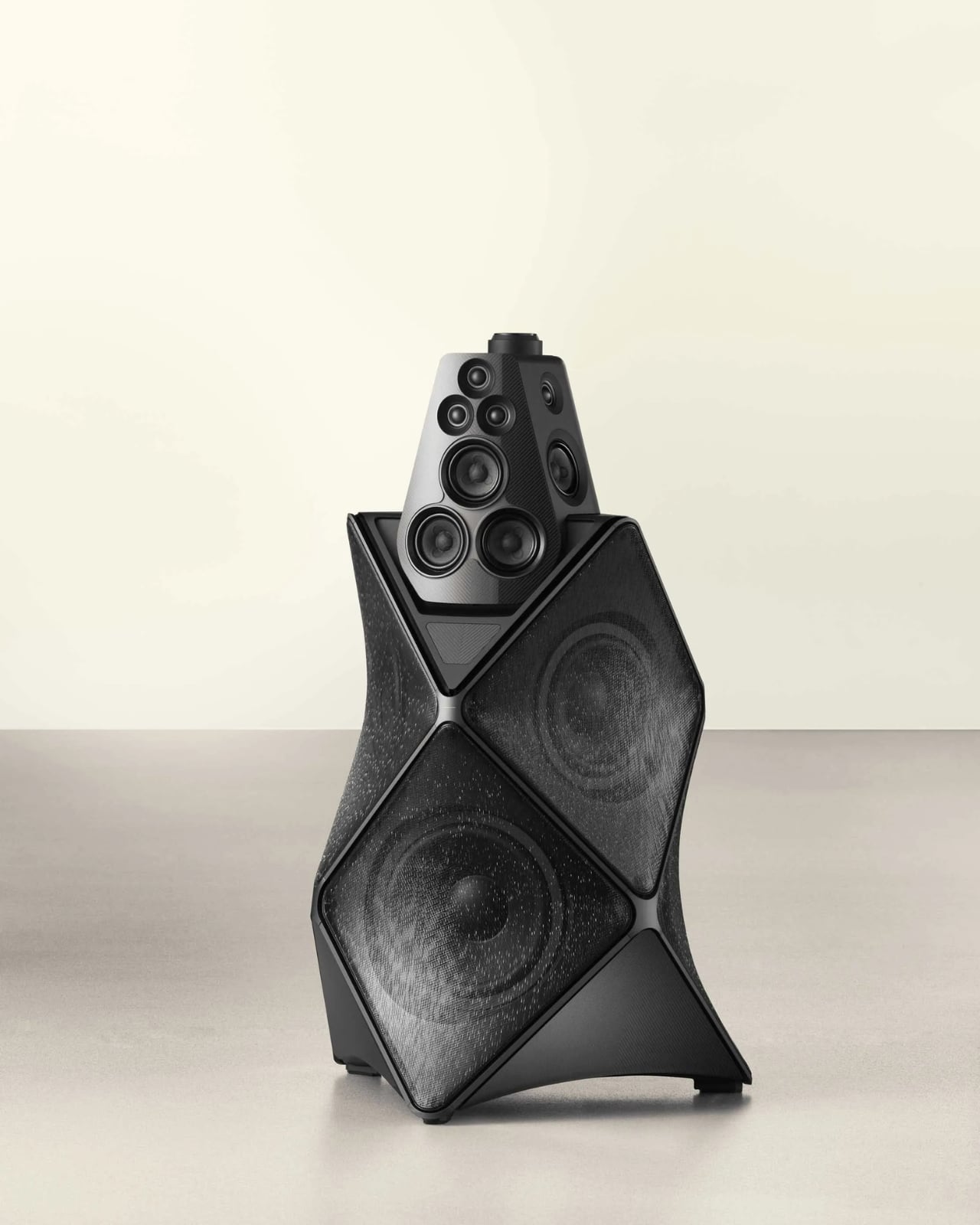
There’s something almost surreal about watching Bang & Olufsen celebrate its 100th birthday. While most brands would throw a retrospective exhibition or release a commemorative coffee table book, the Danish audio company has decided to do something far more ambitious. They’re taking their most advanced loudspeaker and reimagining it as high art.
Enter the Beolab 90 Phantom and Mirage Editions, two wildly different expressions of the same technological marvel. These aren’t just new color options thrown onto an existing product. They’re part of a five-edition Atelier series, each limited to just ten pairs worldwide, where Bang & Olufsen’s designers and craftspeople have pushed materials and finishes to places they’ve never been before.
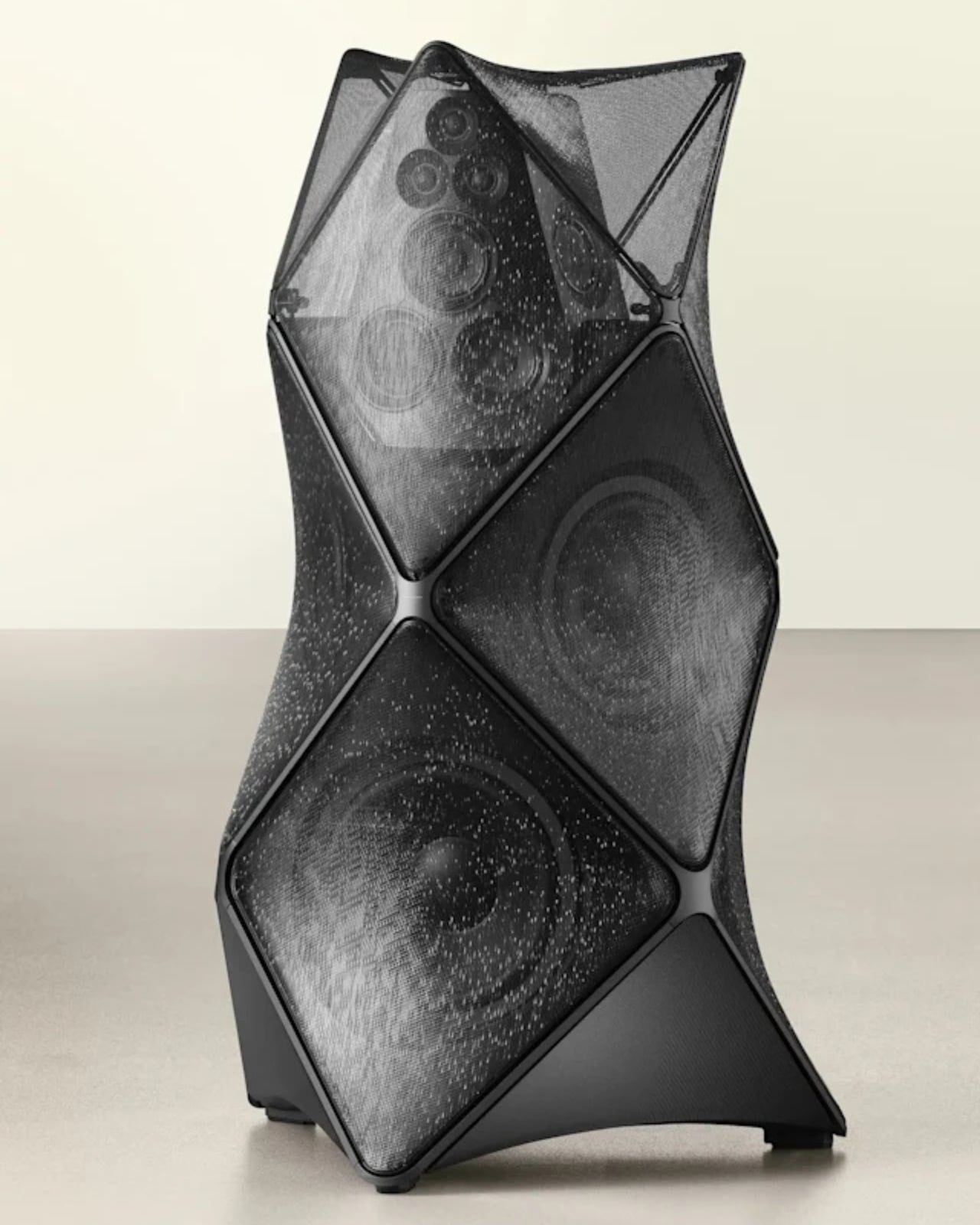
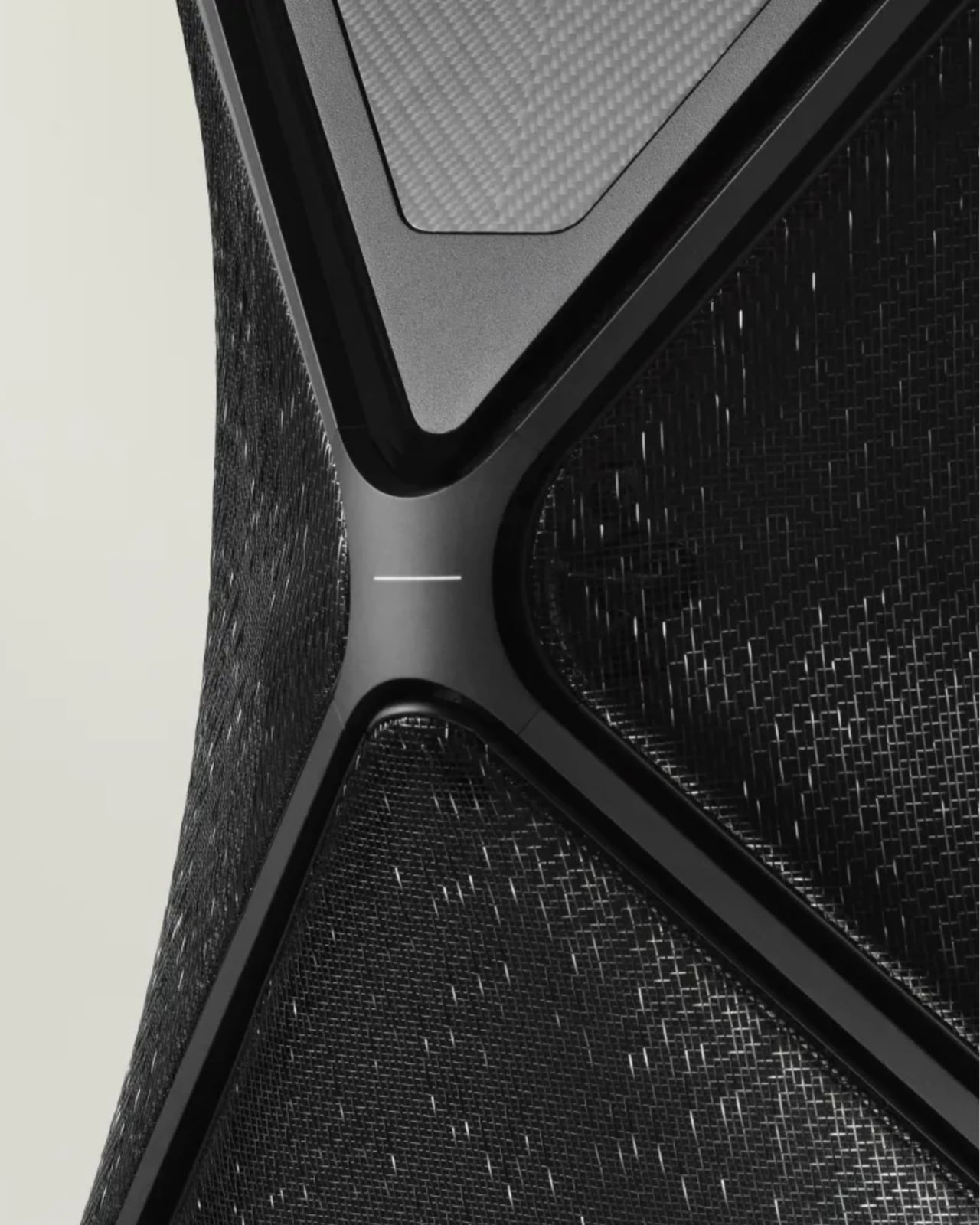
Let’s start with the Phantom Edition, which feels like something out of a science fiction film. The classic fabric covers that typically wrap the Beolab 90 have been stripped away and replaced with custom-designed black metal mesh. It’s a bold move. The coated stainless steel creates this hologram-like effect, letting you peek through at the powerful drivers underneath. There’s something mesmerizing about seeing the technology usually hidden behind elegant fabric, now revealed like the inner workings of a watch through a sapphire caseback.
The aluminum skeleton features pearl-blasted surfaces and unified structural beams, with precision-machined trim details that speak to the hundreds of hours invested in each pair. It’s technical, it’s architectural, and honestly, it looks like it could double as a prop in a high-budget space station scene. But that’s precisely the point. The Phantom Edition isn’t trying to blend into your living room. It’s demanding attention.
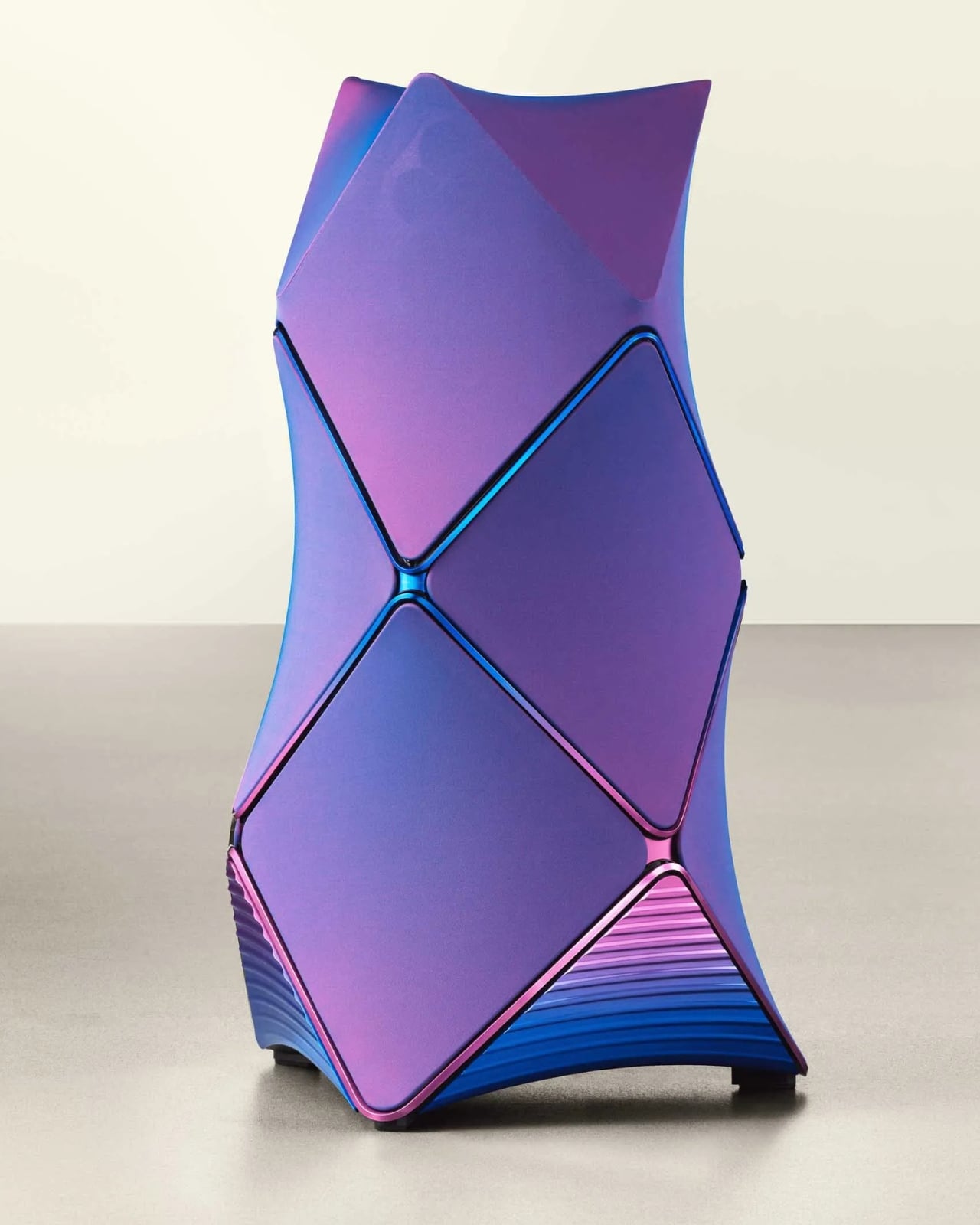
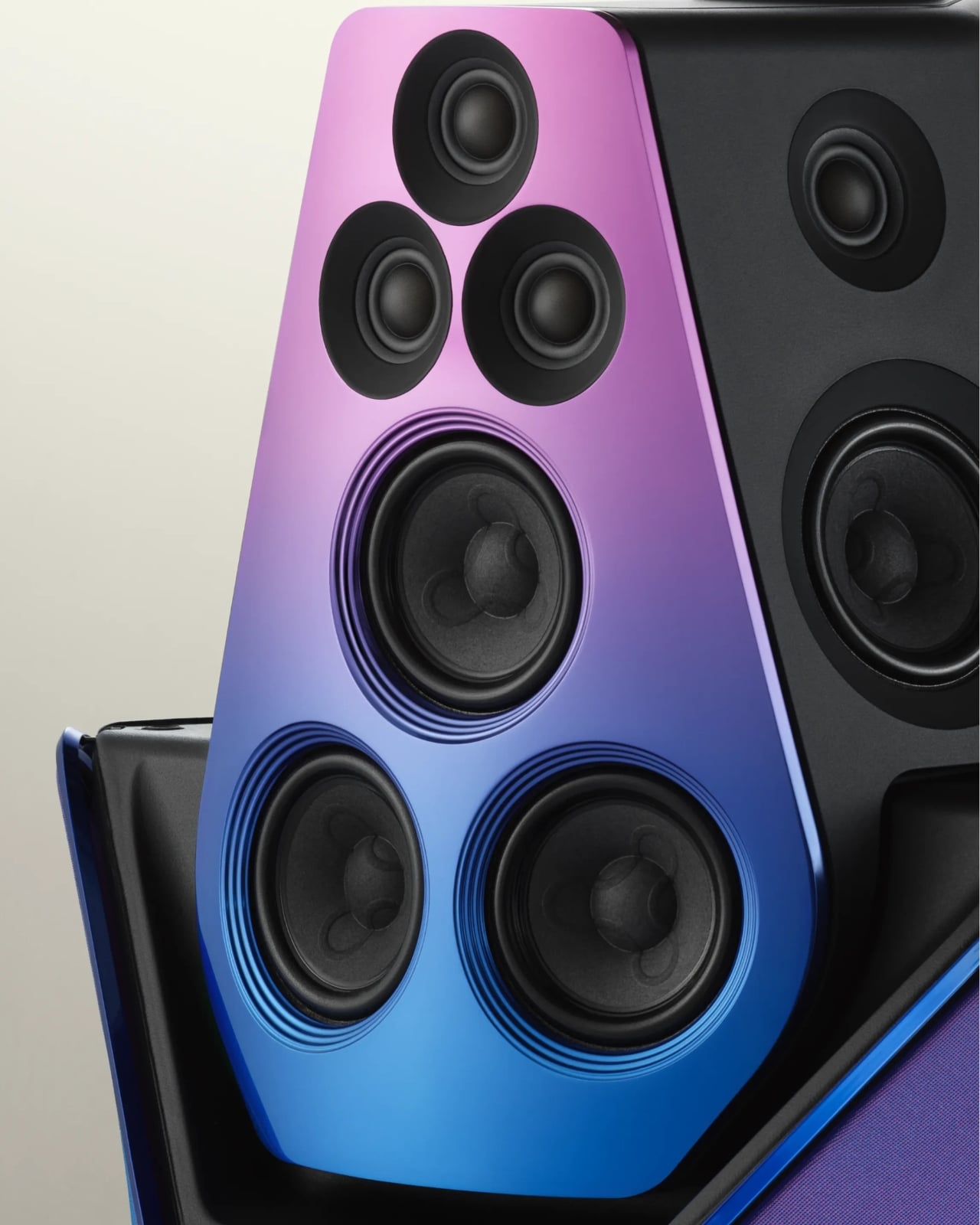
Then there’s the Mirage Edition, which takes an entirely different approach. Imagine a speaker that appears to shift and transform as you move around it. The surface flows from vivid blue to rich magenta through a bespoke gradient anodization applied entirely by hand at Bang & Olufsen’s Factory 5. It’s the kind of finish that makes you want to circle the speaker just to watch the colors dance and morph.
This isn’t airbrushing or a printed vinyl wrap. The gradient effect is achieved through meticulous anodization of the aluminum components, a process that requires incredible precision and skill. The result positions the Mirage Edition as what Bang & Olufsen calls “a visualisation of sound itself”. It’s poetic, sure, but also surprisingly accurate. Sound is movement, frequency, vibration. Why shouldn’t a speaker designed to reproduce it perfectly also capture that sense of constant transformation?
Both editions maintain the same acoustic platform as the original Beolab 90, which launched back in 2015 and remains the brand’s most advanced loudspeaker. We’re talking about 18 drivers and beam-forming technology that can literally shape sound to suit your room’s acoustics. These Anniversary Editions keep all of that sonic prowess intact. The innovation here is purely about design and craft refinement.
That’s what makes these releases so fascinating. Bang & Olufsen isn’t trying to improve the performance or add new features. They’re exploring what happens when you treat a speaker as a canvas for material experimentation and artistic expression. It’s a luxury approach, certainly, but it also raises interesting questions about how we value design objects in our homes.
These speakers join the previously released Titan Edition, another ultra-limited variant featuring raw cast aluminum. Together, they represent a century of design philosophy distilled into physical form. Whether you lean toward the architectural drama of the Phantom, the fluid artistry of the Mirage, or the industrial purity of the Titan probably says something about your design sensibilities.
At a time when so much consumer tech prioritizes invisibility (think hidden speakers, frameless TVs, voice assistants tucked into fabric cylinders), Bang & Olufsen is moving in the opposite direction. These Atelier Editions celebrate presence, craftsmanship, and the idea that exceptional objects deserve to be seen, not just heard.