TWS Earbuds With Built-In Cameras Puts ChatGPT’s AI Capabilities In Your Ears

Everyone is racing to build the next great AI gadget. Some companies are betting on smartglasses, others on pins and pocket companions. All of them promise an assistant that can see, hear, and understand the world around you. Very few ask a simpler question. What if the smartest AI hardware is just a better pair of earbuds?

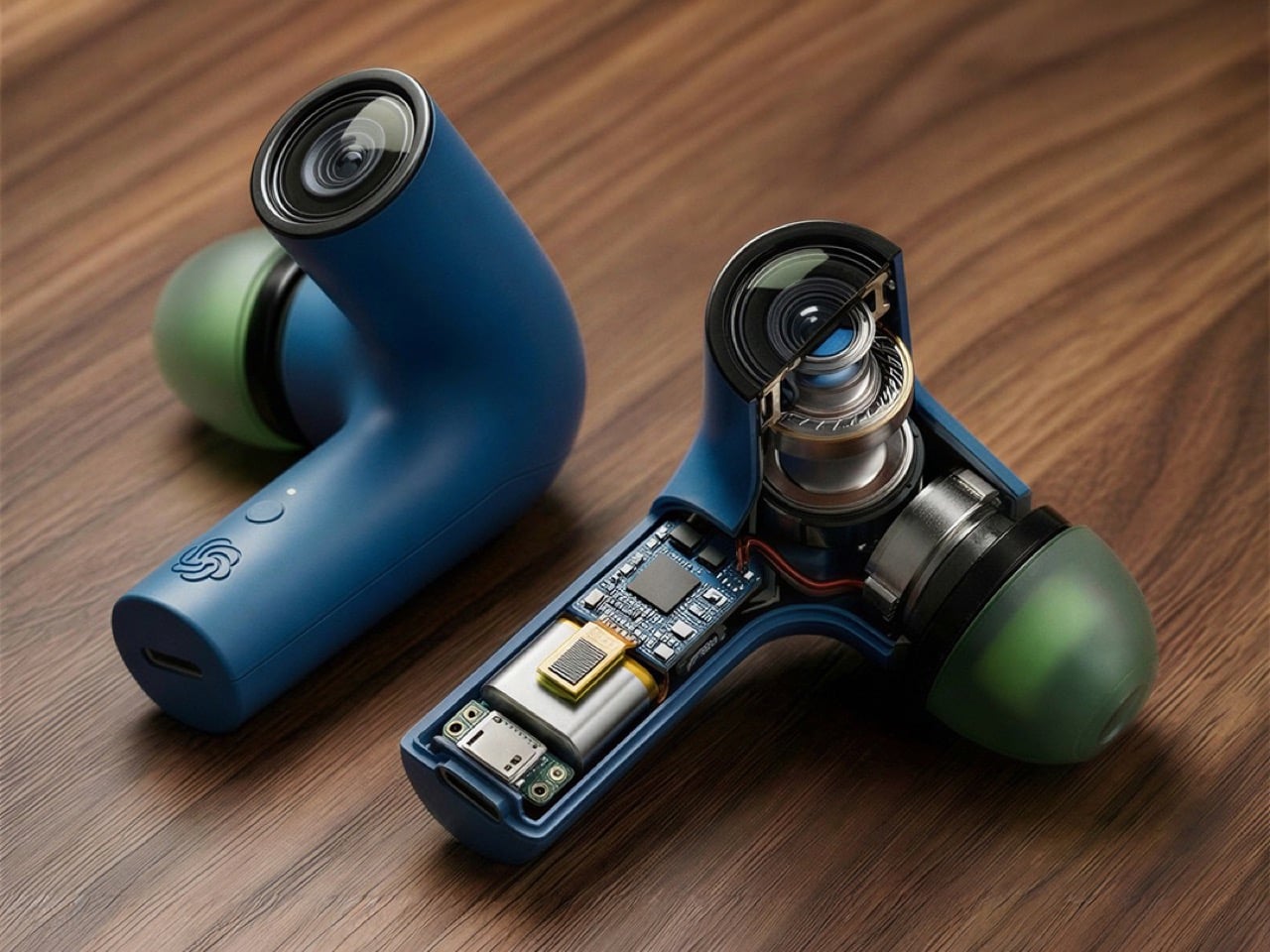
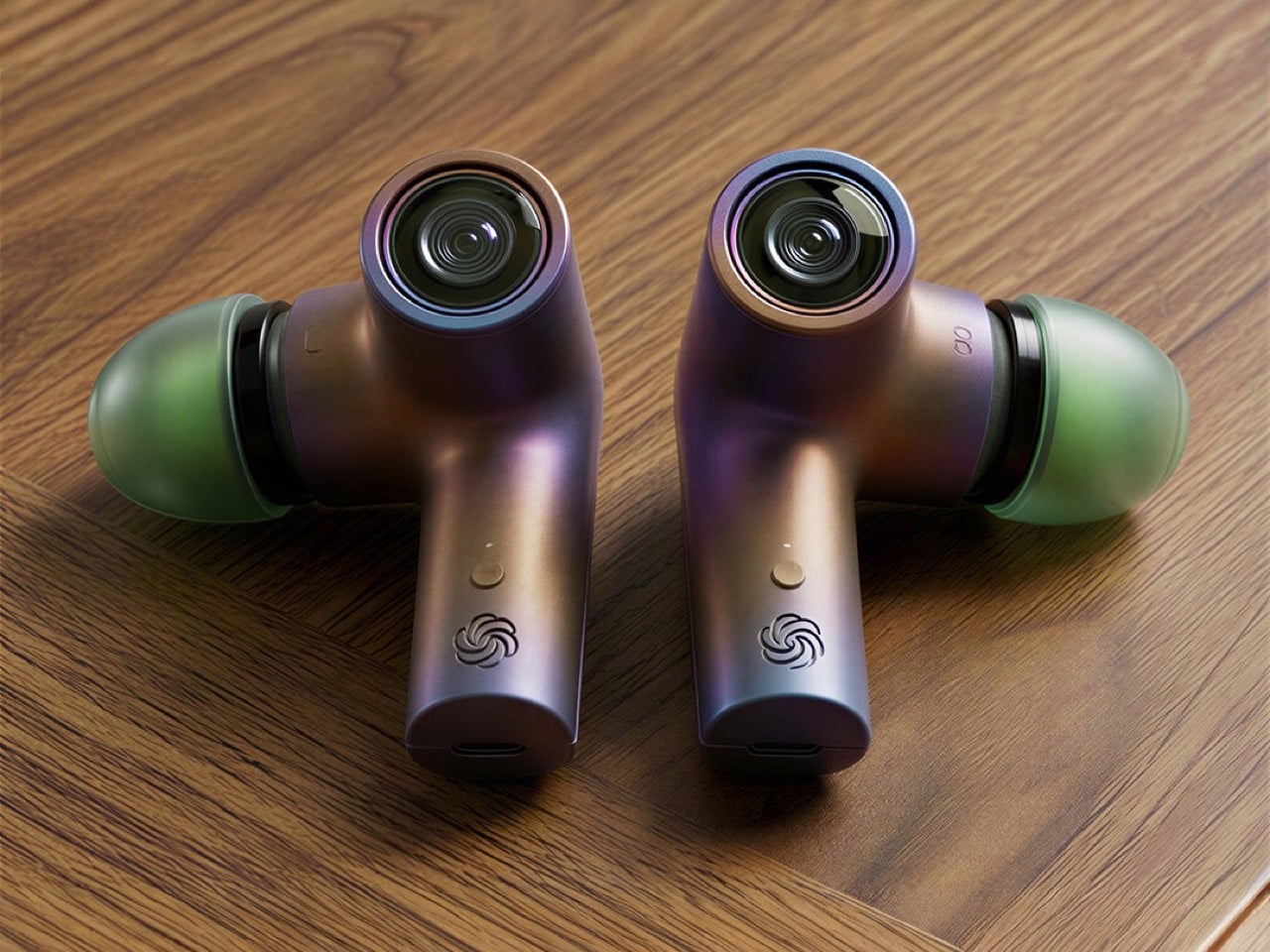
This concept imagines TWS earbuds with a twist. Each bud carries an extra stem with a built in camera, positioned close to your natural line of sight. Paired with ChatGPT, those lenses become a constant visual feed for an assistant that lives in your ears. It can read menus, interpret signs, describe scenes, and guide you through a city without a screen. The form factor stays familiar, the capabilities feel new. If OpenAI wants a hardware foothold, this is the kind of product that could make AI feel less like a demo and more like a daily habit. Here’s why a camera in your ear might beat a camera on your face.

Designer: Emil Lukas

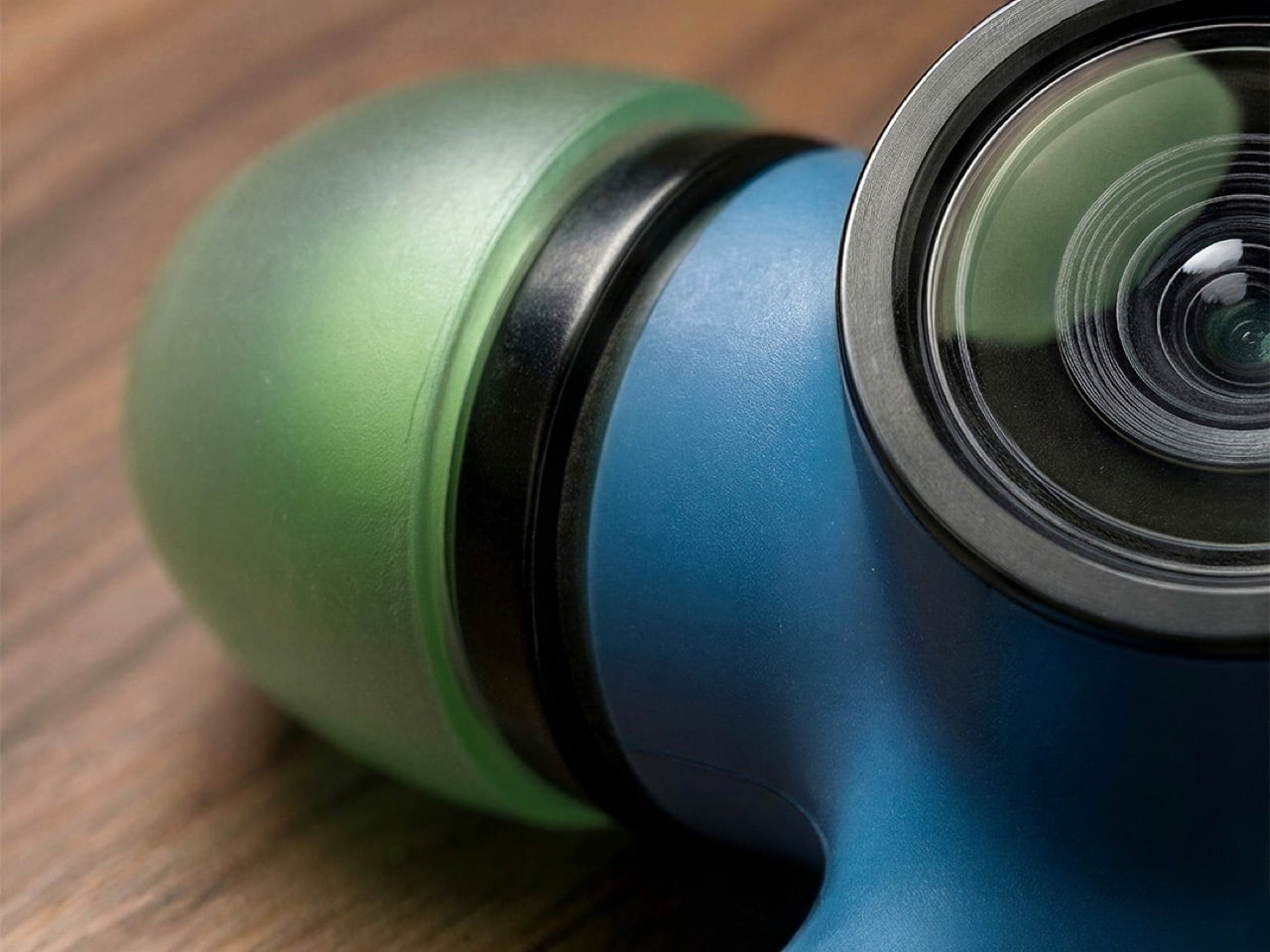
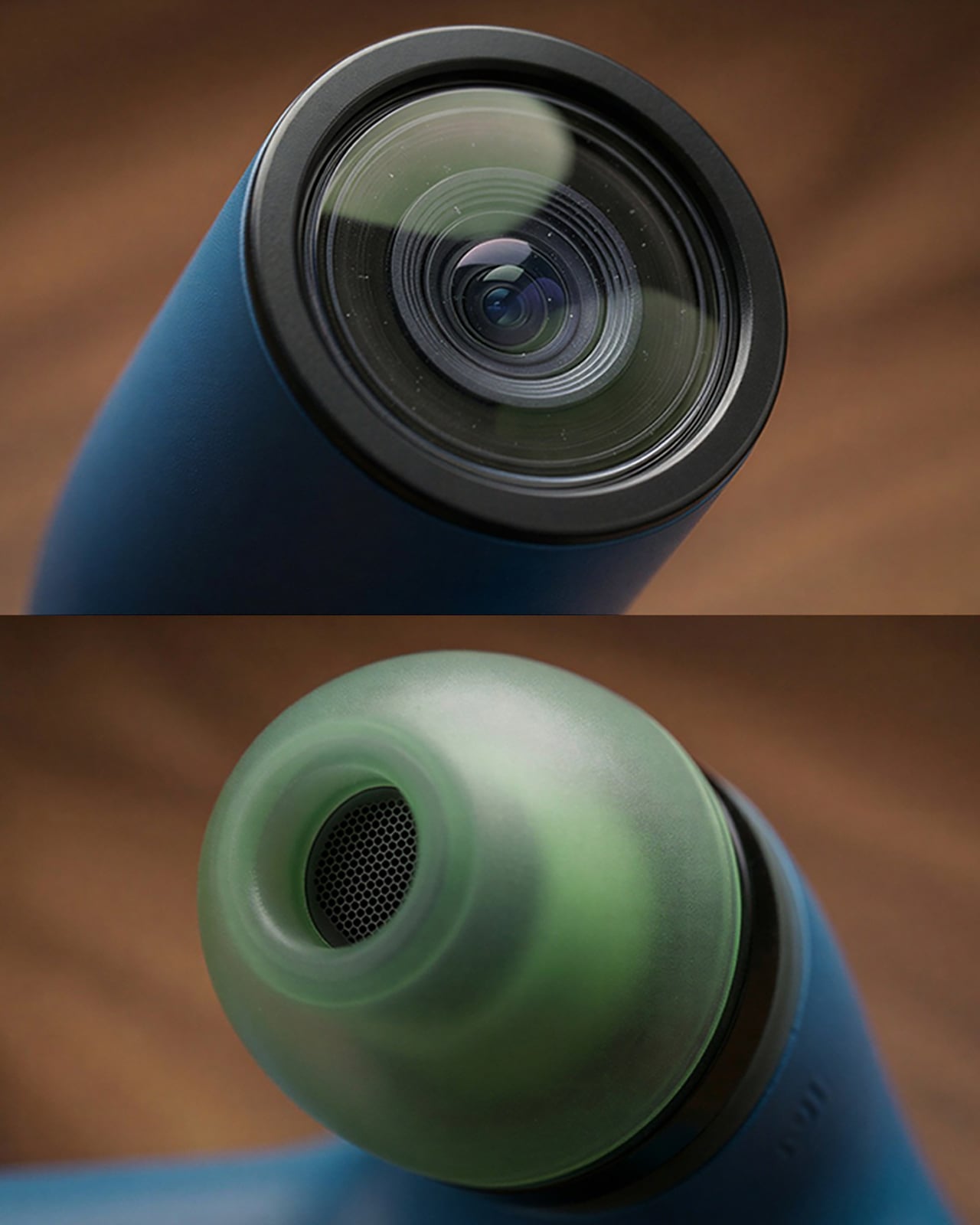
The industrial design has a sort of sci fi inhaler vibe that I weirdly like. The lens sits at the end of the stem like a tiny action cam, surrounded by a ring that doubles as a visual accent. It looks deliberate rather than tacked on, which matters when you are literally hanging optics off your head. The colored shells and translucent tips keep it playful enough that it still reads as audio gear first, camera second.

The cutaway render looks genuinely fascinating. You can see a proper lens stack, a sensor, and a compact board that would likely host an ISP and Bluetooth SoC. That is a lot of silicon inside something that still has to fit a driver, battery, microphones, and antennas. Realistically, any heavy lifting for vision and language goes straight to the phone and then to the cloud. On device compute at that scale would murder both battery and comfort.

All that visual data has to be processed somewhere, and it is not happening inside the earbud. On-device processing for GPT-4 level vision would turn your ear canal into a hotplate. This means the buds are basically streaming video to your phone for the heavy lifting. That introduces latency. A 200 millisecond delay is one thing; a two second lag is another. People tolerate waiting for a chatbot response at their desk. They will absolutely not tolerate that delay when they ask their “AI eyes” a simple question like “which gate am I at?”

Then there is the battery life, which is the elephant in the room. Standard TWS buds manage around five to seven hours of audio playback. Adding a camera, an image signal processor, and a constant radio transmission for video will absolutely demolish that runtime. Camera-equipped wearables like the Ray-Ban Meta glasses get about four hours of mixed use, and those have significantly more volume to pack in batteries. These concept buds look bulky, but they are still tiny compared to a pair of frames.

The practical result is that these would not be all-day companions in their current form. You are likely looking at two or three hours of real-world use before they are completely dead, and that is being generous. This works for specific, short-term tasks, like navigating a museum or getting through an airport. It completely breaks the established user behavior of having earbuds that last through a full workday of calls and music. The utility would have to be incredibly high to justify that kind of battery trade-off.

From a social perspective, the design is surprisingly clever. Smartglasses failed partly because the forward-facing camera made everyone around you feel like they were being recorded. An earbud camera might just sneak under the radar. People are already accustomed to stems sticking out of ears, so this form factor could easily be mistaken for a quirky design choice rather than a surveillance device. It is less overtly aggressive than a lens pointed from the bridge of your nose, which could lower social friction considerably.

The cynical part of me wonders about the field of view. Ear level is better than chest level, but your ears do not track your gaze. If you are looking down at your phone while walking, those cameras are still pointed forward at the horizon. You would need either a very wide angle lens, which introduces distortion and eats processing power for correction, or you would need to train yourself to move your whole head like you are wearing a VR headset. Neither is ideal, but both are solvable with enough iteration. What you get in return is an AI that can actually participate in your environment instead of waiting for you to pull out your phone and aim it at something. That shift from reactive to ambient is the entire value proposition, and it only works if the cameras are always positioned and always ready.

The post TWS Earbuds With Built-In Cameras Puts ChatGPT’s AI Capabilities In Your Ears first appeared on Yanko Design.

Intel loses its latest challenge to 16-year-old EU antitrust case

Intel will have to pay up in an antitrust case dating back to 2009, Reuters reported on Wednesday. The company has lost its challenge against a €376 million ($438.7 million) regulatory fine levied by the European Commission. However, Intel managed to get the amount reduced to 237 million euros ($276.6 million).

The case began in 2009, when mobile computing was in its infancy and netbooks (remember those?) were all the rage in the PC space. At the time, the EU ruled that Intel violated antitrust laws on multiple fronts. First, it used illegal hidden rebates to push rivals out of the PC processor market. Second, it paid manufacturers to delay or stop production of AMD-powered products.

The latter, the portion that today's fine deals with, was classified as "naked restrictions." It regarded anticompetitive payments Intel made to HP, Acer and Lenovo between 2002 and 2006.

As often happens in these situations, the legal process bounced back and forth through the courts for years. In 2017, Europe's highest court ordered the case to be re-examined, citing a lack of proper economic assessment of how Intel's behavior affected its rivals. Europe's second-highest court then overturned the judgment from the first (hidden rebates) portion of the fine in 2022, a move confirmed by the EU Court of Justice last year. That penalty, initially set at a whopping €1.06 billion ($1.2 billion), was wiped off the books.

The second ("naked restrictions") fine was imposed in 2023 after European courts upheld that portion. Intel's latest challenge sought to have that one removed, too. Instead, it will have to settle for shaving one-third off the initial sum.

With today’s judgment, it's tempting to declare the matter over and done with. But the Commission and Intel can still appeal the decision to the EU Court of Justice on points of law. Tune in next year to see if this long, strange saga has another chapter.

This article originally appeared on Engadget at https://www.engadget.com/big-tech/intel-loses-its-latest-challenge-to-16-year-old-eu-antitrust-case-200746004.html?src=rss

The world premieres and other hotness from The Game Awards 2025 Day of the Devs stream

You gotta love that post-Day of the Devs showcase feeling. The organization, founded by Double Fine Productions and iam8bit, consistently highlights top-tier games from independent developers across the globe, providing space for creators to share their stories in both online and in-person events. This year’s Day of the Devs: The Game Awards Digital Showcase was an hour-long celebration of 22 upcoming indie games, including six world premieres and three release date announcements.

Settle in and bask in the afterglow with us:

World Premieres

Virtue and a Sledgehammer - Deconstructeam

Deconstructeam is a small Spanish studio that’s responsible for some of the most cerebral, sexy and darkly philosophical games around, including Gods Will Be Watching, The Red Strings Club and The Cosmic Wheel Sisterhood. The team’s next project is Virtue and a Sledgehammer, and it represents a new look with 3D, cel-shaded animations and a third-person perspective rather than the studio’s typical pixelated planar fare. The vibes are just as sinister and introspective as expected, though.

Virtue and a Sledgehammer is a moody coming-of-age experience set in a wooded ghost town dotted with robots and lost locals. Spend quiet moments with old friends and then swing the sledgehammer to raze your hometown and uncover memories that can help you move on. The game’s buildings and objects are highly reactive, which can only help with the catharsis of it all.

Virtue and a Sledgehammer is due to hit Steam in 2026, published by Devolver Digital.

UN:Me - Shueisha Games

Now, this is a horror game. UN:Me comes from Japanese publisher Shueisha Games and developer Historia, and it’s a creepy, mind-bending exploration of primal fear. It stars a young woman with four souls trapped inside of her body, fighting for control of her consciousness. She wanders sterile, illogical hallways and encounters grotesque horrors representing common human fears like heights, authority figures and confined spaces. The souls switch randomly, each one manifesting a specific anxiety. As she wanders, the player has to choose souls to eliminate until only one remains. Whether it’s her real soul or a fake isn’t disclosed until the very end.

UN:Me is available to wishlist now on Steam.

Scramble Knights Royale - Funktronic Labs

Funktronic Labs is mainly known as a VR studio, with games like Cosmic Trip, Fujii and The Light Brigade under its belt, but its latest project doesn’t require a headset at all. Scramble Knights Royale is coming to PC and Xbox in 2026, and it’s a battle royale with adventure game twists. You begin on a boat with 30 to 40 other online players, make your way to land on the back of a turtle, and then it’s essentially Naked and Afraid from there. Find resources, fight creatures, upgrade your gear and play your own game, only battling other players when you encounter them in the wild.

Don’t let the sweet, clay-like animations fool you, either — Funktronic says the combat mechanics are incredibly deep and finely honed. Scramble Knights Royale also supports local split-screen.

Mirria - Mografi

Mografi made a name for itself with the adorable Jenny LeClue detective game, but now it’s time for something different. Mirria is an atmospheric puzzle experience from ISLANDS: Non-Places artist Carl Burton, published by Mografi, and it looks like a delicious mix of Kentucky Route Zero and Monument Valley. In Mirria, you explore mirror worlds and attempt to make the two realities match, paying attention to small details and making minute adjustments until the unsettling environments are perfect reflections. It looks and sounds like soul-soothing stuff.

Mirria is due out in 2026 on Steam.

CorgiSpace - Finji

In recent years, Finji founder Adam Saltsman has been involved in high-profile indie games like Overlands, Night in the Woods, Tunic and Usual June, but his new project taps into his simplistic and mechanics-driven Canabalt roots. Corgispace is a collection of 8-bit games with off-kilter premises, including the soulslike Rat Dreams where you can only dodgeroll, the no-jumping platformer Skeleton Jeleton, and Prince of Prussia, an adventure where you stab Nazis “but in a fun new way,” according to Saltsman. Also, he says there are no secrets in this game, which leads us to believe there is at least one secret in this game.

Corgispace is out now (!) on Steam and Itch.io.

Frog Sqwad - Panic Stations

If the former Fall Guys developers at Panic Stations know how to do one thing, it’s make a silly-physics multiplayer game, so that’s exactly what they’re doing. Frog Sqwad is a co-op experience where you and your fellow frogs search the sewers for food in order to satiate the swamp king. You can eat food to grow bigger and become the mega frog, vomit to shrink, and use your long sticky tongue to swing, hang and slingshot your friends. The sewer levels are procedurally generated, so your froggy playground will always be different, and each run gets harder as the swamp king requires more food.

Frog Sqwad is coming to Steam in 2026, with a playtest beforehand.

Release dates

  • Dogpile by Studio Folly, Toot Games and Foot: Today, like literally right now

  • Big Hops by Luckhsot Games: January 12, 2026

  • Demon Tides by Fabraz: February 19, 2026

And the rest

The stream featured a dozen other in-development titles, including the super spooky Lucid Falls, a 90s-grunge-band rhythm game called Rockbeasts, the soothing alien musicality of Soundgrass, an impressive-looking follow-up to The Invincible called Into the Fire, and Unshine Arcade, a creepy game about the secret lives of tamagotchis and claw machines.

Day of the Devs: The Game Awards Digital Showcase 2025 wrapped up with a neat little announcement. Day of the Devs partnered with the Video Game History Foundation to release Xcavator 2025, a finished version of a long-lost game from legendary programmer Chris Oberth. It was originally developed by Big Buck Hunter studio Incredible Technologies but never found a publisher. It’s been revived by Mega Cat Studios, Retrotainment Games and iam8bit, and an NES cartridge of Xcavator 2025 is available to pre-order now on iam8bit. Proceeds will benefit the Video Game History Foundation.

This article originally appeared on Engadget at https://www.engadget.com/gaming/the-world-premieres-and-other-hotness-from-the-game-awards-2025-day-of-the-devs-stream-200000447.html?src=rss

PS Plus Game Catalog additions for December include Assassin’s Creed Mirage

Sony just announced December's Game Catalog additions for PS Plus subscribers and it's a pretty decent lineup. All of these titles will be ready to play on December 16, except Skate Story which is already available.

Speaking of Skate Story, it's a really weird skateboarding sim that's set in a glass-covered world. The reviews have been positive, with many people praising the outlandish story, surreal locations and the satisfying trick mechanics. It's made by Sam Eng, who was behind the indie shooter Zarvot. This new game is only available for PS5 subscribers.

Assassin's Creed Mirage will be available for both PS4 and PS5 players. This is the mainline entry from 2023 and it's actually really fun. It boasts a "back to basics" design that old-school fans of the franchise should appreciate.

Granblue Fantasy: Relink is a 3D action RPG that started its life as a mobile game. However, this particular RPG features music compositions from Nobuo Uematsu and art direction from Hideo Minaba. Both worked together on some games in a mom-and-pop franchise called Final Fantasy. This console port will be playable on PS4 and PS5

Cat Quest III is a simple action RPG starring, well, cats (and dogs.) This one brings open world tomfoolery to a land teeming with islands, so expect plenty of pirate puns. I enjoyed the first two, as the gameplay loop is pretty addictive and the quests are fun. It'll be available on PS4 and PS5.

Other forthcoming games include Wo Long: Fallen Dynasty, Lego Horizon Adventures, Paw Patrol: Grand Prix and Planet Coaster 2. Sony is also offering a holiday promotion in which new annual PS Plus subscribers receive download credits for movies.

This article originally appeared on Engadget at https://www.engadget.com/gaming/playstation/ps-plus-game-catalog-additions-for-december-include-assassins-creed-mirage-193731745.html?src=rss

State Department: Calibri font was a DEI hire

The US Department of State is unwinding a 2023 decision to use san-serif Calibri font on all official communications and switching to Times New Roman instead, The New York Times reports. In a memo obtained by NYT titled "Return to Tradition: Times New Roman 14-Point Font Required for All Department Paper," Secretary of State Marco Rubio frames the change as a way to return professionalism to the State Department.

"Switching to Calibri achieved nothing except the degradation of the department’s official correspondence," Rubio said in the memo. That's because the font is "informal" and clashes with the State Department's letterhead, according to Rubio, while serif fonts like Times New Roman "connote tradition, formality and ceremony."

Former Secretary of State Antony Blinken originally switched the State Department to Calibri in 2023 to improve the accessibility of official communications. The curvy, flourish-free lines of sans-serif fonts work better with assistive technologies like screen readers and text-to-speech tools. Serif fonts, meanwhile, are typically used in things like newspapers to make small, printed text legible.

While Rubio notes that Calibri "was not among the department’s most illegal, immoral, radical or wasteful instances of D.E.I.A.," it seems clear that Rubio lumps the font in with those same diversity, equity, inclusion and accessibility initiatives. Getting rid of it is an easy (and weirdly petty) way to follow through on the second Trump administration's anti-DEI stance towards just about everything.

This article originally appeared on Engadget at https://www.engadget.com/big-tech/state-department-calibri-font-was-a-dei-hire-190454957.html?src=rss

Hackers tricked ChatGPT, Grok and Google into helping them install malware

Ever since reporting earlier this year on how easy it is to trick an agentic browser, I've been following the intersections between modern AI and old-school scams. Now, there's a new convergence on the horizon: hackers are apparently using AI prompts to seed Google search results with dangerous commands. When executed by unknowing users, these commands prompt computers to give the hackers the access they need to install malware.

The warning comes by way of a recent report from detection-and-response firm Huntress. Here's how it works. First, the threat actor has a conversation with an AI assistant about a common search term, during which they prompt the AI to suggest pasting a certain command into a computer's terminal. They make the chat publicly visible and pay to boost it on Google. From then on, whenever someone searches for the term, the malicious instructions will show up high on the first page of results.

Huntress ran tests on both ChatGPT and Grok after discovering that a Mac-targeting data exfiltration attack called AMOS had originated from a simple Google search. The user of the infected device had searched "clear disk space on Mac," clicked a sponsored ChatGPT link and — lacking the training to see that the advice was hostile — executed the command. This let the attackers install the AMOS malware. The testers discovered that both chatbots replicated the attack vector.

As Huntress points out, the evil genius of this attack is that it bypasses almost all the traditional red flags we've been taught to look for. The victim doesn't have to download a file, install a suspicious executable or even click a shady link. The only things they have to trust are Google and ChatGPT, which they've either used before or heard about nonstop for the last several years. They're primed to trust what those sources tell them. Even worse, while the link to the ChatGPT conversation has since been taken off Google, it was up for at least half a day after Huntress published their blog post.

This news comes at a time that's already fraught for both AIs. Grok has been getting dunked on for sucking up to Elon Musk in despicable ways, while ChatGPT creator OpenAI has been falling behind the competition. It's not yet clear if the attack can be replicated with other chatbots, but for now, I strongly recommend using caution. Alongside your other common-sense cybersecurity steps, make sure to never paste anything into your command terminal or your browser URL bar if you aren't certain of what it will do.

This article originally appeared on Engadget at https://www.engadget.com/cybersecurity/hackers-tricked-chatgpt-grok-and-google-into-helping-them-install-malware-185711492.html?src=rss

YouTube TV Plans will let you choose genre-specific content packages

YouTube TV, which launched in 2017 as a $35-per-month all-in-one service, will soon introduce YouTube TV Plans. Although the announcement is light on details, we know the initiative will let you sign up for genre-specific packages, such as sports and news. In other words, it's the final step in the legacy-cable-ification of the service.

YouTube hasn't said anything about pricing. But it's probably safe to assume that narrowing your available content will reduce your bill. A year ago, the company raised its monthly cost to $83. That's 137 percent higher than the service’s launch price nearly nine years ago.

We don't yet have the full list of available plans, but YouTube mentioned packages for sports, news and "family and entertainment content." As expected, it promised that you can mix and match them. The YouTube TV Sports Plan will include access to all major broadcast channels and several sports networks, like all ESPN networks, FS1, and NBC Sports Network. It sounds similar to offerings from Fubo and DirecTV.

YouTube TV plans will launch in early 2026. The current $83 all-in-one model will remain available alongside it.

This article originally appeared on Engadget at https://www.engadget.com/entertainment/streaming/youtube-tv-plans-will-let-you-choose-genre-specific-content-packages-182909455.html?src=rss

Kia’s Most Forgettable Crossover Gets a Personality Transplant and a Hybrid for 2027

Five years of anonymity ends here. The original Seltos did exactly what Kia asked of it: occupy a parking space in the subcompact crossover segment, return decent fuel economy numbers, and avoid offending anyone with strong aesthetic opinions. Mission accomplished. The problem was that avoiding offense also meant avoiding interest. While Kia’s design teams were busy making the K5 look like it wanted to fight you and turning the Sportage into something your neighbor would actually comment on, the Seltos sat in driveways across America looking like a placeholder for a vehicle that might arrive someday with actual visual presence.

Designer: Kia

The 2027 model is that vehicle. Kia has scrapped the safe approach entirely, replacing sheet metal that blended into rental car fleets with styling divisive enough to generate actual conversations. The interior no longer resembles a budget proposition from 2018. A hybrid powertrain finally joins the lineup, arriving roughly half a decade after competitors proved buyers would pay extra for efficiency in this segment. Whether the transformation justifies waiting for the 2027 model or signals that Kia finally understood what the Seltos needed all along depends on your tolerance for “better late than never” product development.

Platform Math That Actually Matters

Kia moved the Seltos onto the K3 platform. Platform migrations rarely excite anyone outside engineering departments, but this one delivers changes you’ll register without reading a spec sheet. Extensive use of ultra-high-strength and hot-stamped steel enhances body rigidity throughout the structure. Doors shut with a dampened authority the previous Seltos couldn’t manage. Road imperfections that used to send vibrations through the steering column now get absorbed somewhere between the pavement and your palms.
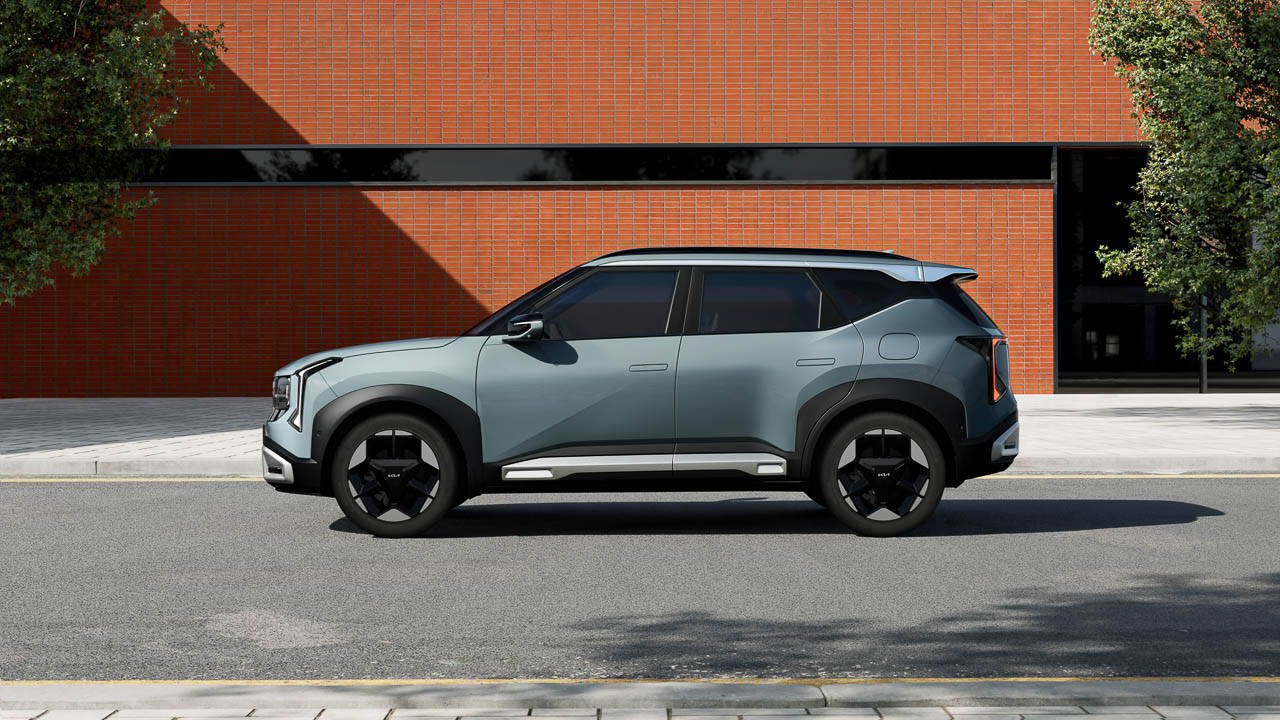
Dimensional changes favor passengers over parking. The new Seltos measures 4,430 mm long, 1,830 mm wide, and 1,600 mm tall, riding on a 2,690 mm wheelbase that redistributes interior volume where it counts. Rear seat legroom increases noticeably. The proportions trade some of the previous model’s upright greenhouse for a profile that looks like it belongs on the road rather than waiting nervously at a stop sign. The stance improvement alone suggests Kia’s designers finally got permission to make the Seltos look intentional.

Proportions that once read as generic now communicate purpose. Lower roofline changes how the vehicle photographs and how it feels from behind the wheel. You sit in something rather than on top of something.

Powertrains arrive with options across the efficiency and performance spectrum. The base 2.0-liter petrol engine makes 149 PS and 179 Nm, optimized for fuel efficiency and smooth everyday driving. The turbocharged 1.6-liter T-GDI comes in two flavors: a standard output version producing 180 PS and 265 Nm with a seven-speed dual-clutch or six-speed manual, and a high-output variant delivering 193 PS and 265 Nm through an eight-speed automatic. All-wheel drive swaps the base torsion beam rear suspension for a multi-link setup and adds Terrain Mode with settings for Snow, Mud, and Sand.

Hybrid Arrives Fashionably Late

Kia will add a hybrid sometime in 2026, trailing the gas models by several months. Specific output figures haven’t been disclosed yet, though the hybrid will bring higher efficiency and expanded everyday usability to the lineup.

The efficiency headline matters less than the features bundled with hybridization. Vehicle-to-Load capability transforms the battery pack into a portable power source. Tailgaters can run a TV. Contractors can charge tools. Campers can keep phones alive without hunting for outlets. That practical utility separates the Seltos Hybrid from efficiency-only competitors.

Kia’s Smart Regenerative Braking System 3.0 automatically adjusts regenerative braking based on traffic flow and navigation data to optimize energy recovery. For buyers who’ve watched the hybrid crossover segment mature while the Seltos offered only gasoline options, the wait has been frustrating. At least the delay allowed Kia to include features that early hybrid adopters had to do without.

Styling That Picks Fights

The front fascia abandons any pretense of subtlety. Kia’s star map lighting signature dominates the grille, paired with a dynamic welcome light sequence that animates on approach. Trim-dependent light signatures differentiate models. Flush door handles enhance aerodynamics and add visual sophistication.

Diagonal character lines run along the profile, while a floating roofline and strong shoulder contours create a dynamic silhouette that conveys forward motion even when stationary. Contrasting cladding and satin silver accents emphasize durability and refinement. The effect demands attention in ways the previous Seltos actively avoided.

Profile proportions stay recognizable but tighten considerably. Wheel arch cladding gains sculptural depth without the aggressive plastic additions that make some crossovers look like they’re wearing protective gear.

Three standout colors debut with the new model: Iceberg Green, Gravity Gray, and a bold matte Magma Red that photographs well enough to suggest Kia invested real effort in the paint development. The overall effect is polarizing by design.

Buyers who found the previous Seltos too bland may love this. Buyers who preferred blending in may find the new face exhausting. Kia appears comfortable with that trade-off, betting that memorable beats forgettable even when memorable divides opinion.

Interior Debt Repaid

Cabin improvements run deeper than the dual 12.3-inch screens dominating the dashboard, though those screens certainly establish the generational leap immediately. A dedicated climate control panel sits between the displays with physical buttons and knobs for temperature, fan speed, and the functions drivers adjust without looking.

Customizable 64-color mood lighting enhances the cabin ambience, providing visual depth without the purple-and-pink nightclub aesthetic that afflicts competitors trying too hard. The effect is modern without being desperate.

The gear shifter migrates to a column-type Shift-by-Wire system, freeing up the center console for storage bins deep enough to swallow a phone without drama and cupholders sized for actual beverages. This layout contributes to a more open cabin environment.

A low, horizontal dashboard enhances forward visibility and creates a sense of openness, while optimized packaging ensures generous headroom and legroom for all passengers. Second-row seats adjust by a total of 24 degrees, tilting 12 degrees forward and 12 degrees backward. Cargo volume reaches a class-leading 536 liters, with a foldable dual-level cargo board adding organizational flexibility. Passengers who suffered through the previous Seltos’s cramped quarters will notice the improvement immediately.

Premium materials convey both modernity and comfort throughout the interior. The previous Seltos interior felt perpetually compromised. This one suggests Kia finally treated the cabin as a priority rather than a cost-reduction opportunity. That shift in philosophy matters more than any individual feature upgrade.

Feature Density Matches Larger Siblings

Technology concentration reaches levels that would have seemed absurd for a subcompact crossover when the Seltos launched in 2019. Wide panoramic sunroof for an open atmosphere. A 12-inch windshield head-up display projects key driving information directly in the driver’s line of sight. USB ports delivering 100 watts rather than the trickle charging that used to pass for adequate.

Audio options from both Harman Kardon and Bose deliver immersive, high-fidelity sound optimized for the cabin’s acoustic architecture. The Kia Connect Store enables digital personalization and entertainment options, including collaborations with Disney and NBA. Feature-on-Demand brings YouTube, Netflix, and display theme options. The Kia AI assistant, powered by ChatGPT, enables natural conversational interaction. Over-the-air updates keep systems current without dealer visits. Digital Key 2 enables secure smartphone-based vehicle access and sharing.

The driver assistance package bundles Highway Driving Assist 2, Lane Following Assist 2, Forward Collision-Avoidance Assist 2, Safe Exit Warning, Surround View Monitor, Parking Collision-Avoidance Assist-Reverse, and Parking Distance Warning covering front, side, and reverse approaches. The previous Seltos consistently trailed its platform siblings in feature availability, as though Kia assumed subcompact buyers wouldn’t notice or care about the disparity. This generation closes that gap aggressively.

Timeline and Buyer Calculus

Global production begins December 2025 starting with India. South Korea, North America, Europe, and China follow throughout 2026. U.S. specifications and pricing should emerge within months. Hybrid details will arrive later.

The marketing campaign positions Seltos drivers as “protagonists” in their own narratives, which is exactly the aspirational corporate language that invites dismissal. Ignore it. The vehicle transformation underneath that messaging is substantive. The 2027 Seltos finally looks like it belongs in Kia’s current design portfolio rather than lingering as evidence of what the brand used to settle for.

Practical considerations: buyers who need a small crossover immediately can find excellent options from Toyota, Honda, and Mazda. Buyers specifically interested in hybrid efficiency should wait for the Seltos Hybrid or consider alternatives already on the market. Buyers who want something distinctive enough to locate in a parking lot without pressing the key fob, and who can tolerate the wait, might find the 2027 Seltos worth the patience.

After five years of forgettable competence, the Seltos finally demands attention. That’s either exactly what this segment needed or more personality than subcompact crossover buyers actually want. Sales figures will arbitrate.

The post Kia’s Most Forgettable Crossover Gets a Personality Transplant and a Hybrid for 2027 first appeared on Yanko Design.


This MagSafe Battery Pack Looks Like It Belongs in Your Makeup Bag

Most power banks and MagSafe battery packs look like small, hard bricks stuck to the back of a carefully chosen phone. There is a gap between the attention people give to phone colors, cases, and desk setups, and the generic plastic blocks they use to charge. Pokoo is a concept that treats a battery pack like a lifestyle object instead of emergency gear, borrowing its design language from instant cameras and cosmetics rather than chargers.

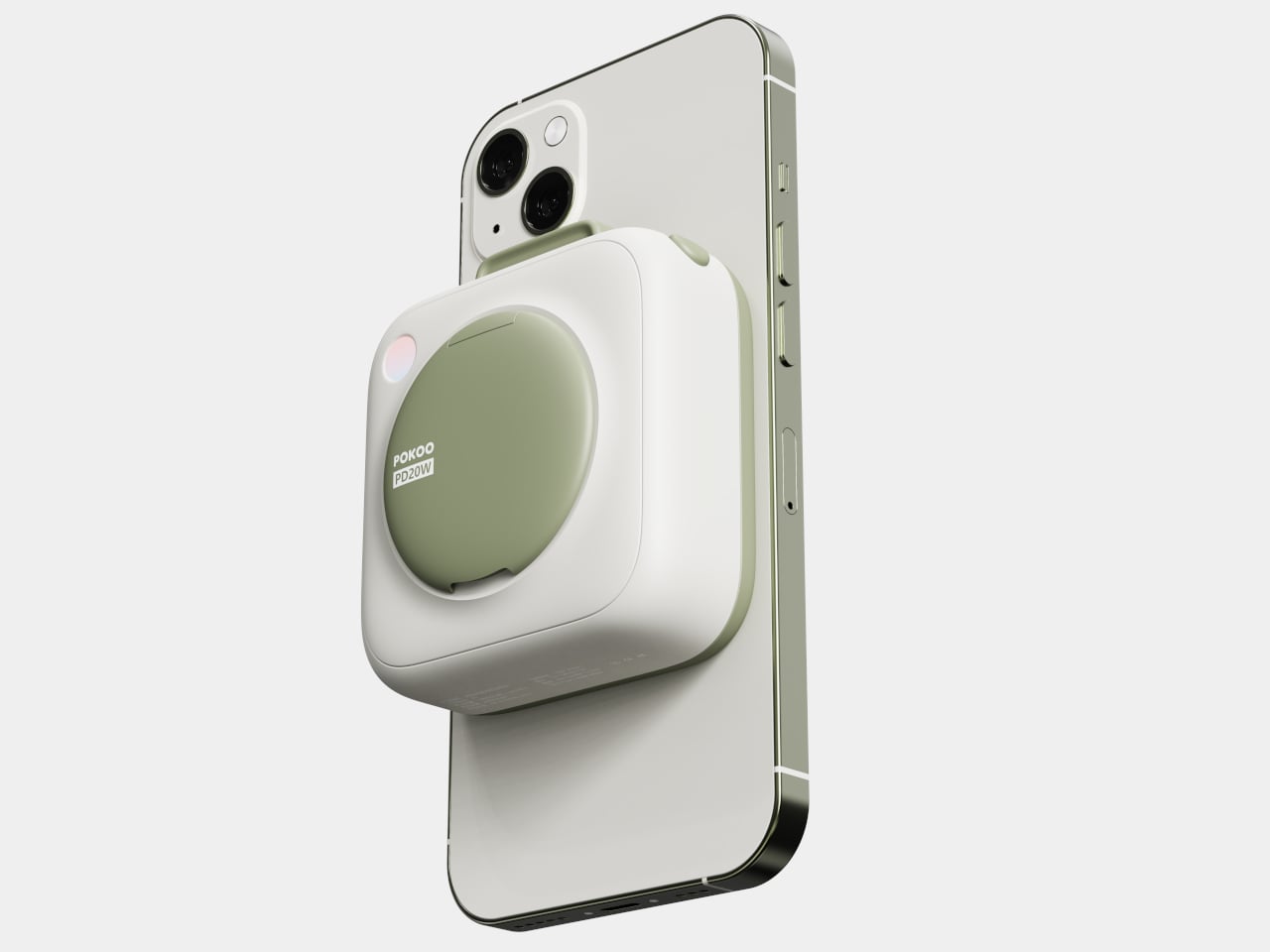
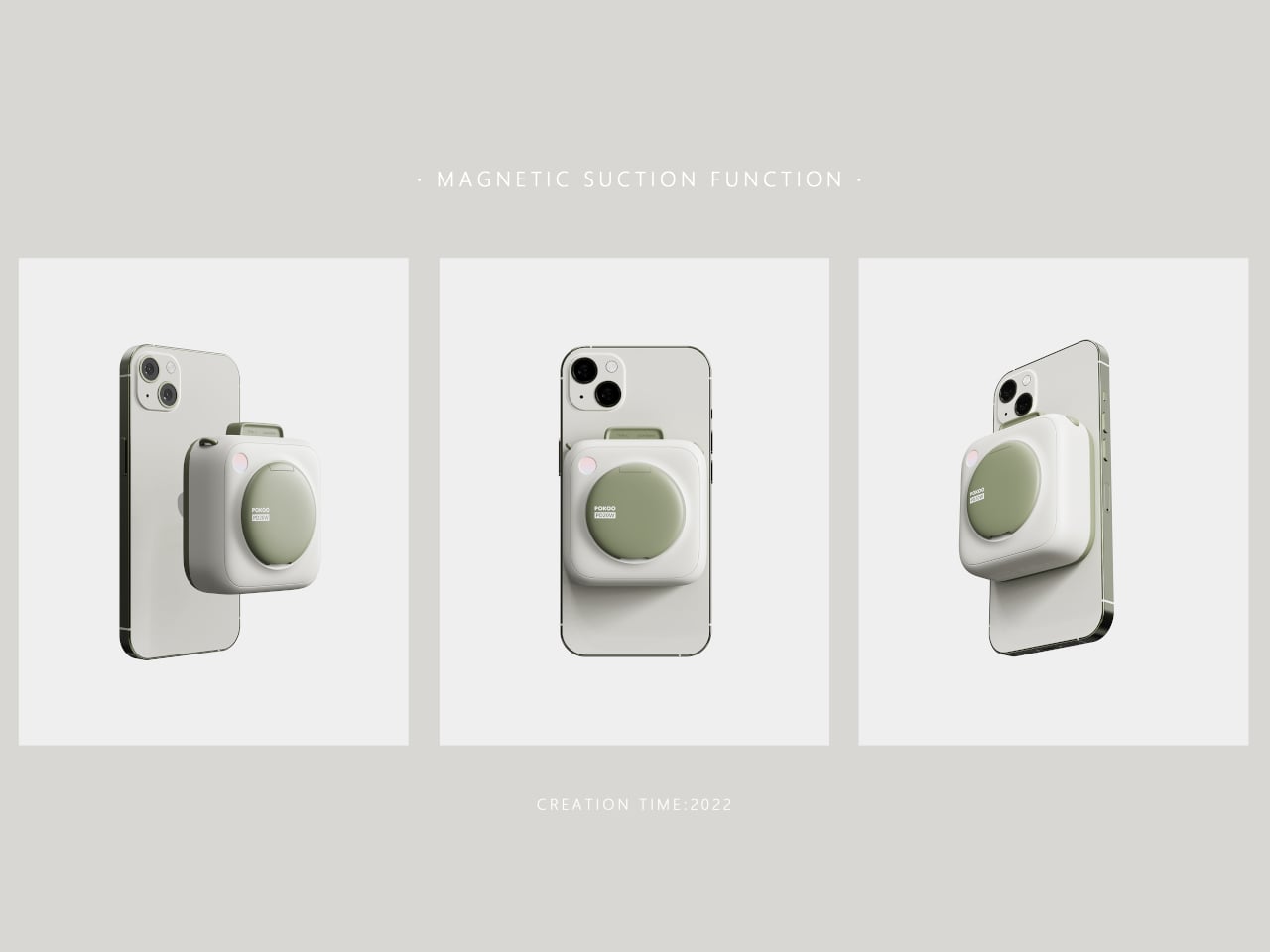
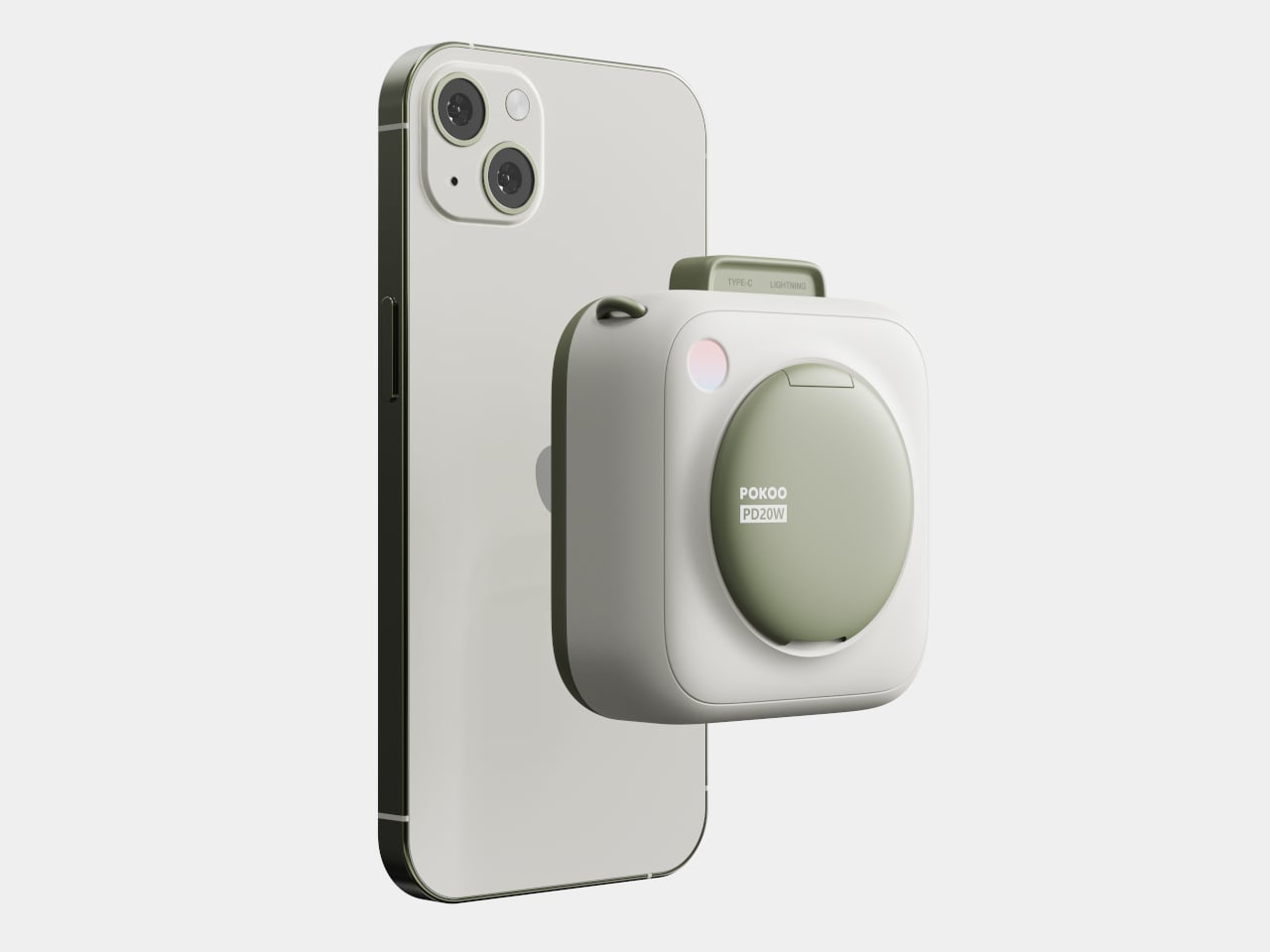
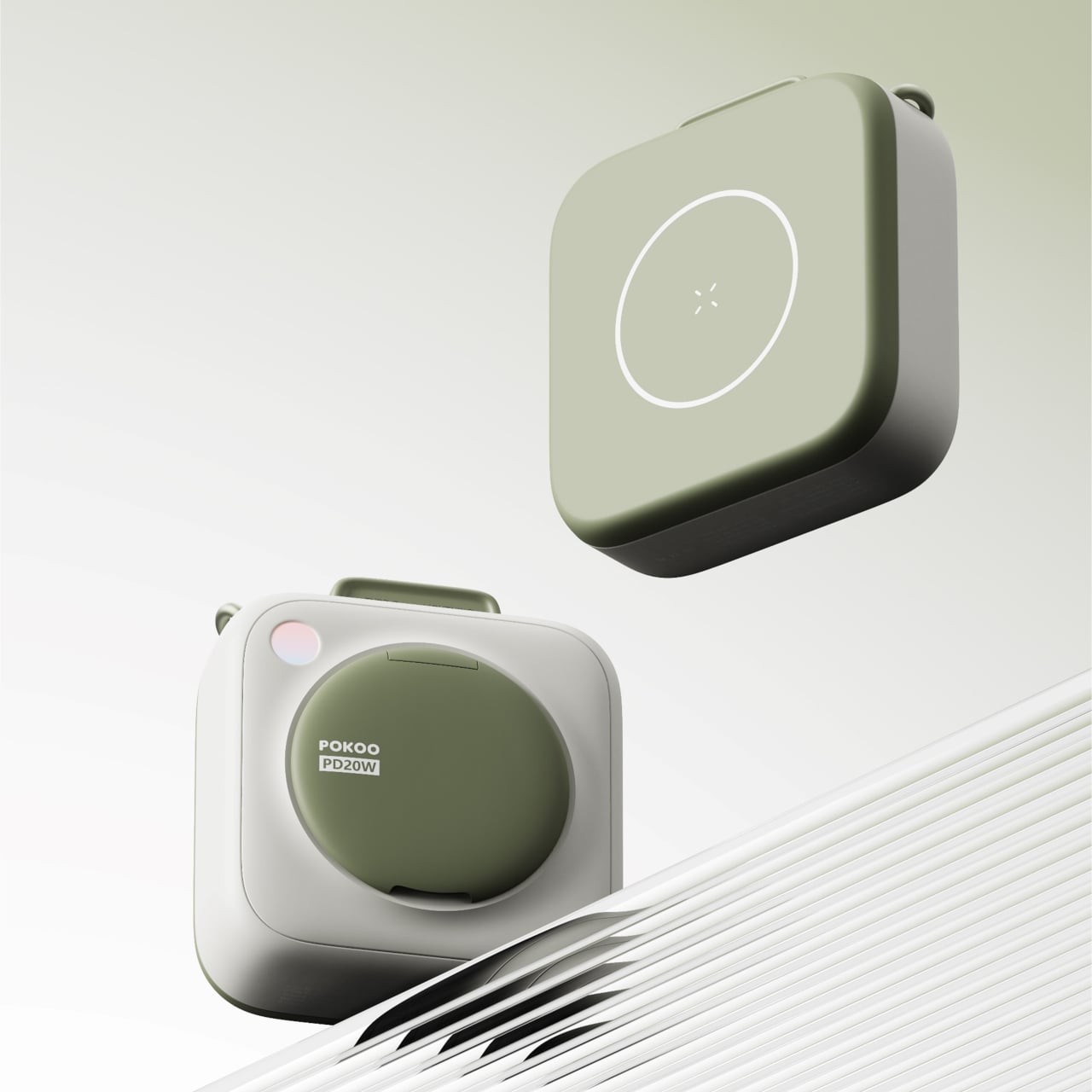
Pokoo is a MagSafe-style battery pack built around a rounded square body with a large circular disc at its center. The disc carries the branding and serves as the visual anchor, while a small indicator light in one corner handles status. The form is deliberately soft, with rounded edges and corners that make it feel more like a compact or a tiny camera than a tech accessory, especially in the warm white and sage-green palette.

Designer: Biu Biu

The battery snaps magnetically to the back of an iPhone, sitting below the camera bump and charging wirelessly. The circular disc and rounded form make the phone and pack feel like they were designed together, visually softening the stack instead of making it look like you strapped a tool to an otherwise clean object. The pastel colors reinforce that impression, turning the combo into something that feels intentional enough to leave on your phone all day.

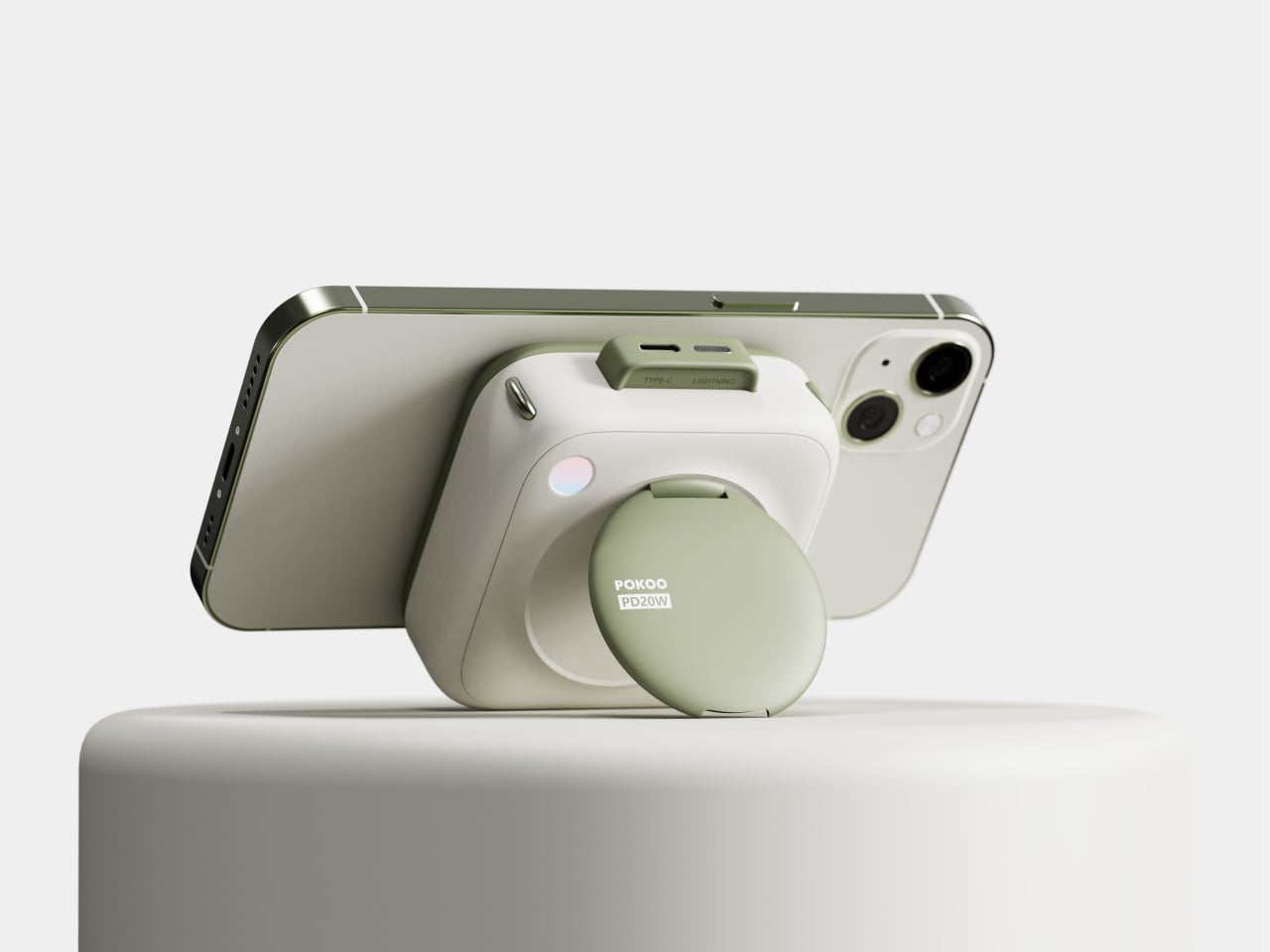
The circular disc is not just decoration, it flips out to become a kickstand. When you want to watch something, the hinge lets the disc rotate outward, propping the phone in landscape while the battery stays attached and charging continues. That turns Pokoo into a two-in-one object, a power source and a stand, which makes more sense than carrying both separately or balancing your phone against a water bottle.

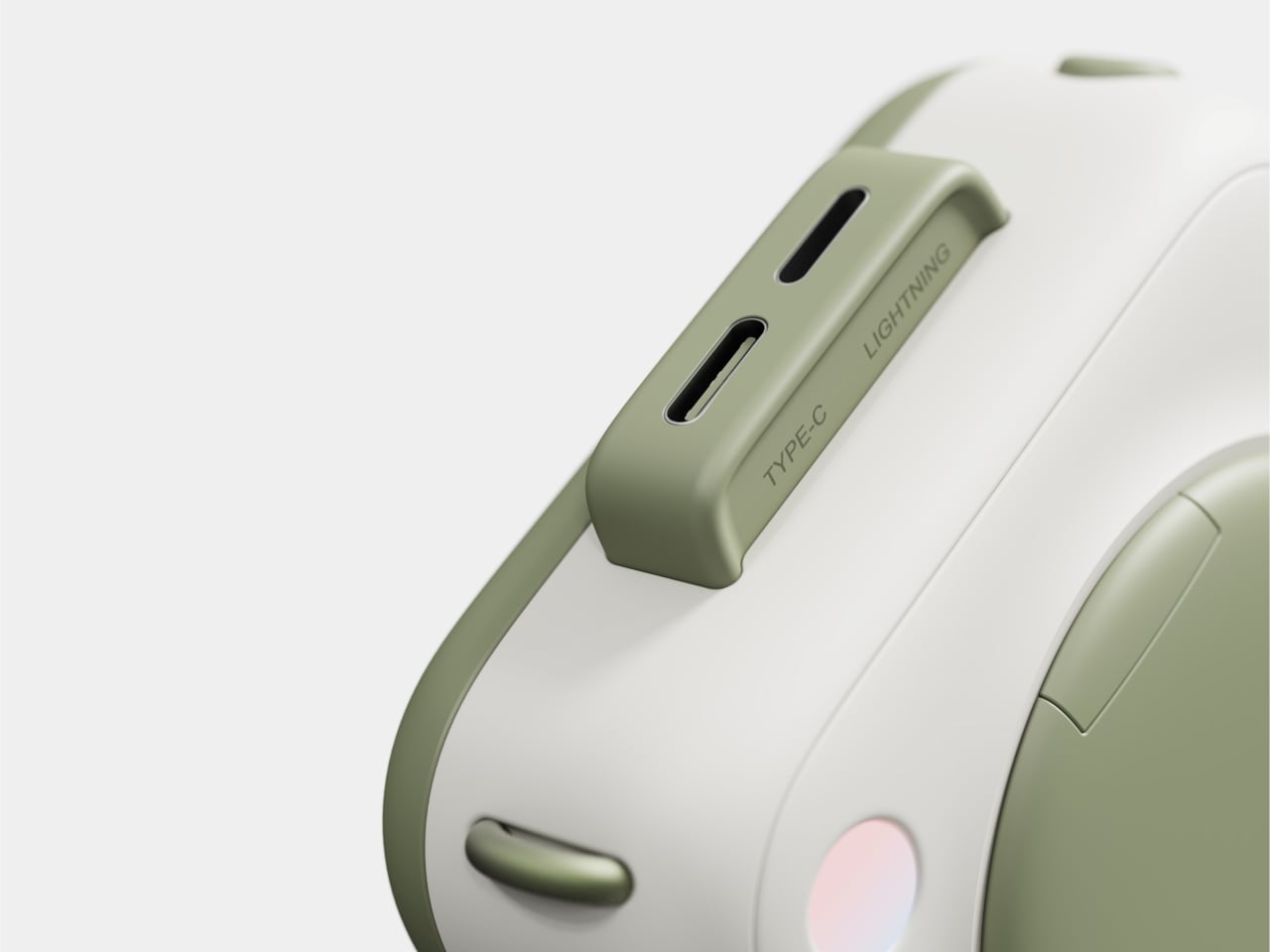
The top edge includes both USB-C and Lightning ports under a small protective ridge. That dual-port approach acknowledges that most people charge more than one kind of device, and it means Pokoo can handle wired top-ups for accessories or charge itself when wireless is slower. The flexibility makes it more adaptable than single-port packs that force you into one ecosystem or the other.

Pokoo comes in at least three colorways, the original white and green, a soft pink version, and a light blue with pink accents. Those colors push it firmly into lifestyle territory, looking equally at home next to a makeup bag or a laptop. The design language treats the battery as a companion object with personality, not a necessary evil you clip on when your phone is dying.

Pokoo does not reinvent what a battery pack does, it reframes how it looks and how you use it. The flip-out stand, dual ports, and cosmetic-inspired shell turn a mundane accessory into something that feels thoughtful. For people who care about the objects that live on their phones and desks, Pokoo suggests that charging does not require sacrificing aesthetics, and that a power bank can be soft, playful, and multi-functional without losing the utility that actually matters.

The post This MagSafe Battery Pack Looks Like It Belongs in Your Makeup Bag first appeared on Yanko Design.
Amazon brings same-day deliveries of perishable food items to 1,300 new areas

Amazon is introducing same-day delivery of perishable food items to 1,300 new cities and towns throughout the country, upping the total service area to more than 2,300 locations. This expansion covers cities like Boise, Salt Lake City, Fort Collins, Omaha, Des Moines and many more.

Check the link to see if it has expanded to where you live. The commerce giant says it will be bringing the service to even more cities in 2026, making the platform a real rival to stuff like Instacart and Walmart+.

Amazon introduced this feature earlier this year and it has proven to be quite the success, given today's move. It lets people order perishable food items like fruits, vegetables, dairy and meat alongside other more traditional items like electronics and books.

Amazon uses a "specialized temperature-controlled fulfillment network” to ensure that perishables remain in tip-top shape and they are delivered in insulated bags. The deliveries are free for Prime members, as long as the order exceeds $25. Everyone else has to pay $13 per order.

Some items.
Amazon

The company says that fresh groceries already make up nine of the top ten most-ordered items for quick delivery, which is a fairly astounding metric. People want their avocados. Amazon has been steadily increasing the number of items available via this method by incorporating Whole Foods products.

This article originally appeared on Engadget at https://www.engadget.com/big-tech/amazon-brings-same-day-deliveries-of-perishable-food-items-to-1300-new-areas-175746531.html?src=rss