Mark Zuckerberg says Reality Labs will (eventually) stop losing so much money

Mark Zuckerberg says there's an end in sight to Reality Labs' years of multibillion-dollar losses following the company's layoffs to the metaverse division earlier this year. The CEO said he expects to "gradually reduce" how much money the company is losing as it doubles down on AI glasses and shifts away from virtual reality.

Speaking during Meta's fourth-quarter earnings call, Zuckerberg was clear that the changes won't happen soon, but sounded optimistic about the division that lost more than $19 billion in 2025 alone. "For Reality Labs, we are directing most of our investment towards glasses and wearables going forward, while focusing on making Horizon a massive success on mobile and making VR a profitable ecosystem over the coming years," he said. "I expect Reality Labs losses this year to be similar to last year, and this will likely be the peak, as we start to gradually reduce our losses going forward."

The company cut more than 1,000 employees from Reality Labs earlier this month, shut down three VR studios and announced plans to retire its app for VR meetings. Meta has also paused plans for third-party Horizon OS headsets. Instead, Meta is doubling down on its smart glasses and and wearables business, which tie in more neatly to Zuckerberg's vision for creating AI "superintelligence." 

During the call, Zuckerberg noted that sales of Meta's smart glasses "more than tripled" in 2025, and hinted at bigger plans for AR glasses. "They [AI glasses] are going to be able to see what you see, hear what you hear, talk to you and help you as you go about your day and even show you information or generate custom UI right there in your vision," he said. 

Zuckerberg has spent the last few years laying the groundwork for pivoting Meta's metaverse work into AI. He offered one example if what the means for Meta’s Horizon app. 

"You can imagine … people being able to easily, through a prompt, create a world or create a game, and be able to share that with people who they care about. And you see it in your feed, and you can jump right into it, and you can engage in it. And there are 3D versions of that, and there are 2D versions of that. And Horizon, I think fits very well with the kind of immersive 3D version of that.

“But there's definitely a version of the future where, you know, any video that you see, you can, like, tap on and jump into it and, like, engage and kind of like, experience it in a more meaningful way. And I think that the investments that we've done in both a lot of the virtual reality software and Horizon … are actually going to pair well with these AI advances to be able to bring some of those experiences to hundreds of millions and billions of people through mobile."

One thing Zuckerberg didn’t mention, though: the word “metaverse.”


This article originally appeared on Engadget at https://www.engadget.com/social-media/mark-zuckerberg-says-reality-labs-will-eventually-stop-losing-so-much-money-222900157.html?src=rss

These Fallout Nuka-Cola artisan keycaps are ridiculous, beautiful, and exactly what your keyboard deserves

Fallout never lets go of Nuka-Cola. You can be ankle deep in irradiated sludge, low on ammo, and still your brain pings when you see that red script on a rusted machine. The games trained everyone to read those machines as little probability engines. Maybe caps, maybe chems, maybe a ghoul behind the door. That association sticks. You see Nuka-Cola now and your fingers almost reach for the VATS key out of habit.

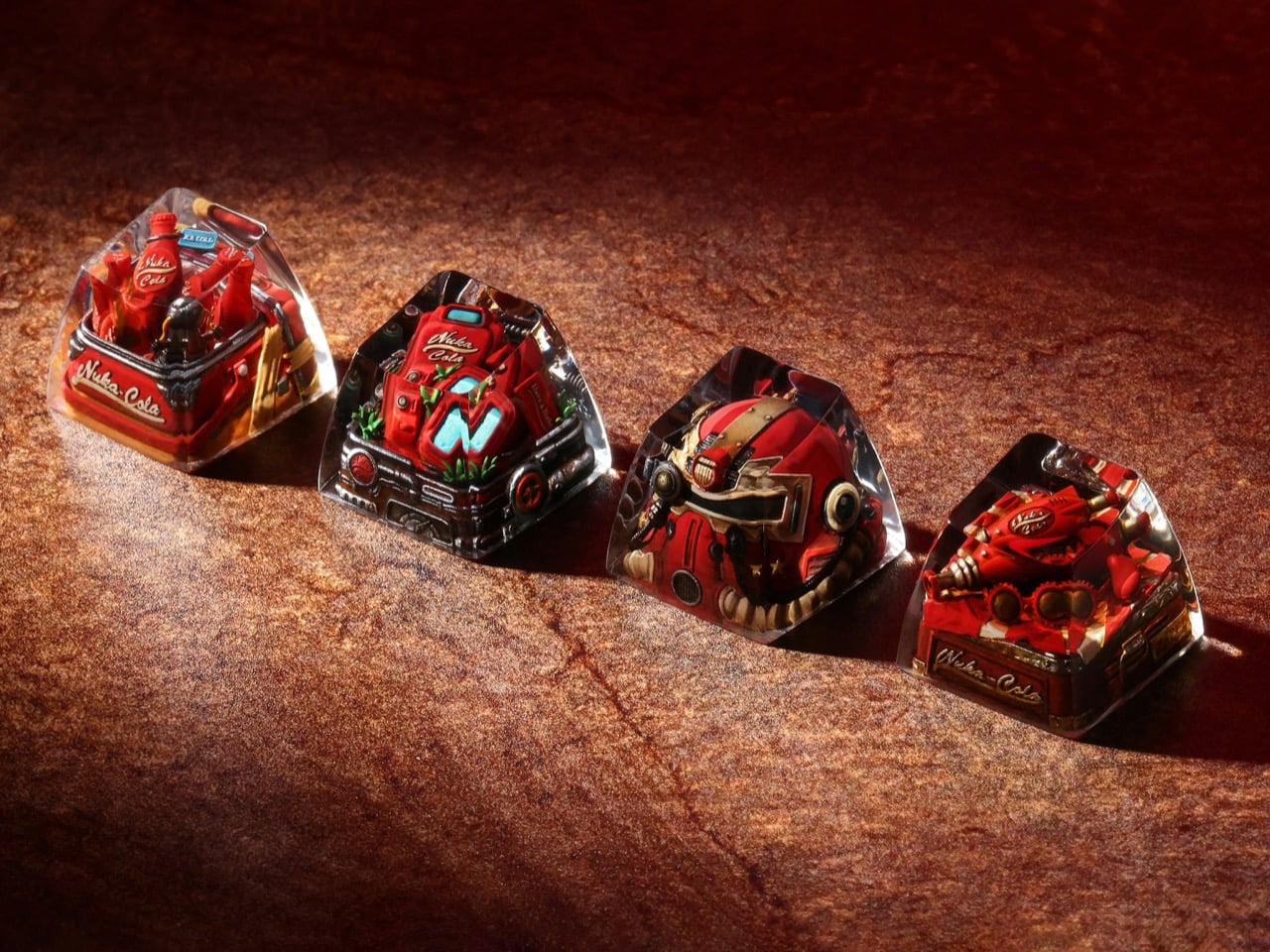
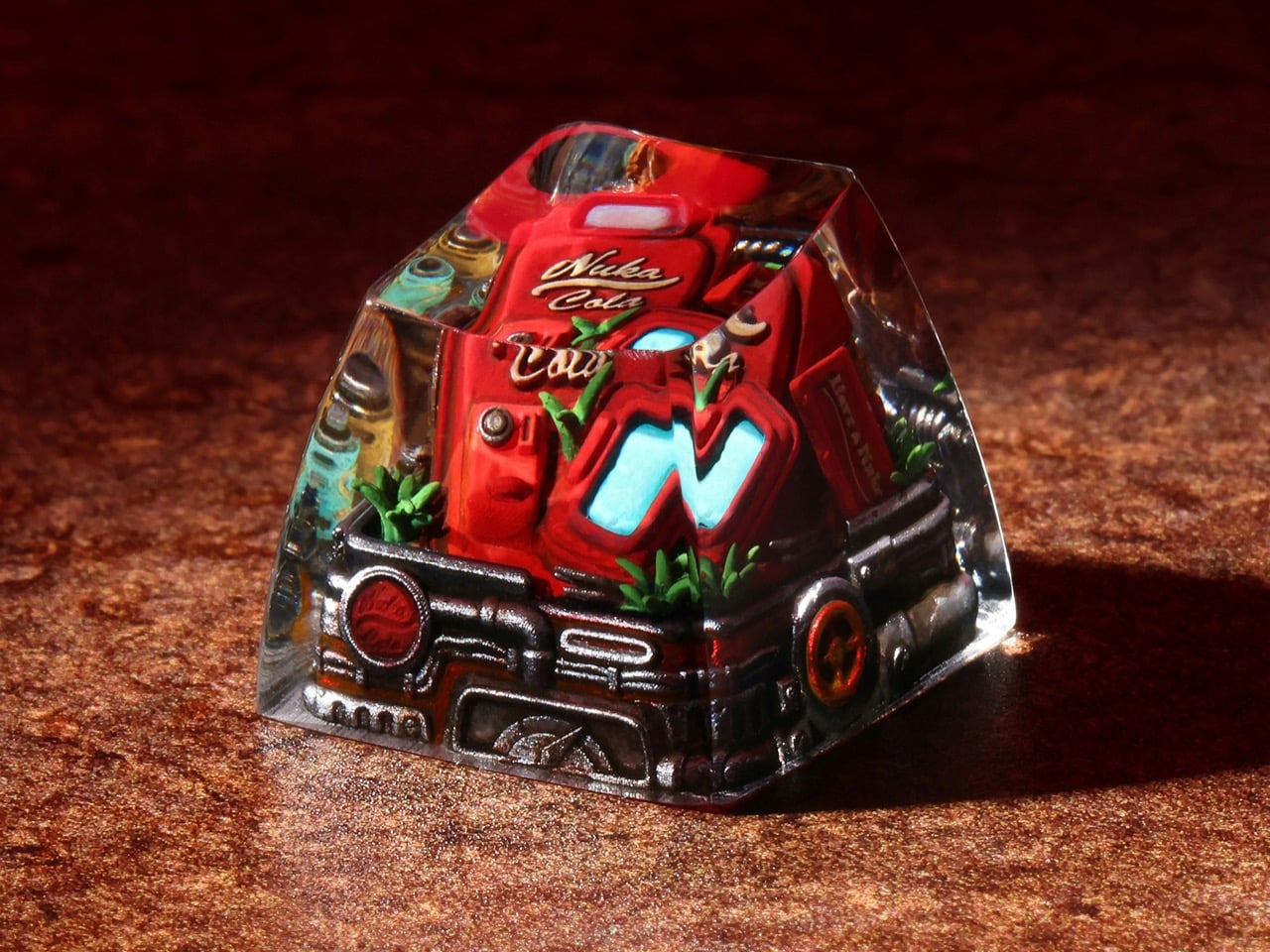
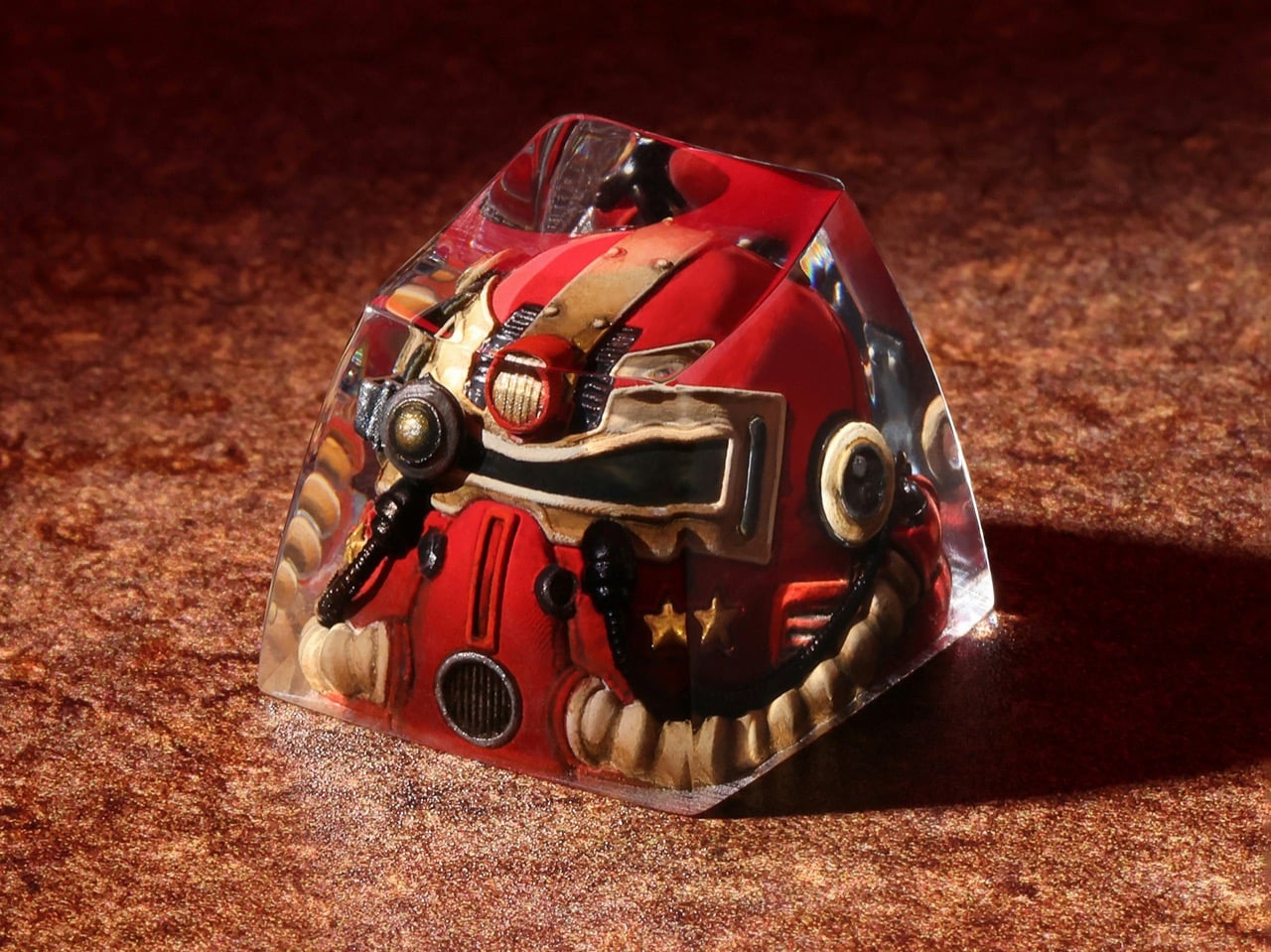
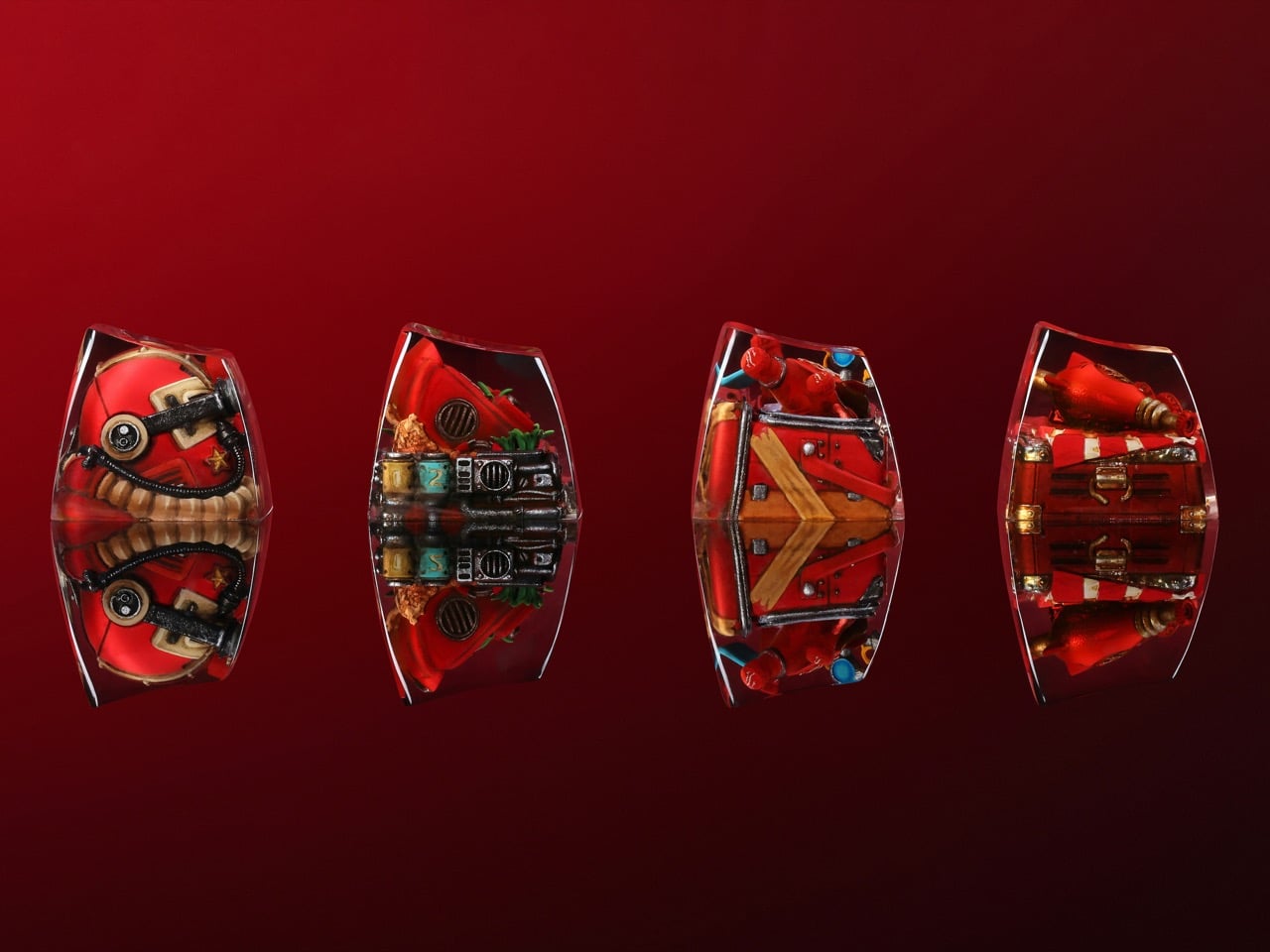
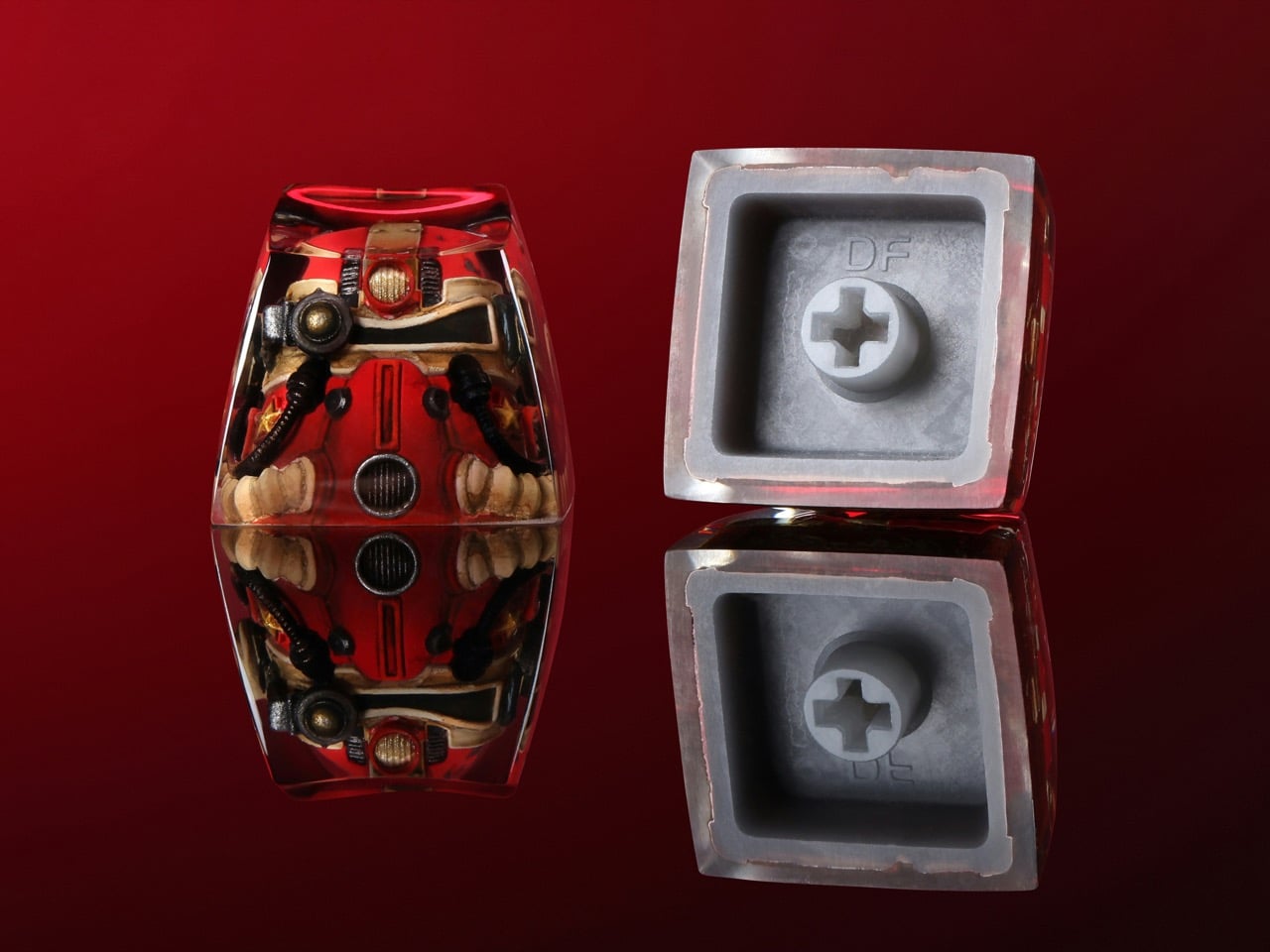
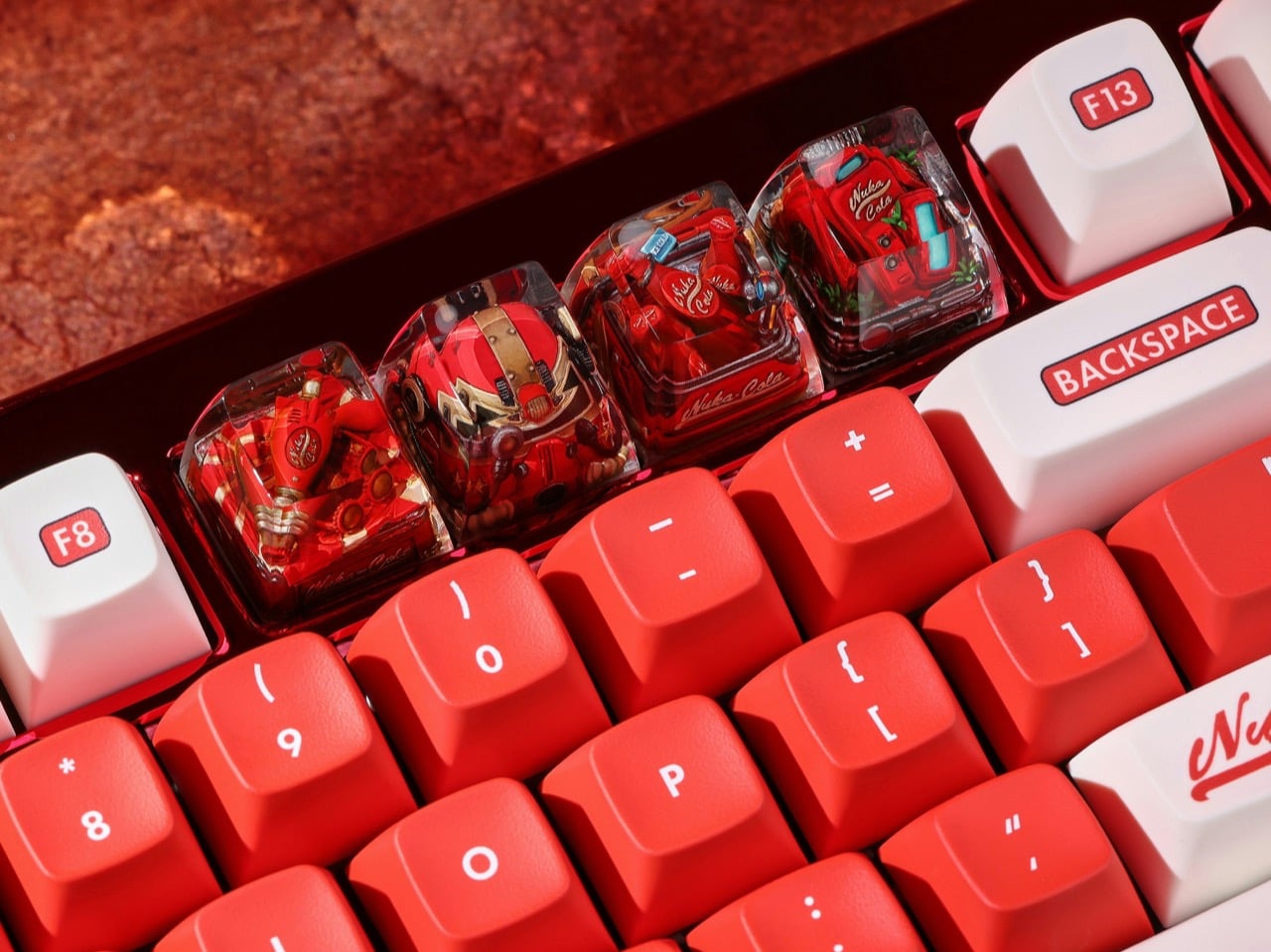
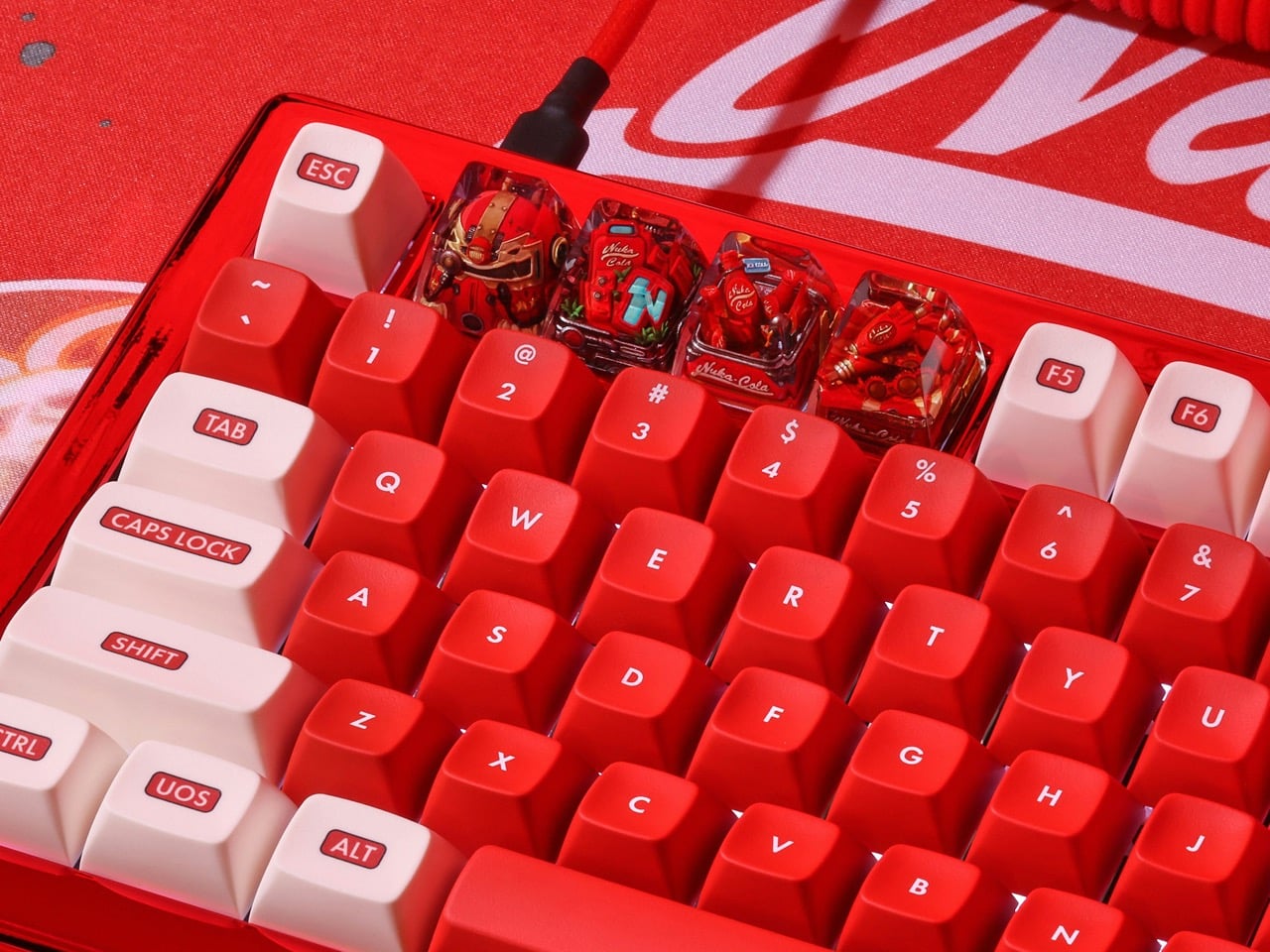
So when Drop and Dwarf Factory freeze that whole relationship inside a 1U keycap, it feels weirdly logical. Four tiny scenes, all Nuka flavored. Vending machine, bottle crate, Power Armor helmet, Thirst Zapper. Each one parked on an SA R1 profile shell, roughly 18 millimeters across, tall enough to tower over your number row. They are desk jewelry that behaves like keyboard hardware, and that crossover is where this stuff gets interesting.

Designer: Dwarf Factory for Drop

The sheer density of the diorama in each cap is something you have to respect. We are talking about a standard 1U footprint, roughly 18 millimeters square, that contains a fully realized scene with foliage, weathering, and legible micro-branding. The clear resin shell acts as a magnifier, giving the internal sculpture a sense of depth that tricks the eye. You can see the undercuts on the vending machine and the individual ropes on the bottle crate. Achieving that kind of fidelity in a multi-stage casting process, for a part that needs to meet the mechanical tolerances of a keyboard stem, is no small feat.

They were smart about the four designs they chose, too. It feels like a curated set that covers the core pillars of the Nuka-Cola experience: the vending machine for environmental storytelling, the bottle crate for loot, the Thirst Zapper for that weird corporate goofiness, and the Power Armor helmet for combat. It tells a more complete story than just slapping a Vault Boy face on a key. Together, they create a tiny narrative across your function row, a silent testament to the wasteland’s most persistent brand.

These things are tall, sitting at a full SA R1 profile height of around 16 millimeters. On a low-profile board they would look like monoliths, but that verticality feels right for Fallout’s chunky, retro-futuristic hardware. Dwarf Factory is using its standard multi-part resin casting and hand-painting process, all sealed in a polished acrylic shell. They fit standard Cherry MX stems, so compatibility is wide, but anyone running Kailh Box switches is out of luck due to the wider housing. It’s a niche product for a niche within a niche, and the specs reflect that.

Of course, that kind of hand-painted, multi-stage resin work is why these things have a seventy-dollar question mark attached to each key. That price point immediately pushes them out of the realm of simple accessories and into the category of functional jewelry for your desk. You are not just buying a keycap, you are commissioning a tiny sculpture that happens to be keyboard-compatible. It is an absurd purchase by any rational metric, but the entire custom keyboard hobby abandoned rationality several years ago. This is for the person who sees their keyboard as a gallery, not just a tool.

The way they interact with backlighting is another clever touch. The glow-in-the-dark pigment and internal geometry create this irradiated halo effect at night, with light bouncing around inside the resin instead of just shining through a legend. It looks like your keyboard has been sitting a little too close to a glowing sea. Drop one of these on a retro-themed beige board and it looks like canonical hardware from the Fallout universe. Put it on a modern RGB rig and it becomes a preserved relic, a piece of the old world trapped in a futuristic frame.

Given their handmade nature, these keycaps don’t come cheap. Each individual cap starts at $69 from Drop’s website (unless they get sold out and sell on the aftermarket for even higher). I assume the handcrafting cost is high, but the licensing fees with Fallout are even higher. Drop’s even debuted Fallout-themed mechanical keyboards/keycaps/mats that are more mass-produced which sell for a lot cheaper (you can see them in the images above and below)… although if you’re a bit of a collector, you’d want to spring for the artisan stuff, whether it’s to mount on a keyboard or showcase on a platform behind a glass cover.

The post These Fallout Nuka-Cola artisan keycaps are ridiculous, beautiful, and exactly what your keyboard deserves first appeared on Yanko Design.

Astronomers share new insights about the early universe via the Webb Space Telescope

Researchers using the James Webb Space Telescope have found a galaxy that is offering new data about the early stages of the universe's existence. The latest discovery shared by astronomers is about a bright galaxy dubbed MoM-z14. According to the team, this galaxy existed 280 million years after the Big Bang. 

The sounds like a long time, but in the context of the universe's estimated 13.8 billion years of existence, that's actually one of the closest examples astronomers have found to the Big Bang's occurrence. As a result, MoM-z14 can offer some insights and some surprises about what the early stages of the universe entailed.

"With Webb, we are able to see farther than humans ever have before, and it looks nothing like what we predicted, which is both challenging and exciting," lead author Rohan Naidu of Massachusetts Institute of Technology said. The findings about this galaxy were published in the Open Journal of Astrophysics.

The scientists were able to date MoM-z14 with Webb's Near-Infrared Spectrograph instrument, analyzing how light from the galaxy changed wavelengths as it traveled to reach the telescope. One of the initial questions sparked by this bright galaxy centers on the presence of nitrogen. Some early galaxies, including MoM-z14, have revealed higher nitrogen concentrations than scientists had projected was possible. Another topic of interest is about reionization, or the process of stars producing enough light or energy to permeate the dense hydrogen fog that existed in the early universe. 

“It’s an incredibly exciting time, with Webb revealing the early Universe like never before and showing us how much there still is to discover” said Pennsylvania State University graduate student and team member Yijia Li.

This article originally appeared on Engadget at https://www.engadget.com/science/space/astronomers-share-new-insights-about-the-early-universe-via-the-webb-space-telescope-213311848.html?src=rss

February’s PS Plus Monthly Games include Undisputed and Subnautica: Below Zero

We’ve somehow almost reached the end of January already, which means it’s time for Sony to divulge the list of PlayStation Plus Monthly Games for February. They are Undisputed, Subnautica: Below Zero, Ultros and Ace Combat 7: Skies Unknown. If you have a PS Plus subscription on any tier, you can claim these starting on February 3. After claiming them, these games will stay in your library as long as your PS Plus plan remains active. 

Undisputed (PS5) is a 2024 boxing game with dozens of licensed fighters across several weight classes. They include legendary figures like Muhammad Ali and Sugar Ray Robinson as well as modern greats including Canelo Alvarez and Oleksandr Usyk. 

Subnautica: Below Zero (PS4 and PS5) is a spin-off from adventure survival game Subnautica. It has more land-based areas to explore than the original game and you’ll need to keep an eye on a body temperature meter to make sure you stay warm enough. 

I’ve been meaning to check out Ultros (PS4 and PS5) for a while and its inclusion here is almost enough to make me want to re-subscribe to PS Plus. It's a Metroidvania with a striking neon palette. As for Ace Combat 7: Skies Unknown (PS4), that could be a good way for folks to dip back into the long-running combat flight sim series (or try it for the first time) before Ace Combat 8: Wings of Theve arrives later this year.

PS Plus subscribers still have until February 2 to add the Monthly Games for January to their library. Those are Need For Speed Unbound, Disney Epic Mickey: Rebrushed and Core Keeper.

This article originally appeared on Engadget at https://www.engadget.com/gaming/playstation/februarys-ps-plus-monthly-games-include-undisputed-and-subnautica-below-zero-205100847.html?src=rss

Patreon creators have to switch to subscription billing by November, thanks to Apple

Patreon creators will need to make some changes soon, thanks to Apple. On Wednesday, Patreon said Apple has renewed its requirement that all Patreon creators must move to subscription billing. The deadline to do so is November 1, 2026.

Patreon's blog post announcing the change made it clear that it had no other choice. "We strongly disagree with this decision," the company wrote. "Creators need consistency and clarity in order to build healthy, long-term businesses. Instead, creators using legacy billing will now have to endure the whiplash of another policy reversal — the third such change from Apple in the past 18 months."

Up to this point, Patreon’s billing model has operated in a gray area, allowing its creators to charge fans outside the App Store without paying Apple’s fees. When the issue first surfaced, TechCrunch described it as stemming from how paid content was accessed (only some creators offered content that could be consumed in-app). On Wednesday, a Patreon representative described the gray area as being “because Apple’s In-App Purchase system doesn’t support some of Patreon’s longstanding billing models.”

But now Apple has reimposed its subscription mandate, eliminating the gray area. "We know that Apple is serious about enforcing this mandate," Patreon wrote. "Late last year, they blocked a Patreon app update and made it clear that in order to remain in the App Store, we have to comply with their billing requirement. Because millions of fans use iOS as their primary way to access Patreon and connect with creators, having our app blocked — or not available in the App Store at all — isn't an option."

Patreon’s "whiplash" description isn't hyperbole. Apple first announced the mandate in 2024. At that time, the deadline for all Patreon creators to make the switch was set to November 2025 — one that Patreon grudgingly accepted. But according to the company, Apple told it last May that the original 2025 deadline was no longer in effect. Now, it appears to have reversed that again.

If there's a silver lining, TechCrunch notes that only 4 percent of Patreon creators are using the affected (legacy) billing models. And fans can still bypass Apple's fees on iOS by joining via their iPhone's web browser. Patreon has much more detail for creators in its announcement post.

DAVOS, SWITZERLAND - JANUARY 21: U.S. President Donald Trump (R) speaks to Apple CEO Tim Cook (L) as he attends a reception for business leaders at the World Economic Forum (WEF) Annual Meeting on January 21, 2026 in Davos, Switzerland. The annual meeting of political and business leaders comes amid rising tensions between the United States and Europe over a range of issues, including Trump's vow to acquire Greenland, a semi-autonomous Danish territory. (Photo by Chip Somodevilla/Getty Images)
DAVOS, SWITZERLAND - JANUARY 21: U.S. President Donald Trump (R) speaks to Apple CEO Tim Cook (L) as he attends a reception for business leaders (Photo by Chip Somodevilla/Getty Images)
Chip Somodevilla via Getty Images

As for Apple, well, this familiar role of "Big, Bad App Store Taxman" pales in comparison to some of its other recent headlines. For starters, there was its removal of the ICEBlock app (and another that logged ICE arrest recordings) in October. At least as concerning is an app category that the “Privacy is a human right” company won't remove. Grok, X and (reportedly) dozens of other apps now allow iPhone owners to "digitally undress" real people, including children. 28 advocacy groups even called on the company to remove them, to no avail.

To top it all off, Tim Cook decided that Saturday — the day Alex Pretti was shot and killed by federal agents — would be a good time to attend the screening of Melania at the White House. He even posed for a selfie with accused rapist Brett Ratner, the film’s director.

Update, January 28, 2026, 5:22 PM ET: This story has been updated to clarify how the Patreon app operated in a gray area before Apple’s changes.

This article originally appeared on Engadget at https://www.engadget.com/big-tech/patreon-creators-have-to-switch-to-subscription-billing-by-november-thanks-to-apple-203759852.html?src=rss

Teenage Engineering-inspired Music Sampler Uses AI In The Nerdiest Way Possible

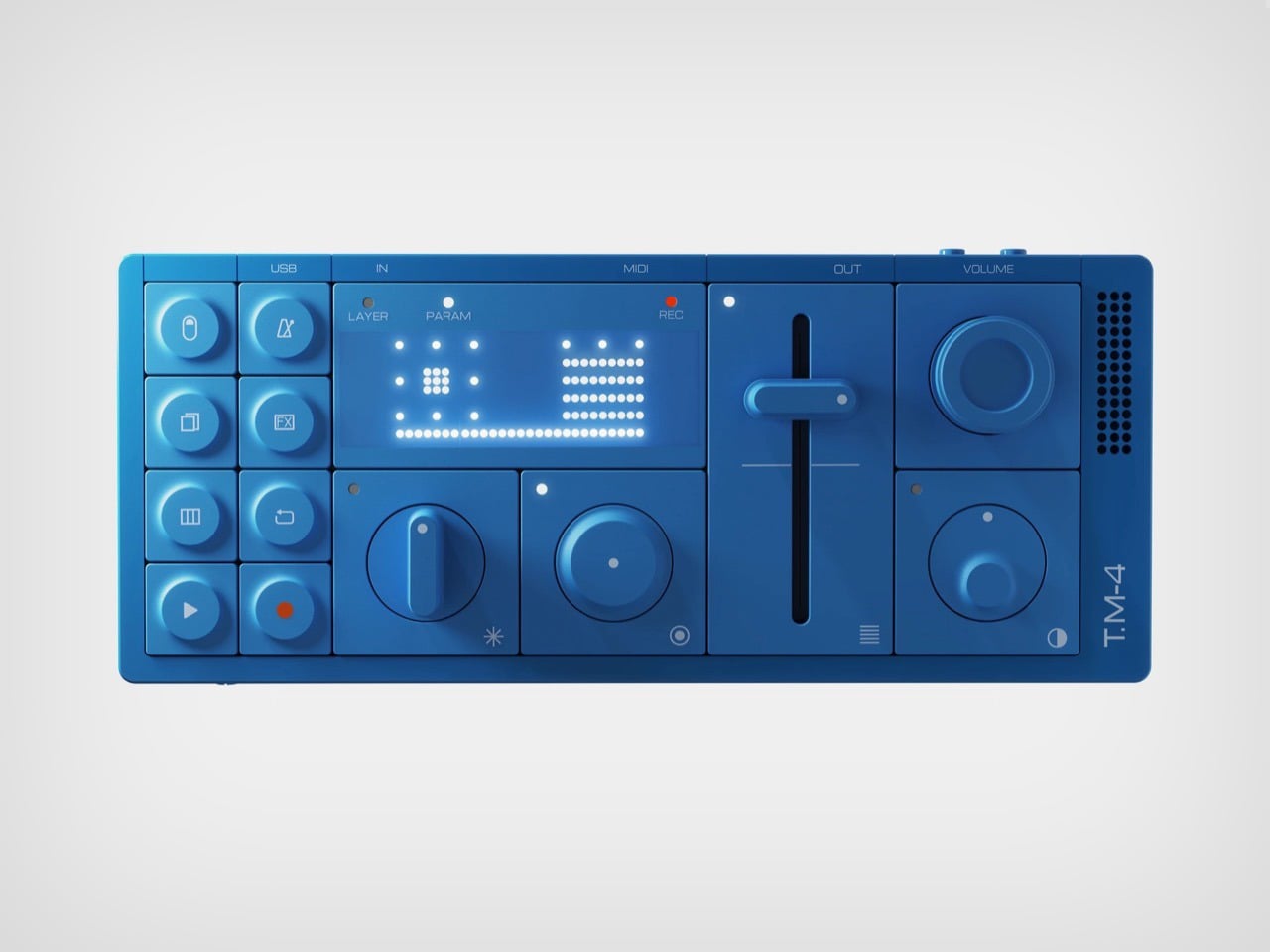
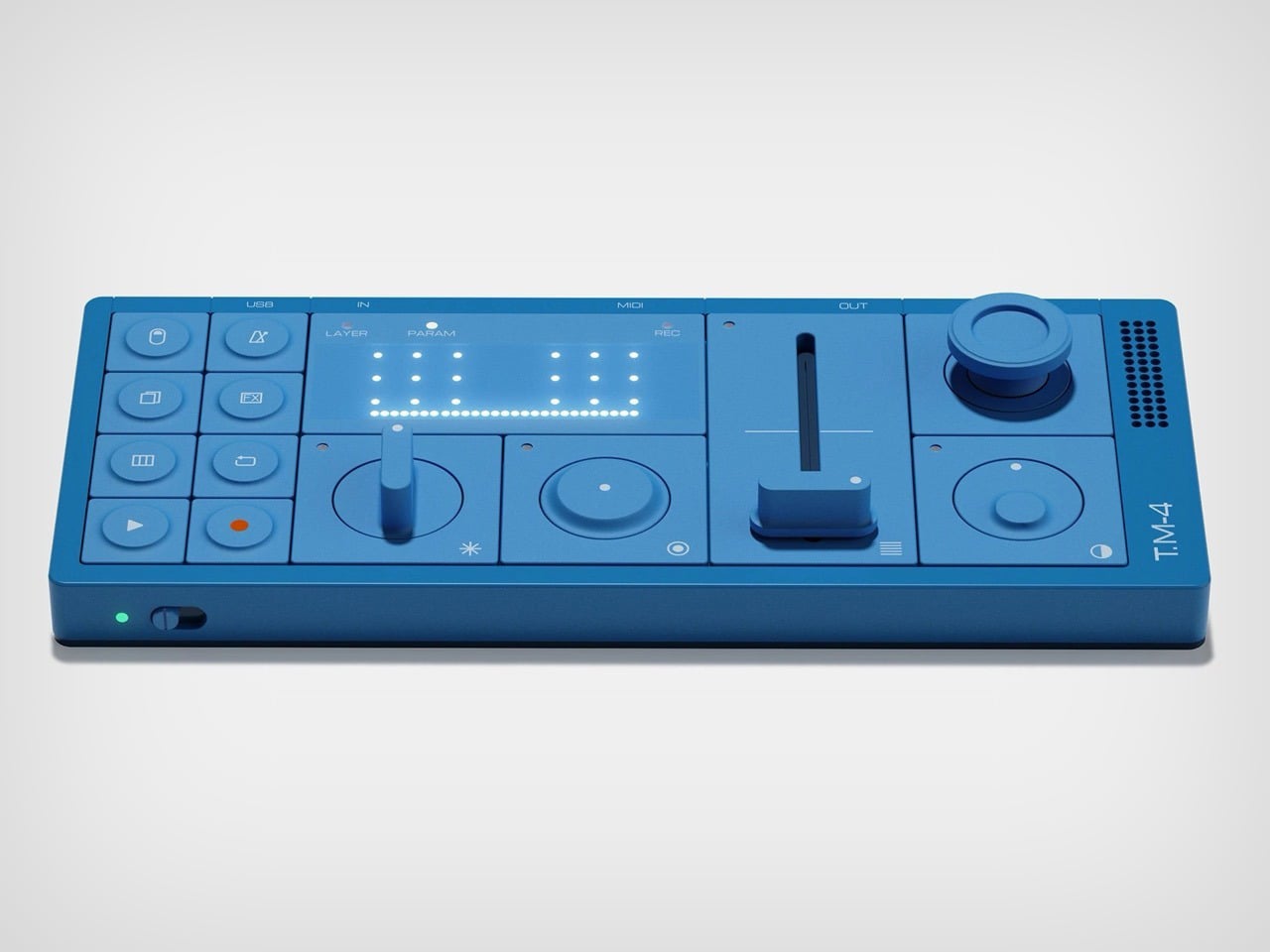
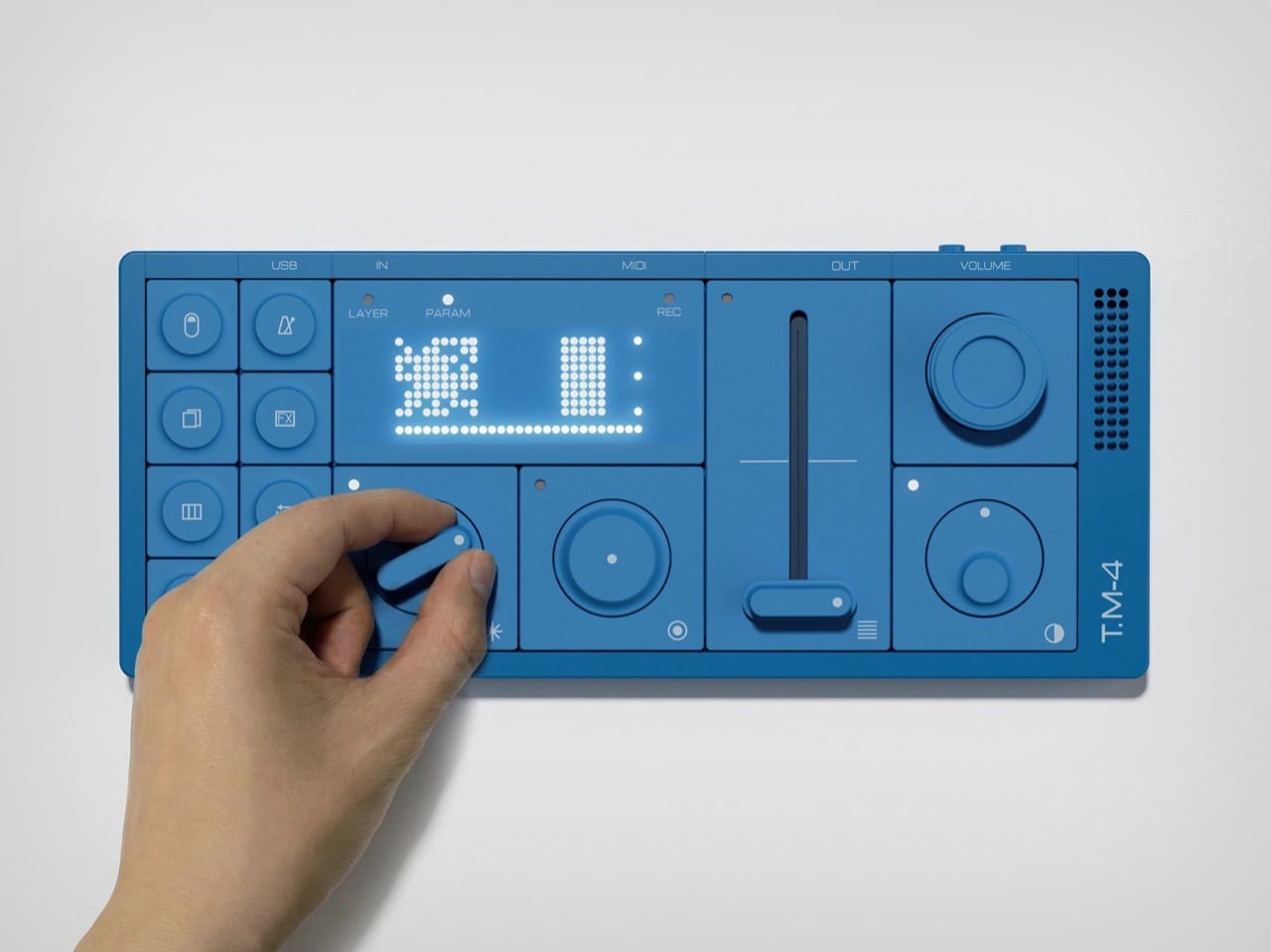
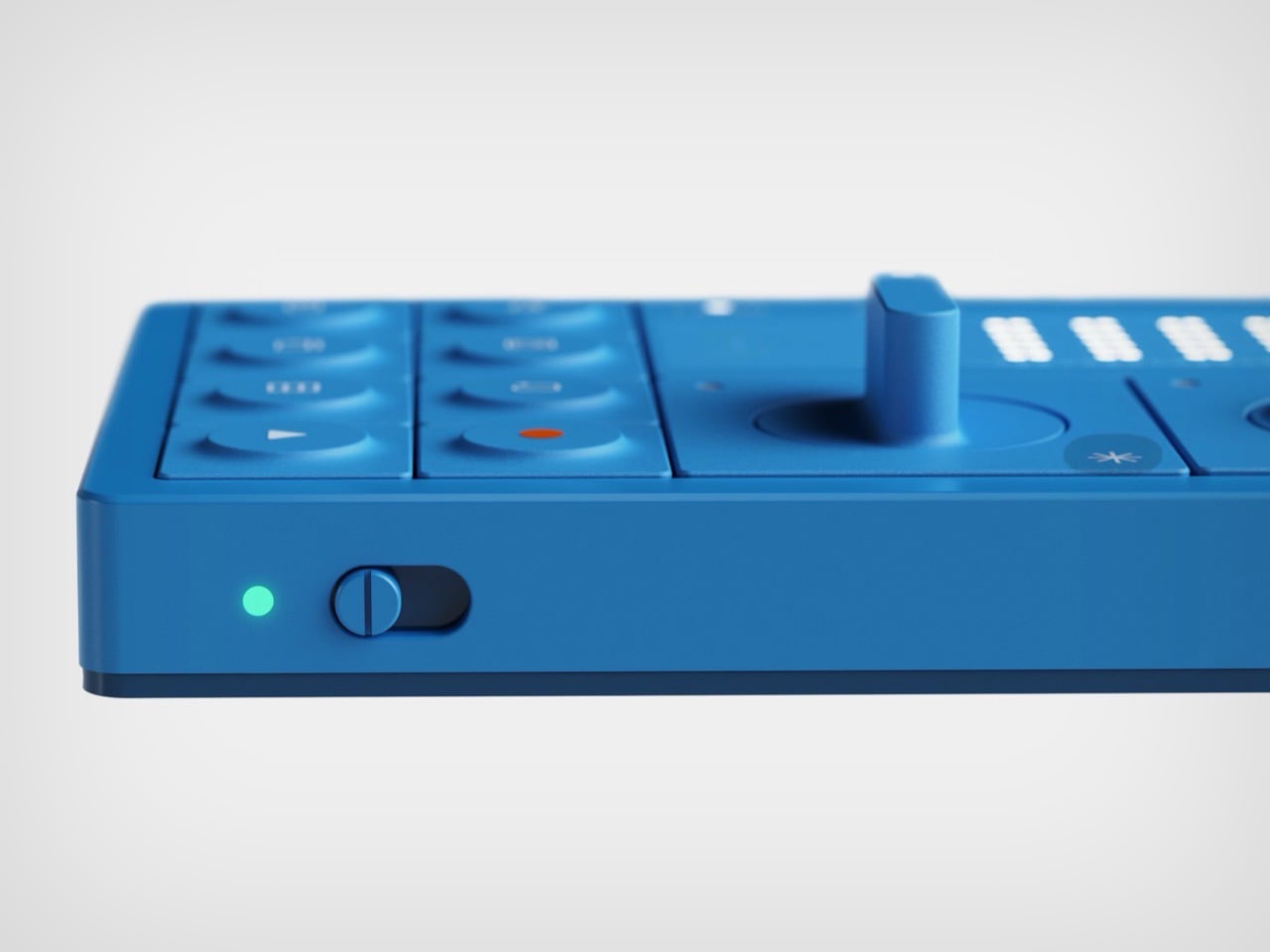
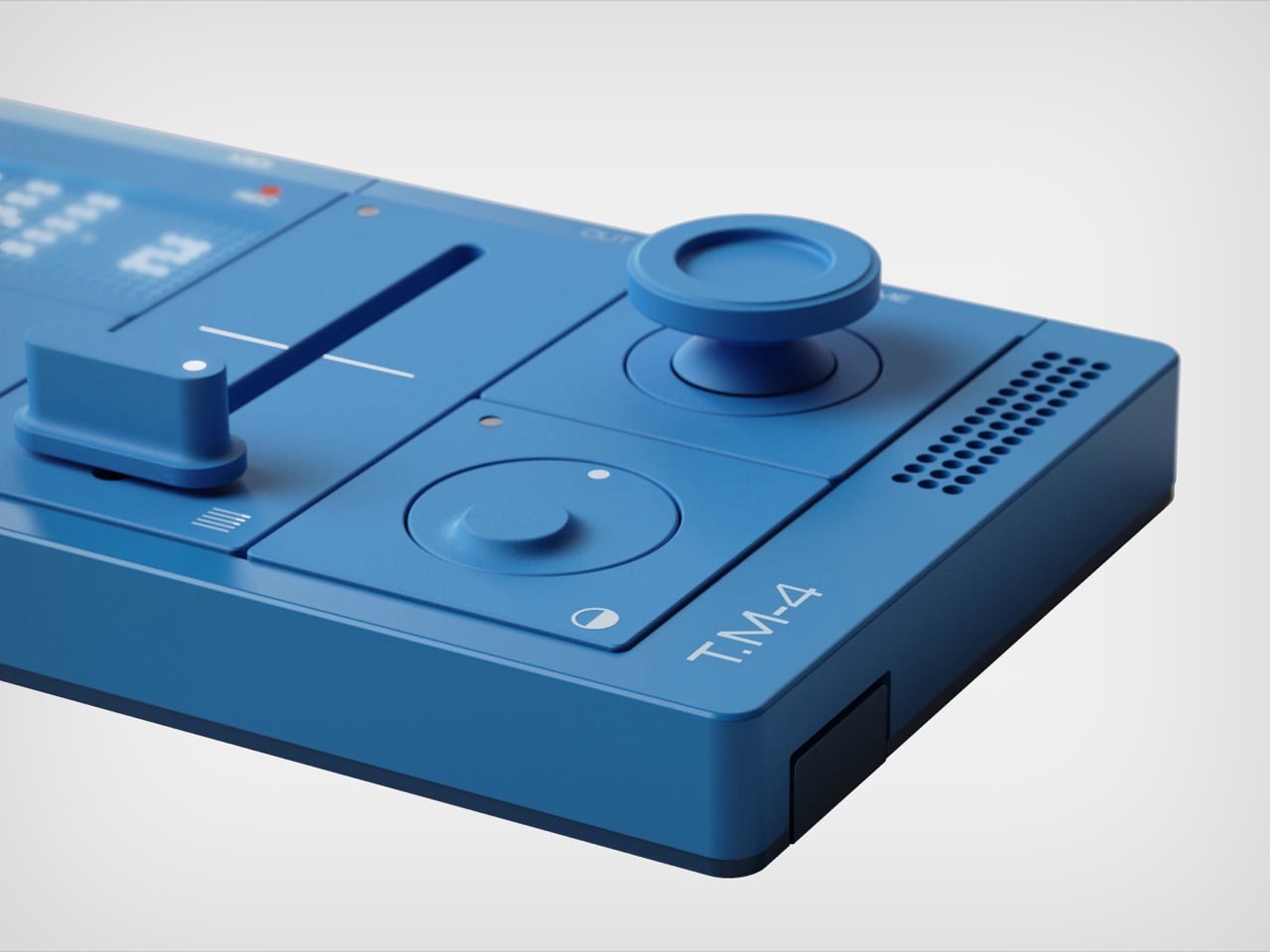
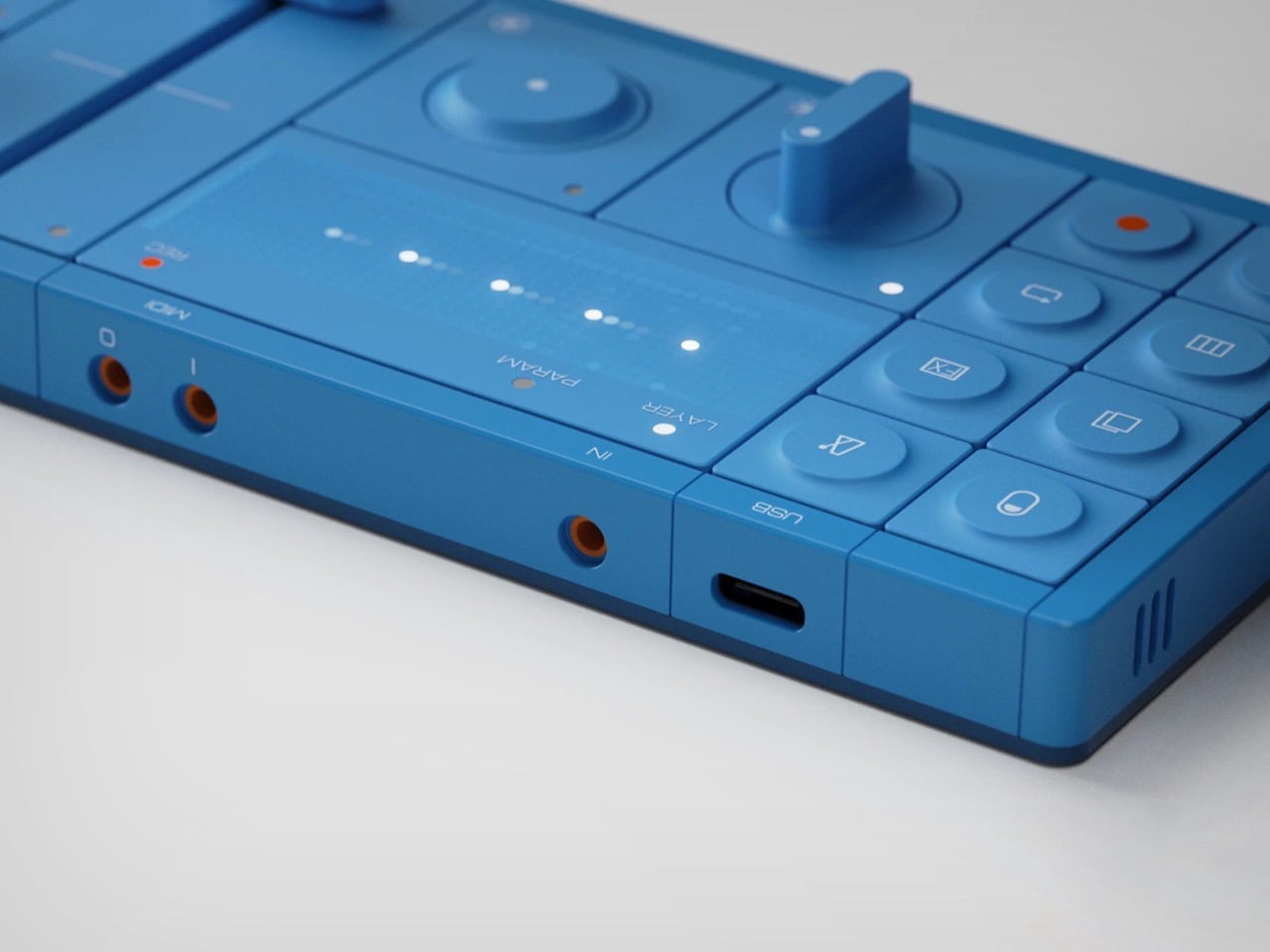
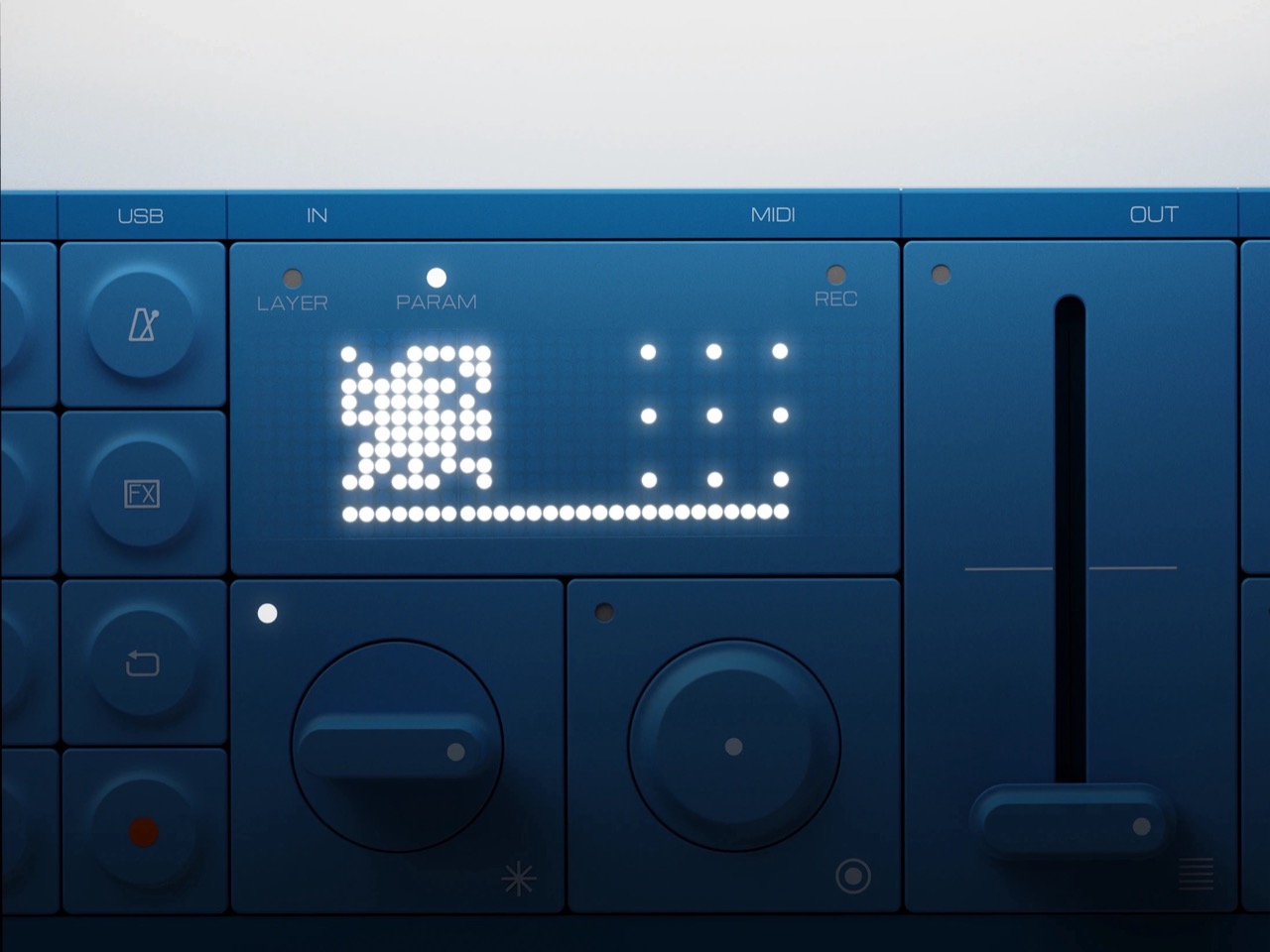
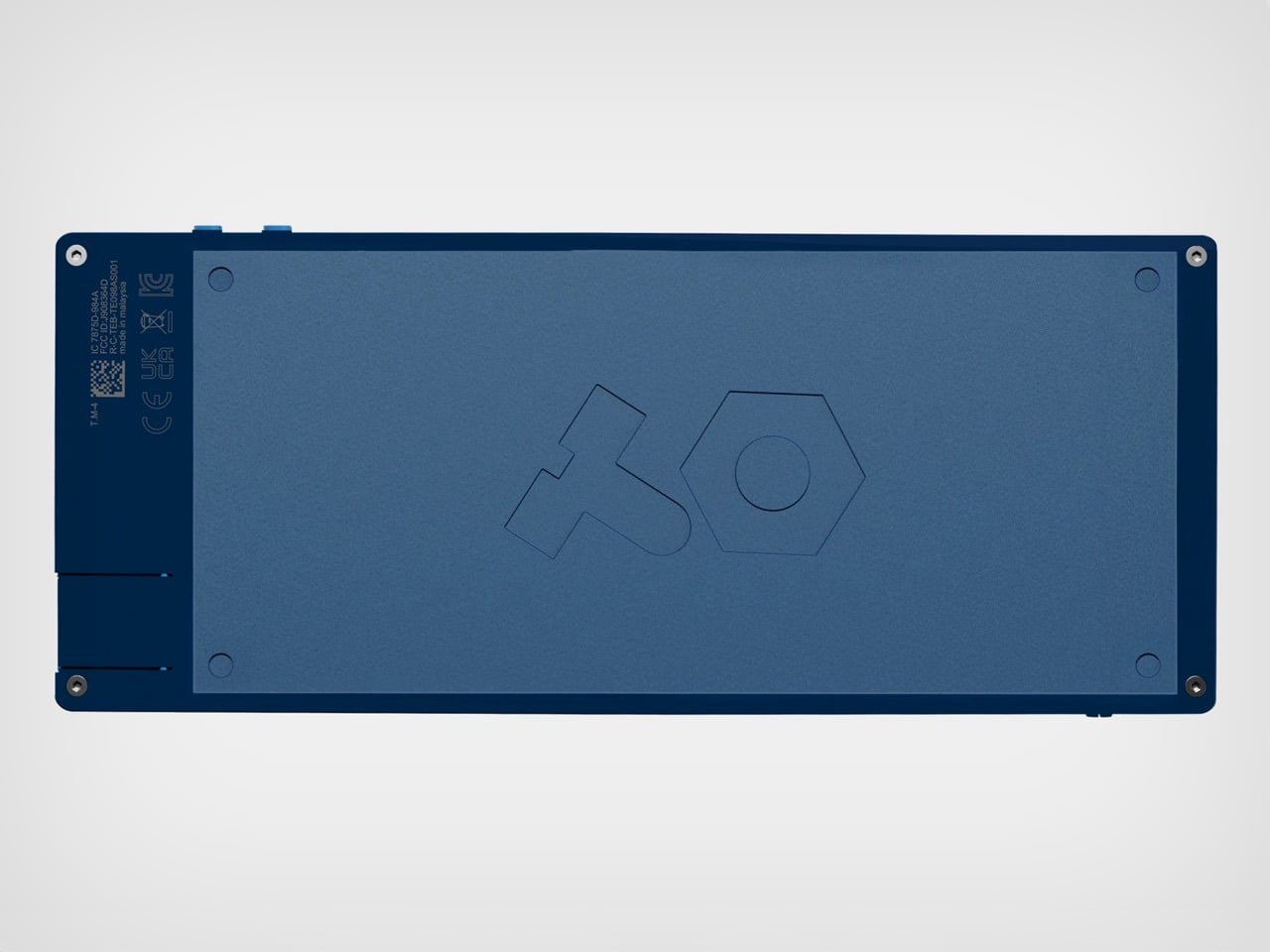
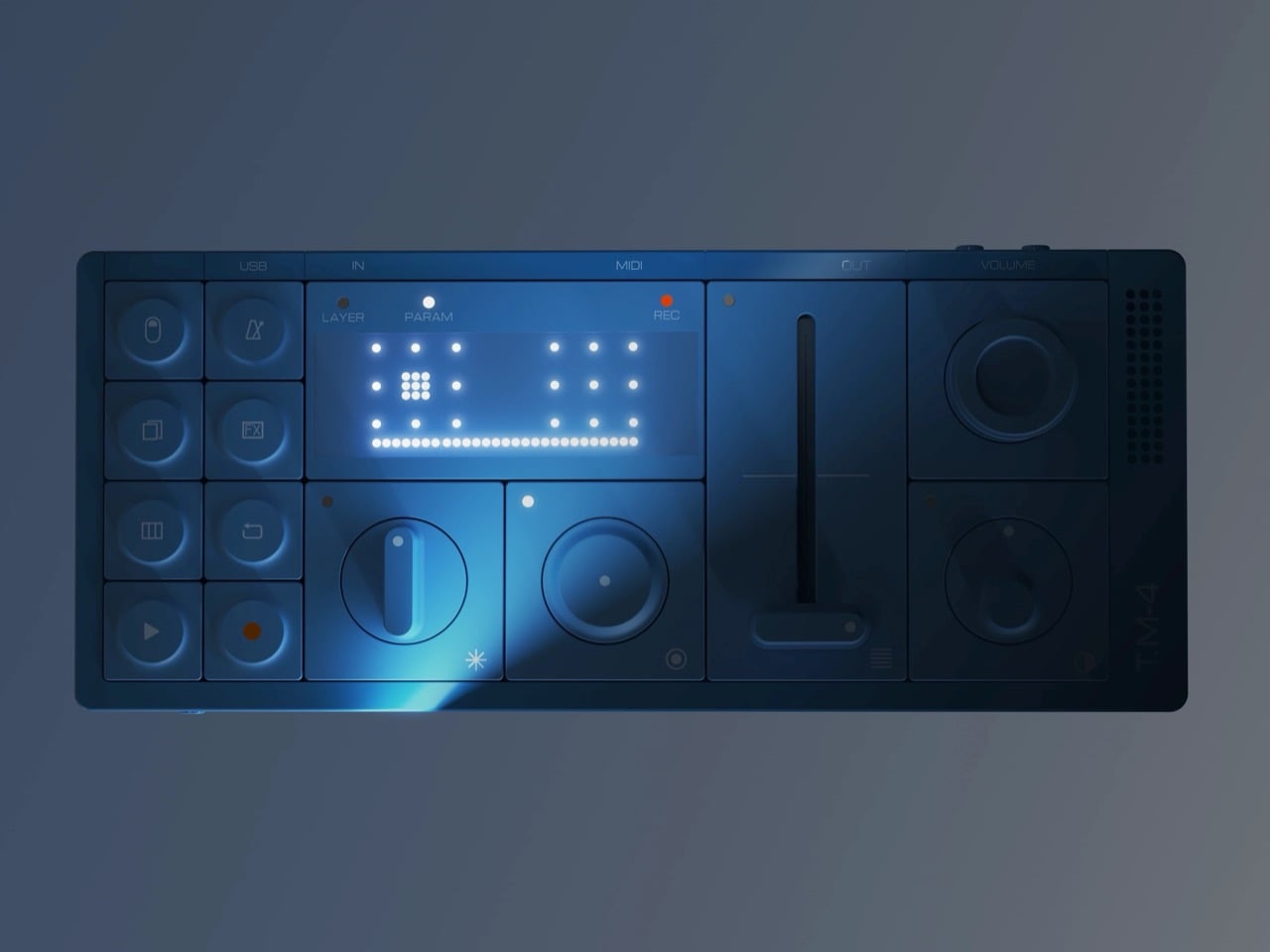
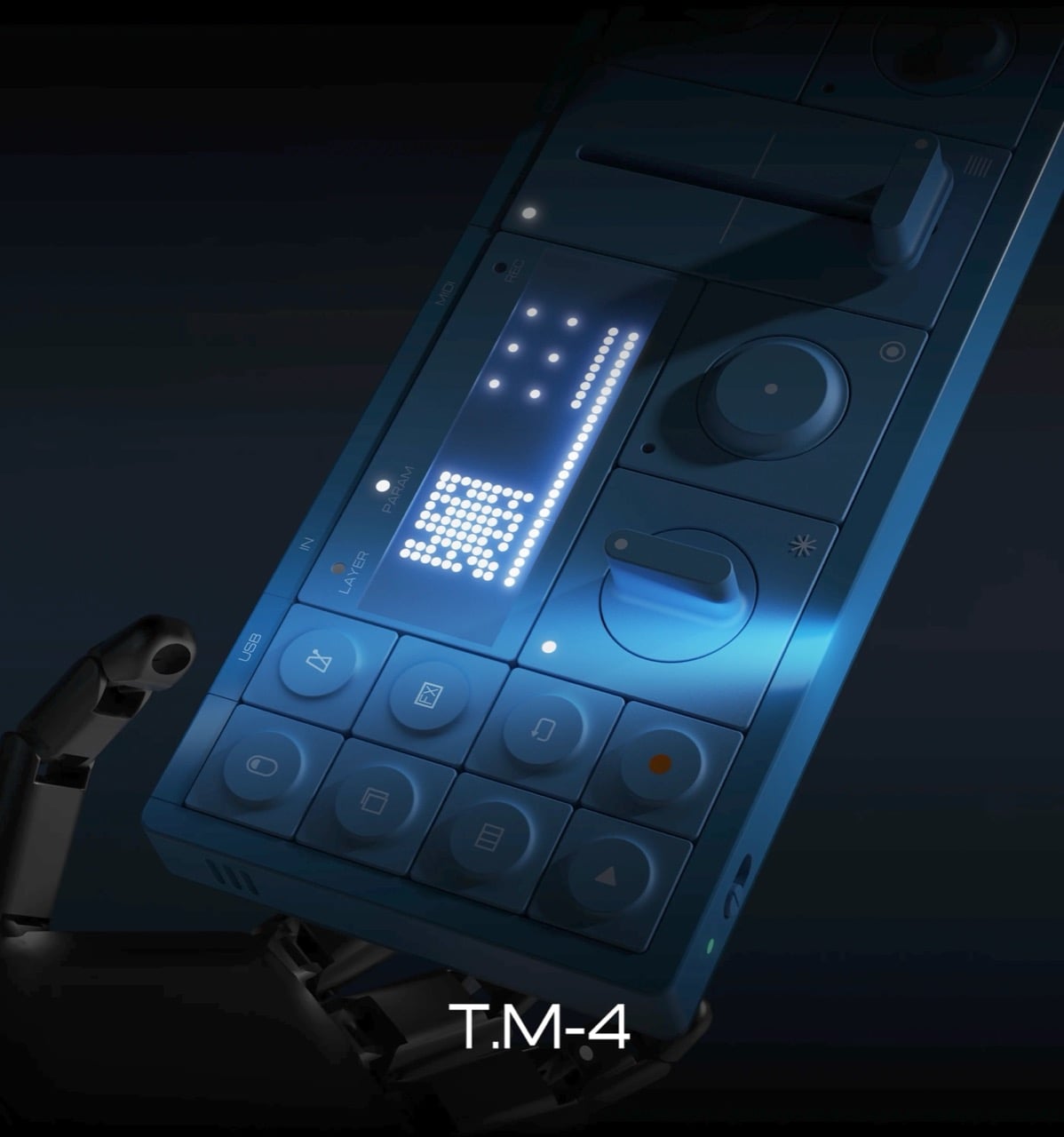
The T.M-4 looks like it escaped from Teenage Engineering’s design studio with a specific mission: teach beginners how to make music using AI without making them feel stupid, or without creating slop. Junho Park’s graduation concept borrows all the right cues from TE’s playbook, that modular control layout, the single bold color, the mix of knobs and buttons that practically beg to be touched, but redirects them toward a gap in the market. Where Teenage Engineering designs for people who already understand synthesis and sampling, the T.M-4 targets people who have ideas but no vocabulary to express them. The device handles the technical translation automatically, separating audio into layers and letting you manipulate them through physical controls. It feels like someone took the OP-1’s attitude and wired it straight into an AI stem separator.

The homage succeeds because Park absorbed what makes Teenage Engineering products special beyond their appearance. TE hardware feels different because it removes friction between intention and result, making complex technology feel approachable through thoughtful interface design and immediate tactile feedback. The T.M-4 brings that same thinking to AI music generation. You’re manipulating machine learning model parameters when you adjust texture, energy, complexity, and brightness, but the physical controls make it feel like direct manipulation of sound rather than abstract technical adjustment. An SD card system lets you swap AI personalities like you would game CDs from a gaming console – something very hardware, very tactile, very TE. Instead of drowning in model settings, you collect cards that give the AI different characters, making experimentation feel natural rather than intimidating.

Designer: Junho Park

What makes this cool is how it attacks the exact point where most beginners give up. Think about the first time you tried to remix a track and realized you had no clean drums, no isolated vocals, nothing you could really move around without wrecking the whole thing. Here, you feed audio in through USB-C, a mic, AUX, or MIDI, and the system just splits it into drum, bass, melody, and FX layers for you. No plugins, no routing, no YouTube rabbit hole about spectral editing. Suddenly you are not wrestling with the file, you are deciding what you want the bass to do while the rest of the track keeps breathing.

The joystick and grid display combo help simplify what would otherwise be a fairly daunting piece of gear. Instead of staring at a dense DAW timeline, you get a grid of dots that represent sections and layers, and you move through them like you are playing with a handheld console. That mental reframe matters. It turns editing into navigation, which is far less intimidating than “production.” Tie that to four core parameters, texture, energy, complexity, brightness, and you get a system that quietly teaches beginners how sound behaves without ever calling it a lesson. You hear the track get busier as you push complexity, you feel the mood shift when you drag energy down, and your brain starts building a map.

Picture it sitting next to a laptop and a cheap MIDI keyboard, acting as a hardware front end for whatever AI engine lives on the computer. You sample from your phone, your synth, a YouTube rip, whatever, then sculpt the layers on the T.M-4 before dumping them into a DAW. It becomes a sort of AI sketchpad, a place where ideas get roughed out physically before you fine tune them digitally. That hybrid workflow is where a lot of music tech is quietly drifting anyway, and this concept leans straight into it.

Of course, as a student project, it dodges the questions about latency, model size, and whether this thing would melt without an external GPU. But as a piece of design thinking, it lands. It treats AI as an invisible assistant, not the star of the show, and gives the spotlight back to the interface and the person poking at it. If someone like Teenage Engineering, or honestly any brave mid-tier hardware company, picked up this idea and pushed it into production, you would suddenly have a very different kind of beginner tool on the market. Less “click here to generate a track,” more “here, touch this, hear what happens, keep going.”

The post Teenage Engineering-inspired Music Sampler Uses AI In The Nerdiest Way Possible first appeared on Yanko Design.

Native Instruments enters into insolvency proceedings, leaving its future uncertain

Music hardware and software manufacturer Native Instruments has entered into preliminary insolvency proceedings, according to a report by Create Digital Music. This is the company behind iconic software like Massive, Traktor and Kontakt and hardware like Maschine+. Native Instruments also owns the brands iZotope, Brainworx and Plugin Alliance.

We don't have many specifics as to what this entails and what the future of the company will look like. We do know that an administrator has been appointed to handle restructuring and, potentially, to sell off existing assets. Native Instruments employs hundreds of people and their fates also remain uncertain.

A private equity firm called Francisco Partners owns a majority stake in the company. It also owns majority stakes in entities like GoodRX and Verifone, among others. This isn't the first time Native Instruments has been forced into major restructuring. The company experienced plenty of layoffs and uncertainty between 2019 and 2020 before being purchased by private equity.

Again, we have no idea how this will shake out. It's possible that new investors will jump on board and it goes back to business as usual. It's also possible everything will be scrapped for parts and sold to the highest bidder.

We do know that subsidiary Plugin Alliance seems to be unaffected. It issued a statement on Facebook saying that it isn't involved with the proceedings and that operations will continue as normal. This means new plugins will be released, along with updates for current software.

Everything else is still up in the air. This is troubling for those who have heavily invested in the company's ecosystem of products. I'm one of them. Any hope I had for a hardware refresh of the Maschine+ just went out the window.

If the company's robust line of software goes up for sale, Akai is likely the best bet. It has already begun incorporating Native Instruments software into MPC machines.

This article originally appeared on Engadget at https://www.engadget.com/audio/native-instruments-enters-into-insolvency-proceedings-leaving-its-future-uncertain-183206826.html?src=rss

Seestar S30 Pro Captures Deep-Sky Photos While You Sleep

The romance of stargazing usually hits the reality of traditional astrophotography pretty hard. Heavy mounts, polar alignment, cables running from telescope to laptop, and software that can turn a clear night into troubleshooting instead of wonder. Phone cameras and basic star apps have helped, but they still leave a gap between pointing at the sky and capturing something worth keeping.

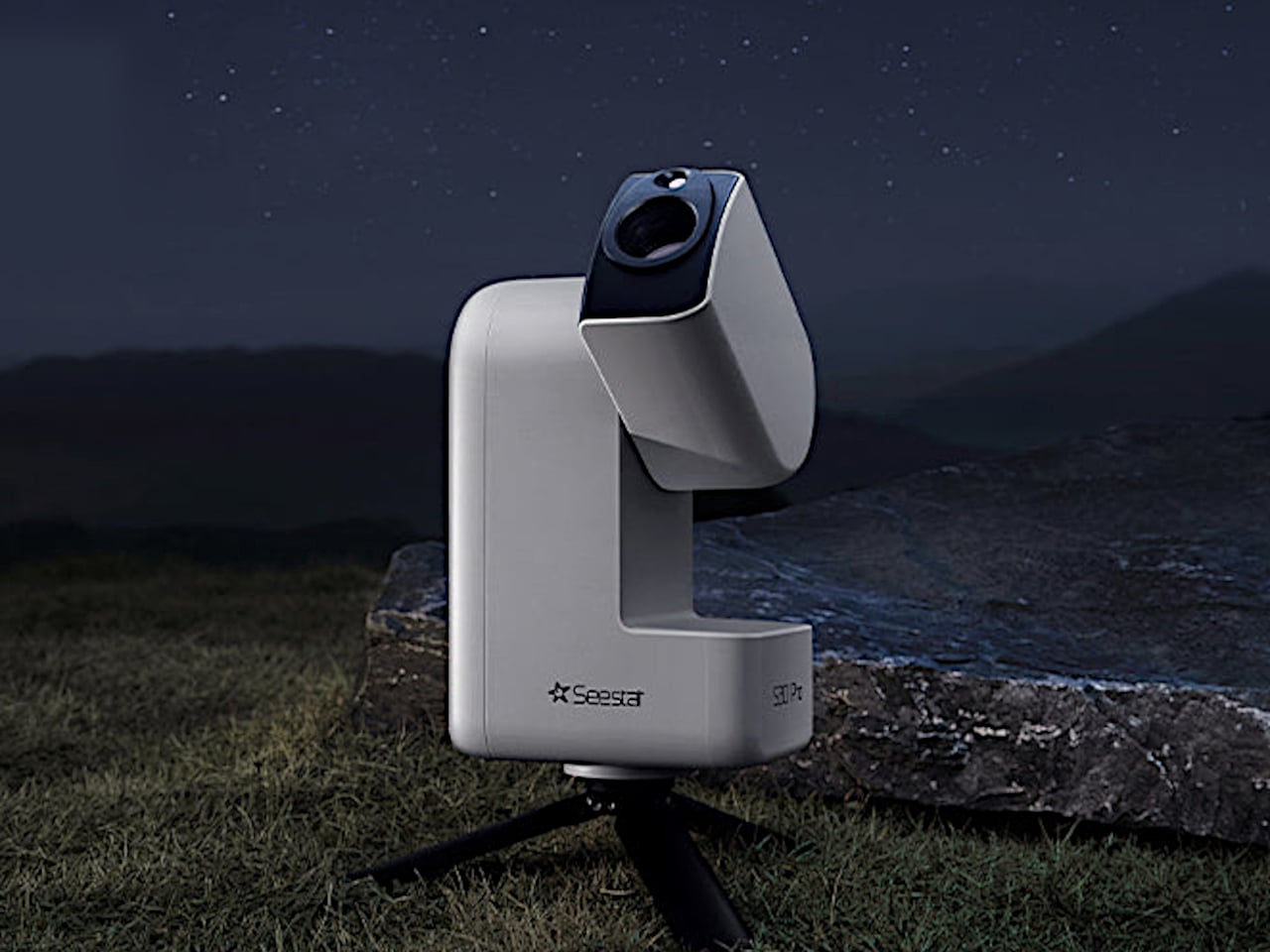
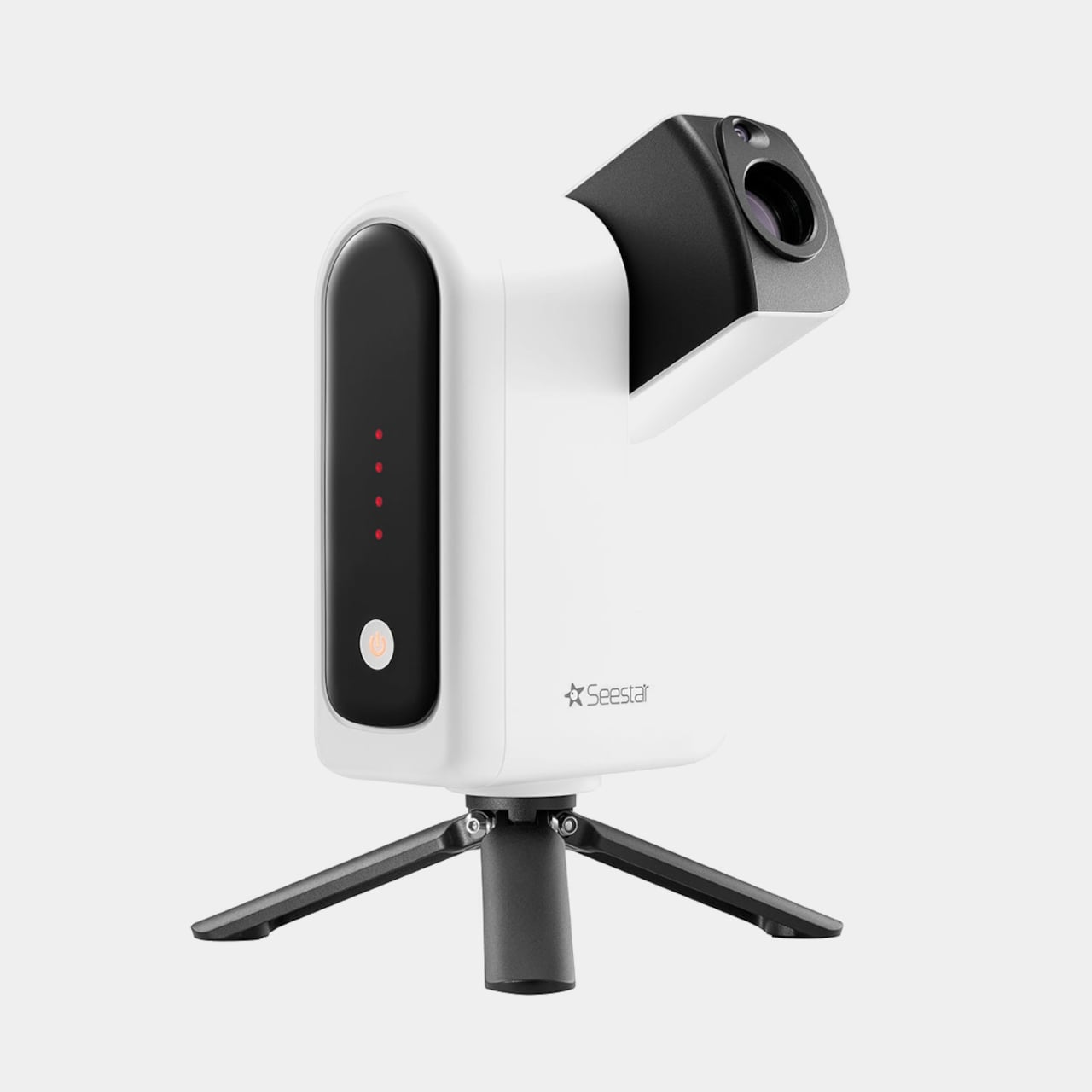
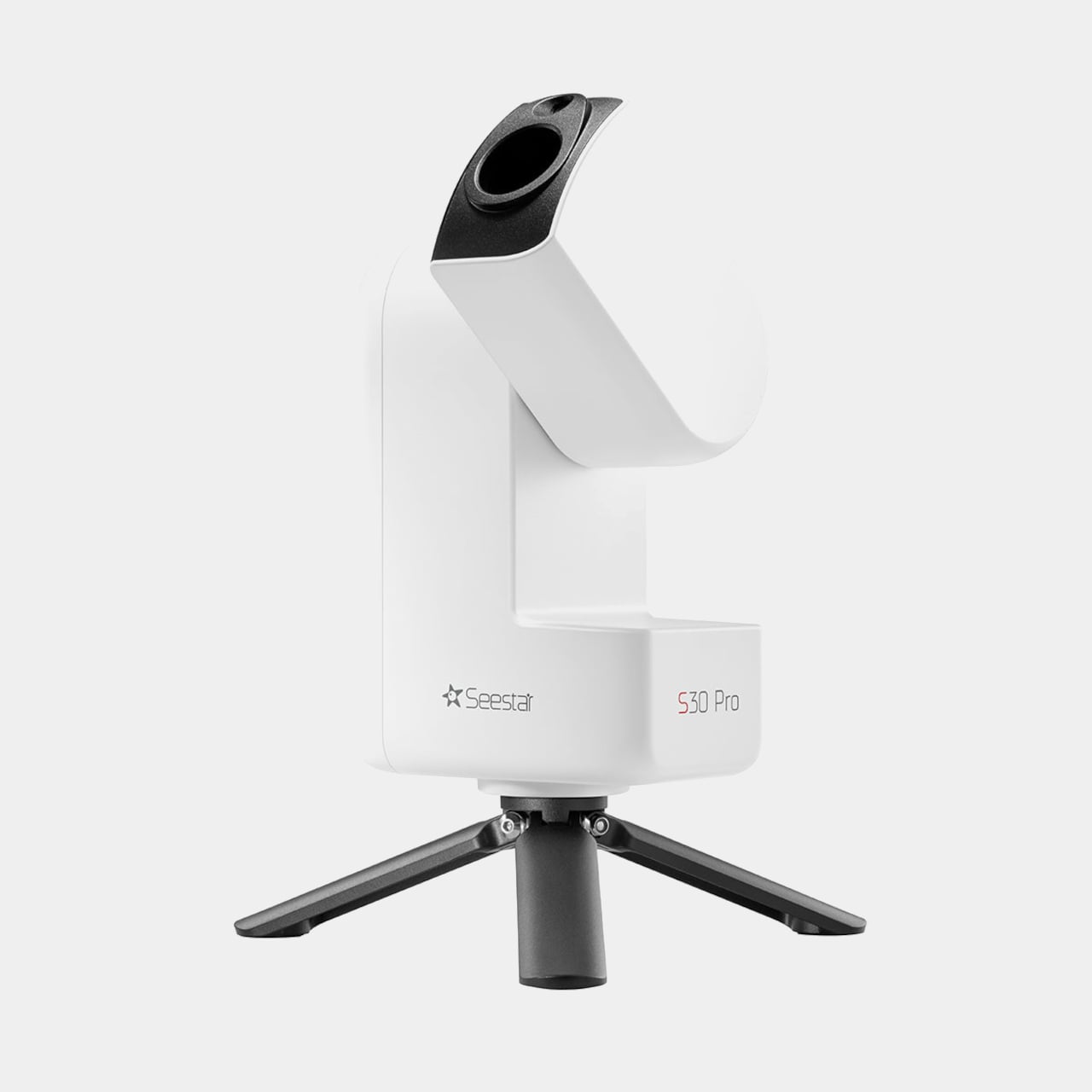
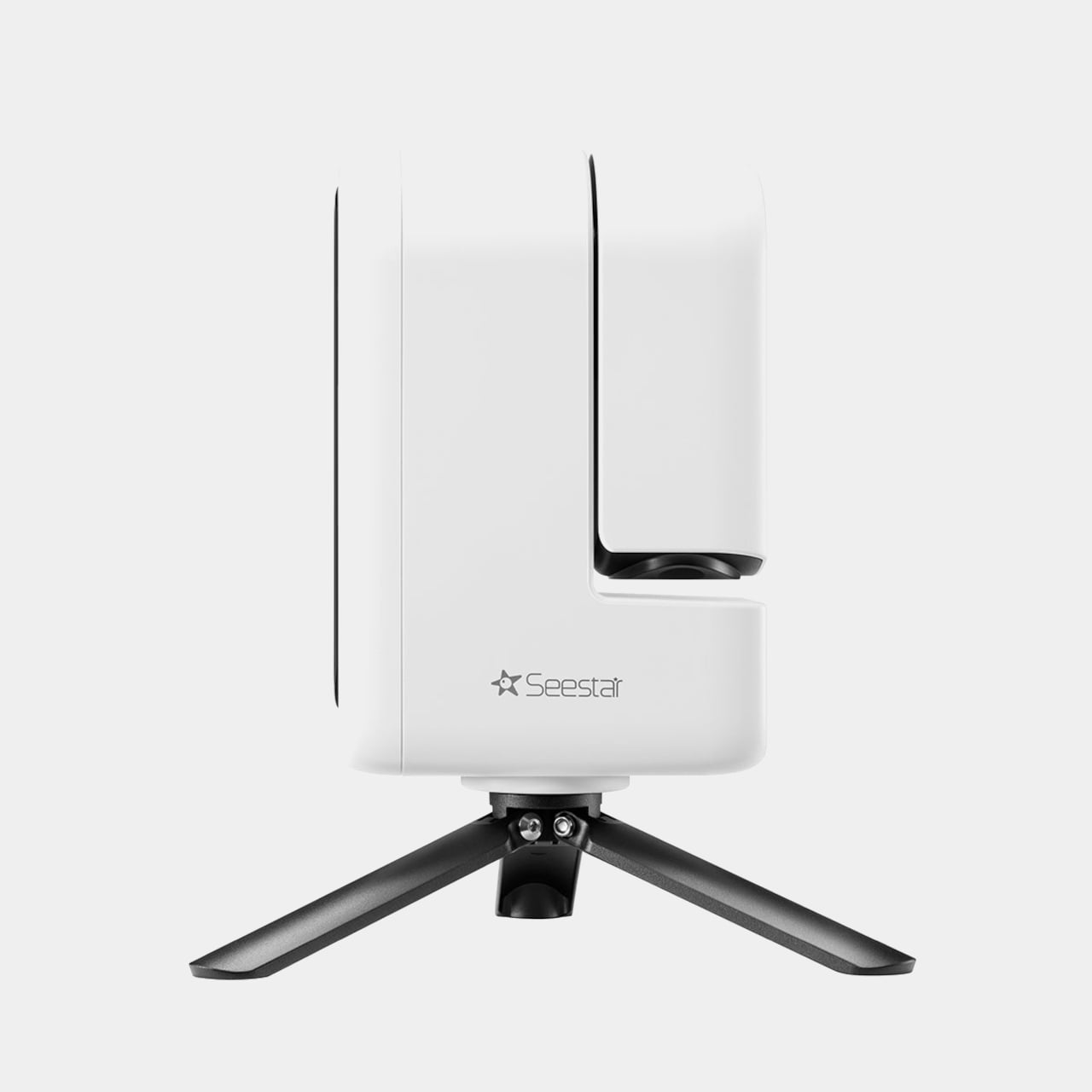
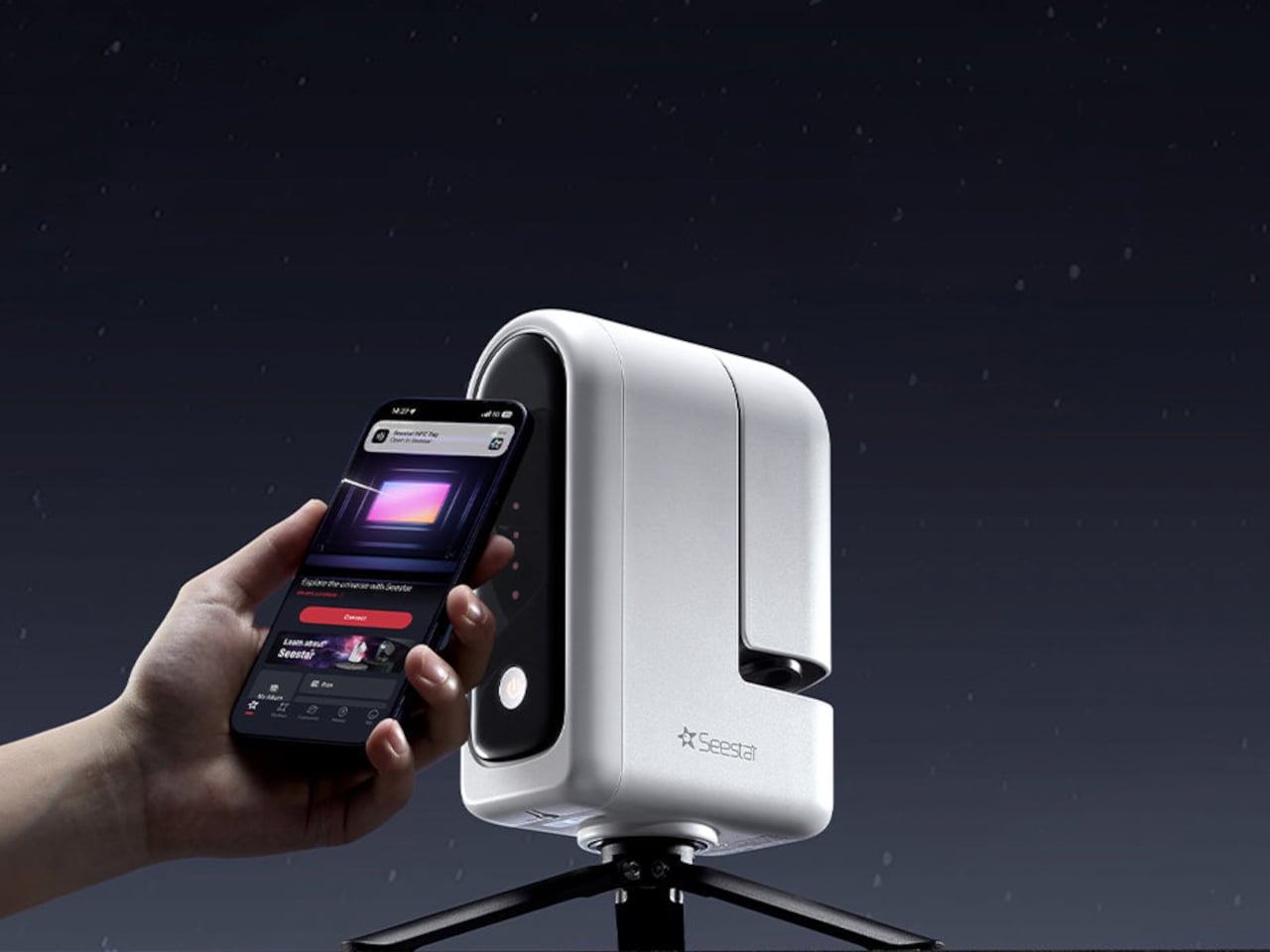
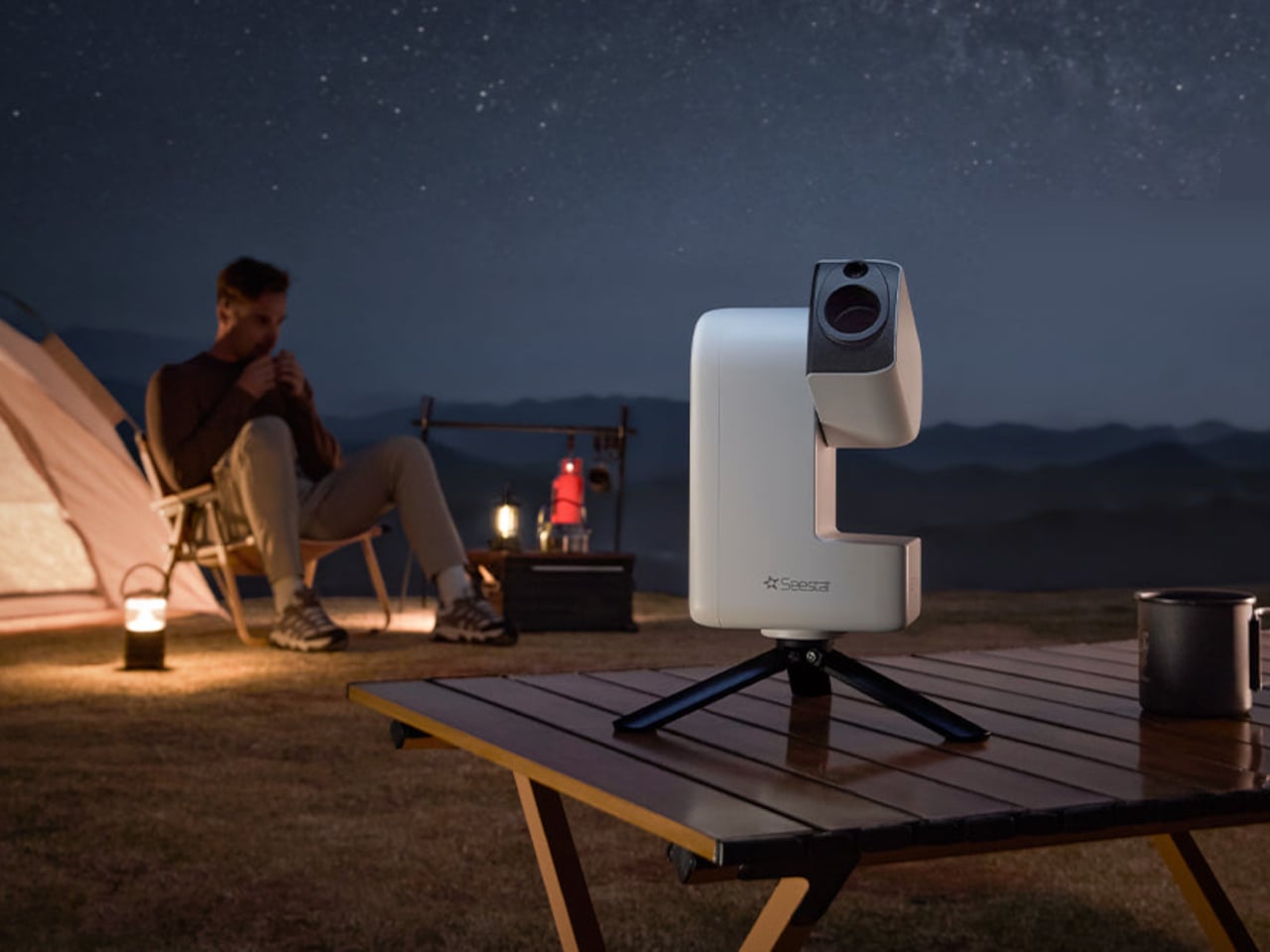
Seestar S30 Pro is a smart telescope that weighs about 1.65kg and folds a telescope, auto-focuser, camera, Alt-Az mount, filter wheel, and controller into one compact body. You power it on, tap your phone to connect, and the system is ready. The idea is to replace a trunk full of gear with a palm-sized observatory that lives in a backpack but still feels like a serious instrument.

Designer: ZWO ASTRO

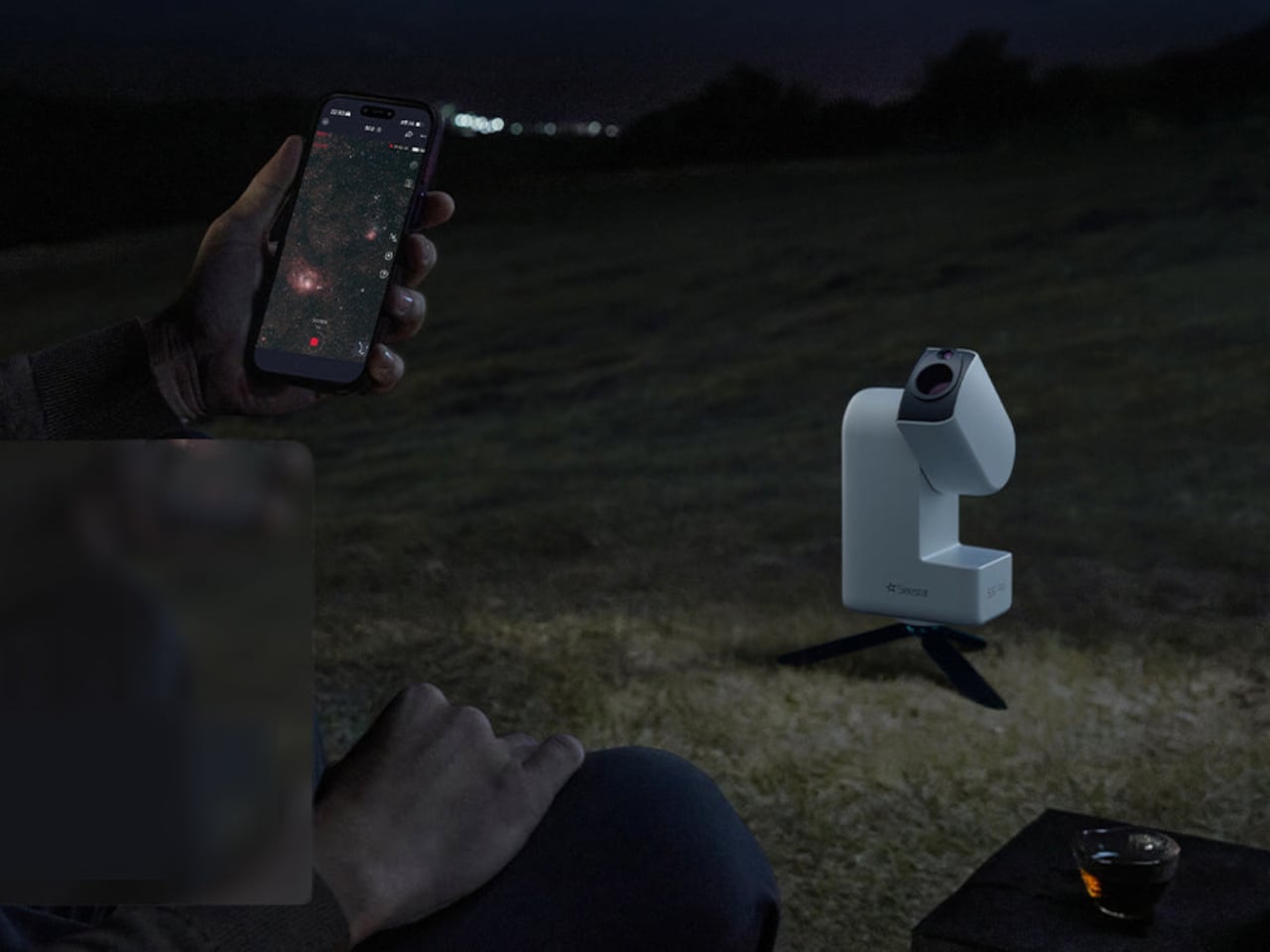
Setting it up under a clear sky, you open the app and choose from more than 80,000 deep-sky objects and 600,000 stars. With one-tap GOTO, the S30 Pro slews to the target, locks on, and starts tracking. You pick a mode, Stargazing, Milky Way, Solar System, or Scenery, and let the dual-lens 4K system with its IMX585 telephoto and IMX586 wide-angle sensors stack and refine frames.

Milky Way and star trails modes let you watch the sky drift across the frame or trace arcs over time-lapse. Built-in 8K stitching automatically mosaics horizontal or vertical panoramas, expanding the field far beyond a single frame. A freeze-the-ground feature separates foreground from sky, keeping the landscape sharp while the Milky Way stays crisp and trail-free, all from a single tap that would normally require separate exposures.

The 4-element apochromatic lens with extra-low dispersion glass minimizes chromatic aberration so stars stay round, and blacks stay neutral. A built-in triple filter system, dark field, UV/IR cut, and light pollution filter tuned for OIII and Hα, adapts to different conditions. Active anti-dew control gently warms the optics to prevent condensation, so long sessions do not end with a fogged-over lens and hours of wasted time.

Plan mode lets you schedule a target and let Seestar handle locating, tracking, capturing, and processing while you sleep, so you wake up to finished data instead of staying up all night monitoring exposures. For longer exposures, an equatorial mode with additional accessories counters Earth’s rotation. During the day, the same device becomes an ultra-telephoto camera for birds, distant landscapes, or rocket launches, with smart tracking to keep subjects centered.

The S30 Pro sits inside a broader ecosystem, from the telescope network that lets you control Seestar units across regions to the AI assistant that responds to voice commands, and ASCOM Alpaca support that opens it up to software like NINA for advanced workflows. It is framed less as a gadget and more as a platform for exploring the sky, making the first steps effortless while leaving room to grow.

The post Seestar S30 Pro Captures Deep-Sky Photos While You Sleep first appeared on Yanko Design.

Google brings its Nano Banana image generator to Chrome

Following its recent AI makeover of Gmail, Google is bringing more Gemini-powered tools to Chrome. Starting today, a host of new features are rolling out for the browser, with more to come over the next few months. 

The first of the new features is a sidebar. Available to all Gemini in Chrome users, the interface allows you to chat with Gemini and keep a conversation going across multiple tabs. Google suggests the sidebar is useful for multitaskers. "Our testers have been using it for all sorts of things: comparing options across too-many-tabs, summarizing product reviews across different sites, and helping find time for events in even the most chaotic of calendars," the company writes. 

Now you can access Nano Banana, Google's in-house image generator, directly from Chrome. No need to go to the Gemini app.
Google

The sidebar is also where you access the second new feature Google is adding to Chrome. Following its successful rollout within the Gemini app, Nano Banana, Google's in-house image generator, is available directly inside of the browser. With the addition, you won't need to open a new tab when you want Gemini to make you an AI image. You also won't need to download and upload a file when you want Gemini to edit an existing image for you. Instead, you can complete both of those tasks from any of your open tabs, thanks to the new sidebar.    

Looking forward, Google plans to bring Personal Intelligence, which debuted inside of the Gemini app at the start of January, to Chrome in the coming months. Once the feature arrives, it will allow the browser to remember past conversations you've had with Gemini. In turn, Google says this will lead to a more personalized Chrome. "Personal Intelligence in Chrome transforms the browsing experience from a general purpose tool into a trusted partner that understands you and provides relevant, proactive, and context-aware assistance," the company said.

In the meantime, Gemini in Chrome already supports Google's Connected Apps feature, which allows the assistant to pull information from the company's other services, including Gmail and Calendar. During a press briefing, a Google employee demoed this feature by asking Gemini to pull up the dates of when their children would be on March break. Without telling the assistant where to look, Gemini sourced the correct time frame from the employee's email inbox.    

A new sidebar interface allows Chrome users to access Gemini from any of their open tabs.
Google

Last but not least, Google is previewing a new auto browse feature inside of Chrome. In the demo the company showed, an employee asked Gemini to find and buy them the same winter jacket they bought a few seasons ago. The assistant first drafted a plan outlining how best to tackle the request. It reasoned the best place to start was with a search of the employee's email inbox to determine the correct model and size of jacket. It then went shopping.

While Gemini was working on this task, the employee was free to continue browsing in Chrome. At several points in the process, the assistant would stop before continuing to obtain the employee's permission to move forward. For instance, it paused when it needed login credentials, and again when it needed a credit card number to complete the purchase. 

Judging from the demo, it will probably take you less time to do your online shopping and other browser tasks on your own. Google suggests the feature will appeal to those who are creatures of habit. Say you often order the same produce from a grocery delivery service every week, Gemini can automate the ordering. Plus, the feature is in preview, so early testers probably won't be too put off by Gemini's slow pace. In any case, Google AI Pro and Ultra subscribers in the US can try auto browse starting today.    

This article originally appeared on Engadget at https://www.engadget.com/ai/google-brings-its-nano-banana-image-generator-to-chrome-180000104.html?src=rss

French Ubisoft workers vote to strike

When deciding which video game to buy, "Is it fun?" is no longer the only consideration. Given the state of the industry, "Do I want to support this company?" is arguably more important. Take, for example, Ubisoft, where things seem to unravel more each day. After the floundering publisher floated even more layoffs this week, workers at its Paris headquarters said, "Enough is enough." They're now calling for a three-day strike.

Unions representing Ubisoft employees plan to strike from February 10 to 12. "With management being stubbornly entrenched in its authoritarian ways, we are calling Ubisoft employees across France to join this strike, along with the five unions present within the company," The Syndicat des Travailleureuses du Jeu Vidéo (Video Game Worker's Union) wrote in a statement.

The strike follows a series of heavy-handed cost-cutting moves at Ubisoft. It recently shut down its Halifax studio just 16 days after employees unionized. Last week, it closed its Stockholm studio and announced additional restructuring efforts worldwide. It also canceled six games and delayed seven others.

Then, earlier this week, the Assassin's Creed publisher proposed cutting 200 jobs at its Paris headquarters. Under French labor law, the company would organize the cuts through the nation's Rupture Conventionnelle Collective (RCC) process. It would require a mutual agreement between the company and the labor union.

Yves Guillemot, CEO and co-founder of Ubisoft, speaks at the Ubisoft Forward livestream event in Los Angeles, California, on June 12, 2023. The event features a look at upcoming Ubisoft games. (Photo by Robyn Beck / AFP) (Photo by ROBYN BECK/AFP via Getty Images)
Ubisoft CEO Yves Guillemot
ROBYN BECK via Getty Images

Adding even more fuel to the fire, Ubisoft will now require workers to return to the office five days each week. (The company had previously agreed to two work-from-home days per week.) Although Ubisoft framed the mandate as being about efficiency and collaboration, it's easy to view this as a cudgel to further reduce its headcount. One Ubisoft developer, who hinted as much while voicing his opposition to the mandate on LinkedIn, said he was suspended without pay for three days as a punitive measure.

The workers' union saw all of this and decided it was time to act. "We're calling for a HALT to management's obsession with penny-pinching and worsening our working conditions," the Syndicat des Travailleureuses du Jeu Vidéo wrote. "It's time for a real accountability from company executives, starting from the top! Without the workers, and generous public funding, Ubisoft would never have been able to grow this much. WE are Ubisoft, and WE are shutting it down February 10th to 12th!"

This article originally appeared on Engadget at https://www.engadget.com/gaming/ubisoft-173241918.html?src=rss