Sennheiser introduces new TV headphones bundle with Auracast

Sennheiser has unveiled its RS 275 TV Headphones, which are bundled with a BTA1 digital receiver. These headphones use Auracast technology to provide low-latency audio at a range of up to 50 meters, and can connect to other devices enabled with Auracast or Bluetooth Classic. For those unfamiliar, Auracast is broadcast Bluetooth audio; we have an explainer about it after CES 2024 put this audio tech onto the big stage. The digital receiver introduces an Auracast signal in a physical space for any other compatible devices, which might include hearing aids or loudspeakers as well as other headphone sets.

The company promises 50 hours of listening with the RS 275 TV Headphones on a single charge, and the set can be powered up from the receiver's USB-C port. Sennheiser designed the headset for long-term comfort; the ear cushions and battery can be replaced by the device's owner. The headphones can be further personalized with the Sennheiser Smart Control Plus App. In addition to finding lost headphones, the app provides controls such as transparency mode, left-right balance, hearing profiles and device-type audio modes.

The RS 275 TV Headphone bundle will retail for $300, while a standalone BTA1 receiver will cost $130. Pre-orders will open on February 3 and the audio gear is expected to start shipping on February 17.

This article originally appeared on Engadget at https://www.engadget.com/audio/headphones/sennheiser-introduces-new-tv-headphones-bundle-with-auracast-233735294.html?src=rss

This Power Strip Looks Like a Pencil with a Cable That Draws a Line

Setting up a desk usually means the laptop and lamp go on top while the power strip disappears underneath, tangled with dust and forgotten cables. Electricity gets treated as something to manage and conceal, even though it quietly runs everything you do all day. Most power strips look industrial or aggressively technical, which is why they end up banished behind furniture, making plugging things in feel like reaching into a dark cave.

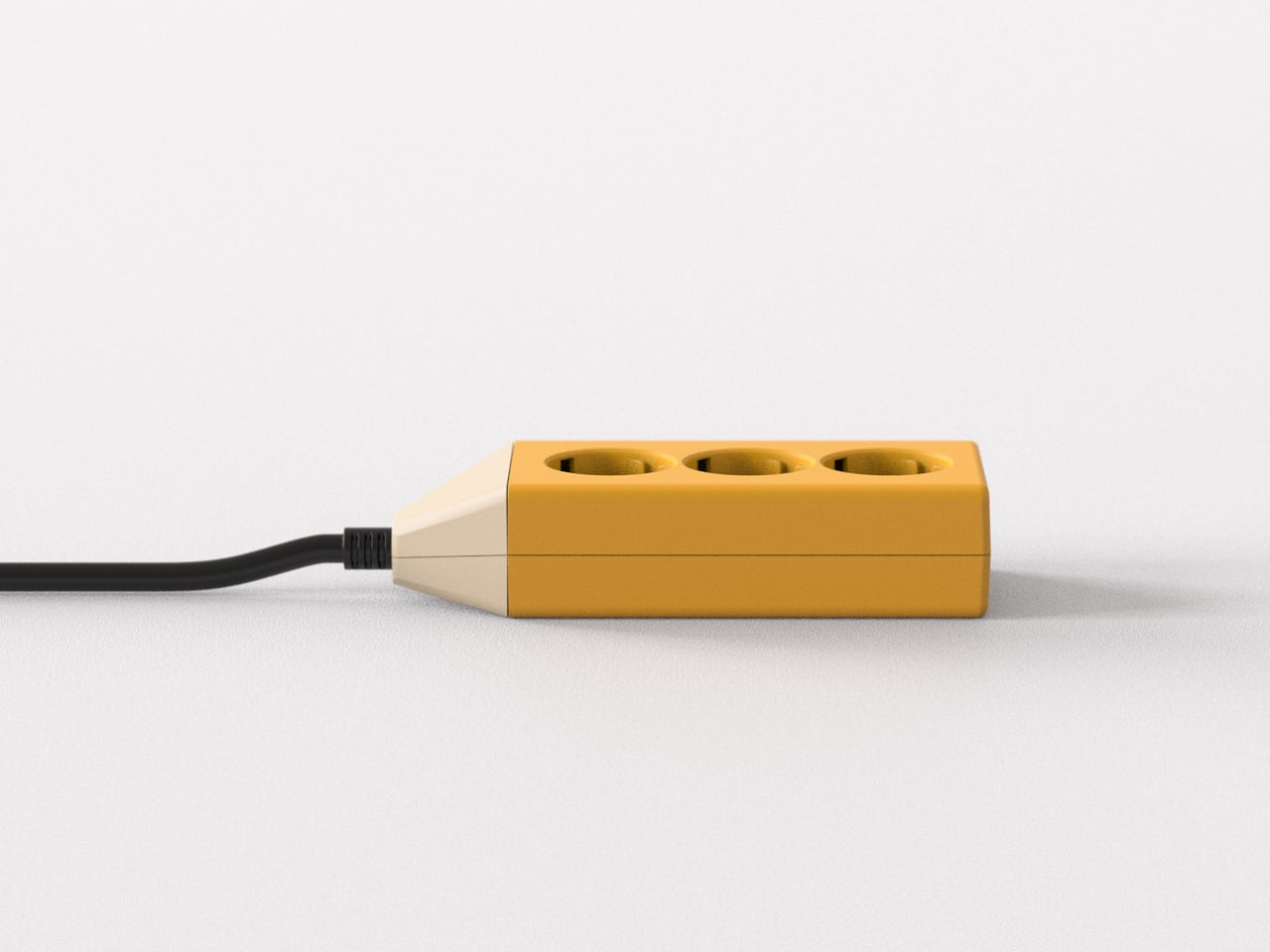
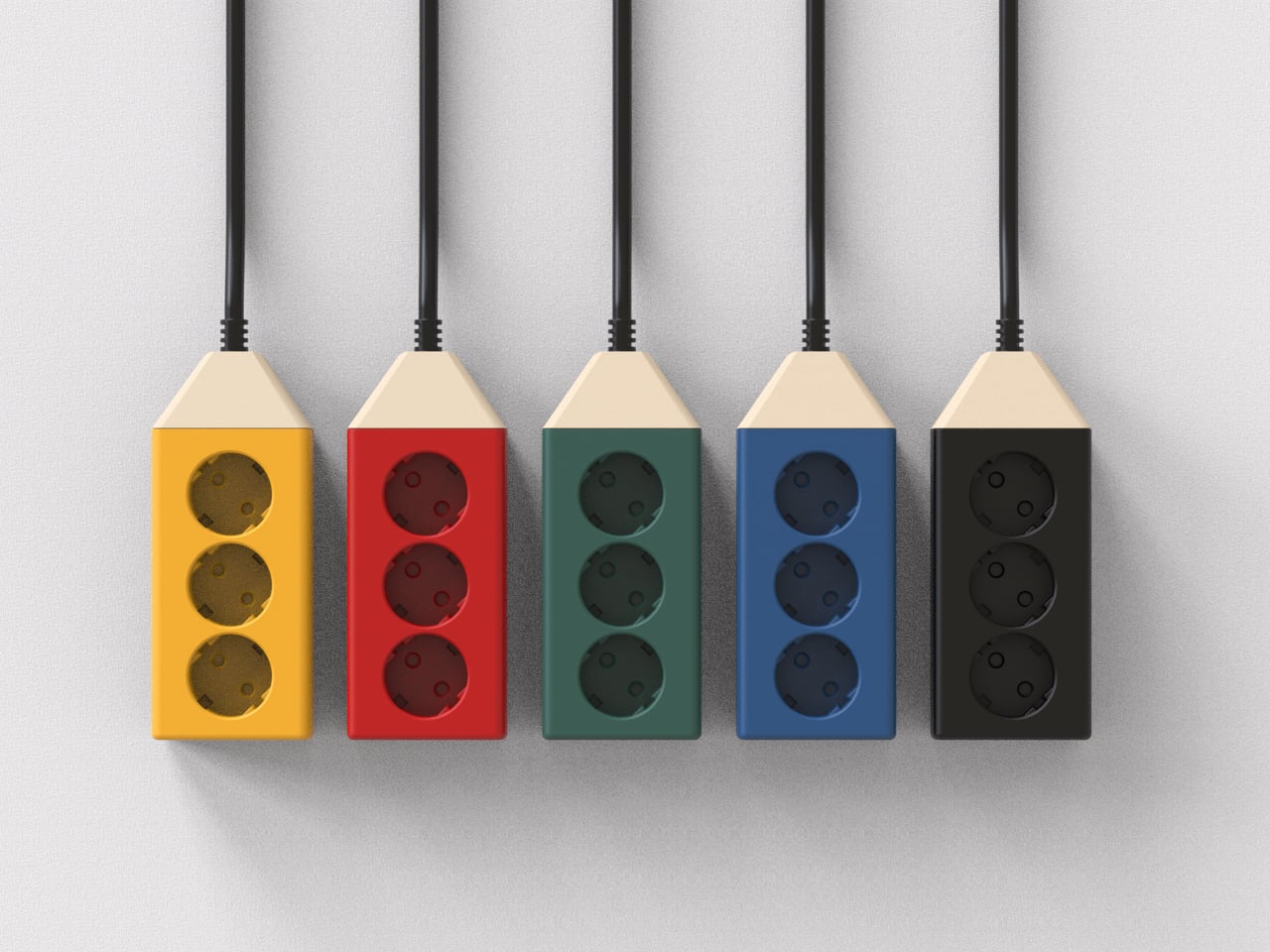
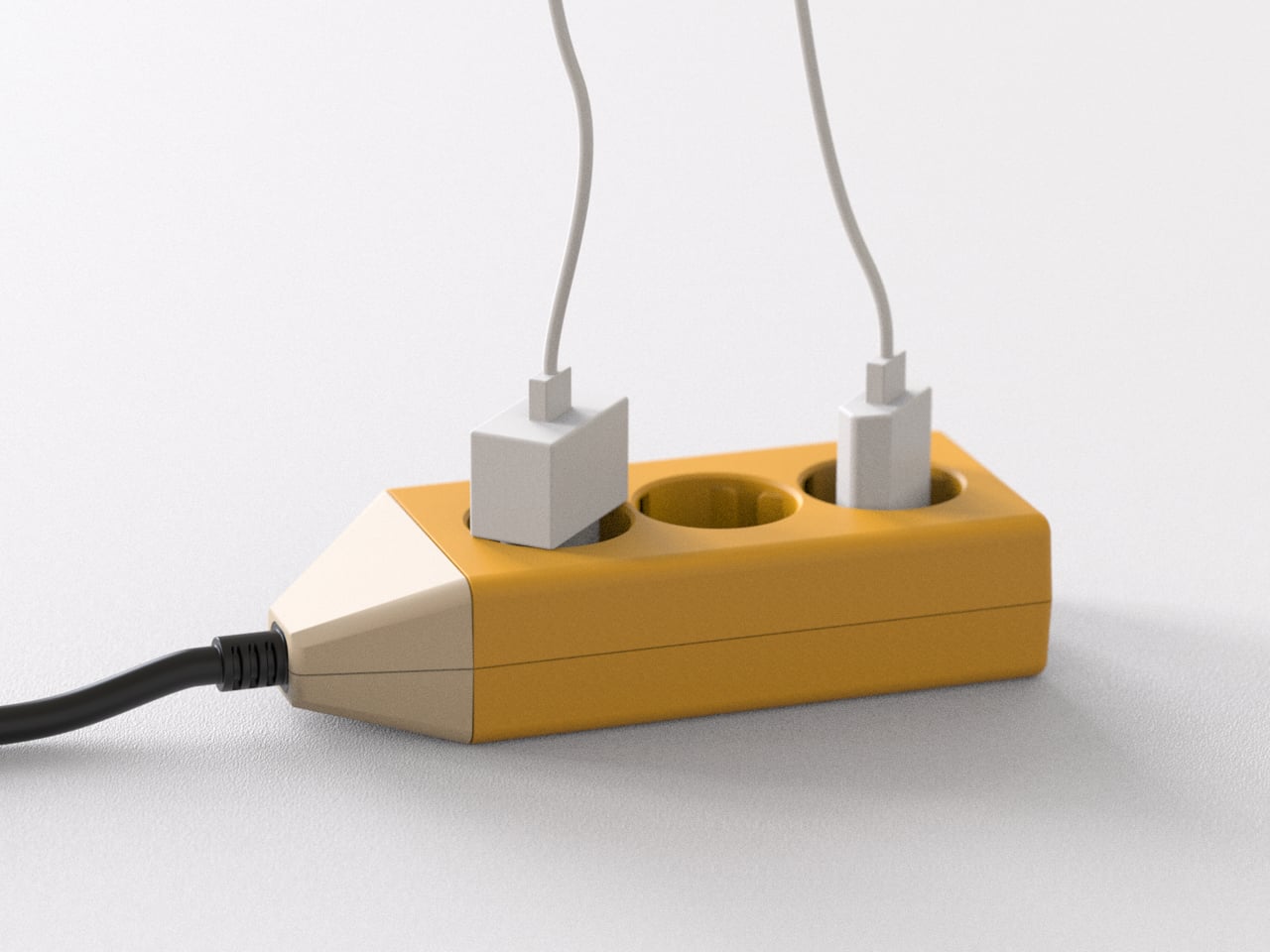
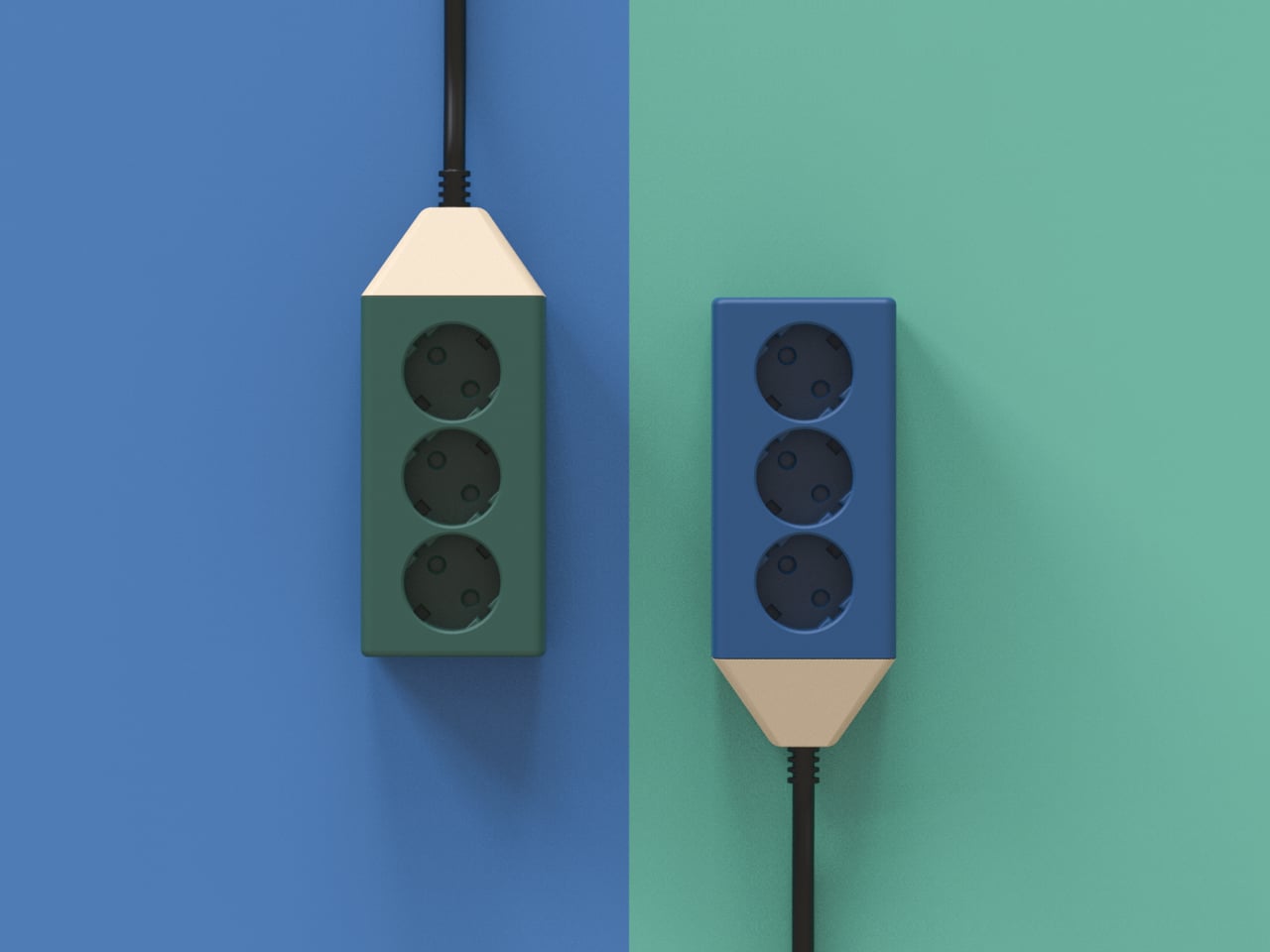
Composition Studio’s Pencil Multi-Tap follows a different line of thought. The studio designs objects that make you want to record simply by looking at them, asking what happens if the object itself initiates the act instead of waiting for discipline or habit. The Pencil Multi-Tap turns a power strip into something that feels closer to a pencil on a desk than a piece of hardware you are supposed to hide, treating electricity as part of the creative process.

Designer: Hyunsu Kim (Composition Studio)

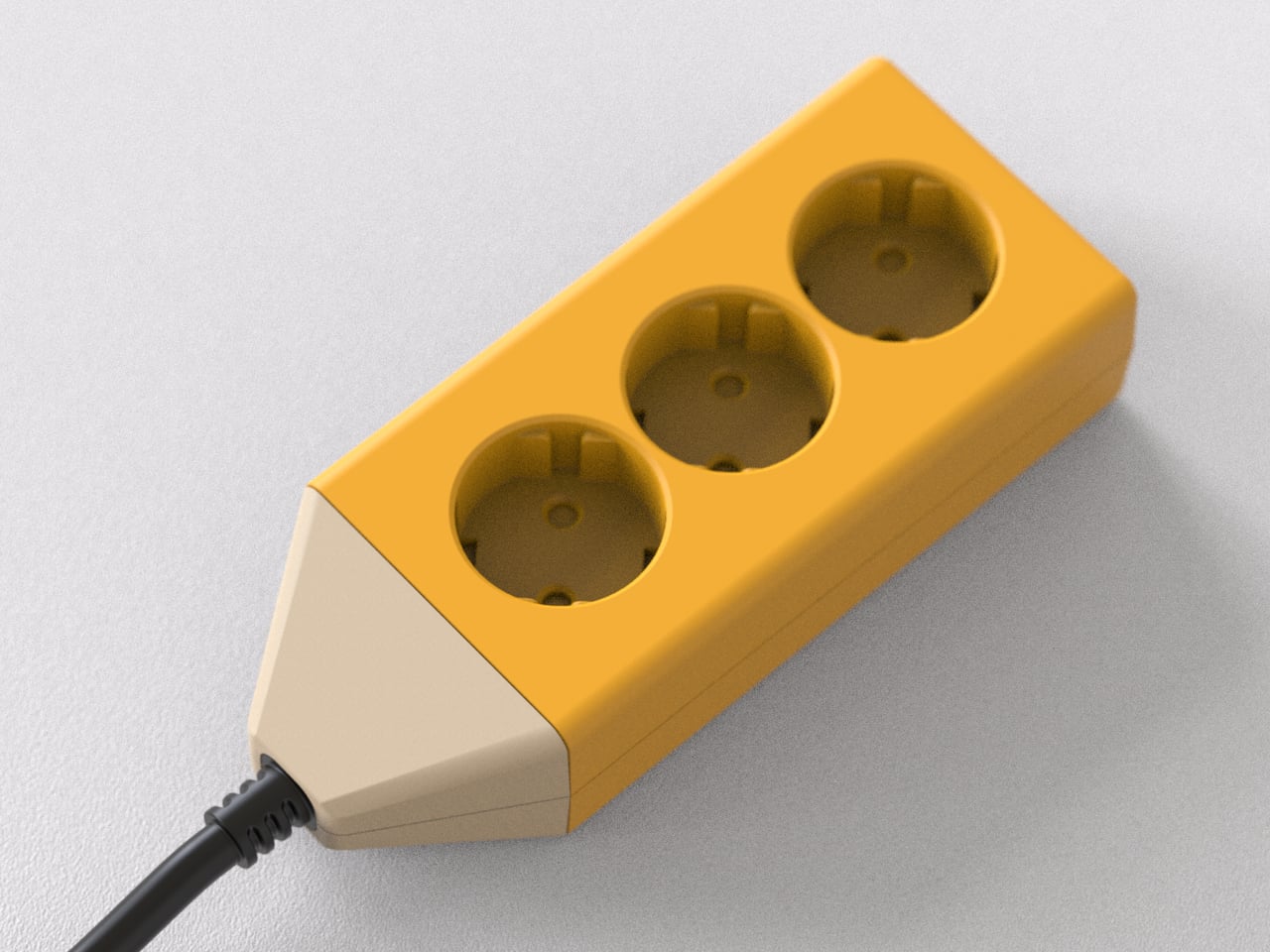
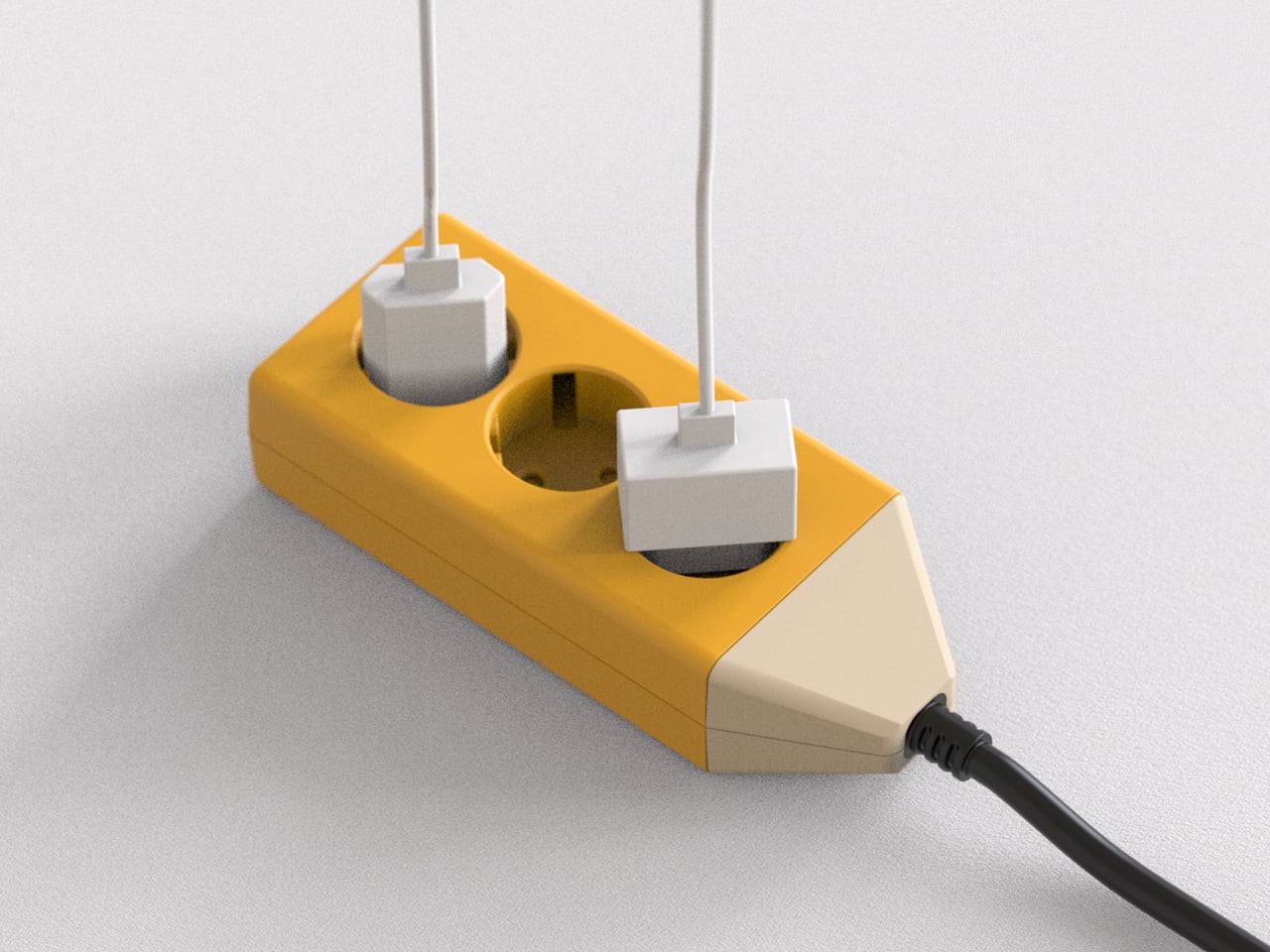
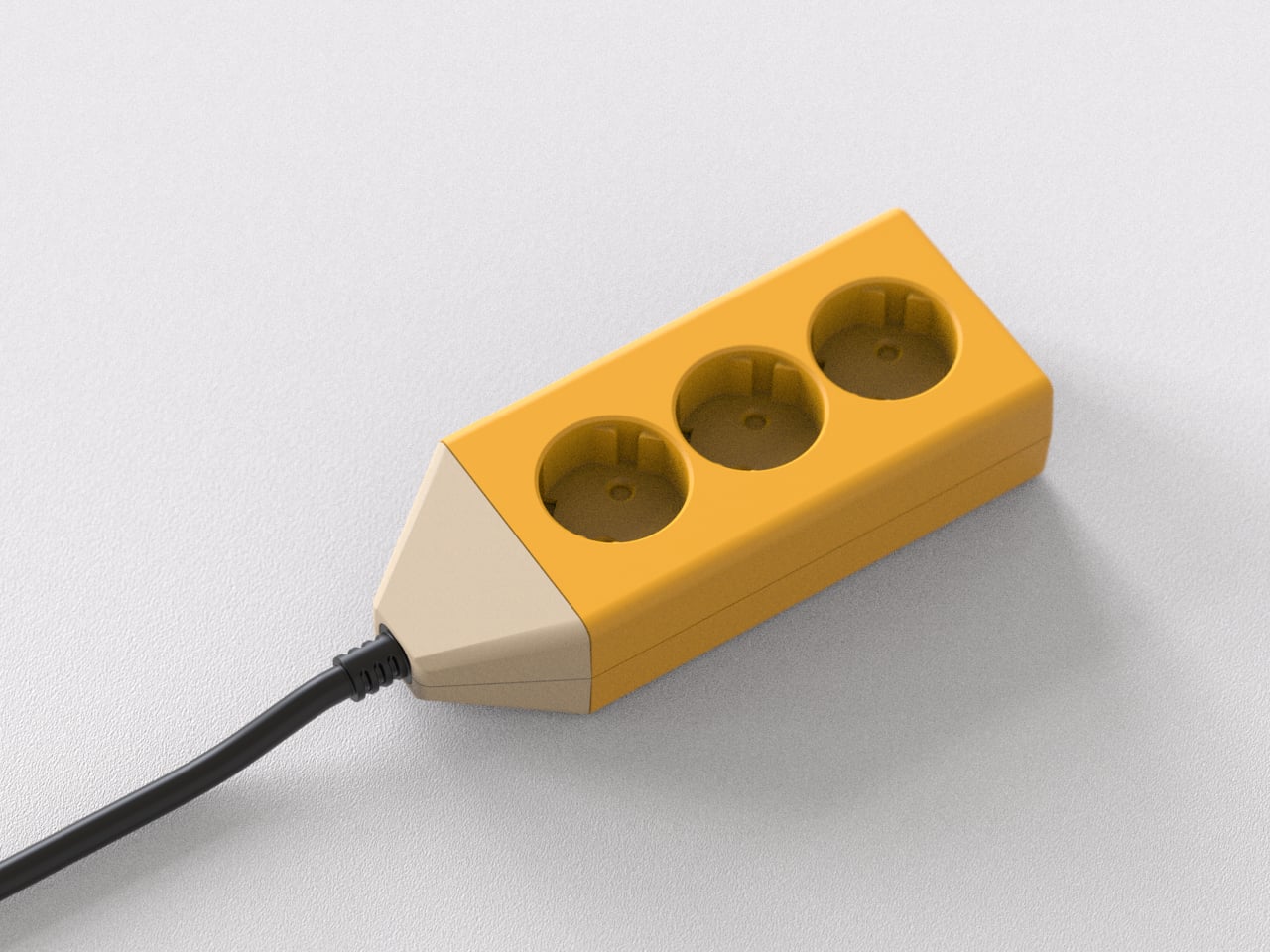
Sitting down at a clean desk in the morning, you drop your notebook, tablet, and laptop on the surface and plug them into a small block that reads as a fat, sharpened pencil. The black cable trails away like a drawn line toward the wall outlet. It feels less like plugging into infrastructure and more like drawing the first line on a blank page, a quiet signal that work is about to begin.

The practical side is straightforward. Three outlets give you enough capacity for a laptop, a charger, and a lamp without turning the surface into a cable farm. The compact, blocky body means it can sit anywhere on the desk or move with you to another room. Because it looks intentional, you do not mind leaving it visible, which makes plugging and unplugging devices easier and less of a contortion exercise under the table.

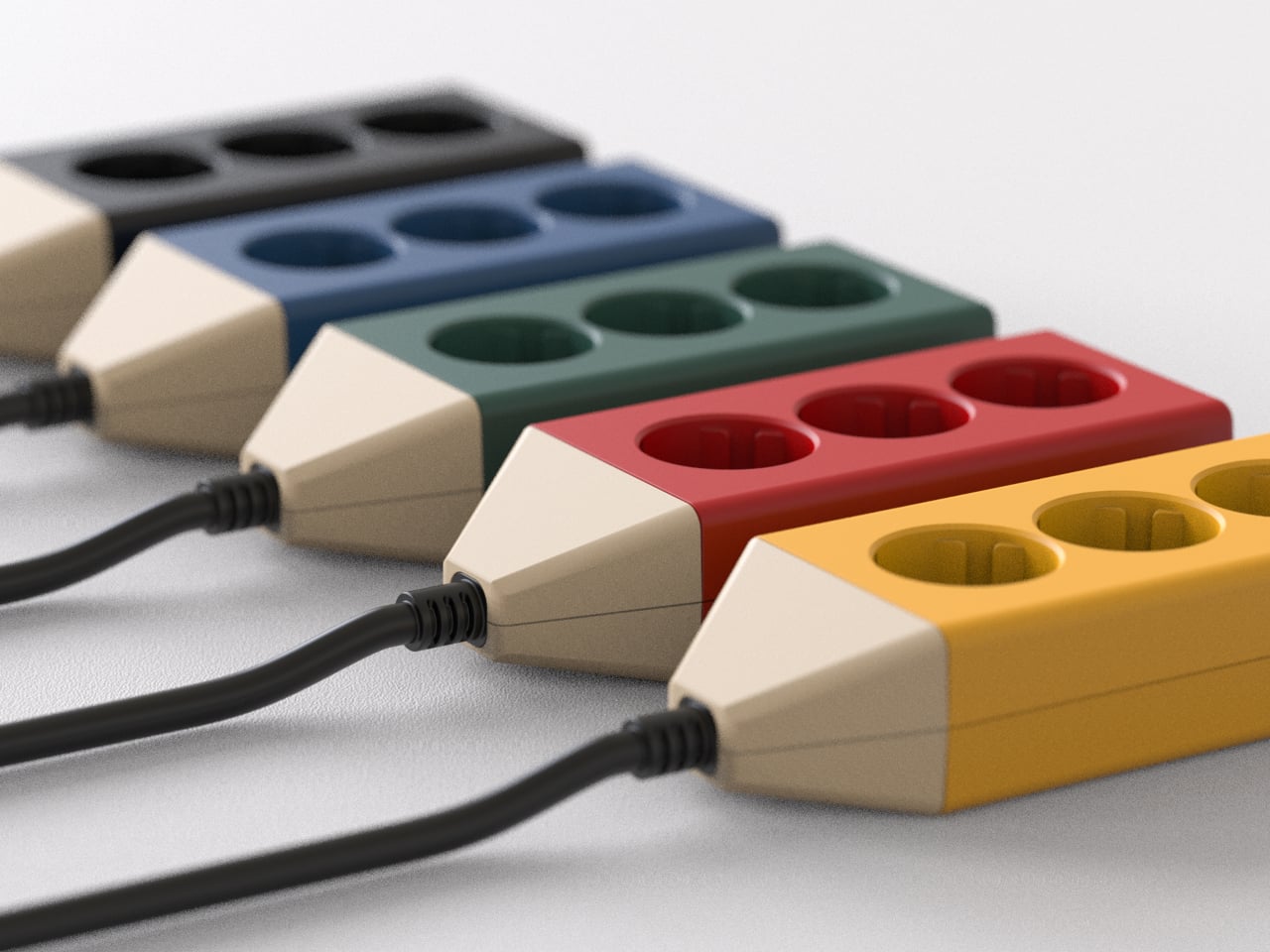
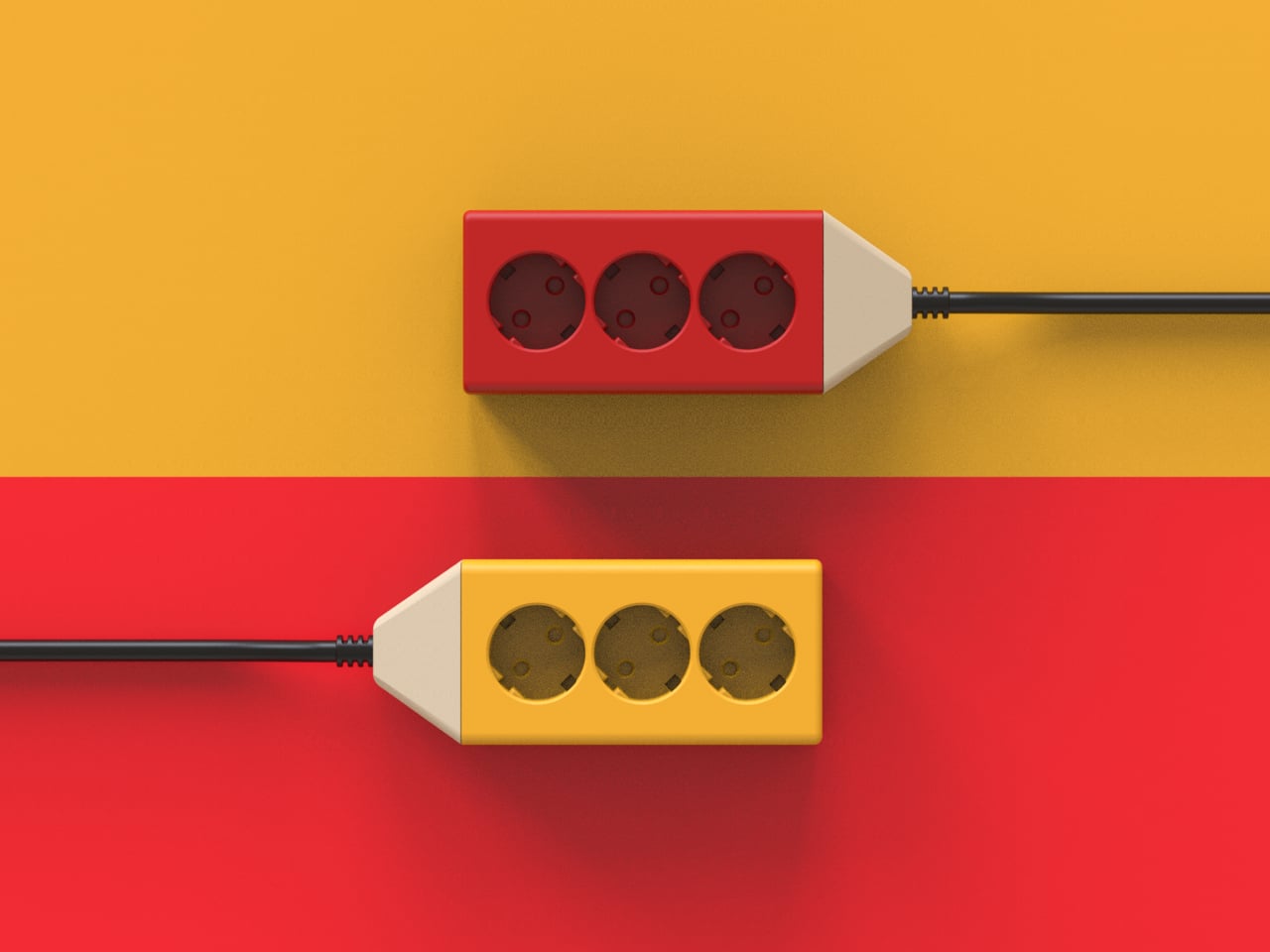
The pencil shape and color blocking make it feel familiar and non-technical, especially in a studio full of screens and metal. Instead of another black brick with a glowing switch, it reads as part of your creative kit, like a favorite pen or ruler. The single cable becomes a deliberate gesture instead of visual noise, which helps the workspace feel calmer even when multiple devices are connected and drawing power.

Three sockets mean this is not the strip you use to power an entire entertainment center or a full office rack. Big power bricks might still crowd each other if you stack too many adapters, and safety standards, surge protection, and regional plug types would all need careful engineering in a real product. But as a desk-level companion for a focused setup, the simplicity is part of the appeal.

The Pencil Multi-Tap treats electricity as part of the workspace experience instead of a background chore. Just as a pencil on the table invites you to write or draw, this little multi-tap invites you to plug in and begin. It is a reminder that even the most mundane tools can be designed to nudge you toward making something, rather than just managing the machines that do the making for you.

The post This Power Strip Looks Like a Pencil with a Cable That Draws a Line first appeared on Yanko Design.

Darth Maul’s standalone series premieres on Disney+ on April 6

Darth Maul, the beloved, sometimes spider-legged former Sith Lord first introduced in Star Wars: Episode 1 — The Phantom Menace, is officially getting his own animated spin-off on April 6, 2026, based on a new teaser trailer published by Disney. Star Wars: Maul — Shadow Lord was originally announced at Star Wars Celebration in 2025, and is set after Maul's arc in Star Wars: The Clone Wars but before his appearance in Star Wars: Rebels.

The 10-episode series covers Maul's plot to rebuild his criminal syndicate "on a planet untouched by the Empire," according to Lucasfilm. "There, he crosses paths with a disillusioned young Jedi Padawan who may just be the apprentice he is seeking to aid him in his relentless pursuit for revenge." Shadow Lord will premiere with two episodes on April 6, and will stream two episodes a week on Disney+ through May 6.

Like most of Disney's popular animated Star Wars shows, Maul — Shadow Lord is created by Dave Filoni, a George Lucas supplicant, co-creator of The Clone Wars and newly minted President and Chief Creative Officer at Luscafilm. Besides picking up the story threads he helped establish in his previous animated work, Maul — Shadow Lord could be representative of the work that will define his tenure: stories that play in the pre-existing Star Wars sandbox.

Since completing their sequel trilogy in 2019 with Star Wars: The Rise of Skywalker, Disney and Lucasfilm have struggled to define what the future of their franchise will actually be. New projects have languished in pre-production, interesting TV shows have gotten cancelled and the only things that seem to come out with any consistency are spin-offs of The Mandalorian and The Clone Wars. Disney and Lucasfilm will release The Mandalorian and Grogu on May 22, 2026, the first new Star Wars movie to hit theaters in seven years. The Shawn Levy-directed Star Wars: Starfighter, the first film set chronologically after the events of Rise of Skywalker, is slated to premiere on May 28, 2027.

This article originally appeared on Engadget at https://www.engadget.com/entertainment/streaming/darth-mauls-standalone-series-premieres-on-disney-on-april-6-224036720.html?src=rss

Designers Just Built the Chess Set Brutalism Fans Wanted

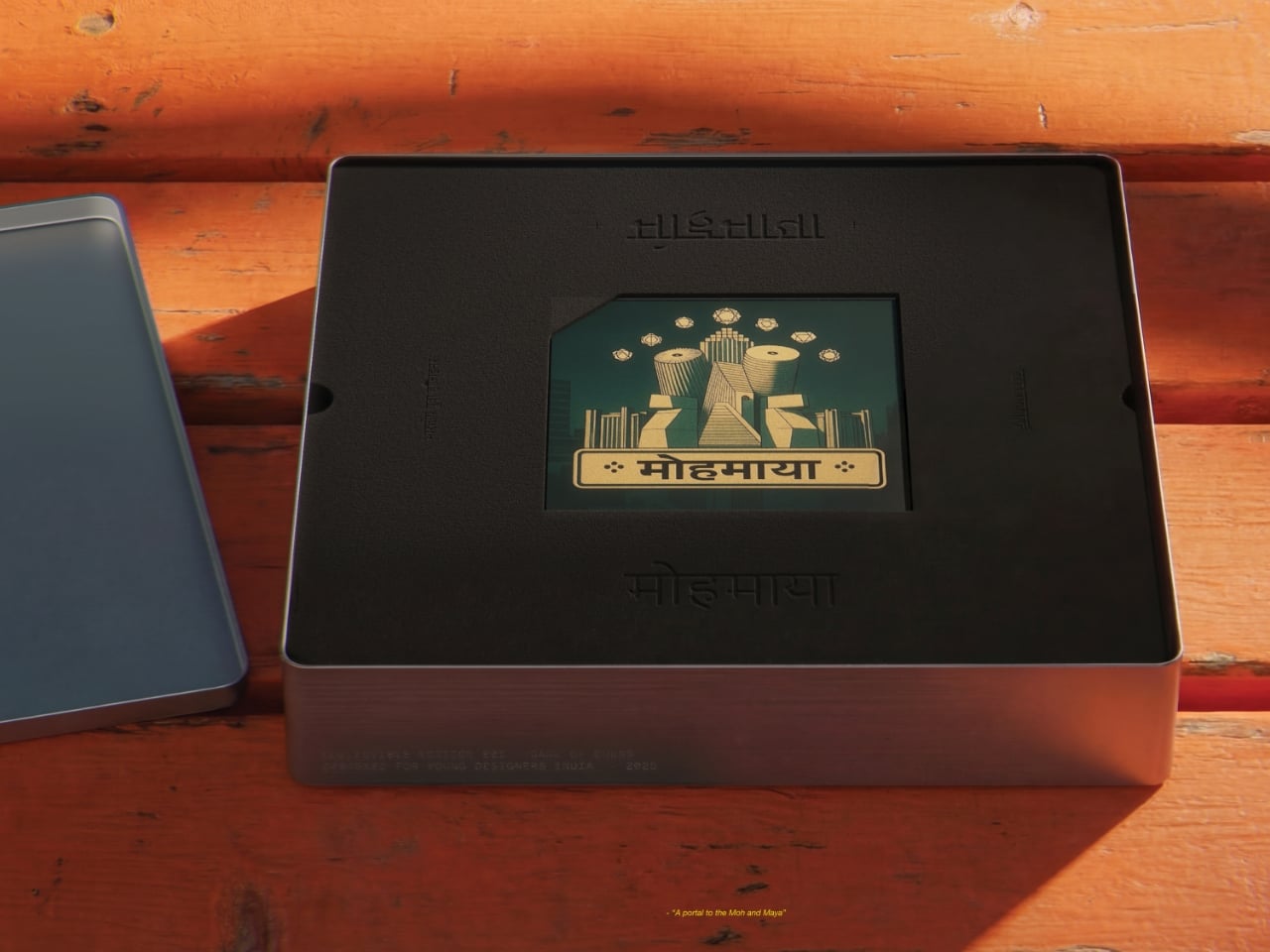
There’s something deeply satisfying about watching a familiar game get completely reimagined. The Mohmaya chess set does exactly that, turning the classic battlefield into a three-dimensional landscape where every move feels like navigating through a modernist city.

Designed by Tanay Vora, Vidushi Gupta, Hardik Sharma, and Yaman Gupta, this isn’t your grandmother’s chess set. Though actually, it kind of is, if your grandmother happened to appreciate mid-century Indian modernism and spiritual philosophy. The name “Mohmaya” translates to “illusion,” which feels perfect for a game that’s all about deception, strategy, and seeing through your opponent’s tricks.

Designers: Tanay Vora, Vidushi Gupta, Hardik Sharma, Yaman Gupta

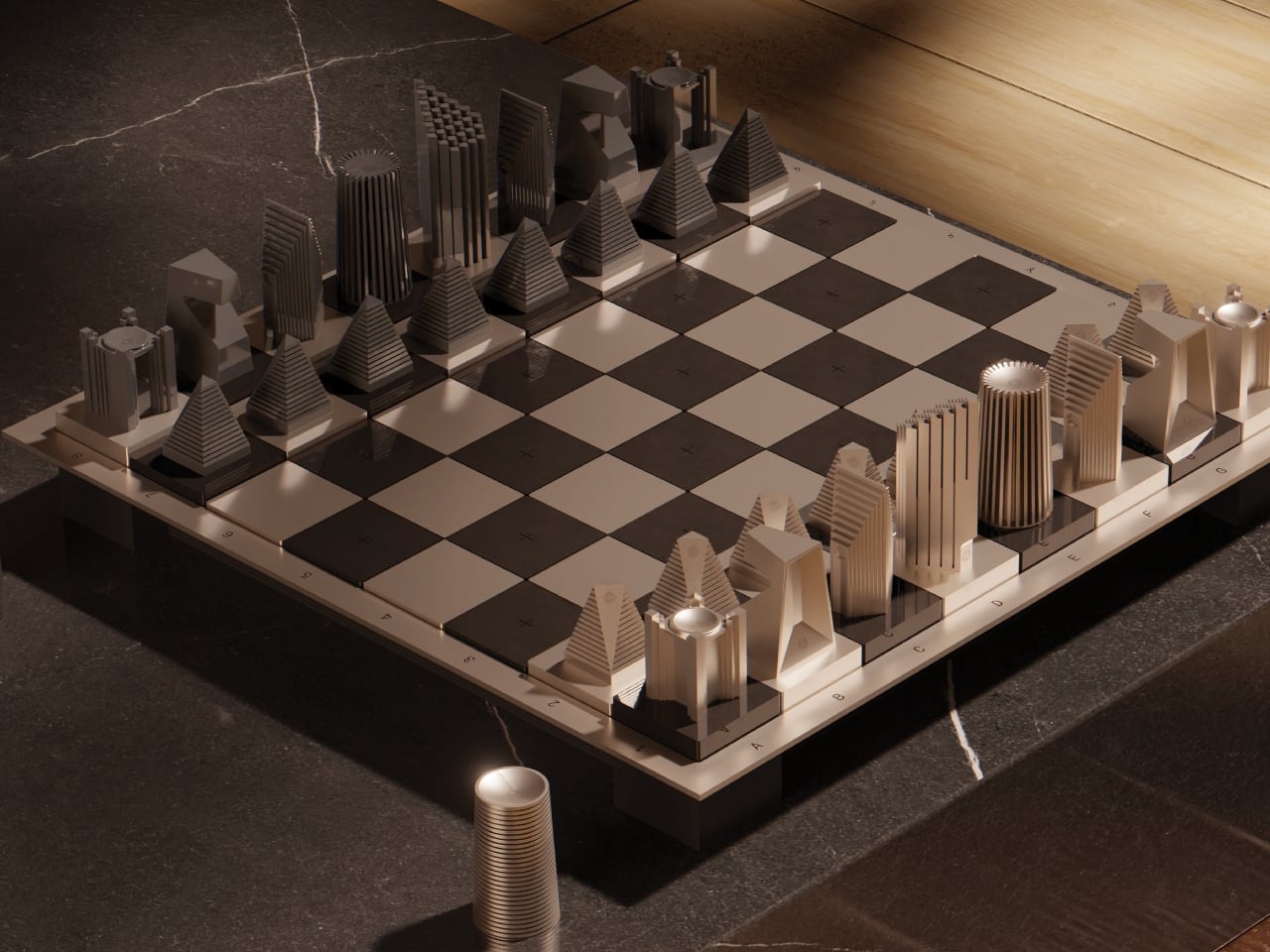
What makes this set visually striking is its refusal to stay flat. Unlike traditional chessboards that exist on a single plane, Mohmaya creates a topography. Pawns start on the lowest level, grounded and humble. The center of the board sits even lower, like a valley where the real drama unfolds. Then the back row rises highest, where kings and queens preside over everything like architectural monuments on a hilltop. Playing on this board means you’re not just moving pieces across squares but navigating elevation changes, climbing through terrain with every strategic advance.
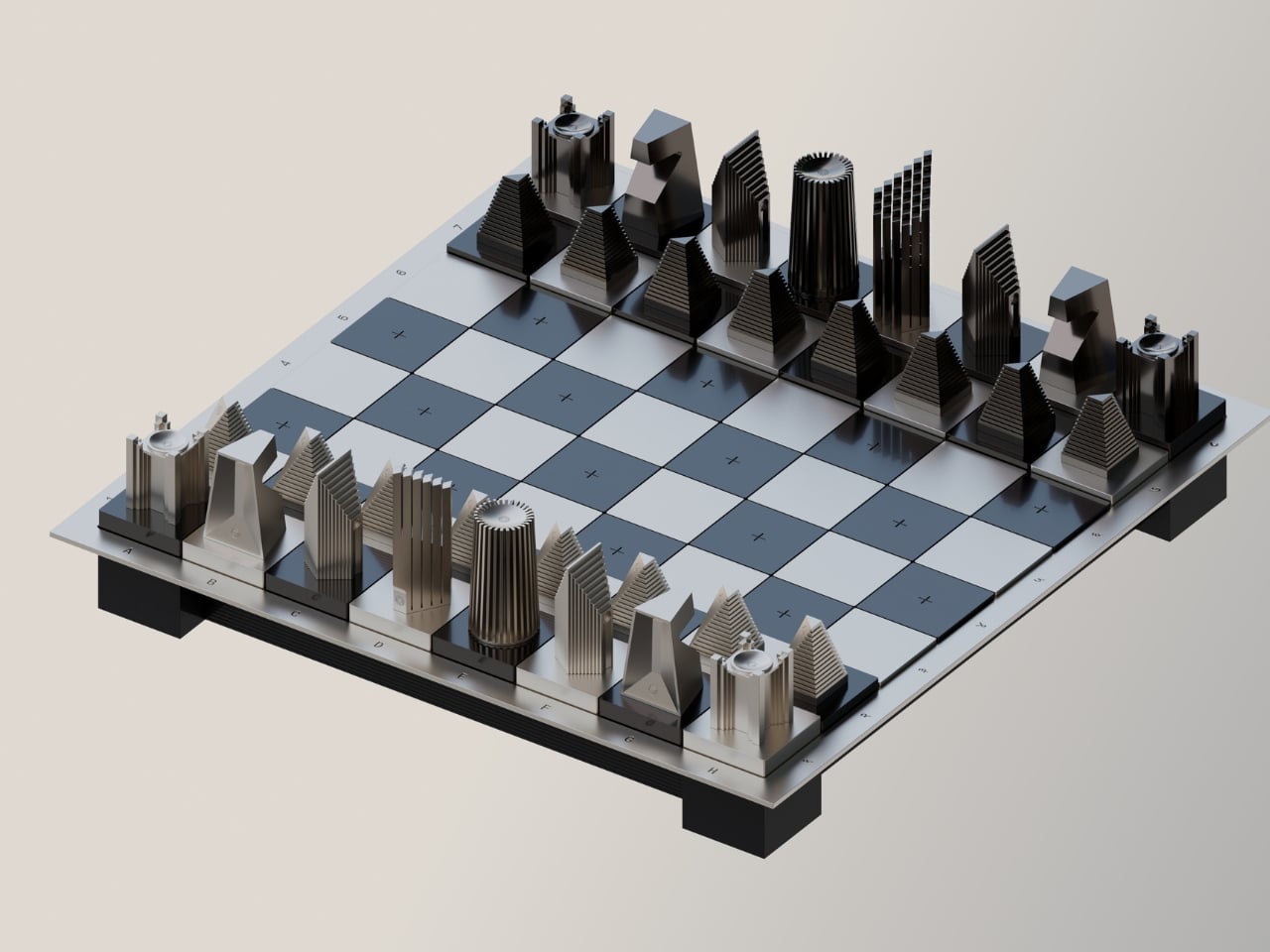
The pieces themselves are love letters to India’s architectural golden age. Each one draws from the concrete geometry, bold lines, and structural balance of mid-century modernist buildings. Think of the work of BV Doshi, Louis Kahn’s Indian Institute of Management in Ahmedabad, or Amit Raje’s brutalist visions. These weren’t architects who whispered. They made statements in poured concrete and dramatic forms, and Mohmaya channels that same confident energy.
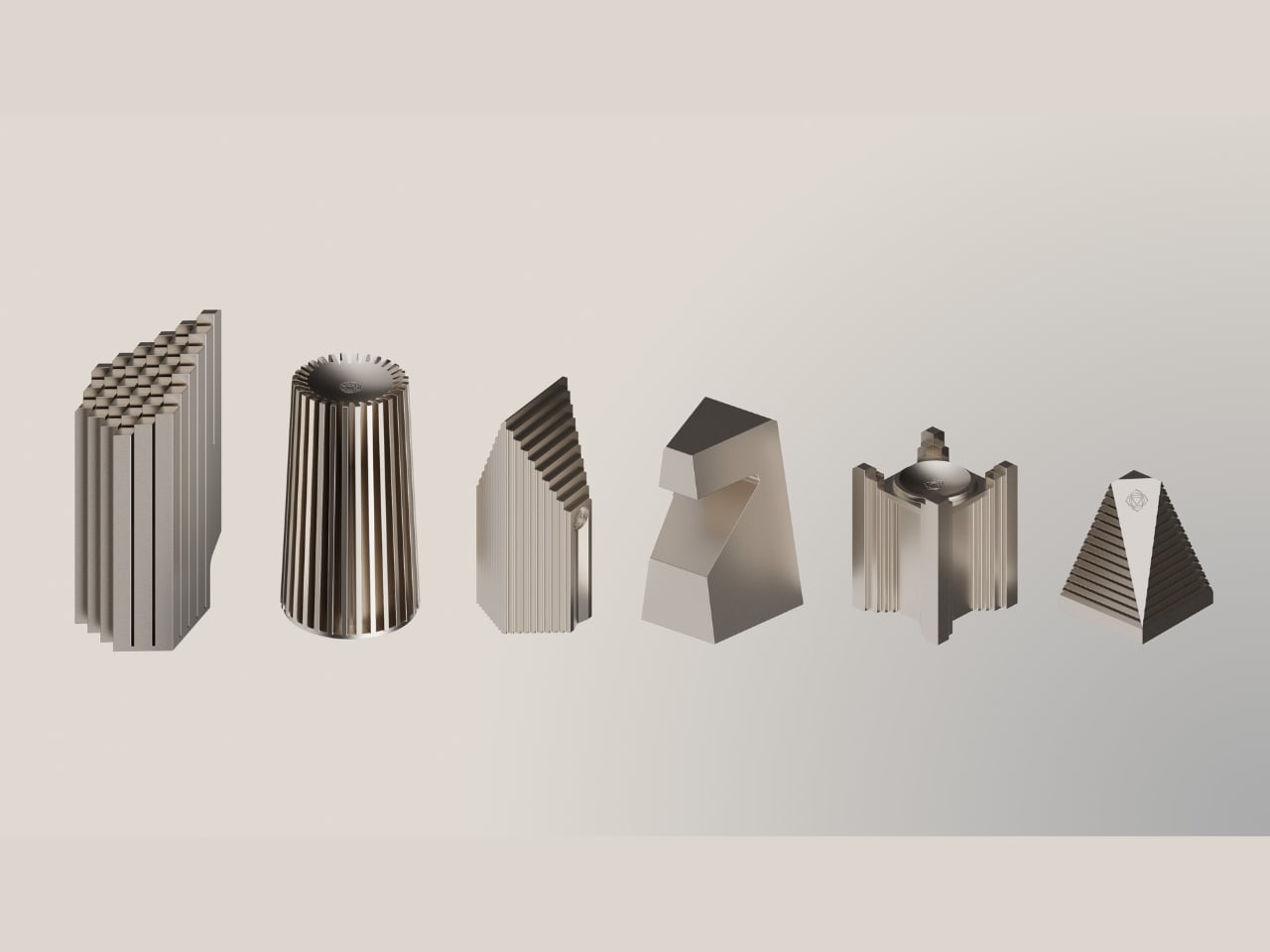
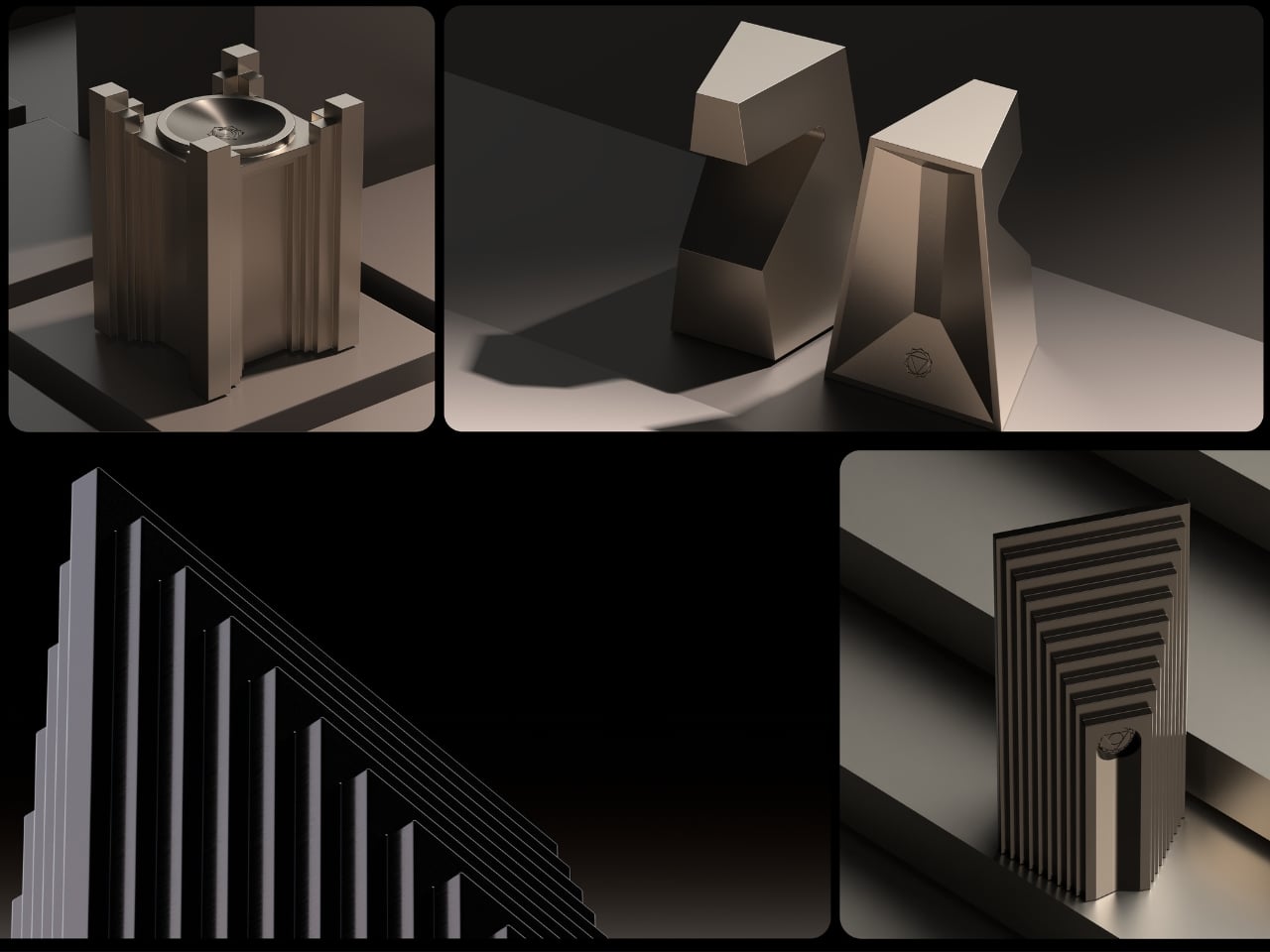
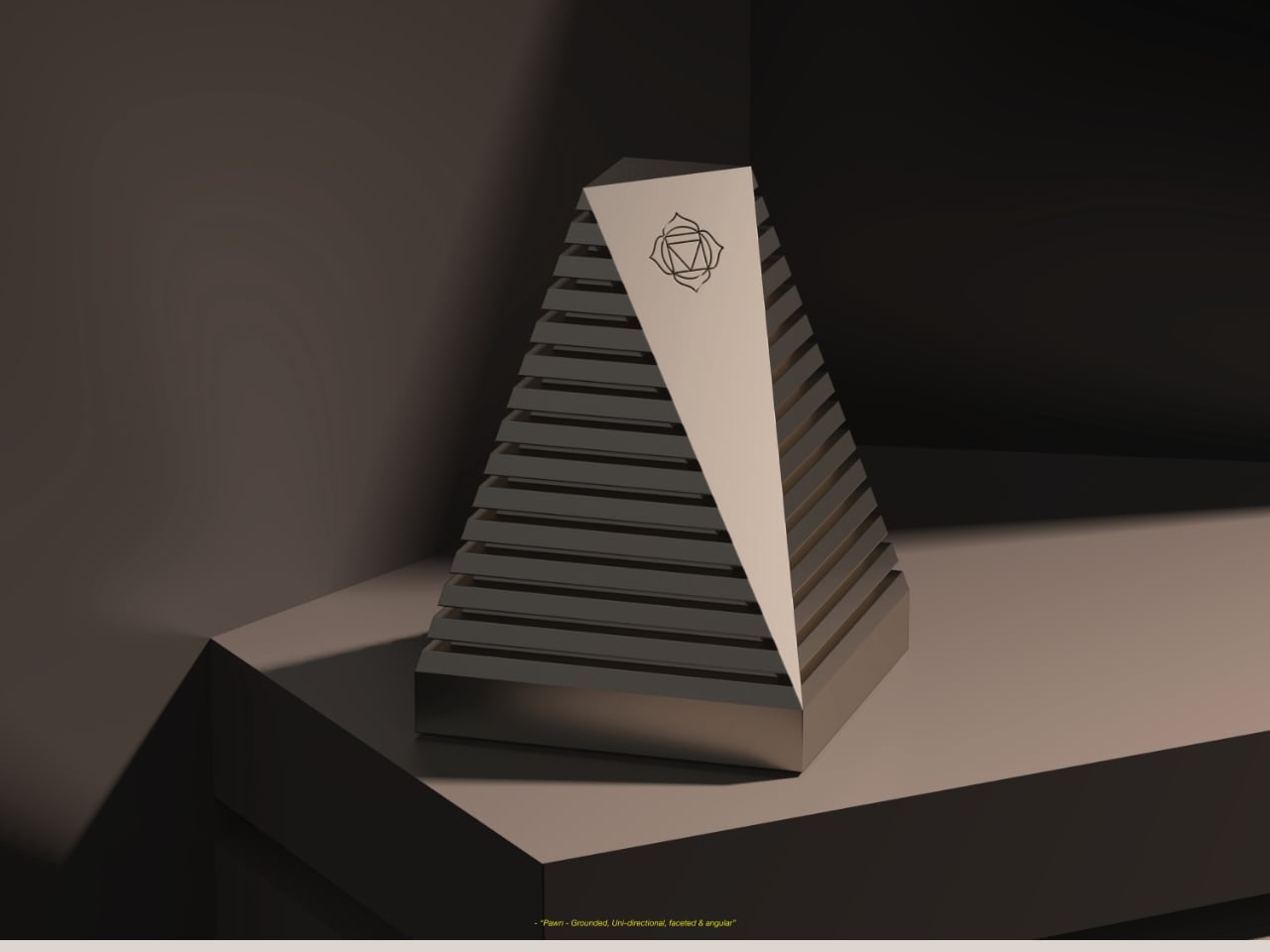
But there’s another layer here that elevates the design beyond pure aesthetics. Each chess piece aligns with chakra symbolism, giving every element a metaphysical dimension. Pawns connect to the Root Chakra, representing stability and patience. Knights embody the Sacral Chakra with their creative, playful energy, always in motion. Bishops hold the Solar Plexus, focused and powerful in their diagonal precision. Rooks align with the Heart Chakra, protective yet generous. Queens carry the Throat Chakra’s voice, expressing leadership across the board. And the king stands with the Crown Chakra, the quiet center of wisdom and balance.

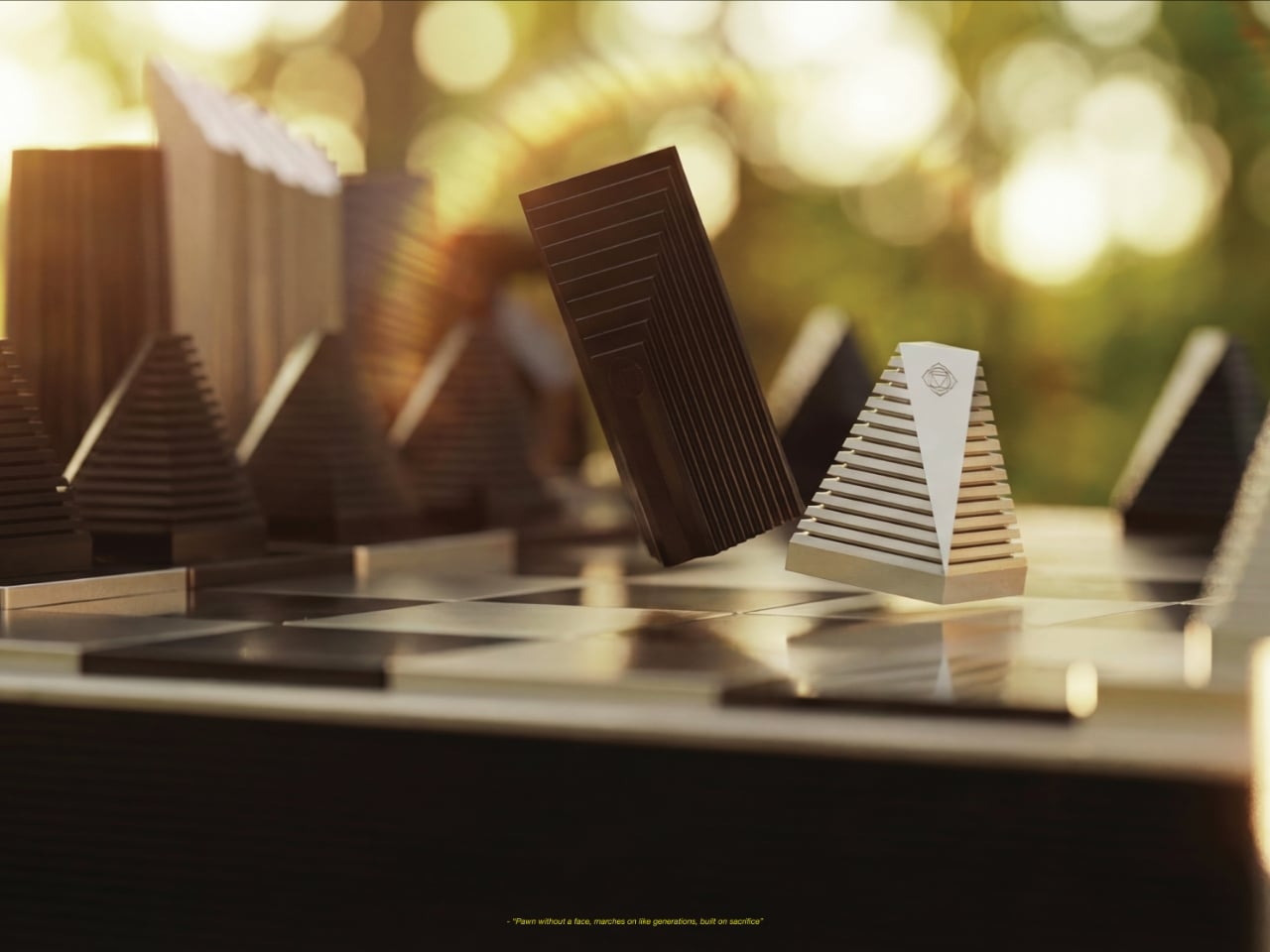
This symbolic framework isn’t just decorative philosophy. It actually affects how you think about each piece’s role in the game. When your rook moves, you’re activating that protective heart energy. When your queen sweeps across the board, she’s literally voicing your strategy. It adds a narrative dimension to every match, making the board itself part of the story.

Speaking of story, Mohmaya introduces one fascinating rule variation. When a pawn reaches the opposite end of the board, it transforms into an additional queen, just like in traditional chess. But here, that transformation carries extra weight. It’s the awakened queen, a reminder that even the smallest, most grounded pieces can undergo radical change. It’s a beautiful metaphor for growth and potential, wrapped in gameplay mechanics.
What really resonates about this project is its underlying mission to reframe how people see Indian design. For too long, the global perception has been narrow, viewing Indian aesthetics through a lens of nostalgia, ornamental patterns, or folkloric charm. Mohmaya pushes back against that limiting view. This is Indian design that’s bold, globally conversant, forward-thinking, and philosophically deep. It draws from a culture that has always asked big questions about life, reality, and meaning, then translates those questions into something you can hold in your hands and play with.
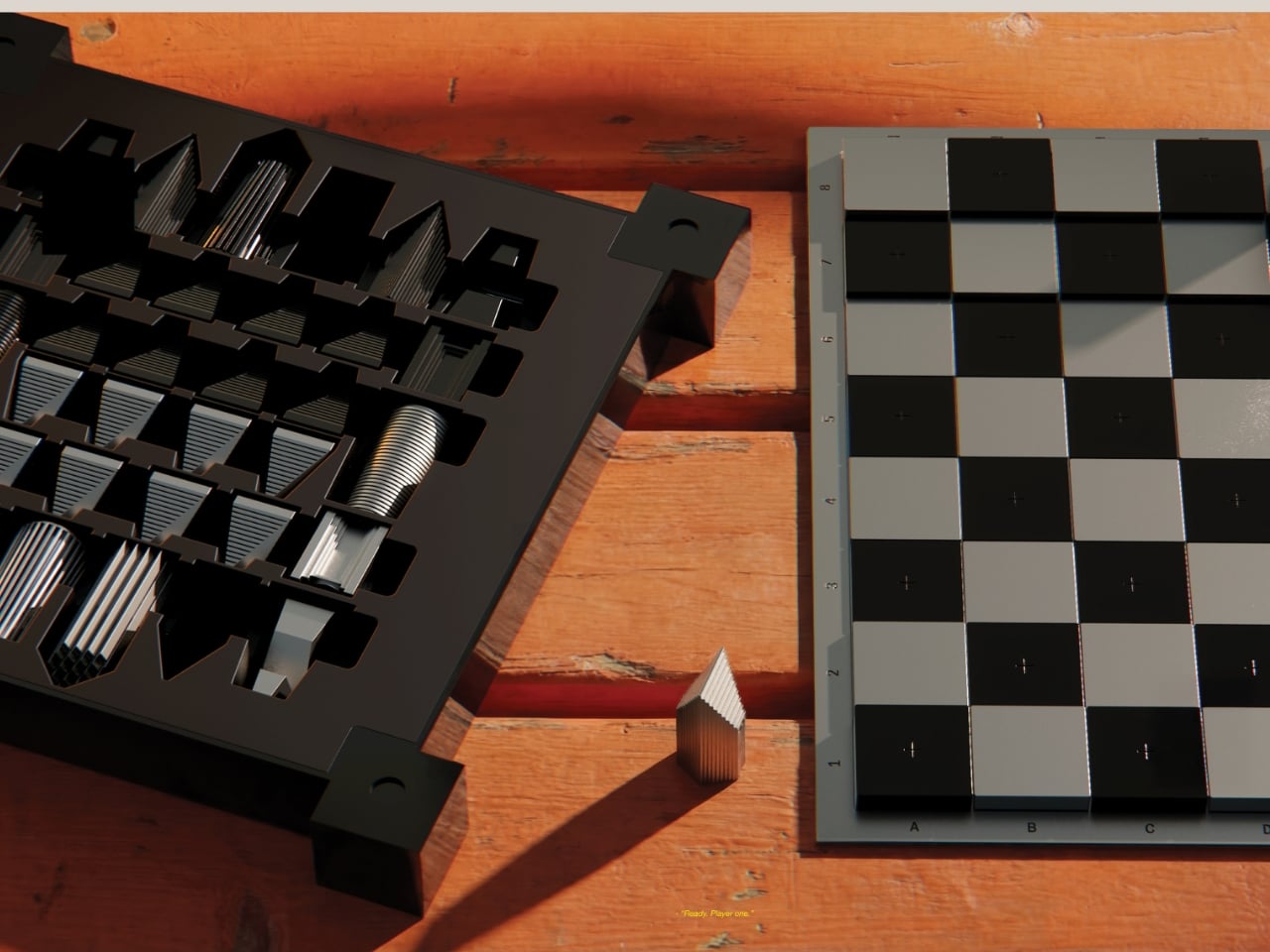
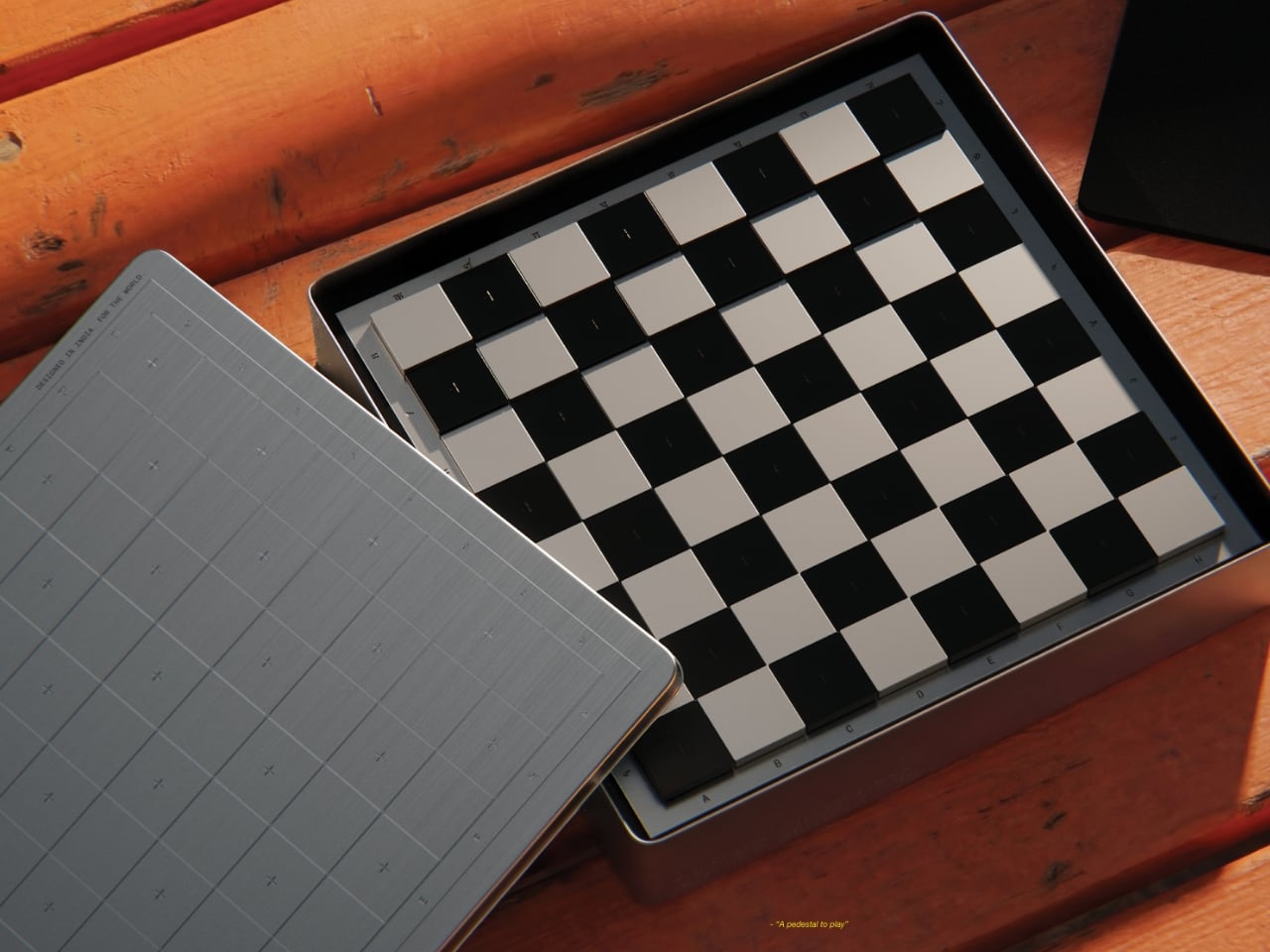
The design team describes it as an homage to Indian utopian modernism, that brief moment when tradition and innovation mixed without hesitation. That period produced some of the most exciting architecture in the world, buildings that weren’t afraid to be both contemporary and rooted in local context. Mohmaya carries that same spirit into object design.
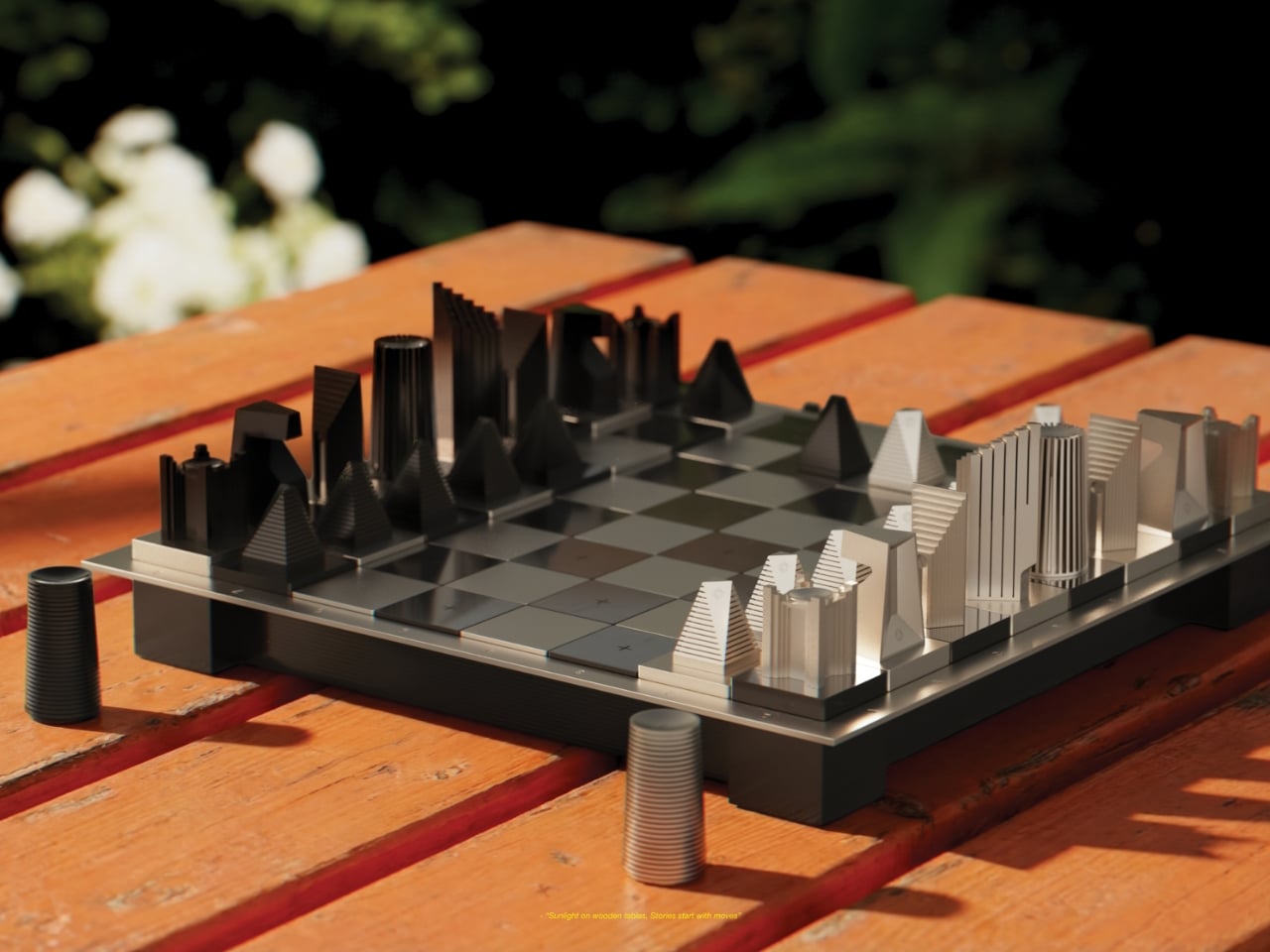

Whether you’re a chess enthusiast, a design collector, or someone who just appreciates objects with intention behind them, this set offers something rare. It’s functional art that doesn’t sacrifice playability for concept. It’s culturally specific without being exclusive. It takes an ancient game and makes it feel fresh by connecting it to a different kind of history, one that deserves more recognition in global design conversations.
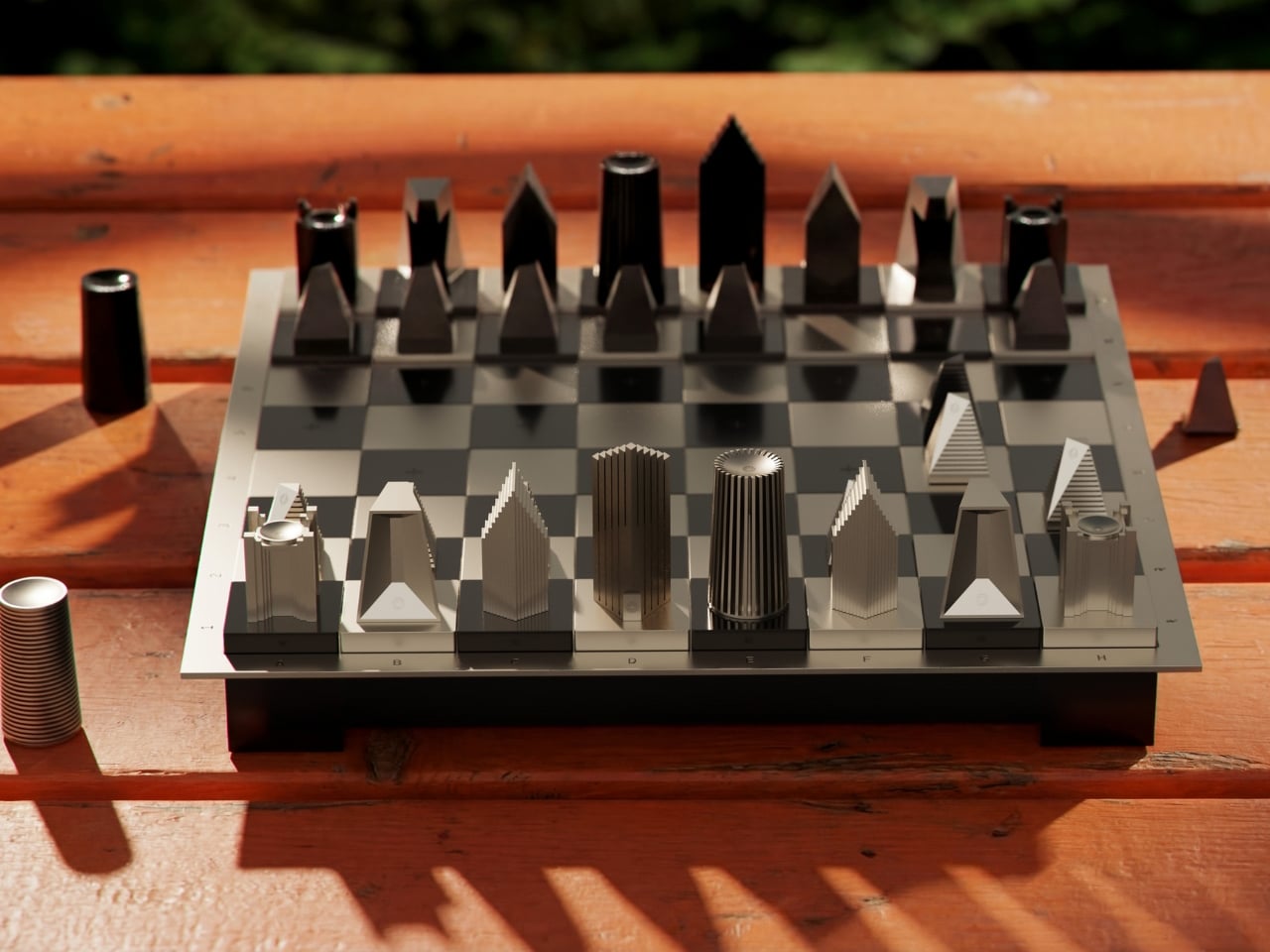
The post Designers Just Built the Chess Set Brutalism Fans Wanted first appeared on Yanko Design.
JBL made a pair of AI-powered practice amps

JBL is trying its hand at something new, with a pair of AI-powered practice amps. The BandBox Solo and BandBox Trio include an onboard Stem AI that purportedly lets you separate or remove vocals and instruments from any music streamed over Bluetooth. So, say you're a young guitarist learning “Stairway to Heaven” (as one does). At least in theory, you could use the speaker to remove Jimmy Page's part and hone your chops with the rest of the band.

The $250 BandBox Solo, designed for individual musicians, has a single guitar / mic input. And the $600 BandBox Trio, better for bands, supports up to four instrument inputs. The latter also has a few extra perks not found in the Solo: onboard controls (to reduce reliance on the app) and an LCD.

A hand adjusting knobs on the JBL BandBox Trio speaker
The more expensive BandBox Trio has an LCD and more onboard controls.
JBL

The JBL One app lets you add filters to match a variety of modern and vintage amp models. You'll also find effects like phaser, chorus, and reverb, as well as a pitch shifter and tuner. A built-in looper will allow for layering, but JBL says that feature will arrive via a software update in October.

JBL says the BandBox Solo supports up to six hours of battery life. The BandBox Trio is said to last up to 10 hours. But the latter has a replaceable battery, so you could buy a spare (for an as-yet-unknown price) and double that time.

The $250 BandBox Solo and $600 BandBox Trio are available to pre-order from JBL's website starting today. Shipments and third-party retail availability are scheduled for March 1.

This article originally appeared on Engadget at https://www.engadget.com/audio/speakers/jbl-made-a-pair-of-ai-powered-practice-amps-221000631.html?src=rss

Telly has only delivered 35,000 of its free televisions with always-on ads

Telly appeared on the home theater scene in 2023 with an unusual proposition. Its business model revolves around giving customers free dual-screen televisions where the lower screen shows non-stop advertisements. At the time, the start-up’s execs projected that Telly would ship its first 500,000 screens that summer. However, Janko Roettgers of Lowpass reported that Telly only had 35,000 sets in people's homes at the end of the third quarter of 2025. The figure appears to come from a quarterly investor update, but Telly didn't provide Roettgers with any comment on the report.

Personally, I don't think I'd want a free TV that perpetually pelts me with ads, but it seems Telly did in fact have some interest in its approach; the company reportedly had 250,000 pre-orders in June 2023. However, it ran into issues with getting those televisions to customers in one piece. The quarterly report allegedly said that 10 percent of Telly's shipments through FedEx arrived broken. A thread on the company's Reddit page from a year ago backs that up, chronicling delayed shipments and broken replacements. So in short, things aren’t going so great for the company right now.

This article originally appeared on Engadget at https://www.engadget.com/home/home-theater/telly-has-only-delivered-35000-of-its-free-televisions-with-always-on-ads-215033698.html?src=rss

Mangmi Pocket Max handheld boasts magnetic modular D-Pad and ABXY buttons

The handheld wars are entering the territory where end-users will benefit the most, getting the best hardware at the most competitive prices. Ayaneo, Anbernic, and other new players in the handheld market are vying for dominance, which is likely to manifest in sharp pricing. Android handheld maker Mangmi, targeting the entry level of the gaming community, wants to join the tussle with its new iteration of a gaming handheld device.

The Chinese maker is known for its $99 Air X handheld that punches well above its weight, giving retro handhelds priced around $150 a run for their money. Now, the Pocket Max handheld revealed this week, wants to take things further in the quest for handheld supremacy. Going by the revealed specs, we assume the handheld will be priced around $200, making it compete with the likes of Retroid Pocket Mini V2. Considering the global RAM shortage, anything less than that would be a good option for gamers who play a lot of emulation titles.

Design: Mangmi

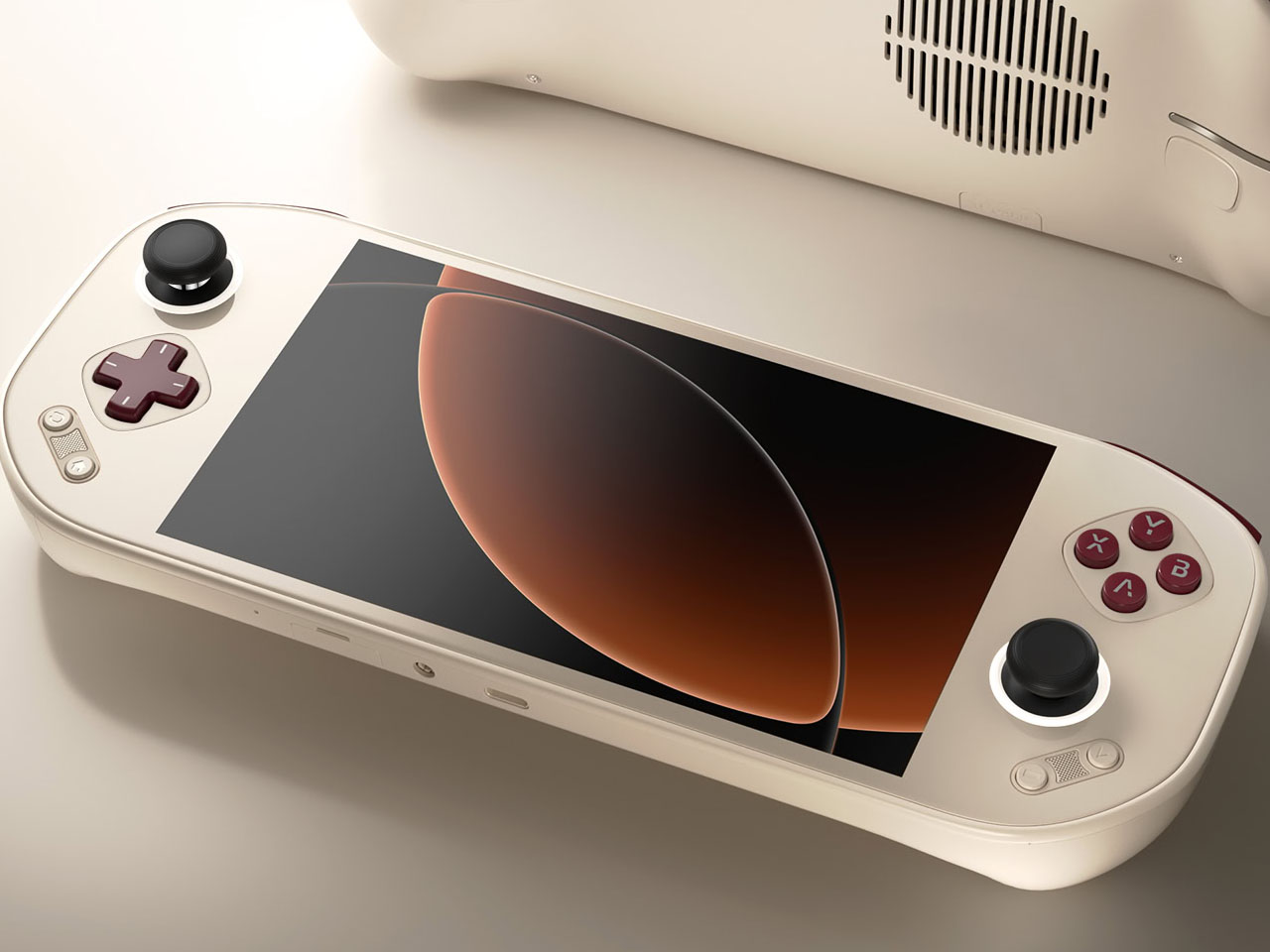
While the Air X touted the portable aesthetics, the Pocket Max targets gamers who want to swap better performance with a bit of sacrifice in size. For now, Mangmi has released some renders and the specifications of the gadget. It’ll have a 7-inch AMOLED display with 1920 × 1080 HD resolution and 144Hz refresh rate. The device will be powered by the Snapdragon 865 processor, which also powers the Retroid Pocket 5 and Ayaneo Thor Lite. If we go by the official specs sheet, Mangmi will offer the handheld in one variant only that will have 8GB LPDDR4X RAM and 128GB UFS 3.1 storage, which can be extended via the MicroSD card slot.

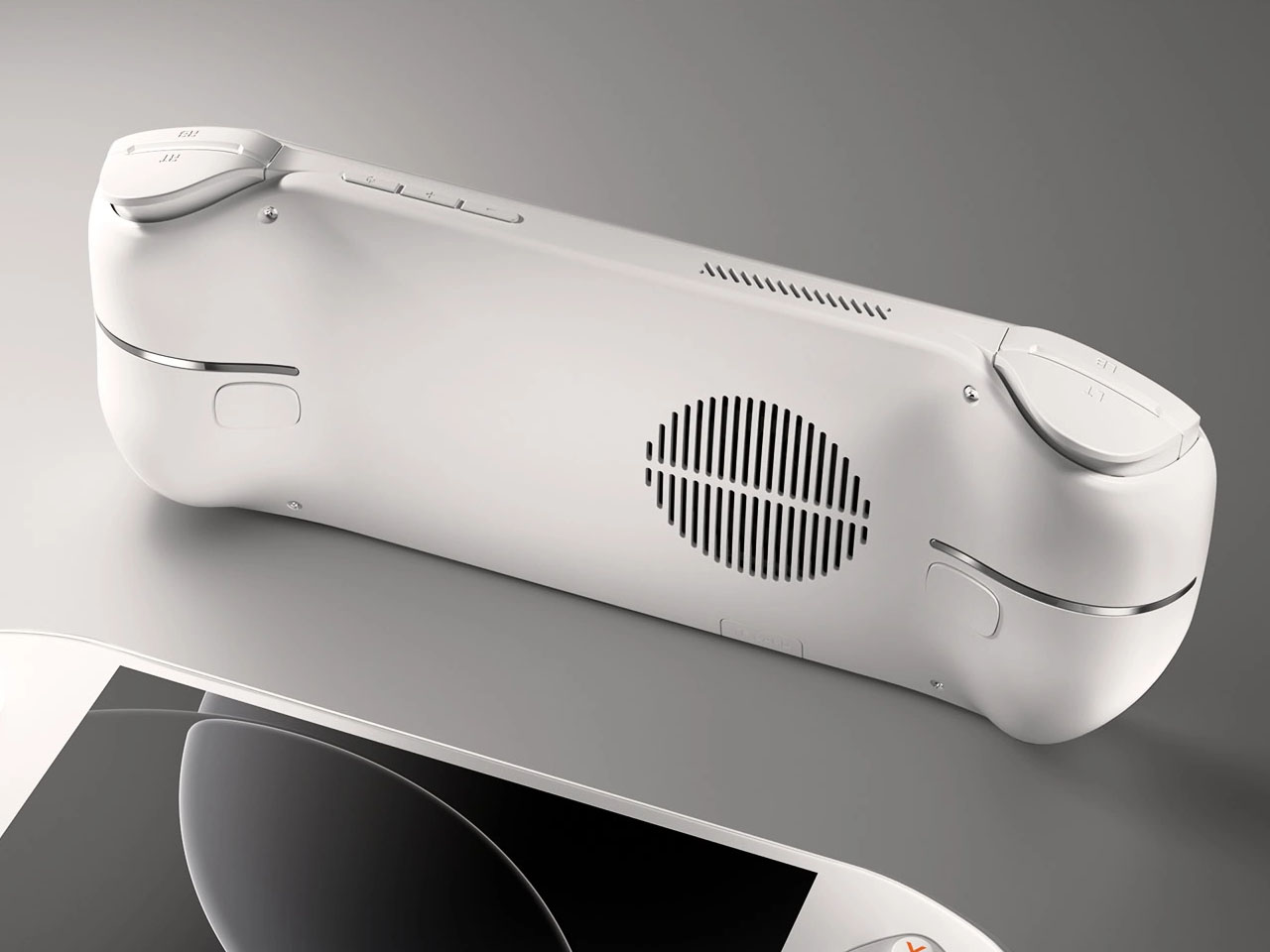
For extended gaming sessions, the Android 13 handheld gets an 8,000mAh battery with a charging capacity of up to 27W. This is done via the USB-C port that also supports video output. You also get a 3.5mm headphone jack for lossless video output. To maintain constant framerates in graphics-intensive titles, there is an active cooling fan to keep the temperature to a minimum. Wi-Fi 6 and Bluetooth 5.1 connectivity take care of all your wireless connectivity needs.

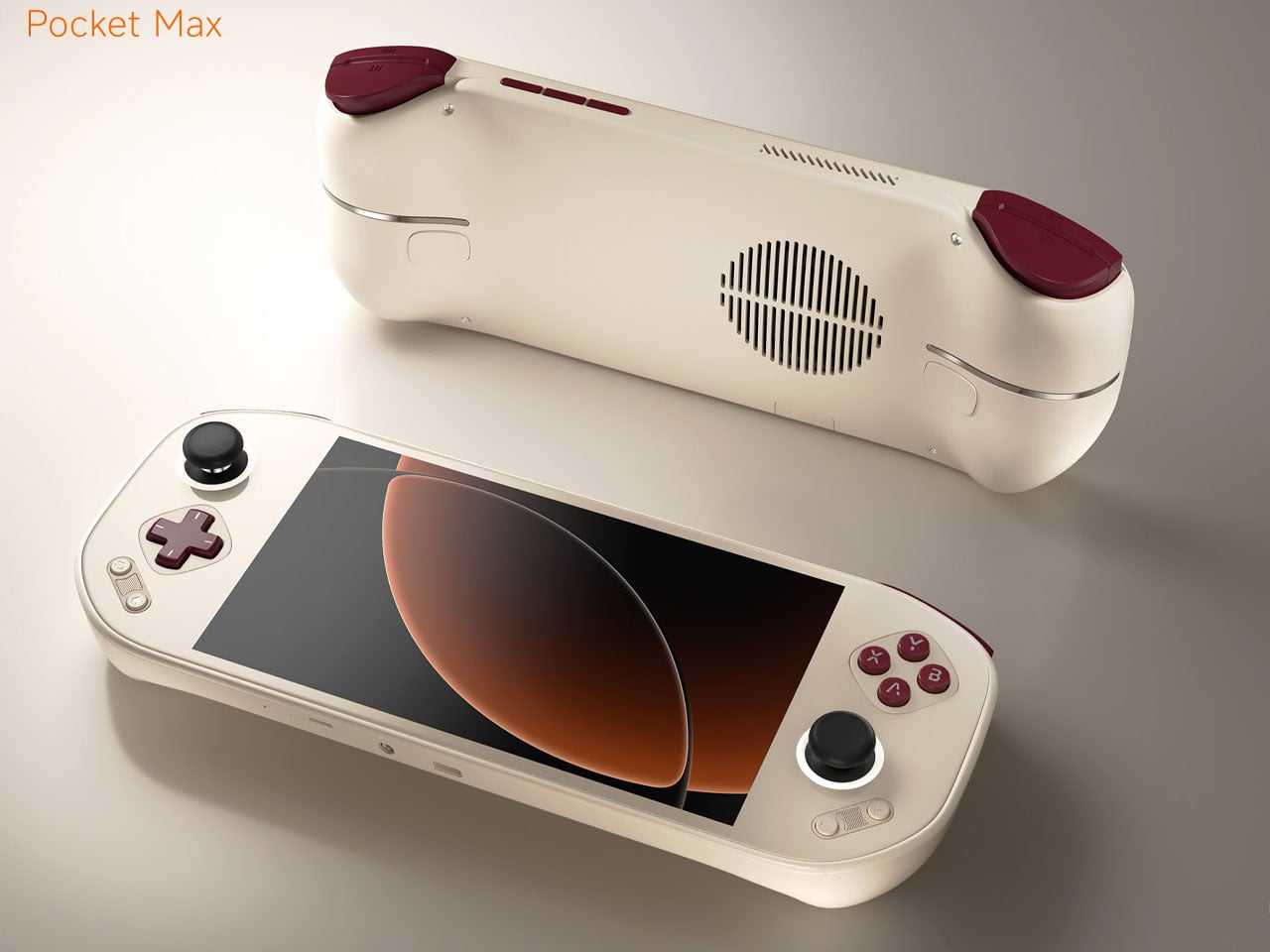
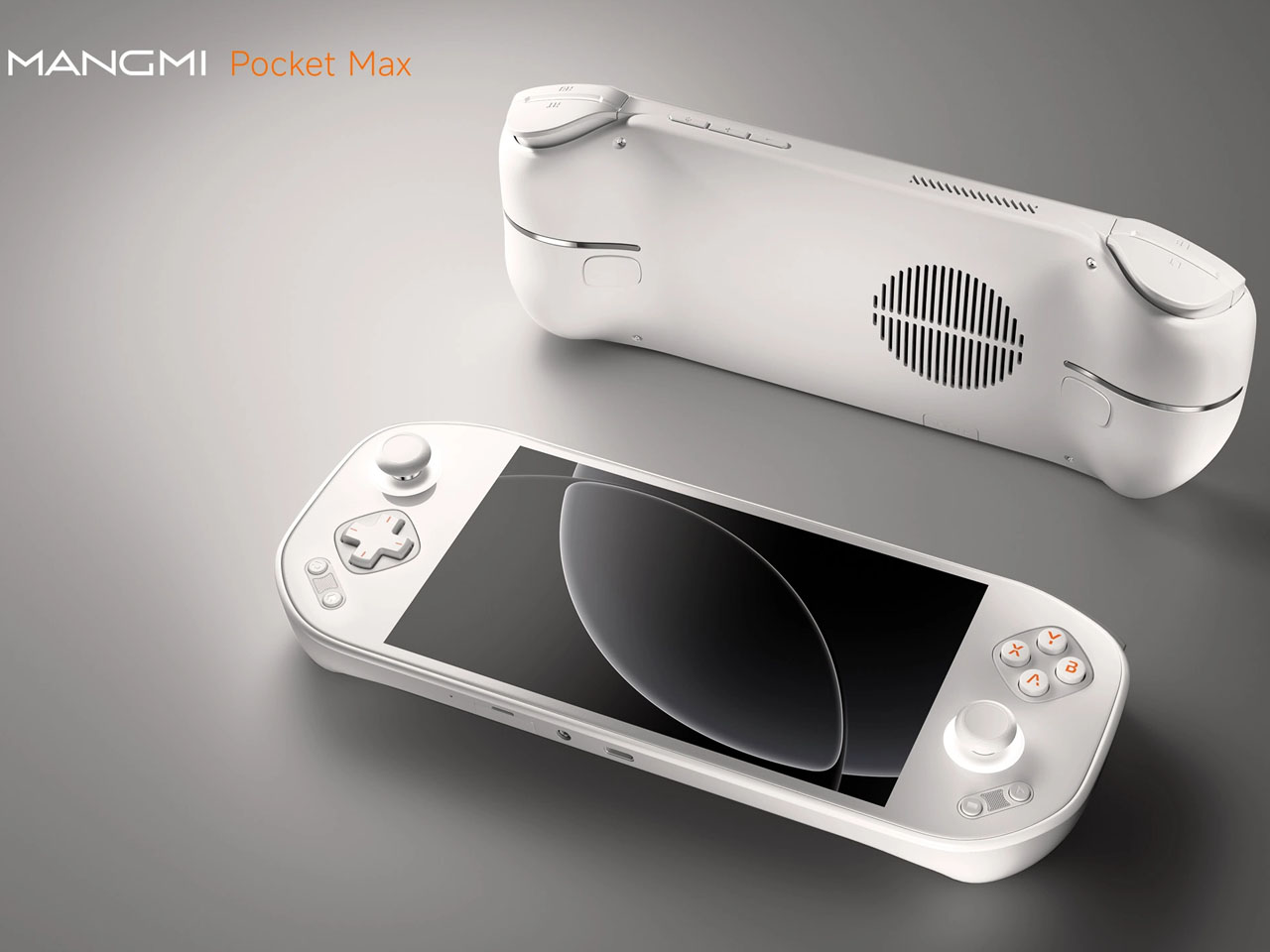
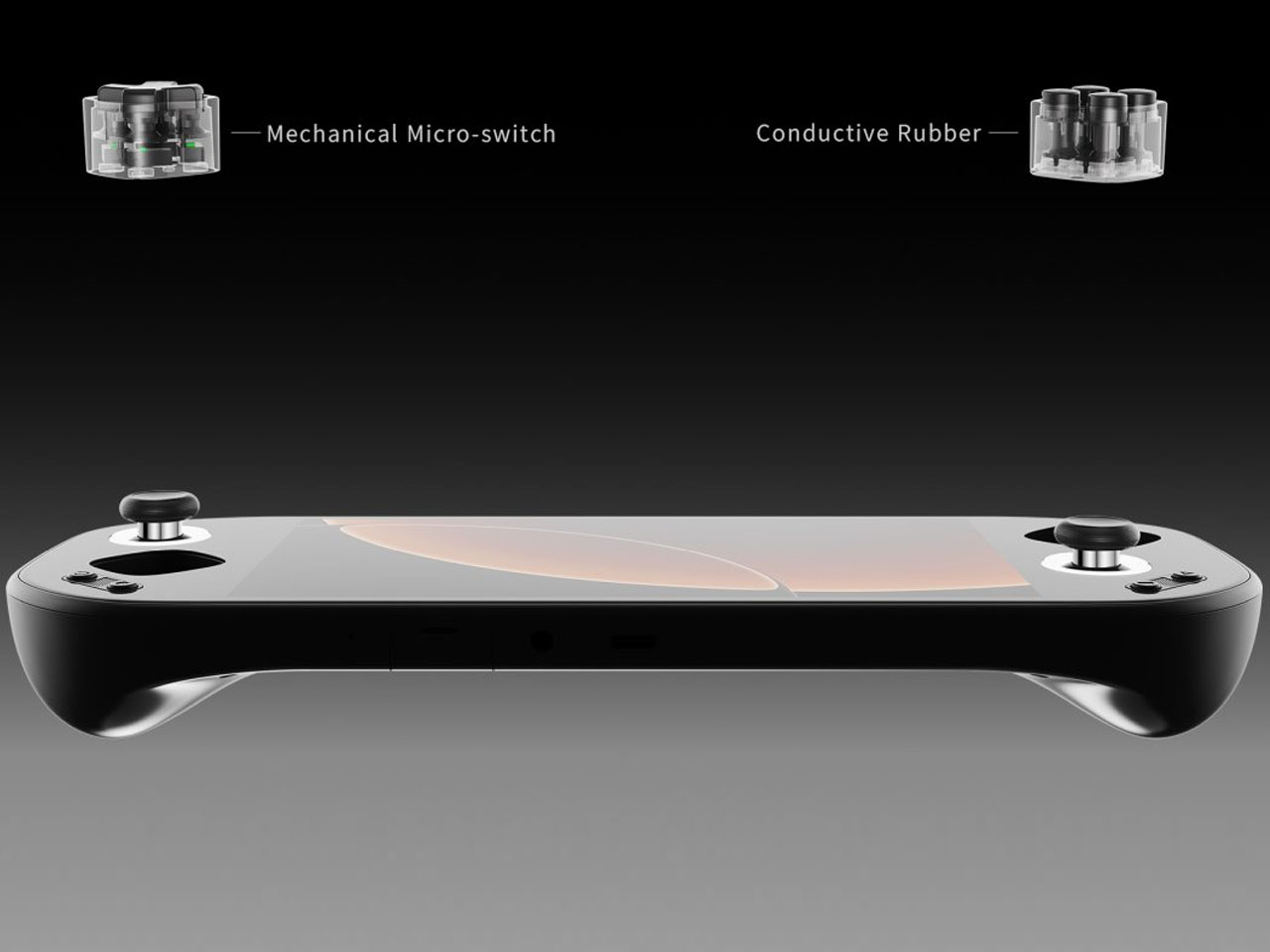
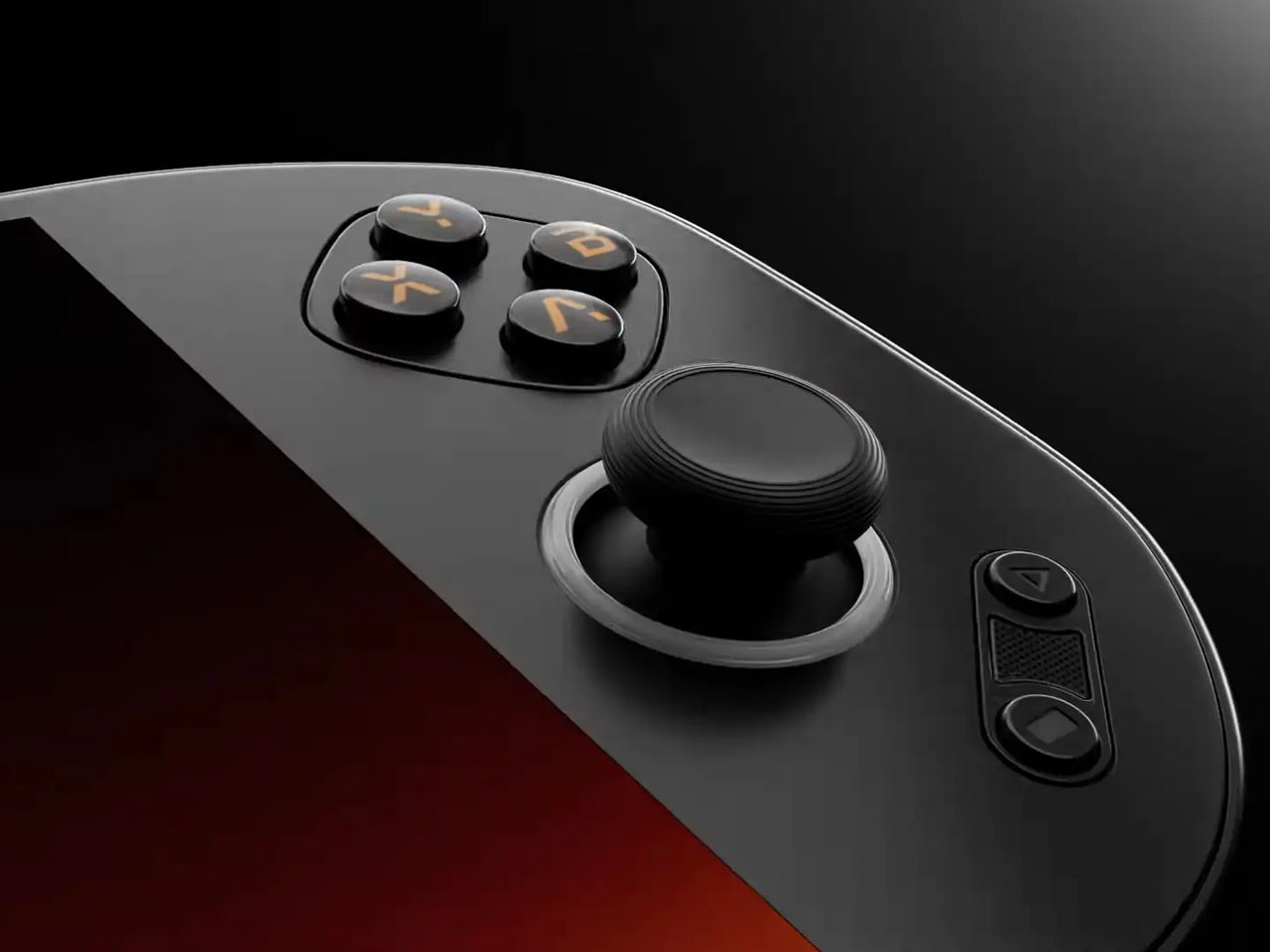
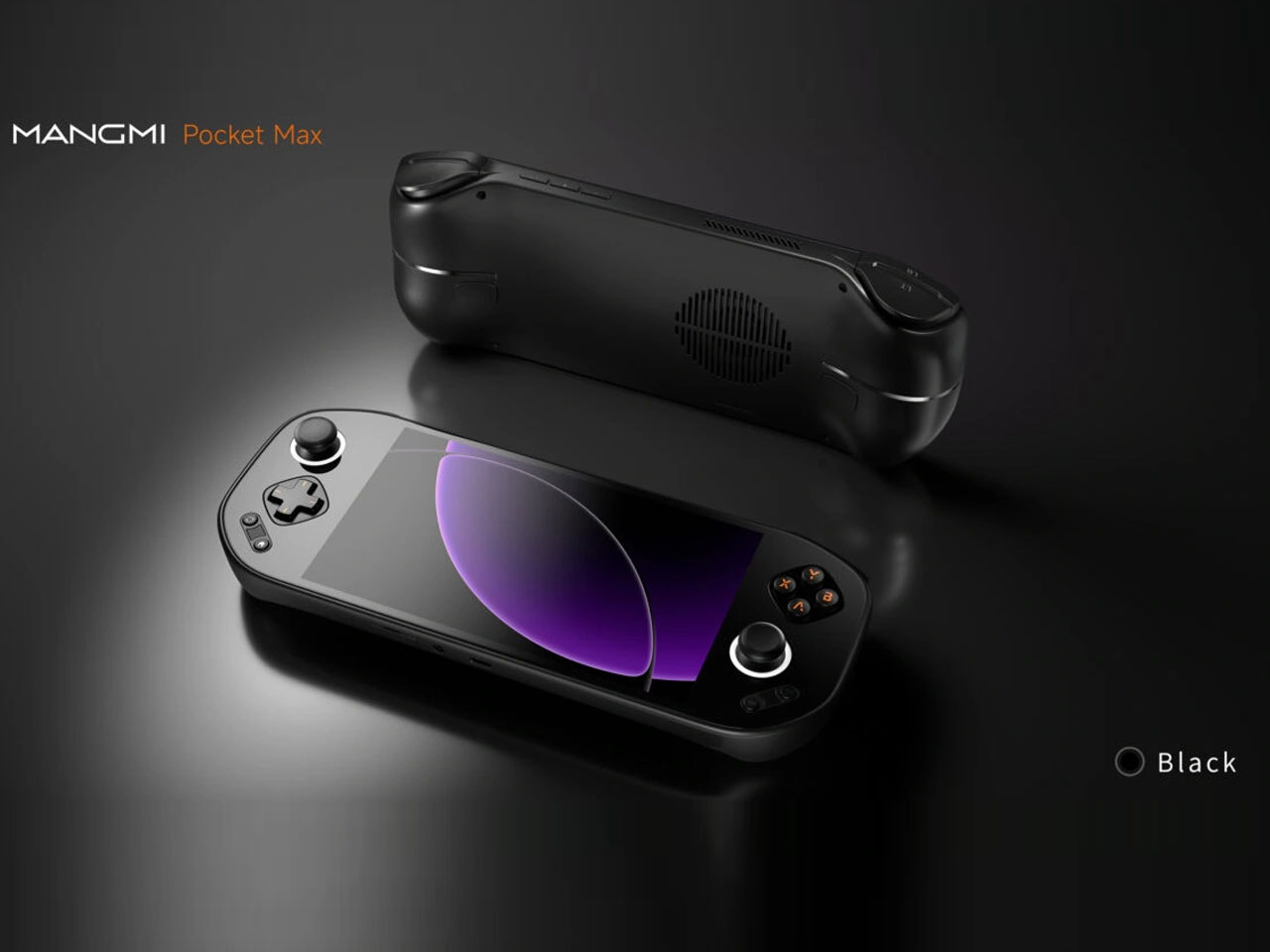
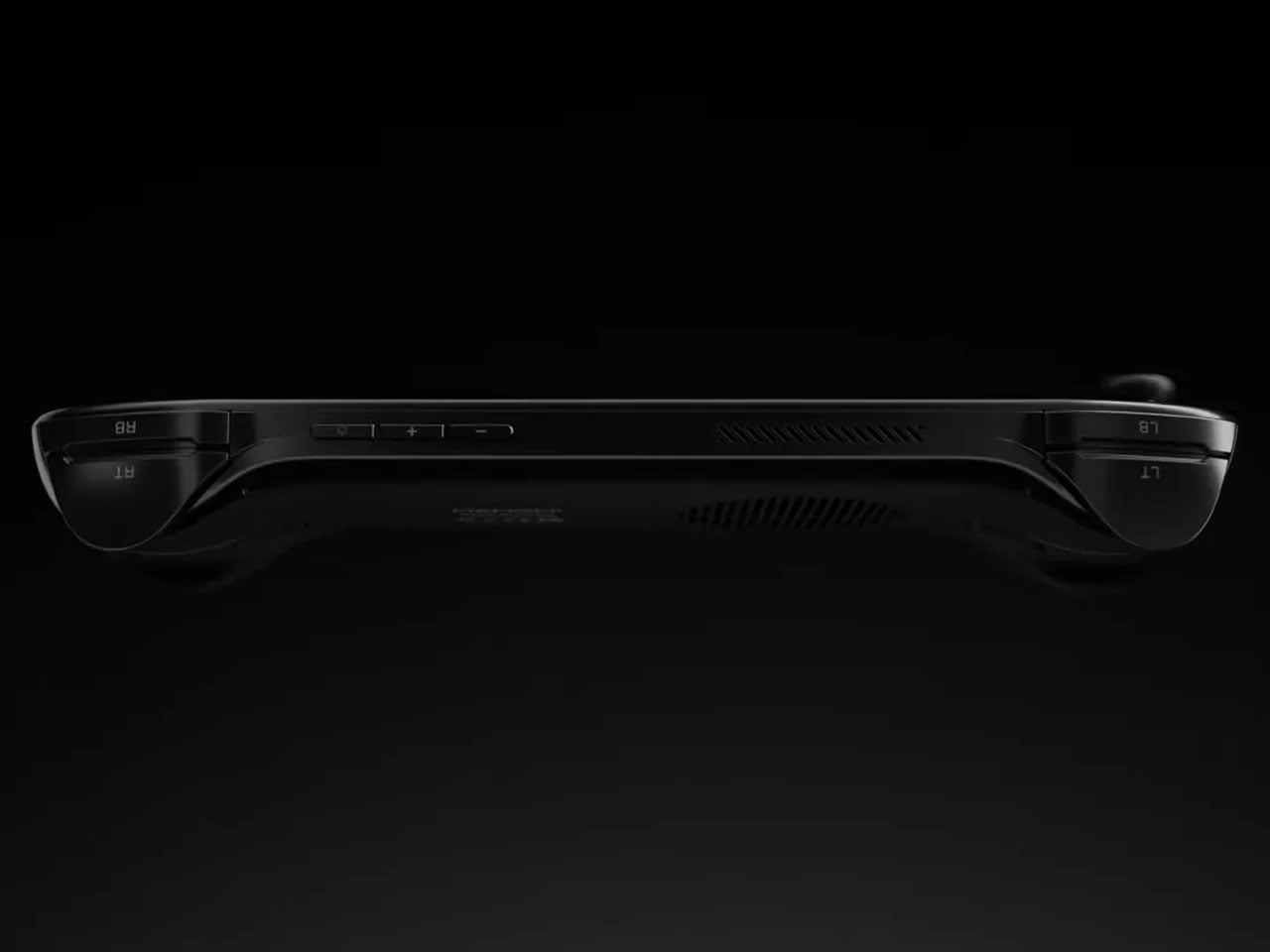
The gaming device comes with magnetic modular D-Pad and ABXY buttons, which is a good addition if they can survive the onslaught of emotional gamers. The maker claims this to be the first-ever Android-powered handheld with modular magnetic buttons. Other than this, the handheld follows suit with asymmetric TMR thumbsticks with RGB ring lights, Hall Effect triggers, and a 6-axis G-sensor. Pocket Max is on the heavier side at 450 grams and has slightly beefy dimensions of 10 inches high, 4 inches wide, and 0.7 inches thick. When finally released, the handheld will come in White, Black, and Retro GB color variants.


The post Mangmi Pocket Max handheld boasts magnetic modular D-Pad and ABXY buttons first appeared on Yanko Design.
Mangmi Pocket Max handheld boasts magnetic modular D-Pad and ABXY buttons

The handheld wars are entering the territory where end-users will benefit the most, getting the best hardware at the most competitive prices. Ayaneo, Anbernic, and other new players in the handheld market are vying for dominance, which is likely to manifest in sharp pricing. Android handheld maker Mangmi, targeting the entry level of the gaming community, wants to join the tussle with its new iteration of a gaming handheld device.

The Chinese maker is known for its $99 Air X handheld that punches well above its weight, giving retro handhelds priced around $150 a run for their money. Now, the Pocket Max handheld revealed this week, wants to take things further in the quest for handheld supremacy. Going by the revealed specs, we assume the handheld will be priced around $200, making it compete with the likes of Retroid Pocket Mini V2. Considering the global RAM shortage, anything less than that would be a good option for gamers who play a lot of emulation titles.

Design: Mangmi

While the Air X touted the portable aesthetics, the Pocket Max targets gamers who want to swap better performance with a bit of sacrifice in size. For now, Mangmi has released some renders and the specifications of the gadget. It’ll have a 7-inch AMOLED display with 1920 × 1080 HD resolution and 144Hz refresh rate. The device will be powered by the Snapdragon 865 processor, which also powers the Retroid Pocket 5 and Ayaneo Thor Lite. If we go by the official specs sheet, Mangmi will offer the handheld in one variant only that will have 8GB LPDDR4X RAM and 128GB UFS 3.1 storage, which can be extended via the MicroSD card slot.

For extended gaming sessions, the Android 13 handheld gets an 8,000mAh battery with a charging capacity of up to 27W. This is done via the USB-C port that also supports video output. You also get a 3.5mm headphone jack for lossless video output. To maintain constant framerates in graphics-intensive titles, there is an active cooling fan to keep the temperature to a minimum. Wi-Fi 6 and Bluetooth 5.1 connectivity take care of all your wireless connectivity needs.

The gaming device comes with magnetic modular D-Pad and ABXY buttons, which is a good addition if they can survive the onslaught of emotional gamers. The maker claims this to be the first-ever Android-powered handheld with modular magnetic buttons. Other than this, the handheld follows suit with asymmetric TMR thumbsticks with RGB ring lights, Hall Effect triggers, and a 6-axis G-sensor. Pocket Max is on the heavier side at 450 grams and has slightly beefy dimensions of 10 inches high, 4 inches wide, and 0.7 inches thick. When finally released, the handheld will come in White, Black, and Retro GB color variants.


The post Mangmi Pocket Max handheld boasts magnetic modular D-Pad and ABXY buttons first appeared on Yanko Design.
David Ellison extends deadline for Warner Bros. Discovery takeover offer

Paramount Skydance CEO David Ellison is apparently still hopeful that investors will approve his $108.4 billion hostile takeover of Warner Bros. Discovery. Paramount Skydance announced Thursday that it's extending its all-cash offer to acquire the storied studio, and giving investors until February 20, 2026 to accept. The company's previous offer expired on January 21, but with a lawsuit in the works and a revised Netflix deal to compete with, Paramount Skydance wants to stay in the conversation.

Netflix and Warner Bros. Discovery originally announced their $82.7 billion acquisition agreement in December 2025. Netflix's deal is for a significant portion, but notably not all, of Warner Bros. Discovery as it exists today. If approved, the streaming service would acquire Warner Bros. film studios, New Line Cinema, HBO, HBO Max, the company's theme parks, game studios and select linear channels like TNT, but not the collection of reality TV and news programming that Warner Bros. Discovery calls “Global Networks.”

Paramount Skydance made its competing offer of $108.4 billion for all of Warner Bros. Discovery a few days later in December, with the recommendation that shareholders reject the Netflix deal. To add pressure, Paramount Skydance also sued Warner Bros. Discovery in January alleging that the company had not provided adequate information about why it favored Netflix over Paramount. Beyond offering more money, Paramount contends its deal is more likely to be approved by regulators because owning Warner Bros. doesn't "entrench Netflix's market dominance." Warner Bros. Discovery claims that funding for Paramount's deal "remains inadequate" and that the company is uncertain Paramount Skydance will actually be able to complete the deal.

David Ellison was previously able to merge Skydance with Paramount using the financial backing of his billionaire father Larry Ellison, and the Ellison family's friendly relationship with the Trump administration. Promising to make sure that CBS News represents "a diversity of viewpoints” via a newly appointed ombudsman, and that the merged Paramount Skydance won't create any diversity, equity and inclusion programs was enough to get the FCC to approve the merger. Ellison might have thought acquiring Warner Bros. Discovery would be equally easy, but at least so far that hasn't worked out as planned.

This article originally appeared on Engadget at https://www.engadget.com/entertainment/david-ellison-extends-deadline-for-warner-bros-discovery-takeover-offer-204752313.html?src=rss

Apple’s Secret AI Pin Looks Like an AirTag and it Might Just Kill The Smartwatch

Representational Image

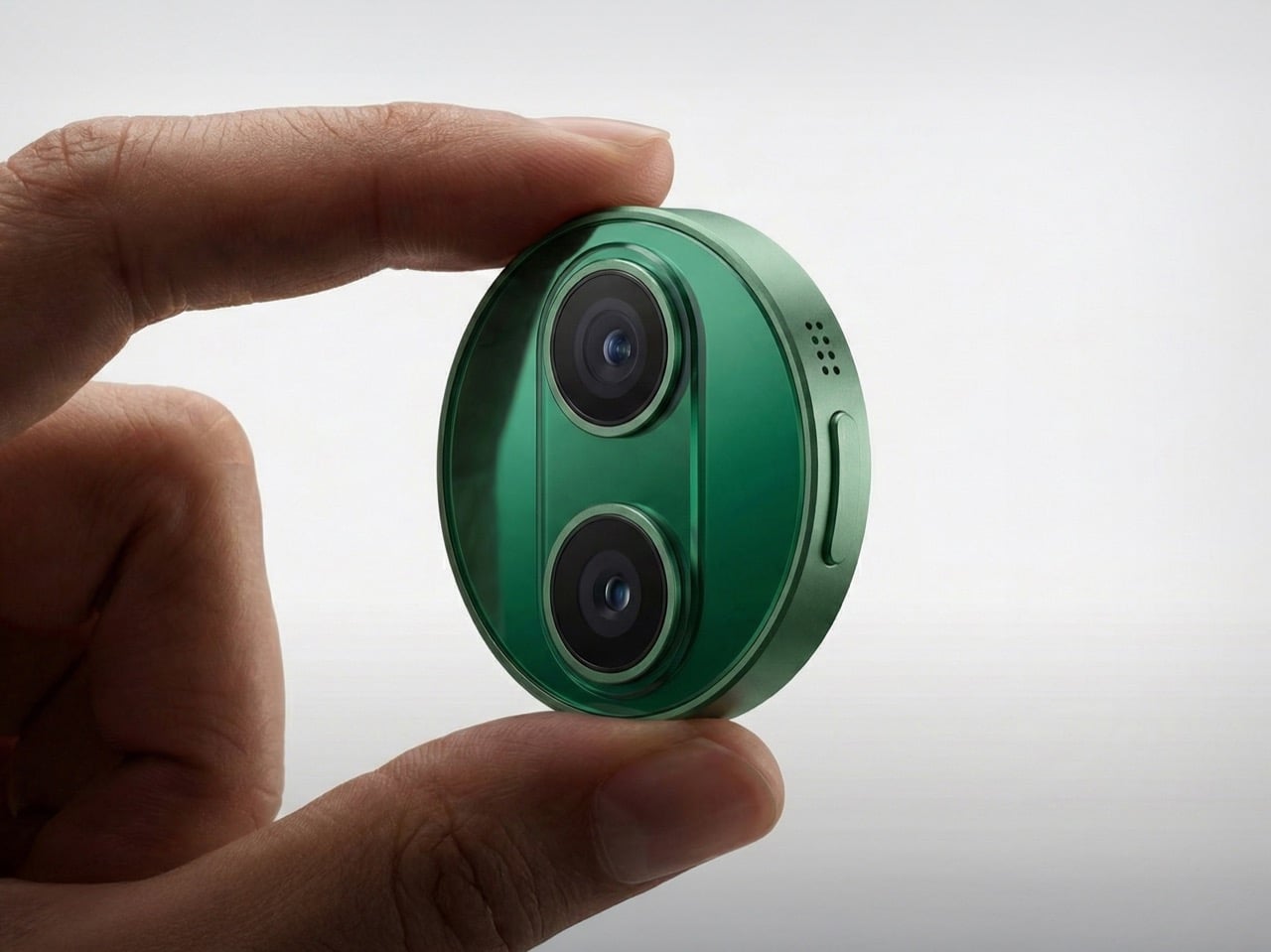
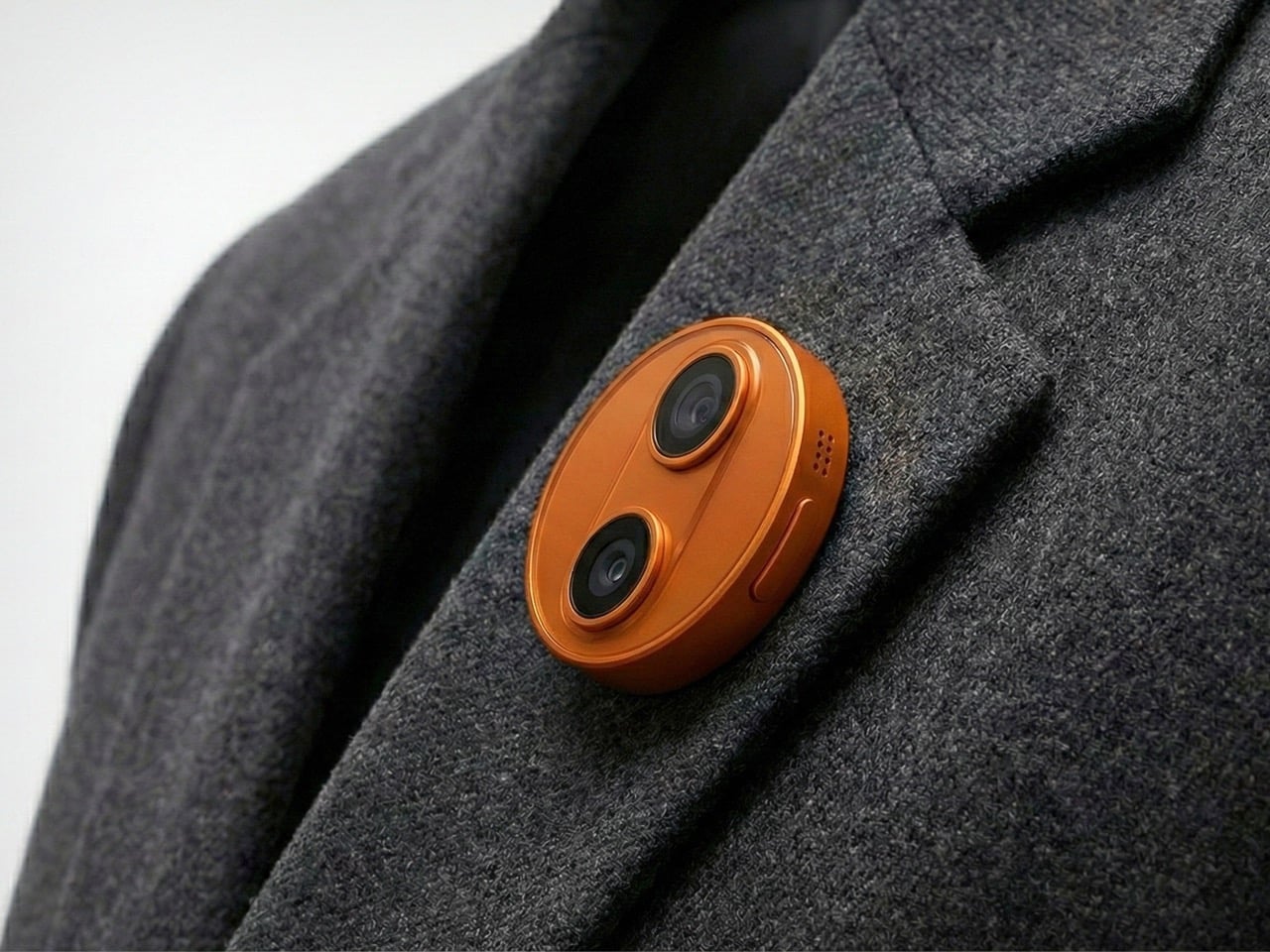
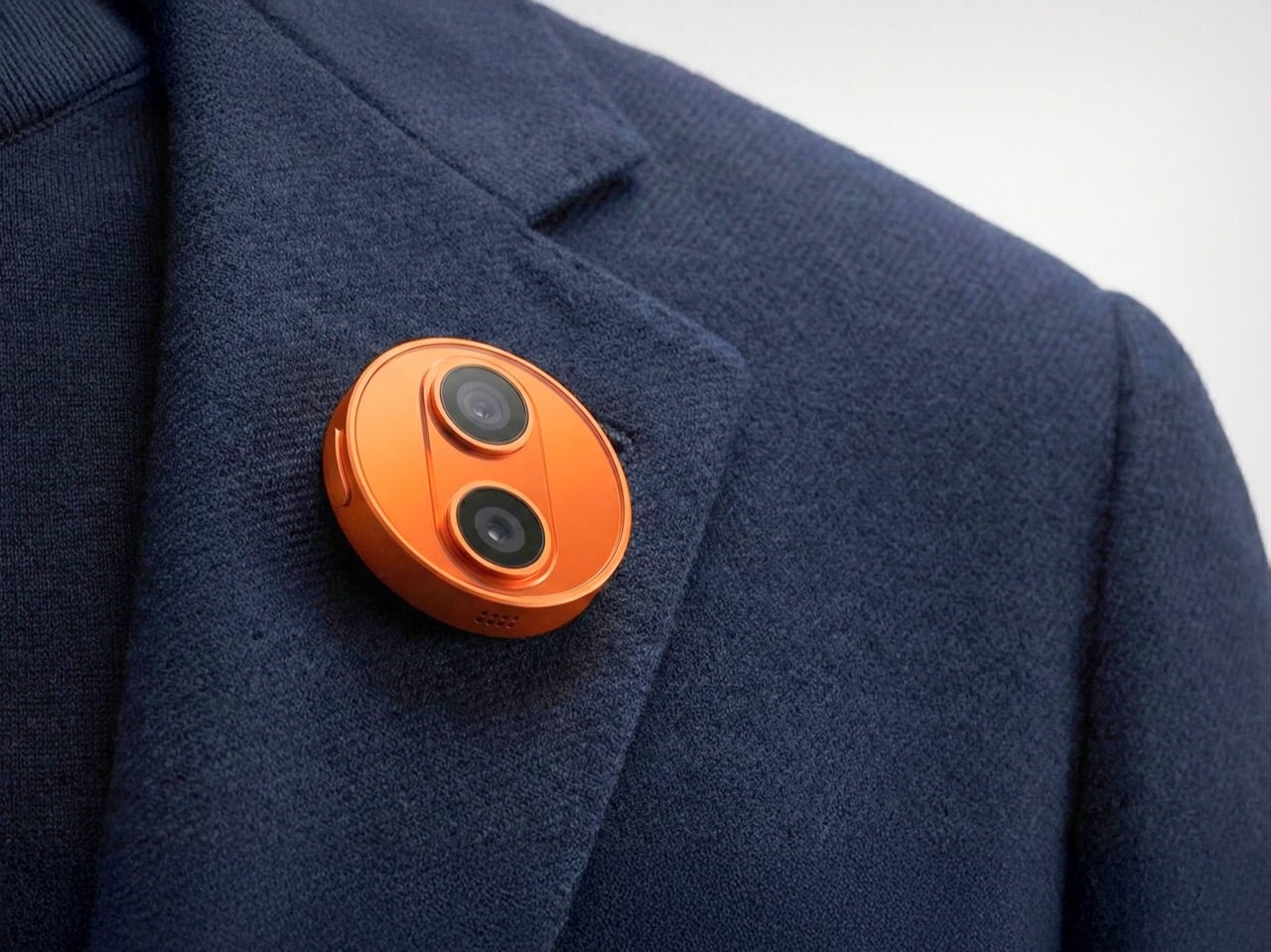
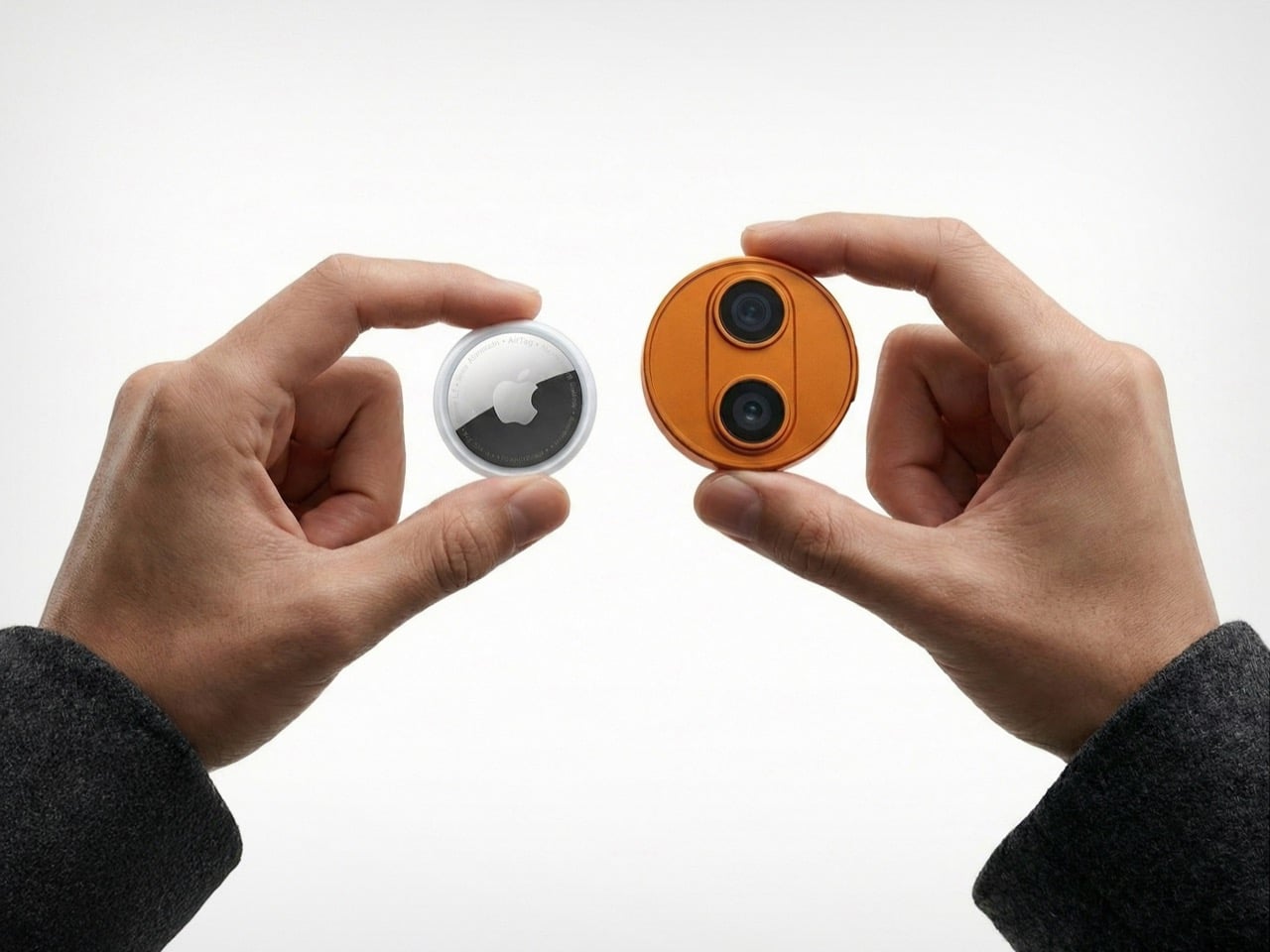
Apple’s wearable future might not be strapped to your wrist at all. According to new reports, the company is developing an AI-powered pin about the size of an AirTag, complete with dual cameras, microphones, and a speaker. The device would clip onto clothing or bags, marking a deliberate shift away from the smartwatch form factor that has dominated wearable tech for the past decade.

If the rumors prove accurate, this circular aluminum-and-glass device could launch as early as 2027, running Apple’s upcoming Siri chatbot and leveraging Google’s Gemini AI models. The company appears to be betting that consumers want ambient AI assistance without constantly pulling out their phones or glancing at their watches. Whether this gamble pays off remains to be seen, especially given the struggles of similar devices like Humane’s now-defunct AI Pin.

Designer: Apple

Representational Image

The hardware specs sound modest on paper but reveal something about Apple’s thinking. Two cameras sit on the front: one standard lens, one wide-angle. Three microphones line the edge for spatial audio pickup. A speaker handles output. Physical button for tactile control. Magnetic inductive charging on the back, identical to the Apple Watch system. The whole thing supposedly stays thinner than you’d expect from something packing this much capability. What strikes me most is the screenless design, which tells you Apple learned something from watching Humane crash and burn trying to replace phones with projectors and awkward gesture controls.

Representational Image

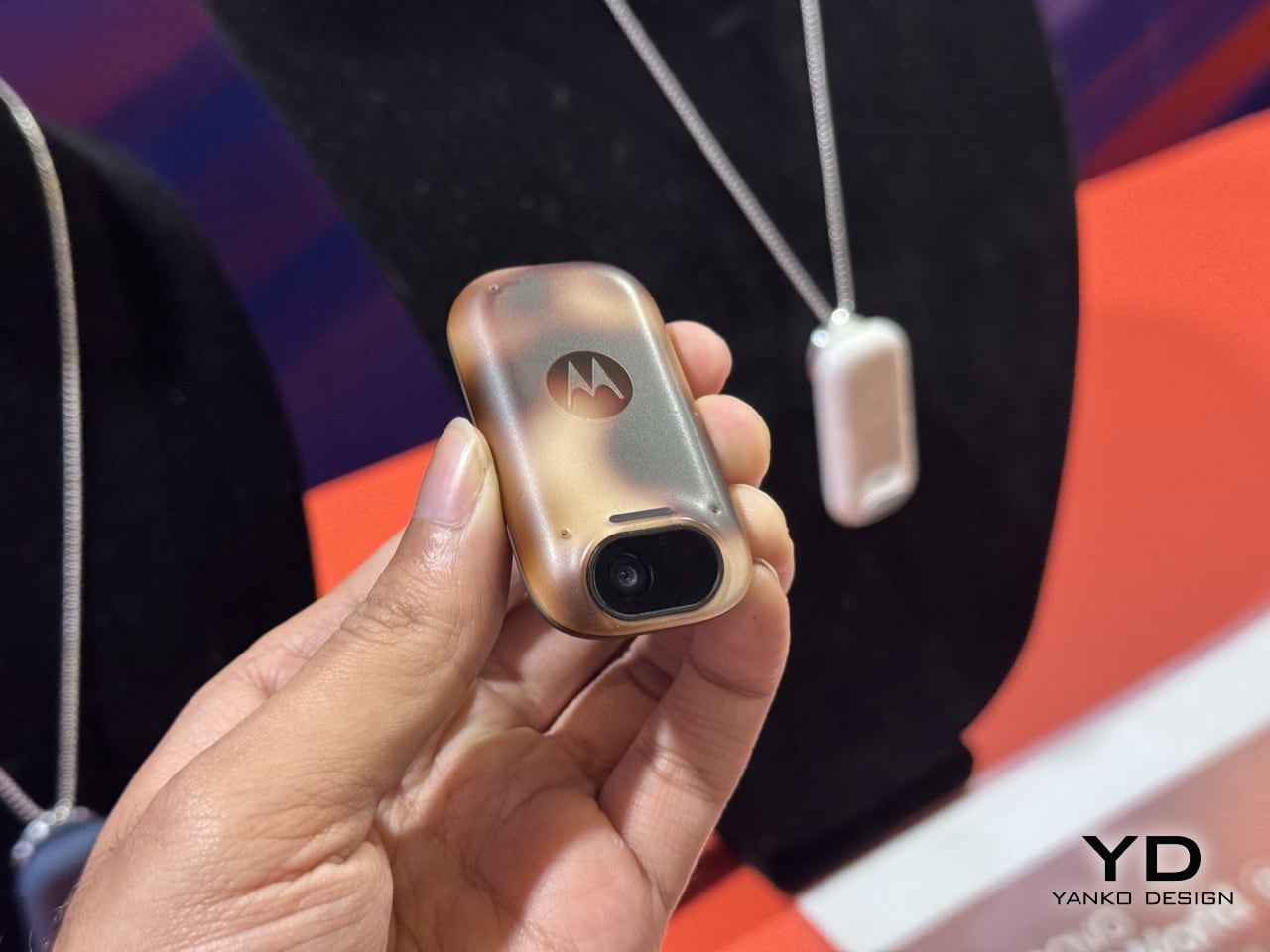
Because here’s the thing about AI wearables so far: they’ve all suffered from identity crisis. The Humane AI Pin wanted to be your phone replacement but couldn’t handle basic tasks without overheating or dying within hours. Motorola showed off something similar at CES 2026, and demonstrated a level of agentic control that was still in its beta stages but was impressive nevertheless. Apple seems to be taking notes from both the failure of the former as well as the potential success of the latter. A screenless pin that relies entirely on voice, environmental awareness, and audio feedback has clear limitations, which paradoxically might be its greatest strength.

Motorola’s AI Pendant at CES 2026

The timing lines up with Apple’s Siri overhaul coming in iOS 27. They’re rebuilding the assistant from scratch as a proper conversational AI, and they’ve partnered with Google to tap into Gemini models for the heavy lifting. Smart move, actually. Apple’s in-house AI efforts have been mediocre at best, and licensing Google’s tech lets them skip years of expensive catch-up work. This pin becomes the physical embodiment of that strategy: a purpose-built device for ambient AI that doesn’t pretend to be anything else. You clip it on, it listens and watches, you talk to it, it responds. Simple interaction model.

But I keep circling back to the same question: who actually wants this? Your iPhone already has cameras, microphones, and Siri access. Your Apple Watch gives you wrist-based notifications and quick voice commands. AirPods put computational audio directly in your ears. Apple’s ecosystem already covers every conceivable wearable surface area. Adding a clip-on camera pin feels like solving a problem nobody has, or worse, creating a new product category just because the technology allows it. The 38.5-gram weight of competing devices like Rokid’s AI glasses shows manufacturers obsess over comfort, but comfort alone doesn’t justify purchase.

Representational Image

The 2027 timeline is far enough out that Apple can quietly kill this project without anyone noticing, exactly like they did with the Apple Car. They’ve got a pattern of floating ambitious ideas internally, letting engineers explore possibilities, then axing things that don’t meet their standards or market conditions. Sometimes that discipline saves them from embarrassing product launches. Sometimes it means we never get to see genuinely interesting experiments. This AI pin could go either way, and frankly, Apple probably hasn’t decided yet either. They’re watching how the market responds to early AI wearables, gauging whether spatial computing takes off with Vision Pro, and waiting to see if their Siri rebuild with Google’s Gemini actually works before committing manufacturing resources.

The post Apple’s Secret AI Pin Looks Like an AirTag and it Might Just Kill The Smartwatch first appeared on Yanko Design.