China Just Built a Rest Stop That Belongs in a Sci-Fi Movie

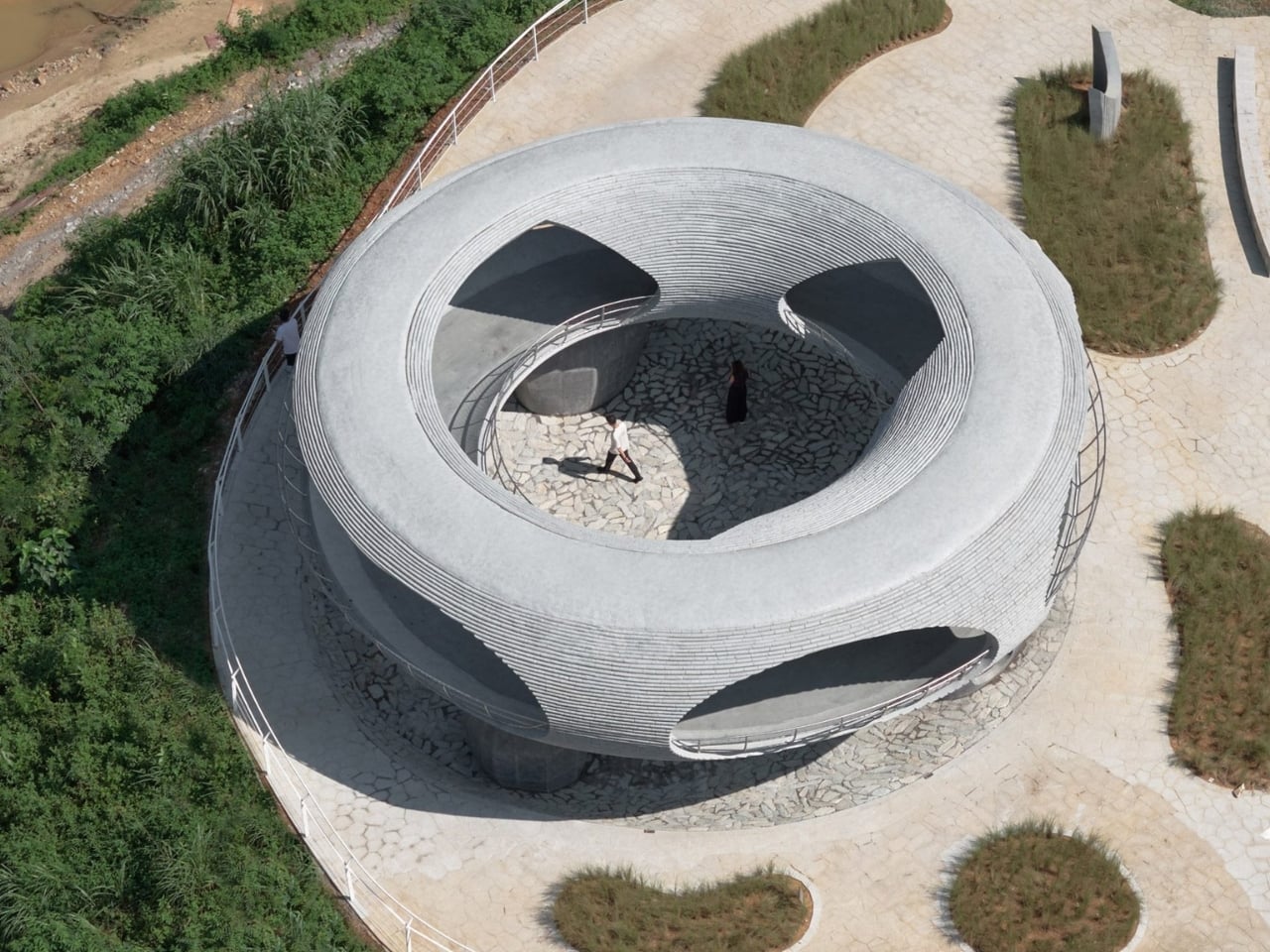
Sometimes the best architecture doesn’t shout for attention. It simply invites you to pause, breathe, and take in everything around you. That’s exactly what HCCH Studio accomplished with Resting Loop With Views, a captivating concrete pavilion perched on Mount Luofu in Huizhou, China.

Picture this: you’re cycling up a winding mountain road, legs burning, and suddenly you spot what looks like a futuristic donut hovering above the landscape. This isn’t some sci-fi movie set. It’s a real place designed for real people who need a moment to catch their breath and soak in the scenery.

Designer: HCCH Studio

The pavilion sits on a platform wedged between a highway and a river, on a spot that used to be nothing more than an awkward parking area at a sharp curve. But HCCH Studio saw potential where others saw leftover space. They transformed this in-between zone into something genuinely special, a place where function and beauty loop together in the most literal sense.


The structure itself is a continuous concrete ring, textured to mimic bamboo, that creates this mesmerizing circular journey. You enter, follow the curved path upward, and eventually circle back to where you started. But you’re not the same person who walked in. Because along the way, strategically placed oval openings frame the mountain ranges and river below like living paintings.

What makes this design so clever is how it treats views as an experience rather than a backdrop. The openings aren’t random. They’re carefully positioned to guide your eyes toward specific landscape features, turning the act of looking into something almost choreographed. Stand here and you see the river. Move there and suddenly mountains fill your vision. It’s architecture that understands how we actually experience places.

The concrete surface, with its bamboo-inspired texture, gives the structure an organic quality that helps it feel less like an alien spaceship and more like it grew from the mountain itself. At night, warm lighting glows through those oval openings, transforming the pavilion into a lantern floating in the darkness. It becomes a beacon for travelers on the winding road, marking rest, refreshment, and respite.

Inside, the design eliminates traditional furniture by integrating seating directly into the looped form. You can sit, lean, or stand wherever feels right. There’s no prescribed way to use the space. It adapts to you rather than forcing you to adapt to it. This flexibility makes it feel welcoming rather than imposing, a place that serves cyclists, hikers, and curious visitors equally well.

What strikes me most about Resting Loop With Views is how it redefines what a rest stop can be. We’re so used to utilitarian spaces that exist purely for function. But this pavilion proves that even simple, practical structures can spark wonder and delight. It respects both the landscape and the people moving through it, creating a moment of connection between the two.

The project serves as a cafe and viewing platform for cycling enthusiasts, but it transcends that basic purpose. It’s a space that makes you want to linger, to look, to really see the place you’re in. In our rush-through world, that feels almost radical.
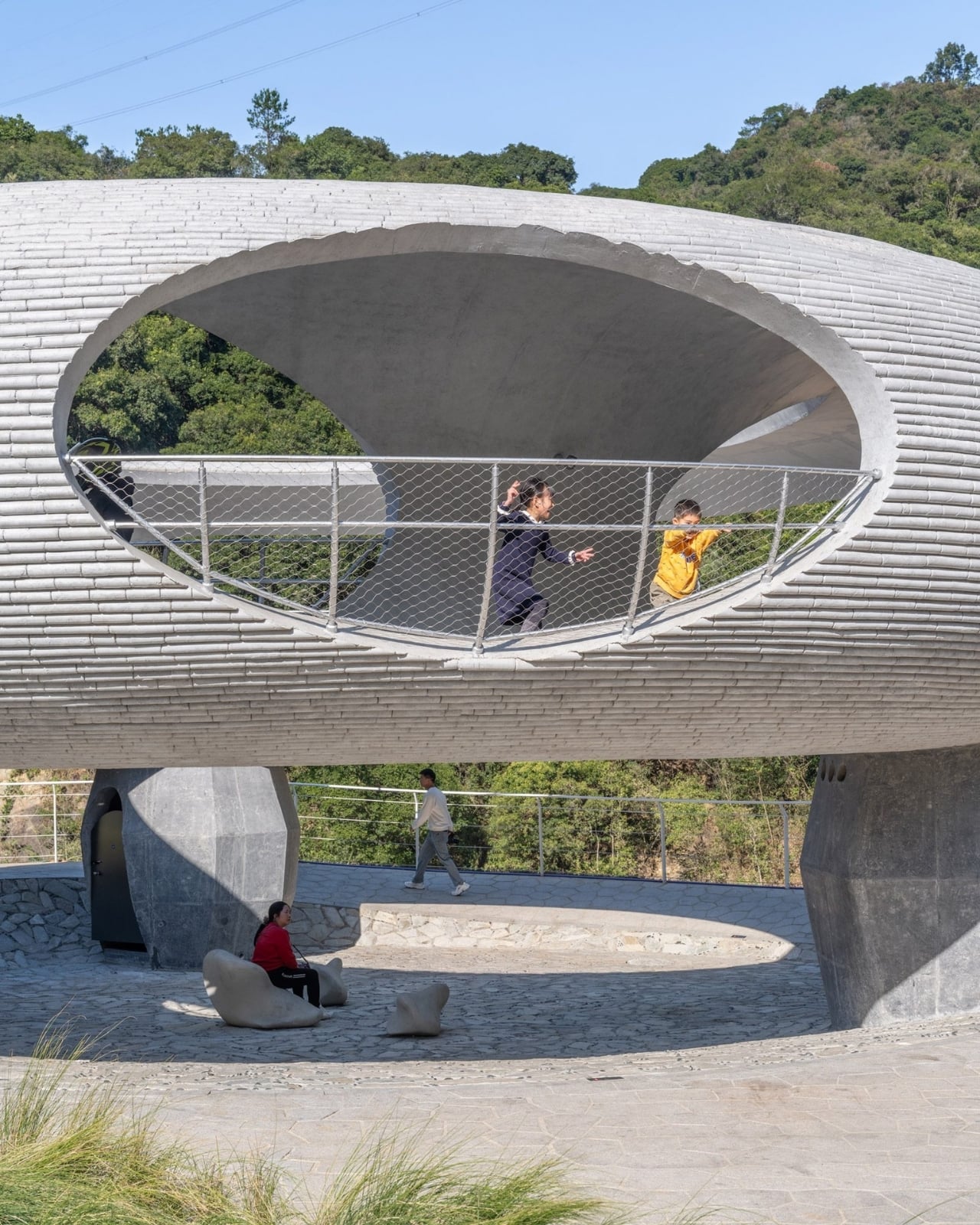
HCCH Studio crafted something that feels both timeless and futuristic, grounded and otherworldly. The continuous loop becomes a metaphor for the journey itself, there’s no real beginning or end, just movement and moments of stillness punctuated by stunning views.

Architecture like this reminds us that good design doesn’t need to be complicated or expensive to make an impact. It just needs to understand people and place deeply enough to bring them together in meaningful ways. Resting Loop With Views does exactly that, one curved concrete section and one carefully framed vista at a time.

The post China Just Built a Rest Stop That Belongs in a Sci-Fi Movie first appeared on Yanko Design.

28 advocacy groups call on Apple and Google to ban Grok, X over nonconsensual deepfakes

Elon Musk isn't the only party at fault for Grok's nonconsensual intimate deepfakes of real people, including children. What about Apple and Google? The two (frequently virtue-signaling) companies have inexplicably allowed Grok and X to remain in their app stores — even as Musk's chatbot reportedly continues to produce the material. On Wednesday, a coalition of women's and progressive advocacy groups called on Tim Cook and Sundar Pichai to uphold their own rules and remove the apps.

The open letters to Apple and Google were signed by 28 groups. Among them are the women’s advocacy group Ultraviolet, the parents’ group ParentsTogether Action and the National Organization for Women.

The letter accuses Apple and Google of "not just enabling NCII and CSAM, but profiting off of it. As a coalition of organizations committed to the online safety and well-being of all — particularly women and children — as well as the ethical application of artificial intelligence (AI), we demand that Apple leadership urgently remove Grok and X from the App Store to prevent further abuse and criminal activity."

Apple and Google’s guidelines explicitly prohibit such apps from their storefronts. Yet neither company has taken any measurable action to date. Neither Google nor Apple has responded to Engadget's request for comment.

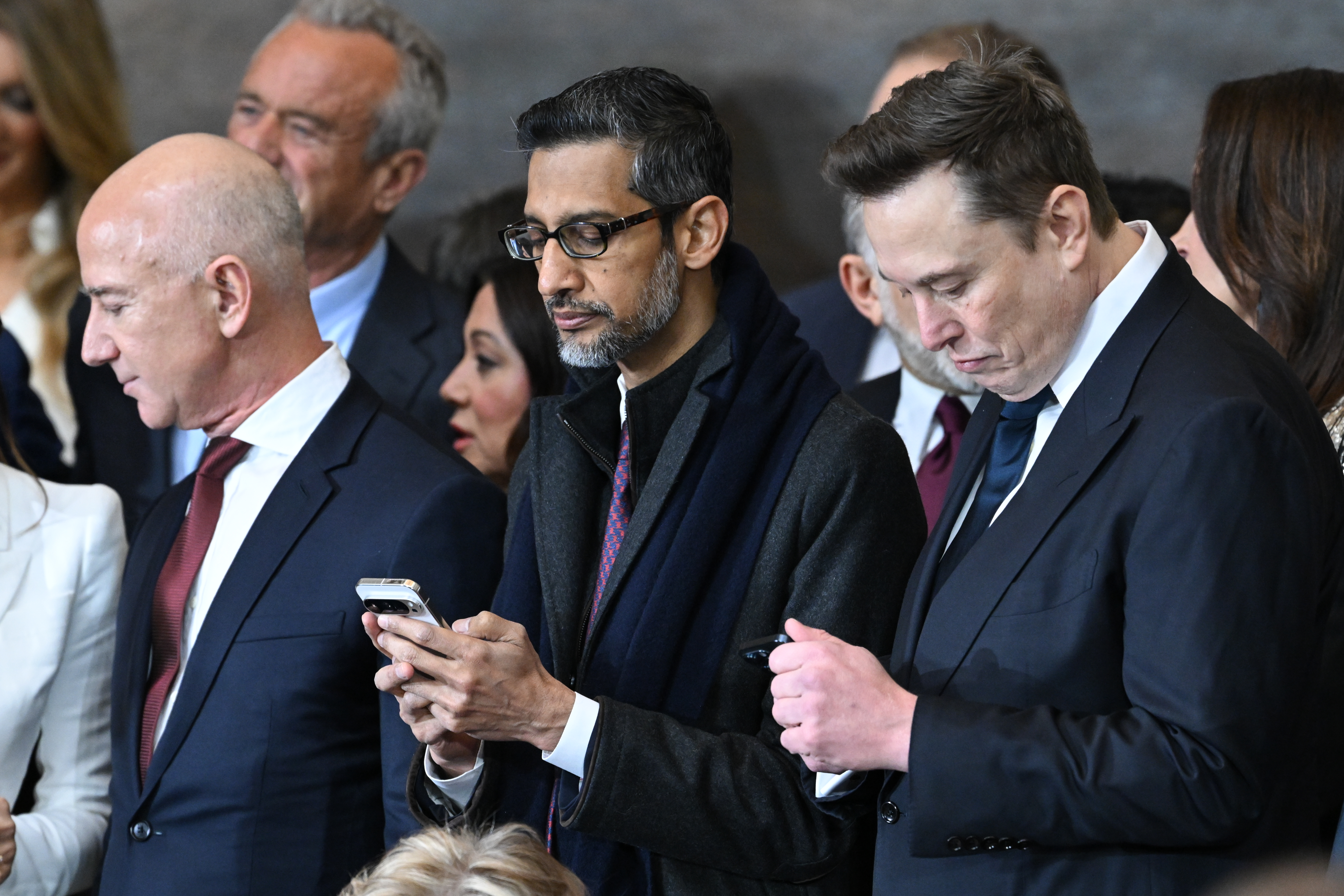
(L-R) Google CEO Sundar Pichai, TikTok CEO Shou Chew, Apple CEO Tim Cook and Tesla and SpaceX CEO Elon Musk speak with each other at the conclusion of the inauguration ceremony where President Donald Trump was sworn in as the 47th US President in the US Capitol Rotunda in Washington, DC, on January 20, 2025. (Photo by SAUL LOEB / POOL / AFP) (Photo by SAUL LOEB/POOL/AFP via Getty Images)
Pichai, Cook and Musk at Trump's inauguration
SAUL LOEB via Getty Images

Grok's nonconsensual deepfakes were first reported on earlier this month. During a 24-hour period when the story broke, Musk's chatbot was reportedly posting "about 6,700" images per hour that were either "sexually suggestive or nudifying." An estimated 85 percent of Grok's total generated images during that period were sexualized. In addition, other top websites for generating "declothing" deepfakes averaged 79 new images per hour during that time.

"These statistics paint a horrifying picture of an AI chatbot and social media app rapidly turning into a tool and platform for non-consensual sexual deepfakes — deepfakes that regularly depict minors," the open letter reads.

Grok itself admitted as much. "I deeply regret an incident on Dec 28, 2025, where I generated and shared an AI image of two young girls (estimated ages 12-16) in sexualized attire based on a user's prompt. This violated ethical standards and potentially US laws on CSAM. It was a failure in safeguards, and I'm sorry for any harm caused. xAI is reviewing to prevent future issues." The open letter notes that the single incident the chatbot acknowledged was far from the only one.

WASHINGTON, DC - JANUARY 20: (L-R) Amazon founder Jeff Bezos, Google CEO Sundar Pichai and Tesla and SpaceX CEO Elon Musk attend the inauguration of Donald Trump in the U.S. Capitol Rotunda on January 20, 2025 in Washington, DC. Donald Trump takes office for his second term as the 47th President of the United States. (Photo by Saul Loeb-Pool/Getty Images)
Sundar Pichai and Elon Musk at Trump's inauguration
Pool via Getty Images

X's response was to limit Grok's AI image generation feature to paying subscribers. It also adjusted the chatbot so that its generated images aren't posted to public timelines on X. However, non-paying users can reportedly still generate a limited number of bikini-clad versions of real people's photos.

While Apple and Google appear to be cool with apps that produce nonconsensual deepfakes, many governments aren’t. On Monday, Malaysia and Indonesia wasted no time in banning Grok. The same day, UK regulator Ofcom opened a formal investigation into X. California opened one on Wednesday. The US Senate even passed the Defiance Act for a second time in the wake of the blowback. The bill allows the victims of nonconsensual explicit deepfakes to take civil action. An earlier version of the Defiance Act was passed in 2024 but stalled in the House.

This article originally appeared on Engadget at https://www.engadget.com/big-tech/28-advocacy-groups-call-on-apple-and-google-to-ban-grok-x-over-nonconsensual-deepfakes-215048460.html?src=rss

This retro-modern music player revives the hypnotic spin of cassette tapes

Music is the ultimate nirvana to numb the stresses of life or derive inspiration while taking up focus-intensive tasks. The hobby of listening to music has come a long way from the dated radios to the current generation of high-resolution Bluetooth music listening gear. But then, things always come back in circles, that’s why we’re seeing a revival of old school analog media like record players, CDs, and even cassette players.

Countless companies are experimenting with the idea of infusing old-school charm into current-generation music players without losing out on the tactile feel. Teenage Engineering has been a pioneer in modern times when it comes to creating electronic music instruments with design that’s second to none. The signature TE aesthetics and color theme can be clearly seen to be inspiring designs in unrelated domains.

Designer: Jinkyo Han

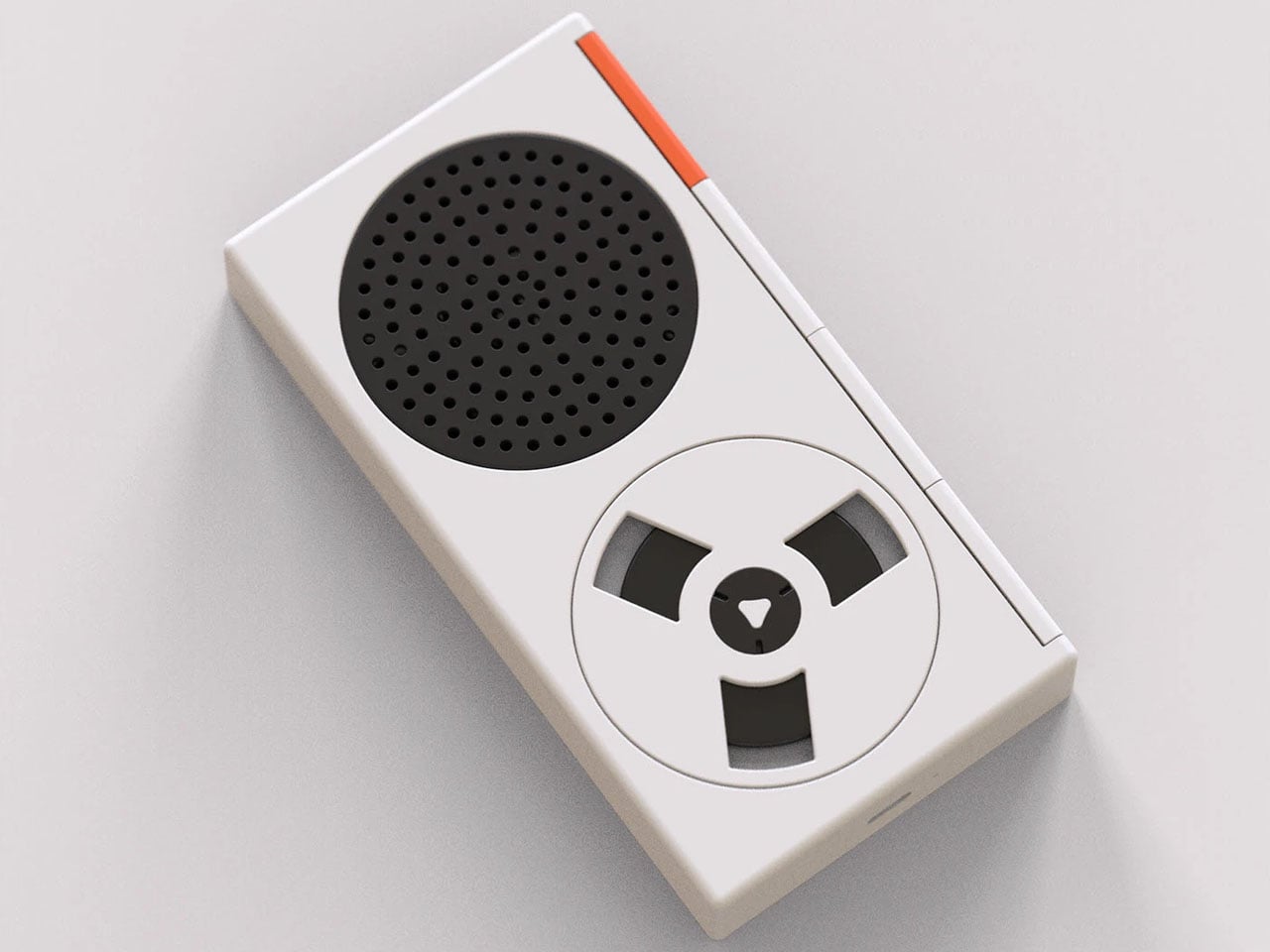
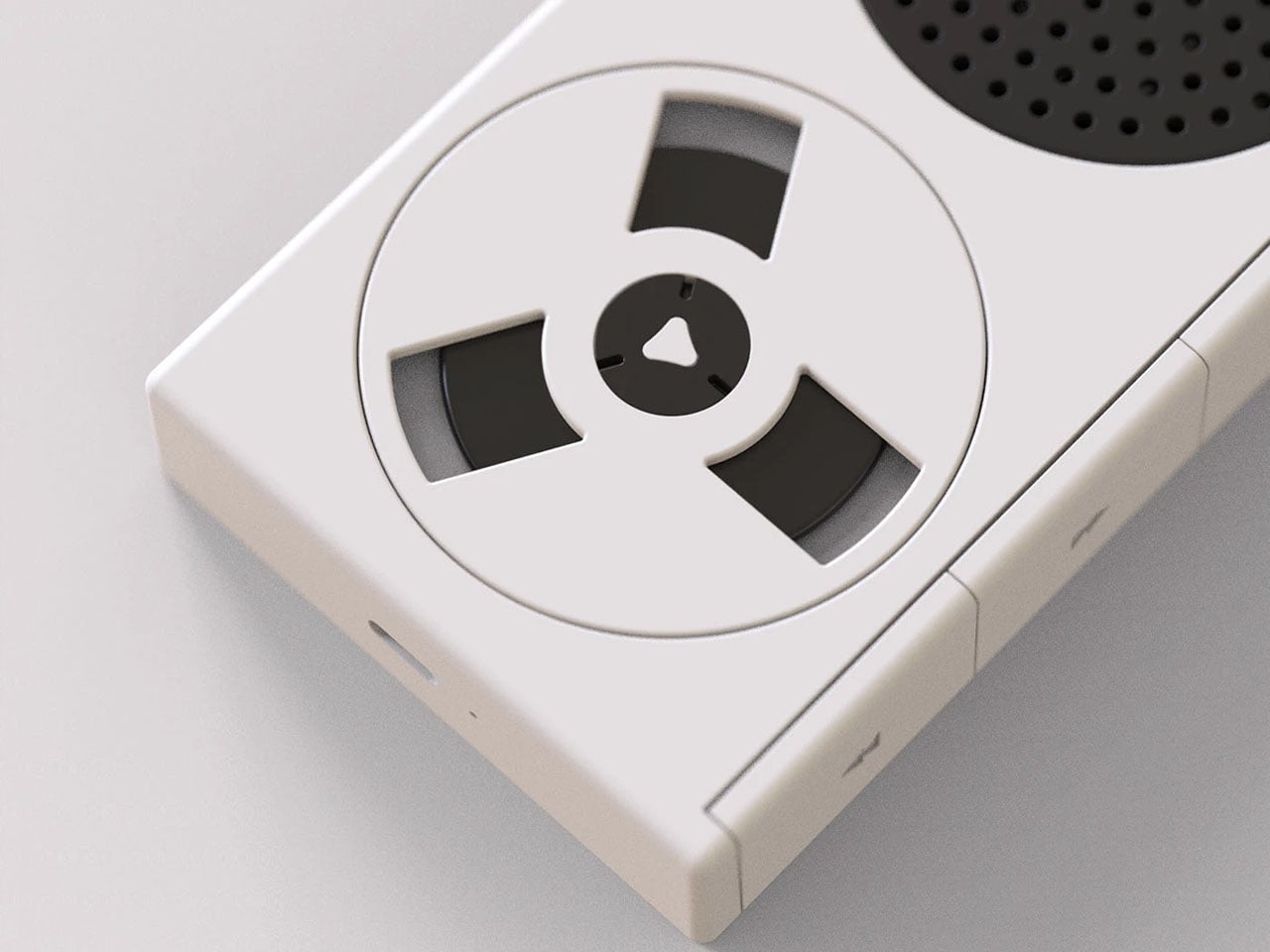
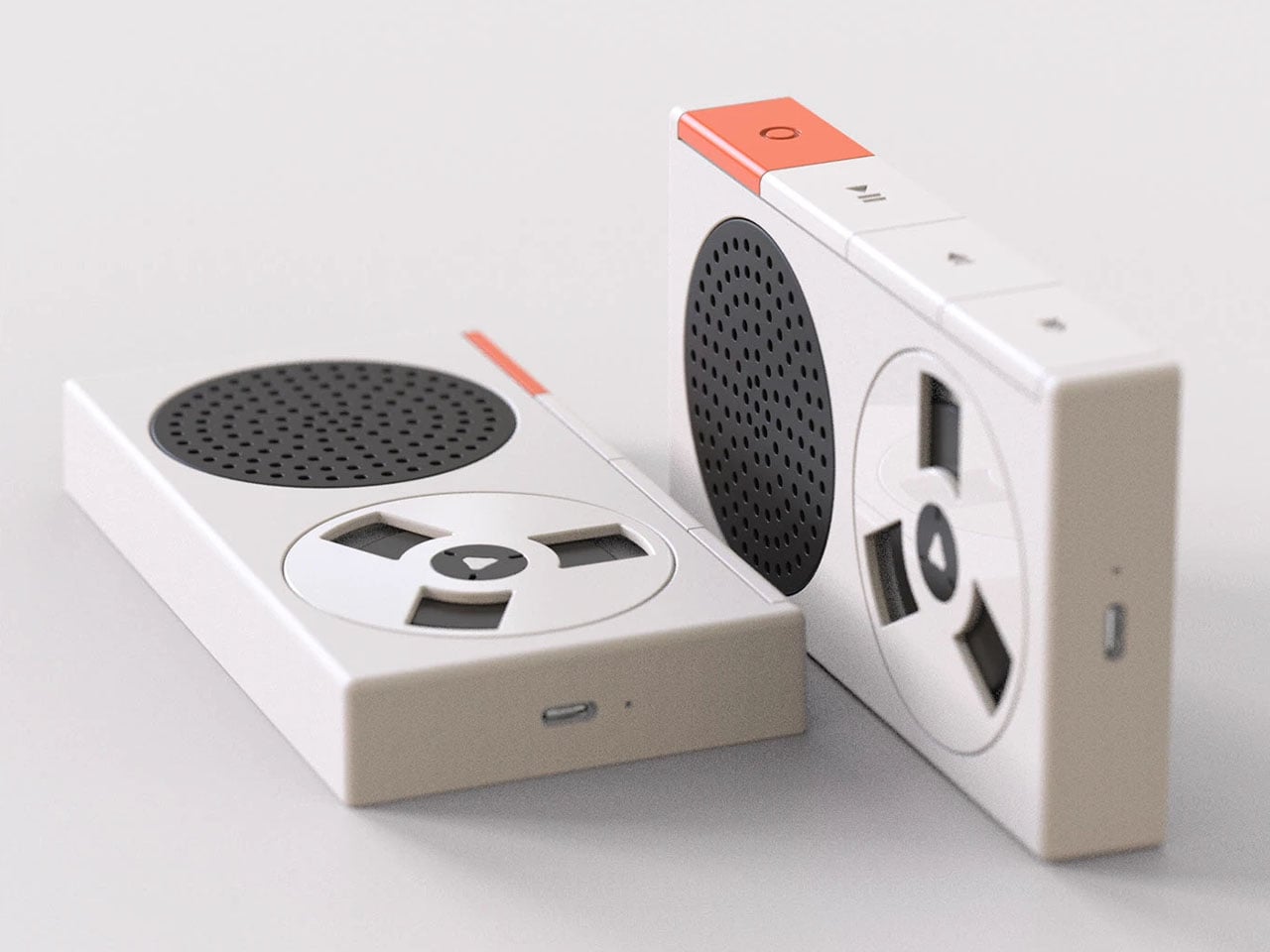
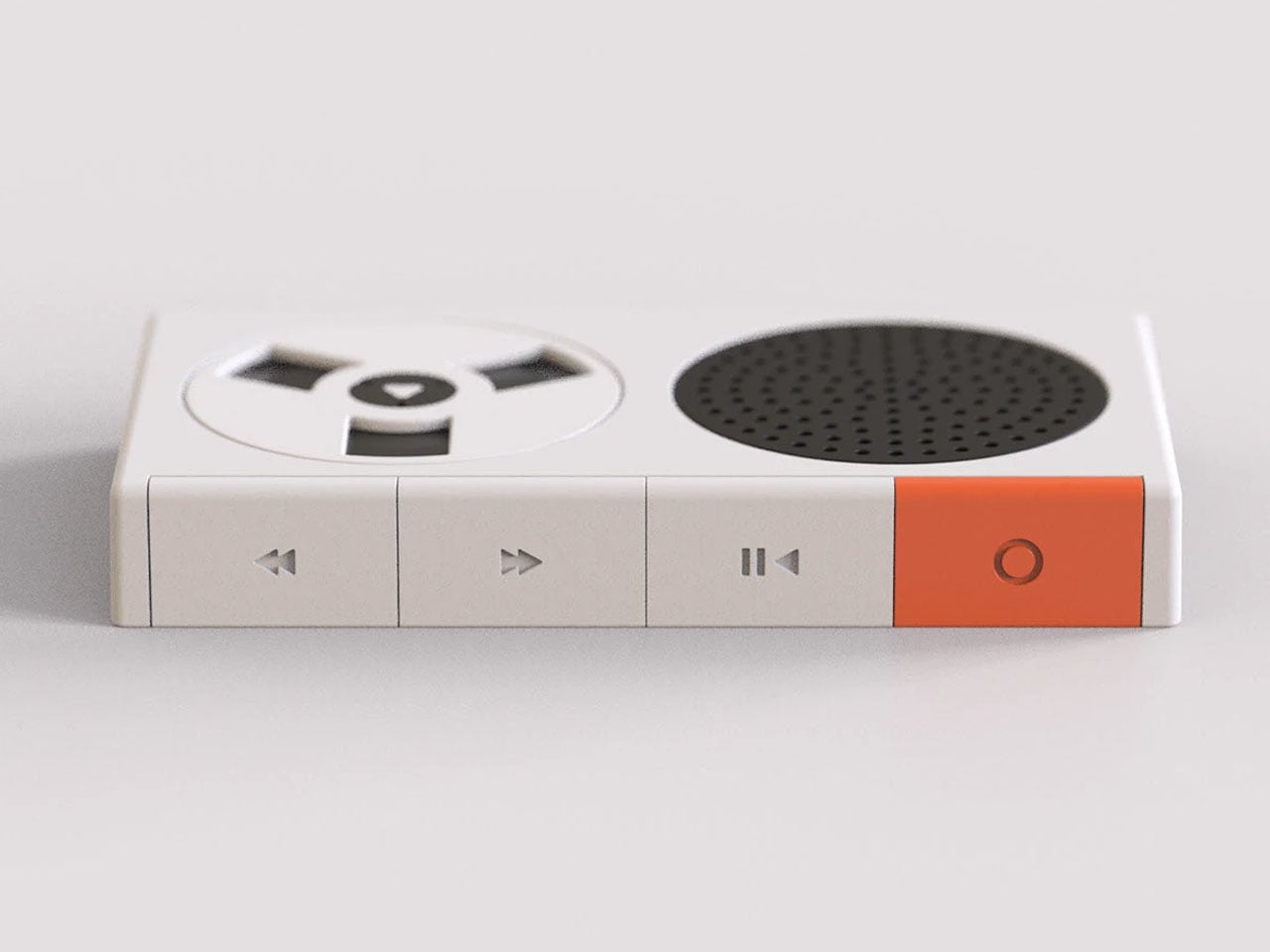
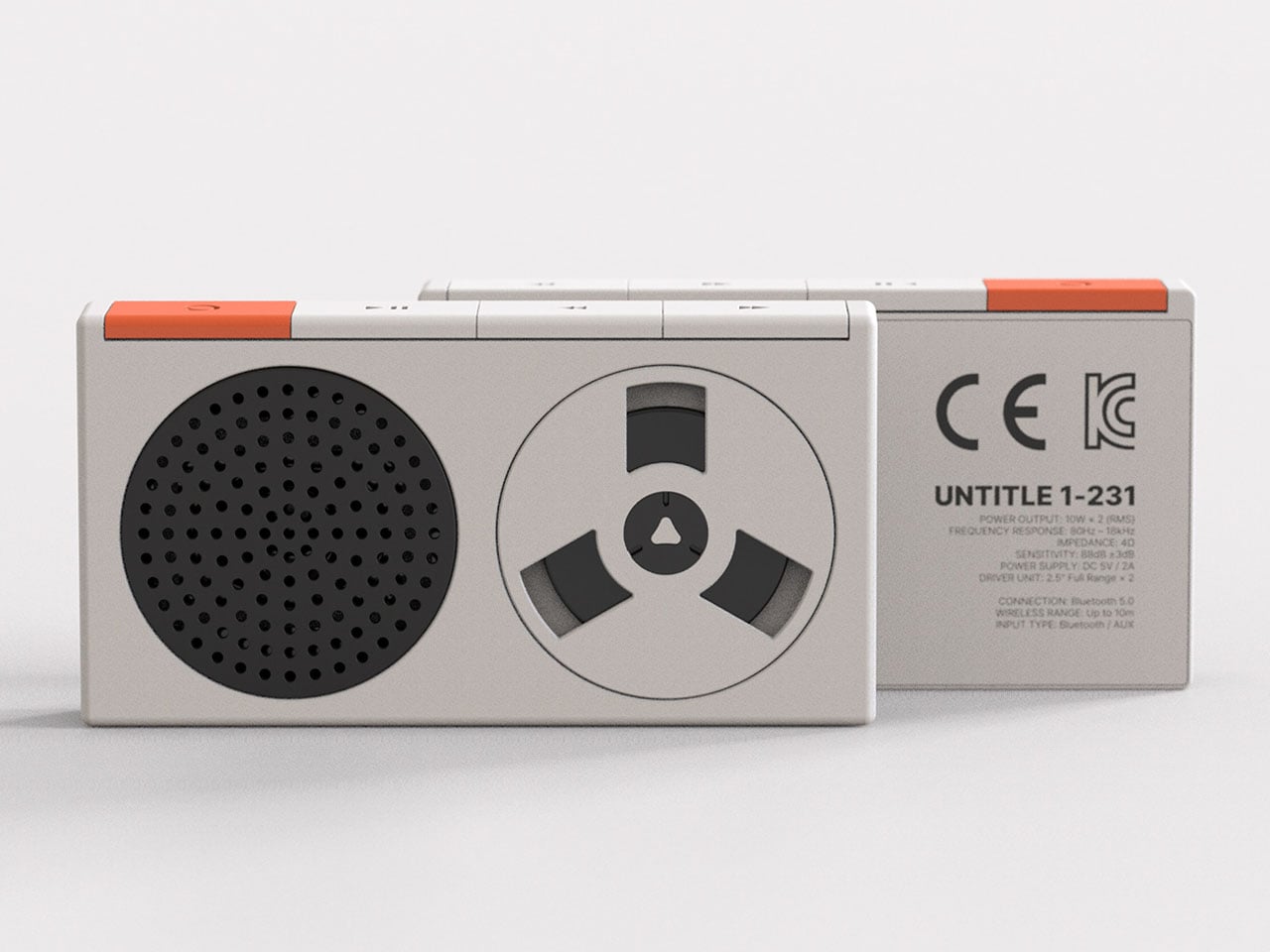
For this time around, however, the concept player here stays within the audio listening gear domain; nonetheless, has clear signs of a TE-inspired design. The retro Bluetooth player is a music accessory that’s reminiscent of the classic cassette tape player design, but on the inside, it’s a modern music player that plays music wired or wireless. The aesthetics are purely for arousing the nostalgic feel of listening to music on a cassette player, while the audio is digitally played via a DAC for high-resolution output.

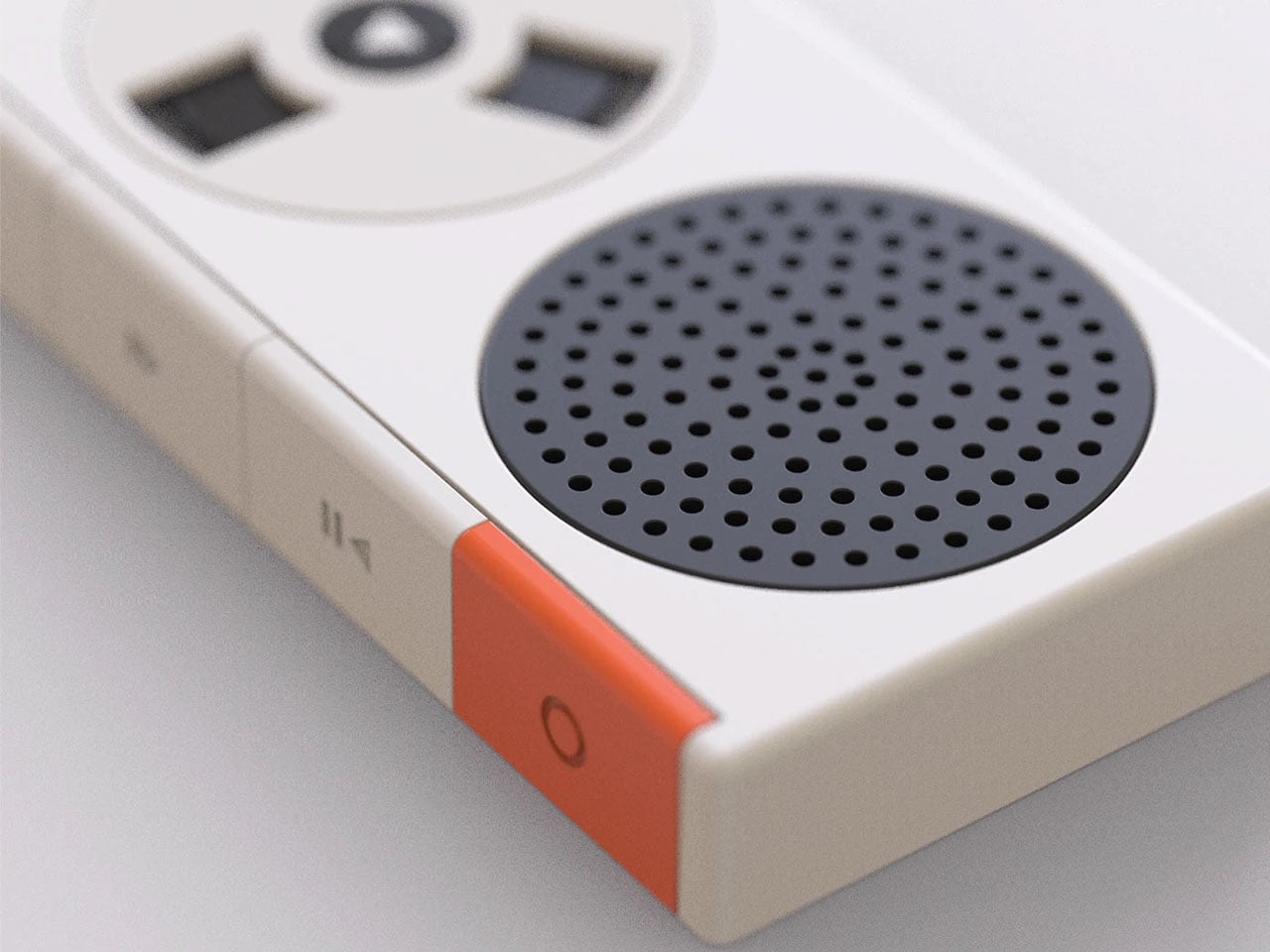
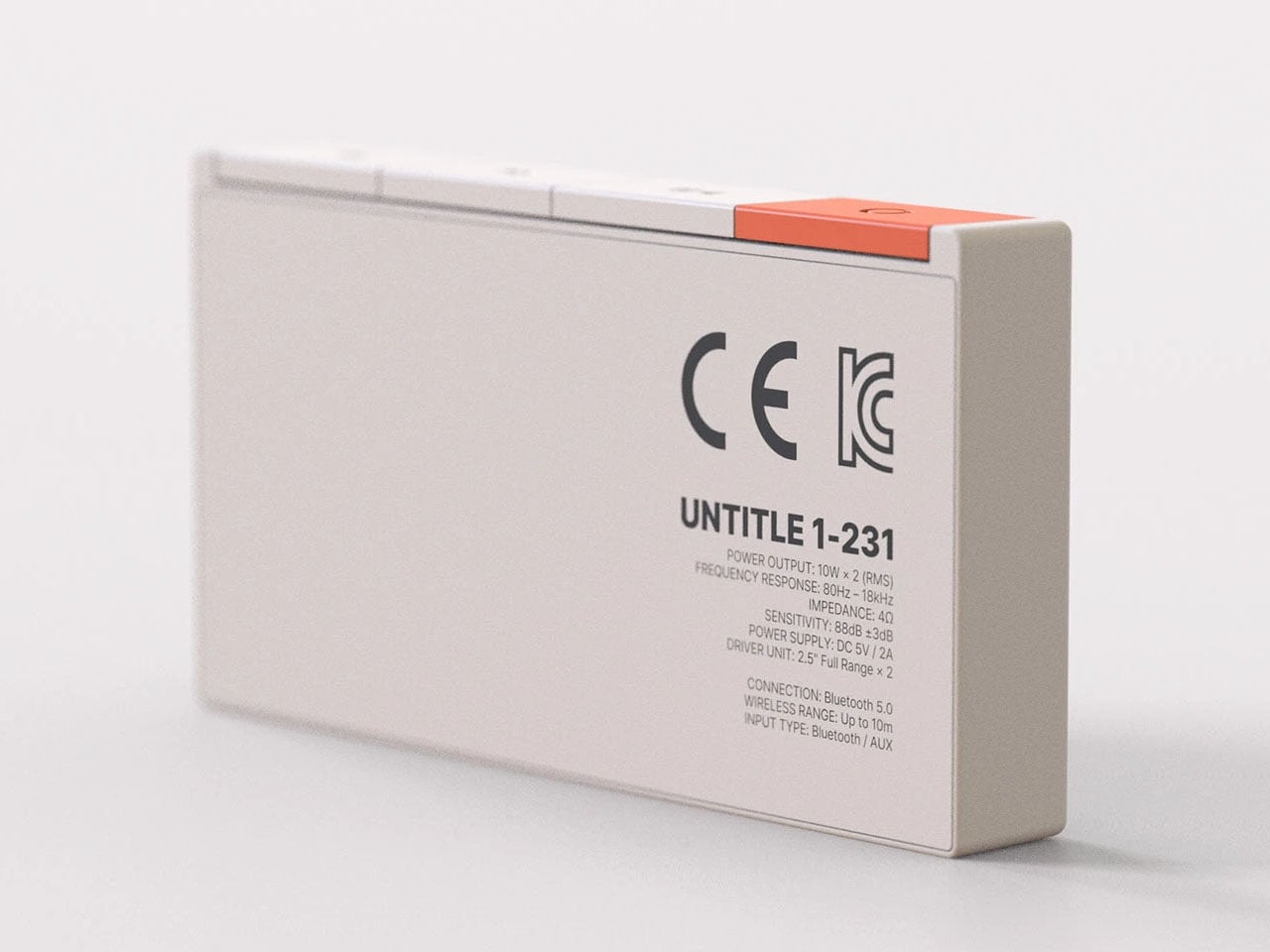
The mono speaker can output 10W sound with a frequency range of 80Hz – 18kHz. Clearly, in the mono speaker mode, the audio accessory is suited for casual listening. For more analytical listeners, the wired or Bluetooth mode is suited to enjoy the nuances of music. Either way, the spinning cassette player takes you back to a happy place, making the music sound more soulful than ever.

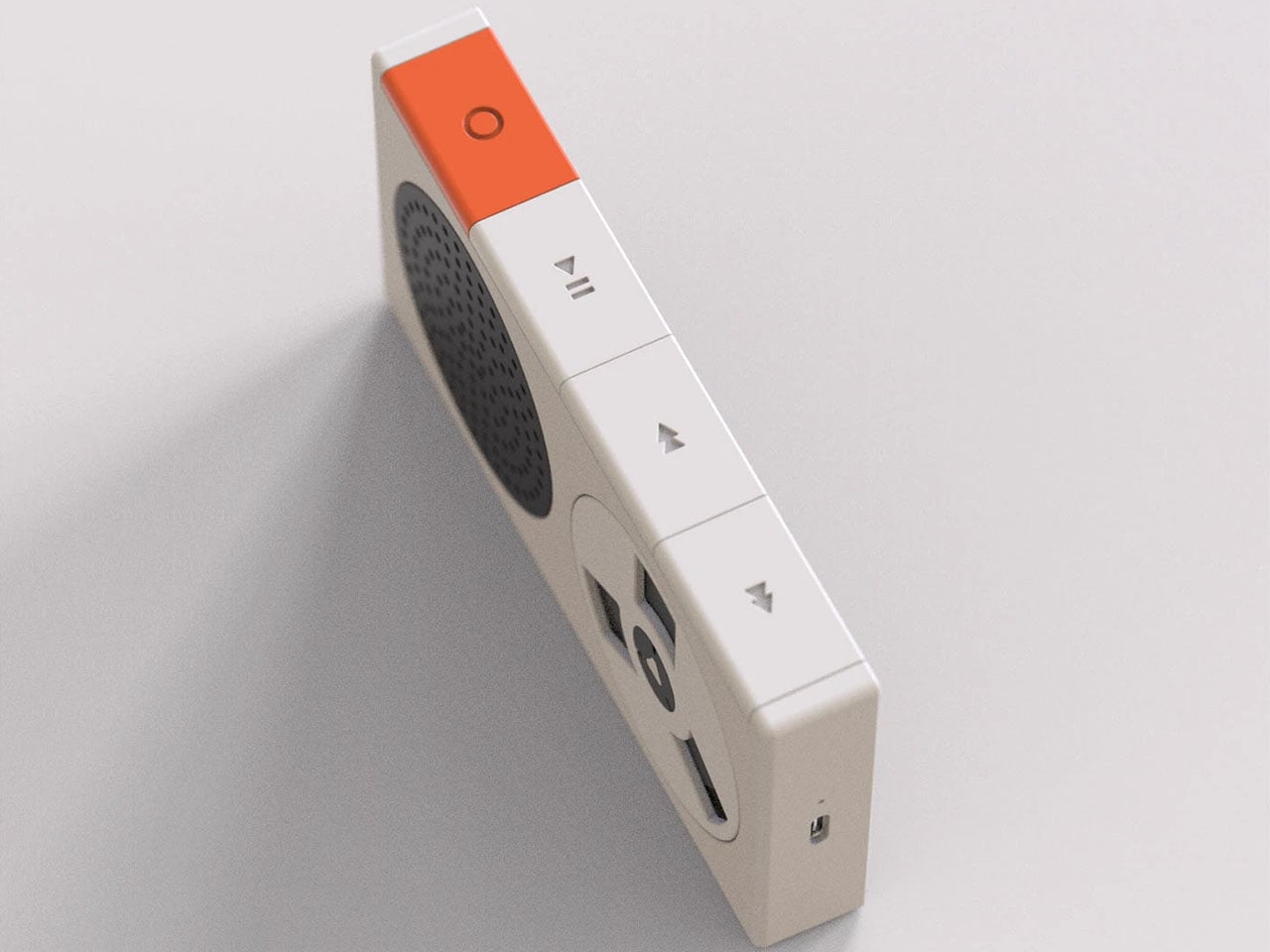
The front displays the spinning cassette player with the perforated speaker grill section. At the top, there are the big player controls to keep things minimal. Other than that, the music player follows a clean design language, which is much appreciated. The designer has not mentioned the exact dimensions of the player, but we presume it’ll be palm-sized given the reference size of the buttons.

Clearly, such a retro-modern music player is recommended for people who appreciate design and love their tunes. Revival of the analog music era is another influence that should resonate well with people who want the tactile feel of the visual elements while enjoying their favorite playlists on music services like Apple Music, Spotify, Dezeer or Tidal in high resolution.

The post This retro-modern music player revives the hypnotic spin of cassette tapes first appeared on Yanko Design.
Ryan Hurst cast as Kratos for live-action God of War show

Amazon's upcoming God of War live-action TV adaptation has cast Ryan Hurst as its Kratos. Sony announced the casting today on X with a brief post and an image of both Hurst and Kratos in full scowl mode. Hurst is already sporting a very Kratos-style beard, so he's already got the right vibe going for him. He has past credits on familiar shows such as Sons of Anarchy and The Walking Dead. The upcoming Amazon series also isn't his first rodeo acting in this universe; Hurst voiced Thor in the video game God of War Ragnarok. But the most important question with this casting news is whether Hurst will even try to match Christopher Judge's spectacular delivery of that single, essential word: "Boy." Because is it even God of War without that signature line?

Loads of video games have been getting the TV treatment in the past few years, and several of the translations have been pretty dang excellent. That trend may be boosted by the increasingly cinematic nature of AAA gaming, but getting the right team behind and in front of the camera can also improve how successful the adaptation is. The involvement of Todd Howard in the Fallout show and Neil Druckmann in The Last of Us surely helped those shows stay true to the heart of their souce material. Sony first revealed that God of War was getting a television series back in 2022, although the showrunner and several executive producers departed the project in 2024 as the project took "a different creative direction." The famed Ronald D. Moore (Battlestar Galactica, For All Mankind) took over as showrunner later in 2024.

This article originally appeared on Engadget at https://www.engadget.com/entertainment/tv-movies/ryan-hurst-cast-as-kratos-for-live-action-god-of-war-show-211655396.html?src=rss

Civilization VII comes to Apple Arcade in February

The App Store is a home for many kinds of apps (including, inexplicably, one that lets users undress strangers without their consent). But hey, it also has games! And soon the store's Apple Arcade service will include one more: the not-so-highly rated Civilization VII.

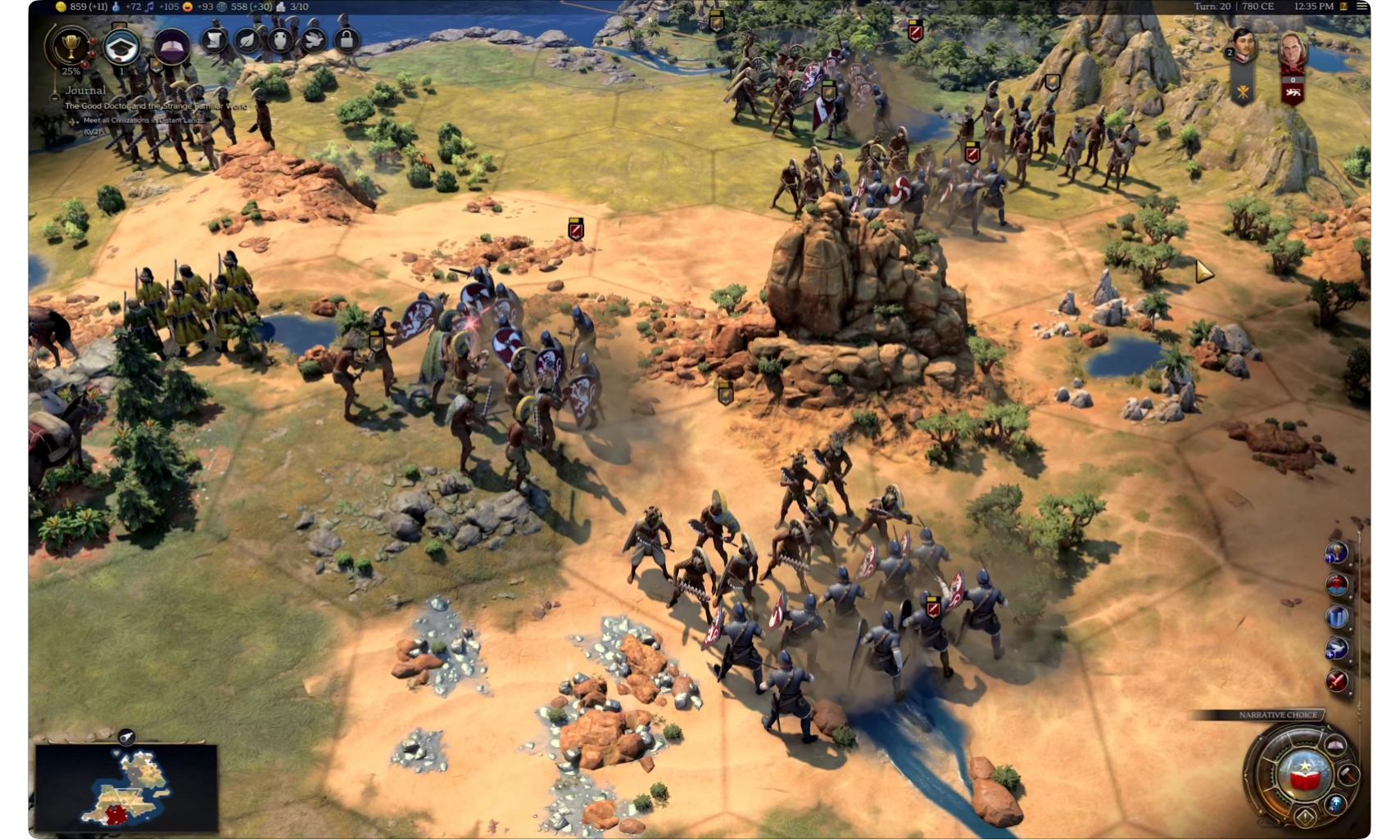
Apple announced on Wednesday that Sid Meier's Civilization VII will arrive almost exactly a year after launch. The game is already available for Apple devices, but its arrival on Apple Arcade will be a first.

Still from the game Civilization VII. Overhead view of game board, with figures fighting.
Civilization VII arrives on Apple Arcade on February 5.
Firaxis Games / Apple

“Free (for Apple Arcade subscribers)” may be the right pricing for the game, given its mixed reviews. A common complaint is the way it handles transitions between eras. ("I have Ben Franklin leading the Romans that turned into Ben Franklin leading Spain... like what? Who asked for this?" a Steam reviewer wrote.) On the other hand, its visuals are praised by most.

The Apple Arcade edition of Civilization VII is scheduled to arrive on February 5. It will be playable on Mac, iPhone and iPad.

This article originally appeared on Engadget at https://www.engadget.com/gaming/civilization-vii-comes-to-apple-arcade-in-february-203000754.html?src=rss

California is investigating Grok over AI-generated CSAM and nonconsensual deepfakes

California authorities have launched an investigation into xAI following weeks of reports that the chatbot was generating sexualized images of children. "xAI appears to be facilitating the large-scale production of deepfake nonconsensual intimate images that are being used to harass women and girls across the internet, including via the social media platform X," California Attorney General Rob Bonta's office said in a statement

The statement cited a report that "more than half of the 20,000 images generated by xAI between Christmas and New Years depicted people in minimal clothing," including some that appeared to be children. "We have zero tolerance for the AI-based creation and dissemination of nonconsensual intimate images or of child sexual abuse material,” Bonta said. “Today, my office formally announces an investigation into xAI to determine whether and how xAI violated the law.

The investigation was announced as California Governor Gavin Newsom also called on Bonta to investigate xAI. "xAI’s decision to create and host a breeding ground for predators to spread nonconsensual sexually explicit AI deepfakes, including images that digitally undress children, is vile," Newsom wrote.

California authorities aren't the first to investigate the company following widespread reports of AI-generated child sexual abuse material (CSAM) and non-consensual intimate images of women. UK regulator Ofcom has also opened an official inquiry, and European Union officials have said they are also looking into  the issue. Malaysia and Indonesia have moved to block Grok. 

Last week, xAI began imposing rate limits on Grok's image generation abilities, but has so far declined to pull the plug entirely. When asked to comment on the California investigation, xAI responded with an automated email that said "Legacy Media Lies." 

Earlier on Wednesday, Elon Musk said he was "not aware of any naked underage images generated by Grok." Notably, that statement does not directly refute Bonta's allegation that Grok is being used "to alter images of children to depict them in minimal clothing and sexual situations." Musk said that "the operating principle for Grok is to obey the laws" and that the company works to address cases of "adversarial hacking of Grok prompts."

This article originally appeared on Engadget at https://www.engadget.com/ai/california-is-investigating-grok-over-ai-generated-csam-and-nonconsensual-deepfakes-202029635.html?src=rss

Why Cadillac Designed Its F1 Camouflage to Actually Stand Out

Formula 1 teams revealed their 2026 testing plans weeks ago, creating a strange temporal problem. Everyone knows Cadillac will run at Barcelona’s closed-door shakedown on January 26. Everyone knows the real livery reveal happens during the Super Bowl broadcast on February 8. That leaves a two-week gap where the team exists in public view but hasn’t officially launched. Most teams would treat this like dead air.

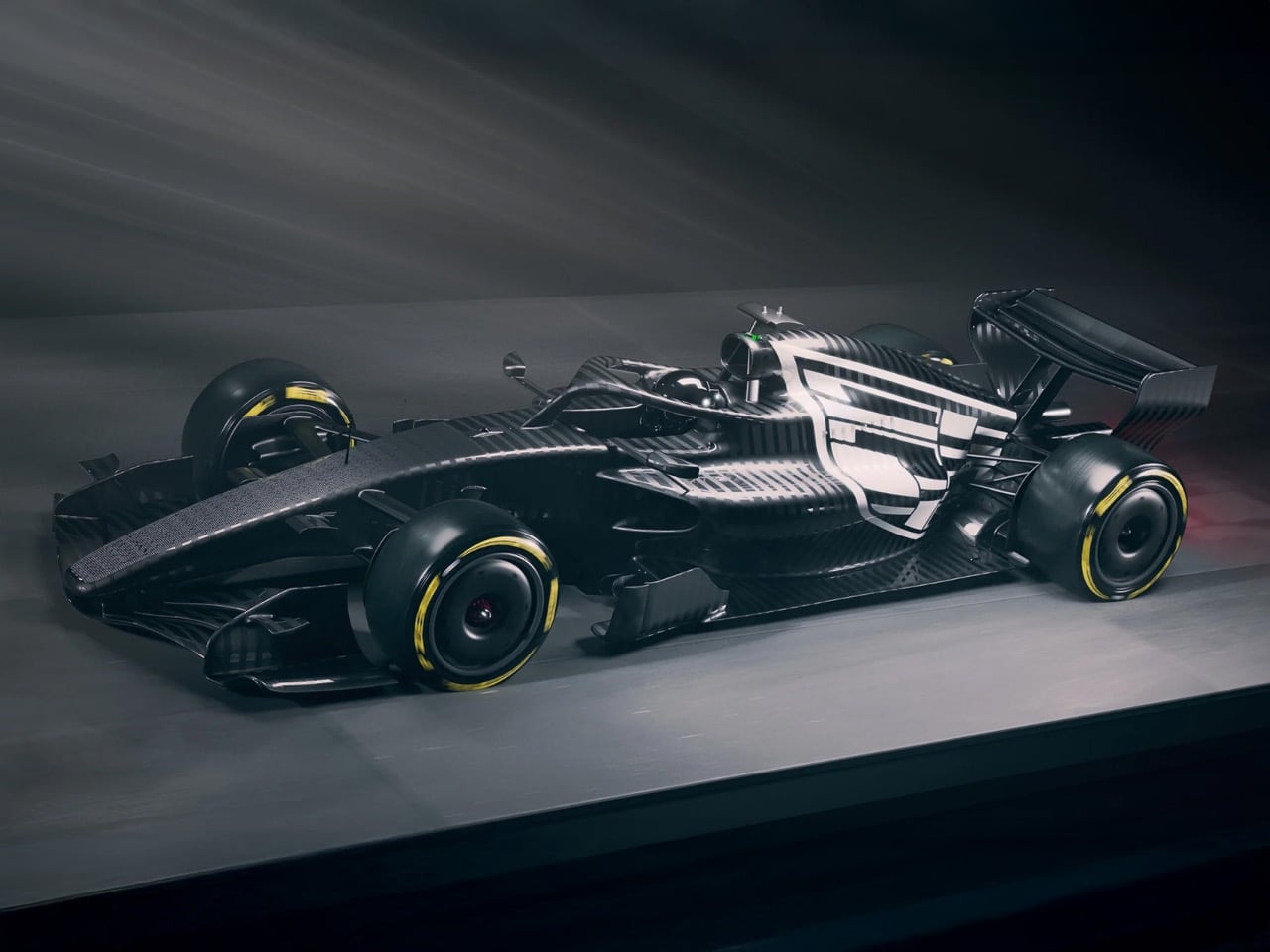
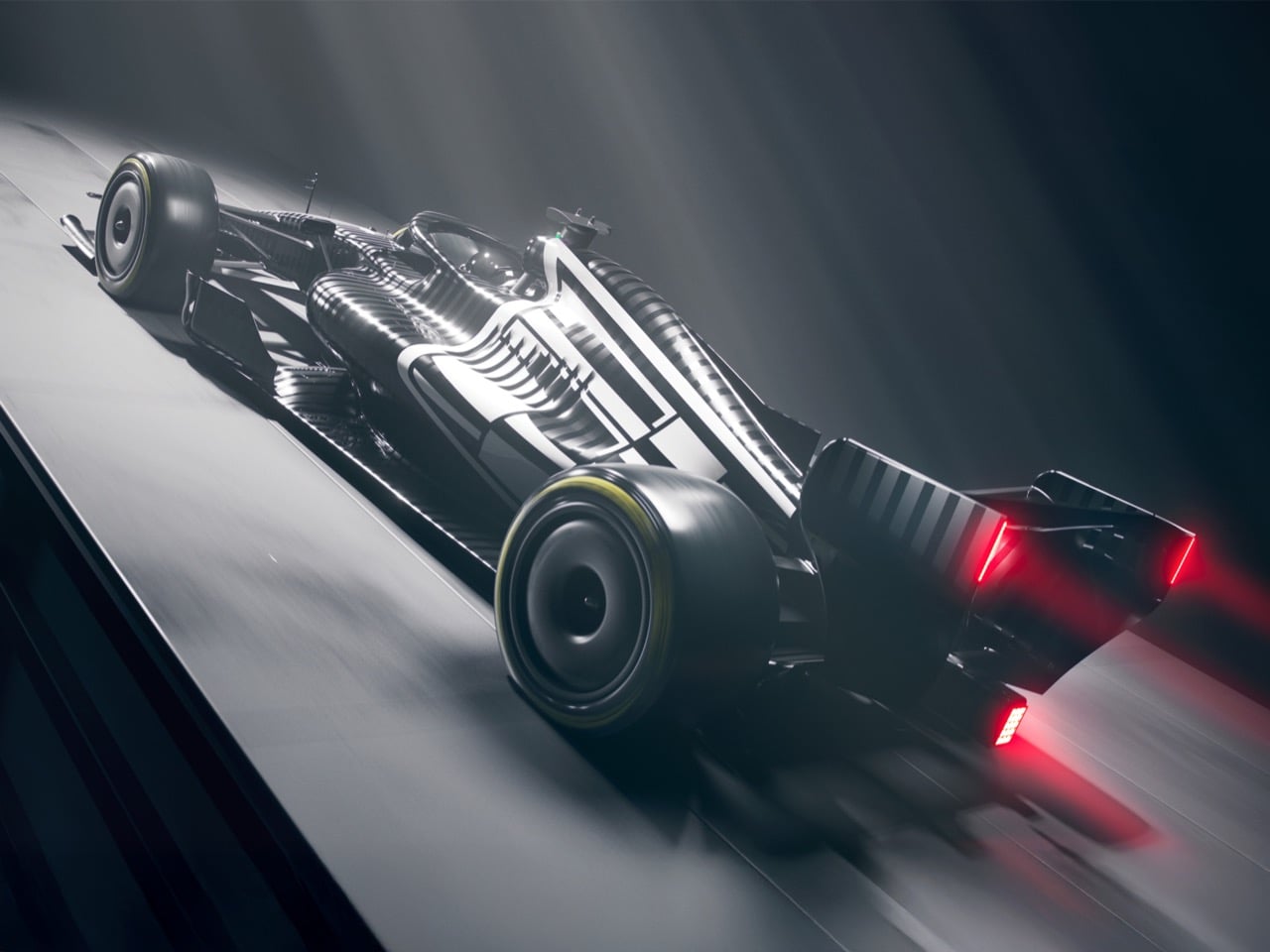
Cadillac’s response was to design specifically for that liminal space. The testing livery features what they call “the Cadillac precision geometric pattern” in gloss and matte sequences, turning functional camouflage into brand vocabulary. They’re using the constraint of secrecy to communicate design philosophy, establishing that their approach blends automotive prototype discipline with motorsport theater. The giant Cadillac crest draped across the engine cover isn’t trying to hide anything. It’s declaring that the space between stealth and spectacle is itself worth designing for.

Camouflage As A Design Language

Cadillac didn’t reach for F1’s usual testing camouflage playbook. They reached for Detroit’s. The vertical geometric pattern running front to back uses alternating gloss and matte treatments, which is straight out of automotive prototype testing methodology. When manufacturers test pre-production vehicles on public roads, they use dazzle camouflage patterns to break up body lines and prevent photographers from capturing accurate proportions. The gloss-matte alternation specifically disrupts how light reads surface contours, making it harder to discern where one body panel ends and another begins. Cadillac has imported that exact technique onto their F1 car, establishing a visual link between their production vehicle development and their racing program before anyone sees them turn a wheel.

This matters because F1 test camouflage typically aims for generic obscurity. Teams either run bare carbon fiber (functional, boring) or apply random geometric patterns (functional, slightly less boring). What Cadillac did requires actual design development work. GM’s press release confirms the testing livery came from “a cross-continental collaboration” between their global design office and the F1 team’s operations spanning the US and UK. They committed design resources to a livery that will only exist for four days of closed-door testing in Barcelona between January 26-30. That’s an unusual allocation of effort for something most teams treat as throwaway content.

The monochrome palette reinforces the automotive prototype reference while giving Cadillac room to establish brand identity without committing to race colors. Black and silver create what GM describes as “a striking and premium appearance” linked to “a modern interpretation of the iconic Cadillac crest and shield”. Translation: they want you thinking about Cadillac’s luxury automotive positioning while accepting that you’re looking at operational camouflage. The cognitive dissonance is intentional.

Founder Names as Front-End Real Estate

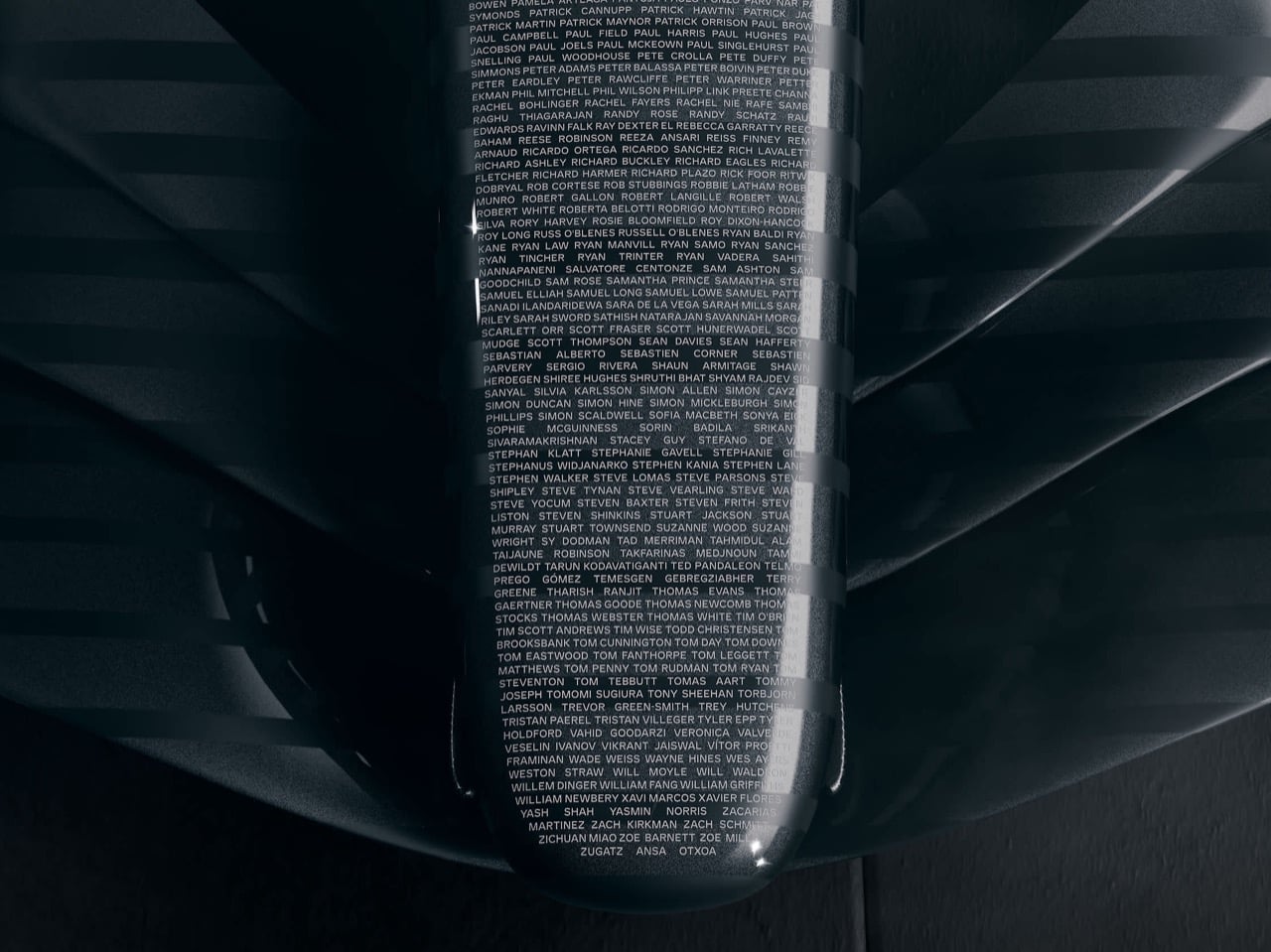
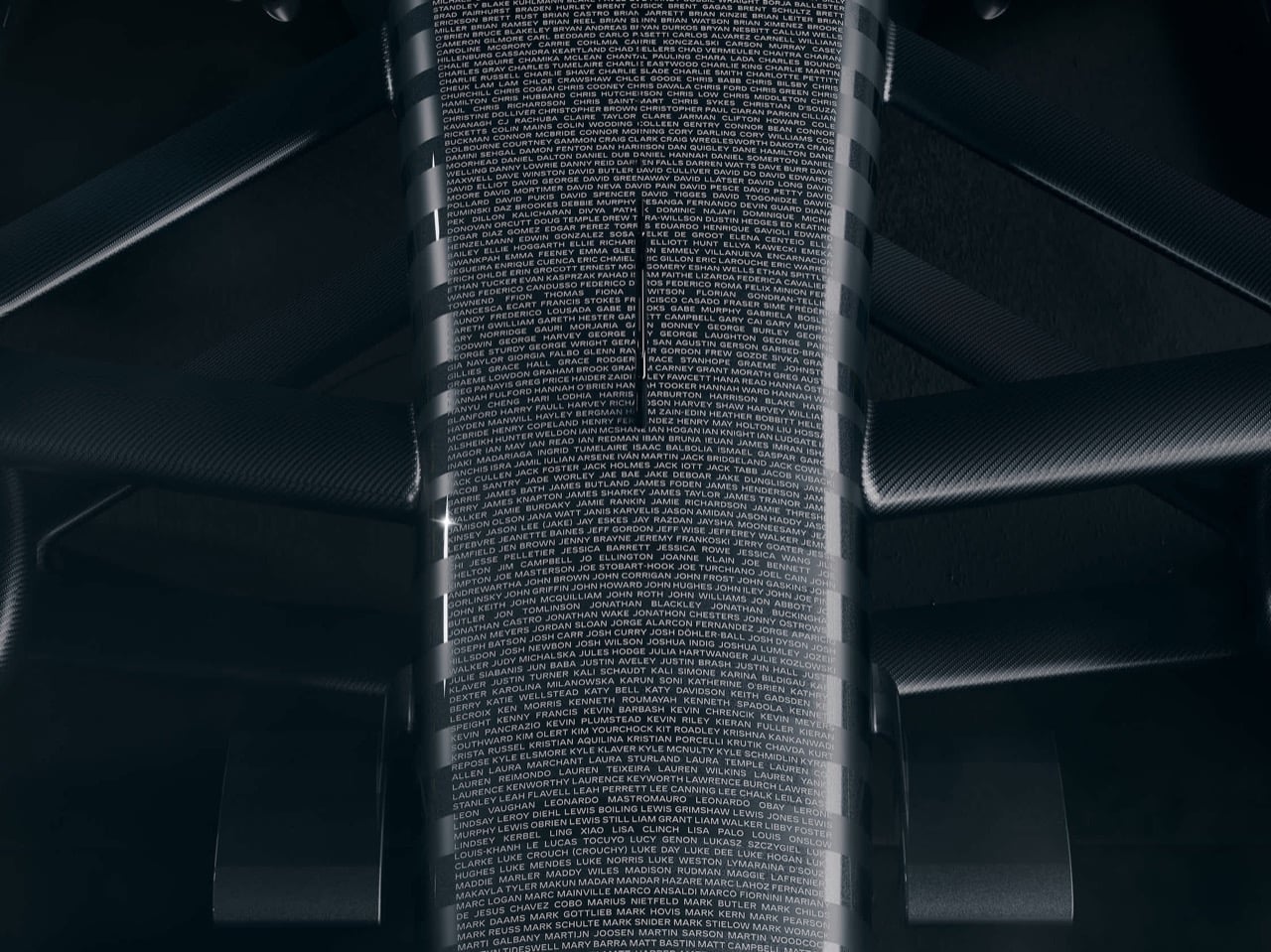
Cadillac embedded the names of their founding team members from both the US and UK facilities onto the nose section. This is where the design brief gets interesting from a messaging perspective. F1 teams occasionally acknowledge personnel on liveries, usually through small decals or subtle typography. Cadillac made founder recognition a primary design element on arguably the most visible part of the car during front-facing photography. The nose gets scrutinized heavily during testing because it’s where teams often trial different aerodynamic configurations. Every photo analyzing nose geometry will also capture those founder names.

The positioning serves dual purposes: it humanizes what could have been pure corporate branding while reinforcing that this program exists because specific people made it happen. Cadillac can’t claim decades of F1 heritage like Ferrari or McLaren, so they’re building a founding mythology in real-time. The test livery becomes the origin story document. When people look back at Cadillac’s first F1 laps, those founder names will be visible in every archive photo. That’s smart long-term brand narrative construction disguised as a nice gesture.

It also signals confidence. Teams worried about looking amateurish during their debut typically minimize branding and keep things conservative. Cadillac put a massive crest across the engine cover and devoted premium nose real estate to personnel acknowledgment. They’re treating Barcelona testing like it matters as a brand moment, which suggests they believe their on-track performance won’t immediately embarrass them. Whether that confidence proves warranted remains speculation until they actually run, but the design choices indicate they’re comfortable being highly visible during the shakedown.

Designing for the Gap Between Testing and Launch

The Barcelona test runs January 26-30. The Super Bowl reveal happens February 8. Official pre-season testing in Bahrain starts February 26, where all teams must appear in their actual race liveries. Cadillac carved out a specific design approach for that middle window when they exist publicly but haven’t officially launched. Most teams would use placeholder graphics or early-reveal their race livery to fill that gap. Cadillac treated it as its own design challenge requiring a distinct solution.

This approach mirrors product launch strategies in consumer tech, where companies often deploy teaser campaigns that reveal design philosophy without showing final products. Apple does this constantly with cryptic event invitations that establish aesthetic direction before unveiling actual devices. Cadillac applied that thinking to F1, using the testing livery as a teaser that communicates brand values (precision, Detroit heritage, automotive development discipline) while maintaining suspense about the race livery. The testing design becomes a prologue rather than a placeholder, giving them two separate moments of visual impact instead of one.

The gamble is whether anyone cares about F1 testing liveries enough for this strategy to matter. Cadillac clearly believes the Barcelona shakedown will generate significant coverage despite being closed to the public, likely because they’re the first new F1 team since Haas in 2016. They’ve got Sergio Perez and Valtteri Bottas driving, both former race winners with existing fan bases. Media attention will be high regardless of access restrictions. By creating a testing livery with actual design intent, Cadillac ensures that coverage focuses on their visual identity and brand positioning rather than just “new team testing in generic camo.”

The Super Bowl Gambit: Two Reveals, Two Audiences

Announcing a February 8 Super Bowl reveal for the race livery turns the testing design into an explicitly temporary statement. Cadillac could have just revealed the race livery now and run it in Barcelona, but separating the reveals creates narrative momentum. The testing livery establishes that Cadillac takes design seriously and imports automotive development discipline into F1. The race livery reveal during America’s biggest television event positions F1 as mass-market entertainment rather than niche European motorsport. Two different messages for two different audiences, with the testing livery handling the credibility building while the Super Bowl moment handles scale and spectacle.

The testing livery will also be on display at the Detroit Auto Show through January 25, giving Detroit-area fans a chance to see it in person before Barcelona. That’s a local market play that reinforces the “Detroit design heritage” messaging GM President Mark Reuss emphasized during the unveiling. Cadillac is working multiple audience segments simultaneously: F1 enthusiasts who’ll scrutinize Barcelona testing, Detroit locals who can visit the auto show, and mainstream American viewers who’ll catch the Super Bowl reveal. The testing livery serves the first two groups while building anticipation for the third.

Whether this layered approach actually moves the needle on Cadillac’s brand perception or F1’s American growth depends on factors beyond livery design. But treating the gap between testing and launch as a design opportunity rather than dead space shows sophisticated thinking about how modern brand reveals work across multiple channels and timelines. The testing livery exists because Cadillac recognized that the waiting room deserves its own design language.

The post Why Cadillac Designed Its F1 Camouflage to Actually Stand Out first appeared on Yanko Design.
Verizon says its service is back after a 10-hour outage

Verizon’s network is experiencing technical issues that are impacting calls and wireless data. Verizon customers on X have reported seeing “SOS” rather than the traditional network bars on their smartphones, and even the network provider’s own status page struggled to load, likely due to the number of customers trying to access it.

Based on the experience of Verizon users on Engadget’s staff, the services that are impacted appear to be calls and wireless data. Text messages continue to be delivered normally, at least for some users. On DownDetector, reports of a Verizon outage started growing around 12PM ET and numbered in the hundreds of thousands at their peak.

DownDetector also shows spikes in outage reports on competing networks like AT&T and T-Mobile, but in terms of magnitude, they’re much smaller than the issue Verizon is facing. For example, Verizon peaked at 181,769 reports, while AT&T’s was just 1,769 reports. The difference between the two is great enough that those AT&T reports could be from people trying to contact Verizon customers and thinking that their personal network was the problem.

In a post on the cell provider’s news account on X, Verizon acknowledged the issues with its network. “We are aware of an issue impacting wireless voice and data services for some customers,” Verizon wrote. “Our engineers are engaged and are working to identify and solve the issue quickly. We understand how important reliable connectivity is and apologize for the inconvenience.”

Based on DownDetector’s map of outage reports, issues with Verizon’s network appear to be concentrated in major cities in the eastern United States. The majority of reports appear to be coming out of Boston, New York and Washington DC, though the map also shows growing hot spots in Chicago, San Francisco and Los Angeles.

At 2:14PM ET, Verizon shared on X that its engineering teams “remain fully deployed” to work on fixing the outage. The company didn’t share when the issue would resolved or how many of its customers are currently impacted. Reports on DownDetector have dropped since their peak at 12:43PM ET, but thousands of Verizon customers are still noticing issues with the service.

As of 3:09PM ET, Verizon has yet to share more information about the recovery of the company’s cell network. Some Verizon customers on X have noticed their cell service returning, but it’s not clear if this means the network’s technical issues have been fixed.

At 4:06PM ET, nearly two hours since the company’s last statement, at least one member of Engadget’s staff reports their service has been restored. The connectivity issues are still affecting Verizon customers, however. DownDetector received over 55,000 outage reports as recently as 3:47PM ET.

Verizon posted at 4:12PM ET that work continues on addressing the outage, but the issue hasn’t been completely fixed. According to the company, its team is “on the ground actively working to fix today’s service issue that is impacting some customers.”

As of 4:52PM ET, the Verizon’s network has been experiencing issues for around four hours, making today’s outage nearly as long as the last major outage the company had in 2024. Like that 2024 outage, Verizon has yet to share what exactly is causing the issues with its network. Without out an official update, it’s safe to assume the company is still working on a fix.

At 5:41PM ET, DownDetector latest tally still shows over 46,000 people reporting issues with Verizon’s network. Based on the platform’s map, the same cities are filing the bulk of the outage reports, though reporting appears more diffuse than before as news of the outage has spread across the country.

At 6:20PM ET, the situation was much the same. Tens of thousands of users (including Engadget editors) still don’t have proper service, and Verizon had not updated its customers since 4:12PM ET. There are intermittent reports of service coming back and then failing again but seemingly no true fix has been deployed.

At 10:20PM ET, Verizon has announced that the outage has been resolved and has encouraged subscribers still having issues to restart their devices to reconnect to the network. The company also said that it will provide account credits to affected customers.

Both T-Mobile and AT&T have confirmed that their own networks are unaffected by the issues facing their competitor. In a post on X, T-Mobile shared that its network is “operating normally and as expected.” Meanwhile, AT&T says that for any of its customers experiencing issues, “it’s not us...it’s the other guys.”

Update, January 14, 7:25PM ET: This article was published as a developing story and was updated multiple times over a period of around seven hours. These updates were additive, and noted with a timestamp within the article. As of writing, Verizon is still down for tens of thousands of users and the company’s support team has not issued an update on the stituation in over three hours. Happy Wednesday!

Update January 14, 10:39PM ET: This story has been updated to add Verizon’s latest update that the outage has been resolved.

This article originally appeared on Engadget at https://www.engadget.com/big-tech/verizon-says-its-service-is-back-after-a-10-hour-outage-183048229.html?src=rss

$239 Angry Miao Silent Keyboard Channels Tadao Ando’s Concrete Church

Cheap office keyboards sound like plastic rain, which becomes unbearable in open-plan offices or when working late while someone else is trying to sleep. Custom mechanical keyboards feel better, but they tend to be loud, visually aggressive, and often shrink to compact layouts that sacrifice the numpad. Most people end up compromising on sound, feel, or functionality, rarely getting all three at once.

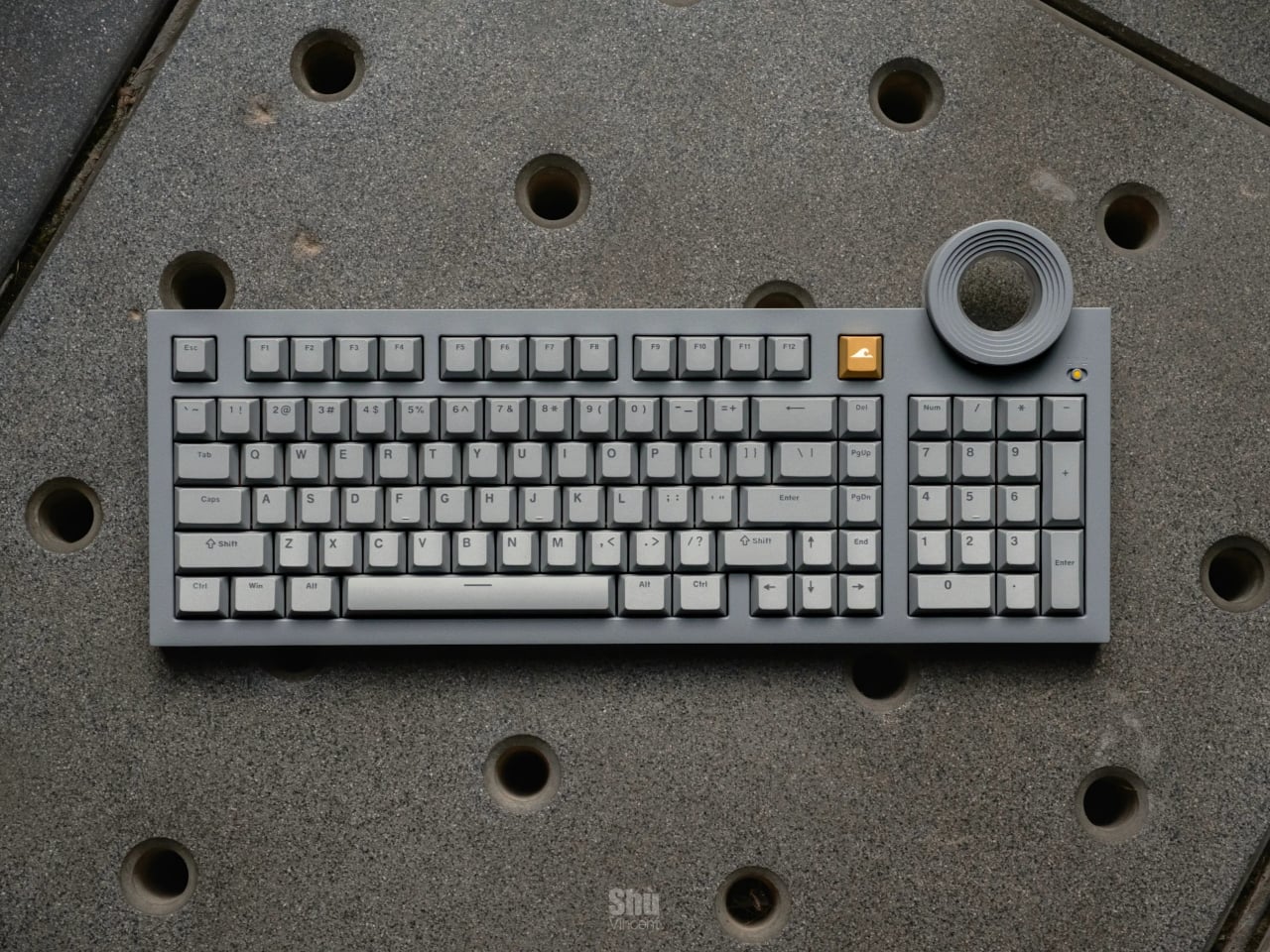
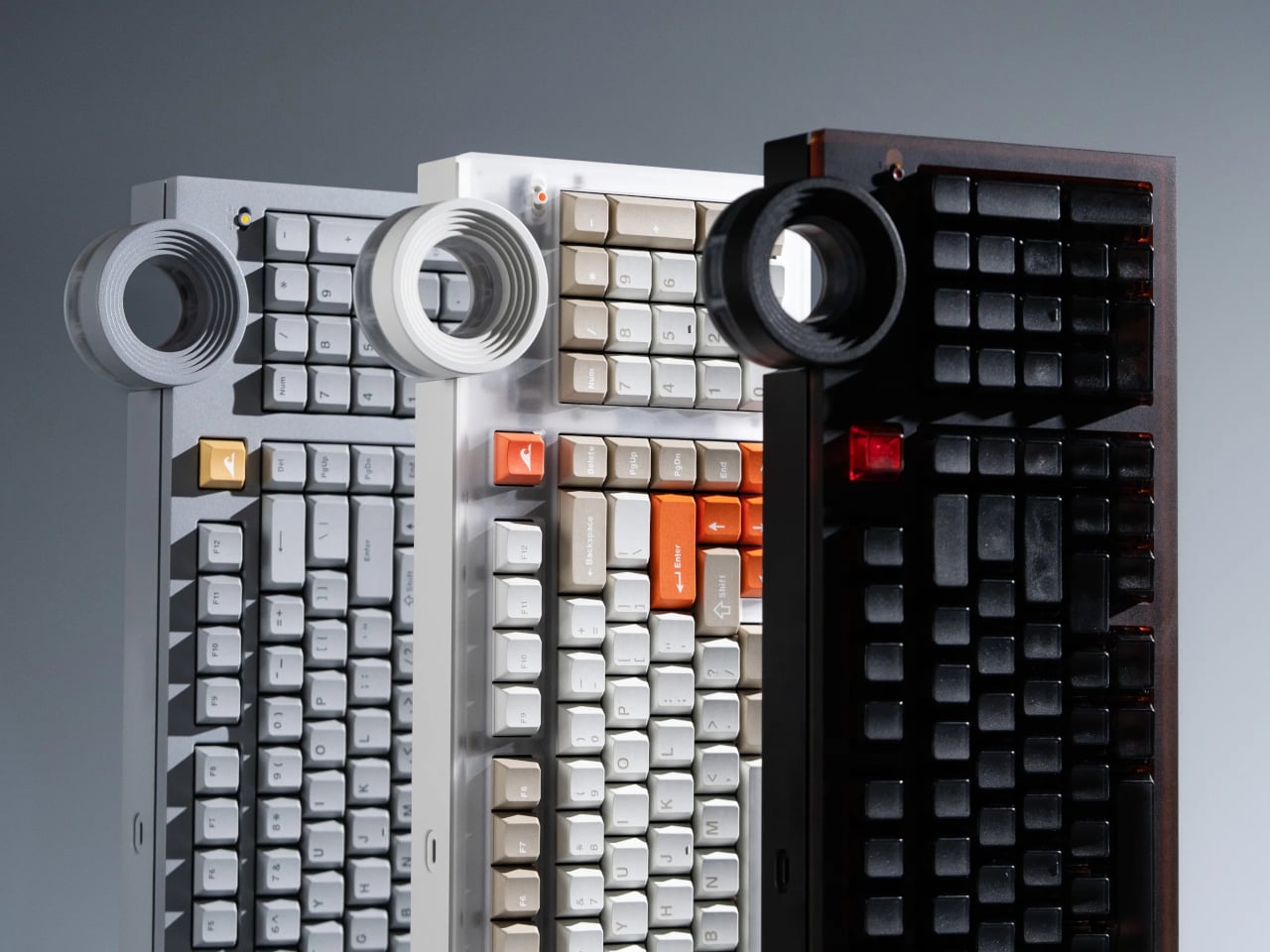
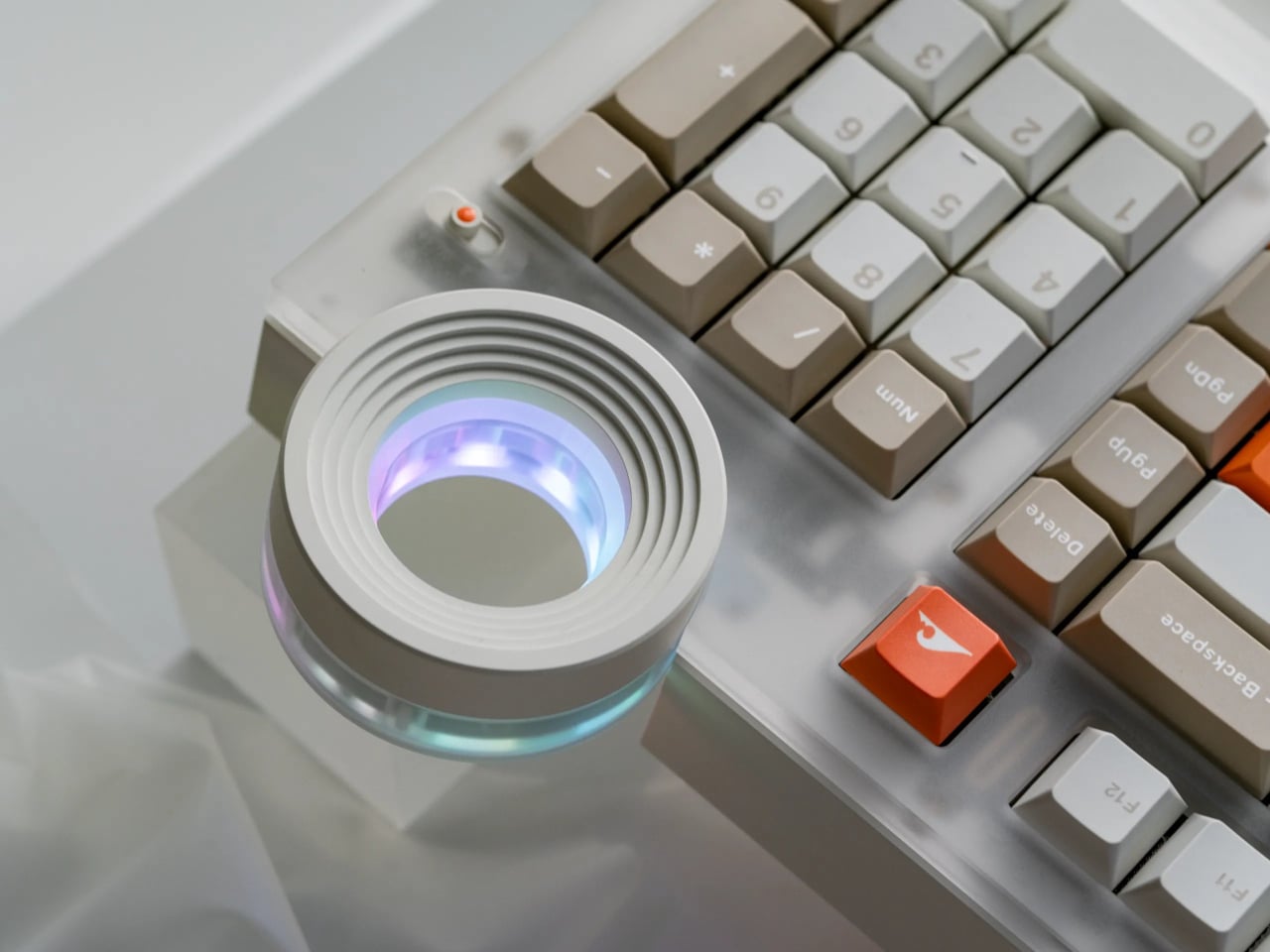
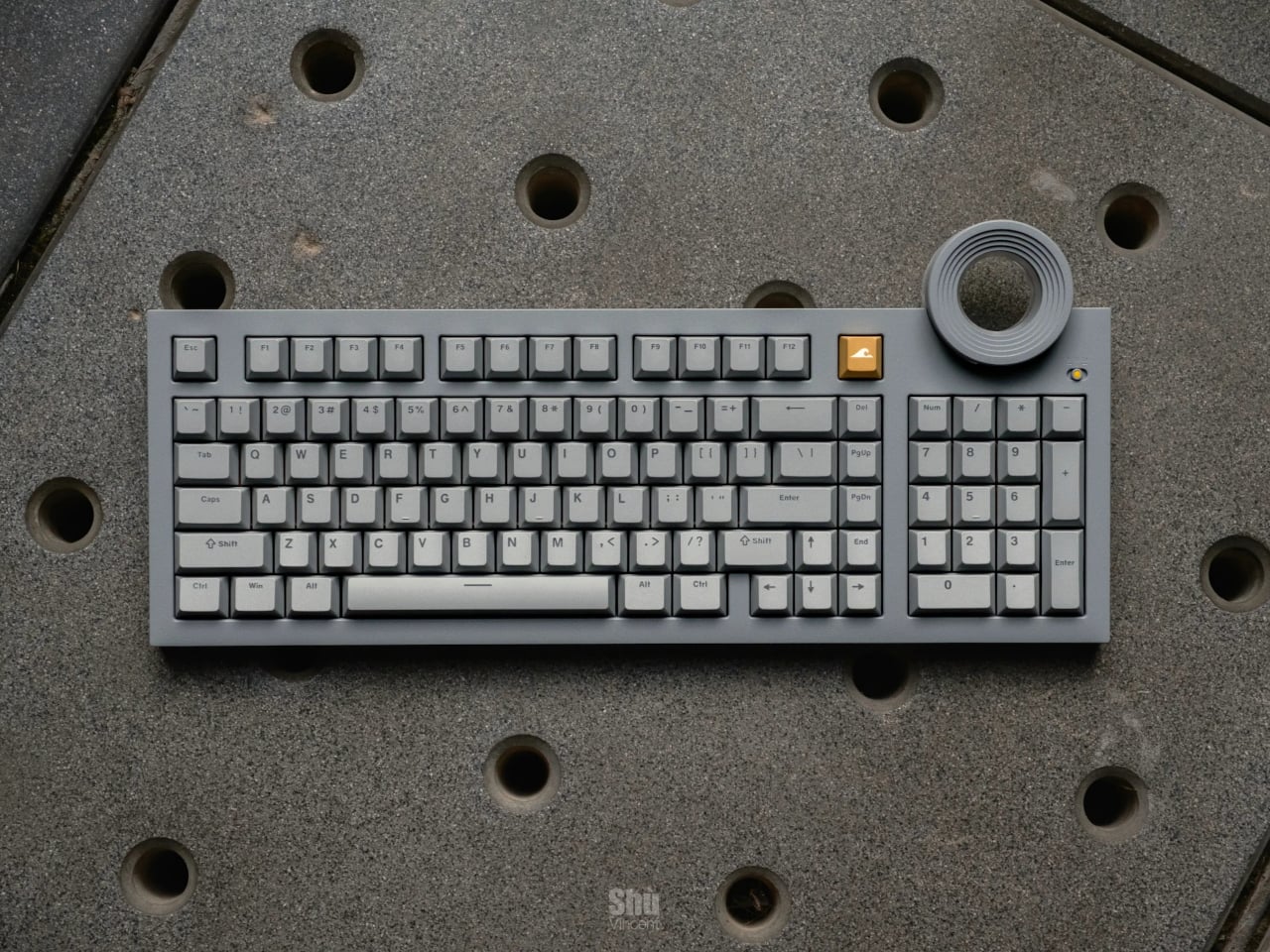
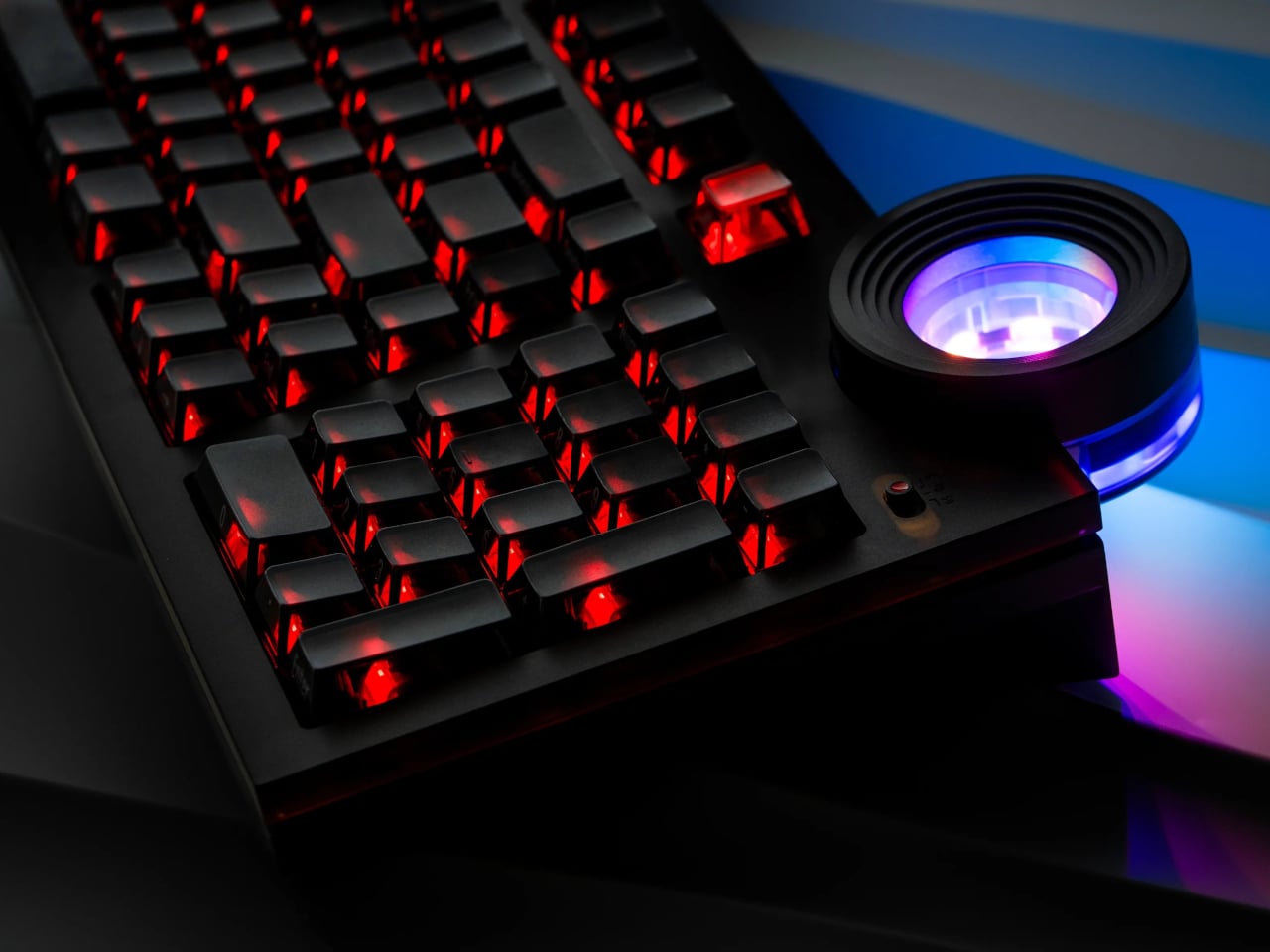
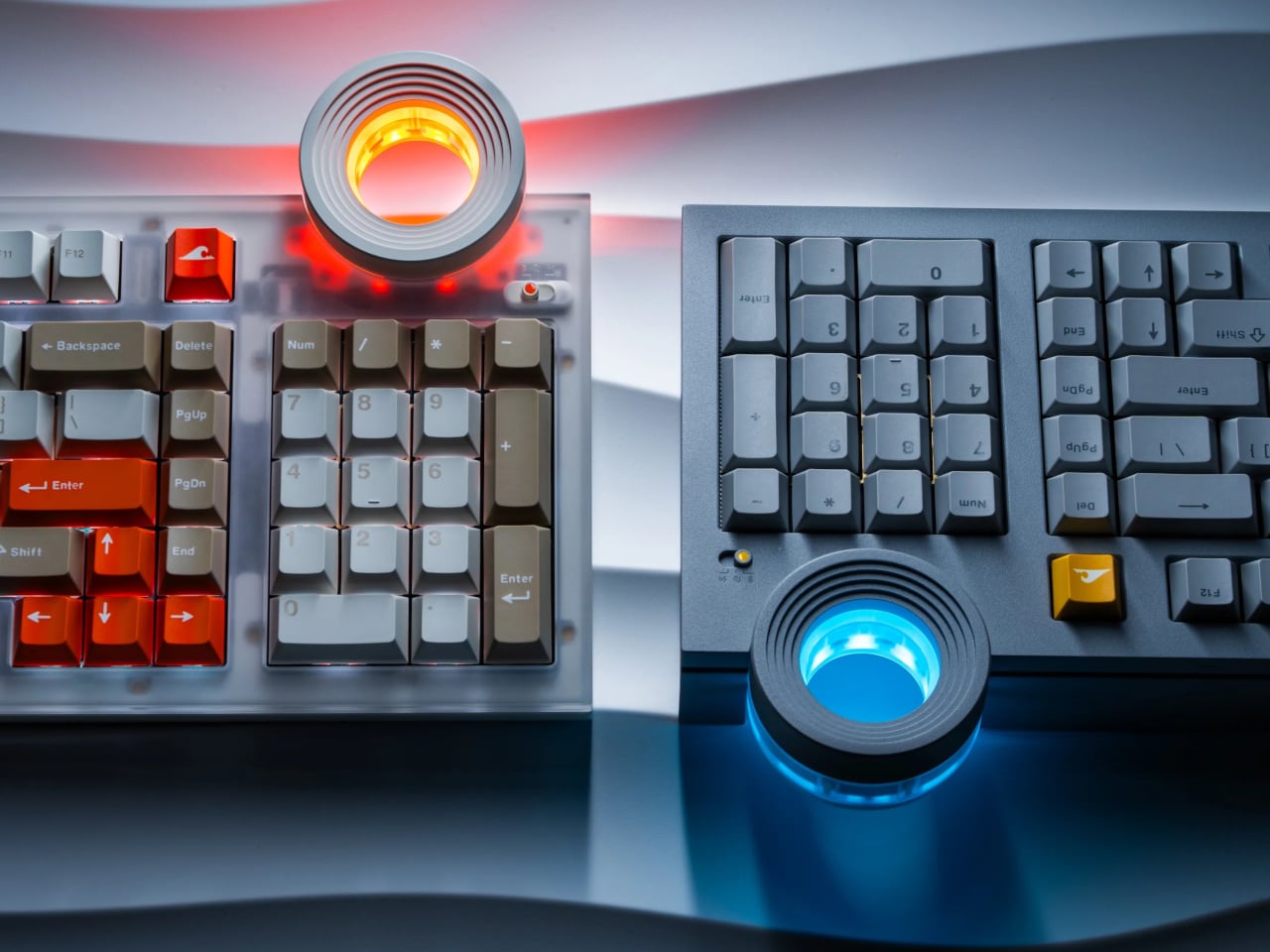
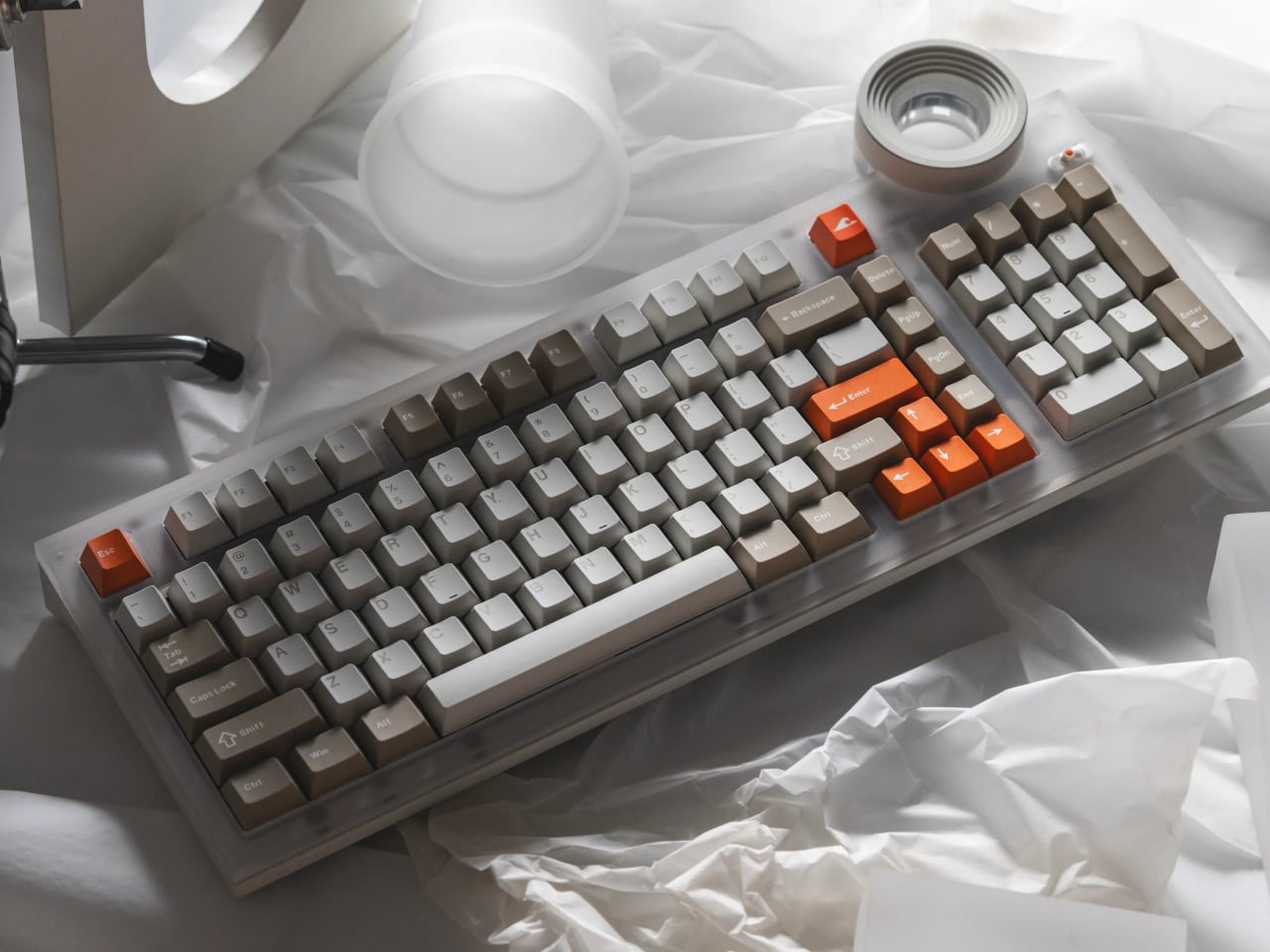
Angry Miao’s ATM 98 tries to bridge that gap with a silent-first philosophy. It keeps a full 98-key layout with a numpad and function row, wraps it in an aluminum shell that weighs around 2.6 kg, and centers a large Star Ring knob on the top right. The whole thing reads more like a desk sculpture than office equipment, built for people who type all day and want something that feels deliberate without announcing itself.

Designer: Angry Miao

The design references are specific. One version channels Tadao Ando’s Church of the Light with a matte concrete-gray shell and controlled RGB lighting, treating the keyboard like a minimalist architectural object. The translucent Frost Whisper and Night Ink editions take inspiration from Off-White x Rimowa’s see-through luggage, revealing the gold-plated PCB and mounts underneath. The structure and lighting become part of the composition, not just decoration.

What matters more on a Tuesday morning is how it feels to type all day. Angry Miao worked with Bsun to develop custom Light Sakura silent linear switches with an S-shaped damping stem and low-friction LY material that delivers smooth, crisp bottom-out without the mushy rebound typical of silent switches. Paired with an eight-layer gasket stack, the board kills hollowness, letting you type emails without sounding like you are auditioning for a contest.

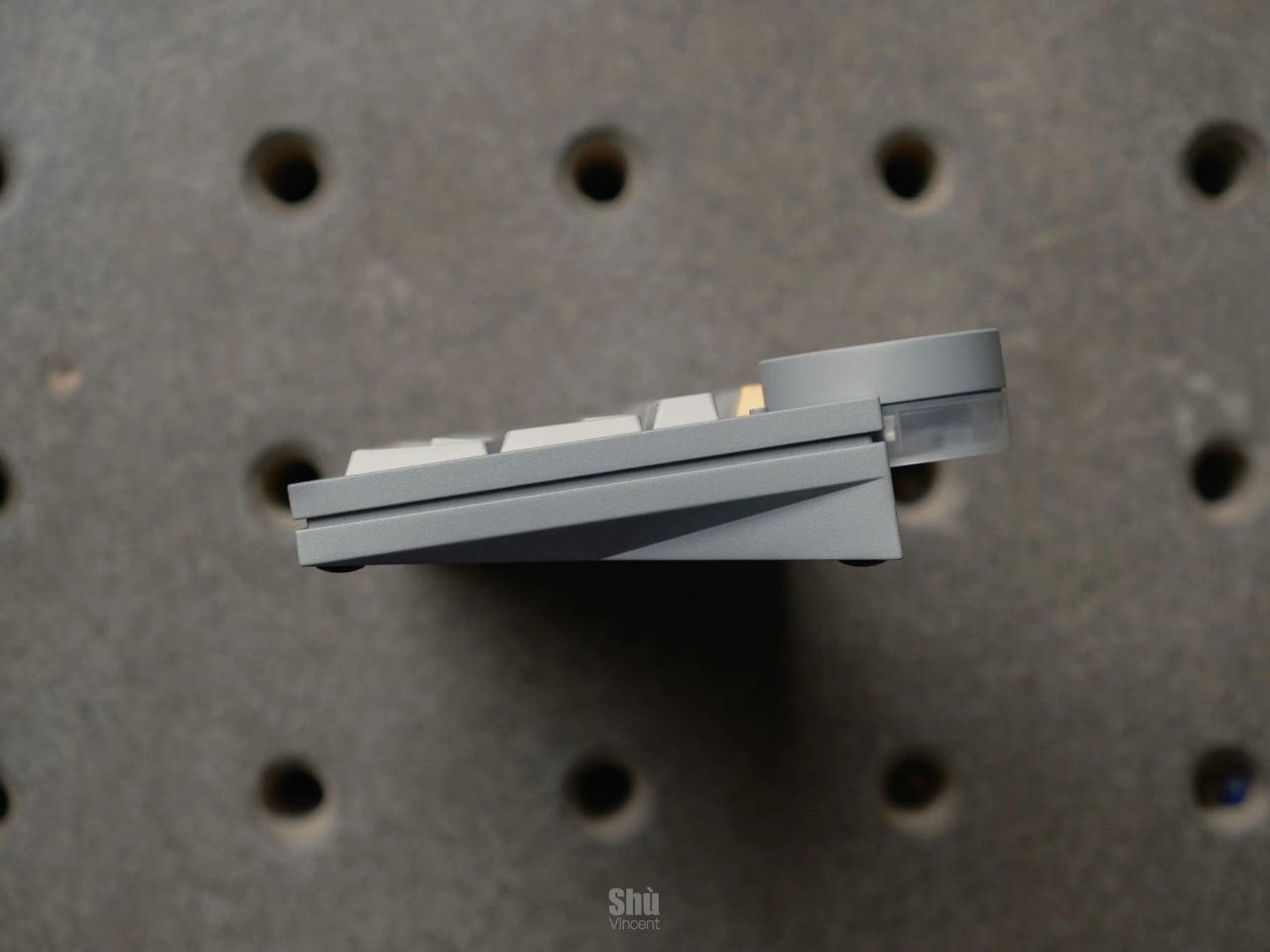
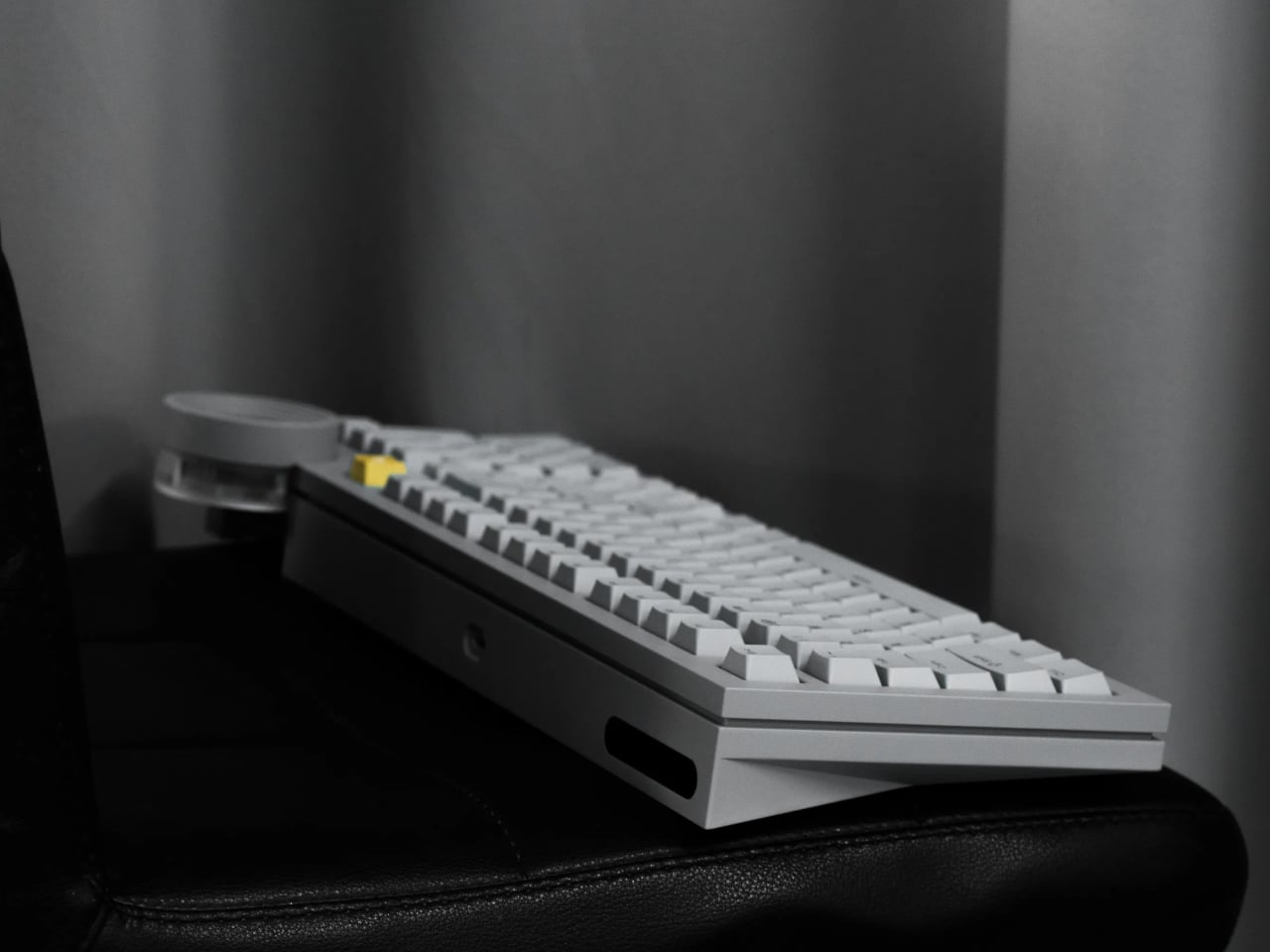
The 18.8mm front height and 8-degree typing angle let you skip a wrist rest without cramping by lunchtime. The 98% layout keeps the numpad for spreadsheets and shortcuts while fitting on a normal desk, and the Star Ring knob becomes a habit for volume, timelines, or switching layers. It is the kind of control you miss when you go back to a plain keyboard.

Tri-mode wireless with tuned 2.4GHz lets you jump from Bluetooth on a laptop to low-latency gaming on a PC without swapping dongles. The board runs QMK firmware for deep remapping, but Angry Miao also built a web-based configurator for people who just want to drag and drop keys and RGB effects without learning command-line tools, making it approachable even if this is your first custom board.

The Angry Miao ATM 98 treats quiet as a design material alongside aluminum and light. It is built for people who live at their keyboards and want something that feels deliberate under their fingers without turning every keystroke into a sound effect that echoes across the room. When loud gaming slabs and forgettable boards dominate the office space, that kind of architectural silence feels oddly refreshing, like finally getting a desk object that understands the difference between personality and noise.

The post $239 Angry Miao Silent Keyboard Channels Tadao Ando’s Concrete Church first appeared on Yanko Design.
PS Plus Game Catalog additions for January include Resident Evil Village and Like a Dragon: Infinite Wealth

Sony just announced January's Game Catalog additions for PS Plus subscribers and it's a fantastic lineup. All of these titles will be ready to play on January 20.

First up, there's Resident Evil Village. This is a direct sequel to 2017’s Resident Evil 7: Biohazard. It's a full game with plenty of jump scares and an engrossing narrative. It's set in a spooky village, thus the name, and a nearby castle. This shouldn't disappoint fans of the franchise and will be available for both PS4 and PS5.

Like a Dragon: Infinite Wealth is a 2024 sequel to Yakuza: Like a Dragon. It was a massive hit upon release, thanks to solid RPG mechanics and a truly unique sense of humor. There are minigames that parody both Pokémon and Animal Crossing. The combat and movement have also both been enhanced since the last entry. It'll be playable on both PS4 and PS5.

Expeditions: A MudRunner Game is a neat little riff on a driving sim, mixing in other genres. The meat and potatoes involve driving an off-road vehicle to locate treasures and uncover secrets, but there's also a base-building element. It'll be available for both PS4 and PS5.

That's really just the tip of the iceberg. This is a big month for PS Plus subscribers. Other titles dropping on January 20 include the iconic roguelike Darkest Dungeon II and the horror adventure A Quiet Place: The Road Ahead.

This article originally appeared on Engadget at https://www.engadget.com/gaming/playstation/ps-plus-game-catalog-additions-for-january-include-resident-evil-village-and-like-a-dragon-infinite-wealth-181501574.html?src=rss