Anthropic’s design assistant now works better with its coding agent
Anthropic's tools are getting chummy with each other.

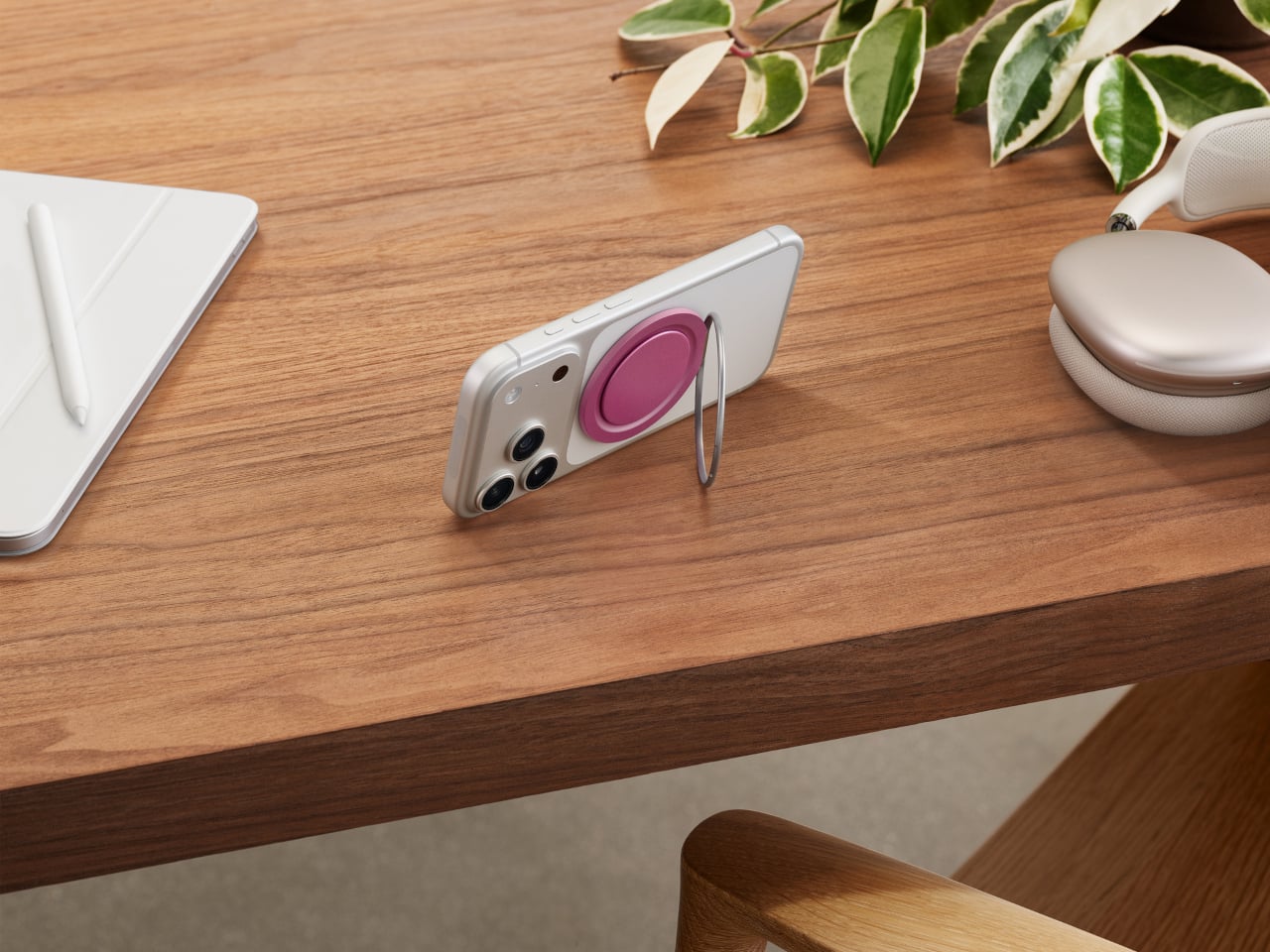
Most phone grips stick around because they work, not because they’re easy to live with. The classic PopSocket has spent over a decade as one of the most recognizable phone accessories around, but its accordion-style pop-up design has always carried a trade-off. That bump on the back catches on every tight pocket, and for a certain kind of user, that’s been reason enough to never bother.
The Low-Pro Grip is PopSockets’ answer to that, but it’s also something more personal than a product update. An ultra-thin grip was actually what the brand’s founder envisioned first, before the accordion design ever existed. He taught himself CAD and printed a flat 2.1mm-thick disk as his original prototype, but it never opened up. That failure became the PopSocket. More than a decade later, the thin version finally works.
Designer: PopSockets (Apple Store)
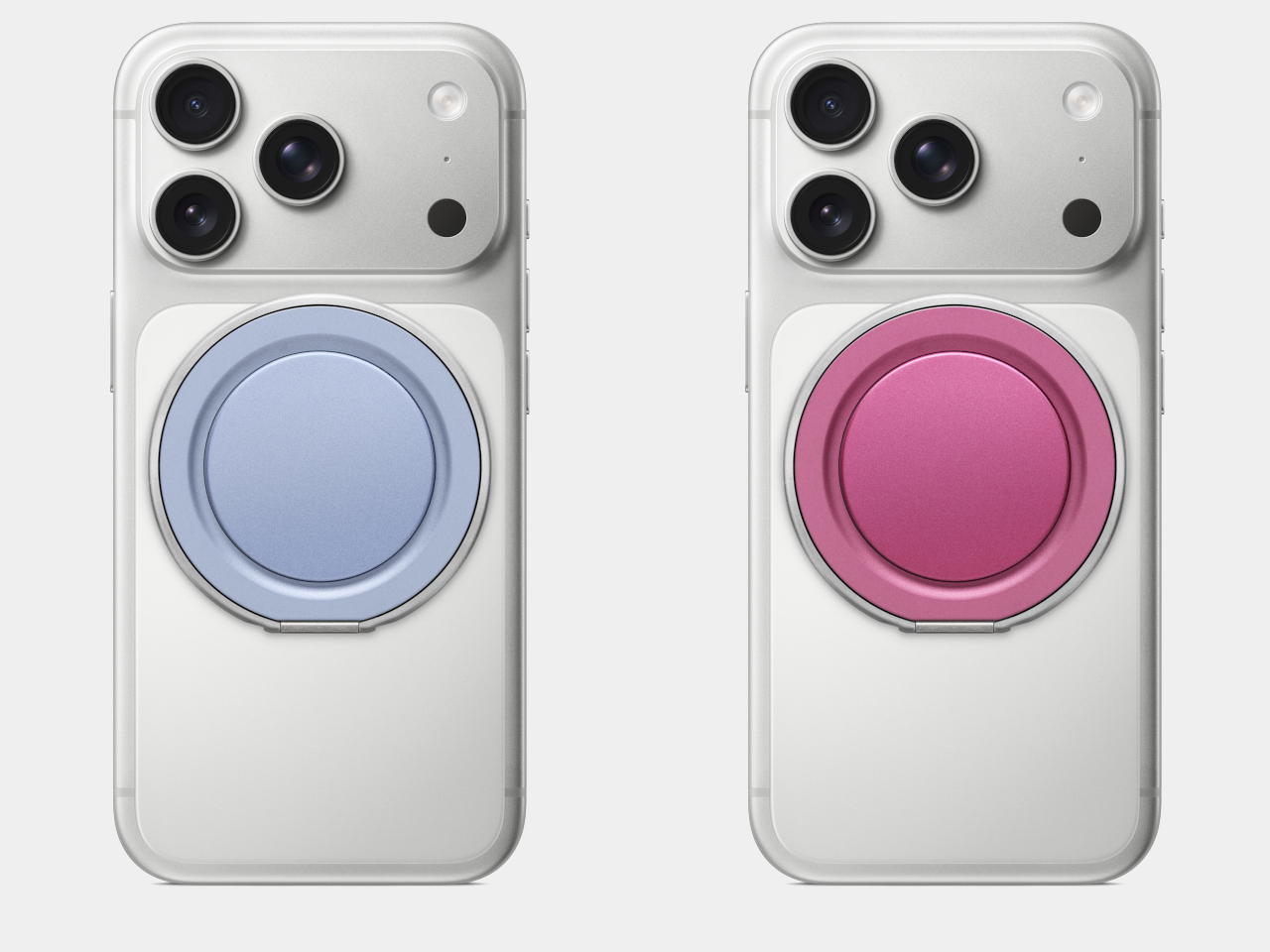
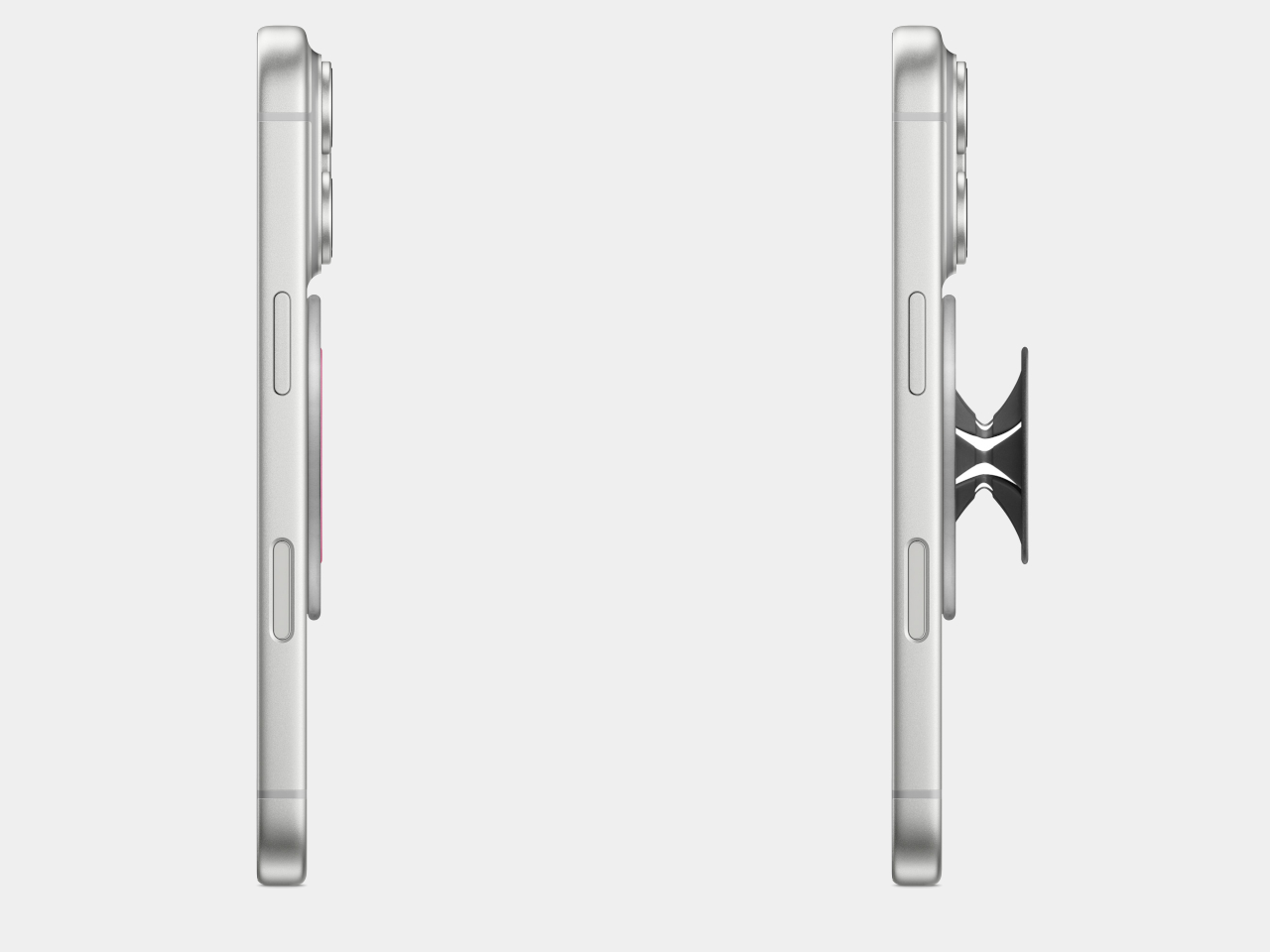
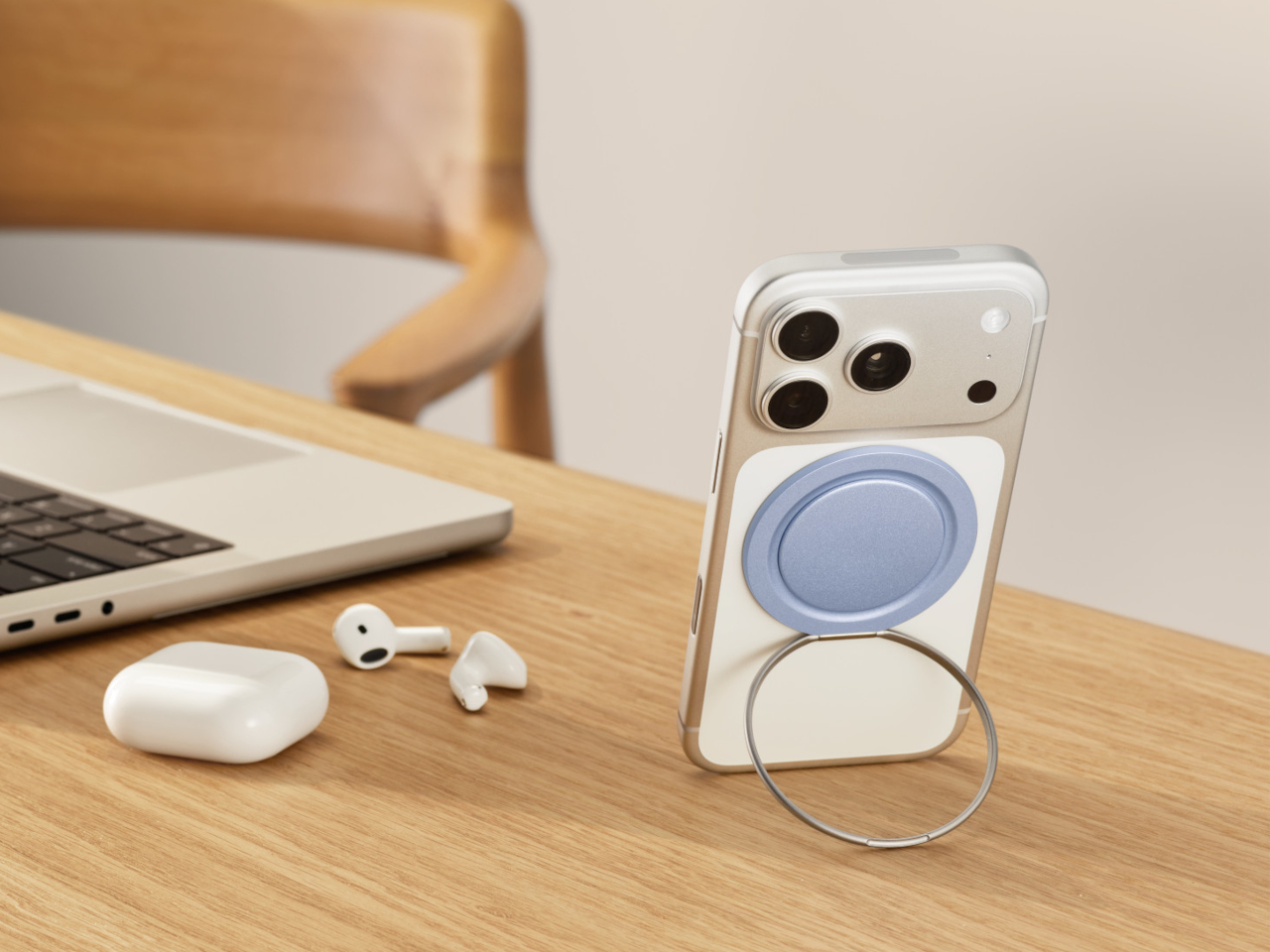
At 2.6mm thick when collapsed, it adds almost nothing to the back of an iPhone and stays below the threshold where most grips start catching on tight pockets. The Low-Pro snaps magnetically onto any MagSafe-compatible iPhone case, so it goes on and comes off without adhesive or any ceremony. The mechanism underneath has also been completely rethought, abandoning the multi-ring accordion of the original entirely.
Instead of the familiar two-step expansion, the Low-Pro uses a single piece of flexible polymer that collapses flat and opens with one motion. What feels different about this approach is the texture. Where competitors rely on interlocking rigid arms that can dig into your fingers during long sessions, the softer polymer makes the Low-Pro more comfortable to hold at any angle, something that only becomes obvious after extended use.
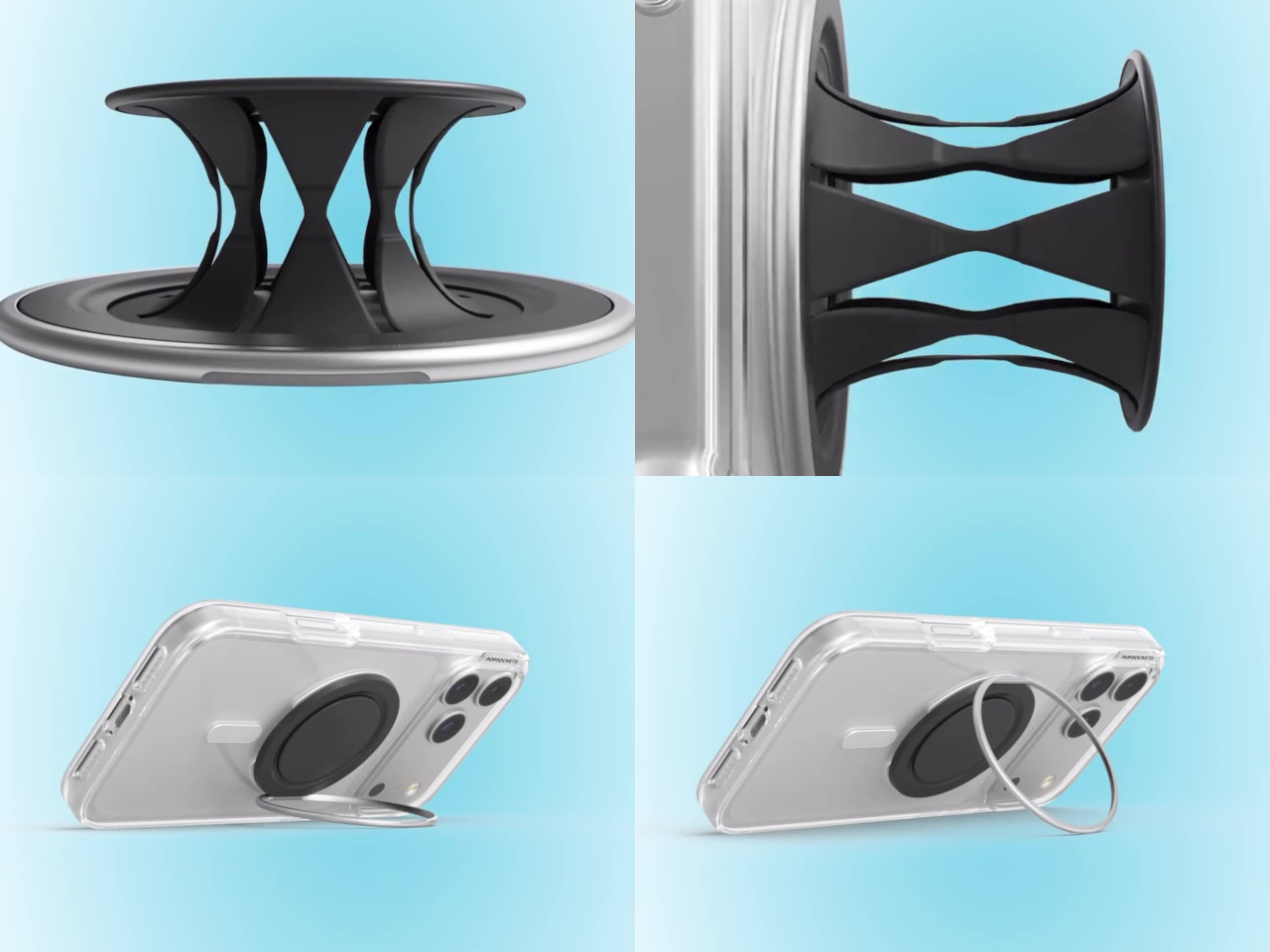
The stand function has been redesigned, too. Instead of a button acting as the kickstand, an outer metal ring attached by a hinge folds out at any angle to prop the phone in either portrait or landscape orientation. That’s a meaningful step up from grip designs where the stand only works reliably sideways, and it covers the full range of how people use their phones away from a charging dock.
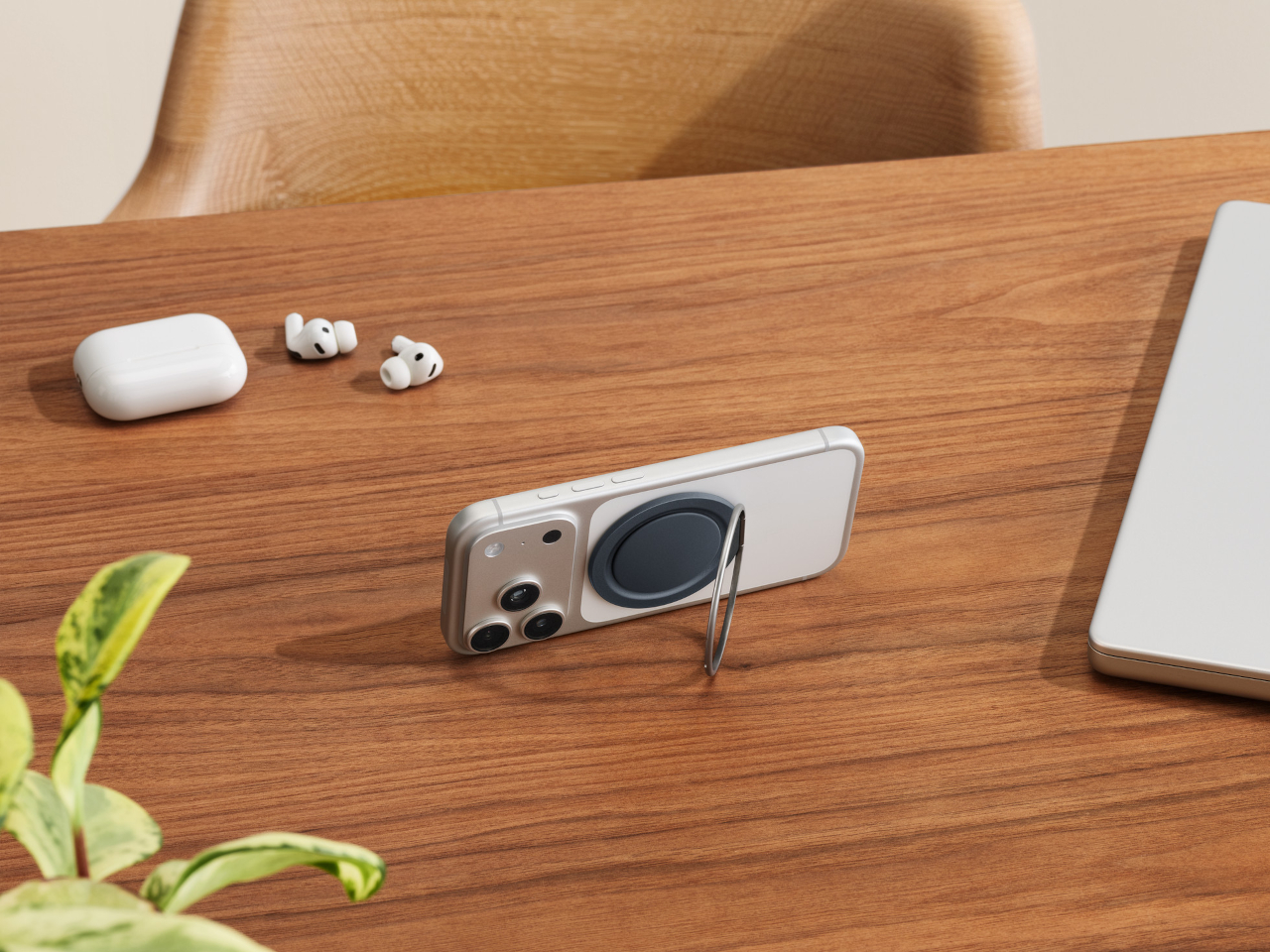
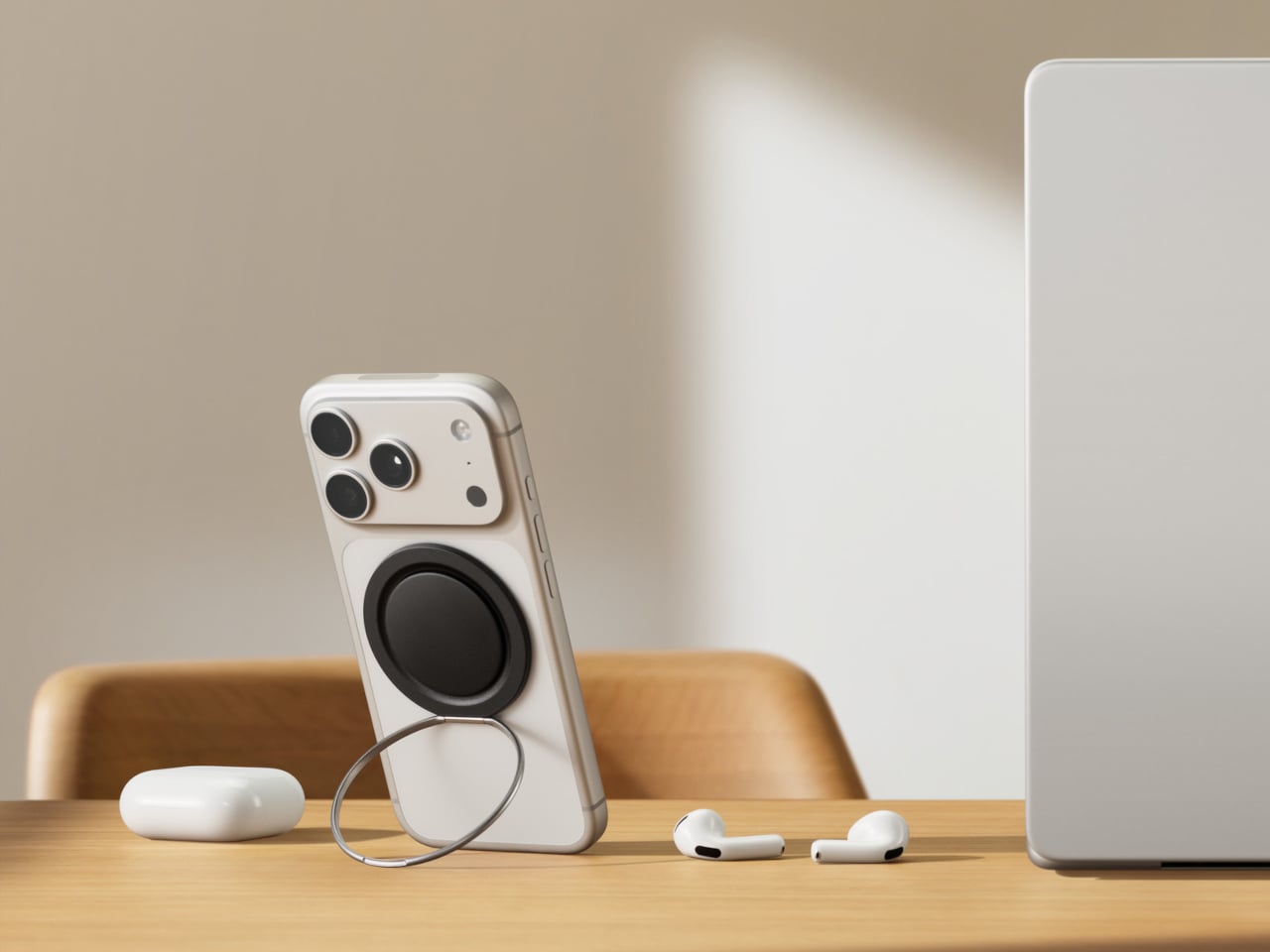
The magnetic base is strong enough to hold the phone against metal surfaces like a fridge door for hands-free use, and MagSafe wireless charging still works through it, though at reduced speeds. Despite the polymer being tested to withstand 30 lbs of tensile force and cycled open and closed 100,000 times, the Low-Pro is designed to be the PopSocket you can forget is there.
The Low-Pro Grip is priced at $39.99 and is launching exclusively at Apple in six colors, expanding to Best Buy and Target on July 12, and to all other retailers on July 29, when the full lineup of 12 colors will be available. It’s compatible with any MagSafe-compatible iPhone case and works with all existing PopSockets mounts, so it fits into an existing MagSafe setup without needing anything else.
The post The 2.6mm PopSocket That Didn’t Work in 2012 Is Finally Here for $39 first appeared on Yanko Design.

Cremation urns have existed for thousands of years, but their design language has barely moved. They tend toward the ceremonial and the generic, pottery shapes lifted from antiquity or polished boxes that draw from the visual vocabulary of caskets. The underlying assumption across nearly all of them is the same: that the vessel marks an ending. That what’s inside has arrived, not departed.
The Transcendence Urn takes a different philosophical position entirely. It belongs to a series of objects conceived as temporary dwellings for the remains of loved ones, held in anticipation of what comes next. The form it takes to express this idea is strikingly futuristic, almost sci-fi in its ambition, built on the premise that the urn theoretically facilitates the occupant’s journey toward a higher state of existence rather than simply containing what was left behind.
Designer: Michael Jantzen
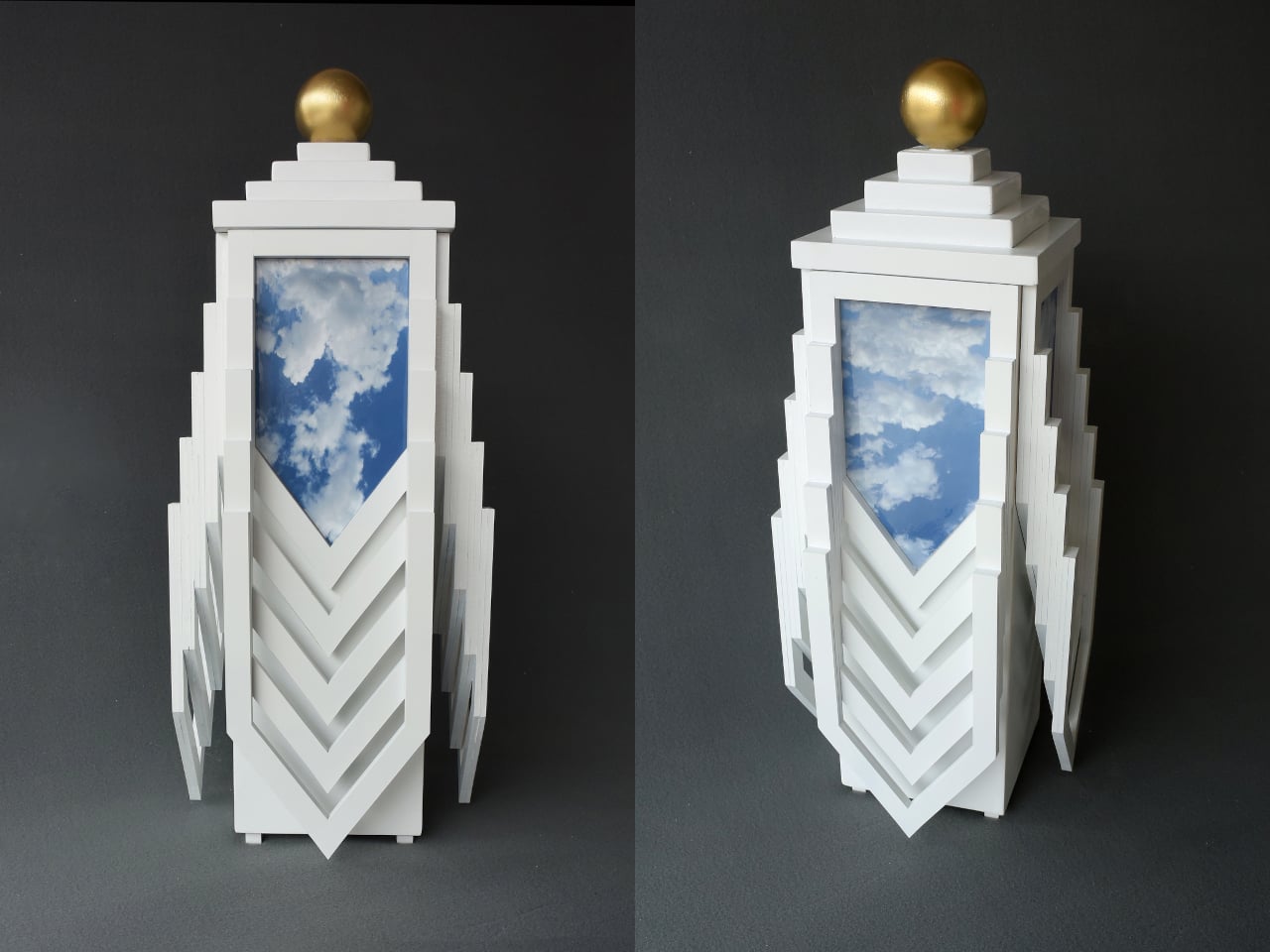
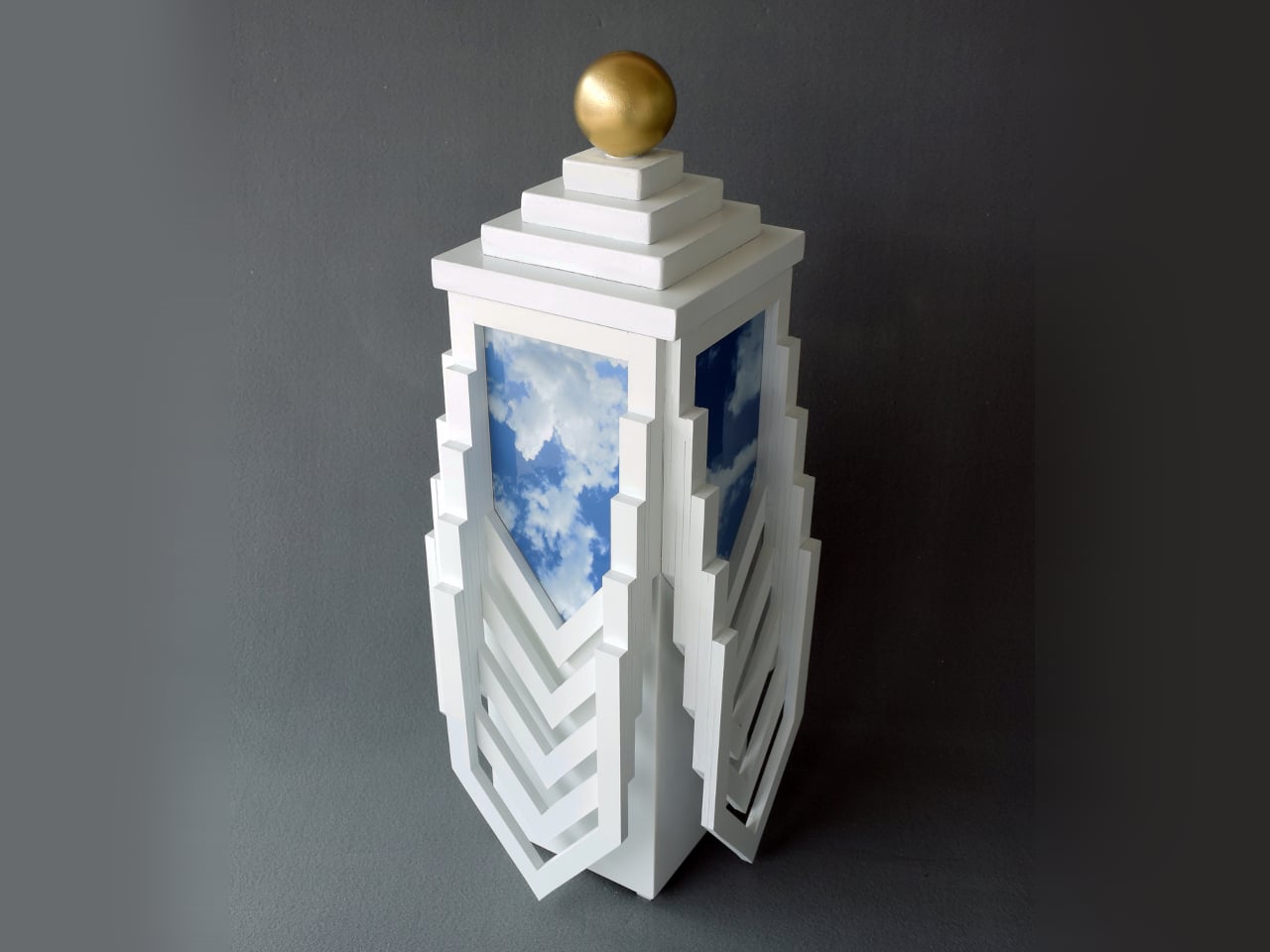
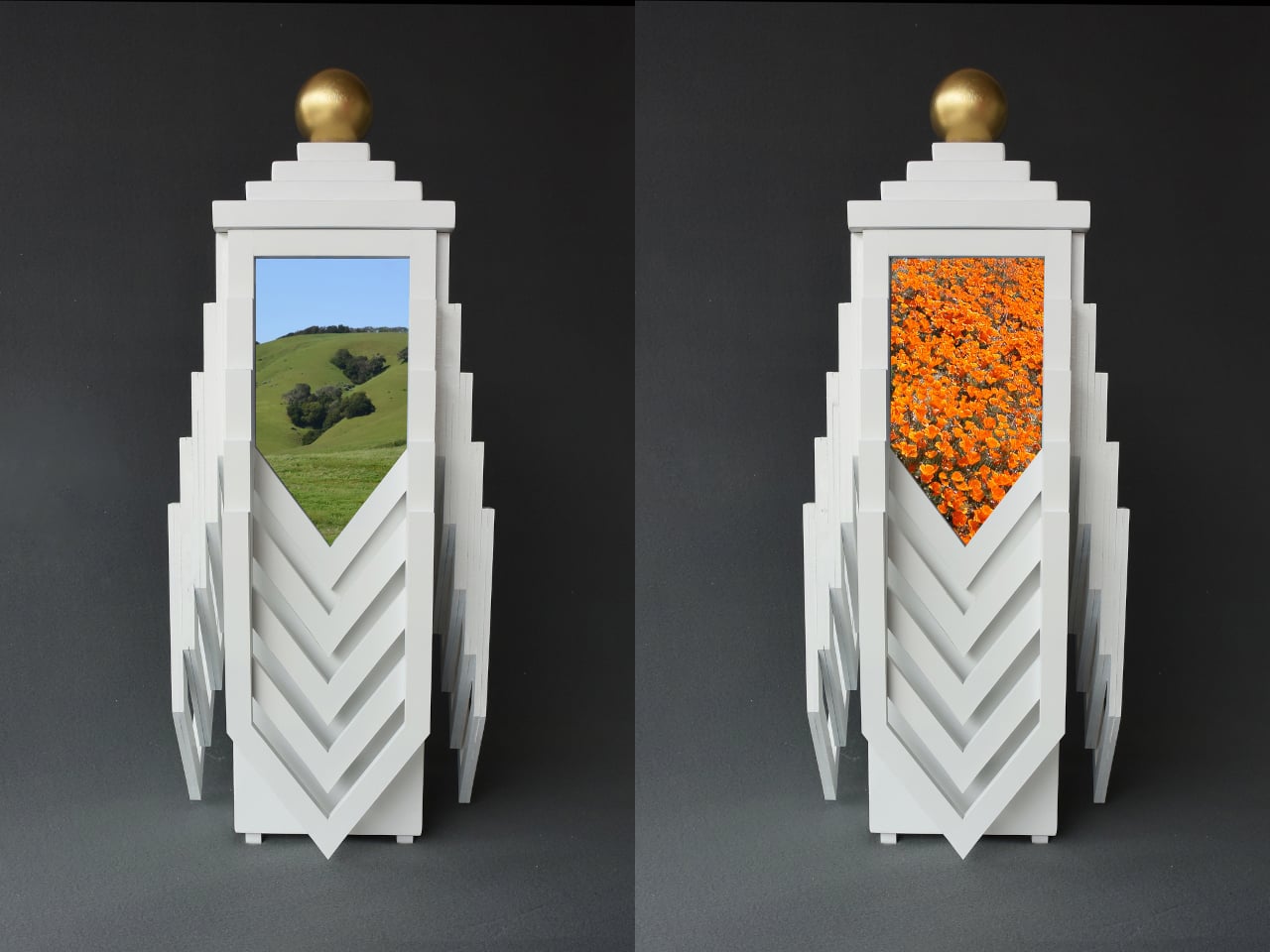
The structure stands 25 inches tall and 12 inches wide, built from painted wood in a form that seems to reach upward. Stepped tiers stack toward the top, followed by a gold sphere that crowns the whole structure and is removable from its own tiered plinth. The lower body radiates outward in layered chevron forms, pointing downward like fins, giving the whole piece a sense of directed energy, as if something inside it is moving rather than resting.
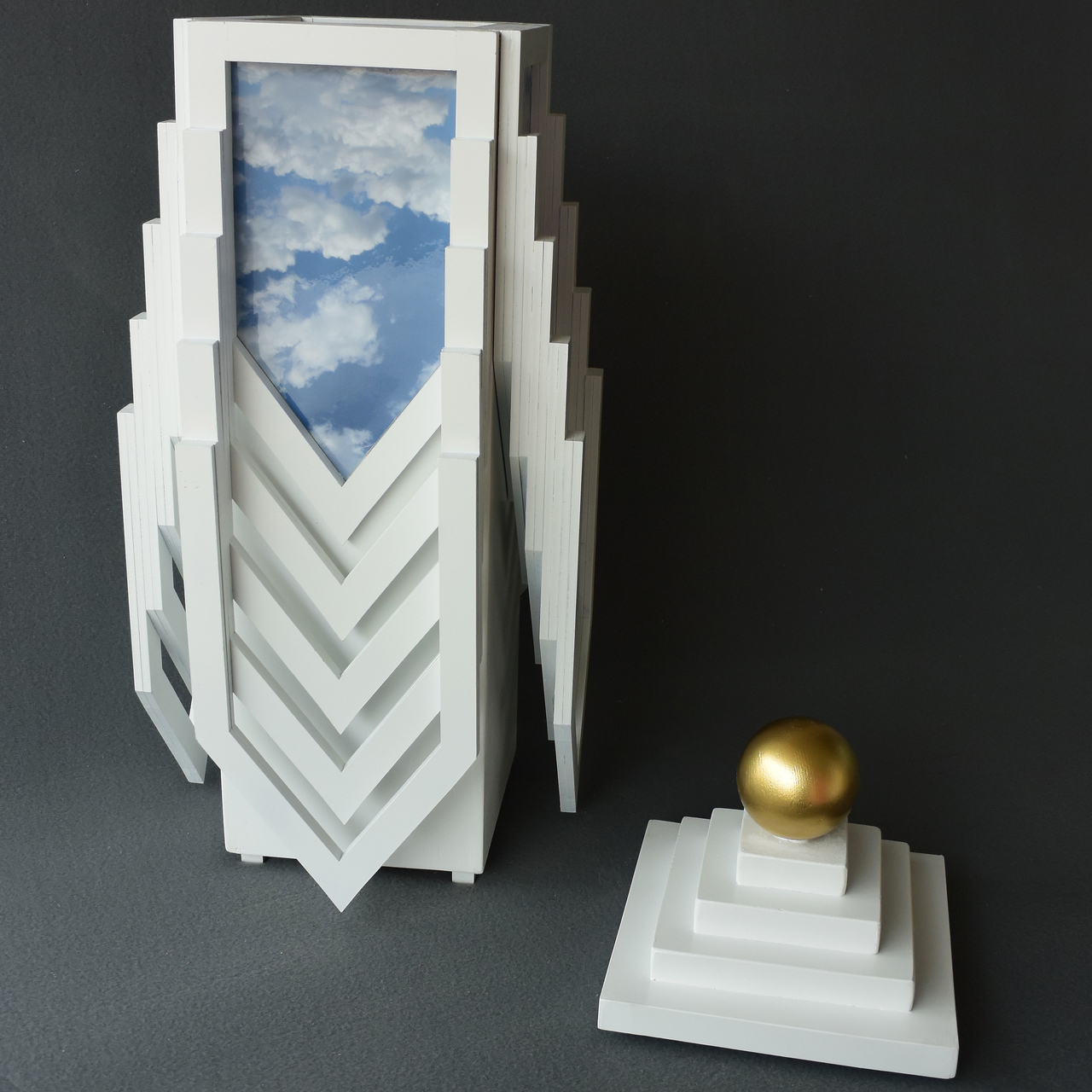
The four panel spaces near the top of the urn are where the personal dimension takes shape. Owners can fill them with photographs selected from a curated series of symbolically resonant images, or with their own. The possibilities run a wide emotional and metaphysical range: images of open sky and drifting clouds, a sunlit hillside, a field of orange flowers, a galaxy, fire, storm, and lightning are all part of the symbolic vocabulary this design draws from. Of course, photos of the actual person can go there, too.
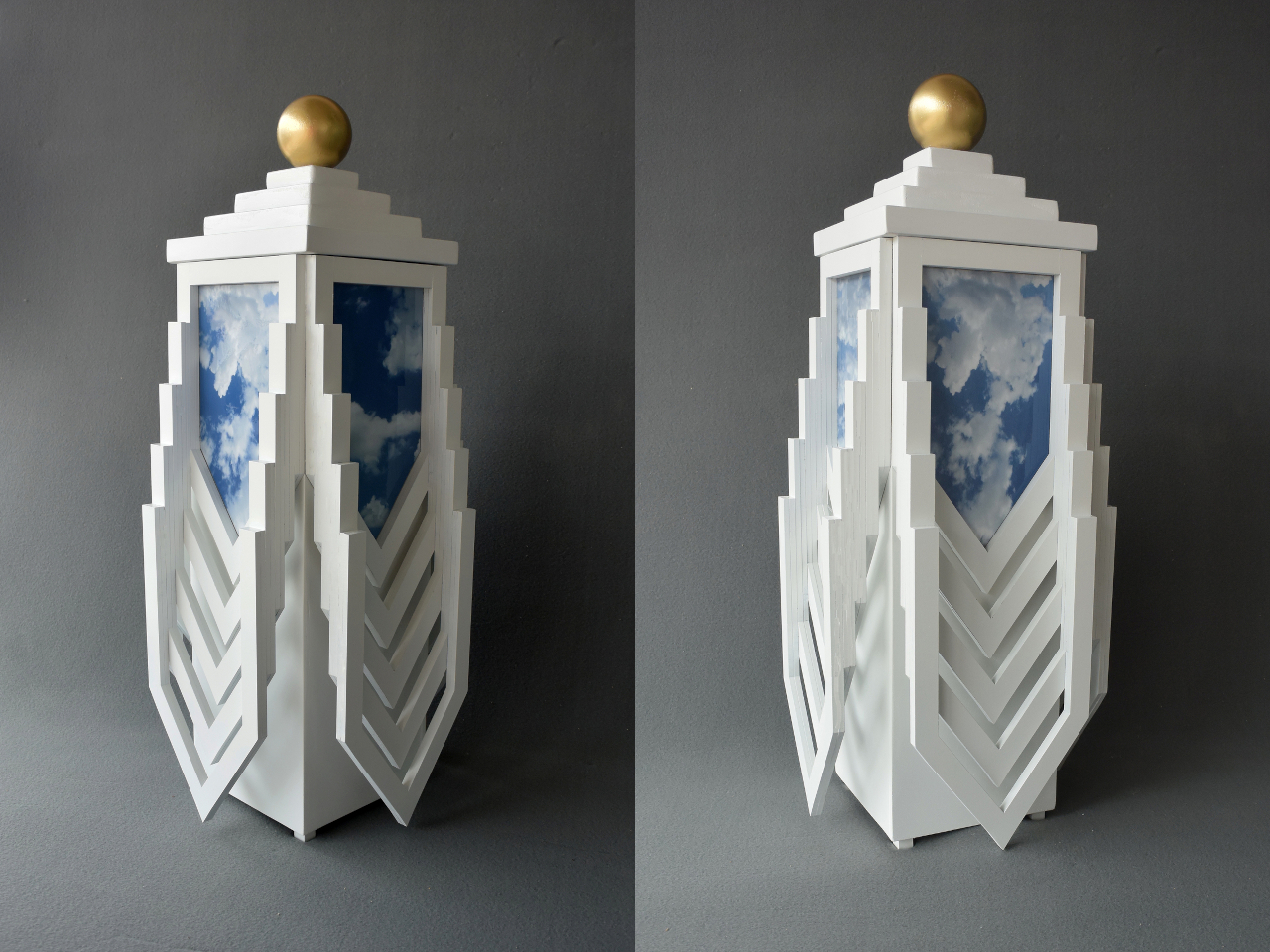
That choice matters more than it might first appear. Most memorial objects leave the bereaved as passive recipients of a fixed form. This one asks them to make decisions about meaning, to assign symbols, and to decide what the person they lost should be surrounded by. It’s a quiet but real kind of agency during a period when very little feels controllable.
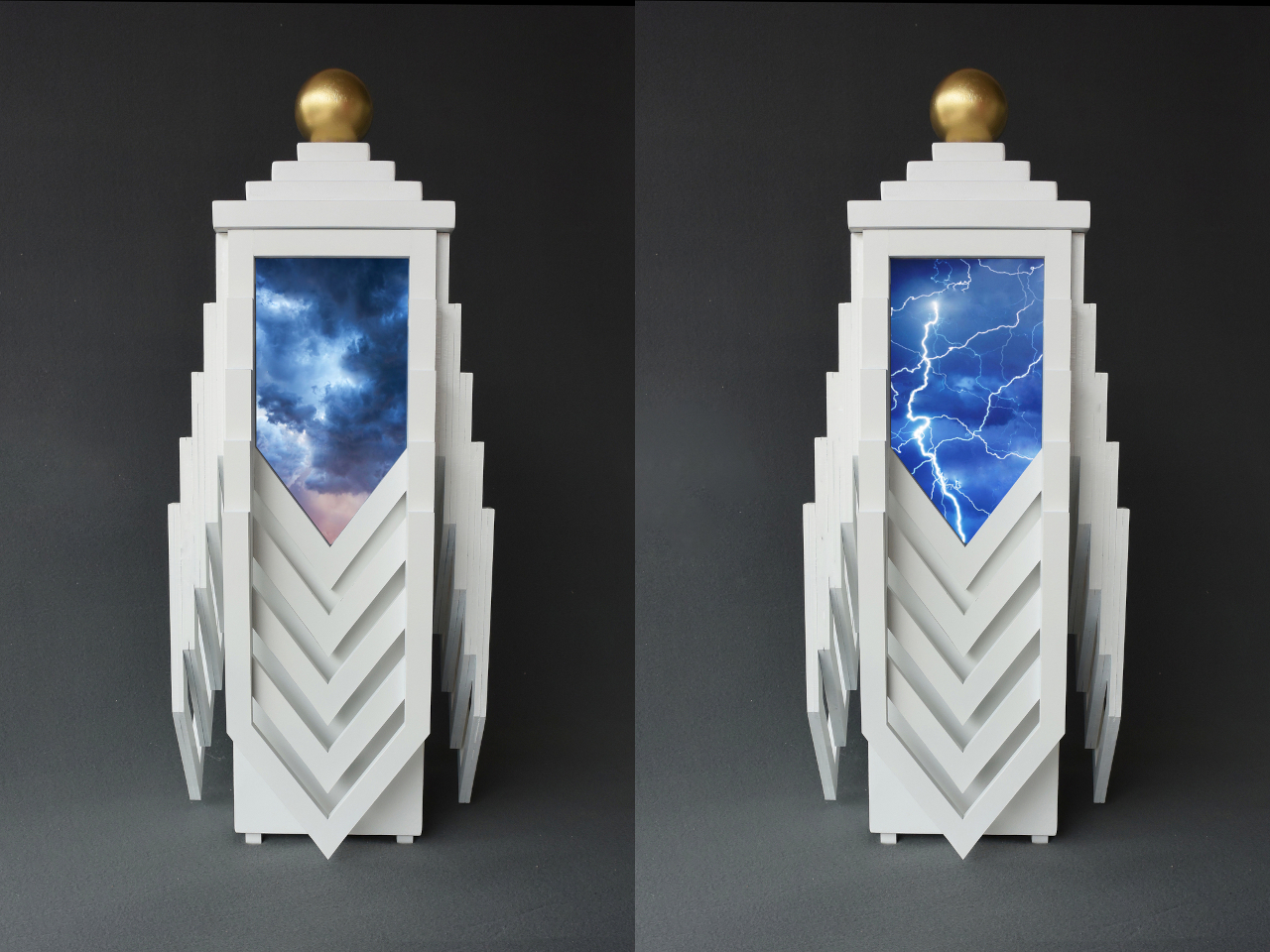
A digital variant of the Transcendence Urn replaces the four static panels with four screens displaying moving images and sounds, turning the object from a still memorial into something more like a living one. That version shifts the experience even further, letting the presence of the deceased linger in a more active, dynamic way rather than being fixed to a single still photograph chosen on a single day of grief.
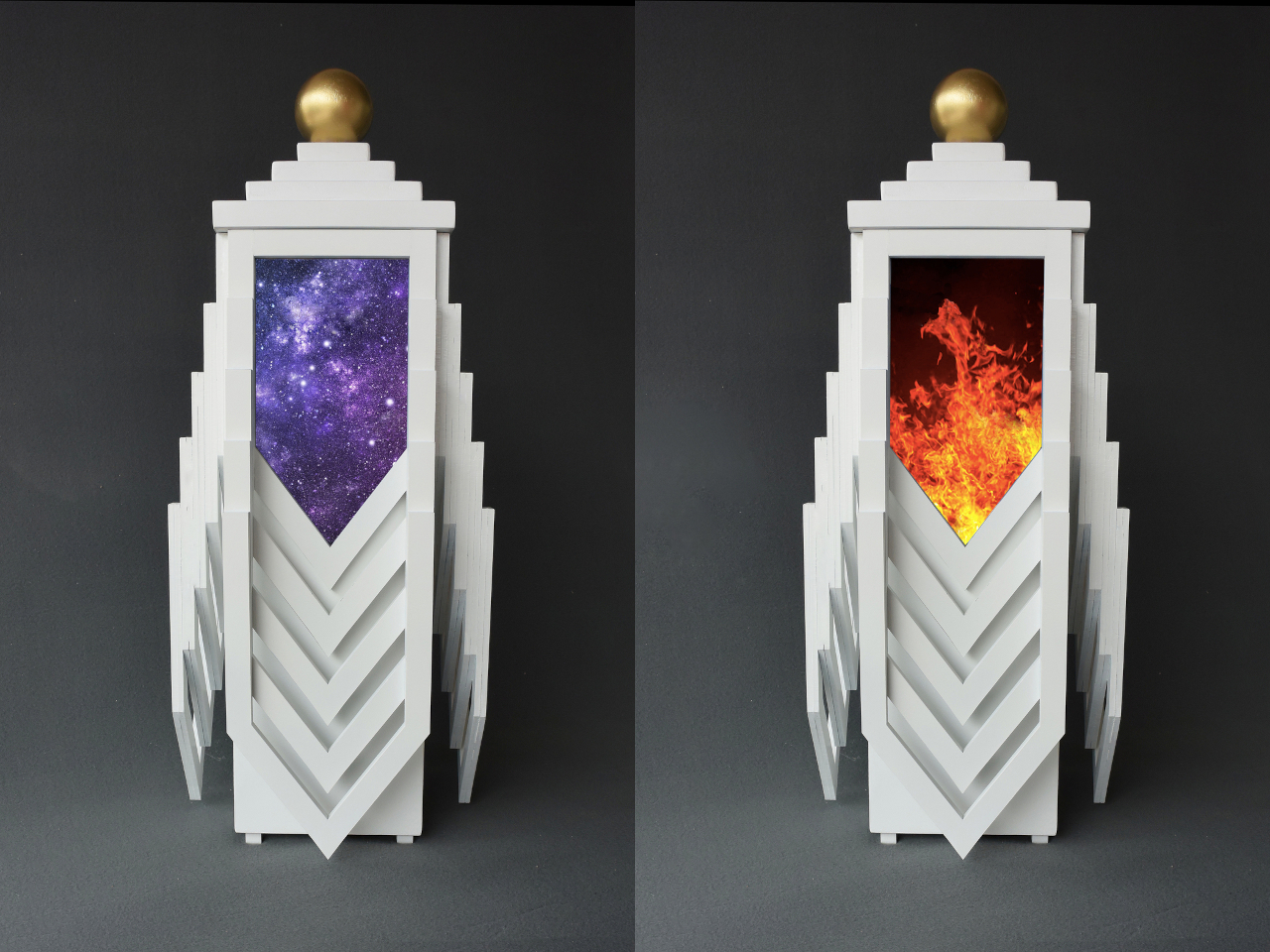
It’s also worth noting what the object looks like on a shelf or a table. It doesn’t look like an urn. It looks like a piece of speculative design, the kind of object that invites questions before anyone knows what it holds. That unfamiliarity carries its own kind of comfort: it doesn’t announce loss the same way a traditional vessel does, and it doesn’t ask the viewer to feel a particular thing on sight.
The post The Urn With 4 Screens Showing Moving Images of the Person You Lost first appeared on Yanko Design.

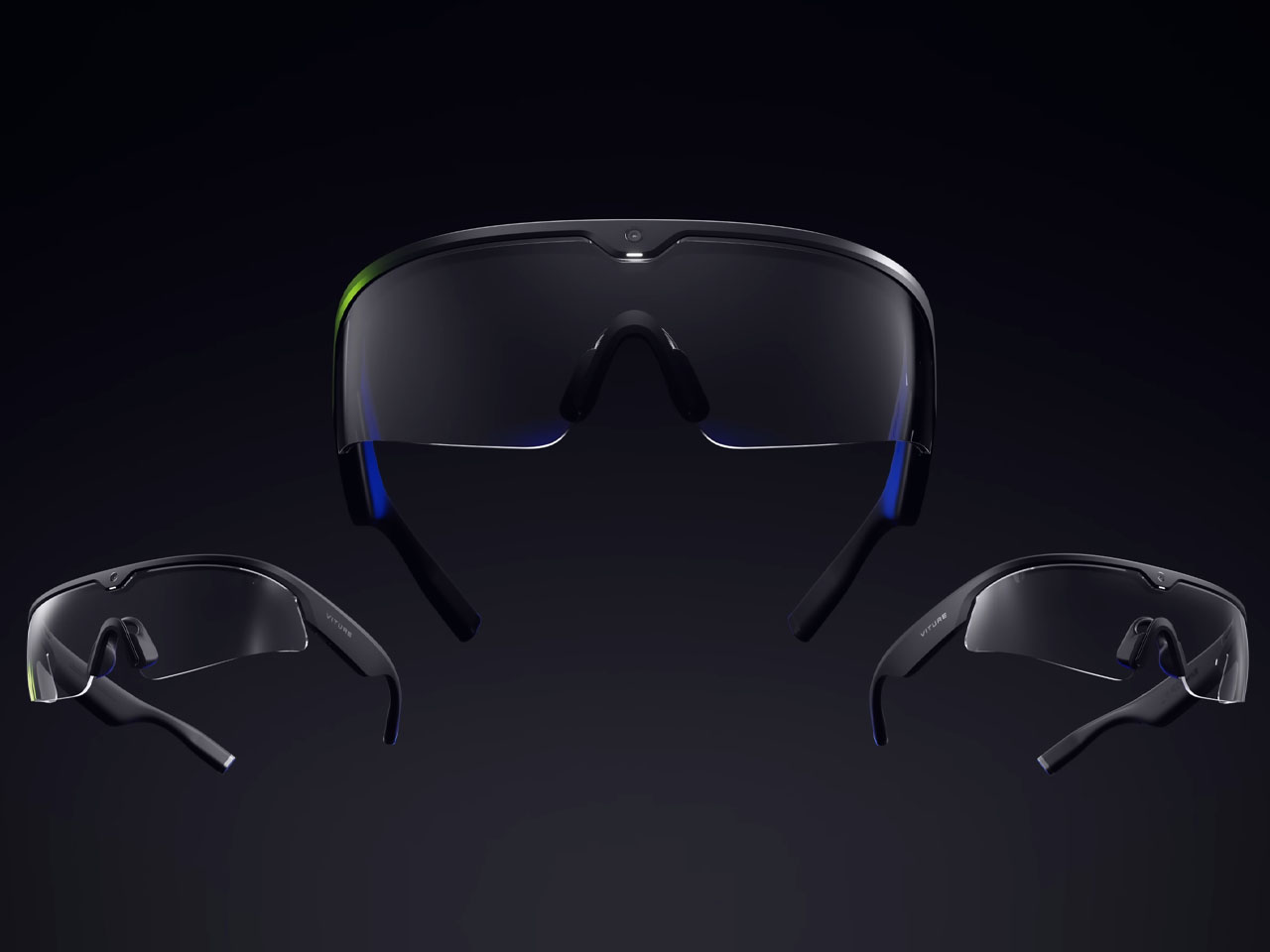
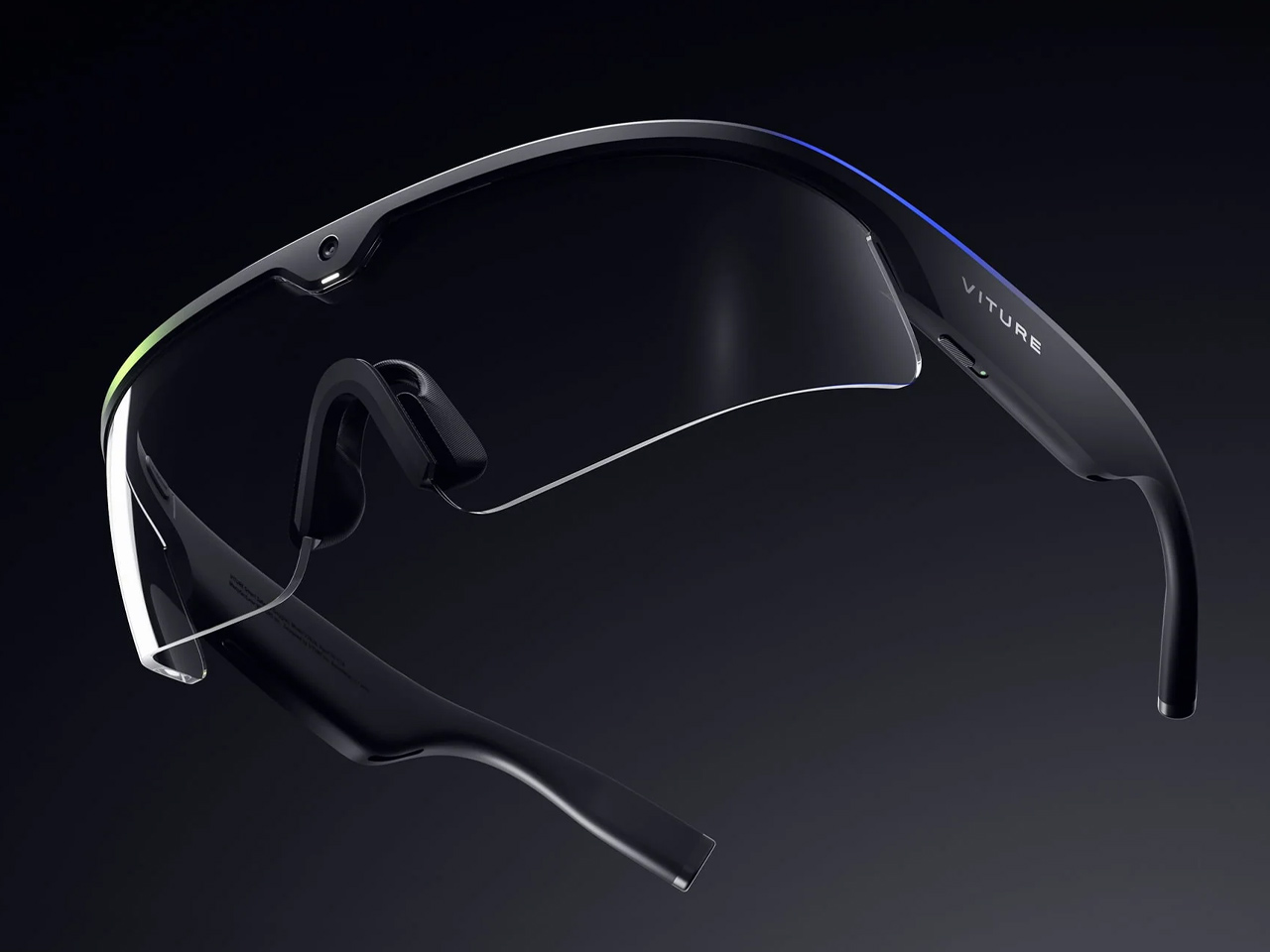
Smart glasses are having their time in the sun. Besides the fashion industry, there is a swing in the air to make things easier and interesting for the workforce with the use of AI. Primary evidence was the Innovative Eyewear’s Lucyd Armor, a smart safety eyewear designed to meet all prerequisite standards for workplace safety. Now, at the ongoing Augmented World Expo (AWE) 2026, Viture has introduced Helix, the first pair of AI safety glasses built on Nvidia’s XR AI solution.
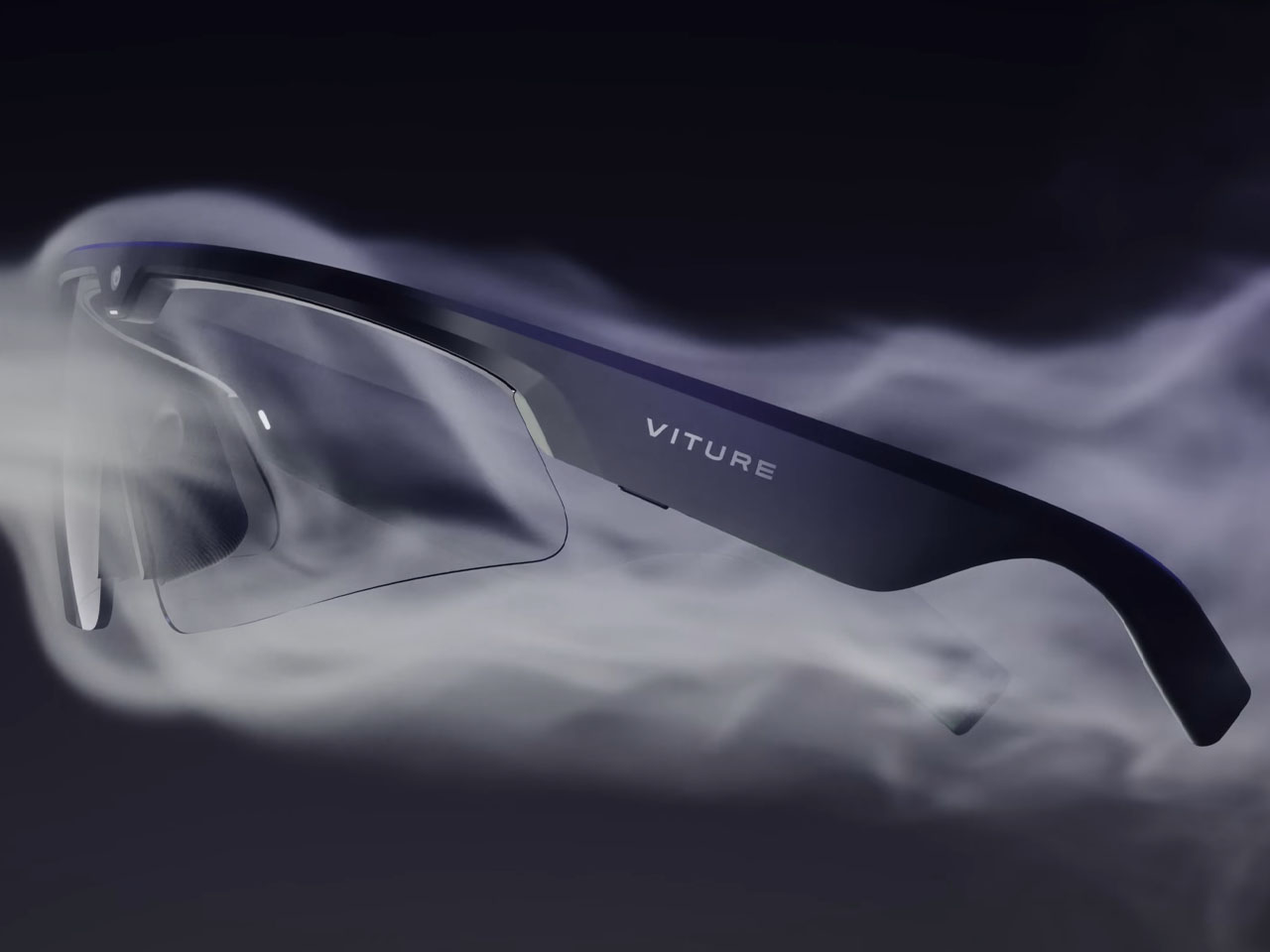
The safety eyewear powered by AI is engineered in accordance with industrial safety standards. After its certification, which is in progress at the time of writing, the eyewear will be safe to use in labs, factories, and other regulated workflows. With the use of Nvidia’s XR AI, Helix will stream a first-person perspective of the wearer – what they see or hear – and feed it to a multimodal AI in real time, enabling “AI-assisted coaching, compliance, and full-provenance capture of every shift worn.”
Designer: Viture
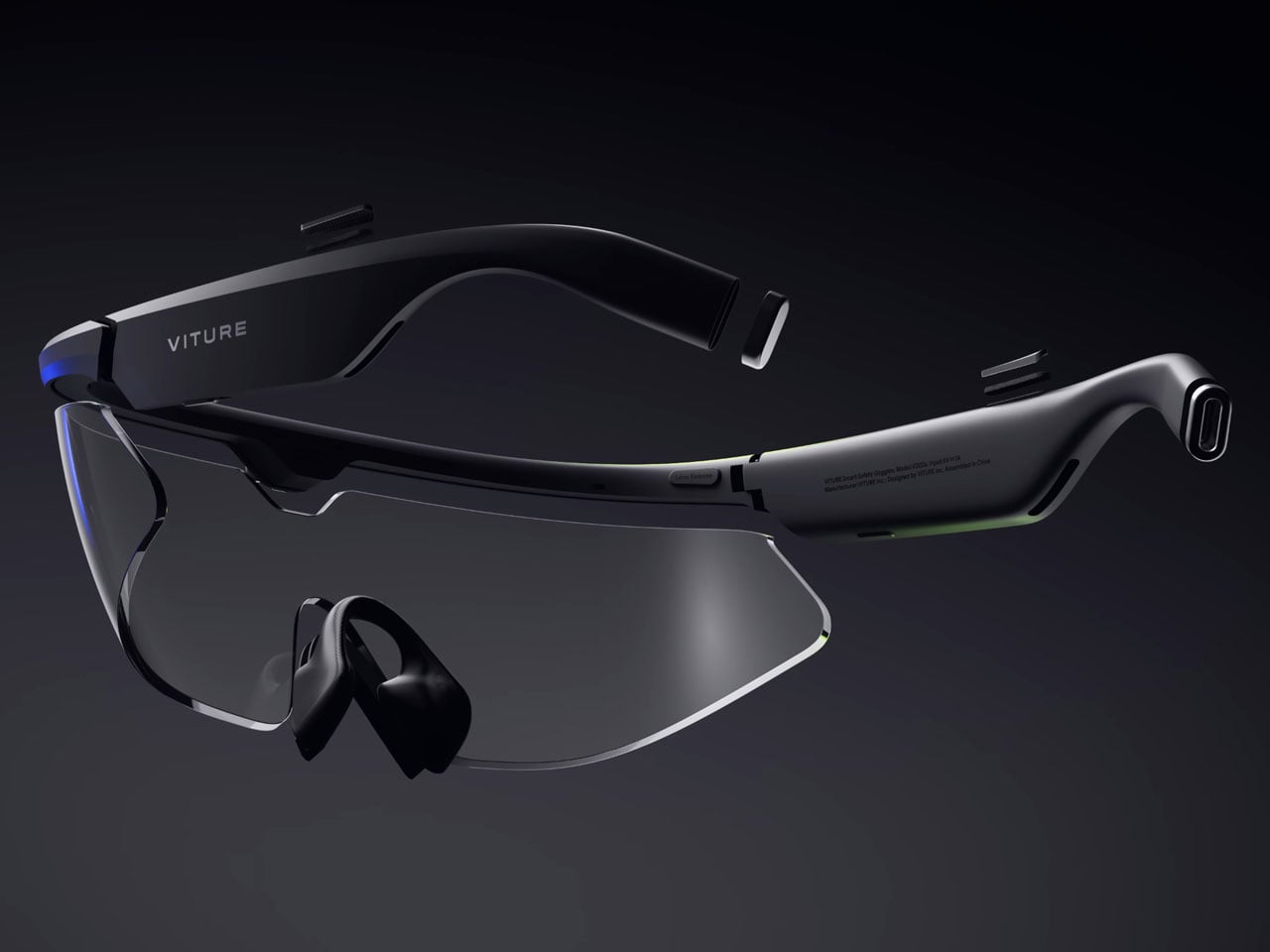
In industrial, scientific, and clinical use cases – that Viture is targeting with its Nvidia collaboration – the workforce has to ensure a lot more than their regular tasks. For instance, it’s imperative to note that the machine is locked before maintenance or the correct setting of the pressure gauge in the oxygen tank. Using the Helix smart glasses, the extras could be taken care of. The AI-powered glasses can watch what a worker sees and, in real time, provide live guidance and safety warnings. It can automatically record everything that happens during the job and provide AI-assisted input to help the wearer manage the workflow better.
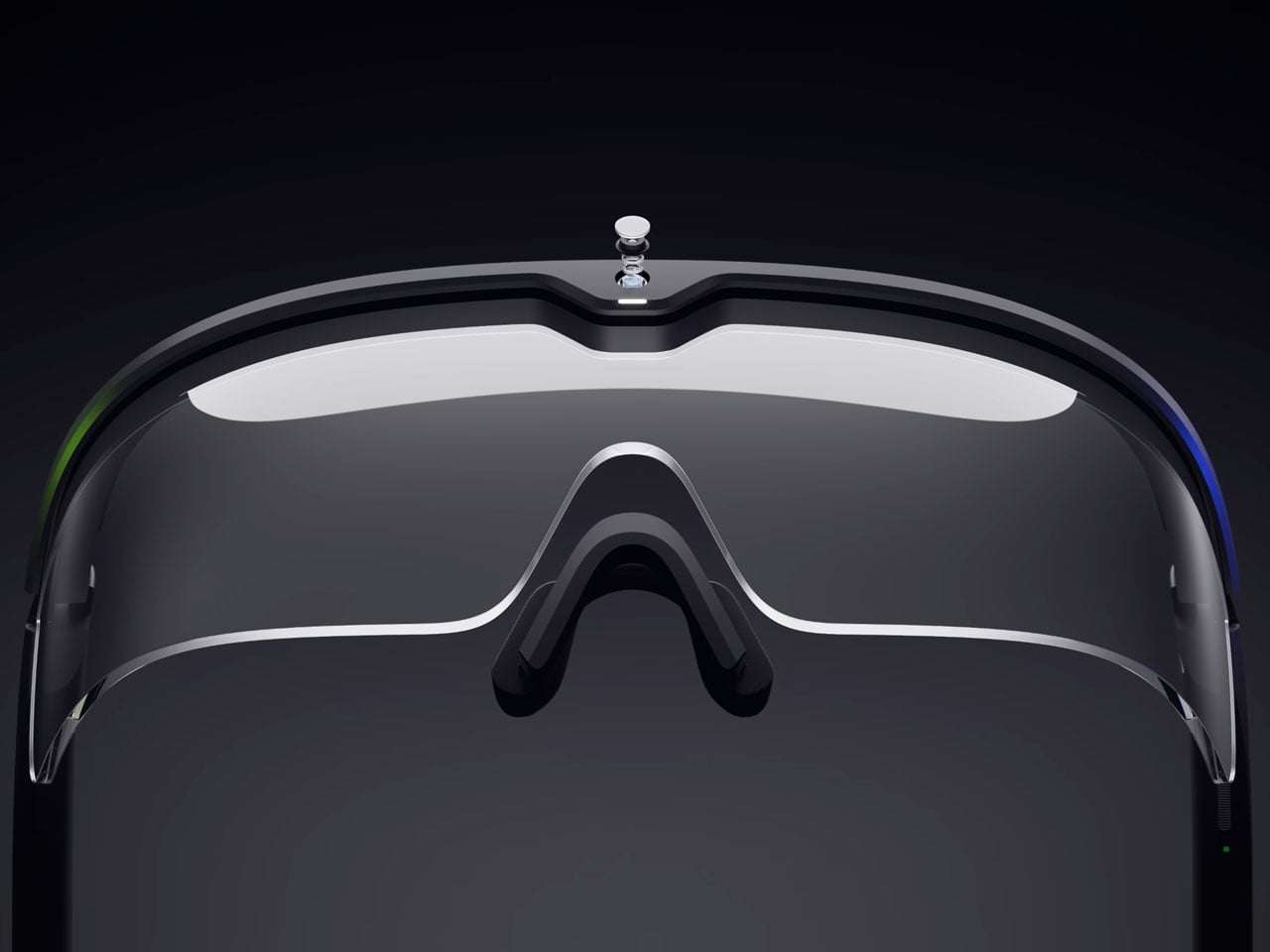
Helix is Viture’s entry into AI. It is a pair of fully transparent industrial-grade glasses without a display. Only input in live recording and voice. The glasses arrive with a 12MP first-person camera and an array of four microphones. Alongside the prerequisites for seeing and listening, the eyewear also features stereo speakers for sound, Wi-Fi, and Bluetooth 5.3 for connectivity. The glasses rely on a small battery that runs for slightly above 60 minutes on a full charge.
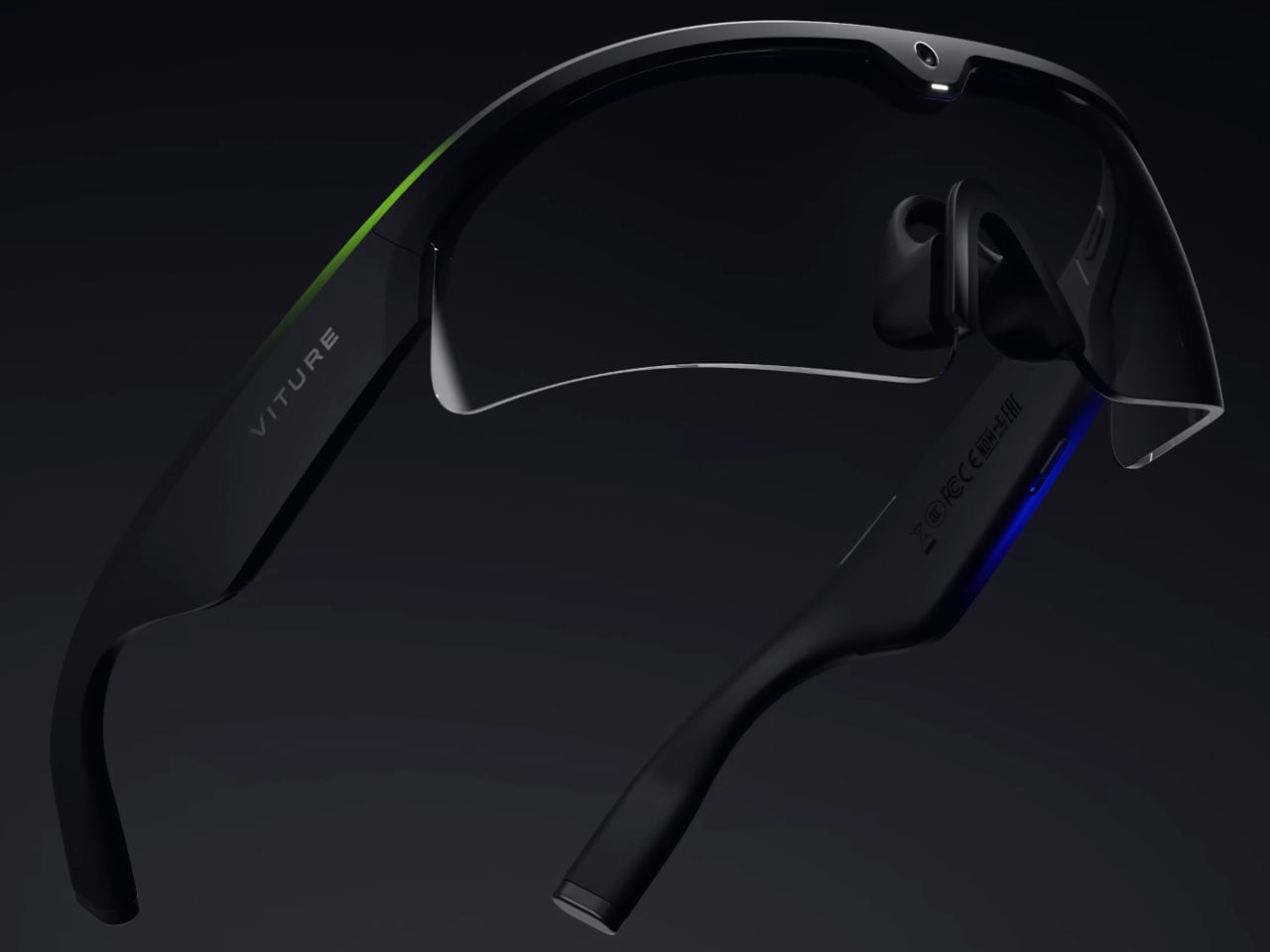
Viture ensures that Helix is completely independent of connectivity points and cables. It runs standalone without pairing to a companion phone to get the job done, furthering its useful capabilities for workers. Its field lenses are swappable without tools. According to press information, Viture and Nvidia worked closely over the past year, improving AI-assisted workflows to offer purposeful assistance in real-life applications.
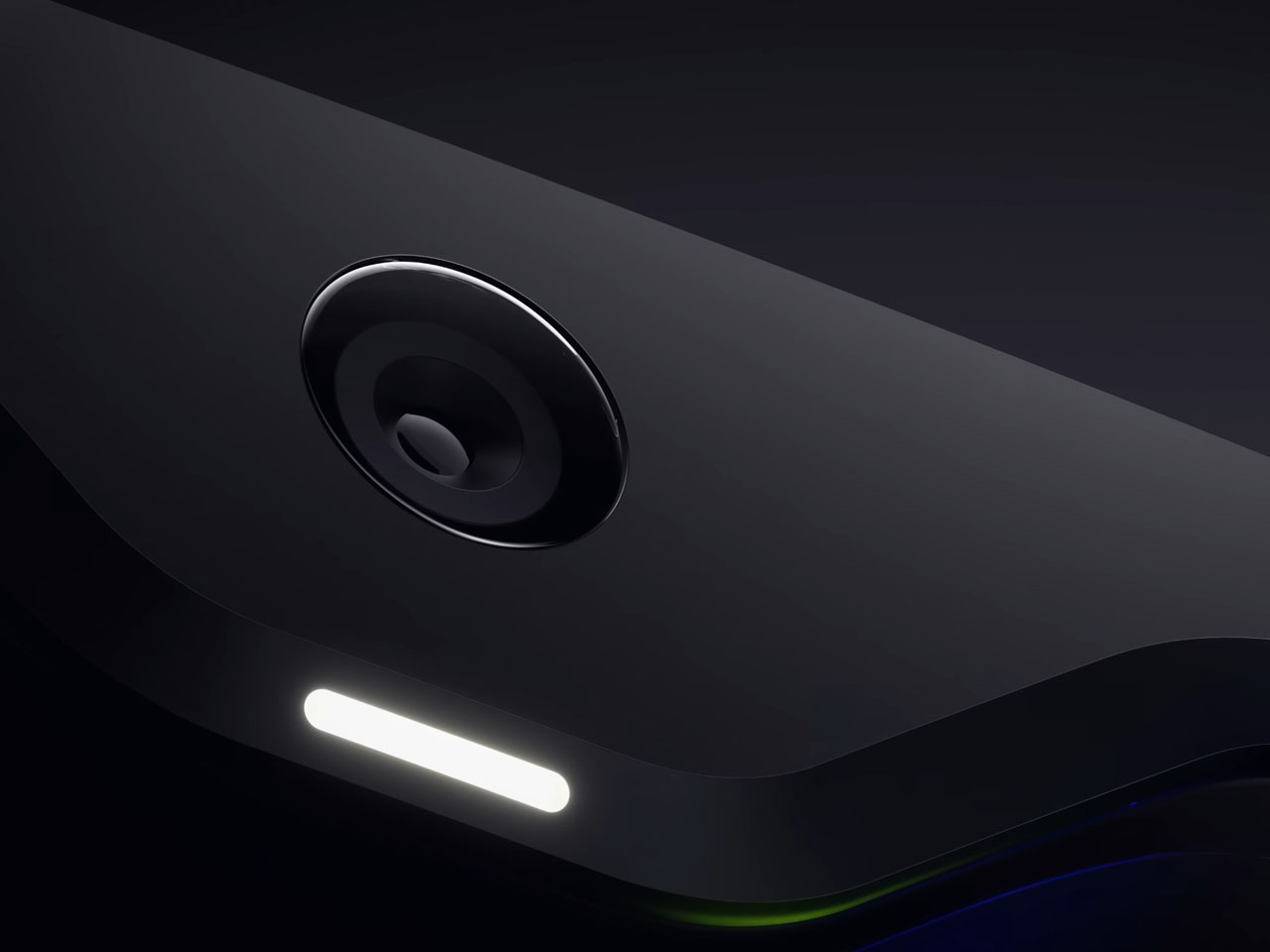
Helix will be unveiled via a live demonstration held at the NVIDIA/Dell meeting room at AWE 2026, but the eyewear is likely to debut earliest at the beginning of next year. Viture is confident of meeting the timeline and is therefore taking early reservations for the device on its website for a $599 reservation price.
The post Nvidia-powered Viture Helix AI safety glasses give workers real-time guidance and security warnings first appeared on Yanko Design.