Amazon’s Adaptive Display for Fire TVs is officially rolling out today
Amazon's Adaptive Display accessibility feature for Fire TVs is officially rolling out today
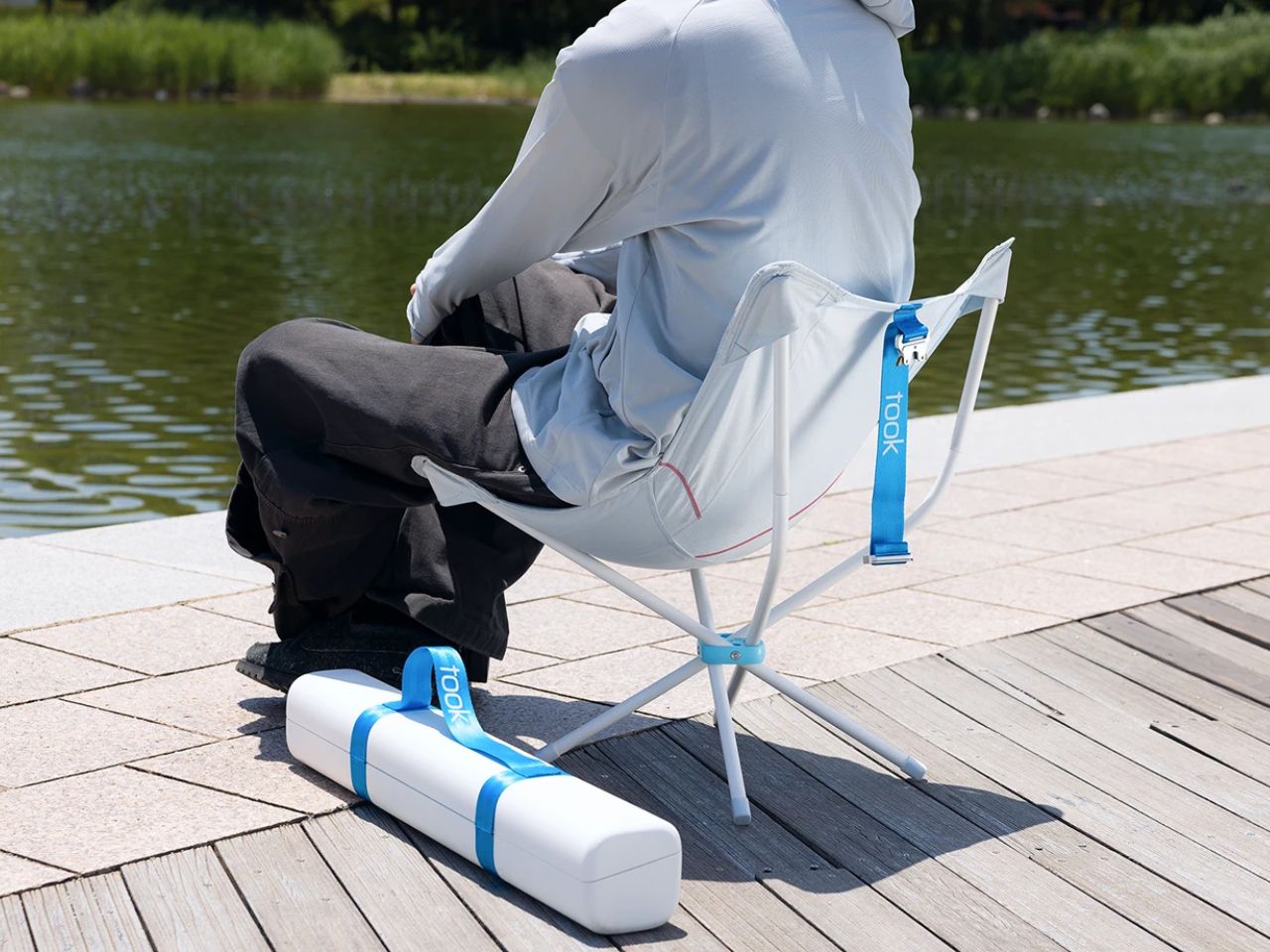
A car may be designed to get you from one place to another, but the most memorable parts of a journey often happen in the pauses. The roadside stop. The quiet view after a long drive. The spontaneous coffee break that turns into an afternoon outside. Took, an industrial design and mobility lifestyle concept, builds its entire experience around those in-between moments.
At its core, Took is a portable chair system designed for people who see driving as more than transportation. It responds to a growing shift in mobility culture, where car-based lifestyles are becoming lighter, more casual, and more integrated into everyday life. Auto camping and quick outdoor breaks turn the vehicle into a small basecamp for rest, play, and self-expression. Took fits neatly into this world by staying ready in the trunk, waiting for the moment someone decides to stop, unfold, and simply enjoy where they are.
Designer: Jimin Nam, Donggwan Heo, and 민석 김
What makes the idea compelling is that it does not frame sustainability as a heavy responsibility. Instead, Took presents it as a style of living. The project defines this attitude as “Eco-core,” a lifestyle where green values become part of personal expression rather than a grand statement. Much like carrying a tumbler or picking up litter during a walk, sustainability here feels casual, visual, and habitual. Took imagines what that mindset could look like in a mobility lifestyle: familiar drives becoming small adventures, and ordinary stops becoming opportunities for more mindful rest.
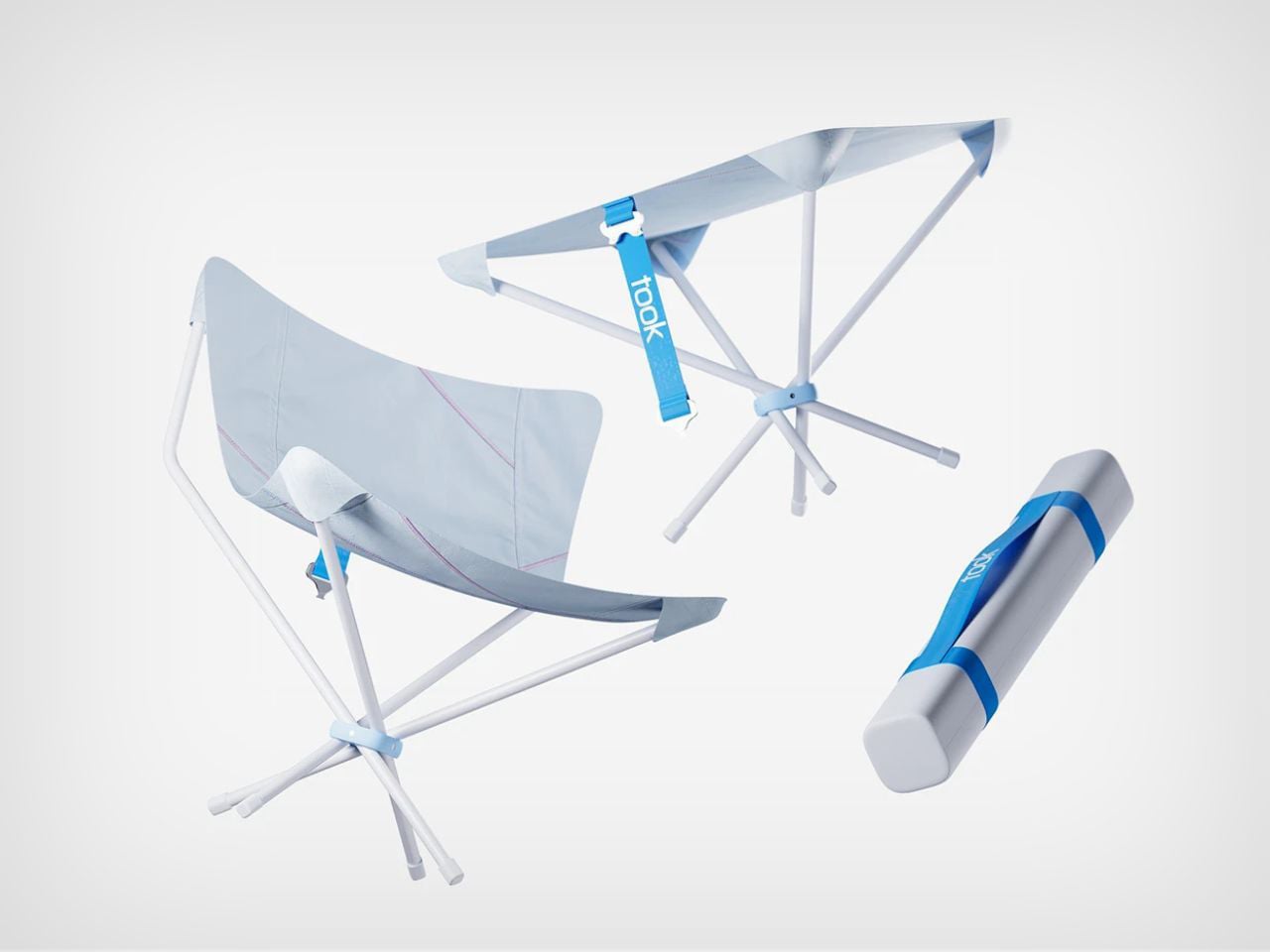
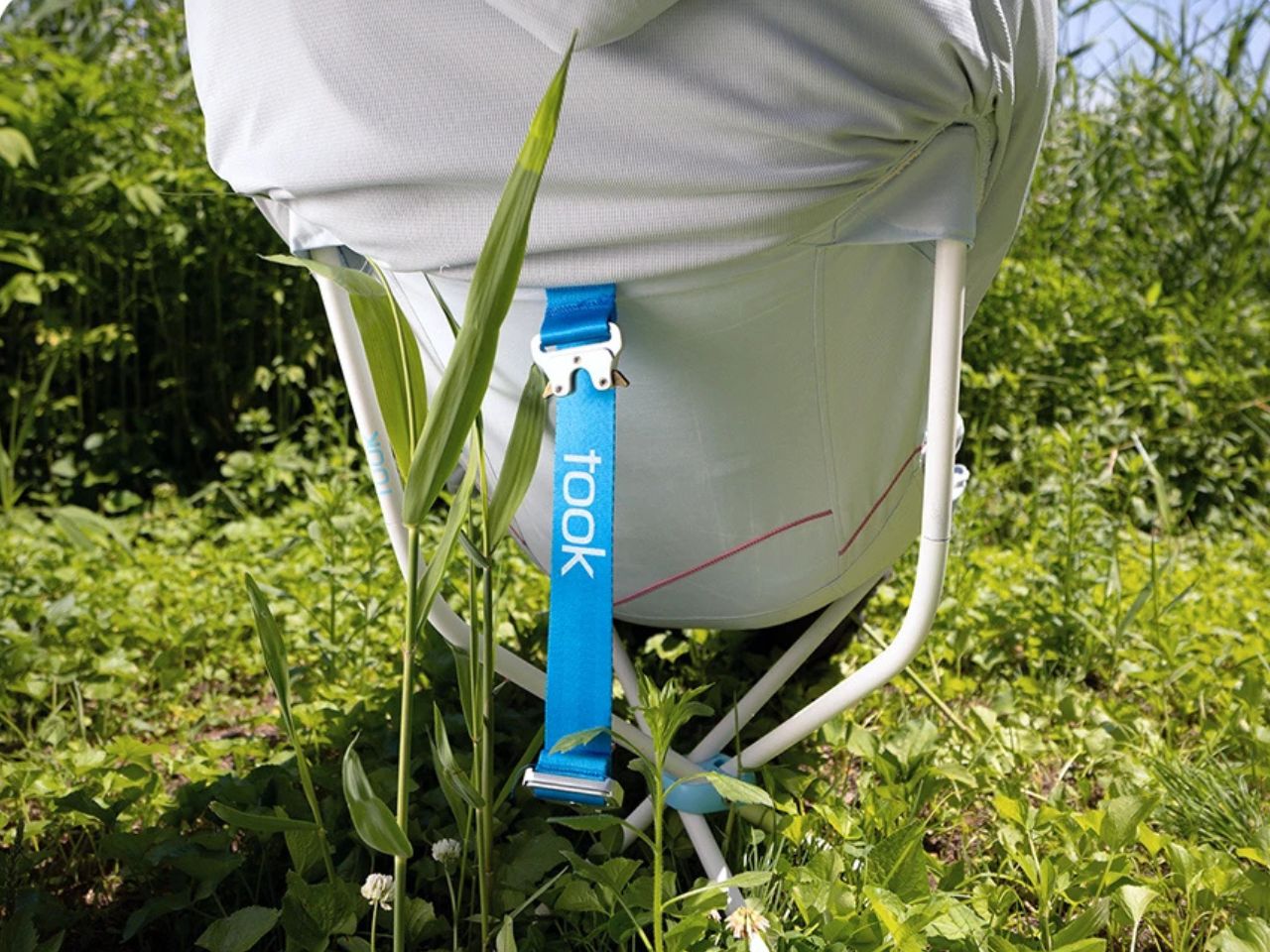
The material story gives the product its emotional weight. When cars reach the end of their life, airbags and seatbelts are usually discarded, despite being made from materials engineered to protect, absorb impact, and bear load. Took reclaims these materials and gives them a second role. Once designed to guard the driver during movement, they now support the driver during stillness. It is a thoughtful form of recycling because it preserves the memory of the car’s protective function while giving it a new, softer purpose.
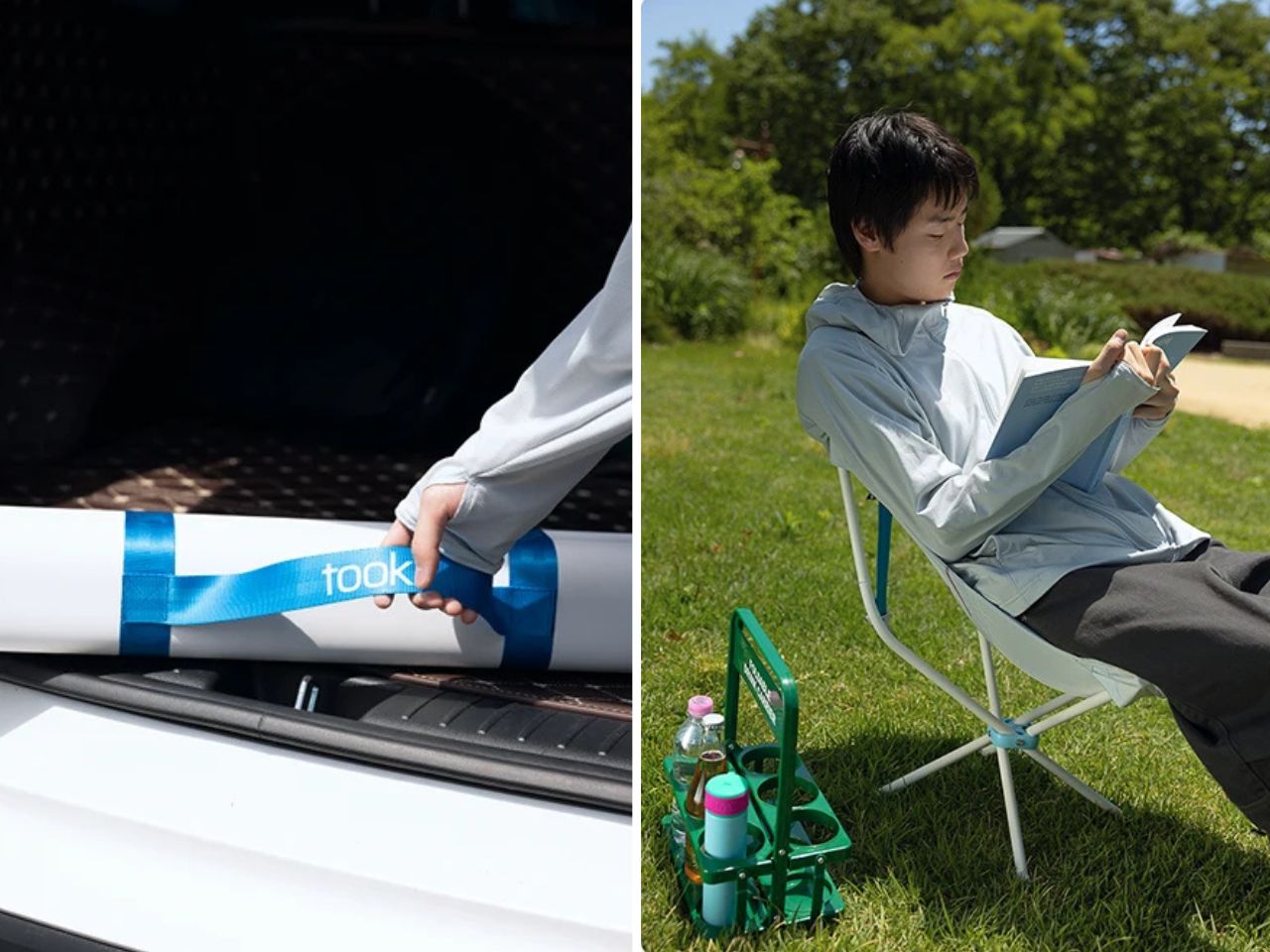

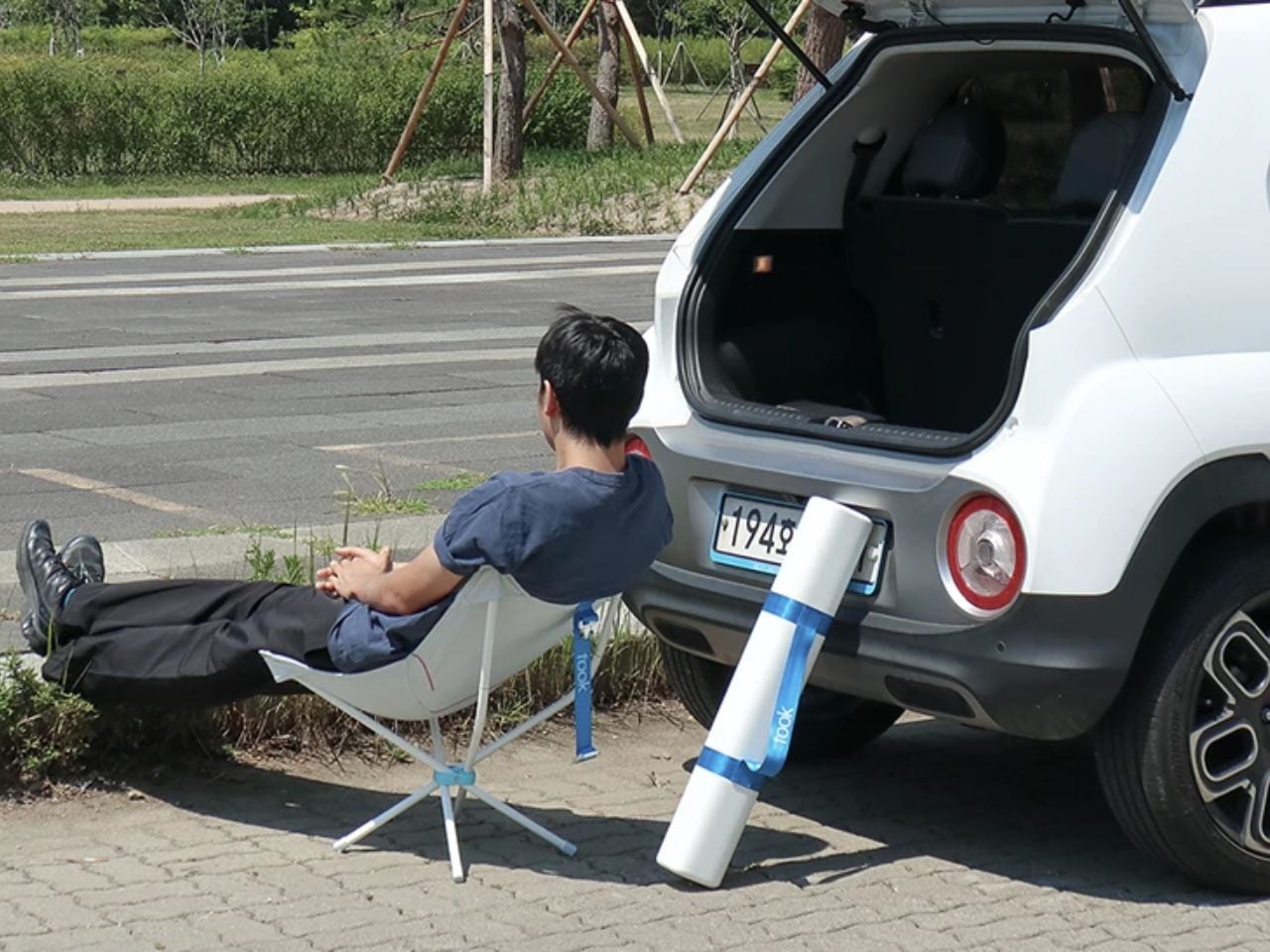
The chair itself is designed around immediacy. Conventional outdoor gear can feel like an entire event before the actual rest even begins. Took removes that friction through a compact case, strap handle, and one-touch hinge mechanism. The case fits neatly in the trunk, keeps the chair protected, and makes it easy to carry from car to destination. Once there, the system unfolds in a single motion. Extend the legs, drape the recycled skin, and the chair is ready. The gesture is simple enough to feel almost ceremonial: arrive, open, rest.
That simplicity is important because Took is not trying to compete with heavy-duty camping equipment. It is designed for the light, everyday outdoor moment. A short break during a road trip. A sunset stop after work. A quiet parking spot by the water. It makes comfort feel accessible without demanding planning, packing, or a complicated setup.

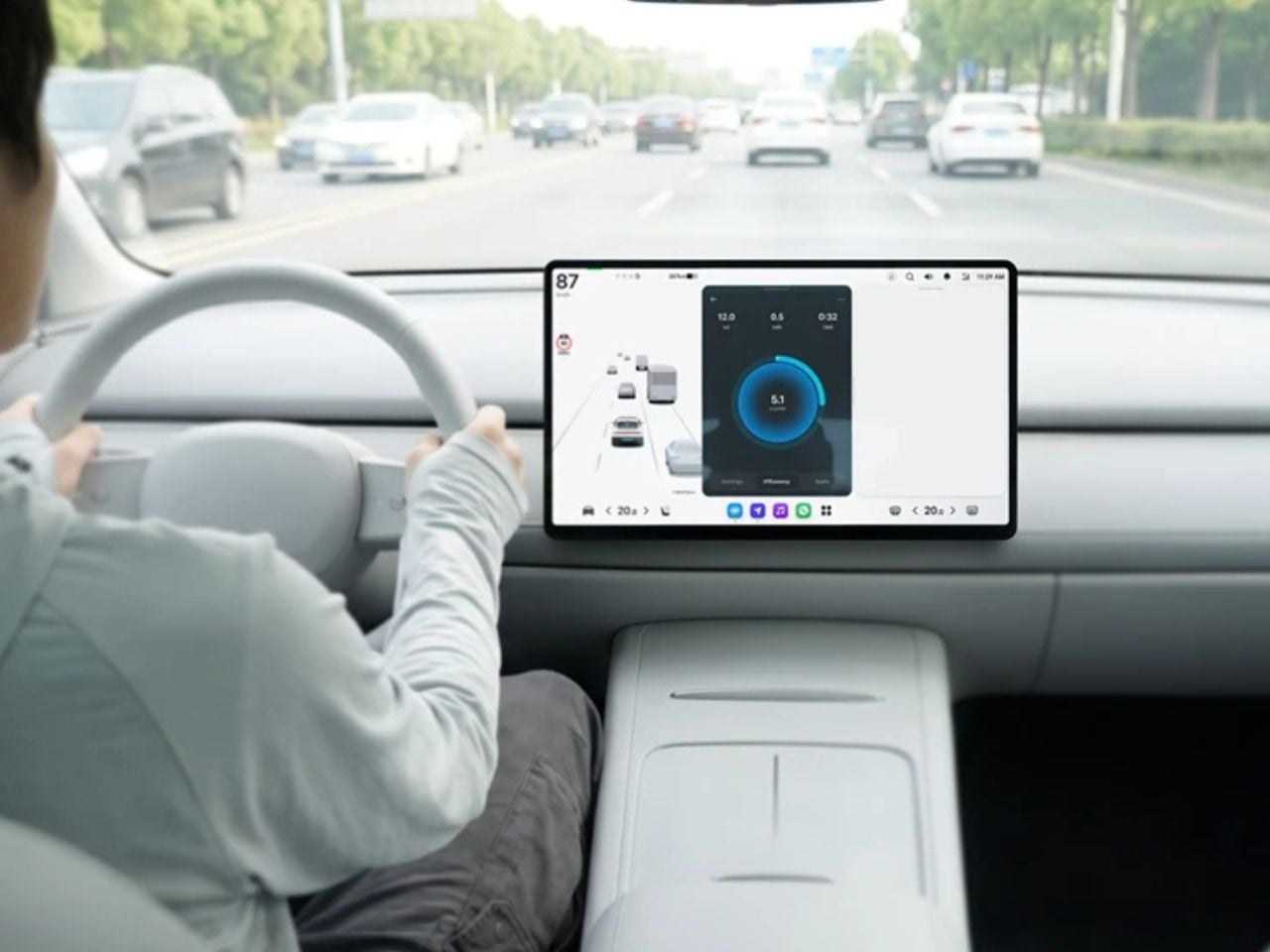
The concept also extends beyond the physical chair. Took imagines driving itself as a more engaging sensory experience through a digital layer called “Play Your Drive.” Instead of treating efficiency as a dry metric, the interface turns it into live feedback. Fluid circles respond to pedaling behavior, while an energy recovery ring helps the driver understand and balance their movement. The result is a playful system where greener driving feels visible, responsive, and rewarding.
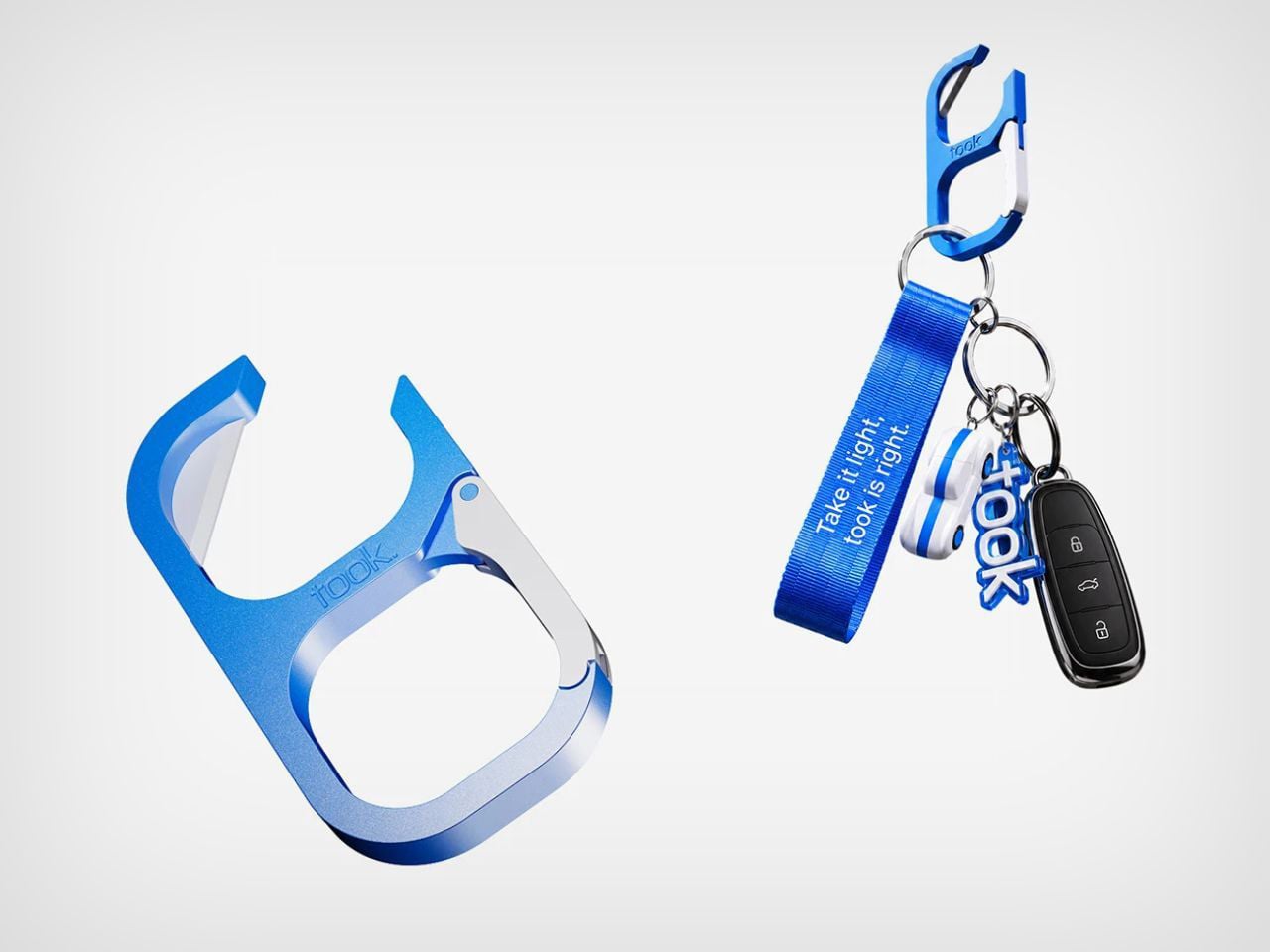
This lifestyle approach continues through small accessories, including a carabiner for the car key. It acts as both a practical holder and a personal object, something that can reflect the driver’s identity. With an added opener function, it quietly supports the kind of relaxed, outdoor ritual Took is built around. Even the welcome package considers the full journey, from active driving to parking, offering the brand’s first greeting as a thoughtful gesture of privacy and care.

Took feels relevant because it understands that future mobility will not only be about smarter vehicles or autonomous systems. It will also be about how people inhabit the spaces around those vehicles. As software-defined vehicles and seamless mobility experiences continue to evolve, the car may become less of a machine we operate and more of a companion in daily life. Took leans into that possibility with warmth, lightness, and a clear sense of purpose.
It does not ask users to become outdoor experts or sustainability activists. It simply makes room for a better pause. With one compact chair, recycled automotive materials, and a playful driving ecosystem, Took turns the ordinary car journey into something more personal, more expressive, and more worth remembering.
The post This foldable outdoor chair occupies the same amount of space as a soundbar first appeared on Yanko Design.


For a cartoon character who has never once opened his mouth to speak, the Pink Panther has spent over sixty years being one of animation’s most expressive performers. Every laugh comes from the smirk, the sideways glance, the exaggerated saunter set to Henry Mancini’s slinking saxophone theme. He is proof that comedy does not need dialogue when you have got timing, posture, and a really good walk cycle (I guess Mr. Bean had a fairly strong source of inspiration). It is a masterclass in physical comedy distilled into a single, impossibly lanky silhouette.
That silhouette has now been recreated in LEGO form, and it captures exactly the qualities that make the character work. The figure stands tall and thin on a black circular display base, paintbrush in one hand and a can of pink paint in the other, caught mid mischief exactly the way you would expect. The yellow eyes, the sly little smile, the long curved tail trailing behind him, it is all there, rendered in plastic with a surprising amount of personality for a figure with no moving mouth at all.
Designer: Legendary Brick2
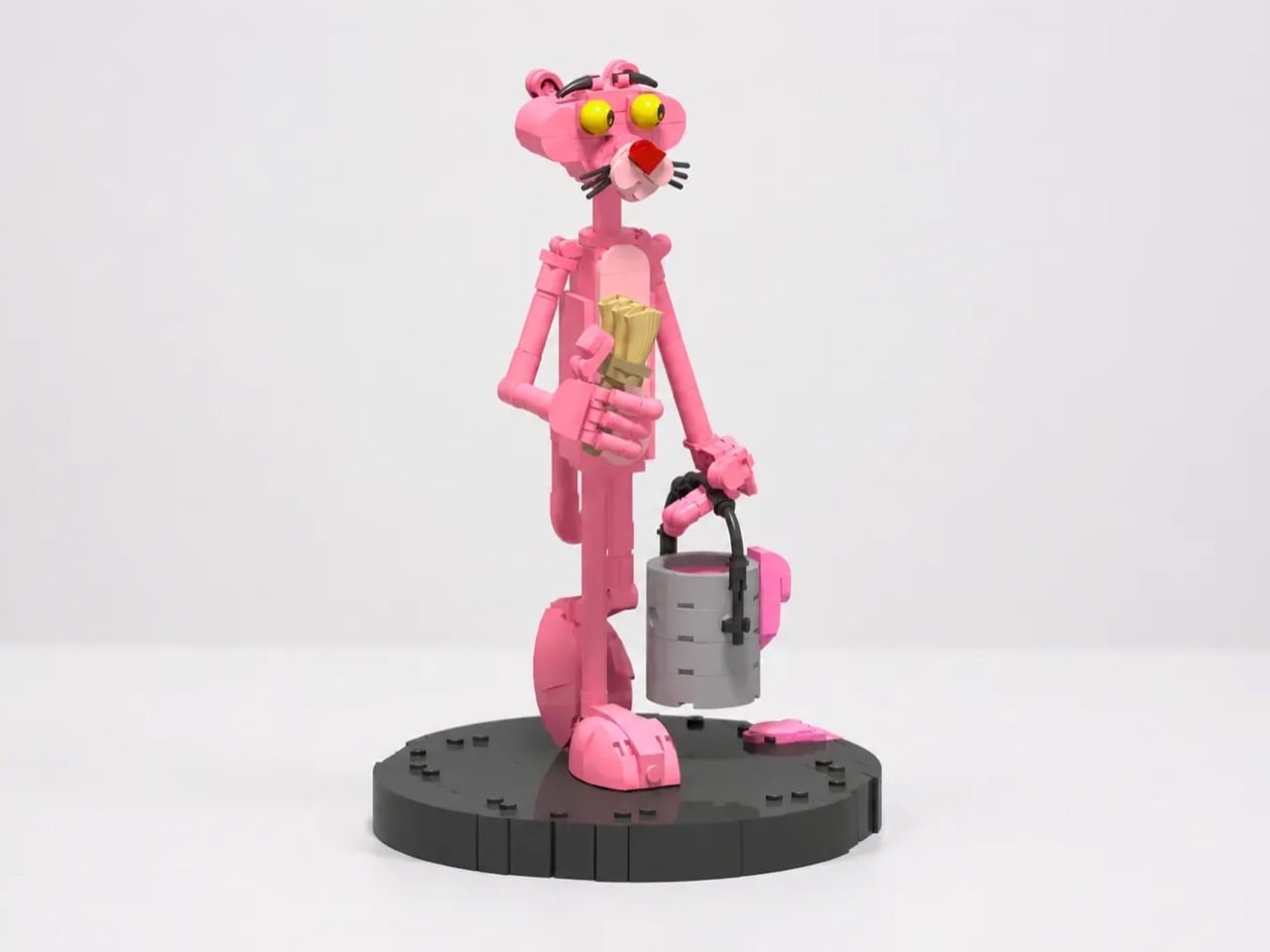
So much of this build’s attitude is managed by practically one single color palette. The build is almost entirely pink, sleek fur pink for the body, a softer blush pink for the muzzle, with just enough black, red, and yellow accents to do all the emotional heavy lifting. The eyebrows are two thin curved pieces that somehow read as pure smugness, and the whiskers are simple black elements that give the face just enough texture to feel finished rather than blank. My favorite detail, though, has to be the articulated fingers gripping the paintbrush. It is a small thing, but it sells the entire pose, the idea that he is mid job and about to make a mess of something.
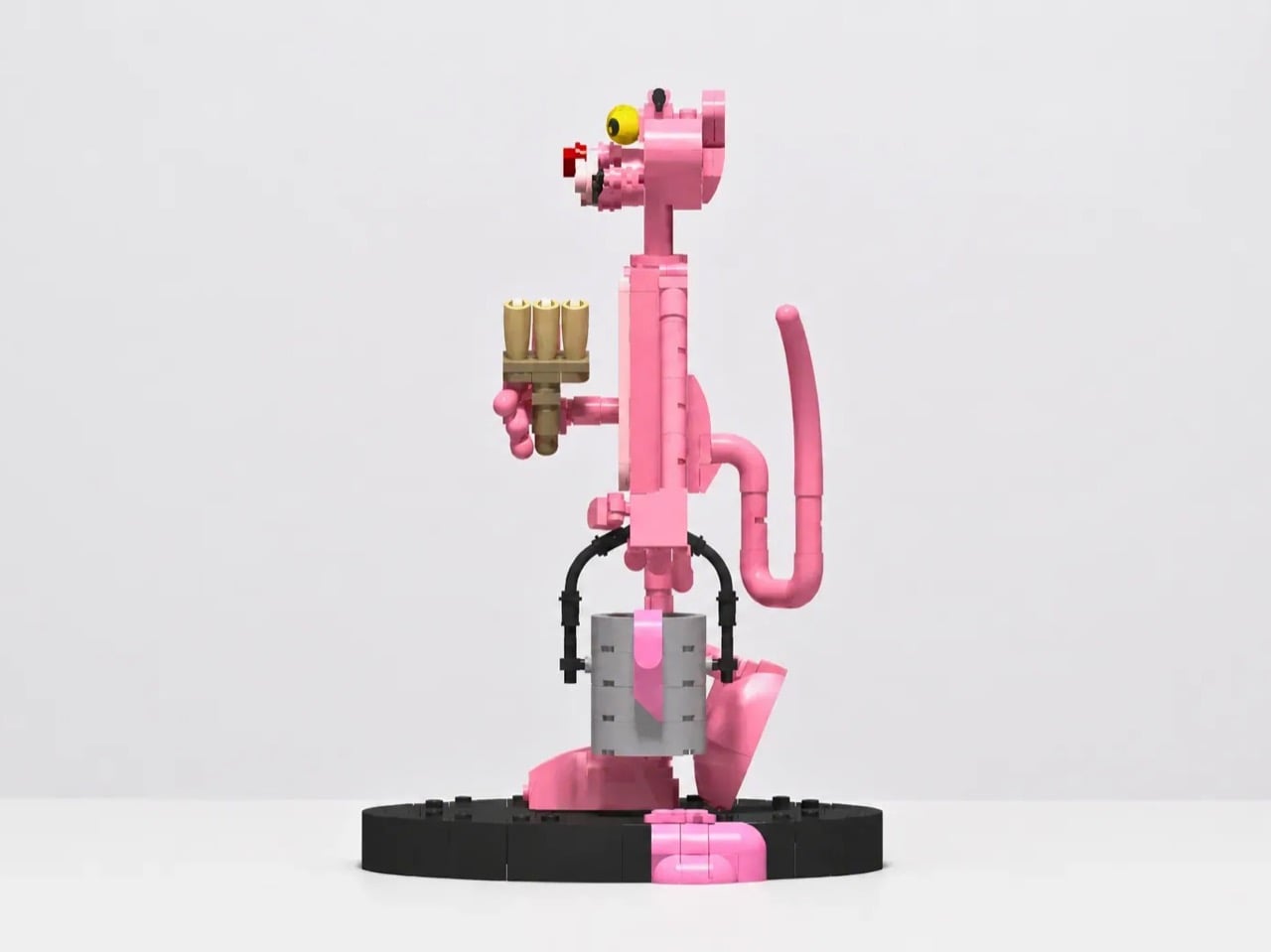
The tail is doing a lot of work too, sweeping out in a long curve that keeps the whole figure from reading as a stiff vertical column, and it is paired with a small pink dribble of paint resting near his feet, a nice little narrative touch suggesting he’s leaving some evidence, a calling card, so-to-speak. The paint can itself has a proper handle detail, and the way it hangs off his hand adds a bit of weight and believability to an otherwise cartoonish frame. It is the kind of build that rewards you for walking around it, since the side profile shows off the tail and the can strap in a way the front view just does not.

This one has already earned itself a Staff Pick badge on LEGO Ideas, and the community has responded in kind, with the project currently sitting at 3,723 supporters on its way to the 5,000 mark, with 564 days still on the clock to get there. If you have got any nostalgia for Saturday morning cartoons or just appreciate a well built cartoon silhouette, head over to the LEGO Ideas page and add your vote. I certainly did.
The post This LEGO Pink Panther Figure Is Already a Staff Pick, and It’s Easy to See Why first appeared on Yanko Design.

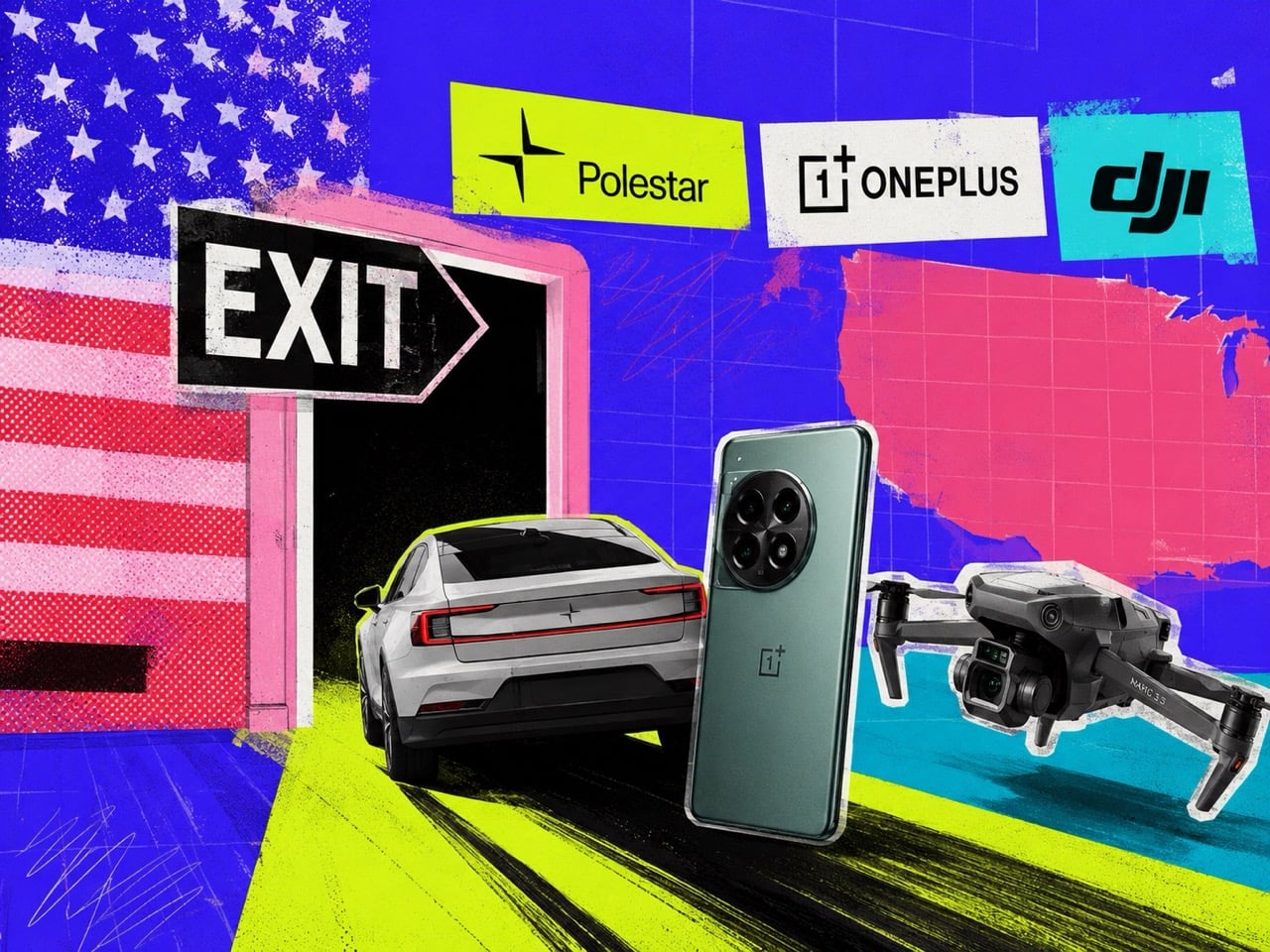
Polestar exited the US market last week. OnePlus decided to stop selling phones in the US on Friday. DJI has been standing at the exit for the better part of a year, held in place by a regulatory designation that has made its position in the American market functionally untenable. Three brands, three different product categories, and a pattern that is becoming difficult to explain away as coincidence or bad timing.
These were not fringe players. Polestar was the premium EV that made restraint look like a design philosophy. OnePlus spent a decade building the most credible alternative to Samsung and Apple in the Android space. DJI invented the consumer drone photography market and still dominates it globally. The US market, for a combination of regulatory, political, and structural reasons, has made room for fewer and fewer of them.
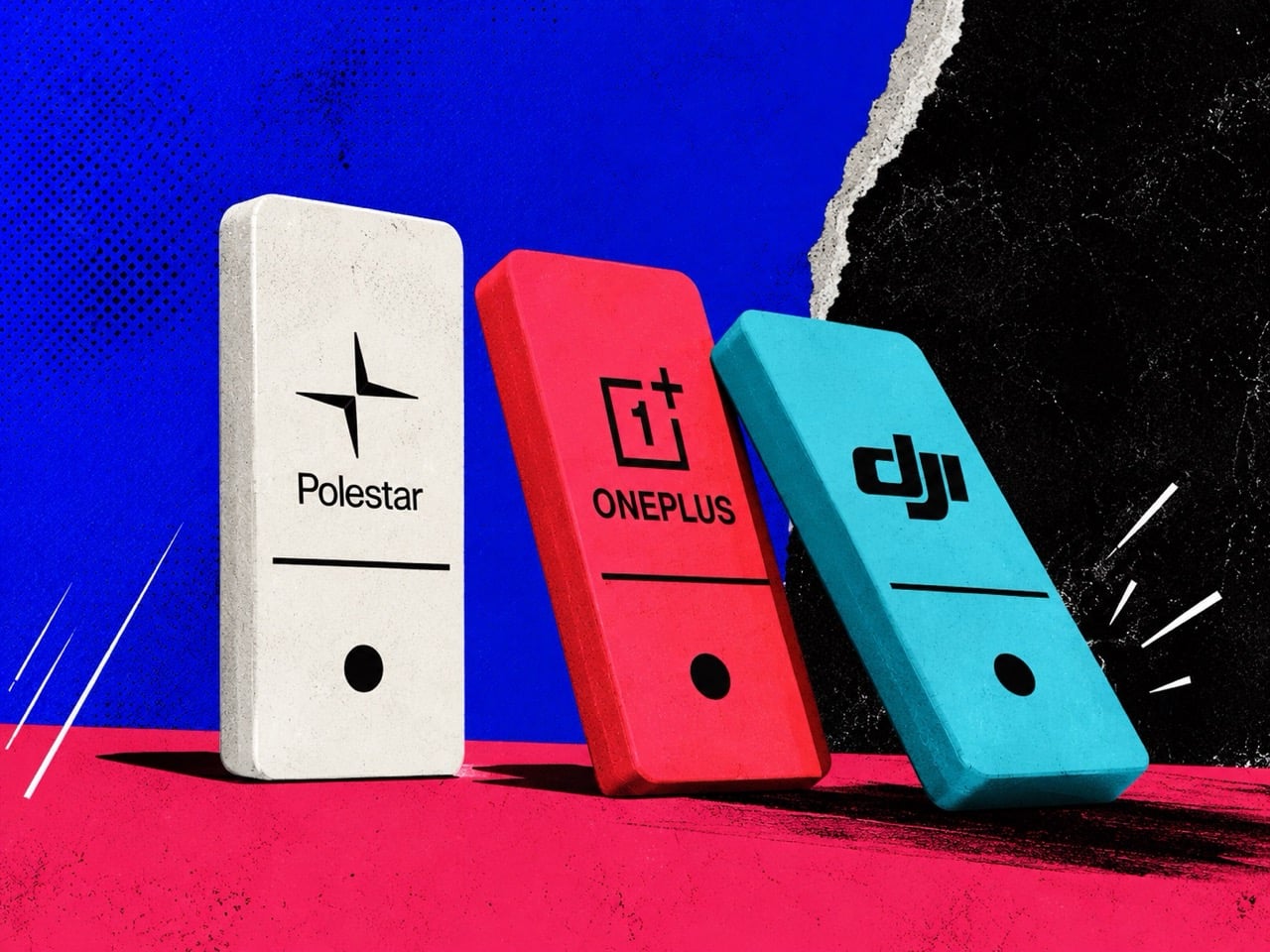
It is tempting to view these departures as isolated stories, each with its own unique cause. Polestar’s exit was not a market failure; it was a regulatory execution. The US Commerce Department denied the brand authorization under the Connected Vehicle Rule, effectively deciding that its Chinese ownership through Geely made its data-collecting hardware a national security risk. The quality of the car, its minimalist interior, and its thoughtful user interface were irrelevant. The decision was about its corporate family tree, and no amount of design excellence could overcome that.
OnePlus’s retreat is a different flavor of failure, one driven by the peculiar economics of the American smartphone market. Success in the US requires appeasing a handful of powerful carriers who act as gatekeepers to the mainstream consumer. This means expensive certification processes, marketing kickbacks, and a willingness to play by rules set by companies that also have cozy relationships with Apple and Samsung. Despite building a loyal base of tech enthusiasts who bought its phones unlocked, OnePlus, under its parent company OPPO, ultimately decided the cost of scaling up in a protected duopoly was no longer worth it.
DJI represents a third path, a slow squeeze rather than a clean break. Placed on a government “Entity List,” the company is not technically banned from selling to consumers. Instead, it is hobbled. It faces restrictions on sourcing US technology, and the designation serves as a powerful warning to government agencies and corporate clients. This creates a chilling effect that bleeds into the consumer space, eroding trust and complicating its long-term strategy. The mechanism is different, but the outcome is the same: a globally significant hardware brand finds its American ambitions curtailed by forces beyond its control.

Losing these brands is about more than reduced competition. It is about a narrowing of the American consumer’s aesthetic and technological horizons, and the effects do not stop at taste. Each of these companies brought a distinct design philosophy to its category, one that challenged the assumptions of the established players. Polestar offered a vision of the electric vehicle as a piece of clean, minimalist architecture. Its focus on sustainable materials, restrained surfacing, and a calmer user experience stood apart from Tesla’s maximal dependence on software theatrics and from the visual clutter that still defines many legacy EVs.
OnePlus, at its peak, represented the power of focused, enthusiast-driven design. It championed the idea that premium performance and a clean software experience did not need to come with a four-figure price tag. Its signature alert slider and tactile finishes showed an attention to physical detail that dominant players often reserve for their most expensive models. Its retreat may not carry the same regulatory weight as Polestar’s or DJI’s predicament, and American consumers never embraced it at mass-market scale, but its diminished presence still removes one more source of pressure from a smartphone market that already feels overly settled.

DJI’s contribution extends far beyond the drone itself. The company effectively created the industrial design language for the entire consumer aerial imaging category. From the folding architecture of its Mavic drones to the intuitive ergonomics of its handheld gimbals, DJI made advanced robotics feel approachable and elegant. The pressure placed on DJI, much like the pressure placed on Huawei before it, has done very little to slow either company’s pace of innovation globally. If anything, it has simply reduced America’s access to the results. The same is true in electric vehicles. A market shaped around Tesla as the default benchmark risks isolating itself from how far competitors like BYD have pushed battery packaging, platform efficiency, and especially charging technology. When consumers are cut off from serious alternatives, incumbents are no longer forced to respond to the best ideas available anywhere in the world. They only have to outperform the smaller field left standing in front of them.
That is the deeper problem taking shape here. Throttling options does not only limit what people can buy. It limits what the market has to compete against. Innovation rarely thrives in protected comfort (Siri has overwhelmingly sucked because Apple doesn’t have to compete with an alternative assistant within their ecosystem). It accelerates when companies are forced to answer uncomfortable questions from better rivals, cheaper rivals, or simply different rivals. Once those rivals are filtered out, delayed, or kept at the border long enough to become irrelevant, the market begins to confuse stability with progress. The design drought becomes a technology drought soon after, and consumers end up paying premium prices for products that evolve more slowly than they should.
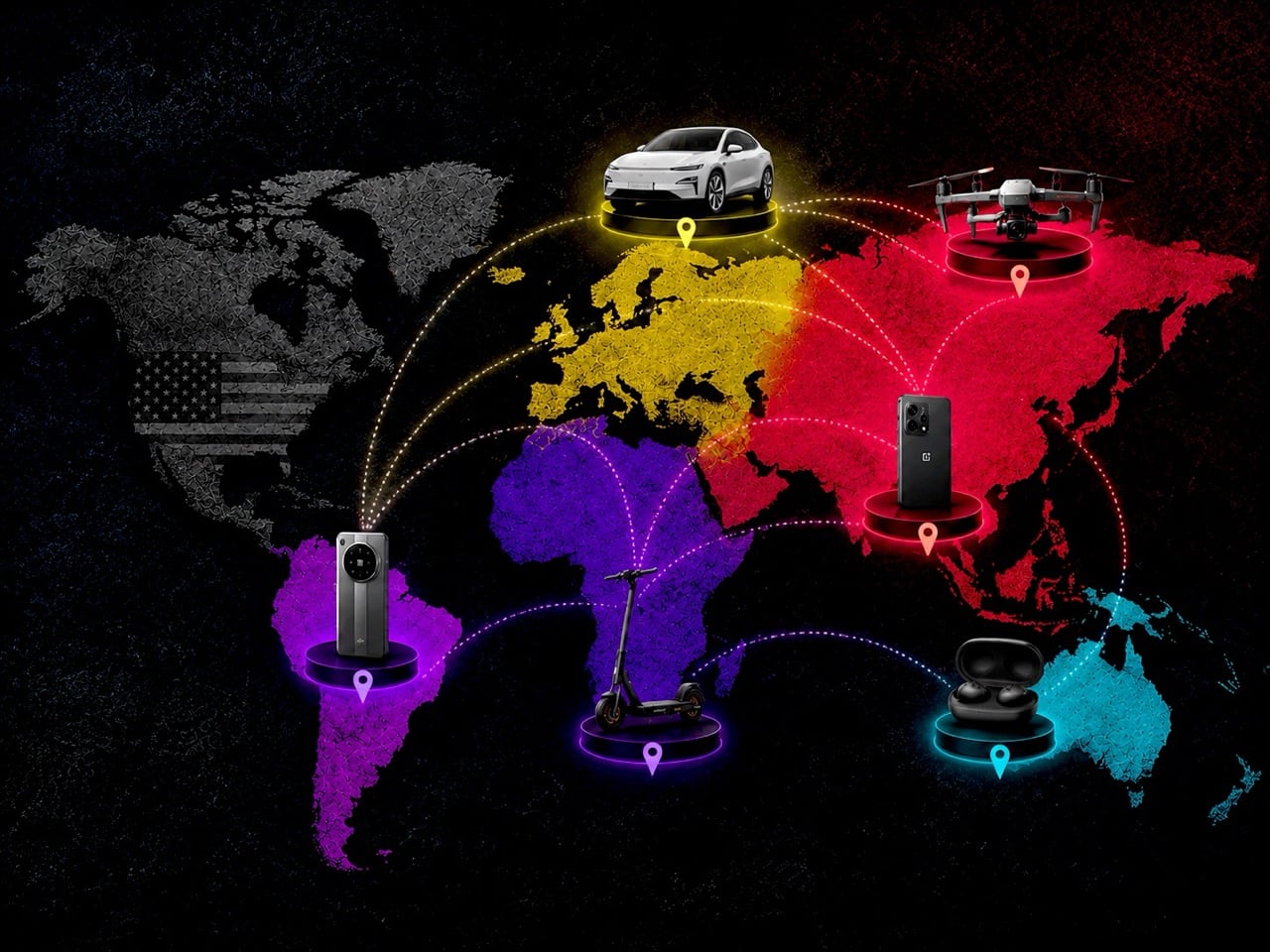
For decades, succeeding in the United States was the ultimate benchmark for any global hardware brand. It was the largest, most lucrative, and most culturally influential market. That is no longer a given. Today, launching in the US is a complex risk calculation, where the potential rewards must be weighed against a growing list of liabilities: suffocating regulatory hurdles, intense political scrutiny, and the high cost of competing against entrenched incumbents.
This has created a new reality where the most experimental and daring product design often debuts in Asia or Europe first. The US market, instead of being the exciting global stage, is increasingly becoming a curated and filtered destination for products deemed commercially and politically safe enough for entry. We are getting the final, polished drafts, not the exciting early sketches. The result is a design landscape that is becoming more homogenous, more predictable, and less reflective of the true diversity of global hardware innovation. The conversation is happening elsewhere, and we are only hearing the echoes.
The post From Polestar to OnePlus to DJI, the US is becoming a harder place for globally influential brands first appeared on Yanko Design.
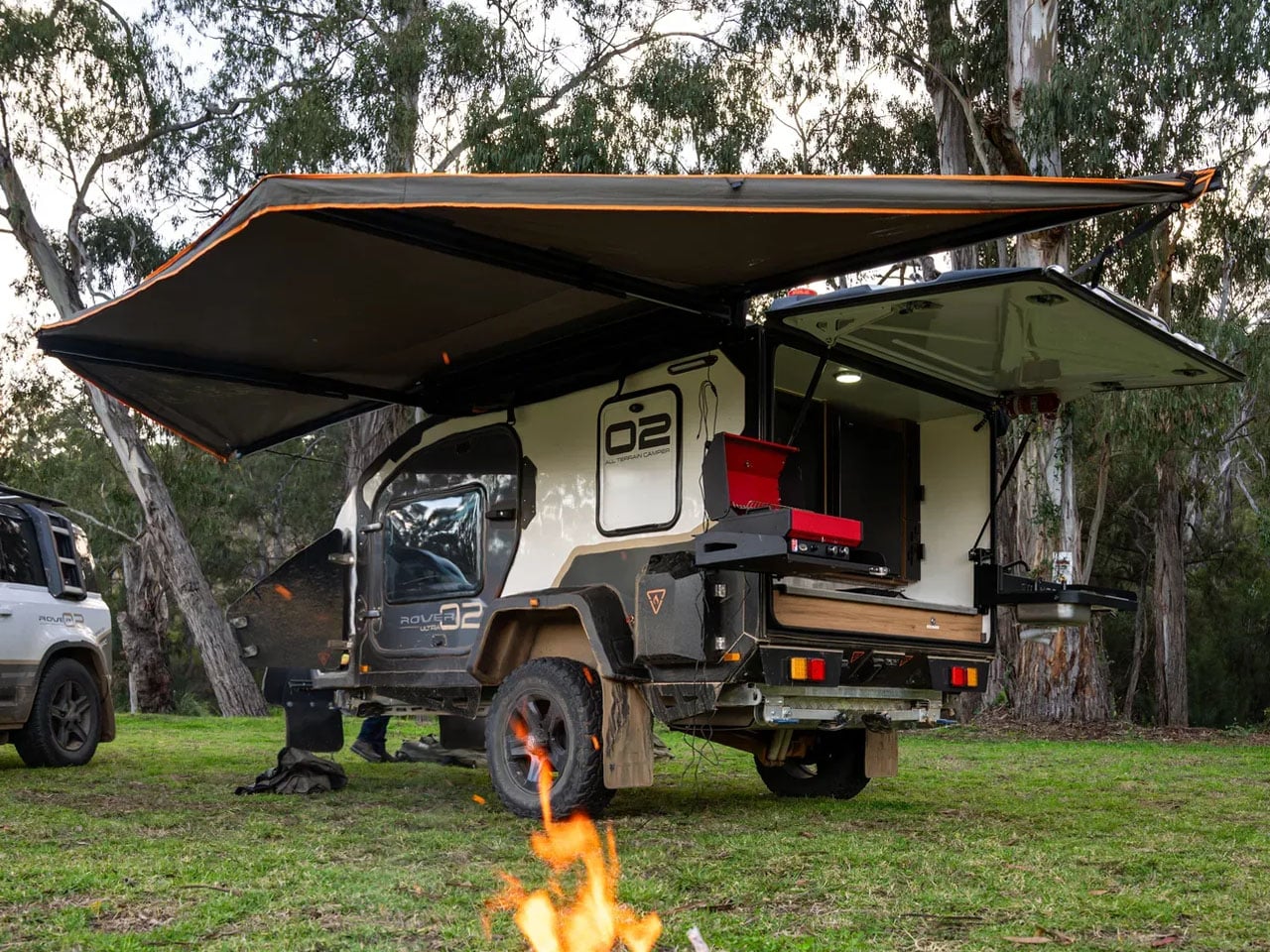
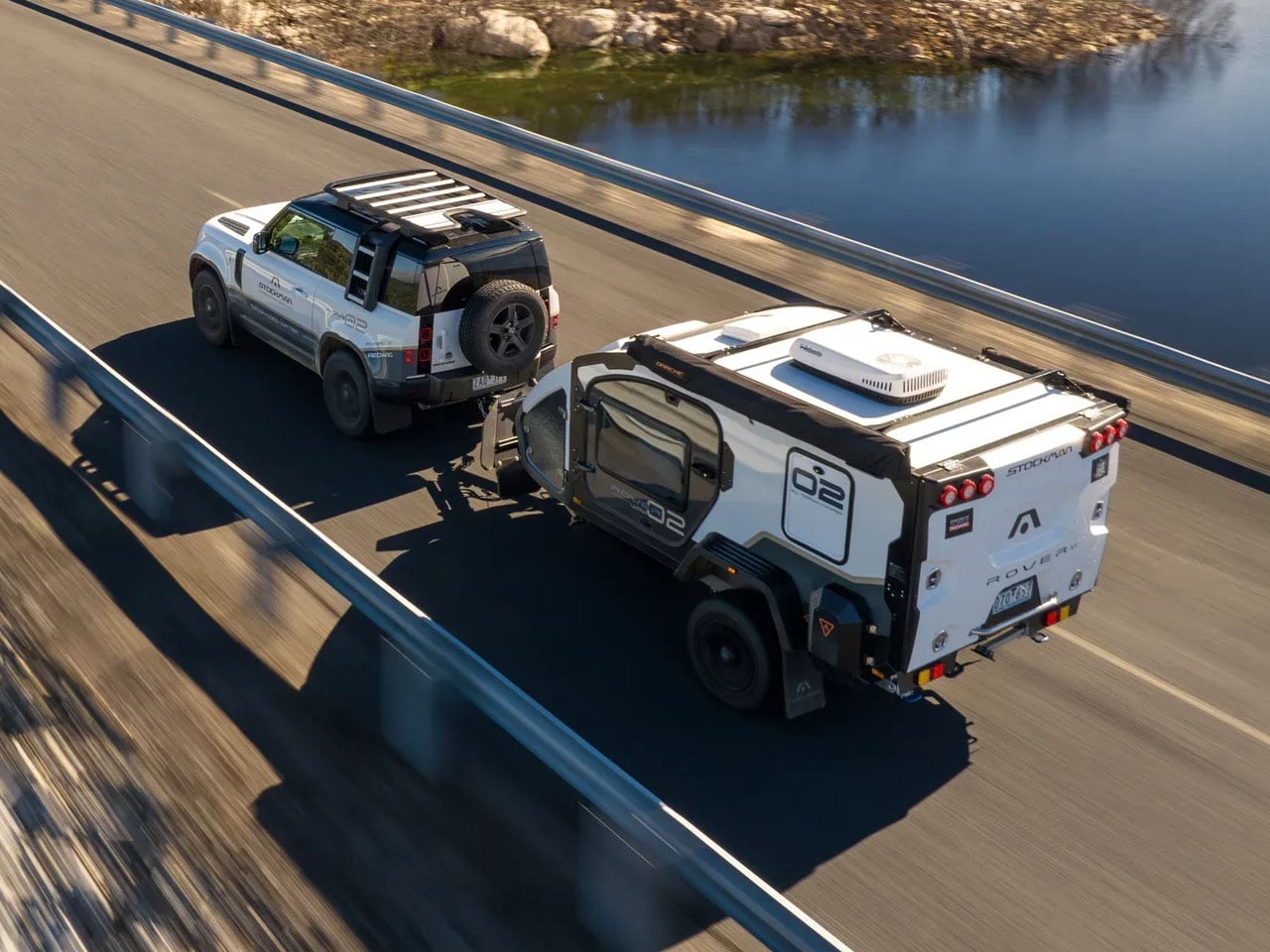
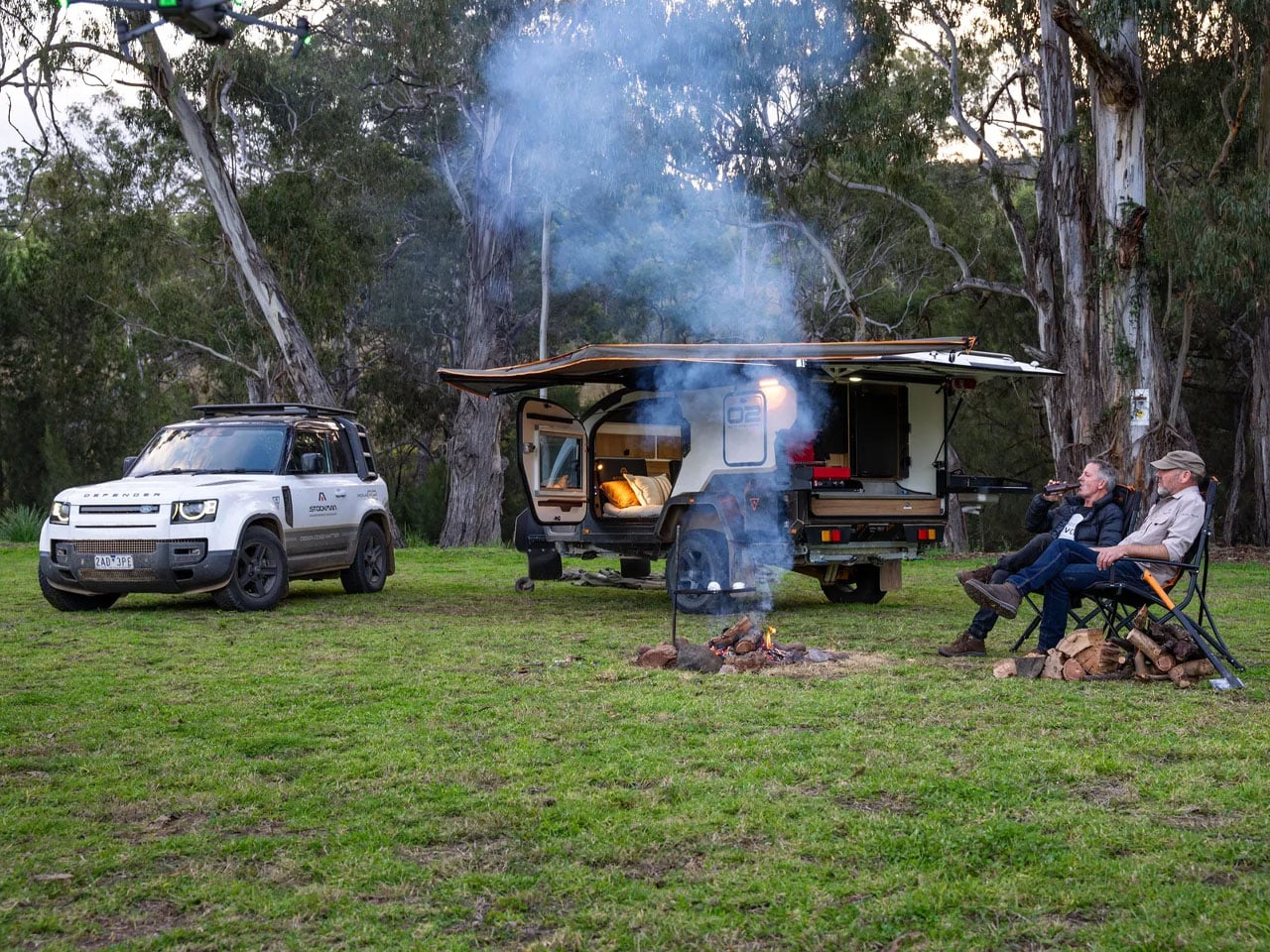
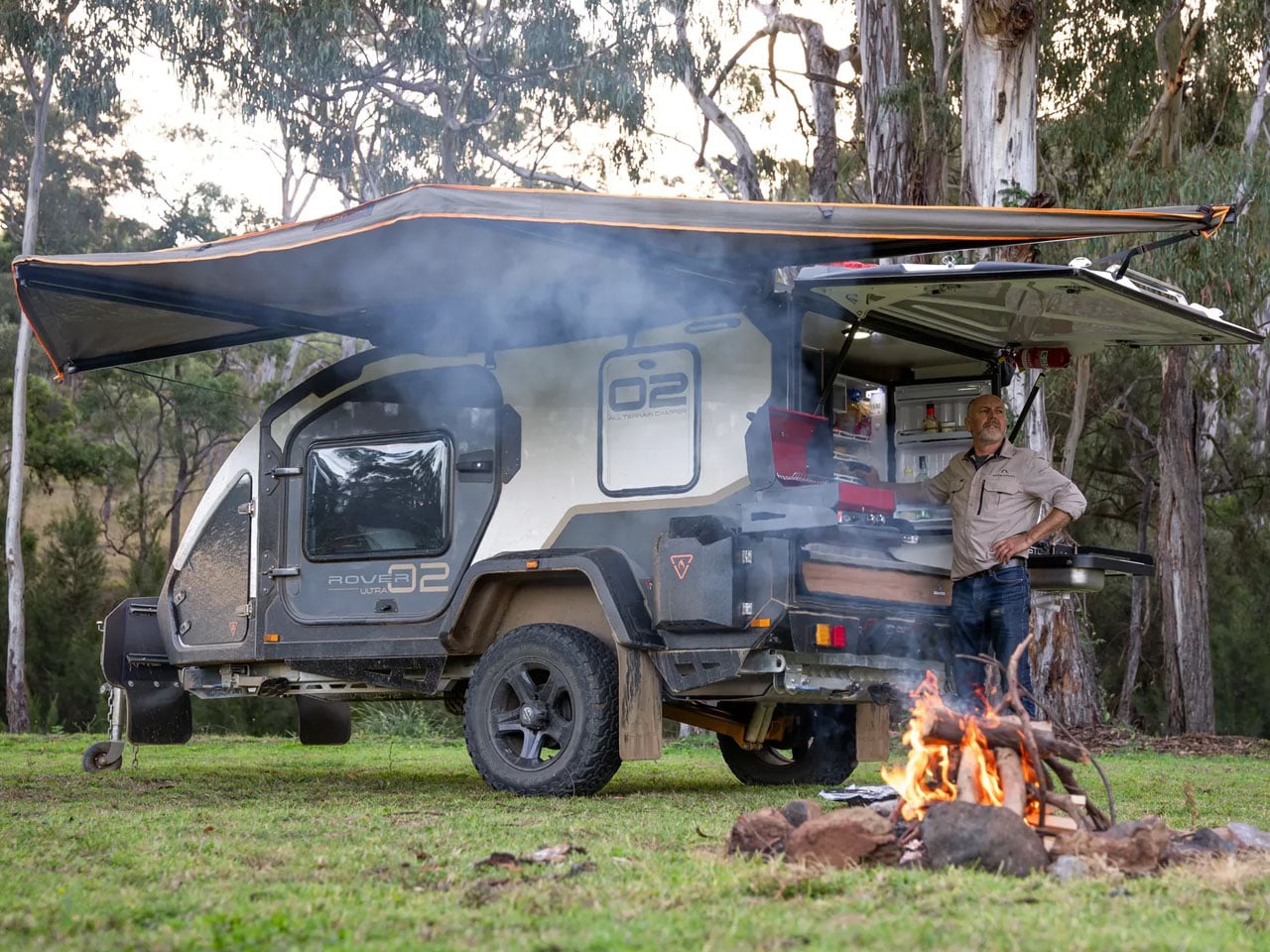
A teardrop trailer is great until you actually have to spend the day around it. You get a comfortable place to sleep, a kitchen tucked neatly into the rear hatch, and a footprint that’s easy to tow almost anywhere. What you don’t get is much living space once you’re parked. The 2026 Stockman Rover 2.0 camper trailer tackles that limitation with a surprisingly simple idea by giving the trailer wings.
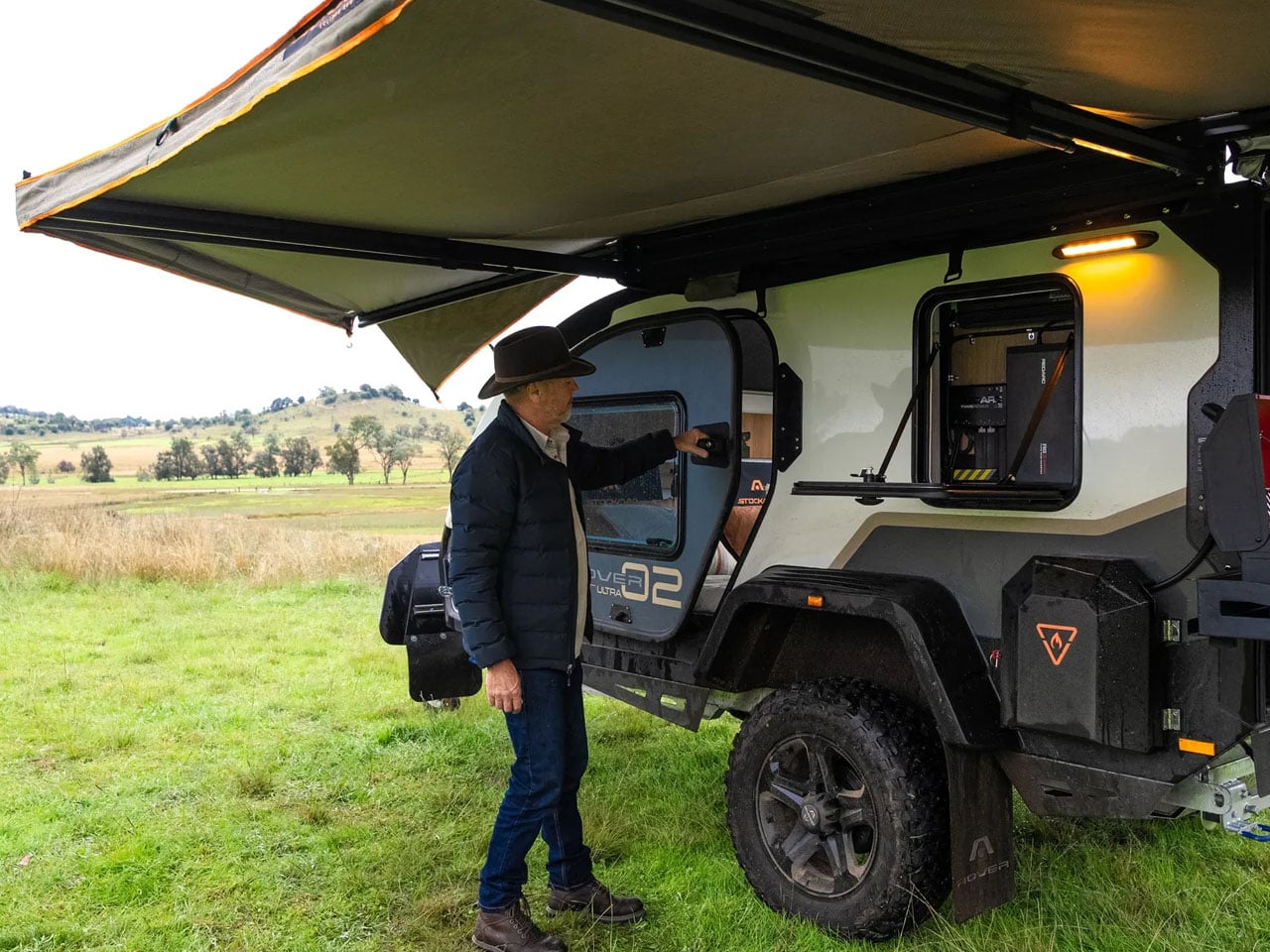
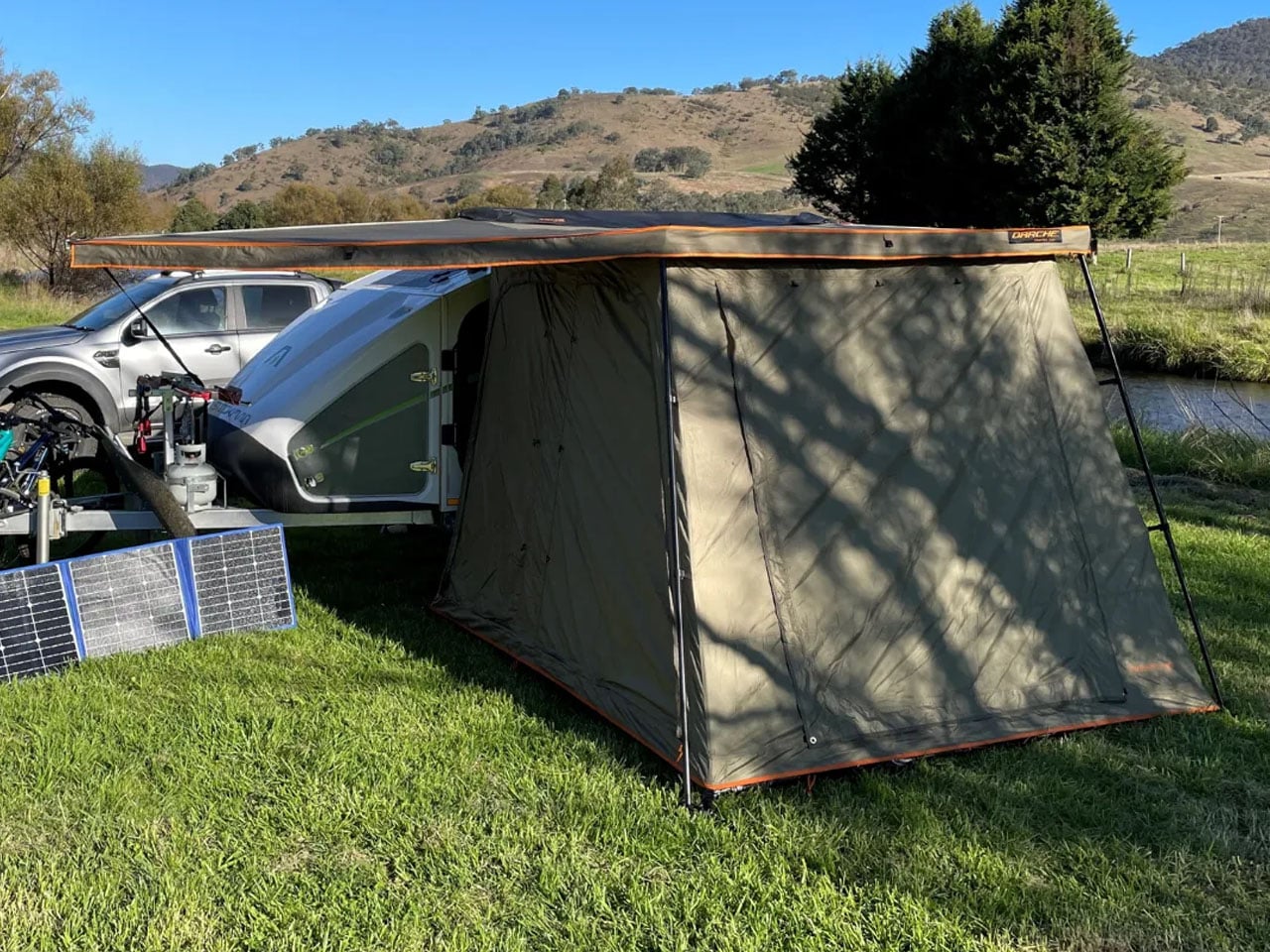
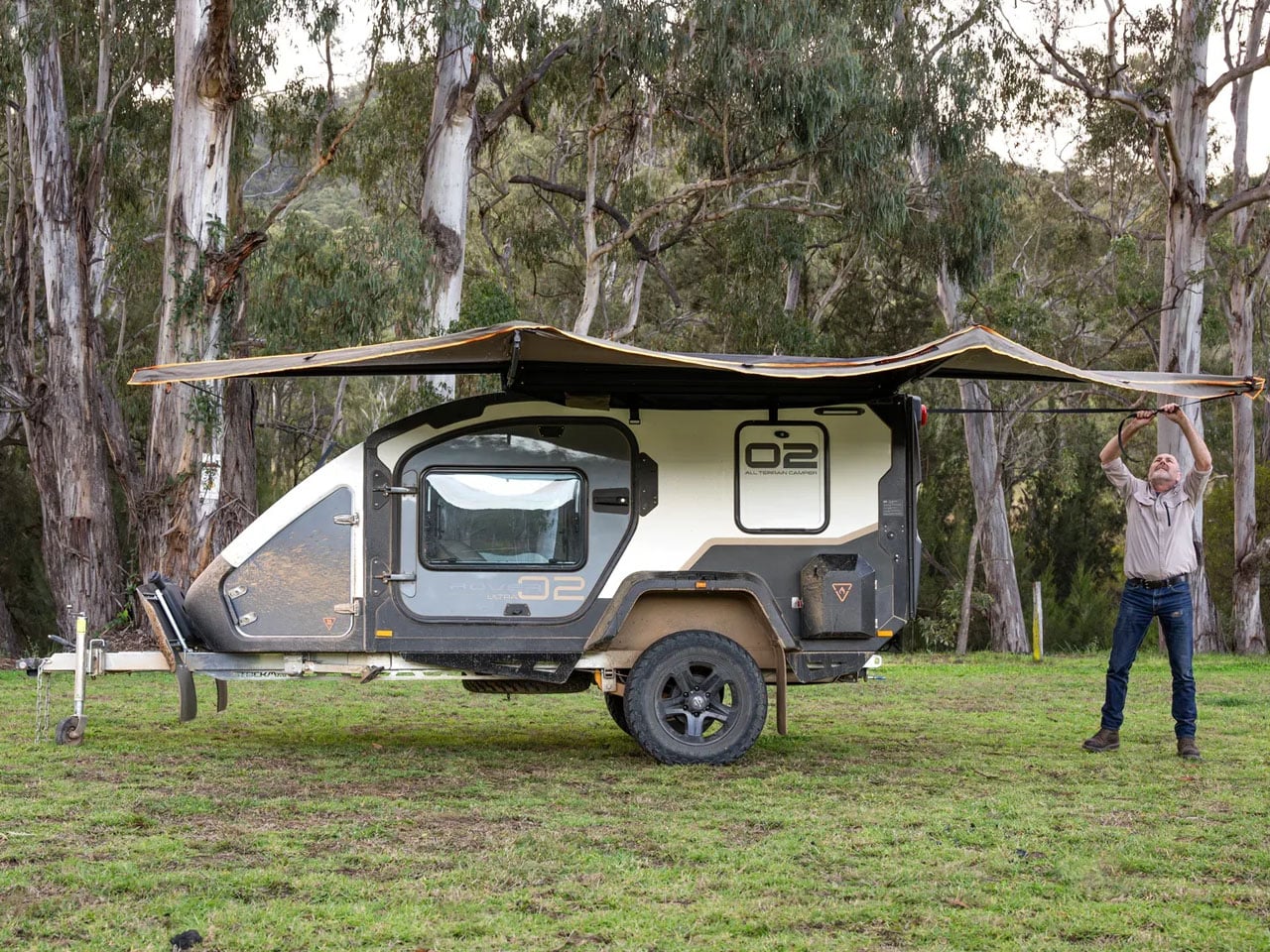
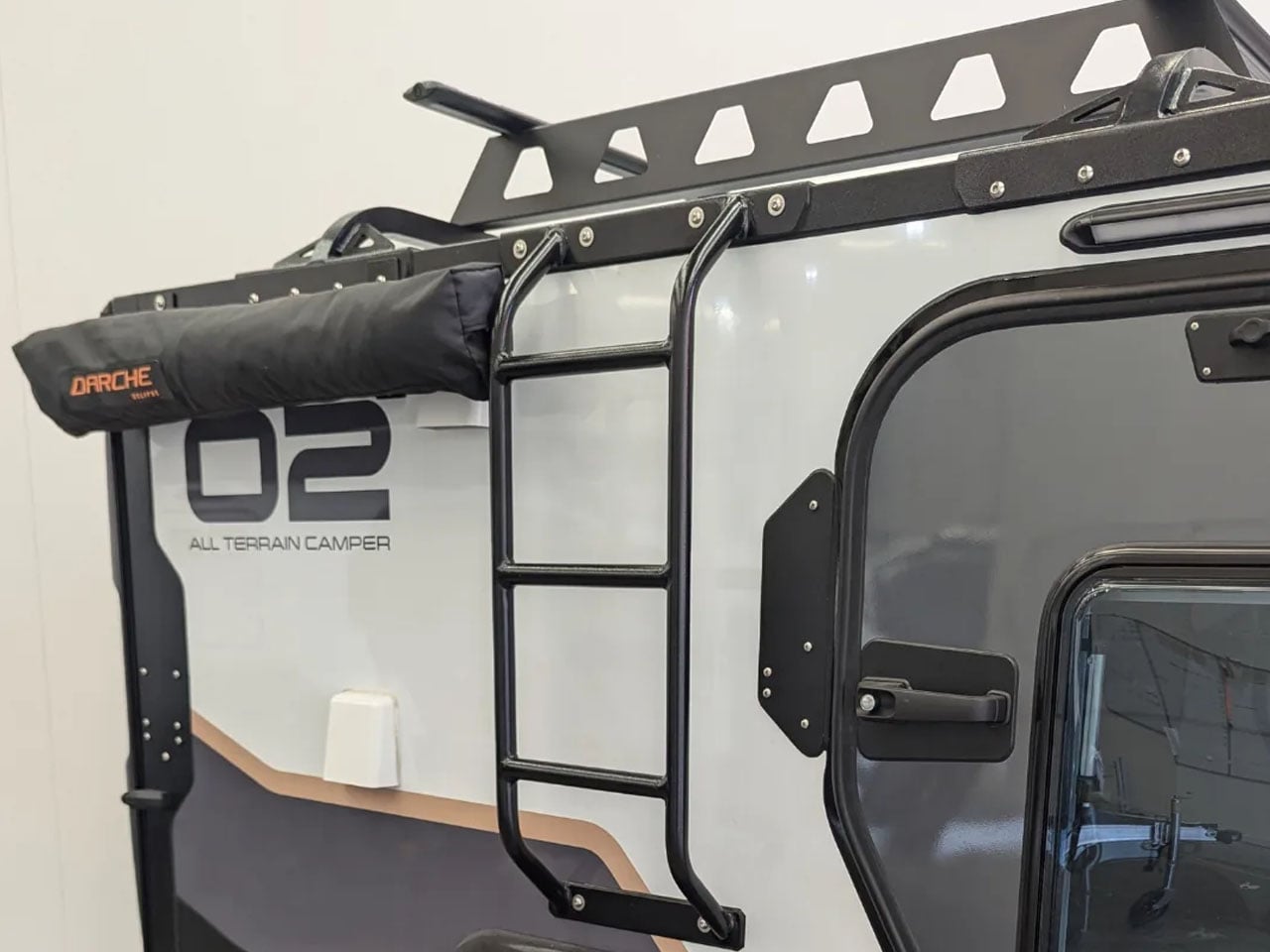
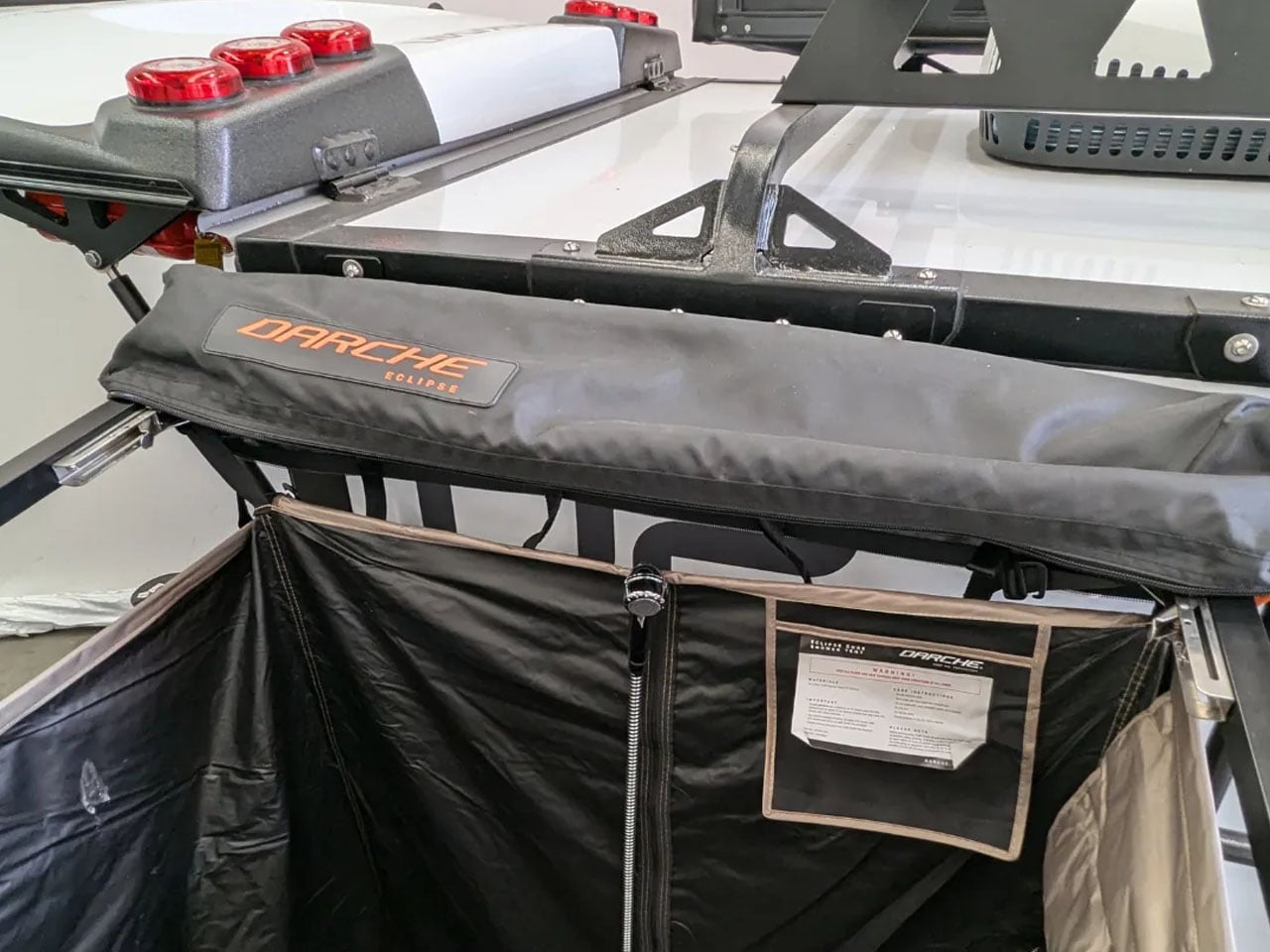
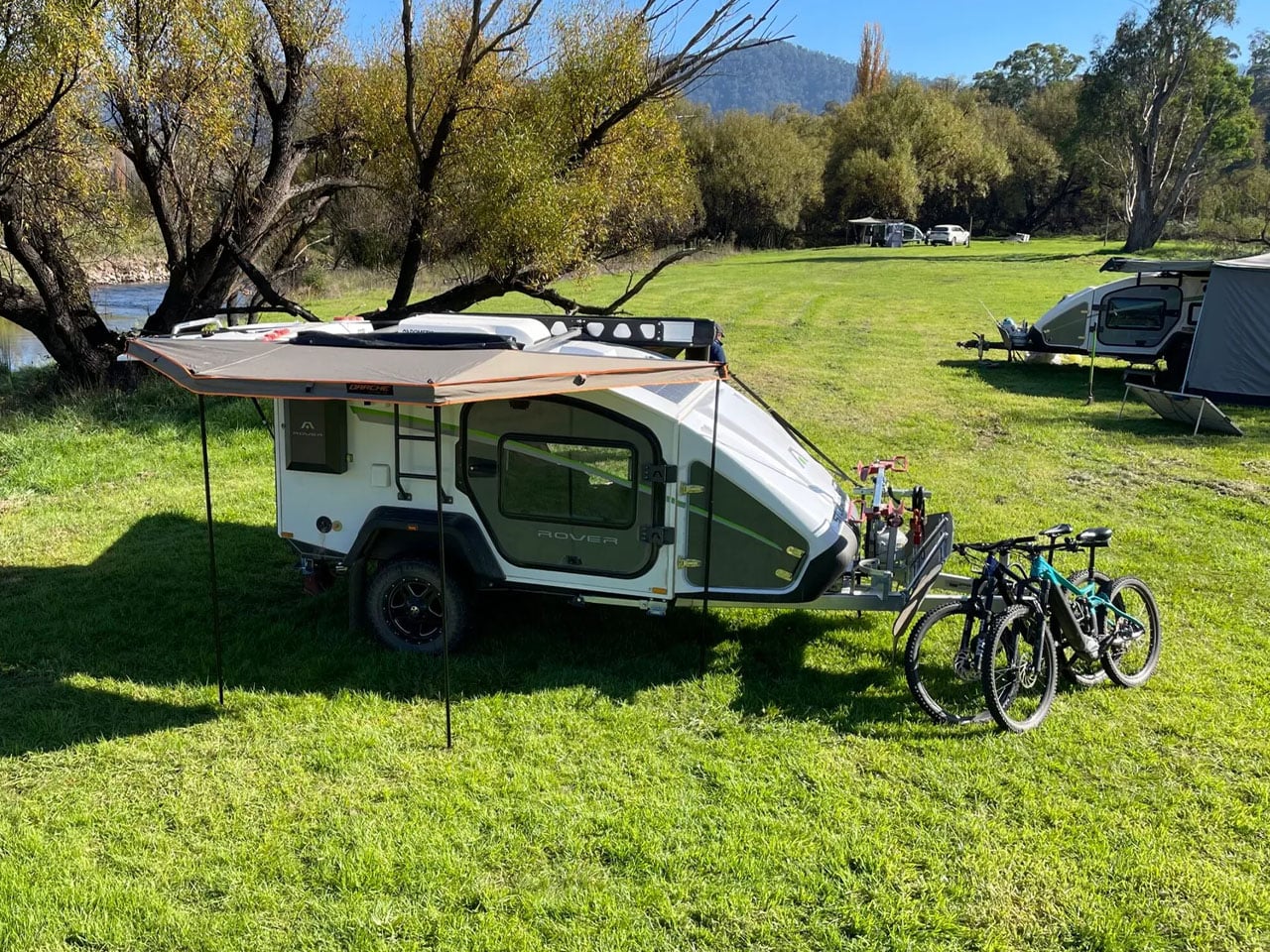
The latest version of Stockman’s compact off-road camper introduces an optional dual 180-degree awning setup that unfolds from both sides of the trailer. Once deployed, the pair creates a wraparound canopy that turns what would normally be an empty campsite into a shaded outdoor lounge. Zip the awnings together with the optional wall kit, add the enclosed privacy tent, and the Rover suddenly feels much larger than its compact silhouette suggests. It’s one of those upgrades that sounds incremental until you picture spending an entire afternoon cooking, or waiting out a rain shower beneath it.
Designer: Stockman Products
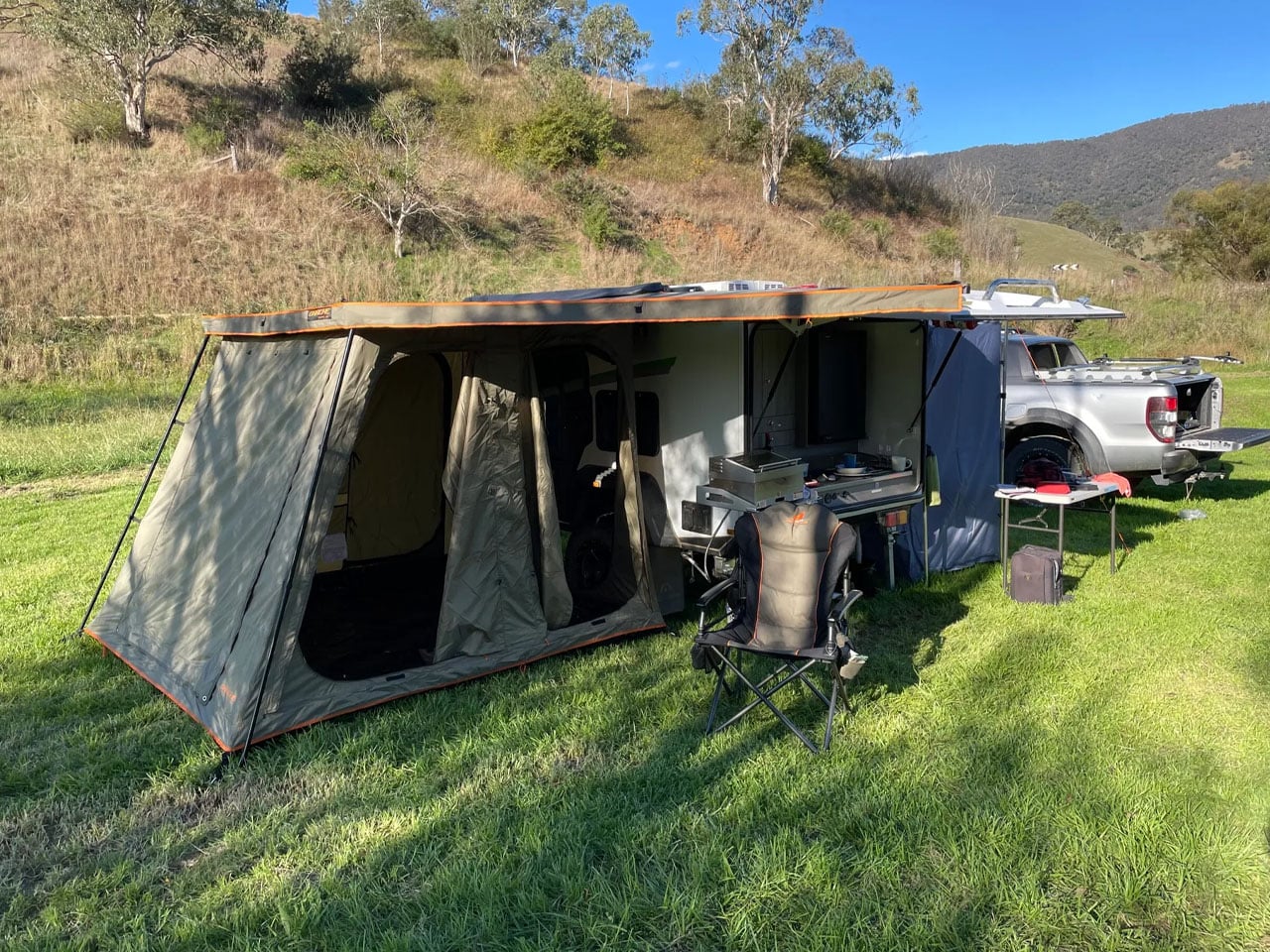
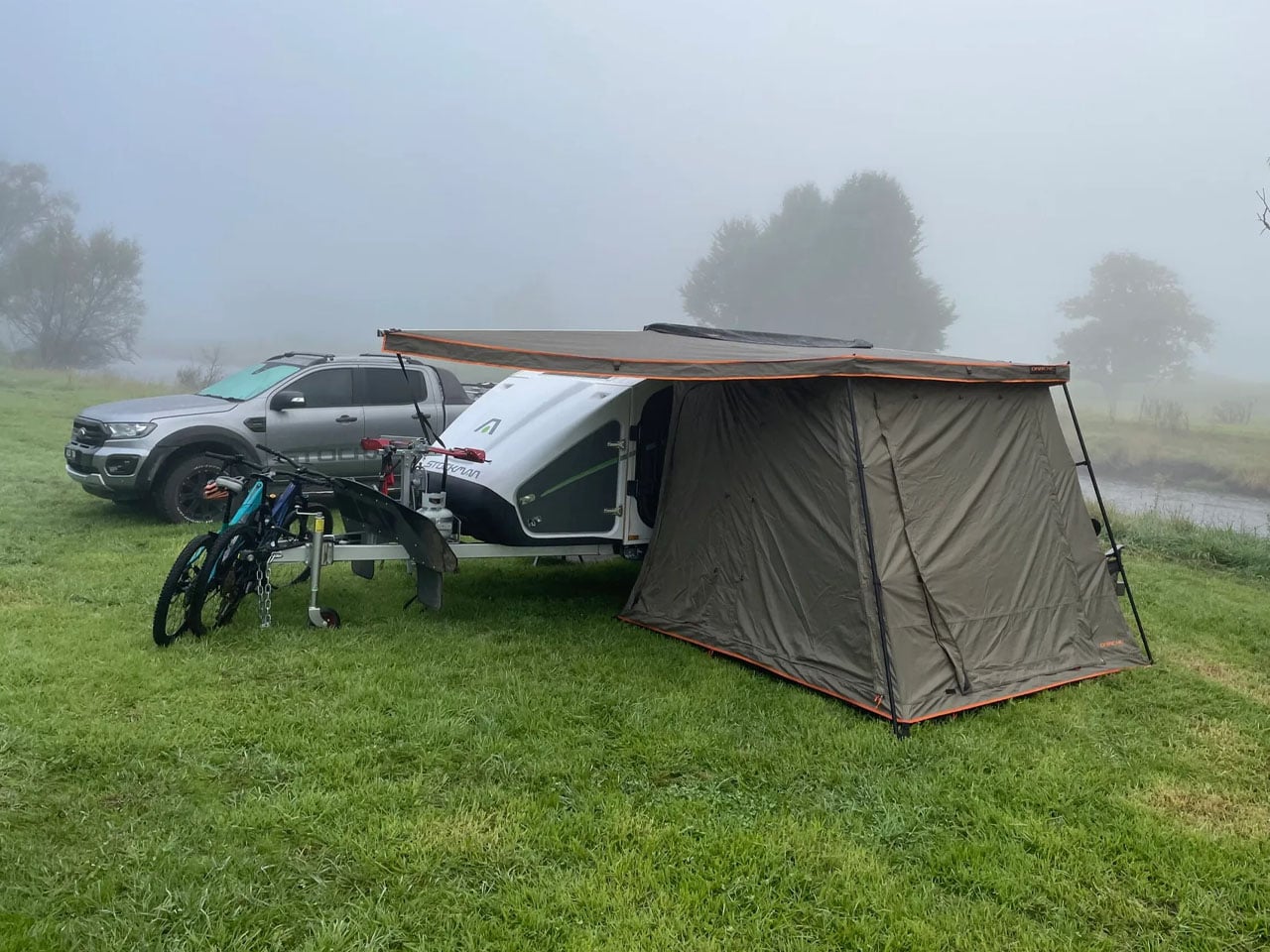
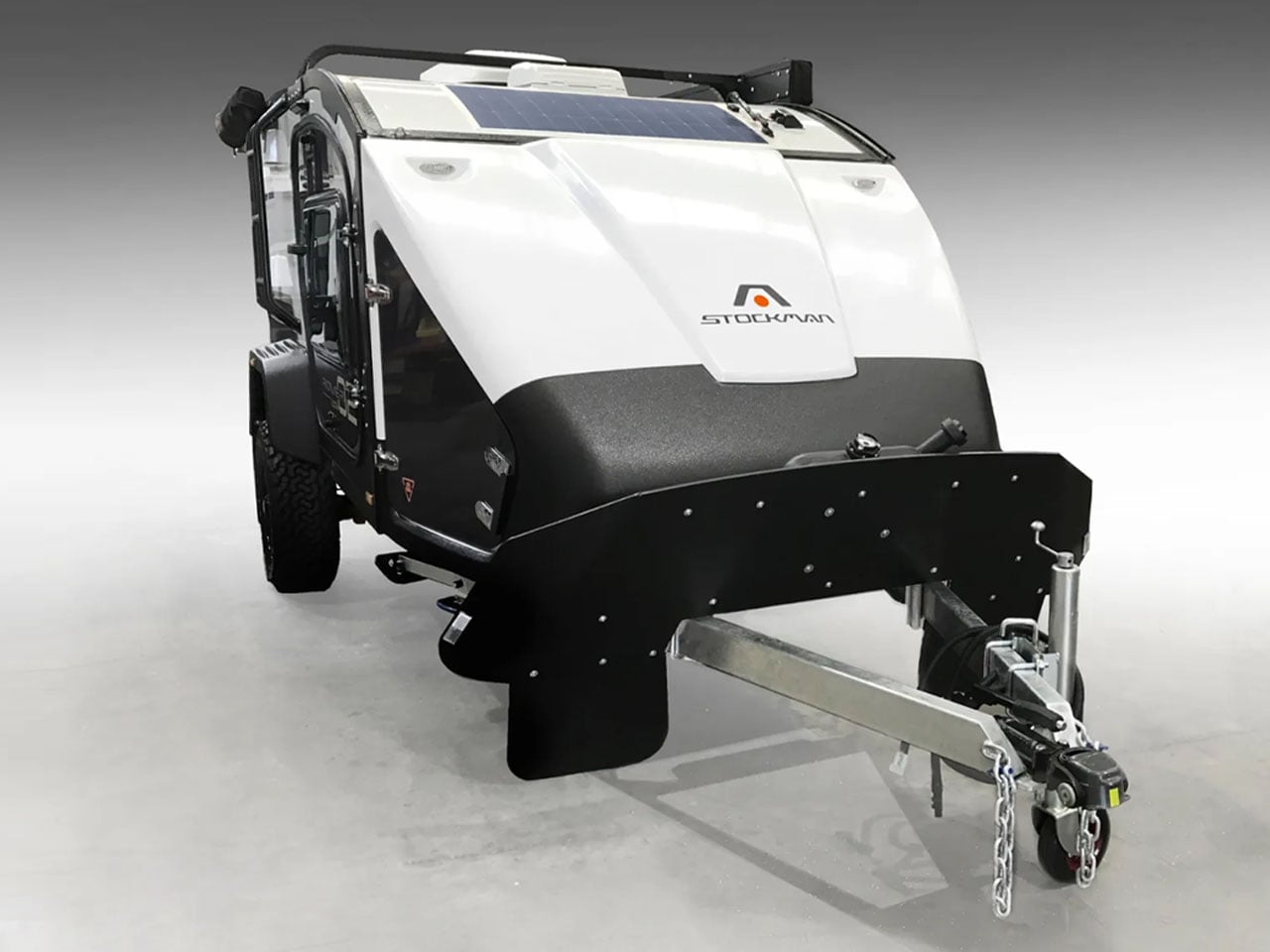
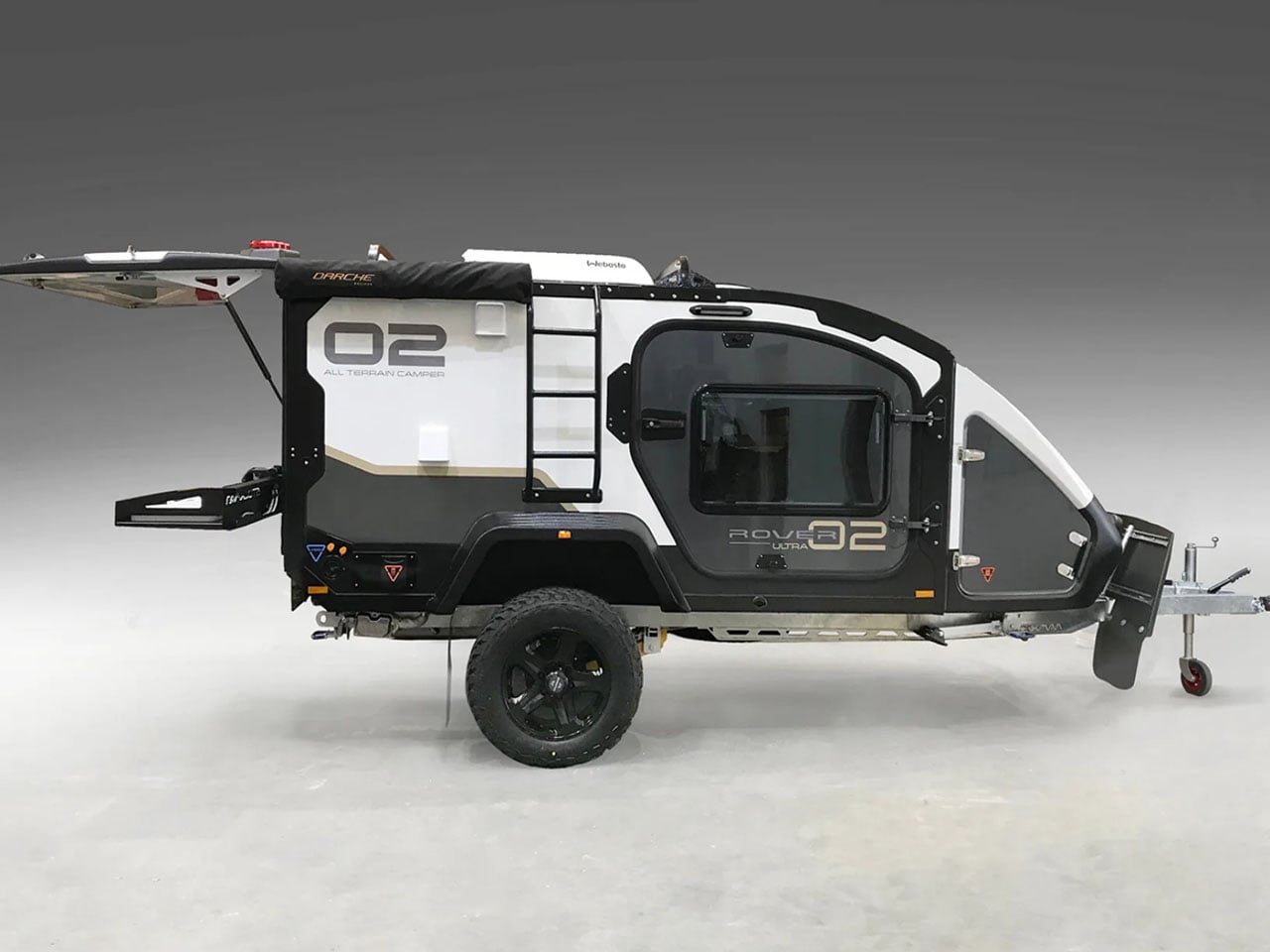
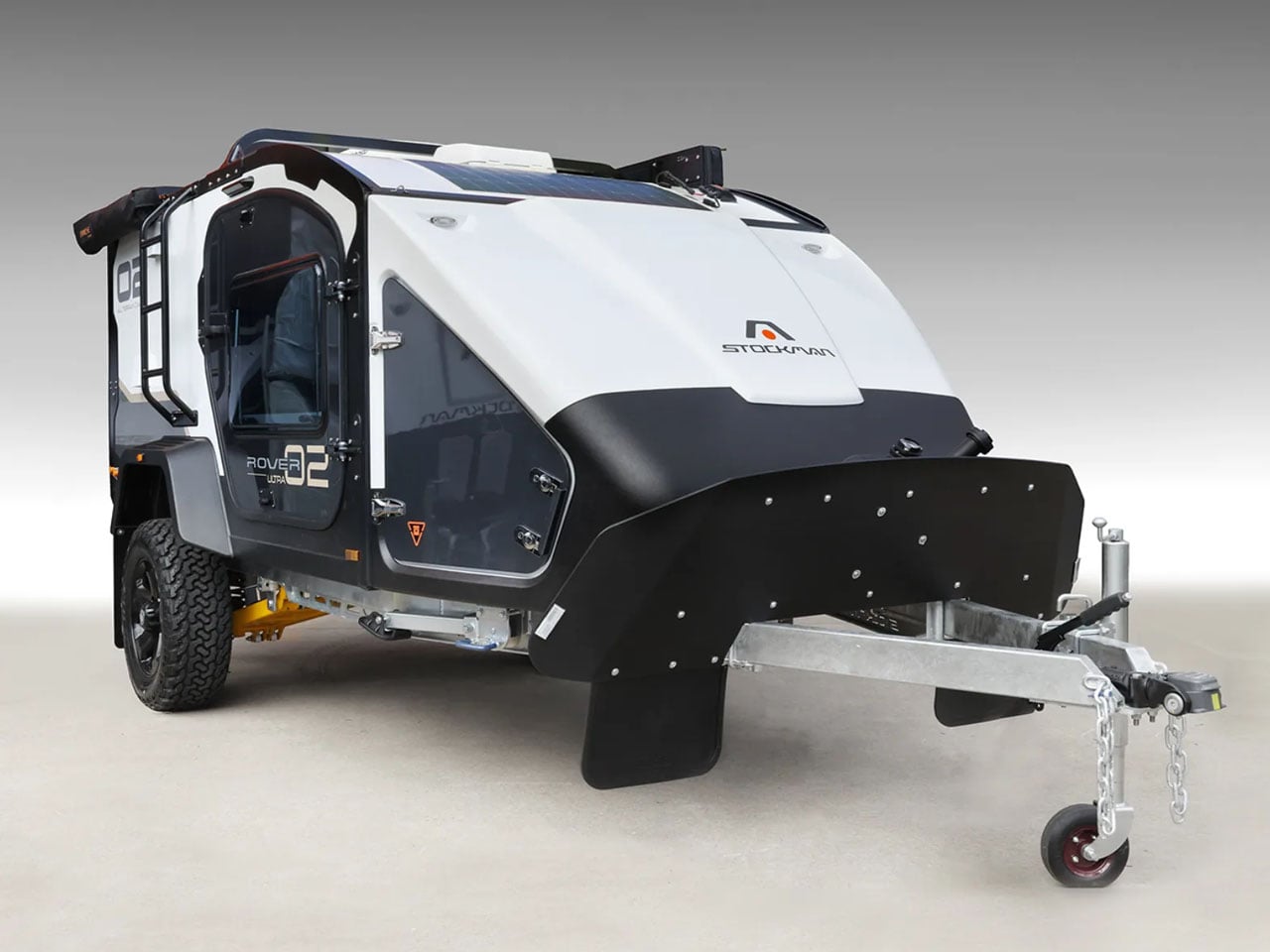
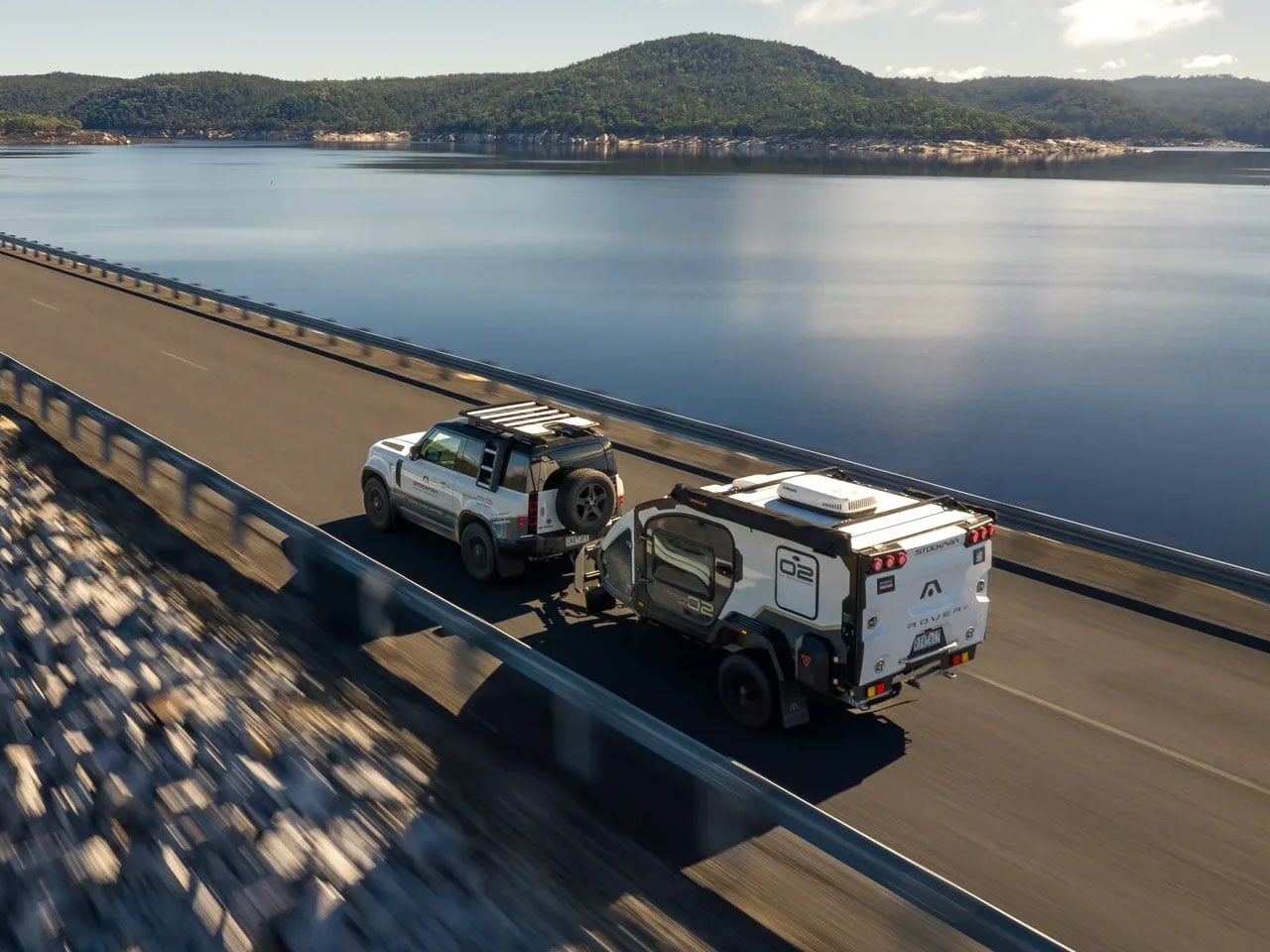
The clever part is that none of this changes what made the Rover popular in the first place. It’s still a compact camper built around a hot-dipped galvanized steel chassis that’s happy bouncing along rough tracks behind an SUV or ute. For 2026, Stockman has expanded the range into three variants instead of expecting every buyer to want the same level of capability. The Escape is aimed at campers sticking mostly to sealed roads and maintained gravel trails, while the Intrepid and Ultra lean into Australia’s love for remote touring with an XT off-road chassis, Cruisemaster independent suspension, dual shock absorbers, all-terrain tyres, and a DO35 articulating hitch designed to stay composed long after the pavement disappears.
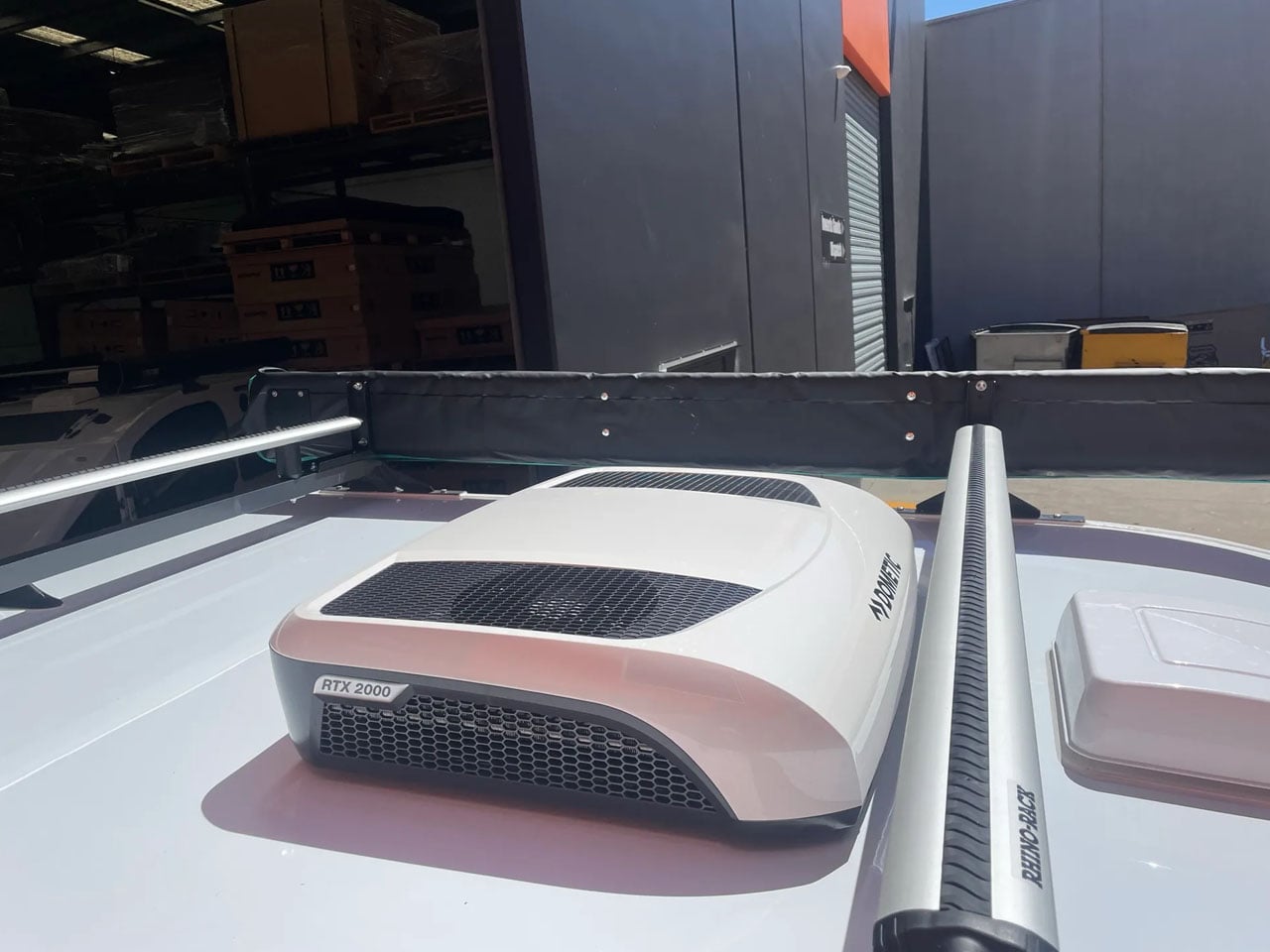
The upgrades continue where they’re arguably needed most: keeping modern campers powered without constantly hunting for the next campground. Stockman has swapped its previous electrical setup for a Renogy ecosystem across the lineup, giving the trailer a cleaner, smarter way to manage off-grid living. The flagship Ultra packs a 300Ah lithium battery, a 2,000W inverter, roof-mounted solar panels, and a touchscreen interface that keeps tabs on everything from battery health to charging status. There’s even a second display inside the cabin, a small but thoughtful touch that lets you check the system before climbing out of bed on a cold morning.
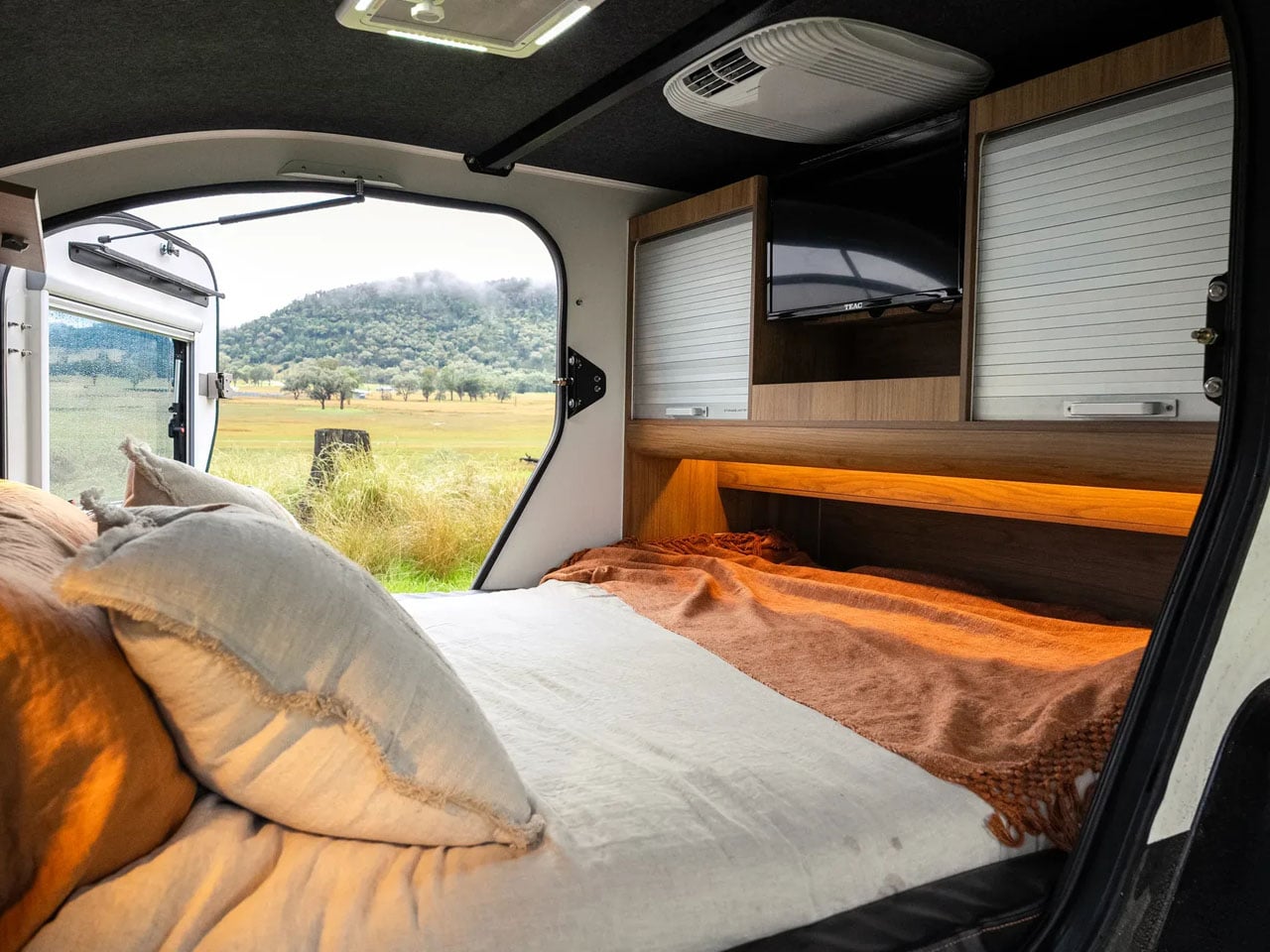
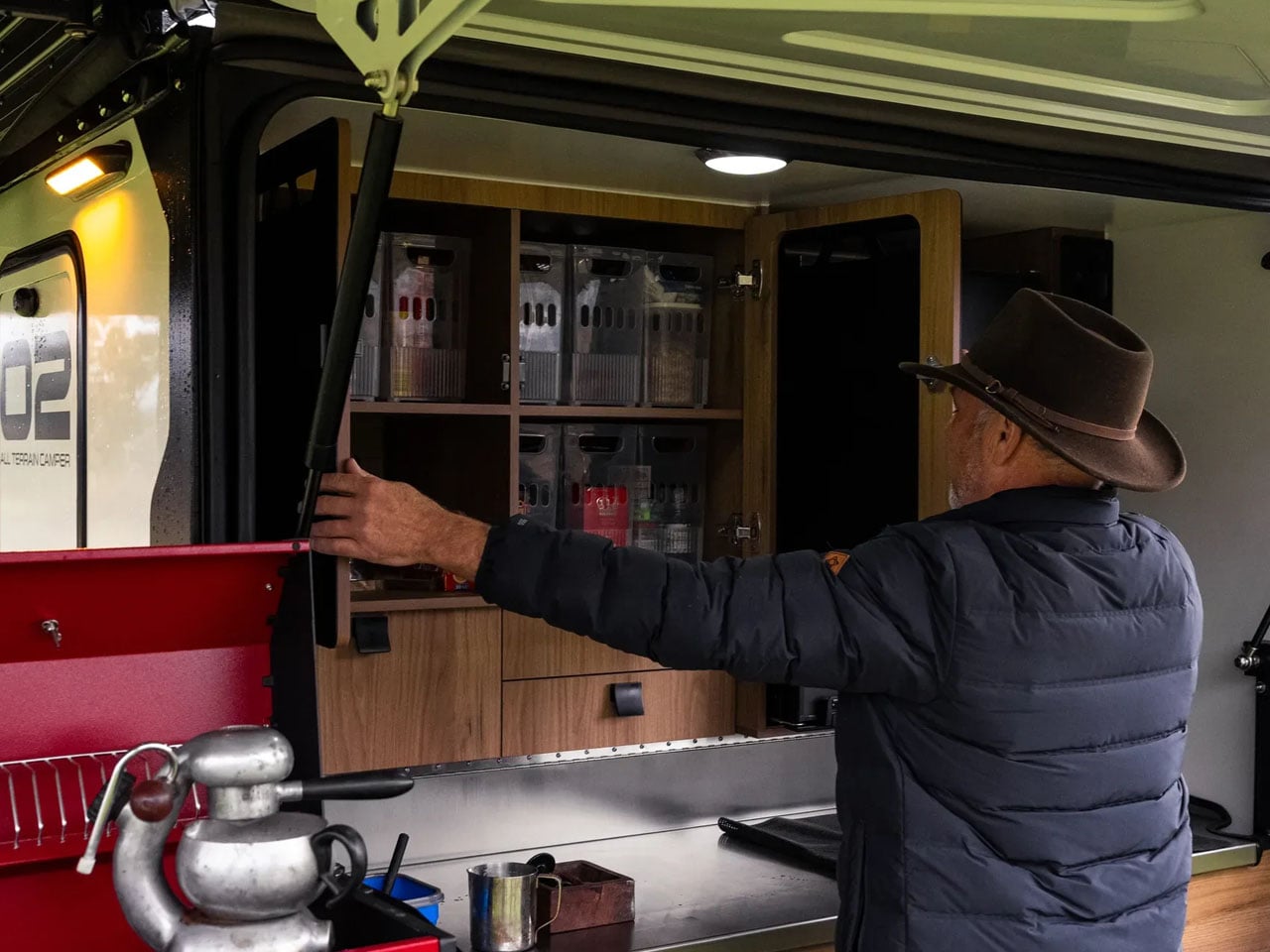
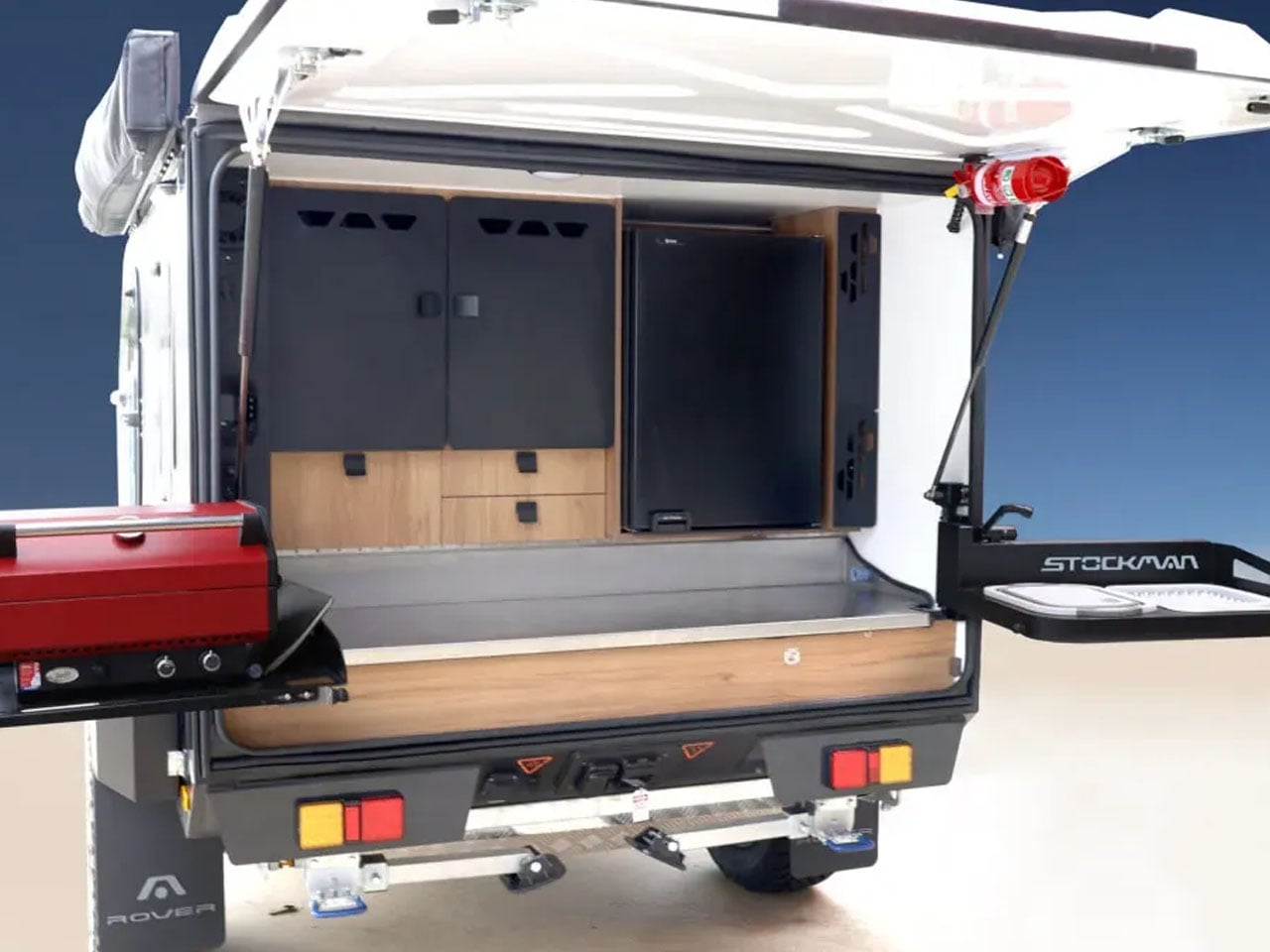
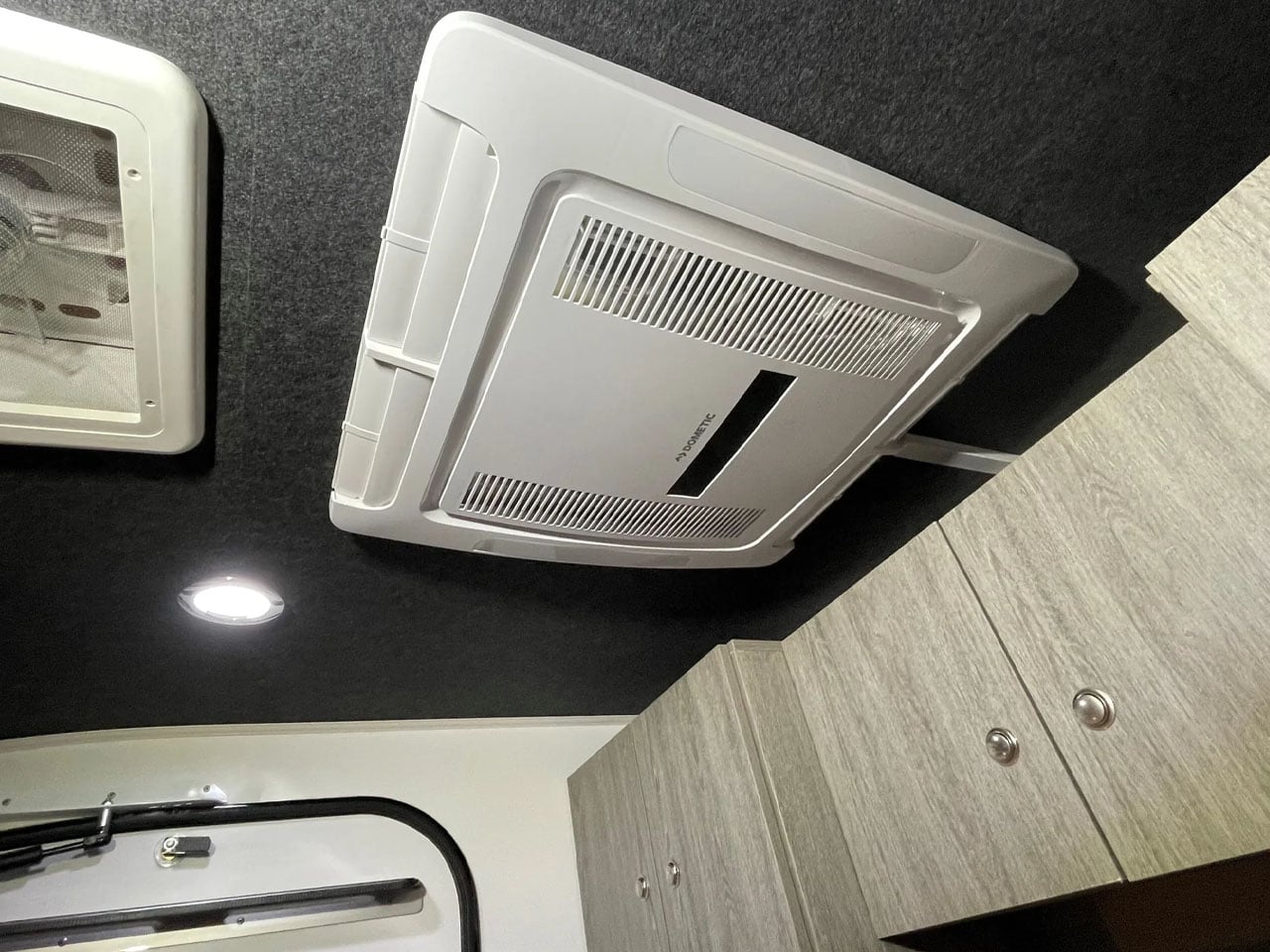
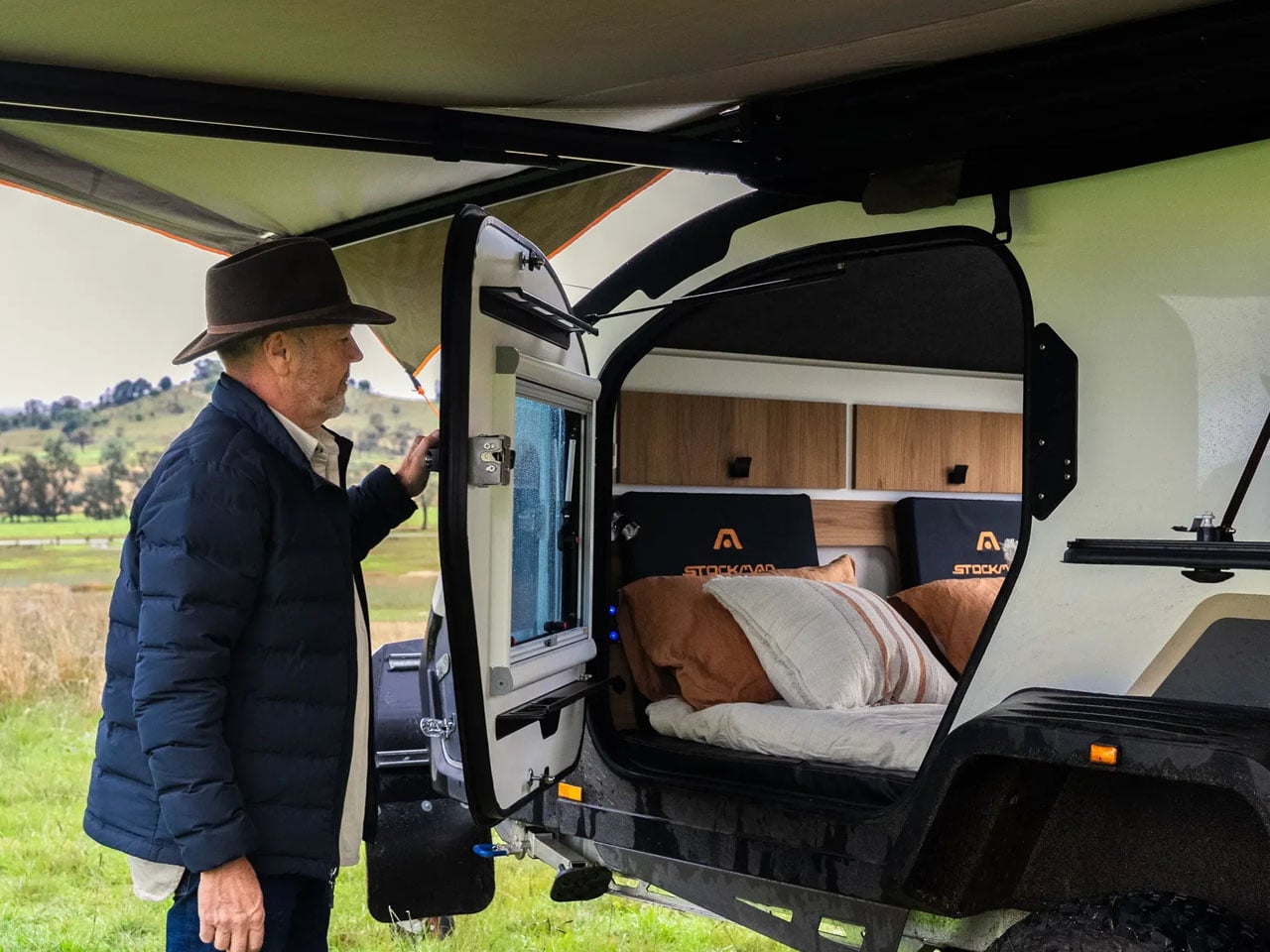
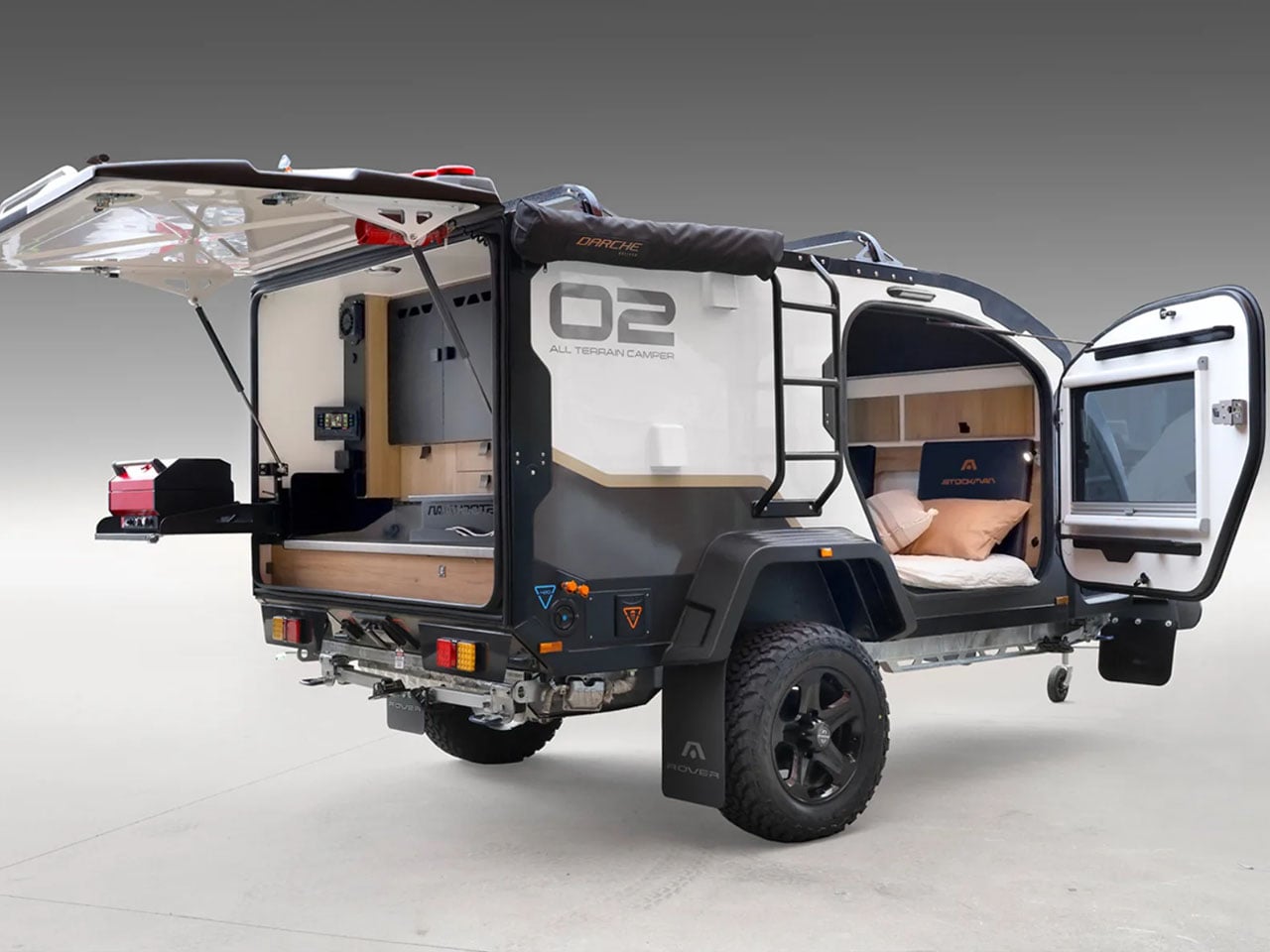
Inside, the Rover sticks to the formula that has made teardrop trailers enduringly popular. The insulated cabin is centered around a queen-size innerspring mattress, with storage tucked neatly around the sleeping area instead of competing with it. Lift the rear hatch, and you’ll find a surprisingly complete outdoor kitchen with a stainless steel worktop, sink, pantry storage, refrigerator, and a swing-out dual-burner stove that doubles as a barbecue plate. It’s designed around the assumption that camping is best experienced outside, using the cabin primarily as a comfortable retreat at the end of the day.
The Rover 2.0 doesn’t reinvent the teardrop trailer – at a starting price of AUD49,990 (US$35,000) for the Escape, AUD64,990 (US$45,500) for the Intrepid, and finally the Ultra costing AUD79,990 (US$56,000) – nor does it need to. Instead, it rethinks the part of the experience that often feels overlooked once you arrive at camp. Most compact trailers excel at getting you there; this one spends just as much effort making you want to stay.

The post This teardrop camper’s wing-like awnings turn any campsite into a comfortable outdoor living room first appeared on Yanko Design.