Excel’s vast functionality can often feel overwhelming, but mastering a few essential techniques can make a significant difference in how efficiently you work. In a recent breakdown by Excel Off The Grid, the focus is on practical strategies that simplify complex tasks, such as using Power Query to clean and reshape unstructured data. For example, […]
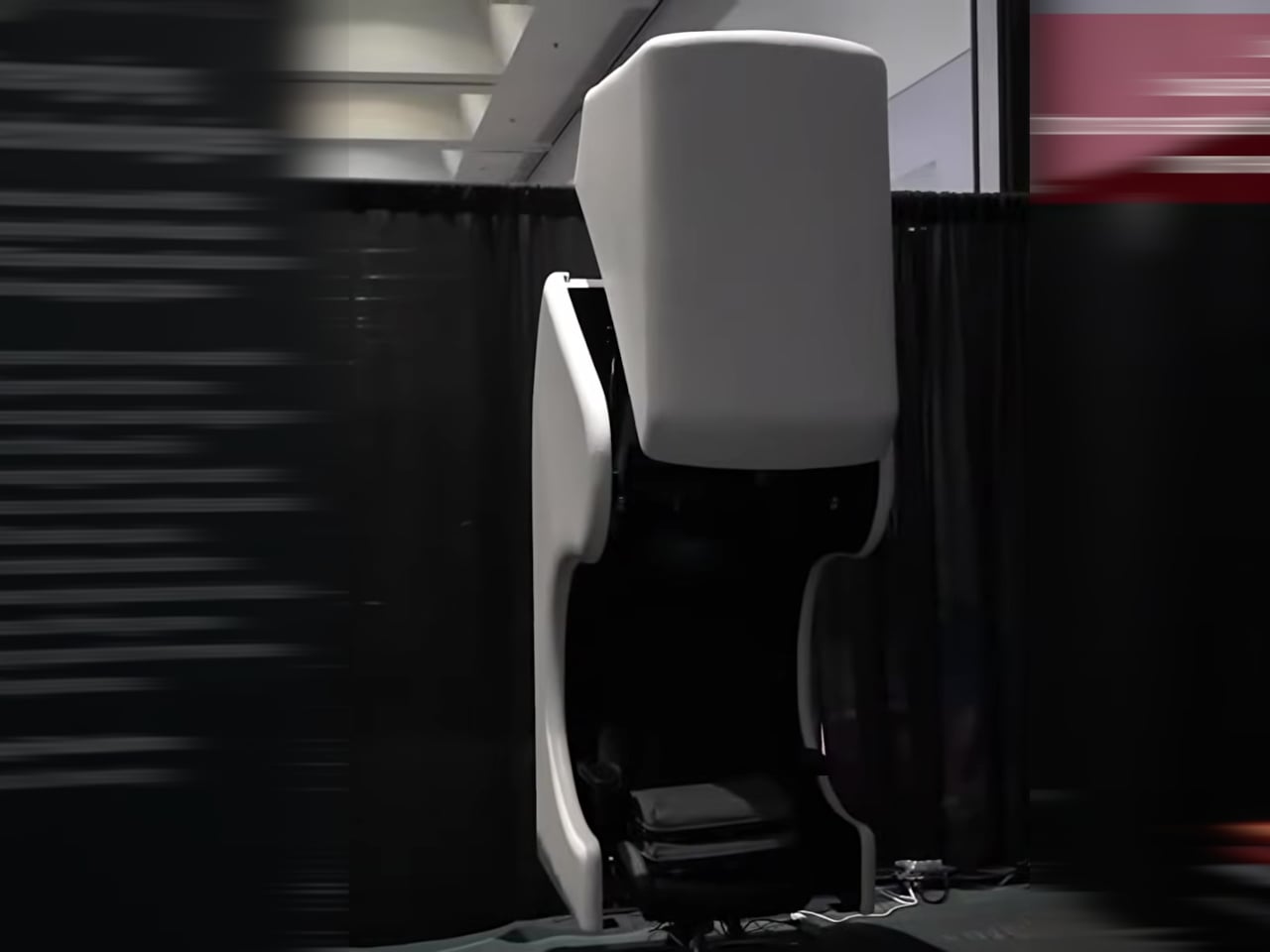
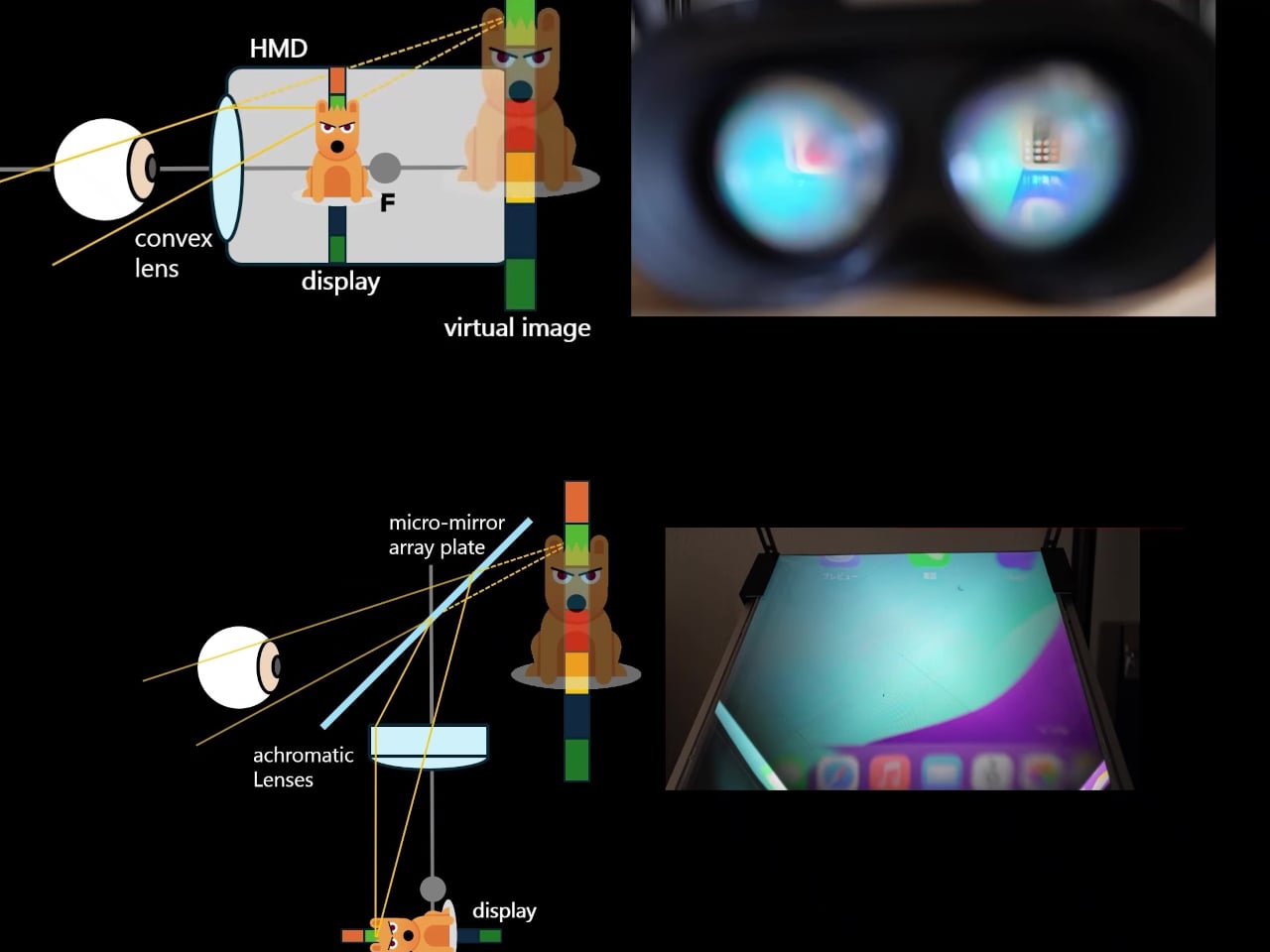
Virtual reality often asks you to strap a screen to your face before you can go anywhere. That can get uncomfortable when a short demonstration turns into a long session. Researchers at Kyushu University tried moving the display off your head and onto a chair instead, surrounding the seated user with an optical pod that offers a three-dimensional view without a headset.
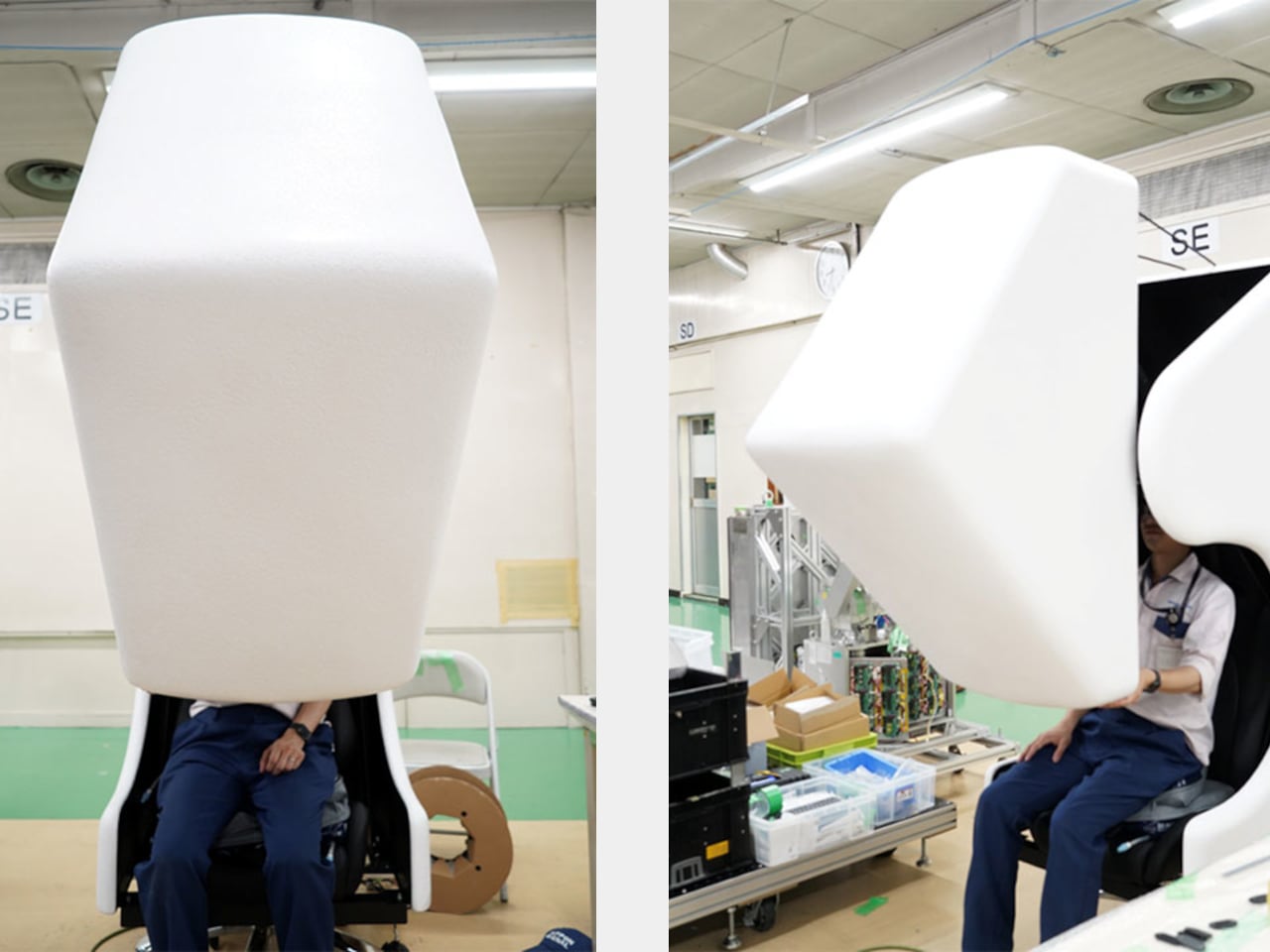
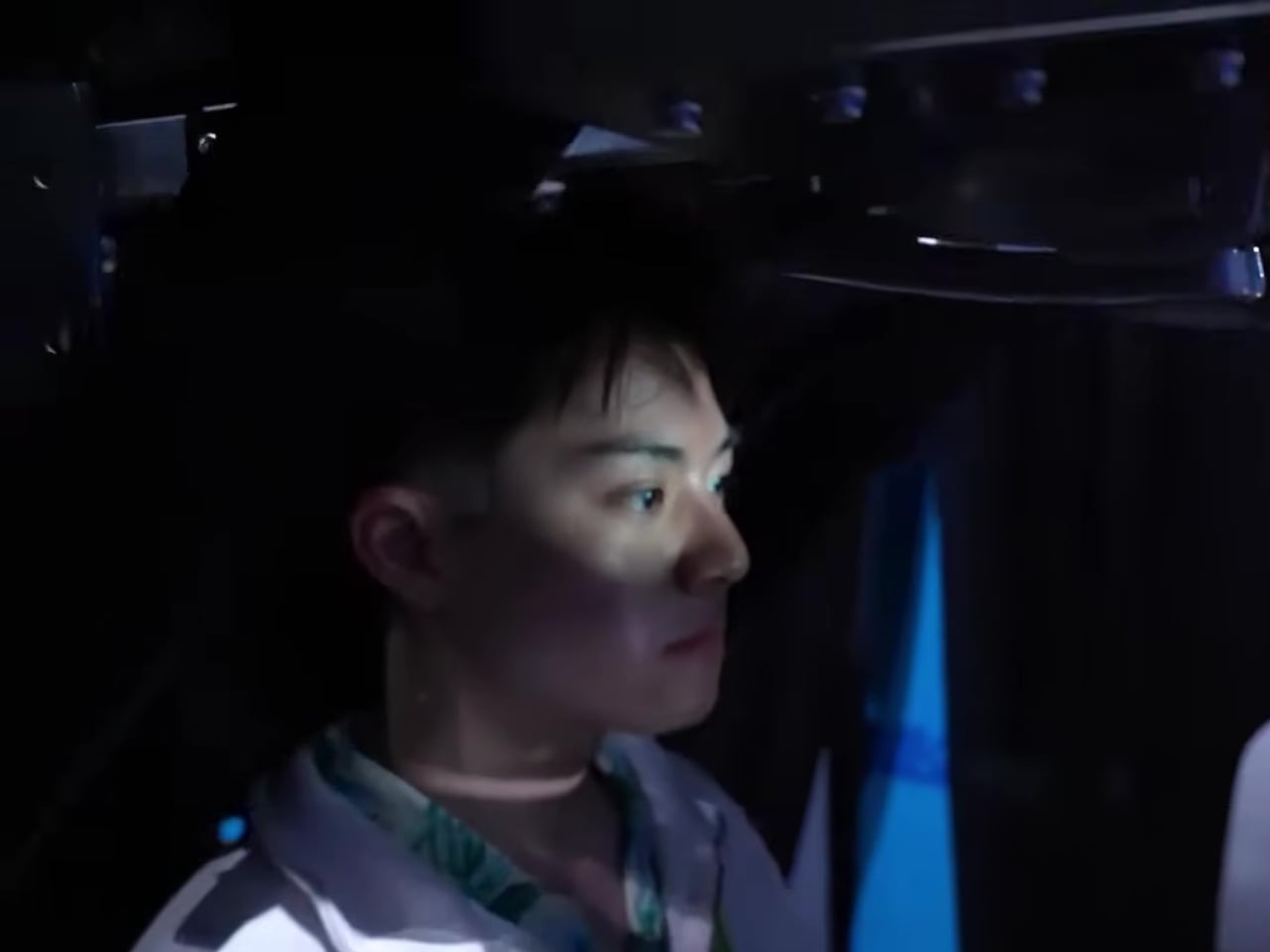
The prototype looks more like a piece of oversized furniture than goggles and controllers. A high-backed seat supports your body, while a large white enclosure projects forward around your field of view. Its bulk might seem surprising for a system intended to reduce discomfort, but that weight belongs to the structure, not your forehead, cheeks, or neck during a session.
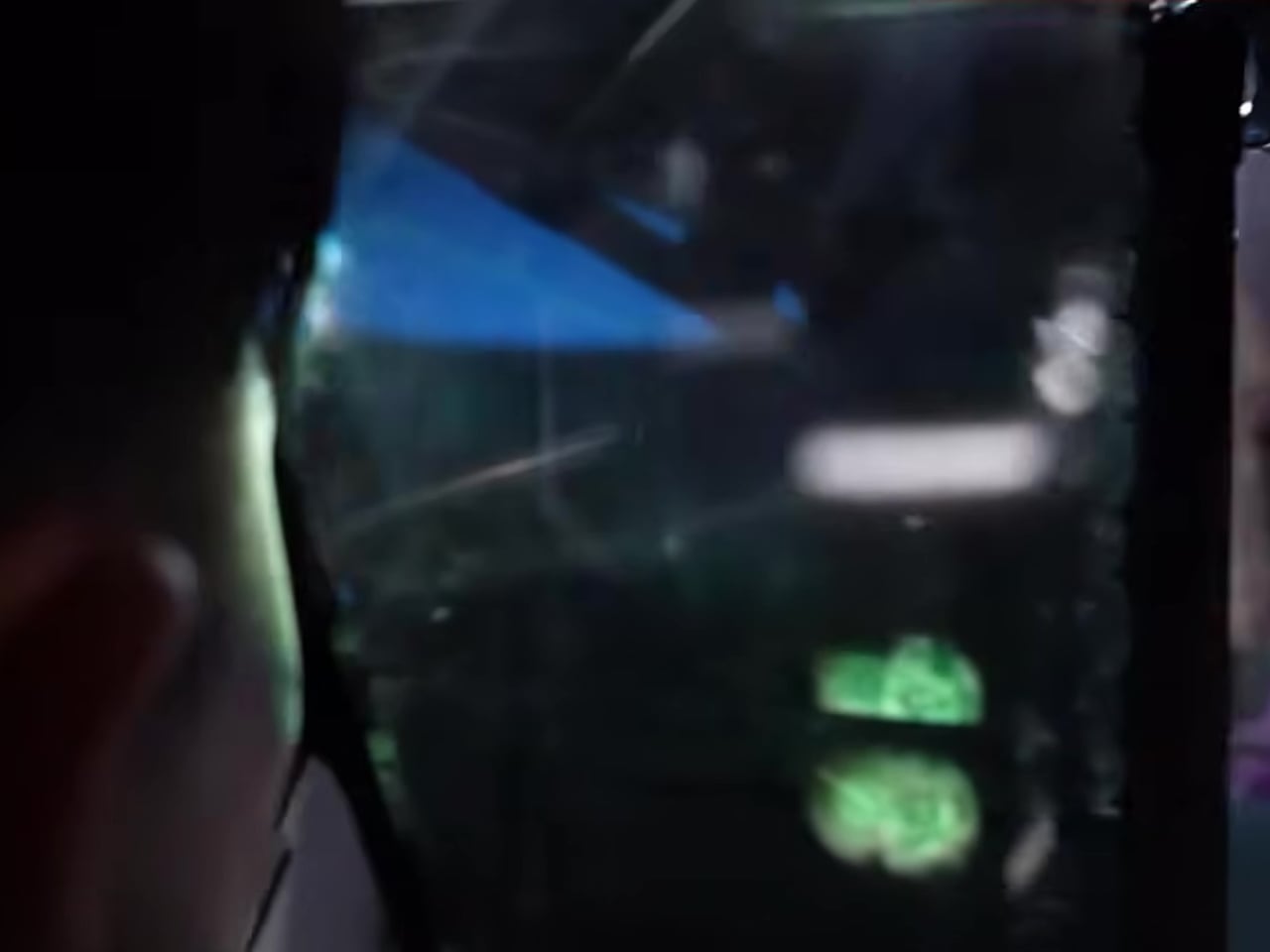
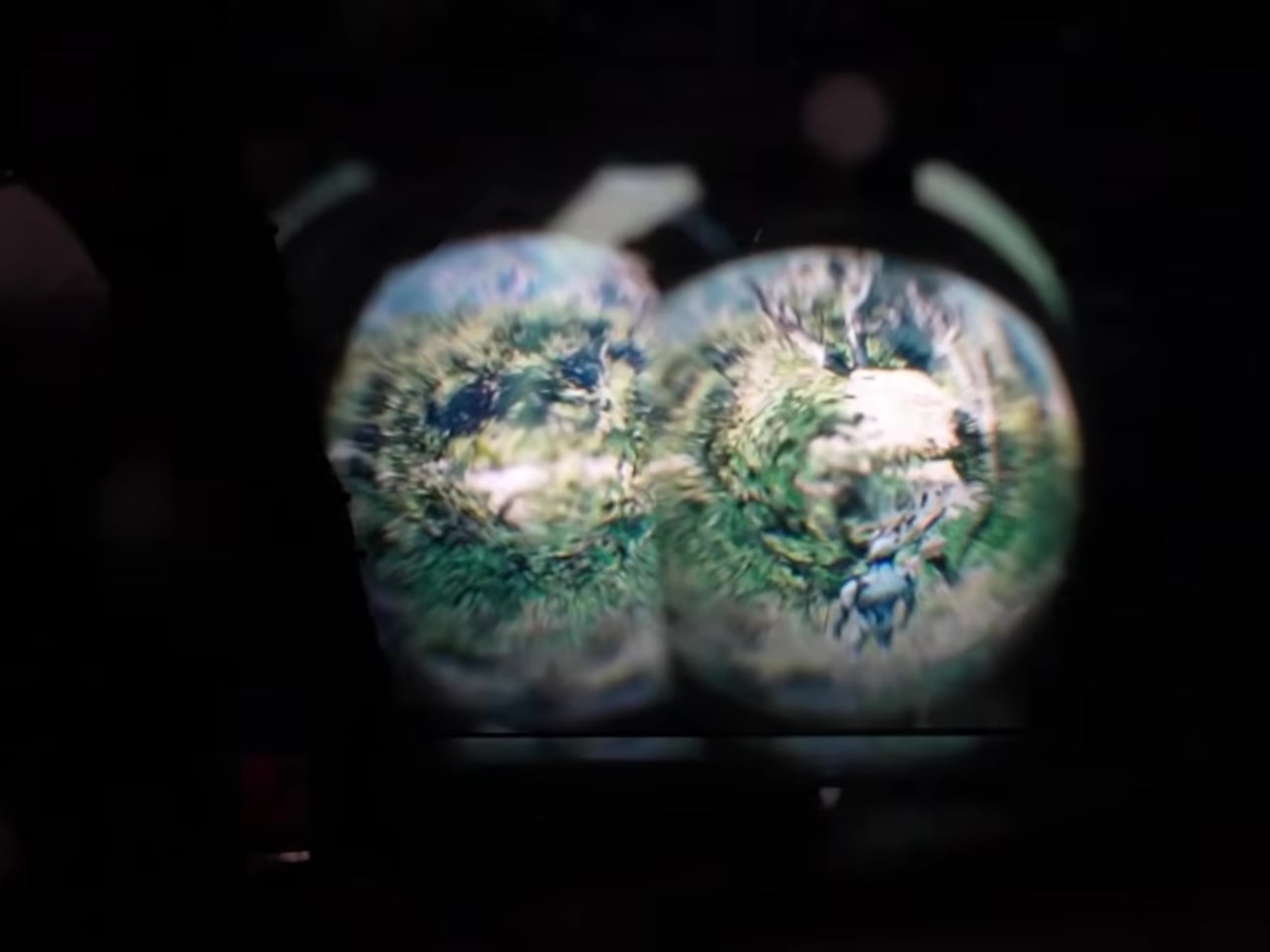
Inside, a micromirror array directs slightly different images to each eye, creating depth without placing lenses against your face. Aerial imaging makes the scene appear to float beyond the chair rather than sit on a screen inches away. That gives you something closer to looking into a space than staring at a monitor, even though the machinery stays right where you’re seated.
The chair itself becomes part of the controls. A gyroscope follows its rotation, so turning your body changes what you see in the virtual scene. You don’t have to wear a tracker on your head or adjust a headset each time someone else takes a turn. Sit down, face the optics, and the system can respond to a swivel as you look around.
Imagine a museum where visitors take turns exploring a reconstruction without sharing something that rests against their faces. A seat could offer a brief journey, then welcome the next person without the ritual of fitting and removing goggles. The same approach might suit a stationary operator examining a remote workspace, although neither setting has been demonstrated as a finished installation.
Putting the optics in furniture also changes what designers can do with their size. Bigger components don’t have to balance on someone’s nose, leaving room to experiment with a broader view or different moving mechanisms. The researchers suggest that this freedom might eventually help address VR sickness, but it hasn’t been shown to prevent nausea. Less head pressure and less motion sickness are two different promises.
There are obvious trade-offs. You can’t walk around while using a chair-bound system, and the current prototype occupies far more room than a headset you can put in a drawer. It’s designed around seated rotation, not every little turn of your head, so it shouldn’t be mistaken for an equivalent replacement for mobile VR.
Still, the chair asks a question about who should carry the weight of immersion. Instead of shrinking everything until it fits on your face, it lets the room hold the hardware and leaves your head alone. For someone spending an afternoon inside a simulated environment, that shift could matter more than another reduction in headset weight, provided the chair itself proves comfortable.
Casino Royale is one of the most revered Bond movies (if not the best), as Daniel Craig brought the bad blood and style and panache the secret agent world demands. While the real world of spies and agents is far more secretive and less glamorous than the movies, the big-screen influence seeps deep into people’s lives.
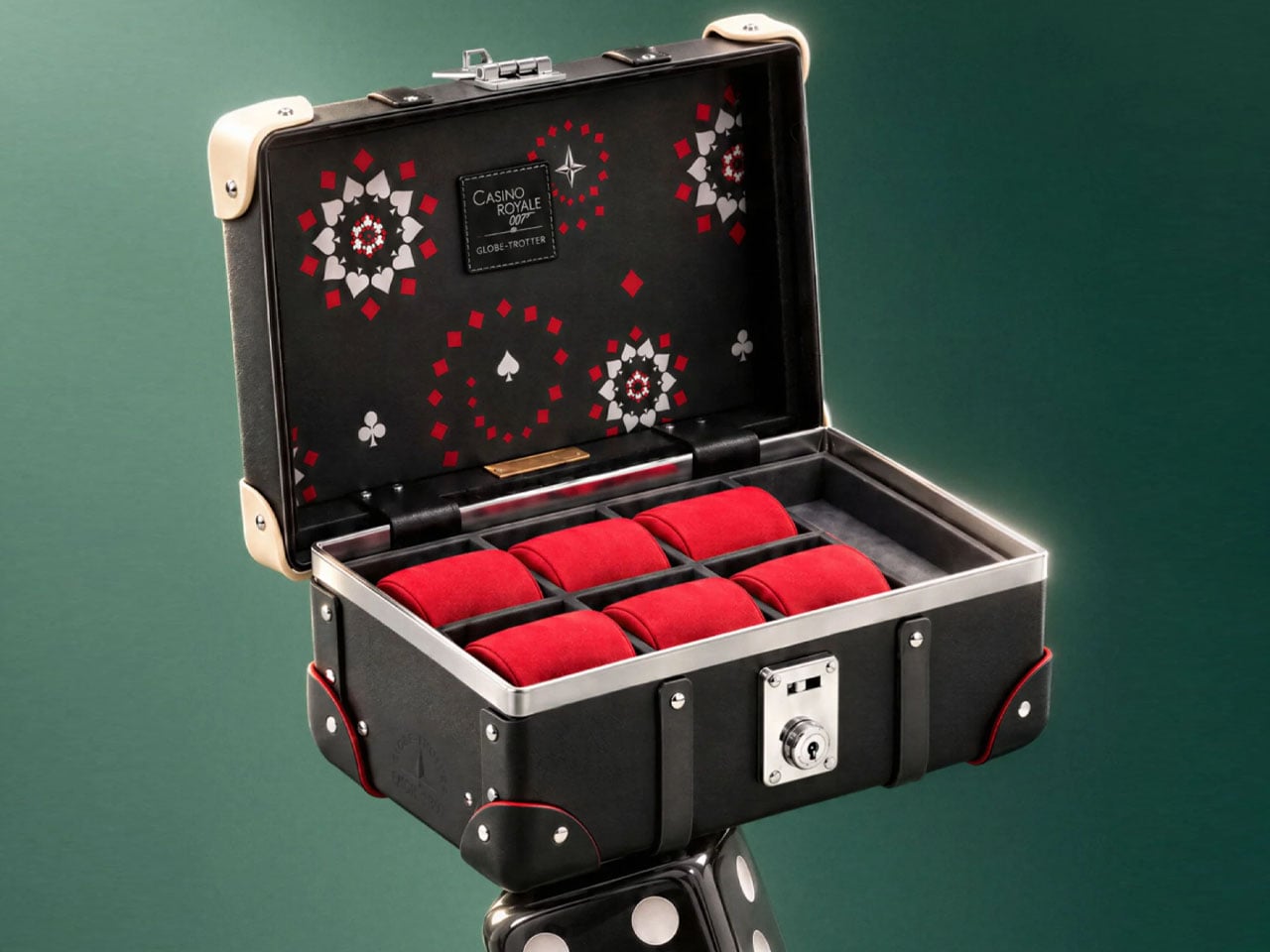
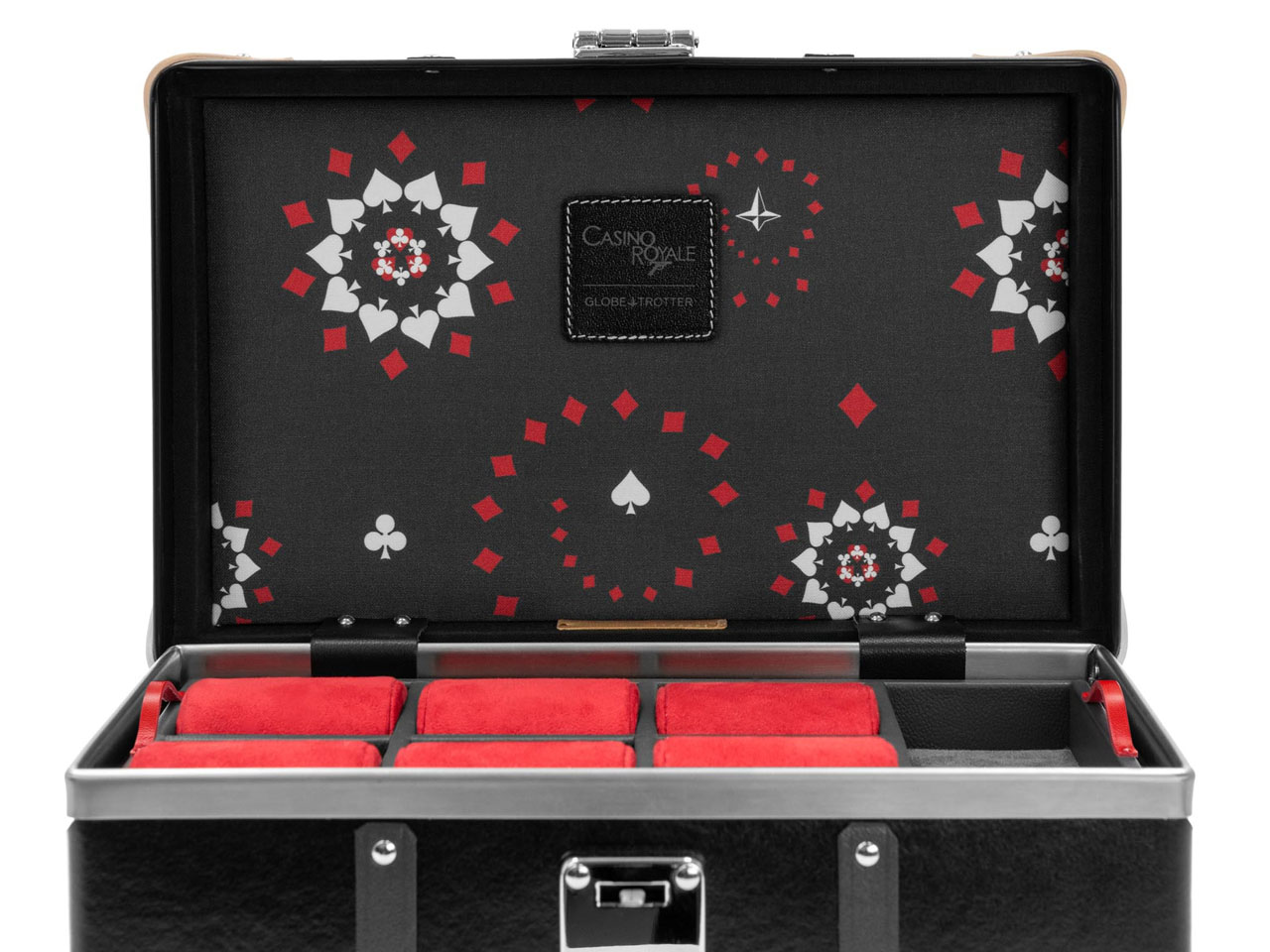
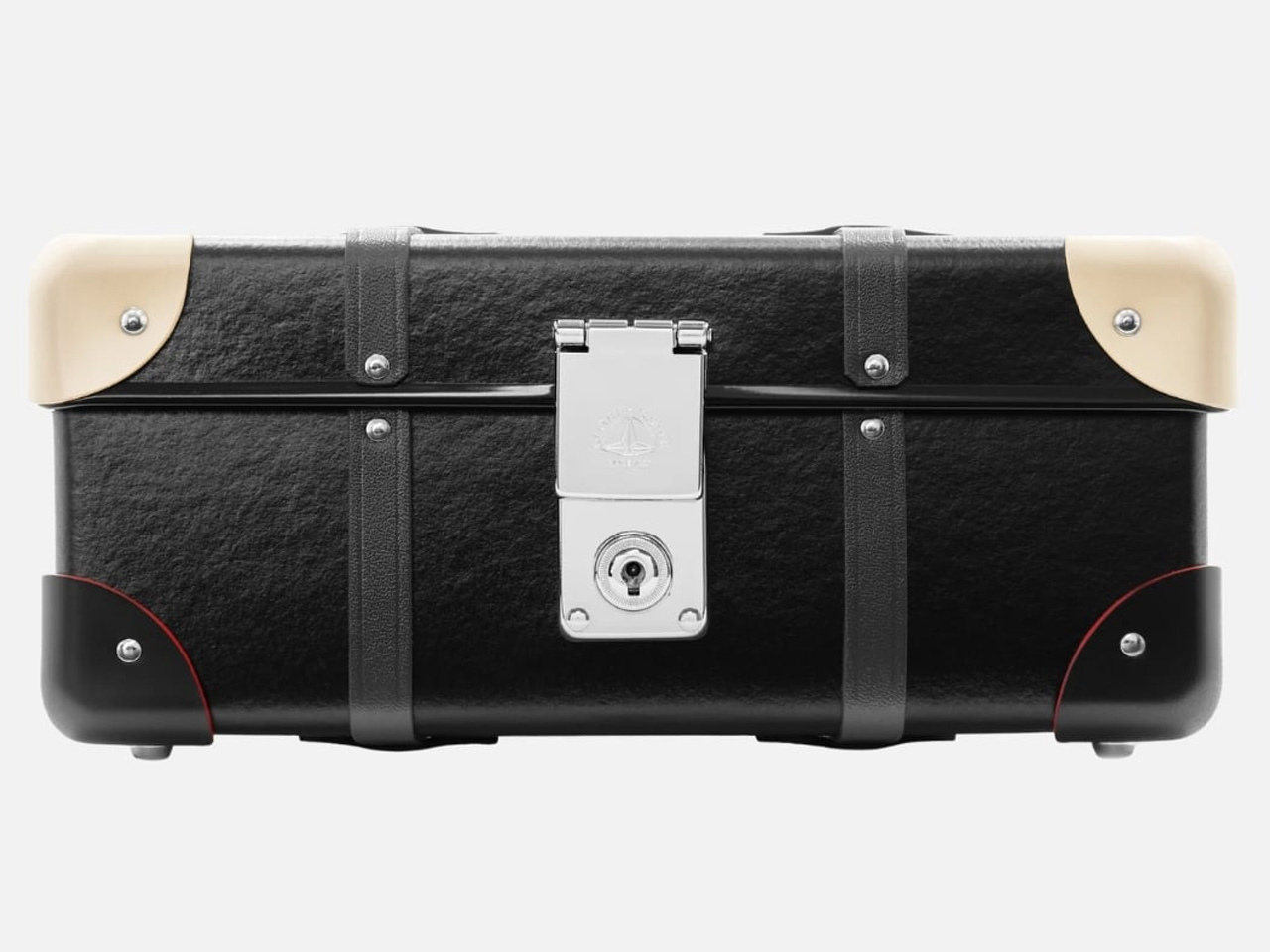
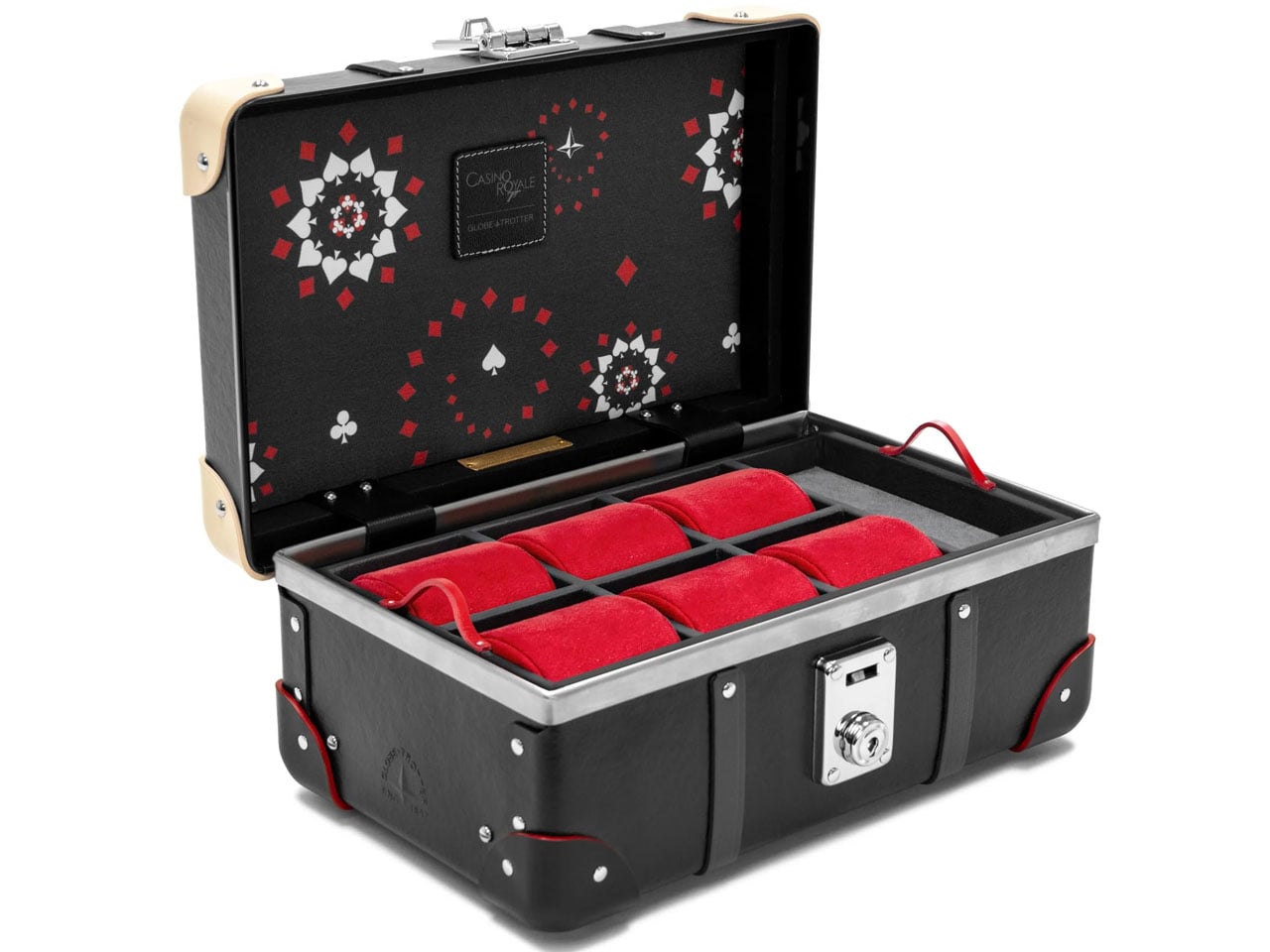
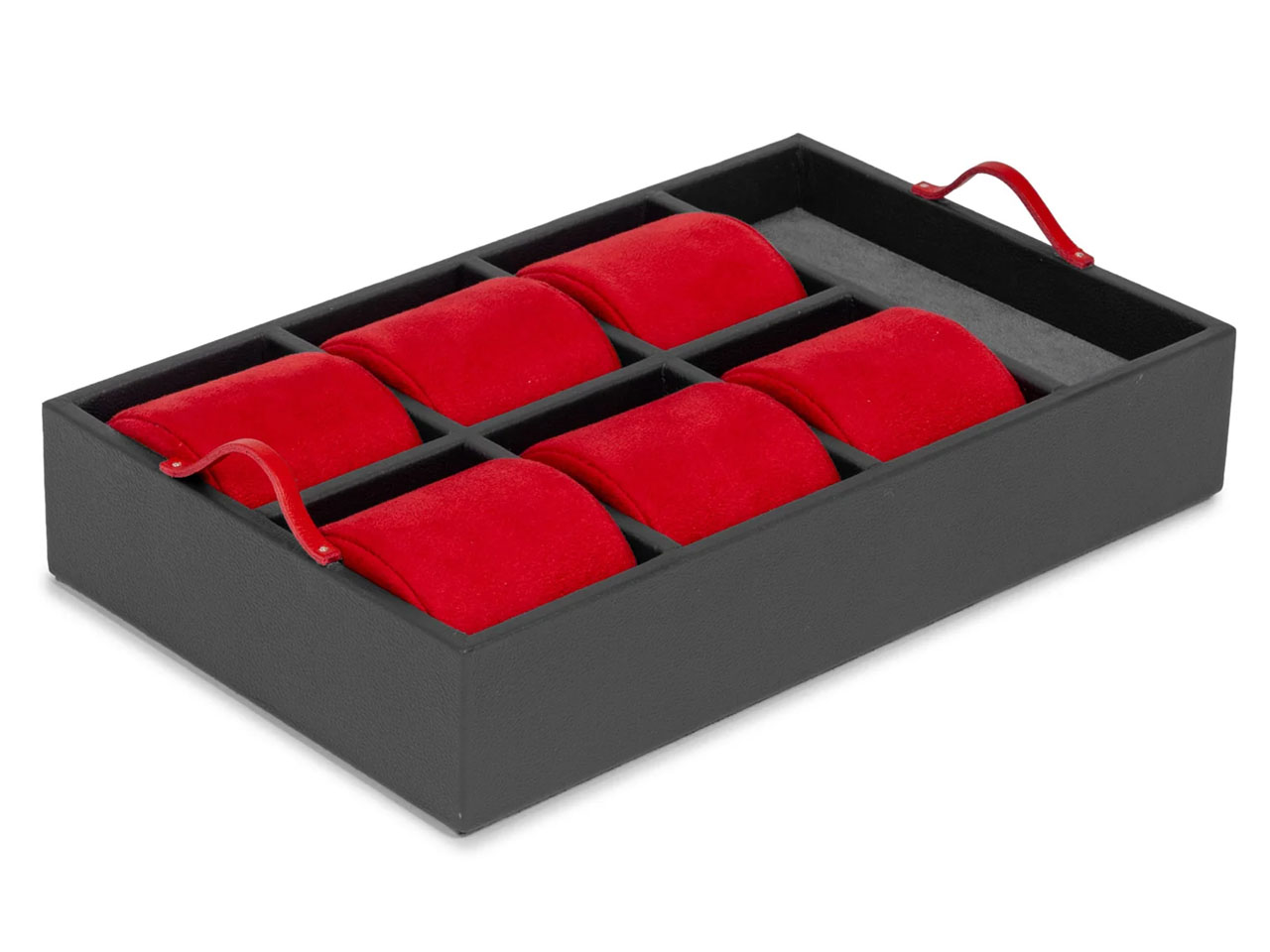
It’s been two decades since the movie made a deep impression, and Globe Trotter wants to celebrate the 20th anniversary in style with the exclusive 007 collection. Quite predictably, the carrying essential is inspired by all the visual glamour and high-octane lifestyle of the world’s greatest secret agent. The most eye-catching inclusion of the collection is the royal red treatment to the watch holders for the exclusive timepieces to carry – well, six of them.
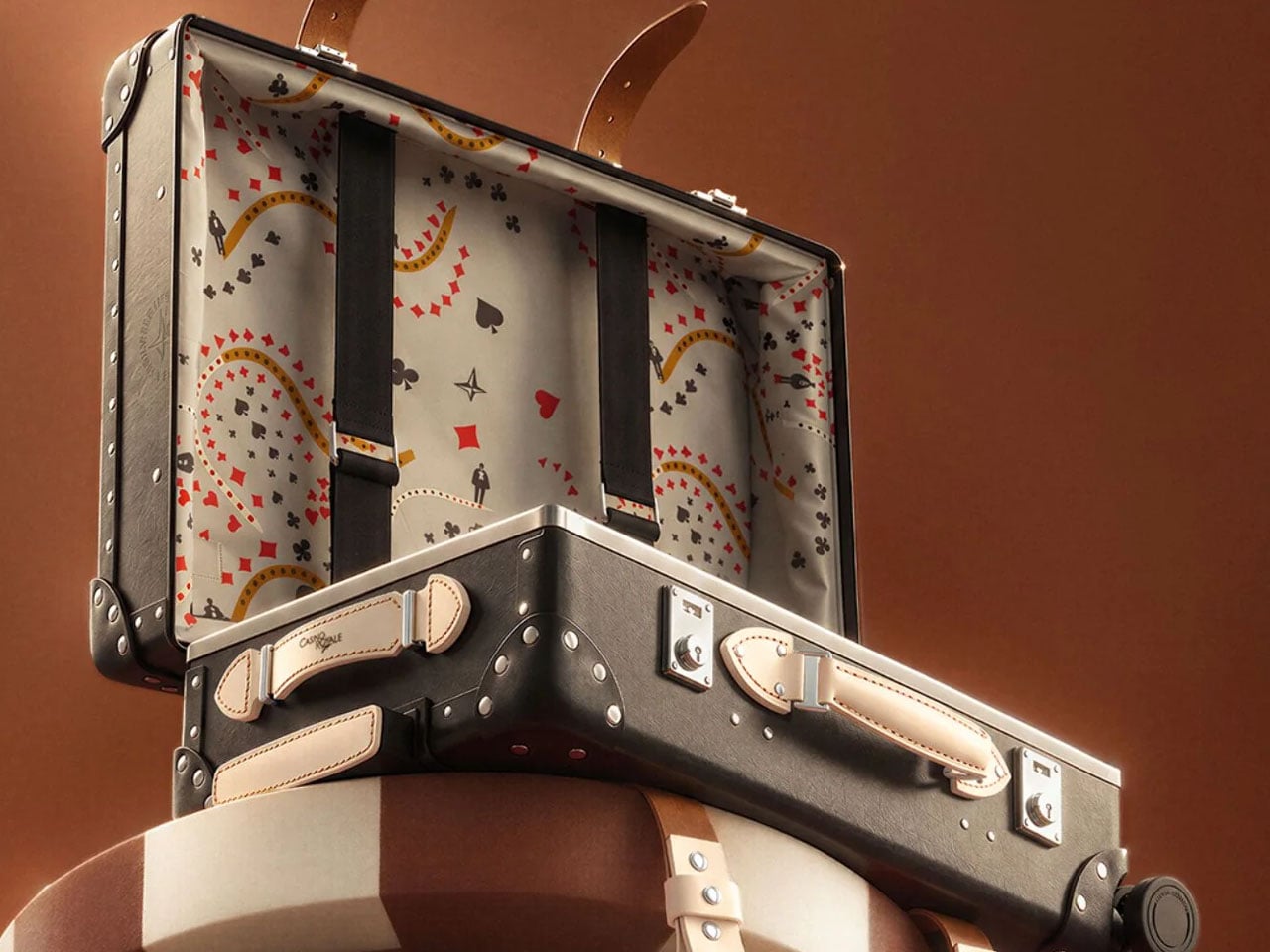
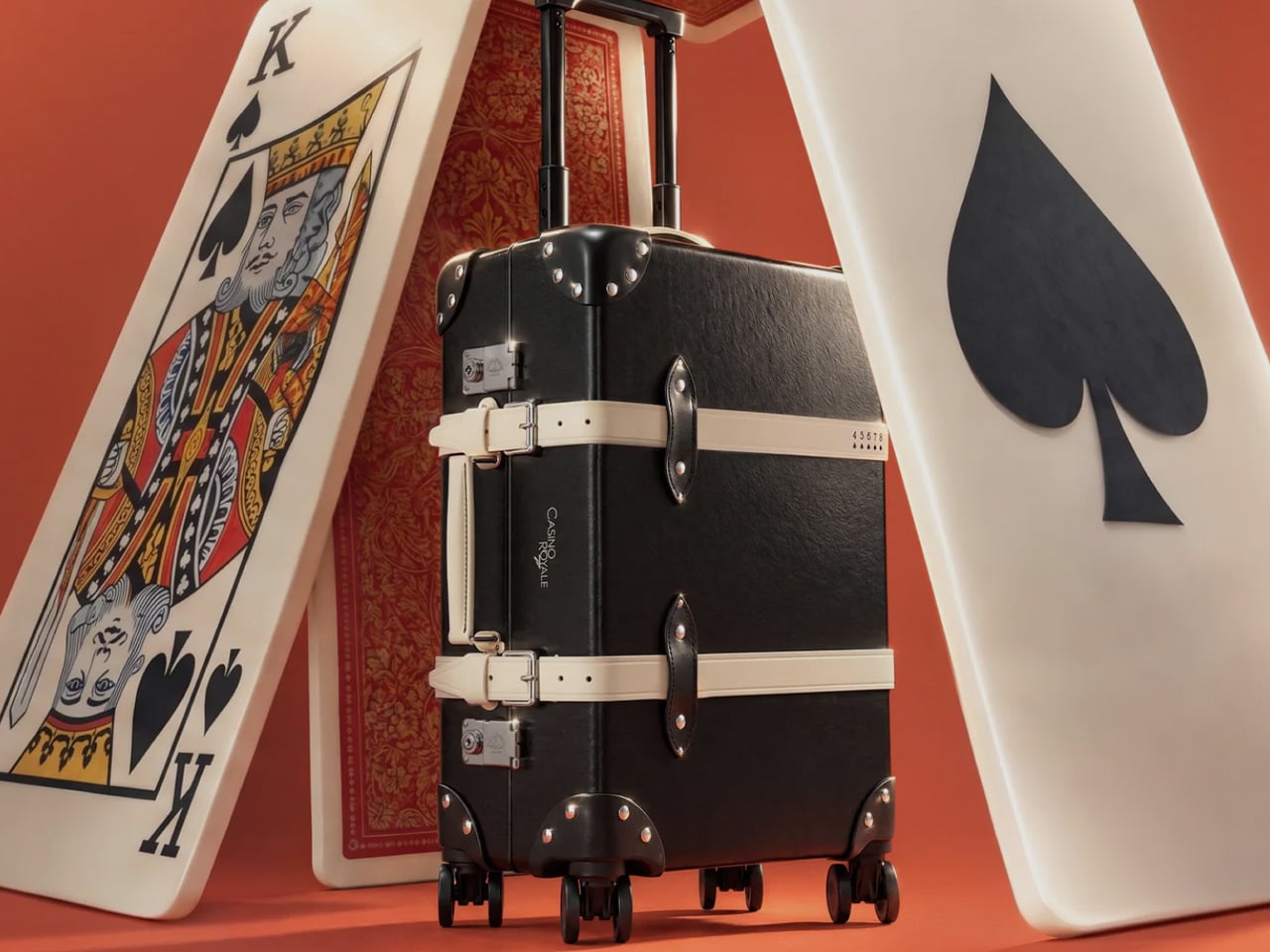
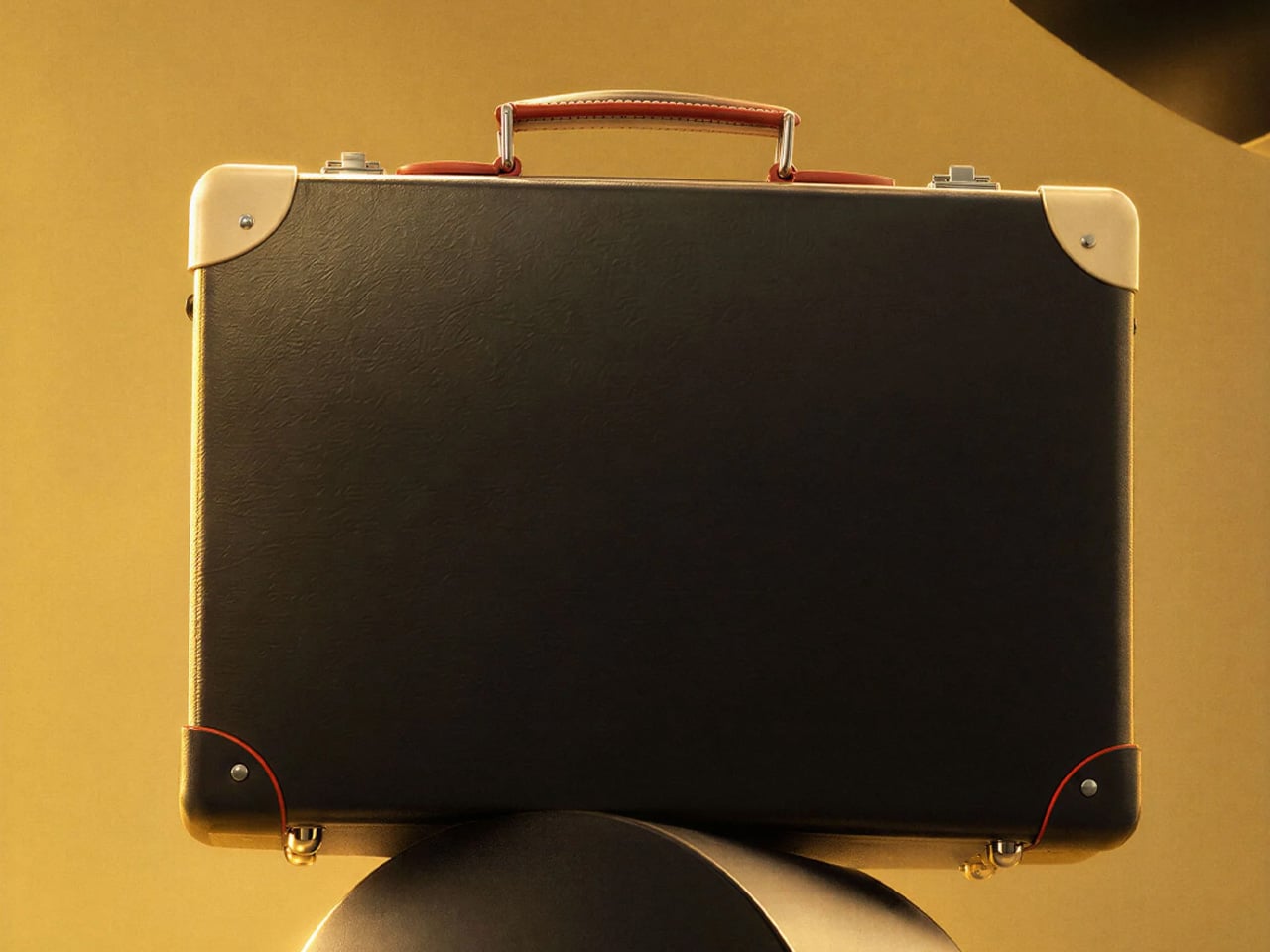
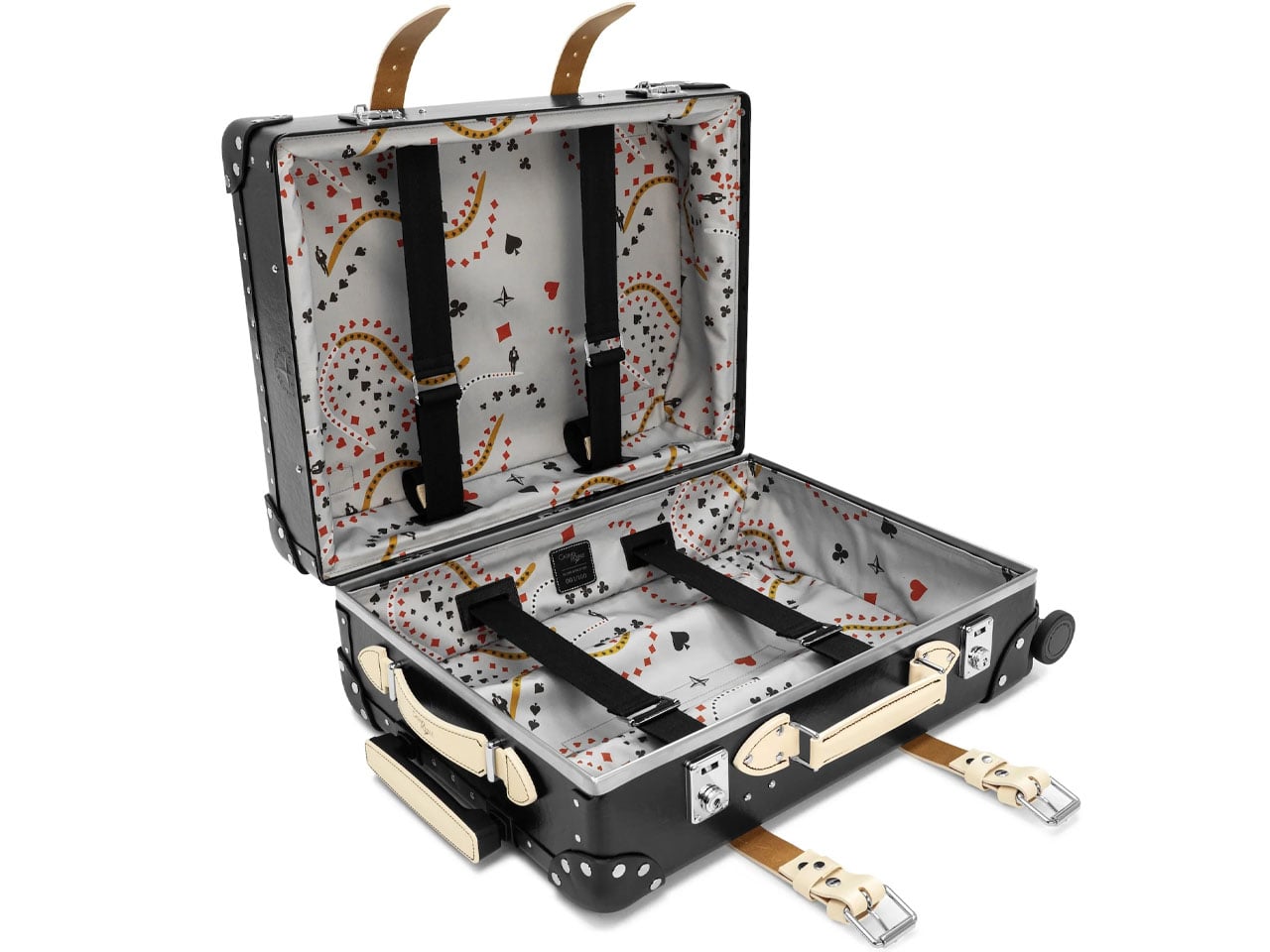
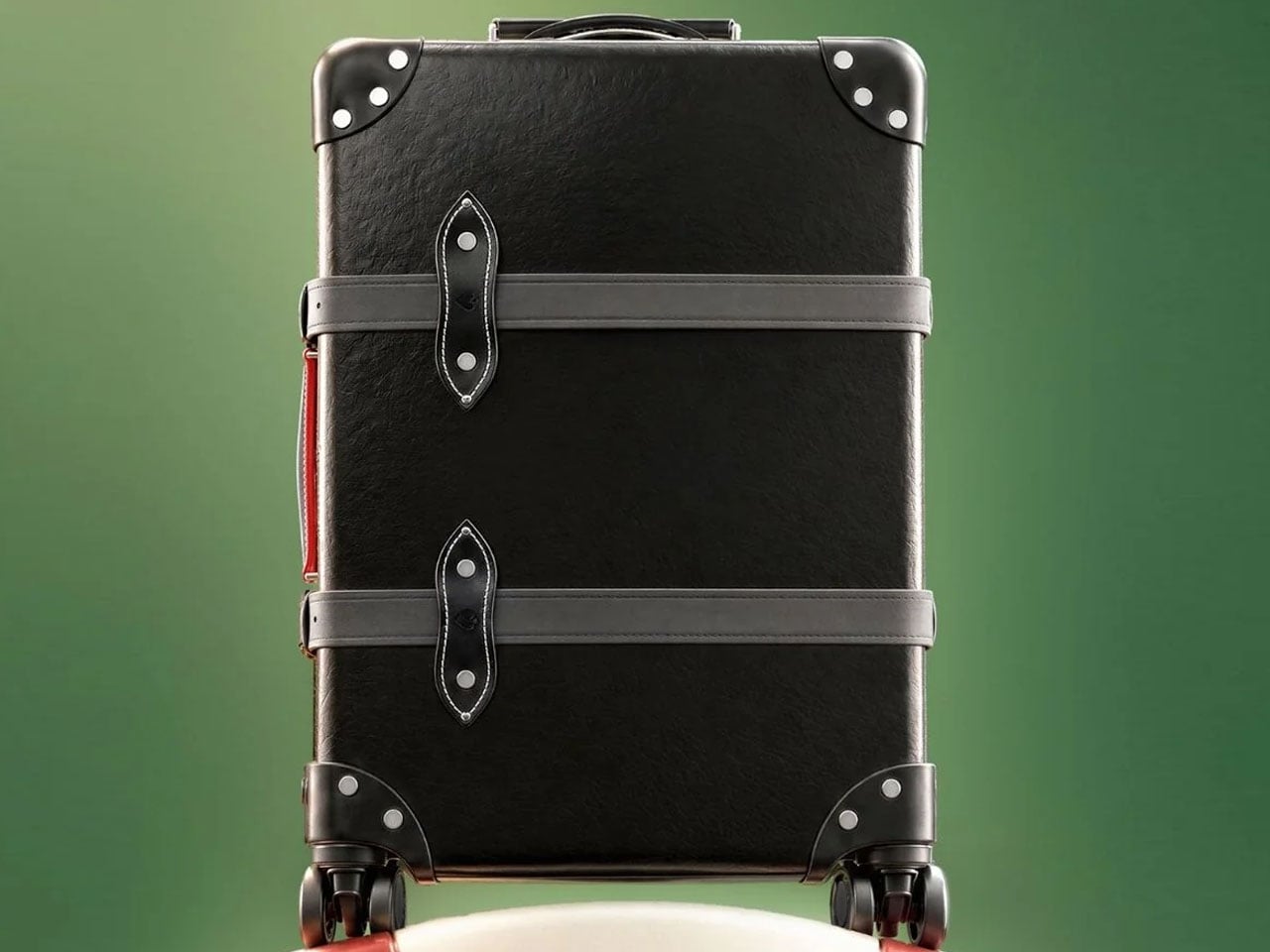
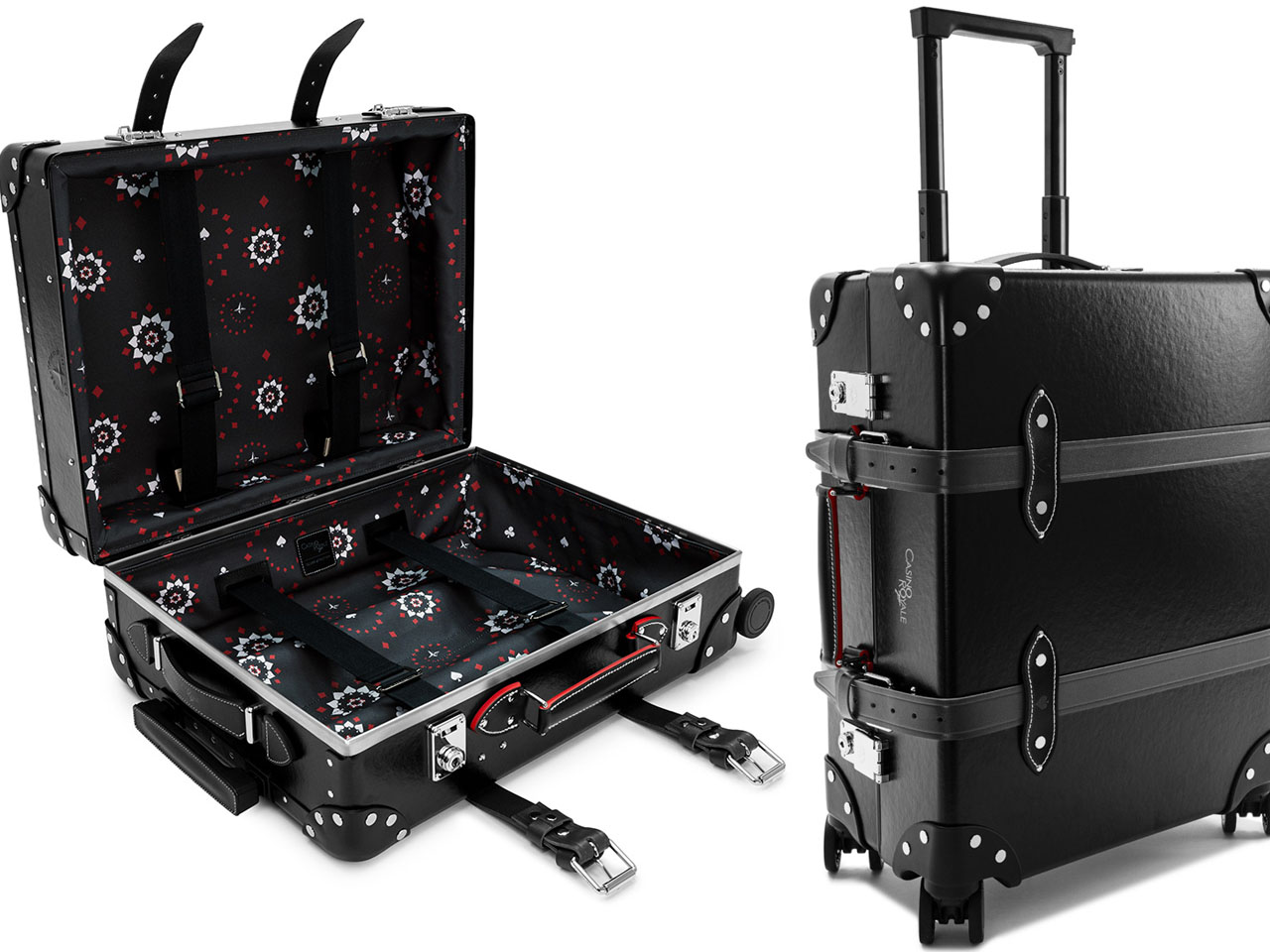
The limited-edition suitcase collection is marked by the Black & Ivory four-wheel carry-on, which has style written all over it. Those who have obsessed with the movie will instantly recognize Bond’s winning poker hand from Casino Royale – the day when, across the poker table from Le Chiffre, the alpha displayed the eight-high straight flush in spades. The luggage comes with the signature black vulcanized fiberboard and the embossed finish on the ivory leather strap. On the inside, there’s a six-slot watch case, passport and card holders, as well as packing cubes. To complement the carry-on, Globe Trotter pairs it with a matching attaché briefcase.
The suitcase has enough packing space of 39 liters to stash all your modern-day gadgets without breaking a sweat. In fact, the bespoke lining on the inside will make any gadget feel like a Bond movie prop, given the references to the movie. The vegetable-tanned trims and the reinforced corners complete the familiar Globe-Trotter construction of this $6,600 case. Mind you, unlike any other merchandise themed on the Bond movies, this one goes the extra length, going deep into the details and inclusions only the fans will understand.
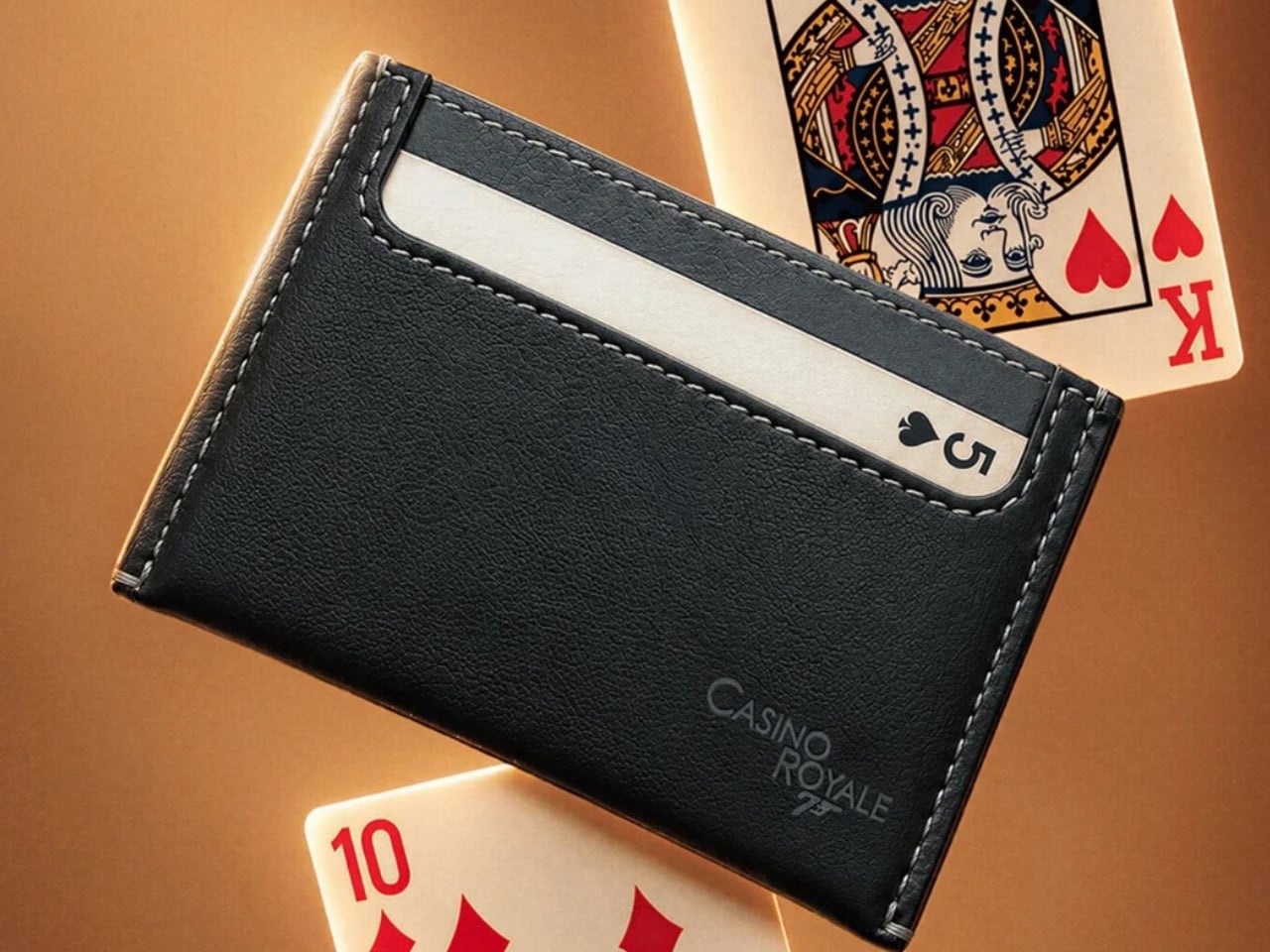
Coming to the specifications, the suitcase measures 56 x 42 x 21 cm and has a customary telescopic handle. The weight of 4.2 kg will not leave much room to pack heavy essentials if you want to board a flight flaunting this one. Other than the Bond-inspired suitcase, the collection has grey packing cubes, a credit card holder, and a passport sleeve. Completing the ensemble is a luggage tag and three charms drawing inspiration from the martini glass, poker chips, and the playing cards, of course.
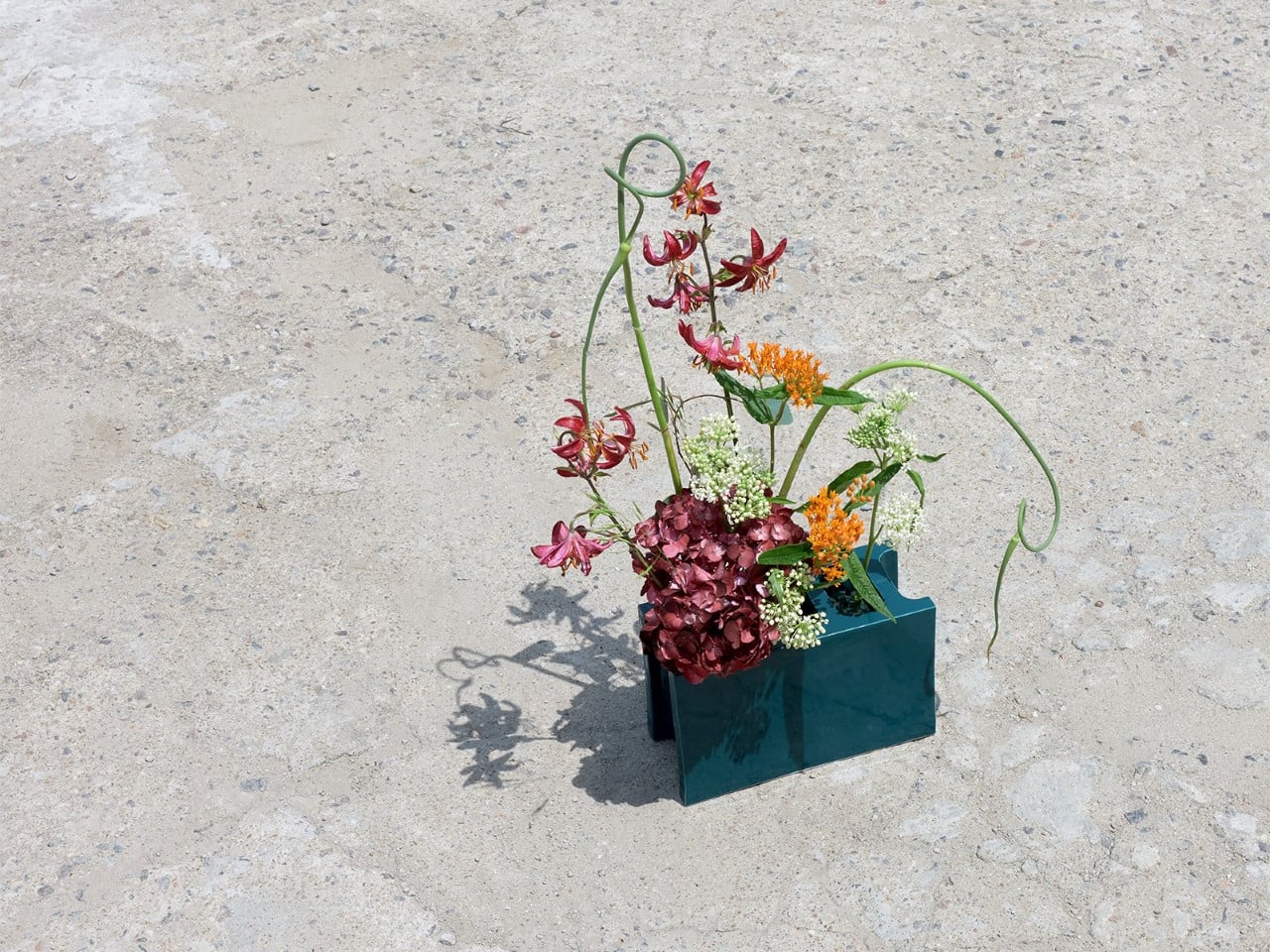
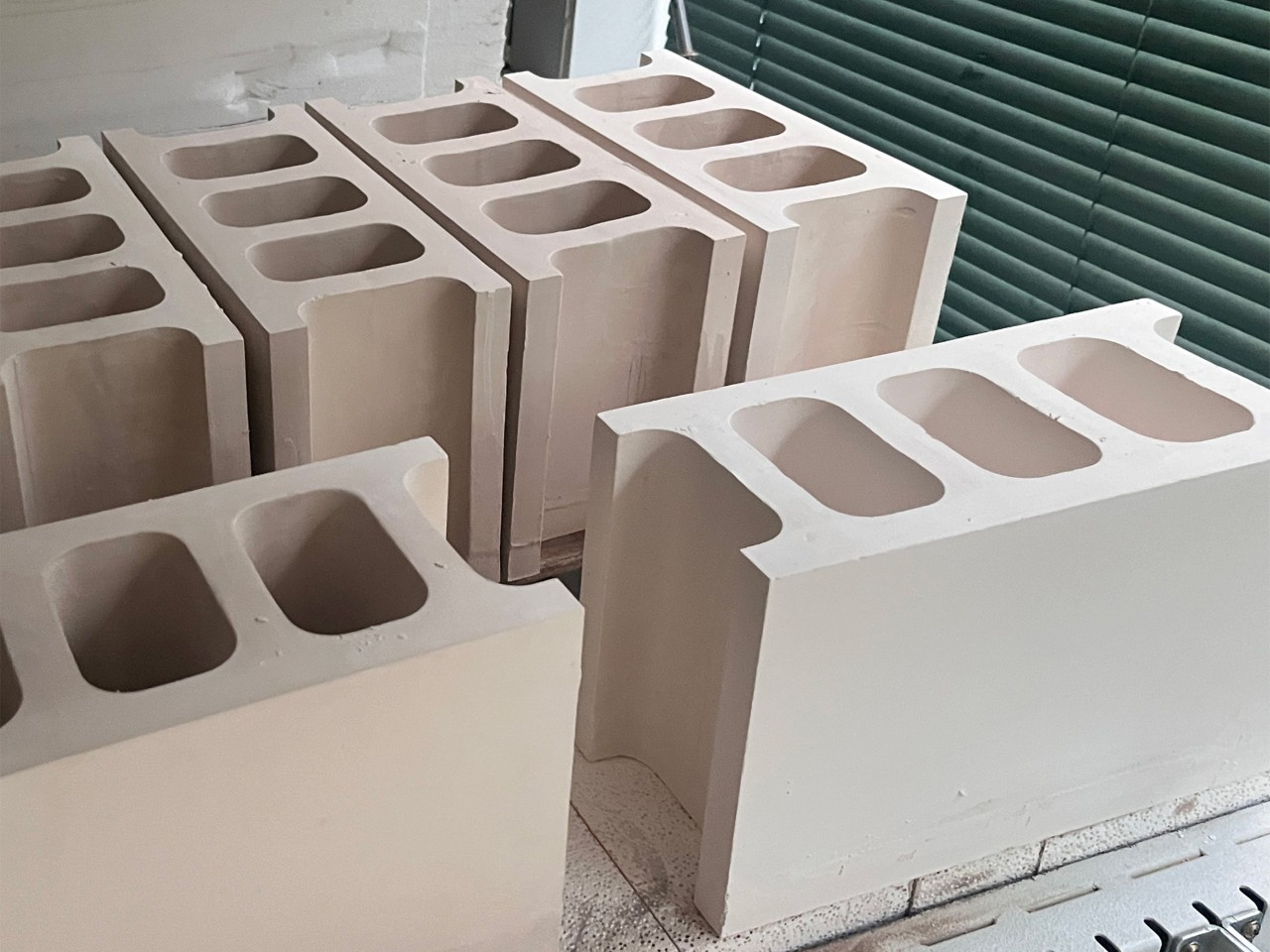
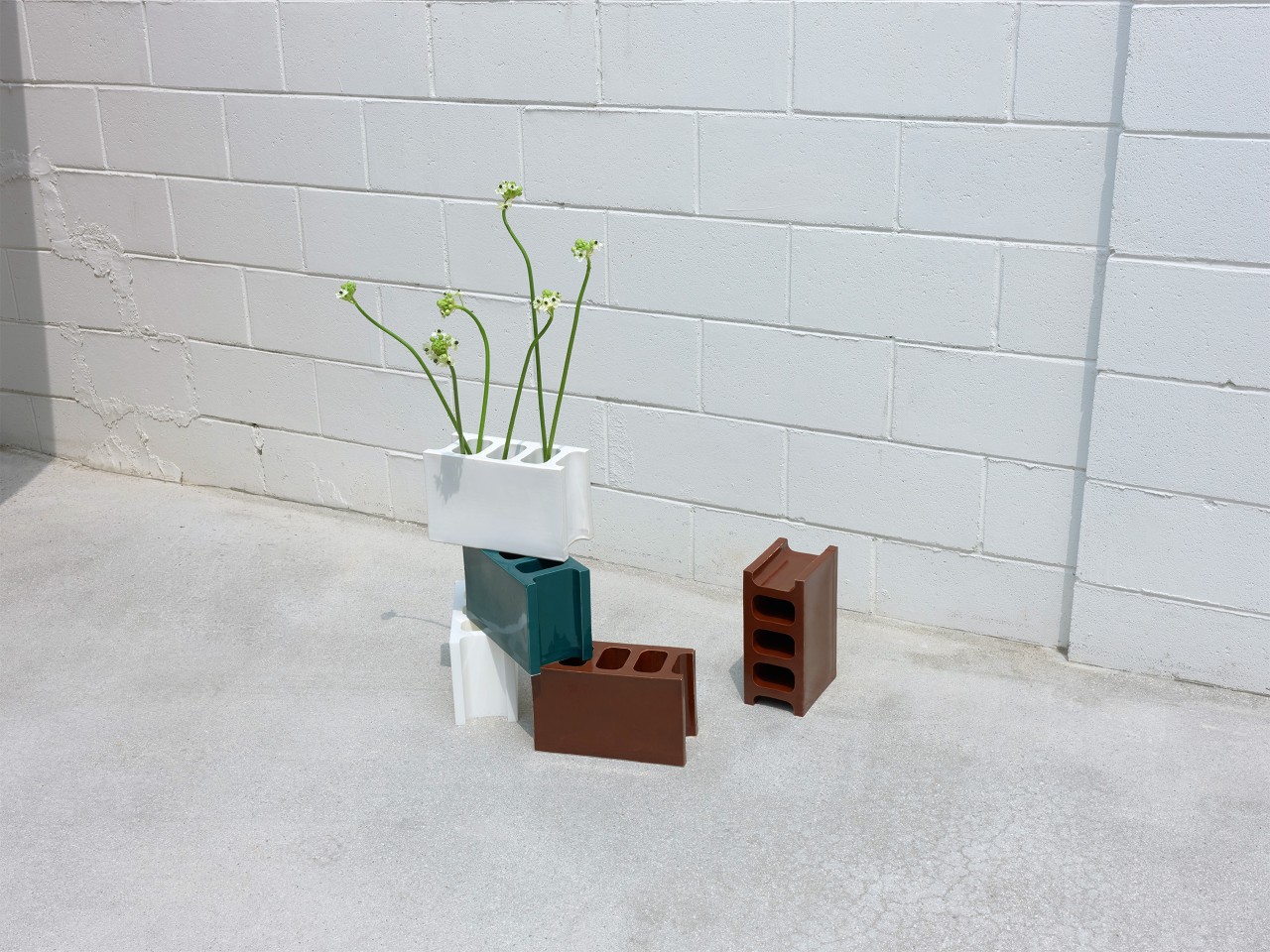
Concrete blocks are useful, but few people would think to put one on a dining table, let alone fill it with flowers. Brick, a ceramic vase modeled on the familiar masonry unit, makes that unlikely arrangement feel oddly natural. Its rectangular body keeps the block’s open cavities, turning hollow spaces into places for stems. A construction material’s blunt shape suddenly has a much gentler job.
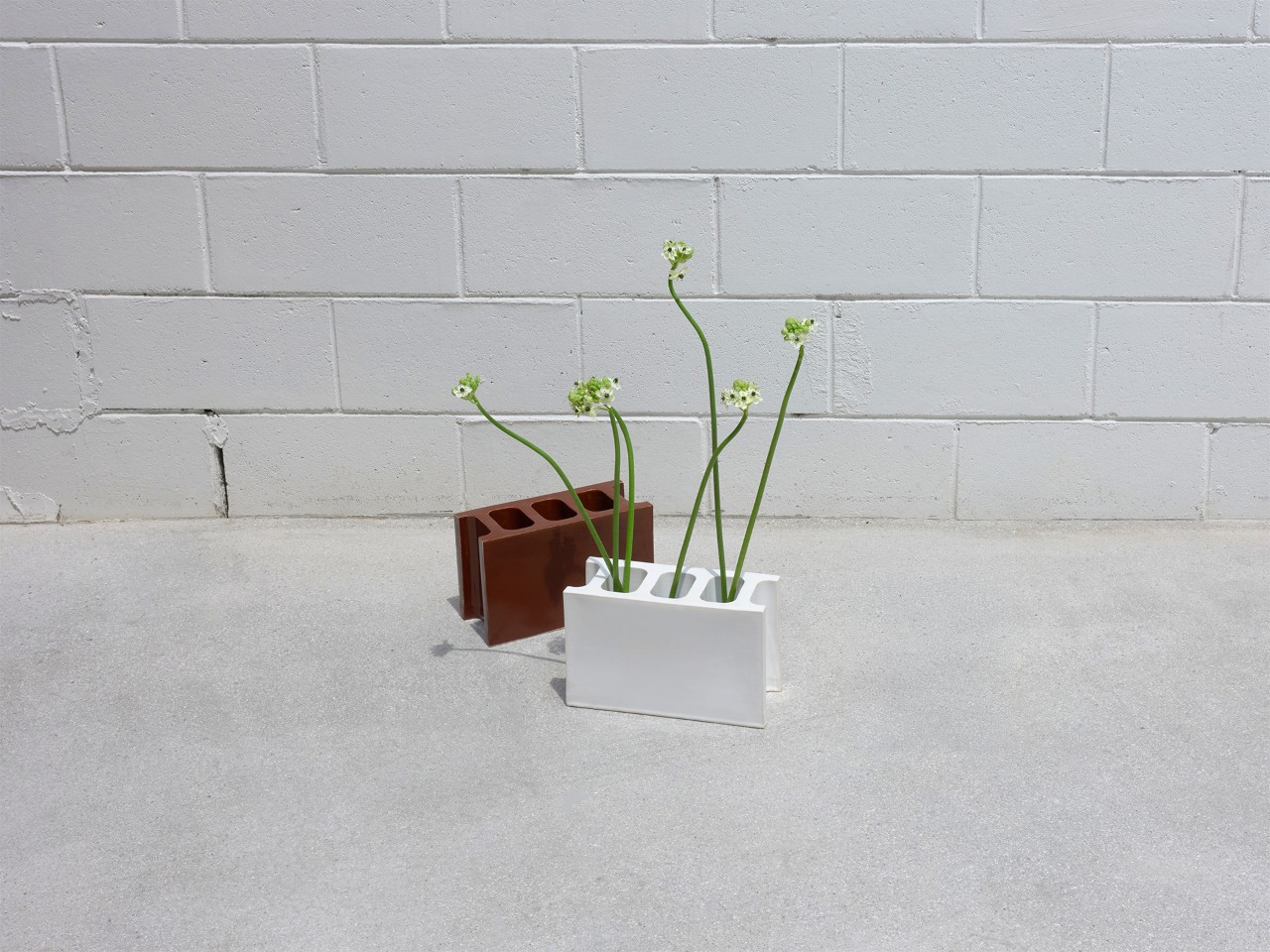
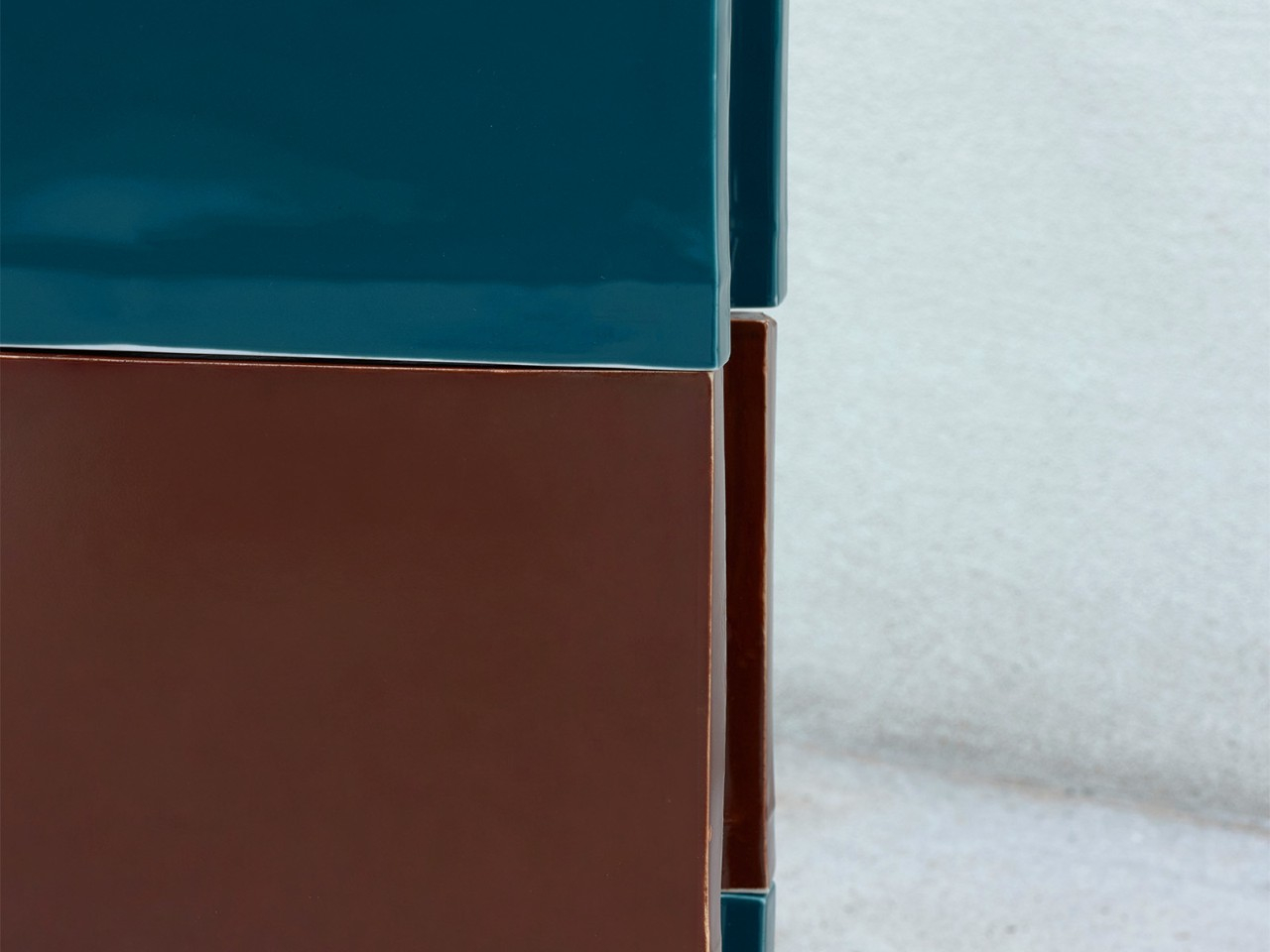
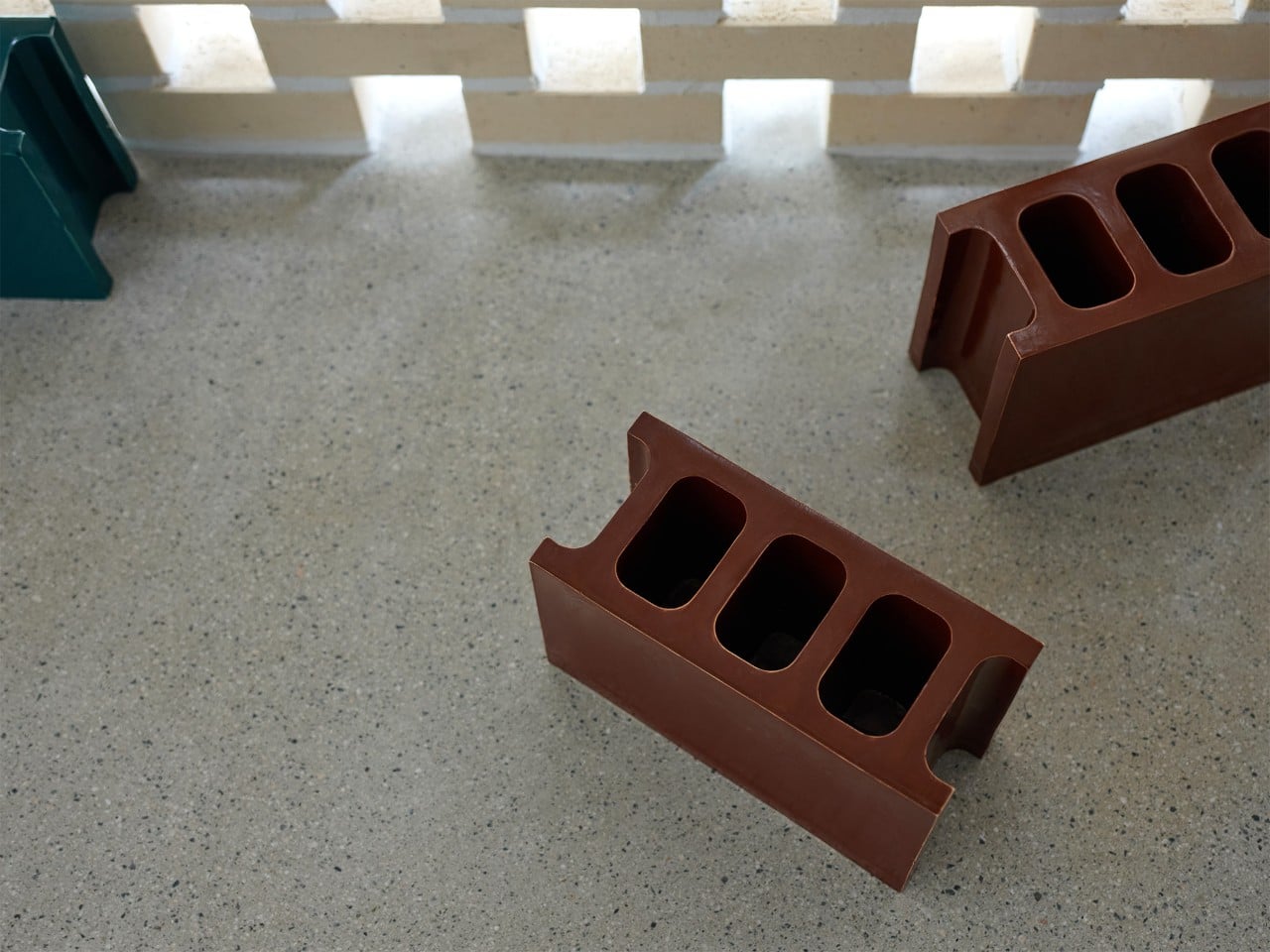
That change of material does most of the work. A concrete block is coarse and built to become part of a wall. In ceramic, the same outline becomes an object you can bring into a room on its own. White, reddish-brown, and deep teal versions offer different moods, but none disguises the vase’s origins. You can recognize the shape before noticing the flowers.
Designers: Jaewon Yeo, Byungwook Gang, Kikang Kim (GANG Studio)
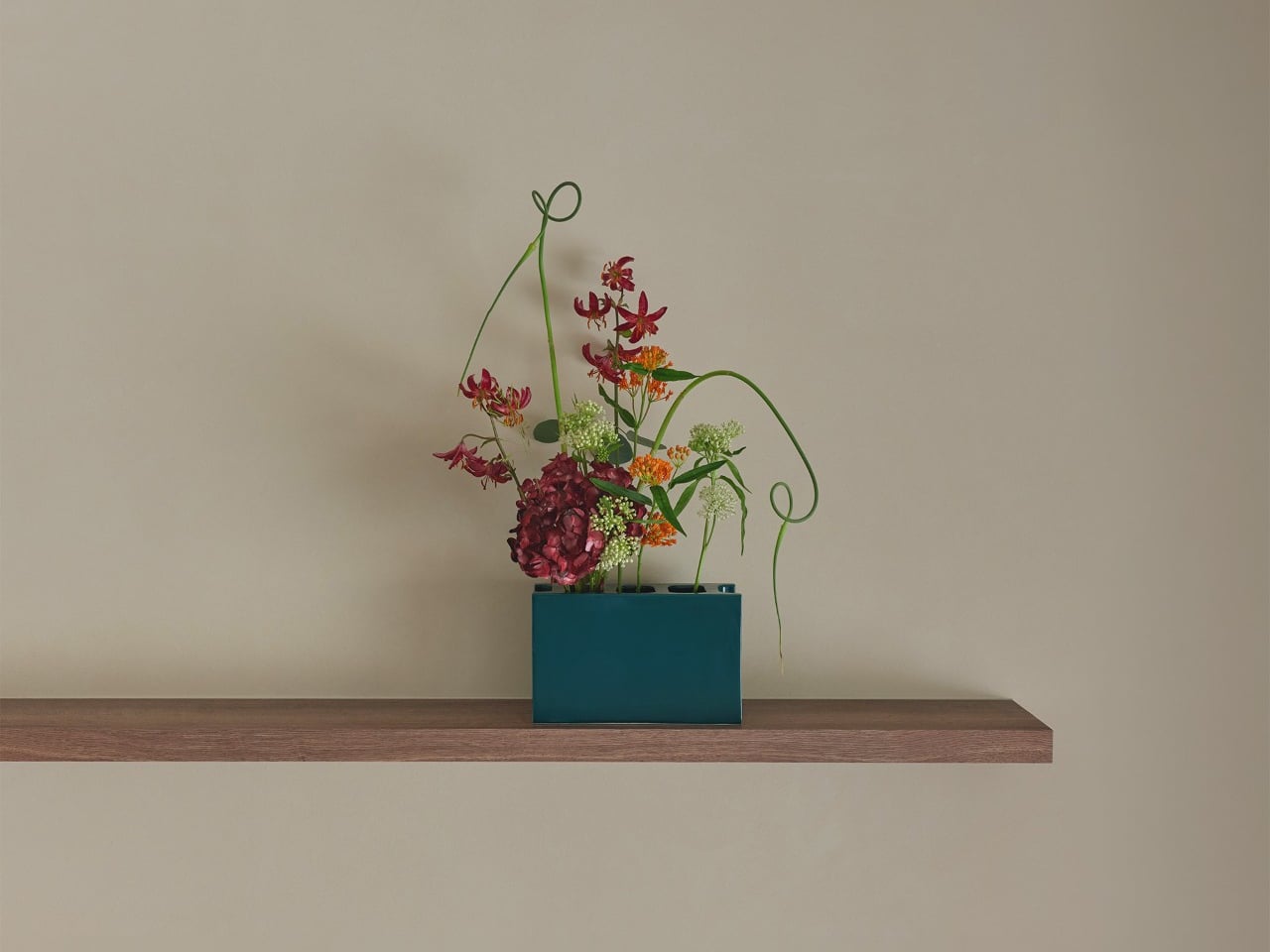
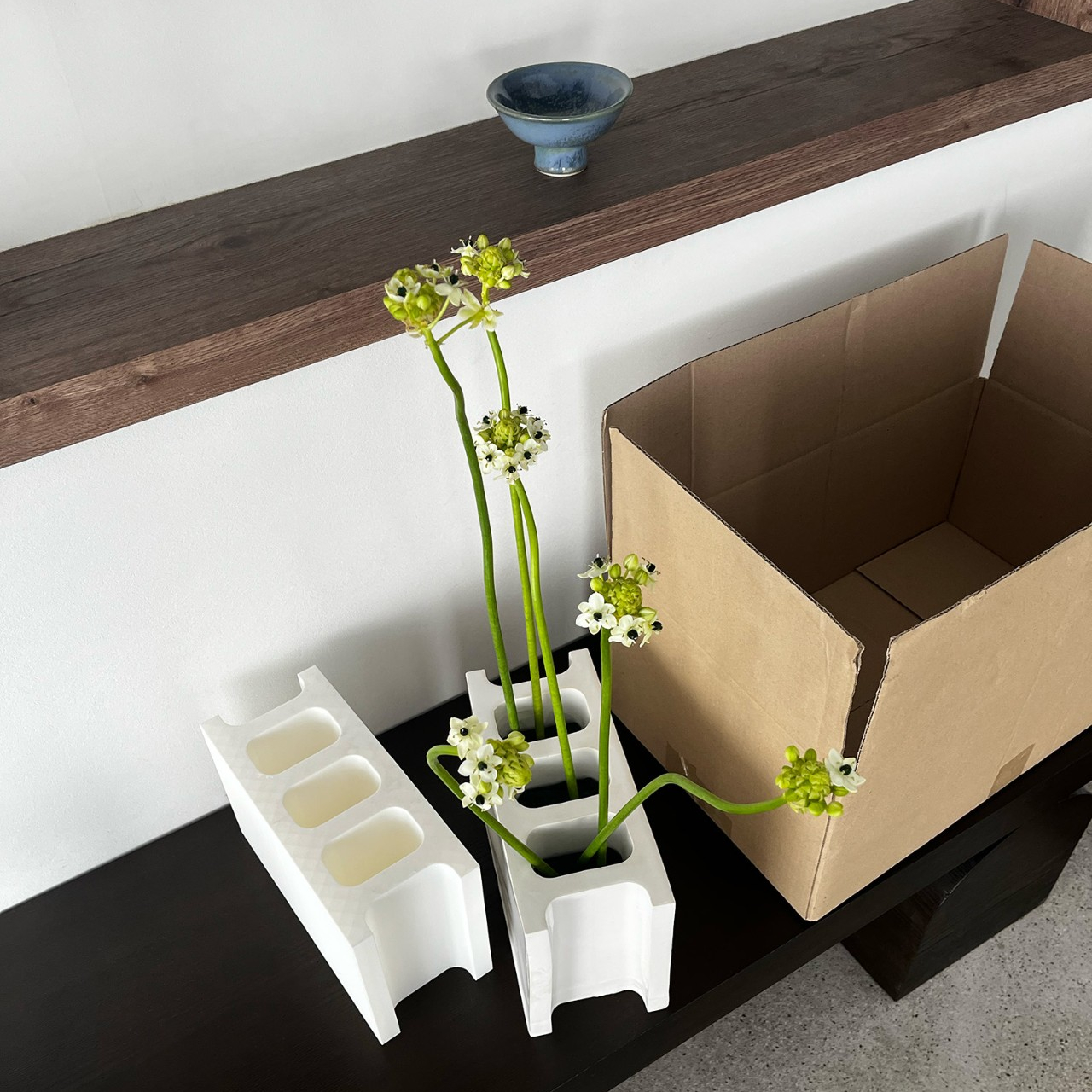
The openings give those flowers a bit of structure, too. Instead of pushing a handful of stems into one wide mouth and hoping they spread evenly, you can give each a place to stand. A few tall blooms can lean in different directions while the block keeps their bases apart. Even a small bunch has a way to occupy the whole vase.
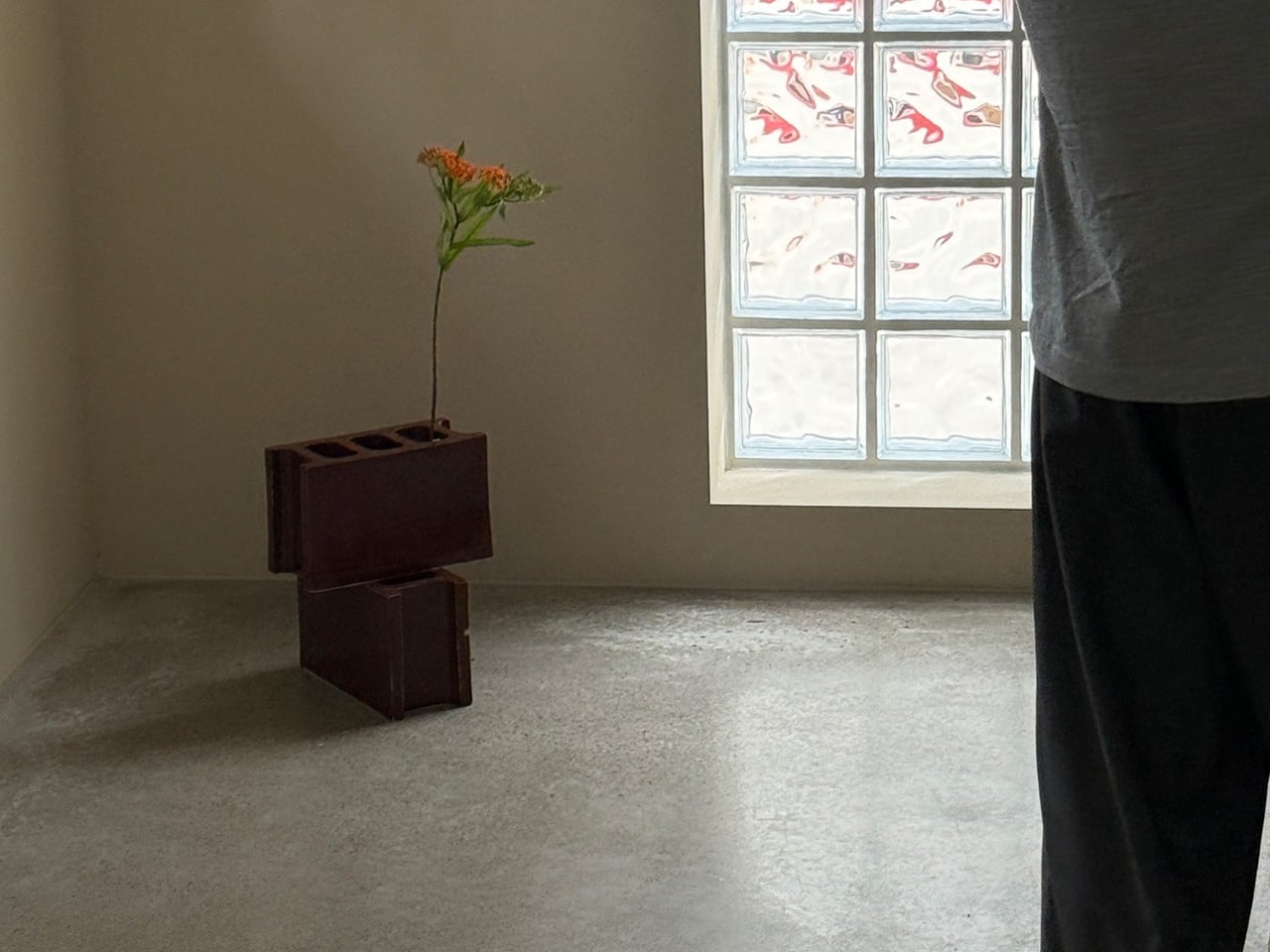
Set Brick on a shelf, and the contrast between its straight edges and wandering stems becomes the point. The ceramic stays resolutely rectangular while the flowers bend wherever they please. On a desk, a few cuttings could bring some life to an otherwise spare corner without requiring a large bouquet.
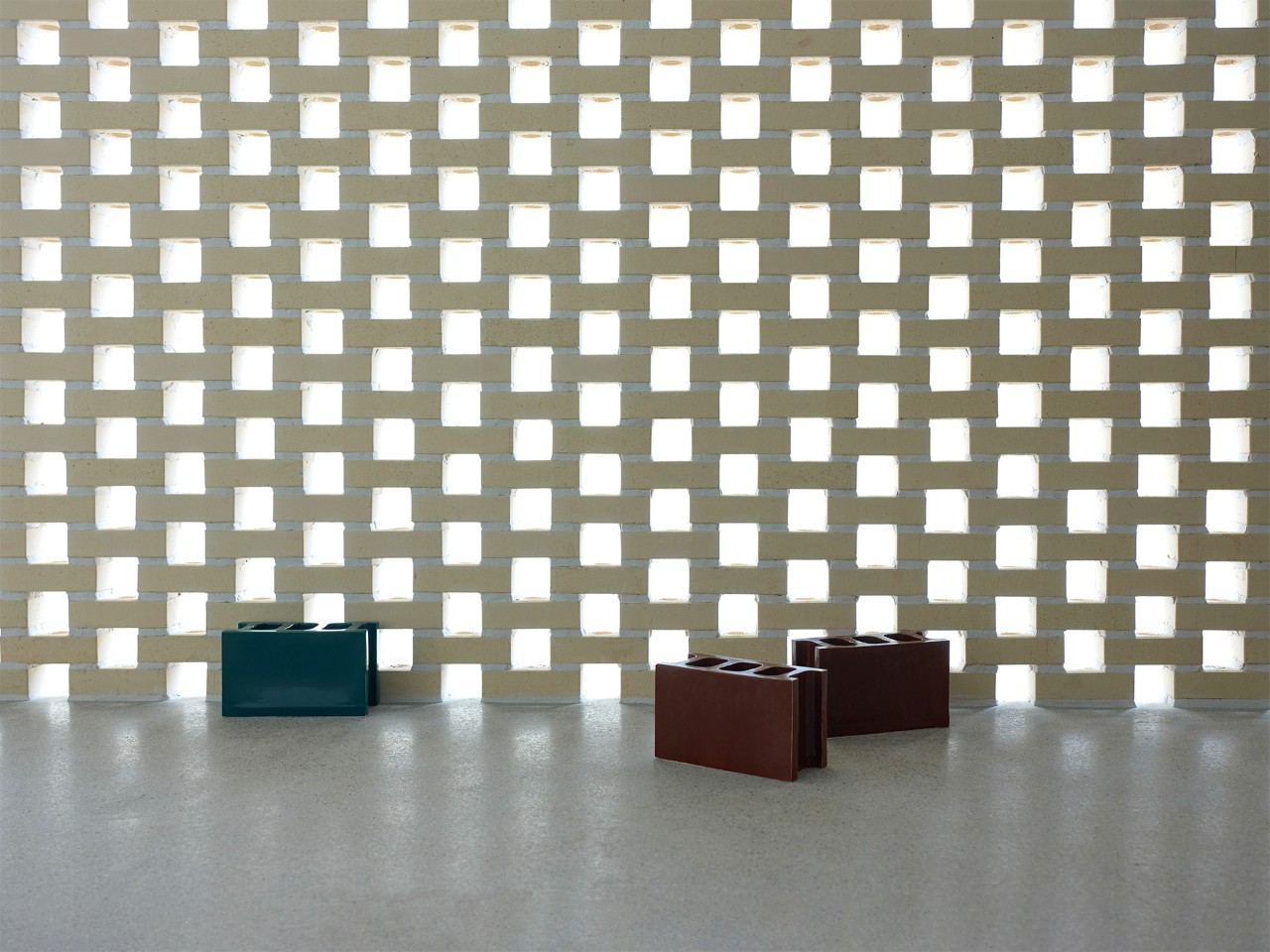
Brick has a presence even when the flowers are gone. The cavities break up what could have been a plain rectangle, while grooves at the ends preserve another detail of the block’s familiar form. Place several colors together, and they start to resemble a collection of miniature building materials. Of course, these pieces belong on furniture, not inside a wall.
That distinction gives the project its humor. We usually overlook a masonry block until it’s stacked with dozens of others, doing a job that depends on repetition. Brick asks you to consider one by itself. Its ceramic surface and color draw attention to a shape that normally fades into the background, while the flowers make the old industrial associations feel a little less severe.
It’s easy to imagine reaching for a Brick after bringing home a few loose flowers. Give the stems separate openings, let them settle at different angles, and the block’s rigid outline does the rest. Nothing about the shape has changed beyond its size, material, and purpose, yet it feels far removed from the wall it might once have helped build.