
Sundar Pichai (allegedly) draws the line at oceans
President Trump claimed that the Google CEO refused to rename the Atlantic Ocean in Maps.
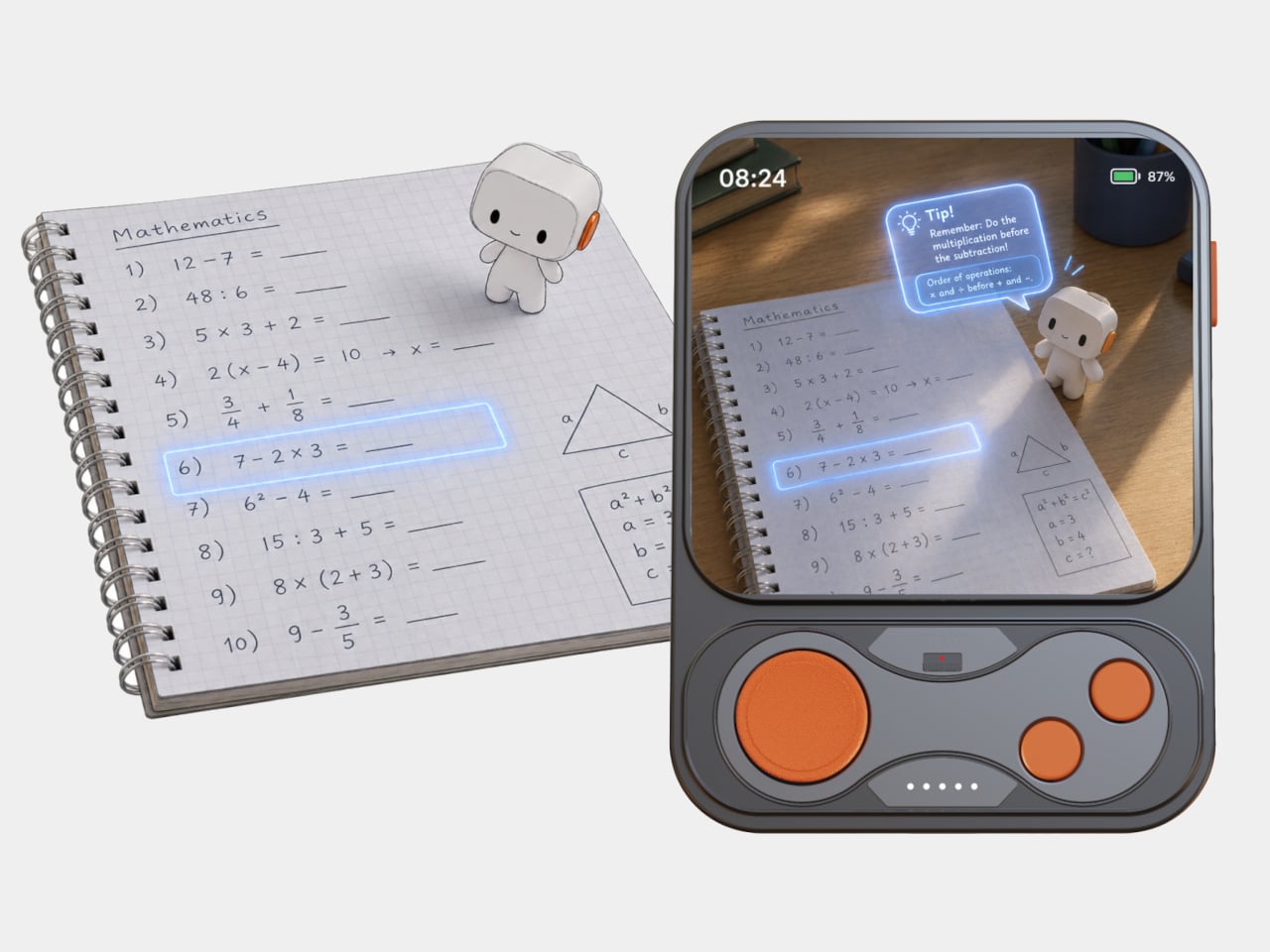
Getting stuck on homework doesn’t always call for someone to hand over the answer. Sometimes a small nudge is enough to get the pencil moving again. Nico is an AI learning companion concept built around that idea, putting a helpful character inside a handheld device with a joystick. Children would steer him toward a question and receive a hint rather than the solution.
The hardware borrows the familiar arrangement of a handheld game console, with a large screen above an orange joystick and two matching action buttons. A dark gray body and rounded corners keep the silhouette simple, while the contrasting controls make the places to press immediately obvious. There’s something reassuringly straightforward about having a proper button instead of another tiny icon to tap.
Designer: Mikail Yücel Erdogan
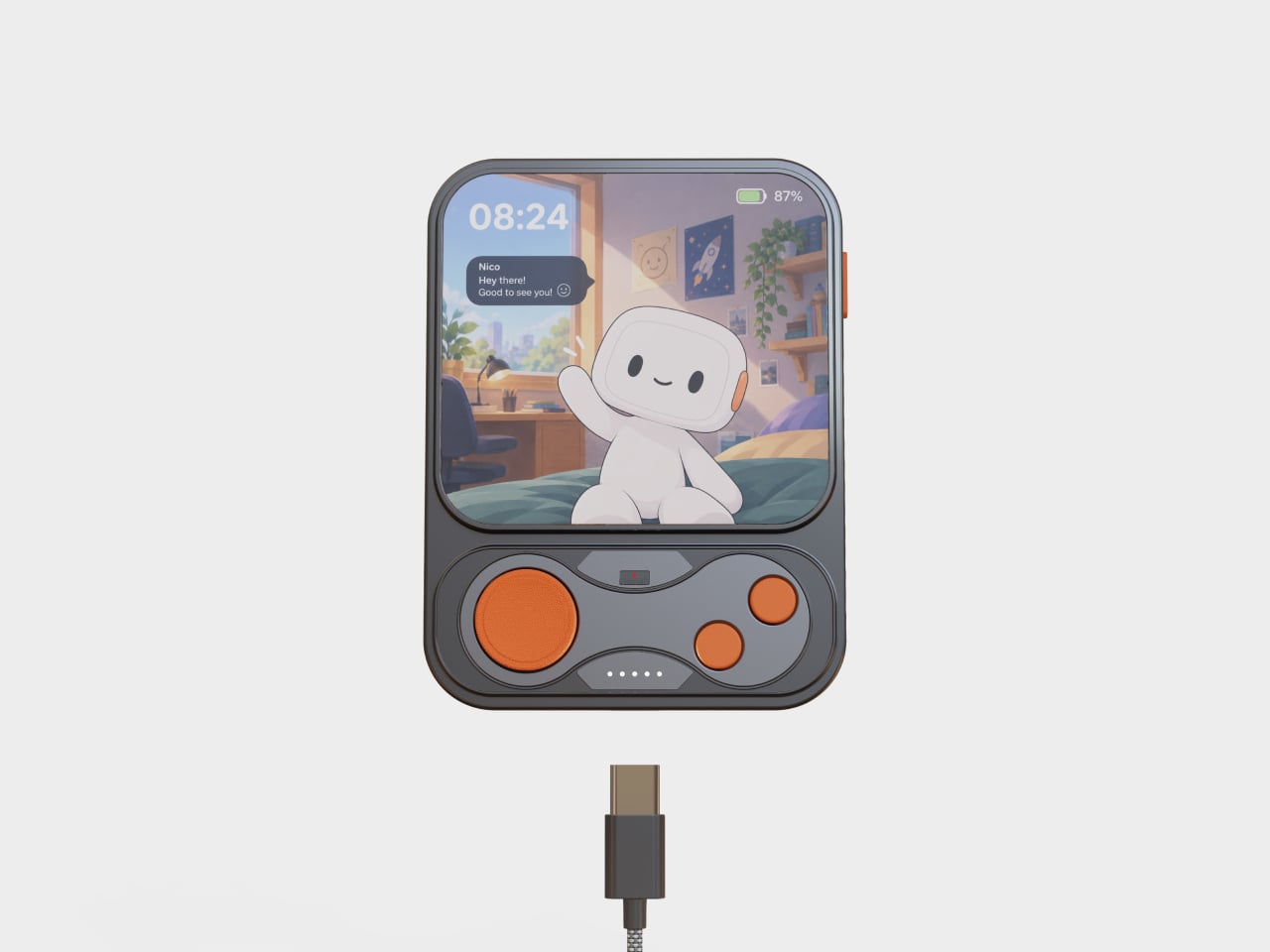
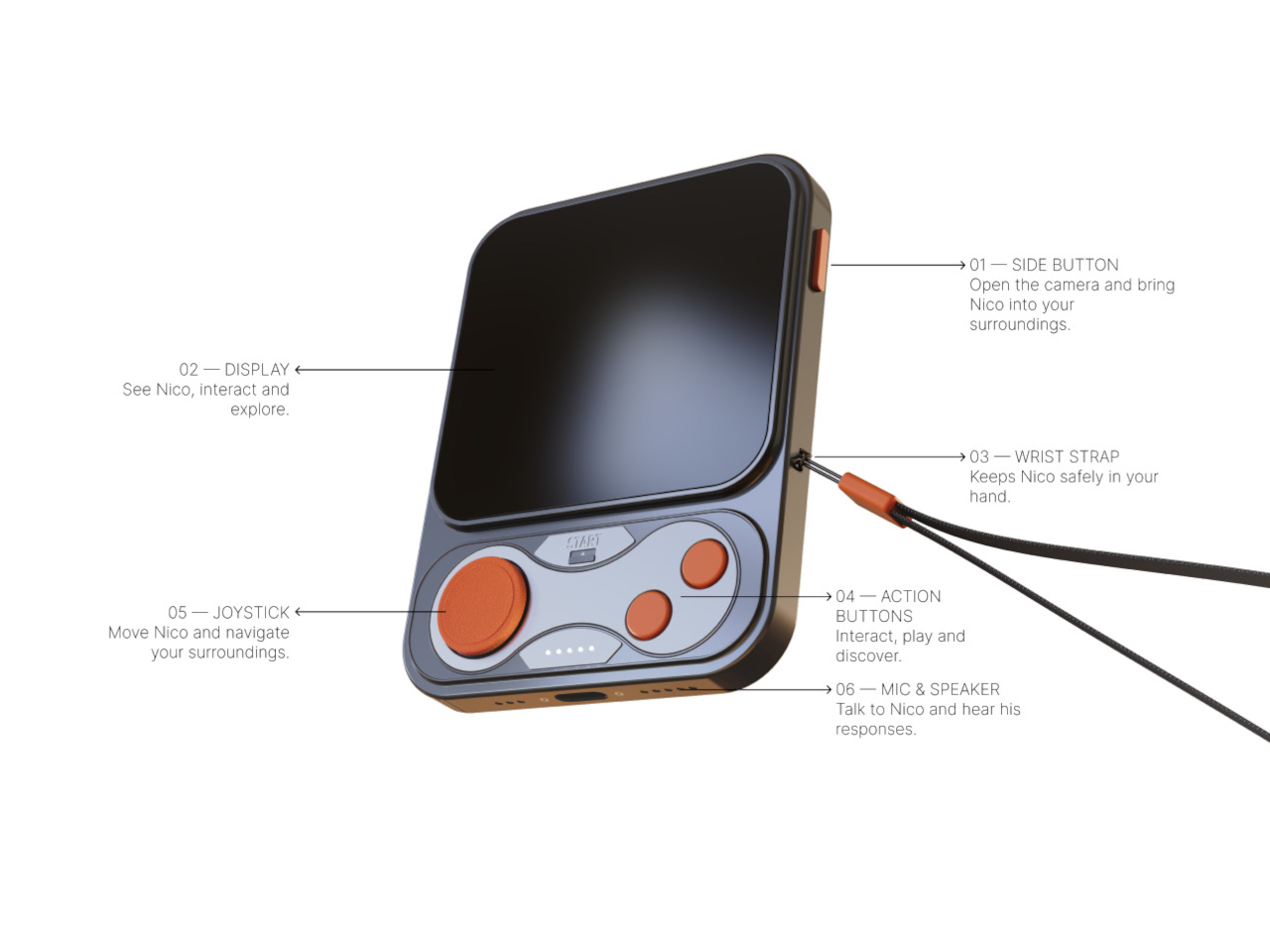
A side button would open the camera view, bringing Nico into the child’s surroundings through the display. The character could then move across that view under joystick control, stopping beside whichever exercise needs attention. A microphone and speaker are intended to let children ask questions aloud and hear responses, so getting help wouldn’t require typing a carefully worded request on a little screen.
With a math worksheet, for example, Nico could point out that multiplication comes before subtraction without filling in the blank. The child would still have to work through the calculation, ideally returning to the paper with a better idea of what to try next. That distinction matters, because finishing an assignment and understanding how to do it aren’t necessarily the same achievement.
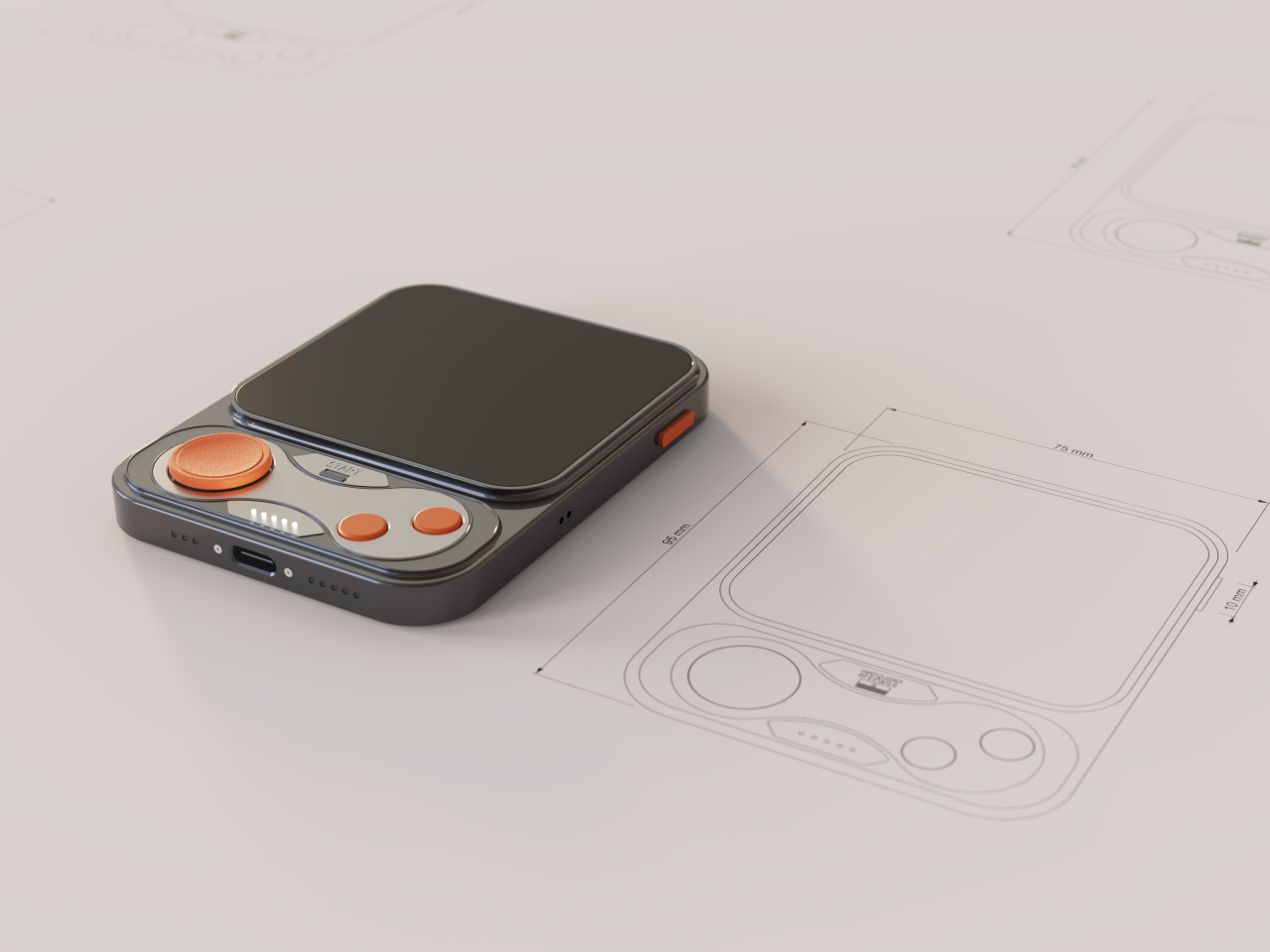
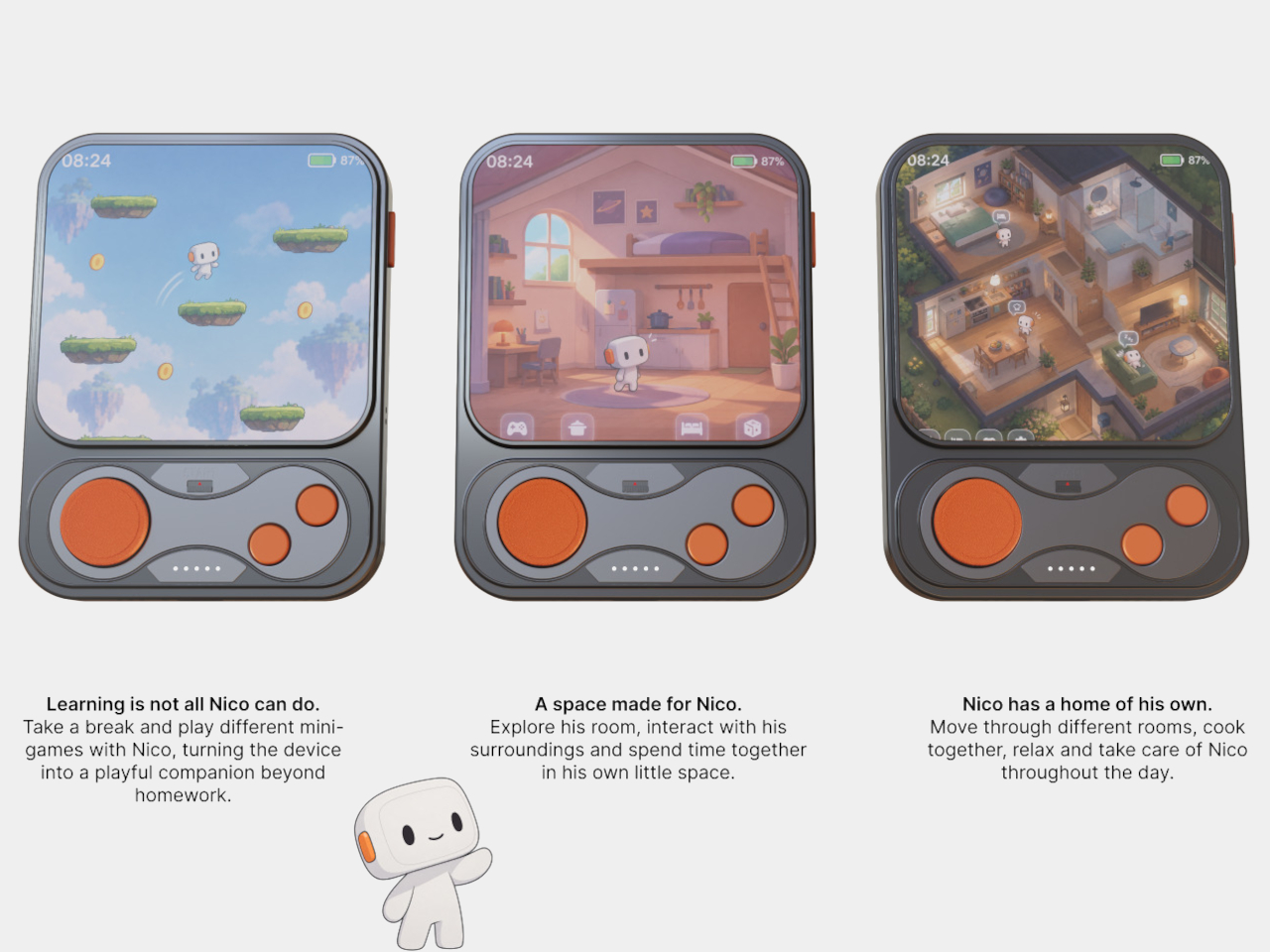
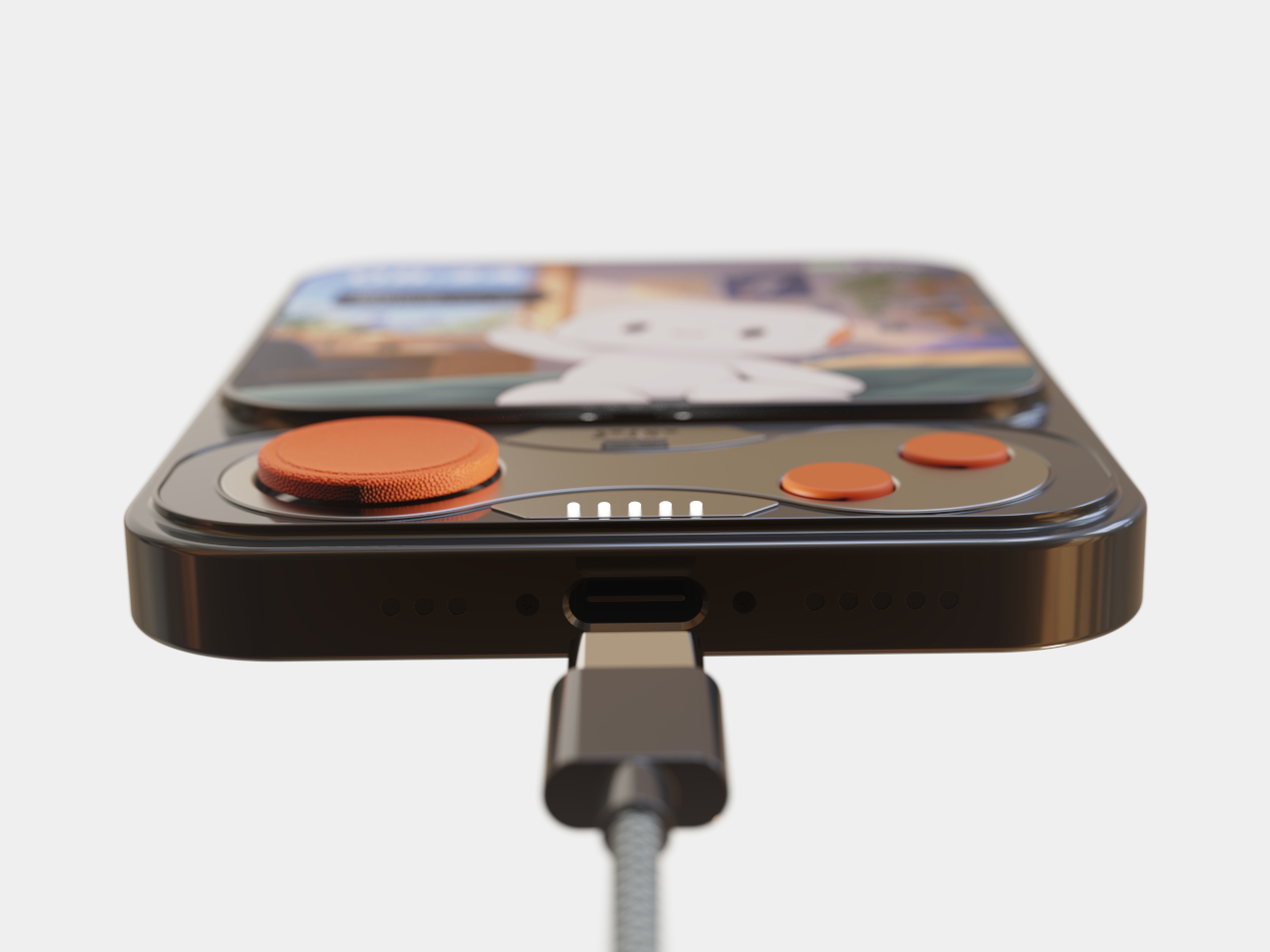
Nico himself is a small white character with a rounded rectangular head, dark eyes, and orange accents that echo the hardware. Keeping that personality on the display would let the same device become a homework helper or a virtual home. The wrist strap and USB-C port, meanwhile, ground the friendly face in the ordinary business of carrying and charging yet another electronic companion.
Of course, Nico wouldn’t disappear when the homework is done. The concept includes mini-games, a room to explore, and a virtual house where children could cook with the character or look after him. That gives the joystick more to do, but it also introduces a familiar complication: the device helping with fractions would be offering somewhere else to spend the afternoon.

The camera and microphone raise questions that the presentation doesn’t answer. There’s no stated approach to storing children’s images or conversations, no explanation of parental controls, and no identified AI model behind the advice. These are unresolved parts of the concept, not evidence of a privacy breach. But they would need attention before a friendly face earned a place beside a child’s schoolwork.
Nico remains a design proposal, with learning benefits that haven’t been established through published independent testing with children. Its joystick does make a specific suggestion about how children might ask for help, though: move toward the problem instead of waiting for an answer to appear. The important test would come afterward, when the device goes down and the pencil starts moving again.

The post Nico AI Companion Concept Borrows Game Controls for Homework Hints first appeared on Yanko Design.

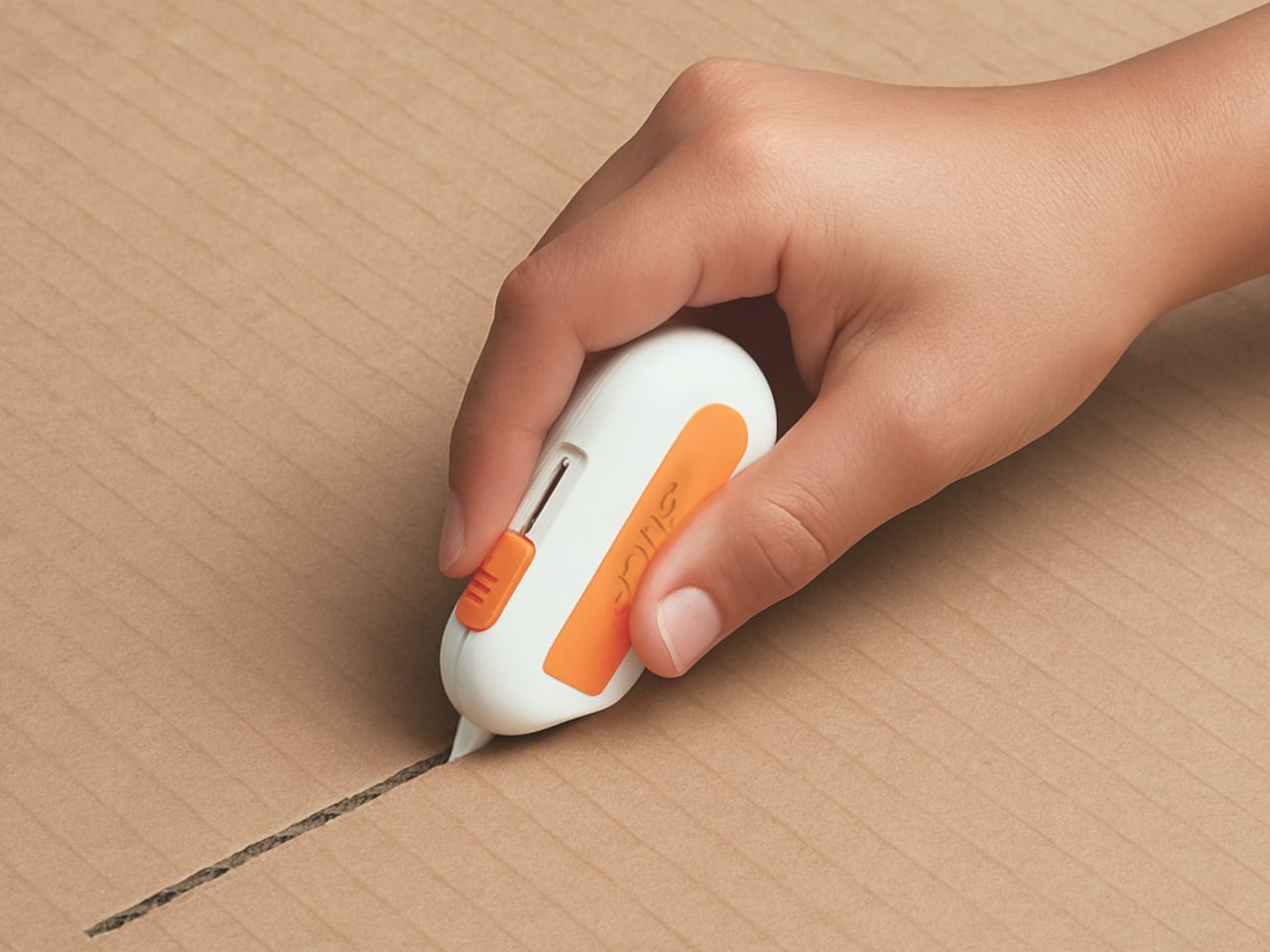
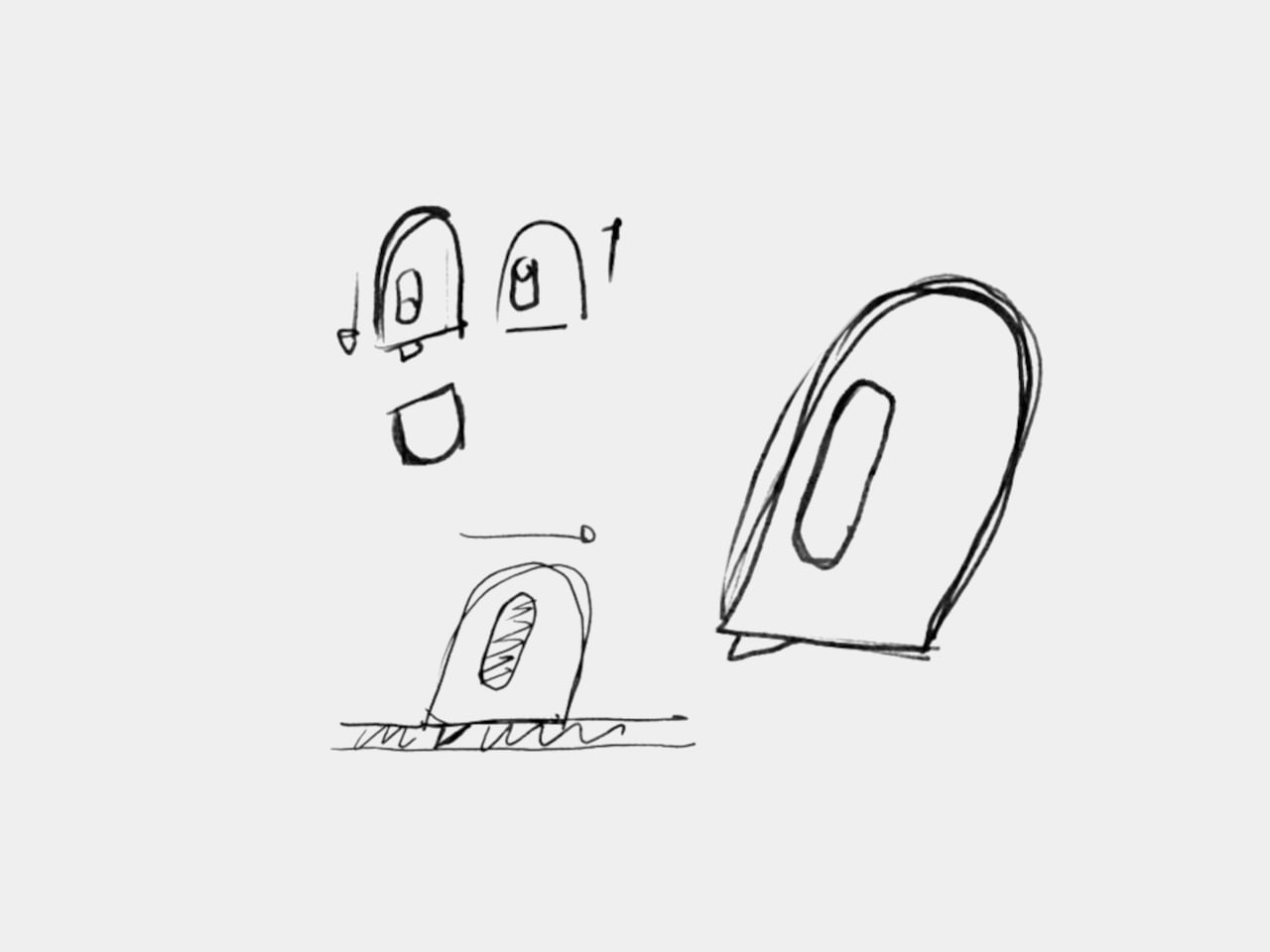
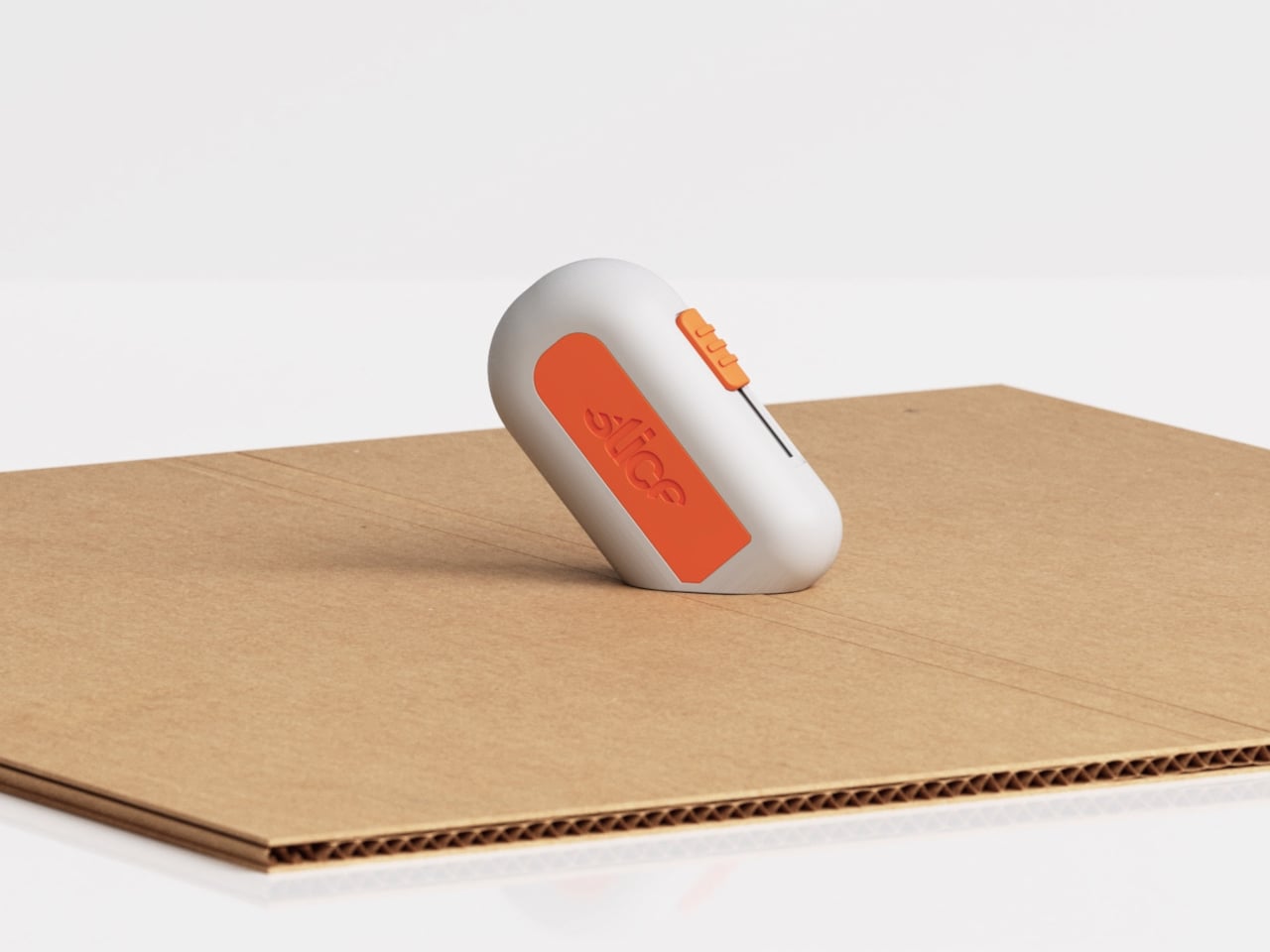
Cardboard can become a castle, a spaceship, or the walls of a school project, but cutting it into shape is often where an adult takes over. Kids Cutter proposes a tool designed around smaller hands instead of expecting children to manage a conventional utility knife. Developed as a student concept, its broad, rounded body is intended to make craft cutting easier to control.
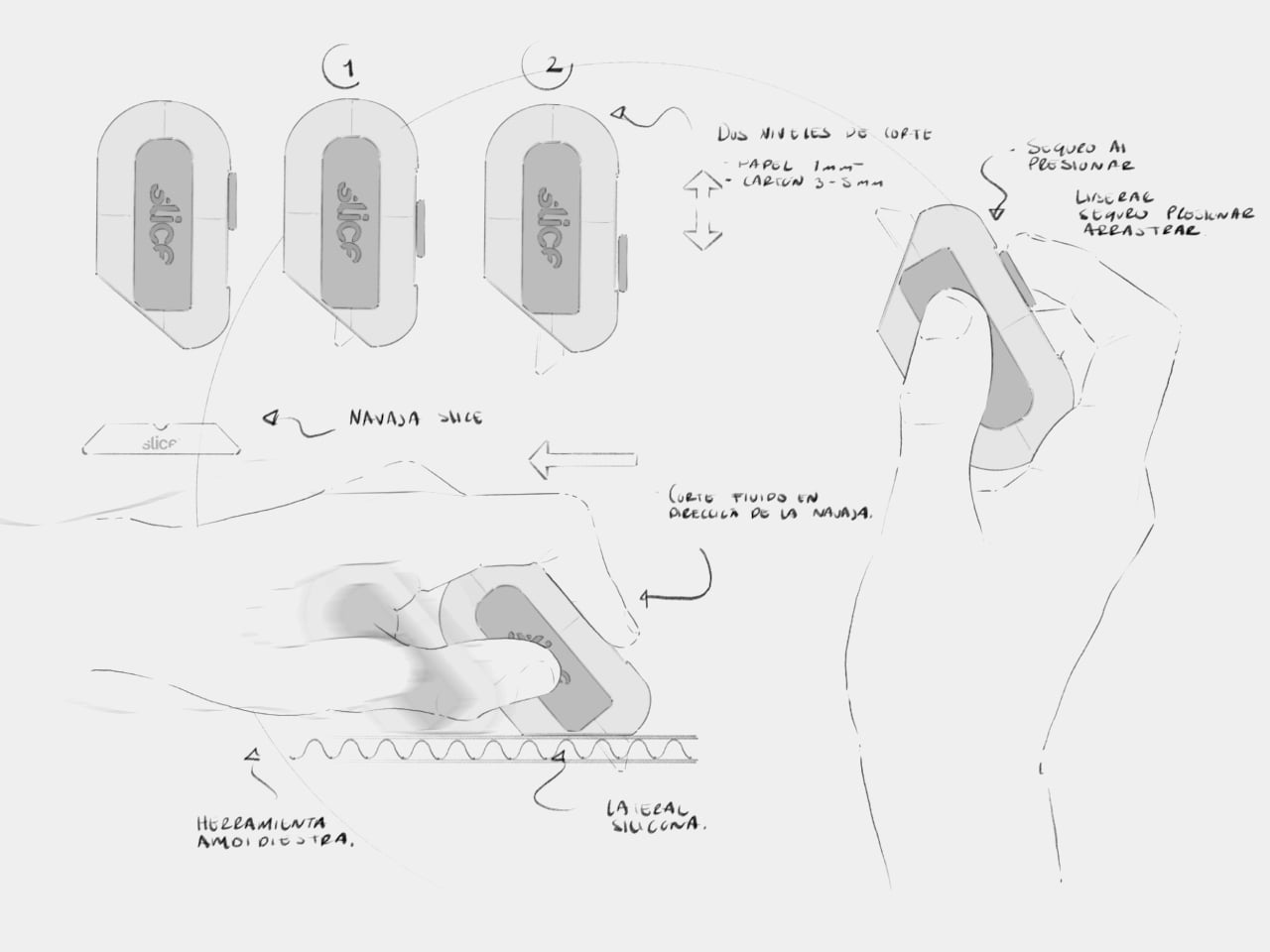
The difference begins with how you hold it. Rather than gripping a long, narrow handle above the work, your fingers wrap around a chunky shell with a curved top and angled bottom. That lower surface is designed to rest against the material as you cut, providing support beneath your hand. The aim is to reduce sideways slipping while keeping the cutting angle consistent.
Designer: Jorge Enrique Reyes Flandes


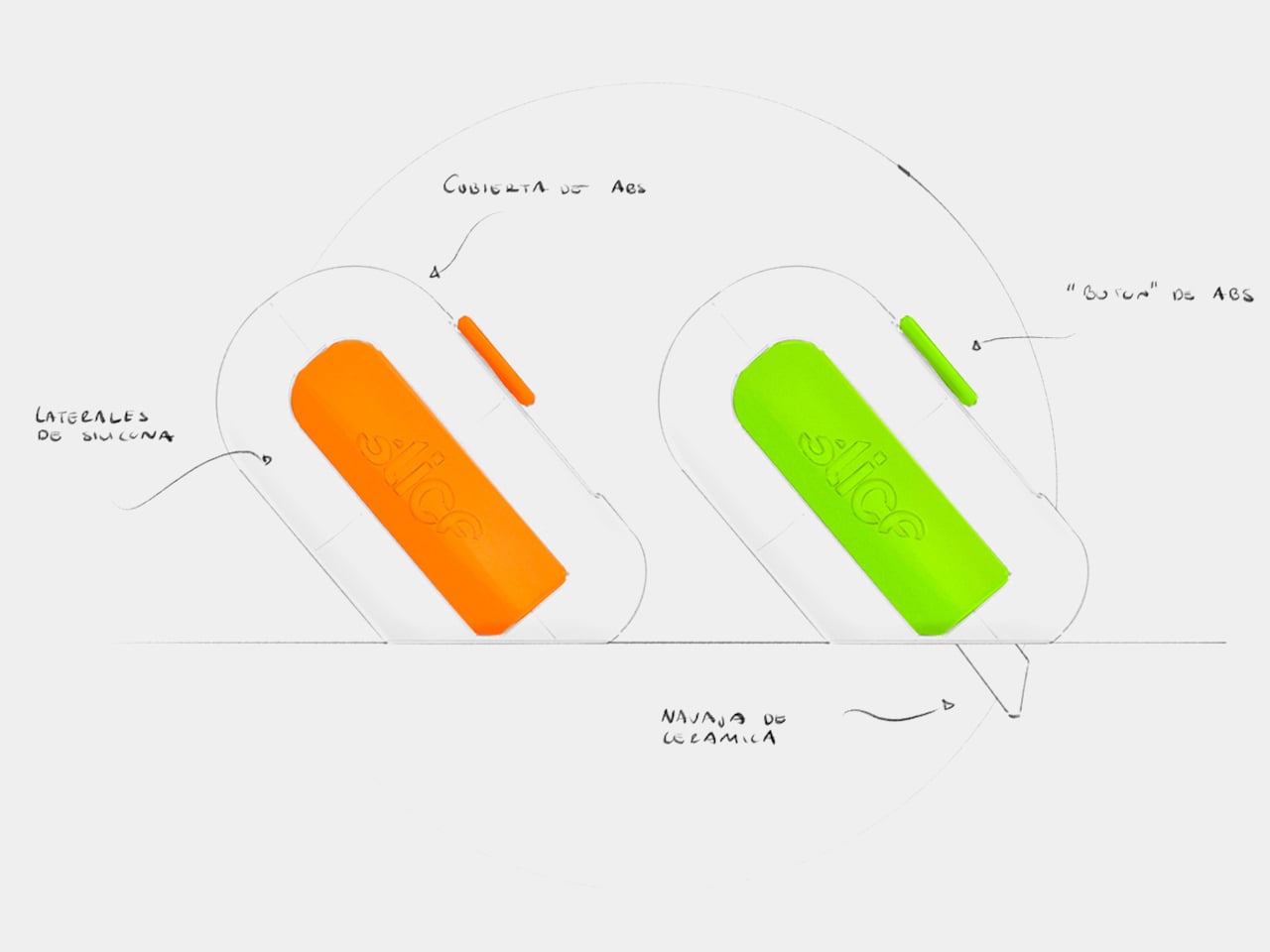
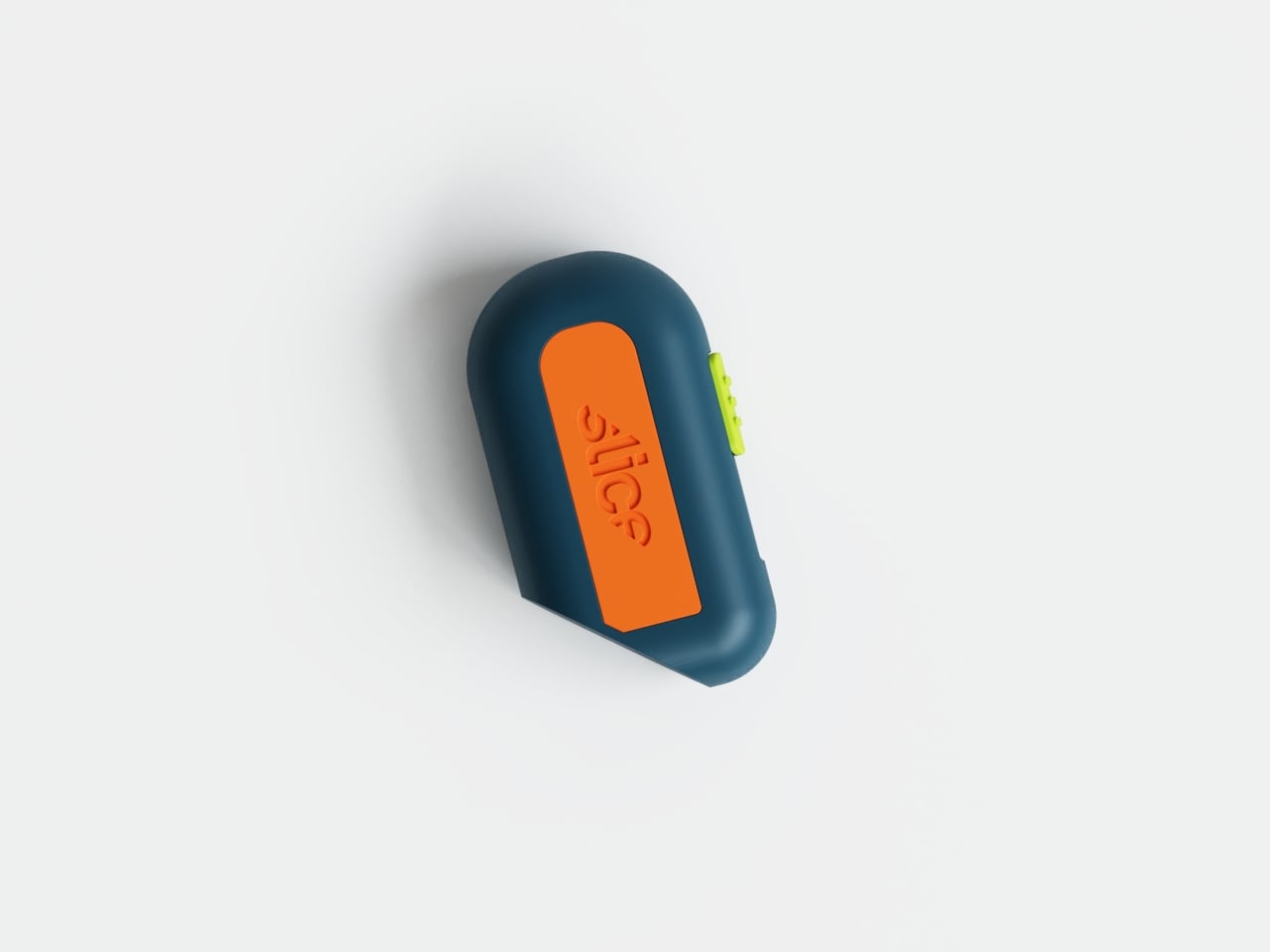
A proposed ABS shell surrounds silicone side panels, combining a firmer housing with softer contact areas. The white body and orange accents borrow Slice’s visual identity, while another treatment pairs a dark blue shell with brighter colors. These choices keep the tool approachable without covering it in cartoon characters, although friendly styling shouldn’t be mistaken for permission to treat it like a toy.
A ridged slider on the edge controls the blade, which extends only a short distance below the housing. That keeps the cutting end close to the supporting base rather than projecting far beyond it. For cutting paper, cardstock, or cardboard, the intention is to give children a compact tool they can guide across a surface, with their hand positioned around the body.
The project draws on Slice’s ceramic blade technology, but that doesn’t make it an announced Slice product. Nor does ceramic automatically mean harmless. Slice says its particular edge geometry reduces injury risk, while acknowledging that its blades can still cut skin. Those distinctions matter here, because a concept intended for children needs more than a reassuring material choice to establish its safety.
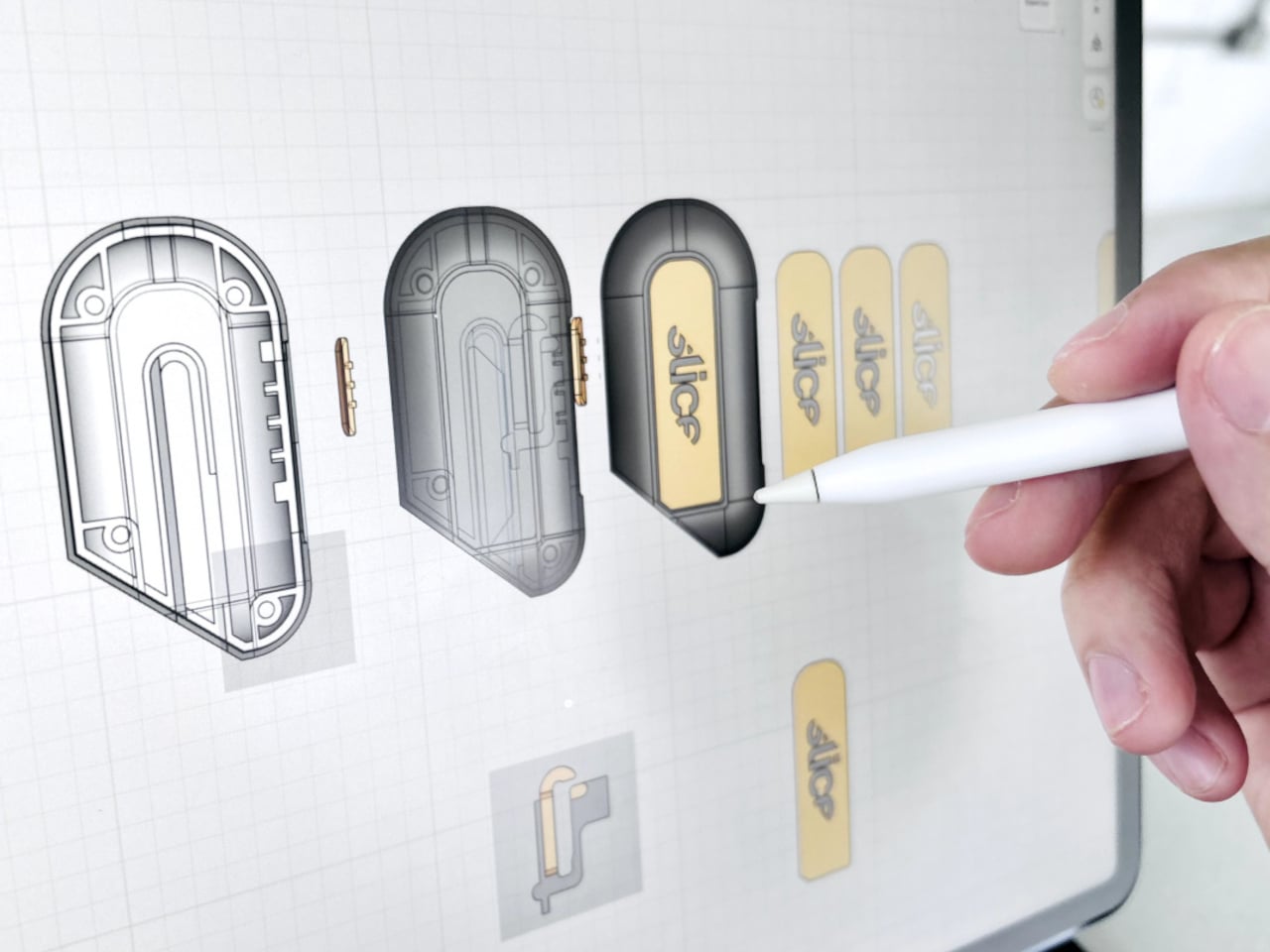
Considerable work has gone into the shape, however. Foam models explored different widths, curves, and base angles before the design moved into digital modeling and 3D-printed prototypes. Development involved six different design versions, including experiments with magnets in the blade-release mechanism. Holding those physical models helped explore how the form sits in a hand, rather than judging the rounded silhouette on appearance alone.
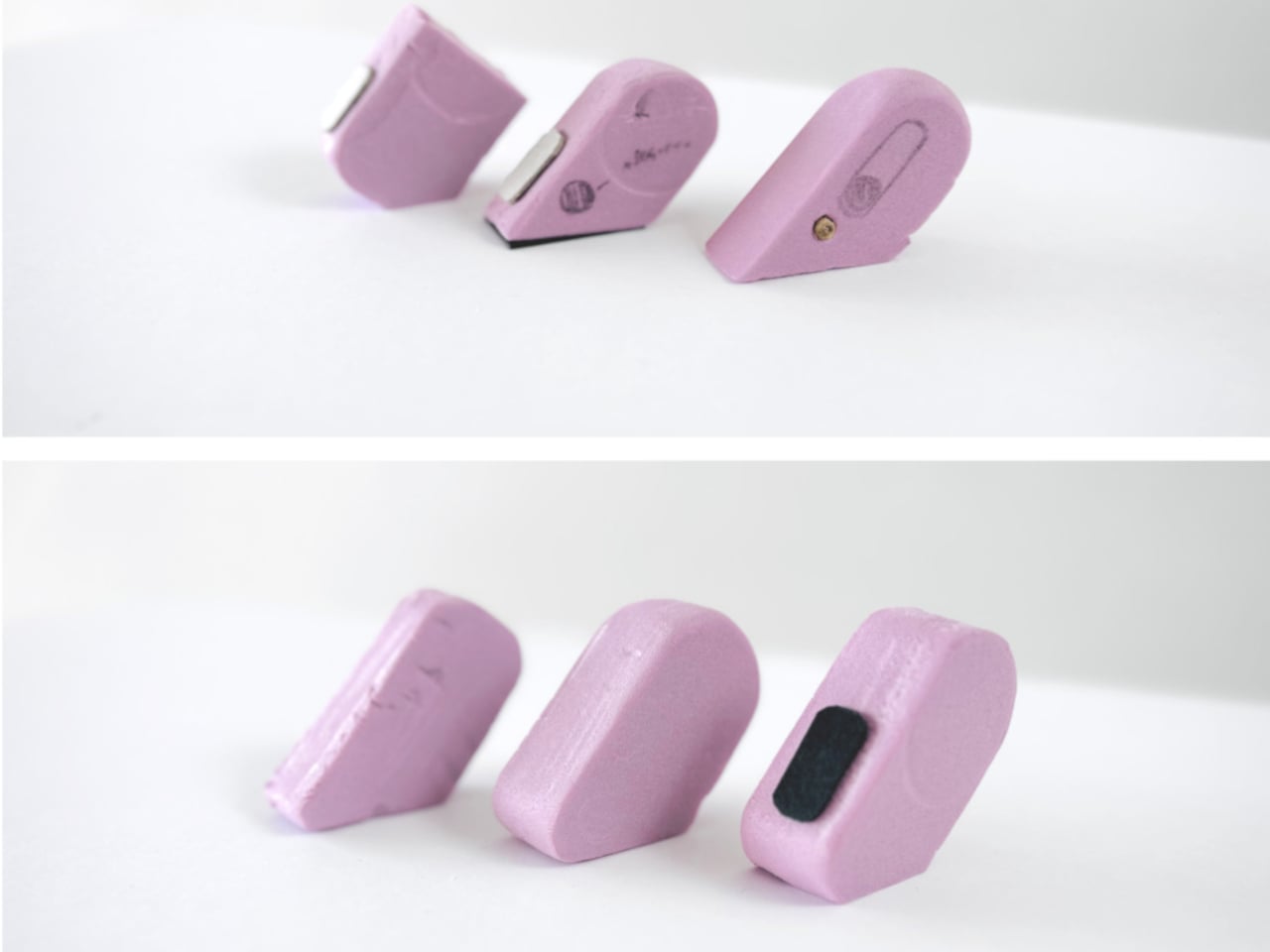
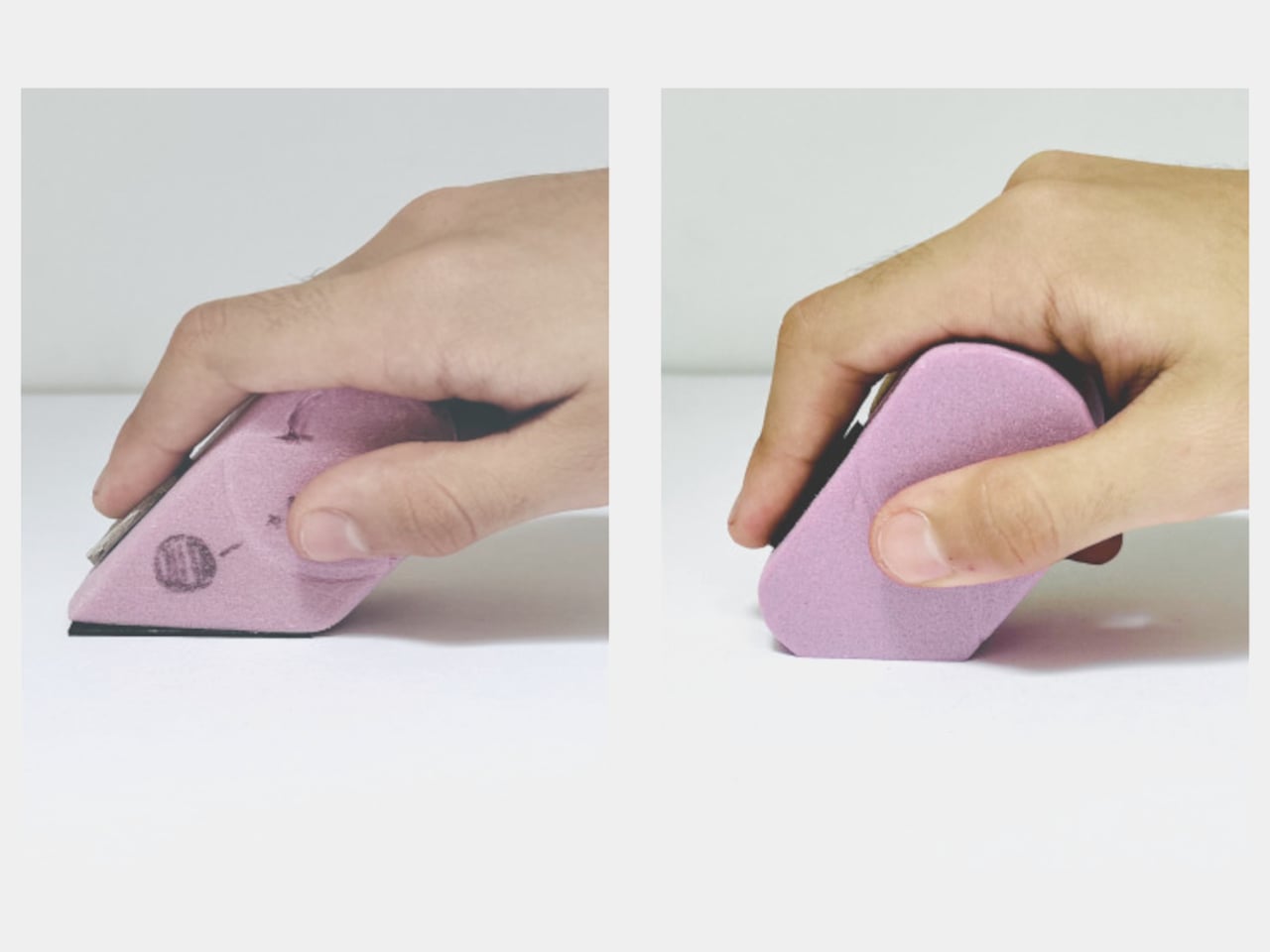
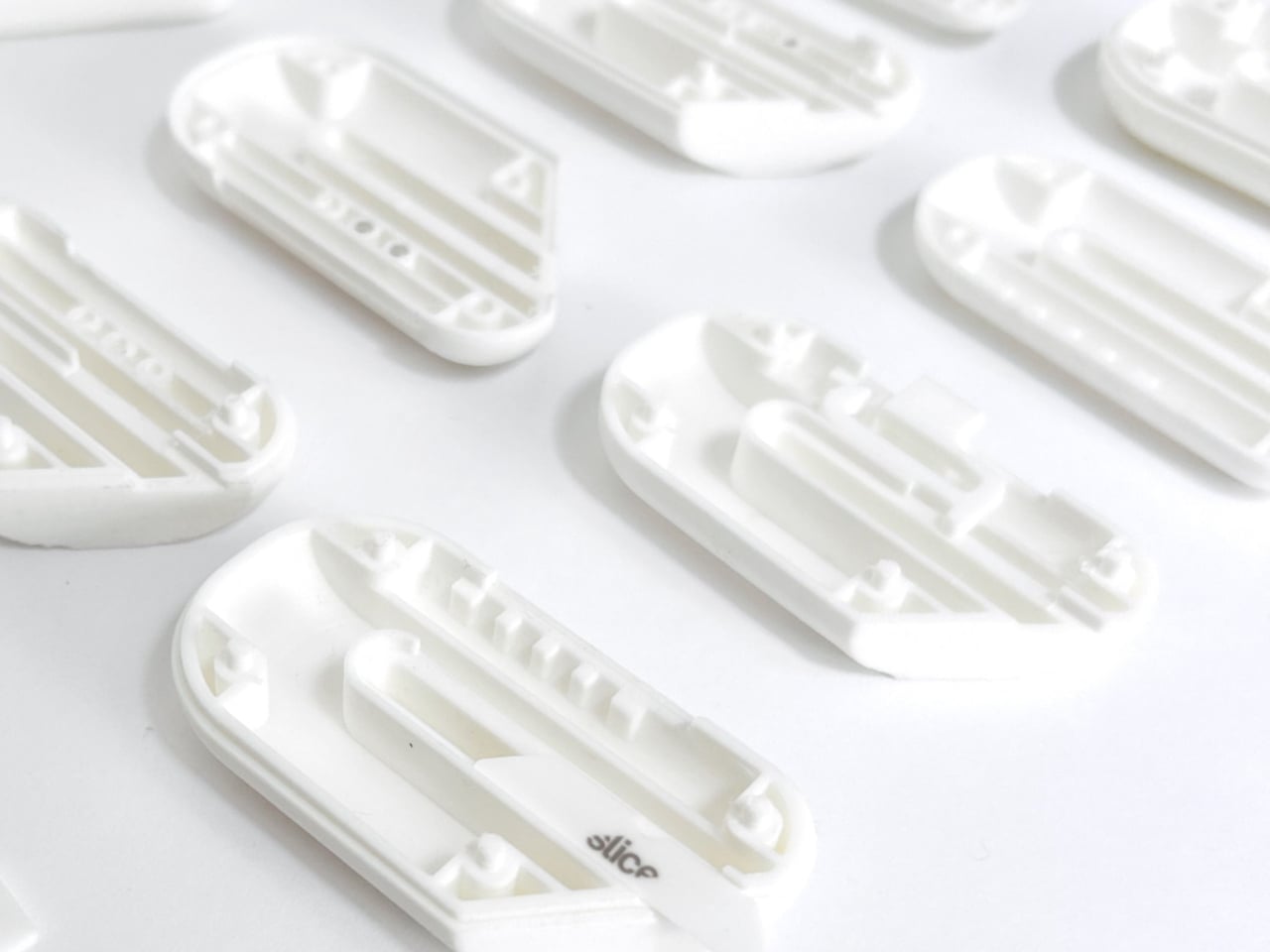
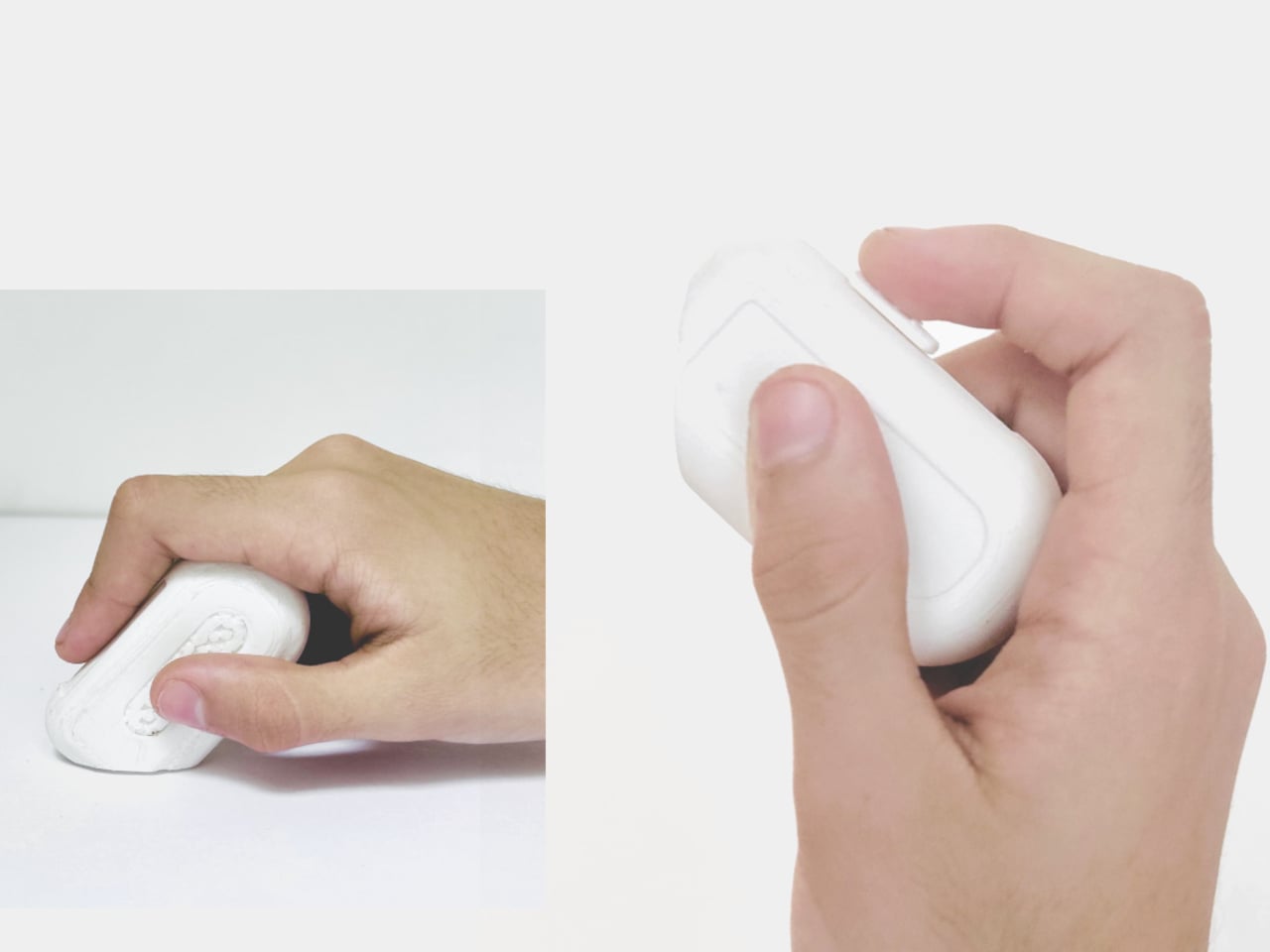
For a child making windows in a cardboard house, that attention to grip could be useful. The tool is intended for ages seven to 12, when the same classroom activity can involve quite different hand sizes and abilities. A broad body offers another way to hold the cutter, but successful straight lines and curves would still depend on the material, technique, and practice.
There’s still work to do before this belongs in a classroom supply drawer. The prototype’s blade lock, slider feedback, and blade-changing process are identified as areas needing improvement, not finished solutions. Adult supervision would remain important, too. Letting children do more of their own making shouldn’t mean leaving them alone with the sharp part, however comfortably the rest of the tool fits.
The post Kids Cutter concept rethinks the craft knife for smaller hands first appeared on Yanko Design.

Gunther Werks has introduced the Brundle Edition Turbo, an ultra-exclusive vehicle limited to just five units. This bespoke creation is the result of a unique collaboration between motorsport legend Martin Brundle and his daughter, automotive designer Charlie Brundle. By combining Martin’s illustrious racing career with Charlie’s design expertise, the Brundle Edition Turbo redefines personalized automotive […]
The post Inside the Stunning New Gunther Werks Brundle Edition Turbo appeared first on Geeky Gadgets.
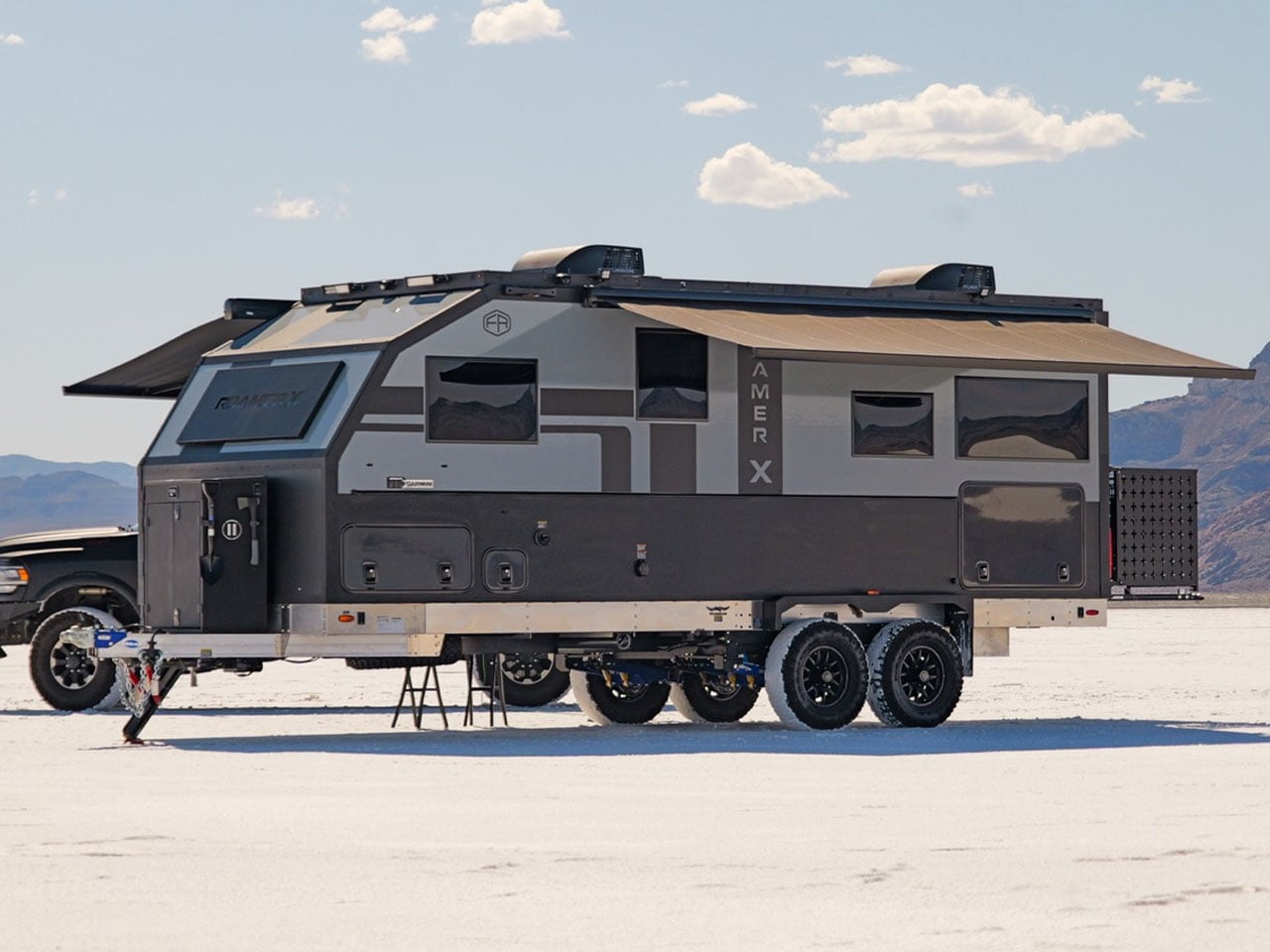
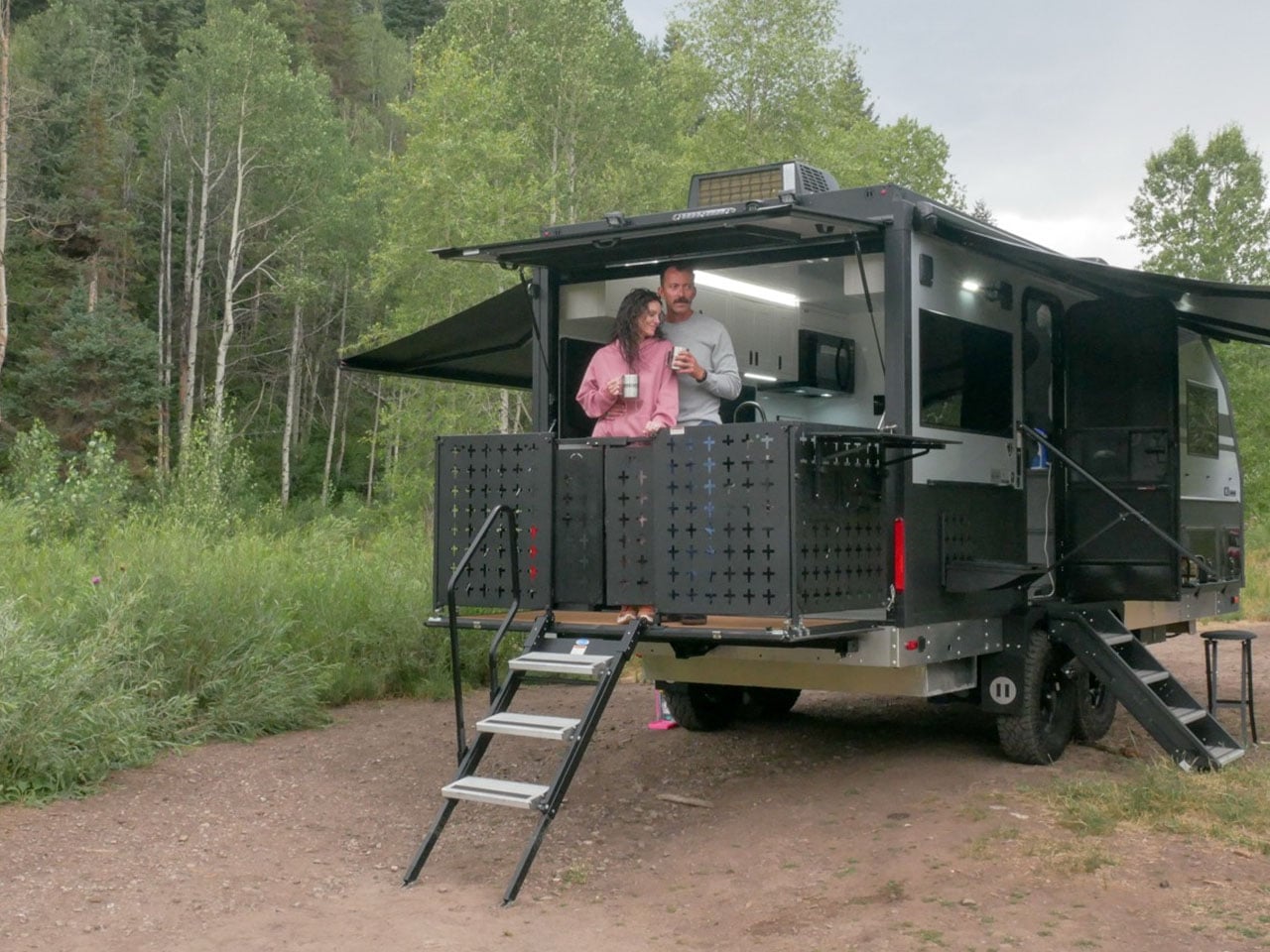
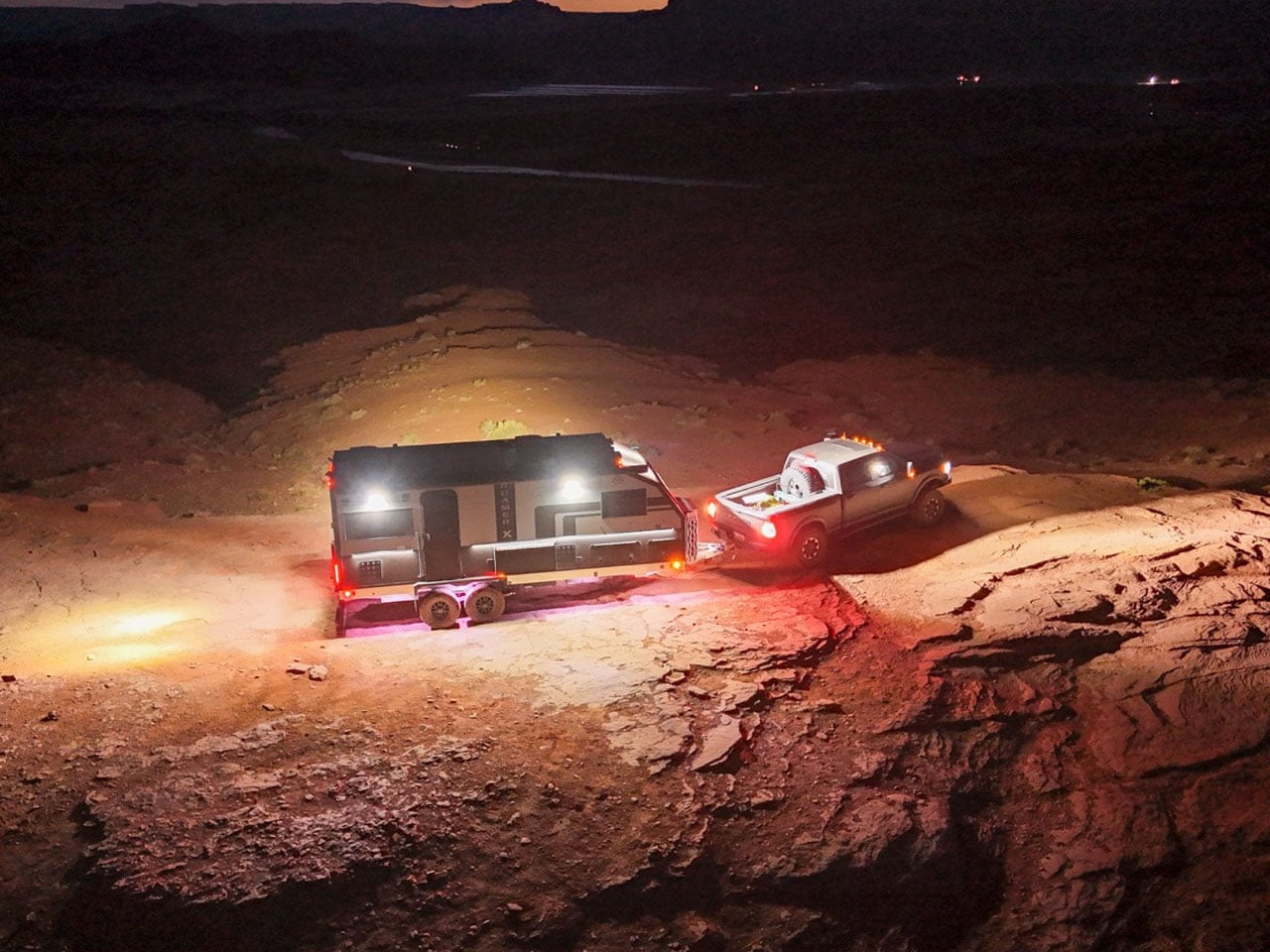
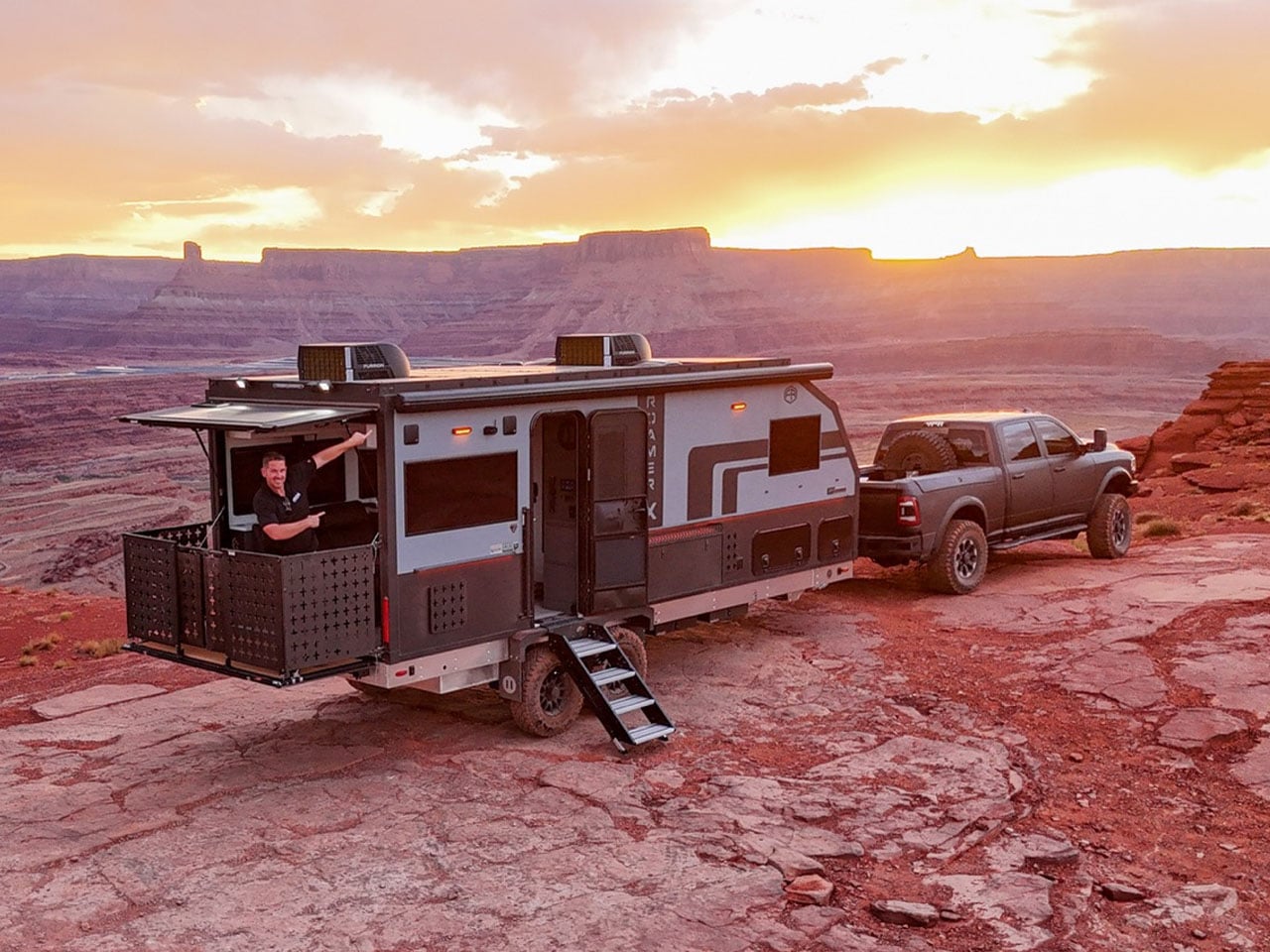
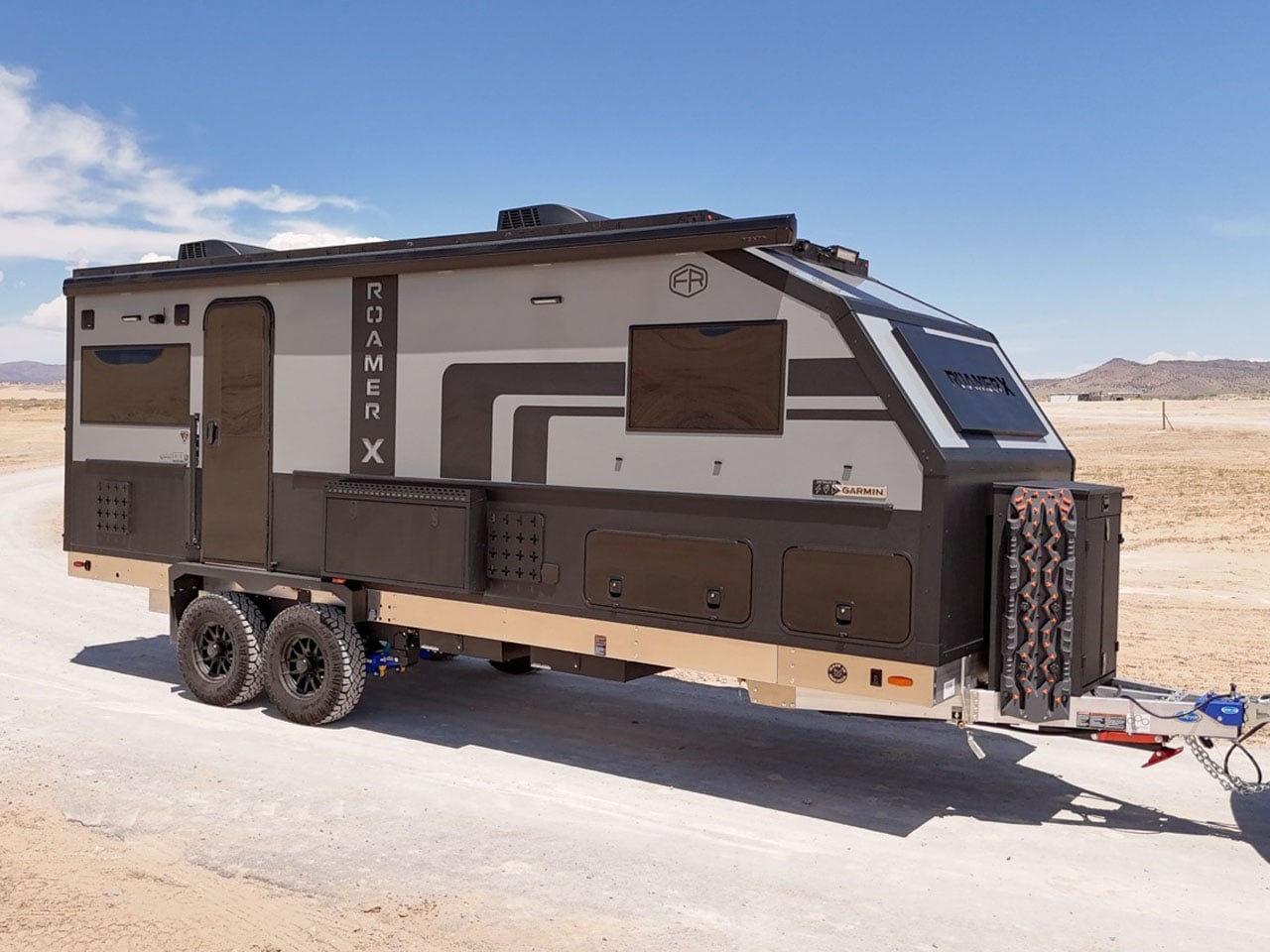
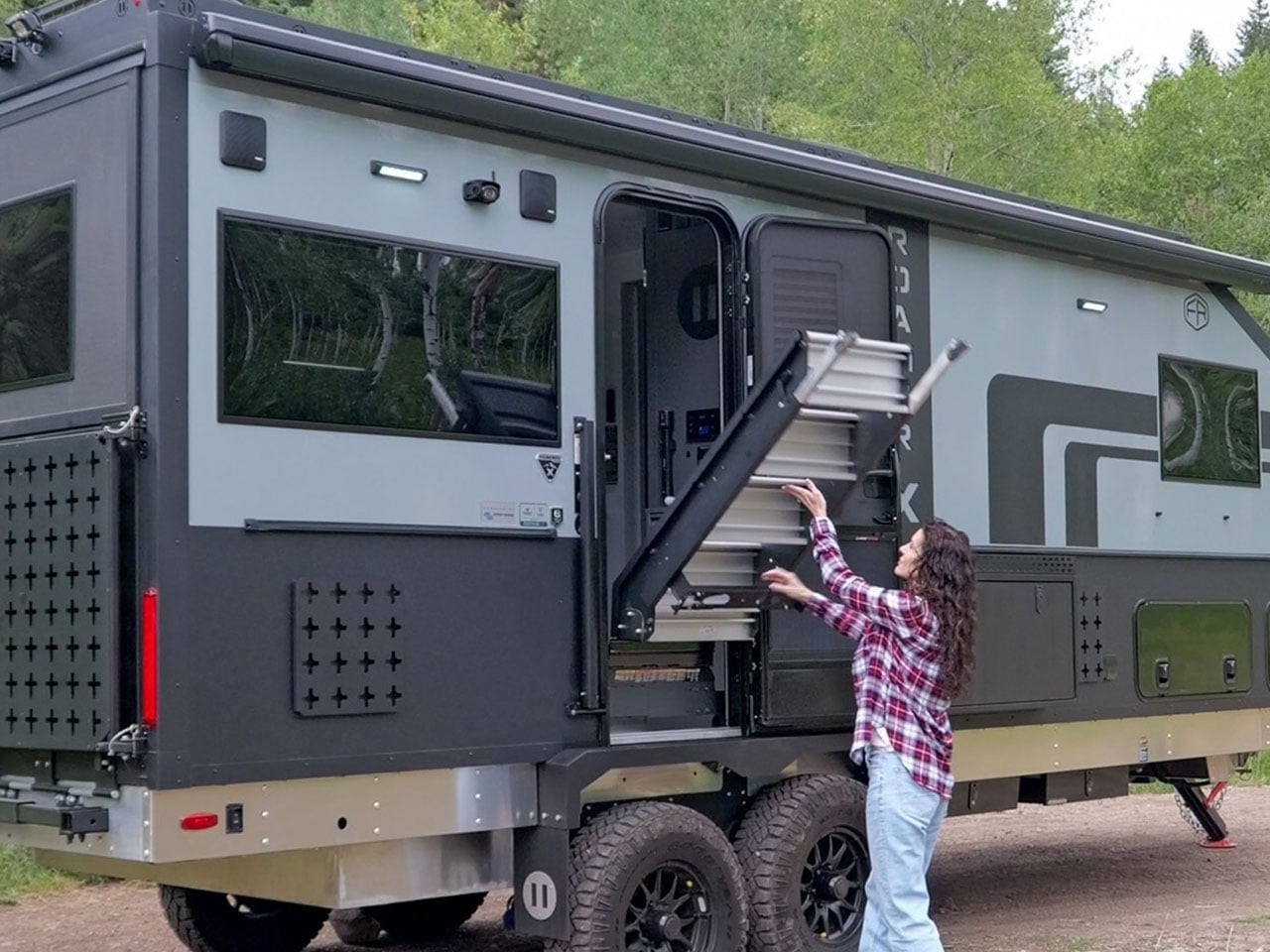
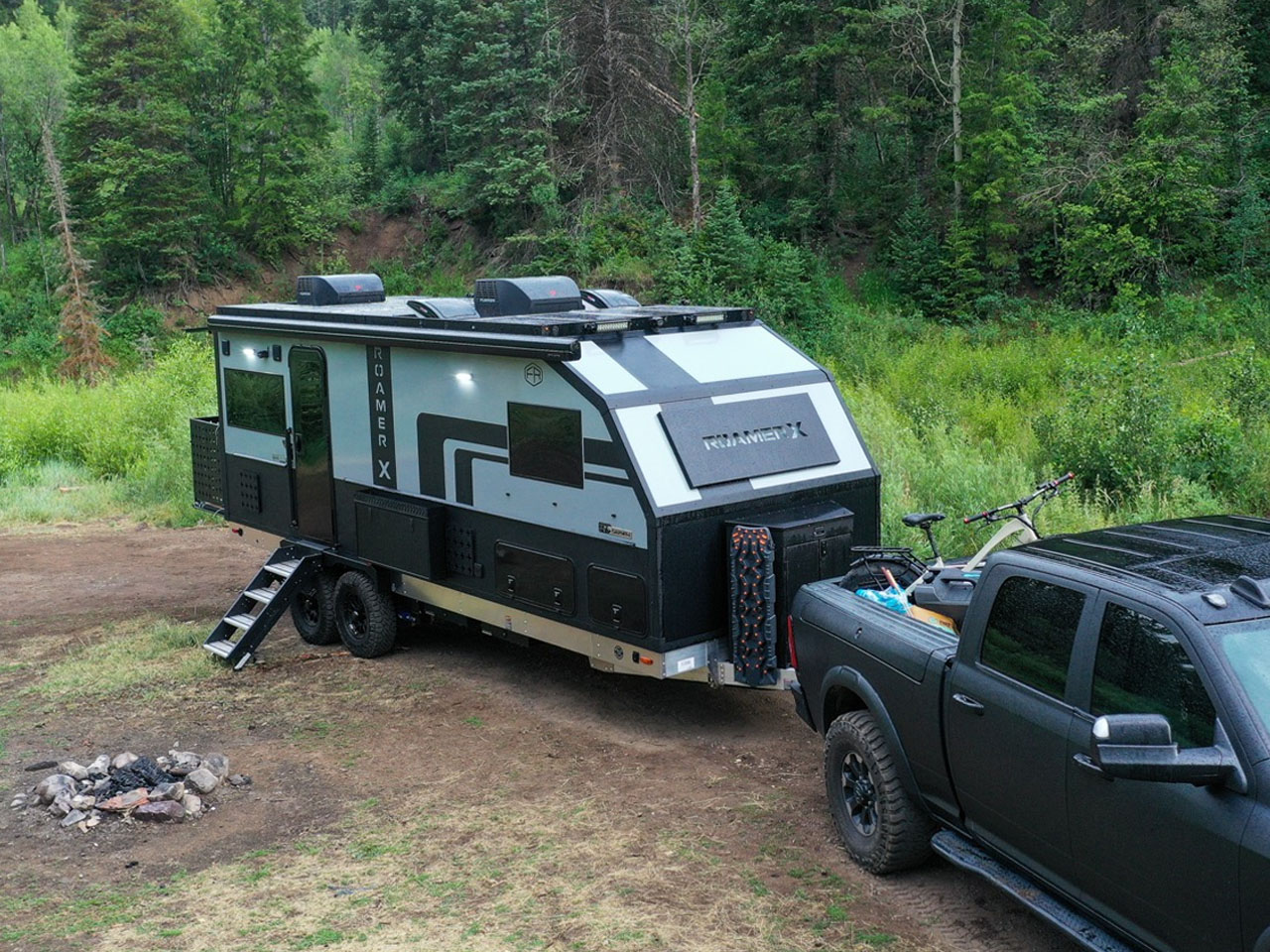
When the pavement ends, the fun begins! That is a bold statement. For a camping trailer designed for all terrain types, that can be more challenging. But not in the case of the Roamer X. Homegrown in the US under the ROA Off-Road umbrella, this is a serious off-road rig, designed to make off-grid travel and living fun.
Developed from the ground up in collaboration with Pause, the Roamer X is a full-fledged, all-terrain camping trailer that comes with a mind-blowing $200,000 price tag. For serious rigs, that is not an extraordinary amount, but when you consider the fact that the luxury and durability Roamer X offers has to be towed behind a capable vehicle, you suddenly realize the magnitude of the tag.
Designer: ROA Off-Road

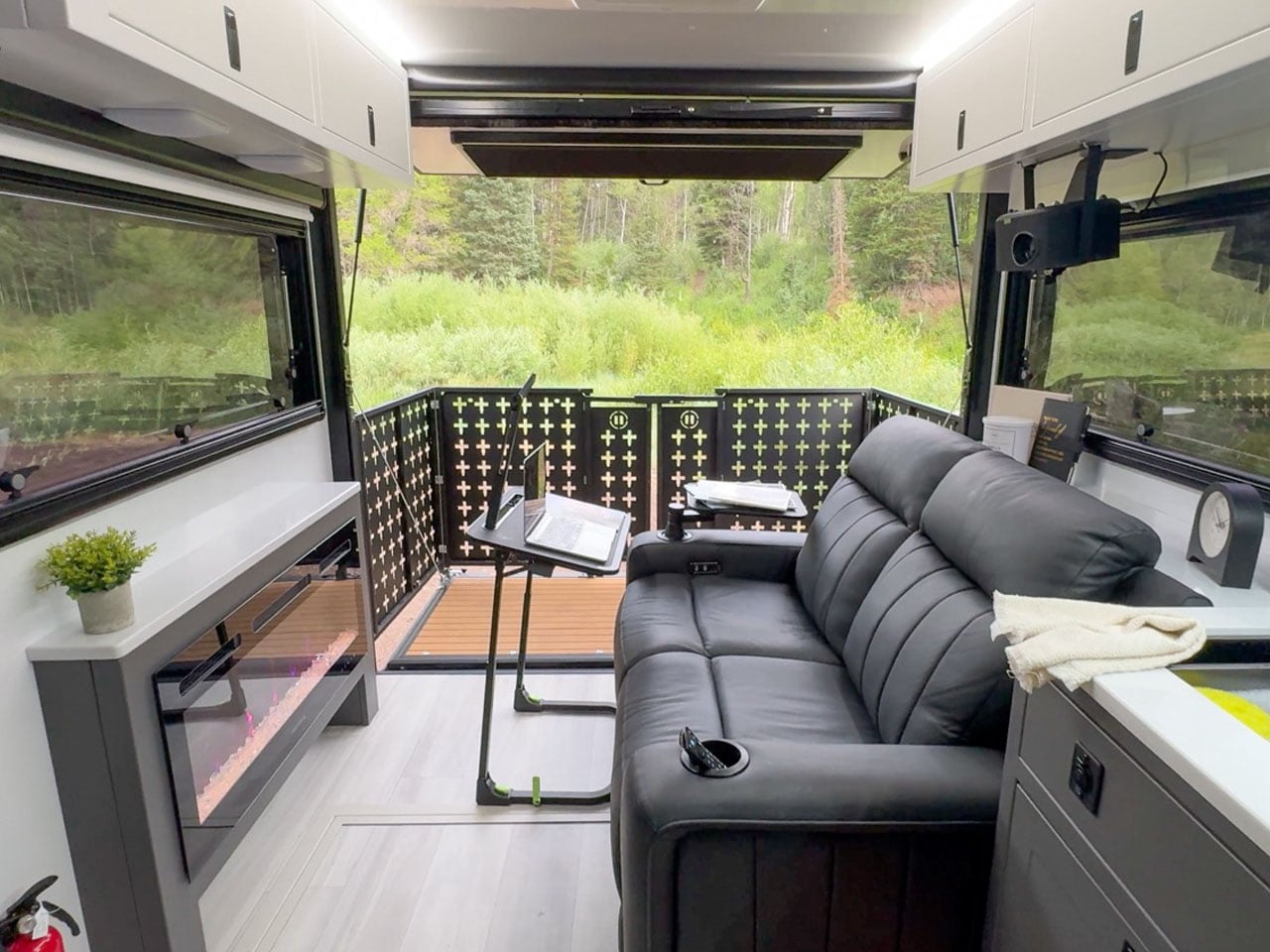
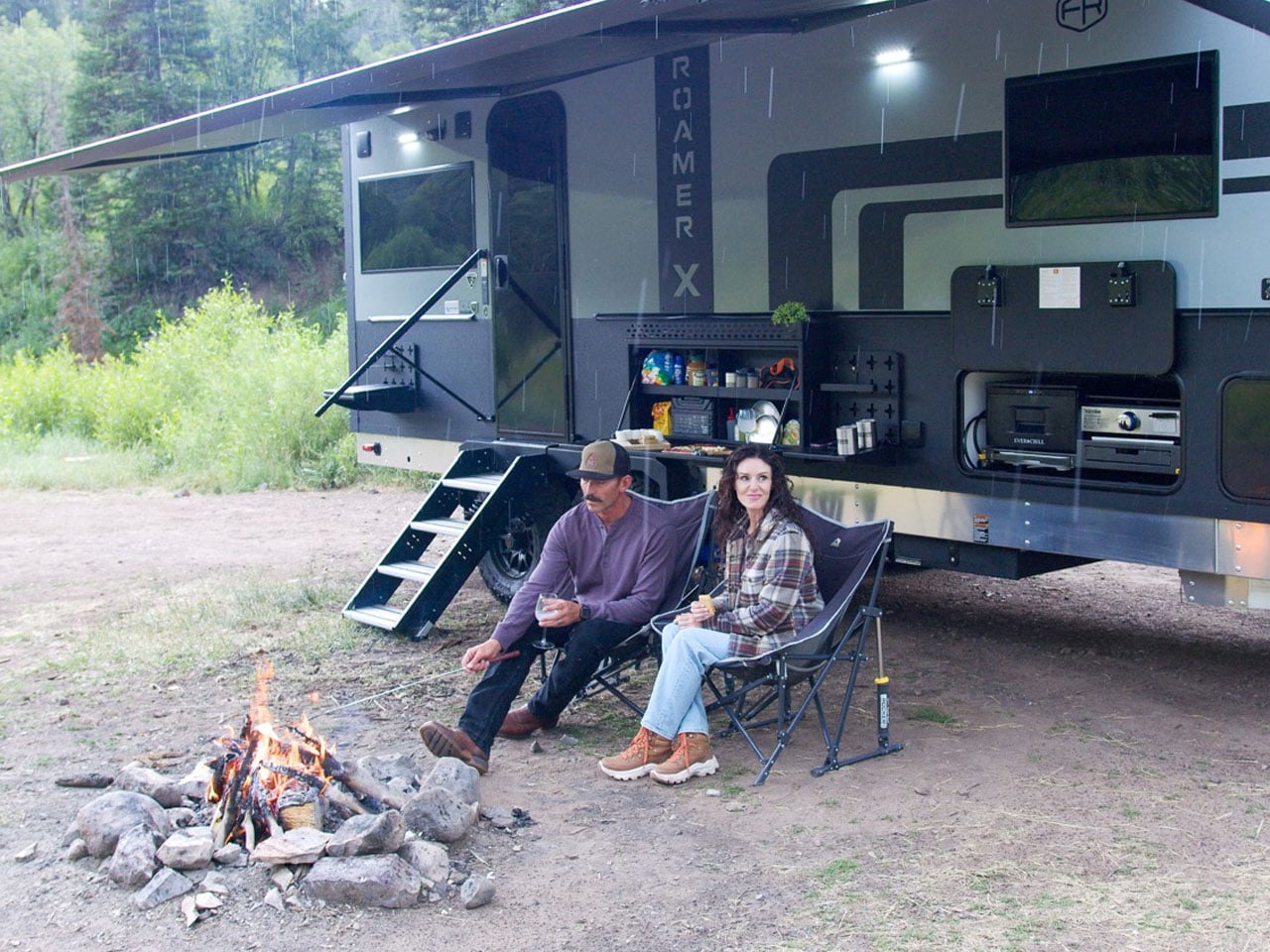
If price is not a deterrent, you are actually going to love what this rig with a cozy fireplace and an elaborate solar setup has to offer at the campground. Built to let you explore the wilderness in all four seasons, the trailer comes onboard with a 34,000-BTU Aqua-Hot heating system and an interior that offers residential comforts.
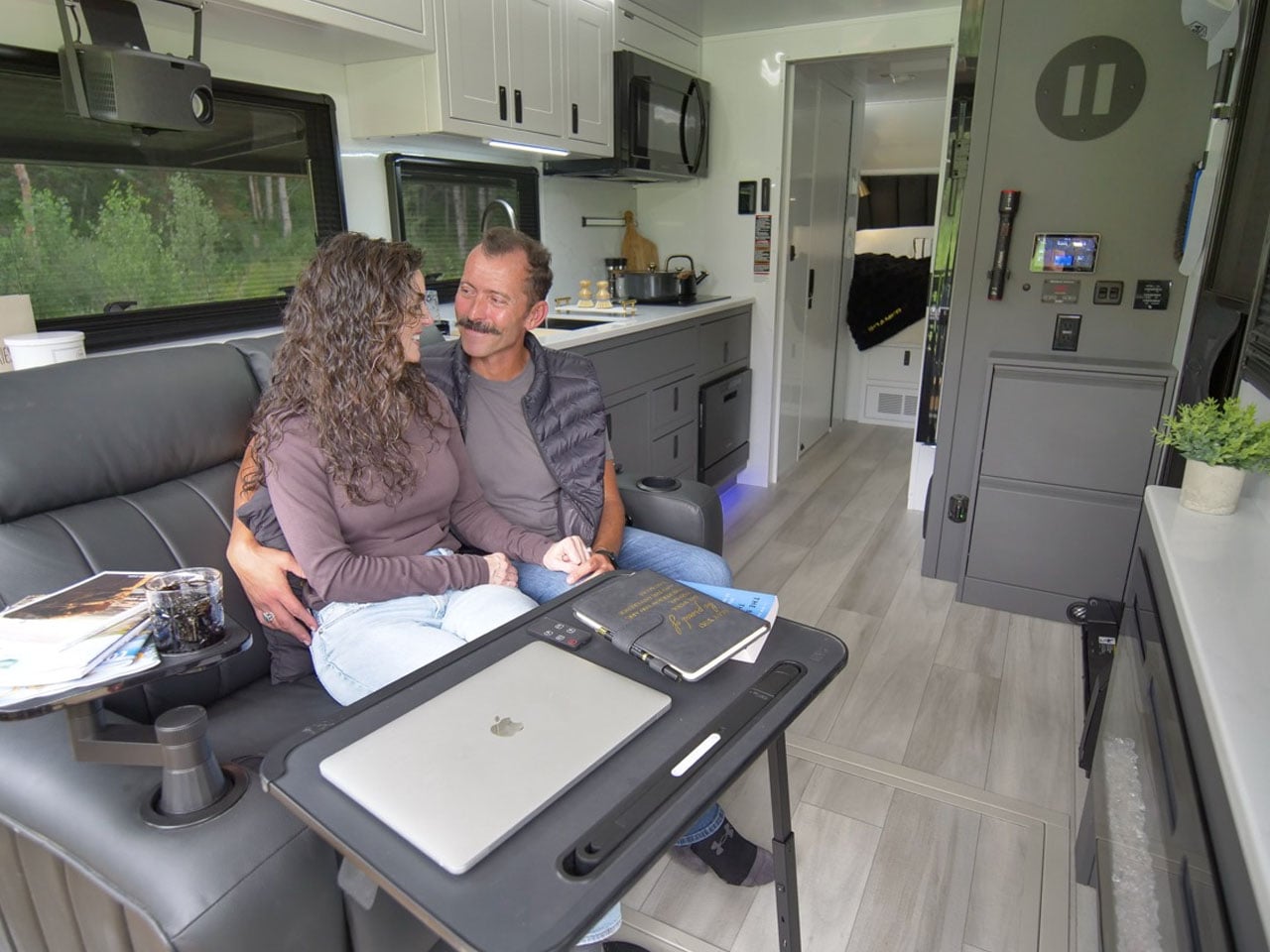
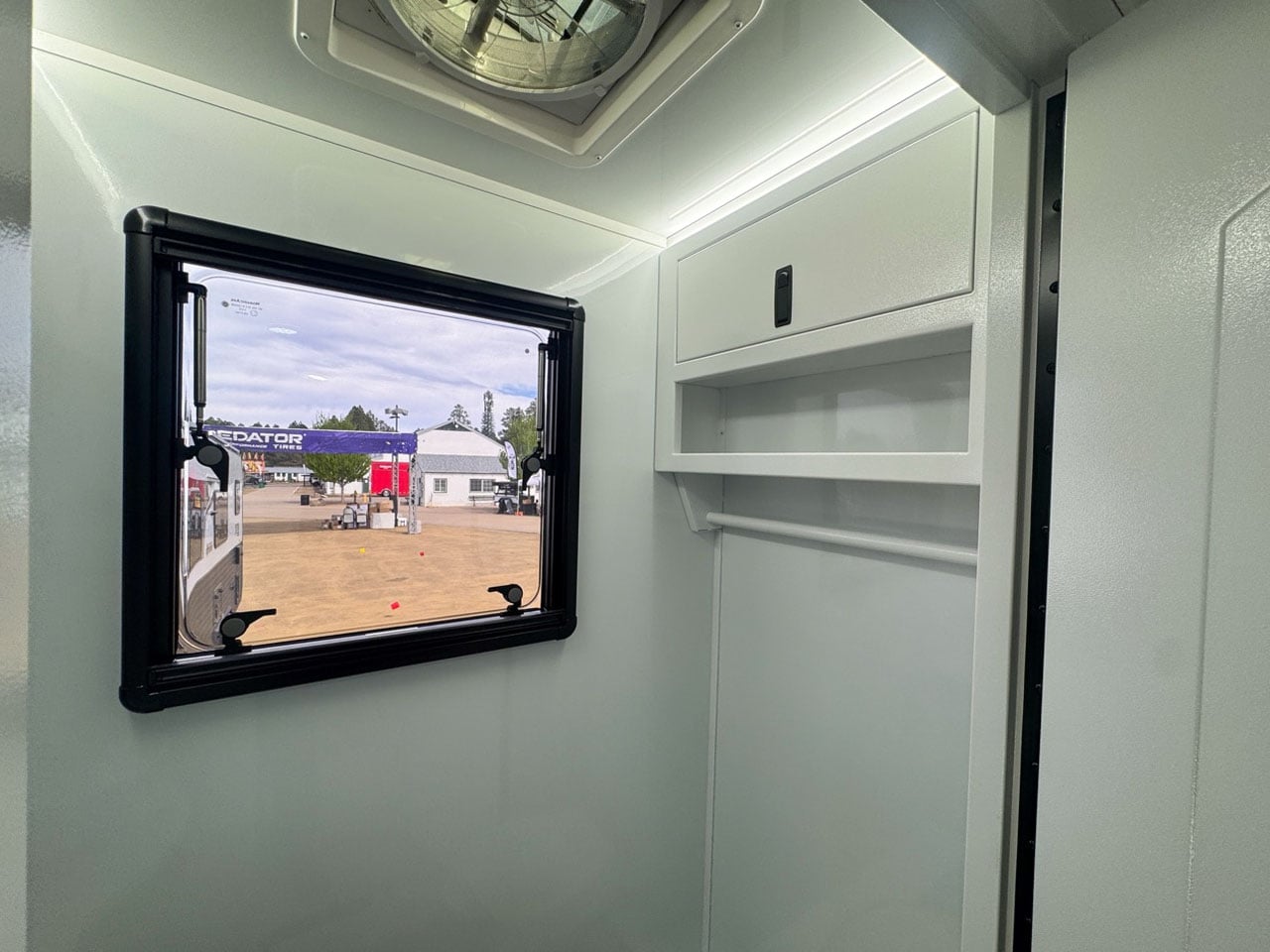
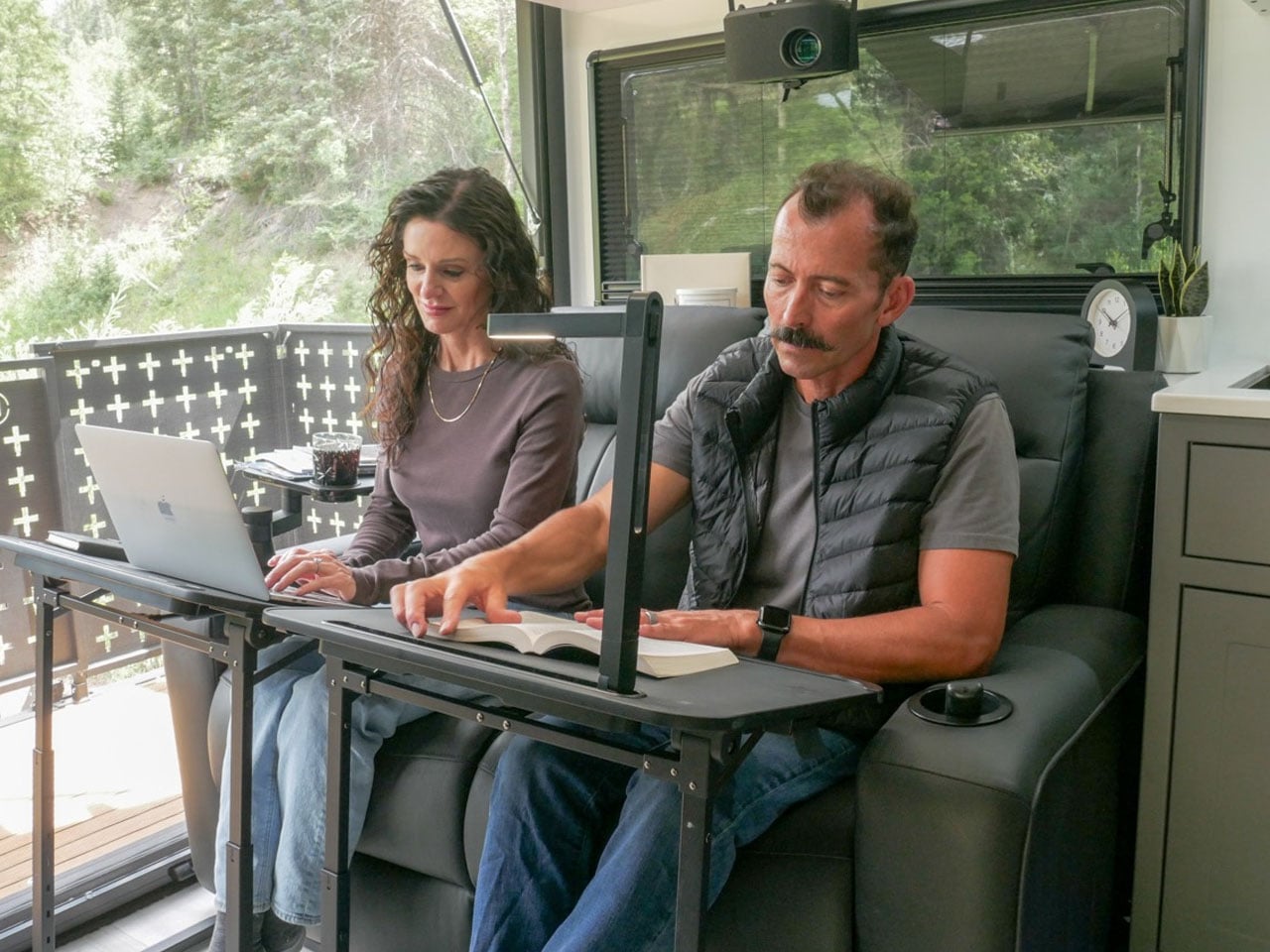
Coming to the inside, the interior has been designed for luxury living and comfort with an electric fireplace and leather recliners in the vicinity. When it’s raining or snowing outside, and you can’t do much outdoors, you can entertain yourself with the ceiling-mounted projector firing content on a retractable screen placed right above the fireplace.

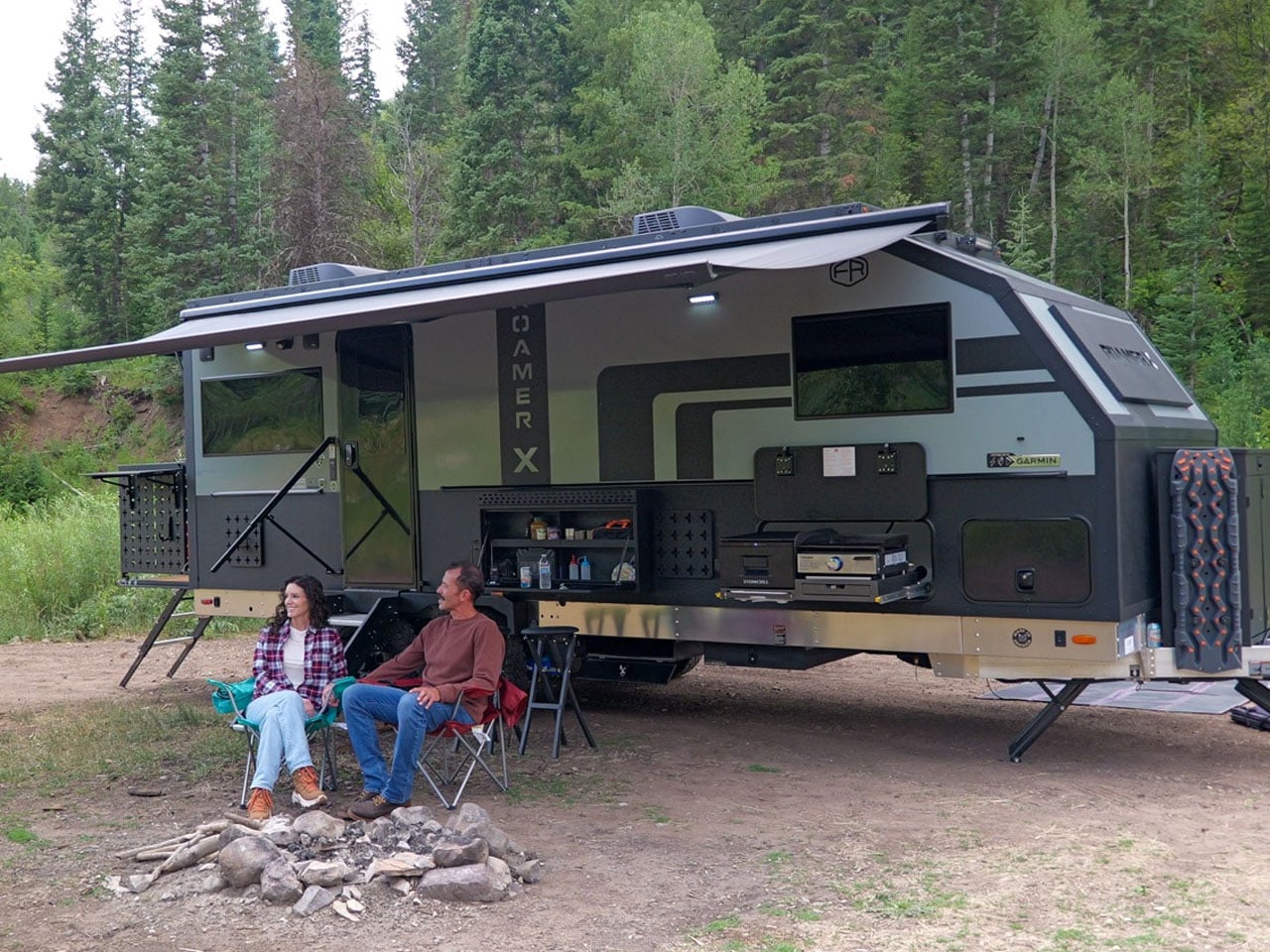
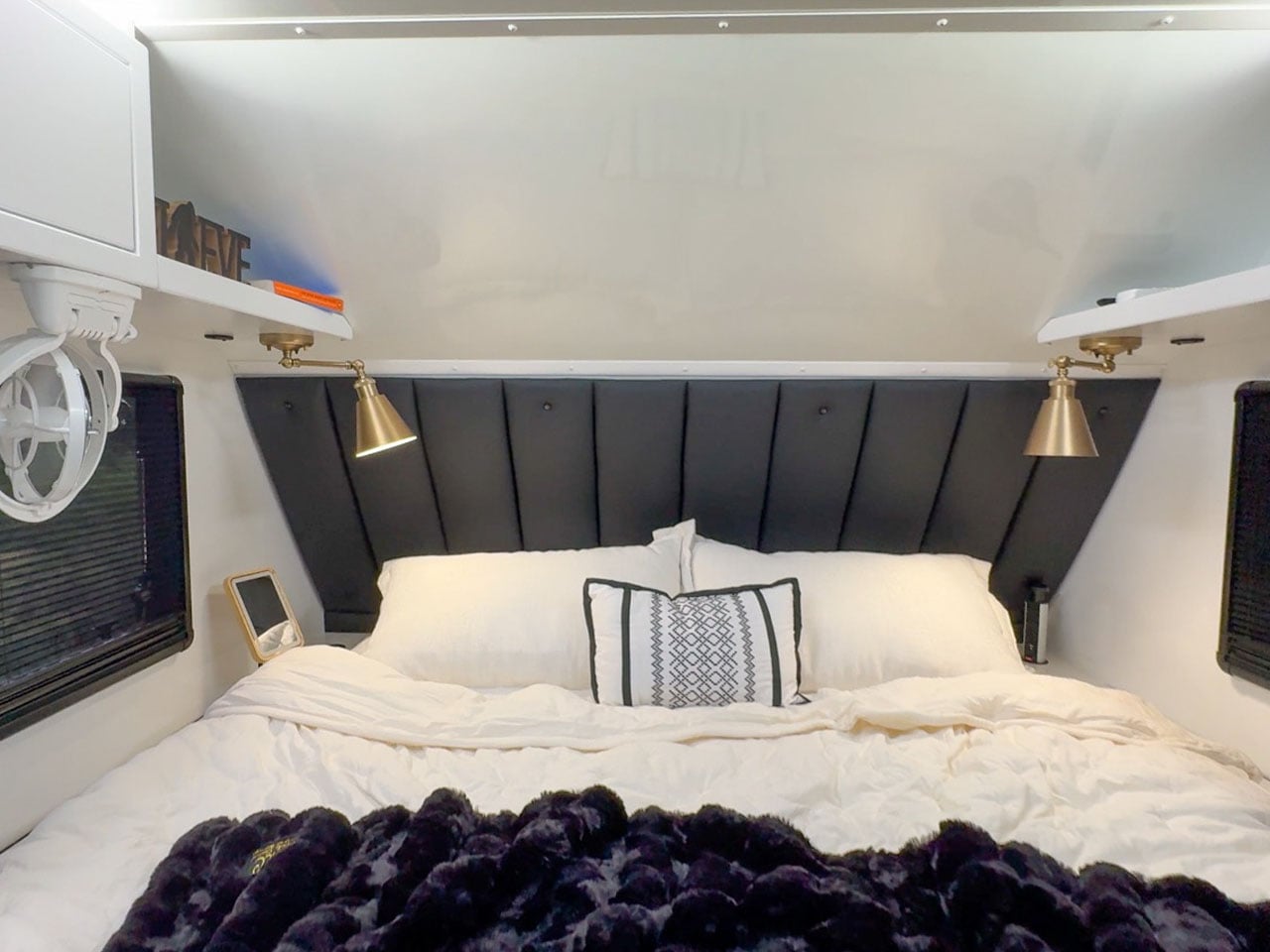
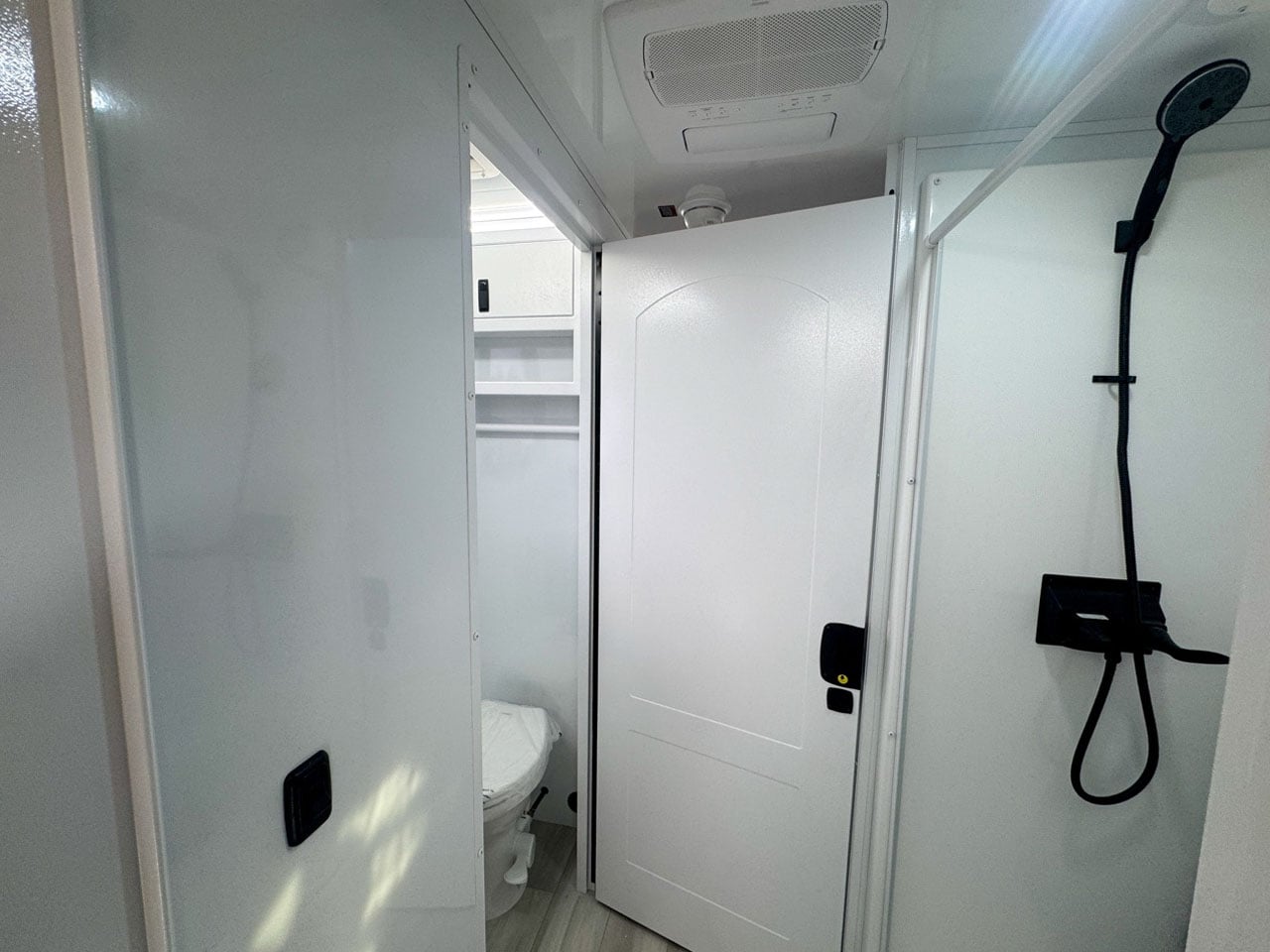
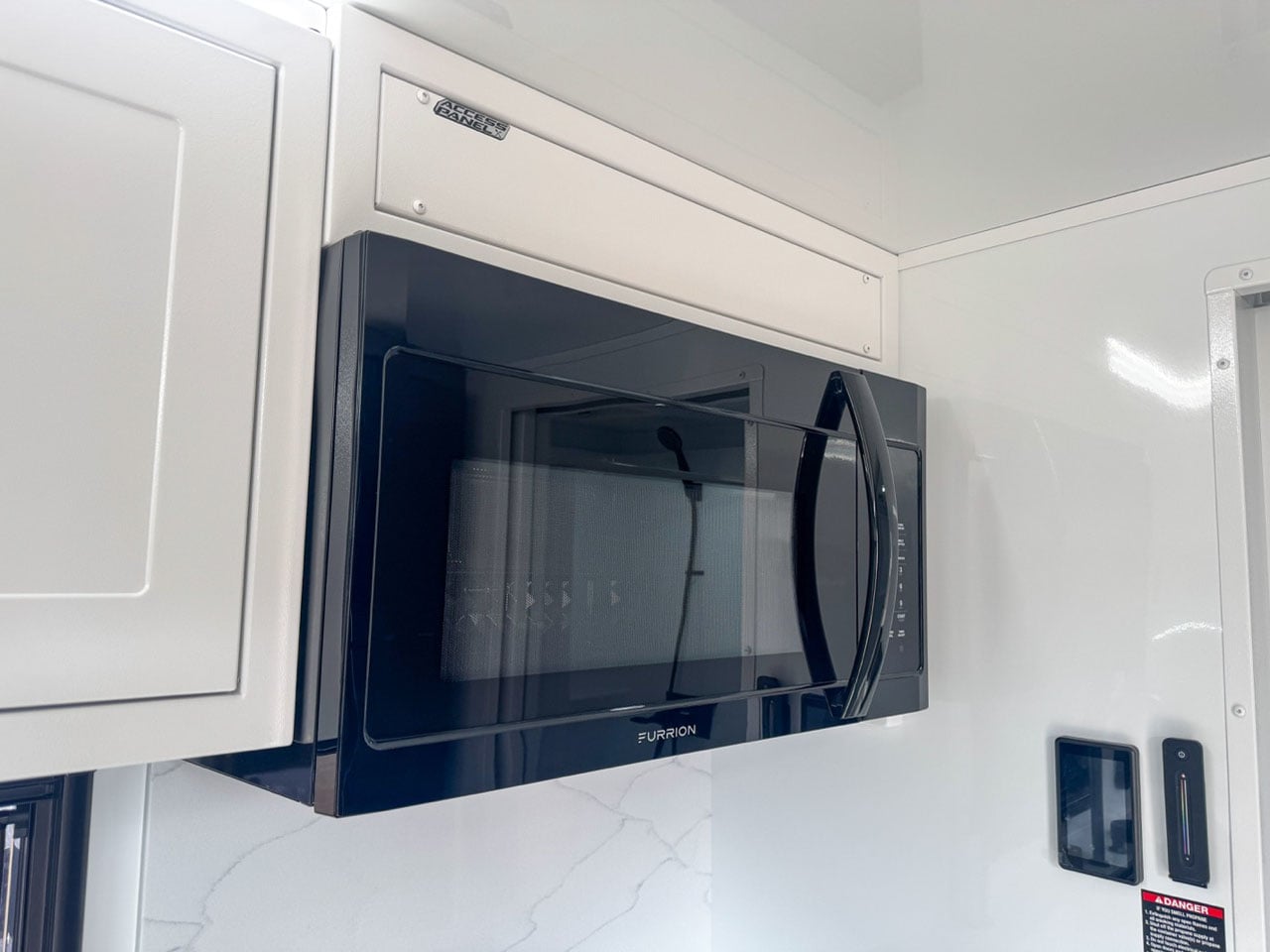
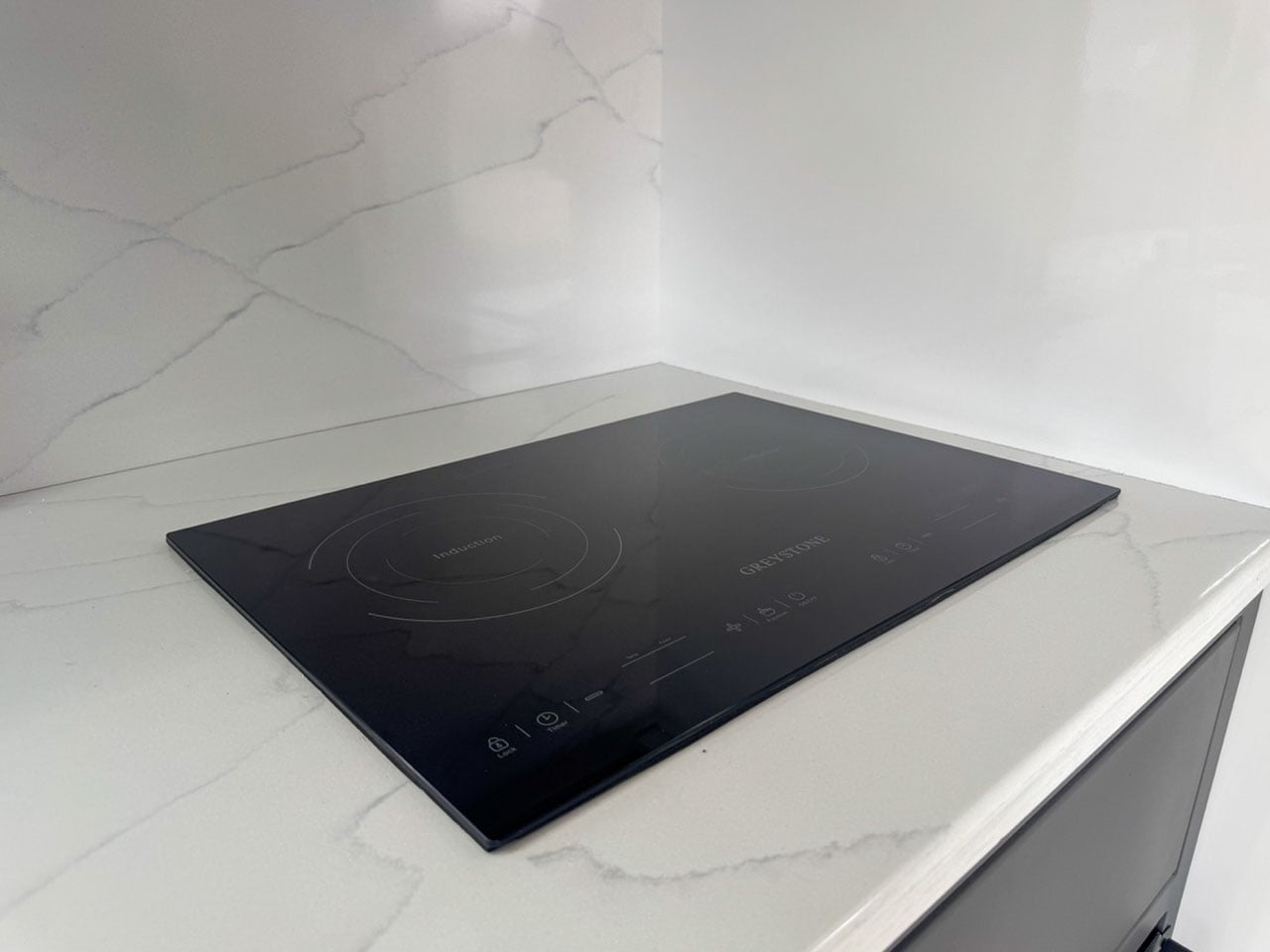
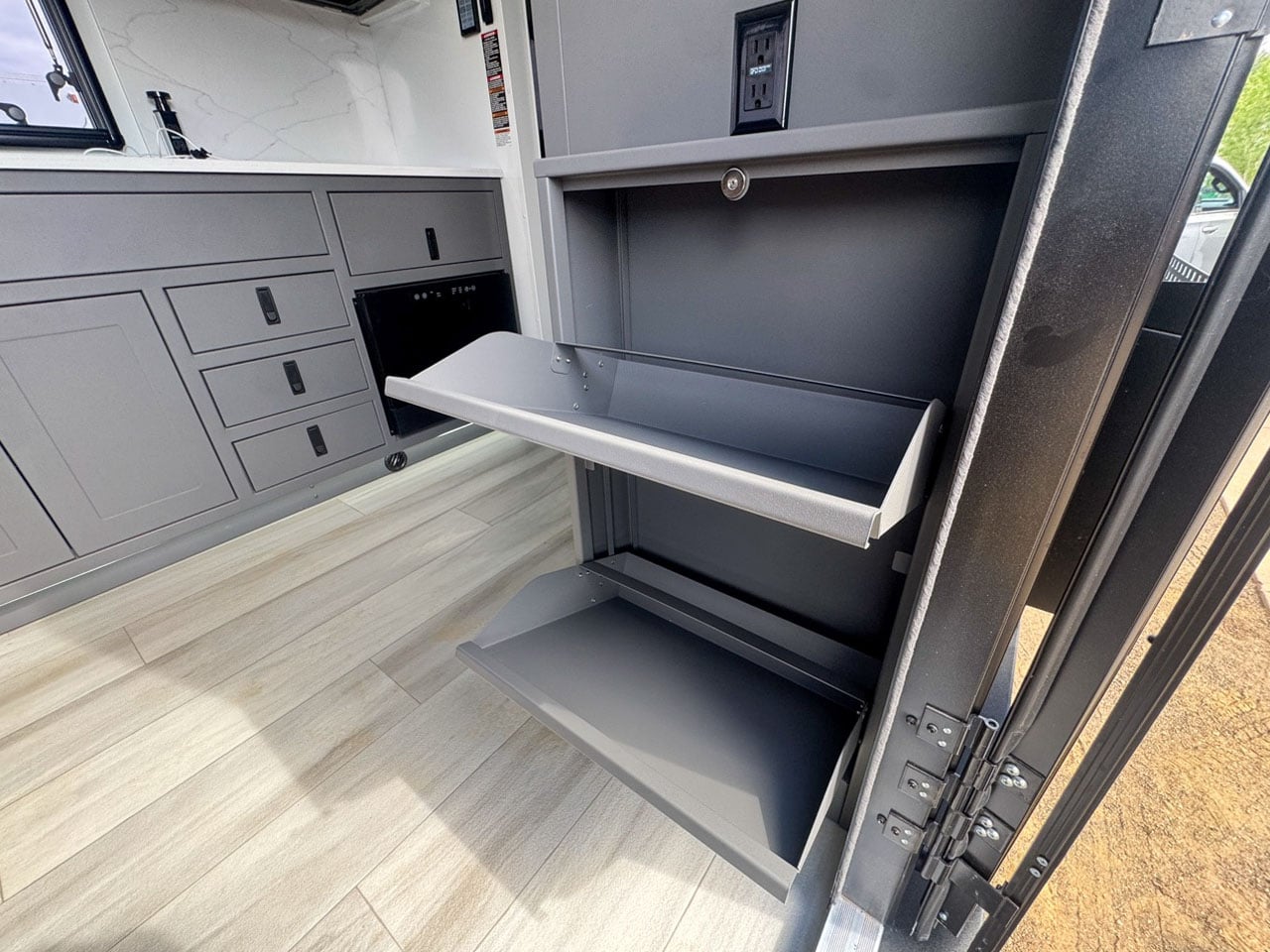
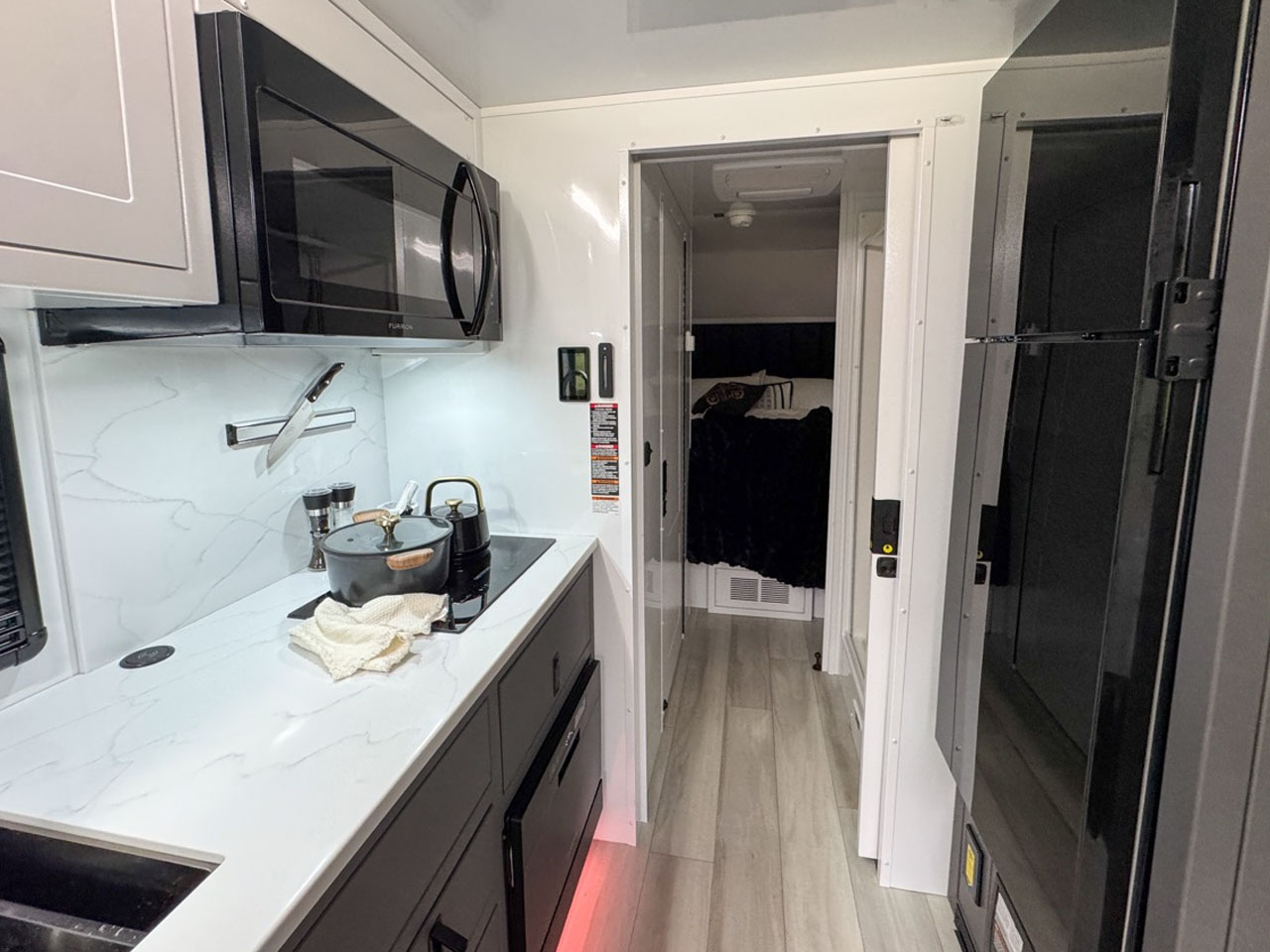
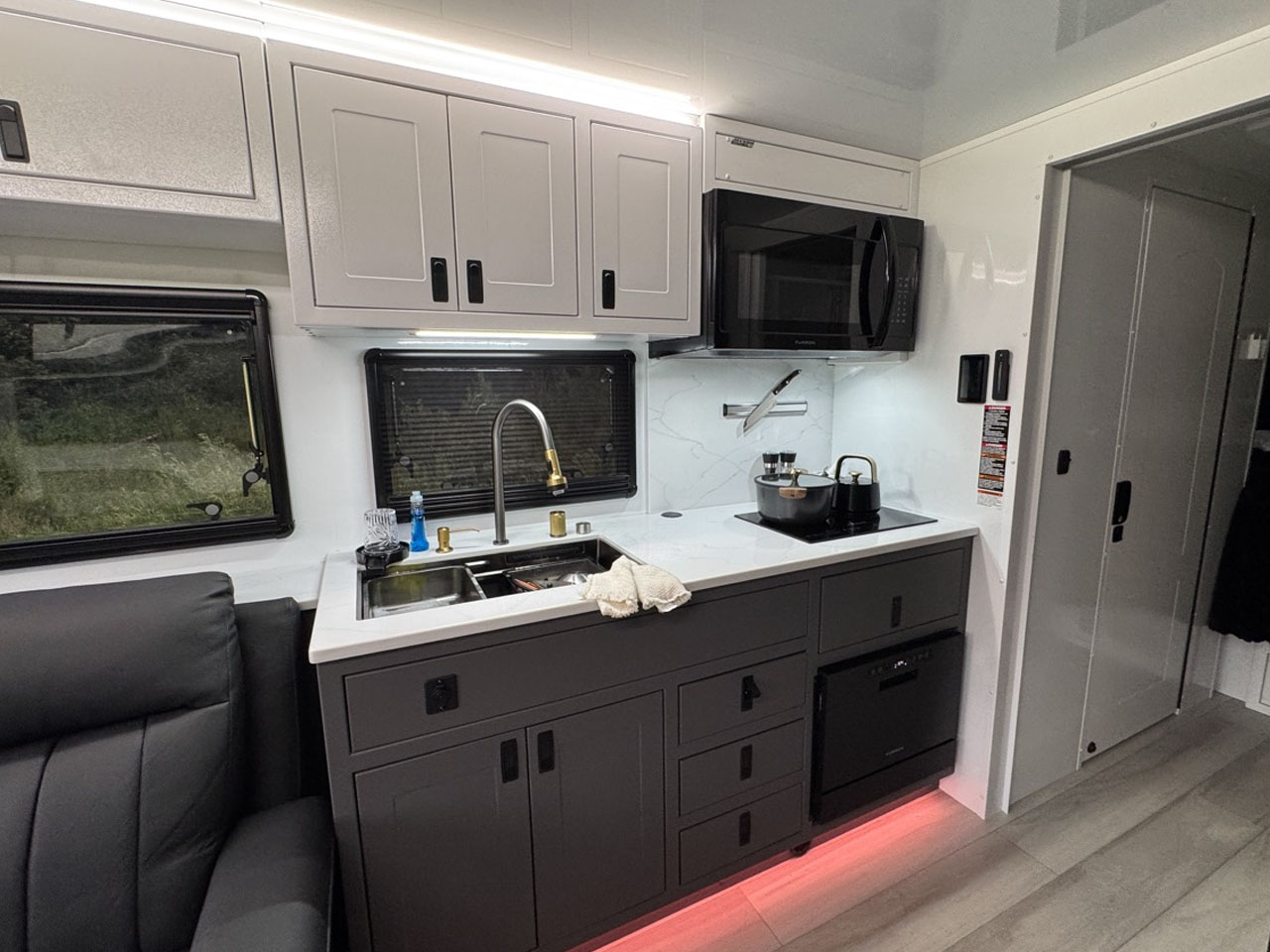
After the entertainment, when you feel hungry, you can prepare a meal in the fully equipped kitchen or run for a quick shower in the wet bath. When it’s time to retire for the day, hop into the sleeping area provided with either a twin or a king-size bed. This convenience and the all-weather durability of the rig are further enhanced by its massive rooftop solar array (more on it after we have got the Roamer X’s weight and towing convenience out of the way).
Roamer X measures 27 feet long and has an approximately 9,800 pounds of dry weight. The average Gross Vehicle Weight Rating (GVWR) of this camping trailer is roughly 11,000 pounds, which can feel like too much, but in comparison to the average GVWR of larger motorhomes, it is still closer to a standard travel trailer, which the Roamer X essentially is.
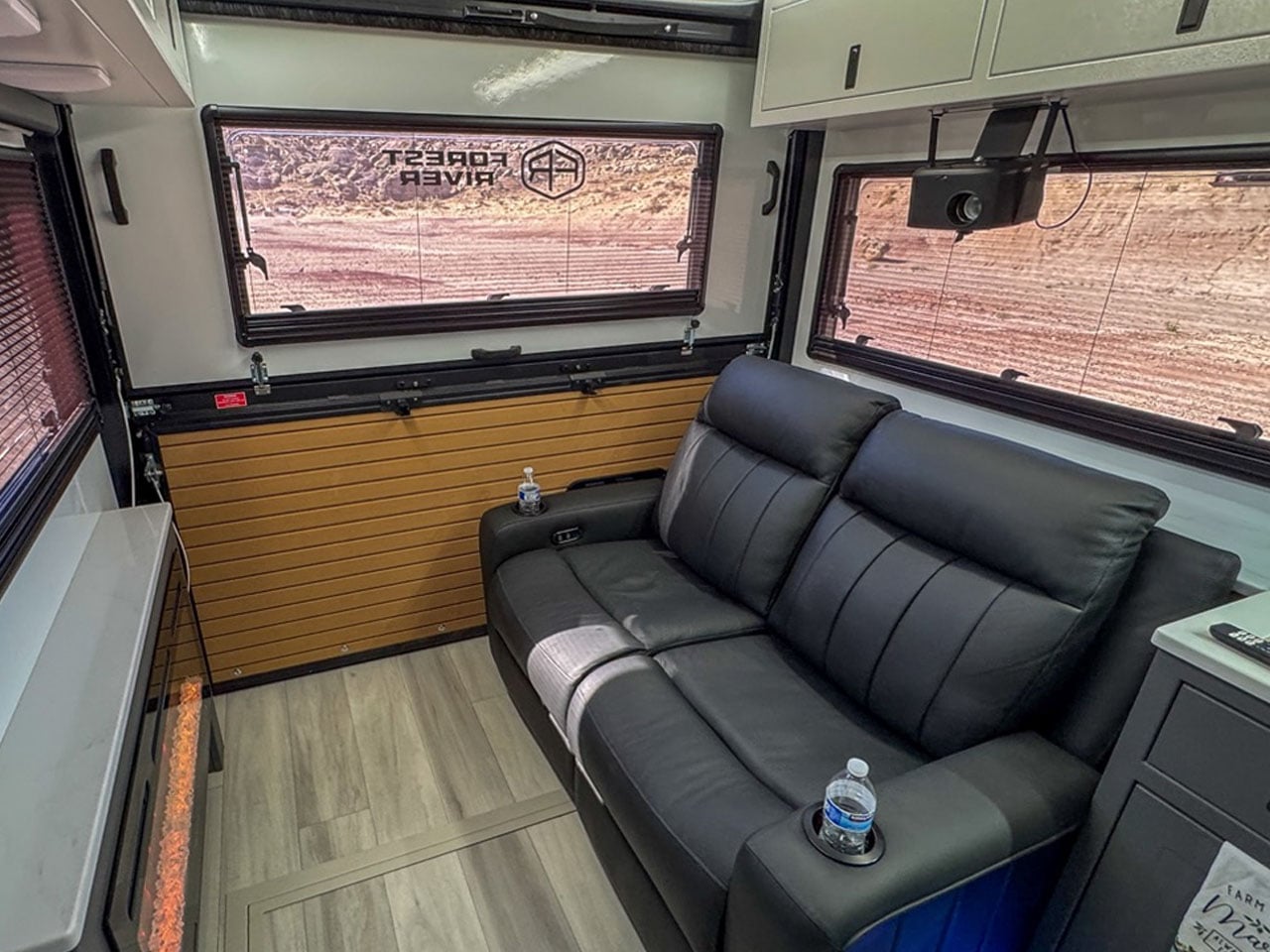
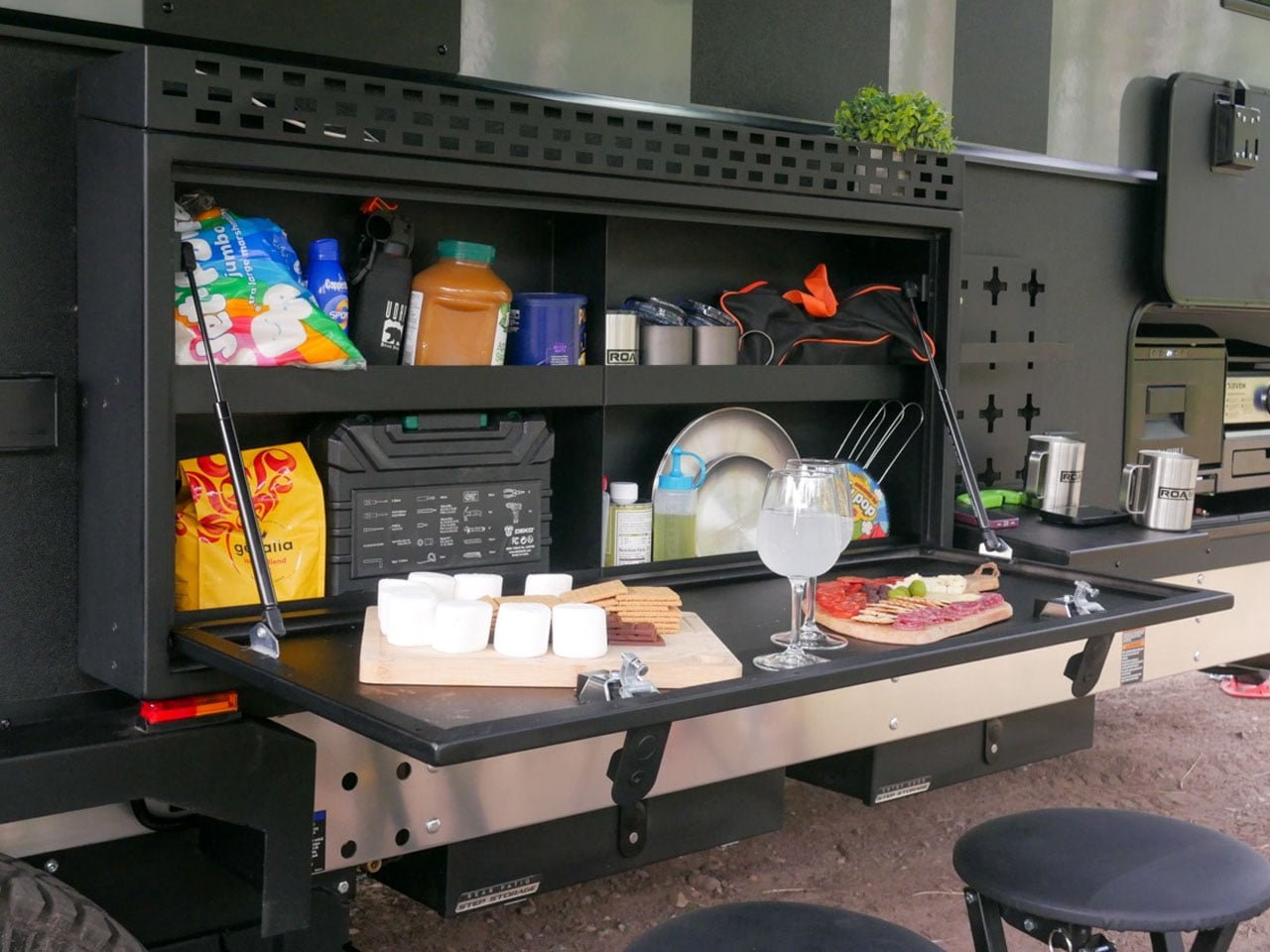
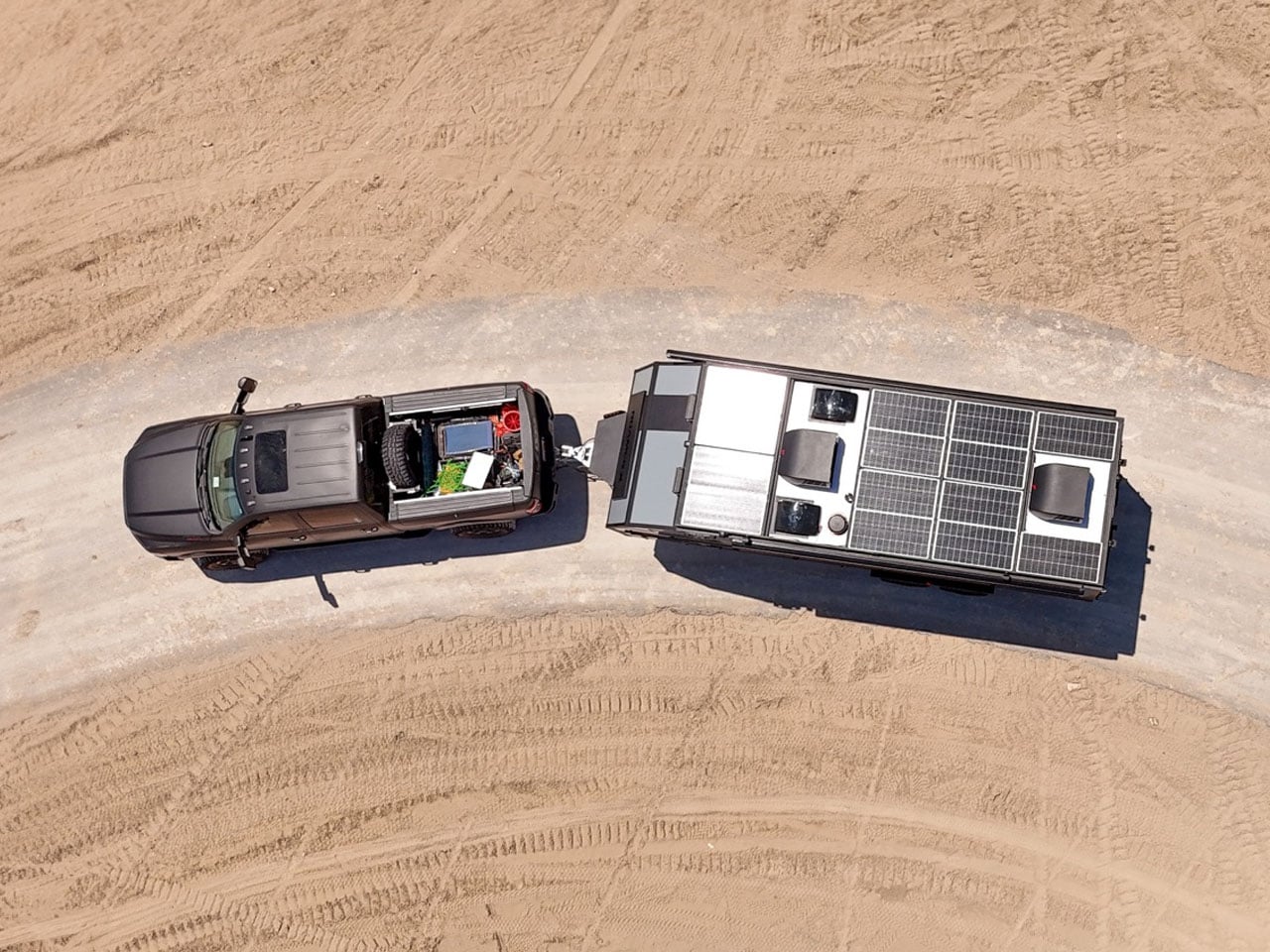
For its off-roading durability, the Roamer X supports heavy-duty tires, a reinforced chassis, and a MORryde air suspension, offering the camping trailer a smooth glide over uneven terrain. And for a comfortable time even when camped away from an electrical hookup, the Roamer X features 3,160 watts of rooftop solar panels. ROA Off-Road extends the solar capacity with awning-mounted solar panels and a portable array. It also features onboard 65 gallons of fresh water, a 2,100 Ah lithium battery, and a pair of 3,000-watt Victron inverters to keep all the appliances and light fixtures going even when there is no sun for days.




The post $200,000 Roamer X is one hell of a solar-powered off-road trailer with cozy fireplace first appeared on Yanko Design.


The Samsung Galaxy S27 Ultra introduces a range of innovative advancements that elevate flagship smartphone performance to new heights. From enhanced battery technology to upgraded camera systems, the S27 Ultra establishes itself as a benchmark for premium devices. However, these innovations come with a noticeable price increase, reflecting broader trends in the smartphone industry. Below […]
The post Inside the Galaxy S27 Ultra Leaks: Massive Battery, Radical Design, and Big Changes appeared first on Geeky Gadgets.
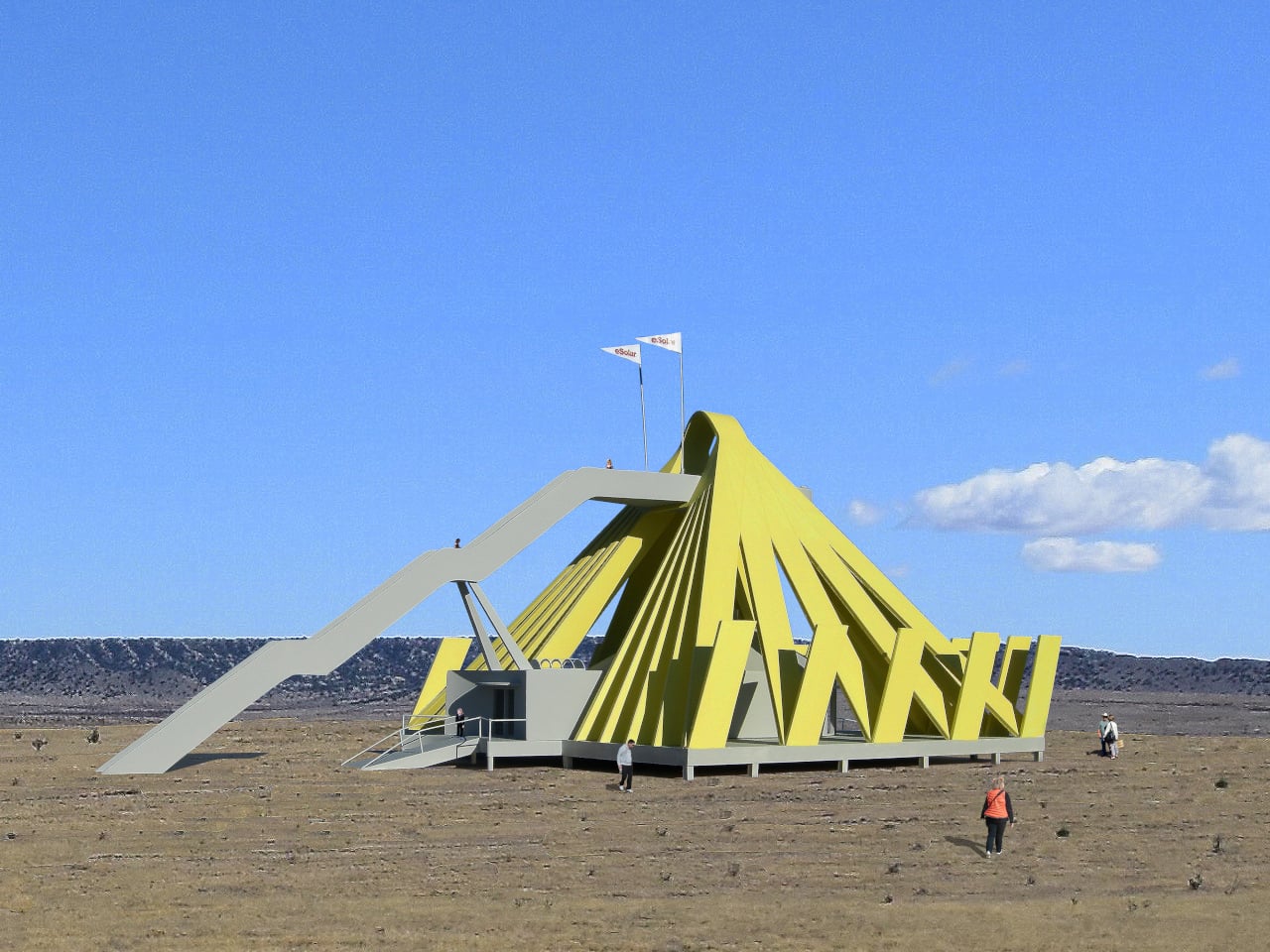
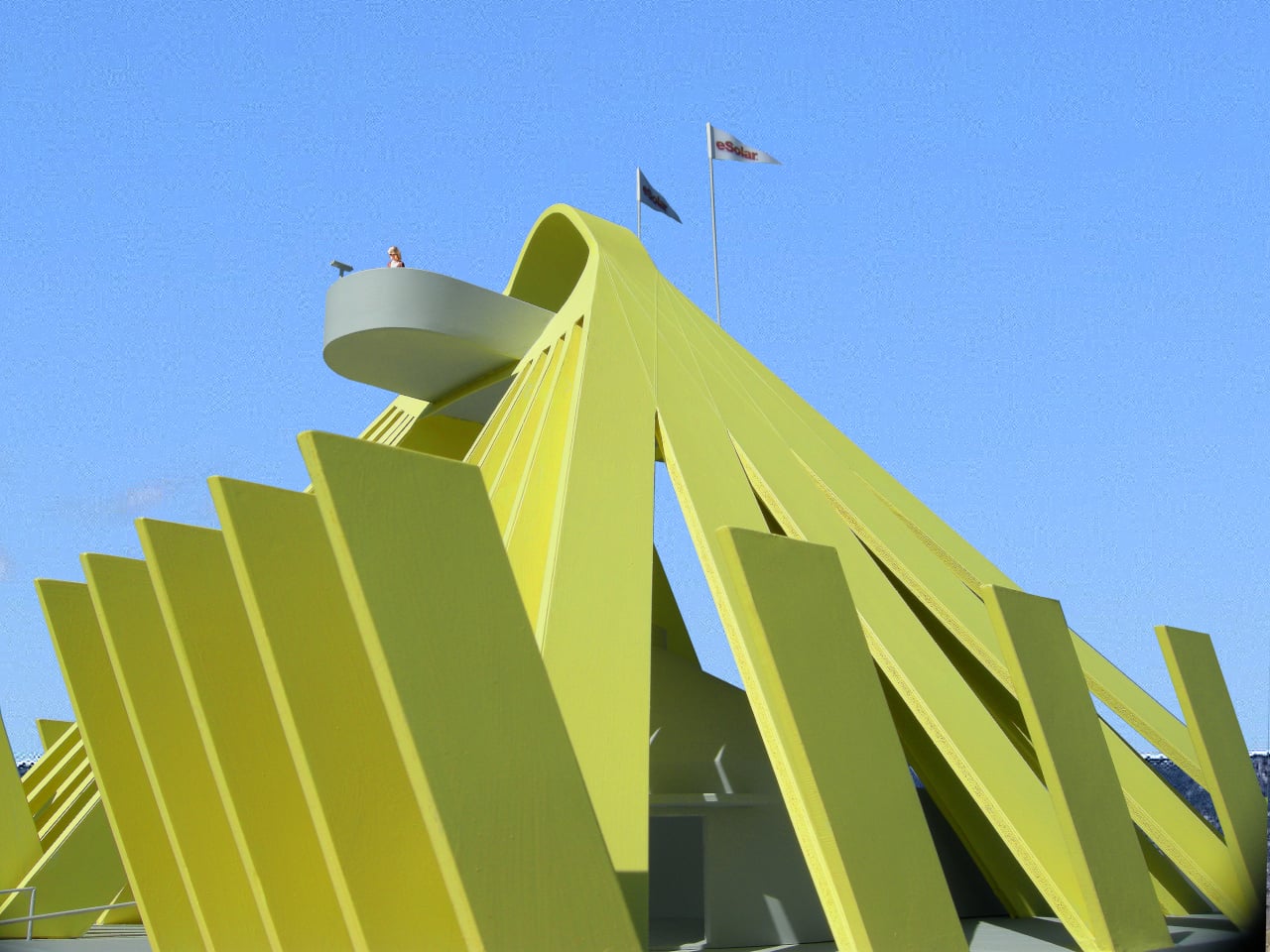
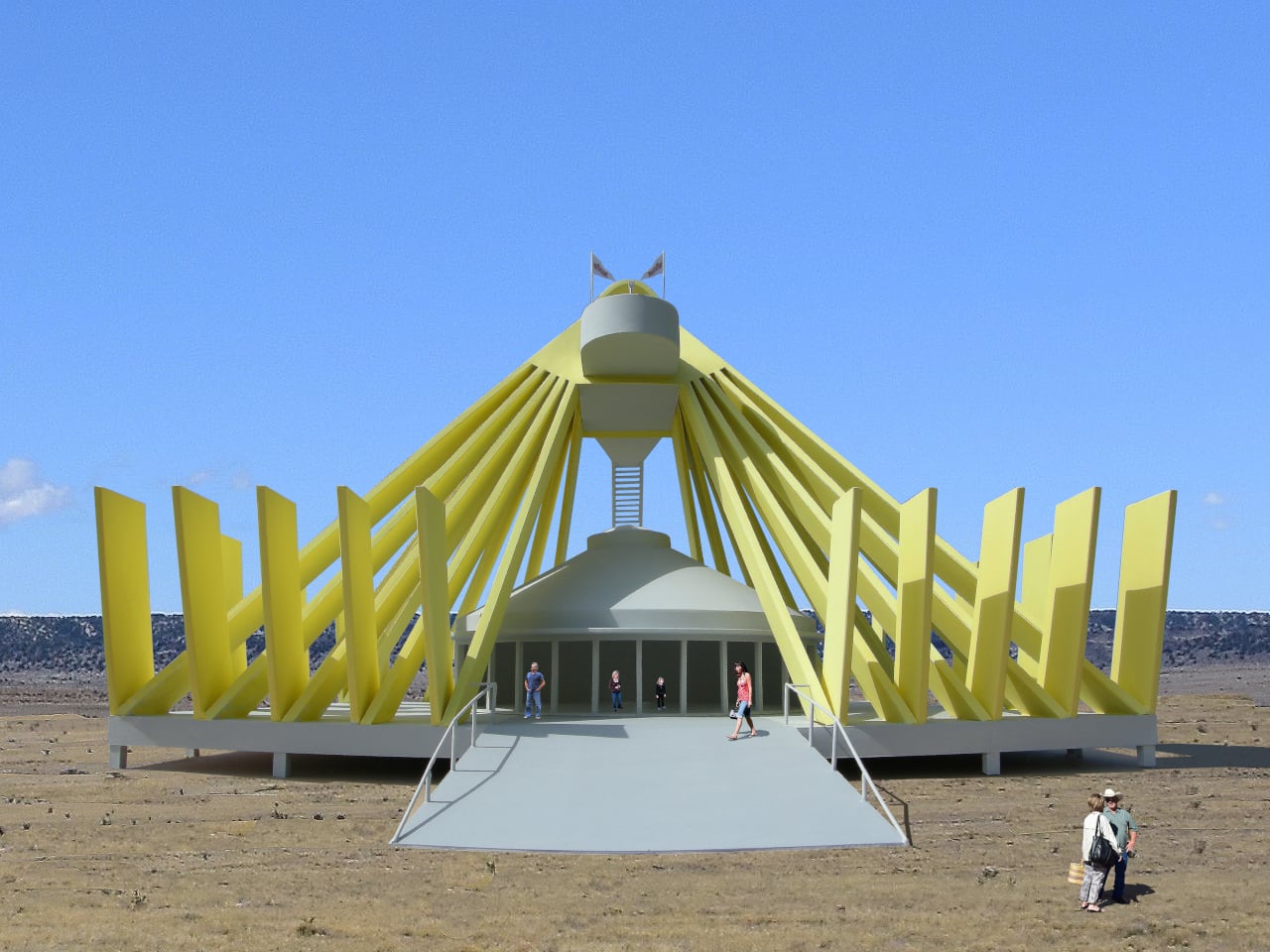
Solar power plants aren’t usually designed around the people who might stop by to understand them. The Solar Electric Visitors Pavilion concept gives those visitors a more inviting place to start, wrapping an exhibition space in yellow structures inspired by reflected sunlight. Intended for a Southern California desert, the unbuilt proposal combines shade, outdoor gathering space, and an elevated view of the plant.
The shape comes from the power plant’s proposed operating principle, which doesn’t involve the familiar rows of rooftop solar panels. Instead, hundreds of mirrors would direct sunlight toward a receiving tower, using the resulting heat to produce steam and generate electricity. The pavilion translates those converging paths into broad yellow bands, making an abstract energy diagram something you could actually walk beneath.
Designer: Michael Jantzen
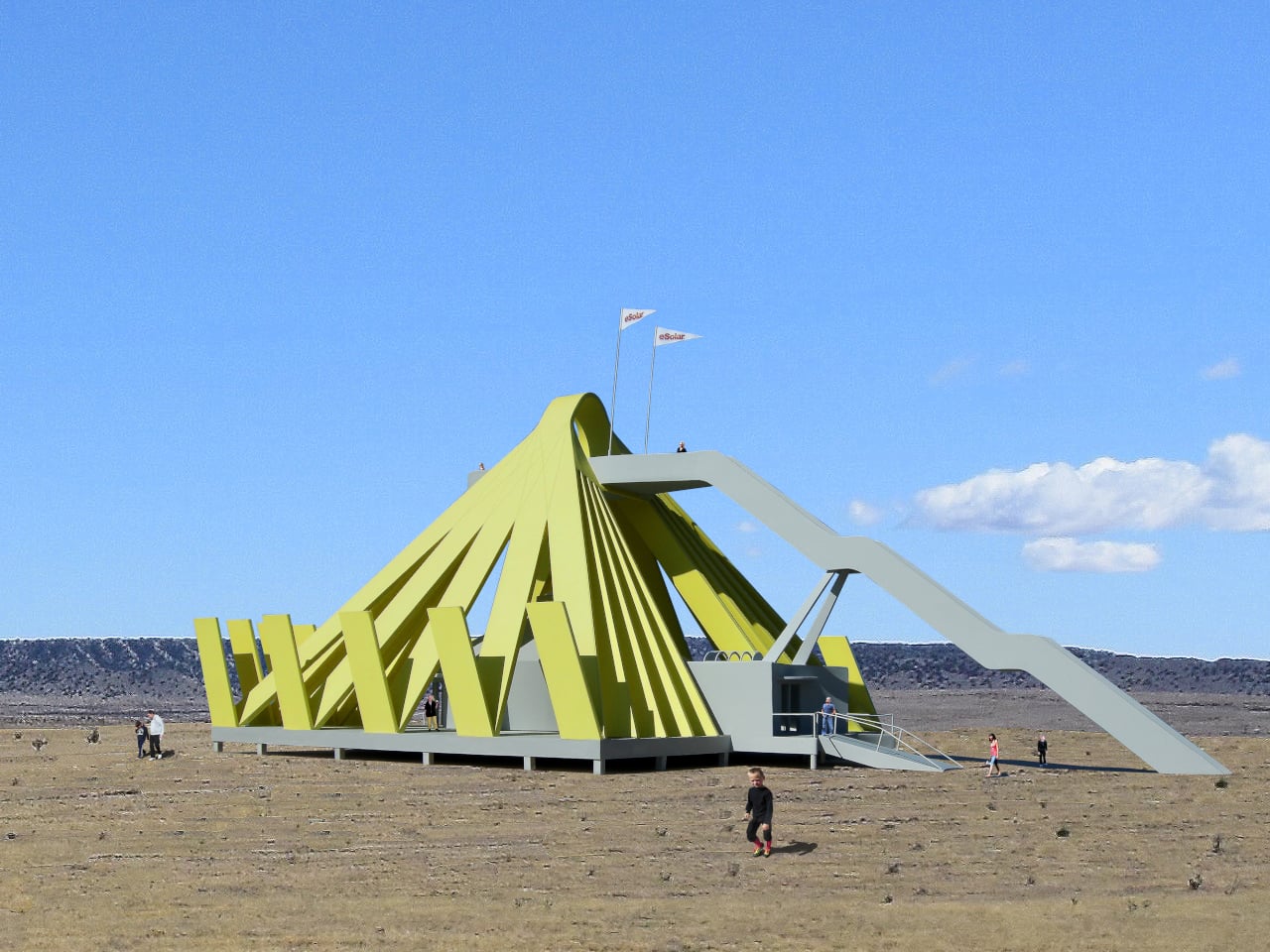

Those bands rise from the perimeter toward a shared high point, their lower ends bending upward like oversized ribbons. They aren’t intended to be decorative screens alone. The yellow structure would support the viewing platform while casting shade across the enclosed center and its surroundings. Gaps between the bands keep that outer layer open, rather than turning it into another enclosed room.
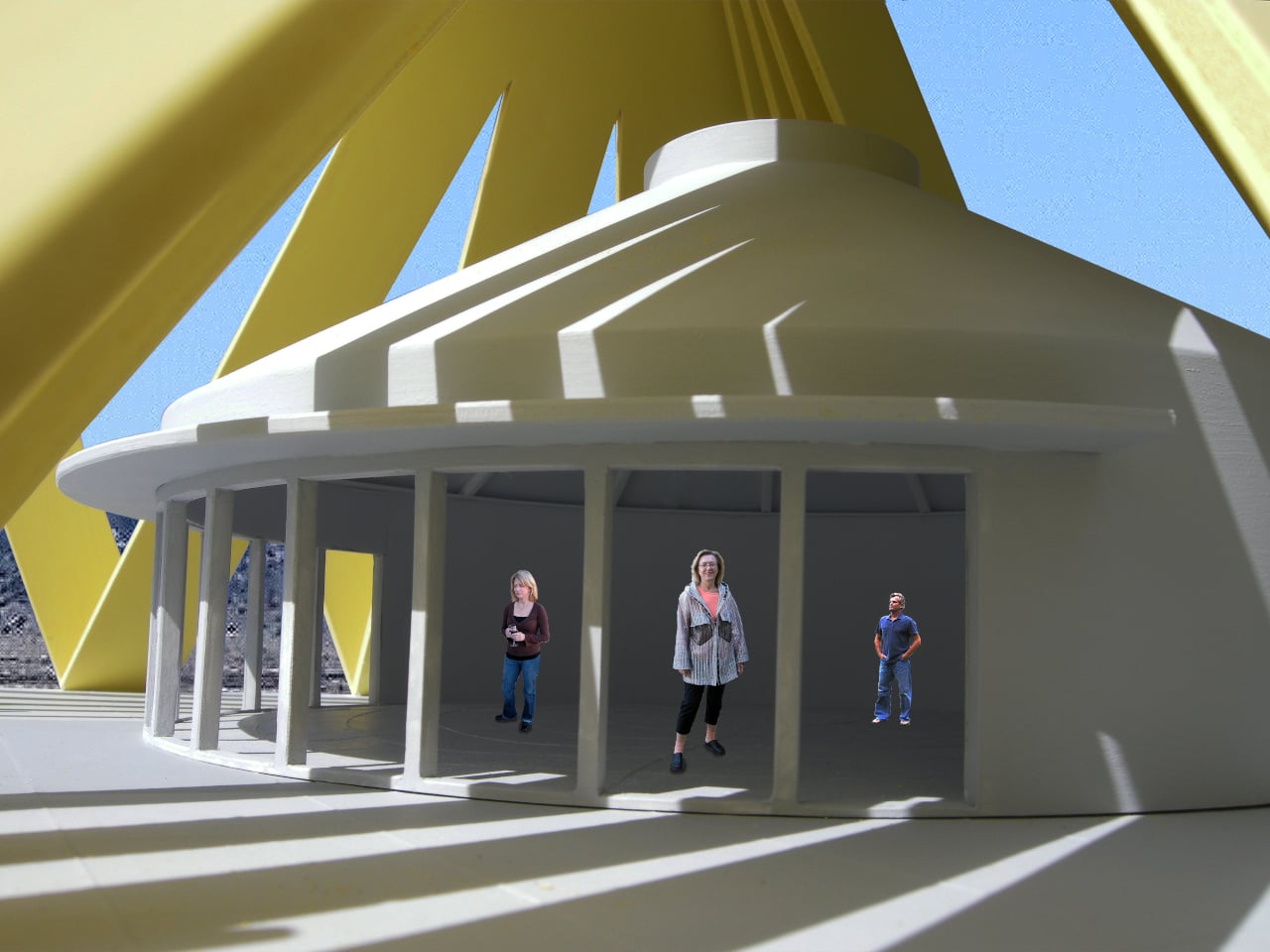
Tucked underneath is a low, rounded exhibition building where visitors could learn about the plant before heading upstairs. Large windows would face the facility, connecting the displays to the machinery outside. A shaded central skylight would bring in daylight from above, while both the windows and skylight are intended to provide natural ventilation. That doesn’t establish comfortable indoor temperatures on a desert afternoon.
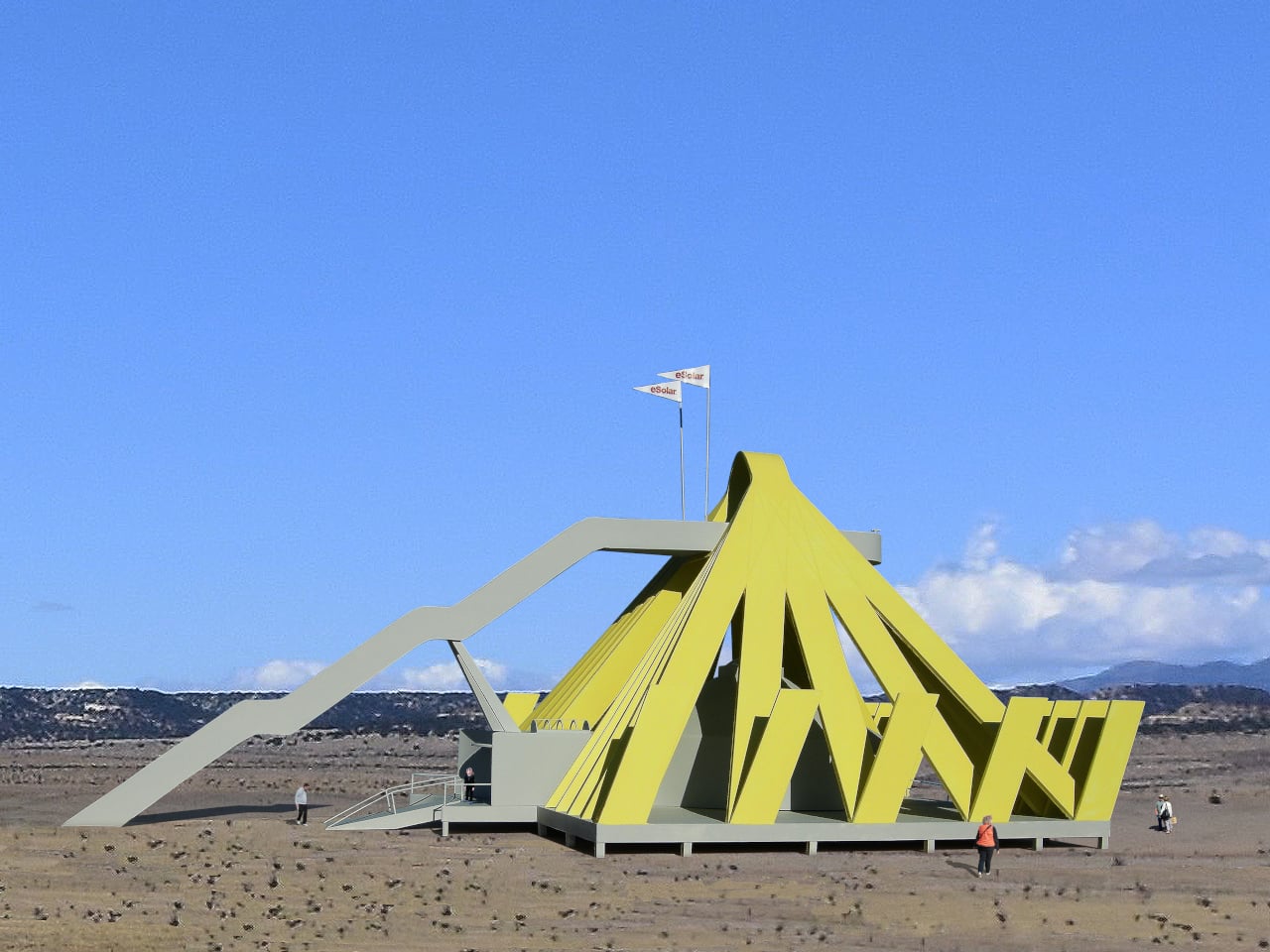

The space around that enclosure has a different job, giving special events somewhere to spread out beneath the yellow framework. A visiting school group could gather there before entering the exhibits, for example, rather than crowding inside immediately. It also creates an intermediate space between the open desert and the enclosed center, although the separated bands wouldn’t provide a continuous overhead covering.
An exterior staircase would take visitors upward, separating the climb from the exhibition room below. At the top, a projecting viewing platform would let visitors look across the power plant from above. After learning how the mirrors concentrate sunlight, you could step outside and follow their arrangement across the landscape. The change in viewpoint gives the visit a clear destination beyond the displays.

Most of the structure is proposed in steel and concrete composite materials, rather than the lightweight fabric its ribbonlike outline might suggest. Electricity would come from the associated power plant, not from the yellow bands themselves. That distinction keeps the architecture’s role clear: it interprets the energy system and accommodates its visitors, while the actual generating equipment remains elsewhere on the site.
There are still practical questions behind the dramatic silhouette, including how everyone would reach that elevated platform. The published proposal identifies stairs but doesn’t explain an accessible route to the upper level. Resolving that would matter for a public visitor center, especially one built around a shared view. The lesson about solar energy shouldn’t depend on being physically able to make the climb.
The post Solar pavilion concept turns sunbeams into a giant yellow canopy first appeared on Yanko Design.

China’s recently unveiled 15th Five-Year Plan outlines an ambitious roadmap to reshape its energy sector, with profound implications for global energy systems. Central to this strategy is the goal of achieving 3,500 GW of renewable energy capacity by 2030, a dramatic increase that underscores the scale of the country’s commitment to sustainability. Just Have a […]
The post China Targets 3,500 GW of Renewable Energy Capacity By 2030 appeared first on Geeky Gadgets.