Copper-clad Maserati GranTurismo brings handcrafted luxury + gullwing doors to a bespoke grand tourer

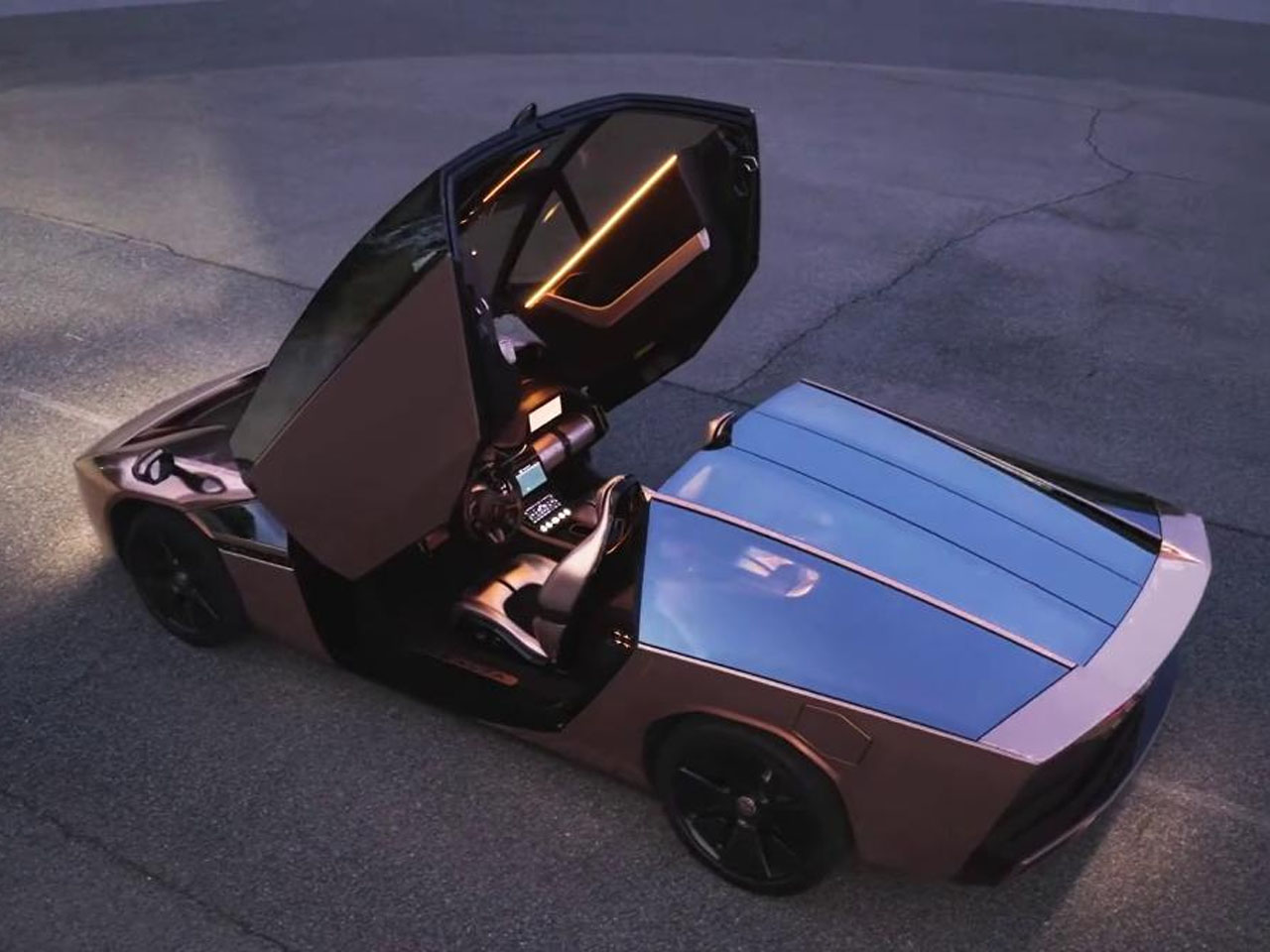
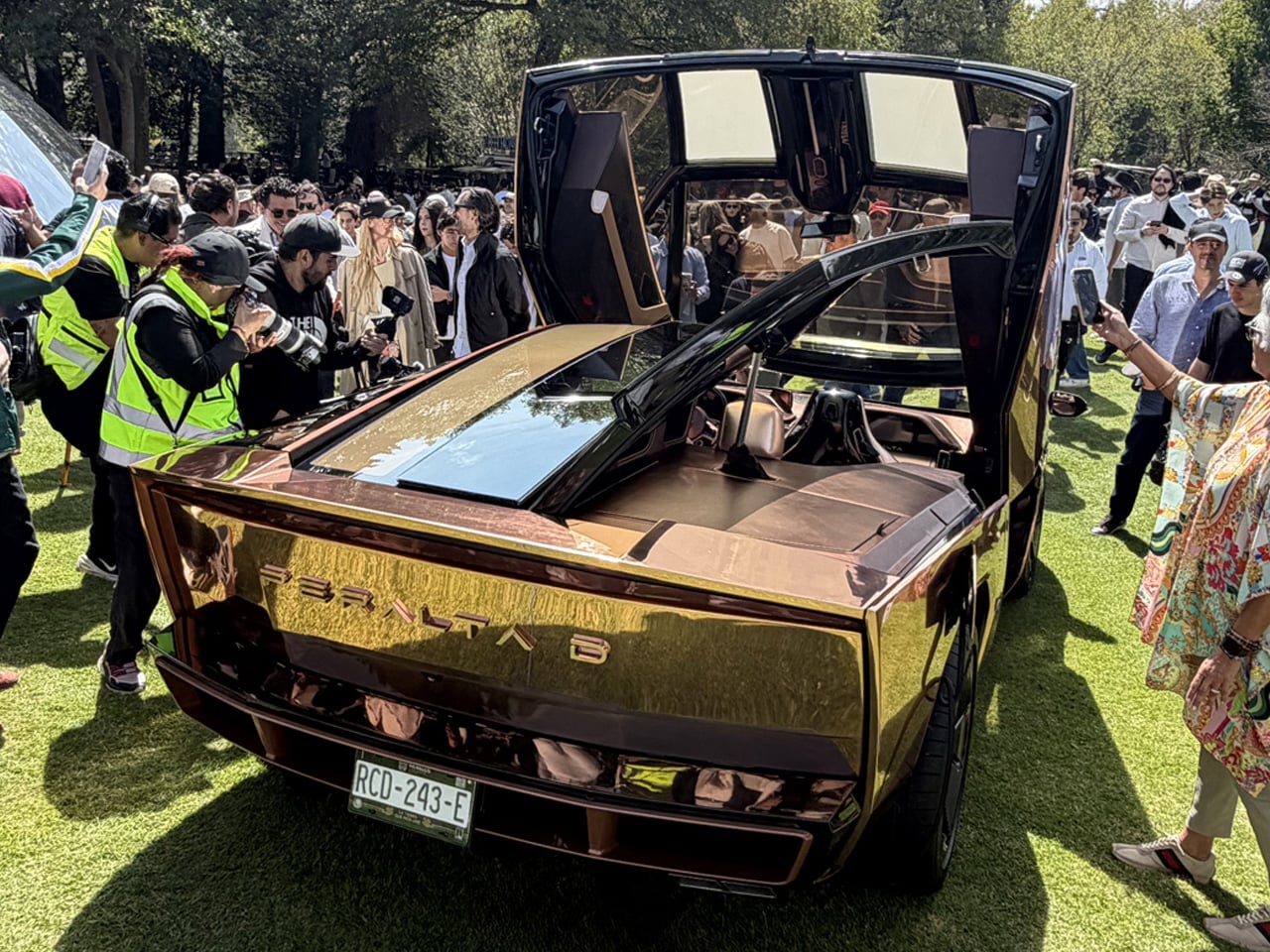
A Maserati GranTurismo is not something you would normally associate with a copper exterior and a glass canopy that opens like a cockpit. Yet that is exactly what makes the GFG Style Peralta D so intriguing. The one-off grand tourer trades the familiar curves of the Italian coupe for hand-hammered copper panels, a mirrored glass upper body and an unusual arrangement of gullwing doors. It is an ambitious exercise in coachbuilding by Fabrizio Giugiaro, created for Mexican entrepreneur and car collector Carlos Peralta.

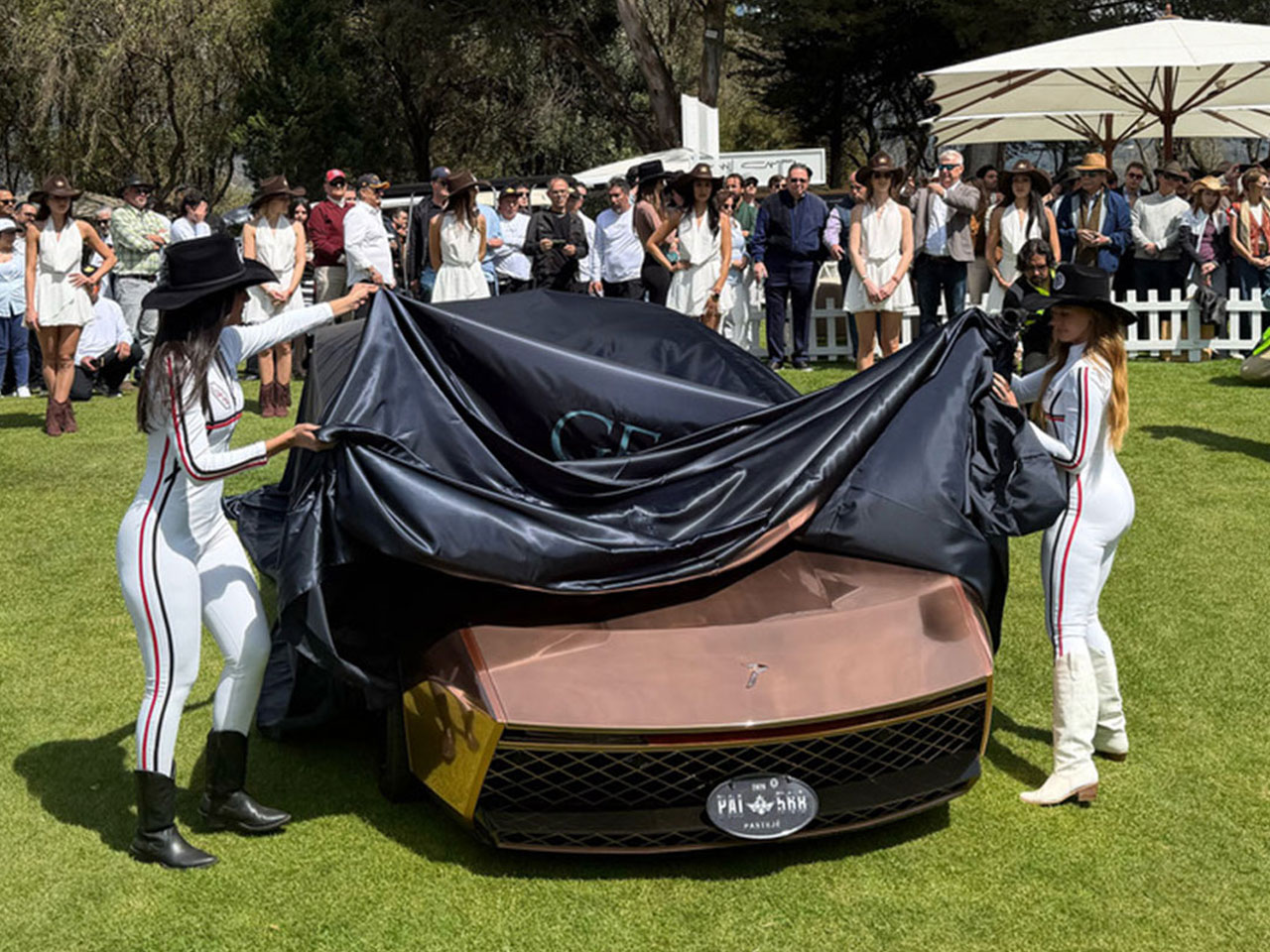
Unveiled at the 2026 Pastejé Automotive Invitational in Mexico, the Peralta D is the second project commissioned by Peralta from GFG Style. It follows the Peralta S, a bespoke creation based on the Maserati MC20, introduced in 2025. This time, the starting point is the Maserati GranTurismo, with its 2+2 seating layout offering room for four occupants. The D in its name is a personal reference to Peralta’s daughters, just as the earlier S was dedicated to his sons.

Designer: GFG Style

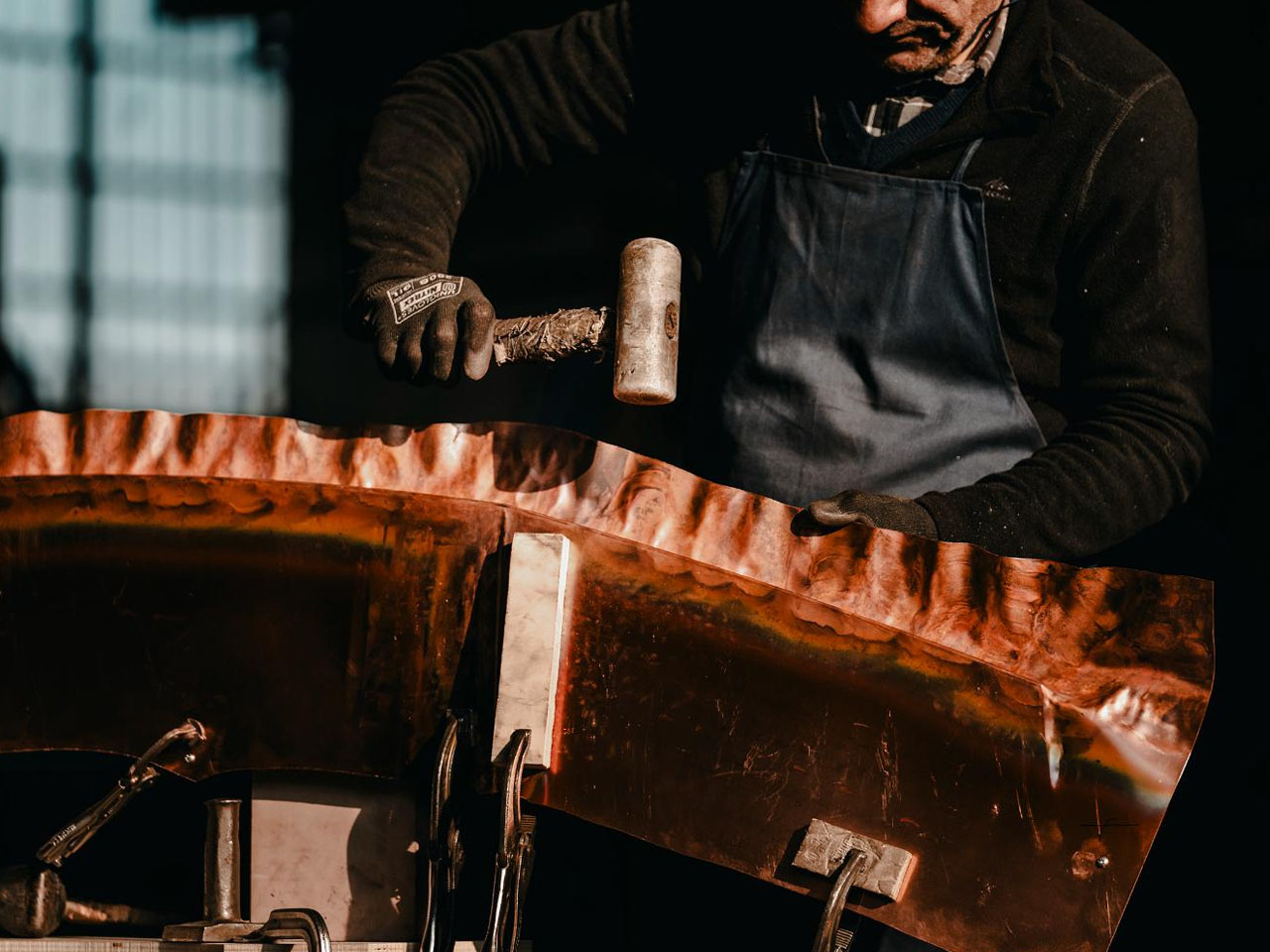
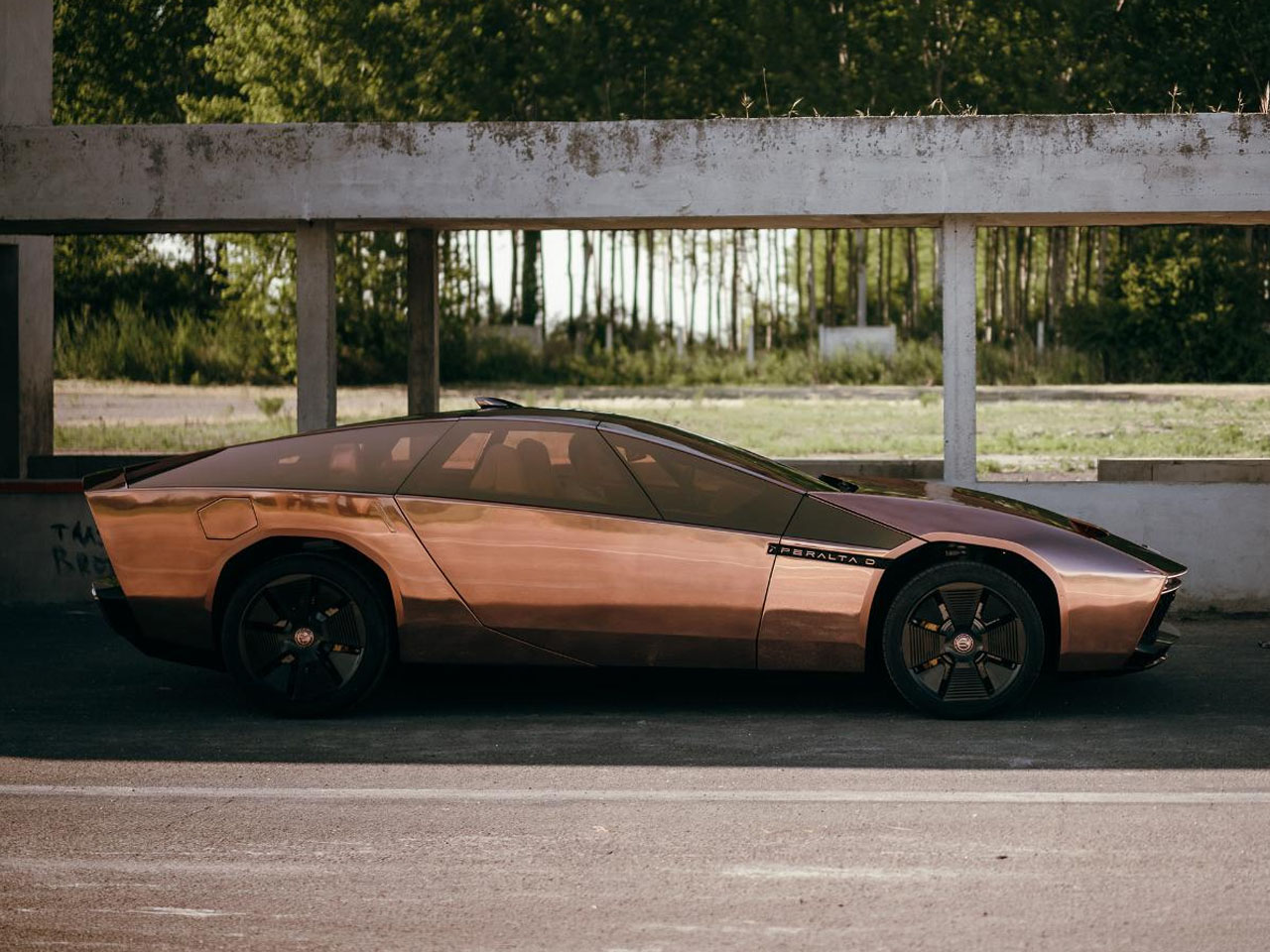
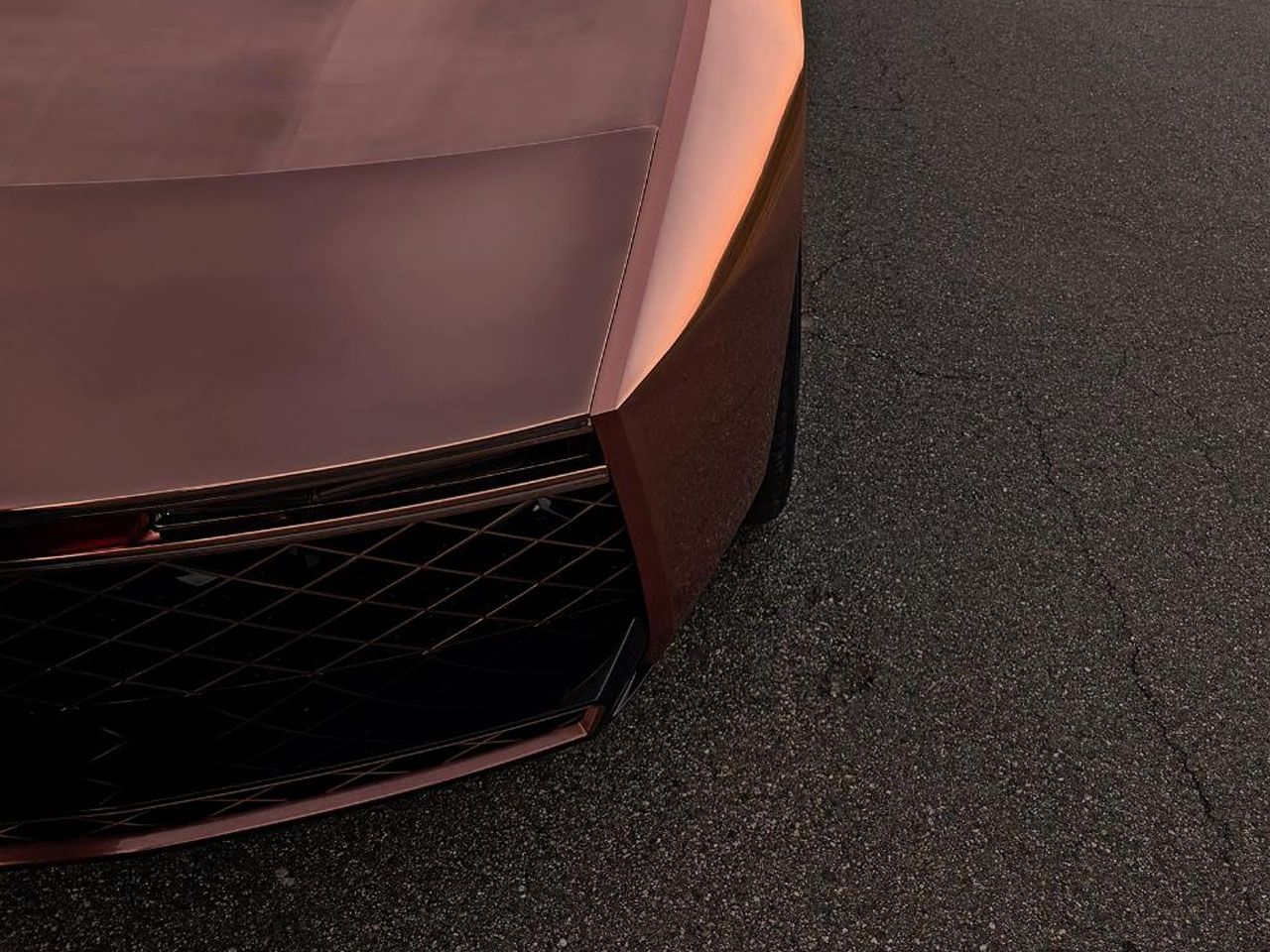
The most striking bit of the performance car is undoubtedly its bodywork. GFG Style has replaced conventional painted panels with pure copper, shaped and hammered by hand to create the lower body. The metal’s natural reddish finish is left exposed, giving the car a character that would be difficult to achieve with paint alone. Above it, mirrored glass treated in a matching copper tone forms the upper section, creating an almost uninterrupted surface between the roof and body.

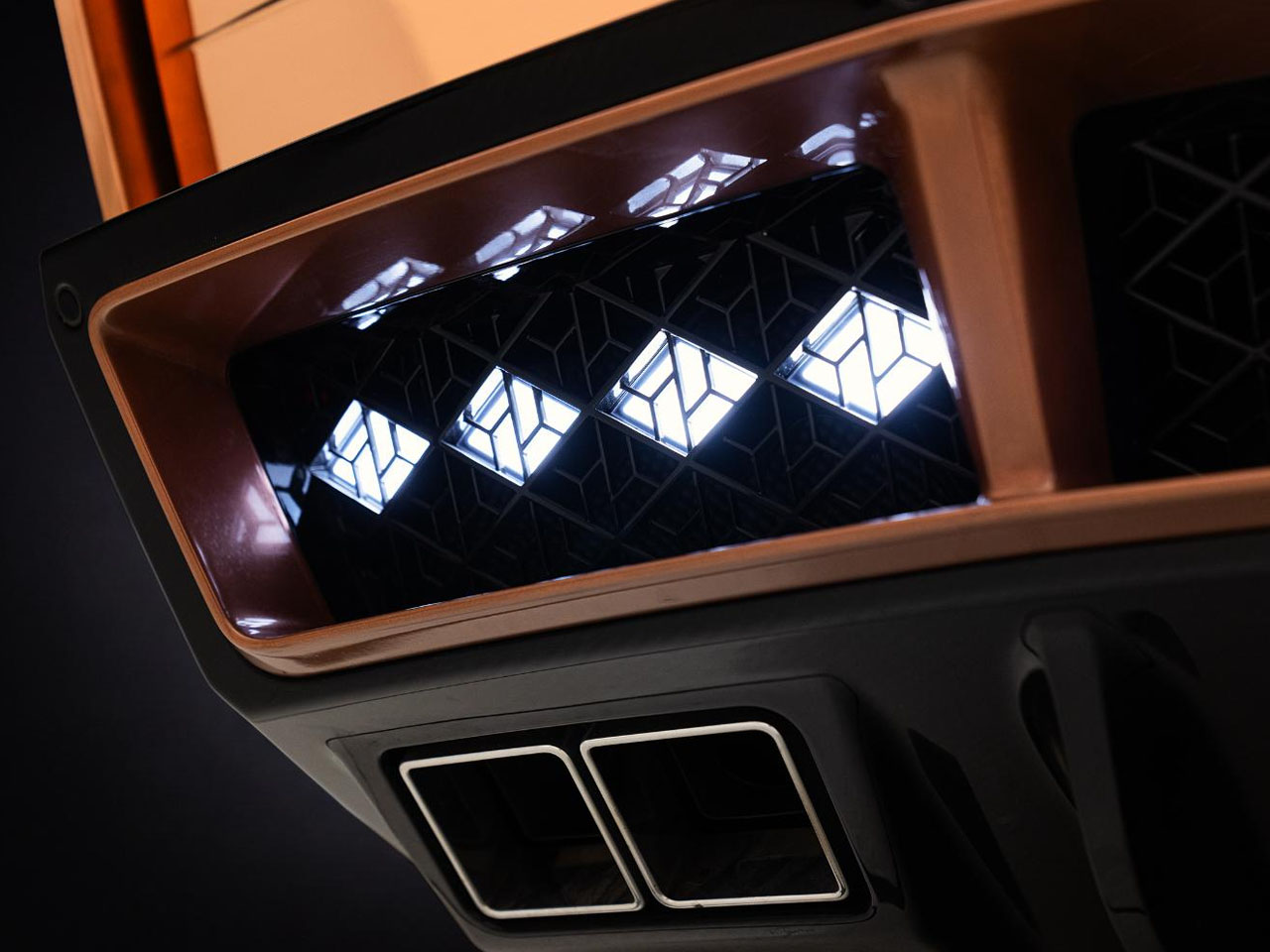
The design has a distinctly geometric character, with a wedge-shaped profile that recalls some of Giorgetto Giugiaro’s earlier automotive work. Anthracite-black alloy wheels feature a pattern inspired by the 1970s, while slim lighting elements and diamond-pattern aluminium grilles keep the front end relatively uncluttered. Carbon-fibre components are also present, although they are carefully integrated to avoid interrupting the copper-and-glass finish.
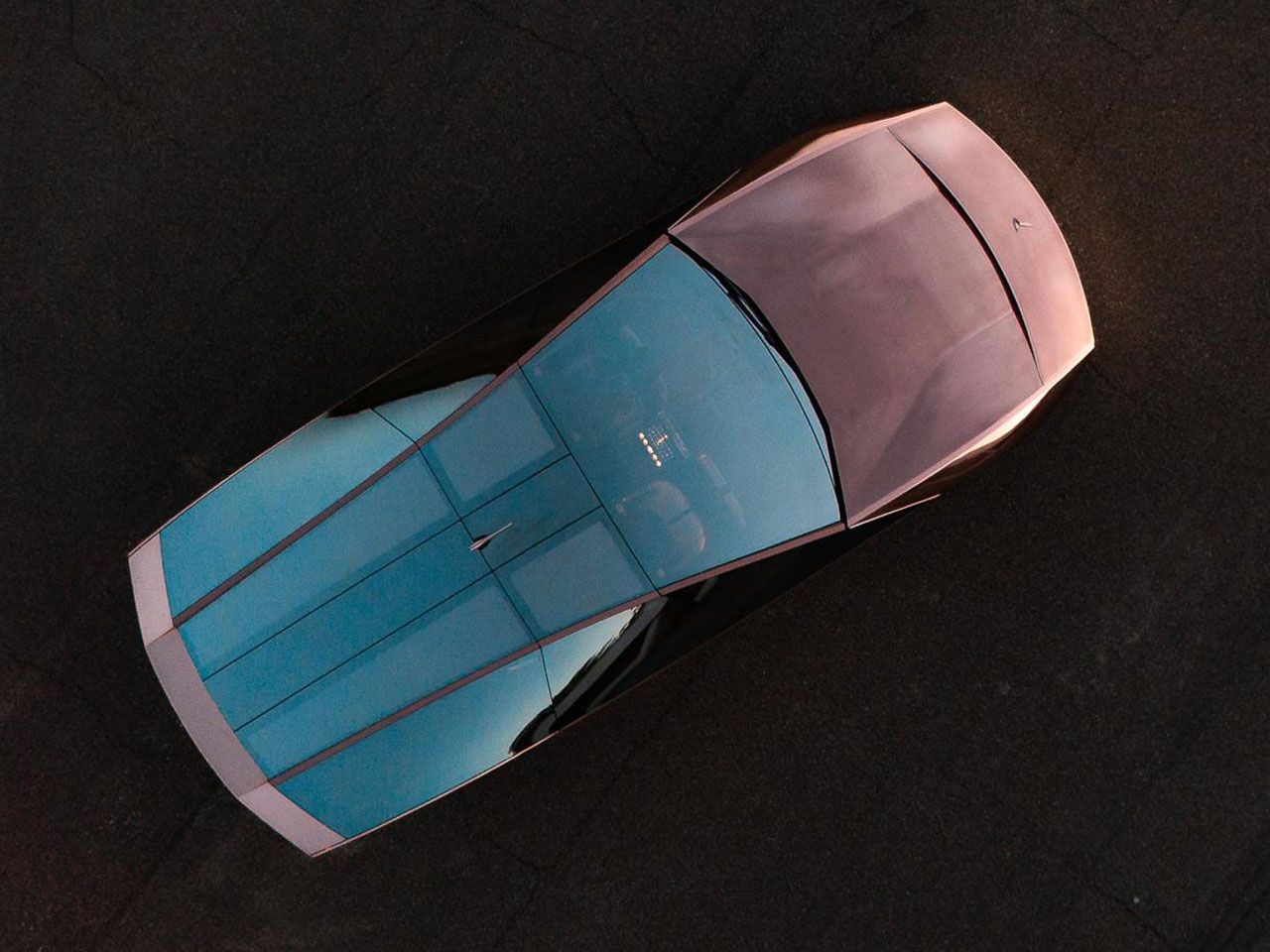

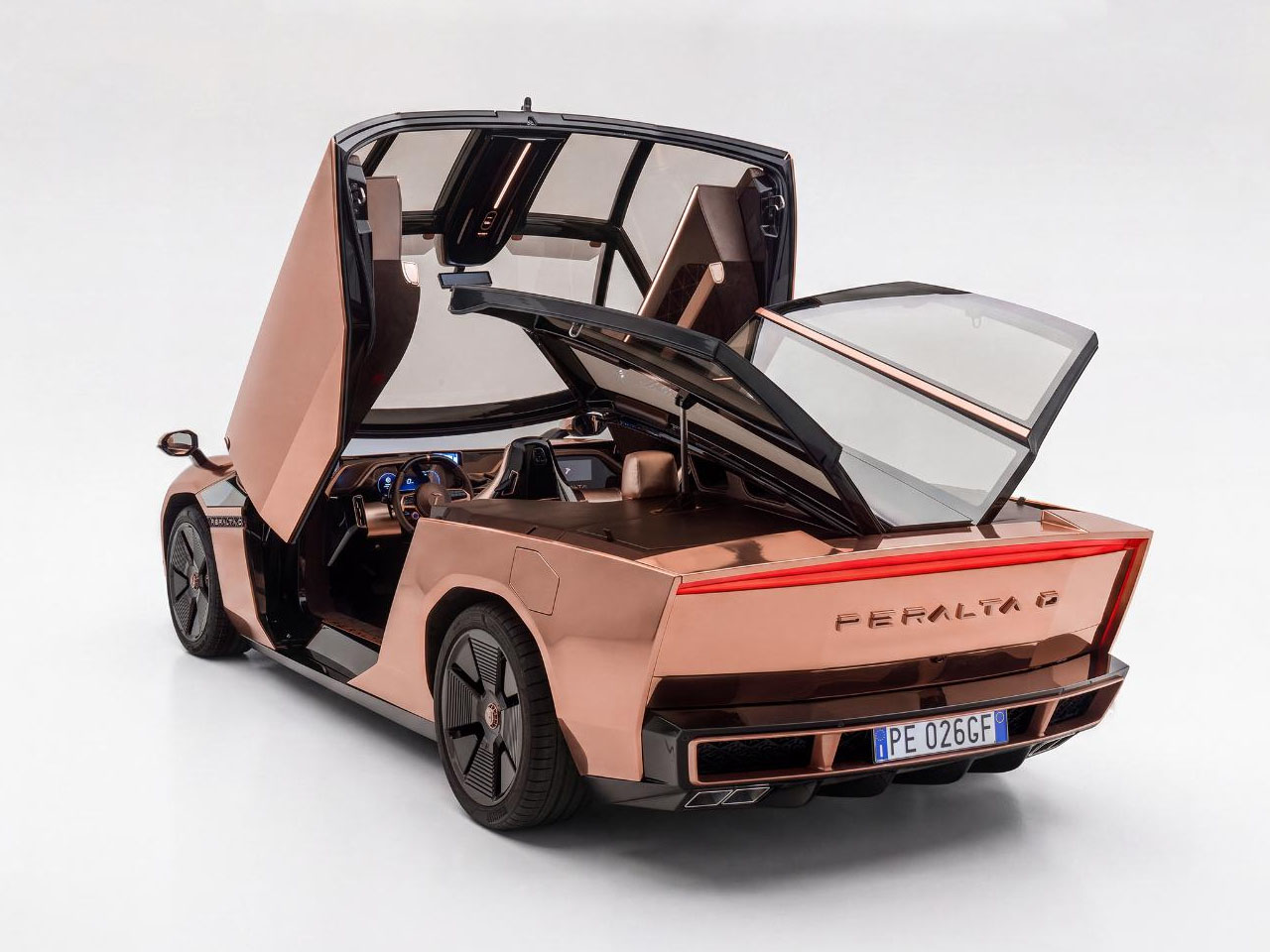
Getting inside is an experience in itself. Rather than using conventional doors, the front section opens through a single-motion glass canopy that tilts forward. The rear passengers have separate gullwing-style openings. The arrangement brings to mind the split-opening engine cover of the 1967 De Tomaso Mangusta, designed by Giorgetto Giugiaro, and gives the Peralta D a distinctive sense of occasion.

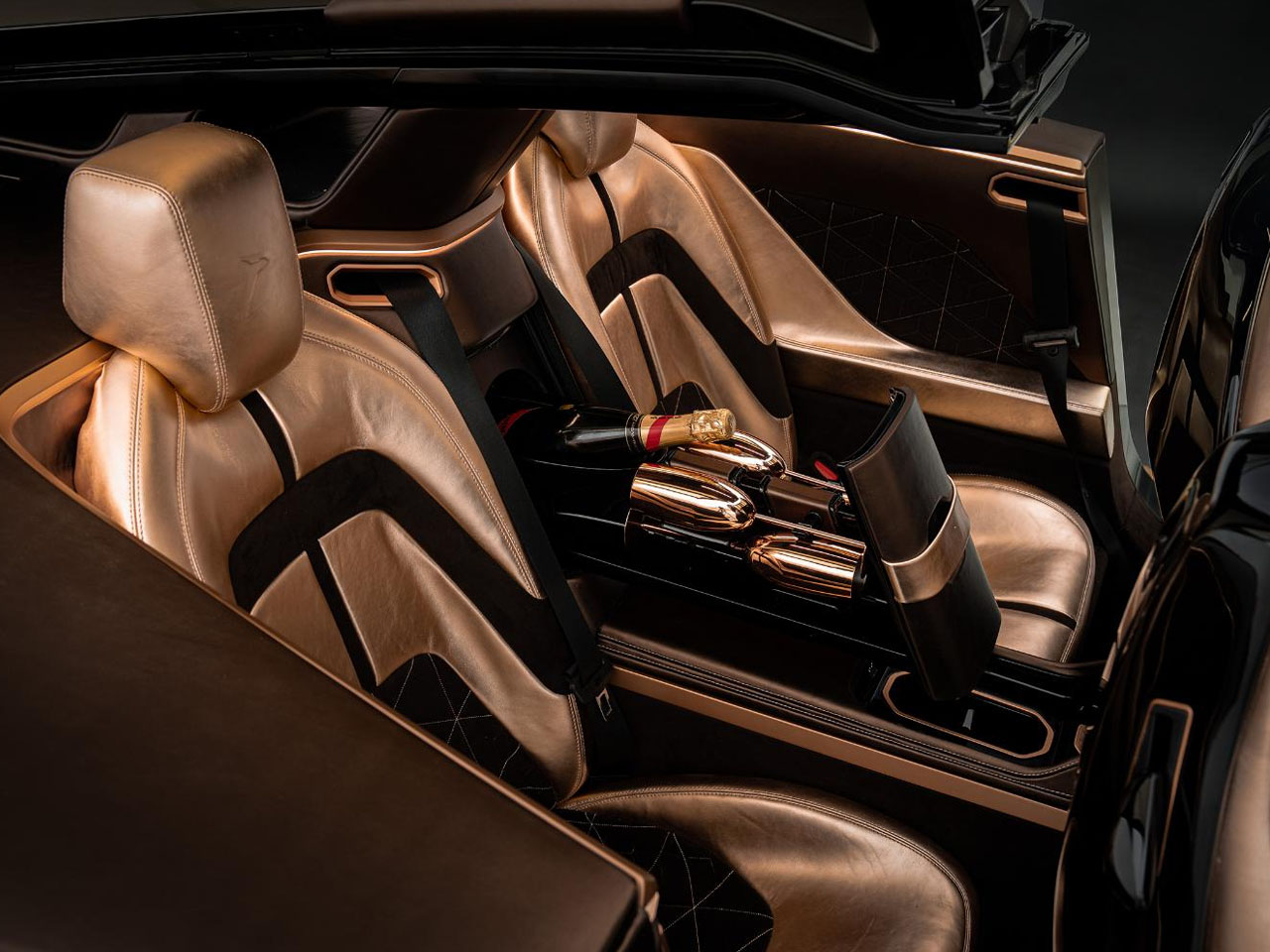
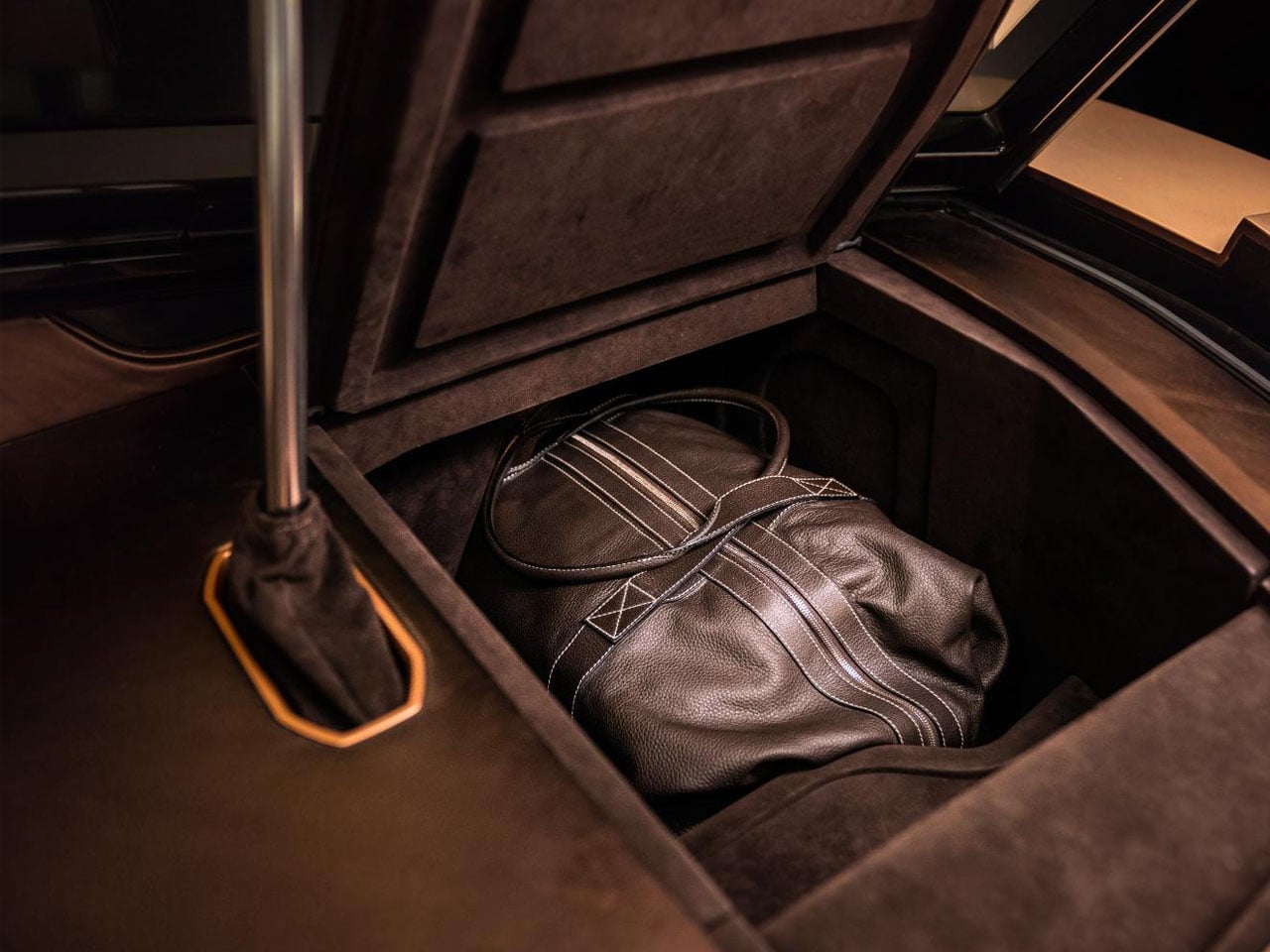
The cabin continues the material theme with metallic-effect leather, perforated Alcantara and genuine copper-thread stitching. There are some more personal touches, too. The passenger side of the dashboard houses a dedicated makeup station with cosmetic storage and an illuminated mirror display. At the back, a retractable refrigerator in the centre console is designed to hold a champagne bottle and four copper drinking glasses.
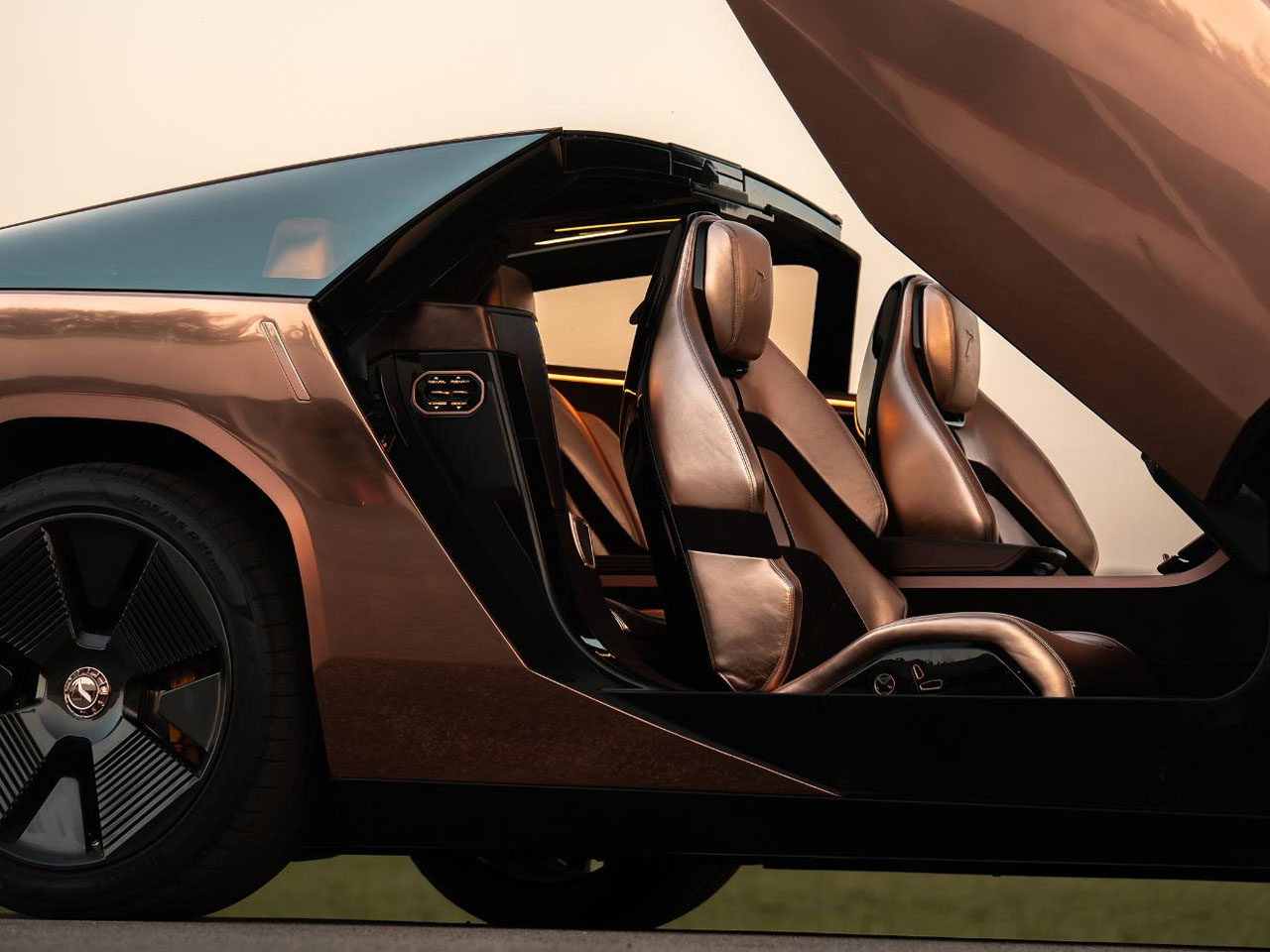
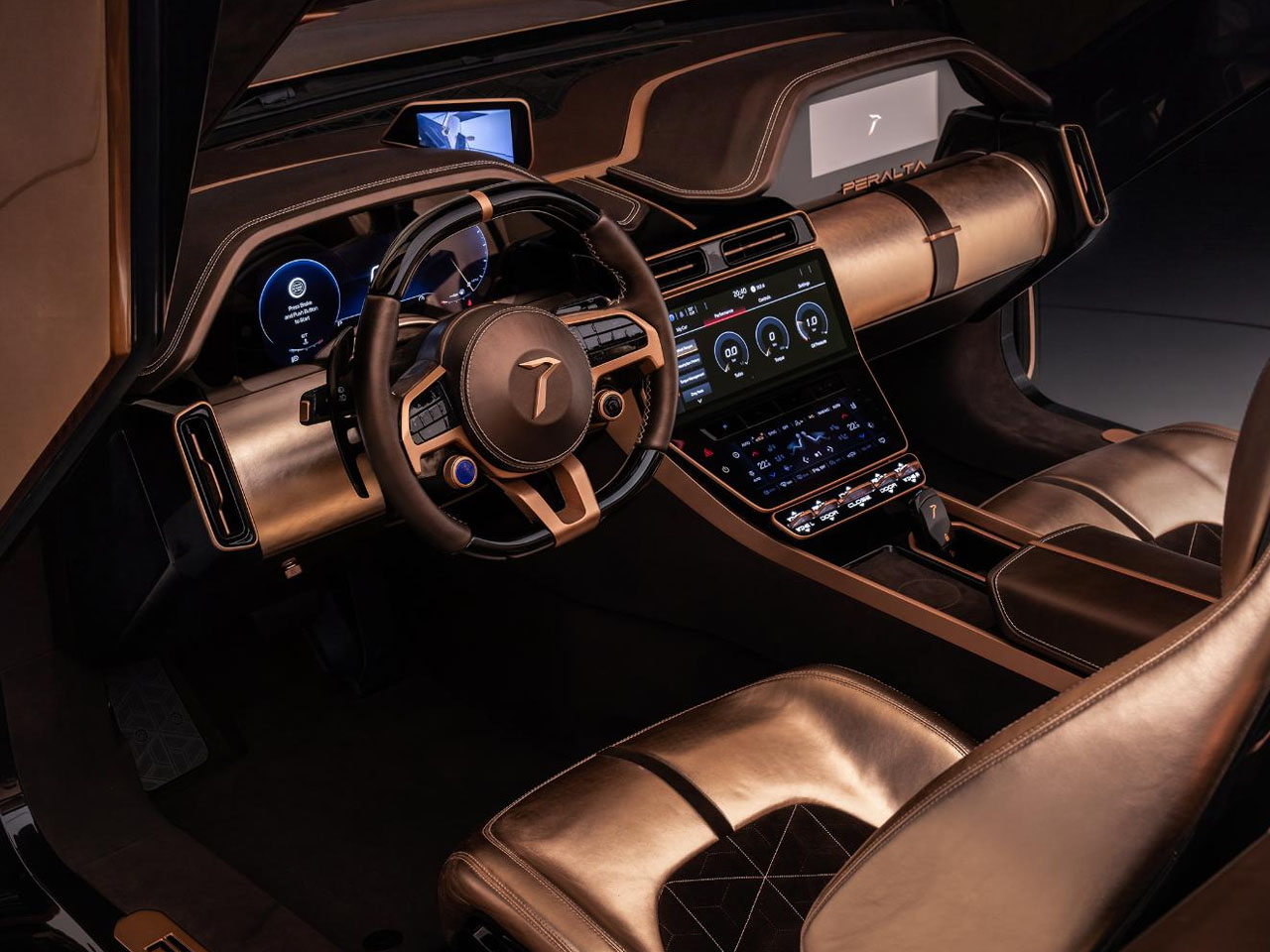
Beneath the bespoke bodywork, the Peralta D retains the GranTurismo’s mechanical foundations, combining a carbon-fibre structure with an aluminium chassis. GFG Style has confirmed a combustion-engine powertrain but has yet to disclose detailed engine specifications or performance figures.

There are no plans to put the Peralta D into production. It is a single commission, built around its owner’s tastes rather than the expectations of a wider market. That freedom is evident throughout the car, particularly in the way traditional metalworking and familiar automotive design references have been brought together in something that looks unlike any standard Maserati.
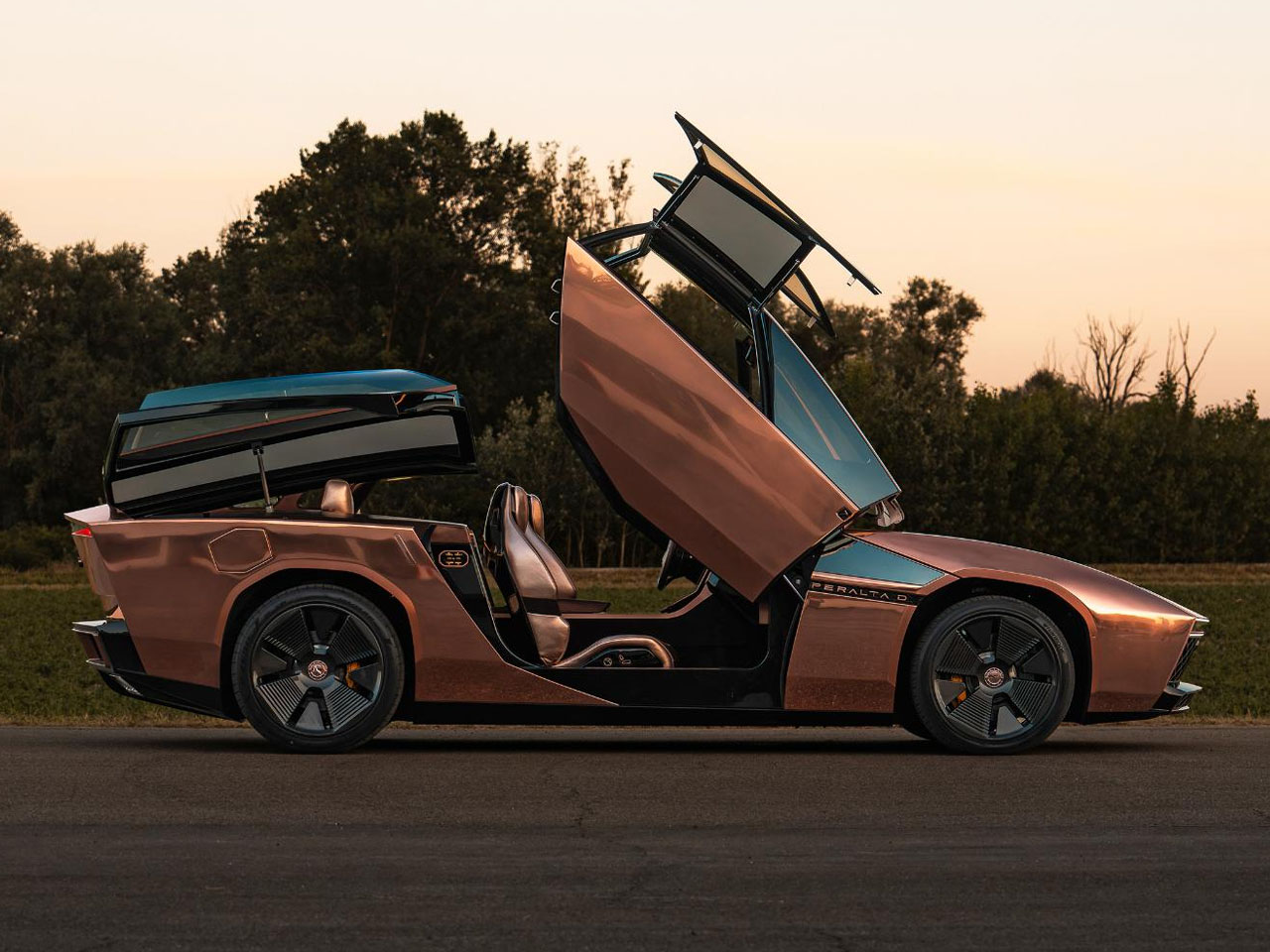
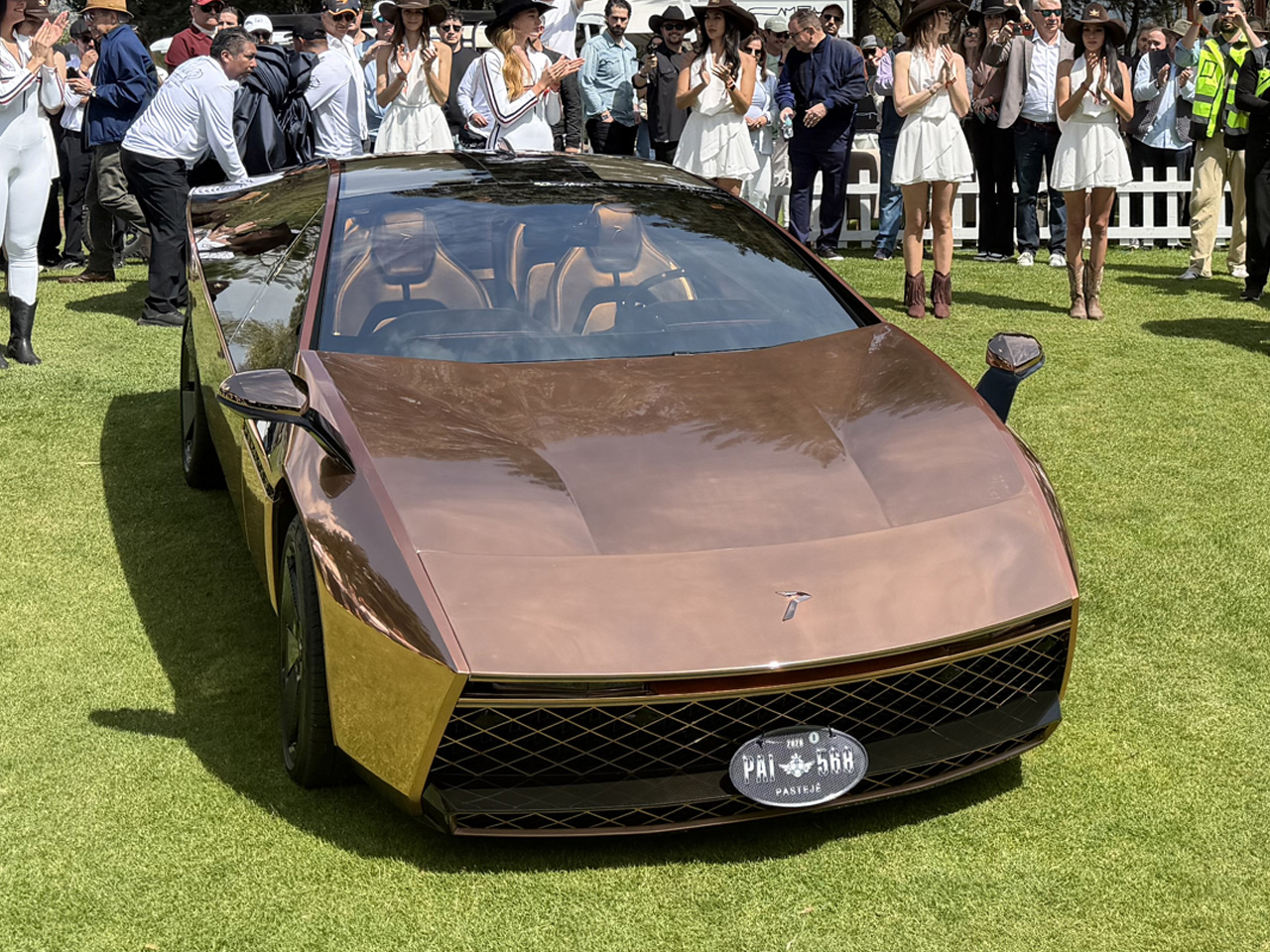
The post Copper-clad Maserati GranTurismo brings handcrafted luxury + gullwing doors to a bespoke grand tourer first appeared on Yanko Design.
Old Chairs Get a Resin Shell Without Hiding Their Scars

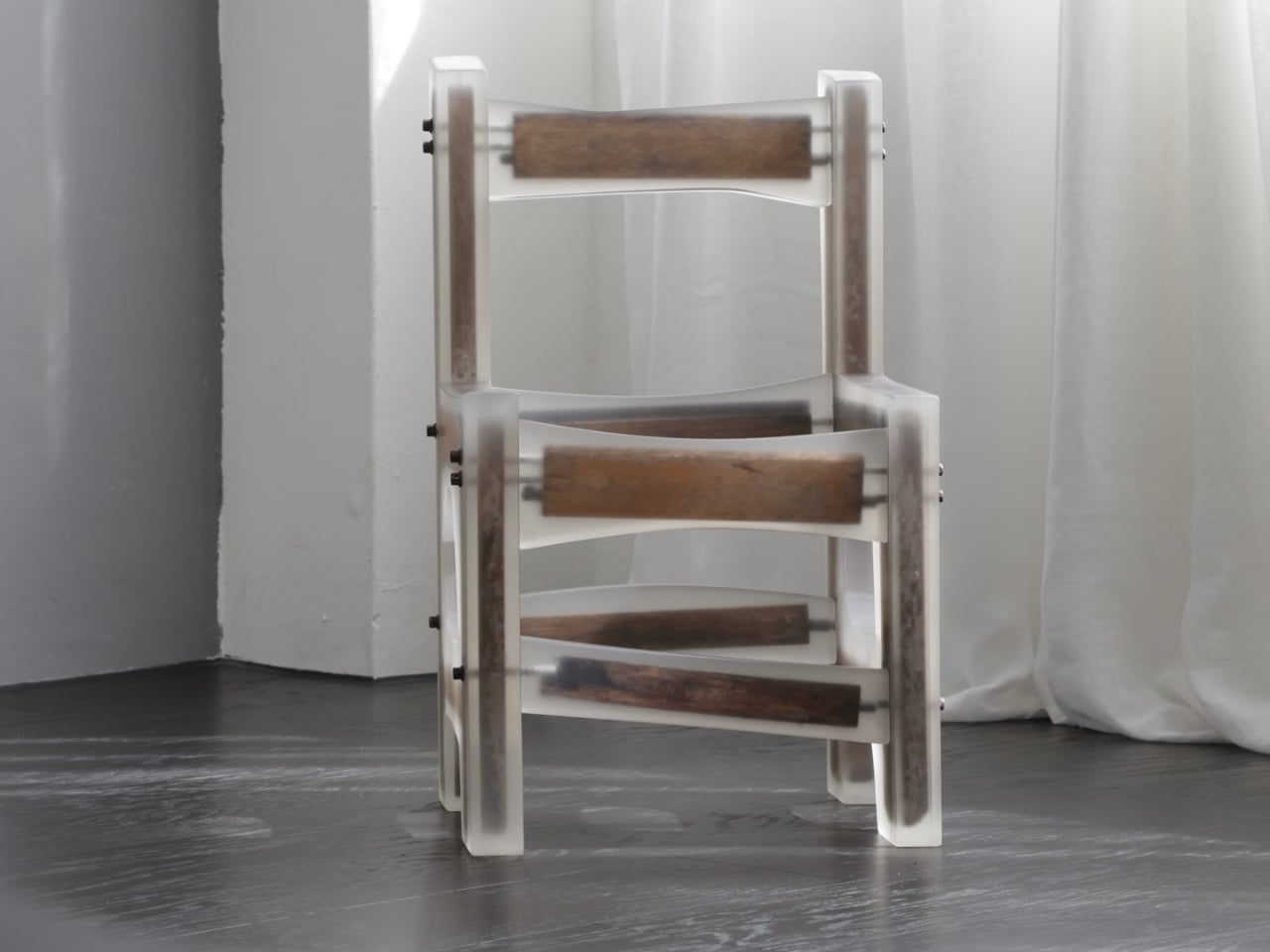
Darkened wood, uneven color, and exposed fasteners are hardly the usual ingredients of a furniture makeover. In Younghyun Lee’s The Youth, they’re the reason to look closer. The series takes on a familiar problem: old furniture can lose our interest long before its materials lose their character. Rather than erase the evidence of use, Lee gives discarded chairs and aged timber a different visual identity, with their earlier lives still visible.

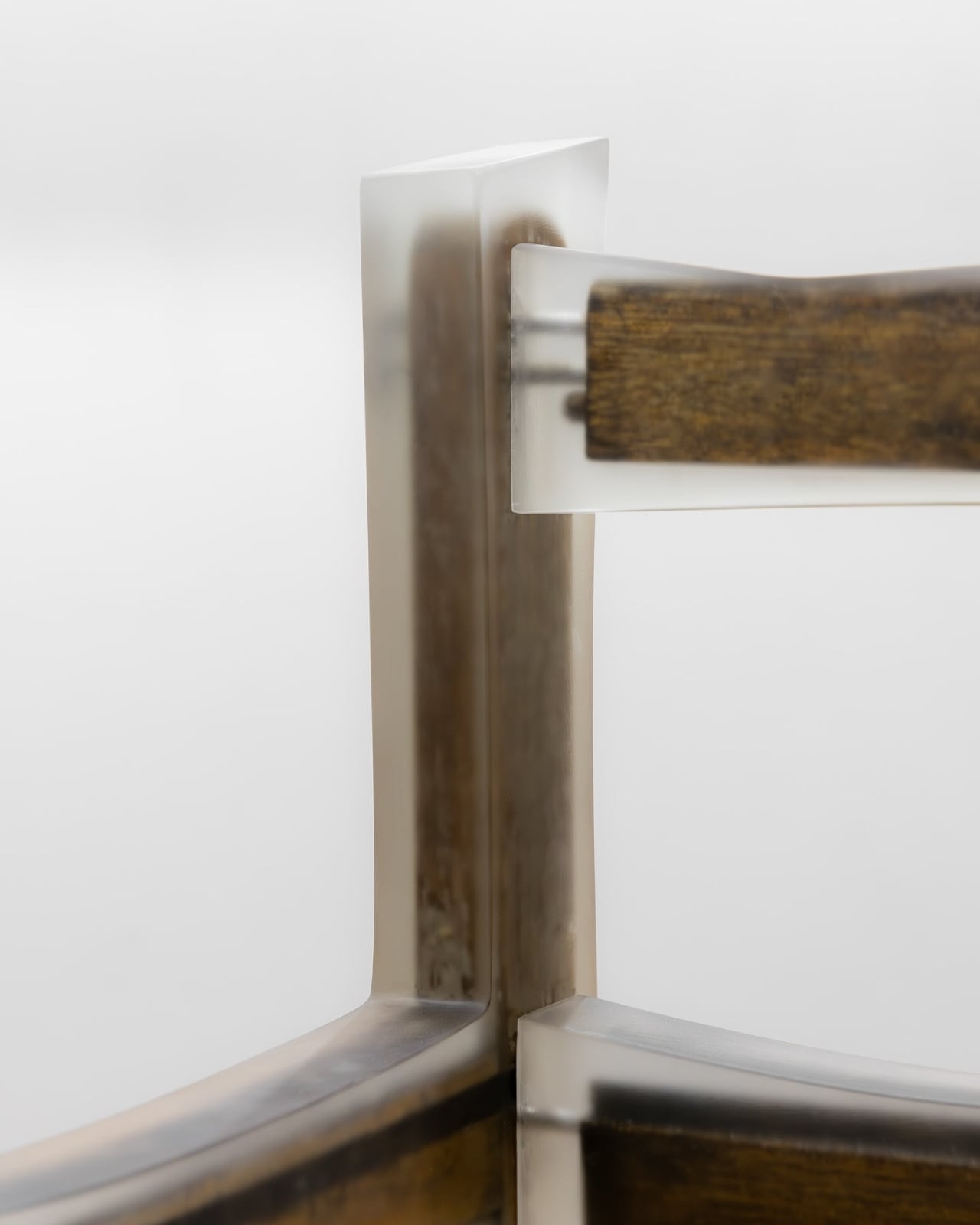
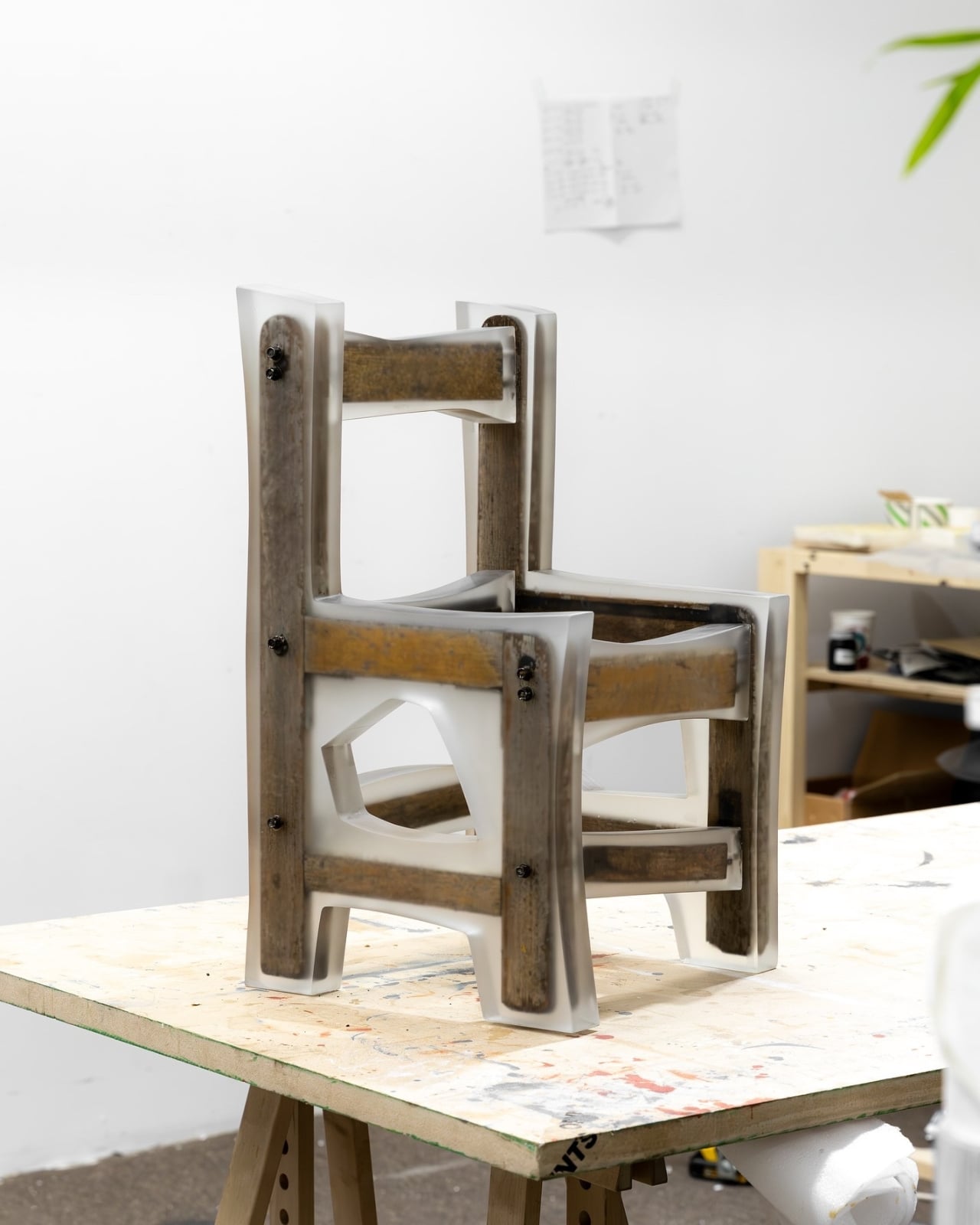
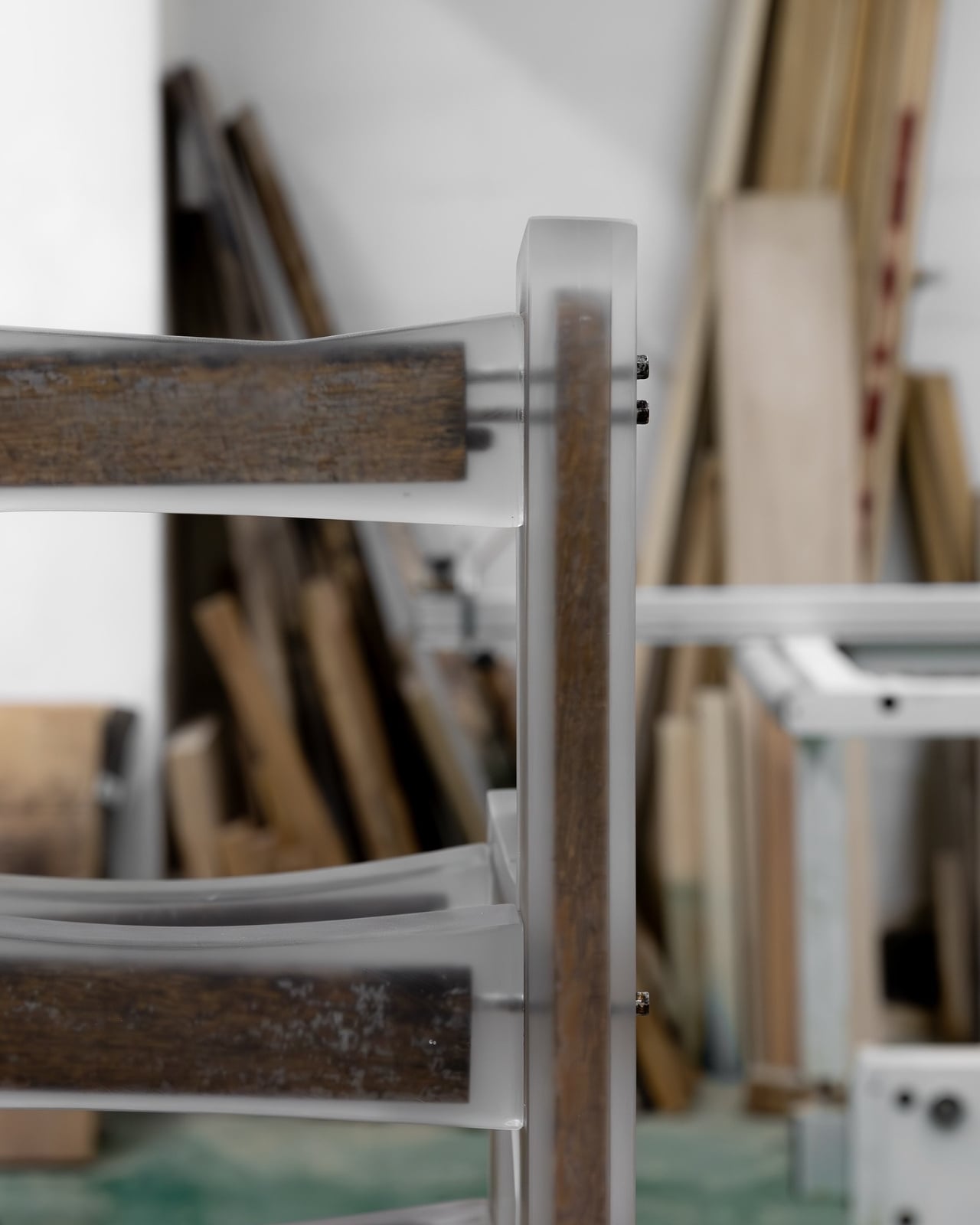
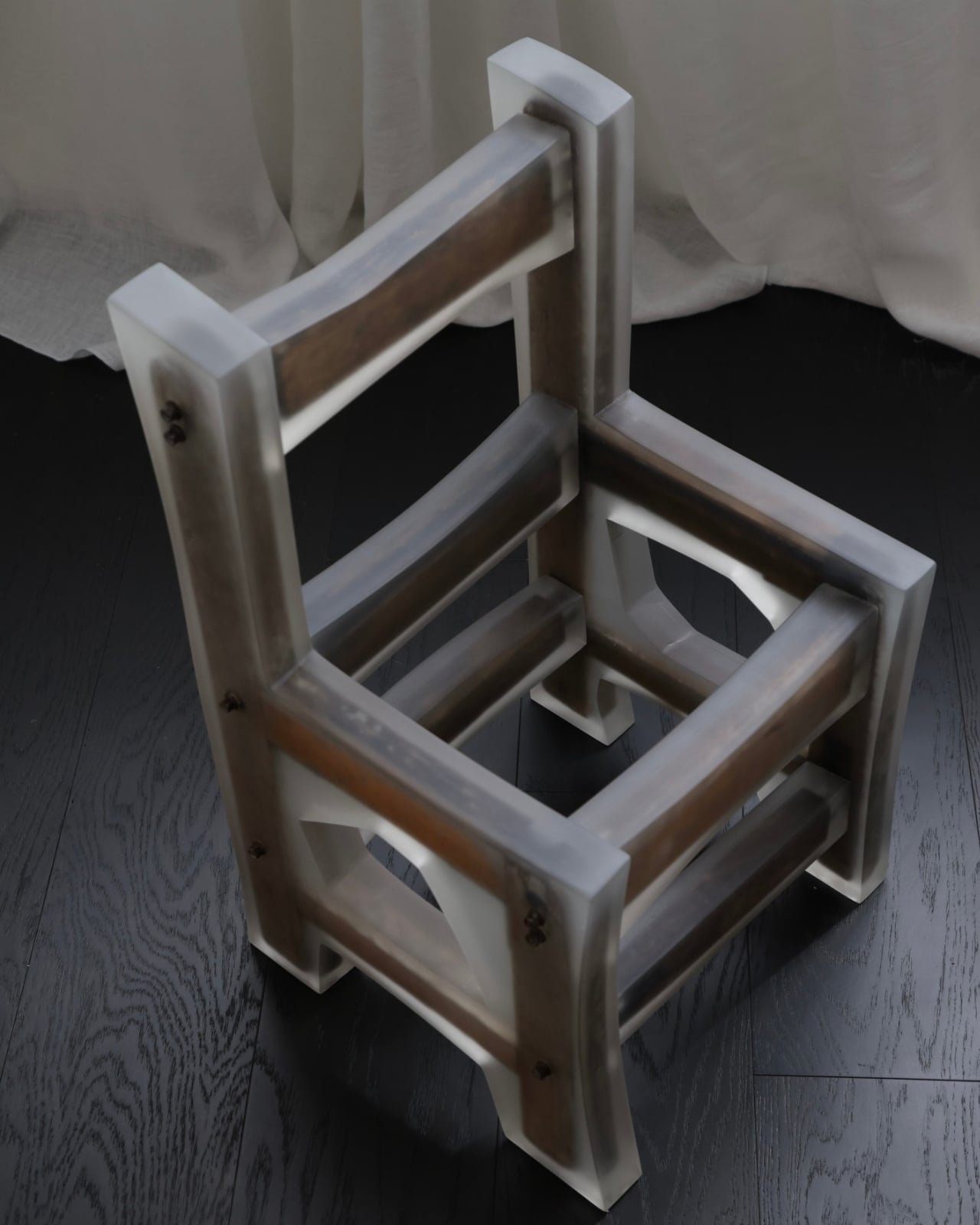
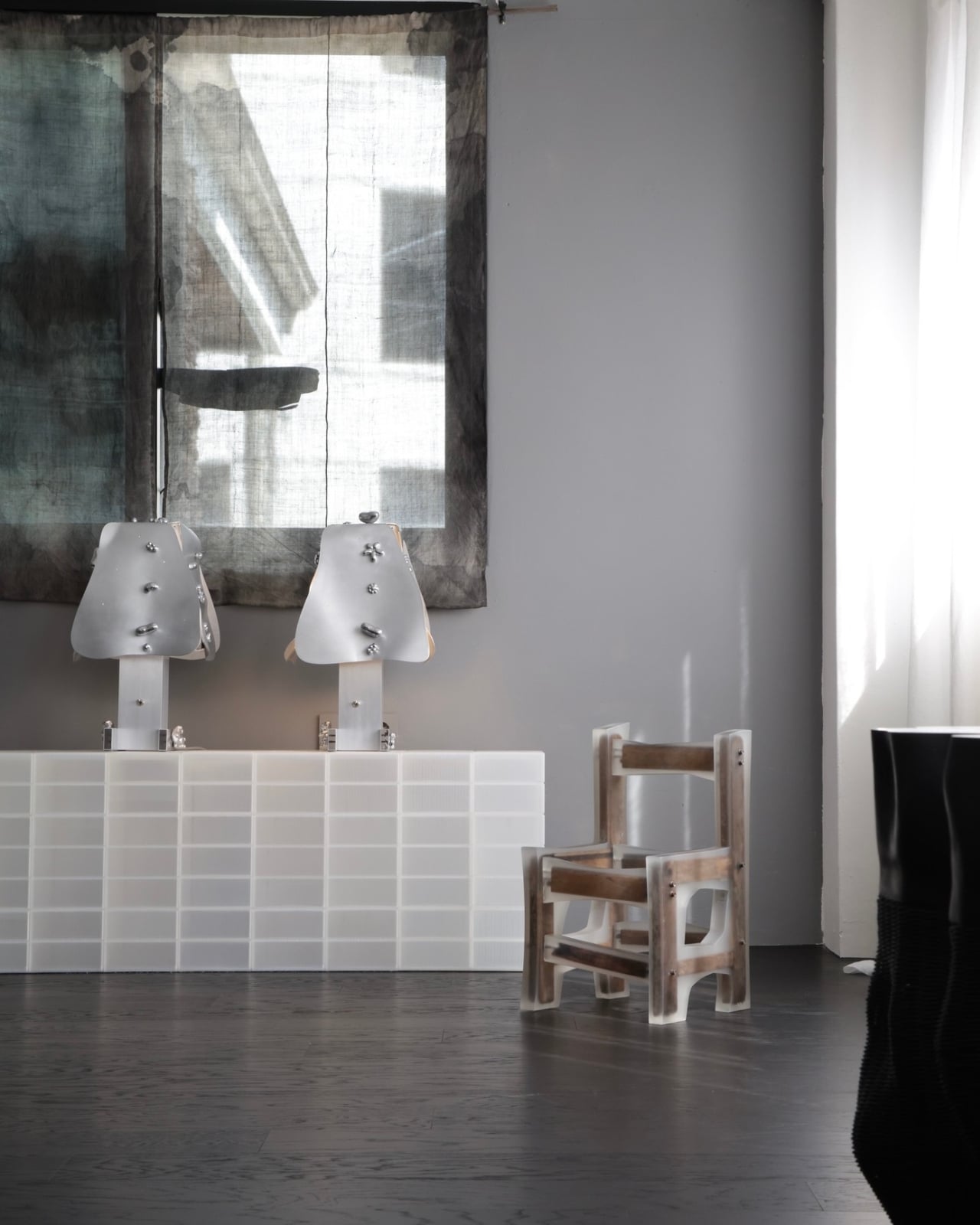
The intervention is resin, applied around the wooden components to create new forms and proportions. In the supplied photographs, cloudy, translucent edges surround the darker timber, making each piece look suspended inside a larger version of itself. These are exhibition works, not a practical repair kit for a wobbly dining chair. Their contribution is more specific: they make the material we might overlook worth examining again, without requiring it to look freshly manufactured.

Designer: Younghyun Lee

I like how much of the transformation happens at the edges. The resin extends beyond the wood, giving the uprights broader outlines and the horizontal rails gently dipping contours. From a distance, the chair has an almost frosted appearance. Closer views reveal the irregular wooden surfaces inside. That difference in viewing distance matters. You register the pale silhouette first, then discover that the brown structure within it looks considerably older and less orderly.

The hardware adds another layer of interest. Dark fasteners remain visible along the uprights, interrupting the pale resin borders. They give the object a slightly stubborn, workshop quality that keeps the treatment from becoming too precious. Cover those details completely and the wood might read as decorative filler. Leaving them legible lets the viewer recognize pieces of an actual assembly, with connections and wear that weren’t invented simply to make a photograph more appealing.

There’s an important catch in the photographed example: the seat area is open. I wouldn’t describe it as a replacement for the chair at your kitchen table. That absence changes the encounter, because the familiar outline invites recognition while the missing sitting surface interrupts the expected use. For me, it works better understood as a chair-based sculpture. You can consider its shape and construction without having to pretend the pictures establish anything about comfort.

The name, The Youth, feels particularly apt once you notice how much aging remains on display. Earlier coverage describes Lee’s project as an exploration of memories carried by old objects, including scratches and faded marks. My reading is that youth here has less to do with reversing time than with finding another possibility. The wood doesn’t become young again. Its changed surroundings give us a reason to pay attention to it differently.

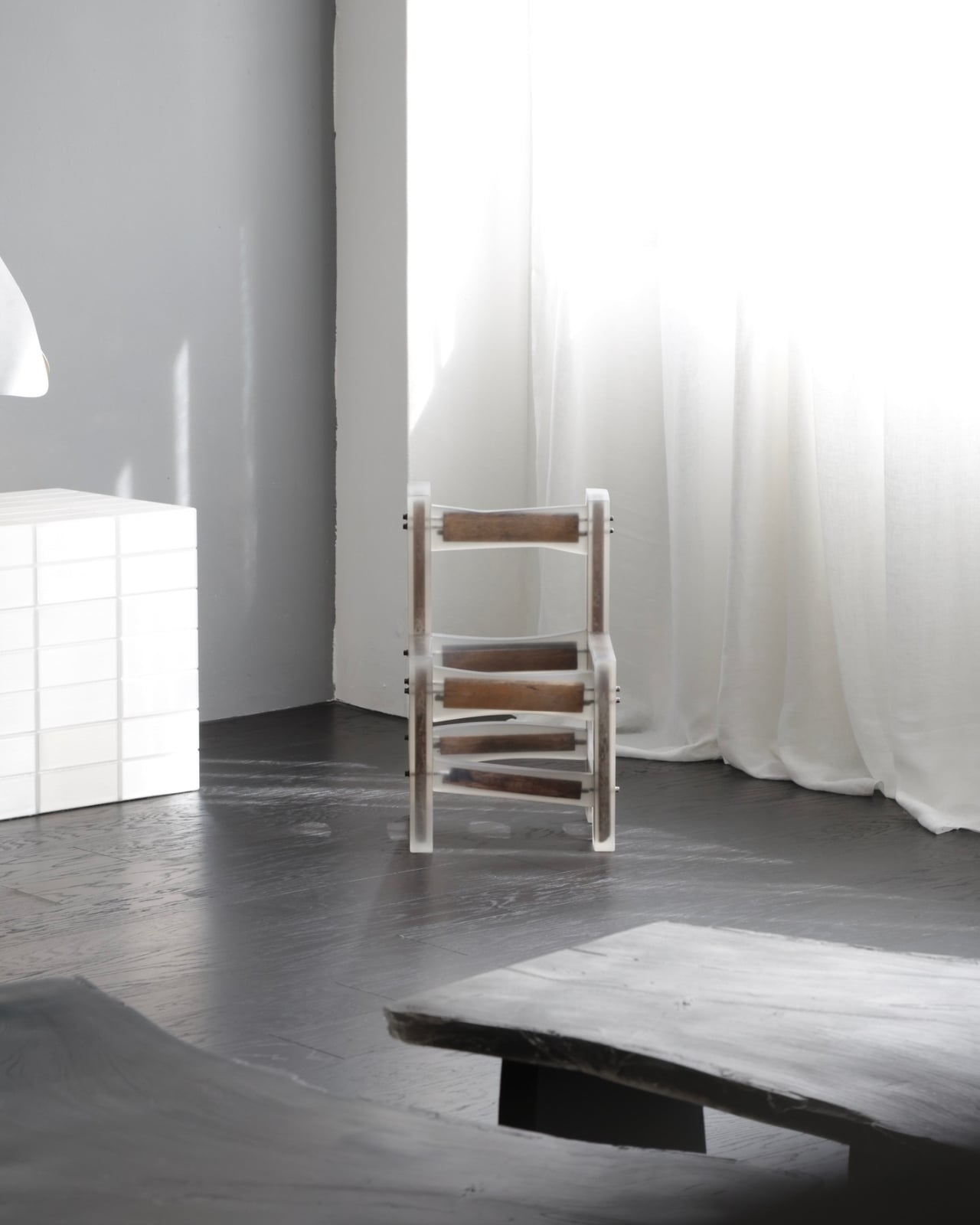
Presented as part of The Nuance, Lee’s solo exhibition at KiNN in Seoul, the series benefits from being encountered beyond the workbench. In the supplied installation photographs, the pale resin picks up the brightness of the surrounding room while the timber remains a darker presence within it. The effect makes the chair look a little ghostly, although its frame and visible hardware keep it from disappearing into atmosphere. It still looks like an object somebody assembled.

I’d be cautious about turning that appeal into an automatic sustainability claim. Reclaimed wood is part of the story, but I don’t need a sweeping environmental promise to appreciate this particular material decision. The more convincing achievement is visible: the resin changes the object substantially while allowing the original components to remain recognizable. That’s a more interesting relationship than treating old wood as anonymous raw material, stripped of everything that made this particular piece different.

My favorite detail is the uneven color still showing through the pale borders. It gives the eye somewhere to linger after the initial surprise of the resin wears off. I wouldn’t want every battered chair encased this way, but Lee makes a persuasive case for this one. The marks that might otherwise count against it are now precisely what I’d want to keep looking at.

The post Old Chairs Get a Resin Shell Without Hiding Their Scars first appeared on Yanko Design.
Old Chairs Get a Resin Shell Without Hiding Their Scars

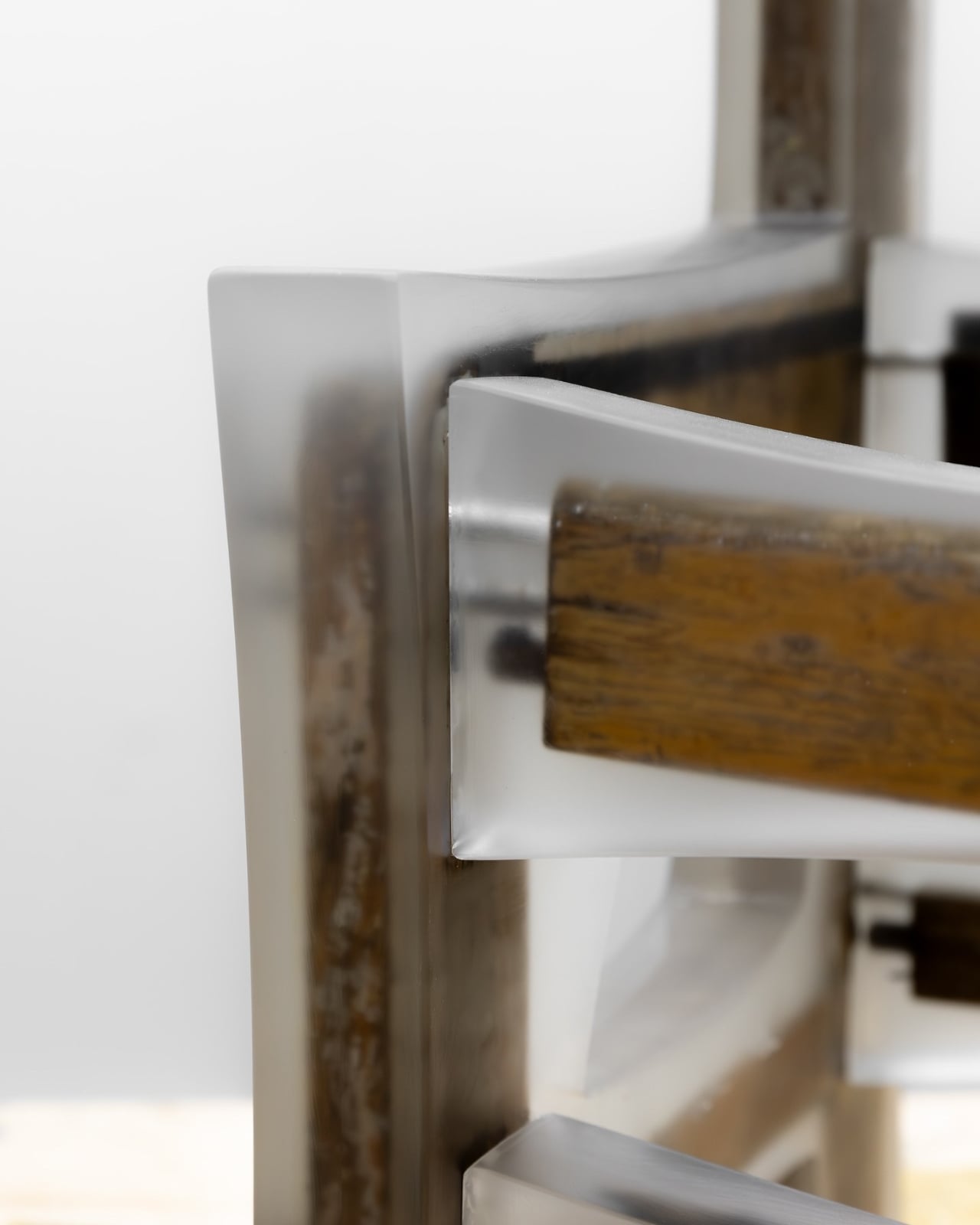
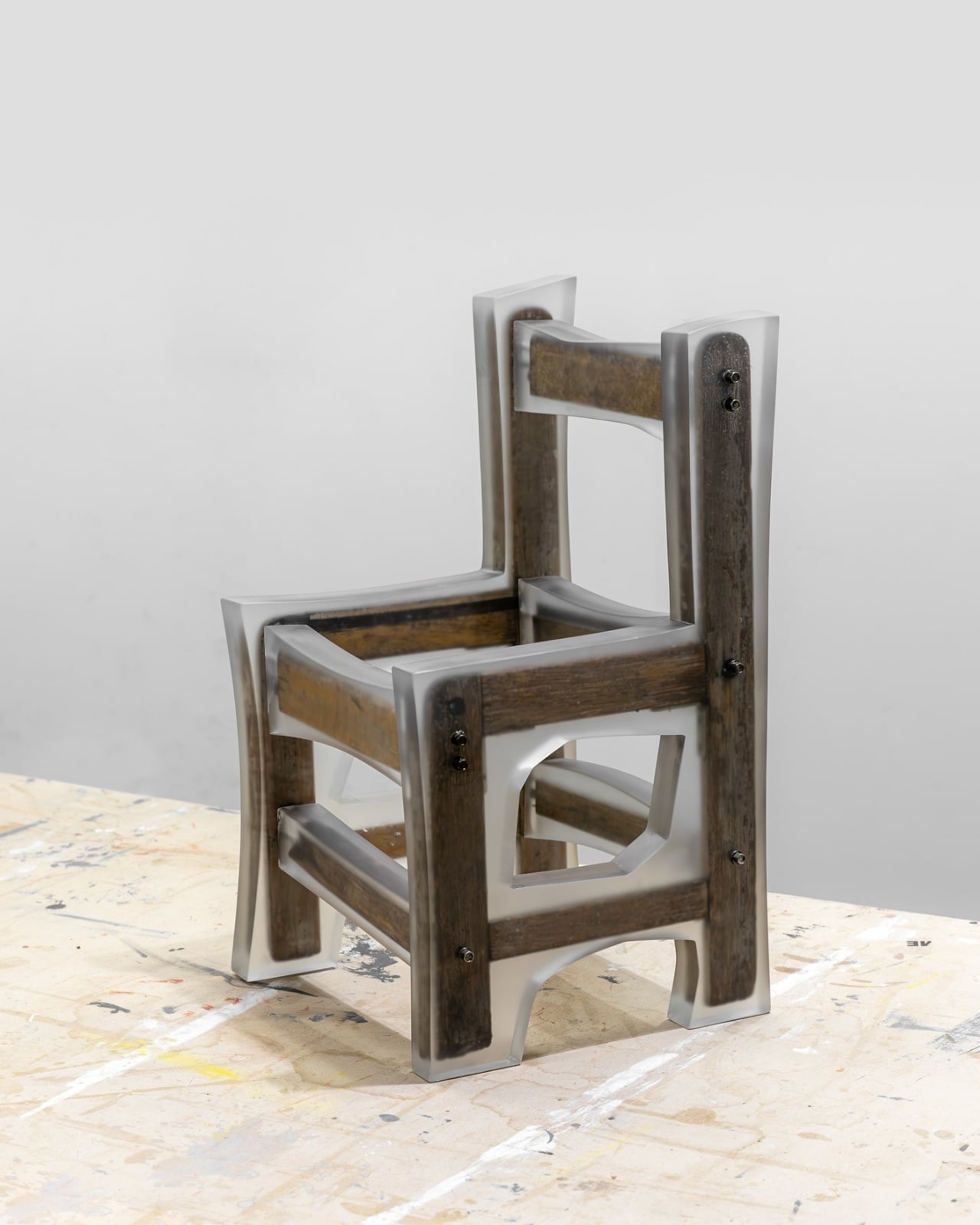
Darkened wood, uneven color, and exposed fasteners are hardly the usual ingredients of a furniture makeover. In Younghyun Lee’s The Youth, they’re the reason to look closer. The series takes on a familiar problem: old furniture can lose our interest long before its materials lose their character. Rather than erase the evidence of use, Lee gives discarded chairs and aged timber a different visual identity, with their earlier lives still visible.

The intervention is resin, applied around the wooden components to create new forms and proportions. In the supplied photographs, cloudy, translucent edges surround the darker timber, making each piece look suspended inside a larger version of itself. These are exhibition works, not a practical repair kit for a wobbly dining chair. Their contribution is more specific: they make the material we might overlook worth examining again, without requiring it to look freshly manufactured.

Designer: Younghyun Lee

I like how much of the transformation happens at the edges. The resin extends beyond the wood, giving the uprights broader outlines and the horizontal rails gently dipping contours. From a distance, the chair has an almost frosted appearance. Closer views reveal the irregular wooden surfaces inside. That difference in viewing distance matters. You register the pale silhouette first, then discover that the brown structure within it looks considerably older and less orderly.

The hardware adds another layer of interest. Dark fasteners remain visible along the uprights, interrupting the pale resin borders. They give the object a slightly stubborn, workshop quality that keeps the treatment from becoming too precious. Cover those details completely and the wood might read as decorative filler. Leaving them legible lets the viewer recognize pieces of an actual assembly, with connections and wear that weren’t invented simply to make a photograph more appealing.

There’s an important catch in the photographed example: the seat area is open. I wouldn’t describe it as a replacement for the chair at your kitchen table. That absence changes the encounter, because the familiar outline invites recognition while the missing sitting surface interrupts the expected use. For me, it works better understood as a chair-based sculpture. You can consider its shape and construction without having to pretend the pictures establish anything about comfort.

The name, The Youth, feels particularly apt once you notice how much aging remains on display. Earlier coverage describes Lee’s project as an exploration of memories carried by old objects, including scratches and faded marks. My reading is that youth here has less to do with reversing time than with finding another possibility. The wood doesn’t become young again. Its changed surroundings give us a reason to pay attention to it differently.

Presented as part of The Nuance, Lee’s solo exhibition at KiNN in Seoul, the series benefits from being encountered beyond the workbench. In the supplied installation photographs, the pale resin picks up the brightness of the surrounding room while the timber remains a darker presence within it. The effect makes the chair look a little ghostly, although its frame and visible hardware keep it from disappearing into atmosphere. It still looks like an object somebody assembled.

I’d be cautious about turning that appeal into an automatic sustainability claim. Reclaimed wood is part of the story, but I don’t need a sweeping environmental promise to appreciate this particular material decision. The more convincing achievement is visible: the resin changes the object substantially while allowing the original components to remain recognizable. That’s a more interesting relationship than treating old wood as anonymous raw material, stripped of everything that made this particular piece different.

My favorite detail is the uneven color still showing through the pale borders. It gives the eye somewhere to linger after the initial surprise of the resin wears off. I wouldn’t want every battered chair encased this way, but Lee makes a persuasive case for this one. The marks that might otherwise count against it are now precisely what I’d want to keep looking at.

The post Old Chairs Get a Resin Shell Without Hiding Their Scars first appeared on Yanko Design.
This Desert Pavilion Concept Would Let You Adjust the Shade by Remote

Finding a comfortable spot outdoors often means moving your chair as the sun moves across the sky. A fixed canopy helps, but its shade doesn’t always stay where you’d like it. The Interactive Space Pavilion proposes reversing that arrangement, letting two occupants reposition the shelter around them. Intended for New Mexico’s high desert, this unbuilt concept puts its canopy on the move.

The retreat is conceived for a setting near Santa Fe, with two yellow lounge chairs and a matching storage pod on a circular platform. Above them, curved steel frames sweep outward in several directions, giving the structure a footprint far larger than its seating area. It’s a rather elaborate setup for two people taking a break, although the extra reach has a purpose.

Designer: Michael Jantzen

Four support frames guide eight movable panel assemblies, which can slide into different positions along those curves. The flexible part isn’t a sheet of material bending like fabric, however. Each moving surface consists of rigid sections connected by hinges, allowing it to follow the frame’s changing profile. That makes the canopy something closer to an articulated shutter than a conventional roof held overhead.

The controls borrow from something considerably less exotic than the pavilion’s silhouette. Small electric motors would pull cables to move the panels, activated by a modified garage-door opener. Instead of getting up to drag a screen across the opening, occupants could change the enclosure with a button press. The proposed mechanism puts a familiar action behind a rather unfamiliar piece of outdoor architecture.

That movement is intended to change more than the outline. Bringing panels overhead could provide shade for reading, while shifting them toward the sides could interrupt views into the seating area. Leaving sections open would preserve a stronger connection to the surrounding landscape. The same retreat could feel more exposed or more enclosed without asking its occupants to relocate the furniture every time.

Those adjustments would also make the pavilion look different from one moment to the next. Where a continuous roof defines a fixed silhouette, these separate surfaces leave parts of the steel skeleton exposed. Sliding them changes the balance between silver-colored bands and open sky, along with the shadows across the platform. The yellow furniture provides a bright constant beneath the shifting canopy.

Solar panels are suggested as a possible addition to help power the structure, rather than an existing part of the design. Wind resistance and the mechanisms’ tolerance for dust would also need evaluation before treating this as an everyday shelter. Adjusting airflow is part of the proposal, but opening a gap overhead isn’t the same as demonstrating comfort in a desert climate.

There’s also an ordinary complication hiding inside this unusual architecture. Two people sharing a retreat won’t necessarily want the same amount of sunlight or the same view of the landscape. Being able to rearrange the canopy gives them more options, but even a pavilion that changes its shape might still require negotiation over who holds the remote.

The post This Desert Pavilion Concept Would Let You Adjust the Shade by Remote first appeared on Yanko Design.

MyGlamper mounts on your SUV hitch and inflates into a large, 12-person tent at the campsite

Rooftop tents have their own advantages, but they cap the camping setup at a limited number of people. Tents are better off there, but they aren’t the most convenient to carry, pitch, and pack away. Owing to this disparity, a third league of vehicle-mounted tents is really becoming a go-to idea for some manufacturers. We have seen Thule manufacturing a hitch-mounted tent in the Outset, which unfolds to create a tent-like space slightly above the ground, while remaining attached to the back of the vehicle.

Australia-based MyGlamper is now taking that concept and expanding it for up to 12 people to camp in simultaneously. For some reason, that idea doesn’t add up to me. It’s like you can fit an entire football team in there, but it would ride behind a large 4WD or midsize SUV with a maximum of 6 people on board. Unless you’re driving in an RV with this towbar-mounted tent, you can at best have people in two different trucks assembling at the camp and living together.

Designer: MyGlamper

Hitch-mounted MyGlamper isn’t only about 12 people. The company is offering three different inflatable mountain cabins that are designed for 6 to 12 people. These are individually called MyGlamper Lite (ideal for couples or small families), MyGlamper Plus (spacious, designed for longer stays), and MyGlamper Pro (designed with automation and off-grid living in mind).

Each MyGlamper unit can inflate into a large tent and later pack away into a hard-sided box to mount onto the back of a vehicle. It looks like a rooftop tent, but instead of going up on the roof, it attaches to the hitch receiver, so as to ride upright behind the vehicle. The size of the box erected to the back of your SUV is based on the model you choose. If you’re interested, all three MyGlamper models are available for preorder now. The first 100 models are going for special founder’s pricing.

According to the website, the six-person MyGlamper Lite starts at AU$18,990 (approx. $13,000), while the Plus model is available starting at AU$24,990 ($17,500). The flagship 12-person MyGlamper Pro is on preorder for AU$29,990 (approx. $21,000). The tent models are not just basic sleeping canvases, as the price would have suggested. These are completely equipped with lighting, electrical fittings, an indoor kitchen, a bathroom with a recirculating shower, and a raised master bedroom.

Since the MyGlamper models are designed to be lightweight yet spacious, they will offer a camping experience that rooftop tents and traditional tents have failed to offer over the years. With a dry weight of under 70 kg, Lite sleeps 6 people and sets up in minutes without tools or hassle. The company notes that it takes the Lite up to six minutes to set up. The Plus and Pro models have a dry weight of 90 and 110 kg and are capacious enough to sleep up to 12 people.

According to the company, the glamper models are made from 300gsm riptech polycotton canvas, carbon steel hitch, and stainless steel or aluminum legs and brackets. Each of these inflatable tents, which inflate on the vehicle hitch or can also be detached from it, comes with a puncture kit for emergencies. Each model includes a 100-Ah battery and a 30-L fresh water tank for longer stays in the wilderness.

The post MyGlamper mounts on your SUV hitch and inflates into a large, 12-person tent at the campsite first appeared on Yanko Design.

The iPhone 18e’s Biggest Upgrades Are Hiding Under the Hood

The iPhone 18e’s Biggest Upgrades Are Hiding Under the Hood Front and back design of the rumored iPhone 18e.

The iPhone 18e represents Apple’s calculated approach to enhancing its entry-level smartphone lineup. While its exterior design remains consistent with previous models, the device introduces notable internal advancements in areas such as processing power, memory, and camera technology. By focusing on cost-effective innovation, Apple aims to deliver a device that balances affordability with performance, making […]

The post The iPhone 18e’s Biggest Upgrades Are Hiding Under the Hood appeared first on Geeky Gadgets.

Posted in Uncategorized