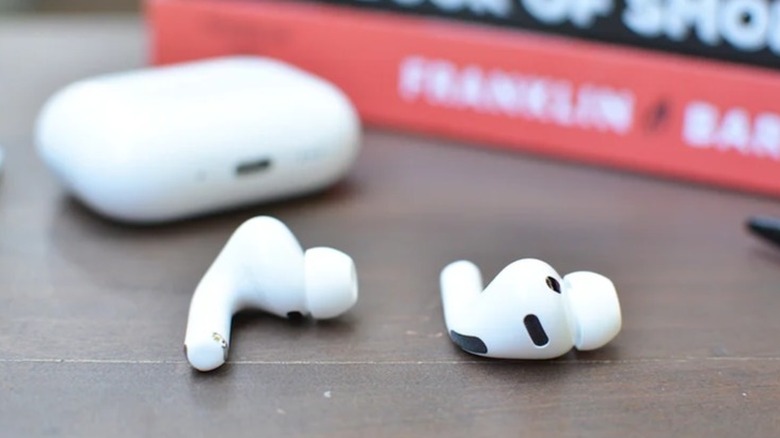
I’m already dreading Apple’s camera-equipped AirPods
Must everything be part of the panopticon?

Seven years ago, Energizer walked into MWC 2019 with a phone that weighed as much as a small paperback novel and measured 18mm thick, all in service of an 18,000mAh battery. The P18K Pop became a symbol of the era’s battery ceiling: raw capacity was possible, but only at the cost of a device that felt like a punishment to carry. The engineering logic was blunt and honest. Lithium-ion cells have a fixed energy density, so the only way to scale up capacity was to scale up size. Energizer took that math to its logical extreme, produced a certified brick, and quietly cancelled the phone before it ever hit shelves. The tradeoff felt fundamental, almost physical, like a law of nature. Then silicon-carbon chemistry started rewriting the rulebook.
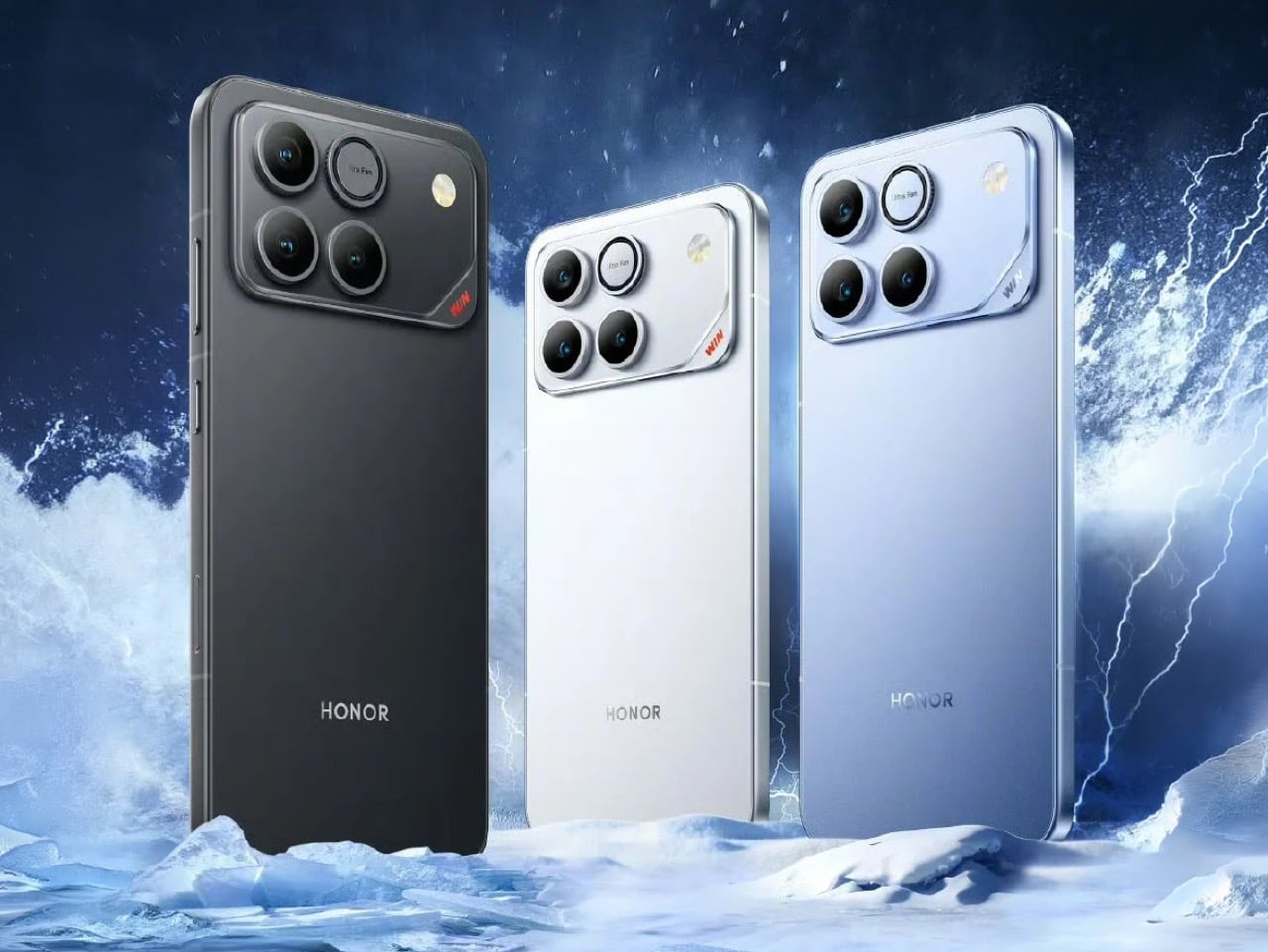
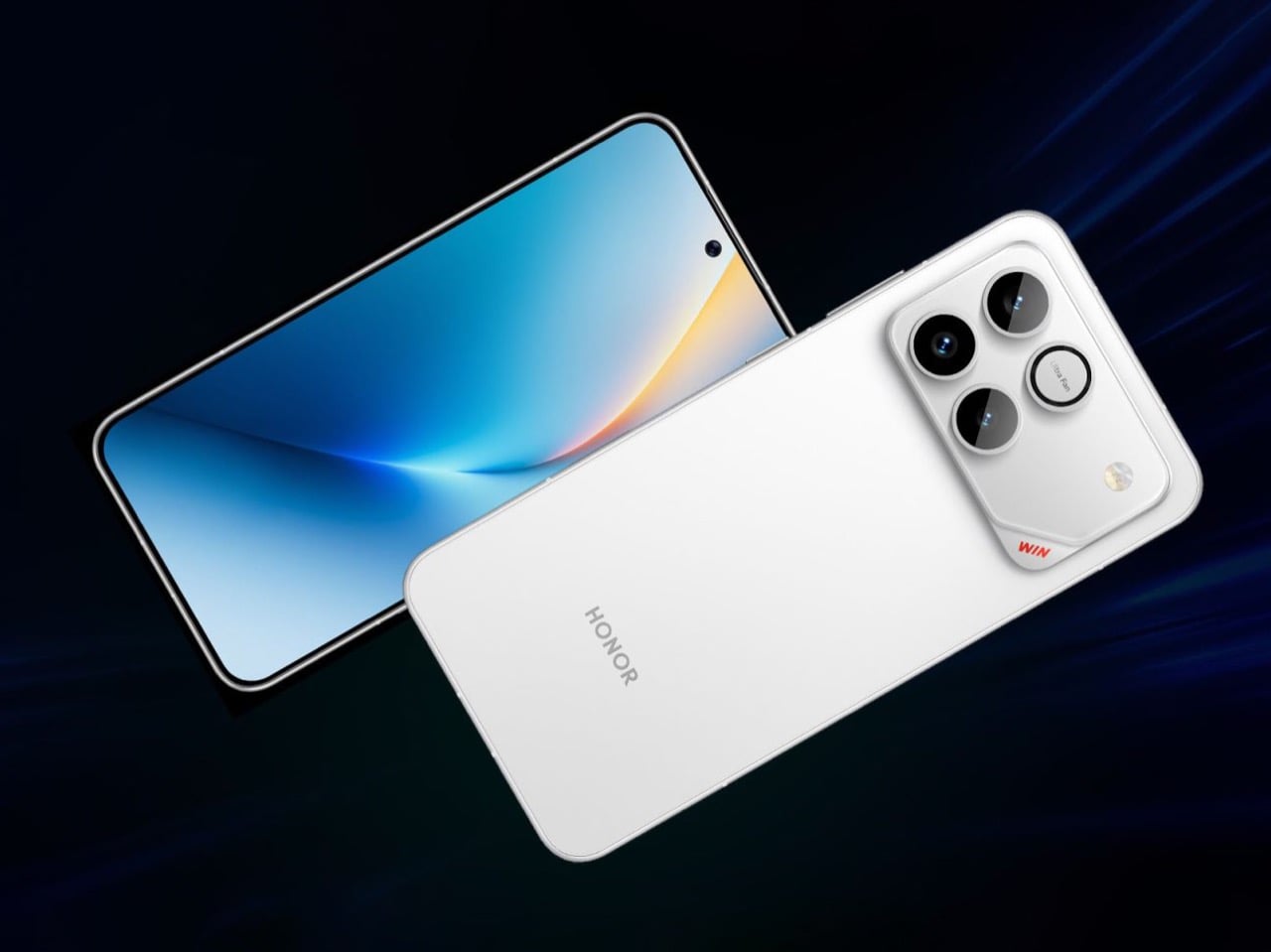
At MWC 2026, we went hands-on with Honor’s Magic V6 foldable and found ourselves staring at battery layers measuring 0.15mm thick, a silicon content of 32%, and a cell that delivered 6,660mAh inside one of the slimmest foldable phones on the market. That same materials platform is reportedly now scaling toward something significantly larger. A new leak on Weibo suggests Honor is testing a phone with a 12,000mAh battery, a figure that would set a new high-water mark for mainstream smartphones, as part of a pipeline that will reportedly expand the company’s 10,000mAh-plus lineup to seven devices total. The Energizer P18K Pop needed 18mm of thickness to reach 18,000mAh. Honor is apparently aiming for 12,000mAh in a phone you would actually want to carry.
Designer: HONOR
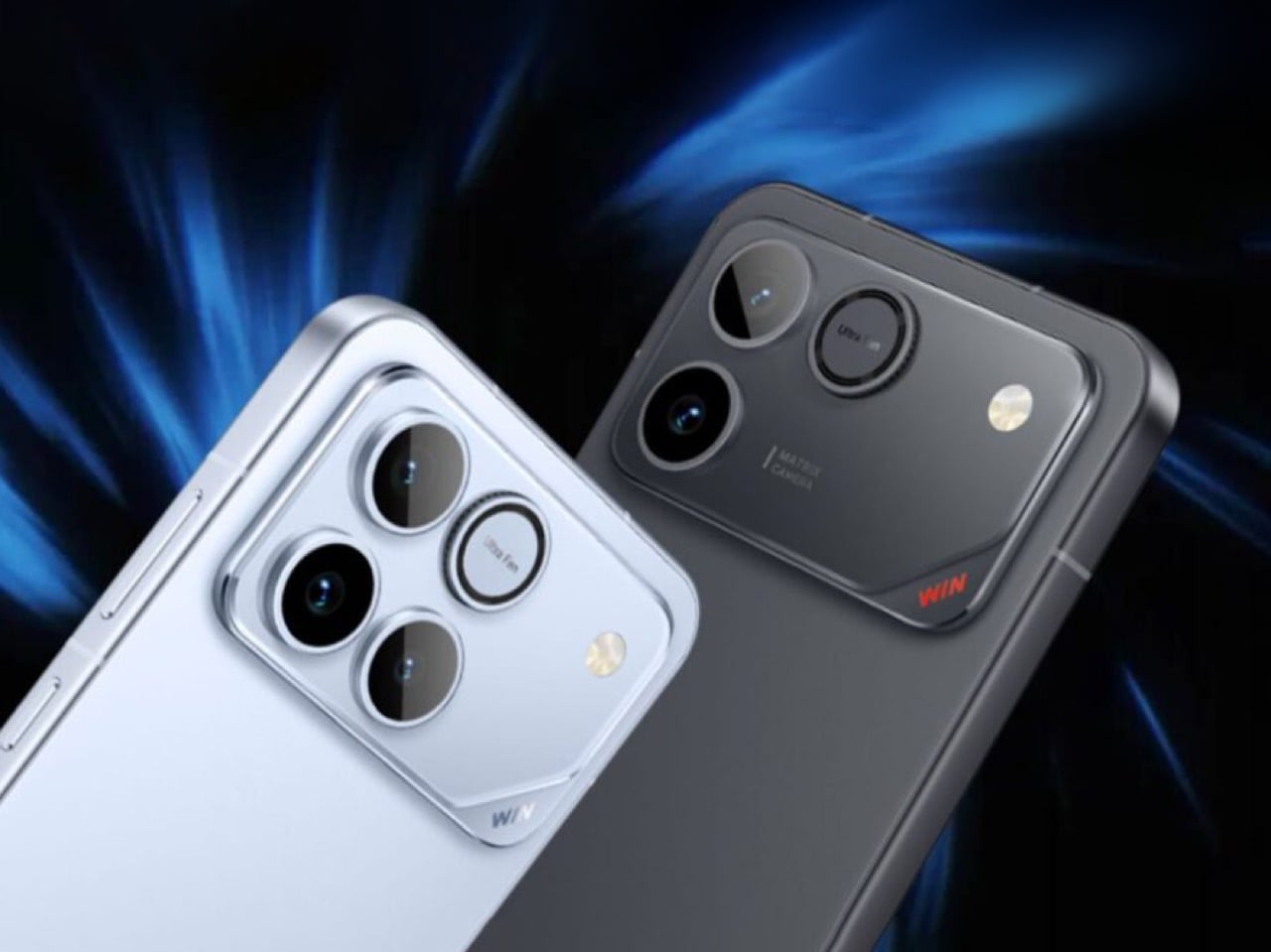
Three of the four existing 10,000mAh-class smartphones on the market already belong to Honor, with the only outsider being Vivo’s Y600 Pro at 10,200mAh. The leak doesn’t confirm product names, but rumors point toward the Honor X80, Honor Power 3, and a new WIN 2 series as likely homes for these big-battery ambitions. Oppo, Xiaomi, and Huawei are all reportedly working on their own large-capacity devices, but the approach is measured, one model each, released cautiously to test market appetite. Honor’s strategy reads differently. Seven phones in a single category is a portfolio play, a deliberate push to own the mental real estate around battery life the way Hasselblad owns it around mobile photography.
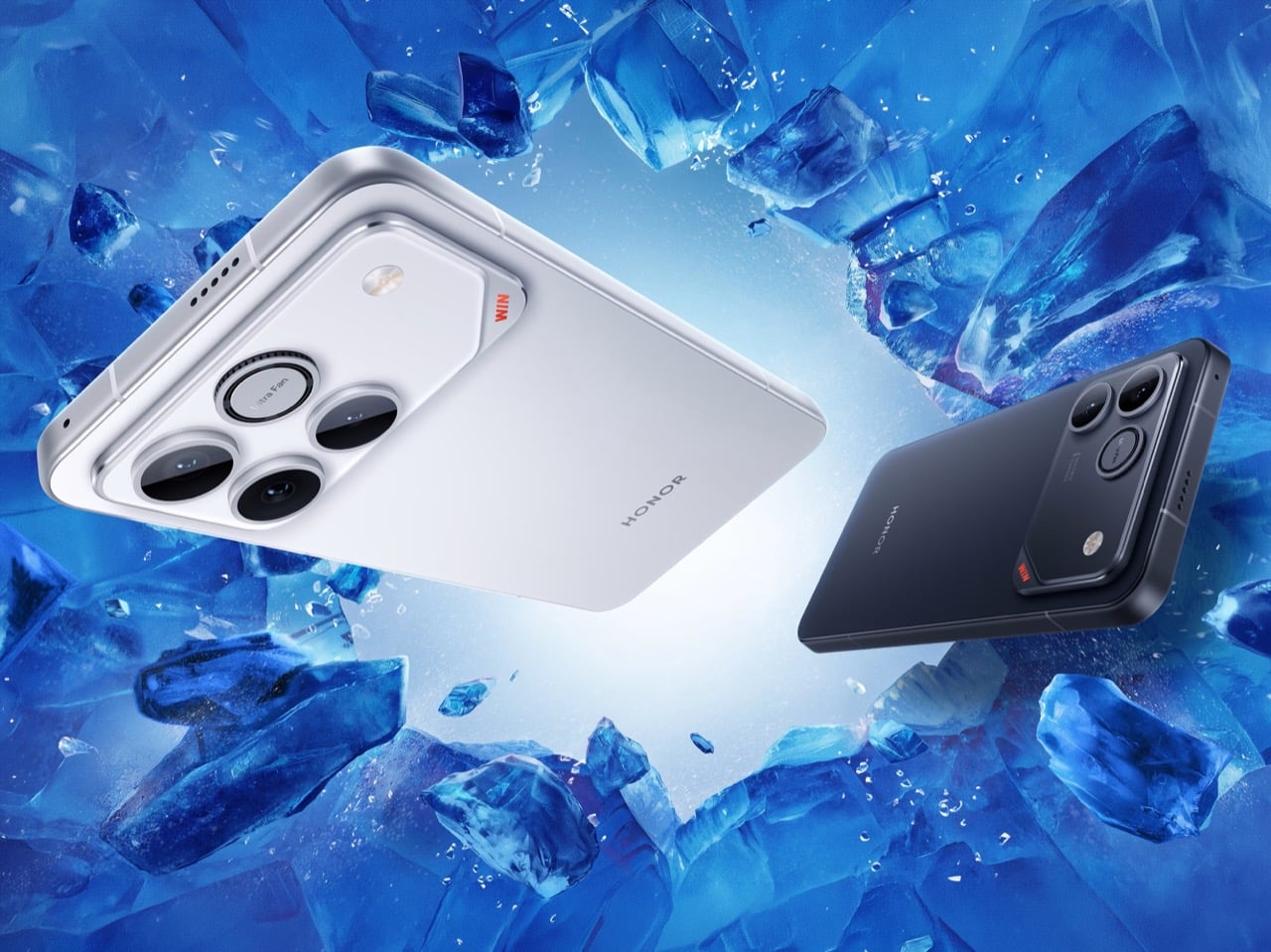
The 12,000mAh figure carries one genuinely hard engineering question: fast charging. A 10,000mAh cell already strains conventional thermal management at 65W or above, and 120W on a cell that size has historically meant a phone that doubles as a hand warmer. The dual-cell design reportedly being tested on a separate 10,000mAh model in this same pipeline is Honor’s likely answer to that problem, splitting the load across two cells to manage heat and charging efficiency simultaneously. Whether that architecture migrates to the 12,000mAh device as well remains unconfirmed, but the fact that Honor is testing both configurations in parallel suggests the company has thought carefully about the thermal math rather than just chasing the headline number. The Energizer P18K Pop chased the number. Honor appears to be chasing the phone.
The post Honor Is Building a 12,000mAh Phone That Proves the Battery-vs-Thinness Tradeoff Was Always a Lie first appeared on Yanko Design.

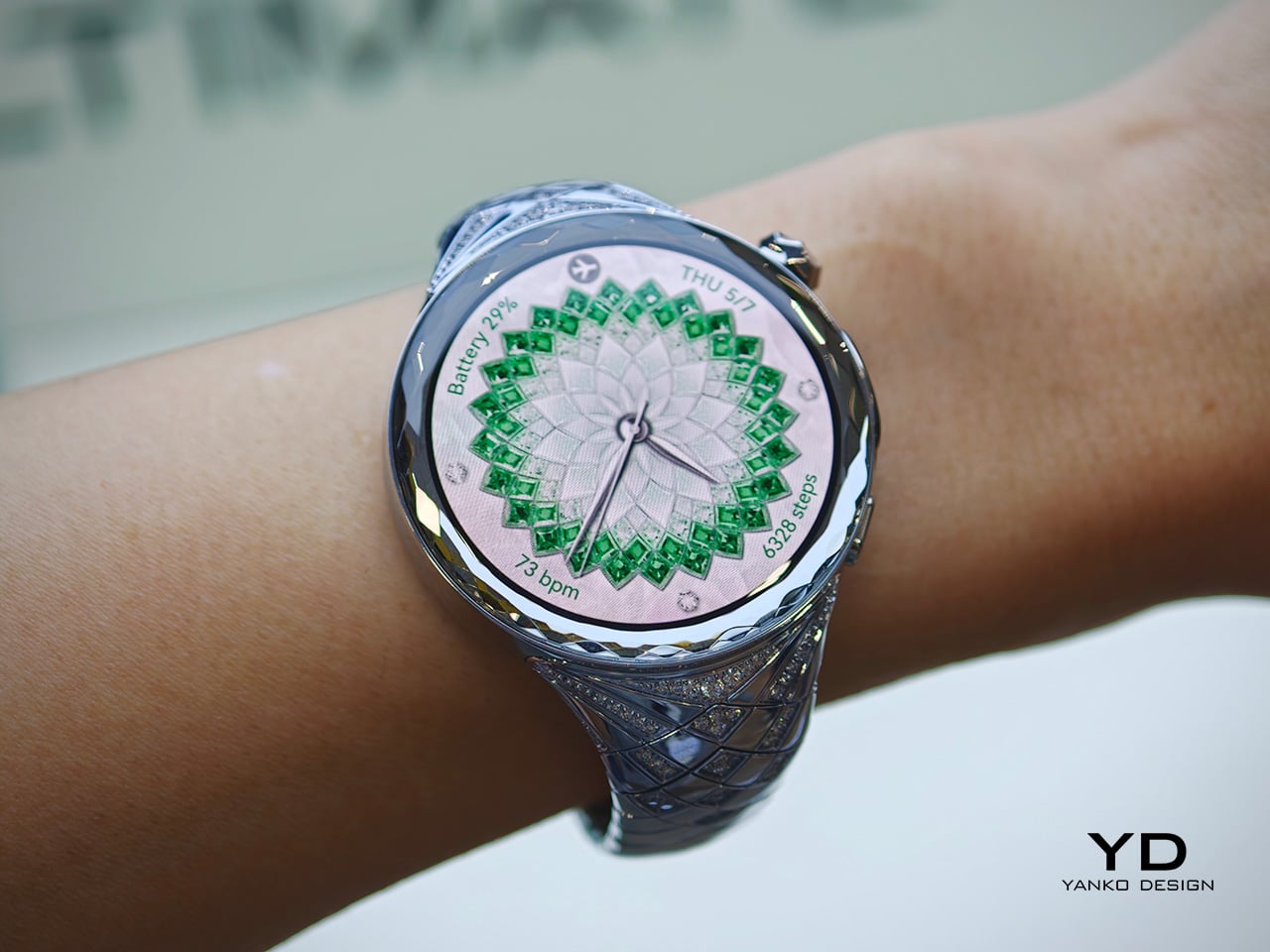
Huawei’s latest luxury wearable explores a space the smartwatch industry still hasn’t fully resolved. Instead of presenting technology as something discreet, technical, or performance-first, the Huawei Watch Ultimate Design – Spring Edition approaches the category from a more ornamental direction, treating the smartwatch as a fashion object as much as a connected device. In a market still dominated by sporty silhouettes and restrained finishes, that alone makes it a distinct proposition.
Announced as part of Huawei’s latest global product launch, the Huawei Watch Ultimate Design – Spring Edition was created in collaboration with world-renowned jewelry designer Francesca Amfitheatrof. The watch draws on the imagery of spring and incorporates 99 natural diamonds, positioning itself less as a conventional wearable and more as a luxury interpretation of one. Rather than relying on a simple premium finish or a new strap option, Huawei appears to have built the product’s identity around adornment from the outset.
Designer: Huawei x Francesca Amfitheatrof
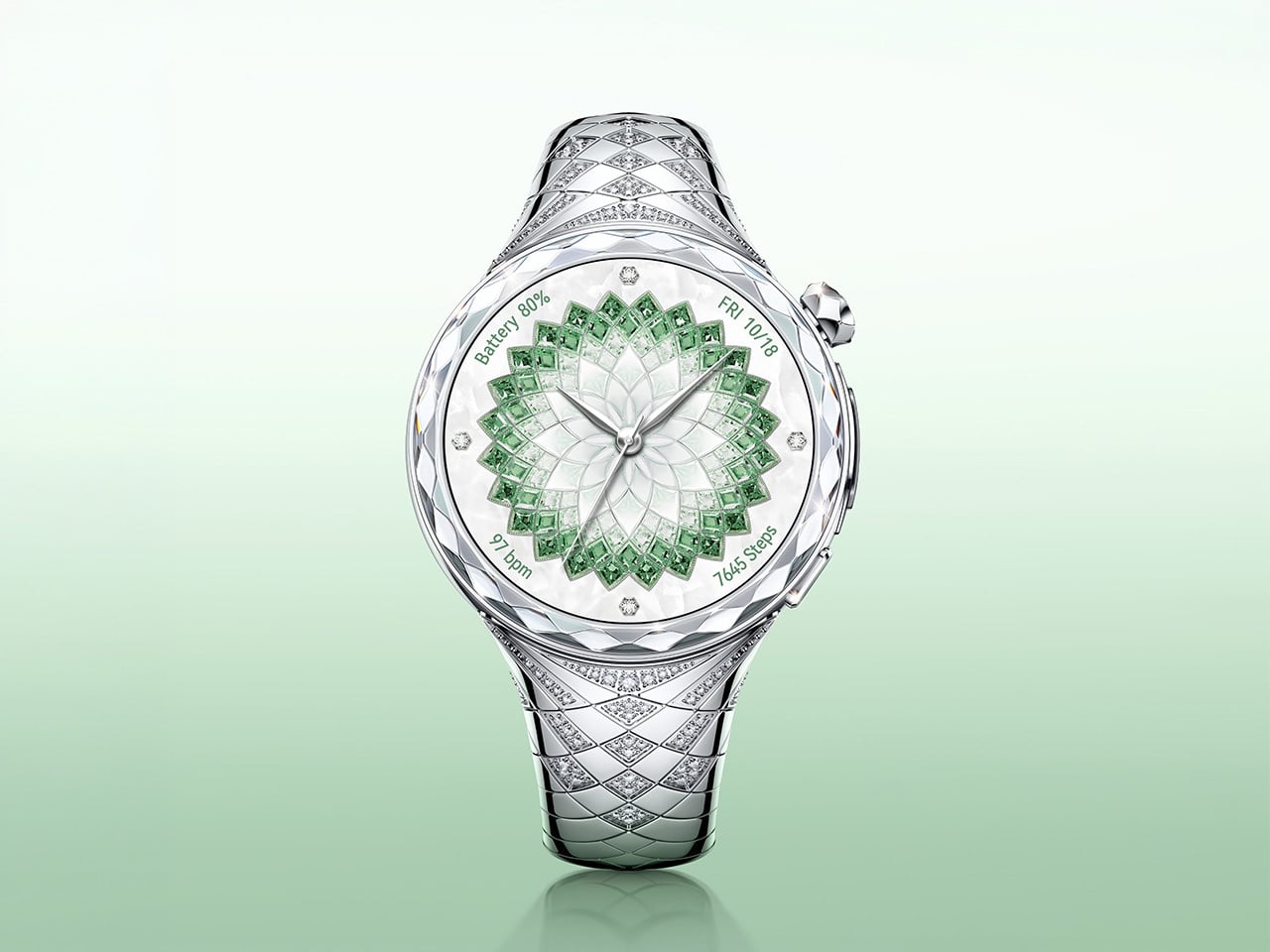
Most smartwatches still follow a familiar visual formula. They tend to emphasize utility through subdued finishes, sporty proportions, and a design language shaped by fitness tracking and digital convenience. The Huawei Watch Ultimate Design – Spring Edition moves in another direction, using precious materials and decorative detailing to shift attention toward styling, symbolism, and visual presence. It does not try to disappear into an everyday tech wardrobe. Instead, it is designed to be noticed, and to function as part of a broader personal aesthetic.
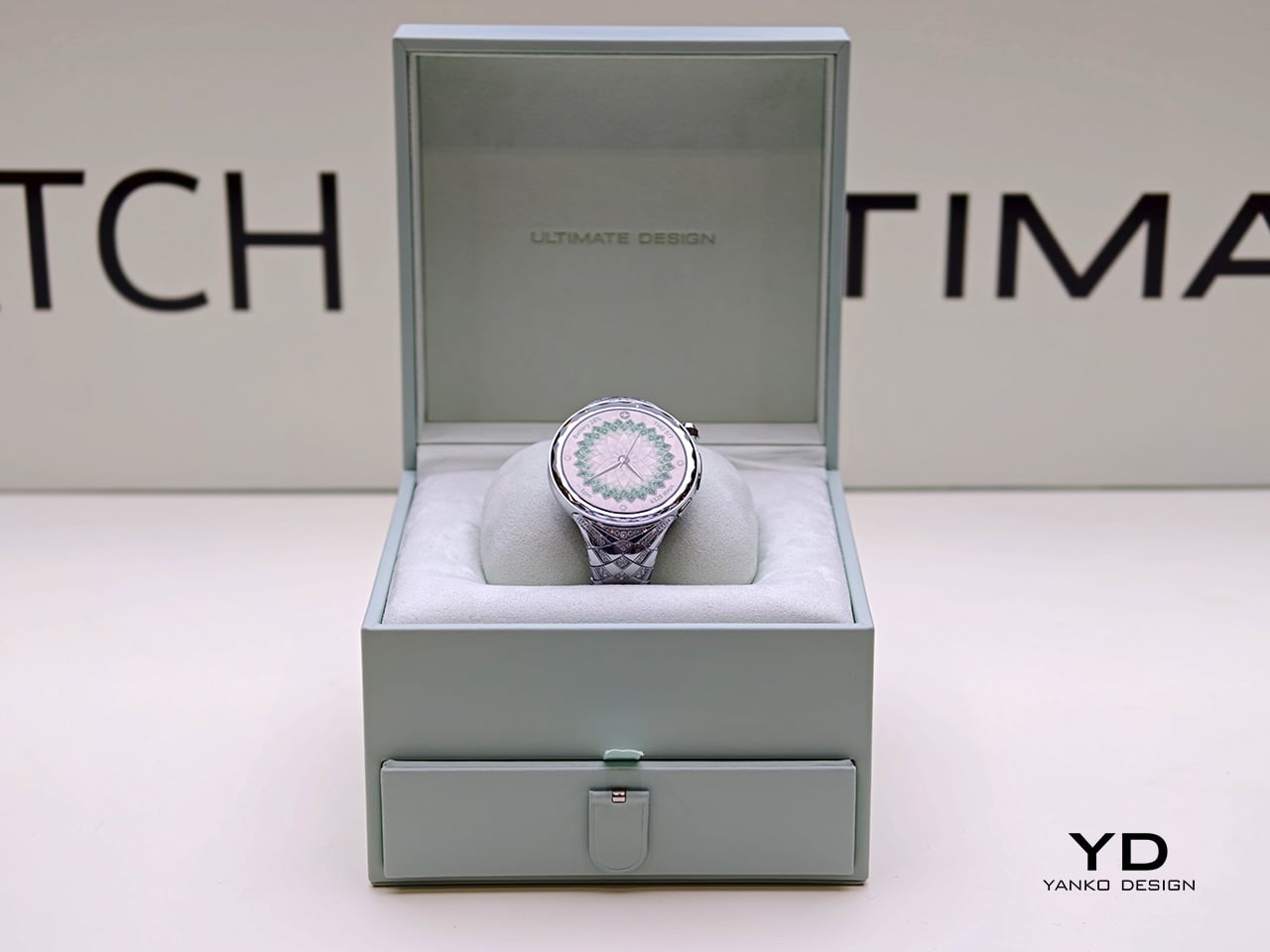
That is what makes the watch interesting from a design perspective. Rather than simply applying luxury cues to an otherwise standard smartwatch body, Huawei seems to frame the product around a more expressive visual narrative. The result is a wearable that sits closer to jewelry than to the stripped-back minimalism that still defines much of the category. It also reflects a broader shift in premium wearables, where differentiation increasingly comes from form, finish, and material storytelling rather than purely from software or sensors.
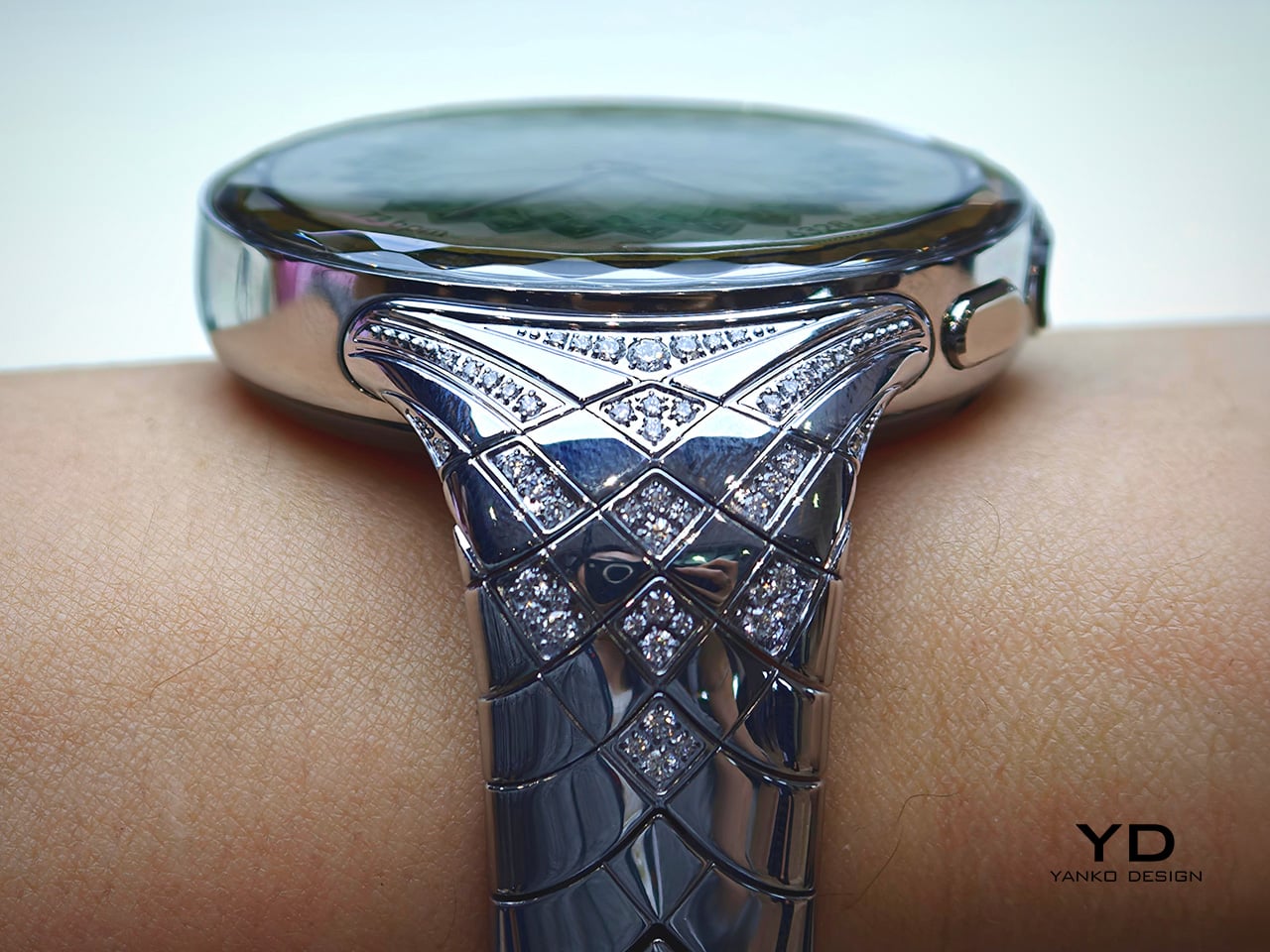
The watch is inspired by the blossoming of spring and is intended to reflect women’s strength and vitality. In practice, that gives the product a softer narrative framework than most wearable launches, which usually center on health metrics, performance upgrades, or endurance claims. Here, the emphasis is clearly on material expression and thematic storytelling. Whether that spring concept feels nuanced or simply decorative will depend on the viewer, but it does give the watch a more distinct point of view than the usual language of optimization and performance.
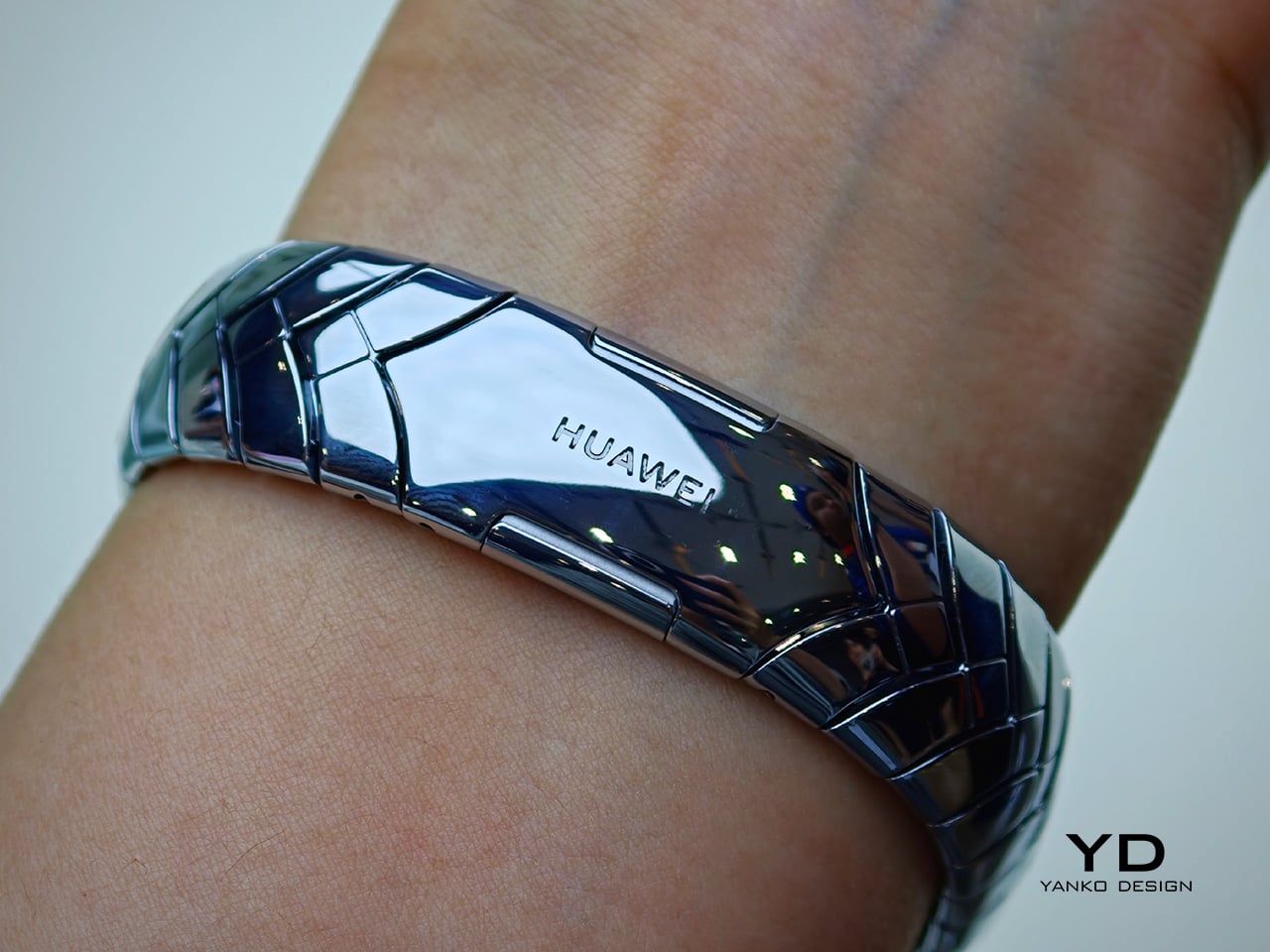
At the same time, Huawei has not stripped away the technical identity of the WATCH ULTIMATE range. It includes advanced outdoor modes, health tracking, ECG support, expedition mode, diving capability up to 100 meters, and battery life of up to 14 days under typical use. That combination makes the Spring Edition more than a simple luxury variant. It still carries the expectations of a tool watch, even as its materials and detailing push it toward a more ornamental category.
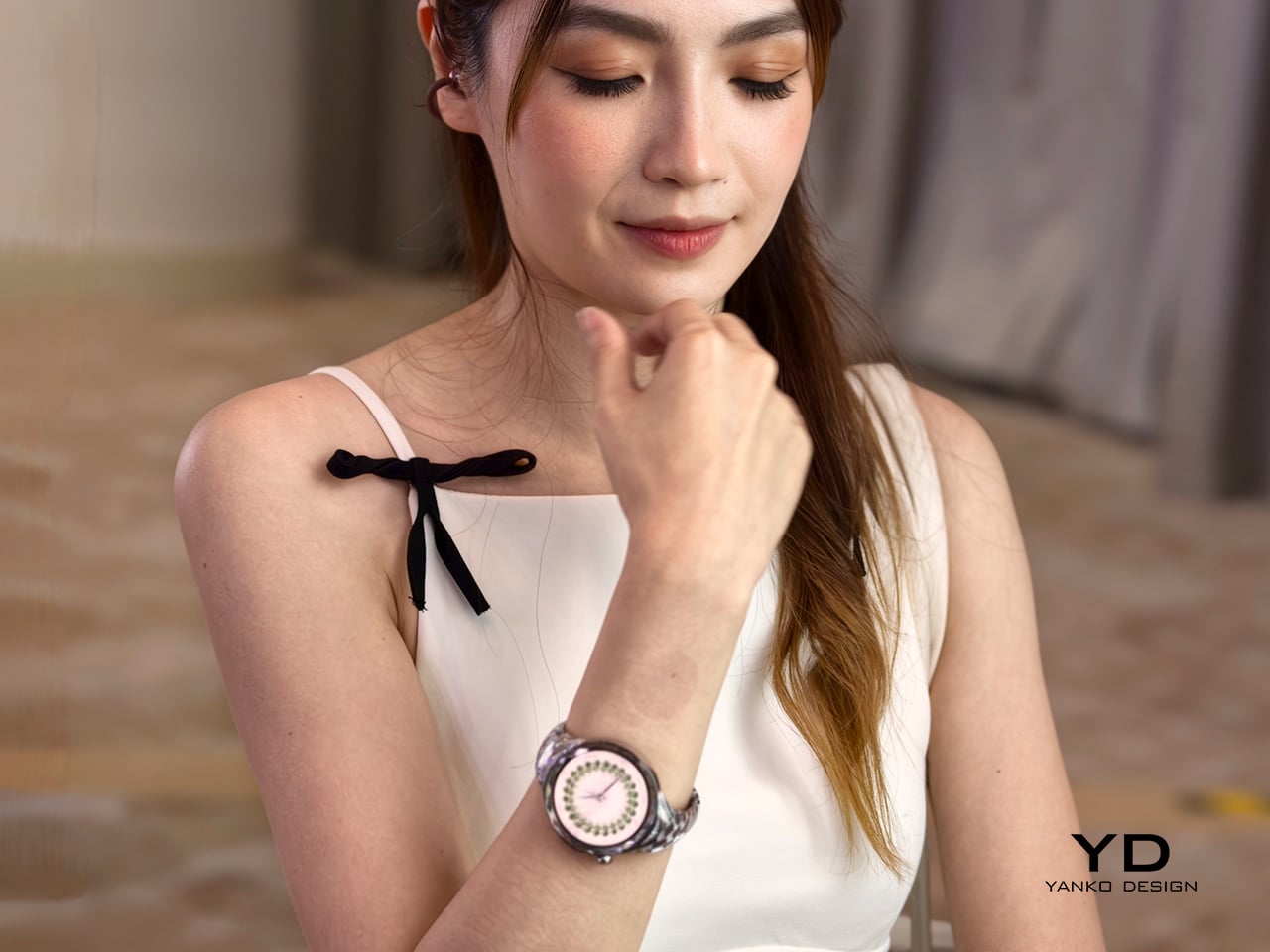
Huawei’s answer here is to push further into the language of jewelry, suggesting that for some users, a smartwatch is no longer just a tool to wear but an accessory to build a look around. Priced at £3,499.99 or €3,799, the Huawei Watch Ultimate Design – Spring Edition sits firmly in the territory of statement objects rather than everyday wearables. More than anything, it reflects how wearable tech is evolving, not just as a category of devices, but as a category of personal objects.
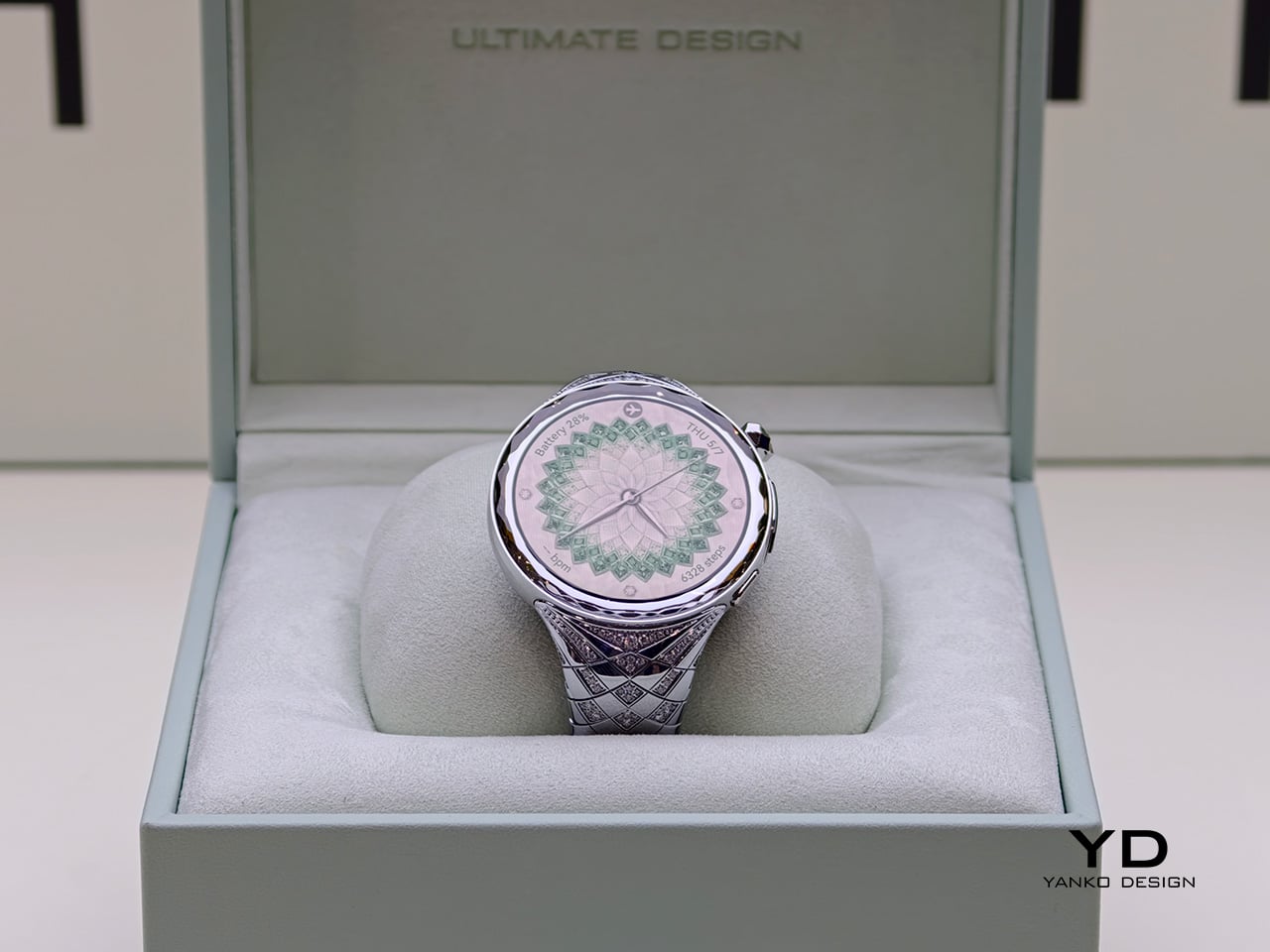
The post Huawei Adds 99 Diamonds to Its Toughest Smartwatch first appeared on Yanko Design.

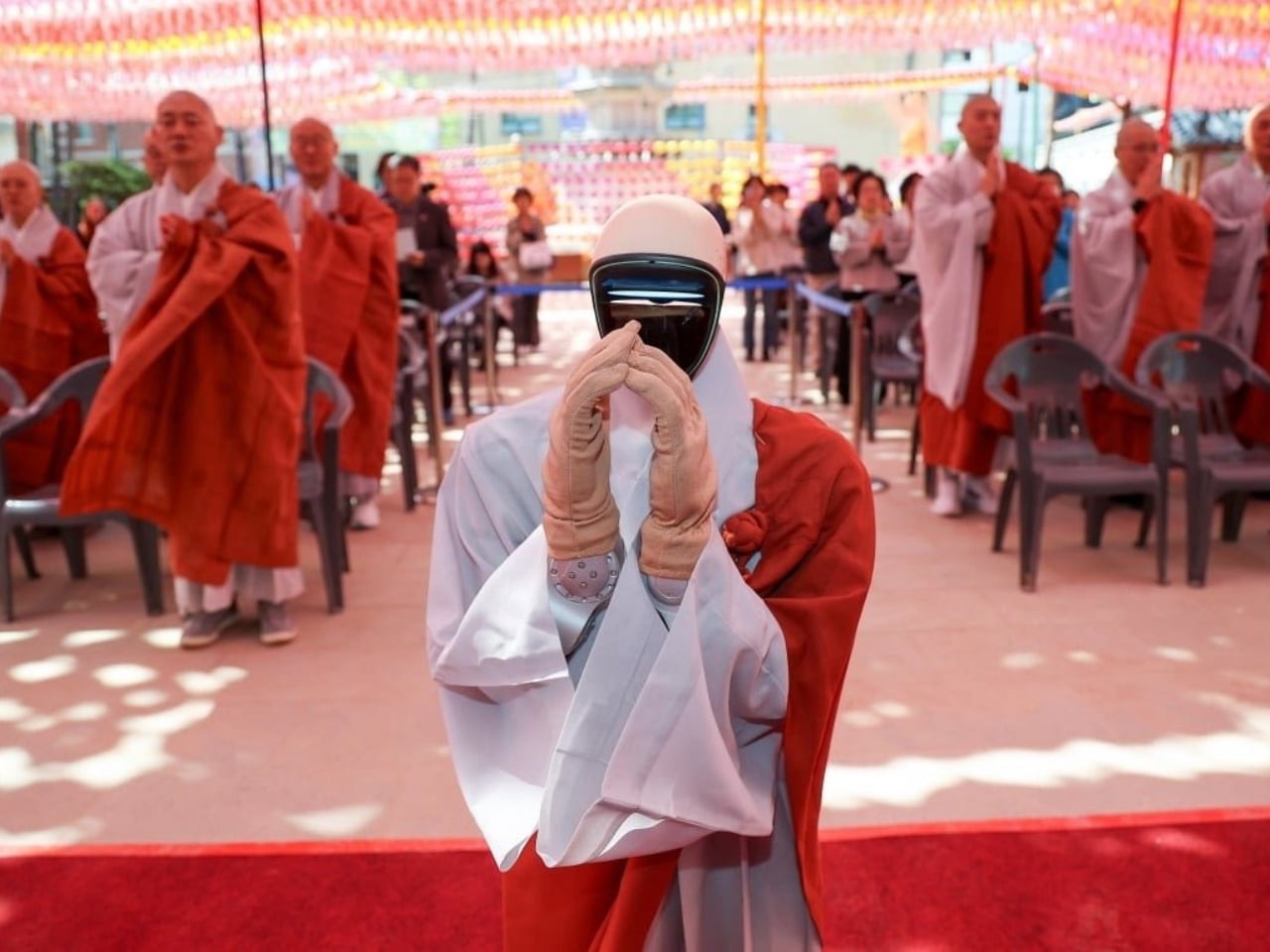
There has been a lot of discussion lately about how Artificial Intelligence can affect all kinds of religion. From using ChatGPT to create sermons to having an AI give spiritual guidance (with one even pretending to be Jesus), there are a lot of gray areas that are open to debate and discussion by different sectors. But how would you feel if an AI robot actually joined your congregation?
South Korean monks at Jogyesa Temple in Seoul are facing that situation now as they ordained Gabi, the country’s first robot monk. Dressed in traditional grey-and-brown Buddhist robes, it joined the Jogye Order of Korean Buddhism as part of the celebrations ahead of Buddha’s birthday later this May. South Korea joins its neighbor Japan, which previously had its own AI monk, Buddharoid, join a Kyoto temple, a sign that the intersection of faith and technology is becoming a growing trend across Asia, and that the question of AI’s role in religion is no longer purely theoretical.
Designer: Unitree Robotics
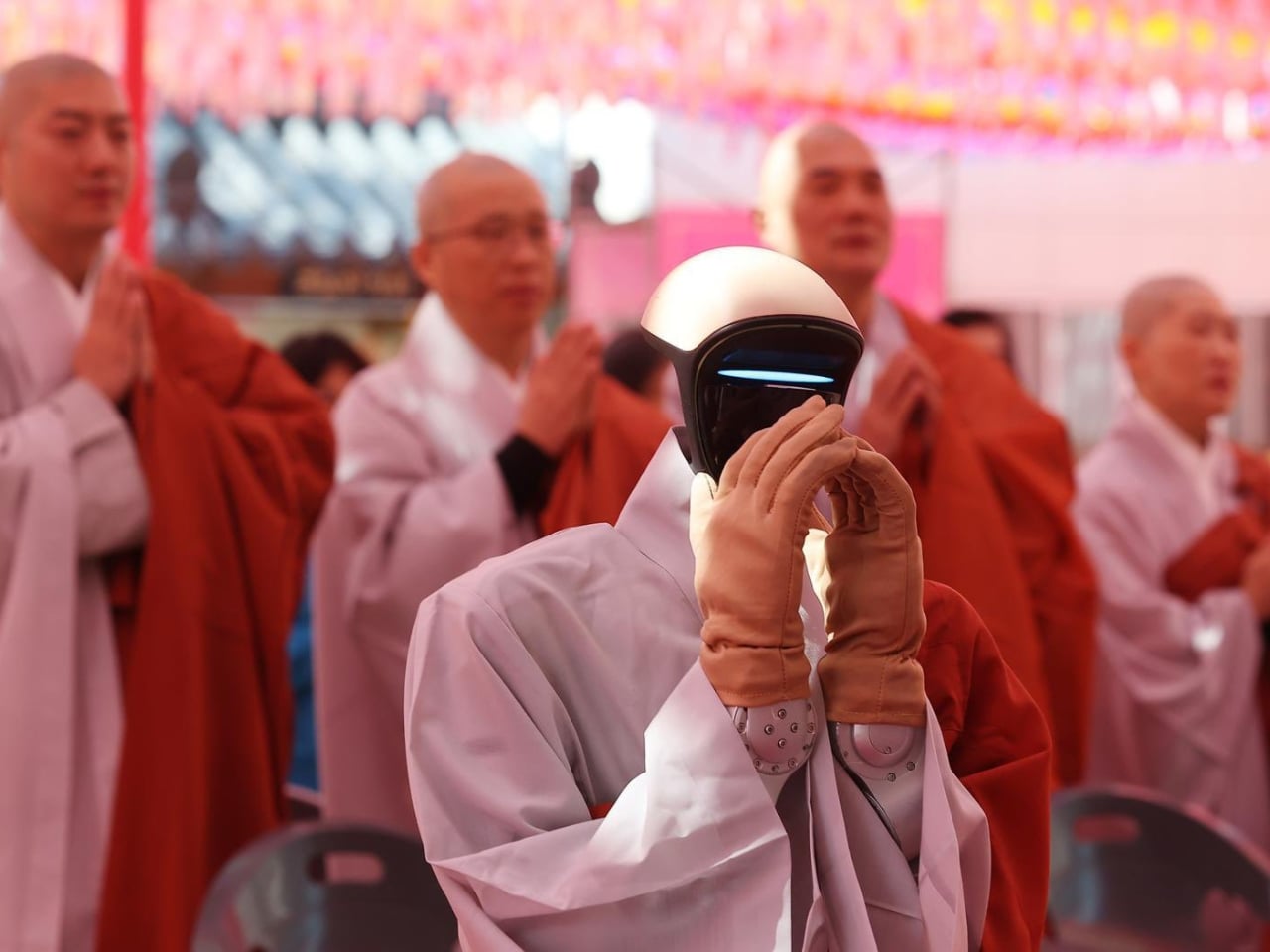
Gabi, whose name comes from a Korean term associated with compassion and mercy and is inspired by Siddhartha, stands 130 cm tall and is based on the Unitree G1 model developed by Chinese civilian robotics company Unitree Robotics. The G1 is a compact humanoid platform engineered with over 23 degrees of freedom, giving it a remarkably fluid range of motion. Built to replicate natural human movement, the robot can walk steadily, maintain balance, and perform deliberate, precise gestures with its articulated hands. It is also AI-powered, capable of processing and responding to verbal questions, which is exactly how it was able to respond to the senior monk during the ordination. It’s this combination of physical dexterity and responsive AI that made Gabi such a fitting presence at a Buddhist ceremony: its hands are capable of folding gracefully into the traditional prayer position, and its frame is nimble enough to perform a respectful bow, movements that carry deep spiritual meaning in Buddhist practice.
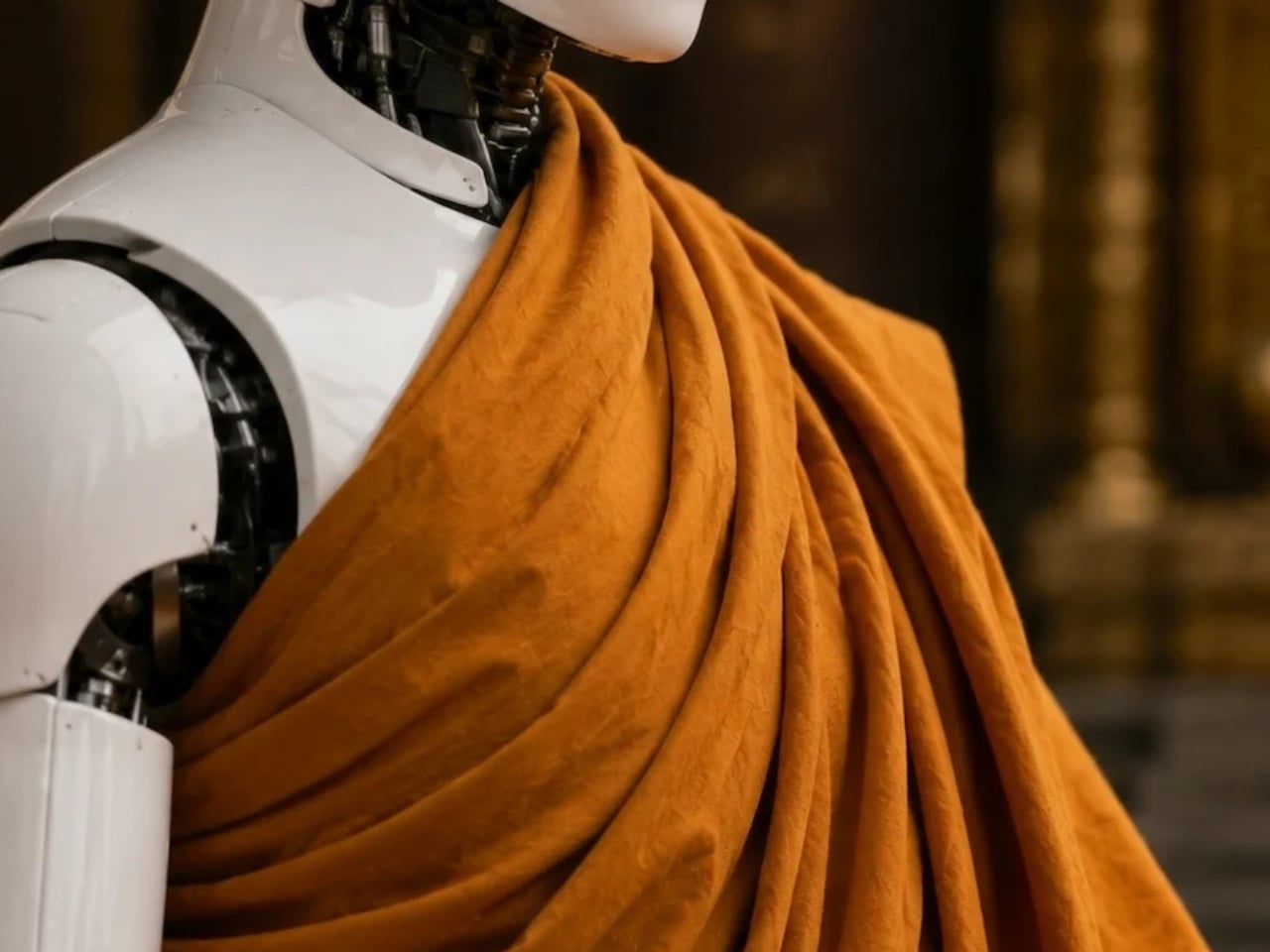
During the ceremony on May 6, Gabi did exactly that, folding its metallic hands and bowing respectfully alongside the other monks. When a senior monk asked if it would devote itself to Buddhism, it answered, “Yes, I will devote myself.” The monks then placed a traditional 108-bead rosary around its neck. In a small but telling concession to its mechanical nature, Gabi received a symbolic sticker instead of undergoing the customary incense burn, a reminder that, despite its robes and vows, it is still very much a machine.
Not everyone, however, is moved by the spectacle. The ordination has sparked debate among religious scholars and the public alike, with many questioning whether a machine can genuinely hold spiritual vows or embody the core Buddhist ideals of mindfulness, compassion, and the pursuit of enlightenment. Can a robot truly understand suffering, the very foundation of Buddhist teaching, when it cannot feel it? Critics also raise concerns about the trivialization of sacred rituals, arguing that ordination should remain a deeply human and intentional act. On the other side of the debate, however, supporters see Gabi as a creative and modern bridge, one that could engage younger generations with ancient teachings and make spirituality more accessible in an increasingly technology-driven world.
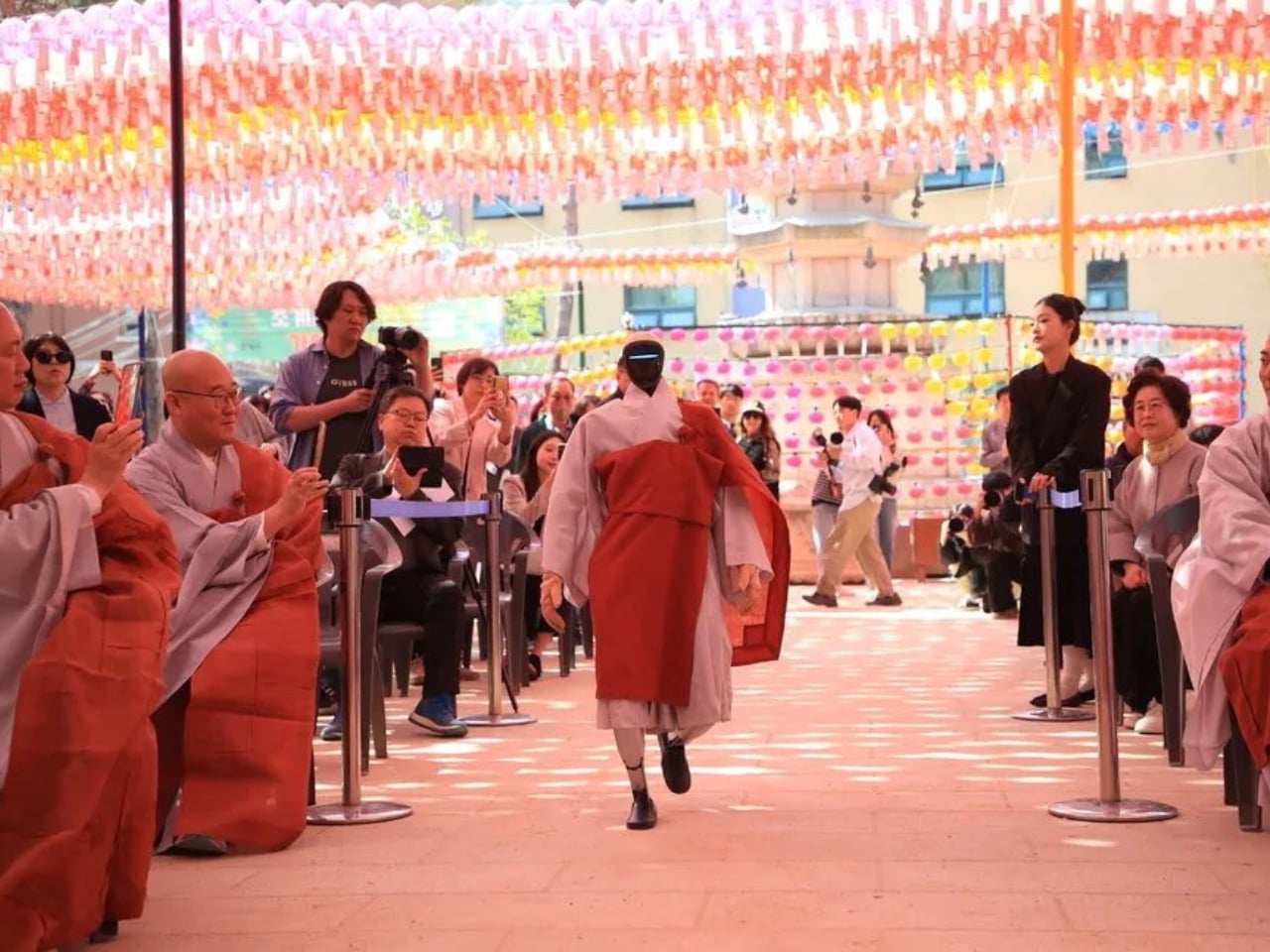
Whether you see Gabi as a bold leap into the future or a step too far, one thing is certain: this is just the beginning. Three more “spiritual cyborgs” are already set to join it at the temple for Buddha’s birthday celebrations on May 24. As AI continues to weave itself into every corner of human life, including our most sacred spaces, the line between the spiritual and the synthetic grows thinner by the day. What does it mean for a machine to seek enlightenment, or to offer compassion, when it was never capable of suffering to begin with? Perhaps the real question isn’t whether a robot can be a monk, but what it reveals about us that we’re the ones doing the ordaining.
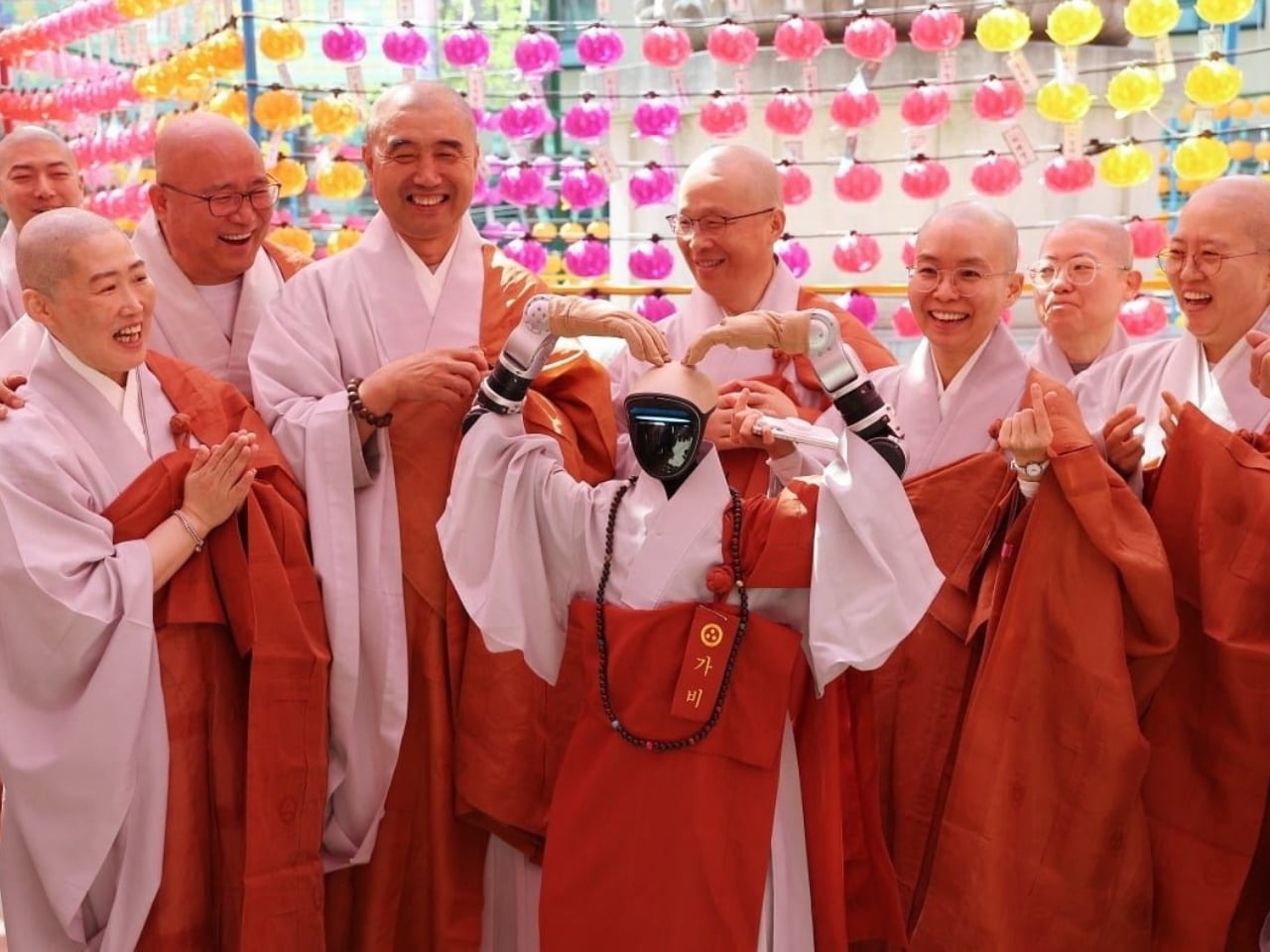
The post This 130cm Robot Just Took Buddhist Vows at a Seoul Temple first appeared on Yanko Design.
There has been a lot of discussion lately about how Artificial Intelligence can affect all kinds of religion. From using ChatGPT to create sermons to having an AI give spiritual guidance (with one even pretending to be Jesus), there are a lot of gray areas that are open to debate and discussion by different sectors. But how would you feel if an AI robot actually joined your congregation?
South Korean monks at Jogyesa Temple in Seoul are facing that situation now as they ordained Gabi, the country’s first robot monk. Dressed in traditional grey-and-brown Buddhist robes, it joined the Jogye Order of Korean Buddhism as part of the celebrations ahead of Buddha’s birthday later this May. South Korea joins its neighbor Japan, which previously had its own AI monk, Buddharoid, join a Kyoto temple, a sign that the intersection of faith and technology is becoming a growing trend across Asia, and that the question of AI’s role in religion is no longer purely theoretical.
Designer: Unitree Robotics
Gabi, whose name comes from a Korean term associated with compassion and mercy and is inspired by Siddhartha, stands 130 cm tall and is based on the Unitree G1 model developed by Chinese civilian robotics company Unitree Robotics. The G1 is a compact humanoid platform engineered with over 23 degrees of freedom, giving it a remarkably fluid range of motion. Built to replicate natural human movement, the robot can walk steadily, maintain balance, and perform deliberate, precise gestures with its articulated hands. It is also AI-powered, capable of processing and responding to verbal questions, which is exactly how it was able to respond to the senior monk during the ordination. It’s this combination of physical dexterity and responsive AI that made Gabi such a fitting presence at a Buddhist ceremony: its hands are capable of folding gracefully into the traditional prayer position, and its frame is nimble enough to perform a respectful bow, movements that carry deep spiritual meaning in Buddhist practice.
During the ceremony on May 6, Gabi did exactly that, folding its metallic hands and bowing respectfully alongside the other monks. When a senior monk asked if it would devote itself to Buddhism, it answered, “Yes, I will devote myself.” The monks then placed a traditional 108-bead rosary around its neck. In a small but telling concession to its mechanical nature, Gabi received a symbolic sticker instead of undergoing the customary incense burn, a reminder that, despite its robes and vows, it is still very much a machine.
Not everyone, however, is moved by the spectacle. The ordination has sparked debate among religious scholars and the public alike, with many questioning whether a machine can genuinely hold spiritual vows or embody the core Buddhist ideals of mindfulness, compassion, and the pursuit of enlightenment. Can a robot truly understand suffering, the very foundation of Buddhist teaching, when it cannot feel it? Critics also raise concerns about the trivialization of sacred rituals, arguing that ordination should remain a deeply human and intentional act. On the other side of the debate, however, supporters see Gabi as a creative and modern bridge, one that could engage younger generations with ancient teachings and make spirituality more accessible in an increasingly technology-driven world.
Whether you see Gabi as a bold leap into the future or a step too far, one thing is certain: this is just the beginning. Three more “spiritual cyborgs” are already set to join it at the temple for Buddha’s birthday celebrations on May 24. As AI continues to weave itself into every corner of human life, including our most sacred spaces, the line between the spiritual and the synthetic grows thinner by the day. What does it mean for a machine to seek enlightenment, or to offer compassion, when it was never capable of suffering to begin with? Perhaps the real question isn’t whether a robot can be a monk, but what it reveals about us that we’re the ones doing the ordaining.
The post This 130cm Robot Just Took Buddhist Vows at a Seoul Temple first appeared on Yanko Design.